
“As
Year Three Curriculum Newsletter –Summer 2026
“As
Year Three Curriculum Newsletter –Summer 2026
soon as they sprout leaves you can see for yourselves and know that summer is already near. So also, when you see these things taking place, you know that the kingdom of God is near.”
Luke 21:30-31


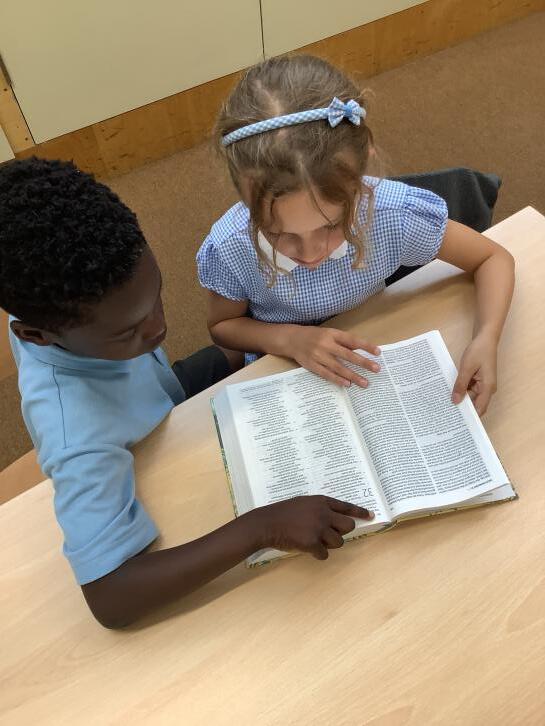
Pupils will look at how Mass today mirrors Mass celebrated by the first disciples. Pupils will also begin to explore the mystery of the Holy Trinity in more depth, though as it is a mystery, it is not something that can be explained or understood. Having studied the Mass, pupils will begin to see the communal nature of the Trinity. We will use religious language to describe the Christian belief in the mystery of God as Trinity and describe some signs and symbols of the Holy Trinity. Alongside this, we will ask and respond to questions about how the disciples felt after the Ascension and before Pentecost, noticing the role of Mary.


Throughout RSHE this term, we will be covering three units, ‘A community of Love’, ‘What is the Church?’ and ‘How do I love others?’. Within our first topic, children will learn that God is love as shown by the Holy Trinity; the human family reflects the Holy Trinity in mutual charity and generosity. As well as how we are made in the image of God, which means we are made to love God and others, and be loved by God and others. During our second topic, the children will begin to recognise that the human family reflects the Holy Trinity in charity and generosity and the Church family comprises of home, school and parish. Our final unit explores how we can put love into action in the communities we live in. Pupils will look at how the Church has grown out of God’s love for us and how it can be an example and a means of loving and caring for others.

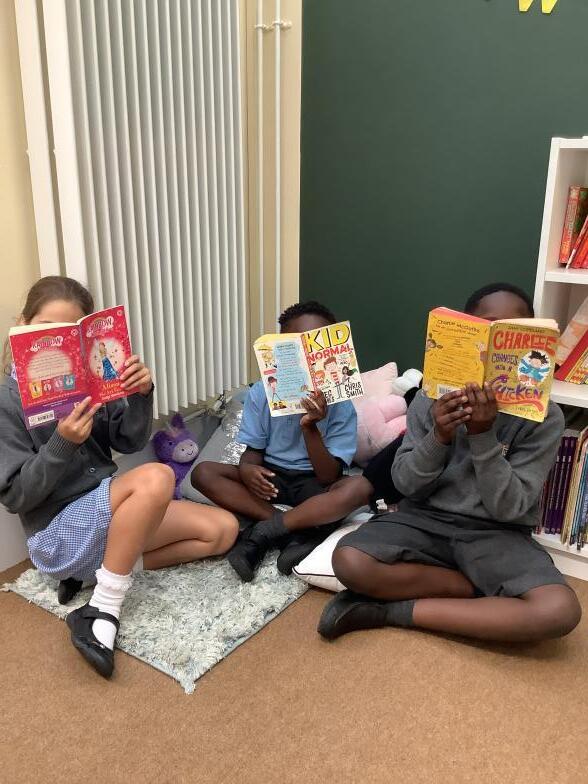
In the first half of the term, the class will begin to read 'Charlotte's Web' by E.B. White. This story talks of Wilbur, a little pig who becomes famous with the help of his clever friend Charlotte and their chatty animal neighbours. In Summer term 2, we will move onto our text 'Marcy and the Riddle of the Sphinx' by Joe Todd Stanton. The story follows a young, fearful Marcy who must travel to Egypt to find out what happened to her missing father. These texts will provide plenty of writing opportunities for the children to explore a range of genres, such as newspaper reports, descriptive writing, narratives and recounts. Within their SPAG lessons, the children will be exposed to a range of vocabulary, including historical specific language, given opportunities to build on and develop their knowledge of punctuation as well as learning working towards the Year 3 grammar expectations.

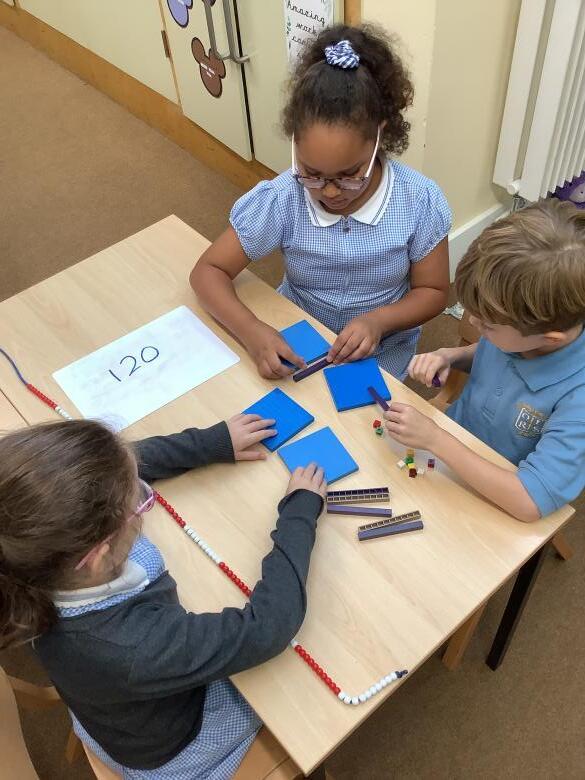
In the Summer Term, Year 3 will be focusing on fractions, money, time, properties of shape and capacity. For fractions, the children will learn to count in tenths, find equivalent fractions and add and subtract fractions. For money, the class will be converting pounds and pence and adding or subtracting money. For time, the class will be learning to tell the time to the minute, learn about the 24-hour clock and compare durations. For properties of shape, Year 3 will be learning about angles and will be able to recognise and describe 2D and 3D shapes. Our final topic will be capacity, where the children will learn to compare mass, measure volume and add and subtract capacity. Every lesson, the children will be provided with opportunities to develop their problem-solving skills.

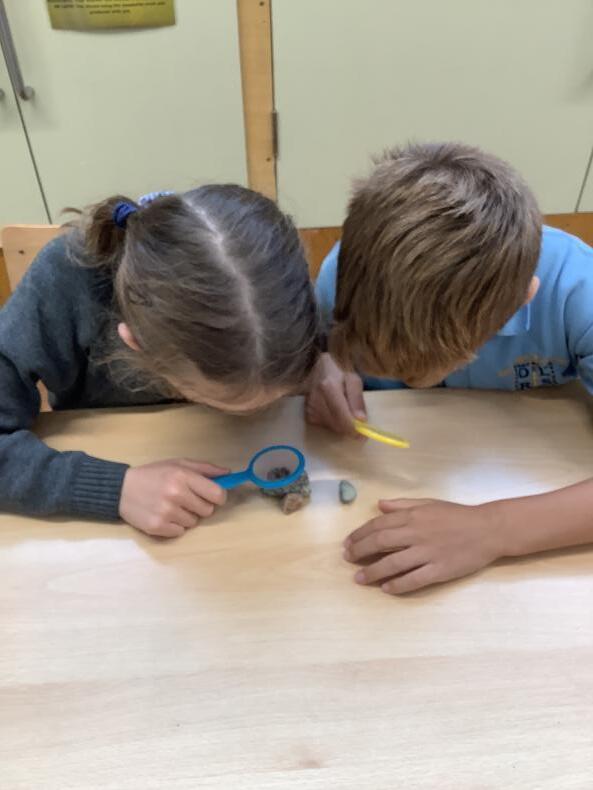
In the Summer Term, Year 3 will be learning about 'Animals Including Humans' and 'Plants’. In Summer 1, the class will be learning that some animals have skeletons that help the animal to survive, looking in particular at vertebrates and invertebrates. This will lead into how animals need particular nutrition, which they must eat as food. In Summer 2, the class will be learning how different parts of plants have different functions as well as what plants need to grow. We will also be covering the process of pollination. Throughout these topics, the children will be developing these scientific skills by carrying out a range of investigations.

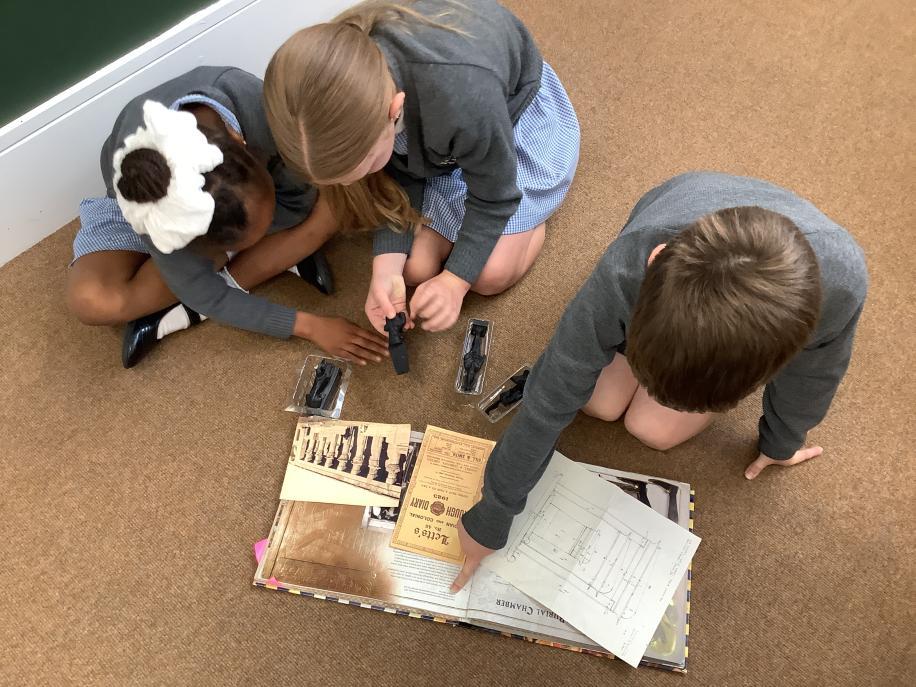
In the Summer term, we will be starting our new History topic 'Ancient Egypt’. Here, the children will learn all about the nature of ancient civilisation, identifying where and when the Egyptians lived using maps and artefacts and who Tutankhamun was. Across this topic, the children will be using a variety of resources to find out aspects of life in the past and develop the skill to raise questions when provided with artefacts. Their research will be conducted through a variety of ways and this will develop their historian skills.

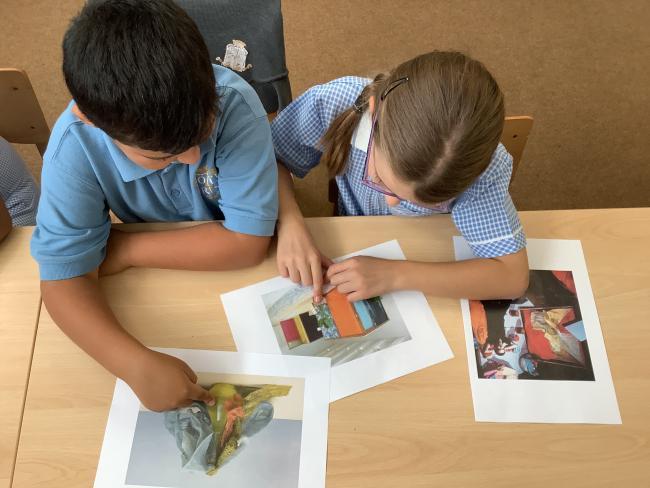
Our design and technology topic this term focuses on 'Textiles'. The children will begin to develop skills within this topic through their knowledge of existing products and the functionality of the product. They will start to use a variety of techniques to cut, shape, join and finish their work. Throughout the topic, they will be developing their subject specific vocabulary while also being able to evaluate their work continuously.
In the Summer term for Art, Year 3 will be developing our painting skills. The children will be looking at a variety of artwork from artists such as: Monet, Morisot, Seurat, Manet, Cezanne, Pissaro, Renoir. The techniques the children will explore is Impressionism. The skills the children will be developing are the ability to make tints by adding colour to white & make tones by adding black. They will also gain experience with effects such as block colour & textural effects. The children will also be learning to produce a background using a wash.
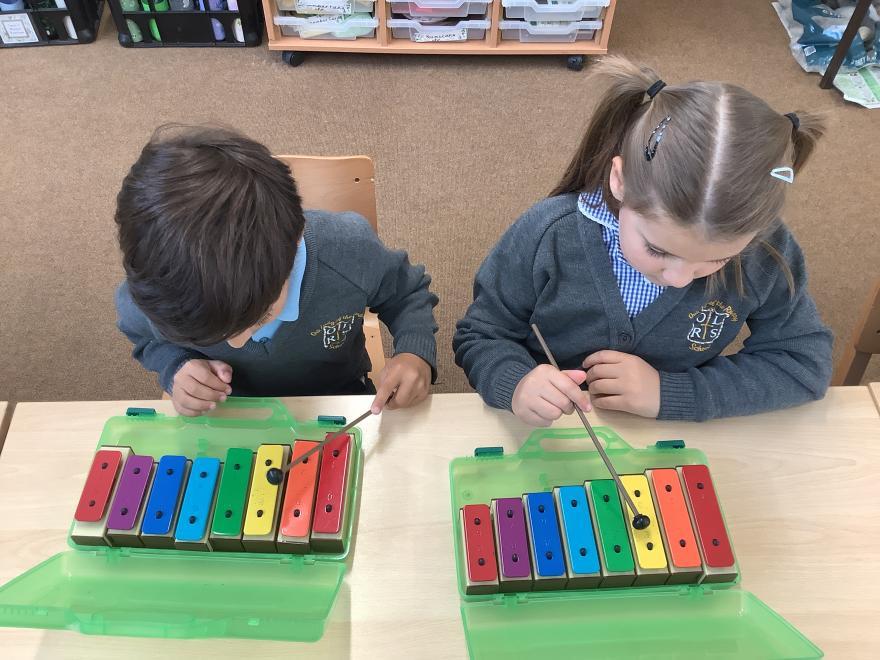
In Summer 1 we are looking at the Royal Opera House: ‘Hansel and Gretel’. In this topic we will sing a widening range of unison songs tunefully and with expression, performing actions confidently. We will follow along with the characters trying to use their personalities within our singing. For Summer 2, the children will be learning how to play the recorder. We will be learning a variety of notes and looking at how to piece these together to perform in group pieces. The children will focus on rhythm and tone while practicing their notes.

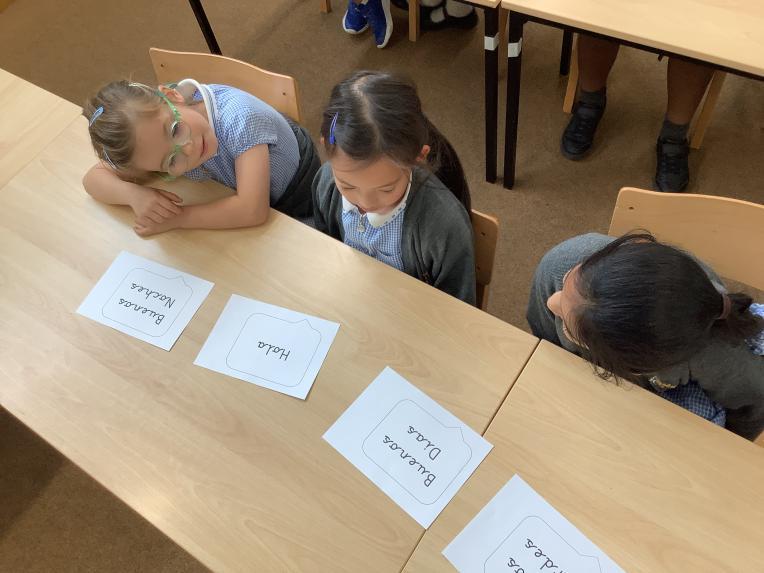
During our Spanish lessons this term, we will be learning how to say different types of food with the view to being able to hold a conversation and order food. Within the second half of the term, the children will be learning all about vocabulary which is associated with Summer. These are words such as ‘swimming pool’, ‘sun cream’ and ‘beach’.

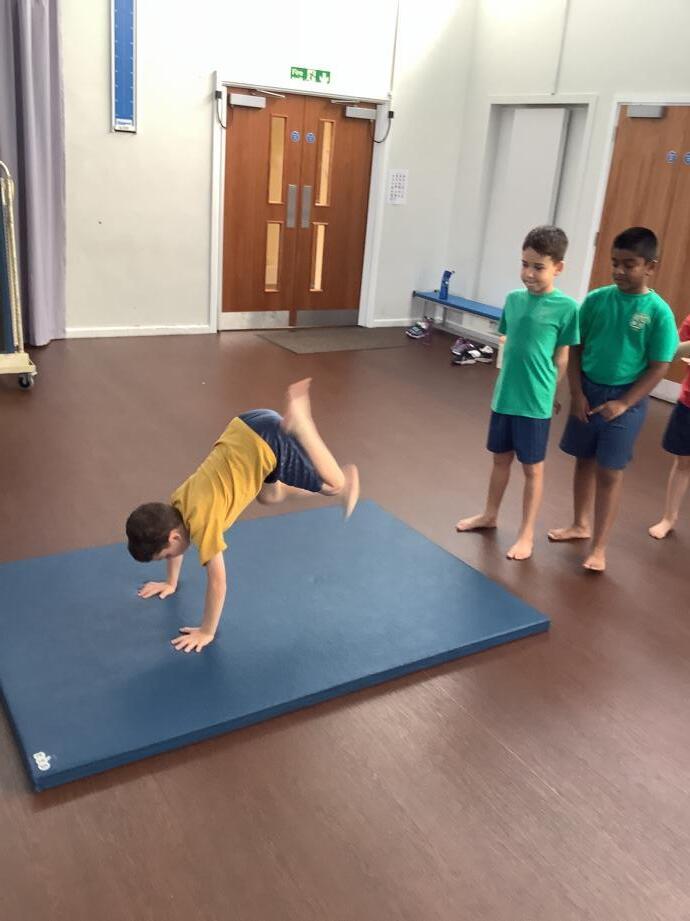
Within their outdoor PE lessons, the children will completing a range of outdoor activities such as netball, basketball, tennis and Sports Day Practice. They will continue to apply their knowledge of the basic principles suitable for attacking and defending, while learning to develop and improve their own personal best.
In indoor PE, the children will be starting their Swimming lessons. Across these lessons, the children will be taught to: swim competently, confidently and proficiently over a distance of at least 25 metres, use a range of strokes effectively [for example, front crawl, backstroke and breaststroke] and perform safe self rescue in different water-based situations.

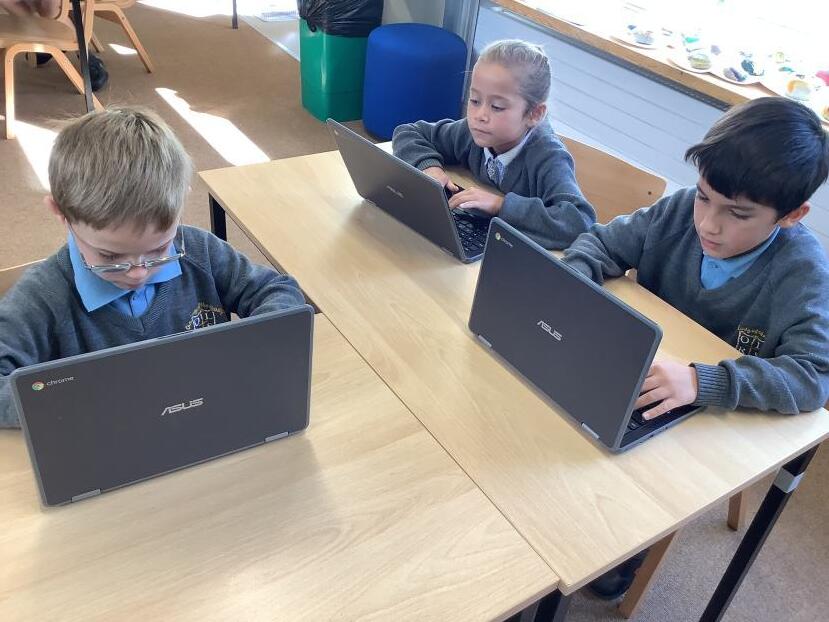
Within Computing this term, the children will be looking at two different strands of computing: Digital Literacy and Information Technology. During our Digital Literacy topic, the children will be making and publishing their own magazines. This will teach them the skills of how to edit text and layout by changing the font style, size and colours for a given purpose. They will also explain what desktop publishing is, and the benefits of desktop publishing. Throughout the Information Technology topic, the children will be creating slideshow presentations. They will be learning how to use a variety of transitions while exploring backgrounds and images.