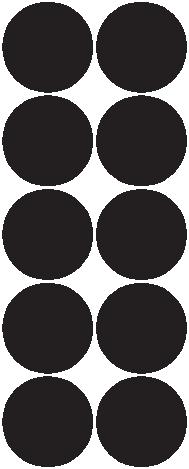
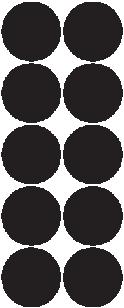
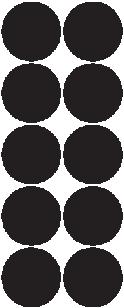
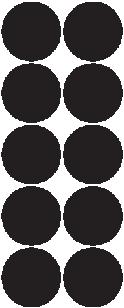
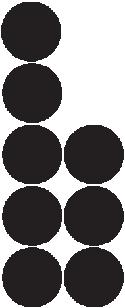
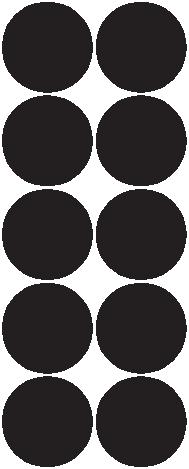
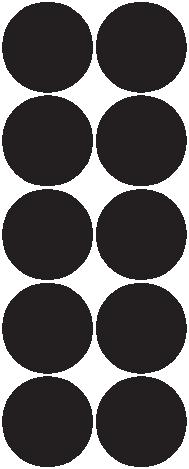
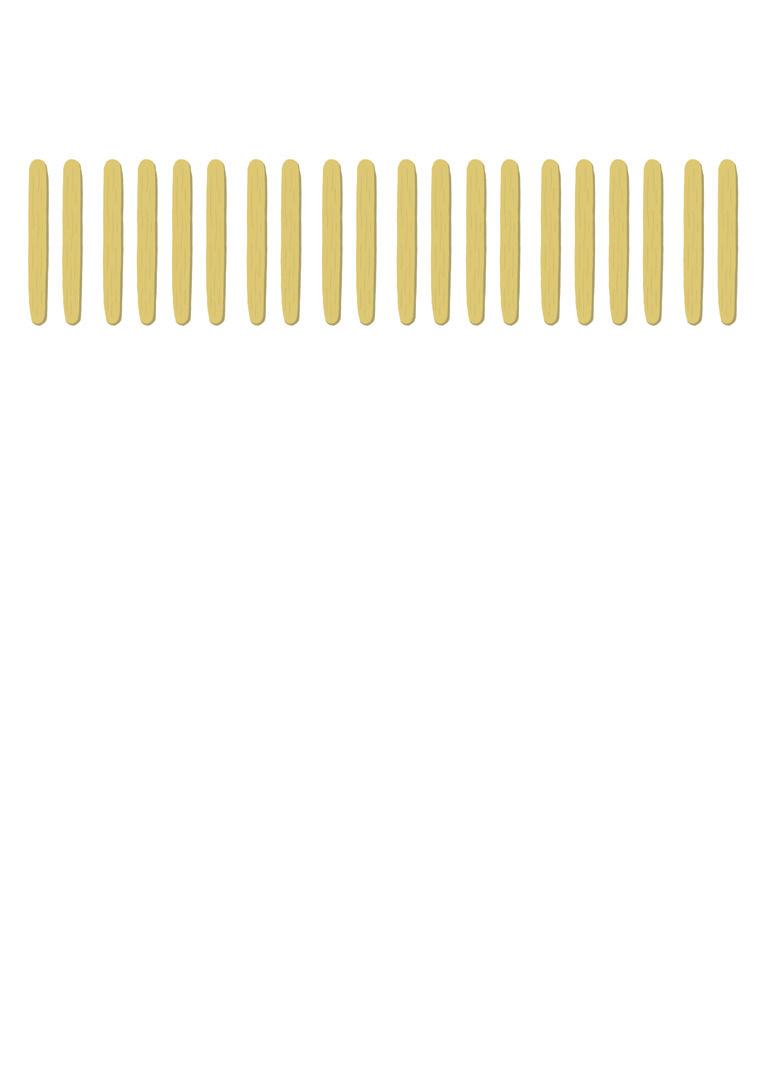
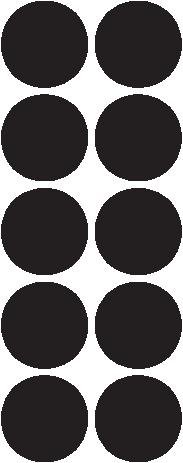
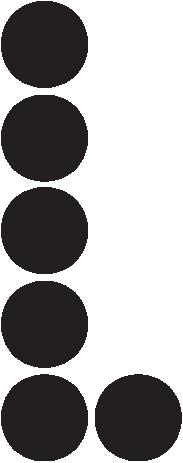
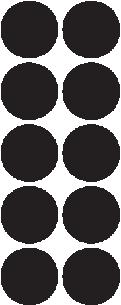
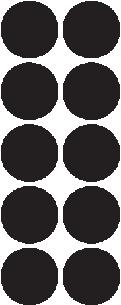
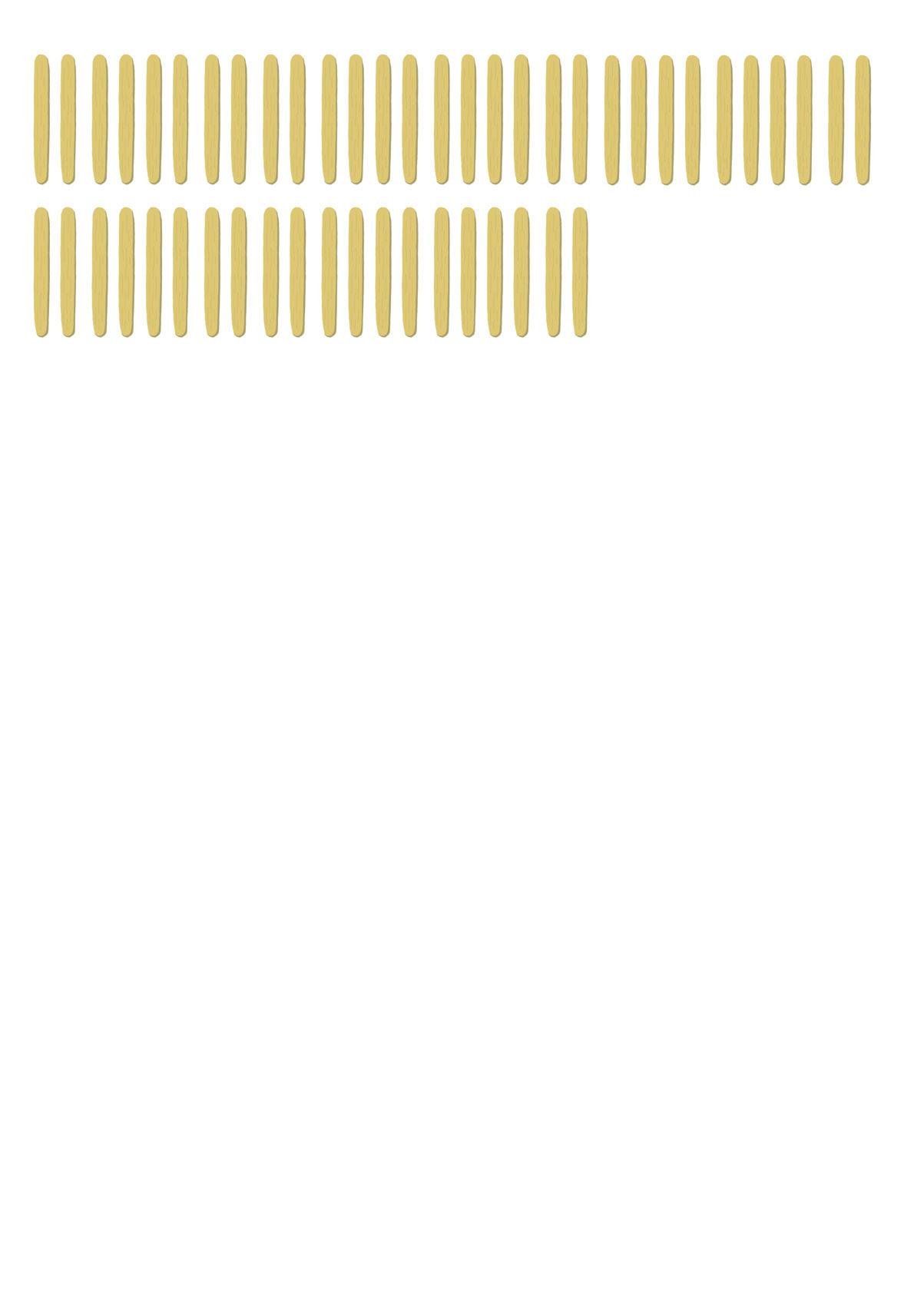
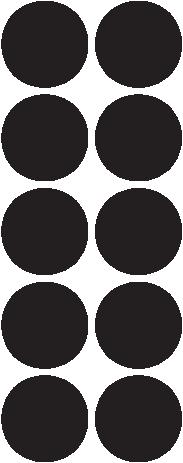
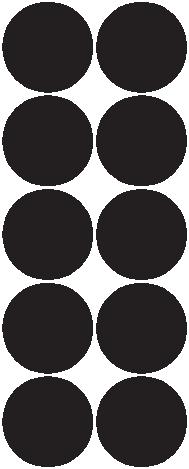
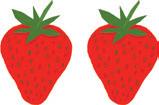
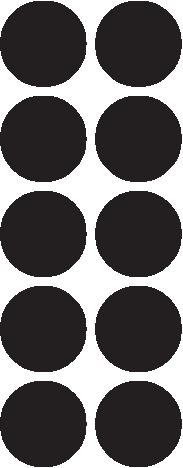
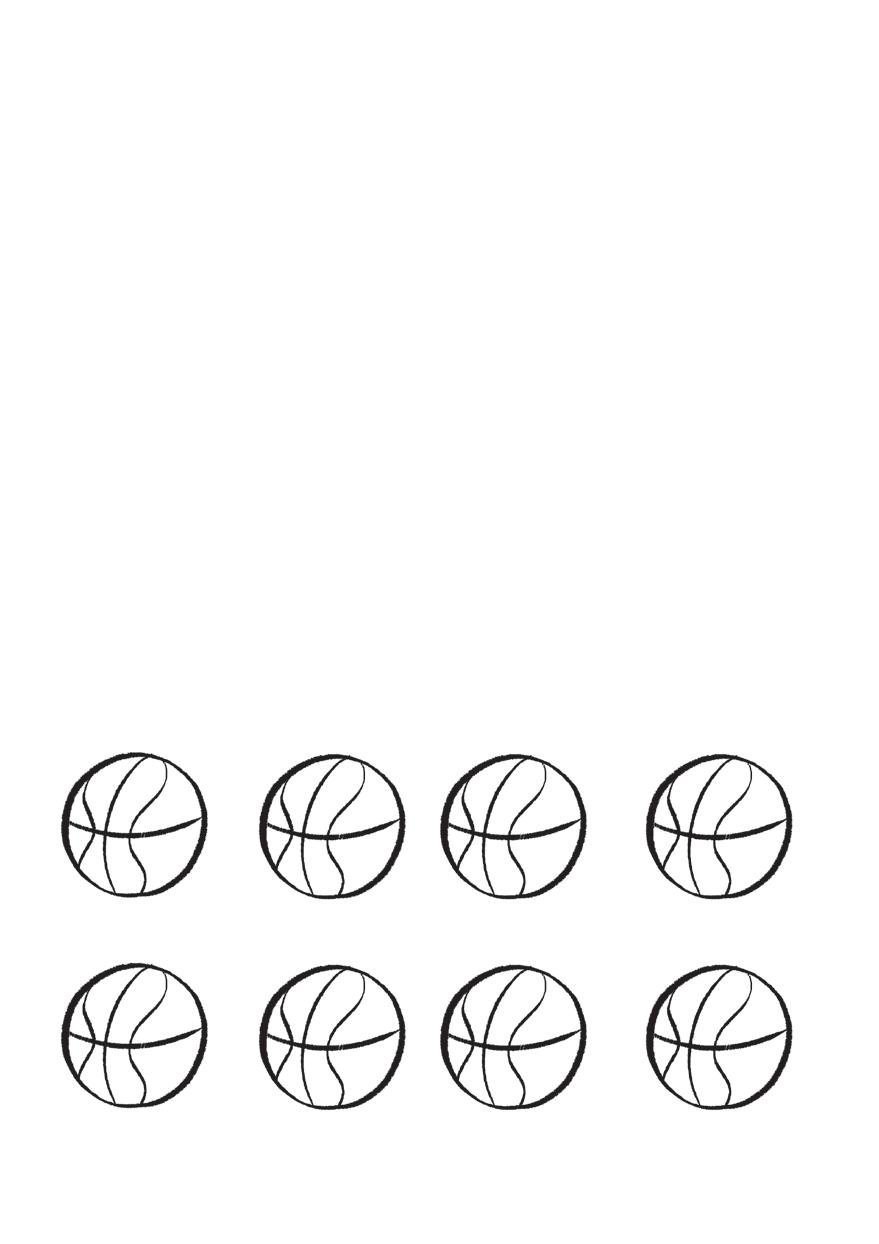
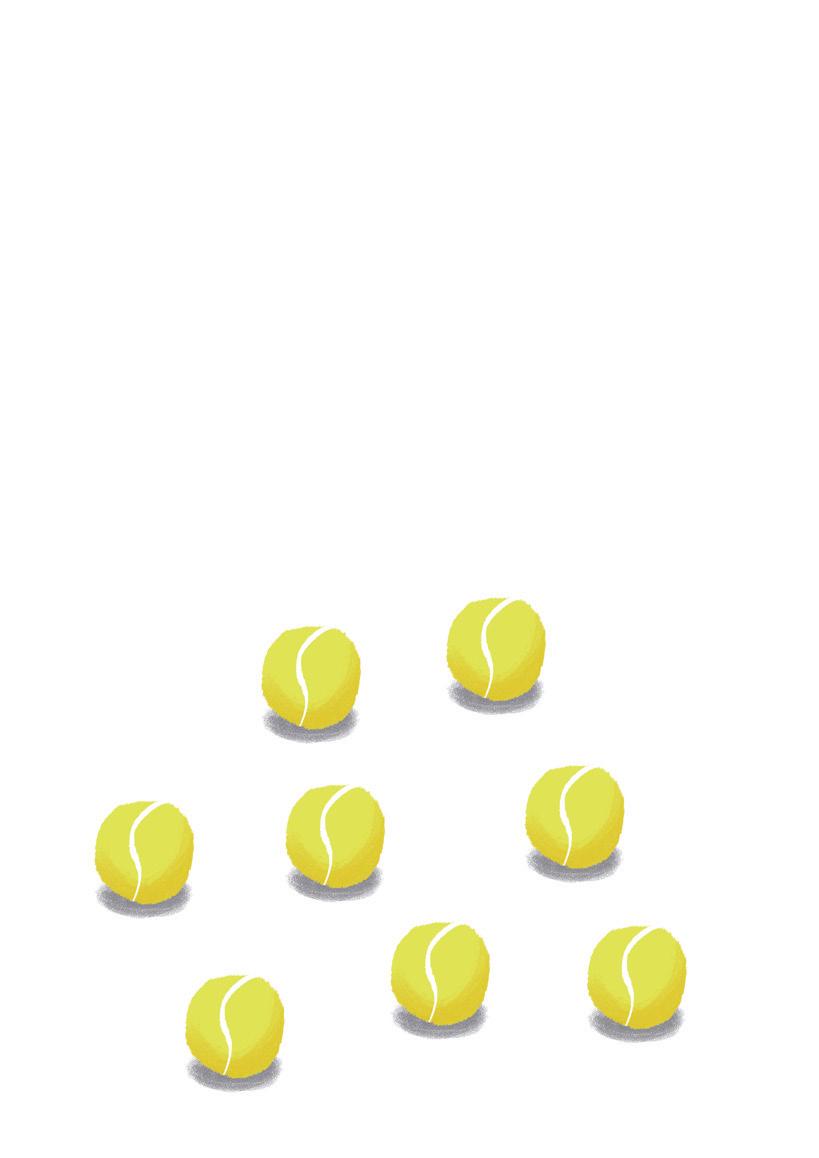
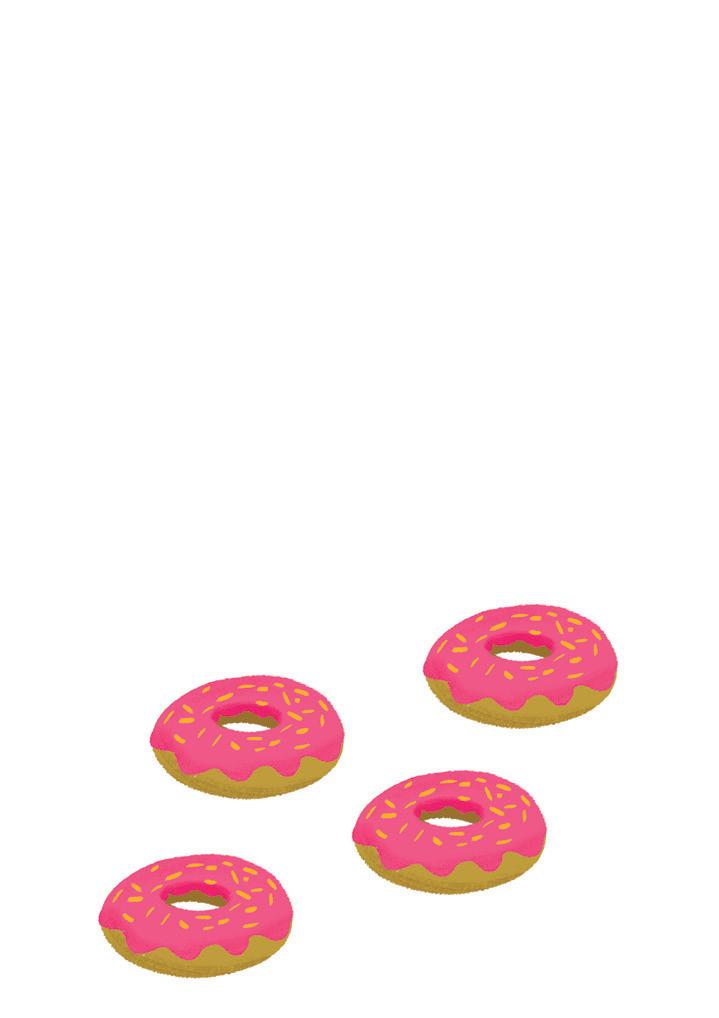
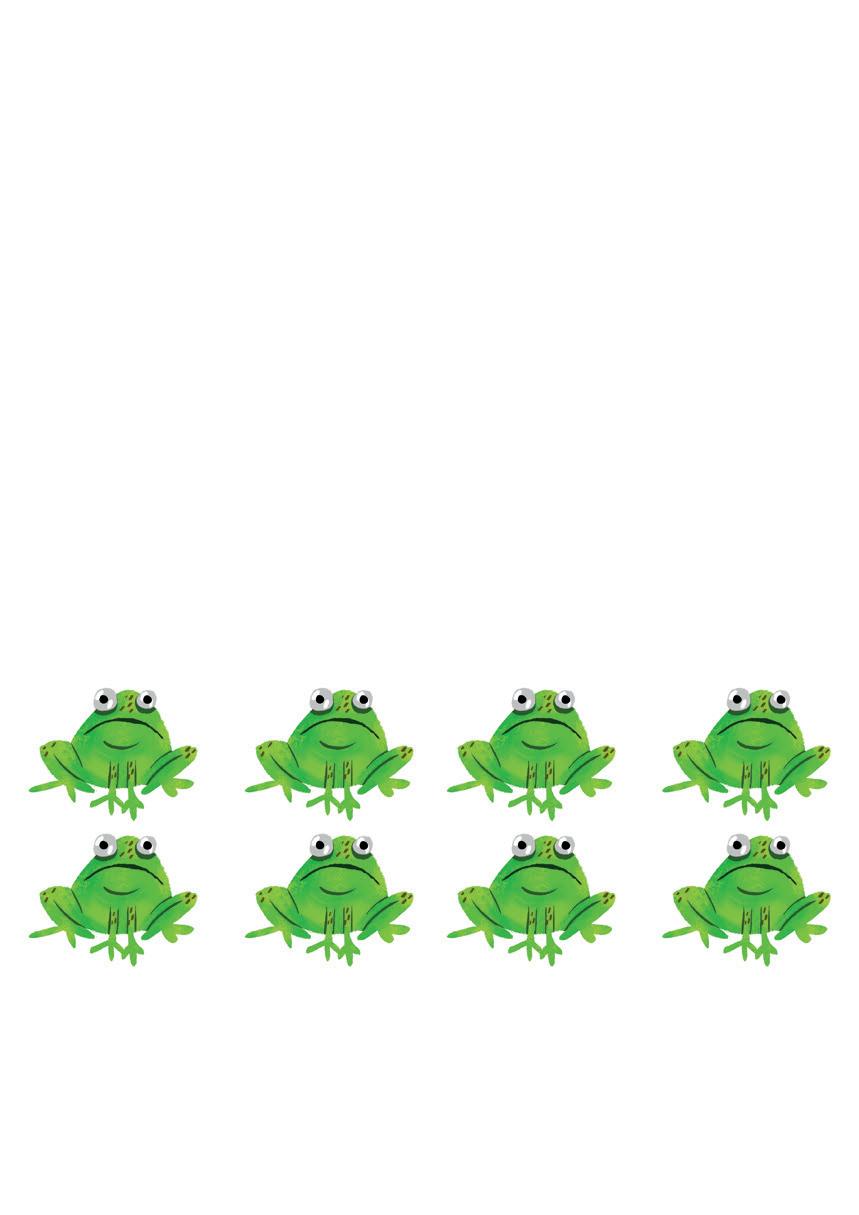
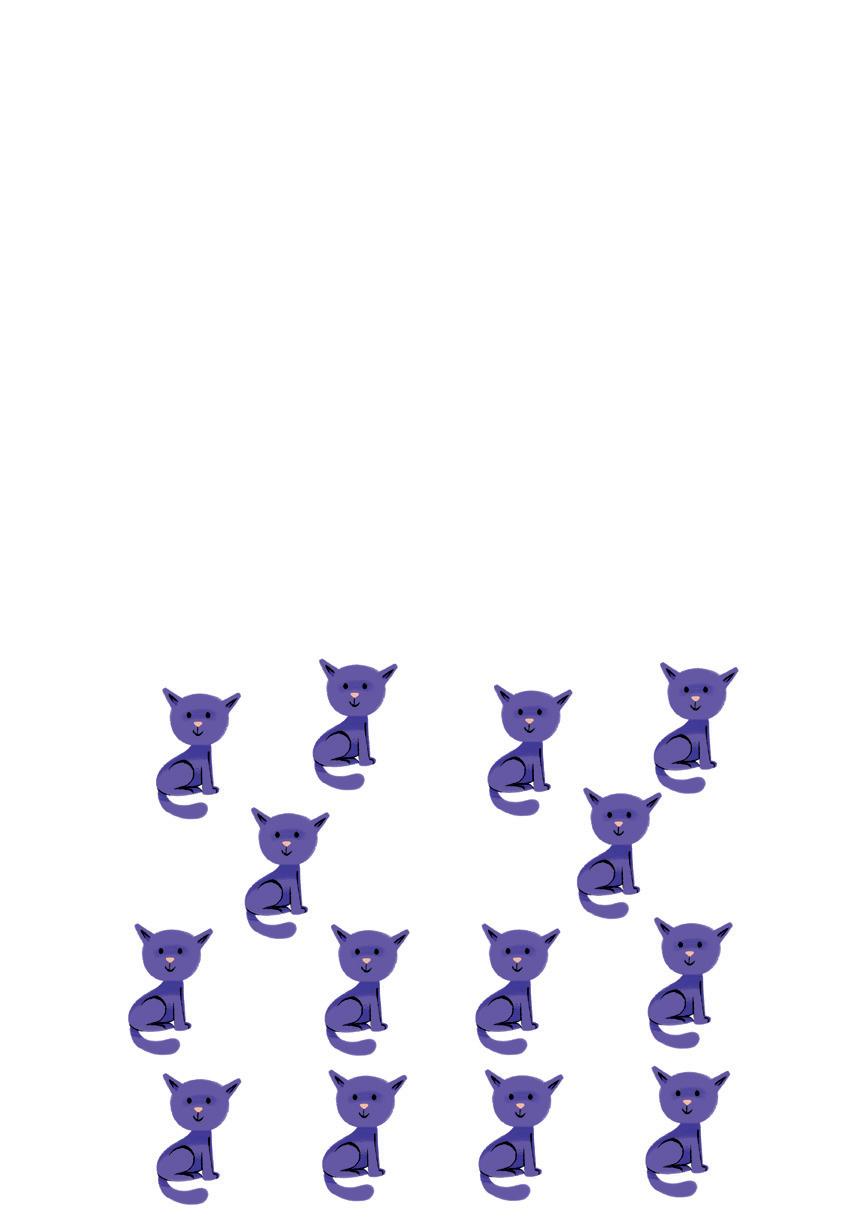
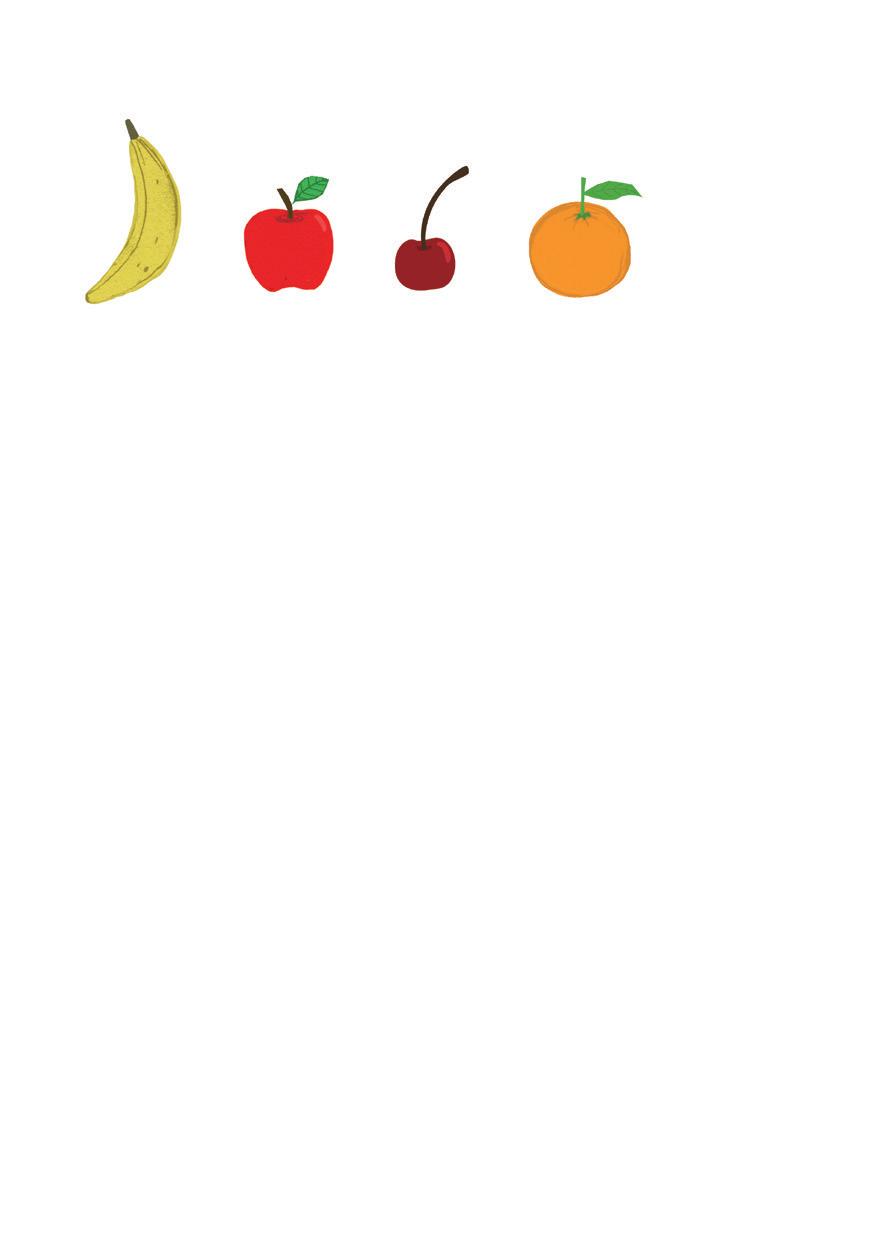
Numbers can be shown with: words twenty-four rua tekau ma¯ wha¯ numerals 24 pictures
b 46 fourty six sixty-four forty-six Learn
1 Write the numerals.
a twelve b twenty-eight
c f ifteen d fifty-three
e fourteen f forty-five g sixty h seventy-one
2 Circle the correct way to write the numbers.
a 18 eighty eighteen eighty-one
3 Write the missing numbers. a 29 30 33 b 112
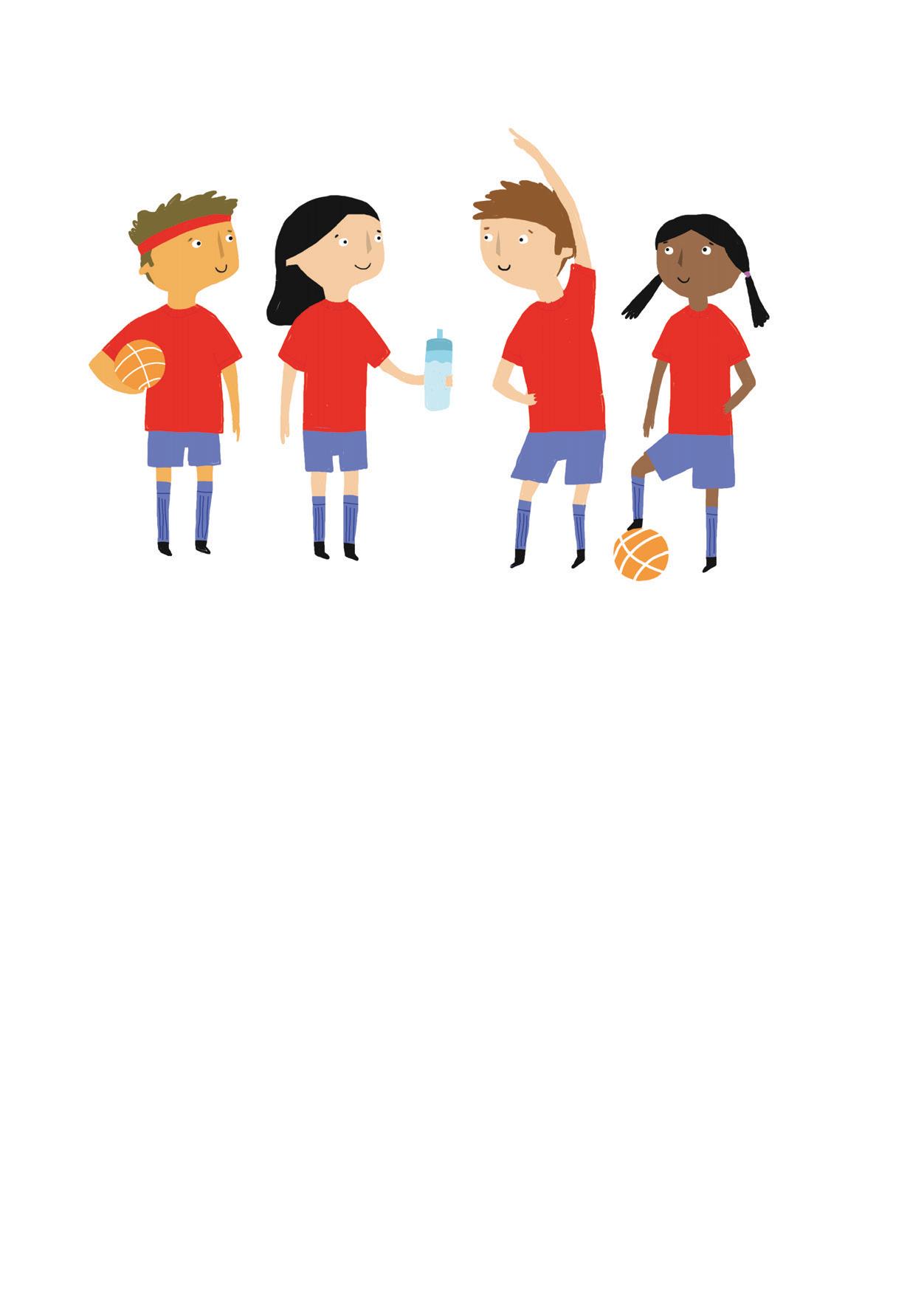
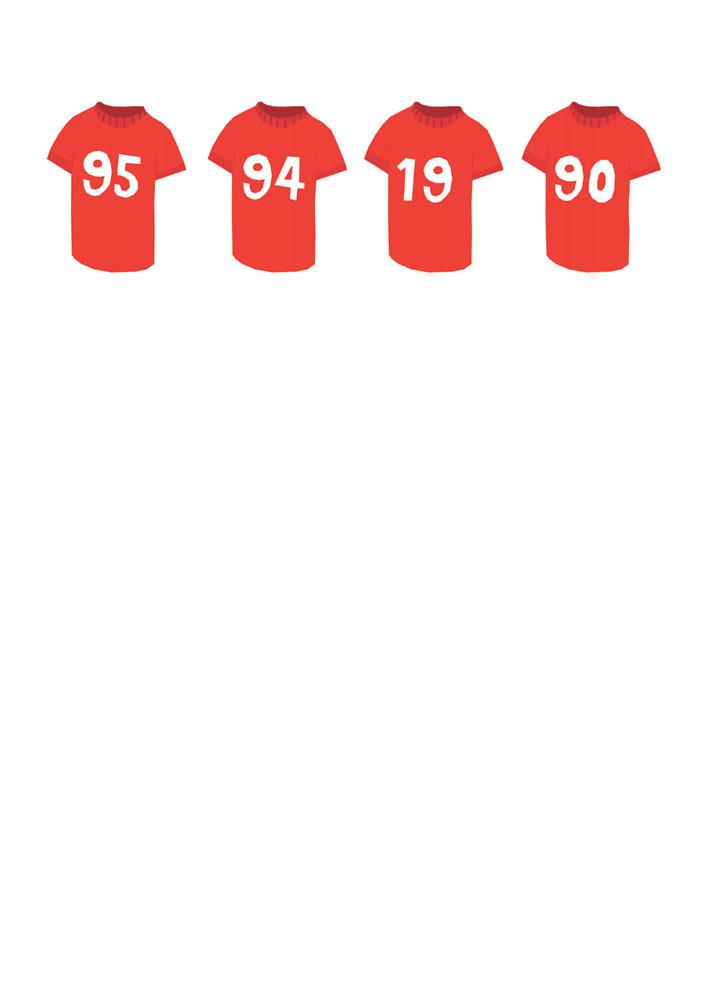
1 Match the player with the shirt.
I wear number ninety-four.
I’m number ninety. My number is ninety-five.
2 Complete the table.
I wear number nineteen.
3 Match the words, pictures and numerals. sixty-three one hundred and four forty-two twenty-two ninety-two twenty-three thirty-six
1 Who am I?
a I have 5 tens.
I have 9 ones. I am .
c I have 2 tens.
I am less than 21.
I am .
e I have 1 hundred.
I have 1 ten. I have 5 ones.
I am .
2 What is …
a 2 more than 48
b 2 less than 61
c 1 more than 4 tens
b I have 1 ten. I have 6 ones. I am .
d I have 8 tens. I am more than 88. I am .
f I have 1 hundred.
I have 8 ones. I am .
1 Circle the correct word.
2 Circle the correct word.
1 Here are some numbers.
Find:
a the biggest number b the smallest number
c the number with a 4 in the tens place
d the numbers smaller than 50.
2 Write the numbers in the correct place.
3 Write the numbers from smallest to largest.
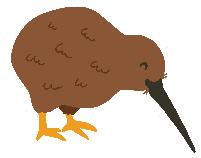
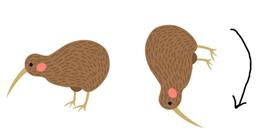
11 Skip count by 2s to help the kiwi get to the tree.
Can you see a number pattern when you skip count by 2s?
12 Colour the squares to skip count by 5s from 5 and find the secret number.
Secret number:
1 Skip count forward and backward by 10s to get the kiwi to the tree.
2 Skip count forward by 10s. How many skips do you take:
a starting at 10 and ending at 120
b starting at 3 and ending at 83
c starting at 54 and ending at 104?
3 Count by 3s
6 Circle True or False.
a If you count in 3s, the numbers are all even. True False
b If you count in 3s, the numbers are all odd. True False
c If you count in 3s, the numbers swap between odd and even. True False
1 roup in 10s, then count. 2 atch the pictures with the numbers.
3 Draw counters to show 47.
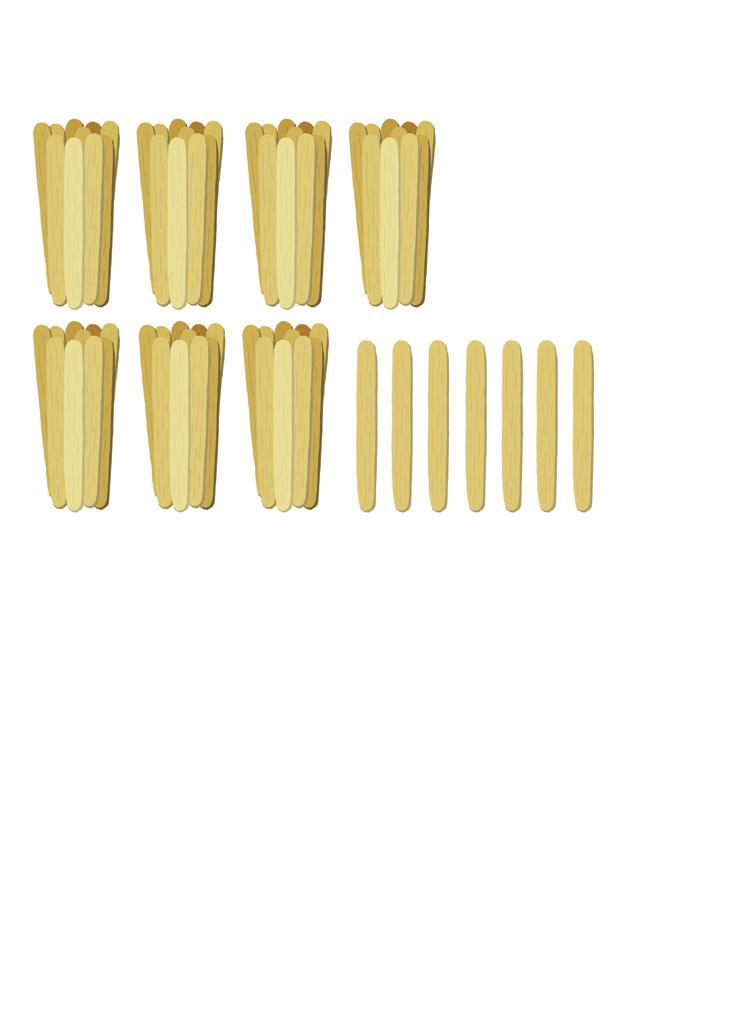
Group the pictures by 10s, then complete the table.
Picture
Complete the sentences Count
There are 2 tens.
There are 2 ones. 22
There are tens.
There are ones.
There are tens.
There are ones.
There are tens.
There are ones.
5 Group the pictures by 3s, then complete the table.
Picture
Complete the sentences Count
There are 7 threes. There is 1 left over. 22
There are threes.
There are left over.
There are threes. There are left over.
There are threes. There are left over.
Number | Number structures
Topic 1.4 Odd and even
Even numbers can be split into 2 equal groups. An odd number cannot be split equally. There is always 1 left over.
Learn
1 Colour the even numbers blue. Colour the odd numbers red.
A number is also even if it can be split into pairs.
2 Circle pairs of dots. Write the number and if it is even or odd.
Picture Number Even or odd?
3 Try to make 2 equal groups from the objects. Circle if the number is odd or even.
a 21 apples
Odd Even b 30 pencils Odd Even
Explore
1
Circle all the even numbers.
Did you know that house numbers are evens on one side, odds the other?
2 Circle all the odd numbers. 13 28 47 62 95 100 111 82
3 Write if each number is odd or even.
a 14 is .
b 59 is .
c 80 is .
d 101 is .
e 120 is .
4 Circle True or False.
a 77 is an even number. True False
b 88 is an odd number. True False
c 46 is an even number. True False
d 119 is an odd number. True False
1 Odd or even?
a 5 oranges
b 8 cupcakes
c 13 pencils
d 10 leaves
2 Is 99 odd or even? Draw a picture to show your thinking.
3 Circle the odd numbers. Put a square around the even numbers.
Topic 1.5 Rounding
Estimating
Estimating is making a guess based on information you have.
We know this is near 10 without counting.
Learn
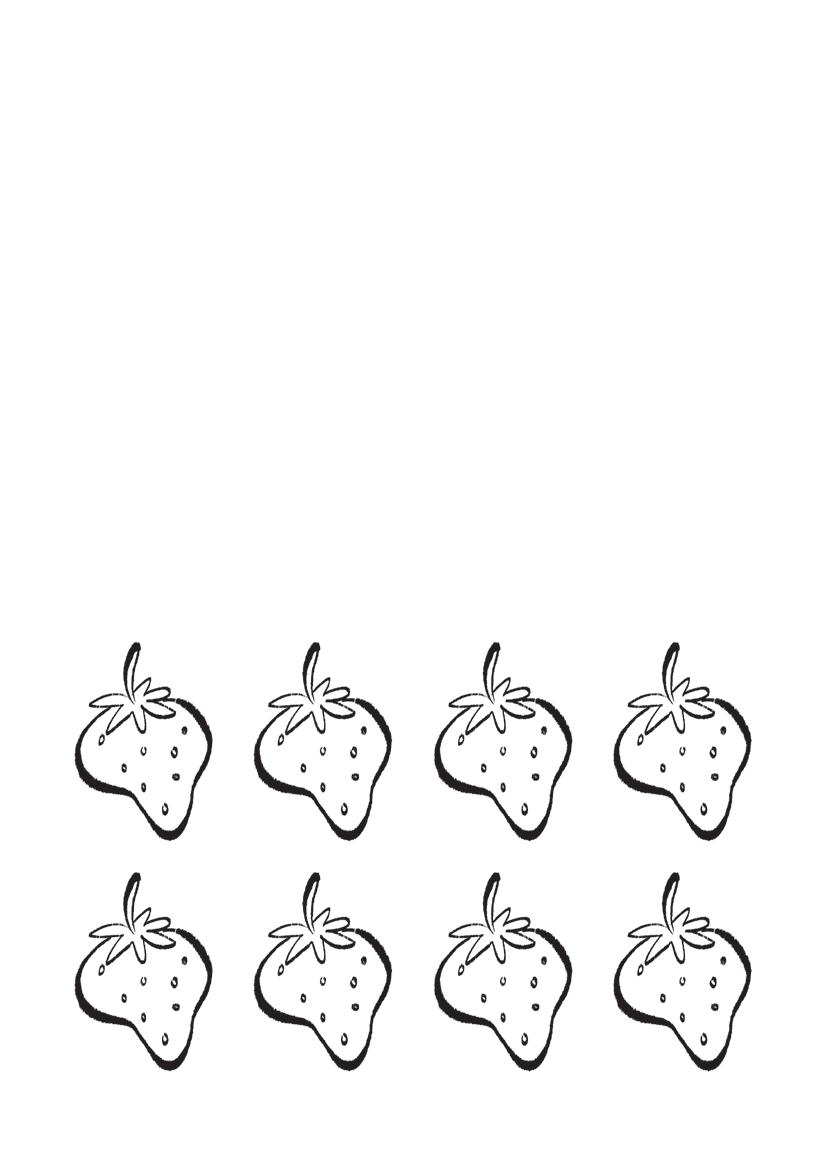
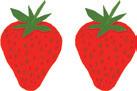
1 Liana wants to estimate the number of strawberries. She says that there are closer to 20 than 30.
a Does this seem right? Yes No
b Check how many strawberries there are by putting them into the ten frames.
2 Veisinia wants to estimate the number of lollies. She says that there are closer to 30 than 20.
a Does this seem right? Yes No
b Check how many lollies there are by putting them into the ten frames.
c How many lollies are there?
Finding the nearest 10 Ten frames and number lines help you find the nearest 10.
13 is 3 away from 10, and 7 away from 20. So, the nearest 10 to 13 is 10.
1 Complete the following using number lines.
a Circle 12 on the number line.
b Is 12 closer to 10 or 20?
c Circle 28 on the number line.
d Is 28 closer to 20 or 30?
2 Circle the numbers on the number line. Below each number, write its nearest 10. 8, 19, 38, 22, 35, 14
3 Circle the closer number.
a 20 30
4 Use the number lines to help you round.
a Circle 58 on the number line.
0102030405060708090100 Is 58 closer to 50 or 60?
58 rounded to the nearest 10 is .
b Circle 96 on the number line.
0102030405060708090100
Is 96 closer to 90 or 100?
96 rounded to the nearest 10 is .
c Circle 63 on the number line.
0102030405060708090100 Is 63 closer to 60 or 70?
63 rounded to the nearest 10 is .
1 Round these numbers to the nearest 10.
a 34 rounded to the nearest 10 is .
b 57 rounded to the nearest 10 is .
c 88 rounded to the nearest 10 is .
d 42 rounded to the nearest 10 is .
e 103 rounded to the nearest 10 is .
f 119 rounded to the nearest 10 is .
2 Solve the word problems.
a Mia has 47 marbles. Round the marbles to the nearest 10. marbles
b Kim sold 86 apples. Round the apples to the nearest 10. apples
c A bus holds 103 people. Round the people to the nearest 10. people
3 Circle True or False.
a 54 rounded to the nearest 10 is 50. True False
b 67 rounded to the nearest 10 is 70. True False
c 99 rounded to the nearest 10 is 100. True False
d 121 rounded to the nearest 10 is 120. True False
Numbers to 10
1 Write these numbers in te reo Māori. a 2 b 7 c 10 d 4 e 5 f 9 g 1 h 8 i 6 j 3
2 Match the numbers.
Counting to 99
Once you know the numbers up to 10, you can use them to count to 100 in te reo Māori.
25 = 2 tens and 5 ones
52 = 5 tens and 2 ones rua tekau mā rima rima tekau mā rua
Explore
1 Write the numbers in te reo Māori.
1 Write the numbers from 91 to 100 in te reo Māori.
2 Draw lines to match the numbers.
Number | Operations
Topic 1.7 Addition and subtraction facts
A number pair is a pair of numbers added together to make a bigger number. Each pair makes 20. What are other number pairs that make 20
1 Fill in the blanks so that the number pairs add up to 20.
2 Find number pairs that make the number on his nose.
Doubles and halves
When you double a number, you add it to itself.
8 + 8 = 16
The double of 8 is 16.
Deepen
1 Write the doubles.
When you halve a number, you divide it into two equal groups.
Half of 8 is 4.
a 5 + 5 = b 9 + 9 =
c 8 + 8 = d 3 + 3 =
e 6 + 6 = f 2 + 2 =
g 7 + 7 = h 1 + 1 =
i 4 + 4 = j 10 + 10 =
2 Write the halves.
a Half of 12 is b Half of 14 is
c Half of 4 is d Half of 8 is
e Half of 10 is f Half of 2 is
g Half of 18 is h Half of 16 is
i Half of 6 is j Half of 20 is
Start from the bigger number to count on: 13 – 14, 15, 16, 17. So, 13 + 4 = 17.
b 11 and 6 is .
121314151617181920
Why is it easier to count on from the bigger number?
c 2 and 15 is .
121314151617181920
3 Count on to find:
a 5 more than 42 b 7 more than 53
c 12 more than 65 d 8 more than 86 e 15 more than 35 f 23 more than 50 g 10 less than 53 h 15 less than 70 i 25 less than 80 j 45 less than 90.
4 Solve the word problems.
a Jess has 23 kiwifruit. She picks 15 more. How many kiwifruit does she have now?
b Jackson finds 37 shells on the beach. Then he finds 16 more. How many shells does he have now?
c 50 pūkeko are at the lake. 18 fly away. How many are left?
d A teacher has 60 stickers. She gives 11 stickers to students. How many stickers are left?
Make sure you put one digit in each square. Every digit has its special place.
5 Add 100 and write the answer.
a 4 + 100 = b 0 + 100 =
c 9 + 100 = d 5 + 100 =
e 7 + 100 = f 2 + 100 = g 6 + 100 = h 8 + 100 = i 1 + 100 = j 3 + 100 =
6 Solve the word problems.
a Elijah had $9 and then he got a total of $100 for his birthday from his family. How much money does he have now?
b In the morning, 7 books were returned to the library. By the end of the day, another 100 books were returned. How many books were returned to the library in total?
1 Add the numbers and write the answers. a 25 + 30 =
2 Sami has 32 pencils and buys 44 more. How many pencils does Sami have?
3 Subtract the numbers and write the answers. a 22 – 5 = b 49 – 8 =
4 Aroha has 58 buttons and gives 27 to a friend. How many buttons does Aroha have now?
Number | Operations
Topic 1.9 Adding and subtracting three numbers
Number facts and doubles
7 + 5 + 3 = 10 + 5 = 15 5 + 5 + 8 = 10 + 8 = 18
10 – 6 – 3 = 4 – 3 = 1
Learn
1 Use doubles to add the numbers.
4 + 4 + 2 =
Look for numbers that work well togethernumber friends!
3 + 5 + 3 =
5 + 5 + 4 =
+ 9 + 9 = e 7 + 2 + 7 =
8 + 7 + 8 =
2 Use number facts to add or subtract. a 4 + 6 + 5 =
17 – 7 – 3 = c 3 + 8 + 7 =
14 – 6 – 4 = e 9 + 1 + 2 =
18 – 5 – 8 =
Using number lines to add We can use a number line to help us add three numbers. 5 + 5 + 3 = 13
1 Use the number line to help you add.
Using number lines to subtract
We can use a number line to help us subtract three numbers 16 – 6 – 2 = 8
01234567 –2–6 891011121314151617181920
2 Use the number line to help you subtract.
01234567891011121314151617181920
1 Write the answers to these additions and subtractions.
a 5 + 4 – 2 = b 15 – 5 + 4 =
c 2 + 6 – 5 = d 12 – 7 + 4 =
e 7 – 2 + 6 = f 18 – 8 + 5 =
2 Work out 9 + 8 – 11. Draw a picture to show your thinking.
9 + 8 – 11 =
3 Solve the word problems.
a Suzie has 8 plants. She gets 5 more, then gives 3 away. How many does she have now?
b There are 12 ducks. 4 swim away, then 3 more come. How many ducks are there now?
c Tom has 6 blocks. He gets 7 more, then loses 5. How many blocks are there now?
Write the equation.
a × =
012345678910111213141516171819202122232425
b × =
012345678910111213141516171819202122232425
c × =
012345678910111213141516171819202122232425
2 Show on the number line.
a 5 × 3 =
01234567891011121314151617181920
b 2 × 6 = 01234567891011121314151617181920
3 Fill in the blanks to show the multiplication and division facts for these numbers.
4 Write the multiplication and division families of fact for each triangle.
If the arrows continue, will they land on:
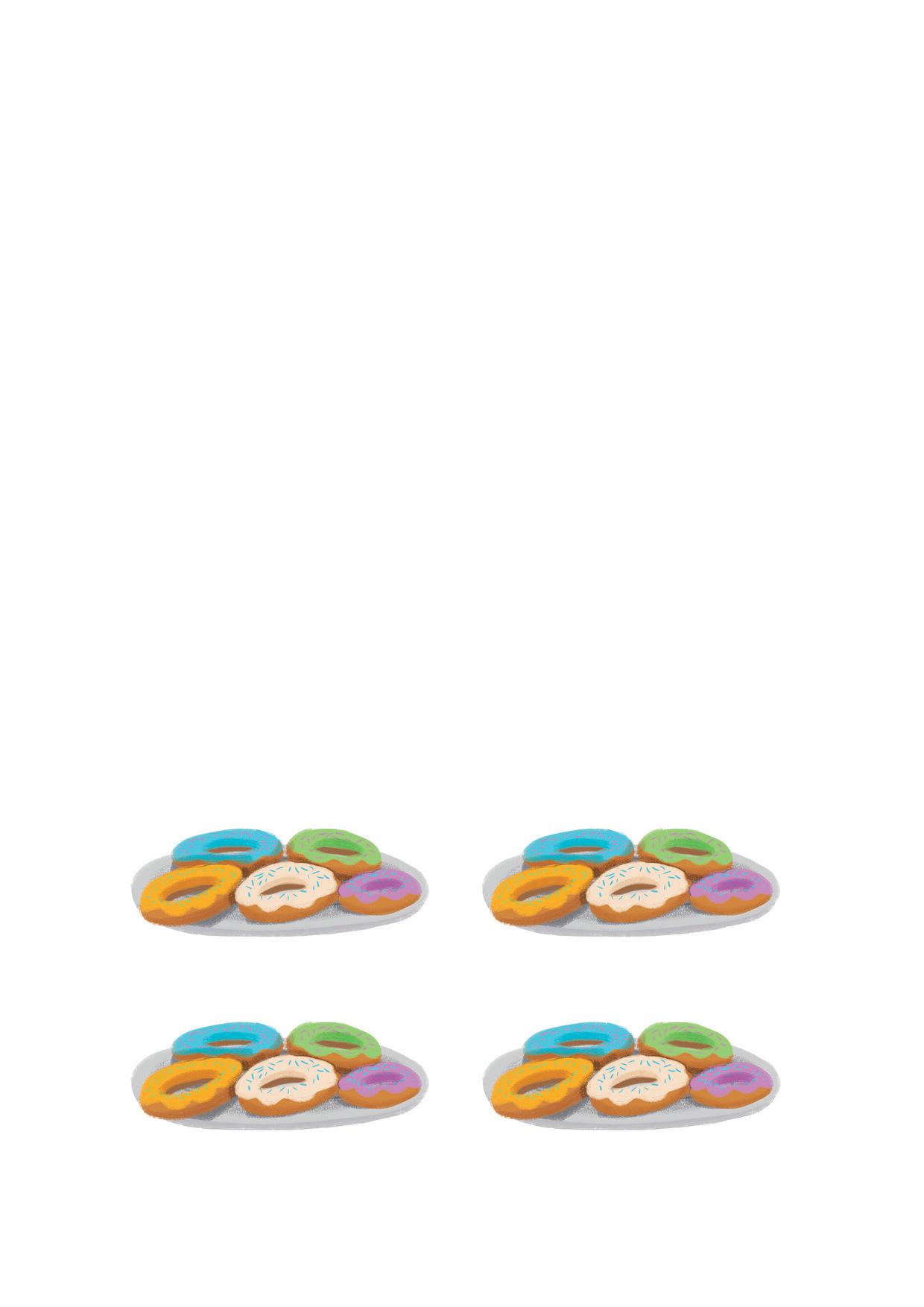
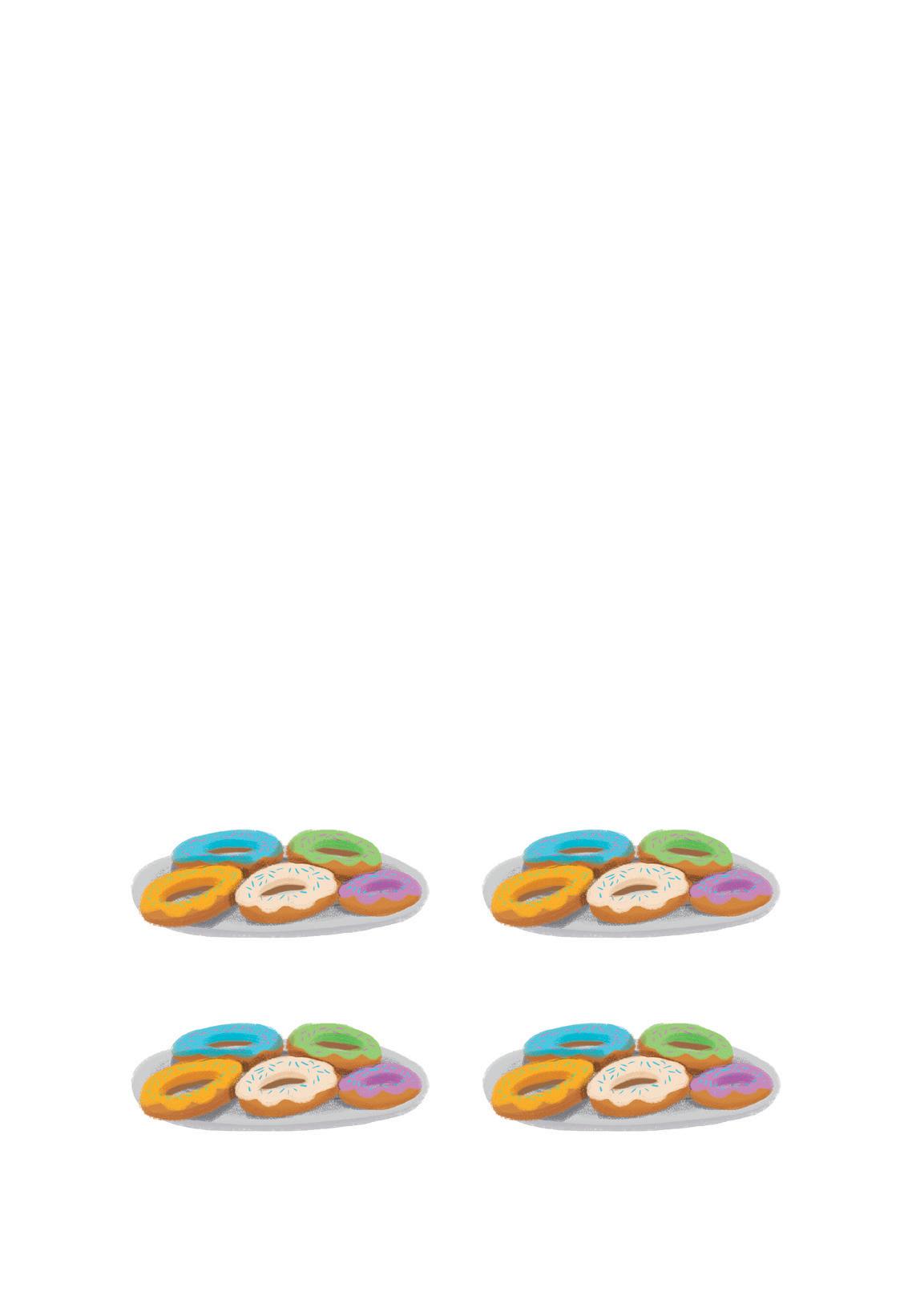
How many doughnuts? Show how you got your answer.
=
2 Write an equation to match the array. a b 3 Draw the array.
3 × 6 =
I wonder if 4 × 5 is the same as 5 × 4...
c 5 × 8 = d 9 × 10 =
4 Find the cost for each person.
a Anya bought 3 cupcakes. × 3 = $
b Beau bought 7 juices. × = $
c Fehi bought 10 sandwiches. × = $
d Ardie bought 20 doughnuts. × = $
e Tiare bought 10 cupcakes.
5 Complete the multiplications. a 3 × 2 =
15 × 5 = c 10 × 6 =
× 5 = e 3 × 7 =
Groups of 2 in 10
We can divide 10 into 5 groups of 2. 10 ÷ 5 = 2
Groups of 5 in 10
We can divide 10 into 2 groups of 5. 10 ÷ 2 = 5
Explore
1 Circle the groups and complete the calculations.
a Circle 3 equal groups.
6 ÷ 3 =
b Circle 2 equal groups.
6 ÷ 2 =
2 Circle the groups and complete the calculations.
a Circle groups of 5.
15 ÷ 5 =
b Circle groups of 3.
15 ÷ 3 =
3 Circle the groups in the arrays. Write the answers.
20 ÷ 5 = 9 ÷ 3 =
24 ÷ 4 = 56 ÷ 8 =
4 Draw your own arrays. Write the answers.
100 ÷ 10 = 80 ÷ 5 =
5 rite how many of each item was bought.
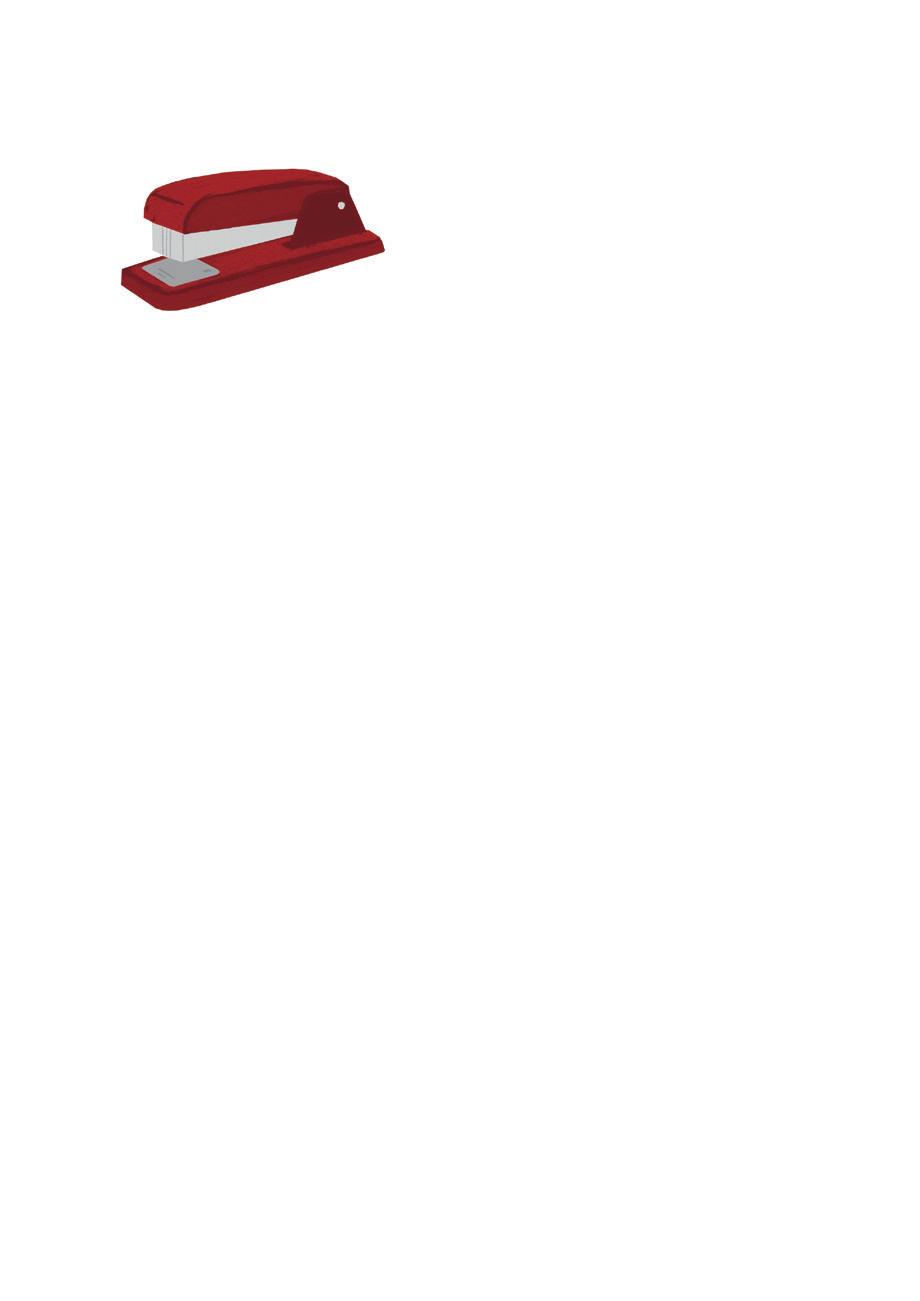
Box of tissues Soup Stapler
$2
$10
a Aroha spent $14 on tissues.
$4
$3
Aroha bought boxes. 14 ÷ 2 =
b Benji spent $100 on pans.
Benji bought pans.
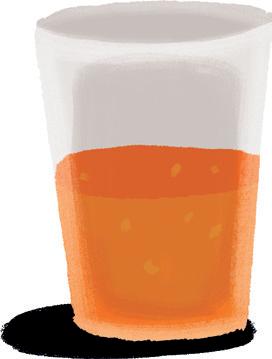
c Caro spent $32 on orange juice.
100 ÷ =
$7
Caro bought bottles. ÷ =
d Dom spent $33 on cans of soup.
Dom bought cans. ÷ =
e Eriel spent $35 on staplers.
Eriel has staplers. ÷ =
6 Write the answers to the divisions.
a 15 ÷ 3 = b 84 ÷ 4 =
c 30 ÷ 5 = d 10 ÷ 2 =
e 40 ÷ 10 = f 28 ÷ 2 =
Multiplication and division are opposites.
10 groups of 2 is 20. 10 × 2 = 20 There are 10 groups of 2 in 20. 20 ÷ 2 = 10
Deepen
1 Use the multiplications to complete the divisions. a 11 × 2 =
2 Use the divisions to complete the multiplications. a
The answer doesn’t change when you change the order of the numbers being multiplied.
3 Draw the arrays. Use them to answer the multiplications.
a 5 groups of 4 b 4 groups of 5
5 × 4 = 4 × 5 =
c 1 group of 7 d 7 groups of 1
1 × 7 = 7 × 1 =
When you multiply a number by 1, the answer is the number you started with.
4 Use the multiplication on the left to answer the multiplication on the right.
a 9 × 7 = 63 7 × 9 =
b 99 × 1 = 99 1 × 99 =
c 22 × 2 = 44 2 × 22 =
d 3 × 31 = 93 31 × 3 =
e 23 × 0 = 0 0 × 23 =
When you multiply 0 with any number, the answer is always 0.
5 Draw a line from the fraction to the matching picture.
7 Circle the pictures that show quarters. Tick the image which shows one third.
8 Shade:
a one quarter green.
b one third purple
This circle has been halved.
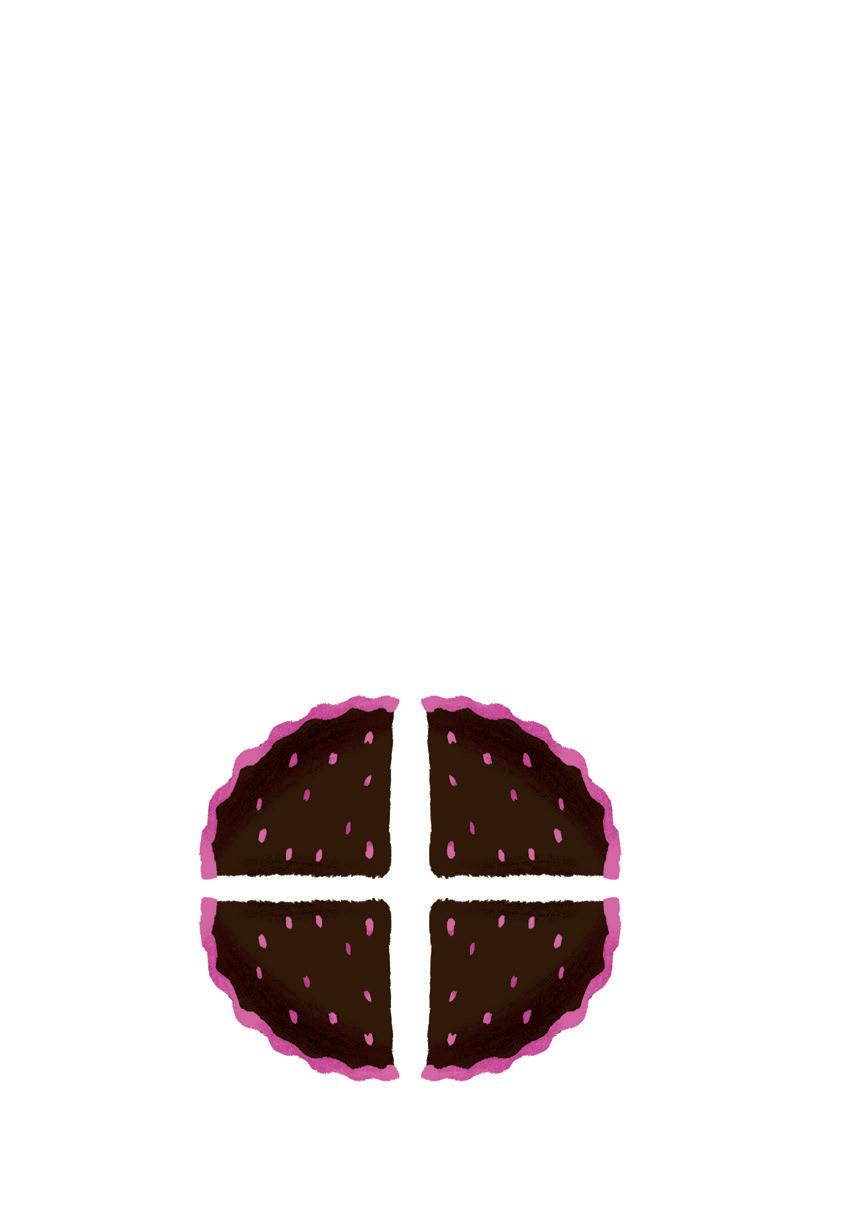
a Draw how it would look if you halved it again. What is each piece called?
b What is each piece of this circle called?
dentify the fraction of the quantity.
Find the fractions of the quantities.
1 2 of 4 is .
1 3 of 12 is . . 1 2 of 6 is . . 1 3 of 6 is . b Circle 1 3 .
3 Look at the diagrams.
i How many parts in total?
ii How many shaded parts?
iii Write the fraction.
i How many parts in total?
ii How many shaded parts?
iii Write the fraction.
i How many parts in total?
ii How many shaded parts?
iii Write the fraction.
2 3 3 4 4 Draw a picture to represent the fraction. a b
ircle the fraction of each group.
6 Colour the circles.
a Colour 1 2 red.
b Colour 2 4 blue.
c How many circles are red?
d How many circles are blue?
7 Circle the correct answer. Draw a picture to show your thinking.
1 2 and 2 4 are the same different .
1 Circle the bigger fraction.
2 Use the picture to find the smaller fraction.
3 Circle the
4 Circle
5 Circle the fraction of each group. Which fraction is smaller?
6 Circle the fraction of each group. Which fraction is smaller?
Topic 1.13 Fraction of a set
A set is a group of objects.
Learn
1 2 of 4 is 2 1 2 of 8 is 4
1 Use the pictures to find 1 2 of: a 6 b 10
c 12 d 20.
2 Use both pictures to find 1 2 of 16.
c Circle the picture that was easier to use. a b
2 Draw a picture to find 1 4 of 32.
1 Use the pictures to find 1 4 of: 1 4 of 32 is . a 8 b 12 c 16 d 24.
3 Use the pictures to find 1 3 of:
4 Draw a picture to find 1 3 of 15. 1 3 of 15 is . a 6 b 12 c 9 d 24.
1 Split the number evenly across the boxes.
a 1 2 of 24
1 2 of 24 is . b 1 3 of 30 1 3 of 30 is . c 1 4 of 20 1 4 of 20 is . d 1 3 of 18. 1 3 of 18 is .
Half of a half is a quarter.
2 Use the picture to find 1 2 of 40. a 1 2 of 40 is . b 1 2 of 1 2 of 40 is . c What fraction of 40 did you find?
Topic 1.14 Finding the whole
If the length of half ( 1 2 ) the ribbon is 5 cm, how long is the whole ribbon?
Total ribbon length = 10 cm Learn
We can work out a whole number when we are given a fraction.
1 Draw the missing fraction of each set. Then write the answer.
a This shows 1 2 of the stars.
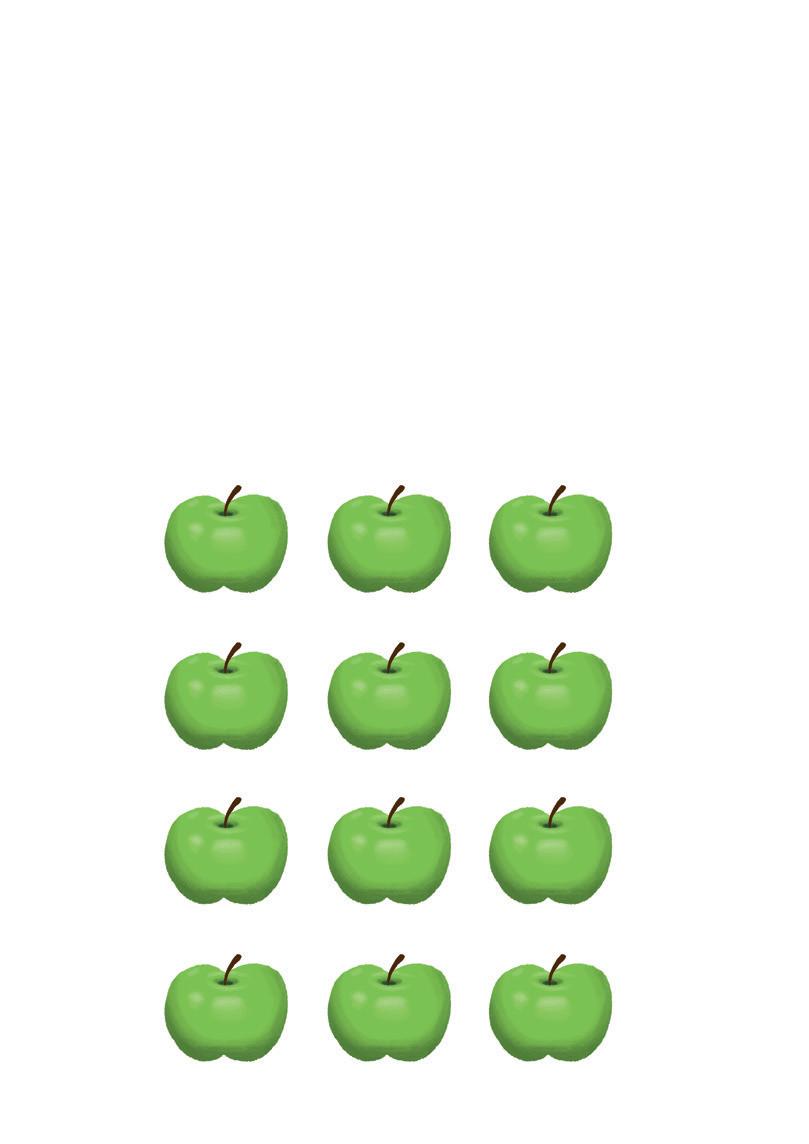
b This shows 1 2 of the apples.
How many stars in the whole set?
Total =
c This shows 1 4 of the flowers.
How many apples in the whole set?
Total =
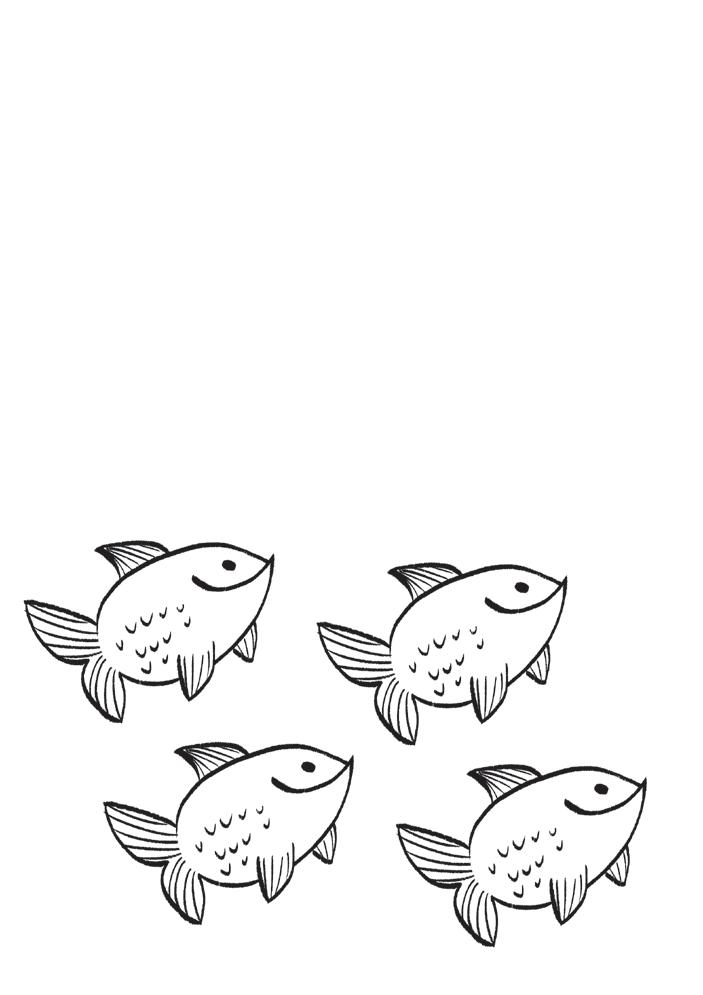
d This shows 1 2 of the fish.
How many flowers in the whole set?
Total =
How many fish in the whole set?
Total =
2 Answer the questions.
a This shows 1 2 of the blocks.
How many blocks are in the whole set? Answer:
b This shows 1 3 of the fish.
How many fish are there altogether?
Answer:
c This shows 1 4 of the cookies.
How many cookies are there altogether?
Answer:
d This shows 1 2 of the pencils.
How many pencils are there altogether?
Answer:
e This shows 1 3 of the ladybirds.
How many ladybirds are there altogether?
Answer:
1 Draw the rest of the fraction and work out the total.
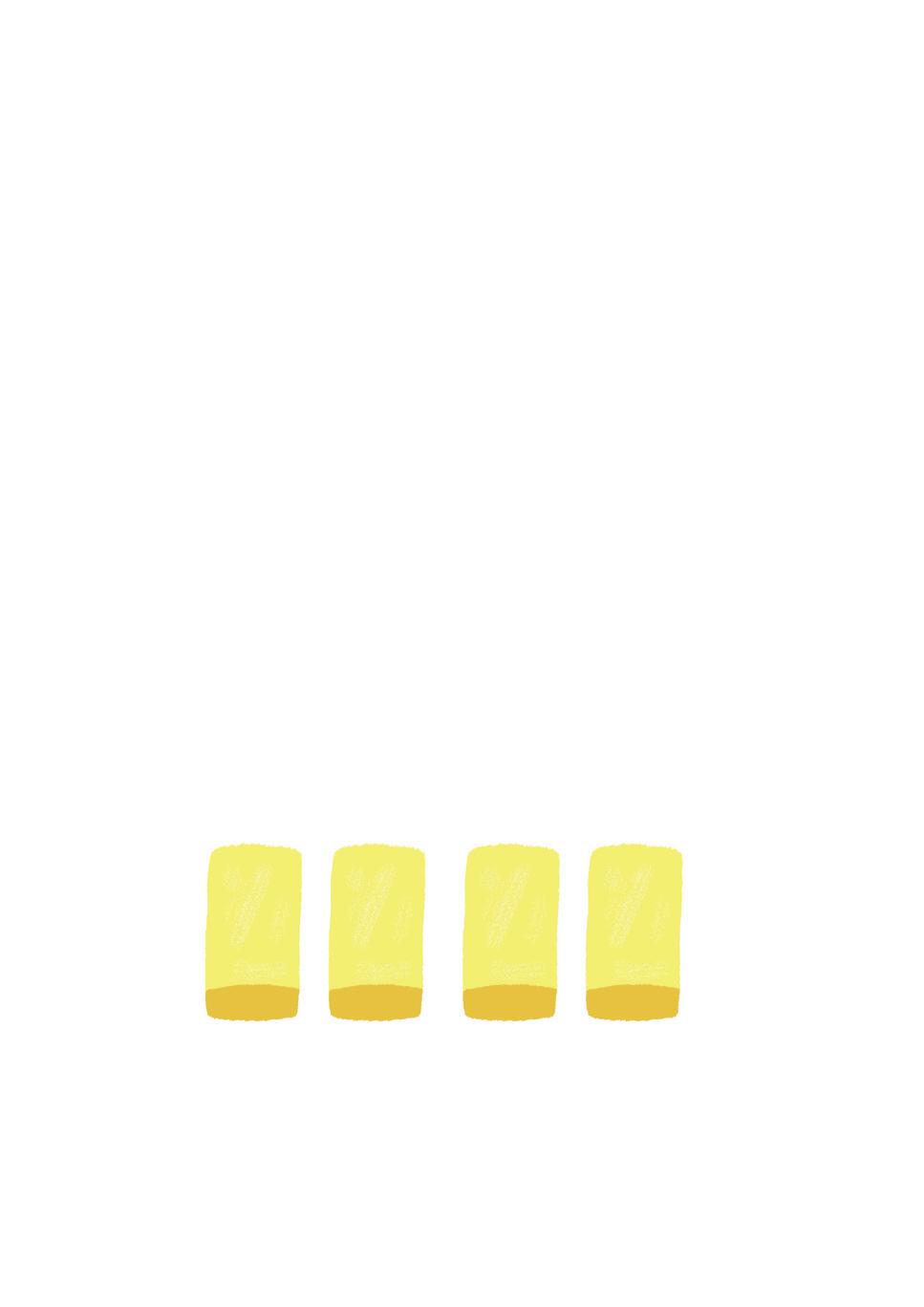
a 1 3 of a pizza has 2 slices. How many slices are in the whole pizza?
Total =
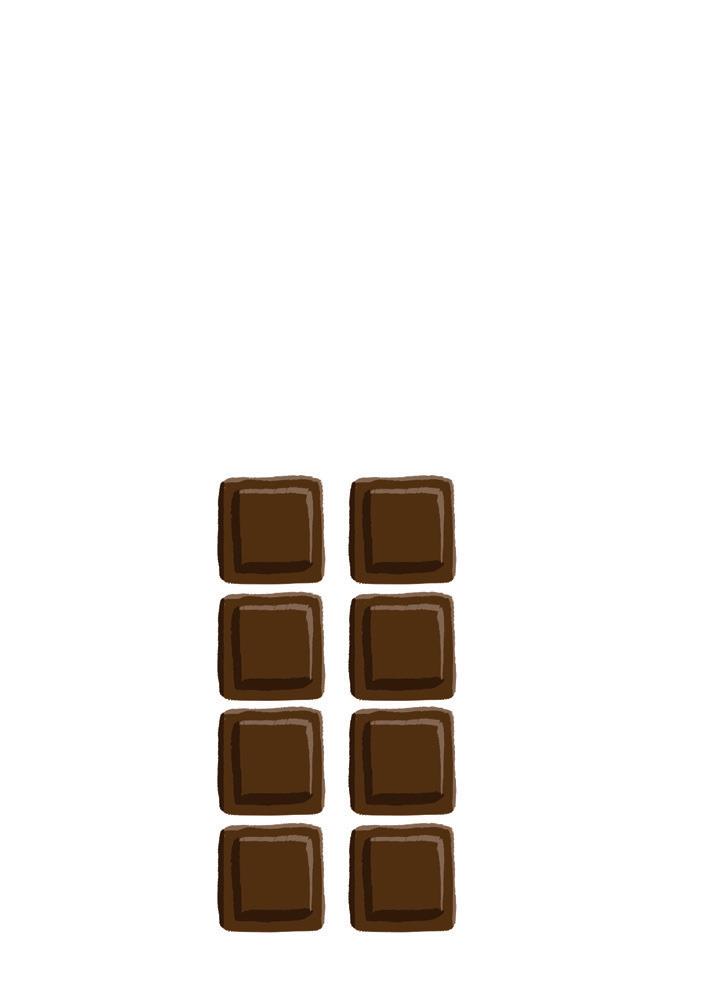
b 1 2 of a chocolate bar has 6 pieces. How many pieces are in the whole bar?
Total =
c 1 4 of a square has 4 small squares. How many small squares are in the whole square?
Total =
2 Find the whole amount. Fill in the blanks.
a If you know 1 2 of an amount, multiply by .
1 2 of an amount is 4, so the amount is 4 × = .
b If you know 1 3 of an amount, multiply by . 1 3 of an amount is 5, so the amount is 5 × = .
c If you know 1 4 of an amount, multiply by . 1 4 of an amount is 3, so the amount is 3 × = .
1 Find the total lengths.
a 1 4 of a rope is 5 cm. How long is the whole rope? 5cm
Total = cm
b 1 3 of a pencil is 4 cm. How long is the whole pencil? 4cm
Total = cm
c 1 2 of a stick is 6 cm. How long is the full length of the stick? 6cm
Total = cm d 1 2 of a piece of string is 15 cm. What is the whole length? 15cm
Total = cm
2 1 3 of the class is 7 students. How many students are in the class? Draw the class below.
There are students in the class.
Topic 1.15 Money
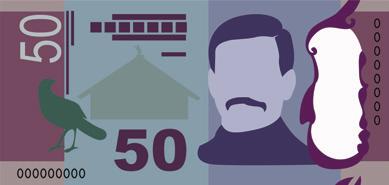
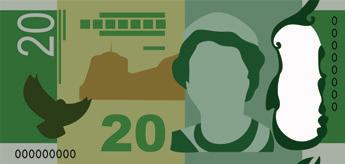
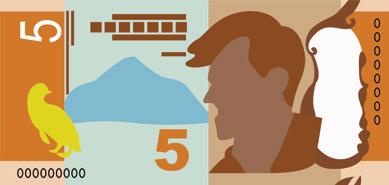
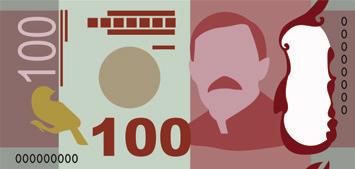
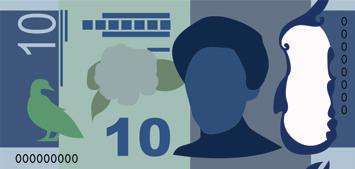
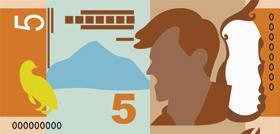
There are five New Zealand coins.
To make $1, you can use: OR OR OR
There are two sides to all of our coins.
Learn
1 Draw a line to match each coin with its value.
2
a List the coins in order of value from most to least.
b Which coins are worth more than 50c? c Which coin is worth the least?
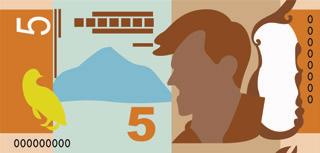
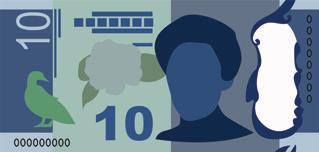
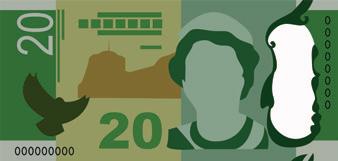
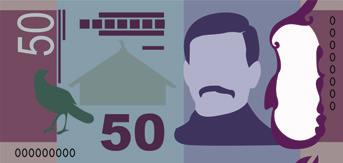
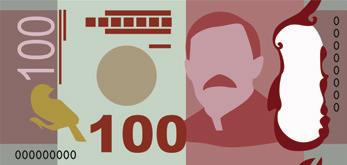
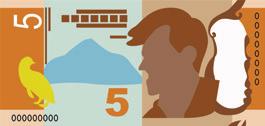
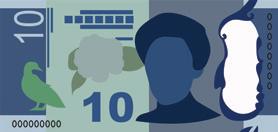
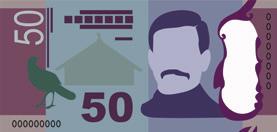
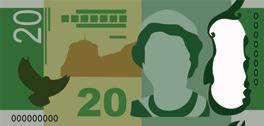
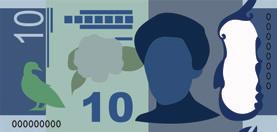
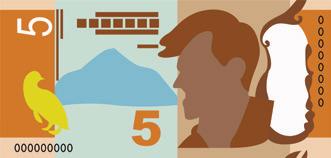
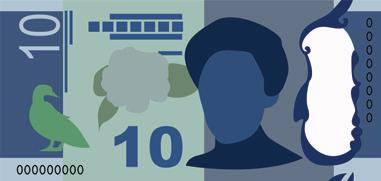
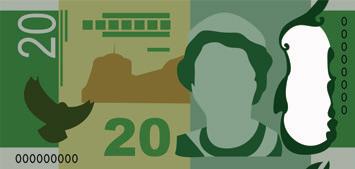
There are five New Zealand notes.
Explore
a Number the notes in order of value from most to least.
b Which notes are worth more than a $20 note?
c Which note is worth the least?
2 Calculate the total given by the coins.
Total = Total =
DRAFT
3 Calculate the total given by the notes.
4 Here are some New Zealand notes.
a How many $20 notes are there?
b What is the total value of the $20 notes?
c How many $10 notes are there?
d What is the total value of the $10 notes?
e How many $50 notes are there?
f What is the total value of the $50 notes?
g How many $5 notes are there?
h What is the total value of the $5 notes?
Deepen
1 Circle coins that equal:
a $1
$2
20c
70c.
2 Circle the two notes that together make: a $25 b $60.
Topic 2.1 Number sentences
3 Fill in the missing number. Circle True or False.
4 Draw blocks to show the number sentences. Circle True or False.
5 Complete the number sentences.
2 + 6 = 15 –4 + 10 = 8 +
6 Show the number sentence on the number line. Circle True or False.
a 16 − 9 = 12 − 5
b 15 − 8 = 5 + 3 01234567891011121314151617181920 01234567891011121314151617181920
7 Complete the number sentences.
4 × 5 = 2 × 6 ÷ 2 = 12 ÷
8 Show the number sentence using arrays. Circle True or False.
True False
Comparing whole numbers
Sometimes one side of a number sentence is bigger (greater than) or smaller (less than) than the other side.
Checking the truth of comparisons Is 70 less than 60?
70 < 60 True False
The open end of the symbol always points to the larger number.
Think about a crocodile’s jaws – it always wants to eat the biggest number!
2 Write > , < or = to make these number sentences correct.
3 Circle True or False for each number sentence.
1 Complete the number sentences.
a 10 – 2 = 6 + b 8 – 5 = 0 +
c 5 – 3 = + 4 d + 5 = 5 + 5
e 7 + 3 = 1 + f 7 – = 3 + 2 g 9 – 5 = + 3
+ 2 = 7 – 4
2 Complete the number sentences. a 11 + 5 = 7 + b 14 – 9 = 15 –c 8 + 9 = 20 –
e 5 + = 18 – 10 f 17 – = 5 + 6
g 18 + = 17 + 6 h 15 + 8 = 20 +
i 22 – 2 = + 10 j 12 + 3 = 10 + Both sides need to equal the same number.
3 Complete the open number sentences so that each side is equal.
a 18 + = 22 – 2
b + 7 = 15 – 3
c 9 + = 20 – 5 d – 4 = 12 – 6
e 16 ÷ = 10 – 2
f 3 × = 12 ÷ 1
g × 2 = 16 ÷ 2 h 9 – = 20 ÷ 5
4 Complete the number sentences. Draw a picture to show your thinking.
a 30 ÷ 5 = 3 ×
DRAFT
b 40 ÷ 10 = 20 ÷
Algebra | Equations and relationships
Topic 2.2 Repeating patterns
The rule for this colour pattern is red, green, yellow.
The rule for this letter pattern is A , B, C.
What other sorts of patterns are there?
This is a 2 pattern.
This is a 3 pattern.
3 Are these 2 or 3 patterns? Circle the correct answer.
2 pattern 3 pattern
2 pattern 3 pattern
4 Continue the 3 pattern.
5 Continue the 2 pattern.
1 Write the ordinal position of the shapes. 1st 2nd 3rd 5th
2 Draw the missing shapes, then write their ordinal positions.
a Continue the pattern.
DRAFT
b What is the third shape called?
c What colour is the 5th shape?
1 Circle the error.
AAAABBBBB
2 In a colour pattern, the colours repeat.
a Create a colour 2 pattern.
b What is the rule?
3 In a shape pattern, the shapes repeat.
a Create a shape 3 pattern.
b What is the rule?
Measurement | Measuring Topic 3.1 Informal units
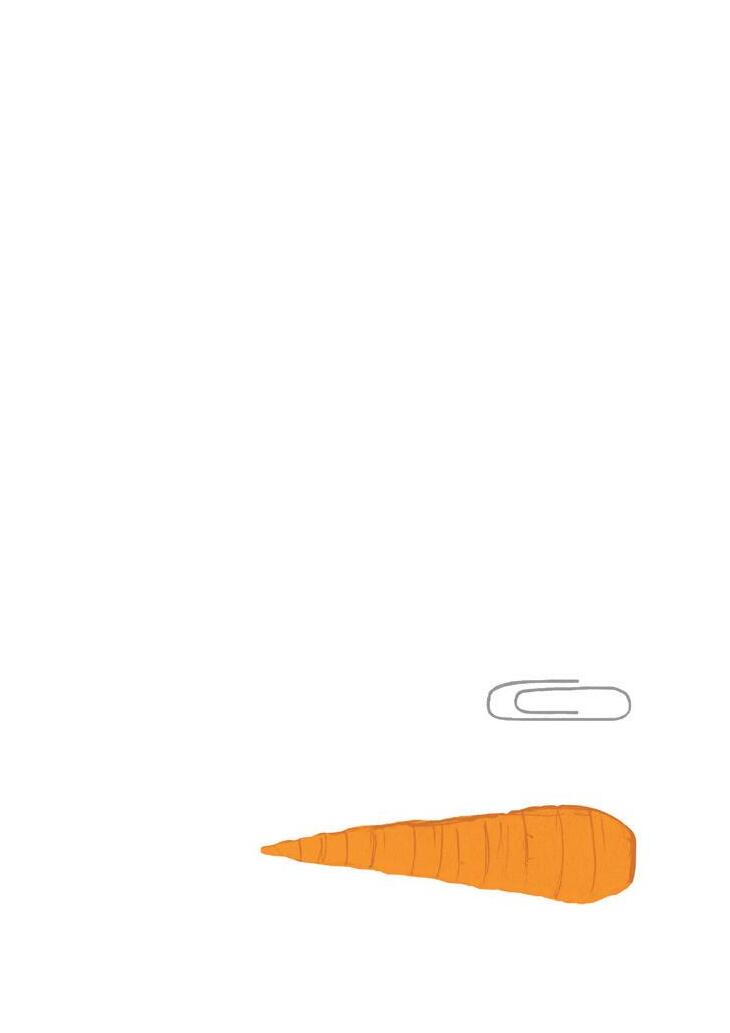
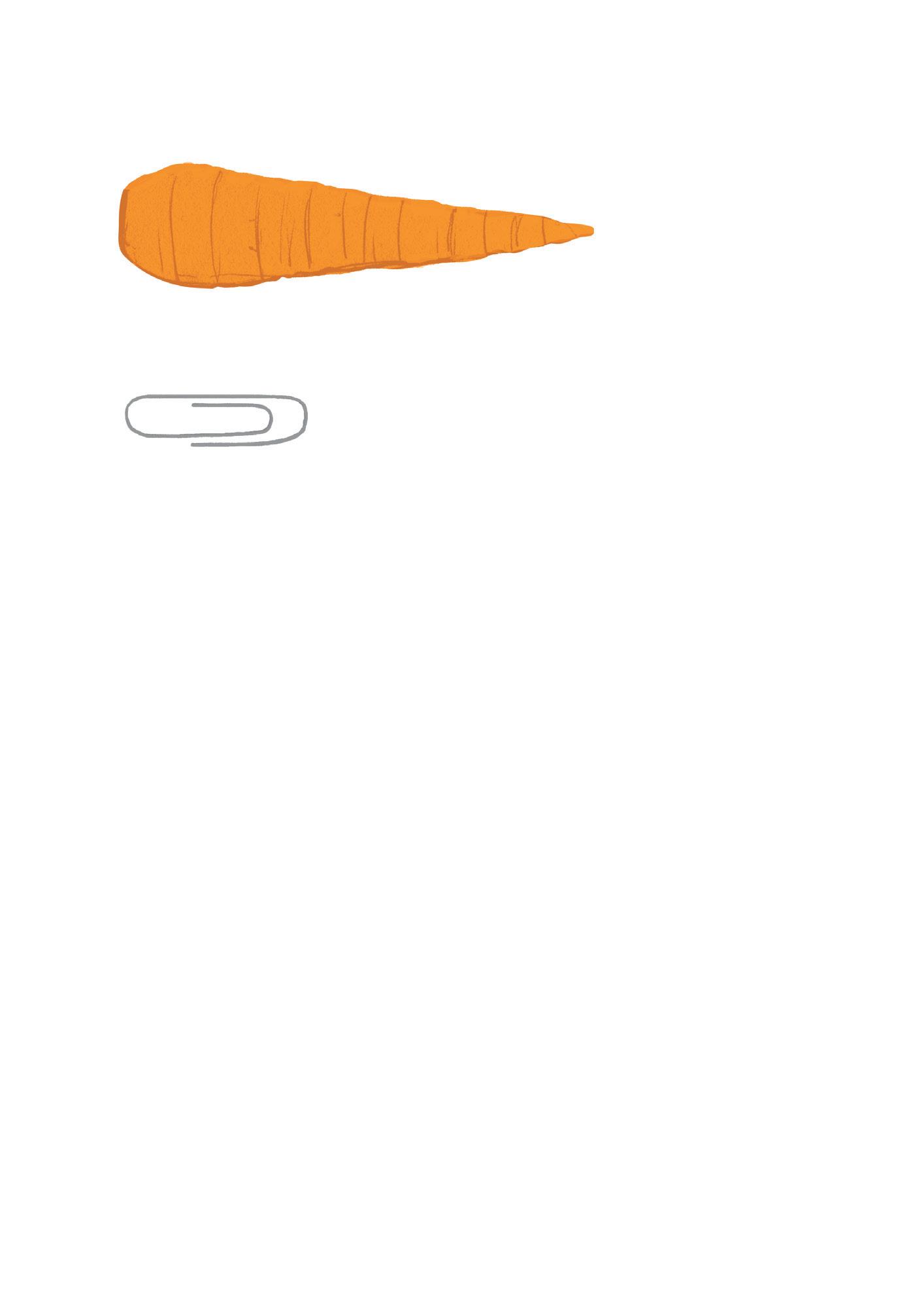
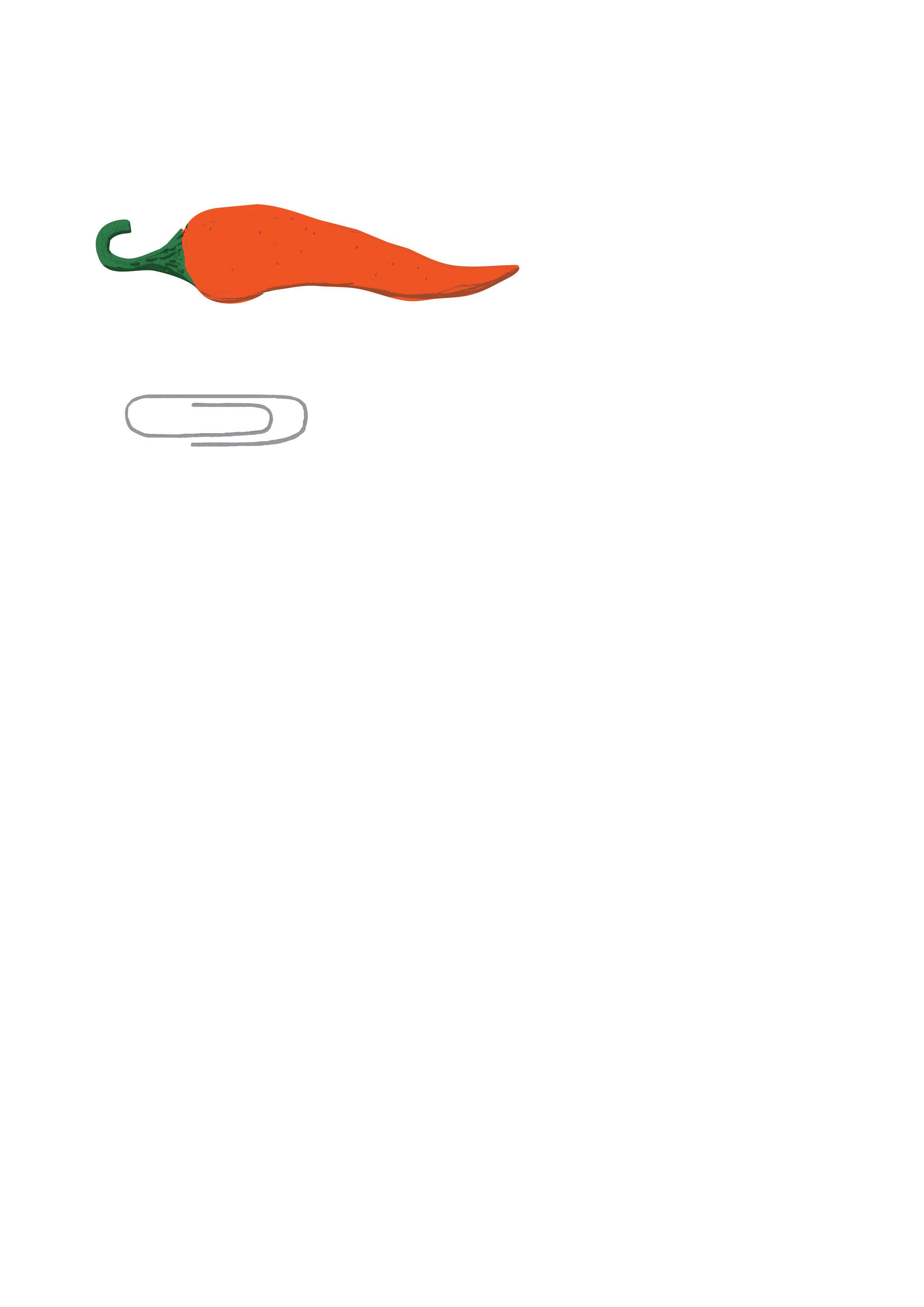
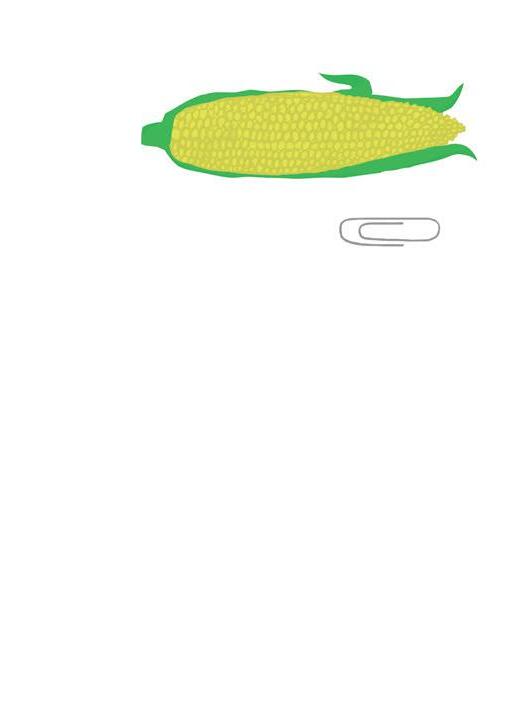
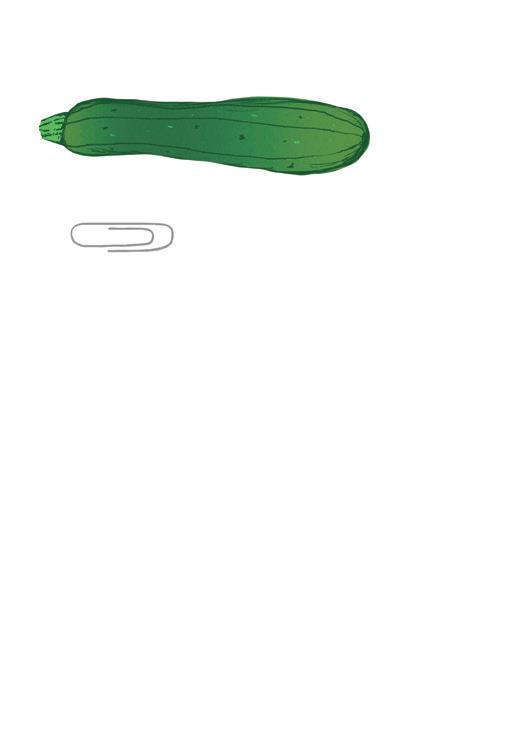
The carrot is 5 paperclips long.
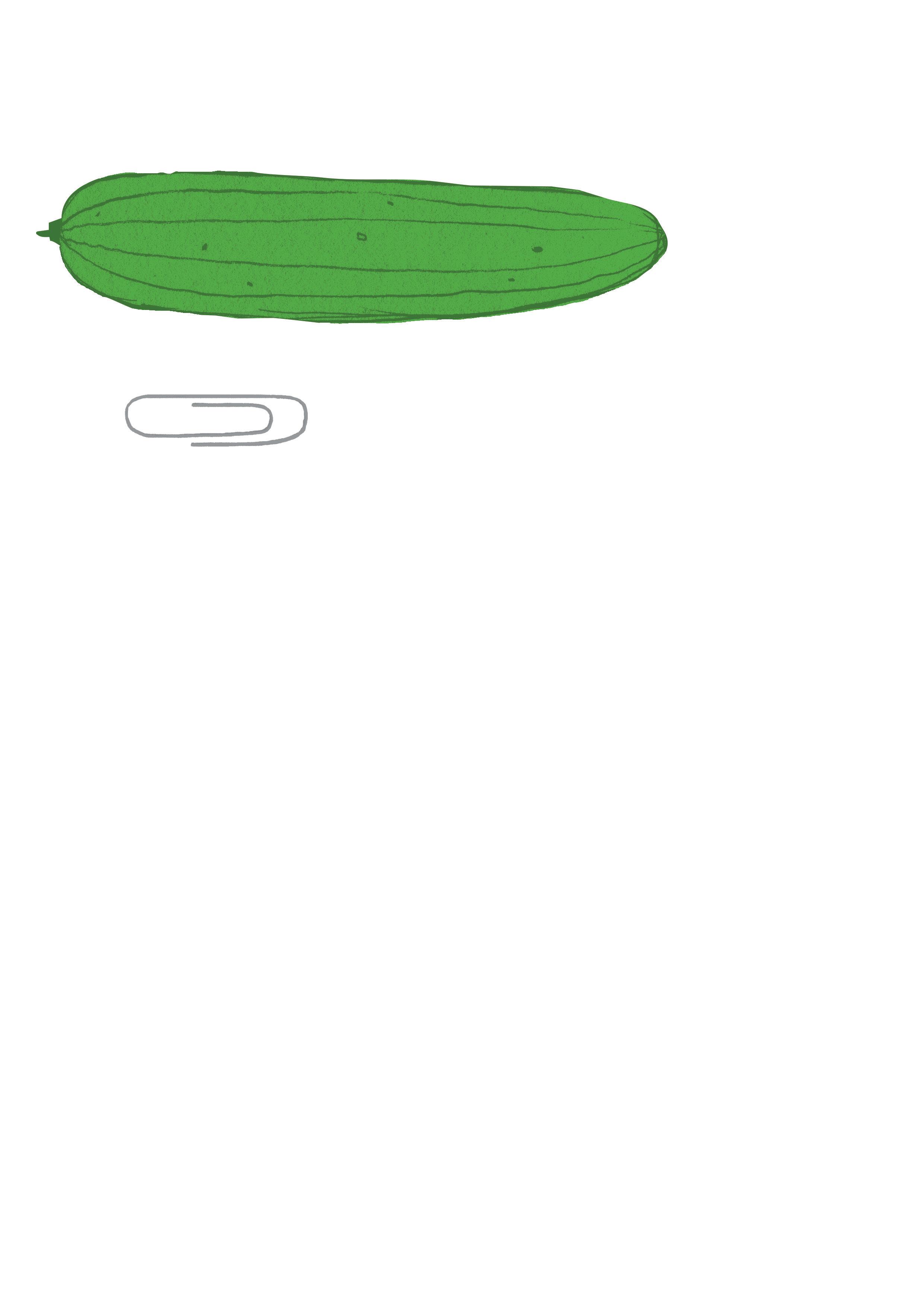
The cucumber is 8 paperclips long.
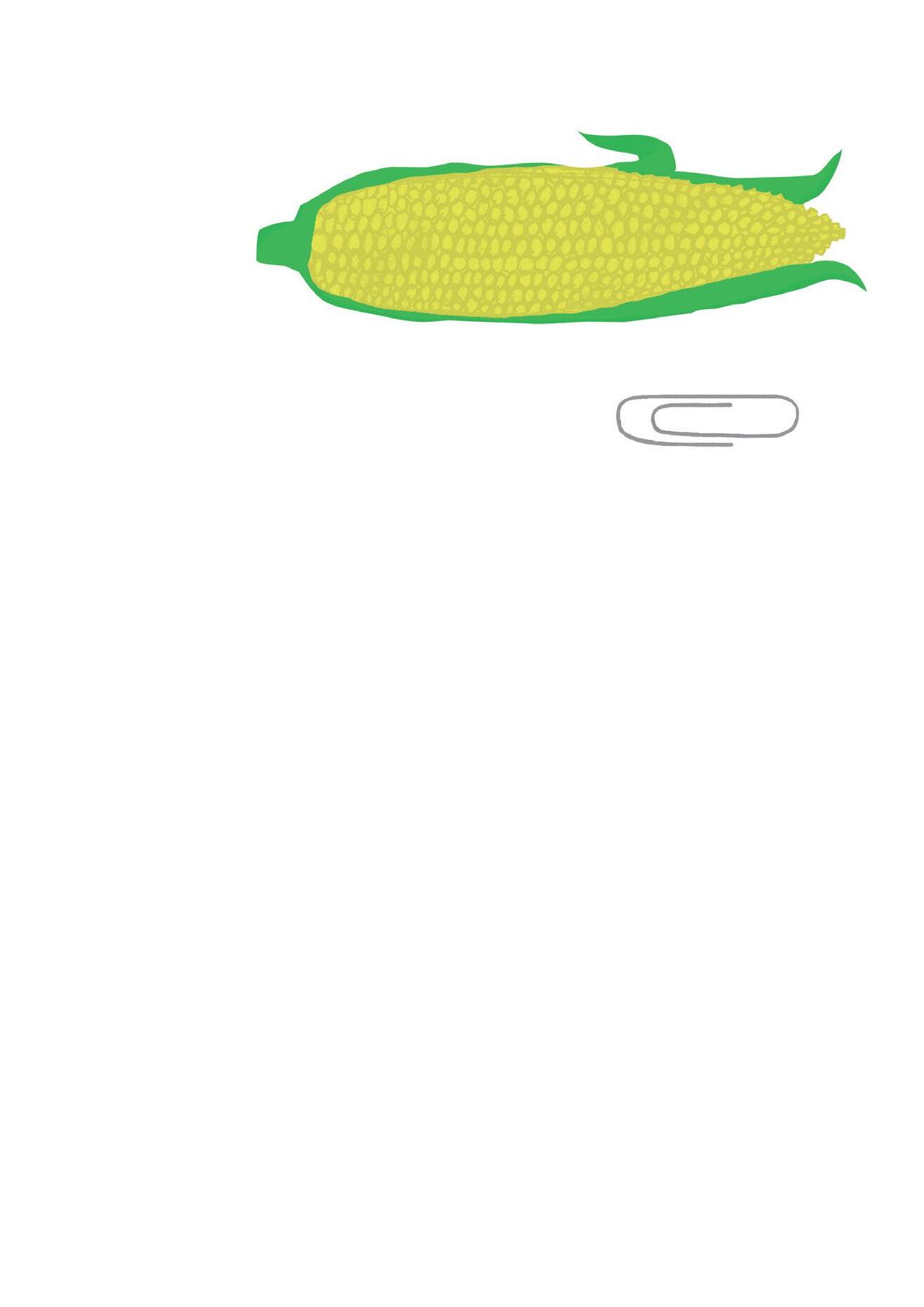
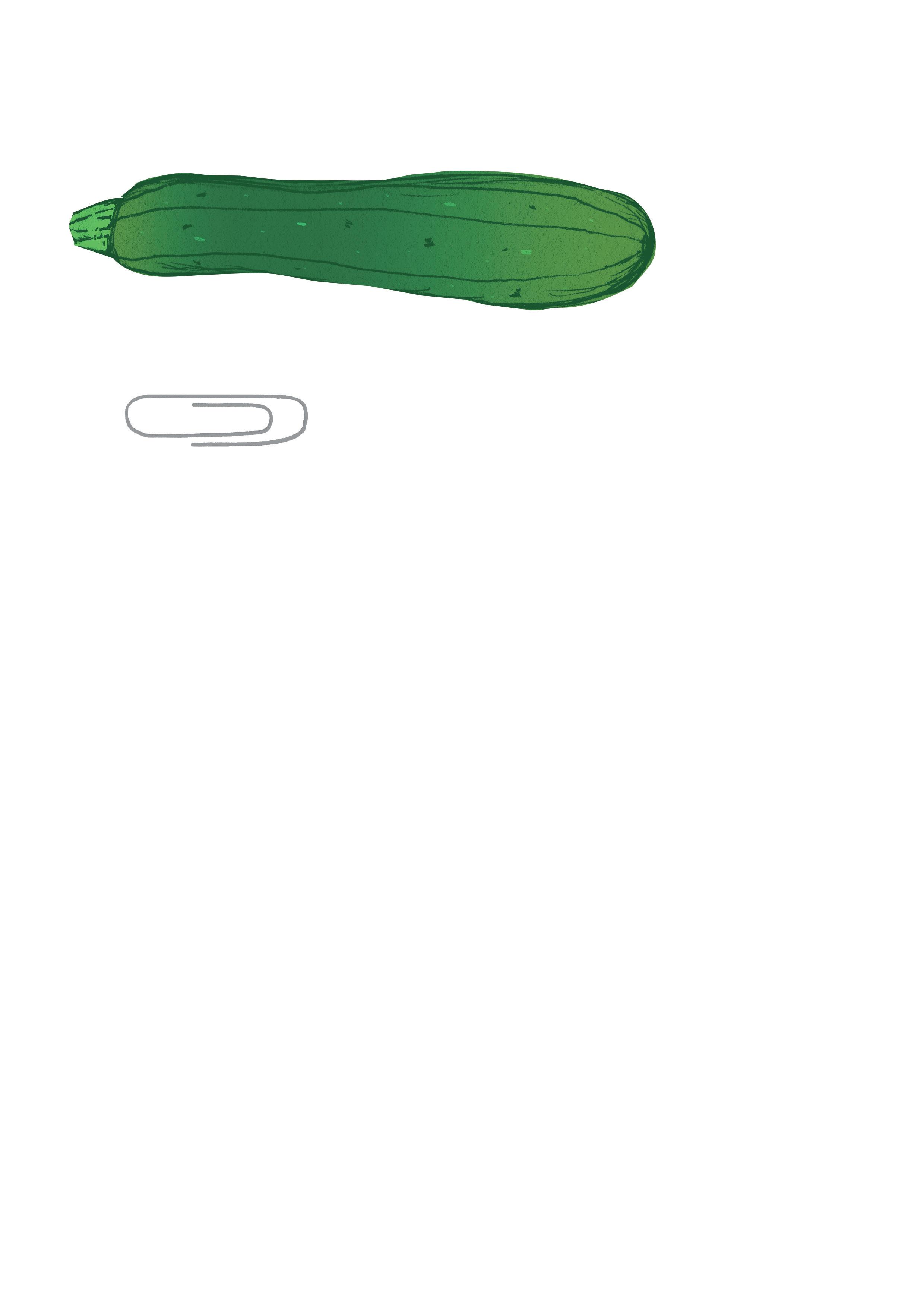
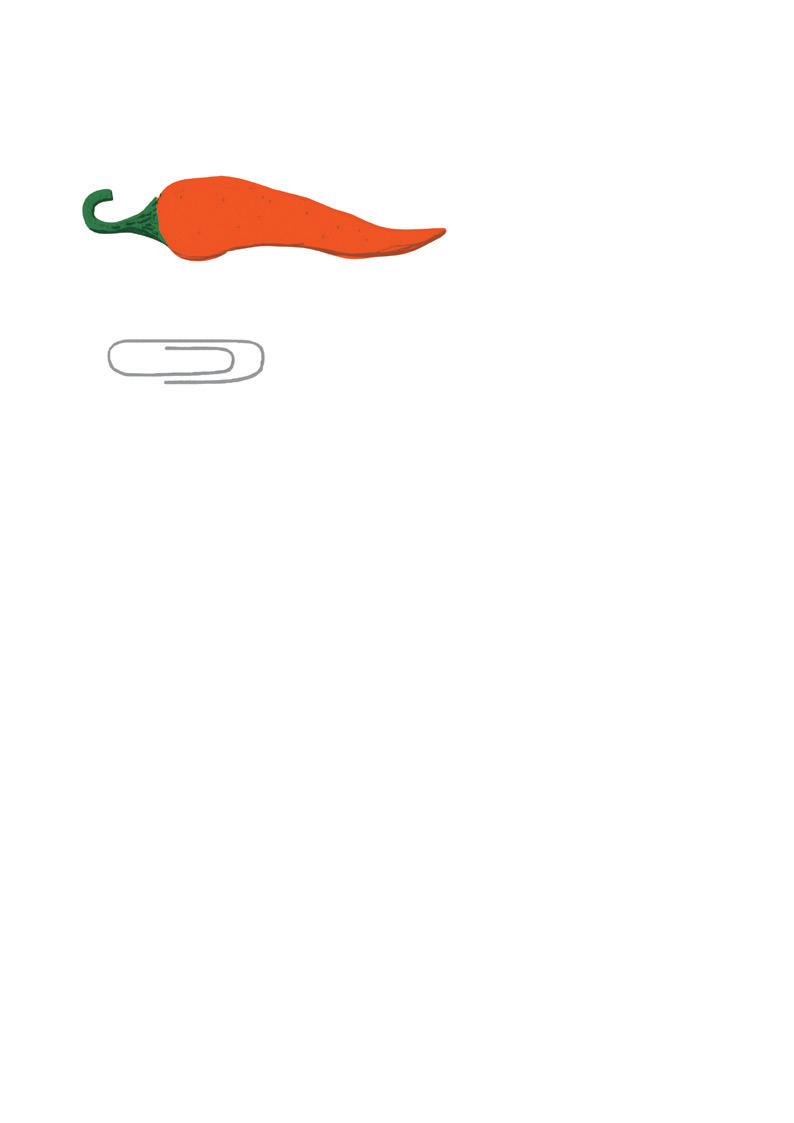
paperclips long paperclips long
How much of the last paperclip is left over?
less than half half more than half
Estimate: paperclips
Length: paperclips
Estimate: paperclips
Length: paperclips
4 Draw each of the things in question 3 in order from shortest to longest.
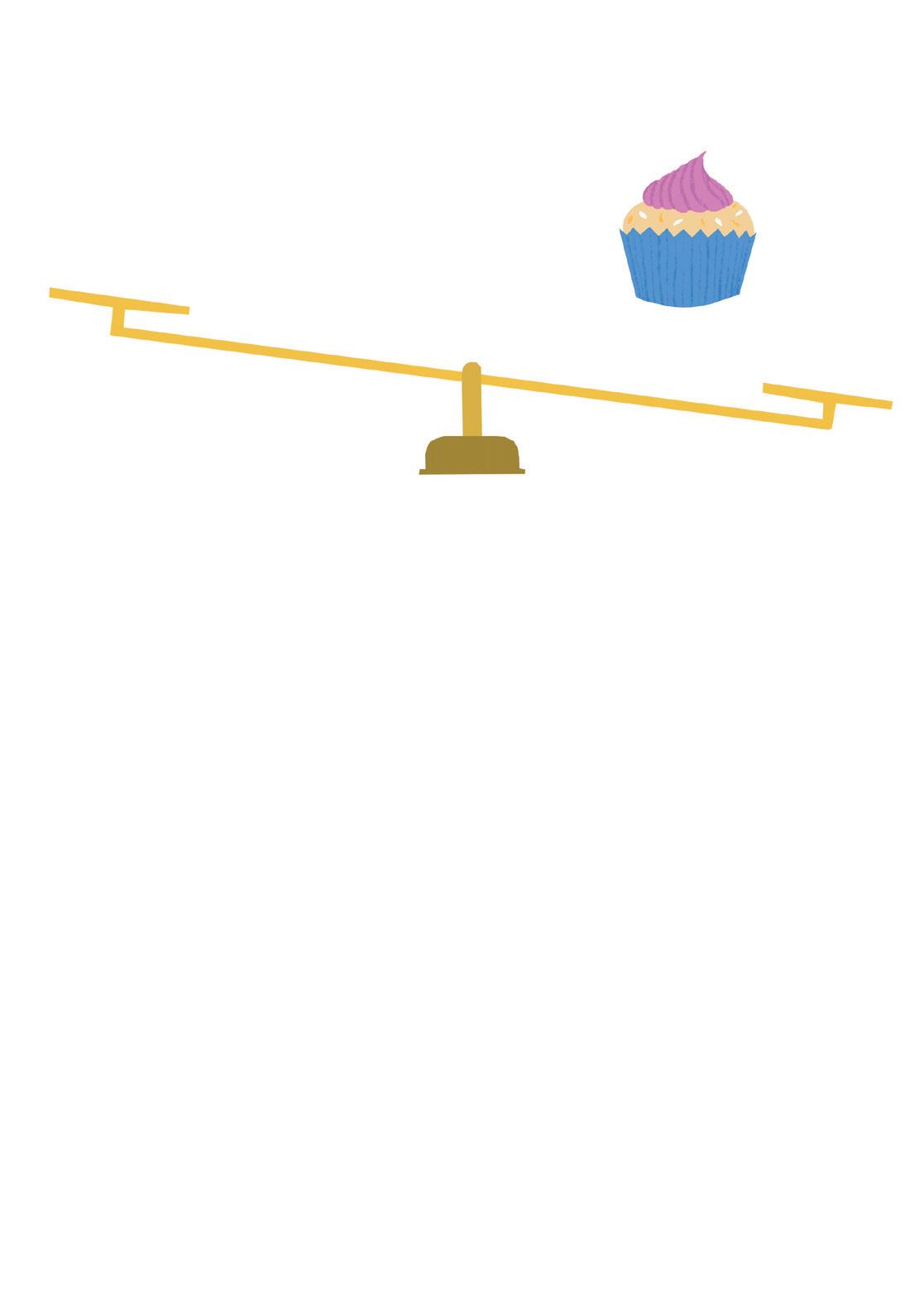
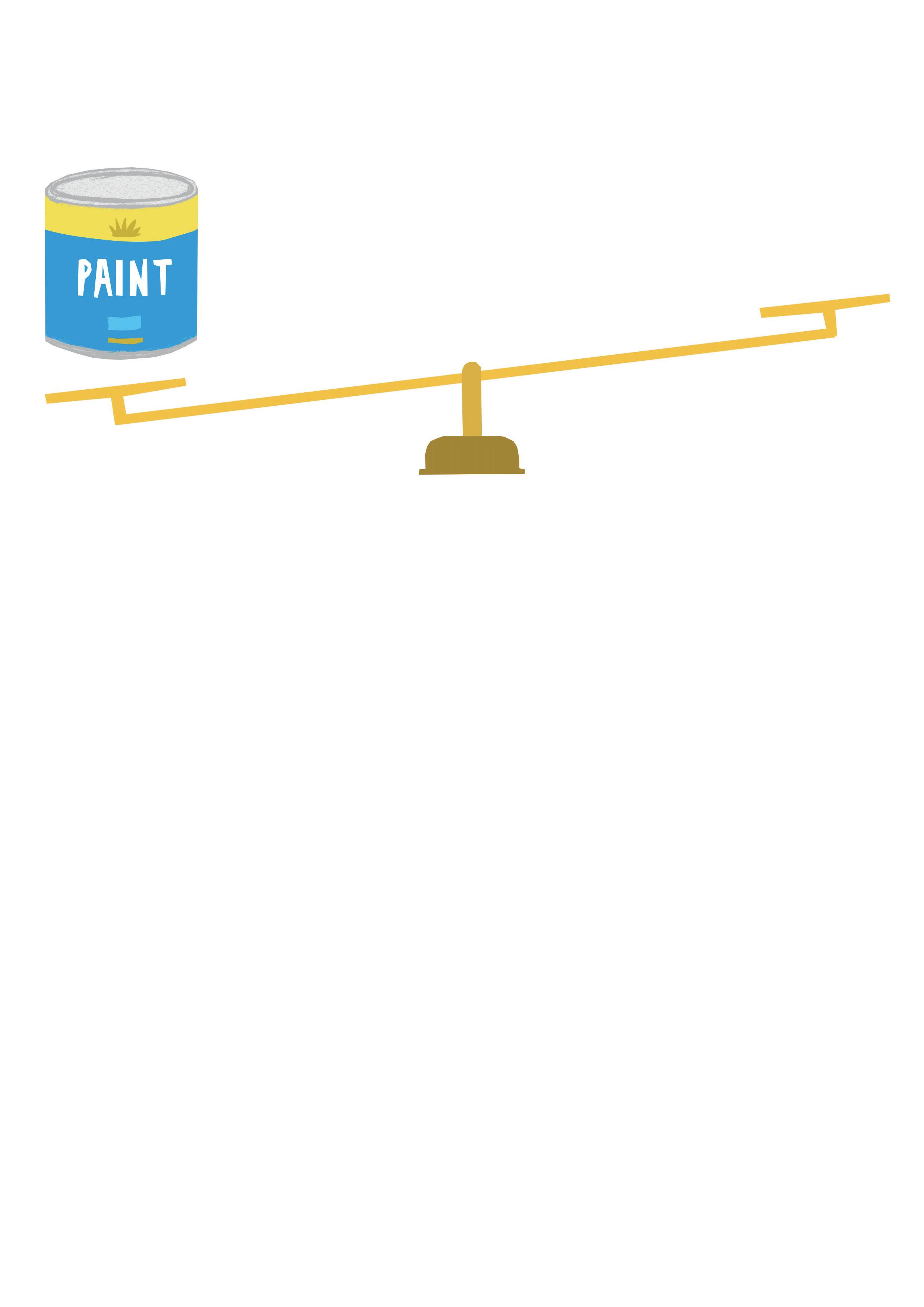
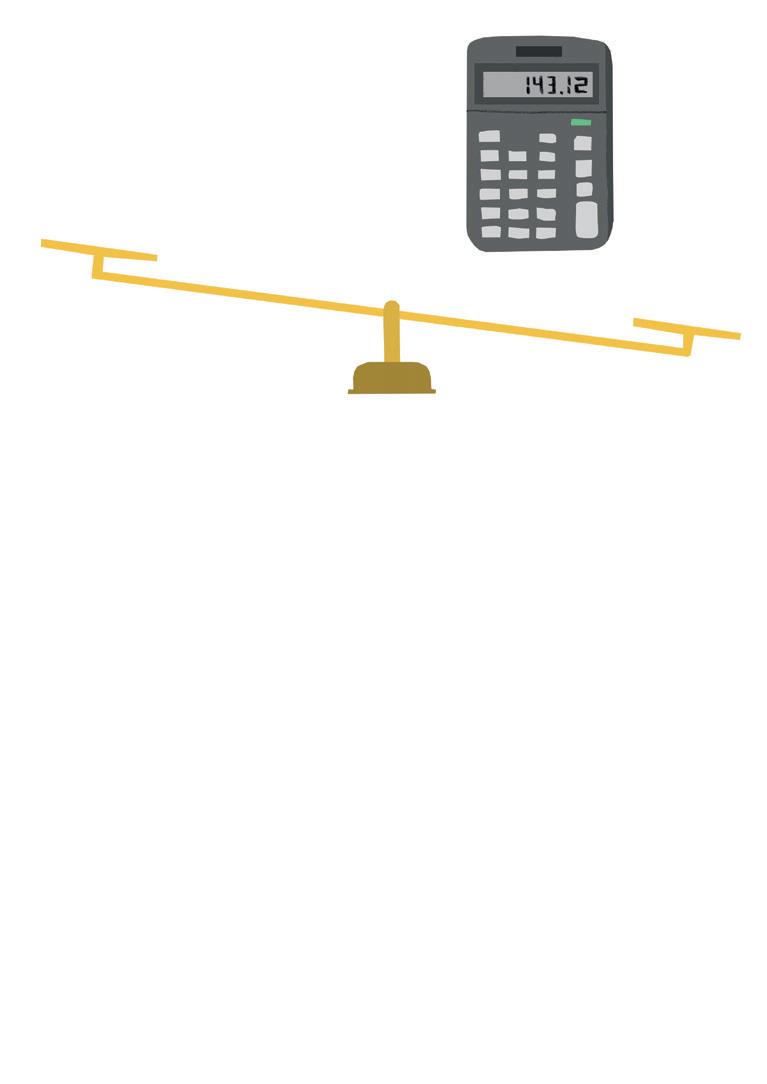
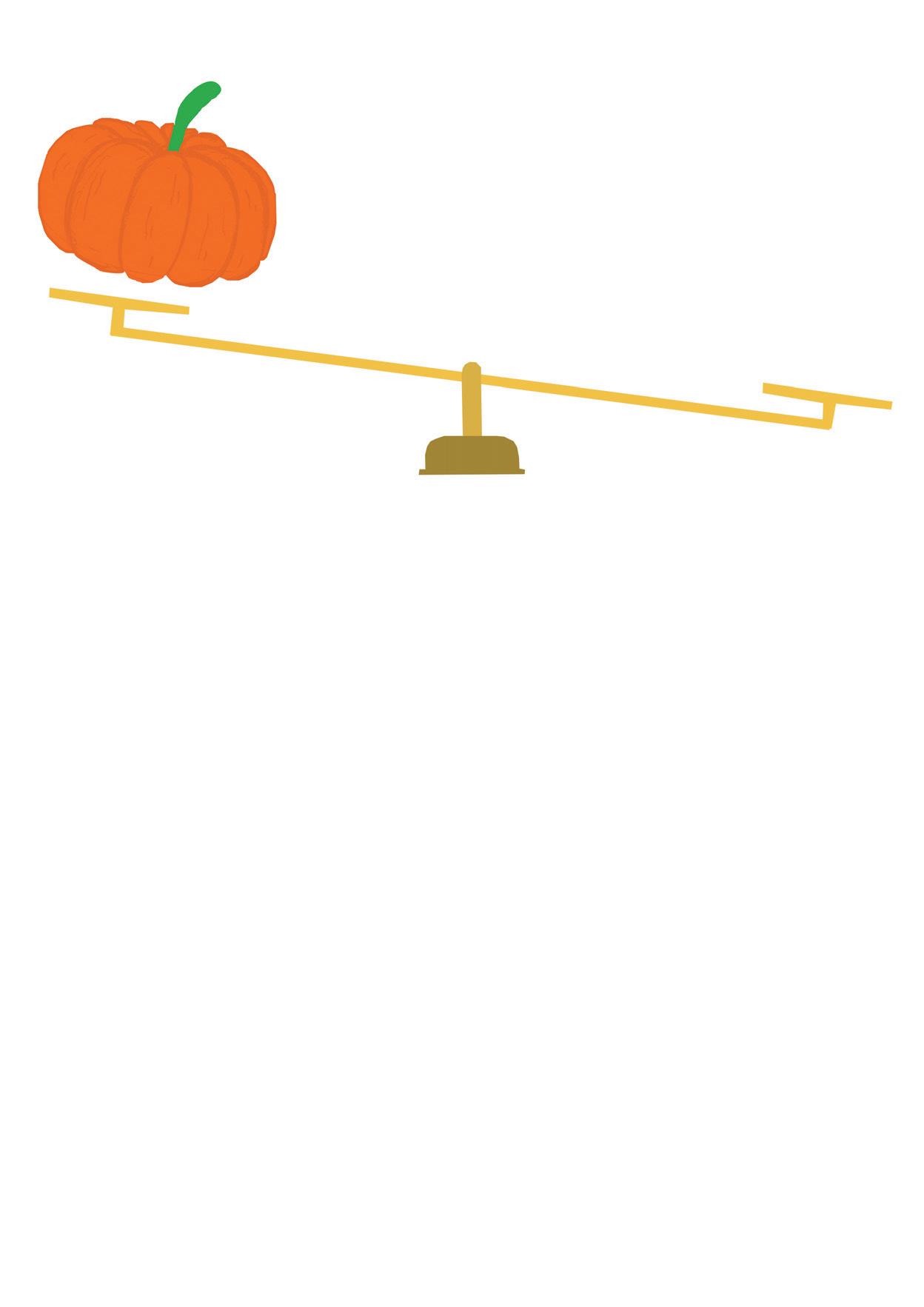
I am light.
I am heavy.
How can you tell which animal is heavier on the balance scale?
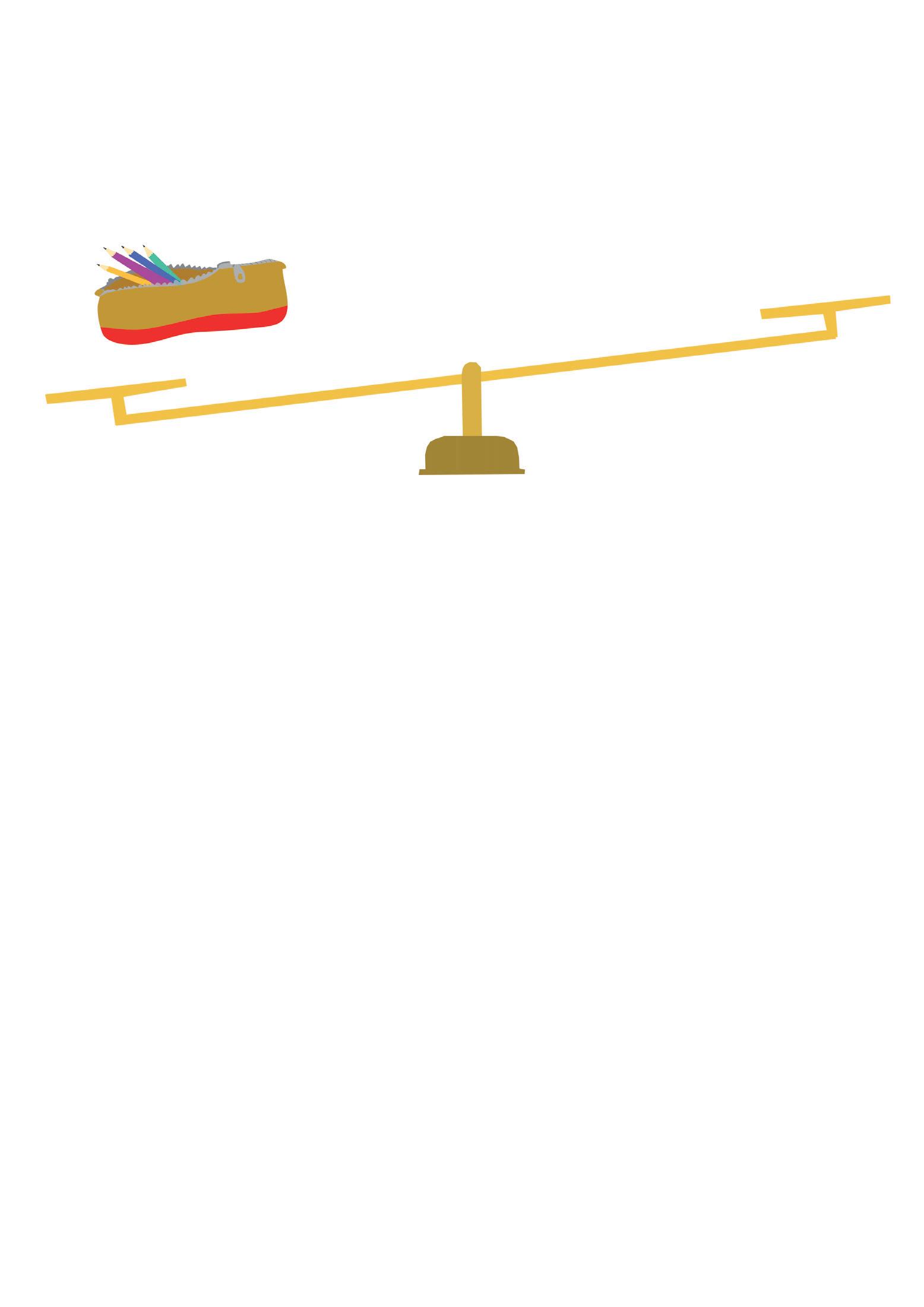
1 Draw something lighter on the scales.
2 Draw something heavier on the scales.
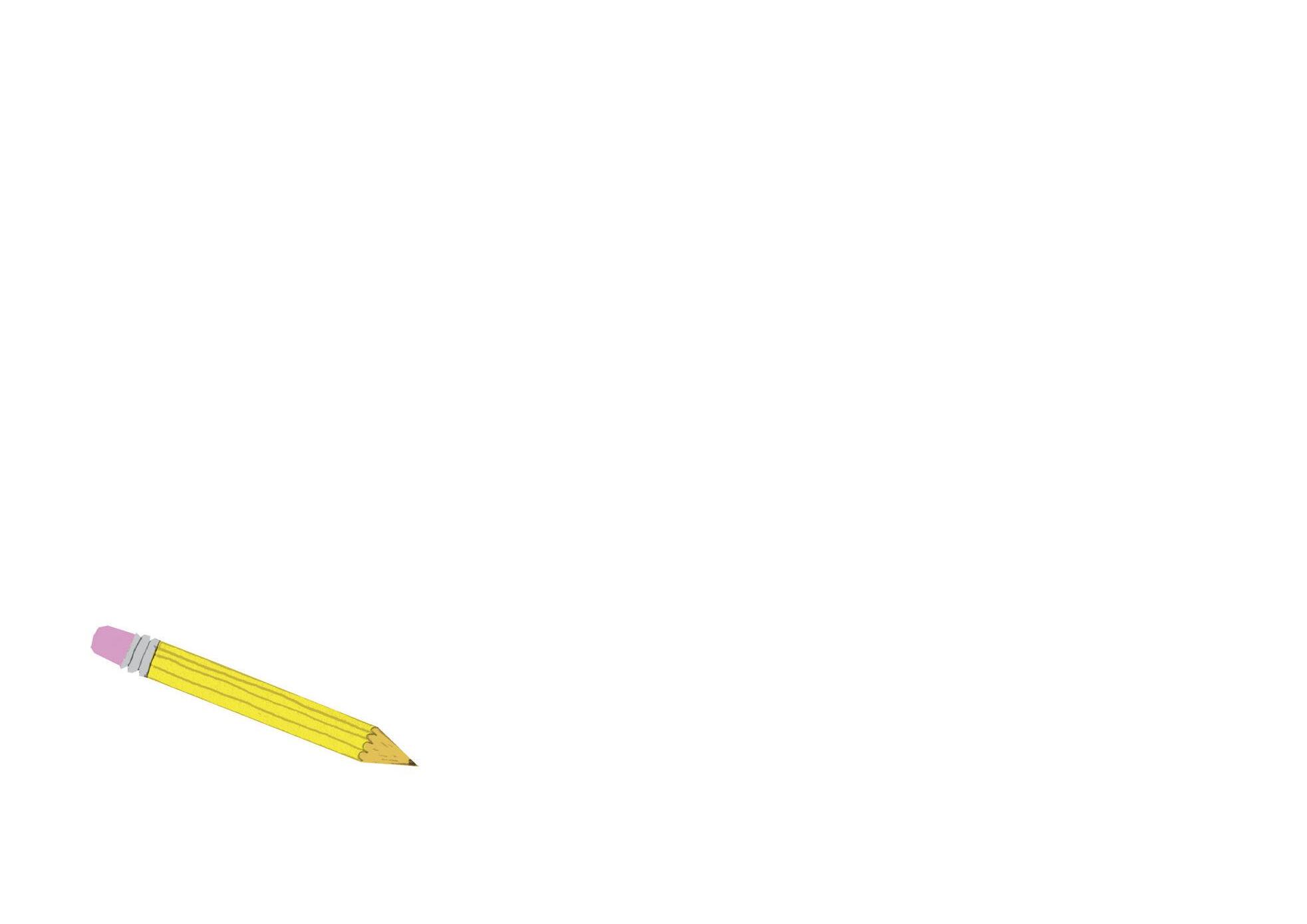
3 Estimate and then check if each item is lighter or heavier than your pencil case.
a a ruler your shoe
My estimate: lighter heavier
Result: lighter heavier
c your drink bottle
My estimate: lighter heavier
Result: lighter heavier
My estimate: Result:
My estimate:
4 Redraw the items from lightest to heaviest.
Capacity
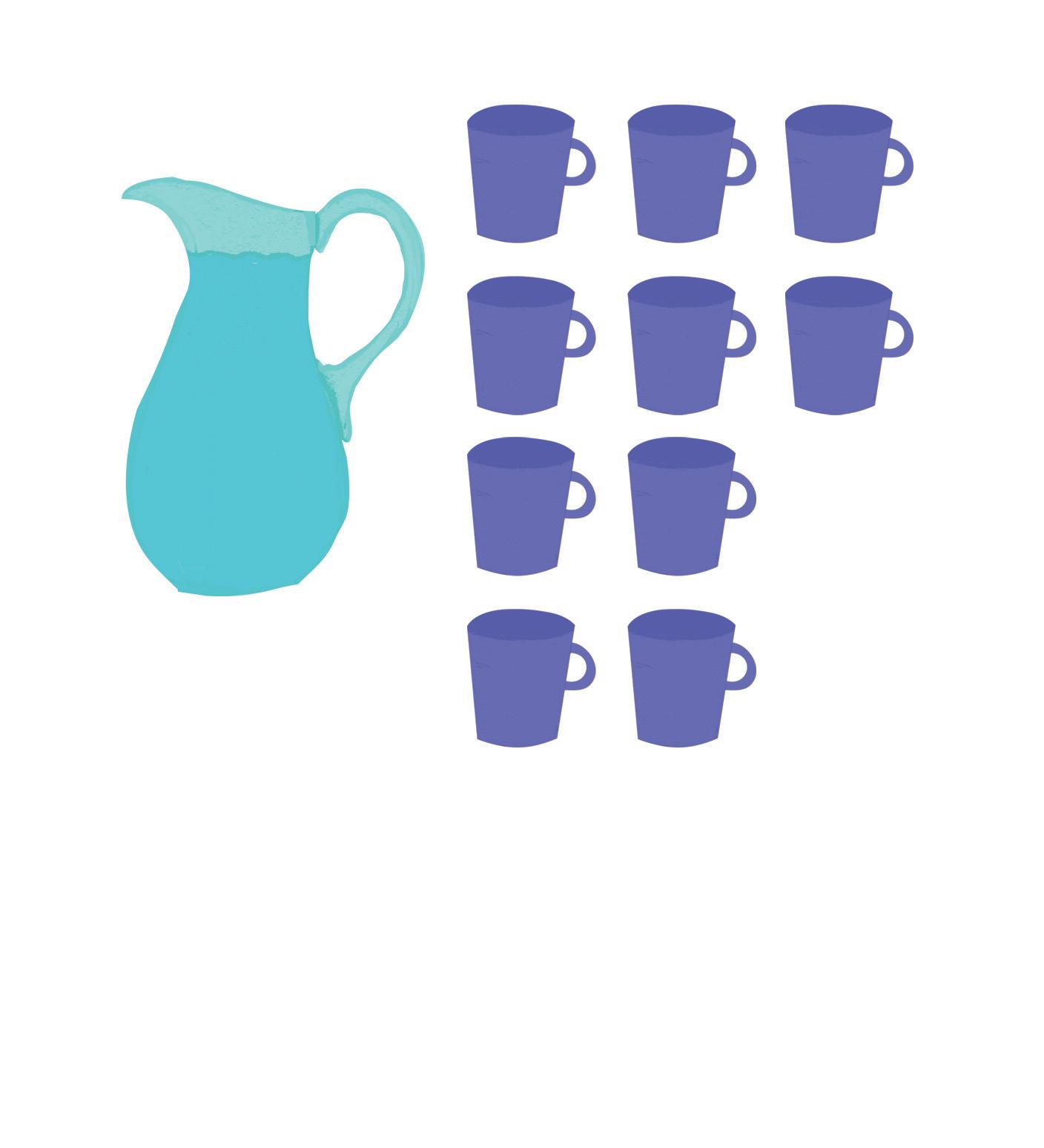
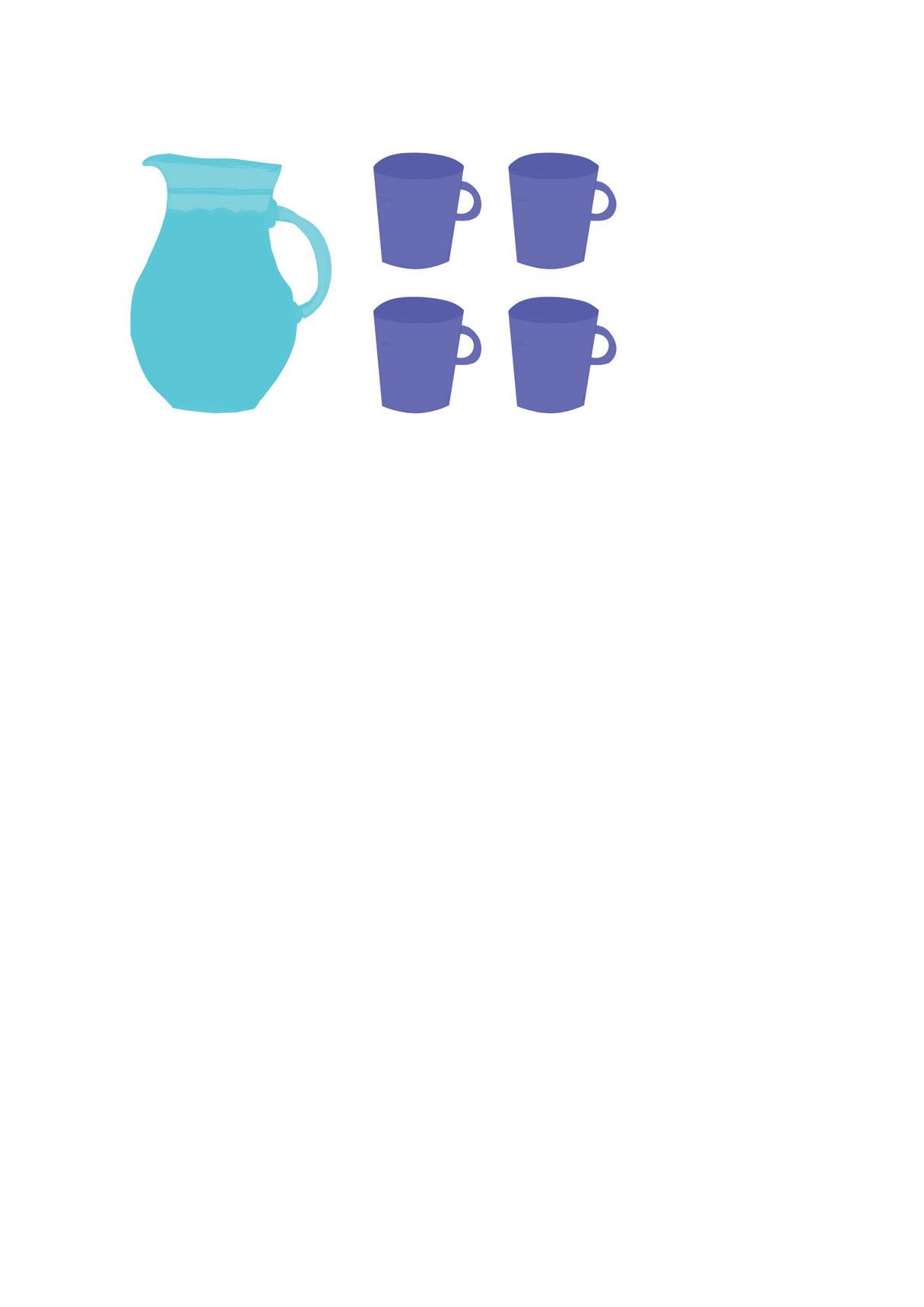
Capacity is how much a container can hold.
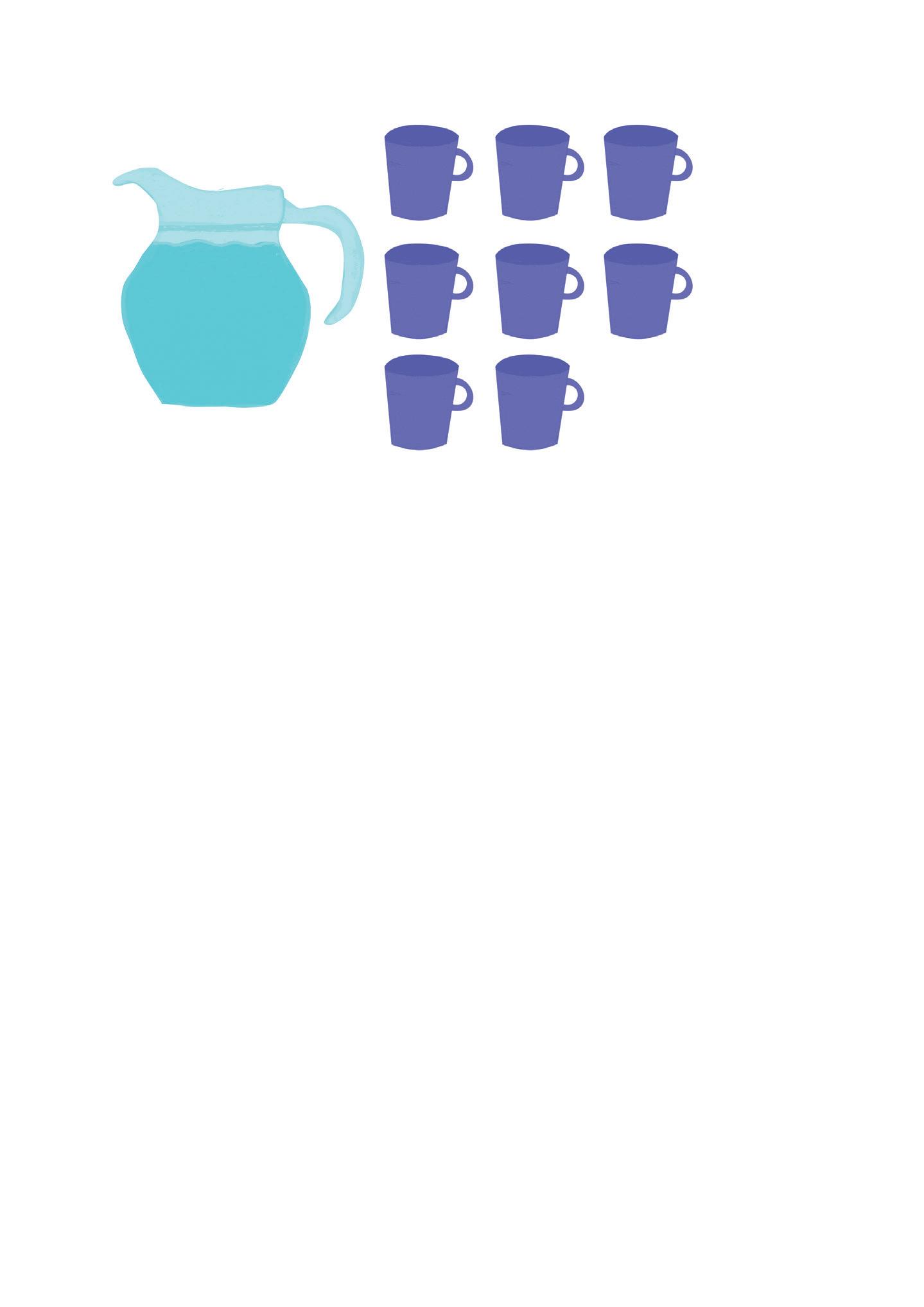
This bowl has a capacity of 10 mugs.
Deepen
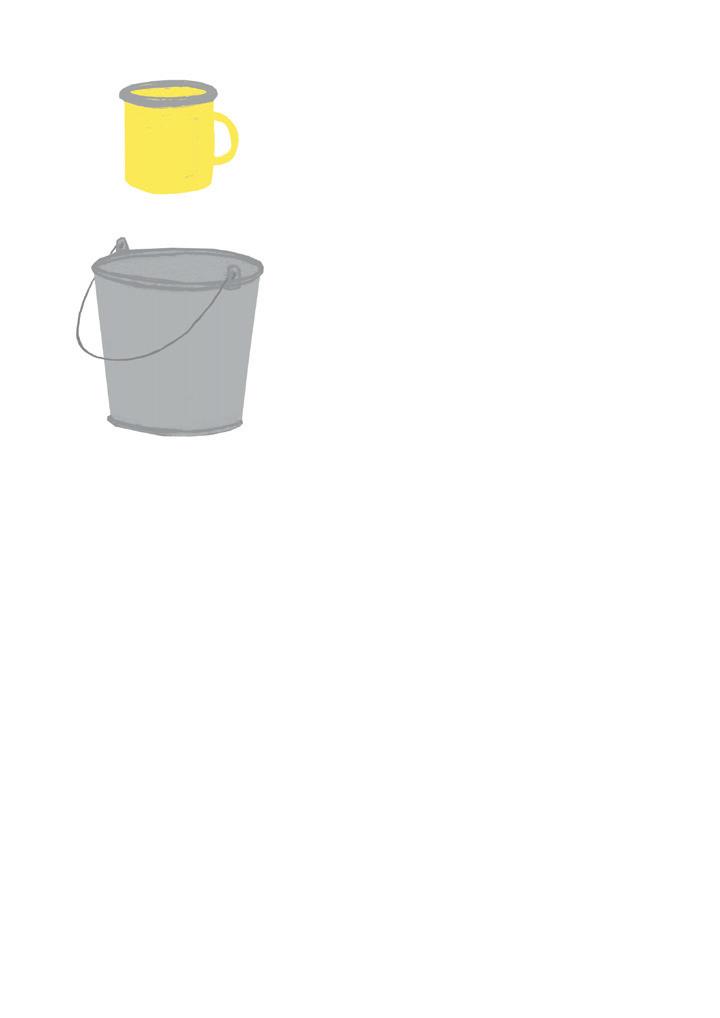
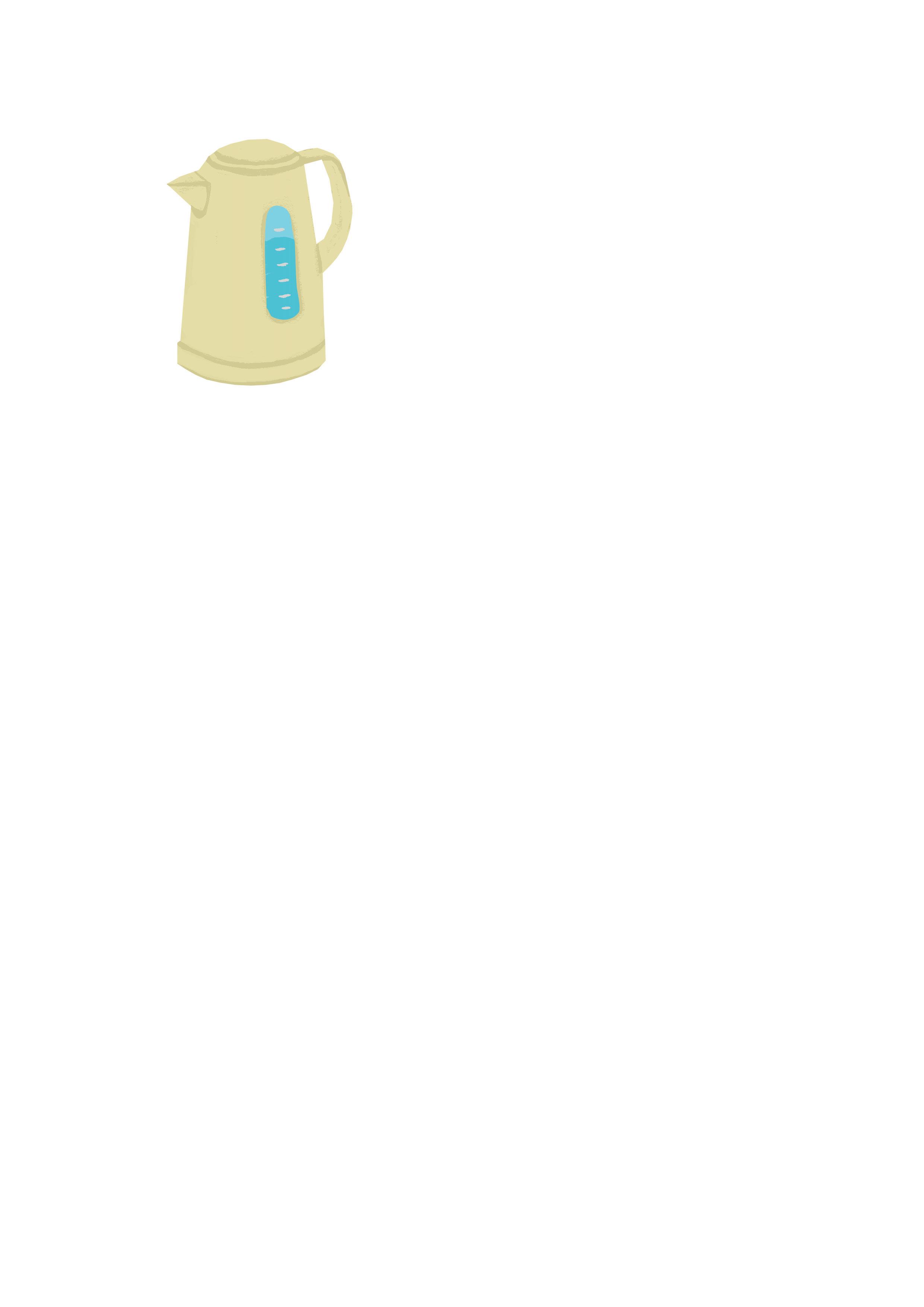
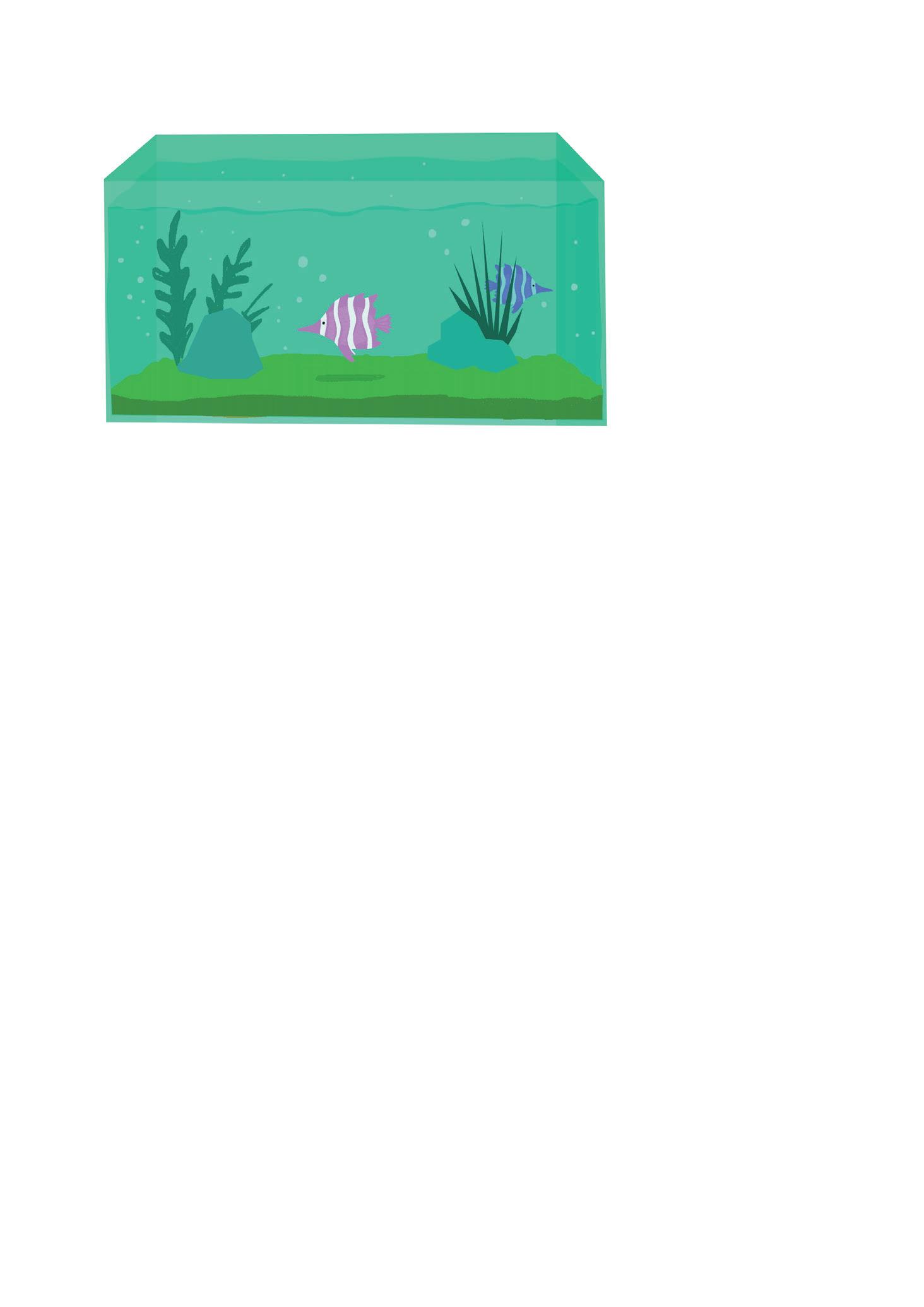
Write the capacity of each jug in mugs.
DRAFT
mugs
mugs
2 Circle the unit you would use to measure the capacity of the
3 raw an item with a bigger capacity.
c Circle the unit you would use to measure the capacity of the items you drew.
b Draw an item with a smaller capacity.
Measurement | Measuring
Topic 3.2 Estimating and measuring
Length
This pencil is 5 cm long.
We can use centimetres (cm) to measure the length of smaller objects like pencils.
Learn
1 How long are each of these objects?
2 Measure 4 objects in your classroom. Write the lengths in centimetres (cm).
Object 1: a pencil
3 Circle your estimate for the length of each object, then measure it using a ruler.
a Whiteboard marker
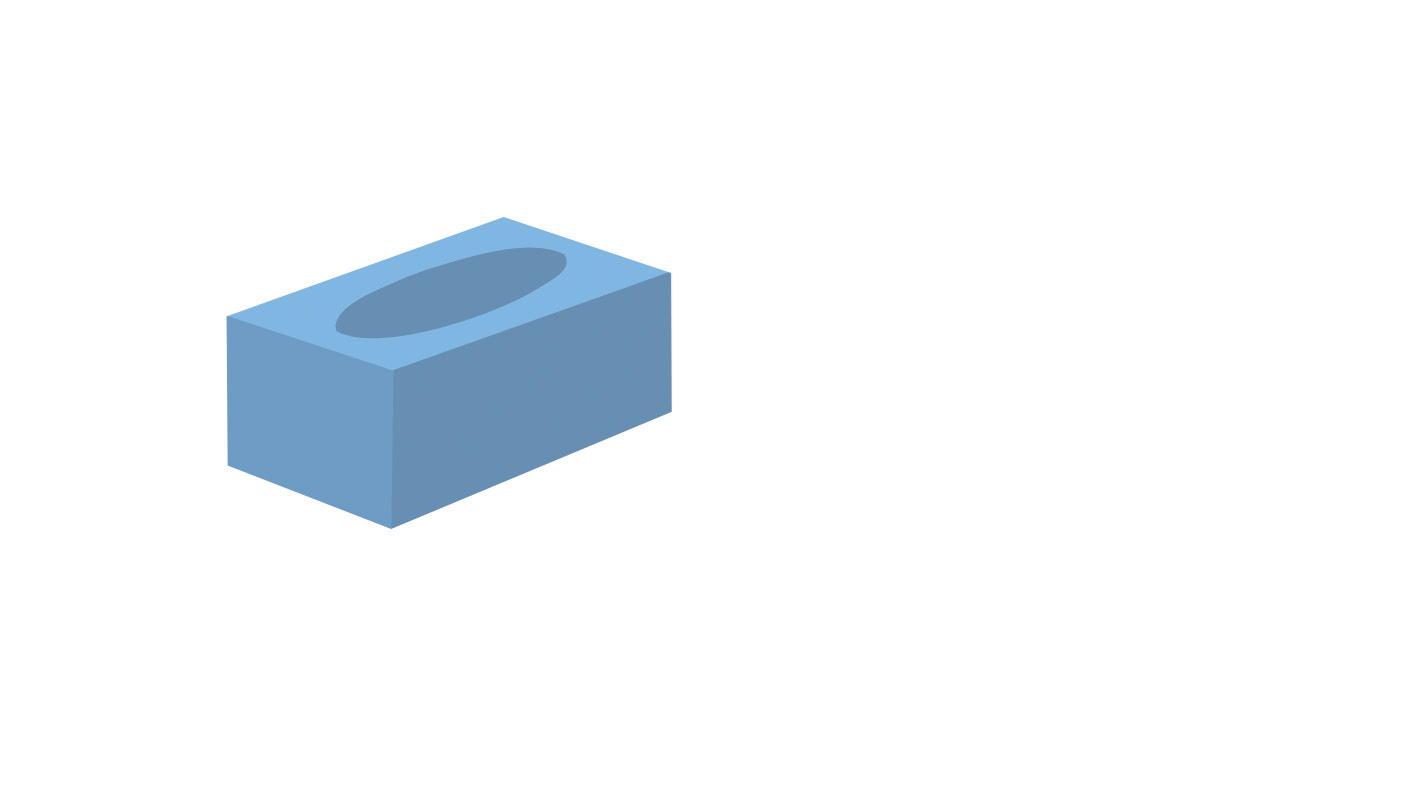
b Tissue box
c Your workbook
Scales can measure the mass of small objects using grams (g).
1 How much does each object weigh?
Apple
[insert image of an apple on top of a scale. Scale should read 0 – 200 g, with an arrow pointing to 100 g. Show every 20 g as a full hatch mark.] grams
Feijoa
[insert image of a feijoa on top of a scale. Scale should read 0 – 100 g. Arrow pointing to 40 g. Show every 10 g as a full hatch mark.] grams
Lemon
[insert image of a lemon on top of a scale. Scale should read 0 – 200 g, with an arrow pointing to 80 g. Show every 20 g as a full hatch mark.] grams
Banana
[insert image of a banana on top of a scale. Scale should read 0 – 200 g. Arrow pointing to 120 g. Show every 20 g as a full hatch mark.] grams
Apricot
[insert image of an apricot on top of a scale. Scale should read 0 – 50 g, with an arrow pointing to 35 g. Show every 5 g as a full hatch mark.]
grams
Strawberry
[insert image of a strawberry on top of a scale. Scale should read 0 – 20 g, with an arrow pointing to 10 g. Show every 4 g as a full hatch mark.] grams
2 Draw an arrow pointing to the weight on the scale.
Grape
[insert image of a grape on top of a scale. Scale should read 0 – 20 g. No arrow] 5 grams
Plum
[insert image of an apricot on top of a scale. Scale should read 0 – 100 g. No arrow]
50 grams
Kiwifruit
[insert image of a strawberry on top of a scale. Scale should read 0 – 200 g. No arrow] 95 grams
3 Estimate the mass of these objects. Draw them from lightest to heaviest. Shoe T
a 3 strawberries weigh? grams
b 5 strawberries weigh? grams
4 A strawberry weighs 5 grams. How much do: 5 grams
We measure small amounts of liquid using millilitres (mL).
5 Circle the correct answer.
6 How much does each container hold in mL?
7 Draw a line to fill each container to the level given.
8 Estimate the capacity of each object.
Tablespoon Cup
9 1 teaspoon holds 5 mL. How much do these teaspoons hold in total?
Perimeter
The perimeter is the total length of the sides of a shape.
The perimeter of this triangle is 3 cm + 4 cm + 5 cm = 12 cm
Deepen
1 Calculate the perimeters in cm. Show your working.
DRAFT
2 Draw the shapes from question 1 in order from shortest perimeter to longest perimeter.
Shortest perimeter
Longest perimeter
3 Use a ruler to measure the perimeter of each shape.
4
a Use a ruler to find the perimeter of your workbook. Draw a digram to help you.
b Find the perimeter of a picture book in your class room. Draw a diagram to help you.
5 Circle which one had the largest perimeter.
Measurement | Measuring Topic 3.3 Turns
Learn clockwise
Clockwise is the direction the hands on a clock move. Anticlockwise is the opposite direction. anticlockwise
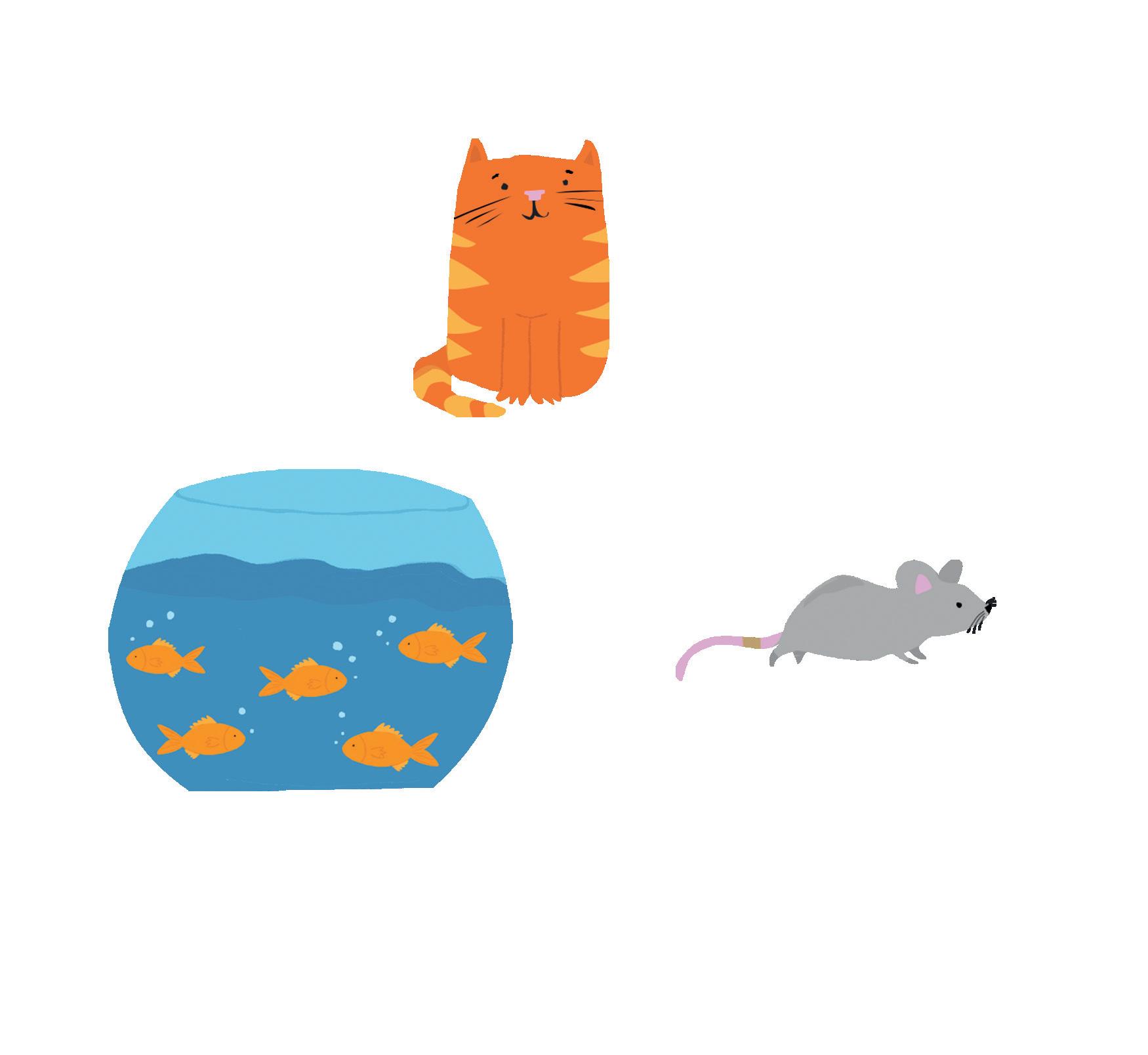
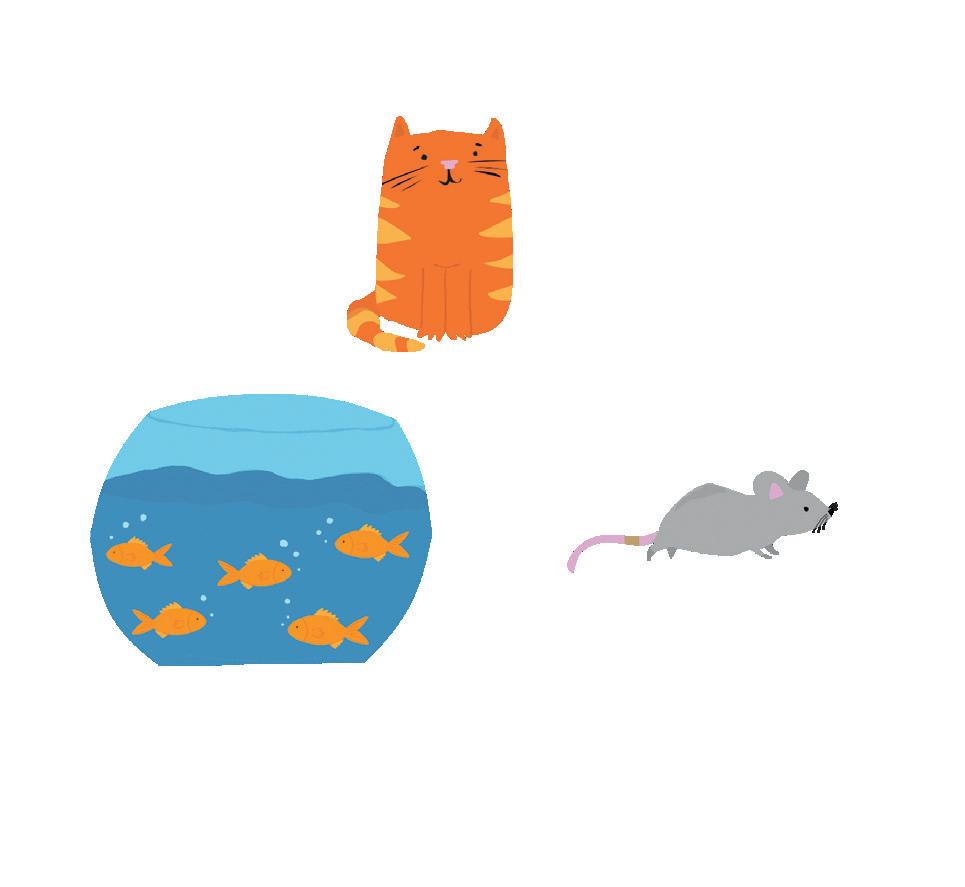
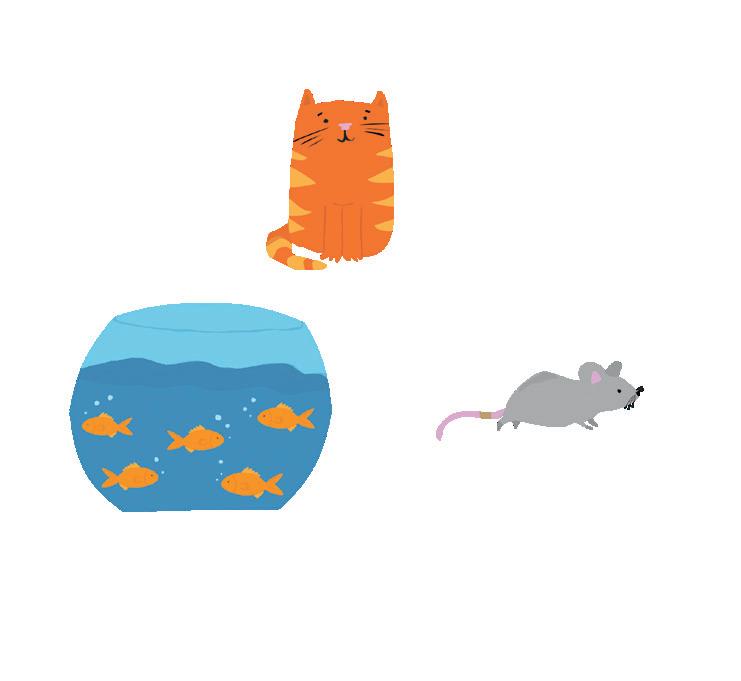
1 Which way should the cat move to:
a find the mouse first clockwise anticlockwise
b find the fish first? clockwise anticlockwise
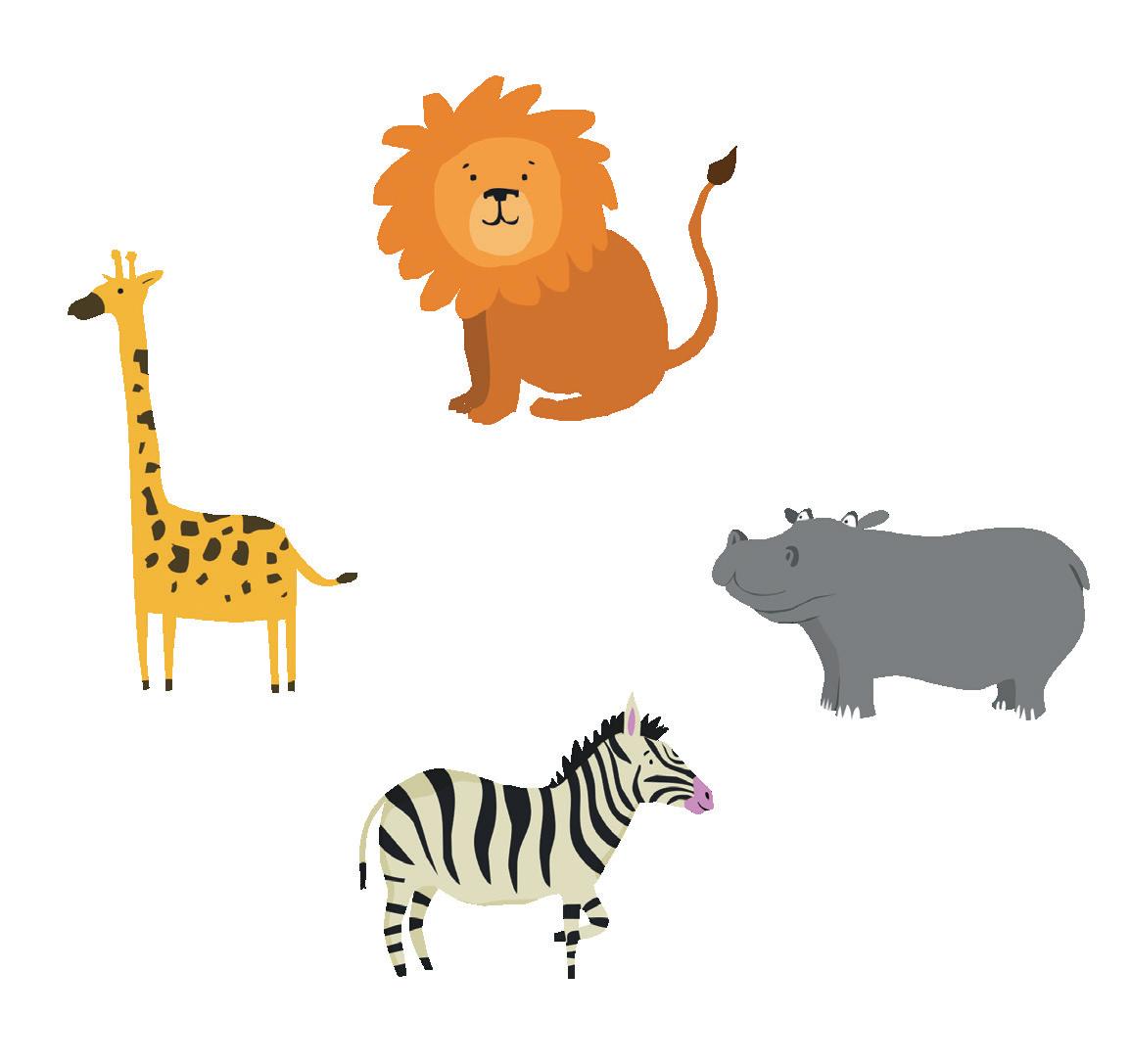
2 Which way should the hippo move to:
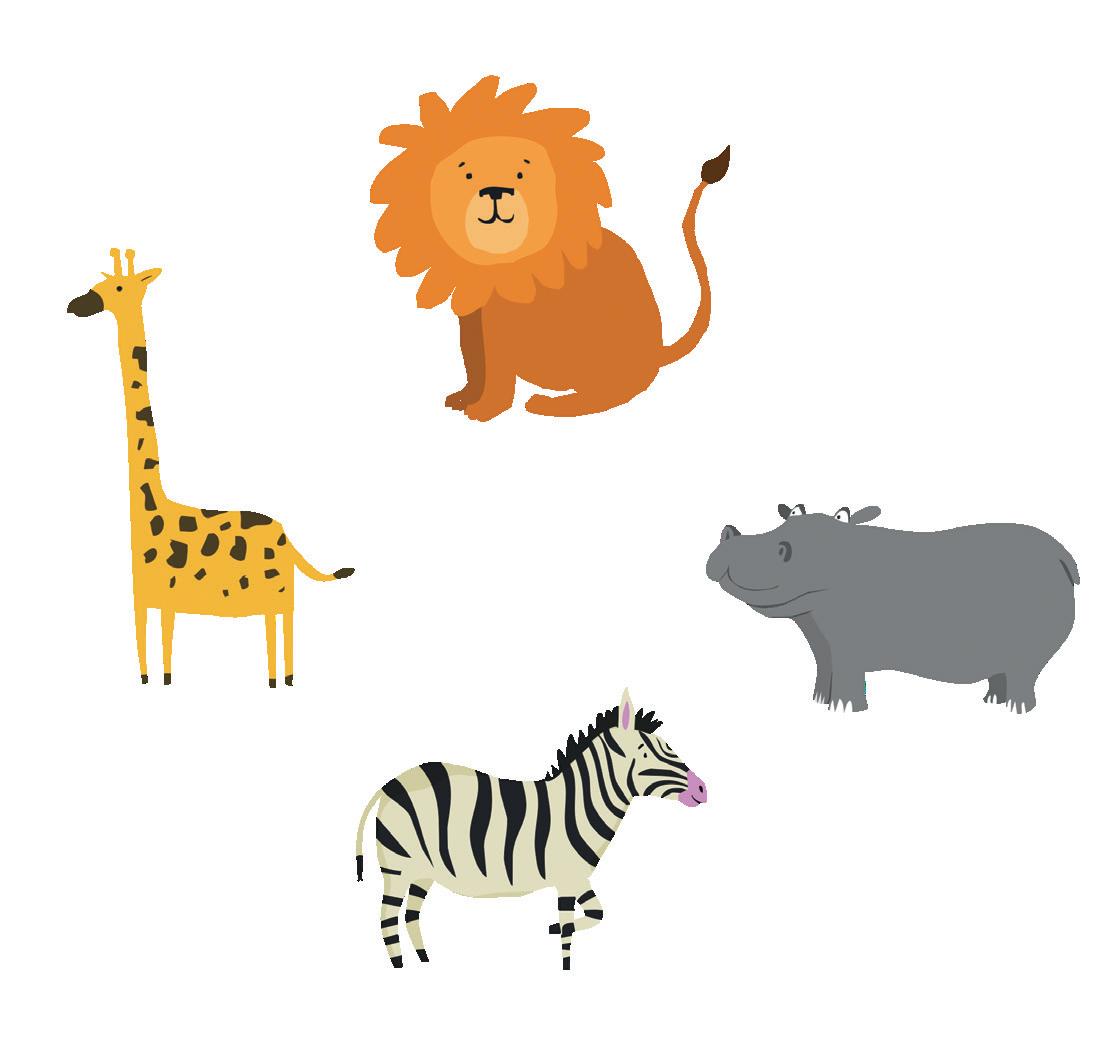
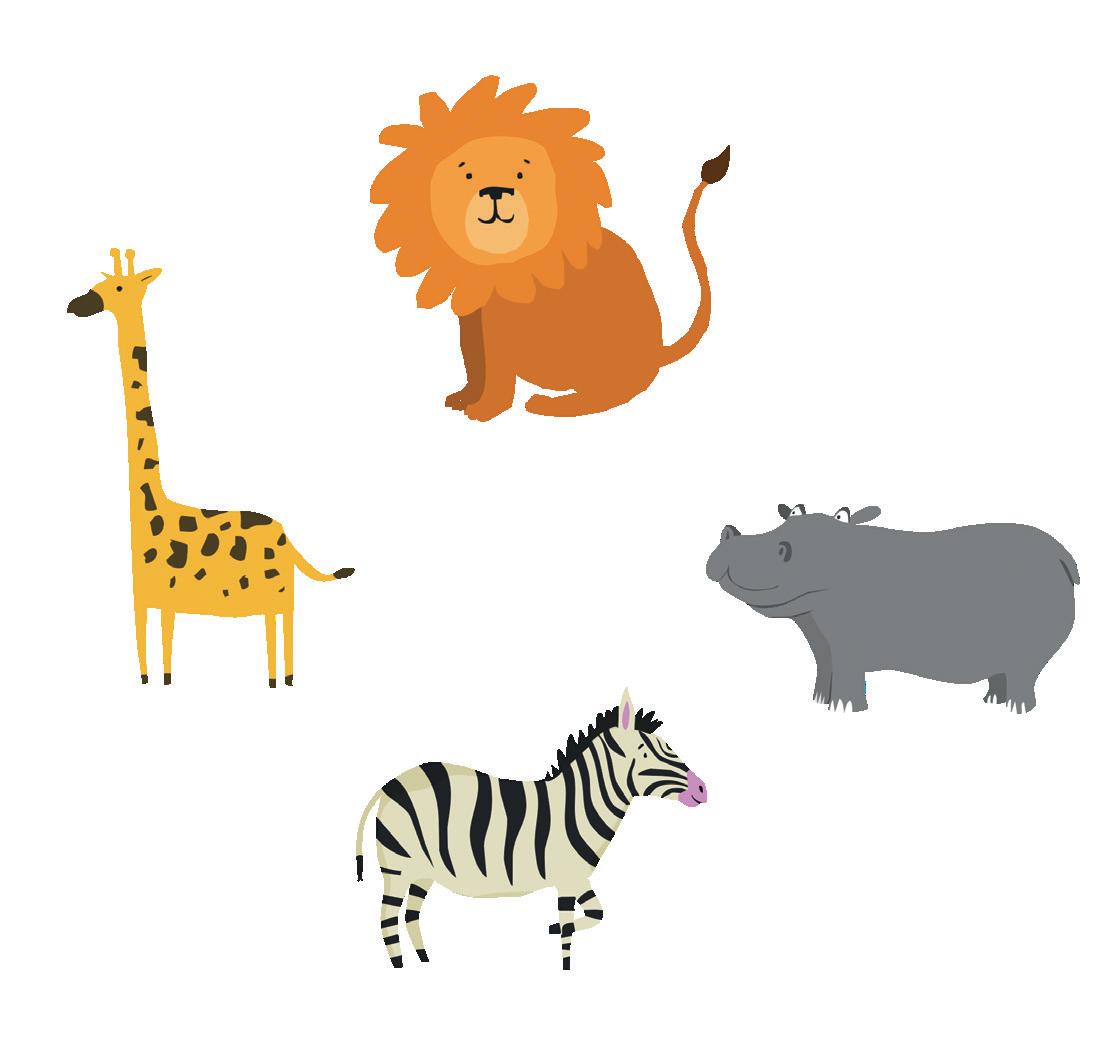
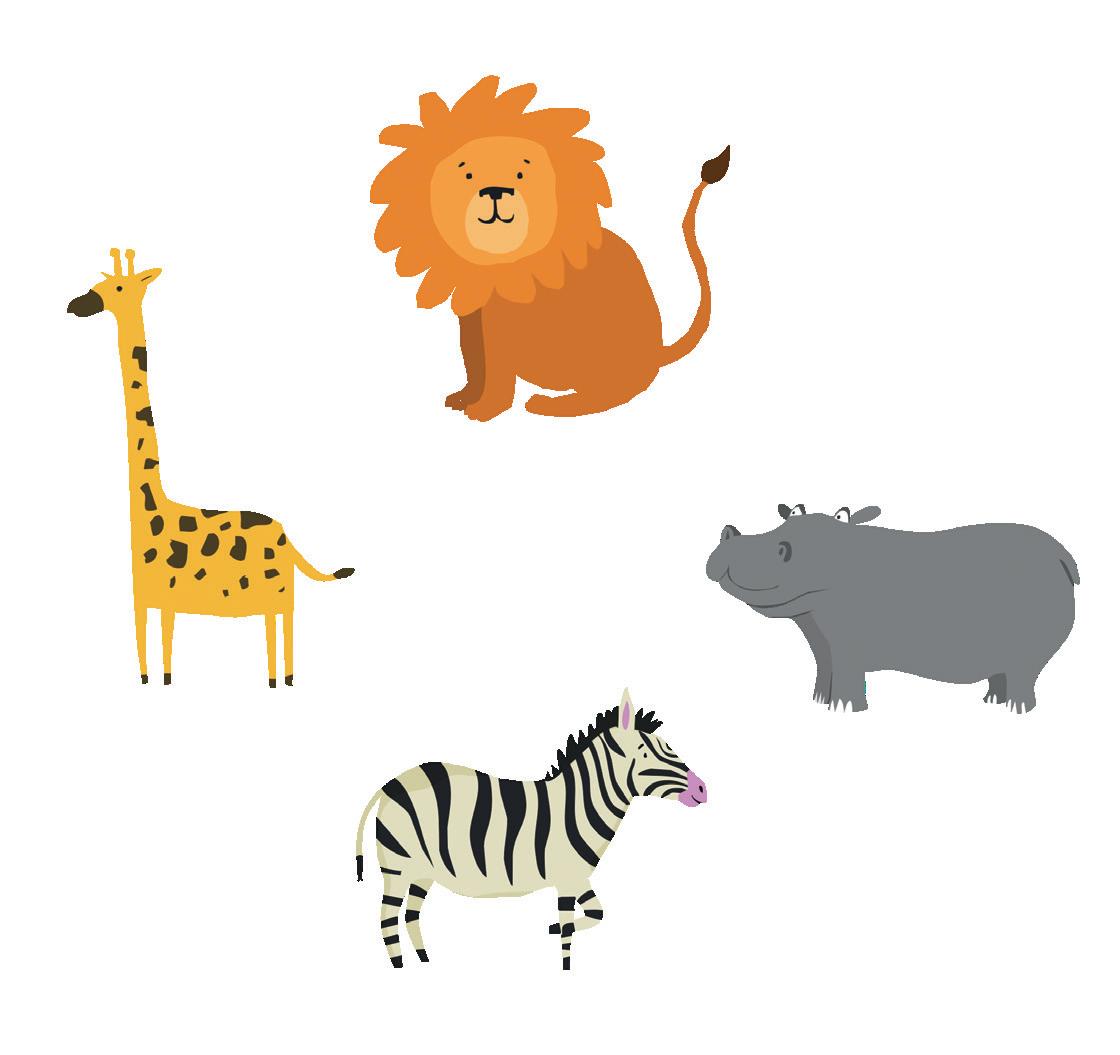
a find the lion first clockwise anticlockwise
b find the zebra first? clockwise anticlockwise
1 Circle the turn made for each picture.
you
2 Decide whether the pattern is showing 1 2 turns or 1 4 turns, then continue the pattern.
Measurement
Element
|
Measuring Topic 3.4 Telling the time
Learn
1 Circle the correct answer. a b Where is the hour hand for o’clock time? Where is it for half past time?
2 What is the time?
1 Match the o’clock and half past times.
2 o’clock 7 o’clock half past 11 half past 6
2 Draw:
1 o’clock
o’clock
3 Circle the correct time
1 Match the quarter past times.
2 Show:
3 Write the digital time.
4 Match the clocks and their times.
5 Write the times.
6 Draw the times 6:30 12:00 5:15 12:30 5:00
Measurement Element | Measuring Topic 3.5 Months and seasons
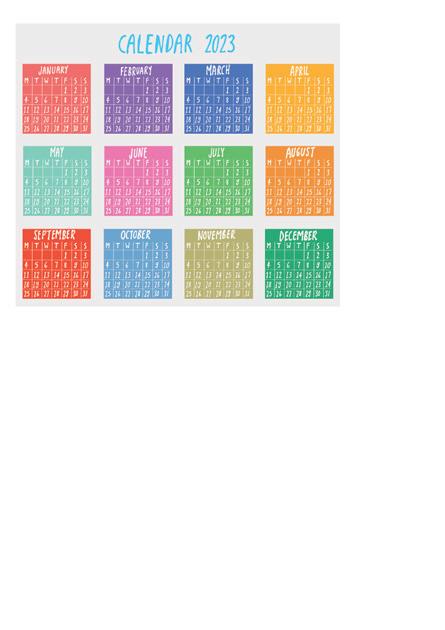
Learn
1
a Write the months of the year in order.
b Write the season each month is in.
Month
January
Season
These are the months of the year. There are 4 seasons. There are 12 months in a year.
What season is your birthday in?
January
1 Fill in the table showing the correct months. Months of