Key Features of Modern History
Sixth edition Bernie Howitt
Emma Bergin
Bruce Dennett
Stephen Dixon
POWERED BY

KEY FEATURES OF MODERN HISTORY
STAGE 6 (YEAR 11)
NEW SOUTH WALES SYLLABUS
Table of contents
Part
A: Investigating modern history - the nature of modern history
Module 1: The investigation of historic sites and sources
1.1 Introduction
1.2 The nature, range and importance of archives to historians
1.3 The reconstruction of historic sites: The Western Front
1.4 The contribution of archaeological and scientific techniques in the investigation of the past
1.5 A significant historical site: Villers-Bretonneux
M1 Conclusion: The investigation of historic sites and sources
Module 2: The contestability of the past
2.1 Introduction
2.2 The attack at Pearl Harbor
2.3 Profile: The Pearl Harbor advance-knowledge conspiracy theory
2.4 How historians test hypotheses about the past
2.5 The role of sources and evidence in the evaluation of different theories about the past
M2 Conclusion: The contestability of the past
Module 3: The construction of modern histories
3.1 Introduction
3.2 Different types of histories
3.3 The historical context of the Holocaust
3.4 The role of evidence, interpretation and perspective in the construction of historical accounts
3.5 The role of selectivity, emphasis and omission in the construction of historical accounts
3.6 Profile: History on trial
M3 Conclusion: The construction of modern histories
Module 4: The representation and commemoration of the past
4.1 Introduction
4.2 The nature and role of public and official histories
4.3 Different ways history is represented and remembered
4.4 The need for critical analysis of representations of the past and historical methods that can be used for this purpose
4.5 The various ways the past is commemorated, including the role of political influence
M4 Conclusion: The representation and commemoration of the past
Module 5: Historical investigation
5.1 Introduction
5.2 The process of historical investigation
5.3 Historical investigation: The sinking of the Titanic
5.4 Profile: Perspectives of Titanic survivors
M5 Conclusion: Historical investigation
Part
B: Investigating modern history - case studies
Module 6: The decline and fall of the Romanov dynasty
6.1 Introduction
6.2 Profile: The character of Nicholas II
6.3 The development and nature of opposition to the Romanovs
6.4 Profile: Rasputin – the "Mad Monk"
6.5 The fall of the Romanov dynasty
6.6 Debate: Did Anastasia survive?
6.7 Rewriting the Romanovs: History and memory
M6 Conclusion: The decline and fall of the Romanov dynasty
KEY FEATURES OF MODERN HISTORY
STAGE 6 (YEAR 11)
NEW SOUTH WALES SYLLABUS
Table of contents
Module 7: The American Civil War
7.1 Introduction
7.2 The historical context of the Civil War
7.3 The nature of the American Civil War
7.4 Key battles of the American Civil War
7.5 The nature of warfare, including changing technology
7.6 The roles and experiences of different groups during the American Civil War
7.7 Reasons for the Union victory and the consequences of the American Civil War
7.8 A relevant historical debate or issue
M7 Conclusion: The American Civil War
Module 8: The rise of the American environmental movement [online-only module] content to come
Module 9: The Boxer Rebellion in China
9.1 Introduction
9.2 The aims and membership of the “Righteous and Harmonious Fists”/I-ho Ch’uan
9.3 The nature and course of the Boxer Rebellion
9.4 Profile: The Empress Dowager Cixi: Her role and motivation in encouraging the Boxer Rebellion
9.5 The implications of the rebellion for China and the Qing dynasty
M9 Conclusion: The Boxer Rebellion in China
Module 10: The Meiji Restoration
10.1 Introduction
10.2 Historical context of the restoration
10.3 The nature of the Meiji Restoration
10.4 The roles of individuals and groups in the Meiji Restoration
10.5 The role of Western imperialism in the Meiji period
10.6 The growth of Japanese militarism and imperialism
10.7 A relevant historical debate or issue
M10 Conclusion: Meiji Restoration
Module 11: The making of modern South Africa
11.1 Introduction
11.2 Early European settlement in southern Africa
11.3 African kingdoms in southern Africa
11.4 Profile: Shaka Zulu
11.5 Boer and British rivalry intensifies
11.6 African resistance to imperialism and the 1879 Anglo-Zulu Wars
11.7 Imperial power, gold and race relations
11.8 Profile: Cecil Rhodes
11.9 Causes and consequences of the South African War
11.10 A relevant historical debate or issue: How did the United Kingdom conduct war in South Africa, and at what cost?
11.11 The creation of the Union of South Africa and the introduction of segregation
M11 Conclusion: The making of modern South Africa
Part C: The shaping of the modern world
Module 12: World War I
12.1 Introduction
12.2 Short-term causes and the outbreak of war in 1914
12.3 The changing nature of war by 1918
12.4 Experiences of soldiers in key battles on the Western Front
12.5 Profile: Battle of Beersheba
12.6 The nature and impact of war on civilians
12.7 Victory and peace
12.8 The nature and legacy of World War I and its influence on modernity
M12 Conclusion: World War I
KEY FEATURES OF MODERN HISTORY
STAGE 6 (YEAR 11)
NEW SOUTH WALES SYLLABUS
Table of contents
Module 13: The Age of Decolonisation
13.1 Introduction
13.2 The historical context
13.3 In pursuit of self-determination
13.4 The nature of decolonisation
13.5 The impact of war on decolonisation
13.6 Case study: Decolonisation and self-determination in Vietnam
13.7 The significance of decolonisation
M13 Conclusion: The Age of Decolonisation
KEY FEATURES OF MODERN HISTORY
STAGE 6 (YEAR 12)
NEW SOUTH WALES SYLLABUS
Table of contents
Part A: Core Study
Module 1: Democracy and dictatorship 1919-1939
Part B: National Studies
Module 2: Cuba 1940 - 1991
Module 3: (online only) Japan 1904 - 1937
Module 4: Russia and the Soviet Union 1917–1941
Module 5: United States 1919–1941
Part C: Peace and Conflict
Module 6: Conflict in Europe 1935–1945
Module 7: Conflict in the Pacific 1937–1951
Module 8: (online only) The Cold War 1945–1991
Module 9: Conflict in Vietnam, Cambodia and Laos 1954–1976
Part D: Change in the Modern World
Module 10: (online only) The Nuclear Age 1945–2021
Module 11: Civil Rights in the United States 1945–1972
Module 12: The Anti-Apartheid Movement in South Africa 1948–1994
Module 13: From the Cultural Revolution to Tiananmen Square 1966–1989
Module
2
The contestability of the past
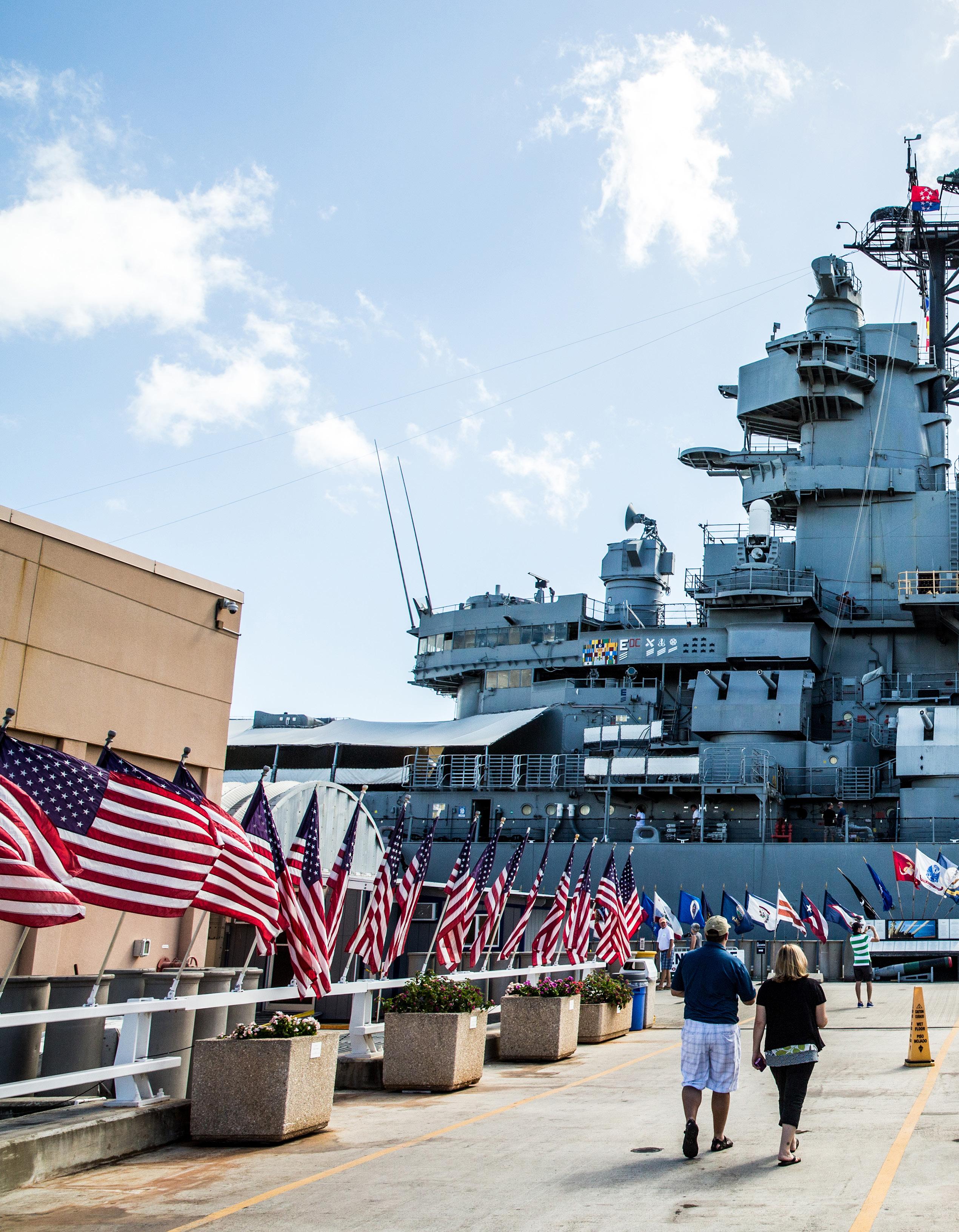
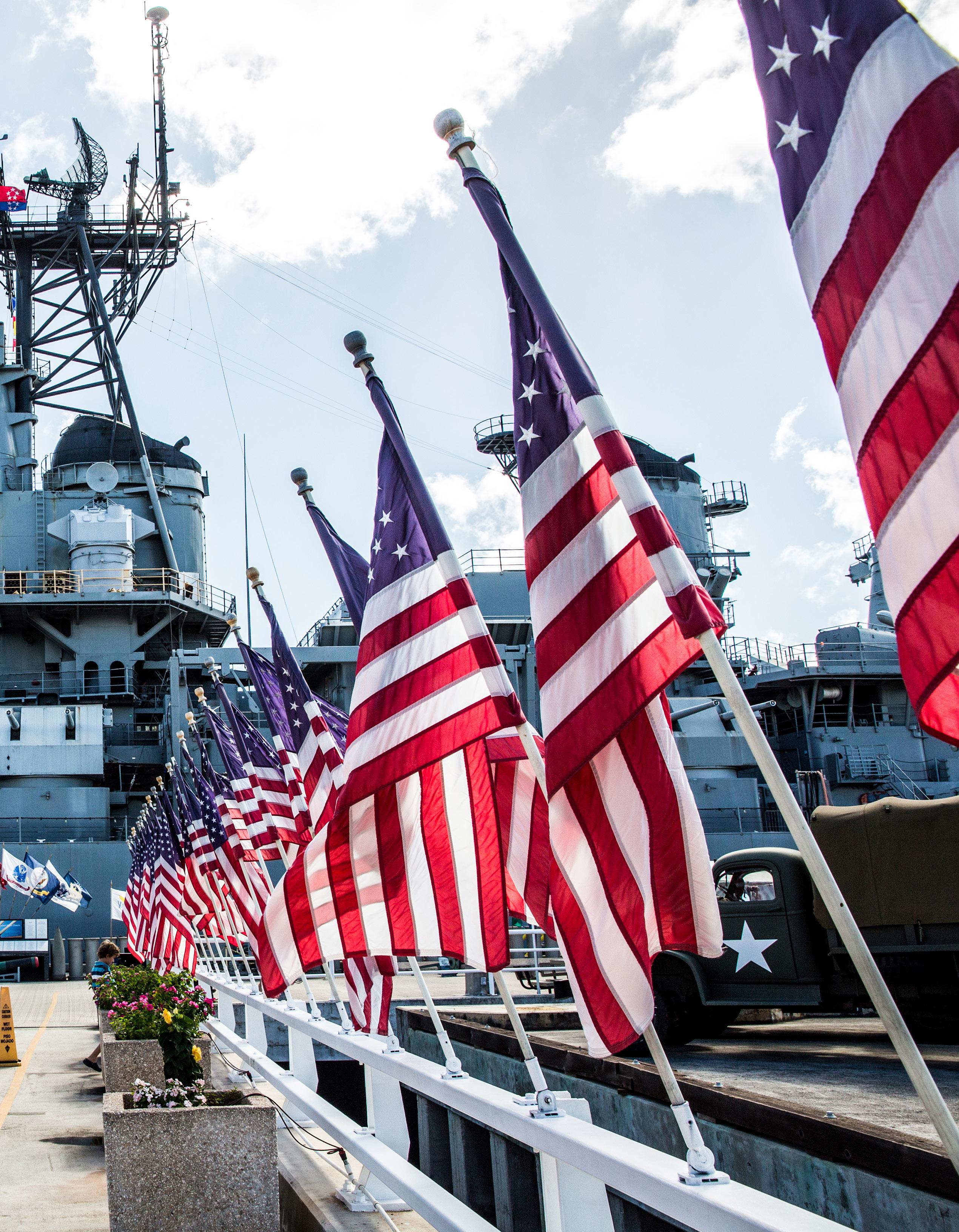
Source 1 American flags flying at the Battleship Missouri Memorial, Pearl Harbor. The memorial commemorates Japan’s formal surrender to the Allied Forces, ending World War II, in 1945.
DRAFT
Focus questions
1 How do the different interpretations of the attack on Pearl Harbor in 1941 illustrate the concept of contestability in history?
2 What do t he sources and historians say about the bombing of Pearl Harbor?
3 How do the sources and evidence help historians evaluate different theories about the bombing of Pearl Harbor?
Focus concepts and skills
Historical interpretation
One of the roles of historians is to interpret events and sources. The events at Pearl Harbor have challenged historians because much of the information comes from Japanese and American perspectives. Even historians may have their interpretation of events influenced by their national origins.
DRAFT
Historical investigation and research
Developing a range of questions to guide an investigation is an important step towards success in history. It is critical that you
develop questions that guide you towards a well-reasoned and well-supported conclusion. A good starting point here is to ask what you would like to know about the bombing of Pearl Harbor, and perhaps develop a mind map from that question.
Explanation and communication
When you are dealing with a contested topic such as the bombing of Pearl Harbor, it is critical that you provide evidence and examples to support your interpretation. When you are communicating your findings, it will be essential to plan a method that makes it very clear that you have conducted sufficient research to show you
understand the significance of your sources.
Analysis and use of sources
It is vital that you examine carefully the origin and intent of the sources you are using to develop your own interpretation.
Learning outcomes
• Understand the nature of contestability in history.
• Identify the different historical interpretations of the bombing of Pearl Harbor and the reasons for them.
• Disc uss the contested interpretations of Pearl Harbor and assess their validity.
Learning intentions and success criteria
Lesson 2.1 Introduction
Introduction
As a student of history, you analyse and evaluate contested interpretations and representations of the past. This implies that historians will not always agree on why events occurred, or what those events mean. History is often contested, with differing historical interpretations around any given event. This is the case with the Japanese attack on the US naval base at Pearl Harbor, Hawaii, during World War II.
Japan’s surprise attack on the US Navy’s 7th Fleet on 7 December 1941 was a defining moment in twentieth-century history. The event triggered a dramatic response from the US Government and a change in how the United States viewed its place and role in the world.
Allied Powers the coalition of countries in opposition to the Axis Powers in World War II; they included the United Kingdom, the Commonwealth and France, which were joined by the United States and the Soviet Union in 1941 Axis Powers the coalition of countries in opposition to the Allied powers in World War II; they included Germany, Italy and Japan
capitalism an economic system in which businesses and industry are run for profit by private owners, rather than run by the government
Before Pearl Harbor, the United States had stood apart from the conflict between the Allied Powers and the Axis Powers that had been ongoing in theatres of war in Europe and North Africa since 1939. It was Pearl Harbor that led the United States into World War II, moving it away from a position of isolation from world affairs to the position it has held since after the war, the role of international leader of the Western, capitalist world.
In this module, we will use the bombing of the US naval base at Pearl Harbor to illustrate why it is important to examine contested interpretations, and the sources and evidence they are based on, before coming to a conclusion. As you examine the attack on Pearl Harbor, and the events that resulted from it, you will confront a range of viewpoints and interpretations. From these you will develop your own interpretation, using sources and evidence to support you through the process.
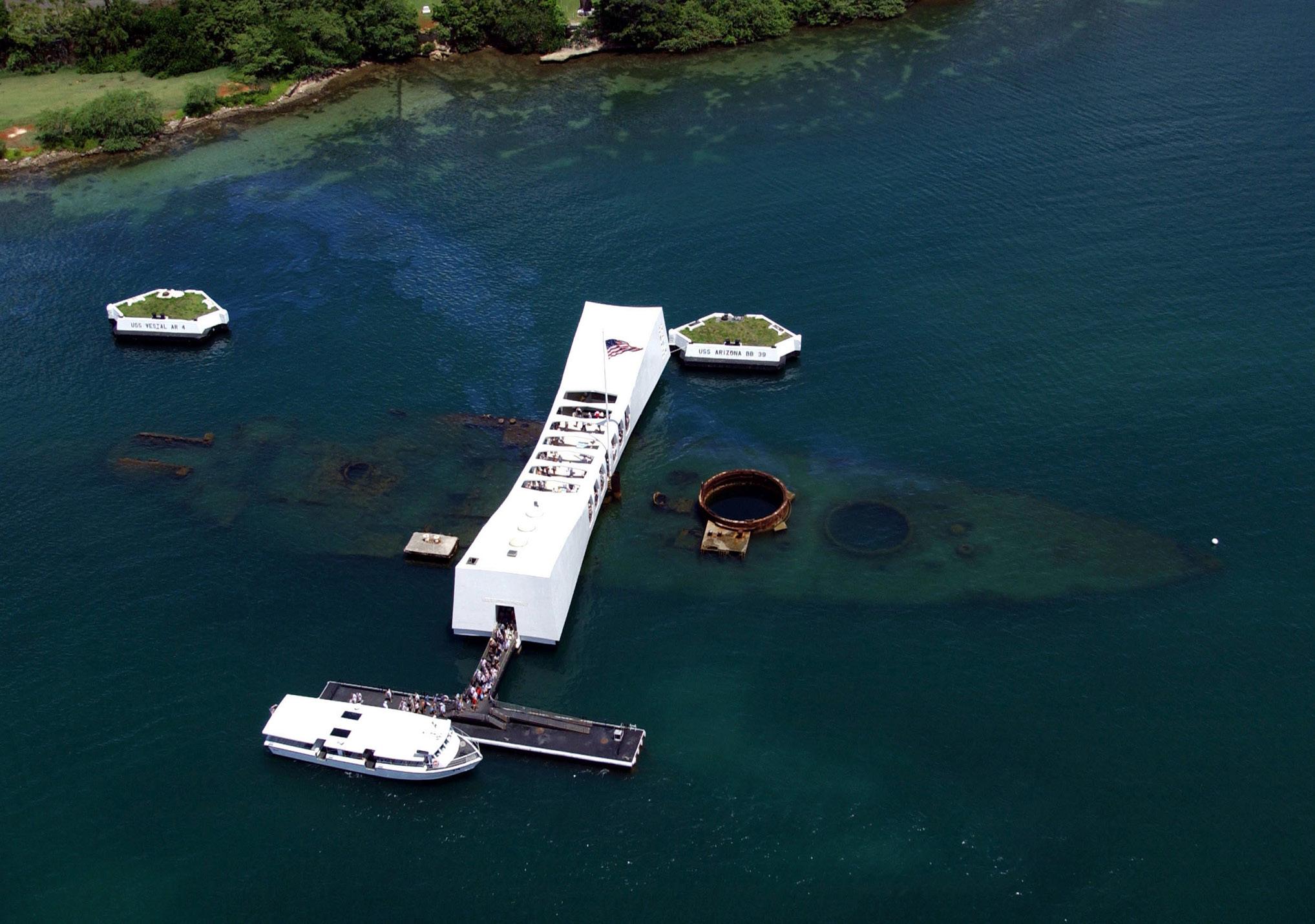
Source 1 An aerial view of the USS Arizona Memorial, Pearl Harbor, with the sunken battleship just visible under the surface
Understanding the context: The background to Pearl Harbor
The Japanese economy had suffered during the Great Depression in the 1930s, and its industries lacked key resources, such as oil and rubber. Japan’s invasion of China in 1937 was seen as an immediate solution to these problems. In 1940, Japanese Prime Minister Yosuke Matsuoka had announced the Greater East Asia Co-Prosperity Sphere, with the idea of creating a bloc of Japanese-occupied Asian nations that were free of Western influence. If realised, the scheme would have replaced Western imperialism with Japanese imperialism, allowing Japan to access resources from the Asian countries it would dominate.
These expansionist policies reflected the rise to power of aggressive military leaders in Japan. The most significant of these was Hideki Tojo, a general who became prime minister in October 1941. It was he who ordered the attack on Pearl Harbor. As prime minister until July 1944, Tojo led Japan through most of World War II.
In response to Japan’s invasion of China, the United States had imposed economic sanctions on Japan in 1939. The United Kingdom also joined the economic blockade of Japan. If the sanctions had continued, Japan would have run out of resources by 1942. Most critically for Japan, a shortage of oil was a serious threat in a world where oil had emerged as the fuel needed to drive both industry and the military.
The military leaders who dominated Japanese politics resented what they saw as Western interference in their country’s right to secure their future through expansion. Against this background, a high-stakes attack on the United States seemed a realistic approach for the Japanese. The government believed that a decisive surprise attack on a key asset such as Pearl Harbor might prevent the United States from engaging in the war, and force it to drop the economic sanctions that were slowly depleting the country.
But how would the United States respond to such an attack? The major risk was that Japan was unsure whether it could defeat the United States in a full-scale military confrontation. If the attack on Pearl Harbor succeeded in keeping the United States out of the war, it would be a success. If the United States chose instead to go to war, it could lead to Japan’s defeat. It is unthinkable that Japan’s leaders would have contemplated Pearl Harbor if they could have foreseen the catastrophic impact of the atomic bombs dropped by the United States on the Japanese cities of Hiroshima and Nagasaki in 1945.
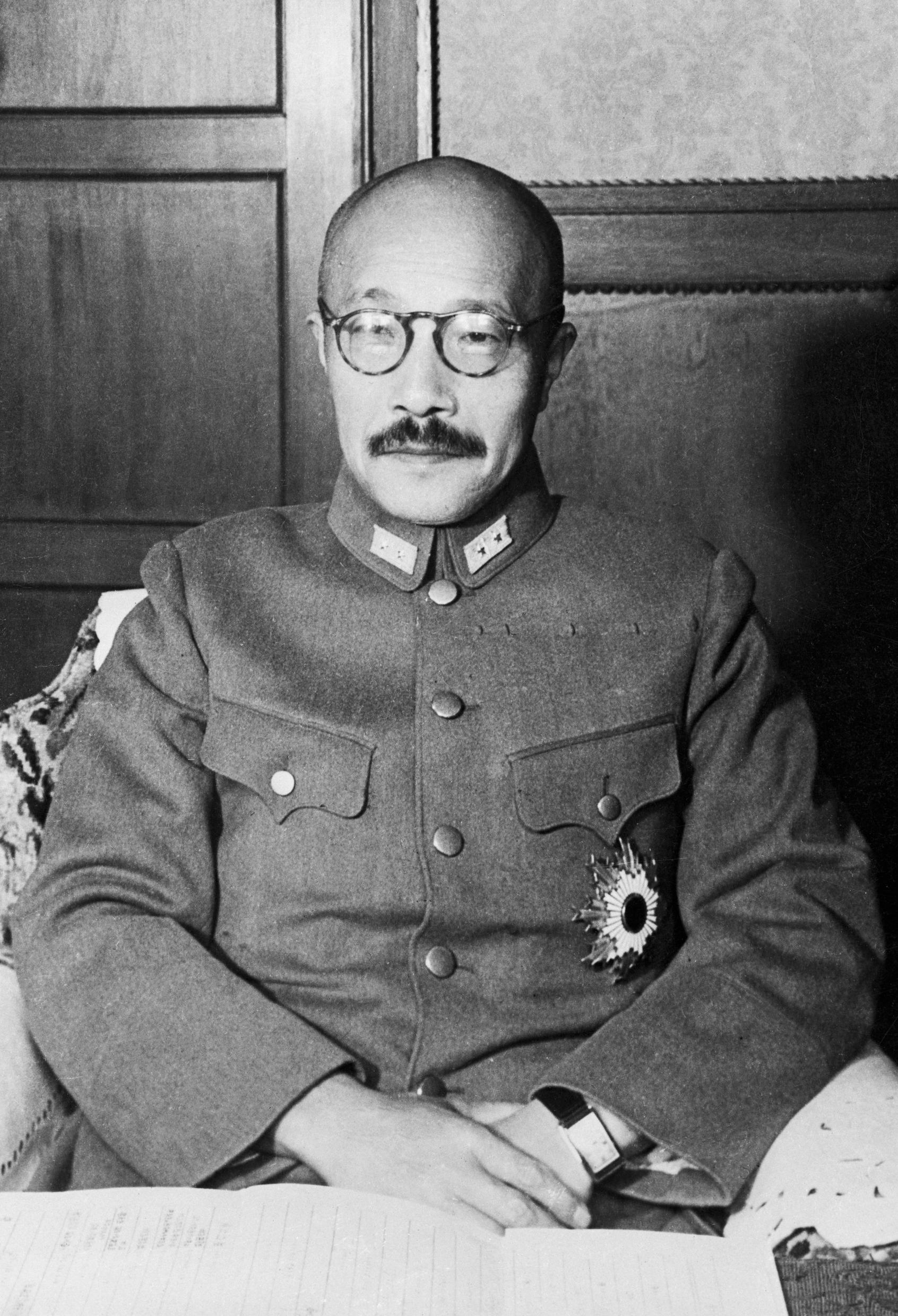
Source 2 Hideki Tojo, Prime Minister of Japan, 1941–44
Great Depression a period of severe economic downtown that began in 1929 in the United States and quickly spread around the world, lasting for more than decade
DRAFT
economic sanctions restrictions on trade, imposed by nations on each other usually for political reasons, such as to show strong disagreements with particular actions (such as invading another country)
The proposed Greater East Asia Co-Prosperity Sphere, 1940
Le ge nd
Greater East Asia Co-Prosperity Sphere
1,000 km
Source: Oxford University Press
Source 3
But history has to reject hindsight, and interpret decisions that were made at the time. Japan’s decision to attack Pearl Harbor would have an impact on history throughout the Asia-Pacific region, as well as globally.
One of the many sources historians can access to help them understand the context of Pearl Harbor is the work of Ikezaki Tadataka, a Japanese civilian writer on military affairs. In 1929 he commented: ‘It is well known that Japan’s over-population grows more serious every year. Where should we find an outlet for these millions?’ Tadataka went on to say that the Western powers had already divided up the world but the Asian mainland remained, and that Japan had a claim to the region ‘written in the blood and treasure of two wars’, referring to the wars that Japan had fought against China in 1894–95 and against Russia in 1904–05.
In trying to understand the historical context of Japan’s decision to bomb Pearl Harbor, it can be valuable to examine its tactics in its first war with a Western power: the RussoJapanese War. In 1904, a Japanese squadron of warships attacked the Russian naval base at Port Arthur (now part of Dalian, in Liaoning Province, China), without warning and without any declaration of war. In December 1941, the Japanese – again without warning or declaration of war – attacked the US naval base at Pearl Harbor.
DRAFT
Source 4
Russo-Japanese War (1904–05)
An important conflict over control of Manchuria and Korea. The Japanese launched a surprise attack on Russian warships at anchor in the naval base of Port Arthur … without declaring war … Port Arthur fell to the Japanese … The Russian Baltic fleet sailed 28 000 km from its base in the East China Sea, only to be destroyed in the Tsushima Straits by the Japanese fleet …
Analysis and use of sources
Sources 3 and 4
1 How ca n Source 3 help you understand the threat Japan presented to Australia in the period before and during World War II?
2 In what way could Source 4 be used as evidence by a historian investigating the reasons for the bombing of Pearl Harbor? Check your learning 2.1 Check your learning 2.1
1 Explain what is meant by the concept of contestability in history.
2 Identify two key resources that Japan was concerned about accessing during the Great Depression.
3 What was the Greater East Asia Co-Prosperity Sphere?
4 Who was Hideki Tojo?
5 Which Japanese military action provided a precedent for the attack on Pearl Harbor?
Edmund Wright (ed.), The Desk Encyclopedia of World History, 2006, p. 556
Lesson 2.2
The attack at Pearl Harbor
Introduction
Just before 8 am on Sunday, 7 December 1941, Japan launched the first of two waves of attacks on the US naval base. In the first wave, 183 Imperial Japanese Navy aircraft bombed US aircraft parked in their hangars, as well as warships moored at the base. These included the battleship USS Arizona .
The Arizona exploded and sank after a bomb hit its gunpowder stores, resulting in the death of more than a thousand of its crew. It was the only ship from the attack that could not be salvaged. Today, a white memorial on the surface above where it sank is one of the most visible markers of the attack (see Source 1 in Lesson 2.1 Introduction on page 4).
The second wave of attacks followed 90 minutes later, with the arrival of an additional 170 Japanese planes.
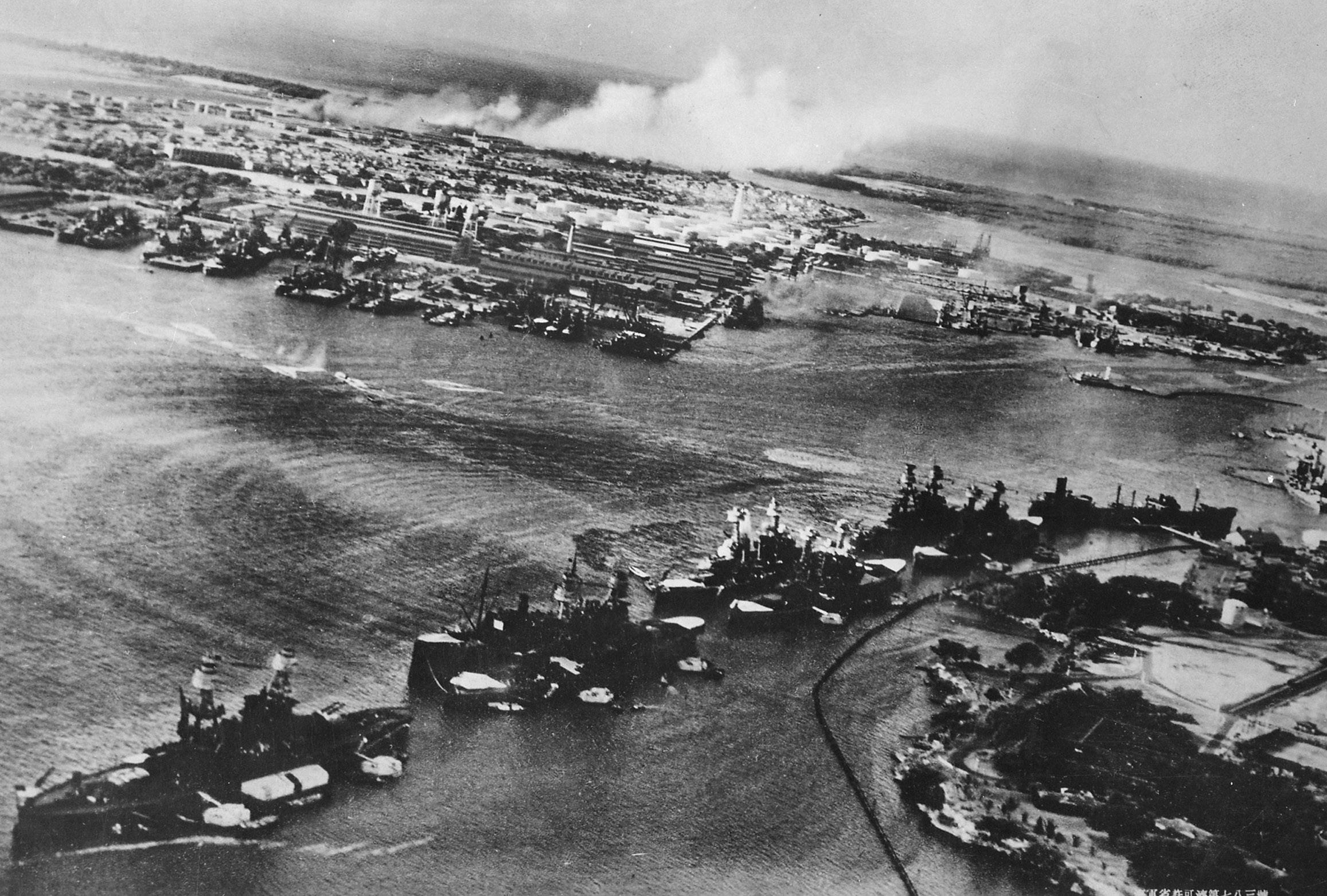
When the attack on Pearl Harbor was over, 18 American warships had been damaged or sunk and 2,403 Americans had lost their lives.
There was resistance during the two-hour attack. The US soldiers at the base mounted counter-attacks using anti-aircraft guns, and some US airmen were able to take to the skies, even as their airfield came under direct attack. The Japanese lost 29 aircraft, and 55 Japanese airmen were killed during the attack.
Learning intentions and success criteria
DRAFT
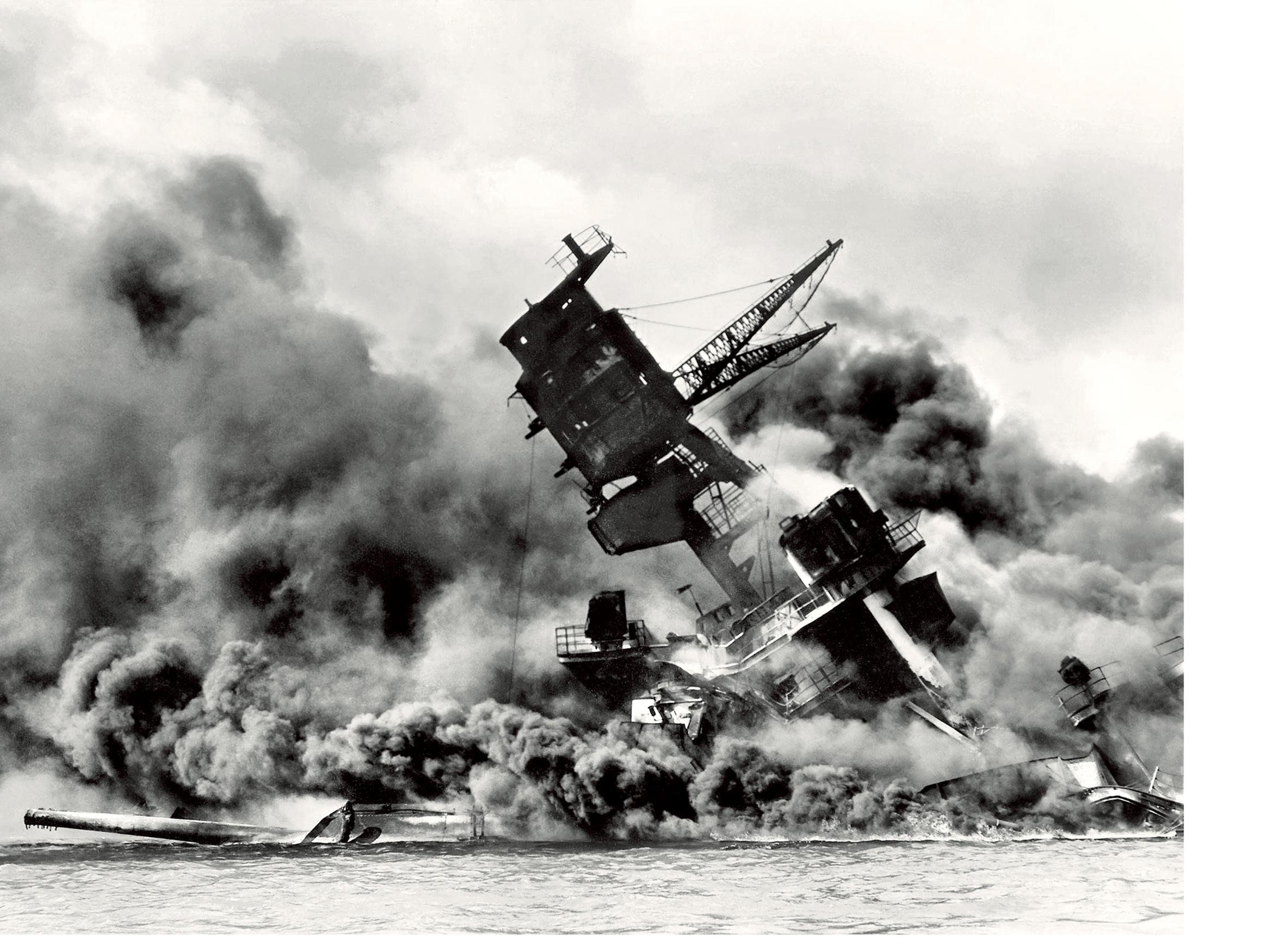
Source 1 The USS Arizona explodes and sinks after a Japanese air strike hits its gunpowder stores.
Oxford University Press
DRAFT
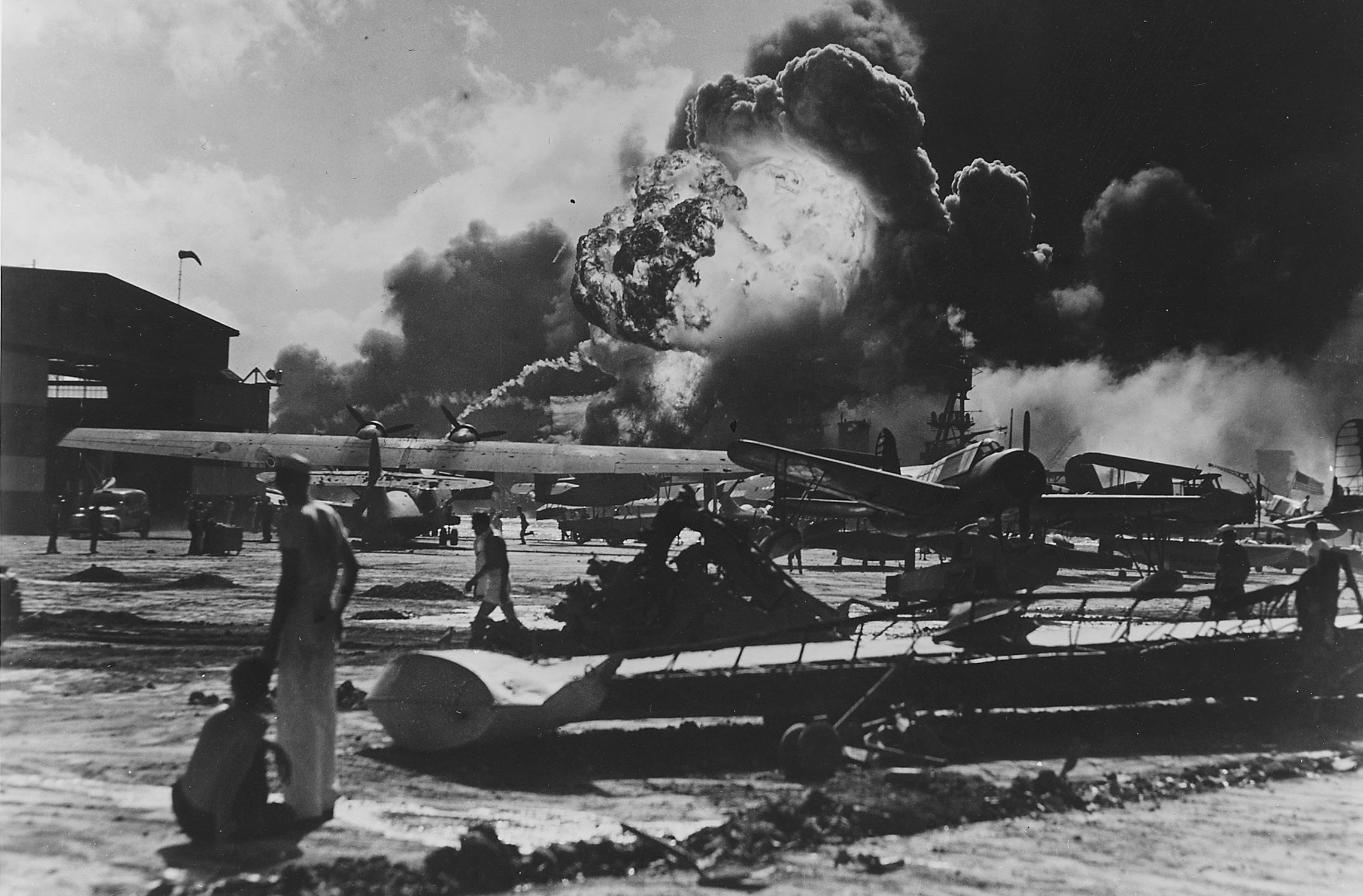
News and images of the shocking attack quickly appeared in newspapers and in film bulletins, and it seemed that American naval power in the Pacific had suffered a debilitating blow. But the situation was not as bad as it first appeared. This was due partly to an element of chance, and partly to what proved to be poor decision making by the commander of the Japanese attack, Admiral Chuichi Nagumo. Nagumo decided against launching a third wave of attacks because he did not know the location of the US aircraft carriers and feared a counter-attack by US carrierbased aircraft. The initial waves of Japanese invaders had also suffered more casualties than they had anticipated, because of the retaliation of the American forces. Nagumo reasoned that the strikes had done enough.
The following day, US President Franklin D. Roosevelt declared war on Japan and, as a result, the United States entered into World War II on the side of the Allied Powers. Within six months of the attack on Pearl Harbor, the US Navy had rebuilt its strength. The United States led the resistance to Japan’s expansion in two crucial sea battles: the Battle of the Coral Sea and the Battle of Midway (both 1942). America’s ability to rapidly repair, rebuild and replace vessels lost at Pearl Harbor would prove to be crucial to the outcome of World War II.
Source 2 The scene from the airfield as the naval destroyer USS Shaw explodes during the Japanese attack on Pearl Harbor
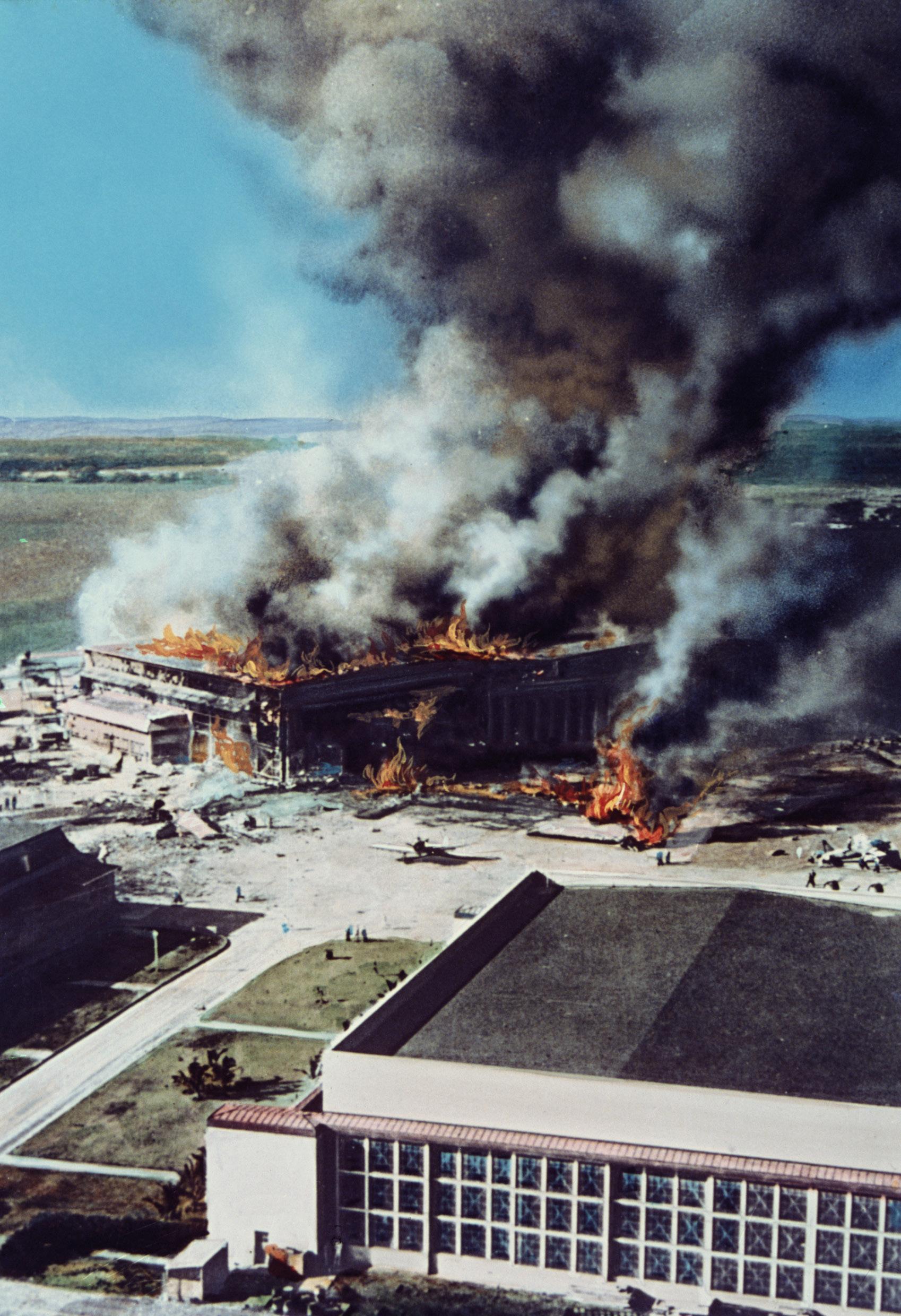
Source 3 Smoke rises from burning buildings at Pearl Harbor after the surprise attack by the Japanese.
Analysis and use of sources
Sources 1 to 4
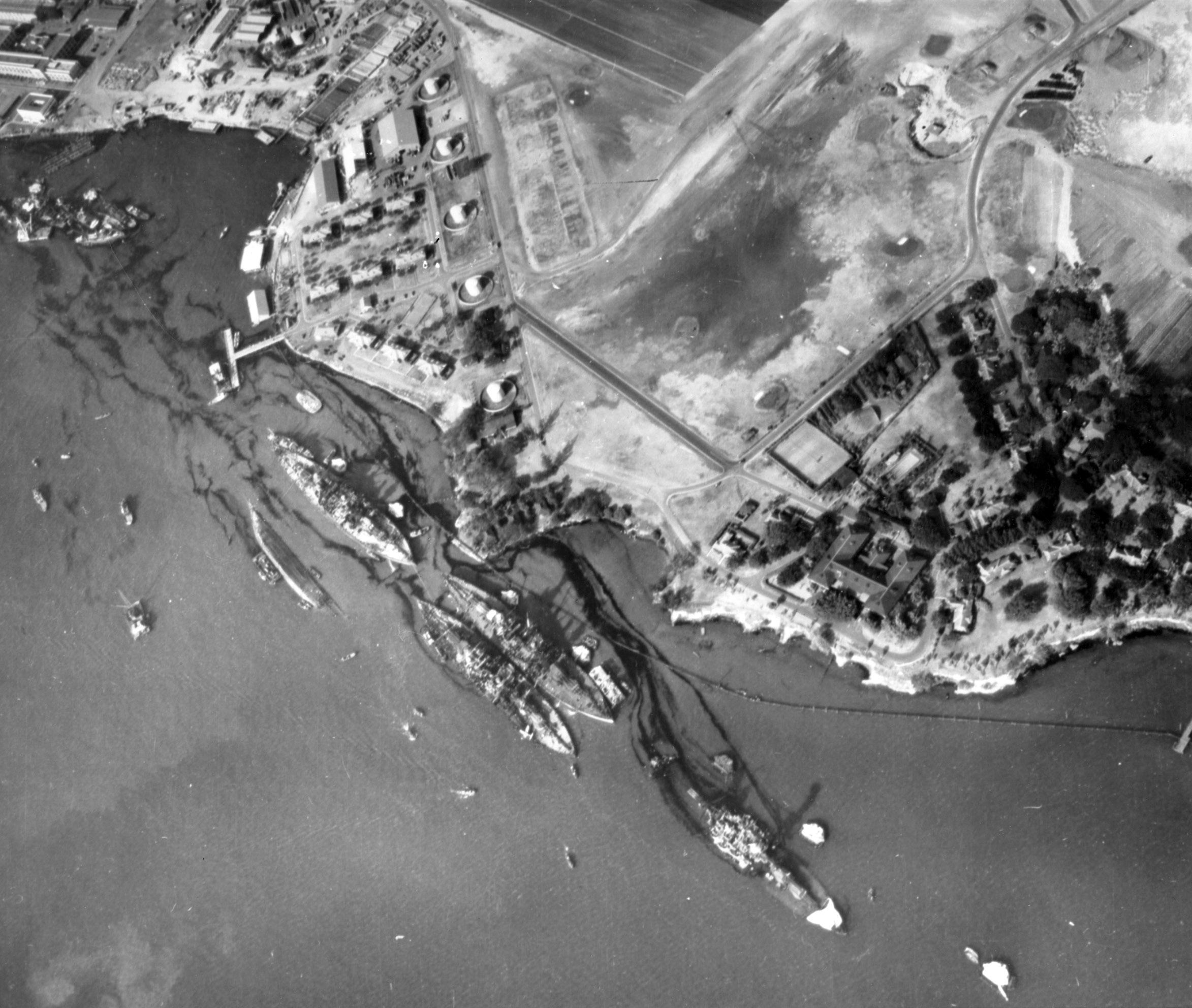
1 Exam ine Source 1, Source 2, Source 3 and Source 4. How could a historian use these sources to analyse whether the Japanese attack on Pearl Harbor was successful?
2 What conclusions do you draw about the attack’s short-term success after examining the sources?
Check your learning 2.2 Check your learning 2.2
1 Argue for or against the idea that the Japanese attack on Pearl Harbor was successful.
2 Investigate the bombing of Pearl Harbor. Summarise the major outcomes of the attack.
Source 4 An aerial view of Pearl Harbor, showing the damage inflicted by the bombing
Learning intentions and success criteria
Lesson 2.3
Profile: The Pearl Harbor advanceknowledge conspiracy theory
Introduction
Ever since the attack on Pearl Harbor took place, a persistent conspiracy theory has suggested that President Franklin D. Roosevelt and the US Government were forewarned about the attacks, but did nothing to alert the field commander at Pearl Harbor. The reason for this, according to the theory, is that Roosevelt wanted a reason to bring the United States into the war and end American isolationism. Some go even further to suggest that entering World War II had been the president’s political aim all along. Considering that the country’s entry into the war was a crucial step on the way to making the United States the superpower it is today, it is perhaps not surprising that this theory has had many supporters over the years.
The origin of the advanceknowledge theory
As historians, it is crucial that we aim to find the source of the theories we study. The origin of the advance-knowledge theory can be traced back to a book published in September 1944 by John T. Flynn called The Truth about Pearl Harbor. Flynn was a journalist and a political opponent of Roosevelt. He was also a cofounder of the America First Committee, which wanted to keep the United States out of World War II.
For an opposing view, historians can look to the 1996 article “How Roosevelt Attacked Japan at Pearl Harbor: Myth Masquerading as History” by Robert Butow, professor of Japanese history at the University of Washington. The article,
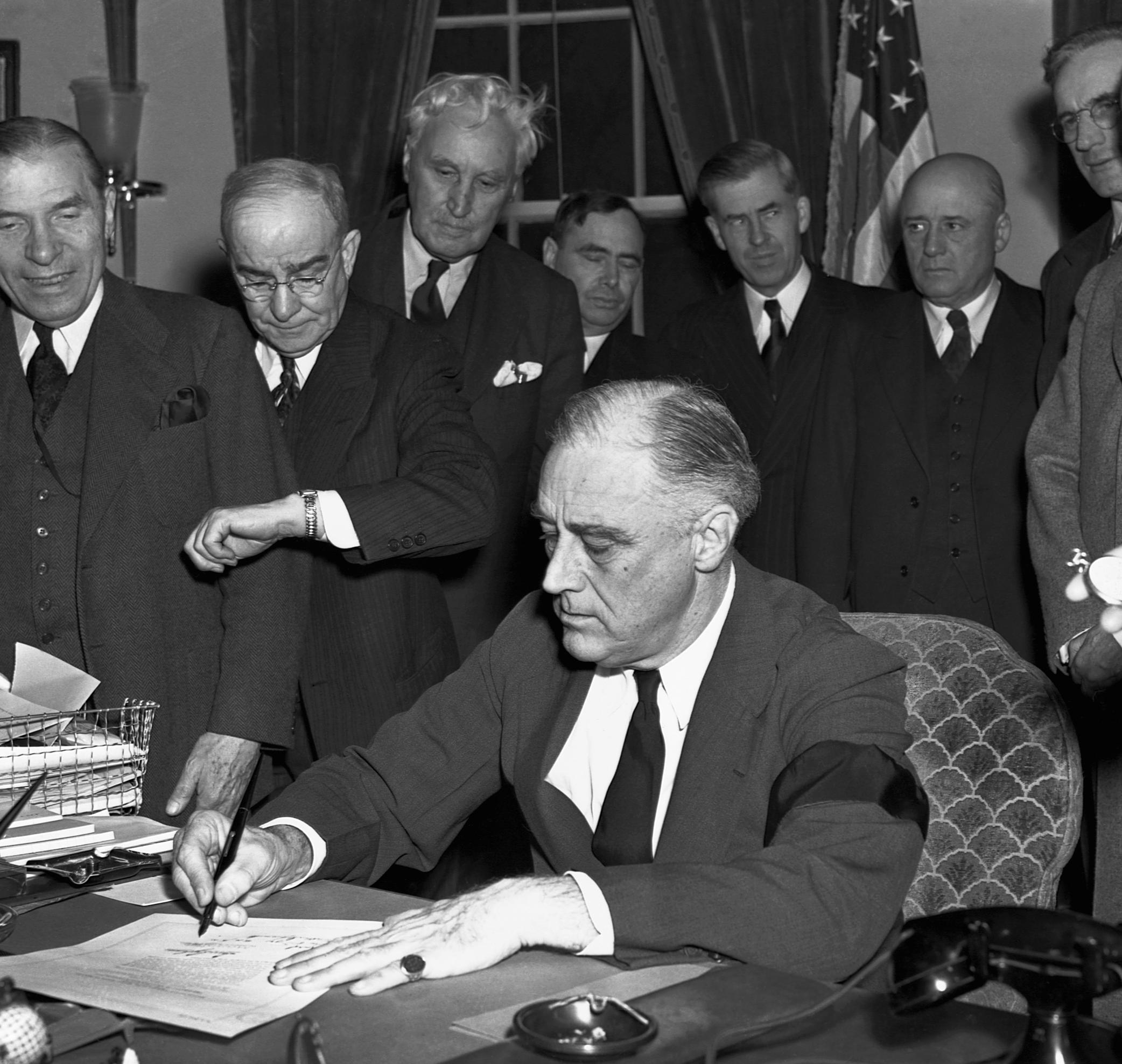
Source 2 President Roosevelt, wearing a black armband, signs a declaration of war against Japan at 4.10 p.m. on 8 December 1941, the day after the attack on Pearl Harbor.
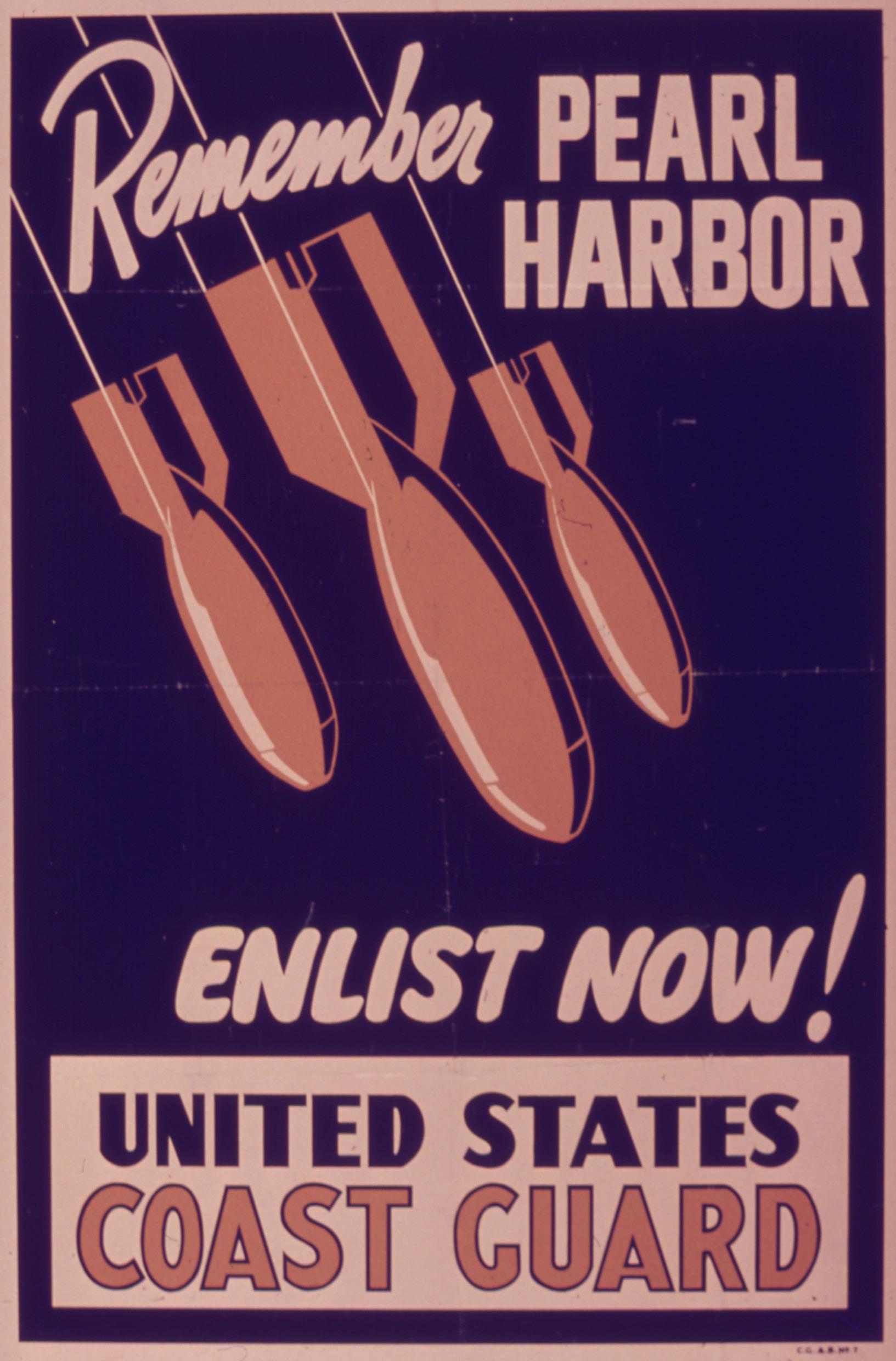
Source 1 The attack on Pearl Harbor was used for pro-war propaganda in the years that followed.
which is available online through National Archives in the United States, directly challenges the conspiracy theory, relying on evidence to support its argument. It shows how historians use sources not only to arrive at reasoned interpretations, but also to challenge conspiracy theorists who develop interpretations without the critical analysis used by historians.
Check your learning 2.3
Check your learning 2.3
1 What is the main argument of the conspiracy theory regarding President Franklin D. Roosevelt and Pearl Harbor?
2 Research John T. Flynn. Does his background provide any evidence that could be used to challenge his theory as being biased? Discuss how his background could influence his work, using the evidence you have researched.
3 Read the article “How Roosevelt Attacked Japan at Pearl Harbor: Myth Masquerading as History” online and explain how it uses evidence to reach its conclusions.
Weblink: How Roosevelt attacked Japan at Pearl Harbor
Lesson 2.4
How historians test hypotheses about the past
Introduction
Historians develop hypotheses as they search for explanations to help understand why events occur. This is called understanding causation. A hypothesis is not necessarily true, but if sufficient evidence is available to support it, it may become accepted. To assess the validity of any hypothesis, historians have to ask a range of historical questions and investigate sources and evidence in order to see whether these support the hypothesis. This process is the backbone of history as a discipline, and is something you will become increasingly familiar with in your studies.
Developing hypotheses from historical questions
Table 1 shows examples of hypotheses that could be developed from historical questions regarding the attack on Pearl Harbor. These reflect the emergence of new approaches by historians to questioning the causes and consequences of the Japanese attack.
Learning intentions and success criteria
hypothesis a proposed explanation for an event (plural: hyphotheses)
Table 1 Hypotheses developed from historical questions regarding the attack on Pearl Harbor.
Questions Hypotheses
Why was the attack as successful as it was?The Americans were unprepared for the attack on Pearl Harbor.
Who was to blame for the Americans being taken by surprise?
Was there a conspiracy?
The commander of the Japanese fleet, Admiral Isoroku Yamamoto, out-thought the commander of the US fleet, Admiral Husband E. Kimmel.
Americans believed President Roosevelt invited the Japanese attack on Pearl Harbor.
Was the defeat, in fact, as bad as it first appeared?The bombing of Pearl Harbor devastated the American fleet.
How has the attack been remembered?
DRAFT
Pearl Harbor is the most momentous event in American history.
Using sources to consider the advance-knowledge theory
To assess the validity of any of these hypotheses, it is essential that you conduct a close analysis of sources and evidence. As an example of how historians use primary sources to test hypotheses, consider the question of the advance-knowledge theory. Historians assessing the hypothesis that Roosevelt was inviting a Japanese attack in order to enter into World War II can access a collection of interviews held by the US Library of Congress.
Shortly after the attack, the Archive of American Folk Song (now the Archive of Folk Culture, American Folklife Center) asked its fieldworkers to collect “man on the street” reactions of ordinary Americans to the bombing and the subsequent declaration of war by the United States. A second series of interviews, called “Dear Mr President”, was recorded in January and February 1942. These interviews can be accessed online, giving historians and
Source 1 A Japanese photograph taken during the attack on Pearl Harbor
history students evidence of how ordinary Americans reacted to Pearl Harbor. Reviewing these will enable you to draw conclusions about whether such Americans were blaming President Roosevelt in the aftermath of the attack.
Problems associated with the evaluation of sources:
Authenticity and reliability
The fact that historians rely on sources to interpret history does not mean that there is always consensus regarding the role and importance of any individual source. On the contrary, a group of historians could be placed in the same room with access to the same sources, and all could come up with different interpretations. The contested nature of topics such as the reasons behind Japan’s decision to attack Pearl Harbor requires students to evaluate sources carefully by asking questions about their context, origin, audience and intention.
No one source will hold a complete answer, and sources are always open to interpretation. When developing your own conclusions, it is important that you understand the contested nature of history, and the need to always support your interpretation with reference to sources and evidence.
Japanese sources and perspectives
In trying to understand Japan’s decision to bomb Pearl Harbor, it is important to consider Japanese sources and perspectives. One obvious problem for historians who are unable to read documents and books written in Japanese has been the need to employ translators, if there is no English edition available.
In Ikezaki Tadataka’s book from 1929, called Why Fear the United States?, the author argued that Japan had no reason to fear the United States, and that there was no scenario in which the United States could defeat Japan in a conflict. He particularly stressed the strength of the Japanese Navy as a decisive element. This becomes a valuable source for a historian investigating reasons for Japan’s actions, but it would certainly require close evaluation to understand the sources Tadataka was using to build his opinions. A historian would be able to challenge Tadataka’s assertions, and it is likely that relying on it as a source would lead to highly contested conclusions.
DRAFT
Censorship of sources
Many Western and Japanese academic historians have been critical about how Japanese high school textbooks during the 1960s and 1970s recorded the history of the Pacific War. Even today the issue is contested. The most famous example was the censorship imposed by the Japanese Ministry of Education on textbooks written about the Pacific War. The details of the war were either ignored or presented in such a way that they absolved Japan of all guilt.
Pacific War the theatre of World War II where the Allied Powers resisted the Japanese invasion of countries through the Pacific region and South-East Asia
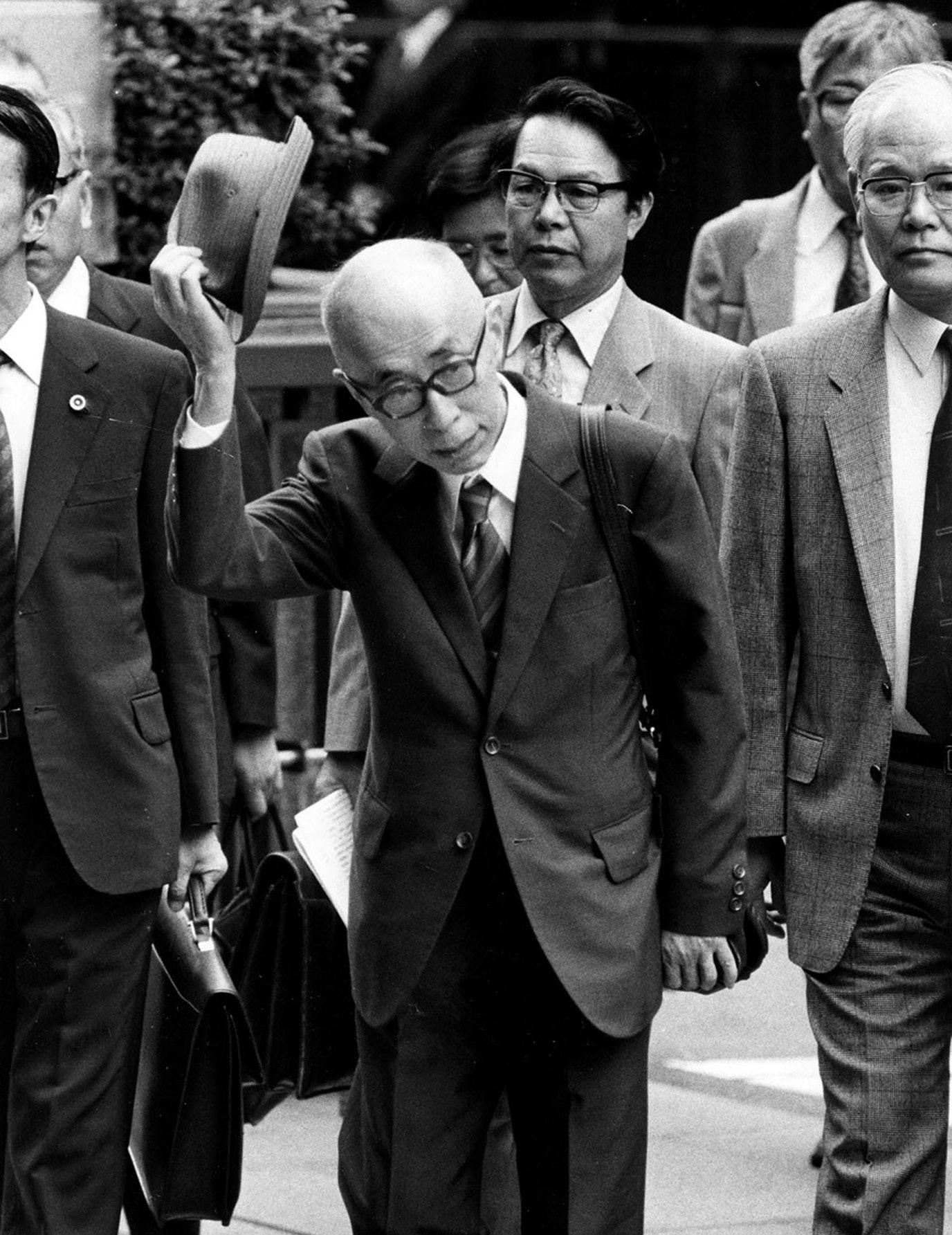
Source 2 Historian Saburo Ienaga bows to his supporters on arrival at the censorship trial for his history textbook at the Tokyo District Court, 1989.
contestation the process of disputing and debating different interpretations of sources by historians
Again, this creates problems for historians relying on those books as sources, and it also raises questions about potential bias or misunderstanding for students who were schooled using those books.
In 1953, Japanese historian Saburo Ienaga’s book New Japanese History went against the trend of downplaying Japan’s part in wartime atrocities. The book became subject to strict censorship by the government’s schoolbook authorisation system. In 1978, his book The Pacific War 1931–1945: A critical perspective on Japan’s role in World War II was met with similar criticism from the government.
To this day, the Japanese Education Ministry maintains control over what can be included in history textbooks. In 2002 the ministry approved the publishing of the book New History Textbook , written by a group of right-wing scholars, which sought to minimise Japanese aggression and imperialism. This book was rejected by over 99 per cent of Japanese schools.
Source 3
I wrote this book to show the Japanese people the naked realities of the Pacific War. My objective was to stimulate reflection and self-criticism about the war.
Analysis and use of sources
Source 3
1 Expla in how Source 3 outlines the intentions of Saburo Ienaga in writing his book. Does this indicate bias?
2 Expla in how Ienaga challenges the viewpoint of Ikezaki Tadataka.
3 Discuss how Ienaga’s contestation helps you understand the way historical interpretations change across time. Why do you think this particular interpretation has changed?
Further historical perspectives about Pearl Harbor
Another perspective was provided by American historian John W. Dower in his 1986 book, War without Mercy: Race and Power in the Pacific War. Dower argued that both the Americans and the Japanese had used their sense of racial superiority to inform their ideas about the other power, and that these views helped explain the build-up to the attack on Pearl Harbor. After evaluating his sources, Dower described the Pacific War – including Pearl Harbor – as a “race war”.
In a 2012 article in The Australian newspaper, titled “1930s Couldn’t Happen Again – Could They?”, Australian journalist Max Suich asked a question many historians
Saburo Ienaga, The Pacific War 1931–1945: A Critical Perspective on Japan’s Role in World War II , 1978, p. xi
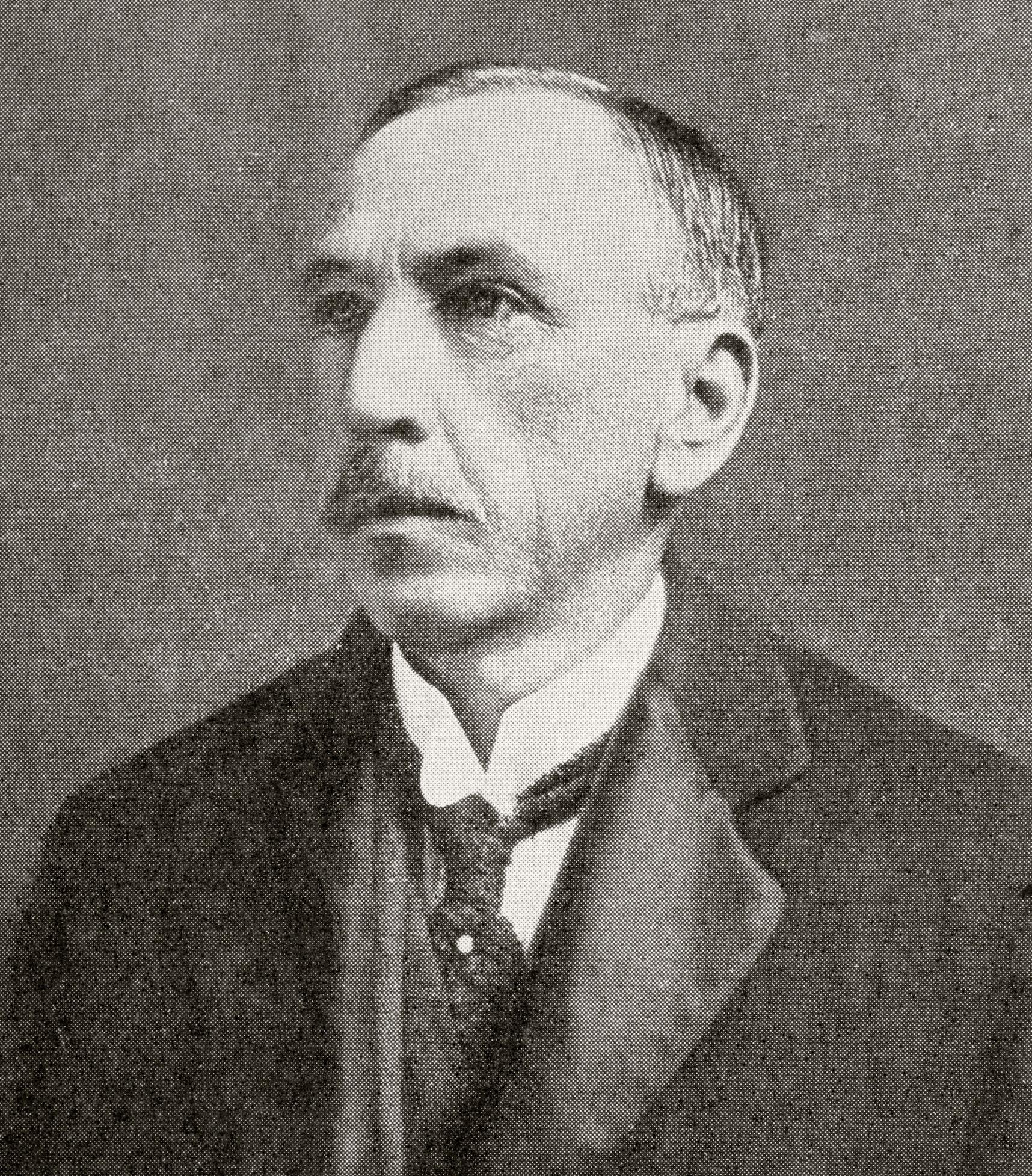
Source 4 Did Australian Prime Minister William “Billy” Hughes contribute to the attack on Pearl Harbor through his treatment of Japan at the Paris Peace Conference in 1919?
may not have considered: did Australia contribute to the events that led to Pearl Harbor? Suich suggested that Australian Prime Minister Billy Hughes’s very public humiliation of the Japanese Government at the Paris Peace Conference of 1919 may have helped sow the seeds that led to Pearl Harbor. Hughes was determined to resist Japan’s call for racial equality to be recognised by the emerging League of Nations. His success left Japan distrustful of the power of the British Empire in the Asia–Pacific region, and Japan’s solution was to develop the concept of the Greater East Asia Co-Prosperity Sphere (see Lesson 2.1 Introduction on page 4). The fact that few historians have drawn connections between Hughes’s actions in Paris and Pearl Harbor doesn’t mean those connections do not exist.
Check your learning 2.4 Check your learning 2.4
1 Explain how a nd why historians create hypotheses.
2 How co uld the “man on the street” interviews collected by the Archive of American Folk Song assist historians to support or challenge the idea that there was a US Government conspiracy surrounding Pearl Harbor?
3 Outl ine the argument Max Suich makes regarding Australia’s possible involvement in the attack on Pearl Harbor.
4 Ikez aki Tadataka’s book Why Fear the United States? was written 12 years before the attack on Pearl Harbor. Discuss to what extent this might affect its validity as a source.
5 Discuss why Saburo Ienaga would be regarded as a controversial figure in Japanese education. Would his views also be contested in the West?
6 What interpretation did John W. Dower develop to help explain Pearl Harbor?
Lesson 2.5
The role of sources and evidence in the evaluation of different theories about the past
League of Nations an international organisation established at the end of World War I to maintain world peace and prevent the outbreak of future wars by encouraging nations to negotiate with each other
DRAFT
Introduction
Any historian is entitled to develop an original interpretation or theory about the past, but they must base their suggestions on sources and evidence. It is important that you, as a history student, train yourself to look for the sources and evidence that have been used whenever you investigate a historical opinion.
Learning intentions and success criteria
One contested area that could be investigated is the reasons that the attack on Pearl Harbor was so successful in the short term. Examination of Japanese sources might help a historian decide that Japan’s planning and preparation were superior to those of the United States. This would be an unlikely conclusion for a historian relying only on American sources.
Pearl Harbor and the shaping of the American identity
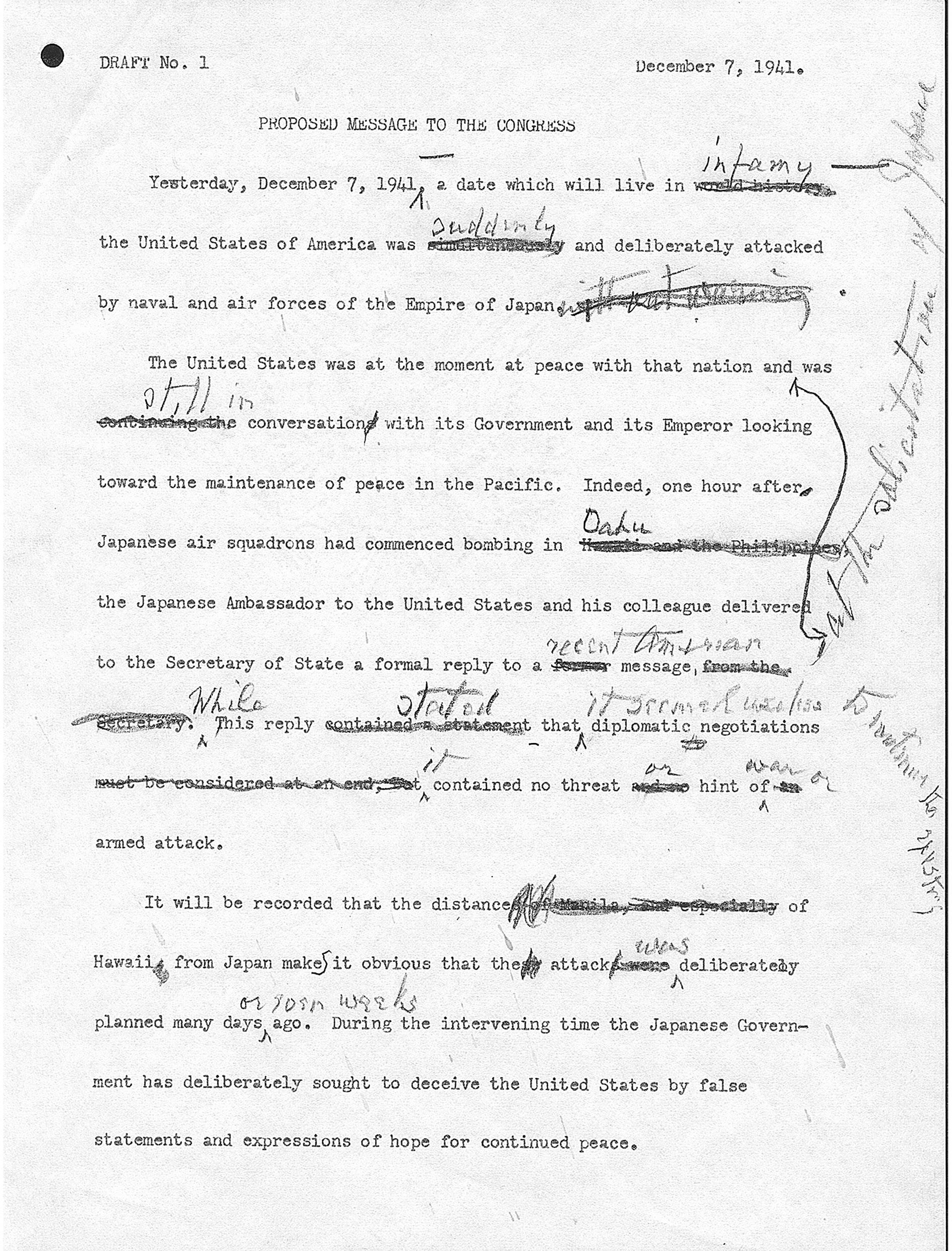
Examining the draft and final copies of President Franklin D. Roosevelt’s speech to the US Congress about Pearl Harbor provides an insight into the way sources can be used to help shape versions of the past. In the typed draft of the speech that had been given to the president, the text read “December 7, 1941, a date which will live in world history”. Roosevelt took his pen and crossed out the words “world history” and wrote in “infamy” (see Source 2).
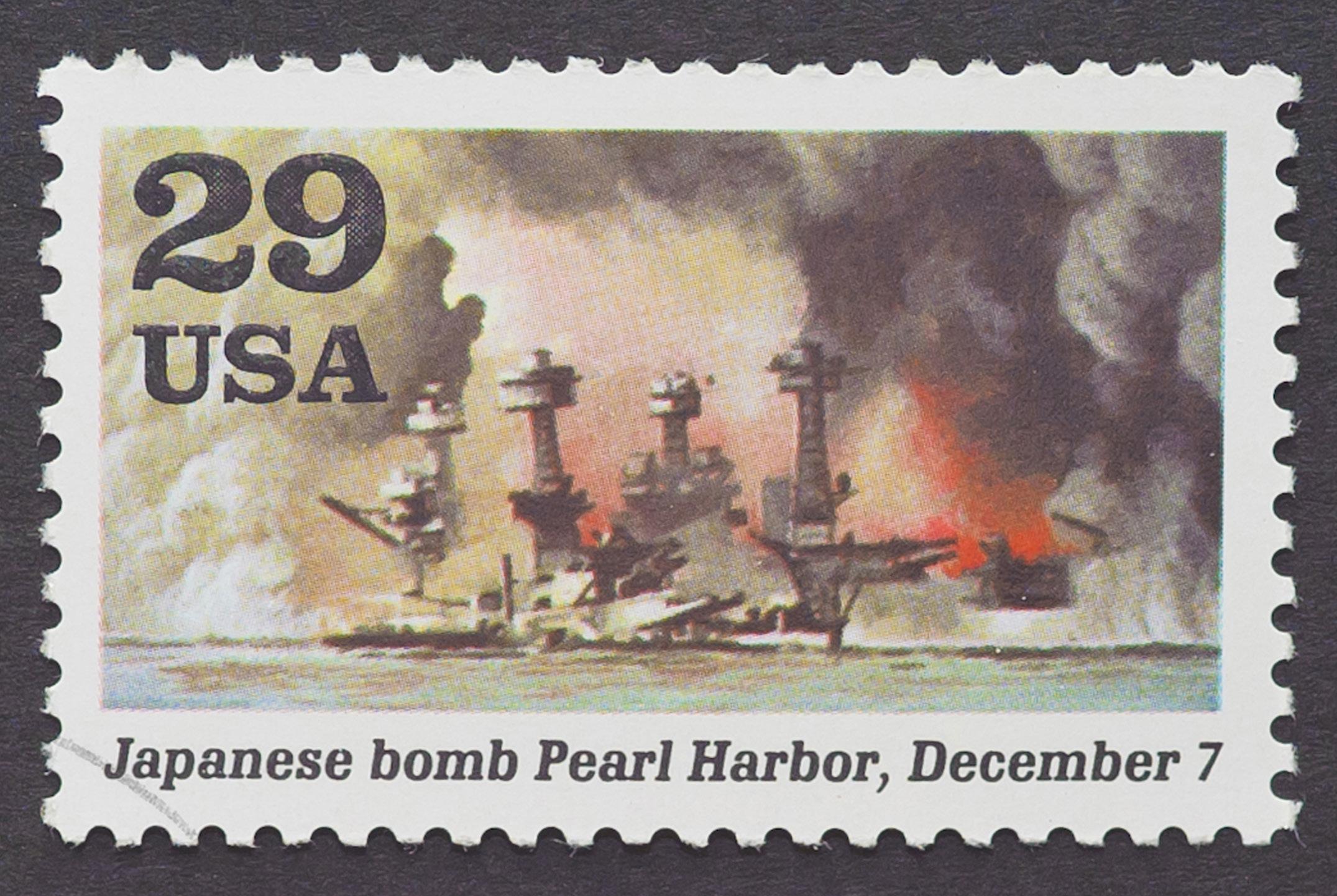
This was the beginning of the creation in the American public memory of the idea and image of Pearl Harbor. For generations of Americans, the legacy, myth-making and iconography associated with Pearl Harbor are similar to how Australians have viewed and represented Gallipoli and Anzac Day. This is not to deny the importance of the event, its historical implications and the tragedy of the loss of life. Nevertheless, Pearl Harbor has been used for propaganda and a range of political and nationbuilding purposes. Roosevelt and presidents after him have used Pearl Harbor to create a version of the American national identity. The historian’s role is to use sources to evaluate this version and arrive at a valid interpretation.
Source 2 An excerpt from the first draft of President Franklin D. Roosevelt’s proposed message to the US Congress, with his handwritten corrections
Source 1 A US postage stamp commemorating the attack on Pearl Harbor, c. 1995
The portrayal of Pearl Harbor in films
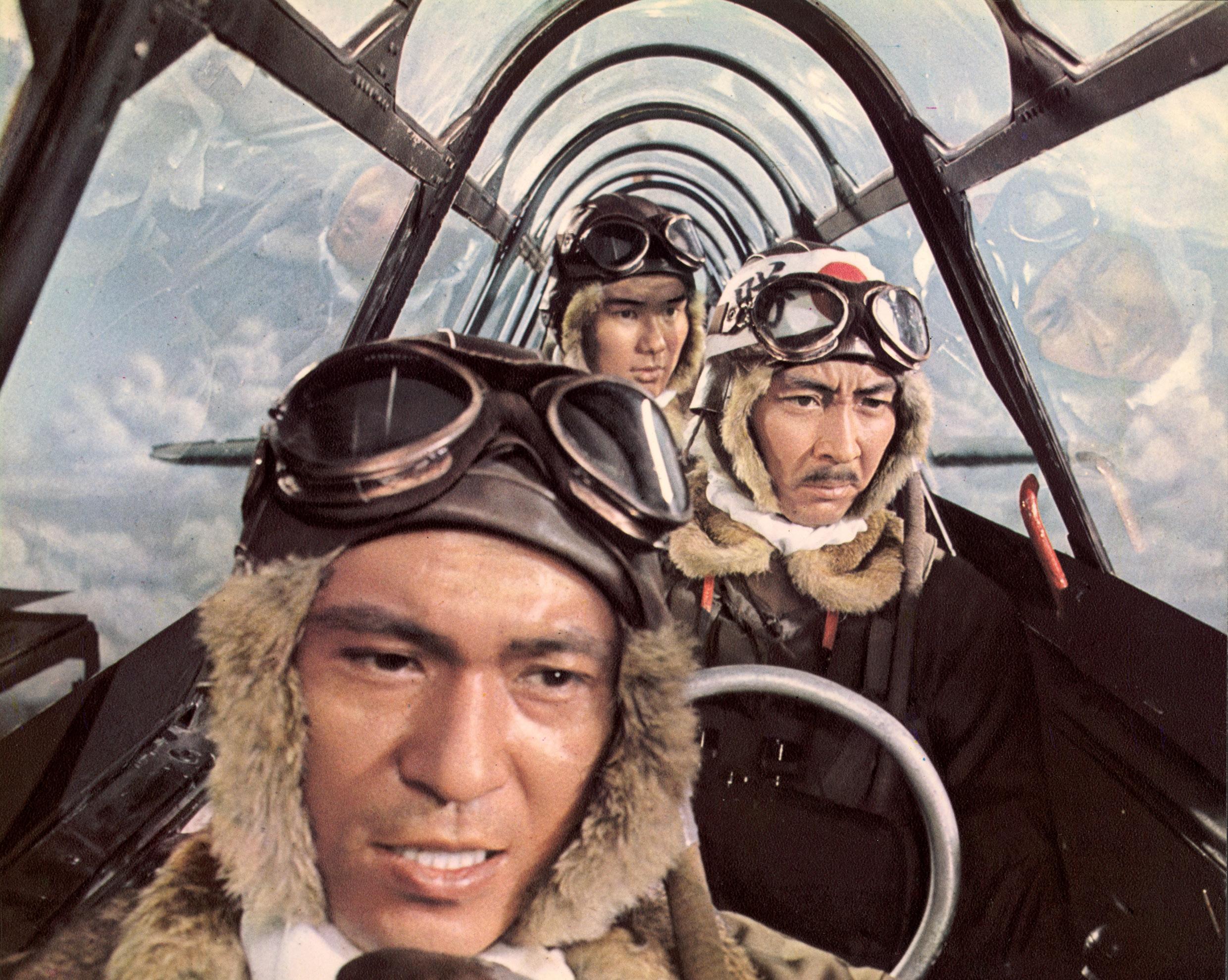
Several feature films have portrayed the attack on Pearl Harbor, including Tora! Tora! Tora! and Pearl Harbor. The first, Tora! Tora! Tora!, was released in 1970 (in Japanese, “tora” means “tiger”, which was the code name for the attack). This Japanese–American film, which was co-directed by one American and two Japanese directors, went to great lengths to deal with the details of the attack from both sides. The primary focus of the film was the shortcomings of the US commanders at Pearl Harbor: Admiral Husband E. Kimmel and General Walter Short.
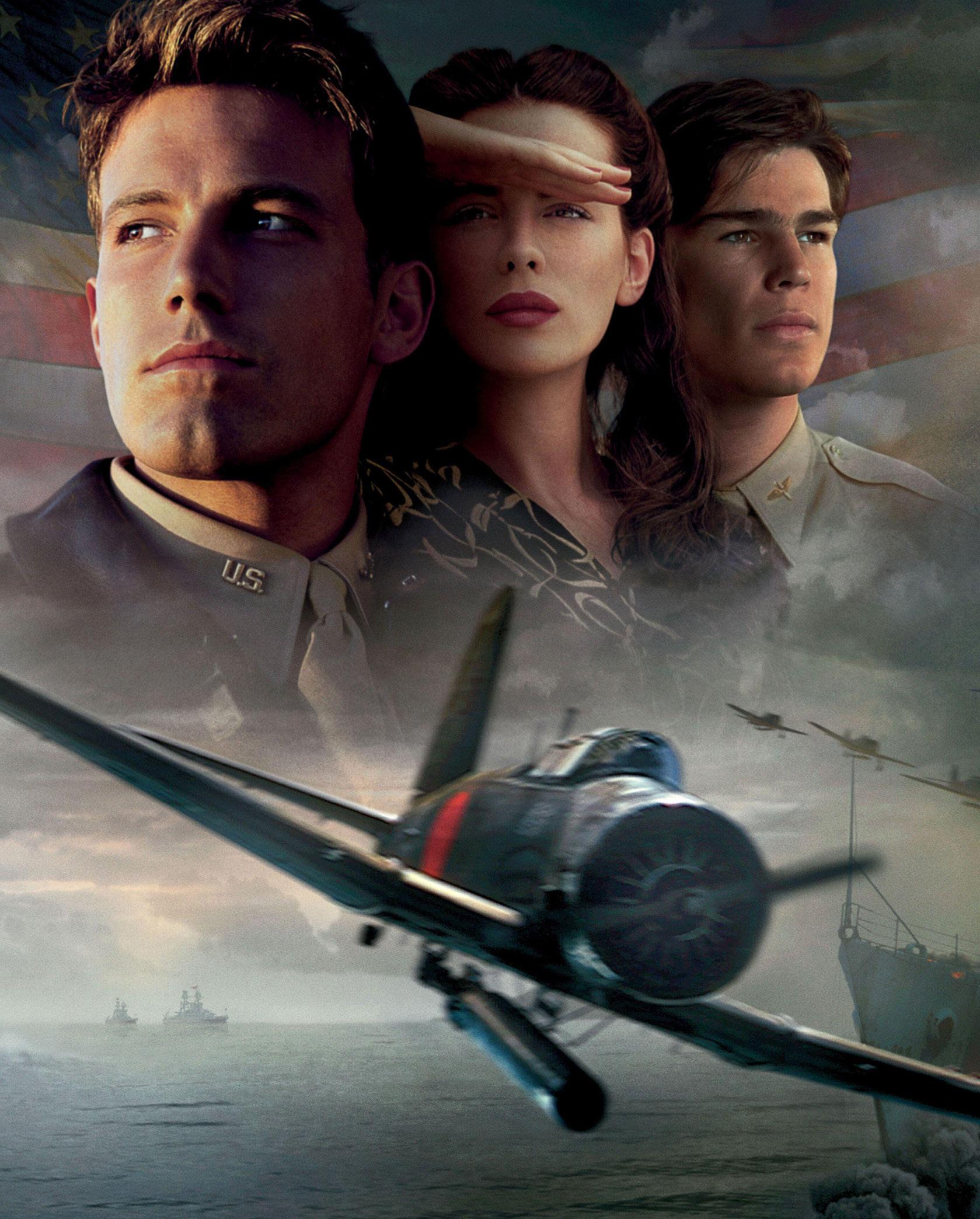
The 2001 Hollywood blockbuster Pearl Harbor, starring Ben Affleck, received harsh criticism from survivors of the attack as being grossly inaccurate. One of the main historical inaccuracies is a scene in which the Japanese bombers deliberately target hospitals. In reality, this did not happen. Although a local medical centre was affected by the attack, resulting in one American casualty, there was no deliberate targeting of hospitals or medical centres by Japanese pilots.
When watching films that feature actual historic events, it is sometimes easy to forget that their main function is to entertain, and not to give a scene-byscene accurate account. But as a student of history, it is important not only to challenge these simplified versions of history, but also to question the intention behind them. In the case of Pearl Harbor, director Michael Bay clearly sets out to vilify the Japanese. It is up to you to consider the reasons for this, and what the impacts could be on the audience’s understanding of the events.
Pearl Harbor memorial
DRAFT
The famous US Pearl Harbor memorial – the World War II Valor in the Pacific National Monument – is, like these feature films, an example of how history is constructed. Until 1999, the centrepiece of the site was the glistening white USS Arizona Memorial, above the sunken battleship. This site is the resting place of more than a thousand American servicemen who died in the attack and is an official US war grave site. As such, it is a place treated with appropriate reverence.
In 1999, the Arizona was joined at the site by the USS Missouri . The Missouri had served with distinction in World War II, the Korean War and Operation Desert Storm in the Persian Gulf. It is arguably most famous for being the location of the formal Japanese surrender that ended World War II. The official explanation for bringing the Missouri to Pearl Harbor
vilify to make abusive, evil statements about a person or people, so that others will have a lower opinion of them
Source 4 A promotional image for the motion picture Pearl Harbor (2001)
Source 3 A film still from the motion picture Tora! Tora! Tora! (1970)
DRAFT
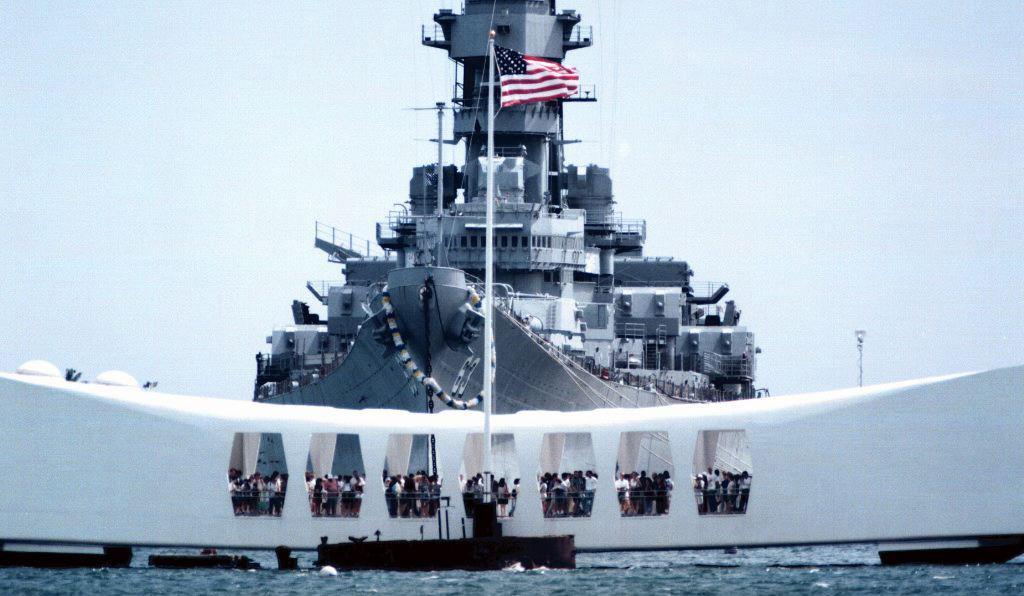
was that the two warships represented the beginning and the end of the war. This is true, but – as is always the case with history – there is more to it. The Arizona represented an American defeat, while the Missouri reminds visitors of American power and the ultimate American victory.
Even for historians, it is easy to accept the official story of memorials and museums. But the key to sound historical thinking is a willingness to recognise that there are always contested versions of every historical event.
Analysis and use of sources
Sources 3 to 5
1 Exam ine Source 3 and Source 4. Explain what each seems to imply about the film’s interpretations of Pearl Harbor.
2 Analyse Source 5. Does it provide evidence to support or challenge the assertion that the USS Missouri was placed at the Pearl Harbor memorial site to convey an image of American strength, power and victory? Explain your answer.
Check your learning 2.5
Check your learning 2.5
1 Discuss the significance of President Franklin D. Roosevelt changing “world history” to “infamy” in his speech to the US Congress.
2 Investigate reviews and comments on the films Tora! Tora! Tora! (1970) and Pearl Harbor (2001). Discuss whether these reviews would encourage you to rely on either film for historical understanding.
3 Discuss the possible reasons behind the USS Missouri joining the USS Arizona at the Pearl Harbor memorial site. What reasons do you find most plausible?
Source 5 The USS Missouri arrives at Pearl Harbor to join the USS Arizona at the Pearl Harbor memorial site.
Conclusion: The contestability of the past
The contestability of the past: Key takeaways
As President Franklin D. Roosevelt said in his speech to the US Congress, 7 December 1941 is “a date which will live in infamy”. There is a range of perspectives and interpretations about what the significance of that date actually is. For some, it represents an unprovoked attack that cost the lives of innocent people; for others, it was a desperate attempt to guarantee a future for their country. Still others will argue it was the event that brought the United States firmly into a position of world leadership.
Historical interpretations are always contestable, and rely on facts, sources and evidence to support them. This module has introduced you to some of the views of Pearl Harbor that have been debated in the years since it occurred. You may accept some and reject others. In history, the important thing is to always rely on the evidence to help you come to a valid conclusion.
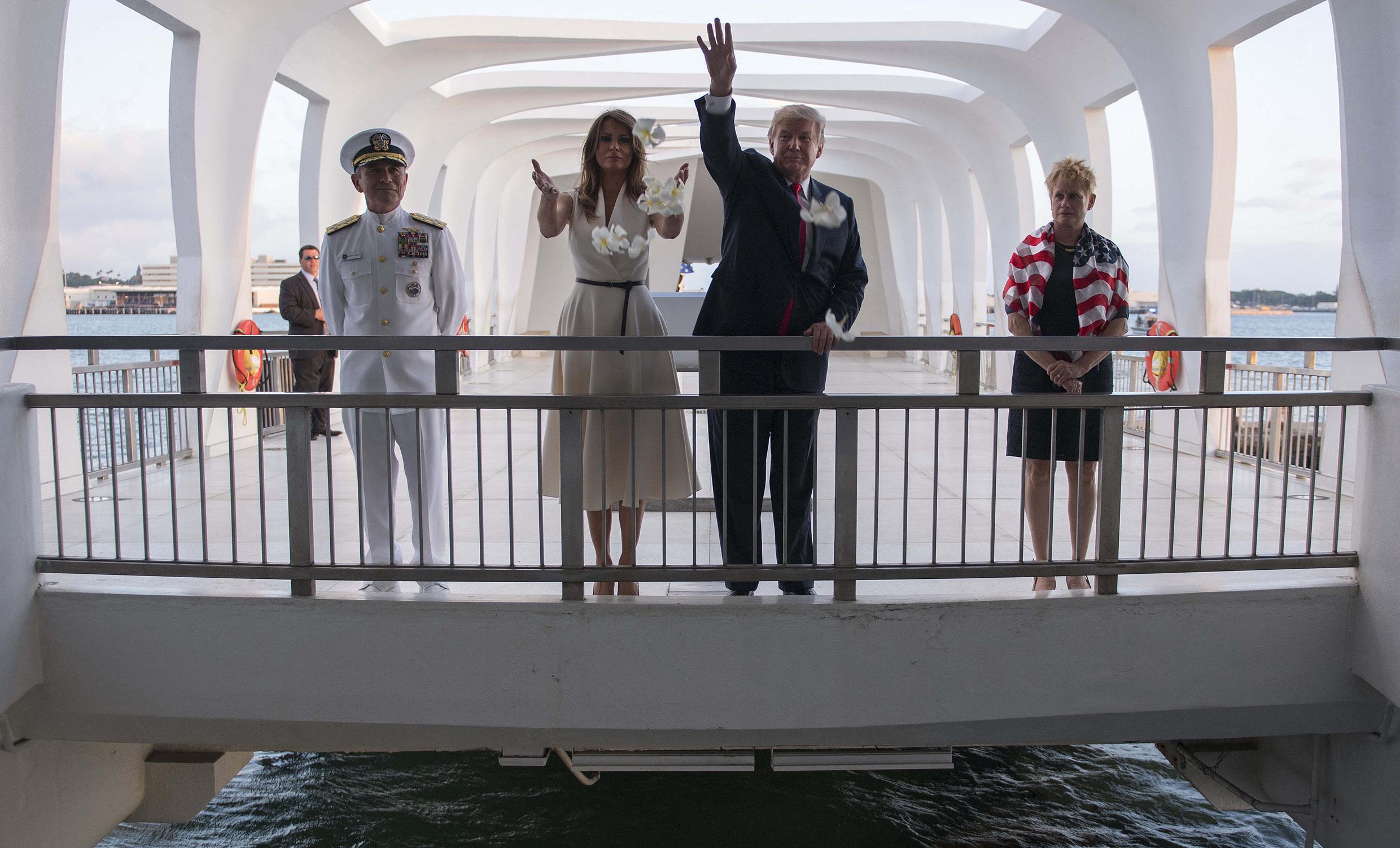
Source 1 US President Donald Trump visits the USS Arizona Memorial at Pearl Harbor in 2017.
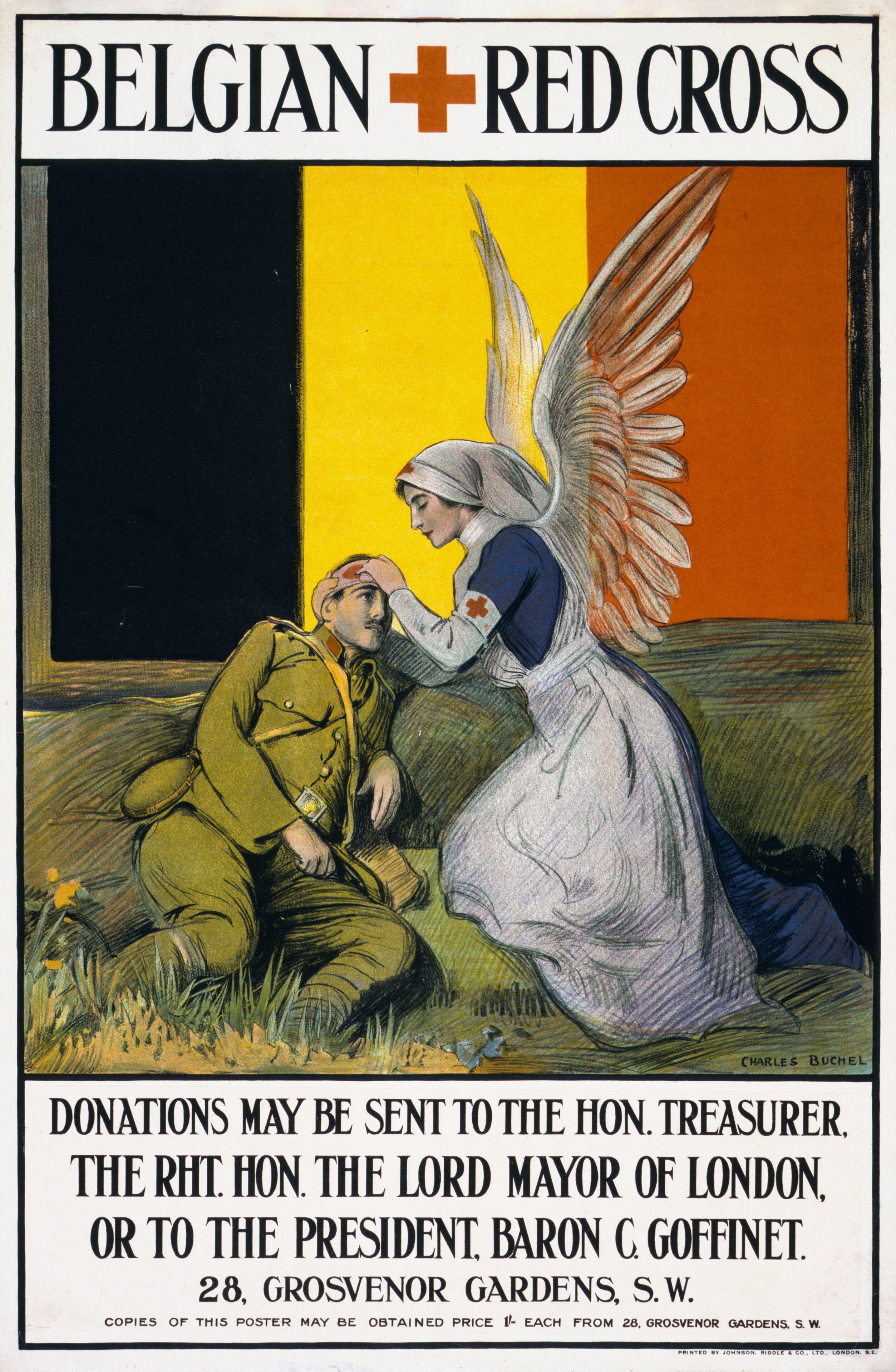
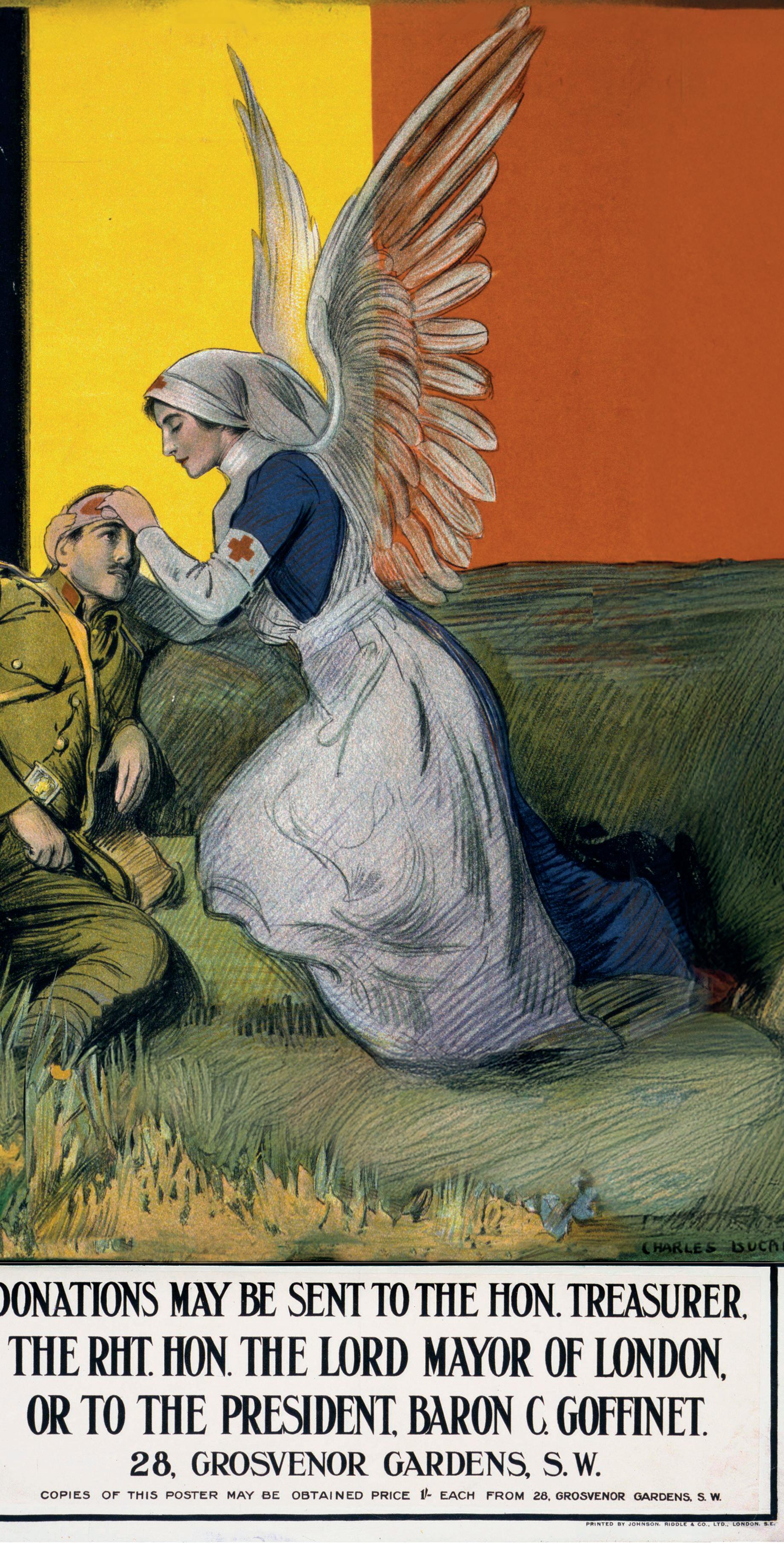
This World War I poster highlights the key role that Red Cross nurses played in the war, depicting the nurse as an angel with wings tending a wounded soldier. This poster was one of many used to raise funds for the Red Cross in wartime.
Also available in this series