DP History
Comprehensive coverage of the 2026 syllabus
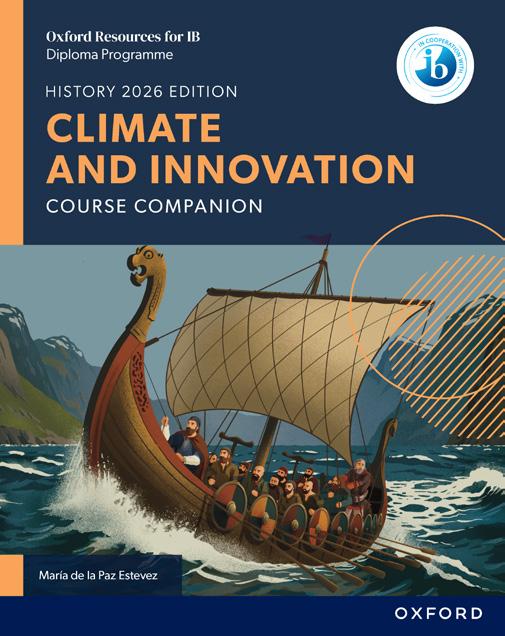
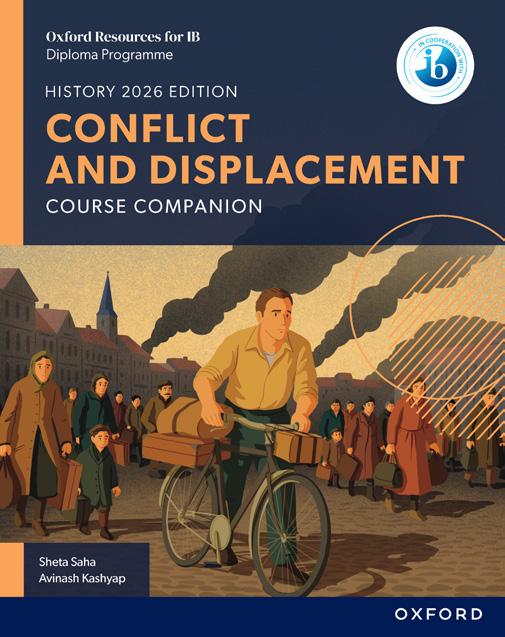
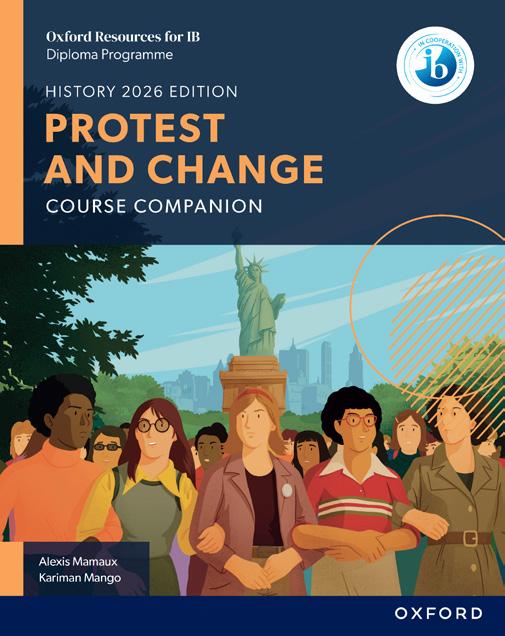
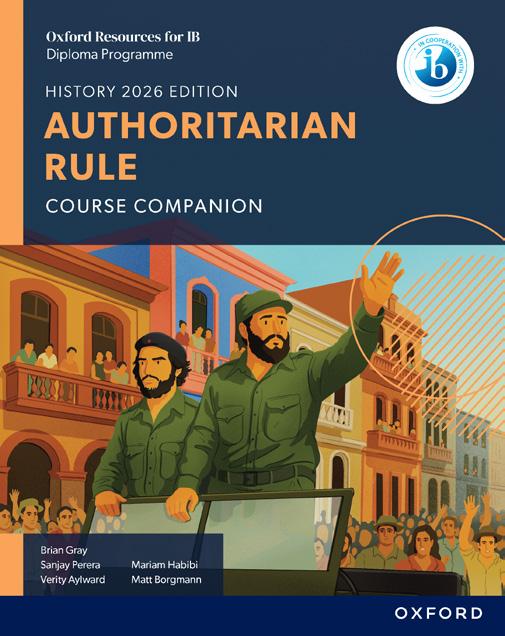
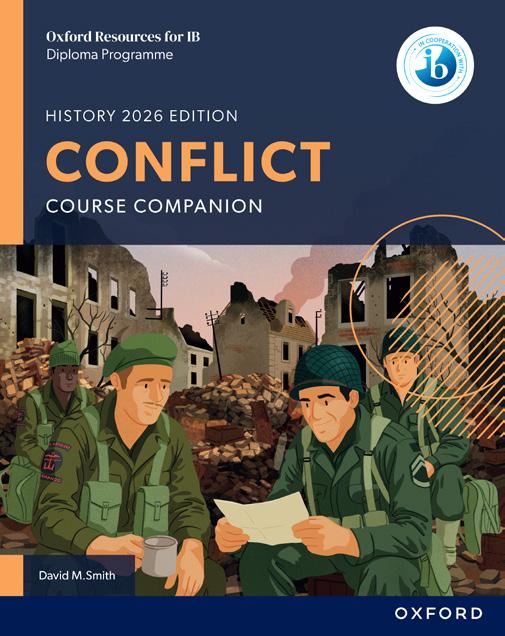
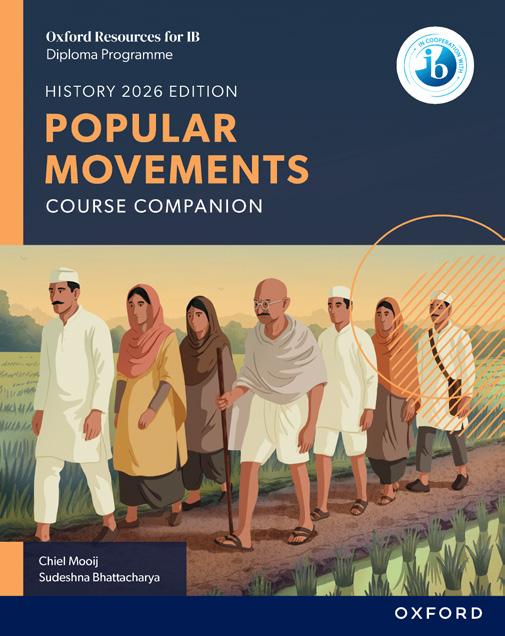
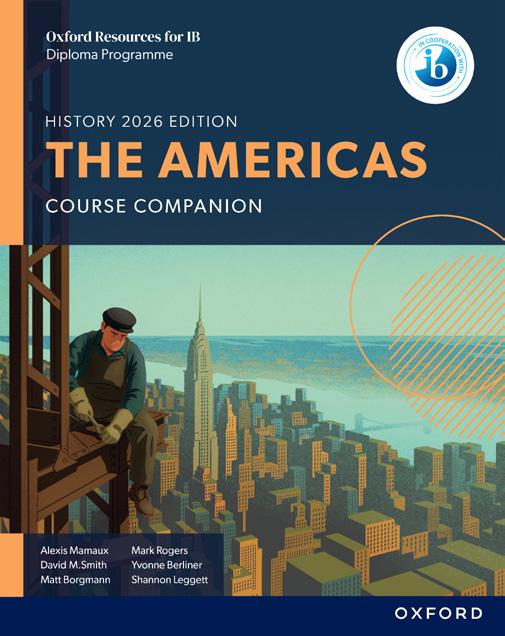
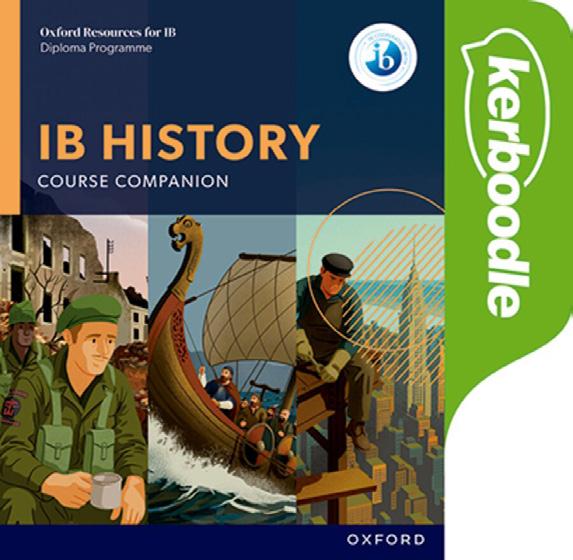
Use this course guide to:
• Explore the changes to the syllabus and assessment
• Look inside the new Course Books
• Find out how to evaluate and order
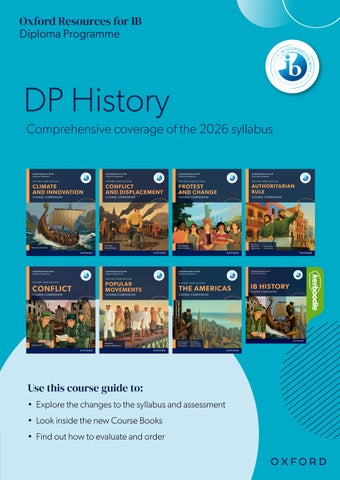
Use this course guide to:
• Explore the changes to the syllabus and assessment
• Look inside the new Course Books
• Find out how to evaluate and order
Use both print and digital components for the best teaching and learning experience
Published in cooperation with the IB
Content is matched to the syllabus for first teaching 2026 so you can be assured the content is aligned, reviewed, and approved
new ideas
Use the explanations, activities, and in-depth content in our innovative and inspiring resources to engage and support your students both on- and offline
Trust our expert IB authors to provide the most accurate and up-to-date syllabus match
Develop key interdisciplinary skills with integrated support for TOK, ATL, and concept-based learning
Our digital offer provides students with exam question support, skill-building activities, Internal Assessment advice and Extended Essay guidance
Use rich data and enhanced reporting to guide your teaching and revision strategy, available as part of our digital offer on Kerboodle
Consolidate essential exam skills and knowledge with our assessment-focused resources


From David Smith and Alexis Mamaux
The IB History course, one of the most widely offered IB courses, has undergone minor changes over the past ten years, whereas this change is more comprehensive. The current curriculum review indicated that there were ways the course could evolve to better reflect the experience and meet the needs of teachers and students around the world. Reducing content, broadening the opportunity to use a wide variety of historic examples, and anchoring the course in conceptual understanding responds to these experiences and needs.
The skills and content in the course enable students to develop an understanding of historical concepts which can be transferred to other academic subjects and a variety of career paths. Making informed decisions based on a variety of sources is increasingly important in a world where Artificial Intelligence and social media provide challenges to discerning accuracy and reliability. There is an inquiry-based approach to content and assessment to develop historical skills, and informed, independent thinking is a result of the process. The use of historical concepts frames events and trends to enable students to reach their own judgements.
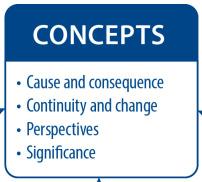
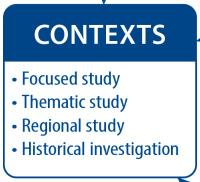
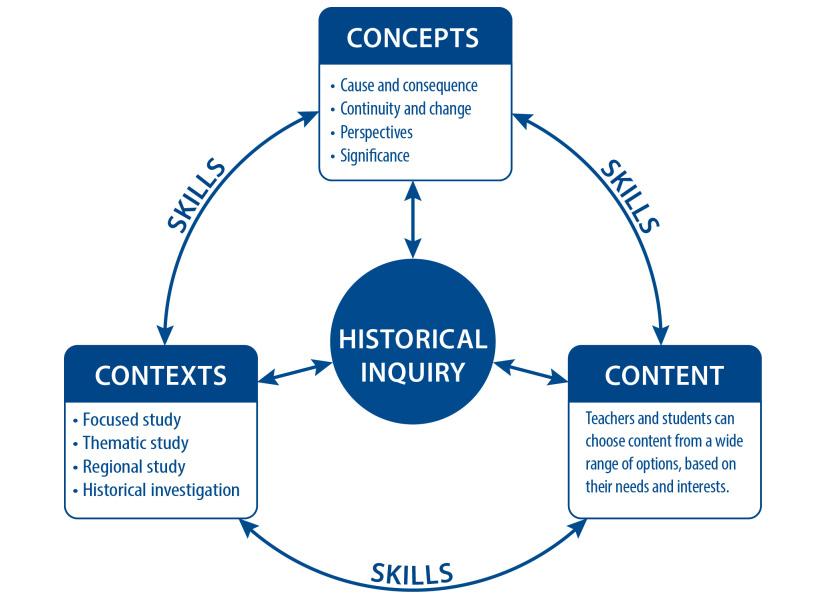
• The content, concepts and contexts are developed through skills development, and all link back to historical inquiry, which is at the centre of the course. These three ideas have been clearly defined in the subject guide.
• Skills in the history courses have been more clearly defined, with explicit reference to using sources, making connections, evaluating arguments and asking questions.
The five focused studies replace the five prescribed subjects, and schools still choose one. As in the past, there are two examples within each study, both of which are vehicles to practise sources skills and the work of historians. These studies are:
• Climate and innovation
• Independence and identity
• Political and economic transitions
• Conflict and displacement
• Protest and change
In each focused study, the two examples have three inquiry questions that guide the content. The recommended amount of time for covering the focused study is 50 hours, which is 10 more than allotted to the prescribed subject in the previous syllabus.
In past iterations of the course, students were responsible for understanding and using two out of 12 possible world history topics. Students are now responsible for only one theme chosen from four:
• Conflict (from 750 CE)
• Innovation and transformation (from 750 CE)
• A uthoritarian rule (from 1750 CE)
• Popular movements (from 1750 CE)
It is completely up to teachers what and how many examples through which to teach their chosen theme. So long as examples are taken from at least two regions of the world, teachers may choose fewer, comprehensive examples, many smaller examples, or some combination of the two.
For Higher Level (HL) students, the regional study and the four regional areas (Africa and the Middle East; the Americas; Asia and Oceania; Europe) remain. However, the 18 sections have been reduced to 12, and the new curriculum requires covering two regional studies instead of 3 in 90 hours – the same amount of time currently allocated. Through this content, students evaluate historical perspectives through their detailed understanding of historical arguments and its content.
The internal assessment remains an independent investigation in which students develop their own question and explain how they have used sources in the development of their arguments, analyse relevant evidence, and reach their own judgment. However, the reflection has been removed from the internal assessment, and there is a greater focus on an inquiry question, how it was developed, and with links to a concept.
• The opportunity to learn and use a variety of historic examples to address important and relevant issues
• The opportunity to study history in a variety of contexts including focused study, thematic study, regional study, and self-study
• Source-based skills that can be transferred to other disciplines
• The ability to use conceptual understanding to critically examine both past and present circumstances
• Evaluation of the views of others, weighing ideas and concepts to reach a reasoned decision
• More time for each area of the curriculum, so that there is time to acquire knowledge; develop skills; and reflect upon the main themes of the course

For both Standard Level (SL) and Higher Level (HL) students, all questions are marked using mark bands and a best-fit approach.
There are three sources instead of four; there is detailed context for each source in the exam; and concepts, context and perspectives are analysed. The questions are static – meaning that they are the same for all focused studies and for all exams:
• Q uestion 1: Explain how the content of both Source A and Source B can be used to answer the inquiry question.
• Q uestion 2: Analyse how the context of Source C influences how it can be used to answer the inquiry question.
• Q uestion 3: Examine how the perspectives in all the sources can be used to answer the inquiry question.
Paper 2 is still common across HL and SL but now consists of three distinct assessment tasks divided into two sections. In Section A students will be asked to analyse one of the historic concepts using an example they have studied. In Section B, students will use examples they have studied to examine the relationship of ‘lines of inquiry’ to ‘inquiry questions’ in one short answer task and one long response task. In each section students will have a choice of question.
The exam includes two questions for each of the 12 studies from their chosen regional study. Students are required to answer two questions from two different studies.
• All questions use the ‘ to what extent’ command term.
• Some questions will have a quotation, and students will be asked to what extent they agree, and others will ask students ‘to what extent’ they agree with a given claim.
• Essay responses should be evaluative in nature, with accurate and relevant knowledge as support; they should consider different perspectives and reach a clear judgement that answers the question.
Source-based assessment on the five focused studies, linked by an overarching inquiry question.
Students respond to three static questions. Students answer all the questions for one of the focused studies.
A: two questions on the specified concepts. Students choose one question to answer.
Section B: two questions on each of the four thematic studies. Each question consists of two parts –a short response and an essay response. Students choose one of the two questions for their thematic study and answer both parts of that question.
This component is internally assessed by the teacher and externally moderated by the IB at the end of the course.
Students investigate a historical topic of their choice. They formulate an inquiry question, identify and choose sources, synthesize information and evaluate sources to produce a response.
2
3
Source-based assessment on the five focused studies, linked by an overarching inquiry question. Students respond to three static questions. Students answer all the questions for one of the focused studies.
Section A: two questions on the specified concepts. Students choose one question to answer.
Section B: two questions on each of the four thematic studies. Each question consists of two parts – a short response and an essay response. Students choose one of the two questions for their thematic study and answer both parts of that question.
Separate papers for each of the four regions.
Two essay questions on each of the 12 regional studies within the selected region. Students choose to answer two questions, each from a different regional study.
This component is internally assessed by the teacher and externally moderated by the IB at the end of the course.
Students investigate a historical topic of their choice. They formulate an inquiry question, identify and choose sources, synthesize information and evaluate sources to produce a response.
Is the claim that Ben Ali’s rise to power was a surprise to the Tunisian people accurate?
Do you have a different perspective after examining his rise to power?
Secularism: The
Foster essential
to Learning (ATL) skills - critical thinking, communication, research, and social skills - throughout each chapter
Ben Ali promises change and reform 1987–1989
There was much hope in this early period that Ben Ali was going to deliver on his promises. Reforms were introduced that seemed designed to appeal to both the regime’s elites and opposition groups. Political exiles were encouraged to return to Tunisia and were promised a more open political process. Thousands of political prisoners were freed in 1988 and exiled opposition figures were encouraged to return home.
Thinking and communication skills
Create a table and organize your notes on Ben Ali’s reforms under the following headings as you read through these sections:
State party (PSD)
Voting system
Treatment of opposition
Dealing with members of the old regime
Constitutional amendment
Relationship with the UGTT Women’s rights and secularism
Initial attitude to Islam and Islamic political groups Ben Ali was aware of the power religion had to shape public opinion and wanted the Islamist opposition on his side. In an effort at appeasement, Islam would be given
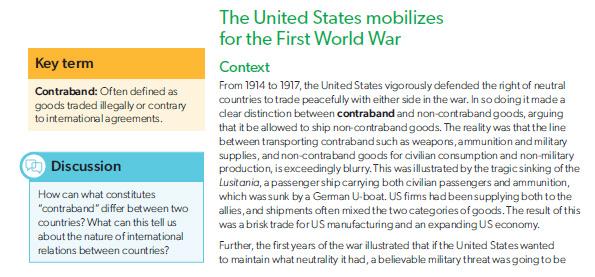
Key terms are defined throughout to help students understand important terminology
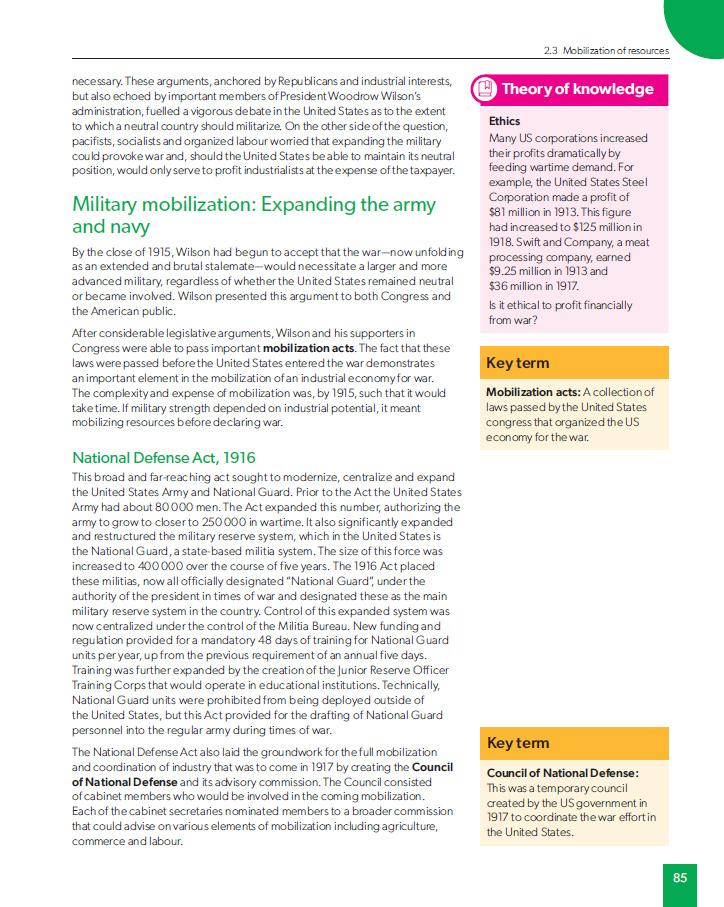
DP History: Conflict Course Book
Theory of Knowledge (TOK) link boxes are included so students can consider key TOK questions in relation to History
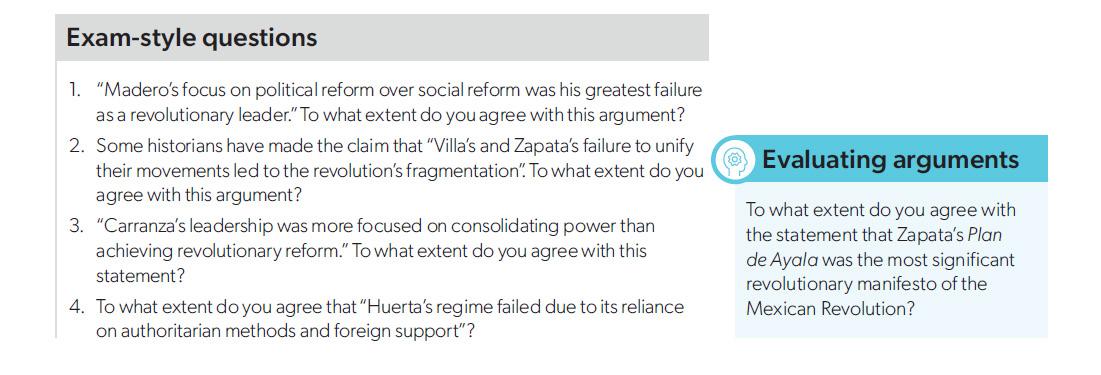
DP History: The Americas Course Book
Paper 1
• Equip students with essential skills by teaching them to interpret historical sources in response to inquiry questions, analyse how context influences source utility and synthesize diverse perspectives into cohesive arguments
• Support students with applying knowledge and understanding from the relevant focused study
2.1 What factors prompted innovation?
Strengthen exam confidence with exam-style questions, extensive source skills practice, and practical tips throughout
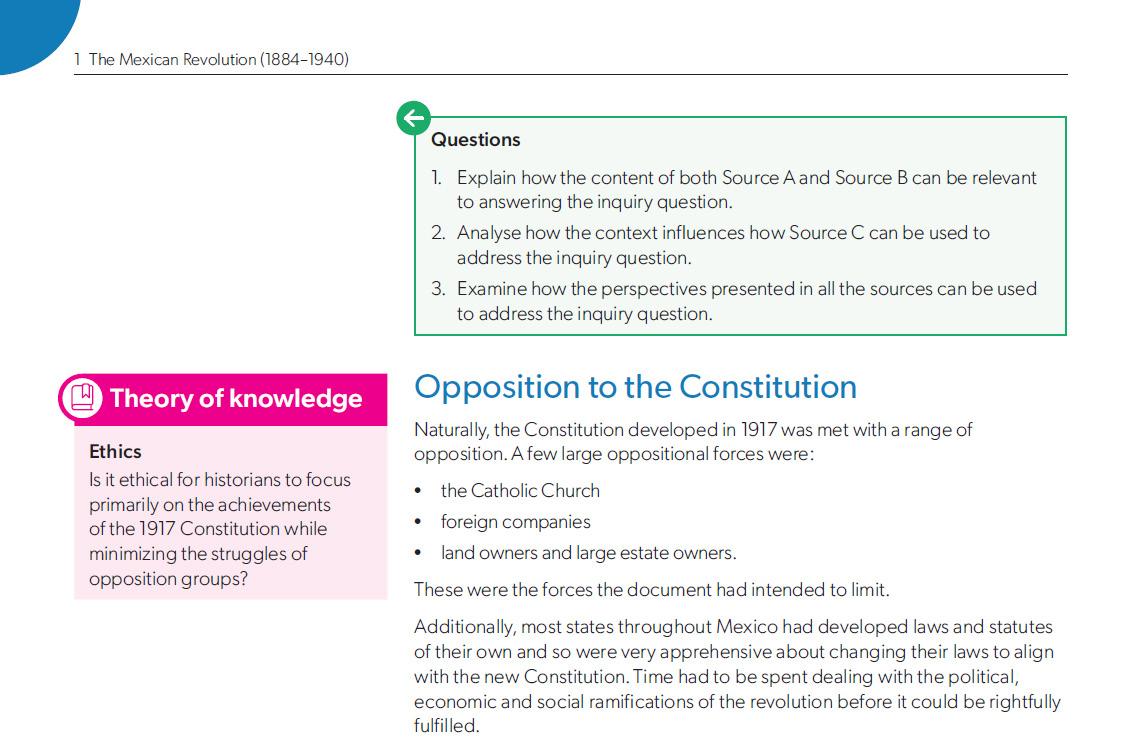
DP History: The Americas Course Book
their calendar (1325 in the Gregorian calendar) when they arrived at a small island in Lake Texcoco. On this island, the elder members of the community saw what they believed was a message from the god Huitzilopochtli showing them the place where they were supposed to settle and where the city of Tenochtitlan was to be built.
Aztec calendar system
state that the Aztec ruler Moctezuma assembled an expedition of 60 sorcerers and magicians to search for Aztlán. The travellers were given gold, precious stones, feathers, cacao, vanilla, and cotton from the royal treasure to be offered as gifts to the people of Aztlán. In the stories, the travellers arrived at a place named Coatepec after wandering for ten days. There, they transformed themselves into birds and animals to make the last part of the journey to Aztlán. When they arrived, they re-assumed their human forms and reached the hill in the middle of the lake. There they met an old priest, a guardian of the goddess Coatlicue, and an ancient woman, the mother of the god Huitzilopochtli. The old man declined the gifts, explaining that the consumption of cacao and the rest of the luxurious items was the reason why the people in Tenochtitlan were no longer immortal. Before they left, he gave the travellers some waterfowl and plants native to Aztlán to take back with them to Tenochtitlan.
The sun god
One of the most important deities in Aztec religion was the sun god Huitzilopochtli (see Figure 2.3). Every day, he moved across the sky. At night, he returned to the bosom of the earth, his mother, to renew his strength and re-start the fight against darkness.
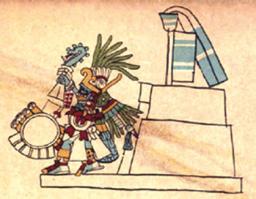
help us understand how the Aztecs viewed themselves and their world.
Source skills
Source G In this extract from a textbook on mythology, historians Jessica Mellenthin and Susan O. Shapiro describe how myths about a people’s history can help us understand how they view the past.
Questions
Hold a classroom discussion
or
myths are told about a historical event, and they help keep the memory of that event alive. Ironically, in historical myths, the accuracy is lost but meaning is gained.” The myth of Aztlán According to some Aztec stories, Aztlán, also known as “the Place
or
or
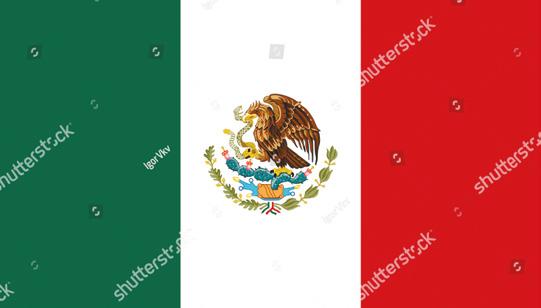
The Aztecs considered themselves the “people of the sun”, and believed that it was Huitzilopochtli who ordered them to start their migration to the central valley of Mexico, and to establish the city of Tenochtitlan. According to the legends, the god sent a message to the Mexica through an eagle
DP History: Climate and Innovation Course Book
2.3.2
1 The Mexican Revolution (1884–1940)
From here, he left for South America, where he started to develop the processes and techniques that would make him famous. He believed in continual experimentation with different techniques and new technologies.
He returned to Mexico in 1939 at the end of Cárdenas’ tenure in office and painted Portrait of the Bourgeoisie, a visual struggle between the evils of fascism and democracy. Siqueiros created works that were full of political and social content, which later in his career included the struggle against emerging fascism.
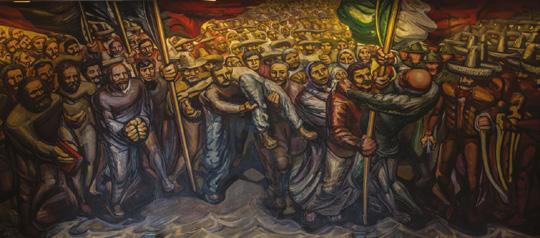
David Siqueiros’ murals were always a powerful voice for the marginalized and oppressed (see Figure 1.23). His art was ingrained with political activism, showing labour exploitation, critiquing imperialism and celebrating racial unity. Through his works, he forced audiences to question systemic injustices, inspired oppressed labourers to unite and continued the cultural legacy of the Mexican Revolution.
Music
Music during and after the revolution very much reflected the ideals and sacrifices made by the soldiers and their loved ones during the fighting. Musicians used the various ideas and themes of the revolution and coupled them with the new emergence of mass media after the revolution, namely radio and production.
During the revolution brass bands followed the armies, reflecting the regional traditions of music and instruments. Music and dancing were a significant component in the revolutionary armies as they would play music after wins, losses and even during battles to motivate the soldiers.
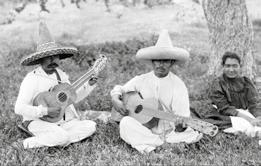
Corridos, or Mexican ballads, were around before the revolution but their association with the fighting brought them to the forefront. They incorporated simple language and became a communication tool to share stories and news of the revolution throughout the country. These narratives of social events were sung by soldiers around the fire at night—and usually had political undertones, themes of land reform, nationalism and women as a romantic theme. They used authentic and traditional musical instruments to accompany the songs. The revolution certainly popularized this style of music (see Figure 1.24),
• Engage learners with in-depth coverage of relevant historical examples, helping students build a strong foundation of contextual knowledge and analytical insight across their thematic study in Paper 2
• Develop synthesis and argumentation skills, encouraging students to connect diverse historical examples and construct analytical, evidence-based responses
• Support Higher Level (HL) learners in building evaluative thinking and deep historical insight through comprehensive regional content
• Deliver comprehensive regional content that enables students to explore key themes, developments, and debates within The Americas, deepening their historical insight and argumentation skills for Paper 3
Cárdenas across Mexico on his campaign tour. The mariachis soon adopted trumpets because of the influence of big band music in the United States. Music helped heal a torn nation during and after the revolution. It was a way for opposing groups to meet on common ground. Much of the music development was pushed by technology, which improved the style, sound and delivery, but Mexico’s most famous music stems from the influence of the revolution.
Literature
A new literary genre emerged from the revolution known as “Novels of the Revolution”. This genre included hundreds of novels by as many authors who were inspired by the events of the revolution. One of the most famous authors of this genre is Mariano Azuela. He was a doctor during the revolution and saw many of the tragedies that took place. He wrote The Underdogs, one of the first and most popular stories of its time.
Most of the novels, like Azuela’s, are based on the revolution and real events. They are often dark, showing the loss and disorder that took place, but also trying to show the heroic side of the revolution. Other novels in this genre are: They Gave Us the Land by Juan Rulfo, The Edge of the Storm by Agustin Yáñez, The Shadow of the Caudillo by Martin Luiz Guzman. Nellie Campobello wrote titles including Cartucho and Notes on the Military Life of Francisco Villa
A later generation also wrote stories based on the events from the revolution, like Carlos Fuentes’ The Old Gringo. This literature was a reflection of, and was inspired by, the events of the Mexican Revolution. While it was very much intended to bring people’s attention to the dark but very real side of the revolution,
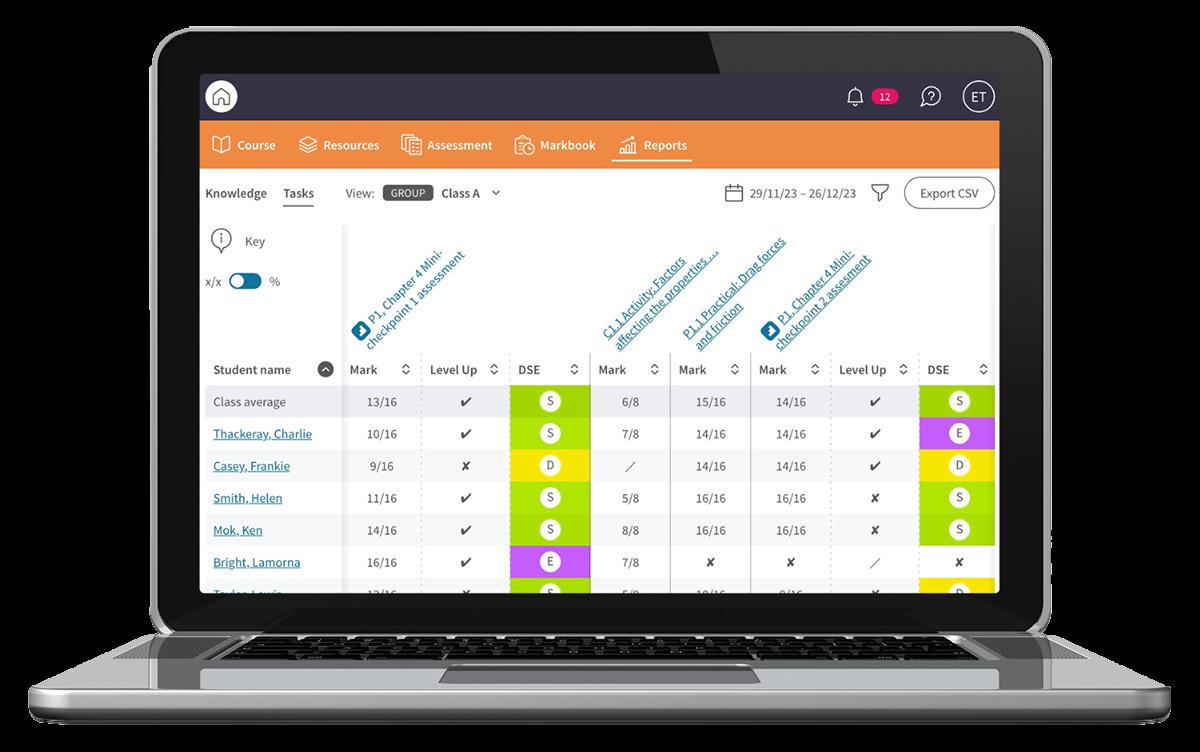
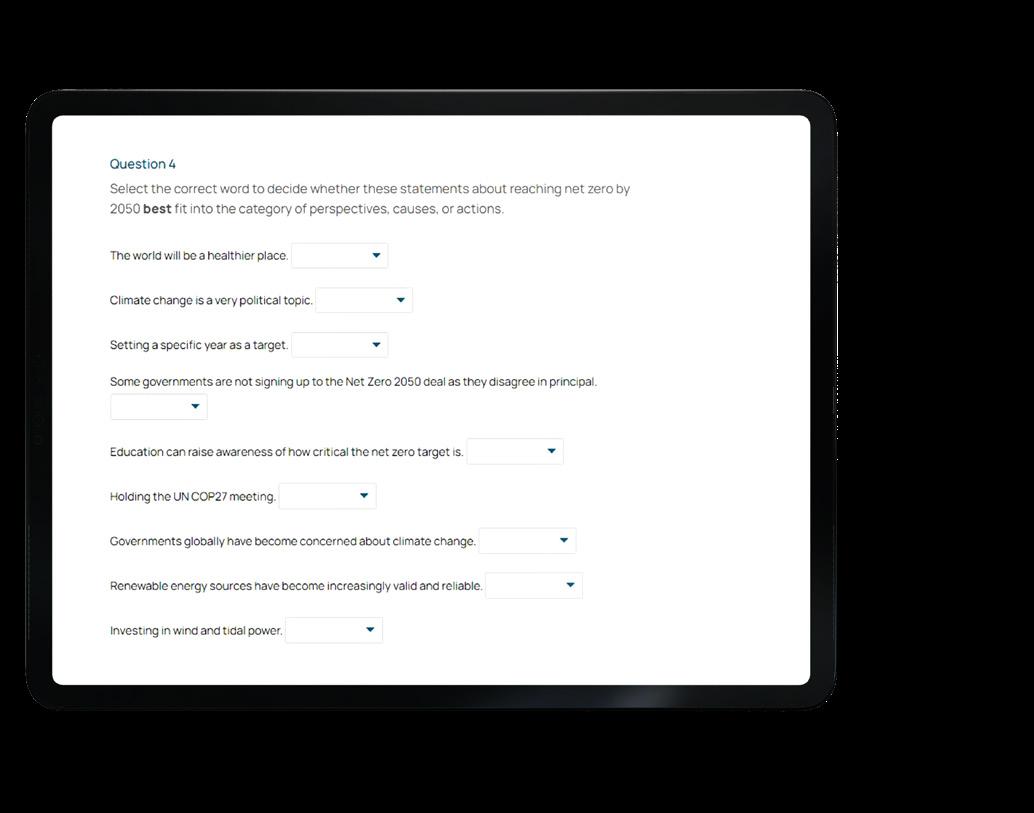
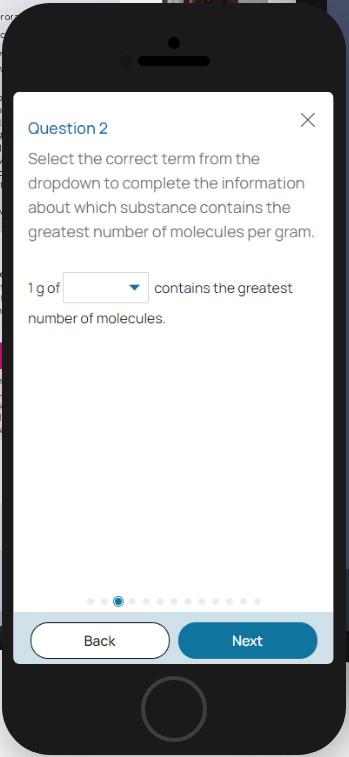
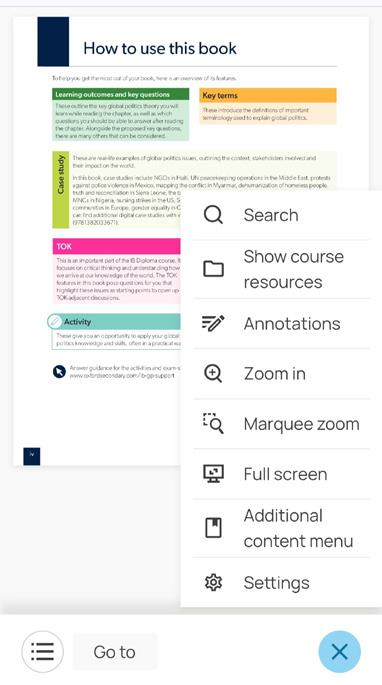
Our digital platform Kerboodle, contains Reports, which can be used to monitor students’ performance at both class and individual level and identify gaps in knowledge at a student, group, or topic level
Designed to build both knowledge and skills, our 2026 DP History resources are created by an international team of IB experts


Alexis Mamaux
History Teacher and Dean of Academics
USA
Avinash Kashyap
History, TOK and Global Politics Teacher and Head of Humanities
Indonesia
Brian Gray
Principal Examiner for History and Extended Essay, Workshop Leader
UK
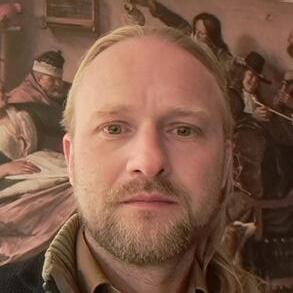

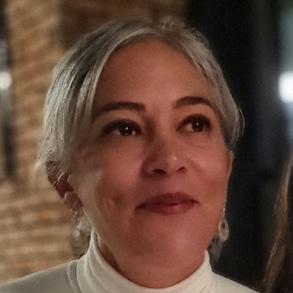
Chiel Mooij
History and Global Politics
Teacher and Workshop Leader
The Netherlands


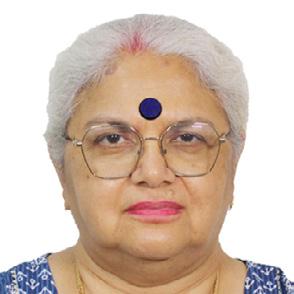
David M Smith
History and TOK author and Workshop Leader
Canada

Kariman Mango
DP History, World Religions and TOK teacher, and MYP and IB Individuals and Societies
Department Coordinator
Jordan

Mariam Habibi
Teacher and Workshop Leader
France
María de la Paz Estevez
Researcher, Workshop Leader and Content Developer
Argentina
Matt Borgmann
DP History Teacher, Paper 3 Examiner, and MYP Coordinator
USA
Sheta Saha
School Visit Team Leader and Programme Leader for the IB
India
Sudeshna Bhattacharya
History and TOK Teacher and Workshop Leader
India
Verity Aylward
Teacher of History and Politics
UK
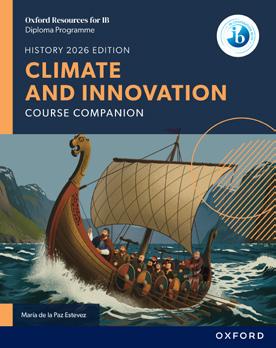
Oxford Resources for IB DP History: Climate and Innovation Course Book
9781382070478
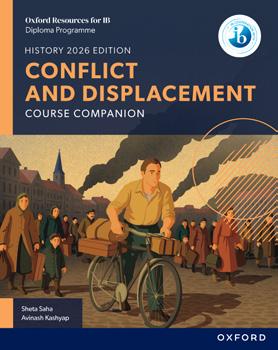
Oxford Resources for IB DP History: Conflict and Displacement Course Book
9781382070492
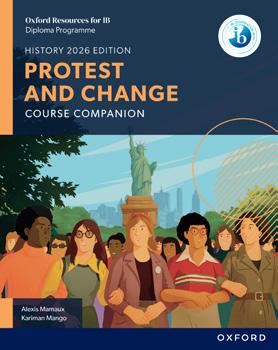
Oxford Resources for IB DP History: Protest and Change Course Book
9781382070515
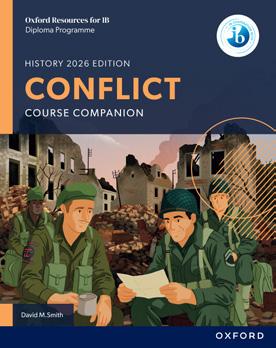
Oxford Resources for IB DP History: Conflict Course Book
9781382070553
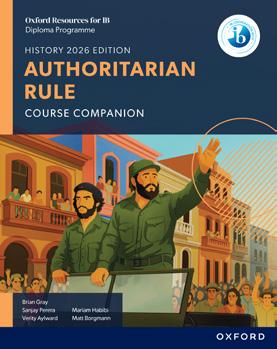
Oxford Resources for IB DP History: Authoritarian Rule Course Book
9781382070539
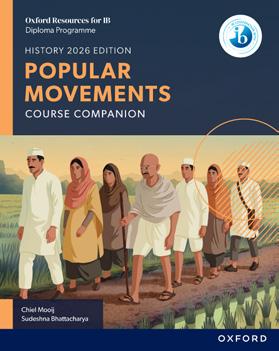
Oxford Resources for IB DP History: Popular Movements Course Book
9781382070577
Oxford Resources for IB DP History: Kerboodle* Including seven digital Course Books
* The price of this subscription depends on the size of your cohort. Please contact your local educational consultant for more information.
Find out more about Oxford resources for the IB Diploma Programme: www.oup.com.au/international-baccalaureate/ib-diploma-programme
To learn more, evaluate, or order, contact your local IB education consultant: cloud.comms.oup.com.au/international-baccalaureate Paper 1
Customer support
Call 1300 650 616 (AU)
0800 442 502 (NZ) Visit www.oup.com.au/help
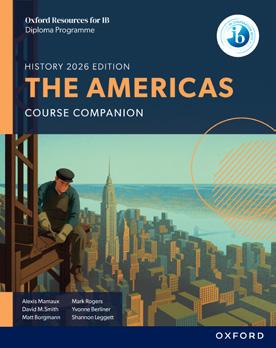
Oxford Resources for IB DP History: The Americas Course Book
9781382070591