SUMMERTIME OTMJ





Thursday, May 28, 2026

Thursday, May 28, 2026
t’s hard to believe, but school is out, Memorial Day is past us and summer is in full swing! Pools are crowded with people looking for a way to beat the heat, and kids are roaming footloose and fancy free. I’m a summer baby (a Cancer if you’re into that sort of thing), so I’ve always loved this time of year. While I don’t love the heat, I prefer hot to cold any day.
A great way for kids to spend the summer is summer camp—whether sleepaway or a day camp. Being out in nature with other children is a fantastic experience no matter who you are or where you’re from. Mary Clare Ingram’s article on Camp Fletcher and Bridgeways (page 12) tells the amazing story of a camp that is truly for every kid. Camp Fletcher is more than just a summer camp located on a 300-acre woodland preserve. It’s an experience that young people, from all walks of life, remember. For the rest of their lives, and for all the right reasons. And while the positive atmosphere is entirely unforced, the path to that shared sense of respect and appreciation among campers is anything but accidental.
And speaking of Mary Clare, another great thing about summer is having talented young people home from school. We are thrilled to have Mary Clare working with us this summer. She just completed her sophomore year at American University in Washington D.C., where she’s majoring in journalism with a minor in International Studies. Just after this issue prints, we will also welcome back our intern from last summer Nausicaa Chu. Naus just graduated from St. Paul’s School and will start her college journey at Yale in the fall. Are we lucky or what?!
Whatever you’re doing this summer and wherever you plan to go—even if it’s to the baby pool in your backyard—soak in the sweet summertime!
–BARRY WISE SMITH





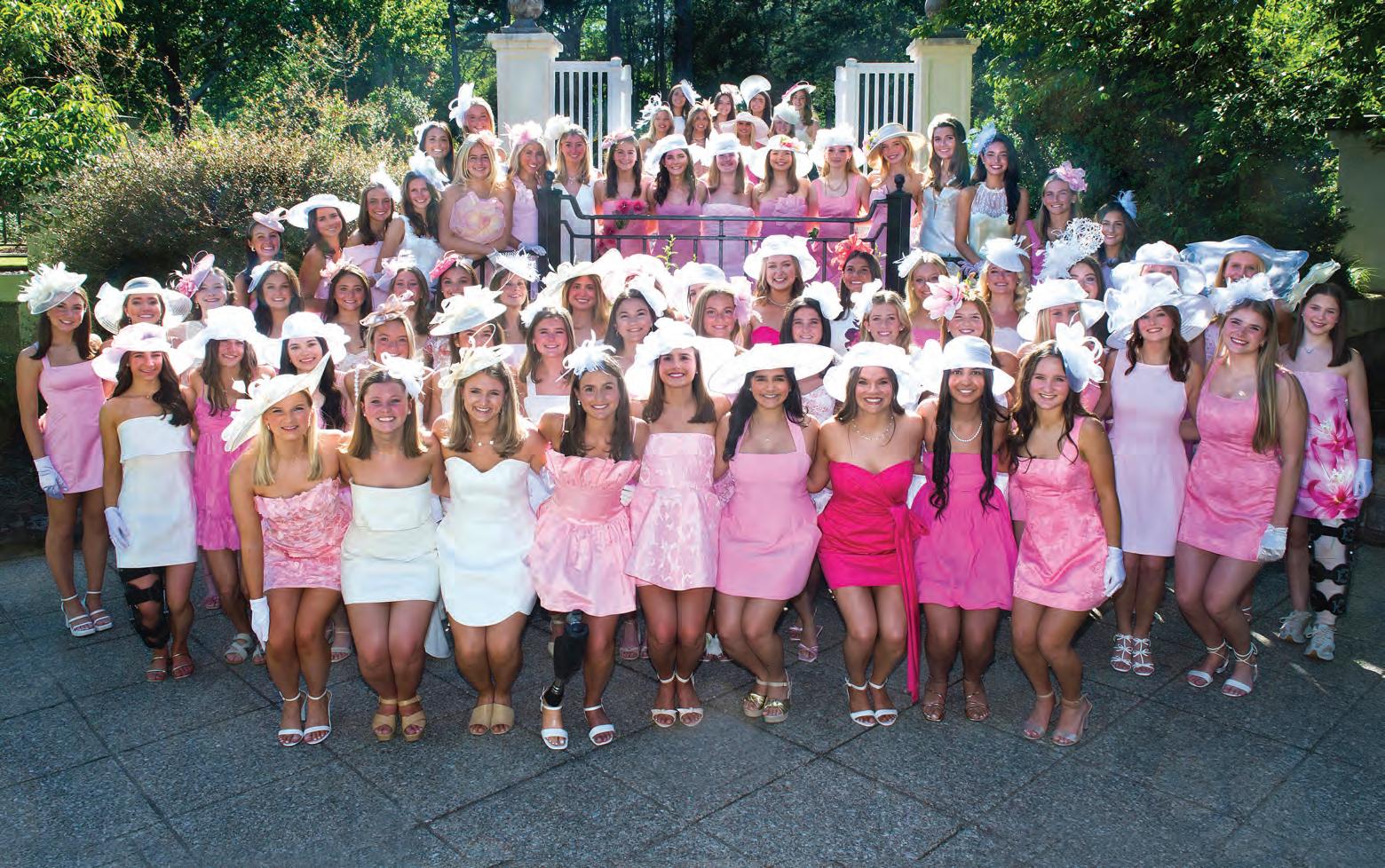
The sixth annual Camellia Court presentation was held on May 3 at Birmingham Botanical Gardens. Presentees were dressed in Kentucky Derbystyle hats and the dress of their choice in the camellia colors of white and shades of pink.
The Camellia Court is a service organization that gives 17- and 18-year-old girls experience in civic responsibilities. Through their volunteer efforts, Camellia Court members learn about their community and the rewards of volunteering. Last year, Camellia Court participants completed over 500 volunteer hours with their acts of service. The court will donate to the Birmingham Botanical Gardens.
THE 2026 MEMBERS ARE:
Miss Becca Marie Ajlouny, Miss Katherine Love Allen, Miss Elizabeth Collett Ankar, Miss Catherine Carney Axon, Miss Kathryn Frances Baker, Miss Eva Catherine Barnhart, Miss Margaret Miller Caine, Miss Alys Lucille Comer, Miss Juliette Perry Cook, Miss Lindsey Madison Dean, Miss Francesca Elizabeth, DeMarco, Miss Frances Garland Drennen, Miss Jewel Evelyn Evans, Miss Elizabeth Fielding Ezelle, Miss Lee Summers Faust, Miss Virginia Jeanne Flowers, Miss Julie Ann Gillespie, Miss Margaret Kay Gillespie, Miss Clarke Crawford Gillespy, Miss Anne Turner Victoria Goldman, Miss Elsie Dawkins Gribbin, Miss Lucille Davis
Gribbin, Miss Camille Levi Haugseth, Miss
Elizabeth Meyers Haver, Miss Mary Lynne Hennessy, Miss Brooke Catherine Johnston, Miss Caroline Elizabeth Jones, Miss Mary Alton Kenerly, Miss Mary Evelyn Kimbrough, Miss Alice Kathryn Krawczyk, Miss Brooke
Nicole Kumar, Miss Sullivan Emily Lell, Miss Nancy Ryals Little, Miss Hallsey Bryant Marsh, Miss Julia Mitchell Mather, Miss Claudia Laine Methvin, Miss Leslie Katharine Mitchell, Miss Adele Catherine Moffatt, Miss Frances Elizabeth Montgomery, Miss
Sally Elizabeth Moore, Miss Charlotte Adele Palmer, Miss Anna Maye Morgan Parker, Miss Emory Ellington Pounds, Miss Frances
Mae Reynolds, Miss Lila Judy Rice, Miss
Kathryn Bowman Rives, Miss Rose Sessions Robinson, Miss Rushton Grace Robinson, Miss Stella Virginia Samford, Miss Frances Feagin Sandner, Miss Malvina Ireland Segars, Miss Hayden Hayes Shook, Miss Olivia Grace Short, Miss Serena Marie Spencer, Miss Sarah Lister Still, Miss Lillian Rose Sullivan, Miss Elizabeth Gail Thomas, Miss Anne Parrish Tucker, Miss Lilly Frances Turner, Miss Charlotte Kelley Walton, Miss Ann Calvert Whatley, Miss Kara Leigh Whitaker, Miss Harper Mattison Wilbanks, Miss Chappell
Leigh Curtis Williams, Miss Lillian Perah Williams, Miss Abby Carter Wilson. Miss Madeline Grey Woods, Miss Gabriella Oliver Worthen and Miss Ireland Grace Young.





The Ballet Guild of Birmingham will present 45 young women at the 66th Annual Ball of Roses at the Country Club of Birmingham on June 6. Leading this cherished tradition are Guild President Fairfax Davis Yarbrough, Executive Vice President Katherine Alton Brown, Ball Chairman Mary Virginia Grisham and Co-Chairman Julia Bynum Stewart. The event continues its longstanding mission of supporting the Alabama Ballet. The evening will open with an elegant, seated dinner for members of the Men’s Committee and their guests, thoughtfully arranged by Chairman Camilla Bryant Grisham and Co-Chairman Ellie Dowden Priester. The formal presentation of honorees will take place against a beautiful floral backdrop designed by Marigold Designs, Mary Cox Brown. Following the presentation, guests will enjoy an evening of dancing, with lively music provided by One More Song. Since its founding, the Ball of Roses has raised more than $1 million in support of the Alabama Ballet, while also serving as a highlight of Birmingham’s summer social season—a celebration of tradition, philanthropy and community. OTMJ
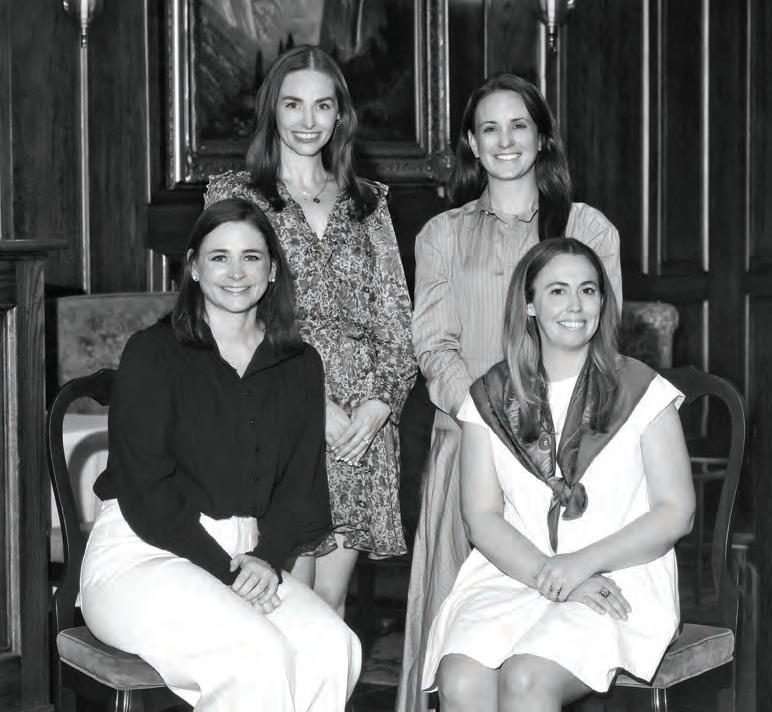
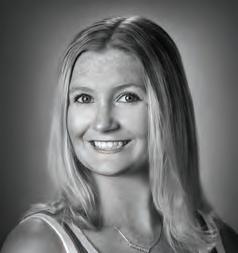
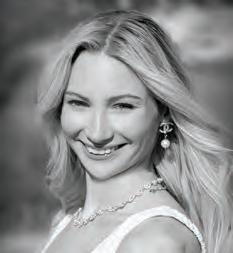
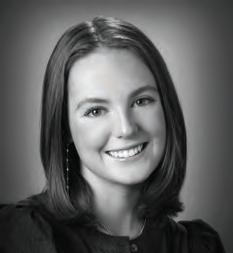
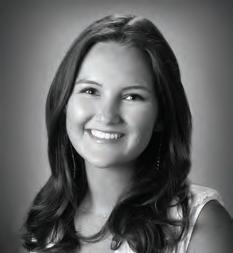
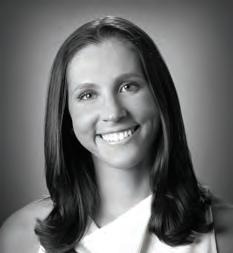
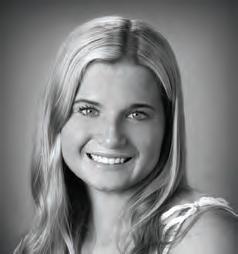
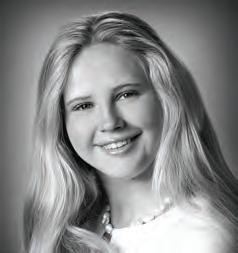
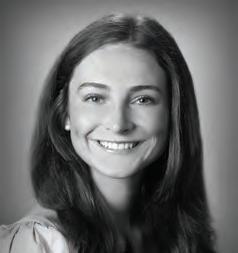

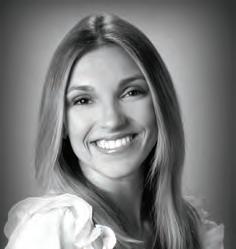
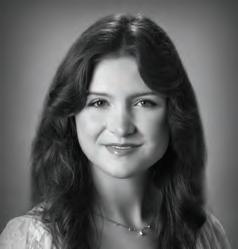
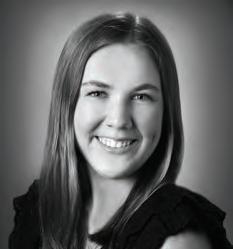
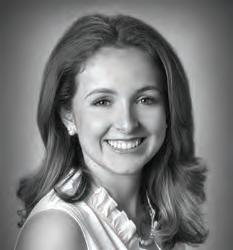

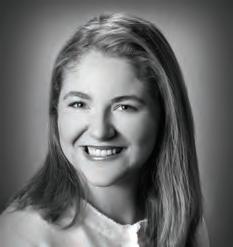
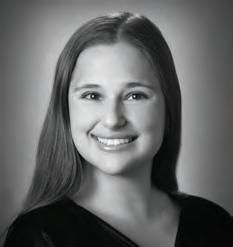

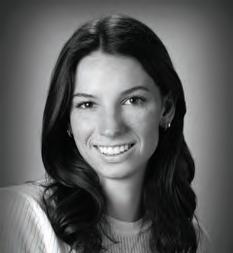
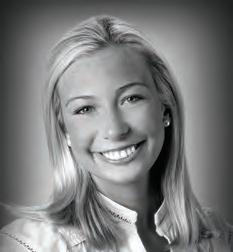
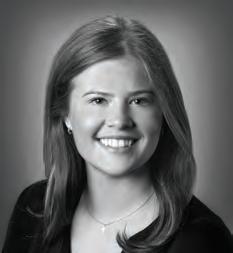
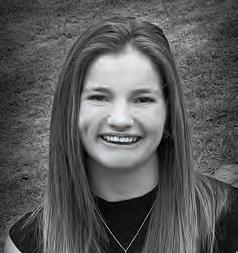
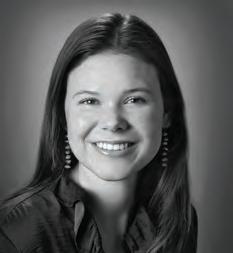
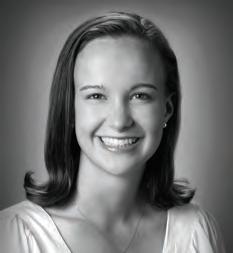
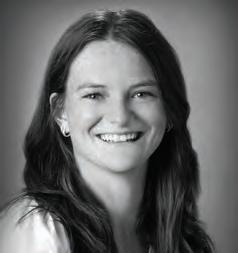
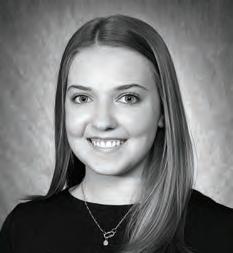
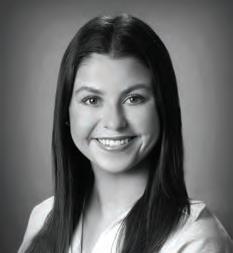
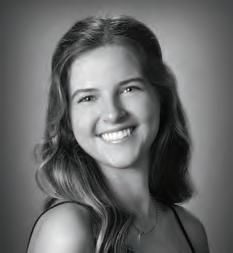
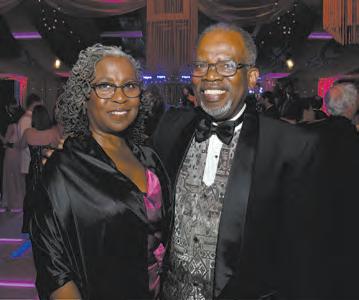
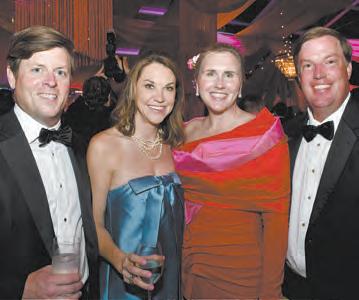
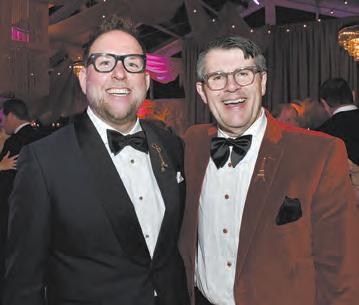
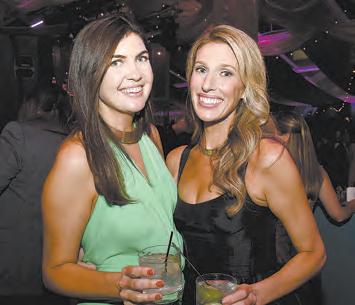
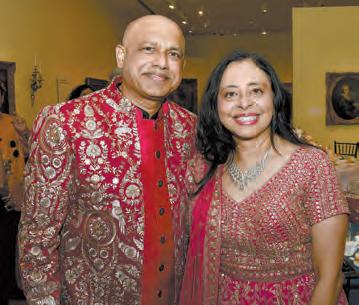
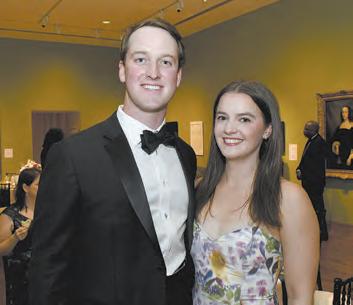
On May 2, the 69th annual Museum Ball—the Birmingham Museum of Art’s signature fundraising event—was held at the Birmingham Museum of Art with the theme Étoile: A Parisian Affair. An unforgettable evening of elegance and sophistication, the ball’s theme was inspired by the premier exhibition Monet to Matisse: French Moderns, 1850–1950. Ball co-chairs, Katherine Blount, Ashley Miles and Elizabeth Miles curated a glamorous black-tie affair that brought the romance of French culture to Birmingham. Guests enjoyed a cocktail reception followed by an exquisite, seated dinner prepared by Kathy G & Company and concluded with a night of dancing beneath the glow of Parisian lights.
The Museum Ball is the Museum’s signature fundraising event, offering a unique opportunity to celebrate the Museum’s outstanding collection while supporting their vital programs, including the Learning & Engagement Department, which is principally supported by the proceeds from the Museum Ball. These funds allow students, educators and families locally and beyond to experience diverse resources and programs that promote art education, enhance access to the arts and create enriching experiences for K-12 students, ensuring that art remains an integral part of their learning journey. OTMJ

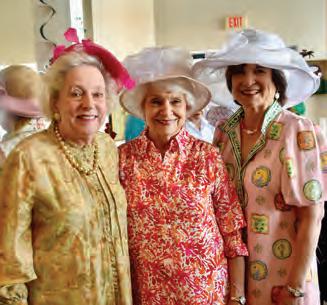
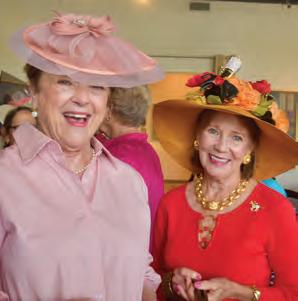
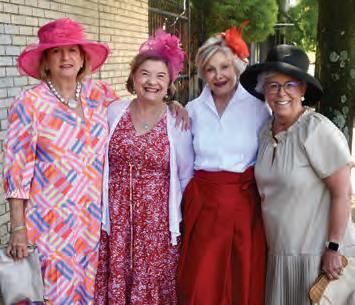
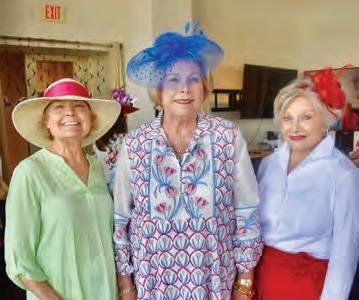
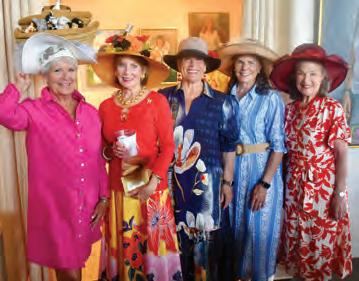
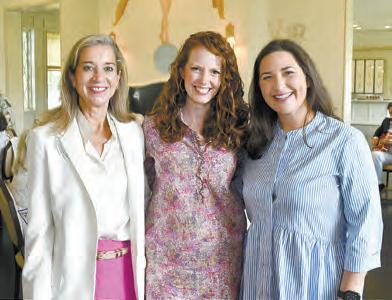
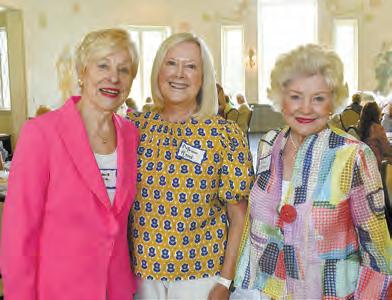
On April 30, the Pickwick Dance Club held its culminating party for the year to celebrate the Kentucky Derby! Beverly McNeil graciously offered her Portrait Gallery of Hope for the luncheon, and members were encouraged to wear their favorite Derby hat. There were many well decorated hats, but Marion Nichols’ Derby hat was the clear winner! Her straw hat was adorned with a black toy horse #17 amid colorful flowers and miniature loving cup trophies, as well as an actual betting stub from the 100th Kentucky Derby! The generous prize donated by B Prince was a gift certificate worth winning!
Upon arrival, about 50 members enjoyed mint juleps (of course!) and Prosecco and BLT bites and pimento cheese with pepper jelly in phyllo pastry shells. The room was arranged with round tables topped with black and white checked tablecloths and various hats for centerpieces. The serving tables were decorated with red roses and derby decor. Box lunches with chicken salad on croissants, turkey and cranberry sliders and pimento cheese on vegetable wraps were provided along with chips and salsa, slaw and cookies for dessert. Party planners for the event were Kelley Gage, Barbara Jean Langston and Caroline Daniel. OTMJ
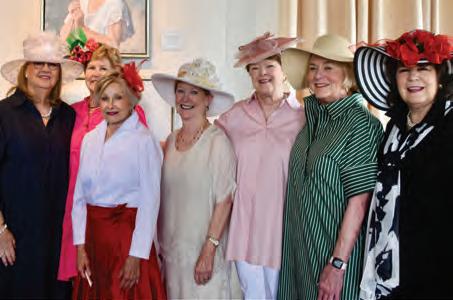








The Hoover City Schools Foundation held its second Derby and Dining event on May 1, at the Oris & Oak event center in Bluff Park. The Kentucky Derby-themed event raised money to support Foundation grants to teachers for innovative classroom programs that enhance learning opportunities for children in Hoover City Schools. The grants allow educators to introduce creative projects and hands-on learning experiences in areas such as science, technology, engineering, math, the arts, literacy and other enrichment initiatives that extend beyond the traditional classroom.
Attendees enjoyed a catered dinner, live and silent auctions and other activities throughout the night. Derby attire was encouraged, and hats were welcomed! During the event, three educators—Kelly Grande, First Grade, Riverchase Elementary; Kristen Snowden, Eighth Grade Math, Simmons Middle School and Dr. Pamela Hamilton, Science, Spain Park High School—received Lasting Impression Awards to honor Hoover teachers who embody dedication, innovation and excellence in education and make a lasting impression on their students and communities. Last year, 64 educators were nominated for the Lasting Impression Award, and this year, that number roughly doubled. OTMJ
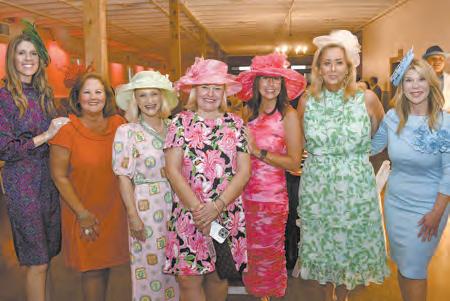
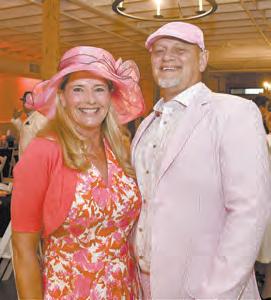

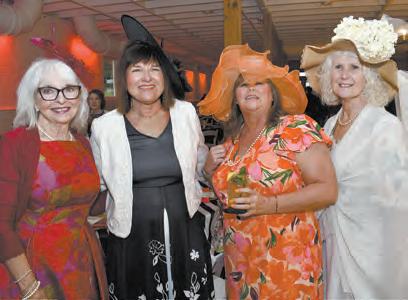

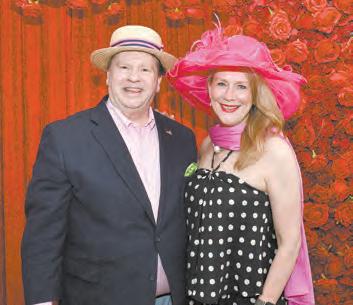

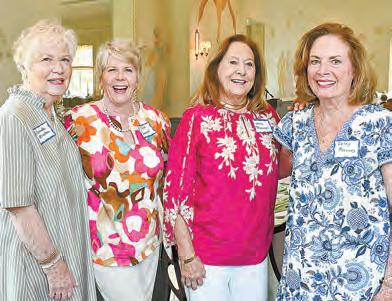
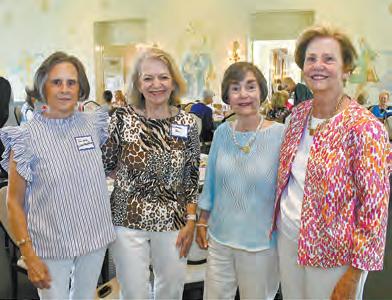
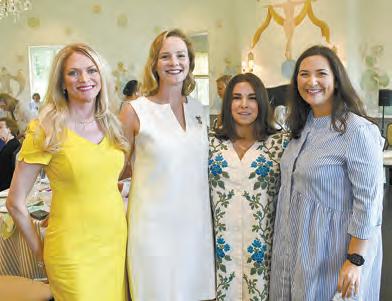
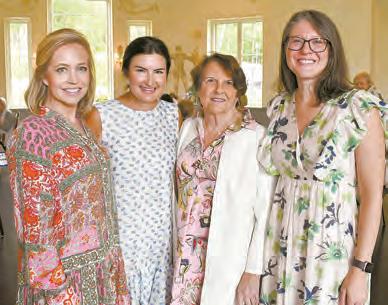
The Charades Spring Luncheon and Fashion Show was April 30 at the Mountain Brook Club. The Charades announced new members Allison Lassiter, Kathy Rowe, Ellen Keith, Claire Puckett, Dr. Erin Turner, Tracy Strickland, Caroline Muse, April Farrelly, Pat Day and Jenny Cooney. Charades members modeled fashions by Town and Country Clothes in Crestline Village. Thank you Town and Country! The Charades enjoyed spending time with each other and new members while watching the latest new fashions and dining on a delicious lunch. OTMJ




BY MARY CLARE INGRAM
PHOTOS BY JORDAN WALD AND COURTESY BRIDGEWAYS
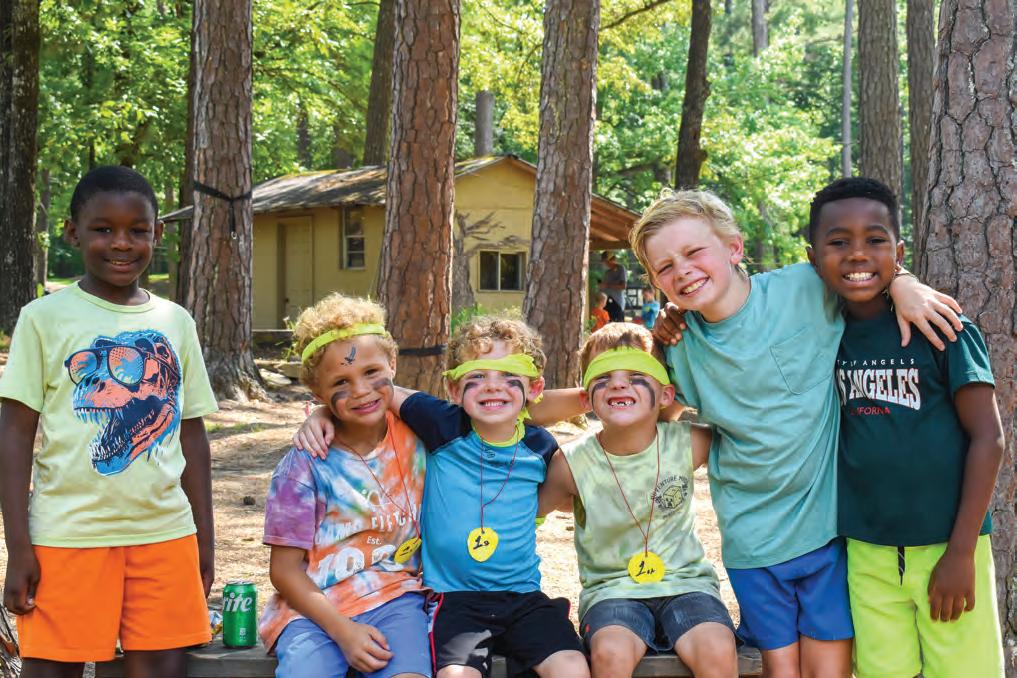
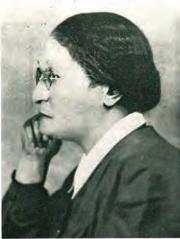
Pauline Bray Fletcher opened Camp Fletcher in 1926, and now, a century later, the camp keeps her legacy at the forefront of their mission. Now operating under BridgeWays, the camp serves over 1,000 children and youth each year in Alabama.
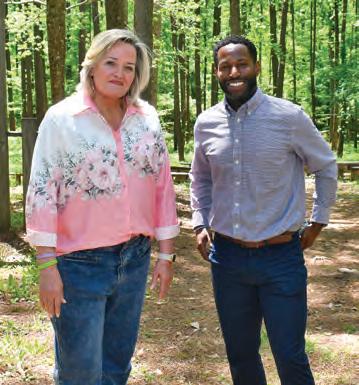
Fletcher, the first African American registered nurse in Alabama, established the camp in Bessemer, just 23 miles outside of Birmingham with the goal to improve the health of children through movement and being outdoors. “We are very intentional about preserving her core values for the healthy development of children through everything that we’re doing,” says Nancy Meadows,BridgeWay’s chief executive officer. Staff, counselors and campers are continuing into a new century memorializing Fletcher’s mission and commitment to bettering the lives of children in a time when they believe human connection has taken a back seat to social media.
Meadows says Camp Fletcher isn’t a bellsand-whistles camp. “We don’t teach water skiing or horseback riding,” says Meadows, “but we focus on supporting campers’ goals and building connections through outdoor activities and face-to-face conversations.”
Marcus Harris was a counselor at the camp while in college and applies the values he learned there today as a vice principal
Camp
today is about unplugging and bullding friendships.
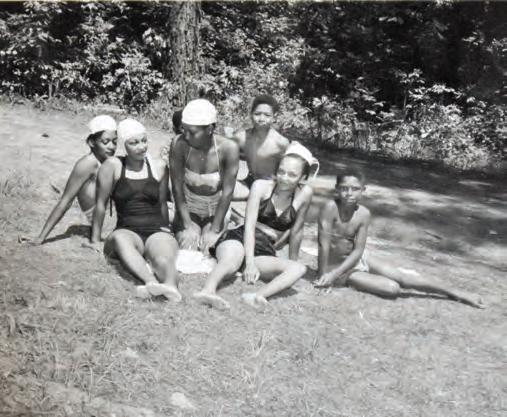
below: Campers at the swimming hole,
at Homewood High School. “It’s all about the campers and how you help them help themselves,” Harris says. “And we end up becoming better people too.”
Harris was a residential director and worked in athletics at the camp, guiding campers through outdoor activities like hula hooping, canoeing and kickball. This summer, “we are introducing a bell in the dining hall,” he says. “When campers accomplish a goal they set for the week, they will ring the bell at lunchtime and celebrate with their fellow campers and staff.”
Meadows says Fletcher focused on the children’s health, hard work and courage. She works to continue Fletcher’s legacy today through the Pauline Fletcher Trail and opportunities for children to visit the camp on field trips during the school year, and of course as summer campers.
Fletcher originally opened the camp to serve African American children in Birmingham, since there were no camps they were allowed to attend in the 1920s. Soon after, Baptist women in Birmingham wanted to help, and the camp became a place for children and volunteers of all races and creeds.
Harris’ grandfather attended the camp and shared his memories of swimming and other activities, all of which made Harris want to be a part of the camp that meant so much to his grandad. “It meant a lot to me to be able to work there, knowing that it gave minorities
like my grandad opportunities to have an experience he otherwise would never have had,” Harris says.
The founding and maintenance of the camp didn’t come easy. Challenges included the Great Depression, World War II, Ku Klux Klan raids and the Civil Rights Movement in the 1960s. “There were so many reasons for her to quit,” Meadows says. “But she didn’t because of her vision and her passion for the health and wellness of the kids.”
Now, Meadows and Harris emphasize the importance of Camp Fletcher as a way for kids to disconnect and build relationships away from technology. Meadows believes advances in technology and communication leave us feeling more isolated. “There aren’t many spaces left where kids can run, play and explore in a safe environment,” she says. “Our camp is one of the few remaining.”
She recalls one camper saying that “Miss Nancy’s talk time,” when Meadows sits down with campers to hear about their camp experience, was like real-life FaceTime. She says that as a society, we are looking for a place to feel known and accepted as spaces become digitized. “When there’s no social media involved, and you don’t have these
people that know anything about you, you get a fresh start,” Harris says. “Camp Fletcher is a place where people can be carefree and let go of expectations.”
Harris carries the values he learned and taught at camp into his role as an educator, working to recognize students’ interests and strengths and help them lean into them and build connections between themselves and others. Harris sums it up: “Camp Fletcher is the perfect place to build relationships that matter, starting with yourself.”
OTMJ
S’Mores & Pours
June 4 • Avondale Brewery 5-9:30 p.m.
Join the BridgeWays Junior Board at Avondale Brewing Company for the 14th Annual S’mores & Pours fundraiser. Enjoy Taco Mama along with a selection of Avondale’s finest brews plus raffles, drawings, pop-up shops, vendors and local artists showcasing their talents. Also, activities for the kiddos and treats for the furry friends, all set to the lively tunes of T.U.B—The UnKnamed Band.
The Kathleen P. Bruhn Memorial Leadership Open Greystone Golf & Country Clubs’ Legacy Course August 27 • 8:30 a.m.-3:00 p.m.
In addition to BridgeWays awarding a scholarship for general education expenses to a local high school senior, over 100 golfers enjoy a day on the links (including: Bloody Mary breakfast bar, breakfast buffet, adult beverages, putt-off and on course competitions, lunch buffet and top-team prizes. To sign up for an event volunteer and donate some much appreciated money, visit bridgewaysal.org.


Bluff Park Piggly Wiggly
Mt. Laurel Piggly Wiggly
Forest Park Piggly Wiggly Hoover Library
Mountain Brook (Emmett O’Neal) Library
Vestavia Hills Library
Homewood Library



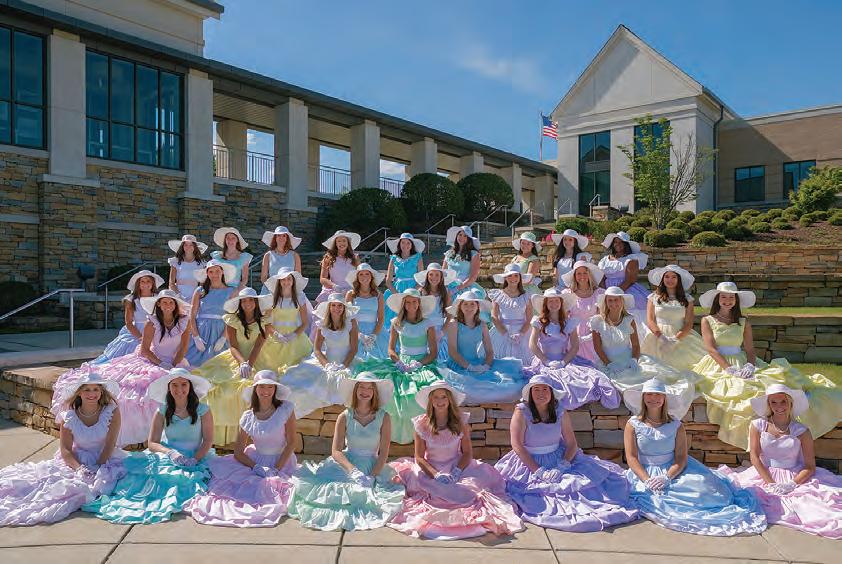
The Vestavia Hills Beautification Board recently hosted the 47th annual Vestavia Belles Presentation at the Vestavia Civic Center, celebrating a new class of young women dedicated to community service.
The Vestavia Belles, a community service organization comprised of high school-aged young women who serve as junior hostesses for the City of Vestavia Hills, introduced 37 members of the Class of 2026. The event marked the beginning of their term of service and was attended by family and friends. Junior and senior Belles were also recognized during the ceremony.
Guests were welcomed by Mayor Ashley Curry, Mistress of Ceremony Clare Huddleston, Acting Beautification Board Chairman Mary Berryman and Vestavia Belle Chairman Rita Greene. Senior Belles received special recognition, including Certificates of Service presented by Mayor Curry, along with gifts of appreciation from Greene.
Several senior Belles were honored with awards recognizing service, leadership and commitment to excellence:
• Nadine Cox Memorial Award—Eva Davey
• Anne Boston Leadership Award—Hannah Kate Huner
• Campbell Johnston Grit and Grace Award—Hannah White
• Academic Award—Vivian Shi
• Vestavia Hills Beautification Spirit Award—Sadie Chavers and Lainey Ann Ramey
• Extra Mile Award—Maria Alfano, Ella Guest and Collins Tyus
• Vestavia Belle Steadfast Award—Anvitha Yarparla
The Vestavia Belle Class of 2026 includes: Margaret Morgan Backstrom, Makena Lee Bernal, Caroline Kirk Bishop, Ella Booth, Londyn Kate Chandler, Trinity Grace Clark, Sarah Louis Collins, Leia Comfort, Amelia Presley Cranfield, Claire Cummings, Sumner Raylee Daffron, Catherine Adair Davis, Elizabeth Louise DeGweck, Anna Leigh DeRieux, Olivia Wilson Ellis, Ashlen Elizabeth Faust, Reese Ella Friloux, Kathryn Fulton, Genevieve Gammill, Carleigh Grace Gasparetto, Shazi Annette Glover, Addison Shaffer Goetz, Ruth Ellen Graham, Gia Hallman, Carson Harris, Campbell Marie Horne, Hadley Elizabeth Huner, Jennie Brooklyn Kennedy, Bailey Catherine Mason, Julianna Maren Mize, Lily Kate Moreland, Katelyn Marie Morse, Mary Ansley Padgett, Julia Brooke Parker, Mary Christian Peters, Sayla Grace Prescott and Ella Kaate Ramsey.
The Graduating Senior Belles recognized were: Maria Alfano, Lillie Armstrong, Emma Kate Ashley, Elise Ball, Lucy Bazemore, Millie Black, Olivia Carroll (outgoing president), Sadie Chavers, Ann Ellison Crawford, Eva Davey (outgoing first vice president), Rebecca Evans, Cece Ferguson, Ella Guest, Palmer Heilbron, Tana Hengst, Lily Hughes (outgoing historian), Hannah Kate Huner (outgoing second vice president), Ella Claire Hunter, Mallory Jonas, Reese Jordan, Reese LaRocca, Ellie Latham, Anna James Litty, Helen Maddox, Courteney Martin (outgoing historian), Anne Gait Nall, Hollis Patrick, Maddie Prudhomme (outgoing historian), Lainey Ann Ramey, Jayanti Ranjan, Meredith Robison, Vivian Shi, Ellison Sizemore, Collins Tyus, Bailey Waguespack, Hannah White (outgoing treasurer), Sarah Stewart Wilbanks and Anvitha Yaparla (outgoing secretary).
Each year, Vestavia Belles contribute volunteer hours to the Library in the Forest’s Summer Reading Program and assist with a variety of civic events throughout the community. In the past year alone, the organization contributed more than 1,800 hours of community service. OTMJ
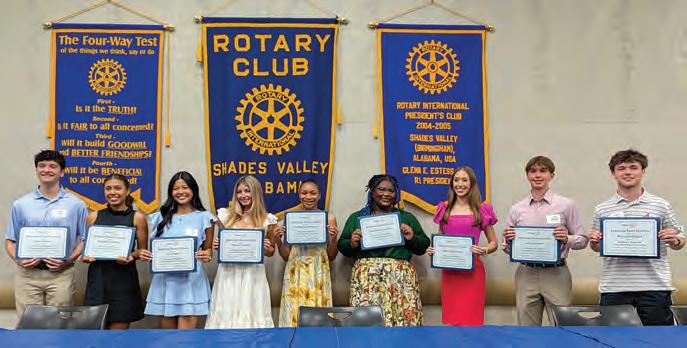
The Rotary Club of Shades Valley announced the recipients of its 2026 scholarship awards at a luncheon on May 4, at the Birmingham Botanical Gardens. The scholarships recognize outstanding high school seniors for their academic achievement, leadership and commitment to service. Each of the nine students will receive a $10,000 award (for a total of $90,000 for the group) to further their education.
This year’s scholarship recipients are:
• Mackenzie Jackson, Shades Valley High School—plans to attend Montevallo
• Kimberly Acosta, Shades Valley High School—plans to attend UAB
• Gabriella Brown, Shades Valley High School—plans to attend Brenau
• Avery Kononchek, John Carroll Catholic High School—plans to attend Auburn
• Lily Trinh, Homewood High School—plans to attend UAB
• Isaiah Shull, Homewood High School—plans to attend Auburn
• Willa Turner, Homewood High School—plans to attend UAB
• William Wallis, Homewood High School—Undecided
• Jack Weinrib, Homewood High School—plans to attend Alabama
“These students exemplify the ideals of Rotary through their dedication to scholarship, leadership and service,” says Bill Dean, president of the Shades Valley Rotary Club. “We are proud to recognize their achievements and support their continued education.”
On May 11, the Shades Valley Rotary Charitable Foundation will present scholarship awards to students pursuing trade school, community college or certificate programs. Approximately 20 students will receive those scholarships, which are $2,500 each, for tuition and fees.
The Educational Foundation of the Shades Valley Rotary Club was established on September 15, 1971, through the vision of Rotarian Dan J. McKiever. Founding members included McKiever, Arthur L. Walker and Elton B. Stephens. Scholarships are available to students from Homewood, Shades Valley, Mountain Brook and John Carroll Catholic high schools. Applicants submit an application, résumé, transcripts, FAFSA documentation and a written essay. Finalists are interviewed by Rotarians. Scholarships are awarded based on academic achievement, interview performance, leadership and financial need.
During its first 20 years, the foundation awarded 221 scholarships, beginning with a $750 award in 1971. By 1991, 12 scholarships were awarded annually at $1,500 each. From 1991 to 2003, approximately 144 scholarships were awarded, ranging from $1,500 to $3,100.
Since 2004, more than 583 students have applied, with 237 scholarships awarded. Over the past 55 years, the foundation has awarded more than 570 scholarships to deserving students from area schools, totaling an estimated $1.3 million.
The Shades Valley Rotary Club is part of Rotary International, a global network of community leaders dedicated to service above self. OTMJ

BY ANGELITA FALLER
In the summer of 2025, Homewood native Davis Bunn traveled to Serrekunda, The Gambia, to help grow funding opportunities for a nonprofit that is expanding reading access to children in The Gambia, Africa.
Serving as a research assistant with The Unique Foundation, Bunn spent two months on the ground developing expansion strategies for the organization’s mobile and classroom library programs. The Unique Foundation focuses on increasing educational access for vulnerable youth, women and underserved communities. Bunn’s work was centered on ensuring these programs had the structural support needed to grow.
While the Clinton School of Public Service—part of the University of Arkansas—has long maintained a remote partnership with the West African education charity, Bunn’s arrival marked a milestone as he was the first Clinton School student to serve the organization in person during his Internation Public Service Project, an eight-week, individual global public service project taking place in the summer between a student’s first and second year.
Bunn’s primary objective was to help the foundation secure sustainable funding. This involved researching global funding opportunities and translating those findings into actionable tools for the organization’s staff. “Specifically, I worked with The Unique Foundation on their library projects, which provides furniture and reading materials for local schools,” Bunn says. “I spent much of my time grant writing, and I created a centralized grant application document.”
In addition to the strategic work, Bunn assisted with essential IT and infrastructure updates, to streamline the foundation’s outreach and fundraising. “I helped increase their capacity to fundraise,” Bunn continues. “The work we did should help the foundation seek out additional opportunities long after my time there.”
Bunn chose The Gambia specifically to challenge himself. Having minored in intelligence studies as an undergraduate, he was interested in the region’s status as home to some of the world’s youngest democracies. “I wanted to get out of my comfort zone,” Bunn explains. “The opportunity to work in education in West Africa was something I found very interesting. Life is very different there compared to the United States, and this project was a wonderful opportunity to meet and work with people from different walks of life.”
The experience wasn’t limited to the office. Bunn immersed himself in the local environment, visiting museums and nature preserves. “My supervisor and I visited a monkey park and a crocodile park, both incredible experiences,” Bunn says. Reflecting on his time in Africa, Bunn says the experience further cemented his interest in education policy. By observing how The Gambia structures its educational systems at a micro level, he gained a global perspective he plans to apply to his career after completing his Master of Public Service degree in May. “Seeing how The Gambia approaches education helped me juxtapose those methods with our own,” Bunn says. “I appreciate the connections I made and the chance to see education policy in action on a global scale.”
Currently, Bunn is working with the Arkansas Public School Resource Center to identify best practices for charter school development. Following his graduation in May, Bunn will be getting married and moving to Washington, D.C., to pursue a career in education advocacy and policy. OTMJ
Kyle Echols explores what it means to work with the mind.
BY LEE HURLEY PHOTO BY JORDAN WALD
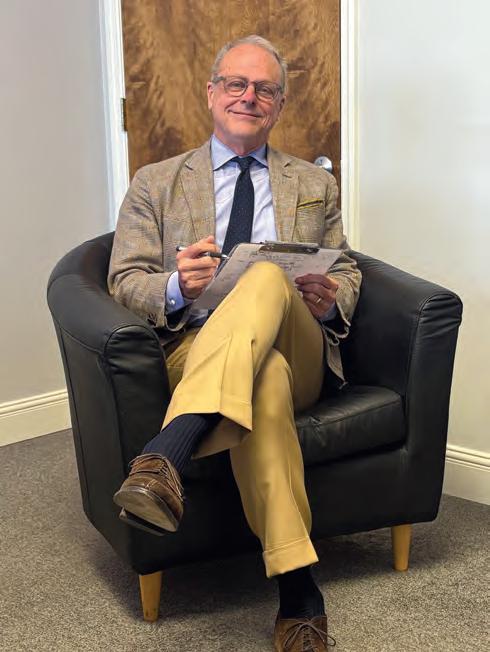
Kyle Echols is a well-known and well-regarded psychiatrist who has been practicing in Birmingham for 35 years. For those of us who think too much, it’s interesting to peek into the life of someone who has spent his career trying to decipher and adjust the mind’s arcane trajectory. There isn’t a simple explanation for Echols’ journey into medicine, especially psychiatry. One could look at his optometrist father whose expectations were conveyed by his own example of hard work and earned respect in the small community of Ruston, Louisiana. His dad expected the children to decipher their future and go for it. So they did. “I went to medical school because I could, Echols says. “I never thought about whether I really wanted to be a doctor.” In fact, Echols knew more about what he did not want then what he did. “I didn’t see myself going into family medicine. That stuff never interested me,” he says. “I could talk for hours about the experience of being a psychiatrist, and how it was an unlikely and unplanned career choice for me. I had naïve notions about it early on like I thought it was simply a cool thing to know about. After 40 years, I still do. That part turned out not to be so naïve.” Psychiatrists start off the way doctors do, studying anatomy, biochemistry and physiology but then diverge to focus on psychiatric diagnosing disorders, psychopharmacology (meds), neurobiology and psychotherapy techniques. Echols did his training at Charity Hospital in New Orleans, a “legendary” place among doctors that was shuttered after Katrina. It was notable for being the largest hospital in America under one roof. Patients were not in rooms but in wards. “Every day you were walking into the reality of the human condition, frequently raw and primitive and fragile,” Echols says. “There was a psychiatric emergency room at Charity where people would routinely sleep on mats, 40 or 50 patients every night because there were not enough beds. Everyone smoked, it would’ve been unthinkable to ban smoking amongst the patients at that time, and the air was blue with cigarette smoke.” After completing his training at LSU’s medical school, Echols did a four-year residency at the University of Virginia Medical Center before moving to Birmingham with his wife Kelly to start his career.
What does one do to ease the mind day after day? Echols listens. And like a reassuring Delta pilot in turbulence, his empathy and authority are valuable tools. “If you act on your curiosity in a way that doesn’t threaten people, you’re conveying that you’re listening and that you’re engaged. And it’s a stunning experience to be really listened to,” he says. It’s wishful to think that by visiting a psychiatrist one can walk away with a get-well to-do list. Echols admits he is often dealing in ambiguity. “You try to size up a situation quickly, pursuing the most salient aspects that you can influence,” he says. And sometimes, Echols adds, the best thing to do is nothing. Just listen.
Echols doesn’t read his reviews, but one person wrote: “Patient, innovative and not afraid to try new (and old) medications.” Unlike a therapist or psychologist, Echols has the added burden of and opportunity to prescribe medicine. Antidepression drugs have been described as a lifesaving option but can also be life numbing. Attention Deficit Disorder drugs have allowed children to focus while giving college
students a buzz drug to help lose weight. Echols offers this, “Cars kill people every day, but we don’t consider giving up driving. Medicine plays an important part in our ability to help transition someone to a better frame of mind.” And Echols says he can tell when someone is asking for drugs they don’t need, “You develop a sixth sense about that.” Another reviewer wrote, “Dr. Echols gets to the point.” Echols responds, saying, “It’s tricky about that. You have to establish a relationship, but I try to be respectful of my patients’ time and money.”
Echols’ wife Kelly is also from the small Louisiana town of Ruston, yet while they knew each other growing up, it wasn’t until after college that they fell in love. Kelly went to the University of Alabama and made lifelong friends at the Alpha Gam house, which partially explains how they ended up in Birmingham. Kelly had also gone to nursing school at UAB and they both wanted to be closer to home. The couple has four grown children who went through the Mountain Brook school system. “To be married to a person who deals with others’ issues every day offers its own set of challenges,” Echols says. “You’re going to need some support, and I’ve been very blessed in that way. Kelly has been unfailingly supportive and encouraging.”
Echols has two other passions that blend in with his life of the mind: music and reading. “Typical introvert hobbies,” he smiles. He started playing the guitar at an early age and never stopped. “I got the bug” he says, “my dad had a guitar, and I just kept at it.” His reading has taken him all over the figurative map from novels to short stories to biography, Updike to O’Connor to Bukowski. “If I had not had this profession, I’d like to have reviewed books,” Echols says. “It’s an esoteric thing, but I really enjoy it.”
I had other questions like, do you think psychiatrists tend to be eccentric? “I’ve had to endure the stereotype that psychiatrists are weird,” Echols says, “but to me it’s weird not to be curious about who we are and how we function.” Touché. Next question. Do you think social media has hurt the young people who have grown up with it? “Everyone talks about how bad social media is, but it is really? Aren’t young people also connecting through media in ways we could not?” Echols asks. “Isn’t that communication?” My final question. When you think about your profession do you ever feel like that Bruce Springsteen song lyric, ‘I work down at the car wash where all it ever does is rain.’ Echols answers, “There are all kinds of sorrows in the world and all kinds of disappointments, frustrations and personalities. But there are also times in my work of hilarity and humor and times when people are doing fine, and it’s just a pleasant interaction. It’s not discouraging to address a problem in a concrete, practical way.” OTMJ
BY FELIX M. DRENNEN III PHOTOS BY JORDAN WALD
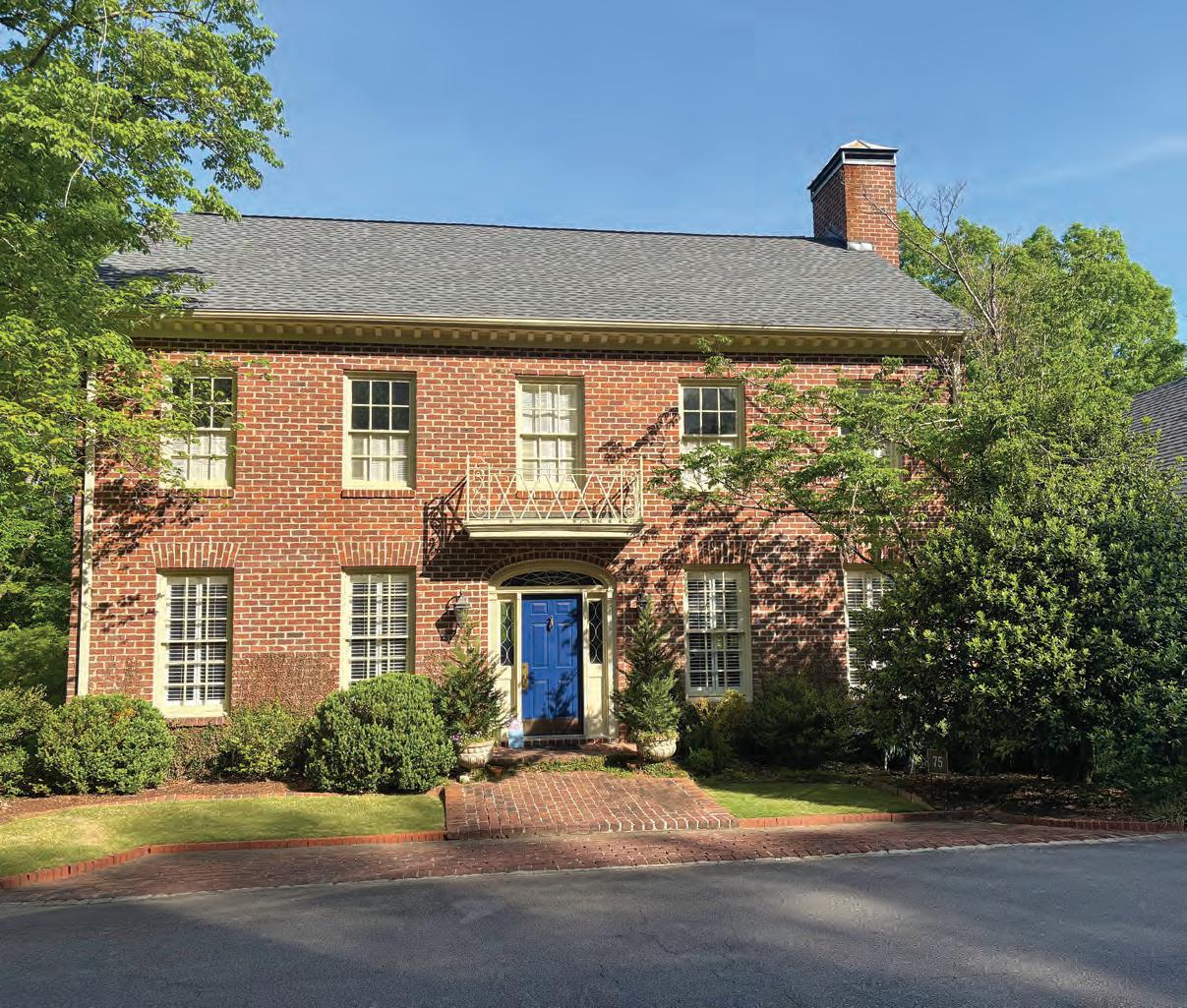
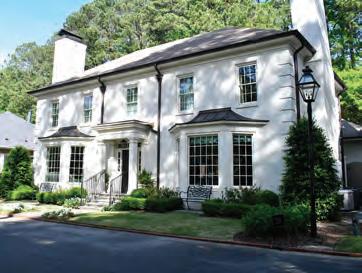
Cross Creek Park was developed in the mid-1970s as part of the Cherokee Bend area of Mountain Brook. The concept was new for its time: homes built close together with shared green space and common maintenance responsibilities.
Cherokee Bend’s development had only begun a decade earlier after the Brothers Development Group purchased 1,000 acres from the Belcher Lumber Company. Ten years later, attention turned to a new development: Cross Creek Park—designed as a condominiumstyle community with privately owned homes and communal areas.
The first plans, created by Preston and Wyatt Haskell of Haskell Development, labeled the project Carriage Houses. A small retail center was considered but later dropped due to site limitations.
Developer Jerry Drennen then took charge of the project, with Schoel Engineering finalizing the civil drawings. Work began in earnest in 1975 with wooded lots and curving residential streets, typical of Mountain Brook neighborhoods. The name Cross Creek came from the small tributary crossing the property before feeding into Shades Creek.
Jay Drennen, Jerry’s son, served as on-site project manager, while Chris Boehm handled

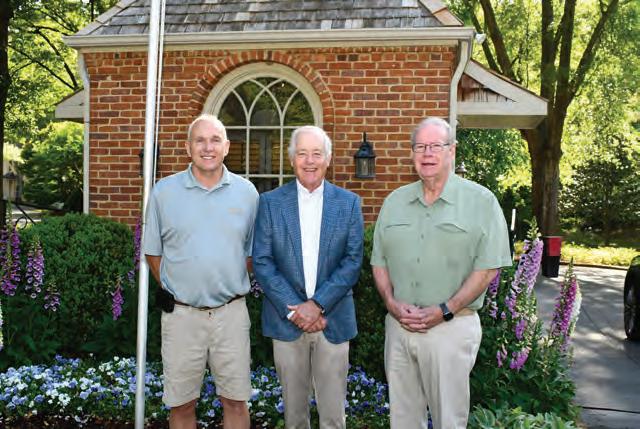
sales and marketing. The development was built in phases—sectors 1 and 2, located near the entrance gate, were completed between 1975 and 1976. Early resident families included the Fontaines, Dunns, Perrys, McCraneys, Donalds, Israels, Brombergs, McKewens and Meadows.
Jerry Drennen and his brother Alan, along with Wyatt Haskell were investors in Cross Creek, and at the time, most homes sold for $125,000 to $130,000. These first sections backed onto a common green area that today is home to walkers and wine drinkers as well as deer and racoons.
Bridges across the central greenspace were supplied by O’Neal Steel, arranged through resident Jack Blackwell, then the company’s president. These bridges connect different
spaces and remain part of the community’s charm. As the project expanded up the hillside, builders Hardie Meade and Jim King purchased several lots and acted as both builders and realtors for later phases.
The result is 86 homes built in the Williamsburg style, grouped around a landscaped common area and connected by shared infrastructure. The Cross Creek Homeowners Association manages maintenance, landscaping and security for the neighborhood.
The Drennen brothers’ vision is alive and well in Cross Creek. The community gathers to celebrate the seasons and make new memories in a beautiful and safe setting. Security manager Dale Poliquin, who has been here 21 years says, “The best part of Cross Creek is what hasn’t changed. That is the overwhelming love and support of the staff by those who live here.”
As more Americans choose to remain in their homes as they age, safety-focused home modifications are becoming increasingly important.
According to AARP, nearly 80% of adults age 50 and older want to stay in their homes long term. At the same time, the CDC reports that one in four adults over age 65 experiences a fall each year.
Industry experts say homeowners should carefully consider who performs aging-in-place modifications, since proper planning can significantly improve both safety and long-term independence.
Certified Aging-inPlace Specialists (CAPS) receive training focused on accessibility, mobility, and safer home design for older adults. The certification, developed through the National Association

“Many people think aging-in-place modifications only involve grab bars or wheelchair ramps, but it’s much broader than that.”
BENNY WINK

of Home Builders, helps professionals identify practical improvements that make homes easier and safer to navigate.
“Many people think aging-in-place modifications only involve grab bars or wheelchair ramps, but it’s much broader than that,” said Benny Wink, a Certified Aging-in-Place Specialist with TruBlue Home Service Ally of Birmingham. “Lighting, stair safety, trip hazards, and bathroom accessibility can all play a major role in helping someone remain safely at home.”
Professionals recommend homeowners work with trained, insured specialists who understand both home maintenance and the unique safety needs associated with aging in place.
Learn more about TruBlue Home Service Ally at TruBlueCanDo. com.


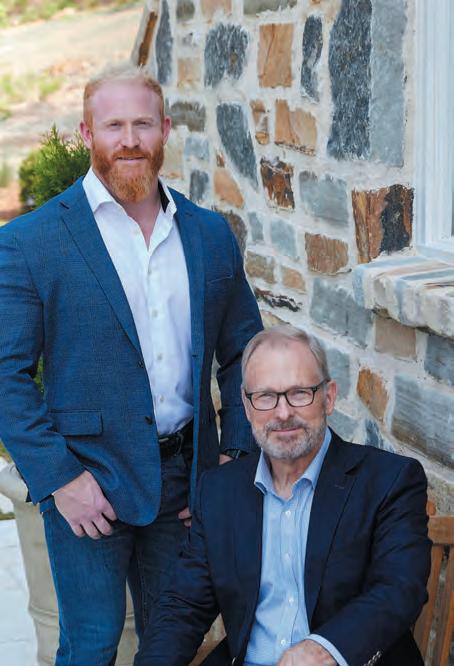









Mountain Brook entrepreneur Tommy Mayfield leads a new drink company.
BY TAYLOR BRIGHT PHOTO BY JORDAN WALD
In an office in Birmingham, in a place that would be hard to say if it were Birmingham, Homewood or Mountain Brook, Tommy Mayfield types into an old Mac computer, surrounded by books that make it hard to tell if it’s an office or the dorm room of an honors student.
There’s a poster of Flannery O’Connor’s The Violent Bear It Away not yet hung on the wall, an Episcopal hymnal and multiple books by C.S. Lewis. Sitting on an end table waiting for a guest is a new “hydration” drink, NU/KE. And, Mayfield, the 45-five-year old CEO of the company has already led a career as varied as his interests. “I kind of liked not fitting into a box,” says Mayfield, a Mountain Brook native, who played basketball and guitar growing up. “I didn’t want to be just the athlete or just the
books.
musician. There’s a through line in that I’ve always had multiple interests, and it feels like maybe that’s kind of shaped some of my career trajectory.”
That career trajectory put him at first on a path to study law at the University of Virginia after graduating from Vanderbilt University with a stop in Washington, D.C., in between and then returning home and working for what is now the Birmingham law firm Maynard Nexsen. “I also knew, being from Birmingham, being close to my family, I always thought there’s going to be a time where I want to come back here,” says Mayfield, who now lives “less than a mile” from his childhood home in Mountain Brook.
Mayfield spent seven years practicing “general commercial litigation” before he came to a crossroads. “I felt like I was at a point where I needed
to either decide, hey, this is really what I’m going to do professionally long term, or, if not, I probably need to look at other options,” he recalls. Those other options turned him into an entrepreneur. When he left the law firm in 2016, he worked on an idea for a few months before leaving it. And, then came his first success—an app called Wyndy that connected people looking for babysitters with students to look after their children.
Mayfield got the idea from a private Facebook group where people would post babysitter needs, and interested Samford University students would respond to the people who posted. “That gave us the confidence to say I think people are ready to use technology to try to address this issue,” Mayfield says. That eventually led to Mayfield teaming up with a developer, which led to a finished app in spring 2017.
Then came the work. They were part of a business accelerator program at the Innovation Depot, where Mayfield would be on his old computer answering customer service inquiries late at night. But they were also getting their first rounds of investment. And then COVID hit. “COVID was a very challenging year, as it was for many people, but for us as a business, that’s effectively sending strangers into people’s homes, the spring of 2020 was not an ideal time for that,” Mayfield remembers.
But, Wyndy survived, and soon after, they got another substantial round of investment. With it, came a new board member and investor. “He basically approached me and said, ‘Hey, would you be interested in bringing on someone else to run the business?’ And to be honest, I didn’t say it like this to him, but internally it was like, I was very interested because five years of running a startup is hard enough, throwing in global pandemic and all the chaos with that. I was at a point where I was pretty tired and would be happy to have someone come in with new energy.” That someone was Missy Polhemus, a former executive from Shipt. She took over the CEO duties while Mayfield sold part of his stake and joined the board. Polhemus ran the business until mid-2023, when the company was acquired. Mayfield moved his energy on to NU/KE (Nothing Unnecessary/Keep the Energy), which is not an energy drink, he is careful to say. Those usually contain high amounts of caffeine,
“There’s a through line in that I’ve always had multiple interests, and it feels like maybe that’s kind of shaped some of my career trajectory.”
–tommy mayfield
which NU/KE does not. It is a hydration drink, along the lines of Gatorade or Powerade but without many of the artificial ingredients those drinks have. The drink, launched in February, comes in a graduated dark blue bottle with lime green lettering to match its flavor, called Lime Time.
Mayfield connected with the founders, Marty and Lesley Frascogna, a married couple who founded the drink brand in Jackson, Mississippi, through a mutual friend. Shortly after connecting, the couple asked him to be the CEO of the startup in Spring 2025.
Being a part of a startup, Mayfield says, is less “sexy” than people think. What he likes, though, is taking an idea and making it tangible. “I think my experience has prepared me well for (this),” Mayfield says. “How do we go from an idea to something that is actually real? That’s where I really enjoy that process and that early kind am first went through the process of formulating a drink with the help of a company in California. They wanted to adhere to the hilosophy of “Nothing Unnecessary” in the company’s name. “Our philosophy was we want the fewest ingredients, the cleanest ingredients,” he says. “We just want what’s necessary.”

The team purposefully chose the lime flavor drink to take to market. “We don’t need the complexity of two flavors,” Mayfield says, ecounting their strategy discussions. “We need one flavor that we feel good about to test the waters. If it goes well, then we can introduce another flavor. If it goes poorly, then a second flavor wasn’t going to save us kind of mentality.”
U/KE aims to market to youth athletes, while taking advantage of a “macro environment” that has people looking for more natural alternatives. Mayfield and the Frascognas have children at a prime age for participating in youth sports. “We as parents went out to the market and looked at what was out there,” Mayfield says. “We didn’t find something that we felt good about giving to our kids. And so, the goal was, “Can we build something that has simple ingredients, nothing unnecessary that parents will approve.”



Originally the company decided on a directto-consumer strategy while using Birmingham and Jackson as their test markets. They began partnering with youth sports organizations and then struck a deal with the Piggly Wiggly to put it on shelves.
Using the multi-flavor measuring stick, the rollout has been successful. The company will introduce its next flavor in the coming months and raise capital to expand its operations and fulfill its mission of delivering clean hydration to the next generation athlete. Meanwhile Tommy Mayfield does what entrepreneurs do. He wears several hats, makes plans, adjusts plans and takes it all one hydration drink at a time.

NATURE AND NURTURE
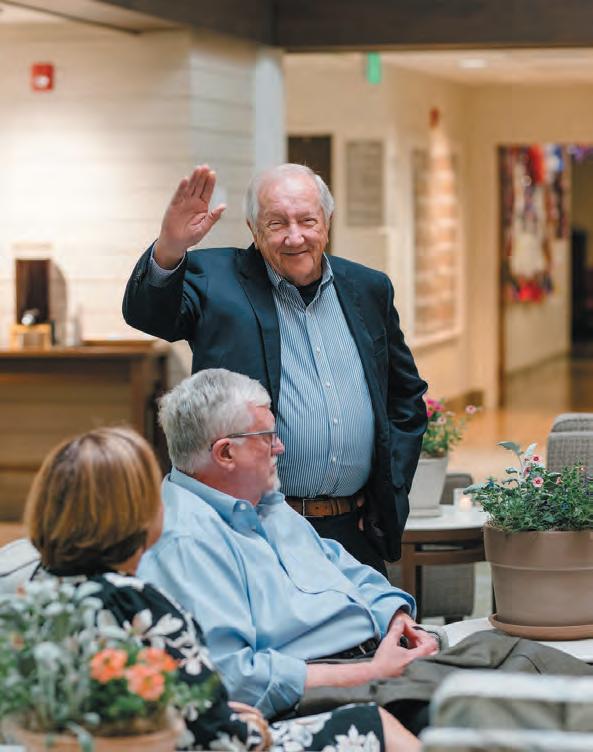
120 wooded acres. Riverfront views. Independent Living designed around nature, wellness, and peace of mind.
At Kirkwood, luxury is found in peaceful surroundings, natural beauty, and room to breathe. Nestled along the Cahaba River, our private wooded campus offers Independent Living with the confidence of future care.
Schedule your personal tour today.
kirkwoodbytheriver.com | 205-956-2184
INDEPENDENT LIVING | ASSISTED LIVING | MEMORY CARE SKILLED NURSING | REHABILITATION
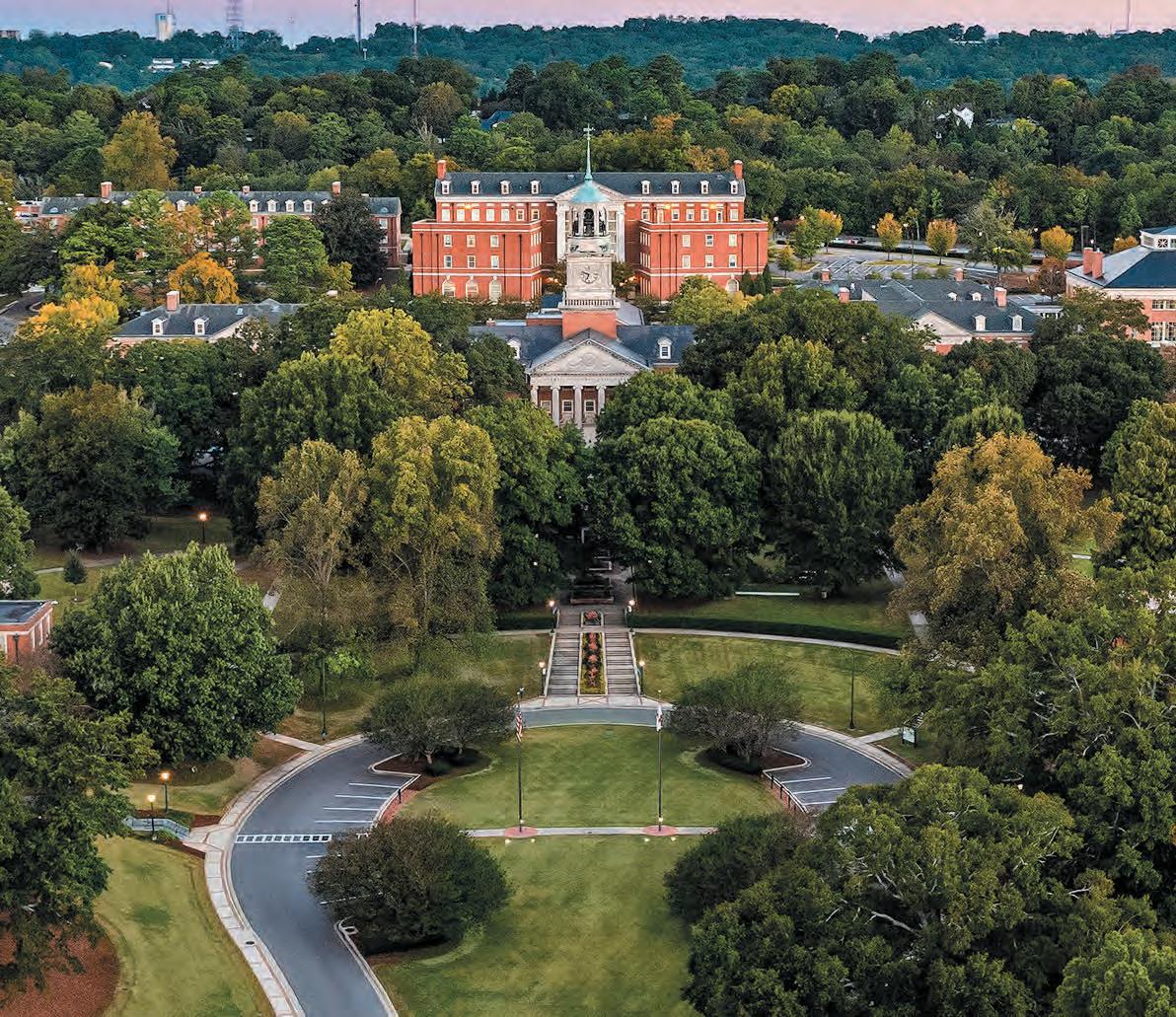
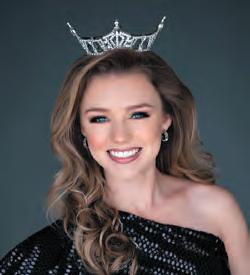
Who will be crowned Miss Alabama and become an ambassador for the state of Alabama at the 2027 Miss America Competition? With a legacy dating back more than 100 years, this annual competition is a celebrated tradition showcasing talent, poise and achievement. Samford


samfordwrightcenter.vivenushop.com
Congratulations
our own Miss Samford University 2026, Alana Price.
Thursday, May 28, 2026
BY LOYD MCINTOSH

Area soccer players and coaches will have an excellent opportunity to improve their skills and be seen by coaches representing some of the world’s top teams this summer.
Eintracht Frankfurt, one of the top clubs in the German Bundesliga, is bringing a multi-day soccer event to John Carroll Catholic High School in late June. All events are led by Nicolai Adam, Head of International Sports Project for Eintracht Frankfurt, a UEFA Pro License coach and former U17 national team coach in India and Azerbaijan, and Taskin Askoy, also a UEFA Pro License holder and head coach with experience in the Turkish Super Liga and Fortuna Düsseldorf of the German 2nd Bundesliga, Germany’s seconddivision professional league.
The five-day soccer event, held from June
20-25, is organized by David Kearney, a 1989 graduate of John Carroll, former player at Birmingham-Southern College and youth coach and board member with area soccer club FC Birmingham.
The relationship with Eintracht Frankfurt and other German clubs goes back to the 1980s, when former Birmingham-Southern head coach Preston Goldfarb invited club coaches and players to Birmingham for his Excellence Through Fundamentals Soccer Camp.
Kearney recalls attending one such clinic at Legion Field, where he received instruction from players such as West Germany national team goalkeeper Toni Schumacher and Eintracht Frankfurt player and coach Armin Kraaz, who came to Birmingham each summer for many years to coach Goldfarb’s camp until his retirement in 2023. Today, Adam is carrying
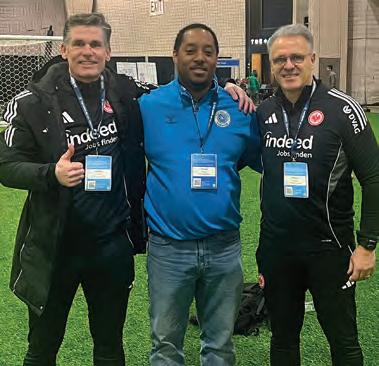
on the Eintracht Frankfurt tradition by bringing this elite soccer experience to John Carroll Catholic High School.
Kearney adds that having international coaches of Adam’s and Askoy’s caliber is unprecedented and presents a tremendous opportunity for Birmingham-area players and coaches. “It’s an honor to have guys in town who are top-level UEFA licensed coaches running the events that we’re going to have here this summer,” says Kearney. “It’s definitely not normal, and it’s a great opportunity for players and coaches of all different levels.”
The event kicks off Saturday, June 20, with a Coaches Clinic open to AHSAA high school and club coaches of all experience levels, featuring field and classroom sessions. In the afternoon from 3-7 p.m., the coaches will host a youth scouting combine for players ages 15–17 and will feature technical, tactical and athletic assessments. Additionally, elite players will have the opportunity for additional evaluation by Eintracht Frankfurt’s Youth Academy coaches in Frankfurt.
On Sunday, June 21, a second Scouting Combine runs from 3-7 p.m. for players ages
18–26, combining a field assessment with a classroom session explaining pathways to playing in Germany’s 5th and 6th divisions—with top performers eligible for consideration by Eintracht Frankfurt’s 4th Division Regional Liga team.
The week concludes with a Youth Camp running Monday through Thursday, June 22-25, open to soccer players ages 8–18. Each day features a morning clinic session from 9 to 11:30 a.m., a midday break, and evening games coached by Adam and Askoy, giving players the experience of being coached by high-level coaches with post-game evaluations each evening.
Adam, who was in Birmingham in April for some organizational meetings, says the goal of these clinics is to evaluate all players and coaches and build on their existing knowledge and skill set, rather than starting over from a clean slate. “It’s a player-centered approach,” says Adam. “Whatever helps the players, we try to use because the players are our most important asset. I’m not coming to tell you this is the way you should do it. We try to figure out what fits you. We hope to try to look at the game, maybe, from a different angle. That’s what we try to do.” Registration costs vary by event, with the Coaches Clinic and both Scouting Combines each priced at $100 and the Youth Camp available for $250. Each player attending the Youth Camp will receive a full Eintracht Frankfurt kit as part of their registration, and clinic coaches will receive lunch as part of their registration. To register, go to https://bit.ly/ EFSC-Registration or contact David Kearney at david.kearney@fcbirmingham.com. OTMJ