




Editor: Adam Moffatt
President: Charley Kriksic





Charley Kriksic


OTDA
Welcome!
1178
P: 289-887-4046
E: amoffatt@otda.com (General)
E: accounting@otda.com (Accounting) W: www.otda.com
Printing
Dundas St. Woodstock, ON N4S 1H5
P: 519-537-5596 1-866-534-0004
F: 519-537-8209
E: info@barneyprinting.com W: www.barneyprinting.com
The OTDA is recognized by industry and government as the representative body of the Tire Dealers of Ontario.
Charley Kriksic, President Consumers Tire
Charmaine Carvalho, Vice President Chloride Canada
Logan Shearer, Secretary Tirecraft Ontario
Ryan Burke, Treasurer The Tire Terminal
Adam Kraemer OK Tire Kincardine
Dan Bender Tire Discounter Group




Dave Byma Byma's Tire & Auto Servce
Eric Gilbert Ericway Tire
Erik Fielding Fielding Tire & Auto
Jeremy Hanford Hanford's Tire & Service
Meghann Wright Distribution Stox
Todd Richardson Tirecraft Ontario
Adam Moffatt, Executive Director OTDA
Ifyou're not receiving regular OTDA emails , make sure we have your current email address!
























Over2,400,000sq. ft. ofwarehouse space and 3,000,000tires in inventory!
•Fast delivery, simple
•Intuitive, easy-to-use ordering platform
•Partnerships with a broad range of global manufacturers


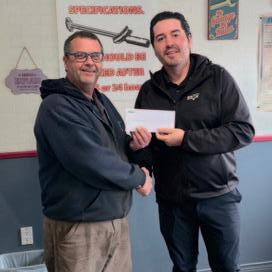
Congratulations to our lucky winner!

















In appreciation of our OTDAwe are giving you the chance to win your tire purchase from Distribution Stox.
Until July 31st 2026, every purchase of tires from Distribution Stox by an OTDA member will be automatically entered with a chance to win their purchase. Every purchase from us is another chance to win!
Prize will be awarded in the form of a prepaid gift card by your local Distribution Stox AccountManager.
















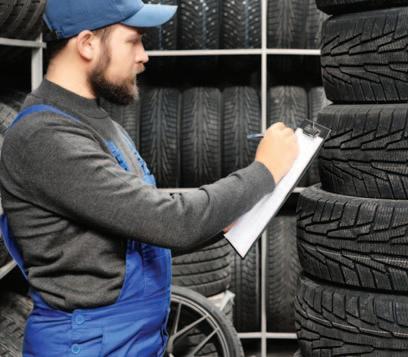
The tire industry has grown increasingly competitive, and standing out in today’s market requires more than just selling tires. In addition to providing well-trained staff and customer waiting areas that are attractive, dealers are finding that value-added services and creative offerings can not only generate additional revenue but also foster long-term customer loyalty.
One of the most straightforward opportunities is offering seasonal tire storage. Many consumers don’t have the space at home to store their winter or summer tires. By providing a storage solution, whether included with tire sales or offered for an additional fee, dealers create convenience for customers while securing recurring seasonal revenue.
Another approach is bundling tire sales with small, recurring service offerings. For example, a package could include:
• Regular tire pressure and inflation checks
• Tire rotations
• Tire Repairs
• Safety inspections related to tires and wheels
Service packages not only provide added value to the customer but also encourage repeat visits and increase engagement with the shop.
Offering service reminders and follow-ups can also create opportunities for revenue. For instance, notifying customers when seasonal tire swaps are recommended, or when tire tread or air pressure checks are due, keeps your shop top of mind and builds trust. Email and/or text messages are easy ways to have ongoing communications with customers.
Implementing loyalty programs tied to tire or service purchases encourages repeat business. Customers who feel rewarded for their loyalty are more likely to return to your shop for future purchases and recommend your services to others.
The key takeaway for dealers is this: value proposition drives both revenue and loyalty. Customers aren’t always just looking for the cheapest or fastest option; they’re also looking for trust, confidence, value, and consistency. By thinking outside the box and offering services that go beyond the tire itself, shops can create meaningful, ongoing relationships with their customers.
Whether it’s storage, maintenance packages, specialty services, or loyalty programs, the goal is to provide convenience, peace of mind, and value, all while strengthening the shop’s bottom line.




The tire industry is evolving, and so should your team. As the demand for high-quality service continues to rise, so does the need for well-trained, knowledgeable technicians. That’s why the Ontario Tire Dealers Association (OTDA) offers TIA’s Automotive Tire Service Training Programs, designed to enhance the skill set of your technicians and empower them to perform at their best.
Tire and wheel technology has become more advanced, and it’s more important than ever for technicians to stay up to date. This isn’t just about keeping pace with changes; it’s about ensuring your shop maintains the highest standards of quality and safety in an ever-evolving industry.
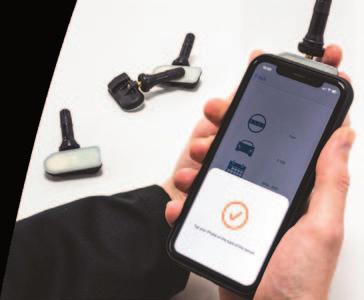
ATS Training Programs provide your team with a deeper understanding of tire mounting, balancing, inflation, TPMS (Tire Pressure Monitoring Systems), and safety protocols that will prevent costly mistakes and improve overall efficiency.
The Benefits for Your Shop and Staff


Training your team not only benefits them personally but has a significant positive impact on your entire shop’s operation. Here are just a few of the advantages:
• Improved Productivity: Technicians who understand best practices perform faster and more efficiently, reducing downtime and improving the speed at which work is completed.
• Fewer Mistakes and Customer Complaints: Properly trained techs reduce the likelihood of errors and comebacks, ensuring a higher level of service and customer satisfaction.
• Enhanced Safety: Proper tire service requires the use of specific tools and safety techniques. Training reduces the risk of injury to both your staff and customers, protecting your reputation and keeping insurance costs down.
• Stronger Employee Retention: Investing in your team’s education shows them that you’re invested in their success. This boosts morale and often leads to better retention, reducing turnover costs.


Training is about giving your staff the knowledge and confidence to do their job right the first time. For shop owners, this is an investment that pays off long term. You’re not only ensuring your team’s growth but also helping your shop grow by delivering the best possible service.
Don’t wait until your shop faces avoidable mistakes , invest in your team and their education today.




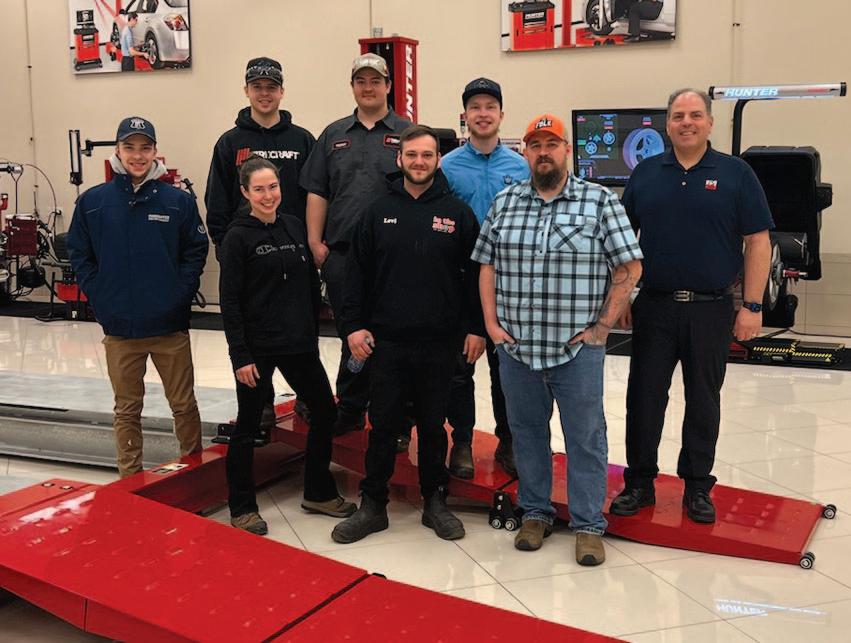
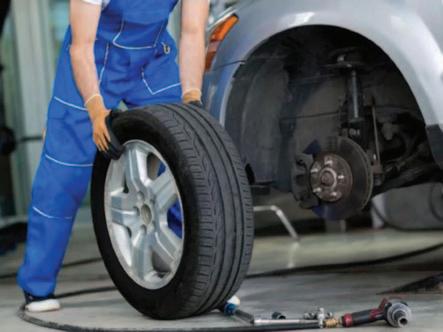

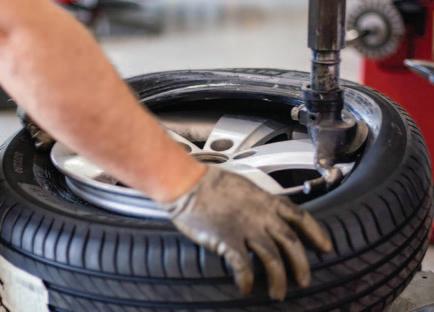













































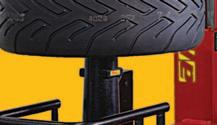



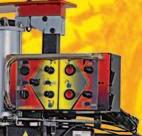

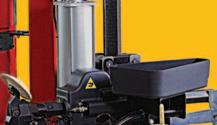






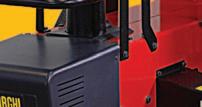




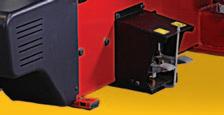


















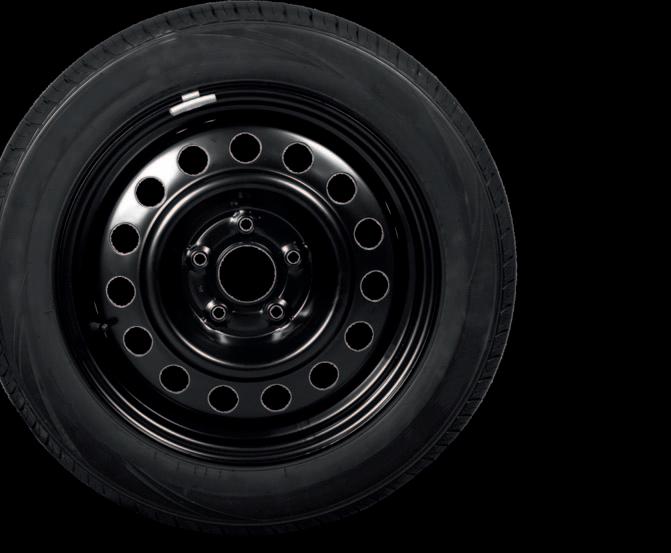














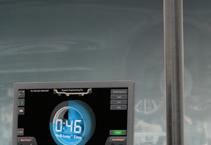
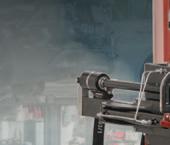




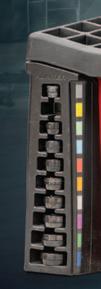
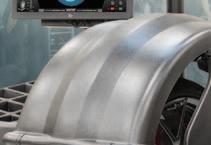
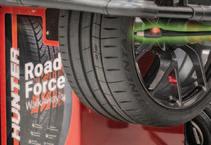
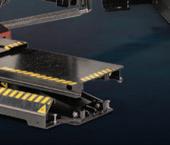
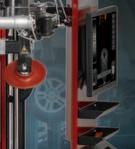
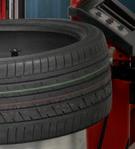
Reduce door-to-door four-tire changeover times by by to 44% when pairing the new Hunter Road Force ® WalkAway™ wheel balancer with Hunter’s Revolution™ tire changer.


Reduce cycle times

Repeatable processes



Wheel and tire protection


Quick learning curve




Scan or visit hunter.com/walkaway



















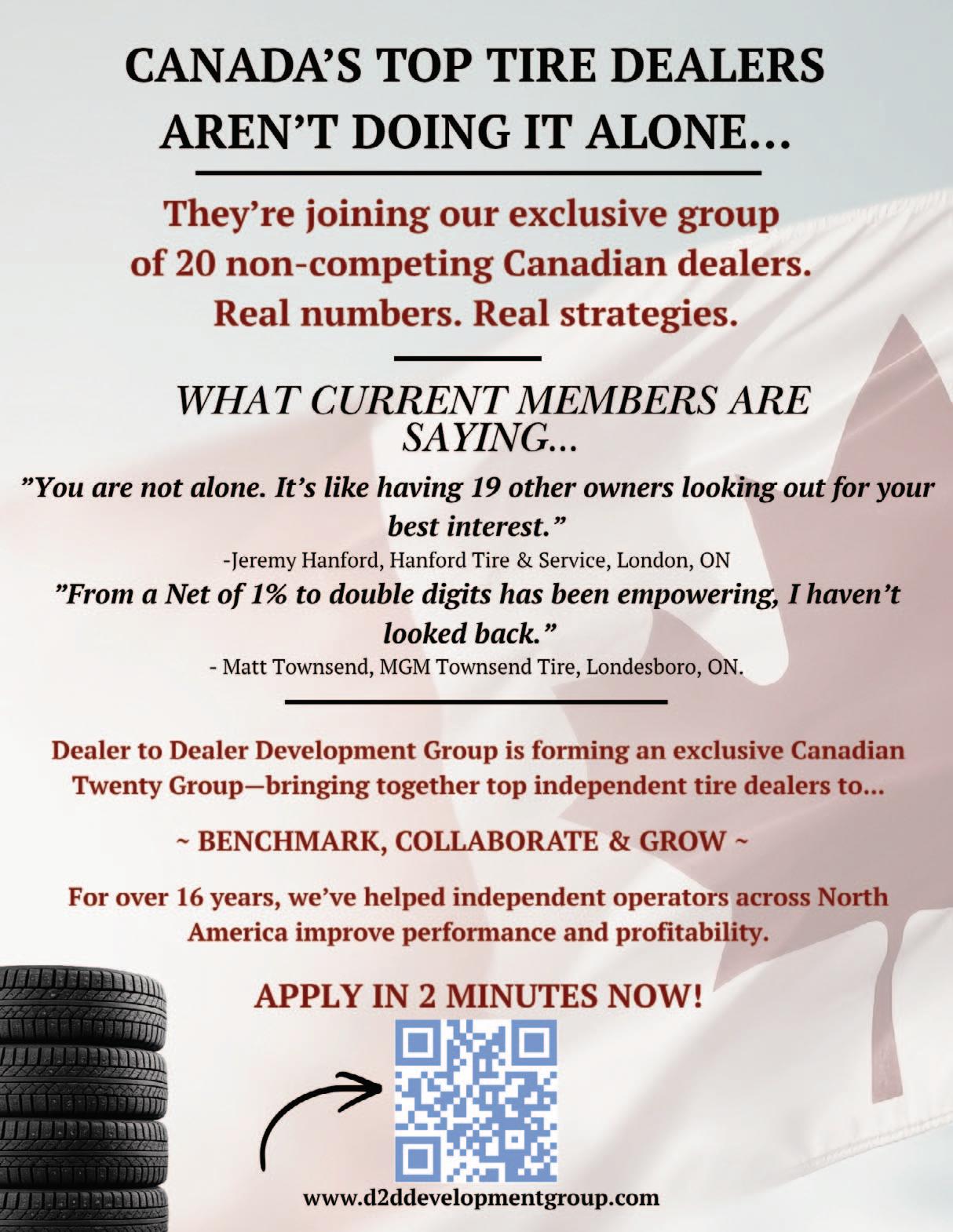
By: Randy M. O'Connor Dealer to Dealer Development Group randy@d2ddevelopmentgroup.com
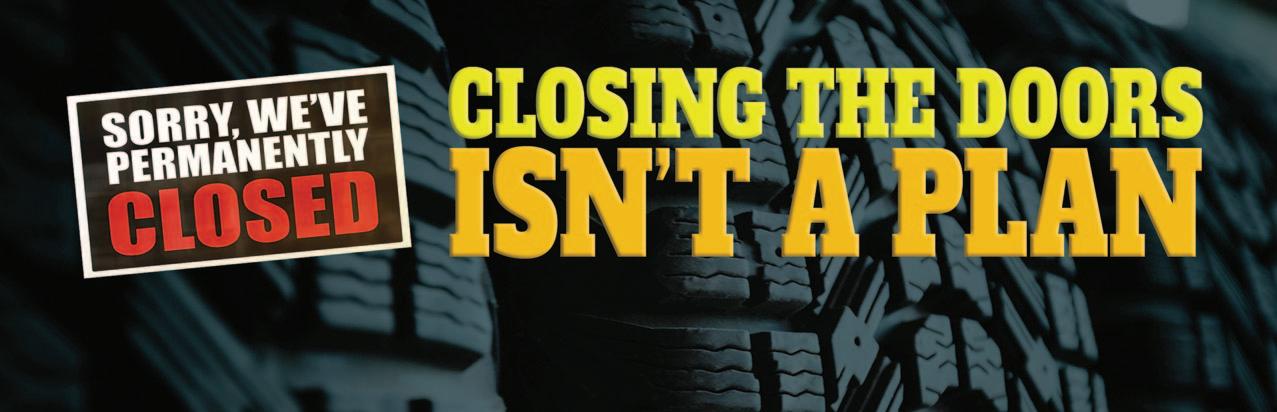
It happens more often than we like to admit. A long-time shop owner decides it’s time. Maybe it’s retirement, maybe it’s health, maybe it’s just enough of working in the business. The doors close. The inventory and equipment gets sold for pennies on the dollar. The customers scatter. Employees are left figuring out what comes next.
Around the industry, it’s often accepted as just the way things go. But it shouldn’t be. Closing the doors isn’t a plan. It’s what happens when there is no plan. And right now, we’re seeing more of it than ever.
Across the tire and automotive service industry, the need for succession has been steadily increasing. Owners are aging. Businesses are maturing. Yet fewer shops have a clearly defined path for what happens next. When there’s no direction, something fills the gap, sometimes a sale to a larger group or private equity, and sometimes simply shutting it down. More often than not, it’s not a strategic decision. It’s the result of putting it off too long. The reality is, most owners don’t ignore succession because they don’t care. They ignore it because it’s easy to. There’s always something more immediate. The next day’s work, the next month’s numbers, the next fire to put out. Succession feels like something you’ll get to eventually, until eventually passes you by.
For many, this business is more than a job. It’s identity. It’s years, often decades of effort, risk, and sacrifice. Thinking about stepping away isn’t just a business decision, it’s personal. And when something feels that personal, it’s easy to avoid the conversation.
Then there’s the question of “who.” Maybe the next generation isn’t interested. Maybe no one on the team feels ready. Maybe there isn’t an obvious successor. So the assumption becomes, there isn’t one. Add in the perceived complexity of valuations, taxes, legal structure, etc… and it’s
no surprise the conversation keeps getting pushed down the road. But here’s the truth, most businesses don’t fail to transition because of a lack of options. They fail because the conversation never starts. And when it doesn’t, there are real consequences.
For employees, it means uncertainty. Years of loyalty, but no clear future. No opportunity to grow into leadership or ownership, just an abrupt end. For customers, it means the loss of relationships built over time. Trust doesn’t transfer overnight. For the owner, it often means leaving value on the table, financially and personally, while making decisions under pressure with fewer options. And here’s a big one, for the industry it means fewer independent businesses. Fewer locally owned shops. Fewer operations rooted in their communities. That’s why this isn’t just a business issue. It’s a stewardship issue. A community issue. If you’ve built something worth owning, it’s also worth passing on.
That’s where the conversation needs to shift. Too often, we think in terms of exit. What’s the number, what’s the deal, what’s the finish line? But legacy isn’t about the exit. It’s about the transition. An exit is a transaction. A legacy is something you build, develop, and hand off. And that doesn’t happen overnight. Succession doesn’t have to mean one thing. It doesn’t have to be a family member stepping in, and it doesn’t have to be a last-minute sale. Most successful transitions aren’t either of those. They’re built over time. They might involve developing someone inside your organization. Creating an opportunity for a key employee. Or connecting with another independent operator who shares your values. In some cases, it may include outside buyers, but the difference is it’s done with intention, not as a default.


















The common thread is time. Time to identify people. Time to develop them. Time to structure a transition that works for you, your team, and the business. And that time only exists if you start. The good news is, getting started doesn’t require a full blueprint. It just requires a shift in thinking.
Start with a simple question: What do you want this business to look like when you’re no longer here? Not just financially, but operationally. Culturally. For your employees and your customers. From there, look around. Who has potential? Who could grow into more responsibility? Who would you trust to carry this forward, even if they’re not ready yet? And just as important, start talking about it.
This is where peer groups and industry relationships matter more than most realize. Twenty groups, in particular, help owners see what’s possible. When you’re surrounded by others facing the same decisions, the conversation becomes more real. You begin to see paths that weren’t obvious before. Because there are more paths than most people think. But none of them happen by accident.
Every business will transition. That part isn’t optional. The only question is whether it happens by design or by default.
You’re going to leave your business one day. The real question is whether you leave it behind or pass it on.
In the next article, we’ll take a closer look at what it actually means to prepare for that transition, starting with the role stewardship plays in building the people and the structure needed to carry your business forward.

David Stevens, Managing Director
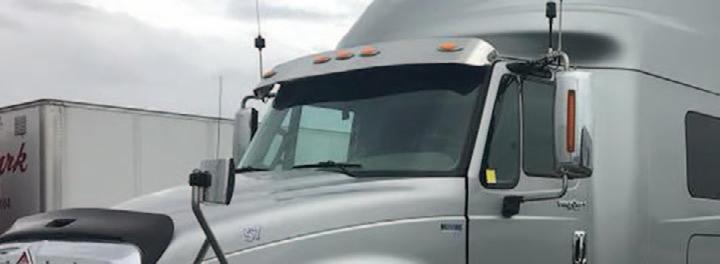
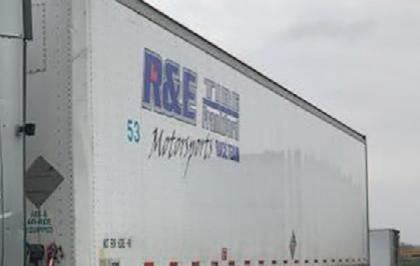
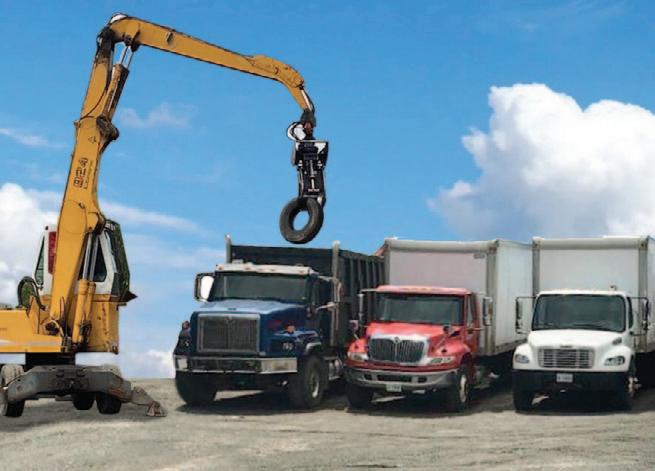
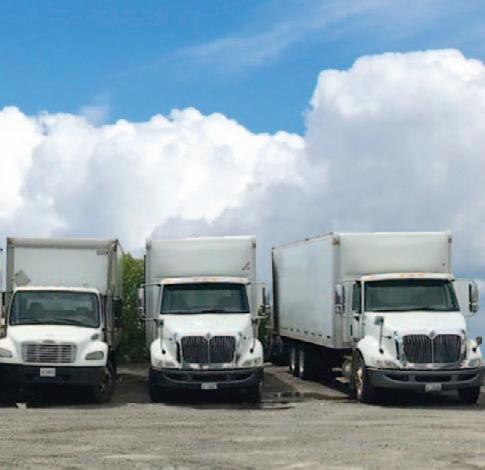


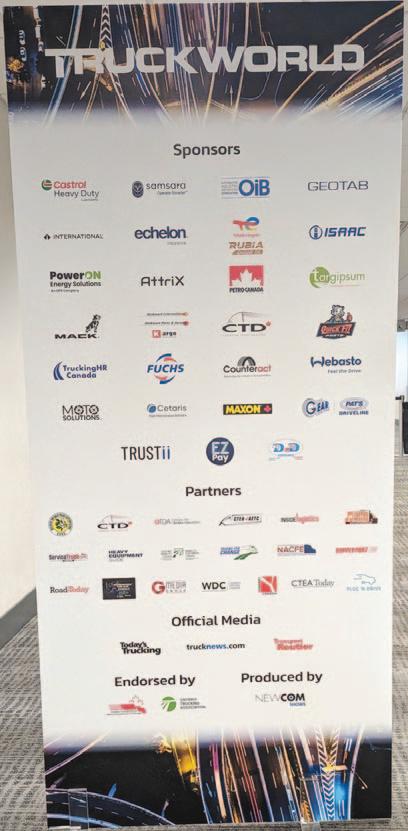
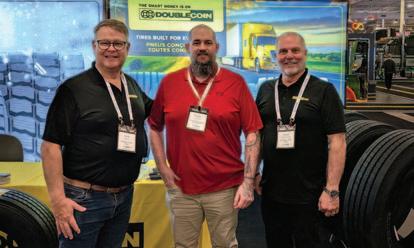
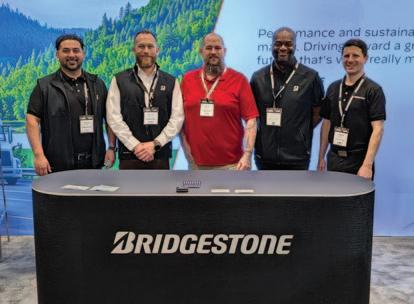
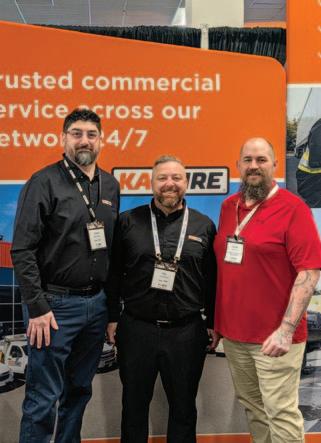
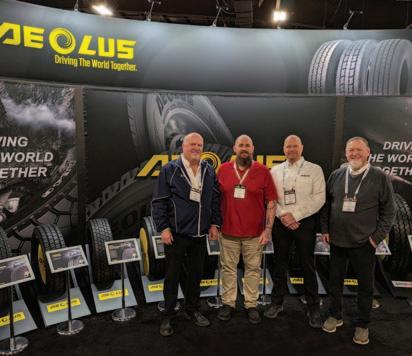
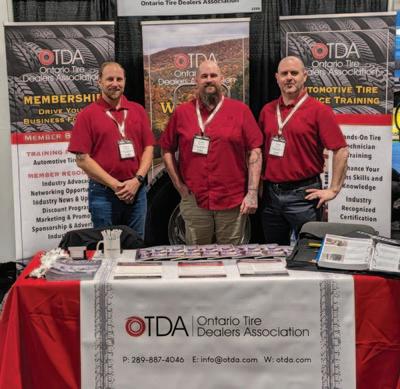
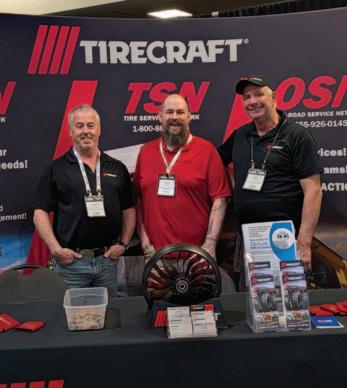
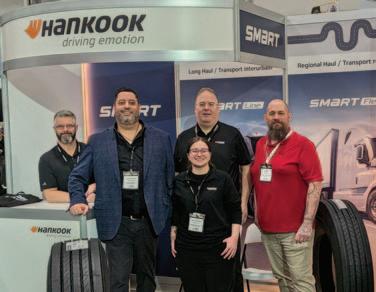
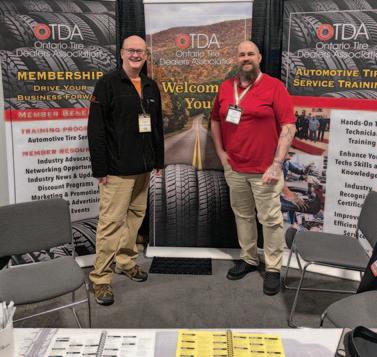
The OTDA participated as an official partner of Truck World 2026, held in Mississauga, Ontario, from April 16th to 18th. Truck World is one of Canada’s leading industry trade shows for the commercial transportation sector, bringing together manufacturers, service providers, fleets, and industry stakeholders from across the country.
The event serves as a key platform for showcasing new technologies, sharing industry knowledge, and fostering collaboration across the transportation and logistics space. For the OTDA and its members, the show provided an important opportunity to engage directly with industry partners and remain connected to broader sector developments.
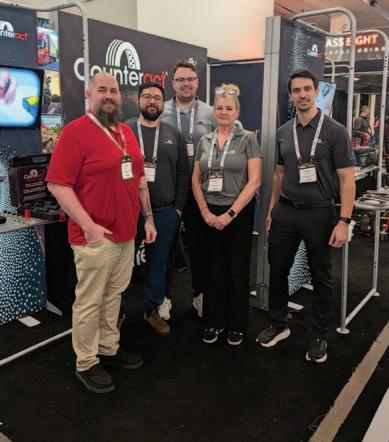
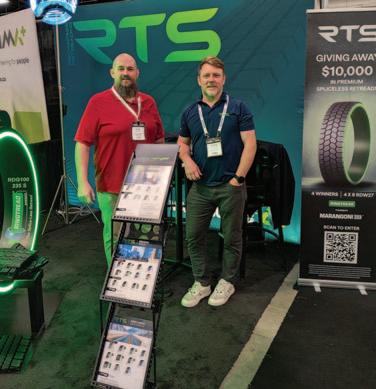
The OTDA participated in Truck World 2026 in three ways. First, the Association hosted a trade show booth (Booth #2299), where OTDA representatives were present throughout the event. OTDA Executive Director Adam Moffatt, President Charlie Kriksic, along with Directors Logan Shearer and Ryan Burke, represented the Association and engaged with attendees over the duration of the show.
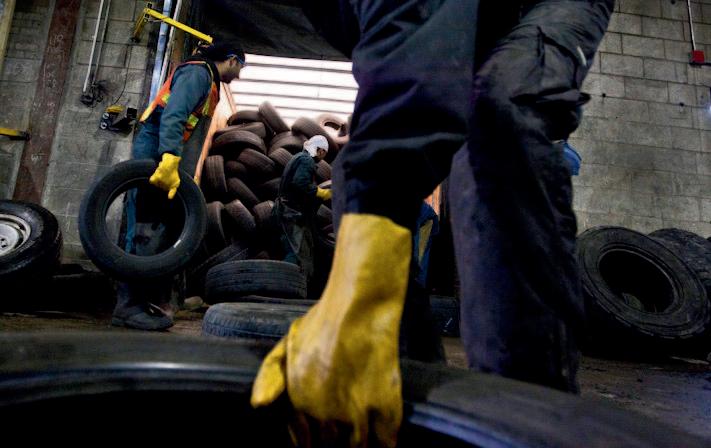
Second, the OTDA contributed to the show’s educational programming through both panel discussions and live demonstrations. On the Green Tech stage, Adam Moffatt led the “Circular Maintenance: Retreading and Rebuilding” panel, which focused on the value of commercial tire retreading, addressed common misconceptions, and highlighted both the environmental and cost-saving benefits associated with retreaded tires.
In addition, at the Truck World Garage, Logan Shearer and Ryan Burke delivered daily live demonstrations focused on commercial tire safety, maintenance, inspection, and servicing best practices for commercial tire dealers, technicians, and drivers.
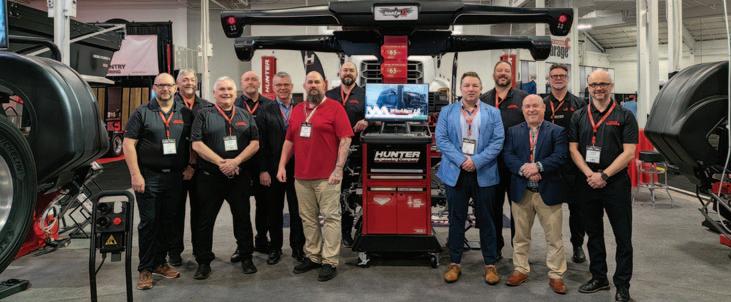
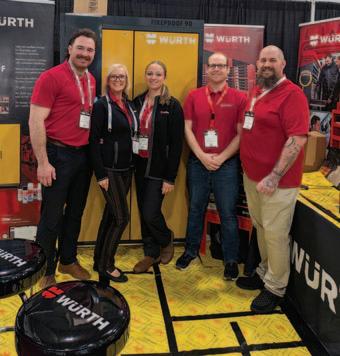
The OTDA would like to extend sincere thanks to all members who registered for the show, visited the booth, and took the time to engage with our team throughout the event. We would also like to recognize the OTDA supplier members who were exhibiting at Truck World 2026, including Counteract, Wurth, RTS, Aeolus, Bridgestone, DoubleCoin Tire, Hunter Engineering, Ryse Solutions, Hankook, Kal Tire, and Tirecraft. It was excellent to see such a strong representation from across the supplier community at this year’s Truck World.
Finally, we would like to thank the Truck World team for organizing a successful event and for including the OTDA as an official partner. We look forward to continuing our involvement and seeing everyone again at Truck World 2028.
•






Tyler Keenan, Safety and Environmental Assistant Manager at AISIN Canada, Inc., recently celebrated a health and safety milestone. He witnessed a new Canadian worker approach the company president on the plant floor and remind him to wear earplugs. Tyler was delighted. And the president? He offered the worker a handshake and a big thank you.
Getting newcomers comfortable with the idea of “speaking up” has been an evolution, explains Tyler. “Many are reluctant to report an injury, ask a supervisor a question, or offer a reminder about PPE because of abuse they suffered in their home countries.”
AISIN manufactures auto components for Toyota and Lexus model cars, and is part of the global AISIN Corporation, a top 10 global supplier based in Japan. Three years ago, the Stratford, ON company, was hit by the same labour shortage that plagued all manufacturing sectors in Ontario. “New Canadians filled the gap and saved our business,” says Tyler.
Since then, AISIN, under President Wayne Robert, has put a lot of effort into retaining these valuable employees. Today, it has 535 employees, the bulk of them newcomers, an impressive safety culture, a high job satisfaction rate, low employee turnover, and a low injury rate.
To reach this point, it has had to overcome obstacles that hinder health and safety efforts. Newcomers are more vulnerable to injuries because of the fear of speaking up and a lack of English language skills. Tyler explains how these impact safety: “If we don’t know about an injury, we can’t focus our prevention efforts. And if workers can’t speak or write the language, safety messages are lost.”
Tackling the last issue also meant ensuring that supervisors had the communication skills needed to be able to train, coach and mentor newcomers effectively.
Consultant Carl Bonello, who provides health and safety training and support to AISIN, is very impressed with the work it has done to keep newcomers safe. “The company deserves to pat itself on the back.” But Wayne and Tyler are too busy looking for more ways to improve.
Many newcomers equate ‘speaking up’ with being fired, punished or subjected to physical harm or bullying, says Tyler. In fact, one employee showed Tyler a bullet wound he received after being shot by an angry supervisor back home.
Tyler recognizes that overcoming such trauma takes time, patience and persistence. “We offer reassurance, by talking about how worker’s rights, violence and harassment policies and reprisal laws are designed to protect them.” This message is reiterated often at safety meetings, training, safety talks, and during one-on-one discussions with employees.
Supervisors are careful to not respond negatively when people do speak up – even if they are reporting an injury or something they did incorrectly, says Tyler. “And they are on the alert for signs of problems.” One supervisor knew a worker had been hurt by their body language. But the worker was afraid to report it for fear of being fired. Tyler stepped in, as he often does, to calm the worker’s fears.
Tyler also builds trust by telling newcomers about the company’s concern for their physical and mental health. On a recent company-wide walkthrough, Tyler and Wayne chatted with employees individually about anxiety, stress and other mental health issues, and provided resources and tips.
“Things are moving in a positive direction,” says Tyler, "but it’s something we need to constantly work on.”
AISIN uses a variety of tools to ensure newcomers are able to understand health and safety instruction and training and communicate with supervisors. This includes taking advantage of technology and getting help with translation from existing staff who have learned English. “We have such a diverse workforce here,” says Tyler, “it’s hard to find a language that someone doesn’t speak.”
Tyler and HR Manager Rosanne Stewart also want to make it easier for newcomers to learn English. “We are looking at a more comprehensive online language learning tool at the moment,” says Rosanne. She envisions the tool helping not just newcomers but also supervisors who “may want to learn to speak the predominant language of their work group, whether it is Hindi, Nepali, Russian, or another.”
Among other things, AISIN offers:
• awareness training in an employee’s language of choice
• copies of the Occupational Health and Safety Act (OHSA) in multiple languages
• Google translate on every company phone
• translation services during orientation and training courses
• free access to Rosetta Stone, an online language learning tool
• a sizeable educational reimbursement so employees can take English as a second language training
Being able to communicate effectively as a supervisor is not necessarily something that comes naturally, says Bonello. “It also gets very complicated when you have workers who don’t speak English, and young, inexperienced supervisors – many of them newcomers themselves.”
AISIN called on Bonello to help improve the way supervisors were conveying health and safety messages to newcomers. He adapted WSPS’s Effective Supervisor Course to focus more on communication skills and delivered five sessions. Company managers and other leaders were included in the sessions so everyone would have the same skill base.
Here are some of the tips they learned:
• use simple language, no jargon or acronyms, speak slowly, and enunciate clearly
• speak softly, smile and make sure you have relaxed body language so newcomers are not intimidated
• make eye contact to check for engagement. “Be aware of cultural stigmas that might prevent eye contact.”
• during training, check for comprehension by providing quizzes. Have a translator in the room to help out.
• make yourself available after training or meetings. “Some newcomers are reluctant to ask questions in public because they are embarrassed. Tell them you will be available after the session, or at any time, to answer questions.”
Whether you're an employer, supervisor, worker, or safety professional in Ontario, workplace safety is everyone's responsibility. From now until September 30, 2026, WSPS is offering select eCourses completely free to help you build a safer, more compliant work environment – without added costs.
Reach out to the OTDA or WSPS today for more information on these eCourses and other resources available to OTDA members.

Credit card fraud continues to evolve, targeting businesses of all sizes across Canada.
Tire dealers, with high-value products and a mix of in-store, phone, and online sales, are particularly exposed. Without proper safeguards, fraud can lead to lost sales, inventory, chargebacks, and administrative headaches.
Understanding the risks and implementing concrete policies can help dealers protect their bottom line and maintain customer trust.
These are transactions where the customer is not physically present, over the phone, online, or via email. Fraudsters often use stolen or cloned cards in these scenarios.
Red flags to watch for:
• Unusually large or repeated orders
• Customers insisting on quick processing
• Requests for third-party pickup or delivery
• Billing and shipping addresses that do not match
Recommended policies:
• Avoid accepting payments when the cardholder is not present whenever possible
• If CNP sales are necessary, verify the customer’s identity by phone or email and confirm the billing address matches the card
• Require that a valid credit card and photo ID be presented at pickup, especially if a third party is collecting the product
Friendly fraud occurs when a legitimate customer disputes a transaction after receiving goods or services.
How it can happen:
• A customer claims the transaction was unauthorized
• The customer states the product was never received
• Disputes arise over work completed or services provided
Policies to mitigate risk:
• Keep thorough documentation of every transaction, including invoices, delivery receipts, and signed work orders
• Maintain clear records of all communications with customers
• Use signed authorizations for large or unusual orders
Phone orders are convenient but prone to fraud. Criminals may impersonate legitimate customers and arrange third-party pickup.
Example scenario:
A customer calls to order eight identical tires, claims they’ll send a shipping company to pick them up, and provides a credit card number. The transaction goes through, the tires leave the shop, and later the cardholder reports the card stolen. The dealer now faces a chargeback, lost sales, and lost inventory.
Recommended policies:
• Require that the person picking up products present the same credit card used for payment, and a valid photo ID
• Establish a clear policy for phone orders: limit high-risk or high-value transactions unless proper verification occurs
• Train staff to escalate unusual or large orders for additional approval
Even with chip and PIN technology, stolen or compromised cards are still used in-person.
Red flags include:
• Multiple failed PIN attempts
• Nervous or evasive customers
• Orders inconsistent with typical buying patterns
Policies to reduce risk:
• Train staff to recognize suspicious behaviour and verify large purchases
• When in doubt, politely request additional identification
• Follow up on any transaction that feels unusual before releasing goods
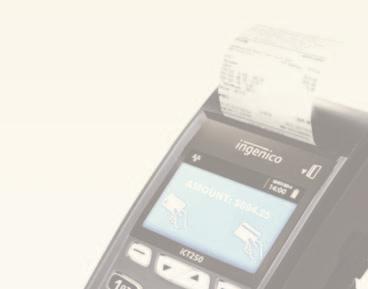
Stolen credit card terminals and hacking software or devices can be used to process fraudulent chargebacks and unauthorized credit card transactions. Leaving credit card terminals unattended on counters creates opportunities for fraud.
Procedures to reduce risk:
• Always store terminals in a locked drawer or cabinet when not in use.
• Install cameras in areas where terminals are used to deter theft and provide evidence in case of fraud.
• Educate staff on recognizing suspicious activity and the importance of securing terminals at all times.
Policies are critical, but dealers must also rely on staff observation and judgment.
Suspicious behaviour, unusually large orders, or inconsistencies in customer stories should always be a potential alert point.
Remember, once the tires leave the premises, recouping them is almost impossible.
Credit card fraud is an ongoing challenge, but with defined policies, staff training, and careful attention to unusual transactions, tire dealers can significantly reduce risk. The combination of technology, documentation, and common-sense judgment protects both your business and your customers.

Being proactive today prevents costly problems tomorrow. o log start shifts. evidence in case of fraud. ng terminals all ies ble.
• Require staff to immediately remove terminals from counters after use and to log each terminal at the start and end of shifts.







Knowing your business matters.
Federated Insurance offers tailored coverage designed specifically for tire dealers and automotive businesses. Members benefit from industry-specific protection, personalized risk management support, and expert guidance to ensure your business, employees, and customers are protected every step of the way.


OTDA members can save on fuel costs with the Esso and Mobil Fleet Program. Enjoy exclusive per-litre discounts at over 2,300 participating stations across Canada, along with convenient account management and detailed reporting tools that make tracking fuel expenses easy.

Get the best prices on business essentials through the OTDA–Staples Advantage Program. From office supplies and technology to shop equipment and breakroom items, members benefit from exclusive discounts and online ordering tools designed for small business efficiency.

Deluxe/Nebs Canada provides members with savings on payroll services, custom printing, promotional products, and business forms. Simplify your day-to-day operations and strengthen your brand with professional tools tailored to the needs of independent tire businesses.

Through our partnership with Elavon, OTDA members gain access to flexible and affordable credit and debit payment processing. Enjoy competitive rates, no long-term contracts, and reliable customer support, helping your business manage transactions efficiently while saving money.
Members receive special pricing at Mark’s on durable workwear, footwear, and in-store essentials. Whether outfitting your staff or updating your shop apparel, the Mark’s Commercial program helps you save while maintaining comfort, safety, and professionalism.
NetDriven helps OTDA members strengthen their online presence with custom websites, social media management, and digital advertising solutions designed to drive traffic and grow business.



Take advantage of special pricing and incentives on new Chrysler, Dodge, Jeep, and Ram vehicles through the FCA Canada Preferred Partner Program. OTDA members can enjoy exclusive savings on eligible models, ideal for upgrading or expanding their business fleet.
Save on both car and truck rentals through the OTDA partnership with Hertz. Members enjoy discounted rates, convenient locations, and a wide selection of vehicles, making it easier and more affordable to manage travel or short-term transportation needs.

Service
Wheel
Shop