
Recognising signs and supporting patients
RESEARCH MATTERS Why every osteopath has a role to play
Recognising signs and supporting patients
RESEARCH MATTERS Why every osteopath has a role to play
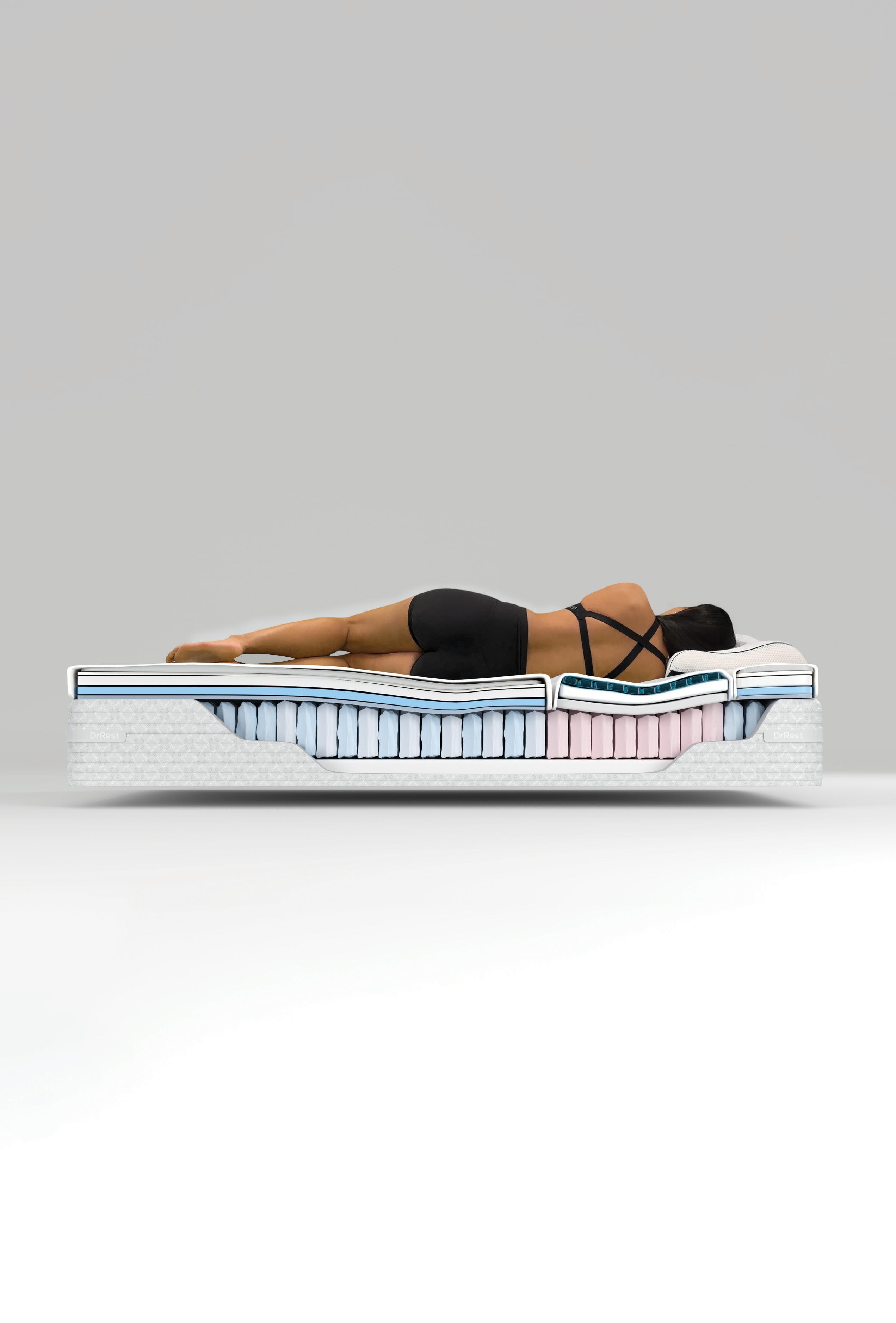
Following five years of research and development and a further two years of real-time trials in an osteopathic clinical setting, our DrRest experts have created a mattress that health professionals can confidently recommend to patients. A sleep system that complements and supports the care that osteopathic practitioners provide.
Learn more about becoming a DrRest referrer or partner at drrest.com.au/join
ENDORSED BY*
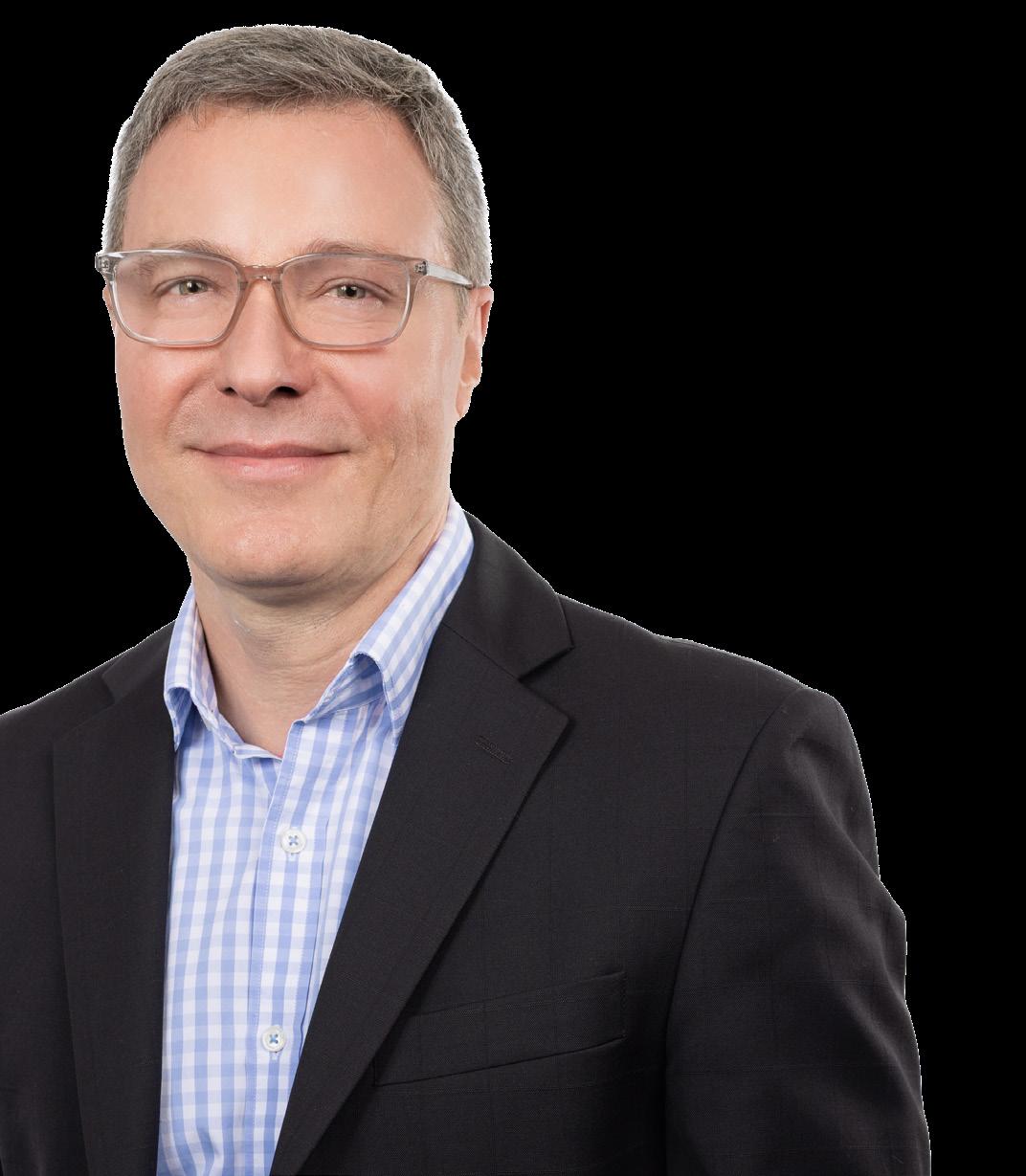
Like many of you, I’ve been glued to the football World Cup and have absolutely loved the atmosphere, passion, and colour that these major sporting events create around the globe - congratulations Spain. There’s something pretty special about watching athletes perform on the world stage after years of dedication and sacrifice. It also serves as a reminder of the incredible teams working behind the scenes to help keep athletes performing at their best.
One thing I continue to take enormous pride in is seeing osteopaths increasingly involved across elite sport environments. Whether it be football, AFL, rugby, athletics, combat sports or tennis, osteopaths are continuing to demonstrate the value of our profession in high-performance settings. This recognition is amazing and also incredibly important when considering our advanced recognition pathways within the profession. Many of our members are doing exceptional work behind the scenes in elite sport environments both here in Australia and internationally, and I think that deserves to be celebrated.
Speaking of exciting opportunities, I’m also incredibly pleased to share the announcement of our new partnership with the Australian Strength and Conditioning Association (ASCA). This is a really important step forward and one that I believe opens up fantastic opportunities for our members.
Through this partnership, osteopaths now have direct access to ASCA’s Level 1 Strength and Conditioning course pathway. As healthcare continues to evolve, the ability for osteopaths to confidently integrate exercise rehabilitation,
“Many of our members are doing exceptional work behind the scenes in elite sport environments both here in Australia and internationally, and I think that deserves to be celebrated.”
performance principles, and strength and conditioning knowledge into practice is becoming increasingly valuable. This partnership helps further position osteopaths as modern, adaptable practitioners capable of thriving across a wide range of healthcare and performance settings.
A massive thank you to directors Heath Williams and Nick Tripodi, as well as members Louise Bibby, Amy Lawton and Dan Corcoran in helping bring this partnership together. I genuinely believe this will create long-term benefits for both our members and the broader profession.
Another area that has been a major focus for the board this year has been membership engagement and strengthening our connection with members right across the profession. As a board, we take this responsibility incredibly seriously and recognise how important it is that members feel connected, heard and supported by their association.
A big part of this has been re-engaging with the SOMAs and continuing to strengthen relationships with universities and students around the country. I’ve been really pleased to see the work our new student and early career Community and Engagement Advisor, Con, has already been doing in this space. He has been spending significant time working directly with universities and student groups to help build stronger connections with the association and highlight the value and opportunities available through membership.
“This year’s conference will feature an outstanding line-up of plenary speakers from across healthcare, performance, leadership and research.”
Creating those relationships early and supporting students as they transition into practice is incredibly important for the future strength of our profession. It’s great to see the enthusiasm from students around the country and I’m excited about continuing to build on that momentum moving forward.
Looking ahead, our conference in October on the Gold Coast is fast approaching, and I honestly could not be more excited about what is shaping up to be an incredible event.
This year’s conference will feature an outstanding line-up of plenary speakers from across healthcare, performance, leadership and research. We’ve worked hard to bring together speakers who will challenge thinking, inspire discussion and provide practical insights that members can take straight back into practice.
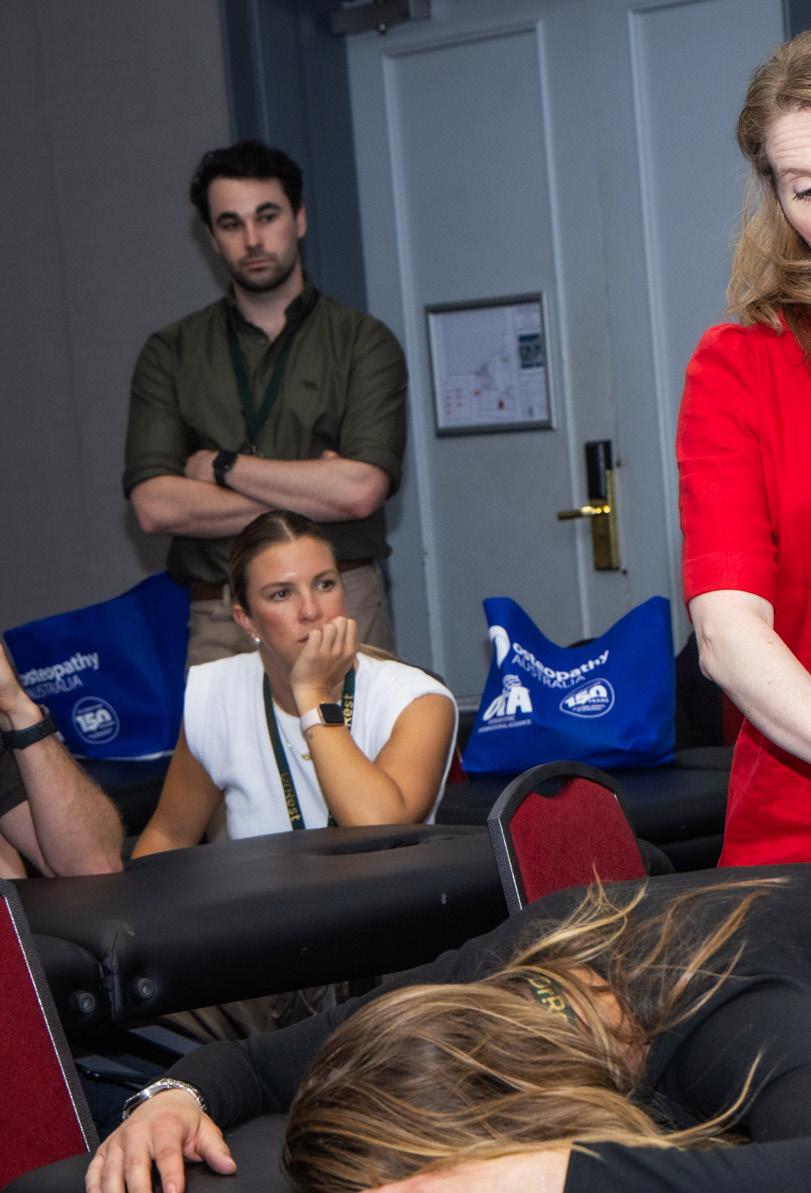
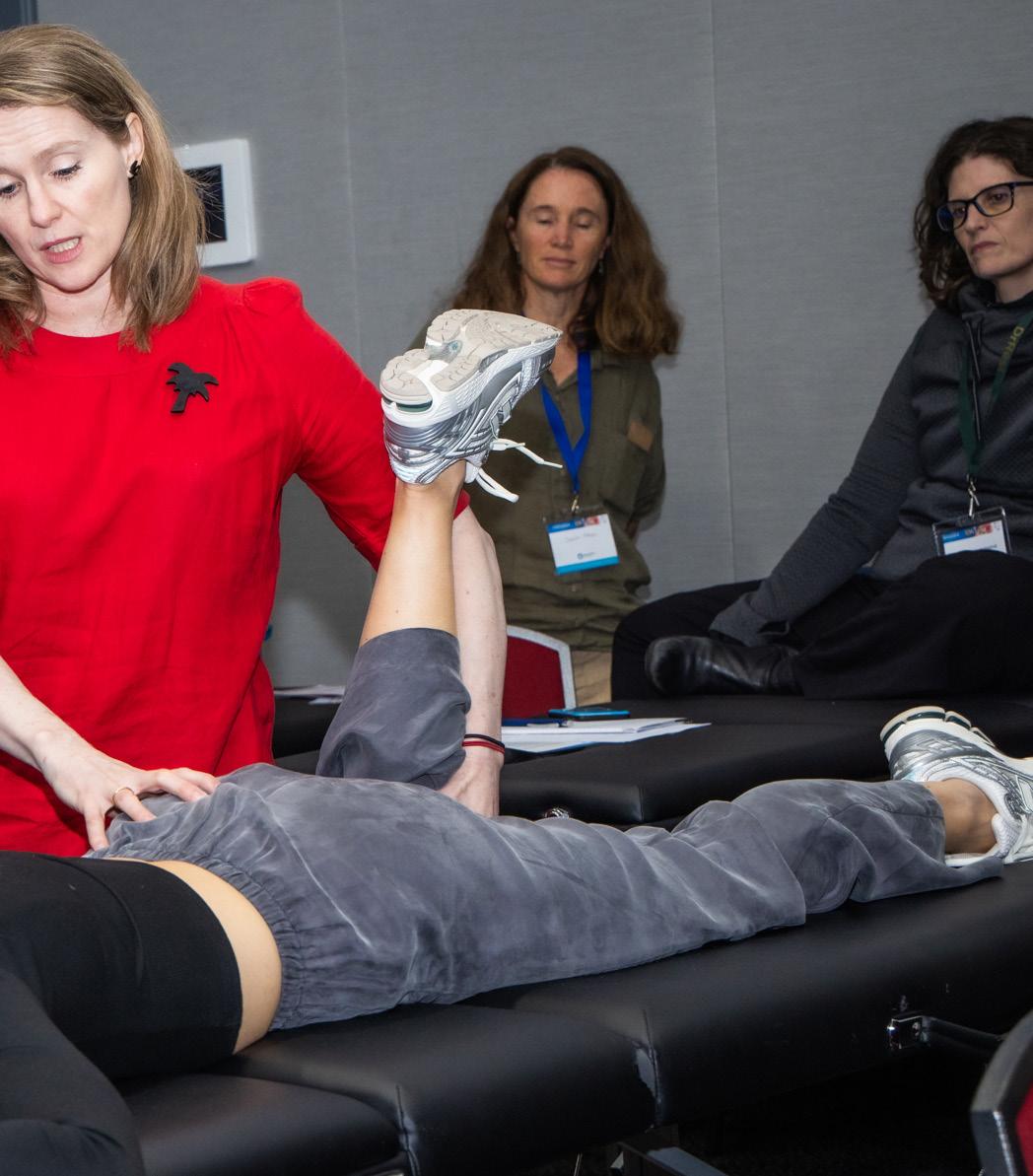
Importantly, we’ve also placed a big emphasis on the conference’s hands-on component. As osteopaths, practical learning and clinical application remain at the heart of what we do, and I know many members look forward to getting back into the workshop environment, learning directly from experienced clinicians and connecting with colleagues from around the country.
Beyond the education itself, conferences like this are always a fantastic reminder of the strength of our profession and the value of catching up as a community. Whether you’re a new graduate, an experienced practitioner, an academic, or working in high-performance sport, there really is something for everyone.
I genuinely look forward to seeing many of you on the Gold Coast in October. I’ve no doubt it will be one of the highlights of the year for our profession.
As always, thank you for your continued support, passion and contribution to osteopathy. The momentum in our profession right now is incredibly exciting, and I truly believe the future is bright.
See you in October!
Yours in health, MATT COOPER President mcooper.director@osteopathy.org.au
Osteopathy Australia acknowledges the Traditional Custodians and Elders of Country throughout Australia, and their connection to land, sea and community. We pay our respects to Aboriginal and Torres Strait Islander Elders, past, present and emerging.
Osteopathy Australia
T (02) 9410 0099
E info@osteopathy.org.au W www.osteopathy.org.au
osteopathyaustralia
osteopathyau
osteopathyaustralia
OSTEO LIFE is a magazine for Osteopathy Australia members.
For enquiries, feedback, or to contribute, contact Communications on 02 9410 0099 or comms@osteopathy.org.au
For advertising enquires, email info@osteopathy.org.au or see: osteopathy.org.au/Web/Web/ about-us/Advertising.aspx
Osteopathy Australia extends its appreciation to Adam Nicholson, Tara Bain and Toby Barker for sharing their time and insights into the production of this publication.
Chief Executive Antony Nicholas
Editor Rebekka Thompson-Jones
Designer Stephanie Goh Advertising info@osteopathy.org.au
OSTEO LIFE is published by Citrus Media www.citrusmedia.com.au
Osteopathy Australia aims to support, enhance and promote the profession. Here’s a quick recap of everything osteo from the past few months.
Do you know, over the last year at Osteopathy Australia...
• Members accessed over 20,000 of our CPD events (live and online), including between 1,000 to 2,000 free podcast listens per month.
• We have received around 2,500 calls and over 50,000 emails or messages seeking help or advice.
• Our social media channels have a reach of over 1.2 million people, plus our closed member forum has had over 5,000 interactions so far this year.
• 100,000 people have used our websites.
• We have already responded to 50 funding or government consultations with submissions.
• We attend 10 to 15 funder, government or other stakeholder meetings per month on your behalf.
• 200 osteopaths received tailored advice on employment, contracts, HR or industrial relations.
• Thankfully, less than 100 osteopaths needed to access our confidential counselling services.
Membership can appear intangible at times, and cost or value of membership too, but the statistics at the left help make the intangible a bit more tangible. Often, members value membership the most when times are tough, when you need help, or when you realise you need extra support, training or to build better understanding of your obligations.
“We exist to support you, build on great community and ensure osteopathy stays a well-respected and loved profession.”
Osteopathy Australia relies on you for income to fund advocacy, lobbying, promotion and the development of a wide range of free or low-cost CPD. Membership also funds work that doesn’t have income such as the work we do with existing universities, trying to get new universities, supporting students, or fostering more research to help defend the profession. As a smaller profession, we know that comes with a bigger cost burden compared to professions with tens of thousands of members, especially in these tough economic times.
We exist to support you, build on great community and ensure osteopathy stays a well-respected and loved profession.
ANTONY NICHOLAS Chief Executive ceo@osteopathy.org.au
Starting as the Community and Engagement Advisor earlier this year has already been an incredibly rewarding experience. This is a new role at Osteopathy Australia and focuses on strengthening engagement with students, early career practitioners, universities and the broader osteopathy community through relationship building and initiatives that support connection with us here at Osteopathy Australia.
One thing has become very clear, very quickly: the osteopathy profession is deeply driven by connection, mentorship and helping one another. How great is that!
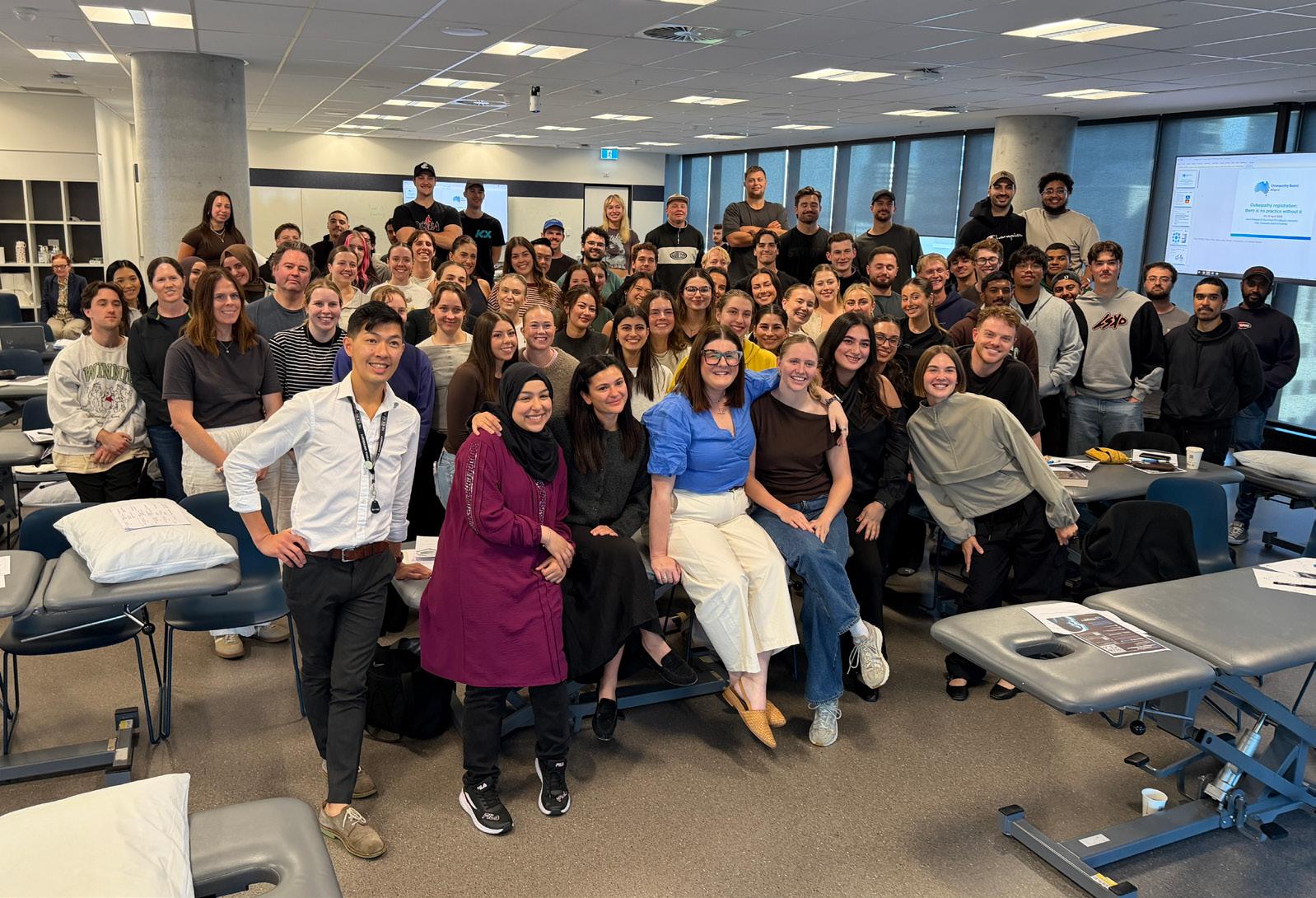
Already I have had the opportunity to visit every university and engage with students at different stages of their journey into the profession. From attending Victoria University’s Open Week for first years and the Transition to Practice event for final years, to meeting first year students during RMIT’s introductory sessions, and the inaugural SCU Osteopathy Careers Forum & Networking Event, each experience has given me a great insight into the future of osteopathy, the people entering it, and how we can best support students, graduates and early career practitioners.
What has stood out most throughout these visits has been the enthusiasm and excitement students bring to the profession. Whether speaking with prospective students curious about osteopathy for the very first time, or final year students preparing to enter clinical practice, there is a palpable excitement about where this profession can take them and how they can contribute to it.
At the same time, many conversations have highlighted something equally important: students and early career practitioners are looking for connection just as much as information. Across universities, there is a strong desire for quality support, mentorship, guidance and a sense of belonging within the broader osteopathy community.
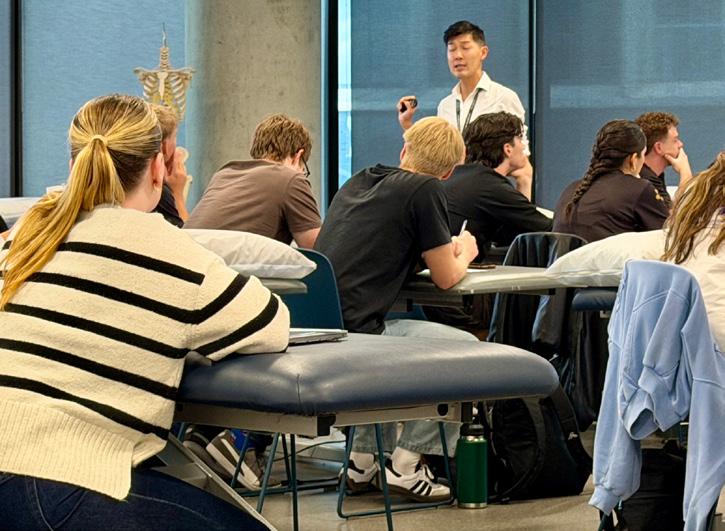
Many students want reassurance that there is support available as they navigate study, transition into practice and begin developing their professional identity.
Looking ahead, I hope to continue helping foster those connections between students, student associations such as SOMA, early career practitioners and the wider profession. I have also recently been involved in the re-establishment of the Future Leaders Committee, which is an exciting step towards creating more structured opportunities for emerging voices within the profession to connect, contribute and be heard.
Osteopathy is at its strongest when people feel supported, engaged and connected, not only to the profession itself but also to each other. Life is a lot more fun when we are all connected! It is an honour to contribute to a community that genuinely strives to make others feel good.
With an upcoming visit for the VU & RMIT Osteoball still ahead, I am super excited to continue building relationships, learning and contributing to a profession that values community just as much as clinical care.
Catch you at the next event, and if you are a student or early career osteo, please reach out to me at engagement@osteopathy.org.au with any questions or great ideas –I’m always down for a chat!
CON RUSSELL Community and Engagement Advisor
We’re developing new consumer education materials.
Your feedback will help shape practical resources to support patient understanding of osteopathy and the role osteopaths play in healthcare.
Take the survey here.
The ORION survey is still open. It captures what practice really looks like across Australia, including patient presentations, treatment approaches and clinical outcomes.
Your perspective is valuable. Responses from established osteopaths help ensure that research, advocacy and future decisions reflect the realities of modern practice, leadership and sustainable care delivery.
Take the survey here.
Osteopathy Australia is exploring new ways to connect with members through social media and is seeking your feedback on future channels and content.
Whether you use platforms such as TikTok, Instagram, LinkedIn, Threads, Discord or Facebook, we’d like to understand how you consume professional content, what information you find most valuable and where you would like to engage with the profession online.
Your feedback will help inform future communication and content decisions. The survey takes less than one minute to complete.
Complete the survey here.
If you deliver CPD, mentoring programs or professional development courses for osteopaths, Osteopathy Australia’s Course Endorsement Program offers a pathway to trusted national recognition.
Endorsed courses demonstrate alignment with our education and ethical standards and professional expectations, providing added confidence for participants and greater credibility for providers.
Successful applicants receive endorsement for two years, use of the Osteopathy Australia Endorsement logo, and promotion through the Osteopathy Australia website.
Applications are assessed by the CPD Working Group, a panel of experienced osteopaths who volunteer their expertise to ensure endorsed programs meet a high professional standard.
For more information, including application forms, assessment criteria and fees, visit the Osteopathy Australia website.
Osteopaths looking to deepen their expertise in exercise prescription, performance and rehabilitation have only days left to apply for Edith Cowan University's Graduate Certificate or Master of Strength and Conditioning before Semester 2 begins on 27 July.
Commonwealth-supported places are available for eligible students in both programs, which are delivered primarily online to accommodate working health professionals. The Master's program also includes a short residential component in Perth.
The qualifications provide an opportunity to develop advanced knowledge in strength and conditioning, supporting osteopaths interested in sport, performance and exercise-focused practice.
For more information, contact Course Coordinator Dr Chris Latella at c.latella@ecu.edu.au or Annette Koenders at a.koenders@ecu.edu.au.

Osteopathy Australia has welcomed two new team members, strengthening support for members and the profession.
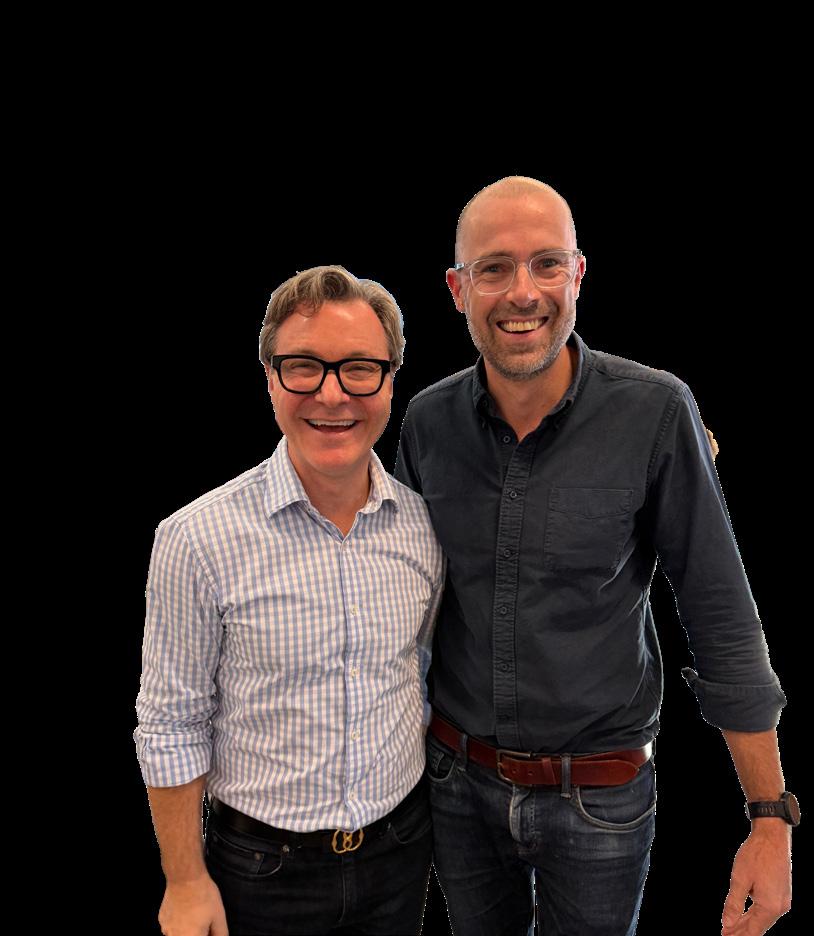
Con Russell (right) has joined the organisation as Community and Engagement Advisor. In this role, Con will focus on strengthening member engagement and building connections across the profession, with a particular emphasis on supporting students and early career osteopaths.
Thida Ouch (left) has commenced as Membership and Administration Officer, providing vital support across membership and administrative functions. Thida will help ensure you receive timely assistance while supporting the smooth day-to-day operation of the organisation.
Please join us in welcoming Con and Thida to the team.

Osteopathy Australia members now have access to a tailored pathway to complete the Australian Strength and Conditioning Association (ASCA) Level 1 Strength and Conditioning Coaching Course.
Through a new partnership between Osteopathy Australia and ASCA, members can complete the face-to-face component of the course in a condensed one-day format rather than the standard two-day delivery. The streamlined pathway recognises the knowledge and competencies osteopaths already bring to strength and conditioning education.
Available exclusively to Osteopathy Australia members, the initiative is a practical example of how membership can support career development and create new opportunities in sport, performance and exercise-focused practice.
Osteopathy Australia thanks Heath Williams and Louise Bibby for initiating early discussions with ASCA, and Nicholas Tripodi, Dan Corcoran, Amy Lawton and the wider Victoria University team for supporting the work to map osteopathy competencies against ASCA requirements.
Registration information here.
Thank you for renewing your Osteopathy Australia membership for 2026/27.
As a member, you can now access the updated Osteopathy Australia Member logo to showcase your professional association membership across your website, email signature, social media channels and marketing materials.
Download the member logo here
And don’t forget your Osteopathy Australia membership fee may be tax deductible. Please seek advice from your accountant or tax adviser regarding your individual circumstances.
Patients are actively using Find an Osteo to connect with practitioners. Since the launch of the new Osteopathy Australia website in October 2025, there have been more than 8,600 searches and 5,700 profile views through the directory.
However, only 47% of members currently have a Find an Osteo profile, meaning many may be missing opportunities to connect with potential patients.
To help patients find you, take a few minutes to review and update your profile, clinic details and contact information. A complete and up-to-date profile can improve your visibility and make it easier for patients to choose your practice.
Update your details via your profile at osteopathy.org.au
You may have heard in the news that the Australian Government has announced proposed reforms to the National Disability Insurance Scheme (NDIS), which may affect osteopaths and the participants they work with.
Key updates include:
• A proposed shift from diagnosis-based eligibility to functional capacity assessments.
• A delay to the new participant planning framework until 1 April 2027.
• Possible means testing and participant cocontributions.
• Tighter controls on scheme growth and future-funded supports.
• Expanded provider registration requirements from 2027.
AHP Consulting has completed the Advanced Practice Review and presented the Board with 29 recommendations on the future of titling and clinical interest groups. This is likely to include updates to the application process and quality practice frameworks. The Board is excited to increase member-led clinical interest groups to support clearer career and education pathways.
A working group of osteopaths, directors, academics, educators and regulators will now explore future options. We will keep members updated as this work progresses.
Interested in applying in future?
Members interested in applying in the future are invited to register their interest. Please email Natasha Owens at cpg@osteopathy.org.au with the subject line Titling EOI.
The Department of Health, Disability and Ageing has confirmed that osteopaths are not required to hold cyber liability insurance to be registered as an aged care worker.
If you’ve been asked to take out this insurance, just to secure work, you now have the grounds to question it.
At Osteopathy Australia, we’ve been advocating against unfair contract terms because practitioners deserve fair pathways into practice growth.
Want the confirmation in writing? Email sdimech@osteopathy.org.au and we’ll send it through.
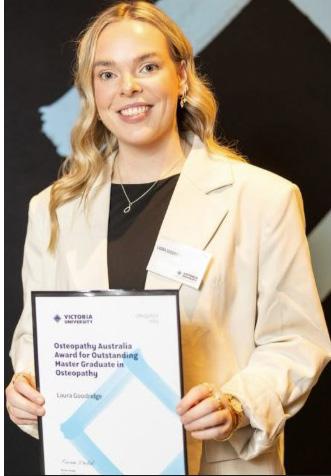
Osteopathy Australia is proud to support student awards that recognise the next generation of osteopathic talent and leadership.
At both Victoria University and RMIT University, awards were presented to students who have demonstrated outstanding dedication, academic achievement and commitment to the future of the profession.
Victoria University
• Laura Goodridge (pictured right) – Outstanding Bachelor Graduate in Osteopathy 2025
• Lamees Bou Karroum – Outstanding Bachelor Graduate in Osteopathy 2025
Have a patient-friendly topic you’re passionate about? Osteopathy Australia is seeking member contributions for the What is Osteo? consumer website.
We’re looking for blog articles that help Australians better understand osteopathy, musculoskeletal health and the role osteopaths play in supporting wellbeing. Whether it’s managing common conditions, healthy ageing, workplace health or movement and exercise, we’d love to hear your ideas.
We’re also building a library of high-quality images featuring osteopaths, patients and clinics for use across our websites, social media channels, publications and promotional materials.
By contributing content and imagery, you’ll help raise awareness of osteopathy and showcase the profession to current and future patients.
To submit a blog idea or images, contact the


RMIT STEM SBHS Awards
• Clare McCarthy – Osteopathy Australia Best Penultimate Year Osteopathy Student Award
• Cordelia Sutcliffe – Medibank Health and Biomedical Sciences (Honours) Prize
Congratulations to all recipients on these outstanding achievements. Osteopathy Australia is pleased to recognise and support students who will help shape the future of osteopathy in Australia.
Every day, you’re making decisions that affect your patients, your practice and your career.
Your Osteopathy
Australia membership provides the learning, advocacy, connections and support that help you thrive in practice while contributing to a stronger future for osteopathy.
Stay current, meet your professional obligations and continue developing your clinical expertise through highquality professional development opportunities.
Includes
• CPD opportunities
• Events and conference
• Clinical practice groups
• Clinical resources and tools
Many of the decisions that affect your practice happen outside the treatment room.
Your membership supports advocacy and representation with government, regulators and decision-makers to strengthen the standing of osteopathy and create opportunities for practitioners.
Includes
• Government advocacy
• Regulatory engagement
• Policy and funding submissions
• Professional representation
• Direct liaison with universities and education stakeholders

Help more patients find you and access benefits that support your professional and business goals.
Promote your clinic through Find an Osteo and take advantage of memberonly savings, partnerships and services.
Includes
• Find an Osteo directory listing
• Promotion of osteopathy
• Member Advantage Program
• Member partnerships and discounts

Sometimes the most valuable membership benefit is knowing where to turn.
Whether you’re facing a clinical uncertainty, workplace issue, professional challenge or personal difficulty, support is available when you need it.
Includes
• Professional advice and information service directly from the Osteopathy Australia team
• HR hotline and workplace resources
• Confidential counselling and wellbeing support
• Professional indemnity insurance benefits through Guild
Being part of a profession means being part of a community.
Connect with osteopaths across Australia, exchange ideas, share experiences and stay informed about the issues shaping the profession.
Includes
• Mentoring
• Advanced and clinical practice groups
• Networking opportunities
• Online forum
Renewing your membership means continuing to invest in your professional development, support advocacy for osteopathy, stay connected to your peers and access trusted support when you need it.
Because a stronger, unified profession benefits every osteopath.
Osteopathy Awareness Month 2026 generated more than 84,000 social media views across Instagram and Facebook, putting the profession in front of thousands of Australians.
Throughout May, audiences engaged with a mix of educational content, patient stories and profession-focused messaging designed to raise awareness of osteopathy and its role in supporting health and wellbeing. The campaign generated more than 2,500 interactions, including likes, comments and shares, helping extend its reach beyond Osteopathy Australia’s own channels.
Instagram delivered particularly strong results, recording 56,000 views and reaching 11,000 accounts, while Facebook generated a further 28,000 views and more than 1,800 engagements.
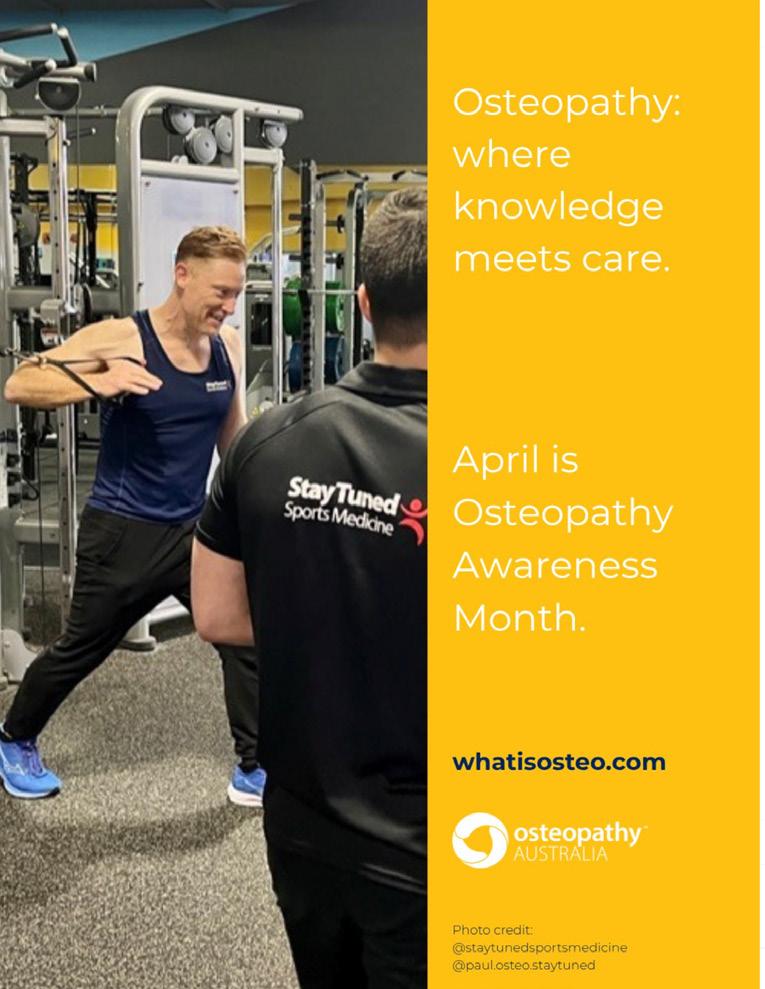
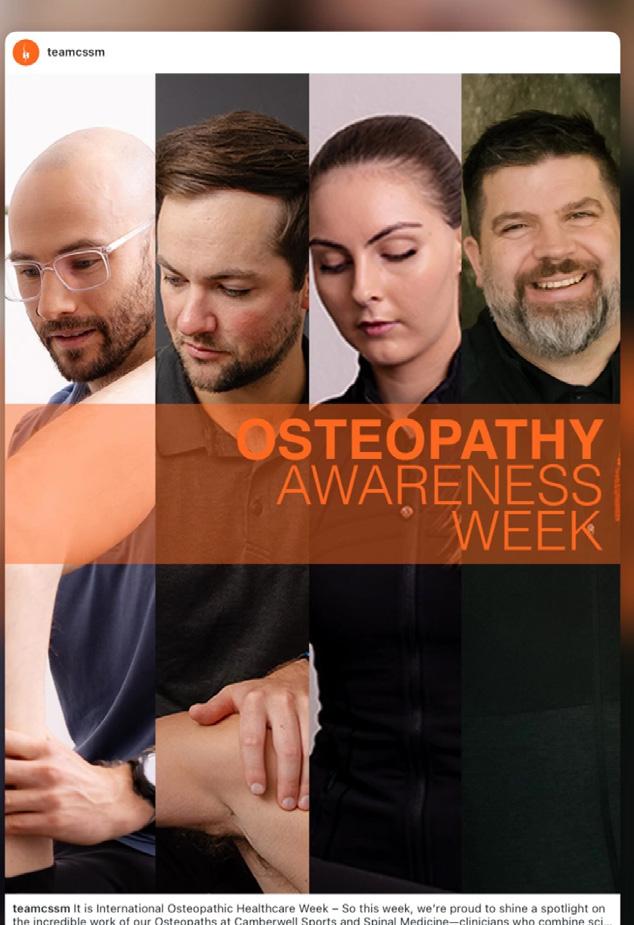
The campaign demonstrates strong engagement with osteopathy-related content and highlights the important role members play in raising awareness of the profession through their own networks and communities.
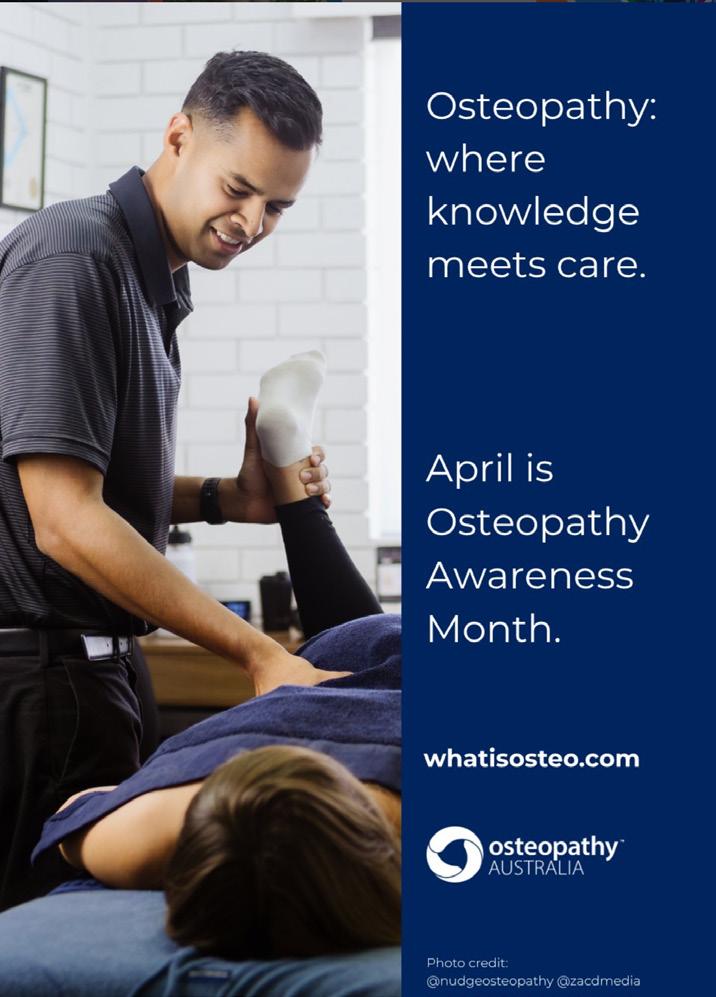
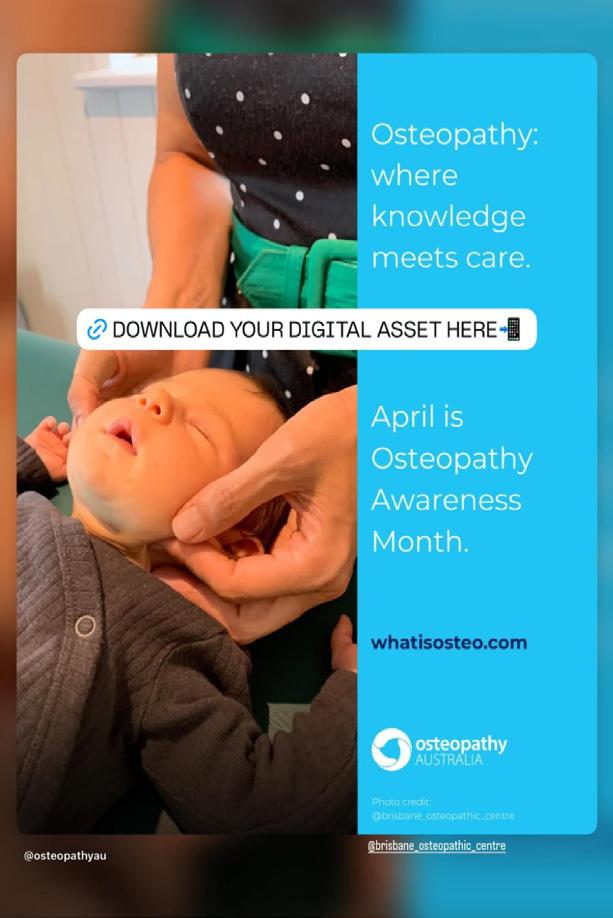
A special thank you to the members who submitted clinic images for use throughout the campaign. Authentic images of osteopaths, clinics and patients help us showcase the profession in a meaningful and relatable way. Please keep them coming – member-contributed images remain one of our most valuable resources for promoting osteopathy to the wider community. Send your images to: comms@osteopathy.org.au


























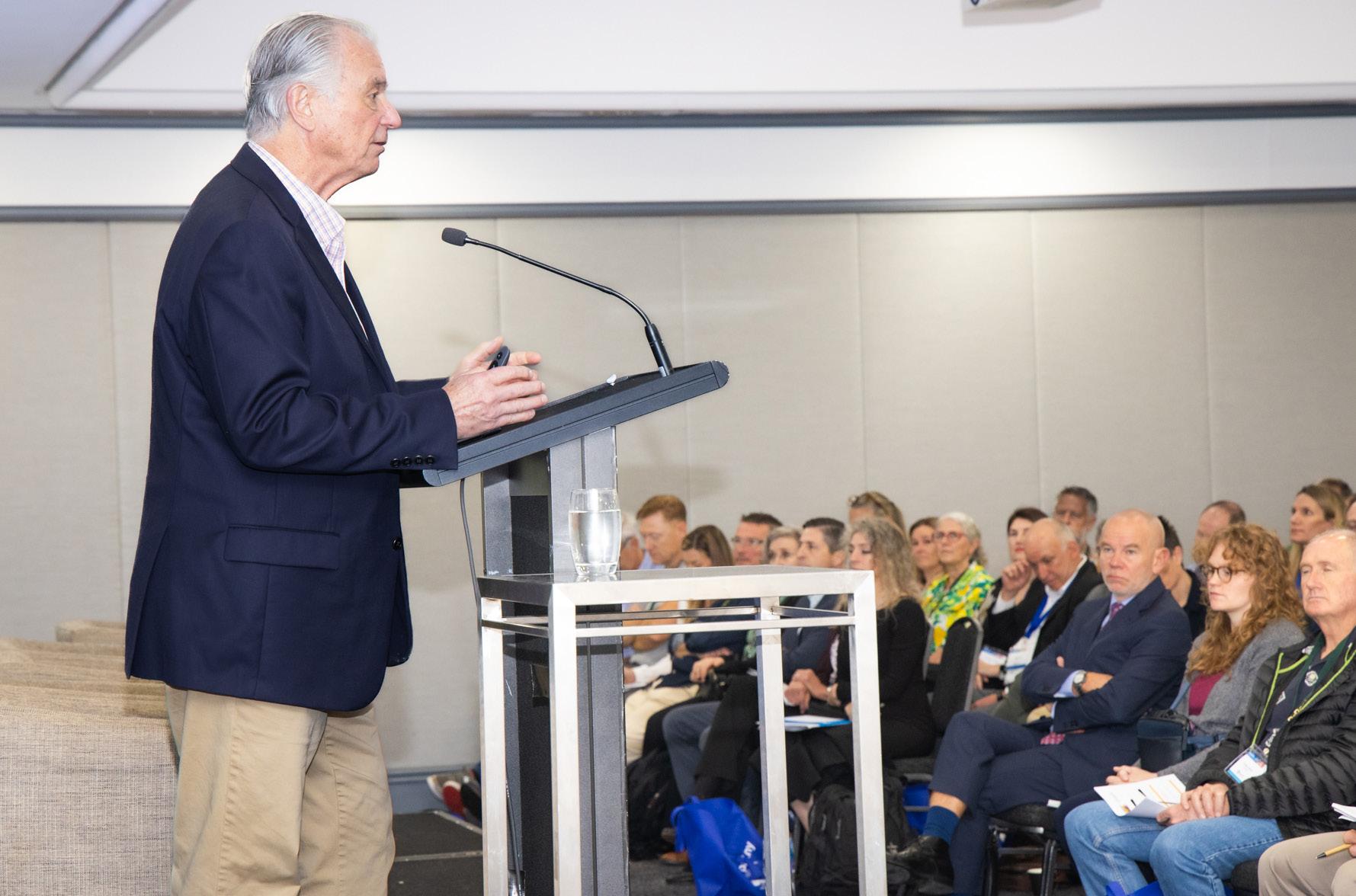
This October, osteopaths from across Australia and New Zealand will come together on the Gold Coast for Osteopathy Australia’s biennale conference; two days dedicated to advancing clinical practice, exploring new ideas and strengthening professional connections.
Held from 16–17 October 2026 at Sea World Resort and presented in association with Osteopaths New Zealand, Ngā Mātanga Wheua o Aotearoa, the conference brings together clinicians, educators, researchers and leaders from across the profession for a program focused on one central question: how can osteopaths continue to deliver the best possible care for their patients?
The 2026 program has been built around practical learning, with eight hands-on workshops complemented by plenary presentations, panel discussions and research sessions.
Across the two days, delegates will explore many of the issues shaping contemporary osteopathic practice, including chronic pain, concussion management, women’s health, paediatrics, healthy ageing and low back pain. The emphasis throughout is on practical knowledge, clinical reasoning and approaches that can be applied immediately in practice. Whether attending a workshop, engaging in discussion with colleagues or hearing directly from leading clinicians and researchers, delegates can expect to leave with new ideas, greater confidence and tools to support patient care.
The keynote speaker is paediatric osteopath Dr Jorge Aranda Beltran, founder of the Hands with Heart Foundation – a volunteer initiative where osteopaths provide hands-on care to children with disabilities who have little or no access to healthcare. Read more about his work here - page 9. He joins a diverse faculty of speakers from Australia and New Zealand, reflecting the breadth of expertise across the profession.
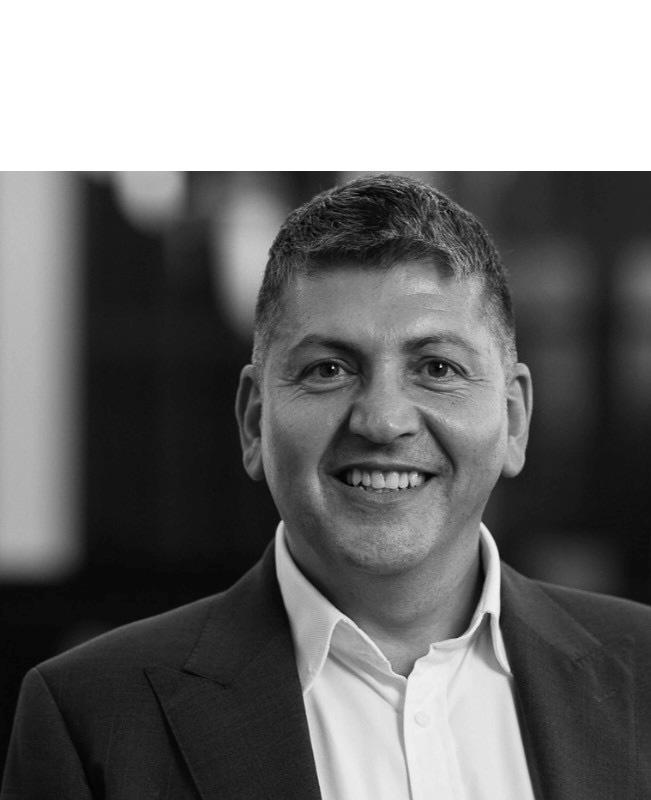
“Some of the most valuable learning happens when clinicians come together to exchange ideas and experiences. The opportunity to learn from colleagues, challenge assumptions and return to practice with fresh perspectives is what makes conferences like this so important.”
– Matt Cooper, President Osteopathy Australia
Beyond the clinical content, the conference offers insight into the future of osteopathy. Research presentations, panel discussions and professional updates will explore emerging evidence, evolving models of care and the opportunities and challenges facing the profession in the years ahead.
For early career practitioners, it is an opportunity to build confidence and learn from experienced clinicians. For established osteopaths, it provides a chance to refine clinical approaches, challenge assumptions and stay connected to developments shaping practice.
While learning remains at the heart of the conference, the event also creates space for connection. From informal conversations between sessions to the welcome reception and networking opportunities throughout the program, delegates will have the chance to reconnect with colleagues, share experiences and build new professional relationships.
Attendees can earn up to 12 CPD hours while participating in a program designed to strengthen both individual practice and the profession as a whole.
“The work of Hands with Heart has reinforced my belief that osteopathy is at its most powerful when it combines clinical expertise with compassion, helping people achieve better function, greater independence and improved quality of life.”
– Dr Jorge Aranda Beltran

Join us
The full conference program, speaker information, accommodation options and registration details are now available. With October fast approaching, now is the time to secure your place at Osteopathy Australia’s flagship professional event.
Day 1
Friday 16 October 2026
Morning plenary – Conference rooms 1 & 2
7:30am Registration
8:30am Welcome to Country and President’s address
8:50am Dr Jorge Aranda Beltran
Keynote address, The regulated child – Hands with Heart Foundation
9:20am Elizabeth Howard
Applying contemporary pain science to the osteopathic management of nerve pain
10:00am Amanda Sayan, Amie Steel, Jack Feehan and Nicholas Tripodi – facilitated panel
Best care, confidence and credibility (facilitated by Kathryn Refshauge)
10:45 Morning tea
Plenary continued – Conference rooms 1 & 2
11:15am Sarah Dryburgh
A modern understanding of pain in endometriosis
11:45am Tim McNamara
Worried about what happens if someone makes a complaint about you?
11:55am Julie Hjorth
Cost-effectiveness model of osteopathic manipulative treatment of perinatal back pain
12:05pm Amy Lawton
Professional and consumer perspectives on allied health and osteopathy in falls prevention
12:15pm Michael Fleischmann
Patient-centred osteopathic management of non-specific neck pain: A mixed-methods case series
12:25pm Kaspara Chaise
What does treating migraine osteopathically mean in practice? A qualitative model
12:35pm Lunch
Workshop 1 – Conference Room 1
1:35pm Paul Hermann
Understanding multifidus dysfunction and its role in mechanical back pain
1. The evidence behind the diagnosis of Lumbar Multifidus Dysfunction (LMD)
2. Where LMD fits as a possible piece in the very complex jigsaw that is helping people suffering mechanical low back pain
3. Learn the tests to identify LMD
4. Learn the exercises and stages of exercise rehabilitation that can help
Workshop 2 – Conference Room 2
1:35pm Zac Lewis
Concussion science in practice: Live clinical assessment and decision-making
1. Apply a structured cervico-vestibular and vestibulo-ocular assessment battery to differentiate concussion subtypes in clinical practice
2. Identify the primary dysfunction domain (cervicogenic, vestibular, oculomotor, cognitive-affective, or mixed) driving a patient’s presentation
3. Determine appropriate disposition: ongoing osteopathic management, co-management, or urgent referral to neurology/GP/emergency
4. Integrate assessment findings directly into graded rehabilitation progressions and return-to-sport/work staging
5. Construct a patient-specific clinical decision pathway applicable to sport, workplace, and general practice settings
3:05pm Afternoon tea
Workshop 3 – Conference Room 1
3:35pm Paul Hermann
Understanding multifidus dysfunction and its role in mechanical back pain
1. The evidence behind the diagnosis of Lumbar Multifidus Dysfunction (LMD)
2. Where LMD fits as a possible piece in the very complex jigsaw that is helping people suffering mechanical low back pain
3. Learn the tests to identify LMD
4. Learn the exercises and stages of exercise rehabilitation that can help
Workshop 4 – Conference Room 2
3:35pm Zac Lewis
Concussion science in practice: Live clinical assessment and decision-making
1. Apply a structured cervico-vestibular and vestibulo-ocular assessment battery to differentiate concussion subtypes in clinical practice
2. Identify the primary dysfunction domain (cervicogenic, vestibular, oculomotor, cognitive-affective, or mixed) driving a patient’s presentation
3. Determine appropriate disposition: ongoing osteopathic management, co-management, or urgent referral to neurology/GP/emergency
4. Integrate assessment findings directly into graded rehabilitation progressions and return-to-sport/work staging
5. Construct a patient-specific clinical decision pathway applicable to sport, workplace, and general practice settings
5:00pm Day 1 close
Welcome Reception – Boatshed
6:30 – 8:30pm Welcome reception
Saturday 17 October 2026
Workshop 5 – Conference Room 1
8:30am Tina Maio
Treating complex MSK pain with shockwave therapy
1. Identify dominant pain drivers, including tissue overload and neurogenic sensitisation to guide targeted ESWT application
2. Understanding the physical characteristics, depth profiles, and mechanotransductive effects of radial and focused shockwaves, and their respective clinical indications
3. Recognising predictors of favourable response, managing suboptimal outcomes, and integrating ESWT within a broader osteopathic treatment plan
Workshop 6 – Conference Room 2
8:30am Holly Royal
Essentials of patient-led planning: Short, medium, and long-term osteopathic management
1. Develop a framework that can be applied immediately for patient planning
2. Create a protocol for developing patient mutually agreed goals
3. Work through a structured care plan to help with engaging patients
Workshop 7 – Conference Room 1
9:40am Luke McCarney
Clinical introduction to myotonometry: An objective method to evaluate muscle stiffness
1. Practical use of and application of myotonometers
2. Understand how devices, such as a myotonometers could be used clinically
3. Assess the stiffness of different muscle groups
Workshop 8 – Conference Room 2
9:40am Amy Lawton and Jack Feehan
Ageing well, a framework for osteopathic practice
1. Explore common presentations, including osteosarcopenia, frailty, and falls risk
2. Trial validated screening tools, practise targeted physical assessments
3. Work through active management strategies that can be applied immediately in practice
10:45am Morning tea
Workshop 9 – Conference Room 1
11:15am Julie Fendall
Osteopathic management of paediatric hip conditions from infancy to adolescence
1. Promote effective treatment in paediatric hip presentations
2. Practical examination techniques
3. Identify, assess and manage hip conditions encountered in paediatric practice
Workshop 10 – Conference Room 2
11:15am Nick Penney
Transforming low back pain care: Evidence-based digital solutions for practice growth
1. Understand how to deliver guideline-concordant digital care that builds patient independence
2. Identify and apply clear digital measurable MSK-related outcomes
3. Learn how to manage and implement digital evidence into practice advantage
12:15pm Lunch
Afternoon plenary – Conference rooms 1 & 2
1:15pm Angela Young
Building a data-informed osteopathic profession: A national PROMs pilot in NZ
1:25pm Nicholas Tripodi
Contextual effects in osteopathy: From theory to implementation
1:35pm Roger Engel
Hospital-based clinical research: The Australian osteopathic experience
1:45pm Kylie Spencer
Belonging: How personality and motivation shape first-year learning choices
Afternoon plenary – Conference rooms 1 & 2
2:05pm Max Hopes
Lived experiences of lower limb tendinopathy: A two-part qualitative investigation
2:35pm Andrea Robertson
Inflammation, hormones and midlife: The osteopath’s role in perimenopause and menopause care
3:05pm Toby Barker
What can complex patients teach us about simple management?
3:35pm Afternoon tea
Afternoon plenary – Conference rooms 1 & 2
4:00pm Christie Boucher
Trends in current complaints and lessons learned
4:20pm Osteopathy Australia Policy update
4:50pm Prize draw winners and closing remarks
5:00pm Conference close
* Program times, dates and speakers are subject to change without notice at the organiser’s discretion.
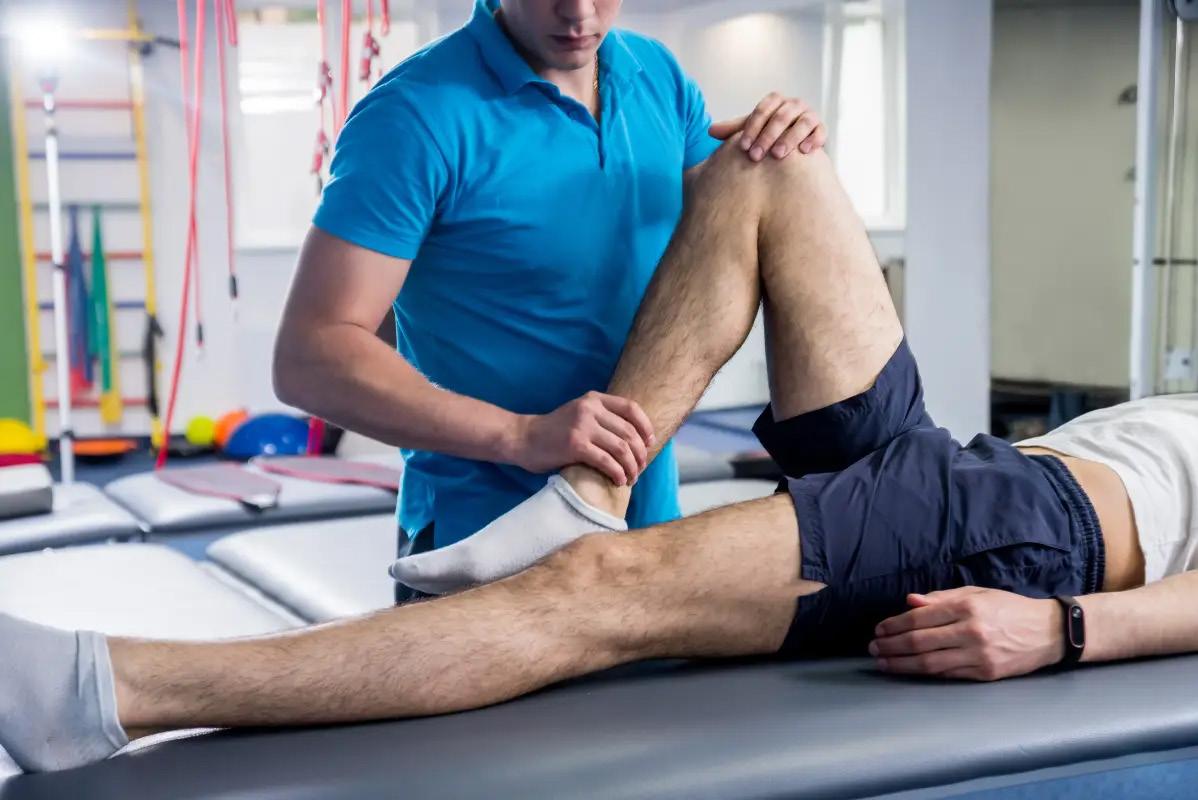
New webinar on-demand: Enhancing rehabilitation outcomes through patient-centred care and exercise-based interventions
3-4 OCTOBER MELBOURNE
21-22 NOVEMBER GOLD COAST
An introduction to counterstrain
Presenter: Haydn Gambling Register: Melbourne Register: Gold Coast
30 OCTOBER 2026
Motivational interviewing for osteopaths
Presenters: Alison Sim and Claire Richardson
Location: Victoria University City Tower, Level 16
Room 10, 370 Little Lonsdale Street, Melbourne Register: via osteopathy.org.au/
EventDetail?EventKey=INTERVMELB
16–17 OCTOBER 2026
Osteopathy Conference 2026 Gold Coast
Location: Sea World Resort Register: via osteopathy.org.au/ EventDetail?EventKey=OSTCON2026
Insurance essentials, from early career to retirement
Link: osteopathy.org.au/watch?videoId=74
Preparing patients for touch and exposure through clear communication
Link: osteopathy.org.au/watch?videoId=70
Enhancing rehabilitation outcomes through patient-centred care and exercise-based interventions
Link: osteopathy.org.au/watch?videoId=71
LISTEN NOW
Burnout to balance, reclaiming your life outside the clinic
Hosts: Robert Piccinni, DO and Stuart Hammond
Link: omny.fm/shows/osteo-talk/burnout-to-balancereclaiming-your-life-outside-the-clinic
101 on women’s health with Elizabeth Howard and Lorrae Griffiths part two
Hosts: Dr Liz Howard (Osteopath) and Dr Lorrae Griffiths (Osteopath)
Link: omny.fm/shows/osteo-talk/101-on-womens-health-withelizabeth-howard-and-lorrae-griffiths-part-two
With spring just around the corner and the CPD cycle drawing closer to completion, we’ve expanded our mandatory CPD topic offerings to include new on-demand videos and an eLearning course to help you fulfil your four hours of CPD-related mandatory topics.
These new mandatory CPD offerings cover areas such as record keeping, informed consent, professional boundaries, risk management and advertising a regulated health service.
To make it easier to navigate our video library, all mandatory CPD videos are clearly tagged as mandatory and can be found by using the word mandatory in the on-demand search filter.
An osteopath’s guide to advertising a regulated health service. 27 minutes
Link: osteopathy.org.au/watch?videoId=63
The National Law sets out the rules for advertising a regulated health service. These rules, as set out in ‘the guidelines’, play a key role in protecting the public by ensuring people receive information that is truthful and reliable. This video covers how a practitioner can meet their legal obligations when advertising.
Preparing patients for touch and exposure through clear communication. 31 minutes
Link: osteopathy.org.au/watch?videoId=70
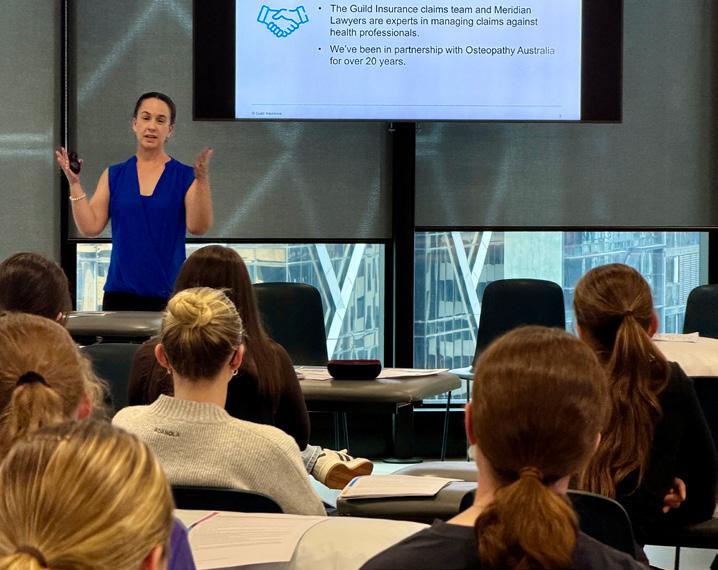
Produced in association with Guild Insurance, this video serves as a reminder to practitioners that effective communication is imperative in ensuring patients are part of your conversation relating to every treatment. Osteopath Amy Lawton joins Christie Boucher from Guild Insurance as they discuss best practice guidelines for adjusting patient clothing, asking patients to remove clothing and, touching patients during treatment.
Google reviews and testimonials in 4 minutes.
Link: osteopathy.org.au/watch?videoId=64
In four minutes, this video will give you clear and concise confirmation on what you can and can’t do as far as Google reviews go and what the guidelines are on the use of testimonials.
Clicks, shares and posts: managing your social media risks. 33 minutes
Link: osteopathy.org.au/watch?videoId=62
This webinar covers the obligations that a health practitioner has when using social media as well as measured and best practice guidelines that help support a responsible social media presence.
The Osteopathy Board of Australia expects you to cover different mandatory topics from year to year. The Board may refresh the list of topics through a fact sheet or revised CPD guidelines, giving sufficient notice for practitioners and providers of CPD activities to accommodate new topics.
Insurance insights on AI scribes and cybersecurity. 6 minutes
Link: osteopathy.org.au/watch?videoId=75
This bite-sized six-minute video gives the perspectives of an insurer on why cybersecurity is the ‘number one emerging risk for insurers right now’ and how AI scribes could put more health practitioners at risk than ever before.
Managing patient records when you stop practising: A practical guide for osteopaths. 20 minutes
Link: osteopathy.org.au/elearningdisplay?EventKey=MPR2026 When an osteopath stops practising, whether permanently, temporarily or due to selling a clinic, their responsibility to protect patient records does not end. The Osteopathy Board of Australia/Shared Code of conduct requires osteopaths to maintain secure, accessible, and confidential patient records, even after practice closure.
This course will guide you through what Ahpra/the National Boards’ Shared code, the OAIC and specific state/territory laws require of you and how you can meet those requirements confidently.
Our on-demand video library also has these mandatory CPD on-demand videos available:
• AI scribes in osteopathy, the future of clinical notes
• Ahpra advertising guidelines for advertising a regulated health service
• Cybersecurity essentials and Privacy Act compliance for osteopaths
• Everything HICAPS – updates, answers to your questions and support
• Informed consent in under 20 minutes
• Top 10 risk management tips
• Understanding telehealth risks
The current topics:
• advertising a regulated health service and social media policy
• evidence-based practice
• risk management
• record keeping
• informed consent
• effective communication
• professional boundaries
• confidentiality and privacy

BY JOSEPH GERMANO
It’s 7:55am.
The waiting room is already full. The phone is ringing.
Your first patient is due in five minutes.
Somewhere in the background:
• Payroll needs to be finalised
• A team member wants to “have a quick chat”
• You still haven’t reviewed yesterday’s numbers
And your inbox? Untouched.
You take a breath… and step into your first consult of the day. Ask any osteopath how they’re doing and the answer is often: “Busy.”
Sometimes: “Booked out.”
Occasionally: “Exhausted.”
Clinical excellence is the foundation of this profession. But for many osteopaths, success eventually brings a new challenge — one they were never formally trained for: running a business.
The reality behind a growing practice
At some point, a thriving clinic demands more than great hands-on skills.
It requires you to:
• Hire and manage people
• Understand cash flow and profitability
• Set (and stand by) your fees
• Market your services ethically and effectively
• Build systems that don’t rely entirely on you
You were trained in anatomy, biomechanics and patient care.
Leadership, finance and business strategy? Not so much.
And yet, stepping into business ownership is often the natural next step.
hidden
One of the most underestimated shifts in osteopathy is this: the skills that make you an exceptional practitioner are not the same skills that make you a confident business leader.
It’s a transition many don’t see coming.
I regularly hear:
• “I didn’t realise how much time I’d spend managing people.”
• “No one taught me how to read a P&L.”
• “I feel responsible for everyone’s livelihood.”
• “I’ve become the bottleneck in my own business.”
These are not signs you’re doing something wrong.
They’re signs you’re growing into a different role.
Quick self-check: where are you right now?
Take a moment to reflect:
• Am I spending more time reacting than leading?
• Does my clinic rely heavily on me to function day-to-day?
• Do I feel confident in my financial decisions?
• Am I clear on where the business is heading in 1–3 years?
• Do I have systems — or am I the system?
If you paused on any of these, you’re not alone.
Coaching as a practical development tool
Across healthcare — and well beyond it — the pattern is consistent:
• Technical excellence gets you started
• Leadership capability sustains you
• Business clarity allows you to grow
Coaching in this context isn’t abstract. It’s practical. Structured. Applied.
It creates space to work on the business — not just in it.
Questions like:
• What kind of clinic am I actually building?
• Does my pricing reflect my value and sustainability?
• How do I move from doing everything to leading effectively?
• What does strong leadership look like in a healthcare setting?
• How do I grow without burning out?
Micro case study: from busy to sustainable
A clinic owner I worked with had:
• A full appointment book
• A strong reputation
• Consistent revenue
On paper, everything looked successful.
But behind the scenes? They were stretched, reactive, and carrying the weight of every decision.
Growth didn’t feel exciting — it felt overwhelming.
We focused on three areas:
• Clarifying a clear long-term vision
• Building leadership habits that empowered the team
• Introducing simple systems to reduce dependency
Within months:
• The clinic became more organised
• Profitability improved
• The team stepped up
• The owner stepped back (strategically)
The clinical work didn’t change. The leadership did.
Try this week: small shifts, big impact
You don’t need to overhaul everything overnight.Start here:
1. Create one hour of “business time”
Block it in your calendar. Non-negotiable.
2. Identify one bottleneck
Ask: what currently relies on me that doesn’t need to?
3. Have one leadership conversation
Set clear expectations with a team member.
4. Look at one number
Revenue, expenses or conversion — just start engaging.
5. Write down your 12-month vision
Even if it’s rough. Clarity creates direction.
A shared commitment with Osteopathy Australia
Together, we’ll focus on practical, relevant development in areas such as:
• The mindset shift from practitioner to business owner
• Financial fitness for clinic owners
• Building systems that reduce burnout
• Leading teams with clarity and confidence
• Pricing, positioning, and patient experience
• Growing sustainably without losing your values
• Planning for succession, scale or exit
This isn’t theory. It’s real-world capability building for real-world clinics.
From clinical excellence to commercial confidence
You can be an exceptional osteopath — and still feel uncertain about business.
You can love patient care — and still struggle with leadership.
You can build a thriving clinic — and still know it could run better.
Business confidence isn’t something you either have or don’t. It’s something you develop.
And when leadership and business capability grow alongside clinical expertise, the result is powerful:
• Stronger clinics
• More confident practitioners
• More sustainable careers
Let’s build practices that thrive — not just survive.
Have a topic you’d like covered?
If there’s a business challenge, leadership question, or clinic dilemma you’d like explored (anonymously), I’d love to hear from you.
Email joseph.germano@jlegal.com.au or connect with me on LinkedIn
Joseph Germano is an executive coach, former lawyer, and long-time recruiter with over 25 years’ experience working with professionals and leaders. He partners with practitioners, business owners, and leadership teams to build sustainable businesses, strengthen leadership capability, and navigate growth with clarity and confidence.
The Fair Work Commission has confirmed changes to the Health Professionals and Support Services Award 2020 as part of its Gender-based Undervaluation – Priority Awards Review.
These changes will take effect from 1 October and will result in significant amendments to:
• The classification structure for health professionals
• Minimum rates of pay
• Classification definitions
1. Osteopaths are clearly listed as AQF Level 9: The new Schedule B lists Osteopath – AQF Level 9. For osteopaths, the relevant Level 1 minimum rates will therefore be the AQF Level 9 rates.
2. New minimum rates apply from 1 October 2026: The Commission delayed commencement from 30 June 2026 to 1 October 2026 to give employers more time to translate employees into the new structure. Later increases continue on 30 June 2027, 2028, 2029 and 2030. The AQF Level 9 minimum rates shown in the determination are:
Level 1 osteopath classification Minimum weekly rate (first) and Minimum hourly rate (second):
• AQF Level 9 – 1st year – $1,379.40, $36.30
• AQF Level 9 – 2nd–3rd year – $1,475.10, $38.82
• AQF Level 9 – 4th–6th year – $1,584.00, $41.68
• AQF Level 9 – 7th year+ – $1,675.40, $44.09
These rates may still need to be read with any subsequent Annual Wage Review adjustment, because the Commission says a further determination will be published after the 2026 Annual Wage Review.
3. Experience means experience in the profession, not just with the current employer: This decision clarifies references to “years of experience” so they mean years of experience in the profession, rather than service only with one employer.
4. Part-time and casual employees should not be disadvantaged in progression: The Commission rejected retaining the old progression rule that would effectively require part-time or casual employees to work 1,824 hours before progressing. For osteopathy clinics, this means employers will need to be careful not to delay classification progression for part-time or casual osteopaths using the old full-time-equivalent hours logic.
5. Existing employed osteopaths need to be translated into the new structure: Existing award-covered health
professional employees as at 30 September 2026 will need to be translated into the new classification structure. For AQF Level 9 professions the transition table indicates previous Level 1 Masters-entry pay points move into AQF Level 9 year bands, and some previous Level 2 pay points translate into 4th–6th year or 7th year+ classifications. This is likely to be one of the main compliance tasks for employers.
6. Higher classifications still depend on role, responsibility and duties: Being an osteopath does not automatically place an employee at Level 2, 3 or 4. Level 1 is the practitioner entry and experience-based stream. Levels 2, 3 and 4 apply where the role has higherlevel responsibilities, such as more advanced practice, supervision, management, specialist functions or senior professional accountability.
7. Annual Wage Review increases will not absorb these increases: The Commission rejected arguments that these increases should be absorbed into future Annual Wage Review increases.
1. Identify which employees are award-covered employees, noting this does not apply to genuine independent contractors.
2. Confirm each employed osteopath’s current classification, qualification pathway and years of professional experience.
3. Translate current employees into the new structure before 1 October 2026.
4. Work out who needs to be updated into payroll systems for AQF Level 9 rates and phased increases.
5. Review contracts, letters of offer and employment templates.
6. Check enterprise agreements or above-award arrangements to ensure employees remain better off overall.
7. Budget for increased employment costs across the phase-in period to 2030.

Health professionals might sometimes question if it’s ever okay to date a patient. Most would say the answer to that is a straight-out no. Then there are variations to that question — “What if I end the therapeutic relationship first?”, “What if they were my partner before my patient?”, “Can I date my patient’s parent or child?” and, “Is it okay if the patient asks me out?”.
Unfortunately, these additional questions show that this area can be complex, and not straightforward to navigate.
The information below will provide you with suggestions for how to handle these situations appropriately and professionally.
Treating family members doesn’t usually feature in people’s thinking when they consider the complexities of dating a patient. However, whether that patient is the spouse, parent, or cousin, there’s still a personal relationship with the patient. Treating family members isn’t ideal and there are potential complications that need to be considered.
• Practitioners can feel obliged to treat their family members when asked to. Yet practitioners shouldn’t feel they have to say yes. If you would prefer to not treat your family members, think about why not and how you’ll explain this to them if asked. Having a response ready will assist when dealing with a potentially awkward situation appropriately.
• When practitioners treat family members, professional standards and expectations can drop away. Informed consent processes may not be followed as they should be, and clinical records can be lacking in detail. All health
practitioners should understand the importance of and reason for informed consent and detailed clinical records –and professional expectations and requirements regarding these must always be met.
• Treating family members can blur personal and professional relationship boundaries that may impact the care provided. Will that family member be completely honest about their health history and symptoms with you, especially if somewhat personal? Will you be able to be as objective with them as you should be with all patients?
• If you do treat your family members, you should only do so in your clinic. Keeping treatment to the treatment room helps to maintain the professionalism of what you’re doing and lessens the likelihood of professional boundaries being blurred. Also, treating in a clinic room makes it easier to maintain usual standards with informed consent and record keeping.
• Most private health insurers don’t allow for rebates to be paid when treatment has been provided to a family member, and they have strict rules regarding who’s family. Both the practitioner and the patient need to be aware of the financial implications before treatment commences and should check with the insurer to be sure.
• When deciding whether to treat a family member, it’s best to think about what could go wrong before it does. If treatment doesn’t provide the patient with the outcome they were anticipating, this could complicate not only the treating relationship but also the personal family one.
Practitioners who form personal or intimate relationships with patients can face severe penalties from their regulator due to unprofessional conduct. These relationships breach professional boundaries which can affect the quality of care provided as well as a practitioner’s professional reputation.
• Some practitioners would state they’d never begin a relationship with a patient yet have done so with a family member of the patient, such as a parent or a child who’s attended appointments with their relative. However, these relationships still contribute to blurring the professional relationship with the patient. The family member is attending appointments as part of the care team and a personal relationship beginning under these circumstances may impair objectivity and decision making.
• Ending a treating relationship to begin a personal one can also be viewed as professionally inappropriate, especially when there’s little time between the two relationships. Practitioners need to consider the vulnerability of the patient and the power imbalance of the treating relationship.
• A patient asking out the practitioner, rather than the other way around, doesn’t make a personal relationship
appropriate or acceptable. Patients often don’t understand the professional expectations placed on health practitioners, and it’s always the responsibility of the practitioner to adhere to these. Practitioners should consider the possibility of being asked out by a patient and how they’ll respond before it occurs, to be prepared to deal with a challenging situation.
• Forming friendships with patients can be as problematic as intimate relationships. There’s still a blurring of the professional relationship and professional boundaries, plus the friendship can be impacted by the power imbalance of the treating relationship.
• Practitioners who work in small remote locations often point out that many of their patients are friends or at least acquaintances in some form. While maintaining a separation between patients and people you’re in personal relationships with is more challenging in some locations, it’s important to remember that your location doesn’t negate the need to adhere to professional obligations. To better understand obligations regarding relationships and boundaries, it’s recommended all health practitioners make themselves familiar with their relevant Code of Conduct. You can also contact your professional association for further advice and support.
Guild Insurance is proud to be the preferred insurer and principal partner of Osteopathy Australia, standing beside Australian osteopaths throughout their professional journeys.
For over 60 years, we’ve provided tailored insurance solutions specifically designed for allied health practitioners. Whether you’re starting out in your career, opening your first clinic or growing an established practice, Guild offers flexible cover options that empower you to manage your policy effectively.
As a 100% Australian-owned direct insurer, we understand the unique demands of your profession and the crucial need for reliable support. Our professional indemnity and business insurance products are built with the complexities of osteopaths in mind, so you can rest assured that your policy will respond when it matters most.
With a team dedicated to protecting your career and practice, you can focus on delivering exceptional patient care with confidence. Discover more about how Guild can support your professional journey at guildinsurance.com.au/osteopaths



BY DEBORAH CALLEJA AND ERIN BARNES
“I thought everyone got dizzy when they stood up.”
“It took me five years to get diagnosed.”
“I had several trips to emergency and was told it was anxiety.”
“I’ve had to leave my job.”
“I can’t go to school every day.”
These are common statements we hear from patients living with Postural Orthostatic Tachycardia Syndrome (POTS). They reflect a familiar and often prolonged journey – one characterised by misdiagnosis, functional decline and the challenges of living with an ‘invisible illness’. While research into treatment and management of POTS is still advancing, we have a clear understanding of some of the physiological impairments that lead to a decrease in patient quality of life. Knowing this, osteopathic treatment is well suited for management of POTS symptoms as part of a wider treatment approach for patients. This article provides a background into
Impact and diagnostic burden of POTS
5x
Average emergency visits prior to diagnosis
POTS diagnosis, pathophysiology and epidemiology as well as an introduction in osteopathic treatment for patients. POTS in the past has been frequently underdiagnosed. According to POTS Association Australia, patients often experience significant delays in diagnosis, with substantial impacts on education, employment, and quality of life.
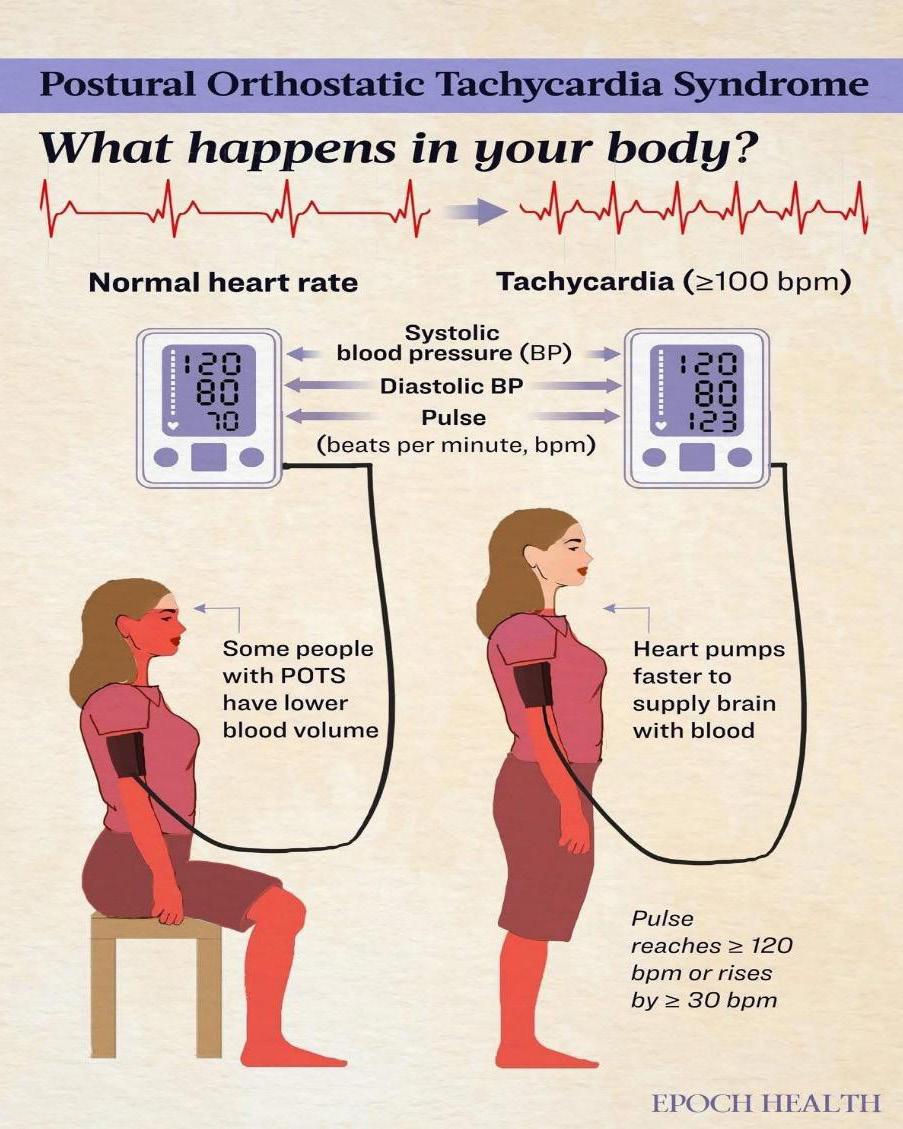
POTS can be defined as a chronic disorder of autonomic regulation marked by orthostatic intolerance and an exaggerated increase in heart rate during upright posture without orthostatic hypotension. Patients often report fatigue, reduced exercise tolerance, and gastrointestinal symptoms.1 In clinical practice, assessments such as the NASA Lean Test can be a useful screening tool (see Figure 1 overleaf). During a positive test, Adults present with an increase of ≥30 beats per minute (BPM), while adolescents present an increase of ≥40 BPM within 10 minutes of standing.
59%
Moderate to extreme limitations in daily activities
50%
Family member or friend stops work to provide care
Source Adapted from POTS Association Australia
7 years
Average time to diagnosis
“According
Association Australia, patients often experience significant delays in diagnosis, with substantial impacts on education, employment, and quality of life.”
Australian epidemiological and registry data on POTS remains limited; however, recent descriptive registry research highlights a substantial clinical and functional burden associated with the condition. A 2025 Australian descriptive registry study demonstrated that POTS predominantly affects younger individuals, with a strong female predominance, and is associated with significant functional impairment.2 Many patients reported moderate to severe limitations in daily activities (69.4%), with 22%
unemployed. The study also reinforced the prolonged diagnostic journey, with patients frequently consulting multiple healthcare providers prior to receiving a diagnosis and often experiencing initial misattribution of symptoms to anxiety or psychological causes.2
International literature also demonstrates substantial functional impairment in POTS, with approximately 25% of patients unable to attend work or school and around 30% requiring assistance with activities of daily living.3
While POTS presents with prominent cardiovascular symptoms, it is not a primary cardiac pathology. Rather, it reflects a dysfunction of the autonomic nervous system and circulatory regulation.
A common underlying feature across many presentations is reduced venous return to the heart (preload).4 This leads to a reduction in stroke volume and subsequently cardiac output. Baroreceptors detect this reduced circulatory filling and trigger a compensatory increase in sympathetic activity, resulting in tachycardia. However, this increase in heart rate does not fully compensate for the reduced stroke volume. The consequence is impaired cerebral perfusion, particularly during upright posture, which contributes to symptoms such as dizziness, lightheadedness, and fatigue.
There are several recognised triggers associated with the development of postural orthostatic tachycardia syndrome, including infection, hormonal changes, physical trauma, and, less commonly, vaccination-related immune responses. A recent observational study suggests that through examining symptom severity across these categories, individuals whose POTS developed following physical trauma – including surgery, concussion and other forms of injury – reported significantly higher symptom burden compared to those in immune-related or other trigger groups. 3 Within the physical trauma cohort, a large proportion of cases were associated with concussion or mild traumatic brain injury, suggesting a potential link between central autonomic disruption and symptom severity. The authors propose that trauma-related impairment of the autonomic nervous system, including effects on cerebral blood flow regulation, may contribute to this increased clinical burden. While the exact mechanisms remain unclear, these findings highlight the importance of considering physical trauma as a clinically relevant factor in both the onset and severity of POTS. These findings reinforce the importance of a thorough trauma history in osteopathic assessment of patients with suspected POTS as well as screening for POTS within a clinical setting. Within this context, osteopaths may contribute to collaborative management by addressing musculoskeletal and functional factors that may influence symptom presentation, while working alongside medical and allied health practitioners to support optimal patient outcomes.
POTS is commonly subtyped into 3 categories according to the main underlying mechanism:4
Hypovolemic: Characterised by the reduction in plasma volume and/or impaired renin- angiotensin-aldosterone responses lowering baseline preload.
Neuropathic: Involves autonomic dysregulation. The venous system’s ability to vasoconstrict is impaired, thereby permitting venous pooling in the legs and in the splanchnic circulation. May occur with small fibre neuropathy.
Hyperadrenergic: When there is an increase in circulating catecholamines (especially noradrenaline), reflecting dysregulation of the Sympathetic Nervous System (SNS).
All of these can lead to the same ultimate problem, poor preload – venous return to the heart, resulting in compensatory tachycardia. Overlap between these subtypes is frequently seen, and thus individualised management is required for optimal outcomes.
An emerging clinical perspective, informed by clinical observations and screening undertaken by a medical multimodality team working with this patient cohort, led by specialist GP, Dr Graham Exelby, considers the role of mechanical impediments to venous return from common co-morbidities as a contributing factor in a subset of POTS patients.6,25 These findings have been identified via repeated routine screening and clinical assessments within this patient population. The team works at managing some of the co-morbitities that in some cases, relate to mechanical impedance, to assist in the managing of the severity of symptoms in this patient cohort.
These co-morbidities include:
Internal Jugular Vein Syndrome (IJV): The compression of the internal jugular vein in the absence of thrombosis.
Eagle Syndrome: Elongated styloid process impacting proximally internal jugular vein outflow.
Thoracic Inlet/Outlet Syndrome (TOS): Compressions on the subclavian vein and/or artery in neutral, 90 and 180 degrees of gleno-humeral abduction.
“While POTS presents with prominent cardiovascular symptoms, it is not a primary cardiac pathology. Rather, it reflects a dysfunction of the autonomic nervous system and circulatory regulation.”
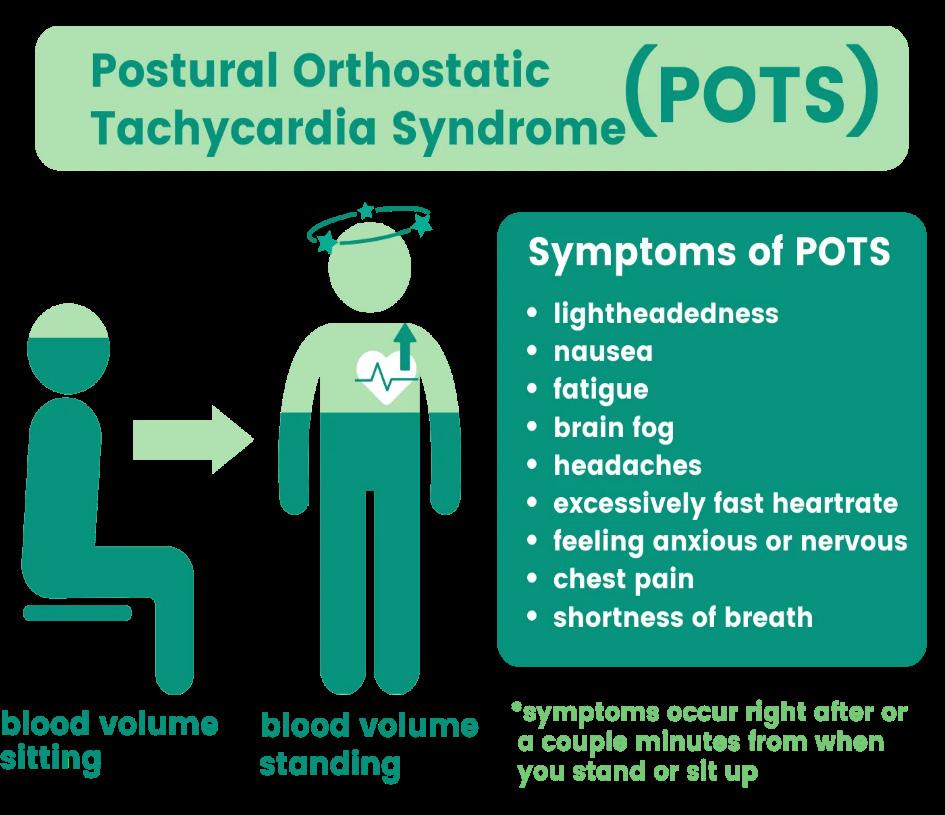
Figure 2 Common symptoms and haemodynamic changes associated with postural orthostatic tachycardia syndrome (POTS). Adapted from Guava Health (n.d).
Hypermobile Ehlers–Danlos (hEDS) or Hypermobility
Spectrum Disorder (HSD): A connective tissue disorder characterised by generalised joint hypermobility, joint instability, chronic pain, and collagen dysregulation.
Mast Cell Activation Syndrome (MCAS): An immunological condition where mast cells inappropriately and excessively release chemical mediators such as histamine, resulting in chronic symptoms affecting cardiovascular, dermatological, gastrointestinal, neurological, and respiratory systems.
Pelvic Congestion Syndrome: Chronic pelvic pain due to enlarged or dilated pelvic veins resulting from poor blood flow or venous insufficiency, leading to venous engorgement.
Small fibre neuropathy: Peripheral neuropathy caused by damage to small unmyelinated and myelinated nerve fibres.
Median Arcuate Ligament Syndrome (MALS): The caudal displacement of the median arcuate ligament and compression of the celiac artery and celiac plexus, causing postprandial and abdominal pain, visceral dysregulation and foregut ischemia.
Nutcracker Syndrome (NCS): Vascular compression of the left renal vein between the aorta and superior mesenteric artery, potentially causing left ovarian vein dysfunction.
Superior Mesenteric Artery Syndrome (SMA or SMAS): The compression of the distal third portion of the duodenum between the abdominal aorta and the overlying superior mesenteric artery, leading to obstruction.
May-Thurner: Compression of the left iliac vein by the overlying right iliac artery against the lumbar spine.
Vascular compression syndromes – including Median Arcuate Ligament Syndrome (MALS), Nutcracker syndrome, and Superior Mesenteric Artery (SMA) syndrome, and May Thurner Syndrome are traditionally regarded as rare conditions in which arteries and veins are mechanically compressed by adjacent anatomical structures, altering normal blood flow. Emerging clinical observations suggest that several of the co-morbidities commonly seen in people with POTS fall within this group, with intra abdominal vascular compressions increasingly documented in case series and reports involving POTS cohorts.7-9
While these conditions are considered uncommon in the general population, their repeated identification within this clinical cohort suggests a potential mechanical contribution to impaired venous return. This observation supports the hypothesis that, in a subset of patients with POTS, structural factors may act as additional contributors to autonomic dysregulation and haemodynamic compromise.
Recognising the functional relationship between autonomic dysregulation and mechanical vascular influences may therefore be an important consideration in the clinical assessment and management of POTS. Within an osteopathic framework, this highlights the relevance of assessing regions that may influence venous return and autonomic function, including the cervical region, thoracic inlet, diaphragm, and abdominal vascular interfaces.6,31
COVID and the subsequent prevalence of Long COVID shone a spotlight on the “invisible illness“ of POTS and supported the emerging theories of causation through the research into the correlation of both presentations.
Long COVID itself has been understood as a complex, multisystem condition with a baseline presentation of neuroimmune and vascular dysregulation.10-12 During acute SARS-CoV-2 infection, a subset of patients developed a marked inflammatory response characterised by elevated pro-inflammatory cytokines, including interleukin-6 and tumour necrosis factor-α (e.g. cytokine storm).14 While this did not occur in all patients, this persistent immune activation has been proposed as a key factor in Long COVID symptomatology.13,14
“A significant proportion of individuals with Long COVID report symptoms consistent with orthostatic intolerance, including features suggestive of POTS.”
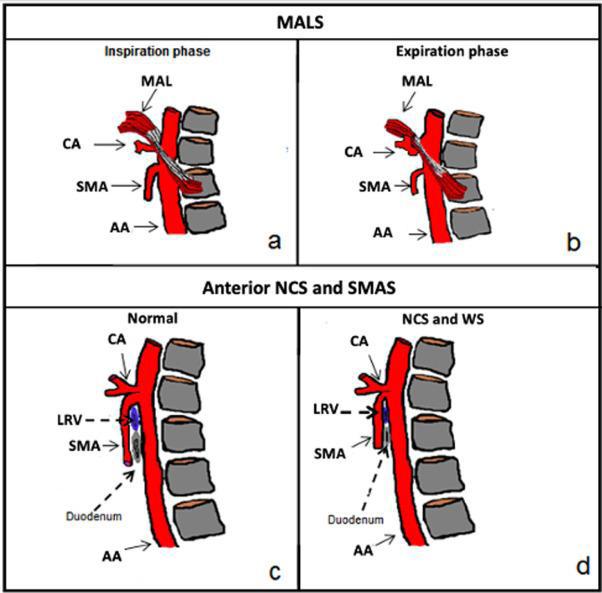
Drawings describing the main anatomical structures involved in median arcuate ligament syndrome (MALS), Nutcracker syndrome (NCS) and superior mesenteric artery syndrome (SMAS). Drawings on a sagittal plan showing the relationship between the celiac artery (CA) and the abdominal aorta (AA) in MALS respectively in (a) inspiratory apnea (b) and expiratory apnea; (c) the relationship between the SMA and the AA in healthy patient and (d) in patient with NCS and SMAS. Adapted from Farina et al., 2021, Radiology Case Reports.
Figure 3 Median arcuate ligament syndrome, Superior mesenteric artery, and nutcracker Syndrome.
This persistent immune activation following COVID-19 has been proposed to contribute to neuroinflammatory processes and small fibre neuropathy, which has been associated with dysautonomia in both POTS and post-COVID populations.10,11,15,17 This dysregulation of the autonomic nervous system may contribute to the impairment of cardiovascular and venous control predisposing a subset of patients to orthostatic intolerance and the subsequent diagnosis of POTS.
A significant proportion of individuals with Long COVID report symptoms consistent with orthostatic intolerance, including features suggestive of POTS.10,11 This review data estimates that approximately 2–14% of COVID-19 survivors may meet diagnostic criteria for POTS, with a larger proportion experiencing POTS-like symptoms without fulfilling formal criteria. These findings suggest that POTS represents a significant component of the broader spectrum of autonomic dysfunction in Long COVID, particularly when systematically assessed in symptomatic individuals.
In addition to established mechanisms, emerging clinical observations suggest that mechanical factors influencing vascular flow may contribute to symptom expression in a subset of patients, described in the last column of Table 1, Potential Mechanical Contributors, (Emerging).
In addition to the outlined clinical features in Table 1, headache and chronic pain are highly prevalent in patients with POTS and represent a significant contribution to the overall symptom burden. These symptoms have been
“Migraines are particularly common, with proposed mechanisms including impaired cerebrovascular autoregulation and sympathetic overactivity”
ANATOMICAL SYSTEM
Cardiovascular
Neurological / cerebral
Fatigue / exercise intolerance
described as multifactorial, reflecting a combination of central sensitisation, autonomic dysregulation, and altered cerebral perfusion.18 Migraines are particularly common, with proposed mechanisms including impaired cerebrovascular autoregulation and sympathetic overactivity. In addition to headaches, patients frequently report widespread musculoskeletal pain, often overlapping with conditions such as fibromyalgia. Patient reported outcome measures (PROM) may assist in quantifying symptom burden and support the clinical assessment. MALMO POTS score renders high sensitivity (97%) and specificity (98%).19 The significance of the NASA Lean Test and the PROM is that they can be performed within our clinical setting. Another patient-reported outcome measure that may be included is the Composite Autonomic Symptom Score (COMPASS-31), which can assist as a measure of broad autonomic symptom burden.
This integrative framework highlights that POTS may not solely represent a disorder of autonomic regulation, but in some patients, a condition in which haemodynamic, neurological, and mechanical factors interact to influence clinical presentation.
CLINICAL FEATURES PROPOSED MECHANISM
Tachycardia on standing, palpitations, presyncope.
Brain fog, dizziness, headache, visual disturbance.
Persistent fatigue, reduced stamina, post-exertional symptoms.
Gastrointestinal Nausea, bloating, early satiety, altered bowel habits.
Peripheral vascular
Autonomic symptoms
Other associated features
Acrocyanosis, cold extremities, dependent colour change.
Sweating abnormalities, tremor, heat intolerance.
Sleep disturbance, chest discomfort, anxiety.
Reduced preload → compensatory sympathetic activation.
Cerebral hypoperfusion, autonomic dysregulation.33
Impaired oxygen delivery, autonomic imbalance.
Splanchnic pooling, autonomic dysfunction affecting motility.
Venous pooling, altered vasomotor control.
Sympathetic overactivity or dysregulation.
Multifactorial—ANS dysregulation and reduced perfusion.
POTENTIAL MECHANICAL CONTRIBUTORS (EMERGING)
Thoracic outlet/subclavian vein compression affecting venous return.
Internal jugular vein outflow impedance; proximal venous congestion.
Global reduction in venous return due to multi-level vascular impedance.
Abdominal vascular compression (e.g. Median arcuate ligament syndrome, Superior mesenteric artery syndrome).
May–Thurner syndrome; lower limb venous outflow compromise.30
Secondary to haemodynamic instability and impaired vascular flow.
Non-specific; may reflect combined autonomic and circulatory influences.
Table 1 In Part, Adapted from Raj, S. R., et al. (2018). Postural orthostatic tachycardia syndrome (POTS): Pathophysiology, diagnosis and management. Journal of Internal Medicine.
When developing your differential diagnoses for a patient who presents with POTS-like symptoms clinically, our first job is to decipher whether this is benign orthostatic intolerance, a POTS-type picture, or something that needs immediate referral. It is important to rule out orthostatic hypotension. In orthostatic hypotension, blood pressure drops by at least 20/10 mmHg within a few minutes of standing, often with visual dimming or syncope.20 Cardiac arrhythmias are another key exclusion. Red flag symptoms include palpitations at rest, irregular rhythm, chest pain, or syncope during exertion, especially in older patients or those with cardiovascular risk factors. These patients require referral for testing including ECG. Further red flags include unexplained syncope (particularly with exertion), chest pain or significant breathlessness, new focal neurological signs, rapid unexplained weight loss, night sweats, or suspicion of a spinal CSF leak (orthostatic headache that eases when supine, especially in someone with hypermobility).
Myalgic encephalomyelitis/ chronic fatigue syndrome (ME/CFS) also overlaps heavily with symptoms such as fatigue, brain fog, unrefreshing sleep, and post-exertional malaise, but is commonly not associated with orthostatic heart-rate variability. Many patients sit in a Venn diagram overlap of ME/CFS and POTS, and that’s important when you’re planning treatment load.21
Multidisciplinary management approach POTS treatment is a multidisciplinary approach. These patients often arrive after years of feeling dismissed; a
Heart rate response
Blood pressure
Symptom profile
Duration
Exclusion criteria
Autonomic features
Patient-Reported Outcome Measures (PROMs)
Testing methods
coordinated, “we’re all here to help you” approach is often therapeutic. In most cases, general practitioners do the work up, categorically rule out red flags via medical investigations, and coordinate referrals. Cardiologists exclude structural heart disease or dangerous arrhythmias and guide the use of rate-control and volume-support medications. Neurologists become more central when there are prominent neurological symptoms- migraine, post-concussion issues, or suspected small fibre neuropathy.26 Specialist exercise physiologists can design graded, mostly recumbent-to-upright exercise programs and help the patient walk the tightrope between deconditioning and post-exertional crashes. Dietitians help translate “more salt and fluid” into real food, troubleshoot GI symptoms, and work around intolerances.
For POTS patients, osteopathy can be a helpful modality when we consider that it is not just a cardiac rhythm disorder; we’re helping a whole body that is struggling with gravity, volume and autonomic dysregulation and pain.27 As an osteopath it is crucial to be informed of POTS and the co-morbidities, to monitor deterioration, side effects or new symptoms and to provide feedback to the management team.
Osteopaths can reinforce non-pharmacological strategies without overstepping their scope. Practical examples include: coaching postural and positional strategies like slow transitions, avoiding long static standing, using counterpressure manoeuvres, and elevating the head of the bed,
Increase ≥30 bpm within 10 minutes of standing (≥40 bpm in adolescents).
Absence of orthostatic hypotension (no sustained drop ≥20/10 mmHg).
Orthostatic intolerance: lightheadedness, palpitations, fatigue, brain fog.
Symptoms present for ≥3–6 months.
No alternative cause (e.g. dehydration, anaemia, endocrine disorders, medication effects).
May include sweating abnormalities, tremor, gastrointestinal dysfunction
Standardised symptom scoring tools (e.g. COMPASS-31; Malmö POTS Symptom Score)
Active stand test or tilt table testing.
Core diagnostic feature of POTS.
Differentiates from orthostatic hypotension.
Symptoms must be present to support diagnosis.
Helps distinguish chronic conditions from transient states.
Essential to confirm diagnosis.
Supports autonomic involvement.
Quantifies symptom burden and monitors treatment response.
Confirms haemodynamic response.

The Osteo MKII will allow you to perform at your best. Designed in consultation with the Australian Association of Osteopaths. A premium table designed for osteopaths.
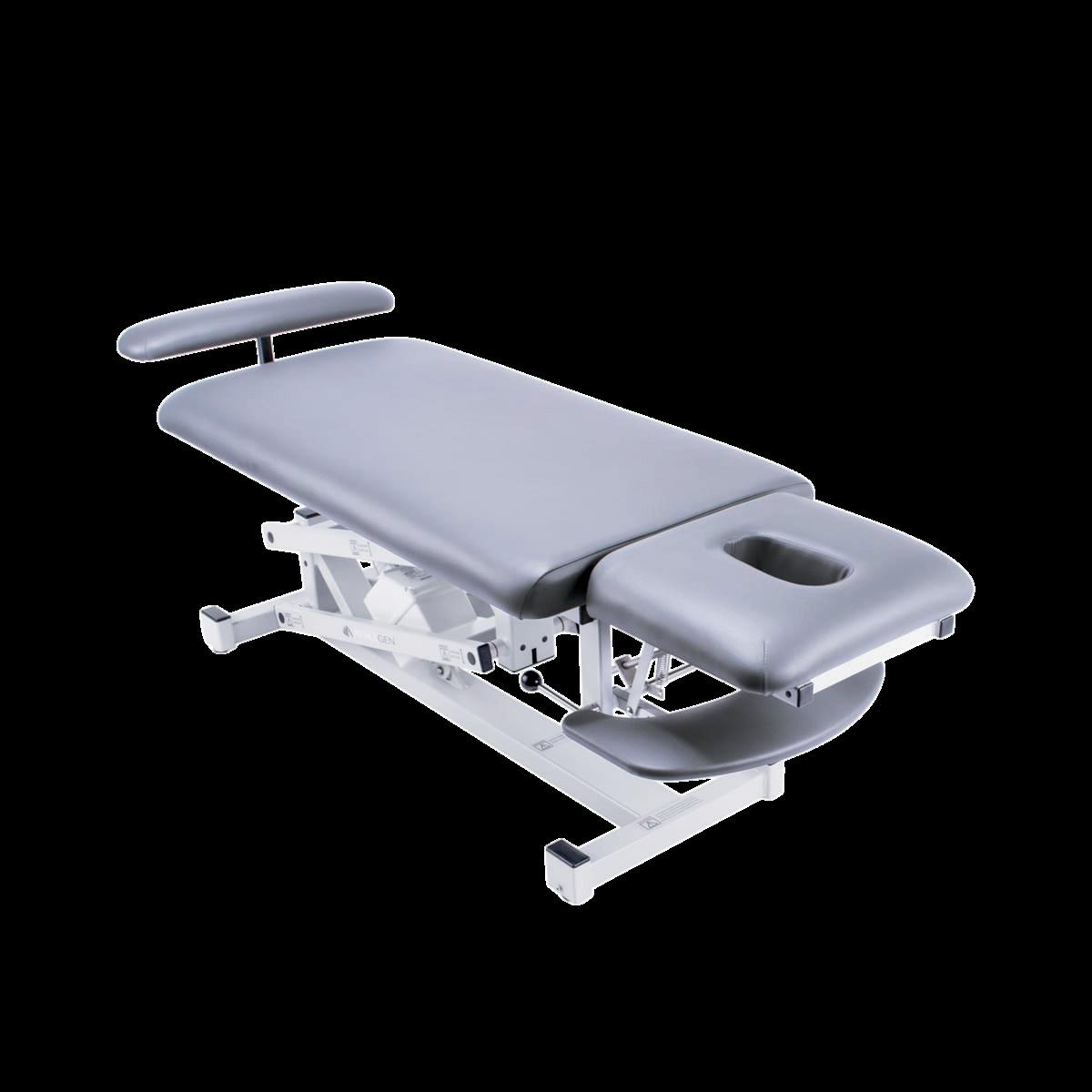
Extendable footrest for taller patients
Height adjustable footrest for greater patient positioning flexibility
A built-in adjustable head cradle and armrest
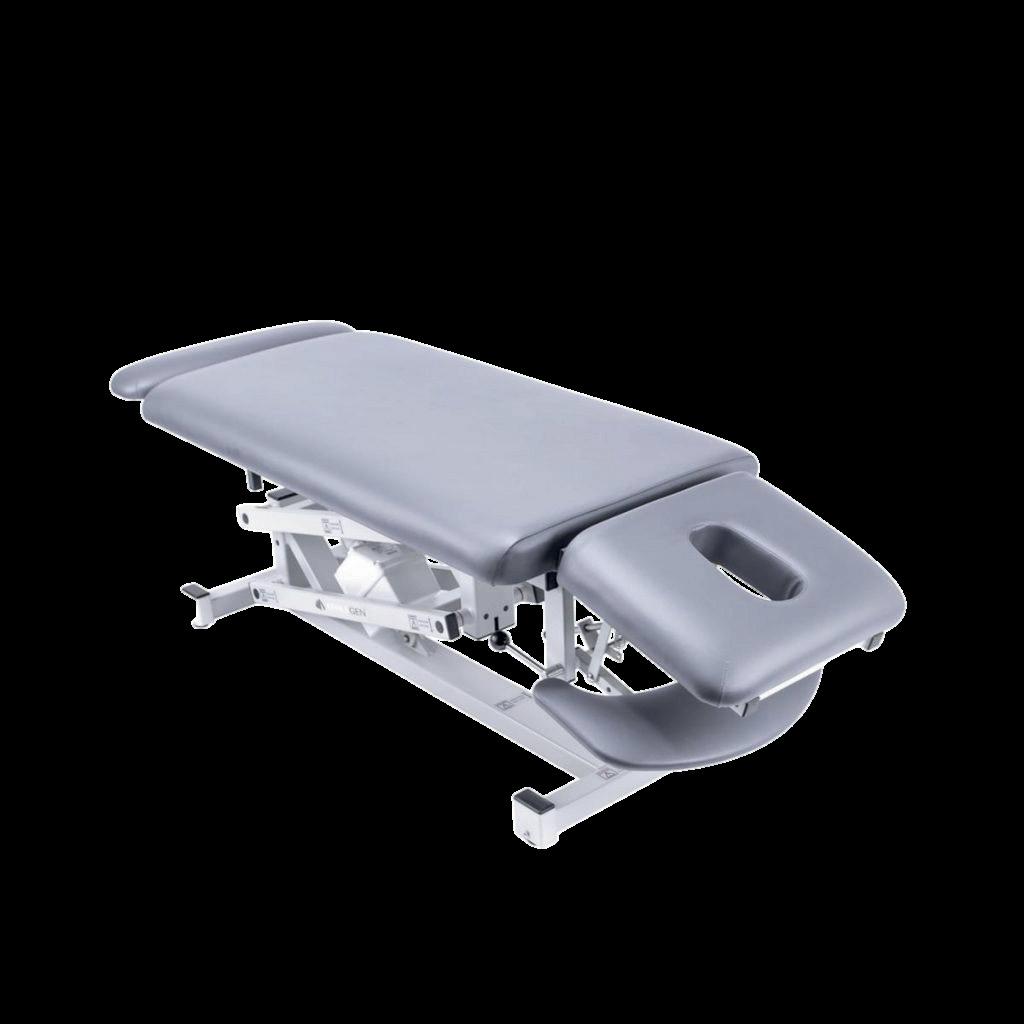
Choice of PVC and genuine leather fabrics with over 50 colours
Choice of two Dunlop cushioning systems
Designed in conjunction with the Australian Association of Osteopaths
Proudly made in Ballarat, Victoria for more than 35 years

No assembly required

Do you have an Athlegen table? Book your service now. service@alevo.co / 02 9561 0100



normalising and problem-solving around compression garments and helping patients plan fluid and salt intake through the day (within the parameters set by their doctor).
On the autonomic side, gentle manual therapeutic techniques such as myofascial release have been seen to reduce heart rate variability; this can contribute to a more comfortable sympathovagal balance for some patients.22 POTS patients often present with multilayered musculoskeletal dysfunctions such as neck and thoracic stiffness, rib-cage restriction, myofascial tenderness from chronic bracing, plus hypermobility-related strain. Improving comfort and movement in these areas can make everyday tasks, as well as wearing compression garments or doing rehab exercises, far more achievable. The aim is to support the body’s allostatic regulation.
A key factor in POTS treatment is optimising fluid dynamics. The thoracic cage and diaphragm are key pressure pumps for venous and lymphatic return. Working with rib and sternal mobility, diaphragmatic excursion and upper abdominal wall tone can support internal pressure gradients. Similarly, by easing mechanical restrictions at the upper cervical spine, thoracic inlet, abdomen, pelvis, and peripheral venous outflow, we can support venous and lymphatic drainage.23
It is the management of chronic POTS, not the complete resolution of symptoms, that should be the point. Two practical realities shape how you work: fatigue sensitivity and delayed flares. Many POTS patients suffer fatigue like ME/CFS, where the “cost” of any input – manual therapy, exercise, even a big conversation – is felt 24–72 hours later, not necessarily at the time of exertion. That pushes you to fewer, more specific techniques, and a “change one thing at a time” philosophy. Gradual treatment progression is important, starting with low-intensity techniques, layered with small self-management tasks that they can tolerate.
Erin Barnes (left) is an osteopath with a strong focus on complex chronic conditions. Her approach emphasises anatomy, fascia, visceral and craniosacral osteopathy, supported by extensive postgraduate study. She teaches Master’s students at Southern Cross University and contributes to the osteopathic curriculum.
Deborah Calleja (right) is a highly experienced osteopath who has practised on the Gold Coast for more than three decades. She specialises in chronic pain, visceral, cranial and autonomic approaches, with particular interest in complex conditions such as Long COVID and dysautonomia. She also does casual lecturing in the Master’s cohort at Southern Cross University and has co-developed some of this curriculum.
“It is the management of chronic POTS, not the complete resolution of symptoms, that should be the point.”
Planning care is less about what technique you favour and more about the principles you apply. Prioritise comfort and predictability, respect orthostatic limits in your positioning, and weave in simple education so that patients understand why you’re working on the diaphragm or thoracic inlet in the context of preload and venous return. Outcome expectations need the same honesty: you are aiming for fewer crashes, smoother days, a bit more upright time and improved tolerance of life and rehab, rather than a “cure”. Framed like that, both you and the patient can spot meaningful progress even if the underlying diagnosis remains.
POTS is no longer an obscure curiosity tucked away in autonomic labs. With Long COVID, increased recognition in cardiology and neurology, and a growing patient advocacy movement, it is rapidly becoming part of mainstream medical practice. That raises big questions for conservative care: how do we support these patients in the community, close to home, without defaulting to overmedicalisation or, conversely, minimising their experience?
Research into non-pharmacological management is expanding but is still limited. We need better data on structured exercise, compression, pacing strategies, and manual therapy approaches because these are the real-world tools many patients already use. Osteopathy is well-placed to sit inside integrated care models that respect preload physiology, Extra cellular matrix and fascial behavior, and autonomic complexity. The opportunity over the next decade is to define that role clearly, study it honestly, and keep our language carefully aligned with the evidence so that we can advocate for patients without overpromising.
If you’re interested in learning more about this topic, its associated co-morbidities, diagnostic and treatment pathways, we are running a 2-day CPD course on the Gold Coast, 21-22 November 2026.
A 10% discount is available until 31 July.
Go to POTS: An Osteopathic Framework | Sat 21 and Sun 22 November 2026 | Gold Coast on the Osteopathways website to find out more.
To find the full list of references for this article, scan the QR code here.
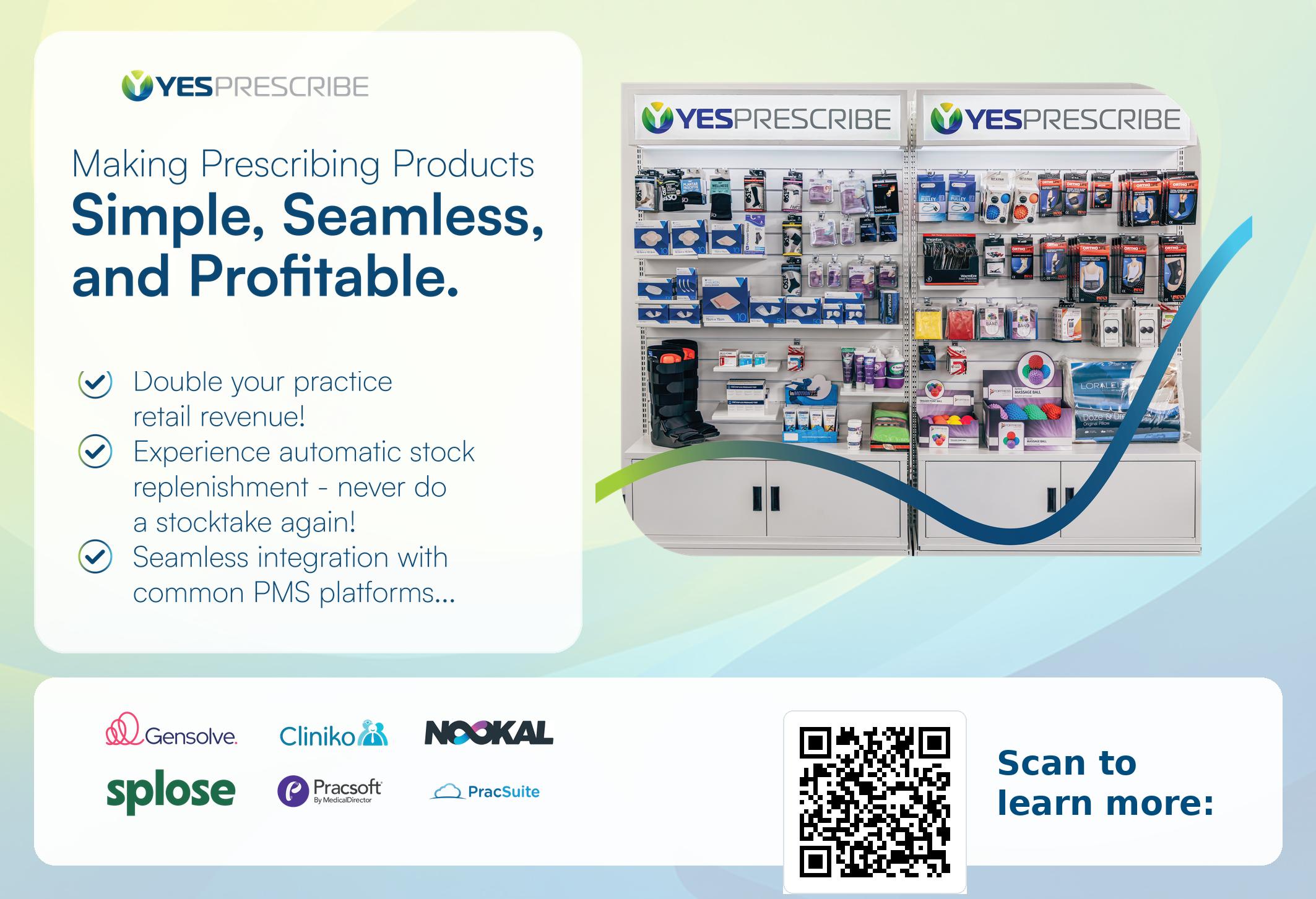
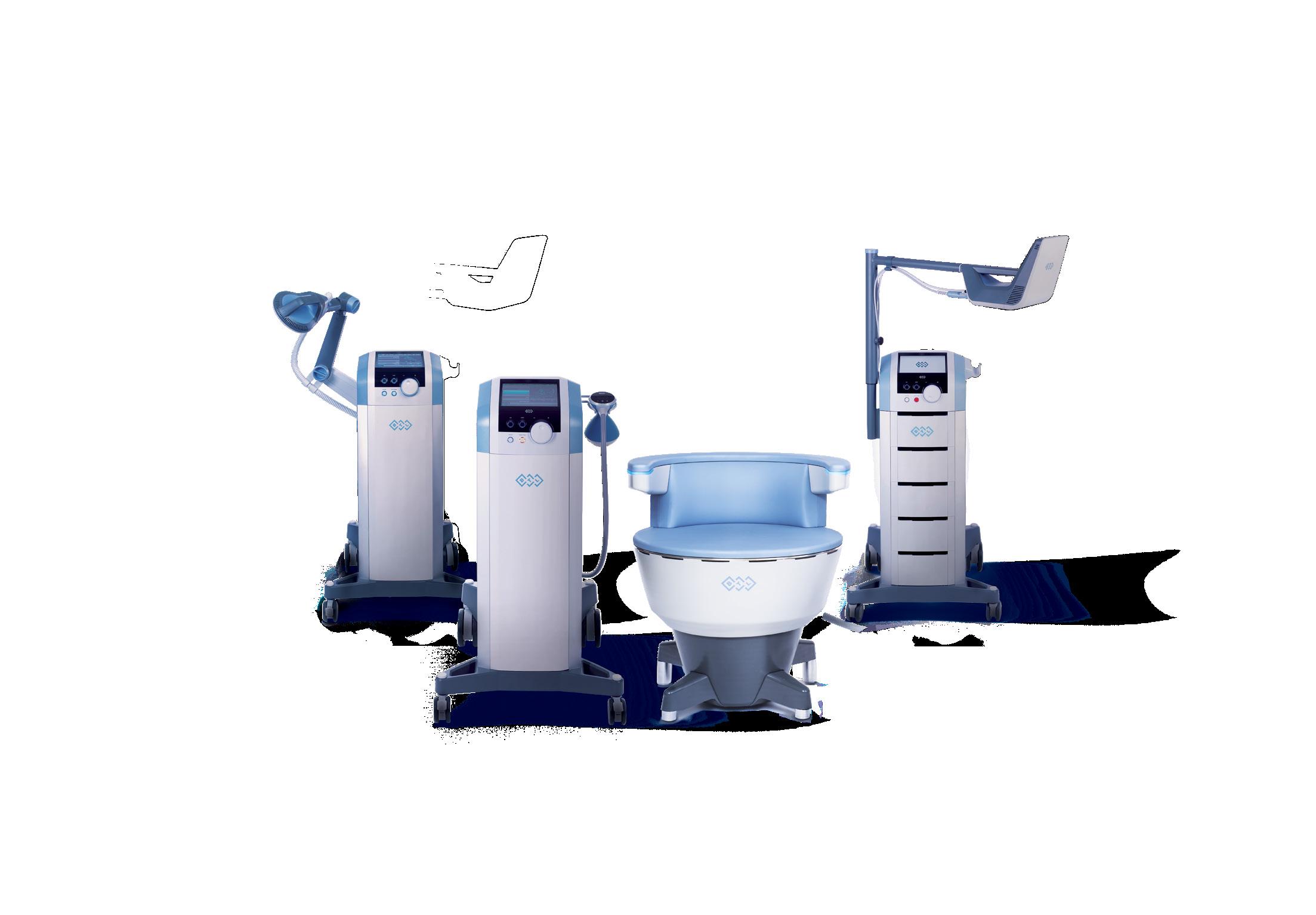
BY ELISSA O’BRIEN
I was taking a case history from a new patient, and I was hearing a very normal story of pain, dysfunction and illness, but what I was seeing in the patient was deeper. It was distress. I told the patient that I had listened to what they had told me and their story didn’t seem to match the level of discomfort I was observing in them, that when I see this in patients it’s often a sign of underlying trauma. The patient looked relieved and told me about a trauma that brought tears to my eyes. They had only told three people about their trauma due to shame, and they didn’t like to talk about it.
I then asked why the patient had decided to share the trauma with me so early in our process and they replied that it seemed important they told me by the way I phrased my statement. I could see that their body had changed significantly, they were less distressed, they were breathing differently, their face was more relaxed. A traumatic physical event 30 years prior had led to both physical health decline and mental health decline. Attempts to work in the mental health model alone had been too painful so I started working with this patient with osteopathic manual therapy and mental health awareness.
Osteopaths rarely work with pain in isolation. Day after day in clinical practice, people walk through the door carrying far more than restricted joints, irritated muscles or persistent
headaches. They arrive exhausted from broken sleep, emotionally stretched from stress, disconnected from their bodies, hyper-vigilant, shut down, overwhelmed, or simply struggling to cope with the ongoing effort of functioning. Many do not identify as having a mental health condition, yet mental and emotional strain are still very much present in the room. We have a privileged role when we acknowledge the whole person not only by having “thinking, feeling, seeing knowing touch” 1 but by intentionally holding space where both the mental and physical aspects of the patient can be seen, heard and integrated.
This is where osteopathy becomes more than a collection of manual techniques. Often, the most therapeutic part of the consultation is not the adjustment itself, but the quality of the interaction surrounding it. The tone of voice used when asking questions, the way consent is sought, the pace of treatment, the willingness to genuinely listen, and the capacity to make a patient feel safe enough to soften and shape the clinical outcome. Long before a technique begins, the therapeutic relationship has already started influencing the nervous system.
A biopsychosocial approach provides osteopaths with a framework for understanding these presentations without stepping outside professional scope.2 It allows clinicians
“Communication, reassurance, education, empowerment, and therapeutic alliance are not secondary extras added onto treatment; they are part of treatment.”
to acknowledge that persistent pain, fatigue, guarded movement, heightened reactivity and dysregulation are rarely explained by tissue mechanics alone. Fryer emphasises that osteopathic effects arise from interacting therapeutic mechanisms, including but not limited to tissue, neurological and psychosocial processes.2 Communication, reassurance, education, empowerment and therapeutic alliance are not secondary extras added onto treatment; they are part of treatment.
For many osteopaths, there may remain a degree of uncertainty regarding how to appropriately manage situations where mental health factors are part of the clinical presentation. Some clinicians worry that asking broader questions may lead them into counselling territory. Others intuitively recognise the emotional dimensions of patient care but lack a structured language for understanding what they are observing. This article aims to strengthen both confidence and clarity by integrating three complementary foundations that support whole person osteopathic practice while remaining ethically and professionally grounded.
The first foundation is Keyes’ mental health continuum, which reframes mental health as something broader than the absence of mental illness.3 This model is particularly relevant in osteopathic practice because many patients exist somewhere between flourishing and crisis. They may appear functional on the surface while simultaneously feeling depleted, disconnected, overwhelmed or stuck.
The second foundation is trauma-informed care.4 Traumainformed approaches focus on creating safety, predictability, trust, collaboration and choice within healthcare interactions. Importantly, trauma-informed care is not trauma therapy. It does not require osteopaths to become psychotherapists. Instead, it encourages clinicians to understand how stress and trauma can shape nervous system responses and how healthcare encounters themselves can either support regulation or unintentionally increase threat.
The third foundation is recovery-oriented practice.5 Recoveryoriented care shifts the focus away from symptom reduction alone and towards patient agency, meaning, hope, connection and empowerment. In osteopathy, this aligns closely with
supporting people to reconnect with their bodies, regain confidence in movement, and re-engage with meaningful aspects of life.
Together, these frameworks provide a practical and considered approach to patient care. They allow osteopaths to remain firmly within scope while still recognising the complexity of the people they treat. The aim is not to diagnose or manage mental illness. The aim is to practice osteopathy in a way that supports safety, regulation, resilience, and whole person functioning. This perspective also aligns closely with the philosophical foundations of osteopathy itself. Osteopathic principles have long emphasised the unity of body, mind and function, as well as the body’s inherent capacity for adaptation and self regulation. When viewed through a contemporary biopsychosocial lens, these principles become highly relevant to modern clinical practice.
Osteopathy as whole person care: reaffirming established principles
Osteopathy has always positioned itself as a whole person profession.6 The World Health Organization describes osteopathy as patient-centred and grounded in the relationship between structure and function.6 Similarly, the American Osteopathic Association outlines foundational osteopathic tenets that describe the person as a unit of body, mind and spirit, with structure and function reciprocally interrelated.7
While these statements are often repeated philosophically, they become far more meaningful when translated into clinical interaction. Contemporary models of osteopathic care further emphasise the integration of bodily, emotional and perceptual processes, highlighting how interoception and predictive mechanisms influence both pain and wellbeing.8 If osteopathy genuinely recognises the person as an integrated whole, then osteopaths are already justified in considering emotional stress, sleep disruption, overwhelm, fear, social pressures and nervous-system state as clinically relevant factors influencing pain and recovery.
This doesn’t mean that osteopaths become mental health practitioners. It means that clinicians acknowledge the reality that human beings do not separate themselves neatly into mechanical and emotional compartments. A patient experiencing persistent pain while caring for children, navigating grief, managing workplace burnout, or living in a state of chronic hyper-vigilance will often present differently from someone whose pain exists in relative isolation. The osteopath therefore needs more than technical skill alone. They need the capacity to observe, listen, adapt and respond to the person in front of them.
Fryer provides an important bridge between osteopathic philosophy and contemporary biopsychosocial care. He suggests that osteopathic management should account for biological and psychosocial contributors to pain and disability, and that communication, reassurance, education and empowerment are integral therapeutic mechanisms.2 Seen through this lens, many of the most important osteopathic skills are interpersonal rather than purely mechanical. The way a practitioner explains pain can either increase fear or reduce it. The way touch is introduced can
either reinforce safety or heighten guarding. The pace of treatment can either support regulation or overwhelm an already dysregulated nervous system.
In many ways, the profession already possesses the philosophical foundations needed for this work. The challenge is less about inventing a new model of care and more about deepening the interpersonal and biopsychosocial dimensions that have always existed within osteopathic practice.
Grounded in the osteopathic understanding that health is more than the absence of disease, mental health is recognised as existing along a continuum rather than within a simple well or unwell binary. Keyes challenged the limiting assumption that mental health is merely the absence of mental illness.3 His continuum model describes a spectrum ranging from flourishing to languishing. A person may not meet diagnostic criteria for depression or anxiety while still experiencing low wellbeing, emotional exhaustion, reduced resilience, disconnection, and diminished capacity to cope.
This middle space is incredibly familiar within osteopathic practice. Many patients are technically functioning. They are going to work, parenting, studying, exercising, or maintaining daily responsibilities. Yet beneath this appearance of coping, they often describe poor sleep, brain fog, irritability, overwhelm, persistent tension, emotional fatigue, reduced stress tolerance, or a sense that they can never fully switch off. These patients frequently present with persistent pain syndromes, headaches, fatigue, breath holding patterns, heightened sensitivity, diffuse muscular tension, or difficulty relaxing during treatment. Some struggle to settle onto the treatment table. Others appear constantly braced, vigilant, or disconnected from bodily awareness. Importantly, recognising this does not require diagnosis or pathologising.
“Grounded in the osteopathic understanding that health is more than the absence of disease, mental health is recognised as existing along a continuum rather than within a simple well or unwell binary.”
A continuum perspective allows osteopaths to acknowledge reduced coping capacity and nervous system strain without labelling the patient as mentally ill. It creates language for understanding that a person may be depleted without being in crisis. This matters because the clinical response changes when the practitioner understands the broader context. Rather than approaching the body as a purely mechanical problem to be fixed, treatment becomes more supportive, collaborative, paced and regulation focused.
Sleep disturbance provides a good example. Chronic pain and sleep disruption are strongly interconnected, with each influencing the other.9 A patient who is exhausted, hyperaroused and sleeping poorly will often experience amplified pain sensitivity, slower recovery, reduced emotional tolerance and increased bodily vigilance. In this context, the osteopath’s role is not to diagnose or treat mental health in isolation. Instead, the role becomes supporting the person’s overall capacity to regulate, recover and function.
This may involve reducing physical threat through gentler treatment pacing, helping the patient feel safer in their body by providing treatment options and additional comfort such as warmth or varied lighting, providing reassurance and clear explanation, validating the difficulty of persistent symptoms and creating realistic and collaborative treatment goals.
The continuum model also supports earlier intervention. Patients do not need to reach crisis point before receiving help from compassionate, attuned, biopsychosocial care. In fact, many osteopathic consultations may represent one of the few healthcare spaces where a person feels genuinely listened to before reaching that level of overwhelm. A patient may return for subsequent treatment simply because they connect the feeling of the experience with a safe place to reset. I recently started treating a highly functioning 8-yearold who feels easily overwhelmed at school. His mother brings him for treatment when his behaviour indicates stress and lack of self-regulation. He has not enjoyed the treatment experience; however, we have observed his body becoming more still each time. At his most recent appointment, as he was leaving, he asked when he would come back and I explained that his mum would book him in when she felt he needed another treatment. He decided that he would be ready to attend in three weeks. The look on his mum’s face supported my assumption that he had accepted the treatment experience as supportive for his body. He had chosen to return.
Trauma-informed care is often misunderstood. Many clinicians hear the word trauma and immediately assume they are expected to become trauma therapists or invite disclosure of deeply personal experiences. In reality, trauma-informed care is far simpler and far more practical than this. Trauma-informed care is fundamentally about understanding that experiences of trauma, chronic stress, neglect, adversity, loss, violence, bullying, medical trauma or prolonged overwhelm can shape the nervous system and influence how people experience healthcare interactions.
“These conversations provide clinically valuable information while simultaneously supporting agency and therapeutic alliance.”
SAMHSA defines trauma-informed care as an approach that recognises the widespread impact of trauma, responds to signs of distress, integrates knowledge about trauma into practice, and actively works to avoid re-traumatisation.4 For osteopaths, this is highly relevant because touch, positioning, physical proximity, vulnerability, and practitioner authority are built into the treatment environment itself. Additionally, a trauma-informed osteopath recognises that protective responses are not necessarily resistance or non-compliance. Guarding, shutting down, breath holding, dissociation, hyper-vigilance, agitation, flinching, or difficulty relaxing may represent adaptive nervous system responses developed through previous experiences.
This can shift the clinician’s mindset significantly. Instead of asking: Why is this patient difficult to treat? The clinician may ask: “What might this patient’s nervous system be protecting them from?”
This subtle shift changes the entire tone of the interaction. Trauma-informed care emphasises several key principles including safety, trustworthiness, transparency, collaboration, empowerment, voice and choice. In osteopathic practice, these principles are expressed through ordinary clinical behaviours. Safety is created through predictability, clear explanations, pacing, and respectful communication. Trust develops when practitioners follow through consistently, explain what they are doing, and avoid dismissing symptoms. Collaboration emerges when treatment becomes something done with the patient rather than to the patient. Choice becomes visible when patients know they can pause, decline, modify, or stop treatment at any point.
These principles do not require dramatic changes to practice. Often, they involve small but powerful shifts in our inner voice before we communicate with the patient:
“What might this patient be needing in order to feel safe right now?”
“What is this patient’s system communicating through this response?”
“What conditions would allow this patient’s system to settle or engage more comfortably?”
“What protective responses might be shaping this presentation?”
“How is this patient’s nervous system organising itself in this moment?”
“What might my role be in either increasing or reducing a sense of safety here?”
“How can I adapt my approach to better support this patient’s capacity to engage?”
“What might be happening beneath what I’m observing?”
“Where might I need to slow down, soften, or listen more closely?”
“Am I meeting this patient where they are, or where I expect them to be?”
This thought process subtly shifts our interaction with the patient:
• from judgement to curiosity
• from behaviour to meaning
• from technique to relationship and safety
Importantly, trauma-informed care also helps osteopaths avoid unintentionally increasing threat. Rushing into highly invasive techniques, failing to explain touch, minimising distress, or forcing patients through discomfort may all amplify nervous-system activation. By contrast, treatment that prioritises predictability, consent, responsiveness and attunement often allow the nervous system to settle enough for therapeutic change to occur. In this way, safety itself becomes a clinical skill.
Recovery-oriented practice: supporting agency, meaning and hope
Recovery-oriented care offers another valuable framework for osteopathic practice because it focuses less on symptom elimination and more on helping people reconnect with meaningful life. Leamy et al. synthesised recovery literature into the CHIME framework, which includes:5
• Connectedness
• Hope
• Identity
• Meaning
• Empowerment
These themes are highly relevant to people living with persistent pain and chronic dysregulation. Many patients gradually lose trust in their bodies. Some stop exercising because movement feels threatening. Others withdraw socially because they are exhausted or fearful of flareups. Some begin to see themselves primarily through the identity of being injured, unwell, or fragile. Pain therefore affects far more than tissues. It affects identity, confidence, relationships, purpose and autonomy. A recovery-oriented osteopathic approach recognises this broader impact. Rather than defining success purely through pain reduction, treatment also aims to support increased confidence in movement, improved body trust, better participation in meaningful activities, greater self-efficacy, reduced fear and helplessness and restored sense of agency.
This approach aligns closely with Fryer’s emphasis on reassurance, education, empowerment, and biopsychosocial management.2 Importantly, recovery-oriented care does not
rely on false positivity or unrealistic reassurance. Hope is not created by promising quick fixes. It emerges when patients feel understood, involved, and able to influence their own recovery, often reflected in moments where they recognise their body is not broken, that movement is not inherently dangerous, and that trust in themselves can begin to return.
The consultation as treatment: rethinking the clinical interaction
In many healthcare settings, case-history taking can become rushed and mechanical, especially when the practitioner is operating from a limiting perspective or is buried deep in their own goals and outcomes of treatment. Questions are asked rapidly in order to extract information efficiently. Within a biopsychosocial and trauma-informed framework, however, the history itself becomes part of the therapeutic process. The way a clinician listens can influence the nervous system state of the patient. A patient who feels interrupted, doubted, or reduced to symptoms may become increasingly guarded. By contrast, a patient who feels heard and respected often visibly softens during the interaction. This does not require excessively long consultations or counselling-style conversations. Often, it simply requires curiosity, attunement, and a willingness to understand how the problem is affecting the person’s life.
Questions such as:
“What’s been the hardest part of this for you?”

“What do you miss doing?”
“Do you notice additional things in your environment that aggravate your symptoms?”
“What helps even slightly?”
“What would feel like progress to you?”
These invite the patient into collaborative, reflective exploration. These conversations provide clinically valuable information while simultaneously supporting agency and therapeutic alliance. Most commonly when I am asking a patient about a physical trauma, I will ask them to tell me their story. After I’ve heard their description of the event I will be interested in who was around to support them, or who was the person they turned to first; and what did that support look like, feel like, and was it enough? I once treated an older lady who had slipped in a flooded section of her garden. She told me that lots of people visited her offering to help with shopping or cleaning or walking her dog. She was grateful for the help, but she wished someone had offered to make her a cup of tea. She felt everyone was in too much of a hurry and she needed help to slow herself down. This is an example of a request for co-regulation and support, illustrating the importance of attuned relational engagement in facilitating nervous system regulation, as opposed to solely providing instrumental care.
Introducing NEW BioCeuticals Ultra Muscleze® Night + L-Theanine, formulated to support the body to rest and recharge in a convenient tablet.
At the centre of the formula is UltraMag®, a proprietary blend of highly bioavailable magnesium amino acid chelate, including glycinate. This advanced form of magnesium supports healthy sleeping patterns, muscle relaxation, and helps relieve excess nervous energy when dietary intake is inadequate.
OSTEOPATHY AUSTRALIA
CONFERENCE SPONSOR
Clinically trialled AlphaWave® L-Theanine helps calm the mind, relieve symptoms of stress and soothe the nerves, supporting a more relaxed state as you prepare for sleep.
The addition of myo-inositol, alongside magnesium, helps support nervous system health.
Formulated by practitioners - BioCeuticals’ unique sleep combination works in harmony to ease physical tension and quiet the mind, supporting a more restorative night’s rest for a refreshed start to the day.

Allowing space without becoming a counsellor
A common fear among osteopaths is that opening the door to broader discussion will lead patients into detailed emotional disclosure beyond the clinician’s scope. Traumainformed care offers a helpful distinction here. The goal is not to encourage disclosure. The goal is to create a safe environment where the patient can share what feels relevant to their care. Simple framing statements can make this easier: “I can feel your body holding a bit here. Sometimes our protective nervous system connects with how things have been outside of the body, such as your environment and the people you share your space with. Has anything been impacting you around this?” This approach respects autonomy while keeping the consultation appropriately contained. The clinician is not analysing trauma; they are simply recognising context.
Listening as a clinical intervention
Listening is often underestimated in healthcare because it appears passive. In reality, effective listening is highly active. Being genuinely listened to can reduce shame, defensiveness, fear and isolation. It can also help clinicians understand where a patient may sit along the continuum from flourishing to languishing.10 Helpful listening behaviours include reflecting back key phrases, validating distress without diagnosing, tolerating pauses, avoiding premature reassurance and remaining curious rather than assumptive
For example:
“That sounds exhausting.”
“It makes sense that your system feels overloaded.”
“That’s a lot to be dealing with alongside the pain.”
“That sounds like it’s been really demanding.”
“It seems like your body’s been under a lot of tension.”
“It sounds like this has been ongoing for quite some time.”
These responses acknowledge the patient’s experience without pathologising it. The therapeutic alliance that develops through this kind of interaction becomes clinically important in itself.10
Touch as communication: trauma-informed manual therapy
Touch is never purely mechanical. Within osteopathic treatment, touch communicates safety, pace, confidence, attunement, respect and intention. For some patients, touch may feel deeply regulating and grounding. For others, it may initially feel vulnerable, overwhelming, invasive or difficult to tolerate. This can be frustrating for a manual therapist if you feel that touch is your only therapeutic tool. Trauma-informed osteopathy therefore views consent as an ongoing process rather than a one-time formality. Ongoing explanations of the anatomy and why we are using certain contact, while checking it feels safe for the patient, is important as is letting the patient know that we have a large technique toolbox. Everything is adaptable and if it doesn’t feel safe now, it may feel safe another time or never.
“The goal is not to avoid all discomfort. Rather, the goal is to ensure that treatment remains tolerable, collaborative, and regulating rather than overwhelming.”
Simple check-ins such as “Is this pressure okay?”, “Would you prefer I work through clothing?”, “How are you feeling in this position?”, and “Please let me know if anything feels too invasive” help maintain collaboration and ensure the patient remains comfortable and in control throughout treatment. These interactions reduce power imbalance and reinforce bodily autonomy. Many osteopaths speak about developing listening hands. Within a biopsychosocial framework, this can be understood less as mystique and more as attunement. Attunement involves noticing things like changes in breathing, shifts in muscle tone, withdrawal or flinching, facial expression, guarding, dissociation, increased agitation, settling or softening.
These responses provide valuable information about nervous system state. A patient who becomes increasingly guarded during treatment may not need less pressure. They may need less threat.
This may involve:
• slower movements
• broader contact
• pressure with a softer contact (sometimes our hands become rigid)
• more predictable techniques
• increased explanation
• treatment positions that feel less vulnerable or more coverings such as towels or soft blankets
• shorter hands on treatment duration
• more frequent check-ins
The goal is not to avoid all discomfort. Rather, the goal is to ensure that treatment remains tolerable, collaborative and regulating rather than overwhelming. This perspective also reframes the purpose of treatment. Sometimes the most meaningful therapeutic outcome is not a dramatic mechanical change, but the experience of:
• being touched safely
• being acknowledged
• feeling listened to
• sensing the body soften voluntarily
• reconnecting with bodily awareness
• experiencing less internal threat
Being the practitioner who can provide these healing opportunities can be extremely rewarding. From this perspective, touch is not merely mechanical, but contributes to how the patient perceives and interprets their internal state. Osteopathic care may therefore influence both bodily sensation and meaning-making processes through embodied and interoceptive mechanisms.8
Breathing in context:
more than a mechanical process
Breathing is frequently discussed within osteopathy, particularly in relation to the diaphragm, autonomic regulation and nervous system state. Research has explored links between breathing patterns, emotional regulation, stress physiology, and pain perception.11,12 Slow breathing practices have demonstrated psycho physiological effects associated with improved autonomic balance and reduced arousal. Courtney highlights that breathing patterns are not purely driven by metabolic demands, but are significantly influenced by emotional and cognitive processes, with stress and anticipation altering respiratory regulation and patterning.13 Building on this, improvements in mental and emotional ease are often accompanied by corresponding changes in breathing patterns, reflecting shifts in autonomic state and perceived safety.
From a mental health perspective, breathing is intricately linked to how individuals regulate internal states. Patterns such as breath holding, shallow breathing or over breathing can reflect heightened arousal, vigilance or attempts to maintain control. In this way, breathing becomes part of the body’s broader strategy for managing stress and maintaining psychological safety. This perspective aligns with emerging osteopathic-informed frameworks that emphasise the role of interoception and predictive processes in shaping both bodily sensation and emotional experience.8
Within a trauma-informed osteopathic framework, breathing is therefore best understood as a marker of state rather than the sole focus of intervention. Consistent with Courtney’s findings, altered breathing patterns can be viewed as integrated psychophysiological responses, reflecting how the individual’s nervous system is organising in relation to both internal experience and external demands.13 Rather than attempting to correct breathing in isolation, the clinician attends to the conditions that may be maintaining it.
When a patient begins breathing more freely during treatment, this often reflects a broader shift occurring within the nervous system and emotional state.
The patient may feel:
• safer
• more understood
• less defended
• less threatened
• more connected to their body
• more capable of letting go
In other words, breathing changes because the person feels different, not simply because the breath has been directed to change. This reflects the relationship between emotional and physiological processes, where breathing both influences and responds to changes in internal state.13
This perspective prevents prescribed breathing exercises from becoming overly reductionist. While breathing has a significant role in influencing physiology and supporting regulation, it sits within a broader context that includes relational safety, pacing, consent, and therapeutic alliance. Breathing, in this sense, becomes both an indicator and mediator of mental health processes, reinforcing the need to understand it within a biopsychosocial and trauma-informed framework rather than as an isolated mechanical target. In the clinical setting it is valuable to prescribe breathing practices that specifically reflect the individual needs of that patient at that time in their recovery. Breathing should not be approached as a generic, one-size-fits-all intervention. When it is tailored to the individual, reflecting both their physical presentation and emotional state, it can strengthen trust in the practitioner and enhance the therapeutic relationship.
Patient #1 presents with chronic neck and upper thoracic pain, alongside poor sleep, difficulty switching off mentally, irritability, and persistent tension. Although they continue functioning at work, they report feeling exhausted and emotionally depleted.
“This approach allows the patient to feel heard and understood, while also helping the clinician build a more complete picture of the factors influencing the presentation.”
Rather than framing the presentation purely in biomechanical terms, the osteopath approaches the consultation with curiosity about the broader context in which the symptoms occur. Questions explore not only aggravating factors and functional limitations, but also the patient’s lived experience:
“What have you noticed tends to bring this on or make it worse?”
“How have your sleep and stress been affecting how your body feels?”
“What have you had to reduce or stop because of this, and what’s that been like for you?”
“What are you hoping to return to through treatment?”
“A biopsychosocial and trauma-informed approach does not require osteopaths to step outside professional boundaries.”
Further questions gently open space for emotional, environmental, and relational influences:
“How have things been for you generally in life lately?”
“What was happening around the time this started or worsened?”
“How manageable does everything feel at the moment?”
“Do you feel like you’ve had support while dealing with this?”
These questions allow the patient to situate their symptoms within their wider experience, creating an opportunity for emotional or contextual factors to emerge without assumption or pressure. The clinician listens attentively, reflects key themes, and validates the difficulty of the experience without pathologising or assigning diagnostic labels. Interestingly, this level of interaction doesn’t always elicit an instant sharing by the patient, they may present at another appointment with the awareness that you are interested in more than simply their structure. This approach aligns with biopsychosocial and trauma-informed models of care, which recognise that physical symptoms are shaped by the interaction of biological, psychological, and social factors, and that a sense of safety, agency, and understanding can directly influence clinical outcomes. The clinician validates the difficulty of the experience without diagnosing anxiety or mental illness. Treatment is paced predictably for the patient with the pacing reflecting the ongoing consent.
The patient may leave feeling calmer, more understood, and more hopeful. In a subtle way the clinician has instilled in the patient knowledge that safe and empowering treatment focuses on nervous system sensitisation, sleep, movement confidence, and practical self management rather than structural fragility. The osteopath has not treated mental health. They have supported regulation and function within a biopsychosocial framework.
Patient #2 presents with persistent rib pain that has been ongoing for several months. They report having seen multiple practitioners, with only short term or minimal relief. Alongside the pain, they describe poor sleep, difficulty relaxing, and a sense of ongoing tension. Although they continue with daily responsibilities, they feel frustrated, fatigued, and increasingly discouraged.
Rather than approaching the presentation purely biomechanically, the osteopath maintains curiosity about the broader context, recognising that repeated treatment experiences and ongoing symptoms can shape how the patient relates to their body and care. In this case where the patient has a frustrating history not only with the pain but with their attempts to seek help it can be helpful to ask the patient to simply tell their story. The practitioner may focus primarily on listening while writing notes on what is clinically relevant but holding a listening space for as long as the patient needs.
Specific questions might explore not only the physical characteristics of the pain, but also the patient’s experience of it:
“What have you noticed about specific environments that tends to bring this on or make it worse?”
“How has this been affecting your mood day to day?”
“What has it been like going through this for so long?”
Given the history of multiple practitioners, the clinician also explores the patient’s previous care experiences:
“What have you tried so far, and how has that been for you?”
“What are you hoping might be different from treatment this time?”
“What’s felt helpful, and what hasn’t?”
“How have those experiences shaped how you’re feeling about this now?”
As the consultation develops, the osteopath gently opens space for emotional and contextual factors:
“What else has been happening around the time this has been ongoing?”
“How manageable does everything feel at the moment?”
“Do you feel like you’ve had support while dealing with this?”
When the patient shares frustration, fatigue, or discouragement, the clinician responds with simple, attuned reflections:
“That sounds really frustrating, especially after seeing so many people.”
“It makes sense you’d feel worn down by this being ongoing.”
“It seems like it’s been taking a toll, not just physically.”
These responses acknowledge the cumulative emotional impact of persistent pain and repeated care experiences, without pathologising or overstepping scope. The patient’s experience is recognised, rather than minimised or redirected purely toward structure and mechanics.
This approach allows the patient to feel heard and understood, while also helping the clinician build a more
complete picture of the factors influencing the presentation. In doing so, care becomes not only biomechanically informed, but relationally and contextually responsive, consistent with biopsychosocial and trauma-informed principles.
A biopsychosocial and trauma-informed approach does not require osteopaths to step outside professional boundaries. In fact, clear boundaries are part of safe practice. Osteopaths are not expected to diagnose mental illness, process trauma histories, or provide psychotherapy.
What they can do is:
• Recognise signs of overwhelm or dysregulation
• Adapt treatment appropriately
• Communicate safely and respectfully
• Support agency and nervous system regulation
• Encourage collaborative care when needed
• Refer appropriately when additional support would be beneficial
This might involve suggesting that a patient speak with their GP, psychologist, psychiatrist, sleep specialist or pain management team. Importantly, referrals can be framed in empowering rather than pathologising language. For example:
“It could be helpful to have some additional support around sleep and stress while we continue working physically.”
or:
“There may be other practitioners who could complement the work we’re doing here.”
If the patient is initially hesitant to seek face to face psychology there are many telephone or messaging based helplines available such as lifeline or beyond blue. These may be helpful as a first step in seeking mental health support.
Elissa O’Brien B.Sc (Clin Sci) M.H.Sc (Ost), Grad Cert (Mental Health) is an osteopath and principal practitioner at Atrium Osteopathy in Balwyn North and Ringwood, Melbourne. Since graduating from Victoria University in 1998 she has worked extensively in private practice and lectured internationally on topics including tongue tie, endometriosis, osteopathic diagnosis, and palpation. In 2024, Elissa commenced a Graduate Certificate in Mental Health to deepen her understanding of the relationship between emotional and physical health within osteopathic care. She is passionate about a holistic osteopathic approach that considers physical, emotional and environmental influences in supporting patient wellbeing and restoring health.
This maintains dignity and avoids unnecessary diagnostic labelling. The osteopath remains within scope while still responding compassionately to the complexity of the patient’s experience.
Osteopaths do not need to become mental health clinicians to practise with mental health awareness. Rather, meaningful therapeutic impact often arises not from highly specialised techniques alone, but from the quality of the clinical interaction itself. The way an osteopath listens, explains, seeks consent, adapts pacing, and responds to both physical and emotional cues directly influence nervous system regulation and clinical outcomes. Subtle shifts such as recognising protective responses, inviting context or validating experience can alter how safe a patient feels within their body and within the therapeutic relationship.
Keyes’ continuum model highlights that many patients present in a space between health and illness, functioning outwardly while internally depleted, overwhelmed or languishing. Within this context, breathing patterns and bodily tension may be understood as expressions of underlying emotional and physiological states, rather than isolated dysfunctions.3 Courtney’s work reinforces this perspective, that breathing reflects integrated psychophysiological processes shaped by stress, perception and adaptation.13 As such, changes in breathing during treatment often signal broader shifts in regulation, safety and internal experience.
Trauma-informed care provides a practical framework for responding to these dynamics, emphasising safety, collaboration, autonomy and trust. Similarly, recoveryoriented practice draws attention to the importance of agency, meaning, connection, and the restoration of self-trust in the healing process. These approaches do not extend osteopathy beyond its scope but rather deepen the clinician’s capacity to respond to the person as a whole.
Fryer’s biopsychosocial osteopathic understanding brings these perspectives together within contemporary practice.2 Rather than moving osteopathy away from its origins, this integrative approach reflects a return to its foundational principle; treating the person, not simply the body part.
When patients feel safe enough to soften, understood enough to engage, and supported enough to participate actively in their recovery, physiological change often follows.
In this way, the therapeutic interaction itself becomes an integral component of care. In many cases, it is not only what the osteopath does, but how they are with the patient that shapes the outcome, making the interaction itself one of the most significant therapeutic interventions available.
Scan for references
To find the full list of references for this article, scan the QR code here.
Research isn’t just for academics. Every osteopath can use research to improve patient outcomes, strengthen clinical decision-making, and provide the best possible care.
At our recent Osteopathy Australia research planning workshop, one question emerged repeatedly:
How do we encourage more osteopaths to engage with research?
The discussion highlighted an important insight. While research is essential to the future of the profession, many clinicians do not see themselves as “researchers”, and may be unsure where they fit in the research landscape. The reality is that meaningful engagement with research does not require a career in academia.
In fact, we do not need 100% of the profession to become researchers. We do, however, need 100% of the profession to be supporters of research.
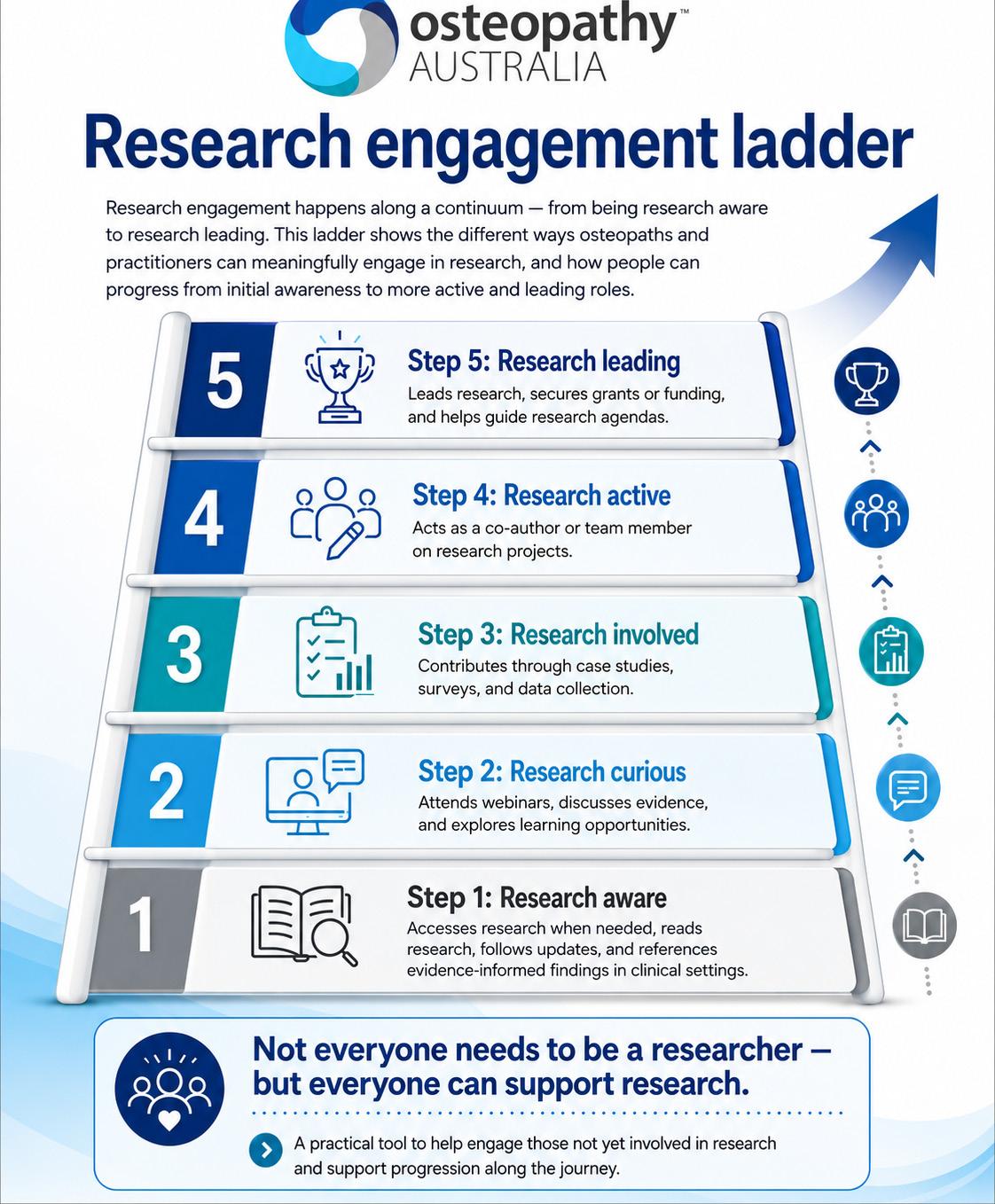
Research strengthens clinical practice, informs healthcare decision-making, demonstrates the value of osteopathic care, and helps ensure the profession continues to grow and evolve. Every osteopath has a role to play in that journey.
To help make research more accessible, Osteopathy Australia has developed the research engagement ladder
The ladder provides a practical framework recognising research engagement as a continuum rather than a single destination.
It illustrates the many ways clinicians can contribute to research throughout their careers, from staying informed and applying evidence in practice through to collaborating on projects, mentoring others, and leading research initiatives.
Importantly, every level of engagement is valuable. Progression is not about reaching the top of the ladder; it is about finding the level that aligns with your interests, goals, experience, and available time.
A simple question sits at the centre of the framework:
Where are you on the research engagement ladder?
Supporting your journey
Osteopathy Australia is committed to supporting members at every stage of the ladder.
We recognise that clinicians have different interests, capacities, and career aspirations. Some members may wish
Step 1: Research aware Understanding why research matters
Step 2: Research curious Beginning to engage and ask questions
Step 3: Research involved Contributing without leading
Step 4: Research active Taking an active role in research projects
Step 5: Research leading Shaping research direction and culture
to stay informed about emerging evidence, while others may be interested in contributing to projects, undertaking higher degree research, or building a research leadership profile.
Whatever your starting point, our role is to help create clear and accessible pathways for engagement.
This includes:
• Providing practical entry points into research, from evidence-informed practice through to project participation
• Connecting members with mentors, collaborators, and research networks
• Investing in research through funding and grant opportunities
• Offering education, training, and professional development opportunities
• Sharing success stories and examples of research making a difference in practice
Whether you identify as research aware, research curious, research involved, research active or research leading, there is a place for you on the ladder.
By supporting members at every stage of engagement, we can build a stronger research culture for the profession – one where clinicians are empowered to contribute, research is relevant to practice, and evidence continues to strengthen osteopathic healthcare.
The Research Engagement Ladder below outlines the different stages of involvement and examples of how you can participate at each level.
• Read plain-language research summaries and clinically relevant articles
• Attend Osteopathy Australia webinars, conference sessions, and podcasts on research and evidence
• Follow Osteopathy Australia research updates, impact stories, and research-related communications
• Attend research-focused conferences, workshops and events
• Connect with mentors, researchers or peers involved in research
• Join our research pathways mentoring program
• Contribute to student and professional surveys
• Develop and share clinical case studies
• Participate in surveys or data collection initiatives (e.g. ORION, PROMs)
• Collaborate with university researchers on established projects
• Support student research placements or projects within your practice
• Undertake practice-based research or quality improvement activities
• Collaborate with university researchers on defined projects
• Enrol in a master’s research or PhD program (if pursuing a clinician researcher or academic pathway)
• Co-design or co-author research with academic collaborators
• Develop research ideas and apply for Osteopathy Australia Research Foundation (OARF) funding opportunities
• Lead practice-based research or quality improvement projects
• Present research findings at conferences and through OA publications and channels
• Lead research programs and collaborative research initiatives
• Mentor clinicians, students and emerging researchers
• Publish research in peer reviewed journals
• Participate in international leadership and capacity building initiatives (e.g. International Osteopathy Research Leadership and Capacity building program)
Osteopathy Australia is progressing its Targeted Call for Research (TCR) into Stage 3, marking an important milestone in strengthening the evidence base for osteopathy and its role within Australia’s healthcare system.
The TCR Grant Scheme was developed as a one-off initiative to address key evidence gaps, build research capacity, and understand how osteopathy and allied health can compete within major national funding schemes. It supports high-quality, strategically aligned research and positions applicants to pursue Category 1 funding, while generating insight into what is required to succeed at that level.
The call sought proposals across priority musculoskeletal areas including nonspecific neck pain, migraine, and low back pain and attracted strong interest. A key focus has been research into chronic low back pain, reflecting its significant burden on patients and the health system, and the need for effective, non-pharmacological, team-based care approaches.
This research is expected to deliver meaningful benefits. For patients, it supports improved pain, function, and quality of life through coordinated, patient-centred care that reduces reliance on medications and enhances participation in work and daily activities. For practitioners, it provides clearer evidence to guide clinical decision-making, strengthen
multidisciplinary collaboration, and support more effective referral pathways within primary care. For the profession, it builds a robust, policy-relevant evidence base demonstrating the clinical and economic value of osteopathy, supporting greater integration within health systems and stronger positioning in national funding and policy priorities.
Following a rigorous three-stage process, a shortlisted low back pain project will now proceed to Stage 3, supported to submit a national competitive grant application with up to $100,000 in co-funding (plus in-kind support), contingent on external funding success from Osteopathy Australia.
Beyond funding, the TCR is strengthening collaboration between clinicians, researchers, and institutions, while creating clearer pathways for osteopaths to engage in research and contribute to evidence-informed care.
Reaching Stage 3 reflects a profession that is increasingly connected, capable, and engaged in shaping its future. While this is significant progress, it forms part of a longer journey. The outcome of the national grant application will be known over the coming year, but this step already demonstrates strong momentum toward a more confident, credible, and research-active profession.

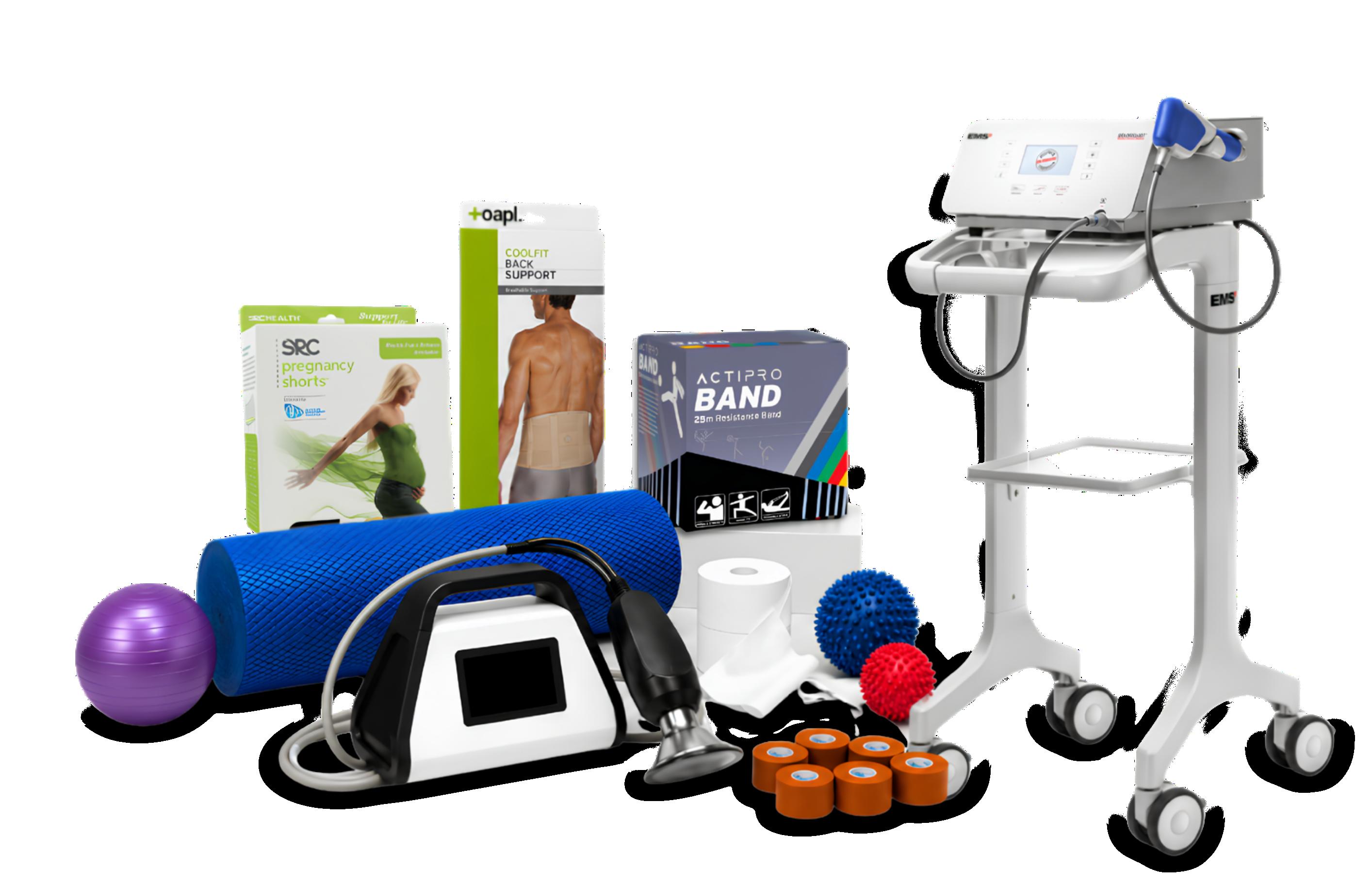
A smooth finish
Enjoy a smooth, confident transition out of practice with the peace of mind our
Building and evolving
We stay by your
Finding your path
Establishing your career is easy with the ability to tailor your policy to reflect the hours you work and your day to day scope of practice.
Starting out Guild helps ease the transition into professional practice with reduced graduate rates for OA members.
Your osteopathy career is shaped by care, commitment, and growth. At Guild Insurance, we’re here to support that journey from day one, starting with exclusive reduced graduate rates for Osteopathy Australia members during your first three years of practice.
We stay by your side throughout your career, no matter what direction it takes, with access to dedicated
account managers, specialist claims and legal support, and cover tailored to your day‑to‑day scope of practice. We also help you stay ahead with practical risk education, industry advocacy, and flexible payment options that make managing your policy easy.
And when you reach retirement, we continue to stand with you through free run‑off cover, providing you with
lasting peace of mind.
Join the 75% of Australian osteopaths who choose Guild to protect their livelihood and reputation. Find out how you can be part of something bigger by visiting guildne.ws/OsteoLife or calling 1800 810 213 today.

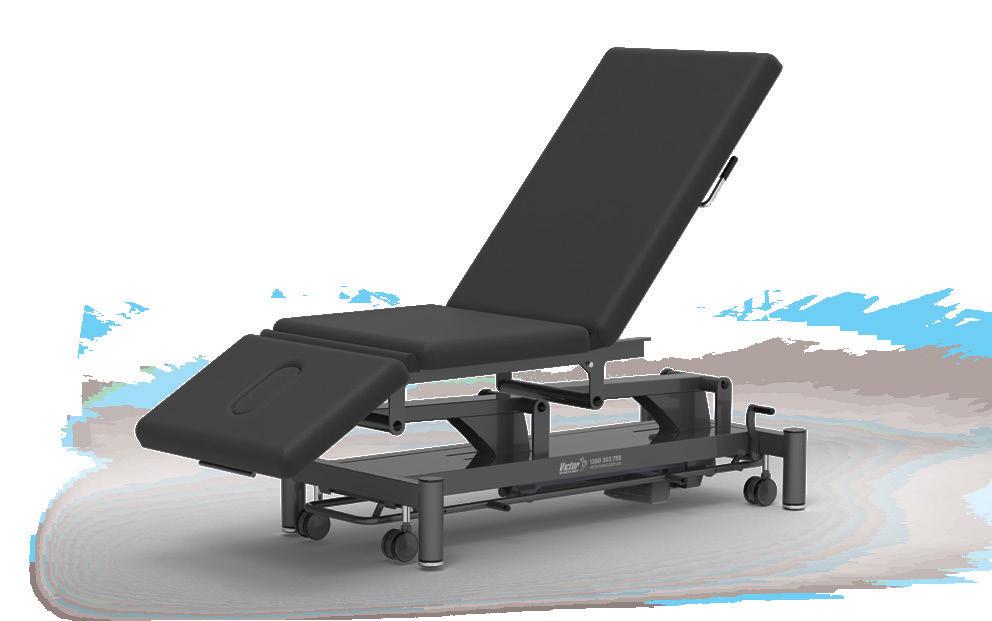
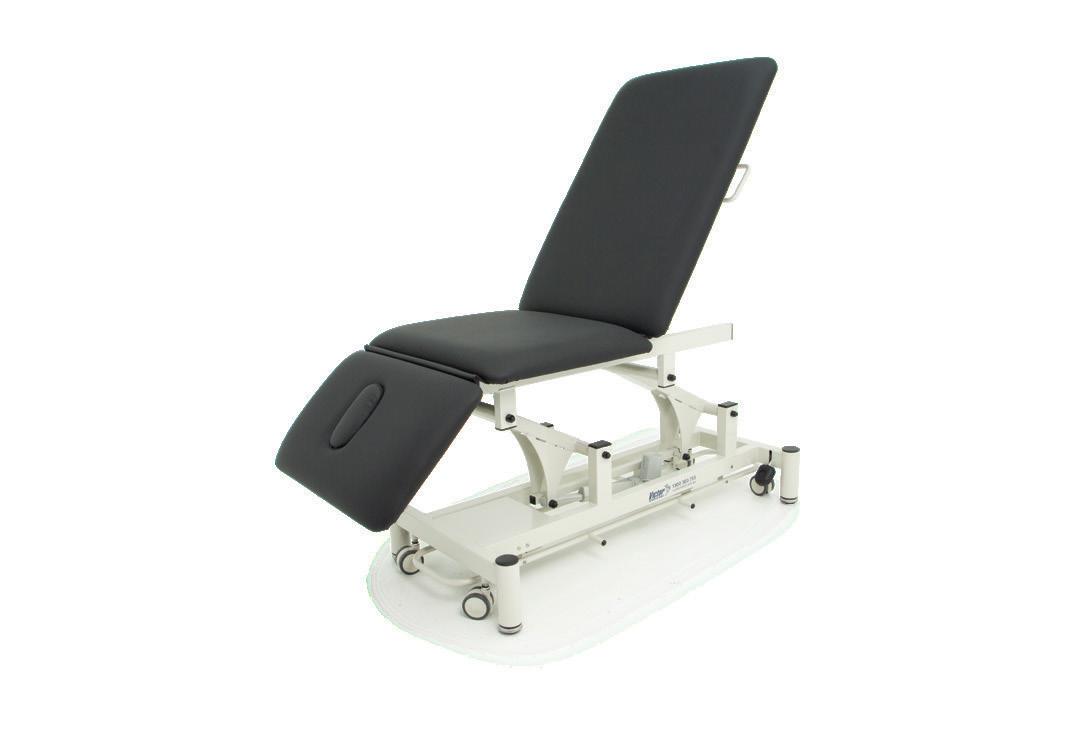
The Victor Pro Series 3-Section Treatment Table offers an exceptionally robust treatment platform, featuring dual gas struts to support both the head and leg sections. An ideal choice for those seeking a premium look and feel without compromising on safety & functionality.
The Victor Pro Series Short Head 3-Section Treatment Table offers an exceptionally robust treatment platform, featuring dual gas struts to support both the head and leg sections. An ideal choice for those seeking a premium look and feel without compromising on safety & functionality.
The preferred choice of physiotherapists this short head table provides a strong platform for treatments. With a gas strut supported head and backrest coupled with a smooth hi-lo operation this table represents great value.
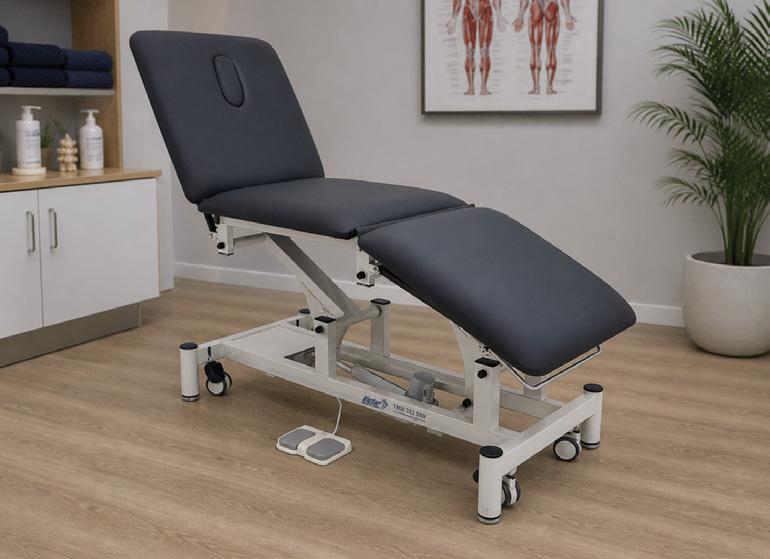

The Nu-Tek Shock Physio Unit uses EMB (Electromagnetic Ballistics) technology to offer powerful ESWT treatment and features built in guided protocols and the user friendly functions that has made the Nu-Tek range one of Australia’s favourites.
Features and Benefits:
• 60 - 225 mJ (1.0 - 5.0 Bar on wired handpiece)
• 60 - 185 mJ (1.0 - 4.0 Bar on wireless handpiece)
• 1-22 Hz Frequency
• Modern 7 inch touchscreen
• Guided treatment protocols
• The Two-In-One Unit comes with: 1 (one) corded hand piece and 1 (one) wireless hand piece and a stand for the one of the hand pieces
$9,500.00+GST $14,500.00+GST
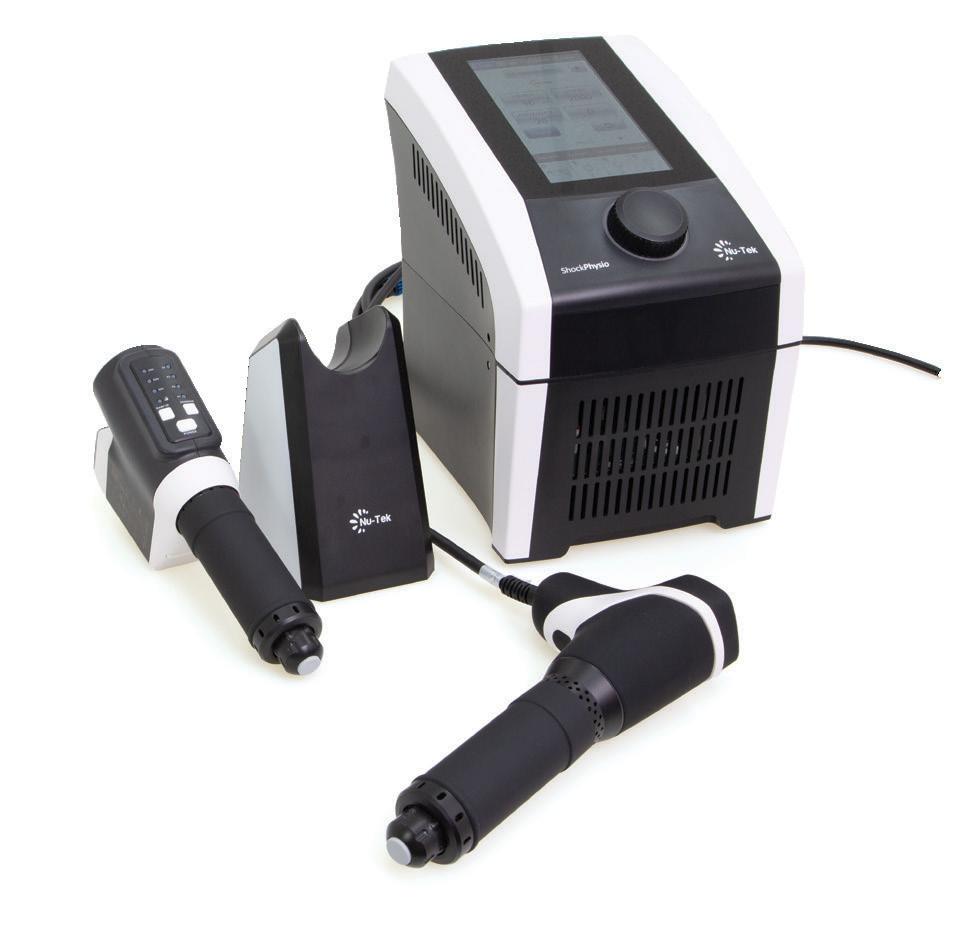
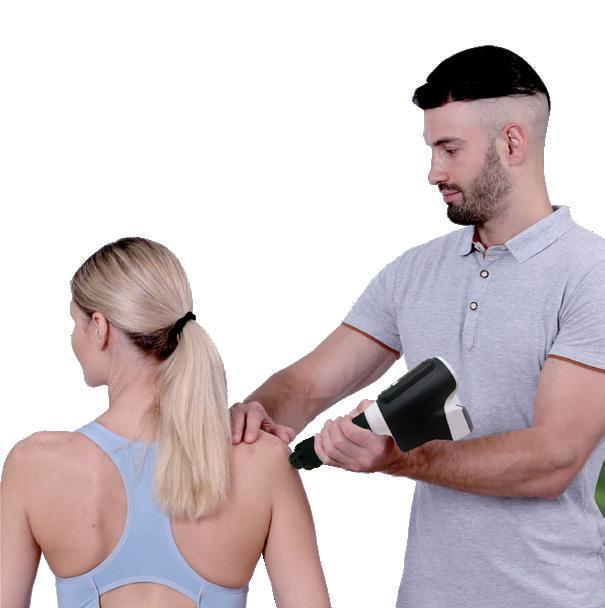
The Ultimate Shockwave for the busy clinic with the ability to provide 4 separate shockwave treatments simultaneously. Supported by the intuitive Nu-Tek base station, this unit offers the latest design and technology for the clinic that is ready for the future.
Features and Benefits:
• 60 - 225 mJ (1.0 -5.0 Bar on wired handpiece)
• 60 - 185 mJ (1.0 - 4.0 Bar on wireless handpiece)
• 1-22 Hz Frequency
• Modern 7 inch touchscreen
• Guided treatment protocols
• Comes with 1 (one) corded hand piece and 3 (three) wireless hand pieces and a stand for the one of the hand pieces
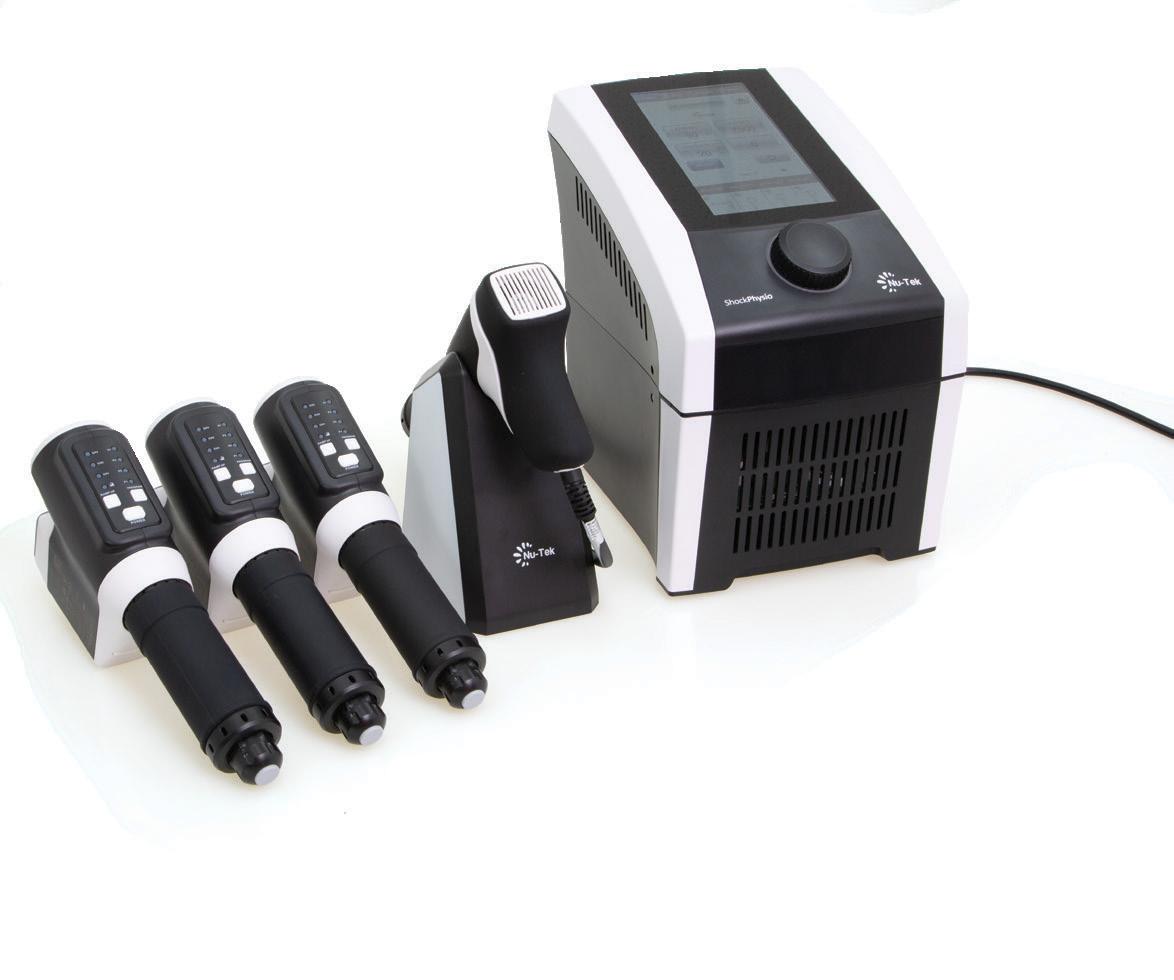
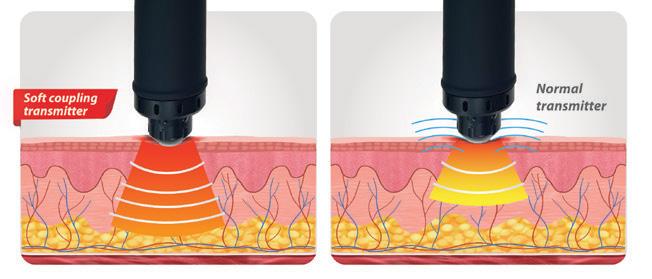
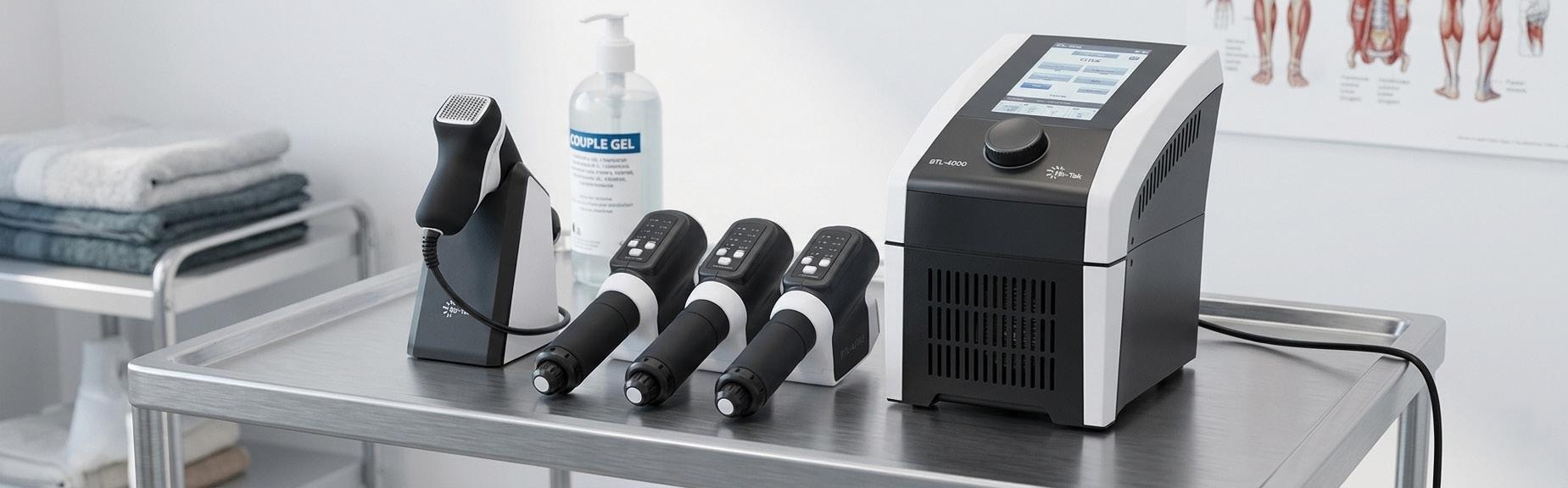
Nu-Tek Laser LS2200 is non-invasive therapeutic device. It is intended to emit energy in the infared spectrum to provide topical stimulation of the biological tissue. The tissue simulation results in local acceleration of healing, increase metabolism and analgesic reaction. Laser LS2200 is indicated in cases of minor muscle and joint pain, muscle spasm, pain and stiffness associated with arthritis.
Features:
• Continuous 30W Output Deep Treatment for fast results
• Triple wavelengths (810nm / 980nm / 1064nm)
• Tailored for versatile applications
• 5 interchangeable treatment heads
• Designed for flexibility
• Laser calibration function, prevision you can rely on
• Multifunctional handle holder, organised and efficient
• Extensive library of preset protocols
Technical Specifications:
• Wavelength - 810 nm, 980nm, 1064nm
• Modes of operation - continuous, pulse, single pulse
• Frequency - 1 - 10,000 Hz
• Laser power - Up to 30W
• Duty factor - 10% - 90%
• Laser class - 4
• Power supply - AC 100-240V, 50/60Hz
TECAR therapy stands for: Transferencia Electrica Capacitiva Resistiva, meaning Capacitive and Resistive Energy Transfer. Tecar Therapy Device is a non-invasive diathermy system offering TECAR therapy with high frequency current for bio-stimulation of tissue, providing deep tissue heating. TECAR therapy can be applied using Capacitive or Resistive techniques to target superficial or deep tissues. Combine TECAR therapy and manual therapy for unparalleled results.
Features:
• Multi-Electrode System: Supports use in physiotherapy and sports medicine
• Resistive Electrode: Ideal for targeting deeper tissue structures such as deep muscles, tendons & bones.
• Capacitive Electrode: Ideal for superficial soft tissue therapy
• SmartTap Control technology: Adjust energy/output power instantly by tapping the handpiece
• Wide frequency range for therapy 300kHz- 500KHZ, 1 MHz
• Dynamic Frequency: Variable frequency technology enables seamless transitions across frequencies to effectively target tissues at different depths, maximising therapeutic outcomes across diverse clinical applications.
• High-Powered & Stable output up to 200W
• Hand-free mode allows integration with manual therapy
• Extensive library of preset protocols
Technical Specifications:
• Power - AC 100~240V, 50/60Hz
• Frequency- 300kHz-500kHz,1MHz
• Intensity- Resistive 0-200W, Capacitive 0-350VA
• Modes - Continuous, pulsed
• Outputs - Resistive, Capacitive, Bipolar, Neutral
• Treatment time - 0 - 60 minutes
• Power supply - AC 100-240V, 50/60Hz
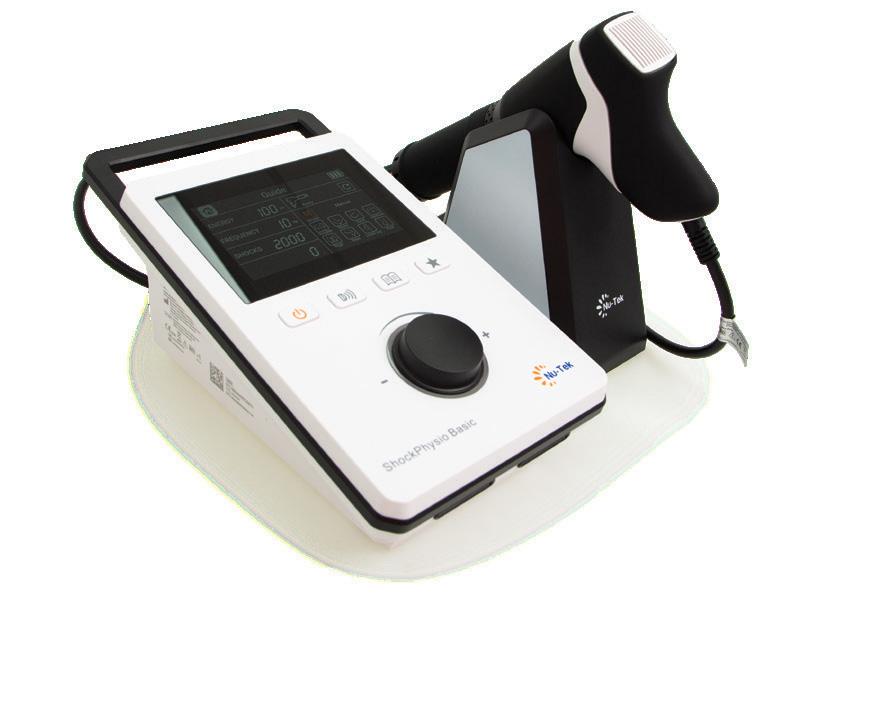
Includes Bonus Hard Shell Carry Case
This professional shockwave therapy device with EMB (electromagnetic ballistics) technology hand piece offers unbeatable value and versatility.
Features and Benefits:
• 60 - 185 mJ (1.0-4.0 Bar)
• 1-22 Hz Frequency
• 5” display for easy operation
• Battery pack included
• 1 (one) corded hand piece included
• Includes a stand for the hand piece
• One knob control with indicator light
• Small, powerful and cost effective
• A fraction of the size and weight of mainstream shockwave devices
• Supplied with SR15, CR15 and CR20 applicators
Features and Benefits:
• Class 3b low level laser therapy
• Laser Power: 200 - 1040mW
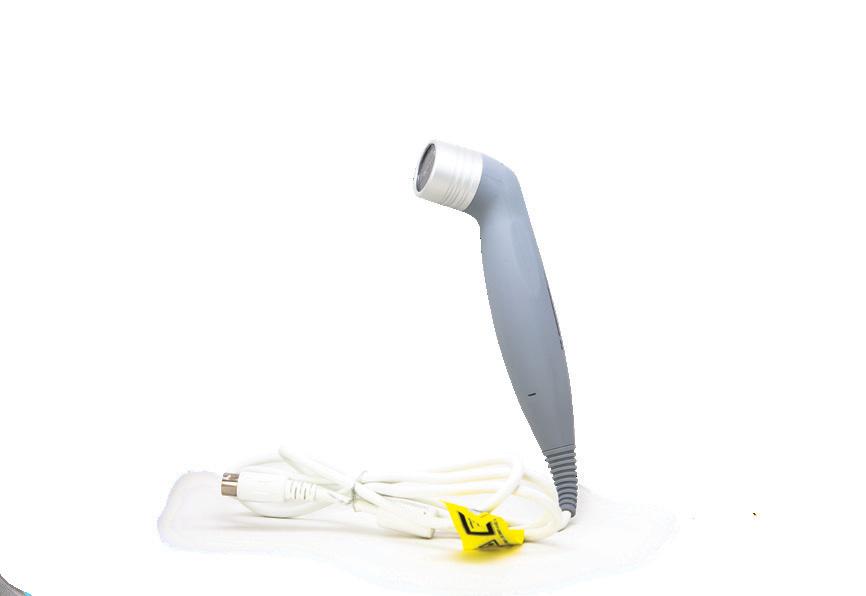
• Independent control over all parameters
• Continuous and pulsed operation available
• Fully variable pulsed frequencies
• Helpful menu of clinical indications specific to the laser applicator
• Real time feedback of energy delivered
• Display of energy in choice of joules or joules/cm2
• 100 customized user programs
• Innovation design allows for cart, table top, wall or mobile use
• Backlit LCD display for better visibility in low light settings
• Full color LCD touch-screen interface
• laser probes sold separately
• USB port for easy software upgrades NUSHOCKMOB NULASER
$3,290.00
The 9 Diode cluster Laser allows the Nu-Tek Laser Therapy unit to Reach Maximum power of 1040mW ± 20%. NULASPROBECLU
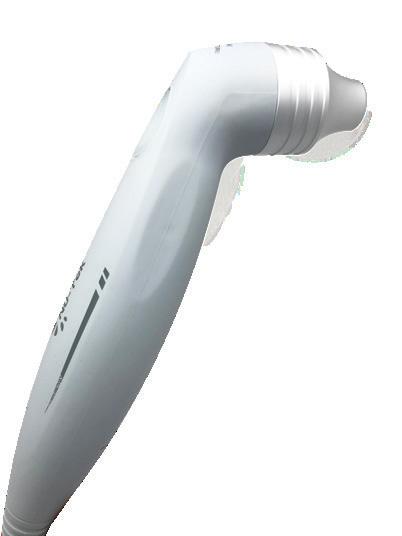

$3,584.40+GST $1,230.84
$1,190.00
Laser Probe Single Diode Single 850nm (200mW) Laser Diode NULASPROBEDIO