PeoplehaveforeverenjoyedanddependedonOregon’soutdoorspacesforbothresourcesandconnectednesstonature.Theuseof ouroutdoorsintensifiedduringthepandemic,withunintendedconsequencesforwildlifeandtheirhabitat.Thechallengeof communicating‘how’tobeinwildlifehabitatpersists.Conservationplannersandinterpretivespecialists,withsupportfromthe Foundation,areworkingonwaystoimproveourcollectiveunderstandingofhowtodolessharmaswecoexistwithwildlife
TheFoundationissupportingthiseffortbyacceptingdonationstounderwritethe productionanddistributionoftheguidebook. OutdoorRecreationOftenComesataCost
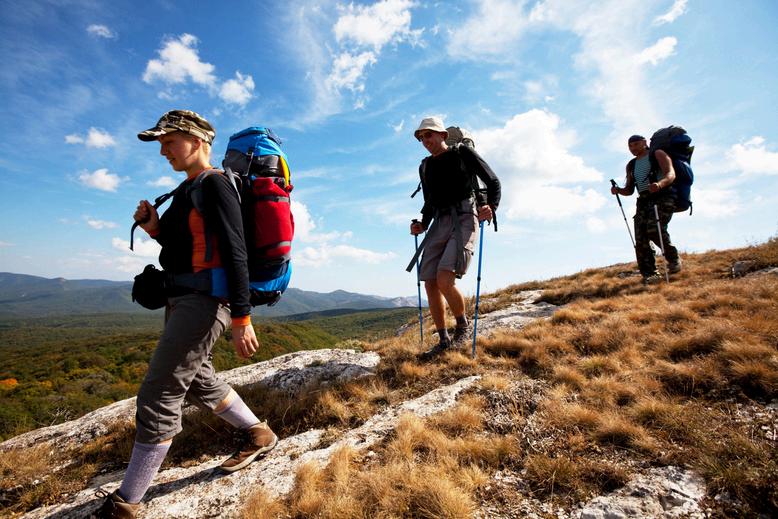
Lori Hennings, Metro’s Senior Natural Resources Scientist, alongside landscape architects and planners, is developing a trail builder’s guidebook with practical tools and suggestions to decrease negative impacts on wildlife by improving the siting and design of recreational trails Trails designed with wildlife in mind ensures everyone can enjoy the outdoors together– including the species that live there
SupportingHabitatConnectivity
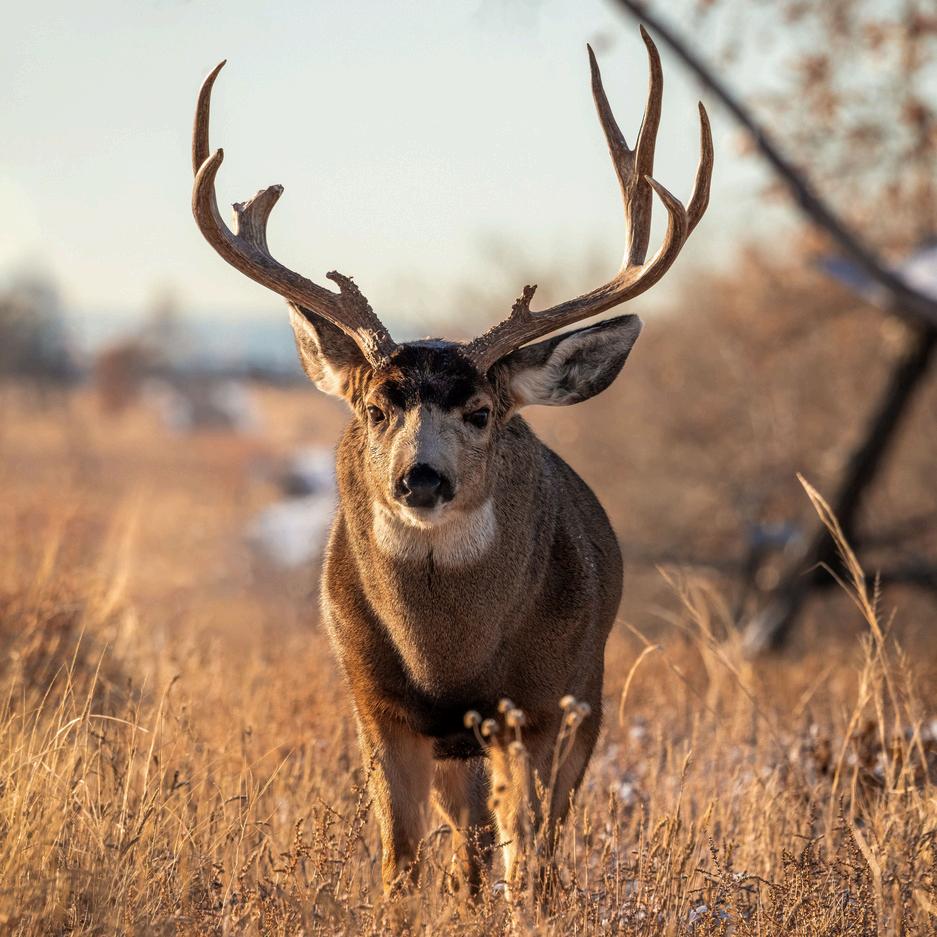
Habitat fragmentation hurts wildlife populations and ecosystem function Our wildlife are gradually losing the ability to move across their habitat as infrastructure like roads, fences, and walls impede their movement
With revenue from our Watch for Wildlife license plate and donations from supporters like you, the Foundation is working to restore and conserve migration corridors, reduce barriers to movement, and improve habitat for wildlife species on the move Improving wildlife passage across busy roads and protecting migration corridors are a just a couple ways that the Watch for Wildlife Fund is supporting habitat connectivity YourpurchaseofaWatchforWildlife licenseplateordonationsupportswildlifeconservation.
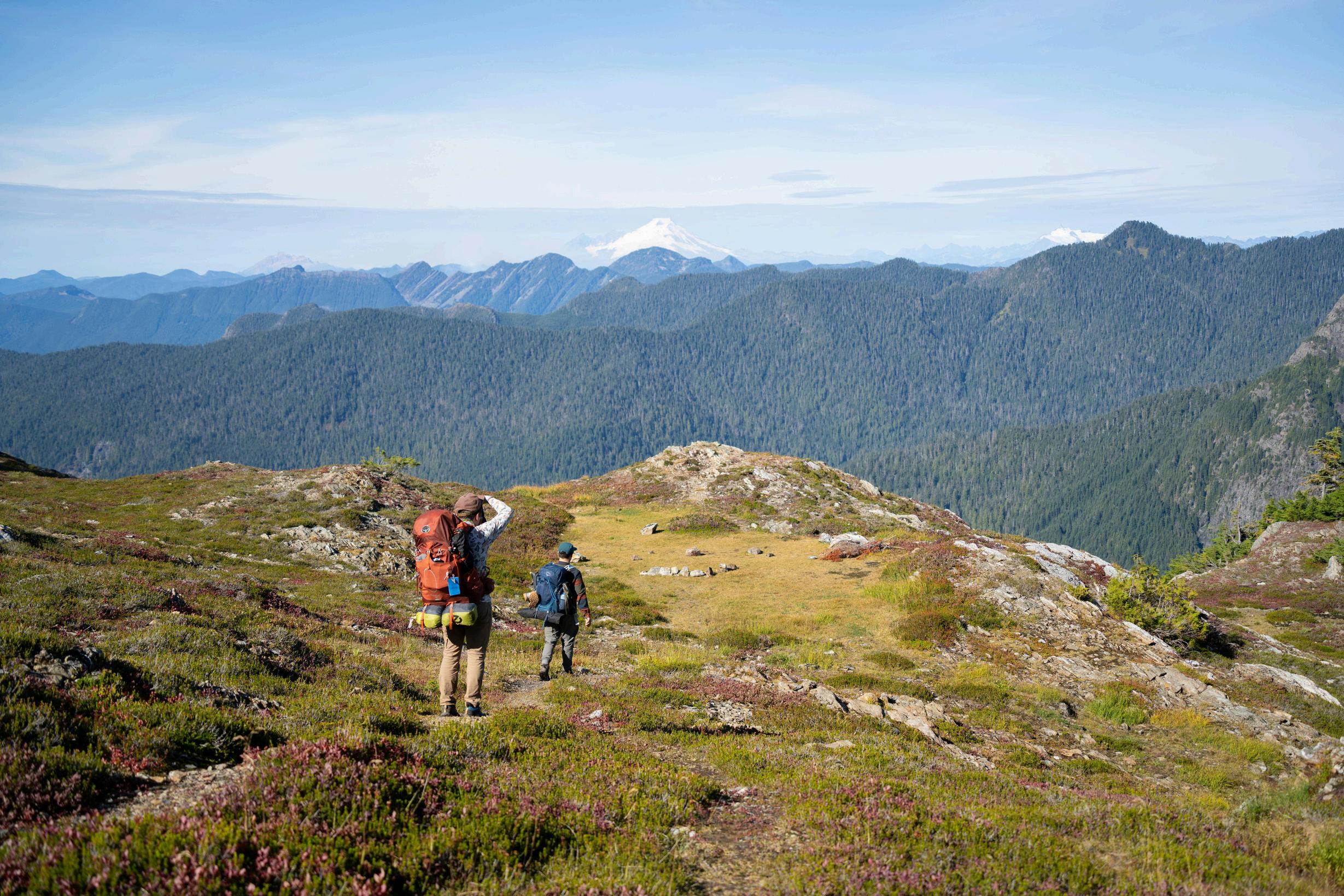
Follow the Beaten Path, a documentary by Timberreel Productions, seeks to spread awareness about impacts that non-motorized recreational trail use has on ecosystems With the beauty of Central Oregon as a backdrop, this film explores how the outdoor activities we engage in to get ‘close to nature’ are pushing it further away Finding a sustainable balance between recreational use and wildlife conservation helps the greater good.
Documentaries can be an effective tool in helping people understand complex problems like balancing our desire for outdoor recreation with the needs of wildlife inhabiting the same space. TheFoundationisproud tosponsorthisfilm,andisseekingdonationstounderwritepost-productionandscreeningcosts.