Nepal Mandala
The Kathmandu Valley
LANDLOCKED BETWEEN INDIA to the south and China to the north lies Nepal, still a Hindu Kingdom during our year in Kathmandu. Straddling the Himalaya—the highest mountain range on earth—it rides the crest of giant tectonic forces that push the Indian subcontinent up against the land mass of Asia.
Because its dominant geomatic features form a natural mandala—a circle, a mystic diagram of varied form and a graphic symbol of the universe, and in ancient Indian usage signifying an administrative unit or even an entire country—Nepalese have referred to the Kathmandu Valley and surrounding territory as Nepal Mandala from at least the sixth century A.D.1
Kathmandu, together with its sister cities, Patan to the south and Bhaktapur to the east, forms the economic and political center of the elliptical fifteen-miles long and twelve-miles wide Kathmandu Valley, considered a power place and one of the twenty-four most sacred places of worship in the Indian subcontinent for devotees of Shiva, Devi, and Tantric Buddhism.2
Time and the inexorable forces of nature have imprinted themselves in the myth of Nepal’s origin. But the beginnings of the valley may not be as obscure as its name. Modern researchers have found soil evidence that establishes this verdant valley of farm lands and villages as the bed of what was once the floor of a prehistoric lake, probably dating to the Pleistocene age, when continental ice sheets emerged and then receded. Suggestions of this origin appear in legend:
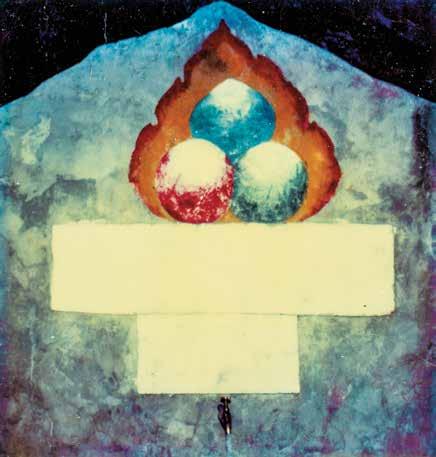
Seven calling distances across, a lake filled the Kathmandu Valley. Its waters were sweet and clear, and deep beneath its surface lived the Nagas, an elegant race of snake gods who ruled over the monsoon. One day, the great Bodhisattva Bipaswi, the first of the human Buddhas to walk on earth, came to the lake, bringing in the folds of his garment the seed of a lotus flower which he cast in the water. The seed sprouted and grew into a thousand-pedaled lotus on a stalk of semi-precious stones. Its pistils were diamonds and its anthers blazing rubies. From the center of this miraculous flower emanated a magnificent blue light, manifesting the primordial Buddha.
Pilgrims from many lands came to worship this luminescent flower, among them the fabled Bodhisattva, Manjusri, who came from Tibet, from the Hill of Five Peaks. He had learned by divine intuition that far away, in a valley to the west, the Adi-Buddha had revealed himself as a flame on a lotus. To behold it, Manjusri journeyed to the lake, accompanied by his wife and children. With his sword he gashed the southern barrier of the surrounding hills, letting the waters of Nagarasa escape into the holy river Ganges.
On the spot where the lotus flower settled, arose a hill, and upon that hill, the magic light crystallized into a shrine, a glowing stupa topped with a diamond spire. This holiest of all Buddhist shrines became known us Swayambhunath, abode of the Self-Existent One.3
Manjusri is now revered as the founder of the Kathmandu Valley. He is the god of agriculture and science, who, with his sword of wisdom destroys darkness and ignorance. Nepalis have dedicated the first day of the year to him.
In another legend, the Indian ascetic, Ne-Muni, once lived in the valley. Ne-Pal means loved by Ne, suggesting how this valley came to be named.
But it is perhaps Avalokitesvara, the great Bodhisattva of the Lotus family of the Buddha Amitabha, who lives most in the hearts of the people of Nepal. It is he who uttered the prayer: AUM MANI PADME AUM, the Tantric formula translating into English as
Hail! The Jewel in the Lotus!
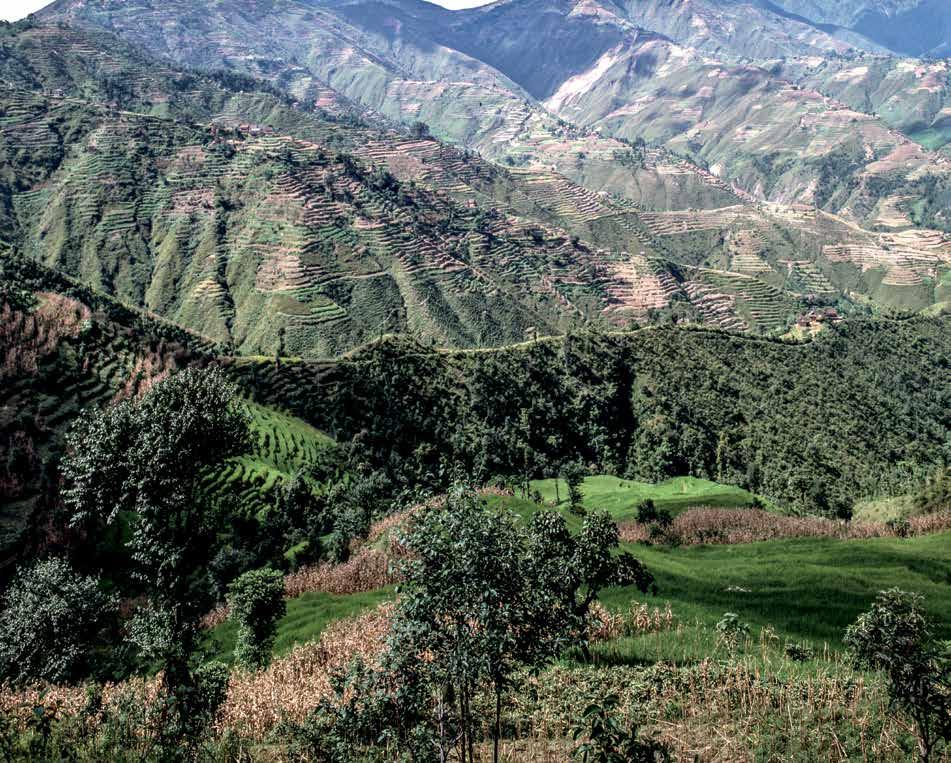
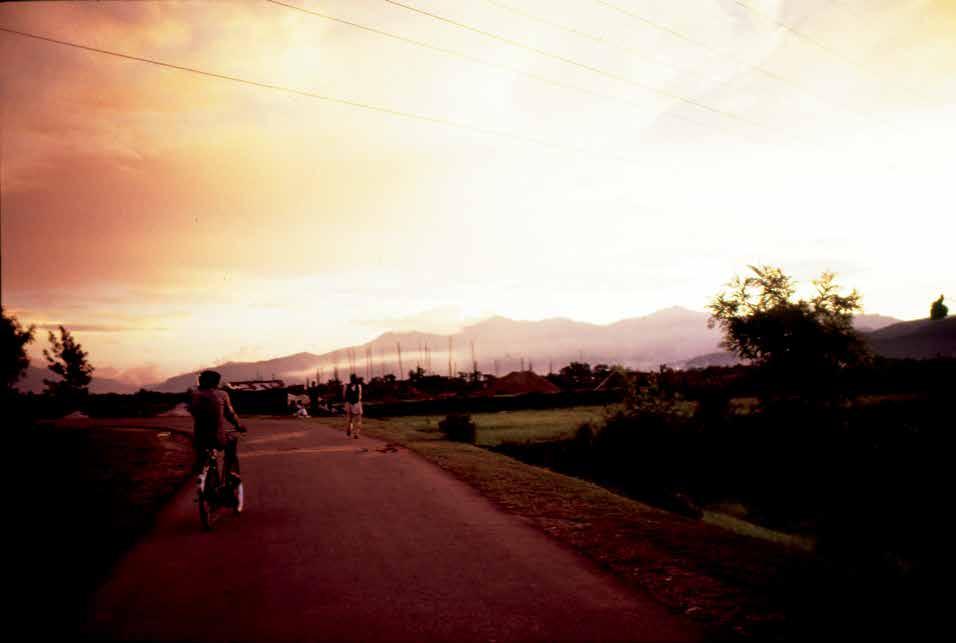
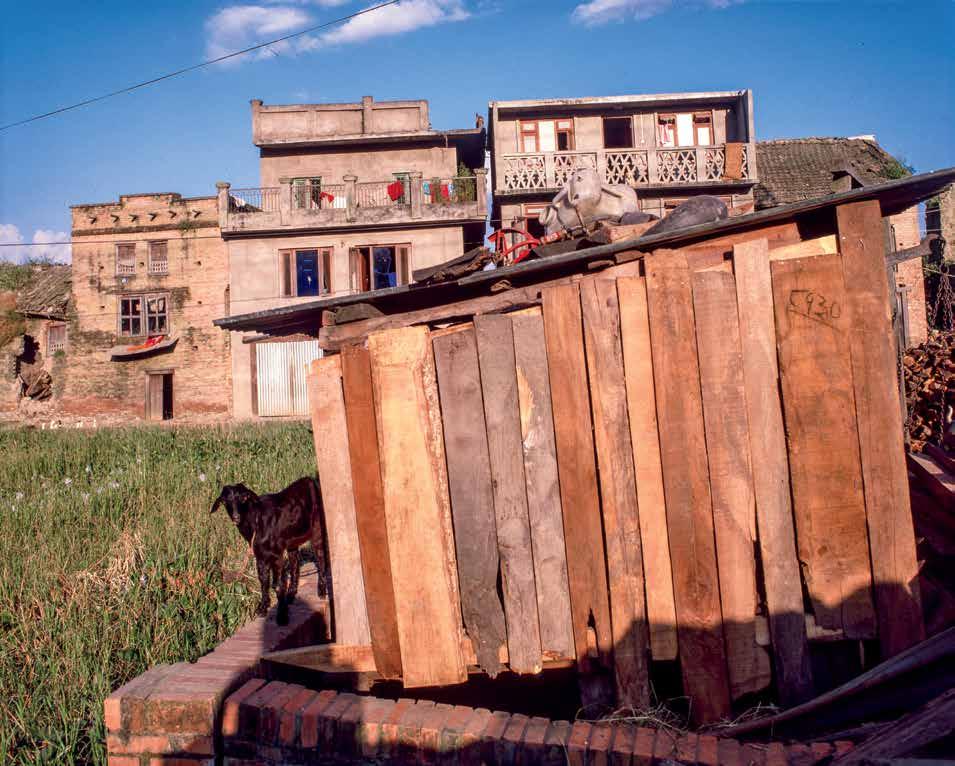
Kathmandu Valley
Kathmandu Valley
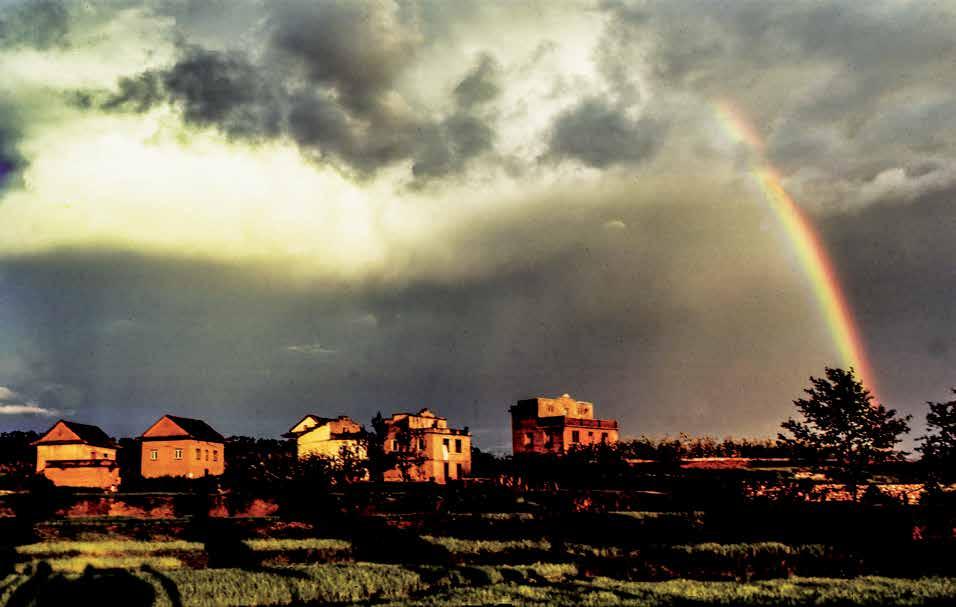
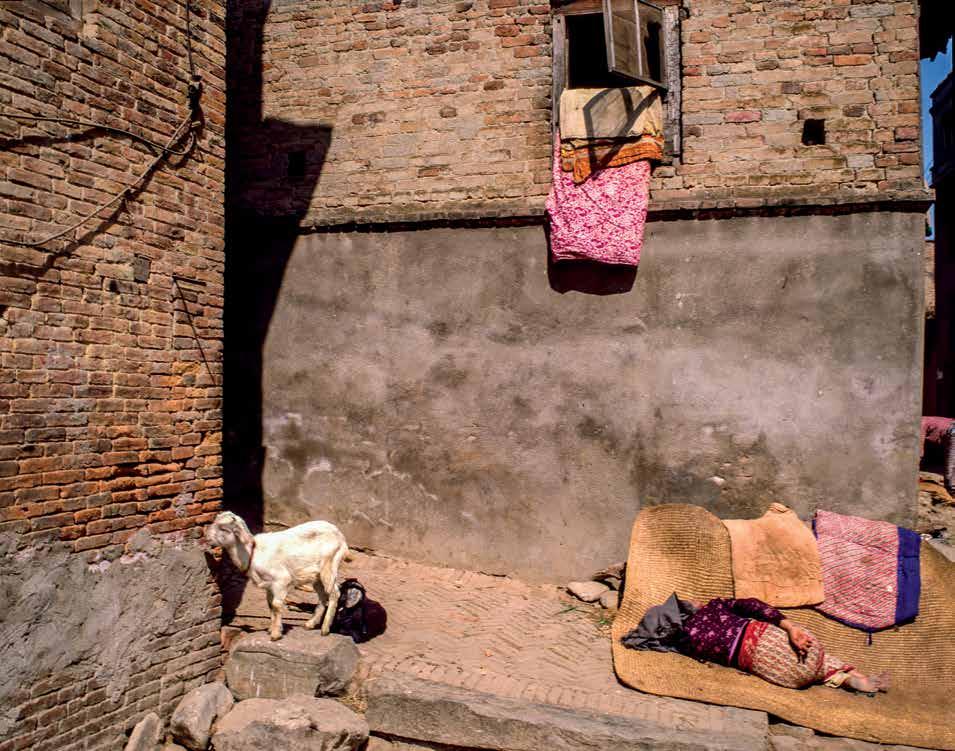
Ring Road, Monsoon
Monsoon
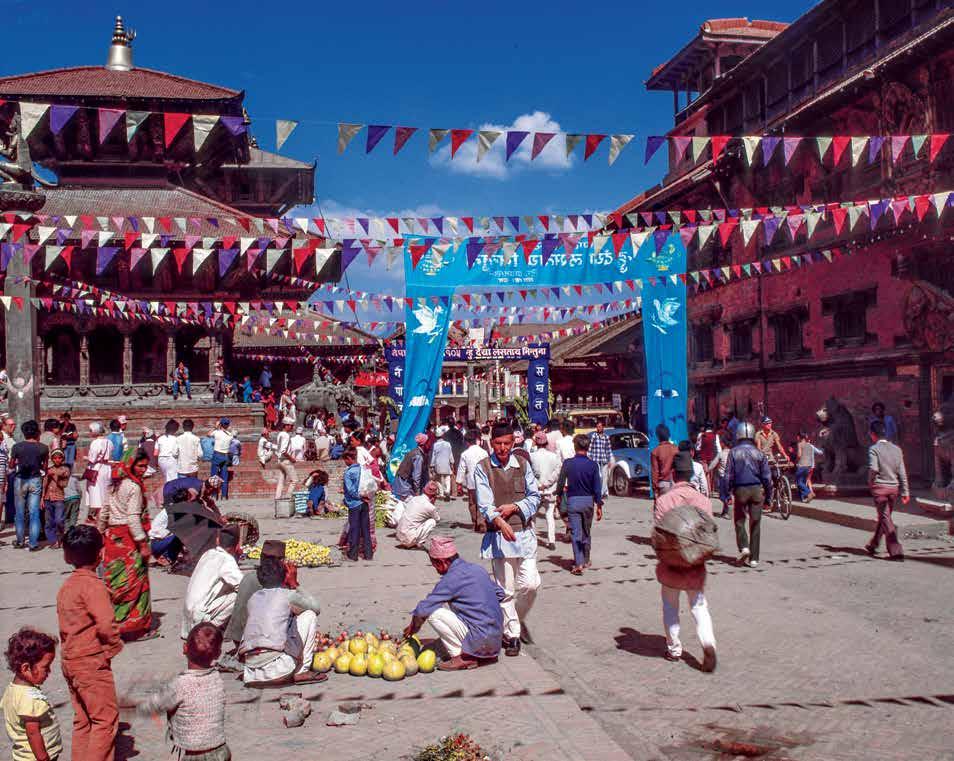
Durbar Square, Patan
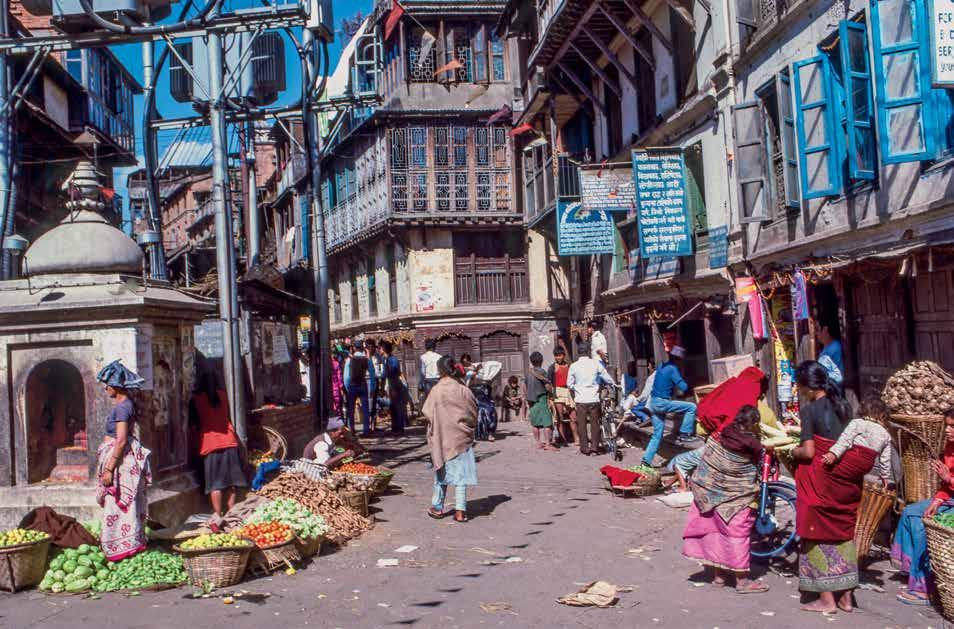
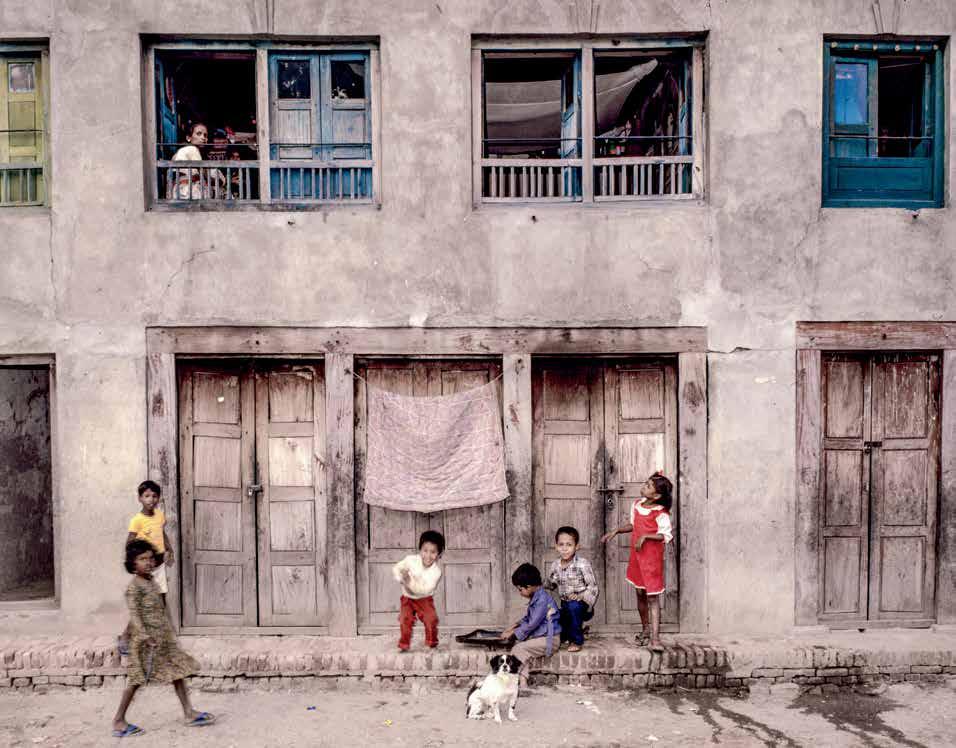
Asan Tole, Kathmandu
Kathmandu
Baluwatar, Kathmandu
Kathmandu
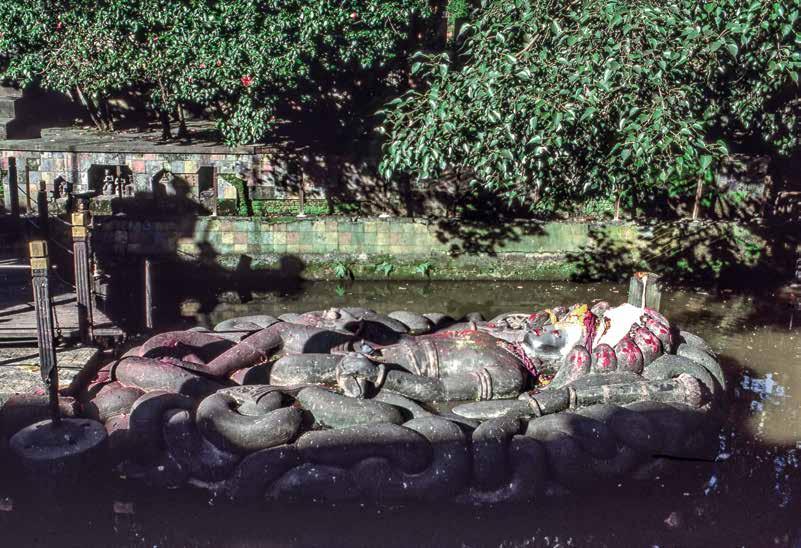
Pashupati
Baluwatar, Kathmandu
Note: the wooden temple was destroyed by the 2015 earthquake and rebuilt in 2023.
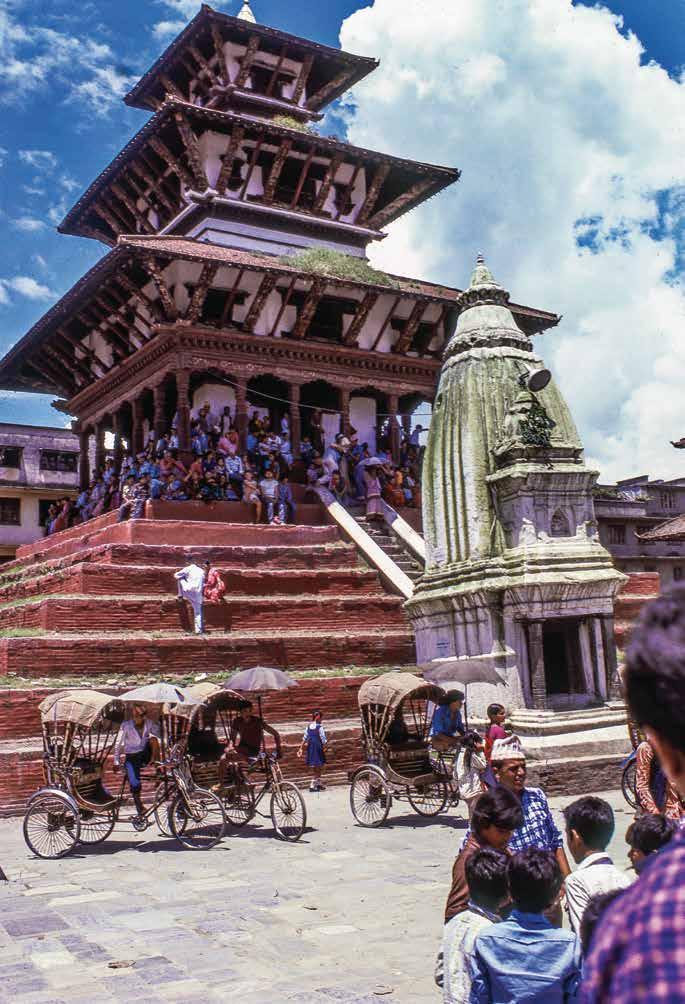
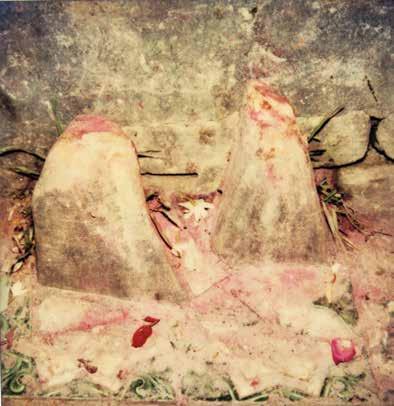
Maju Dega & Narayan Vishnu Temples containing a Shiva Lingam, Dhurbar Square, Kathmandu.
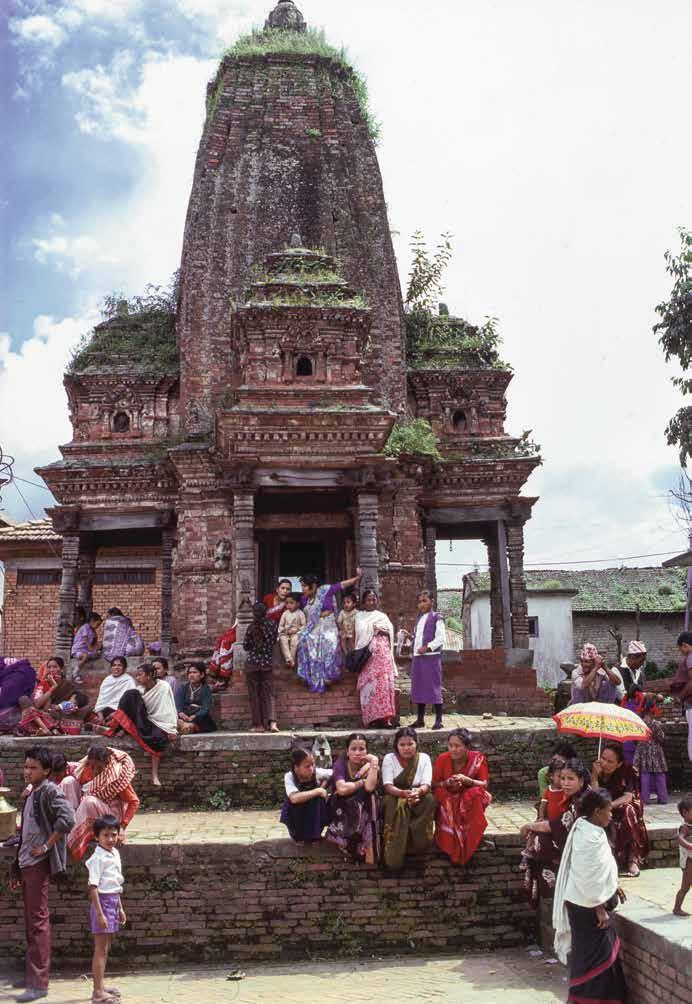
Kedarnath Temple, Suryabinayak Municipality, Bhaktapur
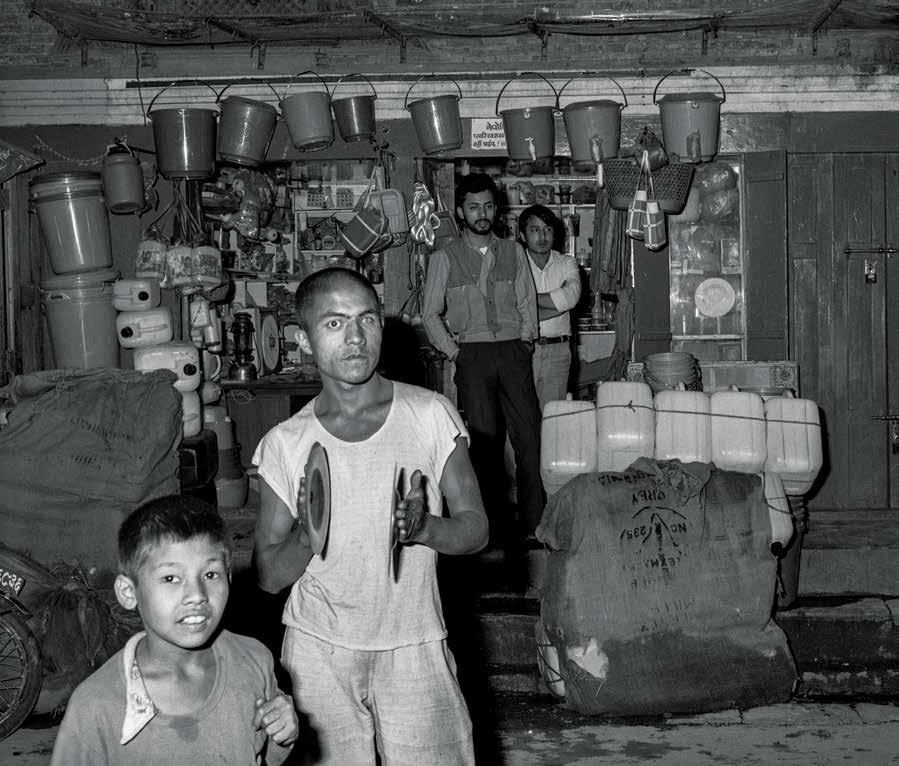
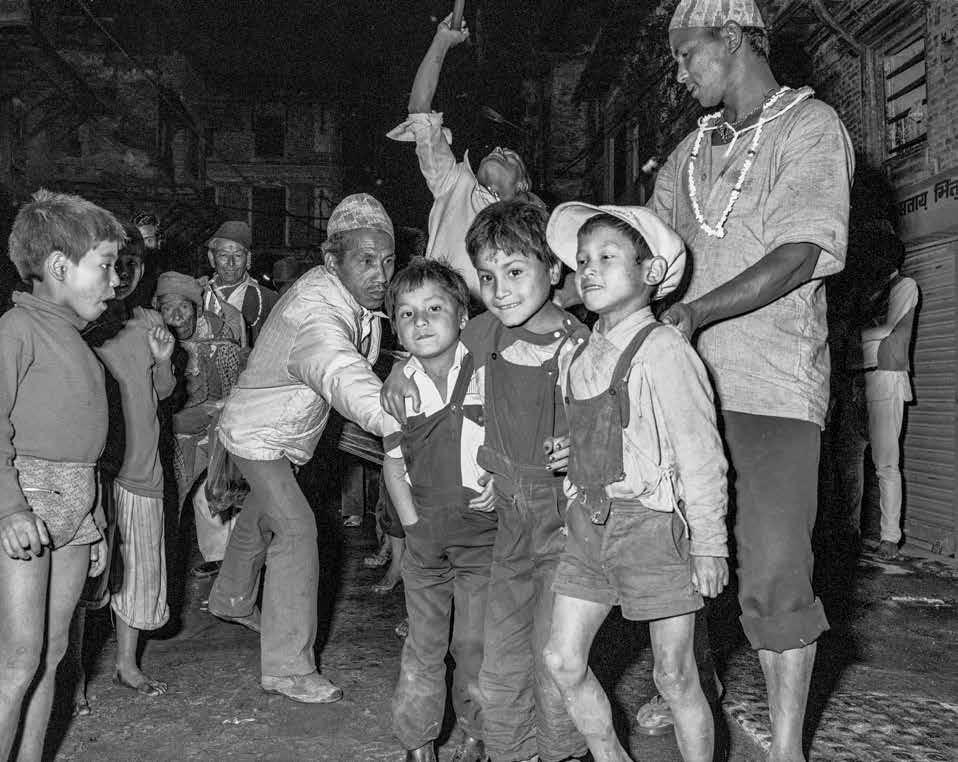
Asan Tol
Asan Tol
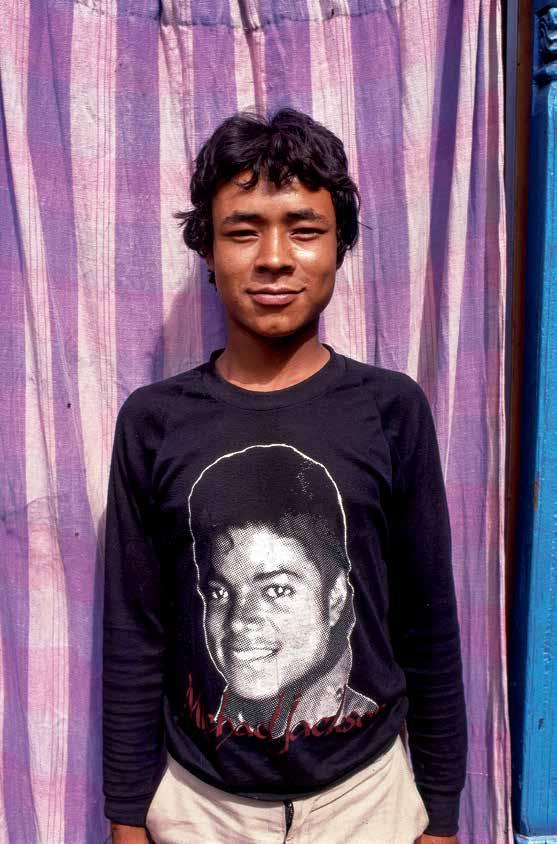
Young man in Michael Jackson shirt
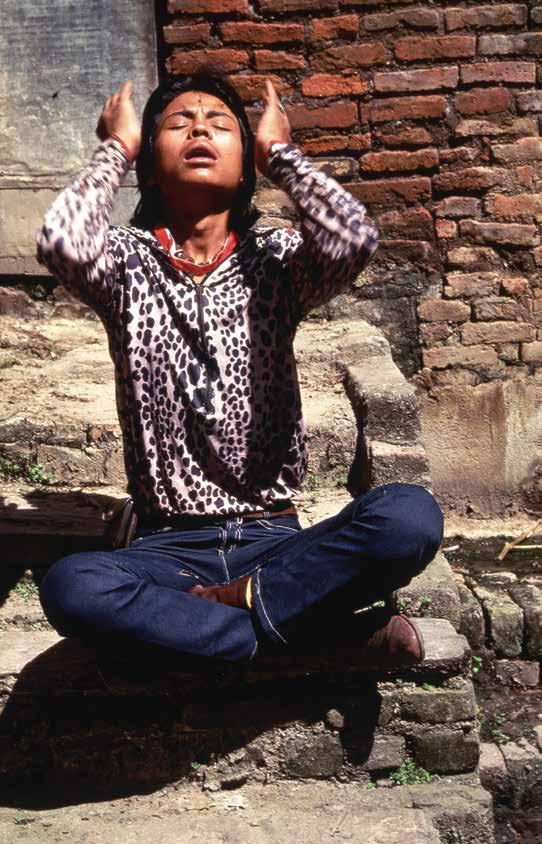
Young man preparing for his portrait
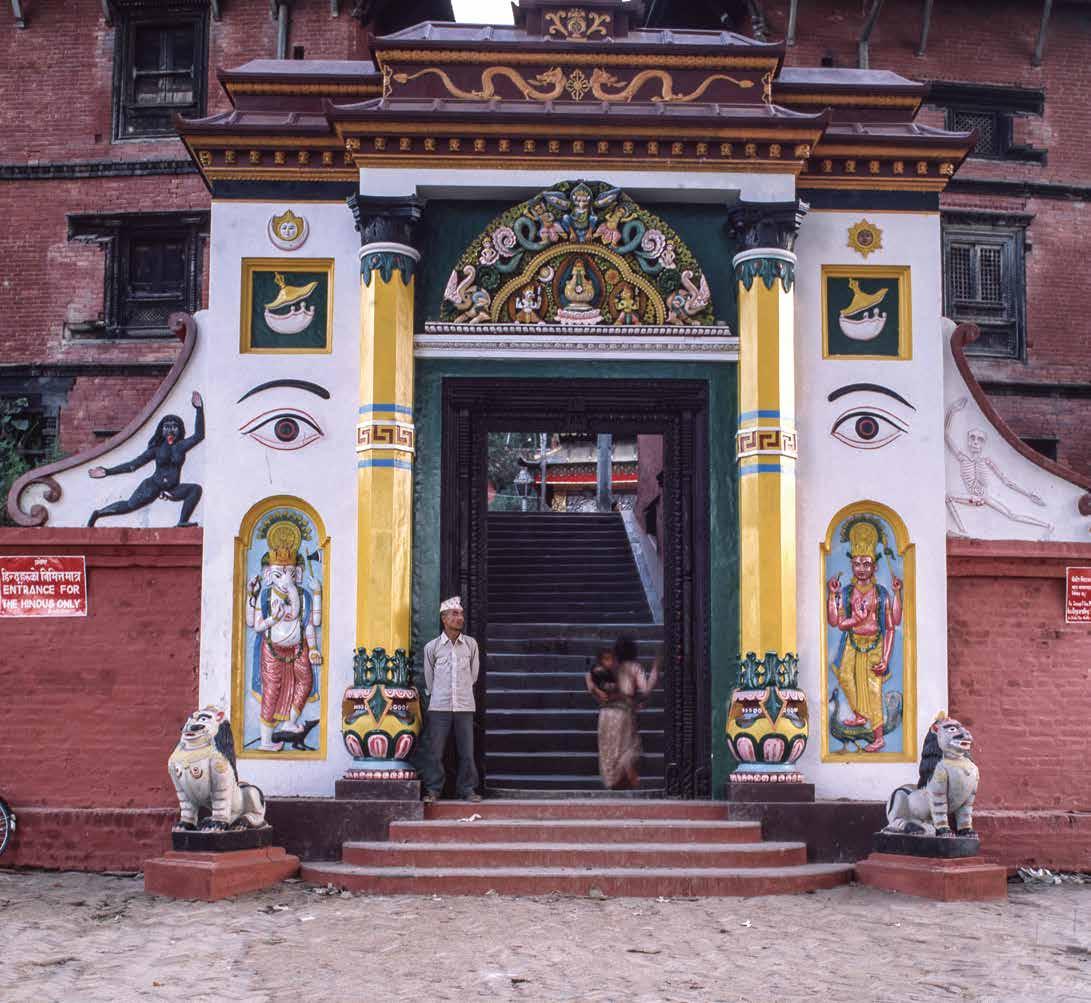
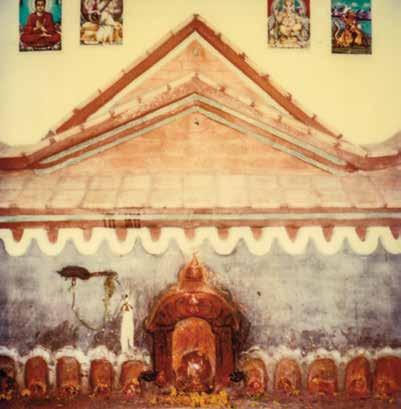
Opposite: Ganesh, Saraswati, and Prata (servant of Bagwata) on portal of Guhyeshwari Temple, Pashupatinath
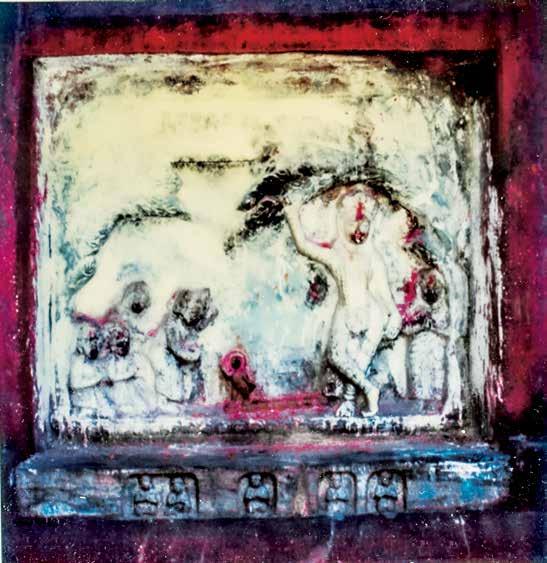
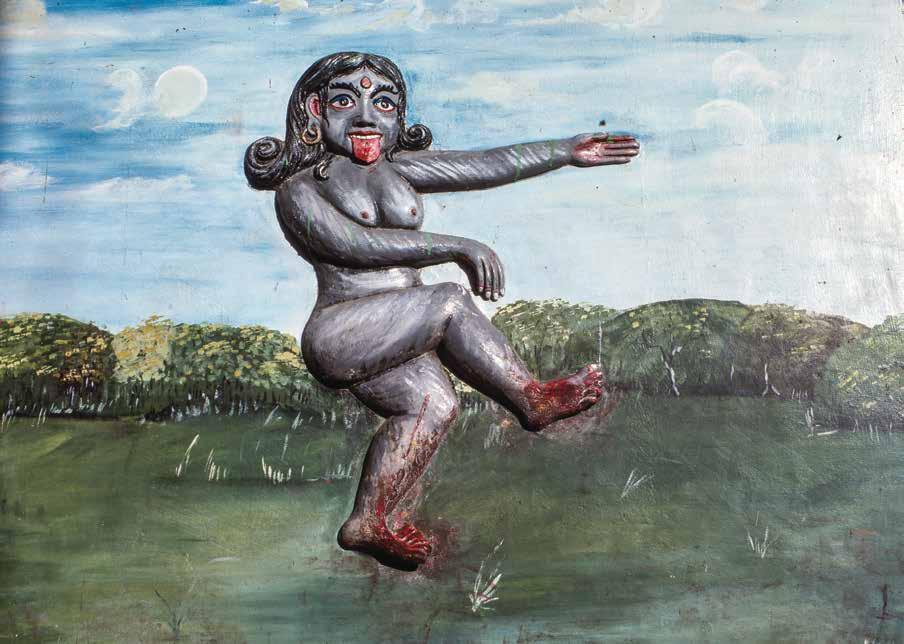
Betal, Servant of Kali
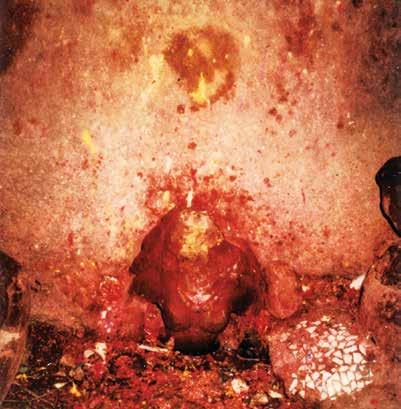
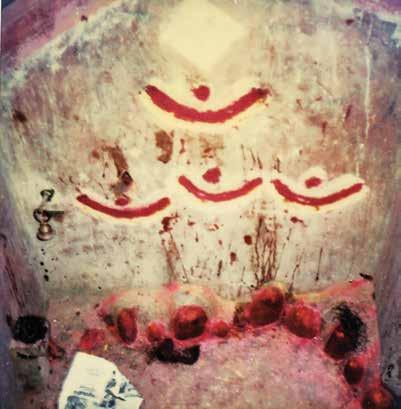
Shaktipitha at supermarket on New Rd, Kathmandu, 64 cm
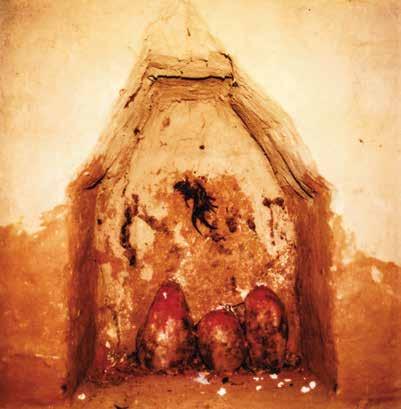
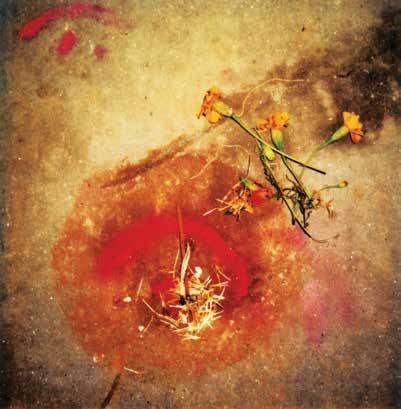
Shaktipitha on ground, Kalimati, Kathmandu, 33 cm
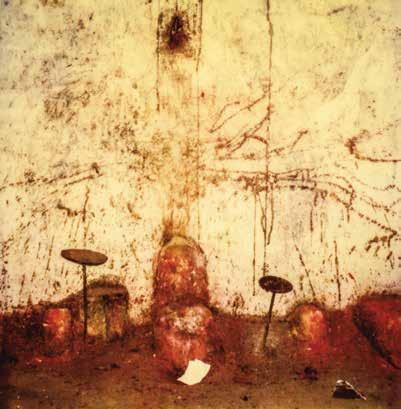
Shaktipitha with four mother goddesses, Brahmakhel, Kathmandu, 55 cm
Kumari (one of seven mother goddesses, saptamatrika), 83 cm
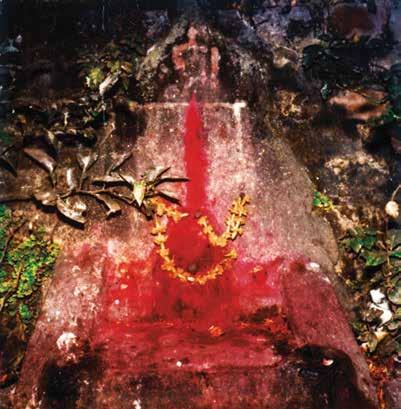
Shaktipitha street shrine, Baneshwor, Kathmandu, 38 cm
Shaktipitha, Baluwatar, Kathmandu, 220 cm
Saptmatrika (seven-mother), Bhothebhal, Kathmandu, 134 cm
Ashtamatrica (eight-mother) under power symbols, Patan, 108 cm
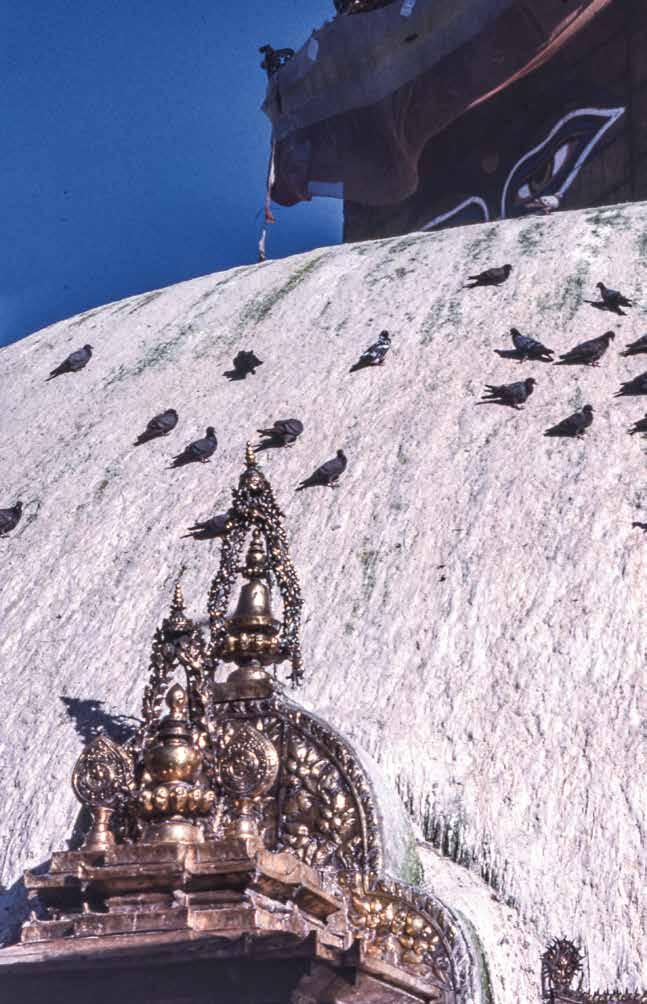
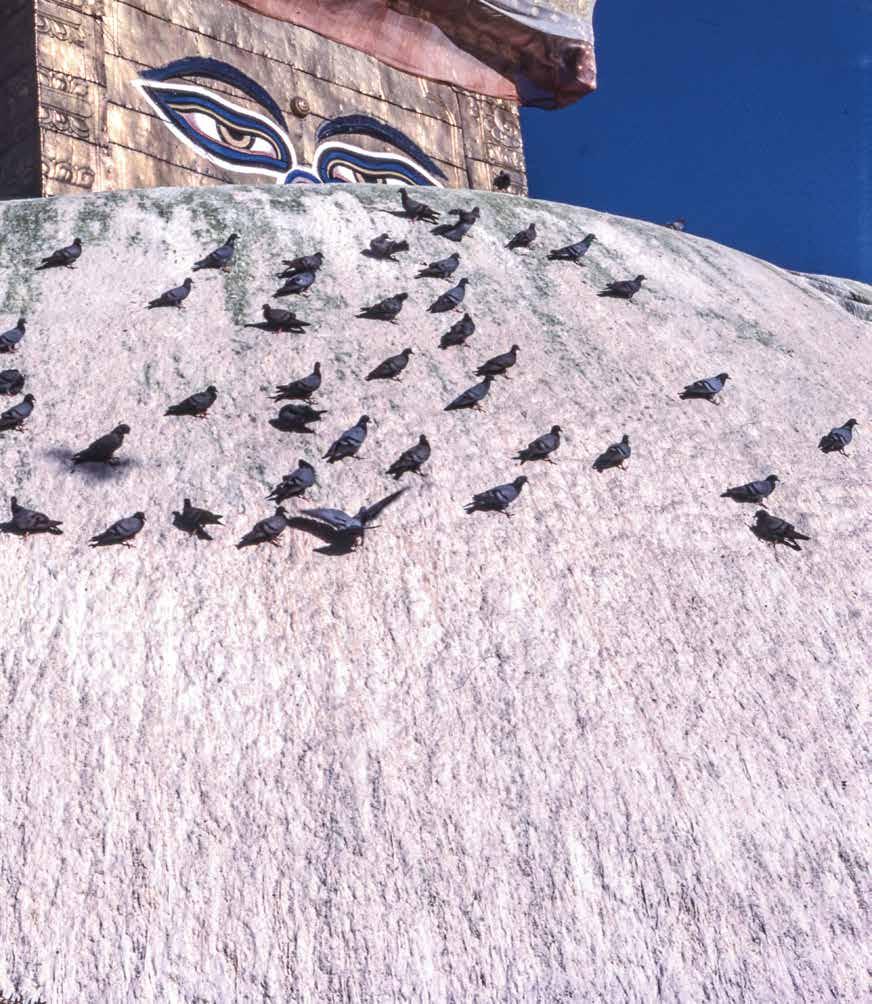
Top of Swayambhunath Stupa
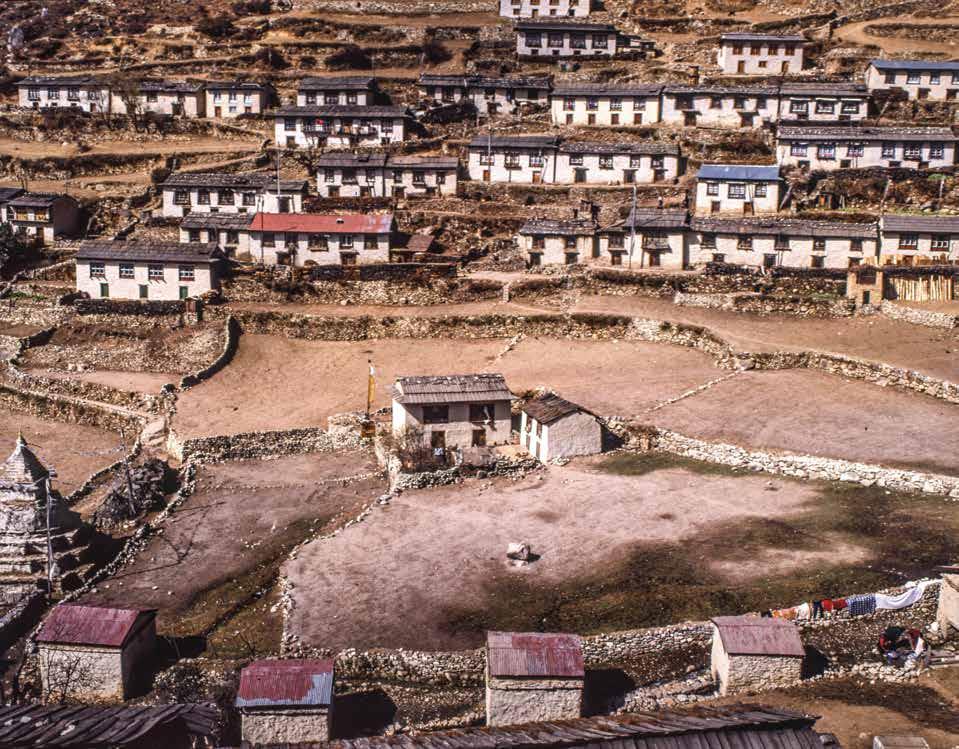
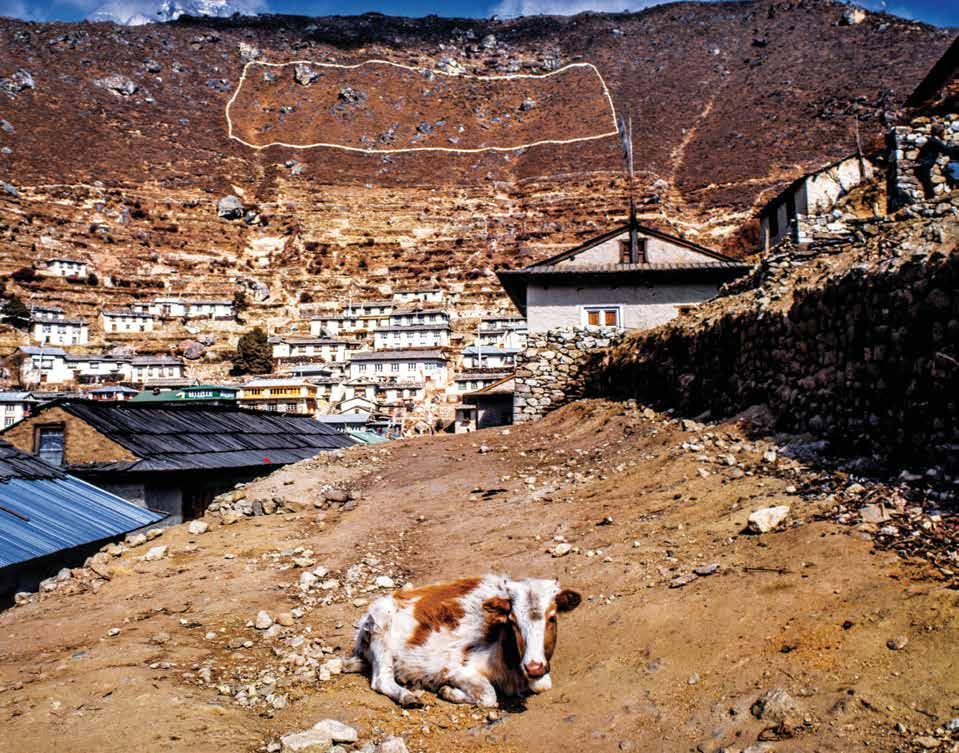
Namche Bazaar, Solu Khumbu
Namche Bazaar, Solu Khumbu
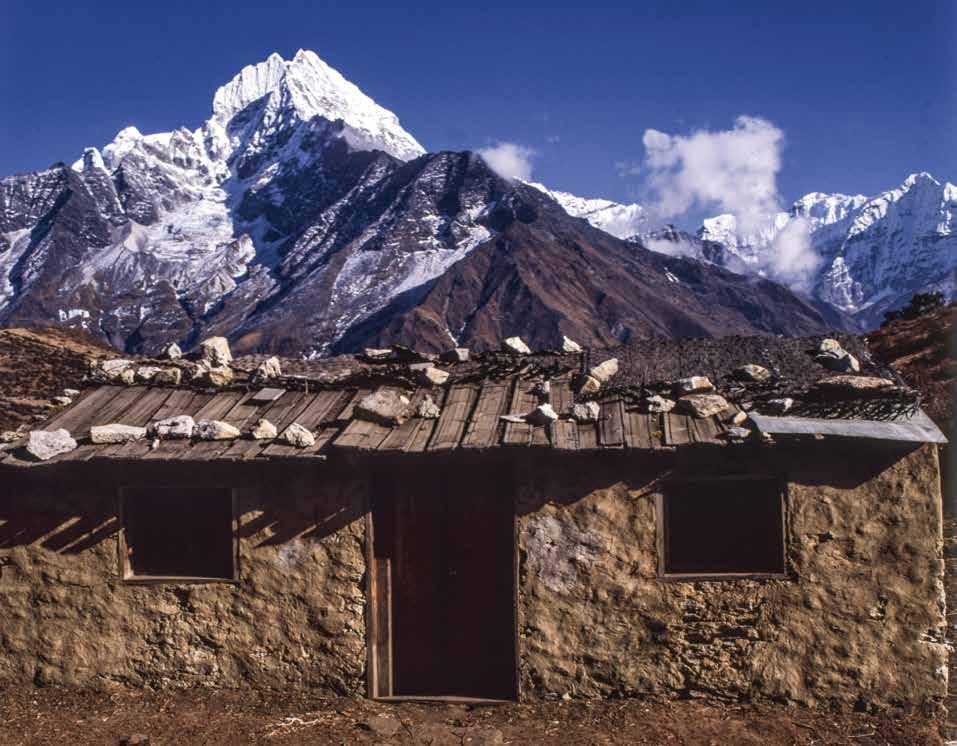
Sherpa hut with roof stones, Lobuche
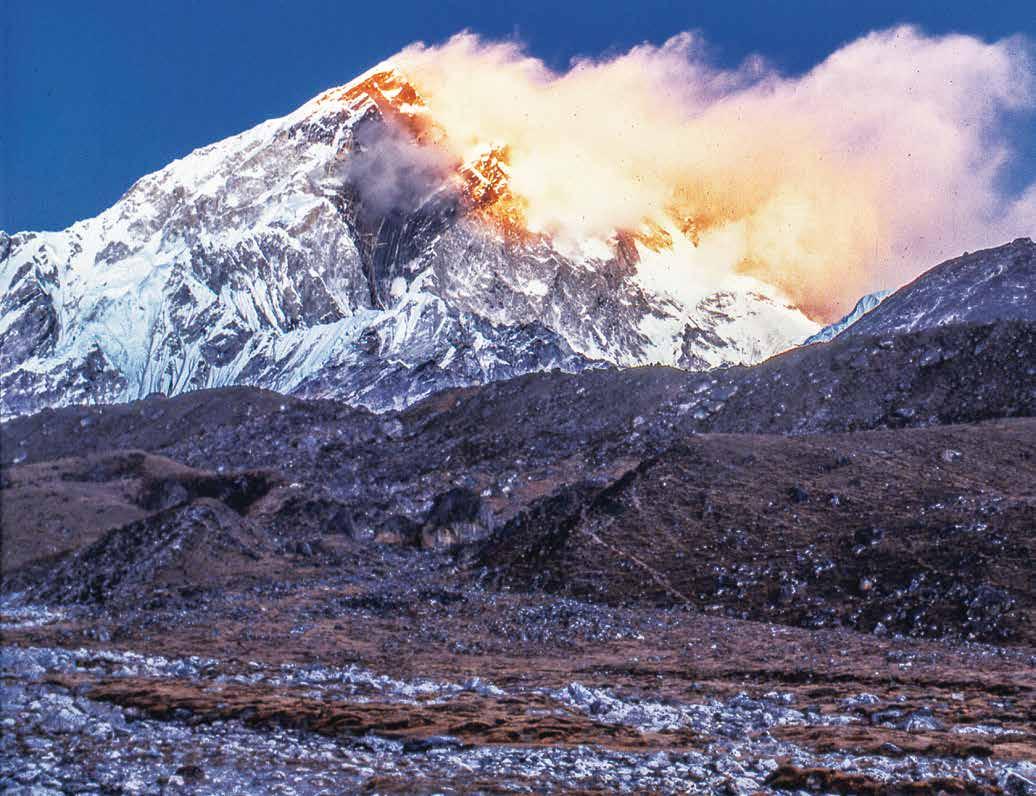
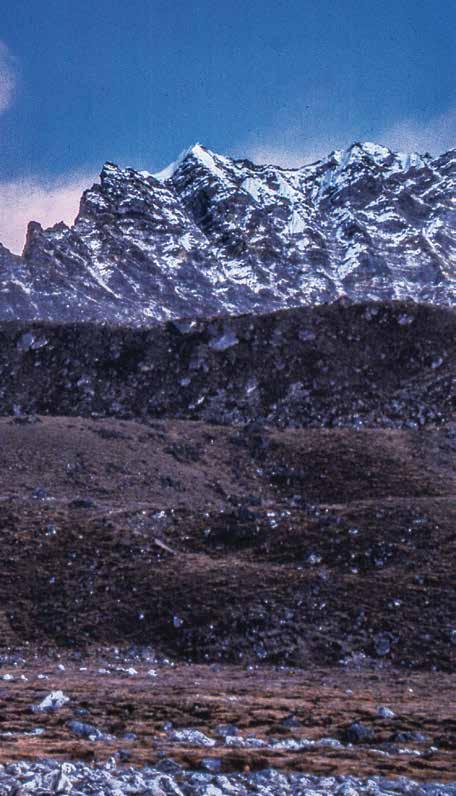
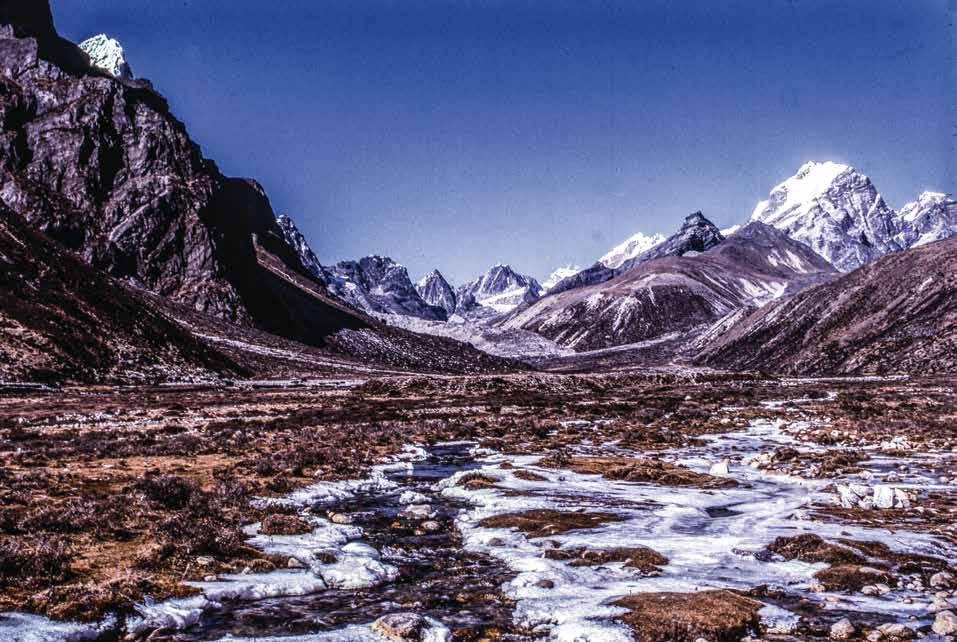
Kumbhu Glacier, Mt. Lobuche
The Photographers
Bernis von zur Muehlen
Bernis taught English and creative writing for over thirty years after receiving a BA in English from the University of Pennsylvania. She began photographing in 1972, with her first exhibit of the male nude in 1973 in Washington, DC. Variously described as creating “a theater of the mind” and playing on “the transience of beauty” and “the ephemeral quality of life,” her photographs have been displayed in solo and group exhibitions in numerous museums and private galleries in the US and abroad. Her work has been published in a dozen anthologies. In later years, she turned to other subjects, including still lifes, portraiture, and landscapes. Between 1984 and 1985, she spent a year photographing in Nepal, of which a selection of images was featured in the Terra Sancta exhibit at the Corcoran Gallery in 1990. In 2023, the American University Museum’s Katzen Center exhibited a body of her work, entitled “Nature’s Tapestry. ” For more information see: http://en.wikipedia.org/wiki/Bernis_von_zur_Muehlen and http://www.bernisvonzurmuehlen.com
Peter von zur Muehlen
Peter spent over thirty years as a research economist at the Federal Reserve Board after receiving a PhD from Princeton University and began photographing still lifes and nudes in 1972. From the late seventies on, he used SX-70 and color film, focusing on the urban landscape. His work has been exhibited in museums and private galleries, including images from Nepal that were featured in the Corcoran Gallery’s Terra Sancta exhibit. For more information, see: http://www.petervonzurmuehlen.com
A monograph entitled Signs and Visions will be published by Goff Books, also in 2026.
Both photographers recently published Prague Revisited: From World War II to the Velvet Revolution, Goff Books 2025.
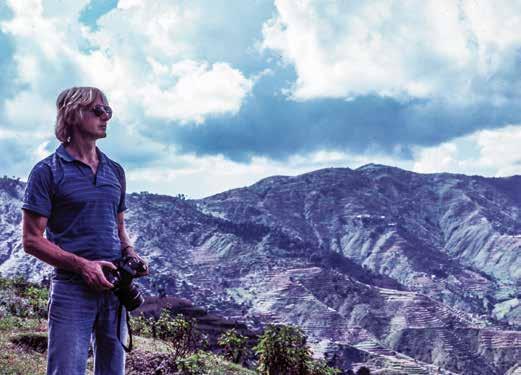
Peter looking over Kathmandu Valley
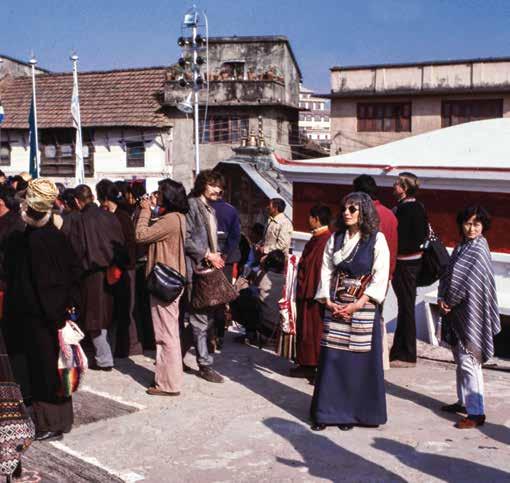
Bernis in Tibetan Chuba at Boudhanath