Habitat
Wetland
Biodiversity
Ecological
Stormwater
Ecological
Agrarian
Vernacular
Pedestrian
1 Yehudi A. Cohen, ed., Man in Adaptation: The Institutional Framework (New Brunswick: Aldine Transaction, 2013), 16.
When I was studying human ecology with the anthropologist Yehudi Cohen, he noted that adaptation is the ability of populations to survive and to reproduce. He also observed that “technology is the fulcrum of adaptation.” 1 Technology has been defined as knowledge dealing with the applied sciences. Adaptation requires learning new technologies and evolving them. Landscape architecture is an applied science and art that should play a central role in climate adaptation. Landscapes are, after all, where adaptations in built environments happen. Adaptation is the process of change through which a species becomes better suited to its environment. Landscape architects help our species fit with our environments. An understanding of ecology helps the landscape architect make connections between natural
and cultural systems. Ecology reveals the wounds of the world. Repairing the damages of the past is a necessary part of climate adaptation.
To face the significant challenges of climate change and to provide models for hope, we need examples of restoration, learning, and survival. We have many challenges that we need to convert to opportunities, such as: How, through creative interventions, do we heal the habitats of other species and of valuable wetlands; how do we enhance biodiversity; how do we foster abiotic adaptation, stormwater management, and ecological remediation; how do cultures adapt as we improve pedestrian and bicycle connectivity in contemporary cities; how do we reenvision cities as sponges; how do we create a new ecological urbanity; and how do we protect environmental resources? Fortunately, we have many examples for how all these challenges were made opportunities, all undertaken by one firm, Turenscape, led by landscape architect Kongjian Yu.
Turenscape and Yu have realized an impressive array of climate adaptation works in China over the past three decades. An ancient culture with a dynamic present, China is at the forefront of addressing the threats of climate change with Turenscape leading with many projects illustrating hopeful possibilities. Their pioneering work is presented in the pages that follow. Many lessons are embedded in these case studies. As Charles Waldheim and Boya Zhang make clear, the possible consequences go beyond the positive impacts in China. They explore potential opportunities in a variety of vulnerable places, including Dhaka, Bangladesh; São Paolo, Brazil; and Lagos, Nigeria.
Waldheim and Zhang offer a “declaration of intentions” for bottom-up strategies of landscape adaptation. They underscore the urgency of climate change that will require us to live up to the name of our species and indeed be wise. As seen in the work of Turenscape, landscape adaptations require smart policies derived from knowledge and wisdom. The necessary adaptations also require landscape architects to be bold as Frederick Law Olmsted and Ian McHarg were—and Kongjian Yu is.
I first met Kongjian remotely when he was translating my book The Living Landscape: An Ecological Approach to Landscape Planning. I was humbled and honored by the Chinese translation. What could such a venerable culture learn from a text written for a North American audience, I wondered? I asked him this when we met in his cramped Beijing office in 2005. At the time, a relatively small space full of dedicated colleagues and students housed both Turenscape and his Peking University program and functioned as office, studio, classroom, and publishing house. A stack of other North American and European landscape architecture and planning books were being translated. “We have much to learn from the West,” Kongjian answered. His small academic program has since grown in size and stature, along with his publishing activities. Turenscape is now among the most significant landscape architecture firms in the world, completing hundreds of projects in cities worldwide. Now, it is time to learn much from Kongjian Yu.
Fritz Steiner
Philadelphia, Pennsylvania, USA
Preface
The climate crisis is now readily evident rather than a future possibility. After decades of failing to mitigate our impacts, we must now adapt to survive in the context of a rapidly changing climate. Adaptation requires enlightened planning and reconceptualization of our urban environments. The engineering solutions inherited from the nineteenth century are obsolete. These Western single-purpose civil engineering systems are brittle and prone to catastrophic failure. Climate adaptation demands that we replace those obsolete systems with landscapes for human adaptation. This process requires the best available scientific knowledge, experiments, and evidence. In the twenty-first century, China has built more experiments in climate adaptation than any other culture. An overwhelming number of those experiments are the work of Kongjian Yu and his firm, Turenscape. Over the past two decades, Turenscape has realized hundreds of built experiments in climate adaptation through landscape architecture and planning. This publication presents sixty of the most significant of those experiments. The book analyzes those projects and evidence of their environmental performance. Landscapes for Adaptation assembles a menu of practical strategies and real-world tactics for landscape adaptation in China and around the world.
1 Intergovernmental Panel on Climate Change (IPCC), Climate Change 2014: Impacts, Adaptation, and Vulnerability; Contribution of Working Group II to the Fifth Assessment Report of the Intergovernmental Panel on Climate Change (Cambridge University Press, 2014), 187.
2 E. M. Fischer and R. Knutti, “Anthropogenic Contribution to Global Occurrence of Heavy-Precipitation and HighTemperature Extremes,” Nature Climate Change 5 no. 6 (2015): 560.
3 IPCC, Climate Change 2014, 188–89.
4 IPCC, Climate Change 2014, 4.
The climate crisis is no longer a future possibility. It is now readily evident and upon us all. Climate data from the past century indicates an ongoing pattern of warming at a global scale as well as an increasing frequency of extreme weather events, both of which are attributable to anthropogenic impacts. It is a virtual certainty that these trends will continue over the course of the twenty-first century.1 We are already beginning to reckon with our failure to curb greenhouse gas (GHG) emissions. Human contributions account for an estimated 75 percent of daily heat extremes on land, a proportion that will only rise as the planet warms. 2 Ongoing climatic change has, in turn, been associated with a variety of observed impacts: sea level rise; increasingly severe storms, floods, and droughts; ocean acidification; permafrost thaw; and the melting of the Greenland and Antarctic ice sheets.3 While necessary, mitigation—the attempt to prevent climate change by curbing emissions—is no longer enough. We must adapt to the new climate.
The environmental impacts of climate change are global and affect everyone. They have been observed in natural systems across all continents and every ocean. 4 In the near term, many have focused their remediation efforts on sea level rise and storm events. Coastal regions have long served as centers for trade, commerce, transportation, and resource extraction; moreover, their ecosystems play a critical role in cycling nutrients, storing carbon, and purifying air and water. Sea level rise, increased precipitation, and rising ocean temperatures place coastal settlements and systems at grave risk. Effects vary significantly between regions and scales: Low-level
5 Virginia Burkett and Margaret Davidson, Coastal Impacts, Adaptation, and Vulnerabilities: A Technical Input to the 2013 National Climate Assessment (Washington, DC: Island Press/ Center for Resource Economics, 2012), xxv.
6 IPCC, Climate Change 2014, 14; 4.
areas experience flooding and erosion as the sea level rises; fluctuating ocean temperatures generate storms of increasing frequency and intensity; sensitive marine ecosystems suffer from ocean acidification caused by the absorption of carbon dioxide; and seaside forests die off due to the intrusion of salt water. 5
7 IPCC, Climate Change 2014, 14–15
We see, however, ample evidence of the climate crisis across virtually every biome. Fresh water is particularly subject to climate change, which causes water scarcity in some areas and flooding in others. Hydrological changes resulting from increased precipitation have also begun to adversely affect the quantity and quality of water resources worldwide. 6 In recent decades, many species, both marine and terrestrial, have shifted their territorial ranges, behaviors, and migration habits, and species extinction risk rises significantly as climate change alters or destroys existing ecosystems. Forest dieback caused by temperature increases and drought, while threatening habitats and biodiversity, also poses the risk of releasing additional stored carbon into the atmosphere.7 The frequency of extreme weather events, such as heat waves, wildfires, droughts, typhoons, and floods, will only continue to increase as temperatures rise and the climate grows more variable.
8 IPCC, Climate Change 2014, 6; Stéphane Hallegatte et al., Shock Waves: Managing the Impacts of Climate Change on Poverty (Washington, DC: World Bank Group, 2016), 7.
9 Hallegatte et al., Shock Waves, 7.
10 Hallegatte et al., Shock Waves, 1; 4.
11 IPCC, Climate Change 2014, 4–6.
12 Gregory K. Ingram and Yu-Hung Hong, Climate Change and Land Policies (Cambridge, MA: Lincoln Institute of Land Policy, 2011), 8.
13 Ashley Dawson, “Sea Change,” in Extreme Cities: The Peril and Promise of Urban Life in the Age of Climate Change (London, UK: Verso Books, 2017), 123–25.
14 Andrew Dessler, “Fundamentals of Climate Change Policy,” in Introduction to Modern Climate Change (Cambridge, UK: Cambridge University Press, 2016), 181.
Climate change will necessarily affect human systems as well as natural ones. Food production, public health, economic activity, and basic human security are all threatened by climate change impacts. These consequences are disproportionately felt by those least able to protect themselves. As a result of many intersecting social processes (including inequality, livelihood, and settlement patterns), poorer populations are uniquely exposed to direct climate impacts, particularly droughts, floods, and high temperatures.8 These often cause subsequent shocks: a rise in food prices after a crop failure, for example, or a malaria outbreak after a period of unusually high precipitation. Poorer areas may also lack emergency services or protective infrastructures that remediate the effects of disaster. Once affected by climate shocks, people experiencing poverty are also comparatively vulnerable; they lose more and have less social and institutional support during the recovery process. 9
Poverty and climate are already inextricably linked, as poor populations often rely on agricultural and ecosystem-dependent income. Climate change threatens to entrench global inequality by worsening conditions further. 10 Changing temperatures have already started adversely affecting crop yields, threatening global food security. 11 Studies of climate trends indicate that developing nations in lower-latitude regions will suffer most from higher temperatures, water shortages, storms, and agricultural failures. 12 Worldwide exposure to cyclones, for example, is expected to double to 680 million by 2050, with tropical zones (such as the Caribbean, Central America, and the Philippines) at the most risk. Such impacts will affect urban as well as rural populations. Much of the world’s urban population growth is occurring in the developing world, and poor urban residents—many of whom live in informal settlements—are particularly vulnerable to heat waves, drought, pollution, and disease. Their exposure to climate change impacts via systematic marginalization, spatial discrimination, and disenfranchisement is often the legacy of historic colonial and industrial practices that also drove anthropogenic climate disruption in the early modern era. 13 Discourses around climate justice also highlight the fact that the Global South, while more vulnerable to climate change impacts, bears relatively little responsibility for global GHG emissions. 14
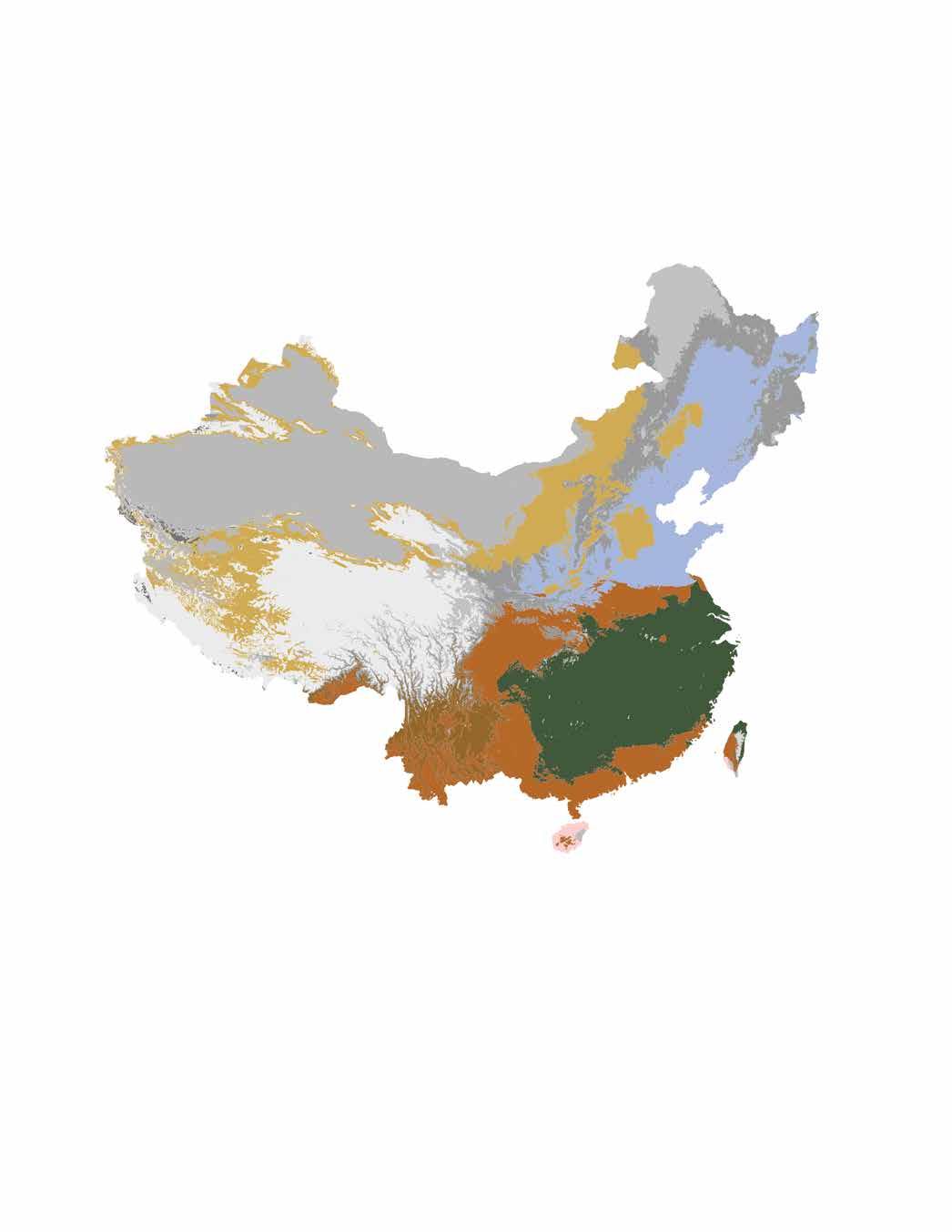
tool assesses areas at risk of environmental disasters and humanitarian crises. 56 By classifying these forty-two cities based on climate type using the Köppen-Geiger system, the atlas links the vulnerable cities with relevant Turenscape case study projects to offer possible strategies and tactics of adaptation. Rather than the typical mapping of places impacted by the climate crisis, this atlas uses Turenscape’s precedents to identify sites of opportunity for interventions and experiments, speculating on sites and strategies as test cases for these approaches.
The book concludes with a declaration of intentions that argues for urgent revisions to codes, cultures, professions, and practices as we work to adapt to climate change and its impacts worldwide. The manifesto outlines the need for greater attentiveness to the breadth and variety of landscape adaptation as well as its enabling conditions and negative limits. It concludes by calling for the development of a new landscape architecture aligned with these principles and suited to the exigencies of climate change.
While vulnerabilities vary across regions, latitudes, biomes, and human and natural systems, the threats posed by climate change are fundamentally shared ones. Adapting effectively to the changing climate is, therefore, a collective project. It will require collaboration, experimentation, and iteration at a global scale as we move toward the development of a new landscape architecture. This is not an aspiration but a necessity for our survival. We must learn to adapt our landscapes to changing conditions. In their scope and scale, China’s ongoing program of adaptation experimentation—within which Turenscape has played an outsized role—provides a critical body of evidence-based, real-world applications to inform adaptation in China and beyond.
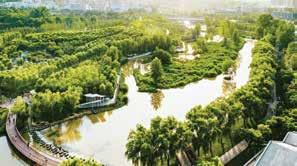
↑ 00.14 constructed wetlands.
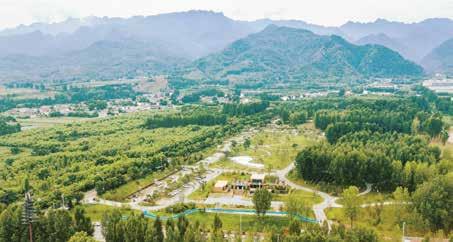
↑ 00.15 connections to the mountain.
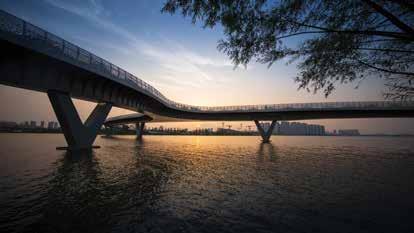
↑ 00.16 accessible routes.
56 M. Marin-Ferrer et al, INFORM Index for Risk Management: Concept and Methodology (Luxembourg: Publications Office of the European Union, 2017), 5.
Adapting our environment requires simultaneously adapting our practices. Reorientation around the rubric of adaptation will have significant implications for engineering, planning, architecture, and all design disciplines. Above all, it will require a fundamental reconceptualization of design vis-à-vis the concept of change. Large-scale interventions can no longer be conceived in the outdated paradigms of modification, addition, or optimization. Instead, what is needed is a new understanding of the recursive and cascading possibilities of change in natural and anthropogenic systems. The effects of climate change are, and will continue to be, complex, multiscalar, and nonstationary; they may present themselves to us as stochastic. The design professions must, therefore, find methods and strategies for anticipating, accommodating, and learning from change as well as affecting it. As the work of Turenscape reminds us, this will require a new cross-disciplinary ethic of collaboration and experimentation, one that couples bold projective thinking with scrupulous post-facto processes of assessment, analysis, and revision. The task at hand requires nothing less.
↑ 00.17 accessible routes.
6 KÖPPEN-GEIGER CLIMATE ZONES
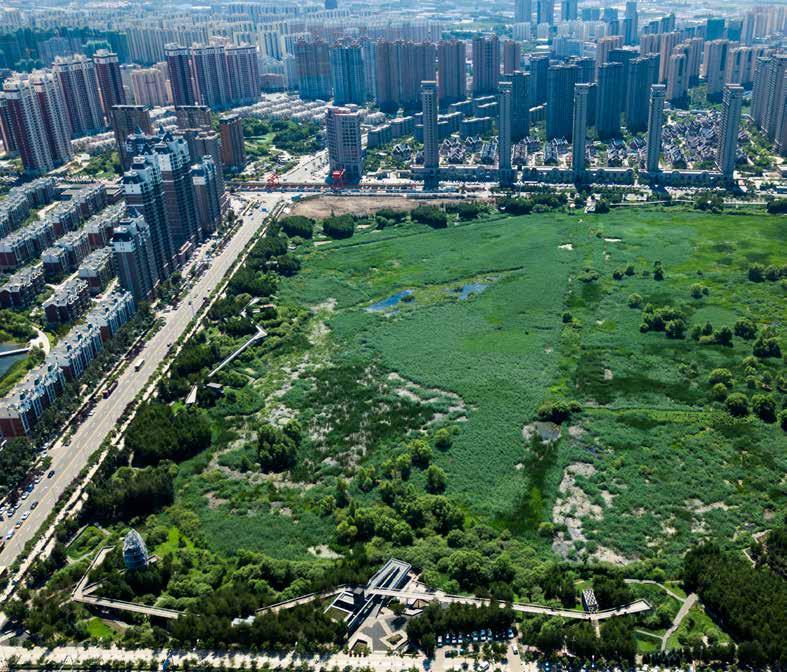
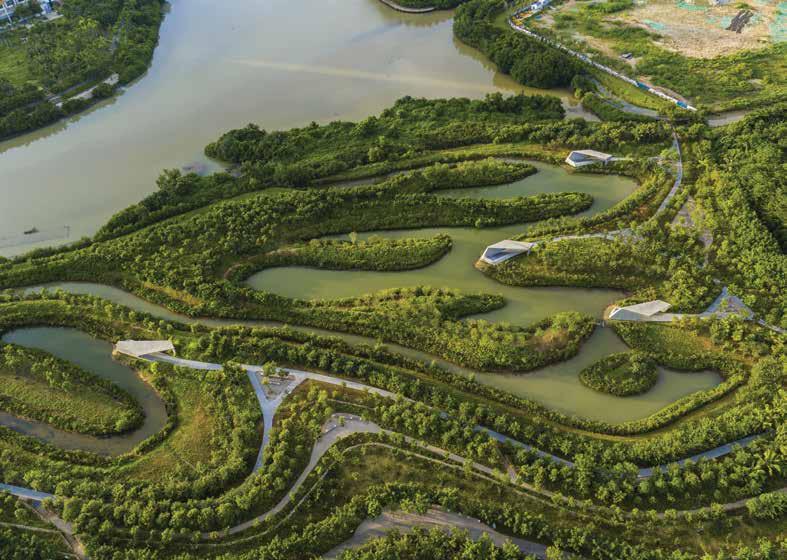
The site was subject to a range of primary climate change risks including loss of habitat, shrinking wetlands, increased floods and droughts, and negative impacts due to extreme weather events. Secondary climate change vulnerabilities included changes in plant phenology, reduced soil moisture, contamination of drinking water caused by flooding and eutrophication, and public health impacts caused by extreme temperature and flooding. The project is a primary example of habitat restoration with secondary benefits including wetland restoration, ecological hydrology, stormwater management, ecological remediation, and sponge city concepts. Tertiary benefits include biodiversity enhancement, vernacular preservation, and pedestrian connectivity.
↑ 01.01.01. Aerial view showing sponge wetland structure.
Dwa
Qunli Stormwater Park
1.3 Harbin Cultural Center Wetland Park
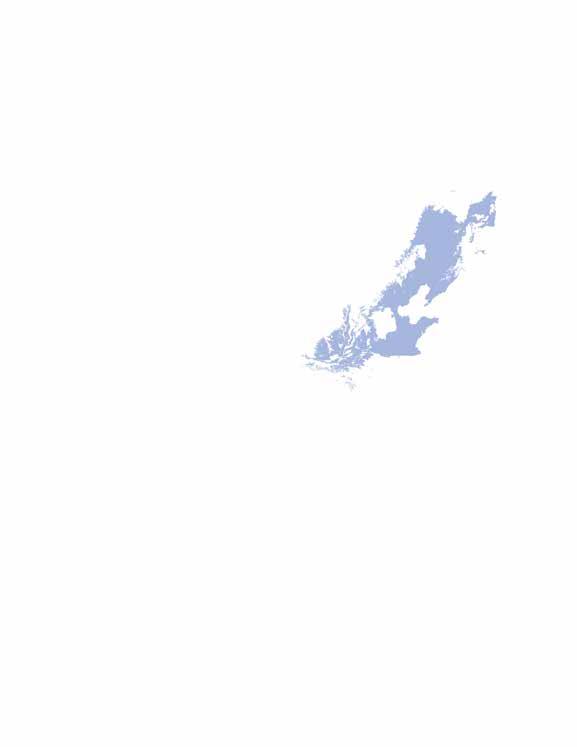
Map of climate zone [Dwa] and adaptation zone [Central].
10 Turenscape, “Harbin Cultural Center Wetland Park,” accessed March 25, 2022, https://www. turenscape.com/en/project/detail /4625.html.
Project Name
Mandarin Name
City/County
Province
Date
Harbin Cultural Center Wetland Park
哈尔滨文化中心湿地公园
Harbin
Heilongjiang Province
2011–2013
Project Type Park
Scale
Latitude
118 ha
45°49’N
Terrain Plain
Climate
Adaptation Zone
Dwa
Central
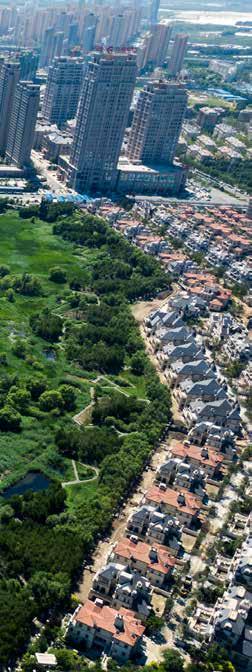
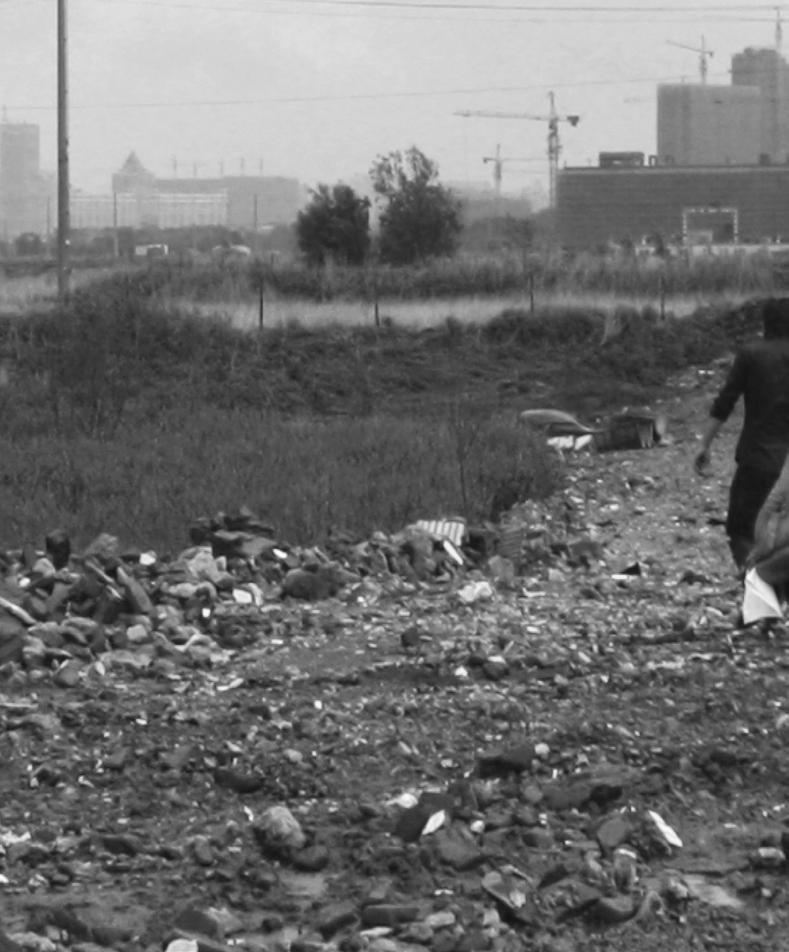
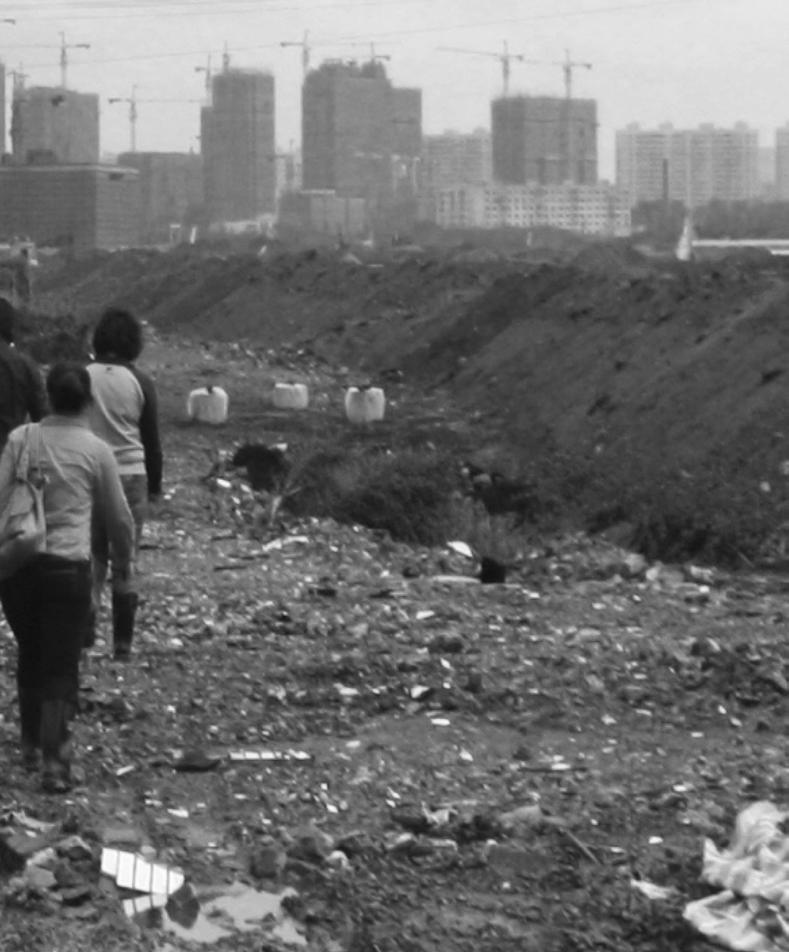
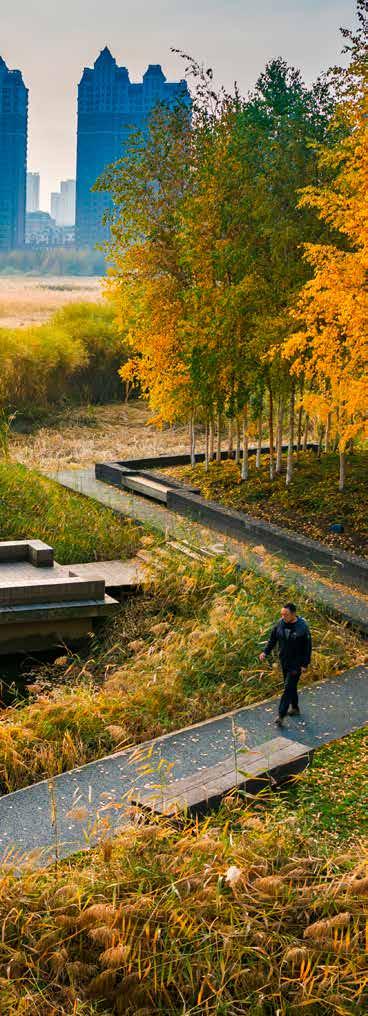
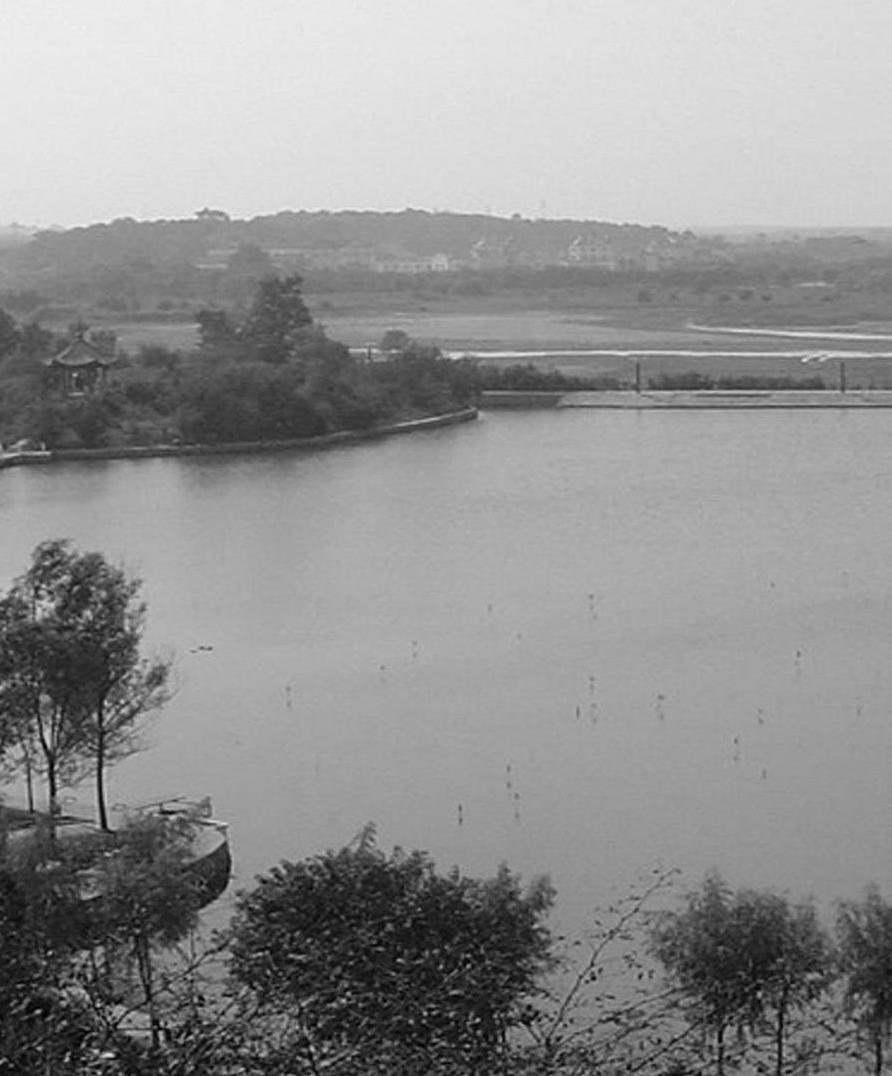
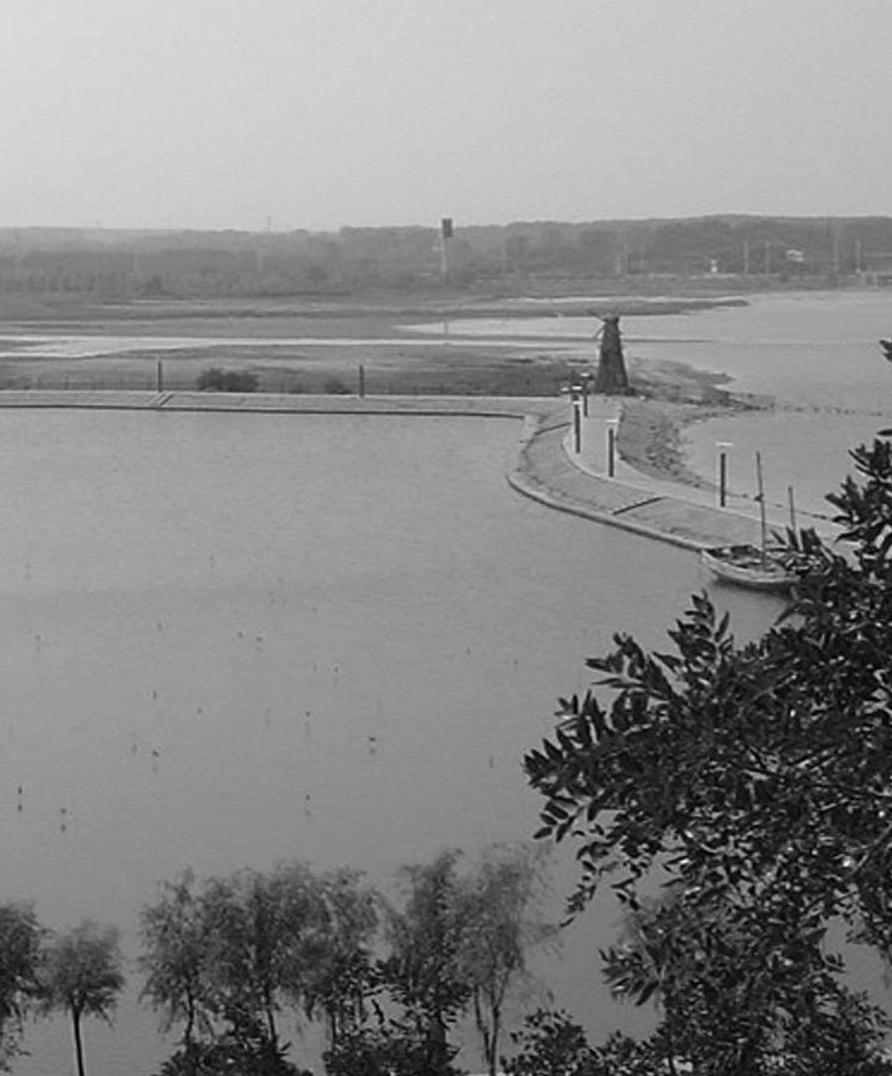
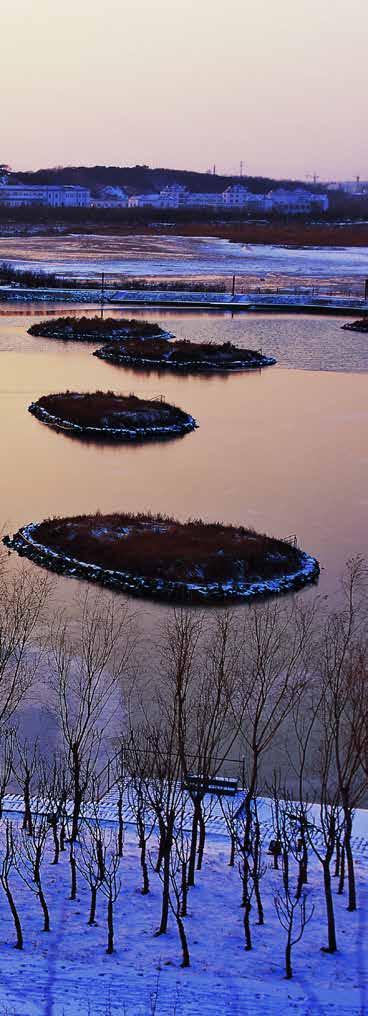
In Harbin, a major city in northeastern China, rampant urban development alongside traditional flood-control measures proved devastating to the city’s wetland habitats. A five-hundred-foot floodwall along the banks of the nearby Songhuajiang River cut off the wetlands from its water source while urban runoff and wastewater contaminated the water that was left. To alleviate these problems, Turenscape designed a series of bioswales to catch and filter sediment, suspended solids, and heavy metals from runoff before they enter the wetlands. These bioswales are planted with groves of native trees and, at lower levels, adaptive vegetation capable of withstanding the area’s highly variable water level. A network of detached boardwalks, platforms, and bridges render the park navigable despite the fluctuating water table.10
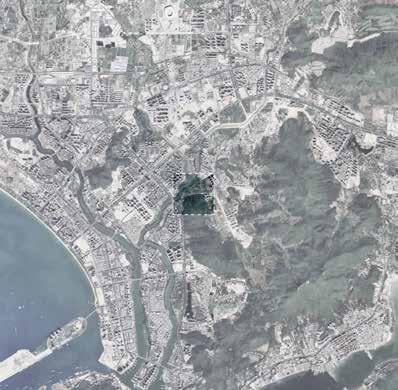
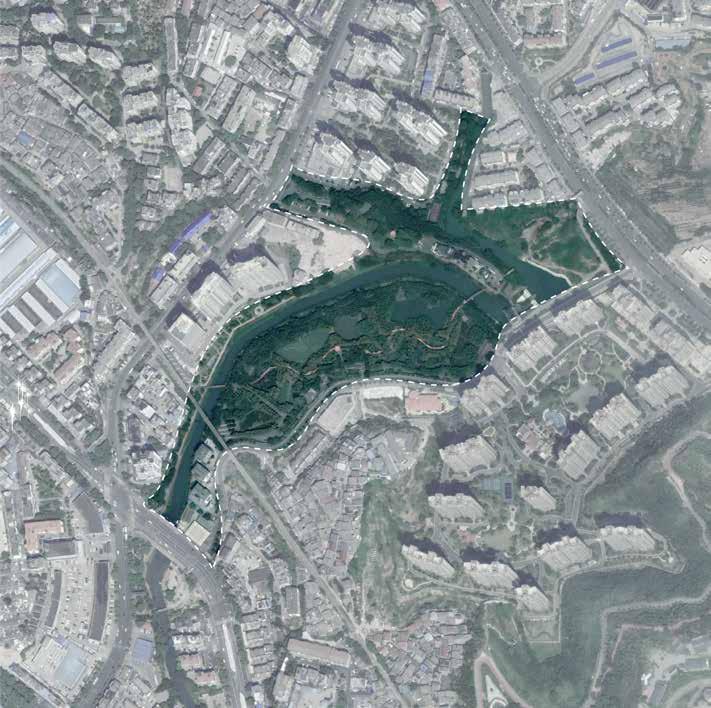
02.01.01. Regional satellite view, 10 × 10 km. Map data: Google, Maxar Technologies. →
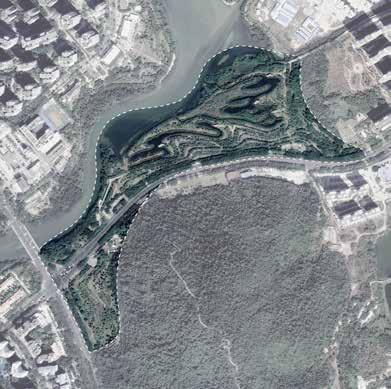
02.01.02. Zoomed-in satellite view, 1 × 1 km. Map data: Google, Maxar Technologies. →
The site was subject to a range of primary climate change risks including decline in mangroves, increased floods and droughts, increased coastal erosion, and intensified red tide and storm surge, as well as negative impacts on urban livelihood. Secondary climate change vulnerabilities included loss of habitat, negative impacts on port operations, contaminated drinking water, increased extreme weather events, and ocean acidification. The project is a primary example of wetland restoration with secondary benefits including habitat restoration, biodiversity enhancement, ecological hydrology, and sponge city concepts. Tertiary benefits include ecological remediation, pedestrian connectivity, and stormwater management.
↓ 02.01.03. Aerial view showing ecotone fingers with mangrove community.
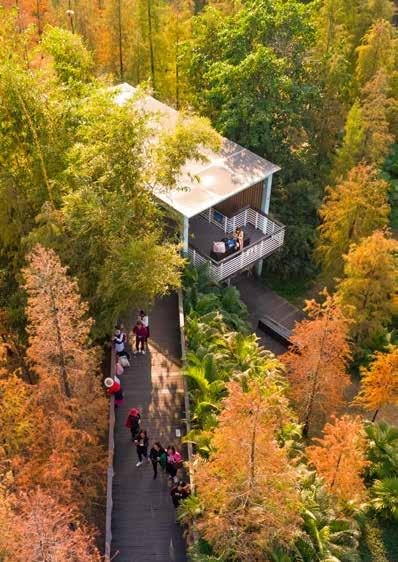
03.05.01. The viewing tower in the wetland forest. ↑
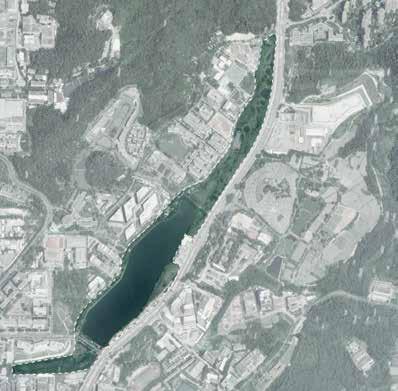
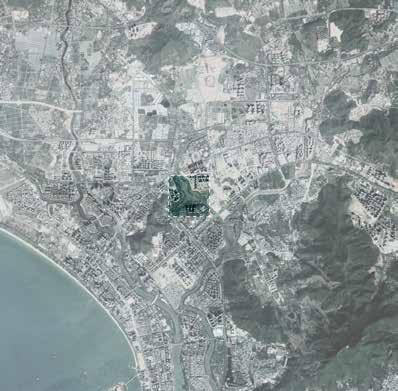
03.05.02. Satellite view, 2 × 2 km. Map data: Google, Maxar Technologies. →
Tianhe Smart City Daguan Wetland Park Cwa
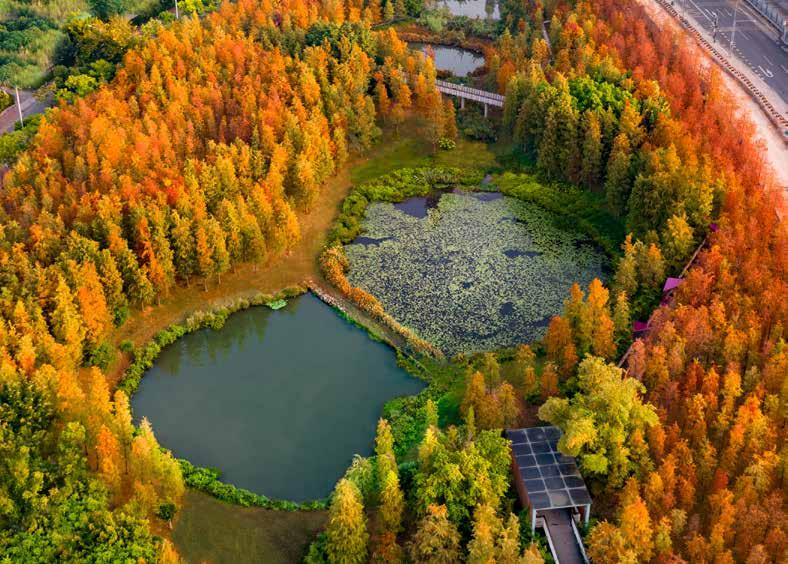
The site was subject to a range of primary climate change risks including increased floods and droughts, loss of habitat, and intensified red tide and storm surge, as well as negative impacts on agricultural production and urban livelihood. Secondary climate change vulnerabilities included shrinking wetlands, increased extreme weather events, and contaminated drinking water, as well as negative impacts on cultural and natural heritage. The project is a primary example of biodiversity enhancement with secondary benefits including stormwater management, ecological remediation, habitat restoration, wetland restoration, and sponge city concepts. Tertiary benefits include ecological hydrology and pedestrian connectivity.
↓ 03.05.03. Aerial view showing the wetland sponge structure.
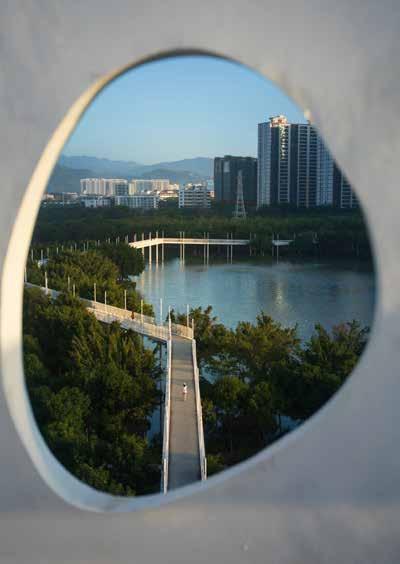
05.01.01. The view of the wetland, city, and mountain from the viewing tower.
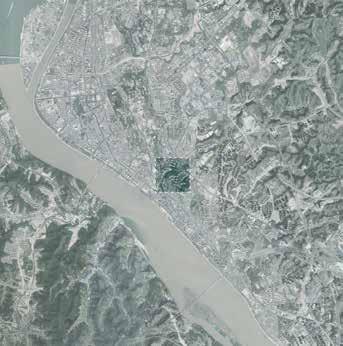
05.01.02. Regional satellite view, 10 × 10 km. Map data: Google, Maxar Technologies.
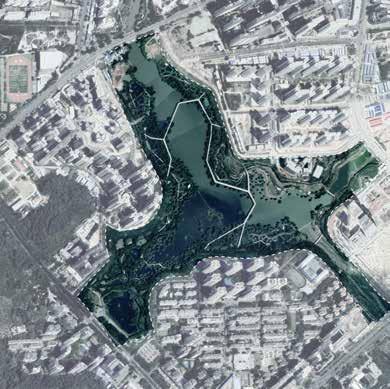
05.01.03. Zoomed-in satellite view, 1 × 1 km. Map data: Google, Maxar Technologies.
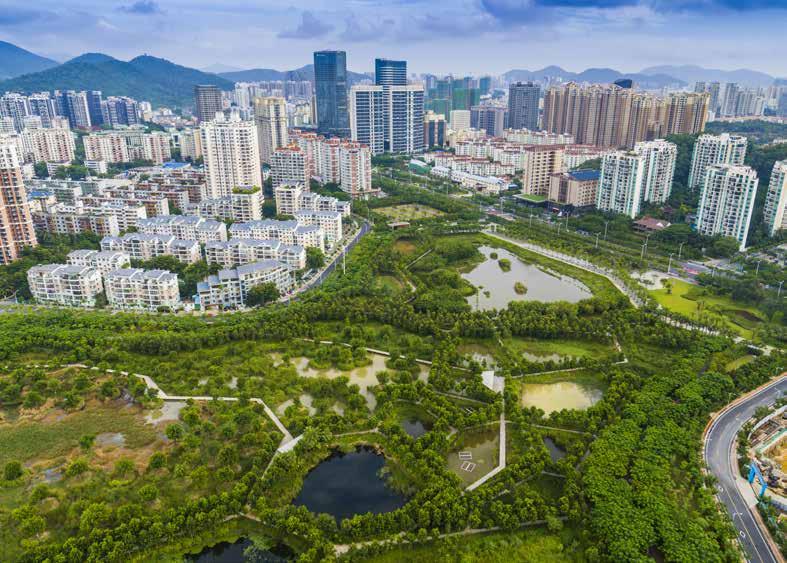
The site was subject to a range of primary climate change risks including increased floods and droughts, intensified red tide and storm surge, and negative impacts on urban livelihood. Secondary climate change vulnerabilities included coastal system degradation, loss of habitat, increased extreme weather events, and contaminated drinking water. The project is a primary example of stormwater management with secondary benefits including ecological hydrology, wetland restoration, and sponge city concepts. Tertiary benefits include habitat restoration, biodiversity enhancement, and pedestrian connectivity.
↓ 05.01.04. Aerial view of the wetland park in the urban context.
6.2
Yichang Yunhe Park
p.190 09.06. Case 6.2 Yichang Yunhe Park; satellite view, 10 × 10 km. Map data: Google, C n E s / Airbus. →
Turenscape identified the site of Yichang Yunhe Park during an ecological planning survey completed for the city. Formerly a commercial fish farm, it consisted of ponds separated by earthen dikes. These ponds leaked contaminated, nutrient-rich effluent that drained into the nearby Yangtze River. To remediate the site, Turenscape drew on the region’s long history of adaptive aquaculture to create a safe and accessible urban stormwater park. The design connected the ponds by making targeted modifications to the dike system, channeling contaminated stormwater as it enters on the eastern side through a series of water bodies planted with lotus, cattails, and other native vegetation. This process both slows down and filters urban stormwater, eliminating pollutants, sediment, and unwanted nutrients.82
82 Kongjian Yu, “Yichang Yunhe Park,” in Aquaculture Landscapes: Fish Farms and the Public Realm, ed. Michael Ezban (London, UK: Routledge, 2020), 39.
lusaka, Zambia
↑ 09.07. Case 6.2 Yichang Yunhe Park; satellite view, 1 × 1 km. Map data: Google, Maxar Technologies.
AUTHORS
Charles Waldheim is a North American architect and urbanist based in New York and Cambridge, Massachusetts. Waldheim is John E. Irving Professor of Landscape Architecture at the Harvard University Graduate School of Design where he directs the school’s Office for Urbanization. He also serves as Ruettgers Curator of Landscape at the Isabella Stewart Gardner Museum in Boston where he convenes The Larger (Landscape) Conversation. Waldheim’s research examines the relationships between landscape, ecology, and contemporary urbanism. Waldheim is author, editor, or coeditor of numerous publications on these topics, including Landscape as Urbanism: A General Theory and The Landscape Urbanism Reader. Waldheim developed the theory of landscape urbanism in response to the industrial economies and emergent ecologies of the American city. On this topic, he curates Harvard GSD’s Future of the American City platform. Waldheim is recipient of the Rome Prize Fellowship from the American Academy in Rome, the Visiting Scholar Research Fellowship at the Canadian Centre for Architecture, the Sanders Fellowship at the University of Michigan, and the Cullinan Chair at Rice University. He has been visiting scholar at the Architectural Association School of Architecture in London and the Bauhaus Foundation in Dessau, Germany.
Boya Zhang is a Chinese architect interested in the relations between urban form and cultural, political, economic, and environmental forces. Zhang is a doctor of design candidate at the Harvard University Graduate School of Design. Since 2018, he has been a research affiliate of the GSD Office for Urbanization, where he has contributed to a series of design research projects centered on the idea of agrarian modernization. On this topic, Zhang is coauthor of 50 Species-Towns (Harvard University Graduate School of Design, 2021). His research engages with the global discourse of agrarian urbanism, as a response to the increasingly urgent call for alternative imaginaries of rural futures. Zhang’s doctoral dissertation focuses on the reception of ideas of the agrarian from the West within China. It aspires to offer a historical account through which the urban–rural transformation in 20th-century China could be understood in a broader theoretical framework beyond the conventional East-West divide. Zhang holds bachelor of architecture and master of architecture degrees from Tsinghua University, and a post-professional master of architecture degree from Harvard GSD.