INTRODUCTION 10
CHAPTER 1
At Water’s Edge
14
Red Oaks 18
Highmere 32
Ocean Lodge 46
Sungold 58
CHAPTER 2
On the Vineyard 70
Hidden Village 74
Starbuck Neck 82
Slough Cove 94
CHAPTER 3
Cape Classics 110
North Beach Overlook 114
Allen Harbor 126
High Point 140
CHAPTER 4
At Home in the Suburbs 152
Chestnut Hill Stables 156
Carisbrooke 164
Hundreds Woods 178
APPENDIX 194
ACKNOWLEDGEMENTS 198
PROJECT CREDITS 201
PATRICK’S CAR COLLECTION 202
PHOTOGRAPHY AND BOOK CREDITS 204
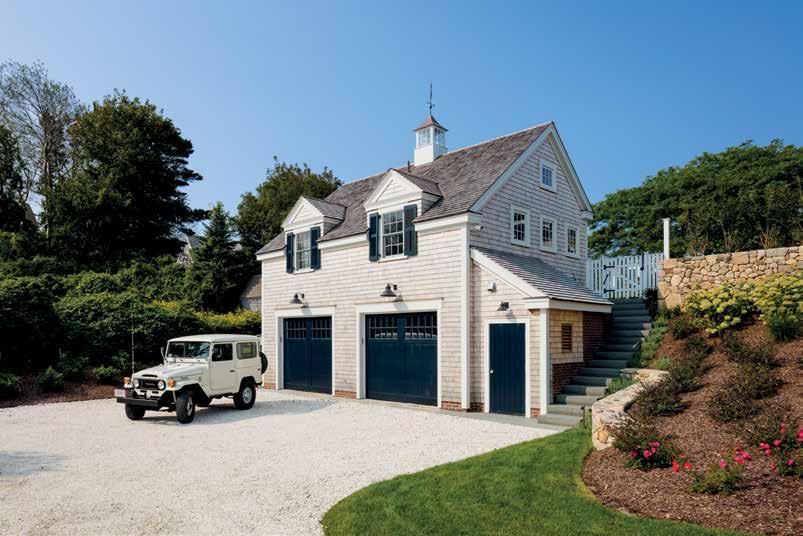
Early in 2025 I received a phone call from Dean Michael Speaks at Syracuse University asking if I would give the convocation speech for the School of Architecture later that spring. I was honored to be part of the convocation.
The idea that a kid from Levittown, New York, the country’s first mass-produced suburb built on potato fields for World War II veterans, would eventually lead his own firm specializing in New England vernacular architecture of the highest quality is more than a little surprising. And yet, somehow that’s exactly what I did. My upbringing wasn’t particularly remarkable—like all the other baby boomers, I witnessed the dawn of television, the rise of rock and roll, and the introduction of candy-colored cars with mirror-finished chrome. At home, I painted mullions on the windows because we couldn’t afford the real ones and painted the house gray with a cottage red door for homey curb appeal. I even made my own shutters—elements that are still prominent in my work today. In my own way, I was yearning to live a Leave It to Beaver life that wasn’t in my cards. Though my parents had separated, some of my fondest memories are washing and waxing our cars in our driveway.
My dad, a car guy himself, bought a new car every few years. I vividly remember riding to the bakery in our 1953 Ford Victoria sitting on two-tone blue-and-white front seats. On weekends, washing the cars was in essence a study in sculpture. As I scrubbed my mother’s white 1959 Pontiac Catalina Convertible with a red interior, my hands traced and admired the prominent tailfins, the wraparound windshield, and the split-front grille. I came to know every line and curve on that car inside and out. Every detail accented and reinforced the car’s bold, wide track styling—it was unmistakable on the road—an icon of its time. My father so loved that car that he eventually bought a 1962 model in Roman red. While the body style shifted somewhat from the ’50s to the ’60s, the spirit of the vehicle undoubtedly remained. I fell in love with these
cars as objects of design that could make you feel something truly special.
Maybe that’s why, in my junior year of high school when my guidance counselor asked what I wanted to study in college, I said I wanted to be a car designer. At that point muscle car mania was upon us, and designing automobiles would have been my dream job, but when I learned there would be years of extra engineering coursework I was more than discouraged. Suddenly, automotive design didn’t seem like the best fit. My guidance counselor probed about what else I liked to do, and my thoughts turned to my models of Levittown houses I made for my American Flyer train set out of shirt cardboard. “Oh, like an architect,” she mused, “now that’s a legitimate profession!”
The rest, as they say, is history.
Today, I’m proud to practice non-ego-driven architecture. My homes are designed not to amplify the reputation of homeowner or architect, but to elevate the daily lives of those who experience them and to enhance the public realm. I strive to imbue these residences with a sense of history even when they’re constructed anew. This sort of implied history tugs at the heartstrings, offers a reassuring link to the past, and gives the structures the feeling that they could have stood forever. At a recent speaking engagement, an enthusiast approached me to share, “I can always tell when I see one of your houses—they just feel right.” These days I hear variations of that sentiment with some regularity, but the “why” behind the feeling is the root of my practice. I reinforce to my team the importance of massing and scale and emphasize the intricate layering of architectural detail that makes a difference in formal and informal spaces alike. These principles are why my homes “just feel right.”
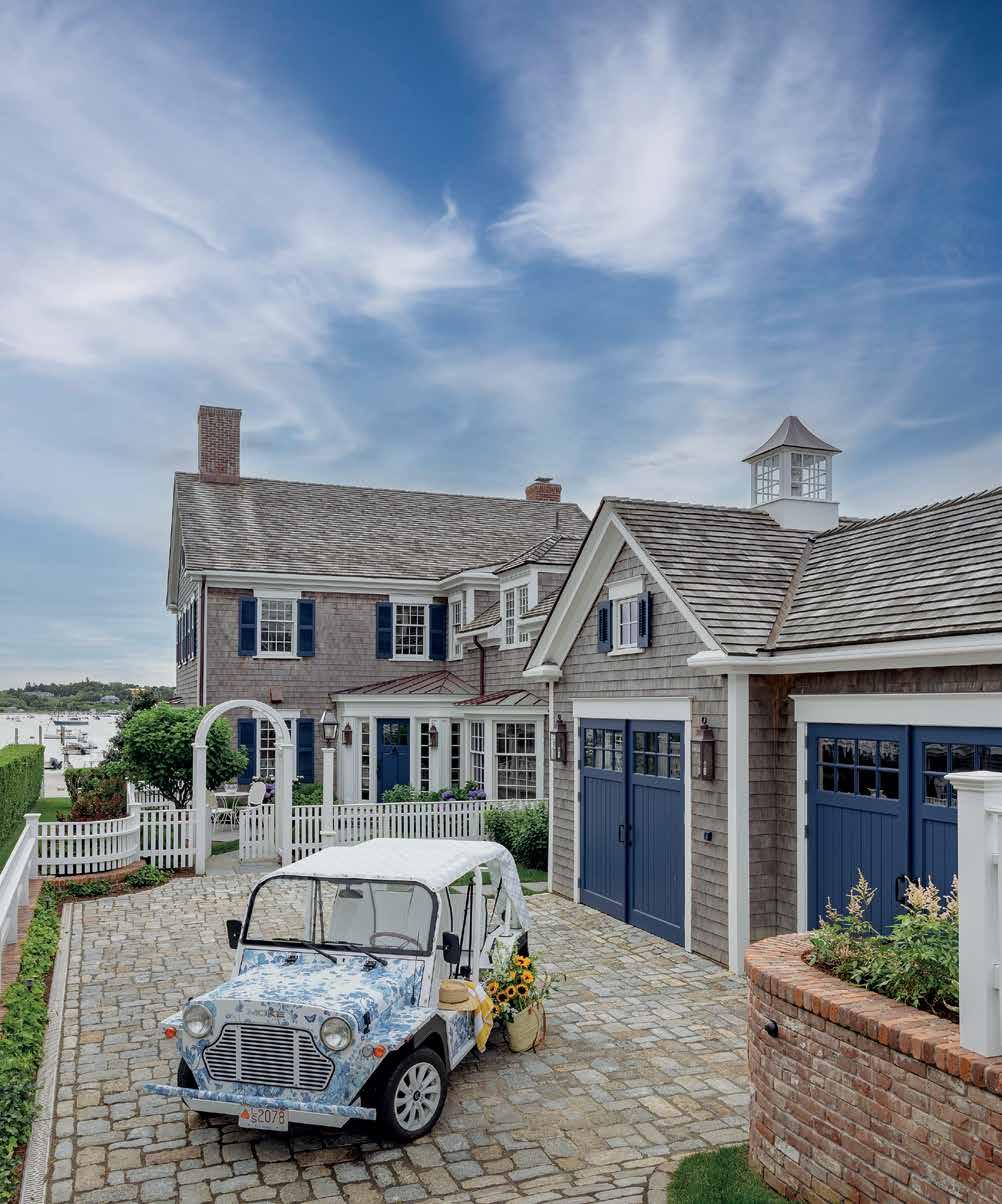
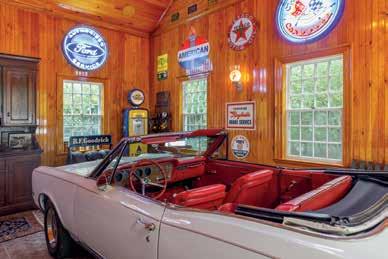
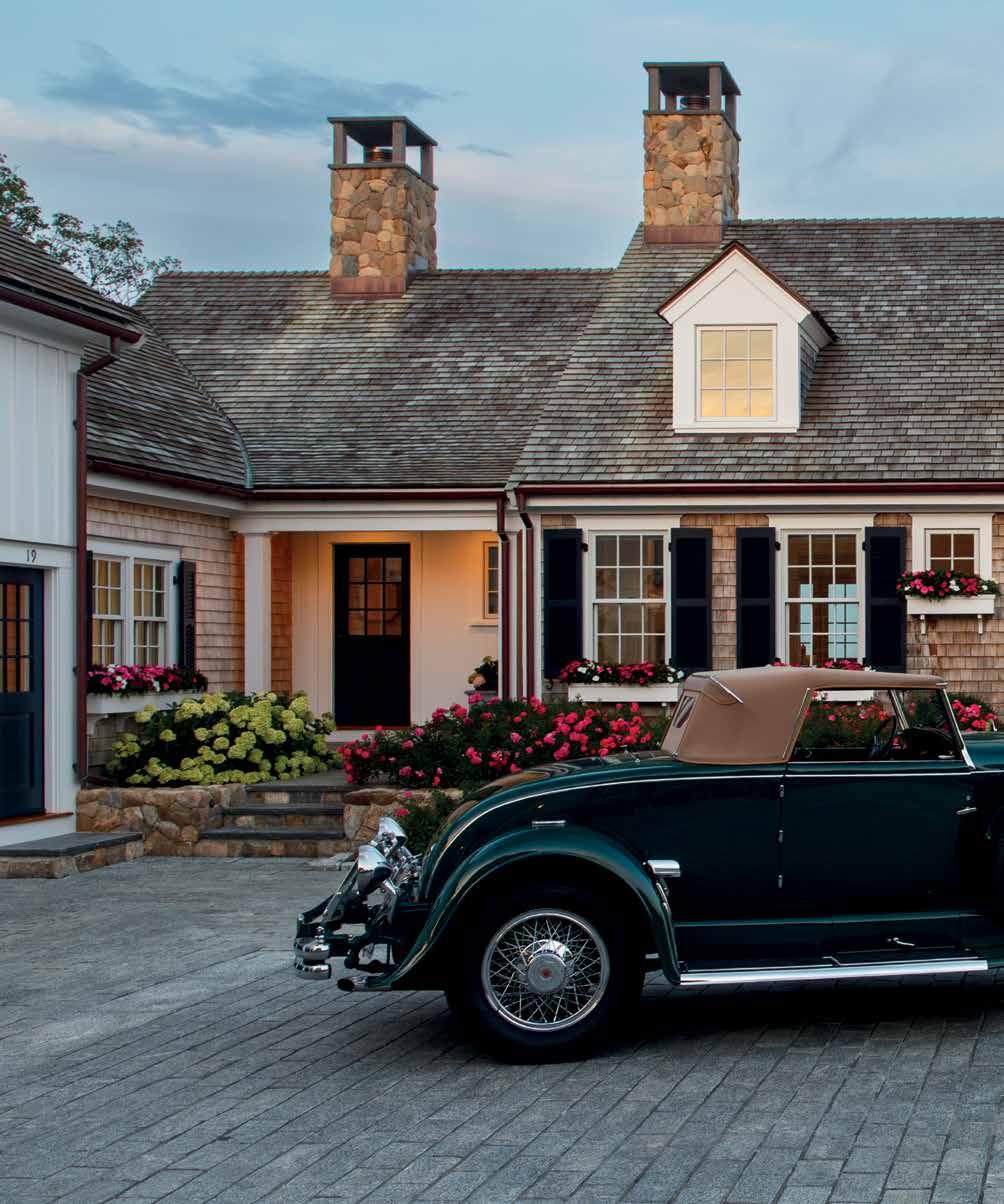
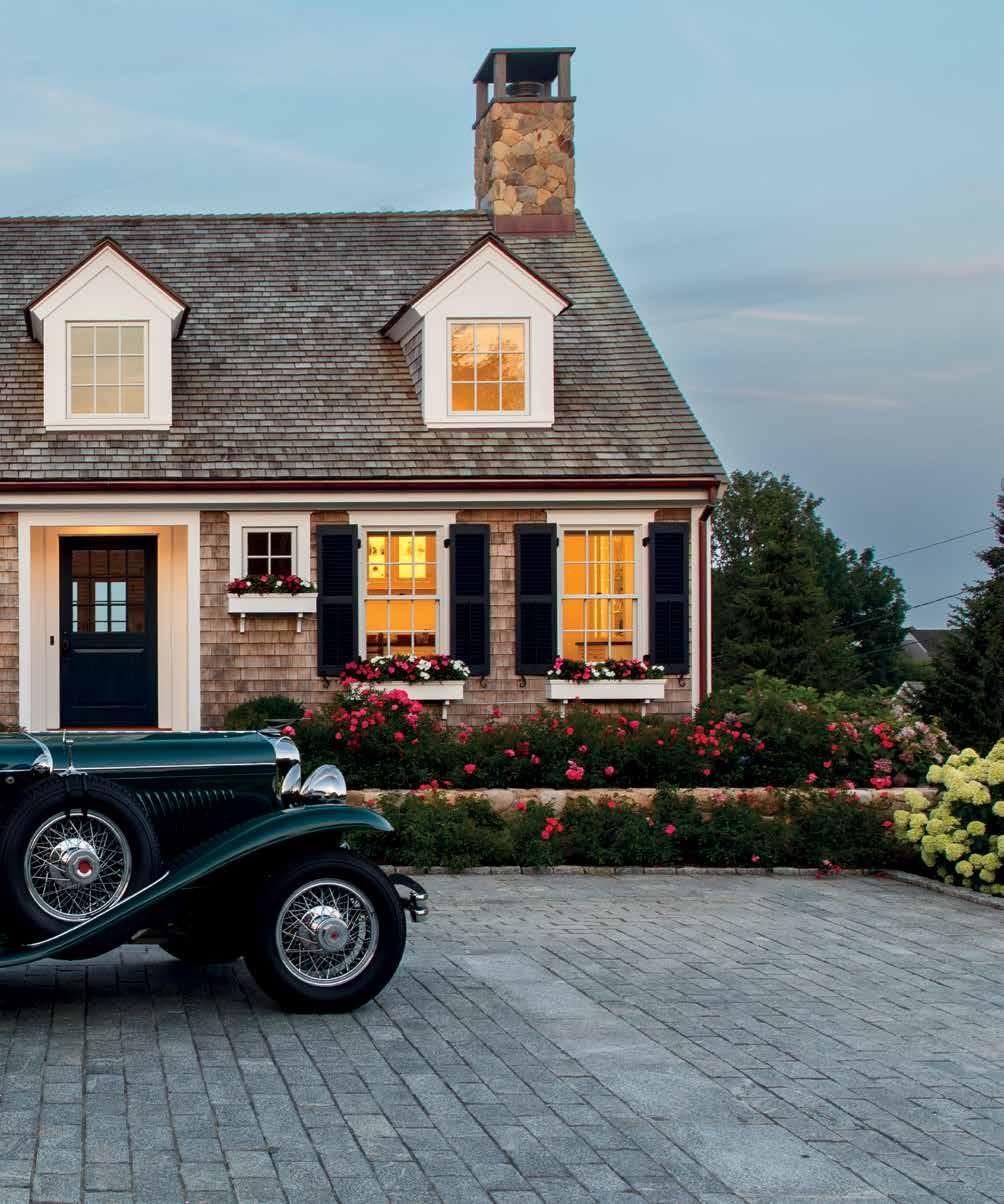
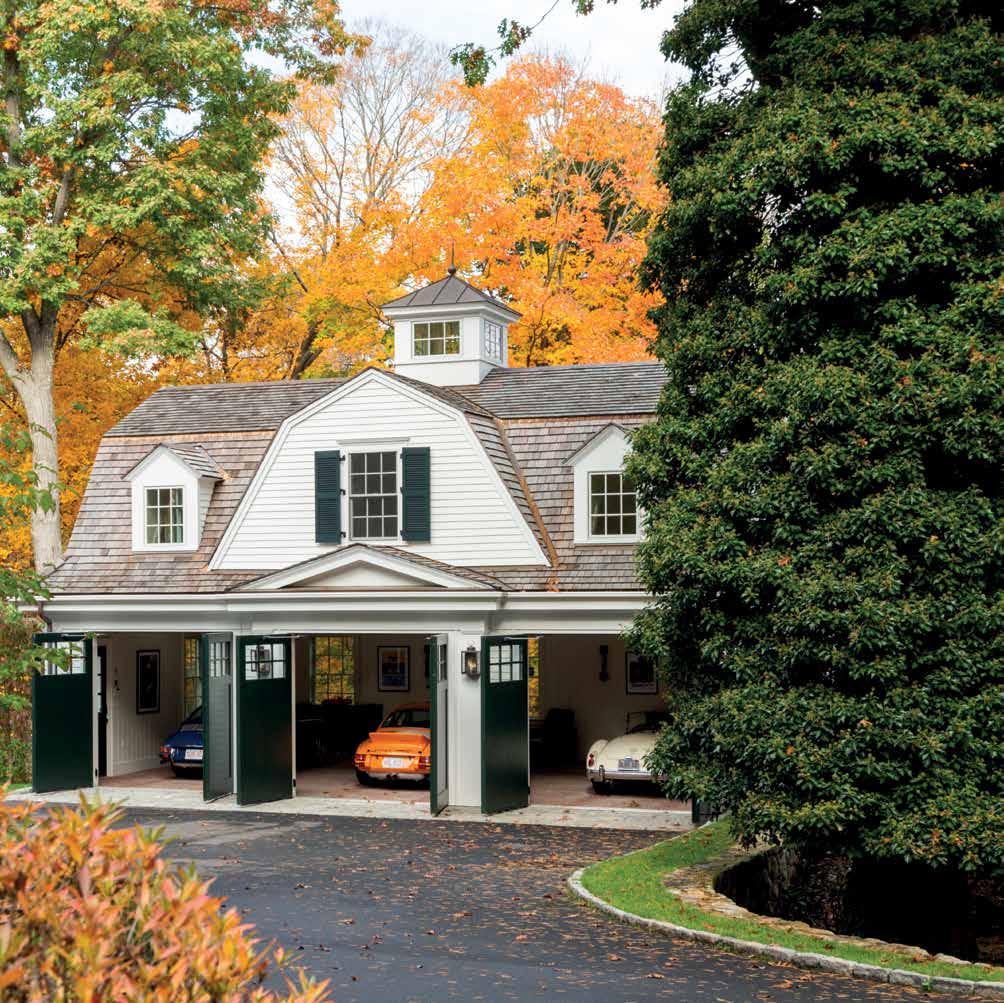
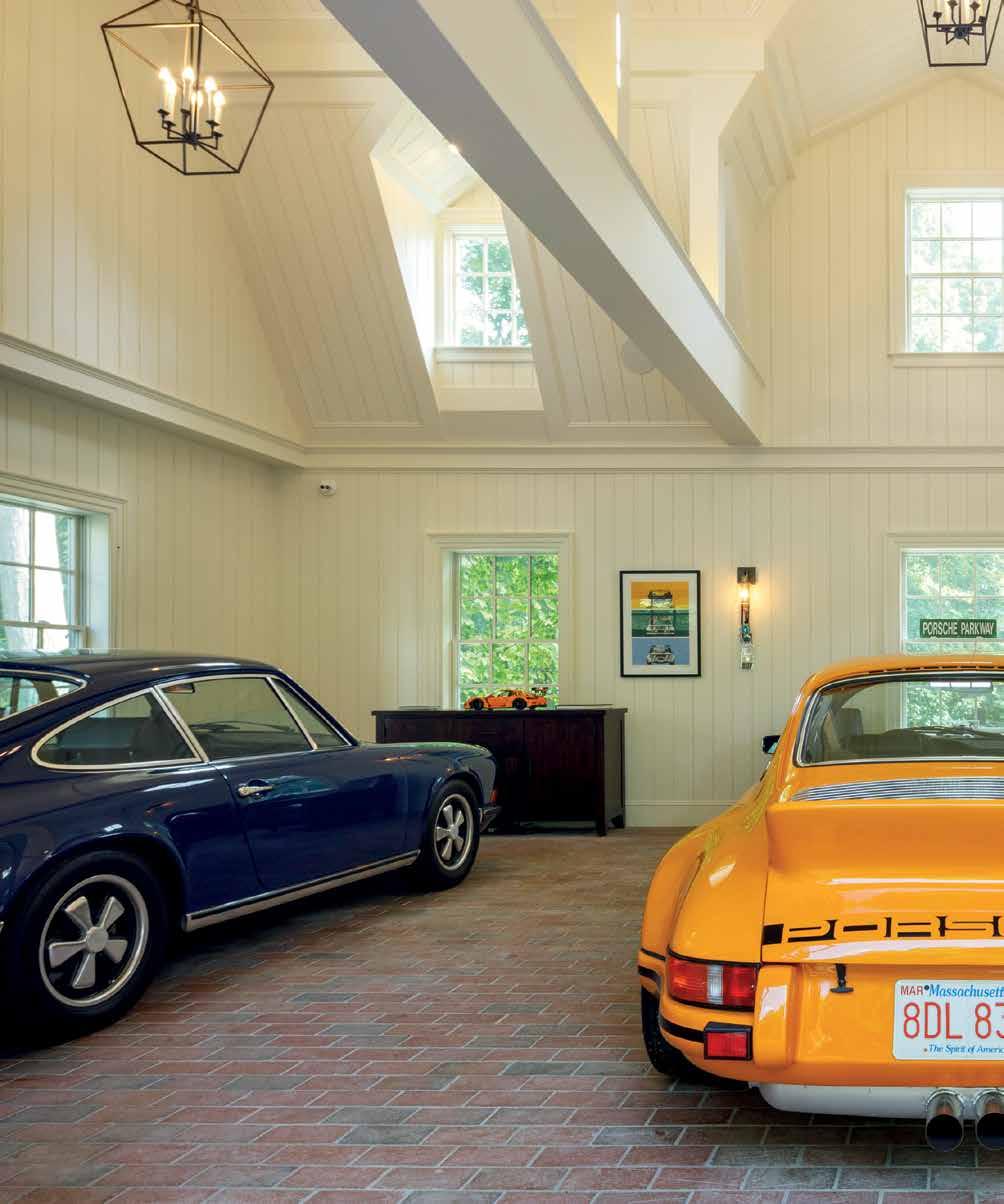
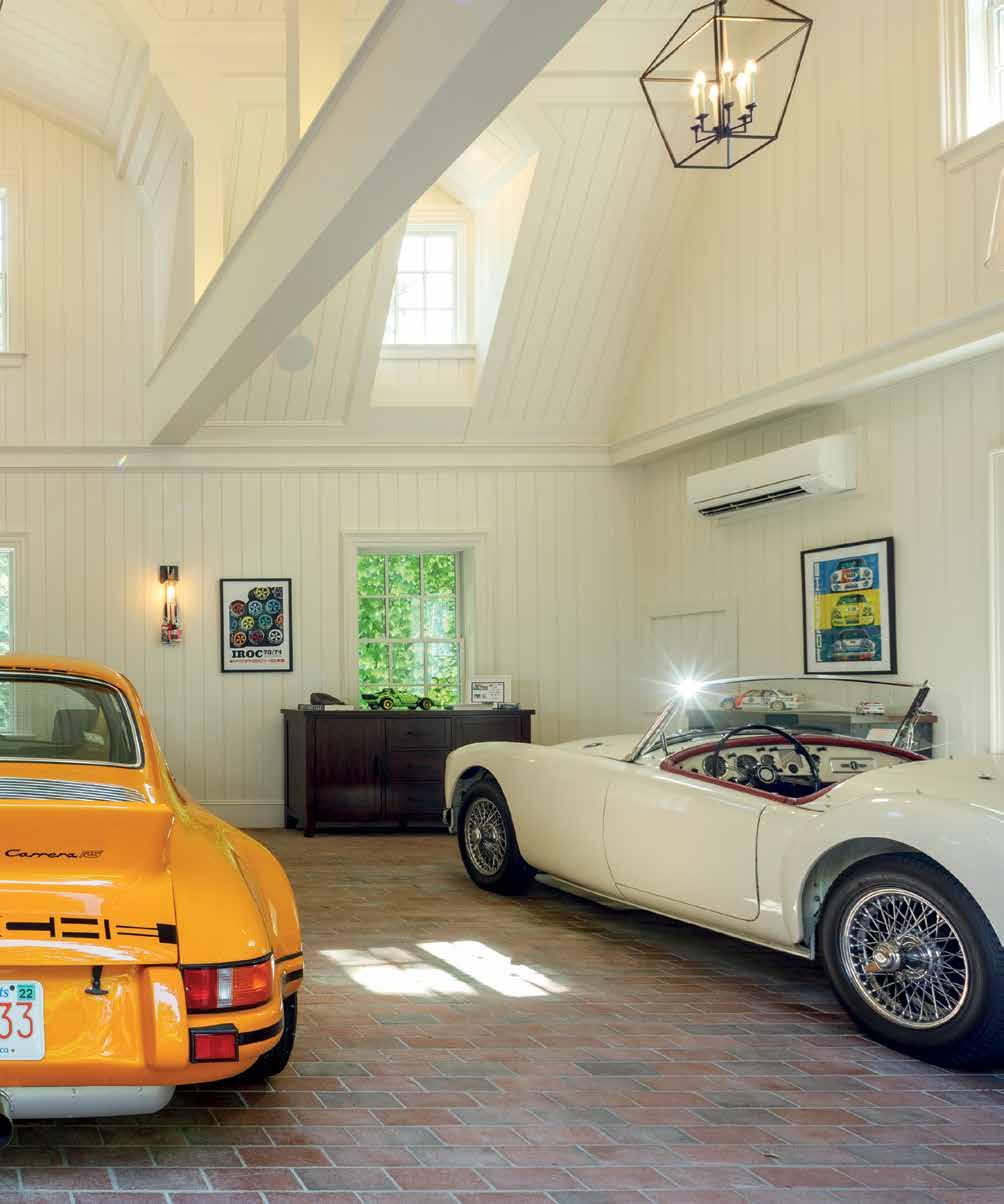
While my first love will always be automobiles, architecture closely follows, and as a result, the carriage house is of utmost importance—it is the singular structure that marries my passions. Far more than a humble garage built to house vehicles, the carriage house offers
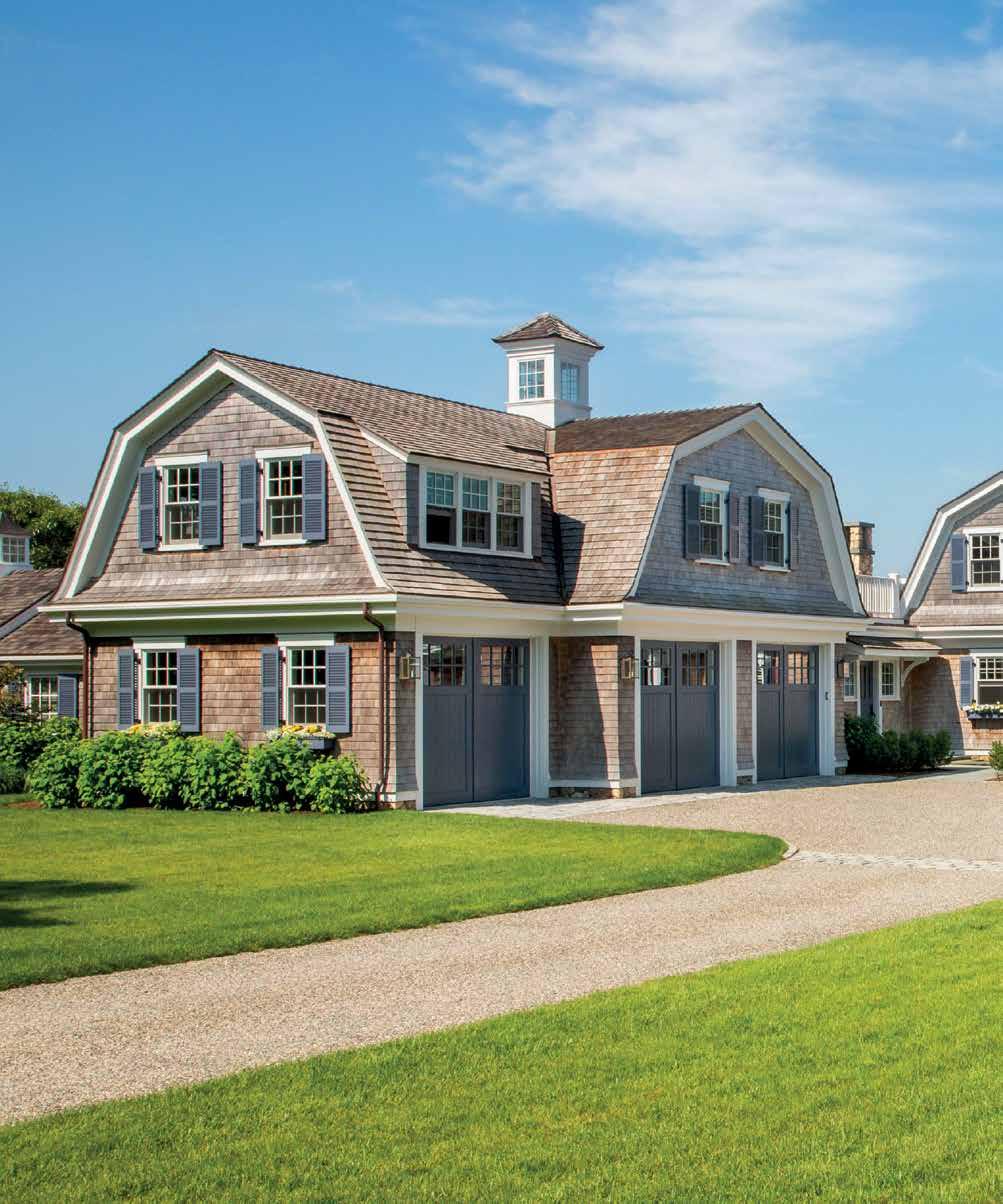
a myriad of opportunities depending on my clients’ interests and priorities. Over the years I’ve designed carriage houses with programs including guests’ quarters, fishing lounges, pool cabanas, golf viewing decks, home gyms, table tennis courts, mechanics’ workshops, wine cellars, indoor–outdoor entertaining rooms, and much more, all with the same timeless appeal inherent in my homes. Each structure is sited strategically and designed to complement the main house as an additive destination within the master plan. And—just like all of the detailing included within my family’s cars—all elements within the carriage house are specified to reinforce overall character. While the buildings and wings may be secondary to a main residence, they nonetheless play a key role in defining the thematic identity of a property.
My first book, Timeless, explains how I apply philosophy’s greater good theory to my architecture and highlights how good design can positively impact people’s lives. From an exploration of preservation
and renovation works to modernization and newly built projects, I examined the ways in which architecture enhances how we live. My second book, History Reinterpreted, stands as a testament to process, a case study in respecting historic roots in order to sensitively revive a structure of significance to live for modern times.
In this volume, by spotlighting carriage houses together with meaningful vehicles, it is my hope that I might inspire readers and enthusiasts to pursue their own passions. Over the next fifty years, you never know where that marvelous road may lead.
Patrick Ahearn, FAIA
Author’s note: For those who wish to read my message to the Syracuse University School of Architecture Class of 2025, my convocation speech is included in the appendix of this book.
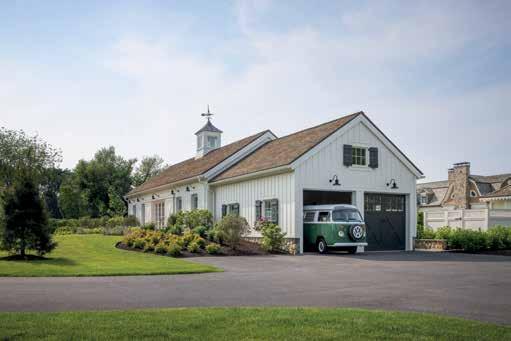
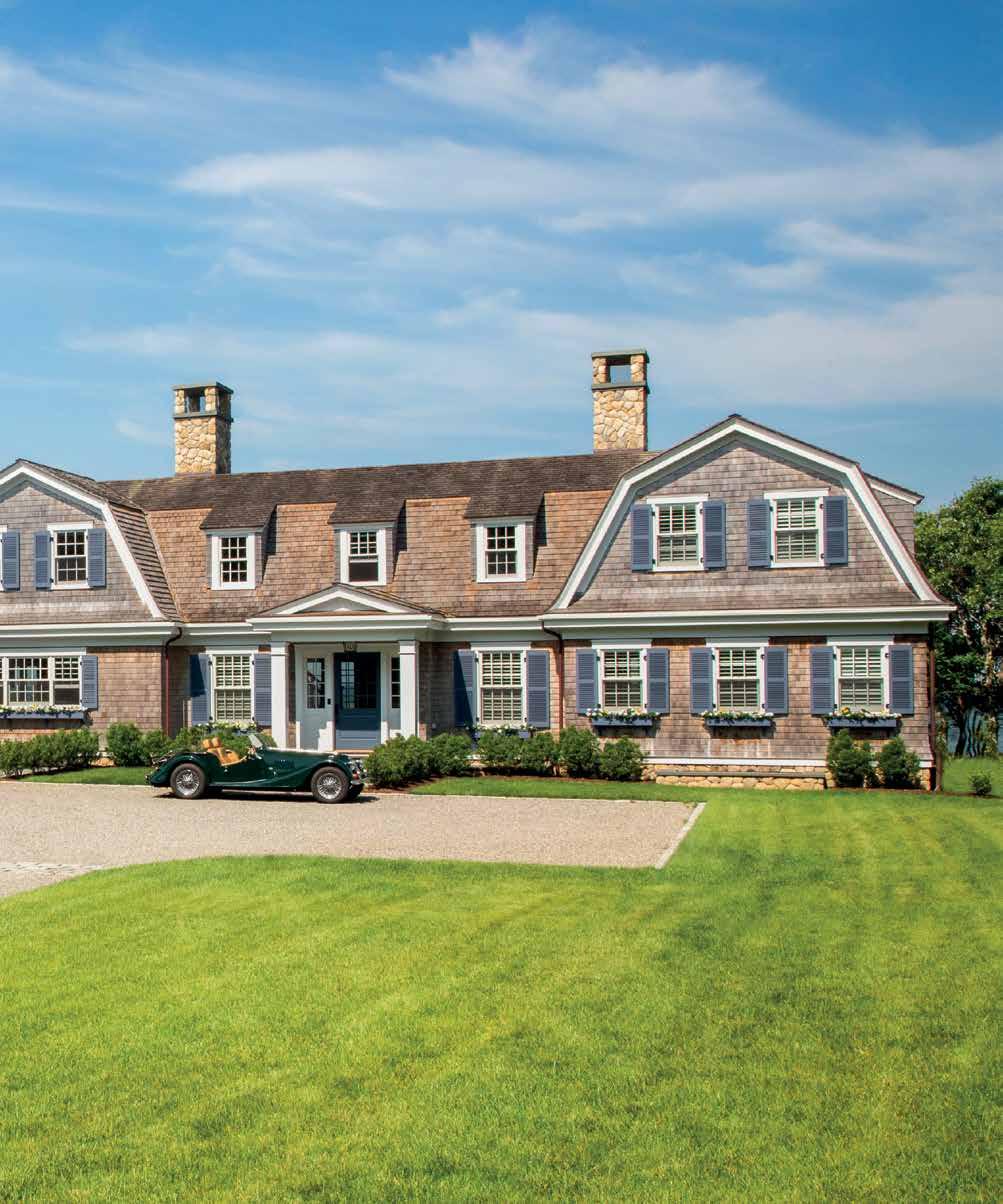
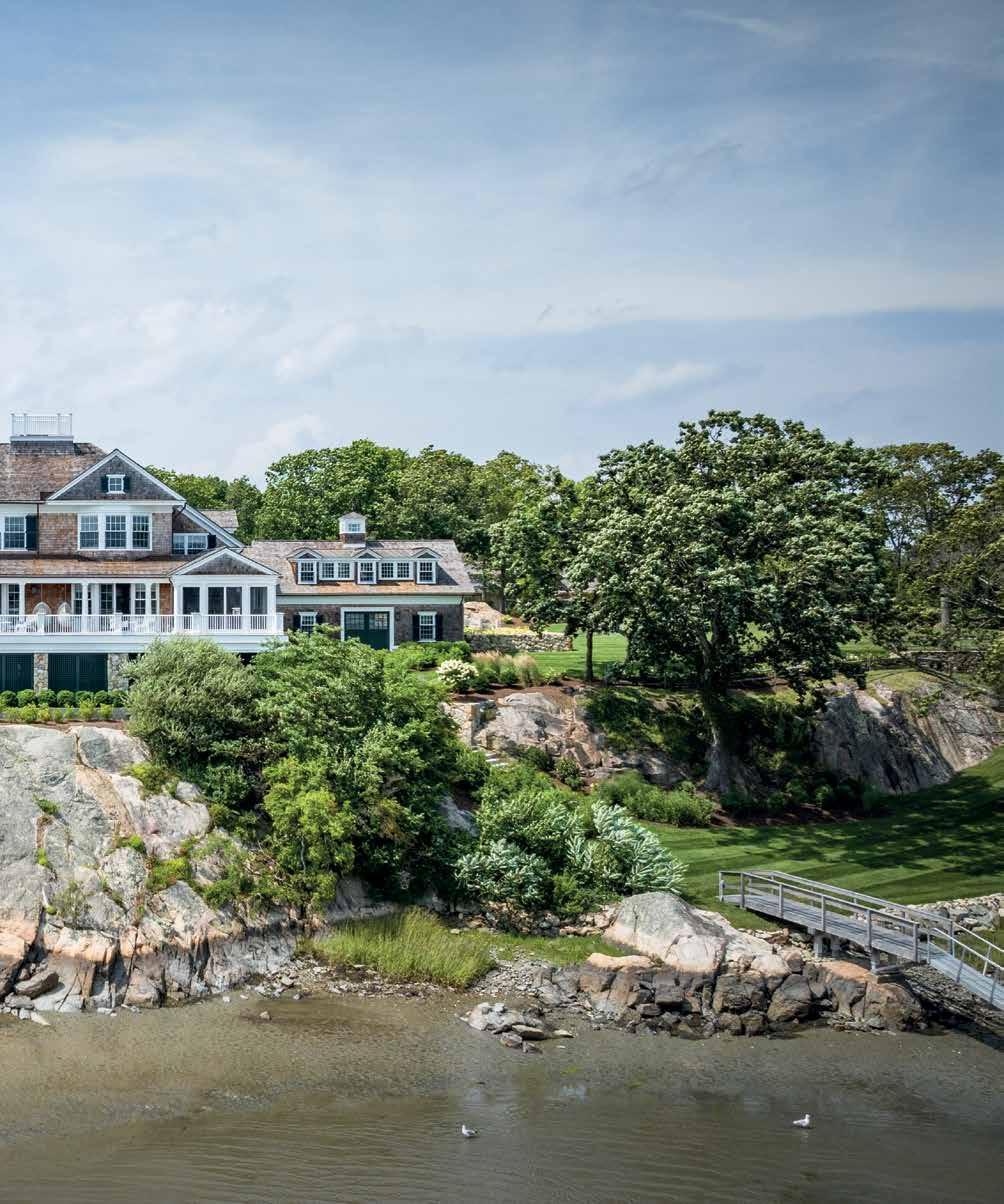
left: Thanks to social media, our audience of enthusiasts has expanded beyond New England, and as a result, our timeless architecture is now increasingly found across the country. Highmere is located on the shores of Lake Erie in Ohio.
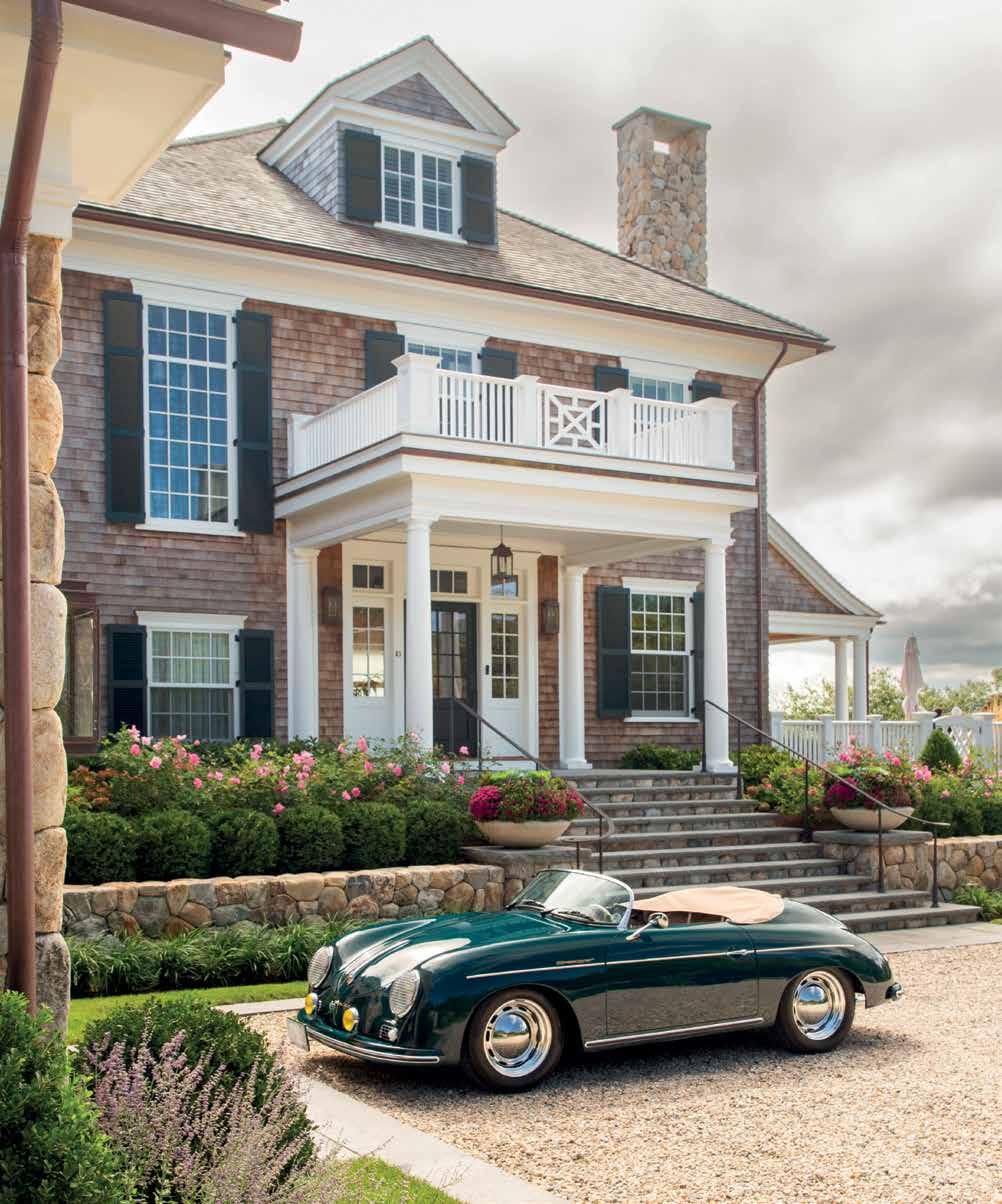
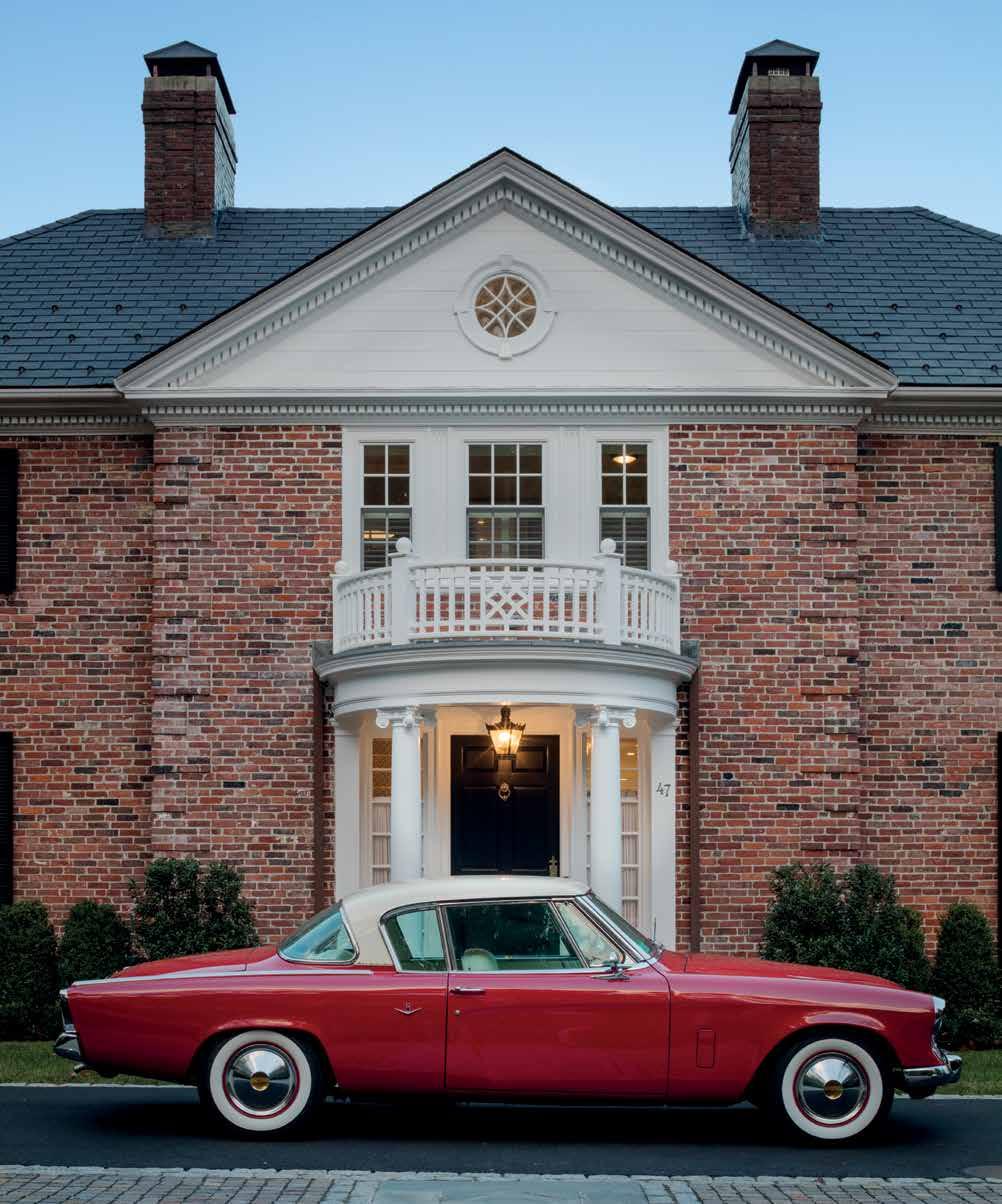
opposite: My iconic 1953 Studebaker Starliner Coupe, arguably the most beautiful two-door vehicle ever built in the United States. It’s perfectly at home in front of brick Georgian colonial we renovated in one of my favorite Wellesley, Massachusetts, neighborhoods.
An Icon: The Volkswagen Bus
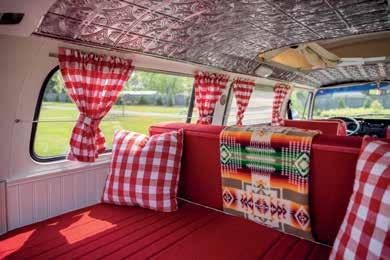
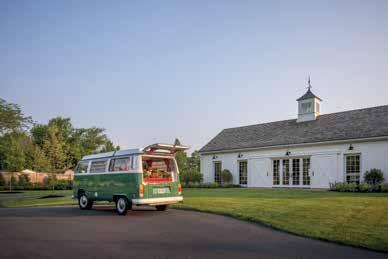
Few vehicles capture the spirit of an era as completely as the original Volkswagen bus. Introduced in the 1950s, it was simple in form and endlessly adaptable, making it a blank canvas for imagination. With its upright windshield, cheerful front face, and generous interior volume, the bus embodied accessibility and freedom. It was neither sleek nor fast, yet it became iconic precisely because it represented mobility, community, and adventure. In essence, it was a way of life all its own.
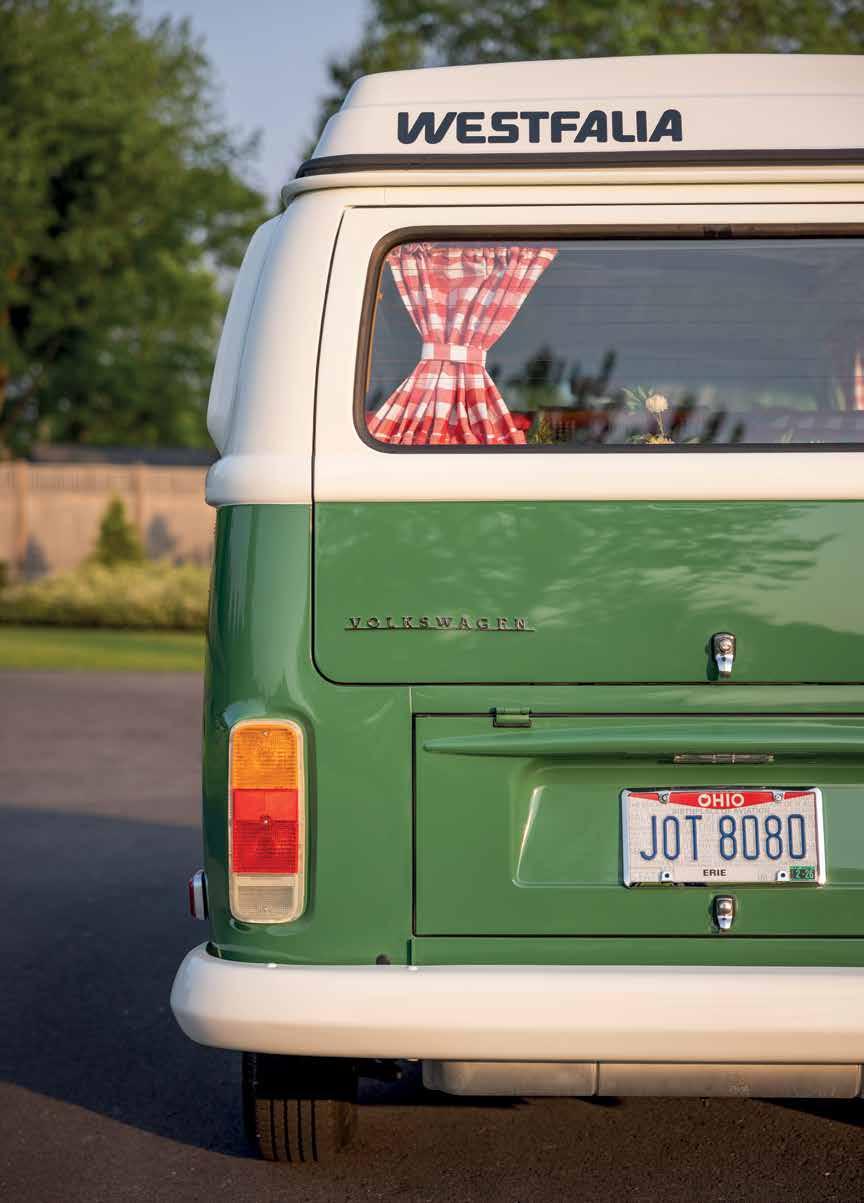
The Westfalia camper conversion converted the average bus into something extraordinary. Folding rear benches transformed into beds, a pop-top roof created headroom and sleeping space, and clever cabinetry tucked essentials into every corner. Suddenly, the bus could become a home on wheels.
I know a thing or two about that home on wheels—my 1963 Day Glow Green Volkswagen bus was my home my final year at Syracuse. When four years of scholarship didn’t cover my five-year architectural dual degree, I was left with no other choice but to live in the bus, and really it wasn’t so bad. I plugged in to the back of a fraternity house for electricity and was instantly in business! In 1973 this was very much en vogue.
The bus’s iconic status rests on a combination of character and versatility. It was for the everyman, a community on wheels that offered all sorts of possibility. Its silhouette remains instantly recognizable, and its Westfalia features made it deeply personal and adaptable to countless journeys. In its own way, the Volkswagen bus became timeless not for what it was, but for what it allowed people to dream.
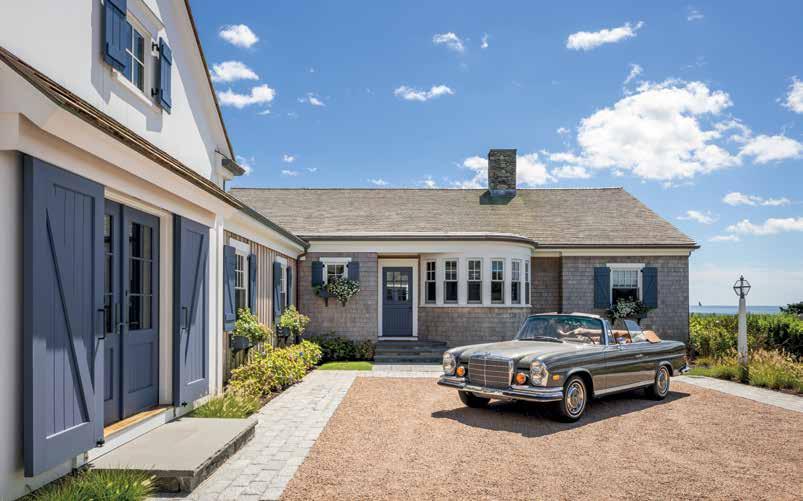
The 1971 Mercedes-Benz 280 SE Cabriolet stands as one of the most refined expressions of postwar automotive design. Hand-built in limited numbers, it combined stately presence and performance, offering an experience that is equal parts engineering precision and luxury. Its long hood, finely balanced proportions, and graceful beltline conveyed elegance, while the folding canvas top transformed the car from formal coupe to open-air tourer. To me, this car in particular is designed for joyful weekend motoring.
Beneath its sculpted bodywork, Mercedes introduced the 3.5-liter V8 engine, delivering smooth, confident power that elevated the Cabriolet from a grand cruiser into a true performance vehicle. Inside, rich leathers, polished woods, and meticulous craftsmanship make every journey feel special. Unlike many contemporaries, the 280 SE eschewed flamboyance in favor of restraint, a design choice that has ensured its enduring appeal.
As an icon, the 280 SE Cabriolet is a seemingly perfect balance of poise and power. It was a car equally at home along the boulevards of Palm Beach or winding Alpine roads, beloved by discerning automotive enthusiasts. Presently, the 1971 Mercedes 280 SE Cabriolet stands as an icon of motoring elegance, preserving timeless ideals of luxury and performance.
above: This 1971 Anthracite Grey Mercedes 280 SE features low grille styling—with a wider and shorter radiator grille introduced in 1969 to meet US pedestrian safety regulations—that quickly became an icon of the era.
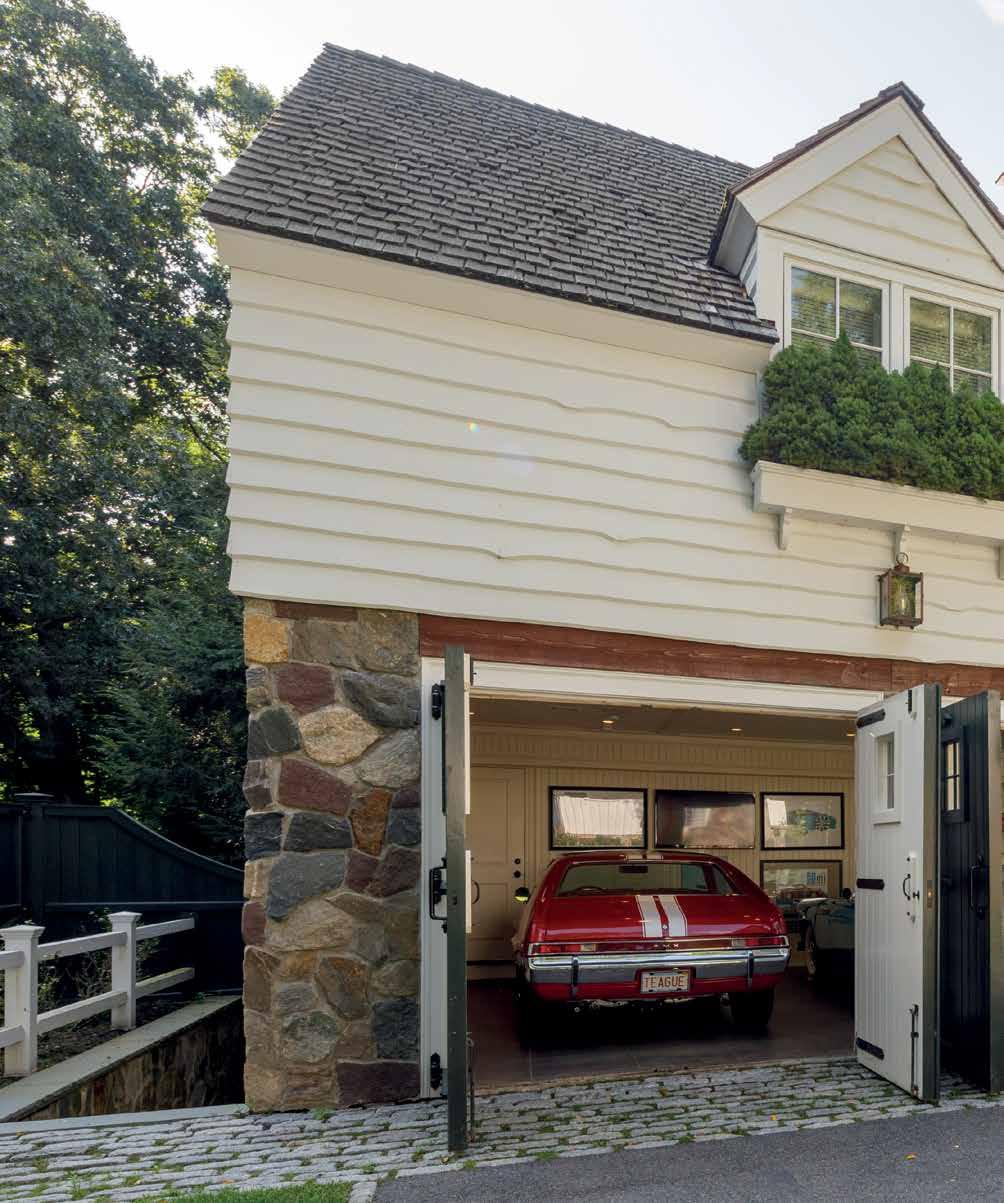
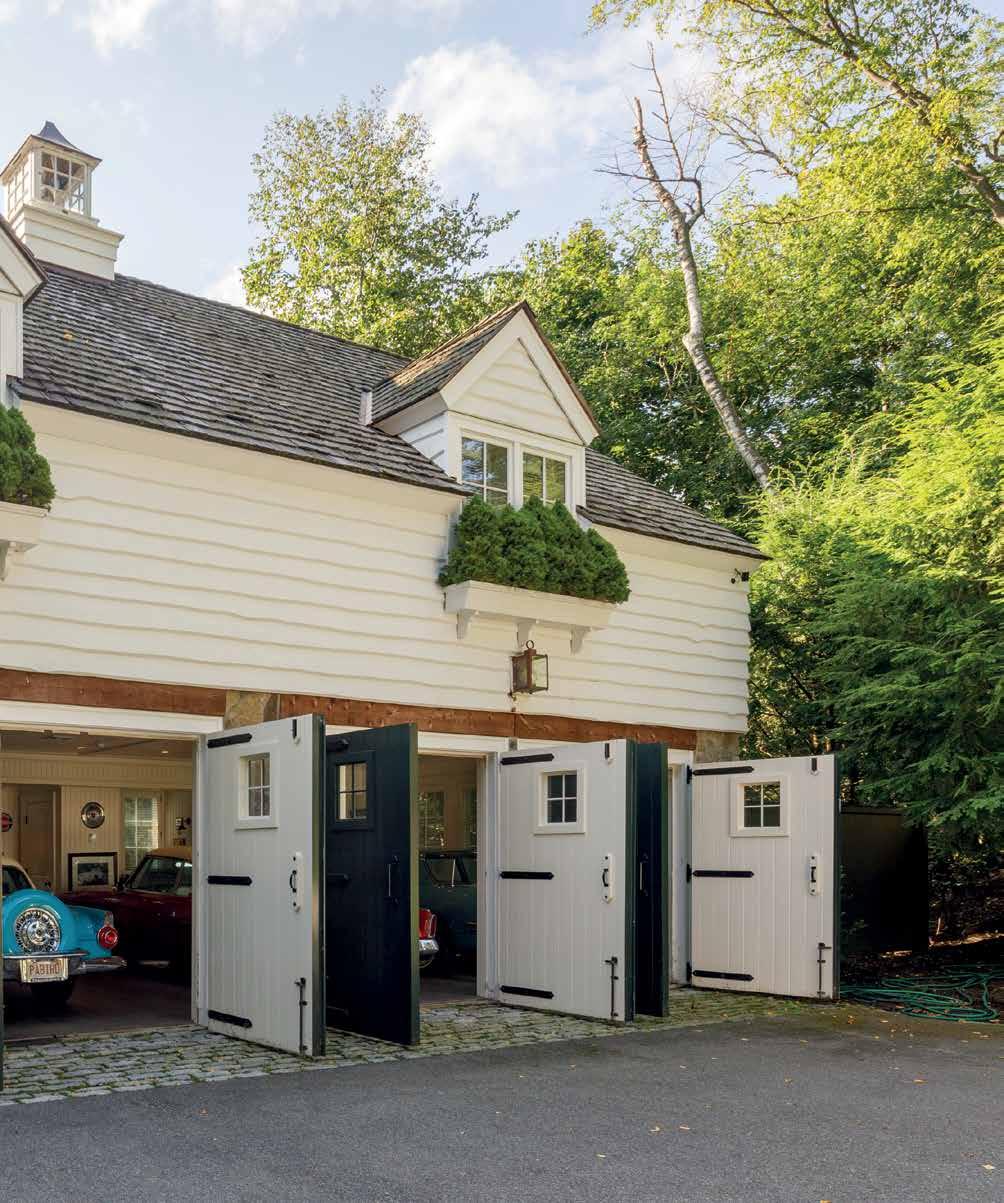
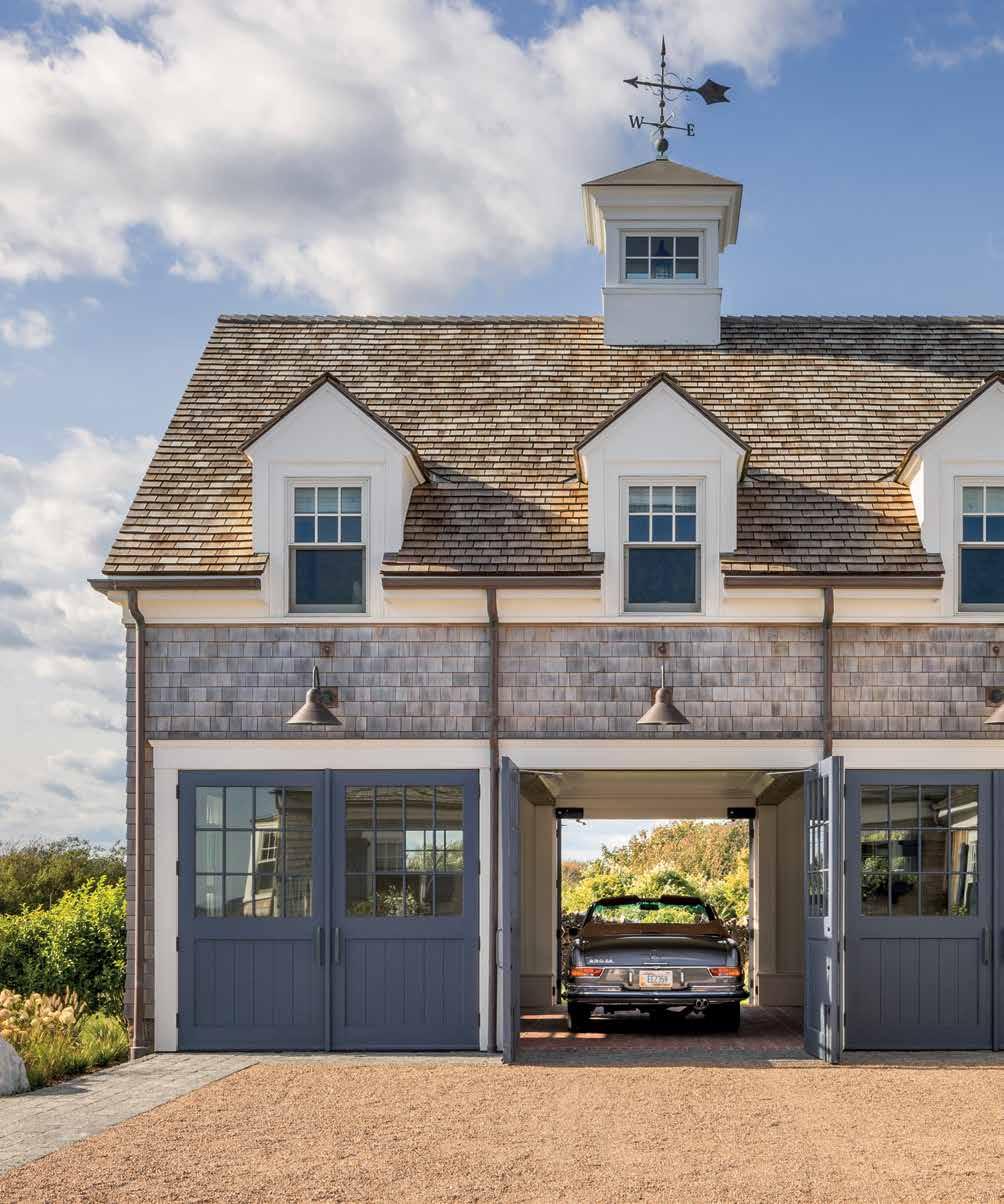
opposite: With carriage house doors that swing open on either side of the structure, vehicles can pass through with ease.
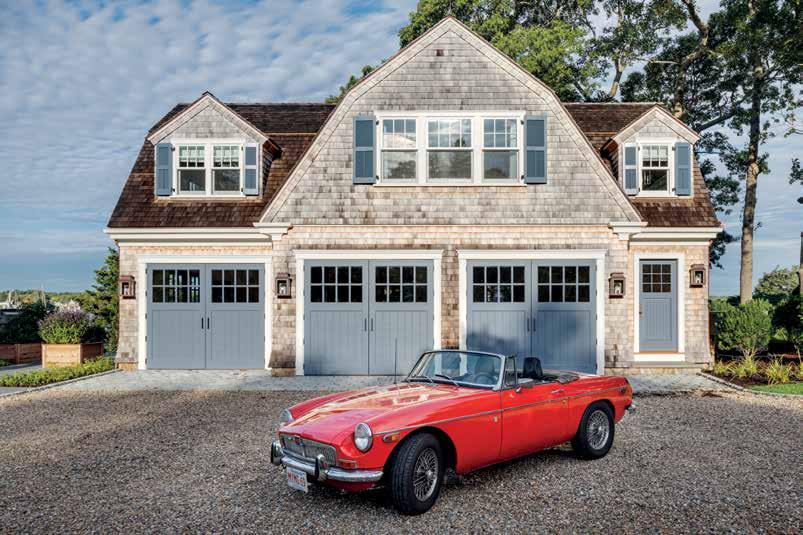
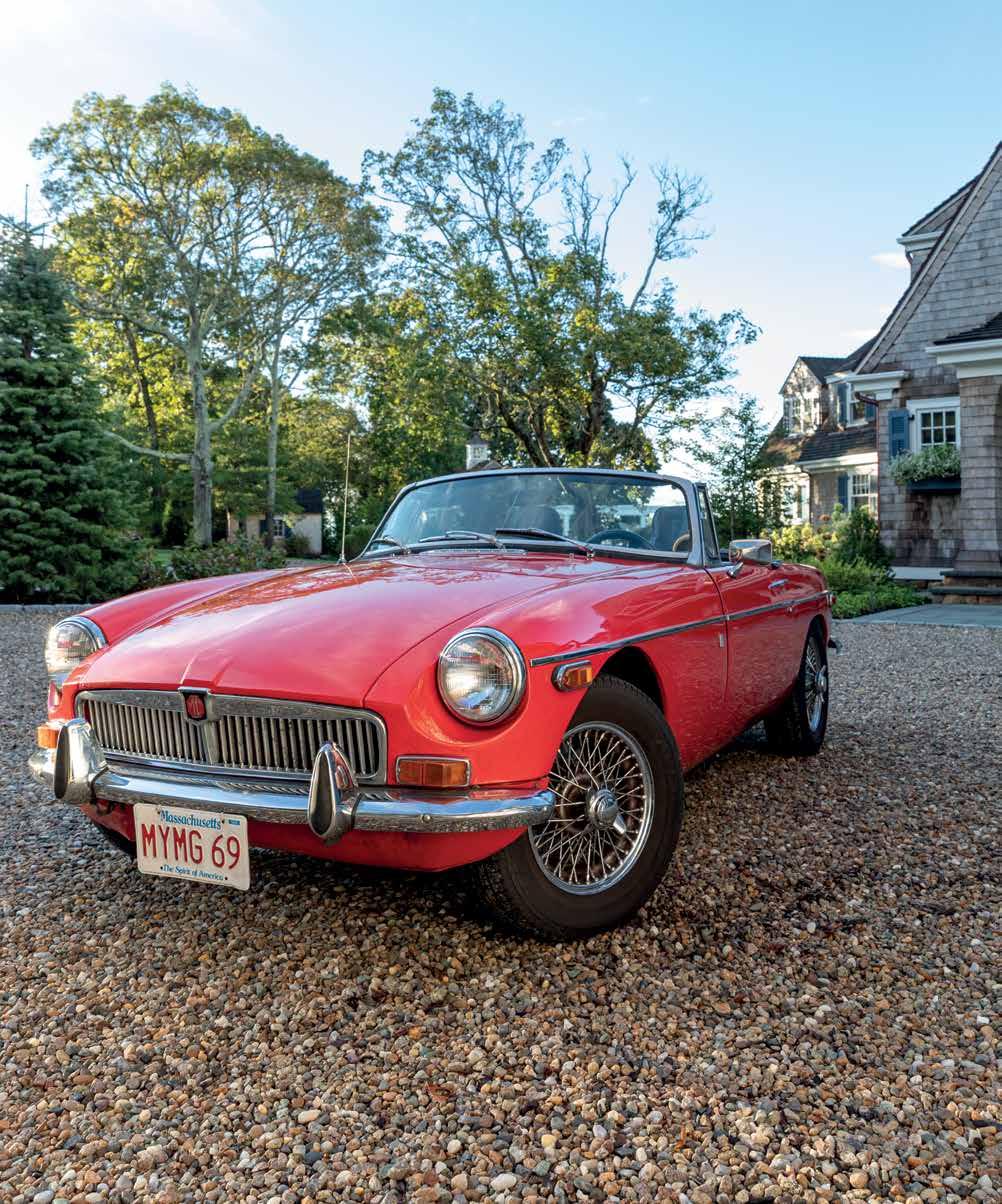
There’s true delight in the small but mighty MGB, a quality that transcends just horsepower or engineering and speaks to the spirit of racing. From the first time I saw one, I was struck by its confident stance and boattail body styling. These British cars weren’t extravagant objects, though many were enhanced with high-performance modifications. Aftermarket features like superchargers, upgraded transmissions, and improved brakes could all turn the lightweight car into a racing machine.
What made the MG iconic, though, was its spirit. With plenty of attitude and pep, the car feels almost like a trusted friend. It was so special that in 1979 the manufacturer—British Leyland at the time—introduced a model named the MG Special with extra features for the US market. With a sporty stripe, wheel trim rings, and a metal luggage rack, it elevated a car that was already full of personality to the next level.
I appreciate the MG for its authenticity, proportion, and ability to stir emotion—the same reasons I love timeless architecture. The car encourages top-down exploration along open roads and embodies the idea that great design can have a big impact, even on a smaller scale.
above: This 1969 MGB roadster boasts desirable original chrome-plated steel bumpers. Later models featured rubber bumpers that complied with US safety regulations but represented a loss of classic character.
opposite: The grille on the 1969 MGB is considered the final classic expression of the model’s front end. With its chrome surround and vertical-bar insert set flush to the body, it preserves the iconic Old English Roadster look.