AMAZON RAINFOREST / NATURE / ECOLOGY / CONSERVATION / COMMUNITY / ART Issue Jan - Feb MAGAZINE Nature Unveiled: Orinoco River The Amazon Rainforest: Why it’s essential for our planet’s health and how we can protect it P 06 P 12 P 05 CEPCI-UBV: An Alternative for Academic Research, Between Intercultural Conflict and Decolonization
Orinoco
““The Amazon rainforest is not just a place, it is a reminder of the power of nature and the importance of protecting it for the health of our planet.”
Davi Kopenawua
Davi Kopenawa is a Yanomami shaman and spokesperson who advocates for the rights of indigenous peoples and environmental protection in Brazil. He co-founded the Yanomami Hutukara Association and has received numerous awards for his activism
2 ORINOCO MAGAZINE
Photo by: Edson Acero
What’s inside this issue
Preserving Biodiversity
04 Editor’s Letter What does Orinoco mean? 05 Orinoco River 06 The Amazon Rainforest: Why it’s essential for our planet’s health and how we can protect it 07 Acai Fruit: The superfood of the Amazon 08 Captured Moments: Autana Tepui
Sonia Guajajara: Minister of indigenous peoples of Brazil 12 COICA has chosen a woman for the first time: Fany Kuiru Castro is the new General Coordinator of the world’s largest indigenous organization 14 The Power of Community-Based Initiatives: Promoting Eco-Empowerment and Creating More Sustainable 15 CEPCI-UBV: An Alternative for Academic Research, Between Intercultural Conflict and Decolonization. 18 Heroes of the Habitat: Capybaras, The Gentle Giants of the Amazon Rainforest 19 Preserving the Amazon: measures to protect 80% of the Amazon by 2025 21 How much oxygen does the Amazon produce? 24 The Devastating Impact of Palm Oil on Forests 15 The Devastating Impact of Palm Oil on Forests 28 How to Live an Eco-Friendly Lifestyle in Your Daily Routine 29 Are solar panels really an alternative? 30 Advertisements & Sponsors 31 Archive Nature Unveiled
Eco-Empowerment
Cover Photo / Orinoco River by: Edson Acero
10
Indigenous Insights
3 ORINOCO MAGAZINE
Dear valued ORINOCO MAGAZINE readers, Editor’s Letter
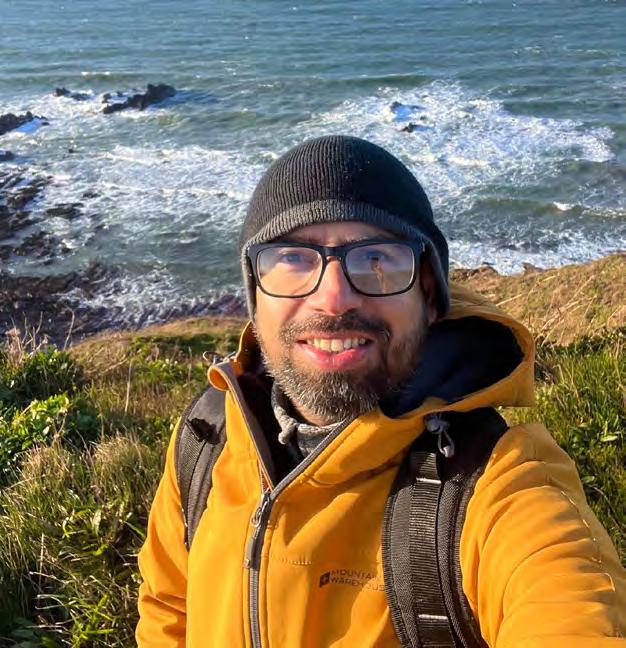
Iam excited to introduce my new publication, “Orinoco Magazine,” dedicated to exploring the rich and diverse ecosystem of the Amazon rainforest and the indigenous cultures who call it home. As someone who grew up in the Amazon, I have a special connection with this territory and its people, which inspired me to create this magazine.
As the largest rainforest in the world, the Amazon is home to an incredible array of plant and animal life, as well as unique cultures and customs. This magazine will take you on a journey through this breathtaking landscape, highlighting the latest scientific research, conservation efforts, and indigenous perspectives.
In each issue, you will find in-depth articles on topics such as the diverse plant and animal species found in the Amazon, the importance of the rainforest for regulating the global climate, and the challenges facing indigenous communities. We will also feature stunning photography and illustrations, bringing the Amazon to life on the page.
Orinoco magazine is for not only science enthusiasts but also for anyone who wants to learn about the importance of preserving this unique and fragile ecosystem for future generations. I believe that by raising awareness about the Amazon and its inhabitants, we can inspire our readers to take action in protecting this precious resource.
I hope you will join me on this journey of discovery and be a part of our mission to educate and inspire others to preserve the Amazon rainforest and its people.
Edson Acero Editor / Orinoco Magazine www.edson-acero.com
What inspired the choice of ‘Orinoco’ as the name for this magazine?
The name ‘Orinoco’ was chosen for this magazine as a nod to the powerful and life-sustaining river of the same name in South America. The Orinoco River is known for its diverse and rich ecosystem, much like the content of our magazine which celebrates the beauty and wonder of the natural world.
Growing up in the Amazon and navigating the Orinoco River gave me a unique perspective and appreciation for its beauty and significance. Living alongside indigenous communities along the river banks further deepened my connection to this incredible ecosystem. These experiences have fueled my passion and commitment to preserving the Orinoco and its surroundings for future generations My goal with Orinoco is to bring attention to the importance of preserving our planet’s environment and to inspire a deeper connection with the earth.”
4 ORINOCO MAGAZINE
Nature Unveiled
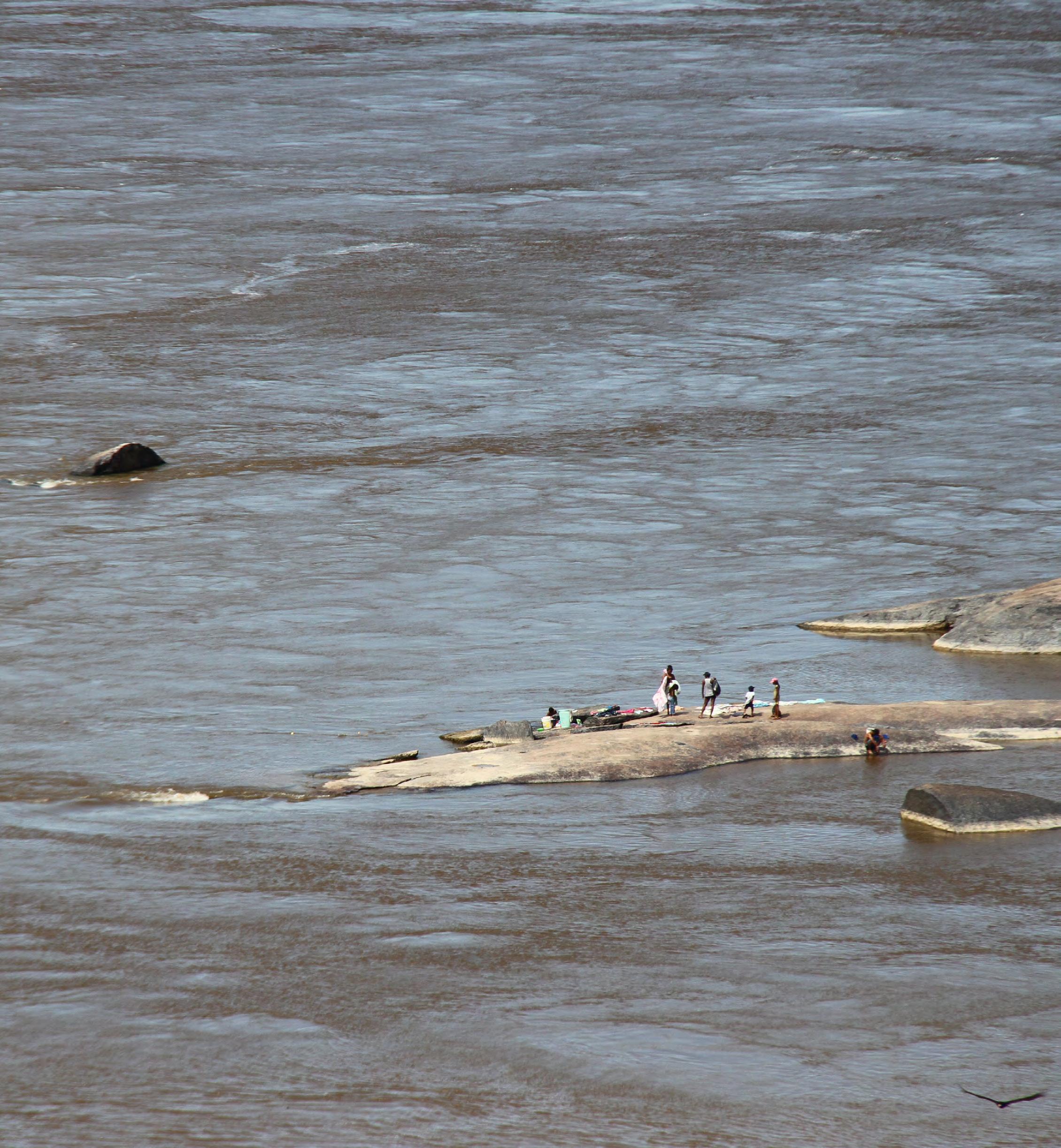
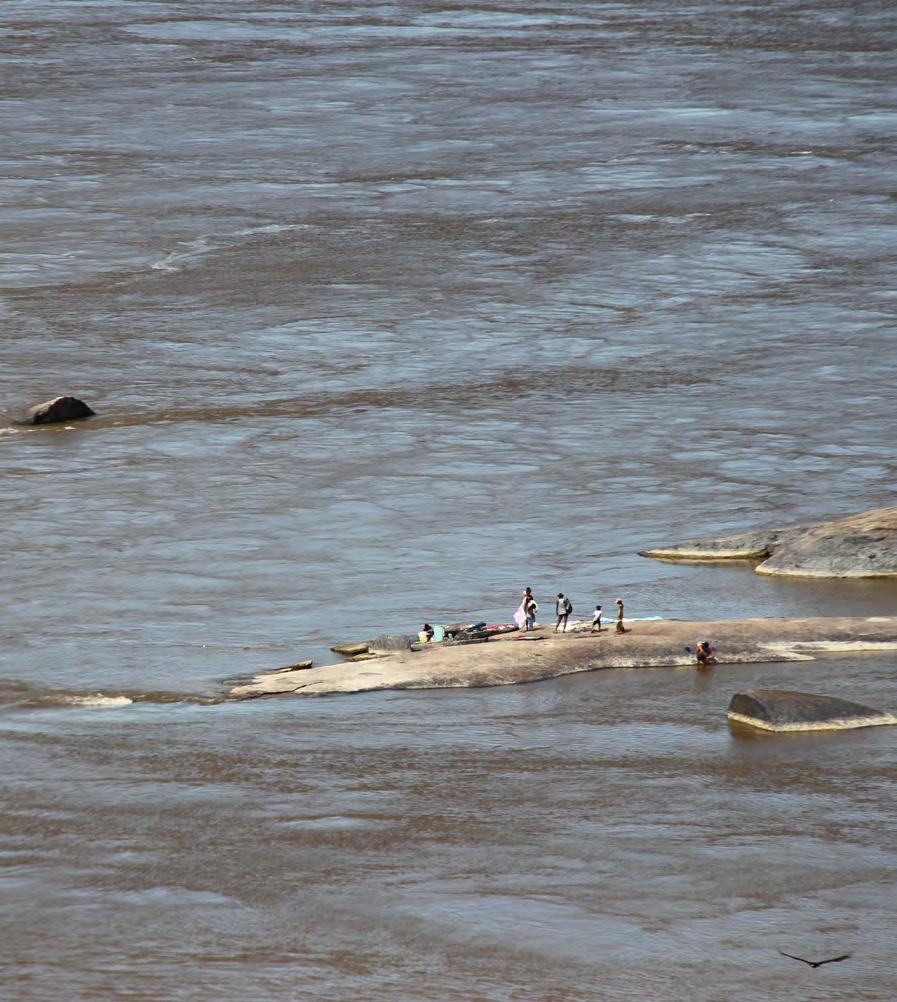
Orinoco River
The Orinoco River is a true jewel of nature that has been vital for the indigenous and peasant communities living on its banks. As someone who grew up in the vicinity of the river, I can attest to its importance firsthand. I have navigated its waters, bathed on its beaches, traveled to its source at the Cerro Delgado–Chalbaud, in the Parima range and witnessed its natural beauty.
However, it is important to remember that the Orinoco River is more than just a body of water. It is an integral part of the lives of local communities, providing food and water, a means of transportation and a home for a wide variety of species.
Sea, passing through Venezuela and Colombia. It is known for its great biodiversity and importance for local communities.
The Orinoco River is a vital source of water and food for the riverine communities. Many indigenous and peasant communities depend on the river to maintain their communities and traditions.
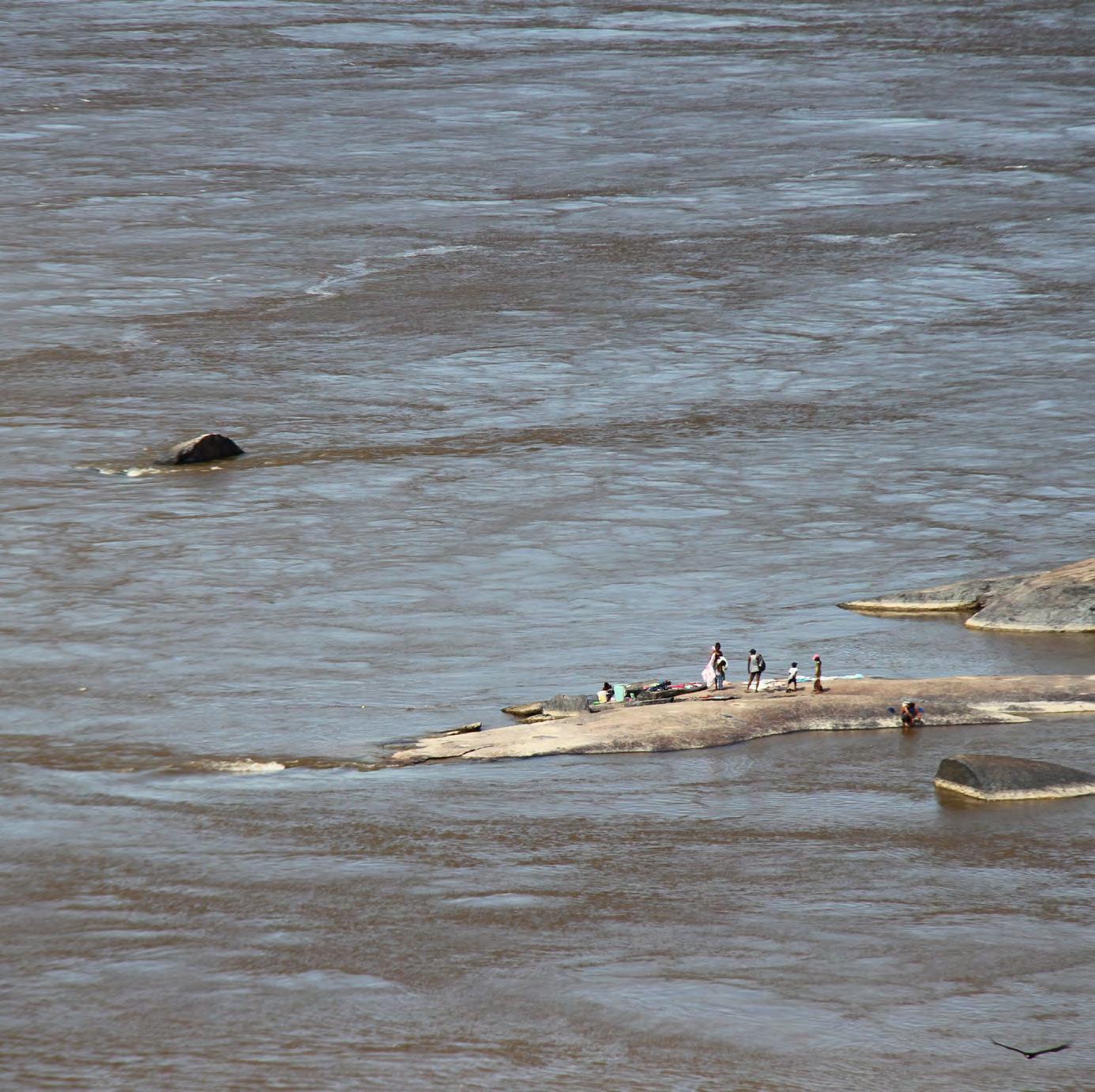
To preserve the health of the Amazon, it is also vital to protect rivers and their ecosystems and local communities. With a length of over 2,000 kilometers, the Orinoco River is one of the most important in South America. Its source at the Cerro Delgado–Chalbaud, in the Parima range is located on the border between Venezuela and Brazil, at an altitude of 1047 meters, and empties into the Caribbean
In addition, the Orinoco River is an important means of transportation for local communities, as many of these communities are difficult or impossible to access by road.
However, the river also faces significant challenges, such as deforestation and pollution. These problems can have a negative impact on the river’s biodiversity and on the local communities that depend on the river for their livelihood.
It is essential to protect the Orinoco River and the communities that depend on it. In addition, it is crucial to involve local communities in decision-making related to the river, as they are the ones who best know their needs.
by: Edson Acero
5 ORINOCO MAGAZINE
Why it’s essential for our planet’s health and how we can protect it Nature Unveiled
The Amazon Rainforest:
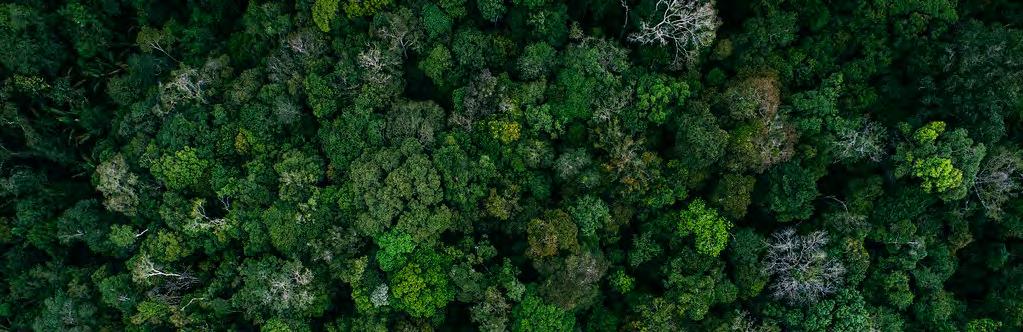
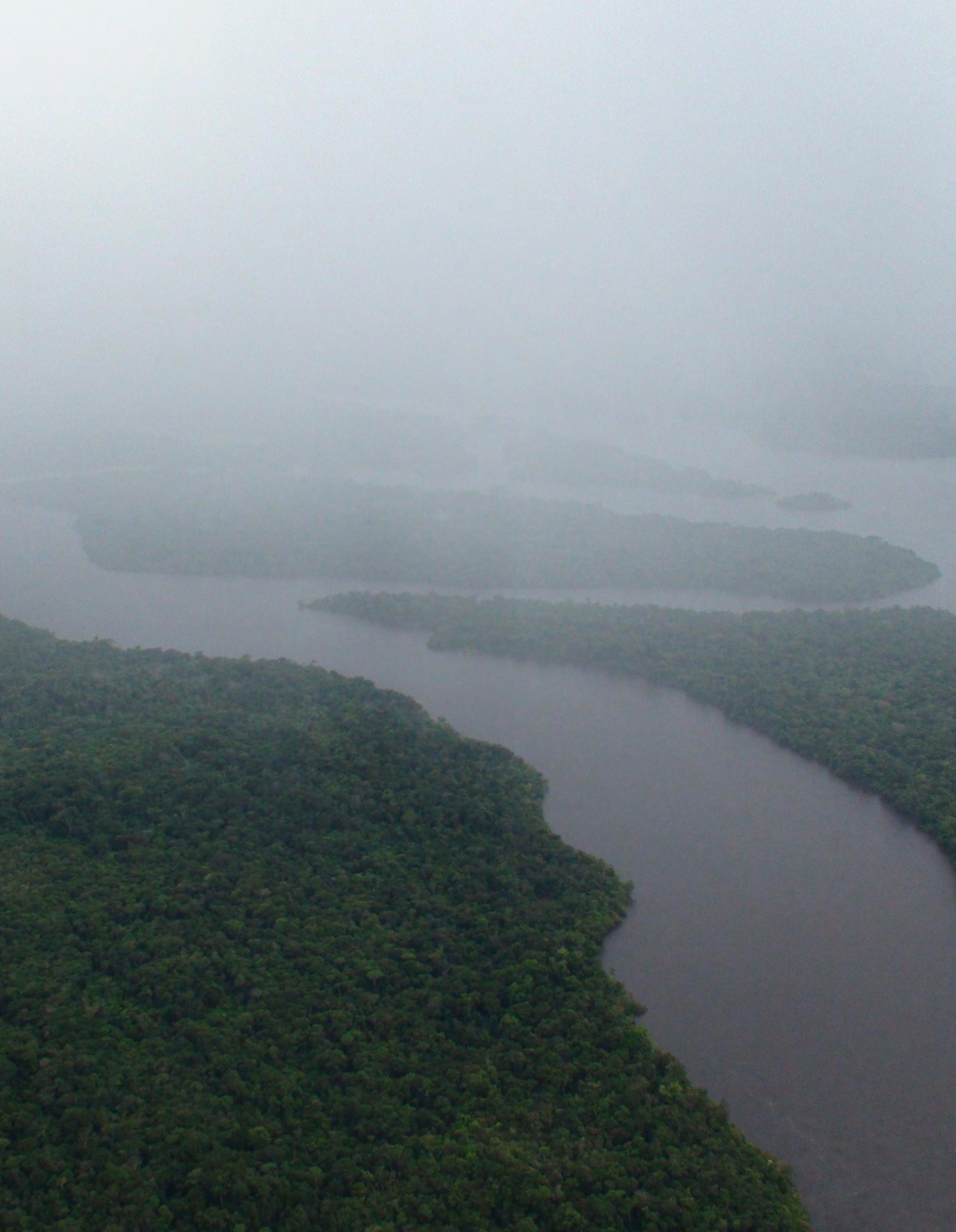
The Amazon rainforest is one of the most important natural resources on the planet. Covering over 2.1 million square miles, it is the largest tropical rainforest in the world, spanning nine countries in South America. The rainforest plays a critical role in maintaining the planet’s biodiversity, regulating the global climate, and providing essential resources for human and animal populations.
Firstly, the Amazon rainforest is home to an unparalleled amount of biodiversity. It is estimated that the region contains between 10-15% of the world’s known species, many of which are endemic and found nowhere else on Earth. The rainforest is home to over 40,000 plant species, 2.5 million insect species, and thousands of species of mammals, birds, and reptiles. This incredible diversity helps to maintain the balance of the ecosystem, ensuring that the natural processes that allow life to thrive continue to function properly.
Secondly, the Amazon rainforest plays a vital role in regulating the global climate. The region is sometimes referred to as the “lungs of the earth” because it produces over 20% of the world’s oxygen. The rainforest also helps to absorb and store carbon dioxide, helping to reduce the negative impacts of greenhouse
gases on the planet’s climate. However, as the rainforest is destroyed through deforestation, the amount of carbon dioxide released into the atmosphere increases, contributing to climate change.
Thirdly, the Amazon rainforest is home to many indigenous communities who rely on the resources it provides for their survival. These communities have developed a deep understanding of the complex ecosystem and have been able to live in harmony with it for thousands of years. They rely on the forest for food, medicine, and shelter, and their traditional practices have helped to maintain the health and biodiversity of the region. When the rainforest is destroyed, these communities lose their homes, their traditions, and their way of life.
Despite the critical importance of the Amazon rainforest, it is under threat from a range of factors, including deforestation, mining, and climate change. It is estimated that since the 1970s, over 20% of the Amazon rainforest has been destroyed, with much of the destruction occurring in the last few decades. This has had a devastating impact on the region’s biodiversity, and on the communities that depend on it for their survival.
6 ORINOCO MAGAZINE
Nature Unveiled
It is essential that we take action to protect the Amazon rainforest. This requires a range of measures, including increased protection for indigenous communities, a reduction in deforestation, and a transition to more sustainable agricultural practices. Additionally, we need to take steps to reduce our global carbon footprint, such as reducing greenhouse gas emissions and investing in renewable energy.
In conclusion, the Amazon rainforest is one of the most important natural resources on the planet, playing a critical role in maintaining global biodiversity, regulating the climate, and supporting human and animal populations. However, it is under threat from a range of factors, and urgent action is needed to protect it for future generations. It is up to all of us to take responsibility for the health and wellbeing of our planet, and to work together to ensure a sustainable future for all.
Acai Fruit
The Superfood of the Amazon
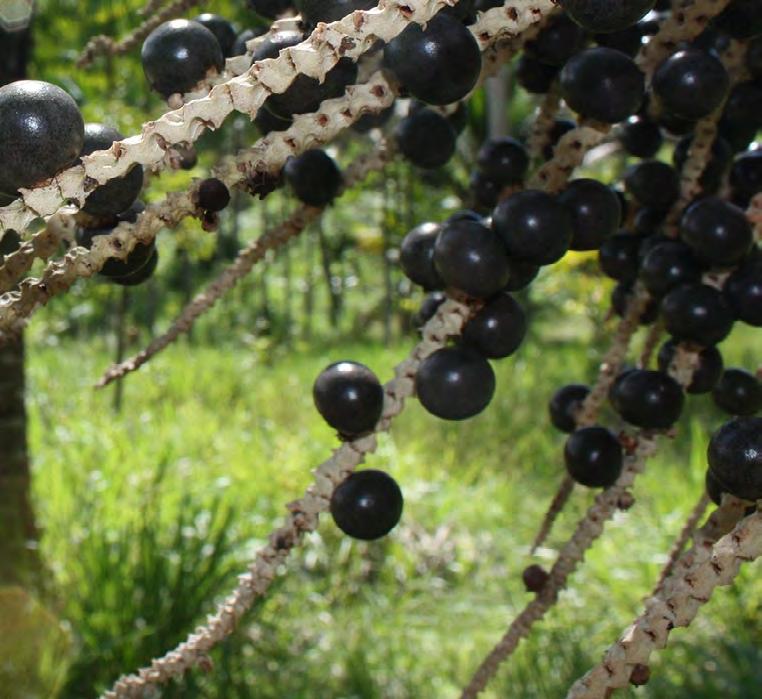
Acai is a small, purple berry that grows on the Acai Palm tree in the Amazon rainforest. It has gained worldwide recognition for its delicious taste and impressive health benefits, making it one of the most popular “superfoods” in recent years. But for the indigenous communities in the Amazon, the Acai berry has been a staple food for generations.
The Acai berry is a rich source of antioxidants, fiber, healthy fats, and essential minerals. It is also known for its high levels of anthocyanins, which are plant pigments that give the berry its dark purple color and have been linked to a reduced risk of heart disease and certain types of cancer. In addition to its nutritional value, the Acai berry is a versatile ingredient that can be enjoyed in a variety of forms, from smoothies and juice to freeze-dried powders and supplements.
For the communities in the Amazon, the Acai berry is not only a nutritious food but also a source of livelihood. The harvesting and sale of Acai berries provides income for many families in the region and helps to preserve the rainforest. However, the rapid growth of the Acai industry has also led to concerns about over-harvesting and deforesta-
tion. To address these issues, many companies are now working with local communities to promote sustainable Acai harvesting practices that protect the rainforest and support the livelihoods of those who live there.
In conclusion, the Acai berry is not only a delicious and nutritious food but also an important part of the culture and economy of the Amazon. By consuming Acai products that are sourced sustainably, we can support the preservation of the rainforest and the livelihoods of the communities that live there. Whether you’re a health-conscious foodie or a socially-minded consumer, there’s no denying the many benefits of this amazing berry from the Amazon.
7 ORINOCO MAGAZINE
Captured Moments: Autana Tepui
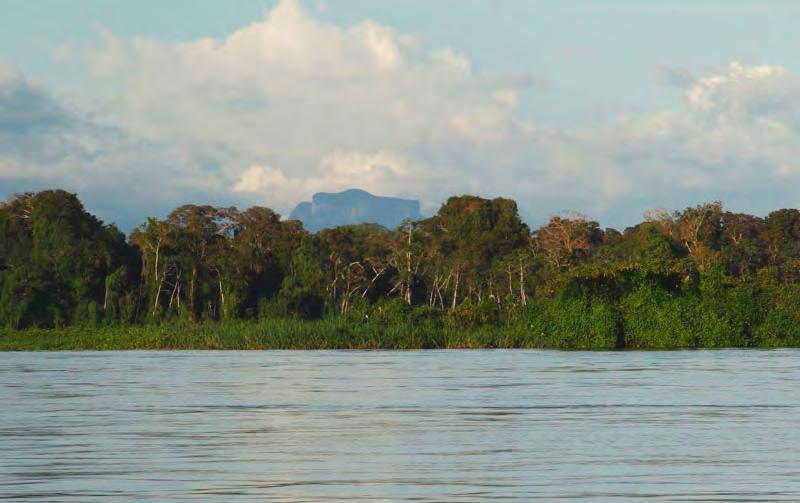
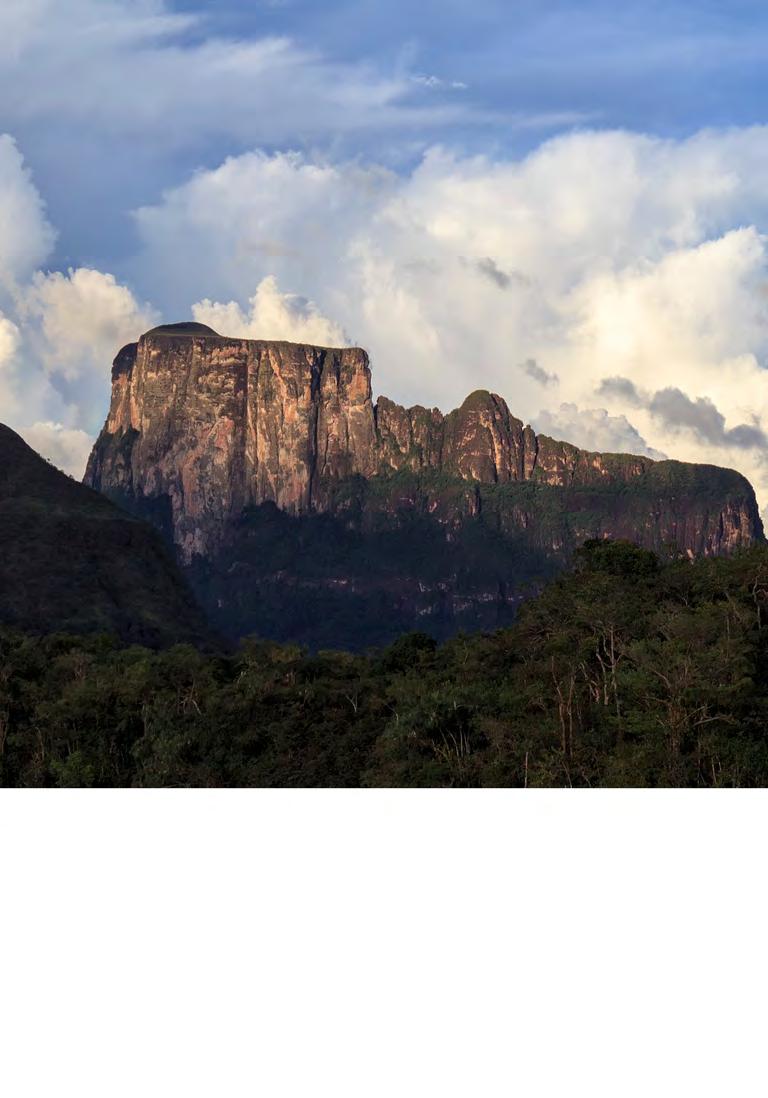
Here I will tell you the story behind this photograph. For me, it was an impressive moment: I was navigating the Autana River in a small bongo (metallic boat similar to a canoe) heading towards the Raudal de Ceguera community in the Amazon. There were still about 7 hours left to reach the community when one of the crew members said, “Look, from here we can already see Tepui Autana.” We all turned to see it, majestic, towering above the dense Amazon jungle. From the perspective of the image, one can appreciate the immensity of the mountain considering how far away we were.
But what makes this image of Tepui Autana even more amazing is the similarity of its silhouette to a giant cut tree trunk, as indigenous stories that have inhabited these lands for generations tell, recounting that many years ago Tepui was an immense tree that had all
the fruits of the jungle (I advise you to investigate more about this fascinating story).
The photograph seems to have captured a moment in which nature is in full balance: Tepui Autana, with its imposing presence that seems to touch the clouds, is a constant reminder of the greatness of the earth, while the jungle that surrounds it is a living example of the exuberance and diversity of life found in the Amazon.
For those who have never seen Tepui Autana in person, this photograph is a window to a world of wonder and marvel. It is a reminder that although humans have been able to conquer and transform much of the world around them, there are places like this that must remain in their natural state and be protected by those who have been their guardians for thousands of years, the indigenous peoples.
by: Edson Acero
Nature Unveiled
8 ORINOCO MAGAZINE
Photo by: Edson Acero
“Nature is not a place just to visit, it is our home, we must reconnect with nature, harmonize with it and feel part of it, only then can we take care of it, there is no other way than to take care of ourselves”
Edson Acero
9 ORINOCO MAGAZINE
Photo by: Fernando Flores
Indigenous Insights
Sonia Guajajara Minister of indigenous peoples of Brazil
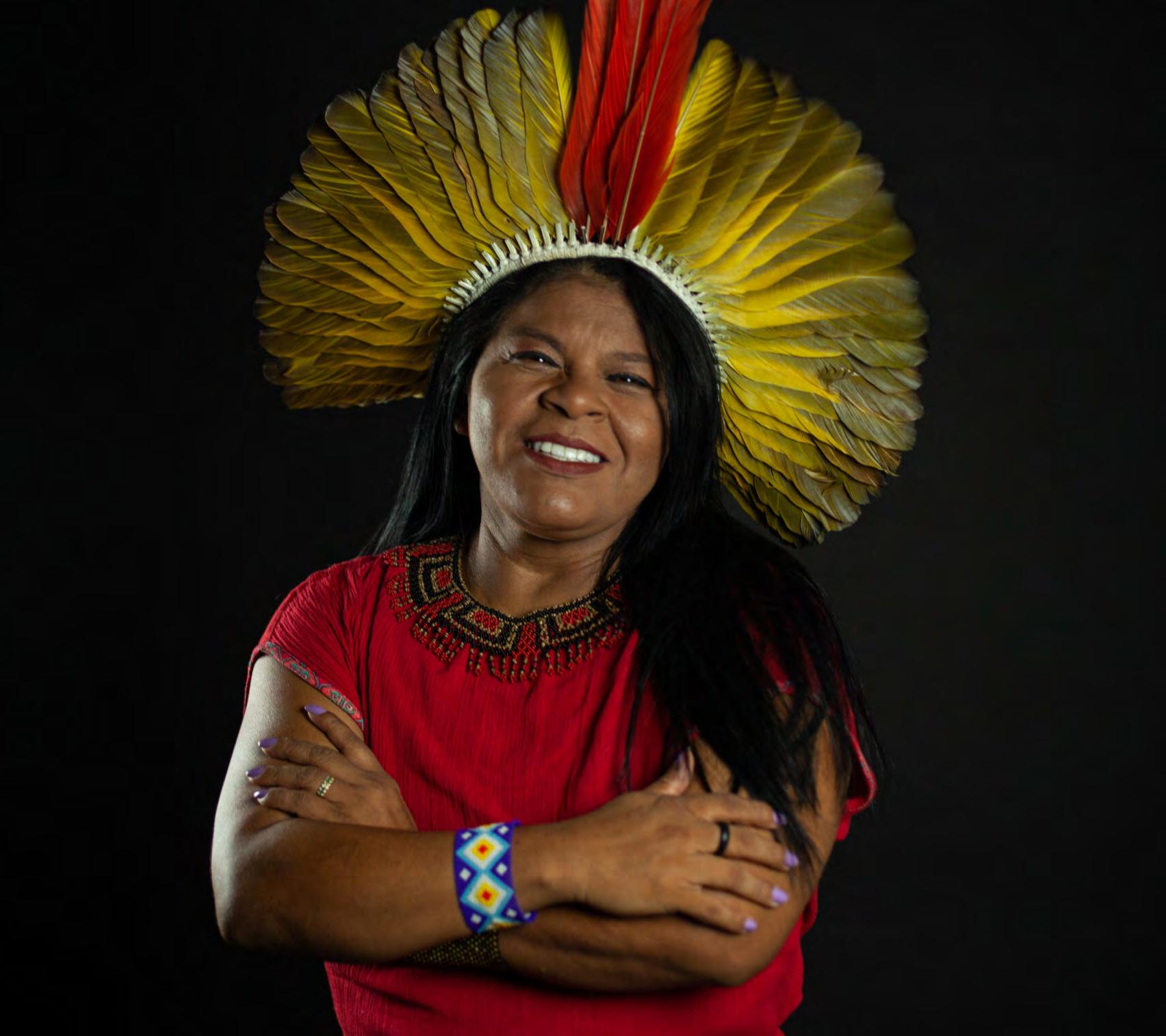
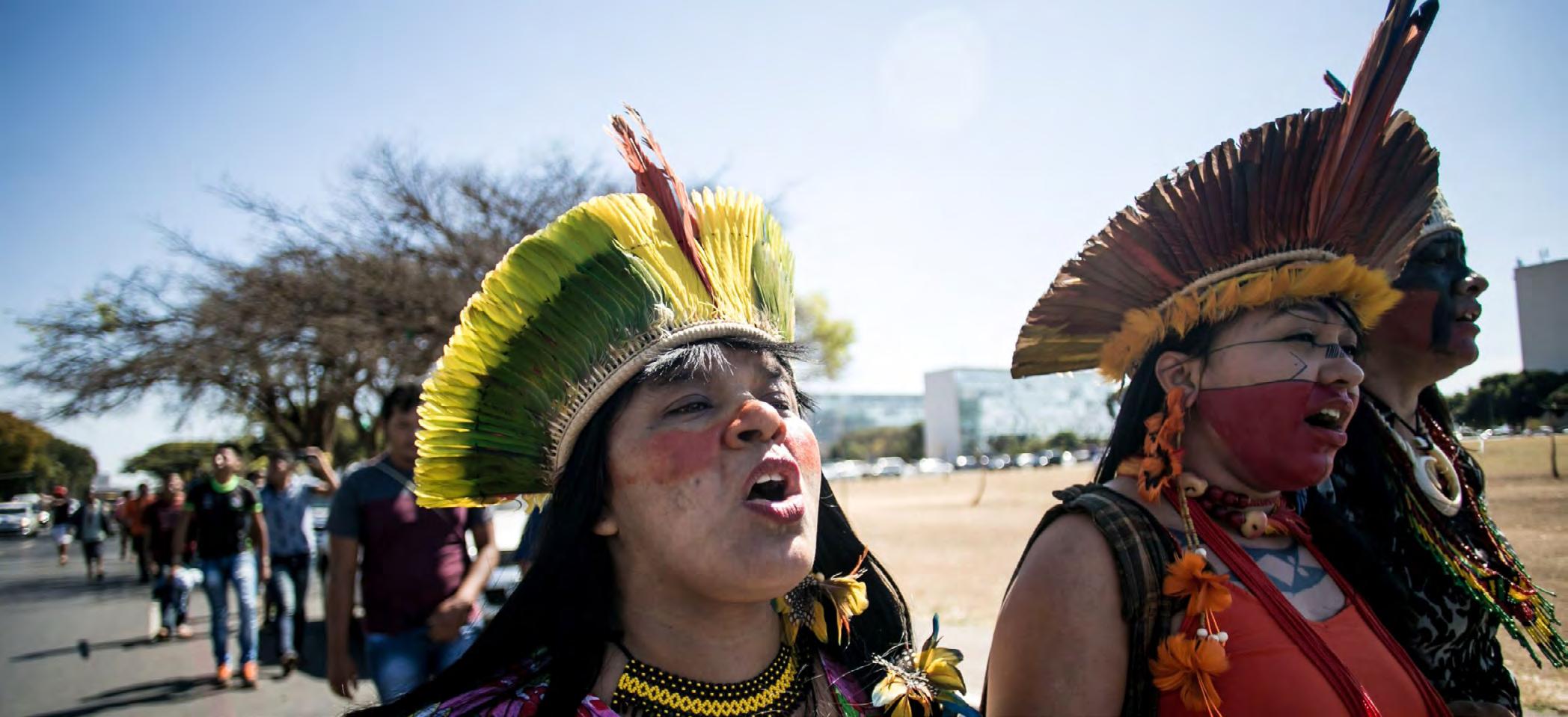
The Ministry of Indigenous Peoples announced the nomination of indigenous leader Sonia Guajajara as minister. The invitation was formalized at a meeting in Brasília where the president made the invitation directly to Sonia, who accepted the position, aware of the challenge she will face.
“The creation of the Ministry of Indigenous Peoples is confirmation of the commitment that President Lula has made to us, guaranteeing us autonomy and space to make decisions about our territories, our bodies, and our ways of life,” says Sonia.
In 2018, Sonia Guajajara ran for vice president of the Republic, composing the
10 ORINOCO MAGAZINE
“I am very honored and happy with this nomination. More than a personal accomplishment, this is a collective victory for the indigenous peoples of Brazil, a milestone in our history of struggle and resistance.”
Sonia Guajajara
ticket with Guilherme Boulos, opening up debate within the indigenous movement about the importance of occupying politics. She was not elected, but brought the indigenous and environmental agenda to the center of political debate and continued to increase the visibility and influence of indigenous peoples in Brazil.
This year, in response to the APIB’s call, she assumed the commitment to change Brazilian politics, launching, along with other indigenous candidacies, her campaign for federal deputy for the state of São Paulo, becoming the first indigenous deputy elected in the state and the indigenous person with the highest vote in history.
Internationally recognized for her fight in defense of the rights of indigenous
the Guajajara/Tentehar people, who inhabit the forests of the Arariboia Indigenous Land in Maranhão. She was part of the Coordination of Indigenous Peoples Organizations and Articulations of Maranhão (Coapima), the Coordination of Indigenous Organizations of the Brazilian Amazon (COIAB), and served as the executive coordinator of the APIB (Articulation of Indigenous Peoples of Brazil).
She also joined the Original Peoples Working Group and was a key player in building the report that mapped the main demands and priorities of indigenous peoples, such as land demarcation, completely since Bolsonaro assumed the presidency.
Source: dos-povos-indigenas/https://soniaguajajara.com.br/sonia-guajajara-sera-ministra-
11 ORINOCO MAGAZINE
Indigenous Insights
COICA has chosen a woman for the first time
The Indigenous Organizations Coordinator of the Amazon Basin (COICA) has chosen a woman for the first time as the General Coordinator of the world’s largest indigenous organization.
At the extraordinary congress held in Quito, Ecuador, on Thursday 26th and Friday 27th of January, the new Board of Directors was chosen for the 2023-2027 period, following the historic principle of gender parity by delegating 50% of the coordination positions to men and 50% to women.
Fany Kuiru Castro, an indigenous woman from the Uitoto tribe of the Colombian Amazon, was elected to lead the current board, which is in the process of being registered with the Secretary of Management of Peoples and Nationalities of Ecuador, where the headquarters of COICA is located.
Fanny, a lawyer and the first indigenous woman to hold a Master’s degree in international political studies in Colombia, has extensive experience in the indigenous movement. As the Coordinator of Women and Families of OPIAC, she convened the first Great Summit of Indigenous Women of the Amazon Basin, breaking down geographical and language barriers and bringing together women from the
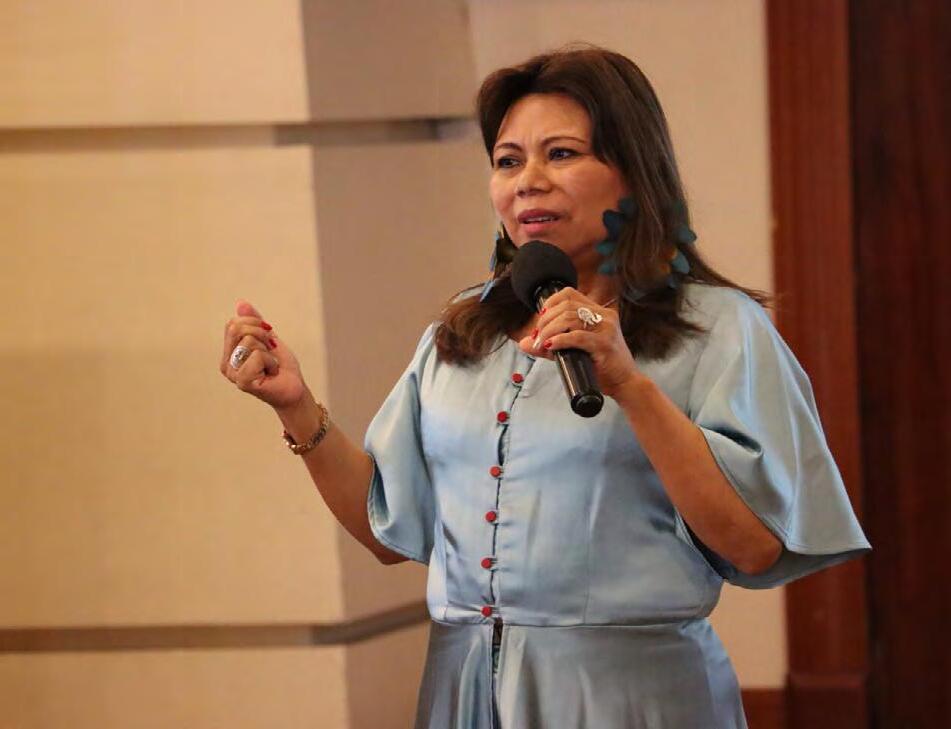
9 countries that make up the Amazon for the first time in history.
The new Board of Directors, led by Fany Kuiru and Jamner Manihuari, an indigenous leader from the Peruvian Amazon, has the mission of strengthening COICA’s institutionalization by giving equal voice to men, women, elders, youth, children, and elevating the struggle of the over 500 Amazonian indigenous peoples on an international level, thus influencing decision-making spaces about our lives and territories.
Source: https://coicamazonia.org/la-coica-tiene-rostrode-mujer/
Fany Kuiru Castro is the new General Coordinator of the world’s largest indigenous organization
COICA stands for the Coordinator of Indigenous Organizations of the Amazon River Basin, which is a network of indigenous organizations that promotes the rights and interests of indigenous peoples across the Amazon region. COICA works on a range of issues, including environmental protection, territorial rights, and cultural preservation.
Here is a link to their website: https://coica.org.ec/
12 ORINOCO MAGAZINE
“Indigenous peoples have inherited a way of life that embodies an intimate relationship with their environment. From this relationship, they have developed knowledge of the natural world, which informs and sustains their ways of living.”
Rigoberta Menchú Tum
( K’iche’ Maya woman and Nobel Peace Prize laureate)
13 ORINOCO MAGAZINE
The Power of Community-Based Initiatives
Promoting Eco-Empowerment and Creating More Sustainable Communities
As communities around the world strive to create a more sustainable future, the role of community-based initiatives cannot be overstated. By empowering local communities to take action on environmental issues and promoting eco-empowerment, these initiatives are helping to create more sustainable communities, conserve natural resources, and foster a greater appreciation for the environment.
One of the key benefits of community-based initiatives is their ability to bring people together to work towards a common goal. Through collaboration, communities are able to share knowledge and resources, as well as pool their efforts to achieve a shared vision for the future. This kind of collective action is particularly important when it comes to addressing environmental challenges, as it helps to bring people together and create a sense of shared ownership over the environment.
sources, or conserving local ecosystems. By taking action at the local level, communities are also able to raise awareness and educate their members about the importance of environmental conservation, promoting a deeper understanding and appreciation of the environment.
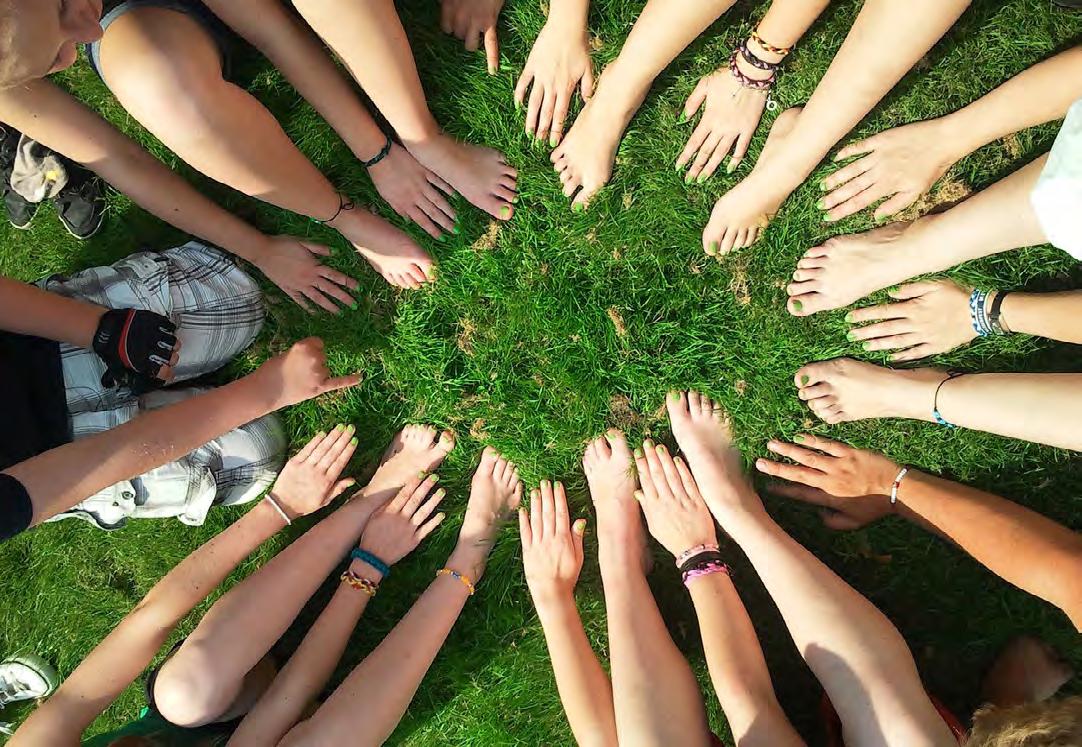
In addition to their ability to bring people together and promote local action, community-based initiatives also play a crucial role in empowering individuals and communities to take control of their own future. Through handson, practical experience, people are able to gain a deeper understanding of the environmental challenges they face and develop the skills and knowledge needed to address these challenges. This empowerment is critical for creating more sustainable communities, as it encourages people to take an active role in shaping their own future and to take responsibility for their impact on the environment.
Another important aspect of community-based initiatives is their focus on local action. By addressing environmental issues at the local level, communities are able to create targeted, sustainable solutions that are appropriate for their specific context. These solutions may involve improving waste management practices, promoting the use of renewable energy
Ultimately, the power of communitybased initiatives in promoting eco-empowerment and creating more sustainable communities lies in their ability to bring people together, promote local action, and empower individuals and communities to take control of their own future. By working together, communities can create a more sustainable future for themselves and for the planet.
Eco-Empowerment 14 ORINOCO MAGAZINE
CEPCI-UBV: An Alternative for Academic Research, Between Intercultural Conflict and Decolonization.
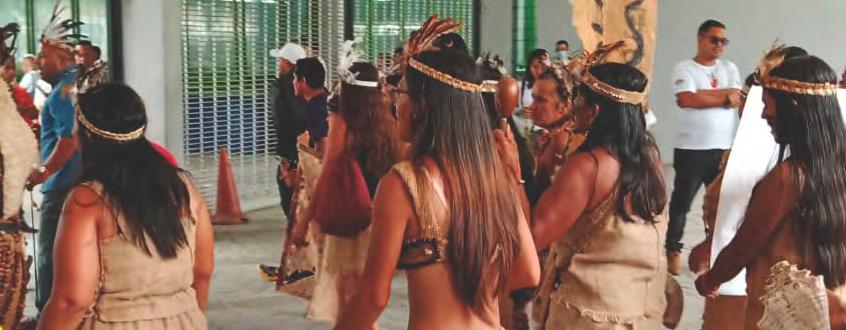
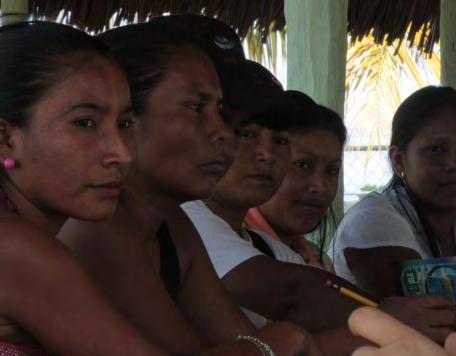
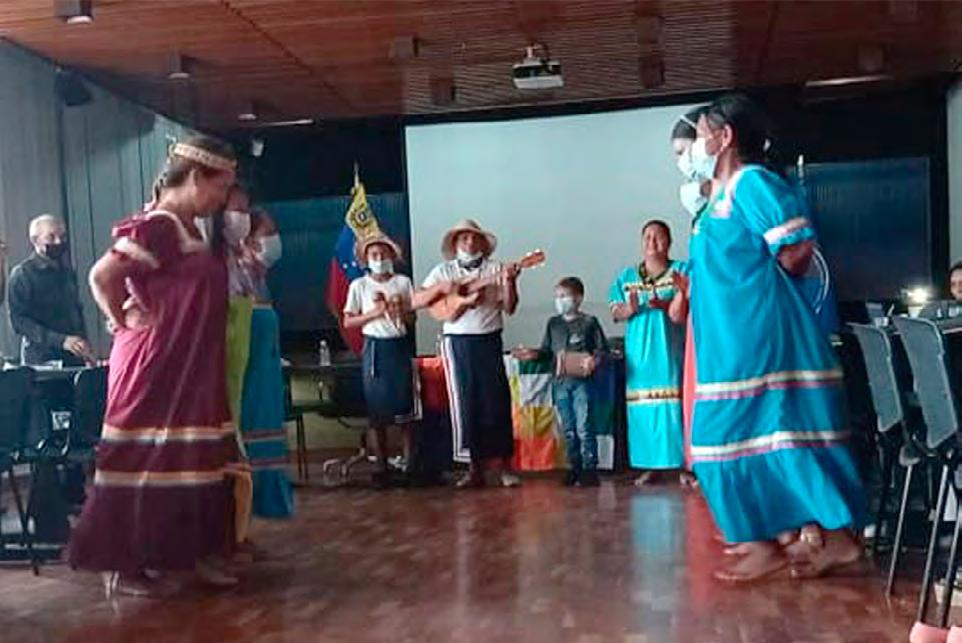
The Center for Indigenous Peoples and Cultures Studies (CEPCI) at the Bolivarian University of Venezuela (UBV) was created under the principles of inclusion that pervade the management philosophy and raison d’être of this university institution, which is part of the changes made in Venezuelan education. The institution intends to be an educational, social, and political project that addresses the exclusion of historically marginalized social classes in society. The institution accepts social and political responsibilities as the main foundations of its educational activities, responding to the needs of a nation that still maintains excluded sectors in an era of highly technological advancements.
In this sense, the CEPCI is responsible for coordinating UBV policies directed toward populations of indigenous peoples of Abya Yala, both nationally and internationally. It is also an academic space for
promoting research based on the knowledge, models, and spiritualities developed within Amerindian cultures, always with a vision based on decolonizing philosophies or epistemologies of the South.
For several decades, philosophers and scientists from different areas, coming from countries that make up the so-called Global South, have proposed multiple theoretical proposals that allow for a different way of seeing and analyzing social, political, cultural, historical, economic realities, etc., apart from the hegemonic, Eurocentric view. Among other sources, they have used ancient knowledge of aboriginal societies from America and other continents, generating their philosophical thought rooted in our origins, opening up knowledge different from those established by imposed modernism from dominant countries.
Empowerment
15 ORINOCO MAGAZINE
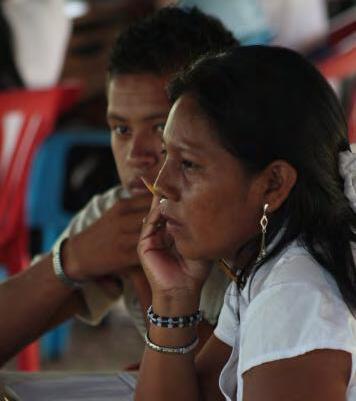
Indigenous peoples are a sector of society that is usually excluded from public policies in the country, which places them outside of exercising the rights that correspond to them as citizens, according to the Venezuelan National Constitution and other existing laws. Reversing this segregation is necessary and is one of the commitments assumed by CEPCI members. In this sense, permanent approaches are intended to be established between the world of indigenous peoples, the university world, communities, social organizations, and public or private institutions that are within the geographical scope of UBV’s influence.
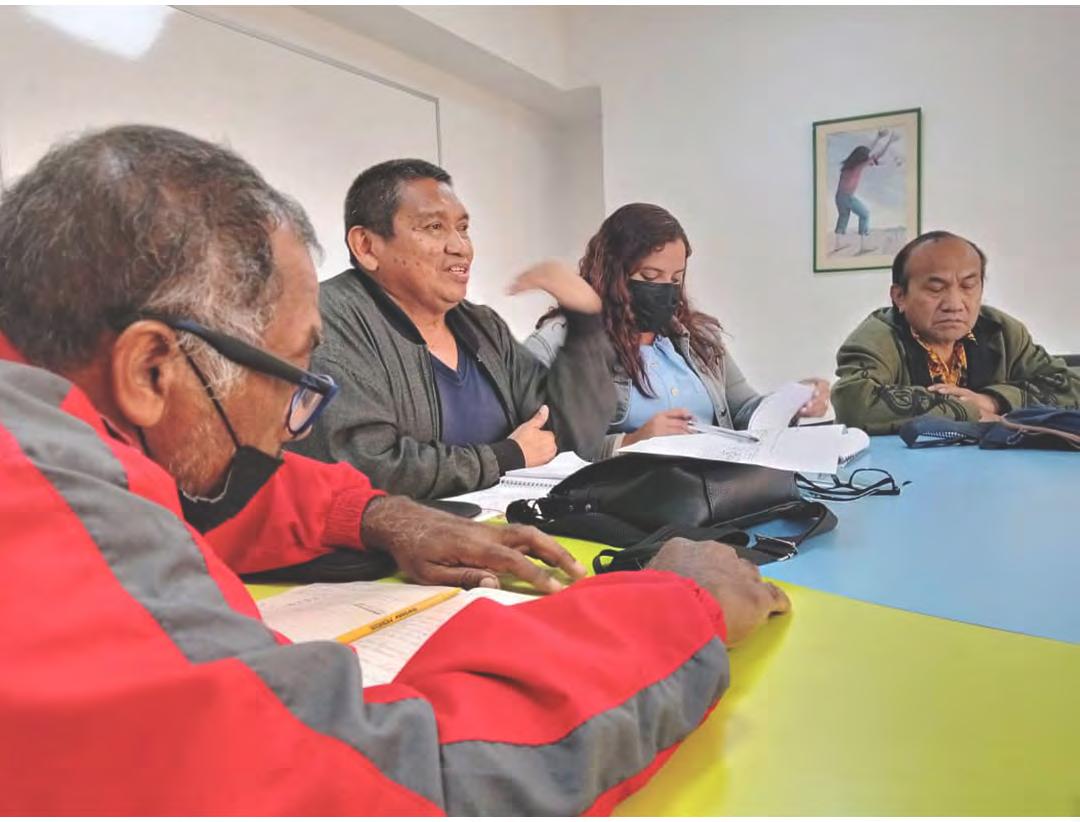
The CEPCIUBV proposes a work system that allows students, teachers, and other members of the university community to receive contributions to their intellectual formation. Everyone who joins their activities has the possibility of establishing contact with the wisdom of indigenous peoples associated with each project, sharing their life experiences, accessing their cultures, and visiting communities, among other academic benefits that arise from knowledge exchanges. The methodology implemented includes study groups where research lines are generated that favor holistic integration processes, valuing the knowledge of each sector, facilitating knowledge exchanges, pedagogical practices related to concepts of national identity, multiculturalism, anticolonialism, etc.
The synergy generated between CEPCI-UBV and indigenous populations tends to produce methodological mechanisms that guarantee achieving the proposed objectives. Therefore, academic strategies allow for the establishment of alternative learning spaces based on reflective processes, favoring training, knowledge exchange, intercultural encounters, and the dissemination of scientific research. All under the scope of interculturality that is present in all dynamics of social integration, always based on important concepts, such as multiculturalism, which, within the indigenous world, refers to the coincidence and coexistence of culturally different ethnic groups in the same territorial space.
When structuring its pedagogical activities, the CEPCI assumes the principles of decolonization and recognizes the values of cultural identity present in indigenous populations, which allow them to embrace customs, traditions, and knowledge that exist in their culturally ancient populations. This is in contrast to the prevailing Eurocentrism in a world that favors capitalist lifestyles, where culture is trivialized in globally standardized behaviors that produce individualism, exploitation of human labor, destruction of nature, and above all, attack the socially collective sense of living in communities, in the way of our indigenous populations.
Similarly, academic proposals cover the areas of pluriculturalism, a concept that is particularly related to politics in Latin America because it is part of the social conflicts derived from the historical colonialist invasion, both European and
16 ORINOCO MAGAZINE
North American. This social phenomenon is also part of the studies that are analyzed from research lines seeking to establish hypotheses that explain the situation of colonialist hegemonic domination that has been maintained until the current era of
Author: Fran Morales Rada. MSc
globalization. Academic plans and research seek epistemic alternatives that provide answers on how to solve the peaceful coexistence of indigenous peoples with the dominant criollo culture, accepting and overcoming the natural differences that exist.
in Educational Research / Doctoral student in Strategic Development Sciences / Researcher affiliated with CEPCI-UBV.
Photos: CEPCI
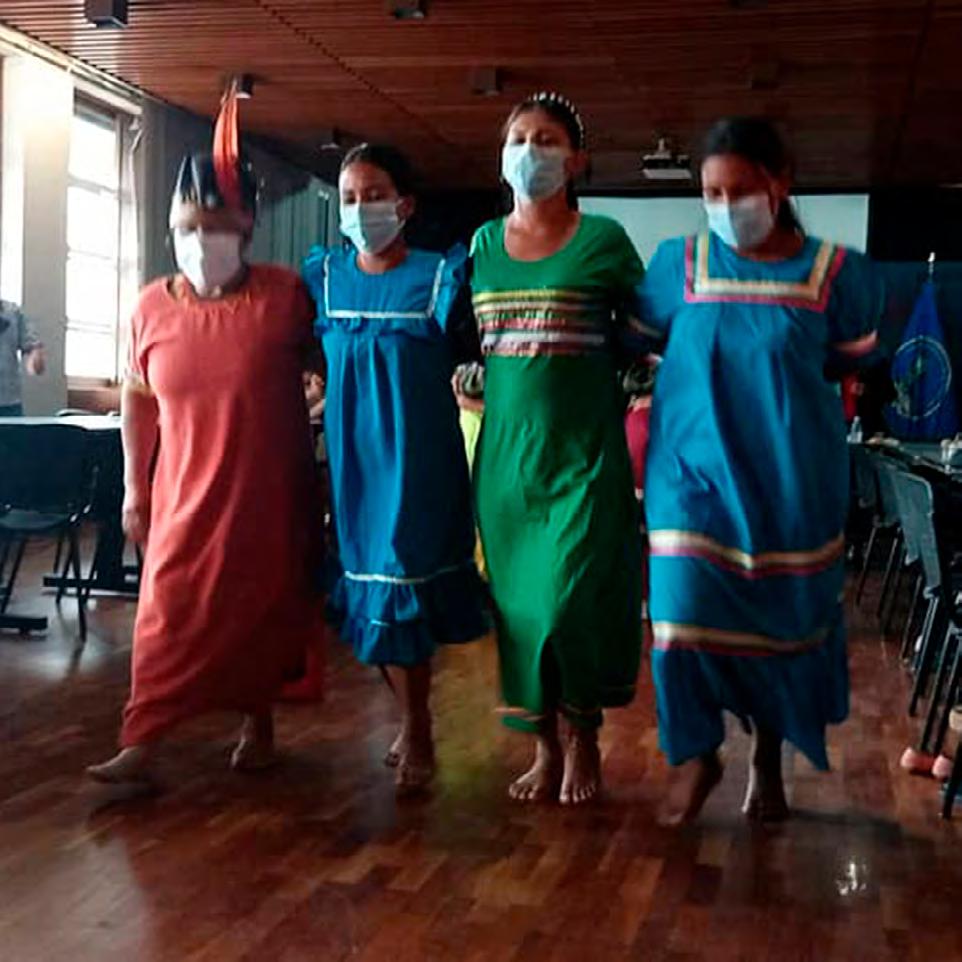
17 ORINOCO MAGAZINE
Preserving Biodiversity
Heroes of the Habitat:
Capybaras: The Gentle Giants of the Amazon Rainforest
The incredible ways that plants and animals contribute to the health and balance of ecosystems around the world. From the rainforests of South America to the coral reefs of the Pacific, there are countless species that play vital roles in maintaining the delicate balance of the natural world. In this series, we’ll take a closer look at these unsung heroes and learn about the unique ways they help to keep their ecosystems healthy and thriving.
The Amazon rainforest is home to an incredibly diverse array of species, each playing a unique role in maintaining the delicate balance of the eco system. One species that often goes overlooked is the capybara, a large rodent native to South America. Despite their seemingly unassuming appearance, these gentle giants play a critical role in maintaining the health of the Amazon’s vegetation.
ing overgrowth and promoting the growth of new shoots.
In addition to their role in maintaining aquatic vegetation, capybaras also play a key role in maintaining the health of the riverbanks themselves. As they graze, they create pathways through the dense vegetation, allowing sunlight to reach the ground and promoting the growth of new plant species. These new species in turn provide food and habitat for other animals in the ecosystem, further supporting the health of the Amazon rainforest.
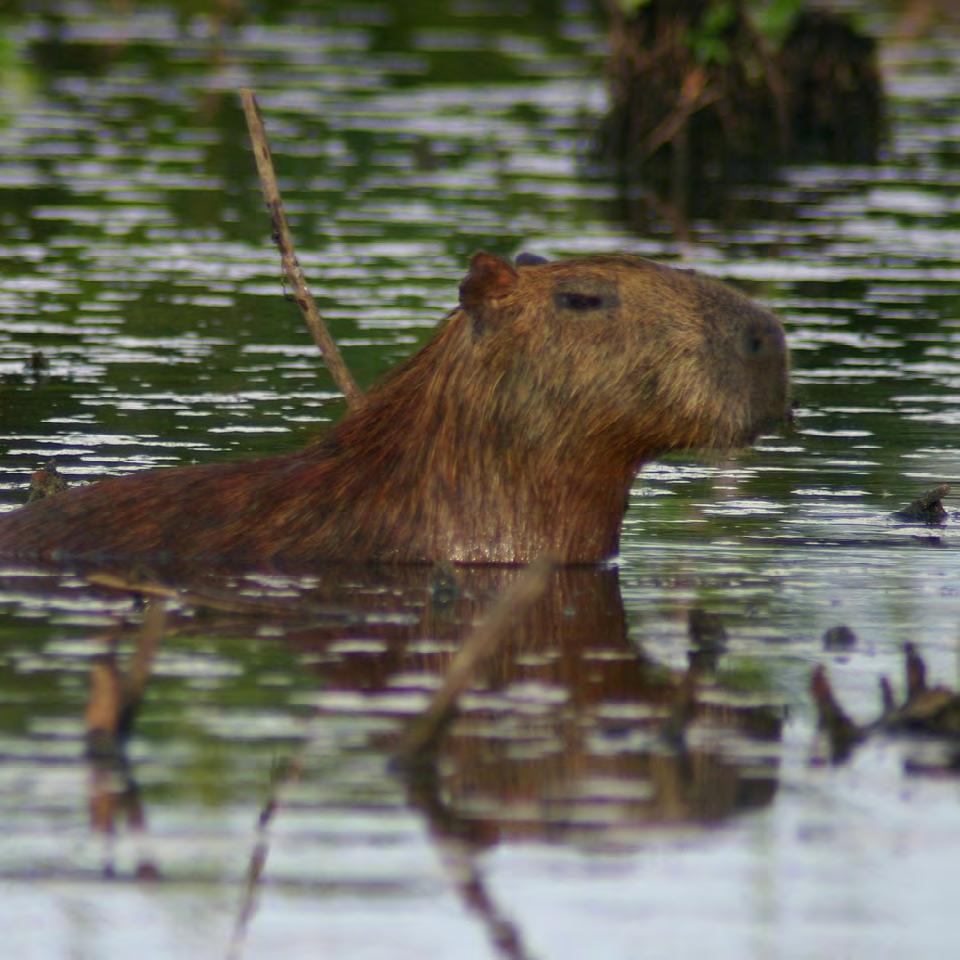
Capybaras are herbivores and spend much of their time grazing on grasses and aquatic plants along the riverbanks of the Amazon basin. They have a particular fondness for water lilies and lotus plants, which they use as a source of food and as a hiding place from predators. Their feeding habits help to maintain the health of these aquatic plants by prevent-
Capybaras are also known for their burrowing habits, which help to aerate and fertilize the soil along the riverbanks. As they burrow, they mix organic material from the surface with the soil, providing nutrients for new plant growth. This is particularly important for the health of the riverbank vegetation, which is essential for the stability of the river’s banks and the health of the river itself.
Despite their important role in the Amazon rainforest, capybaras are often hunted for their meat and skin, which are considered a delicacy in some South American cultures. The destruction of their habitat is another of the threats they face.
18 ORINOCO MAGAZINE
Preserving Biodiversity
Measures to protect 80% of the Amazon by 2025.
The Amazon is one of the most important ecosystems on the planet, and its preservation is essential to ensure global climate stability and biodiversity. However, deforestation and human activity are seriously threatening this region.
Urgent measures are needed to stop deforestation, reduce mining and agricultural activities, and promote reforestation and the restoration of degraded areas to preserve 80% of the Amazon by 2025. This requires political and financial commitments at the national and international level.
In addition to its importance for biodiversity, the Amazon is essential for global climate. Its forests store large amounts of carbon, and their degradation and deforestation contribute significantly to climate change. Preserving the Amazon is not only essential to protect biodiversity, but also to reduce greenhouse gas emissions and limit global warming.
Preserving the Amazon is also crucial to ensure the survival of indigenous communities that depend on it for their subsistence. The degradation of forests and the loss of biodiversity have a direct impact on these communities and their ways of life.
Preserving 80% of the Amazon by 2025 is an essential goal for the protection
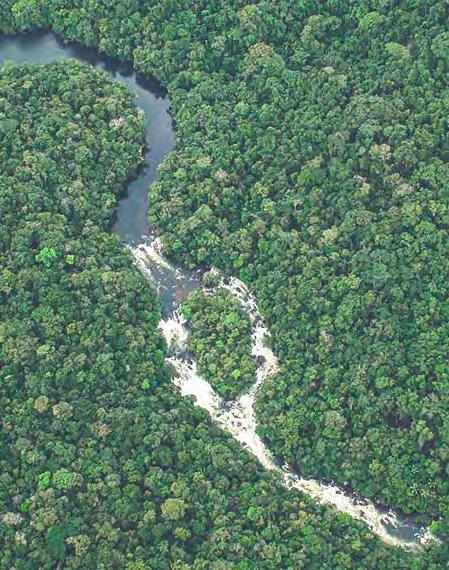
of biodiversity, climate stability, and the survival of communities that depend on it. To achieve this goal, urgent measures and political and financial commitments at the national and international level are needed. Achieving the goal of preserving 80% of the Amazon by 2025 requires joint efforts from governments, businesses, local communities, and non-governmental organizations. Some key measures to achieve this goal are:
19 ORINOCO MAGAZINE
Photo By: Edson Acero
Protecting natural areas and indigenous territories: It is essential to establish protected areas in the Amazon and recognize the rights of indigenous communities over their territories.
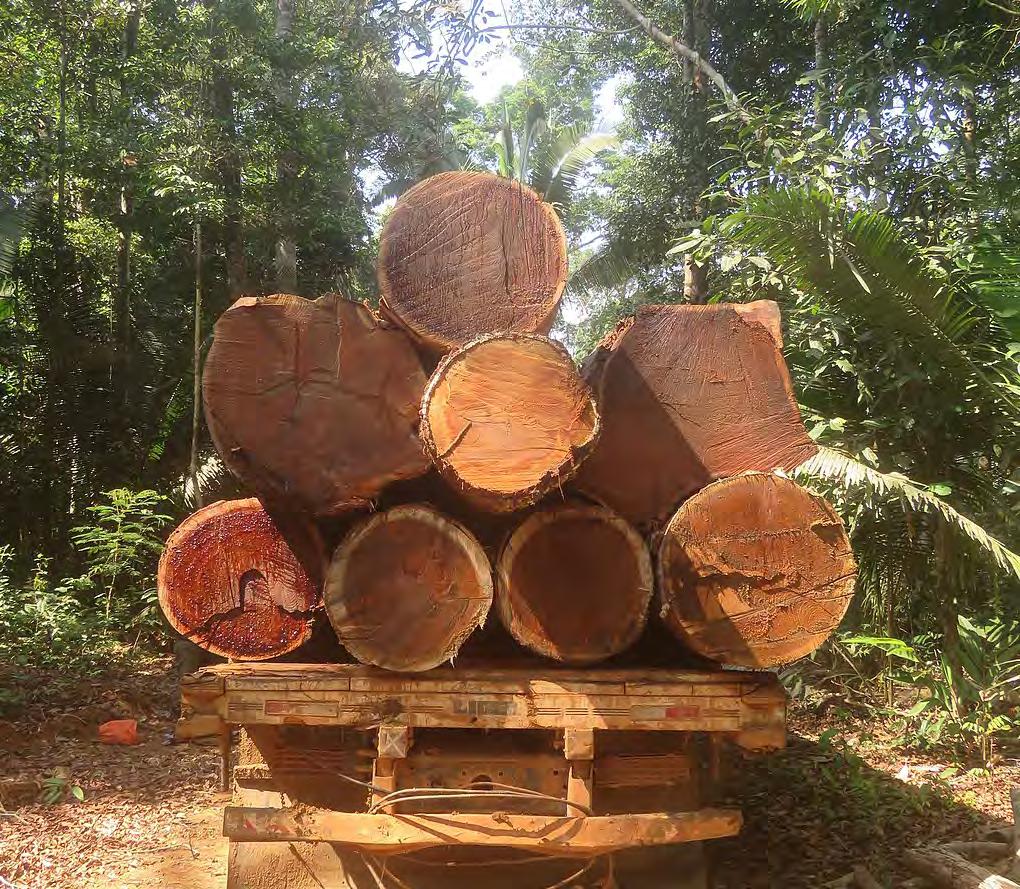
Reducing deforestation: It is necessary to implement policies and practices that discourage deforestation, such as the removal of economic incentives for deforestation and the promotion of sustainable practices in agriculture and mining.
Promoting reforestation and the restoration of degraded areas: It is important to restore degraded areas and encourage reforestation to recover the biodiversity and ecosystem services of the Amazon.
zon, including The Amazon Conservation Association, WWF, Amazon Watch, The Nature Conservancy, Rainforest Foundation US, among others. There are also governments, businesses, and local communities working to preserve this region. In summary, the collaboration of multiple actors and commitment to conservation is necessary to achieve the goal of preserving 80% of the Amazon by 2025.
Photo By: Erick Caldas Xavier
20 ORINOCO MAGAZINE
How much oxygen does the Amazon produce?
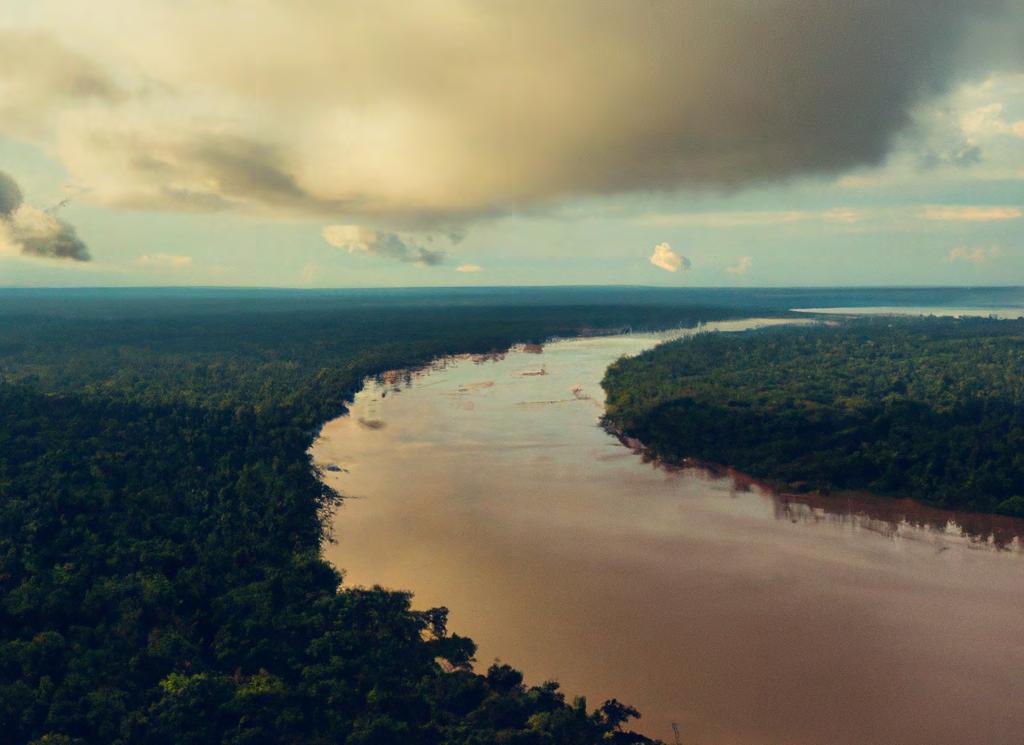
The Oxygen Production of the Amazon Rainforest
The Amazon rainforest is a vast and complex ecosystem that covers an area of approximately 5.5 million square kilometers, spanning nine countries in South America. The forest is home to millions of species of plants, animals, and microorganisms, and is considered one of the most biologically diverse regions in the world. The trees in the Amazon rainforest are known to produce oxygen as a byproduct of photosynthesis, but the precise amount of oxygen produced is difficult to determine.
There are several reasons why it’s challenging to measure the amount of oxygen produced by the Amazon rainforest. First, the amount of oxygen produced by trees can vary depending on the age, species, and health of the trees, as well as environmental factors such as temperature, humidity, and carbon dioxide levels.
Second, trees also consume oxygen as they respire, which means that the net amount of oxygen produced is not simply a matter of measuring photosynthesis rates.
Finally, the Amazon rainforest is a complex ecosystem that includes not just trees but
21 ORINOCO MAGAZINE
also other types of vegetation, as well as microorganisms, fungi, and animals, all of which contribute to the overall oxygen balance.
Despite these challenges, several estimates have been made of the amount
the Earth’s atmosphere comes from marine phytoplankton, which are photosynthetic organisms that live in the ocean. In fact, it’s estimated that marine phytoplankton produce between 50% and 85% of the oxygen in the Earth’s atmosphere, depending on the source.
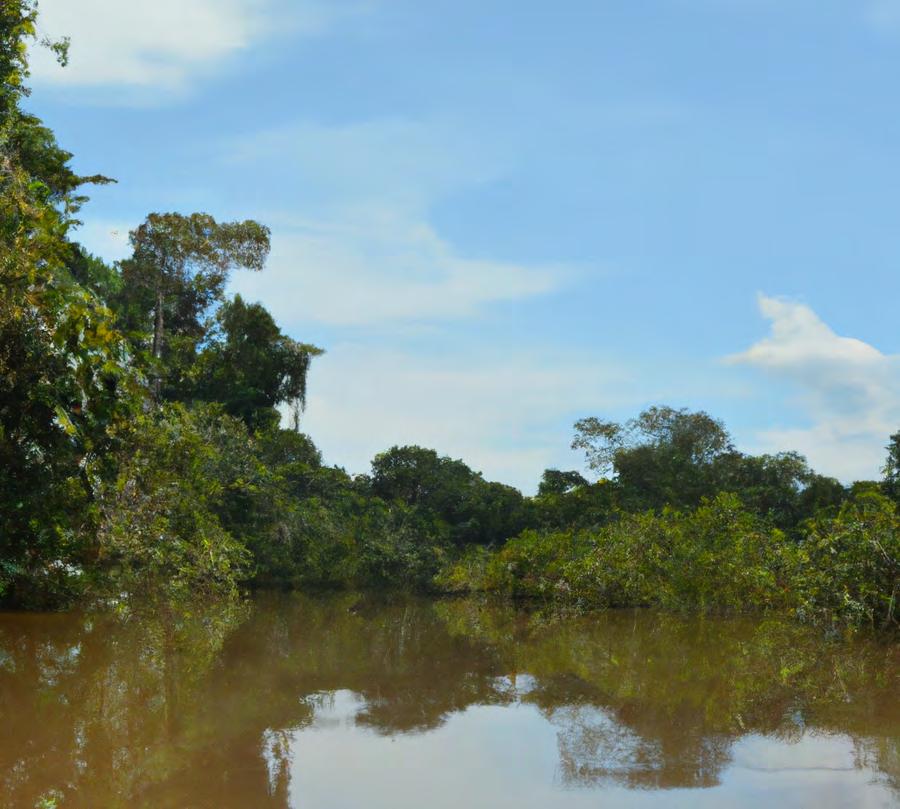
of oxygen produced by the Amazon rainforest. A widely cited figure is that the Amazon produces 20% of the world’s oxygen, but this number is often considered a myth or misconception. One reason for this is that the oxygen produced by the Amazon is not responsible for the world’s oxygen supply, as the majority of the oxygen in
Another reason why the 20% figure is often challenged is that the precise amount of oxygen produced by the Amazon is difficult to measure. One study published in the journal Nature in 2019 estimated that the Amazon rainforest produces approximately 6% of the oxygen in the Earth’s atmosphere. The study used data from a variety of sources,
22 ORINOCO MAGAZINE
including satellite measurements of photosynthesis rates, estimates of the amount of carbon dioxide absorbed by the forest, and measurements of oxygen levels in the atmosphere. The researchers also noted that the amount of oxygen produced by the Amazon can vary significantly from year to year due to factors such as droughts and wildfires.
Other sources have provided different estimates of the amount of oxygen produced by the Amazon. A study published in the journal Science in 1985 suggested that the Amazon rainforest produced 20% of the world’s oxygen, while a report from the United Nations Environment Programme in 2006 estimated that the Amazon produced 20% of the oxygen in the Earth’s atmosphere. However, these figures have been criticized for relying on outdated or incomplete data.
In conclusion, while it’s true that the Amazon rainforest produces oxygen as a byproduct of photosynthesis, the precise amount of oxygen produced is difficult to determine, and estimates can vary significantly depending on the data and methodology used. While some sources suggest that the Amazon produces a significant proportion of the world’s oxygen, it’s important to remember that the overall balance of oxygen in the Earth’s atmosphere is maintained by a complex web of biological and physical processes, and no single ecosystem can be solely responsible for the world’s oxygen supply.
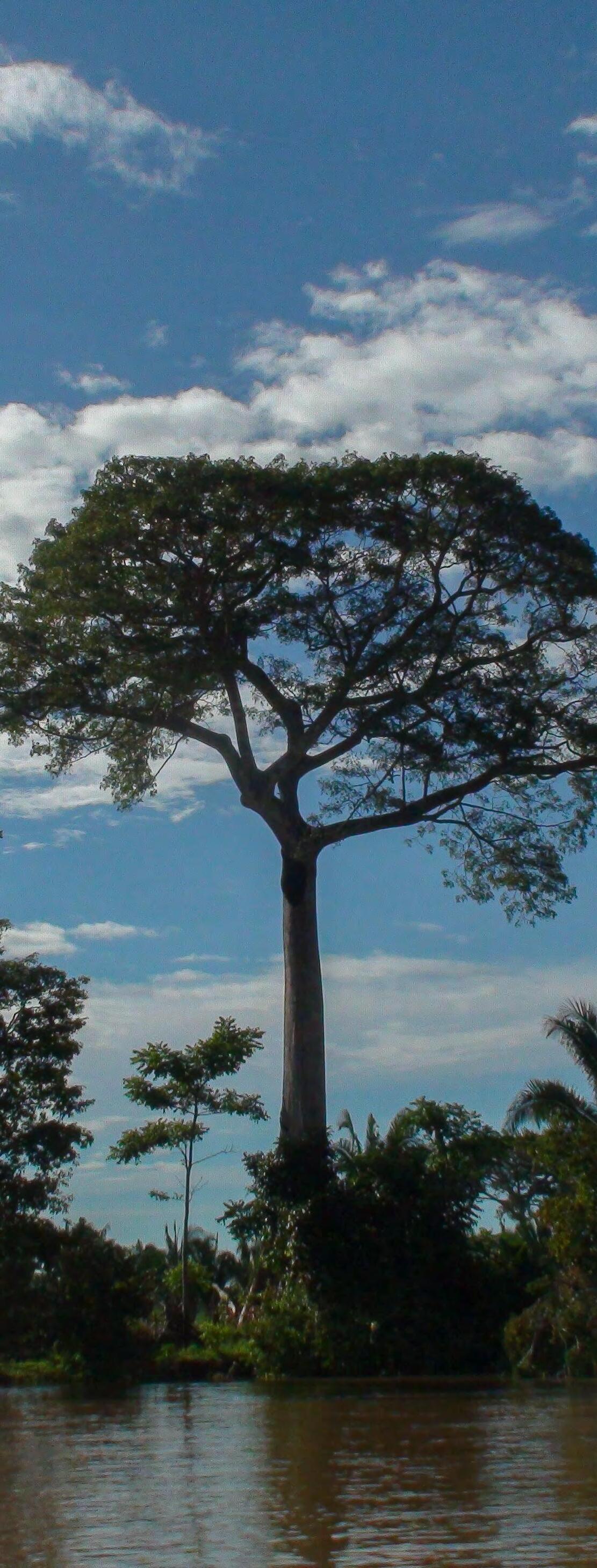 Sources: Lewis, S. L., & Brando, P. M. (2020). The 2010 Amazon drought. Science, 330(6009), 1350-1351.
23 ORINOCO MAGAZINE
Nepstad, D. C., Carvalho, G., Barros, A. C., Alencar, A., Capobianco, J. P
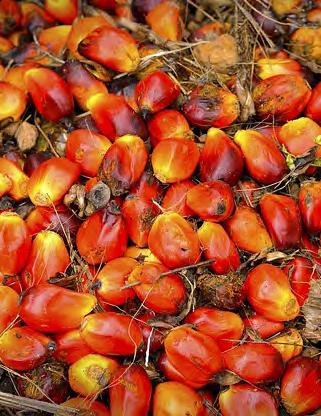
The Devastating Impact of Palm Oil on Forests
24 ORINOCO MAGAZINE
Preserving Biodiversity
The Devastating Impact of Palm Oil on Forests
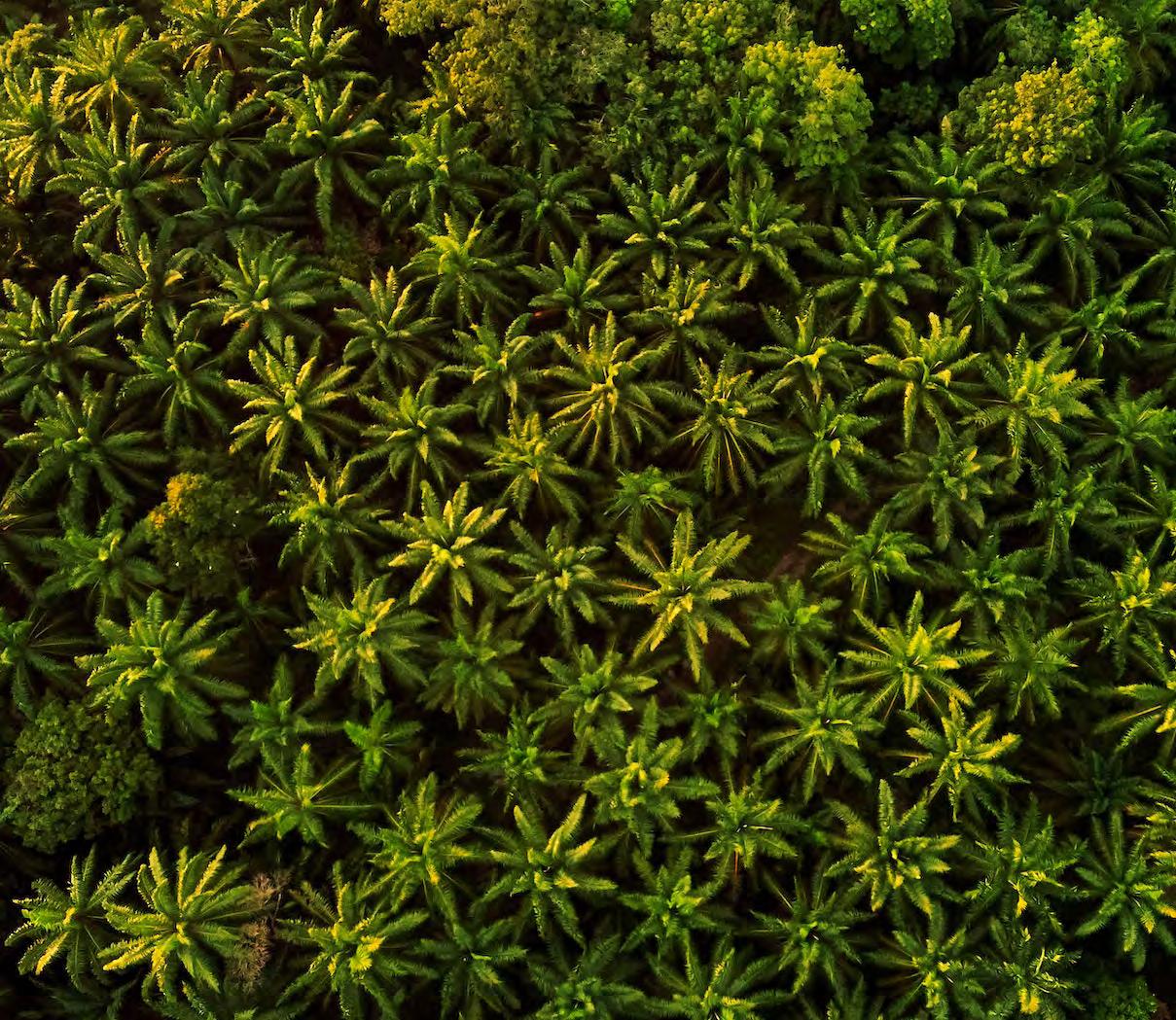
Palm oil is one of the most widely used crops in the food and cosmetics industries. However, its production has been criticized for its negative impact on the environment and biodiversity. The expansion of palm oil plantations has resulted in the degradation and loss of natural forests, especially in the Amazon.
The exact amount of palm oil used in the industry is difficult to determine, as it varies by country and region. However, it is estimated that palm oil is the most widely produced and consumed edible oil globally, accounting for approximately 33% of the world’s vegetable oil production.
Palm oil is found in many food and household products, including: Baked goods, Processed foods (such as instant noodles and snack foods), Margarine and cooking oils, Candies and chocolate, Soaps and personal care products (such as toothpaste, lipstick and shampoo), Detergents and cleaning products.
It is a popular ingredient due to its low cost and high yield, but its widespread use has led to significant environmental and social impacts.
How does the palm oil industry affect the world’s forests ?
The palm oil industry has a significant impact on the world’s forests, and in
particular, the Amazon. The expansion of palm oil plantations to meet the growing demand for palm oil has resulted in the clearing of vast areas of forest, leading to the degradation and loss of some of the world’s most important ecosystems, including the Amazon rainforest.
The deforestation associated with palm oil production contributes to habitat loss for many species, as well as reducing the carbonsequestration capacity of forests, which are essential for mitigating the effects of climate change. Additionally,
The clearing of forests also contributes to soil erosion and degradation, reducing the productivity of the land and increasing the risk of landslides and flooding.
How is this problem in the Amazon?
In the Amazon, deforestation for palm oil production has also led to the loss of indigenous communities and the displacement of traditional populations, with negative consequences for their livelihoods, culture, and well-being. Furthermore, the expansion of palm oil production in the Amazon has contributed to the loss of the region’s biodiversity, which is home to many unique species of plants and animals, some of which are found nowhere else in the world.
The palm oil industry has a significant impact on the world’s forests and in particular, the Amazon. Addressing the negative consequences of palm oil production requires
25 ORINOCO MAGAZINE
a comprehensive approach that takes into account the needs of both people and the environment, including promoting sustainable practices and certification schemes that ensure that palm oil production is done in an environmentally and socially responsible manner.
Source:https://www.wwf.org.uk/
26 ORINOCO MAGAZINE
Photo 01 By: tristantan/Pixabay Photo 02 By: Foto de Ihsan Adityawarman/ Pexels
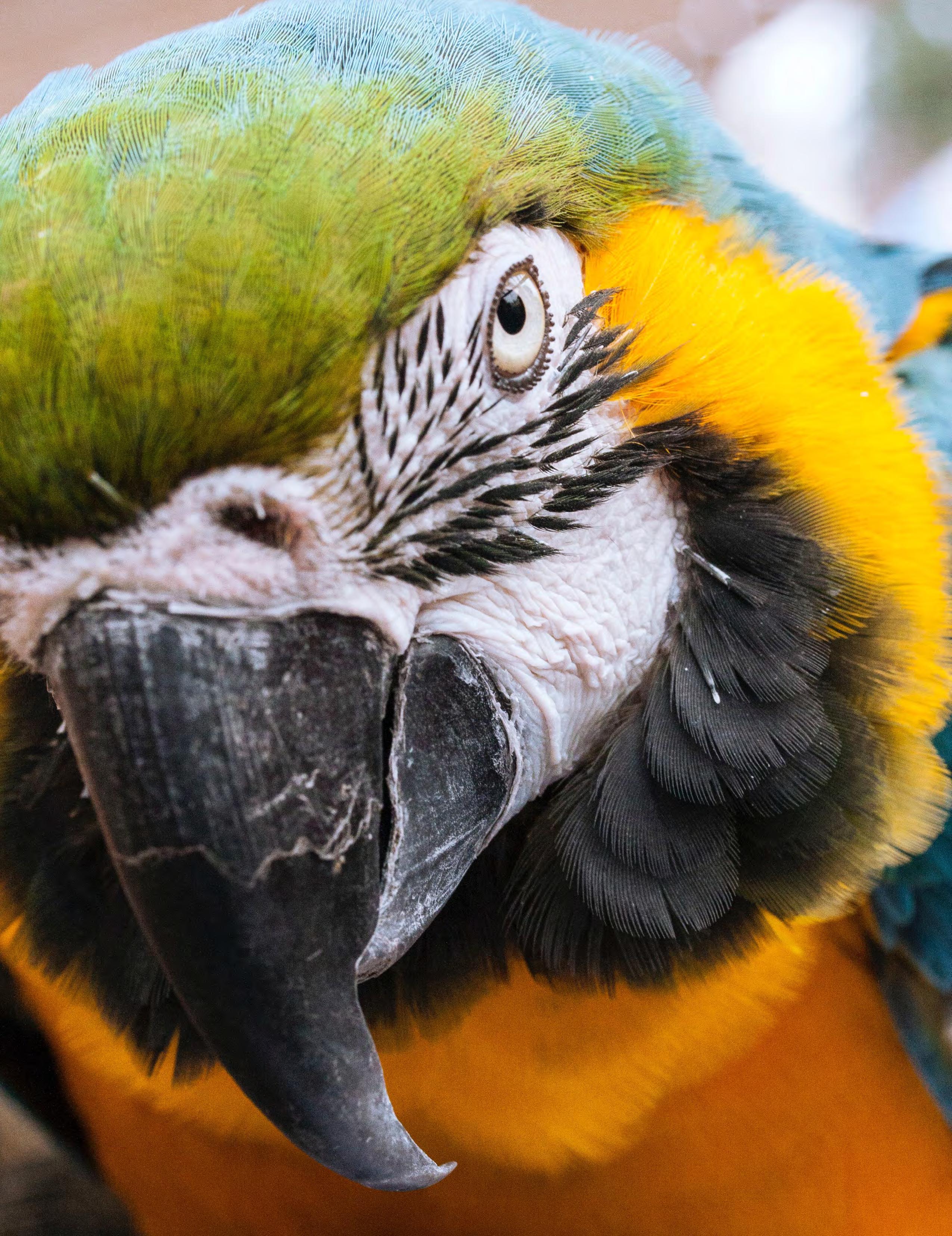
The Amazon rainforest is not just trees, it’s a living organism that produces the air we breathe and holds the key to our planet’s biodiversity and stability.
Raoni Metuktire.
Raoni Metuktire is a Kayapo indigenous leader from the Brazilian Amazon who has become an internationally recognized spokesperson for indigenous rights and environmental conservation. He has played a key role in fighting against the destruction of the Amazon rainforest and defending the rights of his people. Raoni has received numerous awards for his activism and was nominated for the Nobel Peace Prize in 2020
27 ORINOCO MAGAZINE
How to Live an Eco-Friendly Lifestyle in Your Daily Routine
Simple and Practical Steps
Making changes to live an eco-friendly lifestyle can seem daunting, but it doesn’t have to be. Small steps taken consistently can make a big difference in reducing your impact on the environment. In this article, we will explore some simple and practical ways to incorporate eco-friendly habits into your daily routine.
Reduce, Reuse, Recycle: This three-step mantra is a simple and effective way to reduce waste. Start by bringing reusable bags to the grocery store, using refillable water bottles, and recycling all recyclable items.
Save Energy: Turn off lights and electronics when not in use, and use energy-efficient light bulbs. You can also install a programmable thermostat to help regulate your home’s temperature and save energy.
Conserve Water: Fix leaky faucets and take shorter showers to conserve water. You can also install low-flow showerheads and toilets to reduce water usage.
Choose Eco-Friendly Products: Look for products made from sustainable materials, such as bamboo or recycled plastic, and avoid products with excessive packaging.
Support Local Businesses: Shopping at local, sustainable businesses supports your community and reduces the carbon footprint associated with transportation.
By incorporating these simple steps into your daily routine, you can help to reduce your impact on the environment and promote eco-empowerment. Small changes, done consistently, can lead to a greener and more sustainable future for all.
Are solar panels really an alternative?
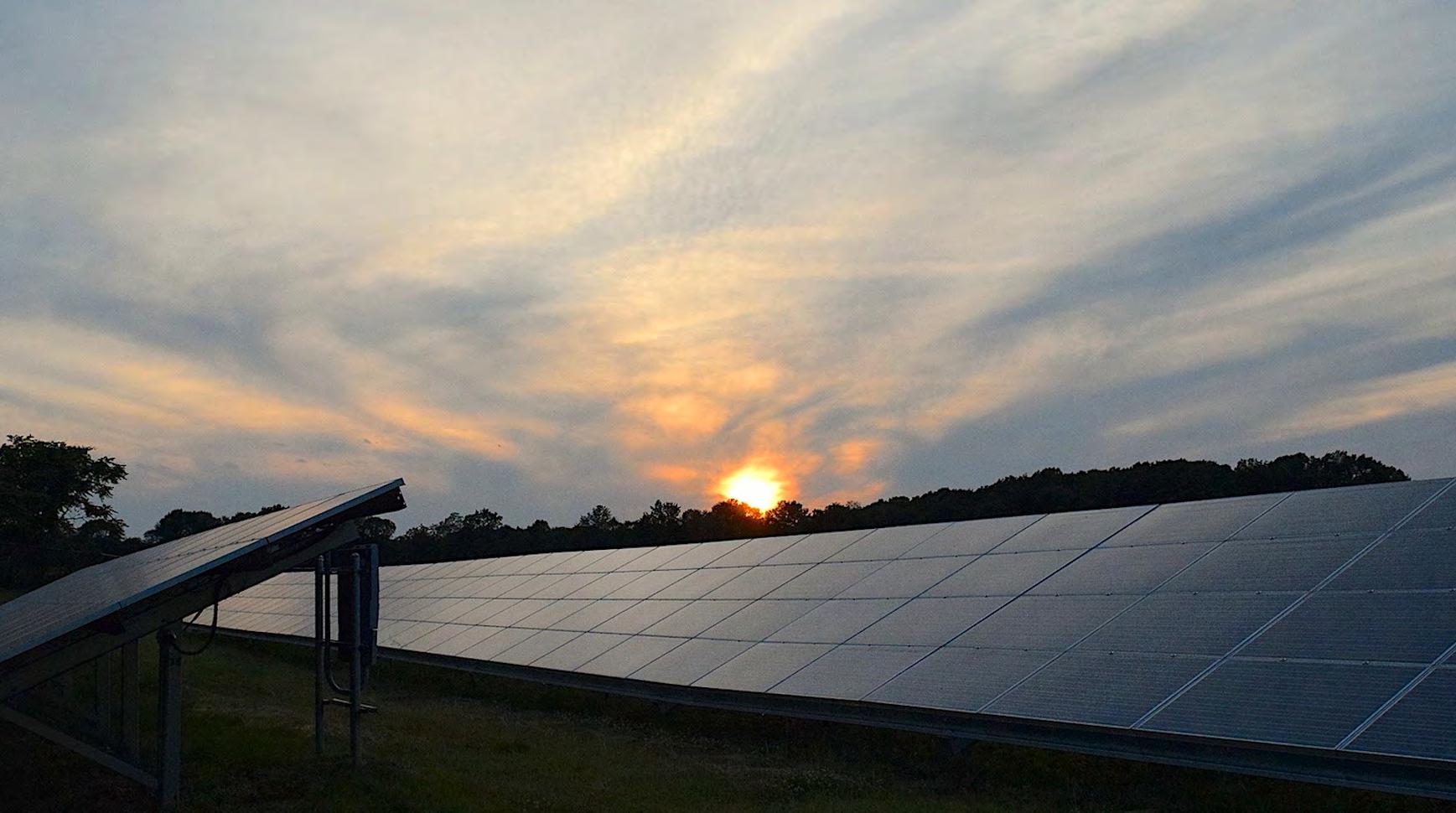
Solar panels are a promising alternative source of renewable energy. They work by converting sunlight into electricity, which can be used to power homes, businesses, and communities. The use of solar panels can help reduce dependence on non-renewable energy sources, such as fossil fuels, and decrease carbon emissions that contribute to climate change.
Solar panels are becoming increasingly affordable and efficient, making them accessible to more people and businesses. In many parts of the world, solar power is already competitive with traditional energy sources in terms of cost and is often the
most cost-effective option for new electrical generation.
However, it is important to keep in mind that solar panels are not a one-size-fits-all solution, and their effectiveness will depend on factors such as the location, weather conditions, and the specific energy needs of a given area. Additionally, while solar panels are a clean source of energy, the manufacturing process and disposal of solar panels can have environmental impacts.
Overall, solar panels are a valuable alternative source of energy that can help create a more sustainable future, but they should be
Sustainable Solutions 28 ORINOCO MAGAZINE
considered as part of a larger, integrated approach to energy generation and use.
Are solar panel technology an alternative for rural areas and indigenous communities in the Amazon?
Solar panel technology can be an alternative for rural areas and indigenous communities in the Amazon. These communities often lack access to reliable electricity, and solar panels can provide a clean and renewable source of energy.
Solar panels can be particularly beneficial for indigenous communities in the Amazon
because they can help reduce dependence on fossil fuels, which can be expensive and harmful to the environment. In addition, solar panels can provide power for homes, schools, and healthcare facilities, improving quality of life for these communities.
However, it is important to approach the implementation of solar panels in these communities in a culturally sensitive and sustainable manner. This may include involving the community in the planning and decision-making process, ensuring that the installation and maintenance of the solar panels is done in an environmentally responsible way, and considering the longterm impacts of the technology on the community and the environment.
Source: https://www.irena.org/Energy-Transition/Technology
29 ORINOCO MAGAZINE
Image by Robert Jones from Pixabay
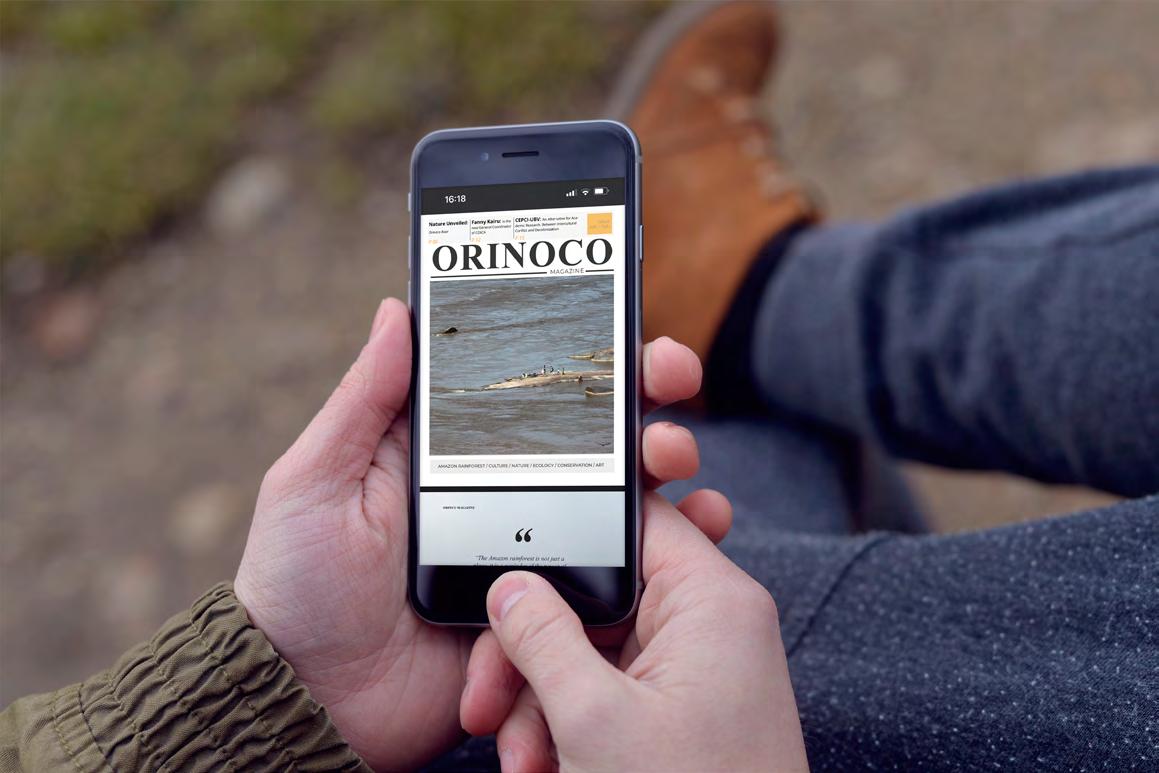


Orinoco Magazine, a digital publication that covers topics related to the Amazon Rainforest, indigenous cultures, nature, ecology, and conservation. Consider becoming a sponsor or advertiser for Orinoco Magazine. By partnering with us, you’ll gain access to a passionate audience while contributing to the preservation of nature and indigenous cultures. Reach out to me to discuss further. EDITOR & DESIGNER: Edson Acero First of all, we are grateful to the Amazon and all the indigenous peoples who live in it and have been their protectors and guardians for thousands of years. Our special thanks to: Satish Kumar Adriana Gutierrez Fran Morales Yajö Emilio Mula Mirella Ferraz Dee C. Teri G. Kitty G. Mike Sermon And thanks also go to: Greenlife LTD Share Shed project COORDINATOR IN VENEZUELA: Fran Morales COORDINATOR IN BRAZIL: Fabiana Anciutti Join us in preserving the Amazon: Become a sponsor or advertiser Brought to you by Thanks to Stay in touch Email: contact@edson-acero.com www.edson-acero.com @Orinoco_eMagazine 30 ORINOCO MAGAZINE
STAY CONNECTED
This event will celebrate all things related to sharing, repairing, swapping and making! It’ll also be an opportunity to connect with others who share this passion, and promote local collaboration.
Sat 29th April, from 10am to 4pm, at the Totnes Civic Hall
www.shareshed.org.uk.
The Center for Indigenous Peoples and Cultures Studies (CEPCI) at the Bolivarian University of Venezuela operates within a political and academic space, in line with the commitment of UBV to combine the ancestral wisdom of our peoples with a context of breaking free from the oppressive chains of colonial tutelage, neoliberal capitalism, and new neocolonial modes of domination.
https://cepciubv.blogspot.com/


Located on the market square at the top of Totnes, we are one of the largest health food shops in the South West. Greenlife has been trading since 1990. Our ethos has always been to source from local suppliers where possible, and to offer the widest possible selection of ethically traded products on our shelves. We stock many vegan, dairy free and gluten free foods, and the majority of the products that we sell are organic.
greenlife.co.uk
WaterBear is the first interactive streaming platform dedicated to the future of our planet.
waterbear.com
31 ORINOCO MAGAZINE
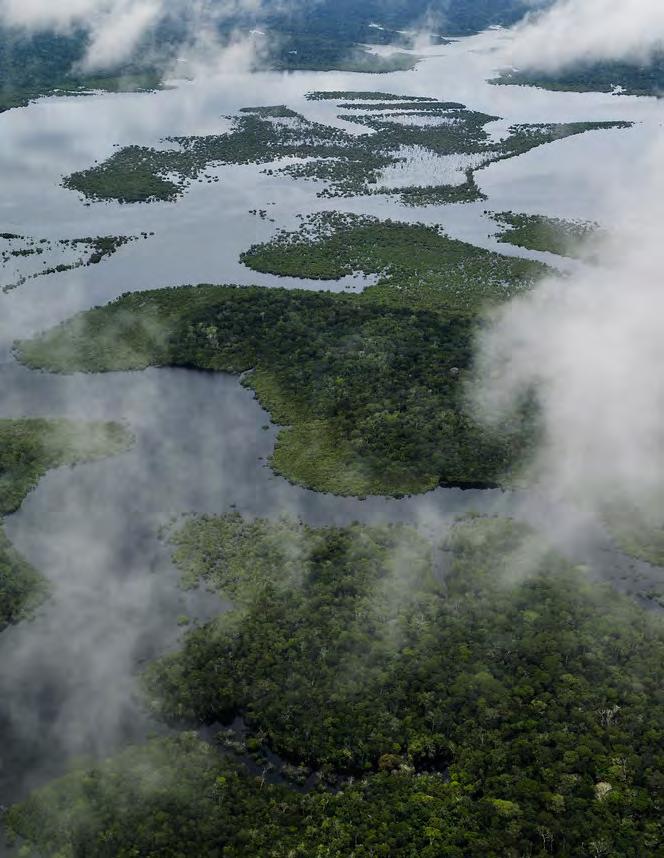 Photo: Neil Palmer
32 ORINOCO MAGAZINE
Amazon Rainforest
