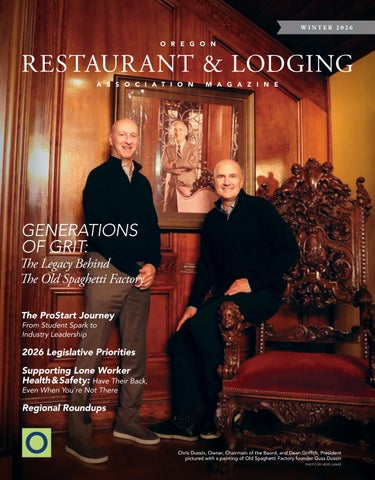
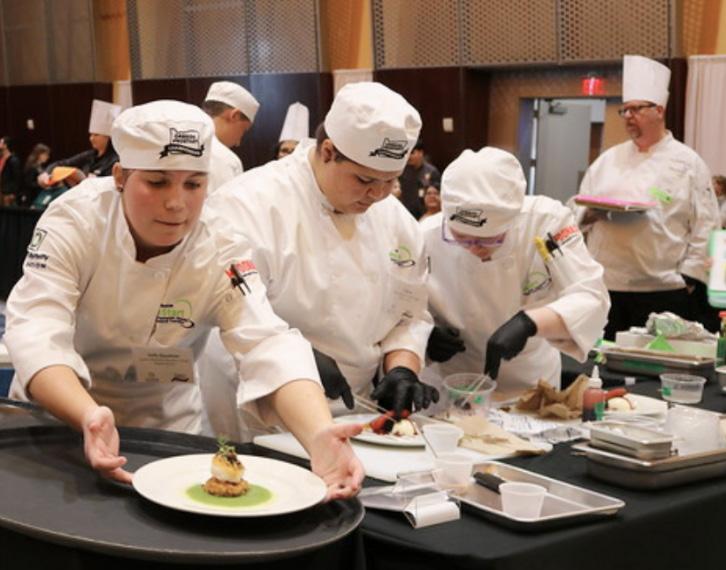
The ProStart Journey From Student Spark to Industry Leadership
2026 Legislative Priorities
Supporting Lone Worker Health & Safety: Have Their Back, Even When You're Not There Regional Roundups
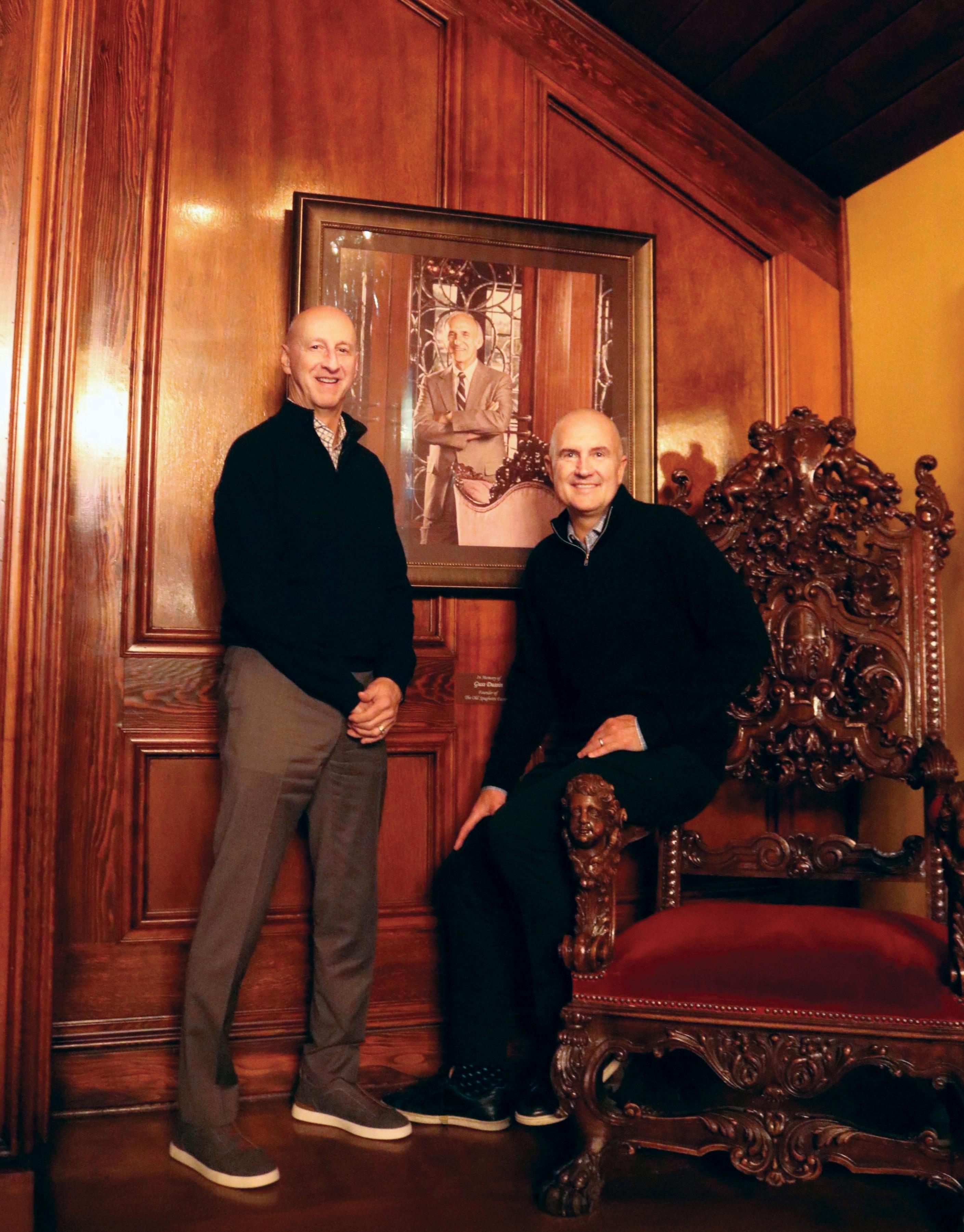
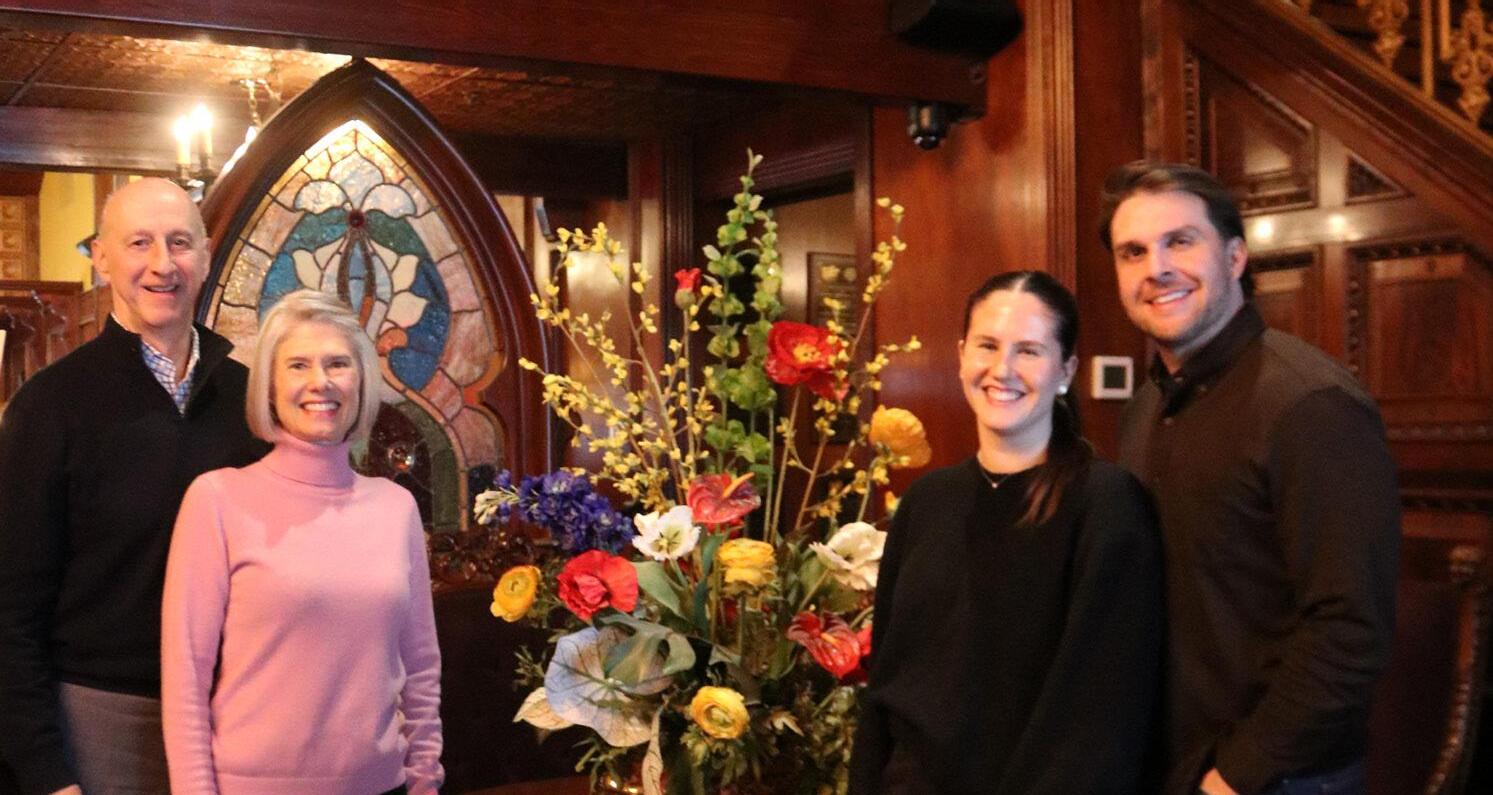
Chris Dussin, Owner, Chairmain of the Baord, and Dean Griffith, President pictured with a painting of Old Spaghetti Factory founder Guss Dussin
PHOTO BY HEIDI JANKE
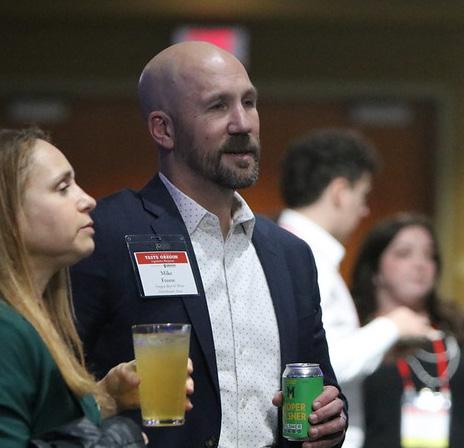
TASTE OREGON LEGISLATIVE RECEPTION
February 10, 2026 | Salem Convention Center
Meet with some of Oregon’s policymakers for casual conversations, good food and drink, and the chance to share personally the impact our industry has on our state's economy and livability.
OREGON PROSTART CHAMPIONSHIPS
March 2, 2026 | Salem Convention Center
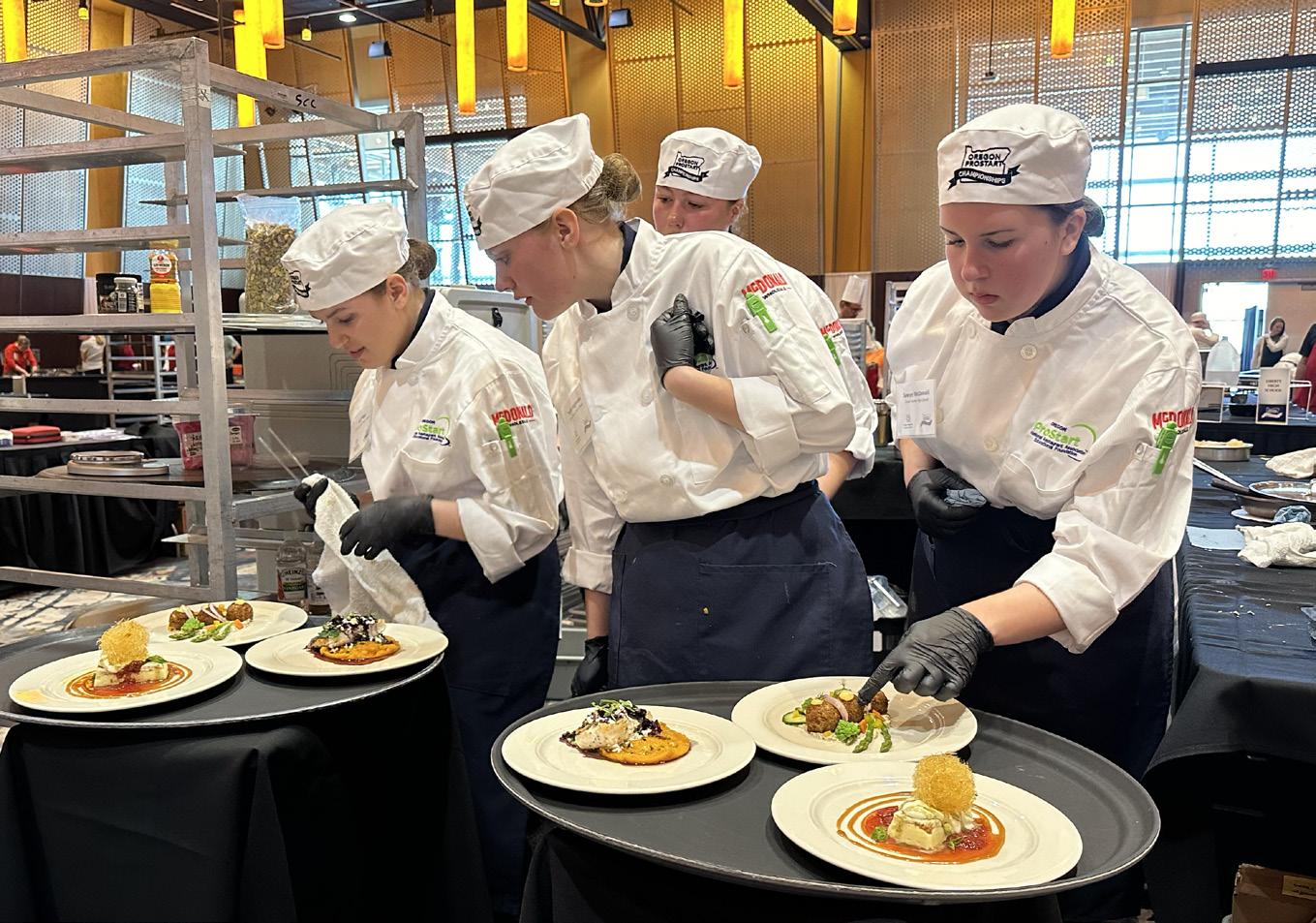
Today’s ProStart students are tomorrow’s professionals. Support them and help shape a skilled, knowledgeable, and industry-ready workforce. Attend, volunteer or be a judge at the annual state competition.
NORTHWEST FOOD SHOW
April 19-20, 2026 | Portland Expo Center
Don't miss the region’s largest food and beverage show for ideas, information, and new tools for success. Sample the latest in person from hundreds of brands from the Northwest and beyond.
ONE BIG NIGHT - DINNER & AUCTION
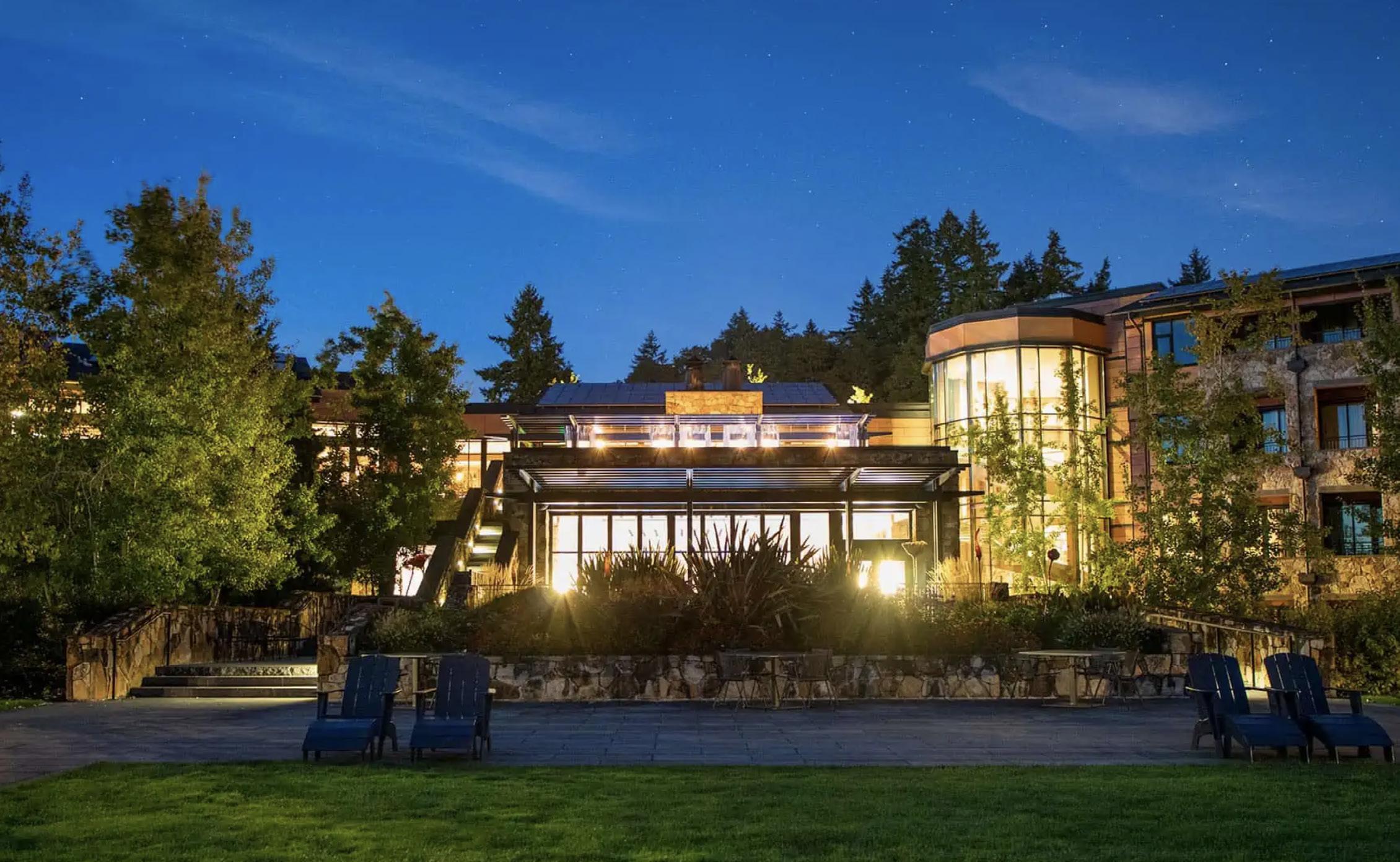
June 2, 2026 | The Allison Inn & Spa, Newberg
Enjoy a lavish evening with silent auction followed by dinner and live auction. Your participation will support ORLA’s Political Action Committee and the election of pro-hospitality industry candidates.
ORLA OPEN GOLF TOURNAMENT
July 20, 2026 | Langdon Farms Golf Club, Aurora
This annual golf tournament includes a scramble tournament with carts, lunch, prizes, and awards. Proceeds (including sponsorship revenues) go directly to ORLA’s Political Action Committee.
WOMEN IN TOURISM & HOSPITALITY SYMPOSIUM
September 12, 2026 | Riverhouse Lodge, Bend
Connect, grow, and lead at our third annual event focused on leadership, branding, and mentorship for women in the industry.
ORLA HOSPITALITY CONFERENCE
September 12-14, 2026 | Riverhouse Lodge, Bend
Industry leaders, owners and operators gather for this multi-day event of illuminating keynotes, informative seminars and breakout sessions and networking.
Benefits That Work FOR EVERYONE
Health, retirement, and wellness benefits made simple for your people and sustainable for your business.
+ SLICE helps employers offer meaningful benefits without the complexity.
+ Health coverage with tax-free contributions
+ Personalized retirement planning support
+ Tools and resources to support wellness and peace of mind
Your team gains more choice. You keep more control. And your business stays ahead in a competitive market.
Ready for a better way to offer benefits?
Contact us at info@sliceemployeebenefits.com or visit our website sliceemployeebenefits.com.
Co-Hosts: Presenting
Sponsors:
& Lodging is published four times a year by Oregon Restaurant & Lodging Association (ORLA), 8565 SW Salish Lane, Suite 120, Wilsonville, Oregon, 97070 503.682.4422
To learn more about ORLA visit us online at OregonRLA.org
PUBLISHER
JASON BRANDT / PRESIDENT & CEO JBrandt@OregonRLA.org
LORI LITTLE / EDITOR LLittle@OregonRLA.org
HEIDI JANKE / DESIGN HJanke@OregonRLA.org
MEMBERSHIP
To become a member of the Oregon Restaurant & Lodging Association, please contact us at info@OregonRLA.org or 503.682.4422.
ADVERTISING
Please support the advertisers herein; they have made this publication possible. For information on advertising opportunities, please contact Big Red M, serving on behalf of the Oregon Restaurant and Lodging Association (ORLA): Cathleen Corbin, Advertising Account Executive, Big Red M cathleen@bigredm.com or 303.550.4480
SUBSCRIPTIONS
To update your digital and print subscriptions to this publication and all ORLA communications visit OregonRLA.org.
2025-26 ORLA BOARD OF DIRECTORS
Komal (Tina) Patel, Chair, ALKO Hotels
Katie Poppe, Vice Chair, Blue Star Donuts
Liz Dahlager, Treasurer, Mereté Hotel Management
Gordon Feighner, Secretary, Jam on Hawthorne Patrick Nofield, Immediate Past Chair, Escape Lodging
Marin Arreola III, Advanced Economic Solutions (AES) Inc.
Jolee Bancroft, Mo's Restaurants
Terry Bichsel, Rivertide Suites Hotel
Joe Buck, Babica Hen / Lola's / Gubanc's
Gillian Duff, El Gaucho Portland
Justin Freeman, Bagel Sphere
Cheri Helt, Zydeco Kitchen & Cocktails
Kurt Huffman, ChefStable
Joe Lowry, Bandon Dunes Resort
Alkesh Patel, Evergreen Hospitality Development Group
Taran Patel, A-1 Hospitality Group
George Schweitzer, West Coast Hospitality LLC
Jerry Scott, Elmer's Restaurants Inc.
Natalie Sheild, Togather Restaurant Consulting
Jim Smith, Mountain Mike's Pizza, Cascades Coffee House
Rick Takach, Vesta Hospitality
Jake Vanderveen, McDonald Wholesale Co.
Scott Youngblood, CASCADA
Dhruti Amin, Ex Officio Board Member, ALKO Hotels
Have Their Back, Even When You're Not There
Chris & Tyanne Dussin, Kiana Underwood, Nick Underwood Old Spaghetti Factory
Since 2007, we have managed four different POS systems, facing challenges with each transition. However, our switch to Shift4 through IMB was the smoothest and most user-friendly experience. The system is robust and regularly updated, but the standout feature is IMB's exceptional customer service. Their team provides personal support, whether troubleshooting or checking in, showing genuine care for our success. The dedicated in-person support makes IMB and Shift4 the best technology decision we've made, and I highly recommend this program to any restaurant seeking reliability and excellence.
FROM THE CEO
The Places That Bring Us Together—and the Coalitions That Move Us Forward
For generations of Oregonians, there are certain places that anchor our memories. Restaurants where birthdays are celebrated year after year. Where first jobs turn into lifelong careers. Where parents bring their children, and those children one day bring families of their own. These are not just businesses— they are gathering places that quietly shape the fabric of our communities.
Few brands exemplify that generational impact better than The Old Spaghetti Factory.
As one of ORLA’s longest-standing members, The Old Spaghetti Factory represents something increasingly rare in today’s hospitality landscape: a full-service restaurant model that has endured, evolved, and thrived across decades. From its beginnings right here in Oregon to dozens of locations across the country, the company has managed to do what many thought impossible— scale thoughtfully while staying rooted in the values that made it special in the first place.
That success didn’t happen by accident. It reflects disciplined leadership, an unwavering commitment to hospitality, and a deep respect for the guests and employees who make the experience come alive every day. It also reflects a long-standing commitment to Oregon—the state where the brand took shape, where thousands of jobs have been created, and where the company continues to invest time, talent, and resources back into the community.
In an industry defined by thin margins, rising costs, and constant change, sustaining a full-service restaurant concept over generations is nothing short of remarkable. It is a reminder that hospitality, at its best, is about more than transactions. It’s about trust, consistency, and shared experience.
Those same principles matter just as much when we shift from restaurant tables to the policy table.
As we prepare for the 2026 Oregon Legislative Session—scheduled to convene February 2 through March 9 for a 35-day bi-annual session—our industry once again finds itself navigating serious economic headwinds. Oregon’s economy is facing real pressure. Employers across hospitality are managing higher labor costs, increased regulatory complexity, and ongoing uncertainty around consumer spending.
Yet even in this environment, we are seeing proposals emerge that would introduce new taxes untethered from economic development outcomes, while other proposals would dilute or divert existing tax collections that have a proven track record of driving growth. These
are not abstract policy debates. They have real consequences for businesses, workers, and communities across the state.
Tourism is one of Oregon’s most effective economic engines precisely because it works differently than most sectors. Tourism is in the business of exporting advertising and promotion—bringing outside dollars into Oregon communities through visitor spending. When those investments are protected and deployed strategically, they create a multiplier effect that supports local jobs, small businesses, and tax revenue without placing additional burden on Oregonians themselves.
Weakening that system at a time when our economy needs stability and growth would be a mistake.
This is where coalition building becomes essential.
No single business, sector, or organization can carry this message alone. Just as restaurants like The Old Spaghetti Factory succeed by creating spaces where people come together, our advocacy succeeds when we show up united—with voices from restaurants, lodging, attractions, suppliers, and the broader business community aligned around shared economic goals.
ORLA is committed to protecting tourism economic development dollars because we know they work. We know the return on investment. And we know the jobs—tens of thousands of them— that depend on smart, consistent policy decisions.
But lawmakers need to hear from more than just associations. They need to hear from employers, employees, and community leaders who understand what’s at stake.
That’s why I encourage you to visit SaveTourismJobs.com and add your name—individually and/or on behalf of your company—to the growing list of stakeholders standing up for Oregon’s tourism economy. It’s a simple action, but it sends a powerful signal that these investments matter, these jobs matter, and this industry matters to the future of our state.
The Old Spaghetti Factory reminds us of what’s possible when commitment, consistency, and community come together over time. As we head into the 2026 Legislative Session, let’s bring those same values to our advocacy—building coalitions that protect what works and create economic outcomes that benefit all Oregonians.
Because the places that bring us together deserve policies that help them endure for generations to come. JASON BRANDT, PRESIDENT & CEO, ORLA
ADVOCACY UPDATE
Preparing for 2026: Aligning ORLA’s Legislative Priorities
This update highlights the latest work ORLA is doing to protect and advance Oregon’s hospitality industry. From outlining our legislative priorities, to illustrating a snapshot of Transient Lodging Taxes, and looking ahead at new laws taking effect in 2026, these efforts underscore ORLA’s commitment to strong, strategic advocacy on behalf of our members.
LEGISLATIVE AGENDA
The 2026 short session will most likely focus on fiscal issues facing Oregon such as whether or not to disconnect from the federal tax code, how to handle a $63M budget shortfall, and the possibility of losing revenue from the transportation package referral. However, we also know the two Transient Lodging Tax (TLT) bills will be returning and we anticipate there may be bills related to recreational liability waiver reform.
The following represents ORLA’s priorities headed into the short session beginning February 2 and ending March 9.
Protect And Defend Lodging Tax (Local And State): Protect the existing state and local lodging tax structure to ensure tourism, local infrastructure, and community services continue to receive vital funding for economic development and job creation.
Protect Against
New Taxes
And Support Economic Development: Oppose any new or increased taxes that could burden hotels, restaurants and tourism operators while supporting policies creating the conditions for business growth, retention and job creation.
Support Fish And Chips Act: Advocate for the FISH and CHIPS Act to drive semiconductor and manufacturing growth and boost innovation, jobs, and business travel— directly strengthening Oregon’s hospitality sector.
Support Recreational Liability Reform: Support reforms that strengthen liability protections for recreational businesses, helping expand safe visitor experiences across Oregon.
Oppose RTD Cocktails In Grocery Stores: Oppose legislation that would allow ready-to-drink (RTD) cocktails to be sold in grocery stores, maintaining Oregon's responsible alcohol retail standards.
ORLA NAMES
NEW
CONTRACT LOBBYIST
In November, ORLA announced a new partner to the Government Affairs team, Elizabeth Howe with Howe Public Affairs. Elizabeth began her lobbying and government relations firm in 2012. Prior to that, she worked for the Oregon Business Association as a policy analyst and lobbyist and was Chief of Staff to State Senator Ginny Burdick (D).
Elizabeth has researched and developed policy proposals on a wide variety of issues, with a focus on economic development, energy and environment and revenue to name a few. She has worked extensively with trusted partners like the Portland
Metro Chamber and the MLB Office of the Commissioner of Baseball.
STRATEGIC COMMUNICATIONS SUPPORT FOR THE 2026 SESSION
ORLA has hired Ramsey Cox, a media relations expert, as an extension of our team leading up to the 2026 legislative session. With more than a dozen years of experience in media relations, strategic communications planning, coalition building, storytelling, politics and media coaching, Ramsey is a welcome addition. She will be working on contract with our Government Affairs Department on building a coalition around the transient lodging tax (TLT) issue for the two bills we expect to see in the upcoming short session.
Before relocating to Portland, Ramsey spent nearly a decade in Washington, D.C. She began her career as a reporter covering the U.S. Senate for The Hill before becoming Communications Director for U.S. Rep. Suzan DelBene (D-WA-01) and Director of Media Relations and Public Affairs for the Beer Institute, a trade association representing America's beer industry.
DEBUNKING THE TLT MYTH
There’s a common myth in the conversation around local Transient Lodging Taxes in Oregon that municipalities are limited to just 30 percent of revenue for general fund use—and a lack of transparent data has fueled that misunderstanding. This new infographic helps clarify how TLT funds are actually allocated, showing that many cities retain far more than 30 percent for unrestricted spending. Before considering changes to a system enacted in 2003 and proven to support jobs and economic development, it’s important for lawmakers to look closely at the full picture of how these dollars are distributed and used.
Debunking the 70/30 Split Myth
ADVOCACY ROI
Fighting to Save Operators Money and Strengthen Our State’s Economy
ADVOCACY ROI: REAL VALUE FOR MEMBERS
ORLA’s advocacy efforts deliver tangible member value and savings by protecting hospitality businesses from costly tax increases and burdensome regulations, preserving millions in economic development funding and reducing operational costs. These strategic wins help keep Oregon’s restaurants and lodging operators more competitive and financially resilient in today’s challenging policy environment.
NEW LAWS FOR 2025/2026
Below are just some of the new laws passed in the 2025 Oregon Legislative Session and taking effect either as of September 26 of 2025 or on January 1, 2026. While not a comprehensive list of all new laws taking effect, these are the laws most likely to impact hospitality operators and businesses.
Restricting Age-Based Inquiries
During Hiring (HB 3187)
Effective Date: September 26, 2025
This law will prohibit employers from asking applicants their:
• age
• date of birth
• educational attendance dates or graduation dates
This prohibition applies to any applicants who have not yet received an initial interview. If an employer does not conduct initial interviews, this information may only be requested after a conditional offer has been made.
Oregon employers will need to update their application materials to remove requests for an applicant’s date of birth and dates related to prior education. Employers that use third-party recruiters or online application platforms should work with those providers to ensure compliance. The law prohibits
employers from requesting or requiring this information; however, there is no violation if an applicant voluntarily discloses agerelated information, such as on a résumé.
Payroll Transparency (SB 906)
Effective date: January 1, 2026
SB 906 amends Oregon state payroll law to require employers to disclose extensive information about payroll practices to newhire employees.
This law requires employers to provide written explanations of each of the following to new employees:
• The employer’s regular pay period
• A comprehensive list of:
- All pay rates that employees may be eligible for
- All benefit deductions and contributions
- All deductions that may apply
• The purpose of deductions that may be made
• Allowances claimed as part of minimum wage
• Employer-provided benefits that may appear on an employee’s paystub
• A description and definition of all payroll codes used for pay rates and deductions
SB 906 does not require individualized distribution to new hires. Employers may comply by making the information readily accessible, such as through a website link or a posting in a common work area, and BOLI will provide a model compliance document for reference.
Paid Time Off for Employees to Donate Blood (SB
1108)
Effective date: January 1, 2026
SB 1108 expands the state’s paid sick leave law to allow employees to use their accrued sick time to donate blood. Under the bill, employees may use up to four hours of sick leave per calendar year for
blood donation without loss of pay, time, or benefits, provided the donation is through a voluntary program approved or accredited by organizations such as the American Association of Blood Banks or the American Red Cross.
Unemployment Insurance for Striking Workers (SB 916)
Effective date: January 1, 2026
Under SB 916, the labor dispute disqualification will be eliminated, allowing both striking workers and locked-out workers to qualify for UI benefits, so long as they are otherwise eligible.
However, benefits for striking workers will be capped at 10 weeks, available only after a two-week waiting period (including a one-week disqualification period, plus the usual waiting period week), and required to be paid back if the individual receives back pay from an employer to resolve a strike.
Reduction Of Unemployment Benefits (HB 3024)
Effective Date: September 26, 2025
Oregon HB 3024 eliminates a specific penalty in the state’s unemployment insurance system.
Under prior law, when an individual was disqualified from receiving unemployment benefits for cause and later re-qualified, their maximum benefit amount was reduced by eight times their weekly benefit amount — effectively shortening the number of weeks of benefits available.
HB 3024 removes this reduction requirement, so individuals who re-qualify after disqualification are no longer subject to that benefit cut, though all other eligibility requirements remain the same.
For employers, the impact of HB 3024 is indirect but real:
No change to employer tax rates or reporting requirements. The bill does not alter unemployment insurance (UI) tax calculations, benefit charges, or employer contributions.
Former employees may receive benefits for a longer period. By eliminating the automatic reduction in maximum benefits after a worker re-qualifies, eligible individuals can access the full benefit duration.
Potential increase in benefit charges to employer accounts. Because benefits may last longer, employers could see slightly higher UI charges associated with former employees who were previously disqualified and later re-qualified.
Limited overall impact. The change affects a narrow group of claimants, so most employers are unlikely to see a significant or widespread effect.
In short, HB 3024 does not change employer obligations, but it may modestly increase unemployment benefit exposure in certain cases.
REGIONAL ROUNDUPS
ORLA's Regional Roundups are held in several cities across the state each Spring and Fall. Meet with other operators in your area to share wins, talk about challenges, share resources, and get the latest inside industry intelligence.
Get to know more operators in your area, swap ideas and share what’s happening in your market. These conversations help guide advocacy efforts that support our businesses and community.
The Spring slate of Regional Roundups includes:
MEDFORD
Wednesday, April 1; 3-4:30pm (hosted social hour from 4:30-5:30pm)
PORTLAND
Monday, April 6; 3:30-5pm (hosted social hour from 5-6pm)
SALEM
Monday, April 13: 3-4:30pm (hosted social hour from 4:30-5:30pm
EUGENE
Wednesday, April 22; 3-4:30pm (hosted social hour from 4:30-5:30pm)
LINCOLN CITY
Wednesday, May 6; 3-4:30pm (hosted social hour from 4:30-5:30pm)
PENDLETON
Wednesday, May 20; 3-4:30pm
(hosted social hour from 4:30-5:30pm)
BEND
Wednesday, May 27; 3-4:30pm (hosted social hour from 4:30-5:30pm)
These gatherings are free for members thanks to the generous sponsorship of Sysco Portland. Event times and locations may change, so be sure you’re signed up for ORLA email updates to get the latest details. RSVP now through the ORLA website.
ORLA encourages industry members to stay connected and active on key issues affecting hospitality at both the state and local level. Advocacy is strongest when our voices are united. To learn more or get involved, visit OregonRLA.org/advocacy, reach out at info@oregonrla.org, or call 503.682.4422.
| GREG ASTLEY, ORLA
HOW CAN WE SERVE YOU?
Reach out to our government affairs team with questions, share the issues impacting your business, and let us know how we can support you. We have your back.
ADVOCACY CONTACTS:
JASON BRANDT President & CEO 503.302.5060
JBrandt@OregonRLA.org
GREG ASTLEY Director of Government Affairs 503.851.1330
Astley@OregonRLA.org
MAKENZIE MARINEAU GA and Regional Leadership Teams Coordinator 541.404.0033
MMarineau@OregonRLA.org
AIDAN EARLS
Executive Coordinator Government Affairs 971.224.1508
AidanE@OregonRLA.org
CONTRACT LOBBYIST:
ELIZABETH HOWE
ORLA Contract Lobbyist, President, Howe Public Affairs 503.910.3270
Elizabeth@HowePA.com
GA COMMITTEE CO-CHAIRS:
CARI SHAFER Area GM, Oxford Inns, Suites & Hotels
JIM SMITH
Oregon Area Developer, Mountain Mike's Pizza; Founder, Cascades Coffee House
OREGON RESTAURANT & LODGING ASSOCIATION MAIN OFFICE: 503.682.4422 • info@OregonRLA.org
OREGON’S WAY
Sharing the story of how Oregon’s Way works—and why it matters to all Oregonians
$238 million dollars! That’s how much Oregon’s Way of distributing distilled spirits has raised over the past year to fund things that Oregonians care about like parks, public safety and roads. In the coming year, you’ll notice the Oregon Liquor and Cannabis Commission communicating more about how we serve Oregon. We’re focusing on getting the word out on how Oregon’s Way benefits all Oregonians!
As the third largest generator of revenue for Oregon, it’s important that the OLCC let everyone know how much money we’re generating and where the money goes. To do that we’ve launched a website about Oregon’s Way (Oregonsway.olcc.state.or.us) and the benefits it provides statewide. The site includes an overview of distilled spirits funding and an interactive map of Oregon that breaks down how much money was distributed to each county.
Oregonians and the hospitality industry are vital players in Oregon’s Way and that’s why we’re working hard to communicate the successes we’re having at the OLCC. Specifically, we have ramped up our social media postings, outreach, and our website to better advertise the service we provide Oregonians. As each of you know, it’s not just about having a great product, it’s about ensuring that your marketing enables people to see how you are working on their behalf.
To that end, we’re publishing more content about our warehouse move to Canby and the day-to-day operations that keep your local store stocked. We want to keep Oregonians up to date on our progress and pull back the curtain to tell OLCC’s story. That includes providing the human side of things and showing the actual Oregonians doing the work to operate the current warehouse while also building the new one. Through those efforts, we will showcase Oregon Liquor Stores statewide so that the hospitality industry and Oregonians can learn more about these small businesses that are spread across Oregon.
In telling the story of Oregon’s Way, we also want to celebrate all things great about Oregon! We want to continue to partner with industry to boast about Oregon’s world-renowned hospitality industry. Please check out our social media and reach out to us with ideas or even about your own story! We want to show Oregonians that when we all work together, we are truly imbibing Oregon’s Way! OREGON
LIQUOR AND CANNABIS COMMISSION
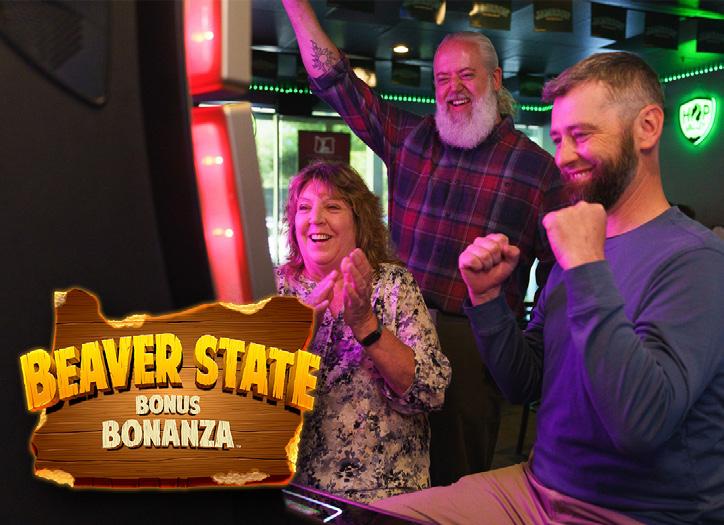
BEAVER STATE BONUS BONANZA
Oregon Lottery Launches Custom Game
Oregon Video Lottery players are experiencing a new game that should look very familiar. That is, it was created to appeal to Oregon players with recognizable icons and an animated, main character beaver. Thanks to a collaboration with game vendor Light
& Wonder, Inc. and Oregon Lottery staff (many of whom are lifelong Oregonians), the exclusive Beaver State Bonus Bonanza game launched in retailers across Oregon at the end of September. Currently appearing in close to 2,000 Video Lottery locations, the game has already been a hit
with players and is outperforming other popular titles.
The game is made up of symbols that speak the language of Oregon — from Chanterelle mushrooms to Chinook salmon, and Multnomah Falls to the golden pioneer man
Energy Trust of Oregon offers cash incentives to help offset the cost of efficient upgrades, from insulation and smart thermostats to heat pumps and more. These improvements enhance guest comfort during the coldest months and help your property operate more efficiently, allowing you to reduce utility expenses while providing a warmer, more welcoming stay. Learn more at www.energytrust.org/lodging.
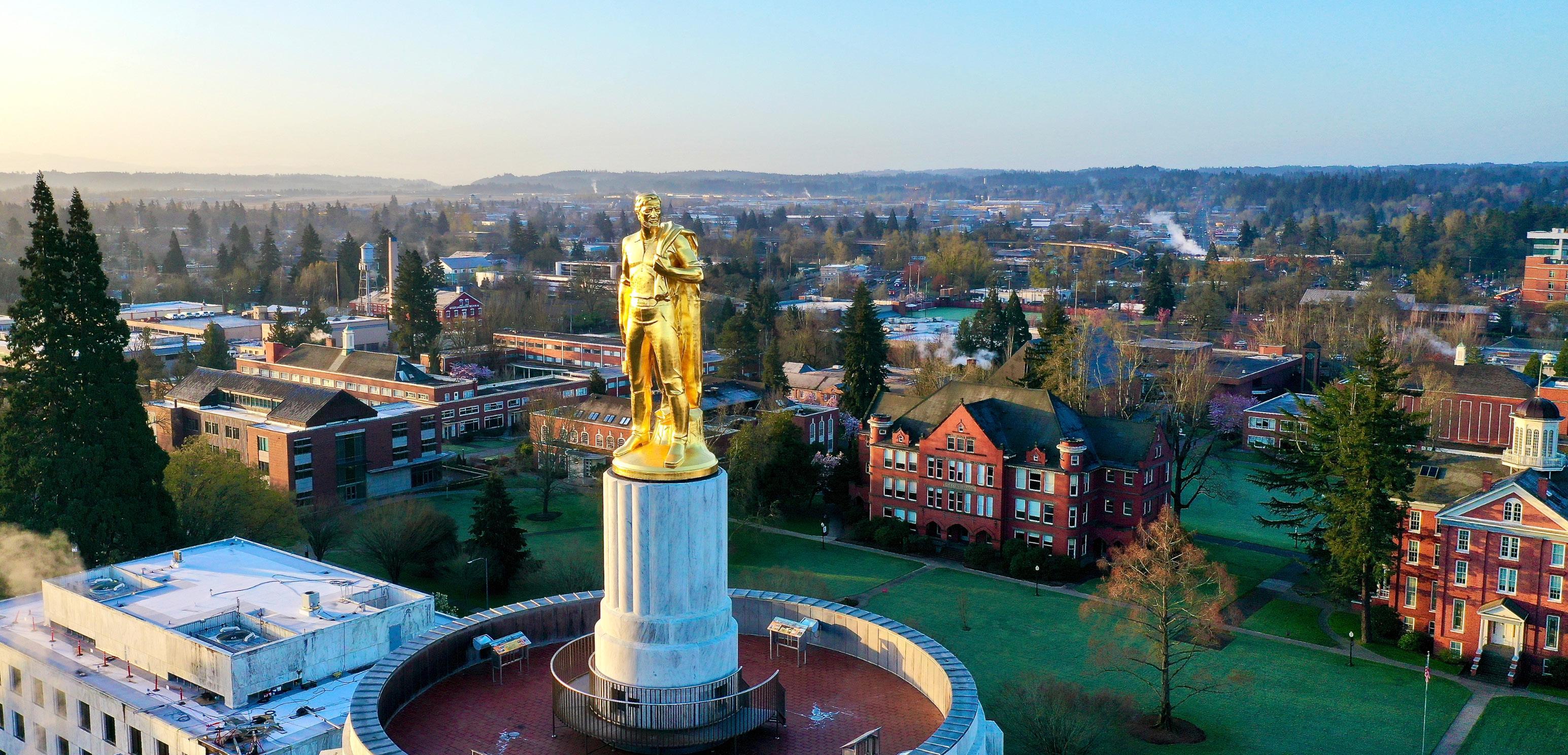
who rests atop the state capitol building — the game telegraphs “Oregon” with every spin. A cheeky beaver named Buzz chews down logs and serves as the master of ceremonies to move players through the colorful action.
“This is the first time in Oregon we’ve created a Video Lottery game that was this specific to places and details in our state, designed for Oregonians,” said Sar Richards, manager of video gaming products. “Since it launched this fall, it’s quickly emerged as a top five game among players.”
Behind the scenes, Light & Wonder spent over a year closely working with Oregon Lottery staff to customize the new game,
with a group of developers taking a road trip to the state to experience first-hand how the visuals should be represented.
“We are proud to collaborate with the Oregon Lottery on Beaver State Bonus Bonanza, a title developed exclusively with Oregon players in mind,” said Dirk Geere,
Vice President of Product Management at Light & Wonder. “By working closely to reflect the state’s unique identity, we’ve delivered a custom experience that is already resonating strongly across the market.”
In 2026, three new Video Lottery games will launch statewide in the first quarter, including popular titles that are player favorites across North America. “We know our players enjoy variety, and we want to keep our game offerings fresh and updated,” said Richards.
Learn more about the Beaver State Bonanza prizes and odds on Oregon Lottery’s website.
LOTTERY
Brighten your space. Lighten your costs.
A few lighting changes can make your space more welcoming and easier on your budget. With PGE’s free Energy Savings Checkup, you’ll find simple ways to save in 2026.
Scan to schedule your checkup or go to portlandgeneral.com/ freeconsult
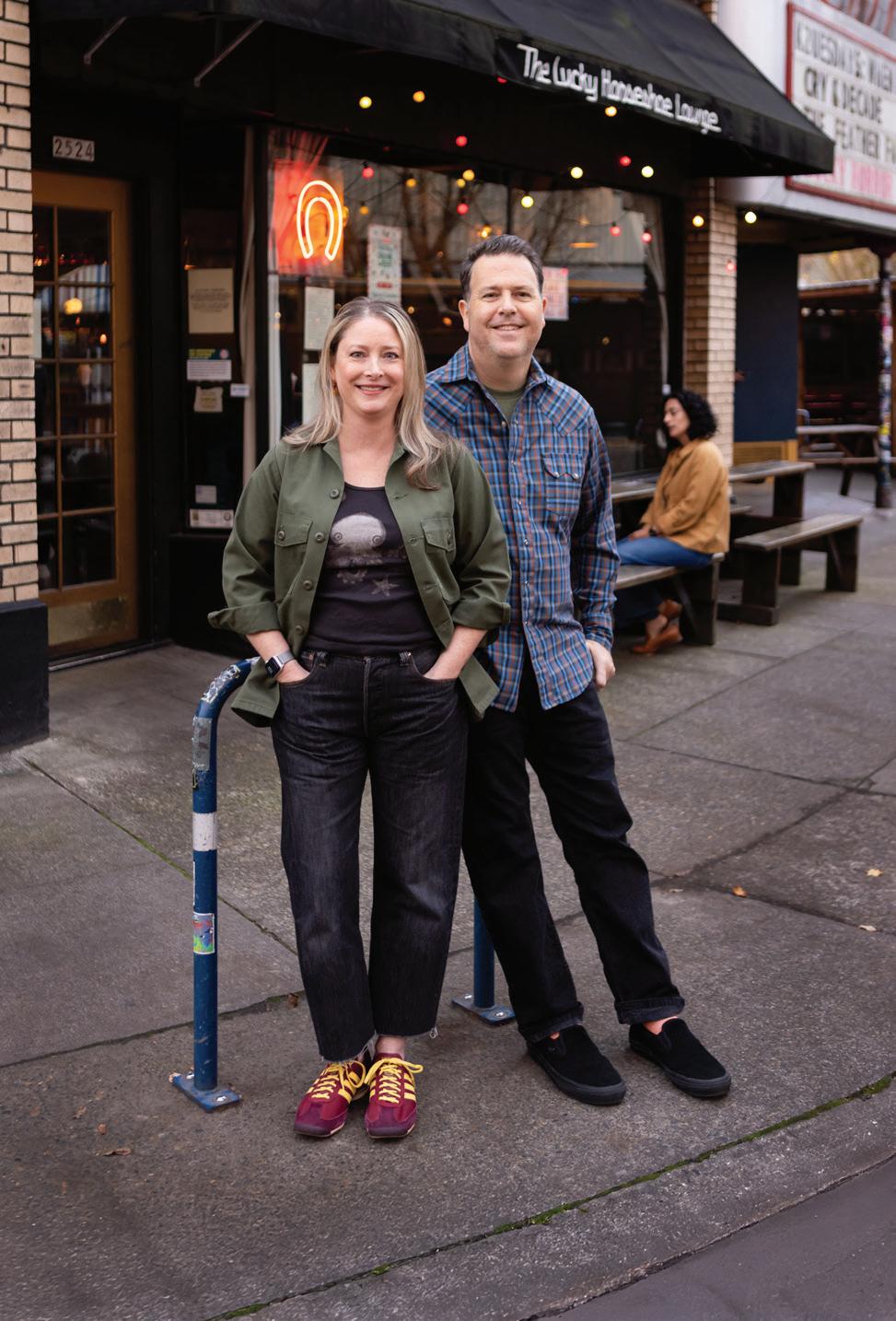
Shan Wickham and Alan Maniscalco, owners of Lucky Horseshoe Lounge in Portland
WORKFORCE RESOURCE MAP
THE PROSTART JOURNEY
From Student Spark to Industry Leadership
Every career in hospitality has a beginning. Sometimes it starts with a love of food discovered at a young age. Sometimes it begins with a first job washing dishes or bussing tables. And sometimes—often most powerfully—it begins in a classroom, where a student is given the opportunity to see themselves differently: as capable, creative, and full of potential.
Across Oregon and the nation, ProStart has been that starting point for thousands of young people. It is more than a curriculum or a competition program. ProStart is a pathway—one that connects education with industry, passion with profession, and students with mentors who help guide them forward. Over time, that pathway often comes full circle, as former ProStart students return as educators and leaders, shaping the next generation of hospitality professionals.
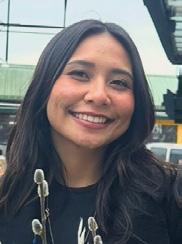
The journeys of Austin Stinson, ProStart Culinary Educator, Salem CTEC, and Krista Carpino, ProStart Hospitality Educator, Dayton High School, reflect the lasting impact of ProStart. Their stories demonstrate how early exposure, strong mentorship, and real-world learning can influence not just careers, but lives—and ultimately strengthen the hospitality industry as a whole.
AUSTIN STINSON
The Moment That Changed Everything
Austin Stinson still remembers the exact day his ProStart journey truly began. As a freshman at South Salem High School, he walked into his Food Essentials class one spring afternoon expecting a normal lesson. Instead, he was met with an unexpected scene: two banquet tables arranged in an L-shape in the center of the room, topped with butane burners and surrounded by focused energy.
A four-person team of upperclassmen was preparing for the Oregon ProStart Invitational.
Austin watched as the students moved in sync—communicating clearly, managing their time, cooking with intention, and plating their dishes with pride. It wasn’t just cooking. It was teamwork, professionalism, and purpose unfolding in real time.
“I had always been interested in food,” Austin recalls, “but watching them work together like that—I knew I wanted to be on that team. I was hooked.”
That single moment planted a seed that would grow into a lifelong connection to ProStart and the hospitality industry.
Stepping Into the Arena: Learning Through Competition
The following year, Austin tried out for the ProStart Culinary Team. He didn’t immediately earn a starting spot and was offered the alternate position—a role that required commitment without guarantees. But just two weeks into the season, circumstances changed. The only returning team member stepped away, and Austin became the fourth member of the team. Suddenly, he was in.
Under the guidance of his teacher, Chris Neuffer, and industry mentor, Todd Wiewick, the team dove headfirst into intense preparation. Practices were long and demanding. Expectations were high. At the time, Austin and his teammates believed they were ready for anything.
Then they arrived at the state competition.
Seeing nearly 30 teams competing at the Oregon ProStart Invitational was a reality check. The pressure was real. The talent level was high. That year, Austin’s team did not win, placing around tenth—but the experience was transformative.
They learned what excellence truly required. The following year, the team returned stronger and more prepared, earning second place. And in Austin’s senior year, 2008, alongside teammates—and close friends— Irina, Katrina, and Josh, everything came together. The team took first place at the Oregon ProStart Invitational and earned the opportunity to compete at ProStart Nationals in San Diego.
That national competition remains one of the highlights of Austin’s youth. While the experience itself felt like a blur of excitement and intensity, what stayed with him most were the relationships. Nearly twenty years later, those teammates are still his friends. Despite living in different states, they remain connected—often resurfacing old inside jokes born from long practices and highpressure moments.
“I made lifelong friendships through ProStart,” Austin says. “That’s something you don’t expect going in, but it stays with you.”
Mentorship That Shapes Careers
After high school, ProStart continued to open doors for Austin. Encouraged by mentor Todd Wiewick—who also put in a good word for him—Austin applied for a job at Sybaris Bistro in Albany.
Todd offered advice that Austin still carries with him today: “Keep your mouth shut and your eyes open.”
Austin took those words seriously. He started as a dishwasher and committed himself to learning everything he could. Because of the ProStart curriculum and work ethic he had already developed, he advanced quickly— moving onto salads and desserts, then onto the line within just three months.
The kitchen was demanding. The menu changed monthly. The learning curve was steep. But Austin thrived because ProStart had already taught him how to learn under pressure, accept feedback, and work as part of a team.
Later, Austin enrolled in culinary school at Linn-Benton Community College. While the experience helped formalize his education, he quickly realized that much of the first-year curriculum mirrored what he had already learned in high school through ProStart. During this time, he worked three restaurant jobs simultaneously—pushing himself to gain experience, refine his skills, and build resilience.
Returning to ProStart: Giving Back to the Program
In 2015, ProStart reentered Austin’s life in a new way. His former teammate Irina, then interning with the Oregon Restaurant & Lodging Association Education Foundation (now the Oregon Hospitality Foundation), recruited him to volunteer at the ProStart Invitational.
That year, Austin sorted chicken for the fabrication portion of the culinary competition—a seemingly small task that carried significant meaning. Standing behind the scenes, watching students experience the same excitement he once felt, reminded him how impactful ProStart had been in his own life.
In 2017 and 2018, Austin took on a deeper role, mentoring culinary teams at McNary High School alongside educator Wendy Bennett. Working with passionate students, he saw firsthand how mentorship could shape confidence, skill, and ambition. One of those students would later go on to become a teacher—another full-circle moment in Austin’s journey.
At the same time, Austin balanced multiple roles, working evenings as a server at Sybaris and days in the catering department at Willamette University. Hospitality remained his foundation, but education was becoming his calling.
From Student to Educator: Building Something New In 2019, Austin was encouraged to apply for a position at the Career Technical Education
Center (CTEC) in Salem, where a new culinary program was being developed. He was hired and given the opportunity—and responsibility—of building the program from the ground up.
Austin helped establish curriculum, selected foundational textbooks, and officially launched a ProStart program at Salem CTEC.
When reconnecting with his own high school teacher, Austin mentioned he might wait a year before starting a ProStart team. Her response was simple, but powerful:
“Why not give students the same opportunity you had?”
That question changed his perspective. Austin launched both Culinary and Management ProStart teams in his first year. While culinary felt familiar, management was entirely new—and quickly became one of his favorite components of the program. Watching students create restaurant concepts from scratch—branding, menus, operations, and financials—sparked a new appreciation for the breadth of ProStart’s impact.
Today, Austin’s classroom operates as a real commercial kitchen. Students oversee stations, produce food for guests, and are treated as professionals. Austin supports them, challenges them, and allows them space to grow.
“I treat my students like professionals,” Austin explains. “I’m here to support them—but they’re capable of more than they think.”
Because of ProStart, Austin has not only built a career, but a platform to pass along his passion to the next generation of cooks, chefs, servers, baristas, and restaurateurs. Some of his proudest moments include attending ProStart Nationals—first as a competitor, later as an educator—and
cooking at the James Beard House with his chef from Sybaris, an experience that once felt unimaginable for someone from Salem.
KRISTA CARPINO
Inspired by Education, Driven by Purpose
Krista Carpino’s ProStart journey began during her sophomore year of high school in Myrtle Point, at a time when ProStart itself was still in its early stages. Her teacher was one of the first educators to pilot the program— introducing students to an innovative, industry-aligned pathway before it was widely known.
Krista immersed herself fully in ProStart, competing throughout her sophomore, junior, and senior years. She earned her Certificate of Achievement and was named ProStart Student of the Year in 2003. But beyond the accolades, it was her educator’s influence that shaped her future.
Her teacher modeled what it meant to be a caring educator—gracious and giving, deeply invested in students, while still maintaining clear expectations and responsibilities. That balance left a lasting impression.
Inspired to follow in her footsteps, Krista pursued a bachelor’s degree in Family and Consumer Sciences at Oregon State University. During her student teaching experience, she mentored ProStart teams for the annual competition, remaining closely connected to the program that had shaped her. In a fitting full-circle moment, Krista found her first teaching job while attending a ProStart competition.
Throughout her career, Krista continued working in the hospitality industry—not only to support herself, but to stay current with trends and bring real-world relevance back into her classroom.
Inspiring Students Beyond the Kitchen
Now with 18 years of teaching experience, Krista has witnessed ProStart’s evolution from its earliest pilot days to its current impact. She credits the program with giving her a head start in the industry and shaping her teaching philosophy.
Krista consistently reminds students that ProStart prepares them for life—not just hospitality careers.
“The things you learn here will help you the rest of your life,” she tells them, “no matter what path you choose.”
Over the years, she has watched students grow in leadership, confidence, and belief in their own abilities. One recent graduate of her program went on to pursue culinary education and is now leading her classes. That former student regularly messages Krista to share how impressed her chef instructors are with her skills, drive, and determination.
“Hearing stories like that,” Krista says, “renews my choice to stay in the classroom.”
Why These Stories Matter to the Industry
Together, Austin Stinson and Krista Carpino represent the full arc of the ProStart journey—from student discovery to professional growth to educator leadership. Their stories illustrate how mentorship, industry engagement, and hands-on learning can create lasting impact.
For industry members, ProStart is more than a workforce pipeline. It is an investment in people—future employees, leaders, and educators who bring skill, passion, and professionalism into the hospitality industry.
When students are supported early, they often return to lift others along the way.
ProStart is not just shaping careers. It is shaping the future of hospitality—one student, one educator, and one journey at a time.
CONTINUING THE JOURNEY:
How Industry Can Support What Comes Next
Stories like those of Austin Stinson and Krista Carpino are possible because of sustained industry support. ProStart thrives when hospitality professionals invest not only in today’s workforce, but in tomorrow’s leaders—students who are discovering their potential in classrooms and kitchens across Oregon. To continue strengthening this pipeline and ensuring students have access to hands-on learning, mentorship, and opportunity, we invite industry members to support the Oregon Hospitality Foundation, a 501(c)(3) nonprofit dedicated to workforce development and education. Contributions directly impact ProStart programs statewide and help prepare the next generation of chefs, managers, and hospitality professionals.
To learn more or to get involved, you may donate directly to the Oregon Hospitality Foundation or contact Courtney Smith, ProStart Manager, at 503.682.4422 or CSmith@OregonRLA.org. Together, we can continue investing in the future of Oregon’s hospitality industry—one student and one journey at a time. OREGON HOSPITALITY FOUNDATION
HOW CAN WE SERVE YOU?
The Oregon Hospitality Foundation (OHF) exists to strengthen our industry by focusing on workforce development, education, training, and community support. We are dedicated to helping ensure hospitality businesses have the skilled workforce and resources they need to succeed now and in the future. Reach out with questions or to get involved. We have your back.
OHF CONTACTS:
JASON BRANDT
President & CEO
503.302.5060
JBrandt@OregonRLA.org
REBECCA DONLEY
Workforce Strategist
Oregon Hospitality Foundation
714.483.6542
RDonley@OregonRLA.org
COURTNEY SMITH
ProStart Manager
Oregon Hospitality Foundation 775.354.9895
CSmith@OregonRLA.org
TINA LANCASTER
Administrative Coordinator
Oregon Hospitality Foundation 971.224.1508
TLancaster@OregonRLA.org
2025-26 OHF BOARD OF DIRECTORS
• Jaime Eder, Chair, Travel Oregon
• Ryan Fahey, Vice Chair, Spirit Mountain Casino
• Ken Henson, Immediate Past Chair, Refettorio Consulting
• Jason Bender, Outback Steakhouse, Evergreen Restaurant Group
• Jason Brandt, Oregon Restaurant & Lodging Association
• Amanda Cavitt, Garibaldi Portside Bistro
• Julie Kirksey, Sysco - Pacific Northwest
• Ron Moore, Hoagland Properties, Inc.
• Brian Olson, Beachcomber Vacation Homes
• Allen Pike, Mereté Hotel Management
• Joshua Willis, Sunriver Resort
OREGON HOSPITALITY FOUNDATION
MAIN OFFICE: 503.682.4422 • info@ OregonRLA.org
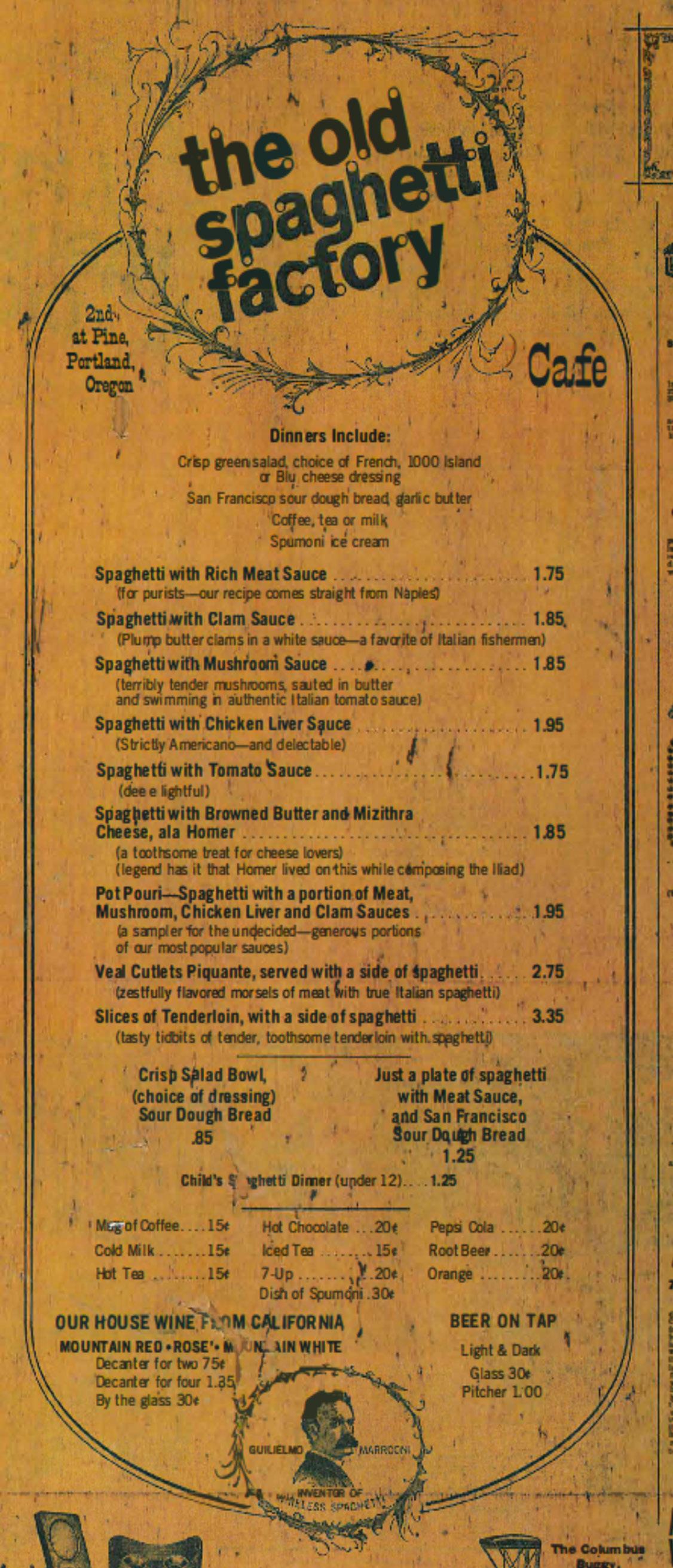
Mizithra, The Old Spaghetti Factory's toothsome treat for cheese lovers.
GENERATIONS OF GRIT: The Legacy Behind The Old Spaghetti Factory
If you grew up in the Pacific Northwest, there is a good chance you have an Old Spaghetti Factory story. A birthday dinner. A graduation celebration. A first trip inside the trolley car. For generations of families, the experience is instantly recognizable: a complete meal that arrives without fuss, warm bread and pasta served generously, whimsical décor filled with antiques and stained glass, and service that feels steady and familiar.
For many guests, Old Spaghetti Factory is not just a restaurant, but a marker of time. People return years later and remark that it feels the same. The menu is familiar. The room still glows. The experience is comforting in a way that feels increasingly rare.
I know this firsthand. My grandmother insists that the brown butter mizithra tastes better there than anywhere else, and she is right. Old Spaghetti Factory is the largest importer of authentic Greek mizithra in the country, sourcing the same cheese that has anchored its signature dish for decades. Like many Pacific Northwest families, ours has folded the restaurant into our rituals, returning again and again because the experience delivers exactly what it promises.
That sense of reliability did not happen by accident. It was designed, deliberately, by a family who believed that hospitality should be generous, consistent, and accessible. To understand how Old Spaghetti Factory became such a lasting fixture, you have to go back well before its first plate of pasta was served in 1969.
Before the Old Spaghetti Factory
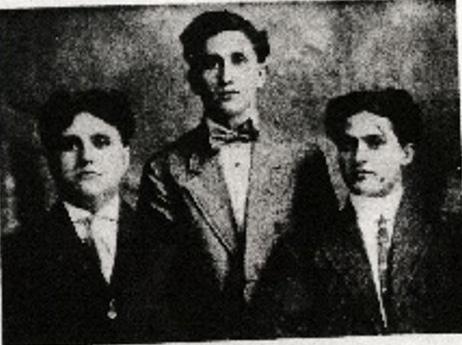
The story of the Old Spaghetti Factory begins decades before its first location opened in 1969, with Chris Dussin Sr., an immigrant who arrived in the United States from Greece in the early 1900s. After passing through Ellis Island, he made his way west to Portland, finding work where opportunity allowed, including labor on the railroad in the Columbia River Gorge.
During the winter months, when railroad and timber workers returned to Portland with money earned in the field, Dussin noticed a gap. Downtown taverns were plentiful, but few served food. So, he filled the need himself. Carrying simple meals from bar to bar, he sold food directly to patrons, reinvesting his earnings day by day. It was practical, resourceful, and rooted in an understanding of how people gathered.
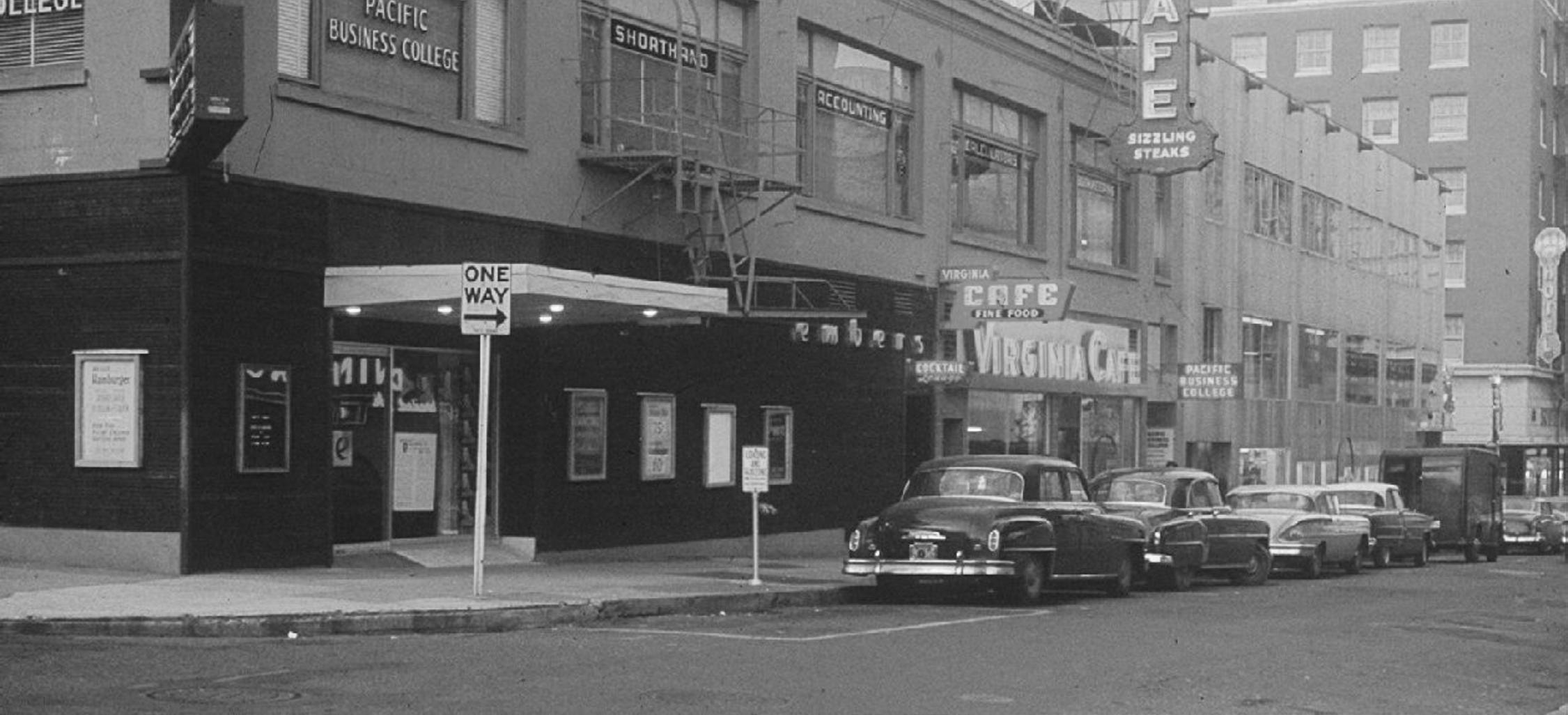
By 1914, that ingenuity became ownership. Along with another Greek immigrant, Dussin purchased the Virginia Café in downtown Portland. His brothers, Bill and Ted, soon joined him, and together they opened a second restaurant: The New Virgina Cafe. The work was constant, the margins slim, but the principle was clear: feed people well, treat them fairly, and build something that lasts.
This was the environment in which Chris’ son, Guss Dussin, grew up. Restaurants were not a side business or a steppingstone. They were the family trade, a place where work, responsibility, and community intersected. Long before the Old Spaghetti Factory existed, the foundation for it had already been laid.
Chris Dussin, Sr. with his brothers
Bill Dussin and Ted Dussin
From Family Restaurants to a Bigger Vision
By the time Guss Dussin returned to Portland after college and naval service during the Korean conflict, restaurants were not unfamiliar territory. He had grown up inside them. He understood the rhythm of service, the demands of long hours, and the responsibility that came with owning a place people depended on. When he stepped into leadership of the family businesses, he did so with seriousness and intent.
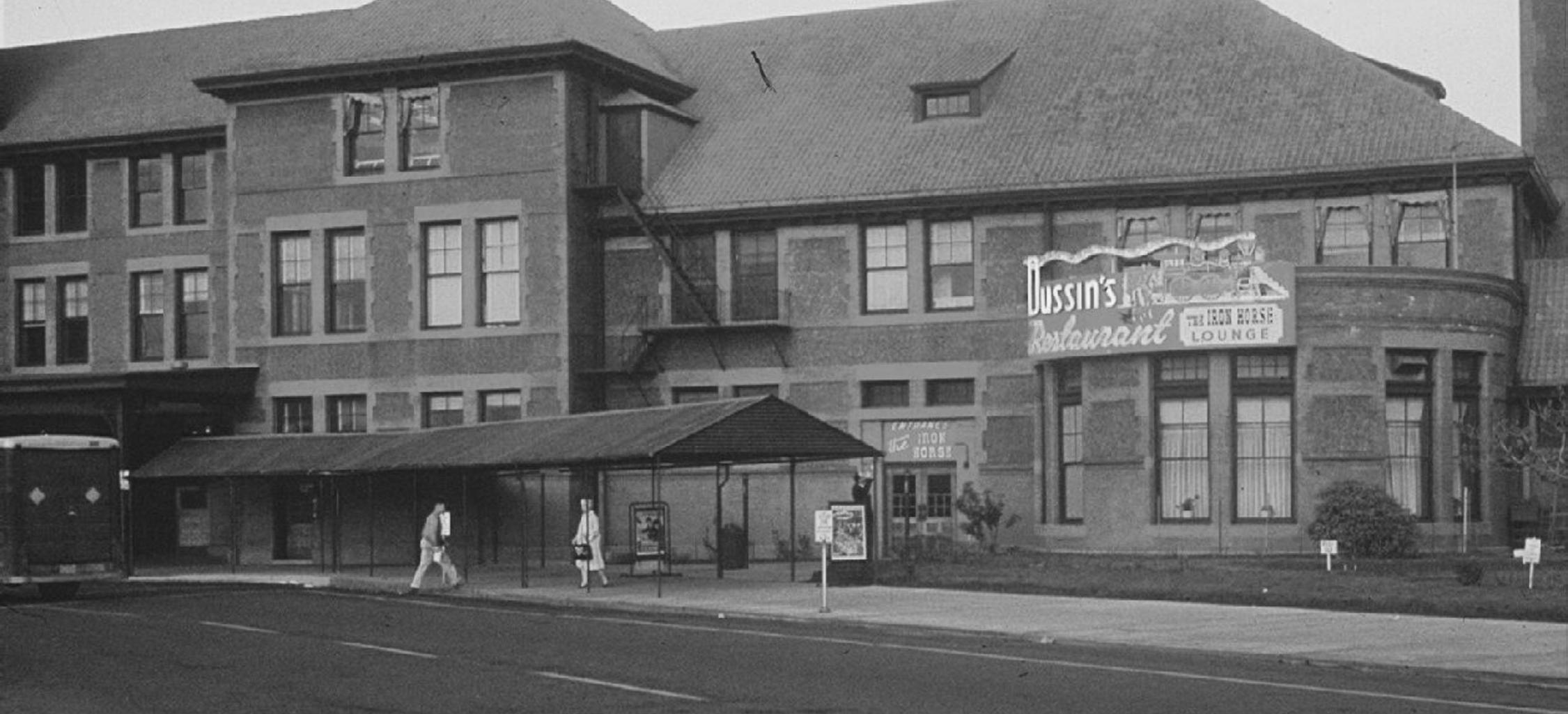
Throughout the late 1950s and early 1960s, Guss operated multiple restaurant concepts across Portland, including Dussin’s at Union Station, the Iron Horse, and the Jolly Roger. Each served a different audience, and together they required constant attention. At the same time, Guss was watching how dining habits were changing. Train travel was declining. Families were eating out more often. Evenings were busier. What people wanted was not novelty, but a dependable place where a full meal could be enjoyed together without complication.
It was during this period that Guss and his wife, Sally Dussin began imagining something new. Not another single restaurant, but a model. A place built around a complete meal, priced fairly, designed for volume, and rooted in comfort. The goal was to remove friction from the dining experience so guests could sit down and trust that everything they needed would follow.
From the beginning, the meal was intentionally structured as a complete experience. Fresh sourdough bread with garlic butter arrived first, followed by salad or minestrone. A pasta entrée came next, finished with spumoni or vanilla ice cream for dessert. Guests did not have to make a series of decisions or wonder what came next. The full meal was included, priced clearly, and designed to move smoothly from start to finish.
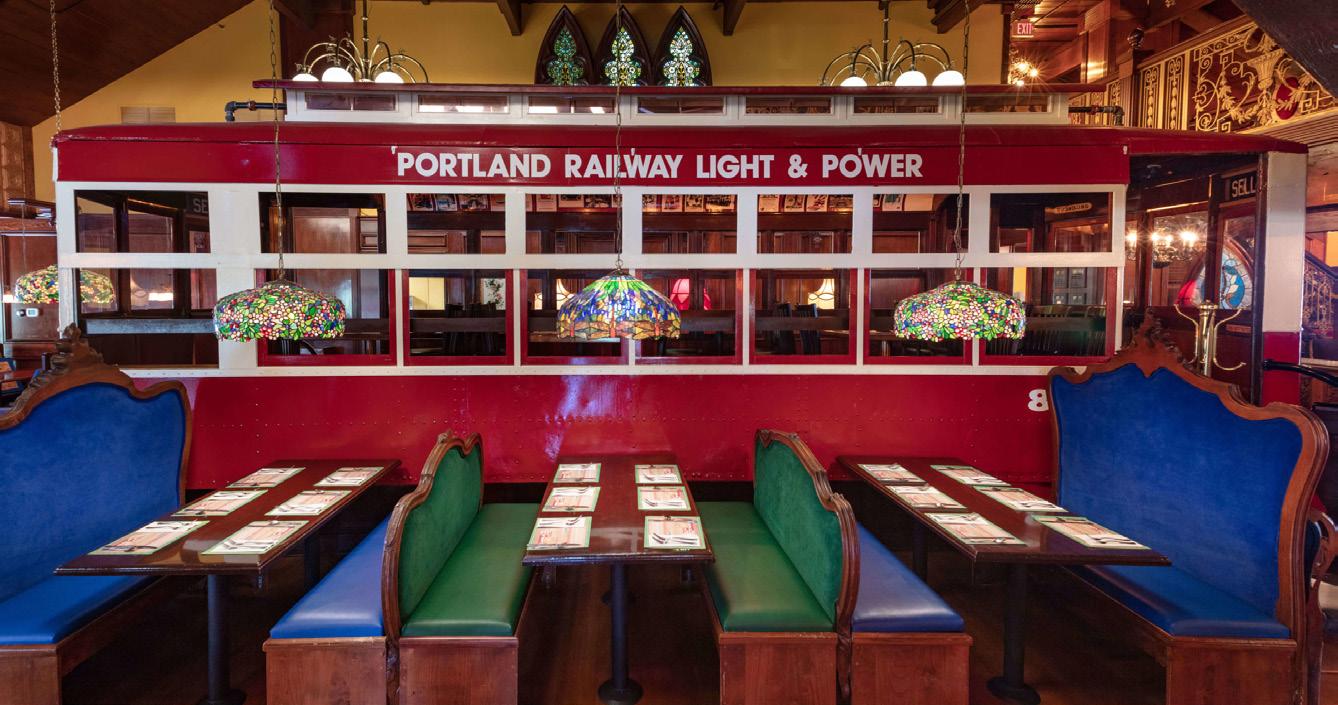
Sally’s role in shaping that vision was decisive. Her design choices were driven by practicality as much as aesthetics. The original building was large, and the dining room needed scale, structure, and a focal point that would break up the space and give guests something to talk about. When Sally came across an abandoned trolley car behind Reed College, she recognized an opportunity. She had the car restored and installed inside the restaurant as a way to fill space thoughtfully and create a memorable anchor for the room.
What emerged became one of the Old Spaghetti Factory’s most enduring features. The trolley gave the dining room character and offered something unexpected. Being seated there feels special. Large family parties gather inside, tucked slightly away from the rest of the room, close together and part of the larger energy without being lost in it. It feels private in a way that is rare in a busy restaurant.
For children, the experience borders on magic. Being ten years old and celebrating a birthday dinner inside a trolley car is unforgettable. For adults, it becomes a story retold and a table remembered. Over time, the trolley stopped being just a design solution and became part of how people describe their visits. Many Old Spaghetti Factory locations still feature trolley cars today because they worked. They created memory, conversation, and a sense of place that guests wanted to return to.
Together, Guss and Sally built the Old Spaghetti Factory as a family endeavor in the fullest sense. Extended family members helped open the first location. Responsibilities were shared. Expectations were clear. What emerged was not simply a restaurant, but a disciplined concept grounded in generosity, consistency, and care.
By the time the Old Spaghetti Factory opened its doors in January 1969, it was not an experiment. It was the result of decades spent learning what hospitality required and what families needed.
Virginia Cafe COURTESY OF OSF INTERNATIONAL
Dussin's Restaurant
COURTESY OF OSF INTERNATIONAL
Historic OSF Menu
COURTESY OF OSF INTERNATIONAL
Trolly at Portland OSF location
COURTESY OF OSF INTERNATIONAL
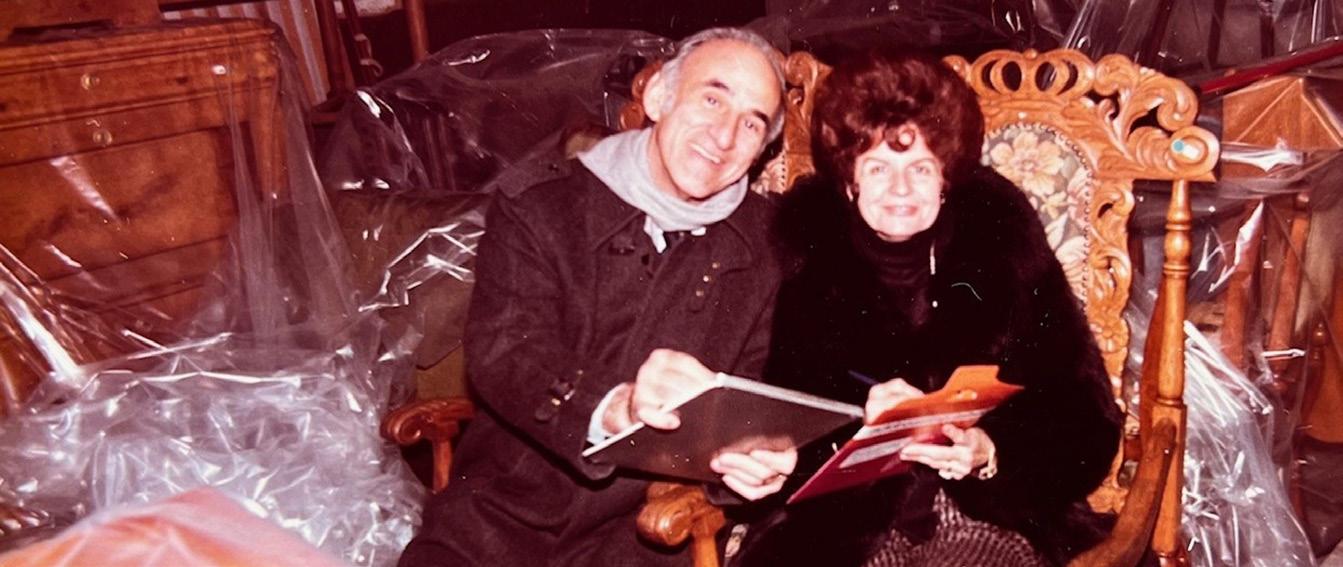
Guss and Sally Dussin
COURTESY OF OSF INTERNATIONAL
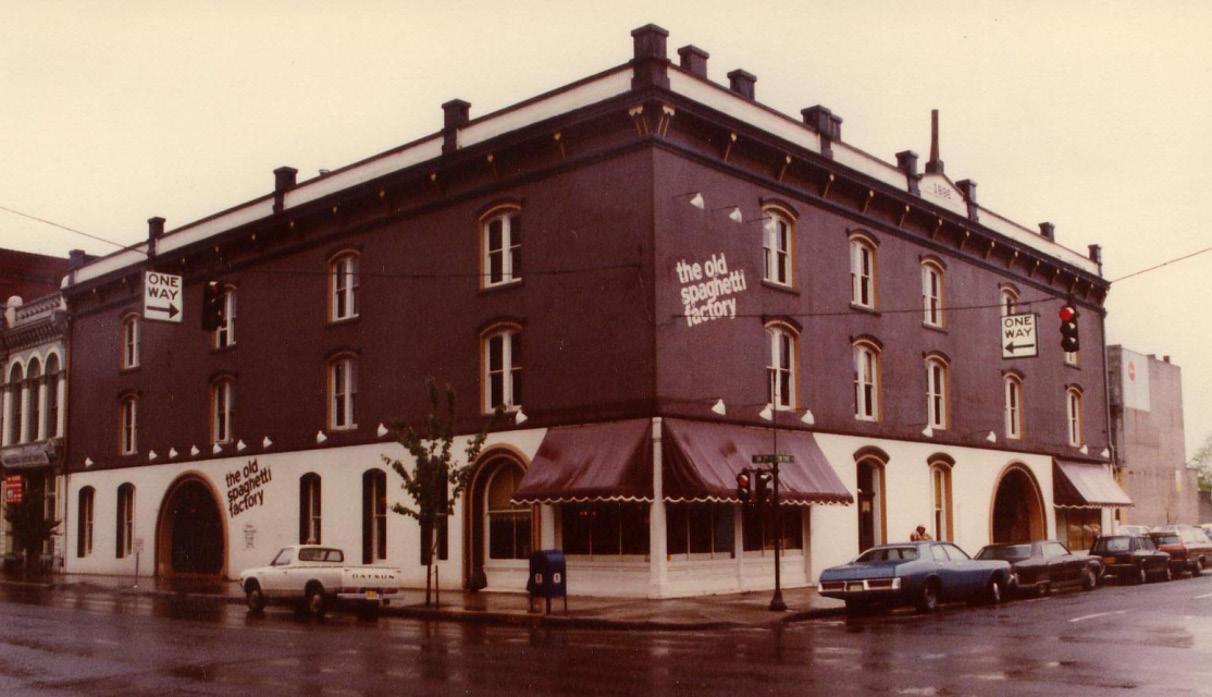
Old Spaghetti Factory
COURTESY OF OSF INTERNATIONAL
January 10, 1969
The first Old Spaghetti Factory opened on January 10, 1969, on a cold, rainy night in Portland. Complete meals were priced between $1.75 and $1.85, and the restaurant was built to handle volume. Guss had designed the space, the kitchen, and the service flow with the expectation that people would come in large numbers. They did not.
That first night, fewer than 100 guests walked through the doors. Sales totaled $171.80. For a concept built around accessibility and scale, the modest turnout drew quiet concern. The room was ready. The systems were in place. The question was whether the idea would catch.
It did not take long to answer. One week later, on a Monday night, sales reached $900. Word spread quickly, and families began returning. The promise of a complete meal, served generously and without complication, resonated. By the end of the first year, the original location had generated nearly $400,000 in revenue, selling spaghetti at under two dollars a plate.
The numbers mattered, but what mattered more was what they confirmed. The concept worked because it was disciplined. Guests knew what they were getting, and they trusted the experience to deliver it every time. Bread arrived warm. Plates were consistent. Service was steady. Nothing felt rushed, and nothing felt uncertain.
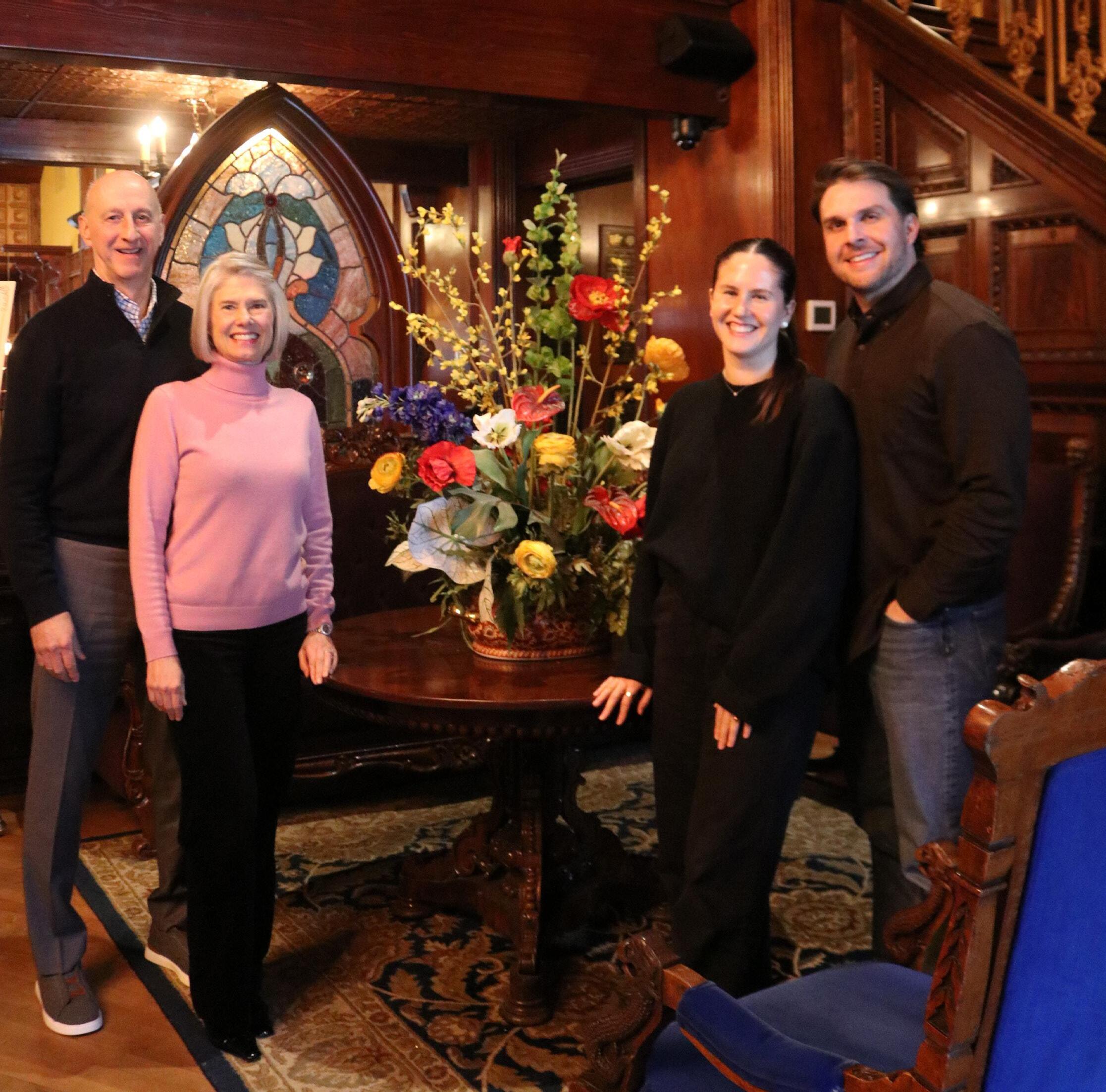
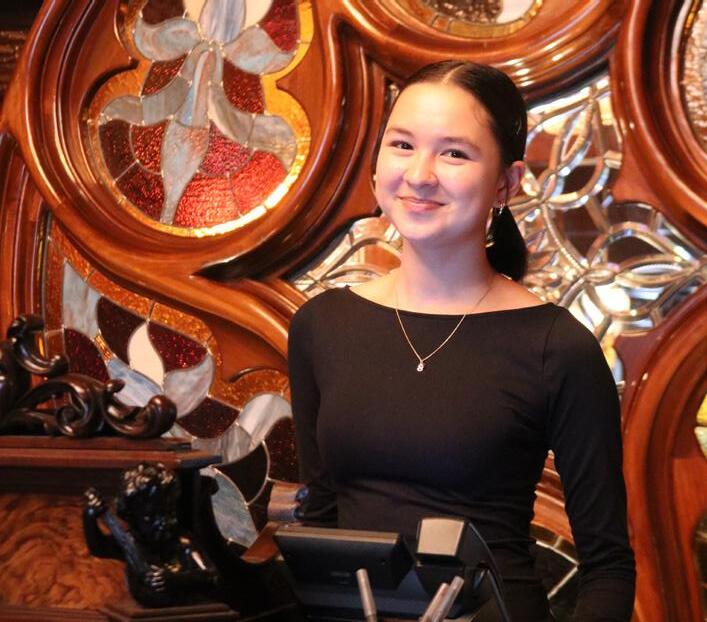
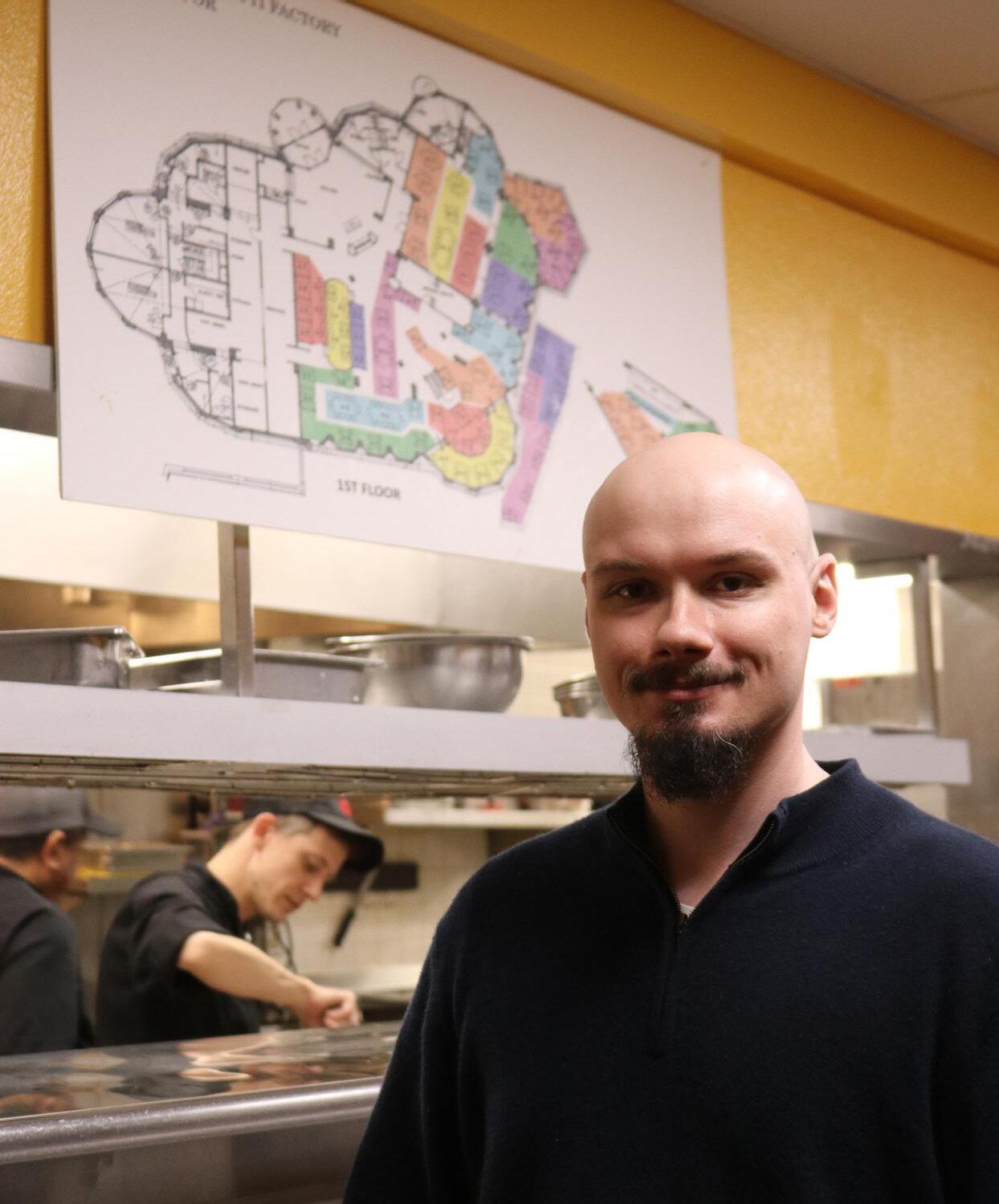
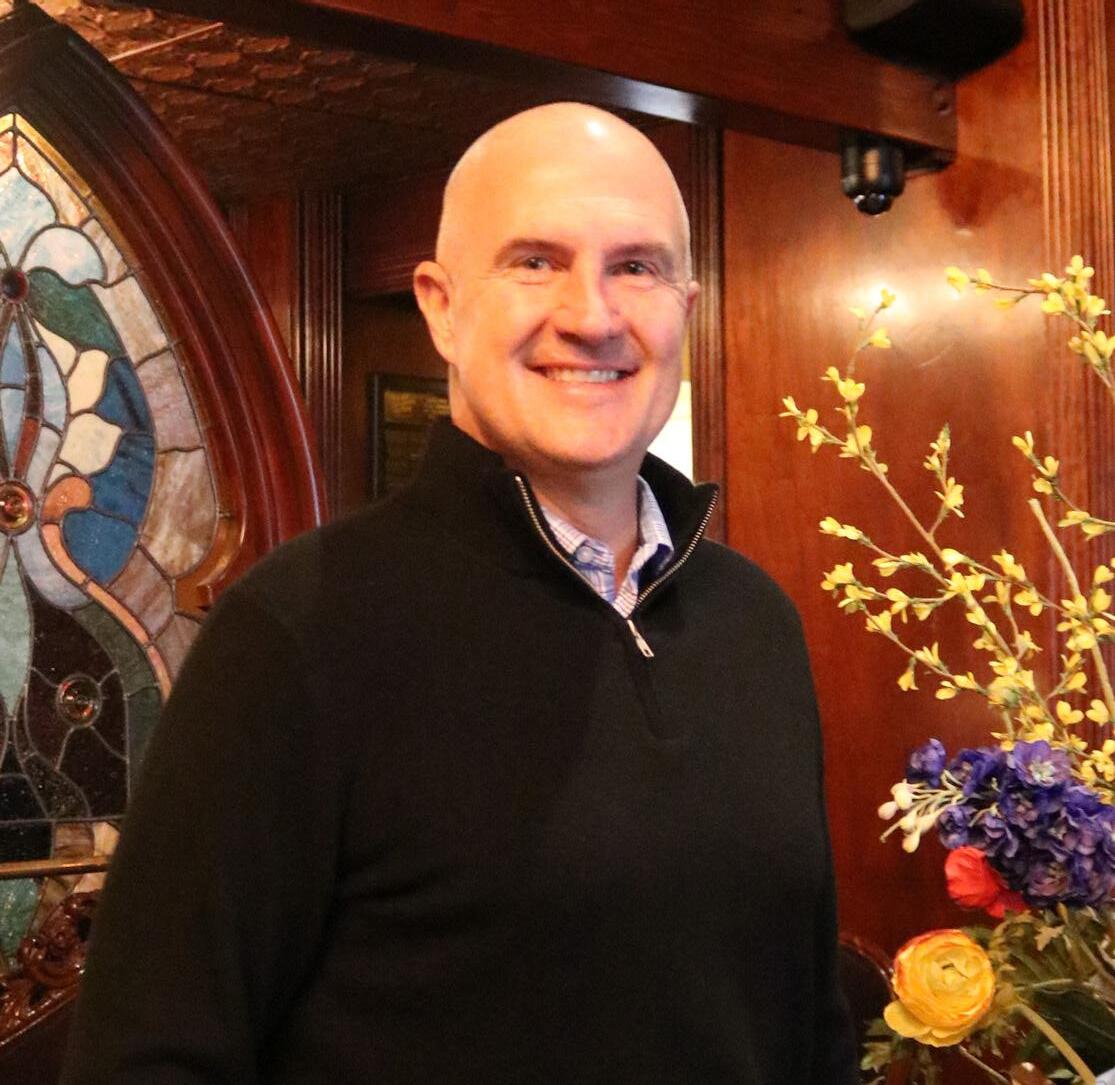
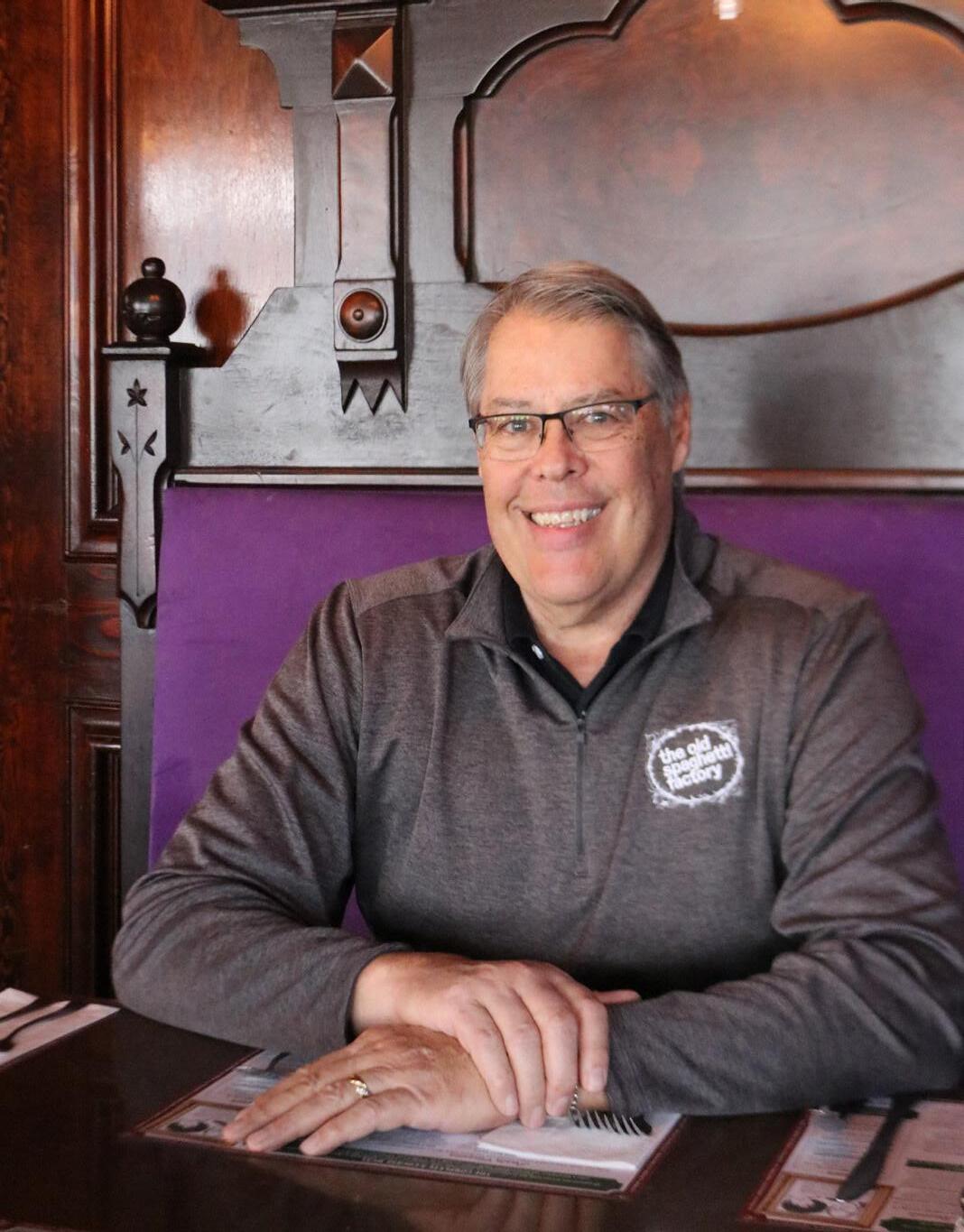
Owner and Chairman of the Board, Chris Dussin; Vice President of Design, Tyanne Dussin; Operations Administrative Director, Kiana Underwood and Director of Brand Innovation Nick Underwood PHOTOS BY HEIDI JANKE
From the beginning, the Old Spaghetti Factory was built around principles Guss had learned over a lifetime in restaurants. Follow the recipes. Keep the space clean and distinctive. Train people well. Take care of guests and take care of staff. Consistency was not a constraint. It was the foundation.
By the end of that first year, the Old Spaghetti Factory was no longer an idea. It was a proven model, ready to grow.
A Family Model That Scaled
With the success of the Portland location established, expansion followed quickly. In 1970, Old Spaghetti Factory opened restaurants in Seattle and Spokane, and sales for the company reached $1.3 million that year. Additional locations soon followed in Tacoma, and then beyond the Pacific Northwest with restaurants in San Jose, Denver, and Salt Lake City.
Growth was intentional, but it was not centralized. Rather than building a distant corporate structure, Guss and Sally extended the business through family. Siblings, cousins, and in-laws were invited to help open new locations, not simply as managers, but as owners and long-term stewards. Restaurants in cities like Sacramento and Phoenix were built and operated by family branches who shared the same expectations and values as the
original Portland location. This approach shaped the company’s culture in lasting ways. Expansion did not mean dilution. Each restaurant was grounded in the same principles, guided by people who had grown up inside the business and understood its rhythms. Many of those family-owned locations remain in operation today, some having expanded to multiple restaurants under the same stewardship.
The model allowed Old Spaghetti Factory to grow while staying close to its roots. Decisions were made by people who knew the work firsthand. Accountability was personal. Success was measured over decades, not quarters.
As the footprint expanded, Old Spaghetti Factory evolved into a multi-unit brand with dozens of locations across the country. Yet the experience remained recognizable. Guests in Seattle, Sacramento, or Phoenix encountered the same complete meal, the same attention to detail, and the same sense of care that defined the original Portland restaurant.
This balance between growth and continuity became one of the company’s defining strengths. Old Spaghetti Factory proved that it was possible to scale a restaurant concept nationally while remaining a family business at heart.
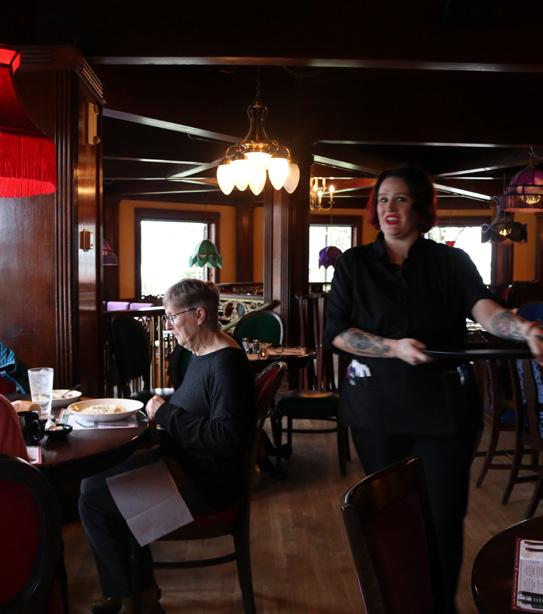
Sandy, Host/Busser
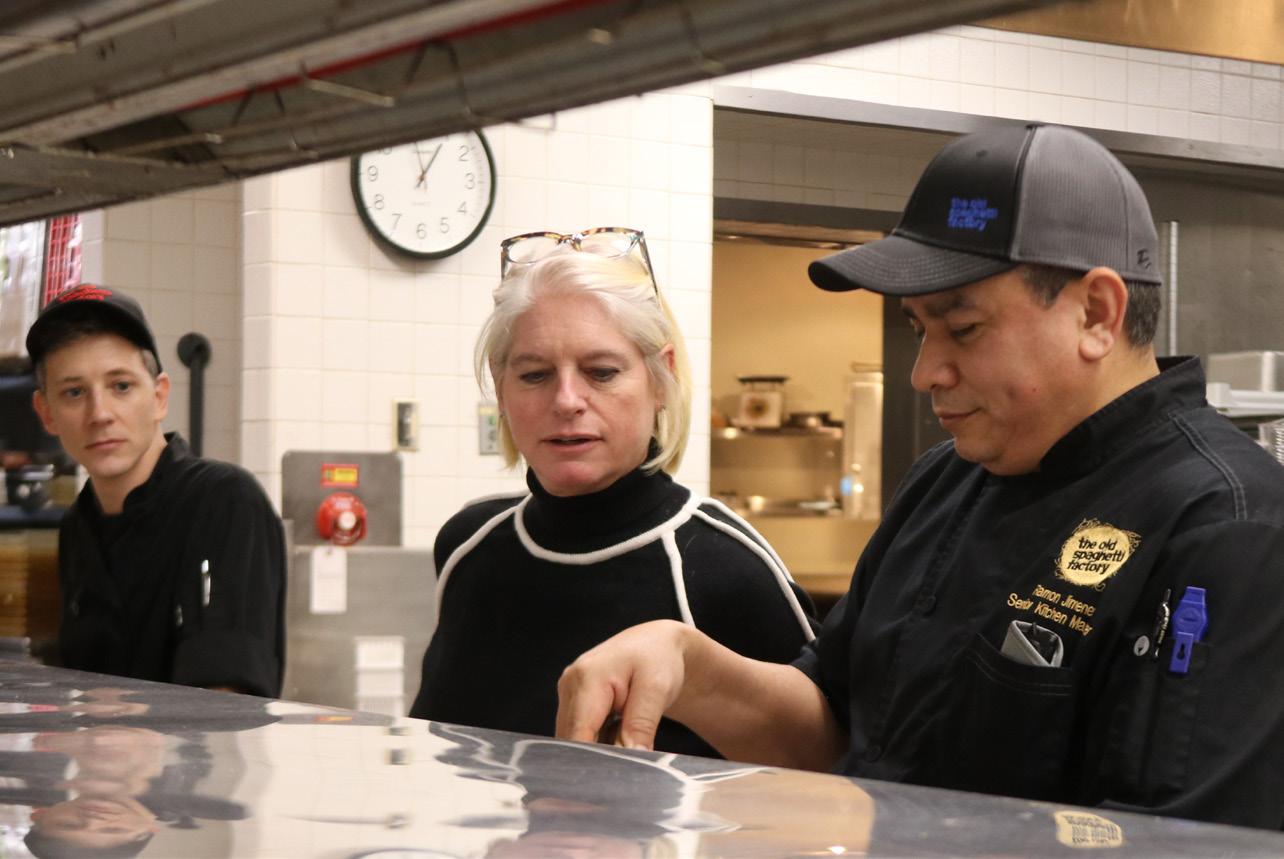
Jolie, VP of Operations; Ramon, Senior Kitchen Manager
Joshua, GM
Building the Industry, Not Just a Company
As Old Spaghetti Factory grew, Guss Dussin understood that the long-term health of his business was tied to the health of the industry itself. Restaurants did not operate in isolation. They depended on shared standards, fair policy, and a collective voice. For Guss, industry involvement was not an extracurricular activity. It was part of the responsibility of ownership.
Restaurant operators in Oregon had begun organizing as early as 1932, recognizing the need for coordinated advocacy and information-sharing during a period of rapid economic change. Over the decades that followed, restaurant-focused associations and bar and tavern groups evolved alongside the industry, reflecting the realities of the time. It was within this landscape that Guss became involved, lending his voice and leadership to efforts aimed at strengthening the profession as a whole.
Guss’s participation helped reinforce a culture of collaboration among operators, grounded in the same principles that guided his restaurants: practicality, fairness, and long-term thinking. His work during this period contributed to the foundation that would eventually support a more unified statewide organization.
Years later, well after Old Spaghetti Factory had established itself nationally, Oregon’s restaurant association and lodging association formally merged in 2010, creating the Oregon Restaurant & Lodging Association as it exists today. While Guss was not directly involved in that later consolidation, the groundwork laid by earlier industry leaders, including Guss, made such a unification possible.
That commitment to industry stewardship carried forward with Guss and Sally’s son, Chris Dussin, named after his grandfather, who continued to view participation in ORLA as an extension of leadership rather than a distraction from it. Alongside him was Chris Hein, a longtime leader shaped by decades of hands-on experience inside Old Spaghetti Factory. Hein later served as chairman of the association, deepening those ties across Oregon’s hospitality community and reinforcing the importance of collaboration among operators.
For the Dussin family, involvement with ORLA has never been separate from running restaurants. It reflects a long-held belief that when operators support one another and invest in the industry as a whole, individual businesses and the communities they serve are stronger for it.
Stewardship Across Generations
As the Old Spaghetti Factory moved beyond its early years of rapid expansion, the central question became not whether the concept worked, but how it would be protected. That responsibility fell to Chris Dussin, who stepped into leadership not as a figurehead, but as a steward of what his family had built.
Chris had grown up inside the restaurants, but his path was not predetermined. He initially imagined a career in architecture, drawn to structure, flow, and design. That perspective ultimately shaped his leadership. When he oversaw the opening of the Fullerton, California location, Chris discovered that the same principles applied. Restaurants, like buildings, succeed when systems are sound and people can move through them with clarity and purpose.
From that moment forward, Chris chose the business deliberately. Over decades marked by economic cycles, rising costs, and changing dining habits, the company remained anchored to the same principles rather than chasing trends. As chairman of Old Spaghetti Factory, Chris and his wife Tyanne have guided the company with a steady hand, preserving the core elements that define the Old Spaghetti Factory while strengthening the systems that support a growing national footprint. His leadership has been less about reinvention and more about continuity, ensuring that what his parents built could endure.
That stewardship has never rested with one person alone. The company’s strength has always come from a leadership team shaped by trust, shared values, and long-term commitment.
Dean Griffith joined the company after building an established career of his own. His connection to Old Spaghetti Factory was both professional and personal. Dean is the brother of Tyanne Dussin, Chris Dussin’s wife, and his decision to join the company was rooted in long-standing trust as much as alignment around values and leadership. As controller then CFO, and later president, Dean helped bring financial clarity and operational structure during key periods of growth. His leadership reinforced a culture of fairness, accountability, and steady decision-making, and he worked alongside a broader team of leaders who shared responsibility for keeping the company aligned.
Dean Griffith, President PHOTO BY HEIDI JANKE
Alongside him, Chris Hein represents another essential thread in the company’s leadership story. Beginning his career in the dish room, Hein worked his way through nearly every position in the restaurant before stepping into executive leadership. His perspective is grounded in lived experience. He understands how decisions made at the corporate level land on a busy Saturday night, and he has helped ensure that the company’s standards are practical, teachable, and consistent across locations.
Together with a wider team of long-serving executives, managers, and operators, this group has approached the Old Spaghetti Factory not as something to overhaul, but as something to care for. Training, clear expectations, and internal promotion became the mechanisms that turned values into daily practice across the company. Their work has focused on translating the values Guss and Sally established into systems that could be sustained by many hands.
That sense of continuity extends forward. Chris and Tyanne’s children are now part of the company, working inside the business and learning it firsthand. While the future will unfold in its own time, the intention is clear. Leadership at the Old Spaghetti Factory is not about individual legacy, but about preparing the next generation to take responsibility for something that belongs to many people.
The Legacy, Lived Every Night
More than five decades after that first rainy night in Portland, the legacy of the Old Spaghetti Factory is not contained in boardrooms or history books. It is lived nightly in the dining rooms, carried
forward by the people who prepare the food, welcome guests, and take pride in doing things the right way.
At the Portland location overlooking the Willamette River, Courtney Stimpson stands behind the bar watching generations move through the room. She began working at the Old Spaghetti Factory as a teenager, left to pursue other paths, and returned more than once. Over time, the restaurant became not just a workplace, but a constant.
From her vantage point, Courtney sees the long arc of the company’s values in action. Parents bring their children to the same place where they once celebrated birthdays themselves. Guests remark that it feels familiar, even after years away. The bread arrives warm. The plates look the same. The service is steady.
For Courtney, that consistency reflects something deeper than habit. It is the result of a culture that values preparation, respect, and care for both guests and staff. What was envisioned by Guss and Sally, protected by Chris and Tyanne, and reinforced by generations of leaders, shows up in moments both small and meaningful.
A birthday dinner inside the trolley. A large family table tucked just slightly away from the room. A server who remembers how things were ordered last time. These are the details that accumulate over time, creating loyalty not through novelty, but through trust.
That is how the Old Spaghetti Factory endures. Not by changing who it is, but by remembering it. From an immigrant selling food out of a box, to a family casual dining concept that helped shape an industry, the company has remained grounded in the same simple idea: people return to places where they feel welcome, understood, and well fed.
A complete meal. A familiar room. Good service. And a legacy carried forward, one plate of spaghetti at a time. REBECCA DONLEY, OREGON HOSPITALITY FOUNDATION
Chris Hein, Vice President of Food and Beverage
PHOTO BY HEIDI JANKE
PEOPLE MAKE THE STAY
The Most Underrated Asset in Hotel Marketing? Your Team. And You’re Barely Showing Them
Hotel marketing has never been louder. Bigger budgets. Better visuals. More platforms. More campaigns. Yet one of the most powerful differentiators in hospitality is still being underutilized: the people delivering the experience every single day.
Ask any general manager or owner what makes their property stand out, and you’ll hear it quickly: “It’s our team.” So, here’s the uncomfortable question: If your team is the reason guests return, recommend, and remember you, why aren’t they visible in your marketing?
Guests Don’t Connect With Buildings, They Connect With Humans
But hospitality is emotional. Guests decide where to stay based on trust, connection, and how they expect to feel once they arrive. And that emotional connection rarely comes from a perfectly styled room photo.
That connection comes from:
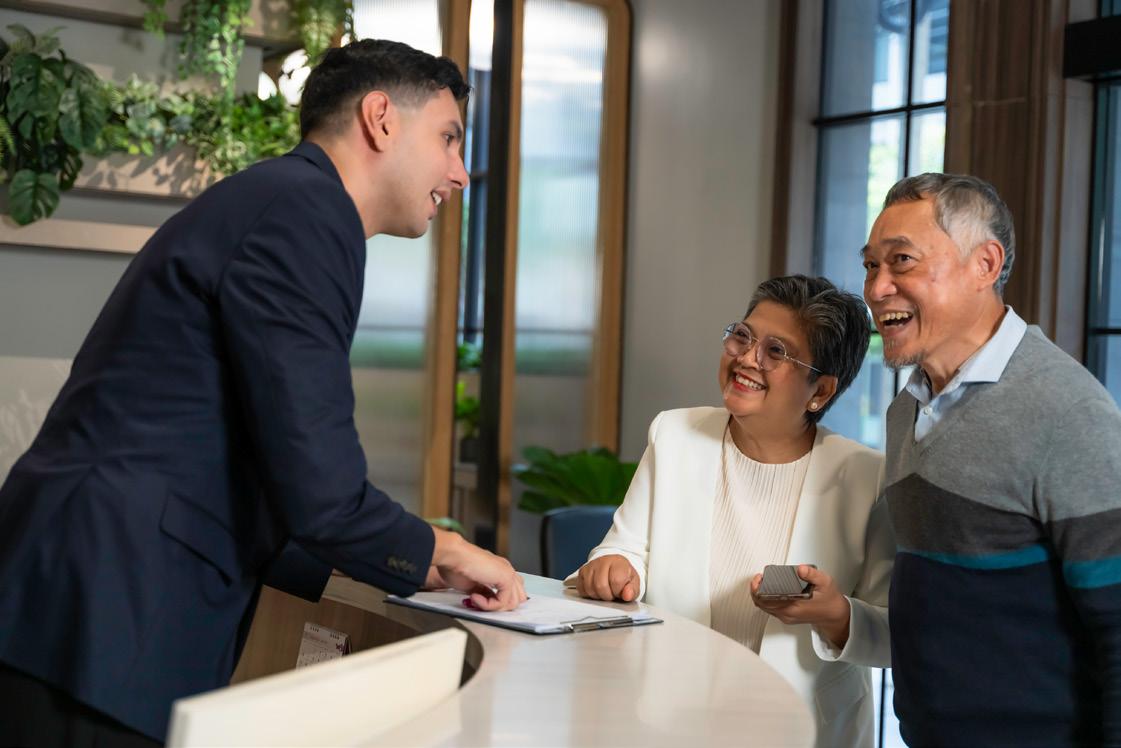
• The front desk agent who remembers a guest’s name
• The server who recommends the perfect wine
• The event manager who saves the day when plans change
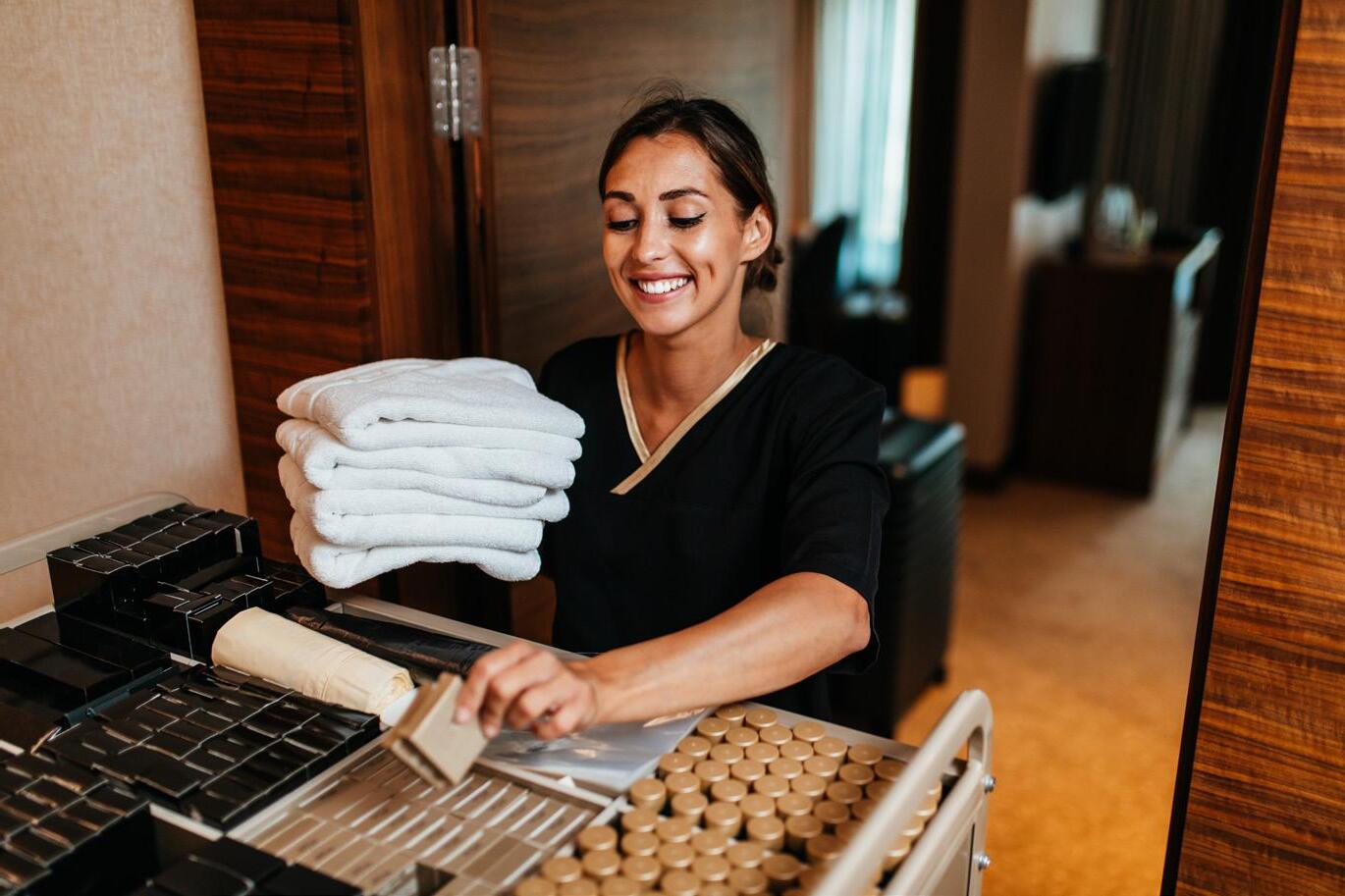
• The housekeeper who leaves a handwritten note
Those moments are created by people, yet most hotel social feeds show everything except them.
What “Showing Your Team” Actually Looks Like
This isn’t about forced team photos or awkward group shots in the lobby. It’s about intentional storytelling.
1. Front Desk as Brand Ambassadors
Instead of only posting room imagery:
- Short videos introducing front desk staff
- “Meet ___” posts sharing how long they’ve worked there and what they love about hospitality
- Behind-the-scenes moments during check-in rushes or event arrivals
Why it works:
Guests recognize faces before arrival, feel familiarity faster, and approach staff with confidence.
2. Sales & Events Teams Behind the Curtain - Group planners and meeting hosts want reassurance. What to show:
- Sales managers walking event spaces and explaining setups
- Event coordinators sharing timelines or “day-of” prep
- Post-event recaps featuring the team that made it happen
Why it works: It positions your team as experts, not just ordertakers, and builds trust before an RFP is ever submitted.
3. Food & Beverage Teams in Motion
Instead of only plated dishes:
- Chefs plating during service
- Bartenders creating seasonal cocktails
- Servers explaining a favorite menu item
Why it works: Guests don’t just want good food, they want an experience. Showing the people behind it elevates perceived value and connection.
4. Housekeeping & Operations Visibility
This is one of the most overlooked and most impactful areas. What to show:
- Turnover days
- Pride in details
- Team shoutouts for longevity or milestones
Why it works:
It humanizes the brand, reinforces care and cleanliness, and shows operational excellence without saying a word.
Why This Matters More Than Ever
Today’s traveler:
- Trusts social proof over polished ads
- Wants authenticity over perfection
- Books experiences, not just stays
Your social media is often the first impression of your culture. If it looks empty, impersonal, or overly staged, guests assume the experience will feel the same.
But when they see your team:
- They feel welcomed before arrival
- They trust the brand faster
- They believe the experience will be personal
A Leadership Reality Check
If leadership believes the team is the differentiator, marketing must reflect that belief.
That means:
- Giving marketing access to real moments
- Allowing staff to be featured and celebrated
- Shifting from “perfect visuals” to real hospitality storytelling
Because when your people are visible, your culture becomes visible. And when your culture is visible, your brand becomes believable.
Hotels that win in the next era of hospitality marketing won’t be the ones with the most polished feeds. They’ll be the ones brave enough to say: “This is who we are. These are our people. And this is why guests come back.”
If your team is your greatest asset, it’s time your marketing started acting like it.
KARA ALICIA, KCREATIVE
MEMBER SPOTLIGHT
“ORLA fills many of the gaps that our regional company lacks the resources to cover. During the 2025 legislative session we relied heavily on ORLA’s advocacy team to keep us informed weekly of legislation impacting hospitality across Oregon, provide a direct voice for our interests in Salem, and direct us to opportunities to speak or provide comment to the impact of proposed legislation on our business. We’ve benefited from the support of ORLA through participating in programs for reduced SAIF workers’ compensation insurance, ServSafe training programs, and their fantastic publications. Our membership is an investment in ORLA, our industry, and our own business.”
- CASSANDRA KRUSE GM, Phoenix Inn Suites Albany
Adventure is for Everyone Oregon is Officially
Accessibility Verified
Jordan & Dani
PROFITABILITY AT RISK
Uncover Operational and Financial Risks Within Your Hospitality Organization
In the hospitality industry, staying ahead of the competition and maintaining client satisfaction and a positive reputation, all while managing costs is always a challenge.
Current market conditions are making this even more difficult as companies are juggling the rising cost of doing business, staying abreast of regulatory changes, protecting against cyber threats, and maintaining operational efficiency.
A targeted assessment can help hospitality businesses identify and fix potential problems in their operations and finances, making them more efficient and less vulnerable to risks like fraud or errors.
Taking a proactive approach to assessing, addressing, and managing potential risks can position organizations for long-term success and resilience.
What Is a SCORE! Assessment?
Using tools developed by Moss Adams, we assess the operational processes you request and provide a practical comprehensive written report within one to two weeks. This Systems Control and Operations Risk Evaluation (SCORE!) is an objective, comprehensive assessment of your organization’s operations in predetermined areas and includes recommendations for changes and improvement.
By diving deep into your business processes, financial controls, and compliance practices, risk evaluations not only identify hidden risks but also empower you with actionable information to improve your business.
This type of risk evaluation is designed to measure and enhance systems and processes within an organization.
For hospitality companies, it provides a fresh perspective on critical areas such as:
• Business Processes. Analyzing operational workflows and identifying inefficiencies.
• Revenue. Assessing the recognition of revenue.
• Cash Flow. Reviewing the flow of cash payments to vendors.
• Policies, Procedures, and Documentation. Evaluating existing policy documentation and procedural adherence.
• Business Licenses. Reviewing licenses for compliance with local regulations.
• State and Local Tax. Evaluating tax compliance and structuring opportunities for companies based on location or with holdings in multiple states.
By conducting a risk evaluation, hospitality businesses can uncover potential gaps in their checks and balances, revealing areas of preventable risk. Common issues for hospitality organizations include:
• Lack of Internal Checks and Balances. In many smaller hospitality companies, a single individual may have comprehensive control over financial activities, which can pose significant risks as a result of human error or fraudulent activities.
• Contracts Management. Controls are needed to ensure completeness of contracts entered into as well as contract lifecycle management.
• Vendor Invoice Approval. Ineffective processes for approving invoices can lead to errors or fraud.
• Revenue Collection. Weaknesses in revenue recognition can result in lost income or unnoticed discrepancies.
• Cash Reconciliation. Inadequate cash reconciliation practices can increase exposure to fraud that can result in both financial losses and fraudulent financial reporting.
• IT Security. Lack of controls around IT security and awareness, and threat prevention and mitigation, can lead to problems.
Why Would a Hospitality Company Want a SCORE! Assessment?
For hospitality businesses, these evaluations offer several advantages.
Cost-Effectiveness
A SCORE! assessment can be more efficient than a financial statement audit when management’s focus is on identifying areas for improvement in business processes, financial controls, and compliance practices. Financial statement audits are focused on providing reasonable assurance that the financial statements are free from material misstatement, whether due to fraud or error. SCORE! assessments on the other hand are designed to provide actionable insights, often at a lower cost.
Timeliness
SCORE! assessments generally take less time to complete than a financial statement audit and allow the company to quickly receive the findings of the assessment and discuss next steps and best practices with the engagement team in the short-term.
Tailored Assessment Approach
SCORE! involves a hands-on approach. The engagement team works with leadership to identify specific areas of concern and determine the overall scope of the SCORE! assessment.
The team will visit the site, engage with key stakeholders, and gain an in-depth understanding of operations. This results in practical, relevant recommendations tailored to the specific needs of your business.
Practical Insights
SCORE! assessments provide leadership actionable information they can use to improve their operations. The findings help leaders identify current weaknesses in their procedures and practices and provide suggestions on how to address them.
SCORE! Process
A typical SCORE! assessment could follow this structure:
• Establish Objectives. Define the scope and goals based on your specific needs and risks related to business processes and financial controls.
• Evaluate Processes and Controls. Review and assess existing processes and controls.
• Evaluate License and Tax Compliance. Review for compliance with business licenses and tax requirements.
• Recommend Risk Mitigation Strategies. Recommend strategies to address identified risks and enhance processes.
Actionable Findings
Following a SCORE! assessment, companies receive a report on the findings. The findings are categorized as high or low risk to help your organization prioritize resolutions and corresponding recommendations that can be implemented by your company.
Reports are designed to translate challenges into easily understandable solutions that help address the problems unique to your organization.
MICHAEL SMOOT, CPA, BAKER TILLY
Baker Tilly is a leading assurance, tax and advisory firm that provides a comprehensive range of professional services to businesses and individuals. Michael has practiced public accounting since 2008. He serves a client base of both closely held and private equity portfolio companies, specializing in hospitality, manufacturing and consumer products, and more. Michael can be reached at michael.smoot@bakertilly.com or 503.478.2115.
IT’S YOUR BUSINESS:
Supporting Lone Worker Health & Safety: Have Their Back, Even When You're Not There
Approximately 25 million employees, or 15 percent of the U.S. workforce, are lone workers. This includes many employees in the service industry, such as closing managers, delivery drivers, maintenance staff, and housekeepers.
A lone worker is an employee who performs job duties without direct supervision or without being near other employees. They may be physically isolated or working in a manner that makes immediate assistance difficult in the event of an emergency.
Lone worker examples include:
• A baker working alone in a kitchen early in the morning before other staff arrive.
• An employee who opens or closes business operations by themselves.
• A delivery driver transporting food to customers.
• A housekeeper cleaning rooms on a separate floor or building without other staff nearby.
• A maintenance worker repairing equipment in a remote part of the property.
• A night auditor working alone at the front desk during overnight hours.
Because they lack immediate support in their workplace, lone workers face an increased risk of emergencies, injuries, and violence.
Safety doesn’t have to take a break when you’re working solo. With the right strategies and tools, employees and employers can build a safety system that protects everyone, everywhere, no matter what.
Employees working alone can stay safe by:
• Staying alert to risks
• Keeping their phone or safety device charged and within reach
• Staying trained in first aid, hazard identification, and emergency response
Employers can have a lone worker’s back by:
• Establishing lone worker policies and procedures
• Issuing work phones or safety devices that work without an internet connection
• Using free and secure messaging apps to facilitate check-in
• Implementing a check-in, check-out system
• Implementing buddy systems or creating overlapping shifts
• Providing annual training for emergency
THE LEGAL OPINION
empowers individuals, organizations and entrepreneurs in the Pacific Northwest hospitality industr y. We deliver value beyond the legal opinion.
Jordan Ramis
BE A HOSPITALITY CHAMPION
How ORLA Members Can Engage Through the Hill Runner Program
Effective advocacy doesn’t happen overnight, it’s built through relationships, trust, and consistent engagement. That belief is at the heart of ORLA’s Oregon Hill Runner Program, a dynamic initiative designed to connect Oregon’s restaurant and lodging operators directly with the lawmakers who represent them in Salem. Through this program, ORLA members are stepping up to ensure our industry has a strong, informed voice at the table when policy decisions are made.
We are proud to recognize the members who have already signed up to serve as Oregon Hill Runners (see adjacent list). Their willingness to engage at a deeper level reflects leadership, commitment, and a shared understanding that strong advocacy benefits the entire hospitality community. By participating, these members are helping lawmakers better understand the real-world impacts of legislation straight from the businesses and communities they serve.
What Is the Oregon Hill Runner Program?
The Oregon Hill Runner Program is designed to pair ORLA members with a State Representative or State Senator from their home district. The goal is simple but powerful: build an authentic, ongoing relationship between hospitality operators and policymakers.
Hill Runners serve as a trusted point of contact for legislators as someone they can turn to for insight, context, and reallife examples when considering policy decisions. You don’t need to be a policy expert to participate. What lawmakers value most is your lived experience as a small business owner or manager navigating Oregon’s regulatory landscape.
Why This Matters—
Now More Than Ever
Oregon remains a testing ground for policies that directly impact the hospitality industry, and lawmakers are eager to hear from constituents who can explain how those policies affect real businesses. A clear, local small business perspective is often critical when legislators make complex decisions. By strengthening advocacy statewide, ORLA is ensuring restaurant and lodging operators help shape policy, not just react to it.
Short and Long-Term Benefits
Hill Runner participants gain direct access to lawmakers and their staff, building relationships that extend beyond a single issue or legislative session. Through regular check-ins by phone, text, or in person, members share real-time insights from their operations—helping lawmakers stay informed while giving participants a clearer understanding of legislative priorities. Over time, these connections deepen into trusted relationships, with legislators increasingly turning to Hill Runners for expert input as policy questions arise. At that point, members are no longer just reacting to legislation; they are helping shape conversations early, strengthening both their own influence and ORLA’s collective voice.
When members engage at this level, the entire association benefits. If our industry isn’t represented in policy discussions, others will be. The Oregon Hill Runner Program ensures that hospitality operators along with ORLA have a consistent, credible seat at the table.
Get Involved
Hill Runners are recognized for their commitment with an Oregon Hill Runner lapel pin, VIP access to ORLA’s Taste Oregon Legislative Reception on February 10, 2026, and recognition in ORLA print and digital communications. Participants
Oregon Hill Runners
Member ..........................Legislator
Terry Hopkins Rep. Alek Skarlatos
Dino Venti Rep. Anderson
Joe Lowry ........................ Rep. Boice
Brandon Carter Rep. Bowman
Kariss Olague Rep. Chaichi
Keeley O'Brien ................. Rep. D. Nguyen
Treva Gambs Rep. Diehl
Ryan Fahey Rep. Elmer
Jeff Glodt Rep. Evans
Michael Gibbons .............. Rep. Gamba
Zach Poole Rep. Gomberg
Tessa Peterson Rep. Grayber
Jason Bender.................... Rep. Helm
Terry Bichsel Rep. Javadi
Tina Patel Rep. Lively
Mathea Zietz .................... Rep. McLain
Gordon Feighner Rep. Nosse
Greg Byrne Rep. Osborne
Shannon Adair .................. Rep. Owens
Scott Bradstetter Rep. Pam Marsh
Susan Countryman Rep. Rick Lewis
Uriah Edmunds ................. Rep. Ruiz
Ron Moore Rep. Wright
Keturah Alger Rep. Yunker
Jennifer Cho Sen. Anderson
Brian Lang Sen. Frederick
Chris Miller Sen. Golden
Mike Adams Sen. Mannix
Soraida Cross ................... Sen. Patterson
John Barofsky Sen. Prozanski
Dan and Terren Lenzen Sen. Sollman
Chris Bebo ........................ Sen. Taylor
Tina Tiedemann Sen. Wagner
Brandon Kraft Sen. Weber
are also encouraged to engage in ORLA Government Affairs Committee calls.
Ready to make a difference for your business and the hospitality industry?
Contact ORLA Director of Government Affairs, Greg Astley, at Astley@ OregonRLA.org or call 503.851.1330.
Together, we can build the relationships that protect, strengthen, and advance Oregon’s hospitality industry—today and for years to come. OREGON RESTAURANT & LODGING ASSOCIATION
NEWS BRIEFS
Happenings From Around the Industry
Crisis Management Resources for Members
ORLA’s Crisis Management web page curates a full page of resources to help hospitality businesses prepare for and respond to emergencies. Members can find training and tools on preventing workplace harassment, theft, and cybersecurity threats, with discounts available on ServSafe courses. The section also includes links to guidance on de-escalation and workplace violence prevention, natural disaster preparedness (including wildfire, earthquake, and tsunami resources), and mental health and substance abuse support links. These resources are designed to strengthen your team’s readiness and resilience in the face of unexpected challenges. Visit OregonRLA.org/crises-disasters
Celebrate Oregon’s Hospitality Heroes
ORLA invites members to help shine a spotlight on the incredible people who make our industry thrive. Nominating a standout employee or team member for the Hospitality Industry Awards is a great way to say thank you and recognize their hard work, leadership, and impact. Nominations are open through June 8, 2026—learn more and submit a nomination at oregonrla.org/awards/.
Proposed Food Code Updates: What Restaurants Need to Know
The Oregon Health Authority released a draft of proposed updates to Oregon’s Food Sanitation Rules (OAR 333-150), which could impact day-to-day restaurant and foodservice operations statewide. ORLA was actively engaged in the Rulemaking Advisory Committee, advocating for practical, real-world considerations as key issues such as allergen requirements, Certified Food Protection Manager rules, and no barehand contact standards. Members are encouraged to review the Proposed Significant Rule Changes at http://bit.ly/3Y72BMb and stay informed, as these updates are intended to modernize food safety standards while reflecting operational realities across the industry.
See How Much You Could Save with Your ORLA Membership
ORLA membership offers exclusive discounts, rebates, and dividends on the products and services your business relies on every day—savings that can directly impact your bottom line. Members are encouraged to check out ORLA’s online savings calculator at OregonRLA.org/ savings-calculator to see a personalized estimate based on your business segment, revenue, and number of locations or units. Actual savings may vary, but the potential value is worth a look.
HOW CAN WE SERVE YOU?
Membership in ORLA means being a part of the only organization in the state devoted to protecting and promoting the interests of the entire hospitality industry. Contact us for questions; let us know what issues are affecting your business and how we can help. We have your back!
ORLA Members receive a free audit of insurance and risk management programs and can save an average of 10-15%.
ORLA FINANCE CENTER
ORLA Members access huge savings with various tax credit programs and small business lending.
POINT OF SALE & PAYMENT PROCESSING
MEMBERSHIP CONTACTS:
STEVEN SCARDINA
Senior Regional Representative 503.718.1495
SScardina@OregonRLA.org
DARIAN HARPOLD
Regional Representative 971.224.1503
DHarpold@OregonRLA.org
MARLA McCOLLY
Director of Business Development 503.428.8694 MMcColly@OregonRLA.org
ORLA MEMBER SERVICES BOARD OF DIRECTORS
• Jim Hall, Chair, Independent Restaurant Concepts (IRC)
• Doug Bradley, Kensington Investment Group
• Jason Brandt, Oregon Restaurant & Lodging Association
• Ken Denfeld, Godfather's Pizza
• Chris Hein, Old Spaghetti Factory
• Allyx O’Connor, Bowline Hotel / Adrift Hospitality
• Willy So, A-1 Hospitality Group
OREGON RESTAURANT & LODGING ASSOCIATION MAIN OFFICE: 503.682.4422 • info@OregonRLA.org
HOSPITALITY PARTNERS
ORLA Members get exclusive pricing models and service discounts including a free 1-on-1 needs assessment and save an average of 25% on processing fees, ranging from $2,400 to $24,000 annually.
WORKERS’ COMP INSURANCE
ORLA’s group program with SAIF affords members an additional discount if they meet the eligibility requirements.
HEALTH & RETIREMENT
Offer health insurance and retirement plans that use tax-free dollars to pay all, or part of an employee's individual premium. Set a defined, tax-free contribution for predictable control over expenses.
AI DOCTOR
Available 24/7 and provides personalized health support and guidance, including diagnosing issues, creating treatment plans, providing talk therapy, and connecting users to a human doctor.
Advance Travel and Tourism - Deep savings on high impact marketing strategies
ASCAP - ORLA Members can save up to 20% off their first-year music license fees
BMI - ORLA Members can save up to 20% off their music licensing fees.
Garth T. Rouse & Associates - Comprehensive health insurance services for ORLA members
Pacific Concepts Group (DIRECTV) - ORLA Members can save 20% or more off retail DIRECTV rates
PenridgeGlobal - Progressive discounts on select custom window treatments for ORLA Members
RestaurantOwner.com - ORLA Members receive 15% off all monthly plans and 30% off all annual plans
RX Music - Members save up to 50% off normal pricing for curated music or music video programs
Stayntouch - ORLA Members save up to $5,000 property management systems and mobility solutions
WhirLocal Media Group - ORLA Members get 25% off the AI Hospitality Employee (save $600/year)
CONSULTING PARTNERS
ORLA’s network of Consulting Partners provide expert guidance and industry-specific support to help members navigate challenges, optimize operations, and grow their businesses.
Baker Tilly - Accounting
Barran Liebman - Employment Law
Jordan Ramis - Business Law
Cascade Employers Association - HR Support
KCreative - Digital Marketing
Refettorio Consulting - Consulting
Beardman Technology Group - Tech Services
ONLINE VENDOR DIRECTORY
ORLA works with close to 200 Allied Members who have joined your association in support of Oregon’s restaurant and lodging operators. To search for Allied Members' products and services visit the online Vendor Directory at OregonRLA.org.
NEW MEMBERS
ORLA Would Like To Welcome The Following New Members From September - November, 2025
• Argonauta Inn, Cannon Beach
• Aunt Tillie's Deli & Pub, Portland
• Big River Taproom, Saint Helens
• The Carlton Inn B&B, Carlton
• Dairy Queen, Florence, Florence
• Econo Lodge-City Center, Portland
• Ember, Lake Oswego
• Exectras, Sugar Land, TX
• Flavours of India LLC, Sandy
• Full Sail Brewing Co., Hood River
• Fultano's Pizza, Portland
• Gorges Beer Co., Portland
• Gorges Beer Co., Cascade Locks
• Green Springs Inn, Ashland
• Heritage Pub, Clackamas
• Holiday Inn Express & Suites, Portland
• The Hoxton, Portland
• Imperial River Company, Maupin
• Interstate Roofing, Portland
• Isaac's, Salem
• Domino’s, Marysville
• KEX, Portland
• Lifestyle Properties, Newberg
• Lightwell Hotel & Spa, Hood River
LODGING PERFORMANCE
Hotel Occupancy
• Lola's Cafe Bar, Lake Oswego
• McDonald's, Salem
• The Original Pancake House, Bend
• Papa Murphy's Pizza, Medford
• The Pharmacy, Portland
• Picnic Basket, Cannon Beach
• Pier 101, Lincoln City
• Rise, Newport
• Rise, South Beach
• Rivers Edge Restaurant, Grants Pass
• RobotLAB Portland, Beaverton
• RobotLAB Western Oregon, Portland
• Super 8 Portland Airport, Portland
• Taj Indian Cuisine, Ashland
• Taqueria Picaro, Ashland
• TJ's Family Restaurant and Sports Bar, Creswell
• Vida View Resort, Vida
• VioletSuitesPDX Boutique Hotel, Portland
• Wild Hare Saloon, Oregon City
• Zolas On The Water, Brookings
This chart represents occupancy from hotels in the state of Oregon, year-over-year through October 2025. Source: STR via an agreement with Travel Oregon.
Oregon
Mount Hood / Gorge
Portland Region
Oregon Coast
Southern Oregon
Willamette Valley
Central Oregon
Eastern Oregon
Pacific US (AK, CA, HI, OR, WA) US Total
RESTAURANT INDUSTRY SNAPSHOT
Restaurant Job Market Across Oregon
The following illustrates jobs with the largest number of opportunities in Oregon as of January 5, 2026. Source: Data and insights for RestaurantsWork are provided by Lightcast, a leading labor market analytics firm, under contract with the National Restaurant Association and its Educational Foundation.