



Dear Duck Living Readers,
Spring is upon us once again, and everything is teeming with life — albeit with a few rainy days still sprinkled into the mix. Nonetheless, it’s time to make the most of all Eugene has to offer. The Eugene Saturday Market is back in full swing, and restaurateur Sara Willis offers innovative menus to the community.
In this edition, our team explored what it’s like to pursue music as a college student as well as what life can be like when you slow it down. If you’re still hunting down your outfit for Spring Game, look no further. Duck Living sought out places near campus where you can find Ducks gear that works for your style and budget.
We hope these stories inspire you to make the most of the beautiful days spring term has to offer.
Annie Bostwick Duck Living Editor
Publisher & President
Eric Henry ehenry@dailyemerald.com

VP Operations
Kathy Carbone kcarbone@dailyemerald.com
Special Sections Editor
Annie Bostwick
Cover Photo
Alyssa Garcia
Cover Illustration
Abigail Raike
Special Sections Writers
Campbell Williams
Daisy Valencia
Karley Brenneman
Sophie Turnbull
Yasmin Alvarez
Special Sections Photographers
Alyssa Garcia
Arianna Rinaldi
Brayden Day
Lead Designer
Eva Andrews
Student Designers
Eva Kuo
Abigail Raike
Amanda Bell
Dewni Mirihana
Gabe Vannelli
Account Managers
Ava Stephanian
Camcole Pereira
Elliot Byrne
Torin Chevalier
Emerald Media Group, Inc.
395 University St., #302 Eugene, OR, 97403
541.346.5511 x327 dailyemerald.com
Duck Living is published by Emerald Media Group, Inc., the independent nonprofit media company at the University of Oregon. Formerly the Oregon Daily Emerald; the news organization was founded in 1900.
Director of Sales
Shelly Rondestvedt srondestvedt@dailyemerald.com
Creative & Technical Dir.
Anna CK Smith creative@dailyemerald.com



Written by Campbell Williams •



Logan Martin is a sophomore at Lane Community College studying music. He made the tough decision to switch his major from business to music before this school year. He is still unsure of the outcome of his decision. What he does know is that he loves performing and making music — a love that cannot be pushed away.
“I’ve played music since 6th grade, so I’ve been playing in a band for the past 10 years. I started going to business school last year, and I really missed it,” Martin said. “I just couldn’t really go without
it… there was nothing else that seemed appealing other than music.”
For students who are interested in pursuing music in college, there are two ways they tend to go about it: studying music for their degree or forming a band and performing at local venues and house shows. These two can overlap, but many people pick one and roll with it.
This decision presents a question for students interested in music: which path is right for me?






Martin decided music school was the choice for him because of the structure it provides and the community that it breeds. The constant practice made mandatory by assignments and exams, as well as the like-minded people around him, created the perfect environment for Martin, allowing him to grow his skills and learn the specifics of music, something that he wouldn’t have otherwise.
“In the past year and a half that I’ve been practicing on my own, I never felt like I was putting effort into the right places,” Martin said. “So I kind of felt like I needed some guidance.”
For others with the same love for performing music, forming a band can offer the same outlet but with less rigidity.
Aydan Schiveley is the bassist for the Eugene band, Everything’s Found, and has been performing with them since last September. He didn’t go into school thinking about pursuing music, but in

“They were around for almost a whole year before I joined the band,” Schiveley said. “I felt like it was really easy to get into. What was harder was learning all the parts… It was kind of a big learning curve.”
In performing with Everything’s Found, Schiveley has been able to scratch his musical itch. He told a story about how the band was able to book a set performing live on KWVA, UO’s radio station. He mentioned that as they were performing, a group of students gathered around the windows to see what was going on and listen in.
“During one of the breaks between songs, we opened the doors and they all came in,” Schiveley said. “We had a live audience, and we didn’t know any of them.”
Forming a band can be an amazing way to pursue music while focusing on different venues in school. For Rachel Withers, lead singer of 10 or 11 Deer, being in a band has been an irreplaceable experience and
experience” for her. Withers emphasized the importance of being in a band for herself and of having bands in Eugene.
“I’m a senior now, and when I was a freshman, there were so many bands at UO that a lot of people at the school knew about,” Withers said. “That was just so incredible, and it’s not like that anymore. I just miss going to shows and just having everyone be like, ‘I love this band,’ you know?”
Being in a band may be a great outlet for some, but others may not find the same benefits, especially those focused more on solo work rather than group projects. This is the case for Peter Repins, an advertising student at UO who is pursuing a music degree post-grad. Repins has acted as a band manager in school rather than performing himself, but has that same love for music which led him to his future music degree.




Repins faced nay-sayers towards his aspirations. As with many art-based majors, there are those who don’t see it as a viable choice, and view it as a path towards a barista position rather than a career in the arts. This can be a large deterrent for those wanting to pursue music, but it hasn’t faulted Repins on his path.
“I just think, like f*** it, you know? Like, why would you think that way?” Repins said. “I think we’re in such a different time, at least with our generation… We really want to explore creative avenues and maybe even be our own bosses and create our own companies.”
There are endless options for those interested in music in college. Some have lower or higher commitments, but all of them allow people to express themselves musically and strengthen their talents. For Martin, he is still unsure on how everything will turn out, but he remains confident that he is making the right choice for himself.
“Either the dreamer or the child in me says, ‘oh, I want to go out and perform and just play music,’” Martin said. “I can busk on the side of the road if I have to.”






It’s really motivating knowing that I can create clothing that people enjoy, but also save clothing from landfills
Ava
Klooster
Student, Artist and Vendor
Written by Yasmin Alvarez • Photographed by Alyssa Garcia • Designed by Abigail Raike
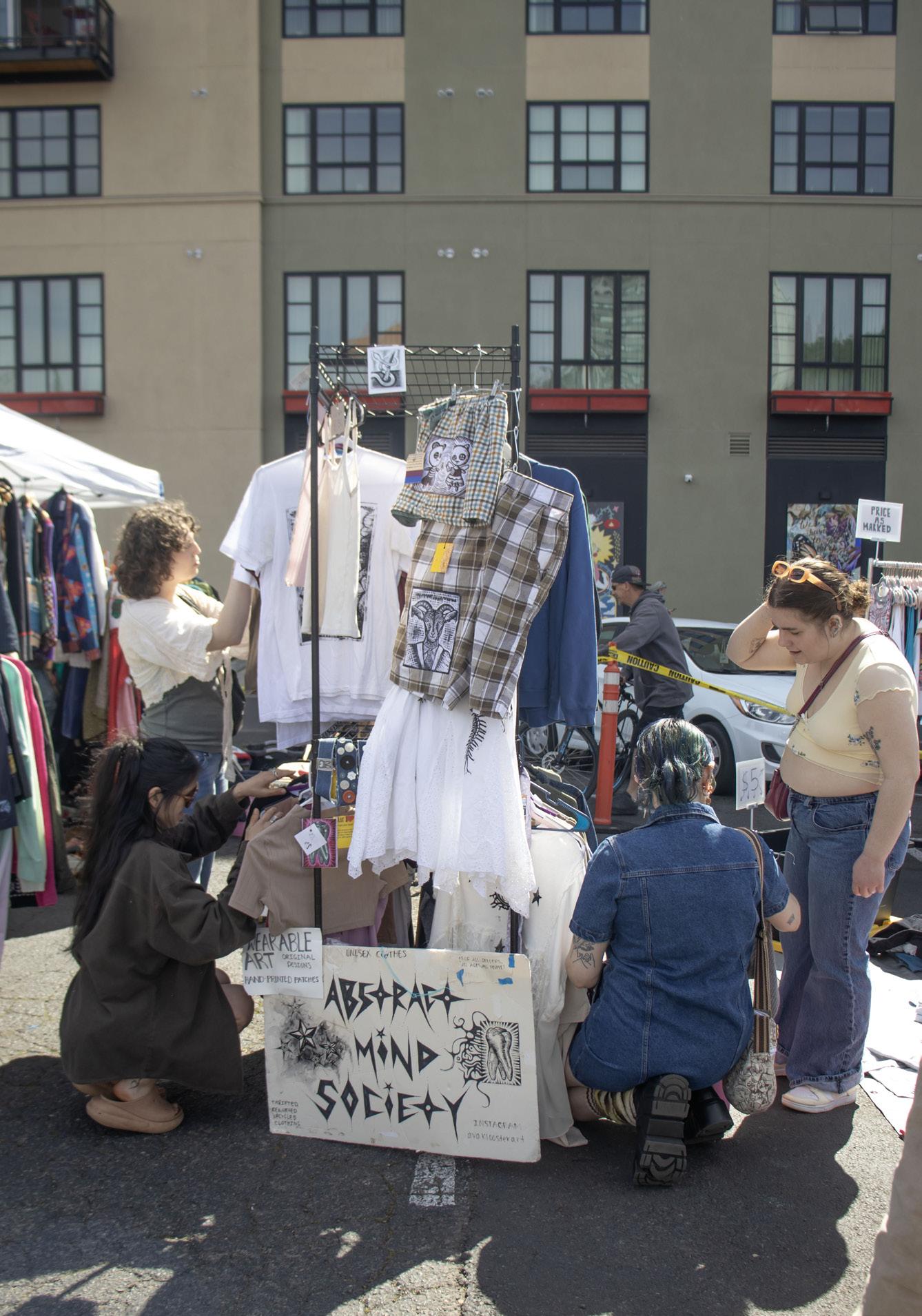
On Saturday, April 4th, the Eugene Saturday Market opened its booths for the start of its 57th season. From clothing and jewelry, to arts and crafts, vendors have officially set up shop downtown.
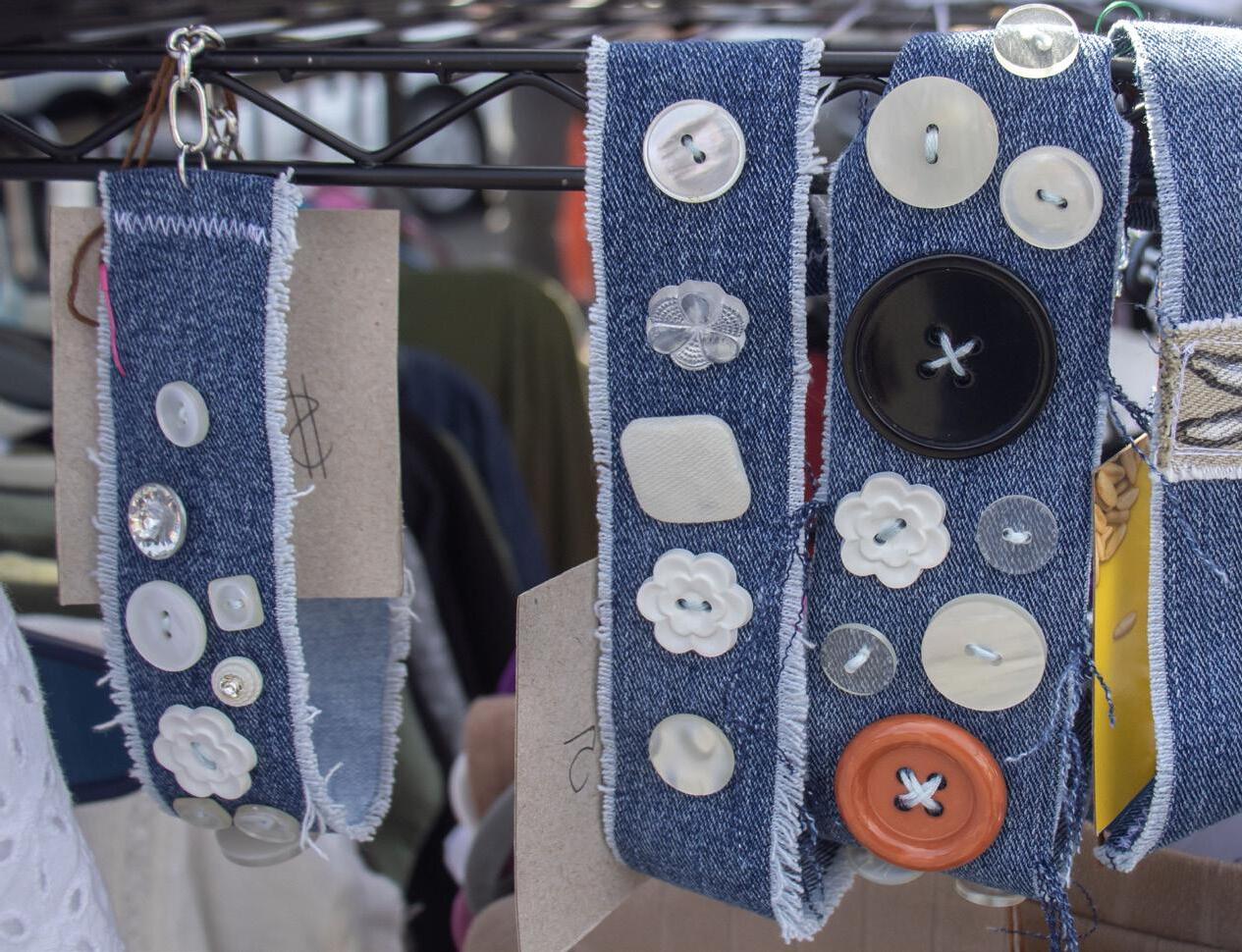
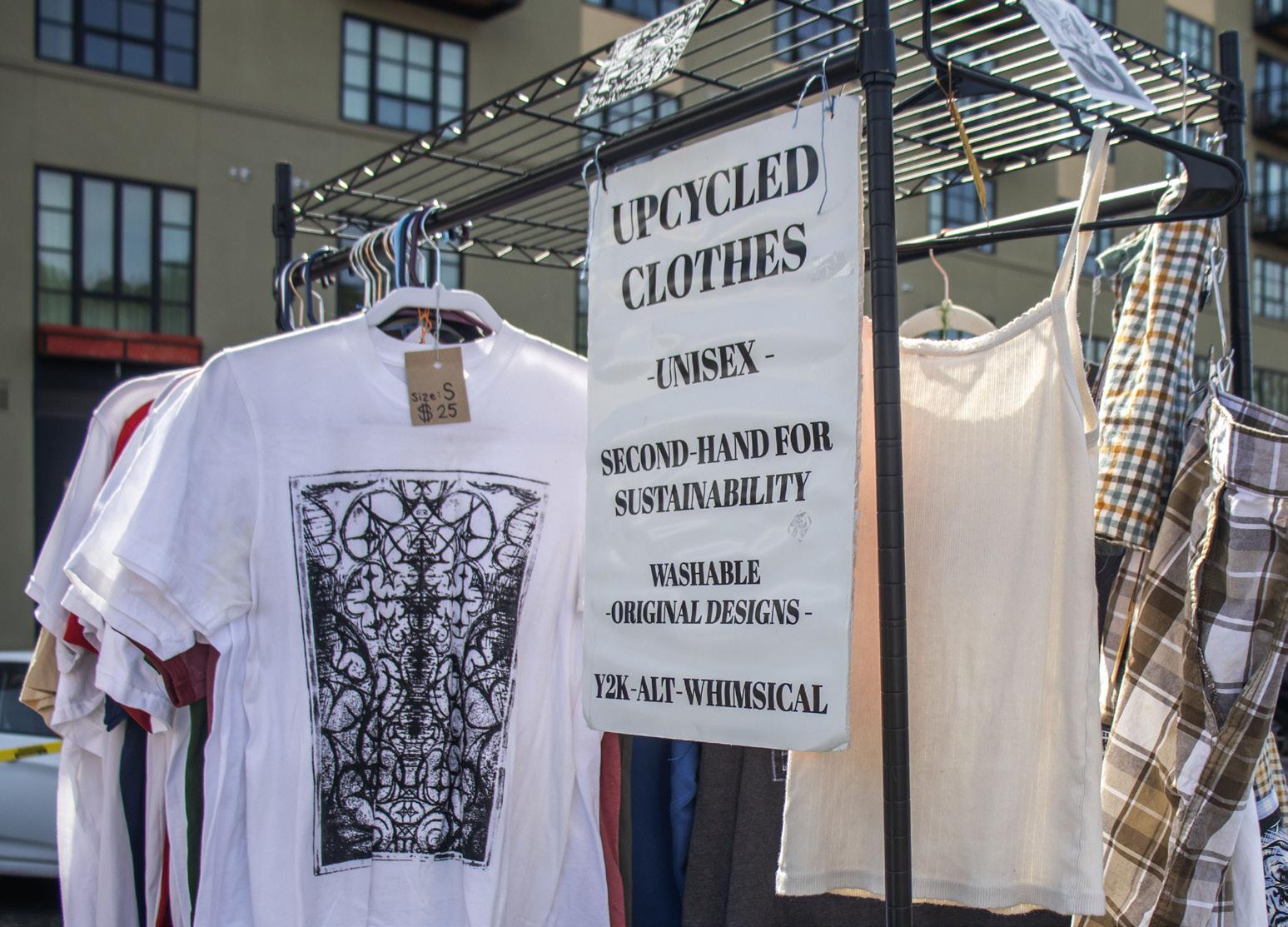
For one University of Oregon student, what started as a high school hobby has grown into a full creative pursuit with a booth featuring upcycled clothes, blending sustainability and personal style. Each piece is transformed through printmaking and patches into an original design. Ava Klooster is putting a narrative into both the art and fashion scenes as a senior studying art and technology at the University of Oregon.
“I started bleach art on clothing, and then just painting directly onto clothing. It was mostly just for fun,” Klooster said. Without any pressure of originality or deadlines pressing on her, the medium
allowed her to explore a side of the art scene that blends with business. As she entered college, the idea of selling her work at the Saturday Market thrilled her. After reaching out and attending an orientation during her sophomore year, she presented her work to a review panel — a requirement for all vendors to ensure all items are handmade.
“There was some pushback. I didn’t have my own clothing label, and I had to explain that I’m putting more effort into sourcing and altering each piece,” Klooster said.
With support from Sonia Ostendorf, a market organizer, Klooster was eventually accepted, starting out in a section typically reserved for newer vendors. Market days typically began as early as 6 am. Vendors arrive around 8 am for check-in and wait to be assigned a booth.
New sellers are usually called last. From there, the day continues for several long hours.
“You’re there all day,” Klooster said. “And you’re doing everything yourself.” Preparation for the Market begins long before the booth is set up. The day prior, Klooster spends finishing pieces, tagging items, organizing inventory and packing supplies.
“People don’t always realize how much goes into it. It’s not just making the clothes, it’s everything around it too,” Klooster said.
Balancing this workload with student life is a whole other challenge. Alongside running her business, Klooster manages full-time classes, multiple magazine commitments and additional creative artwork. Most days are structured around
school first, with art filling the late-night hours.
“Sometimes I’m working on art for the rest of the night, until 3 am,” Klooster said.
Despite the long hours, the experience has been positive. The market community is welcoming and supportive, even for young vendors who are still finding their footing.
“It was definitely intimidating at first,” Klooster said. “A lot of people have been doing this for years, but people are really helpful and willing to give advice.”
Slow days and unpredictable spring weather can be discouraging for any vendor, but the reward outweighs it all. For Klooster, she appreciates the tightknit community that comes together downtown and seeing others connect with her own work.
“It’s really motivating knowing that I can create clothing that people enjoy, but also save clothing from landfills,” Klooster said. “Seeing someone get excited about something I made — that’s what makes it all worth it,” Klooster said.
The biggest takeaway that Klooster wants other University of Oregon students to keep in mind is that the “most important step is getting out there and doing it.”
Editor’s note: Ava Klooster is employed as a designer and Illustrator for Emerald Media Group.












Written by Sophie Turnbull • Designed & Illustrated by Dewni Mirihana
It’s close to 9:30 pm when dinner finally begins in Siena, Italy. The quiet streets come alive, restaurants fill and conversations buzz. Plates arrive slowly, one course at a time, with no sense of urgency. No one checks the time. No one is itching to leave. And no one seems worried about anything other than the meal in front of them. A meal as long and late as this would be considered unusual back in the United States; here, it was normal.
“I didn’t realize how rushed I felt in the U.S. until I got here,” my classmate Anisa Ruiz told me during the first few days upon our arrival. At the time, it felt like a rash comment, but as weeks went on,
it became clear that we were not only experiencing a new place but a different relationship with time.
The first five weeks of my winter term were spent in Siena, Italy, taking classes, exploring the culture and building a new routine for myself 6,000 miles from home. The months leading up to it had been anything but slow. My fall looked like that of a typical college student: a packed schedule, early mornings, and the constant pressure to secure a summer internship before the term ended. Then came the blur of the holiday season, followed by hurried, last-minute packing to return to school. Only this time, I wasn’t just preparing for another term — I
was packing to temporarily leave behind everything familiar.
I arrived expecting change, but not in the way I experienced it. What I hadn’t anticipated was how quickly the pace of life would shift, or how disoriented I would feel without the constant urgency I had grown used to. It became okay to take a break, rather than feeling guilty for lack of productivity. Honestly, it felt strange to be in a rush anywhere.
“It felt like I was stepping on people’s heels as I walked to class,” Fiona Shipley, another student in my program said. “People walk like they have no place to be.”
This was our daily conversation as we pushed through slow crowds to get to our class on time.
In Siena, life unfolds at a leisurely pace. Mornings were made for a cup of coffee at local cafes. Afternoons and evenings stretched late. Meals are not squeezed between obligations but built into the structure of the day. “There’s no such thing as a coffee to go. When you ask for it to-go, you always get a weird look,” Ruiz said. It was true. Instead, people would take five minutes out of their day to sit and enjoy the simple things in their life, even if it was just a cappuccino.
The rhythm felt unfamiliar. We were used to planning out days around efficiency -–how much we could fit in and how quickly we could move on from one thing to the next. In Siena, that mindset didn’t quite fit. Dinner might last two hours. A walk across the city wasn’t just to get to a destination. Getting a cup of coffee with someone wasn’t just a networking opportunity.
“It was relieving and stressless, but quickly I found myself becoming antsy,” Shipley said. It was true. We all experienced it. The slow pace was something that our minds and bodies were not used to, although relaxing, we still felt this urgency during times we didn’t necessarily need to.
Over time, we grew to adjust. We became excited for our two-hour dinner at 9:30 pm and our sit-down cappuccino on the way to class. We were embracing the culture, or at least trying our best to.
For the second half of our abroad program, we found ourselves in the city of London, England. Immediately after arriving at the airport, we were hit in the face by a shift in pace. The streets were crowded, people walked faster and the city was constantly in motion.
The longer we stayed, the more the first impression softened. “London was obviously a lot different from Siena, but I wouldn’t say it is as frantic as we are used to in The States,” Shipley said. There was a structure to it, a sense that


the movement had purpose. Public transportation made the entire city accessible, and walking became part of our routine again, just on a larger scale.
Fiona Shipley Student “
London was obviously a lot different from Siena, but I wouldn’t say it is as frantic as we are used to in the States
“Rather than sitting down for a cappuccino in the morning, people would gather at the pubs for a pint after work,” Ruiz said. A sense of community and a chance for time to slow down were still there; it just looked a little bit different.
With a bit more traveling, this common theme of care for time was seen across Europe.
Despite their differences, both Siena and London shared something that felt increasingly rare back at home — treating time as an experience rather than a tool for efficiency. Whether a long dinner in Italy or at an evening pub in London, there was always a space that was carved out for connection, for stillness and for simply being present.
“It made me realize how much of our lives are spent rushing,” Ruiz said as Shipley nodded in agreement. And she was right. It wasn’t until we stepped away from our routines in the United States that we began to notice just how constant that urgency had been.
Returning home, that slower mindset doesn’t come as easily. Schedules fill up again, meals become quicker and the pace picks back up.
But something shifted. It’s harder now to ignore the value of slowing down, of letting moments last a little longer than necessary.
I still reflect on those late nights in Siena, where no one was in a hurry to leave the table. At the time, it felt unfamiliar. Now, it feels like something worth holding onto. If there’s one thing this experience taught me, it’s that time doesn’t always need to be optimized — sometimes, it just needs to be lived.






















Photos by Alyssa Garcia Designed by Amanda Bell
s spring sports approach, it might be time to start putting together new game day outfits.
bulky coats, there’s more room to show off new clothes. For those on the hunt for school apparel, you won’t have to look very far. There are two stores just outside of campus that are both great options, though each might suit different tastes.
The Duck Store is the official store for University of Oregon apparel, so naturally it’s the first place to look. The flagship store, located just off campus on 13th Ave., carries a large selection of clothing and accessories for Duck fans.
The majority of their clothing selection is produced by Nike and comes in their signature materials, like Dri-Fit; however, these pieces come with Nike prices, and a shopping spree can get expensive fast. You don’t have to spend too much if you’re looking for a basic piece because they also sell various cotton tees at student-friendly prices.
There is a large assortment of accessories sold at The Duck Store. If you prefer to subtly represent your school, a terry sweatband or dangly duck earrings are stylish enough to be incorporated into daily wear.
Some of their inventory gets cycled out every year, so it may be tedious to keep up to date if you choose to sport your favorite player’s name and number. It might not hurt to go with a classic tee that can be worn to any event.

The N.E.S.T., which sits right across from the flagship Duck Store location, is great for vintage-lovers. One of the employees, Jose, explained that the inventory is mostly second-hand, though everything is in great condition, and some items are new. All used clothes are washed before being put on display. Some of their items are so unique, you might never find them twice. If you’re looking for a game day outfit that no one else can replicate, this might be a good place to find the unique piece that makes you stand out in a sea of green and yellow.
Their selection is mostly budget-friendly aside from rare UO paraphernalia that would really make you stand out on game day. One of their racks is solely for pieces under $20, and, if you’re a good negotiator, it is possible to knock a few bucks off your total at this location.


Not everything at The N.E.S.T is UO merchandise, and half of the store is like any other second-hand store. Their other inventory is still worth a look, because once you’ve picked out your staple game day pieces, you’ll still need basics to build the outfit.
Whether your style leans more towards vintage or modern, you can easily find what you need to create the perfect game day outfit by taking a walk to these stores just outside of campus.






Written by Karley Brenneman • Designed by Gabe Vannelli • Photos by Arianna Rinaldi
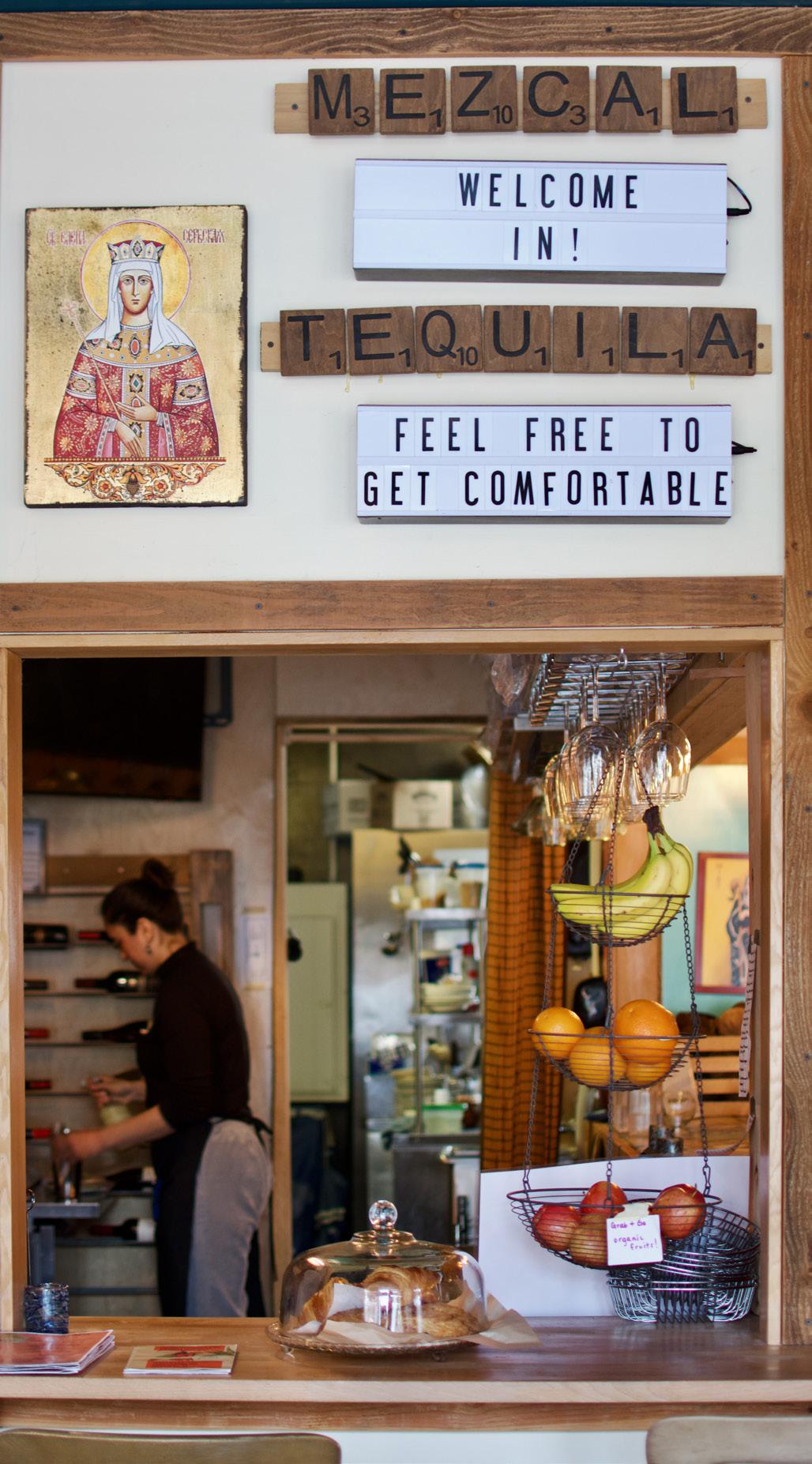
For many people, it takes years to figure out how they want to spend the rest of their lives. For Sara Willis, it was almost a predetermined prophecy that she would end up pursuing the culinary sphere as a chef and restaurateur.
Like any good story, her journey starts young. The eldest daughter of a large family, she spent many nights in her childhood cooking to help support her siblings. The family tradition continued, and she opened Sara’s Savories in Santa Cruz to provide for her young daughter by delivering delectable home cooked meals to customers.
A few years later, at 22, Willis relocated from Santa Cruz to Mexico to become a private chef. Inspired by the experience and flavors, she opened her first restaurant in ‘95 while still in Mexico. To add to her repertoire, Willis learned the ins and outs of owning a building and trained herself on soldering pipes and maintaining the electrical system.
After opening another bar in Mexico called Rawhide, she got a call from a childhood friend. That call sparked a move back to Oregon and the establishment of a new restaurant here in Eugene, called Red Agave. The Latin-inspired bistro was a huge
hit with three-hour wait times and lines wrapping around the block.
The momentum carried her, instead of getting stuck in one identity, she opened more ventures. Customers might recognize a few names in the Eugene scene like June, Carmelita Spats, Asado Grill and Saucefly. “I get bored easily,” she said. “I always try to listen to the feedback and trends of customers.”
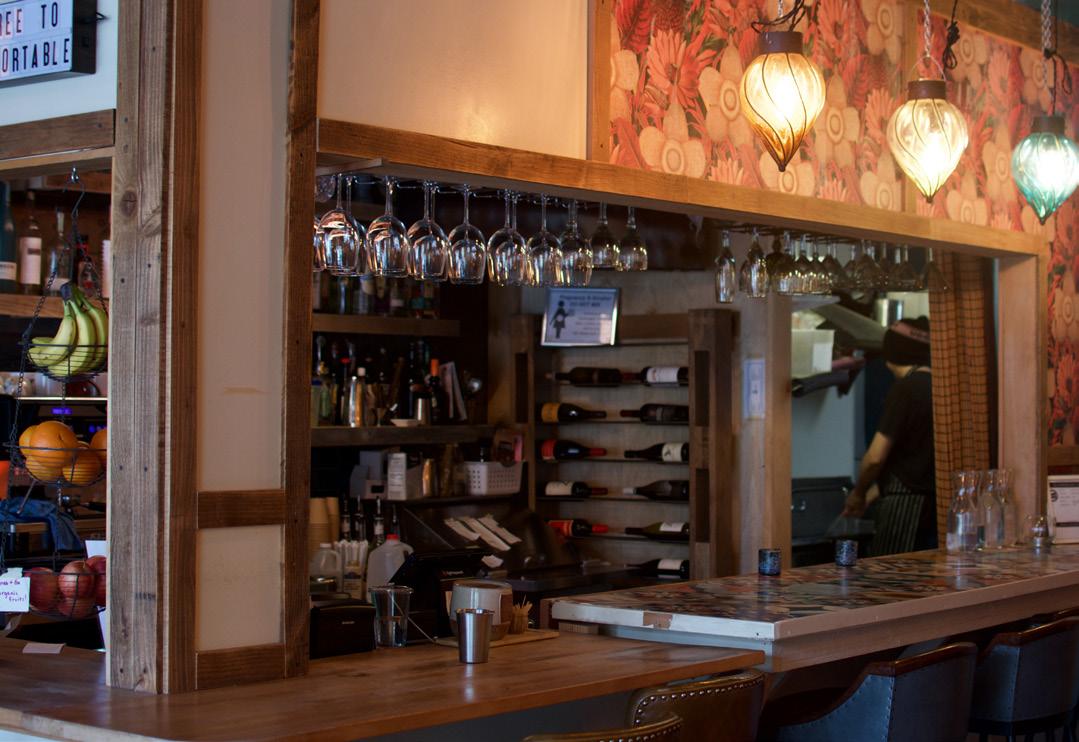
Her most recent concept before her current venture occupied the same East 19th location between Prince Puckler’s and Sweet Life. Santo de la Torta drew heavily from her time in Mexico, offering burritos and tortas that quickly became neighborhood staples.
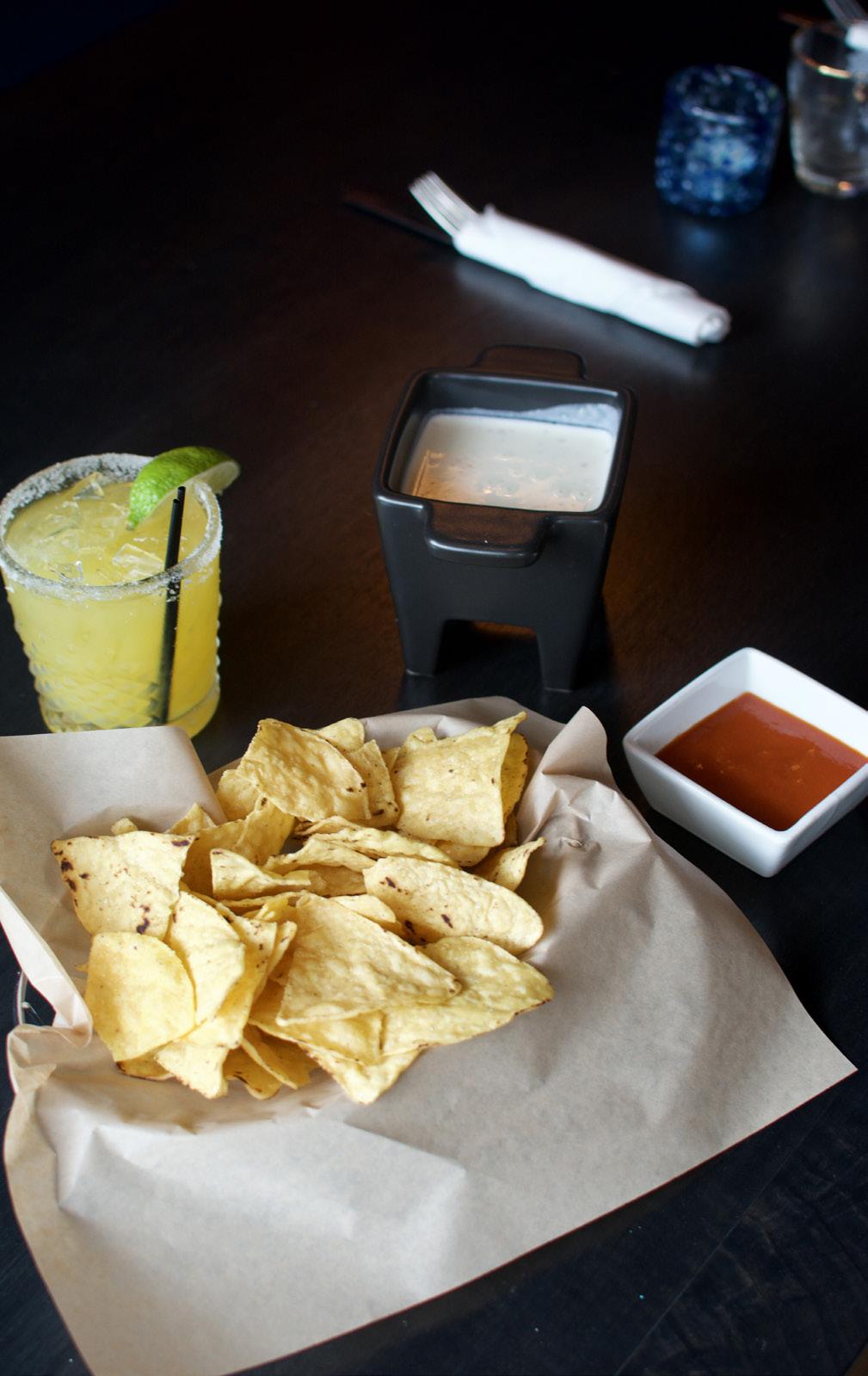
Doing what she does best, Willis listened to the crowd and decided to relaunch the restaurant as Siesta Seven. The idea behind the food is simple to prioritize guest comfort. The venue has an eclectic menu with seven feature items to honor the name. There are seven breakfast items, seven tasty margaritas, seven sides, seven spectacular salsas and an array of seven dinner items, ranging from Philly cheesesteaks to enchiladas. “There’s something for everyone,” Willis said.
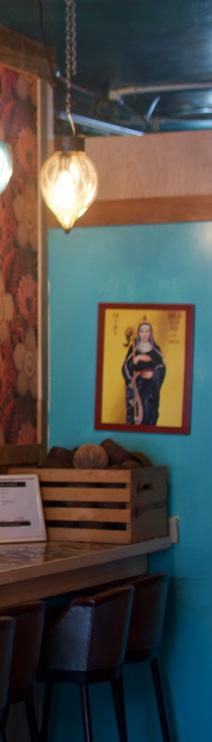
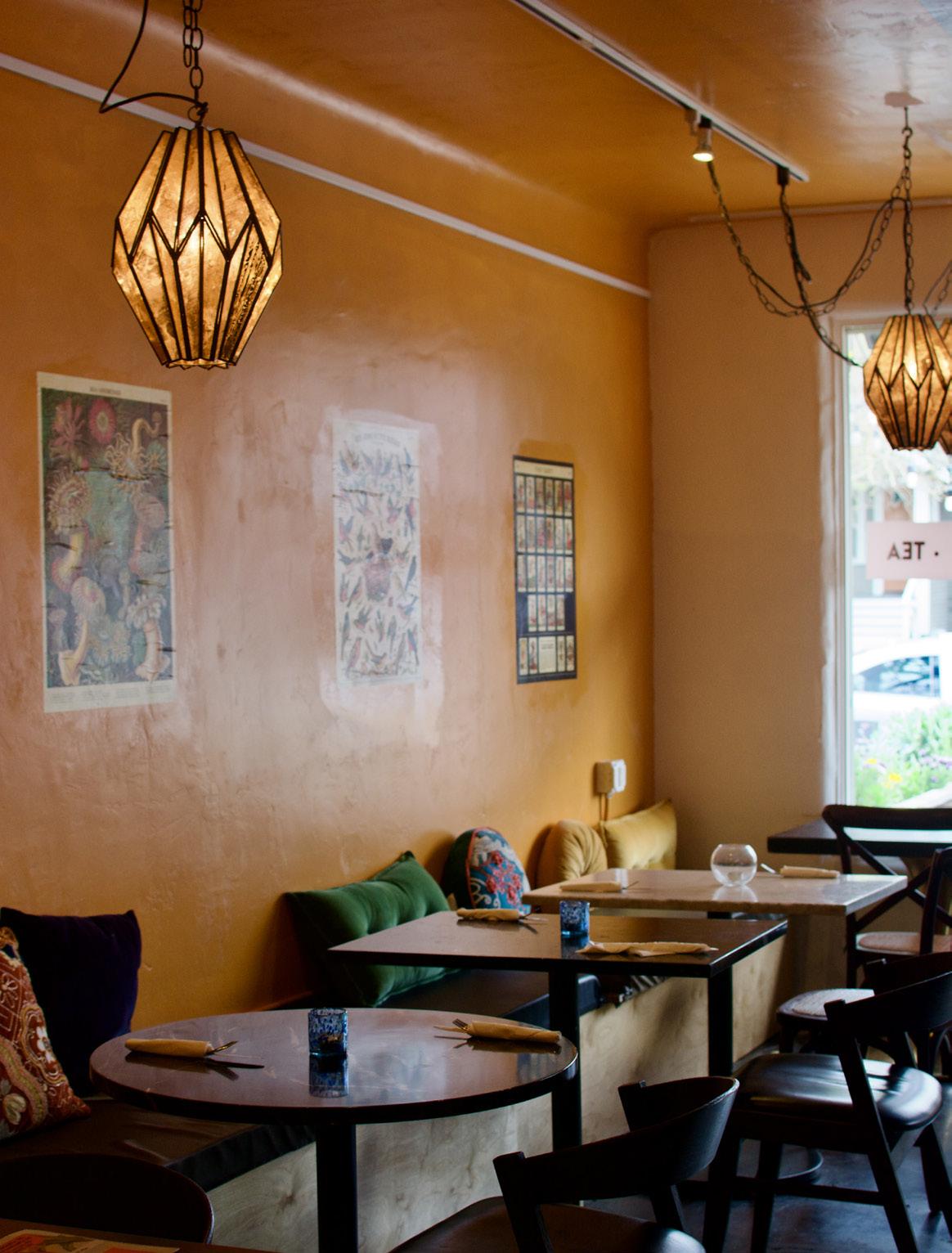
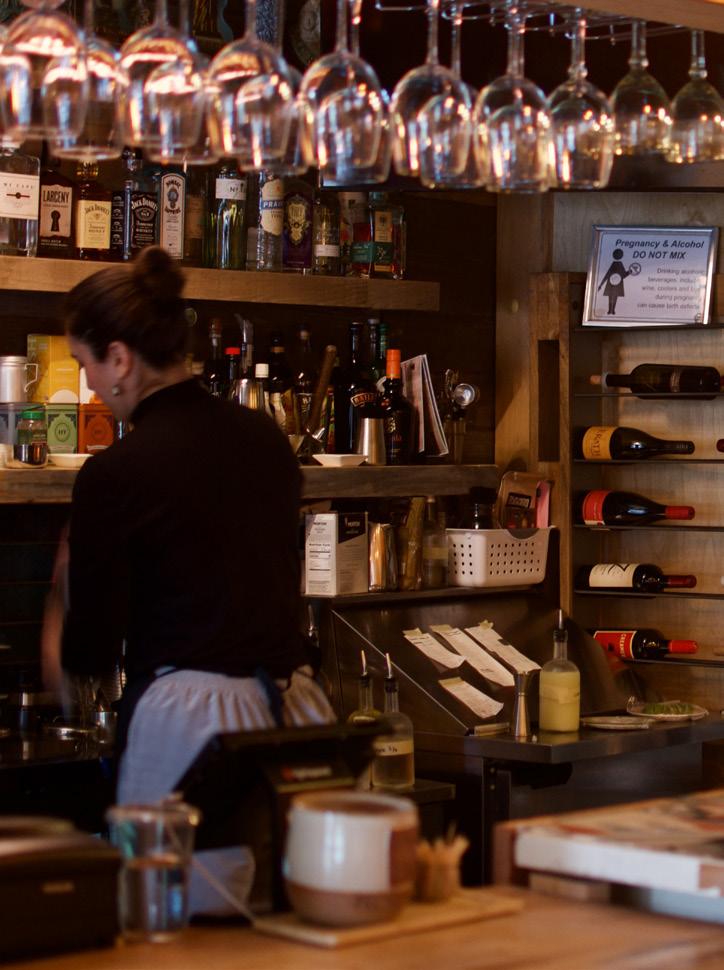
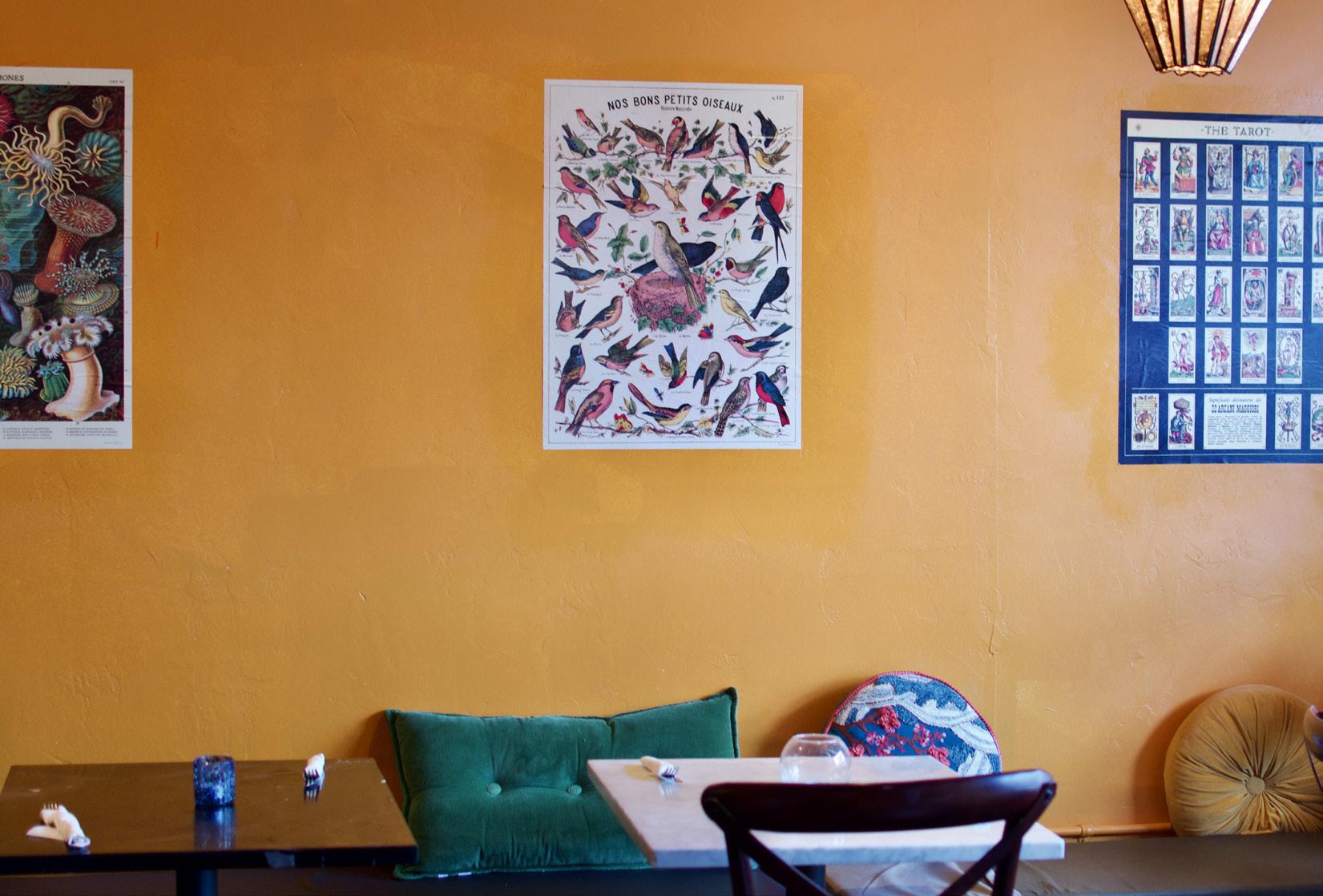
The charm of Siesta Seven is irreplaceable, a casual bistro that offers a simple menu and an amazing coffee bar. Willis loves the lunch crowd — students who come for a bite, coffee and a motivating space to finish their work. She loves the night crowd just as much. During their dinner hours, there’s an amazing bar option to add to the night scene of Siesta Seven.
Perhaps her most intriguing venture is Luxefly, a freeze-dried food brand offering quality ingredients for an entirely new community of backpacking adventurers. Inspired by her years of cooking and love for fresh ingredients, Willis curated options for vegan, gluten-free and simply hungry hikers. The options are countless, from beef barbacoa tacos with a whopping 50 grams of protein, to biscuits and gravy for satiating a morning craving and comfort corn and bacon chowder for
a cold night. “It’s more than fancy astronaut food,” Willis said. “It’s food that will fuel your body.”
The imprint Willis has left on the culinary world is undeniable, and her ability to cater to a variety of palettes is inspiring. For University of Oregon students juggling packed schedules, tight budgets and the constant search for a place to land, Willis’ work offers a rare experience.
Whether it’s the welcoming, stay-awhile atmosphere of Siesta Seven or the practical innovation behind Luxefly, her ventures reflect a deeper understanding of what people actually need: comfort and care. Her evolution hasn’t just been about creating new dishes. It’s been about creating solutions in a world full of problems.