

Elevate your expertise, stay ahead of legislative changes, and gain practical insights tailored for tax professionals.
Join us for an in-depth exploration of advanced techniques, guided by industry-leading experts Don’t miss this opportunity to master the complexities of SALT and transform your tax practice Sign up today and take the first step towards becoming a SALT expert!
July 28, 2026 - Oregon’s Pass-Through Entity Elective Tax (PTE-E) (2 hours - af ternoon)
CPE: 2 / Level: 3 (Advanced) / Webcast - #W81069
September 23, 2026 - Washington Legislation - Increased Rates, Taxable Services, Estate Tax Changes & More! (2 hours - morning)
CPE: 2 / Level: 4 (Update) / Webcast - #W81085
October 28, 2026 - Protecting Yourself & Your Clients: Understanding the Implications of Remote Work & Licensing Requirements (2 hours - af ternoon)
CPE: 2 / Level: 2 (Intermediate) / Webcast - #W81117
November 4, 2026 - Federal & State Audit Defense: Do they Really Need All Those Documents? (2 hours - af ternoon)
CPE: 2 / Level: 2 (Intermediate) / Webcast - #W81124
November 20, 2026 - Income Tax Nexus and Apportionment (2 hours - morning)
CPE: 2 / Level: 2 (Intermediate) / Webcast - #W81142
December 4, 2026 - Washington B&O and Sales Tax Including Focus on Investment Income (2 hours - morning)
CPE: 2 / Level: 2 (Intermediate) / Webcast - #W81156
December 15, 2026 - Oregon Pass-Through Entity Elective Tax (PTE-E): The Little Things that Will Help You Avoid a Notice (2 hours - af ternoon)
CPE: 2 / Level: 3 (Advanced) / Webcast - #W81172
January 26, 2027 - Multnomah County / City of Portland Taxation Update (2 hours - morning)
CPE: 2 / Level: 4 (Update) / Webcast - #W81190
January 26, 2027 - City of Portland, Multnomah County, and Metro Taxes: Practitioner Perspectives (2 hours - late morning)
CPE: 2 / Level: 4 (Update) / Webcast - #W81191
January 27, 2027 - Oregon Department of Revenue Update (2 hours - late morning)
CPE: 2 / Level: 4 (Update) / Webcast - #W81192

Purchase individual courses or bundle and save up to $150! www.orcpa .org /cpe/W81200
Publisher
Oregon Society of CPAs
Mailing address
10206 SW Laurel St., Beaverton, OR 97005-3209
503-641-7200 | 800-255-1470 | Fax: 503-626-2942 www.orcpa.org | information@orcpa.org
Chair
Adam Abplanalp
Chair-Elect
Megan Kurz
Vice Chair
Jared Holum
Past Chair
Gary Holcomb
Board of Directors
Bradley Bingenheimer
Rosemarie Brammer
Christopher Dahlvig
Tricia Duncan
Joe Fitts
Cameron Irtifa
Mark Johnson
Michael Lortz
President/CEO
Sherri McPherson, IOM, CAE
Editor
Susan Fleming
Chapter Council Chairs
Benton-Linn
Ross Holliday
Central Oregon
Yvonne Zbranak
Eastern Oregon
Jody Deardorff
Emerald Empire
Sarah Coffman
Mid-Columbia
Nate Reagan
South Coast
Carolyn Thompson
Southern Oregon
Matthew Bowers
Content and Editorial Assistance
Up10 Solutions
Jennifer Kelson
The Oregon Society of CPAs assumes no responsibility for statements or advertisements herein and reserves the right to reject any advertising. Statements and opinions expressed are those of authors and not necessarily those of OSCPA. Publication of an advertisement does not constitute an endorsement of the product or service by Accounting Connect or OSCPA.
Update your contact information at: www.orcpa.org/my-cpa/profile
Copyright © OSCPA 2026
Magazine design by Joleen Funk
Joleen.funk@gmail.com
Stock images by istockphoto.com & stock.adobe.com
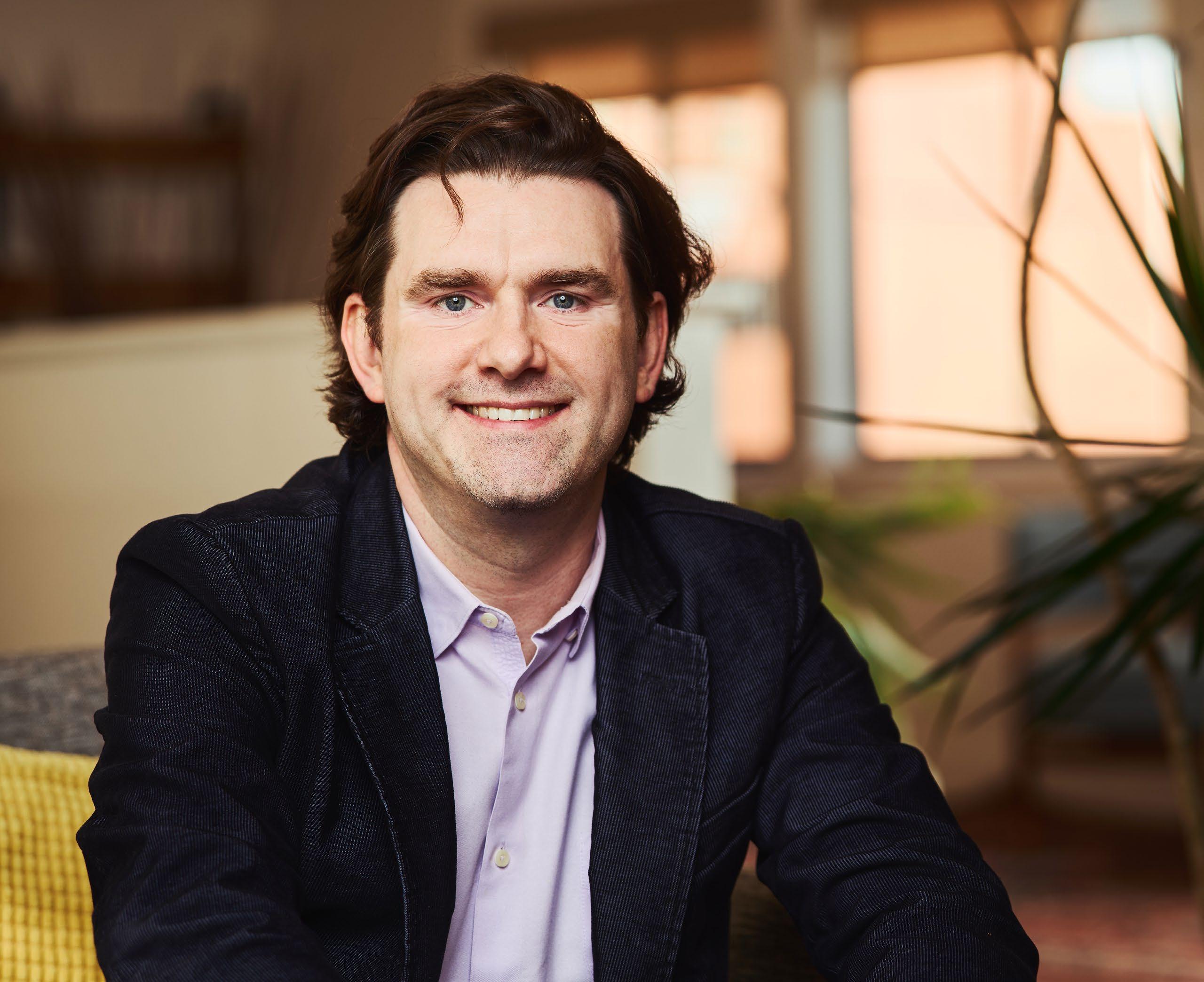
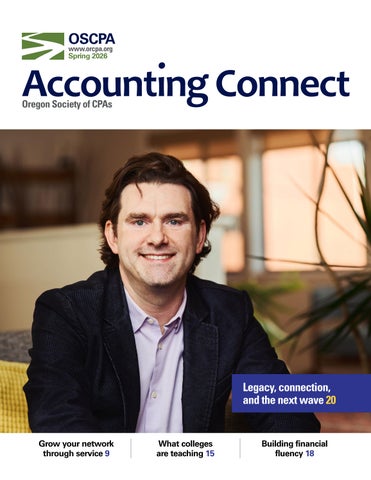
Cover image
Fletcher Wold Photography
Connect with OSCPA

Chair’s perspective 4 by Adam Abplanalp, 2026-27 Chair, OSCPA Board of Directors
Teaching the next generation of CPAs to think with AI 15 by Chris Dahlvig, CPA, MBA, Linfield University
Building financial fluency: Willamette University adds accounting degree 18
Willamette University Atkinson Graduate School of Management
Legacy, connection, and the next wave of Society leadership: A conversation with Board Chair Adam Abplanalp 20 by Adam Abplanalp, 2026-27 Chair, OSCPA Board of Directors
Congrats to the 2026-2027 Board of Directors 7
Thank you OSCPA volunteers 9
Congratulations new CPAs 12
Welcome new members 13
Professional Development 25
Private Practice Transitions 14
Accounting Practice Sales 24
from our legacy, looking to the future
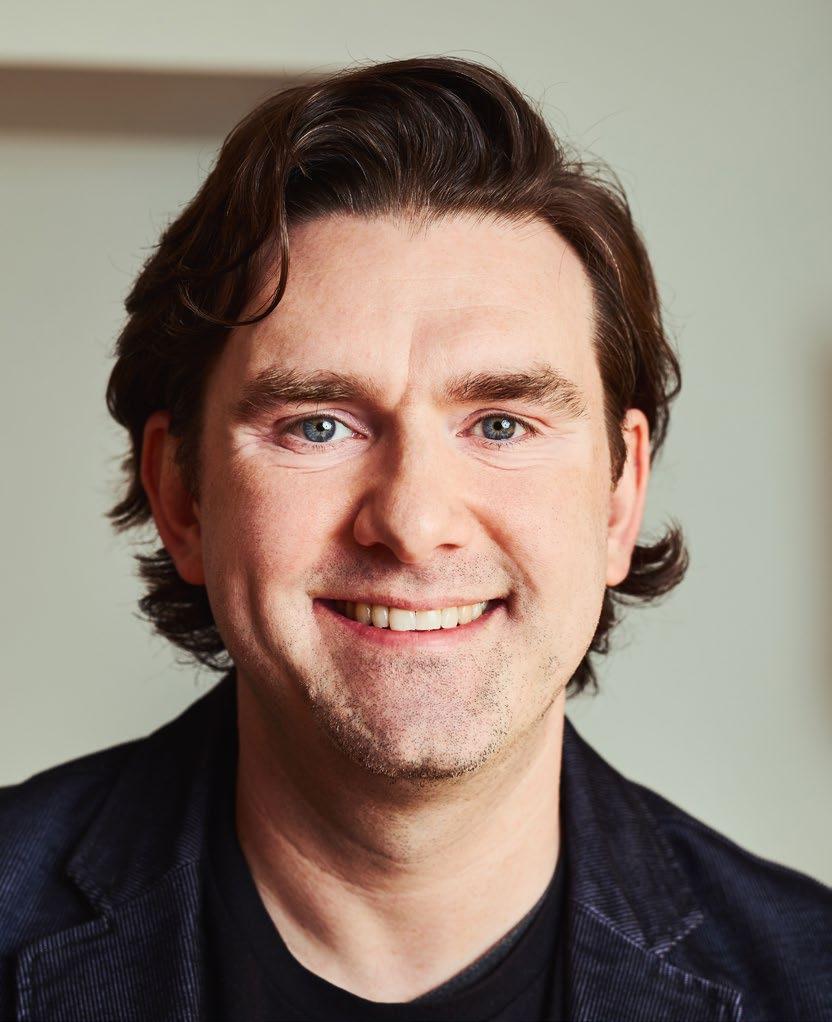
Adam R. K. Abplanalp, CPA
In the words of the late Jay Richardson, who preceded me as 2017-18 Chair of the Society, one of the great privileges of serving as Chair is “being able to share my thoughts about the profession and its future in The Accountant.” Almost ten years later, as I take the reins as your 2026-27 Chair, the Society’s flagship publication is now Accounting Connect, but I am just as excited to share my thoughts on where our profession stands and how we move forward into the future. Three of my predecessors inspire my vision for the Society’s future.
In Jay’s inaugural message in April 2017, he surveyed the history of our profession, tracing accountants back far beyond Luca Pacioli and 15th century Italy, to the first century B.C.E. Roman Res Gestae Divi Augusti and ancient Sumerian hieroglyphs. “Now that is a great legacy,” he concluded. He didn’t just look backward, though. Jay also saw a path forward: “the future will be bright,” he wrote, “if we continue to strengthen the Society and leverage its impressive resources and its heritage.” I hope that we can continue to learn from our collective experience, our extensive legacy, and from our seasoned leaders.
Many of you who know me might not be surprised that before I was an accounting major in college, I wanted to study political science (I haven’t really shaken the interest in politics). Following my dad’s advice to minor in “something practical,” I chose business. Part of the business minor curriculum was financial accounting, and I begrudgingly signed up for Introduction to Financial Accounting in my
junior year. This is where the second of my predecessors comes in. Michele Henney, who was 2013-14 Chair of the Society, happened to be the instructor of that class. And if you know Michele, it’s no surprise that that is where it all happened — something clicked for me and I decided I wanted to be an accountant. She later chaired my honors thesis committee (my honors thesis may have been the first one on an accounting topic, and was definitely, in retrospect, extremely boring), and I remember the ways she involved University of Oregon accounting students in OSCPA events — she must have been there the first time I went to Circle of Excellence my senior year.
In Michele’s inaugural message to the Society in May 2013, she wrote about her personal philosophy: “find a way to say ‘yes’ when someone needs you.” I’d be hard pressed to think of a more inspiring educator or a CPA who has given more back to accounting education and students than Michele — and it’s no wonder, because she’s always finding a way to say “yes.” Michele also (unsurprisingly) advocated for new and younger professionals to join the Society and say “yes” to leadership and other opportunities to get involved in the profession. I’m inspired to continue to encourage both our younger and newer professionals to say “yes” to getting involved, and to encourage our retiring leaders to say “yes” to getting their colleagues involved in the ways they have been. Our volunteer leaders are the lifeblood of the Society and help drive our profession forward; we have to continue to grow our ranks and involve a more diverse selection of members from different firms,
industries, regions, backgrounds, and demographics. As Michele said, the next generation’s “energy and technological savvy will be important for the Society’s success.”
The third of my predecessors encourages us to recognize the extraordinary nature of the times, and to elevate competence and integrity in our profession. Gary Holcomb, now Immediate Past Chair, who I thank for his leadership over the last year (as well as his patience and willingness to “hear me out,” often over and over, on tax policy debates), said it well in his message in the Winter 2026 issue of Accounting Connect: “this past year has been anything but typical.” While it’s not looking like this coming year is going to be typical either, I think that’s also indicative of the world today: the atypical is now typical; uncertainty is the norm. What a crucial time to be a trusted advisor.
I couldn’t agree more with Gary’s summary of the Society’s mission: “to promote the CPA profession, strengthen relationships, and elevate competence and integrity.” I especially want to emphasize that last part — focusing on competence and integrity within our profession. This is
The atypical is now typical; uncertainty is the norm.
something that sets us apart. Around the country, many licensed professions (including CPAs) are facing challenges to their licensing requirements. For many years, the Society has worked to build a reputation of competence, integrity, and objectivity that sets us apart from other industry and trade organizations who routinely appear before the Oregon Legislature. By promoting the profession, including our stringent licensing standards and robust continuing education requirements, and by strengthening our relationships with the Oregon Board of Accountancy, the Department of Revenue, and the Legislature, the Society enhances the reputation of the profession and of individual CPAs. The Society’s extensive professional development offerings and partnerships encourage members to maintain their competence, whether members are in industry, public practice, government, or academia. And the Society’s in-person and virtual events and the online
community Bridge™ offer opportunities to connect with other professionals and stay on top of changing standards. These Society efforts don’t just benefit individual members: we all benefit from the public’s confidence in our collective competence, integrity, and objectivity.
I hope to see many of you at OSCPA events throughout the coming year, especially outside of the Portland Metro area at chapter and Society events in the Willamette Valley, at the Coast, in Eastern, Central, and Southern Oregon, and online through our webcasts. I’ll be asking you how the Society can support you as a professional, and how you think we can best engage our younger leaders in shaping the future of our profession. If you have ideas, please email me — I’d love to chat.
I hope to have the opportunity to engage you in conversation about how the Society can support both CPAs and CPA firms, especially as our industry adjusts to changes in technology, processes, and services, as well as how we structure and operate our firms. If you’re like me, you’re also thinking about the future — not just of our firms but of our profession. I hope you’ll join me in encouraging our younger professionals to step up into leadership roles in the Society (that is, say “yes”) — whether that is by chairing a committee, serving on a task force or conference planning committee, or joining OSCPA, The OSCPA Educational Foundation, or OCPA/LAC boards of directors. Our next generation of leaders will be better prepared to guide our profession into the future if they can benefit from the mentorship and experience of veteran CPAs, and investing in them is investing in our collective future.
And finally, to our younger leaders, newer professionals, and the next generation of CPAs: it’s time to step up. While we should celebrate the legacy of our profession, we also have to move forward. Say “yes” to being involved in your profession, say “yes” to having your voice heard and to having a seat at the table, and say “yes” to continuing to focus on competence and objectivity in our profession — after all, trust is at the center of what we do.
Thank you for trusting me as the youngest Chair of the OSCPA in its 118-year history. I look forward to helping lead our organization forward.
Here’s to another “anything but typical” year!
Read the complete articles Adam references in his column.
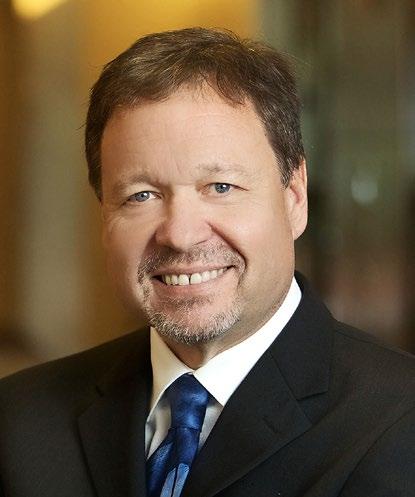
Jay Richardson 2017-18 Chair, OSCPA Board of Directors
“The future will be bright if we continue to strengthen the Society and leverage its impressive resources and heritage.”
www.orcpa.org/april-may-2017
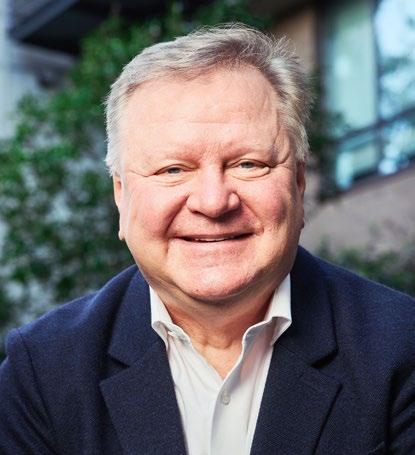
Michele Henney 2013-14 Chair, OSCPA Board of Directors
The next generation’s “energy and technological savvy will be important for the Society’s success.”
www.orcpa.org/may-june-2013
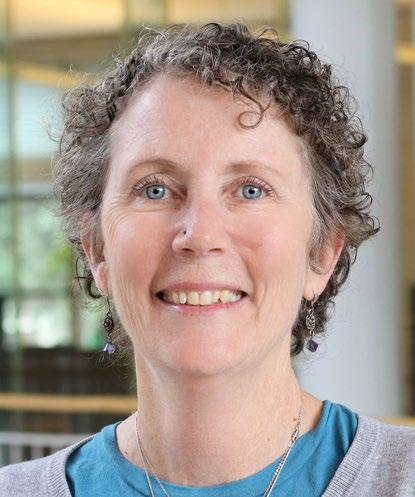
Gary Holcomb 2025-26 Chair, OSCPA Board of Directors
“This past year has been anything but typical.”
www.orcpa.org/gary-holcomb-2025
With the OSCPA fiscal beginning April 1, 2026, OSCPA is delighted to introduce the Board of Directors for 2026-27, led by Board Chair Adam Abplanalp of Cobalt PC. He is joined on the Board by a talented group of dedicated professionals from across Oregon.
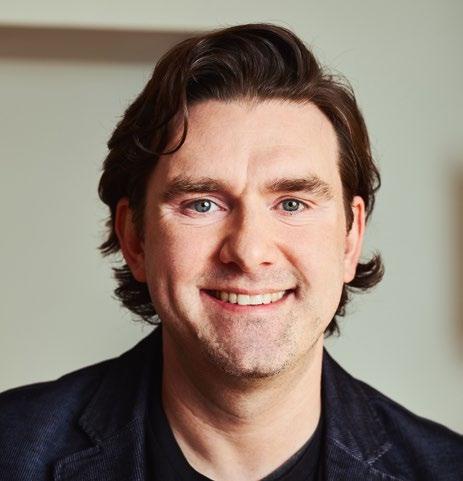
Chair
Adam Abplanalp Cobalt PC, Portland
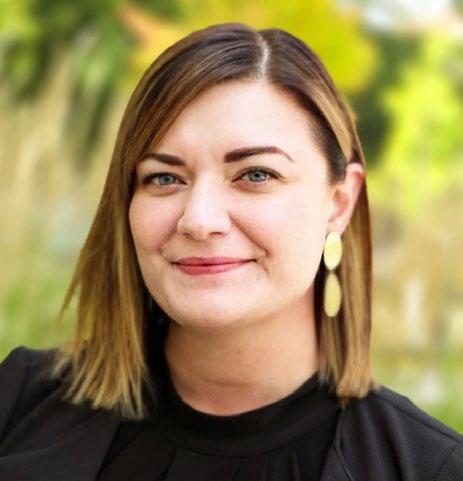
Chair-Elect
Megan Kurz
Premier Community Supports, LLC, Grants Pass

Director
Bradley Bingenheimer
SingerLewak, LLC, Salem
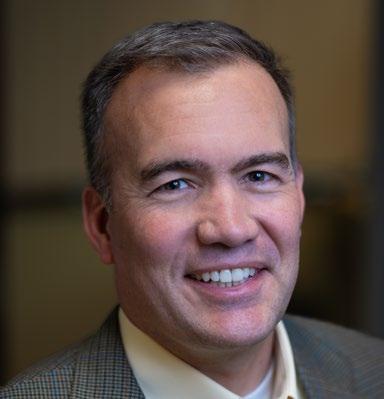
Director
Joseph Fitts, CPA
Aldrich CPAs + Advisors, LLP, Salem
Director
Rosemarie Brammer
Rosie Brammer CPA, LLC, Clackamas
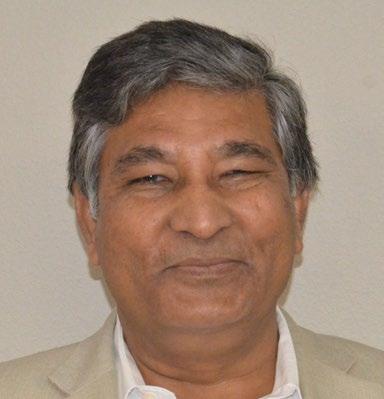
Director
Cameron Irtifa CPA Service LLC, Beaverton
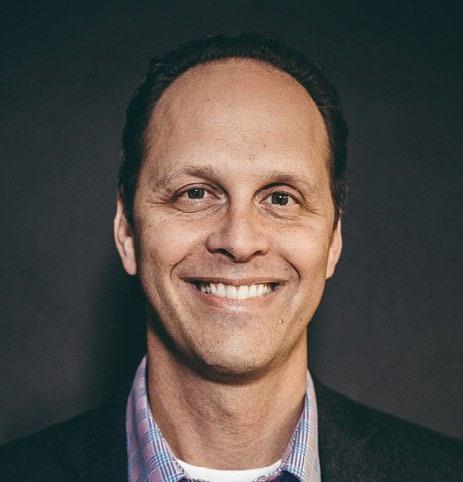
Vice Chair
Jared Holum Perkins & Co., Portland
Director
Christopher Dahlvig Linfield University, McMinnville
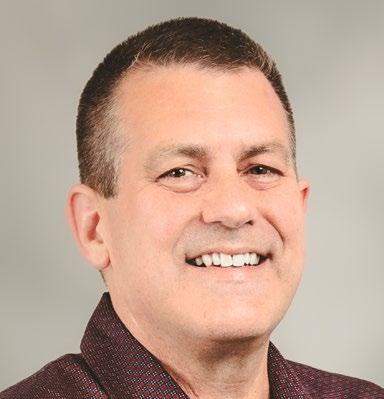
Director
Mark Johnson
Maginnis & Carey, LLC, Lake Oswego
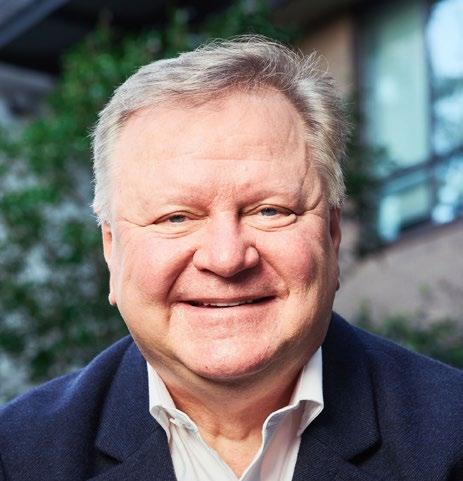
Past Chair
Gary Holcomb Ernst & Young LLP, Portland
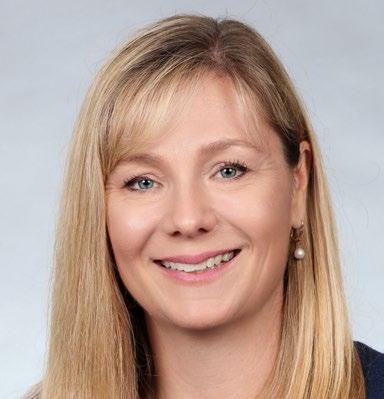
Director
Tricia Duncan Jones & Roth PC, Eugene
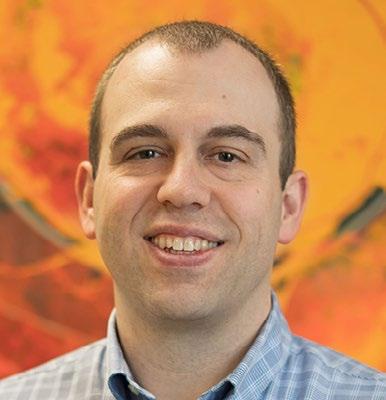
Director Michael Lortz
Downtown Development Group LLC, Portland
OSCPA extends deepest appreciation to the 2025-26 OSCPA Board of Directors:
Chair Gary Holcomb, Ernst & Young LLP, Portland; ChairElect Adam Abplanalp, Cobalt PC, Portland; Vice Chair Megan Kurz, Premier Community Supports, LLC, Grants Pass; Past Chair John Hawkins, REDW LLC, Salem; and Directors Bradley Bingenheimer, SingerLewak, LLC, Salem; Christopher Dahlvig, Linfield University, McMinnville; Tricia Duncan, Jones & Roth PC, Eugene; Jonathan Grover, City of Hillsboro, Hillsboro; Jared Holum, Perkins & Co., Portland; Cameron Irtifa, CPA Service LLC, Beaverton; Michael Lortz, Downtown Development Group LLC, Portland; Tiffany Nash, Kernutt Stokes LLP, Eugene; and RL Widmer III, Baker Tilly, Eugene.
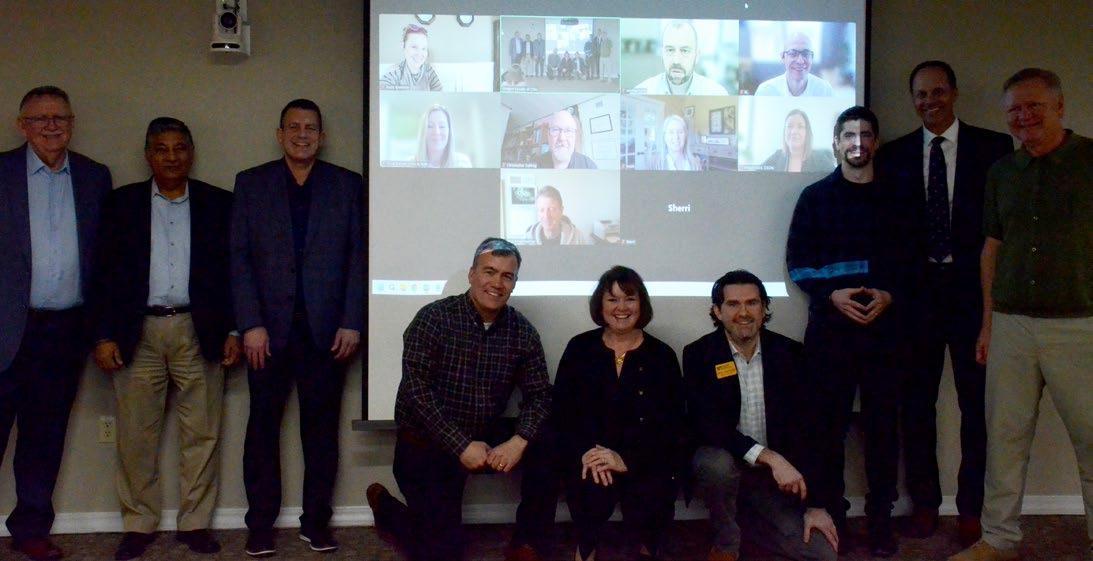
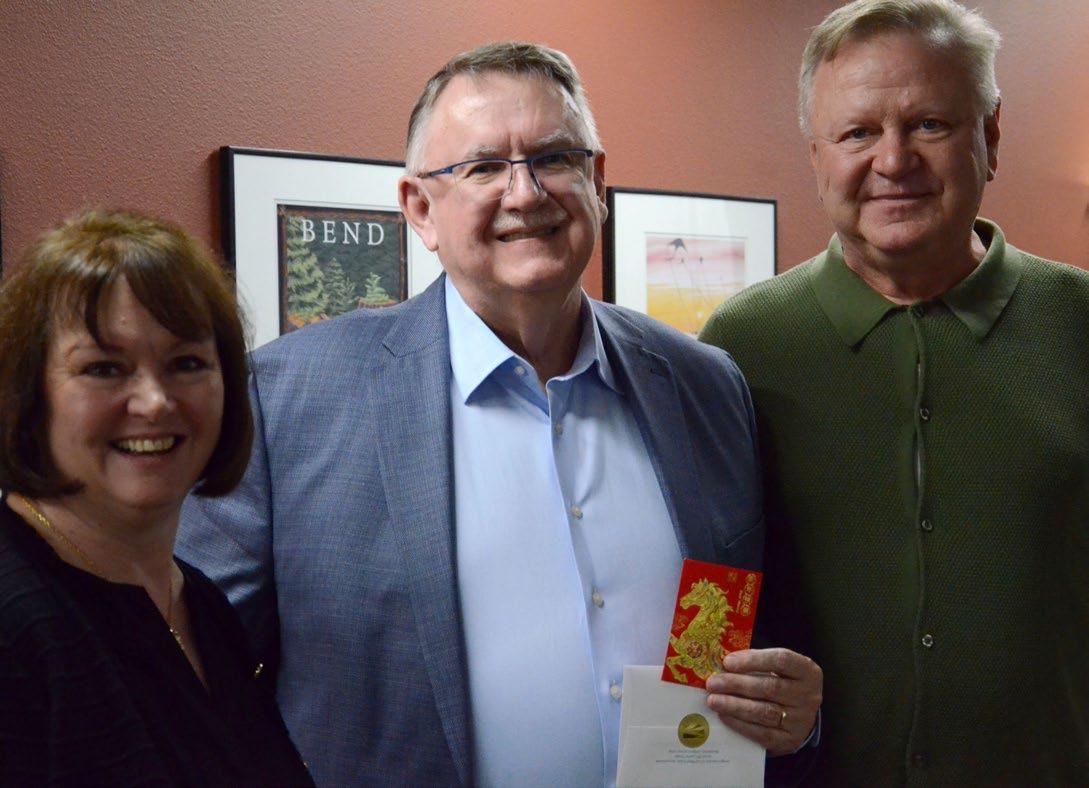
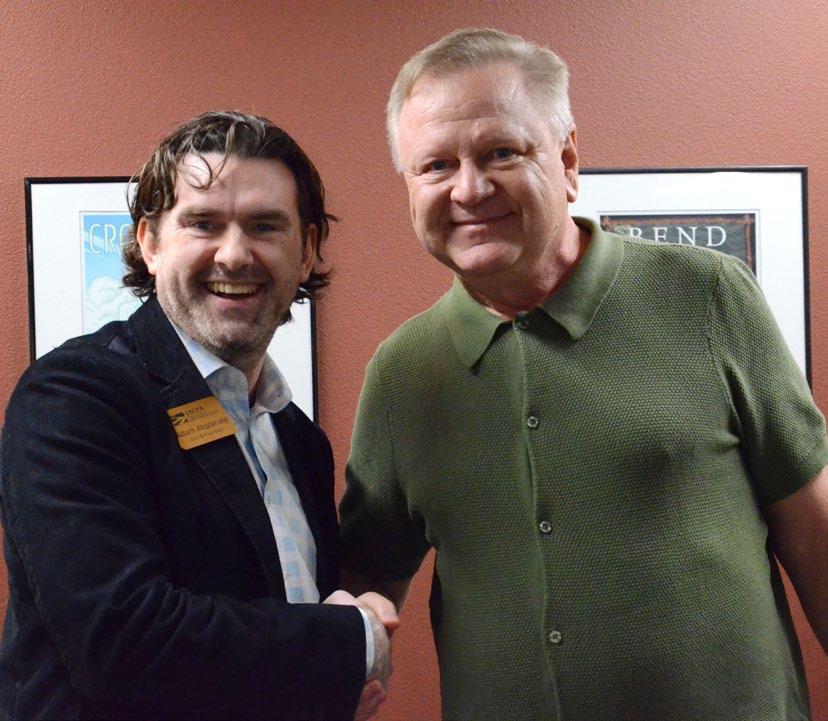
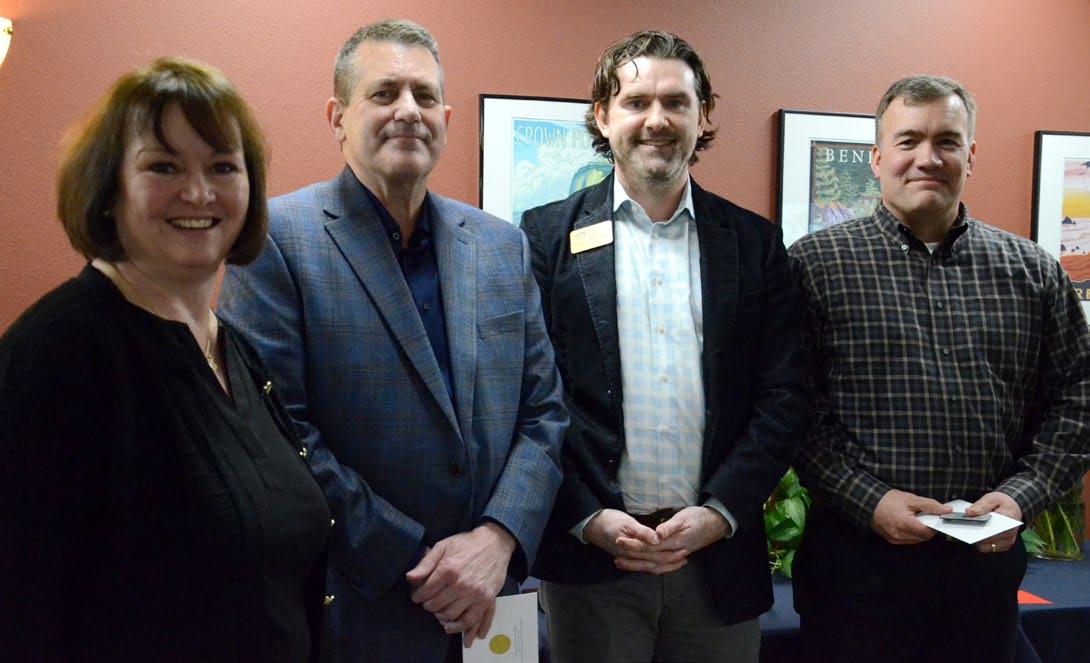
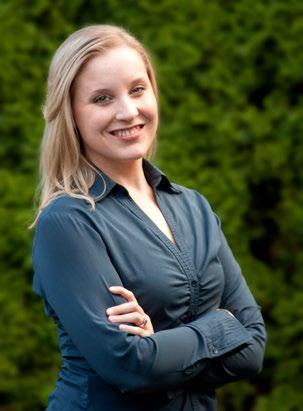
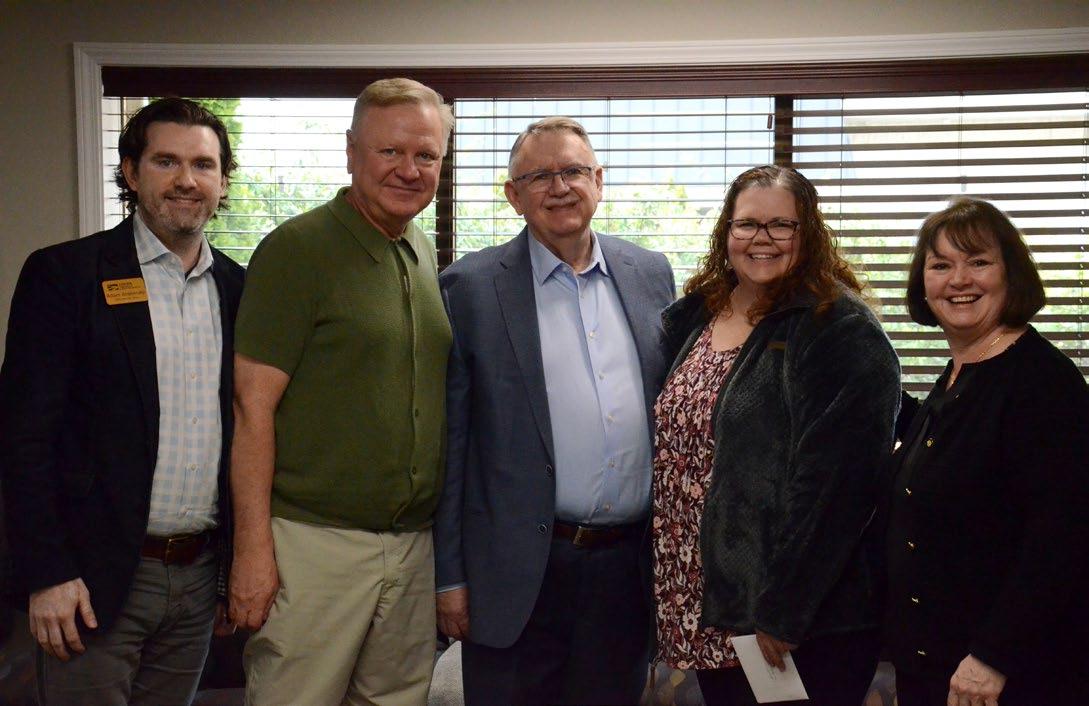
Thank you to the following volunteers who contributed their time and talents in the 2025-26 OSCPA fiscal year. Interested in building skills and connections through involvement in your professional community? Contact the Membership team at membership@orcpa.org to find a good fit for you and your schedule.
Accounting & Auditing
Matthew Bowers
Erin Galyean
Leena Kabadi
John Mohler
Paula Palmer
Mark Sleasman
Diana Strassmaier
Hui Xu
Hiroshi Yoshimori
Construction & Real Estate Industry
Bryant Abaricia
Adam Abplanalp
Richard Anderson
Dane Brammer
Susan Crawford
Brian Duman
Darryl Eddy
Carrie Fortier
Shane Gentry
Terry Griffin
Cameron Irtifa
Carol Ann Kirby
Daryl Knox
Michael Lortz
Todd McDaniel
Diane Nelson
Michael Sause
Sarah Shaw-Stahlke
ERISA
Victoria Bryson
Ryan Northcutt
Karen Porter
Steven Resnikoff
Mark Sleasman
Estate Planning
Nancy Bolton
Jason Clark
Chantha Dinelli
Darryl Eddy
Kristina Gochnour
John Hawkins
Cameron Irtifa
Carol Ann Kirby
Kimberly Llorens
George Middleton
Christine Russell
Rebecca Smith
Todd Smith
Farming, Ranching & Agribusiness
Kathryn Ashford
Susan Crawford
Joseph Fitts
Christina Haron
Carla Himmelmann
David Klinger
Minda Lourence
Kari Ott
Eugene Stewart
Kyle Walter
Forest Products
Clinton Bentz
Jay Broudy
Stefani Faunce
Andrew Kaiser
Rachel Lee
Sarah Padfield
Joel Powell
Lyn Smith
James Workman
Douglas Henne
Northwest Federal Tax
Gayle Kovacs
Paul Mueller
Robert Nelson
Retirement & Financial Planning
Kathleen Bernards
Vanessa DeHaan
Cameron Irtifa
Carol Ann Kirby
George Middleton
Nelson Rutherford
Mylen Shenker
Todd Smith
State & Local Taxation
Karen Anderson
Sonjia Barker
Susan Crawford
Carla Himmelmann
Toshio Kurose
Daniel Lambert
Minda Lourence
Christine Russell
Kurt Sand
Diana Strassmaier
Penny Sweeting
Baovinh Tran
Stephen Workman
Strategic Committees
Academic Relations
Tricia Duncan
Business Management & Advisory Services
William Blair
Cameron Irtifa
Eric Nufer
Theresa Pilgrim
David Porter
Karen Rasmussen
Mark Skoglund
Audrey Stevens
Governmental Accounting & Auditing
Anton Ballek
William Barker
Bradley Bingenheimer
Christa Bosserman
Janell Burd
Gerald Burns
Chloe Dixon
Janice Essenberg
Julie Fahey
Cynthia Granatir
Jonathan Grover
Terry Halter
Christina Haron
Eileen Hendricks
Chelsea Hewitt
Amy John
Jessica Luther-Haynes
John Mickelsen
Daniel Miley
Tonya Moffitt
Kevin Mullerleile
Kari Ott
Ryan Pasquarella
Roy Rogers
Mylen Shenker
Steven Tuchscherer
Ashley Tuttle
Leadership Development
Hannah Bailey
Jackson Bevens
Chelsea Elliott
Amanda Lilley
Michael Lortz
Denise Petterborg
Krysta Smith
Selene Sullivan
Tracy White
RL Widmer
Legislative Policy
Tracy Allen
Harry Bose
Geoffrey Dougall
Timothy Filkins
John Hawkins
Douglas Henne
Gary Holcomb
Thomas Maynard
Steven Middleton
Robert Moody
Jason Orme
Selene Sullivan
Jayson Wartnik
Not-for-Profit
Thomas Achor
Erica Aitken
Alexandra Aranda
Cynthia Barber
James Brinkman
Gerald Burns
Shirley Cyr
Christopher Dahlvig
Michael Farnsworth
Michelle Gall
Ian Gelfand
Todd Kimball
Michael Lortz
Lorelei Martin
Gary McGee
Jason McGill
Kristina Oliveira
Cheryl Olson
Jennifer Perrier
Russell Price
Robert Prill
Joseph Rosevear
Katie Sheffield
Mylen Shenker
Kathleen Sohl
Eugene Stewart
Brooke Stout
Sandra Suran
Suzanne Taylor
Peer Review
Harry Bose
Mindy Davis
Mark Dickey
Jared Holum
Sara Hummel
Travis Irving
William Maas
Robert Prill
Richard Proulx
Eric Zehntbauer
Professional Development (CPE)
Adam Abplanalp
Karen Anderson
Joshua Bailey
James Carnegie
Jason Clark
Janice Essenberg
Douglas Henne
Robert Moody
Paula Palmer
Harriet Strothers
Hiroshi Yoshimori
Taxation
Adam Abplanalp
Katrina Anderson
Kathryn Ashford
Michelle Bacigaluppi
Sonjia Barker
Matthew Bowers
Dane Brammer
Danette Brophy
Obah Budul
Chad Crawford
David Deming
Geoffrey Dougall
Thi Embury
Chad English
Emily Fangue
Timothy Filkins
Craig Freeman
Anne-Marie Gorbett
Jaime Hanford
John Hawkins
Douglas Henne
Gary Holcomb
Carrie Huffman
George Hughes
Heather Jackson
Toshio Kurose
Heather Lacey
Rachel Lee
Minda Lourence
Gabriel Markiz
Thomas Maynard
Tiffany Nash
Eileen Nguyen
Robert O’Neill
Jason Orme
Madeline Payne
Katrina Powell
Robert Riley
Gregory Rogers
Kurt Sand
William Siebler
Kimberly Spaulding
Dominic Ste. Marie
Diana Strassmaier
Harriet Strothers
Penny Sweeting
Rory Tosh
Baovinh Tran
Sean Wallace
Daniela Wells
Lene Westfall
Stephen Workman
Julie Yang
Bruce Zimmerman
Young Professionals
Edeli Bello
Jasper Bernstein
Obah Budul
Cameron Clark
Alyssa Downs
Tricia Duncan
Aaron Hiddleson
Rebecca Hubinsky
Jacob Johnson
Carly Jones
Heather Lacey
Daniel Lambert
Casey Leyes
Amanda Lilley
Minda Lourence
Pedro Nunez Dieguez
Ruth Okenye
Sydney (Jordyn) Sherman
Macy Smetzler
Nasreen Taha
Agnes Zoltowski
OSCPA Board of Directors
Adam Abplanalp
Bradley Bingenheimer
Christopher Dahlvig
Tricia Duncan
Jon Grover
John Hawkins
Gar y Holcomb
Jared Holum
Cameron Irtifa
Megan Kurz
Michael Lortz
Tiffany Nash
RL Widmer
OSCPA Group Health Trust Board of Trustees
Darlene Boles
David Buettner
James Carnegie
Geoffrey Dougall
Brendan Hoem
Patricia Labatte
Gary Leavitt
James Mullaney
Patrick Priest
Michael Stone
OCPA/Legislative Action Committee
Adam Abplanalp
David Adams
Tracy Allen
Karen Anderson
Anna Barnsley Werblow
Bradley Bingenheimer
Harry Bose
James Carnegie
Christopher Dahlvig
Mark Damon
Geoffrey Dougall
Tricia Duncan
Janice Essenberg
Timothy Filkins
Jonathan Grover
Randell Guyer
John Hawkins
Douglas Henne
Ross Holliday
Jared Holum
Cameron Irtifa
Amy John
Daniel Kosmatka
Megan Kurz
Michael Lortz
Michael Lynch
Keith Meyers
Tonya Moffitt
Tiffany Nash
Pedro Nunez Dieguez
Douglas Parham
David Porter
Katrina Powell
Robert Riley
Selene Sullivan
Suzanne Taylor
RL Widmer
The OSCPA Educational Foundation
David Adams
Darlene Boles
Christopher Dahlvig
Tricia Duncan
Katherine Haines
Cass Hausserman
James Jurinski
Suzanne McGrath
Patricia Morris
Dwayne Richardson
David Sacoolas
Jennifer Valdez
Richard Wingard
Richard Winkel
Audit
Adam Abplanalp
Harry Bose
Jonathan Grover
RL Widmer
Budget
Adam Abplanalp
Bradley Bingenheimer
Christopher Dahlvig
Tricia Duncan
Jonathan Grover
John Hawkins
Gary Holcomb
Jared Holum
Cameron Irtifa
Megan Kurz
Michael Lortz
Tiffany Nash
RL Widmer
Nominations
Adam Abplanalp
Tracy Allen
Matthew Bowers
James Carnegie
Sarah Coffman
Jody Deardorff
Geoffrey Dougall
Kenneth Gustafson
James Harnish
John Hawkins
Gary Holcomb
Ross Holliday
George Hughes
Larry Reiber
Robert Sampson
Kurt Sand
Yvonne Zbranak
Professional Conduct (Ethics)
Kathryn Ashford
Laura Bergstrom
Gerald Burns
John Hawkins
Ross Holliday
Deborah Hollingsworth
Minda Lourence
Ryan Northcutt
OSCPA Chapter Councils
Benton-Linn
Ross Holliday
Central Oregon
Yvonne Zbranak
Eastern Oregon
Jody Deardorff
Emerald Empire
Sarah Coffman
Mid-Columbia
Nathan Reagan
South Coast
Carolyn Thompson
Southern Oregon
Matthew Bowers
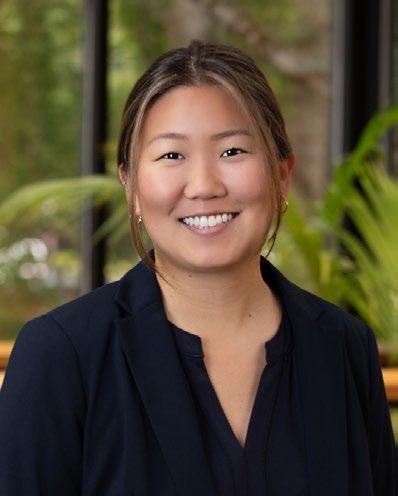
Congratulations new CPAs. We are proud and excited to welcome you to the profession.
Clarissa Adams
Geffen Mesher & Company PC
Megan Brooks Pittman & Brooks PC
Joshua Gavett Baker Tilly
Micah Gutman Kuenzi & Company LLC
Kelsey Haglund Baker Tilly
Andrew James Barnett & Moro PC
Ryan Kirkland Kuenzi & Company LLC
Chesley Libby Kuenzi & Company LLC
Sarah Martin
Springfield School District
Yi Ren Baker Tilly
Lucia Savage Sorren Inc
Alicia Tang Aprio
Justin Wiles Isler Group LLC
Zachary Williams Active Tax & Accounting LLC
Maxine Wiseman Irvine & Company LLC
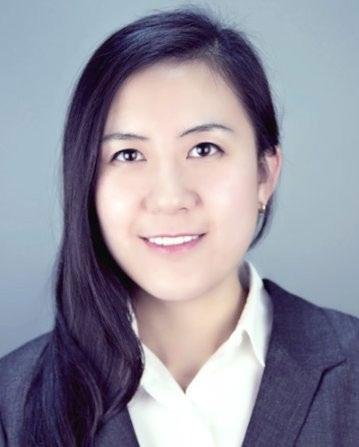

“I would remind people: it’s a great time to be a CPA. A lot of people out there need our help. Accounting is a great skill set to develop, to be able to help people in business or help individuals and families with their personal finances. I hope bright and talented people continue to join the profession and continue to stay in the CPA profession. It’s a great way to make an impact.”
–John Hawkins, CPA, 2024-25 Chair, OSCPA Board of Directors
Roman Aguilar
Clay Alumbaugh
Leonardo Alvarez Jr
Abigael Anastacio
Jennifer Anderson-Vue
Elizabeth Angelozzi
David Appel
Sean Baker
Eric Barger
Cailin Bary
Zach Baumann
Lauren Bean
Ali Beaudoin
Ryan Benson
Harshika Bhavsar
Ryan Bochart
Matthew Boland
Matthew Bright
Catherine Burns
Victoria Calkins
Zachary Cassels
Colton Cavendish
Rupha Chandar
Joshua Chang
Benjamin Cohn
Matthew Comfort
Nathan Crane
Karla Curiel
Hoa Dang
Shannon Davini
Jackson Day
Molly DelCurto
Wilma Eichler
Dakoda Ervin
Connor Estes
Anne Eustis
Diana Flanigan
Hung Freel
Christopher Garcia Aguayo
Joshua Gavett
Nelia Geelan
Ryan Giobetti
Andrea Gooneratne
Della Gratsinger
Claire Grogan
Amit Gulecha
Micah Gutman
Kelsey Haglund
Ahmed Halabiya
Blake Haugen
Rigo Herrera
Michelle Hill
Heidi Hoff
Aidan Hsu
YaLing Huang-Dressel
Ryle Hurley
Molly Hyde
Neil Jacobs
Justa Jacobsen
Dale Jenkins
Tara Kamp
Harry Kaplan
Gabriel Kent
Matthew Klug
Tyson Kohler
Jack Koppy
Helena Kuranz
Brooke Landis
Ryan Lao
Connor Larsen
Ethan Lazarus
Duy Le
Ellie Le
Brandon Lee
Jourdin LeGard-Jenkins
Judd Lewis
Nickzel Lezama
Beiyi Liang
Min Liang
Chesley Libby
Elise Lien
Michael Lim
Emmanuel Lopez-Guzman
Madison Lowery
Sarah Martin
Melissa Massey
Evan Matthews
LeeAnne Maxwell
Gregory Mears
Lauren Metcalf
Mark Metcalf
Katy Molloy
Cassandra Moreno
Jacob Nall
Kendall Negrete
My Ngoc Nguyen
Cassandra Norton
Jeremy Nugent
Alicia Paine
Aryan Patel
Harsh Patel
Joshua Post
Christopher Potters
John Rear
Yi Ren
Meriel Riddle
Avery Rigtrup
Randall Roberts
Josiah Roth
Sumayah Said
Lucia Savage
Mohammed Sayed
Andrew Seaman
Julia Secor
Chetan Singupilla
Larry Sinnott
Alexis Smith
Preetham Sridharan
Alex Szklarz
Ian Tekorius
Olesya Ternovykh
Neha Thapa
Kelsi Topits
Dylan Tran
Caleb Tremper
Camden Troike
Trevor Truax
Thai Truong
Danielle Turner
Daniel Voydik
Jingyan Wang
Jonsi Wangler
George Westover
Justin Wiles
Hannah Wilson
Isaac Wilson
Gregory Wolfer
Frankie Wong
Nathaniel Wongsodinata
Excited to get to know our new members? Congratulate them on BridgeTM! https://bridge.orcpa.org

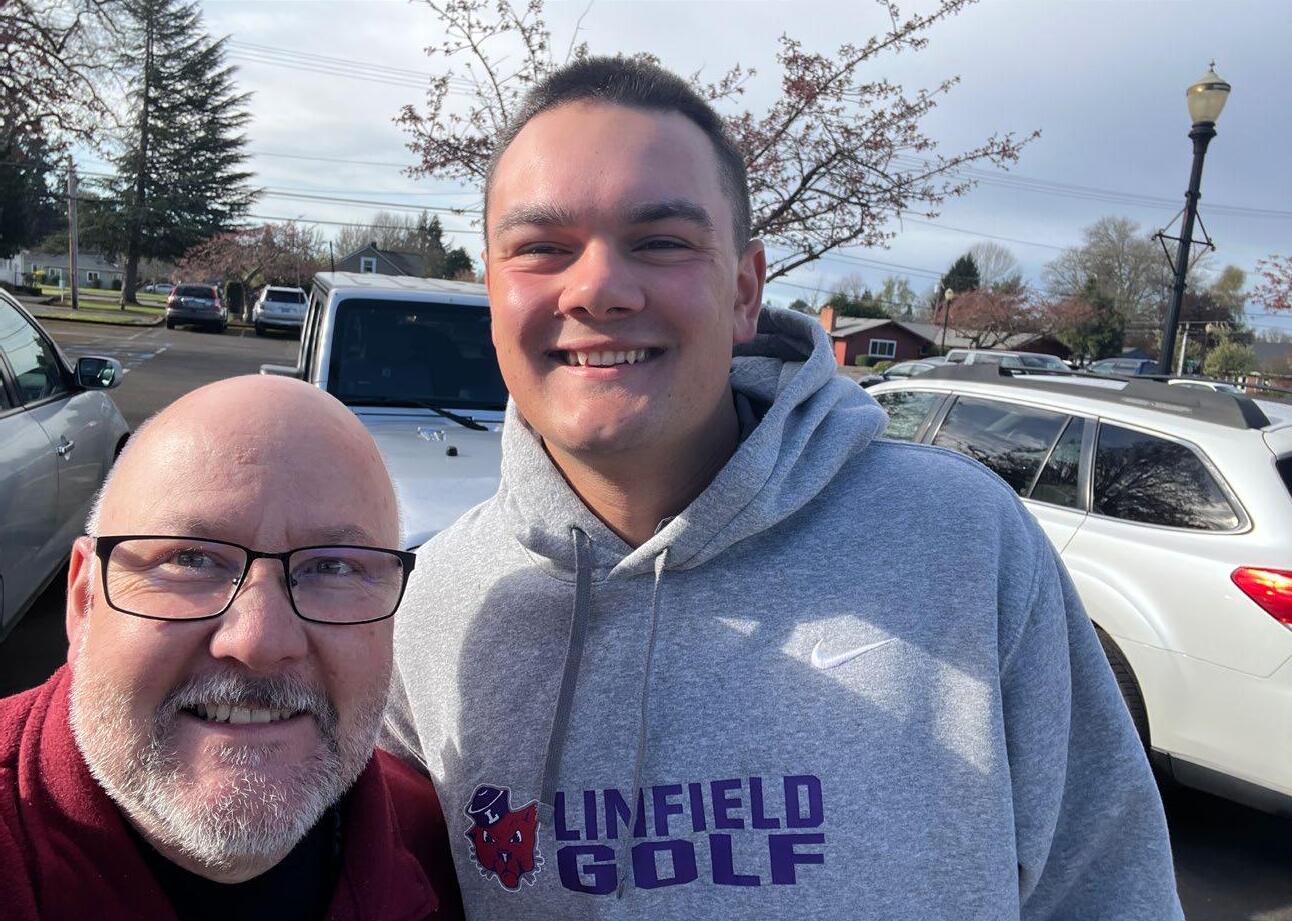
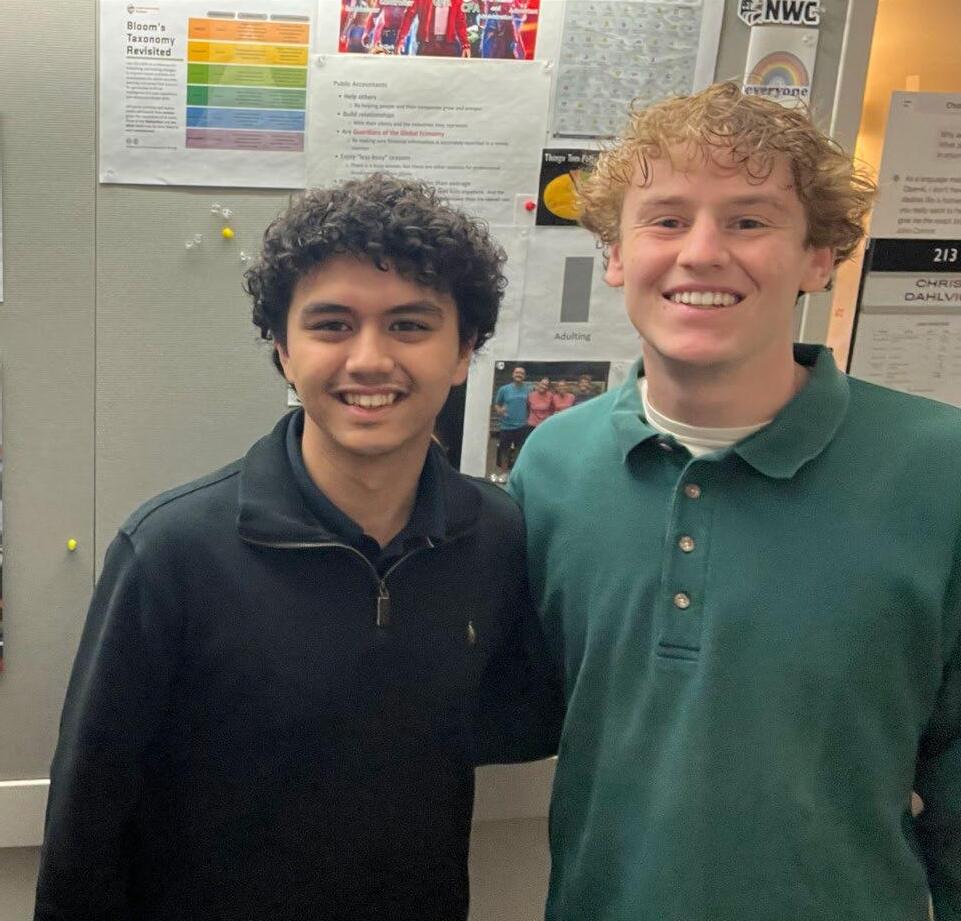
by Chris Dahlvig, CPA, MBA, Linfield University
Ask any accounting student why they are taking a course on AI, and you will hear something that might surprise you. “I’ve always thought of AI as a tool,” one of my students told me, “and I think staying in the know about it is important to stay adaptable in today’s world.” That student understood something that every CPA already knows: the profession rewards those who prepare for what is coming, not just those who master what is already here.
Another student put it even more directly: “It is no secret that the industry will be integrating AI into everyday tasks. Simply having the background knowledge and applied skills of diverse AI models will help give us as staff accountants an edge.” These are not students who are afraid of AI displacing them. They are students who have decided to get ahead of it.
What strikes me most about this generation of accounting students is their clarity about the difference between using AI as a shortcut and using it as a genuine thinking partner. “A lot of people, especially young people, are using AI to replace their own thinking,” one student observed. “We are being trained to use AI models to enhance our thinking, and further our understanding of topics with the help of AI.” That distinction between replacement and enhancement is exactly why I built BNSS 486: Mindset for the AI Age.
It is also why what is happening in university classrooms right now matters enormously to the future of our profession.
I have been an accountant long enough to remember when spreadsheets were considered disruptive technology. Every major shift in our profession like tax software, cloud accounting, and data analytics has come with the same question: will this replace us? The honest answer has always been: not entirely, but it may replace those who are not prepared.
Generative AI is different from other disruptive technologies, but not in kind. And right now, the students sitting in our accounting classrooms enter a profession where tools like ChatGPT, Claude, Microsoft Copilot, Google Gemini, and purpose-built platforms like CaseWare AI and Vic.ai are already embedded in audit workflows, tax research, financial analysis, and client communication. The question is not whether they will use these tools. They will. The question is whether they will use them wisely.
That is what drove me to design this course. It was not so much about learning the technology, but more about mindset, judgment, and professional responsibility in an AI-rich world.
When I tell people I am teaching a course called “Mindset for the AI Age,” the first question I usually get is: “So you’re teaching them how to use ChatGPT?”
Not exactly. We do use it. We also use Claude, Copilot, Gemini, and specialized accounting tools like NotebookLM, Base 44, HeyGen, Nano Banana, Suno, and ElevenLabs. But the course is less about the tools themselves and more about how to think alongside them, and how to tell a better story with them.
The course draws on three required books: Mollick’s (2024) Co-Intelligence, Wood’s (2025) Rewiring Your Mind for AI, and McCauley’s (2024) How to Think With AI. Together, they frame the concept of co-intelligence. It is an intentional and iterative partnership of human and artificial intelligence.
I designed the course around six roles that an AI-ready professional needs to inhabit: Learner, Problem Solver, Researcher, Connector, Storyteller, and Synthesizer (see: (https://www.ascd.org/blogs/profile-of-an-ai-ready-graduate). Each one represents a distinct competency that matters in accounting practice, and each one is something AI can augment but not replace.
For CPAs, this framework translates directly. When you are auditing a client’s revenue recognition and using AI to scan contracts for anomalies, you are not abdicating your judgment. Instead, you are acting as a Researcher, using AI to extend your reach while you supply the professional skepticism the AI cannot. When you’re helping a small business owner understand their cash flow forecast, and you iteratively use AI to generate a plain-language summary for a client who finds financial statements intimidating, you are being a Storyteller. These are skills our students need, but none of us were explicitly taught.
This is the part I want every CPA reading this article to pay close attention to, because it’s where the course gets uncomfortable in a good way.
Because agentic AI utilizes probabilities based on massive data sets originally created by humans, it is designed to find an answer, even incorrect or problematic answers. At this point, AI systems hallucinate. They produce outputs that are fluent, confident, and completely wrong. They can reflect biases baked into their training data in ways that are subtle and hard to detect. They raise serious questions about client data privacy, intellectual property, and sources of information.
In a profession built on trust, accuracy, and independence, these are not minor footnotes. They’re existential concerns.
So the course bakes ethics into every major assignment. In the “Become an Expert” project, where students conduct deep AI-assisted research on a topic of their choosing and produce a 5-page paper with 20 peer-reviewed sources, the grading criteria explicitly reward students who use AI as a question-asker and thinking partner, not as an answer machine. Students have to verify and interrogate every AI output and demonstrate their iterative partnership with AI.
In the two “Expert Interview” assignments, one with a subject-matter expert and one with a practitioner, students must compare what AI told them to what a human expert actually says. The explicit learning goal is to discover the gaps: where AI was helpful, where it was misleading, and where human judgment was irreplaceable.
What I have watched students internalize through this process is something I think practicing CPAs need to hear: the greatest risk of AI is not that it will take your job. It will instead make mediocre work look polished, and professionals will not catch it.
That is an issue for our profession, and it is a curriculum issue.
The course is built for junior and senior business students — exactly the students who are twelve to eighteen months away from graduation. Most of them have been using AI tools informally for a couple of years. Very few have ever been taught to use them intentionally.
The course begins by building shared language: what are large language models, how does probabilistic reasoning work, and what does it mean when an AI “hallucinates?” This practical orientation helps students engage critically with these tools rather than just consume outputs. There is even a group quiz called “The Wait…So That’s How It Works?!” quiz, which is intentionally low-stakes and designed to resolve misunderstandings in a safe environment.
Students write daily reflection blog posts throughout the semester. These brief, honest entries capture their evolving thinking. Over the semester, I am reading how a student’s
relationship with AI shifts from novelty to skepticism to something more nuanced: a kind of informed, critical fluency. That arc is extremely satisfying to read. This metacognitive reflection component at the end of each class helps students practice reflection as an essential part of the human learning process to increase their self-awareness and critical judgment.
The course culminates in a presentation where students present their full research journey from initial inquiry to expert-tested solution. They incorporate audio, video, and infographic components co-created with generative AI. The final grading rubric awards points specifically for “intentional, transparent, and value-added collaboration with GenAI rather than surface-level use.” That distinction between using AI as a crutch and using it as a genuine thinking partner is the through-line of the entire course.
I want to close with something direct: the students coming into your firms in the next few years will have taken courses like mine. Some will not.
That gap matters. Because there is a meaningful difference between a new associate who has been trained to treat AI outputs as a starting point for critical analysis, and one who treats them as a finished product. One has been taught that AI cannot replace professional judgment, and that the CPA’s job is precisely to supply what AI cannot: context, accountability, ethical reasoning, and the ability to look a client in the eye and say, “I stand behind this.” The other has been handed a powerful tool without the training to use it responsibly.
Our profession has always been self-regulating in the best sense of that phrase. We hold ourselves accountable to standards that protect the public, not just our clients. As generative AI reshapes what accounting work looks like, that responsibility doesn’t diminish. It intensifies.
I would encourage every CPA in Oregon to ask two questions of the firms, schools, and professional development programs they are connected to: What are we doing to build AI literacy that goes beyond tool adoption? And who in our organization has been given explicit training in how to catch AI-generated errors before they become our errors?
The answers to those questions will tell you a lot about how ready your organization is for what is already here.
My students are telling us something important, and I think the profession should listen. They understand that adaptability is now a foundational skill that sits alongside the technical accounting competencies they have always been taught. As one student put it, employers “may have qualifications they are looking for outside of what they traditionally teach you in college” and proficiency with AI is quickly becoming one of them. Knowing how AI works, this student noted, will help you grow more efficient and may help cut the monotonous parts of accounting out, freeing you to work on challenges requiring more human intuition.
That is not just student optimism. It is a clear-eyed read of where the profession is heading. What gives me confidence is that these students are not looking to hand their thinking over to a machine. Instead, they are looking to sharpen it. One student described the course’s purpose with more precision than I could have: we are being trained “to use AI models to enhance our thinking, and further our understanding of topics with the help of AI.” Not to replace judgment. To strengthen it.
The students entering your firms in the next few years are already thinking about this. The question for our profession is whether we meet them there with the culture, training, and standards that let that potential flourish, or whether we leave them to figure it out on their own.
This next generation is already reaching for co-intelligence. And I believe, with the right curriculum and the right culture in our firms, we can get there together.
Dahlvig is a faculty member at Linfield University, where he teaches BNSS 486: Mindset for the AI Age. He holds a CPA license and an MBA, and his work focuses on preparing business students to lead with judgment in an AI-enhanced profession. Chris is also a current member of the Board of Directors of the OSCPA. He can be reached at cdahlvig@linfield.edu.
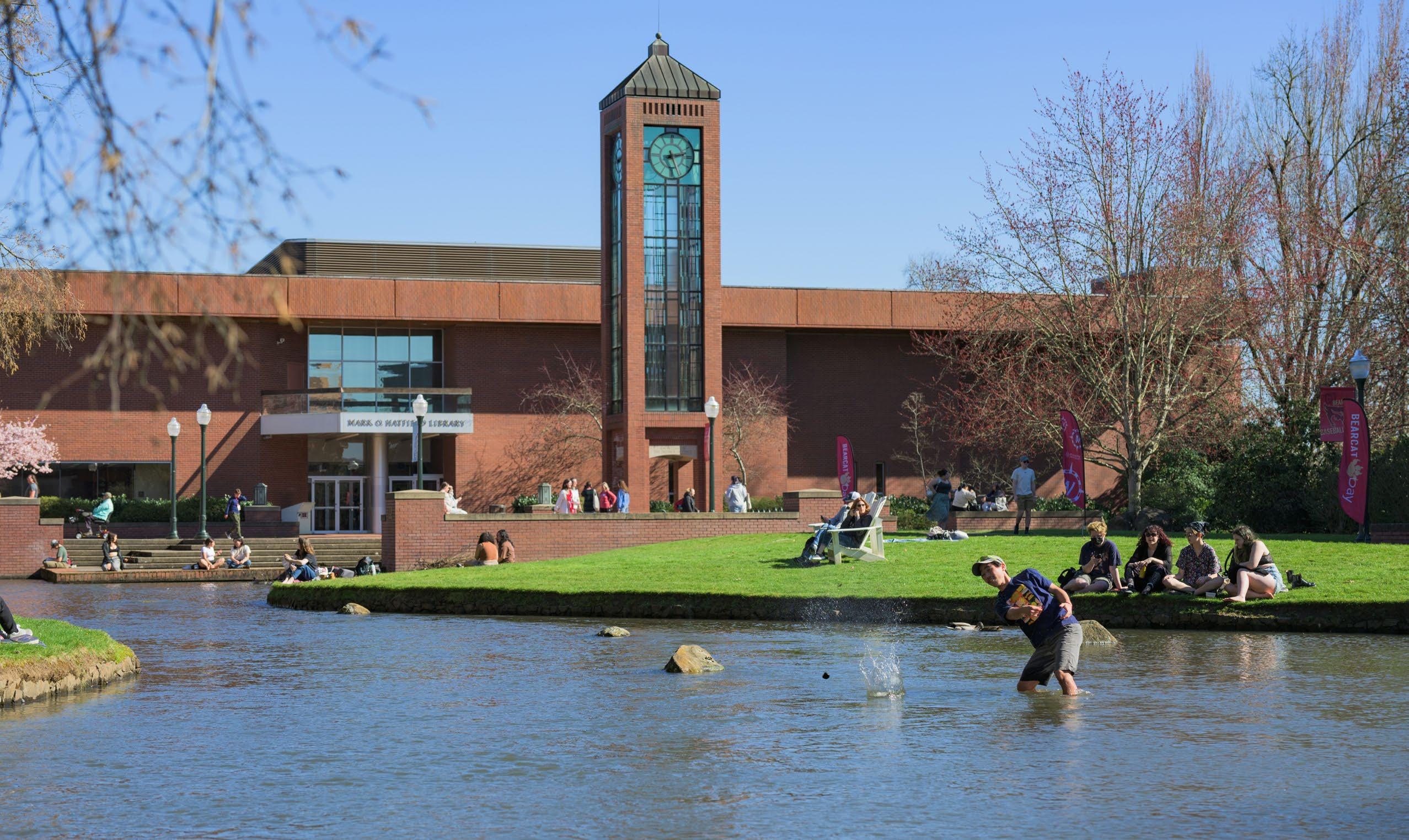
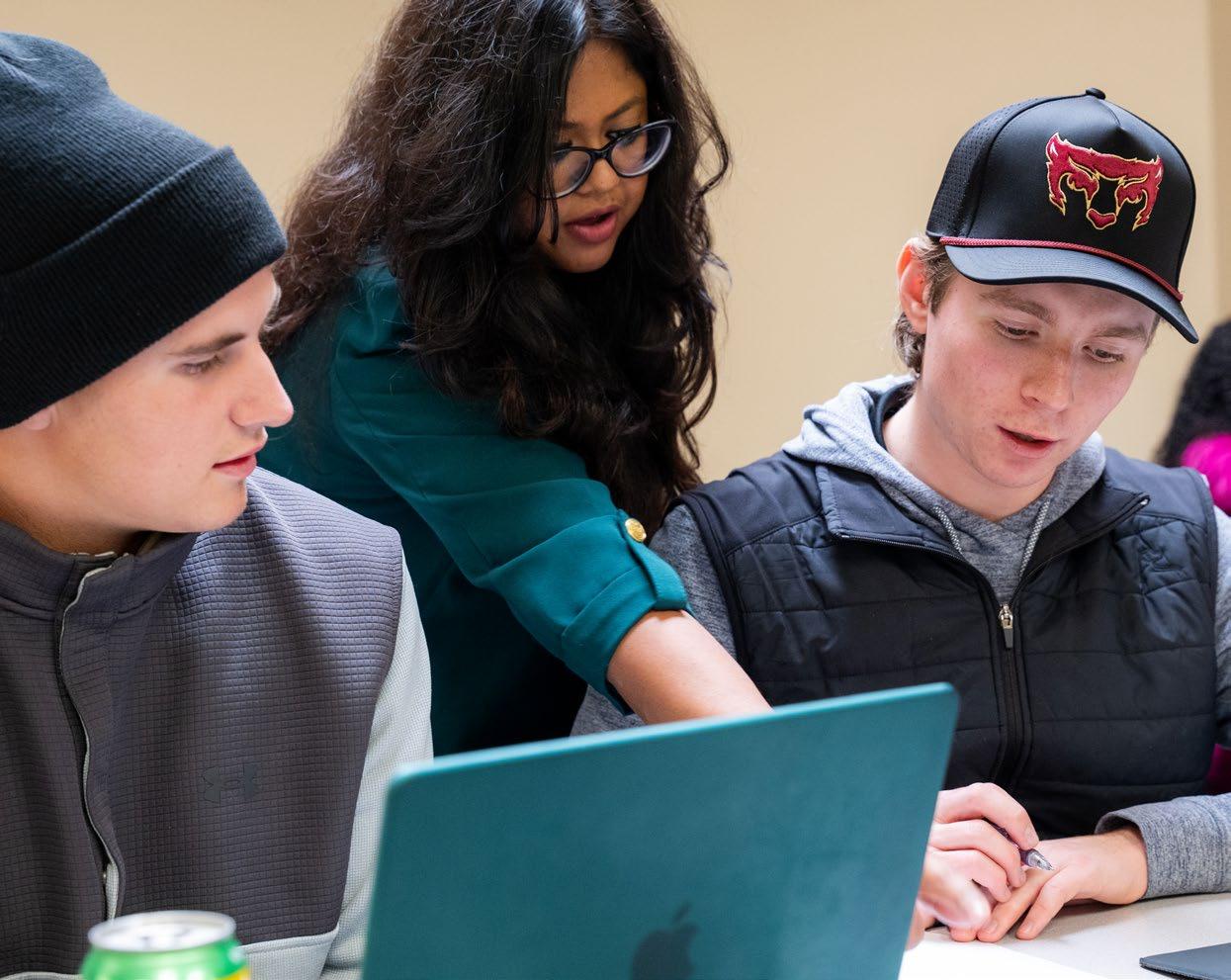
Starting fall 2026, there is a new degree option for aspiring accounting and finance professionals. Willamette University will offer a new Master’s in Accounting & Finance. Romana Autrey, Ph.D., CPA (inactive), CMA, CFF, CFE, Dean and Associate Professor of Accounting at Willamette’s Atkinson Graduate School of Management and her team shared some information about this exciting new program.
1. What inspired Willamette University to add a Master’s in Accounting & Finance?
The idea came from watching how the profession has been changing. The traditional separation between accounting and finance is starting to disappear. Employers want people who can understand financial reporting, analyze financial performance, and help organizations make better decisions.
At the same time, there is a serious shortage of accountants across the country and here in Oregon. We saw an opportunity to design a program that helps address that workforce need while also preparing students with broader financial skills.
Technology was another big factor. Tools like automation, data analytics, and artificial intelligence are becoming part of everyday work in accounting and finance. We wanted a
program that reflects the reality of the profession today and prepares students to work confidently at that intersection.
2. How will this degree create opportunities for graduates in both accounting and finance?
One of the biggest advantages of the program is flexibility. Students graduate with a strong foundation in both accounting and finance, which opens more doors early in their careers.
Wherever graduates begin their careers — be it public accounting, corporate accounting, or financial analysis — their ability to understand both sides of financial information makes them more valuable to employers and facilitates future career mobility.
The program also supports preparation for professional credentials such as the CPA and CFA exams. Through handson experiences like managing investments in the O’Neill Student Investment Fund, participating in the Angel Fund, or, for those drawn to the nonprofit sector, engaging in the Philanthropic Investment for Community Impact (PICI) course, students gain both the technical knowledge and practical experience that employers value most.

3. What kind of student will thrive in this new program?
The students who will do best are curious about how organizations make financial decisions. They enjoy working with numbers, but they also want to understand the story behind the numbers and how that information drives strategy.
The program works well for students who want to build strong technical skills and move quickly into the workforce through a one-year graduate degree. It is also a good fit for students who are interested in professional credentials like the CPA or CFA.
Students who enjoy hands-on learning and are interested in how technology is changing the profession will likely find the program especially engaging.
4. What should potential students know about the application process?
The program is designed as a one-year graduate degree that begins each fall, so students should plan ahead and apply early. The application process is similar to other graduate masters programs at the Atkinson Graduate School of Management.
Applicants will submit transcripts, a resume, and the other standard materials required for graduate admission. Students with backgrounds in business, accounting, economics, or other quantitative fields often come in well prepared, but the program is open to students from a range of academic backgrounds who have strong analytical skills.
Anyone interested in the program should connect with the admissions team early. That is often the best way to learn more about the curriculum, the experiential opportunities, and what the program is looking for in applicants.
5. How can professional organizations like the Oregon Society of CPAs best support students and faculty in building the accounting workforce in Oregon?
Partnerships between universities and professional organizations are extremely important, especially given the current shortage of accountants.
Groups like the Oregon Society of CPAs can help by connecting students with professionals through mentorship, networking events, and guest speakers who can share real perspectives from the field. Those connections help students better understand career paths and build relationships early in their careers.
Internships and early career opportunities are also essential. They allow students to apply what they are learning and give employers a chance to meet and develop future talent.
More broadly, professional organizations can play a big role in highlighting the value and impact of accounting careers. Helping students see the opportunities in the profession is one of the most effective ways to strengthen the workforce pipeline in Oregon.
To learn more about the Accounting and Finance Master’s Degree, visit https://willamette.edu/academics/mba/ ms-accounting-finance.
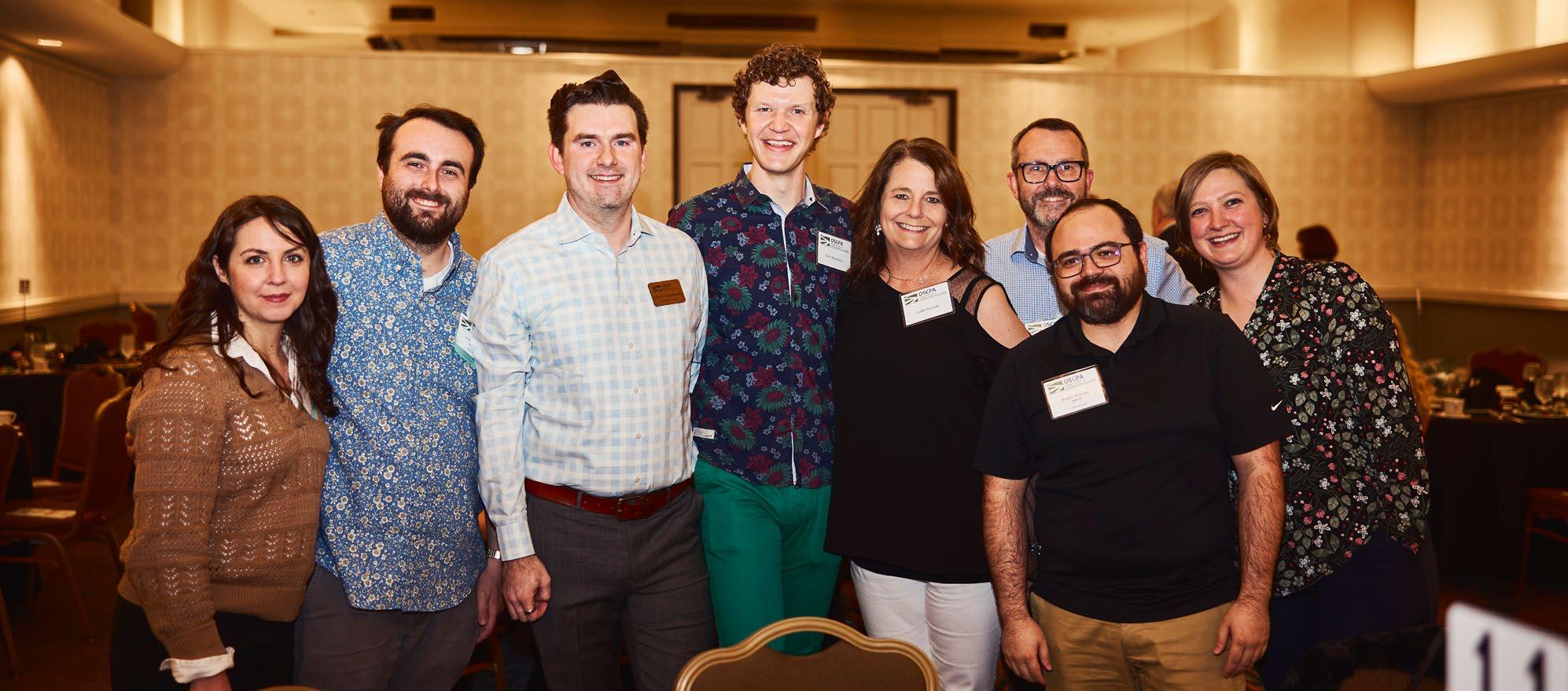
When Adam Abplanalp takes the helm as Chair of the OSCPA Board of Directors April 1, he will likely be the youngest Board Chair in OSCPA’s 118-year history. We sat down with Adam to talk about the day he fell in love with accounting, why he considers himself an accounting translator, and what propels him to a lifetime of learning.
Tell us about your journey into accounting.
At the University of Oregon I was a political science major in the Honors College, and I was pretty lost. I didn’t know where I was going or what I wanted to do. I tried an English major, a classics major, a Latin major. I had worked at Bank of America while in school, so I had some exposure to the business world, and my dad encouraged me to get a business minor because it’s practical. One of the required classes was Accounting 211. When I left class after the first day, I was in love with accounting. The instructor was (201314 OSCPA Board Chair) Michele Henney. The fact that I am going to be Chair of the Society is in no small part due to her leadership and the way she talked about OSCPA. Michele had such an impact.
I didn’t go directly into public accounting after college though. I never really wanted to. I worked in banking for ten years and got my CPA license in industry. But I knew I didn’t want to work in the corporate world forever, and decided it was time to set out on my own, so in 2014, I left the corporate world and started an accounting firm. There was a lot to learn starting a firm. Not just learning how to do taxes (about which I knew way less than I thought I knew), but the ins and outs of how to run a firm, manage other people, balance client expectations and deadlines, write engagement letters, send invoices, and all the things you do in a firm. I’m grateful for mentorship from several CPAs I’d worked with in the community or knew personally who humored me and answered my questions and walked me through things. It was a lot of learning.
What would you say to someone who’s interested in accounting or a new or aspiring CPA?
Call someone, take them to coffee, find out their story. You learn so much about people that way. Go to a committee
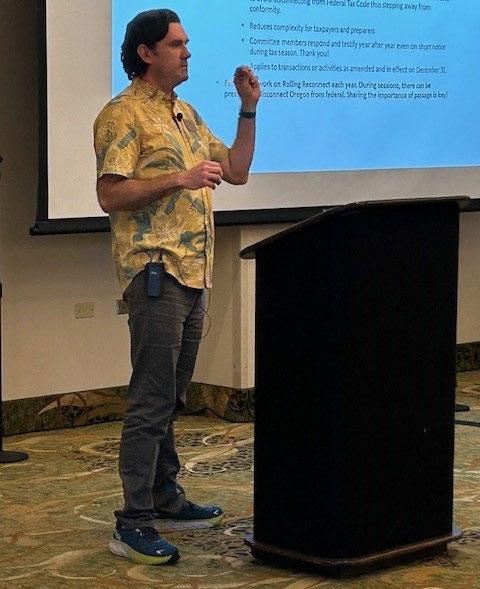
meeting — that’s where I really started getting involved. It’s empowering for your own career, but it’s also a deep source of connection with people you might want to work with sometime in the future.
My own story of becoming involved in OSCPA starts with a committee. Within a year or so of starting my firm, I wanted to get more involved and meet people. I needed to understand how this stuff works. I remember a Taxation Strategic Committee meeting where I sat having coffee with (veteran committee member) Heather Jackson while she explained how everything worked. That’s when I really started getting involved in tax advocacy and legislative monitoring. By the time COVID hit, I was chairing the Taxation Strategic Committee. There are all sorts of people I’ve met from OSCPA, and you know, this project comes up or they’ve got this dilemma, or they have this client — and those connections are what make it fun.
You’ve said that you love the intricacy of tax law. I’m also picking up that you like to guide people through complicated things. Do those feel like the two sides of your advocacy work?
I think so. In many ways I think of myself as an accounting translator. So much of my job is not even doing accounting or taxes – it’s talking about accounting, talking about taxes, explaining to people what it means and why. I think that also translates directly into explaining to legislators and regulators how the changes they make to the tax law impact businesses, individuals, and tax practitioners.
I’ve always been driven to learn new things — then I love sharing those things; I love teaching. (Adam teaches State & Local Taxation courses for OSCPA.) So, it’s a natural fit. Working with clients but also learning technical topics scratches my itch for both professional growth and for helping people understand things. Taxes are scary for a lot of people. Clients come in, they’ve had a notice in the mail from the IRS, that can be intimidating. I like arming my clients, my friends, and the people around me with knowledge so they can have peace of mind and can understand how to run their businesses better. That’s where I feel like I can make a difference.
You have experience developing your own business, and you have a lot of small business clients. Do you share with them mistakes that you made or things you would do differently?
I think about that every day. Cobalt works primarily with small- and medium-sized businesses in the real estate industry, so real estate owners, investors, property managers, brokers and developers. In addition to my firm, I also run my family’s real estate company, which owns and manages about 30 apartment buildings in Portland. Some would see being in the same business as my clients as competition, but the feedback I consistently get from clients is that they value my input and the things I can teach them. They understand that I get this business. It’s not just abstract, it’s not just advising people on their businesses, but my own business is in this same industry. Whether it’s lessons from accounting or real estate, there are things I bring from my own experience into the advice I give to clients.
Not even close. I was interested in real estate, and the first clients I found willing to let me do their taxes were all real estate-related. Then referrals came through word of mouth from them. For us, it’s been about continuing to build our
reputation as real estate specialists. I believe it shows that it’s about where your heart and focus are. That allows you to be thoughtful about educational opportunities, growth, and how to engage, so that your work can shine and make a real difference.
Making a difference is important to a lot of aspiring CPAs.
It is. For the first ten years running my firm, I put everything into it, and I put my blinders on. I worked a million hours and did all the things that had to be done. As I’ve gotten older and more established, I realize the value of variety. Work is not the only thing that’s important. Whether it’s involvement in the community, the causes you care about, or the ways you want to grow personally, your hobbies or your art — all those things make us humans and make us whole people. Especially in contexts where it’s all about business, it’s easy to lose sight of the personal aspects of life. In my older, wiser state, I feel much more cognizant of that balancing act.
As we do this interview many OSCPA members are engaged in busy season. During busy or stressful times, do you have a habit or practice you rely on to stay grounded?
Taking care of our physical self is vital in taking care of our mental health. I try to go to the gym at least two or three times a week. One big thing when I’m stressed is disconnecting from work, really being able to turn it off. I don’t check my email on weekends. When I’m stressed or during busy season, I don’t check it at night. You have to be able to step back and say it’s okay for that to wait until tomorrow. I try to remember to lead by example, and to give myself the same grace I allow others.
Speaking of outside of work, your husband is a podcaster and producer and has performed locally. Do you feel like you two have complementary skills or are they more blended than it might first seem?
Yes and no. I always describe him as all the things that are opposite of an accountant. He plays multiple instruments, performs, does theater, film, and media production. But we have also been together for 23 years, and we’ve learned so much from each other that there’s now definitely a lot of overlap between us.
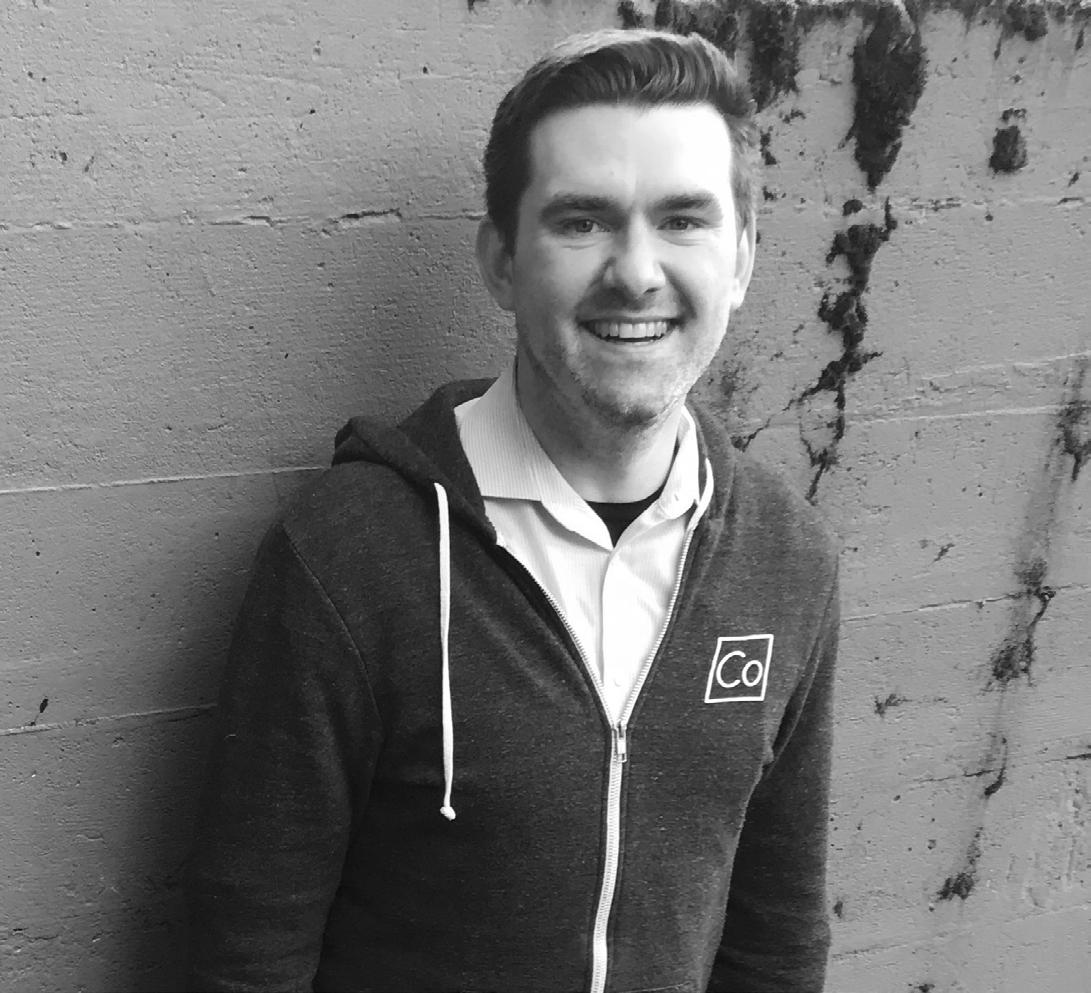
We’ve heard you’re in law school. And that you have a pilot’s license. Tell me your philosophy about learning, and what drives you.
As long as I can remember, I’ve been driven to learn. Even before I was in law school, I would read Supreme Court cases and watch Ninth Circuit oral arguments on YouTube for fun. Even lawyers ask me, why would you do that? One of the things about law school that sticks out for me is that with a law degree, once you’re licensed, you can represent the underrepresented. That’s important to me, but a love of learning is really the context of my whole life. I graduated from college, but I didn’t stop learning.
How are your philosophies of business and life reflected in your leadership style or how you envision your year as the leader of OSCPA? We are noting here that going back to 1908, you appear to be the youngest Chair of the OSCPA Board of Directors.
My leadership style tends to be consensus driven. I love to argue, but not in a mean way. It’s okay to take opposite sides on an issue, especially if that helps flesh out the best answer; reasonable minds can disagree. A big piece for me as a leader is listening to all the opinions in the room. I might not agree with everyone, but I want to hear how they think. That’s how I lead my firm and how I work with my clients.
I think civil discourse is the key. It’s becoming harder and
harder to find examples of reasoned civil discourse in our politicians and TV personalities. But it is an essential part of how we learn. It’s how we grow, it’s how we broaden our minds. Diversity is our strength in that regard. The fact that we’re willing to listen, really listen, and understand other viewpoints.
As Chair, I want to encourage debate. I want to encourage talking about where our profession is going and why. Let’s hear all of the ideas, let’s discuss them, let’s find consensus. I want to continue bringing younger professionals into leadership, getting them to the Strategic Leadership Forum, putting them on the Board of Directors, on committees, being involved in Society leadership — because they are our future. They have even more at stake than our retiring leaders in seeing our profession thrive in the future.
We need more voices at the table. Part of the way we break out of the groupthink that members of any profession can sometimes develop into is getting new perspectives. Then we can grow as a Society and as a profession. That starts with members (especially our younger leaders and newer professionals) stepping up.
When your term is over, what would you hope that we could say about OSCPA?
I would be proud to say that we brought new and younger voices into leadership, and that I saw more new faces at board meetings, CPE seminars and conferences, and Society events. We have an amazing group of Society leaders. I want them to feel confident that other generations will understand our history and will continue the work and reputation they’ve worked so hard to build. I hope after my term is over that more people see someone of my generation in leadership and feel encouraged to step up and be a leader. You don’t have to wait 20 years. Expanding engagement into the next generations will help make us stronger and more resilient as an organization.
The other thing that I expect will be a legacy of my tenure, is that I’m fairly certain I’m the first queer person ever to be Chair of OSCPA. I am definitely among the most progressive members of the Society (and I’m not afraid to say so). That’s just a factor of being part of a profession that tends to be more conservative, at least fiscally. It’s important to remember that a lot of our younger members and our up-and-coming leaders think differently. The world is
changing around our profession, and it’s critical that we stay in tune, so we’re not left behind.
Do you think shaping the future of the profession is an evolving role for OSCPA?
I do, because if the Society doesn’t continue to change, we risk alienating people. Younger members want to see themselves reflected in the membership and see avenues to contribute new ideas. To bring in younger leaders, we must be open-minded about the fact that we’re not all going to agree. We must move past the idea that dissent is a problem, towards an attitude where disagreement is part of growth. It’s okay if we don’t agree — differing viewpoints make us stronger as a group. How do we continue to emphasize the value of diversity and diverse opinions, and encourage thoughtful and reasoned dissent? How do we continue to encourage our members to speak their minds and be real people?
Because at the end of the day, we’re not just accountants. We’re people.
When we profiled you several years ago you told us you were excited to come to work every morning. We’re hoping that’s still true?
Still true! We just moved to a new office a couple of months ago. When I drove in on that first morning, I had a moment where I thought to myself: I should be working. And then I realized: oh, this is work. I still love that feeling every time.
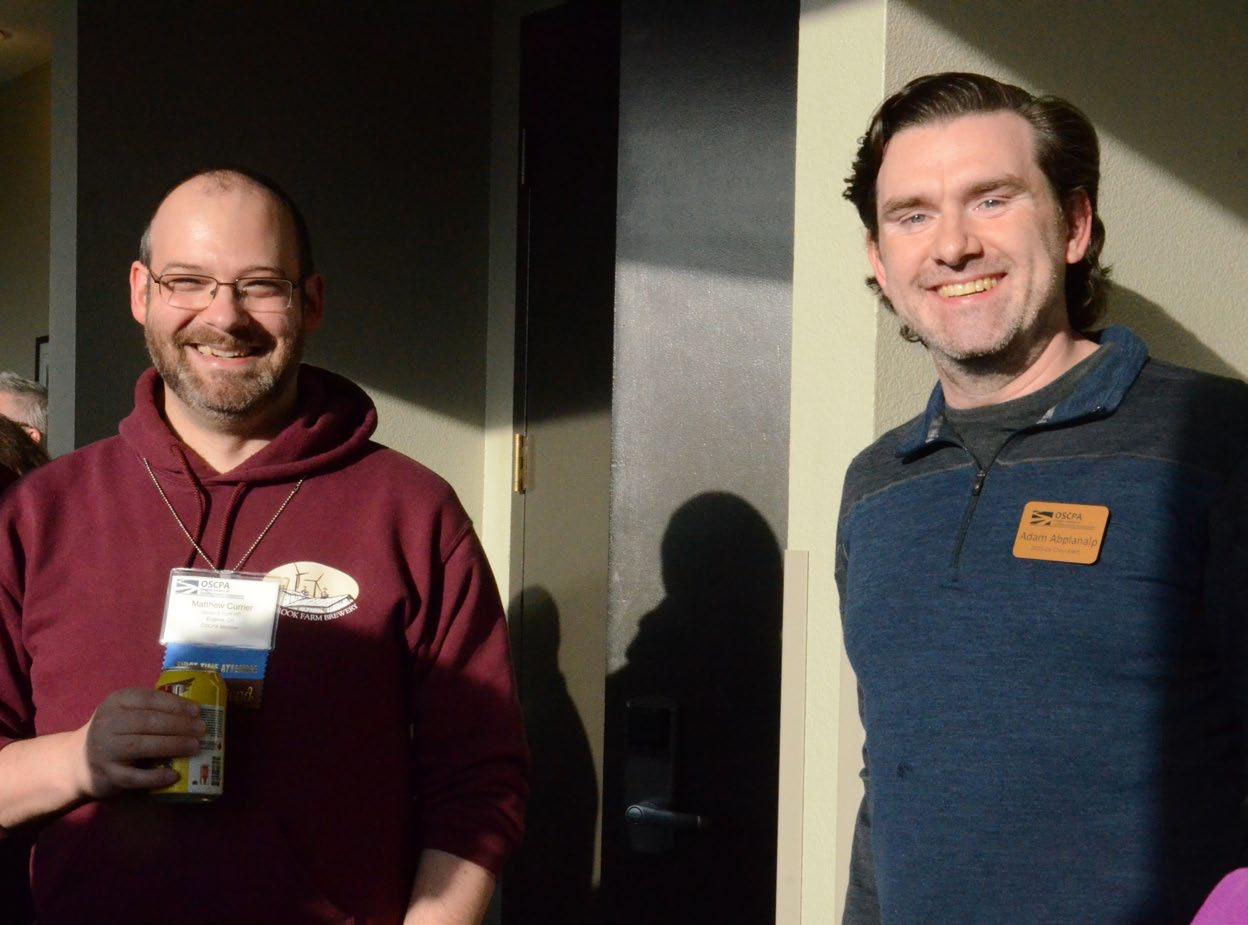
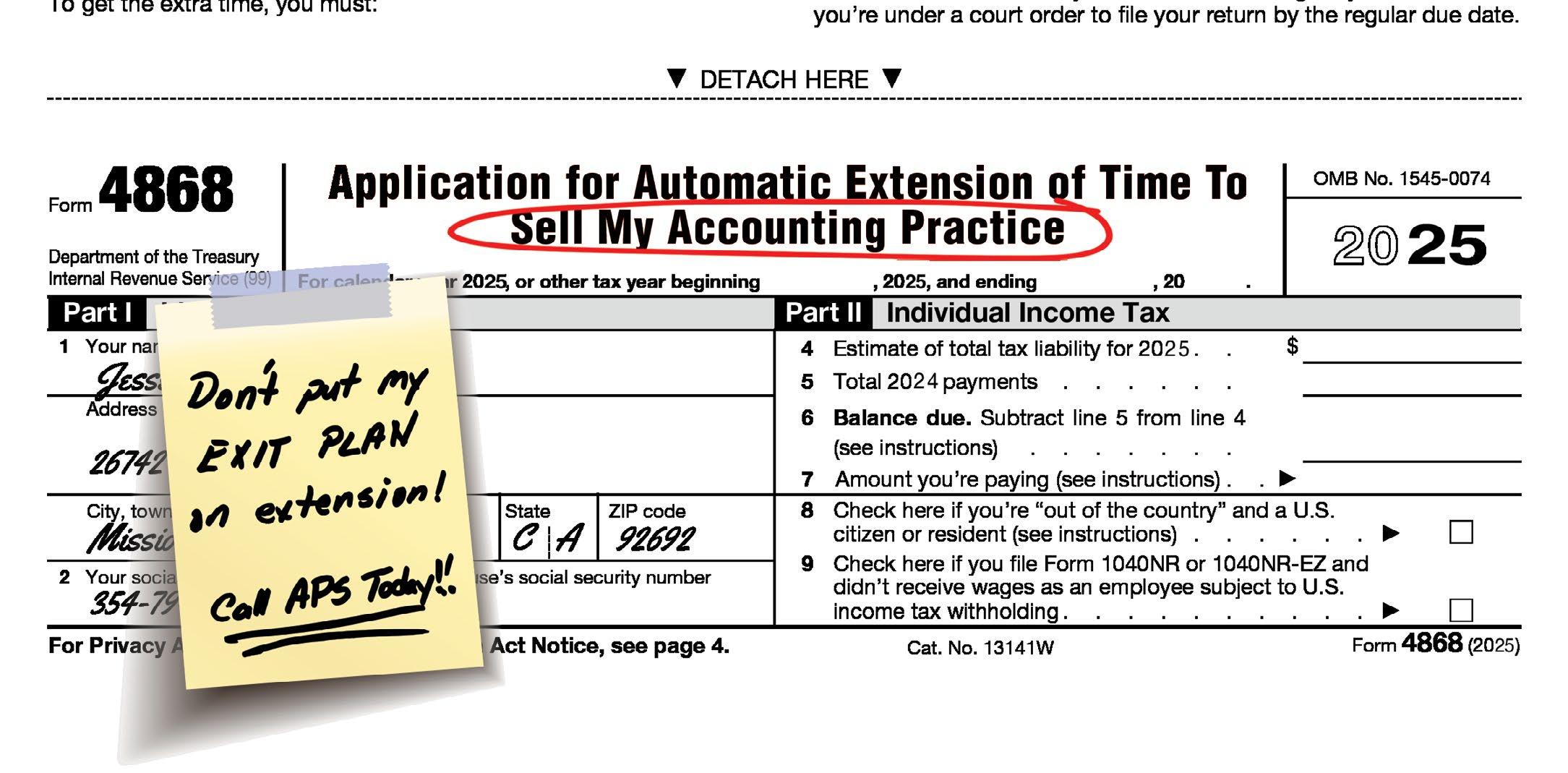


On-demand CPE from OSCPA gives you the flexibility you need to maximize your time. Gain access to convenient learning options at special member savings through our partnerships with Surgent CPE and AICPA.
Surgent’s Unlimited Plus CPE Package — $595* for OSCPA members
• Access to all Surgent live webinars (1,200+) to include late-breaking tax updates
• Over 250 on-demand/self-study courses
• Special member fee available through 6/12/26. Thereafter, member fee is $625.
To order: www.orcpa.org/cpe/S04566
Surgent’s Unlimited Self-Study CPE Package — $380 for OSCPA members
• Over 250 on-demand/self-study courses totaling over 1,000 CPE credit hours
• Access for 12 months from date of purchase
To order: www.orcpa.org/cpe/S04568
Surgent’s Unlimited Webinar CPE Package — $520 for OSCPA members
• Unlimited access to over 2,100 live webinars (does not include late-breaking)
• Access for 12 months from date of purchase
• Earn live CPE credit without exams (certificates delivered within 24 hours)
To order: www.orcpa.org/cpe/S04567
AICPA CPExpress — $385 OSCPA members
• Presented in one- or two-hour increments
• Key topics: Accounting, Assurance, Ethics, Employee Benefit Plans, Not-for-Profit, Fraud and Forensics, and more
To order: www.orcpa.org/cpe/S04569
Designed for CFOs, aspiring CFOs, senior level

CPE: 40 / Level: 2 (Intermediate)
The 2026 CFO Series provides a convenient, one-stop way for CFOs and those who aspire to be CFOs, to choose an entire year’s worth of CPE with a single decision! The CFO Series consists of a year’s worth of CPE including 20, brand new twohour topics presented by different speakers spread over three months. Arrange all 40 credits you need by signing up for just one series.
Day 1
Decision-Making in An Irrational World - NEW!Webcast
May 11, 2026 - #W80997
Day 2
AI in the Digital World - 4 Tech & 4 [NT] - NEW!Webcast
May 15, 2026 - #W81006
Day 3
Driving Efficiency - NEW! - Webcast
June 8, 2026 - #W81030
Day 4
Indispensable Skills - 4 Tech & 4 [NT] - NEW!Webcast
June 18, 2026 - #W81047
Day 5
Essential Cost Containment - 5 Tech & 3 [NT]NEW! - Webcast
June 24, 2026 - #W81055
Questions: Contact OSCPA at profdev@orcpa.org; 503-641-7200 / 800-255-1470, ext. 3.
Purchase individual courses by May 1 and save up to $100. Or purchase the CFO Series Bundle at any time and save up to $200! www.orcpa.org/cpe/W81202
OSCPA has what you need to help meet your educational requirement, with an enhanced online catalog. Visit www.orcpa.org/cpe

Construction & Real Estate Conference - NEW!
• May 13, 2026
In-person: www.orcpa.org/cpe/11255
Webcast: www.orcpa.org/cpe/W80979

Farming, Ranching & Agribusiness Conference
• May 29, 2026
In-person: www.orcpa.org/cpe/11257
Webcast: www.orcpa.org/cpe/W80981

Technology Conference with K2 Enterprises (2 days)
• June 11-12, 2026
Webcast: www.orcpa.org/cpe/W80983

• May 18-19, 2026
In-person: www.orcpa.org/cpe/11256
Webcast: www.orcpa.org/cpe/W80980

• June 4, 2026
In-person: www.orcpa.org/cpe/11258
Webcast: www.orcpa.org/cpe/W80982

• June 16, 2026
In-person: www.orcpa.org/cpe/11259
Webcast: www.orcpa.org/cpe/W80984
• June 18, 2026
In-person: www.orcpa.org/cpe/11260
Webcast: www.orcpa.org/cpe/W80985

• June 25, 2026
In-person: www.orcpa.org/cpe/11261
Webcast: www.orcpa.org/cpe/W80986

of Accounting Practice (MAP) Conference (1.5 days)
• August 11-12, 2026
Webcast: www.orcpa.org/cpe/W81073
Oregon Ethics and New Developments
(4 hours - morning)
• May 12, 2026 - Webcast Replay* - #W81001
• June 8, 2026 - Webcast - #W81032
• June 24, 2026 - Webcast Replay* - #W81057
• October 26, 2026 - Webcast Replay* - #W81110
• December 7, 2026 - Webcast - #W81160
• January 15, 2027 - Webcast Replay* - #W81188
Producer: Mark Hugh PLLC
*Webcast Replay Producer: ACPEN & Mark Hugh PLLC
2026 Oregon Ethics Update (4 hours - morning)
• May 15, 2026 - Webcast Replay - #W81007
Producer: Galasso Learning Solutions LLC
Professional Conduct & Ethics - AICPA and Oregon Board CPA 2026 Regulatory Update by Jim Rigos (4 hours - morning)
• May 27, 2026 - Webcast - #W81014
• November 19, 2026 - Webcast - #W81140
Producer: Rigos Professional Education Programs, Ltd.
For more information and to register: www.orcpa.org/cpe and enter the event number.
Oregon & Washington Ethics 2026 (4 hours - morning)
• June 4, 2026 - Webcast - #W81027
• December 15, 2026 - Webcast - #W81173
Producer: Mark Hugh PLLC
Cases in Corporate Ethics: Discuss Real Life Conflicts (4 hours - morning)
• June 17, 2026 - Webcast - #W81044
Producer: The Knowledge Institute
2026 AICPA Regulatory Ethics Update (2 hours - afternoon)*
• June 22, 2026 - Webcast Replay - #W81050
Producer: Galasso Learning Solutions LLC
*Note: This is a two-hour ethics course. Another two-hour ethics course, in addition to this one, is needed to satisfy the biennial four-hour ethics requirement.