
Celebrating 40 fantastic years of making music.
1986. It was the year of the Westland Affair, the Chernobyl nuclear disaster, the infamous ‘Hand of God’ goal at the World Cup in Mexico, the premiere of Harrison Birtwistle’s opera The Mask of Orpheus… and in late June Wham! was at number 1 in the UK charts with The Edge of Heaven.
On 26 June, the Orchestra of the Age of Enlightenment first stepped onto a stage.
The first of our two seasons marking this milestone features a kaleidoscope of old favourites and new combinations. It features some of our best-loved partnerships and celebrates our shared history. Handel and Bach, Haydn and Mozart, Beethoven, Berlioz, Brahms and Dvořák are all composers who have been at the heart of our journey.
The challenges faced by the OAE and all our colleagues are varied, but we remain absolutely focused on the mission of sharing the highest quality music with the widest audience possible. What continues to shine after 40 years is the golden thread of a story of friends united by a profound love of the art of music.
7.00pm, Wednesday 27 May
Southbank Centre’s Royal Festival Hall
JOSEPH HAYDN (1732 – 1809)
Die Schöpfung (The Creation)
Texts by Baron Gottfried van Swieten
There will be surtitles in English
Part 1
1a. Introduction
1b. Aria (Uriel) Nun schwanden vor dem heiligen Strahle
2a. Recitative (Raphael)
2b. Chorus (Gabriel) Mit Staunen sieht das Wunderwerk
3a. Recitative (Raphael)
3b. Aria (Raphael) Rollend in schäumenden Wellen
4a. Recitative (Gabriel)
4b. Aria (Gabriel) Nun beut die Flur das frische Grün
5a. Recitativo (Gabriel)
5b. Chorus Stimmt an die Saiten
6a. Recitative (Uriel)
6b. Recitative (Uriel)
6c. Chorus (Gabriel, Uriel, Raphael) Die Himmel erzählen die Ehre Gottes
– Interval (20 minutes) –
7a. Recitative (Gabriel)
7b. Aria (Gabriel) Auf starkem Fittiche schwinget sich
8a. Recitative (Raphael)
8b. Terzetto (Gabriel, Uriel, Raphael)
8c. Chorus (Gabriel, Uriel, Raphael) Der Herr ist groß in seiner Macht
9a. Recitative (Raphael)
9b. Recitative (Raphael)
9c. Aria (Raphael) Nun scheint in vollem Glanze der Himmel
10a. Recitative (Uriel)
10b. Aria (Uriel) Mit Würd’ und Hoheit angetan
11a. Recitative (Raphael)
11b. Chorus (Gabriel, Uriel, Raphael) Vollendet ist das große Werk
12a. Recitative (Uriel)
12b. Chorus (Adam, Eva) Von deiner Güt’, o Herr und Gott
13a. Recitative (Adam, Eva)
13b. Duetto (Adam, Eva)
14a. Recitative (Uriel)
14b. Chorus Singt dem Herren alle Stimmen!
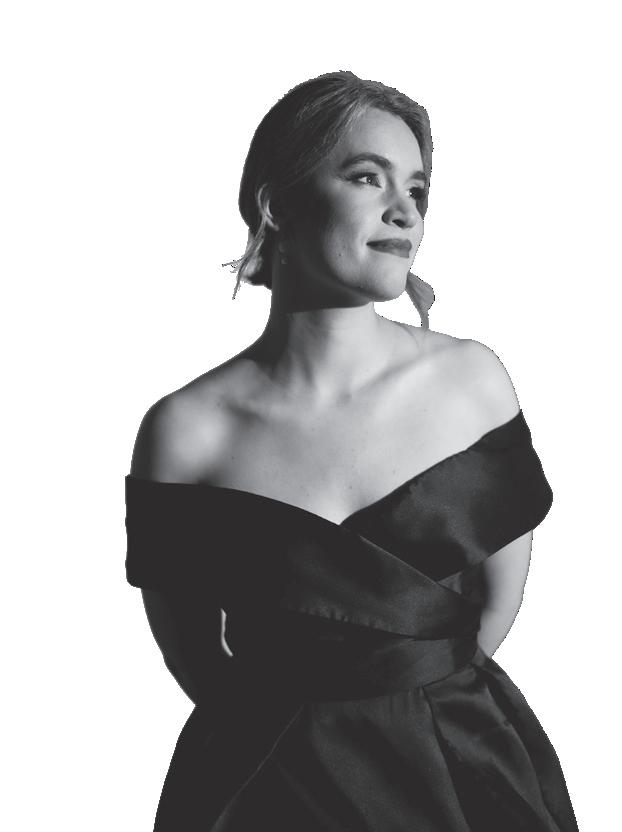
Robin Johannsen soprano (Gabriel and Eve)
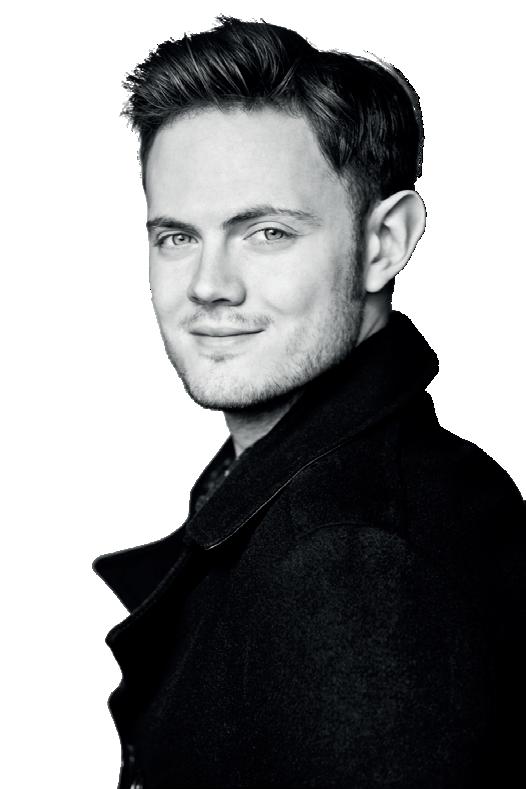
Nick Pritchard tenor (Uriel)
Krešimir Stražanac bass-baritone (Raphael and Adam)
Huw Daniel leader
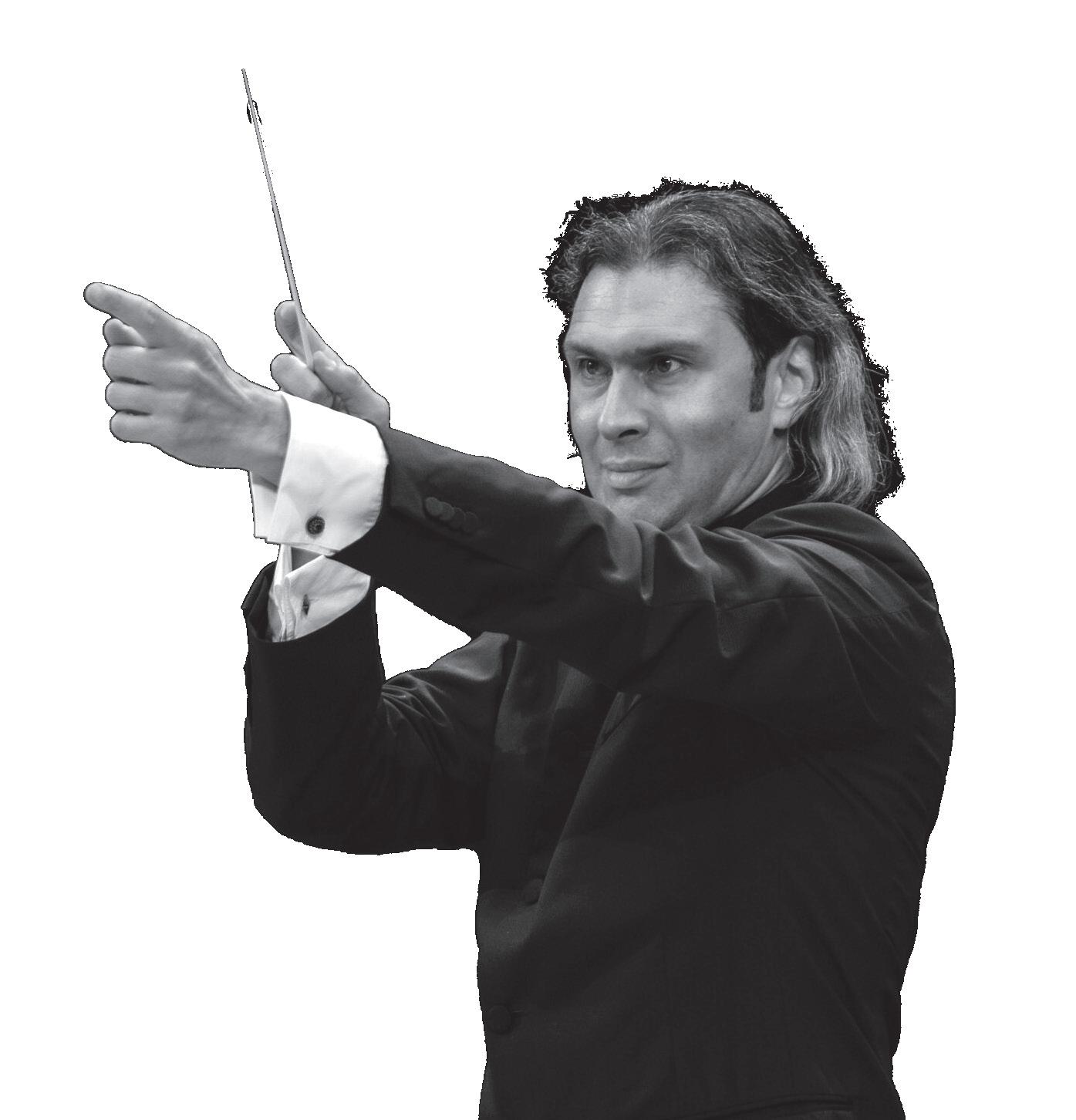
Václav Luks conductor
Surtitles by Damien Kennedy
Language coaching by Norbert Meyn Fortepiano provided by Sebastian Skeaping
Tuning services provided by Oliver Sandig
Václav Luks in conversation with Rachel Stroud at 6.00pm in the Southbank Centre’s Royal Festival Hall Level 5 Function Room.
The OAE’s 40th anniversary seasons in 2025 / 26 and 2026 / 27 are made possible with the support of The Forty Circle.
Violins I
Huw Daniel*
Iona Davies
Andrew Roberts
Alice Evans
Rachel Isserlis
Alison Bury
Daniel Edgar
Anna Curzon
Violins II
Julia Kuhn
Claire Holden
Debbie Diamond
Rebecca Livermore
Henry Tong
Sijie Chen
Ellen Bundy
Violas
Max Mandel*
John Crockatt*
Martin Kelly
Annette Isserlis
Kate Heller
Mark Braithwaite
Cellos
Luise Buchberger*
Andrew Skidmore
Richard Tunnicliffe
Penny Driver
Ben Michaels
Double basses
Cecelia Bruggemeyer
Carina Cosgrave
John-Henry Baker
Flutes
Lisa Beznosiuk*
Rosie Bowker
Emma Halnan
Oboes
Leo Duarte
Alexandra Bellamy
Clarinets
Katherine Spencer*
Sarah Thurlow
Bassoons
Philip Turbett
Sally Jackson
Contrabassoon
Chris Rawley
Horns
Todd Williams
Martin Lawrence
Trumpets
David Blackadder*
Phillip Bainbridge Trombones
Nate Helgeson
Martyn Sanderson
Edward Hilton
Timpani
Elsa Bradley Fortepiano
Satoko Doi-Luck
*OAE Principal Players
Sopranos
Emilia Bertolini
Angharad Gruffydd Jones
Isabelle Haille
Emily Jennings
Daisy Livesey
Helena Moore
Elspeth Piggott
Joanna Songi
Altos
Jennifer Bourke
David Clegg
Tristram Cooke
Stephanie Franklin
Lara Rebekah Harvey+
Eleanor Minney
Tenors
William Anderson
John Bowen
Jeremy Budd
Richard Dowling
Sebastian Maclaine
Ben Vonberg-Clarke
Basses
Francis Brett
Jack Comerford
Malachy Frame
Thomas Humphreys
Stephen Kennedy
Jonathan Pratt
+soloist in Amen
In July 1794, Joseph Haydn had a terrifying encounter with a tiger. Elaborating on Haydn’s own personal notes from his London notebooks, Albert Christoph Dies recorded the adventure in his biography of the composer:
‘In the company of several friends, Haydn went to see the wild animals in the Tower [of London]. Through carelessness the keeper left the trap-door to the tiger’s cage open. Madame Donelli was fortunate enough to discover this in time, though the keeper rushed to the scene just at the very moment when the tiger had already reached the trap door.’
The Tower of London had kept a menagerie of exotic animals since 1210. A guide from 1809 gives us an idea of the sorts of animals that Haydn might have seen there, including ostriches, bears and monkeys. According to this guide, Haydn’s tiger was a Royal Bengal tiger, donated in 1791 and affectionately known as Harry. Harry, it turns out, was actually known to be very tame, and apparently ‘fond of a little dog which often plays in its den.’ Haydn wasn’t one to let details get in the way of a good story; and his richly-documented experiences in London were all fertile ground for musical inspiration. The encounter with the tiger at the Tower of London was just one small spark of inspiration amongst many that would ultimately collide to ignite one of his most vivid feats of musical imagination: The Creation.
We encounter Haydn’s tiger in Part II of the oratorio, on the sixth day of creation. It is irresistible to think that the scalic flourishes before the line ‘in sudden leaps the flexible tiger appears’, rising in stealthy increments, were inspired by Harry’s bid for freedom through the trapdoor. But what did angels sound like to Haydn and his listeners? Haydn gives voice to three angelic beings, Raphael, Uriel and Gabriel, sung by bass, tenor and soprano soloists respectively, to narrate Parts I and II of The Creation with the help of the orchestra and a larger chorus. We are taken on an extraordinary sonic journey: starting from the beginning of the cosmos itself, we gradually zoom in on the marvels of creation, right down to a final oozing earthworm. Part III then transports us to paradise, with Raphael and Gabriel taking on human form as Adam and Eve in the Garden of Eden. Throughout the whole cinematic experience, it is to the orchestra itself that Haydn gives the most vivid story-telling powers. It is the orchestra who conjures the perfumed flora and fauna of the Garden of Eden with a timbral sensitivity so evocative that it feels like physical
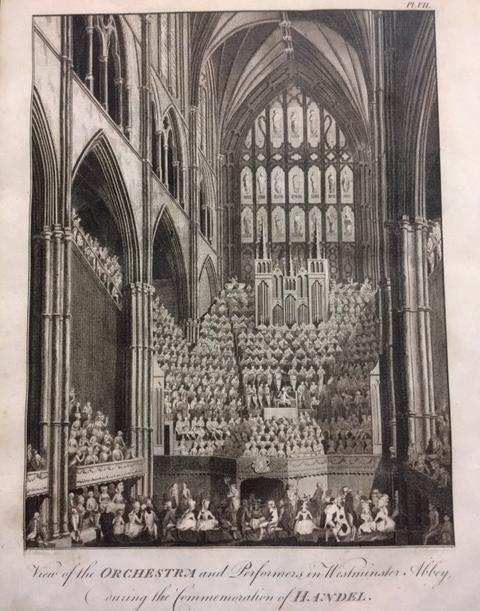
View of the Orchestra and Performers at Handel commemoration event in Westminster Abbey. © Archives and Special Collections, University of Southampton
touch, and the orchestra who invoke natural phenomena, like an all-consuming, radiant sunrise, before the text itself. Haydn achieves something infinitely more sophisticated than word painting in The Creation: he creates an immersive experience that does not just appeal to the ears, but to the whole listening body, with a power and sensuous immediacy that still reverberates through concert halls today.
Genesis
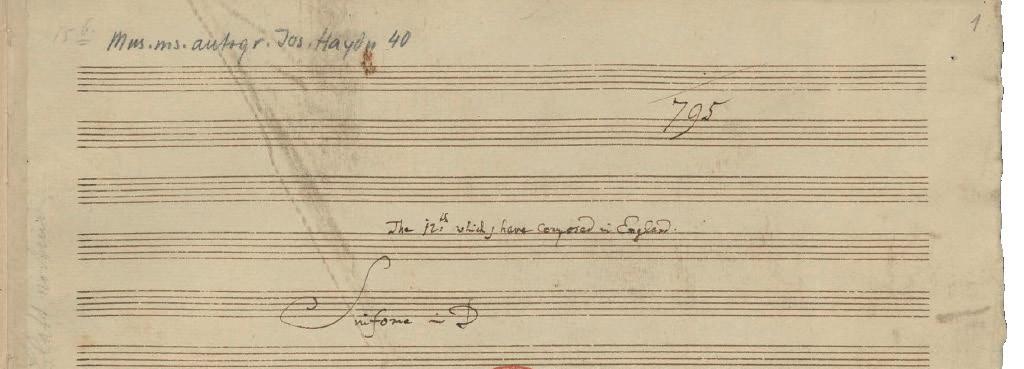
It all began for Haydn in the spectacular surroundings of Westminster Abbey, a year after his first arrival in London. 1791 marked the sixth of a series of lavish commemoration concerts celebrating the life and works of George Frideric Handel. It was the largest one yet. Sitting amongst an audience of 2,000 listeners, Haydn experienced ‘with rapturous astonishment’ the sheer sonic power of nearly 1000 amassed musicians performing two of the nation’s favourite choral works: Handel’s Israel in Egypt, and Messiah. It was certainly a splendid scene to behold, with rows of trumpets bedecked in banners of silver and gold thread. Sitting in a box near the Royal Family, Haydn would never forget the moment that the entire audience, led by the King and Queen, rose from their seats for the ‘Hallelujah Chorus.’ Haydn had attended performances of Handel’s Oratorios back in Vienna, staged by the Gesellschaft der Associierten at the behest of one of the most influential patrons of the age: Baron van Swieten. But they could not compare to the grandeur of the English choral tradition. The experience was revelatory for Haydn, ultimately fueling his turn to choral composition and oratorio in the last years of his life. Four years later, Haydn said goodbye to the symphonic form forever with a final inscription at the beginning of his autograph score for Symphony No. 104: ‘the 12th, which I have composed in England.’ It reads as a symbolic full stop, a formal acknowledgement of the fulfilment of his contract with
Johann Salomon, the impresario who had masterminded Haydn’s trips to London. With an ever-shrewd eye to future business opportunities, it was Salomon who first presented Haydn with a dusty old libretto in the summer of 1795, just as the composer was about to return to Vienna. Initially rejected by Handel, and later unearthed by the composer Thomas Linley in the backshelves of the Drury Lane Theatre, the libretto told the story of the creation through a mixture of John Milton’s Paradise Lost and the Book of Genesis from the King James Bible.
Haydn was not immediately convinced. Upon his return to Vienna, he swiftly sought a second opinion. Fortunately, Baron van Swieten, Vienna’s great authority on Handelian oratorio, also saw an opportunity for Haydn ‘to express the full force of his inexhaustible genius.’ He agreed to adapt and translate the libretto into German. The result was a remarkable collaboration that saw the first publication of an oratorio in a bilingual format. Like many historic firsts, it was not met with universal praise. The success of van Swieten’s English translation in particular came under critical scrutiny early on. In 1802, Anna Seward complained bitterly: ‘It is little wonder that the words translated from the German almost literally into English should [have] neither sense nor grammar, nor that they should make wicked work with Milton.’ Yet there is no denying that Haydn’s Creation was a wild success, in Vienna and London alike, both within his lifetime and beyond.
In the beginning is a note. A primordial, unison C that rips suddenly through the air before diminishing back to nothingness. This single, electrifying pitch at the start of The Creation first reverberated through the walls of the Palais Schwarzenberg in Vienna on 29 April 1798. An exclusive gathering of listeners had been invited to a public hearing of the first rehearsal, conducted by Haydn himself. Tickets to the hotly-anticipated première the next day, mounted by the Gesellschaft der Associierten, were by personal invitation from the Baron and extended only to the aristocratic and cultural elite. Amassed crowds clamoured at the gates outside, only just held at bay by the special police who had to be called in to maintain public order. The atmosphere inside the palace was equally electric. An eye-witness gave a vivid account of a particularly thrilling moment:
‘No one, not even…Swieten, had seen the page in the score at which the origin of light is portrayed. This was the only part of the work which Haydn kept hidden. I think I can see his face even now, as this section was played by the orchestra. Haydn had the expression of someone who is considering biting his lips, either to cover his embarrassment or to keep a secret. And in the point where light shone for the first time, one might have said that rays shone from the composer’s fiery eyes. The ecstasy of the electrified Viennese was so extensive that the orchestra could not proceed for several minutes’
Haydn knew how to entice and astonish his listeners. The tantalising sight of the amassed orchestra, a dazzling panoply of strings, wind, timpani and brass, including three trombones and an enormous contrabassoon – a novelty in Vienna – was undoubtedly a wonder in itself. The effect of overwhelming sonic splendour on that radiant burst of C major on the word ‘light’ is nothing short of miraculous. Listeners felt that they were not just hearing a representation of light, but experiencing the physical presence of light itself. The effect is ingeniously crafted from the very first note. After the first orchestral unison C fades back to nothingness, Haydn leads us through a labyrinth of evocative yet evasive harmonic twists and turns, punctuated by amorphous rhythmical impulses. The use of muted strings evokes sonic otherness, as though we are peering into another world. It is a dazzling sleight of hand. The most sophisticated of harmonic and musical means are used to conjure their very absence: the nothingness, the lack of art, at the beginning of time. Haydn knew exactly what he was doing. The Swedish diplomat, Frederik Silverstolpe, described how Haydn had shown him the passage at the piano, remarking:
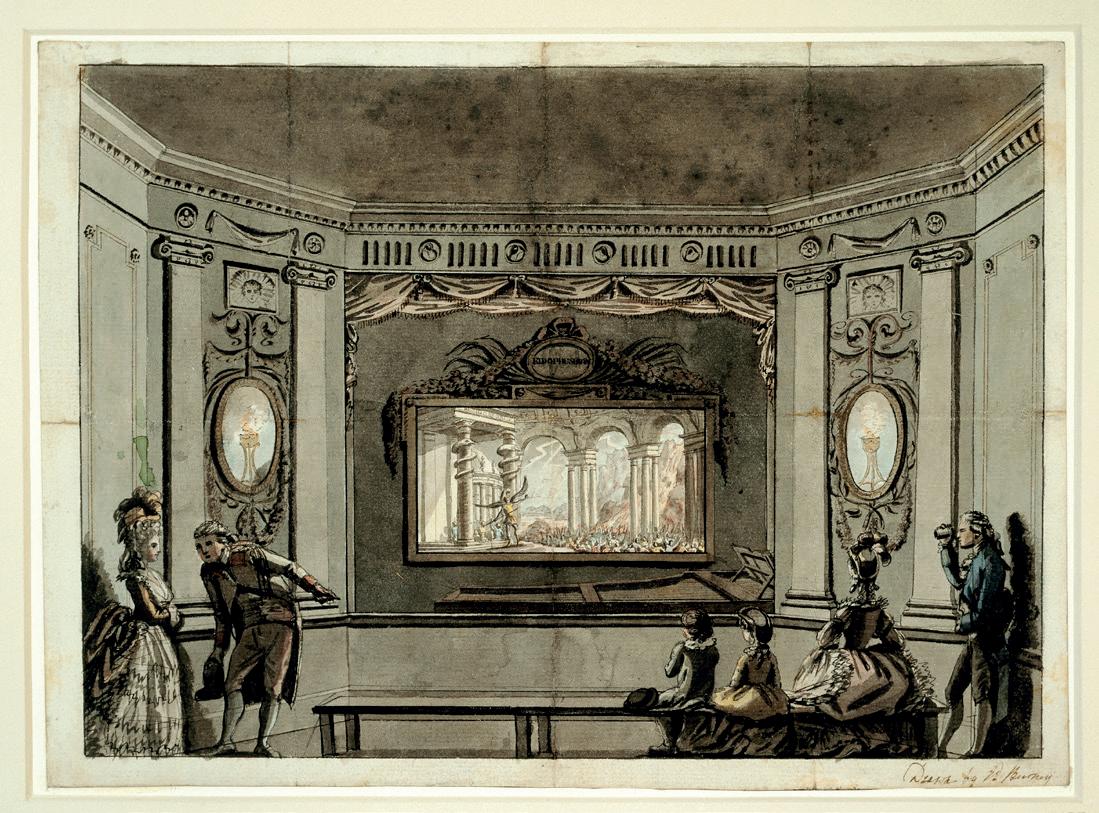
A view of Philip James de Loutherbourg’s Eidophusikon; at left, a man bowing to a woman, to right, figures seated on a bench in the foreground, watching a scene titled ‘Satan Arraying his Troops on the Banks of a Fiery Lake, with the Raising of the Palace of Pandemonium’ during a performance of Milton’s “Paradise Lost” on a stage labelled EIDOPHUSIKON in a cartouche above. c.1782 Pen and grey ink and grey wash, with watercolour. © The Trustees of the British Museum.
‘you have certainly noticed how I avoid the resolutions that [one] would most readily expect. The reason is that there is no form in anything [in the universe] yet.’
Seeing and Hearing
Haydn also showed Silverstolpe Raphael’s first aria: ‘You see how the notes run up and down like waves; see there too, the mountains that come from the depths of the sea?’ His invitation to ‘see’ the musical effects tells us something crucial about how he wanted listeners to experience the music. Indeed, early listeners described their experiences of The Creation in strikingly audio-visual, immersive terms. After the first public performance in Vienna, Joseph Richter wrote that ‘you heard the rain falling and the water rushing and the birds really singing and the lion roaring, and you could even hear the worms crawling along the ground.’ In 1802, Carl Zelter described how:
‘Music and repose are made to come alive by a magical play of colour on the imagination and by the art of the music; all this is paraded in front of the inner eye like a fine shadowplay, showing us the beauties of paradise, a wonderful garden or a world newly born.’
Shadow-plays were a new form of entertainment in salon culture that drew on the latest science and technology to conjure
spectacular scenery and moving images before the very eyes of the viewers. This type of spectacle was pioneered in London by the artist and set designer of the Drury Lane Theatre, Philip de Loutherberg, who had opened the ‘Eidophusikon’ – an early form of cinema, particularly famed for its realistic depictions of nature, and even scenes from Milton’s Paradise Lost – in 1781. There is no record that Haydn himself attended the ‘Eidophusikon’, but he did make a specific note of his encounter with Loutherberg while visiting Portsmouth. Ever a keen observer of people, he was also highly alert to the latest intellectual and cultural trends in the London public. Haydn could not have missed the newly-popular fascination with the natural world, including all of the exciting new ways of ‘seeing’ it, that was bubbling in the air.
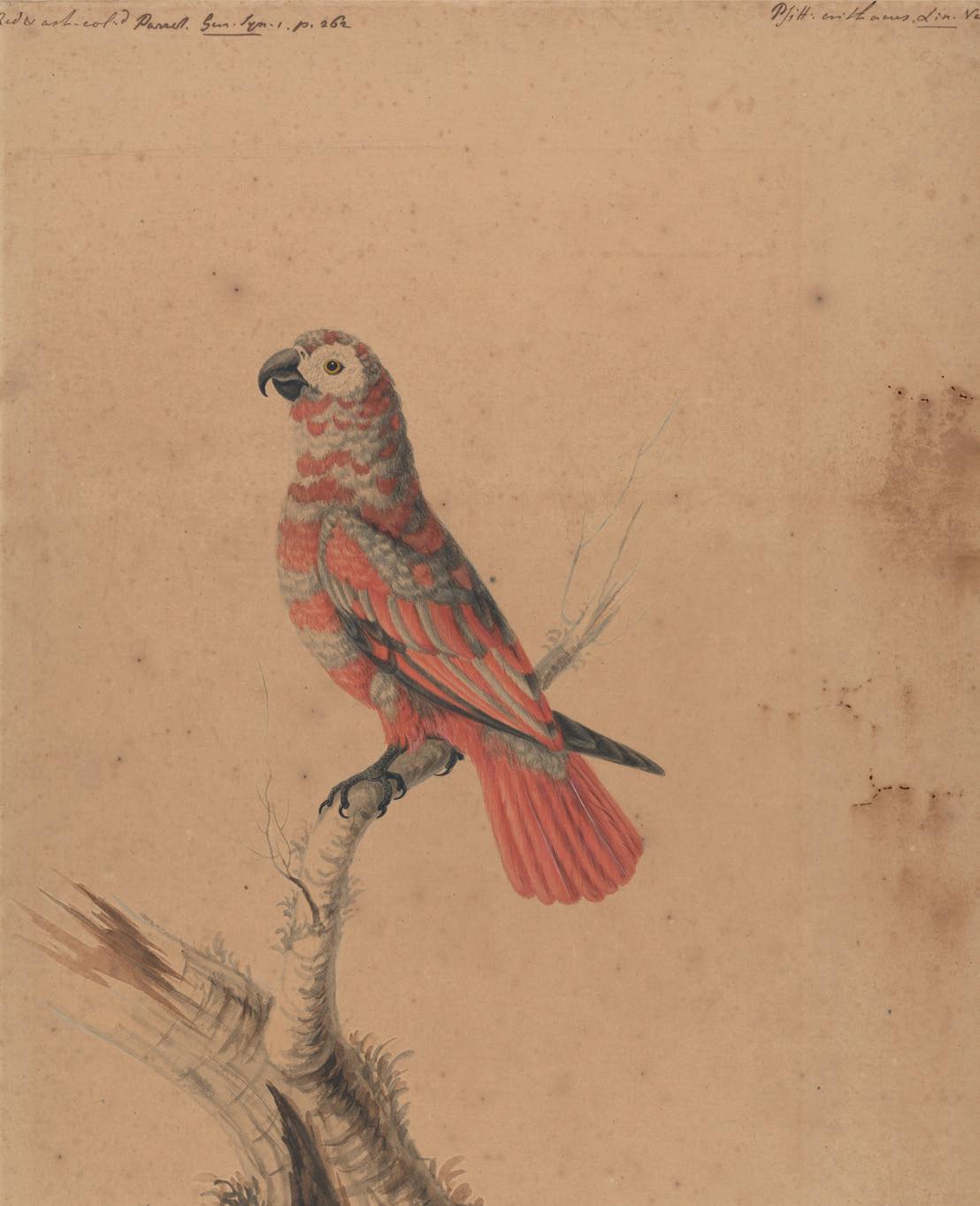
Haydn had, of course, visited Dr Herschel’s magnificent telescope in Slough in 1792. But there was no less appreciation of the scientific marvels closer to home for the London public. Beautifully-illustrated books on natural history were published, and museums housing objects and specimens for public viewing, such as the Leverian Collection in Leicester Square, had recently opened. Haydn actively sought the company of the most inspiring thinkers of the age. His personal relationship with Sir Joseph Banks, the great explorer and botanist who had voyaged around the world with Captain Cook, is documented in Banks’ collection of autographed tickets and programmes to Haydn’s concerts, held in the British Museum. Haydn dined with Sarah Stone, a celebrated artist of natural history who painted for the Leverian Collection, and he may have even seen the vast array of animal specimens collected by the famous surgeon, Dr John Hunter. His wife, Anne Hunter, was a particular friend of Haydn’s, and, with the Hunter household just a short walk away from his lodgings, Haydn regularly attended her weekly musical salons. She provided the text and inspiration for several of his English Canzonettas, and even penned her own English translation of The Creation (while still graciously subscribing to the original publication).
Through The Creation, Haydn pioneered a kind of immersive, visual listening that was entirely new, but also entirely of its time, playing into public fascination with the capabilities of new technologies and their complex relationships with the natural world. Just as the artist Thomas Gainsborough was overwhelmed by the realism of the moving images in Loutherberg’s ‘Eidophusikon’, Haydn conjures birds and beasts before our eyes and ears as vividly as though we ourselves are having close encounters with tigers in the Tower of London. In Haydn’s hands, it was the orchestra that became a technology for exploring, magnifying and amplifying the natural world. On the other hand, jubilant choruses such as ‘The heavens are telling the glory of God’ or the sparkling, celebratory counterpoint in the final chorus of Part II, convey a Handelian spirit that transports us back to the sacred surroundings of Westminster Abbey: Haydn’s reverent commemoration of an essential aspect of British culture, enhanced by the latest developments in instrumental technology. The atomic particles of Haydn’s wild and wonderful experiences in London ultimately collided to create something truly glorious: a radiant, life-enhancing celebration of the natural world – including, of course, his very own musical menagerie.
Dr Rachel Stroud is a violinist and musicologist from King’s College, University of Cambridge.
THE GIRL FROM ARLES 9 & 10 October
CHRISTMAS ORATORIO 5 & 6 December
A VIENNESE HOUSE PARTY 28 January
THE RITE OF SPRING 18 February
ST JOHN PASSION 10 March
VIVALDI FOR MANY 16 April
TOTAL ECLIPSE 16 May

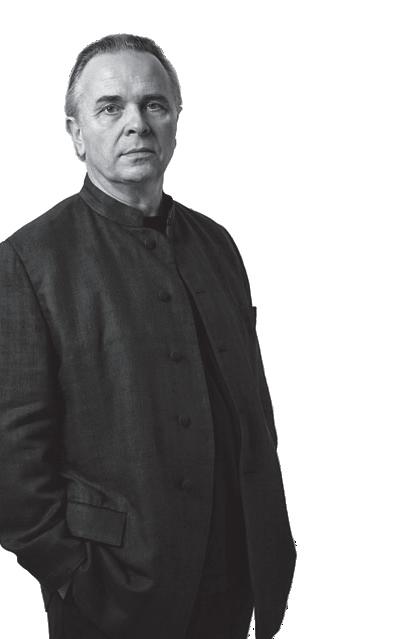
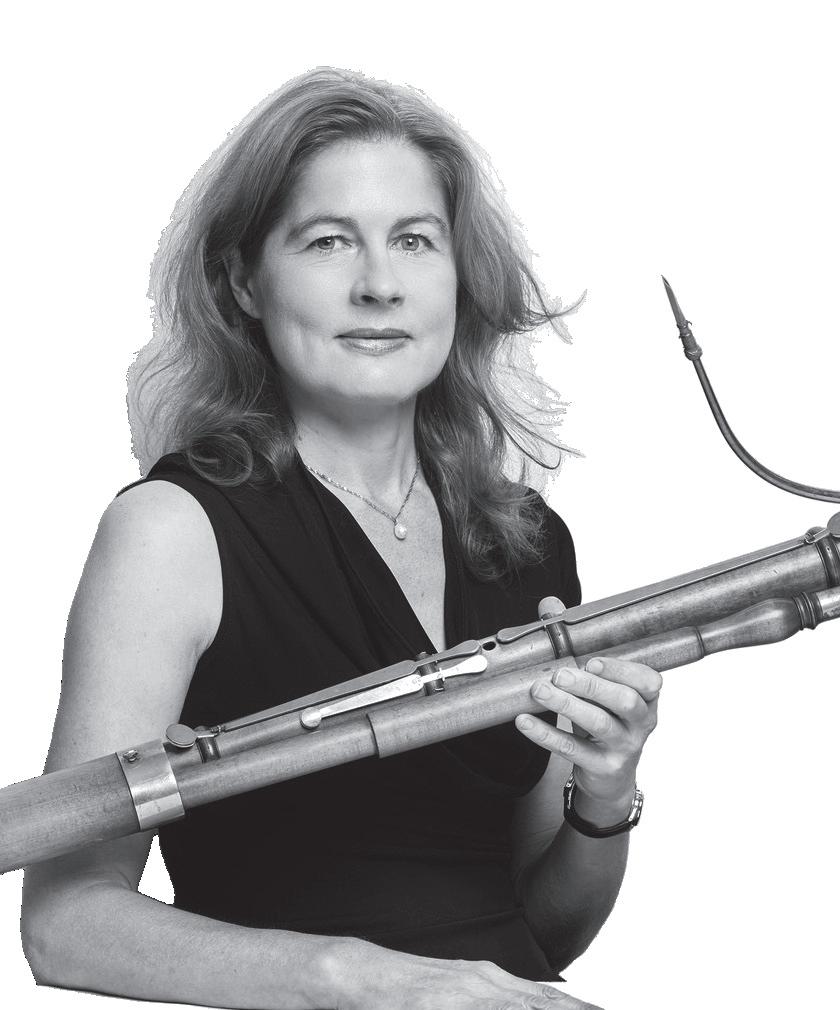
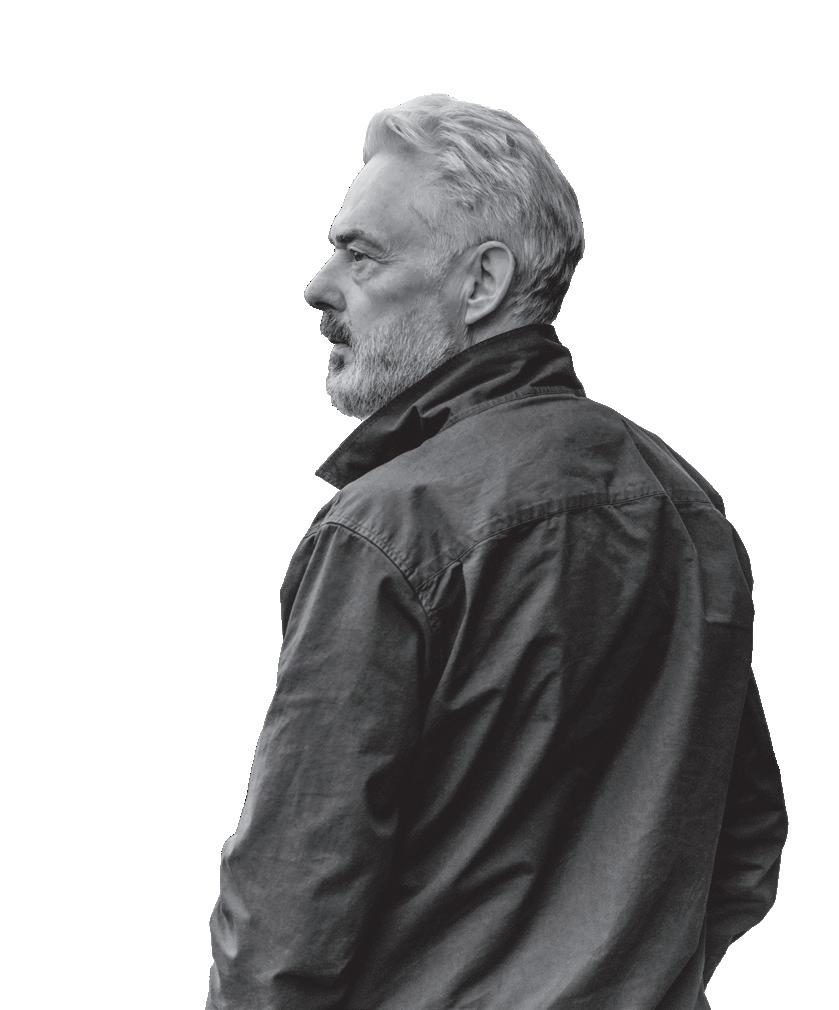
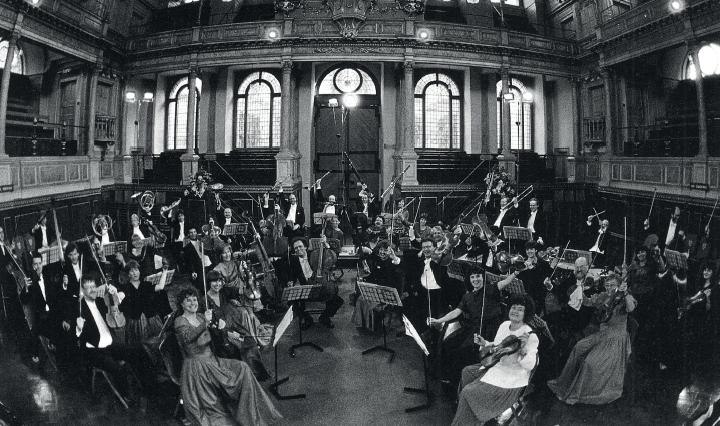
Jan Schlapp, a founding player, recalls the OAE’s beginning
I find it difficult to untangle the many strands of myth and memory that surround the beginning of the OAE. My personal memory is of my late husband, cellist Timothy Mason, coming home after a day of rehearsals in 1985, fired up with enthusiasm, saying “We are going to start our own orchestra and it is going to be player-led”. Busy as I was with two very young children I was initially less than enthusiastic because it seemed an almost impossible idea – where would the money come from? How would we organise it? Who would be involved?
The seed of the idea had been planted by regular conversations between the bassoonist, Felix Warnock, the violinist Marshall Marcus, and Tim, about how to break free from the status quo of London period orchestras. We had little say in any of these orchestras and we felt a bit underappreciated. But more important was the fact that we couldn’t tap into what was going on the continent. The BBC were broadcasting several of the continental giants of period performance such as Harnoncourt, Kuijken, Brüggen, Leonhardt, Christie and Koopman, but we couldn’t access their knowledge and experience. Their way of exploring baroque music was different from our English directors and fascinating to us, because of their intellectual seriousness and their depth of knowledge about
instruments, phrasing, repertoire and style. They had been involved in period instrument performance much longer than us and we wanted to be free to absorb it all. At that time we had no way of inviting them to come to work with us in the UK.
Gradually, in discussion with all interested parties, the idea of a player-led orchestra took shape. Sponsorship was found. Everyone would be paid the same, there would be at least three leaders, and there would be an artistic committee elected by the players who would lead on concerts and repertoire. And out of this “organised chaos” as Marshall put it, came our first London concert in the Queen Elizabeth Hall in June 1986 with Sigiswald Kuijken directing a programme moving from Rameau to Haydn. This marked the beginning of OAE’s journey. Forty years on, that journey continues today, still with the same ethos and the shared excitement of discovery.
Read Jan’s full article about how the OAE was founded on our blog at oae.co.uk/start
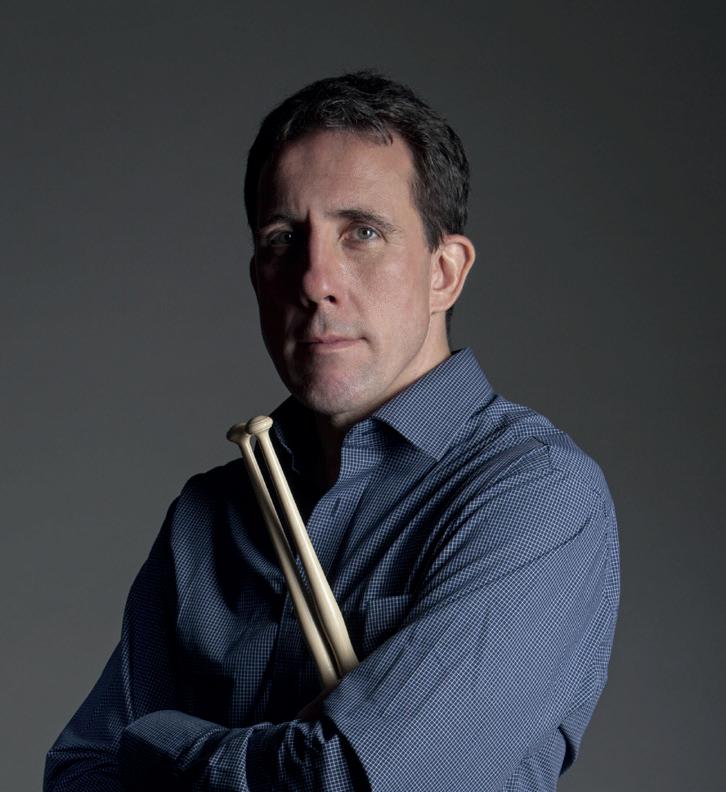
Around 2000, the OAE was doing Beethoven’s Fidelio in Paris with Simon Rattle, and at that point I’d done smatterings of OAE work – bits of percussion, and the odd bit of timpani. Basically, I was painting the ceiling one day when the phone rang: “Can you come to Paris now?”
I was 32 years old. I’d never played Fidelio but I said “yes” and they faxed me the part. So I had this ridiculous roll of fax paper; I threw some things in a bag and went to HMV and spent £37.99 on a recording of Fidelio. And then I went straight to Waterloo to get the Eurostar to Paris, just in time for a half-hour seating call.
I just about made it. Rattle was wonderful. And that was my big break, because from that point, everyone knew who I was and I became a member three or four years later. I was very much from the percussion mainstream - even now, I don’t think any percussionist has ever made a living only through early music. But when I was at college I heard Roger Norrington’s performance of Berlioz’s Symphonie fantastique and that was a light bulb moment for me. I’ll never forget the time we played it with him – he was quirky and he could be tricky, but for me it was iconic.
I’ve collected over 50 period timpani, but the problem is knowing which ones to choose for which repertoire, because I can’t bring them all! The trumpet players can just rummage in their bag and upgrade themselves by 30 years to a later instrument. The clarinettists might take seven clarinets on tour, which is a pain for them – but at least they still fit in a rucksack!
For period timpani heads, we go to the people who manufacture parchment for royal announcements, and acts of Parliament. There was talk about Parliament no longer using parchment, and that would have had a huge impact on us, because we get the off-cuts - the rougher, less expensive bits, where the goat sat on some barbed wire, or there’s a smudge or blemish. But there are only a couple of makers in Europe and you can’t make a living as a timpani skin maker. You have to make lots and lots of different types of vellums and parchments – so we rely on Parliament continuing to publish acts on vellum!
Adrian was talking to Richard Bratby
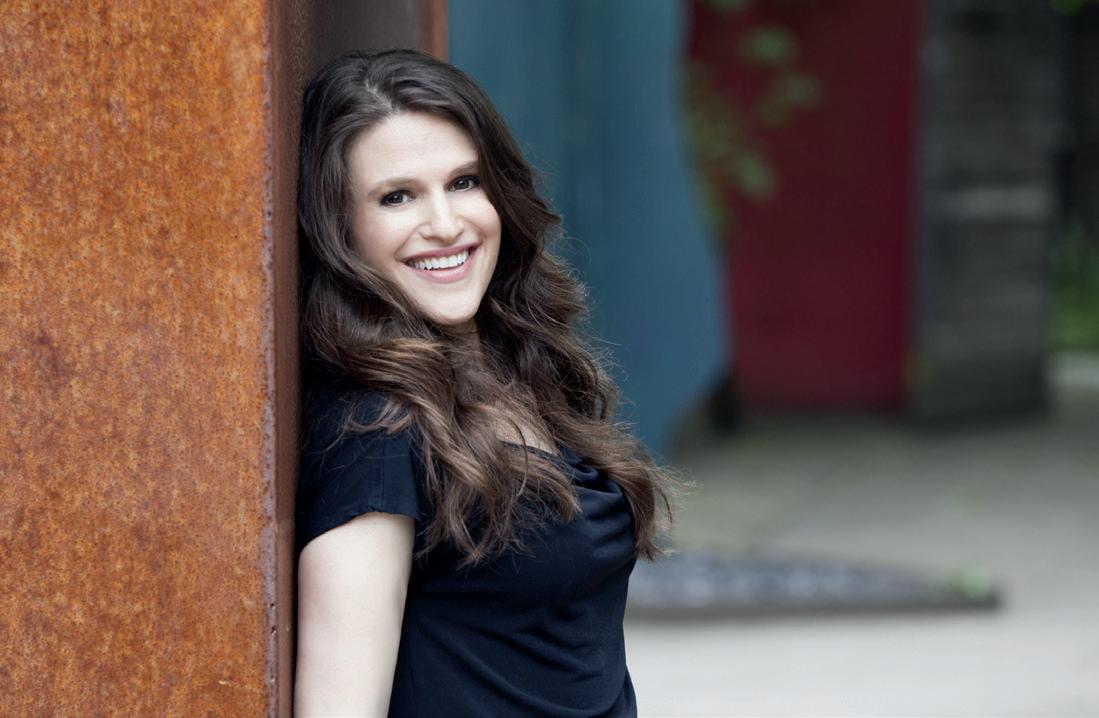
American soprano Robin Johannsen is known for her virtuosity, energy, agility, endurance, and above all for her scintillating coloratura. On the operatic stage she has appeared at Deutsche Oper Berlin where she started her career as a young artist, Theater an der Wien, Festspielhaus Baden-Baden, Athens’ Megaron, Staatsoper Berlin, Hamburgische Staatsoper, Semperoper Dresden, Teatro Regio Torino, Staatsoper Stuttgart, Oper Frankfurt, Vlaamse Opera, Théâtre Royal de la Monnaie, Komische Oper Berlin, Oper Leipzig and Bayreuth Festival in roles including Susanna Le nozze di Figaro, Norina Don Pasquale, Oscar Un ballo in maschera, Marzelline Beethoven’s Leonore, Konstanze Die Entführung aus dem Serail, Fiordiligi Così fan tutte, and the title role of Telemann’s Emma und Eginhard.
Robin has a special affinity for the Baroque and Classical repertoires and is a frequent guest with the Freiburger Barockorchester, Akademie für Alte Musik Berlin, La Cetra Basel, the Internationale Bachakademie Stuttgart, Concerto Köln, and Belgium’s B’Rock. She has also collaborated with conductors such as René Jacobs, David Afkham, Marin Alsop, Jonathan Cohen, Ottavio Dantone, Mirga Gražinytė-Tyla, Thomas Hengelbrock, Philippe Herreweghe, Manfred Honeck, Ton Koopman, Antonello Manacorda, Alessandro De Marchi, Andrea Marcon, and Hans-Christoph Rademann.

In the United States, Robin has appeared with the Pittsburgh, Baltimore, Dallas, Cincinnati and National Symphony Orchestra as well as with the Handel & Haydn Society, Musica Angelica, and Philharmonia Baroque Orchestra. She has also performed at Alice Tully Hall at Lincoln Center, Kennedy Center, Philadelphia Kimmel Center, Carnegie Hall, Cincinnati Music Hall, and the Oregon Bach Festival.
This 2025/26 season Robin looks forward to Bach’s Christmas Oratorio with La Cetra Basel and Gewandhaus Orchestra Leipzig, as well as singing Eva in Scarlatti’s Il primo omicidio with Wroclaw Baroque Orchestra, and performing with orchestras such as Musica Angelica Los Angeles under Martin Haselböck, Scottish Chamber Orchestra for Beethoven’s Ah Perfido, Orfeo Orchestra, Freiburger Barockorchester and Handel and Haydn Society of Boston under Jonathan Cohen.
Robin has built up an impressive discography, including Die Entführung aus dem Serail under René Jacobs for Harmonia Mundi for which she was awarded an Edison Classical Music Award for her performance as Konstanze. Her latest release includes Mozart in Milan: Exsultate jubilate (Arcana) with Giulio Prandi.

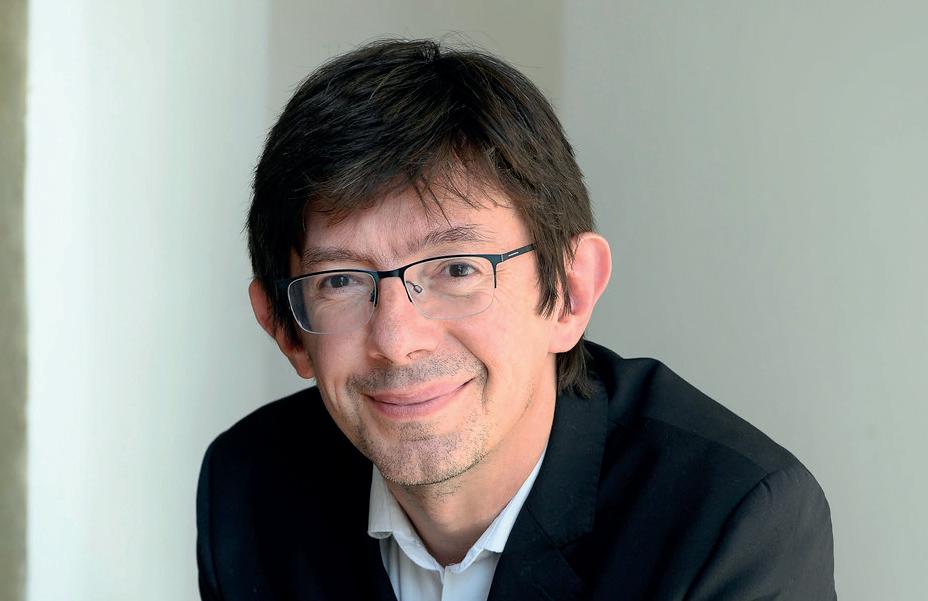
Václav Luks studied at the Academy of Performing Arts in Prague, and he furthered his education with the specialized study of early music at the Schola Cantorum Basiliensis in Switzerland. In 2005, he founded the Prague Baroque orchestra Collegium 1704 and the vocal ensemble Collegium Vocale 1704. Under his leadership, the ensembles have made guest appearances at prestigious festivals, have performed in important European concert halls in such cities as Berlin, Vienna, Salzburg, Brussels, Amsterdam, Warsaw, and London, and have shared the stage with some of the world’s most acclaimed singers including Magdalena Kožená, Karina Gauvin, Vivica Genaux, Sandrine Piau, Philippe Jaroussky, Bejun Mehta, Sarah Mingardo, Adam Plachetka, and Andreas Scholl.
Their recordings have won not only the enthusiastic acclaim of listeners, but also numerous awards from critics including Les Trophées, the Diapason d’Or, and the Preis der deutschen Schallplattenkritik.
In May 2021, Václav Luks conducted Collegium 1704 at the opening concert of the Prague Spring International Music Festival. His activities have played an important role in reviving interest in the music of the Czech composers Jan Dismas Zelenka and Josef Mysliveček and have strengthened CzechGerman cultural ties by rediscovering the two countries’ shared musical traditions. Václav Luks has collaborated on operatic and theatrical productions with such stage directors as Willi Decker, Ursel Herrmann, Louise Moaty, David Radok, Jiří Heřman etc.
Since 2021, he has been guest conducting the Handel & Haydn Society in Boston, and for the 2022−2025 seasons he is an artist-in-residence of the Kammerakademie Potsdam.
Besides working intensively with Collegium 1704, Václav Luks also appears with other acclaimed orchestras in the field of early music such as the Orchestra of the Age of Enlightenment, the Netherlands Bach Society, the Akademie für Alte Musik Berlin, Concerto Köln, La Cetra Barockorchester Basel etc.
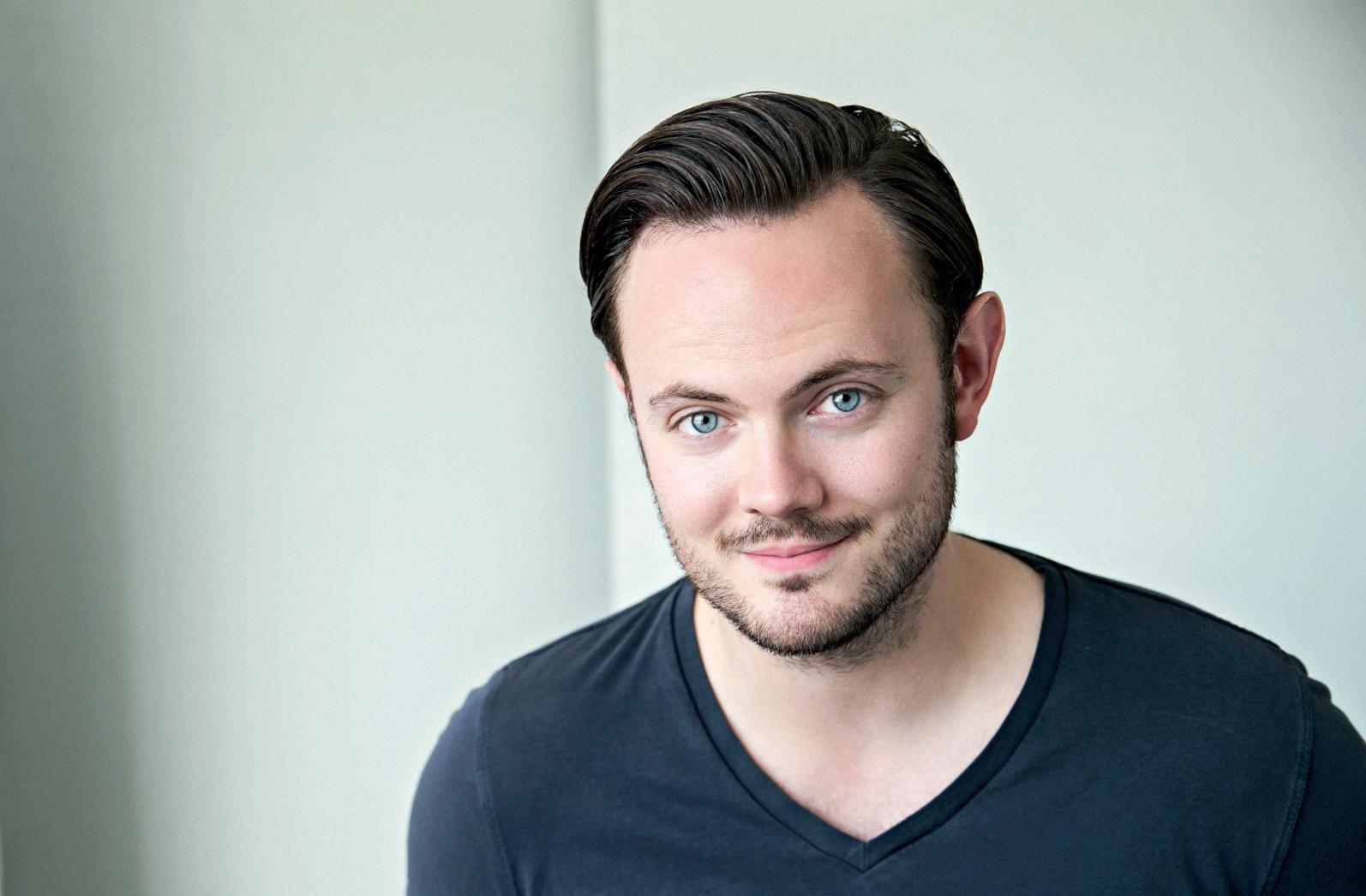
Shropshire-born Tenor Nick Pritchard is fast gaining recognition for his performances of the music of Bach and, in particular, his interpretation of the Evangelist in the Passions. Described as a ‘Masterly Evangelist’ in The Guardian, he has sung the role in Bach’s St John Passion and St Matthew Passion around the world, and his recording of the St John Passion for Deutsche Grammophon with Sir John Eliot Gardiner was nominated for a Grammy Award for Best Choral Performance (2023). This season sees him performing Bach with Les Arts Florissants (Paul Agnew), the Tonkünstler Orchestra (Stefan Gottfried), Monteverdi Choir and Orchestra (Peter Whelan), Arcangelo (Jonathan Cohen), the Academy of Ancient Music (Laurence Cummings) and at the Thomaskirche Leipzig as part of the Bachfest Leipzig (Andreas Reize). Other highlights include Messiah with the Royal Scottish National Orchestra and Royal Liverpool Philharmonic Orchestra, and Haydn’s The Creation under Václav Luks with the Orchestra of the Age of Enlightenment.
Also highly regarded as a recitalist, Nick is Artist in Residence with the Temple Music Foundation in September 2025, performing three concerts including Die schöne Müllerin with Julius Drake, a lute song recital with Elizabeth Kenny and Handel’s Acis and Galatea with the Early Opera Company under Christian Curnyn. He will also perform Die schöne Müllerin with James Baillieu at the Two Moors Festival.
He celebrates the release of his debut recital album in 2025 for the Signum label, Little Wanderer, with his long-term collaborative partner Ian Tindale. The album includes songs by Benjamin Britten, Imogen Holst and the first recording of Daniel Kidane’s Songs of Illumination, commissioned for him by Leeds International Song. He made his Edinburgh International Festival debut in recital with Ian in 2023, which was broadcast on BBC Radio 3.
Other opera roles have included Oronte Alcina for Opera North, Lysander A Midsummer Night’s Dream at the Aldeburgh Festival, Tamino Die Zauberflöte for Glyndebourne on Tour, Ferrando Così fan tutte for Opera Holland Park, Amphinomus The Return of Ulysses for the Royal Ballet and Opera, and Purcell’s The Indian Queen.
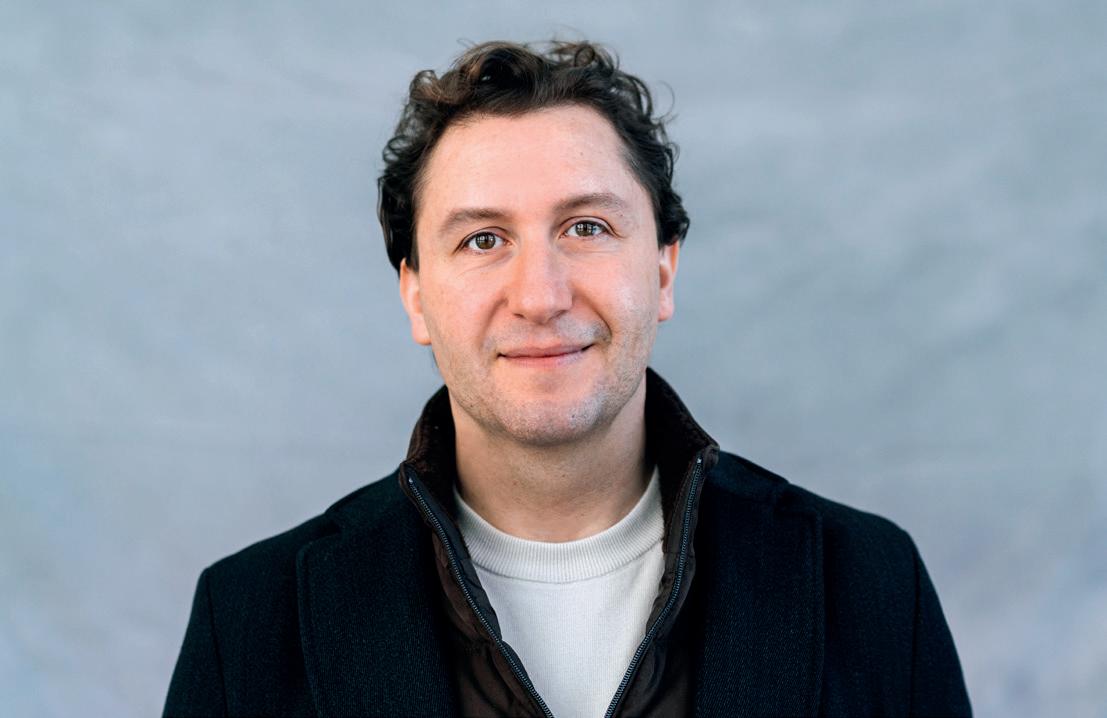
Bass-baritone Krešimir Stražanac is one of Croatia’s leading classical artists, with a prominent international career. A major highlight was his 2023 debut with the Berlin Philharmonic under Kirill Petrenko, performing in Berlin, Madrid, and Barcelona; the Europakonzert from the Sagrada Familia was widely broadcast. In 2025, he debuted with the Los Angeles Philharmonic under Emmanuelle Haïm.
Stražanac is renowned for exploring rarely performed operas, including title roles in Telemann’s Orpheus (Amsterdam) and Caccini’s La liberazione di Ruggiero (Theater an der Wien), where he also appeared as the Devil in Weinberger’s Schwanda, the Bagpiper. Other appearances include Ambrosio in Weber’s The Three Pintos (Leipzig), King Froila in Schubert’s Alfonso und Estrella (Helsinki), and Handel’s Messiah staged by Robert Wilson in Barcelona. In 2026, he debuts as Falstaff in Salieri’s Falstaff under René Jacobs.
After studies in Stuttgart, he joined the Zurich Opera, performing roles such as Harlequin Ariadne auf Naxos, Baron Tusenbach Three Sisters, Ping Turandot, and Don Fernando Fidelio, collaborating with conductors including Vladimir Fedoseyev, Bernard Haitink, Nello Santi, Peter Schneider, and Franz WelserMöst. Guest appearances have taken him to the Bavarian State Opera, Frankfurt Opera, and beyond.
A sought-after concert soloist, Stražanac has performed with leading ensembles such as the Bavarian Radio Symphony Orchestra, Concertgebouw Orchestra, Staatskapelle Dresden, Leipzig Gewandhaus Orchestra, and WDR Symphony Orchestra Cologne. He has worked with distinguished conductors including Herbert Blomstedt, Ivan Fischer, Manfred Honeck, Jukka-Pekka Saraste, Jonathan Nott, Petr Popelka, and Jaap van Zweden, and maintains close collaborations with Philippe Herreweghe, Collegium Vocale Gent, and Orchester des Champs-Élysées.
He appears regularly in major venues such as the Berlin Philharmonie, Vienna Musikverein and Konzerthaus, Amsterdam Concertgebouw, London Barbican Centre, Walt Disney Concert Hall in Los Angeles, and Suntory Hall in Tokyo, as well as at festivals including Salzburg, Bachfest Leipzig, Rheingau, and Gstaad Menuhin. His acclaimed discography includes a Porin Award-winning 2025 album of songs by Blagoje Bersa.








Gramophone has been the world’s leading authority on classical music recordings since 1923. With 13 issues a year, every edition will enrich your classical music knowledge with more than 100 expert reviews of the latest recordings, plus in-depth artist interviews and features about composers past and present.
Chief Executive
Crispin Woodhead
Chief Operating Officer
Edward Shaw
BUSINESS DEVELOPMENT
Business Development
Director
Jo Perry
DEVELOPMENT
Head of Grants (maternity leave)
Madison Hallworth
Head of Grants (maternity cover)
Samantha Haycock
Development Director
Harry Hickmore
Head of Individual Giving (maternity cover)
Luka Lah
Development Officer
Eric Ohlund
Head of Individual Giving (maternity leave)
Hattie Rayfield-Williams
Development Officer
George Wise
DIGITAL
Head of Digital Content
Zen Grisdale
EDUCATION
Education Director
Cherry Forbes
Education Officer
Sofia Swenson-Wright
FINANCE
Accounts Officer
Dylan Carter
Finance Director (maternity leave)
Mary Price
Finance Director (maternity cover)
Catherine Sullivan
Finance Manager
Chloe Tsang
MARKETING
Marketing Director
Doug Buist
Ticketing & Data Manager
Paola Rossi
Marketing Officer
Dora Tsang
PROJECTS
Projects Director
Sophie Adams
Projects Manager
Ed Ault
Projects Officer
Doug Findlay
Orchestra Consultant
Philippa Brownsword
Choir Manager
David Clegg
Librarian
Roy Mowatt
OAE-Acland Burghley
School Link
Anna Rimington
Huw Daniel
Kati Debretzeni
Margaret Faultless
Matthew Truscott
PLAYERS’ ARTISTIC COMMITTEE
Cecelia Bruggemeyer (Chair)
Alexandra Bellamy
Daniel Edgar
Katherine Spencer
Christine Sticher
PRINCIPAL ARTISTS
John Butt
Sir Mark Elder
Adam Fischer
Iván Fischer
Vladimir Jurowski
Sir Simon Rattle
Sir András Schiff
EMERITUS CONDUCTORS
William Christie
Sir Roger Norrington
LIFE PRESIDENT
Sir Martin Smith
BOARD OF DIRECTORS
Imogen Charlton-Edwards (Chair)
Daniel Alexander
Emma-Jane Azkoul
Alexandra Bellamy
Cecelia Bruggemeyer
Daniel Edgar
Adrian Frost
Alison McFadyen
Roger Mountford
Katherine Spencer
Christine Sticher
Dr. Susan Tranter
Elly Williamson
Crispin Woodhead
OAE TRUST
Adrian Frost (Chair)
Mark Allen
Imogen Charlton-Edwards
Hannah Yan Field
Dino Fontes
Paul Forman
Jessica Kemp
Maarten Slendebroek
Jessica Smith
Sir Martin Smith
Caroline Steane
Season curated by Annette Isserlis
Season identity by
Hannah Yates
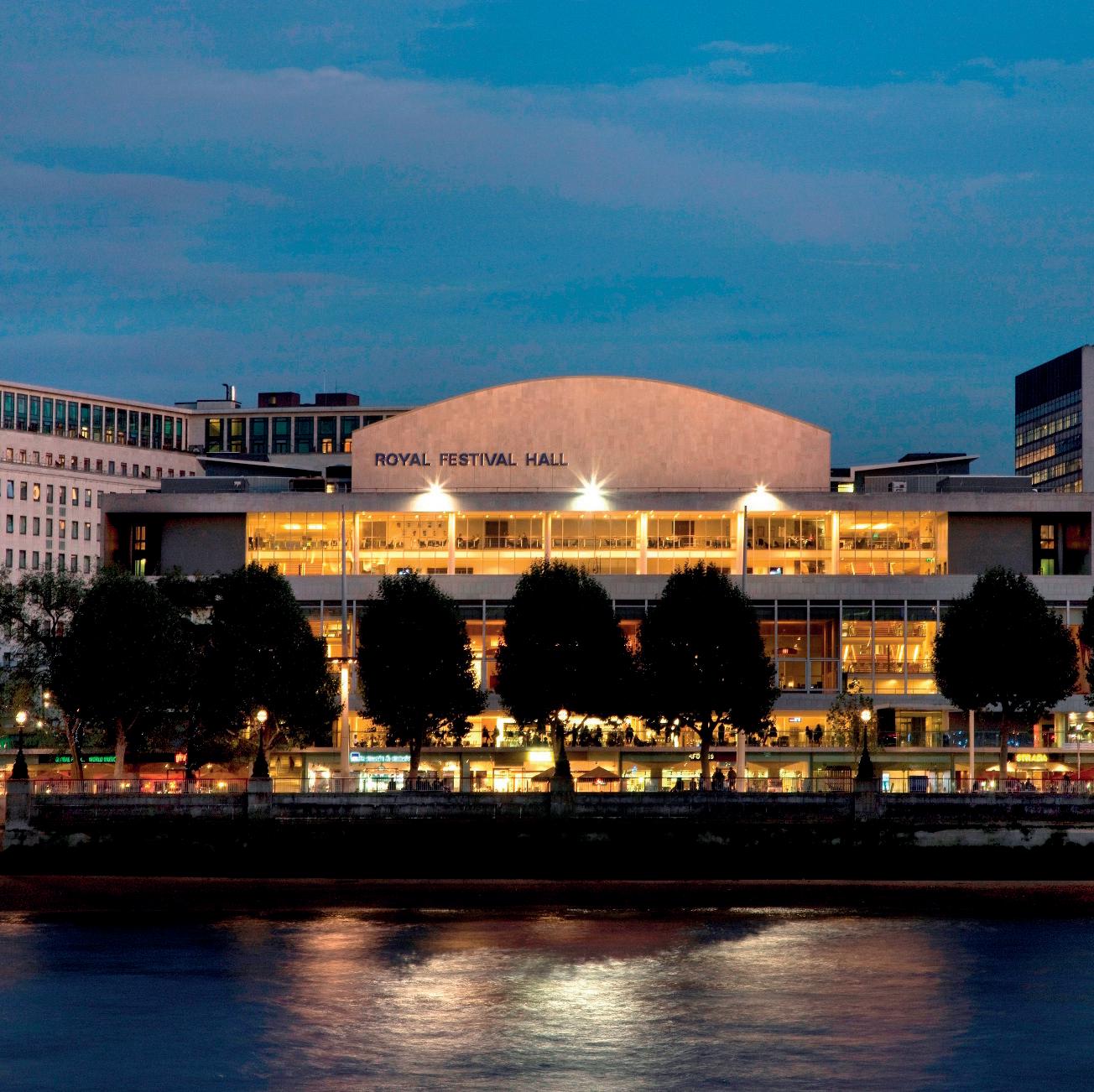
We’re the UK’s largest centre for the arts and one of the nation’s top five visitor attractions, showcasing the world’s most exciting artists at our venues in the heart of London. As a charity, we bring millions of people together by opening up the unique art spaces that we care for.
The Southbank Centre is made up of the Royal Festival Hall, Queen Elizabeth Hall, Purcell Room, Hayward Gallery, National Poetry Library and Arts Council Collection. We’re one of London’s favourite meeting spots, with lots of free events and places to relax, eat and shop next to the Thames.
We hope you enjoy your visit. If you need any information or help, please ask a member of staff. You can also write to us at Southbank Centre, Belvedere Road, London SE1 8XX, or email hello@southbankcentre.co.uk
Subscribers to our email updates are the first to hear about new events, offers and competitions. Just head to our website and sign up.
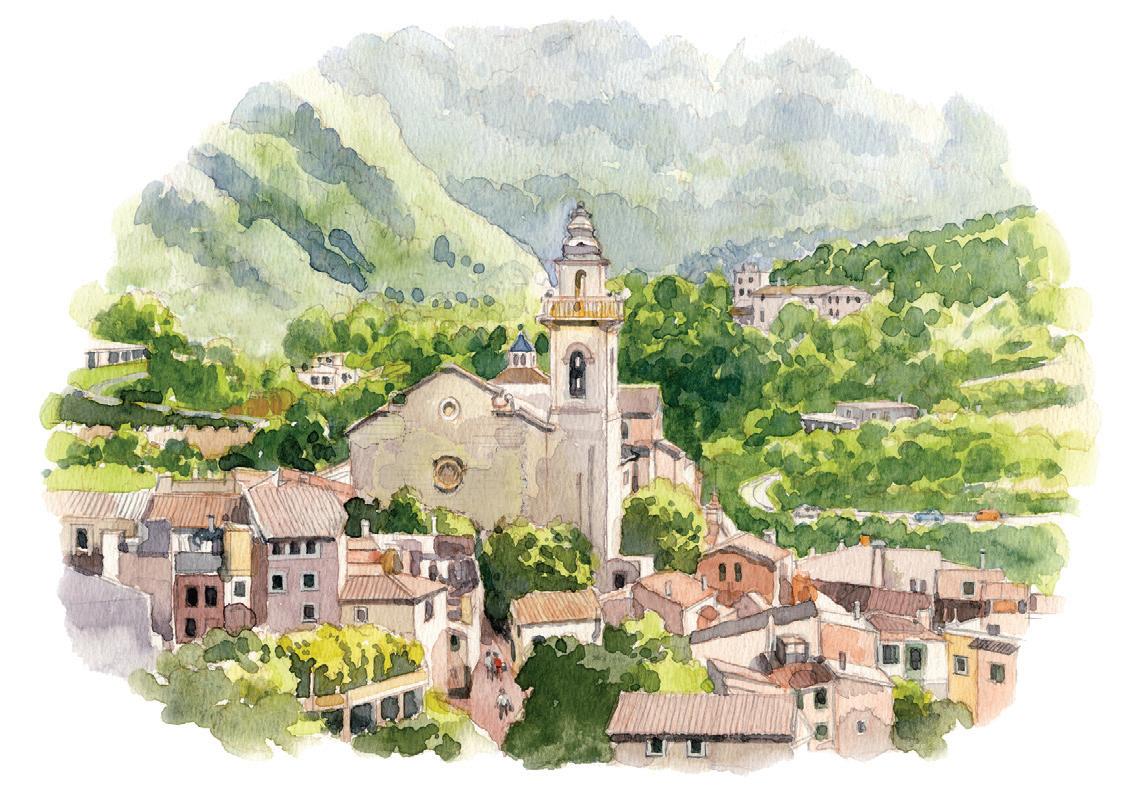
Kirker Holidays creates carefully-crafted short breaks and tailor-made holidays for discerning travellers, including individually selected four- and five-star hotels, private transfers, flights from your local airport and the services of the Kirker Concierge to book expert local guides, tickets for opera, ballet and concerts or a table reservation at a recommended restaurant.
For those who enjoy travelling with a group of like-minded companions in the company of an expert tour leader, Kirker’s range of Cultural Tours & Music Holidays are designed to appeal to interests including Art, History, Architecture, Gardens, Music and Food & Wine.
Each of our carefully-curated Exclusive Kirker Music Festivals includes a series of private concerts with international musicians of the highest calibre. Guests and performers alike particularly enjoy the rapport between audience and artists which is generated during the course of Kirker drinks parties, concerts and workshops.

Get 50% off an annual subscription
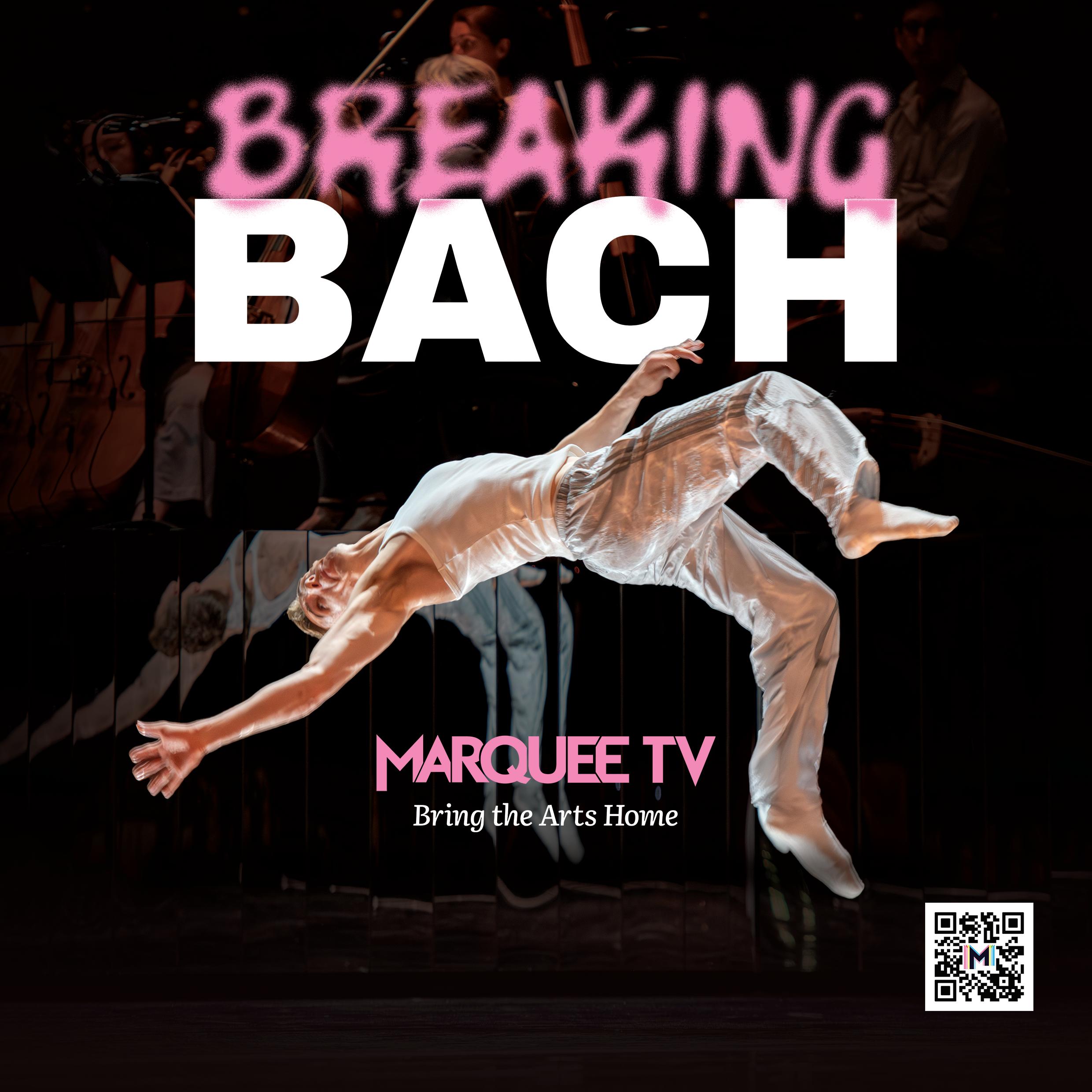
Breaking Bach pairs hip hop dancers with Bach’s complex rhythms in a bold collaboration with Kim Brandstrup and the Orchestra of the Age of Enlightenment. Stream it now.

This looks like a long list, doesn’t it? But these generous people and organisations provide OAE with around half of our income every year. Contact us on development@oae.co.uk if you would like to join us as a supporter.
Principal Patrons
Imogen Charlton-Edwards*
Denys and Vicki Firth*
Adrian Frost and Stephanie Bickel*
Sir Martin and Lady Smith OBE*
Dr Tony Trapp MBE
Season Patrons
Mark and Susan Allen*
Julian and Annette Armstrong*
Hannah Yan Field
Bruce Harris*
Nigel Jones and Françoise Valat-Jones*
Sir Timothy and Lady Lloyd*
Selina and David Marks*
Philip and Rosalyn Wilkinson*
Mark and Rosamund Williams*
Project Patrons
Victoria and Edward Bonham Carter
Professor Richard Portes CBE FBA*
Ian S Ferguson CBE and Dr Susan Tranter
John and Rosemary Shannon
Aria Patrons
Joanna and Graham Barker
Steven Larcombe
Peter and Veronica Lofthouse
Stanley Lowy
Alison McFadyen
Peter Rosenthal
Maarten and Taina Slendebroek
Caroline Steane
Lord and Lady Stirrup
Eric Tomsett
Mr J Westwood
Chair Patrons
Daniel Alexander KC
Co-Principal Cello
Katharine Campbell Violins
Anthony and Celia Edwards Principal Oboe
Claire Espiner Cellos
Anna Flynn in memory of James Flynn
Principal Lute / Theorbo
Paul Forman
Co-Principal Cello / Principal Horn
Jonathan Gaisman Violas
Jane Gilbert Principal Flute
Andrew Green KC and Jennifer Hirschl
Principal Clarinet
Christina M Principal Flute
Michael and Harriet Maunsell
Principal Keyboard
Jenny and Tim Morrison Second Violins
Andrew Nurnberg Co-Principal Oboe
Stephen and Penny Pickles Violas
Professor Richard Portes CBE FBA
Co-Principal Bassoon
John and Rosemary Shannon
Principal Horn
Colin Singer
Education Patrons
David and Marilyn Clark
Sarah and Mark Holford
Sir Timothy and Lady Lloyd*
Nina and Gary Moss
Susan Palmer OBE
Andrew and Cindy Peck
Professor Richard Portes CBE FBA*
Sue Sheridan OBE
Crispin Woodhead and Christine Rice MBE
Associate Patrons
Damaris Albarrán
Noël and Caroline Annesley
Sir Richard Arnold and Mary Elford
Lady Sarah Bowness
David and Marilyn Clark
David Emmerson
Dino Fontes and David Stinson
Lorna Gradden
Roger Heath MBE and Alison Heath MBE
Peter and Sally Hilliar
Philip Hughes
Melanie J. Johnson
Kathryn Langridge
Moira and Robert Latham
Roger Mears and Joanie Speers
David Mildon in memory of Lesley Mildon
John Nickson and Simon Rew
Andrew and Cindy Peck
Tim and Kate Price
David Price and Daniel Gerring
Jan Schlapp – Rehearsal Soup Patron
Michael Spagat and Karen Lauxmann
Roger and Pam Stubbs
Emily Stubbs and Stephen McCrum
Simon and Karen Taube
Elly Williamson
OAE NextGen
Marina Abel Smith
Emma-Jane Azkoul
Marianne and William Cartwright-Hignett
Harry Hickmore
Jessica Kemp and Alex Kemp
* denotes members of The Forty Circle. The Forty Circle provide exceptional philanthropic support to the 2025 / 26 and 2026 / 27 seasons.
Gold Friends
Michael Brecknell
Tony Burt
Gerard Clear
Sir Anthony Cleaver - In Memoriam
Sarah Lady Gough
Chris Gould
Nicola Haskins
Roger Lewis
Alison and Ian Lowdon
Roger & Jane Mountford
Mr and Mrs Smith
Silver Friends
Haylee and Michael Bowsher
Kay and George Brock
Dan Burt
David Cox
Martin Edmunds
Stephen and Cristina Goldring
Malcolm Herring
Patricia Herrmann
Rupert and Alice King
Rose and Dudley Leigh
Anthony and Carol Rentoul
Rupert Sebag-Montefiore
Susannah Simons
Alan Sainer
Steve and Jackie Street
Trusts & Foundations
Arts Council England
The Britford Bridge Trust
John Lyon’s Charity
The Linbury Trust
Paul Hamlyn Foundation
The 29th May 1961 Charitable Trust
The Apax Foundation
Cockayne Grants for the Arts
Dreamchasing
The Foyle Foundation
Henocq Law Trust – The Ann and Peter Law OAE Experience Scheme
John Armitage Charitable Trust
The Neville Abraham Foundation
The Peter Cundill Foundation
The Roger and Ingrid Pilkington
Charitable Trust
The Sir Victor Blank Charitable Settlement
Skyrme Hart Charitable Trust
The Vernon Ellis Foundation
The Albert and Eugenie Frost Music Trust
The Aspinwall Educational Trust
The Charles Peel Charitable Trust
The de Laszlo Foundation
The D’Oyly Carte Charitable Trust
The Garrick Charitable Trust
The Golsoncott Foundation
The Harold Hyam Wingate Foundation
The Idlewild Trust
The John Thaw Foundation
The Michael Marks Charitable Trust
The Patricia Routledge Foundation
The Patrick Rowland Foundation
Scops Arts Trust
The Stanley Picker Trust
The Thistle Trust
Thriplow Charitable Trust
Vaughan Williams Foundation
Corporate Supporters
Ambriel
Hamlins
Kirker Holidays
Mark Allen Group
Honorary Council
Sir Martin Smith (Chair)
Sir Victor Blank
Edward Bonham Carter
Cecelia Bruggemeyer
Denys Firth
Nigel Jones
Max Mandel
Marshall Marcus
David Marks
Julian Mash
Roger Montgomery
Susan Palmer OBE
David Pickard OBE
Jan Schlapp
Diane Segalen
Lady Elise Smith OBE
Emily Stubbs
Rosalyn Wilkinson
Mark Williams
Thank you to our Friends, Bronze Friends and supporters who wish to remain anonymous.

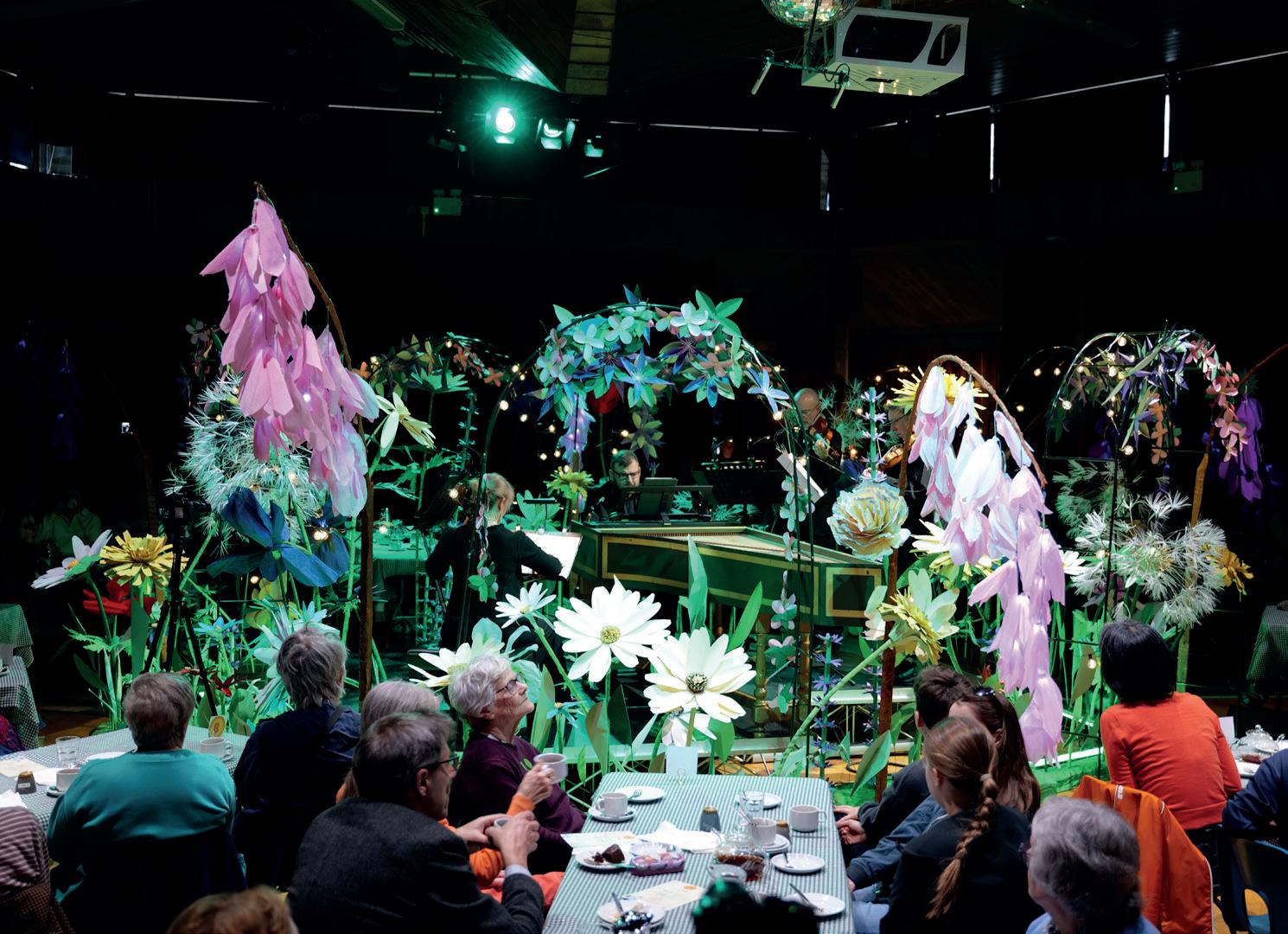
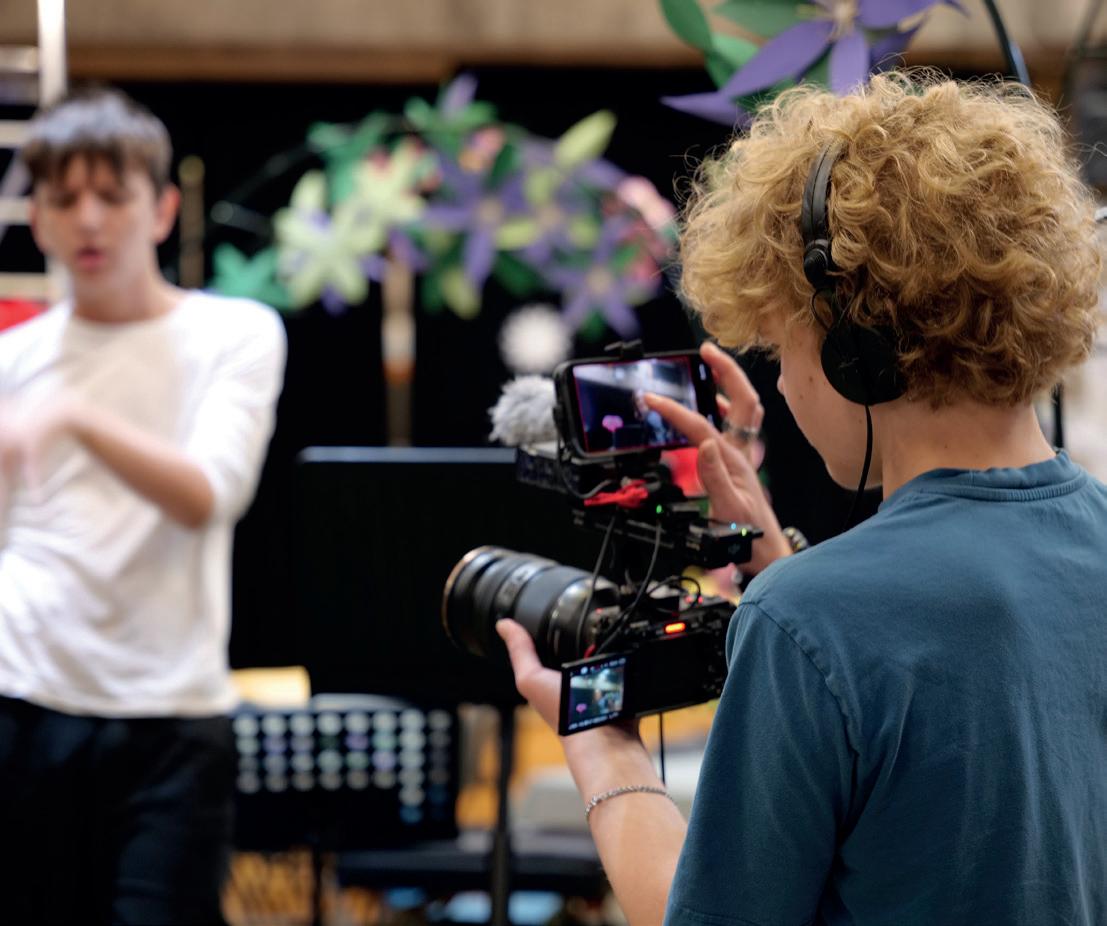
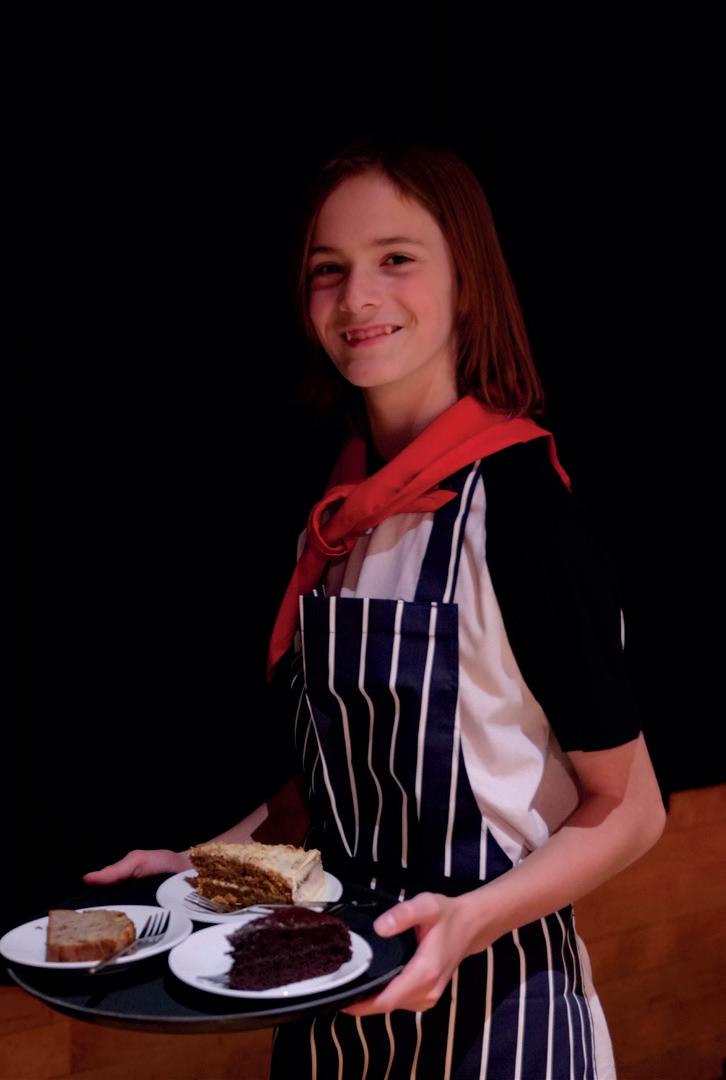
A little musical magic has been blooming this spring at our home in Acland Burghley School, Camden. Inspired by the coffee house concerts once enjoyed by JS Bach in Leipzig, our Dreamchasing Young Producers have transformed the Assembly Hall into a secret garden café — complete with hundreds of handmade paper flowers, atmospheric lighting, and a stage set for hidden musical treasures. Join us for some coffee, cake and to be transported somewhere entirely unexpected.
The Dreamchasing Young Producers are funded by Sir Ron Dennis’ Dreamchasing foundation.
Find out more at oae.co.uk
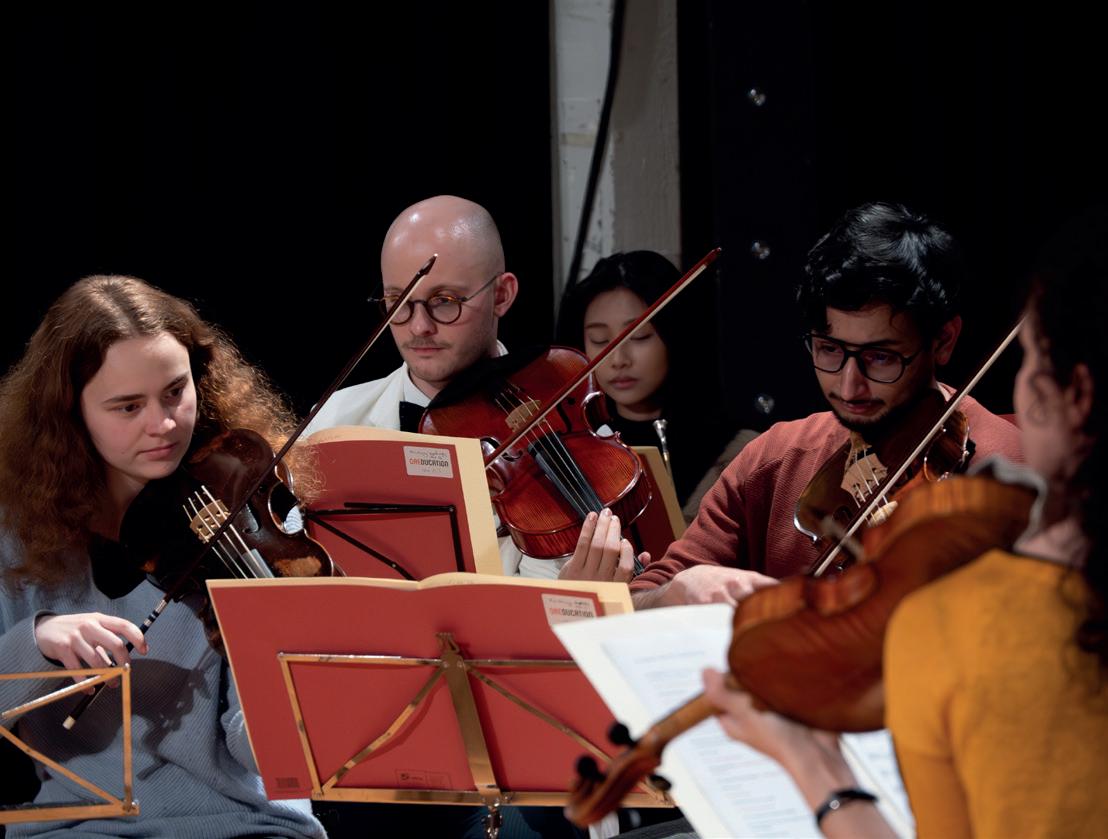
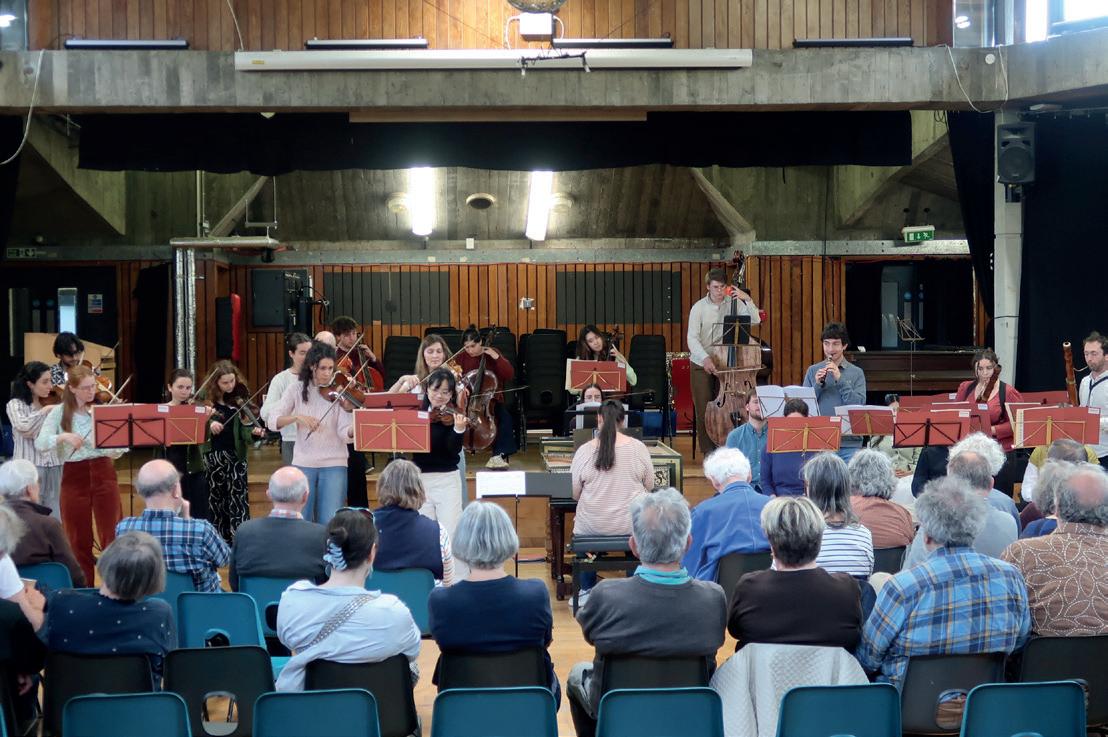
31 instrumentalists from across Europe are embarking on a two-year placement with the orchestra as part of the 2026 / 27
Ann & Peter Law OAE Experience Scheme. Giving gifted early career period instrument musicians the opportunity to work and perform together during five academy courses, with coaching from Orchestra members, and access to rehearsals, the programme offers an intensive introduction to life inside
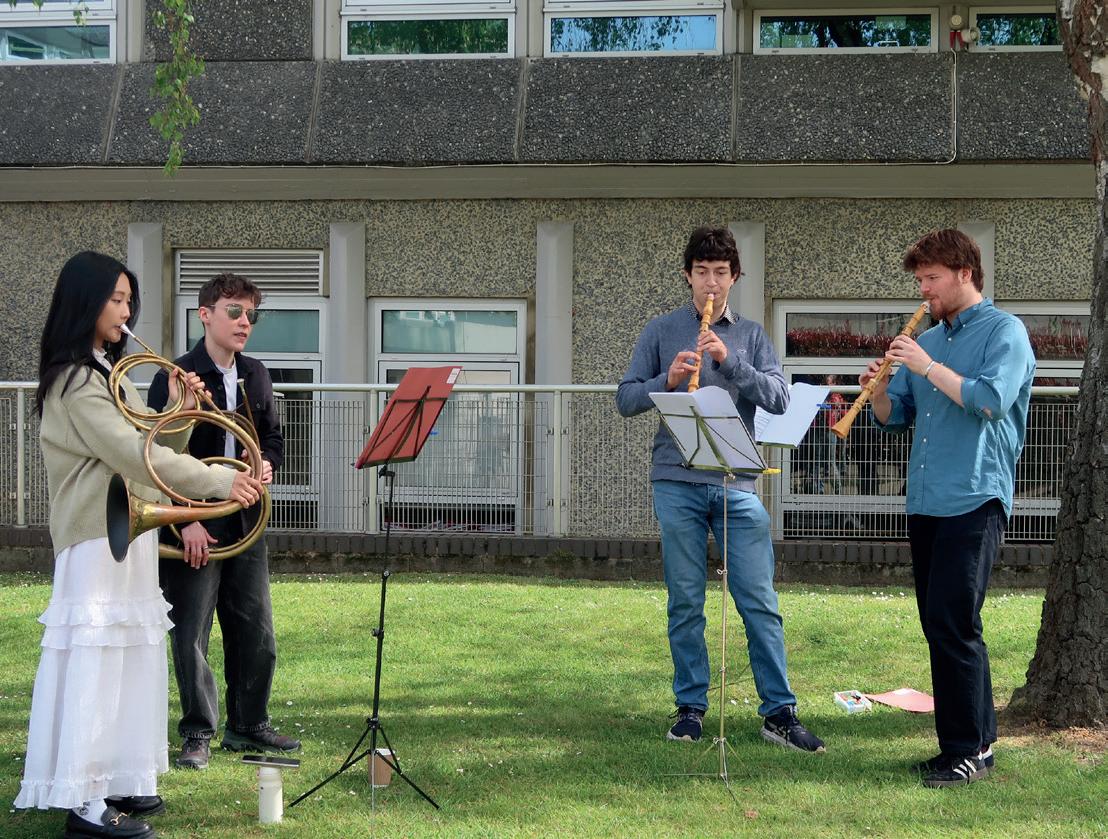
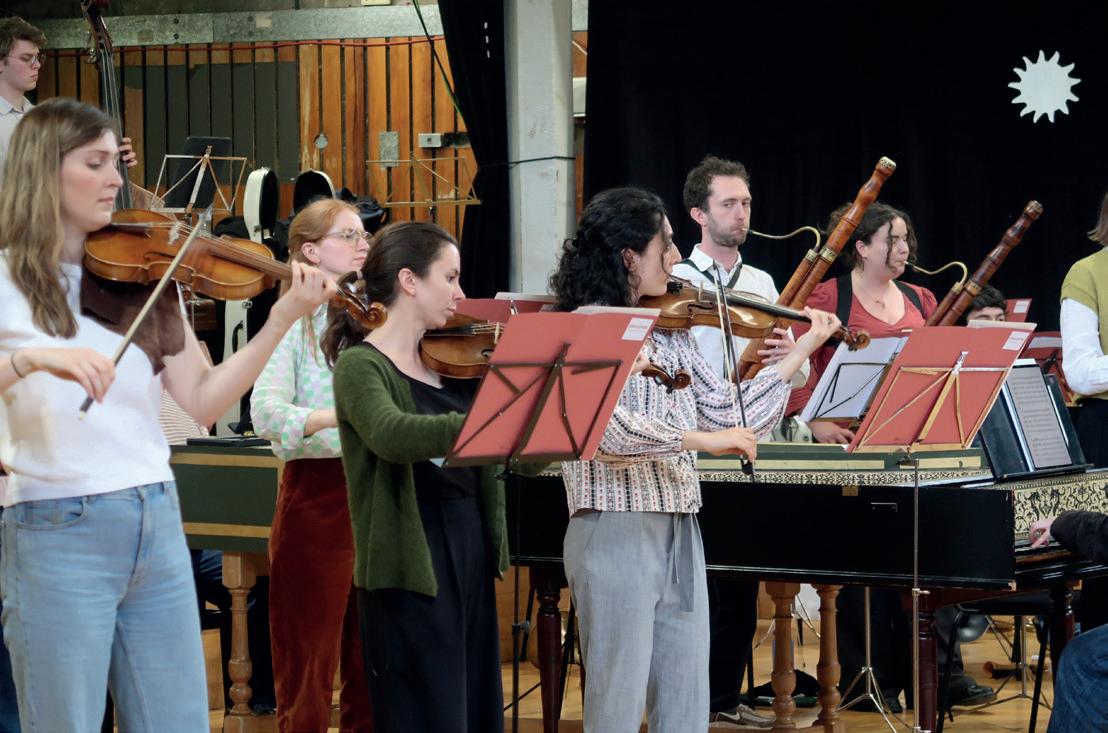

the OAE. The cohort has already met in London for a classical course with Margaret Faultless and a baroque course led by Leo Duarte, with more projects and courses still to come this year.
Find out more at oae.co.uk/experience or scan the QR code
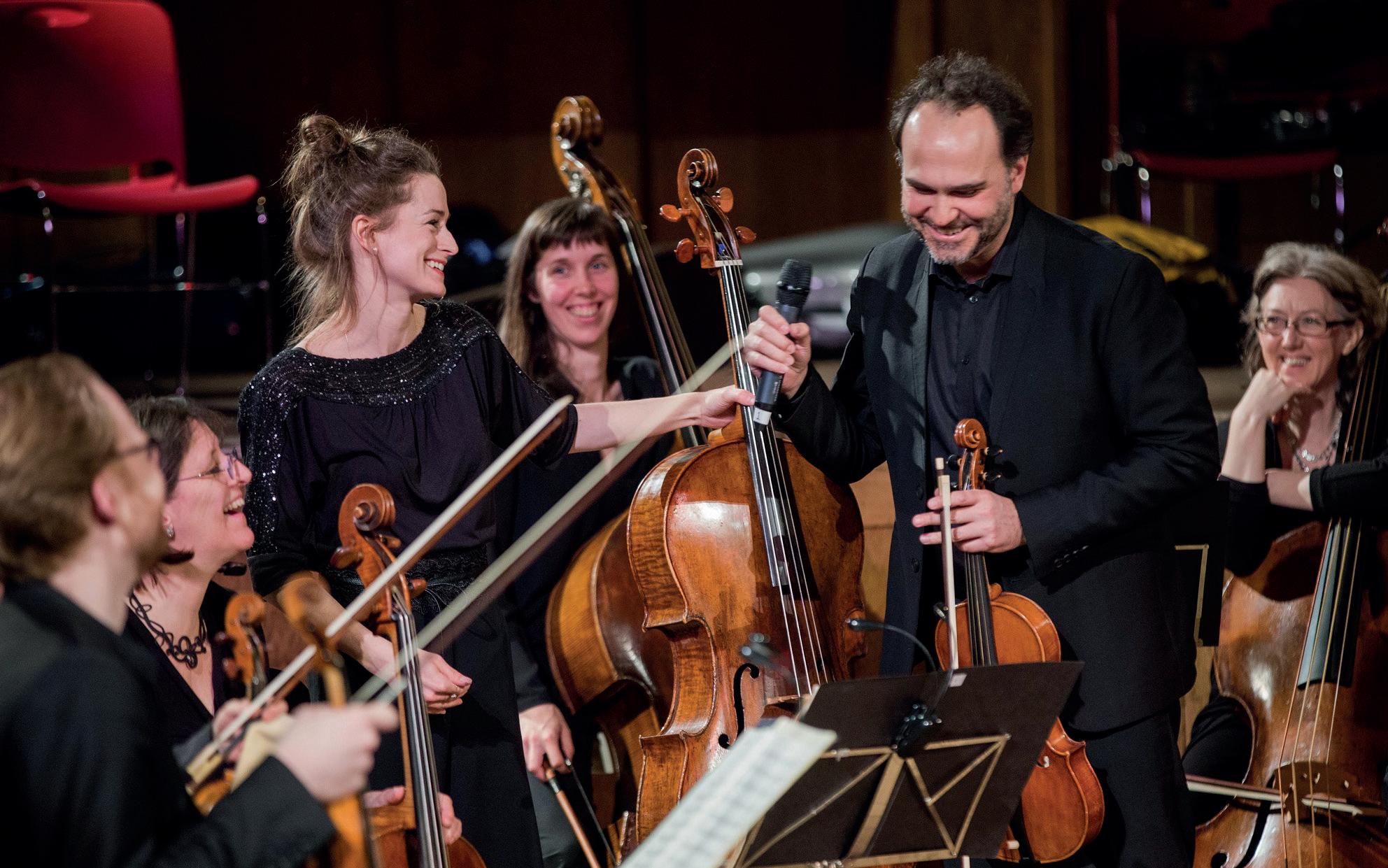
Love our Southbank Centre concerts?
Become a Friend of the OAE today and help bring exceptional music to life.
Friends experience our concerts in a truly special way, enjoying priority booking for the entire season, opportunities to attend open rehearsals, and invitations to exclusive events with our musicians, offering both front-row access and behind-the-scenes insight into our work.
Memberships start from £60. Join us in celebrating our 40th anniversary and help keep the music playing.
To become a Friend, scan the QR code, visit oae.co.uk/support-us or contact us at development@oae.co.uk or 020 8159 9317


SOUTHBANK CENTRE SEASON 2025/26
‘Fantastic Symphonies’ at the Southbank Centre
3 June, Queen Elizabeth Hall LIFE OF THE SEA
Join our latest community musical adventure
10 June, Royal Festival Hall SYMPHONIE FANTASTIQUE BERLIOZ
Harold In Italy
Symphonie fantastique
with Timothy Ridout (viola)
Sir Simon Rattle (conductor)
24 June, Queen Elizabeth Hall
VIENNA 1897: BRAHMS’ LAST CONCERT
BRAHMS Symphony No. 4
DVOŘÁK Cello Concerto
JOSEPH HAYDN Symphony No. 73
‘La Chasse’
with Steven Isserlis (cello)
Maxim Emelyanychev (conductor)
OAE TOTS for 2 to 5 year olds and their grown-ups
Check our website for more information on family events at Acland Burghley School
THE NIGHT SHIFT
Chamber music down a local pub
New season coming in September 2026
BACH, THE UNIVERSE AND EVERYTHING at Kings Place
Mission: to explore our place in the cosmos guided by the intergalactic genius of JS Bach. Each monthly event features one of Bach’s cantatas, and other choral and instrumental works, alongside a talk by an eminent astronomer.
New season coming in Autumn 2026