Celebrating 40 fantastic years of making music.
1986. It was the year of the Westland Affair, the Chernobyl nuclear disaster, the infamous ‘Hand of God’ goal at the World Cup in Mexico, the premiere of Harrison Birtwistle’s opera The Mask of Orpheus… and in late June Wham! was at number 1 in the UK charts with The Edge of Heaven.
On 26 June, the Orchestra of the Age of Enlightenment first stepped onto a stage.
The first of our two seasons marking this milestone features a kaleidoscope of old favourites and new combinations. It features some of our best-loved partnerships and celebrates our shared history. Handel and Bach, Haydn and Mozart, Beethoven, Berlioz, Brahms and Dvořák are all composers who have been at the heart of our journey.
The challenges faced by the OAE and all our colleagues are varied, but we remain absolutely focused on the mission of sharing the highest quality music with the widest audience possible. What continues to shine after 40 years is the golden thread of a story of friends united by a profound love of the art of music.
7.00pm
Wednesday 10 June
Royal Festival Hall
– 1869)
Harold in Italy
I. Harold aux montagnes (Harold in the Mountains)
II. Marche de pèlerins (March of the Pilgrims)
III. Sérénade
IV. Orgie de brigands (Bandits’ Orgy)
– Interval (20 minutes) –
Symphonie fantastique
I. Rêveries – Passions (Daydreams – Passions)
II. Un Bal (A Ball)
III. Scène aux Champs (Scene in the Country)
IV. Marche au Supplice (March to the Scaffold)
V. Songe d’une Nuit du Sabbat (Dream of a Witches’ Sabbath)
ORCHESTRA OF THE AGE OF ENLIGHTENMENT
Matthew Truscott leader
Timothy Ridout viola
Sir Simon Rattle conductor
This concert is supported by Bruce Harris.
The OAE’s 40th anniversary seasons in 2025 / 26 and 2026 / 27 are made possible with the support of The Forty Circle.
Free pre-concert talk: Nicholas Kenyon in conversation with members of the orchestra, at 6.00pm in the Southbank Centre’s Level 5 Function Room, Green Side, Royal Festival Hall.
Violins I
Matthew Truscott*
Ken Aiso
Rodolfo Richter
Kyra Humphreys
Leonie Curtin
Rachel Isserlis
Martin Gwilym-Jones
May Kunstovny
Florence Cooke
Rebecca Livermore
Felix Pascoe
Miranda Fulleylove
Jayne Spencer
Simon Kodurand
Violins II
Margaret Faultless*
Anna Curzon
Huw Daniel*
Nia Lewis
Megan Yang
Claire Sterling
Elvira van Groningen
George Clifford
Sophie Simpson
Rebecca Bell
Jean Paterson
Christiane Eidsten Dahl
Violas
John Crockatt*
Anne Sophie van Riel
Martin Kelly
Annette Isserlis
Kate Heller
Francesca Gilbert
George White
Alistair Scahill
Mark Braithwaite
Hannah Shaw
Cellos
Luise Buchberger*
Andrew Skidmore
Ruth Alford
Frederike Jehkul
Richard Tunnicliffe
Ben Michaels
Penny Driver
Helen Verney
Double basses
Cecelia Bruggemeyer
Carina Cosgrave
John-Henry Baker
Raivis Misjuns
Kate Brooke
Kit Scotney
Flutes
Lisa Beznosiuk*
Katy Bircher
Oboes / Cors anglais
Daniel Bates*
David Dickey
Clarinets
Katherine Spencer*
Sarah Thurlow
Bassoons
Jane Gower*
Philip Turbett
Chris Rawley
Rebecca Hammond
Horns
Roger Montgomery*
Martin Lawrence
Joseph Walters
David Bentley
Trumpets
Peter Mankarious
Nick Walker
Cornets
Simon Munday
Will Thomas
Miguel Tantos Sevillano
Helena Kieser
Stephen Williams
Ophicleides
Anthony George
Andrew Kershaw
Timpani
Adrian Bending*
Wieland Welzel
Percussion
Matthew Dickinson
Donna Maria Landowski
Natxo Molins
Eva Laverty
Harps
Alison Martin
Patrizia Meier
Tamara Young
Stephanie Beck
*OAE Principal Players
Flora Willson
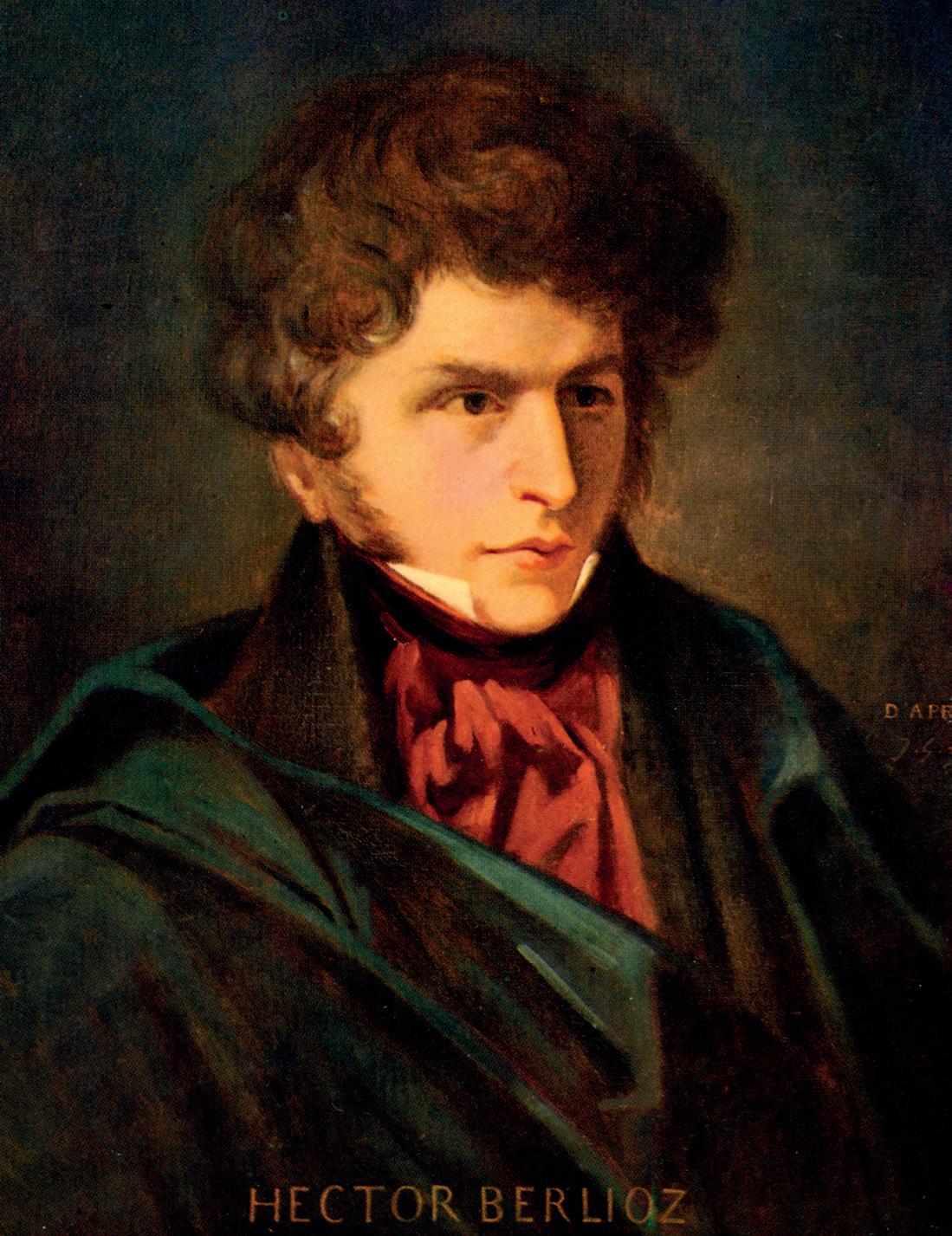
In 1830 Hector Berlioz was 27 years old, wildly ambitious and painfully in love. On 2 January he wrote to a friend to announce that he needed to produce “an immense instrumental composition” – something he had been pondering since the previous summer. This new work would, he hoped, score him a triumph in more than just professional terms: he intended it to attract the attention of the woman he loved and allow him “to win a brilliant success under her very eyes!”
The woman in question was the celebrated Irish-British actress Harriet Smithson. Berlioz had fallen for her with devastating intensity after seeing her play Ophelia in Shakespeare’s Hamlet in Paris in 1827. The composition that Berlioz hoped would engineer their romantic happily-ever-after would eventually become his Symphonie fantastique, the first of his so-called dramatic symphonies and today one of his best-known works. Yet even as he was composing, Berlioz’s obsession with Smithson took a darker turn: he heard rumours about her behaviour that soured his idealisation and transformed his love into furious hatred.
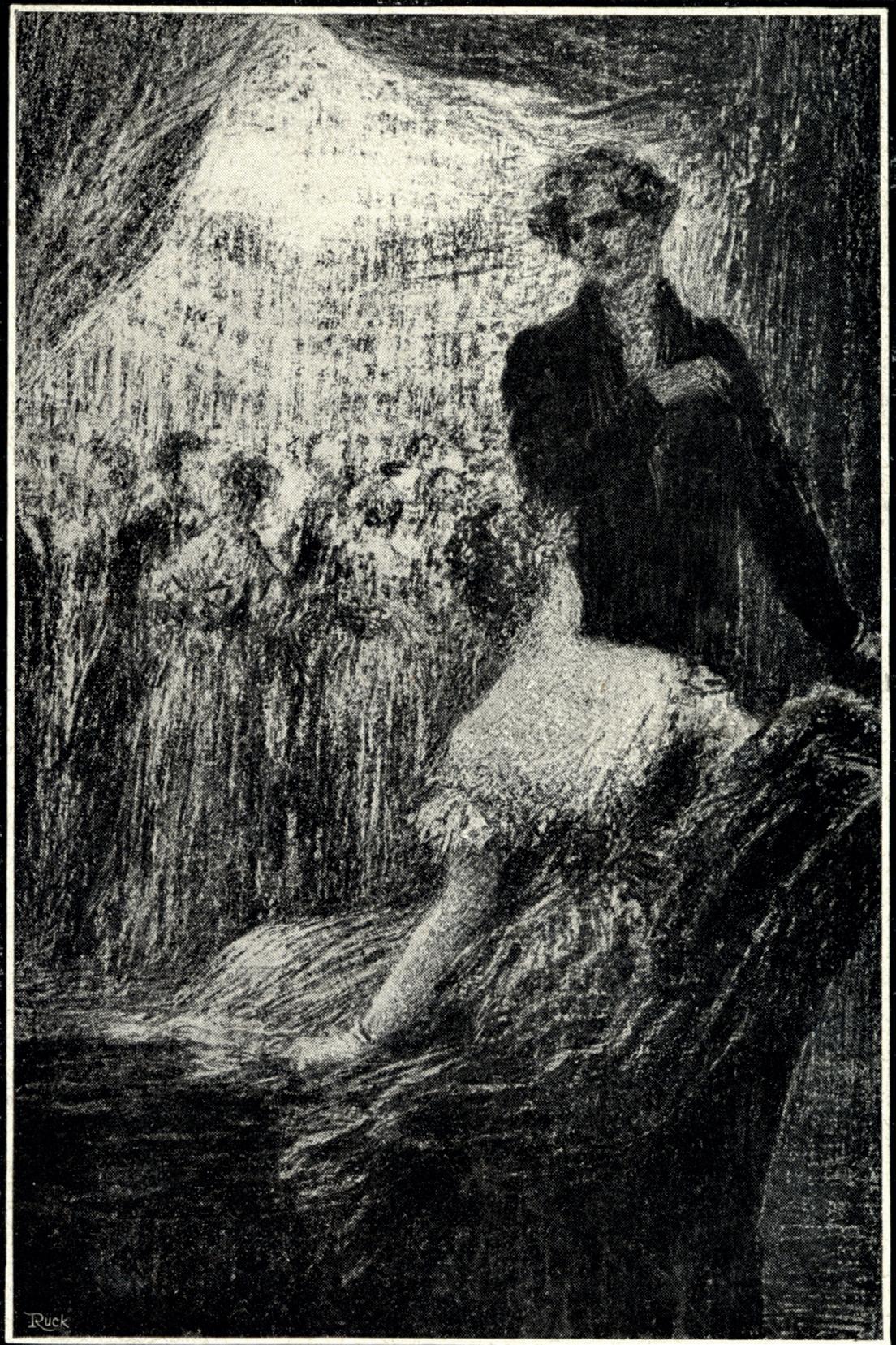
According to the programme that Berlioz penned “to introduce the musical movements and to explain their character and expression”, the Symphonie fantastique follows the obviously autobiographical narrative of a young musician who falls in love with a woman. More ideal than real, this woman is represented by a meandering theme (Berlioz called it an idée fixe) which is first heard in the violins a couple of minutes into the first movement and subsequently reappears in new forms throughout. The musician thinks about her at a ball and in the countryside – his mood constantly shifting – before he becomes convinced that his love is unrequited and has two opium-fuelled nightmares. In the first, he has killed his beloved and is on his way to be executed; in the second, she takes part in a hellish orgy, her true colours now revealed in a grotesque reworking of the idée fixe. The composer would later revisit the programme, softening some of the language, as his own relationship with Smithson shifted ahead of their short, dysfunctional marriage in October 1833.
It took Berlioz only four months to complete his first draft of the Symphonie fantastique. Such a high-speed genesis was possible in part because he incorporated portions of earlier works. Indeed, almost the whole of the fourth movement,
“Marche au supplice” (March to the Scaffold), was a march discarded from his 1826 opera Les Francs juges. Berlioz announced on 16 April that his score was ready and the premiere was planned for 30 May at Paris’s Théâtre des Nouveautés, with the theatre’s own orchestra supplemented with extra players to form the 100-strong ensemble demanded by the composer. But the first rehearsal was a disaster. As Berlioz later recalled,
“ There were cries for chairs, for instruments, for candles; the double basses were out of strings; there was no place anywhere for the drums. The orchestral attendant did not know where to begin.”
Neither for the first nor the last time, Berlioz’s artistic vision had outstripped what was practically viable. The concert in May was cancelled and it would be another six months before the Symphonie fantastique was finally unveiled.
In the meantime, the composer was occupied with his fifth attempt to win the Paris Conservatoire’s coveted Prix de Rome – and France underwent its latest political convulsion. The so-called “Three Glorious Days” saw the Bourbon King Charles X replaced by the constitutional monarchy of Louis Philippe: events that inspired Delacroix’s celebrated painting “Liberty Leading the People”. Berlioz apparently completed his competition cantata La mort de Sardanapale on day two of the revolution and emerged to find Paris in a state of uproar.
These were exciting months for the composer. He was finally awarded the Prix de Rome and also succeeded in arranging the premiere of his Symphonie fantastique in December, at a concert held for the benefit of those wounded in the July Revolution. The new work was received with enthusiastic whoops and stamping. Just as importantly, the Revolution itself marked the start of a new, more liberal era in France, which allowed the full flowering of French Romanticism. The firebrand young composer was ideally positioned to become one of its musical figureheads.
As one contemporary newspaper reported of the Symphonie fantastique’s first performance, even Berlioz’s unkempt hair “has something that reeks of genius.” What’s more, his cravat “is tightened as though with rage” and “his boots are muddy because his impetuous character refuses to sit still and be pulled along in a carriage.” If that combination of genius, dishevelment and bad temper sounds familiar, another writer drew a more direct comparison: “A whole Beethoven lies hidden in this Frenchman. But so wild that it needs restraint.”
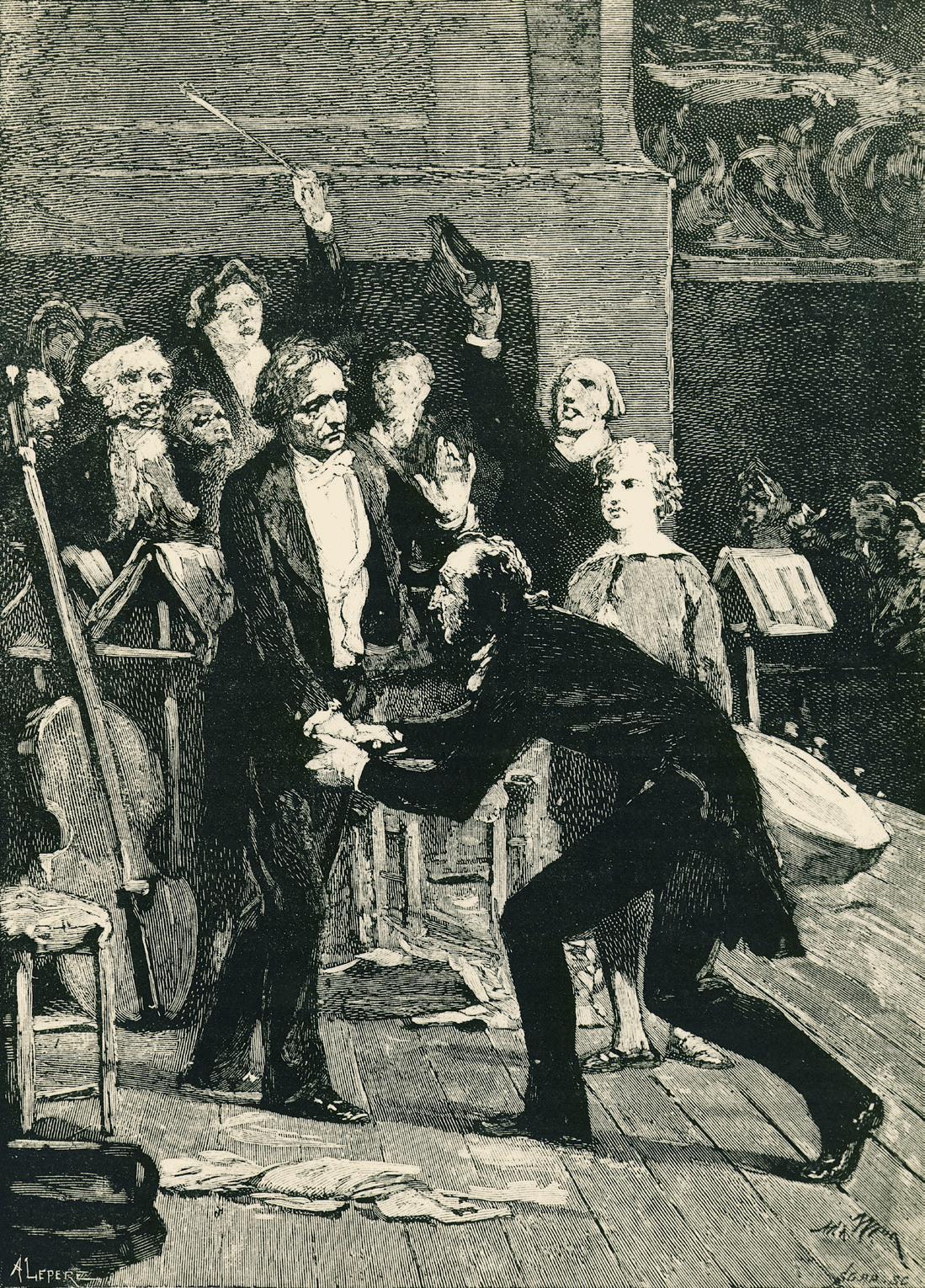
It is no coincidence, of course, that it was following the premiere of his first symphony that Berlioz was recognised as France’s answer to Beethoven. The latter had died only three years previously and Parisian audiences were gradually getting to know his symphonies thanks to performances conducted by François Habeneck – the same conductor, in fact, who oversaw the premiere of Berlioz’s Symphonie fantastique
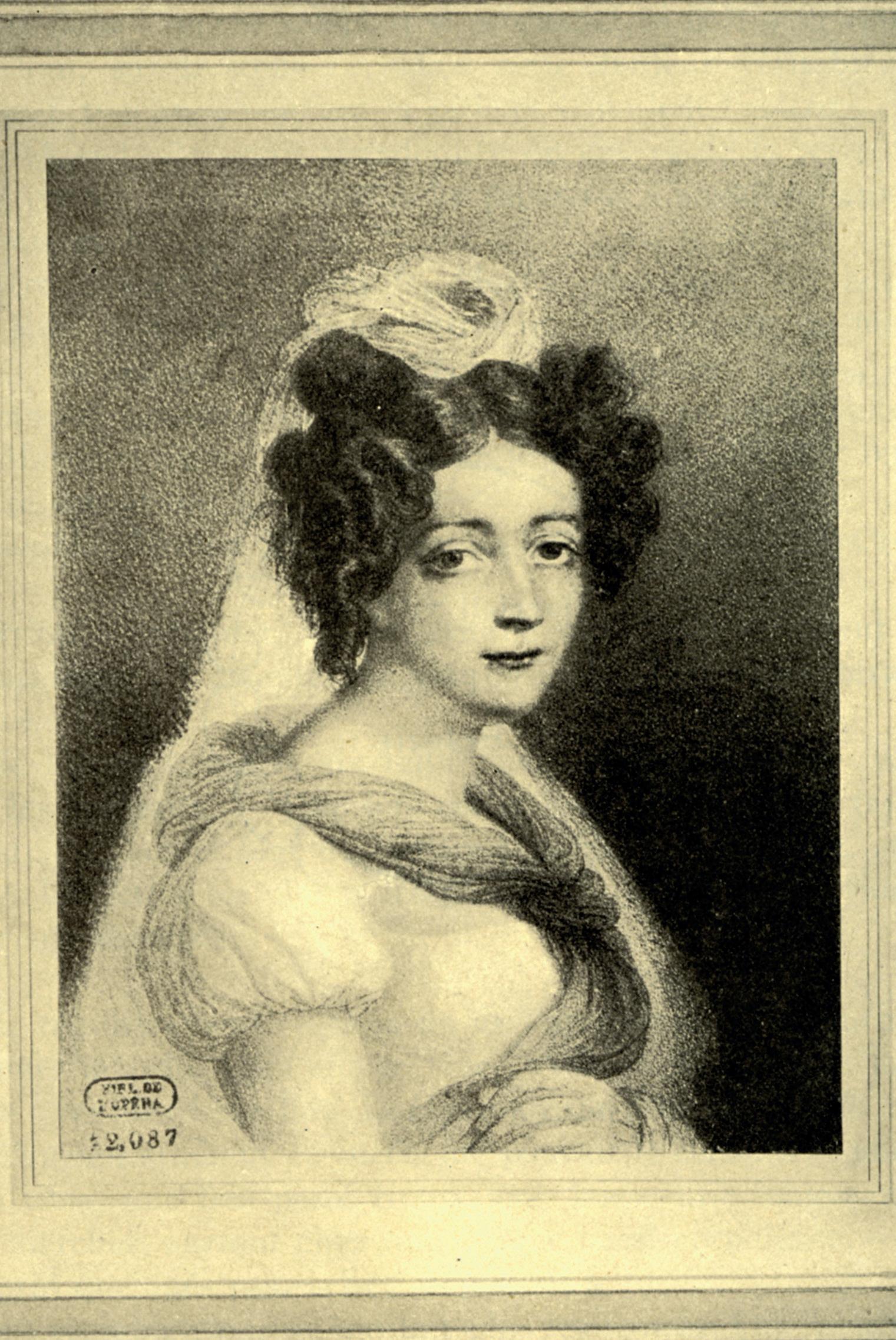
Berlioz’s wife Harriet Smithson by Francis Berlioz. Hector Berlioz expressed his feelings for her in his Symphonie fantastique. Married 1833. Lebrecht Music Arts / Bridgeman Images
Like Beethoven before him, Berlioz expanded and developed the symphonic form. His Symphonie fantastique has five movements instead of the conventional four and is scored for a huge orchestra, including new instruments such as valved trumpets and even an optional serpent – a low brass instrument whose “cold and abominable howling” Berlioz considered appropriate
explicitly towards Beethoven’s influence. Its final movement directly imitates the structure of Beethoven’s Ninth Symphony in recalling and dismissing in turn the themes of each previous movement. And no wonder: Berlioz heard Beethoven’s final symphony performed in Paris for the first time in January 1834, just as he was starting work on Harold.
Yet the roots of Harold in Italy are also deeply entangled with the Symphonie fantastique. Winning the Prix de Rome obliged Berlioz to spend the next two years in the Italian city. The composer didn’t want to leave Paris and begged the authorities to be released from the requirement. The reason? He had fallen in love again after his disillusionment over Harriet Smithson, neatly transferring his obsession onto the talented young pianist Camille Moke. The success of the Symphonie fantastique had persuaded Moke’s mother to allow their engagement.
Berlioz was refused an exemption from the Prix de Rome’s rules. On arrival in Rome, he declared it “the most stupid and prosaic city I know” and soon left again to find out why he hadn’t heard from Camille. In Florence he discovered the truth – she had abandoned him for the piano manufacturer Camille Pleyel – and began a brief, impassioned dash across Europe with pistols and poison before he thought the better of it and returned to Rome. Although he never enjoyed his sojourn in the city, Berlioz took the opportunity to explore Italy – travels that would go on to shape Harold.
Once Berlioz had returned to Paris in 1832, his revised Symphonie fantastique was performed, this time paired with his new work Lélio, which he had composed in Italy as a kind of sequel. The concert was attended by the virtuoso violinist Niccolò Paganini, who was introduced to the composer and requested a new work that he could play on his Stradivarius viola. Berlioz pointed out that since he couldn’t play the viola, he wasn’t best placed to write the kind of showpiece that he suspected Paganini wanted; but the Italian was adamant. According to Berlioz’s memoirs, Paganini insisted that “You are the only one I would trust with such a commission.”
in the fifth movement’s Dies irae. The work’s programme was also immediately recognised as an innovation, splitting opinion between those who thought it missed the point of instrumental music and those who saw in it a new symphonic configuration of the relationship between words and music.
Berlioz’s second symphony – Harold in Italy for orchestra and solo viola, which starts today’s concert – gestures more
Berlioz first mentioned the piece that would become Harold in Italy in January 1834, with the commission officially announced later that month as “a new work in the genre of the Symphonie fantastique.” At that stage, its title was “The Last Moments of Mary Stuart”. By the end of June, its four movements were completed and in late July the composer called it Harold in Italy for the first time. Just as Berlioz’s experience of Harriet Smithson performing Shakespeare had provided his Symphonie fantastique with impeccable Romantic credentials, Harold now
boasted two different sources of arch-Romantic inspiration: on the one hand, the melancholy tone of Byron’s narrative poem Childe Harold’s Pilgrimage, and on the other, the composer’s own travels in Italy.
The new symphony was premiered in November 1834 at the Paris Conservatoire – minus the great virtuoso who had commissioned it. When Paganini finally saw the work, he was disappointed. The viola neither played enough, nor was its part sufficiently virtuosic for his taste. “What you want is a viola concerto,” Berlioz reportedly snapped, “and in this case only you can write it.” Instead, the solo viola part was taken by Chrétien Urhan, who had also played in the concert at which the Symphonie fantastique was premiered. But there were no hard feelings: when Paganini heard Harold for the first time in 1838, he was so impressed that he sent Berlioz a gift of 20,000 francs.
Like the Symphonie fantastique, Harold in Italy features a melody – introduced by the solo viola on its first entry – which is closely identified with an imagined dramatic protagonist and reappears throughout. But where in the Symphonie fantastique the idée fixe is developed, Harold’s theme returns unchanged throughout the piece. Dramatic contrast instead comes from its juxtaposition with a variety of orchestral textures.
Harold in Italy is an even more obviously hybrid work, even harder to categorise, than the Symphonie fantastique. It has never matched the first symphony’s popularity; but its ambivalent tone may be part of the point. Berlioz had learned his lesson from the controversies that raged over his precise, lengthy programme for the Symphonie fantastique. His short note for audiences at Harold’s premiere was matter-of-fact:
“All through the various scenes we hear the viola solo: Harold the dreamer, the wanderer – Byron’s hero, characterised by a languorous, wearisome melody repeated with exasperating sameness. There you have it: that’s Harold.”
Dr Flora Willson is a classical music writer for The Guardian, a broadcaster and cultural historian.

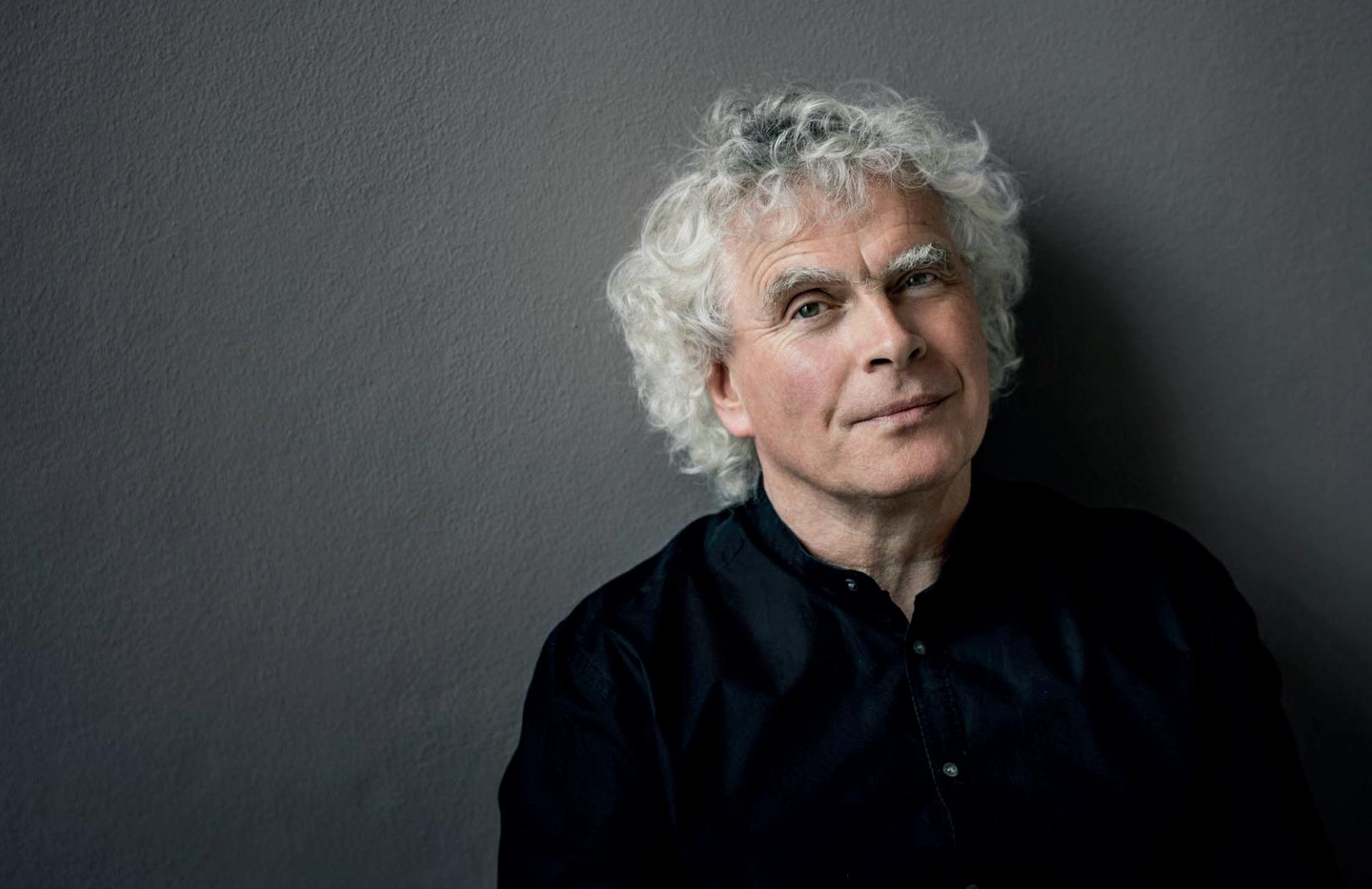
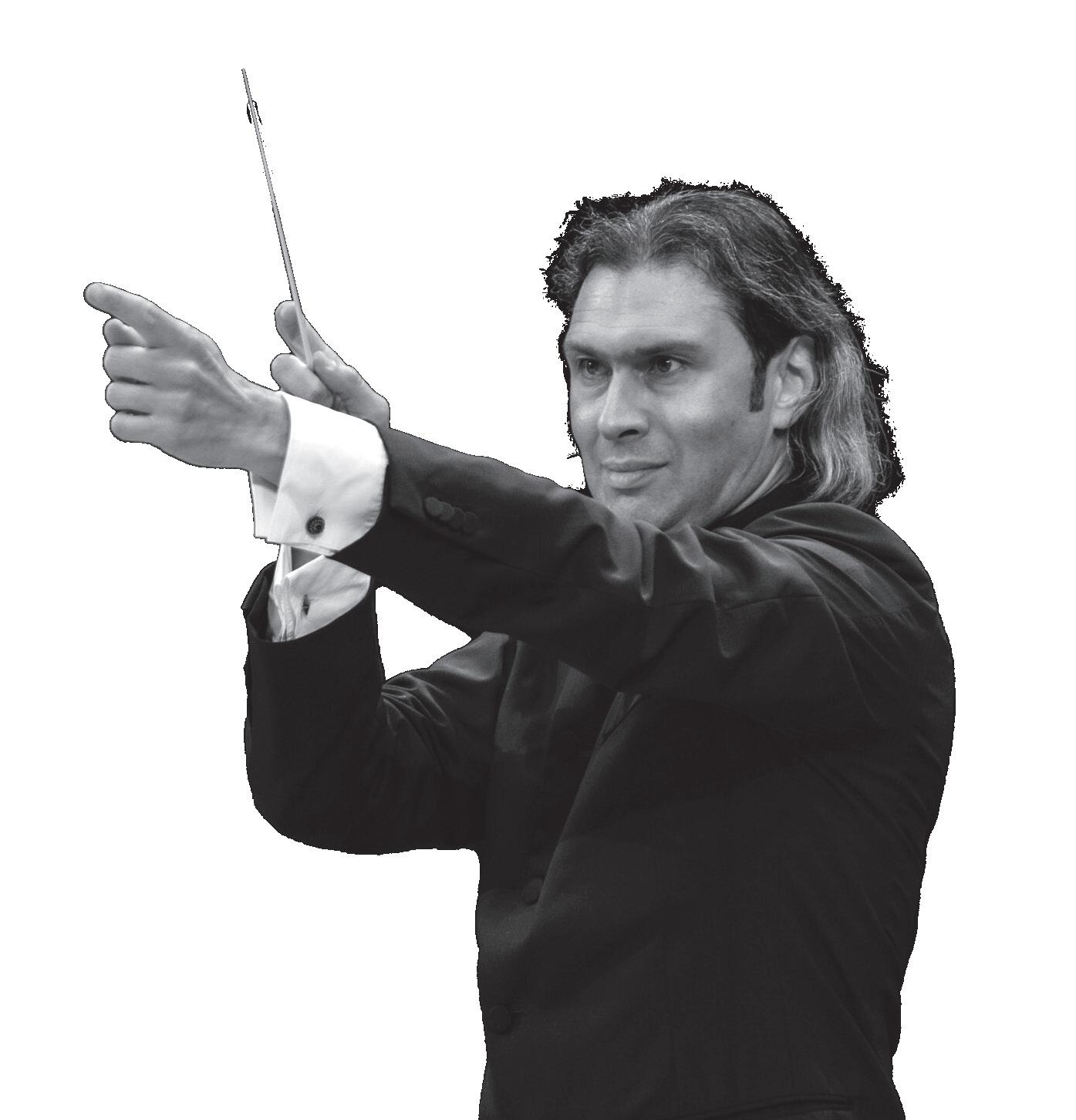
Sir Simon Rattle was born in Liverpool and studied at the Royal Academy of Music. He is Chief Conductor of the Bavarian Radio Symphony Orchestra and Conductor Laureate of the London Symphony Orchestra. He is a Principal Artist of the Orchestra of the Age of Enlightenment and a Founding Patron of the Birmingham Contemporary Music Group, which he established during his 18-year tenure as Music Director of the City of Birmingham Symphony Orchestra from 1980 to 1998. He was Principal Conductor of the Berliner Philharmoniker from 2002 to 2018. In 2024 Sir Simon was announced as the Principal Guest Conductor, Rafael Kubelik Chair, of the Czech Philharmonic Orchestra.
Sir Simon regularly tours within Europe, the United States and Asia, and has longstanding relationships with the world’s leading orchestras. He regularly conducts the Staatskapelle Berlin, Berliner Philharmoniker, Chamber Orchestra of Europe and the Czech Philharmonic. Recent operatic highlights include Der Rosenkavalier at The Metropolitan Opera Company, Janáček’s Kat’a Kabanovà at the Staatsoper Berlin, as well as Tristan und Isolde and Wozzeck with the London Symphony Orchestra at Festival d’Aix-en-Provence.
Music Education is of supreme importance to Sir Simon. During his tenure as Music Director of the London Symphony Orchestra, he announced the creation of the LSO East London Academy. The free programme aims to identify and develop the musical potential of young East Londoners. While Principal Conductor of the Berliner Philharmoniker, he made ground breaking changes to the orchestra’s outreach and educational programmes, earning him numerous international awards.
Sir Simon was awarded a knighthood by Her Late Majesty Queen Elizabeth II in 1994 and received the Order of Merit in 2014. He received the Order of Merit in Berlin in 2018; and in 2019 was given the Freedom of the City of London. In 2025 he was awarded the Ernst von Siemens Prize in Munich.
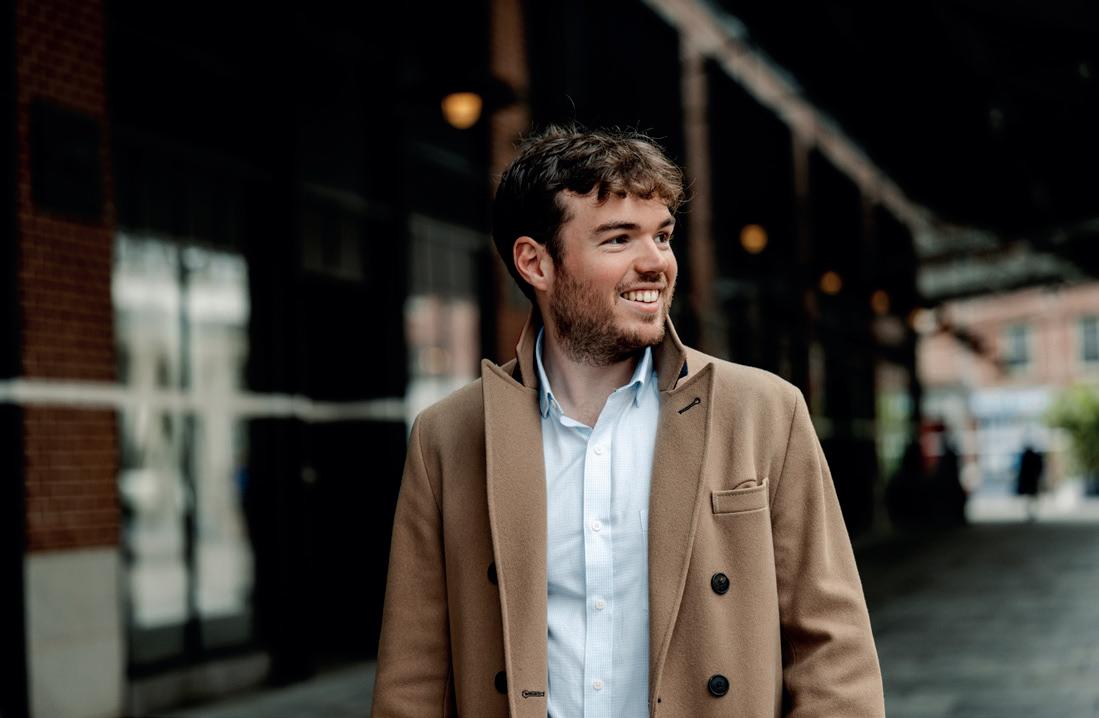
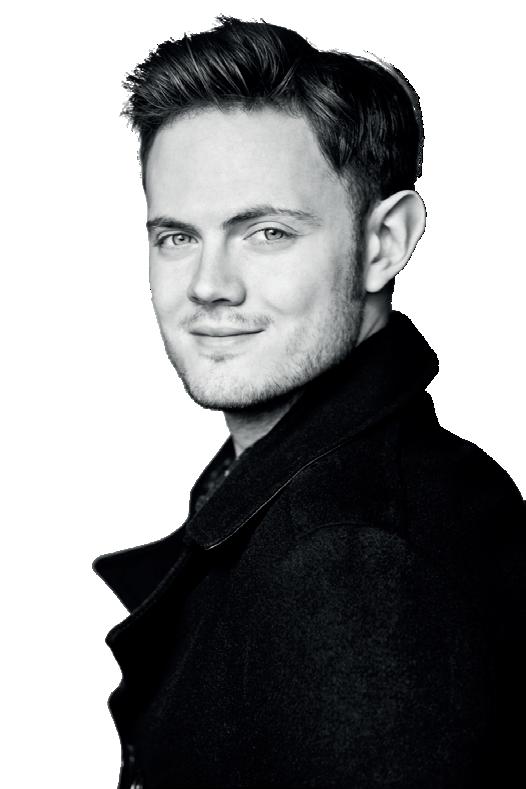
Timothy Ridout’s 2025 / 26 season features appearances with many top international orchestras, including the BBC Symphony Orchestra with Hannu Lintu, Orchestre de Paris with Lorenza Borrani, Deutsche Kammerphilharmonie Bremen with Edward Gardner, Netherlands Philharmonic Orchestra with Sir Mark Elder and Dresden Philharmonic with Donald Runnicles.
Following the successful premiere of Mark Simpson’s Hold Your Heart in Your Teeth with the Deutsches Symphonie-Orchester Berlin and Robin Ticciati, Ridout later performed the work with the Royal Liverpool Philharmonic Orchestra and Andrew Manze, Musikkollegium Winterthur with Alexandre Bloch, and Philharmonie Zuidnederland with Duncan Ward.
A highly respected chamber musician, Ridout continues to present both solo and ensemble programmes across major venues and festivals, including the Verbier, Lanaudière, Salzburg, Rosendal and Ryedale festivals. In March, he was Guest Artistic Director at the Festspiele Mecklenburg-Vorpommern.
Known for his wide-ranging discography, Ridout regularly records for Harmonia Mundi. His next album features 20th-century French music with pianist Jonathan Ware. In 2025, he won the Opus Klassik Award in the Young Instrumentalist of the Year category for his first solo viola album, featuring works by Telemann, Bach, Britten and Caroline Shaw. In 2024, he released an album paying tribute to the great viola player Lionel Tertis. In 2023, Ridout won a Gramophone Award for his recording of Tertis’ arrangement of Elgar’s Cello Concerto. Previous recordings include works by Prokofiev, Schumann, Britten, Vaughan Williams, Hindemith and Martinů, in collaborations with the BBC Symphony Orchestra, Orchestre Philharmonique de Strasbourg, Orchestre de Chambre de Lausanne, as well as with pianists Frank Dupree and James Baillieu.
A graduate of the Royal Academy of Music and Kronberg Academy, Ridout has earned such accolades as first prizes at the Lionel Tertis and Cecil Aronowitz International Viola competitions. He is a former BBC New Generation Artist, and a recipient of the Borletti Buitoni Trust Fellowship and the Royal Philharmonic Society Young Artist Award. He was the inaugural recipient of Hamburger Symphoniker’s Sir Jeffrey Tate Prize and took part in the Chamber Music Society of Lincoln Center’s Bowers Program. Ridout performs on a 1565 – 75 viola by Peregrino di Zanetto, generously on loan from a patron of the Beare’s International Violin Society.
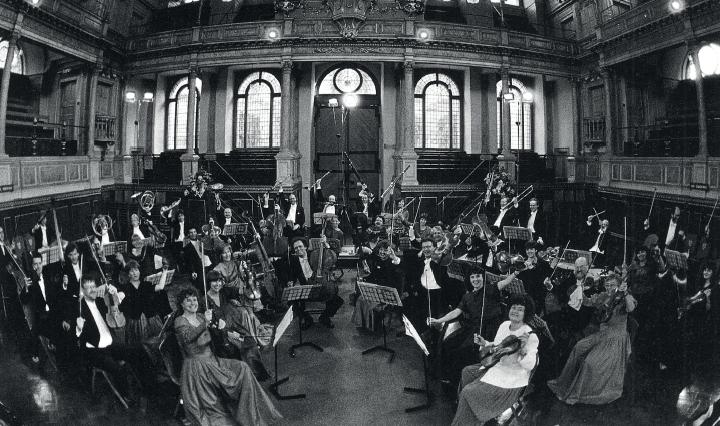
Jan Schlapp, a founding player, recalls the OAE’s beginning
I find it difficult to untangle the many strands of myth and memory that surround the beginning of the OAE. My personal memory is of my late husband, cellist Timothy Mason, coming home after a day of rehearsals in 1985, fired up with enthusiasm, saying “We are going to start our own orchestra and it is going to be player-led”. Busy as I was with two very young children I was initially less than enthusiastic because it seemed an almost impossible idea – where would the money come from? How would we organise it? Who would be involved?
The seed of the idea had been planted by regular conversations between the bassoonist, Felix Warnock, the violinist Marshall Marcus, and Tim, about how to break free from the status quo of London period orchestras. We had little say in any of these orchestras and we felt a bit underappreciated. But more important was the fact that we couldn’t tap into what was going on the continent. The BBC were broadcasting several of the continental giants of period performance such as Harnoncourt, Kuijken, Brüggen, Leonhardt, Christie and Koopman, but we couldn’t access their knowledge and experience. Their way of exploring baroque music was different from our English directors and fascinating to us, because of their intellectual seriousness and their depth of knowledge about
instruments, phrasing, repertoire and style. They had been involved in period instrument performance much longer than us and we wanted to be free to absorb it all. At that time we had no way of inviting them to come to work with us in the UK.
Gradually, in discussion with all interested parties, the idea of a player-led orchestra took shape. Sponsorship was found. Everyone would be paid the same, there would be at least three leaders, and there would be an artistic committee elected by the players who would lead on concerts and repertoire. And out of this “organised chaos” as Marshall put it, came our first London concert in the Queen Elizabeth Hall in June 1986 with Sigiswald Kuijken directing a programme moving from Rameau to Haydn. This marked the beginning of OAE’s journey. Forty years on, that journey continues today, still with the same ethos and the shared excitement of discovery.
Read Jan’s full article about how the OAE was founded on our blog at oae.co.uk/start
Cecelia Bruggemeyer (double bass)
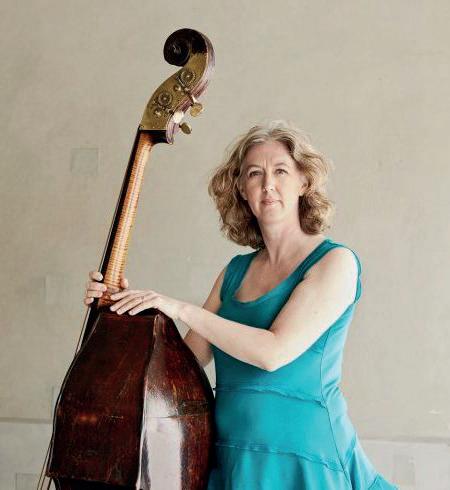
As a student at the Royal Academy of Music in the late 1980s I signed up for every opportunity that came along. So when Roy Goodman was brought in as Head of Early Music, and there was an introductory session to find out about the Academy’s baroque orchestra, I signed up straight away. I was thinking that in baroque bass parts you get all these quavers, and maybe he’d have some ideas about what I could do with them, because back then I wasn’t quite sure!
Roy, of course, had lots of ideas about quavers. He suggested that I try for the European Union Baroque Orchestra, and even borrowed a baroque bow for me for the audition. I didn’t have one, because we were all still on modern instruments at that stage. Playing in the European Union Baroque Orchestra for a year gave me my education in baroque music.
I always remember when I first played with the OAE – in 1990, in Vienna –because it was two days before I got married. But I can never remember what we were playing, because I had other things to think about! I’ve always felt that the OAE brings a different energy to everything it does – the knowledge that it’s a player-run group makes you approach things differently. There’s something about collective endeavour that comes with the OAE.
I got involved with our education work almost by accident – I’d left school vowing never to set foot in a school again! It happened at Symphony Hall in Birmingham, around 2000; Simon Rattle was conducting Symphonie fantastique and he’d invited local schools to come to the rehearsal. But then half the orchestra got delayed while travelling, so Cherry, our Head of Education, asked if any players would be willing to talk to the students. She reeled me into our education work from there. Leading music groups for the under-fives was a first for me – as a bass player, you rarely get to lead.
The ethos of our education work is partnership. I’m always really struck by what the younger children hear when we play – how they picture things in their head when they hear music. They’ll say things like, ‘I imagine I’m on a boat’ or ‘on the Titanic’ and I think that’s wonderful: because it’s a way of showing the students that this can be for you: come and sing with us, play your instruments – feel connected with our music!
Cecelia Bruggemeyer was talking to Richard Bratby
Chief Executive
Crispin Woodhead
Chief Operating Officer
Edward Shaw
BUSINESS DEVELOPMENT
Business Development
Director
Jo Perry
DEVELOPMENT
Head of Grants (maternity leave)
Madison Hallworth
Head of Grants (maternity cover)
Samantha Haycock
Development Director
Harry Hickmore
Head of Individual Giving (maternity cover)
Luka Lah
Development Officer
Eric Ohlund
Head of Individual Giving (maternity leave)
Hattie Rayfield-Williams
Ticketing & Data Manager
Paola Rossi
Development Officer
George Wise
DIGITAL
Head of Digital Content
Zen Grisdale
EDUCATION
Education Director
Cherry Forbes
Education Officer
Sofia Swenson-Wright
FINANCE
Accounts Officer
Dylan Carter
Finance Director (maternity leave)
Mary Price
Finance Director (maternity cover)
Catherine Sullivan
Finance Manager
Chloe Tsang
MARKETING
Marketing Director
Doug Buist
Marketing Officer
Dora Tsang
PROJECTS
Projects Director
Sophie Adams
Projects Manager
Ed Ault
Projects Officer
Doug Findlay
Orchestra Consultant
Philippa Brownsword
Choir Manager
David Clegg
Librarian
Roy Mowatt
OAE-Acland Burghley
School Link
Anna Rimington
Huw Daniel
Kati Debretzeni
Margaret Faultless
Matthew Truscott
PLAYERS’ ARTISTIC COMMITTEE
Cecelia Bruggemeyer (Chair)
Alexandra Bellamy
Daniel Edgar
Katherine Spencer
Christine Sticher
PRINCIPAL ARTISTS
John Butt
Sir Mark Elder
Adam Fischer
Iván Fischer
Vladimir Jurowski
Sir Simon Rattle
Sir András Schiff
EMERITUS CONDUCTORS
William Christie
Sir Roger Norrington
LIFE PRESIDENT
Sir Martin Smith
BOARD OF DIRECTORS
Imogen Charlton-Edwards (Chair)
Daniel Alexander
Emma-Jane Azkoul
Alexandra Bellamy
Cecelia Bruggemeyer
Daniel Edgar
Adrian Frost
Alison McFadyen
Roger Mountford
Katherine Spencer
Christine Sticher
Dr. Susan Tranter
Elly Williamson
Crispin Woodhead
OAE TRUST
Adrian Frost (Chair)
Mark Allen
Imogen Charlton-Edwards
Hannah Yan Field
Dino Fontes
Paul Forman
Jessica Kemp
Maarten Slendebroek
Jessica Smith
Sir Martin Smith
Caroline Steane
Season curated by Annette Isserlis
Season identity by
Hannah Yates
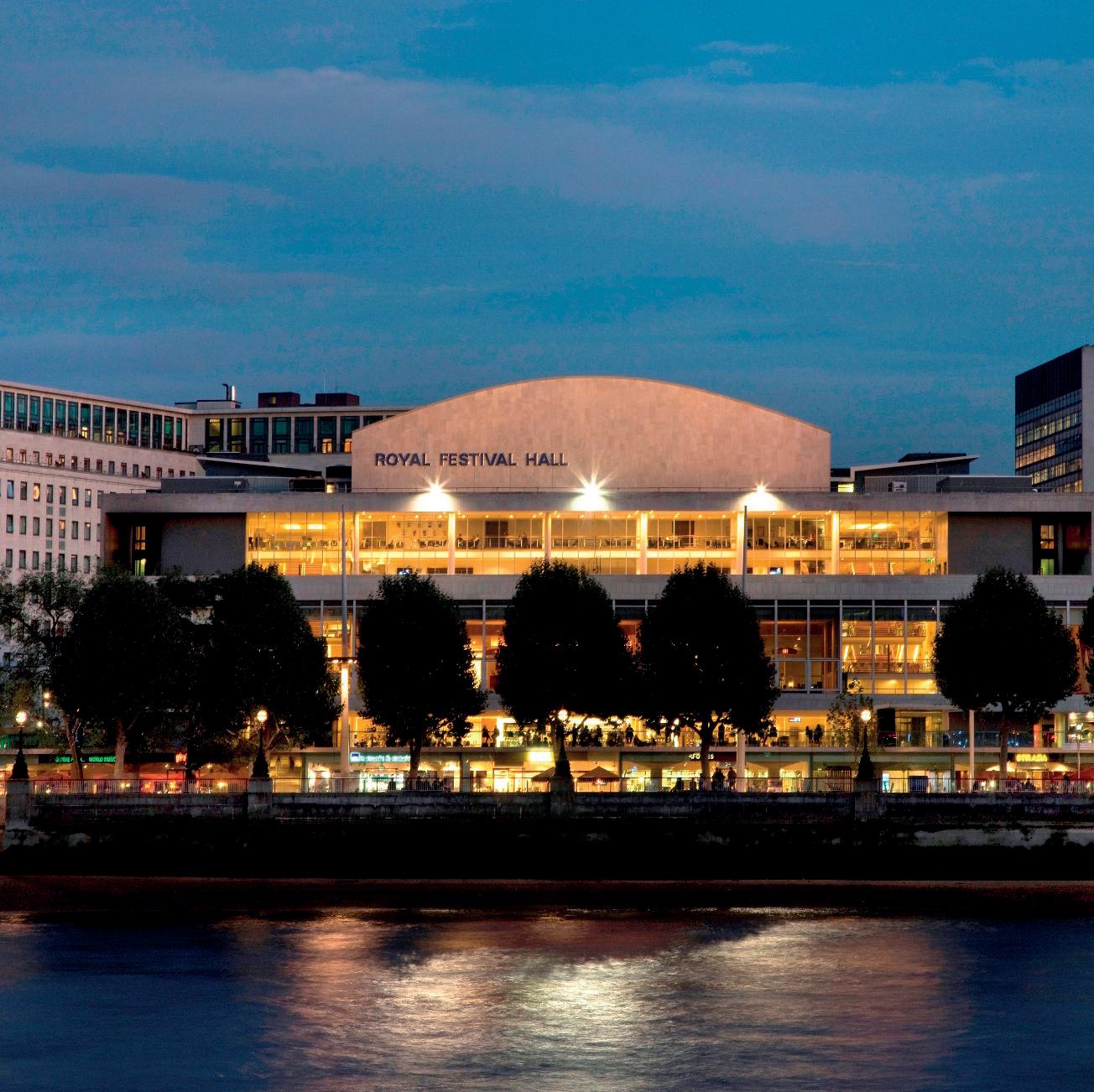
We’re the UK’s largest centre for the arts and one of the nation’s top five visitor attractions, showcasing the world’s most exciting artists at our venues in the heart of London. As a charity, we bring millions of people together by opening up the unique art spaces that we care for.
The Southbank Centre is made up of the Royal Festival Hall, Queen Elizabeth Hall, Purcell Room, Hayward Gallery, National Poetry Library and Arts Council Collection. We’re one of London’s favourite meeting spots, with lots of free events and places to relax, eat and shop next to the Thames.
We hope you enjoy your visit. If you need any information or help, please ask a member of staff. You can also write to us at Southbank Centre, Belvedere Road, London SE1 8XX, or email hello@southbankcentre.co.uk
Subscribers to our email updates are the first to hear about new events, offers and competitions. Just head to our website and sign up.









This looks like a long list, doesn’t it? But these generous people and organisations provide OAE with around half of our income every year. Contact us on development@oae.co.uk if you would like to join us as a supporter.
Principal Patrons
Imogen Charlton-Edwards*
Denys and Vicki Firth*
Adrian Frost and Stephanie Bickel*
Sir Martin and Lady Smith OBE*
Dr Tony Trapp MBE
Season Patrons
Mark and Susan Allen*
Julian and Annette Armstrong*
Hannah Yan Field
Bruce Harris*
Nigel Jones and Françoise Valat-Jones*
Sir Timothy and Lady Lloyd*
Selina and David Marks*
Philip and Rosalyn Wilkinson*
Mark and Rosamund Williams*
Project Patrons
Victoria and Edward Bonham Carter
Professor Richard Portes CBE FBA*
Ian S Ferguson CBE and Dr Susan Tranter
John and Rosemary Shannon
Aria Patrons
Joanna and Graham Barker
Steven Larcombe
Peter and Veronica Lofthouse
Stanley Lowy
Alison McFadyen
Peter Rosenthal
Maarten and Taina Slendebroek
Caroline Steane
Lord and Lady Stirrup
Eric Tomsett
Mr J Westwood
Chair Patrons
Daniel Alexander KC
Co-Principal Cello
Katharine Campbell Violins
Anthony and Celia Edwards Principal Oboe
Claire Espiner Cellos
Anna Flynn in memory of James Flynn
Principal Lute / Theorbo
Paul Forman
Co-Principal Cello / Principal Horn
Jonathan Gaisman Violas
Jane Gilbert Principal Flute
Andrew Green KC and Jennifer Hirschl
Principal Clarinet
Christina M Principal Flute
Michael and Harriet Maunsell
Principal Keyboard
Jenny and Tim Morrison Second Violins
Andrew Nurnberg Co-Principal Oboe
Stephen and Penny Pickles Violas
Professor Richard Portes CBE FBA
Co-Principal Bassoon
John and Rosemary Shannon
Principal Horn
Colin Singer
Education Patrons
David and Marilyn Clark
Sarah and Mark Holford
Sir Timothy and Lady Lloyd*
Nina and Gary Moss
Susan Palmer OBE
Andrew and Cindy Peck
Professor Richard Portes CBE FBA*
Sue Sheridan OBE
Crispin Woodhead and Christine Rice MBE
Associate Patrons
Damaris Albarrán
Noël and Caroline Annesley
Sir Richard Arnold and Mary Elford
Lady Sarah Bowness
David and Marilyn Clark
David Emmerson
Dino Fontes and David Stinson
Lorna Gradden
Roger Heath MBE and Alison Heath MBE
Peter and Sally Hilliar
Philip Hughes
Melanie J. Johnson
Kathryn Langridge
Moira and Robert Latham
Roger Mears and Joanie Speers
David Mildon in memory of Lesley Mildon
John Nickson and Simon Rew
Andrew and Cindy Peck
Tim and Kate Price
David Price and Daniel Gerring
Jan Schlapp – Rehearsal Soup Patron
Michael Spagat and Karen Lauxmann
Roger and Pam Stubbs
Emily Stubbs and Stephen McCrum
Simon and Karen Taube
Michael Wade OBE
Elly Williamson
OAE NextGen
Marina Abel Smith
Emma-Jane Azkoul
Marianne and William Cartwright-Hignett
Harry Hickmore
Jessica Kemp and Alex Kemp
* denotes members of The Forty Circle. The Forty Circle provide exceptional philanthropic support to the 2025 / 26 and 2026 / 27 seasons.
Gold Friends
Michael Brecknell
Tony Burt
Gerard Clear
Sir Anthony Cleaver - In Memoriam
Sarah Lady Gough
Chris Gould
Nicola Haskins
Malcolm Herring
Roger Lewis
Alison and Ian Lowdon
Roger & Jane Mountford
Mr and Mrs Smith
Silver Friends
Haylee and Michael Bowsher
Kay and George Brock
Dan Burt
David Cox
Martin Edmunds
Stephen and Cristina Goldring
Patricia Herrmann
Rupert and Alice King
Rose and Dudley Leigh
Anthony and Carol Rentoul
Rupert Sebag-Montefiore
Susannah Simons
Alan Sainer
Steve and Jackie Street
Trusts & Foundations
Arts Council England
The Britford Bridge Trust
John Lyon’s Charity
The Linbury Trust
Paul Hamlyn Foundation
The 29th May 1961 Charitable Trust
The Apax Foundation
Cockayne Grants for the Arts
Sir Ron Dennis’ foundation
Dreamchasing
The Foyle Foundation
Henocq Law Trust – The Ann and Peter Law OAE Experience Scheme
John Armitage Charitable Trust
The Neville Abraham Foundation
The Peter Cundill Foundation
The Roger and Ingrid Pilkington
Charitable Trust
The Sir Victor Blank Charitable Settlement
Skyrme Hart Charitable Trust
The Vernon Ellis Foundation
The Albert and Eugenie Frost Music Trust
The Aspinwall Educational Trust
The Charles Peel Charitable Trust
The de Laszlo Foundation
The D’Oyly Carte Charitable Trust
The Garrick Charitable Trust
The Golsoncott Foundation
The Harold Hyam Wingate Foundation
The Idlewild Trust
The John Thaw Foundation
The Michael Marks Charitable Trust
The Patricia Routledge Foundation
The Patrick Rowland Foundation
Scops Arts Trust
The Stanley Picker Trust
The Thistle Trust
Thriplow Charitable Trust
Vaughan Williams Foundation
Corporate Supporters
Ambriel
Hamlins
Kirker Holidays
Mark Allen Group
Honorary Council
Sir Martin Smith (Chair)
Sir Victor Blank
Edward Bonham Carter
Cecelia Bruggemeyer
Denys Firth
Nigel Jones
Max Mandel
Marshall Marcus
David Marks
Julian Mash
Roger Montgomery
Susan Palmer OBE
David Pickard OBE
Jan Schlapp
Diane Segalen
Lady Elise Smith OBE
Emily Stubbs
Rosalyn Wilkinson
Mark Williams
Thank you to our Friends, Bronze Friends and supporters who wish to remain anonymous.


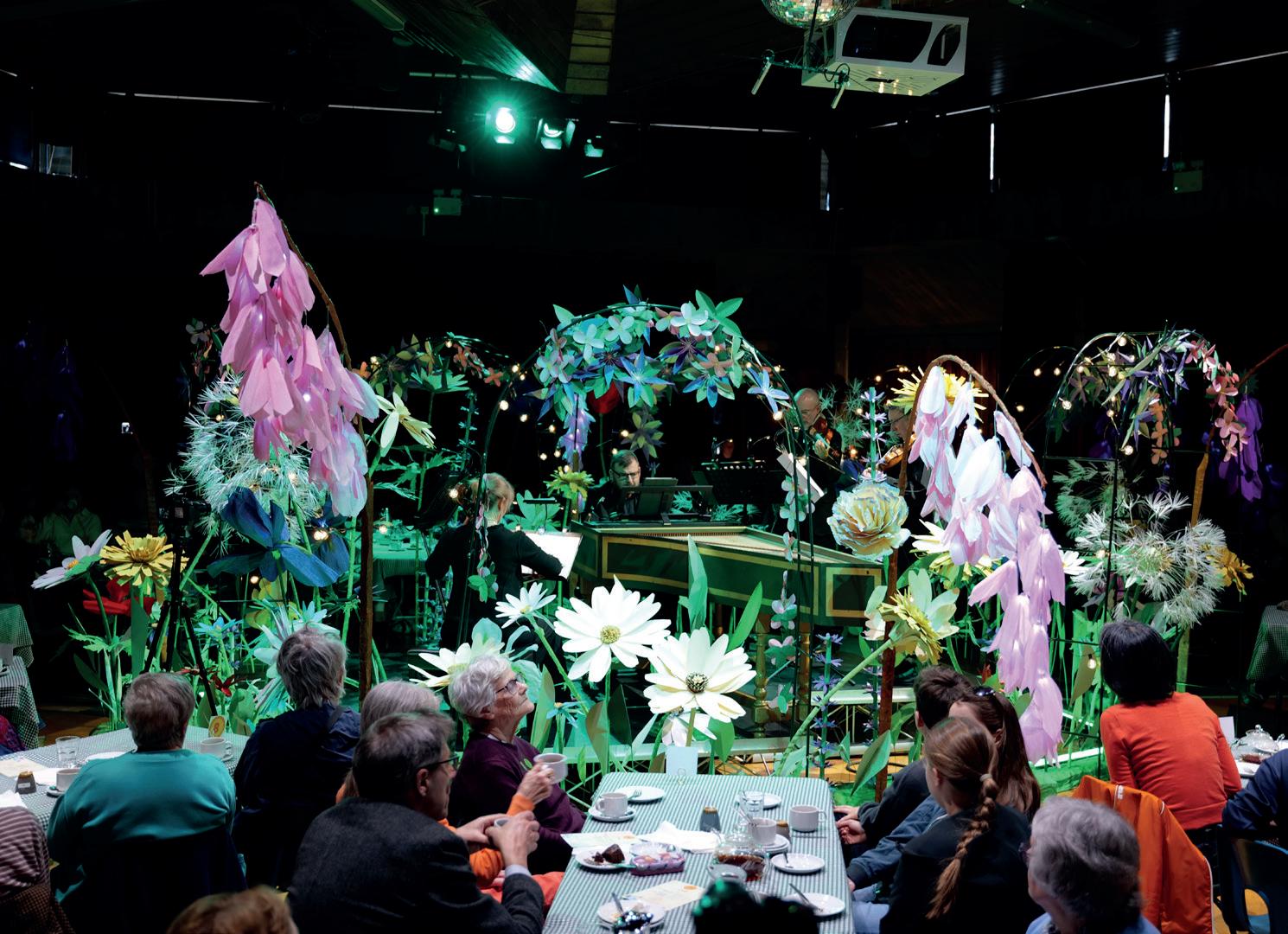
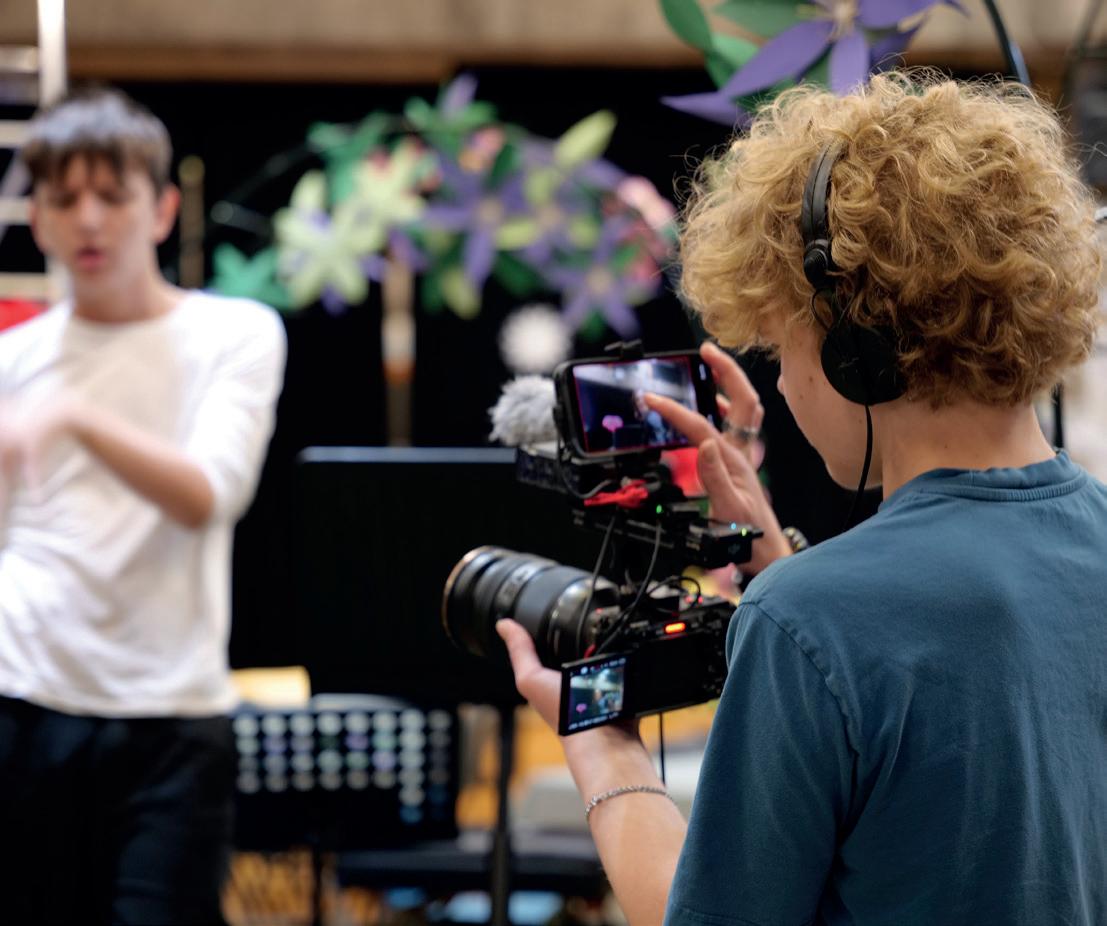
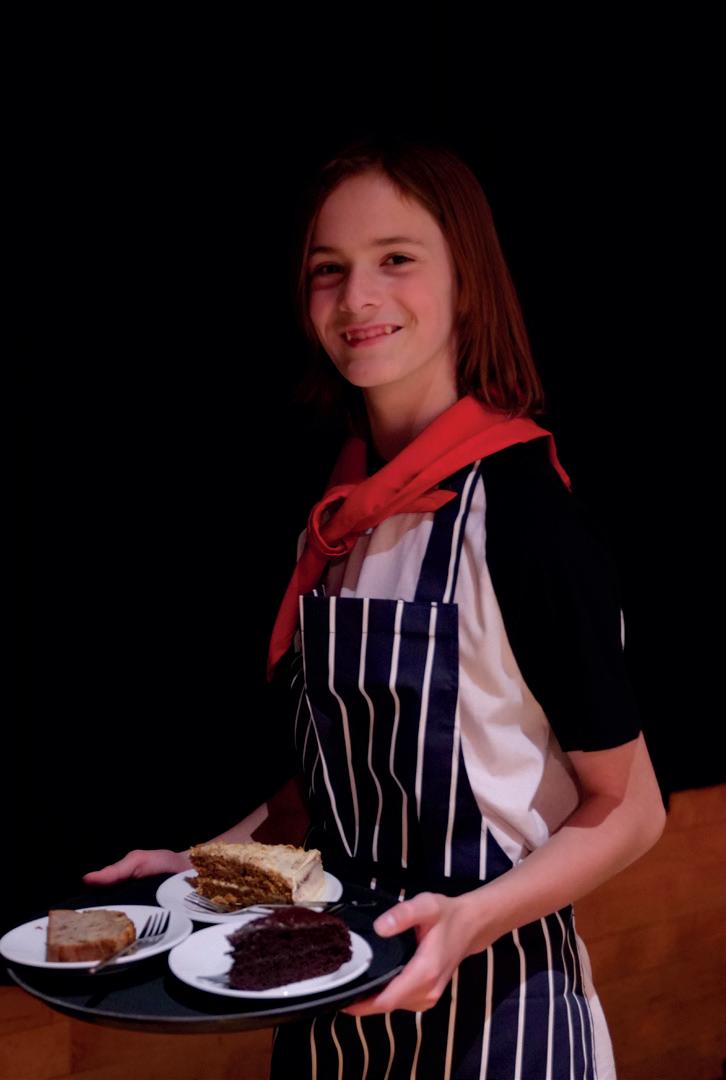
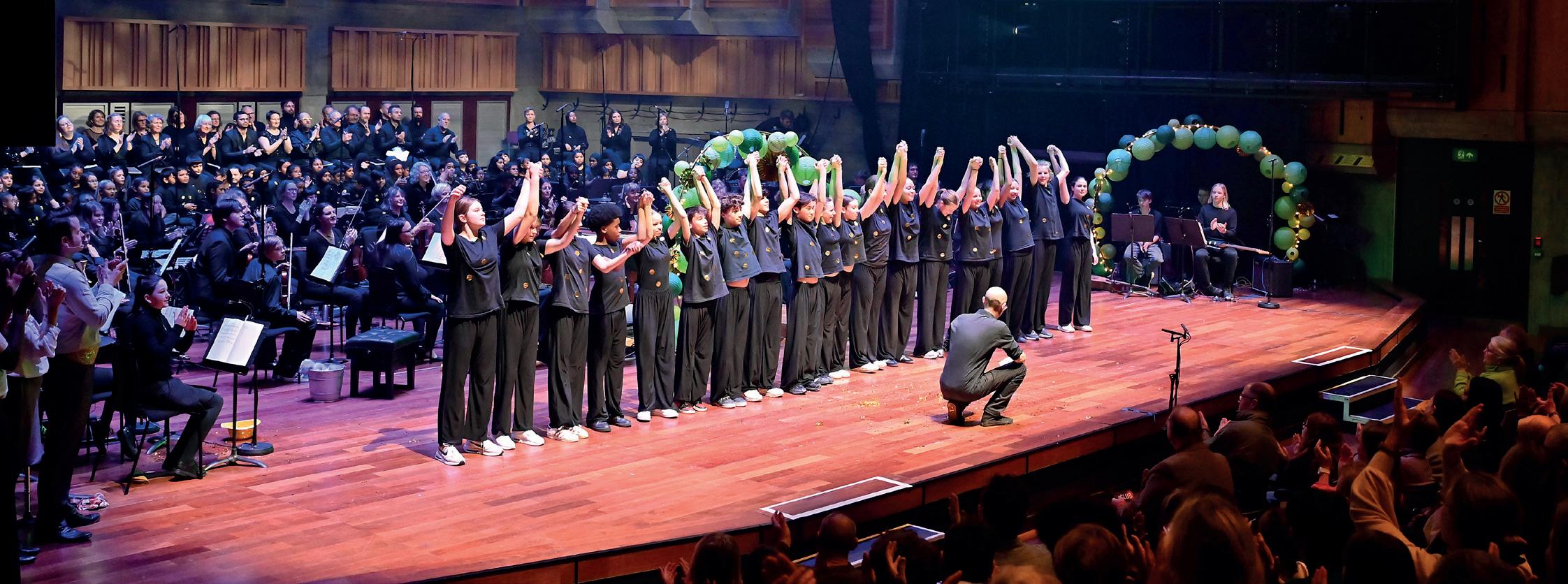
A little musical magic has been blooming this spring at our home in Acland Burghley School, Camden. Inspired by the coffee house concerts once enjoyed by JS Bach in Leipzig, our Dreamchasing Young Producers have transformed the Assembly Hall into a secret garden café — complete with hundreds of handmade paper flowers, atmospheric lighting, and a stage set for hidden musical treasures. Join us for some coffee, cake and to be transported somewhere entirely unexpected.
The Dreamchasing Young Producers are funded by Sir Ron Dennis’ Dreamchasing foundation.
Find out more at oae.co.uk
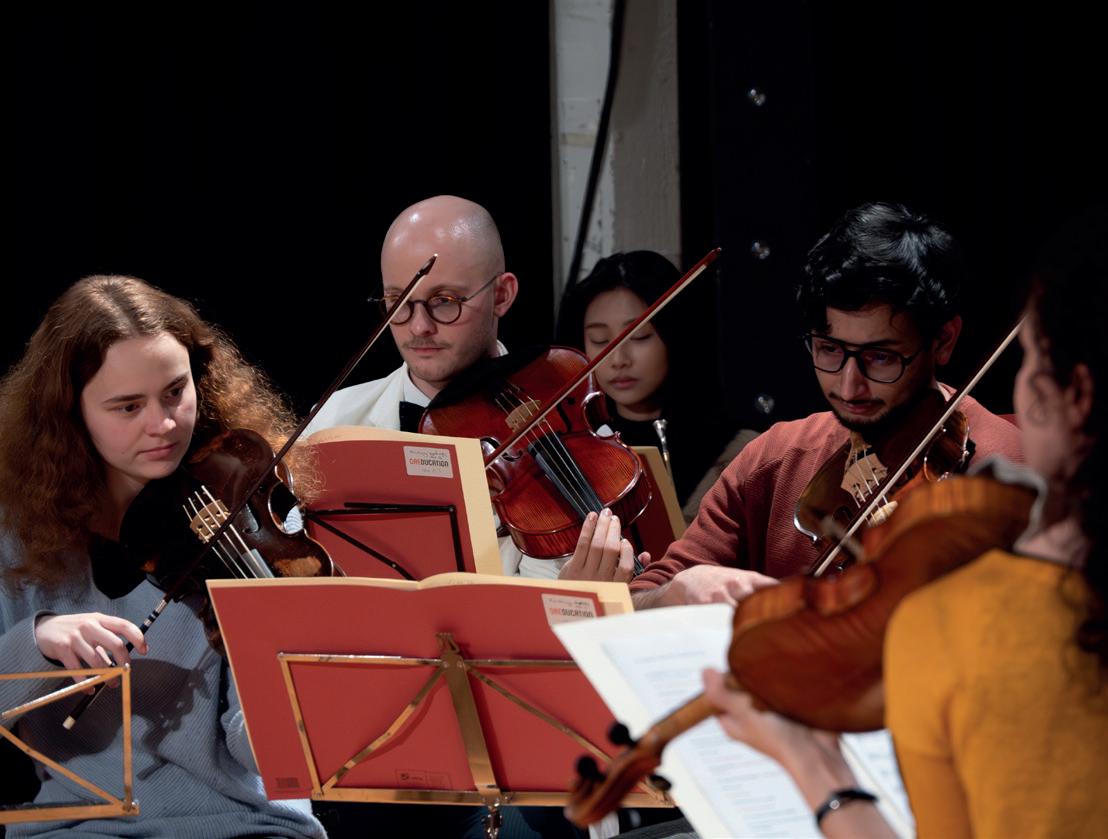
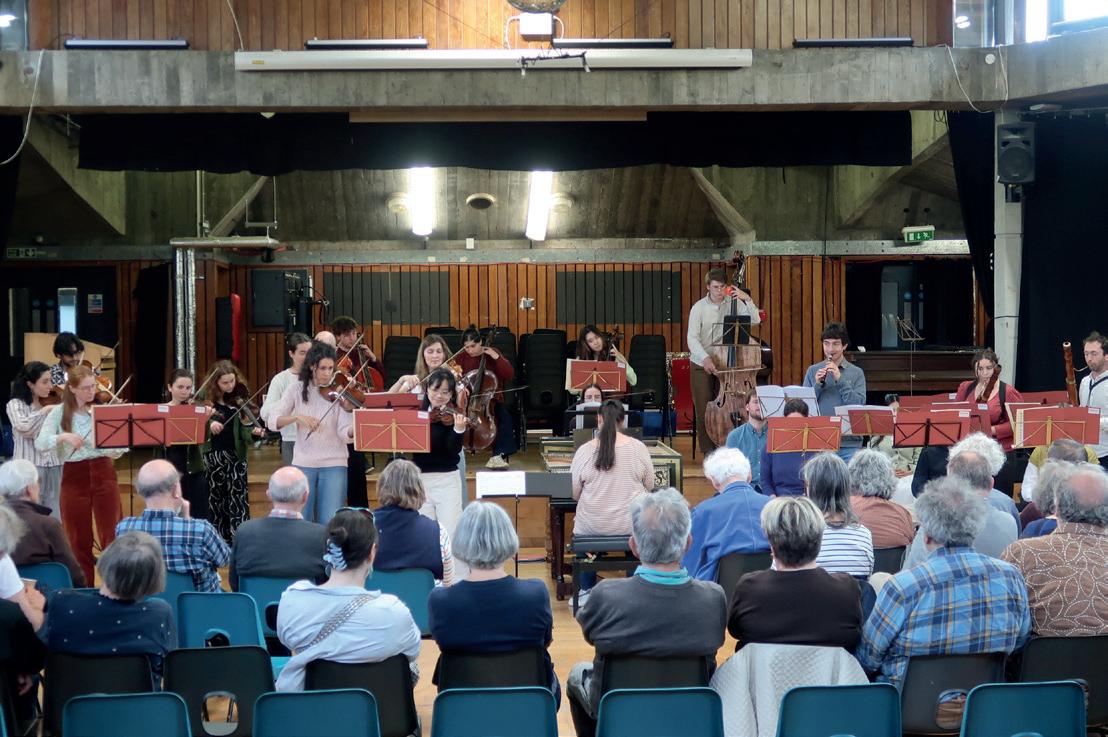
Thirty-one instrumentalists from across Europe are embarking on a two-year placement with the orchestra as part of the 2026 / 27 Ann & Peter Law OAE Experience Scheme. Giving gifted early career period instrument musicians the opportunity to work and perform together during five academy courses, with coaching from Orchestra members, and access to rehearsals, the programme offers an intensive introduction to life inside
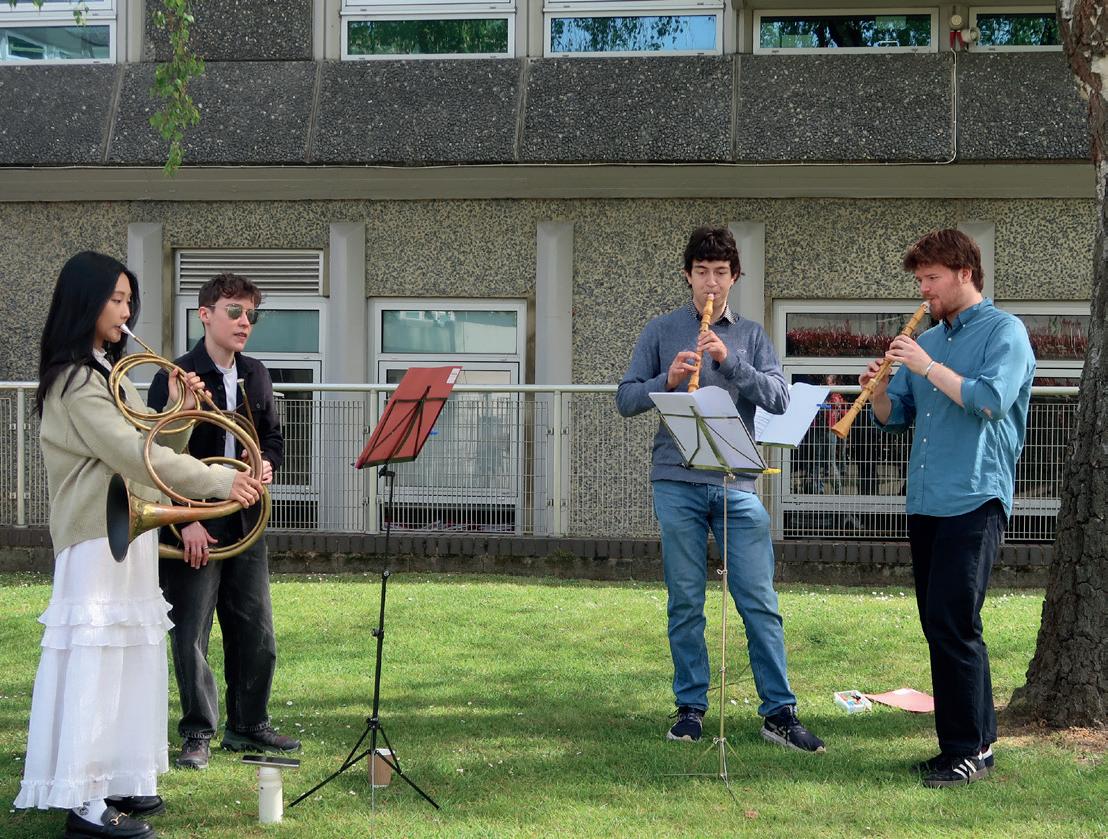
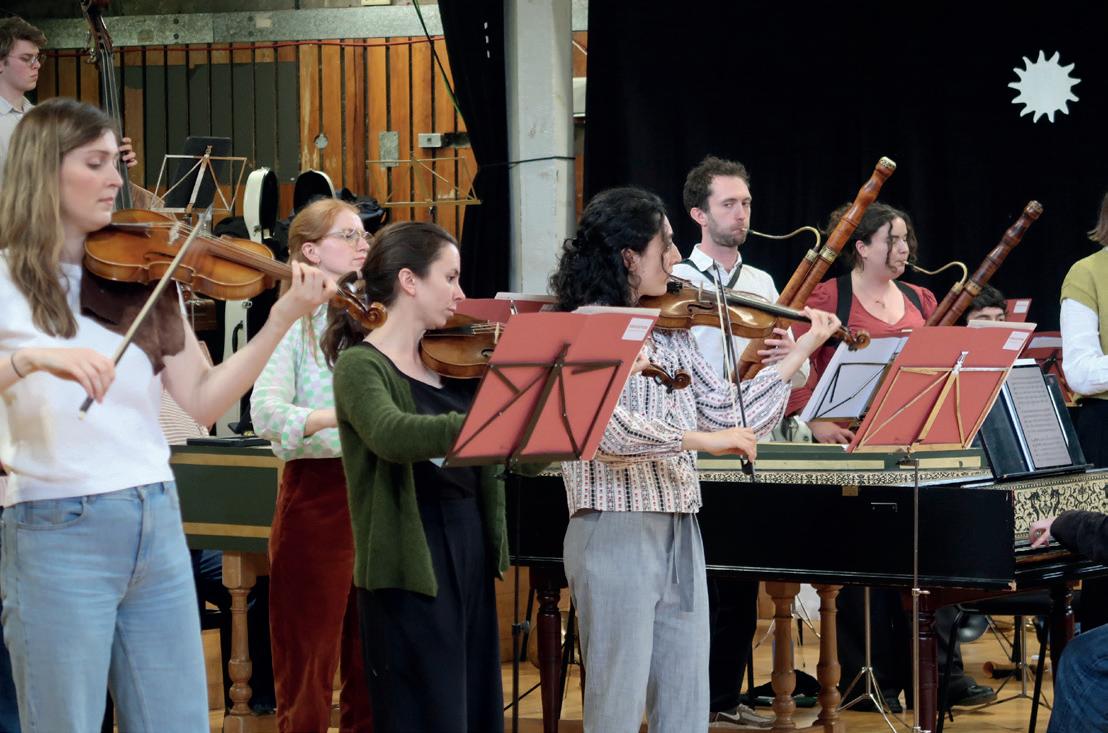

the OAE. The cohort has already met in London for a classical course with Margaret Faultless and a baroque course led by Leo Duarte, with more projects and courses still to come this year.
Find out more at oae.co.uk/experience or scan the QR code
The Orchestra of the Age of Enlightenment has spent four decades redefining classical performance. From pioneering new approaches to historically informed music-making to collaborating with the world’s leading conductors and soloists, the OAE has consistently remained at the forefront of musical innovation. As we mark this milestone, your support will help shape the next forty years of music-making to 2066.
The funds raised through the OAE at 40 Campaign will support our 40th Anniversary Seasons, enabling extraordinary programming and collaborations with world-class artists and conductors. Your generosity will also sustain our pioneering partnership with Acland Burghley School, our national education programme and community operas, and our commitment to nurturing the next generation of emerging artists through our Rising Stars programme and Ann and Peter Law Experience Scheme.
Every gift, no matter the size, helps us achieve this ambitious vision and directly supports our Anniversary Seasons across 2025 / 26 and 2026 / 27, carrying the Orchestra confidently through the years to come. oae.co.uk/support-us/oae-at-40
Berlioz left his legacy to us, and you can do the same.
By including the Orchestra of the Age of Enlightenment in your will, you can help secure our future for years to come. Legacy gifts enable us to perform at the highest level, both on the concert platform and in schools across the country, ensuring that exceptional music continues to inspire audiences of all ages.
Everyone who chooses to leave a gift to the OAE in their will is invited to join the 1986 Society, named in tribute to the year the Orchestra was founded. Members enjoy exclusive benefits, including an invitation to an annual behind-the-scenes event offering insight into how your support brings our work to life.
If you would like to discuss leaving a legacy with the OAE, please contact Luka at luka.lah@oae.co.uk or call 020 8159 9321.
“I have remembered the OAE in my will, confident that the future will be a bright one.”
MARGARET FAULTLESS, OAE VIOLINIST AND LEADER
Love our Southbank Centre concerts?
Join us as a Friend of the OAE today and help bring exceptional music to life. As a Friend, you’ll experience concerts like never before, gaining both front-row access and behind-the-scenes insights. Enjoy priority booking for our entire season, attend open rehearsals, and connect with our musicians at exclusive membership events. For just £50 a year, you can enjoy these benefits and be a part of our 40th anniversary celebrations, supporting an ambitious and inspiring 2025 / 26 Season.
To become a Friend, scan the QR code, visit oae.co.uk/support-us or contact us at development@oae.co.uk or 020 8159 9317


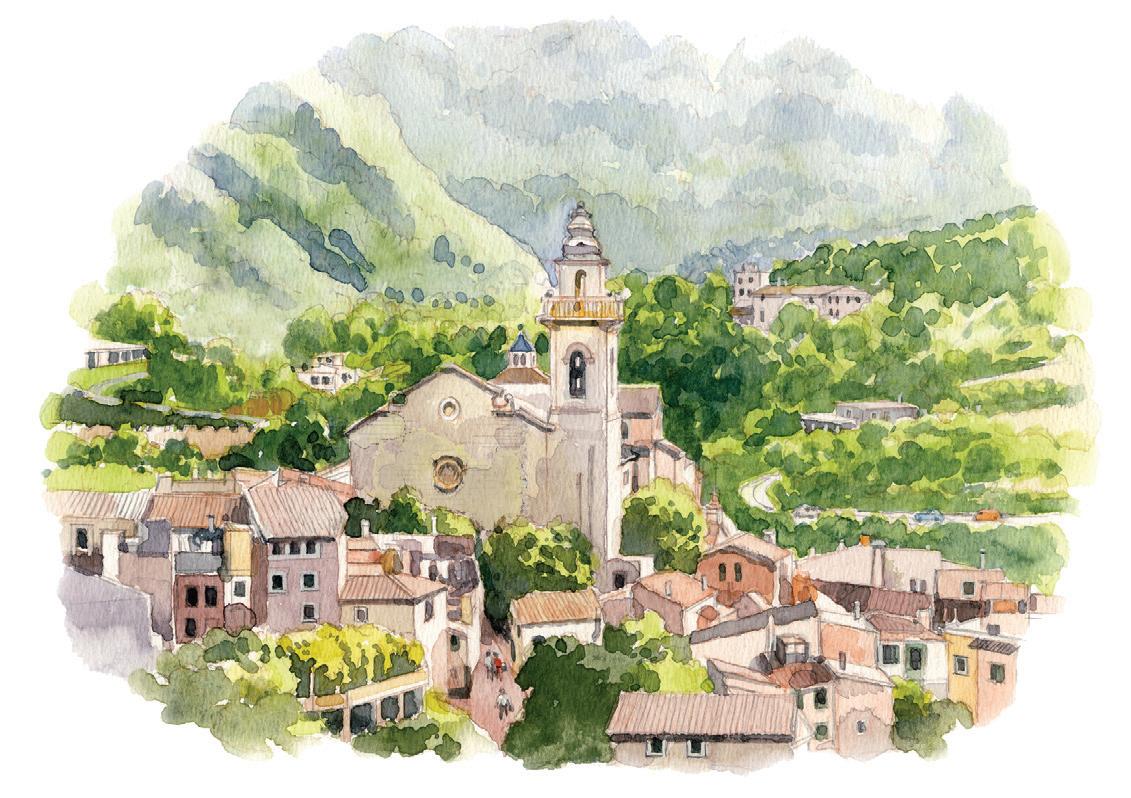
Kirker Holidays creates carefully-crafted short breaks and tailor-made holidays for discerning travellers, including individually selected four- and five-star hotels, private transfers, flights from your local airport and the services of the Kirker Concierge to book expert local guides, tickets for opera, ballet and concerts or a table reservation at a recommended restaurant.
For those who enjoy travelling with a group of like-minded companions in the company of an expert tour leader, Kirker’s range of Cultural Tours & Music Holidays are designed to appeal to interests including Art, History, Architecture, Gardens, Music and Food & Wine.
Each of our carefully-curated Exclusive Kirker Music Festivals includes a series of private concerts with international musicians of the highest calibre. Guests and performers alike particularly enjoy the rapport between audience and artists which is generated during the course of Kirker drinks parties, concerts and workshops.

Get 50% off an annual subscription
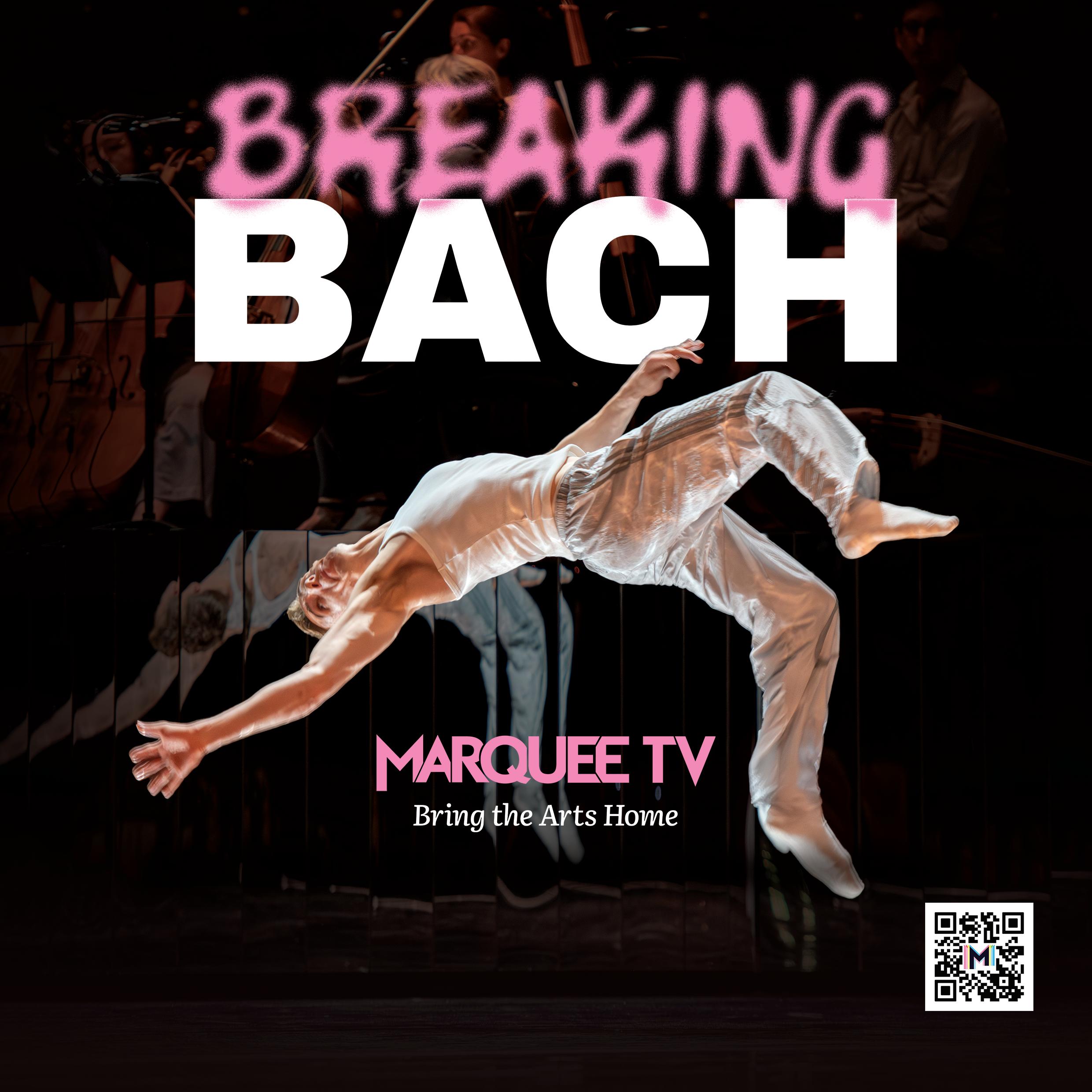
Breaking Bach pairs hip hop dancers with Bach’s complex rhythms in a bold collaboration with Kim Brandstrup and the Orchestra of the Age of Enlightenment. Stream it now.

THE GIRL FROM ARLES 9 & 10 October
CHRISTMAS ORATORIO 5 & 6 December
A VIENNESE HOUSE PARTY 28 January
THE RITE OF SPRING 18 February
ST JOHN PASSION 10 March
VIVALDI FOR MANY 16 April
TOTAL ECLIPSE 16 May

SOUTHBANK CENTRE SEASON 2025/26
‘Fantastic Symphonies’ at the Southbank Centre 24 June, Queen Elizabeth Hall
VIENNA 1897: BRAHMS’ LAST CONCERT
BRAHMS Symphony No. 4
DVOŘÁK Cello Concerto
JOSEPH HAYDN Symphony No. 73
‘La Chasse’ with Steven Isserlis (cello)
Maxim Emelyanychev (conductor)
OAE TOTS
for 2 to 5 year olds and their grown-ups
Check our website for more information on family events at Acland Burghley School
THE NIGHT SHIFT
Chamber music down a local pub
New season coming in September 2026
BACH, THE UNIVERSE AND EVERYTHING at Kings Place
Mission: to explore our place in the cosmos guided by the intergalactic genius of JS Bach. Each monthly event features one of Bach’s cantatas, and other choral and instrumental works, alongside a talk by an eminent astronomer.
New season coming in Autumn 2026