
GRADUATE COMPOSERS' SHOWCASE
Dora Stoutzker Hall
Royal Welsh College of Music & Drama
28th September 2024, 4pm
WELCOME
Introduction

A message from our Artistic Director...
We are delighted to welcome you to this very special concert, which marks the end of our inaugural Graduate Composers' Showcase. We launched this programme back in November 2023, seeking to plug the gap between our pioneering Young Composers' scheme - which has provided free composition mentoring to nearly 200 state-educated students across the UK - and our groundbreaking '100 Commissions' project - our founding aim to commission 100 composers in 10 years, with 75 now completed.
We recognised the challenges faced by early-career composers, and with this programme we aim to provide a crucial platform to showcase the wealth of extraordinary talent amongst the next generation of composers. The five selected Graduate Composers whose works you are about to hear, each displayed an impressive level of skill, musicality, and promise in their applications, and we're thrilled to be performing their brand new works in concert this afternoon.
We're also delighted to be performing the world premiere of one of our newest commissions from acclaimed composer, Odaline de la Martinez. Her work, Three Afro-Cuban Poems , was commissioned as part of our Cultural Bridges project, which sees ORA collaborate with composers from across the world, combining texts and instruments from their culture with the voices of ORA to form a musical bridge between civilisations. We're also thrilled to be performing the Welsh premiere of our commission by Paul Mealor, In primum non nocere . Commissioned earlier this year, this piece sets a new text by Grahame Davies based on the Hippocratic Oath. The piece is in dedication to the crucial work done by medical professionals in the NHS, and it is one of the commissions I am most proud of.
Finally, we would like to thank The Colwinston Charitable Trust and The Garrick Charitable Trust for their faith and support in this pilot project. We'd also like to thank The Garfield Weston Foundation, The Linbury Trust, the Cuthbert Family, and our ORA100 & ChoralClub members for their critical support in our wider artistic and charitable work. None of this would be possible without them.
SUZI DIGBY OBE
Artistic Director
ORA Singers
OUR TEAM
PRESIDENT
Stephen Fry
GENERAL MANAGER
Thomas Rayner
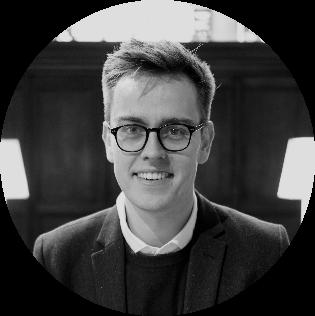
ARTISTIC DIRECTOR & FOUNDER
Suzi Digby OBE
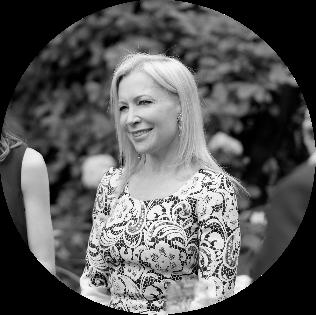
DEVELOPMENT DIRECTOR
Jack Rush
BOARD OF TRUSTEES
Rt Hon Patricia Hewitt (Chair)
Michelle Castelletti
Henrietta Bowden-Jones OBE DL
Garreth Spillane
Annamaria Koerling
Lizzie Ridding
Mark Tatlow
ARTISTIC ADVISOR
David Clegg
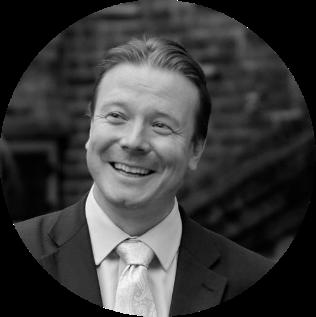
Suzi Digby OBE
ARTISTIC DIRECTOR & FOUNDER
Suzi Digby OBE
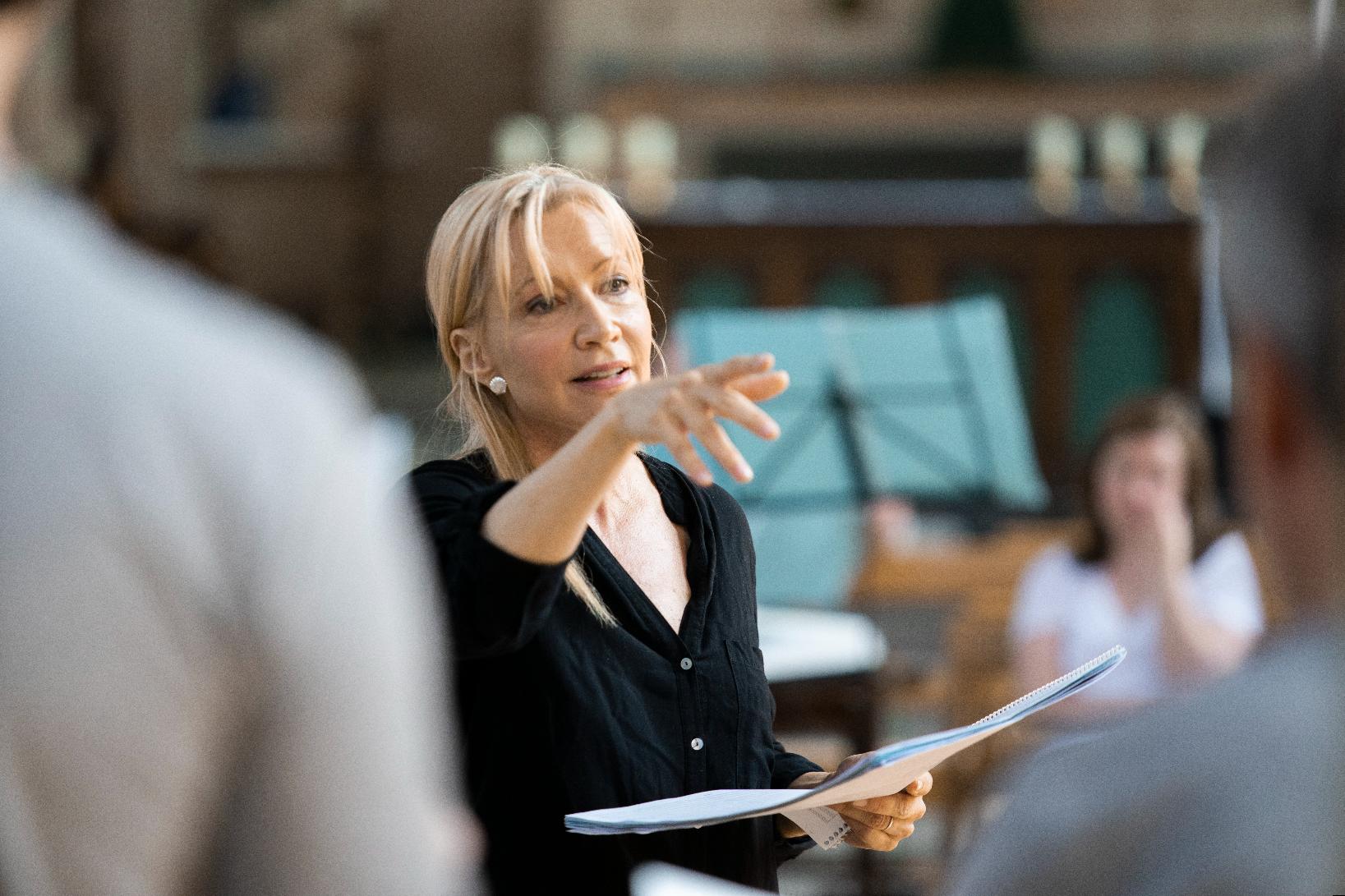
Suzi Digby was born in Japan and lived in Hong Kong, Mexico and the Philippines before settling in London, Cambridge and Bath. She is an internationally renowned choral conductor and music educator. She has trail-blazed the revival of singing in UK schools and the community over three decades. Suzi founded the following pioneering National Arts/education organisations: The Voices Foundation (the UK's leading Primary Music Education Charity); Voce Chamber Choir; Vocal Futures (nurturing young audiences for Classical Music); Singing4Success (leadership and Accelerated Learning for Corporates) and London Youth Choirs (a pyramid of 5 choirs [aged 8-22], serving multiple diverse communities in London's 33 boroughs). Her professional vocal consort, ORA Singers (commissioning choral works as reflections of Renaissance masterworks) won the Opus Klassik 'Best Ensemble of the Year', 2018. She is visiting professor at University of Southern California (Choral Studies).
Background
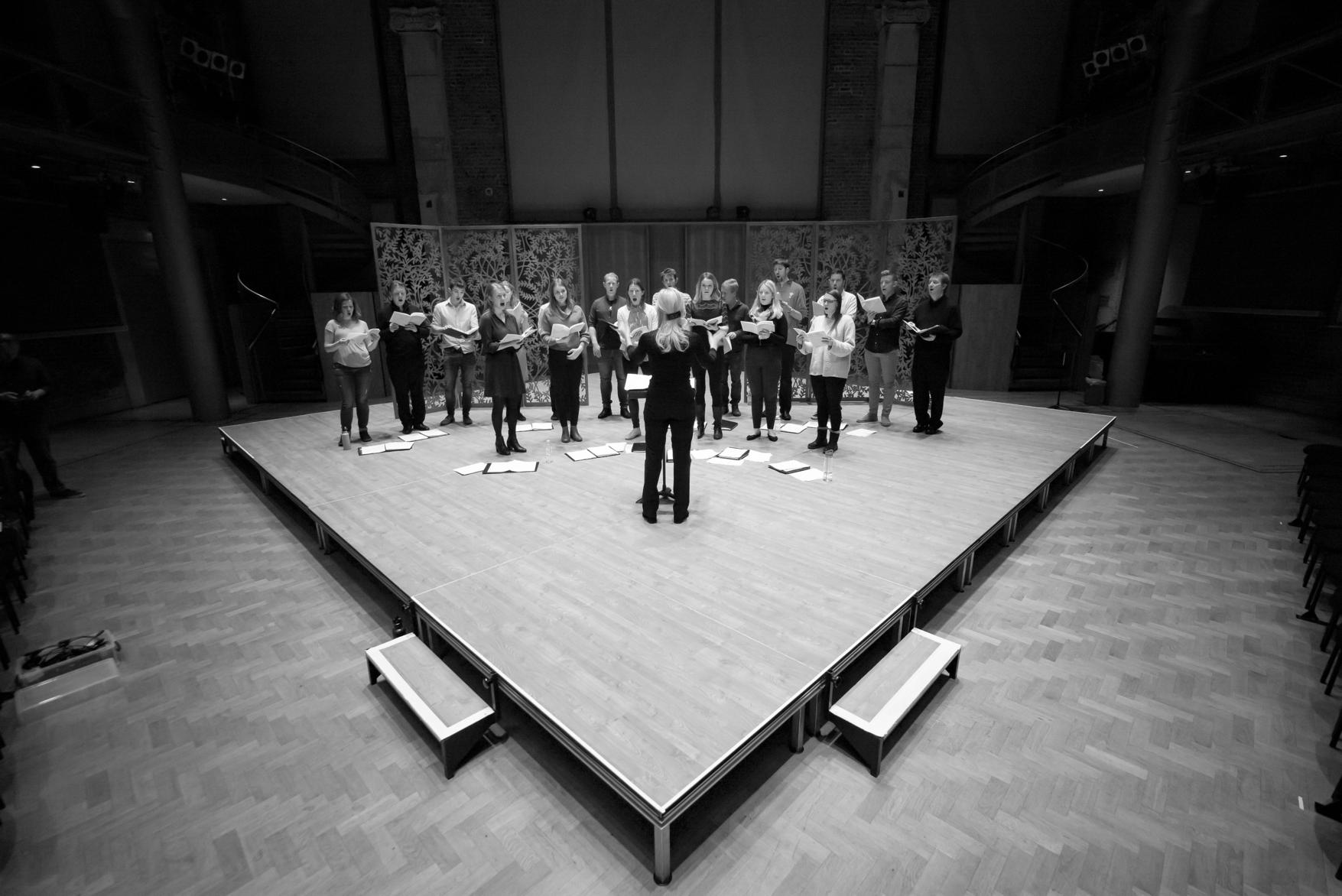
ORA Singers continues the centuries-long living tradition of choral singing in Britain. The group is recognised for its modern approach and is one of the world’ s foremost commissioners of contemporary choral music, which it often performs alongside Renaissance masterpieces in its celebrated concerts and recordings.
It continues to blaze a trail as one of the UK's leading vocal groups and lives up to its description as " a musical comet... you'll go a long way to hear singing this good" (Independant on Sunday) in its touring programmes both in Europe and the USA. Directed by Suzi Digby OBE, the group was named ' Ensemble of the Year' at the 2018 Opus Klassik awards and has received critical acclaim both for its " unfailingly elegant" performances and its " superb and exciting" recordings'
"Impeccably tuned and stylishly presented... from homophonic declamation to layered polyphony, and from ravishing sensuality to acerbic dissonance... The competition among professional choirs is fierce, but this old/new mix could be a winner."
- Richard Morrison, The Times
ORA SINGERS
GRADUATE COMPOSERS
GEORGE W. PARRIS
24, London
BMus, Hons
University of Manchester, MA, Composition
Royal Academy of Music
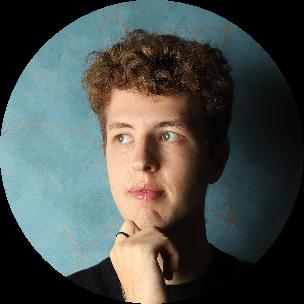
George W. Parris is a London-based composer and pianist with a particular interest in choral music and music for theatre. His work has been performed across the country at prestigious festivals such as The Leeds Lieder Festival and Tête à Tête: The Opera Festival, and by a variety of ensembles including Inchant Chamber Choir and Voces8. Most recently, George’s work for theatre The Shadow, a collaboration with playwright Rebekah King, premiered at the Susie Sainsbury Theatre in Marylebone and was praised for its innovative use of music ‘mirroring, echoing, highlighting, partnering the text in such a completely natural and interdependent way.’ Other theatre work includes When the Sky Cracks Open – an operatic miniature with libretto by Iris Supple-Still, and In and Out of Knowing – an original musical.
George’s choral music has seen recognition from a variety of sources including St Paul’s Cathedral, where he was a finalist of their 2023 composition competition, and JAM on the Marsh where he was both a participant in their 2022 Masterclass Series and a successful applicant of their 2024 call for scores. George’s style combines his love for early 20th century French Impressionism with influences from both the traditional and contemporary worlds of choral music to create a sound and style of composition with story-telling at its heart.
George studied Music as an undergraduate at the University of Manchester, graduating with a First Class degree in 2022, and is currently enrolled at the Royal Academy of Music, studying for a Master's degree in composition.
LIBERTY RICHARDSON
London Music
Durham University Composition
Royal College of Music
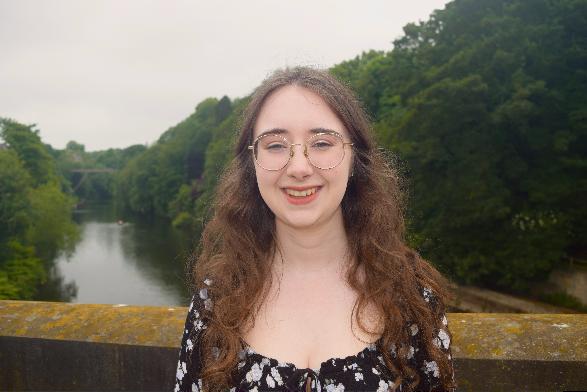
Liberty Richardson is a British composer of choral, instrumental and electronic music, currently studying towards a Master’s in composition at the Royal College of Music with Ed Bennett as an Ian Evans Lombe Scholar. In 2023, Liberty graduated from Durham University with a First Class Honours in BA Music, where she studied composition with James Weeks, Eric Egan and Nick Collins.
Liberty’s music has been performed both across the UK and internationally. Liberty’s success began early, when she won Second Prize in the 2019 Classical Sheffield Future Makers Composition Competition, where her piano trio, Discovery, was premiered by the Lawson Trio at Firth Hall. In 2022, Liberty won the Durham University Steinway Composition Competition and as part of this, Rising for 28 pianos and 56 pianists was premiered at the Steinway Launch Event in Durham to celebrate the university becoming an All-Steinway School. In 2023, Decay for electronics received its international premiere at the MUSLAB 2023 electroacoustic exhibition held at the Museo Antropológico y de Arte Contemporáneo in Guayaquil, Ecuador. Liberty’s music has also been broadcast on BBC Radio on several occasions as part of BBC Introducing.
Liberty’s music frequently acts as a commentary on contemporary issues, often using gradual transformations of musical material to explore these topics. She is currently composing an immersive piece for vocal sextet, I Wandered Lonely as a Cloud, which will be premiered as part of the 2024 Great Exhibitionists Concert Series at the Royal College of Music. This piece explores the visual reinforcement of musical and conceptual ideas, through theatricality as well as lighting effects.
TOMOS OWEN JONES
28, Cardiff
BMus, Hons, MMus, Composition & Performance
Royal Welsh College of Music & Drama
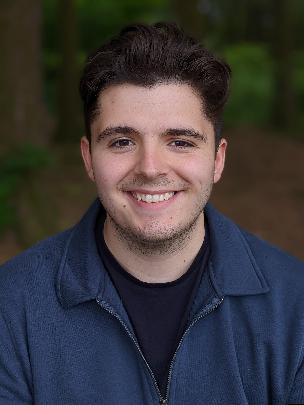
Tomos Owen Jones is a tenor, composer and conductor from the Bannau Brycheiniog in Wales. Tomos recently graduated with Distinction from the MMus Composer-Performer course at the RWCMD, and has continued his studies there as part of the David Seligman Opera Studio.
Tomos is a composer of choral, instrumental and operatic works, and is often inspired by the people and places of Wales. His compositions have been premiered by ensembles including the BBC National Orchestra of Wales, Cardiff Polyphonic choir and Cantemus Cum Spiritu, and at Leeds Lieder Festival and the National Eisteddfod. Tomos loves to collaborate closely with performers and ensembles, and recently created the song cycle Can the Honourable Gentleman with mezzo-soprano Eleanor Watts, discussing the cost of living crisis to raise money for Cardiff Foodbank. Tomos was the winner of the WNO-RWCMD Composition Competition in 2021, and is a current finalist in the Welsh Guards March Competition. Tomos is a founder and Musical Director of May Street Opera, and in 2021 created and conducted a new hour-long English language adaptation of Humperdinck’s Hansel and Gretel. Alongside director Harvey Evans he created and conducted the premiere of his first chamber opera The Egg at Atmospheres Festival 2023 in Cardiff.
Tomos’ operatic roles have included Il Principe (Respighi’s La Bella Dormente Nel Bosco), L’Aumonier (Dialogues of the Carmelites), Semyon Semyonovitch (Cherry Town, Moscow) cover Eisenstein (Die Fledermaus) and cover Rinuccio (Gianni Schicchi). Passionate about new music, Tomos has created roles including Y (Julia Plaut’s The Y Knot) at RWCMD, Gwydion the Magician (Stephen McNeff’s 2117/Hedd Wyn) with Welsh National Opera Young Company, and Data Collector (Richard Barnard’s Nonsensus) with Opera Sonic at the Tête-à-Tête Opera Festival London. Tomos is equally comfortable on the concert platform, with highlights including Vaughan Williams’ Five Mystical Songs and Rossini’s Petite Messe Solenelle, and recent competition successes include the Dorothy Davies Ingram award and the Adelina Patti prize for Bel Canto singing. Tomos has sung with ensembles including the BBC National Chorus of Wales, RWCMD Chamber Choir and Renaissance/medieval choral ensemble the Unicorn Singers, and is a founder member of Solstice vocal octet, performing with the group at the Sounds Sublime Festival London last year. Tomos’ studies have been generously supported by the Olwen Phillips Memorial Scholarship, the James Pantyfedwen foundation, the Sir Richard Stapley Educational Trust, the Karl Daymond Scholarship, the Leverhulme Trust Arts Scholarship, and the Robert Maskrey Scholarship.
EMMA PASCOE
Oxford Music
Royal Holloway, University of London Composition
Royal Birmingham Conservatoire
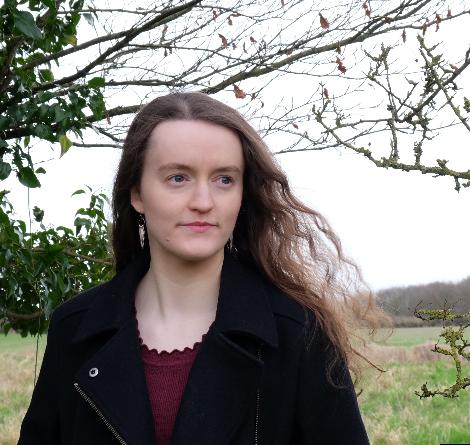
Emma Pascoe graduated from Royal Holloway, University of London, with a Bachelor of Music degree in 2020. She was selected to be a Picture Gallery Composer-in-Residence at the college in 2019, which involved writing for the renowned Royal Holloway Chapel Choir and their director, Rupert Gough. Under the tutelage of Samantha Fernando, Nina Whiteman, and John Traill, her music was workshopped by CHROMA, and performed by the Jane Holloway Choir. Her music was requested to be performed by Jack Gibbons in the finale of his 34th Oxford Summer Piano Series 2022. In October 2023, she made her radio debut on BBC Radio 4’s Sunday Worship with Inner Voices, (dir. Ralph Allwood), who also took her music on their tour of Italy earlier this year. She has a place to study for a Master’s degree in Composition at the Royal Birmingham Conservatoire from September.
She assisted Nathan James Dearden as the inaugural Young Associate Conductor of the Royal Holloway New Voices Consort and New Music Collective, which collaborated with Judith Weir in 2020. She was founder and co-manager of the Royal Holloway Conductors’ Collective, which included tuition from Rebecca Miller and Neil Ferris. She also conducted three premieres as part of the Festival of Contemporary Music for All 2020. She is founder and director of the 'Songs Away From Time' project, and a member of Opus 48. She was manager of SJE Arts (Oxford) from 2020 to 2023.
JORGE RAMOS
29, London
Doctorate, Music Composition
Royal College of Music
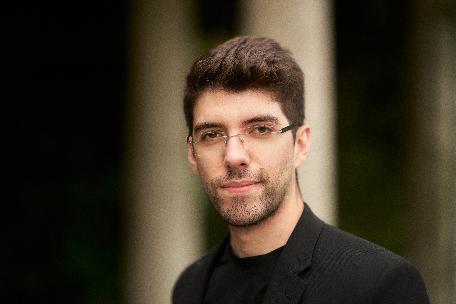
Jorge Ramos is a Portuguese multiple award-winning composer, sound artist, and researcher based in London. He has written solo, chamber, symphony, mixed, electroacoustic, live-electronics, film, stage, installations, and advertisement music for festivals, orchestras, ensembles, and soloists across Asia, North America, Central America, South America, and Europe, while also collaborating with other artists and/or institutions on artistic contributions and computer music design.
Commissioners and partners for Dr. Ramos’ work extend beyond the concert hall to major international soloists and bodies such as Arte no Tempo, Banda Sinfónica Portuguesa, Braga Media Arts, Braga ’27, Calouste Gulbenkian Orchestra, Casa da Animação, Cat’s Cradle Collective, Frederic Cardoso, gnration, ORA Singers, Orquestra Clássica do Centro, RE:FLUX ’16 Festival, Ricardo Pires, RTP/Antena 2, Sónia Oliveira, The Hermes Experiment, UNDERSCORE Film Festival.
He is the recipient of some prominent fellowships, grants, and prizes awarded by the Academia de Flauta de Verão, Caixa Geral de Depósitos, Calouste Gulbenkian Foundation, Escola Superior de Música de Lisboa, Festival Internacional de Órgão de Braga, Fernando Otero, Fundação da Juventude, Fundação para a Ciência e a Tecnologia, iMelody Music Club, Leões de Portugal, Miso Music Portugal, Orquestra Clássica do Centro, Banda Sinfónica Portuguesa, Royal College of Music London, Royal Music Association, RTP/Antena 2, Sociedade Portuguesa de Autores, Tomaribando, The ACTOR Project, The National Flute Association and Portuguese Republic — Ministry of Culture.
He held a composer residency at various prestigious institutions including the Calouste Gulbenkian Orchestra, Estúdios Victor Córdon, Sentidos Ilimitados, and Grand Théâtre Luxembourg.
Jorge Ramos holds degrees from Conservatório de Música Calouste Gulbenkian de Braga, Escola Superior de Música de Lisboa, and a Doctorate in Music Composition granted by the prestigious Royal College of Music in London. He currently serves as a collaborator and mentor at The ACTOR Project.
Orchestration practice in the 21st century: New methods and tools for analyzing, creating, and teaching orchestration (CAN) and as a collaborator on Contemporary Music Research at CESEM Pólo IPL ESML (PT). He is an ENOA — European Network of Opera Academies Artist.
GRADUATE COMPOSERS' SHOWCASE: PROGRAMME
ODALINE DE LA MARTINEZ - Three Afro-Cuban Poems: Sigue
Songoro Cosongo
Canto Negro
Commissioned as part of the Cultural Bridges Commission Series.
PHILIPPE ROGIER - Peccavi, quid faciam tibi
LIBERTY RICHARDSON - Peccavi, quid faciam tibi*
A reflection on Philippe Rogier - Peccavi, quid faciam tibi
GEORGE W. PARRIS - Nunc*
A reflection on Philippe Rogier - Peccavi, quid faciam tibi
VICENTE LUSITANO - Sancta mater
EMMA PASCOE - The Chapel*
A reflection on Vicente Lusitano - Sancta mater
JORGE RAMOS - Munda me*
A reflection on Vicente Lusitano - Sancta mater
CLEMENS NON PAPA - Vox in Rama
TOMOS OWEN JONES - Vox in Rama*
A reflection on Clemens non Papa - Vox in Rama
PAUL MEALOR - In primum non nocere
Commissioned as part of the ORA Singers 100 Commissions Project
*Graduate Composer Commission
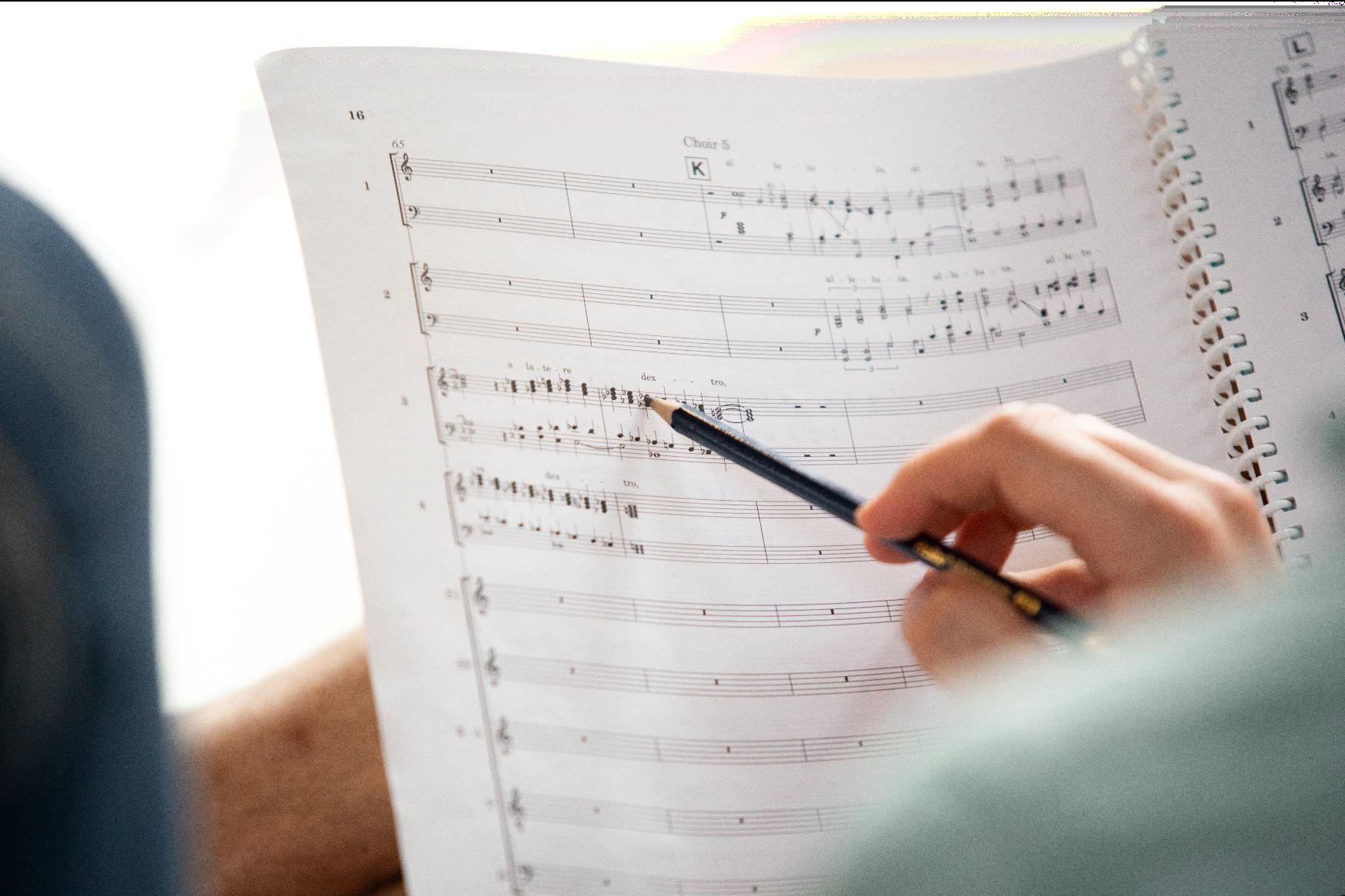
Our Graduate Composers were given the choice of three renaissance works on which to reflect. Each work lasting around 4 minutes, their brief was to respond
Programme
Music
Odaline de la MartinezThree Afro-Cuban Poems
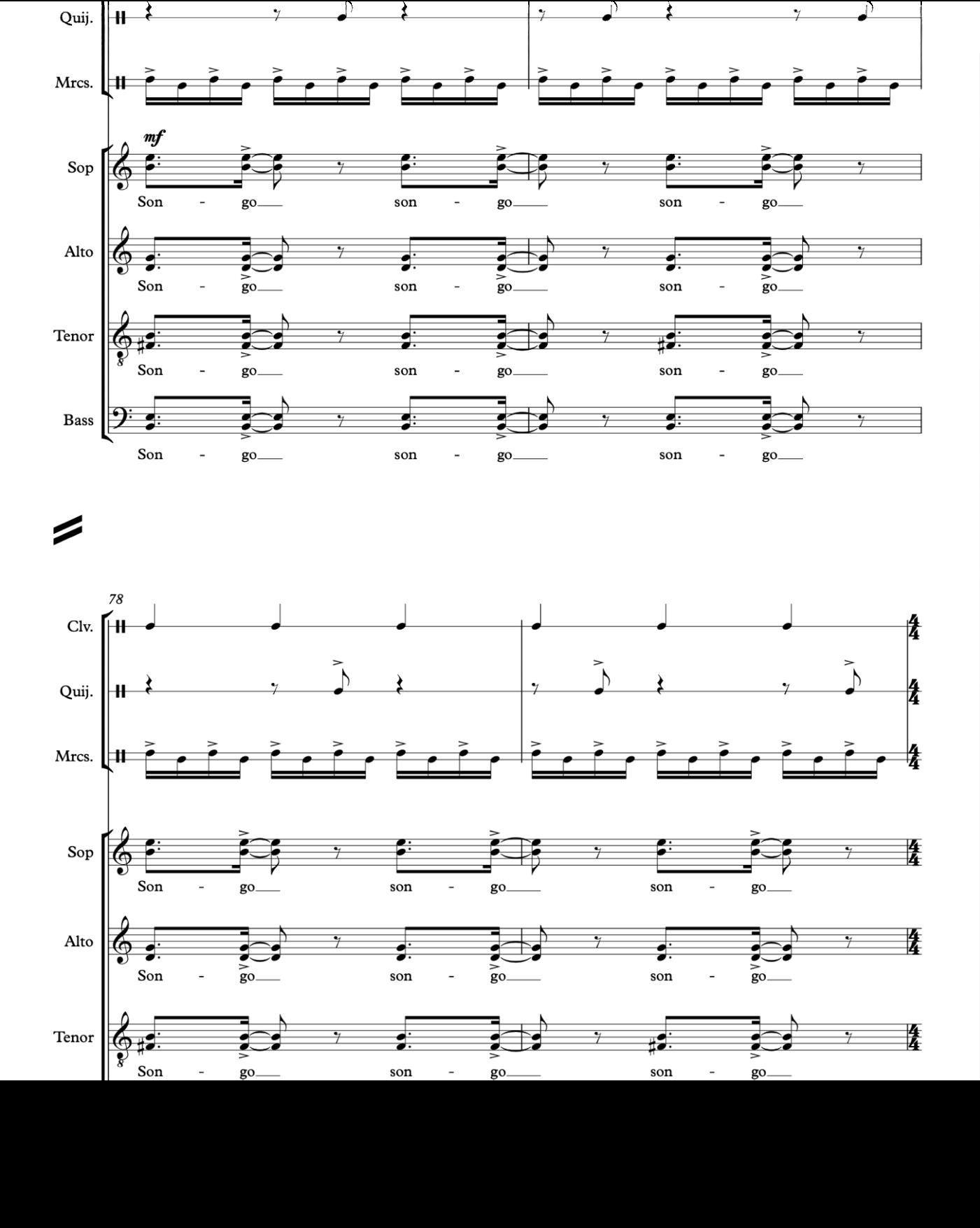
Three Afro-Cuban Poems is based on poems by Nicolas Guillen: They are Sigue, Songoro Cosongo and Canto Negro The poems mirror the speech, music and highly rhythmic Afro-Cuban language. This piece takes lines from the poems and combines them by using phonemes that bounce against each other and create a sound world full of drum-like rhythms.
Sigue is a short poem where a man warns another that, if he sees a certain woman, to keep walking, not to stop and talk to that woman. And to please not tell her he’ s seen the poet. She’s no good, no good.
Songoro Cosongo is made up mostly of phonemes and rhyming words with no specific meaning.
Canto Negro means literally 'Black Song'. It’s also made up of phonemes that imitate the sound and dancing rhythm of drums.
MUSICAL TEXT:
Sigue:
Camina, camina
Camina, caminante Camina, camina, sigue
Camina camina, camina y no te pare.
Sigue
Cuando pase por tu casa
No le digas que me viste
Acuerdate de que es mala, Mala, mala
Songoro Cosongo:
Aé aé aé aé vengan a ver
Aé aé aé aé vamo pa ver Songoro cosongo songo bé Songoro cosongo de mamey Songoro la niña baila bien
Songoro de uno songoro de trés
Canto Negro:
Tumba, tumba, tumba Cuserambó, cuserambó Yamambó Yamambé Songoro Cosongo Aé
Philippe RogierPeccavi,
quid faciam tibi
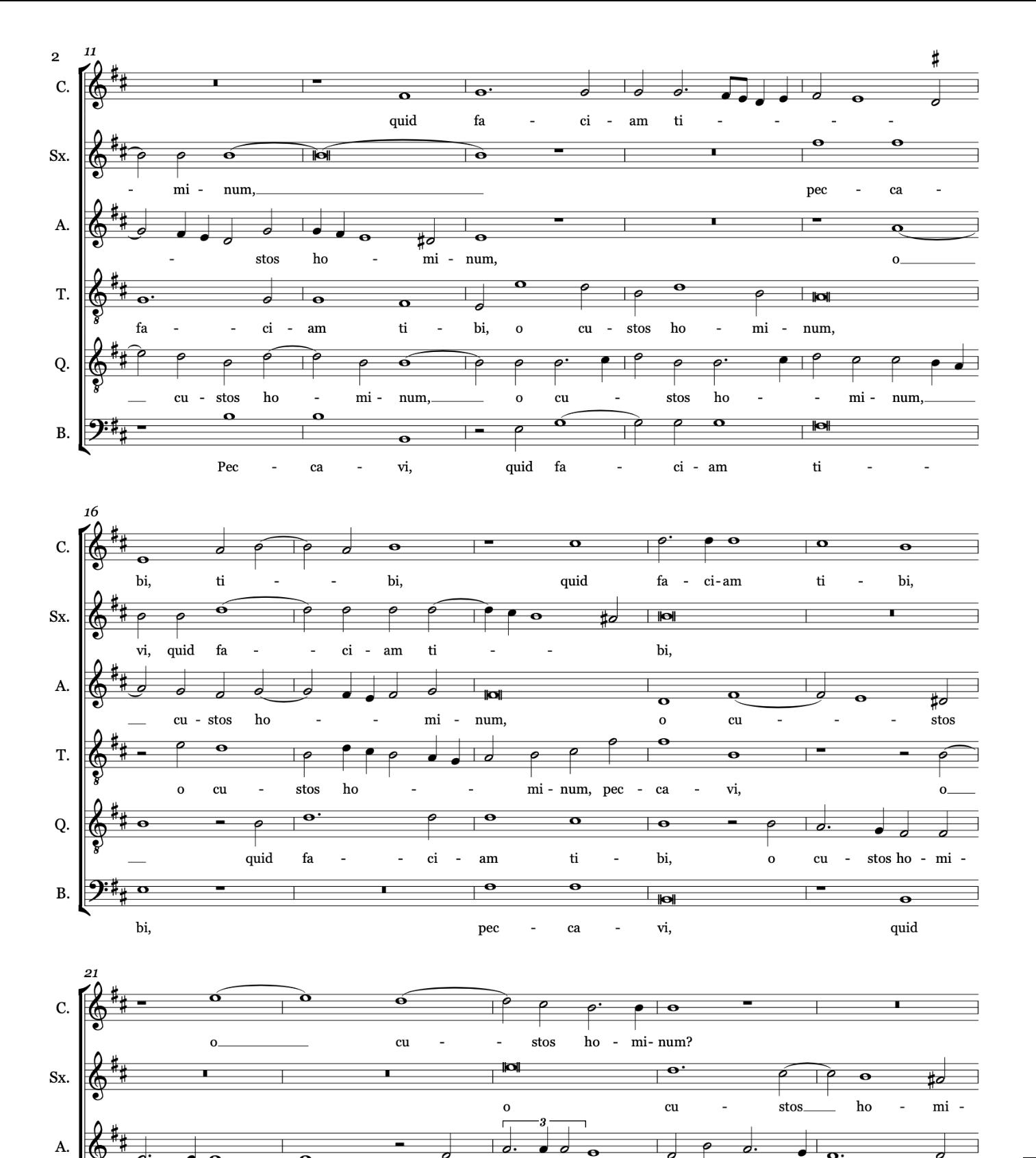
Philippe Rogier (c. 1561– 1596) was a Franco-Flemish composer who spent much of his career in Spain, serving at the court of King Philip II. A highly regarded figure of the late Renaissance, Rogier is known for his polyphonic mastery, which reflects both the intricate counterpoint of the Franco-Flemish tradition and the emotive intensity characteristic of Iberian sacred music.
Peccavi, quid faciam tibi is one of Rogier’ s most poignant motets. The title, which translates to “I have sinned, what shall I do unto thee?” is taken from the Old Testament Book of Job (Job 7: 20), where Job, in his suffering, questions God. The text is penitential in nature, expressing human guilt and helplessness before divine judgment. Rogier sets this text with profound sensitivity, creating a work of striking emotional depth and spiritual intensity.
The motet’ s rich polyphony unfolds in six voices, weaving together elaborate, yet fluid, vocal lines that seem to rise and fall in a continuous wave of supplication. Rogier skillfully balances the complexity of the counterpoint with moments of harmonic clarity, allowing the listener to grasp both the text and the emotive undercurrents of the music. His use of suspensions and dissonances highlights the tension inherent in the text, as Job wrestles with his conscience and fate.
This piece is a perfect example of Rogier’ s ability to marry technical brilliance with expressive power. The chromaticism and shifting harmonies mirror the anguish of the sinner, while the final cadences suggest a glimmer of hope and resolution. Peccavi, quid faciam tibi invites both reflection and immersion, offering a timeless meditation on the themes of repentance, humility, and faith.
MUSICAL TEXT:
Peccavi, quid faciam tibi, o custos hominum?
Quare posuisti me contrarium tibi, et factus sum mihimetipsi gravis? Cur non tollis peccatum meum, et quare non aufers iniquitatem meam? Ecce, nunc in pulvere dormiam, et si mane me quaesieris, non subsistam.
I have sinned; what shall I do unto thee, O thou preserver of men?
why hast thou set me as a mark against thee, so that I am a burden to myself?
And why dost thou not pardon my transgression, and take away my iniquity?
For now shall I sleep in the dust; and thou shalt seek me in the morning, but I shall not be.
3)
Liberty RichardsonPeccavi,
quid faciam tibi
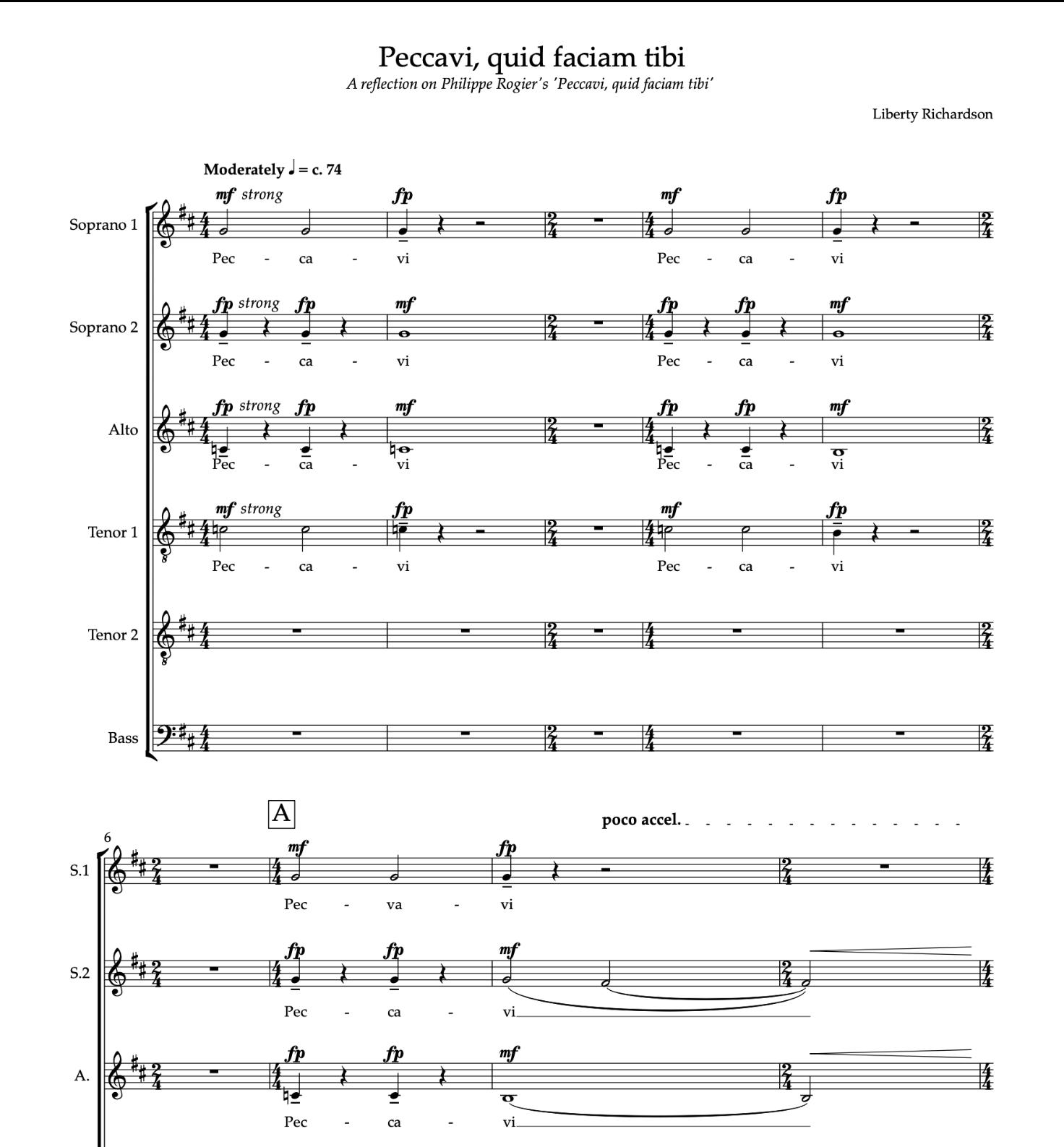
Peccavi, quid faciam tibi is a reflection on the renaissance piece by Philippe Rogier of the same title. In particular this piece takes harmonic, rhythmic and structural influences from it, as well as maintains the original text, Job 7: 20-21.
The piece begins fairly conventionally, using chords and rhythms from the opening of Rogier’ s piece, giving the music a flavour of the renaissance original. To further depict the text, the music soon diverges from this, through the introduction of glissandi into the texture. The purpose of these glissandi is to give the impression of the music slowly disintegrating, musically portraying the suffering experienced by Job in the text. Throughout the piece, the descending glissandi become an increasingly prominent part of the texture, bleeding increasingly into the more conventional musical material with each question Job asks, distorting the harmonies. These descending glissandi are often accompanied by the music slowing down to create an effect akin to a cassette tape stopping.
MUSICAL TEXT:
Peccavi, quid faciam tibi, o custos hominum?
Quare posuisti me contrarium tibi, et factus sum mihimetipsi gravis?
Cur non tollis peccatum meum, et quare non aufers iniquitatem meam?
Ecce, nunc in pulvere dormiam, et si mane me quaesieris, non subsistam.
I have sinned; what shall I do unto thee, O thou preserver of men?
why hast thou set me as a mark against thee, so that I am a burden to myself?
And why dost thou not pardon my transgression, and take away my iniquity?
For now shall I sleep in the dust; and thou shalt seek me in the morning, but I shall not be.
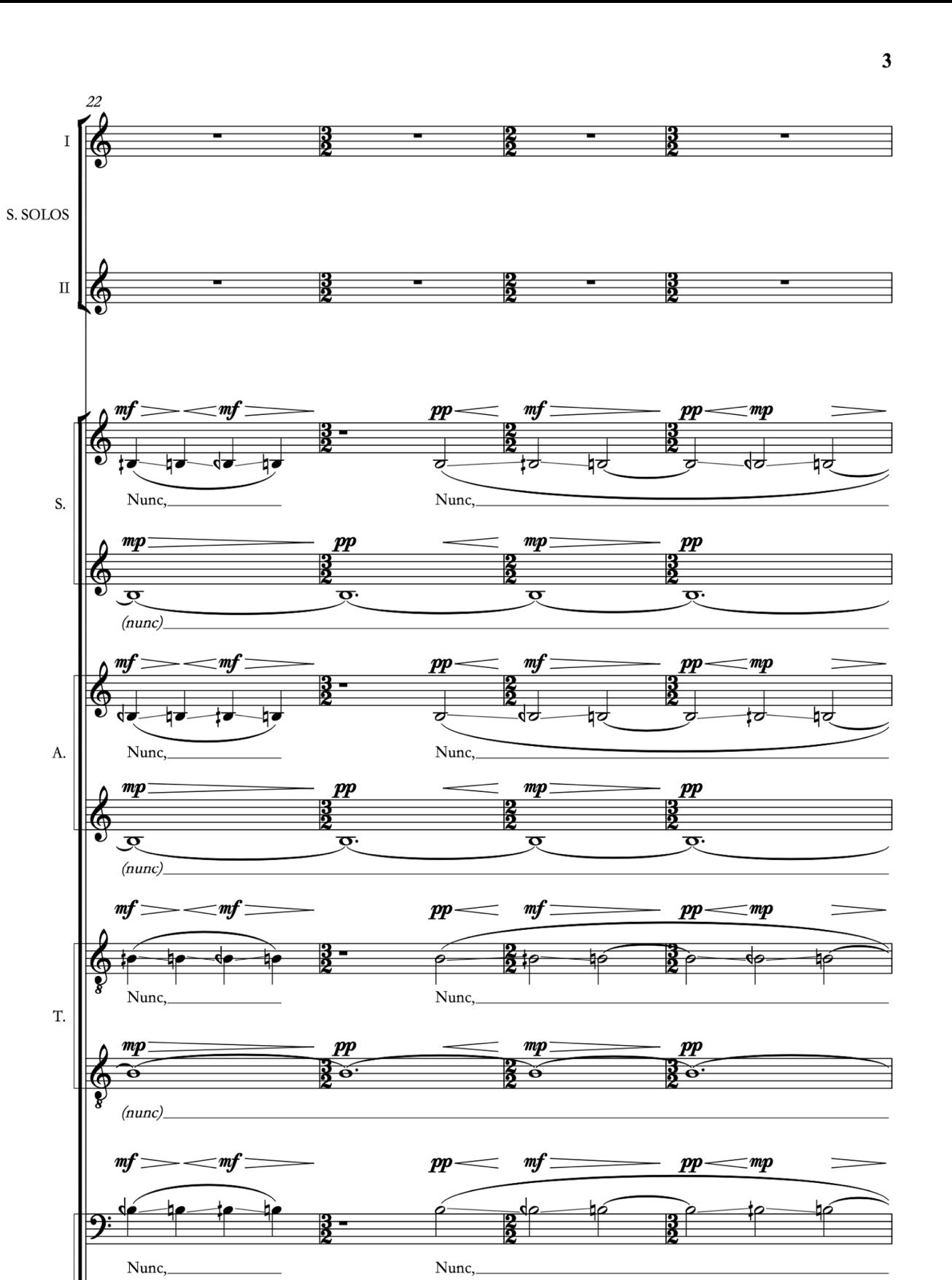
George W. ParrisNunc
Philippe Rogier's Peccavi, quid facciam tibi - through lyrical, cascading lines and sublime interrupted cadences - speaks of sin, transgression and a need for forgiveness, and ends with the image of eternal sleep 'in the dust' Responding to this with 'Nunc' (translating as 'now'), I wanted to explore how a single moment can grow and branch exponentially beyond its almost banal origins. The solo soprano lines act as an escape from this, soaring high in an attempt to reach beyond the choir's growing, almost oppressive, intensity - offering a line from Walt Whitman's infamous 1867 collection Leaves of Grass to conclude their efforts. Contrasting elements between the solos and chorus, 'Nunc' is an exploration of escaping the 'now', and finding hope in dreams of the future.
MUSICAL TEXT:
Job 7:21 -
Nunc in pulvere dormiam
Walt Whitman, Leaves of Grass | 1867I dream'd in a dream
Now I will sleep in the dust
5)
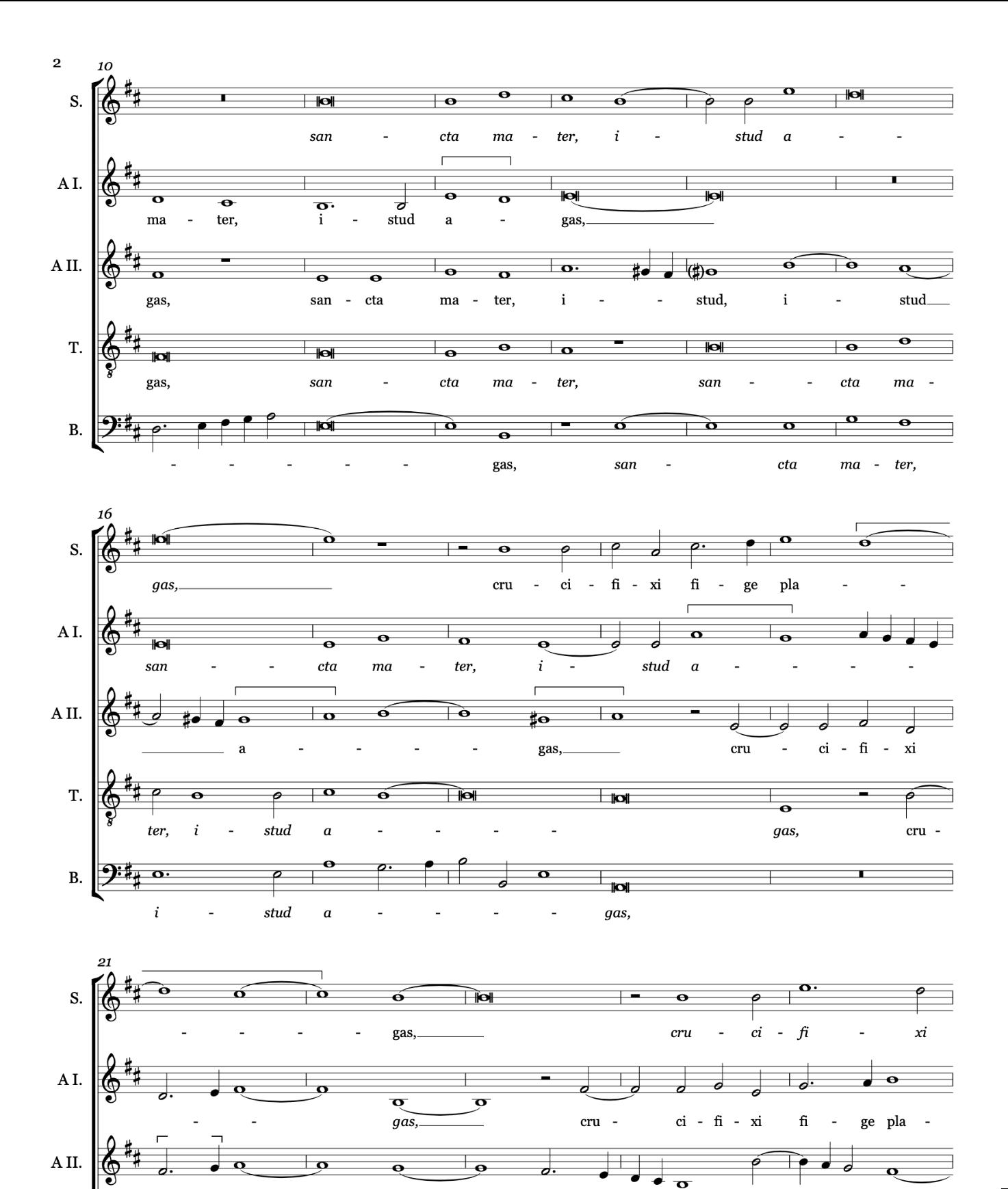
Vicente LusitanoSancta mater
Vicente Lusitano (c. 1520 – 1561) holds a unique place in music history as one of the first-known composers of African descent within the European Renaissance tradition. Born in Portugal, Lusitano was a theorist, composer, and cleric. His life and works highlight the rich diversity of Renaissance polyphony, and his contributions to music theory, particularly on modal practices, have left a lasting impact.
Sancta mater is a motet that displays Lusitano’ s command of polyphonic techniques while also reflecting his sensitivity to text and liturgical expression. The text is a devotional prayer taken from the Stabat Mater sequence, a medieval hymn that venerates the Virgin Mary at the foot of the Cross. Sancta mater focuses on the deep emotional connection between Mary and the suffering of her son, making it a powerful meditation on compassion and sorrow.
Lusitano sets the text in five voices, crafting a seamless polyphonic texture in which each voice carries its own melodic line while contributing to the overall harmonic richness. His approach to counterpoint is measured and clear, allowing the sacred text to shine through the intricate weaving of voices. The motet’ s harmonic language is rooted in the modal system typical of the period, yet Lusitano employs expressive dissonances and suspensions that heighten the emotional weight of the text.
One of the most striking features of Sancta mater is Lusitano’ s ability to evoke a profound sense of devotion through the interplay of voices, creating moments of both tension and resolution. The music builds toward a poignant climax, reflecting the emotional intensity of the Virgin Mary's grief, before resolving into a gentle, consoling cadence.
This motet serves as a testament to Lusitano's artistry and his ability to convey spiritual themes with both technical skill and expressive depth. The work is a beautiful example of Renaissance sacred music, offering listeners a glimpse into the emotional and devotional world of the 16th century while honoring the legacy of a composer whose contributions are still being rediscovered today.
MUSICAL TEXT:
Sancta mater, istud agas, Crucifixi fige plagas Cordi meo valide.
Tui nati vulnerati
Tam dignati pro me pati, mecum poenas divide.
Fac me vere tecum flere, Crucifixo condolere, Donec ego vixero.
Juxta crucem tecum stare, Te libenter sociare
Holy Mother, grant me this, x the wounds of the cruci ed deeply within my heart.
Let me share the pain of your wounded son, who deigned to suffer for me.
Let me weep with you, and share the agony of the cruci xion my whole life through.
I long to stand with you beside the cross, and willingly join with you
Emma Pascoe -
The Chapel
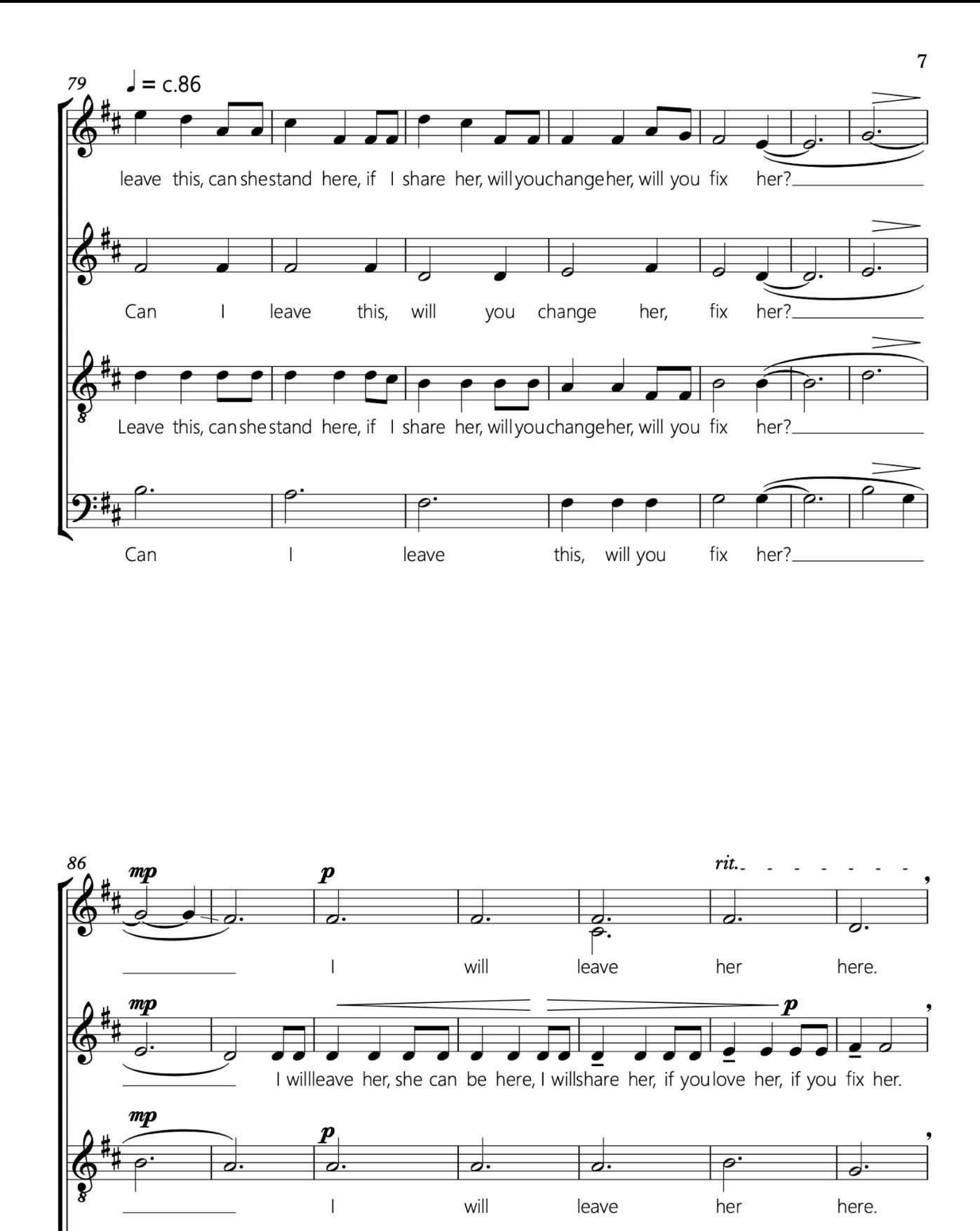
When reading the text of Lusitano’ s Sancta mater, I was struck by the intimacy of the grief that was voiced, and the need to share in it from the speaker’ s perspective. The music also has a resigned quality in parts, as well as moments of both quiet peace and pleading questions. The atmosphere of a chapel is something that has recently fascinated me, and I felt there was a parallel between the space that Lusitano’ s music creates, and the privacy of a chapel, especially where a chapel is not part of a larger church structure, but in a workplace or a hospital, for example. Music has the ever-miraculous ability to transform a space, especially where we wouldn’ t normally find music, and a chapel does something similar; it sets aside a space for spirituality. The voice of my text is an agnostic visitor to a chapel, who is uncertain of this space, and whether they can entrust their mind to it. It feels possible that they could personify and separate their emotions to leave them in this space and carry on with their daily life. If they thought that they would be looked after, and potentially improved on return, what does that say about their beliefs?
MUSICAL TEXT:
If I am silent they will not know I have not stepped in here yet. I cannot be here; I have nothing to share. I will pass by the doorway and listen. Deeply within my heart, you do not know the wounds that are fixed there.
If I leave this here, will it be the same when I return?
And yet I return.
I see my candle has burnt out. To light another...
But now the boards beneath my feet... So grant me, answer me this: Who deigned to suffer for me? And how, in all the places I've known since, is this the last I knew of peace?
If I leave this here, will it be the same when I return?
How much for this sanctuary? Can I leave this, can she stand here, if I share her, will you change her, will you fix her?
I will leave her, she can be here, I will share her, if you love her, if you fix her.
Only then may I stay here.
Text - Emma Pascoe
Jorge RamosMunda me
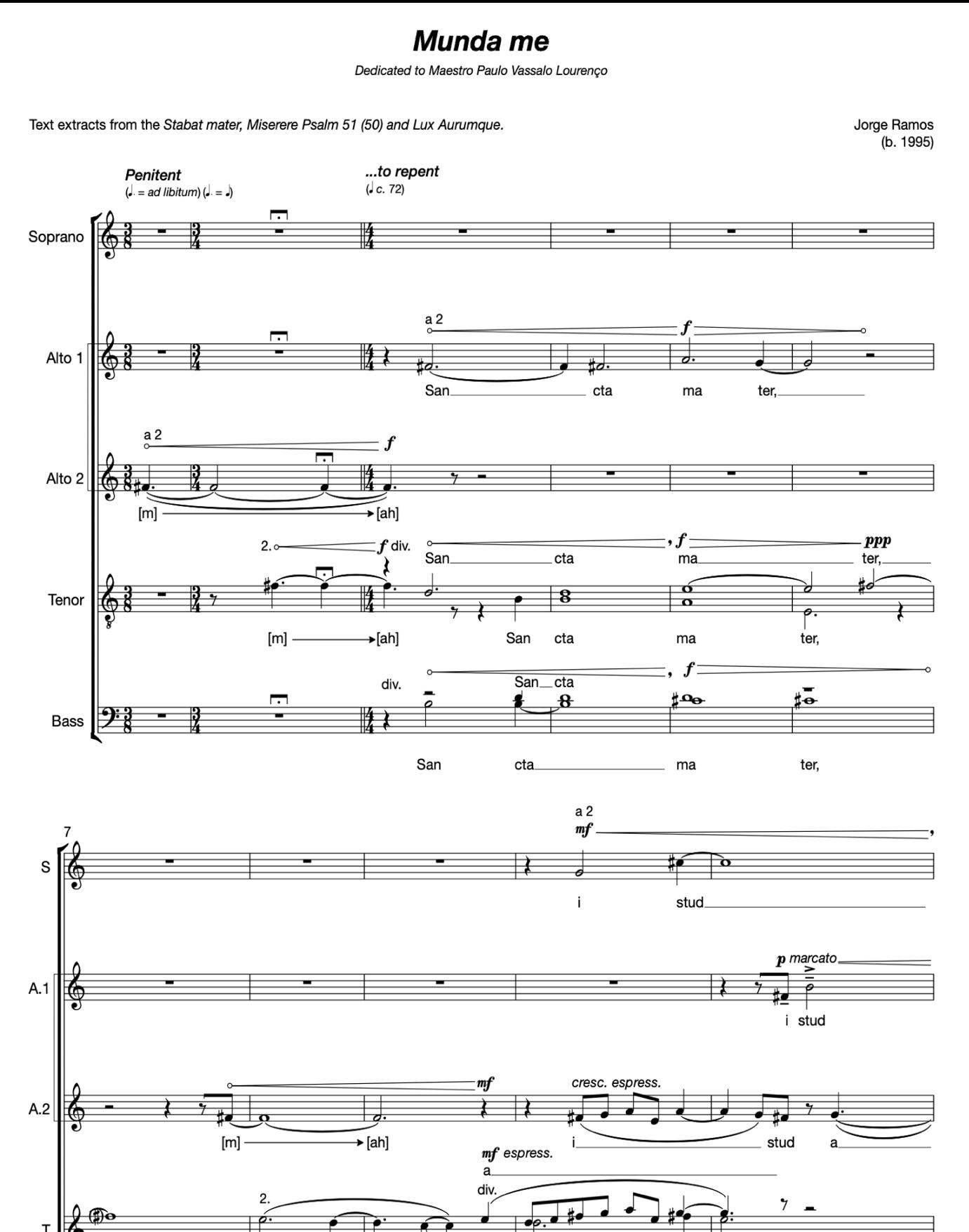
Munda me is a journey through time, weaving together the voices of the past with the present. Imagine, if you will, a mystical encounter where the artistry of Vicente Lusitano, the serenity of Gregorio Allegri, the ethereal beauty of Eric Whitacre, and my own contemporary perspective merge into one. This choral work is born from that imagined communion, where centuries-old traditions meet modern sensibilities.
Throughout Munda me, you'll hear echoes of these composers— each contributing their own unique colours to the tapestry. Yet, these influences are not mere imitations; they are delicate brushstrokes that enhance the work's emotional depth and spiritual quest.
At its heart, Munda me explores the themes of purification and renewal - ideas that are as relevant today as they were in centuries past. The text, arranged this way for its profound emotional resonance, speaks to our universal desire for inner cleansing and transformation. Through the music, I sought to capture that timeless longing, inviting listeners on a reflective journey that seeks to transcend the boundaries of touch.
7) MUSICAL TEXT:
Sancta mater, istud agas,
Cordi meo valide.
Lux.
Munda me.
Amen.
| Extracted from the Stabat mater.
| Extracted from the Stabat mater.
| Extracted from the Lux Aurumque.
| Extracted from the Miserere Psalm 51 (50).
| Extracted from the Stabat mater.
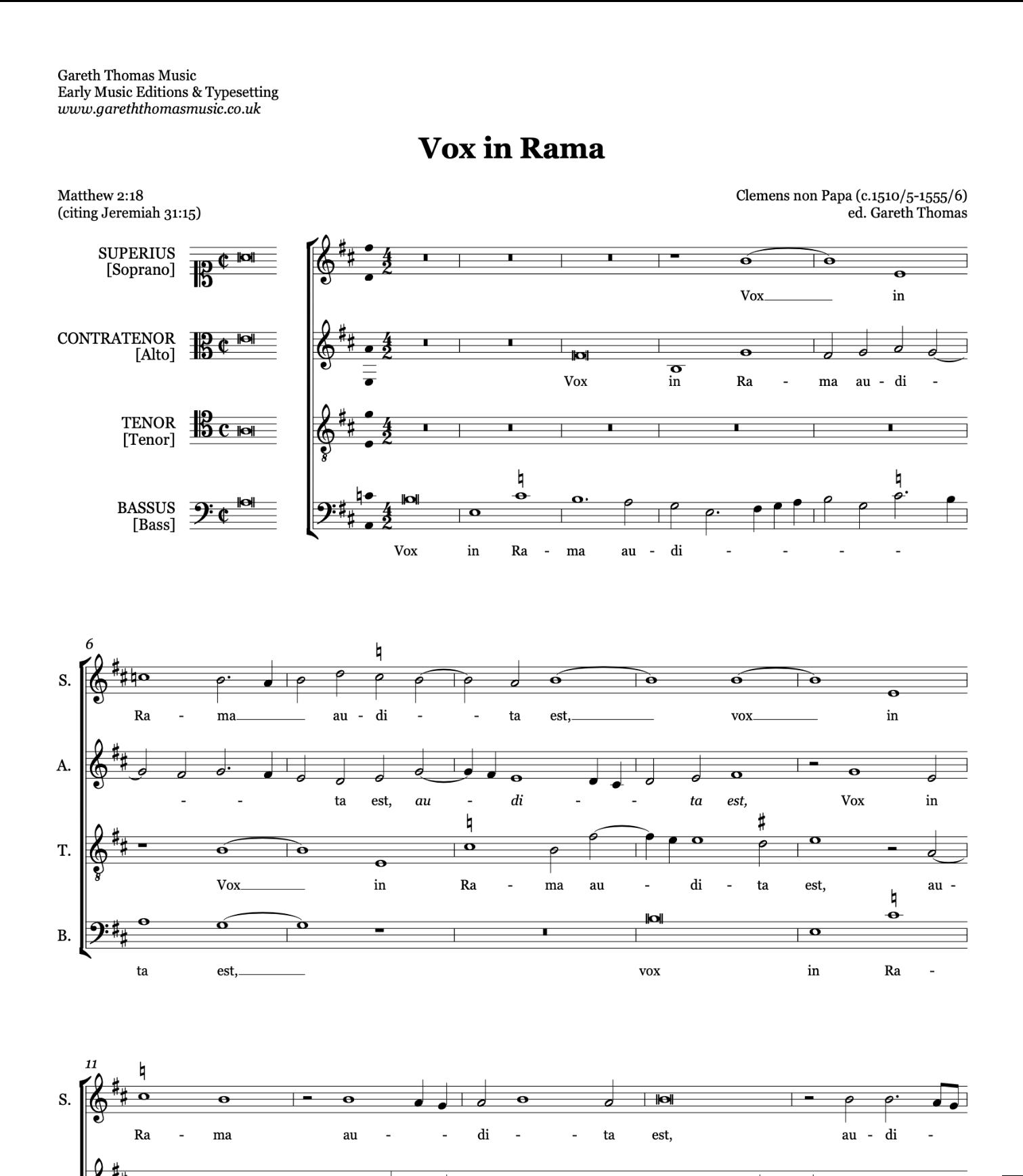
Clemens non PapaVox in Rama
Jacobus Clemens non Papa (c. 1510– 1556) was a prominent Franco-Flemish composer of the Renaissance, known for his mastery of sacred polyphony and his extensive output of motets, masses, and chansons.
Vox in Rama is one of Clemens' most moving motets, set to a text from the Gospel of Matthew (Matthew 2: 18), which itself is a quotation from the prophet Jeremiah. The text reads: " Vox in Rama audita est, ploratus et ululatus multus" (" A voice is heard in Ramah, weeping and wailing"). It refers to the mourning of Rachel, symbolically representing the sorrow of Israel, over the massacre of the innocents - the young children killed by King Herod after the birth of Christ. This deeply emotional text is often associated with themes of grief, loss, and maternal sorrow.
Clemens non Papa’ s setting of Vox in Rama powerfully captures the anguish and despair expressed in the biblical passage. Scored for four voices, the motet employs rich, overlapping polyphony that mirrors the intense lamentation of the text. Clemens uses carefully placed dissonances and suspensions to emphasize the text’s pathos, with the voices intertwining in a way that creates a dense, emotionally charged atmosphere.
The work unfolds gradually, with a slow, deliberate pace that underscores the gravity of the scene. Clemens' use of imitation and close voice-leading gives the piece a mournful, almost hypnotic quality, drawing the listener into the depth of the lament. There is a remarkable balance between the complexity of the polyphonic lines and the clarity of the text setting, allowing the emotional weight of the words to come through without being obscured by the intricate counterpoint.
Vox in Rama is a powerful example of Clemens non Papa’ s ability to marry the expressive possibilities of polyphony with the emotional intensity of sacred texts. It stands as a poignant meditation on grief and loss, capturing the sorrow of the biblical narrative in a way that continues to resonate with listeners today. This motet highlights Clemens' skill as a composer, combining technical brilliance with profound spiritual expression.
MUSICAL TEXT:
Vox in Rama audita est, ploratus et ululatus: Rachel plorans filios suos: noluit consolari, quia non sunt.
A voice is heard in Ramah, of weeping and wailing: Rachel weeping for her children: she will not be comforted because they are no more.
9)
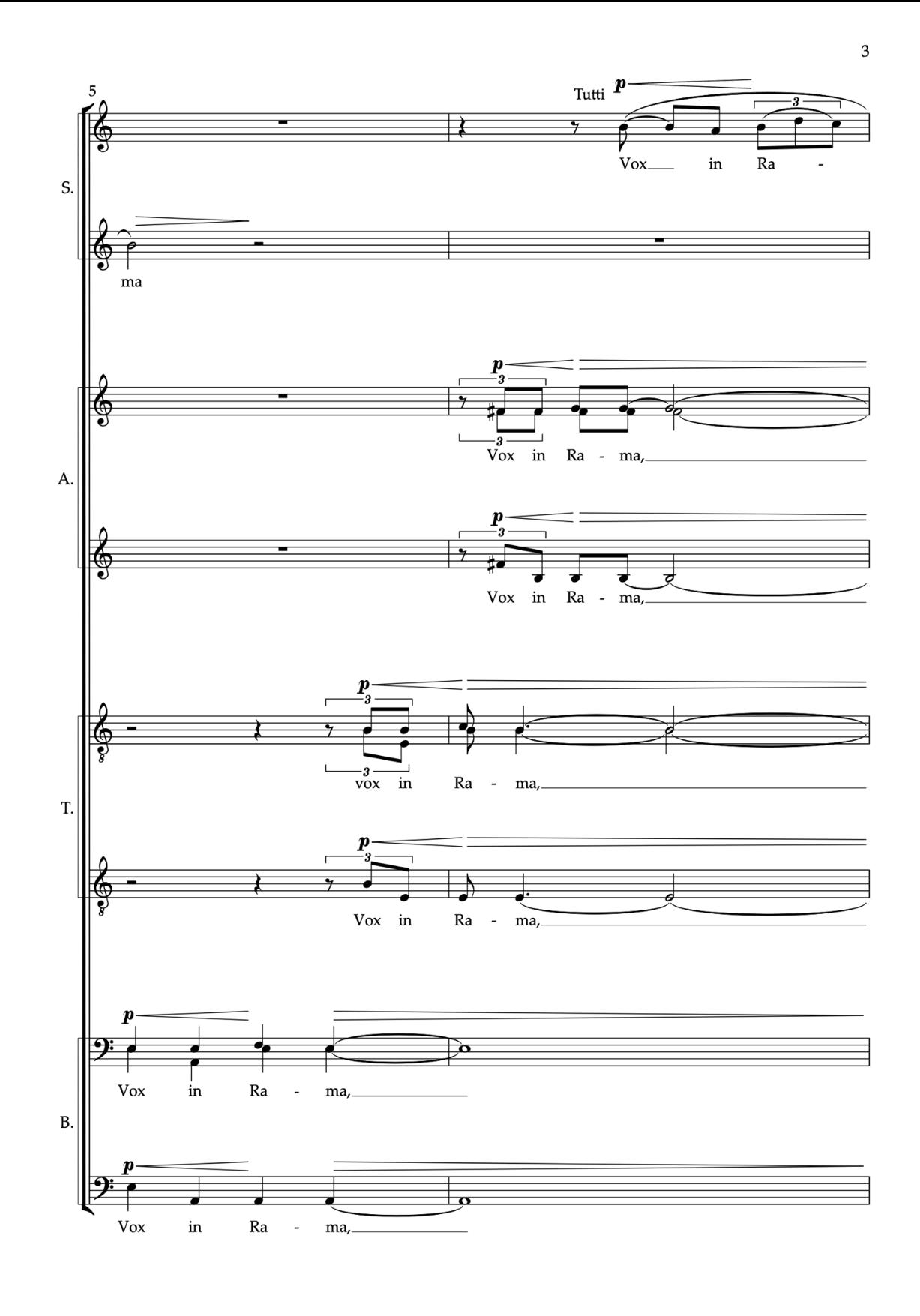
Tomos Owen JonesVox in Rama
My piece is a reflection on Clemens non Papa’ s Vox in Rama The powerful text of this piece, describing a mother grieving for her children, is both simple and heart wrenching, and I have tried to evoke this imagery in my setting of the text. I have taken melodic, harmonic and rhythmic features that resonated with me from non Papa’ s setting to form the basis of my own work, particularly the opening Vox in Rama melodic motif, which when sung in harmony creates a tense triad that I have used throughout the piece. With the talents of the ORA Singers in mind, I have used a lot of close, dense harmony, with extended chords creating ambiguous clouds of sound. This is a link to Clemens non Papa’ s own ambiguous 7th chords, not quite settling as either minor or major. The voices enter individually, growing in number, like a crowd of onlookers hearing the sound of Rachel’ s grief. We hear Rachel’ s cries in the duetting soprano solos, before the choir sing in consolation in a lament. Unlike the non Papa setting, however, the piece remains unresolved at its conclusion, mirroring Rachel's inconsolable grief.
MUSICAL TEXT:
Vox in Rama audita est, ploratus et ululatus: Rachel plorans filios suos: noluit consolari, quia non sunt.
A voice is heard in Ramah, of weeping and wailing: Rachel weeping for her children: she will not be comforted because they are no more.
Paul Mealor -
In primum non nocere
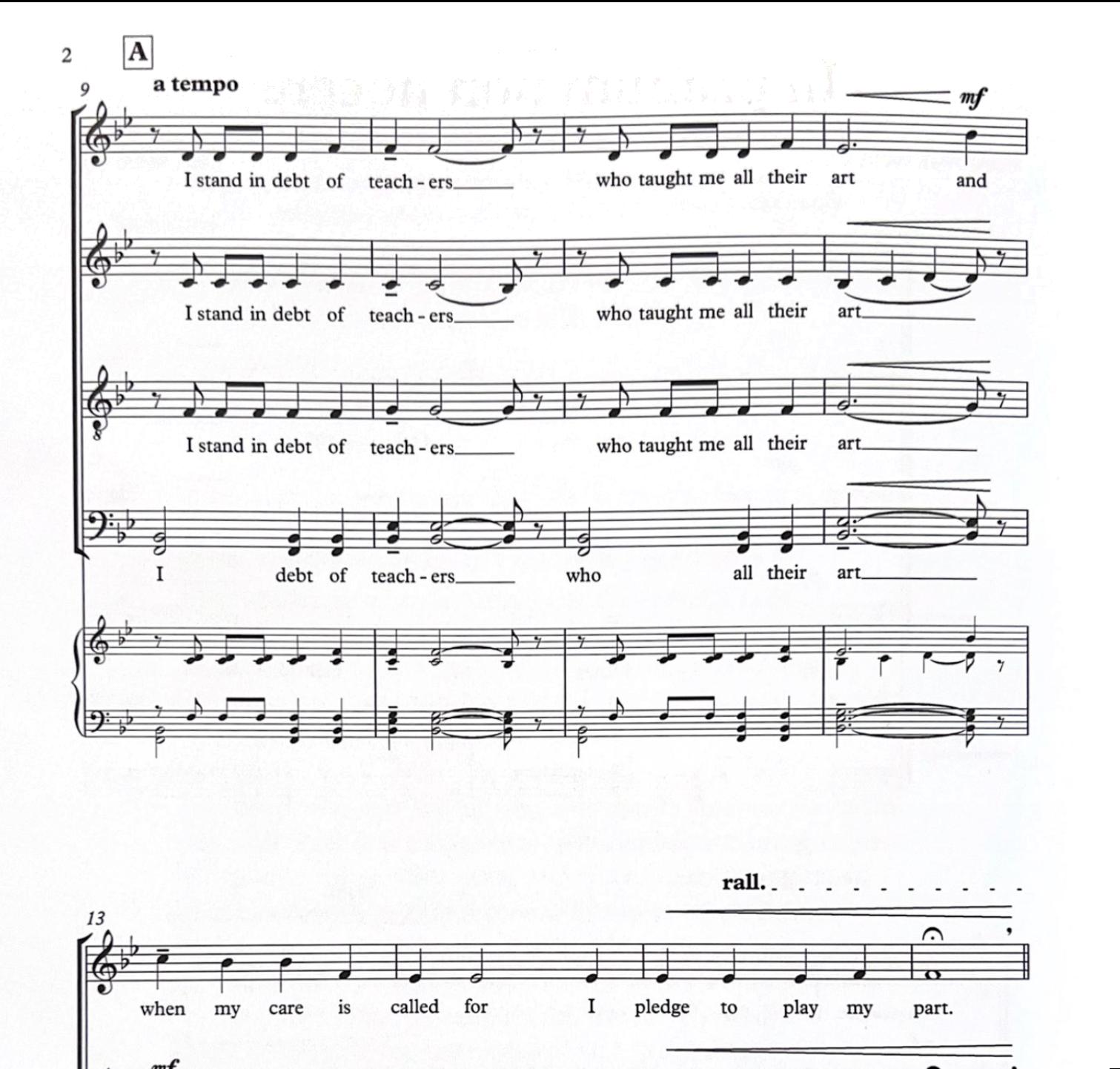
My composition, to wonderfully majestic and inspiring words by my great friend, the poet and lyricist, Grahame Davies, is an anthem of dedication, admiration and thanksgiving to and for our amazing National Health Service who went above and beyond (as they always do) during an incredibly dark time, the pandemic. The work is based upon the Hippocratic Oath – the promises that all medical professionals take before they begin their life’s service to others. The form of the anthem is that of a ‘chant’, or song of praise, and is divided into three sections each linked by a chorus of good wishes sung in Latin, and ending with a solo for baritone.
The work was commissioned for ORA by Professor Henrietta Bowdon-Jones OBE DL in recognition and thanksgiving to and for her colleagues in the NHS. The anthem is dedicated to her with respectful good wishes. It has been a joy working with her on this.
MUSICAL TEXT:
By all that I hold highest, I take this oath today. May conscience be the witness of every word I say. I stand in debt of teachers who taught me all their art and when my care is called for I pledge to play my part.
In primum non nocere.
My heart will beat for healing. My hands shall do no harm. My skill shall bring assurance. My confidence bring calm. Humanity bring wholeness, and truthfulness bring trust, and gentleness in all things and firmness when I must.
In primum non nocere.
In every place I enter, to heed compassion’s call, To keep the sacred secret, to seek the health of all. May healing be the heartbeat of all I do and say and let me keep forever the oath I take today.
Text - Grahame Davies CVO
Journey to date
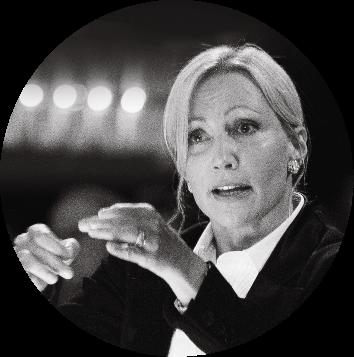
" The lightbulb moment which led me to found ORA Singers was in 2016. The realisation that we are in a new Golden Age of choral composition made it incumbent on us to create a legacy for future generations. A snap-shot of the genius of our age. Now is the time to be commissioning the many brilliant choral composers who are composing, with increasing con dence, music that is beautiful, powerful and original, with the potential to have a ‘trans gurative’ effect on new audiences. The last comparable Golden Age was that of the Renaissance. Hence our 100 commission target, each commission ‘re ecting’ a Renaissance masterpiece. A bridge between the two Golden Ages."
ORA SINGERS GRADUATE COMPOSERS
ORA Singers launched in 2016 and has fast made a name for itself as one of the world’ s leading commissioners of choral music, with its founding aim to commission 100 composers within 10 years, and 75 now completed. In 2019, ORA launched their Young Composers' scheme, which has since provided free tutoring in composition to nearly 200 students from state schools across the UK. In 2023, the Graduate Composers' Showcase was introduced for early-career composers, completing ORA's 'pipeline of support' across students, graduates, and professionals.
Applications opened November 2023
ORA Singers launched their inaugural Graduate Composers' Showcase in November 2023, opening applications to recent graduates from any UK University or Conservatoire. Applicants may have graduated with a degree in any subject.
February 2024

Adjudication
ORA was pleased to receive a high number of applications from graduates from a variety of Universities and Conservatoires across the UK. After a thorough and difficult adjudication process, ORA Singers selected 5 applicants to become ORA Singers Graduate Composers.
Composition
In March, ORA Singers officially commissioned each Graduate Composer to write a new 'reflection' piece, in line with many of ORA's professional commissions. After a welcome meeting, the Graduate Composers set to work writing their new pieces, and during this composition period, Graduate Composers were able to initiate consultation sessions with Suzi.
September 2024
March - August 2024 Showcase

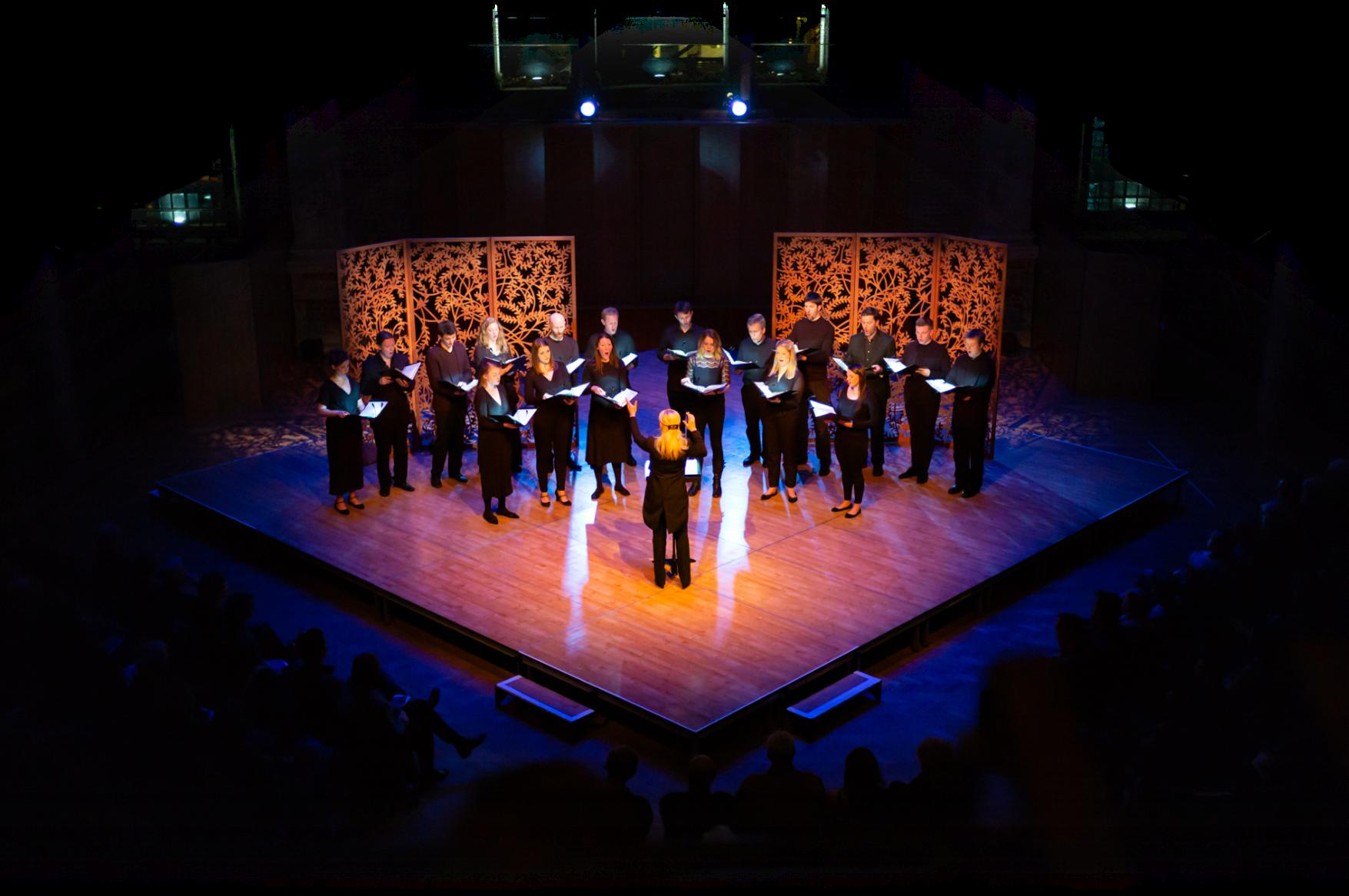
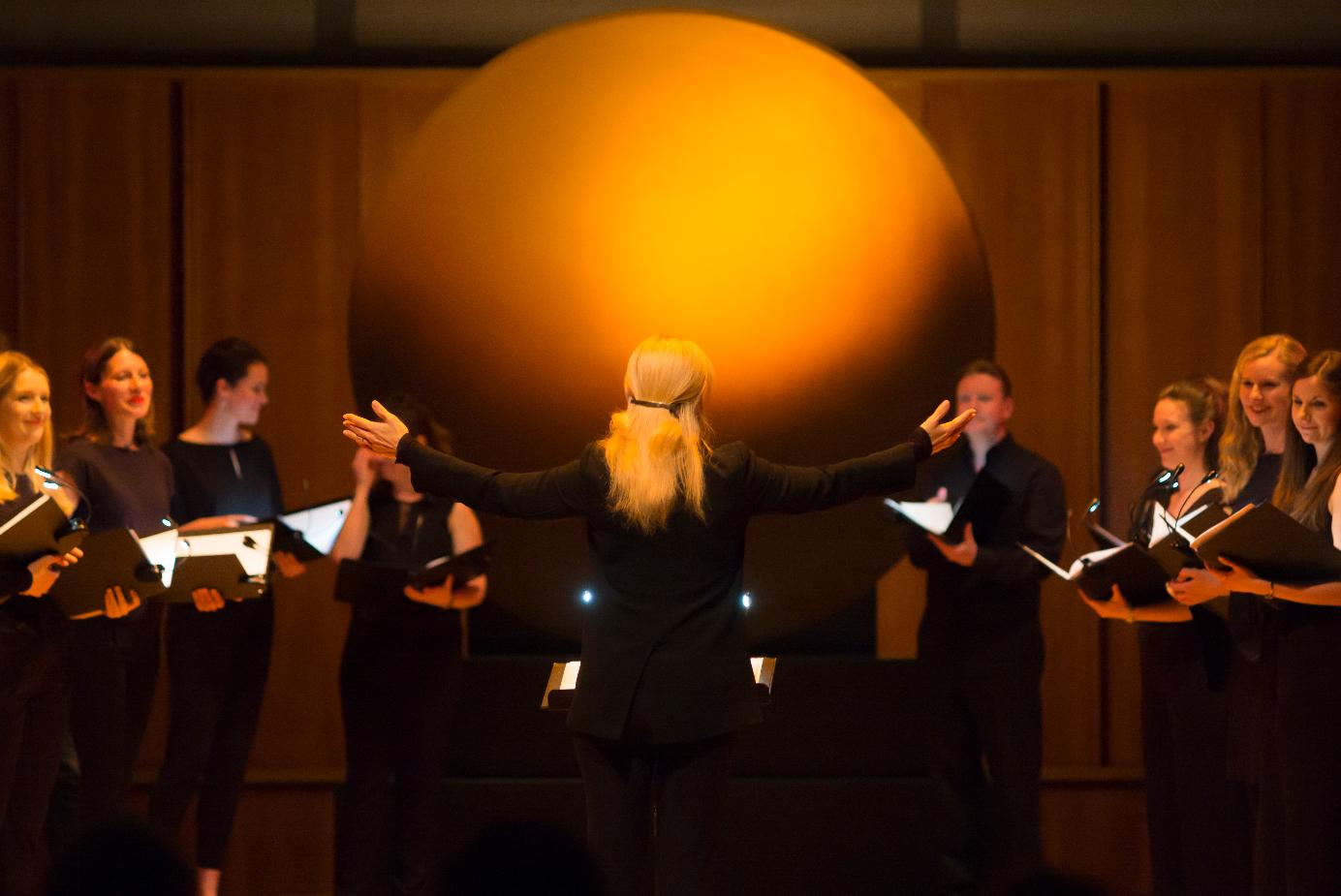
This afternoon's performance marks the end of ORA Singers' inaugural Graduate Composers' programme, where we will hear the five new pieces performed by ORA's full cohort of 18 professional singers.
With thanks to...
Our generous patrons and supporters, who make it all happen. We are grateful for the generosity and dedication of these supporters, who allow us to champion contemporary composers, cultivate the next generation, and perform excellent music.
PRIMARY SPONSORS

The Cuthbert Family
ORA SINGERS GRADUATE COMPOSERS SPONSORS

ORA100
Prof. Henrietta Bowden-Jones OBE DL
Dr Fiona Cornish
Vernon Ellis Foundation
Virginia Fraser
Noel & Fiona Gordon
Richard & Sarah Heald
Rt Hon Patricia Hewitt
Garreth Spillane
Jenny Hodgson
Kathryn & Chris Langridge
Clive & Anna Mann
Sir David & Lady Newbigging
Lucy & Didier Lean Rachou
Lizzie & John Ridding
Joanna Towers
others anonymous
CHORAL CLUB
Dame Mary Archer
Amanda Cairns
Robert Harris
Mike & Maggie James
Dr Martin Rees and others anonymous
ORA Singers would like to thank the Royal Welsh College of Music & Drama for hosting the Graduate Composers' Showcase in the Dora Stoutzker Hall, and for their help in making this event happen.
Supporters
SUPPORT


ORA Singers is an award-winning vocal ensemble and the world's leading commissioner of choral music.
If you share our passion for extraordinary music, then why not become a member?
Members receive a range of benefits and exclusive insights. Contact our Development Director, Jack Rush, if you'd like to find out more: CHORAL CLUB www.orasingers.com/donate
£250 p/a
£1,000 p/a
We are a registered charity (no. 1160228) and are grateful to all our members who make it possible for us to commission, perform, and record.
ONLINE AT 07545 140929 / jack.rush@orasingers.com

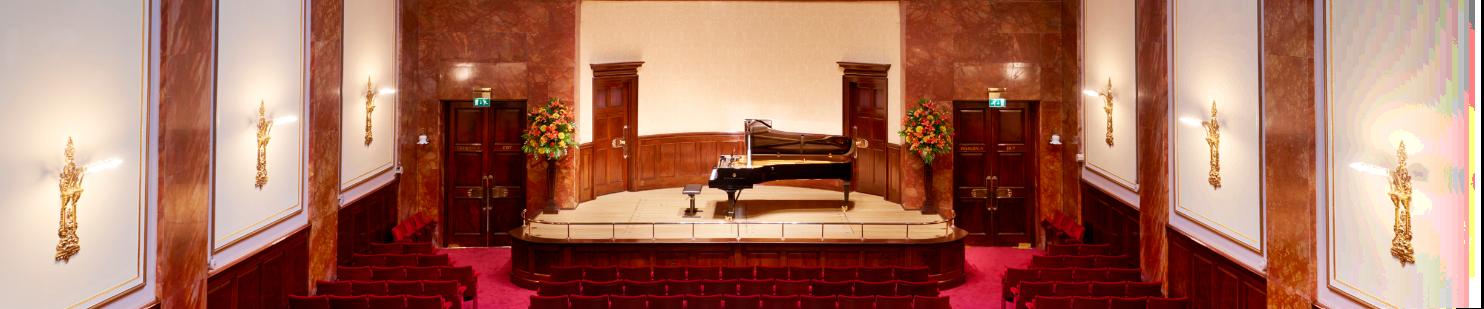
28th October 2024 - Wigmore Hall
ORA Singers make their debut at Wigmore Hall with a brand new programme exploring the spirits of Shakespeare; his characters, the spirit of the time, and of the playwright himself. This concert will be broadcast live on BBC Radio 3.
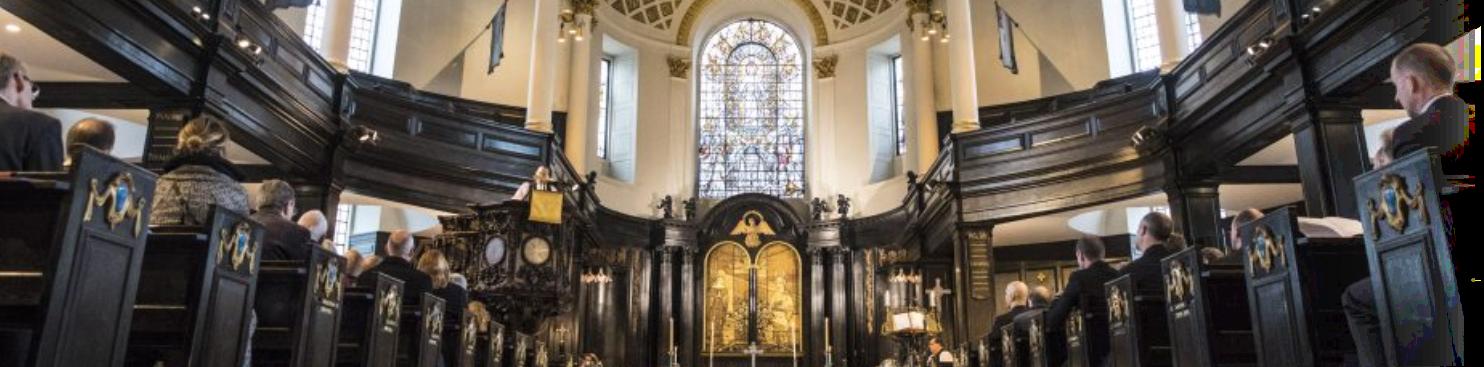
13th December 2024 - St Clement Danes Church
Join ORA Singers for their annual flagship 'Classic Christmas' concert, with a one-time programme of old favourites with lesser-known festive gems, and a newly commissioned carol by David Norland. ORA Singers will be joined by Actor, Writer, and Broadcaster, Stephen Fry, presenting Christmas readings old and new. A champagne reception will follow.
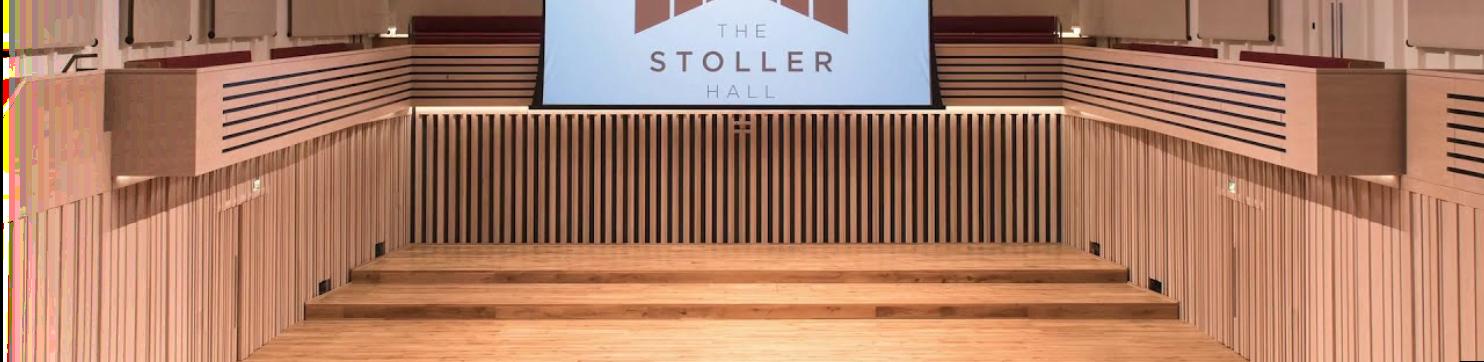
29th April 2025 - Stoller Hall
ORA Singers make their debut at Manchester's Stoller Hall, with a brand new programme centred on Jonathan Dove's celebrated work, The passing of the year, for choir and piano. Also included are two new commissions, alongside seasonal readings with a celebrity reader.
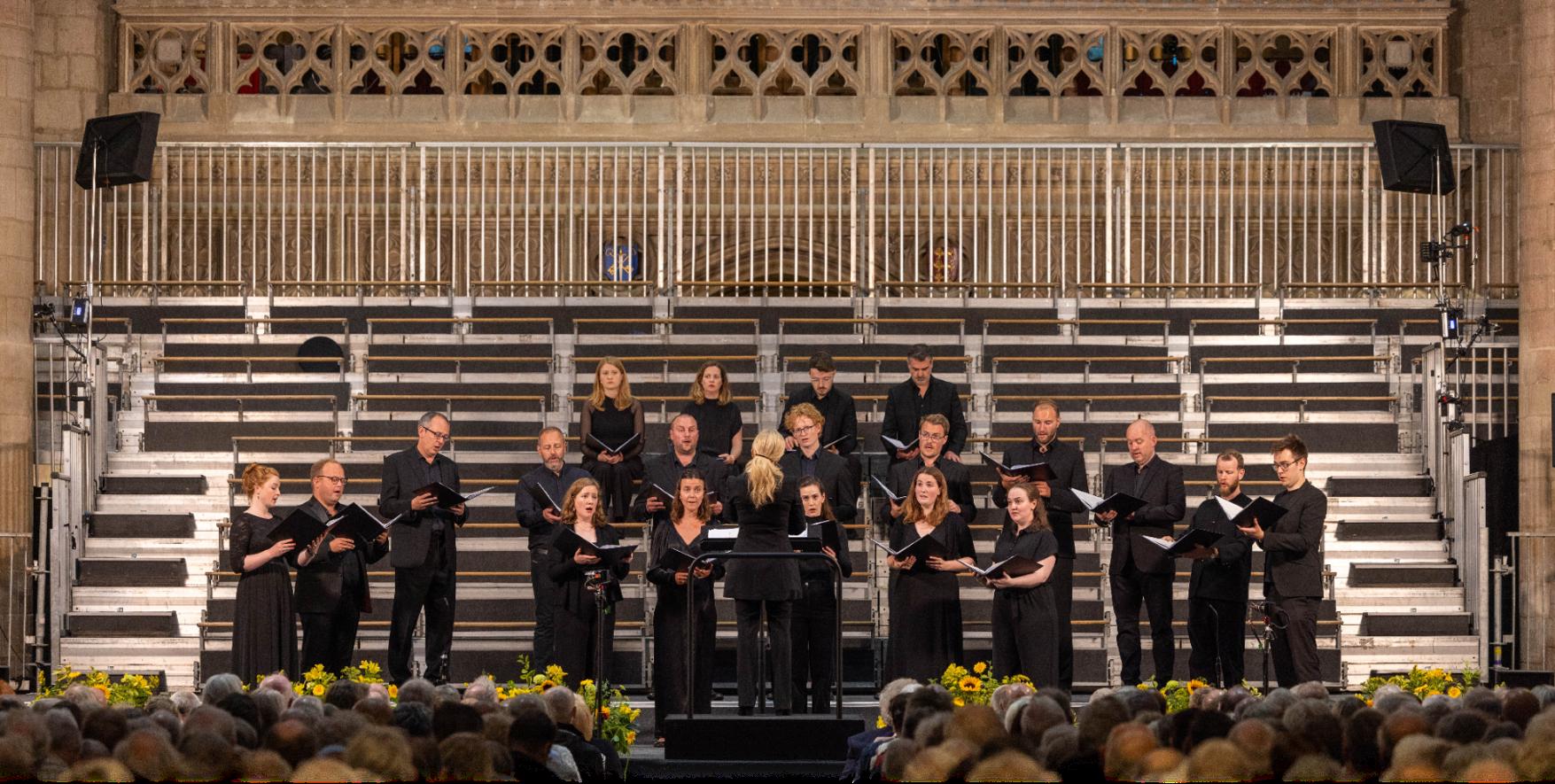
4th May 2025 - Thüringer Bachwochen, Erfurt
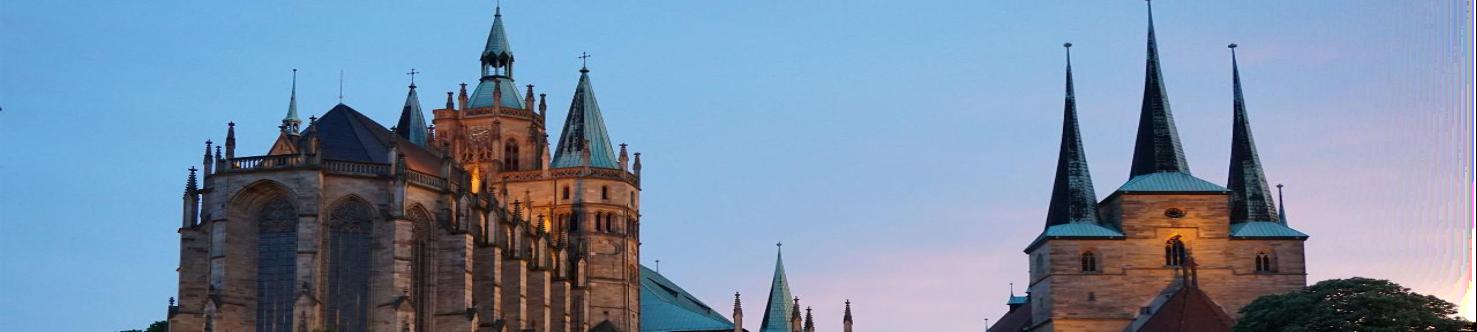
ORA Singers return to Germany with their much-loved Miserere programme, centred around Gregorio Allegri's famed work of the same title. This programme explores European masters of the Renaissance, with works from Victoria, Lassus, and Palestrina, alongside modern 'reflections' from contemporary composers, and a selection of ORA commissions.

22nd May 2025 - Perth Festival of the Arts
ORA Singers perform the opening concert of the 2025 Perth Festival of the Arts with their Miserere programme, exploring the masterworks of the Renaissance period alongside contemporary 'reflections', centered around Gregorio Allegri's famed work of the same title.