POST-CONFERENCE COMMUNIQUÉ
Kinshasa, 16 April 2026

POST-CONFERENCE COMMUNIQUÉ
Kinshasa, 16 April 2026
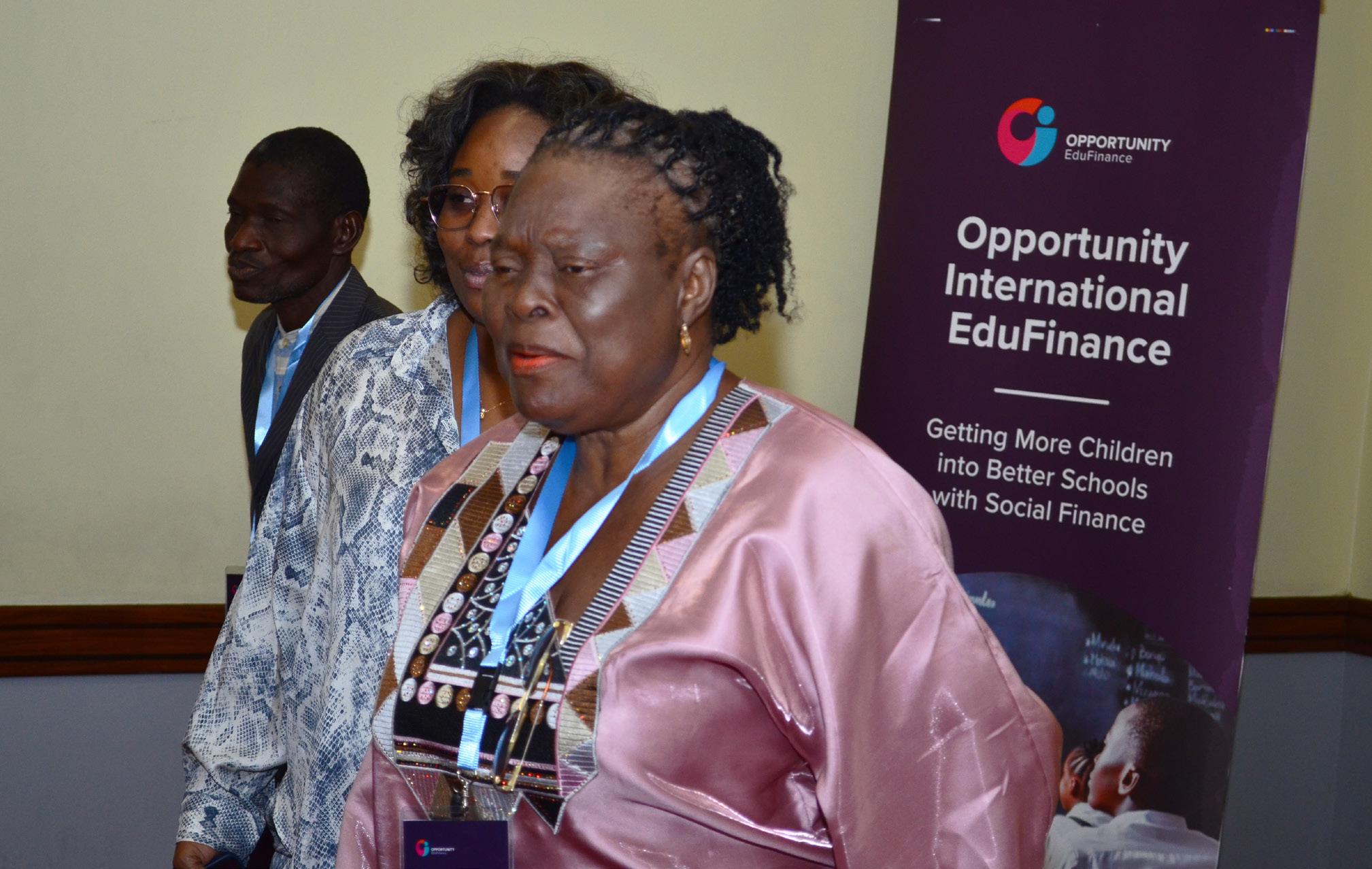
Convened in Kinshasa on 16 April 2026 by Opportunity International – EduFinance in partnership with the National Association of Accredited Private Schools (ASSONEPA), the Conference on Education Financing in Eastern Democratic Republic of the Congo brought together a diverse group of stakeholders, including public authorities, financial institutions, development partners, civil society organizations, and education actors.
The conference was held against a backdrop of escalating insecurity, population displacement, and prolonged disruption of education systems across Eastern DRC. Its primary objective was to catalyze coordinated action to stabilize education financing and ensure continuity of learning in conflict-affected settings.
The discussions revealed a deep and systemic education crisis characterized by four interrelated dynamics:
DISRUPTION TO EDUCATION ECOSYSTEM
affecting schools, households, teachers, and financial institutions simultaneously.
FRAGILITY OF LOCAL FINANCIAL INSTITUTIONS
limiting their ability to provide sustainable support to schools and families.
DECLINING SCHOOL ATTENDANCE driven by insecurity, displacement, and reduced household capacity to meet education costs.
LACK OF INTEGRATED RESPONSES with insufficient inclusion of key actors such as parents, communities, and private schools.
Participants emphasized that conventional financing approaches are insufficient in crisis contexts and must be complemented by flexible, hybrid, and digitally enabled mechanisms tailored to local realities.
The conference marked a strong shift from dialogue toward actionable commitments. Key priorities identified include:
Mobilizing blended financing solutions, including grants, guarantees, and concessional instruments, to support education actors and de-risk investments.
Developing contextadapted financial products andrelief mechanisms (e.g. restructuring, rescheduling) to meet the needs of schools, teachers, and families.
Conclusion
Participants reaffirmed that education in Eastern DRC is a critical foundation for child protection, community resilience, and long-term recovery. Addressing the current crisis requires urgent, coordinated, and scalable solutions that bridge humanitarian, financial, and development approaches.
There was a strong consensus on the need to move decisively from analysis to implementation, supported by structured followup mechanisms to ensure that commitments translate into tangible and measurable impact on the ground.
Strengthening coordination and joint action among public authorities, development partners, and private sector actors.
Expanding digital financial services, to improve access, transparency, and continuity of education-related payments.
Reinforcing community engagement and resilience mechanisms, recognizing the critical role of local actors in sustaining education continuity.
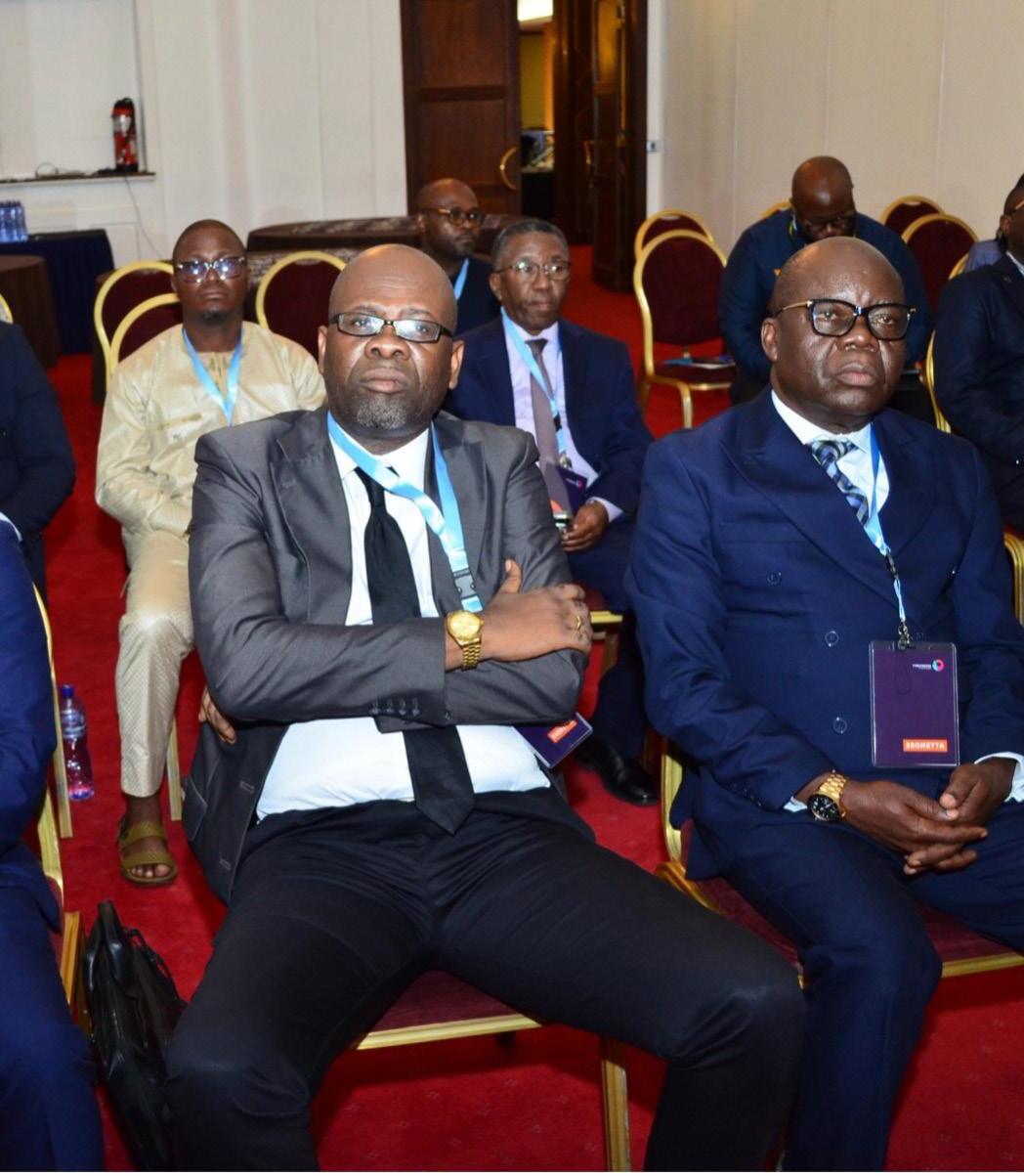
On 16 April 2026, a diverse coalition of actors came together in Kinshasa with a shared conviction: that sustaining education in Eastern Democratic Republic of the Congo is both an urgent necessity and a collective responsibility. Convened by Opportunity International – EduFinance in partnership with the National Association of Accredited Private Schools (ASSONEPA), the conference brought together representatives from government, financial institutions, development partners, private education providers, civil society, and community leaders.
The gathering took place at a critical moment. Across Eastern DRC, persistent insecurity, repeated population displacement, and the destruction of infrastructure have profoundly disrupted education systems. Schools are closing or struggling to operate, families are losing their ability to pay for education, and financial institutions face increasing constraints—creating a crisis that cuts across the entire education ecosystem.
In this context, the conference was driven by a clear and shared purpose: to stabilize education financing and protect the continuity of learning in conflict-affected areas, by moving beyond analysis toward practical, coordinated solutions.
Over the course of the day, participants engaged in a structured and inclusive process combining thematic roundtables, strategic panels, and plenary discussions. These exchanges created space for open dialogue and collective reflection, enabling participants to surface both the depth of the crisis and the opportunities for action. Public authorities, financial sector actors, technical partners, school leaders, and community representatives contributed perspectives grounded in lived realities, ensuring that the discussions remained both practical and context sensitive.
While rooted in Kinshasa, the conference maintained a strong focus on the conflictaffected provinces of Eastern DRC, where the impact of insecurity, displacement, and economic disruption is most acute. These are the areas where school attendance is declining, financial services are under strain, and communities are working to sustain education under extremely challenging conditions.
The breadth of participation reflected the complexity of the challenge. By bringing together actors from across the public sector, private education networks, financial ecosystems, development partners, and local communities, the conference created a platform for aligning perspectives and building a shared understanding of both constraints and solutions.
The conference aimed to provide a platform for dialogue, coordination, and collective mobilization among key stakeholders in order to review the constraints affecting education financing in Eastern Democratic Republic of the Congo and to identify coordinated, realistic, and context-appropriate responses. Discussions were structured around thematic roundtables, strategic panels, and plenary exchanges, focusing in particular on:
⊲ Education financing needs and the major constraints affecting crisis-affected areas.
⊲ Innovative financing and support mechanisms for the education sector.
⊲ The role of communities, schools, and teachers in ensuring educational continuity. Prospects for coordination among public, private, community-based actors, and development partners.
The conference discussions, structured around three complementary roundtables, converged on a shared understanding of the scale and complexity of the education crisis in Eastern Democratic Republic of the Congo.
Participants underscored that the current crisis is not limited to education delivery but reflects a multidimensional disruption affecting schools, households, teachers, and financial systems simultaneously. It is driven by the combined effects of insecurity, forced displacement, destruction of infrastructure, and declining household incomes.
Schools—particularly Accredited Private Schools— are experiencing declining enrolment, reduced operational capacity, and increasing financial strain. At the same time, households are losing their ability to afford education, while teachers face growing economic insecurity and instability.
“The crisis we are facing is not only an education crisis—it is simultaneously social, economic, and financial.”
A significant decline in school attendance emerged as a central concern. Participants highlighted that while schools had begun recovering from previous shocks, the resurgence of insecurity and displacement has reversed progress, leading to a steep drop in enrolment and increasing risks of school dropout.
The crisis has also had profound psychosocial and social impacts on children, families, and teachers, further undermining learning continuity.
“The war does not only destroy infrastructure—it breaks the link between schools and the children they serve.”
Discussions from the financing-focused roundtable highlighted major constraints affecting financial institutions and limiting access to education finance. These include liquidity shortages, rising loan defaults, reduced cash availability, and operational disruptions linked to insecurity.
Participants stressed that traditional financing approaches are no longer adequate in the current context and must be complemented by innovative and more flexible solutions.
Proposed directions included digital financial services (wallets, USSD, agency banking), risk-sharing mechanisms, and guarantee funds to support lending to education actors.

“In the current context, conventional financing models are no longer sufficient to respond to the realities on the ground.”
The third roundtable highlighted that community resilience is a critical pillar of education continuity in crisis settings. Communities, parents, and local actors are actively contributing to protecting schools, supporting learners, and sustaining education under extremely difficult conditions.
Participants emphasized the need to strengthen community-based mechanisms, integrate psychosocial support, and adapt education approaches to crisis realities.
“Communities are not just beneficiaries—they are frontline actors in sustaining education in times of crisis.”
Across all discussions, a clear consensus emerged: the crisis requires integrated responses that go beyond sectoral approaches, combining financial innovation, institutional support, and community engagement.
Participants identified priorities across short, medium, and long-term horizons, including immediate support to schools, development of adapted financial products, strengthening of local financial institutions, and the establishment of a sustainable education financing ecosystem..
“We must move from fragmented interventions to coordinated, ecosystembased solutions that address both supply and demand.”

The roundtables collectively delivered a strong and consistent message: the education crisis in Eastern DRC cannot be addressed through isolated or traditional approaches and requires a shift toward coordinated, innovative, and ecosystem-based solutions.
Participants emphasized the urgency of moving from diagnosis to action, calling for stronger collaboration among stakeholders and the rapid operationalization of solutions capable of preserving access to education for vulnerable populations.
The main findings emerging from the discussions are presented in the table below for ease of reference.
Systemic Education Crisis in Eastern Democratic Republic of the Congo
Description
The crisis is multidimensional, impacting education delivery, household capacity, and financial systems simultaneously.
Schools (destruction, closure, low enrolment); Households (income loss, inability to pay); Teachers (economic insecurity); Financial institutions (liquidity issues, rising risk).
Decline in School Attendance
Fragility of the Local Financial System
There is a noticeable drop in enrolment in Accredited Private Schools due to instability and socioeconomic pressures.
Financial institutions are under strain, limiting their ability to support the education sector.
Students and families affected by displacement, insecurity, and reduced purchasing power.
Limited Focus on the Full Education Ecosystem
Current responses do not sufficiently address all key actors needed to sustain education continuity.
Participants emphasized several key lessons:
⊲ Financing education in crisis contexts cannot rely solely on traditional credit and must incorporate hybrid mechanisms, including grants, guarantee funds, refinancing facilities, indirect support, and digital solutions
⊲ A systemic approach is required, encompassing schools, families, teachers, communities, and financial institutions.
Cash shortages; rising loan defaults; branch closures or reduced operations; security constraints; reduced lending capacity.
Parents (affordability challenges); Private schools (continuity role); Communities (local resilience); Financial institutions (access to finance).
⊲ Responses must be tailored to the security, social, economic, and operational realities of affected areas
⊲ Digitalization of financial services and education-related payment flows is a key lever for continuity and risk mitigation.
Local communities must be recognized and strengthened as actors of resilience, protection, and educational continuity.
Participants called on public authorities to strengthen support for the education sector in crisis-affected areas, including accredited private schools, and to work closely with partners to provide targeted support to schools, teachers, and learners. They also stressed the need for a flexible regulatory environment that allows financing mechanisms to adapt to crisis contexts.
Financial institutions were encouraged to design financial products that better meet the needs of schools, parents, and teachers, while expanding the use of digital solutions such as mobile wallets, USSD, and agency banking. Where needed, they should also offer relief measures like loan restructuring and rescheduling to ease the burden on affected clients.
Technical and financial partners were urged to mobilize more resources through grants, guarantees, and concessional financing, while also supporting risk-sharing mechanisms. Strengthening technical assistance and providing logistical support, especially in hardto-reach areas, were also seen as essential to sustaining interventions.
The private sector was encouraged to step up its corporate social responsibility efforts by supporting initiatives that help vulnerable children stay in or return to school, including community and education-focused programs.
For Opportunity International EduFinance, the emphasis was on continuing its role in driving innovative education financing solutions, supporting digital financial services, mobilizing partner support for local institutions, and piloting solutions tailored to crisis-affected areas.
Finally, communities, participants and education stakeholders were encouraged to strengthen local mechanisms for protecting schools, promote active parental involvement, and adopt education approaches that respond to crisis realities, including psychosocial support for vulnerable learners.
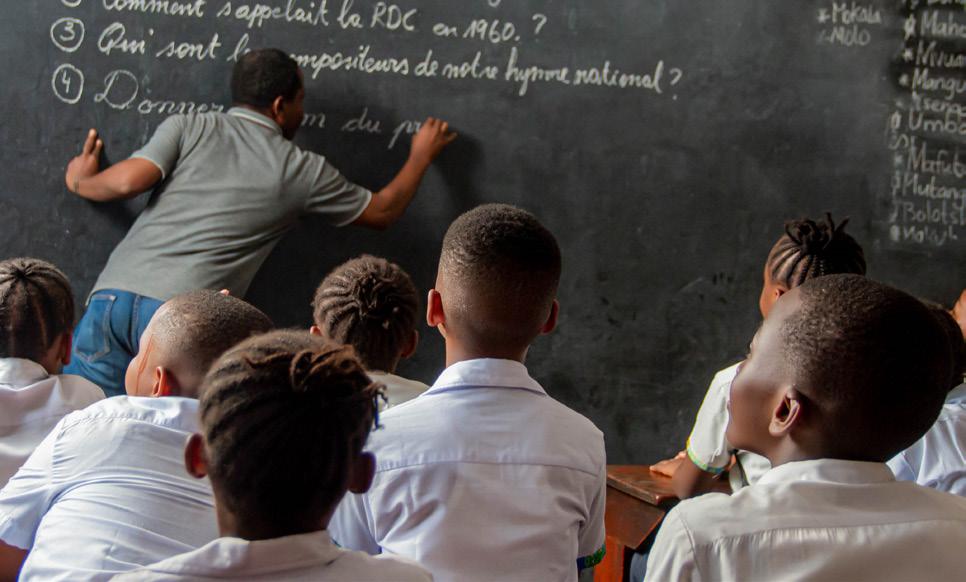
Participants expressed their shared commitment to:
Strengthening consultation and coordination among stakeholders
Promoting concrete, progressive, and operational solutions
Sustainably supporting educational continuity in affected areas
Contributing to the development of innovative, inclusive, and contextappropriate education financing mechanisms
At the close of the conference, participants reaffirmed that the education crisis in Eastern Democratic Republic of the Congo requires an urgent, coordinated, and context-adapted response, grounded in the complementarity of public, private, community-based actors, and development partners. There was a strong consensus on the need to move decisively from diagnosis to action, from dialogue to concrete commitments, and from intentions to fully operational mechanisms.
In this regard, participants emphasized the importance of establishing hybrid financing approaches that combine grants, guarantees, refinancing, restructuring, and digital solutions,
while ensuring both direct and indirect support to affected schools, households, and teachers. Strengthening the capacity of local financial institutions to continue serving communities was also highlighted as essential, alongside the need to encourage pilot initiatives and operational partnerships with strong potential for scale-up. Equally important is the establishment of coordinated follow-up mechanisms to ensure that commitments made during the conference translate into tangible results.
Ultimately, participants reaffirmed that education in Eastern DRC is a critical lever for child protection, community resilience, social stabilization, and sustainable recovery. As such, preserving and financing education must be treated as a collective responsibility and a shared priority.
– Kinshasa, 16 April 2026