ORDER JUN 3 - JUL 6, 2026

ORDER JUN 3 - JUL 6, 2026
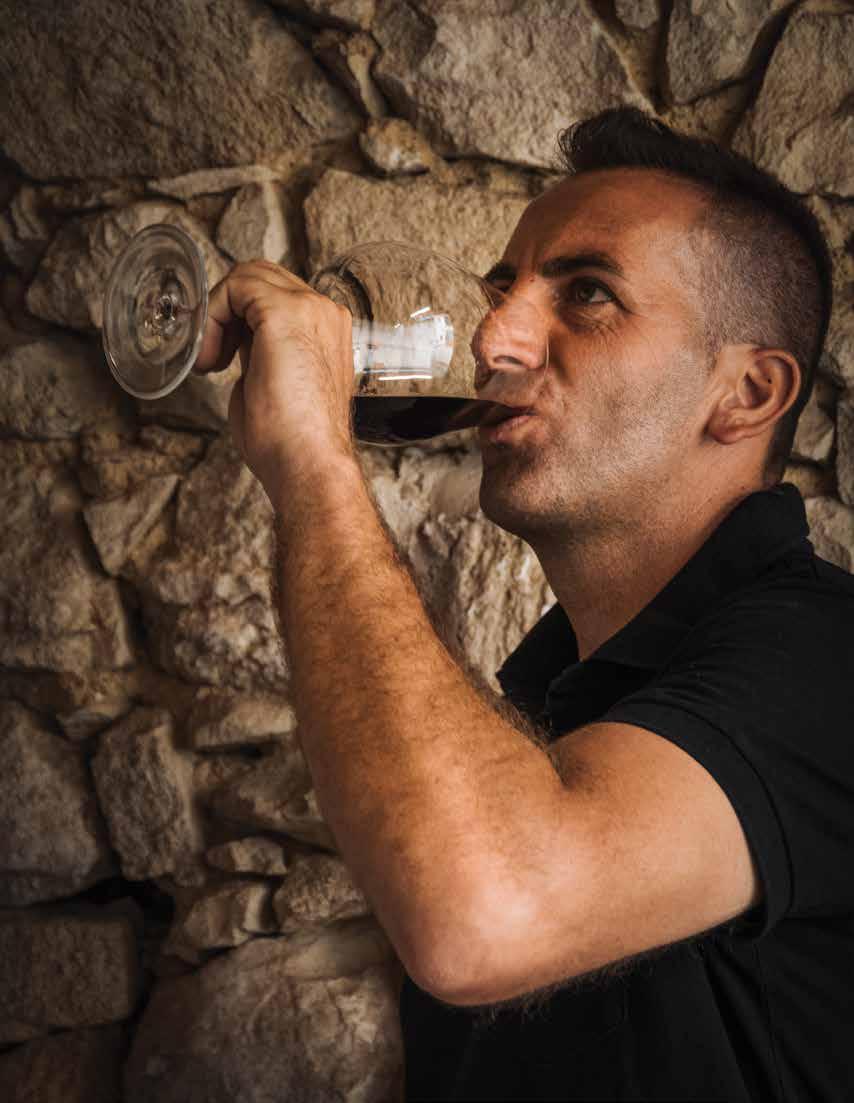
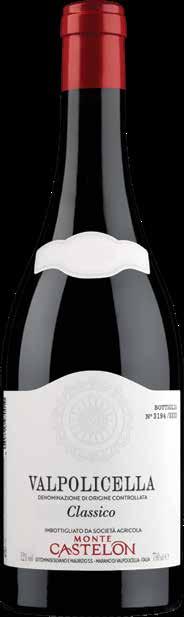
• MONTE CASTELON: A TINY VALPOLICELLA CLASSICO PRODUCER CRAFTING FEWER THAN 12,000 BOTTLES A YEAR FROM THE REGION'S HIGHEST VINEYARDS. DISCOVER HOW HIGH-ALTITUDE REDS ARE MEANT TO TASTE.
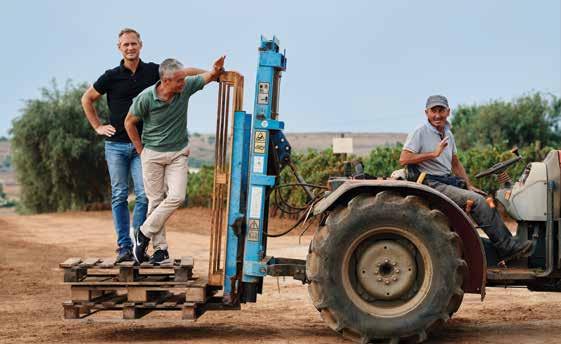
• 33 NEW WINES, 7 NEW WINERIES, 5 DAYS ON THE BACK ROADS OF ITALY AND - ONE FENDER-BENDER LATER, MICHAEL PALIJ MW DECLARES IT OPIMIAN'S STRONGEST ITALIAN CELLAR YET.
• NEW!!! MONTEFILI: PERCHED AMONG THE HIGHEST VINEYARDS IN CHIANTI CLASSICO'S FAMED PANZANO HILLS, DO NOT MISS THIS UNIQUE OPPORTUNITY TO ACQUIRE THESE 95+ POINT WINES.
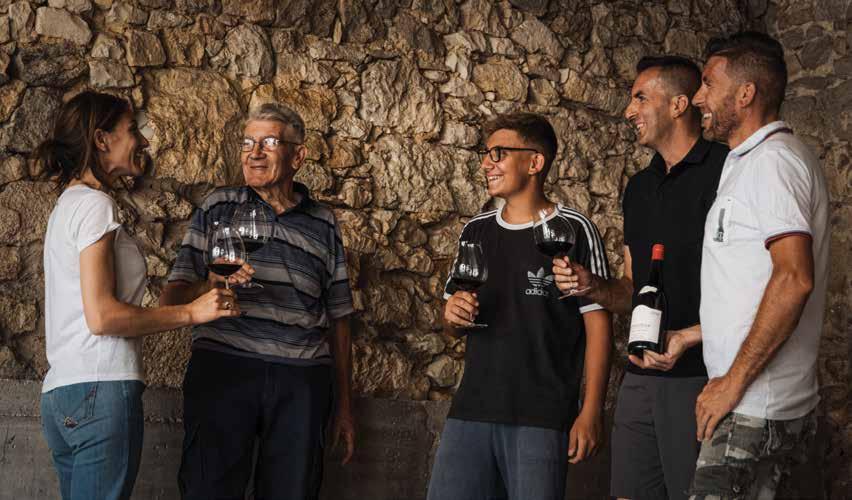
Situated between 400 and 530 metres on south-facing slopes, this beautiful 7-hectare organically farmed estate benefits from optimal drainage, aeration and sunshine. The fourth generation of the Tommasi family is at the helm, although it was not until 2015 that Bruno Tommasi held back some grapes and made two barriques of Amarone (launching the project in 2018).
The hand-harvested vines are trained in the traditional pergola system, with grapes from the best sites going into wooden cases to dry over winter, developing aroma, flavour and retaining the freshness that denotes the family's style.
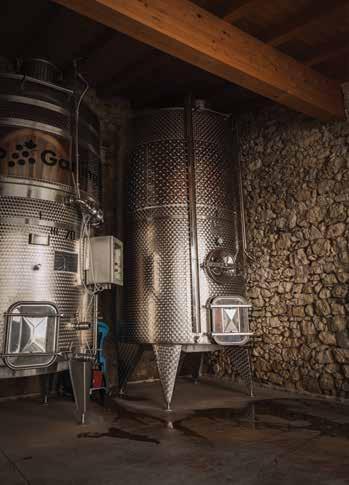
Dried grapes are added to selected Valpolicella ferments to produce the outstanding Ripasso. Each batch is fermented with indigenous yeasts in stainless steel and aged in 2000L botte or used barriques to allow the complex flavours of both the grapes and the drying process to shine.
Producing only 13,000 bottles, the Tommasis proudly think of themselves as farmers, not winemakers, lavishing attention on the vines to produce a seductive array of wines with a common thread: elegance.

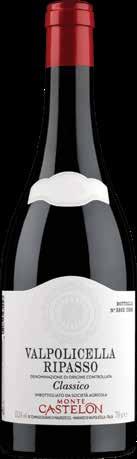
6108 VALPOLICELLA RIPASSO CLASSICO SUPERIORE DOC, MONTE CASTELON, 2022
Corvina, Corvinone, Rondinella, Molinara
Valpolicella is the original home of the Ripasso style that has become popular all over Italy. With intense flavours of ripe cherry and plum, this has admirable freshness and purity of fruit for a Ripasso. Rich and satisfying. 2027-2029– rb
Corvina, Corvinone, Rondinella, Molinara
Medium ruby hue. Slender, aromatic nose of cherry stones and linseed oil followed by vanilla. The mid-palate grabs attention with its focus, concentration and velvety harmony. Fine, ripe tannins elegantly wrap around savoury spices and sweet fruit, leading to a bold, black pepper-inspired finish. At 16%, the balance is sublime, and the acidity is not found wanting. A beauty. 2027-2042–ja
cheek on a bed of polenta
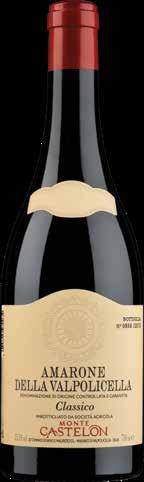
Pale ruby with an orange rim. The front palate brims with soft red cherry fruit and impresses with its silky texture. Elegant and sophisticated, with a delectable combination of sour cherry, savoury and spicy notes. The 12.5% alcohol, given the concentration, is rare. With vibrant acidity and fine, delicate tannins, this is a beautiful and graceful wine. 2027-2029 –ja
By Michael Palij MW
Few wines make the impact that Monte Castelon Valpolicella Classico did when I first tasted it. Having done my homework, I knew there was the potential for something special here given the altitude and Silvano Tommasi’s passion for traditional practices. He is out for authenticity and what finishes up in the glass is a marvel of purity. It is fine-tuned to perfection, and, without an oak stave in sniffing distance, manages firstrate complexity. I am delighted that it has been chosen as a Coup de Cœur.
Far be it for me to impose my predilection, however. The wonder of this cellar is the breadth of styles, notable in the difference between two new producers – Conte Spagnoletti Zeuli from the Puglian heartlands, producing hearty wines from unheralded Castel del Monte, and Tenuta La Viola, from Emilia-Romagna, whose wines come with a deft lightness of touch. Adventure is never too far away.
Staying with Puglia (where the value is often excellent), we have another newbie in Vigneti Reale, who make the most delectable Primitivo di Manduria. There are many levels in the world of Primitivo, and this one stands out.
Before I get carried away, ’84 Prosecco is back, which offers the kind of reliability that certain Italian car manufacturers would surely covet. A cellar that balances heritage and discovery so effortlessly is a reminder that Italy’s greatest strength lies not just in its icons, but in its endless capacity to surprise.
Our member service team is here to help. From placing orders and tracking deliveries to resolving damaged bottles or unmet expectations, we offer personalized, prompt, and expert assistance -- ensuring your wine experience with us is seamless, enjoyable, and always well cared for. Reach out at memberservice@opimian.ca.
Opimian offers three distinct subscription programs, each designed to suit a different style of exploration.
Founder’s Choice is a six-bottle program featuring a premium red wine selected for both immediate enjoyment and cellaring potential. These wines are chosen for balance, structure, and longevity—perfect for enjoying now or laying down for the future.
The Masters Case also includes six bottles, but offers two bottles each of three different wines. Selected by Opimian’s Masters of Wine, it highlights diverse expressions from a single producer or region, showcasing depth, contrast, and craftsmanship.
Everything But Red responds to growing Member interest in whites and other non-red styles. Each offering includes a case of premium wines that are fresh, vibrant, and versatile—ideal for entertaining or everyday enjoyment.

Jo Ahearne MW is a Wine Science graduate with global experience in winemaking, blending, and wine evaluation. She has worked with Jacobs Creek, Charles Melton, Marks & Spencer, Harrods, and brands like I Heart and Mirabeau en Provence. A member of the Gran Orden de Caballeros del Vino, she now consults across the industry, drawing on decades of expertise.
RICHARD'S COUPS DE COEUR
FRANGIPANE, ROMAGNA ALBANA
DOCG SECCO, 2025, LOT 6120, P26
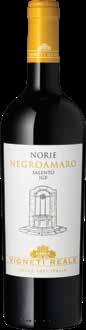
NORIE NEGROAMARO
SALENTO IGP, 2023, LOT 6156, P25
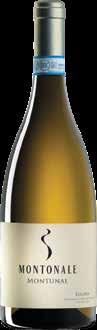
MONTONALE MONTUNAL LUGANA DOP, 2024, LOT 6117, P21
VALPOLICELLA CLASSICO DOC, MONTE CASTELON, 2024, LOT 6110, P3
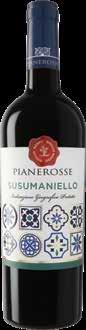
PIANEROSSE SUSUMANIELLO PUGLIA IGP, 2025, LOT 6148, P11

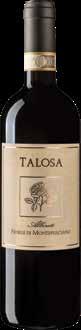
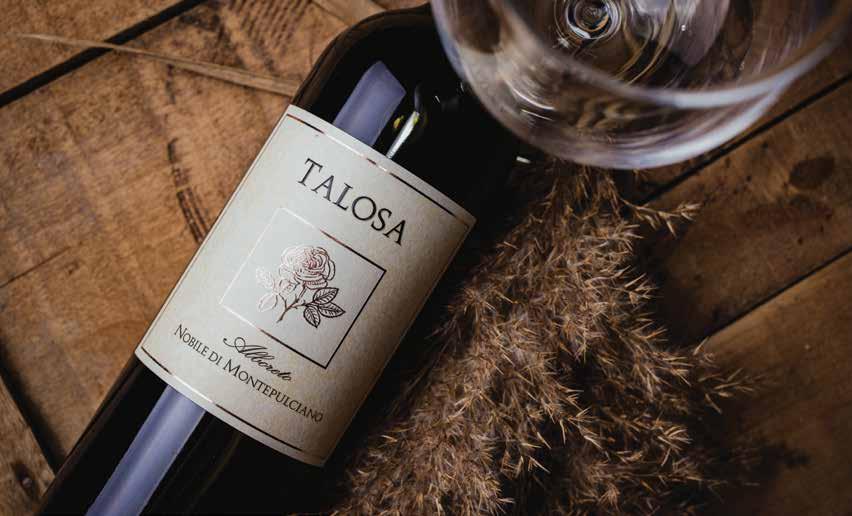
TALOSA ALBORETO VINO NOBILE DI MONTEPULCIANO DOCG TOSCANA, 2022, LOT 6124, P29
Richard Bampfield MW is a renowned wine expert best known for his work with Lidl. A Cambridge French graduate and Master of Wine since 1990, he’s worked across vineyards and cellars worldwide, led Brown Brothers’ European operations, and now consults for top producers like Albert Bichot and Santa Rita. He’s also a co-founder of the Sustainable Wine Roundtable and a partner in wine-tech platform Preferabli.
I first worked with Stefano Girelli 20 years ago, collaborating with his family firm. In 2009, he established a new business, The Wine People, in partnership with Philippe Marx from France and Peter Kosten from the Netherlands.
Stefano Chioccioli is the consultant winemaker, injecting a large dose of brilliance into the wideranging operation stretching from Veneto to Sicily; he has been awarded more than 70 ‘Tre Bicchieri’ in his lifetime. The wines are affordable and have genuine typicity –a rare combination.
The Wine People gained Equalitas certification in 2023, similar to B Corp, recognizing excellence across three pillars of environmental, social, and economic sustainability throughout the supply chain. The company has built a reputation for both ethical practices and commercial success. Jo Ahearne MW.

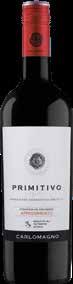
6140
LEARN MORE ABOUT THE WINE PEOPLE
Medium purple hue. This is an out-and-out pure style with plenty of primary fruit accompanied by spades of oaky vanilla and a toasty finish. There is moderate tannic grip and a hint of leather for complexity. Certainly one for oak lovers. 2027-2028 –ja
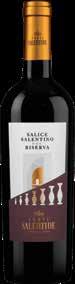
Deep ruby hue. Impressive, sweetly fruited blend of two of Puglia's traditional red grapes. Bright aromas of cherry, plum, blackberry and spicy oak. Good depth of flavour and great balance. Successful and most satisfying. 2027-2028 – rb
6143 COLPASSO PRIMITIVO PUGLIA IGP, 2025
Primitivo
25
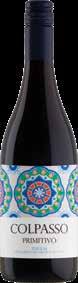
150
Medium ruby hue. Not quite full-bodied but tonnes of flavour nevertheless: prunes, plum, a hint of leather, some rosemary. The fine tannins are a high point, and the subtle, older oak is a winner, making for a very complex, stylish wine at this price. 2027-2028 –ja
6144 CORTI SALENTINE PRIMITIVO DI MANDURIA DOC, 2024
Primitivo
25
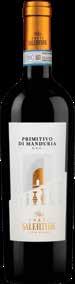
If a wine has ‘Primitivo di Manduria DOC’ on the label, then one can usually be assured of a certain quality. A minimum alcohol content of 13.5% is required, though even at 14.5%, it retains plenty of freshness. There is a velvety texture and flavours of vanilla, succulent plum and cherry, while fine tannins sweep in to refresh the palate on the finish. 2027-2028 –ja
6145
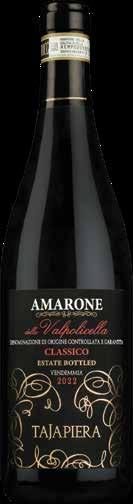
TAJAPIERA AMARONE DELLA VALPOLICELLA CLASSICO DOCG, 2022
ruby hue with a garnet rim. Made from the classic Valpolicella grape blend, this is a traditional-style Amarone, blending driedfruit flavours with savoury, leathery notes that add complexity and length. Sweet and smooth, this would be excellent with firm, mature cheeses. 2027-2029– rb
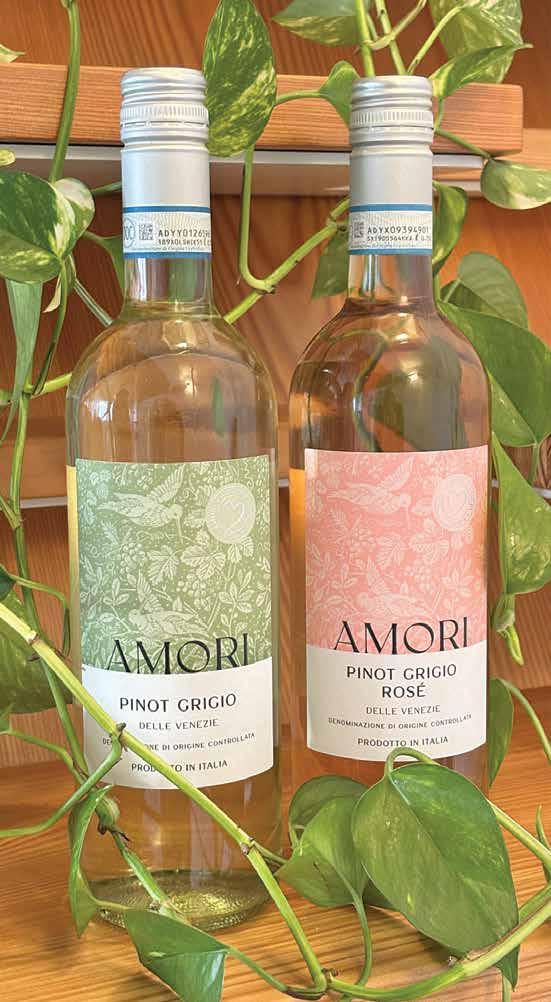
AMORI PINOT GRIGIO DELLE VENEZIE CASE, WHITE & ROSÉ, 6 BOTTLES EACH:
AMORI PINOT GRIGIO DELLE VENEZIE DOC, 2025
Water white hue. Inexpensive Pinot Grigio that does its job well. Clean aromas of poached pear, hazelnut, and pear drops. Crisp, relatively dry and refreshing. 2027-2028 –rb
Hazelnut, apple, poached pear
Peach, pear drops, lemon, [5.00]
Zucchini fritters alongside lemon aioli
AMORI PINOT GRIGIO DELLE VENEZIE DOC ROSÈ, 2026
Pretty in pink, this is what Venezia blush Pinot Grigio is all about. Soft red cherry with a hint of peach, bags of freshness and a buoyant texture. Great value. 2027-2028 –ja
Strawberry, pear, hazelnut
Red cherry, pear drops, peach, [3.00]
Tuna crudo served with citrus and olive oil




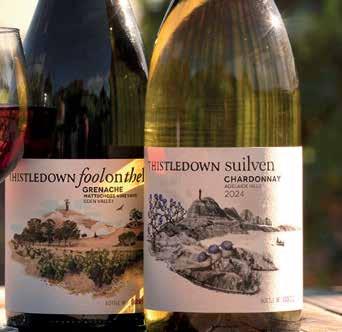
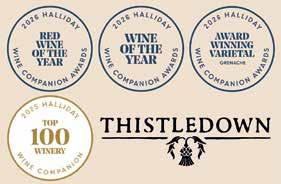
is June, Opimian Members will have exclusive access to a limited allocation of istledown wines.
Founded by Master of Wine Giles Cooke, istledown has earned international acclaim for its elegant, expressive wines from South Australia’s historic vineyards — particularly its standout Grenache.
e latest releases have received top honours from the Halliday Wine Companion, Australia’s leading authority on wine, including Wine of the Year and Red Wine of the Year 2026.
Opimian has secured a small allocation of these highly soughtafter wines — available to Members before global release.




Watch your inbox. Quantities are extremely limited. www.opimian.ca
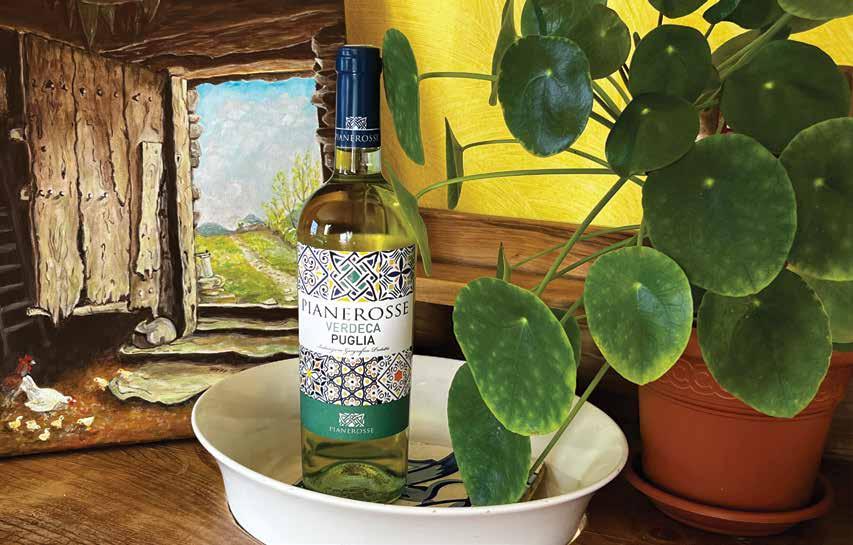
6146 PIANEROSSE VERDECA PUGLIA IGP, 2025
Verdeca $ 20 $ 120
Bright, pale lemon hue. Discovery white from the unusual Verdeca grape, offering moderate aromas of lemon blossom, citrus and apple. Not too dry on the palate, it has excellent fruit purity and a pleasing hint of spice. 2027-2028 – rb
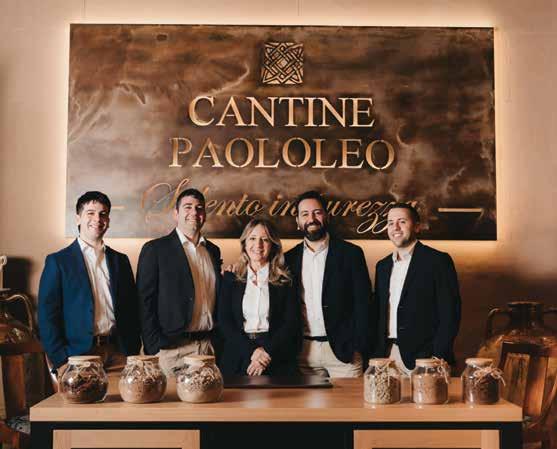
Cantine Paolo Leo is based between Lecce and Taranto in the heart of Salento, which is itself the best-known wine region in Puglia and which is found on the heel of southern Italy. Currently in the hands of the fourth generation, they have invested heavily in state-ofthe-art winemaking equipment and extensive cellars, making them well placed to supply the increasing demand for wines from this corner of Italy.
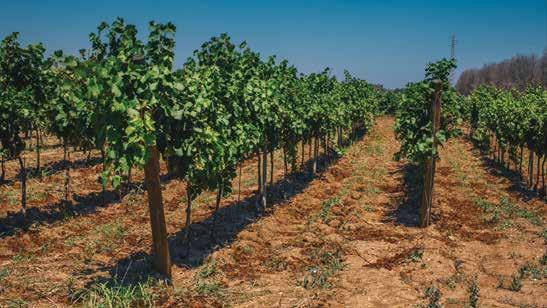
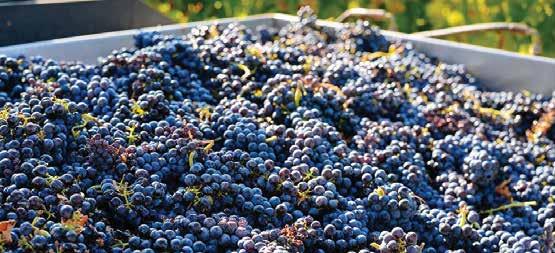
Salento is famous for ‘Il Mezzogiorno’, the midday sun that ensures the hot, bright conditions that ripen Primitivo, Negroamaro and Malvasia Nera. While it may be cooking during the day, the Adriatic’s cold Tramontana wind ensures that nights are cooler, and the best-placed vineyards produce fruit that has both optimal ripeness and the acidity for long ageing.

LEARN MORE ABOUT PAOLO LEO
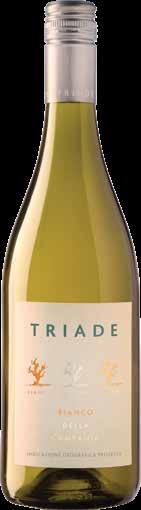
Fiano, Falanghina, Greco
Bright, pale lemon hue. Delightful mix of three of Italy's most fashionable white grapes. A little reticent on the nose but assertive on the palate with its juicy fruit, bright acidity and a pleasing, citrussy tang to the finish. 2027-2028 – rb
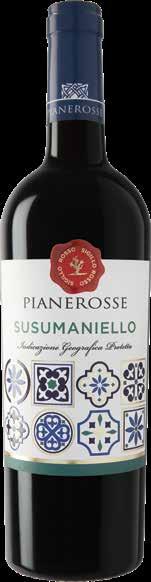
Susumaniello
The Susumaniello variety is found only in Puglia and its needs are therefore perfectly suited to the Mediterranean climate. The name is a take on the Salento phrase 'Run, donkey!', which just makes me smile before I've even taken a sip. It's a vibrant, fruitforward wine full of black cherry jam, lime juice and black forest gateau, with a fine tannic finish. 2027-2028 –ja
6149
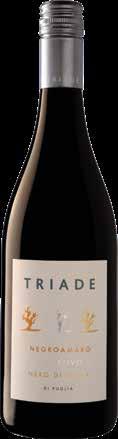
TRIADE ROSSO DI PUGLIA, NEGROAMARO, PRIMITIVO, NERO DI TROIA, PUGLIA IGP, 2025
Primitivo, Negroamaro, Nero di Troia
$ 25 $ 150
Deep ruby hue. Primitivo and Negroamaro get all the attention, however, Nero di Troia’s florals add an extra level here. Plush and generous, with oodles of plum and chocolate flavour, judicious oak influence, and a hint of herbs to finish. Fine tannins add a refreshing twist. 2027-2028 –ja
chocolate, blackberry
Beef kebabs alongside charred vegetables
6150
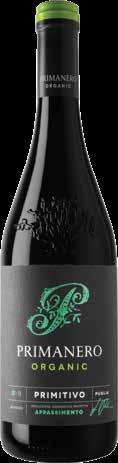
PRIMANERO PRIMITIVO, PUGLIA IGP, APPASSIMENTO, ORGANIC, 2025
Primitivo
$ 25 $ 150
Medium purple hue. A fresher style of Primitivo with sweet oak and pristine plum and strawberry flavours. It has plenty of weight and a fine tannic finish, providing balance to its lavish nature. 2027-2028 –ja
14%
strawberry, coconut
Slow-cooked lamb shoulder with spices
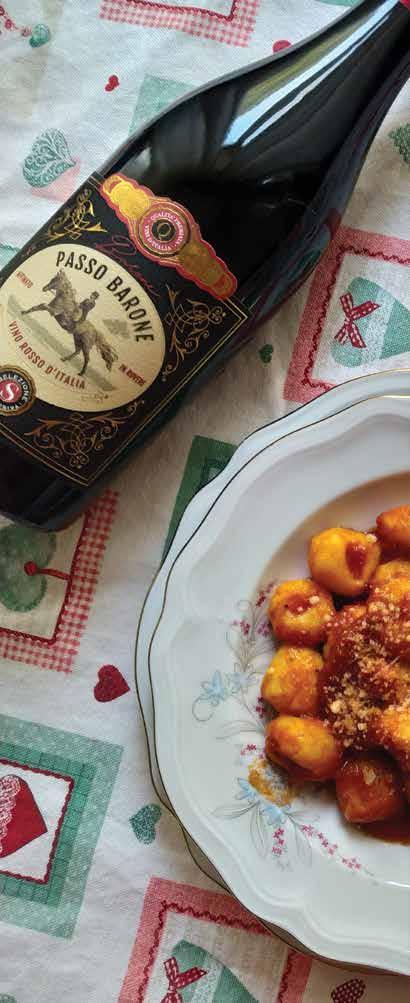
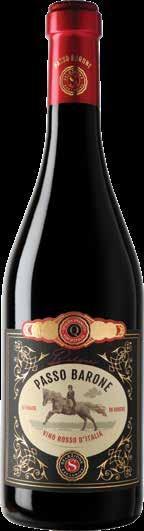
Deep ruby hue. Possibly the oaky fruit bomb to trump all oaky fruit bombs, with powerful sweet vanilla and strawberry in a resinous combination. If this is your thing, you are in for a treat. 2027-2028 – rb
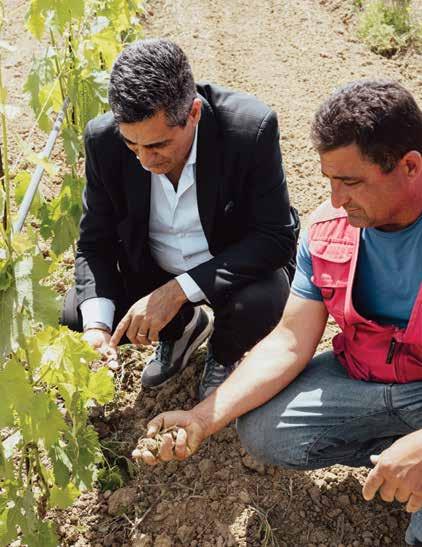
The Cantine de Luca is a forward-thinking producer that respects the region's ancient grapes and interprets them in styles of wine that resonate with modern tastes. They are based in Calabria, in the far south-west of Italy, an area first settled by the Greeks in the 8th century BC and called `Enotria' because of the quality of its wines. It is rugged scenery where only the hardiest vines survive, especially with drought an increasing concern. However, the Gaglioppo and Greco grapes thrive in such conditions, producing, in Cirò, the area's finest reds and whites.

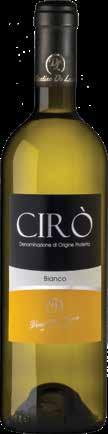
Bright lemon hue. Greco is a charismatic and increasingly fashionable grape, delivering here delicate aromas of lemon blossom, apple and white flowers. This is off-dry, with ample flavours of bruised apple, and is most refreshing. 2027-2028 – rb
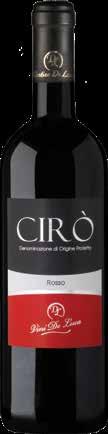
Ciró and the Gaglioppo grape deserve to be better known! Quintessential Italian red showing classic aromas of dried cherry, tar and fruitcake, backed up on the palate by grippy tannins and a balanced finish. 2027-2028 – rb

By Michael Palij, MW
It is quite possible that the ancestral inhabitants of Italy were already tinkering with grape cultivation in the Late Bronze Age.
Varieties developed slowly over millennia: Negroamaro, for instance, is thought to have arrived via Albania sometime during the pre-Roman era, and its roots may be 7,000 years old. This is mindbogglingly historic compared with the descendants of Gouais Blanc, the unassuming peasants’ cultivar that is, in part, responsible for international classics such as Pinot Noir, Chardonnay, Riesling, and many other grapes that are not Italian (Pinot Noir likely dates from the 1st century AD. The others are latecomers, arriving in the 13th and 14th centuries.).
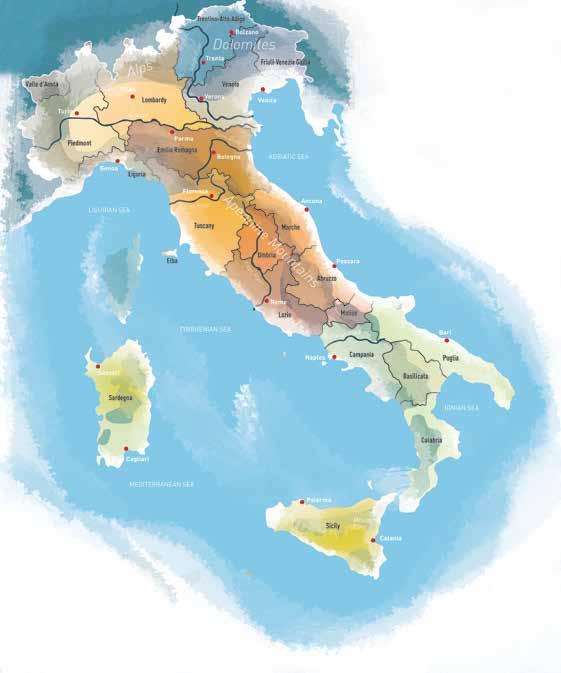
Italy has not been entirely a law unto itself, although its varieties have developed successfully locally, possibly because of the myriad microclimates and the impact of the Roman empire, which spread vines far and wide and did much to improve the technical aspects of viticulture. Odds favoured idiosyncrasies, and the encyclopedic modern-day body of geographical indications has been long in the making.
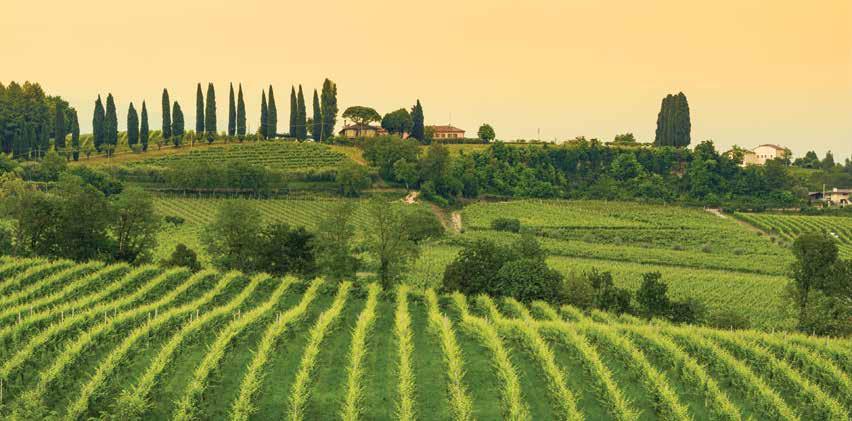
Puglia, for example, has over thirty Denominazione di Origine Controllata (DOC), with unusual grape varieties such as Bombino Bianco, Susumaniello, Verdeca, and Malvasia Nera in common usage. Quite what distinguishes the top-level, Denominazione di Origine Controllata e Garantita (DOCG), from DOC is a matter of eternal debate, although for Castel del Monte (home to three out of four of the Puglian DOCG), the sizzling summer temperatures make the difference. It regularly tops 40°C, which, unusually, the local varieties enjoy.
Each corner has its own version of success. Compare Chianti Classico Gran Selezione, from Tuscany, which is big and yet a world away from the wines of Castel del Monte. Sangiovese, the local starlet, is grown in Puglia but reaches its zenith here on the limestone, clay and shale slopes of Chianti Classico, where it may even have been cultivated since the 8th century BC, and where a balance of sunshine and generous cool air movement is key. It has developed a much-vaunted reputation ripe for exploitation, and, indeed, the DOCG, replete with the black cockerel logo, was introduced in 1967 mainly to counter imitations that traded on its renown.
Gran Selezione was launched in 2014, adding a new category above Riserva on the quality pyramid. The wines must contain a minimum 80% Sangiovese (rising to 90% in 2027), with 30 months’ ageing before release. More specific geographical indications, recognizing communes and villages, will be possible from 2023 onwards. Such is the intricacy of just one part of a unique viticultural mosaic.
"Italy has not been entirely a law unto itself, although its varieties have developed successfully locally."
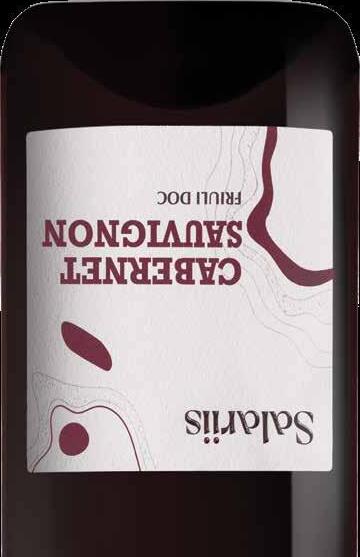
6138 SALARIIS CABERNET SAUVIGNON, FRIULI DOC, 2025
Deep purple hue. The cooler, higheraltitude vineyards of Friuli emphasize the blackcurrant leaf aromas of Cabernet Sauvignon. With crunchy mouthfeel and primary black fruit, this is dry, refreshing and relatively light. 20272028 – RB. Cabernet Sauvignon. 12.5%

NEW
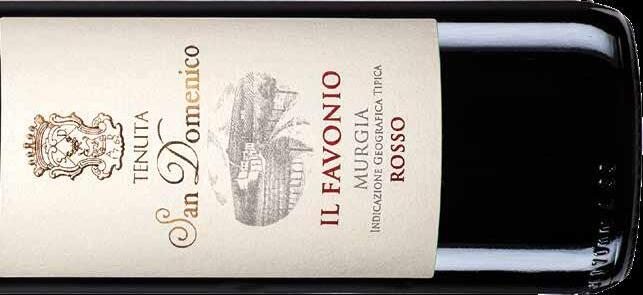
6152 TENUTA SAN DOMENICO IL FAVONIO MURGIA IGT ROSSO, 2025
Medium ruby hue. Ideal for those looking for a lighter-bodied, refreshing red that can be easily enjoyed lightly chilled. With light cherry and plum flavours, this is juicy, not too dry and highly moreish. 2027-2028 – RB. Nero di Troia, Montepulciano. 11.5%
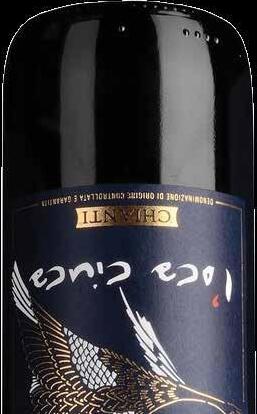
Medium purple hue. Suppose one is looking for a versatile, refreshing red that is as easy to enjoy with food as without, this aromatic Chianti is a good choice. With dried cherry, sweet spice and low tannin, it is nimble and appetizing. 2027-2028 – RB. Sangiovese, Canaiolo. 12.5% $ 180 $ 204 $ 228
NEW
6116 L'OCA CIUCA CHIANTI DOCG, 2024

6139 SALARIIS FRIULANO/RIBOLLA GIALLA CASE: 6 BOTTLES EACH:
Discover the fresh, expressive character of Friuli with this elegant mixed case featuring two of the region’s most distinctive white varieties. The Salariis Friulano offers vibrant aromatics of mint and green apple, with a pure, mouthwatering finish that pairs beautifully with herb-roasted dishes. Complementing it, the Salariis Ribolla Gialla brings added texture and depth from lees aging, revealing notes of yellow fruit, honey, and subtle spice. Together, these wines showcase the finesse, tradition, and versatility of Northern Italy’s white winemaking. Friulano and Ribolla Gialla. 12.5%
$ 216
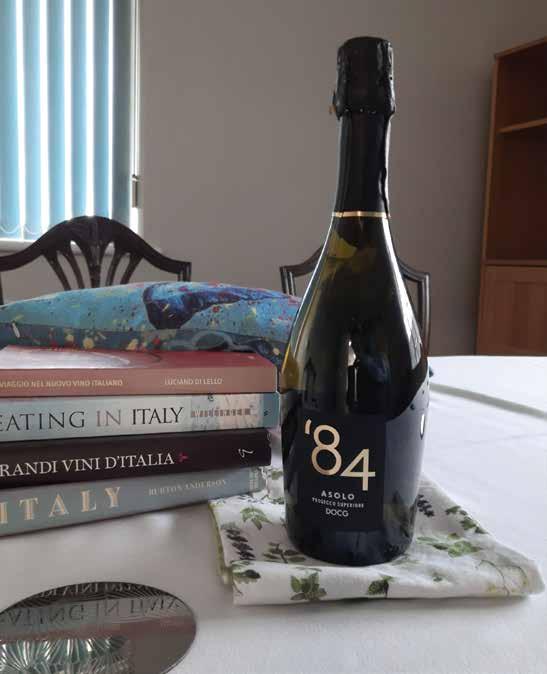
The hilly heartlands of Prosecco have always produced the goods but needed a strategy to stand out from the steady ranks of a region that extends over vast swathes of the Veneto and Friuli Venezia Giulia. The key was in creating two smaller DOCGs, Asolo Prosecco Superiore and Conegliano Valdobbiadene Superiore, in 2009.
Conegliano Valdobbiadene has built a strong reputation for excellence, while Asolo has it but can fly under the radar. A quarter the size of its eastern neighbour, Asolo
is situated among idyllic woodland dotted with diverse agricultural areas, lending both shelter and rural charm. With altitude around 450m and a moderate continental climate, ripening is slow here and grapes retain acidity until harvest in late October or even early November.
Andreola own a 100ha estate established by the Pola family in 1984, who have quietly been making excellent wines as trends come and go. '84 is low in residual sugar, featuring pure fruits, nuanced spices and a crisp finish.
Pale green hue. A Prosecco with a little more to it? This standout example offers focused white peach and pear drops plus an attractive white pepper note on the finish that makes it irresistible. The carefully balanced fruit is impressive, while the zippy acidity is genius. 2027-2028 –ja
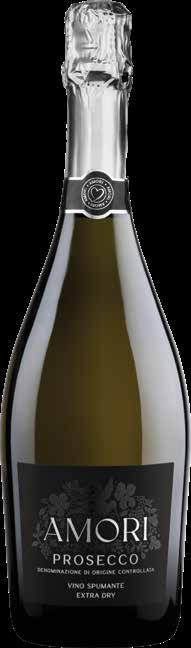
Typically pale in colour, pear and green apple on the nose, lightly fruity and with gentle, well-balanced fizz – this is well made, effortless Prosecco. Easy to see why it has become so popular. 2027– rb


By Jacky Blisson MW
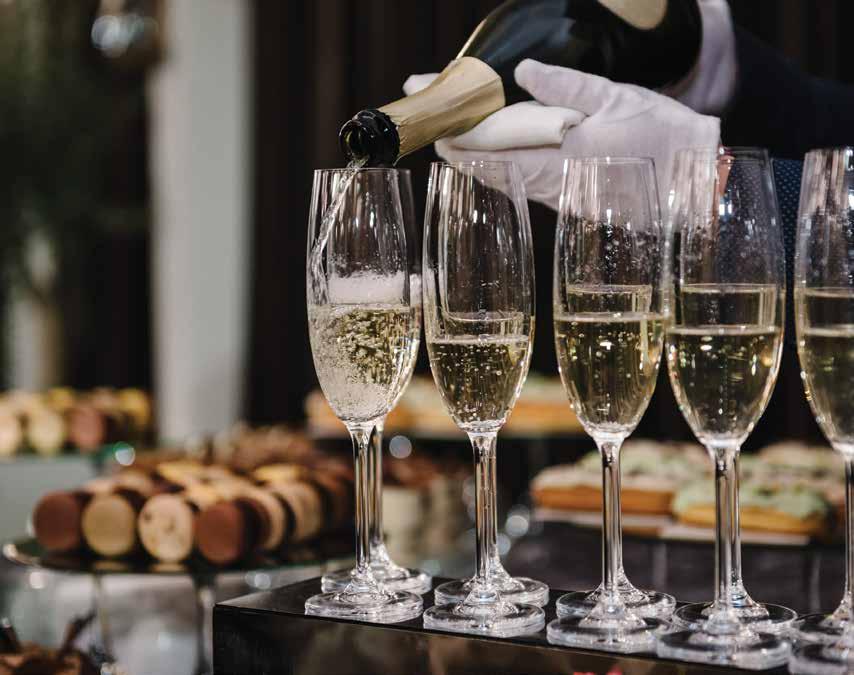
Sparkling wine is often described as a single style, but in actual fact there are striking contrasts between different types of bubblies.
Two of the most famous examples— Champagne and Prosecco—couldn’t be more different. There is so much that sets them apart, from how they’re made, to what they taste like, and how they’re meant to be enjoyed.
Different Places, Different Grapes
Champagne comes from the cool, northeasterly Champagne region of France, an area known for its chalky soils and biting acidity. That chalk matters—it helps drain water quickly and retains heat, which is crucial in a region where ripening can be a challenge. In the glass, this often translates into wines with a distinct mineral tension, sometimes described as chalky or flinty.
Three major grapes are used in Champagne: Chardonnay, Pinot Noir, and Meunier. Each plays a role—Chardonnay brings citrus and structure; Pinot Noir adds body and red fruit; Meunier contributes softness and early-drinking appeal.
Prosecco hails from Italy’s Veneto region (and neighbouring Friuli), which is significantly warmer and more temperate. Here, the white grape Glera takes centre stage. Glera is known for its light body and expressive fruity character—think pear, peach, white flowers. While Champagne is often blended from multiple vintages and vineyard sites to maintain a house style, Prosecco tends to be more straightforward and vintage-specific, celebrating freshness above all.
How the Wines Are Made
This is where the two wines really diverge. Champagne is made using the traditional method (or méthode traditionnelle), which means the second fermentation—the one that makes it sparkling— happens in the bottle. A small dose of yeast and sugar is added to the still base wine before it’s sealed with a crown cap. As the yeast consumes the sugar, it releases carbon dioxide, which gets trapped in the bottle, forming bubbles.
After fermentation, the wine isn’t released straight away. Instead, it spends at least 12 months aging on
the lees—the dead yeast cells that remain after fermentation. In reality, most quality Champagnes age for two to five years, with Prestige and Vintage cuvées often ageing for longer. During this time, something called autolysis occurs: the lees slowly break down, releasing compounds that give the wine complex flavours (like brioche, toasted nuts, and buttery pastry), as well as a creamy texture. It also leads to finer, more persistent bubbles—a hallmark of well-made Champagne.
Prosecco takes a different route. It is made using the tank method (or Martinotti method), where the secondary fermentation occurs in large, pressurised stainless-steel tanks. There’s no extended lees contact; once the wine is bubbly, it’s filtered and bottled promptly. This preserves the bright, fruity, floral character of the Glera grape, but it also means the bubbles are usually frothier, less fine, and shorter-lived.
Style in the Glass Champagne is often lean, structured, and marked by high acidity—a result of both the cool climate and the traditional method. It shows flavours of green fruit, mineral nuances, and that unmistakable toasty, biscuity touch from lees ageing. The finish is usually long and precise, and the wine can develop beautifully over time, especially in vintage bottlings.
Prosecco, by contrast, is made to be consumed young. It’s fruit-driven, light, and refreshing, with a gentler acidity and softer mousse (bubbles). It’s usually lower in alcohol too, hovering around 11–11.5%. You’ll often taste ripe pear, white peach, apple, and occasionally a subtle hint of honey or almond.
Pairings and Occasions
Both wines have their place, but they suit different moods and meals. Champagne’s high acidity and complexity make it one of the most versatile food wines. Classic high-brow pairings include oysters or caviar, but it also works well with sushi, and surprisingly, can be delicious with richer fare like fried chicken, cutting through the richness with its racy acidity.
Prosecco is great on its own as an aperitif, or with lighter fare—think appetizers, salads, or fruity desserts. Its affordability and soft profile also make it ideal for cocktails, like a Mimosa, a Bellini or an Aperol Spritz, where the goal is refreshment rather than depth.
Both wines are sparkling, but that’s where the similarities end. Champagne is a wine of process, shaped by time, pressure, and patience. Prosecco is a wine of fruit and freshness, meant to be enjoyed in the moment. Knowing how each is made—and what that means for texture, flavour, and ageing—helps ensure you get the best bubbly for every occasion.
Deep ruby hue. Everything I hope for from Chianti… and more. Scented aromas of dried cherry and menthol together with refreshing notes of pine needle, plus tertiary forest floor and herbs. Flavoursome and just beautifully balanced.
2027-2029– rb
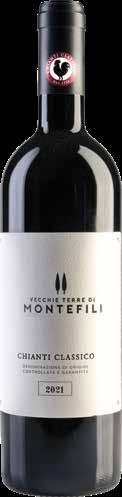
6118
VIBRANT LUGANA AND A BEAUTIFULLY BALANCED CHIANTI—PURE ITALIAN EXPRESSION IN EVERY GLASS.
MONTEFILI CHIANTI CLASSICO DOCG, 2021
6117
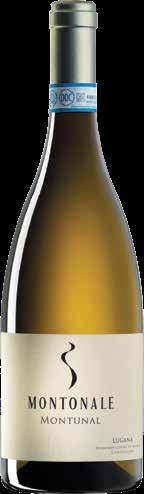
MONTONALE MONTUNAL LUGANA DOP, 2024
Pale green hue. This is no ordinary Lugana! Subtle and herb-scented, it comes alive on the palate with fresh, bright citrus notes, displaying impressive energy and persistence. The overall impression and balance are reminiscent of 1er Cru Chablis. 2027-2028 – rb
Dried cherry, menthol, pine needle
Forest floor, herbs, prune
Veal ragù over pappardelle
The Spagnoletti Zeuli family have had their fork in this pitch since at least the 17th century, cultivating vines, and, indeed, olives, which come with a first-class reputation.
Castel del Monte puts its name to three out of the four Puglian DOCGs – Castel del Monte
Bombino Nero, Castel del Monte Nero di Troia Riserva, and Castel del Monte Rosso Riserva. For the latter (included in this offer), a minimum of two years ageing is required, one of which must be in barrel. Nero di Troia (known elsewhere as ‘Uva di Troia’ and thought to have originated in nearby Troia) is the region’s anchor variety, always accounting for at least 65% of the blend. It has a characteristically ripe flavour profile and is well structured. These are, accordingly, bold, generous wines that speak of sunshine and are well worth taking the time to discover. Onofrio Spagnoletti Zeuli, the Count of Andria and present kingpin, markets tradition in his own idiosyncratic way: one finds leopard-print olive oil bottles alongside wine labels with a high-seas look, all done tastefully. This is deep south nobility at its best.

6153 PEZZALARUCA CASTEL DEL MONTE DOC ROSSO, 2023
Nero di Troia, Montepulciano
Medium ruby hue. The thickskinned Nero di Troia, at home in Castel del Monte, is blended here with Montepulciano, another robust, tannic variety. The Puglian sun has imbued a generous velvety character, replete with cherry and rhubarb overlain with rich chocolate and prune notes; fine tannins and oak influence add structure. The lingering finish offers commendable complexity at this price. 2027-2028 –ja
6154
TERRANERA CASTEL DEL MONTE ROSSO RISERVA DOCG, 2021
Nero di Troia, Montepulciano, Aglianico
Medium ruby hue with an orange rim. With all three of the main varieties within the Castel de Monte DOC included (Nero di Troia, Montepulciano and Aglianico), this could hardly be anything but bold and generous. The oak is prominent but not dominant, and there is orange peel, chocolate, prune and raisin, plus a hint of tobacco leaf. Like a hug from an expensively tailored relative, it finishes flash and assured. Great now and will only improve with age. 2027-2030 –ja
Braised oxtail on soft polenta
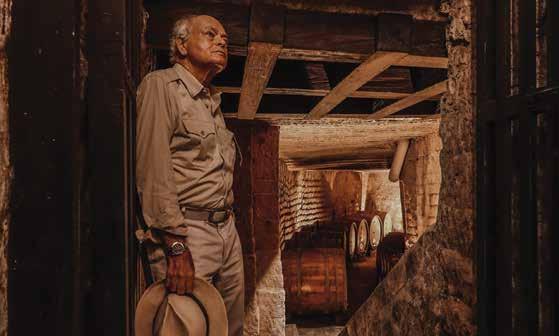
PRODUCER FOR THIS CELLAR
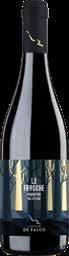
Medium ruby hue. The Salice Salentino region provides Negroamaro with all the sunshine it requires - 300 days of it, to be precise. The wine entertains with its fresh, pure cranberry and plum, plus lingering notes of vanilla and tobacco. This is big, bold and not lacking in acidity. 2027-2030 –ja 6114
Deep purple hue. This will undoubtedly appeal to lovers of the Primitivo grape, which has become ever so popular in Italy in recent years. Sweetfruited, with lashings of blackberry jam and seasoned, spicy oak. Smooth, easy drinking and exceedingly well-priced. 2027-2028 – rb
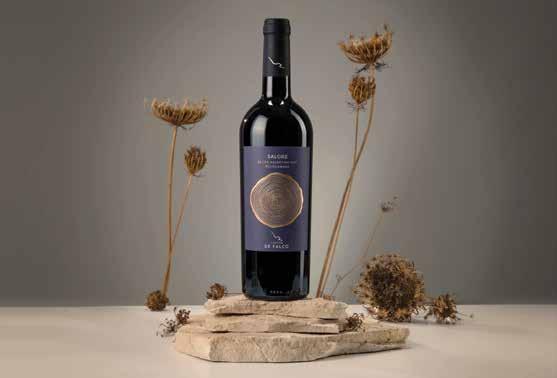
Blackcurrant, smoke, strawberry
Ripe blackberry jam, vanilla, toast
BBQ pork ribs glazed in maple and spice

Plum, tobacco, vanilla
Eggplant parmigiana served with basil
Cantina de Falco is a secondgeneration family estate in Puglia, located in Novoli in the heart of the famous Salento wine region. For most of history, wines from this area would have been consumed locally or at least within Italy. Still, the family has not been slow to recognize the potential in export markets and specializes in producing wines with international appeal. The main grapes grown are Negroamaro and Primitivo, which produce contrasting red styles –often made in a richer style that caters perfectly for those who prefer theirs not too dry.
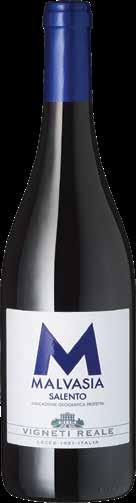
6155 MALVASIA NERA SALENTO IGP, 2024
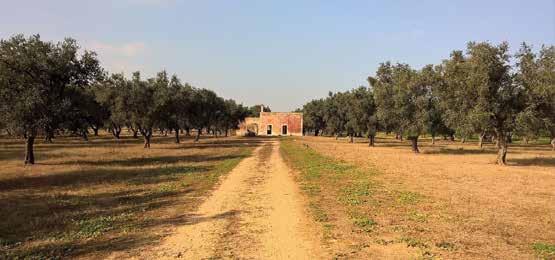
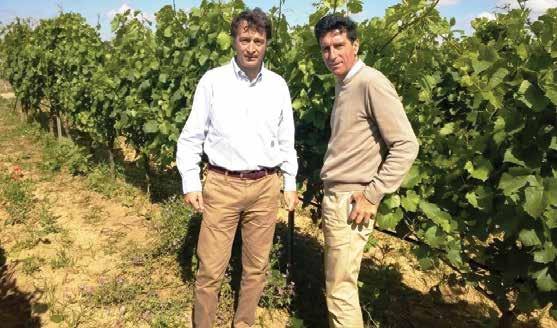
Founded in Salento by Don Vito Reale in the 1920s, the Reale estate was originally planted more to tobacco than vines. Throughout the 20th century, most of the wine was sold in bulk to customers in Tuscany and even France, whose vignerons were happy to use the higher alcohol, gutsy reds to boost their blends. However, over the last 25 years, under the guidance of brothers
Amedeo and Damiano, the emphasis has been on producing higher quality wines that are now mainly sold in bottle. Whilst using modern methods, they are proud to champion the traditional grape varieties of the region such as Malvasia Nera, Malvasia Bianca, Primitivo and Negroamaro. They are also amongst the new wave of producers reviving the fortunes of Susumaniello.

Malvasia Nera
25 $ 150
Deep ruby hue. Good example of both Salento and the Malvasia Nera grape. With classic, primary aromas of dried cherry and fruitcake, this is nicely balanced, backed up by moderate tannins, pleasing length and freshness. 2027-2028 – rb
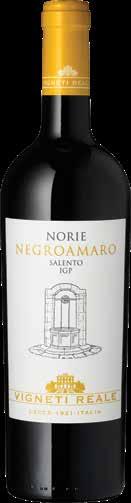
6156 NORIE NEGROAMARO SALENTO IGP, 2023
Negroamaro
Deep ruby hue. Salentine Negroamaro with the volume turned up – opulent prune, leather and raisin notes plus hints of hazelnut and meats. A big, bold wine with super velvety texture and fine supporting tannins that punches above its weight. 2027-2028 –ja
6157 RUDIAE PRIMITIVO SALENTO IGP, 2023
Primitivo
6158 GLORIA PRIMITIVO DI MANDURIA DOP, 2023
Primitivo
Bold, flavoursome Primitivo with dried fruit flavours and earthy, savoury notes that are reminiscent of the traditional Amarone style. Complex, smooth, and now fully mature and satisfying. 2027-2028 – rb
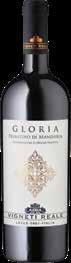
Opaque purple hue. Quintessential, generous Primitivo di Manduria bursting with plum, prune and raisin fruit and an undertone of meatiness. There are grippy tannins and muscular, well-integrated oaky notes. A blast of black olive leads to an elegant, spicy finish. Big on flavour and will only improve. 2027-2031–ja
fruit,
Beef sliders served with aged cheddar
plum, black olive
Sticky pork ribs with smoky glaze
Somewhat incredibly, Romagna Albana was the first white wine in Italy awarded DOCG status. It is, in candour, not the most star-studded region, although this is the estate to look out for.
The Gabellini family purchased the Bertinoro vineyards in 1962, immediately looking to organic farming to protect the health of the vines and environment. In the closing years of last century, as organic viticulture gained traction, the estate became fully certified, with a further foray into biodynamic principles in 2018.
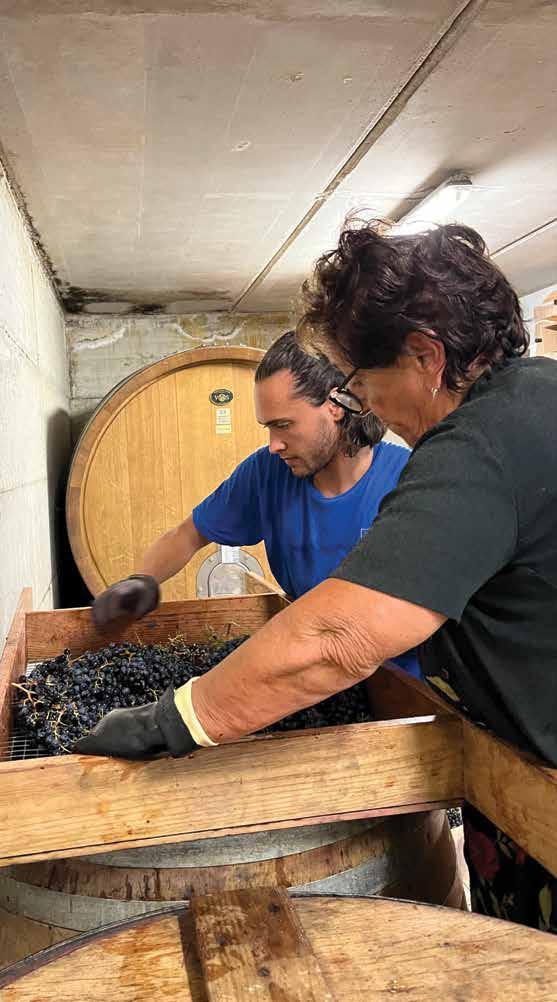
Soil health is a sine qua non for Tenuta La Viola, while fermentation is carried out exclusively with indigenous yeasts. A mix of amphorae and concrete tanks - ensuring every ounce of terroirdriven flavour makes the cut - is their preferred option for maturation. This is handsoff winemaking at its best, with an emphasis on minerality, structure and tension in rip-roaring harmony. For the red, a portion of the wine spends six months in both old barriques and tonneaux, softening the tannins and retaining an irresistible freshness.

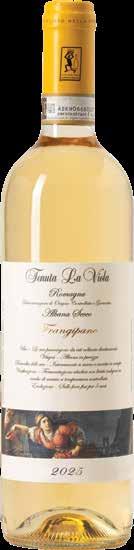
$ 35 $ 210
Albana needs a hot climate to ripen fully, and, accordingly, this is not a shy wine. Very well balanced, with an appealing crunchy texture and a whoosh of brambly autumnal fruit and spices. There is quince, pear, baked apples drizzled with honey, and a grind of white pepper, like mum's gone mad in the kitchen. Full of personality and worth the investment. 2027-2028 –ja
IL COLOMBARONE, ROMAGNA SANGIOVESE BERTINORO DOC, 2023
Sangiovese
$ 45 $ 270
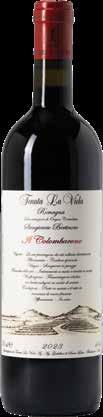
Medium ruby hue. The wines of Romagna are often overlooked, but the subzone of Romagna Sangiovese Bertinoro aims to change that. The calcareous soils, rich in maritime fossils, produce wines that combine weight with fine tannins. This example has a delicate texture and is generous without being overblown. Savoury notes of green olive and rosemary mingle with red cherry and spice, plus there is also a hint of sweet vanilla. Bags of freshness and length. 2027-2029–ja
6122
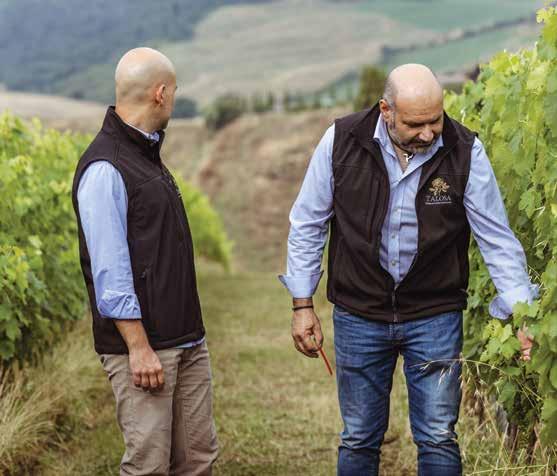
Entrepreneur Angelo Jacorossi bought the Talosa estate in 1972, and it is now in the hands of the third generation. All 33ha of south-west facing vineyards sit within the Pieve le Grazie cru at an altitude of 350- 400 meters, offering ideal conditions for ripening. The grapes are handpicked and carefully fermented in parcels, ensuring each plot receives the attention it deserves.
The magnificent cellar, located underneath two of Montepulciano's oldest palaces, dates from the 1500s and offers a double dose of cool. It is blessed with both a steady year-round temperature of 14°C and relative humidity of 60-70%, allowing the wines to mature gracefully in large casks or `botte', some of which are over 50 years old.

TALOSA CHIANTI COLLI
DOCG, 2024
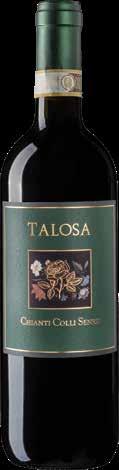
ruby hue with orange rim. Chianti Colli Senesi DOCG is one of my favourite sub regions, and this shows a delicateness in keeping with the region. It has a beautiful silky texture, enjoyable acidity and appealing red cherry fruit. There is added complexity in notes of rosemary, spicy oak and a hint of smoked meat, with fine tannins that support and refresh. 2027-2029–ja
6123
TALOSA ROSSO DI MONTEPULCIANO DOC TOSCANA, 2024
Sangiovese, Merlot, Canaiolo
Rosso di Montepulciano DOC can sometimes disappoint, but not this one! With a delicious rum and raisin, cherry-dark-chocolate combo, followed by a savoury, almost saline character, there is an epic tussle between sweetness and freshness. Fine grippy tannins and a wonderfully smooth texture complete the set. Very impressive. 2027-2036 –ja
6124
Sangiovese NEW
2022
Plum, dark chocolate, black cherry,
Grilled chicken with rosemary and garlic
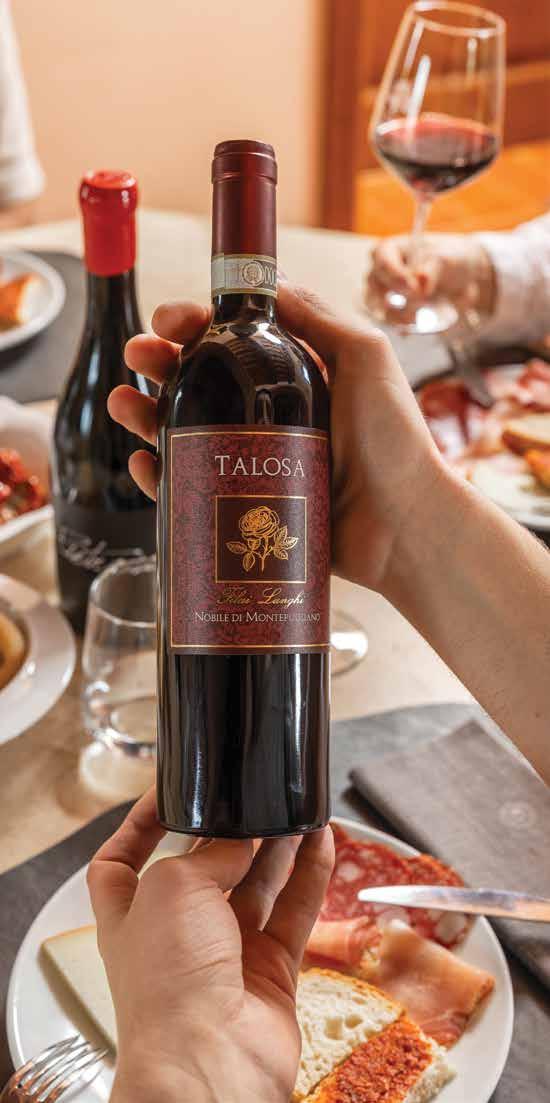
A Vino Nobile di Montepulciano that really puts `Nobile' in the name. Lifted, aromatic, linseed-like nose joined by a waft of old oak spices. There are leather, chocolate and black cherry flavours on the palate; florals and black olive notes plus enjoyably grippy tannins. One to savour. 2027-2036 –ja
Black cherry, chocolate, florals
Duck leg confit on a bed of farro
Over the years, I have realized that there are certain wines that exercise a particular appeal for my palate – and one of these is Vino Nobile de Montepulciano. I find that there is often a distinctive grilled hazelnut character to the aromas that complements the Sangiovese fruit perfectly and adds an attractive, haunting fragrance to the finish. Well, this is a stunning example. At 14.5% alcohol, it will appeal to those looking for a fuller-bodied red, yet the freshness, fragrance and complexity on the finish will equally appeal to those looking for finesse.
Deep garnet hue. At this price, the wine ought to be special – and it is. With exotic, complex flavours of ripe, dried fruit and grilled nuts, there is stunning depth of flavour, supported by well-integrated tannins and a fragrant, characterful finish. Top class. 2027-2033– rb
RARE WINES TO ENHANCE YOUR CELLAR
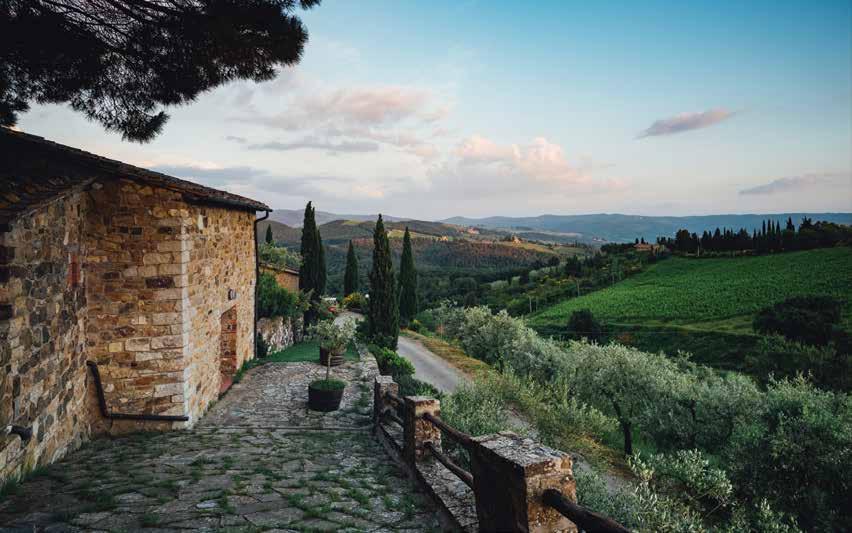
Since the Gran Selezione category was introduced in 2014 as the top tier in Chianti Classico, above Riserva, I have found quality to be mixed – as if some winemakers are simply trying too hard. So it was a great pleasure to taste this exceptional example from winemaker Serena Gusmeri at Montefili. From an older part of the vineyard, it delivers the layers of flavour and intensity expected of a wine made from old vines; it also retains the pure drinkability that it is at the heart of Chianti’s timeless appeal.
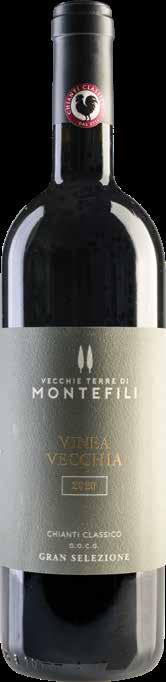
Deep garnet hue. Expectations are high of a Chianti Classico Gran Selezione – and this delivers. Complex aromas of dried cherry and black olive, supported by exciting balsamic notes. Harmonious on the palate, good flesh, well-integrated oak and a lovely, fragrant lift on the finish. 2027-2029– rb
Join us for an intimate tasting experience featuring a curated selection of Opimian Cellar wines—chosen for their elegance, rarity, and character. Connect with fellow members and wine lovers for an evening of discovery and conversation.
At this event, you’ll:
• Explore Cellar-Worthy and Drink Now wines from distinguished producers
• Enjoy a guided tasting with wine expert Michael Palij MW
• Discover the stories behind each bottle
We look forward to raising a glass with you and celebrating the exceptional wines of the Opimian Cellar. Register for Opimian events at https://opimian.ca/events/
September 21: Montreal, QC September 22: Ottawa, ON September 23: Toronto, ON September 25: Winnipeg, MB November 18: St. John’s, NL November 19: Fredericton, NB November 20: Moncton, NB November 21: Halifax, NS



Opimian offers three distinct subscription programs, each designed to suit a different style of exploration.
The Masters Case also includes six bottles, but offers two bottles each of three different wines. Selected by Opimian’s Masters of Wine, it highlights diverse expressions from a single producer or region, showcasing depth, contrast, and craftsmanship.
In 2015, three of his wines from the 2013 vintage received a rating of 100 points from The Wine Advocate; thus his nickname, “Mr. 300 points” (Herr 300 Punkte in German). We are pleased to announce that Opimian has secured a small allocation of these outstanding wines from this brilliant winemaker. Don’t miss this opportunity to get your hands on these top-scoring wines, as they usually sell out in record time!
Conte Spagnoletti Zeuli, P22
Everything But Red responds to growing Member interest in whites and other non-red styles. Each offering includes a case of premium wines that are fresh, vibrant, and versatile—ideal for entertaining or everyday enjoyment.
Cantine De Luca, P14
Founder’s Choice is a six-bottle program featuring a premium red wine selected for both immediate enjoyment and cellaring potential. These wines are chosen for balance, structure, and longevity—perfect for enjoying now or laying down for the future.
Vigneti Reale, P24
Only at Opimian.ca beginning February 27.
JOINING IS SIMPLE. Ensure your payment details are up to date, then visit your dashboard at opimian.ca to select one or more programs. For assistance, Member Service is always available at memberservice@opimian.ca.