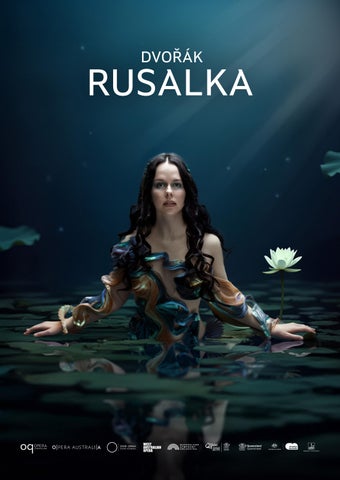
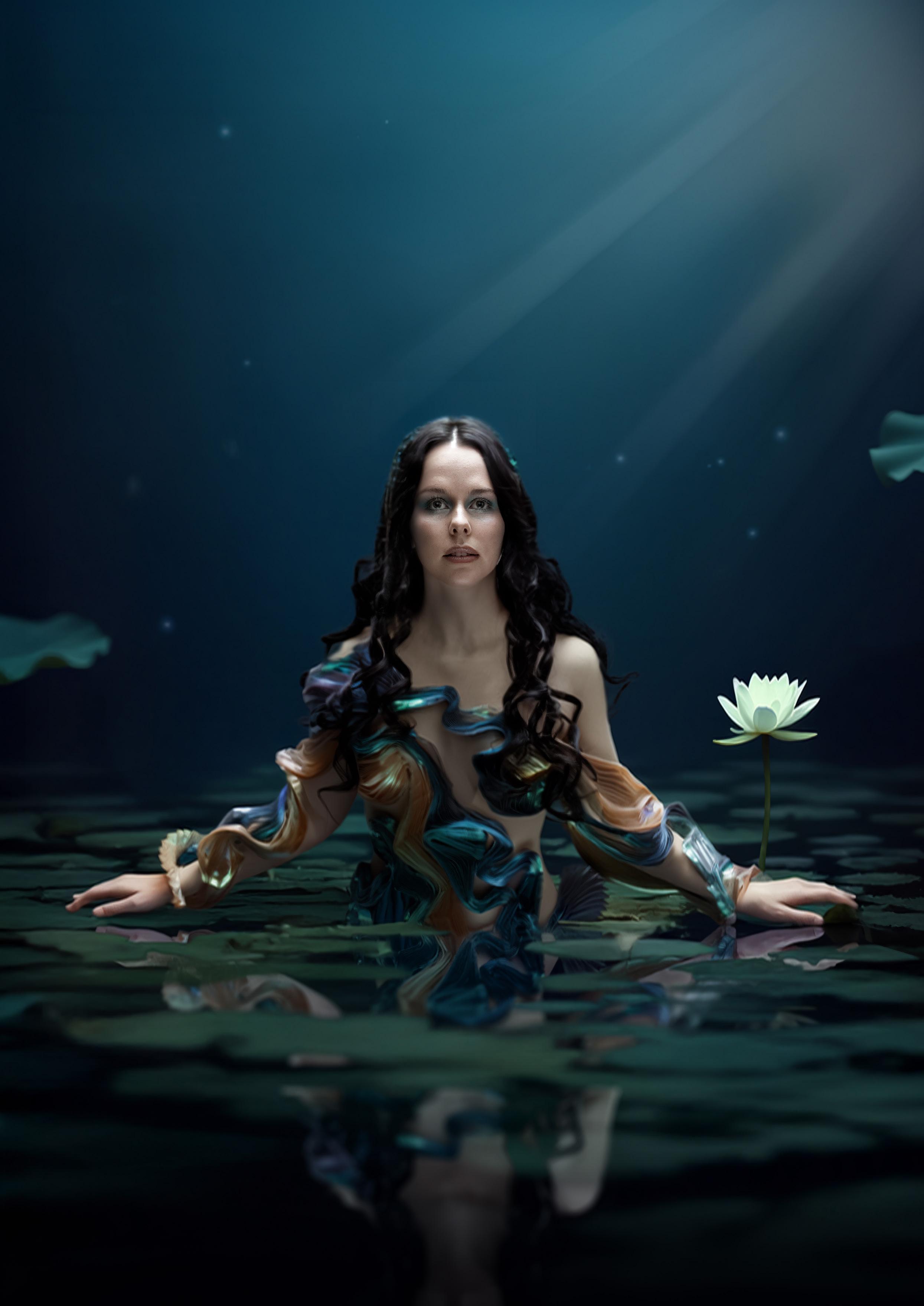
DVOŘÁK RUSALKA

Opera Queensland acknowledges and respects Aboriginal and Torres Strait Islander peoples as the Traditional Owners of the land and seas where we live and perform.
We acknowledge and respect the knowledge, cultures, languages, songs and dances they have created and shared for at least 65,000 years.
Our commitment is to listen and walk respectfully with Aboriginal and Torres Strait Islander individuals and communities, to celebrate the stories and songs of this place and its First Peoples.
CREATIVE TEAM & CAST
CREATIVE TEAM
Conductor
Vladimir Fanshil
Director
Sarah Giles
Set Designer
Charles Davis
Costume Designer
Renée Mulder
Lighting Designer
Paul Jackson
Video Designer & Content Creator
David Bergman
Associate Director
Eugene Lynch
Movement & Intimacy Coordinator
Lyndall Grant
Assistant Director
Emma Nightingale
Chorus Master
Narelle French
CAST
Rusalka
Eleanor Lyons
The Prince Rosario La Spina
Vodník, The Water King
Warwick Fyfe
The Duchess
Eva Kong
Ježibaba
Ashlyn Tymms
First Wood Sprite
Maia Andrews
Second Wood Sprite
Eleanor Greenwood
Third Wood Sprite
Shikara Ringdahl
The Gamekeeper
Shaun Brown
The Hunter
Carlos Bárcenas
The Kitchen-hand
Aylish Ryan
Opera Queensland Chorus
Queensland Symphony Orchestra
GLASSHOUSE THEATRE, QPAC
25 JUN – 4 JUL 2026
Sung in Italian with English surtitles
Running time – approximately 3 hours including 2 intervals
This work, published by Bärenreiter, has been supplied by Clear Music Australia Pty Ltd, as the exclusive hire agents in Australia and New Zealand.
This production was commissioned by the Opera Conference, the national partnership of professional opera companies.
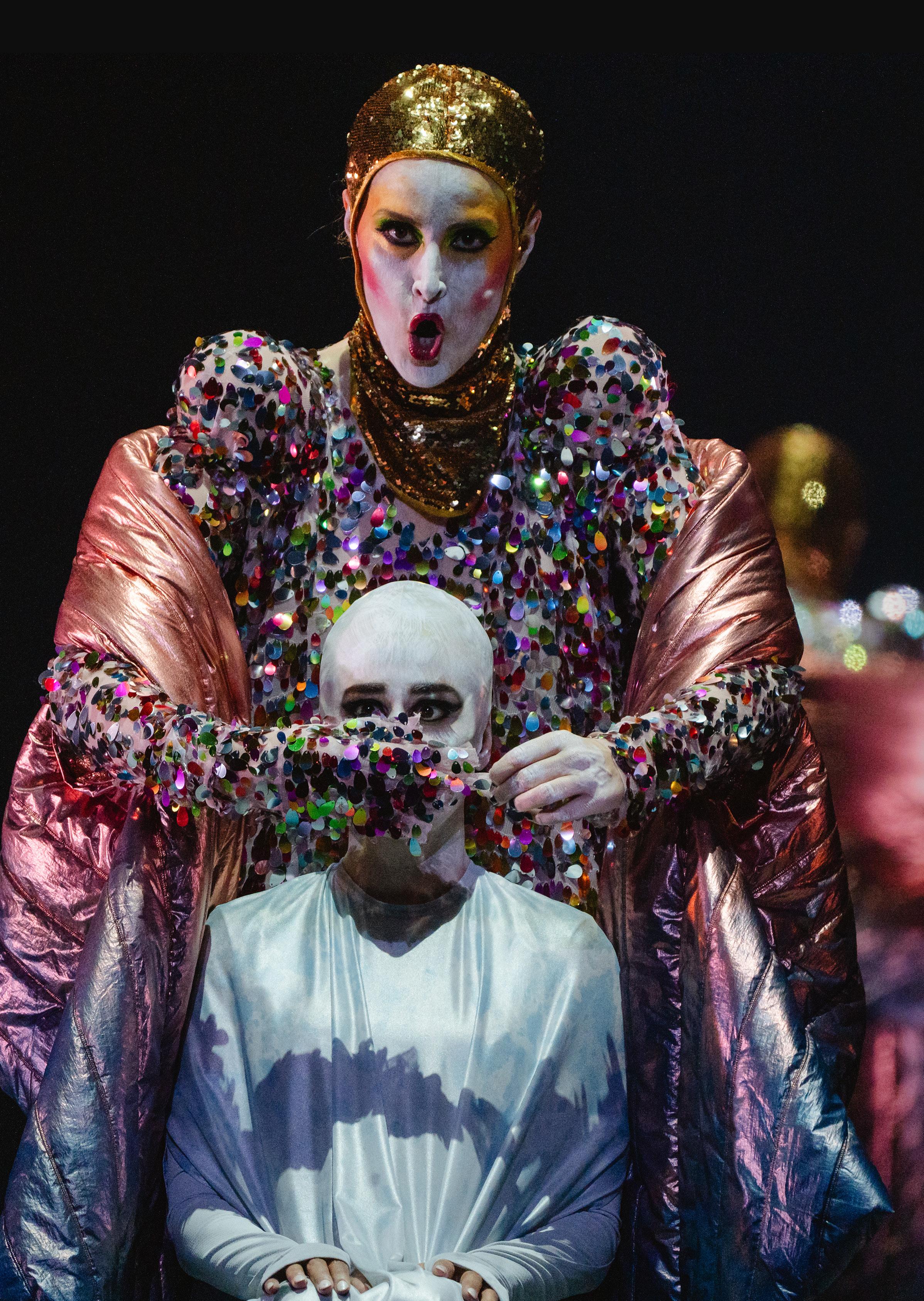
Photo: West Beach Studio
WELCOME
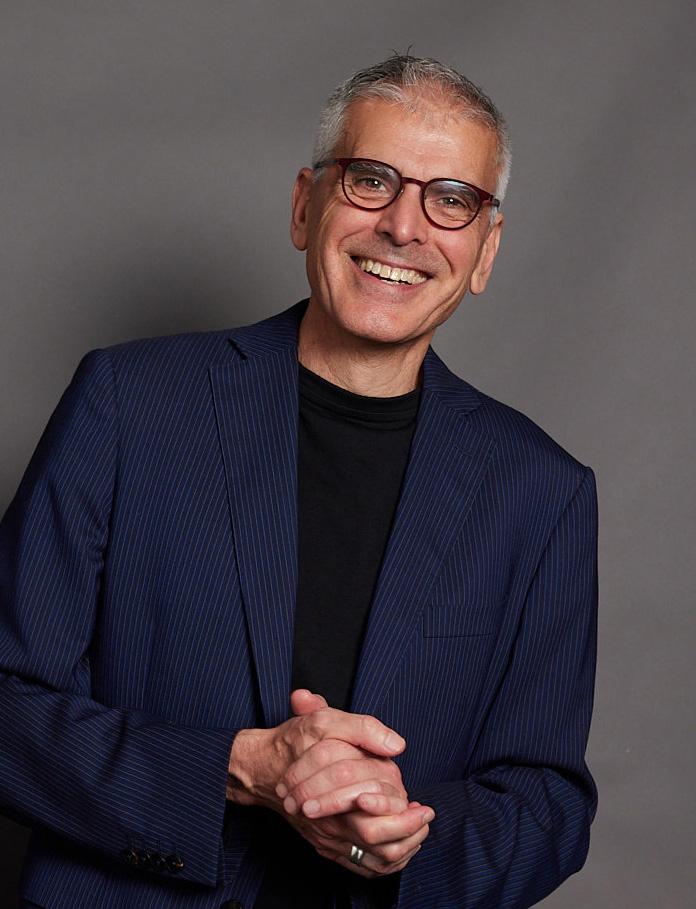
Almost every fairy tale begins with a desire strong enough to carry someone across a threshold, out of the world they know and into one where the usual rules no longer apply. We first hear these stories of longing, sacrifice and transformation as children, then spend the rest of our lives discovering how much truth they hold.
Welcome to Rusalka, and welcome to the magnificent new Glasshouse Theatre. We can imagine no more fitting way to begin our time in this extraordinary new home than with an opera that shimmers with water and moonlight.
Dvořák is a composer known mainly through his orchestral works, the grand New World Symphony being the most famous. Yet across his life he returned again and again to the stage, writing operas in forms as varied as village
The Cunning Peasant) and historical drama
Rusalka, however, is the one that has travelled to houses far beyond his homeland. Written very close to the end of his life, it is the work of an artist at the height of their powers. In turning to a traditional folk tale about a water sprite who courageously risks all for the possibility of human connection, he conjured an opera full of human fragility and, as so sensitively revealed in this production, a profound awareness of the wisdom of the outsider.
La Cenerentola, goodness triumphed; in Into the Woods, happily-ever-after falls apart to be reassembled into something less naive. Rusalka sits between them as the most haunting of the three, reminding us that desire and heartbreak share an intimacy as exquisite as it is painful.
Few roles demand as much from a soprano as Rusalka. Eleanor Lyons meets every moment with virtuosic precision and fearless vulnerability. We are fortunate to be seeing her take on the role for the first time. The ensemble around her, including Rosario La Spina as the Prince, Eva Kong as the Duchess, Warwick Fyfe as Vodník and Ashlyn Tymms as Ježibaba, the witch, bring the wonder and magic of this production to life in way that is equally fearless.
To have them gathered on one stage, here in Brisbane, is a rare gift that we are thrilled to bring to you. A special mention too for the mighty Opera Queensland Chorus, whose many talents are so beautifully revealed in this opera.
Equally, director Sarah Giles and conductor Vladimir Fanshil lead a team of some of the finest theatre makers in Australia. Charles Davis (set), Renée Mulder (costumes), Paul Jackson (lighting) and David Bergman (video), with chorus master Narelle French, associate director Eugene Lynch, movement and intimacy coordinator Dr Lyndall Grant, and costumes created by the OQ wardrobe team in Brisbane. This is opera of grand imagination and deep care for the relationship between music and story.
To bring a work of this scale into being requires the collective efforts of many. Rusalka is born of Opera Conference, the partnership between Opera Queensland, Opera Australia, State Opera South Australia and West Australian Opera. Together we can dream at a scale none of us could reach alone, sharing the talent, resources and ambition a work like this requires, and carrying it to audiences right across the nation.
None of it would happen without our funding partners, Arts Queensland, Creative Australia and Brisbane City Council, and the sponsors and donors whose generosity lets us keep making work of this quality. Our heartfelt thanks to them all and to our performance partners QPAC and the Queensland Symphony Orchestra.
And finally, our thanks to you, our audience. In some ways, each time you come to see an Opera Queensland production you are echoing the protagonist in a fairy tale, taking a step into the unknown. This curiosity is a source of inspiration for all our work. As we cross the threshold into this glorious new theatre, we are so glad to be crossing it with you.
Patrick Nolan CEO & Artistic Director
CONDUCTOR’S NOTE
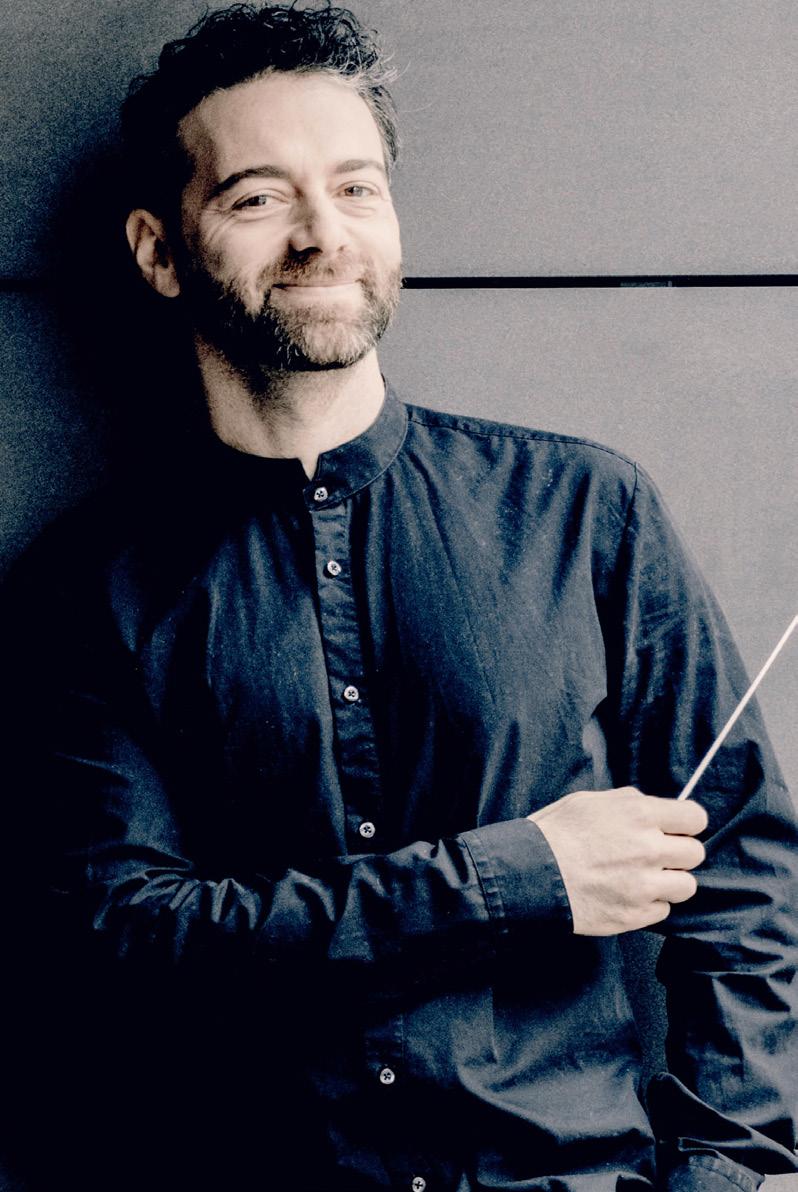
From the very first sound – that dark, solitary C minor timpani –to the opera’s final, hushed D-flat major chords, Dvořák shapes every detail for emotional impact.
This is a score of astonishing emotional directness. It is saturated with expression, but never feels overloaded; the music breathes, glows, wounds, consoles. Dvořák draws us into Rusalka’s world not only through melody and harmony, but through atmosphere itself – the shimmer of water, the stillness of moonlight, the rustle of the forest, the ache of longing, and the terrible cost of transformation.
There is, of course, a clear homage to Wagner in the opera’s use of recurring motifs. Dvořák gives musical identities not only to characters, but to psychological states and dramatic forces: longing, danger, enchantment, fate. Diminished harmonies, tritones and dark harmonic shifts appear like shadows across the score, often telling us what the characters themselves cannot yet understand.
One of the great joys of conducting this opera is feeling how vividly Dvořák separates its worlds. The three wood sprites have music that is quick, bright, flirtatious and full of mischief – almost airborne. Their carefree energy throws Rusalka’s music into even sharper relief: lyrical, inward, still, and full of yearning. She is often surrounded by luminous harp writing and calm strings, the sound-world of moonlight on water.
As the opera unfolds, Rusalka’s music grows more dramatic, more exposed, and more human. Her tragedy is not simply that she loses her voice or her place in the world, but that through love and suffering she gains a soul of immense depth. My favourite moment in the entire opera is her final phrase, as she forgives the Prince. That major/ minor lament in triplets is devastating – so humane, so raw, and yet so full of strength. In that moment, Rusalka is not a victim; she is the most complete being in the whole piece.
Another fascinating feature of the score is the contrast between the human world and the supernatural world. The human world often arrives with more dance-like, social, public energy – music of courtship, ceremony, appetite and surface. The underwater realm and the magic forest are something else entirely: suspended, mysterious, ancient, and emotionally charged.
Listen also for the timpani. It has a remarkable role throughout the opera, often foreshadowing what is to come with dark, melodic gestures. It is not just rhythm or colour; at crucial moments, it becomes a voice of fate.
Dvořák wrote Rusalka after his final symphony, and the mastery shows. Like late Mozart or Wagner, there is no music here for its own sake. Every phrase serves the drama, and the drama gives meaning to every note. That is why this opera remains so magnetic more than a century later: beneath the fairy tale, it speaks directly to the human heart.
Vladimir Fanshil Conductor
DIRECTOR’S NOTE
There is an old Czech tale about a water goblin named Vodník.
Parents would tell their children that if they got too close to the water’s edge, the water goblin Vodník would grab them by their legs and drag them down to the bottom of the lake.
Terrified children would stay away from the water’s edge to make sure that Vodník could not reach them and pull them down to their watery death.
Fairytales teach us lessons. Some are designed to scare us into certain behaviours, whether for our own good (like stopping children from drowning) or to make us fit into society’s norms. Other tales are there to inspire us and instil certain values. Some are there to protect us. And depending on who is telling the fairytale and how that fairytale is told you can emit different lessons and fears from the story. Disney’s The Little Mermaid can be about love conquering all, whereas Hans Christian Andersen’s earlier version (the one without the happy ending) can be about the virtue of putting others’ needs first.
Dreams and nightmares also have their use in imparting lessons and fears. Nightmares are said to help us prepare for the worst, dreams to help us process what we’ve learnt that day and see beyond our limited reality.
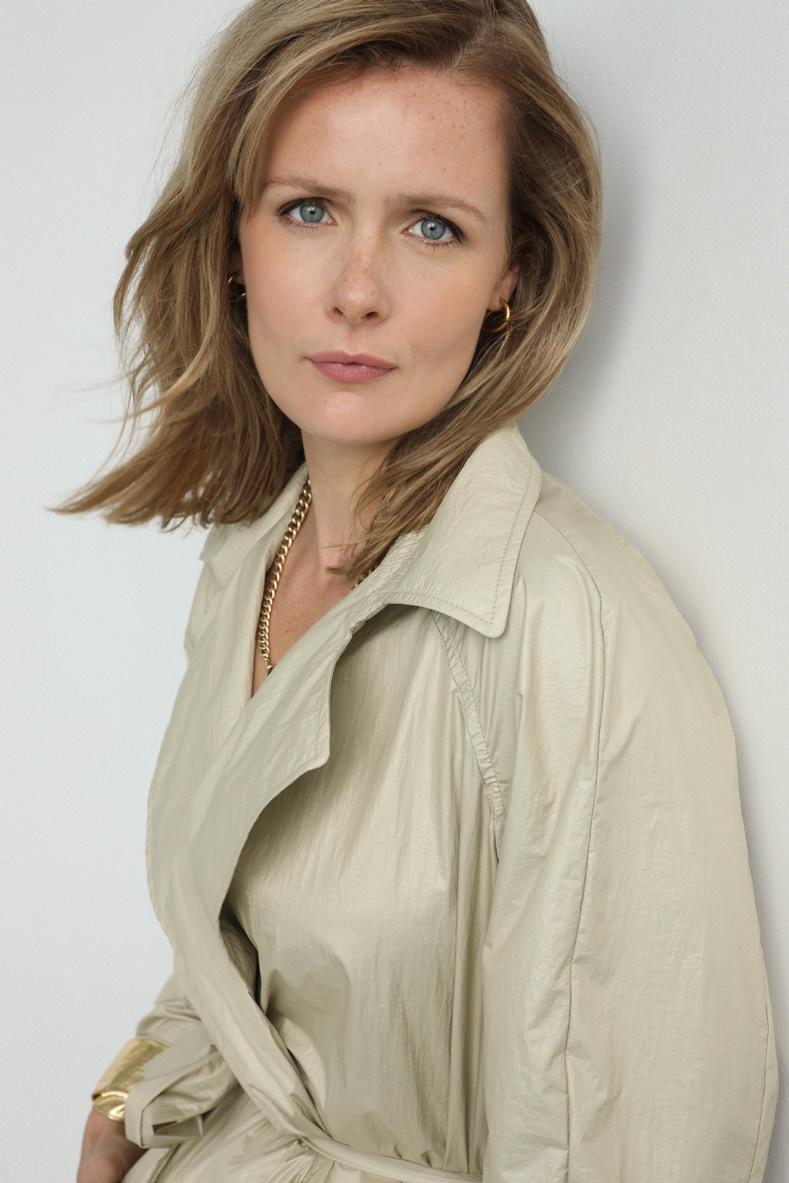
Our Rusalka is all three, a dream, a nightmare, a fairytale. Inside her story, there are many lessons: lessons about putting yourself first, lessons about bravery, about pursuing a better life, about making mistakes and trying again, about being different, and about searching for where you fit in and not stopping until you find that place.
Sarah Giles Director
Photo: Andrej Grilc
THE BEAUTY AND SKILLS OF RUSALKA
Peter Bassett
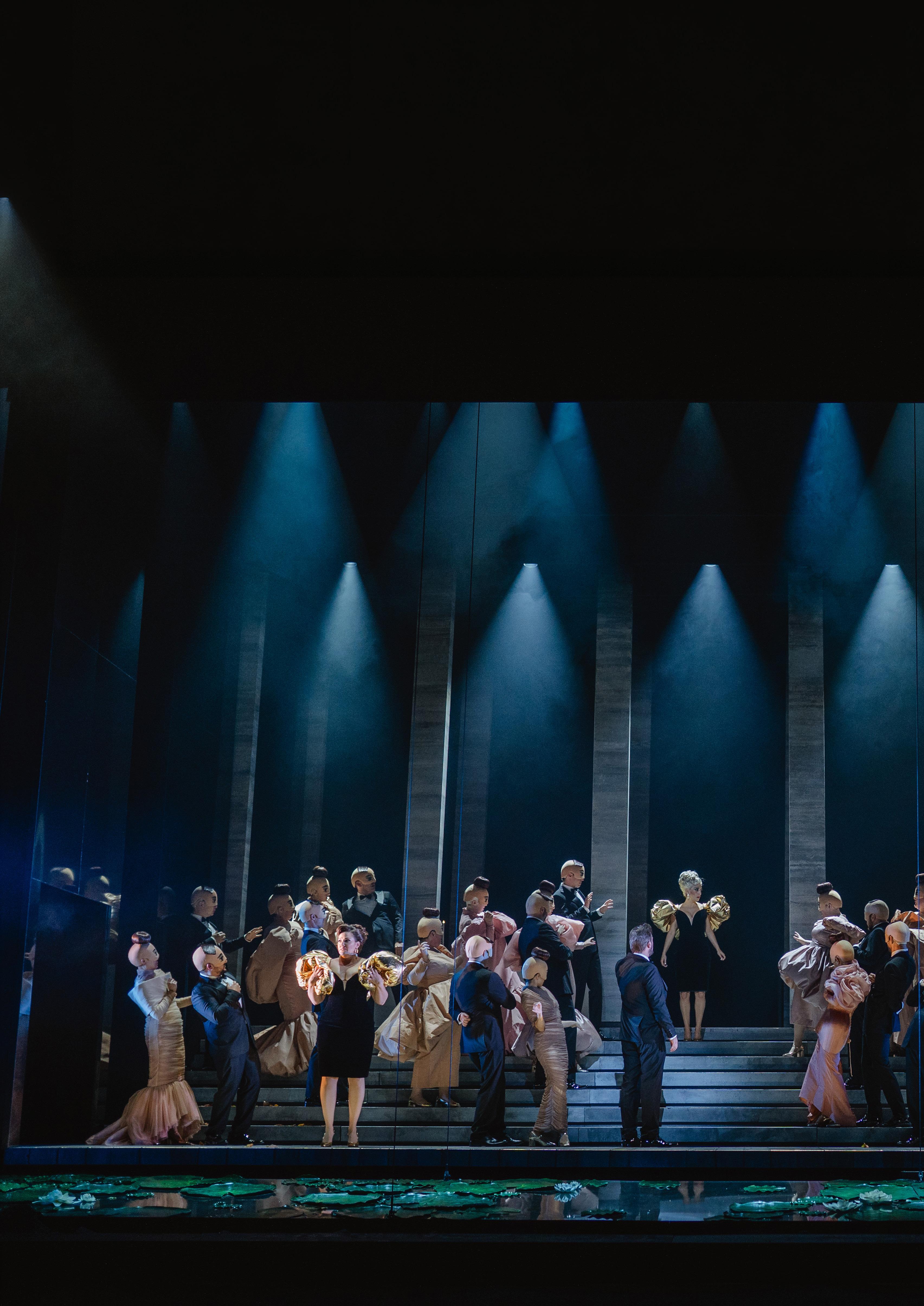
Antonίn Dvořák’s most successful opera, Rusalka, was completed in 1900 after his return from America where he had composed his famous Symphony in E minor From the New World. Rusalka is aptly labelled ‘a lyric fairy tale in three acts’, and it had its first performance in Prague in 1901 and went on to enjoy popularity in Czech lands and abroad. Dvořák used a libretto by Jaroslav Kvapil which drew on Slavic tales by Karel Jaromír Erben and Božena Němcová. In Slavic folklore, Rusalka is a female non-human character who is often malicious toward mankind and is usually associated with water. The story has elements in common with Undine by Friedrich de la Motte Fouqué and The Little Mermaid by Hans Christian Andersen, although there are significant differences. One detail in common is a desire by the water-nymph to acquire a human body in order to have a soul.
Photo: West Beach Studio
“If bitter misery drives you home … that is at the same time the death of your beloved!”
Dvořák’s opera has a dark ending. Rusalka falls in love with a human Prince and ends up having to decide whether or not to murder her lover in order to save herself. She had been told by the witch Ježibaba that, once transformed, she would have to remain mute to all humans, and that “If bitter misery drives you home … that is at the same time the death of your beloved!” Rusalka willingly agrees to these frightening terms. In the closing scene, the Prince implores her to kiss him, which she does, and their love is finally sealed as he dies in her arms. Rusalka returns to her original form and to her home in the depths of the lake.
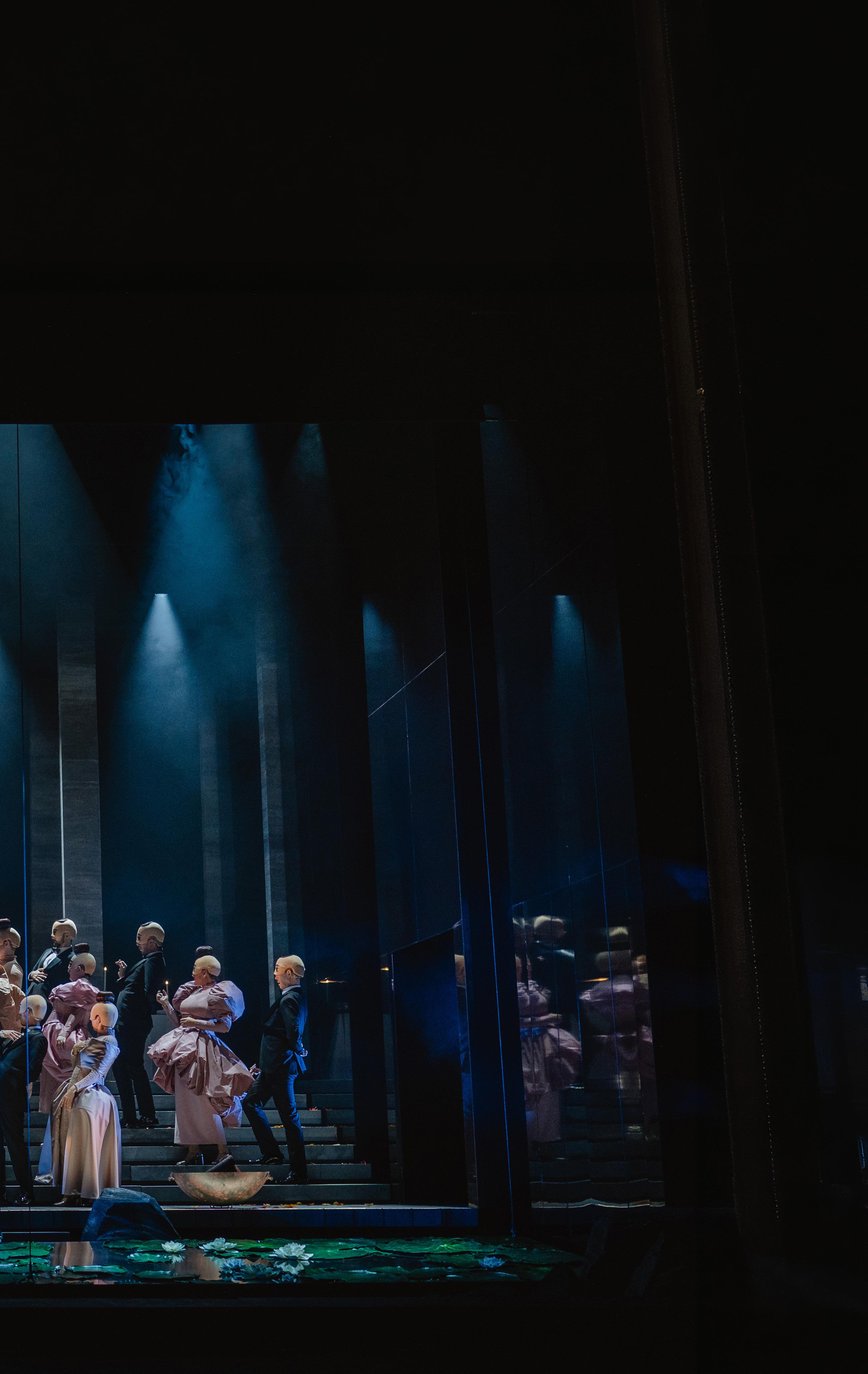
In his youth, Dvořák began a career as a violist, playing for the Prague Provisional Theatre (later National Theatre) and becoming familiar with the operatic repertoire of Mozart, Weber, Rossini, Lortzing, Wagner, Verdi and Smetana. His compositions won the attention of Brahms, whose sponsorship brought publication and conducting engagements throughout Europe, and Mahler agreed to stage Rusalka in Vienna. Dvořák turned away from the new operatic style of verismo, and sought inspiration particularly from Wagner and from his countryman Bedřich Smetana. His goal had been to write an opera that equalled Smetana’s masterpieces, and he finally achieved this with The Devil and Kate (1899), Rusalka (1900) and Armida (1904). His works were symphonically conceived and (largely) through-composed, although many of Rusalka’s highlights such as the ‘Song to the moon’ and the ballroom music are impactful because they can stand alone and attract applause in traditional operatic style.
During Dvořák’s years in America, he spent much time with the conductor Anton Seidl, a committed Wagnerian who had worked with Hans Richter on the first performance of the Ring and had lived with the Wagner family for six years. Seidl was the principal conductor of the New York Metropolitan Opera from 1885 to 1891 and thereafter conductor of the New York Philharmonic until 1898. He conducted the premiere of the New World Symphony in 1893. There is no doubt that Dvořák’s final operas have Wagnerian features, including their use of leitmotifs, but these have their limits. The scenes with the three Wood Sprites were surely inspired by those with the three Rhine Maidens in Wagner’s Ring, but Kvapil’s language is slight. Dvořák regarded Tannhäuser of 1845 as Wagner’s greatest work, a view not shared by Wagner who remained dissatisfied with it to the end of his life and kept making alterations. Anyone listening to Rusalka for the first time will recognise its Slavic qualities and its common ground with Russian opera and ballet.
DESIGNING RUSALKA: A KALEIDOSCOPIC JOURNEY
Set designer Charles Davis and costume designer Renée Mulder reflect on their inspirations for this grand-scale new production of Rusalka.
There is no coral reef, no bright underwater kingdom, and no easy fairytale romance in this new production of Rusalka. For set designer Charles Davis and costume designer Renée Mulder, Dvořák’s opera opens into something darker, stranger and more psychologically charged.
“The source material for Rusalka is Hans Christian Andersen’s The Little Mermaid,” Davis says. “Disney took it in a particular direction, whilst the Czech composer Dvořák went in a much darker and sinister direction.”
Mulder agrees. “This version of Rusalka comes very much from a place of nightmares. It’s more of a dark and twisted fairytale. We meet Rusalka not as a mermaid, but a water nymph, trapped at the bottom of the lake.”
Director Sarah Giles’ vision deliberately avoids the familiar imagery of The Little Mermaid. Instead, the production explores what happens when Rusalka leaves one restrictive world only to discover another. “Once the protagonist moves from an underwater world into a human world,” Mulder explains, “she establishes that the problems of being in this world are just as bad as the restrictions and difficulties she had in her original form.”
The result is a fantasy world that feels timeless, alien and hard to place. Davis says the team “didn’t want it to be a recognisable environment”, instead creating “an abstract space based on contemporary photography, art spaces, installation artwork, and fashion shoots.”
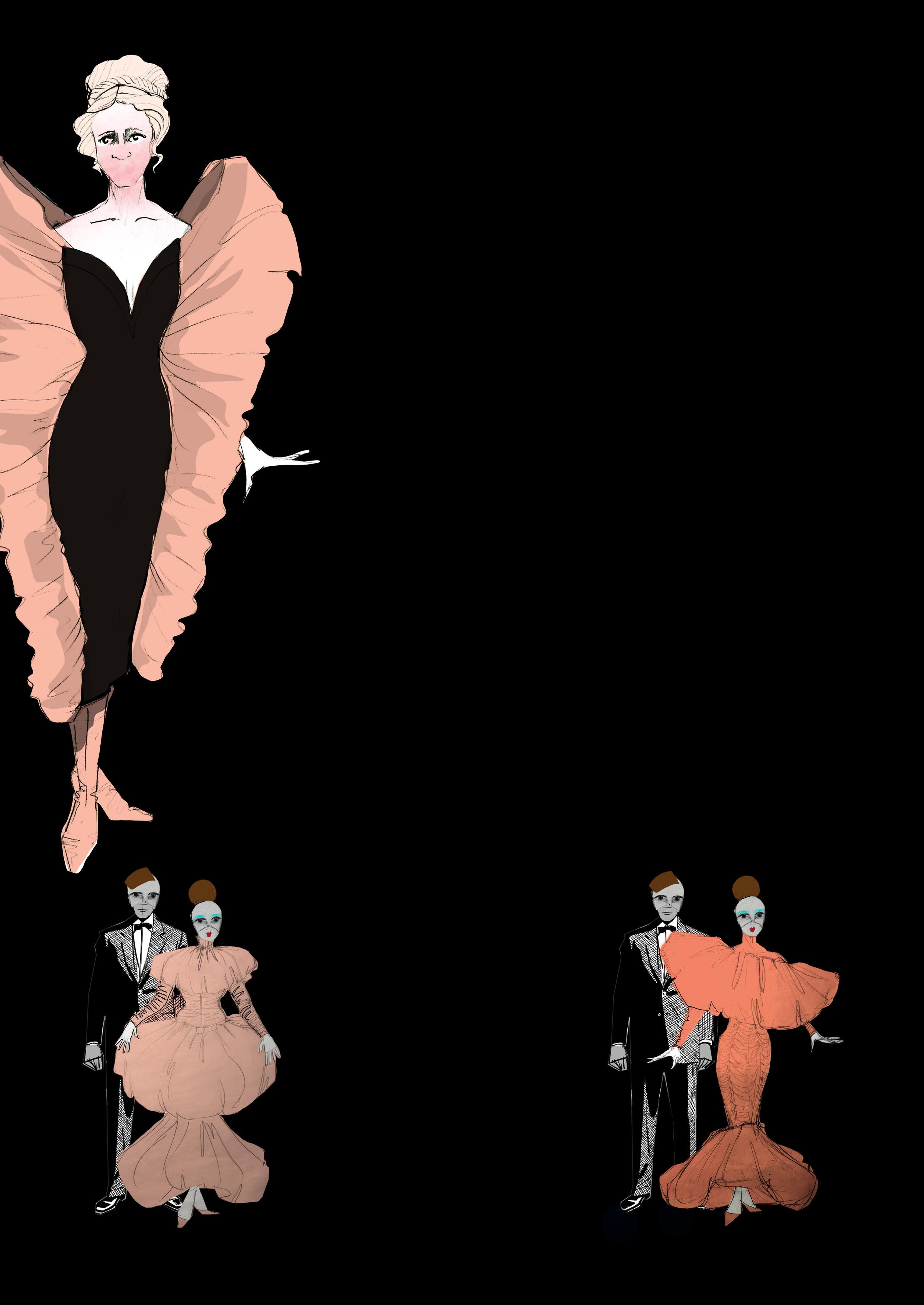
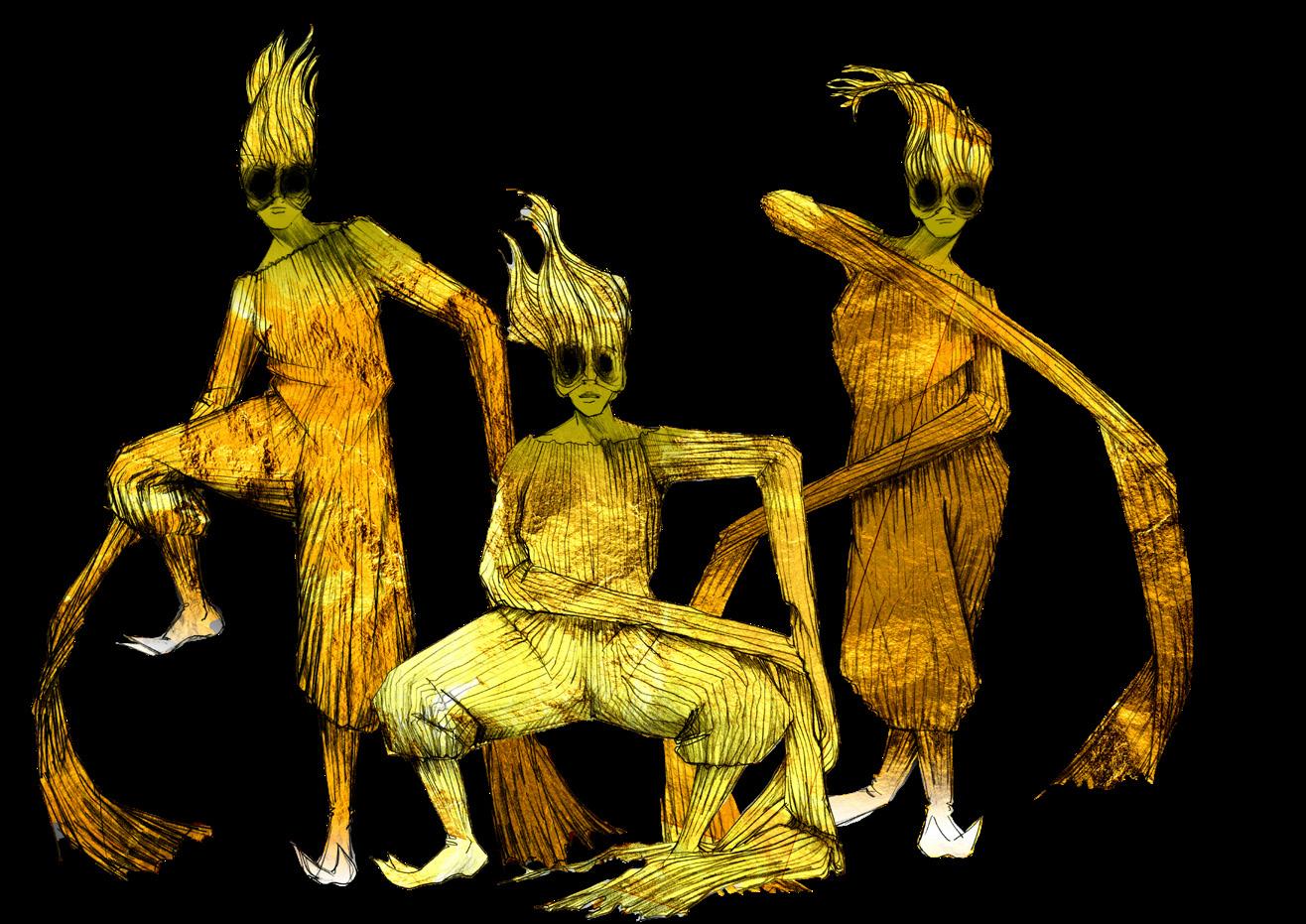
For Mulder, costume became a way to define the opera’s three distinct realms: underwater, human and supernatural. “For the ‘Underwater’, we’re in this sculptural, conceptual alien world,” she says. “In the ‘Human’ space, characters are led by the constraints and absurdities of fashion and exaggerated proportions. In our ‘Supernatural’ world we lean into magic and fantasy, a world where there are no rules or constraints of form, shape or colour.”
Illustrations: Renée Mulder
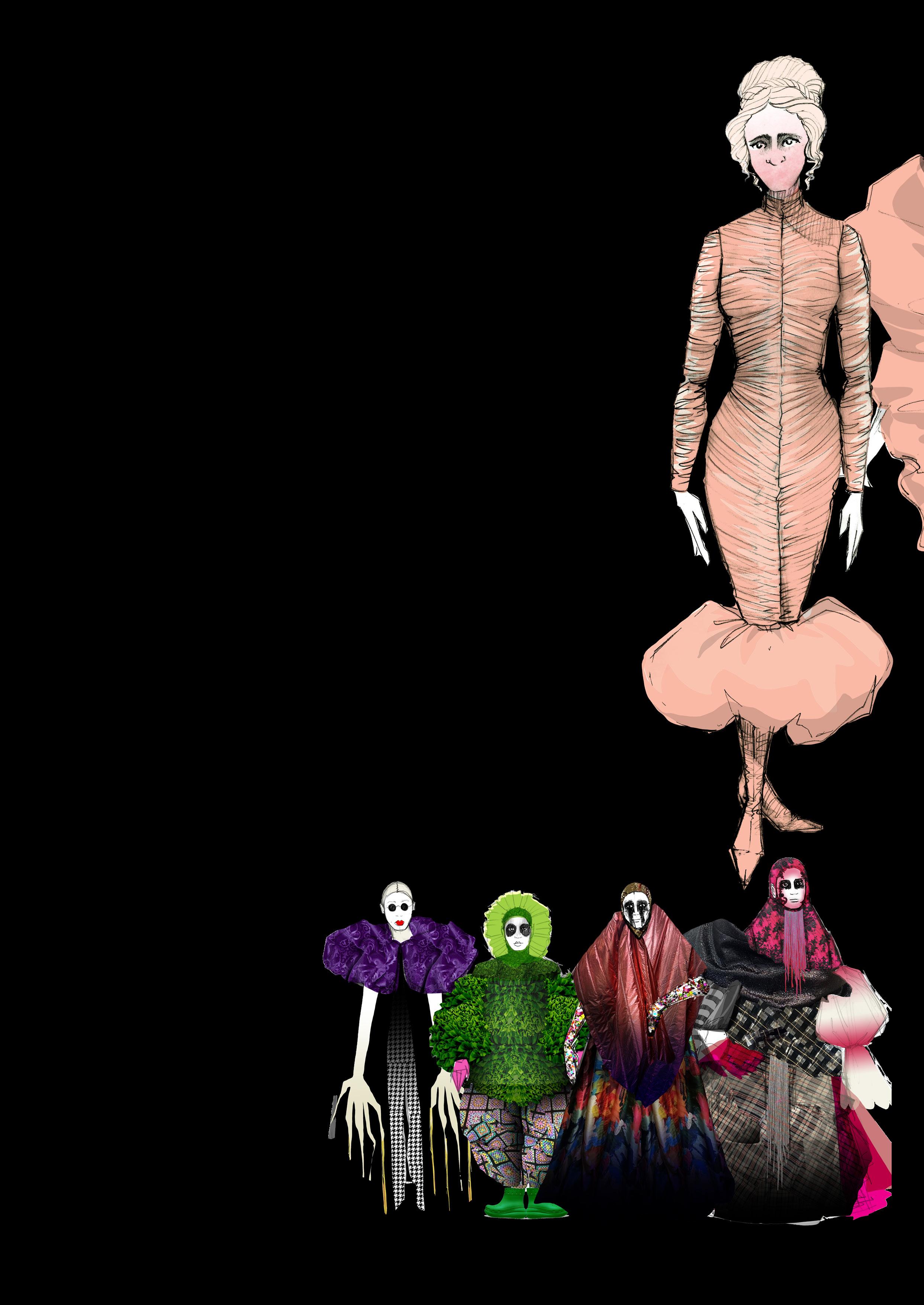
The underwater world is far removed from any romantic idea of the sea. Davis describes it as “an endless monochromatic bleak world in which the creatures inside are trapped.” Mulder extends that sense of sameness through costume. “In the underwater world everyone is bald, there is no identity through hair, there is no individuality.”
Rusalka’s transformation into human form is therefore not just physical, but symbolic. “She is granted hair and changes into human form right in front of our eyes,” Mulder says. Yet humanity brings its own discomforts. “Rusalka’s hair, clothing, and footwear play a big part in the idea of restriction and point out the absurdities of fashion. How we contort the shape of our bodies.”
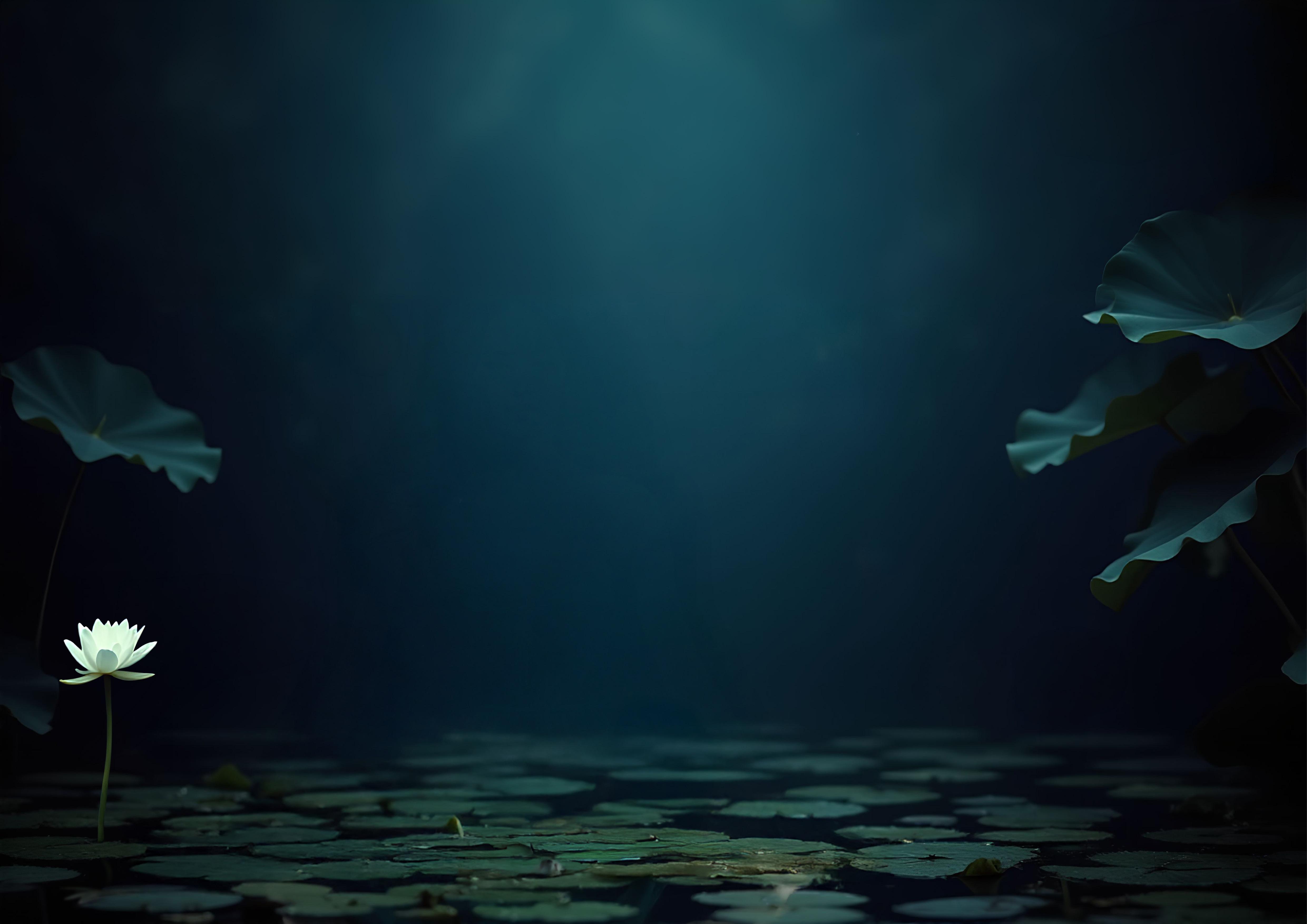
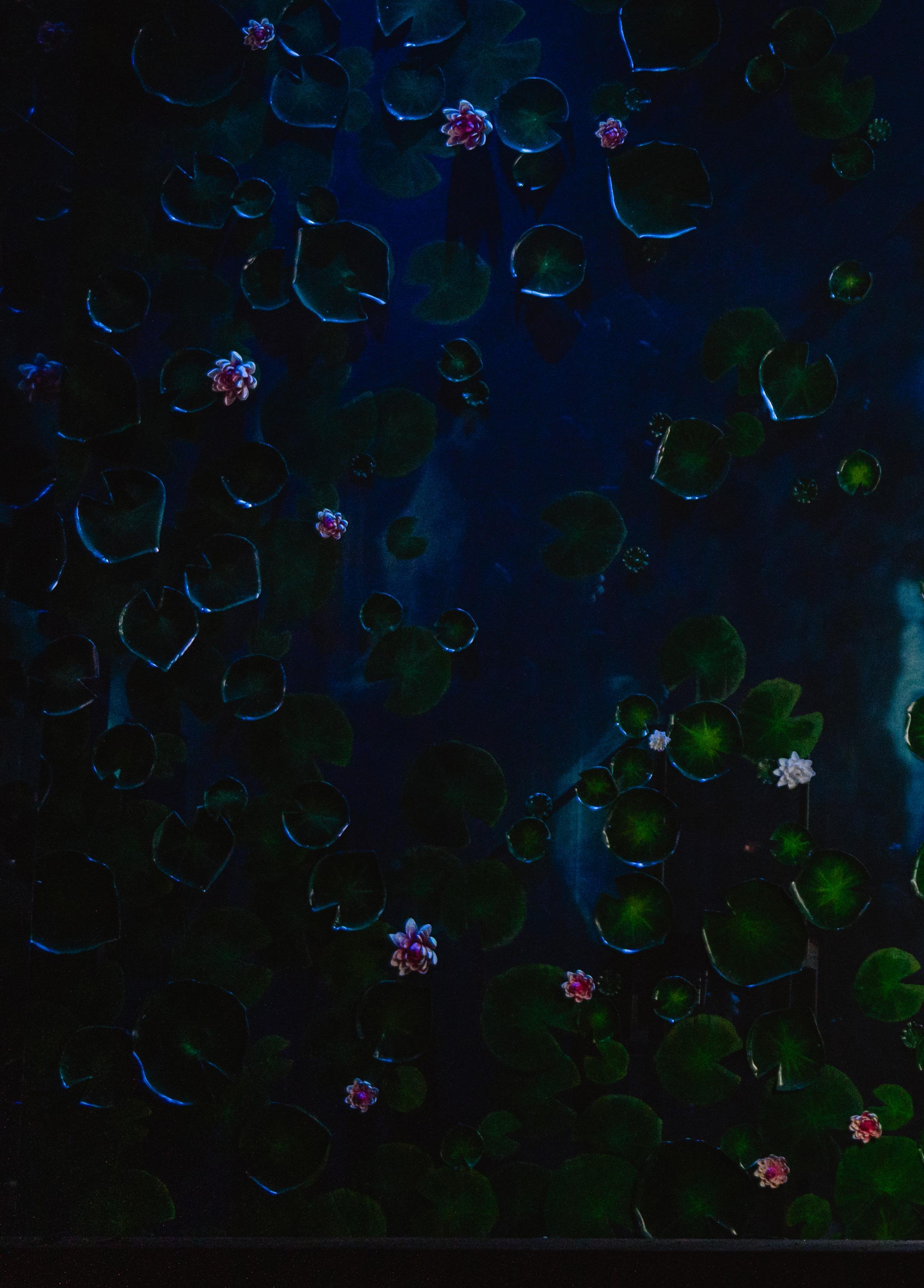
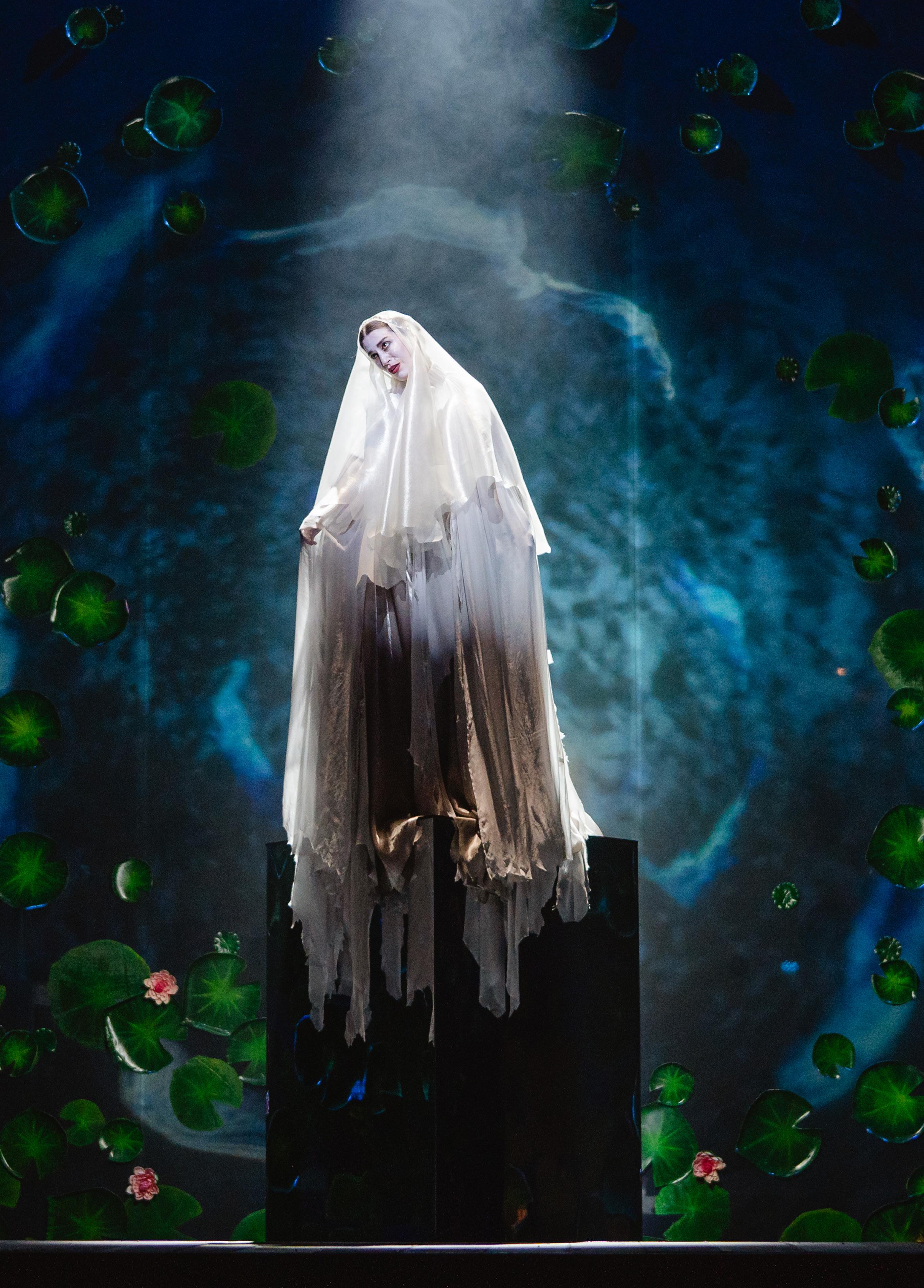
The human world draws on brutalist architecture, including Carlo Scarpa’s Brion Cemetery near Venice, which Davis describes as “brutalist 1970s concrete morphic shapes existing next to beautiful waterways lined with lily pads.” Water appears not literally, but through “mirrors, reflective surfaces, membranes and the idea of water without putting any water on the stage.”
Ježibaba’s supernatural realm offers something looser and more unstable: “a limbo space that exists extra dimensionally,” Davis says. For Mulder, it is a world with “fluidity of form, shape, colour, gender” and “ultimately no boundaries.”
Dvořák’s music has pushed the designers into bold territory. “We are transported by the music, and it lets the imagination run wild,” Mulder says. Davis adds that the score “cracks open the design possibilities”, even as the production sometimes works against its romance to reveal something more complex.
Davis says the journey will be “visually a kaleidoscopic” one, shifting rapidly between worlds that are bleak, beautiful, restrictive and magical. This Rusalka is not a nostalgic fairytale. It is a dark dream of transformation, longing and the price of becoming human.
SYNOPSIS
ACT 1
Rusalka, an unhappy water spirit, wants to leave her native waters. She has fallen in love with a Prince and she dreams of a life with him in the sunshine. She begs her father, the Water King, to free her from her watery home and to help make her human so she can live on land with him. Her confession devastates her father. He thinks humans are evil and full of sin, but he sees that Rusalka has made up her mind. He advises her to visit the enchantress of the forest, the wise Ježibaba. Rusalka confides in the moon and calls on the moon to help her.
Rusalka visits the wise enchantress of the forest, Ježibaba, who explains that once human, Rusalka will never be able to return to her native waters, and that should she fail to find love with the Prince she will be damned for eternity, trapped between the worlds. Ježibaba explains that it will not be easy to find this love, because no human will be able to hear a word Rusalka says. Rusalka is determined that she can find love despite having no voice. Ježibaba adds that should Rusalka fail to find and keep this love, her prince will also be damned for eternity. Rusalka agrees and Ježibaba turns her into a human.
The sound of horns heralds the breaking of dawn and the entrance of the Prince. He is in pursuit of a white doe but feels a mysterious attraction when he comes to the lake. Rusalka comes into sight. The Prince is enchanted and doesn’t know if she is human or a fairy tale. Rusalka is elated to meet her prince and they leave for his palace. By the lake, the water spirits mourn the loss of Rusalka.
ACT II
It is a week later. The palace is preparing a feast to celebrate the engagement of the Prince and Rusalka. Gossip builds among the servants and the guests, who are deeply suspicious of this foreigner Rusalka; they believe the Prince is still in love with an old flame, the Duchess, and that the relationship between the Prince and Rusalka is already falling apart.
The party is in full swing, but the Prince is distracted with Rusalka. The Duchess comes to reprimand the Prince for ignoring his guests. The Prince apologises and returns to the party with the Duchess, sending Rusalka to go get dressed for the party.
The formal ball is a disaster, and Rusalka runs outside, humiliated and devastated. She finds her father, the Water King, waiting for her. She explains that she cannot make it work with the Prince but her father insists she must try to fix it. Rusalka and the Water King hide as the Duchess and the Prince come outside.
The Duchess has doubts about the Prince changing his affections so quickly. The Prince tries to convince her that he wants to be only with her. Rusalka emerges from her hiding and confronts him. The Water King reveals himself to the humans and reprimands the Prince for betraying Rusalka. The Duchess is horrified to see the terrifying Water King and runs away. The Water King drags Rusalka back beneath the surface. The Prince, never having seen the Water King until now, faints from shock.
ACT III
Rusalka is condemned to wander forever as a will-o’-thewisp. As she longs for death, Ježibaba appears to note that only killing the Prince can redeem Rusalka from her curse. Rusalka refuses. Her sisters call to her from beneath the water, and Rusalka is left to accept her fate.
The wood sprites gather by the lake to sing and dance until The Water King appears, who begs them to stop and reminds them of Rusalka’s woes. The Prince, now crazed with remorse, staggers out of the forest thinking only of Rusalka. He calls on her to return. As Rusalka speaks to him for the first time from above the lake, he begs her forgiveness and for her to take his life. Rusalka warns him that if they touch, he will die. Accepting his destiny, the Prince asks for peace and dies as they embrace.
Rusalka’s final act of killing the Prince releases her from her eternal curse and she is freed to begin her new life.
Conductor
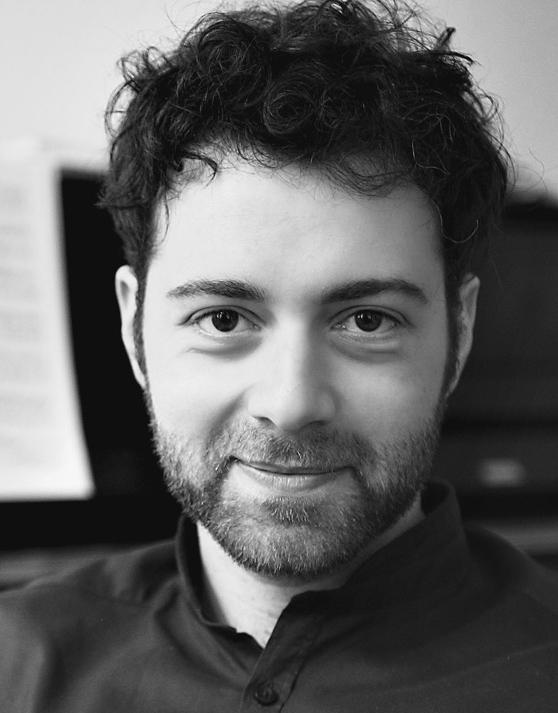
Vladimir Fanshil
Ukrainian born, Australian conductor Vladimir Fanshil completed his five years of study in St Petersburg. Vladimir’s outstanding communication and team-work skills made him a preferred assistant conductor, and for four years he was mentored by musical icon Iván Fischer.
His time assisting spanned the world’s most spectacular halls, top orchestras including the Berlin Philharmonic, Concertgebouw Orchestra and a vast range of repertoire, building his knowledge and experience. He became a well-loved part of the Budapest Festival Orchestra and Konzerthaus Orchester Berlin and performed later as a guest conductor with both ensembles.
Since then, Vladimir has established highly successful and ongoing relationships with prestigious orchestras in Europe including the Mariinsky Theatre (guest conductor until 2019), Bilkent Symphony Orchestra, and both the Odessa Philharmonic and Odessa Opera in his native city. In 2023, Vladimir enjoyed a 4-week residency with the Bilkent Symphony as well as appearances with Opera Australia. He has also conducted the Orchestre National d’Ile de France at the Paris Philharmonie, Konzerthaus Orchestra Berlin, The Luxembourg Philharmonic Orchestra, The National Forum of Music Wroclaw Philharmonic, Poland, both conducted and toured with the Budapest Festival Orchestra.
In 2019, Vladimir conducted a new production of Stravinsky’s Pulcinella and Apollon Musagète at the Rijeka State Opera and Ballet Theatre, Croatia, as well as large-scale choral and orchestral works in Romania (Cluj, Oradea and Târgu Mures). He was the artistic director and conductor of the successful Debut to Master concert series at the St. Petersburg Philharmonic from 2012-18.
Vladimir is also a published poet and continues to write poetry.
Director
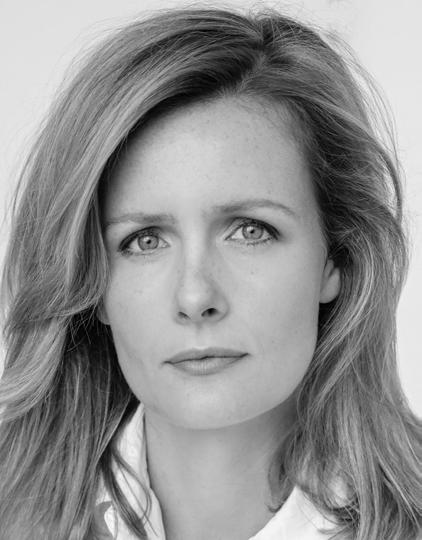
Sarah Giles
Sarah’s opera directing credits include Rusalka (The Opera Conference); La Traviata (Opera Queensland, State Opera South Australia, West Australian Opera and Opera Australia); Lorelei (Victorian Opera and Opera Queensland); and Pas à pas – Nulle part, Into the Little Hill and O Mensch! (Sydney Chamber Opera in association with Carriageworks and Sydney Festival).
Her theatre directing credits include The Importance of Being Earnest, No Pay? No Way!, Accidental Death of an Anarchist, Perplex, Mrs Warren’s Profession, Marriage Blanc, Money Shots and Ruby Moon (Sydney Theatre Company); A Very Jewish Christmas Carol, The Truth and Straight White Men (Melbourne Theatre Company); Blaque Showgirls and SS Metaphor (Malthouse Theatre); The Popular Mechanicals (State Theatre Company South Australia); and Kreutzer vs Kreutzer (Australian Chamber Orchestra).
Sarah was Resident Director at Sydney Theatre Company in 2013, Richard Wherrett Fellow at Sydney Theatre Company in 2011, and Affiliate Director at Griffin Theatre Company in 2009. In 2011, she won a Sydney Theatre Award for Best Direction for her production of The Ugly One at Griffin Theatre. Her 2018 production of Lorelei was nominated for both the Helpmann Award and the Green Room Award for Best Direction of an Opera. The production received five Green Room Award nominations overall, winning Best New Australian Work and Best Design. In 2025, Sarah received a Performing Arts WA Award for Outstanding Achievement by an Interstate Artist for her 2024 production of Rusalka.
Set Designer
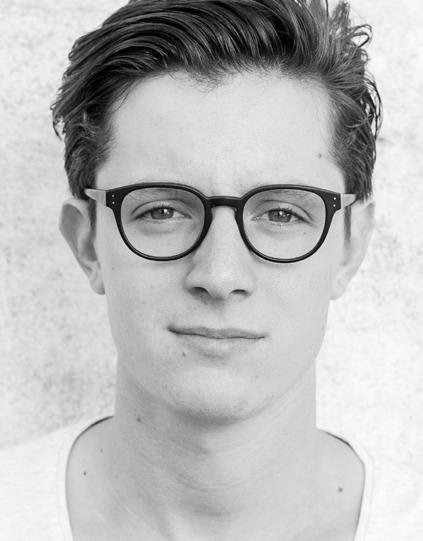
Charles Davis
Charles is an award-winning set and costume designer for theatre, opera, dance and film.
Charles’ designs for opera include: Rusalka (Opera Conference); La Bohème (West Australian Opera and Opera Queensland); La Traviata (Opera Queensland / West Australian Opera / State Opera South Australia); Médée, Artaserse, The Coronation of Poppea (Pinchgut Opera); Seven Deadly Sins & Mahagonny Songspiel set design (Red Line Productions); Breaking Glass, Biographica (Sydney Festival), Oh Mensch! costume design (Sydney Chamber Opera); Ned Kelly (Perth Festival/Lost and Found Opera); and Hansel and Gretel (Queensland Conservatorium Griffith University).
Charles’ other designs include: An Iliad, The Importance of Being Earnest set, Do Not Go Gentle, No Pay? No Way!, Rules for Living, The Real Thing (Sydney Theatre Company); Twelfth Night (Bell Shakespeare); Illume (Bangarra Dance Theatre); Elastic Hearts (Queensland Ballet); The Chronicles, Manifesto (Stephanie Lake Company); Circle Electric (The Australian Ballet); Art (Newtheatricals).
Charles won a Sydney Theatre Award for Best Stage Design of an Independent Production for Happy Days and was awarded the Mike Walsh Fellowship in 2018. He also received the Kristian Fredrikson Scholarship for Design in the Performing Arts for his outstanding design work.
Costume Designer
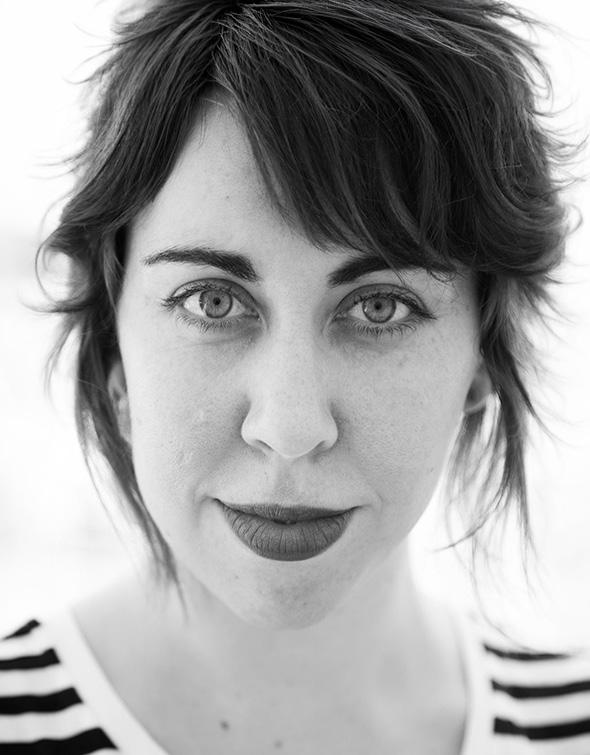
Renée Mulder
Renée is an award-winning set and costume designer. She was Design Director at Queensland Theatre 2020-2021, was a member of Queensland Theatre’s National Artistic Team 2016-2017 and Resident Designer at Sydney Theatre Company 2012-2014.
Design credits include: for the Opera Conference, Rusalka costume; for Sydney Theatre Company, Stolen, Julia, Grand Horizons, The Beauty Queen of Leenane, costume design for The Seagull, The Importance of Being Earnest, The Tenant of Wildfell Hall, Playing Beatie Bow; for Melbourne Theatre Company, Is God Is (with Sydney Theatre Company), Home I’m Darling, Arbus & West; for Griffin Theatre, Dogged, Superheroes, Prima Facie, Rice, The Bleeding Tree; for Bell Shakespeare, Romeo and Juliet; for Queensland Theatre Company, Round the Twist, Gaslight, Boy Swallows Universe, Return to the Dirt, Mouthpiece, Triple X (with Sydney Theatre Company), Nearer the Gods; for Brisbane Festival with QPAC, Love Stories; for La Boite Theatre, As You Like It, Ruben Guthrie, I Love You Bro
Renée has won four Sydney Theatre Awards: Best Stage Design of a Mainstage Production for Stolen and The Beauty Queen of Leenane, and Best Costume Design of a Mainstage Production for Stolen and Top Girls. Renée won a Matilda Award for Best Design for Edward Gant’s Amazing Feats of Loneliness She has also received a Helpmann Award nomination for Best Costume Design for Harp in the South
Lighting Designer
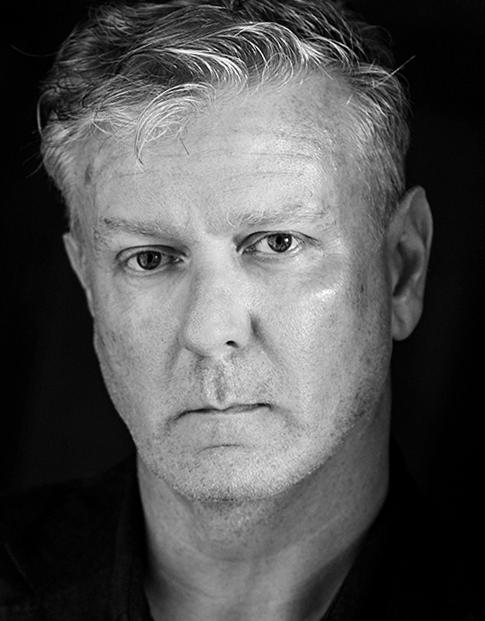
Paul Jackson
Paul Jackson APDG is a multi-awardwinning lighting and set designer, dramaturg and theatre maker whose practice encompasses theatre, opera, dance, music theatre, and live events. He is a graduate of the University of Melbourne and RMIT.
Paul’s lighting design credits for opera include: Rusalka (Opera Conference); La Traviata (Opera Australia, Opera Queensland / West Australian Opera / State Opera South Australia); Carmen, Breaking the Waves (Opera Australia); Happy End, Cassandra, Echo & Narcissus (Victorian Opera); Lorelei (Victorian Opera, Opera Queensland).
Other lighting design credits include: No Pay? No Way!, Oil, Do Not Go Gentle, Lifespan of a Fact, Death of a Salesman (Sydney Theatre Company); Sunday, Cyrano, Escaped Alone/What If If Only (Melbourne Theatre Company); Nosferatu, This Is Living (Malthouse Theatre).
Paul has won a Helpmann Award, two Sydney Theatre Awards, eight Green Room Awards (including two Body of Work awards), a Critics’ Award for Theatre in Scotland, and eight Australian Production Design Guild Awards. In addition, he has received over fifty nominations for design work from various State and National awards. Paul is accredited with the Australian Production Design Guild.
Video Designer & Content
Creator
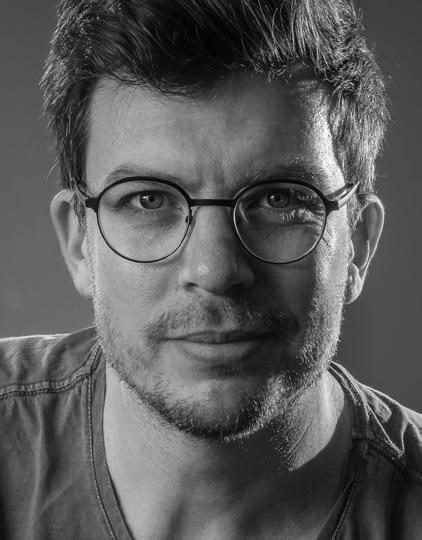
David Bergman
David is an award-winning composer, video and sound designer for theatre, dance, opera, installation and film.
David’s recent credits include video design for the groundbreaking productions of Strange Case of Dr Jekyll and Mr Hyde and The Picture of Dorian Gray for Sydney Theatre Company, for which he won a Sydney Theatre Award for Best Stage Design of a Mainstage Production (with Marg Horwell). David was also video designer for Sydney Chamber Opera’s Breaking Glass and Musica Viva’s national tour of A Winter’s Journey.
Other work for Sydney Theatre Company includes sound design for Playing Beatie Bow, video and sound design for A Cheery Soul and The Wharf Revue, and video design for Julius Caesar and Muriel’s Wedding: The Musical. For Griffin Theatre, David was sound designer for Green Park, winning a Sydney Theatre Award for Best Sound Design of a Mainstage Production, as well as composer and sound designer for Superheroes and composer, sound and video designer for First Love Is the Revolution, for which he received a Sydney Theatre Award nomination.
For Bell Shakespeare, David was sound designer for The Lovers. For Belvoir St Theatre, he was composer and sound designer for Scenes From the Climate Era, sound designer for Into the Woods, and video designer for Blue. David also designed video and sound for Soft Tread’s national tour of The Gospel According to Paul, including performances for State Theatre Company South Australia.
Other credits include composer, sound and video designer for Museum of Modern Love (Seymour Centre), sound and video designer for Merrily We Roll Along (Hayes Theatre Co), and video designer for Bangarra Dance Theatre’s SandSong
David is a National Institute of Dramatic Art graduate and now teaches at NIDA.
Associate Director
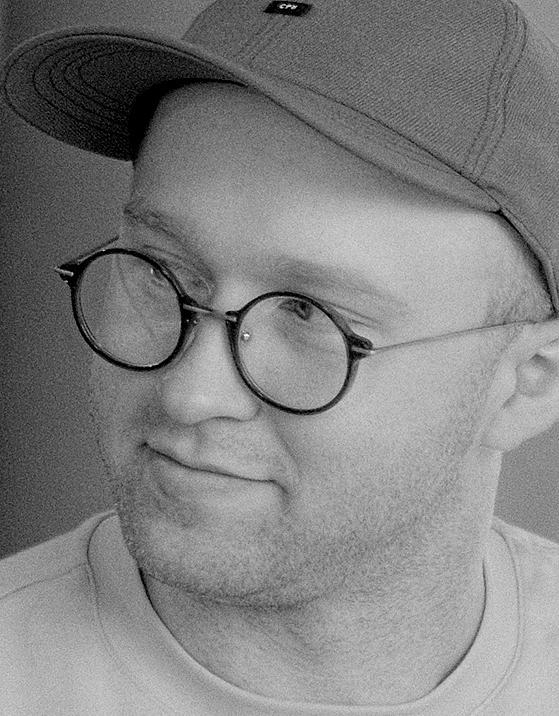
Eugene Lynch
Eugene Lynch, hailed as “a talent to watch” (Sydney Morning Herald), is a director of theatre and opera.
Eugene recently made his directorial debuts with Pinchgut Opera and Sydney Chamber Opera to critical acclaim. He was also a 2024–2025 Young Artist with Opera Queensland (OQ).
Recent projects include Maid Made Boss / La Serva Padrona (Pinchgut Opera), Pierrot Lunaire (Sydney Chamber Opera & Ensemble Offspring), IRL and The Pigeons (The Other Theatre / KXT on Broadway); The Hairy Ape (development) funded by Create NSW & Creative Australia; and In A Grove (workshop) by Chris Cerrone (OQ).
Eugene’s Assistant / Associate Director credits include to Neil Armfield on Platée and Julius Caesar (Pinchgut Opera); Hamlet (Opera Australia); A Midsummer Night’s Dream (Adelaide Festival); Stuart Maunder on Turn of the Screw and Voss (State Opera South Australia), Barrie Kosky’s The Golden Cockerel (Adelaide Festival); Patrick Nolan on Lucia di Lammermoor (OQ); Laura Hansford on La Cenerentola (OQ).
Eugene is the artistic director of The Other Theatre. For The Other Theatre, he has directed Graeme Koehne and Louis Nowra’s opera Love Burns, Morning to Midnight, IRL, The Pigeons, Purcell’s Dido & Aeneas, Shakespeare’s Richard II, Mike Barlett’s Cock (Sydney Mardi Gras Festival x Brand X) and the Australian premiere of Marius von Mayneburg’s The Dog, The Night and The Knife
Upcoming credits include: Coffee and a Dead Canary (Pinchgut Opera); as assistant / associate director: Semele (Pinchgut Opera, dir. Neil Armfield).
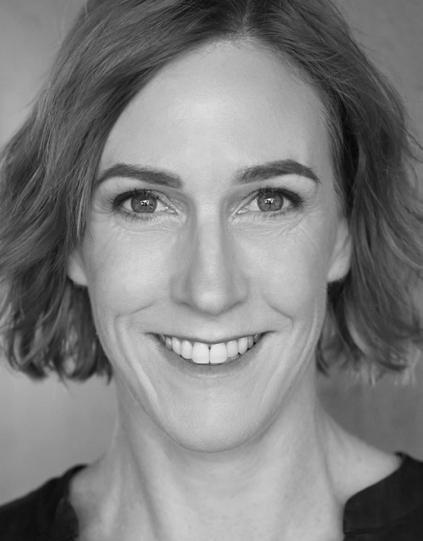
Movement & Intimacy Coordinator
Lyndall Grant
Lyndall Grant is a movement director, fight director and actor. She trained in acting at London’s ArtsEd School of Acting and specialised in dramatic combat and movement from 2007. She has been working with intimacy performance since 2023. Lyndall teaches at the Victorian College of the Arts, Western Australian Academy of Performing Arts and National Institute of Dramatic Arts Open.
Recent fight/movement credits include MJ: The Musical, The Picture of Dorian Gray (Michael Cassel Group); Beauty and the Beast (Disney Australia); Who’s Afraid of Virginia Woolf (Sydney Theatre Company / GWB Entertainment / Red Stitch Actors Theatre), Groundhog Day: The Musical, Sunset Boulevard, Death of a Salesman, An American in Paris (GWB Entertainment); 37 (Melbourne Theatre Company / Queensland Theatre Company); Is God Is (Melbourne Theatre Company / Sydney Theatre Company); Much Ado About Nothing, Destiny, The Almighty Sometimes, My Sister Jill (Melbourne Theatre Company); Troy, Nosferatu, Looking for Alibrandi, Atlantis, The Return, Because the Night and Cloudstreet (Malthouse Theatre); The Doll Trilogy, Blackout Songs (Red Stitch Actors’ Theatre); Il viaggio a Reims (Opera Australia); Lohengrin (Melbourne Opera).
As a performer, Lyndall was Movement Captain, Ensemble Member and principal cover in Harry Potter and the Cursed Child.
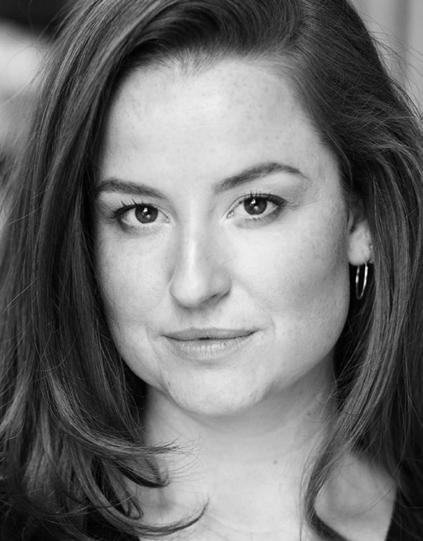
Assistant Director Emma Nightingale
Emma Nightingale is an opera director, singer, writer, and producer whose work is driven by a passion for storytelling, human connection, and creating joyful, collaborative rehearsal rooms. Working across mainstage opera, festivals, regional touring, and independent productions, she is particularly interested in making opera accessible to contemporary audiences through imaginative, character-driven storytelling.
Recent directing credits include All Together Now! and The Adventures of Figaro for Opera Queensland, The Magic Flute for Voxalis Opera, The Boor for Springboard Opera and The Telephone for Brisbane Festival. In 2026, she directs The Marriage of Figaro for the Tyalgum Music Festival.
Emma’s directing practice began through her work with Opera Queensland and Shake & Stir Theatre Co., where she served as Assistant Director on schools, regional touring, and mainstage productions including La Cenerentola, Are You Lonesome Tonight, The Adventures of Figaro, and Do We Need Another Hero? She continues to work regularly as an Assistant Director and creative collaborator while developing her own work as a director and producer.
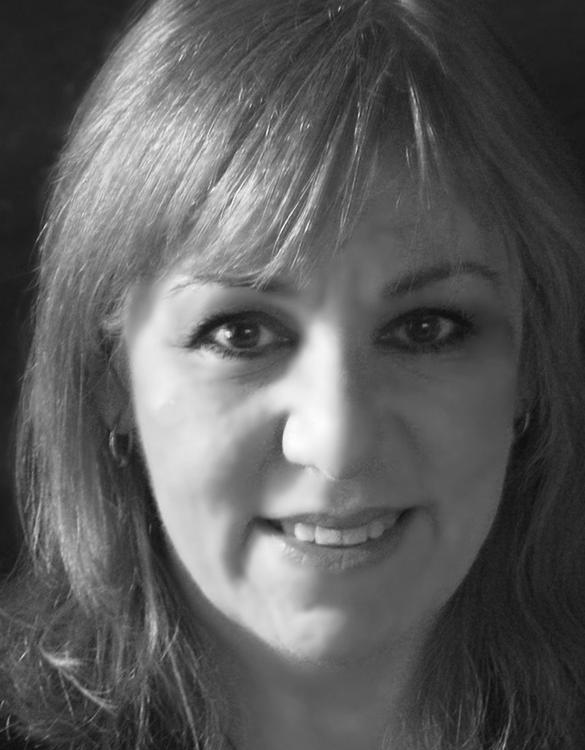
Chorus Master
Narelle French
One of Australia’s most respected and versatile pianists and musicians, Narelle French undertook studies at Sydney Conservatorium and Sydney University, and has been awarded the Dame Roma Mitchell Churchill Fellowship (2002) and Centenary Medal (2002).
Narelle was for many years a senior member of the music staff at Opera Australia, where she fulfilled a number of roles including Head of Music Staff, Guest Chorus Master and Children’s Chorus Master, harpsichord continuo, prompting (including Dame Joan Sutherland’s farewell season of Les Huguenots), overseeing musical preparation for conductors including Richard Bonynge, Dame Jane Glover, Richard Hickox, Johannes Fritzsch and Carlo Felice Cillario. She has worked with organisations including Queensland Symphony Orchestra, Brisbane Festival, Sydney Philharmonia Choirs, University of Tasmania, University of Queensland and Queensland Conservatorium Griffith University.
Since relocating to Queensland in 1999, Narelle’s roles at Opera Queensland have included Head of Music (2001-present), Director of Young Artist Program (1999-2008 and 2020-present) and Chorus Director (since 2013). Her roles have included conductor, pianist, arranger, librettist and translator, and she has co-created, performed and toured with productions, special events, concerts, education and workshop programs. As Chorus Master, she has led the Opera Queensland Chorus for over forty productions and concerts.
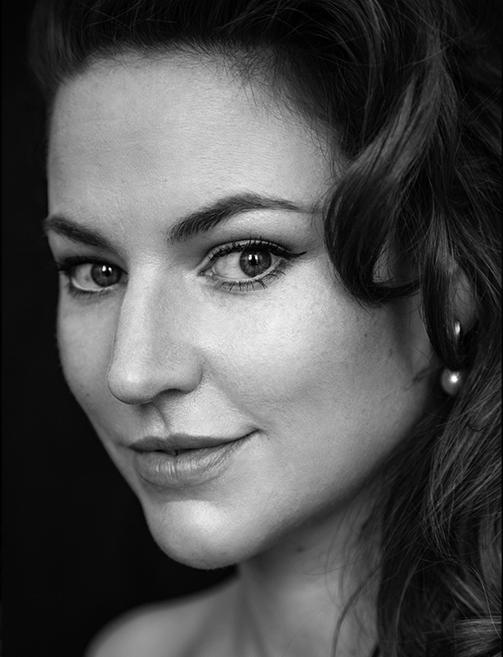
Rusalka Eleanor Lyons
Australian soprano Eleanor Lyons has established herself as a Beethoven and Mahler specialist, with extensive performances and recordings of their works central to her artistic profile. Admired for the breadth of her musicianship and expressive clarity in lyric-dramatic repertoire, Lyons studied at the Sydney Conservatorium of Music before continuing her training in Russia and the United Kingdom.
Eleanor’s operatic work includes her Semperoper Dresden debut as Leonore in Beethoven’s Fidelio, a role to which she returns in the Beethoven Year 2027, and appearances in Australia as Dvořák’s Rusalka and Tatyana in Tchaikovsky’s Eugene Onegin. Other roles include Anne Trulove in Stravinsky’s The Rake’s Progress and Mimì in Puccini’s La bohème at the Hungarian State Opera, Donna Anna in Mozart’s Don Giovanni for Opera Australia, and Mimì and Gretchen in a staged adaptation of Schumann’s Szenen aus Goethes Faust with Flemish Opera.
On the concert platform Lyons’ close association with Beethoven and Mahler is particularly prominent, alongside major vocal repertoire including Britten’s War Requiem, Verdi’s Messa da Requiem, Bruckner’s Te Deum and Brahms’ Ein deutsches Requiem. She has collaborated with orchestras including the Boston Symphony Orchestra, Budapest Festival Orchestra, Tonkünstler Orchestra, Radio Symphony Orchestra Wien, RundfunkSinfonieorchester Berlin, City of Birmingham Symphony Orchestra, Tokyo Metropolitan Symphony Orchestra, Vienna Symphony, Rotterdam Philharmonic and Concertgebouw Orchestra, and with conductors including Philippe Herreweghe, Andris Nelsons, Iván Fischer, Lahav Shani and Simone Young.
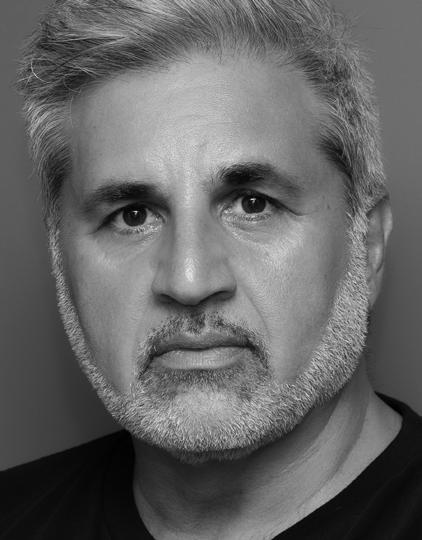
The Prince Rosario La Spina
Australian tenor Rosario La Spina is widely recognised for his powerful voice and affinity with the great Italian spinto and verismo repertoire.
A regular artist with Opera Australia, Rosario made his debut as Cavaradossi in Tosca and has since performed numerous leading Italian tenor roles for the company, including Radames (Aida), Alfredo (La traviata), Pinkerton (Madama Butterfly), The Duke (Rigoletto), Rodolfo (La bohème), Turiddu (Cavalleria rusticana), Calaf (Turandot), and Macduff (Macbeth). He has also sung Don José in Carmen, the title role in The Tales of Hoffmann and The Prince in both Prokofiev’s The Love for Three Oranges and Dvořák’s Rusalka. Most recently, he made his role debut as Siegmund in a new production of Die Walküre.
Rosario has frequently appeared with all of Australia’s major opera companies. For State Opera South Australia, he has sung Cavaradossi, Don Alvaro (La forza del destino), Turiddu, Canio (Pagliacci) and Rodolfo; for West Australian Opera his roles have included Manrico (Il trovatore), Maurizio (Adriana Lecouvreur), Alfredo and The Duke. He has performed The Duke and Macduff for Opera Queensland, Pollione (Norma) and Canio for Victorian Opera, and starred as Erik (Der fliegende Holländer) and Samson (Samson et Dalila) with Melbourne Opera.
Rosario’s discography includes Classical Spectacular with the Melbourne Symphony and Puccini Romance with the Queensland Symphony (both released on ABC Classics). In 2026, he sings Pollione for State Opera South Australia, and returns to Opera Australia to reprise his celebrated portrayal of Calaf in a new production of Turandot.
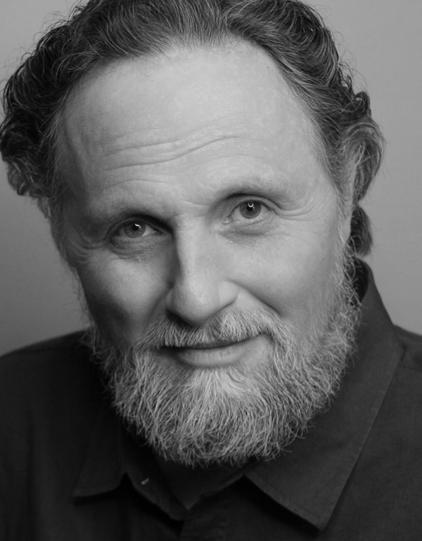
Vodník, The Water King Warwick Fyfe
Helpmann Award-winning Australian baritone Warwick Fyfe is widely acclaimed for his powerful stage presence and vocal versatility across a diverse repertoire.
Renowned for his Wagnerian roles, Warwick has sung the title role in Der fliegende Holländer, Alberich (Der Ring des Nibelungen), Klingsor (Parsifal) and Beckmesser (Die Meistersinger von Nürnberg) for Opera Australia; Wotan (Der Ring des Nibelungen) and Hans Sachs (Die Meistersinger von Nürnberg) for Melbourne Opera; and Alberich in Das Rheingold with the Japan Philharmonic and Tianjin Symphony Orchestras.
Across his broader repertoire, Warwick has performed Vodník (Rusalka), Scarpia (Tosca), Amonasro (Aida), Bartolo (Il barbiere di Siviglia), Leporello (Don Giovanni), and the title roles in Falstaff and Rigoletto with Opera Australia. He has also sung Vodník and Ferrando (Il trovatore) with West Australian Opera, Athanaël (Thaïs) and Amonasro for Finnish National Opera, Bartolo for Victorian Opera, Pizarro (Fidelio) in Melbourne and Perth, and Bottom (A Midsummer Night’s Dream) in Adelaide.
On the concert platform, Warwick has appeared with the Sydney, Melbourne, Queensland, West Australian, Adelaide and Tasmanian Symphony Orchestras, the Auckland Philharmonia, Sydney Philharmonia and the Royal Melbourne Philharmonic.
In 2026, Warwick sings Sharpless (Madama Butterfly) for Opera Australia, Verdi’s Requiem with the Canberra Symphony, and Alberich (Götterdämmerung) with the Sydney Symphony Orchestra.
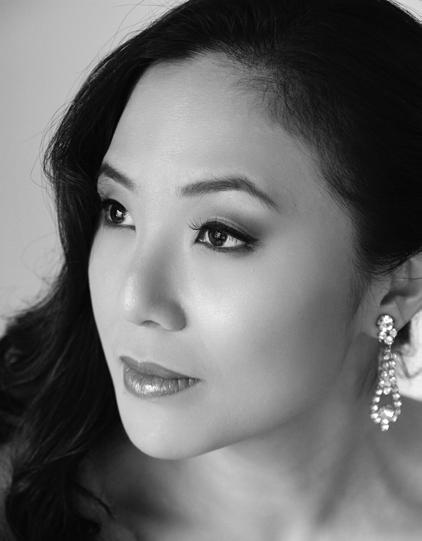
The Duchess
Eva Kong
Australian/Korean soprano Eva Kong has appeared in leading roles throughout Australia. For Opera Australia, she has sung the title role in Madama Butterfly, Donna Anna (Don Giovanni), Gilda (Rigoletto), Laura (Luisa Miller), Princess Linetta (The Love for Three Oranges), and Giannetta (L’elisir d’amore). Her portrayal of Laura earned her a Green Room Award. Additional appearances for the company include Liù (Turandot) and High Priestess (Aida) for Handa Opera on Sydney Harbour, Madama Mao (The Nixon Tapes), and Flowermaiden and Esquire (Parsifal).
Born in South Korea, Eva made her debut as Violetta (La traviata) in Seoul and later sang the title role in Manon with Korea National Opera. Now based in Brisbane, she has appeared regularly with Opera Queensland in roles such as Donna Anna, the Countess (Le nozze di Figaro), and Kumudha (A Flowering Tree). Eva received a Green Room Award for Best Female in a Supporting Role for her commanding performance as Madame Mao in Nixon in China with Victorian Opera. Other notable roles include Pamina (The Magic Flute), Gretel (Hansel and Gretel), and Amina (La sonnambula) for Pacific Opera, and La Charmeuse (Thaïs) in concert with the Melbourne Symphony Orchestra (MSO).
On the concert platform, Eva has taken the soprano solos in Carmina Burana (MSO) and Iris dévoilée (Sydney Symphony Orchestra), as well as in Verdi’s Requiem, Mozart’s Great Mass in C Minor, Saint-Saëns’ Requiem, and Britten’s War Requiem.
Recently, Eva performed as a Principal Soloist in Verdi’s Messa da Requiem with Queensland Ballet.
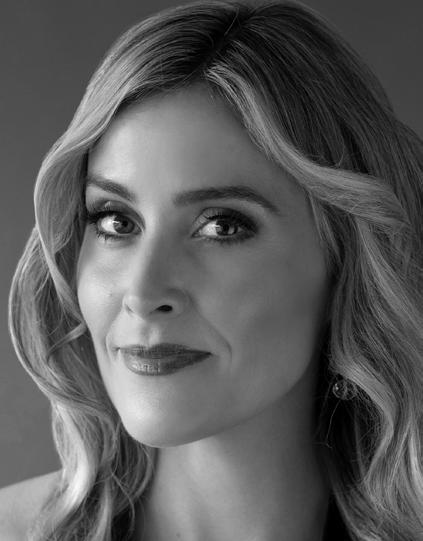
Ježibaba
Ashlyn Tymms
Mezzo-soprano Ashlyn Tymms has established herself as one of Australia’s most exciting young artists, recently winning the top prize at the 2025 Opera Awards.
She made her Opera Australia mainstage debut as Dorothée in Cinderella and returned in 2025 to sing Ježibaba in Rusalka. Ashlyn has a particularly strong association with West Australian Opera, where her many appearances include the title role in Carmen, Ježibaba, Dorabella in Così fan tutte, Dido in Dido and Aeneas, Santuzza in Cavalleria rusticana, Hänsel in Hänsel und Gretel, Flora in La traviata, Emilia in Otello, and Lapák and Pásková in The Cunning Little Vixen. In 2026, she sings Olga in Eugene Onegin with West Australian Opera.
Ashlyn is a passionate advocate of contemporary music, performing the Stewardess in Jonathan Dove’s Flight for State Opera South Australia, Judith in the world premiere of The Two Sisters with Tête à Tête Opera in the UK, and Fanny Price in Dove’s Mansfield Park for New Zealand Opera.
As a concert soloist, Ashlyn is a frequent guest with the major Australian state orchestras in repertoire such as Beethoven’s Symphony No. 9, Mahler’s Symphonies No. 8 and No. 3, Mozart’s Requiem, Verdi’s Requiem, Bach’s St John Passion, and Handel’s Messiah. She will make her debuts with the Sydney and New Zealand Symphony Orchestras in 2026.
A graduate of the Royal College of Music in London, Ashlyn was awarded the Outstanding Australian Musician prize by the Royal Over-Seas League.
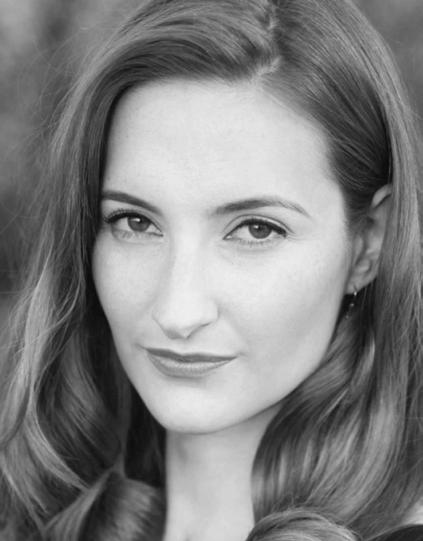
First Wood Sprite
Maia Andrews
Maia Andrews is an award-winning soprano hailing from Sydney. She recently starred as Mimì in Puccini’s La Bohème as part of Opera Australia’s 2024 National Tour, performing in over 20 theatres across New South Wales, Victoria and Tasmania, drawing widespread praise from audiences and critics alike.
Operatic roles of note include Pamina at Oper Oder Spree, Gretel with the Jenaer Philharmonie and Anne Frank at Theatre Altenburg Gera. During her tenure at Theatre Altenburg Gera, Maia also performed in numerous opera galas, including Freistatt schöner Geister, Die ganze Welt ist Himmelblau and KriminalTango, showcasing her versatility with excerpts ranging from Verdi to Weber, which were recorded and broadcast by Mitteldeutscher Rundfunk to great acclaim.
Maia is a graduate of Thüringer Opernstudio, holds a Master of Opera degree from the Hochschule für Musik Franz Liszt Weimar, a Graduate Diploma in Music (Opera Performance) from the Sydney Conservatorium of Music, and a Bachelor of Music/Arts from the University of New South Wales.
In 2022, Maia had success with Pinchgut Opera’s production of Charpentier’s Médée, where she appeared as Une Italienne at Sydney’s City Recital Hall. An alumna of the Opera Queensland Young Artist Program, Maia performed in Sunset Opera (2023), understudied the role of Fiordiligi in Patrick Nolan’s celebrated production of Mozart’s Così fan tutte (2023), and made her Brisbane Bel Canto debut in Rossini’s Petite Messe Solennelle (2026).
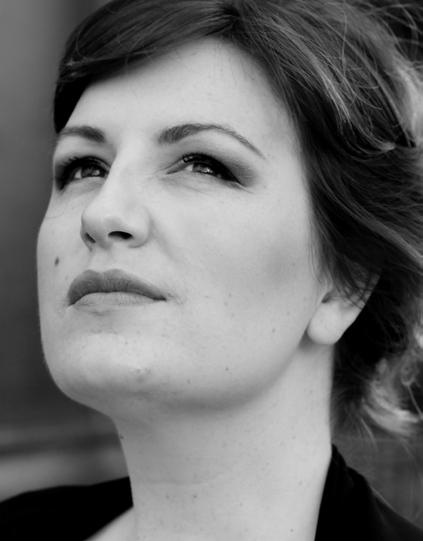
Second Wood Sprite
Eleanor Greenwood
Versatile Australian soprano Eleanor Greenwood has performed across Australia, the United Kingdom, Europe, and China. In 2024, she made her debut as Floria Tosca in Germany, and in 2025 debuted as Turandot in London, later reprising the role. She also performed the roles of Senta and Gerhilde in a Richard Wagner Operngala at the Markgräfliches Opernhaus in Bayreuth.
In Australia, Eleanor sang in the Bendigo Ring Cycle, performing as Sieglinde (Die Walküre), Dritte Norn (Götterdämmerung), and Ortlinde (Die Walküre), while also covering the role of Freia (Das Rheingold). She was nominated for a Green Room Award in 2024 for her portrayal of Elisabetta in Donizetti’s Maria Stuarda with Melbourne Opera.
In Queensland, Eleanor performed in Opera Queensland’s The Sopranos with the Queensland Symphony Orchestra, singing as Leonore (Fidelio) and Abigaille (Nabucco). She also sang the soprano solo in Verdi’s Requiem at the Queensland Performing Arts Centre and appeared in various concerts, including the renowned Festival of Outback Opera, where she performed alongside soprano Sumi Jo.
Winner of the 2023/24 YMF Australia Opera Award, Eleanor was the YMF Australia British School at Rome Scholar in 2025. She is a graduate of the Royal Academy of Music Opera School (London) and the Australian National University School of Music (Canberra).
Recent highlights include the honour of performing on the historic Alte Oper Frankfurt stage in concert with the Thüringen Philharmonie GothaEisenach and acclaimed tenor Martin Muehle.
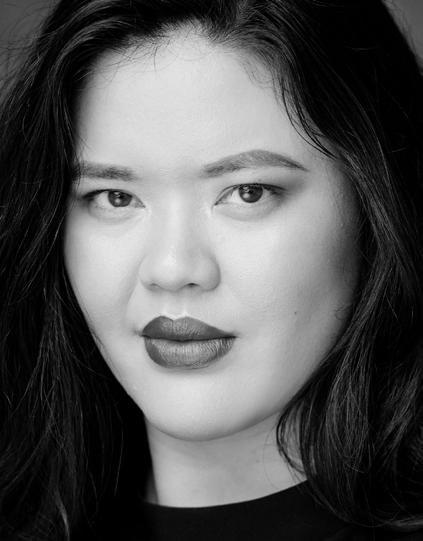
Third Wood Sprite Shikara Ringdahl
Chinese-Australian mezzo-soprano Shikara Ringdahl is a graduate of the Queensland Conservatorium Griffith University (QCGU) and holds a Bachelor of Music. She made her professional debut with the Sydney Symphony Orchestra singing Elgar’s Sea Pictures Op. 37 under the baton of Benjamin Northey and was the first vocalist invited by the SSO to tour with the orchestra in their 80 years of regional touring.
Shikara was a Young Artist with Opera Queensland (OQ) in 2023/2024 and has previously been a resident Young Artist with the Israeli Opera’s Meitar Opera Studio. For OQ, Shikara has appeared in the statewide tour of Do We Need Another Hero?, Festival of Outback Opera, as Second Witch in Dido and Aeneas and as Second Apparition in Macbeth. She has also performed with the OQ chorus in Macbeth, Così fan tutte, Aida, Dido and Aeneas and Eucalyptus
Shikara’s other opera credits include Der Komponist in Strauss’ Ariadne auf Naxos conducted by Simone Young AM, Larina in Tchaikovsky’s Eugene Onegin conducted by Richard Hetherington, and Mrs Herring in Britten’s Albert Herring, directed by Bruce Beresford for QCGU and Brisbane Festival.
Shikara has been a finalist in the IFAC Handa Australian Singing Competition, New Zealand Aria Competition, Sydney Eisteddfod Opera Scholarship, and the recipient of scholarships and grants from the Lisa Gasteen National Opera School and Arts Queensland.
She has recently completed the Young Artist Program at Opera Australia and continues to pursue a Bachelor of Laws (Honours) at Queensland University of Technology.
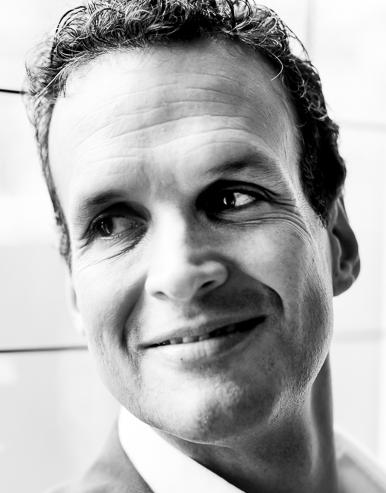
The Hunter Carlos Bárcenas
Born in Cali, Colombia, Carlos studied marine biology before having singing lessons with Gustavo A. Marquez. He then moved to Melbourne, Australia where his opera career blossomed. He holds a Bachelor of Music Performance and a Master of Music (Opera Performance) at University of Melbourne where he was awarded the Keith G. Chapman Memorial Scholarship.
In Australia he has worked with Victorian Opera, Victorian Opera Gilbert and Sullivan Society, Melbourne Lyric Opera, Opera Australia, Australian Ballet, Melbourne Symphony Orchestra and Short Black Opera. He has also worked in Italy, Germany, and Colombia.
His roles have included Marco (The Gondoliers), Alexander (Il re pastore, Mozart), Michael (Pecan Summer, Cheetham), Tony (Master Class by Terrence McNally 2018), Steuermann (Der fliegende Holländer), Edgardo and Normanno (Lucia di Lammermoor), Sir Bruno (I puritani), Flavio (Norma), The Pied Piper (The Pied Piper), Saint Chavez (Four Saints in Three Acts), Maese Pedro (Master Peter’s Puppet Show), Prince April (Sleeping Beauty), Witch (Hansel and Gretel), Prince Charming (Cendrillon), Arnoldo (Guillaume Tell), Elvino (La sonnambula), Tebaldo (I Capuleti e i Montecchi) and Nadir (The Pearl Fishers). Carlos received a Green Room award for his performance of Steuermann in Der fliegende Holländer
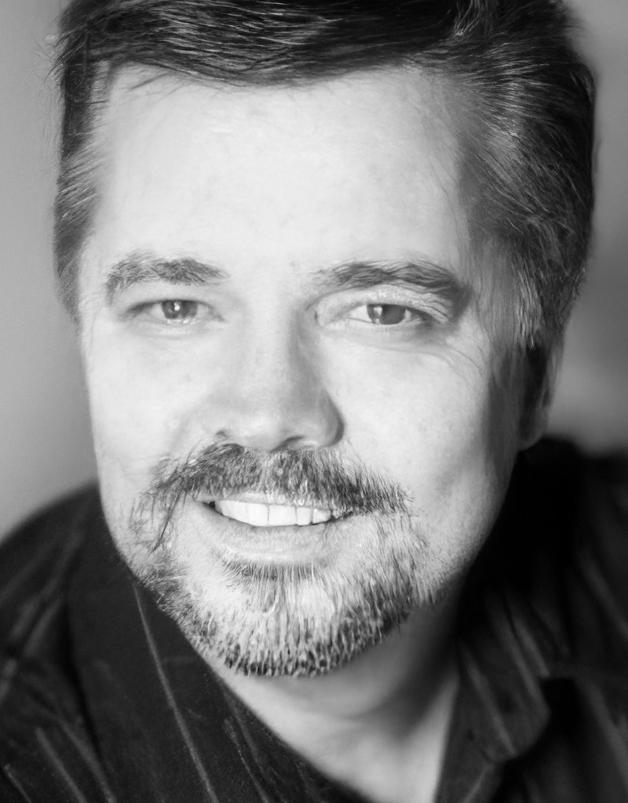
The Gamekeeper
Shaun Brown
Australian baritone Shaun Brown has performed and studied in England, Germany, France, Italy and the US, where he completed a Doctor of Musical Arts at the University of North Texas.
A former Opera Queensland (OQ) Young Artist, Shaun’s engagements with the company span more than three decades, appearing in over fifty productions, in addition to numerous concerts, festival events, workshops and masterclasses. He is known to Queensland audiences for his roles in Don Giovanni, The Merry Widow, Die Fledermaus, Così fan tutte, Carmen, The Marriage of Figaro, La bohème, The Barber of Seville and Ruddigore, or The Witch’s Curse!. In 2021, he performed A Poet’s Love, a recital with Sarah Crane and Alex Raineri as part of OQ’s Studio Series in partnership with Brisbane Music Festival. Most recently, he performed in OQ’s new productions of La traviata and Così fan tutte, as well as appearances in the inaugural Bel Canto Festival, Opera at Jimbour and the 2024 Festival of Outback Opera.
Internationally, Shaun has sung for Opéra de Lyon, New Zealand International Arts Festival, Freiburg Opera, L’Atelier du Rhin, and in New York at the Center for Contemporary Opera. He has performed to critical acclaim as a concert soloist in repertoire including Britten’s War Requiem, Fauré and Duruflé’s Requiem, Handel’s Messiah, Bach’s St Matthew Passion and Mendelssohn’s Elijah.
Recently he was the bass soloist in Queensland Symphony Orchestra’s much lauded performance of Bach’s Weihnachtsoratorium. Shaun also holds the position of Director of Performance at The University of Queensland, School of Music.
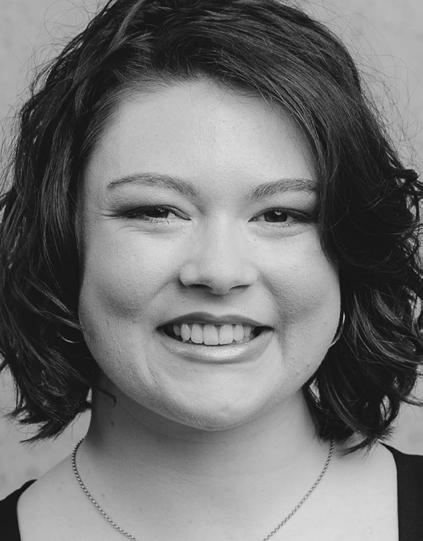
The Kitchen-hand Aylish Ryan
Mezzo-soprano and 2026 Melba Opera Trust Artist, Aylish Ryan, completed a Bachelor of Music degree at the Queensland Conservatorium Griffith University (QCGU), graduating with distinction in 2024. She was an artist in the Lisa Gasteen National Opera Program in 2023 and 2024, and in 2025 she joined the Opera Queensland Young Artist Program.
That year Aylish also travelled to Italy to take part in the Andrea Bocelli Foundation Masterclass di Alto Perfezionamento in Canto Lirico (Advanced Operatic Singing). Recent role highlights have included Orfeo (Gluck) in both Val Machin Opera Scenes: Orpheus! and Underworld: A Journey to Hell and Back, directed by Michael Gow and conducted by Johannes Fritzsch. She has also sung the role of Leila in Iolanthe, working with director Stuart Maunder (QCGU), and again in the Lisa Gasteen National Opera Program’s Opera Scenes, conducted by Felice Venanzoni.
In 2024 Aylish sang Ruth in The Pirates of Penzance (Kirkman and Scott Productions) and the Mistress of the Novices in Puccini’s Suor Angelica, working with director Lindy Hume and Johannes Fritzsch (QCGU).
Aylish was the recipient of the Opera Australia Regional Vocal Scholarship. In 2019, during her studies at the Queensland Conservatorium, she received the Professor Emeritus Jan Delpratt AM Prize in Classical Voice, Victoria Chalmers Education Award, Elizabeth Muir Memorial Award and Sir Mostyn Hanger Opera Prize.
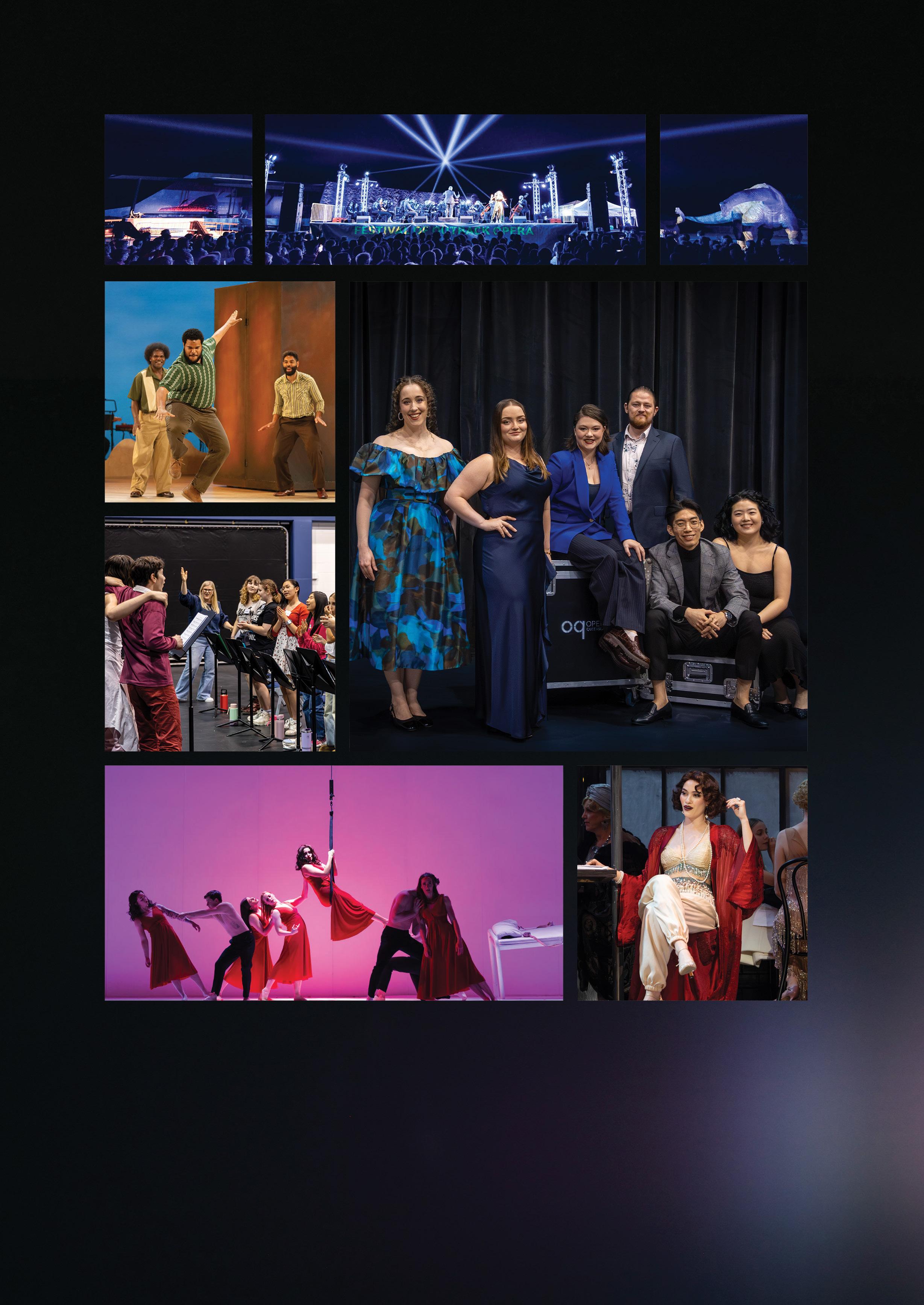
OPERA QUEENSLAND CHORUS
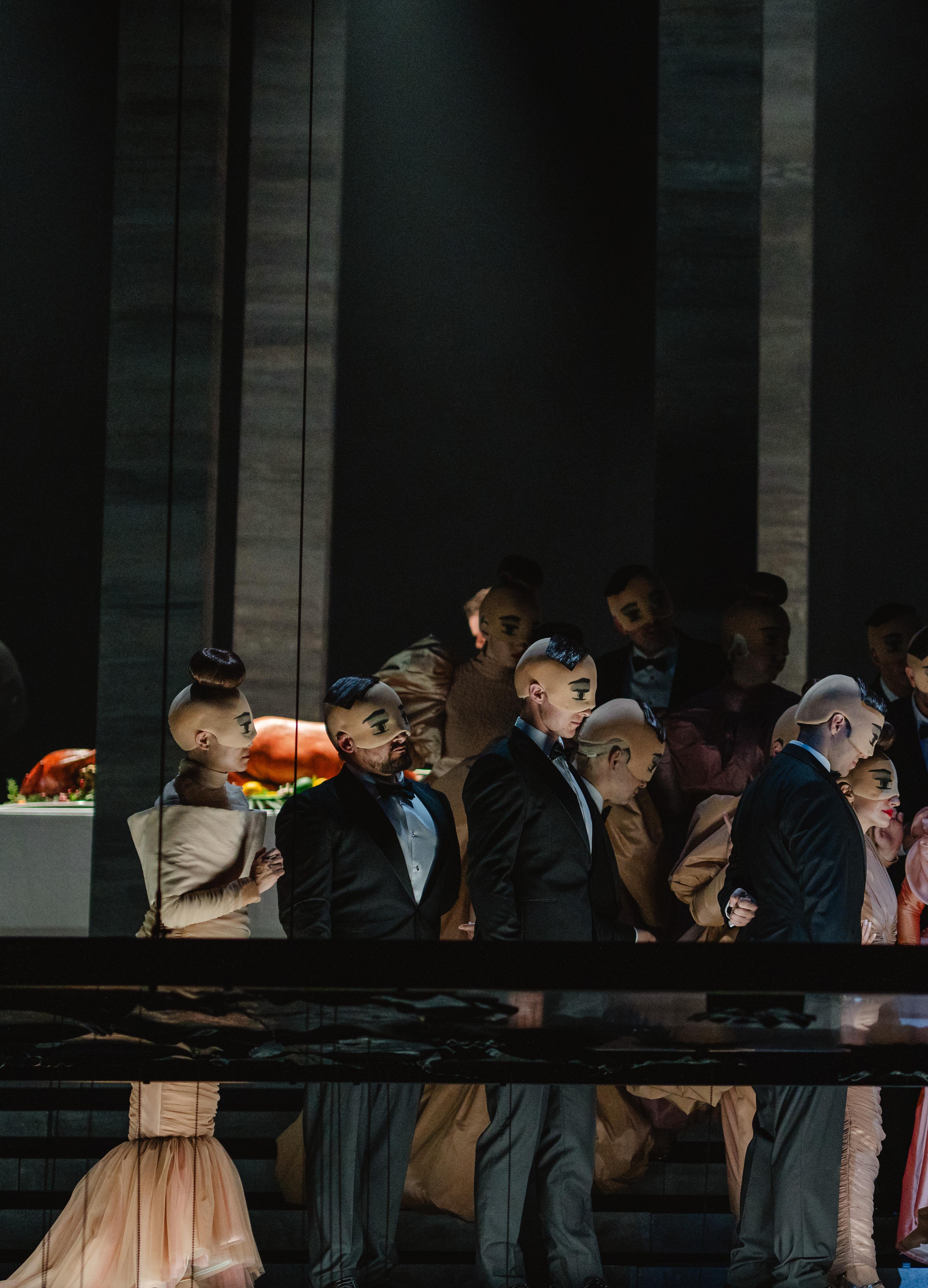
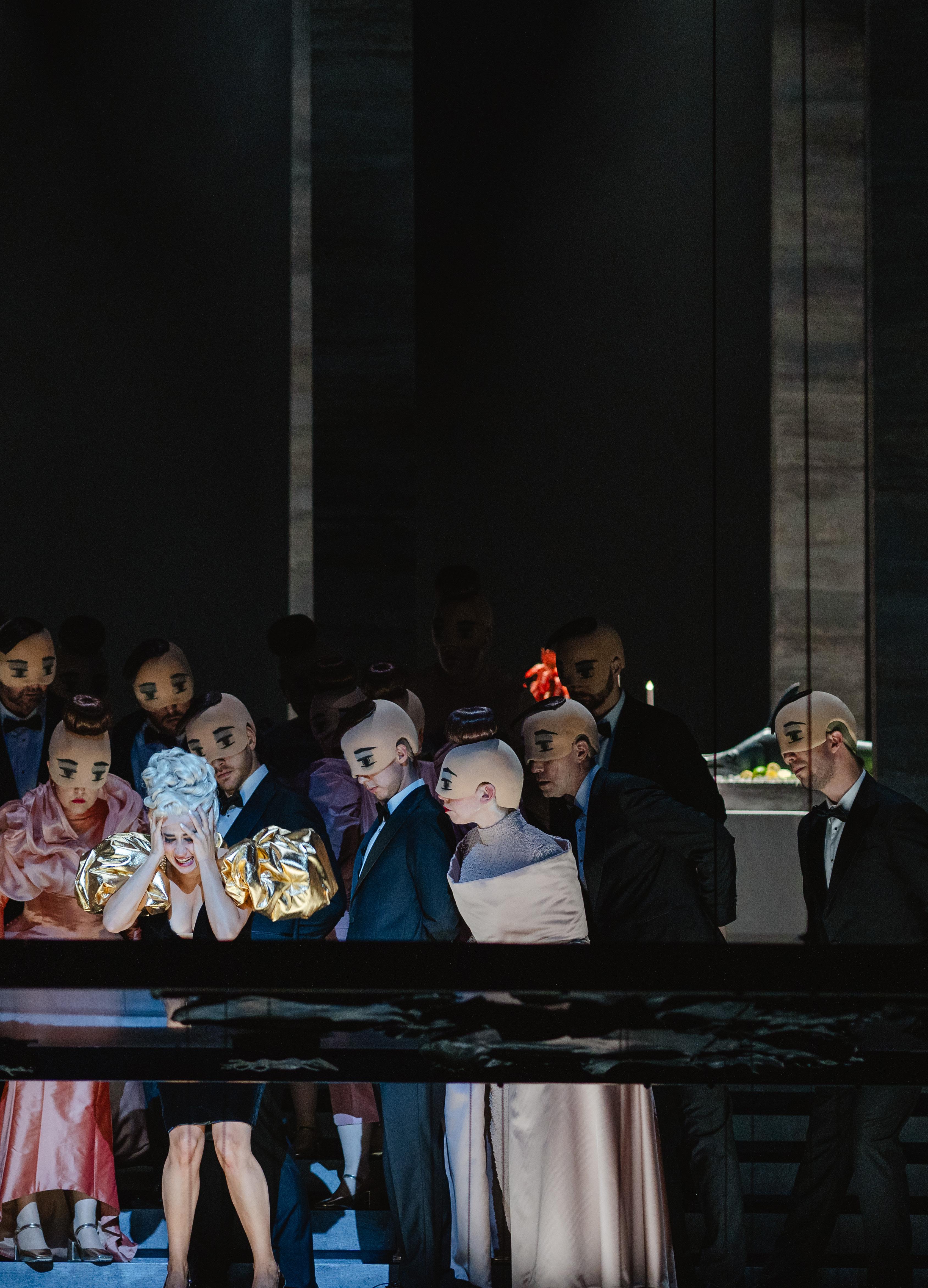
Photo: West Beach Studio
OUR DONORS
LEGACY DONORS
The Estate of Lois Schultz & June Wheeler, the Estate of Marie Jameson
ARTISTIC DIRECTOR’S CIRCLE
Emeritus Prof Ian Frazer AC & Mrs Caroline Frazer, Prof Frank Gannon & Mrs Mary Gannon, Mr David Gow & Dr Kirsten Gow, Mr Hien Le, Emeritus Prof Andrew Lister & Ms Kate Lister, Emeritus Prof David Siddle & Emeritus Prof Christa Critchley, Dr Susan Urquhart† & Dr Philip Aitken†
FOUNDATION DONORS $15,000 AND ABOVE
Dr Philip Aitken† & Dr Susan Urquhart†, Mr Philip Bacon AO, Emeritus Prof Peter Coaldrake AO, Mr Tim Fairfax AC & Mrs Gina Fairfax AC, Tim Fairfax Family Foundation, Frazer Family Foundation, Hall-Brown Family Foundation, Mather Foundation, Mr Douglas Murphy KC & Mrs Geraldine Murphy, Ms Marion Pender, Emeritus Prof David Siddle & Emeritus Prof Christa Critchley, Anonymous 1
PLATINUM DONORS $10,000+
Dr Mark Walker, The Warda Family
GOLD DONORS $5,000+
The Hon Justice Thomas Bradley§ & Dr Matthew Yoong, Miss Adele Dickman, Dr John Gough & Ms Ann Page, Mrs Andrea Kriewaldt & Mr Martin Kriewaldt, Mr Lee Nevison§ & Mrs Mary Louise North, Dr Ken Piaggio & Ms Jane-Frances O’Regan, The Siganto Foundation, Anonymous 1
SILVER DONORS $1,000+
Dr Richard Baer, Mr Damian Bartholomew§, Dr John Bashford & Ms Deborah Sinnott, Ms Jeneth Boughen, Emeritus Prof Catherin Bull AM & Emeritus Prof Dennis Gibson AO, Ms Anne Cross AM, Mr Robert Cumming§, Mr Gordon Cumming-Harris, Mr Will Fellowes & Dr Michael McLaughlin†, Mr Russell Fortescue, Prof Frank Gannon & Mrs Mary Gannon, Dr Ruth Gough & Prof Ian Gough AM, Dr Pamela Greet, Mr Michael Harvey, Ms Valmay Hill & Mr Russell Mitchell, Dr Annette Kortlucke† & Dr Peter Kortlucke† , Prof Andrew Lister & Ms Kate Lister, Mrs Gay Lohse, Dr Ranjeny Loneragan,The Hon Margaret McMurdo AC§, Ms Katie McNamara, Mr Richard Mills AO, Mr Louis & Mrs Diana Peterson, Mr Dean Mole & Ms Helen Spencer, Mr Patrick Nolan, Mr James Pisko, Dr Sally Pitkin AO, Dr John Quinn† & Mrs Deborah Quinn, Dr Jonathan Ramsay, Mr William Rivers, Geoff Ross Endowment – Australian Philanthropic Service Foundation, Mr Richard Seville, Mr Allen Smith & Mrs Mitzi Smith, Mr Adam Tucker, Anonymous 2
BRONZE DONORS $500+
Mr Vincent Andrijich, Mr Geoffrey Beames, Dr Paul Bertsch & Mrs Lynn Bertsch, Ms Sue Boyce, Mr Daniel Crump, Emeritus Prof Robert Gilbert, Mr Ainslie Just, Mr John Leak, Ms Lyn Parsons, Mr Robert Sanderson, Ms Judith Sneyd, Dr Phillip & Ms Marisa Vecchio AM, Anonymous 4
EDUCATION GIVING CIRCLE
Dr John Bashford and Ms Deborah Sinnott, Mr Ian Briggs & Mrs Leonie Briggs, Mr Cameron Charlton & Ms Louise Charlton, Mr David Gow & Dr Kirsten Gow, Dr David Looke & Dr Kate Looke, Mr Peter & Mrs Nicole Thompson
†The Medical Chapter
§ The Legal Chapter
The information in this document is current as of 10/06/2026.

OPERA QUEENSLAND’S STUDIO SERIES
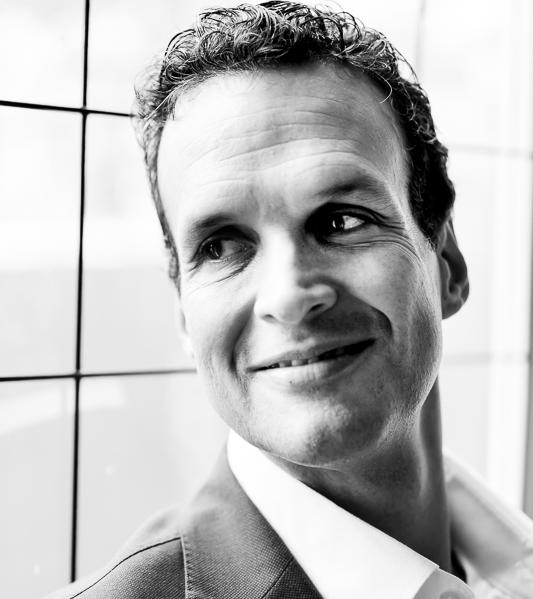
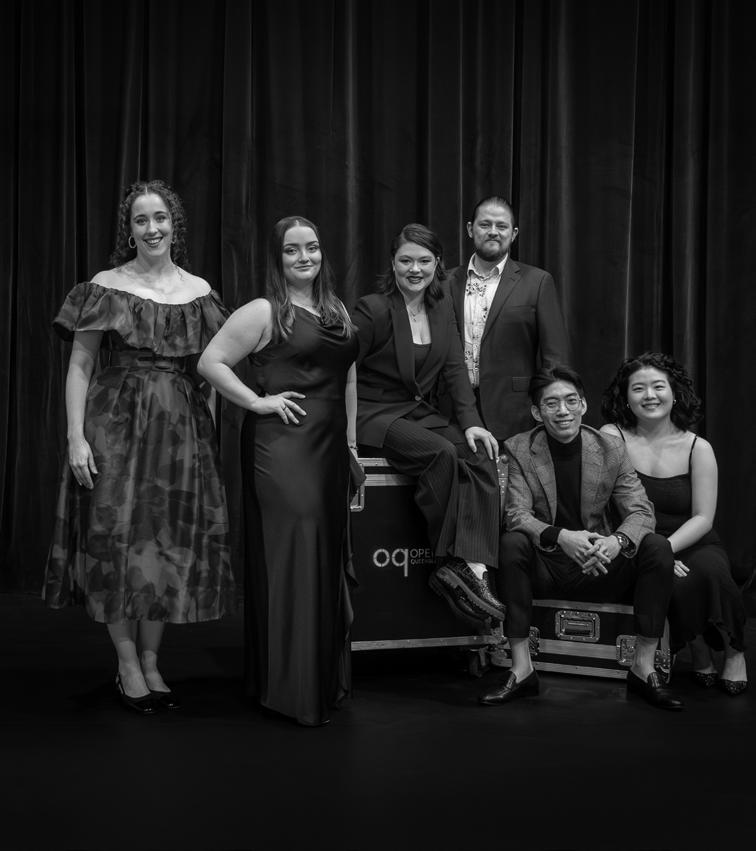
CARLOS BÁRCENAS & JOHN WOODS
ALMA LATINA!
THU 16 JUL 7PM
Redland Performing Arts Centre
FRI 17 JUL 7PM
SAT 18 JUL 2PM
Opera Queensland Studio
ALEXANDRA FLOOD WITH JONATHAN HENDERSON & VATCHE JAMBAZIAN
THERE’S NOTHING LIKE A DAME
THU 20 AUG 7PM
Redland Performing Arts Centre
FRI 21 AUG 7PM
SAT 22 AUG 2PM
Opera Queensland Studio
YOUNG ARTIST PROGRAM SHOWCASE
VIVA LA VOCE
THU 10 SEP 7PM
Redland Performing Arts Centre
FRI 11 SEP 7PM
SAT 12 SEP 2PM
Opera Queensland Studio
11 – 21 NOV 2026
GLASSHOUSE THEATRE, QPAC
Originally
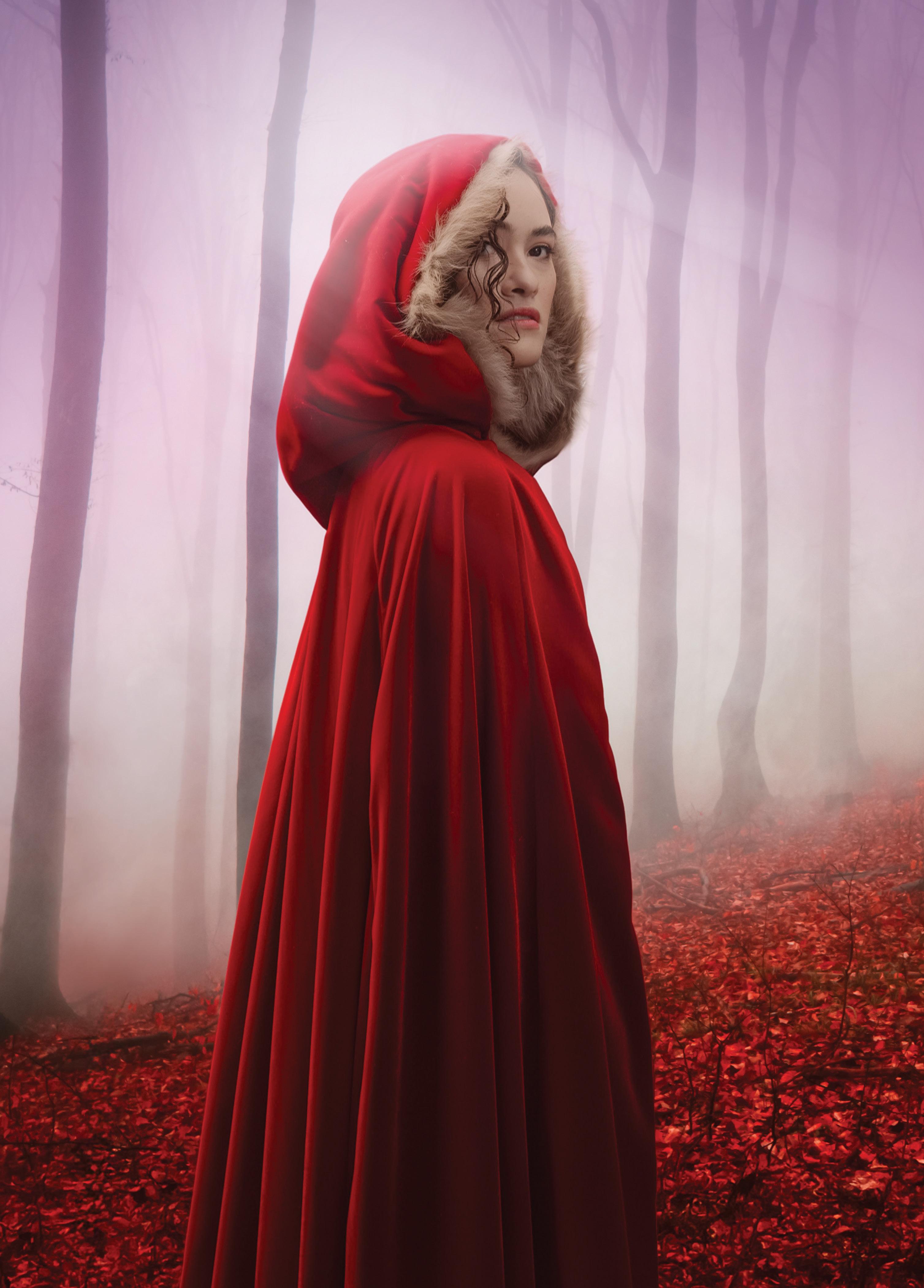
Music and Lyrics by STEPHEN SONDHEIM
Book by JAMES LAPINE
Directed on Broadway by James Lapine Orchestrations by Jonathan Tunick
Licensed exclusively by Music Theatre International (Australasia)






OUR PARTNERS
Opera Queensland is proud to partner with leading organisations who are committed to enriching lives through this wonderful artform. Each of our partnerships is unique and meaningful. We deliver a tailored suite of exclusive benefits with the intention to exceed expectations.
If you would like to join us, please phone 07 3735 3030 or email development@oq.com.au
GOVERNMENT PARTNERS


PHILANTHROPY PARTNERS
PRINCIPAL PARTNER
MAJOR PARTNERS


SUPPORTING PARTNERS
PERFORMANCE PARTNERS





ORCHESTRA PARTNER
MEDIA PARTNER

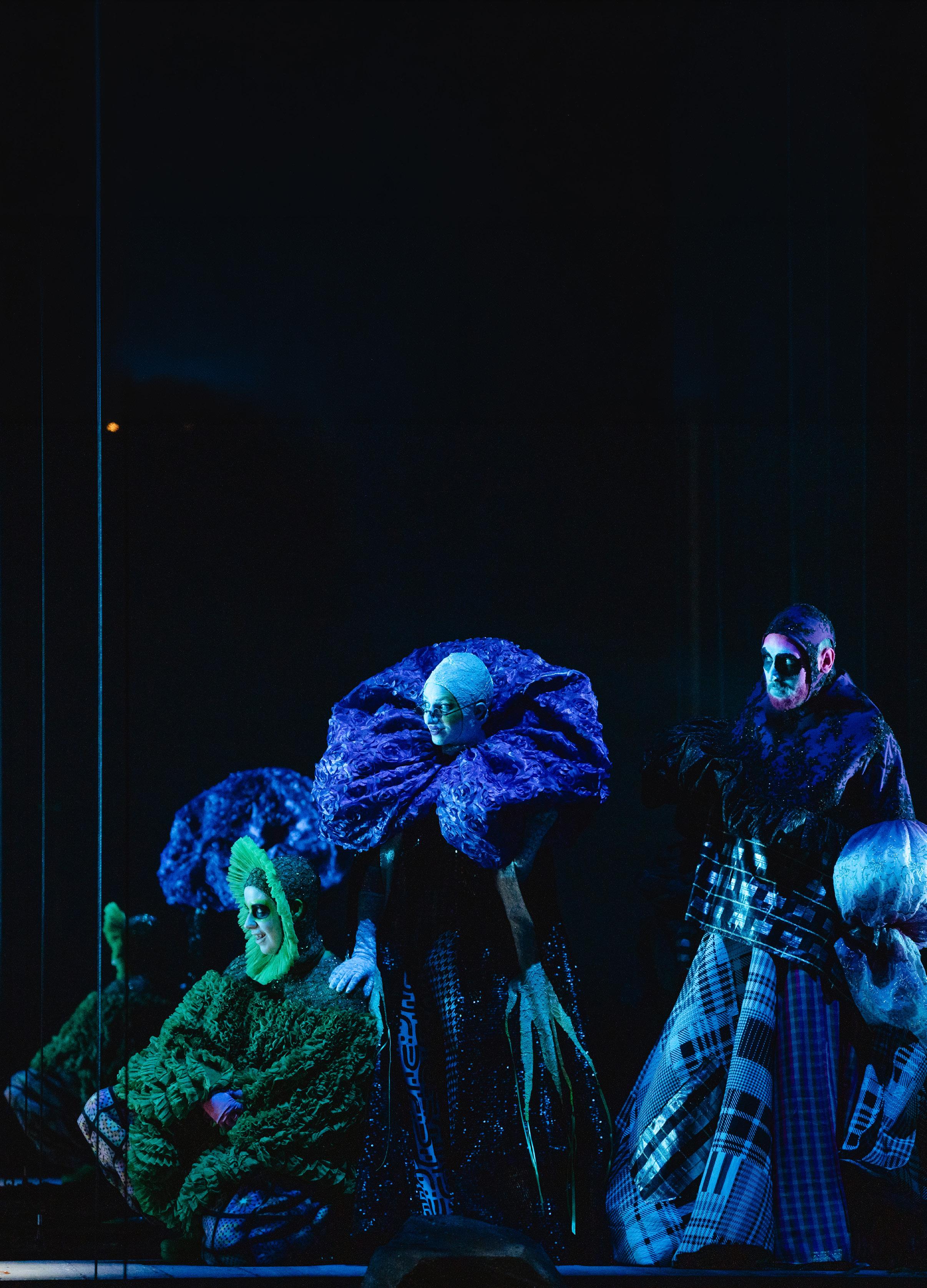
Photo: West Beach Studio