1 NO. 03 | NOVEMBER 2022
of the Guard The Opera in schools p. 5 L’enfant et les sortilèges p. 10 The
Iron Man p. 14
THE EXCLUSIVE WEBZINE FOR ALL DONORS OF THE OPÉRA DE MONTRÉAL
Changing
Opera’s
INTERMISSION
TICKETS STARTING AT $35 MARCH 18 TO 26, 2023 BUY YOUR TICKETS NOW! GOLIJOV / HWANG PROGRAMMING PARTNERS
When Children Meet the Queen of the Night
BY THIERRY PRIEUR, PRESCHOOL TEACHER AT ÉCOLE NOTRE-DAME-DES-NEIGES
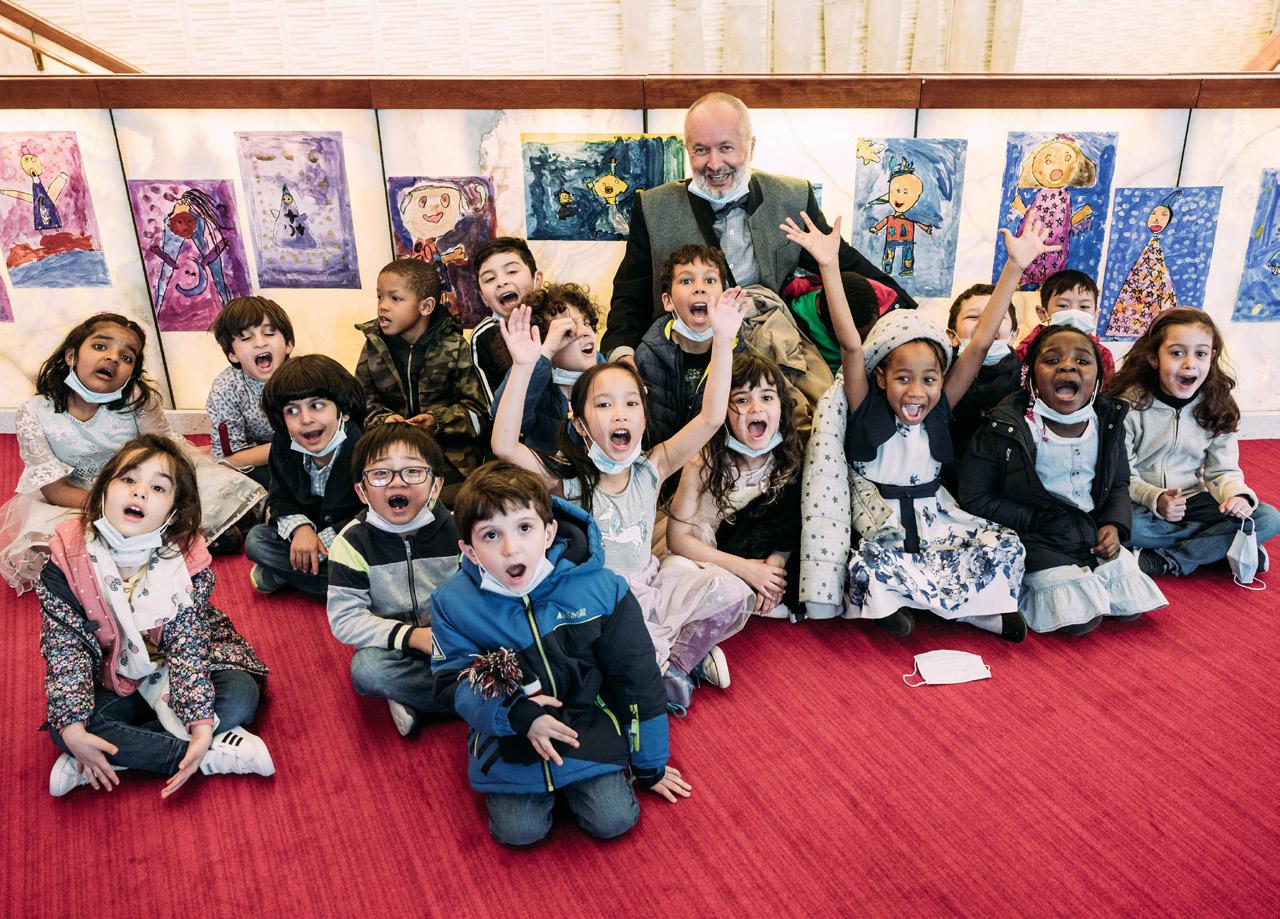
There is something even more wonderful than watching The Magic Flute at Salle Wilfrid-Pelletier. And that is being able to see the reactions of five-year-olds in a concert hall. Despite how young they are, they are captivated, filled with wonder, and even bewitched.
Of course, they’d been well prepared. For several months, we had talked at school about the opera, and had broken down the plot to help them understand the story and enter Mozart’s world. During the show, that hard work paid off: as soon as the Queen of the Night came onstage, you could see it in their eyes, their heads and their bodies: something was happening that was absolutely magical.
What is also magical is how the Opéra de Montréal helps educators like me when it comes to developing cultural initiatives within our curricula. Each year, I contact them to propose a project focused on one of the works being presented that season. And, each time, their response is as quick as it is enthusiastic.
In 2021–2022, for example, in addition to welcoming us to a dress rehearsal, the Opéra de Montréal offered us an exhibition space where we could dis play drawings done by our students. In parallel, we also produced a short film , in which students performed excerpts from The Magic Flute, largely in the form of shadow theatre. Sets, costumes, narration, sound effects: they did it all. In fact, while creating the film, they learned the sorts of things that everyone should learn at school — cooperation, language, fine motor skills — but in unique and different ways.
As I often tell colleagues who may be hesitant to bring opera into the classroom, children readily embrace all forms of art and beauty They have no preconceptions, no resistance. The only limits they really have are those of the adults around them.
To all the of the generous donors to the Opéra de Montréal, many thanks. Thank you for making opera more accessible to all audiences, including children. A quest for beauty is what we need most in today’s world. And that quest may even be what ultimately saves us all.

Trained pianist Thierry Prieur is a preschool teacher, as well as a lecturer and author. Mindful of the importance of arts and culture to education, he has developed a pedagogical approach that became the subject of his book Il faut cultiver notre jardin d’enfants [Expanding Our Approach to Preschool Education] (Chenelière Éducation).
The documentary short La Flûte enchantée starring Prieur’s students can be seen at: youtu.be/2L28mnOuepE
3
Table of Content
Education and the Opéra de Montréal: Making a Splash in the Classroom
Credits
Writing: Véronique Gauthier, Antoine Gervais, Thierry Prieur, François Ulrich
Translation: Sheila Senghal (Artistic Licence) Graphic Design: Le trafiquant d’images
Photography: Brent Calis, Marianne Charland, Anne-Louise Despatie, Anna Eli, Yves Renaud, Tam Lan Truong
Cover page: Thierry Prieur, surrounded by preschool student-artists featured in an exhibition inspired by The Magic Flute
4
5
Karim Talaat: Raised on Art ................................................................................................................................................................. 8 L’enfant et les sortilèges 10 Countdown: The National Auditions Experience ....................................................................................................... 12
.......................................................................................................................................................................................................... 20
Claude Grenier: The Opera’s Iron Man 14 Une île de passions — Update on the Yourcenar Production .................................................................. 16 Donor Spotlight 18 Photo gallery
Calendar 22 Quiz 23
Education and the Opéra de Montréal: Making a Splash in the Classroom
The scene takes place in an elementary school in Montréal. In the library, a sevenyear-old sits down at the computer and, prompted by an interactive platform, begins to create an opera. The melody, the lyrics and the action all come together, inspired by the child’s own ideas — turning the child into composer, librettist, conductor and artistic director, all rolled into one. Despite knowing nothing about music theory or the rules of opera, within a few sessions, the child will be able to develop a one-of-a-kind minute-long opera: an opera of which they can be proud.
Truth or fiction? “Truth,” says Pierre Vachon, Director of Social Action and Education at the Opéra de Montréal. “For several years now, thanks to the support of our donors, we have been expanding the number of school projects designed to introduce young Quebecers to opera.”
During the pandemic, the Opera develo ped ever-more ingenious ways of ensuring that the majority of these initiatives could continue. “There was no question that COVID-19 was depriving children of an ac tivity they adored — an activity that also contributes to their cognitive, social and emotional development,” says Vachon. Distance coaching, video recordings, re hearsals in-between lockdowns — the Opera pulled out all the stops to continue helping students escape a difficult reality through a song, or through a workshop.
Bringing Opera into Every School in the Province
When the school bell sounded again this past August and it was time to head back into the classroom, the entire Opéra de Montréal team was ready. On the menu this year, no fewer than four major school projects, including Carrefours d’apprentissages [Learning Crossroads] — the project described at the beginning of this article. Developed in association with Quebec’s Ministry of Education and the Centre de services scolaire de Montréal, these digital tools allow children to explore the world of opera and to create their own one-minute works. In 2022, they will also benefit from a new feature on the history of opera in Québec, with contributions from the Bibliothèque et Archives nationales du Québec.
5
CoOpéra (2022)
CoOpéra (2022)
Our dream is to give children across the province the chance — at least once in their lives — to have some form of interaction with opera. Firstly, because it is a unique and memorable experience. Secondly, because it is an extraordinary teaching tool that contributes to scholastic success.
– Pierre Vachon
Children Thrive, Teachers Thrilled
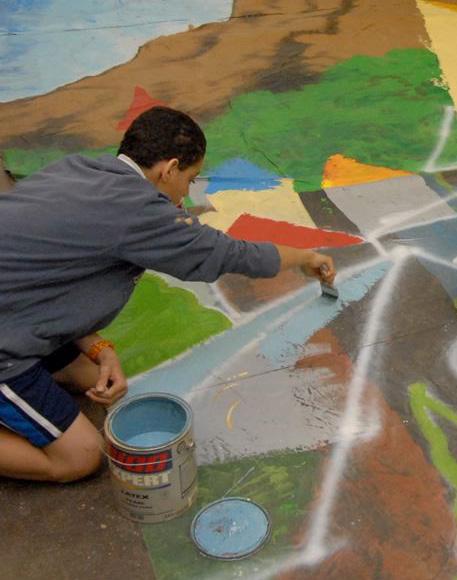
All it takes to become convinced of the value of opera to students is attending a CoOpéra workshop — a project that has been bringing the Opéra de Montréal to Grade 5 and 6 students for the past 18 years. Working together around the musical show they’re producing, youngsters expand their ability to learn, cooperate and build confidence. Each year, teachers have also noted the program’s positive impact in lower rates of absenteeism and dropping out.
The impact of music on education is backed up by science. “Musical activities enhance learning, because they stimulate different parts of the brain,” says Jonathan Bolduc, Professor of Musical Education at Université Laval, and current Canadian Research Chair in Music and Learning. “These types of pro grams encourage, among other things, learning, memory, attention, organized thought, and an ability to control behaviour and emotions.” What more could anyone want?
Although opera’s impact is well known, some teachers remain hesitant about bringing Carmen or Nabucco into their classrooms. We certainly can’t force them. Opera has long been considered an elitist art form and integrating it into a school curriculum can sometimes feel compli cated. However, this overlooks the fact that the Opéra de Montréal has develo ped out of the box programs, with ap propriate teaching aids and, especially, teaching artists trained to work with teachers and students.

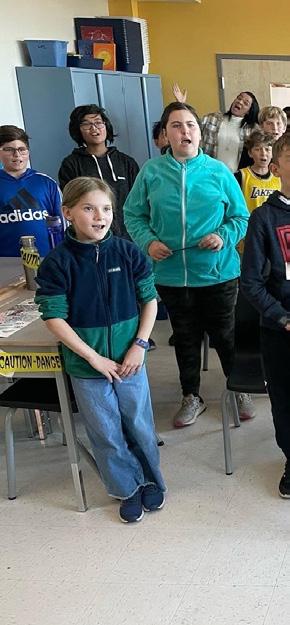
This year, no fewer than eight singers trained by the Opéra de Montréal will travel to Québec schools to help teachers take advantage of the educational bene fits of opera.
La cabane à culture / Écoles en réseau (2022)
It’s a major investment, in both time and money, but it’s also key in helping the Opera sprinkle a little of its magic on school desks, the blackboard… and report cards!
Today’s Children are Tomorrow’s Audiences
London, Paris, Sydney, Houston — every opera in the world faces the same challenges: renewing its audiences and attracting new fans At a time when social media can grab a person’s attention with 30-second videos, it’s harder to accommodate the cultural habits of younger generations with shows that can stretch into more than three hours. Unless, of course, you have sensitized them to it from an early age.
More than two thirds of the people who come to the Opéra de Montréal were introduced to opera by their families when they were little. That tells you the importance of education when it comes to appreciating La Traviata or Madama Butterfly. “By being onsite in schools, we — along with the visual and theatre arts — are ensuring that young Que becers are aware that opera exists,” says Pierre Vachon.
6
“
“
(2022)
“We want them to be happy to have had this experience as audiences — but also as creators, so that, ultimately, they will incorporate opera into their leisure pursuits when they are older.”
Every study on the topic backs him up. Children are naturally receptive to new forms of music. The ideal time to shape their future musical tastes is when they are eight to ten years old. It is a Golden Age of sorts — a time to begin their musical education and expose them to a variety of genres.
It is clear, when it comes to the close ties between the Opéra de Montréal and the edu cational milieu, that everybody wins. The Opera, by sowing the seeds of opera appreciation into the hearts of thousands of students. Teachers, who can take advantage of pedagogical support aligned with their educational goals. Children, who develop essential abilities through contact with the works and the artists. And of course, donors, who can see that their gifts to the arts are also supporting the well-being and the success of young Quebecers.
Opéra de Montréal School Projects for 2022–2023
Les Carrefours d’apprentissage (elementary schools): Digital platforms that help youngsters become familiar with opera, while also producing a minutelong opera of their own. Often described as “Libraries of the 21st Century,” these experiences make opera accessible to all schools, even in remote areas. A pilot project was carried out in two schools in 2021–2022, and the goal for this year is to expand it to ten venues.
Une École montréalaise pourtous (elementary schools): The Opéra de Montréal is taking part in the Young Audiences part of this initiative by Quebec’s Ministry of Education, by organizing introductory workshops at several disadvantaged schools.
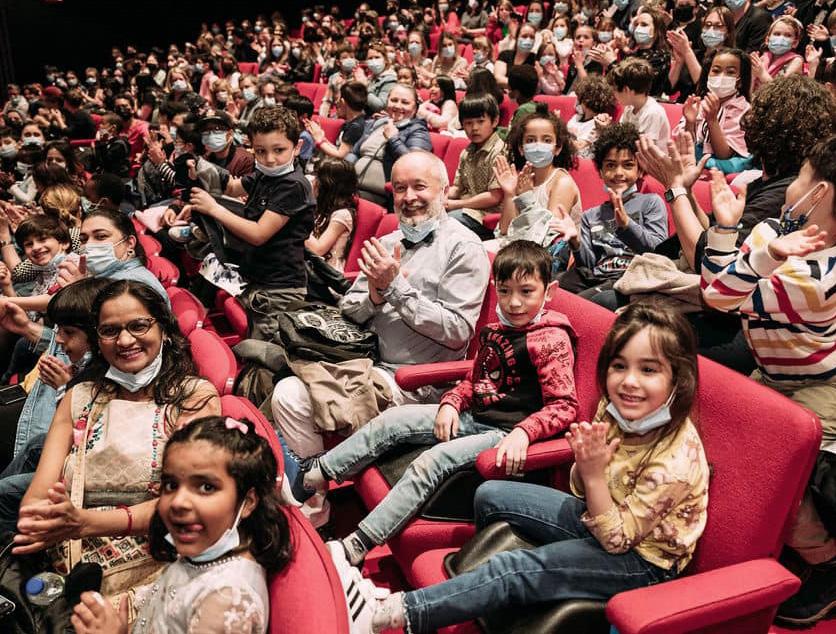
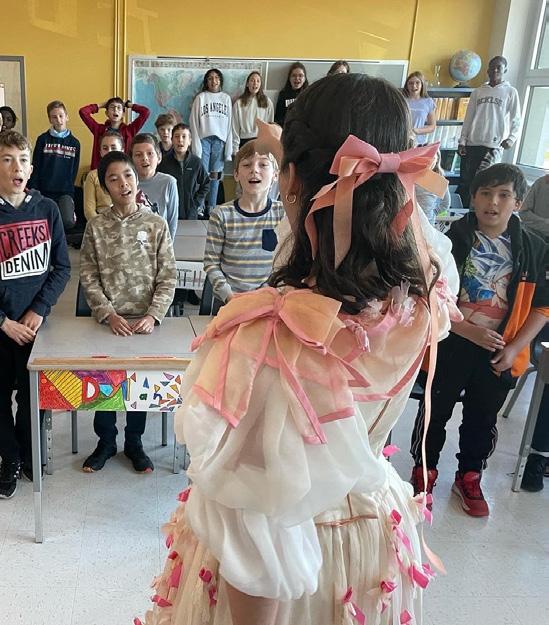
Open dress rehearsals ( all levels): For each production presented during the season, the Opéra de Montréal invites 500 students of all ages to a full-dress rehearsal. An educator’s guide and pre-show workshop help prepare them for what they will see. Some 2,000 students benefit each year from these free shows, which generate applause and ovations worthy of a rock concert!
CoOpéra (elementary schools): This Opéra de Montréal initiative has been going strong for 18 years now, at schools in disadvantaged areas of Montréal. At each session, 90 youngsters work together to stage an opera, which is then presented before an audience. A great team effort that brings out the best in everyone.
7
Open dress rehearsal, The Magic Flute
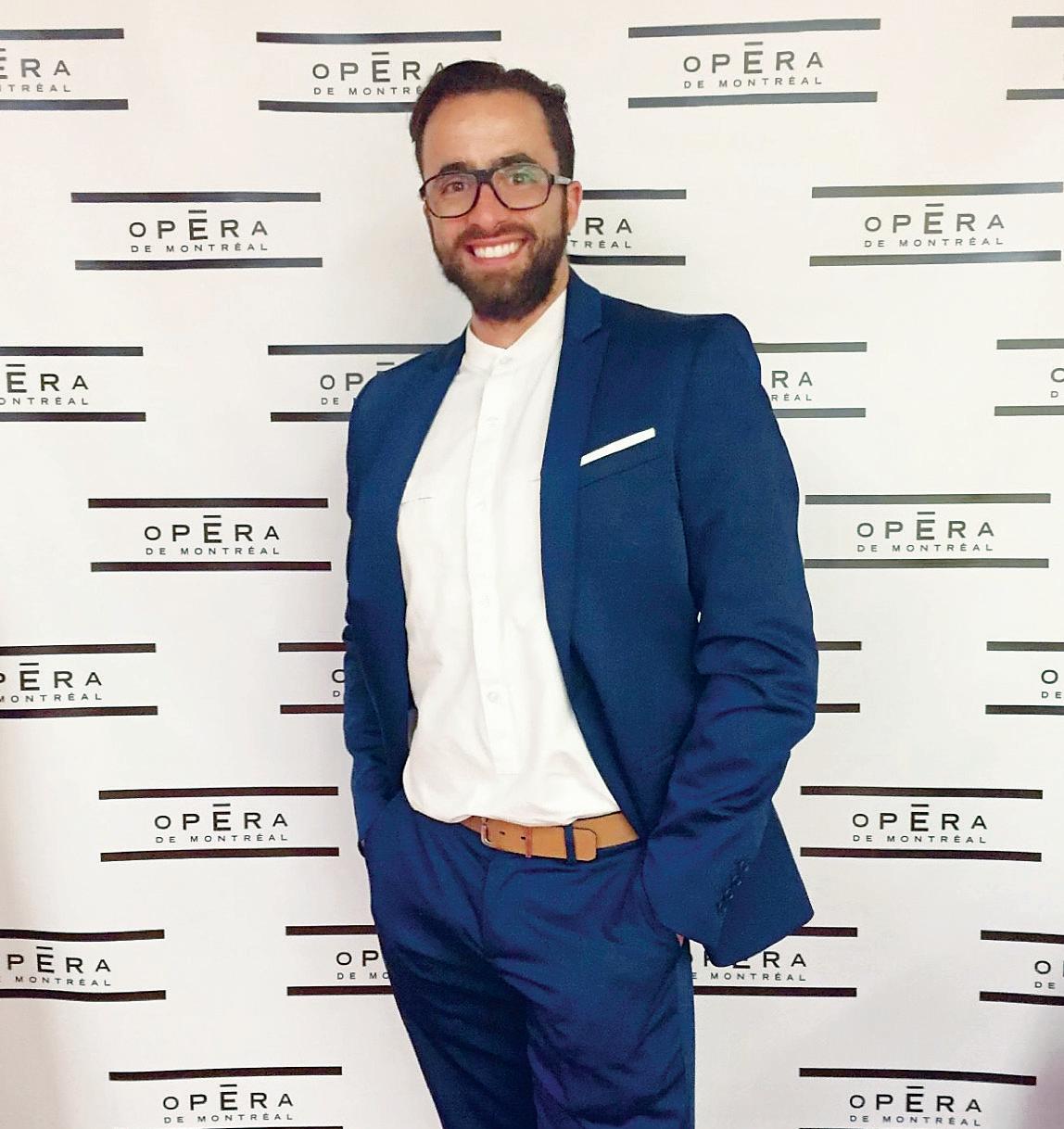
Karim Talaat Raised on Art
8
Karim Talaat’s life, from his early childhood until today, has been marked by something “as deep and infinite as the sea”, as put by Mimi in La Bohème. This thing, this passion, is culture; it’s the arts. And among them, the total art: opera.
Karim Talaat is a rare bird. Not only is he guided by a lifelong and virtually universal curiosity for the arts and culture – opera, dance, theater, museums – but he is also driven by a deep philanthropic culture.
At a very young age, Karim understood the need to support arts organizations that were close to his heart. This conviction became even stronger following a course on cultural philanthropy at HEC-Montréal. The vital role of individual support became clear to him. For Karim, philanthropic support is the natural counterpart to his appreciation for the various art forms. He involves himself both as a volunteer and, to the extent he can, as a donor. Moreover, his support is not limited to large institutions, but often extends to small companies, which he follows with great interest.
Karim owes his awakening to the arts primarily to his mother. She took him from Rosemère, where he grew up, to see The Nutcracker and many museum exhibitions. However, a serious skiing accident interrupted his attendance at cultural events. At the time, people doubted his ability to walk again and even to pursue normal studies… But after a long rehabilitation (8 years!), Karim overcame the prognosis and entered university… on both feet! His journey led him to a master’s degree, which he completed in Prague, Czech Republic.
His stay in this city – where Mozart’s Don Giovanni was premiered – lasted several years, allowing Karim to feed his unquenchable flame for art and culture – and opera, of course! Does he have a favorite work? “I love everything”, he readily replied.
At the Opéra de Montréal, Karim was first part of the Young Associates. This is one of his best memories when he thinks about the organization: the events that brought together young professionals on the main stage of Wilfrid-Pelletier, in part hosted by Pierre Vachon (Director of Civic Impact and Education at the OdM). But he also appreciates the closeness to the artists, both during the big productions and the more intimate events of the Ambassadors’ Circle, of which he is now a member.
What distinguishes his experience at the Opéra de Montréal? The feeling of belonging to a community, to a family of fans – just like him!
9
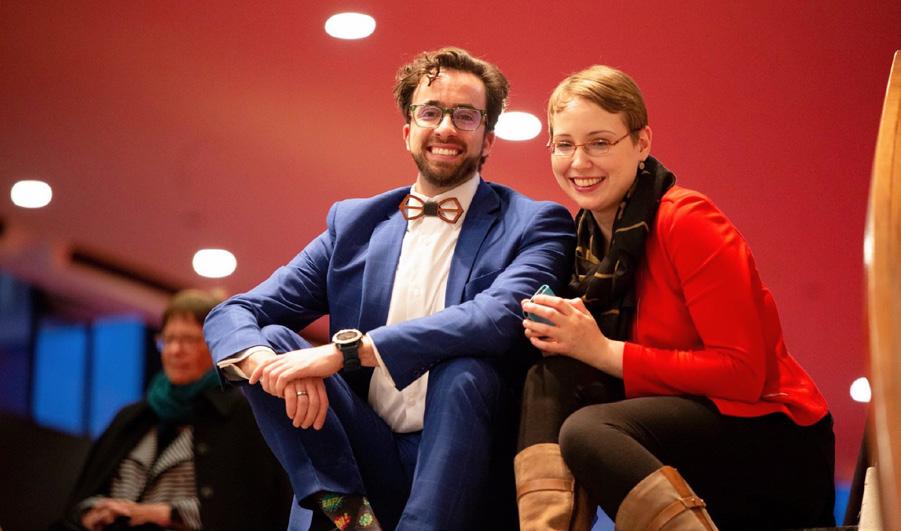
Karim Talaat and Carol-Anne Fraser (Atelier lyrique, 2018)
This fantasy tale offers a look that is at once tender and realistic when it comes to innocence, violence, and a child’s fertile imagination. Do you remember yourself from a similar time, (not so) long ago, when you were knee-high to a grasshopper yourself? Is the child that you were still inside you? Your children and grandchildren — and adults as well! — will love this show, which is aimed at the entire family.
Showcasing the Talent of Our Emerging Artists
Artists in residence from the Atelier lyrique will play multiple roles in this delightful work. Supporting Lucie St Martin in the role of the child will be Sydney Frodsham, Emma Fekete, Karoline Podolak, Marc Antoine Brûlé, Matthew Li, Mikelis Rogers, Martina Myskohlid, Angelo Moretti and Mishael Eusebio . They will slip in and




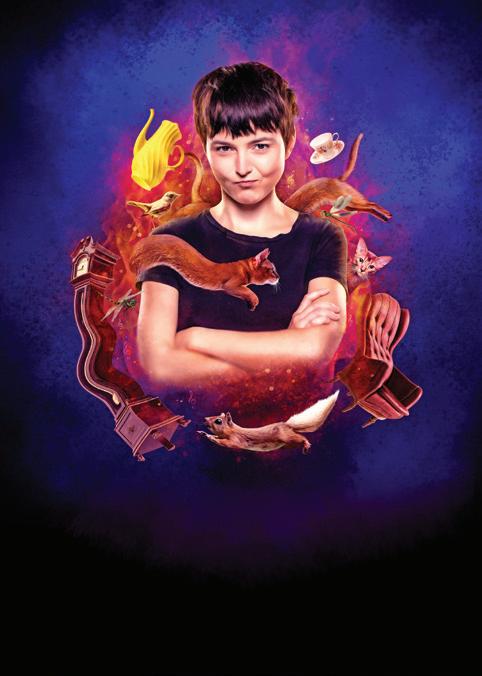




out of the skins of several characters. For a project that brings together artists and audiences alike, you couldn’t ask for more!
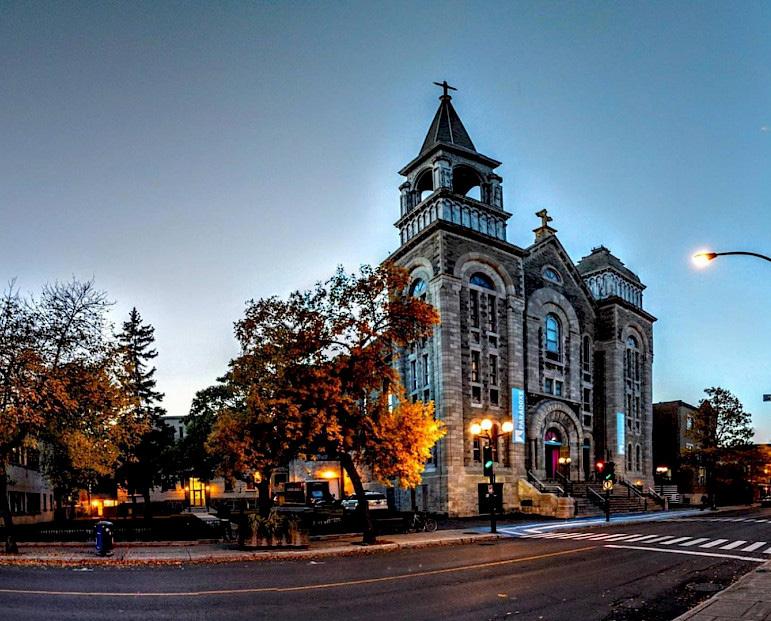
Directed by Sylvain Scott, cofounder and co-artistic director of the youth company Le Clou, the story will be brought to life at Théâtre Paradoxe. Nicolas Ellis, a frequent contributor with Atelier lyrique, will conduct the singers as well as the musicians from the Orchestre de l’Agora.
Swansong for Director Chantal Lambert
After more than 30 years heading up the Atelier lyrique, director Chantal Lambert will take her final bow at the end of the current season. L’enfant et les sortilèges will thus be the final work that our young artists will be presenting under her tutelage. “I am delighted that my goodbyes will be made within the context of this particular work,” says the soprano and administrator.
Join us in offering Chantal our warmest thanks — for her incalculable input to our institution over the years, her remarkable dedication, and her kindness, which per meate every aspect of the Atelier program. She certainly leaves an indelible mark on the hundreds of young artists who have had the fortune to work with her!
For more details on the production, and to get tickets, please visit our website at: operademontreal.com/en/shows/ lenfant-et-les-sortileges
11
◊ R AV EL ◊ Mise en scène : Sylvain Scott | Direction d'orchestre Nicolas Ellis 2 au 5 février 2023 operademontreal.com ACHETEZ VOS BILLETS !
The Théâtre Paradoxe
Countdown The National Auditions Experience
Their names are Chelsea Kolić and Jamal Al Titi. She grew up in Ontario. He grew up in Belarus. Both were sparked by an interest in art, music and opera at a tender age. Soprano and baritone, they have each invested thousands of hours in mastering their art. They are talented, passionate, and determined. They want to forge a career and join the Atelier lyrique. But first they must pass the ultimate test: the National Auditions. What follows is a blow-by-blow account in real time.
Day 1 – Arrival:
Why the Atelier lyrique?
Welcome. Rehearsals with pianists. Trying on audition clothes.
Chelsea Kolić: During my time in Montréal to study singing, I’ve seen many excellent singers go through the Atelier lyrique. I could see the considerable benefits of the program for those artists — some of whom were my own friends — when it came to artistic and professional maturity. I was at the point in my own journey where, after obtaining two Master’s degrees (from McGill University and the Mozarteum in Austria), I was ready to go to that next level. I think the Atelier is the ideal environment to help you get there.
Jamal Al Titi: My greatest motiva tion for joining the Atelier lyrique: feeding the fire! This inner fire that I feel for singing and opera. Then using that fire to warm and comfort audiences who, through their own circumstances, are seeking an expression or outlet for their own emotions.
Day 2 – Semifinals: Your Goal
Warmups. Sound checks at the Maison symphonique. Semifinals.
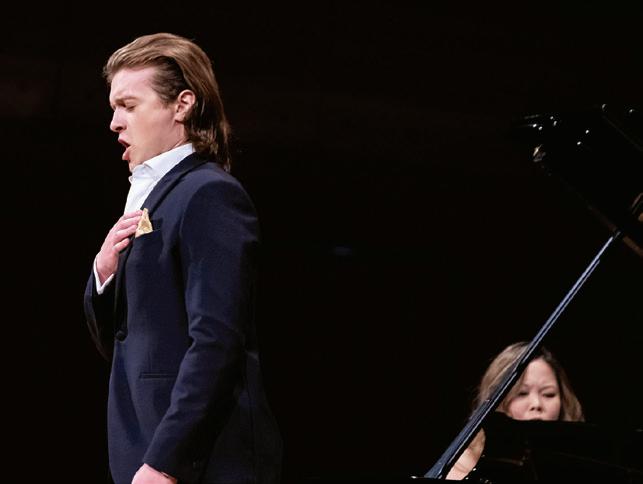
Chelsea Kolić: I try to put myself into a calm and positive mental state. It’s easy to let yourself get distracted or overwhelmed — even more so when you consider the high level of talent that is present. I concentrate on what I can control: in other words, myself, my game plan, serving the character and the music. I am especially excited by the idea of singing “at home” in a certain way, after spending several years in Europe.
Jamal Al Titi: My goals, as in everything related to music and performing, always remain the same: appreciate the magic of the music, the beauty of the harmonies, and the words — their expressive power, their ability to bring out emotions that are honest, pure and authentic.

12
Day 3 – Preparation: A Day at the Atelier
Vocal, musical, and acting coaching. Individual meeting with Director Chantal Lambert.
Chelsea Kolić: This was my favourite day at the Atelier so far. With all the coaching sessions, I really felt like I was having the actual experience of a typical day at the Atelier. Each member of staff had something unique and useful to offer. My dominant feeling was one of a friendly, po sitive and supportive community.
Jamal Al Titi: Since my arrival, I’ve found that the Atelier represents the height of hospitality, warmth, humanity, and appreciation of others. Every member of the professional team — to say nothing of the artists in the current cohort — is extremely competent, refined and sophis ticated from a musical and artistic point of view. It was a privilege to be able to take advantage of this inside look at their way working, their dedication, their expertise.
Day 4 – Finals: D-Day
Warmups. Talent Gala and final round of National Auditions.
Chelsea Kolić: I’m very excited at the idea of singing this evening at the Gala! I’m forcing myself to remain calm and concentrated. The most important thing is to be present and connected during the audition, to enjoy the moment, and to show the best parts of myself as an artist and musician.
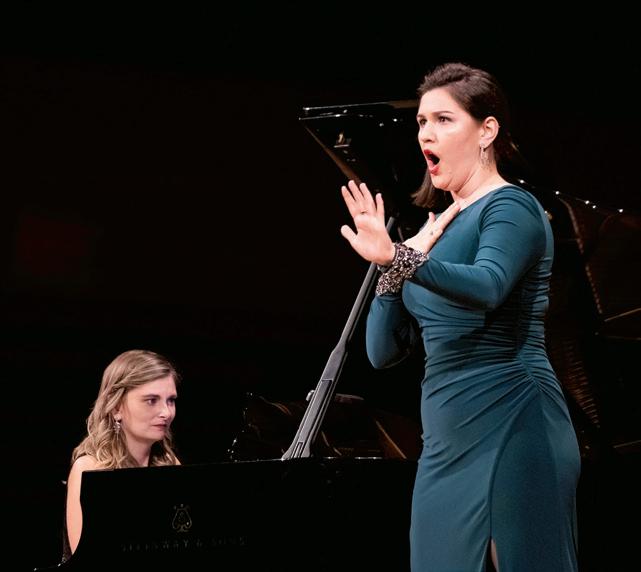

Jamal Al Titi: I feel abso lutely honoured to share the stage with this group of superb talents. There is no room for apprehension or fear. I was born for moments like this. I can’t wait to bring my character to life through singing and music — and to charm the audience as well!
Day 5 – Final Day: Looking Back
Assessment. Saying Goodbye — or, maybe, See You Soon!
Chelsea Kolić: I spent an amazing week at the Atelier lyrique! My thanks to everyone who took part in the planning, orga nization and management of my time there. I can’t wait for the future and the next adventure!
Jamal Al Titi: My main thought at the end of National Auditions: great joy! And a lot of appreciation for this opportunity to enhance my existing stage skills. And also, to share my per formance and my soul with the audience! I see the future with much hope following this wonderful experience.
Thank you, Chelsea and Jamal!
The winners of the National Auditions will be revealed in December 2022.
Good luck to all the candidates!
13
Claude Grenier The Opera’s Iron Man
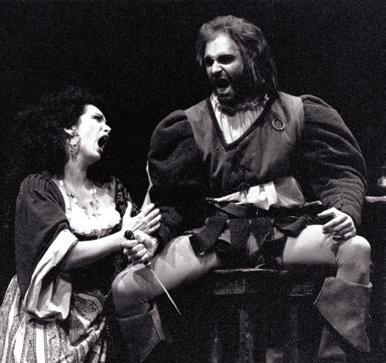
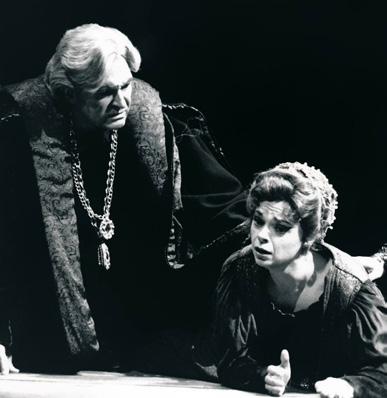
He grew up in a world saturated in music, in a family that gathered regularly around the piano to sing — sometimes until three in the morning. Classical music and opera fascinated him from an early age, but his profound shyness came very close to sinking his stage career before it could even get started. More than 30 years after making his debut at the Opéra de Montréal, bass Claude Grenier, a well-known figure in the institution’s professional chorus, talks to us about this unconventional journey as a musician.
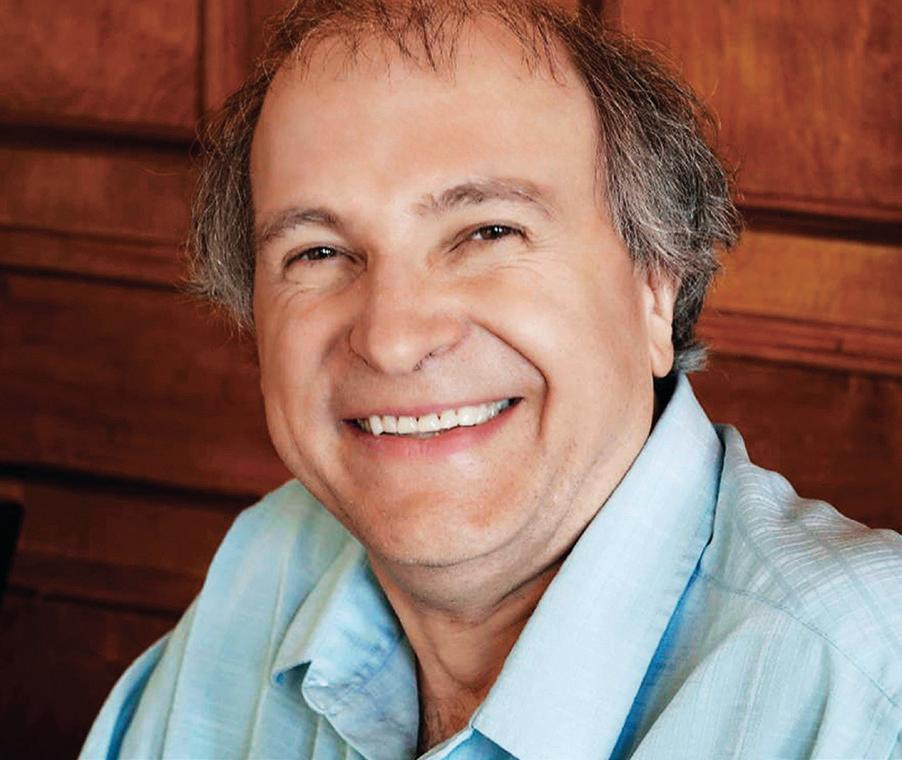
A Child of Music
Originally from Shawinigan, Claude is literally the fruit of his parents’ love of singing, given that they met during an operetta. “My father founded a company, and my mother auditioned for him. It was love at first sight. They performed as two young principals, then both took singing lessons in Montréal, thinking to make a career of it. But they feared insecurity, and instead decided to pursue music as amateurs. My father directed choirs for a long time, and my mother always sang.”
At home, records were played one after the other on the turntable, and the young Claude discovered symphonic music, in cluding opera. By early adolescence, he already knew he would be a musician. Inter ested in composition, he passed his exams at the Conservatoire de musique de TroisRivières. What followed reflected the trajec tory of his eventual career: a route marked by surprise after surprise, in which nothing seemed premeditated.
14
Previous page:
Above: Otello, as Ludovico
Below: Rigoletto, as Sparafucile
Opposite: La Bohème, as Alcindoro
A Singer (Almost) in Spite of Himself
When Claude presented himself for the entrance exams at the Conservatoire, his music-theory audition was, for many, as though a bomb had gone off in the small space. The director, astonished by Claude’s natural bass voice, urged him to audition for the singing program. “I didn’t want to do it, but my parents convinced me to try. The professor announced right away that he would accept me into his class. I refused.”
Chorister and Soloist: A Delicate Balance
At the time, the young Claude was so shy that he was something of a wallflower. Imagining himself singing in front of an entire audience? Impossible. “I began in composition and, for an entire year, each time I encountered the director in the hallway, he would ask me when I would get around to singing. They still wanted me!”
Following his studies, although he wanted to join the chorus of the Opéra de Québec, his vocal talent impressed the director, who offered him a solo. Claude next performed roles in The Daughter of the Regiment and La Bohème. From the audience, he was noticed by a representative of the Atelier lyrique, who suggested that Claude audition for the Opéra de Montréal. Claude was accepted as an apprentice in 1989. He had little doubt, at the time, that he would ultimately find his opera family there.
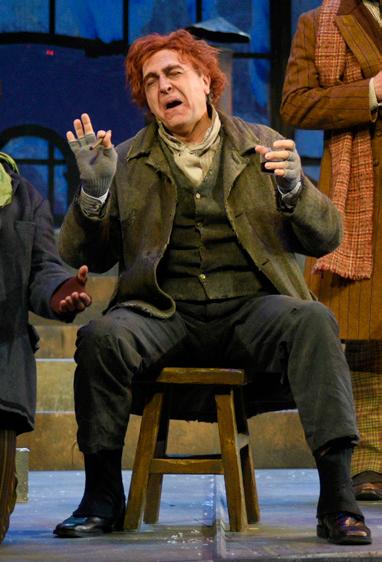
Throughout his career, he has performed in choirs, while also singing larger roles upon request. “I’ve never dreamed of being a full-time soloist,” he says. “I’ve developed tools so that my shyness does not prevent me from performing on stage, but to do only solos would have made me miserable. Finding a balance has been the greatest challenge of my career. Singing as both a chorister and a soloist has given me that. I am very grateful to the Opéra de Montréal for allowing me to toggle from one to the other.”
A Musician of Many Hats
Although he enjoys performing theatrical roles, vocal technique remains his primary passion. “What fascinates me is working on the voice. I have never stopped learning. In singing, what is extra ordinary is that we are perpetual students. You can never say, ‘That’s it. I’ve arrived. I’ve done it.’ If you say that, it means that it’s over.”
As a result, for five years he pur sued two areas at the same time: singing and composition. “During student concerts, I would close my eyes, unable to look at the audience. Little by little, however, I opened myself up. Singing was a true form of therapy in that regard.”
When he’s not singing, Claude also answers to the titles of arranger, professor, composer, copyist, choir rehearsal conductor, vocal coach, and more. These many aspects of being a musician bring together his numerous and varied interests. “I am a musician with a capital M. I’m multifaceted, and things have worked in a way that allows me to do it all.”
An Opéra de Montréal Family
As of his performance in The Magic Flute last May, Claude’s im pressive CV has racked up 140 productions and 656 performances with the Opéra de Montréal. Although some productions stand out for him (Der Rosenkavalier, Les Feluettes, Dead Man Walking), all are unique and special in his eyes.
“The Opéra de Montréal has been my main employer since I came to Montréal. This is my “gang,” and I am deeply attached to it. I’ve seen its evolution, both corporately and on the artistic side. I’m very happy that they’ve shown such confidence in me, right up to the present day.”
How does he envisage the future, given that he can already claim the title of veteran chorister with the Opéra de Montréal? “As long as my health allows, I will be singing. And I hope it will be for a long time to come!”
15
Echos of an Island Update on Yourcenar
“ “
Yourcenar, an original opera that is entirely Québécois, had its world premiere yesterday, charming audiences with a flawless production.
Alain Martin Richard, Revue Jeu
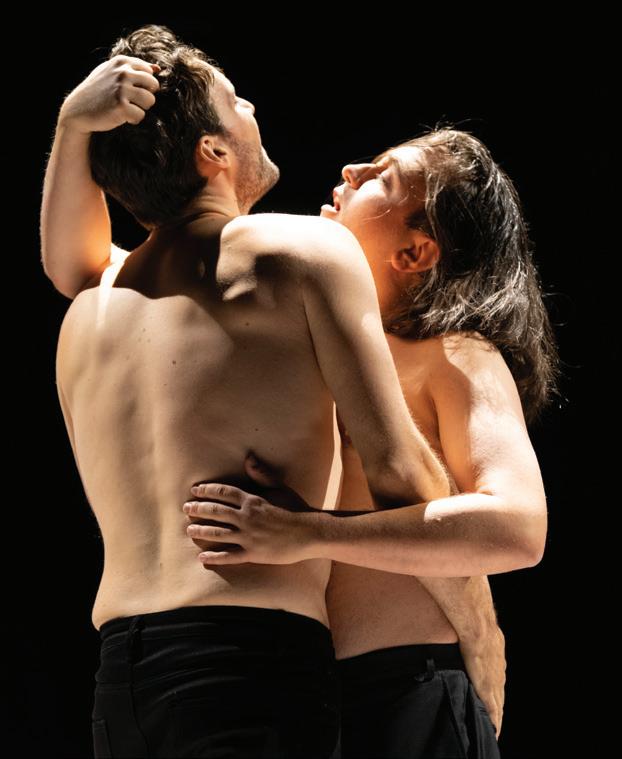
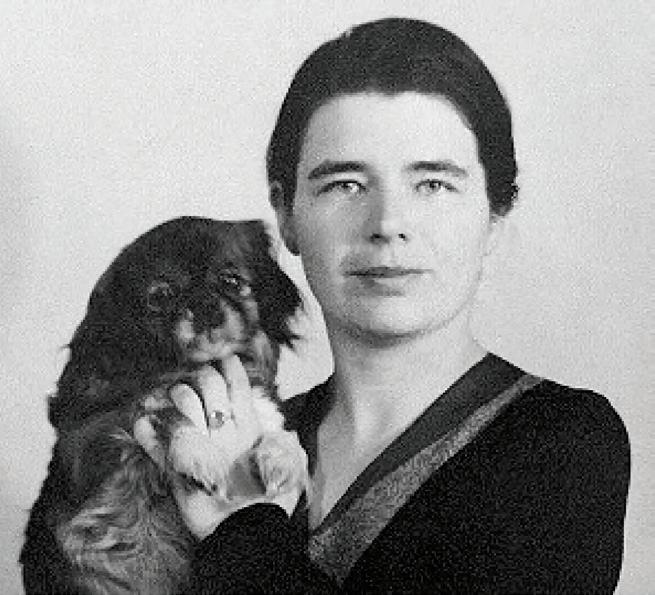
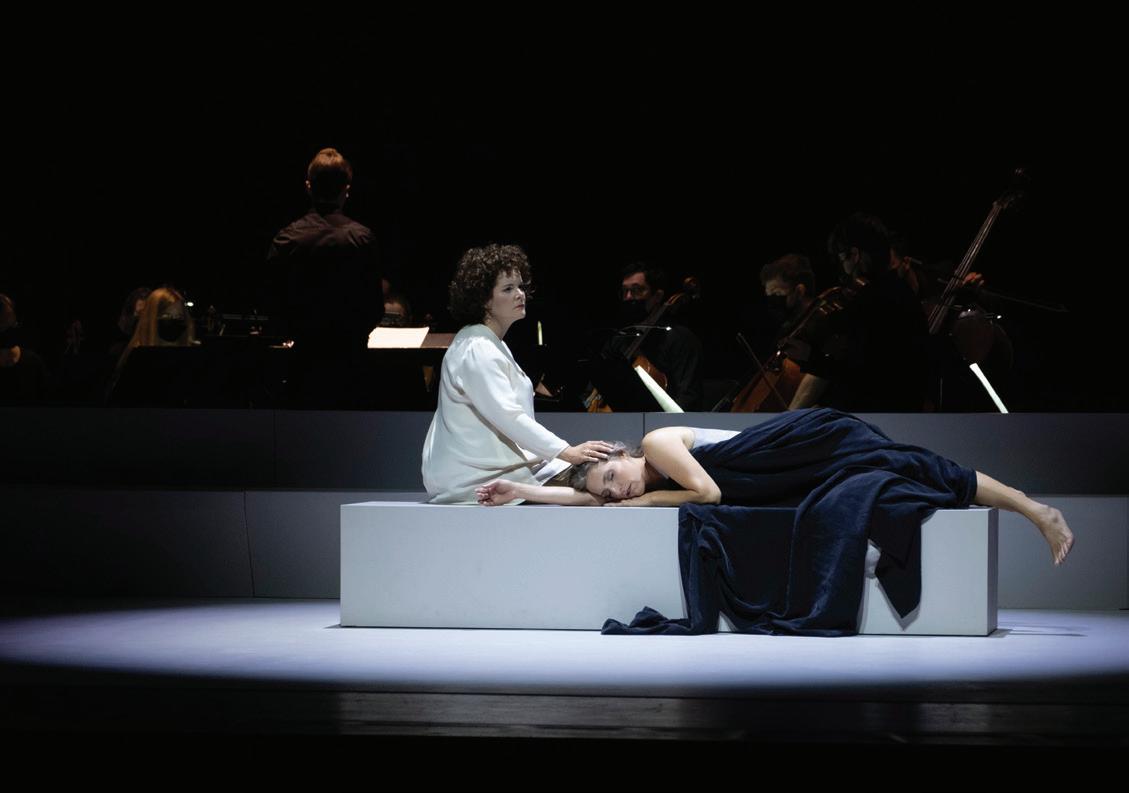
In Summer 2022, the Opéra de Montréal presented a new world premiere, in collaboration with the Opéra de Québec and Les Violons du Roy. This daring pro duction, which echoes many of today’s issues was Yourcenar - Une île de passions, an opera inspired by the life of author Marguerite Youcenar.
Through the words of Hélène Dorion and the late Marie-Claire Blais, Yourcenar is brought to life at a time of tension — a time when she was torn between exercising the discipline required for her art, her need for freedom, her desire for passion, and the instability of her emotional life. This inner journey, as noted by one critic, was magnified by Éric Champagne’s music.
“
Éric Champagne is an experienced and talented composer. That talent extends to the orchestral score, played with great artistry by Les Violons du Roy, under the effective and exacting direction of conductor Thomas Le DucMoreau. It is a score that breathes, that has a life of its own: concise, full of depth and of beauty, with remarkable lines.
Caroline Rodgers, Ludwig van Montréal
The sensitive acting and confident voices of performers Stéphanie Pothier (Margue rite Yourcenar), Kimy McLaren (Grace), Hugo Laporte (Jerry), Jean-Michel Richer (Daniel), Pierre Rancourt (Capitaine) and Suzanne Taffot (Cantatrice) charmed au diences and critics alike, as did the pro duction as a whole.
Jean-Michel Richer, tenor (as Daniel), and Hugo Laporte, baritone (as Jerry)
16
“
Of the singers, it was naturally mezzosoprano Stéphanie Pothier who was essential in the title role. Throughout the production, she performed with assurance and focus.
Emmanuel Bernier, La Presse
By opting for a pared-down minimalist approach, director Angela Konrad highlighted the essence of the words: the inner life of a creative woman — in love, tormented, bede grief and passion, all fuelling the poetry within.
In describing the life of the author through her love affairs, […] librettists Hélène Dorion and the late MarieClaire Blais have created an artistic tour de force. With music by Éric Champagne and staging by Angela Konrad, Marguerite Yourcenar comes to life again before our eyes, with both respect and beauty.
Sophie Archambault, atuvu.ca
The production was first presented as part of the Festival d’été de Québec at the Palais Montcalm, on July 28 and 30, 2022, followed by sold-out performances on August 4 and 6 at the Salle Pierre-Mercure. Audiences were numerous and enthusiastic about sharing these moments of grace, while attending the birth of a modern and acces sible new work.
A daring move perhaps? Yet, here it is, boldly launched and a clear success, thanks to the con tributions of each artist and every member of the team involved in this unprecedented large-scale production. It is an achievement of which we can all be very proud!
Upon leaving Palais Montcalm on Thursday, I had the impression that I had just witnessed a new highpoint for Québec opera. The challenge was enormous, but they have definitely succeeded.
Yves Leclerc, Journal de Québec
17
Stéphanie Pothier, mezzo-soprano (as Marguerite), and Kimy McLaren, soprano (as Grace)
“ “
“ “
“ “
Donor Spotlight
PierreYves Boivin

How did you discover opera?
Anjali Caillat
How did you discover opera?
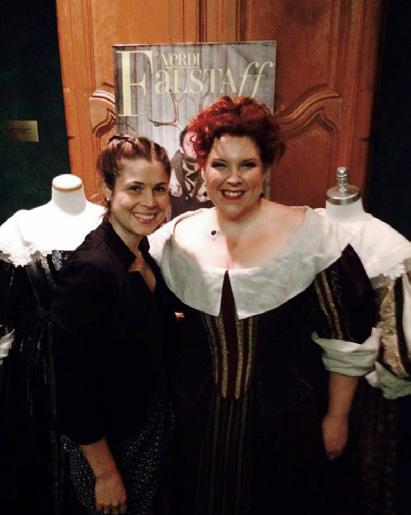
I discovered opera in 2007, after I immigrated to Montréal. I began to take singing classes at Aria Atelier de Chant with teacher Anica Lazin, and I was hooked right away!
Best opera memory?
I discovered opera through my parents, who took me to see La Bohème at the Opéra de Québec when I was a student. Someone said to me, “Opera can be love at first sight, and you either love it or hate it.” I loved it! I later subscribed to Opera Lyra for several seasons in Ottawa, where I lived, and I’ve always tried to catch an opera in big cities when I travel.
Best opera memory?
I would say Tannhaüser at the Hungarian State Opera in Budapest in 2002. It was my first experience of Wagner in a splendid concert hall (to say nothing of discovering the delicious wine Tokaji Aszu during the intermissions!).
Opera artist you love most?
I have a particular affection for Polish tenor Piotr Beczała. I had a chance to see him onstage (what presence!) and to meet him briefly — a truly nice person.
Favourite composer or opera?
Even though I really love the Verdi repertoire, I was bowled over by Tchaikovsky’s Eugene Onegin. At the moment, I would say that this is “my opera.”
Why support the Opéra de Montréal?
I support the Opéra de Montréal, among other things, be cause I am sensitive to the reality of musicians (I have many in my circle). I think Québec has a tradition of excellence when it comes to opera that is worth supporting and developing. And I believe in the importance of promoting the Opéra de Montréal as an important francophone musical institution in North America.
The time I discovered the Metropolitan Opera, during a trip to New York with friends. We saw Aida, with standing-room tickets located at the very back of the orchestra level! We had to sit on stairca ses in the lobby during the intermissions! I was very impressed by that production — there were real horses onstage!
Opera artist you love most?
I really like Elīna Garanča, but if we look to the past, I truly adore Maria Callas.
Favourite composer or opera?
Definitely Mozart! I love to perform his music both solo and as part of a duet. My fa vourite opera? The Marriage of Figaro. It’s funny, it’s beautiful, and everything ends well for once!
Why support the Opéra de Montréal?
I am a fan of this art form, which brings together music, voice, sets, costumes — it’s an entire spectacle every time! I am also aware that opera is very expensive to produce. I am thrilled to be able to take advantage of an opera company and concert hall in my city, so I help as much as I can, in addition to being a subscriber.
18
Anjali Caillat (left) with contralto Marie-Nicole Lemieux
Michiko Hara
How did you discover opera?
Jill de Villafranca

How did you discover opera?
Through my grandmother — a university Professor of Music — and through Saturday radio broadcasts of the Metropolitan Opera. My first live opera was Turandot, when I was 22. Without surtitles, I didn’t understand a word, but it was superb!
Later, I really enjoyed singing at the CAMMAC music camp by exploring certain roles (Despina, Susanna, and YumYum in The Mikado). That’s what made me realize the difficulty inherent in this art form: you have to master the style, the song, the acting, and sometimes even dance. So demanding, but such fun at the same time. Opera changed my life!
Best opera memory?
There are so many! Very briefly, our trips were motivated by opera: visiting such and such a concert hall (New York, London, Paris, Berlin, Vienna, Salzburg, Milan — Valletta in Malta as well, the cutest of theatres!), to see such and such a production. If I can only mention one, I would choose the Opéra de Montréal production Fedora, which was splendid! We were also nicely prepared with a presentation by Michel Beaulac. I don’t often cry at the opera, but…
I am a huge opera fan, and have subscribed to the Opéra de Montréal since the early 1990s.
Best opera memory?
The outstanding performances of Diana Soviero in the 1990s. More recently, the excellent Québec premiere of Roberto Devereux, in 2010. In my opinion, over the past few years, the quality of the productions in general just keeps getting better and better.
Opera artist you love most?
At the moment, there is no specific opera artist, except maybe Jonas Kauffman and Sondra Radvanovski. However, among those who perform more regularly in Montréal, I really like Marie-Nicole Lemieux and Fréderic Antoun.
Favourite composer or opera?
In general, my preference is for Italian opera — particularly Verdi, Donizetti and Puccini.
Why support the Opéra de Montréal?
I believe in the importance of supporting and promoting local cultural and artistic activities. That’s why I make my own modest contributions to certain organizations, including the Opéra de Montréal.
Opera artist you love most?
My favourite tenor is Richard Margison, without a doubt (we’re friends). Among baritones? Dmitri Hvorostovsky. And I would also mention soprano Nathalie Dessay, whose voice and technique are phenome nal. And I would really like to hear Jonas Kaufmann one day.
Favourite composer or opera?
Don Carlo, by Verdi! My favourite is the re cording with Margison and Hvorostovsky. I adore Verdi in general, Puccini next, and Mozart (the latter two are particularly good at combining music and theatre).
Why support the Opéra de Montréal?
Because I must! It is the most interdisci plinary of artistic genres, and requires enormous resources. It stimulates crea tivity and collaboration, and is always relevant and revealing of the human con dition. A city as culturally rich as Montréal deserves an opera company of the highest calibre.
19
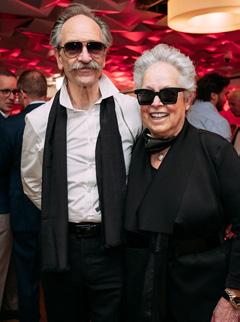

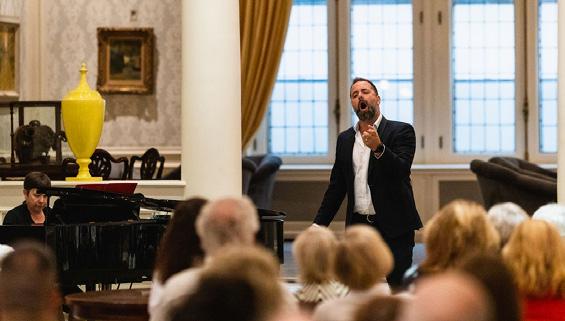
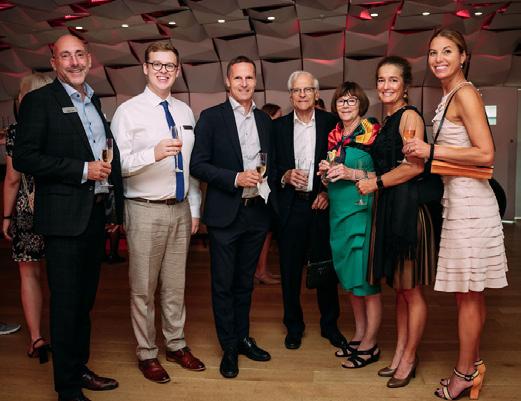
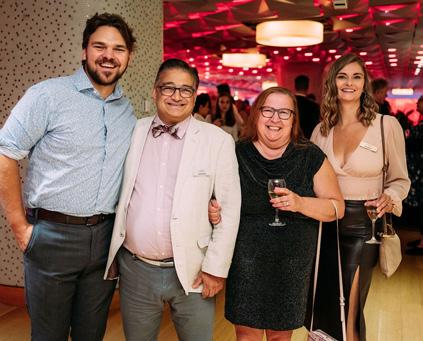
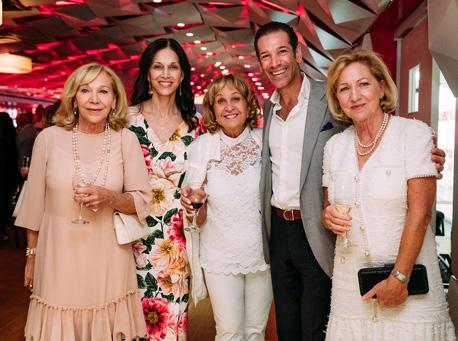
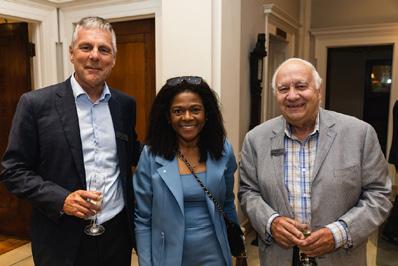
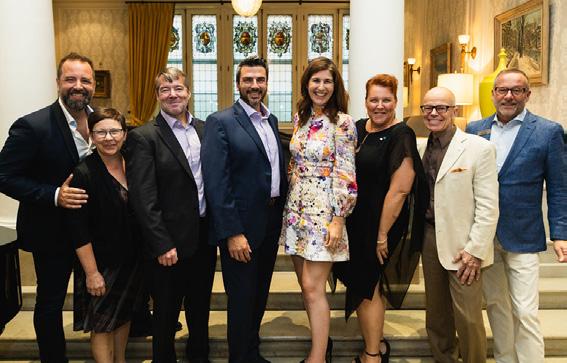
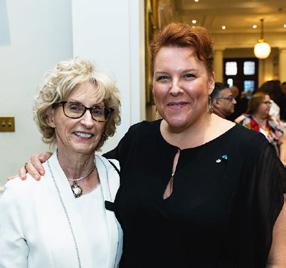

20 In Pictures Il Trovatore Opening Night September 10, 2022
August 28, 2022
Summer Concert
Opening Concert of the
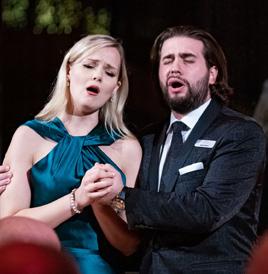
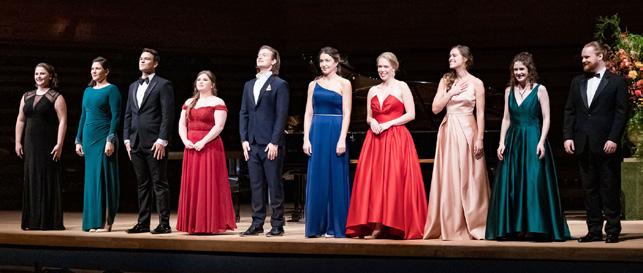
Atelier lyrique
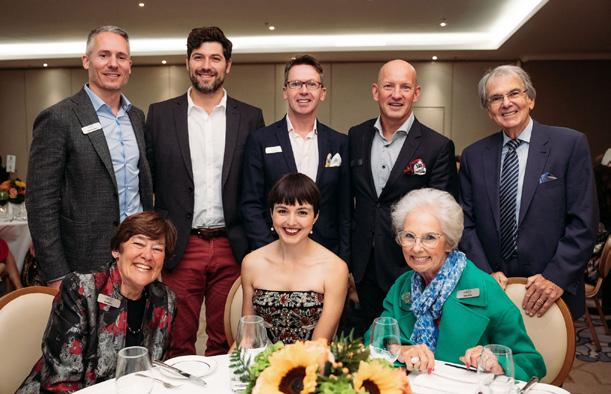
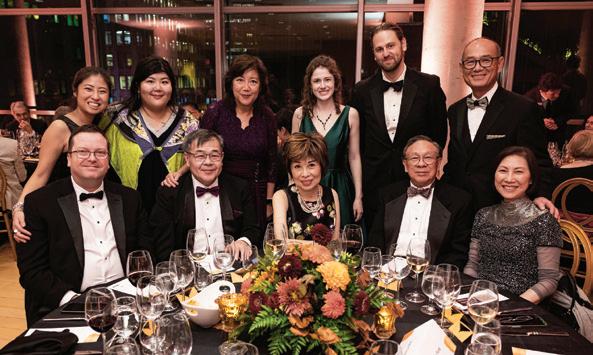
October 2, 2022
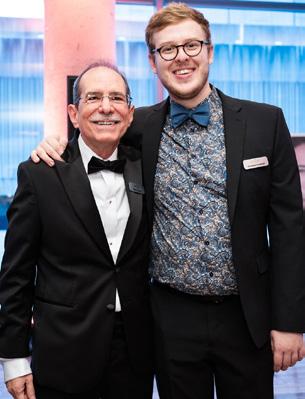
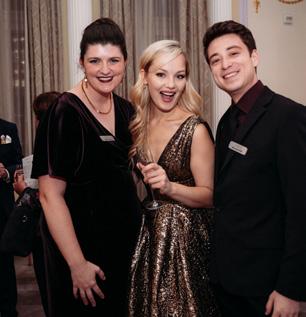
Talent Gala
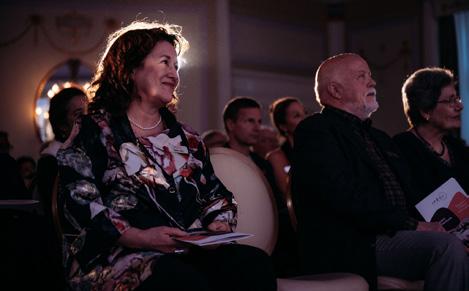
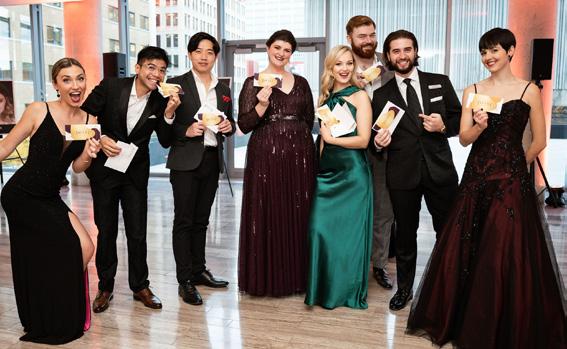
October 26, 2022
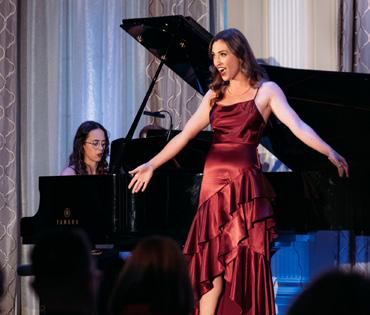
21

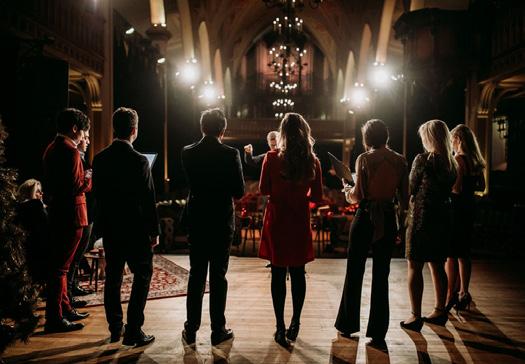
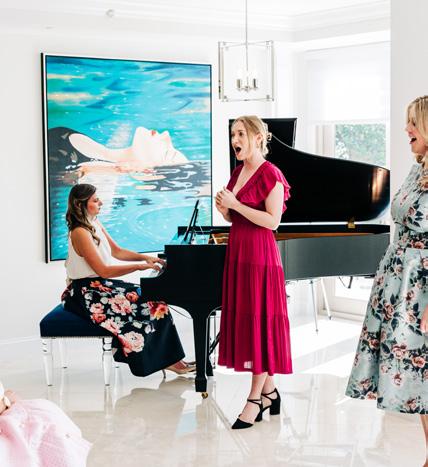
22 December 7, 2022 Opera Holiday Social PIANO NOBILE — SALLE WILFRID-PELLETIER February 12, 2023 Concert in Florida March 18, 2023 Opening night for Ainadamar SALON URBAIN — PLACE DES ARTS February 4 and 5, 2023 L’enfant et les sortilèges THÉÂTRE PARADOXE
Events
Upcoming
Opera Quiz
Among father son artists, which duo has never shared the stage at the Opéra de Montréal?
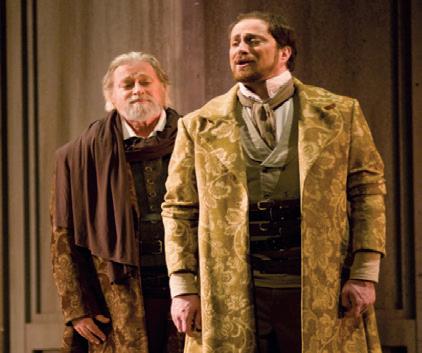
a. Tenor Guy Bélanger and his son, tenor Antoine Bélanger.
b. Baritone Louis Quilico and his son, baritone Gino Quilico.
c. Tenor André Turp and his son, tenor Richard Turp.
Faust, 2012
For each of these works presented in the 2000s at the Opéra de Montréal, name the child character who sings solo.
a. Pelléas et Mélisande b. Tosca
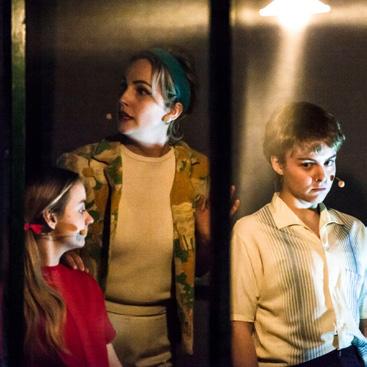
c. The Turn of the Screw
The Turn of the Screw, 2019
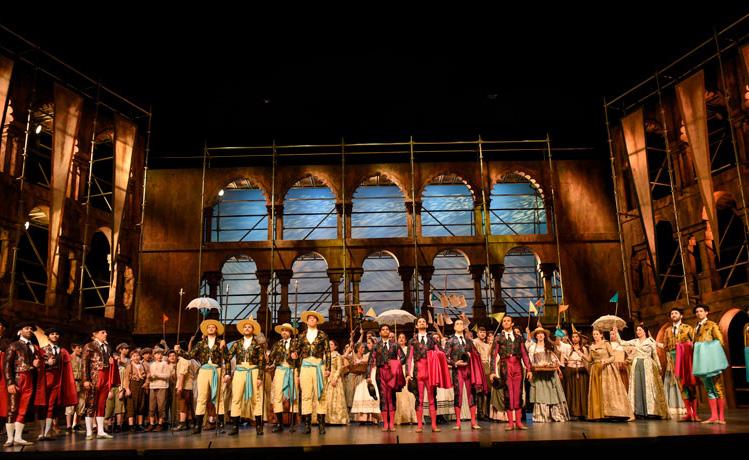
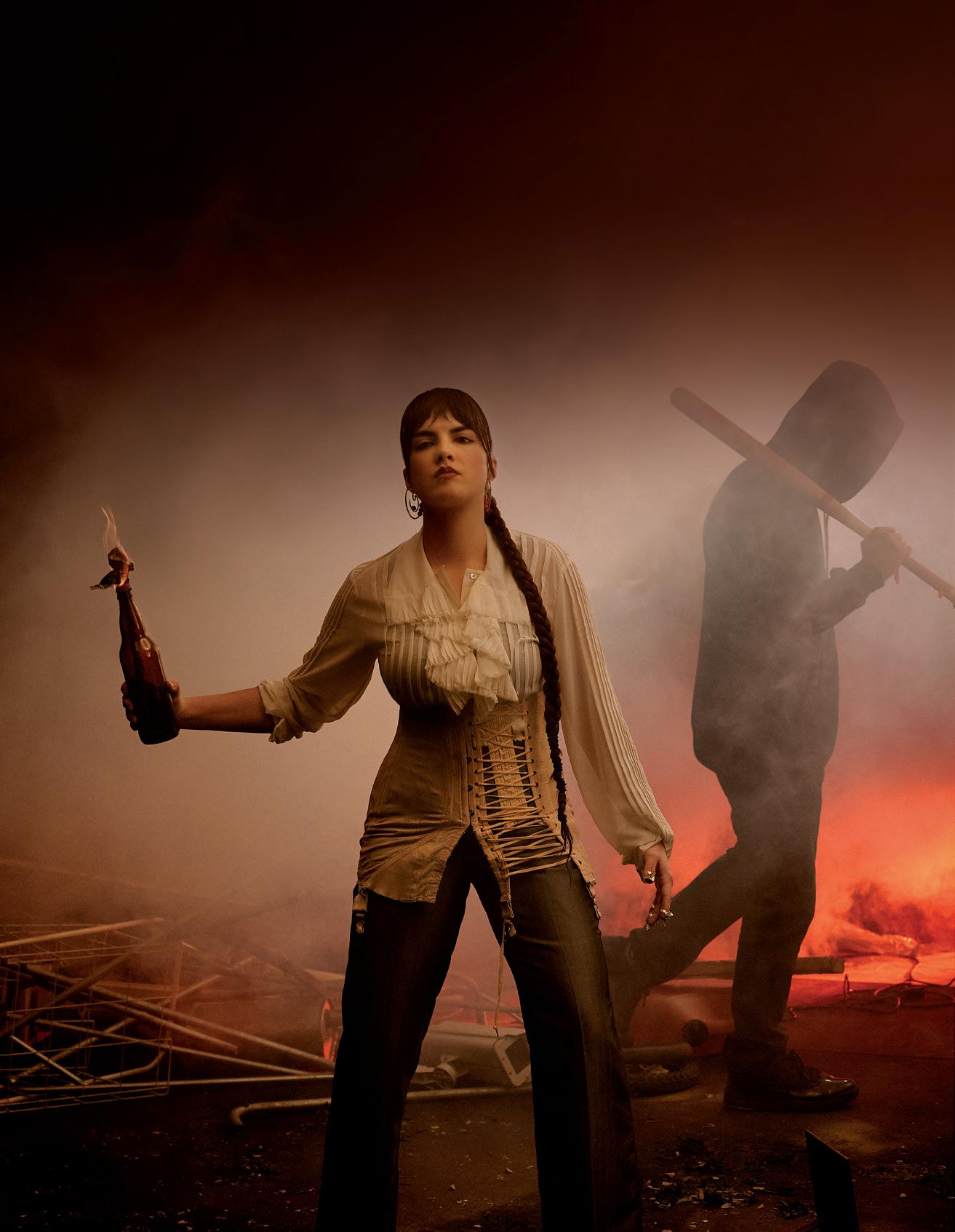
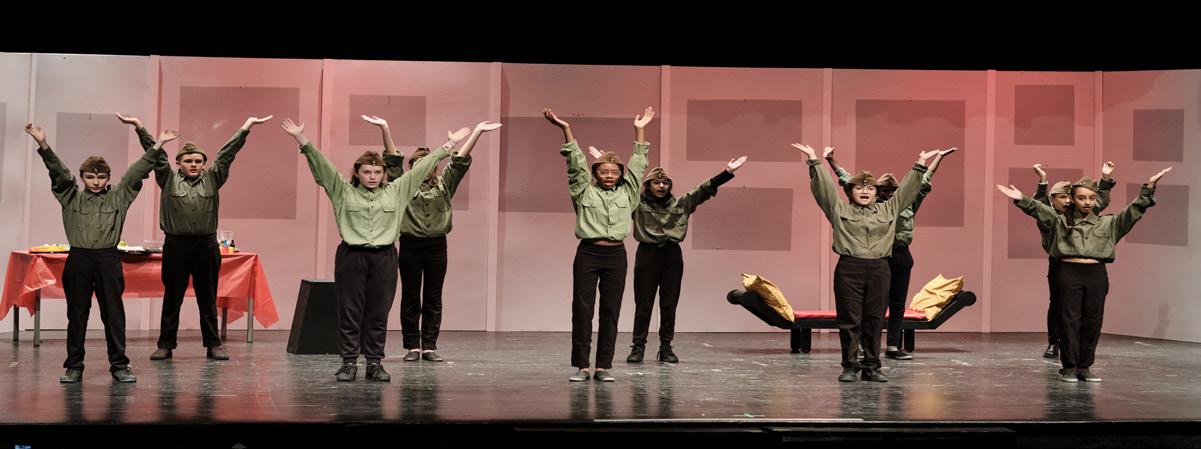
How many children sang in the changing of the guard choir of Carmen, during the 2017 production at the Opéra de Montréal?
a. None b. 6 c. 12 d. 18
1. b) Although both have performed at the Opéra de Montréal, Louis and Gino Quilico have never appeared together in the same production. Guy and Antoine Bélanger, on the other hand, performed together in Faust (2012), while André and Richard Turp in Macbeth (1983). 2. a) Yniold (2001); b) A shepherd (2017); c) Miles (2019) 3. c) 12
2 3
1
23
Carmen 2017
ANSWERS
operademontreal.com
