WHERE EVERY NIGHT FEELS LIKE THE GREATEST PARTY OF THE DECADE
Welcome to the August Edition of OnTrade Magazine IT’S ALMOST TIME !!!!!
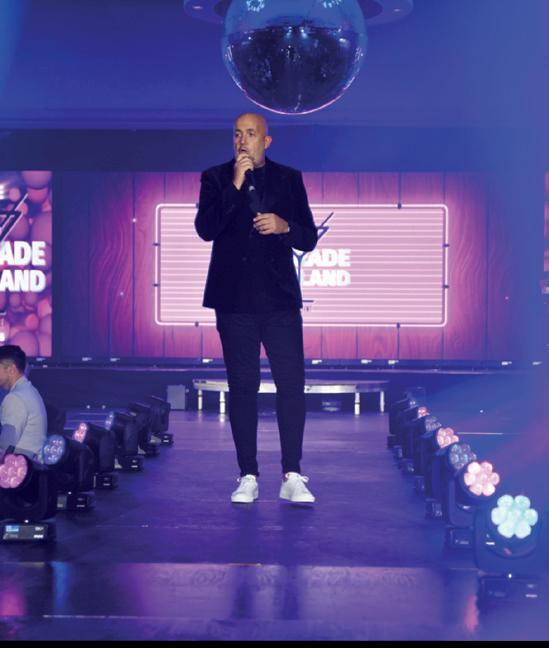
The OnTrade Awards 2026, in association with Tito’s Handmade Vodka, taking place at The Doubletree by Hilton Glasgow Central Grand Ballroom on 10th August
With voting now officially closed across all categories, we’d like to thank the huge numbers who took the time to support the finalist with just over 700,000 qualifying votes cast and, most importantly, wish all of our finalists the very best of luck. We look forward to celebrating the incredible talent, innovation and dedication that continue to drive our industry forward.
In this month’s edition, we shine the spotlight on Popworld Birmingham, Mr Singh’s India, and Glasgow venues The Raven and Hide & Seek, alongside our usual mix of industry news, insights and expert opinion. You’ll also find contributions from Michael Kill, CEO of the NTIA, Maitre D, The Licensing Co, Welgo, Signature Wines, and many more, bringing you the latest trends, ideas and opportunities from across the sector.
Thank you for reading, and we hope you enjoy this month’s edition. We look forward to seeing many of you at the OnTrade Awards as we will look to entertain YOU for at least one night.
Justin Wingate Director at TopGunMedia
Fiona Gauld Production - info@topgunmedia.co.uk
For press enquires or advertising opportunists please call or email: Email: info@topgunmedia.co.uk Telephone: 0141 556 4111
12
6 10 14
HIDE & SEEK GLASGOW’S DESIGN-LED VENUE WHERE THE DRINKS ARE PART OF THE THEATRE
THE RAVEN GLASGOW’S SPORTS BAR GETS A WINNING NEW LOOK
MR SINGH’S INDIA
THE GLASGOW CURRY HOUSE THAT BECAME A SCOTTISH INSTITUTION
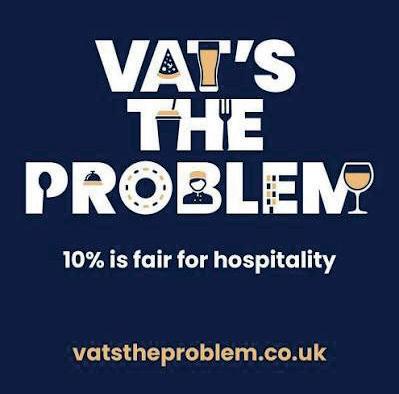
“VAT IS THE PROBLEM” CAMPAIGN SURPASSES
The hospitality industry’s “VAT Is the Problem” campaign has reached a major milestone, with more than 300,000 people signing the petition calling for a reduction in VAT for the sector.
The growing public support highlights widespread concern over the pressures facing hospitality businesses, including rising operating costs, reduced consumer spending, and increasing closures across towns and cities. Campaign organisers say the response demonstrates the strength of feeling from businesses, employees, customers, and local communities who recognise the vital role hospitality plays in the UK’s economy and social life.
The campaign is urging the UK Government to reduce VAT for hospitality, arguing that the current rate is placing unnecessary strain on pubs, restaurants, cafés, hotels, and other venues. Supporters believe that a lower VAT rate would help businesses invest, protect jobs, stimulate growth, and keep hospitality affordable for consumers.
Campaign representatives thanked everyone who has signed and shared the petition, describing the 300,000-signature milestone as a powerful message that cannot be ignored.
As the campaign continues to gather momentum, the hospitality industry is calling on Government to listen to the voices of hundreds of thousands of supporters and take decisive action to secure the future of one of the UK’s most important sectors.
RECORD-BREAKING 1.7 MILLION VOTES CAST IN THIS YEAR’S ONTRADE AWARDS
We are very proud to announce a recordbreaking 1.7 million votes were cast across all award categories, making this year’s public vote the biggest in the event’s history.
The unprecedented level of engagement reflects the passion and loyalty of the hospitality community, with customers, industry professionals, and supporters coming together to recognise the outstanding venues, teams, and individuals shortlisted as finalists.
This year’s record vote underlines the growing prestige of the OnTrade Awards and highlights the exceptional standards being achieved across the hospitality sector. Every vote represents recognition for the hard work, innovation, and dedication that continue to drive the industry forward.
The OnTrade Magazine and TopGun Media Group would like to thank everyone who took the time to vote and congratulate all finalists for inspiring such incredible support. Winners will be revealed at the OnTrade Awards ceremony taking place on Monday 10th August at the Doubletree by Hilton Glasgow Central where the industry’s very best will be celebrated.
NANCY SPAINS ANNOUNCES UK EXPANSION WITH NEW BRISTOL OPENING
Located at 15 Small Street in Bristol’s Old City, the opening will mark the latest stage of the group’s ambitious expansion across the UK. Nancy Spains currently operates venues in Shoreditch, Monument and Manchester, with further UK openings also planned as the brand continues to build its national presence.
The new Bristol venue will occupy the ground floor and basement of a historic city centre building opposite Bristol Crown Court. Previously home to Hall Pass, Native and Big Chill Bar, the property includes extensive trading areas and a large vaulted basement.
The venue will accommodate up to 300 guests and is expected to create between 15 and 20 new jobs locally.
Founded by County Kerry brothers Peter O’Halloran, 29, and Nicky O’Halloran, 26, Nancy Spains was created to offer a fresh interpretation of the traditional Irish pub. Its venues combine warm Irish hospitality with live music, late nights and a strong sense of community.
The Bristol opening will introduce a refreshed fit out that will provide the blueprint for future Nancy Spains locations
while retaining the character and energy that have helped establish the brand’s growing following.
Nancy Spains is the exclusive flagship venue partner for Murphy’s Irish Stout in the UK. The partnership places Murphy’s at the heart of the drinks experience across the group’s venues and forms a central part of its commitment to supporting Irish brands.
Peter O’Halloran, Co Founder of Nancy Spains, said: “Bristol has exactly the qualities we look for when choosing a new city. It has an incredible culture, a strong sense of community and a brilliant independent hospitality scene. We see a real opportunity to bring the energy of Nancy Spains to Bristol and cannot wait for local people to experience what we are creating.”
Nicky O’Halloran, Co Founder of Nancy Spains, added: “Nancy Spains is built around great hospitality, live music and bringing people together. The response to our existing venues has given us the confidence to expand quickly, while remaining focused on creating pubs that feel welcoming and connected to their communities.
GREAT TASTE AWARDS & GOLDEN FORLS
Yester Farm Dairies celebrates rare Great Taste 3-Star success and prestigious Golden Fork nomination
East Lothian dairy producer Yester Farm Dairies has been recognised amongst the world’s finest food producers after its Luxury Soft Cheese achieved the highest 3-star accolade at the Great Taste Awards 2026.
Yester Farm Dairies is celebrating one of the biggest achievements in its history after its Luxury Soft Cheese (300g) was awarded the coveted 3-Star Great Taste Award 2026 and shortlisted for a prestigious Golden Fork Award. Widely regarded as the “Oscars of the food world”, the Great Taste Awards are the world’s most trusted food and drink accreditation scheme. This year, 15,038 products from across the globe were judged, with fewer than 2% awarded the highest possible 3-Star rating, making the accolade
NEWS
a remarkable achievement for the East Lothian dairy and placing its Luxury Soft Cheese amongst the finest food and drink products in the world.
Adding to the success, Yester Farm Dairies’ Luxury Soft Cheese has also been nominated for a Golden Fork Award. The business is one of just three Scottish products shortlisted in 2026, with the winner of Scotland’s Golden Fork to be announced at the annual Great Taste Golden Fork Awards ceremony at Battersea Arts Centre in London on 15 September 2026. The event brings together leading retailers, buyers and food industry professionals to celebrate the very best food and drink products from around the world.
Made in small batches using fresh British milk from the family’s own herd alongside milk from like minded family farms, Yester Farm Dairies’ award-winning Luxury Soft Cheese reflects the business’s “From Farm to Fridge” philosophy.
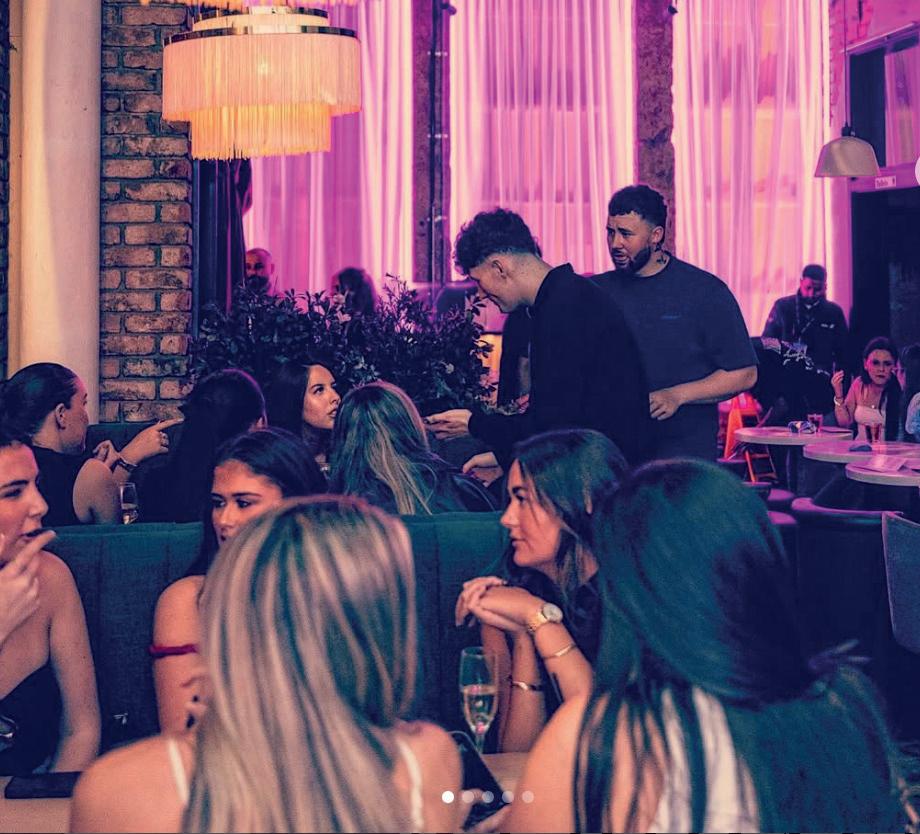
Where Every Night Feels Like the Greatest Party of the Decade
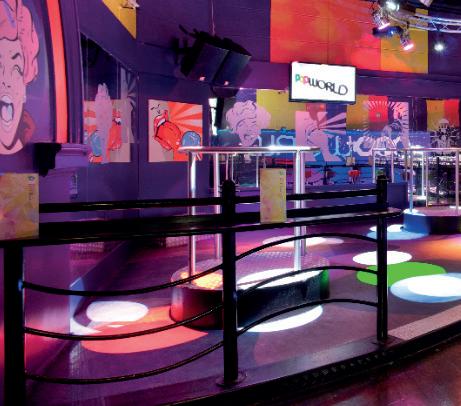
Few venues embrace unapologetic fun quite like Popworld Birmingham. Nestled in the heart of Broad Street, one of the UK’s best-known entertainment districts, the venue has become a staple of Birmingham’s late-night scene, offering an irresistible blend of nostalgia, colour and chart-topping pop anthems that keeps dancefloors packed until the early hours. Since opening in 2013, replacing the former Flares nightclub, Popworld has established itself as one of the city’s go-to destinations for celebrations, hen parties, birthdays and unforgettable nights out.
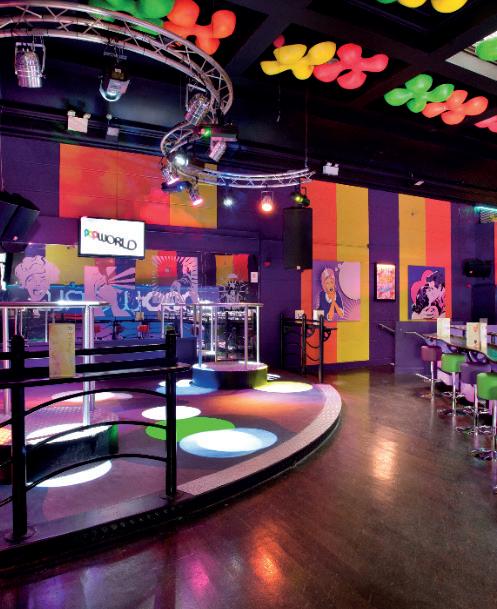
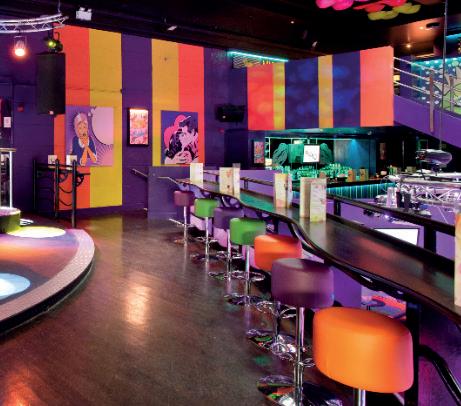
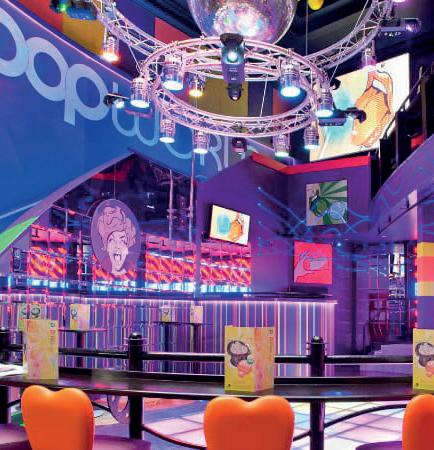
From the moment you step through the doors, it’s clear that Popworld doesn’t take itself too seriously—and that’s precisely its appeal. Everything about the venue is designed to create a feel-good atmosphere. Neon lighting, glittering disco balls, colourful décor and vibrant seating combine to create an aesthetic that is equal parts retro and contemporary. It’s a venue that celebrates pop culture with infectious enthusiasm, encouraging guests to leave their inhibitions at the door and simply enjoy themselves.
Music is, of course, the heartbeat of the experience. Expect wall-to-wall party classics spanning the biggest hits of the 1990s, 2000s and today’s charts. One moment the dancefloor is singing along to the Spice Girls and Britney Spears, the next it’s bouncing to Beyoncé, Katy Perry or the latest chart favourites. The playlists are deliberately nostalgic, packed with the kind of guilty pleasures everyone secretly knows every word to, creating an atmosphere where strangers quickly become dance partners by the chorus.
The venue itself is spread across multiple levels, offering a variety of spaces to suit different occasions. Spacious dancefloors sit alongside comfortable booths that can be reserved for birthdays and celebrations, while dedicated VIP areas provide a more exclusive setting for larger groups. Whether you’re planning an intimate gathering or a full-scale party, the layout ensures there’s plenty of room to celebrate without losing the lively atmosphere that defines the venue. Drinks are every bit as colourful as the surroundings.
Popworld has built its reputation on an extensive cocktail menu featuring vibrant serves, oversized sharing drinks and playful creations that perfectly match the venue’s energetic personality. Signature cocktails, disco-themed sharers, premium spirits, prosecco packages and classic favourites are all available, making it easy for groups to toast any occasion in suitably extravagant style. Regular drinks offers and prebookable party packages further enhance the experience, particularly for birthdays, hen parties and corporate celebrations.
Perhaps what makes Popworld Birmingham so enduringly popular is its complete lack of pretension. It knows exactly what it is—a venue dedicated to fun, nostalgia and unapologetically cheesy pop music—and it delivers that experience with confidence. The atmosphere is welcoming,
energetic and inclusive, attracting everyone from students and young professionals to groups celebrating milestone occasions.
For visitors discovering Birmingham’s nightlife for the first time, Popworld offers an evening that feels instantly familiar. It’s the soundtrack to school discos, family parties and nights out with friends, all wrapped up in a venue designed to keep the good times rolling. Sometimes the best nights aren’t about discovering something new—they’re about rediscovering the songs you thought you’d forgotten and singing them at the top of your lungs with hundreds of likeminded partygoers. That’s the magic of Popworld Birmingham, and it’s why the venue continues to be one of Broad Street’s brightest stars.
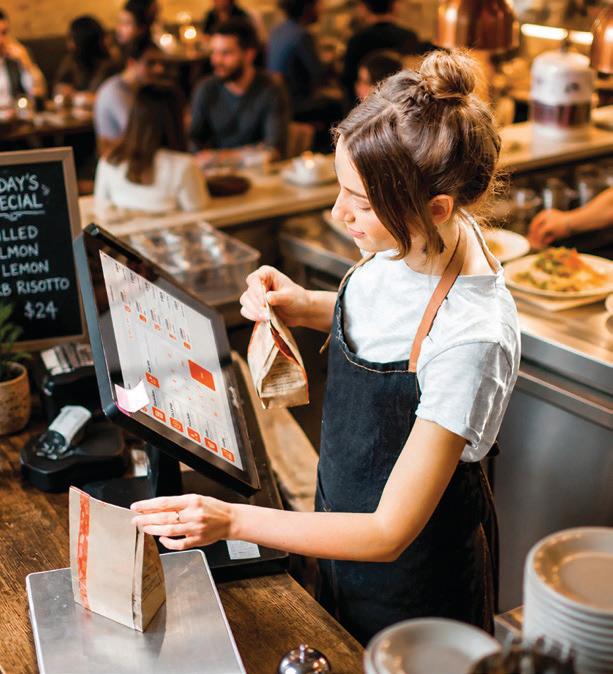
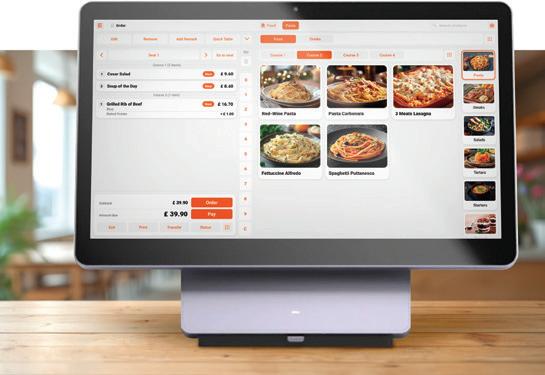
A new era of restaurant POS and management technology
NEW Cloud architecture that scales with you. Manage from anywhere, with reliable local performance.
Intuitive interface that’s easy to learn, fast to use, and built for busy environments.
Open integration ecosystem that connects your POS, payments, operations, and reporting.
LASGOW’S DESIGN-LED VENUE WHERE THE DRINKS ARE PART OF THE THEATRE
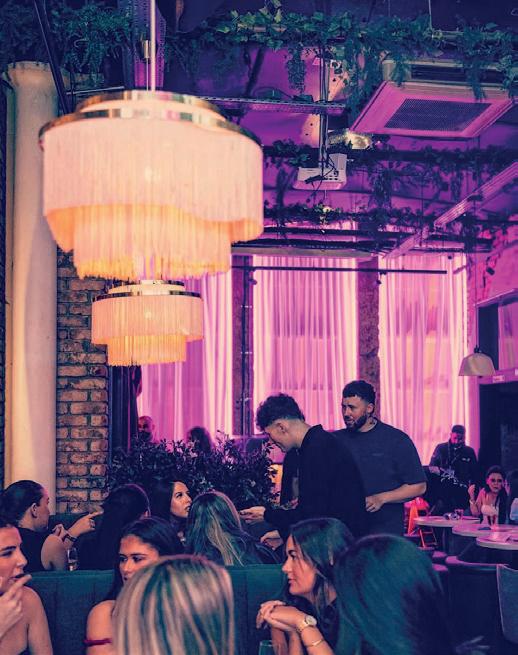
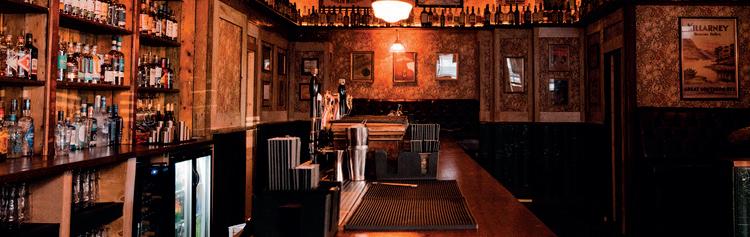
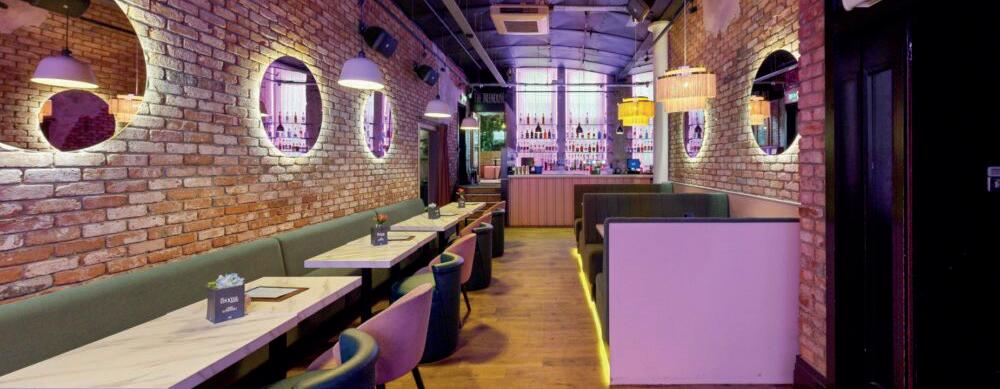
In a city that knows how to do a night out, Hide & Seek has quickly carved out a space of its own. Tucked into Glasgow’s ever-evolving hospitality scene, the venue feels less like a standard bar and more like a carefully staged experience: part cocktail destination, part social hideaway, part visual playground. It is the kind of place that invites curiosity before you have even stepped inside, and rewards it once you do.
The name is fitting. Hide & Seek has the feel of somewhere discovered rather than simply visited, a venue that plays with the idea of escape in a city centre setting. Glasgow has long embraced bars with personality, but Hide & Seek leans into the modern appetite for atmosphere as much as drinks. It is a venue built for people who want their evening to feel considered, from the lighting and layout to the glassware and garnish.
That sense of intention is central to its appeal. Hide & Seek is not trying to be everything at once. Instead, it focuses on creating a polished, immersive environment where the drinks are as much a visual statement as a flavour experience. The aesthetic is immediately striking: low lighting, sleek finishes, carefully chosen textures and a mood that shifts effortlessly from early-evening sophistication to late-night energy. It is stylish without feeling stiff, and lively without tipping into chaos.
The drinks offering is where the venue really comes into its own. This is a bar that understands the power of presentation. Cocktails arrive looking like miniature works of art, with vibrant colours, elegant glassware and garnishes that feel deliberate rather than decorative for decoration’s sake. There is a sense that every serve has been thought through, not just in terms of taste but in terms of how it lands on the table and how it fits into the wider experience of the room.
Expect a menu that balances familiar crowd-pleasers with more playful, contemporary creations. There is room for spirit-led classics, fruit-forward serves and drinks that lean into texture, aroma and visual drama. Some cocktails are likely to arrive with a flourish; others impress through restraint, proving that aesthetic appeal does not have to mean excess. The best bars know how to make a drink memorable, and Hide & Seek seems to understand that the first impression matters just as much as the final sip.
What makes the offering especially appealing is that it feels designed for the way people actually drink now. There is a growing expectation that a bar should cater to different moods and occasions, and Hide & Seek appears to meet that brief with confidence. Whether you are after a pre-dinner
cocktail, a celebratory round with friends or something lighter and more refreshing for a longer evening, the menu feels broad enough to accommodate different tastes without losing its identity.
The same attention to detail extends to the non-alcoholic side of the menu, which is increasingly important in a venue that wants to feel inclusive rather than exclusive. In a bar like this, low- and no-alcohol drinks are not treated as an afterthought. They are part of the overall experience, designed with the same care and visual appeal as the rest of the list. That matters in a city where social drinking is often about the ritual as much as the alcohol itself.
Behind the polished surface, Hide & Seek also reflects a broader shift in Glasgow hospitality. The city has always had a strong pub and bar culture, but the newer generation of venues is increasingly focused on atmosphere, design and storytelling. Hide & Seek fits neatly into that movement. It feels contemporary without chasing trends too aggressively, and it offers the kind of setting that encourages people to linger rather than simply pass through.
A visit here is likely to feel like an occasion, even if it is not one. That is part of the charm. You might arrive for one drink and stay for several, drawn in by the room, the music and the easy rhythm of the place. The crowd is likely to be a mix of after-work drinkers, couples on a date night, groups marking a birthday or weekend catch-up, and visitors who have heard that this is one of the city’s more distinctive new spots. The atmosphere should be social, but not overwhelming; buzzy, but still intimate enough for conversation.
Service is another part of the experience that can make or break a venue like this, and Hide & Seek seems built around the idea that hospitality should feel effortless. In a bar where presentation matters so much, the team behind the counter becomes part of the performance. A good bartender does more than pour drinks; they guide the evening, read the room and help shape the mood. That sense of confidence and care is what turns a stylish venue into a memorable one.
Ultimately, Hide & Seek captures something Glasgow does particularly well: it offers a night out with personality. It is a venue that understands the value of atmosphere, the importance of a well-made drink and the pleasure of being somewhere that feels a little special. For anyone looking for a bar that combines aesthetic appeal with a thoughtful drinks list and a sense of discovery, Hide & Seek is exactly the sort of place worth finding.
THE RAVEN SOARS AGAIN: GLASGOW’S SPORTS BAR GETS A WINNING NEW LOOK
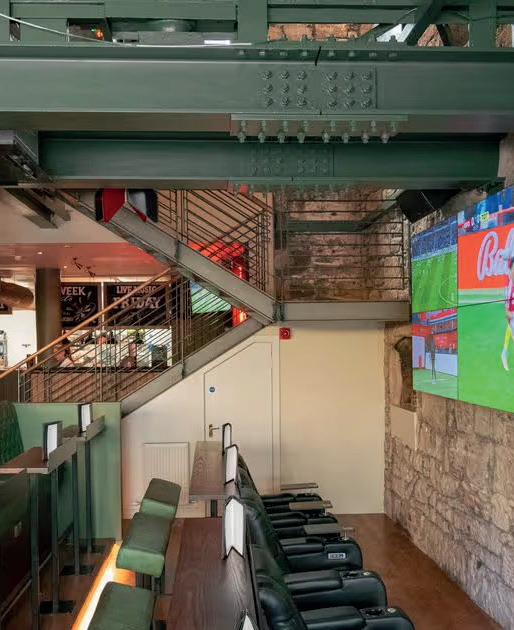
here is something reassuring about a great sports bar. It should feel welcoming before kick-off, electric when the action starts and comfortable enough that you never feel rushed once the final whistle blows. Following a substantial investment in the refurbishment, The Raven on Glasgow’s Renfield Street has embraced exactly that philosophy, emerging as one of the city’s most impressive destinations for live sport, casual dining and social occasions.
Operated by Scotland’s leading hospitality operator, Signature Group, the venue has undergone a dramatic transformation that elevates it well beyond the traditional pub experience. While sport remains firmly at its heart, the redesign creates a space that is equally suited to long lunches, after-work drinks and weekend gatherings with friends.
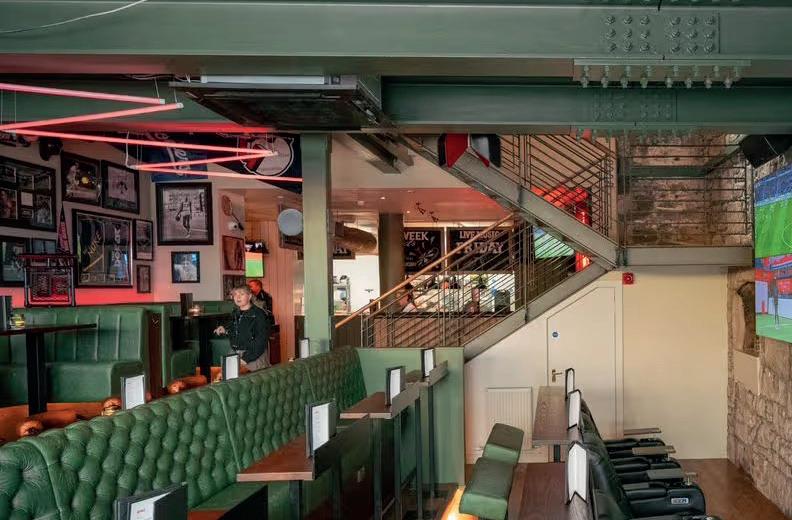
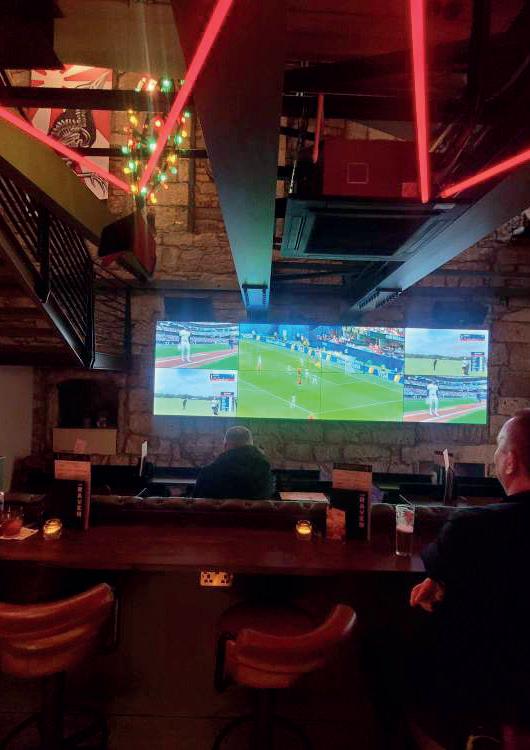
The first thing that strikes visitors is the new aesthetic. Gone is the darker, more conventional sports bar feel, replaced by a brighter interior inspired by retro American sports bars with a contemporary industrial edge. Exposed finishes, comfortable booths and thoughtfully designed social spaces combine to create an atmosphere that feels modern without sacrificing warmth. It is stylish yet relaxed—a venue where fans can settle in for ninety minutes or spend an entire afternoon enjoying the occasion.
Naturally, the centrepiece is the viewing experience.
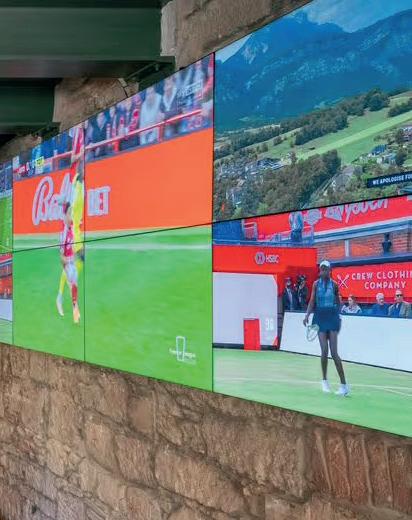
Signature Group has invested heavily in state-of-the-art audiovisual technology, including an eye-catching digital wall made up of eight HD screens alongside more than 20 televisions positioned throughout the venue. Whether you’re seated at the bar, relaxing in a booth or gathered with friends in the dedicated Arena viewing zone, every seat offers an excellent view of the action.
luxurious La-Z-Boy recliners. Rarely associated with traditional pubs, they add a touch of premium comfort that transforms matchday into something closer to a private cinema experience. Alongside bookable booths and dedicated group spaces, The Raven has created an environment where watching live sport feels every bit as important as attending it.
The investment extends well beyond the screens. Upstairs, guests will find electric darts, a pool table and a private bar, making the venue an attractive option for birthdays, corporate events and celebrations as well as live sporting occasions.
Food also plays a starring role. The refreshed menu embraces bold American-inspired comfort food with a playful twist. Detroit-style pizzas sit alongside loaded burgers, hot dogs, sandwiches and the venue’s eye-catching pizza doughnuts, while indulgent desserts including deep-fried Mars Bars and toffee apple pecan pie sundaes ensure nobody leaves hungry. Meanwhile, generous lunch offers and regular drinks promotions, from craft beers and cocktails to wines and spirits, make The Raven just as appealing midweek as it is on matchday.
Ultimately, The Raven’s refurbishment reflects Signature Group’s continued investment in creating destination venues rather than simply places to watch sport. By combining thoughtful interior design, exceptional viewing technology, genuine comfort and an impressive food and drink offering, the company has successfully reimagined one of Glasgow’s best-known sports bars for a new generation.
Perhaps the most inspired addition is the inclusion of
Whether you’re cheering on your team, catching up with friends over dinner or simply looking for one of the city’s liveliest social spaces, The Raven now delivers an experience that’s every bit as memorable as the action unfolding on its screens.
THE GLASGOW CURRY HOUSE THAT BECAME A SCOTTISH
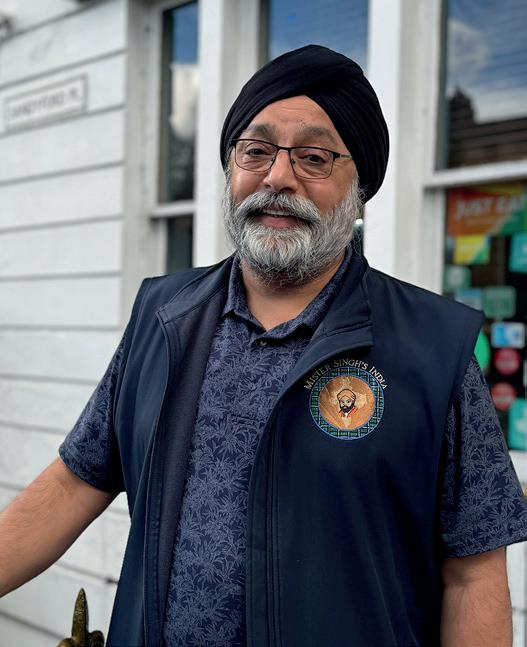
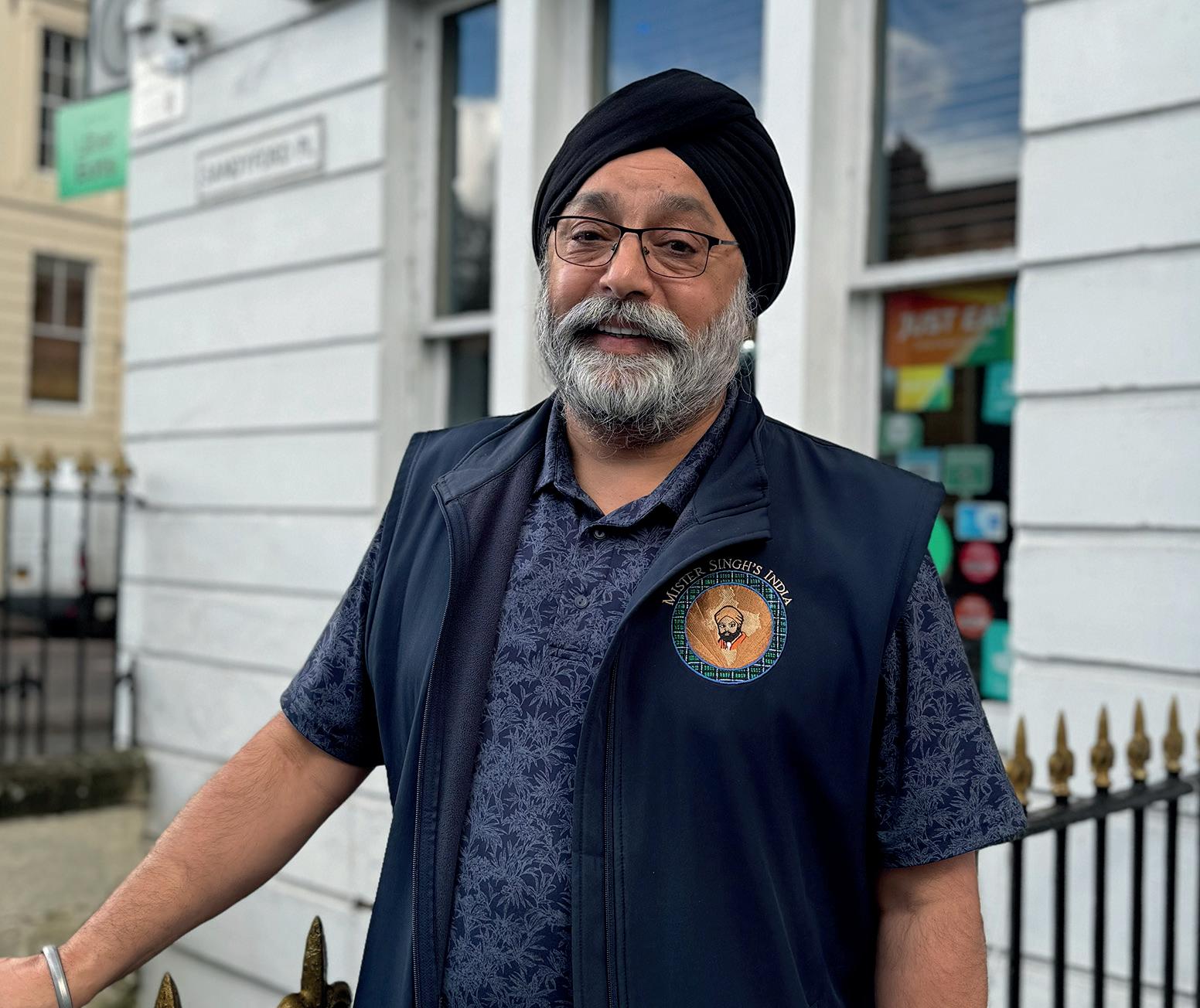
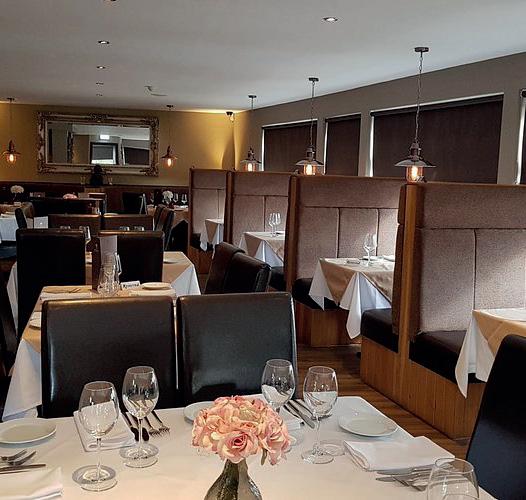
In a city renowned for its love affair with great food, few restaurants have earned the affection, longevity and reputation of Mr Singh’s India. Since first opening its doors in 1994, the family-run restaurant on Elderslie Street has become far more than just a place to enjoy an outstanding curry. It has evolved into one of Glasgow’s most recognisable hospitality brands, blending authentic Punjabi family recipes with unmistakable Scottish character.
Founded by Sardar Jit Singh—better known to generations of customers simply as “Papa Singh”—the restaurant was built on a simple philosophy: welcome every guest like family and never compromise on quality. More than three decades later, that ethos remains firmly intact, with successive generations of the Singh family continuing to oversee the business and preserve recipes passed down through the family. (mistersinghsindia.com)
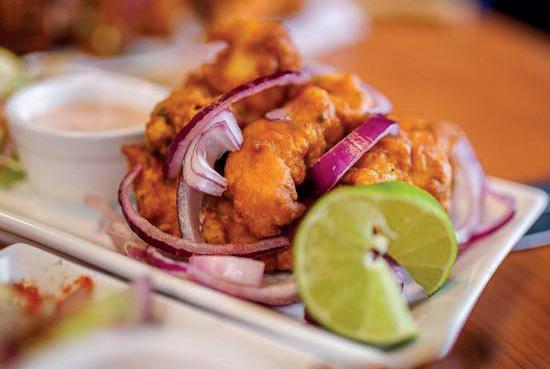
From the outset, Mr Singh’s India stood apart from Glasgow’s thriving Indian restaurant scene. While traditional favourites remain at the heart of the menu, the restaurant became famous for embracing Scotland’s culinary identity, creating dishes that have become legendary in their own right. None is more iconic than the now-famous Haggis Pakora, a bold fusion of Scottish and Punjabi traditions that has helped define the restaurant’s reputation and inspired countless imitations across the country. (mistersinghsindia.com)
Its distinctive blend of east-meets-west cuisine has attracted diners from every walk of life. Over the years the walls have filled with photographs of famous faces who have enjoyed the restaurant’s warm hospitality. Entertainment legends including Billy Connolly and Sean Connery have dined there, while former US President Bill Clinton is among the international visitors to have sampled its famous curries. Yet
perhaps the greatest compliment paid to the restaurant is that celebrity guests receive exactly the same welcome as firsttime customers—a hallmark of the Singh family’s approach to hospitality. (Glasgow Guardian)
That reputation extends beyond the food itself. Regular customers speak just as fondly about the experience of dining at Mr Singh’s: staff dressed in the restaurant’s trademark tartan kilts, generous portions, lively conversation and the sense that every visit is treated as a special occasion. It’s an atmosphere that has helped the restaurant survive changing food fashions while many contemporaries have disappeared.
But longevity has never meant standing still.
Recent years have seen Mr Singh’s India reinvent itself as a modern food brand while remaining rooted in family tradition. Alongside restaurant dining, the business has expanded into retail products, cooking experiences and partnerships that introduce its flavours to new audiences. Its pakora masterclasses, for example, allow guests to learn family recipes before sitting down to a full Punjabi feast, reinforcing the restaurant’s reputation as both educator and entertainer. (mistersinghsindia.com)
One of the most talked-about developments has been a series of collaborations with other well-known Scottish hospitality businesses. Teaming up with Glasgow favourite Bucks Bar, the restaurant has helped create limited-edition dishes that combine the indulgent comfort food both brands are known for. These collaborations celebrate Glasgow’s vibrant independent food scene, bringing together businesses that share loyal customer bases while introducing diners to creative new flavours.
The restaurant has also partnered with other venues,
festivals and live entertainment experiences across Scotland, reinforcing its place within the wider hospitality community rather than simply operating as a standalone restaurant. These collaborations reflect an increasingly modern approach to hospitality—one where successful independent businesses support each other through shared events, special menus and cross-promotional experiences.
Innovation has become something of a family trademark. Whether creating signature dishes, launching new menus for concert-goers heading to the nearby OVO Hydro or expanding its range of experiences, the Singh family have consistently found ways to keep the business relevant while respecting its heritage. (mistersinghsindia.com)
That balance between tradition and reinvention explains why Mr Singh’s India continues to thrive after more than thirty years. While countless restaurants have come and gone, the family has never lost sight of what made people fall in love with the business in the first place: authentic cooking, genuine
hospitality and an atmosphere that makes every customer feel like an old friend.
In many ways, Mr Singh’s India tells the story of modern Glasgow itself—a city proud of its multicultural identity, confident enough to celebrate both its Scottish roots and international influences. It is a place where Punjabi family recipes sit comfortably alongside haggis, where celebrity diners mingle with students and families, and where innovation never comes at the expense of authenticity.
As Glasgow’s food scene continues to evolve, Mr Singh’s India remains one of its defining success stories. Thirty years after Papa Singh first welcomed diners through the door, the restaurant continues to prove that great food is only part of the recipe. Family, community, warmth and a willingness to embrace change have transformed a neighbourhood curry house into one of Scotland’s best-loved culinary institutions – and one that looks set to remain a Glasgow favourite for generations to come.
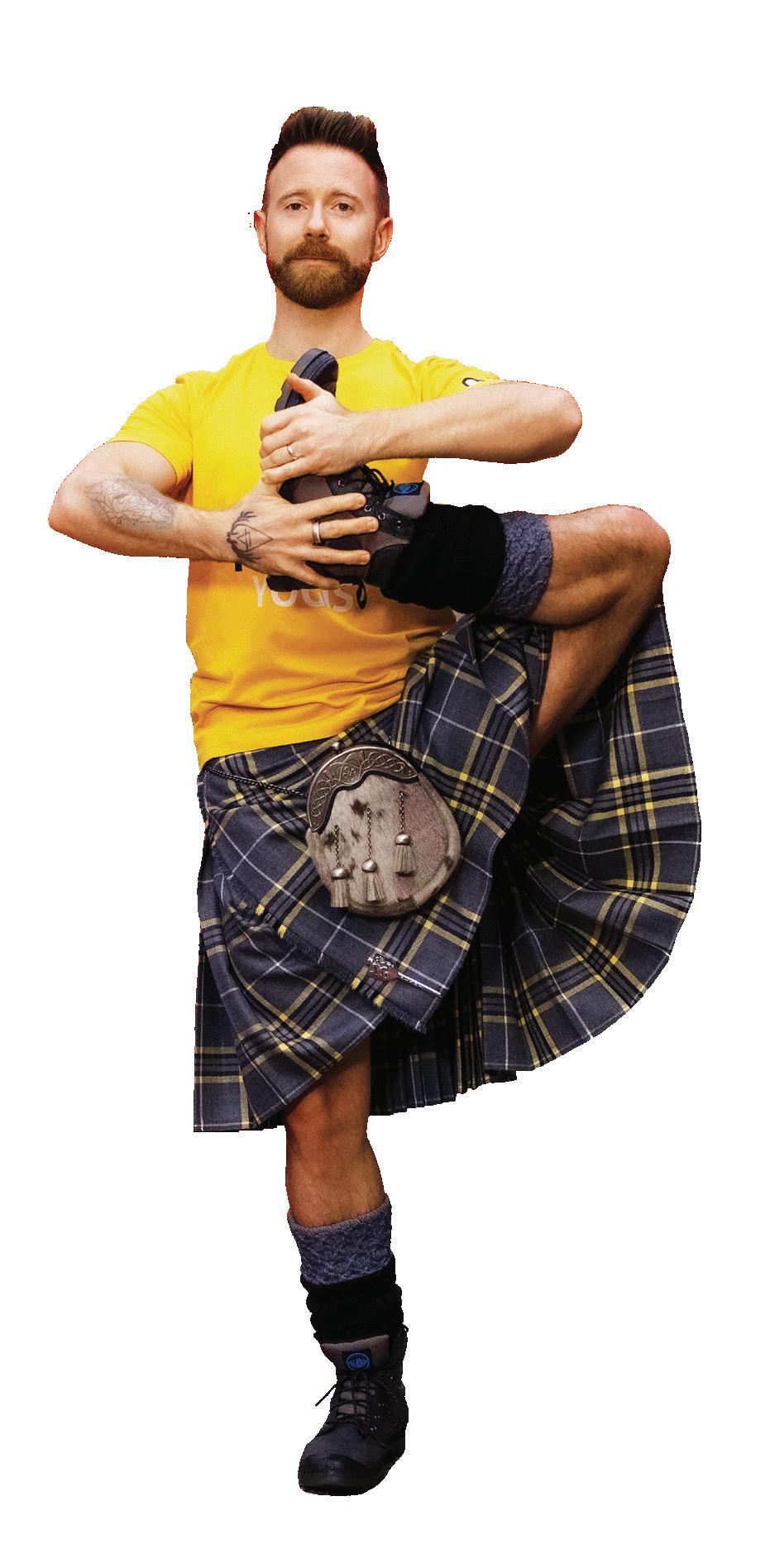
a wee stretch for a big cause
Signature Wines
Alchemy Drinks has launched Signature Wines, a dedicated wine specialist division bringing national portfolio scale and genuine local expertise to Scotland's on-trade, with straightforward advice and over 1,500 wines to choose from, sourced from over 17 countries, making it one of the broadest ranges in the market.
Signature Wines aims to make wine simple, clear and accessible to everyone in Scotland's hospitality industry, from seasoned sommeliers to new bar managers. No confusing terms, no assumption that every operator already knows their Grenache from their Garnacha, and no pressure.
What Signature Wines Brings to the Table:
● Access to 1,500+ wine SKUs, from everyday drinking wines through to premium bottles, including fastgrowing categories such as rosé, sparkling, and Italian wines.
● Dedicated wine account managers with real product knowledge, focused entirely on Scotland.
● Practical support: wine list consultancy, wine menus, staff training, food pairing guidance, and by-the-glass programme optimisation.
What We Stand For
"We created Signature Wines as a wine business that keeps things simple, gives honest advice, and genuinely helps venues get the best from their wine list. Our team are here to work with our customers to achieve one goal, great wine that works for your business, and working relationships built for the future."
Michael McShane, Director, Signature Wines by Alchemy Drinks
We Make Wine Simple - Wine doesn't have to be hard work. We cut through the confusing terms and give straightforward advice that helps operators choose the right wines for their venue and their customers.
Your Wine Partner, Not Just Your Supplier - We help venues build a wine list that works for their business, whether that's better margins, happier customers, or filling gaps in the menu. Partners, not order-takers.
We Know Scotland's Hospitality Scene - We understand Scottish venues because we're part of the community, from the gastropubs of Glasgow to the fine dining rooms of Edinburgh and beyond.
Expert Knowledge, Zero Attitude - We're passionate about wine and we know our stuff, but we're not here to lectureeveryone's welcome at our table.
Quality & Value Go Hand in Hand- Great wine doesn't have to break the bank. From everyday drinking wines to premium bottles, we help operators find what works for their budget and their customers.
Get in Touch
Signature Wines is available to all Scottish on-trade licensed premises. To arrange a consultation, contact the team at info@signaturewines.co.uk or 0141 483 7725, or visit www.signaturewines.co.uk to find out more.
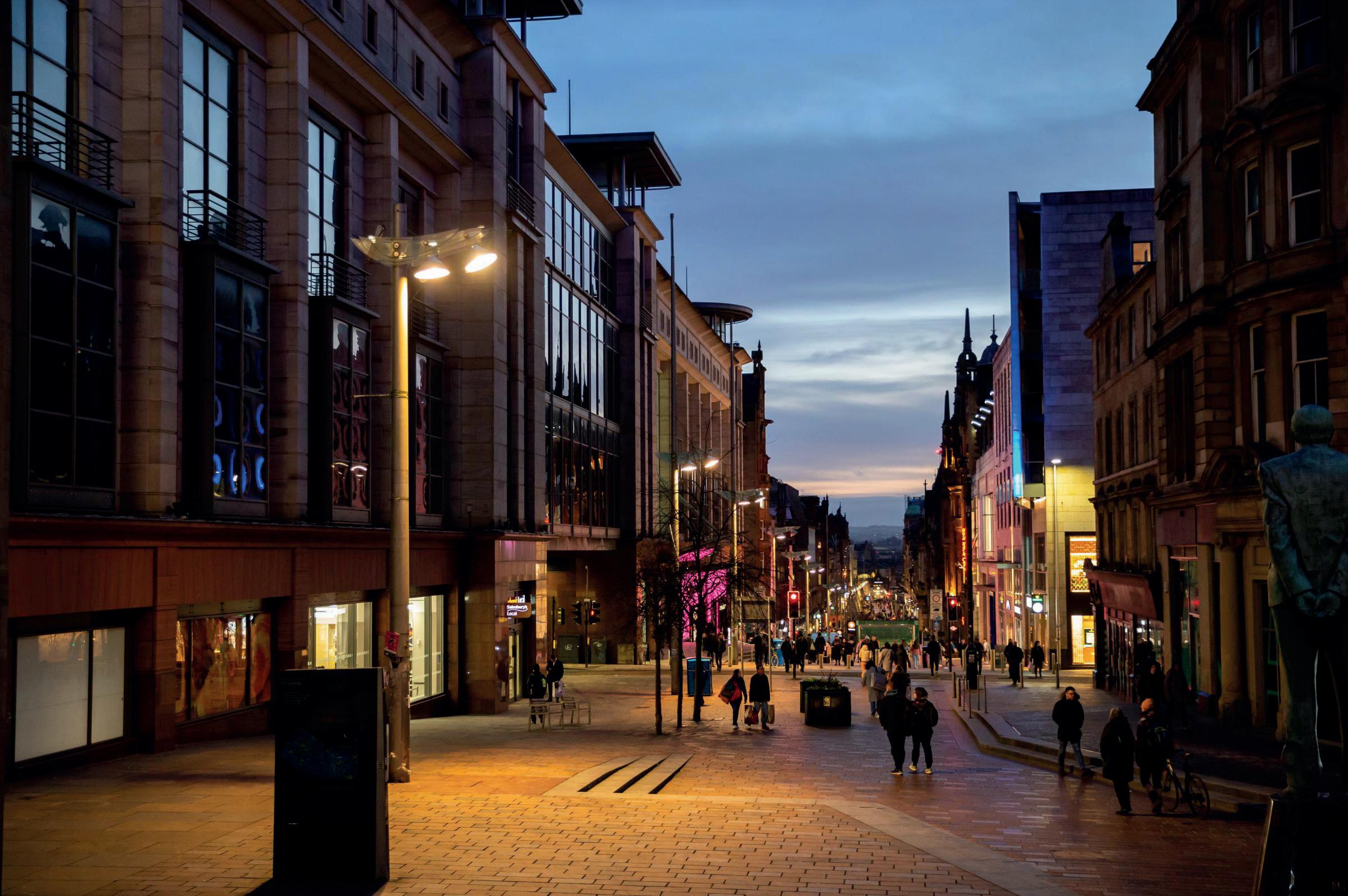
GLASGOW’S BIG NIGHT OUT: HOW A NEW NIGHT-TIME ECONOMY COMMISSION PLANS TO REIMAGINE THE CITY AFTER DARK
There was a time when Glasgow was considered as one of Britain’s great nightlife capitals. From world-famous music venues and bustling pubs to late-night restaurants and cultural attractions, the city’s after-dark offering was central to its identity. Yet like many cities, Glasgow has faced significant challenges in recent years, with rising operating costs, changing consumer habits, transport issues and venue closures reshaping the landscape.
Many across the hospitality industry have sited the council as a major cause of the cities decline as a cultural beacon for nightlife with what many believe as ill thought out policy , poor communication and a distinct lack of support for the industry from the very top of the authority.
Many in hospitality have been attempting to communicate with council leader Susan Aitken on the sector’s plight and what that impact is to the city and it’s economy for a number of years , with many feeling that the sector has simply been ignored.
One example publicly highlighted by the industry was in 2025 when the council leader refused to attend a meeting of senior leaders from across the industry as well as other council leaders and politicians in the uk arranged by OnTrade Magazine where Sacha Lord chair of the Night
Time Industries Association and former night time economy adviser to Prime Minister is waiting Andy Burnham as mayor o Manchester presented a “ blueprint “ of Manchesters success and growth where the hospitality industry and night time economy were core to it being the fastest growing city in the uk.
Susan Aitken publicly stated at the time she did not attend the meeting as in her opinion “ Glasgow doesn’t need to look for advice from other cities as were are doing just fine as we are “
This seemingly arrogant type of approach has lead many in the industry to welcome the news that the council leader will be stepping down from her role.
In this initiative the council has established a Night-Time
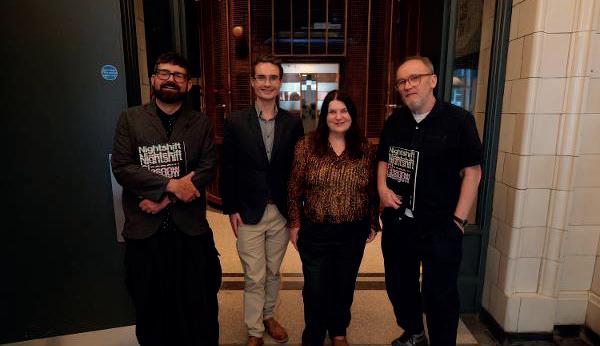
Economy Commission, bringing together leading figures from hospitality, music, culture, licensing and business to help shape the future of Glasgow after dark. The independent commission marks the next stage of the city’s ambitious Nightshift Glasgow vision, designed to transform the city centre into a safer, more vibrant and betterconnected destination well beyond traditional business hours.
Instead of focusing solely on bars and clubs, the commission’s remit is much broader. It aims to strengthen every aspect of Glasgow’s evening economy—from live entertainment and cultural venues to restaurants, transport, public spaces and the overall visitor experience.
The council’s strategy is built around five key priorities:
* Improving cleanliness and public safety.
* Enhancing late-night transport options.
* Creating better lighting, streetscapes and wayfinding.
* Supporting and growing Glasgow’s cultural, arts, sport and hospitality sectors.
* Strengthening leadership and collaboration between public agencies and the private sector.
Alongside the commission, Glasgow will recruit a dedicated Night-Time Economy Officer to coordinate delivery of the action plan and act as a bridge between industry, communities and the council.
The newly formed commission is chaired by Mike Grieve, Managing Director of the iconic Sub Club and Chair of the Scottish Night Time Industries Association. Widely respected across the hospitality and music sectors, Grieve will lead a panel drawn from across Glasgow’s night-time industries.
The founding members include:
* Fiona Ellis, DF Concerts.
* Katie Duffy, Head of Art and Music at Glasgow Life.
* Stephen McGowan, Head of Licensing at TLT LLP.
* Representatives from the Music Venues Trust.
The council has confirmed that additional representatives from other sectors and organisations will join the commission as its work develops, ensuring broad representation across Glasgow’s diverse night-time economy.
The commission’s ambitions extend beyond encouraging people to stay out later. Its work includes examining how planning policy, licensing, transport, public safety and city management can better support businesses while improving the experience for residents and visitors alike.
Early priorities include advocating for improved latenight public transport, supporting independent venues, encouraging new evening attractions, enhancing wellbeing and safety initiatives, and developing a Glasgow Licensing Charter that provides greater clarity.
For Glasgow, the establishment of the Night-Time Economy Commission has to represent more than another council initiative. It must signal the recognition that the city’s evening economy is an essential economic, cultural and social asset and deliver meaningful change for the city and its industry.
If the commission succeeds, Glasgow’s future nights could be cleaner, safer, easier to navigate and more diverse— supporting everything from grassroots music venues and independent restaurants to major concerts and cultural events.
As cities across Europe compete to attract visitors, investment and creative talent, Glasgow is making clear that its future will not simply be built during daylight hours. The city is preparing to make the night work harder –for businesses, residents and everyone who calls Glasgow home.
10TH AUGUST 2026
Tito's Handmade Vodka was founded by sixth-generation Texan, Tito Beveridge. His career track took a few turns, but he always found time to do what he loved: make people smile with spirits. Tito got a kick out of infusing vodka for friends and handing out bottles at parties. He quickly became known as "the vodka guy." Willing to risk it all, he pursued the career of his dreams and set out to build a distillery.
With a dog by his side, Tito found a plot of land in rural Austin, convinced a few friends to help him build a shack for his still and, against all odds, perfected his pot-distilled spirit. He fought Texas laws, took on nearly $90,000 of debt, and for several years, played a one-man show to get his dream going, overseeing all distilling, hand-bottling, and selling during the hours in-between. In 1997, he sold his first case. Almost three decades later, Tito's Handmade Vodka has gained a reputation for its high-quality product, charitable contributions, and its goal to make people happy while making the world a better place.
The most awarded vodka in the British isles
MARTINI GRADE VODKA
BOOST YOUR CASH FLOW WITH LICENSING AND MANAGEMENT TIPS – PART 4
The hospitality and tourism sectors across the UK operate within a challenging financial landscape. Increasing operational costs, fluctuating consumer demand, and a complex regulatory environment mean managing overheads has to be able to pivot and react to ongoing changes. This is a six-part review which we started in May 2026, so continue to watch this space. (Please contact us if there are specific areas you want us to cover).
Optimise Revenue Streams – use your licence properly:
A PREMISES LICENCE is not a static document; it is a commercial tool that should evolve with your business model. Many operators are restricted by outdated permissions that limit revenue potential. A licence granted years ago may no longer reflect: how the business now trades; the hours or permissions actually allowed by your local authority or licensing board; the demographics of the area; the commercial opportunities available through delivery, external trading, experiential events; or longer customer dwell time.
In Scotland, you can apply for variations to permit additional activities to drive cash flow:
• Outdoor areas: Increasing capacity through a permanent external area can strengthen seasonal trade.
• Live sport: some premises missed out on recent World Cup additional hours because they did not have live sport as part of their activities. Review activities to see if more can be offered and ensure compliance. (Premises were told to stop trading through the World Cup so there is enforcement.) This will apply to everything – not just football – but athletics, Olympics and Commonwealth Games; Wimbledon and other tennis; rugby, cricket and all other sports.
• Expanded licensed hours: Additional trading time may increase turnover.
• Off-sales: If your current premises licence is on-sales only, varying it to include off-sales may open up home delivery and takeaway opportunities.
In England and Wales, similar commercial gains may be achieved by varying the premises licence. Operators may seek to amend authorised activities, extend hours for the sale of alcohol or late-night refreshment, add seasonal or non-standard timings, or include external areas within the licensed footprint.
In Northern Ireland, variations to the premises licence follow a different route — applications must be made to the county court for consent. Operators can seek to vary authorised activities, extend trading hours, add outdoor drinking areas, or include off-sales. However, the court process is more formal than the administrative variations in Scotland or England & Wales. Off-sales hours are restricted to 8 am–11 pm weekdays (10 am–10 pm Sundays) with no off-sales on Christmas Day, which limits the cash-flow potential of that route. Any physical alteration increasing drinking facilities or which changes the layout of public areas requires prior court approval.
Despite additional procedural hurdles, a well-prepared variation application can unlock outdoor capacity, extended seasonal hours, and new revenue streams. For all jurisdictions, all alcohol sales must be confined to the areas shown on the layout plans which attach to the premises licences/permission.
Variation:
A variation is not just a form-filling exercise. It requires the application to be framed in a way that anticipates local concerns, addresses conditions and the licensing objectives sensibly, and demonstrates that the proposal is operationally manageable.
The practical commercial significance can be c onsiderable. A neighbourhood restaurant may discover that adding an outdoor seated area and modest off-sales to allow take away and deliveries materially increases average spend, not only in the outdoor area during summer months, but also in quieter months with the take away and delivery offerings. A hotel may improve profitability by securing flexibility for functions, weddings, and seasonal entertainment, rather than repeatedly operating at the edge of its current permissions. A tourism-led venue may find that adding non-standard timings for local festivals or holiday periods enables it to capture demand that would
WHAT WE DO:
ADVICE ON PERSONAL AND PREMISES LICENCES
DRAFTING AND LODGING
APPLICATIONS
ATTENDANCE AT CONTENTIOUS HEARINGS
ADVICE ON BUSINESS STRUCTURES FOR LICENSED PREMISES
TRAINING AND MANAGEMENT OF STAFF PERSONAL LICENCES
otherwise be lost to competitors.
These are not new or complicated strategies – but they are examples of ordinary licensing housekeeping translating into measurable revenue.
Actionable Step: Conduct an internal audit of your current permissions. Identify any restrictions in your premises licence, Operating Plan, layout approval, or authorised activities that prevent you from diversifying your offer. Then take advice on the appropriate variation procedure before implementation. Approach the process commercially: ask not only what is legally possible, but which permissions are most likely to generate sustainable revenue.
GAMING MACHINE PERMITS can also provide an additional revenue stream, particularly in pubs, bars, and certain hospitality settings where ancillary entertainment complements the core offer. The legal framework differs across the UK, but the central point is that gaming machine use is regulated and should not be treated as an informal add-on.
In England and Wales, permissions under gambling legislation may allow certain categories of gaming machines in alcohol-licensed premises, subject to notification or permit requirements and compliance with the statutory regime.
In Scotland, operators must also consider the applicable gambling framework and ensure that any machine is lawfully authorised for the particular premises and use. This is a distinct regulatory area, but in commercial terms it intersects with licensing, layout, supervision, and customer profile.
In Northern Ireland, gaming machines in licensed premises have a maximum stake and maximum all-cash prize restrictions in pubs and licensed hotels. There is no statutory cap on the number of machines, although the licensing court may impose a limit at the out set and/or during licence renewal, often at the request of the police. Proposed changes to the gambling framework in NI are currently under consultation.
A case-study style example illustrates the point. Consider a neighbourhood pub that has limited scope to extend internal seating and modest late-night demand, but a strong
early evening trade. By securing the correct external permissions for pavement seating and adding a compliant gaming machine offer, the operator may increase dwell time, improve ancillary spend, and diversify income without major building work and modest licensing costs.
Actionable Step: Review whether your premises could generate additional income from external pavement trading or gaming machine use. Then take advice on the specific permission route required in Scotland, England, or Wales, and ensure that any application is aligned with your premises licence, site layout, operating procedures, and wider commercial strategy.
Remember – changing areas, hours and/or permissions may have knock-on implications for premises licence conditions, plans, supervision arrangements, public liability considerations, and management/development strategy where the use of space changes in a meaningful way. External customer areas may need to be reflected in the licensing documentation. Gaming machines may require thought to placement, line of sight, age-restricted environments, and compliance management. A fragmented approach can create risk; a coordinated one can unlock value.
At The Licensing Company, we can avoid a fragmented approach and advise on coordinated review to unlock value in your business through your licence and licence permissions. We specialise in providing expert advice on licensing and related matters to hospitality and tourism operators. Whether you require representation at a hearing, assistance with a complex variation, or strategic input on licensing, business rates - professional advice can help protect both compliance and cash flow.
For business advice, a free licence review and general advice and support, please contact Joanna Millar at The Licensing Company on info@thelicensing.company or 07747 653417.
This article is provided for informational purposes only and does not constitute specific legal or financial advice. Licensing law and business rates rules differ across the UK and are subject to change. Contact us for advice on your specific circumstances before taking action.
LUCKY NUMBER 7: CAN BRITAIN’S SEVENTH PRIME MINISTER SINCE 2010 DELIVER THE STABILITY THE HOSPITALITY AND NIGHT TIME ECONOMY NEEDS?
Several weeks into office, following his leadership victory and arrival in Downing Street, the Prime Minister has reached the point where the campaign is over and the realities of governing begin.
For those of us working across hospitality and the night time economy, this is where the real conversation starts.
Our sector has never expected miracles. Operators understand better than most that complex economic challenges cannot be fixed in a matter of weeks. We have spent years dealing with rising costs, labour shortages, increasing regulation, fragile consumer confidence and relentless pressure on margins. Resilience has become part of everyday business. What the industry wants now is something much simpler. It wants confidence.
Confidence that Government understands the contribution hospitality makes to the economy.
Confidence that growth really is the priority. And confidence that this administration intends to work with business rather than simply make decisions that affect it.
Hospitality and the night time economy remain one of Britain’s greatest economic strengths, yet they are too often viewed as individual sectors rather than part of a much bigger ecosystem.
Restaurants, pubs, cafés, hotels, theatres, live music venues and attractions are only part of the picture. The night time economy also supports transport, security, cleaning, logistics, tourism and thousands of people whose working day begins when many others are heading home.
When these businesses succeed, high streets become busier, town and city centres feel safer, tourism grows and communities become stronger. That is why hospitality should sit at the heart of any
serious conversation about economic growth.
If the Government wants to demonstrate that it is genuinely pro business and pro growth, this is one of the quickest places to show it.
The encouraging thing is that many of the early signals are within Government’s control.
One of the first would be bringing together the departments responsible for business, the Treasury, culture, transport, housing and the Home Office to develop a joined up strategy for hospitality and the night time economy. Businesses experience Government as one organisation. Policy should reflect that reality.
The creation of a Hospitality and Night Time Economy Council, bringing together ministers with industry leaders, would also send an important message. It would demonstrate that hospitality is recognised as a strategic economic partner rather than simply another sector to regulate.
Just as important is providing certainty.
Businesses can deal with difficult decisions when they understand the direction of travel. What makes investment difficult is uncertainty. Greater clarity around business rates, taxation, planning, licensing, energy costs and employment policy would do more to unlock confidence than another round of short term interventions.
Communication matters just as much.
Government does not need to have every answer today, but businesses do need to know what tomorrow looks like. If reforms will take time, explain why. If priorities change, be open about the reasons. If there are difficult choices ahead, communicate them honestly.
The temptation for any new Prime Minister is to spend the first few months explaining the challenges inherited from previous administrations. While understandable, that is unlikely to resonate with an industry that has spent years managing those same challenges itself.
Hospitality is not looking for someone to tell us why things are difficult. We already know.
What businesses want to see is intent. They want to see decisions that demonstrate Government understands how connected policy really is.
Affordable transport is not simply a transport issue. It determines whether hospitality workers can get home safely after a late shift.
Housing is not just a housing issue. It affects whether businesses can recruit and retain talented people. Skills policy is not simply about education. It is about ensuring employers have the workforce they need to grow.
Safe streets are not only about policing. They determine whether people feel confident enough to spend an evening in their local town or city centre.
Hospitality and the night time economy sit at the intersection of all these issues, which is why they deserve a central place within the Government’s growth strategy.
Perhaps the biggest opportunity for this new administration is to rebuild confidence between Government and business.
For too long, hospitality has often felt that policy has been developed about the industry rather than with it. Operators do not expect Government to solve every problem, but they do expect to be listened to.
The industry wants partnership.
It wants consistency. It wants transparency.
Above all, it wants stability.
After seven Prime Ministers since 2010, stability has become just as valuable as growth. Businesses invest when they believe the environment is predictable. They recruit when they have confidence in the future. They expand when policy gives them the certainty to take calculated risks.
Hospitality has shown time and again that it will rise to every challenge. It creates jobs, supports communities, develops skills, drives tourism and contributes billions to the economy every year.
The question now is whether Government is prepared to match that commitment.
The Prime Minister’s first few weeks in office will not define his entire premiership, but they will shape how business judges his intentions.
Act quickly where progress can be made. Think strategically rather than tactically.
Communicate openly and honestly.
Lead with integrity.
If those principles become the foundation of this Government, hospitality and the night time economy will do what they have always done. They will invest, innovate, create jobs and help drive Britain’s economic growth.
After seven Prime Ministers since 2010, perhaps that is all this industry is really asking for.
Not special treatment. Not empty promises. Simply the stability that allows great businesses to succeed.
When the Wi-Fi drops, the phones fail or your systems go down, your venue feels it immediately.
Welgo helps hospitality businesses stay connected, secure and supported - providing reliable internet, Wi-Fi, telephony, cyber security, Microsoft 365 and managed IT support.
With over 50 years’ experience supporting Scottish businesses, we offer practical advice, local support and technology that helps keep your venue running.