evolving nightlife scene, featuring the iconic China White and its role in redefining premium late-night experiences in one of the UK’s most dynamic cities. From atmosphere to ambition, we explore what keeps venues like this at the forefront of the on-trade.
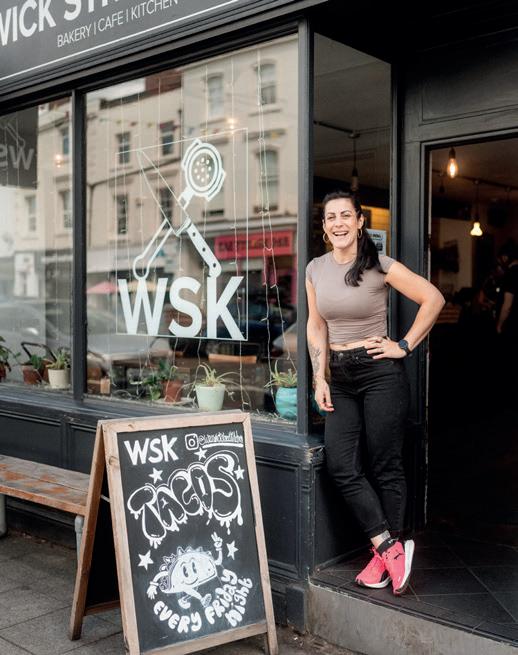
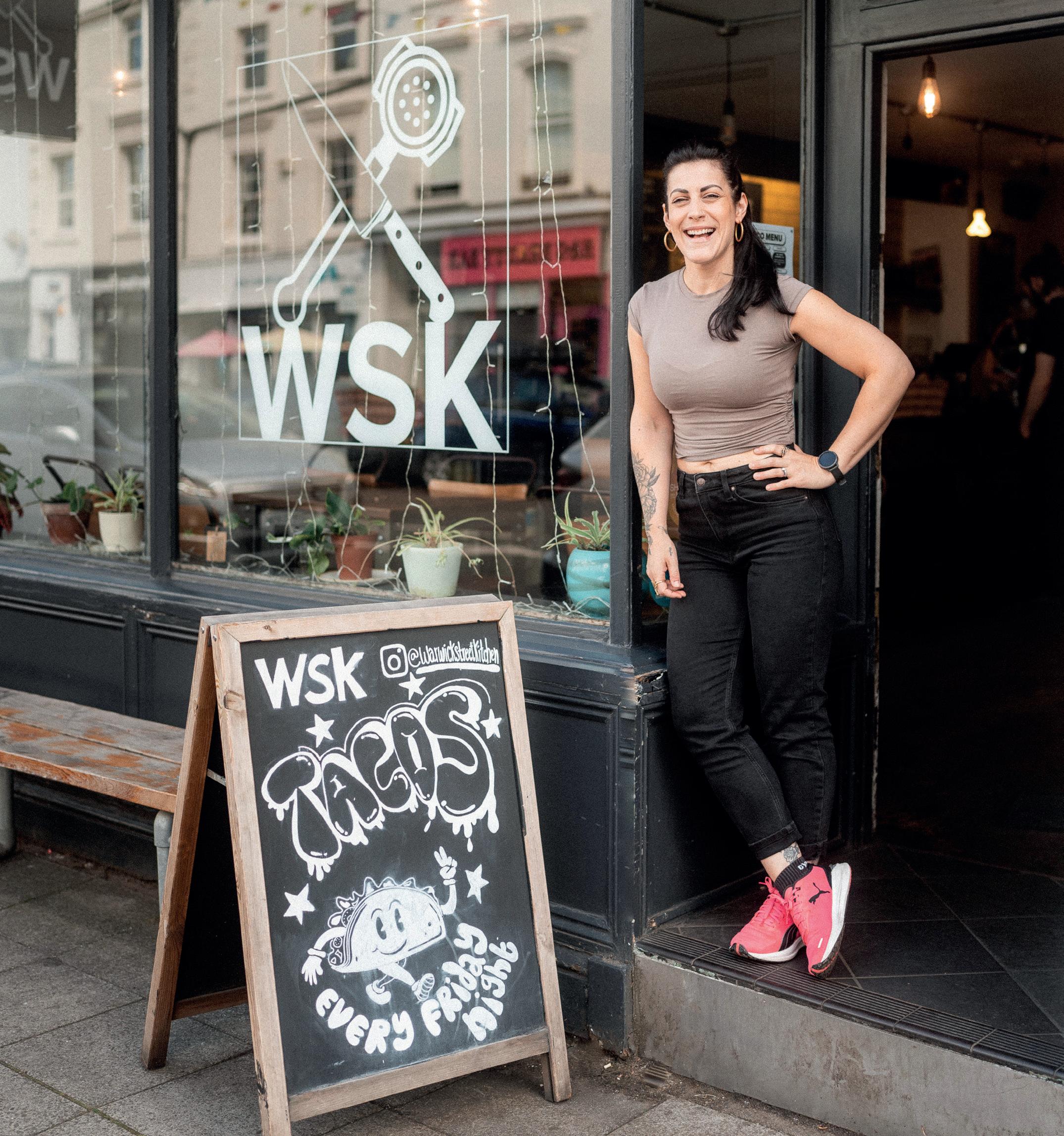
We’re also proud to bring you the story of Lydia Papaphilippopoulos, the driving force behind Warwick Street Kitchen. Her journey is one of resilience, creativity, and a deep-rooted passion for hospitality that continues to inspire operators across the sector.
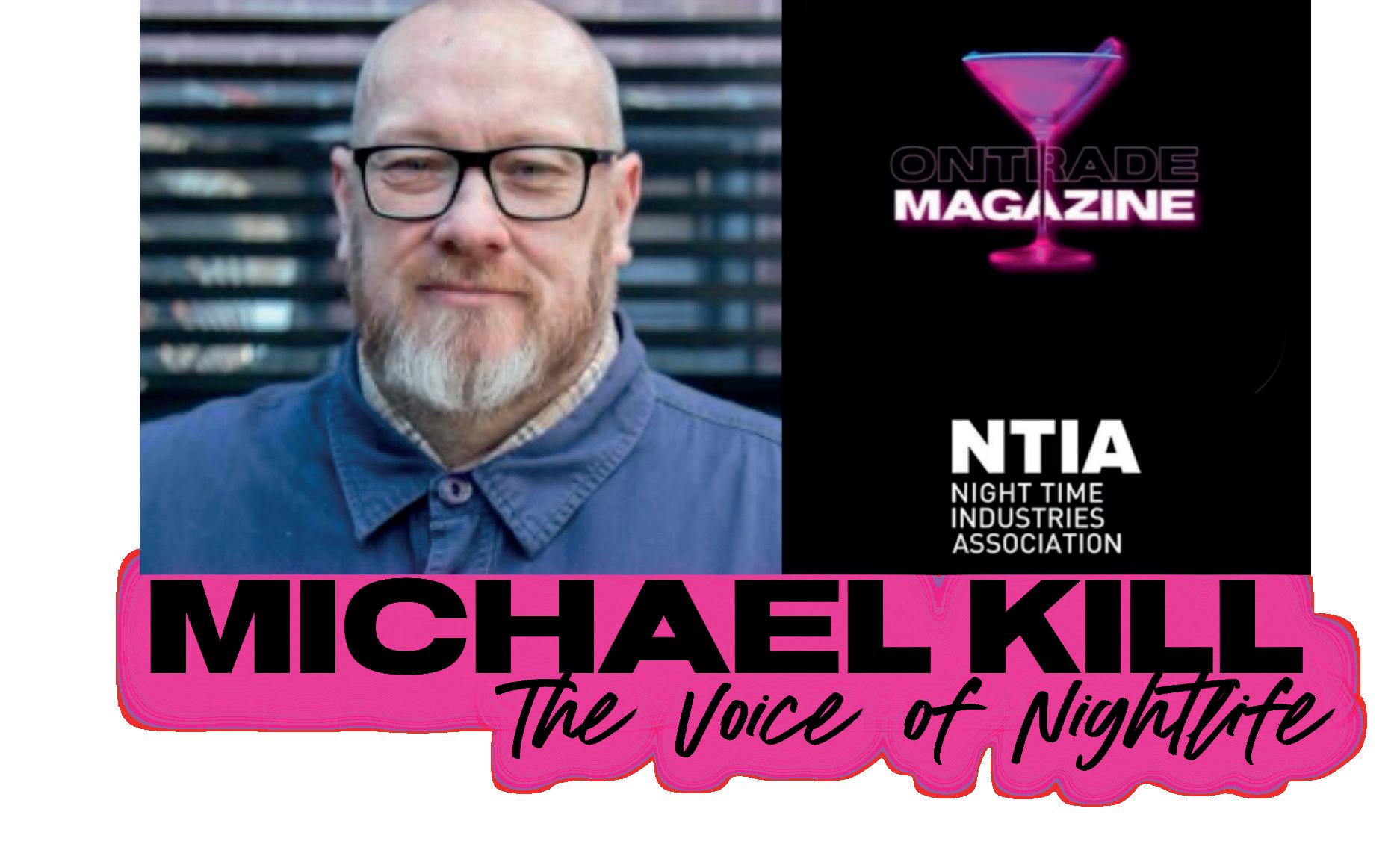
Adding to this, we hear from Michael Kill, CEO of the NTIA, whose voice remains one of the most influential in nightlife today. In this month feature column , he shares insights on the challenges, opportunities, and the road ahead for an industry that continues to adapt and fight for its place in the cultural landscape.
Alongside these features, you’ll find fresh perspectives, industry insights, and the latest trends shaping the on-trade across the uk — all designed to keep you informed, inspired, and ahead of the curve.
As always, thank you for being part of our community.
Enjoy the issue.
Justin Wingate Director at TopGunMedia
Fiona Gauld Production -
info@topgunmedia.co.uk
For press enquires or advertising opportunists please call or email: Email: info@topgunmedia.co.uk Telephone: 0141 556 4111
MICHAEL KILL – THE VOICE OF NIGHTLIFE
UKHOSPITALITY RESPONDS TO INFLATION FIGURES
Hospitality businesses are highly exposed to increased fuel prices, through the price of food, drink, transport and other key inputs. As one of the final links in the food supply chain, the sector cannot be expected to pick up the bill for increased costs down the chain.
“Hospitality is already one of the most heavily taxed sectors in the economy and there is no room to absorb further cost increases. Ultimately, it will result in price rises at the till, further driving inflation.
“The impact on consumer demand should be closely monitored, as our pubs, restaurants, cafes and hotels will be the first to feel the combined hit of increased input costs and reduced spending.
“The Government should be looking closely at how it can reduce the cost of doing business for demand-sensitive sectors like hospitality, which are uniquely exposed to these kinds of economic shocks.
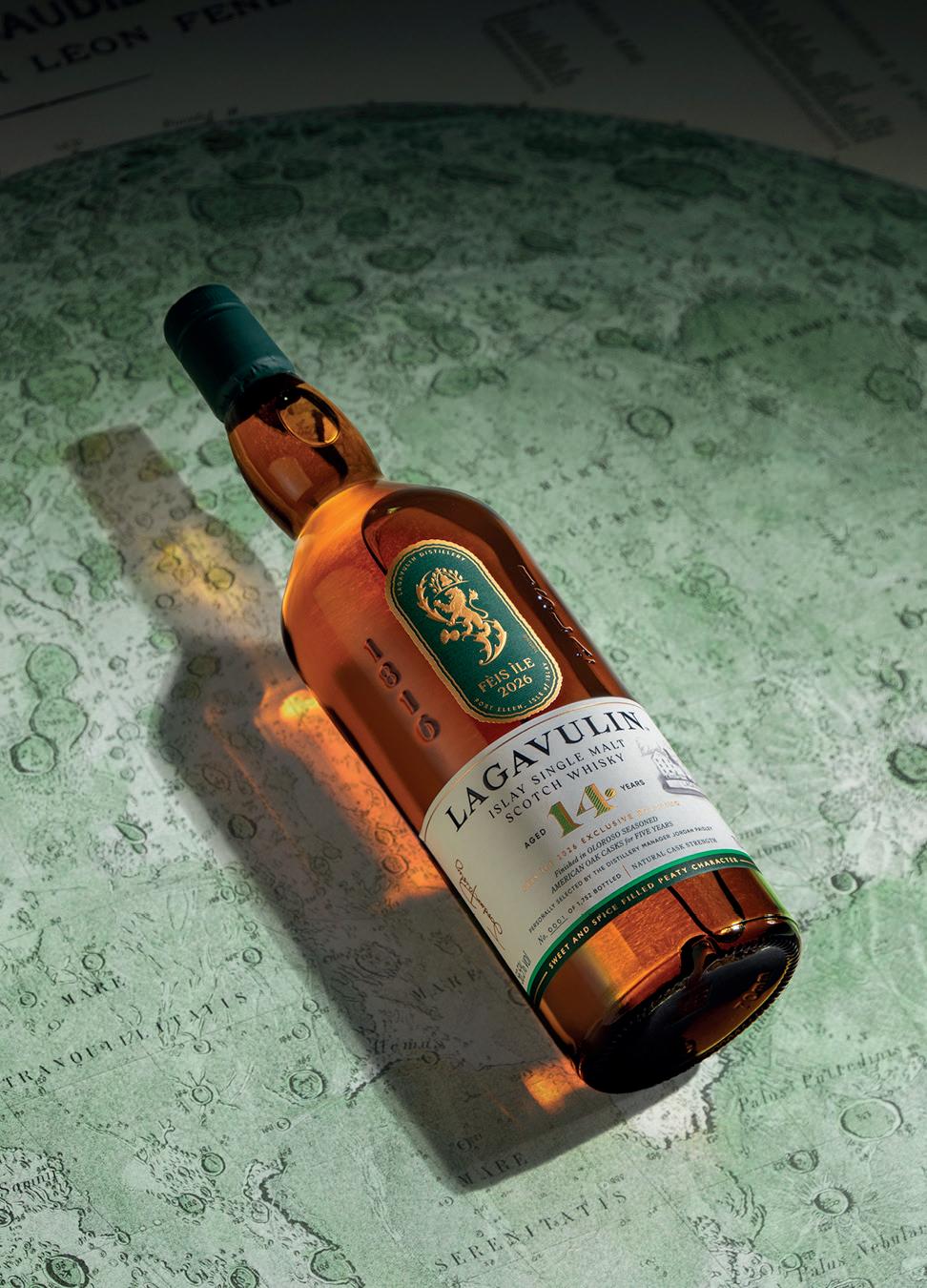
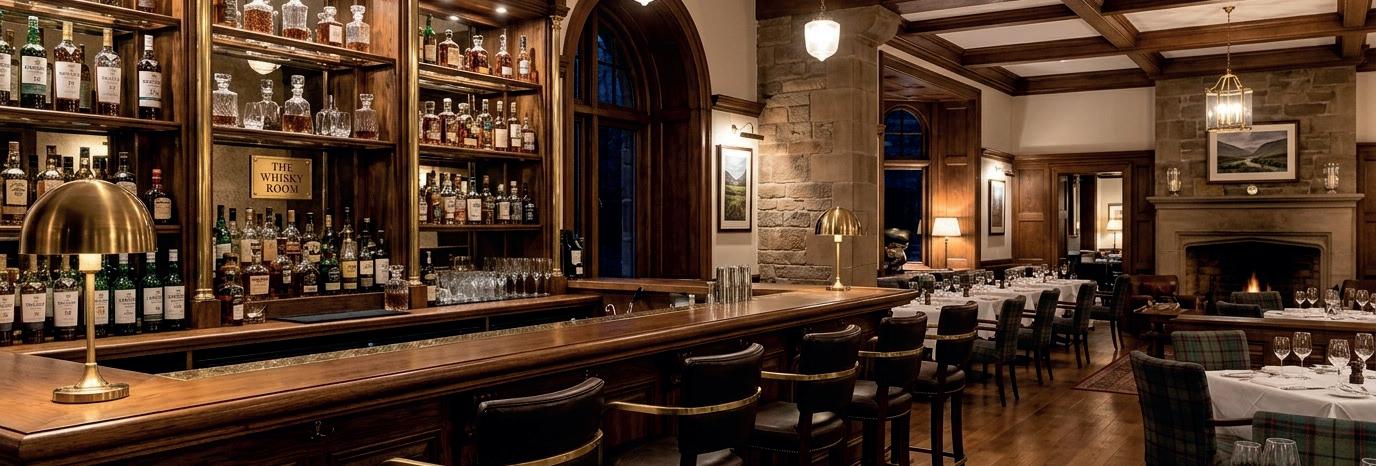
ICONIC ISLAY DISTILLERIES LAGAVULIN AND CAOL ILA REVEAL A TRIO OF LIMITED-EDITION EXPRESSIONS FOR FÈIS ÌLE 2026
Fèis Ìle returns for the 40th anniversary of the whisky festival and Lagavulin and Caol Ila distilleries will proudly unveil three limited releases, celebrating the island’s community and culture. Launched in 1986, this annual festival unites whisky lovers from around the world to enjoy and explore the distilleries behind some of Scotland’s most iconic smoky single malts, while honouring the community at the heart of its success.
The line-up of releases for 2026 features expressions that are both rare and experimental from our distilleries for the festival. From Lagavulin, a cask-strength hand fill bottling entitled the ‘Skies of Fèis Ìle’ is one of the oldest and rarest released by Lagavulin for the festival at 31-years-old. It is joined by a deep and intense Lagavulin 14-year-old, which has received a long five-year finish in Olorososeasoned American oak casks. The two Lagavulin releases are particularly distinctive - shaped by the same Oloroso influence and inspired by the rare moment of two moons rising together, offering a unique perspective on how time transforms flavour.
From Caol Ila, the team has created an expression that has been finished for the first time in former Don Julio tequila casks, revealing a herbal citrus forward twist from the agave influence, to highlight its signature costal smoke.
Lagavulin Distillery Manager, Jordan Paisley said: “We are incredibly proud to present not one, but two exceptional Lagavulin expressions to mark the 40th anniversary of Fèis Ìle. These festival releases reflect both the passage of time and the journey of our whiskies, celebrating our craft and culture with bottlings to be cherished and enjoyed.
BEER
&
PUB
ASSOCIATION WELCOME UNANIMITY ON NEED FOR RATES REFORM WELCOME
Following the publication of party manifestos ahead of the forthcoming Holyrood election, the Scottish Beer and Pub Association (SBPA) has welcomed the near cross-party consensus on the need to reform or review business rates and the existing valuation methodology for hospitality businesses.
The manifestos have been published as industry submits responses to the independent review of the valuation methodology of licensed hospitality led by BJ Gill KC, which was established by the Scottish Government to ensure a fair, transparent, and evidence-based approach to valuing hospitality premises.
Amid the acute challenges facing Scotland’s beer and pub sector, the SBPA’s manifesto published in January outlined a range of practical asks for the next Scottish Government to adopt to help ensure brewers and pubs remain economically viable and secure the sector’s future for years to come.
Central to the manifesto was a call for parties to permanently address the disproportionate business rates burden facing pubs - which has been a significant contributing factor to closures across the sector in
Scotland through the last parliamentary session. Over the past five years, 293 Scottish pubs have closed permanently, amounting to 6.4% of all pubs in the country. This compares to 4.1% in England during the same period.
Paul Togneri of the Scottish Beer and Pub Associations said:
“With the Holyrood election fast approaching, this crossparty alignment on the need to tackle the business rates burden facing pubs is very welcome. Business rates bills are one of the biggest challenges facing pubs across our country, so an intervention here is integral to the sustainability of our sector.
“More broadly, it was encouraging to see commitments across party manifestos to reduce bureaucracy facing business, and extend the pilot for alcohol at footballboth of these are key pre-election asks of the Scottish Beer and Pub Association.
“We now look forward to working constructively with newly elected MSPs after the election to deliver these manifesto commitments and ensure our critically important sector receives the support it desperately needs”.
GILL REVIEW SHOULD ADDRESS ‘ACUTE’ BUSINESS RATES CHALLENGES
Analysis from UKHospitality
Scotland found that Scottish pubs and hotels are routinely valued significantly higher than their equivalents in England, driving higher business rates bills. Valuations could be as much as £16,000 higher for a typical pub.
This variance highlights yet another way in which Scottish hospitality is at a competitive disadvantage.
While it’s positive the valuation methodology is being examined by the Gill Review, the Scottish Government needs to go further to properly fix the faults in the business rates system.
UKHospitality Scotland has submitted a number of recommendations to the review, including how to address the broader implications of relying on a property tax-based system. Its recommendations include:
a lower poundage rate for hospitality and relief structures.
Establish an industry engagement forum. This can inform the development and ongoing review of valuation methodology.
Commission independent analysis. An independent expert body should conduct analysis of hospitality property valuation to support future reforms.
Leon Thompson, Executive Director of UKHospitality Scotland, said: “The broken business rates system continues to plague Scottish hospitality businesses, often leaving them with higher bills and at a competitive disadvantage to their peers across the UK.
“The Gill Review is an important opportunity to bring forward significant reforms that address these acute challenges, which are stifling growth on the high street, investment and job creation.
“There has been recognition elsewhere that hospitality should be treated fairly by the business rates system, after decades of overpayment. The Scottish Government also needs to take that approach by looking at lower poundage rates for hospitality, as well as reforming the valuation methodology.
Consider wider policy levers. The Scottish Government should consider measures beyond valuation alone, including
“It’s not fair or logical that a typical pub in Scotland could be valued significantly higher than an equivalent pub in England, leaving them with higher bills. The Gill Review can and should put forward significant reforms to fix the broken business rates system.”
Can you introduce yourself and give the readers some background on you and your businesses.
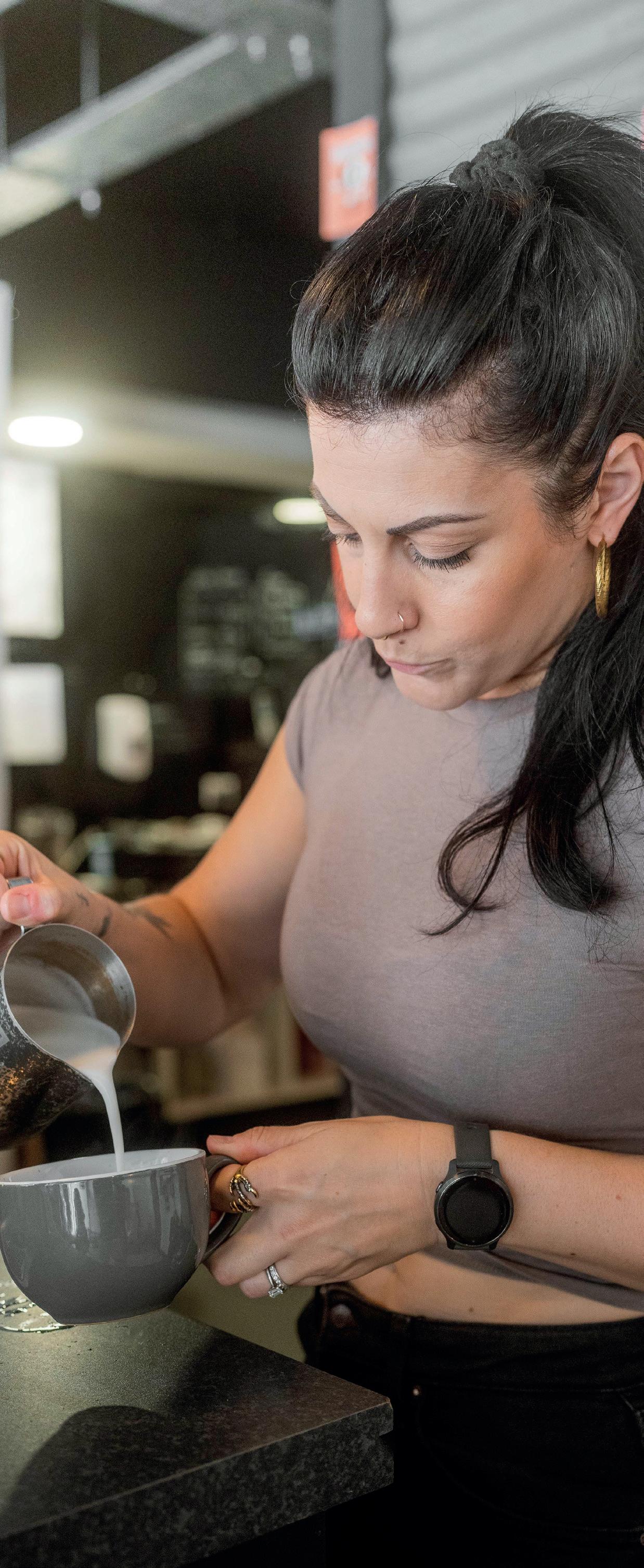
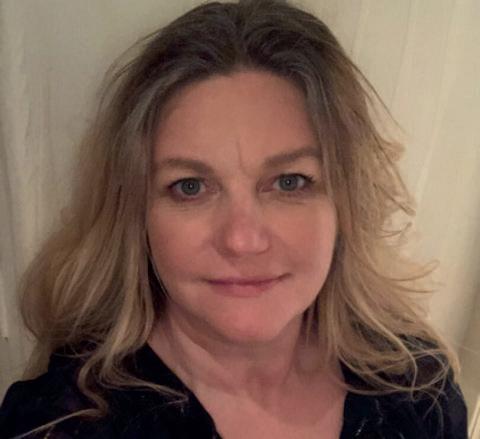
My name is Lydia Papaphilippopoulos. I am the owner of Warwick Street Kitchen in Leamington Spa, Warwick Street Kitchen Bakery in Warwick and then two Saint Kitchen’s – one in the Jewellery Quarter Birmingham and one in Stirchley Birmingham.
After a dabble in the music industry I came back to hospitality, where I had worked on and off my entire life. Working my way up to Op’s manager for a small group of Indie owned cafes and then in 2017 decided to open my own business. We are a group of speciality cafes serving coffee, brunch, lunch, and baked goods, all made in house. Everything is fresh and seasonal; quality is at the heart of everything that we do.
How you have found the changing face of the hospitality sector over the last couple of years from a customers standpoint and their buying habits and the effect that has had on your business?
Honestly? We’ve seen a decline, but not a massive one. It’s not the destitute situation that a lot of newspapers would have you believe. In my experience people do still want to go out, they’re just being more careful about where they go out and where they spend their pennies. They might be going out a little less and spending it in places that mean more to them, but that’s cool in my opinion. Spend your money where it matters. Pick your favourite places and spend your money there.
rates increases. So, the overriding change is our ability to grow and prosper as an industry. In a minimal profit climate, further cost increases have nowhere to be absorbed, we aren’t magicians.
You have been a great voice for the industry and championing the challenges however I’m sure like me this was not part of the plan as a business owner, what has lead you to be so vocal on your views and why do you feel this is so important?
What has changed is the cost of doing business, where we would make a profit before is getting harder and harder each day now. Everything that the public are facing; energy prices, food costs – these have hit us at the same time as NLW increases, NI hikes and business
Pure, guttural anger. There was a week where I saw two of my friends businesses close and then I went to a friend’s birthday party at the weekend and in conversation with people I hadn’t seen in a while I realised that the general public just didn’t know – they had no idea what we were facing, that business was tough. They saw that their local pub was busy and didn’t understand how it was then closing down. So, the next day I sat down in front of a camera and explained it. And it went viral.
The reaction was insane; it resonated with so many people in the industry.
This industry that I am so passionate about, that shaped me into who I am and punctuates our lives, was on its knees and no one understood. Now, it’s transformed into me using that platform and voice to urge the general public to write to their MP, or spend their money more consciously. I was never going to just take the stage and use it to moan, it had to be productive.
The encouragement that I’ve gotten teamed with the heartbreaking amount of other business owners who have reached out to thank me for speaking out has given me the courage to be more and more forthright with what’s going on. You wouldn’t believe the number of businesses what quietly tell me how afraid they are,
they are so grateful to hear my voice in those moments that I think it’s important to keep speaking for them.
It’s also super important to explain the situation to customers, so they know the realities we are facing and that we’re not just an industry of moaners, we are serious businesspeople and we have done every single thing that we can to cut costs. We are at our limit, so now it’s time for policy makers to fix up look sharp and pay attention to the very eloquent, intelligent voices that are speaking to them.
What do you feel can be done now by external bodies ie Gov, local authorities etc that would have a positive impact in supporting hospitality to get on its feet?
On a local level they need to lobby and use their sway to effect policy. They need to listen and be helpful. The hospitality industry needs allies, and our local authorities are (largely) not that. Nationally, we need systematic change. The UK pays one of the highest VAT rates in Europe. You can go to Germany, Spain, Italy, France and pay 7-10% VAT. Those businesses are thriving. Those governments get it; they want businesses to succeed.
Our industry cannot claim VAT back in the same manner as other industries, a policy level recognition of that is needed.
Is there anything internally that you feel the industry can do better or can improve to help it move forward in a better way?
We need to all say the same thing, we need to all ask for a VAT reduction, cohesively. And we need to know our numbers; we are getting better and better at this. But when we get a seat around the table, we need to be prepared.
One last thing ….
A lot of people who work in the industry or even those who aren’t in the industry ask how they can help, they realise how much their lives would be affected if they were to lose the hospitality industry. The answer is not as simple as “go and spend money”. Don’t get me wrong, that helps, and please do. But when you cannot afford to spend any more money on food, drink and entertainment, what then?
Write to your MP; tell them you care about the industry, that you’re sick of seeing places close down or struggle – that you know a reduction of VAT for the industry in line with Europe is needed and ask them where they stand on that. Hold them accountable, let’s not forget that that is literally what they are there for.
The most awarded vodka in the British isles
MARTINI GRADE VODKA
Standalone
Transparent
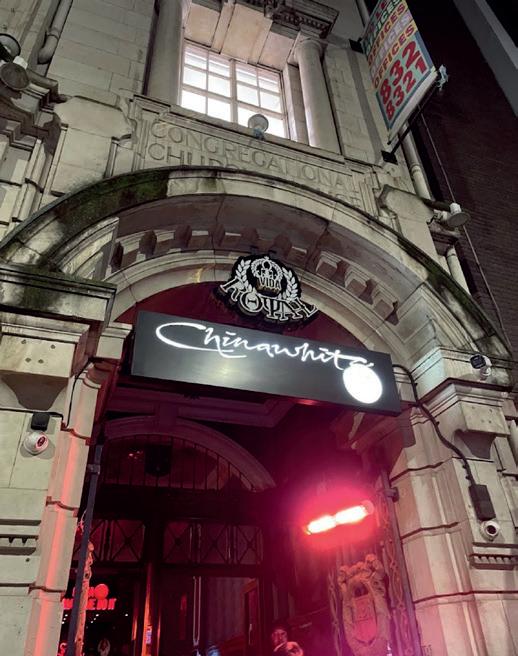
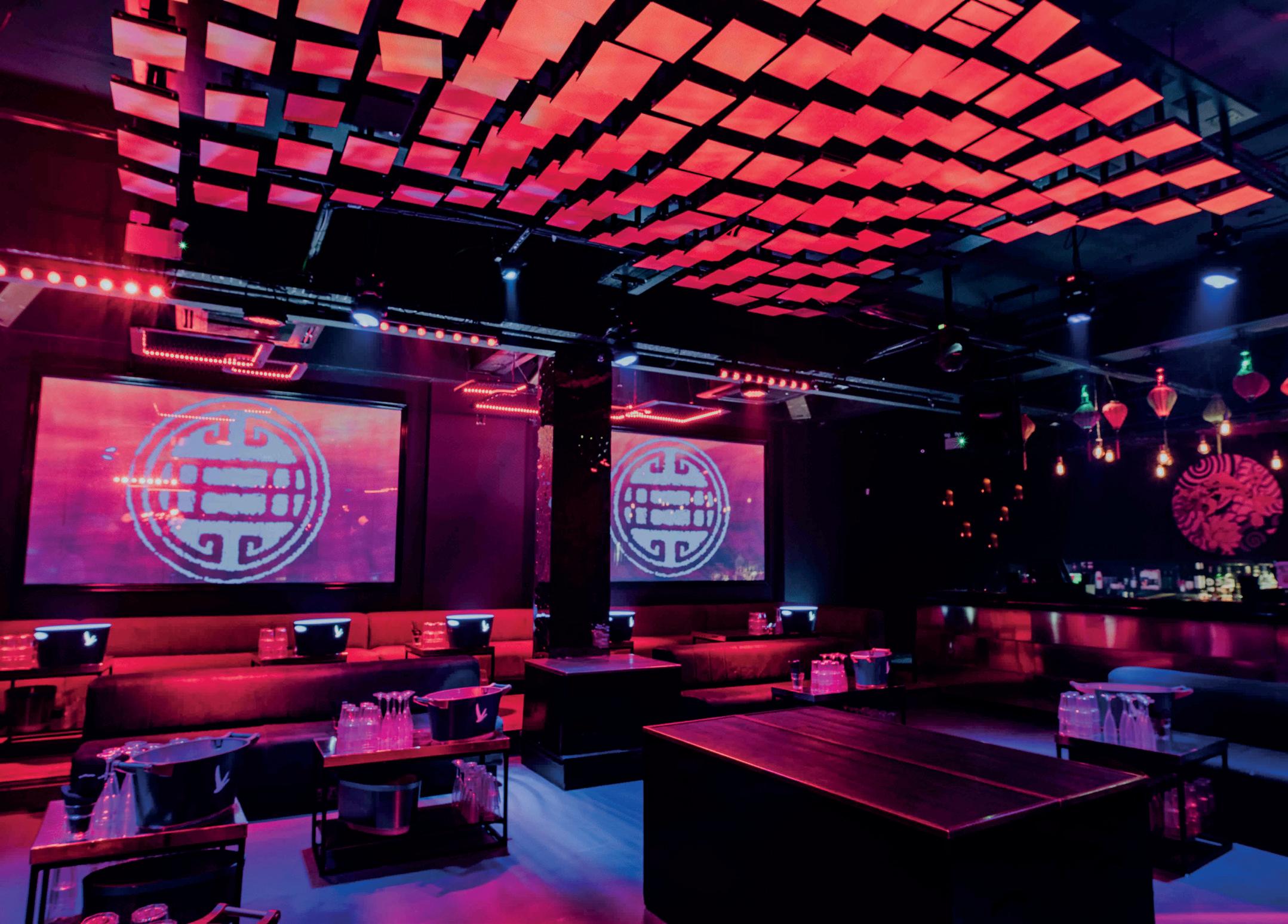
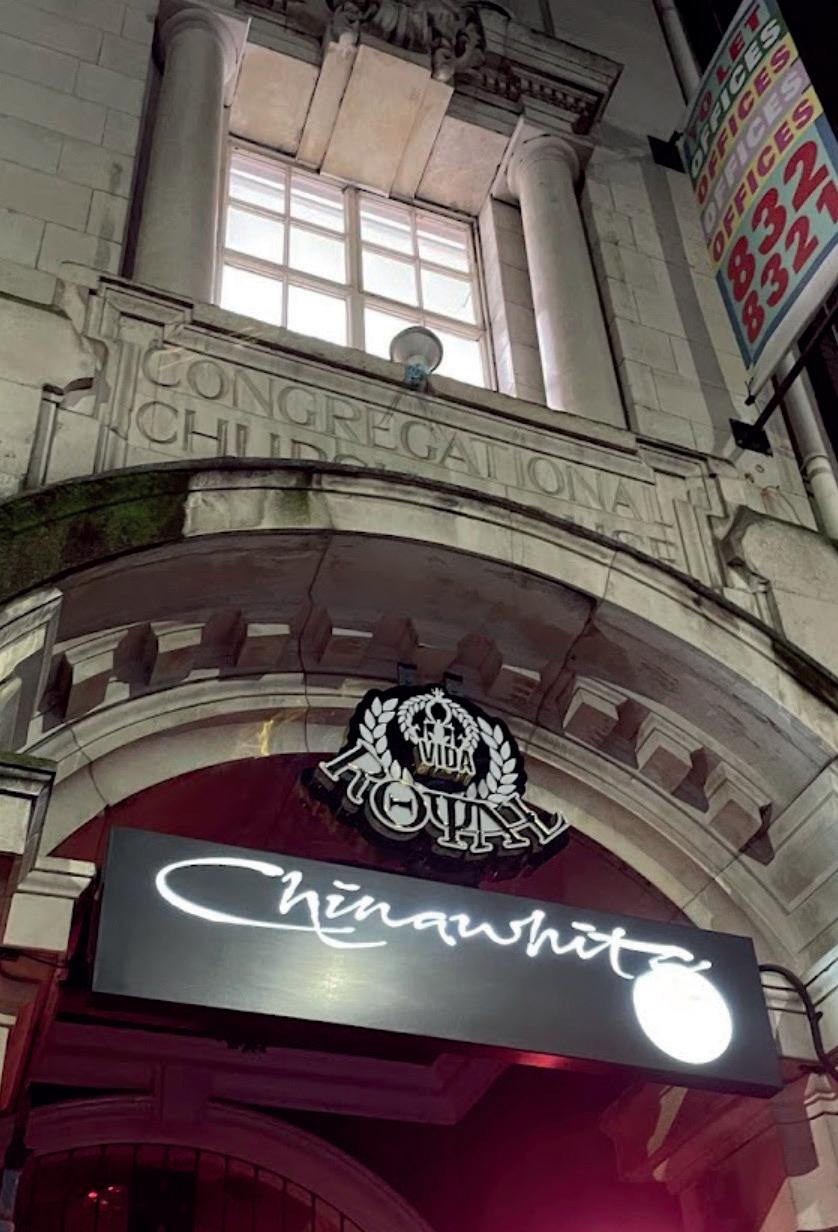
In a city known for its layered nightlife – from gritty warehouse raves to polished cocktail bars – Chinawhite Manchester positions itself at the very top end of the spectrum. Imported from a London brand synonymous with celebrity culture and exclusivity, the venue promises glamour, status, and a taste of VIP nightlife in the heart of Deansgate.
THE VENUE: A LONDON LEGACY LANDS IN MANCHESTER
When Chinawhite opened its Manchester site in 2018, it arrived with serious pedigree. The original London club built its reputation as a celebrity hotspot—famously hard to get into and closely tied to footballers, models, and the entertainment elite. Manchester’s version leans heavily into that same identity. It isn’t just a nightclub—it’s a curated experience built around exclusivity. Entry policies, guest lists, and table bookings all reinforce the idea that this is not your average night out. Even outside, the queues and velvet-rope
energy signal that something more selective is happening inside.
DECOR: OPULENCE WITH AN EASTERN EDGE
Step inside and the aesthetic immediately sets the tone. The club borrows from the original brand’s Asian-inspired design language—think atmospheric lighting, sculptural details, and plush seating arrangements. In Manchester, that translates into:
Soft, ambient lighting reminiscent of Chinese lanterns
Statement features like warrior-style sculptures and LED installations
• Luxe seating areas that prioritise table service over open dance spaceThe layout itself is telling. Rather than a traditional, expansive dance floor, the space is built around VIP tables and intimate sections. Technology also plays a role—custom LED ceilings and dynamic lighting rigs create a high-production, almost theatrical environment.
The result is a club that feels less like a rave and more like a private party—if you’re sitting in the right section.
THE VIBE: EXCLUSIVITY FIRST, PARTY SECOND
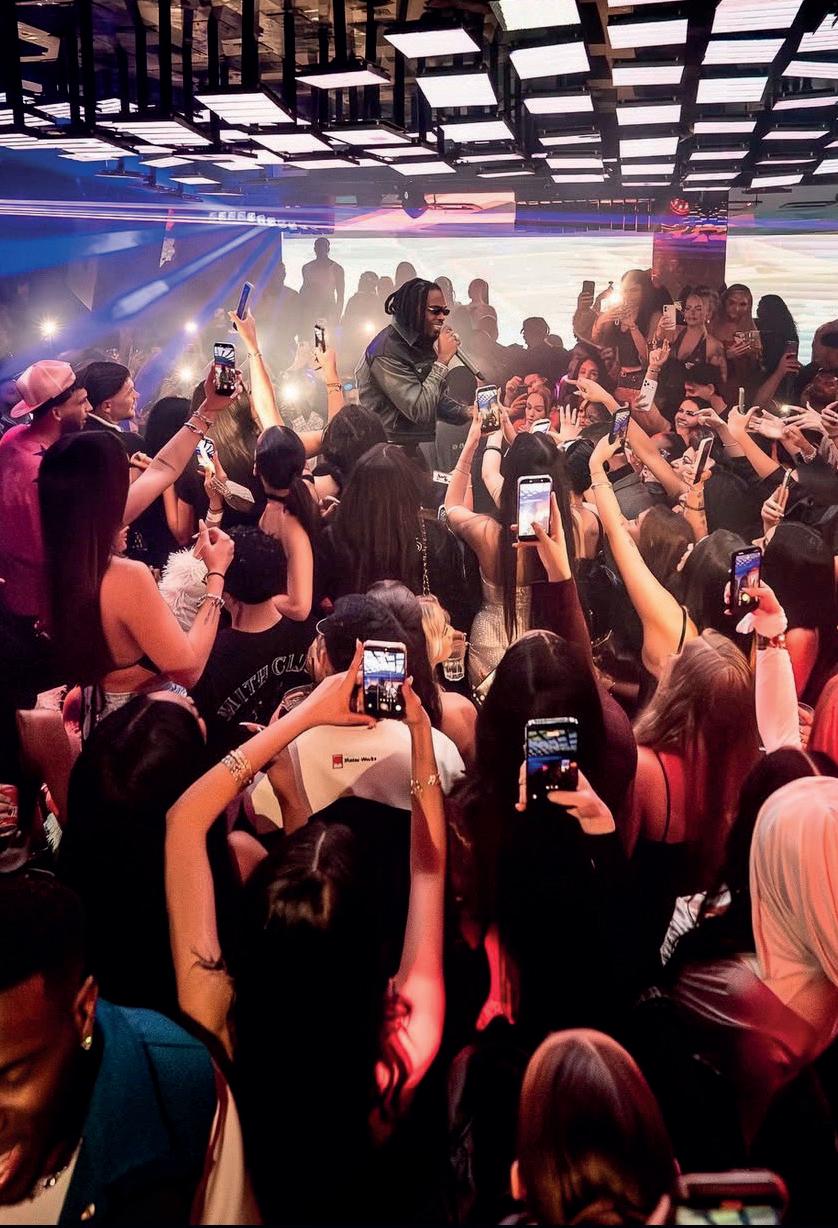
Chinawhite’s atmosphere is its biggest selling point—and its most divisive feature. On one hand, it delivers a high-end, polished vibe:
R&B, hip-hop, and commercial club tracks from headline DJs
A crowd of influencers, VIPs, and big spenders
• Bottle service, sparklers, and high-energy table momentsOn the other hand, the experience can feel curated to the point of restriction. Reviews frequently note that the focus on VIP culture shapes the entire night— those without tables often find themselves on the margins of the action. There’s also a strong emphasis on image. Dress codes are strict, and door policies are selective, reinforcing the club’s reputation as a place where appearance and status matter as much as the music.
WHAT TO EXPECT: GLAMOUR, BUT WITH CAVEATS
A night at Chinawhite Manchester is not casual. Expect:
• Higher-than-average prices for entry and drinks
A strong push toward table bookings for the full experience
A crowd that’s more about socialising and being seen than dancingFor some, that’s exactly the appeal. The club offers a polished, Instagram-ready night out with a sense of occasion—perfect for birthdays, celebrations, or anyone wanting to experience a “luxury” club environment. But it’s worth knowing what you’re signing up for. Feedback from visitors highlights inconsistencies in service and a sometimes frosty door experience, with some guests feeling the exclusivity tips into unwelcoming territory.
THE VERDICT
Chinawhite Manchester is less about losing yourself on a dancefloor and more about stepping into a scene. It’s a venue built on image, status, and spectacle – where the night revolves around who you’re with, where you’re seated, and how much you’re willing to spend.For those chasing a luxury nightlife experience, it delivers flashes of glamour and high-energy moments. For others, it can feel more like a showcase than a party.Either way, it’s a venue that sparks conversation—and in Manchester’s diverse nightlife landscape, that alone makes it hard to ignore.
SPORTS BAR OF THE YEAR
BOOST YOUR CASH FLOW WITH LICENSING AND RATES MANAGEMENT TIPS – PART 1
The hospitality and tourism sectors across the UK operate within a challenging financial landscape. Increasing operational costs, fluctuating consumer demand, and a complex regulatory environment mean managing overheads has to be able to pivot and react to ongoing changes. This is a six-part review over the next 6 months, so watch this space. (Do contact us if there are specific areas you want us to cover.)
There are many areas where overheads are a cause for concern – staff and regulatory costs being two of them. One of the most significant, yet often overlooked, areas for cost optimisation is business rates and premises licensing. Proactive management of these areas does not just ensure legal compliance; it serves as a lever for improving cash flow. By scrutinising your rateable value, securing all eligible reliefs, understanding available appeal routes, and optimising your premises licence, you can protect your margins and reinvest capital into the growth of your business.
The following tips provide a roadmap for hospitality and tourism operators across the UK seeking to enhance their financial stability through practical licensing and rates management.
CHALLENGE YOUR RATEABLE VALUE (BUSINESS RATES / NON-DOMESTIC RATES)
The rateable value of your property is how your business rates liability is calculated. As we covered in our previous article, rates revaluations are going on throughout the UK from 1st April, and draft valuations were published in Scotland in November 2025. Many valuations were concerningly high, and some appeared unreasonably inflated, not reflecting the business nor the property which was revalued. Doing nothing about this means you are overpaying every month, so a prompt review is essential. In difficult trading conditions, even a modest reduction can produce a meaningful improvement in monthly cash flow, particularly for businesses operating on narrow margins, carrying debt from refurbishment, or facing seasonal fluctuations in occupancy and spend.
In Scotland, the Scottish Assessors Association (SAA) is responsible for business rates. It conducted a non-domestic rates revaluation which took effect from 1 April 2026. Operators should now treat rates reviews as a live issue rather than a historic exercise. The draft revaluation figures published in November 2025 gave ratepayers an early opportunity to examine how their businesses and properties were likely to be assessed before the new roll came into force. For hospitality and tourism operators, this is particularly important because changes in valuation may have an immediate impact on cash flow, relief entitlement, budgeting, and investment decisions for the current financial year.
Action point: The first step is to review the new entry on the Scottish Assessors Association (SAA) portal carefully and check whether the description, floor areas, use, layout, and valuation approach appear accurate. If you consider that the new valuation is excessive or based on incorrect factual assumptions, you can lodge a formal proposal with the relevant Assessor. In broad terms, proposals against the 2026 revaluation must be lodged within the required time scale – for most properties this is until 31 July 2026. That deadline is critical. If it is missed, the operator may lose the ordinary right to challenge the entry at this stage. That deadline should be checked for your geographical area.
In England and Wales, rateable values are maintained by the Valuation Office Agency (VOA), and they are also carrying out a revaluation from 1st April.
Action point: Operators should review the listing carefully and consider whether there are grounds to challenge the assessment. The system generally involves checking the factual basis of the valuation and, where appropriate, pursuing a formal challenge. Material changes affecting the property or surrounding area may also be relevant in seeking an alteration, such as roadworks, restrictions to access, or scaffolding (especially if not put in place by the operator). In practice, this means operators should not accept the figure on the bill as fixed. You should also compare the assessment against nearby comparable premises, review the assumed floor areas and use descriptions, and consider whether the revaluation reflects a level playing field.
In Northern Ireland, the business rates and licensing frameworks operate under distinct regimes. Business rates are managed by Land & Property Services (LPS), and there is an ongoing revaluation (Reval2026). This was halted following serious concerns expressed by business owners. Finance Minister John O’Dowd announced in January 2026 that the Reval 2026 process had been stopped. That was in part because of the backlash to the process, particularly by hotels, pubs and other hospitality businesses.
Action Point: Operators should be vigilant regarding their property’s Net Annual Value (NAV). Once the Reval completes, if you believe your valuation is incorrect, a “proposal” to alter the Valuation List can be submitted to the District Valuer.
Across all jurisdictions, appealing can seem like a time-consuming exercise with no hope of a positive outcome, but that is not necessarily the case. An example is a town-centre café-bar that expands cautiously after the pandemic, only to find that adjacent redevelopment restricts pedestrian access for many months. The operator continues paying business rates based on a valuation that assumed normal pedestrian access and trade flow. An appeal could have reduced the rates as the basis for valuation was incorrect. A second example is a destination pub in a rural tourism location that loses custom after the closure of a nearby visitor attraction. In each case, the business may be paying on a basis that no longer reflects reality. The key point is that business rates management should be evidence-led. Photographs, plans, billing history, trading data, and a clear chronology of local change can all assist in presenting a persuasive case.
From a rates perspective, temporary or seasonal use of additional space may also justify a downward review of your occupation profile and operating model, particularly where external areas, pop-up spaces, or ancillary trading zones are used for part of the year only. While not every temporary change will alter valuation, operators should still consider whether the overall occupation and use of the property has evolved in a way that merits professional review. A business that repeatedly activates external areas for trade may, over time, wish to align both its licensing position and its broader property strategy.
Immediate Actionable Step: Instruct a professional to conduct a review of your valuation. If your property or trade has been adversely affected by local developments or if the valuation appears overstated, pursue the appropriate appeal or challenge route in your jurisdiction to seek a reduction in your rateable value and a
corresponding decrease in your rates bill. Do so early. Pull together and keep supporting historical and current trading data for evidence purposes.
In summary, for UK hospitality and tourism operators, early review matters because a valuation can be wrong in ways that are not immediately obvious from the rates bill alone. A hotel may be assessed on an overstated trading assumption, and a restaurant may find that the floor area or effective customer space has been miscalculated or incorrectly described. A bar may discover that costs of alterations to the premises have not been reflected correctly in the valuation. These are not merely technical points. They go directly to the level of rates payable and therefore to available working capital at a time when operating costs remain under pressure.
STRATEGIC USE OF OCCASIONAL LICENCES AND EXTENDED HOURS
For one-off events or seasonal peaks, you should make use of temporary permissions and extended trading mechanisms. This is even more important in 2026 with sporting events coming thick and fast – the World Cup, the Commonwealth Games and the FIFA Women’s World Cup to name a few. These tools allow you to maximise revenue during high-demand periods without immediately committing to a permanent variation of your premises licence. Used properly, they provide flexibility, test new trading ideas, and can help an operator gather evidence before deciding whether a permanent change is commercially worthwhile.
In Scotland:
• Occasional licences can be used to licence an area not currently covered by the premises licence, such as an outdoor area, temporary marquee or other external event space.
• Extended hours applications permit trading beyond core hours for qualifying events or periods, subject to local Board policy and approval. For the World Cup, for example, these have been set by each UK council. Some need applications to be lodged, but others have given general extensions.
In England and Wales:
the venue’s suitability.
• Extension Licences allow existing licence holders to apply to permit the sale of alcohol outside of standard permitted hours for a specific function on their own premises. Given the courtbased nature of these permissions, operators must ensure precise adherence to statutory deadlines to avoid the risk of a late application being rejected without a hearing.
For all of the UK:
The commercial significance of these tools is often underestimated. A hotel that routinely hosts weddings but only has one function room may be able to monetise an otherwise unused lawn or terrace through occasional permissions over summer. A coastal venue with highly seasonal footfall may rely on carefully timed extensions during bank holidays and school breaks. A Scottish pub or restaurant may want to extend an outdoor area to put in place a fan zone for the World Cup and other summer sporting events, including the Commonwealth Games. A market-town pub in England or Wales may use Temporary Event Notices to trial outdoor music or themed events before deciding whether a permanent variation is justified. In each case, temporary permissions can function as low-risk market testing, allowing the operator to assess staffing, demand, neighbour impact, and gross profit before making a permanent regulatory commitment.
• Temporary Event Notices (TENs) may be used for certain temporary licensable activities, subject to statutory limits and the scale of the event.
• Applications to extend hours or add non-standard timings may be appropriate where demand is recurring rather than exceptional and where a more durable permission is commercially justified.
In Northern Ireland, unlike the local authority-led systems elsewhere, licensing is a judicial process, with the County Court handling new applications and the Magistrates’ Court overseeing renewals.
• Occasional Licences allow a person who already holds a premises licence—such as a pub or hotel owner—to sell alcohol at an unlicensed location for a special event. The application is a judicial matter handled by the Magistrates’ Court, necessitating a formal notice period of at least three weeks to both the Police Service of Northern Ireland (PSNI) and the local district council. These licences are typically valid for a maximum of six days and are subject to strict scrutiny regarding the nature of the occasion and
Strategic planning of these applications ensures that you do not miss revenue opportunities because the necessary permissions were not secured in time. It also reduces the risk of rushed applications that fail because they are poorly evidenced or submitted too late. Timing is especially important where local objection, consultation, or hearing processes may affect the critical trading window.
Immediate Action Step: Map out your event calendar for the next twelve months. Identify peak periods where additional capacity, temporary permissions, or longer hours would be beneficial. Submit the relevant applications or notices well in advance to account for statutory notice periods, consultation requirements, and any potential hearing or objection process. Record the financial outcome of each event so that future applications are guided by evidence rather than assumption. Contact The Licensing Company for advice and assistance to protect your cash flow and ensure your operations remain compliant and competitive by addressing licensing and rates management as part of a single commercial strategy.
At The Licensing Company, we specialise in providing expert advice on licensing and related matters to hospitality and tourism operators. Whether you require representation at a hearing, assistance with a complex variation, or strategic input on business rates appeals and reliefs, professional advice can help protect both compliance and cash flow. For business advice, a free licence review and general advice and support, please contact Joanna Millar at The Licensing Company on info@thelicensing.company or 07747 653417.
This article is provided for informational purposes only and does not constitute specific legal or financial advice. Licensing law and business rates rules differ across the UK and are subject to change. Contact us for advice on your specific circumstances before taking action.
THE GREAT RESET: HOW BRITAIN’S NIGHTLIFE HAS EVOLVED BEYOND THE BIG NIGHT OUT
For years, the story of the UK’s night-time economy has been framed around recovery. Operators, policymakers and commentators alike have clung to the idea that, in time, the sector would return to its pre-pandemic peak. But the latest data makes one thing unmistakably clear: this is no longer a recovery story. It is a reset. And more importantly, it is an evolution that shows no signs of reversing.
The topline figures are stark enough to shift the narrative on their own. The market has contracted from 115,108 venues before COVID to just 98,609 today, a decline of 14.3%. Yet the real insight lies not in the fall, but in what has followed. Growth has stalled. Year-on-year performance is flat at -0.3%, with a similar quarter-onquarter picture. The industry has not bounced back; it has settled into a new, lower equilibrium. The expectation of a full recovery now feels increasingly out of step with reality.
At the centre of this transformation is the collapse of late-night trading as we once knew it. Down nearly 29% compared to pre-pandemic levels, late night has not only shrunk dramatically but continues to contract, with a further year-on-year decline of more than 5%. Nightclubs, long the cornerstone of Britain’s after-dark culture, have fallen by over 36%, while late-night bars
are down by nearly a quarter. This is not a temporary dip driven by external pressures. It is a structural shift in both consumer behaviour and operating viability.
What has emerged in its place is not a void, but a rebalancing. The evening economy, while still below pre-COVID levels, has proven significantly more resilient, down just over 8%. It has effectively absorbed much of the demand that once fuelled late-night occasions. Consumers are still going out, but they are doing so earlier, more intentionally, and often with a different set of expectations. The “big night out” has been replaced by something more measured, more curated, and, crucially, more selective.
This shift is underpinned by a fundamental change in how consumers value their time and money. The data shows a clear move towards premiumisation. Cocktail bars are up over 40%, craft-led venues by nearly 23%, and themed bars have surged by an extraordinary 267%. While some of this growth reflects smaller starting bases, the direction of travel is undeniable. Consumers are choosing quality over quantity, experience over routine. They are going out less frequently, but when they do, they are willing to spend more.
In parallel, traditional high-volume formats are struggling to find their place in this new landscape. Nightclubs and
late-night bars are not just declining, they are being left behind. The same is true of other low-differentiation models, which are finding it increasingly difficult to compete in a market where expectations have risen and occasions have become more deliberate.
The reset is also playing out in the underlying business models that support the sector. Managed venues have emerged as the clear winners in this new environment. In the evening segment, they are the only category to have surpassed pre-COVID levels, posting modest but significant growth. Their strength lies in scale, consistency, and the ability to invest in both product and experience.
Free houses, while still under pressure, are showing signs of recovery, particularly where they have adapted their offer. Tenanted venues, however, are facing a far more challenging outlook, with declines of over 25% in the evening and more than 40% in late night. The gap between those who can invest and those who cannot is widening.
Geography tells a similar story of structural change rather than simple redistribution. Late-night decline is not confined to urban centres. Cities, suburbs and rural areas have all experienced significant contraction, underlining the fact that this is not about location, but about the nature of demand itself.
However, when it comes to evening occasions, suburban areas are showing greater resilience, down just under 4% compared to pre-COVID levels, outperforming both cities and rural locations. This reflects broader societal shifts, from hybrid working to a renewed focus on local communities. Increasingly, people are choosing to socialise closer to home.
that is smaller, more stable, and fundamentally different. It is no longer driven by frequency and volume, but by occasion and experience. It rewards those who can offer something distinctive, memorable and worth the spend. It challenges those built on scale without differentiation.
For operators, the implications are profound. The old playbook, reliant on late hours, high footfall and lowmargin volume, no longer guarantees success. Instead, the focus must shift towards creating environments that justify a consumer’s decision to go out at all. That means investing in quality, storytelling, service and atmosphere. It means understanding that the competition is no longer just the venue next door, but the sofa, the streaming service, and the growing appeal of staying in.
At the same time, there is an uncomfortable truth at the heart of this evolution. As the market becomes more premium, it risks becoming less accessible. The decline of independent and tenanted venues, particularly in late night, raises questions about diversity, entry points and the cultural fabric of the sector. The UK’s nightlife has long been celebrated for its breadth and inclusivity. There is a real danger that, without intervention or adaptation, parts of that ecosystem could be lost.
The great reset, then, is not simply a story of decline. Nor is it one of recovery. It is the story of an industry in transition, one reshaped by external shocks but ultimately redefined by changing consumer expectations. The evolution underway is not optional, and it is not temporary. It is the new reality of the UK’s night-time economy.
What emerges from all of this is a picture of a market
The challenge now is not to rebuild what was, but to understand what comes next, and to ensure that, in doing so, the sector retains the richness and diversity that has always defined it.
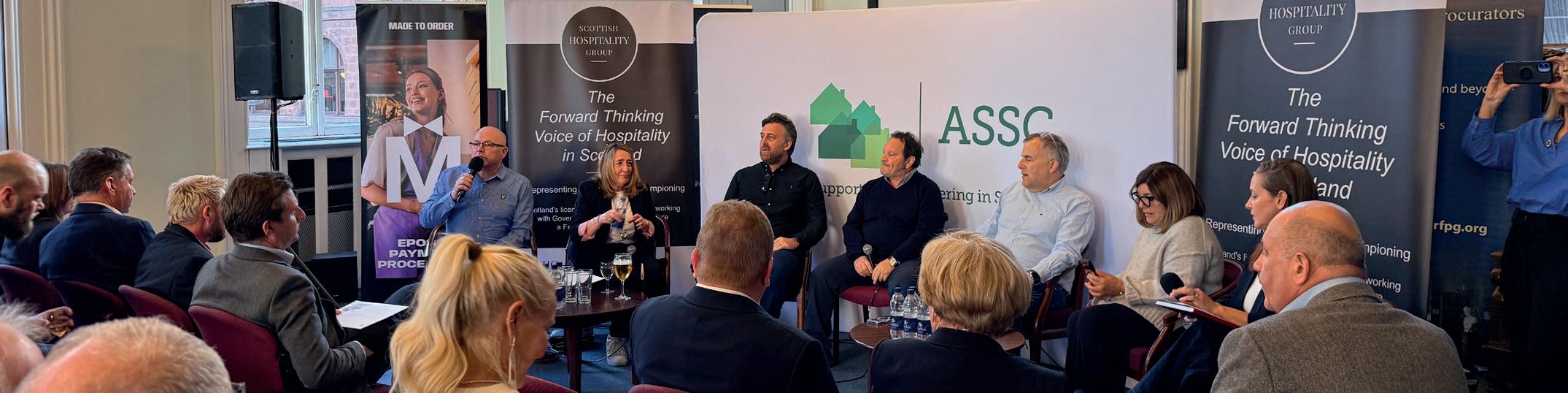
HOSPITALITY DEMANDS MORE THAN PROMISES AT INDUSTRY HUSTINGS
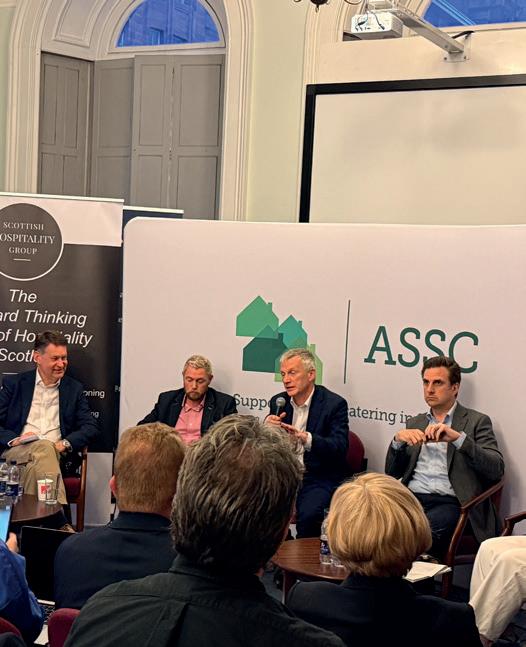
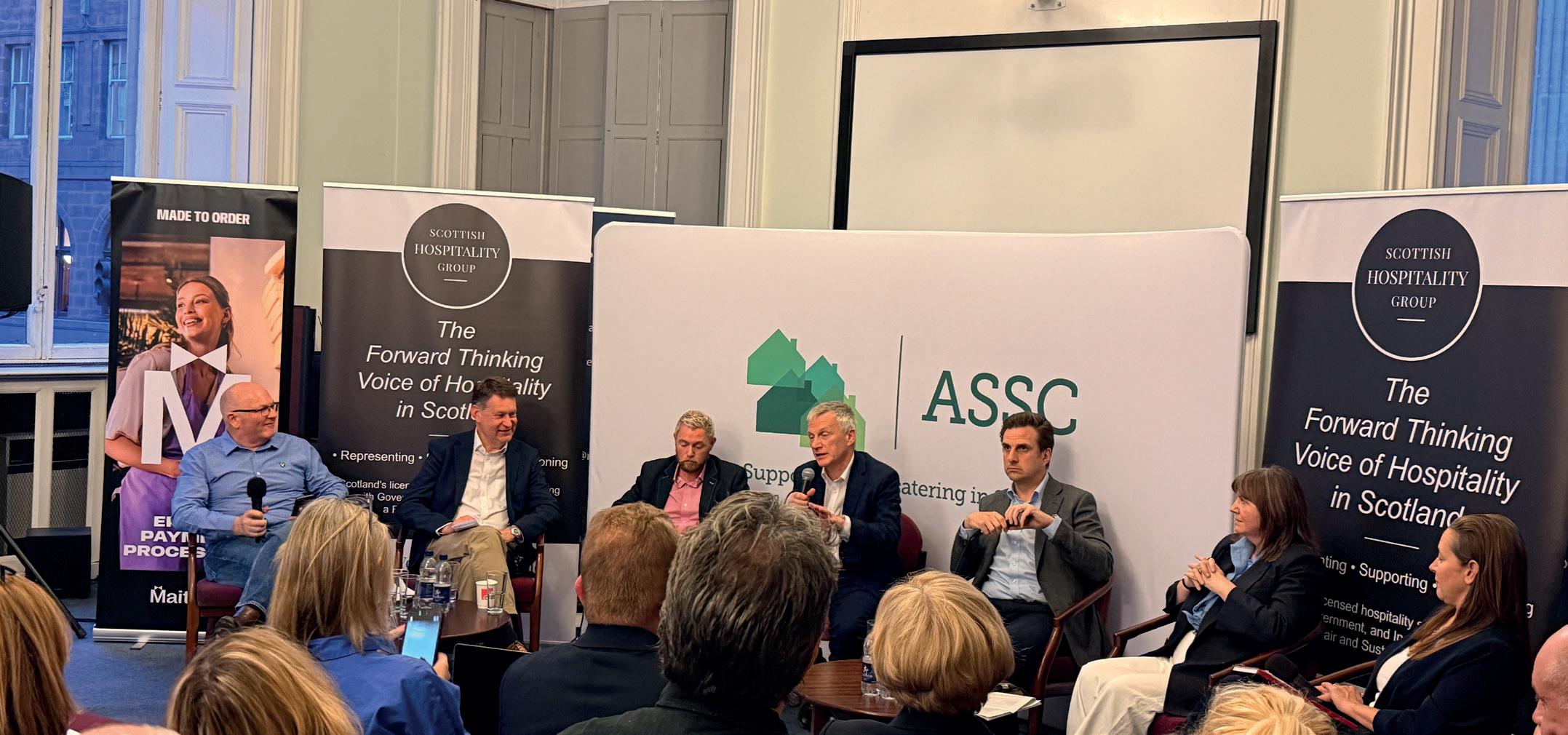
There was no shortage of candour—or frustration—at the recent joint hospitality hustings hosted by the Scottish hospitality group and the Association of Scotland’s Self-Caterers (ASSC).
Led by Stephen Montgomery and Fiona Campbell MBE, the event brought together some of the sector’s most vocal operators alongside a panel of politicians tasked with answering a simple but increasingly urgent question: when will words translate into action?
The format was straightforward but effective. Industry figures Michael Bergson, Giovanna Eusebi, and Mario Gizzi put ministers on the spot, pressing them on the mounting pressures facing hospitality businesses—from taxation and regulation to workforce shortages and rising costs. Facing them were Ivan McKee, Jamie Greene, Daniel Johnson, and Murdo Fraser, each attempting to reassure a room that has heard similar reassurances many times before.
If the mood in the room could be summed up in one word, it would be impatient.
Operators spoke not in abstract policy terms, but from lived experience—tight margins, uncertain futures, and a sense that hospitality continues to be acknowledged politically without being meaningfully prioritised. The questions from the panel reflected this grounded reality, cutting through rhetoric and demanding specifics.
Among the politicians, Jamie Greene stood out. His responses carried a level of clarity and sincerity that resonated with attendees. Rather than defaulting to broad commitments, he appeared willing
to engage directly with the challenges presented, offering a tone that suggested understanding rather than deflection.
In contrast, Ivan McKee—despite entering the room with a degree of goodwill—left some feeling unconvinced. His answers, often framed around reviewing issues and “taking things on board,” echoed a familiar political cadence that the sector has grown wary of. For many in attendance, it wasn’t that the points were wrong—it was that they’ve been heard before, without sufficient follow-through.
That growing frustration was captured powerfully by Giovanna Eusebi, whose intervention became one of the defining moments of the evening. Her call for genuine cross-party engagement— questioning whether it was long overdue for collaboration that delivers tangible results—struck a chord across the room. The response was immediate and emphatic, underlining a shared belief that hospitality’s challenges cannot be solved through fragmented or partisan approaches.
It was a reminder that the industry is not asking for miracles. It is asking for coordination, urgency, and above all, delivery.
As the event closed, the central question lingered: will this be another moment of consultation that fades into the background, or a turning point where political intent becomes measurable action?
The ministers now carry that responsibility. The industry, meanwhile, is watching closely—and running out of patience and many running out of time.
waste wasn’t wasted?
We started collecting waste over a hundred years ago. Today, we help our customers recycle, redistribute and reuse it too. It’s all part of Biffa driving the circular economy – creating opportunities for businesses and organisations to grow more sustainably, save money and leave a smaller footprint. Here’s to the next hundred years. Change begins with what iff…