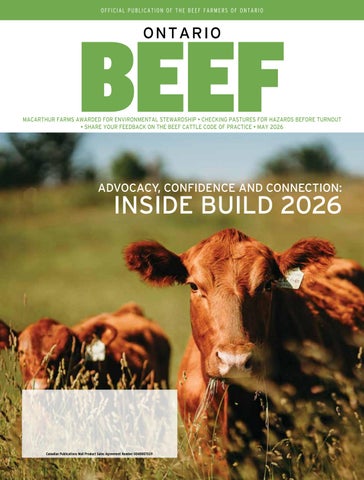
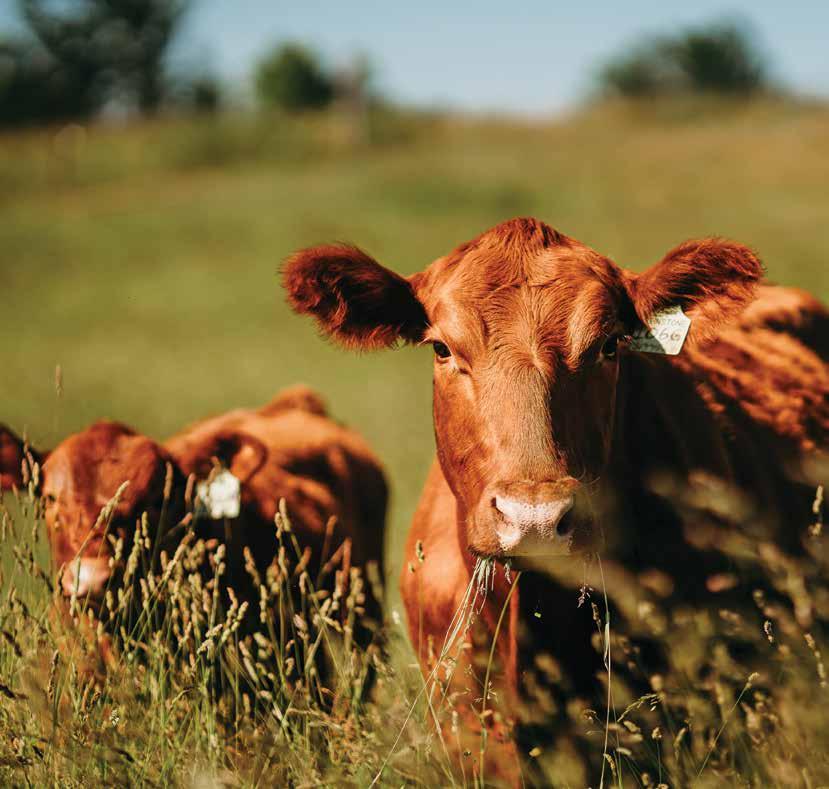
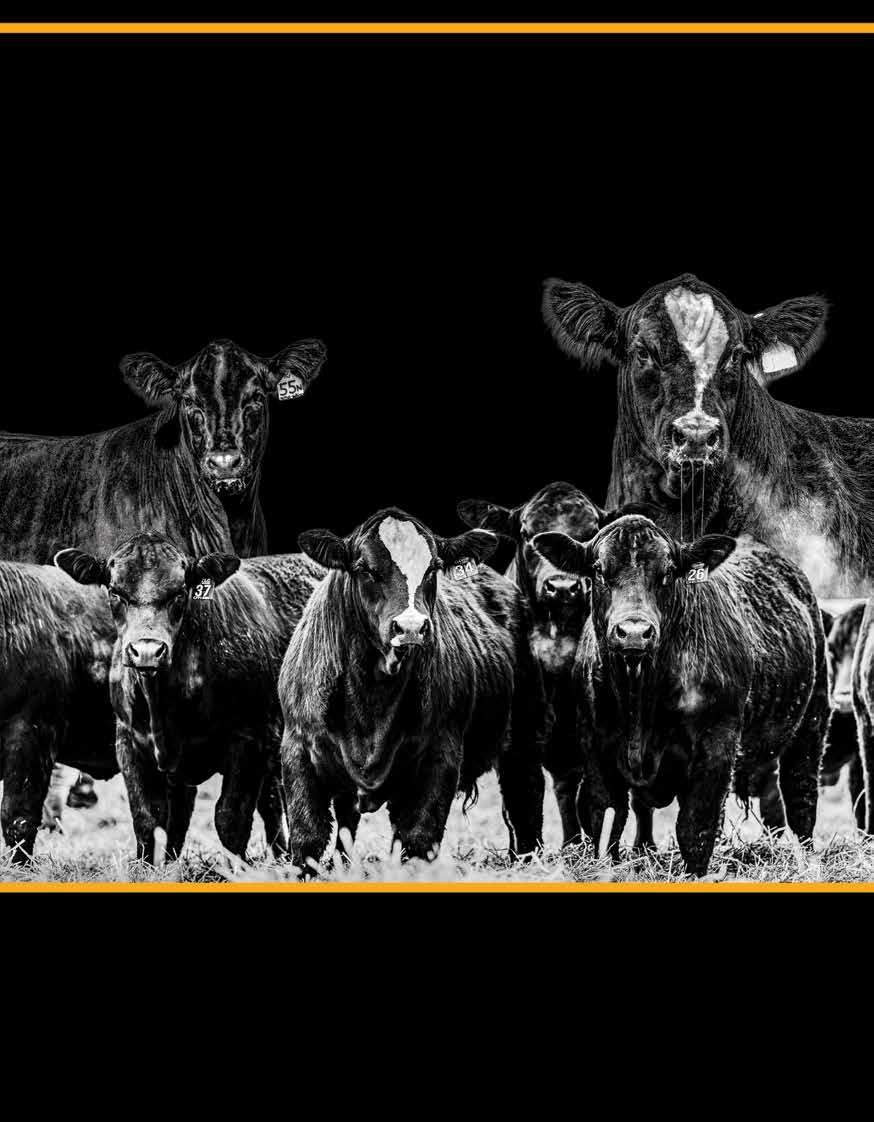
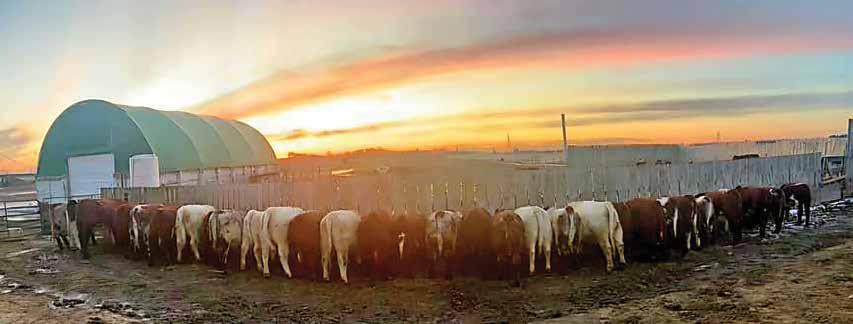
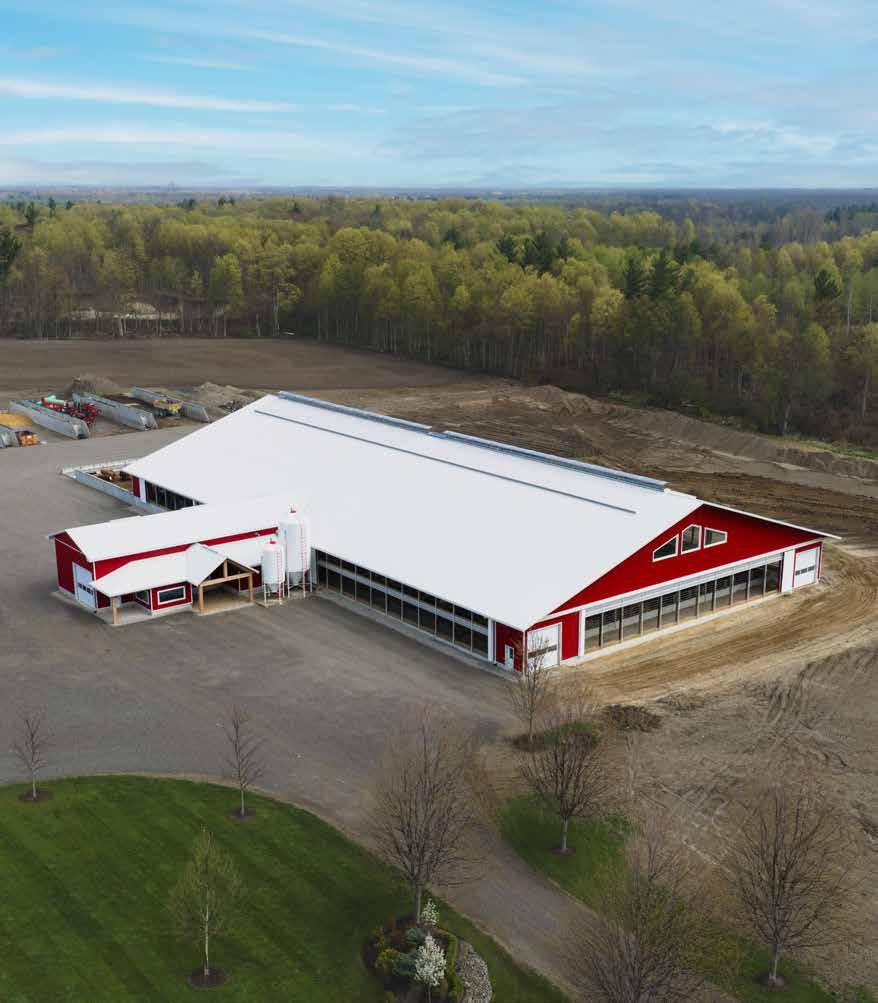
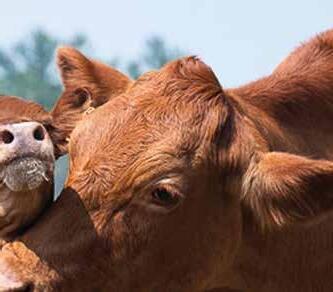
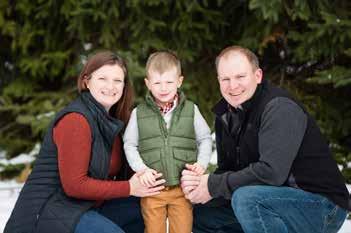
130 Malcolm Road, Guelph, ON N1K 1B1 • Phone: 519-824-0334 • Toll Free (for Ontario callers only) 1-866-370-BEEF (2333) Fax: 519-824-9101 • info@ontariobeef.com ON THE COVER:
EDITOR
LeaAnne Wurmli
CIRCULATION COORDINATOR
Charlene Yungblut
ADVERTISING MANAGER
Cathy Lasby, Preferred Agri-Marketing Services
Guelph, ON Phone: 519-763-8833 • Fax: 519-763-8833 pams@sentex.net
DESIGN and LAYOUT
Prism Studios Advertising and Design Inc. Guelph, ON
PRODUCTION and PRINTING
Beck’s Printing Services, Brantford, ON
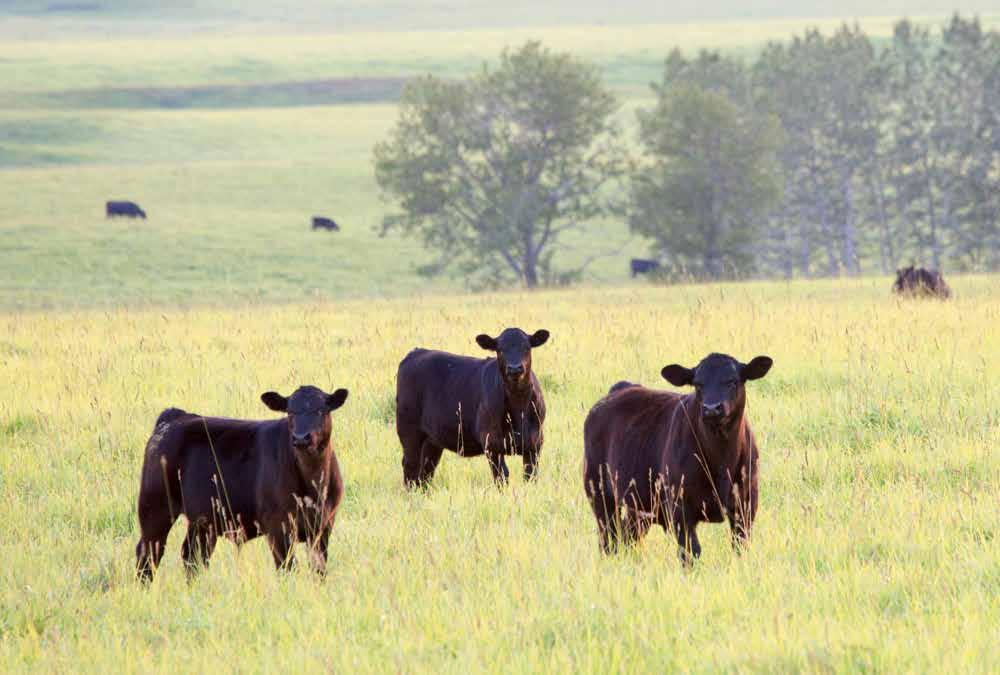
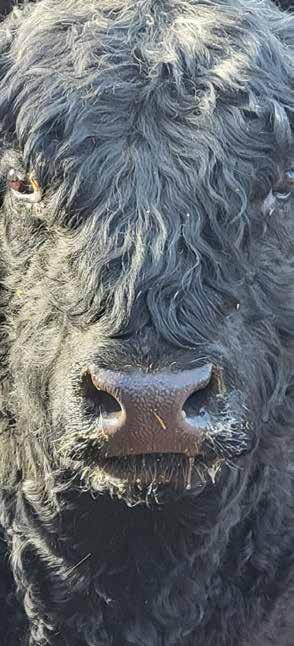
In this issue, we celebrate leadership, stewardship, and innovation across Ontario’s beef sector. Read about MacArthur Farms and Silver Springs Farms being recognized for their environmental stewardship and pasture management excellence, and catch highlights from BFO’s 64th Annual General Meeting and the BUILD 2026 Leadership Program. We also feature the StrongHER in Beef event, bringing women in agriculture together for learning and connection.
Don’t miss out on submitting your photos for our August issue. Please send your summer-inspired photos by July 15th to be considered for the cover. Digital photos in portrait orientation that are at least 300dpi are preferred, and can be emailed to info@ontariobeef.com.
PROVIDING A FORUM FOR THE ONTARIO BEEF INDUSTRY
Ontario Beef is the official publication of the Beef Farmers of Ontario. Contents of this publication may be reproduced only by permission of the Editor and with credit acknowledged.
Opinions expressed herein are those of the author and/or editor and do not necessarily reflect the opinion of the Beef Farmers of Ontario. Publication of advertisements does not constitute endorsement or approval by Ontario Beef or the Beef Farmers of Ontario of products or services advertised.
Advertising deadlines are January 10, April 15, July 15, September 15 and November 15. The publisher reserves the right to refuse or cancel any advertising, including advertising that is inconsistent with BFO’s Sponsorship Policy, available at www.ontariobeef.com. Every effort is made to ensure the accuracy of material published, however no responsibility can be assumed for advertising not received in clear, type-written form.
Canadian Publications Mail Product Sales Agreement Number 0040007029
POSTMASTER: Return undeliverable Canadian addresses to: Beef Farmers of Ontario, 130 Malcolm Road, Guelph, ON N1K 1B1
AtSleeves Rolled Up and Ready to Work AHEAD OF THE HEARD
By Jason Leblond, BFO President info@ontariobeef.com • www.ontariobeef.com
BFO’s annual general meeting in February, I was humbled to be elected as your incoming president for the year ahead. Serving as vice president alongside Craig McLaughlin for the past two years gave me a strong understanding of BFO’s priorities and the work being done on behalf of Ontario’s beef farmers. I’m looking forward to rolling up my sleeves and getting to work in this new role.
Before sharing a few highlights from the past several months, I’d like to tell you a bit about myself, my family, and our farm operation.
Together with my wife, Jenny, our three children - Jacob, Josh, and Jaden - and our two grandchildren, we operate a commercial grass-fed cow-calf beef farm near Powassan, just south of North Bay. I began farming nearly 20 years ago, and since then we have steadily expanded our operation with the goal of growing our herd to 100 cows. In addition to farming, I am a Certified Engineering Technologist, which has given me valuable technical knowledge and practical problemsolving skills that I apply on our farm and in everyday life.
Beyond my mailbox, I’ve always believed in the value of getting involved and giving back to the sector that supports our rural communities. Over the years, I have had the opportunity to contribute to organizations including the East Nipissing–Parry Sound Federation of Agriculture and the Muskoka, Parry Sound, East Nipissing Cattlemen’s Association. These experiences have reinforced how important strong producer voices are at every level of the industry.
My first few months as president have certainly been busy. Shortly after our annual meeting, BFO Executive Director Richard Horne and I travelled to Calgary to attend a meeting with our provincial counterparts to discuss the future governance and structure of the Canadian Cattle Association (CCA). This remains an important issue facing our sector and these discussions were valuable in helping shape
BFO
BOARD OF DIRECTORS 2026
Jason Leblond (Northern Director) – President
Email: jacres5@gmail.com
Don Badour (Cow-Calf Director) – Vice President
Email: don.badour@gmail.com
Don Hargrave (Cow-Calf Director)
Email: dchargrave@gmail.com
Jim Whitley (Cow-Calf Director)
Email: modelaranch@hotmail.com
Joost van der Heiden (Background Director)
Email: jcvdheiden@hotmail.com
Nick Martin (Feedlot Director)
Email: nickolas@pureislandbeef.com
Jairus Maus (Feedlot Director)
Email: ellengowanfarms@gmail.com
Lisa Pallister (Feedlot Director)
Email: lisa@pallisterfarms.ca
Denise Byers (Southern Director)
Email: byersdimmick@yahoo.com
Don Scott (Eastern Director)
Email: sparetimelivestock@gmail.com
Ralph Eyre (Director-At-Large)
Email: ralph@eyrefarms.ca
Kim Jo Bliss (Director-At-Large)
Email: kimjobliss@gmail.com
Emily Bromley (Youth Director)
Email: fondoak@live.ca
a practical path forward for Canada’s beef sector.
In mid-March, I attended a national Traceability Summit and then joined Ontario’s CCA directors — Don Badour, Don Hargrave, and Matt Bowman — in Ottawa for CCA’s annual general meeting. Discussions that week focused heavily on traceability and the proposed Mercosur trade agreement. Following the meeting, I was honoured to be asked to serve as an Officer with the Canadian Cattle Association. I accepted the role and I’m looking forward to working with the executive to ensure producers from across the country have a strong voice at the national table.
Following the Summit, CCA released a statement opposing the Canadian Food Inspection Agency’s proposed amendments to Part XV of the Health of Animals Regulations regarding identification and traceability. Instead, CCA and provincial organizations are advocating for a risk-based, industry-led approach to disease preparedness and emergency management. Work is now underway to establish an Ontario traceability working group that will include producers, transporters, auctions, community pastures, and other industry representatives, and will provide recommendations on next steps for national traceability implementation.
Another initiative I was proud to support was the return of BFO’s BUILD Leadership Program. I had the opportunity to join the virtual kickoff event to personally thank participants for their interest and welcome them as they began their leadership journey. Interest in the program was extremely strong this year, with 14 new graduates bringing the total number of BUILD graduates to 124. Visit page 22 to read more about the program.
Earlier this month, I returned to Ottawa for a CCA lobby day with Senators and Members of Parliament. Once again, the proposed
BFO STAFF
Executive Director
Richard Horne • richard@ontariobeef.com
Manager of Policy and Issues
Thomas Brandstetter • thomas@ontariobeef.com
Senior Policy Advisor
Evan Chaffe • evan@ontariobeef.com
Policy Advisor
Aynur Izzettin • aynur@ontariobeef.com
Director of Communications
LeaAnne Wurmli • leaanne@ontariobeef.com
Manager of Public Engagement and Digital Strategy
Jennifer Kyle • jennifer@ontariobeef.com
Engagement Coordinator
Charlene Yungblut • charlene@ontariobeef.com
Member Information Coordinator
Jamie Gamble • jamie@ontariobeef.com
Accountant
Amber McIntyre • amber@ontariobeef.com
Office Manager
Lisandra Lima • lisandra@ontariobeef.com
Manager of Producer Relations & Director of the Ontario Beef Youth Alliance
Jaclyn Horenberg • jaclyn@ontariobeef.com
Producer Relations Specialist
Chadd Taylor • chadd@ontariobeef.com
Producer Relations Specialist
Mel Reekie • mel@ontariobeef.com
Manager of Compliance
Chris Millar • chrism@ontariobeef.com
Supervisor of Provincial Programs
Barb Caswell • barb@ontariobeef.com
Mercosur trade agreement was front and centre, alongside discussions around the upcoming CUSMA review and concerns regarding recent research facility closures. During our meetings with Ontario MPs, we discussed the proposed Alto High-Speed Rail and its impact on the loss of farmland, as well as the re-opening status of the Joyceville abattoir. That same day, I also spoke during a press conference that was hosted by CCA and the National Cattle Feeders’ Association to express strong opposition to including beef in a potential free trade agreement with Mercosur countries.
I’ve referenced Mercosur several times because it remains of significant concern to our industry. Canada has resumed free trade negotiations with Mercosur countries, including Brazil, Argentina, Uruguay and Paraguay. These countries are among the world’s largest and lowest-cost beef producers, operating under standards that do not always align with the high expectations Canadians have for food safety, animal care, and environmental stewardship.
CCA, the National Cattle Feeders’ Association, and all provincial beef organizations, including BFO, strongly oppose the inclusion of beef market access in any Mercosur agreement. For Ontario producers, the impacts could be immediate and significant. Most imported beef entering Canada comes through Ontario, meaning increased imports would disproportionately affect our province and our farm families.
BFO has communicated these concerns directly to Prime Minister Carney and continues working with local associations and producers to coordinate letters and meetings with Members of Parliament. We encourage all members to support these efforts by visiting www.cattle.ca/mercosur to send a letter directly to their MP.
Politically speaking, I attended a Grow Ontario Food Summit event in Guelph hosted by Ontario Agriculture Minister Trevor Jones, met with several MPPs, and visited Queen’s Park twice since February. Earlier this week, I attended a University of Guelph reception at Queen’s Park, where we discussed the importance of maintaining Canada’s beef research capacity following the announced closure of the research facilities in Lacombe, Alberta. We have been advocating for the meat
scientist position from Lacombe to be transferred to the University of Guelph to help retain that expertise and knowledge here in Canada for the benefit of our sector.
We’re also anticipating the end of this month when we will visit Queen’s Park for our 18th annual barbecue and lobby day. During this visit, we will focus on several provincial priorities, including securing a $10 million provincial loan guarantee for the Ontario Beef Breeder Co-operative Program, supporting beef and agricultural expansion in northern Ontario, improving veterinary access and advancing reforms to Provincial Animal Welfare Services.
We were encouraged recently by the government’s commitment to introduce legislation that would limit foreign ownership of Ontario farmland and support agricultural expansion in the Clay Belt region through improved access to Crown land. Expanding beef production opportunities in northern Ontario has been one of our priorities for more than a decade and is an important part of addressing the ongoing decline in Ontario’s cow herd. Better access to Crown land for agricultural production is a positive step forward.
Lastly, I attended my first Joint Marketing Committee meeting, the collaborative market development initiative between BFO and the Ontario Cattle Feeders’ Association. Representing BFO on the committee for the upcoming year are Ralph Eyre, Lisa Pallister, and me. This partnership has led to some excellent work over the past six years, and I was encouraged by the progress highlighted during the meeting as we continue strengthening connections with retailers, processors, and the food service industry in Ontario and around the world.
In closing, spring is always a demanding but rewarding time on the farm from getting crops in the ground and turning calves out to pasture to keeping an eye on the weather forecast every step of the way. While our members are busy managing the work on the front lines, my fellow directors and I have our sleeves rolled up behind the scenes, working to ensure the voices of Ontario’s beef farmers are heard at Queen’s Park and beyond.
Wishing everyone a safe and productive spring season. OB
Protecting Ontario Beef in a Time of Political and Economic Change THE BEEF BEAT
By Aynur Izzettin, BFO Policy Advisor aynur@ontariobeef.com • www.ontariobeef.com
2026 has already proven to be a dynamic year for Canadian politics.
Following a series of floor crossings and by-elections, Mark Carney has secured a majority in the House of Commons. We’re also anticipating a formal review of CUSMA, which is expected to proceed following the conclusion of public consultations, while ongoing sector-specific tariffs and an evolving Canada–U.S. trade relationship continue to shape the policy landscape. Beyond North America, Canada and Japan have announced a new Comprehensive Strategic Partnership, even as rising geopolitical instability continues to impact industries and Canadians from coast to coast.
Beef Farmers of Ontario (BFO) continues to actively monitor developments to ensure strong and effective advocacy on behalf of its members.
Canada–Mercosur Free Trade Agreement
Canada has resumed free trade agreement negotiations with
Mercosur countries, which includes Brazil, Argentina, Uruguay, and Paraguay. BFO sees this as a significant risk to the Canadian beef sector, as it could increase imports of lower cost beef produced under standards that do not align with Canada’s production, sustainability, and environmental expectations. This could undermine Canadian producers, especially as the national cow herd begins to rebuild, and may conflict with Canada’s environmental goals. There are also animal health concerns, including Foot and Mouth Disease risks in parts of the region. Overall, such an agreement could displace high quality Canadian beef with lower standard imports, causing serious harm to producers across Canada, and in particular here in Ontario due to our large consumer base and role as a primary entry point for imported beef. BFO has raised these concerns directly by letter to Prime Minister Mark Carney.
100-Day U.S. Residency Rule for Korea Exports
In a positive development for the sector, the 100-day residency requirement for Canadian cattle exported to the United States for processing and shipment to South Korea has been removed and updated on the USDA website. South Korea previously applied different BSE related protocols to Canada and the United States, which reduced the value of Canadian live cattle exported to the U.S. This required Canadian cattle to be segregated in U.S. facilities for 100 days before qualifying for export to South Korea. With the change, U.S. processors can now handle Canadian cattle without segregation, even if they have been in the U.S. for less than 100 days.
Alto High-Speed Rail
The proposed Alto high-speed rail project between Toronto and Québec City represents one of the largest infrastructure developments in decades. The planned 1,000-kilometre electrified rail corridor would connect Toronto, Peterborough, Ottawa, Montréal, Laval, Trois-Rivières, and Québec City. BFO, alongside the Ontario Federation of Agriculture and l’Union des producteurs agricoles, has called for the project to be paused due to concerns surrounding the loss of agricultural land and the potential impacts on farming operations.
Should the project proceed, BFO is urging government and project partners to ensure meaningful consultation with agriculture stakeholders throughout the planning and development process.
Canadian Cattle Association Lobby Day
In early May, the Canadian Cattle Association (CCA) hosted Ontario’s annual federal fly-in lobby day in Ottawa. BFO directors participated as part of CCA and Ontario’s coordinated advocacy efforts.
The proposed Mercosur trade agreement was a central focus of discussions, alongside other national priorities including the
upcoming CUSMA review and concerns surrounding recent research facility closures.
At the provincial level, BFO advocated for making the recent increase to the Advance Payments Program (APP) permanent at a $250,000 interest-free limit and sought updates regarding the reopening of the Joyceville Penitentiary Abattoir.
Additional advocacy priorities included land-use concerns tied to the Alto High-Speed Rail project in Eastern Ontario and the Department of National Defence Arctic Over-the-Horizon Radar (A-OTHR) project affecting Clearview Township in Simcoe County.
Annual Queen’s Park Barbeque
BFO will host its 18th annual Queen’s Park Barbecue on May 27, providing an important opportunity to connect directly with Members of Provincial Parliament and highlight key issues affecting Ontario’s beef sector.
Securing a $10 million provincial loan guarantee for the Ontario Beef Breeder Co-operative Program remains a top advocacy priority. This targeted government-backed initiative would unlock up to $40 million in affordable financing through major lenders, delivering immediate and practical support to Ontario’s cow-calf sector while helping encourage herd growth.
BFO also continues to advocate for policies and incentives that strengthen large animal veterinary capacity across Ontario. This includes enhancing the Veterinary Incentive Program through increased investment and extending the program for future graduates to help address ongoing veterinary shortages in rural communities. Additionally, BFO has been engaging with municipalities to present on beef sustainability. These presentations showcase the efforts beef farmers are taking to promote sustainable practices including on-farm initiatives to reduce our environmental footprint. They also emphasize how municipalities can partner with local farmers to achieve their climate action goals.
These outreach efforts also reinforce the importance of ensuring agriculture, particularly the livestock sector, is included in local decision-making processes that directly impact farming operations and rural communities.
Overall, 2026 presents both significant opportunities and serious challenges for Canada’s beef sector.
As trade relationships evolve, major infrastructure projects advance, and domestic policy continues to shift, the need for strong, coordinated advocacy has never been greater. BFO will remain focused on ensuring producer concerns are reflected in decisionmaking at all levels of government, protecting the long-term viability, competitiveness, and sustainability of Ontario’s beef sector. OB
MacArthur Farms Awarded for Environmental Stewardship
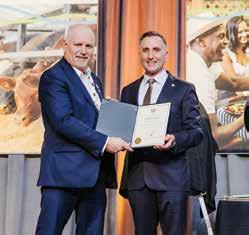
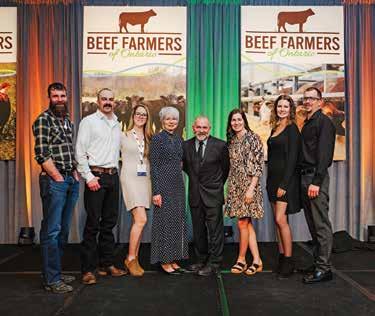
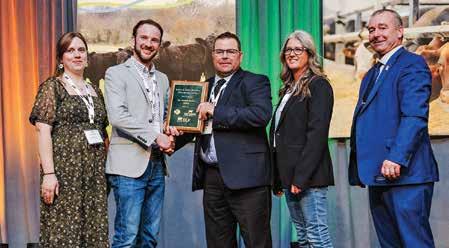
The Beef Farmers of Ontario (BFO) was pleased to announce that Will and Tara MacArthur of MacArthur Farms were named the 2026 Ontario recipients of The Environmental Stewardship Award (TESA), sponsored by RBC Royal Bank. The award was presented during BFO’s 2026 Annual General Meeting Banquet, held in Toronto in February.
Farming 220 acres of permanent rotational pasture and 250 acres dedicated to grazing, the MacArthurs manage approximately 100 cow-calf pairs, 40 replacement heifers and 20 steers. Their grazing system is carefully designed to optimize pasture productivity and longterm soil health. Cows and heifers graze for approximately 320 days each year, while pastures receive a minimum of 40 days of rest to encourage plant recovery and strengthen root systems. Environmental stewardship is central to their operation. More than two kilometres of streams and drainage ditches have been fenced to prevent livestock access, helping to safeguard water quality. Water lines have been installed in every paddock to ensure consistent access while minimizing nutrient concentration in any one area. On their crop acres, the MacArthurs implement reduced tillage practices and follow 4R Nutrient Stewardship principles to optimize fertilizer efficiency and enhance soil health.
ADDITIONAL PROVINCIAL PRIORITIES
• Initiate a comprehensive review of the PAWS Act to assess its on-farm impacts, unintended consequences, and alignment with existing animal care, transport, and welfare frameworks.
• We welcome restrictions on foreign land ownership and support expanding agricultural production in northern Ontario through streamlined, transparent Crown land access. BFO looks forward to working with government to ensure our members are able to access Crown land in a timely streamlined approach.
• Implement Risk Management Program enhancements and accelerate the government phase-in of new funding, ensuring timely, predictable income support during periods of market volatility. BFO will continue to advocate to have the operational cap for the RMP program increased.
• Increase public investment in meat processing capacity while reducing regulatory and taxation burdens, strengthening domestic processing resilience, competition, and producer returns.
“For us, sustainability isn’t a trend - it’s just how we farm,” says Will MacArthur. “If you look after your soil and manage your pastures properly, everything else falls into place. We focus on keeping our land productive, protecting our water and making sure our cattle have what they need. At the end of the day, we want to leave our farm better than we found it.”
The MacArthurs also extend their grazing season by using cover crops following wheat and grazing corn stalks and standing corn — often interseeded with cover crops — well into the winter months. This approach reduces the need for harvested feed and associated fuel use, while maintaining soil cover and supporting overall soil resilience.
“The MacArthurs demonstrate that caring for cattle and caring for the land go hand in hand,” says Jason Leblond, President of the Beef Farmers of Ontario. “From protecting waterways to building soil health and adopting practical best management practices, they’re making decisions that strengthen both their farm and the environment. Will and Tara are deeply committed to ensuring their farm remains sustainable for generations to come.”
The MacArthurs will move on to compete for the national Environmental Stewardship Award later this year. OB
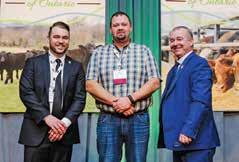
Left to Right: Xavier Shickedanz, RBC; Ryan Gill, RBC; Tara MacArthur; Will MacArthur; Jason Leblond, BFO President
Highlights from BFO’s 64th Annual General Meeting
By BFO Staff
In February, the Board of Directors of the Beef Farmers of Ontario (BFO) elected its new president and vice president during BFO’s 64th Annual General Meeting (AGM) held in Toronto. Jason Leblond of Chisholm, Ontario, was elected to lead the association in the year ahead as President, with Don Badour of Perth, Ontario, serving as Vice President. Past President Craig McLaughlin stepped down from his leadership role after serving the maximum term of nine years with the association.
BFO also welcomed two new directors to the Board - Lisa Pallister from Grey County and Don Scott from Grenville County.
Pallister was elected to represent the feedlot sector for a one-year term, replacing Tom Kroesbergen, who stepped down after two years in the role. A seventh-generation farmer, Pallister resides near Dundalk, Ontario, where she works alongside her family operating a beef feedlot and cropping operation.
Scott was elected to represent the eastern region, replacing Past President Craig McLaughlin. A third-generation farmer, Scott operates a beef and cash crop farm with his family. He began with
crossbred commercial cattle before transitioning to purebred Limousin production. Alongside his wife, Scott raises replacement females and stocker calves, markets direct farmgate beef sales, and develops elite herd sire prospects.
In addition to the newly elected directors, several board members were re-elected or acclaimed to continue their service. Don Hargrave of Maxwell, Ontario, was elected to a third term representing the cow-calf sector. Jairus Maus of Paisley, Ontario, was acclaimed to a second term as feedlot director. Joost van der Heiden of Listowel, Ontario, was also acclaimed to a second term as background director. Emily Bromley of Renfrew, Ontario, will complete her term this year as BFO’s youth representative.
BFO continues to attract strong leaders to its board, which is a tremendous asset as the association continues to focus on market development for Ontario beef, and growth and profitability in all sectors. In an effort to secure a strong pipeline of leaders within the beef industry, BFO’s BUILD Leadership program returned in April to offer beef farmers with a skill-building opportunity to improve their
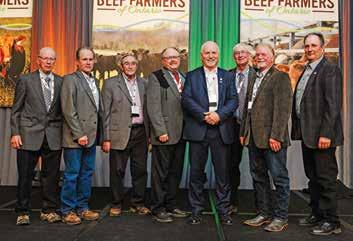
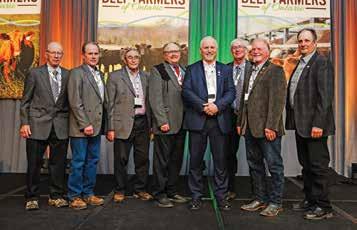
Before the annual banquet, delegates were invited to attend the Past Presidents Reception. Pictured here are a number of BFO Past Presidents who were in attendance for the reception and banquet.
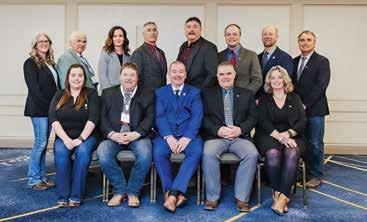
2026 BFO Board of Directors
Lisa Pallister, Feedlot Director
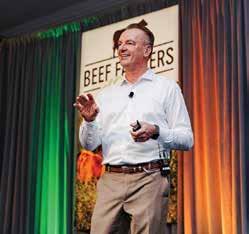
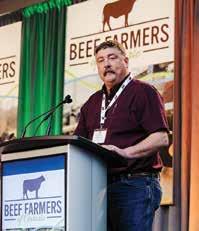
Dr. Frank Mitloehner from UC Davis provided a keynote address on livestock sustainability.
Don Scott, Eastern Director
governance, advocacy and leadership skills. Read more about this program on page 22.
“It’s an honour to serve as President of the Beef Farmers of Ontario, which is a responsibility that I don’t take lightly. I’m proud to be part of an association with such strong leadership and engaged members, and I look forward to working hard on their behalf in the year ahead,” shares Jason Leblond, BFO President. “We have important advocacy work ahead of us to help create a business environment that supports Ontario beef farmers, particularly as we seek a provincial guarantee under our Beef Breeder Loan Program.”
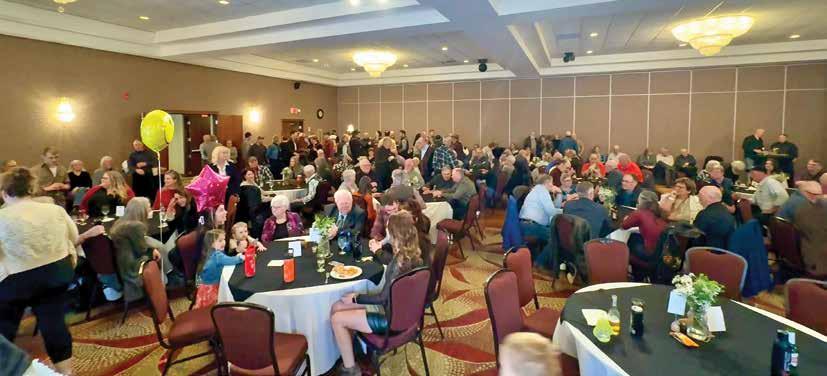
The BFO Board of Directors and staff welcomed close to 400 attendees during this year’s two-day AGM. Delegates and guests heard from several featured speakers, including keynote speaker Dr. Frank Mitloehner, who discussed the role well-managed livestock systems play in sustainable food production. Steve Duff, Chief Economist with the Ontario Ministry of Agriculture, Food and Agribusiness, provided a cattle market outlook.
BFO was also pleased to welcome the Honourable Trevor Jones, Ontario Minister of Agriculture, Food and Agribusiness, who addressed delegates during the annual banquet. Parliamentary Assistants Paul Vickers and Bill Rosenberg, along with several Members of Provincial Parliament, also joined guests for an Ontario Corn Fed Beef dinner.
In his remarks, Minister Jones committed to modernizing the Beef Cattle Marketing Act, a long-standing priority for BFO, to ensure greater equity in the check-off collection system and align Ontario’s processes with those used in most cattle-producing provinces, as well as with the veal, sheep and pork sectors in Ontario.
The 2025 BFO Annual Report can be viewed on the BFO website or you can access a hard copy by contacting the office. OB
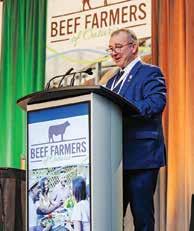
BFO was pleased to welcome Trevor Jones, Minister of Agriculture, Food and Agribusiness to the banquet. Minister Jones recognized Craig McLaughlin for the nine years he served with BFO.
2026 CARRIED RESOLUTIONS
As resolutions are reviewed and responded to by the BFO Board of Directors throughout the year, the responses are posted to the BFO website. Archived responses from previous years are also posted to the website.
26-01 APP Interest-Free Limit
26-02 Food Literacy
26-03 Breeder Finance Program - Government Guarantee
26-04 Coyote Population Control
26-05 Vet Access
26-06 Improve Banking Practices For Canadian Agriculture
26-07 Proposed Traceability Initiatives
26-08 PAWS Act
26-09 RMP Enrollment
26-10 CFIA Transparency
26-11 Tax Classifications For Abattoirs
26-12 RFID Tags
26-13 Carcass Condemnations
26-14 Conservation Authority Mandate
26-15 SRM Harmonization
26-16 Crown Land
26-17 Alto High-Speed Rail And Ag Land
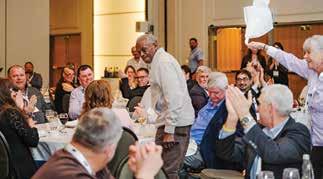
Long-time advisory councillor for Lennox & Addington, Moe Street attended the AGM banquet while also celebrating an important milestone, his 90th birthday.
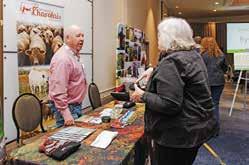
Many sponsors and tradeshow exhibitors supported the event. Pictured here is John Meilhausen with the Ontario Charolais Association.
Tom Kroesbergen stepped down after two years as feedlot director and was recognized for his contributions at the banquet.
After lunch on Wednesday, Jason Leblond was elected by the board of directors as BFO’s incoming president.
StrongHER in Beef Event Brings Women Together for Learning and Leadership
By BFO Staff
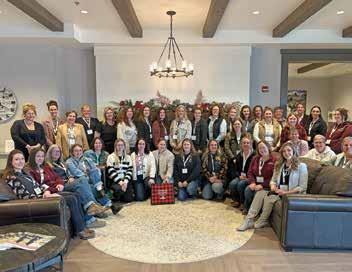
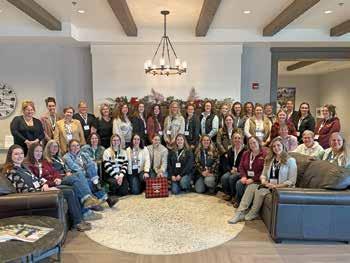
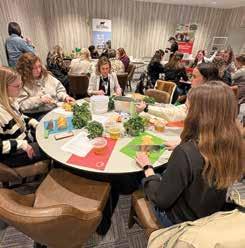
Women from across Ontario’s beef sector gathered at The GrandWay Events Centre in Elora on March 5th for the inaugural StrongHER in Beef event, hosted by Beef Farmers of Ontario (BFO). The one-day program brought participants together for practical learning, industry discussion and networking designed to support the growing leadership role of women in the beef industry.
Built around the theme “Confidence. Community. Cattle.,” the event explored several forms of strength required in modern agriculture, from mental wellness and business resilience to cattlemanagement skills and personal leadership.
“The idea behind StrongHER in Beef was to create a space where women in our sector could come together, learn from each other and build meaningful connections,” said Denise Byers, southern director with Beef Farmers of Ontario and a member of the StrongHER planning committee. “Women play such an important role in our industry, and events like this help strengthen both our farms and our broader beef community.”
The day began with a workshop focused on one of agriculture’s most important (and often least talked about) topics: mental wellness. Facilitators from Agriculture Wellness Ontario, a program of the Canadian Mental Health Association, led a session titled Navigating Stress in Agriculture.
The workshop provided practical tools to help farmers recognize stress, manage pressure and build resilience while navigating the challenges of agricultural life. Participants discussed the realities of long hours, uncertainty and the responsibility that comes with managing livestock and family operations.
The morning continued with a producer panel examining marketing across the beef value chain and building resiliency. Moderated by Emma Butler, the panel featured producers Denise Byers, Lisa Pallister and Kendyl Anderson, each representing different segments of the beef industry.
Panelists discussed what marketing looks like at different stages of beef production, from genetics and cow-calf operations to feedlot management and direct-to-consumer beef sales. The conversation highlighted how marketing in agriculture goes far beyond advertising and includes relationship-building, pricing strategies, storytelling and risk management.
“Marketing today is about much more than just selling cattle,” said Byers. “It’s about building relationships, telling the story of how our food is produced and creating value throughout the entire beef supply chain.”
“The StrongHER in Beef event was an incredible reminder of the strength, insight, and leadership women bring to this industry,” said Emma Butler, owner of J&E Meats and panel moderator. “The panel discussion really showed our industry looks different at every stage, but when women come together to share experiences and ideas, the entire beef industry moves forward and is strengthened.”
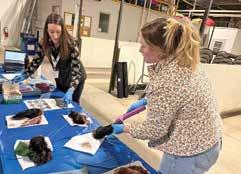
participants rotated through practical training stations led by experts from Metzger Veterinary Services.
The sessions focused on essential cattle-management skills, including administering IVs and epidurals, casting a broken leg and proper ear tag placement to improve tag retention. The interactive format allowed participants to ask questions and build confidence in procedures that can be critical when managing livestock.
Later in the afternoon, BFO staff delivered short presentations highlighting programs available to support Ontario beef farmers, including Breeder and Feeder Finance, the Risk Management Program (RMP), Verified Beef Production Plus (VBP+), and consumer engagement initiatives promoting Ontario beef.
The day concluded with a leadership workshop led by speaker and coach Sarah Kinlin, titled Grit and Grace: How to Find the Right Balance to Achieve Your Goals with Ease. The session encouraged participants to pursue their goals while practicing balance and self-compassion.
The event wrapped up with a social hour where attendees prepared appetizers alongside the venue’s chefs, providing a relaxed setting to continue conversations and strengthen new connections.
“Participating in StrongHER in Beef was a great opportunity to network and meet other likeminded women from different areas of the beef industry,” said Kara Sickle, a beef producer from Glen Morris and student at the University of Guelph. “It was really valuable to hear their experiences, share ideas, and make connections with people who are passionate about the same industry. Having that kind of support and community is incredibly encouraging for women in agriculture.”
Byers said the enthusiasm throughout the day showed the value of creating opportunities for women in agriculture to connect and learn together.
“The energy in the room was incredible,” she said. “People were sharing ideas, asking questions and building connections that will last well beyond this event.” OB
Beef
RURAL RAMBLE
By Jaclyn Horenberg, Manager of Producer Relations jaclyn@ontariobeef.com • www.ontariobeef.com
Feedlot Producers Gather to Discuss Markets, Risk and Succession Planning
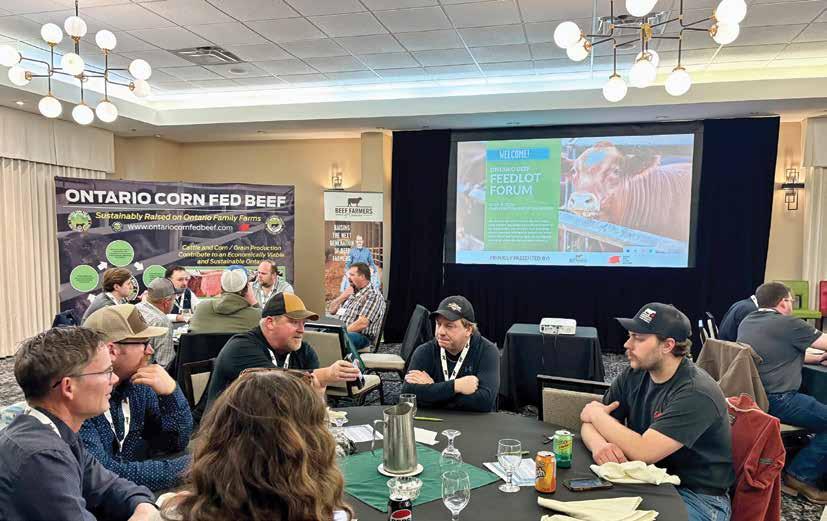
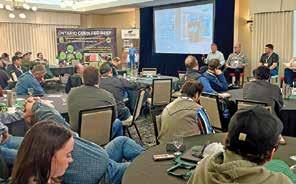
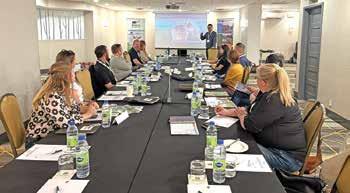
Farmers of Ontario (BFO) and the Ontario Cattle Feeders’ Association (OCFA) partnered to host the Ontario Beef Feedlot Forum on April 9th in London, Ontario. The event brought together industry experts and producers to discuss strategies and market opportunities that can strengthen the security and long-term success of Ontario’s feedlot sector. A key focus of the forum was exploring how producers can manage risk, improve resilience, and support successful transitions to the next generation.
The forum opened with welcoming remarks from OCFA President Jack Chaffe and BFO Executive Director Richard Horne, setting the tone for a day centred on the future viability of Ontario’s feedlot industry.
Brian Perillat, Agribusiness Specialist with More Than Just Feed and Bullseye Feeds, began the day by providing an overview of current cattle markets and the broader global landscape. He highlighted that, as of 2025, Brazil has become the world’s largest beef supplier, noting that continued improvements in Brazilian genetics and production efficiency are expected to further influence global beef supply.
Taking into account trade dynamics, cattle inventories, and consumer demand, Perillat emphasized that while the industry faces challenges, there is reason for optimism if producers remain proactive.
“Supply drives the direction of the price trend, but demand controls the magnitude of the change,” Perillat explained. While beef demand remains strong, he encouraged producers to remain mindful
of volatile input costs and weather-related risks. He also stressed the importance of understanding cost of gain and monitoring shifts within the cattle cycle.
Perillat’s presentation highlighted both the inherent risks within the cattle feeding business and the importance of informed decisionmaking. This session was generously sponsored by Bullseye Feeds and helped establish the foundation for the day’s discussions on strategic risk management.
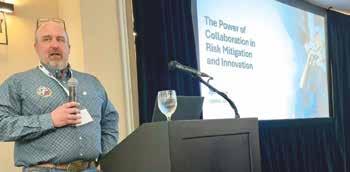
Building on the market outlook, Bert Caputo, Commodity Futures Specialist with The Simpson/Caputo Group of RBC Dominion Securities, shifted the discussion from market analysis to practical risk management tools. Caputo guided participants through real-world hedging strategies and shared practical approaches for navigating today’s volatile cattle markets.
A key theme throughout the discussion was the importance of communication in successful succession planning. Batte emphasized the need for thoughtful planning that balances both family dynamics and business priorities, noting that there is no one-size-fits-all approach to succession planning. Customized solutions, he explained, are critical to ensuring long-term farm viability and operational success.
Hammell shared that 66 per cent of farmers currently do not have a succession plan in place. Common barriers include uncertainty around where to begin, financial concerns, and hesitation around having difficult conversations with family members.
Audience members engaged actively with the panel, asking questions about
Darcy McMorris- 226-203-4506
how to initiate transition discussions, when to begin planning, and how to balance the interests of farming and non-farming children.
Both Noorloos and Cochrane emphasized the importance of making space for the next generation and remaining open to listening and collaboration throughout the process. Their experiences reinforced the value of starting succession conversations early to help secure the future of Ontario’s feedlot sector.
The Ontario Beef Feedlot Forum was made possible through the generous support of its AAA sponsors, whose continued investment helps strengthen Ontario’s beef industry. BFO and OCFA also extended thanks to all participants who travelled to London and contributed to the day’s discussions. OB
Dan Ferguson Retires After 24 Years
By BFO Staff
Dan Ferguson joined the Ontario Cattlemen’s Association, now known as the Beef Farmers of Ontario, in November of 2002, just ahead of the BSE crisis - and what a time to be stepping into the beef industry.
From those early days through more than two decades of change, Dan played an instrumental role in shaping Ontario’s beef quality assurance programming. From Quality Starts Here, to Verified Beef Production, and now Verified Beef Production Plus, his fingerprints are all over the programs that continue to strengthen producer confidence and public trust.
Over the years, Dan has been a steady and trusted voice for beef farmers across this province - first as Manager of Producer Relations, and more recently as Senior Producer Relations Advisor.
He has led countless education initiatives, answered his phone at any hour of the day, supported producers one-on-one, and consistently brought practical insight, patience, and professionalism (and humour!) to every conversation.
For 24 years, Dan has been such an integral part of the Beef Farmers of Ontario team and a tireless advocate for Ontario’s beef farming community.
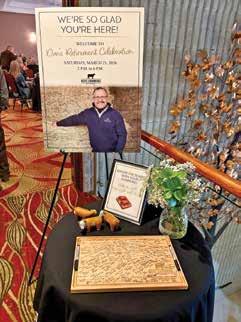
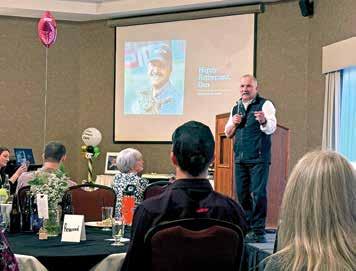
In March, friends, family, and colleagues gathered in Cobourg, Ontario, to celebrate Dan and his many contributions to BFO and the Ontario beef sector. Stories and memories were shared throughout the afternoon - and, of course, Dan had a few stories of his own to tell.
Thank you, Dan, for your years of dedication, leadership, and friendship. We wish you all the very best in your well-deserved retirement. OB
SHORTHON GENETICS GLOBALLY
Feed Efficiency • Continued Growth • Carcass Quality
Awesome Replacement Females
Gordon Crawford, Glencoe, Ontario reports slaughter data for 10 Shorthorn Steers fed in Ontario and slaughtered in Pennsylvania in 2025:
10 STEERS
CONCLUSION
These steers continued to grow and deliver a carcass that the Packers desire.
TIBS SHORTHORNS
Pat Thibodeau Georgetown, ON 416-319-1901 tibsshorthorns@gmail.com
COLDSTREAM FARM
Flesherton, ON
Don Jack: 519-924-1540
Shea O’Neill: 519-373-6599
Heifer, Bulls, Show Prospects Breed Leading EPDs
TRAILVIEW SHORTHORNS
Shannon Kingston & Ross Laycock 1327 6th Av West, Owen Sound, ON 519 477-1526 or 519 372-5414 hockeymama@live.ca
RED ROSE FARM
Martin & Liz Mason & Sons
747710 Twp Rd 4,Drumbo, ON
Cell: 519-771-7066
John Mason: 519-636-6634 martin.mason@redrosefarm.com
GLENROTHES FARM
Beaverton, ON
Average Hot Carcass Weight: 944 lbs.
Average Days to Market: 544
Pounds Carcass Per Day of Age: 1.77
Average Yield: 63.5%
9 Grade Choice and 1 Grade Prime
FLASH
On April 2nd, 2026, Half of the 52 Shorthorn Bulls sold in Saskatchewan’s “Who’s Your Daddy’s Sale” were sold to Commercial Producers.
Doug Brown: 905-431-8496
Nancy Brown Andison: 416-817-0369
LOCUSTVIEW SHORTHORNS
Steve, Joyce & Dan Bartlett
Almonte, ON 613-256-3042 locustviewshorts@outlook.com
HILL HAVEN FARM
Duntroon, ON
Dale Asser: 705-444-9403
Matt (herdsman): 519-378-5508 hillhavenshorthorns1@gmail.com www.hillhavenshorthorns
MARTIN FARMS
Gore Bay, ON
Jim: 705-348-1294
Nick: 705-348-1022
Alex: 705-782-4725
Bulls, Females, Commercial Cattle
CRAWFDOWN FARMS
Glencoe, ON
Gord & Sally Crawford 519-870-2396
Reed & Jane,Shelby&Josie 519-857-7333
FLIGHTPATH
Caledon, ON
David&Joanne Currie& Family
David: 647-400-2844
Jessica: 519-400-3160 farm.flightpath@gmail.com Jessica Stevens, President - 519-400-3160 email: jesscurrie@hotmail.com
Shorthorn Steers on Feed ~ Byrne Boys, Chatham
CCA UPDATE Share Your Feedback on the Beef Cattle Code of Practice
By Tyler Fulton, CCA President www.cattle.ca
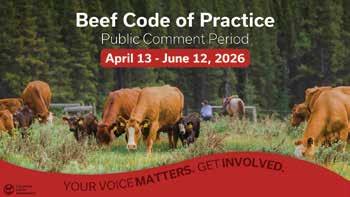
The public comment period for the Beef Cattle Code of Practice (Beef Code or the Code) is open April 13 through June 12. The Beef Code outlines expected and recommended animal care practices for beef cattle and undergoes a regular review process. The public comment period is an opportunity for anyone who has an interest in how beef cattle are raised in Canada, including consumers, veterinarians, foodservice professionals, and producers, to review the draft content and share feedback.
Feedback gathered through the public comment period is critical and helps determine the content of the final document. Strong producer feedback from all regions of Canada is an important step in this process.
The Beef Code is meant to drive continuous improvement in animal welfare and is built to be scientifically informed, practical, and reflect societal expectations for responsible farm animal care. The Code uses an outcome-based approach that focuses on achieving successful standards while allowing for flexibility in how these outcomes are met rather than dictating exact processes or methods.
The National Farm Animal Care Council (NFACC) (www.nfacc.ca) oversees Code of Practice development and review through a structured, multi-stakeholder process that includes producers, veterinarians, scientists, transporters, processors, retailers, government, and animal welfare representatives. CCA is a member of NFACC and serves as the national commodity organization responsible for initiating the code review process for its sector. Decisions are science-informed and consensus-based.
The review process involves two committees: the Code Development Committee and Scientific Committee. The Code Development Committee updates the Code if required and the Scientific Committee reviews literature to determine priority welfare issues and summarizes the available research for the Code Committee. Science-informed, industry leadership on code development, reviews, and revisions ensures a code that reflects an animal care standard that is grounded in practicality while considering the diversity of Canadian beef cattle producers.
Maintaining an up-to-date Code informs potential policy conversations with industry expertise backed by science and prevents rules written by people far from primary production. A current Code can help inform policy by showing what’s workable and already in place, providing helpful context and a frame of reference on acceptable practices and standards of care in Canada.
The content and layout of the draft code available for public comment remains largely consistent with the current Code. The proposed draft incorporates new scientific evidence and updated practices in beef cattle care.
The code committee uses a consensus-based process to propose changes. The draft code changes have been suggested with consideration for scientific evidence, societal expectations and feasibility
to adopt in a wide variety of regions and production systems.
There are six chapters in the Code.
Key topics of interest to producers are highlighted here. Producers are encouraged to review the document in full to provide feedback.
Animal Environment
• New section on mud and moisture to describe welfare impacts of mud and moisture, including reduced coat insulation and foot health problems
• An emphasis on the importance of safe, low-stress cattle movement that protects both cattle and handlers
• Considerations for housing severely sick or injured cattle
Feed and Water
• Stronger guidance on feed and water testing, toxic feeds, feed bunk management, and use of nutritionists
• Proactive action to address cattle in poor and declining body condition scores
• Additional detail added on proactive strategies to manage use of snow as a water source
Animal Health
• Detailed guidance around veterinary care and herd health management, disease reporting, and emergency preparedness
• Emphasizes the importance of an active Veterinary-Client-Patient Relationship, working with a veterinarian, and developing and regularly updating a herd health program
• New subsections on reproductive disease, neurologic disease, and pink eye
Animal Husbandry
• Increased information on low-stress handling and behavioural signs of stress
• Prod use language clarified
• New requirements for prompt care, safe handling, and access to feed and water for non-ambulatory cattle
• Increased requirements to provide pain control for painful procedures provided in consultation with a veterinarian
• Attention drawn to importance of increased monitoring around weaning, and new content on pre-weaning, weaning, and post-weaning periods
Transportation
• Revisions to align requirements with updated transport regulations and remove duplications
• Focus on assessing fitness for transport and enhanced guidance around preparations for transport
On-Farm Euthanasia
• More practical, clear guidance for euthanasia methods and decision making, including increasing specificity around appropriate firearms and ammunition for different classes of cattle
• Updates to include references to farmer-specific mental health resources
The finalized Code is expected to be released in the second quarter of 2027.
Producers, visit www.nfacc.ca/codes-of-practice/beef-cattle before June 12 to ensure your feedback is considered. OB
WithOMAFA UPDATE Checking Pastures for Hazards Before Turnout
By Dr. Cynthia Miltenburg, Lead Veterinarian Animal Health and Welfare, OMAFA
spring upon us, many producers are looking forward to getting cattle back out on grass. Before turnout it is important to check pastures for hazards that we might regret leaving for cattle to discover.
Although poisonings are rare, lead poisoning is the most common toxicity in beef cattle. Lead poisoning is typically seen in spring or early summer after cattle are turned out onto pasture. Lead exposure can be devastating for individual producers affected, often affecting multiple animals within a herd, resulting in significant losses.
The most common source of exposure is old lead-acid batteries that have been discarded on or near pastures. After repeated freeze-thaw cycles, batteries can crack open, and their contents becomes accessible to livestock. On rare occasions, lead poisoning has been diagnosed in large groups of cattle when batteries were inadvertently baled into feed or scooped up with feed ingredients during mixing, contaminating the entire ration. Other potential sources include lead-based paint flaking from old barns, fences or equipment; used engine oil from farm machinery; and miscellaneous farm waste such as lead pipes, plumbing materials, grease, asphalt or even lead shot.
Cattle are naturally curious and will often lick or chew on unfamiliar objects. Young animals tend to be more inquisitive and are at greater risk. When cattle lick or consume lead containing materials, lead particles enter the rumen or reticulum. The lead is then absorbed across the gastrointestinal tract and into the bloodstream and soft tissues, damaging blood vessels and
organs, including the brain. Overtime, the lead in the body is deposited into bones. The amount of lead absorbed depends on the form ingested as well as the age and nutritional status of the animal. Young animals are especially sensitive because a milkbased diet increases the absorption and retention of lead in the gastrointestinal tract. Mineral deficiencies and high dietary fat levels can also increase lead absorption. The higher the amount consumed, the more lead that is deposited in bone and the longer it takes to clear it from the body.
The signs of lead poisoning are primarily neurological and may include blindness, aimless wandering, excessive salivation, teeth grinding, muscle tremors, and convulsions. Some cattle may become unusually agitated or separate themselves from the group. Diagnosis is made through blood testing or testing tissues from deceased cattle.
Lead residues in meat and edible organs pose a significant food safety concern. While only a small number of exposed cattle may show obvious signs of illness, many others can have elevated lead levels without appearing abnormal. For this reason, all animals with equal opportunity for exposure are tested to determine whether they can be safely marketed. Treatment for lead poisoning is generally impractical, and although cattle with moderate levels may clear the metal over time, animals with higher lead levels are less likely to recover sufficiently for slaughter.
If your cattle develop nervous system signs or if lead exposure is suspected, contact your herd veterinarian immediately. Diagnostic testing can confirm lead poisoning and help rule out other causes of neurological disease such as grass tetany (hypomagnesemia), polioencephalomalacia (PEM), or rabies. As soon as possible, remove the suspected source of exposure. If removal is not feasible, calmly move cattle to an area away from the hazard to prevent further ingestion.
Spring is the time for prevention. Taking time to walk or drive the pasture to identify and remove hazardous materials that are accessible to livestock is well worth the effort. This is especially important when renting new pasture or grazing areas that have not previously been used. In some cases, cattle have had access to materials in past years without issue, but that doesn’t guarantee they won’t investigate them this season. Pastures can also be a risk for materials that can cause hardware disease in cattle such as wire, bolts, screws or other sharp objects. Batteries from vehicles or farm equipment and used motor oil should be taken to your local hazardous waste facility for proper disposal.
Lead poisoning may be uncommon, but when it occurs the impact can be severe. Spring turnout is a good reminder to take a hard look at pastures, fence lines and feeding areas for anything cattle might chew or lick. Making pasture checks part of your annual turnout routine is a simple but effective way to reduce the risk of lead poisoning in your herd. OB
Ontario’s Risk Management Program: Funding and Premium Changes
By Evan Chaffe, BFO Senior Policy Advisor
TheOntario Risk Management Program (RMP) is a provincial Business Risk Management (BRM) program delivered by Agricorp that helps farmers manage income risk caused by fluctuating market prices and rising production costs. It functions as an insurance program by setting a support level based on the cost of production, and when market prices fall below the support level, the program provides payments to offset a portion of the loss.
Since 2020, RMP has undergone several key policy and funding changes, affecting both overall program funding and producer premium requirements.
From 2020 through 2024, the program operated with a total funding cap of $150 million, a level that many in the agriculture sector had identified as insufficient to meet growing demand and rising production costs. Industry groups advocated for an increase and were pleased to see the Ontario government announce an increase to the funding cap to a total of $250 million in January 2025 for all commodities, to be implemented through a phased approach over three years.
Producer premiums and the program’s cost-share have also been affected by earlier government policy decisions. In 2021, the government froze producer premium rates, resulting in producers contributing less than the program’s intended 35 per cent cost-share over time. Combined with increased government investment, this led to a decline in the producer share below the program’s original design.
In late 2025 and early 2026, the Ontario Ministry of Agriculture, Food and Agribusiness (OMAFA), with input from BFO and the RMP Beef Cattle Reference Committee, developed a plan to restore the program’s original costshare structure. The objective is to return to the 35 per cent producer contribution level while minimizing financial strain on producers.
The plan is a seven-year phase-in beginning in 2026, with the goal of gradually restoring producer contributions to 35 per cent of total program costs. As part of this adjustment, producer premiums increased by approximately 20 per cent from 2025 to 2026, with further incremental increases expected annually throughout the phase-in period.
These changes are intended to realign the program with its original design by increasing producer cost-share to align with the increased government investment.
BFO and the RMP Beef Cattle Reference Committee continue to review program elements, including the operational cap and the modernization of weight categories, to ensure
fairness across all sectors. RMP remains a key BRM program in Ontario, and BFO encourages producers across all sectors to evaluate how the program can support their operations.
In March, BFO, with support from Agricorp, hosted a webinar for producers that is now available on BFO’s YouTube channel. Watch the webinar to learn how the Risk Management Program (RMP) can help mitigate risk on your farm. Agricorp representatives explain the program requirements, while producers share firsthand experiences about how the program works for their operations.
Advocacy, Confidence and Connection: Inside BUILD 2026
By Charlene Yungblut, BFO Engagement Coordinator
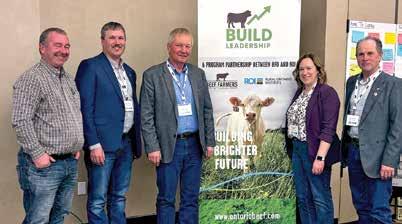
The BUILD Leadership Program was developed by the Beef Farmers of Ontario (BFO) to strengthen leadership capacity across the province’s beef sector by equipping producers with the skills, confidence, and networks needed to lead—both within the industry and in their communities. Delivered in partnership with the Rural Ontario Institute (ROI), the program is designed to support both emerging and experienced leaders through a combination of selfreflection, skill development, and real-world application.
The 2026 program brought together a diverse group of participants from across Ontario, each with a shared interest in growing their leadership abilities and contributing more actively to the future of the beef sector. The program began with a virtual welcome session in early April, where participants were introduced to the program’s structure and objectives. BFO President Jason Leblond opened the evening by welcoming and congratulating the group, recognizing their commitment to stepping into leadership roles.
2026 BUILD LEADERSHIP PROGRAM GRADUATES
Participants also heard from Jack Wilkinson, who shared reflections from his own leadership journey and highlighted the importance of strong, informed voices in agriculture. The session encouraged participants to think about what motivates them to lead, while also creating an opportunity to connect as a group and share their individual experiences and aspirations.
Amy Bourbonnais
Jonathan Bouwmeester
Ryan Briggs
Denise Byers
Aynur Izzettin
Trevor King
Nick Martin
Jessica McCann
Jonathan Miller
Hanneke Mills
Laura Scott
John Sikkens
Tony Vander Byl
Melissa Whitney-Snow
The in-person portion of the program began in Guelph with a three-day session focused on leadership development and governance. Early discussions centered on identifying personal learning goals, ensuring participants were able to tailor their experience and focus on areas most relevant to their own leadership path.
A cornerstone of the session was the DiSC personality assessment, which provided participants with insight into their own behavioural tendencies and communication styles. Through interactive sessions, participants explored how to recognize their strengths, understand their limitations, and adapt their approach when working with others who may have different perspectives or styles.
Building on that foundation, the program explored key leadership competencies including communication, public engagement, and leading with purpose. Participants worked through practical exercises and discussions aimed at strengthening their ability to represent the beef industry effectively, whether at the board table or in conversations with the public. Sessions on governance and board essentials further reinforced the responsibilities that come with leadership roles and provided a clearer understanding of how effective organizations operate.
The Guelph session also featured two engaging panel discussions, offering participants the opportunity to hear directly from experienced leaders within the industry. The first panel, moderated by Christina Crowley-Arklie, included Jim Clark, Ron Stevenson, and Cory Van Groningen, who shared their perspectives on leading with vision and inspiring teams to succeed. The second panel, moderated by Jennifer Kyle, featured Jack Chaffe, Nathan Phinney, and Martin Unrau, who spoke about the realities of stepping into leadership roles and the importance of showing up authentically. These conversations provided practical insights and honest reflections, helping participants better understand the challenges and opportunities that come with leadership.
On the final day in Guelph, the focus shifted to financial literacy and accountability. Participants explored fiduciary responsibility and gained a stronger understanding of not-for-profit financial statements, helping to build confidence in navigating financial discussions and decision-making processes. The session concluded with strengths-based self-assessments and leadership planning, allowing participants to reflect on their growth and identify clear next steps in their leadership journey.
The program wrapped up in Toronto with a session centred on advocacy and government relations. Participants took part in advocacy training led by Tim Hudak and Patrice Barnes, learning how to effectively communicate their message and engage with decisionmakers. The session also featured valuable discussions with industry representatives, including Jennifer Babcock from the Canadian Cattle Association and Eric Bienvenue from Canada Beef, who shared insights on advocacy and industry representation at the national level.
A key highlight of the Toronto session was a visit to Queen’s Park. Participants toured the legislative building and had the opportunity to meet with provincial leaders, including Minister Trevor Jones, Minister Lisa Thompson, and MPP John Vanthof. These conversations offered valuable perspective on government decision-making and underscored the importance of informed, constructive advocacy. The program concluded with a discussion on politics and media with Rob Benzie, providing insight into how issues are communicated and understood in the public sphere.
Throughout the program, participants benefited from an impressive group of facilitators, speakers, and industry leaders who shared their knowledge and experience. Just as importantly, the program created space for meaningful peer connection, allowing participants to learn from one another and build relationships that will extend beyond the program itself.
While BUILD continues to focus on individual growth, its broader impact is felt across the industry. By investing in the development of current and future leaders, BFO is helping to ensure a strong and sustainable future for Ontario’s beef sector. The 2026 participants demonstrated a clear commitment to learning, engaging, and stepping forward—an encouraging sign for the continued strength of leadership within the industry.
Hear From Our Graduates
“As a young person in this industry, and someone who works to help raise awareness and build trust in agriculture, there were many aspects of this program that I will carry into my day-to-day work. It has also impacted how I see myself continuing to grow as an advocate for the beef industry.”
“I have enjoyed learning how the DISC assessment can benefit not only myself in knowing how I operate, but also help me in working alongside others and what they may need from me to be successful in a task/conversation/project.”
“Loved the balance between learning and activities to re-energize and pushing us out of our comfort levels! Thanks!”
“The build leadership program taught me more about myself and others than I ever thought possible. I am more confident in my leadership and communication skills. I look forward to using the tools to better my local agriculture community.”
“This program provided confidence in accepting opportunities, communicating, understanding how to advocate for your industry, and developing your priorities.” OB
First in feedlot sustainability
Next Generation of Silver Springs Farms Receives 2026 Ontario Pasture Award
TheBeef Farmers of Ontario (BFO), DLF and the Ontario Forage Council were pleased to announce that Robert and Emily McKinlay of Silver Springs Farms of Ravenna, Ontario were the recipients of the 2026 Ontario Pasture Award. In recognition of their environmental improvements and exceptional pasture management, the McKinlays received a $500 cash award and a bag of forage seed courtesy of DLF.
Robert and Emily farm alongside Robert’s parents, James and Joan McKinlay, manage a beef and cash crop farm with approximately 200 cow-calf pairs on 2,500 acres near Ravenna, as well as an additional 120 cow-calf pairs on 800 acres on Manitoulin Island. The family operates two distinct herds across their Ravenna home farm and their Manitoulin-based northern enterprise. Silver Springs Farms also markets approximately 30 bulls and 100 bred heifers annually.
The operation transitioned in the 1990s from Fleckvieh genetics to a Red Angus/Simmentalbased herd to better align with evolving market demands. Today, the Manitoulin location is primarily focused on the crossbred herd and supports a strong regional heifer market.
A commitment to land stewardship and forage excellence underpins both locations. The northern enterprise incorporates a diverse cash crop rotation and approximately 300 acres of pasture. The Ravenna-area home farm maintains about 500 acres of pasture and utilizes double-cut red clover frost seeding to enhance pasture density, productivity and longevity. A select group of bred heifers is also pastured at the southern farm.
“I think it is quite something to have an enterprise operate at this scale in two locations, highlighted by pasture management and cover crop grazing, even though each site has different yet complementary
management approaches,” says Scott Fisher, Sales Manager, Western Ontario, DLF.
Through strategic expansion, thoughtful genetic selection and progressive pasture management practices, Silver Springs Farms continues to demonstrate leadership and innovation within Ontario’s beef sector.
“On behalf of the Ontario Forage Council, I would like to congratulate Robert and Emily McKinlay of Silver Springs Farm as deserving receipts of the DLF Pasture Award,” says Patricia Ellingwood, General Manager of the Ontario Forage Council. “This recognition reflects their outstanding commitment to exemplary pasture management and their dedication to building productive, resilient forage systems. Their leadership demonstrates how thoughtful grazing management and strong stewardship can drive sustainability in Ontario’s beef sector.”
Left to Right: Emily McKinlay; Robert McKinlay; Scott Fisher, DLF; Denise Byers, Ontario Forage Council & BFO Director; Jason Leblond, BFO President
Amping Up Advocates
Producer Resources from Public and Stakeholder Engagement
By Public and Stakeholder Engagement Staff
Partof the Public and Stakeholder Engagement (PSE) program’s strategy is equipping beef producers and other industry experts with tools and skills to act as advocates. By empowering a broad network of boots on the ground spokespeople, the program reaches wider audiences across the country.
One of the PSE team’s most recent education initiatives was a series of webinars titled “Instagram for Beef Advocacy”. These sessions were designed to give beef producers the knowledge and confidence to share their own experiences and stories from the farm with consumer audiences on Instagram.
The first session covered the theme “Capturing Content”, demonstrating examples of how to come up with ideas and take quality footage to create engaging content for consumers. This session featured Charlotte Wasylik of Chatsworth Farm (@chatsworth_farm) and Jesse Williams of Whiskey Creek Ranch (@marriedwithcows), who shared their expertise as producers with active public-facing Instagram accounts. PSE Specialist Lynsay Beavers rounded out the panel to provide guidance on what consumer audiences want to see based on insights from perception research studies.
The second session, “Using Instagram to its Full Potential”, focused on the ins and outs of the Instagram platform and how to take advantage of key features to reach target audiences. Panelists Julie Sharp of the Canadian Roundtable for Sustainable Beef (@crsb_beef), Bruna Frias of Beretta Farms (@berettafarms), and Kim Maloney of Brylee Farms (@bryleefarms) shared their expert insights on navigating Instagram from their roles in social media marketing.
Finally, the third session, “Building a Brand”, guided producers towards developing a trusted and authentic online brand for their operations, and in turn, the broader Canadian beef industry. Panelist Rachel Herbert of Trail’s End Beef (@trailsendbeef) shared her advice on tailoring content to a brand image, while Jill Renton of Gone West Media offered practical tips on making land, livestock, and people look good in images. Sarah Wray of Story Brokers Media house rounded out the panel with her advice on telling impactful and cohesive stories from complex, busy operations.
For producers looking for a deeper understanding of public audience advocacy for the beef industry, PSE offers the Beef Advocacy Canada program. This free online course takes roughly three hours to complete and can be paused and completed on producers’ own schedules. Students learn more about the beef industry, consumer perceptions, messages that resonate, and receive practical tips for communicating effectively with public audiences. PSE also enrolls several producers in introductory media training each year, helping equip these important spokespeople for media interview opportunities before they arise.
Another handy resource available to producers is the Public Advocacy Guide – a ’fit in your pocket’ flipbook packed full of all the statistics, messages, and themes a beef advocate may need in the field. For more specific inquiries, the PSE team can also pass along fact sheets that dive deeper into specific topics of interest, ranging from food waste to animal care.
Recordings of all three Instagram for Beef Advocacy sessions are available for producers to watch at their leisure. Reach out to raisingcdnbeef@cattle.ca to request the links or access any of these resources.
ONTARIO BEEF FARMERS: WE NEED YOU
Raising beef is vital to your family, your farm, your community, and Ontario as a whole. The product you raise deserves to reach appreciative family tables close to home, ensuring you receive the best value for your hard work. At VG Meats, we’ve partnered with small beef farmers across Ontario who share our commitment to quality, sustainability, and continuous improvement. Now, we’d like to work with you.
We’re looking to purchase your finished cattle and provide you with valuable data on each animal’s tenderness, yield, quality, and weight. This information not only helps you secure a premium for your beef but also supports better management and genetic decisions for generations to come. By working together, we can help regenerate the lives, profits, and land of Ontario’s beef farming families.
Over the years, we’ve also expanded our connections across Ontario’s retail landscape, creating more opportunities for locally raised beef to reach appreciative consumers. You can learn more about this exciting initiative and how it benefits Ontario farmers at harvesttogather.ca
If your family finishes cattle and you’re ready to explore this opportunity, reach out to me, Cory Van Groningen, at cory@vgmeats.ca, and I’ll share the details of our program. Let’s schedule a time to discuss how VG Meats can help bring your beef to market while supporting your farm’s growth. We look forward to hearing from you soon.
AsOMAFA UPDATE Don’t Forget About Your Cows When Calving Season Ends
By Chad Mader, Beef Cattle Specialist, OMAFA
you read this, many of you are likely either recently finished calving or nearing the end of calving season. Regardless of when you calve, it is a busy time, and there is always some relief when it’s over! Being finished with regular calving checks, tagging new calves, and all the other extra tasks that come in calving season certainly provides a welcome reduction in workload. However, it’s important to remember that the period between calving and rebreeding is arguably the most critical period for your entire production cycle.
Beyond keeping cattle fed and healthy, the primary goal following calving is to get your cows rebred on time. For the average (283-day) gestation, a cow needs to rebreed 82 days after calving to calve at the same time every year. Cows should be in good body condition prior to calving. It is well-documented that cows that calve in good body condition are less likely to have calving difficulty, will produce better colostrum, have healthier calves and will rebreed more quickly. This discussion will attempt to help producers appreciate the reasons behind the impact of body condition, and of course nutrition, on cow performance, especially in the interval between calving and rebreeding.
In the sixty days immediately following calving, a cow’s nutritional requirements increase by over twenty-five per cent. This coincides to a large degree with lactation, as milk production also peaks approximately sixty days after calving. Because of this, the cow’s biological system is set up to prioritize milk production. After basic maintenance requirements - the nutrition needed to keep the heart pumping, lungs working, muscles operating, etc., – milk production will get the majority of available nutrients, until that system has what it needs. Nutrients are partitioned – in order of priority – into four basic categories: maintenance, lactation, reproduction and growth. This
means that until lactation requirements are met, it’s difficult for the body to dedicate adequate resources to reproduction or growth.
If we consider the transition from calving to rebreeding, the cow’s system needs to reach peak lactation, recover from calving, restart the estrus cycle, and rebreed successfully – all within eighty-two days. It is easy to appreciate why this represents the highest nutritional demand in the cow’s production cycle. Keeping in mind that growth is the lowest priority in terms of nutrient partitioning. It is difficult to get cows that calve below the ideal body condition score (3-3.5) to gain weight during this time. This is even more significant if we consider first-calving heifers, as they are still growing. To maintain that growth, all the requirements for maintenance, lactation and reproduction must first be met. It is always a good idea to monitor body condition in your cow herd, but this is why it is especially critical as you approach the calving season.
All of this highlights the importance of cow nutrition post-calving. Sufficient quality and quantity of feed, along with good quality mineral will allow the cow’s needs to be met and maximize her chances of rebreeding on time. If your cows are being fed stored forage for some or all of this time, this is generally the time to use the best-quality forage you have available. High-quality forage will generally meet the needs of mature cows in good body condition during this stage, but the only way to ensure you are meeting the requirements is to have your forage tested. This not only allows you to accurately identify your best forage, but also to determine whether supplemental grain, silage or by-product is required.
Good feeding management is especially critical in this time as well. Ensuring all cows have adequate feed bunk space to access fresh feed is always important, but for all the reasons outlined above warrants additional attention during this stage, as smaller or more timid cows will fall behind that much faster.
One of the major advantages of spring calving is that fresh spring pasture can provide high-quality forage for your cow herd as they begin to recover from calving. A disadvantage of this scenario is that the summer grazing ‘slump’ will often coincide with breeding season. Good grazing management is just as critical as good feeding management, for all the same reasons.
Whatever time of year you calve, it’s important to remember that the time between calving and rebreeding is critical to the success of your operation. Not only is this the time to get calves off to a strong start, but it is the opportunity to set the cow up for success in her next production cycle. It is certainly not the time to cut corners! If mature cows end up a little on the thin side by weaning, that is fairly simple to correct, but we need to ensure they are rebred on time. As always, first-time calvers should get some extra attention. While it is natural to breath a sigh of relief when calving is over, don’t forget about your cows just because the calves are all on the ground! OB
The Ottawa Valley Angus Club is proud to recognize Campbell Farms as our 2025 Commercial Breeder of the Year.
Campbell Farms is a multigenerational operation located in Renfrew, Ontario, where family values and strong stockmanship are at the heart of everything they do. Running approximately 200 head of cattle, their program reflects a thoughtful and consistent commitment to quality commercial beef production.
Their success is rooted in the strategic and effective use of Angus genetics, with an appreciation for purebred influence within their herd. That attention to breeding decisions continues to elevate both performance and consistency within their commercial program.
2025 Commercial Breeder of the Year Campbell Farms
Beyond their own operation, the Campbell family is actively involved in the broader cattle community. Several of the boys can often be spotted in the show ring, assisting their cousin and gaining valuable experience.
As the hosting club for the Ontario Angus Association, this recognition also names Campbell Farms as the Ontario Angus Association Commercial Breeder of the Year — an achievement that highlights not only their local impact, but their broader provincial recognition.
The Ottawa Valley Angus Club is proud to celebrate Campbell Farms for their dedication, commitment, and ongoing contribution to Angus genetics in our region.
Contact any of the breeders below to arrange for your private viewing of cattle for sale.
Cairnlee Acres
Victor, Yvonne & Andrew Richardson 6193 Walkers Dr, Strathroy, ON Vic Cell: (519) 871-4240
Cambray Livestock Company
Luke, Matt, Joe and Carl Jewell 1153 The Glen Road, Woodville ON 705-934-2853
Fallis Land and Cattle
Mike, Lisa and Cole Fallis 1273 6th Line, Selwyn, ON K9J 6X5 705-740-4878 | sunsetacres@nexicom.net
Scott 519-820-1272 | Elizabeth 226-971-0015 scomaclivestock@gmail.com
Silver Springs Farm
James, Joan, Robert and Emily McKinlay 609027 12th Sideroad RR#1 Ravenna, ON N0H 2E0 519-599-6236 | jmckinlay@bmts.com
Tullamore Farms
Bill & Sylvia Jackson 260 Regional RD 39 Zephyr, ON L0E 1T0 Cell 647-990-2697 tullamore.angus@gmail.com
Whiskey Lane Livestock
Scott, Paula, Jason & Shelby Cornish 2295 Hwy 7, Indian River, ON K0L 2B0 705-341-3220 | wll@nexicom.net
Windcroft Farms
Darcy & Courtney McMorris 573333 Boot Jack Ranch Road
Priceville, ON N0C 1K0 226-203-4506 | windcroftfarms@gmail.com
Worth-Mor Cattle
Kyle, Rachel, Jordyn and Mason Petherick 950 County Rd 8 Campbellford, ON K0L 1L0 705-768-3560 | worth-mor@hotmail.com
CanadaCANADA BEEF UPDATE Survey Says, Canada Beef Returns to China, Burger it Forward
By Gina Teel, Director, Stakeholder Communications, Canada Beef
Beef conducts its Global Stakeholder Satisfaction Survey annually to provide industry partners the opportunity to offer candid feedback on the programs, services, and resources provided by the team. The feedback received from the survey is used to help drive continuous improvement and inform efforts to deliver long term value for producers, exporters and all the stakeholders in the beef supply chain.
The 2026 survey produced an overall global satisfaction score of 84 per cent, an improvement from the previous year’s survey results of 82 per cent. Thank you to everyone who took the time to participate in this important initiative. Watch for the survey’s full results in Canada Beef’s 2025-2026 annual report due out later this summer.
In the meantime, stakeholders can stay in the know by checking out the new Canada Beef Semi-Annual 2025-2026 video update of key projects launched during the first half of the prior fiscal year. This video offering is the latest effort by Canada Beef to provide stakeholders with timely reporting about the activities deployed to increase demand for Canadian beef while ensuring the maximum value for producer dollars.
In April, Canada Beef embarked on its first trip to China since the restoration of market access, due in part to the inroads achieved in this market since January 2026 and an export diversification strategy focused on the markets with the most promise for Canadian beef.
Canada Beef Vice President, Export Market Development, Albert Eringfeld participated in activities in Haikou, Beijing, and Shanghai during the trip, which ran April 10 to 18. Canadian beef was featured prominently at special events throughout the trip, including a Taste of Canada cooking demonstration, a promotional dinner hosted by JBS Canada to launch the JBS 38 brand for the China market and the
introduction of Canadian beef at Sam’s Club stores in the Shanghai region.
Activities in Haikou included participation in the China Consumer Products Expo in conjunction with Alberta Minister of Agriculture and Irrigation, RJ Sigurdson and Canadian Minister of International Trade Maninder Sidhu. In Beijing, the special Canadian beef launch dinner was attended by close to 40 participants including Alberta Minister Sigurdson and his team. Discussions with Canadian Embassy trade officials and Canadian Meat Advocacy office in China also took place. In Shanghai, the team met with Canadian beef suppliers’ representatives in China and their key Canadian beef importers/ distributors and retail clients to discuss future promotional and marketing initiatives as well as re-connecting with trade officials with the Canadian Consulate and Canadian beef brand partners in Shanghai.
Additional recent Canadian beef promotions involving the market development team included merchandising and culinary workshops, trade shows and seminars in the Philippines and Vietnam. Over 300 guests attended the sessions in each country with many more visiting the Canada Beef booth at the Food and Hospitality Show in Vietnam in late March.
The Burger it Forward campaign enjoyed another stellar year, raising an estimated $71,191 for foodbanks across Canada while helping ground beef and restaurant sales during a typically slow time (February). The campaign attracted 360 participating restaurants (including nearly 50 in Ontario – and 11 in Quebec, a newcomer to the campaign), for a nearly 35 per cent increase over the 2025 campaign. An estimated 111,525 burgers were sold, or an average of 291 burgers sold per location versus an average of 211 achieved the year prior. Restaurants also contributed $29,059 in direct donations.
Beef Farmers of Ontario was among the 10 producer associations who supported local food banks. Dairy Farmers of New Brunswick and Dairy Farmers of Nova Scotia tied donations to milkshake sales paired with burgers. Additional support from Atlantic Beef Products helped amplify the results. Together, these partnerships raised $42,132.
A big shout out to everyone who contributed funds to and participated in the 2026 Burger it Forward campaign – and thank you to everyone who purchased a special campaign burger in support of a good cause.
Canada Beef’s Meet the Farmer: International Year of the Woman Farmer campaign acknowledges and celebrates the leadership, sustainability efforts, and impact of Canadian women across the beef supply chain. The multi-platform campaign has showcased four exceptional leaders to date. Check out the
campaign webpage for our latest profile on Ellen Davis (PEI), followed by Laura Plett (MB), Sandra Vos (ON), and Cherie Copithorne-Barnes (AB). A new Meet the Farmer campaign profile is launched on our social channels each month, with additional content featured on the campaign webpage and in Canada Beef Performs.
Canada Beef’s Mathieu Paré continues to be acknowledged for his contributions to the advancement of the culinary arts through sharing skills and knowledge with students and peers. Congratulations to Chef Paré who along with Canada Beef, was named Educator of the Year recently by the Calgary Academy of Chefs and Cooks (CACC), the local chapter of the Canadian Culinary Federation.
Paré accepted the award from Chef Romina Romo at CACC’s 2026 president’s gala and award event in Calgary, Alberta.
The Educator of the Year award acknowledges individuals for actively sharing their culinary knowledge with students, apprentices, colleagues, and actively promoting interest in the culinary arts.
Canada Beef was nominated by local members in part for its contribution to industry training initiatives and the quality of its training videos and Certified Canadian Beef Training Program educational resources along with outreach and training activities provided by the Canadian Beef Centre of Excellence.
Lastly, congratulations to Toronto’s Black + Blue Restaurant which took home the national and provincial honours in the first-ever Best Canadian Beef Dishes contest for their Tomahawk Steak beef dish. This nationwide competition coincided with the 2025 launch of the Restaurant Gateway - the latest phase of the Canadian Beef Information Gateway - and invited diners to nominate their favourite Canadian beef dishes between March and November 30, 2025. OB
VANCISE CATTLE COMPANY
AVAILABLE PRIVATELY
OPEN HEIFERS
Red Angus, Hereford and Red angus X
Visitors Welcome
Ontario beef farmers have a new connection at the University of Guelph’s Ontario Veterinary College, and her focus is firmly rooted in real-world production.
Dr. Kristen Edwards joined the faculty in April 2025, returning to the institution where she completed both her DVM and PhD. After more than a decade in private practice, she saw an opportunity to make a broader impact.
RESEARCH UPDATE Bringing Practical, On-Farm Beef Research to Guelph
By Lilian Schaer for Livestock Research Innovation Corporation (LRIC)
“I wanted to come back and contribute to research and training the next generation of veterinarians,” she says. “Guelph and OVC are world-renowned, especially in food animal medicine and industry engagement. It felt like the right place to do that.”
Edwards brings a strong mix of academic training and handson experience. After graduating from OVC in 2014, she began her career in New York as a cattle veterinarian, working primarily with dairy herds. She returned to Ontario in 2016, joining Tavistock Veterinarians, where she worked with both dairy and beef clients. It was through on-farm problem solving and industry-led research with clients that she became interested in pursuing a PhD and transitioning into academia.
Throughout her career, one theme has remained consistent: practical, prevention-focused herd health.
Looking across the livestock sector today, Edwards sees antimicrobial resistance (AMR) stewardship as one of the most pressing challenges — alongside the need to improve production efficiency in an era of tight margins.
“There’s a real opportunity to look at non-antibiotic solutions to common problems,” she says. “At the same time, we need to get better at using the data we already have.”
That’s easier said than done. One of the key gaps she has identified is inconsistent record-keeping, particularly when it comes to calf health.
Her research showed that many farmers aren’t consistently recording calf health information, and even among those who do collect data, access and usability can be barriers.
“A simple but important factor is where records are kept,” Edwards explains. “If they’re digitized and located close to where calves are housed, producers are much more likely to use them.”
The study also highlighted a communication gap: nearly half of farmers surveyed said they weren’t receiving regular feedback from their veterinarians, which is a missed opportunity for on-farm improvement.
At Guelph, Edwards’ research program is centered on calf health across dairy, beef and dairy-beef systems with a particular interest in early-life programming.
“There’s still a lot we don’t understand about how early-life nutrition and management influence gut health, immunity and longterm resilience,” she says.
She is especially interested in how interventions at the gut level can influence overall animal health and performance, including the potential role of probiotics. Working alongside colleagues like Dr. Mike Steele and Dr. David Renaud, Edwards is exploring how and why these interventions function in pre-weaned dairy-beef cross calves. The goal is to assess impacts on disease rates, growth and systemic inflammation.
Another study will look at late-gestation supplementation in beef cows, evaluating effects on colostrum quality, calf health and performance, and milk production.
A third project, supported through the Ontario Animal Health Network, is exploring whether a simple sous vide system could be used to pasteurize colostrum on-farm. While commercial pasteurizers are effective, they can be cost-prohibitive so this approach could offer a lower-cost option to reduce pathogens in cattle as well as potentially also in small ruminants.
“These are the kinds of practical questions producers are asking,” Edwards says. “If we can find solutions that are effective and accessible, that’s where we can really make a difference.”
In addition to her research, Edwards is actively involved in teaching across multiple years of the veterinary program.
She currently teaches first- and third-year beef health management and helps lead a fourth-year rotation focused on the beef industry. The program includes on-farm visits across Ontario — from cow-calf operations to feedlots and auction markets — followed by a week in Alberta, where students gain exposure to large-scale western Canadian systems.
“It’s a great opportunity for students to see the diversity of the industry,” she says. “I did that rotation myself as a student, so it’s nice to come full circle.”
As she builds her research program at Guelph, Edwards is focused on strengthening the link between science and on-farm practice and a prevention-first approach to livestock medicine.
She’s currently looking for graduate students to support her expanding research program — an opportunity for those interested in applied cattle health and production to get experience in a field that connects research and industry. OB
This article is provided by Livestock Research Innovation Corporation. LRIC is funded in part by the Sustainable Canadian Agricultural Partnership (Sustainable CAP), a 5-year, federal-provincial-territorial initiative.
RESEARCH ROUNDUP
Preventing Foreign Material Hazards in Beef Cattle Operations
By Beef Cattle Research Council
Foreign material and toxin consumption by beef cattle can lead to significant health problems, reduced performance and economic losses. Canadian cattle producers take great pride and care in how they manage their farms and ranches, from providing proper nutrition to stewarding their land and ensuring excellent animal care. Yet even with the best intentions, foreign materials and toxins can quietly find their way into feed, water or pastures. Understanding where they come from and how to prevent exposure is a key part of protecting your herd.
Foreign materials and toxins often slip in through everyday farm activities such as repairing fences, running equipment, feeding hay or dealing with weather-stressed crops. A small piece of wire, leftover net wrap or contaminated feed source might not seem like much, but if consumed by cattle, it can trigger health issues, lost performance or even death.
Understanding Hardware Disease
When cattle consume sharp metal objects like nails or pieces of wire, those items can settle in the reticulum and irritate or puncture the stomach lining. In the worst cases, these foreign objects can migrate and damage the heart, causing severe illness or death.
This condition is known as hardware disease (or bovine traumatic reticuloperitonitis), and it can be both dangerous and costly.
Cattle affected by hardware disease may show a range of symptoms, including depression or dullness, signs of general discomfort such as teeth grinding or grunting, an arched back, reduced appetite, brisket swelling, and a noticeable loss of body condition.
Common sources of metal fragments include damaged fence cables, feed bunk materials, pieces from feed processing equipment, and scrap metal left in yards or feeding areas. Preventing hardware disease starts with minimizing cattle exposure to these hazards through strong management and maintenance practices.
There are several preventative measures producers can implement to reduce risk. Using magnets or scalpers during feed processing can help remove metal debris before it reaches cattle, while covering exposed metal cables with plastic sleeves can reduce deterioration and breakage over time. Avoiding materials prone to rusting or fragmentation, conducting regular equipment and facility maintenance, and keeping yards and feeding areas clean are all important steps in preventing cattle from accidentally consuming harmful metal objects.
Key Recommendations for Beef Cattle Producers
Bovine Traumatic Reticuloperitonitis (Hardware Disease). When cattle accidentally consume foreign material, such as sharp pieces of metal like nails or wire, they settle into the reticulum of the animal leading to hardware disease. Pieces of metal irritate the lining of this stomach chamber, and in some cases can jab or puncture the reticulum, causing damage to the lining of the heart and ultimately causing pericarditis or inflammation of the sac surrounding the heart. Hardware disease can be painful to the animal, can inhibit performance and poses a food safety concern as it may lead to infection and abscesses in surrounding tissue. Severe cases of hardware disease may cause death. Signs of hardware disease include:
General signs of discomfort (teeth grinding, grunting) ! Arched back
Metal cables on fences or feed bunks
Preventative Measures
Fragments from feed processing equipment deposited in feed Scrap material left on the ground
Producers can help minimize the risk of hardware disease by implementing preventive measures. Ideally, practices will target prevention of foreign materials becoming accessible for consumption.
Use magnets or scalpers (size selection) to remove possible debris from feed
Cover metal cables with plastic sleeves
Avoid the use of materials that could deteriorate and become a risk for consumption
Regular equipment and facility maintenance Regular inspection of feeding areas
Regularly inspect cattle and facilities to monitor risks and potential consumption of foreign materials. i
and can negatively affect both animal health and productivity. Botulism is another serious risk and may occur when cattle are exposed to decaying carcasses, spoiled silage, or poorly preserved hay.
Nitrate toxicity can develop in weather-stressed crops or forages that have received excessive nitrogen fertilization, while prussic acid poisoning is associated with plants such as sorghum, Sudan grass, Johnson grass, chokecherry, and treated canola seed — particularly during periods of drought or following frost stress.
Producers should also be aware of toxic plants that may be present in pastures or hay, including hemlock, poison hemlock, death camas, lupine, red maple, oak, locoweed, monkshood, tansy, ragwort, henbane, stinkweed, and tall larkspur. In addition, lead toxicity remains a concern when cattle are exposed to improperly disposed batteries, contaminated water sources, lead pipes, or leadbased paint materials.
Preventing Exposure to Toxins
Preventing toxin exposure involves awareness, monitoring and good management practices:
• Test when in doubt: Test feed and water sources suspected of contamination or considered high risk (e.g., grain screenings, distillers’ grains).
• Watch the weather: Moisture levels during growth and harvest affect mycotoxin risk. For example, cool, moist conditions during flowering favour ergot growth, while warm, moist conditions favour fusarium development.
• Proper feed storage: Keep feed dry and well ventilated to prevent mould growth and spoilage.
• Vaccination: Vaccination programs can help protect against certain toxins, such as botulism or clostridial diseases.
• Expert guidance: Work with your nutritionist and veterinarian to design balanced diets and monitor toxin exposure. If exposure is suspected, contact your veterinarian to confirm and document the toxin exposure.
• Management practices: Rotate pastures, avoid overgrazing and inspect fields regularly, especially after frost or drought, to minimize exposure to toxic plants and mouldy feed. Routinely check pastures for lead sources such as discarded batteries.
• Education and awareness: Stay informed through extension programs, industry groups, agronomists and other farm advisors. Consider implementing a preventive control plan to identify hazards and reduce risks.
A few proactive steps can prevent cattle from accessing foreign materials and toxins, which is essential for maintaining herd health, protecting performance and avoiding preventable losses. Taking the time to walk pastures and feeding areas and regularly inspecting cattle, facilities, feed and water sources can help catch problems early. OB
The Beef Cattle Research Council (BCRC) is Canada’s national industryled funding agency for beef, cattle and forage research. The BCRC’s mandate is to determine research and development priorities for the Canadian beef cattle industry and to administer Canadian Beef Cattle Check-Off funds allocated to research. Visit www.BeefResearch.ca to learn more.
With calf prices where they are today, feeding a well-formulated creep feed gives you the confidence that you will not be leaving any money on the table.
Jones Feed Mills has a host of creep feeds- each designed with your goals in mind. Whether you are raising calves for a back-grounding yard, raising replacements or feeding for the next winner in the show ring, Jones Feed Mills has a creep feed that will grow your calves out to their genetic ability, giving your calves maximum growth. Be sure to reach out to a member of the Jones Beef Team to learn more about the creep feed that fits your herd best.
Be sure to ask about
for 2026!
For more information, contact a member of the Jones Beef Team.
FARM & FOOD CARE ONTARIO We Have an Issue…If You’re Not Telling Your Story, Someone Else Is
By Jessica McCann, Farm & Food Care Ontario Communications Coordinator
DoI have you hooked yet? If not, think about this: someone, somewhere, is forming an opinion about how beef is raised right now, and if we are not part of that story, someone else is telling it for us.
We need more farmers sharing their stories online, and it can be simpler than you think. Social media personality Tyler Heppell, known online as “Potato Ty,” a BC potato and vegetable grower and President of Heppell’s Potato Corp, shared that the key to his success comes down to a couple of things: continuing to show up and making sure you have people hooked.
Farming comes with stories we tell every day, whether we realize it or not. We share our wins and our challenges because we want people to understand how and why we farm. Most of us have found ourselves explaining what drives us, even when it means weeks of little sleep during calving, frozen water troughs at the worst possible times, and long hours making sure cattle are well fed, gaining properly, and staying healthy.
Those everyday conversations at the dinner table with friends, at the rink, or in the grocery store often come back to the same message: we do it because of our passion for farming, for the crops we grow and the livestock we raise, and for the way of life that comes with it. These stories and conversations grow public trust, deepen awareness, influence policy, and support the market for Canadian beef. At the end of the day, if people do not know us, why would they trust us?
Taking those stories online can feel intimidating. On April 9th, Heppell spoke at the Farm & Food Care Ontario Annual Speakers’ Conference about how he accidentally found success online and how he now shares his farm story with purpose.
Before returning to the farm, Heppell was working in corporate sales. He enjoyed it, but wanted a greater sense of purpose. When his dad asked him if he would consider coming back, he made a list of
pros and cons. Farming, as we all know, comes with plenty of cons. He realized the right choice isn’t always the easy one. He knew he could make a difference by returning to the farm, especially as their land faces increasing pressure from urban expansion and development.
Heppell started sharing about the importance of preserving farmland and the behind-the-scenes of their family farm. He rapidly achieved success, amassing more than 1.5 million followers across Instagram and TikTok. His lessons apply just as much to beef producers as they do to potato growers.
First, meet people where they are. Younger generations are spending hours (up to 6-9) per day online. To reach these audiences, we need farmers to show up on platforms like Instagram, TikTok, Snapchat, and YouTube.
Second, just start. Heppell says he really believes that engaging with people online shouldn’t be complicated. That said, if you’re not trying, you’ll never succeed. The idea of getting in front of a camera and sharing your story can feel “cringy,” but anyone who has had success online has also had to climb the cringe mountain and just get over it.
Third, stay consistent. Success rarely happens overnight. As farmers, we understand that growth takes time, patience, and steady effort, you have to put in the work to see results. The same applies here. Heppell recommends setting aside time each week to plan your content. Jot down ideas, think about what you want to capture, and approach it with intention. A bit of planning goes a long way in making the process manageable. He also suggests using voice-overs to get more value out of your footage and bring your story to life.
Finally, it all comes back to the hook. Attention spans are short, and still shrinking. If you don’t capture interest in the first few seconds, people will scroll right past. Start with something that pulls them in, then bring it back to your message, whether you’re showing how you raise cattle, explaining the practices you use, or giving a real look at a day on your farm.
There are also real, tangible benefits to sharing your story online. Heppell has been able to supplement his farm income through his online endeavours. There is significant potential for brand partnerships and advertising for their farm business. By sharing the story of Heppell’s Potatoes, they have launched a new seed potato line that is already seeing strong pre-orders. Beyond business, his work has helped him give back. His “Ugly Potato Day” has welcomed more than 20,000 people and donated nearly half a million pounds of food back into his community, with plans to expand across Canada.
Heppell warned people that he did not see success overnight. It took trial and error, persistence, and a willingness to adapt. But through it, he found purpose, built a community, and created new opportunities for his farm.
And that brings us back to the hook. The beef industry has a powerful story to tell, but it only matters if it’s being shared. If you’re not telling your story, someone else will—so who do you want telling it? OB
FOCUS ON HERD HEALTH
By Jaques van Zyl, DVM, Metzger Veterinary Services
Implanting Calves: Start With the End in Mind
When it comes to calves going to grass or really any calves entering a production system, implant decisions are often made out of habit. Whatever was used last year, whatever is on hand, and that is about it. The problem is, that ignores what those calves are actually being asked to do.
Most of the time, implants are treated like a default management step instead of a decision point. That works fine until you start realizing that not all calves are going through the same system, and not all systems reward the same strategy. Implants are not meant to be a crutch for poor performance, they are a tool in the toolbox when the right job comes along.
Implant programs should be built by working backwards. Are you selling these calves after this phase, or keeping them? Are they being backgrounded, or are you finishing them? How long are they going to be in your system? What kind of feed are they on, just forage or
are you supplementing? Are you trying to push gain early, or set them up for later performance? These questions matter more than the implant itself.
All implants do the same basic thing. They shift nutrients toward lean growth and improve efficiency. They do not create growth on their own, they just help the calf do more with what it is already getting. That is important, because it means implants never replace nutrition. They only amplify it. If the system is limited, the response will be limited no matter what product you use.
Where they differ is in how hard they push.
The lower potency, estrogen-based implants, things like zeranol or estradiol, work by increasing growth signals in the body. That leads to improved protein synthesis and a more efficient use of nutrients. What you get is a steady, predictable increase in daily gain,
Keeping records is essential. Getting Value from them is
makes the difference. With integrated genetic insight across all breeds, a complete record management system helps you: - See what’s working - and What’s not - Make better breeding and culling decisions - Improve consistency and performance over time
usually in the range of 0.1 to 0.2 pounds per day. Over time, that adds up to 10 to 20 pounds of additional weight, depending on how long the implant is active and how well those calves are performing to begin with.
What matters here is consistency. You are not forcing a big metabolic shift, you are just improving efficiency in a way that holds up across a wide range of conditions. That is why these implants tend to be more forgiving in real world cow-calf situations.
Then you have the combination implants that include trenbolone acetate or TBA. TBA is an androgen, which means it acts more like a muscle building hormone. It increases protein deposition while also reducing protein breakdown, so more of the protein the calf consumes ends up as muscle tissue instead of being lost through normal turnover. When it is combined with an estrogen, you get a synergistic effect that produces a stronger overall growth response.
That stronger response generally shows up as higher daily gain and improved feed efficiency, but it does not come for free. The calf also requires more energy and more metabolizable protein to support that level of growth. If those nutrients are not available in the diet, the response is not fully realized and can manifest as different issues in your cattle.
There has been a pretty clear shift toward these more aggressive implants over time. They work, and in the right situation they can add meaningful performance. The problem is when they become the default rather than a decision. Using them without thinking through the system is where guys run into trouble.
Calves do not always need TBA.
If calves are on average pasture with no supplementation, they are limited by what that feed can provide. In that situation, pushing them with a more aggressive implant often does not result in much more gain. It just creates more demand than the system can support. You are asking for a level of protein and energy flow that simply is not there. A lower potency implant usually fits better and still gives you a reliable response that matches the reality of the diet.
If you have better feed in front of them, high quality forage or added supplement, that changes things. Now those calves are in a position to respond to something stronger. The nutrition is there to support higher rates of protein deposition, so the implant can actually express its full effect. But even then, it still needs to match
the overall plan. More aggressive does not automatically mean more profitable. It just means more demanding.
The same thing applies when you are selling those calves after grass or backgrounding. You need to understand who you are selling to and what that market wants. Some buyers are fine with heavily implanted cattle, others are not, and some value a more conservative implant program because it leaves more flexibility for the next phase of growth. If you do not know where those calves are going, it is easy to make decisions that limit your own options without realizing it.
This is where implant programs stop being about biology and start being about business. You are not just managing growth, you are managing how that growth fits into someone else’s system. If you mismatch that, you can have good performing cattle that are harder to place or less attractive to certain segments of the market.
That plan matters just as much as the feed. If you are selling those calves after this phase, you are only capturing part of their growth. You want an implant strategy that supports performance without boxing in the next owner. If you are keeping them and finishing them yourself, the entire picture changes. Now you control the whole growth curve, from grass through to finish, and you can be more deliberate in how you step implants up over time based on performance and nutrition.
Time in the system matters as well. If calves are only with you for a short period, there is not much point getting aggressive. You will not have enough time to fully realize the benefit, and you may not want the added restrictions it creates later. If they are in your system longer, you have more flexibility, but you still need to match the implant to what those calves can actually do in that environment.
The mistake is treating all calves the same, or assuming that a more aggressive implant is always better. It is not. The right choice depends on the feed, the timeline, what you are ultimately doing with those calves, and the market you are selling into.
Implants work. That part is consistent. But they only work as well as the thought put into them. If you start with the end goal and match the implant to the system, they are one of the simplest ways to add performance. If you do not, you are just guessing, and that guess does not always pay. Work with your veterinarian to develop a program that matches your system. OB
Changes to Ontario Licensed Dealers List
No Longer Licensed Abattoir
Albarakah Halal Meat & Chicken Inc. O/A London Quality Meat London
Bilal Farms Inc. Ottawa
The Ontario Beef Cattle Financial Protection Program is administered by Agricorp. The listing of licensed dealers is updated regularly and the complete listing can be found on the Agricorp website. OB
Atwood
TheMARKET INFORMATION UPDATE
By Jamie Kerr, Market Analyst for Canfax and BFO markets@ontariobeef.com • www.ontariobeef.com
Canadian cattle herd is turning toward a rebuild phase, while the U.S. herd continues to decline. This will allow Canadian cowcalf producers to take advantage of a strong market while investing in their herds. Beef is in the middle of a ‘protein moment,’ with higher retail prices and steady production to begin 2026.
INVENTORY
The Canadian cattle herd is showing signs of turning, with total cattle numbers climbing for the first time since 2018. It should be noted that Canada is a price taker, with prices set in the much larger U.S. market. With the U.S. cattle herd yet to reach its cycle low in terms of cattle inventory, and the U.S. border remaining closed to Mexican feeder cattle, supplies will remain tight in 2026, which will be price supportive. It will be possible for Canada to grow its cattle herd and increase market share in North America while having only minimal impact on prices. The Canadian cattle herd on January 1st, 2026, was up 2.5 per cent from 2025 with beef cow up 1.9 per cent and beef heifers for breeding up 4.8 per cent.
In Ontario, total cattle and calves were up 1.2 per cent from last year. Beef cows were up 1.3 per cent (+2,800 head) with beef breeding heifers up 2.1 per cent (+700 head). This points to an aging herd as cows are kept for an extra year. Eventually more heifers will need to be retained to replace these older cows. Beef cows have increased for two consecutive years. This is the first time this has happened since 1995-96 (omitting BSE impacts of 2003-04). Beef breeding heifer numbers also increased for the past two years, with the last multi-year increase in 2015-16.
ONTARIO CATTLE INVENTORIES, JANUARY 1ST, 2026
(thousand head)
Bulls
Beef Cows
Dairy Cows
Dairy Hfs (brdng)
Beef Hfs (slau)
Steers > 1yr
Source: Statistics Canada
Dairy herd (cows and heifers) increased 0.7 per cent, steers and heifers for slaughter were up 0.5 per cent, and the 2025 calf crop was up 2.4 per cent from 2025.
Over the last decade, eastern Canadian beef and dairy cow inventories have dropped 6 per cent and the calf crop 9 per cent. Resulting in shifts in live cattle trade to stabilize local supplies.
PRICES
News headlines continued to impact live and feeder cattle futures. From its most recent low the first half of March, during the height of the U.S.-Israel-Iran conflict, to mid-April, the April live cattle contract climbed $22/cwt to be over $250/cwt for the first time on record. The April feeder cattle contract climbed more than $30/cwt to push above $375/cwt.
During the first quarter of 2026, calf, feeder and fed markets were mostly steady near last year’s highs. Markets strengthened as the calendar turned to April. Tight front-end North American supplies should provide support to the Ontario fed market through the second quarter of the year.
FED CATTLE
Fed steer prices climbed $13/cwt or 4 per cent since the start of the year. Prices were mostly stable in the first quarter, ranging in a tight $317-320/cwt, $6-7/cwt back of their record highs set in September 2025. By the first half of April, fed steer prices strengthened to be on either side of $330/cwt and are on track to establish a new all-time high.
Heifers have moved in lockstep with their steer counterparts, also notching a $13/cwt or 4 per cent gain since the beginning of the year.
The Ontario-to-Nebraska cash basis was -8 in March, 26 stronger than March 2025 and 5 stronger than the five-year average. It should be remembered that during the first quarter of last year, the beef sector was in the crosshairs of the U.S. administration as the U.S. threatened to impose tariffs on a wide range of Canadian products, including live cattle exports. That has not been the case this year.
In mid-April, it was announced by the Government of Canada that the 100-day residency on Canadian cattle exported to the U.S. for further export as boxed beef into South Korea has been removed. This is welcome news for eastern Canadian producers who have been at an economic disadvantage due to this non-tariff barrier. It also allows for the co-mingling of cattle in U.S. packing plants and may eliminate shifts dedicated to Canadian cattle. This regulatory change may also make U.S. processors more active on the eastern Canadian market, strengthening the Ontario-to-Nebraska cash basis. The Ontario cash basis by the second half of April was -7, strengthening 11 in only three weeks.
Even with record high prices, positive margins are not guaranteed. The monthly Canfax East Trends report estimates cash margins across all four classes of cattle on the cash market (assuming no risk management) for April to be $100/head in the black (ranging from $300/head in the black to $200/head in the red).
Projected margins for cattle placed in April, with various marketing months, ranged from $300-700/cwt in the red, pointing to some
of the headwind’s feedlots are contending with. Yearling steer breakevens placed in April for marketing in November were $345/ cwt, record high.
Corn prices have steadily increased through the first quarter. By March, at $258/tonne prices were above year ago levels and the 10-year average. To be the highest since September 2023. Higher feed costs have increased cost of gain. Feed prices have moderately slightly in April, though are poised to remain above $250/tonne.
FEEDER CATTLE
The Ontario calf and feeder market traded mostly sideways during the first quarter of 2026, with prices for most classes of steers and heifers 3 to 10 per cent back of their respective record highs set in the fall of 2025. By the first half of April, the calf and feeder market began to heat up, with several classes of steers and heifers once again reestablishing new all-time highs.
Ontario 550-pound steer calves averaged just shy of $620/cwt in the first quarter, up $162/cwt from the first quarter of 2025. Although considerably stronger than last year, calf prices were around $20/ cwt back of their late-fall 2025 highs. A stronger price tone has been noted during the first three weeks of April, with prices shooting $55/ cwt higher over a two-week span. The sharp jump in prices in April put Ontario calf prices at par with their Alberta counterparts.
Ontario 550-pound heifers were priced at 85 per cent of a
550-pound steer calf in the first quarter, similar to the five-year average (84 per cent).
Ontario 850-pound feeder steers were within $3/cwt of $500/cwt in the first quarter, up $127/cwt from last year. Based first half of April sales, last October’s record is on track to be overtaken.
Ontario 850-pound heifers were steady in the first quarter, averaging a 17 per cent discount to their steer mates, slightly wider than the five-year average of 14 per cent.
Ontario nine-weight steers re-visited their all-time highs in January but came off those highs in February and March. A stronger tone was noted in April.
Ontario heifers over 900 pounds averaged $377/cwt in the first quarter, up $66/cwt from last year. First half of April sales suggest a steady tone in April.
Based on the five – and ten-year indices, 550-pound calf prices strengthen 11 to 19 per cent between March and September with 850-pound yearling feeder prices climbing 14 to 19 per cent. A flatter rally is expected this year.
COWS
Cull cow prices seasonally rally through the first half of the year with a summer peak. Year-to-date, Ontario D2 cows are 20 per cent stronger than last year, as they look to take out their previous high set in the summer of 2025. Year-to-date Eastern cow marketings are down slightly with processing down 2 per cent and live exports up 8 per cent.
Ontario D2 cows have been the discounted market in North American since January 2023.
LIVE EXPORTS
Year-to-date (January-February), Ontario fed cattle exports were down 14 per cent from last year, with steers down 19 per cent and heifers down 7 per cent.
Non-fed exports were down 9 per cent from last year, driven by cows (-9 per cent). Slaughter bull exports were up 15 per cent from a year ago.
Feeder exports were down 18 per cent from a year ago. In February, Ontario 550-pound steer calves were at a C$49/cwt discount to the U.S. market, which may have resulted in U.S. buyers looking to the Ontario market to procure cheaper replacement animals.
BEEF PRODUCTION
Year-to-date (to April 11th), Ontario fed processing was down 4 per cent from last year and down 11 per cent from the five-year average. Weekly fed processing has been below year ago levels for 11 of 14 weeks to begin 2026. Non-fed processing is up 3 per cent from last year but down 9 per cent from the five-year average. Weekly volumes have been evenly split with seven weeks above a year ago and seven weeks below.
Ontario steer carcass weights continue to push the limits. Ranging from 1,003 to 1,024 pounds, steer carcass weights are 5-31 pounds heavier than a year ago and heaviest on record omitting the six weeks during the Cargill Guelph labour strike. After being mostly stable near 1,010 lbs in the first quarter, weights moved counter seasonally heavier in April. With prices for feedlot replacements at or near record highs, feedlots appeared to be putting on more pounds and reducing throughput.
Year-to-date, Eastern Canadian domestic beef production is down 1 per cent from the same period last year. Fed production is down 0.9 per cent with non-fed production down 1.6 per cent. Heavier carcass weights have not been able to fully offset smaller processing volumes, reducing wholesale supplies.
YTD DOMESTIC BEEF PRODUCTION
Source: CBGA
QUALITY GRADING
There have been considerable gains made in quality grading. Yearto-date, Canadian Prime and AAA grading was around 85 per cent up six percentage points from 2025 and up 21 percentage points from 2019. Quality grading has been supported by both heavier carcasses and genetic improvements. Year-to-date, Eastern Canadian AAA and Prime grading is 79.7 per cent, up almost four percentage points from 2025 and three percentage points above the 2023 high.
BEEF TRADE
Year-to-date (January-February), Canadian beef exports are down 3 per cent in volume and down 2 per cent in value from last year. A strong Mexican peso relative to the Canadian dollar encouraged more Canadian beef to be moved into Mexico. While a weaker Japanese yen and South Korean won limited Canadian beef into those markets. Exports to the U.S. are down 7 per cent.
BEEF EXPORTS – CANADA (AAFC)
Jan- Feb 2026 YTD % Change Change from LY Tonnes from LY (tonnes) US 55,130 -7% -3,949
market has encouraged countries to continue shipping beef in Canada, even with tariffs applied.
BEEF IMPORTS – CANADA (AAFC)
Jan-Feb 2026 YTD % Change Change from LY tonnes from LY (tonnes)
United States 13,399 -11%
(beef/veal) 1,917 -26% -666
Beef Farmers of Ontario offers several free tools to help producers stay up to date on current cattle pricing and market information. Visit www.ontariobeef.com and click on Market Info, and choose from a variety of market reporting options.
Individual Auction Market Reports are posted the following day under Auction Markets – Individual Auction Market Reports. A Noon Report is posted daily with updates from sales currently in progress. Daily and Weekly Reports are posted by 4:30 p.m. and include the day’s sales information, updates from other markets, and Chicago Mercantile Exchange closing figures.
The Daily Report is available on the website or by email or fax. The Weekly Report is available on the website, by email, fax, or regular mail every Friday afternoon.
To receive any of these reports free of charge, please contact the office at 519-824-0334. OB
In 2025, Canadian beef imports were the largest since 1993, representing 30 per cent of domestic supplies, the third largest on record after 2001 and 2002. Year-to-date (January-February), beef imports are up 30 per cent in volume and up 39 per cent in value compared to 2025. Imports from the Mercosur bloc (Argentina, Brazil, Paraguay, and Uruguay) are up 33 per cent. A strong North American
Disclaimer: Canfax tries to provide quality information, but we make no claims, promises, or guarantees about the accuracy, completeness, or adequacy of the information. Canfax does not guarantee, and accepts no legal liability arising from or connected to, the accuracy, reliability, or completeness of any material contained in our publications. In the duplication of any part of this publication, Canfax and BFO should be credited.
CHECK-OFF DEDUCTION REMITTANCE FORM
Every cattle seller (including sales by private treaty) is required under Regulation 54 of the Beef Cattle Marketing Act to pay a $4.50 per head Ontario license fee and a $2.50 per head national levy, for a total of a $7.00 per head check-off. Breeding stock, cull dairy cows, and beef calves are included. Exemptions exist only for cattle sold for the production of milk and veal (which is governed by separate marketing regulations specific to the veal and dairy sectors). Fees are payable by the 15th of the month following deduction. Licenced Livestock Dealers who sell cattle within seven business days of having purchased them may apply for a rebate with proper documentation.
Cheque, e-transfers and payment by credit card are all accepted. Please contact the office to arrange payment by e-transfer or credit card. Please retain one copy of this form for your files.
I declare that this information represents a true and accurate statement of check-off deductions required to be made under Regulation 54 of the BCMA and the Canadian Beef Cattle Research Market Development and Promotion Agency.
Date:
Signature:
Print Name:
Address:
HST# R107797128
CALENDAR Ontario Beef Industry Events
June 22 – Open House hosted by Stubbes.com, Harley
July 4 – Ontario Hereford Association’s Annual General Meeting, Metcalfe
July 17-18 – Ontario Beef Youth Alliance (OBYA) Tour, Lambton County. Visit www.ontariobeef.com for details
August 26 to 29 – Limousin Impact 2026, Walkerton
August 28-29 – Cow-Calf Management Tour, Lanark County. Visit www.ontariobeef.com for details
September 5 – Autumn Angus Classic Sale, Hanover
September 15-17 – Canada’s Outdoor Farm Show, Woodstock, Ontario
September 22-26 – International Plowing Match and Rural Expo, Walkerton, Ontario
October 17 – Bluewater Angus Sale, Cargill
BEEF FARMERS OF ONTARIO PRIVACY STATEMENT
The Beef Farmers of Ontario (BFO) is committed to protecting the privacy and security of producers’ personal information in compliance with the Personal Information Protection and Electronic Documents Act (PIPEDA).
Subscribers to Ontario Beef magazine, the official publication of the Beef Farmers of Ontario, do so on a voluntary basis. By subscribing, subscribers are consenting to have their contact information used for the purposes of receiving the magazine and developing an BFO mailing list. This mailing list will be used for the distribution of the BFO magazine.
The BFO will not sell, trade or otherwise share its Ontario Beef mailing list under any circumstances. A service may be provided whereby items are submitted to the BFO and mailed internally with the magazine but all materials must be approved by and acceptable to the BFO. In rare instances where external, non-commercial organizations, like the provincial or federal government, wish to use the Ontario Beef mailing list to distribute information, the government must provide their mailing materials in a finished format to BFO and/or its mailing house. BFO will then coordinate the mailing, at the requesting organization’s cost, thus maintaining confidentiality of the list. In cases where the BFO may commission a mailing, the company providing the service is required to sign a mandatory confidentiality agreement.
Subscribers to the Ontario Beef mailing list who wish to have their names removed, should call 519-824-0334 or email info@ontariobeef.com. Please allow 15 business days to allow us to update our records accordingly.
BFO’s complete privacy statement, covering areas of information including the electronic update system, Website, membership list and market information can be viewed on its Website at http://www.ontariobeef.com/privacy.asp
SILVERTIP
WELLNESS ON THE FARM
By Kaitlyn Kitzan The Do More Agriculture Foundation
Recharging Your Battery: A Practical Way to Prevent Burnout in Agriculture
Inagriculture, we’re wired to push through — it’s part of the job.
The weather doesn’t wait. Livestock doesn’t take weekends off. Equipment never breaks down at a “good time.”
That’s why burnout can be hard to spot.
It creeps in slowly. You can feel it in many ways: shorter patience, heavier decisions, disrupted sleep, and that constant sense that you’re running on empty, but still going.
So, let’s talk about something simple, practical, and real: Your battery. Think of your mind like a battery. Every day, your energy gets drained, by work, stress, responsibilities, and even the mental load of constant decision-making. And if you’re not intentional about recharging, you don’t fully reset. You carry that depletion forward until eventually, you’re operating on empty.
But here’s the key: not everything drains your battery the same way, and not everything recharges it the same way either.
Some things might only take 10 per cent, others 50 per cent. And if you’re not intentional about recharging, you start every day with less and less to give. Eventually, you’re operating on empty.
What Actually Recharges You?
Here’s where people often get it wrong: we assume rest equals recharge. But that’s not always true. Not everything that feels like a break actually restores you.
Scrolling your phone for an hour might feel like downtime, but does it actually recharge you? For some people, maybe. For others, not even close. Recharging is personal, and what fills one person’s tank might drain someone else’s.
For you, recharging might look like getting outside for a walk— not checking crops, just walking. It could mean having coffee with a neighbour or friend, spending fully present time with your kids, or working on something completely different from your daily grind. Sometimes it’s simply quiet time alone.
For others, it might be heading to the shop to tinker, listening to a podcast in the tractor, or sharing a good laugh at the end of the day.
The important thing is recognizing what genuinely restores you, not just what helps pass the time.
The point is simple: you need to know what actually fills your battery, not just what fills your time.
What often gets overlooked is that the people around you recharge differently than you do. What fills your battery might completely drain someone else’s.
You might recharge by being around people, while your spouse needs time alone. You may want to talk things through after a hard day, while a team member needs quiet space to process. Neither approach is wrong, they’re just different.
When we don’t recognize those differences, friction starts to build. We wonder why someone is shutting down, why they don’t want to talk, or why they can’t just push through the way we do. But the reality is simple: their battery works differently.
In agriculture, there’s a strong sense of pride in toughness and pushing through. But burnout isn’t about weakness. It’s what happens when you run your battery to zero too many times without properly recharging.
And when that happens, the effects show up everywhere. Decision-making suffers. Relationships become strained. Safety risks increase. The enjoyment disappears. You’re still showing up every day, but you’re no longer showing up as your best self.
Practical Ways to Start Recharging
This doesn’t have to be complicated. In fact, the best place to start is small.
Begin by identifying the things that genuinely recharge you. Not the things you think should help, but the activities, people, or moments that actually leave you feeling more energized afterward. Maybe it’s a walk, a conversation with a friend, time in the shop, or simply a few quiet minutes alone. Knowing your top “chargers” is the first step.
Once you know what helps, make space for it the same way you would for work or any other priority. If something matters, it deserves time on the schedule, even if it’s only 15 or 30 minutes.
It’s also important to recognize that the people around you may recharge differently. Take time to ask your family or team what actually helps them reset and recover. Their answers may surprise you, and understanding those differences can make relationships and communication much stronger.
At the same time, pay attention to the warning signs that your battery is running low. A short temper, constant fatigue, lack of motivation, or feeling disconnected from the work you usually care about are often signals that something needs to change.
Most importantly, give yourself permission to rest. You don’t have to earn it. Rest isn’t a reward for getting everything done, it’s part of what allows you to keep going in a healthy, sustainable way.
Agriculture is demanding. It always will be. But you don’t have to run yourself into the ground to keep up with it.
Take care of your battery, and take the time to understand the batteries of the people around you. Because when you’re recharged, you don’t just get through the day, you think clearer, lead better, and show up stronger for your farm, family and future. OB