Where teachers share, support and shape education.
Is a teacher’s place at the design table? Can we bridge the parental revision gap? “
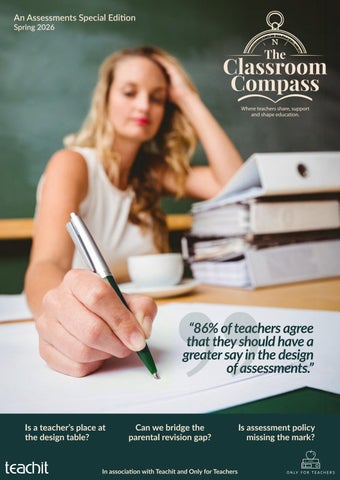
“86% of teachers agree that they should have a greater say in the design of assessments.”
Is assessment policy missing the mark?
Sign up (it’s free!)
1
www.onlyforteachers.co.uk
Only for Teachers is a free community where UK teachers share their voice through quick weekly surveys or asking a question and earn rewards for their insights. On this page, we’ll show you how it works - from signing up, to completing surveys and finding out what other teachers across the UK think.
Create your account in just a few minutes. All you need is your name, email, and information about where and what you teach. Once you’re in, you’re part of our amazing teacher community.
2
Share your opinions and ask fellow teachers
Each week, you’ll get a short survey – usually two to five minutes tops. We ask about your classroom, your experiences, and what matters most to you. Additionally, if there is a topic you would like advice on from fellow teachers, visit the ‘Ask a Question’ page to post your question. We will include it in a future survey.
3
How it Works “
Earn points and start your survey streak!
Every completed survey awards you 100 points and guarantees you one ticket in our monthly and termly cash draws! The more surveys completed, the more chances you have to win! Bonus points for reaching set survey streak goals too!
“A great survey to complete weekly, supporting the challenges teachers encounter on a very regular basis”. - Veerle.
“Only for Teachers is a refreshing and trustworthy platform, providing teachers with the ability to share experiences and opportunities, whilst also voicing concerns. Only for Teachers provides a forum which is beneficial for teachers and the sector”. - Daniel.
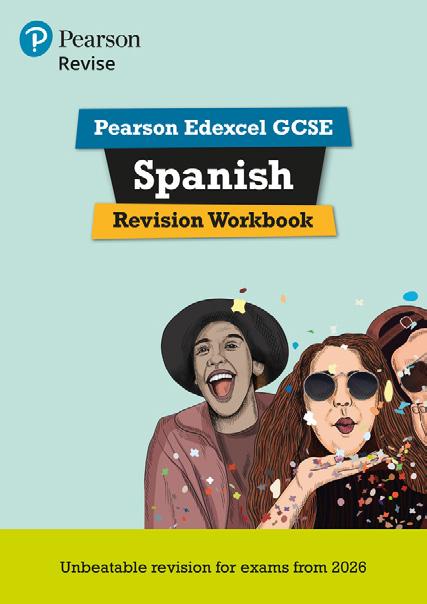
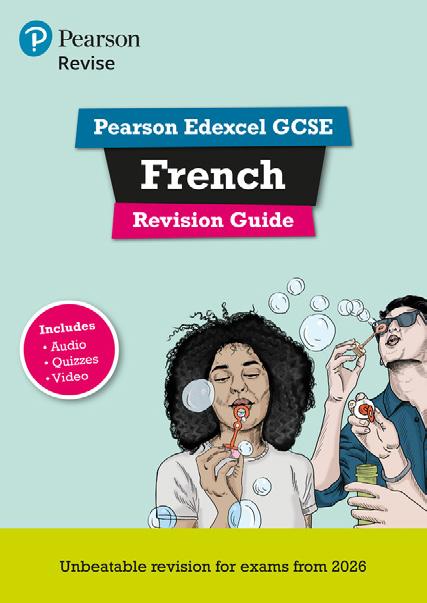
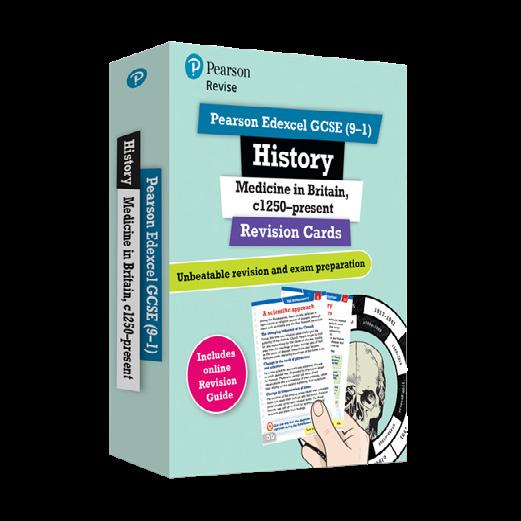
UNBEATABLE VALUE GCSE REVISION
EXAM SKILLS AND PRACTICE
Get the edge in GCSE exams by mastering exam questions
• Understand different question types and command words
• Practise with plenty of exam-style questions organised by question type
• Perfect for practising active recall
• Includes video support, accessed through QR codes
Experience ExamJam
Award-winning
AI technology that utilises trusted Collins GCSE study notes and practice.
ExamJam is the new revision platform that combines Collins revision study notes and practice, with award-winning AI, to deliver truly personalised revision support for students to help them boost their grades.
Optimised for each student’s learning with a targeted GCSE revision plan, ExamJam provides complete subject coverage with an easy to navigate learning journey for every topic. Exam-style practice with explanations and timed practice sessions with examiner-style feedback, help students to improve their marks.
User Engagement and Experience
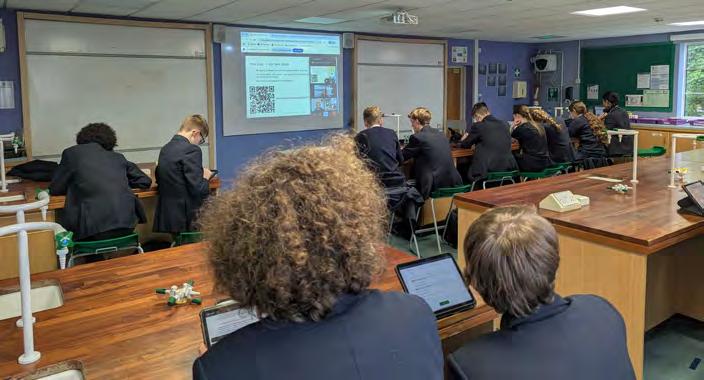
RGS Worcester, the first school in the UK to be awarded the AI Quality Mark Gold Award for its leadership in the responsible use of AI, gained early access to ExamJam and trialled the platform with a group of students.
““For us, this is less about simply adopting new software and more about a unique pedagogical opportunity. Our pupils are gaining firsthand experience in product development by actively co-creating GCSE ExamJam alongside the Atypical AI team. It’s a valuable chance for them to influence the design of a next-generation study tool and to understand that their perspective is critical in building ethical, effective educational technology.”
Howard Smith Head of Science at RGS Worcester
What is GCSE ExamJam?
Most respondents reported a positive experience, confirming that “ExamJam made revision more engaging.” Most respondents indicated they would like to keep using ExamJam for mocks, demonstrating a belief in the product’s utility.
Students highlighted the unique value proposition: “I think it’s very good as a personalised revision tool and makes revision seem like a game.”
Students showed genuine, sustained use of the product, messaging with Milo 60+ times, proving that it engages users.
Navigation and Interface
Within ExamJam, students are guided through revision notes, practice and tests, using learning science applied to AI to surface core concepts and activities at the optimum time to provide the most effective learning, delivered in a safe and secure environment with built in guard rails that prevent harmful content generation and reassure parents.
Platform navigation received positive feedback from the students at RGS Worcester: “Easy to navigate.” and “I liked how the subjects were arranged in the box, then how the topics were separated.”
Optimised for each student’s learning with a targeted GCSE revision plan, ExamJam provides complete subject coverage with an easy to navigate learning journey for every topic.
Exam-style practice with explanations and timed practice sessions with examiner-style feedback, help students to improve their marks. Personalised support from a helpful onscreen tutor will ensure deep understanding and progress.
Teachers can track learner engagement and review study sessions, noting progress and what each student is finding more challenging.
Milo and the AI Tutor Experience
Personalised support from a helpful onscreen tutor will ensure deep understanding and progress. Teachers can track learner engagement and review study sessions, noting progress and what each student is finding more challenging. The ExamJam tutor suggests the next best thing to focus on, conducts progress checks and revisits material where more work is needed.
Students at RGS Worcester praised Milo for detailed explanations that build fundamental understanding; providing hints without giving answers; constructive feedback aligned with mark schemes and clarifying what questions ask for.
One student expressed significant excitement for a proposed feature: “Milo generating photo explanations especially when it comes to diagrams and how to draw them based on the values you are given!”
Audio chat demonstrated strong, natural dialogue where students asked substantive conceptual questions, achieved
Students are guided through revision notes, practice and tests, using learning science applied to AI to surface core concepts and activities at the optimum time to provide the most effective learning.
The ExamJam tutor suggests the next best thing to focus on, conducts progress checks and revisits material where more work is needed.
And it is all delivered in a safe and secure environment with built in guard rails that prevent harmful content generation and reassure parents.
RGS Worcester
Reclaiming Professional Judgement
Why 86% of teachers demand a seat at the assessment design table
As the UK moves deeper into a period of significant educational reform, the role of the practitioner in defining ‘success’ seems to have come to the fore.
With the ongoing Curriculum and Assessment Review looking to modernise the way we evaluate student progress, the voice of the classroom has never been more relevant. Our latest survey reveals a profession that is ready to lead the transition, provided they are granted the professional autonomy and trust that has, for too long, been outsourced to external bodies.
The need for professional involvement in assessment design
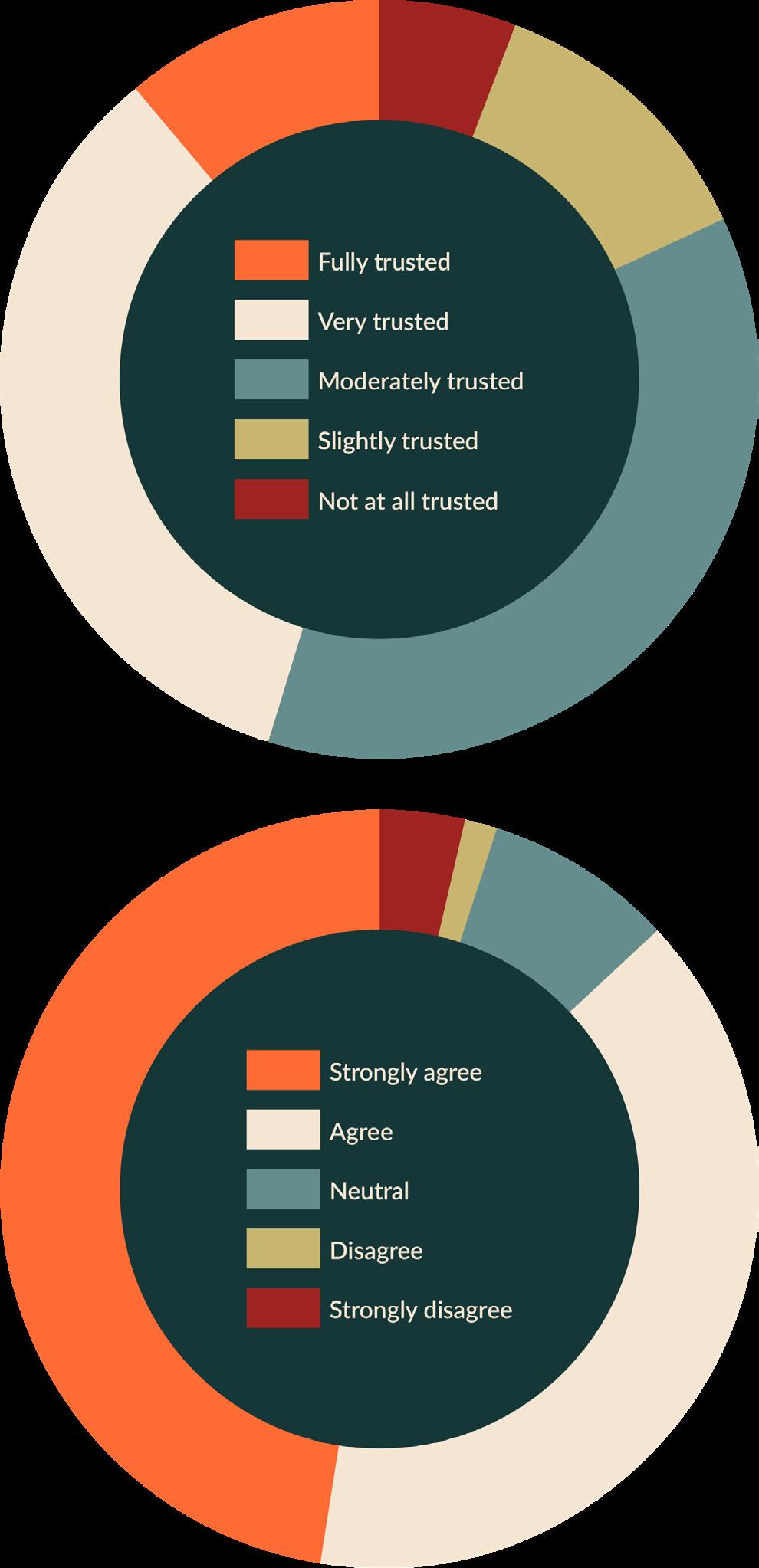
The most striking finding from our data is the overwhelming consensus regarding the future of national assessment design. A staggering 86% of teachers agree or strongly
agree that the profession should have a greater say in the design of national assessments, including GCSE reforms and SEND-accessible frameworks. This isn’t just a request for consultation; it is a clear demand for the direct involvement promised in recent policy recommendations.
These results suggest that teachers no longer wish to be passive recipients of a finished curriculum. Instead, there is a strong desire to co-construct the very tools used to measure student achievement. In the context of GCSE assessment reforms 2026, this professional insight is crucial to ensuring that new diagnostic tests and digital programmes of study are both practical and instructionally sound.
Bridging the trust gap in teacher assessment professional judgement
Despite the expertise within the workforce, a significant ‘trust gap’ remains. Our survey found that only
45% of teachers feel ‘very’ or ‘fully’ trusted to make accurate assessment judgements. The majority of the profession feels only moderately or slightly trusted, suggesting a culture of over-scrutiny and a reliance on external high-stakes testing that often undermines professional expertise.
This apparent lack of trust is particularly concerning given how the profession has evolved. Over 76% of teachers report that their views on assessment have changed since they began their careers. To truly support teacher assessment professional judgement, the survey suggests that the review should consider moving from a model of monitoring to one of empowerment, recognising that those who work with students daily are best placed to judge their performance.
Removing barriers to accurate assessment and reducing admin
When asked what would enable them to feel more confident in
their judgements, teachers were clear about the practical barriers. The top priority, cited by 68% of respondents, is a direct increase in teacher involvement in assessment design at both a national and school level. This is followed closely by the need for reducing assessment admin, with 60% calling for streamlined administrative processes and better digital tools to handle the data burden.
Interestingly, traditional CPD and team-based collaboration remain highly valued (both over 50% ), but they are seen as secondary to structural change. The survey’s message to school leaders and policymakers is clear: professional development is excellent and as we move toward more digital assessments and reduced exam times, the focus must remain on reclaiming time for teaching and high-quality, professional dialogue.
Conclusion
The 2025 findings for the year ahead present a profession that is both reflective and ambitious. The survey results challenge the era of the ‘topdown’ assessment as the workforce is confident in its ability to judge student progress but frustrated by the lack of teacher autonomy UK schools currently experience.
The results suggest that the message for teachers this year is one of active engagement. As the government finalises its curriculum reviews, practitioners should seek out opportunities to participate in pilot schemes and consultations. The data shows that your collective voice is unified; the challenge now is to ensure that ‘teacher involvement’ becomes a mandatory pillar of policy rather than a tokenistic gesture.
We urge all teachers to participate in next week’s survey so we can continue to publicise the voice of teachers.
“
“A staggering 86% of teachers agree or strongly agree that the profession should have a greater say in the design of national assessments.”
- ‘Exploring assessment practice and future changes’ survey 2025
Do you feel trusted to make accurate assessment judgements?
To what extent do you agree that teachers should have a greater say in the design of national assessments?
*Data
collected from ‘Only for Teachers’ recent poll.
Mocks are done. Now move students forward with confidence.
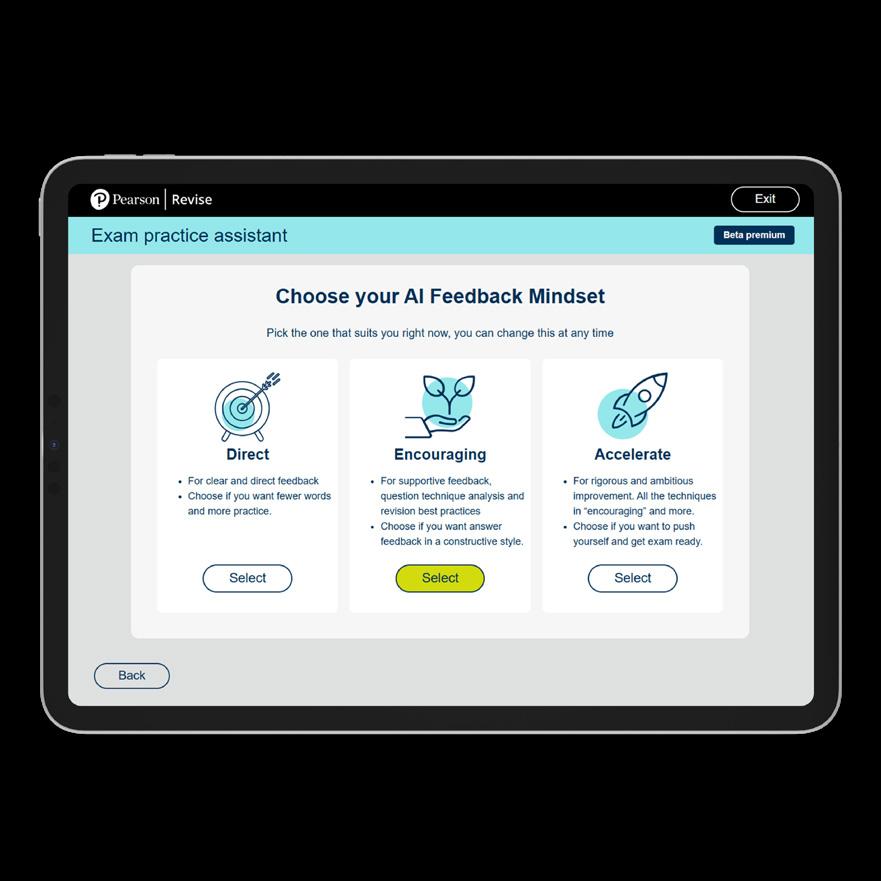
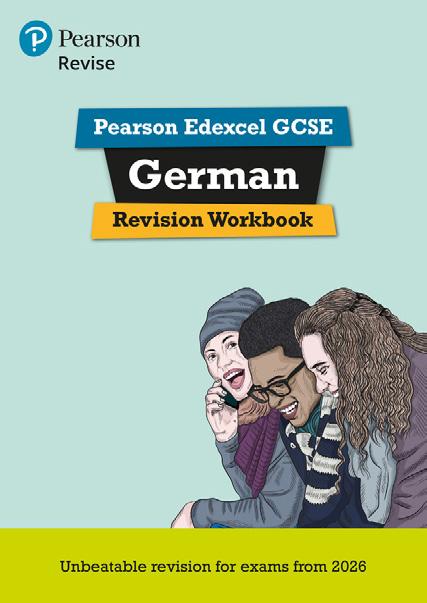
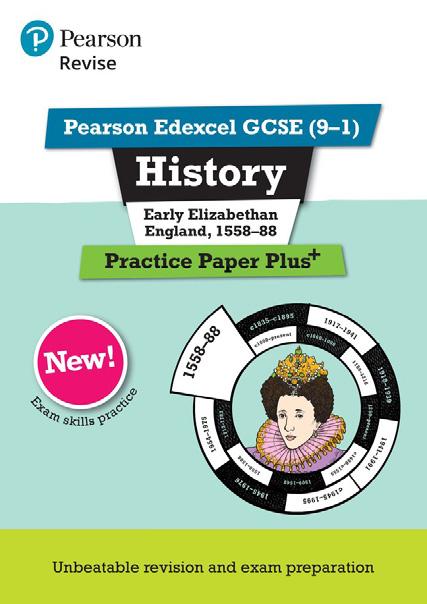
Created by exam experts, Pearson Revise combines trusted revision guides and digital resources with the Exam Practice Assistant, giving students instant, personalised feedback on exam-style practice.
Everything students need to move forward after mocks, in one place.
Together, they help you and your students to:
Target revision around specific gaps from mock exams
Strengthen exam technique with personalised feedback on responses
Reduce marking and plan clearer intervention
Build confidence and independence ahead of final exams
Unlock your complete post-mock revision toolkit
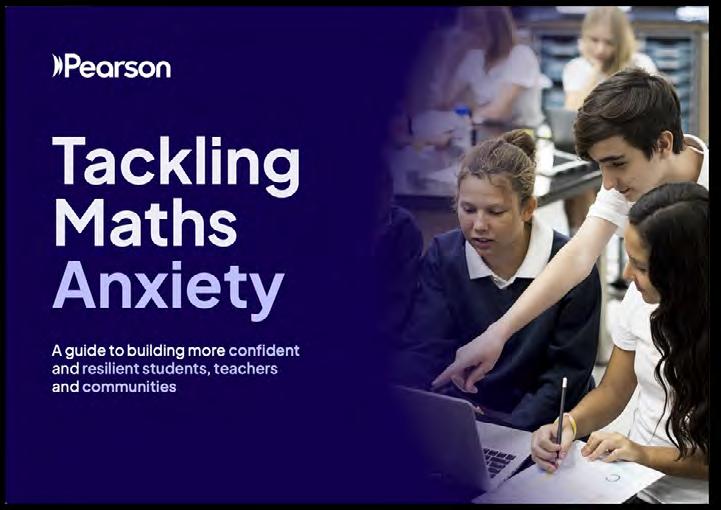
Tackling Maths Anxiety in Exams
As GCSE exams approach, students across the UK will be in exam preparation mode. However, for some students, maths anxiety can become a real barrier. It doesn’t just affect performance - it can also undermine confidence and long-term engagement with the subject.
In post-16 resit research, commissioned as part of Pearson School Report 2025, data revealed around two thirds (65%) of college students aged 16 and over reported missing or avoiding a GCSE maths or English exam or lesson due to stress, anxiety or low confidence.[1]
Teachers play a key role in helping students approach exams with confidence. By supporting them to build skills and resilience, we can help reduce anxiety and equip students to reach their full potential. Here are some practical ways to do this.
Create a maths-positive culture
Common phrases like ‘Maths is impossible’ and ‘I’m not a numbers person’, often heard from peers or parents, can make maths seem daunting. Encouraging a culture where students recognise their achievements can help build confidence:
• Highlight previous successes with clear evidence of progress.
• Reinforce that each student has individual strengths and areas for improvement.
• Focusing on personal progress rather than comparisons with others can reduce pressure and anxiety.
Rethink failure and success
Fear of failure is a central feature of maths anxiety. With 96% of students wanting to do well in maths[2] – disappointment of those who don’t feel they’re succeeding can otherwise become a significant barrier to progress and engagement. Teachers can support students by creating a safe space where mistakes are seen as part of learning, reducing fear and building resilience:
i• Emphasise that success can take many forms: attempting more questions, showing clear working, or simply completing the exam.
• Remind students that setbacks are opportunities to learn, and progress is often gradual.
Familiarise students with the exam environment
84% of college students surveyed by Pearson in 2025 said that they would prioritise ‘more time to prepare for the exam’[3] if they were in charge of creating a new maths GCSE.
While curriculum time is limited, small steps can help:
• Introduce students to the exam environment outside high-pressure conditions.
• Encourage effective revision and time management to help students avoid procrastination, feel prepared and in control.
Encourage mindful breathing
Simple breathing techniques can help students manage anxiety during exams, moving them out of “fight, flight or freeze” mode. When anxious, breathing often becomes shallow, which can increase stress:
• Teach relaxed, diaphragmatic breathing to help students feel calmer.
• Suggest specific moments to “check in” with their breath, such as before entering the exam hall or opening the paper.
• Encourage independent practice so students can use techniques when needed.
Reframe negative mindsets
Students with high maths anxiety may anticipate negative outcomes based on past experiences. Positively reframing thoughts can help students see exams as opportunities rather than threats. Teachers can help by encouraging them to see each exam as a fresh opportunity:
• Remind students that their preparation and practice may have improved since earlier assessments.
• Reframe physical signs of anxiety - such as a faster heartbeat or sweating - as the body’s way of preparing for a challenge.
• Draw parallels to sports or performances where anxiety has accompanied success, helping students apply a similar mindset to maths exams.
Teachers can play a crucial role in helping students to understand and reconsider their emotional responses while challenging unhelpful assumptions. Drawing on these methods, young people can turn anxiety into confidence, ultimately approaching exams with greater readiness.
Dr Thomas Hunt
Student Revision Practices and the Parental Disconnect
The annual focus on GCSE exam preparation has intensified across staffrooms.
However, the landscape of how students actually prepare has become increasingly complex. While the Department for Education (DfE) continues to explore the digitisation of assessments, the way students navigate their independent study remains a curious hybrid of the traditional and the modern. Our latest survey reveals that while testing still dictates the choice of digital revision tools, a profound disconnect exists between classroom evidence and the practices adopted at home.
The dominance of the mock exam
Despite the proliferation of ‘gamified’ learning and flashy new platforms, the most traditional form of preparation remains the gold standard. According to our survey, 33% of teachers report that past papers and mock exam questions are the primary resource their students rely on. This suggests that when the pressure of final outcomes looms, students default to the most direct simulation of exams.
Interestingly, the ‘digital revolution’ appears more of a slow burn than a sudden explosion. While 23% of students favour quiz-based platforms, one in five (20%) still relies primarily on traditional paper and printed notes. This ‘hybrid’ reality presents a challenge for schools attempting to implement consistent, evidence-led revision strategies across a cohort with vastly different habits.
FIG 1. Which digital tools or platforms do most of your students primarily rely on for their independent revision?
““Only 3% of teachers state that their students use AI as their main revision tool.”
The AI paradox and the teacher training gap
One of the most interesting insights from our recent survey is the relatively low reliance on Generative AI. Only 3% of teachers state that their students use AI as their main revision tool. However, the influence of these tools is being felt in more subtle ways; 31% of practitioners have observed a slight improvement in the quality of studentgenerated resources, such as flashcards and notes, since the rise of AI.
The bottleneck to more effective use of these technologies - and indeed to evidence-led revision in general - appears to be a lack of professional support. Only 5% of teachers feel the CPD provided by their school or trust has been ‘very adequate’ in equipping them to teach these study skills. With 33% of respondents stating that their training in this area either ‘needs improvement’ or is ‘inadequate,’ this suggests that there is a risk that practitioners are being asked to guide students through a digital landscape they haven’t been fully trained to navigate themselves.
of their own school days - such as highlighting or rereading notes - which research consistently shows are less effective than active recall. This tug-of-war for the student’s time adds an extra layer of ‘psychological stress and anxiety’ to an already pressured period. While 41% of teachers feel their school’s wellbeing support is adequate, 31% believe it needs urgent improvement to help students manage the heavy revision workload.
Navigating the parental disconnect and student anxiety
Perhaps the most significant hurdle identified by our community is the influence of the home environment. Nearly half of the teachers surveyed (45%) report that they frequently or very frequently observe a disconnect between the evidence-based guidance promoted by the school and the practices students adopt at home due to parental influence.
Often, parents default to the ‘passive’
Conclusion
The survey conducted suggests that student revision practices in the UK are currently in a state of transition. Teachers understand the value of active recall and past papers but struggle to combat outdated parental perceptions and a lack of dedicated teacher CPD in needed areas. Exploring how teachers and parents can positively connect on issues, such as revision, is key for students to attain the best outcomes educationally.
The ‘how’ of revision is now just as important as the content of their revision. To bridge the gap, we must ensure that families understand the science of learning and help align home and school environments, ultimately reducing student anxiety and improving educational attainment.
Once a week we release a new survey to gauge the feeling of teachers in UK schools. Join our conversation and share your voice at Only for Teachers.
FIG 2. How adequate is the current support offered by your school in helping students manage the psychological stress and anxiety specifically associated with their revision workload?
FIG 3. How often do you observe a disconnect between the evidence-based revision guidance promoted by the school and the revision practices students adopt at home due to parent/ carer influence?
Growing professional ambition and unity
There is a unified sense of ambition among teachers to lead the future of assessment.
A staggering 86% of teachers advocate for a greater say in designing national assessments, including GCSE reforms and SEND-accessible frameworks. This indicates a shift from being ‘passive recipients’ of a curriculum to becoming active co-constructors.
Furthermore, 76% of teachers report that their views on assessment have evolved over their careers, showing a workforce that is reflective, experienced, and ready to move from a model of monitoring to one of professional empowerment.
Resilience of evidence-based study habits.
Despite the ‘digital revolution’, students and teachers remain grounded in proven, high-impact revision methods. An Only for Teachers survey shows that 33% of teachers identify past papers and mock exams as the primary resource students rely on.
Additionally, while it seems that the use of Generative AI usage is still low, its influence is being harnessed subtly and positively; 31% of teachers have already observed improvements in the quality of student-generated resources like flashcards and notes since the rise of AI tools.
A strong desire for collaboration and clarity.
Currently, 51.9% of teachers agree that their school’s assessment policy is clearly written and effectively guides their practice and even as digital tools become more prominent, teachers continue to value traditional professional development and team-based collaboration.
This suggests that teachers are deeply committed to continuous improvement as they navigate the transition to more modern evaluation methods.
The next edition of ‘The Classroom Compass’ will focus on CPD provided to schools, exploring the tension between connection and convenience and whether the rise of AI will replace collaboration amongst teachers. Don’t miss the next issue on Thursday 7th May!
To ensure your opinion feeds into future editions of The Classroom Compass, sign-up to Only for Teachers and complete our weekly surveys!
So every time you complete a weekly survey, you earn an entry into our monthly cash prize draw!
It’s our way of saying thank you for helping shape education with your insights.
By joining our community, each survey you complete gives you the opportunity to vote for the charity who will receive our termly donation.
Last term, the NSPCC received the most votes. Below is what they had to say:
“A massive thank you to every single member who cast a vote for NSPCC last term. Being chosen by a vote of your members makes this donation even more meaningful to us and we’re very grateful for your support. Thank you!” www.nspcc.org.uk