Where teachers share, support and shape education.
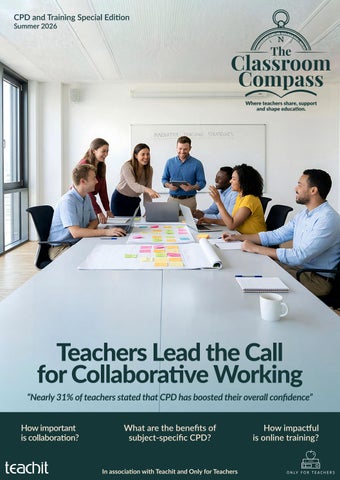
Teachers Lead the Call for Collaborative Working
“Nearly 31% of teachers stated that CPD has boosted their overall confidence”
How important is collaboration?
What are the benefits of subject-specific CPD?
How impactful is online training?
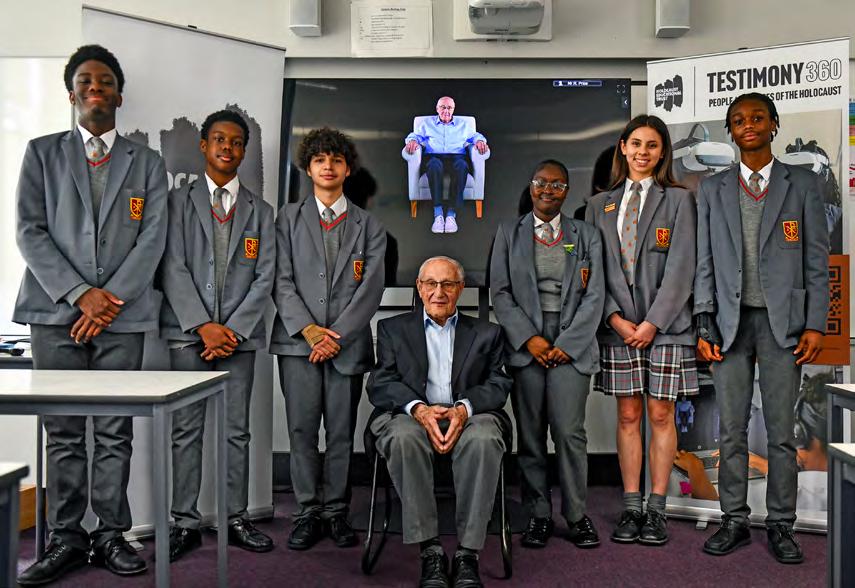
Tools and guidance to connect students with the lived experience of Holocaust survivors
Access new classroom resources, unique teacher training and recorded survivor testimony through innovative digital learning, with Supporting Holocaust Survivor Testimony in Teaching, a new initiative from the Holocaust Educational Trust, delivered on behalf of the Department for Education.
“ REGISTER TODAY
Teaching AI Without Fear
Building confidence through CPD
By Hayley McKechnie Hayley McKechnie is a computing lead at a
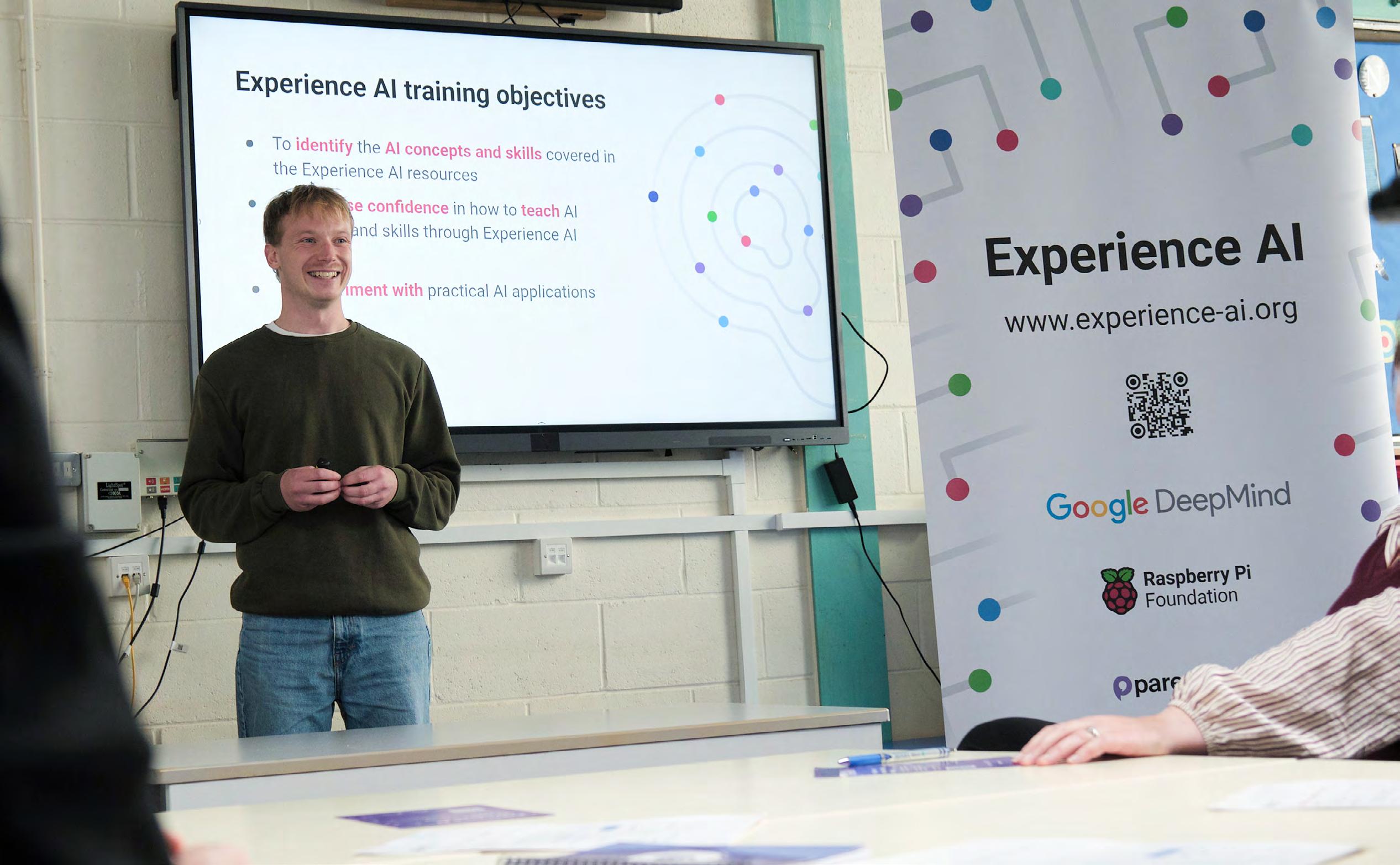
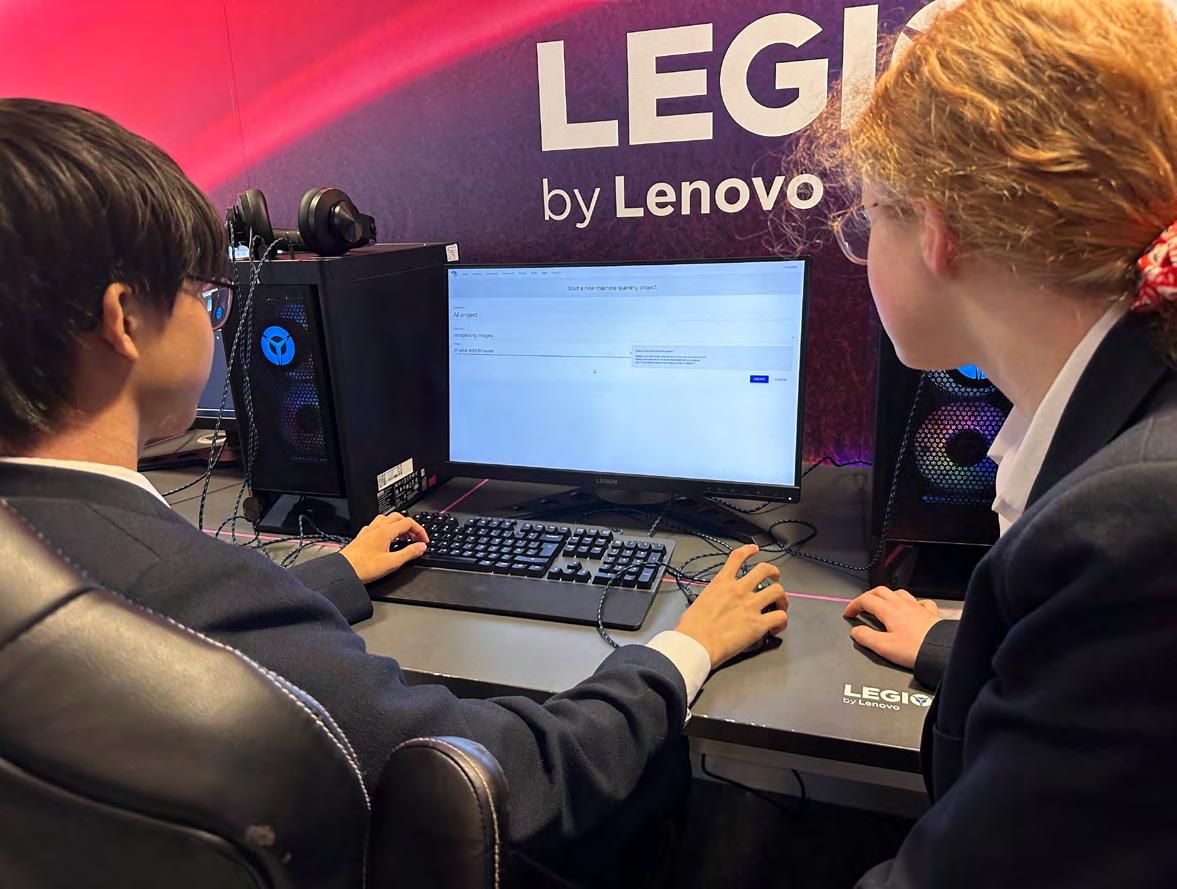
Artificial intelligence is part of everyday life for young people, but teaching students what AI is, how it works, and why it should be used responsibly can still be a challenge. For many teachers, developing the subject knowledge and confidence to teach AI effectively requires high-quality professional development.
As a computing lead at a school in the East of England, the Experience AI programme has played a central role in building my confidence, as well as that of my colleagues, when it comes to teaching AI in the classroom. Through professional development, practical classroom materials, and a strong focus on ethics, the programme has helped me bring AI to life in a way that feels accessible, age-appropriate, and responsible.
Building confidence through training
I began my AI education journey by attending training sessions hosted by Parent Zone to strengthen my own understanding of artificial intelligence. This felt like an important first step,
because many teachers are learning about AI alongside their students.
The training really helped me understand how AI actually works. That’s so important, because if you’re not confident in your own understanding, it’s very difficult to explain it clearly to children.
At first, I trialled one or two lessons with my students, introducing concepts gradually as AI tools became more visible in everyday life. As my confidence grew, I started using more of the materials, and this year I plan to deliver the full six-week unit as a dedicated part of our computing curriculum.
What I particularly like is how clear and straightforward the programme is. The training makes it easy for teachers to pick up, while still giving students a solid foundation in how AI works.
Before starting AI lessons, I always ground learning in familiar examples such as voice assistants, search engines, and design tools. This helps students see that AI isn’t abstract; it’s already part of their everyday lives.
primary school in the East of England.
Making ethics central
One of the biggest strengths of the Experience AI training, in my view, is its strong emphasis on ethics and critical thinking. As part of the professional development, teachers are supported to explore not just how AI works, but how to help students question and evaluate the technology they use. I want my students to understand that AI can be helpful, but it isn’t infallible and shouldn’t be relied on blindly.
For example, I’ve shown students how AI-generated search results can sometimes be inaccurate. It’s a simple but effective way to demonstrate why human judgement still matters. These kinds of discussions help students understand both the potential and the limitations of AI, reinforcing the idea that technology should support thinking rather than replace it.
Learning alongside colleagues
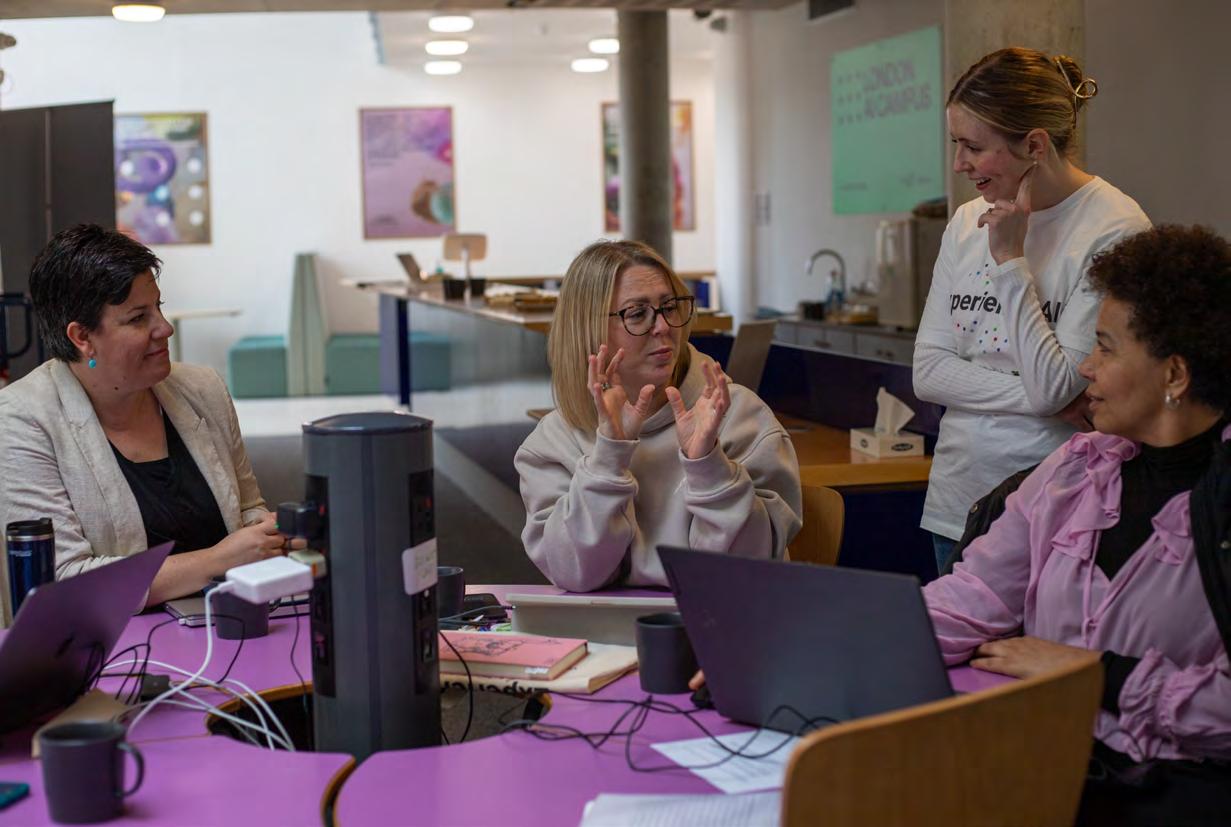
Beyond my own classroom, I’ve also used Experience AI training to support other teachers. As part of my role coordinating computing across schools in my region, I organised a cluster meeting for 20 computing leads from across Essex, Suffolk, and Norfolk.
The session gave teachers the opportunity to share experiences, explore how AI could be introduced in age-appropriate ways, and discuss how to embed
ethical considerations across the curriculum. A Parent Zone trainer led the session and helped deepen our understanding.
Many computing teachers are still getting to grips with AI themselves. The training helped me feel more confident, and that’s something I’ve been keen to pass on to others.
Supporting teacher development in AI
As AI continues to evolve, opportunities for professional development are increasingly important. Experience AI not only supports classroom practice, but helps teachers build the knowledge and confidence they need to approach this area with clarity and assurance.
Access the award-winning AI literacy and safety resources for free on the Experience AI website, including classroom-ready lesson plans, slides, and activities.
UK teachers can also enrol via Parent Zone to join upcoming training cohorts and build confidence in teaching AI.
To
extent
you agree that a crucial element of development is the opportunity for and collaboration with colleagues or
Online Professional Development Courses for Teachers
Expert-led. Adaptive by design. Practice-driven.
Evidence-rich by outcome.
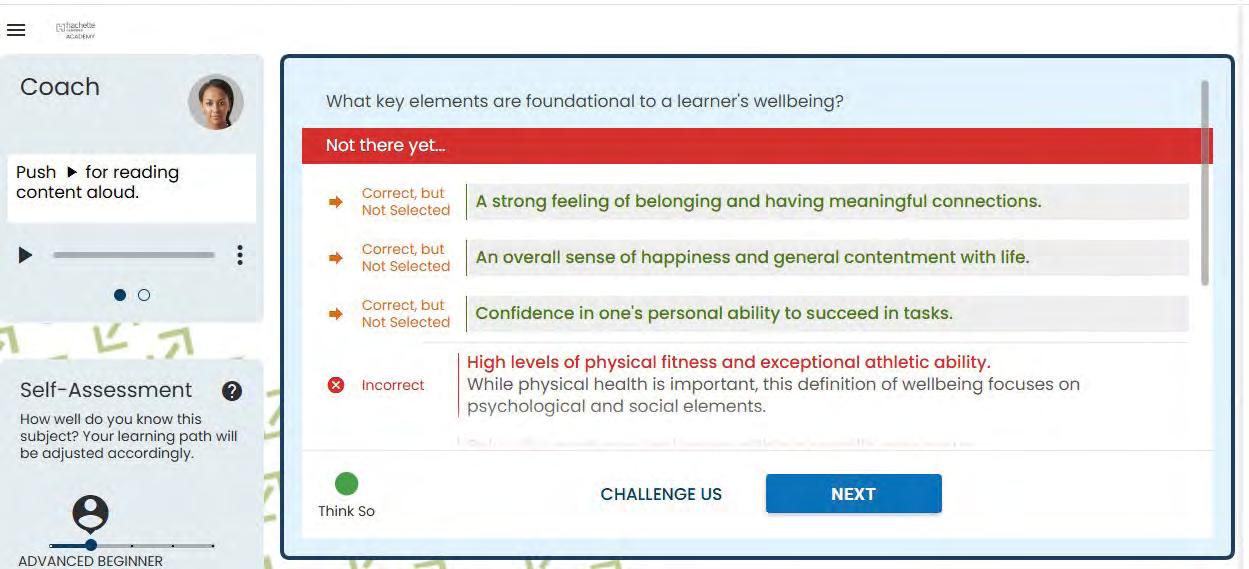
Hachette Learning Academy offers accessible online courses delivering practical, research-informed strategies. Each course consists of a structured 2- to 3-hour CPD learning design to strengthen and complement your professional development, with adaptive technology that responds to your answers.
Expert-led:
. Written by leading practitioners
. Research translated into classroom strategy
. Course authors include: Zach Groshell, Morgan Whitfield, Philippa Wraithmell, Gemma Donovan, Ginette Moore, Kate Jones and many more
Adaptive:
. Confidence-based questioning
. Diagnoses gaps and reshapes learning
Who is it for?
• Individual teachers – self-paced, expert-led professional development linked to classroom practice
• Departments and schools – shared CPD focus with personalised learning pathways
• Trusts and school groups –consistent professional standards across institutions
Evidence-generating:
. Turn application tasks into clear, measurable impact evidence
. Build a competency-tagged professional portfolio that showcases growth
Strategic:
. Real-time engagement tracking and data insights
. Clear visibility of development priorities
. Generate appraisal- and inspection-ready evidence
. Works seamlessly across any curriculum, subject or phase
. Shared coherent language and expectations
For learners:
Hachette Learning Academy provides practical and adaptive learning tailored to users’ experience and needs with appraisal-ready evidence
For institutions:
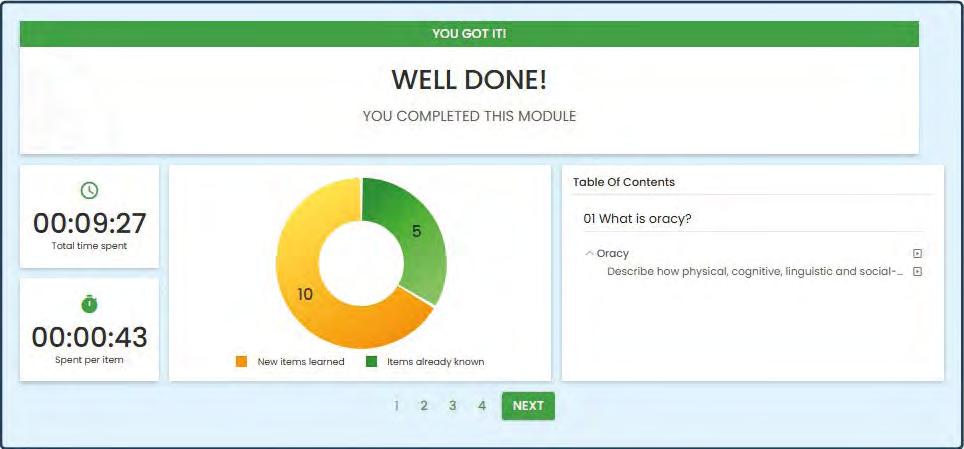
Hachette Learning Academy provides competency-linked evidence, portfolio tracking and reporting, supporting strategic CPD planning and measurable professional impact
For more information, visit Hachette Learning Academy or contact your sales consultant. hachettelearning.com/academy
Keeping Holocaust memory alive starts in the classroom:
Supporting Holocaust Survivor Testimony
By Amy Gee Assistant Director of Programmes, Digital Education, Outreach and Teacher Training. Holocaust Educational Trust
The camps of Europe were liberated over 80 years ago, shining a light on the truth of what had been inflicted on European Jewry by the Nazis and their collaborators.
By the end of the Second World War, their antisemitic hatred had led to the murder of 6 million Jewish men, women and children. Entire communities, culture, and ways of life had been eradicated. The face of the continent had been changed forever. The world pledged that the horrors of the past would never again be allowed to be repeated.
In the years since the Holocaust, our understanding of that period in history has been shaped in part by the testimony of Holocaust survivors. For decades they have travelled the length and breadth of the country, sharing their experiences, and giving a human face to the unimaginable statistics. As we all know, young people learn best through stories, and these remarkable men and women have shared theirs to ensure that the past is never forgotten and that the antisemitism and hatred that allowed the Holocaust to happen is never able to go unchecked.
But today, the number of survivors is dwindling. And as they become less able to tell their stories, it is time for new and innovative approaches to ensure that their legacy continues.
The Prime Minister has set a national ambition that, as part of their education, every student in the country should have the
opportunity to hear recorded survivor testimony. That is why the Department for Education has funded the Holocaust Educational Trust to embark on a new programme, now open to schools across the country.
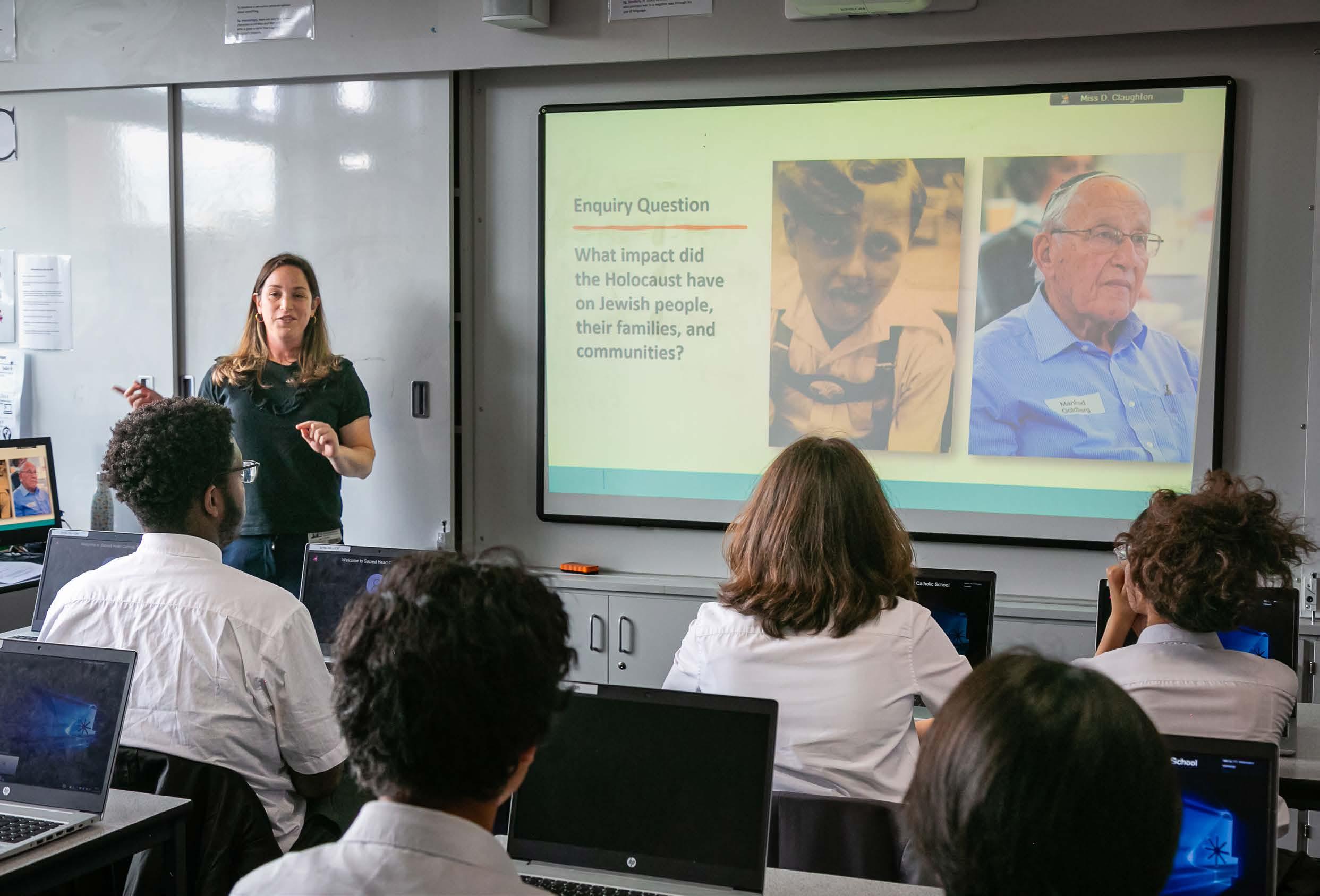
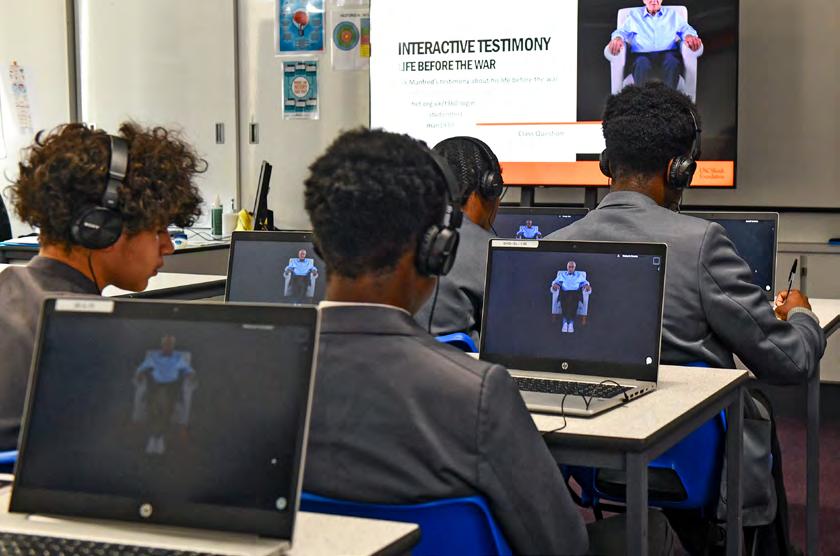
Supporting Holocaust Survivor Testimony in Teaching is a new educational programme, designed to support teachers in bringing this history to life in their classrooms – through ready-to-use classroom materials, CPD and emerging technologies like AI and VR –and ensure that the legacy of Holocaust survivors lives on.
These opportunities come at a time when digital environments also present new challenges. Young people face a heightened risk of misinformation and decontextualisation if sensitive material is not handled with care. As digital tools become more embedded in teaching practice, professional development plays a crucial
role in equipping teachers to use technology ethically, critically and in ways that strengthen, rather than distract from, rigorous historical teaching.
The stakes are especially high because Holocaust education is not only about knowledge acquisition, but about what students carry forward from their learning. When recorded survivor testimony is used in the classroom, teachers act as the bridge between a survivor’s voice and a young person’s understanding. Their role is to shape how students listen, question and interpret what they encounter. In this context, well-designed digital tools can add depth to classroom practice,
while remaining guided by careful questioning and structured discussion.
This is why effective professional development for teachers remains essential. Recorded testimony is not a standalone resource; its educational value lies in how it is embedded within wider schemes of work, supported by secure historical framing and structured opportunities for reflection. When this pedagogical groundwork is in place, testimony can deepen historical understanding and help ensure that the lessons of the Holocaust remain meaningful for future generations.
As Holocaust education continues to evolve, the underlying aim remains constant: to ensure that survivor voices are encountered with clarity, care and meaning. When survivor testimony is supported by strong teacher development, digital tools can deepen students’ understanding of the Holocaust and help its lessons endure well beyond the classroom.
Teaching the Holocaust through Survivor Testimony, delivered on behalf of Department for Education, provides teachers with curriculum-aligned resources, training and access to digital eyewitness testimony.
Interactive search-enabled AI and interactive VR support thoughtful engagement with survivor stories, helping teachers integrate innovative content confidently.
Teachers can register interest now.
Why is digital literacy important in education today?
By Philippa Wraithmell
The last ten years, for me, have been focused specifically on creating and understanding digital literacy myself and also helping others to understand what digital education should look
In the same way that we talk about language learning, we want people to have digital fluency. We want learning in the classroom that involves technology to become so fluently integrated that it is just a normal thing to do.
I see digital literacy as a basic understanding; being able to use certain tools in the classroom and identify what they are good for. Digital fluency is being able to adapt your classroom as and when it changes, using those tools without thinking about it and allowing yourself or your students to be able to use different elements of learning.
Technology for education is not trying to make things harder. It’s trying to make people work a bit smarter. Those digital fluencies really are basic necessities now. If people don’t want to give time to it, they’re going to struggle, especially when we start to see artificial intelligence being brought in.
We’ve got issues with AI such as: How are we using that in the classroom? Where am I putting students’ data? Where am I putting their names? What platforms am I using for that? These are real fundamental basics of digital literacy, and they are everybody’s responsibility now.
As teachers, there is quite a broad understanding of what we need to know but it can be put into specific buckets around governance, safeguarding and pedagogy. It can really help to reinforce our classroom so that when we’re having conversations with children about digital literacy and about their own digital usage, we can start to scaffold for students how they can do that on their own.
One misconception is that using AI is cheating. It’s not, as long as we’re prompting it in the right way. Of course, if we’re saying to it, ‘Make me all my lessons for the whole year,’ that is cheating to a certain extent, especially if you’re not going to read them before you deliver them! But that’s not the same as saying, ‘I’ve delivered X lesson for ten years now,’ –which many of us, as educators, have, because concepts and the ways to teach certain topics haven’t changed – ‘but I want something helpful. I want something vibrant. I’ve got learners in
like.
there that are disengaged. How am I going to help them?’
As educators it’s almost something we need to do for our own professional development, because if we know and understand AI and how it is going to react, we can then support learners too; particularly when they are overusing it, which we often see. We currently have a see-saw balance of some schools banning it, and some schools saying it’s absolutely fine; there is not much of a middle ground.
I think it’s important that EdTech shouldn’t be about budgets. Most of the schools in the world these days will have access to something like a Google education environment, a Microsoft education environment or maybe even just being able to use Canva for education, which has come on significantly through the past year. It’s important that we don’t think, ‘The only way I can use tech in my classroom is if it’s really expensive.’ I think we can do some incredible things that allow every single learner to be able to thrive and extend their learning.
Philippa Wraithmell is the founder of EdRuption and author of The Digital Ecosystem from Hachette Learning, as well as a Hachette Learning Academy course on digital fluency.
Cancer Research UK – working with children and young people
Cancer Research highlights – The HPV Vaccine
The HPV vaccine is now one that is commonly offered in school and has been for a number of years – but how much do you know about it?
Contracting the Human Papillomaviruses (HPV) was proven by Cancer Research UK to strongly increase chances of cancer later in life, most notably cervical cancer. Following this discovery, researchers set out to create a vaccine to prevent people from getting HPV, and therefore reduce their risks of certain cancers.
Since the HPV Vaccine was introduced, further testing has been carried out and it has been proven that it has reduced cases of cervical cancer by 90%.
In addition to reducing the risk of cervical cancer, it has also been proven that HPV can lead to other cancer, including oesophageal cancer. Therefore, the vaccine is now offered to both boys and girls in school as part of the vaccine programme.
If a child misses their HPV vaccine, they are still able to get this on the NHS up until the age of 18, they can simply visit their local GP.
Cancer awareness month – September
Childhood Cancer awareness month takes place every year in September, when you will see much more information widely across our social media platforms around what we are doing for this kind of cancer.
Fundraising in schools
Cancer Research UK always loves to hear from schools who are undertaking fundraising for the charity, and we will do what we can to support, including sending sponsorship templates, where possible, back signs for sponsored runs. There are many ways to fundraise, from a ‘wear it pink’ day, to a sponsored run or even a ‘Entrepreneur week’ activity – there are many ways to engage the children.
Schools Against Cancer Northwest
Schools Against Cancer Northwest brings together fundraising from any schools partaking in the initiative in the northwest. It pools all of the income from those taking part, allowing you to see the difference you are making as an education community in the region.
If you want to fundraise and donate via Schools Against Cancer Northwest, simply scan the QR code and set up your schools fundraising page today. .
Online vs Virtual CPD
Are teachers choosing connection over convenience?
As the educational landscape navigates an ongoing digital shift, the debate over the most effective way to train staff has reached a critical juncture. While the DfE continues to champion the flexibility of digital platforms for the ‘delivery of online NPQs,’ the reality on the ground is more nuanced.
Our latest survey suggests that while the convenience of online training offers a certain ease of
access, the appetite for high-quality teacher professional development is anchored firmly in human interaction. This most recent survey reveals a profession that values the ‘what’ over the ‘how,’ but still craves the social energy of the staffroom.
Has blended learning taken centre stage?
The era of choosing between a day in a drafty hall or an hour on a laptop is in question. When asked for their preferred format for professional growth, the results were closely tied between tradition and modernism.
42.5% of teachers still prefer inperson, face-to-face sessions, but they are closely trailed by 41.9% who now advocate for a blended approach.
Interestingly, purely digital formats, such as live webinars ( 5.4% ) and self-paced modules ( 9.6% ) - lag significantly behind. This suggests that while online CPD for teachers offers a solution to the logistical nightmare of travel and cover, it often fails to provide the professional nourishment found in hybrid models.
“The most striking finding of this report is that 84.4% of teachers admit that the convenience and flexibility of online delivery very significantly increases their likelihood of participating.”
Evidence-led practice
Why does the physical classroom (or a hybrid version of it) remain so dominant? The answer lies in collaboration. A staggering 89.8% of teachers agreed or strongly agreed that real-time interaction with colleagues or facilitators is a crucial element of effective training.
Professional development is rarely a solo endeavour; it is the corridor chat and the shared problemsolving that often lead to the most
significant lightbulb moments. Furthermore, the data highlights a clear demand for evidence-based teaching strategies.
92.8% of teachers stated that it is important or very important for CPD to focus on observable practices that can be applied the very next morning. In a climate of high accountability and workload, teachers have little patience for abstract theory; they want tools that work.
Content or convenience: The 2026 workload reality
The most striking finding of this report is the conflict between ease of access and educational quality. While 84.4% of teachers admit that the convenience and flexibility of online delivery (very) significantly increases their likelihood of participating, they do not necessarily equate this convenience with better outcomes.
In fact, two-thirds ( 66.5% ) of the community believe that the effectiveness of onsite vs virtual CPD is defined primarily by the quality and structure of the content, rather than the mode of presentation. This is a vital takeaway for school leaders: while providing a link to a webinar might help with teacher workload reduction, it will not substitute for a poorly structured session. Quality remains the paramount factor, wherever that training and learning takes place.
Conclusion
Do you believe the effectiveness of professional development is defined more by the quality and structure of the content than by the mode of presentation?
How important is it that your professional development focuses on observable, evidence-based practices that can be immediately applied in your teaching?
There is a clear message to those designing school training calendars: the future is blended. Teachers appreciate the flexibility that technology provides, but they are unwilling to sacrifice the collaborative and evidence-led nature of the profession to get it.
From the information gathered, we can say that for CPD to be truly effective, it must facilitate interaction and offer immediate classroom utility. Whether delivered in a hall or via a hybrid platform, the content must be robust enough to justify the time taken away from the classroom.
We invite all teachers to contribute to next week’s survey. If you yourself have a question, just let us know and we will include it in a future survey.
Teachers Lead the Call for Collaborative Working
The value of human connection and collaboration
A major positive trend is the shift towards social and collaborative learning. Teachers are moving away from traditional ‘one-size-fits-all’ lectures in favour of peer-to-peer exchange and interactive workshops.
The data shows that 27% of teachers find collaborating and sharing best practices with colleagues to be the most valuable outcome of CPD.
Practical and evidence-informed training
Teachers are increasingly discerning, favouring professional development that offers immediate classroom utility. There is a powerful consensus on the importance of evidence-based strategies, with 92.8% of respondents stating it is important for CPD to focus on observable practices that can be applied the next morning.
This ‘plug-and-play’ approach translates directly to student success; approximately 25.5% of teachers reported that their professional growth had a tangible positive impact on student engagement. This focus ensures that time spent on training leads to concrete improvements in lesson delivery and curriculum planning.
Excitement for innovation and efficiency
While teachers value tradition, they are also looking forward to a digitalised future that prioritises efficiency. A significant 37.2% of teachers expressed excitement about using emerging technologies, specifically AI, to reduce administrative burdens.
By using AI to ‘buy back’ time, teachers can focus more on their primary passion: teaching in the classroom.
The next edition of The Classroom Compass will focus on classroom and school resources, diving into the pragmatic rise of AI in the staffroom, to the urgent need for better-integrated classroom resources. Don’t miss the next issue on Thursday 18th June!
To ensure your opinion feeds into future editions of The Classroom Compass, sign up to Only for Teachers and complete our weekly surveys!
How it Works
www.onlyforteachers.co.uk
Only for Teachers is a free community where UK teachers share their voice through quick weekly surveys or asking a question and earn rewards for their insights. On this page, we’ll show you how it works - from signing up, to completing surveys and finding out what other teachers across the UK think.
Sign up (it’s free!)
1
Create your account in just a few minutes. All you need is your name, email, and information about where and what you teach. Once you’re in, you’re part of our amazing teacher community.
2
Share your opinions and ask fellow teachers
Each week, you’ll get a short survey – usually two to five minutes tops. We ask about your classroom, your experiences, and what matters most to you. Additionally, if there is a topic you would like advice on from fellow teachers, visit the ‘Ask a Question’ page to post your question. We will include it in a future survey.
3
Earn points and start your survey streak!
Every completed survey awards you 100 points and guarantees you one ticket in our monthly and termly cash draws! The more surveys completed, the more chances you have to win! Bonus points for reaching set survey streak goals too!
I really enjoy being part of Only for Teachers - the surveys don’t take long and are relevant to issues we face on an ongoing basis. I’d really recommend being part of it! - Melanie
I think it’s great that teachers are able to share ideas, experiences and resources. Teaching can, strangely, be a lonely job and knowing that others are experiencing similar challenges is most reassuring. - Annette