
Remote learning:
The shift from crisis response to long-term strategy
As the Department for Education (DfE) continues to focus on the persistent challenge of increased absence, the role of digital technology has moved beyond the emergency measures of the pandemic era.
Today, the conversation is shifting towards how remote learning provision can offer a permanent, high-quality safety net for students who cannot access the physical classroom. Our latest survey reveals nearly 60% of our community are either already using, or are keen to explore external platforms. However, they are clear that any digital solution must meet rigorous standards of specialist expertise and safeguarding.
Addressing the attendance crisis
“
and anxiety (often referred to as Emotionally Based School Avoidance, or EBSA).
In this context, alternative provision schools and mainstream settings alike are looking for ways to maintain academic momentum, without further stretching the capacity of on-site staff. The data suggests that remote provision is increasingly viewed as a vital ‘bridge’ for students waiting for placements or those requiring a reintegration pathway that respects their mental health needs.
“52.3% of respondents ranked access to subject-specialist teachers as the most critical student-facing benefit of an online provider.”
The primary drivers behind the adoption of remote platforms are no longer school closures, but the growing attendance crisis. When asked what would trigger the adoption of an external remote learning tool, teachers pointed directly to the most complex cases currently facing school leaders. 29.1% cited long-term medical absences where in-school support is no longer feasible, while 26.7% identified the rising tide of school refusal
Specialist expertise and teacher workload reduction
One of the most definitive findings from our survey is the value teachers place on professional expertise. A significant 52.3% of respondents ranked access to subject-specialist teachers as the most critical student-facing benefit of an online provider. In an era of recruitment shortages, the ability to outsource teaching to a qualified specialist rather than relying on pre-recorded videos or non-specialist cover is seen as a non-negotiable.
From a leadership perspective, the focus is squarely on reducing teacher workload. The most desired ‘workload win’ for 31.4% of teachers is a ‘zero planning’ model,
“
It is difficult for a classroom teacher to deliver a live lesson whilst simultaneously teaching their class. However, if this was managed by an outside provider then it would be advantageous to students.
where the external provider handles all curriculum alignment and lesson preparation. This is followed by the need for seamless data reporting (18.6%) to satisfy internal tracking and Ofsted requirements without adding to the administrative burden faced by teachers.
The barriers of cost and safeguarding
Despite the clear appetite for these tools - with 29.1% of teachers currently ‘keen to understand more’, significant hurdles remain. Unsurprisingly, in a climate of tightened school budgets, cost and financial constraints were the most frequently cited ‘internal’ hurdles. Many teachers expressed concern that while the technology exists to support school refusal strategies, the funding to implement them is often ring-fenced or simply unavailable.
Safeguarding also remains a concern. Teachers raised valid questions regarding engagement, such as the difficulty of monitoring students with cameras off and the ‘impersonal’ nature of digital interaction. For many, the worry is that technology could become an excuse for reduced human interaction for the most vulnerable cohorts.
Conclusion
The findings paint a picture of a profession looking for sustainable, high-quality partnerships rather than quick-fix software. Teachers are willing to embrace remote learning provision, provided it delivers genuine specialist instruction and a measurable reduction in their own administrative burden.
Remote provision is moving from a luxury to a necessity for managing attendance. However, the quality of that provision - measured by the expertise of the person on the other side of the screen - is what will ultimately determine its success.
We invite all teachers to take part in our surveys. Your insights are the primary evidence we use to ensure the voice of the staffroom is heard by those
policy.

Access the world’s greatest collection of portraits on Schools hub telling the story of British
FREE Learning sessions and online resources exploring a range of topics including the
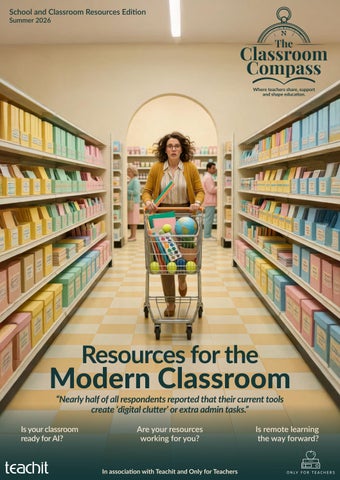
““Nearly half of all respondents (49.6%) reported that their current tools create ‘digital clutter’ or extra admin tasks.”
- ‘Shaping the Classroom: Resource impact and workload?’ survey 2026
Which area do you find your current resources impact the most?

If you were granted a bespoke budget for your classroom, which of the following would you prioritise for 2026-27?







Bringing Survivor Testimony into the Classroom:
Teaching the Holocaust with Testimony 360
By Dr Jonny Hudson Education Officer (Former History Teacher) Holocaust Educational Trust
There are powerful moments in teaching when a classroom falls completely still.
As history teachers, many of us will recognise them: pens pause, fidgeting stops, and students give their full attention. Almost always, those moments happen when a real human voice or lived experience sits at the heart of the lesson.
This is especially true when teaching the Holocaust, where the scale and complexity of events can feel overwhelming unless anchored in individual human stories. For decades, survivor testimony has shaped how young people understand the Holocaust, not as distant history, but as lived experiences. Yet as the Holocaust moves from living memory into history, we can no longer rely on survivors being physically present in our classrooms.
The challenge for teachers today is not whether testimony still belongs in Holocaust education, it unquestionably does, but how we ensure students continue to engage with it in ways that are meaningful, responsible and memorable.
That challenge is exactly where Testimony 360 makes its impact. Built into the Holocaust Educational Trust’s Supporting Holocaust Survivor Testimony in Teaching programme, Testimony 360 places authentic survivor voices at the centre of learning while embracing innovative technology with confidence and care. It doesn’t replace good teaching; it enhances it.
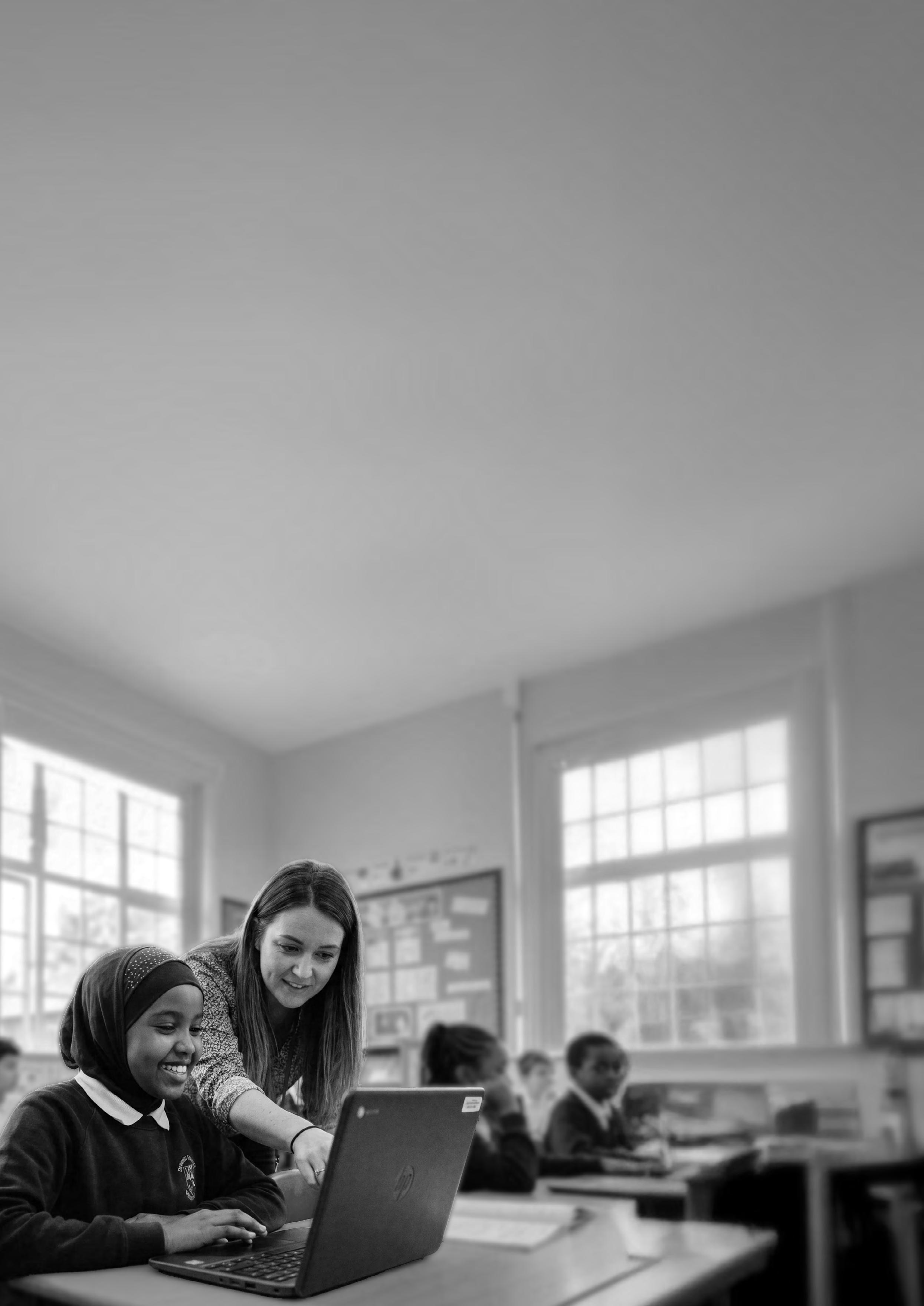
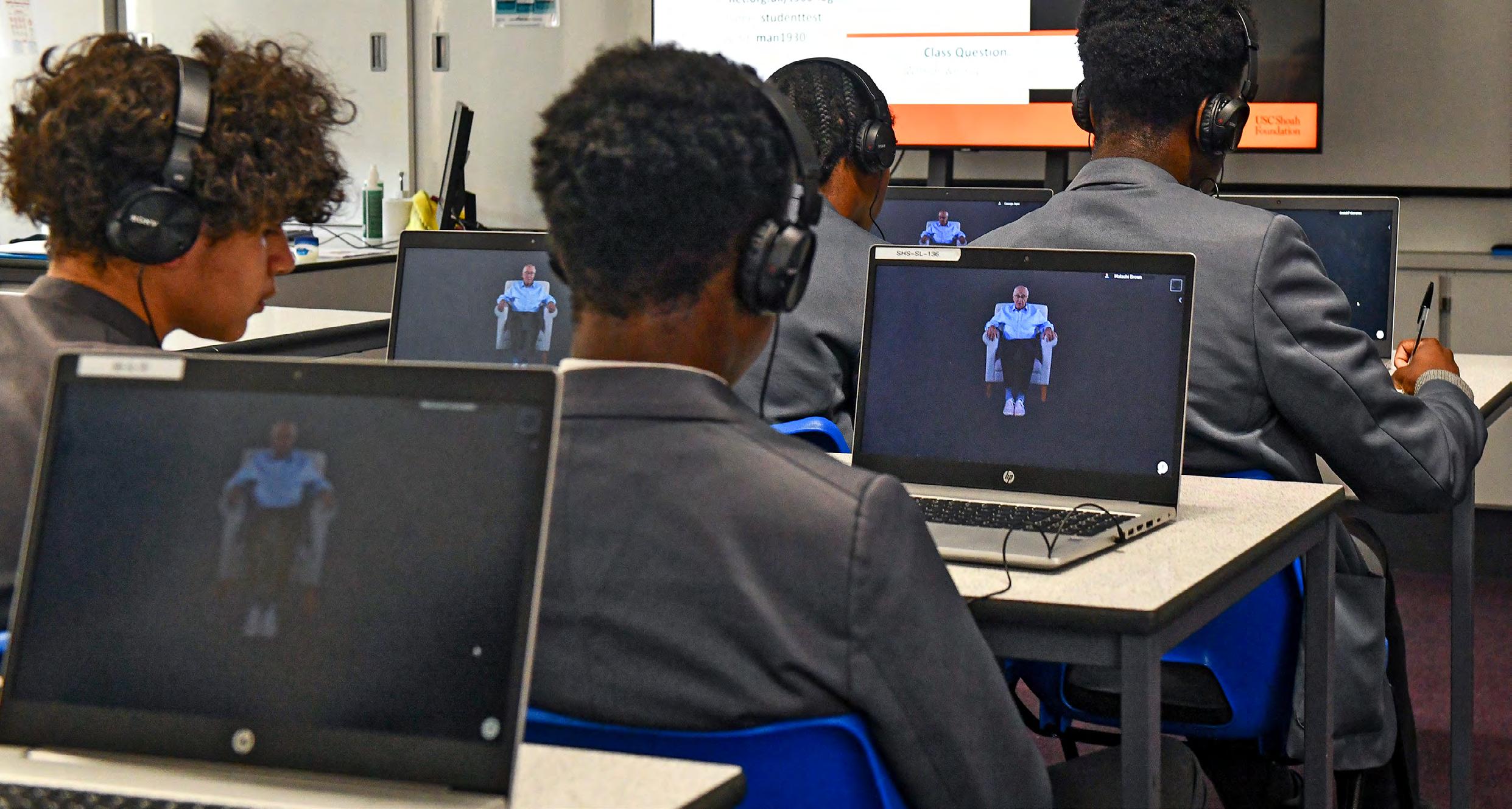
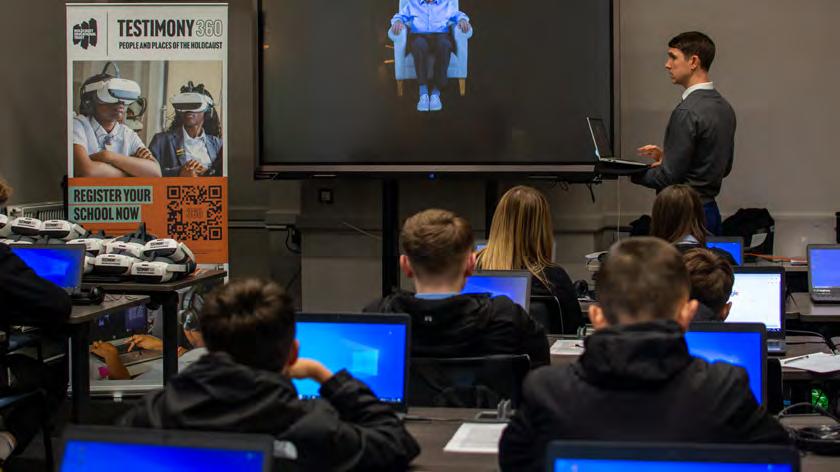
What makes Testimony 360 genuinely exciting is how it transforms students from passive listeners into active historical thinkers. Through recorded, interactive testimony, students are able to ask their own questions to Holocaust survivors. and see their questions matched to authentic, pre-recorded answers from a survivor, creating a personal and student-led learning experience.
Alongside this, virtual reality allows students to explore recordings of Holocaust-related sites as they are today without leaving the classroom. When used thoughtfully, VR offers a stronger sense of place, helping students contextualise testimony within the physical realities of history, without overwhelming or sensationalising the experience.
What reassured me most as an educator was how firmly Testimony 360 is anchored in strong pedagogy. Students are carefully prepared, supported during the session by trained educators, and given structured opportunities to reflect during the session and afterwards, ensuring testimony is reconnected to the wider historical narrative.
This emphasis matters. Recorded testimony, and other forms of firsthand voice, are not standalone resources. Their impact lies in how they are embedded within thoughtful teaching, framed by clear historical context, careful questioning and space for reflection. Teachers remain the bridge between a human voice and a young person’s understanding of the Holocaust.

This is particularly important in digital environments where young people may encounter misinformation or decontextualised content. Used well, technology can open access to voices otherwise out of reach, but it demands ethical, critical and responsible use, guided by teachers.
Just as importantly teaching through Holocaust survivor testimony removes barriers to access. Delivered free of charge to schools across England, this programme brings a full class brings a full class set of VR headsets and search powered AI materials directly into the classroom, ensuring high-quality Holocaust education is not limited by budgets or geography.
Ultimately, Supporting Holocaust Survivor Testimony in Teaching offers something History teachers constantly strive for: lessons that stay with students long after they leave the classroom. By combining authentic survivor testimony, innovative digital tools and strong teacher guidance, it creates moments where history feels meaningful and students are deeply connected with the human stories of the Holocaust.


Turn survivor testimony into impactful learning with classroom‑ready resources and innovative technology.
Supporting Holocaust Survivor Testimony in Teaching brings together flexible, curriculum-aligned resources and advanced technology, including AI and VR, to help embed recorded survivor testimony more deeply into your teaching. Through interactive and immersive classroom experiences, survivors’ voices can continue to be heard by future generations.
REGISTER TODAY

A spotlight on student readiness: Helping learners thrive into the future
By Les Hopper Product Director, Pearson
Education has always played a key role in preparing students for their futures. And the latest research from the Pearson School & College Report 2026 shows that students agree.
Almost 9 in 10 school students (89%) say “learning things that will help [them] in everyday life” and “learning skills that will help [them] get a job in the future” is important to them, making these just as important for young people as “getting good grades” (88%).
Yet the findings also show that only half (52%) of educators think they’re currently preparing students to be ready for further study or training, and less than a third (31%) think they’re readying students for future careers.
What’s more, 78% of school students would like to learn more subjects/topics to prepare them for their future.
So, how do we nurture students’ future readiness, equipping them with what they need to thrive in work, life and relationships?
Part of the answer may lie in placing greater emphasis on life skills: showing students the opportunities those skills can unlock, whatever subject they are studying now. For example, maths can help pave the way to becoming a firefighter, an architect or an engineer. Creative subjects can lead to a career in healthcare, project management or the film industry, and languages can boost opportunities within the football industry, hospitality sector or journalism. Likewise, scientific knowledge plays a vital role in becoming a conservationist, a shoe designer or scuba diving instructor.
At a time when almost six in 10 (59%) teachers say student disengagement will be one of the biggest barriers to learning in their school, connecting how
the knowledge they’re learning in their classrooms is relevant to their futures is crucial. Not only can it help bridge the gap between education and the world of work, but also inspire new enthusiasm for learning.
Thankfully, there are some great free resources out there to show young people real stories, real people and real skills that challenge assumptions, spark curiosity and motivate learners by showing the wide variety of careers students may or may not necessarily match with different subjects.
“
“78% of school students would like to learn more subjects to prepare them for their future.”



Languages in Life connects language learning to real life through a huge range of inspiring resources, stories and student events. Explore careers, conversations, mentors and more.
Your Future in Maths helps students see where maths can take them. View our video collection covering careers from camera work to weather forecasting.
Creative Careers puts the spotlight on careers underpinned by creativity, whether that’s pursuing the arts, rethinking care work, sparking innovation in STEM, or more besides. Access our range of inspiring clips and downloads.
You
can also explore this year’s Pearson School & College Report online.
Rapid Plus
Unlock reading confidence for SEND and struggling readers
Tailored to SEND and struggling readers at Key Stage 3
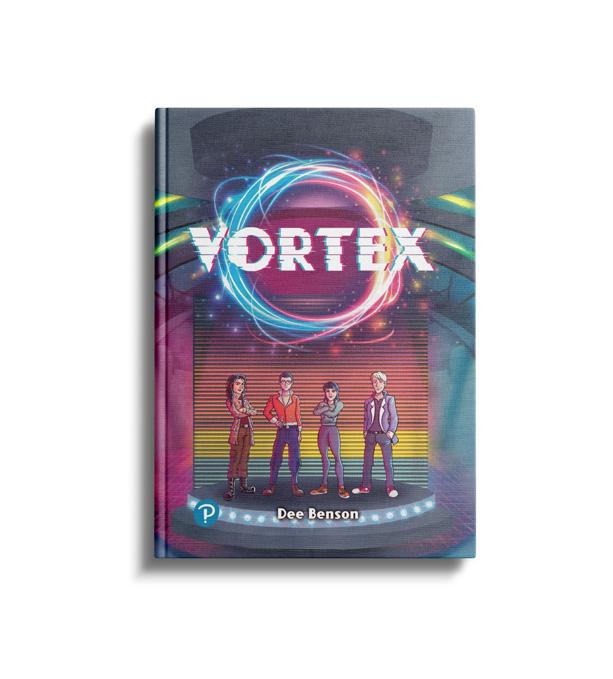
Rapid Plus is a powerful intervention series that helps students who are below their expected reading age to catch up quickly, so they can access the full curriculum.




Rapid Plus includes
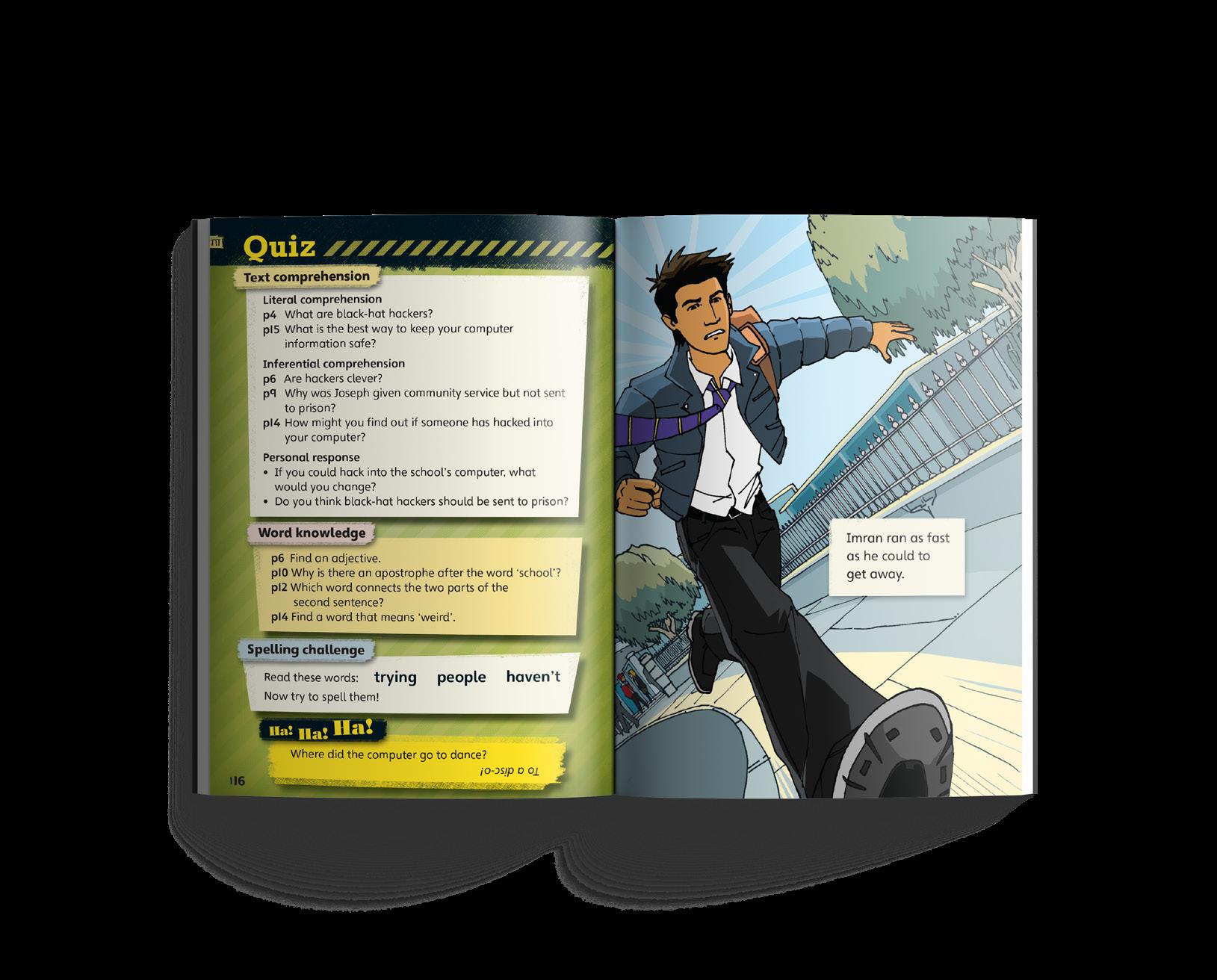
Reading books, teaching guides and assessment resources
ActiveLearn digital platform (ActiveHub coming soon)
Dyslexia-friendly font and colour scheme
“Read to me” feature for independent reading
Engaging topics and age-appropriate content
Explore the series
The modern classroom
How tech and targeted resources are reshaping teacher workloads and student support.

AI as a pragmatic workload savior
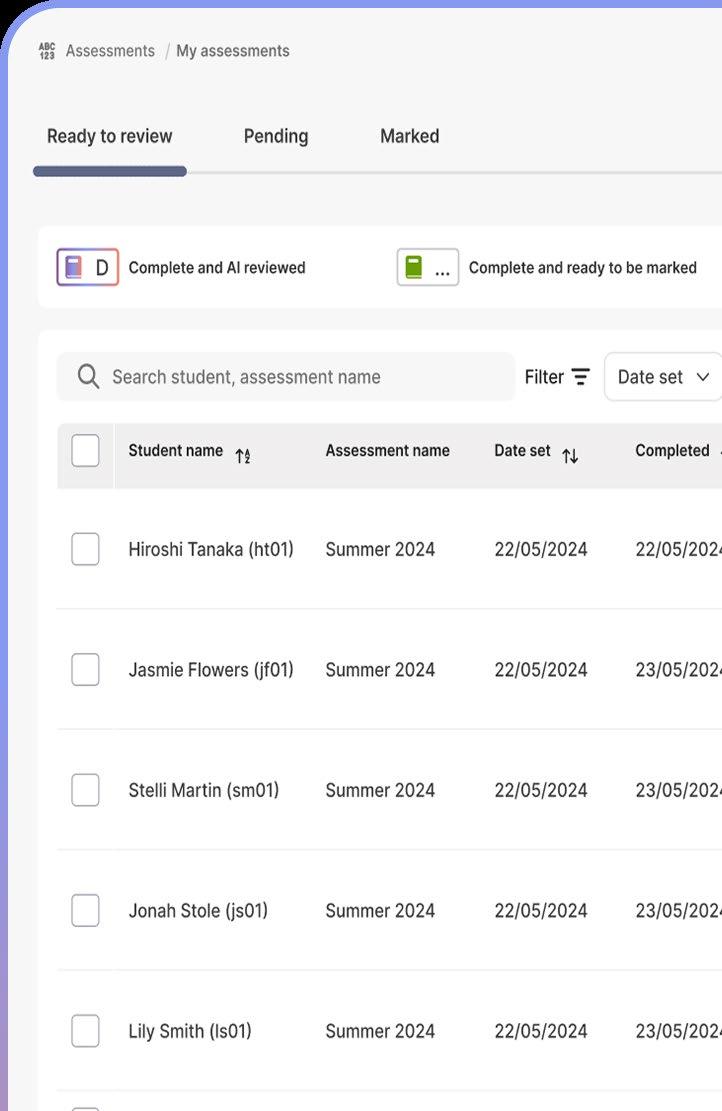
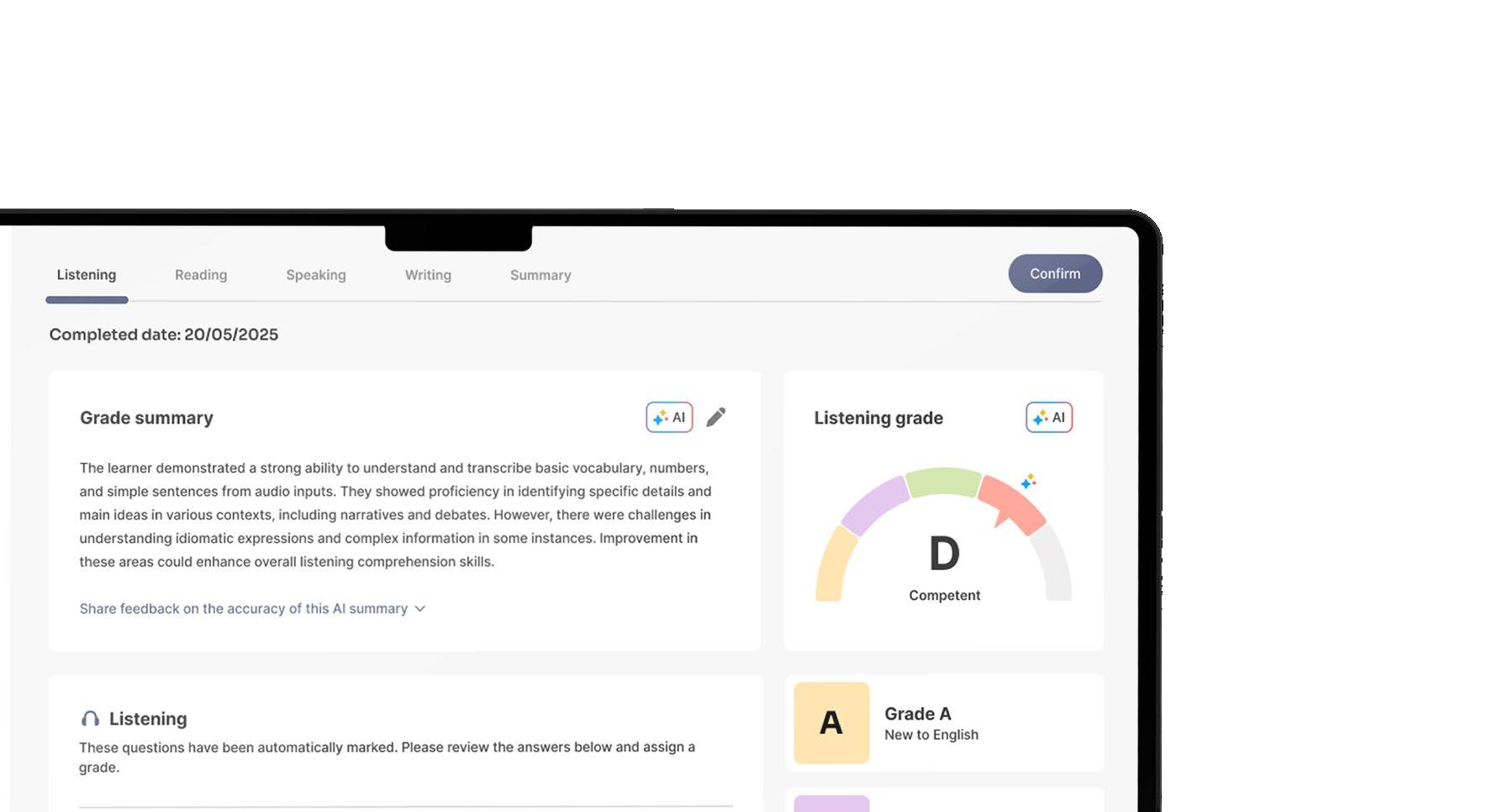
Artificial Intelligence has emerged as a powerful, practical ally for overburdened teachers looking to reclaim their time. A solid 59% of teachers using AI are motivated primarily by workload reduction, leveraging these tools to save time on admin tasks, email drafting, and lesson planning. General Large Language Models (LLMs) like ChatGPT, Claude, and Gemini are leading this charge, being utilised by 64.9% of our teaching community. By successfully tackling the administrative ‘hidden workload’, AI is helping teachers streamline back-office tasks so they can focus more energy on the core, relational aspects of their roles.
Remote Learning as a Compassionate Safety Net
Remote learning provision is successfully evolving from a chaotic pandemicera emergency response into a sustainable, long-term strategy. It is increasingly viewed by alternative and mainstream settings as a vital ‘bridge’ and a highquality safety net for vulnerable students who cannot access physical classrooms. Specifically, our teachers see massive value in using remote platforms to support complex cases, including 29.1% targeting long-term medical absences and 26.7% addressing emotionally based school avoidance (EBSA). This allows schools to maintain academic momentum and respect students’ mental health needs without overstretching on-site staff.



Targeted Success in Supporting SEND Students
Despite broader budgetary and resource integration challenges, current classroom materials are achieving measurable, targeted success in inclusive education. Approximately 27.5% of teachers explicitly highlighted that their current resources are highly effective at supporting Special Educational Needs and Disabilities (SEND) alongside differentiated learning. Looking ahead, there is an active, forward-thinking desire to build on this success; 22.1% of teachers are actively prioritising future investments in accessibility and specialised aids to ensure 100% classroom inclusivity without adding to their admin tasks.
The next edition of The Classroom Compass will be our ‘Back to School’ issue, exploring topics including Year 7 transitions, exam preparation methods and most importantly how your fellow teachers are feeling for the new school year! Don’t miss the next issue on Thursday 10th September!
To ensure your opinion feeds into future editions of The Classroom Compass, sign up to Only for Teachers and complete our weekly surveys!