Handcrafted Women’s Shoes: Where
Comfort, Craftsmanship, and Style Meet
Choosing the right shoes is about more than simply completing an outfit. The right pair supports your posture, reflects your personal style, and can influence how comfortable you feel throughout the day. In a fashion landscape where mass production is common, many women are paying closer attention to quality, fit, and design. That is one reason why handcrafted womens shoes continue to attract attention from women who want something more thoughtful and lasting.
Handcrafted footwear offers a different experience from factory-made options. It often involves better attention to detail, more careful construction, and a stronger emphasis on materials and finish. Whether you are looking for everyday flats, occasion-ready sandals, or traditional juttis for women, handcrafted shoes often deliver a balance of comfort and style that is difficult to find in disposable fashion.
This article explores why handcrafted shoes matter, what makes them different, and how they fit into the wider world of footwear for women. It also looks at how women can choose styles that support both function and aesthetics without compromising on quality.
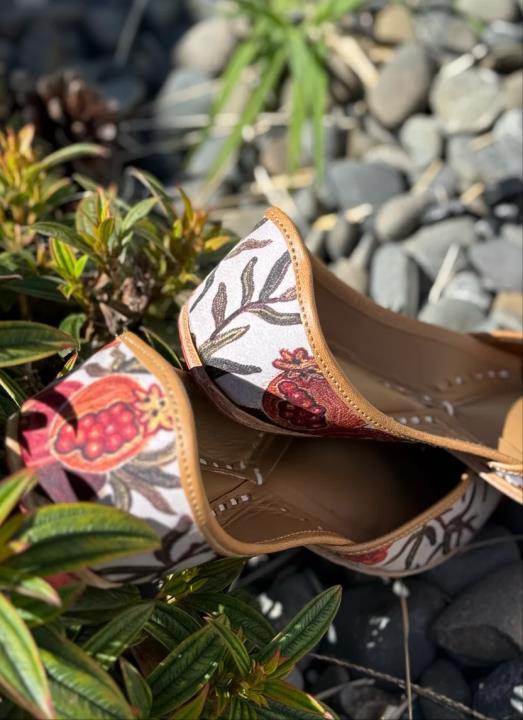
Why Handcrafted Women’s Shoes Continue to Matter
The footwear industry offers endless choices, but not all shoes are made with the same level of care. Many women have experienced buying a stylish pair of shoes only to discover that they are uncomfortable, poorly fitted, or quick to wear out. This is often where handcrafted footwear stands apart.
Handcrafted womens shoes are generally designed with a more intentional process. Instead of focusing only on speed and quantity, craftsmanship prioritises structure, shape, and detail. The result is often a better-fitting and more durable shoe that feels considered rather than rushed.
There is also a growing interest in slower, more mindful fashion choices. Women are increasingly seeking pieces that can be worn repeatedly and styled in multiple ways. Handcrafted shoes often align with this approach because they are designed to last longer and remain relevant beyond short-term trends.
A Shift Away from Disposable Fashion
Fast fashion has made it easy to buy shoes at low prices, but low cost often comes with tradeoffs. Materials may wear down quickly, soles may lose support, and stitching can fail after limited use. This creates a cycle of replacement that is not always practical or economical.
Handcrafted footwear offers an alternative. A well-made pair of shoes can often outlast several cheaper pairs, making it a more sensible long-term choice. For women building a functional wardrobe, quality usually matters more than quantity.
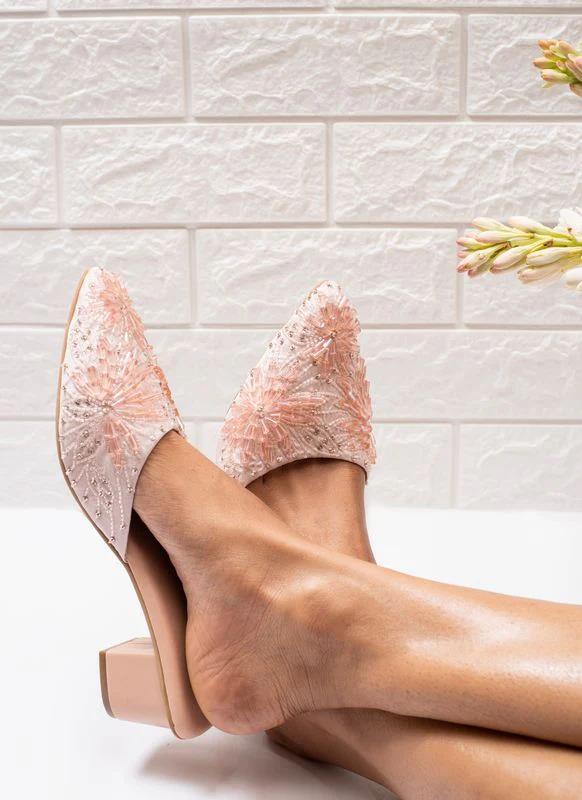
What Makes
Handcrafted Shoes Different?
The difference between handcrafted shoes and mass-produced footwear is not always visible at first glance, but it becomes clearer over time. The feel, fit, and longevity of a shoe often reveal how carefully it was made.
Attention to Construction
One of the most important features of handcrafted shoes is construction. The stitching, shaping, and finishing are often completed with greater precision. This can influence not only how the shoe looks but also how it performs with regular wear.
Well-constructed shoes are less likely to lose shape quickly. They also tend to provide more reliable support across the sole and upper structure.
Better Material Selection
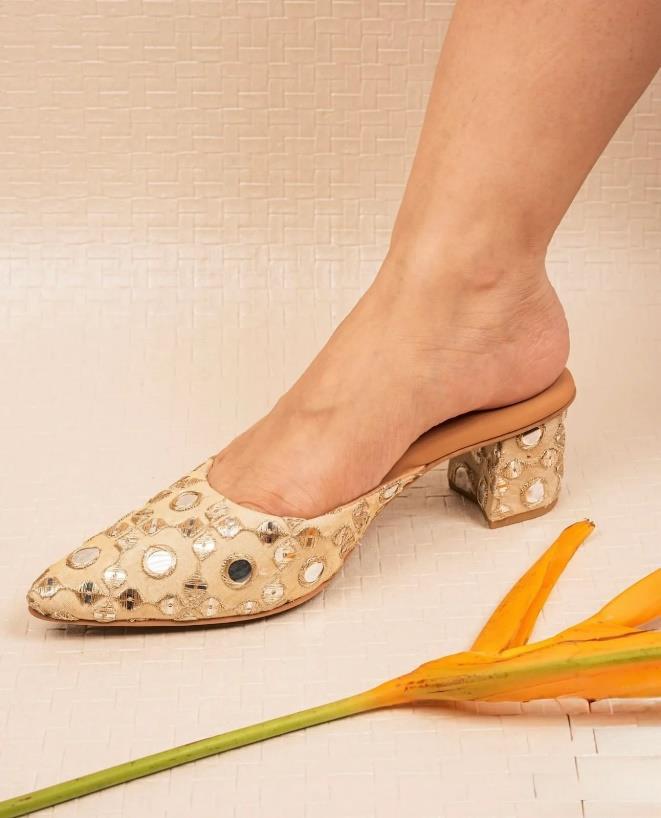
Materials have a direct impact on comfort and durability. Many handcrafted styles use carefully chosen leather, fabric, linings, or soles that improve wearability. While material choice can vary by design and purpose, the emphasis is usually on function as much as appearance.
This is especially relevant in categories like ladies footwear, where women may want shoes that can transition from long workdays to social occasions without causing discomfort.
Thoughtful Design
Handcrafted shoes are often designed with a stronger sense of proportion and balance. This can make a difference in how a shoe sits on the foot, how it supports movement, and how easily it pairs with different outfits.
Traditional and modern styles both benefit from this kind of attention. For example, elegant juttis for women can be made to look refined while still feeling comfortable enough for extended wear.
The Role of Comfort in Women’s Footwear
Comfort is no longer treated as secondary to style. For many women, it is one of the most important factors when choosing shoes. This is especially true for those who spend long hours walking, standing, commuting, or attending events.
A shoe that looks attractive but feels difficult to wear rarely becomes a wardrobe staple. That is why comfort should be part of every footwear decision.
Features That Influence Comfort
Several factors contribute to whether a shoe feels comfortable:
• Sole flexibility
• Arch support
• Breathable lining
• Toe box space
• Heel balance
• Weight of the shoe
• Material softness
In footwear for women, these details are often overlooked in favour of trend-driven design. Handcrafted shoes are more likely to include practical features without sacrificing appearance.
Why Fit Matters More Than Trend
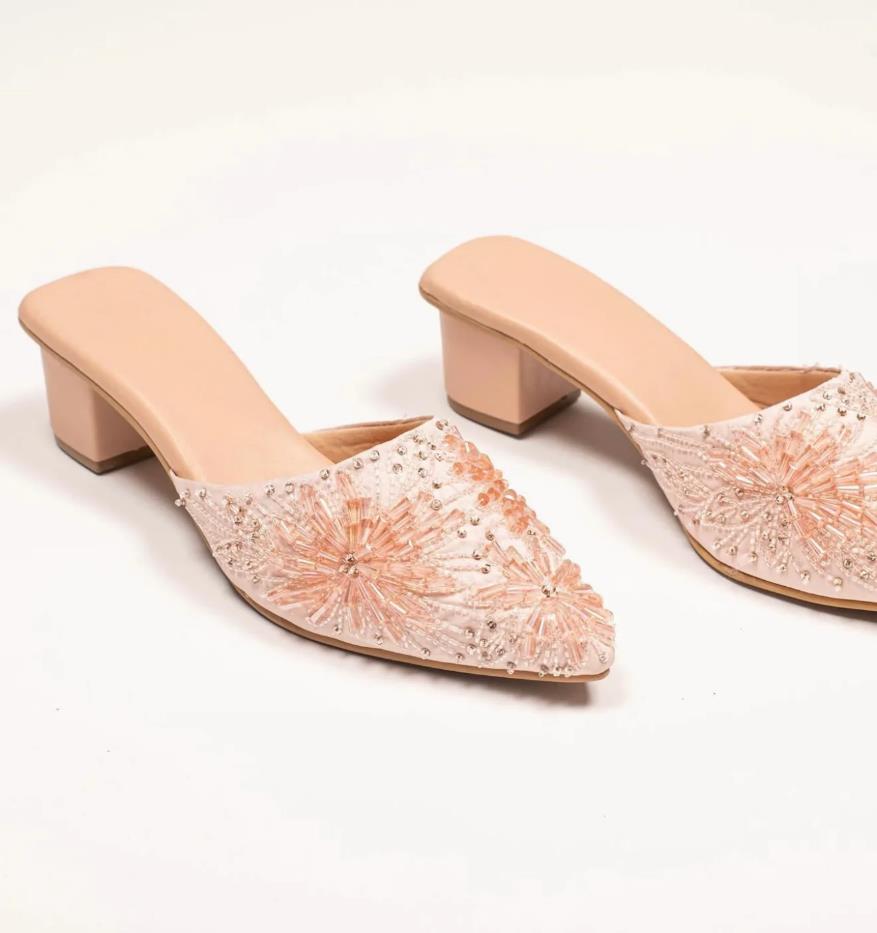
A common mistake in buying ladies footwear is choosing based only on style. While design matters, fit should always come first. Even the most elegant pair will not work well if it pinches, slips, or lacks support.
Handcrafted shoes often provide a more structured fit because they are designed with shape and wear in mind. This can make them a better option for women who want to avoid the common discomfort associated with synthetic, poorly balanced footwear.
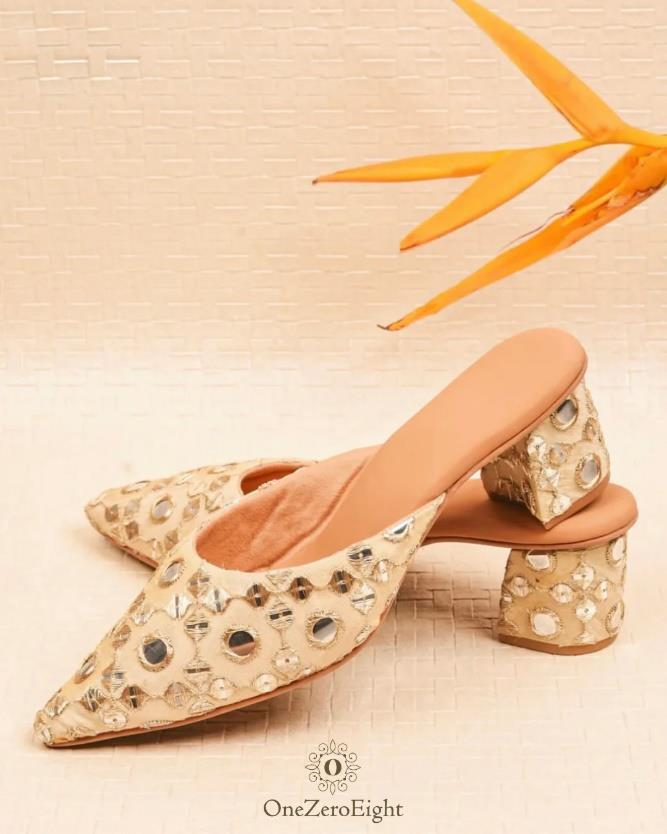
Popular Types of Handcrafted Women’s Shoes
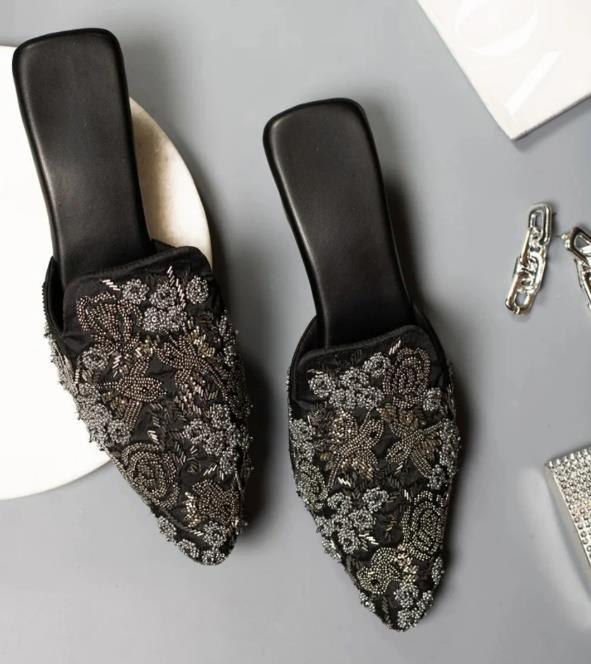
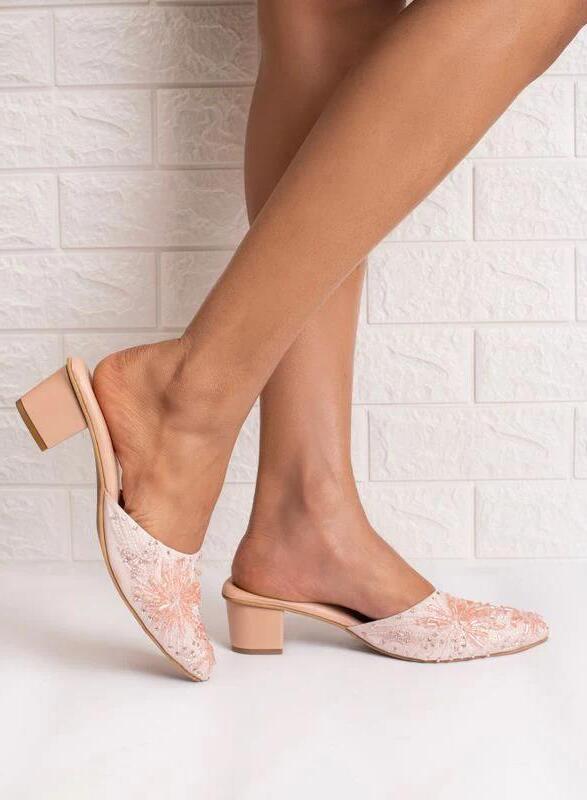
The category of handcrafted womens shoes includes a wide variety of styles. Different occasions, climates, and personal preferences all influence what works best.
The table below outlines common types of handcrafted women’s footwear and how they are typically used.
Why Juttis for Women Remain a Timeless Choice
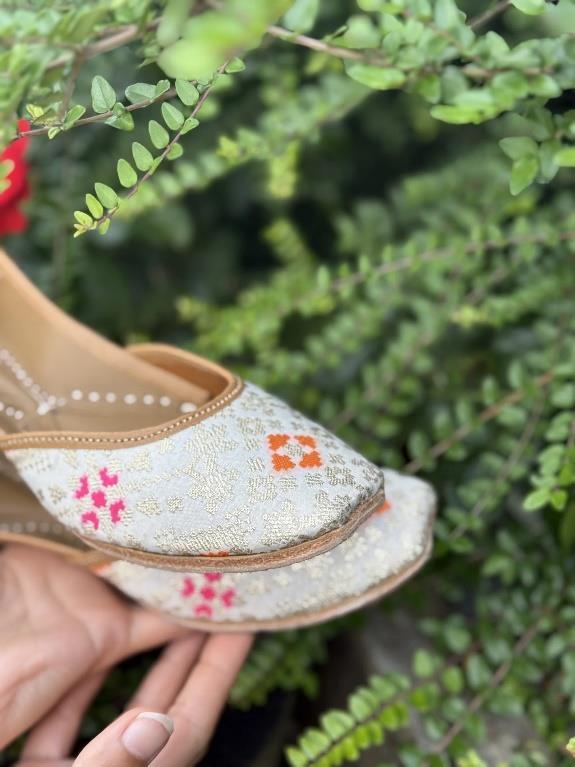
Among traditional styles, juttis for women continue to hold a strong place in contemporary wardrobes. Originally rooted in South Asian design traditions, juttis have evolved into versatile shoes that work across both festive and everyday dressing.
Modern handcrafted juttis are often appreciated for their elegant silhouette, flat structure, and adaptability. They can be paired with kurtas, sarees, co-ord sets, denim, or even simple dresses. Their flexibility makes them one of the most practical additions to a women’s shoe
Traditional Craft Meets Modern Styling
What makes juttis especially appealing is the way they bridge old and new. Many handcrafted versions retain traditional techniques while adapting shape, padding, and finishing for modern comfort.
This makes them relevant not only for cultural events but also for women who want footwear with personality and heritage without giving up usability.