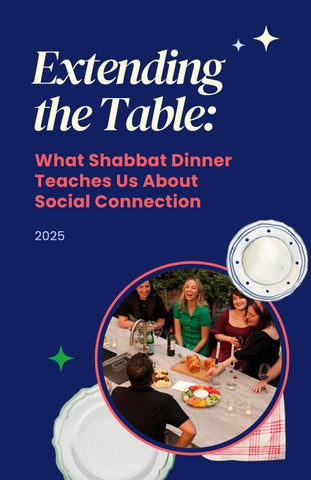
WhatShabbatDinner TeachesUsAbout SocialConnection



TableofContents
Researcher'sNotes
InBrief:What,Why,Who,andHow
FirstCourse:Lonelinessand the Powerof ShabbatDinner
SecondCourse:ThePowerof Participation—BeingattheTable ThirdCourse:NavigatingIdentity, Isolation,andBelonging
DearReader,
Young adults are experiencing social isolation and loneliness in huge numbers, all around the world Devices intended to bring us closer together instead seem to be keeping us apart For more than a decade OneTable has utilized Shabbat dinners for young adults as a method of creating community, and in October 2025, together with CASJE (Collaborative for Applied Sciences in Jewish Education) at the George Washington University, we set out to examine whether Friday night Shabbat dinner, a weekly ritual rooted in Jewish tradition, could lead to social connection. We wanted to determine if and how this ritual could measurably reduce loneliness, strengthen community ties, and promote well-being. In short, we wanted to find out if Shabbat dinner is a proven antidote to loneliness
What we found is powerful: Friday night Shabbat dinner does indeed improve social connectedness, offering benefits that go beyond those of other social gatherings. Even more powerful is the astounding finding that even after just ONE Shabbat dinner participants felt an increase in social connection. These effects aren’t driven by single ritual or action, but rather of simply experiencing the holistic container of Shabbat however it is filled. Whether it’s a meal with friends old or new, with take out or five courses, with a curated playlist or with intentional silence, each week Shabbat dinner provides an opportunity to remedy loneliness.
This report is for anyone invested in building connection, whether through Jewish life or beyond We hope it sparks new conversations, informs program design, and inspires others to explore how enduring spiritual practices can address urgent human needs
With gratitude and excitement,
Julia Logan Labow
HowcanShabbatdinnerbeatoolto supportresilient,thrivingcommunities?
Thisexploratorystudy,developedviaaspecialpartnershipbetweenCASJE andOneTable,isrootedinasharedinterestinhowJewishengagement cansupportconnection,socialwell-being,andtherepairoffrayedsocial ties ThroughourResearch-PracticePartnership,wedesignedastudyto learnwhetherShabbatdinnercanbeatooltobuildsocialconnection.
Agrowingbodyofevidencesuggeststhatrobustsocialconnections contributetobettermentalandphysicalhealth,andouroverallsenseof well-being.WealsoknowthatyoungerAmericanadultstodayreport feelinglonelierthanolder Americanadults CanShabbatdinnerhelp?
Analyzingdatacollectedthroughanexperiment,anobservationalstudy, andopen-endedinterviews,wefoundthatpeopleinourstudywho participatedinaShabbatdinnershowedmorepositivechange,thatis, theyreportedmoreimprovementsinlonelinessandsocialwell-being, comparedtothosewhoparticipatedinotherkindsofsocialplans.This suggeststhattheremaybeanaddedbenefittowell-beingfrom participatinginaShabbatdinnerbeyondanygeneralpositiveeffectof gatheringatall.Importantly,thosewhowerethemostsociallyisolated showedthemostpositivechange
Weinviteyoutobegintoexplorethestudy’skeyfindingsinthisreport developedbyOneTablestaffespeciallyfortheOneTablecommunity Ifyouwouldliketotakeadeeperlookattheevidencebehindthis report’sclaims,data,andresults,youcanfindapre-printavailable atcasjeorg/pre-print/shabbat-dinner-social-connection,offeringan advancelookatresearchbeforeithascompletedapeer-reviewprocess
Shabbatdinnerisanaccessible,flexible,andappealingpracticerooted inmillenniaofreligioustradition,aspecialeventthatoccurs52timesa year.ItoffersanopportunitytoconnectwithJewishheritageandbuild community.OurstudysuggeststhatShabbatdinnercanalsosupport benefitsforsocialconnectionandwell-being
Sincerely,
Arielle Levites, PhD ExecutiveDirector, CollaborativeforAppliedStudiesinJewishEducation(CASJE)
What,Why, Who,andHow IN BRIEF:
What Why
In2023,theU.S.SurgeonGeneralissuedalandmarkadvisory identifyinglonelinessandisolationasurgentpublichealthissues. EvenbeforetheCOVID-19pandemicintensifiedsocialdisconnection, GenZandMillennialsreportedfeelinglonelierandinworsehealth thanoldergenerations.Evenmorestartling,theSurgeonGeneral’s 2023advisoryabouttheepidemicoflonelinesscitedhowloneliness andthelackofsocialconnection:
Increases the risk of premature death by nearly 30%.
Carries a mortality impact comparable to smoking up to 15 cigarettes per day.
Is associated with increased risks for anxiety, depression, and dementia.
TounderstandhowShabbatdinneraffectssocialconnection. Asthealarmingincreaseandthehealthrisksofsocialdisconnection werebecomingpubliclyrecognized,theTempletonWorldCharity Foundation’sScienceofReligiousandSpiritualExercises(SoRSE) initiativecalledformoretargetedresearchspecificallyonhow spiritualpracticesaffecthumanflourishing.Thisstudy,Extendingthe Table:DoesShabbatDinnerasaSpiritualPracticeIncreaseSocial Connectedness?respondsdirectlytothatcall.
1. Office of the U S Surgeon General (2023) Our epidemic of loneliness and isolation: The U S Surgeon General’s advisory on the healing effects of social connection and community U S Department of Health and Human Services https://www hhs gov/sites/default/files/surgeon-general-social-connection-advisory pdf
2 Cigna (2018, May 1) Cigna’s U S Loneliness Index: Survey of 20,000 Americans examining behaviors driving loneliness in the United States [PDF] Cigna https://www multivu com/players/English/8294451 cigna us loneliness survey/docs/IndexReport 15240693 71598 173525450 pdf
3 Holt-Lunstad J, Smith TB, Baker M, Harris T, Stephenson D Loneliness and social isolation as risk factors for mortality: a metaanalytic review. Perspect Psychol Sci. 2015;10(2):227-237, as cited in Office of the U.S. Surgeon General, 2023
4 Holt-Lunstad J, Robles TF, Sbarra DA Advancing social connection as a public health priority in the United States Am Psychol 2017;72(6):517-530, as cited in Office of the U S Surgeon General, 2023
5 Penninkilampi R, Casey AN, Singh MF, Brodaty H The Association between Social Engagement, Loneliness, and Risk of Dementia: A Systematic Review and Meta-Analysis J Alzheimers Dis 2018;66(4):1619-1633 & Lazzari C, Rabottini M COVID-19, loneliness, social isolation and risk of dementia in older people: a systematic review and meta-analysis of the relevant literature Int J Psychiatry Clin Pract 2021:1-12 , as cited in Office of the U S Surgeon General, 2023
The goal: To find out if and how Shabbat dinners help people feel more connected to others and improve their overall social well-being. The study looks at key parts of a Shabbat dinner: sharing food, marking the Sabbath, as well as other components of gathering, and how each component might help people feel less lonely and more supported.
SHABBATDINNER101
InJewishtradition,theworldwascreatedinanevolutionofsevendays: sixdaysofworkthatculminateintheseventhday,theSabbathor Shabbat,adayofrest Shabbatisnotapostscript;itdoesnotoccurafter creation,itispartoftheseven-dayevolution Judaismteachesthatwe, humanbeings,areresponsibleforcontinuingtheworkofcreationto maketheworldabetterplace,dayafterday,weekafterweek.Thatwork requiresrest,theworkrequiresShabbat


AccordingtoJewishlaw,ShabbatbeginsjustbeforesunsetonFridayandlas nightfallonSaturdayItisaweeklyopportunitytopause,reflect,andexperien timeAnobservantShabbatwouldincludeattendingprayerseitherinasmallgrouporat synagogue,gatheringwithfriends,family,andcommunity,andspendingthistimewithout technologyor"work"ofanykind
TomarkthebeginningofShabbat,manyJewishpeoplestartwithFridaydinnerasa relevantwaytoconnectandendtheweekwithmeaning,joy,andintentionTherearealso variousritualsthatcanbeapartofShabbatdinner lightingcandles,sayingablessing overthewine(Kiddush),ritualhandwashing,sayingablessingoverthebread(HaMotzi), andagratitudeblessingattheendofthemeal(BirkatHamazon)
The study was proposed because researchers recognized Shabbat’s potential to foster social connection, especially at a time when many people, particularly young adults, were experiencing heightened loneliness and division in the aftermath of the pandemic. Since then, shifts in political climate and a rise in antisemitism have further intensified these challenges for Jewish young adults in particular.
ThenumberofyoungJewishadultsexperiencingsocial disconnectionintheU.S.hasescalatedintheaftermathof theOctober7,2023attackonIsrael. Since the horrific October 7 attack and the subsequent war in Gaza, increasing antisemitism and polarizing opinions around Israel have left some young Jews feeling increasingly isolated – making finding answers to the problems of loneliness and isolation for the Jewish community more urgent than ever.
6
6. Samuel, N., Levine, D., Wright, G., Hecht, S., Volodarsky, S., & Saxe, L. (2024). Campus Voices: Jewish Students' Experiences of Antisemitism at US Colleges
Who
Sometimesittakesavillage,sometimesittakesaresearch-practice partnership.
The research side of the table includes:
The Collaborative for Applied Studies in Jewish Education (CASJE) at George Washington University headed by Dr. Arielle Levites, principal investigator on the study. CASJE is committed to developing actionable, evidence-based solutions to respond to important questions facing the American Jewish community.
Dr. Julianne Holt-Lunstad, professor of psychology and neuroscience and director of the Social Connection & Health Lab at Brigham Young University, whose research has been pivotal in highlighting the profound health implications of social isolation and loneliness. In a comprehensive meta-analysis involving over 300,000 participants, she found that individuals with strong social relationships have an increased likelihood of survival compared to those with weaker social ties. 7
“Thedataisvery clearHaving moreandbetter socialconnections isassociatedwith asignificantly decreasedrisk ofmortality.”
–Dr.Julianne Holt-Lunstad
Pullingupachaironthepracticesideofthetable: OneTable,aNorthAmericannonprofitthathasbeensupporting peer-ledShabbats,focusingonyoungJewishadults,since2014. Today,OneTablesupportsmorethan600dinnerseachweek,and theircontinuousdatacollectionandexperientialevidenceshow thatShabbatdinnerisapowerfulwaytocreateconnectionand community.
ThetaskforthispartnershipwastoinvestigatetheimpactofShabbat dinnerandtodeterminewhatcomponentsmakeitparticularly beneficialforsocialconnection.Areallcomponentsnecessaryfor everyone?Whatarethepracticalimplications?AndcanShabbat dinnersbeadaptedtoreducelonelinessandincreasesocialwellbeingforothercommunalorfaith-basedorganizations?
7. Holt-Lunstad, J , Smith, T B , Baker, M , Harris, T , & Stephenson, D (2015) Loneliness and social isolation as risk factors for mortality: a meta-analytic review Perspectives on psychological science : a journal of the Association for Psychological Science, 10(2), 227–237 https://doi org/10 1177/1745691614568352
How
Ourmethodology,orhowwemeasuredsocialconnection.
Overthecourseofthreeyears,theresearchteamusedamixedmethodsapproach.Employingwell-knownandscientificallyvalidated scales,theteamcombinedinsightsgeneratedfrompractitionerinput, anexperimentalstudy,alarge-scaleobservationalstudy,andalso usedtoolslikefocusgroupsandinterviewstolearnfromover1,000 participants
Intheexperimentalstudy,whichusedaclusterrandomizedtrial design,groupsofparticipantswererandomlyassignedtoavariation onaShabbatdinnergathering.Forinstance,researcherswere interestedintestingwhethertheimpactofthegatheringvarieswhen theeventtakesplaceonaFridaynightvsaTuesdaynight Similarly, thestudyexaminedwhetherthepresenceorabsenceofthefood duringthegatheringhasanimpactonperceptionsofsocial connection
ExperimentalStudy
Wehad47experimentalgatherings andcollecteddatabothpre-and post-gatheringfrom156participants
Thegoal:todeterminewhichfacets ofgatheringsmostinfluenced feelingsofconnection
ObservationalStudy
Weheardfrom1,020participants,no matterwhattheydidonFridaynight
Thegoal:tounderstandwhether Shabbatdinnergivesaddedbenefit comparedtootherFridaynight socialactivities
The observational study recruited participants from the OneTable list and asked them to take a pre-survey before Shabbat and a postsurvey after Shabbat, regardless of how they spent their Friday night For this part of the study, which took place over two Fridays in July of 2024, we heard from people who did all sorts of different things from staying at home by themselves and ordering takeout, to attending synagogue or Shabbat dinners, to going out with friends to bars or restaurants We collected 1,020 pre- and post-surveys for this observational study
8 Collaborative for AppliedStudies in JewishEducation (CASJE), Shabbat Dinner Study Instrument Guide, September2024, Graduate School of Education and Human Development, George Washington University, https://www casje org/resources/shabbat-dinner-study-instrument-guide
In both the experimental and observational studies, the focus was on examining how Shabbat dinner practices can promote social connectedness. To capture social connectedness, the researchers focus on four main outcomes: general loneliness, daily loneliness, social warmth, and social well-being. The team also measured factors like belonging, trust, and sense of meaning. To capture these constructs, the researchers used validated psychological scales.
Most of the analyses for both the experimental and observational studies focus on average changescores, the average difference between posttest and pretest scores. Given the mild nature of the intervention (one social gathering), small differences are meaningful. To detect meaningful differences, we report effectsize (calculated using Cohen’s d), a measure that quantifies the size of the difference between specific groups. We interpret any effect of 0.10 or greater to be of practical significance – meaning it’s a difference that matters.

Interested in more information about the study’s methodology and measurement tools? You can access more information and the full survey instrument *here.

twediscovered cametoour ’sdigin!
* Collaborative for Applied Studies in Jewish Education (CASJE), Shabbat Dinner Study Instrument Guide, September 2024, Graduate School of Education and Human Development, George Washington University, https://www casje org/resources/shabbat-dinner-studyinstrument-guide
1 Course st
LonelinessandthePowerofShabbat Dinner

ShabbatDinnerLessensLonelinessEspeciallyfortheMostIsolated
Why Shabbat dinner feels different
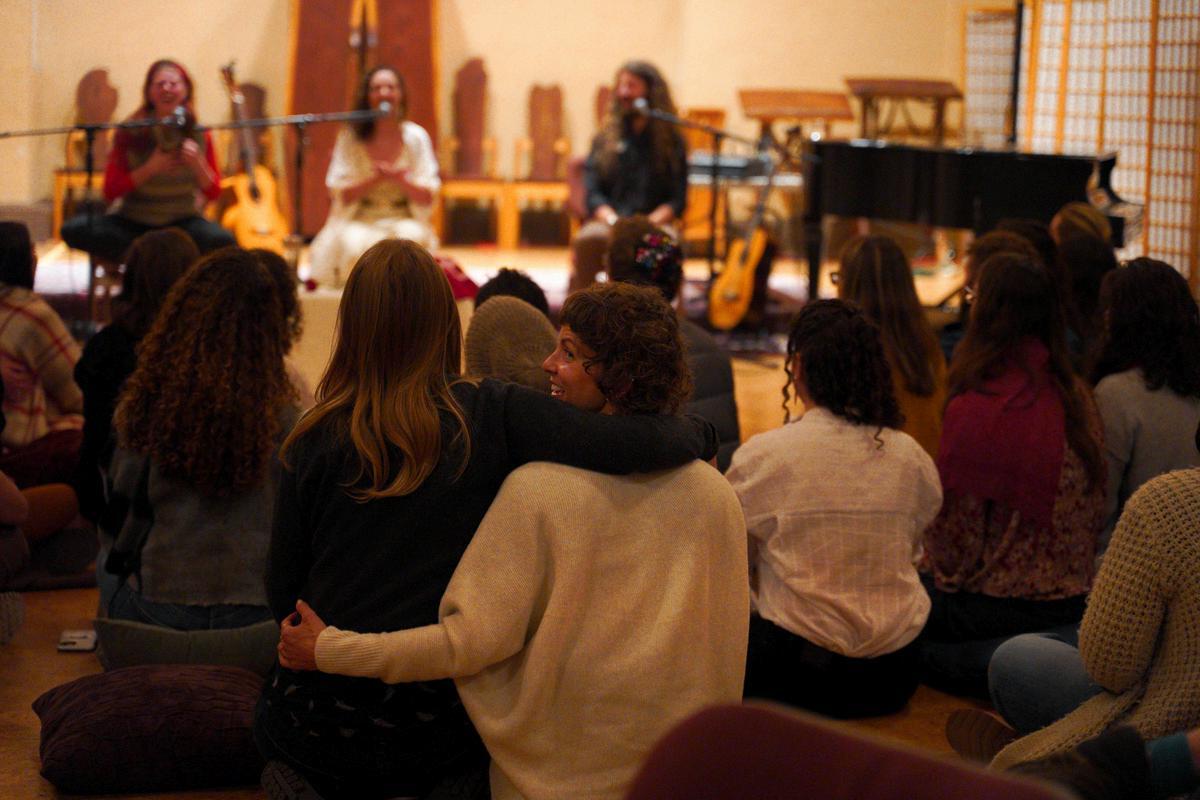
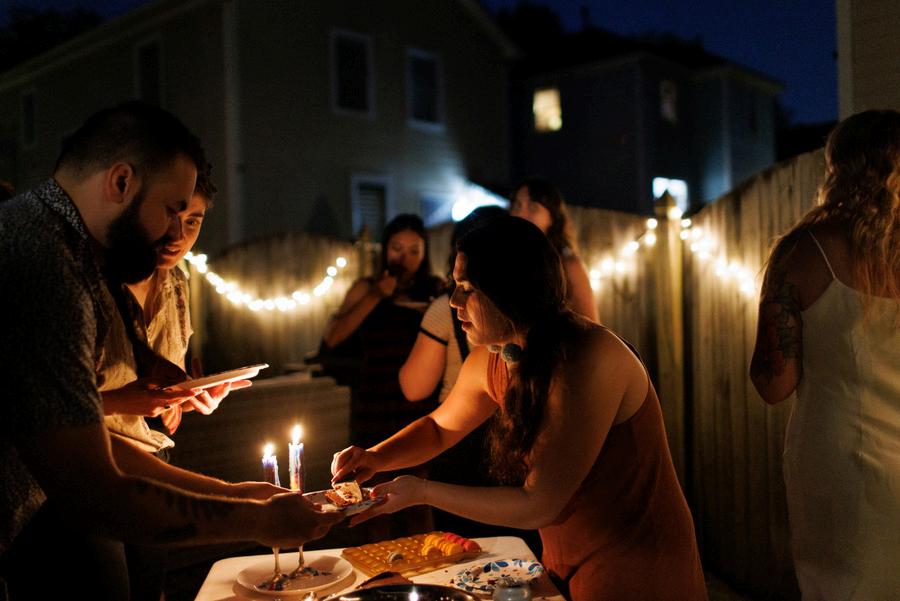
More than other social gatherings, Shabbat dinner reduces loneliness and boosts social well-being – even after just one Friday night! In our study, we found that Friday night Shabbat dinners have more benefits than other social plans on Friday night.
+ Positive change (decrease of loneliness or increase of social warmth/well-being)
-Negative change (increase of loneliness or decrease of social warmth/well-being)
++Positive change is higher compared to the other group (effect size >010)
Note:Basedontheobservationalstudy,controllingfordemographiccharacteristics Effectsizesof0.10orlargerwereconsideredimportantinthisstudyandhighlighted ingreen.
“Whilelonelinesshasthepotentialtokill, connectionhasevenmorepotentialtoheal.”
–VivekMurthy,FormerU.S.SurgeonGeneral
Sharing time with others may not guarantee h the most valuable tools we have in relieving lo we learned through this study is that while gathering with others is beneficial, gathering for Shabbat dinner offers more benefits than other types of social plans on Friday night for reducing loneliness and improving a sense of social well-being.
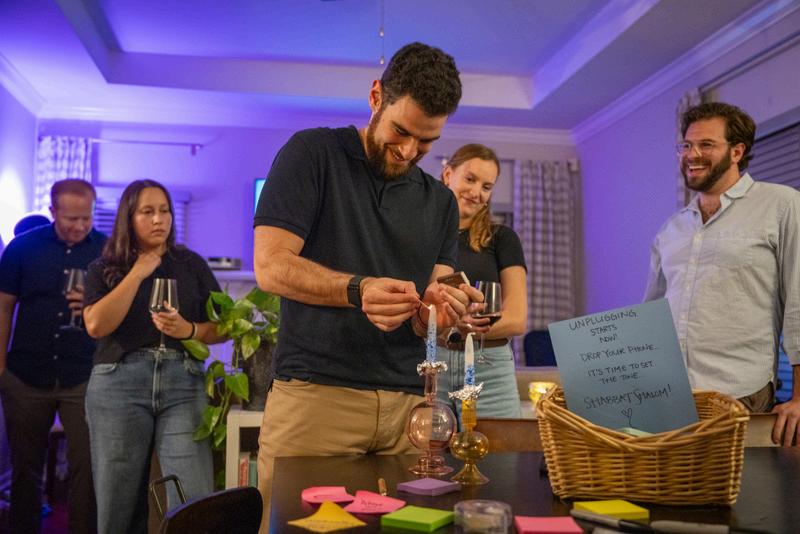
“It'snotjustadinneronaFriday It'sShabbat,becausewe'velitcandles andblessed It'sareminderthatit'saJewishandspecialmeal andnotjustaFridaynightdinner” –Shelley, 33,Host
And there’s something more Shabbat dinner is a gathering shaped by intention, a moment set apart and elevated That act of marking time together creates its own alchemy, one tied to easing loneliness and strengthening social well-being
We also learned that the alchemy is particularly strong for those who are the most socially isolated
THEMOSTISOLATEDPARTICIPANTSEXPERIENCEDTHEBIGGESTBENEFITS FROMATTENDINGONESHABBATDINNER
Measure
MoreIntegrated (2-5onSocial NetworkIndex)
N=297
MoreIsolated (0-1onSocial NetworkIndex)
N=31 Integrated vs.Isolated DifferentialEffect ofShabbatdinner Effectsize
+ Positive change (decrease of loneliness or increase of social warmth/well-being)
-Negative change (increase of loneliness or decrease of social warmth/well-being)
++Positive change is higher compared to the other group (effect size >0.10)
Note:Basedontheobservationalstudy,controllingfordemographiccharacteristics Effectsizesof010orlargerwereconsideredimportantinthisstudyandhighlighted ingreen
Thismaybethemostcompellingfindingfromthestudy:thosewho beganwithweakersocialconnectionsexperiencedthegreatest benefitsfromgatheringforShabbatdinner
ParticipantswhoscoredlowestontheSocialNetworkIndex,ameasure ofhowmuchcontacttheyhavewithclosefriendsandrelativesand involvementinreligiousorsocialgroups,showedthelargestgainsin connectionandwell-being,indicatingthatShabbatdinnerhadits strongestimpactonthosewhoareleastconnected.
THEMOSTISOLATEDPARTICIPANTSEXPERIENCEDTHEBIGGESTBENEFITS FROMATTENDINGJUSTONESHABBATDINNERCOMPAREDTOTHOSE WITHOTHERSOCIALPLANS
Measure
MoreIsolated, ShabbatDinner (N=31)
MoreIsolated, OtherSocial Plans (N=40)
ForMoreIsolated Individuals, ShabbatDinner vsOtherSocialPlans EffectSize
+ Positive change (decrease of loneliness or increase of social warmth/well-being)
-Negative change (increase of loneliness or decrease of social warmth/well-being)
++Positive change is higher compared to the other group (effect size >010)
Note:Basedontheobservationalstudy,controllingfordemographiccharacteristics Effectsizesof010orlargerwereconsideredimportantinthisstudyandhighlighted ingreen
Thegainswerestriking.Fortheseindividuals,theShabbattable offeredmorethanameal,itmayprovideaspecialopportunityfor belongingandarenewedsenseofconnectionthroughJewish community.
So,whatisitaboutcomingtogetherforShabbatdinnerthatismore impactfulthanotherthingspeoplemaydo,whetherthatbegetting togethertosharedrinks,dinner,oranyothermealoractivity?
Oneofthisstudy’smostsurprisingdiscoveriescamefromour experimentingwitha“foodless”gatheringWefoundthatthefood itselfwasn’tanimportantfactorincreatingsocialconnectedness There’snoneedtohaveamagicianinthekitchenortoserveameal togratifyagourmetWhilegatheringforasharedmealcanprovide agoodreasontocometogether,ultimatelythekeyingredientis connection.Foodmaybringpeopletothetable,butit’sShabbatthat buildsconnection.
What’smore,ifthere’snopressuretoserveanincredibledinner, there’slessstressforthehostandaloweredbarfortheactofhosting Importantly,we’renotsayingthatfooddoesn’tmatteratall.Our participantsspokewithdepthoffeelingabouthowtheyvaluedfood thatconnectedthemwiththeirfamilies,heritage,andmemory.What wearesayingisthatfoodisn’tdoingtheworkofbuildingsocial connection-it’stheactofcomingtogetherthatmattersmost THOSEWHOSHAREDAMEALREPORTEDFEWERBENEFITSONMEASURES OFGENERALLONELINESSANDFEELINGSOFSOCIALWARMTH.
+ Positive change (decrease of loneliness or increase of social warmth/well-being)
++Positive change is higher compared to the other group (effect size >010) It’sNotAboutBreakingBread, It’sAboutBreakingIsolation Or why the menu matters less than the moment
-Negative change (increase of loneliness or decrease of social warmth/well-being)
Note:Basedontheobservationalstudy,controllingfordemographiccharacteristics Effectsizesof0.10orlargerwereconsideredimportantinthisstudyandhighlighted ingreen.
Infact,theimpactofa Shabbatgatheringdoesn’t dependonservingameal.
Whenitcomestolessening loneliness,sharedmeaningful momentsmaybemore impactfulthanasharedmeal.
Hearfromastudyparticipant whoattendedagatheringwith nofood:

“Weendedupjustplayinggames, actually,likeboardgameswhenI wentover Andso,Ididn'tfeellikeI wasmissinganything itwasa littlestrangegoingoverandwe werestillsittingaroundatable,but therewasn'tfood,buttherewere alltheseboardgameslaidouton thetable,sotherewasstill somethingtherethatwewouldall havetositandinteractover”
–Hailey,26,Guest
2 Course nd ThePowerofParticipation—


HostorGuest? ShabbatDinnerBenefitsBoth
No matter what your role is at the table, gathering for Shabbat provides benefits for all
Therearedifferencesinwhatsomeonebringstothetablein theirroleasahostorguestatShabbatdinner.Hostshavemore responsibility,moreinput,andmorecontroloverthegatheringas awhole Guestshavefewertasksontheirplate,buttheymayalso havegreateranxietyaroundwhatwillbeexpectedofthemandwho elsewillbeatthegathering.Wethoughtthatthisdifferenceinroles mightresultinbigdifferencesinsocialwell-beingafterthedinner. Surprisingly,itdidn’tseemtomatterasmuchaswepredicted.
BEINGEITHERAHOSTORAGUESTISBENEFICIALFORLONELINESSAND SOCIALWELL-BEING
MEASURE
Positive change (decrease of loneliness or
Note:Basedontheobservationalstudy,controllingfordemographiccharacteristics Effectsizesof010orlargerwereconsideredimportantinthisstudyandhighlighted ingreen
Thequestionof“whetherit’s bettertogiveortoreceive?” provedtobeirrelevant.While thereweresomedifferencesin benefitsthathostsorguests accrued,bothgroupsleftwith greatersocialconnectedness andlessenedfeelingsof loneliness inequalportions.
“Havingthatperson growthandjustfeel connectionthatway beingabletohostw learningexperience somethingthatIju kindofkeptgettin betteratafterIsaw thingswent.Itbeca somethingthatwa justingrained.”
–Clara,26,Host
“Ithinkthebiggestthingforme, atleast,isthatsortofcommunal priorityorobjective.We'reall here,we'reallchoosingtobe hereforthesamereason,to connectwiththispartofour identitythatweallshare.”
–Rebecca,35,Host

TheMagicofShabbatDinnerLies intheWhole,NottheParts
Whatever the recipe, it takes more than one ingredient to make a satisfying meal
AmeaningfulShabbatisnotacookie-cutterexperience Andnoneofthe fixingsneedtobeperfect.ThestudyparticipantscamefromdiverseJewish backgroundsandpractices.Andwhilelightingcandles,sayingKiddush,and recitingblessingsoverthechallahwereessentialShabbatritualsformany, therewasnosingleritualorcomponentthatwasresponsibleforthe positiveeffectsfeltbymostparticipants.Infact,whentheresearchersdug evenfurtherintothisandgroupedcomponentstogether,therewasstillno singlecomponentorgroupingofcomponentsthatledtomoresocial connection.Thetablebelowgivesinsightintojustafewofthepossible componentsthatweretested
FeatureofDinner
Note:Basedontheobservationalstudy,N=362.Effectsizesof0.10orlargerwere consideredimportantinthisstudyandhighlightedingreen

“Ithinksomeformofaritualmatters… Iwouldwantsomethingtofeellike,okay, thisisShabbatdinnerIt'snotjusta Tuesdaynightmealwithpeoplegetting togetherThereisintentionbehindit”
–Molly,32,Guest
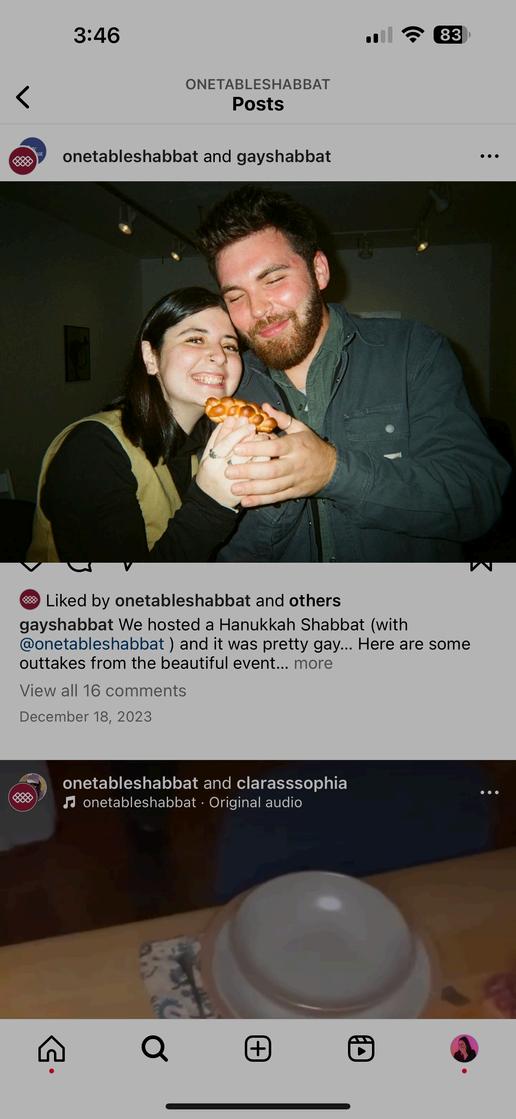
Thereisnosilverbullet,butparticipation andritualdrawpeopletothetable.
“It'sintentionIt's paceIt'sliterallylike avibeof:it'stimefor Shabbat.We're goingtodothis thingtogether… We'reclosingout theweek.”
–Ezra,34,Host
keto,turningoff tShabbatritual.
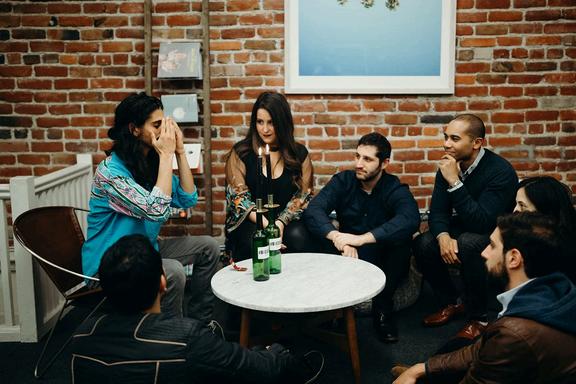
“Itmakesitallthemore powerfulwhenyouexplain thattheideaofunplugging andtakingtimetobein communitywithjustthe peopleinfrontofyou,and howthatisalmostlikeinand ofitself,aradicalactinour currentworldAndthatreally resonateswithpeopleinthis agegroup.”
–Gabe,23,Host
3 Course rd
NavigatingIdentity,Isolation, andBelonging

InaFracturedWorld,ShabbatDinner HelpsBridgetheDivides
Wherever you’re seated, you’re likely to feel closer to humanity
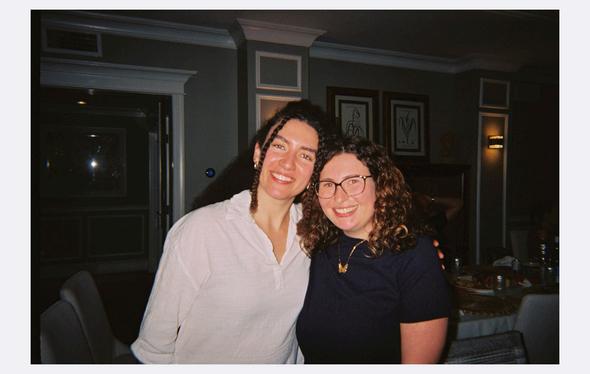
Theworldweliveinisbecomingincreasinglypolarized.Shabbat, however,focusesonconnectingtoaoneness strengthening universalbonds Andthisstudyshowsthatitcanwork Afterattending aShabbatdinner,participantsfeltagreatersenseofconnectionto theirfellowAmericansandpeopleworldwide.Atthesametime,we weresurprisedtofindthatparticipationinaFridayShabbatgathering wasnotassociatedwithmorepositiveattitudestowardsJews comparedtootherFridaynightactivities.
COMPAREDTOOTHERFRIDAYACTIVITIES,SHABBATDINNERINCREASES
Note:Basedontheobservationalstudy,controllingfordemographiccharacteristics Effectsizesof010orlargerwereconsideredimportantinthisstudyandhighlighted ingreen
WeexploredthisfindingfurtherbycomparingparticipantsinFriday nightgatheringsandTuesdaygatherings WhileFridayparticipants reportedanincreasedsenseofconnectiontopeopleingeneral,they didnotreportmoreconnectiontootherJewswhencomparedto thosewhoparticipatedinaTuesdaygathering.
COMPAREDTOGATHERINGONTUESDAY,FRIDAYSHABBATGATHERINGS INCREASESCONNECTIONTOHUMANITY,BUTNOTTOOTHERJEWISH PEOPLE.
+ Positive change (decrease of loneliness or increase of social warmth/well-being)
-Negative change (increase of loneliness or decrease of social warmth/well-being)
++Positive change is higher compared to the other group (effect size >0.10)
Note:Basedontheexperimentalstudy Effectsizesof010orlargerwereconsideredimportantinthisstudyandhighlighted ingreen
“Bycreatingaspaceforthisritualtoexist,Ifeltagreaterconnectiontomy globalcitizenry,greaterhumanity,thegreaterheart,thegreatergood,your valuesofbeingagoodperson.”
–Noah,33.Host
WefoundthatparticipantsinShabbatdinnersweremorelikelyto reportanincreasedsenseofconnectiontohumanitythanothers,but wedidnotalwaysseeasmuchincreasedimprovementintermsof theirconnectionstootherJews.
Whileintheinterviews,weheardthatparticipatingintraditional ShabbatritualsdidgivethemaconnectiontoJewishhistoryandto Jewsworldwide.
“I'mfeelingthatconnectiontothetradition.Andbythattradition,I'mfeelinga connectionmaybetomyfamily,butalsotothelargerpictureofJewsasawhole, giventhefactthatourhistoryisoneofbeingsospreadoutandyetmaintaining thesepracticesbecauseofwhattheywere,whattheyare,whattheymeanttous asagroupbackthenandwhatthatstillmeanstoustothisday”
-Benjamin,42,Guest

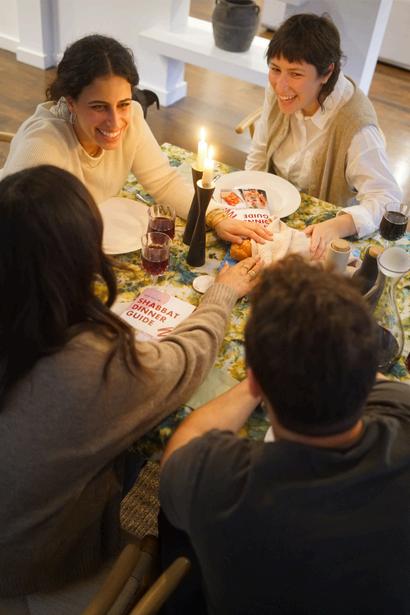

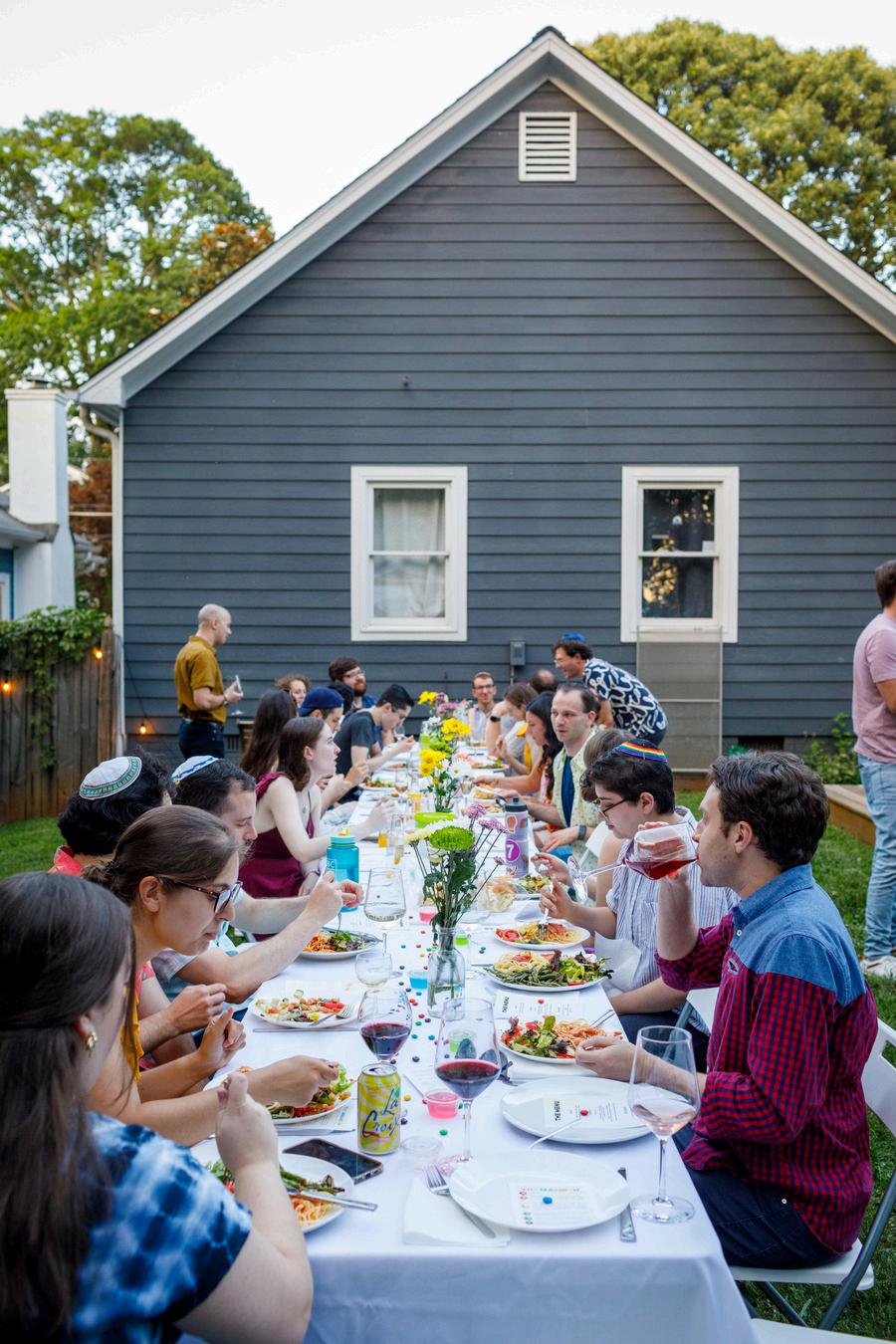
Sometimes it’s important to have more than just food on the menu
Shabbatdinnercanbeacontainerfordifficultconversationsabout criticaltopics,likeIsraelandantisemitism.Thediscussionsheld aroundaShabbattableareanotherreasonwhyit’snotjustany ordinaryFridaynight.
“Wedon'tallshareexa valuesJustbeingable witheachother,andju particularlyconnect
AtShabbat dinners,different andsensitive topicsareoftenon thetable. ATableSetforShabbatDinnerAlsoSets OutaSafePlaceforHardConversations
Ourstudyfoundthat duringShabbat dinnergatherings, alongsideneutral topics,participants weremorelikelyto discussJewish identity,Israel,or antisemitism.
JEWISHIDENTITY, ISRAEL,AND ANTISEMITISMARE DISCUSSEDWITHMORE FREQUENCYAT SHABBATDINNERS THANOTHERFRIDAY NIGHTSOCIALPLANS (nextpage)
Note:Basedontheobservationalstudy,percentofparticipantswhodiscussed topiconFridaynight.TopicsuniquetoShabbatdinnerorothersocialplans highlightedinred
“Usually,ifyou'reataShabbatdinner,thereisthatsharedJewishperspective wherewe'rekindofcomfortableaskingthehardquestionsandhaving conversationsaroundthose.You’realreadyinaspacewhereit’ssocially accepted…soIwouldfeelmorecomfortablebringingupserioustopicslikethat… I'mfinewithpeopledisagreeing,whichIfeellikeisalsoprettyJewish,ina respectfulwayAndIfeellikeShabbatisaplacewherewecouldhavethose conversations,andit’skindofaveryJewishthingtodoataShabbatdinner”
–Hailey,26,Guest
Whenhostinginthefuture,itcanbeimportanttosetupguardrails forsensitiveconversationsaroundJewishissuesforafruitfulShabbat gathering.However,itmaynotbeenoughforeveryone,whichisone ofthereasonswhyit’scrucialtounderstandpeople’sexpectations andestablishguidelinesforaShabbatgatheringinadvance
“PeoplecometogetherforShabbat,andthesubjectofconversationislike, otherpeoplehateJews,ortalkingaboutantisemitismSo,ifthat'sthesubject oftheconversation,thenthatcanbeprettyintense anytimeanybody's talkingaboutanythingpoliticalthatIdon'talignwith,it'sgoingto,(A)cause metofeeldisconnected,(B)causemetofeelaninternalconflict,andalsoa socialconflict,dependingonhowmuchIchoosetoparticipateAntisemitism isanextralevelofthat”
–Isabel,33,Host
HoldingNuancedOpinionsLeaves YoungJewsFeelingIsolated
Feeling alone at the table
We know from other studies, like Boundless’ Views on Israel and Jewish Identity, that since October 7, more than half of young Jews have felt unwelcome or excluded because of their Jewish identity or views on Israel. We heard similar themes from the participants in our study with some who perceive themselves as having nuanced views feel particularly isolated.
“It'seasytofeeloverwhelmedanddisconnectedbecausetherearesomanygroupsthat havehardboundaries.Anditfeelslike,ifeveryone'sboundaryishard,Ican'tcherry-pick partsofthesecommunitiesandbeanislandSo,ifIhavetobepartofacommunity, doesthatmeanIhavetoagree?That'salsoisolating”
-Kai,28,Host

ForsomeyoungJewishadults,oneofthegreatestchallengesthatleads toisolationisthattheyholdmultipleperspectivesatonce.Ratherthan feelingconnectedbythiscapacity,theycanendupfeelinglikean island Fromtheirperspective,there’snosafespacewheretheycan sharetheirthoughtsandopinions.
Kai and Benjamin each believe that their nuanced views on Israel leave them isolated. However, just our small group of interviews suggests that others share Kai and Benjamin's sense of alienation. The fact is, they’re not only not alone in their perspectives, they’re also not alone in feeling alone. But they have to be able to find each other to discover it and a Shabbat gathering may be just the place and the shared space they need.
“Idon'tagreewithwhatIsrael'sdoing, butIalsodon'tagreewithpeoplewho areonthecompleteoppositeendof thespectrumwhomightsaythat Jewsshouldneverhavebeeninthe MiddleEastwhatsoeverTheworldin generalcanbeveryblackandwhite withalotofdifferentissues,andItend tobeverynuancedwithalotofmy stuffIdon'tknowthatIfitintoeitherof theeasystacksthatarethereIvery muchfeellikeanisland.Idon'tknow howtotalkaboutitwithpeoplewho don'thavethesameperspectiveas mebecauseIdon'twanttoargueit.”
–Benjamin,42,Guest
10 Boundless Israel (2024, August) Views on Israel and Jewish identity (PDF) Boundless Israel https://boundlessisrael org/August%202024%20Examining%20Views%20on%20Israel%20and%20Jewish%20 Identity.pdf
Looking Ahead


ForBestResults,CopythisRecipe
Step 1, Prepare:
Whether you’re thinking of hosting a group of family and friends, friends of friends, acquaintances, or any other combination, remember: no one needs you to be an Ina Garten clone or have a space fit for Elle Decor. You can design a simple, low-barrier Shabbat dinner that still fosters essential connection. (If you’re sharing this Shabbat dinner recipe with a community group or faith-based organization, the same instructions apply.)
Step 2, Plan:
ThehealthfulbenefitsofShabbatarerichinsocialconnectionand well-being.Andhostsandguestsenjoyequalnourishment.The mostimportantingredientisbeingpresentatthetable.
Step 3, Welcome:
AsyousetyourShabbattable,alwayssetaplacefornuance. Ritualizedtimeandspacecreateemotionalsafetyforcomplexity— regardlessofopinionorreligion soShabbatcanbea universalizingforce
Step 4, Relax:
Shabbatisn’taboutperfection.It’saholisticpracticethateveryone cansavor Nomatterhowyouchoosetospendyourevening,being intentionalaboutFridaynightShabbatdinnerandgatheringin communityarethecriticalingredientsforameaningful,socially connectiveexperience.

Methodological Appendix
MethodologicalOverview
Thisreportdrawsonseveralcomplementarystudies—aqualitativestudy, anexperimentalstudy,andanobservationalsurvey toexplorehow Shabbatdinnergatheringsinfluenceparticipants'senseofsocial connectedness.
PhaseOne:Qualitativestudy
Asthefirststageoftheinquiry,weconductedanexploratoryqualitative studyfocusedonparticipants’experienceswithShabbatdinnersand othercommunalmealgatherings.
DataCollection
Weconducted12one-hourinterviewswithkeyinformantsand4ninetyminutefocusgroups,eachwith5–9participants.Allsessionswere conductedviaZoom
Recruitment
Focusgroupparticipantswererecruitedthroughemailinvitationssentto membersoftheOneTabledatabase.Thefourgroups(25participants total)representedfourreligiousidentities:
a)ModernOrthodoxorOrthodoxJews,b)Non-OrthodoxJews,c)Religions OtherThanJewish,andd)NoReligion/Atheist.
Keyinformantinterviewsincludedorganizationalleadersinvolvedin Shabbatdinnerandcommunalmealprograms.Theseindividualswere identifiedthroughthenetworksofOneTableandCASJE
PhaseTwo:ExperimentalStudyDesign
Weemployedanexperimentaldesigntoexaminehowspecificfeaturesof Shabbatdinnergatheringsaffectsocialconnectedness.Theresearch teamrecruitedhoststoinvitegueststoparticipateinanexperimental gathering.Thesesmallgroupswererandomlyassignedtodifferent “conditions,”andindividual’sfeelingsofsocialconnectednesswere measuredbothbeforeandafterthegatheringexperience
InitialDesignandAdjustments
Poweranalysesindicatedthattestingallplannedconditionswouldrequire atleast250gatherings.However,recruitmentchallengesledustofocus onthreecoreconditions:
Dayoftheweek:FridayvsTuesdaygatherings
Mealpresence:Sharedmealvs.nomeal Intentions:Host’sformalintentionsettingviaasetofpromptsprovided bytheresearchteamvs.noformalintentionsetting Whenwebegandataanalysiswefoundthattheintentionalitycondition couldnotbereliablytestedEvenhostswhowerenotinstructedto engagein.
aformalintention-setting processindicatedthatthey hadsetanintentionfor theirgathering Becausewe couldnotknowwhatthese hostsmeantbythis,itwas impossiblefortheresearch teamtoassessthis variablewiththeavailable data.
DataCollection
FromJanuarythroughJuly 2024,wecollecteddata from47gatherings, involvingatotalof156 participantswhoshared preandpostsurveydata.
AboutourExperimentalSample,N=156
PhaseThree:ObservationalStudy
Thissub-studyaimedtounderstandhowthefrequencyofShabbatdinner participationrelatestosocialconnectednessoutcomes.
InitialDesignandAdjustments
Originally,thiswasplannedasasingle-timepointsurveysenttoindividuals whohadattendedaOneTabledinnerthepreviousFriday.However,dueto limitationsintheexperimentalstudy,weexpandedthedesigntoinclude pre-postmeasurements.Theinvitationparticipatewassenttoallemail recordsavailabletoOneTable(N=80,000).
Pre-test:Sentviaemail onThursdaymorning (July2024)
Post-test:Sentviaemail onSundaymorning (July2024)
Oncethetargetsample sizeof1,000respondents wasreachedthesurvey wasclosed The achievedsamplehad 1,020respondentswho completedpre-and post-surveys.
AboutourObservationalSample,N=1,020
OurAnalyticalApproachtotheQuantitativeData
Ourprimaryanalysesfocusonaveragechangescores theaverage differencebetweenpre-testandpost-testresponses Generallyspeaking thosewhoparticipatedinanykindofgatheringshowedimprovementson measuresoflonelinessandsocialwellbeing.
Welookedacrossseveralmeasurestoseewhichcomparativegroups showedthemostpositivechange.Acrossallfourofourprimaryoutcomes wesawthatShabbatdinnerproducedmorepositivechangethanother socialactivities
Weuseeffectsize Cohen’sdfortheexperimentandtheadjusted standardizedmeandifference(Cohen’sdadjustingforcovariates)forthe observationaldata toidentifydifferencesthatmaybeimportantenough tomatter.Effectsizeisessentiallyadifferencebetweenmeansdividedbya standarddeviation Wedefinedpracticalsignificanceasanyeffectgreater orequalto010 Thisisaverysmallchange,butgiventheinterventionis relativelymild(onlyoneevening’sactivity),takesplaceoutsideofa laboratoryenvironment,andisanadditivebenefitontopofgatheringat all,evenasmalleffectmaybemeaningful11
11.Kraft,M A (2020) Interpretingeffectsizesofeducationinterventions Educational researcher,49(4),241-253
Observationaldatacontrolsforage,gender,race,SES,SocialNetworkIndex, andbelongingtoJewishpeople.
WealsorananalysescomparingthosewhosescoresontheSocialNetwork IndexcategorizedthemasIsolated,scoringa0ora1,orIntegrated,scores rangingfrom2-5,(Pantelletal 2013)
Wedonotreportp-values.Thisreflectsthatthestudydoesnotusea probabilitysampleorfullrandomization.
CapturingSocialConnectedness
Toassesssocialconnectedness,weusedfourvalidatedscales,each capturingadistinctdimensionoftheconstruct:
UCLALonelinessScale(Hughes,Waite,Hawkley,&Cacioppo,2004)
DailyLonelinessScale(Bueckeretal.,2020)
SocialWarmthScale(Inagaki&Human,2020)
SocialWell-BeingScale(Keyes,1998,twosubscales:socialintegration andsocialcontribution)
Eachscalecontributesauniquelensonhowindividualsexperience connection,warmth,andwell-beinginsocialcontexts.
PhaseFour:In-depthinterviews
Thefinalphaseofthestudyconsistedofsemi-structuredinterviews focusedonunderstandinghowyoungerJewishadultsbelieveShabbat dinneranditscomponentpartscansupportorinhibitsocialconnection. Wealsoprobedaboutparticipants’broadersenseofconnectionand disconnectioninthecontextofbeingJewish,aswellashowtheeventsof October7andtheiraftermathmayhaveshiftedtheseexperiences.
DataCollection
Weconducted35one-hourinterviewswithparticipantsviaZoom
Recruitment
Participantswererecruitedthroughemailinvitationssenttomembersof theOneTabledatabaseaswellasspecificrecruitmenttoindividualswho hadparticipatedintheexperiment
12Pantell,M.,Rehkopf,D.,Jutte,D.,Syme,S.L.,Balmes,J.,&Adler,N.(2013).SocialIsolation: APredictorofMortalityComparabletoTraditionalClinicalRiskFactors AmericanJournal ofPublicHealth,103(11),2056–2062 https://doiorg/102105/AJPH2013301261
Limitations
Thisexploratorystudyhasseveralimportantlimitationsthatshouldbe takenintoaccountwheninterpretingthefindings
SampleRepresentativeness
Allexperimentalandobservationaldatawerecollectedexclusivelyfrom participantsaffiliatedwithOneTable.Assuch,thesampleisnot representativeofthebroaderJewishpopulationorofindividualswho engageinShabbatdinnersoutsideofthisorganizationalcontext The majorityofrespondentsself-identifiedasJewishbyreligion,whichmay limitthegeneralizabilityofthefindingstomorereligiouslydiverse populations
SelectionBias
GiventhatparticipantswererecruitedthroughOneTable,thereisa potentialforselectionbias Individualswhochoosetoengagewith OneTablemayalreadyhaveapositiveorientationtowardShabbatdinners orcommunalgatherings.Theirattitudes,expectations,andexperiences maydifferfromthosewhodonotparticipateinsuchprograms,potentially inflatingtheobservedeffectsofShabbatgatheringsonsocial connectedness.AdditionallyonlyasmallportionoftheOneTable membershipelectedtoparticipatewhichalsointroducesadditional selectionbias.
MeasurementLimitations
WereporteffectsizesusingCohen’sd,withathresholdof010toindicate practicalsignificance.Thisdecisionreflects:1.Thenatureofthe intervention asingleevening’sactivity whichmayyieldverysmallbut meaningfulchanges 2 Thatthiseffectconstitutesanadditivebenefiton topofbenefitsthataccruefromgatheringmorebroadly.
WhatShabbatDinnerTeachesUs AboutSocialConnection ExtendingtheTable:
presentedby