omar ismail design portfolio
UNIVERSITY OF TORONTO 2018-2022
PROJECTS 2019-2022 01 GRAPHIC COMPOSITION 4 - 7 12 - 15 16 - 29 20 - 29 FILM ARCHITECTURE THESIS 03 04 05 8 - 11PHOTOGRAPHY02

After spending a week walking through hundreds of alleyways I focused my attention on the little details I experienced in each to produce a holistic composite.
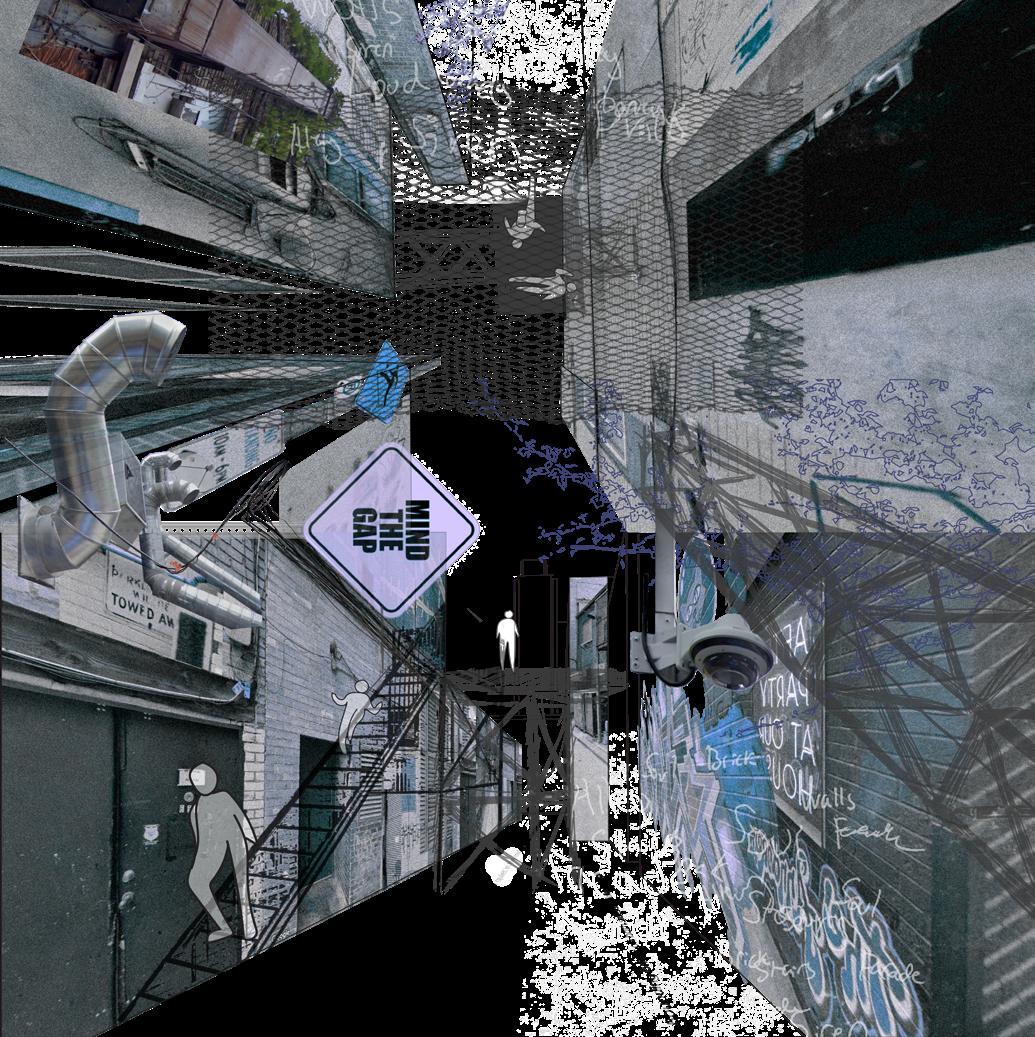
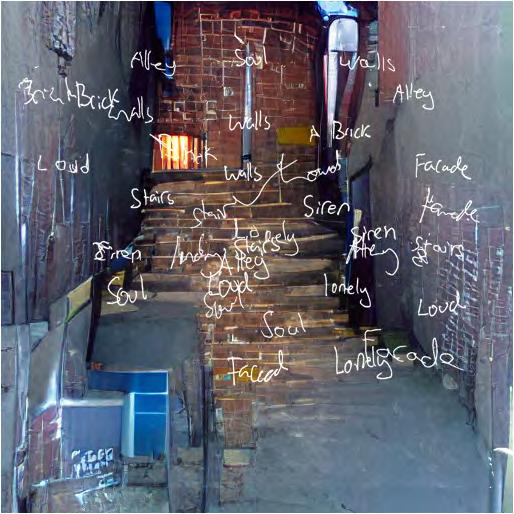
After crafting my own composition resembling a composite of alleyways from my point of view. I was curious to see a more varied perspective extracted from an ai image generator which peruses through millions of images in a database.
The AI inputs were words selected from a series of poems I created to explore how I experienced alleyways in a written form.
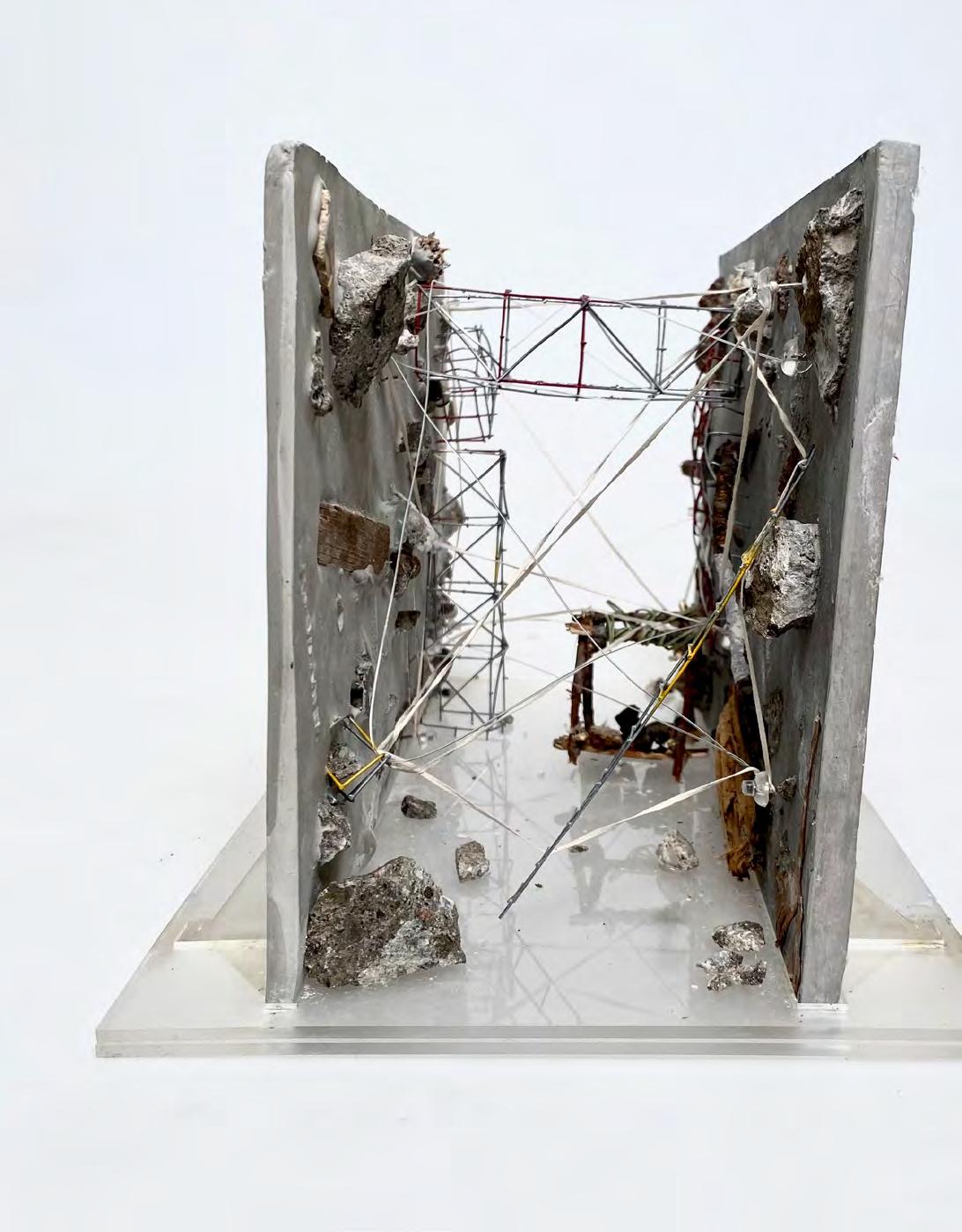
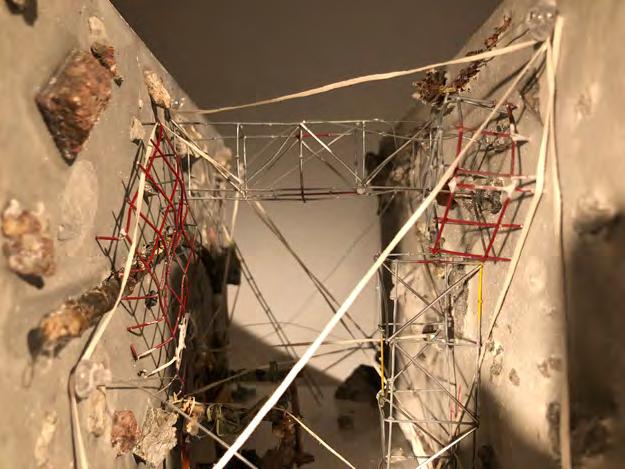
Sculpture became another means of continuing to explore the material and affective qualities of alleyways.
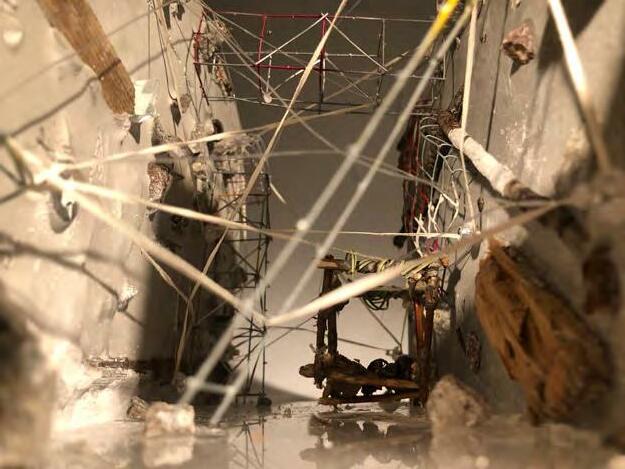

Found objects (including brick, stone, cork, wood) from various alleyways in the city were cast in concrete creating a microcosm of Toronto’s alleyways.
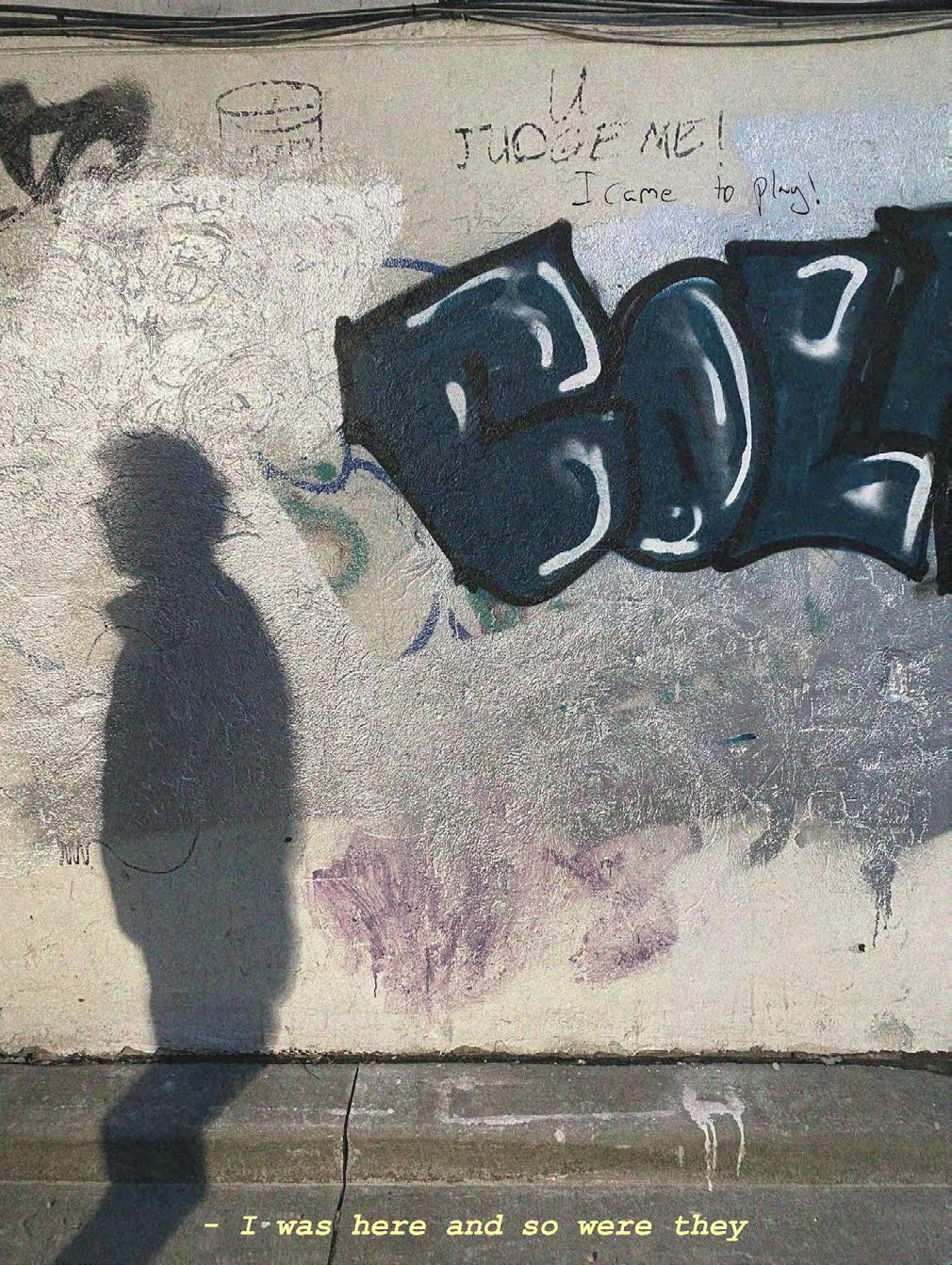
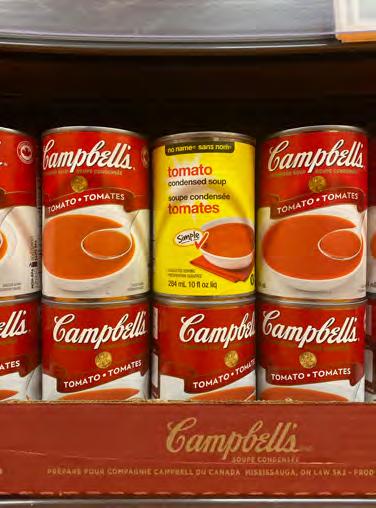

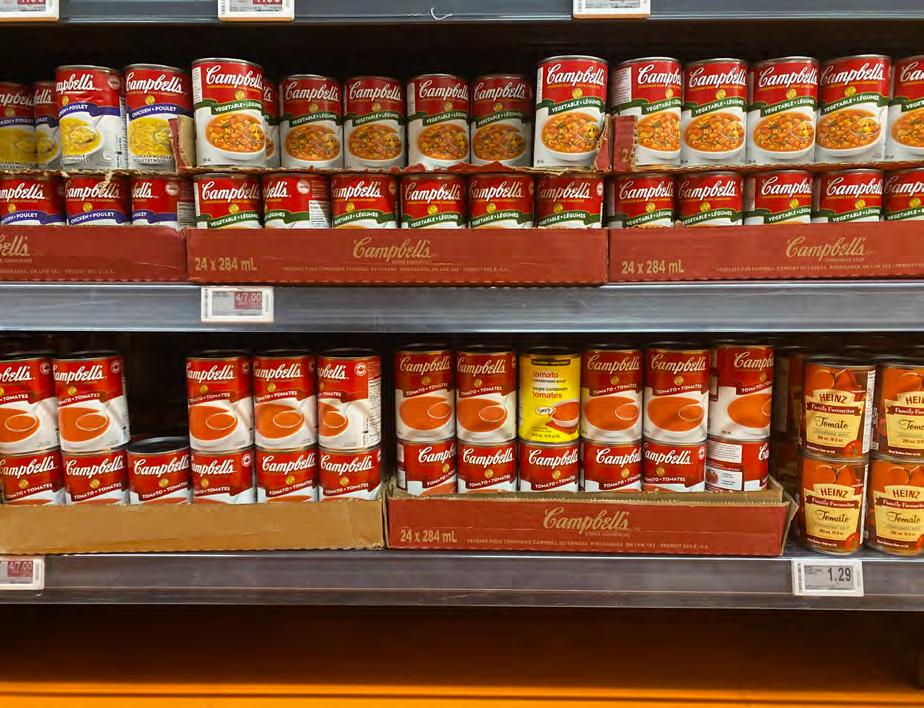
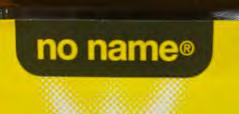

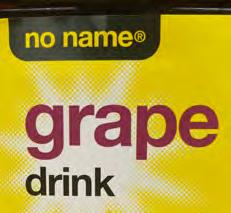
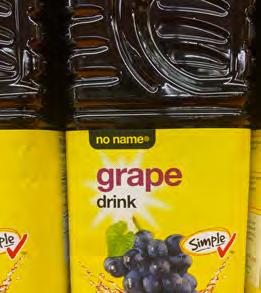

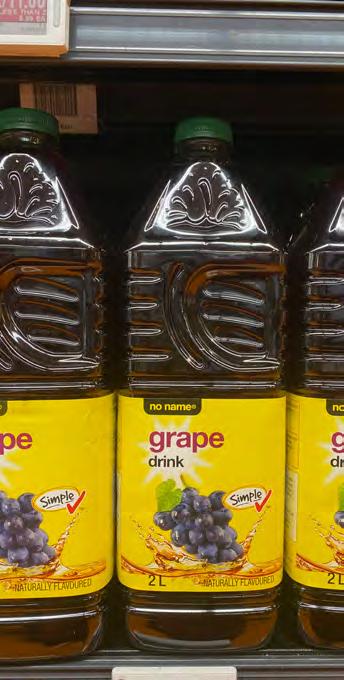
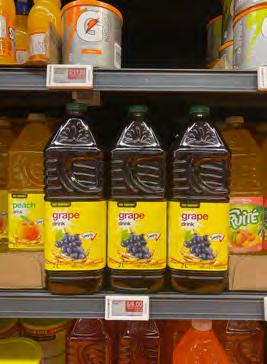
“Consumerism in the 21st century is characterized by greater awareness of consumer culture and dissent against its negative tendencies. In No Logo (1999), Naomi Klein demonstrates corporations’ desire to escape the limitations of their own brands due to corporate antagonism. She outlines this idea with the example of Starbucks which recently began opening non-branded stores coming to be known as “stealth Starbucks”. Therefore, the mythology of ‘no name’ as it attempts to subvert its underlying consumerism in favor of emphasizing its utilitarian aspects as a product to fulfill need can be seen as an act of anti-branding.” - Omar I.
Believed to be a symbol of austerity and no frills, I find that ‘no name’ has become the very thing it tried not to be - a BRAND. In the realm of inescapable consumerist excess, what seems to be the antithesis to branding is in fact one of its most successful examples.

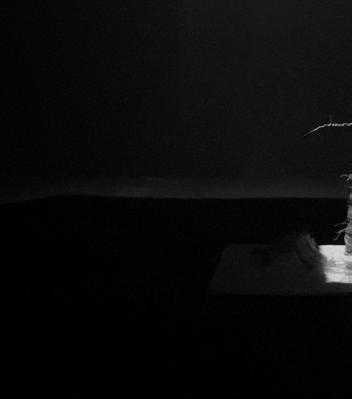
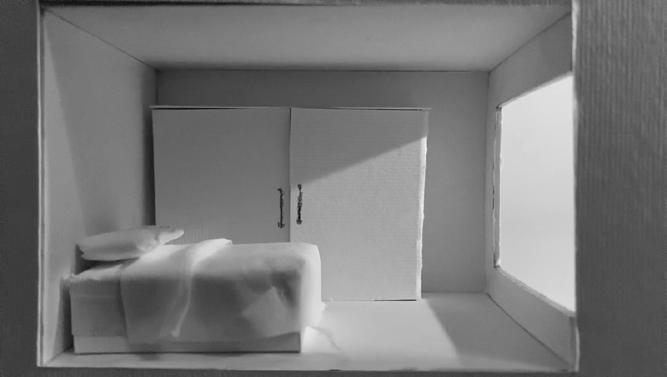
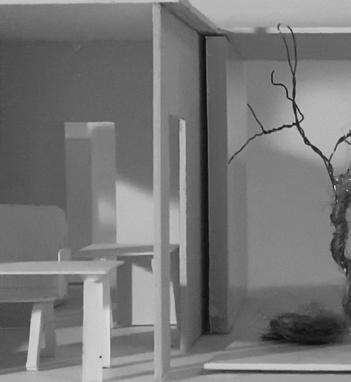
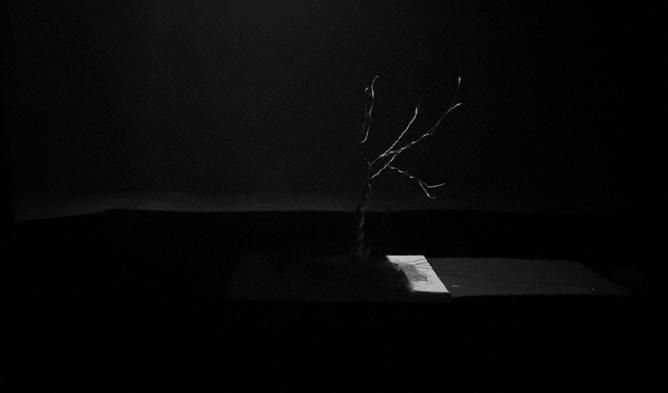
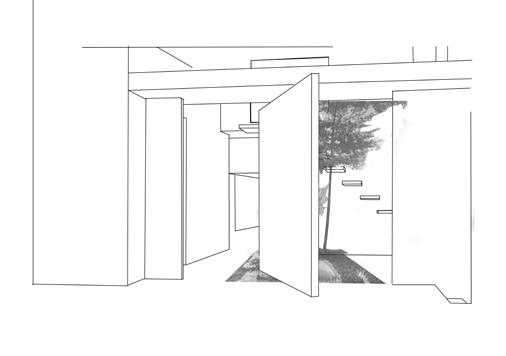
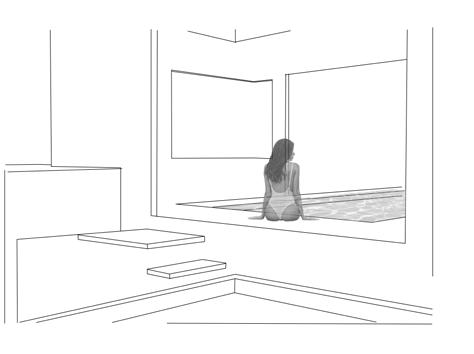
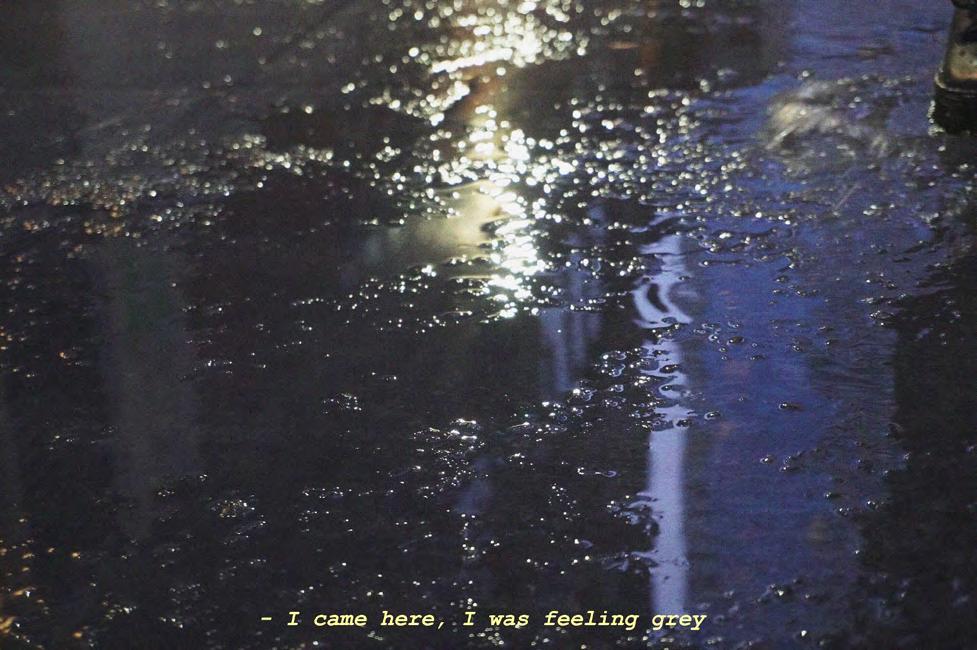
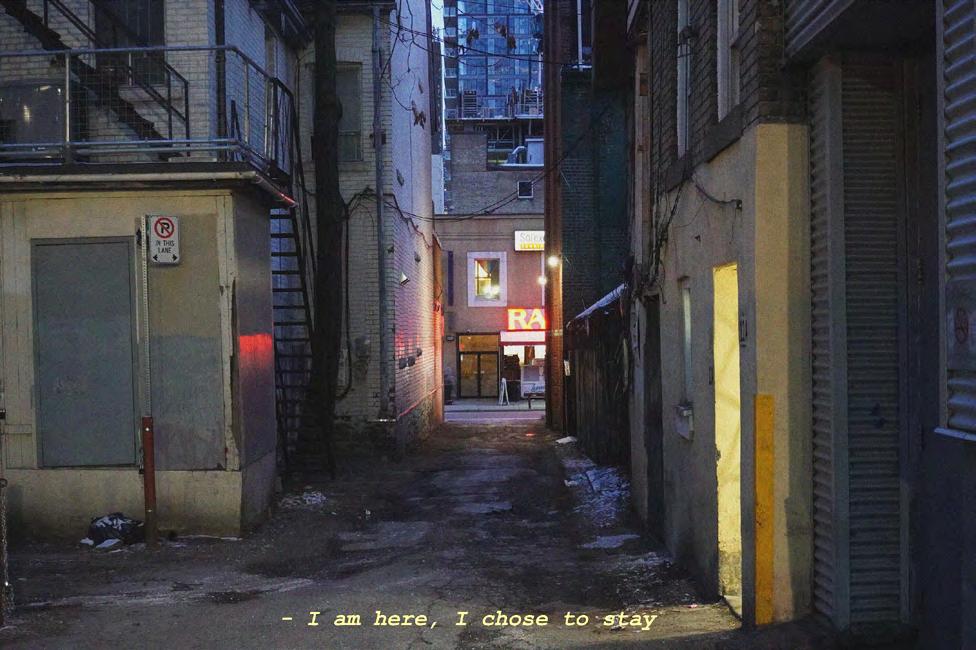
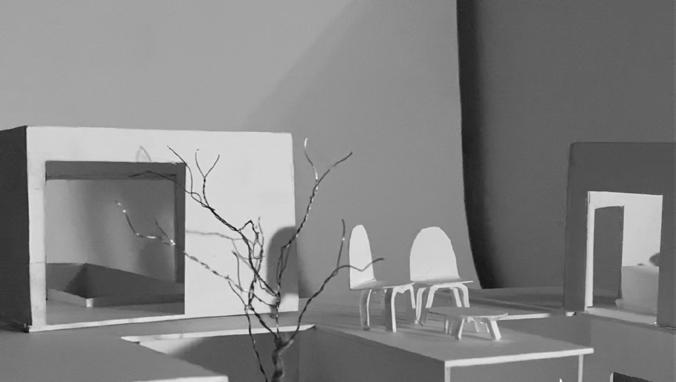
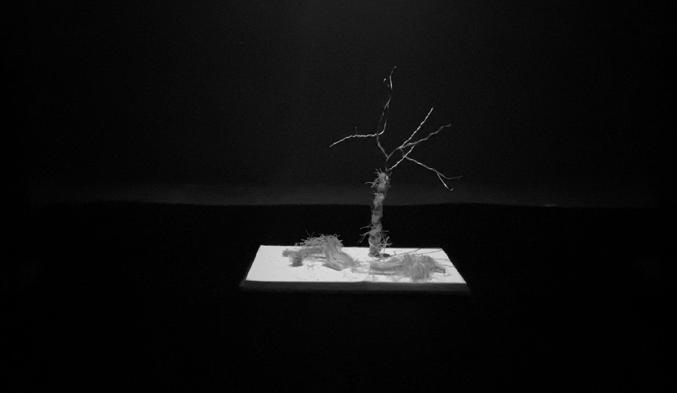
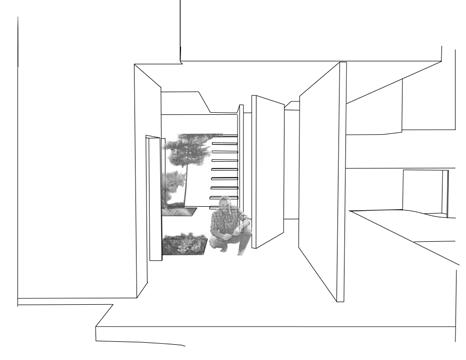
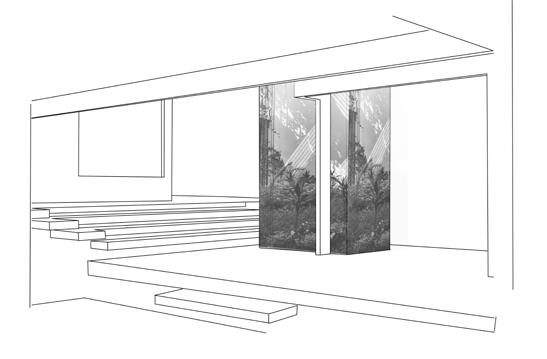
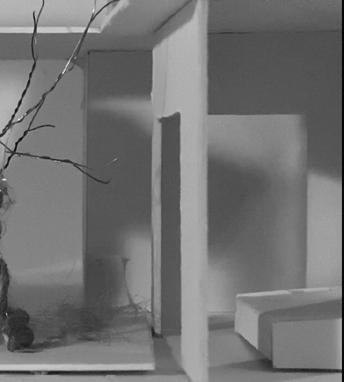
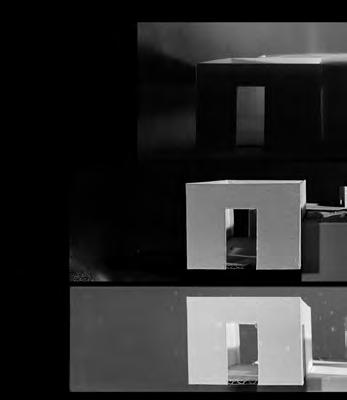
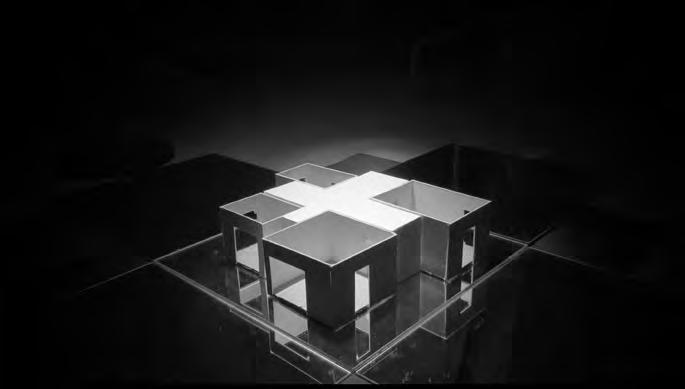
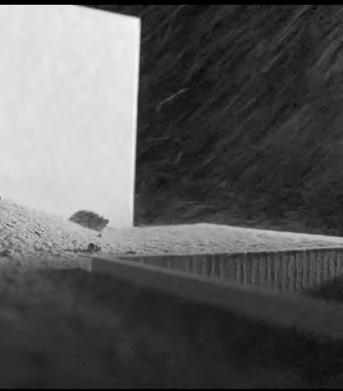
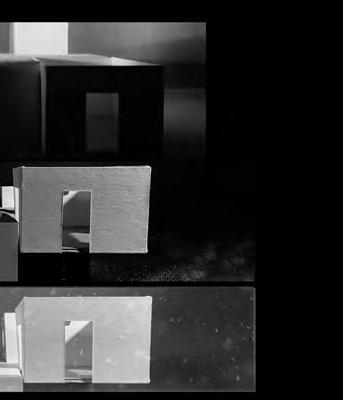
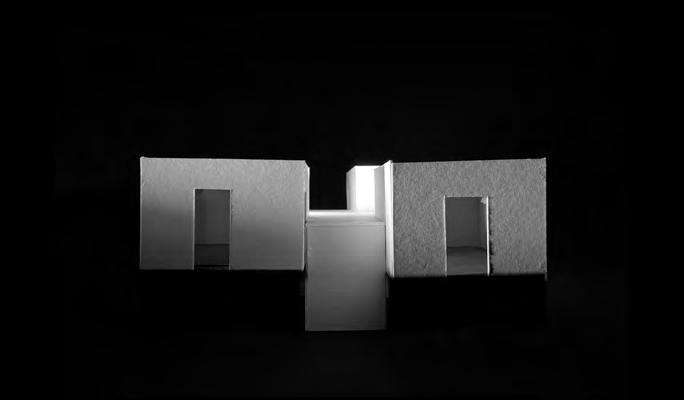
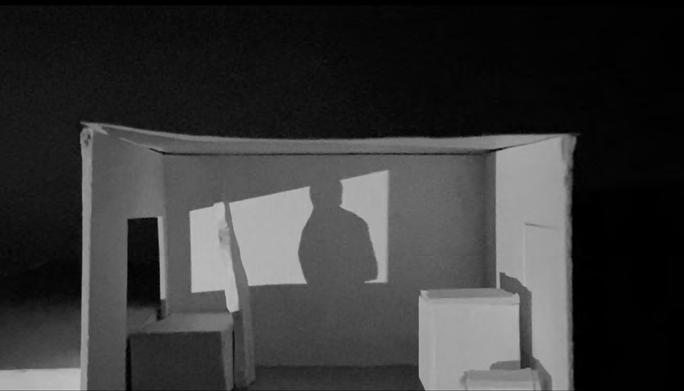
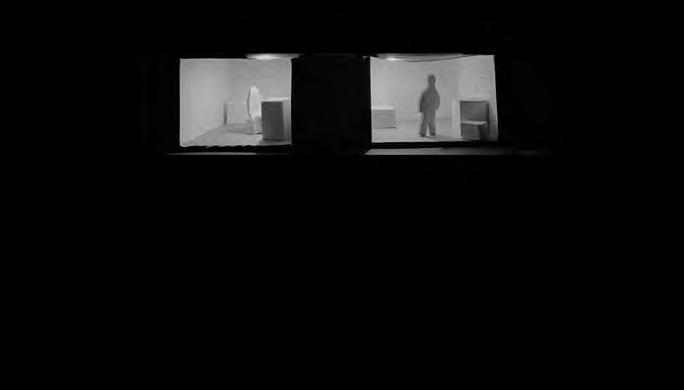
designing a house for two inhabitants, I chose to produce a scale model and examine the idea of cohabitation within it through the medium of film.
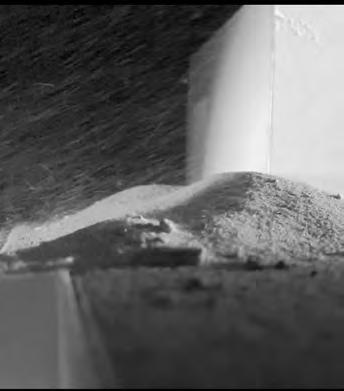
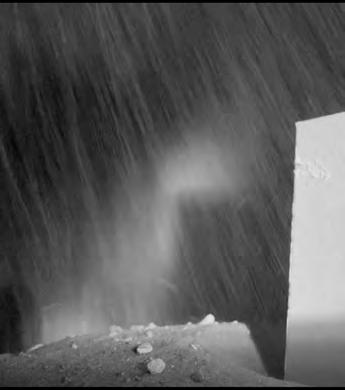
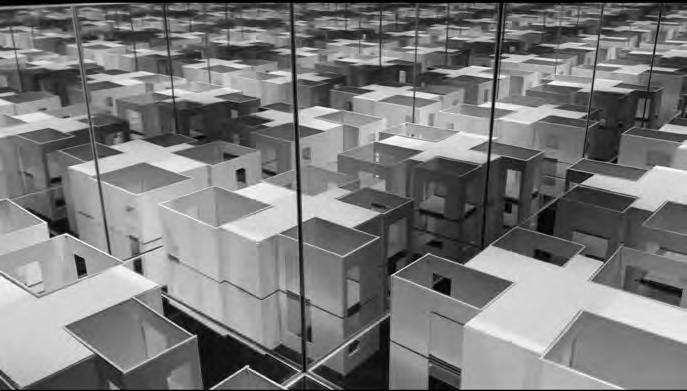
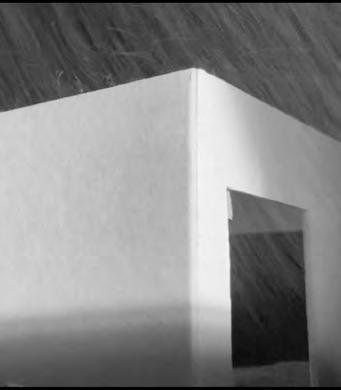
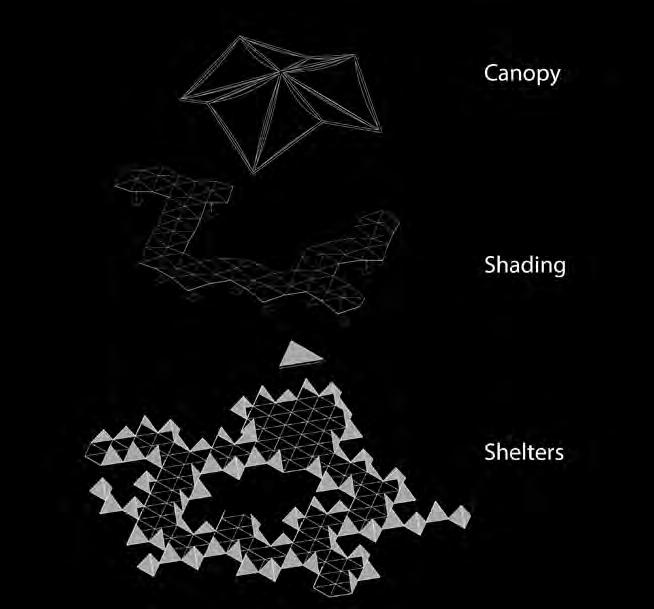
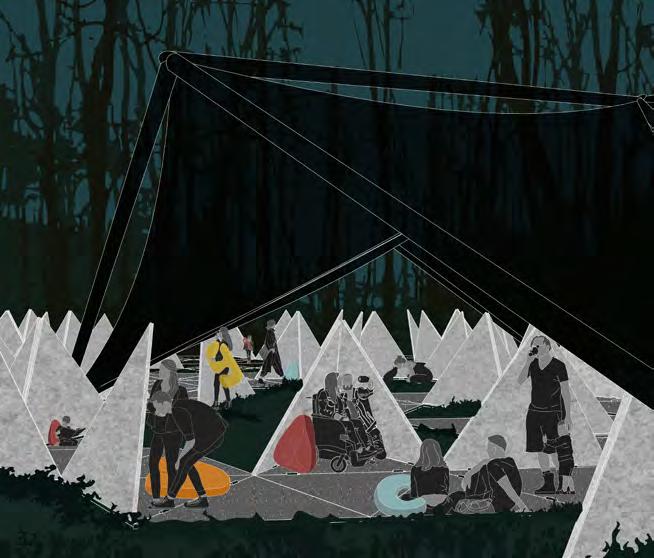
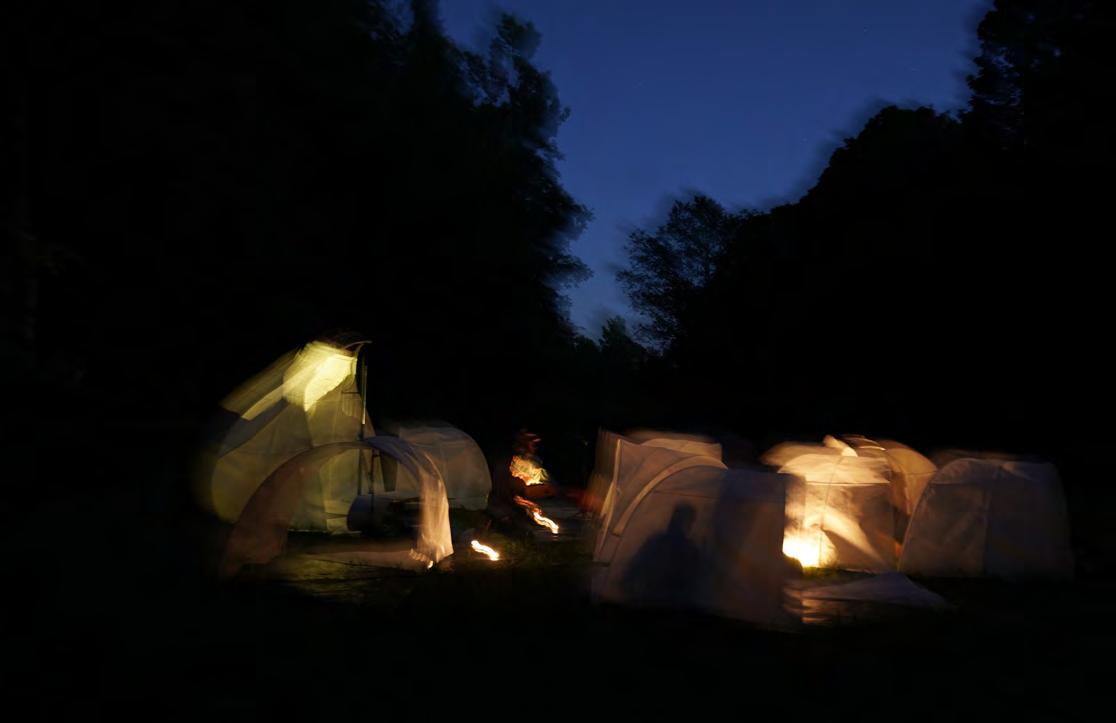
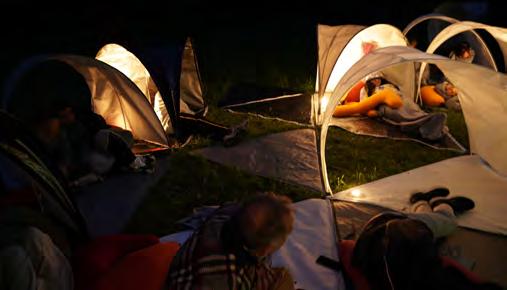
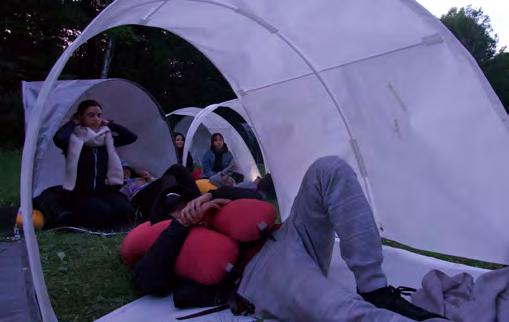
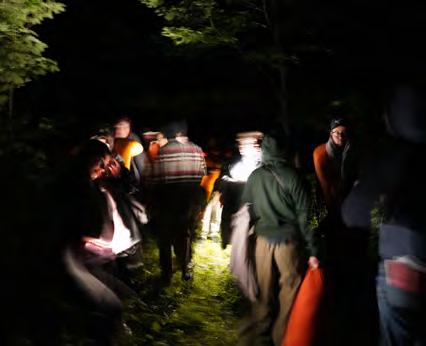
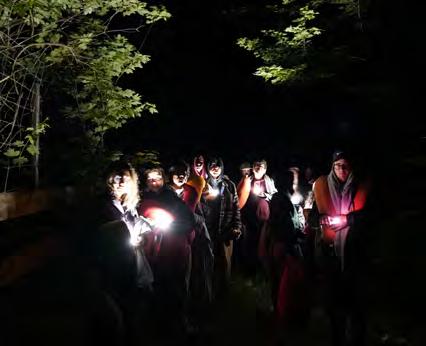
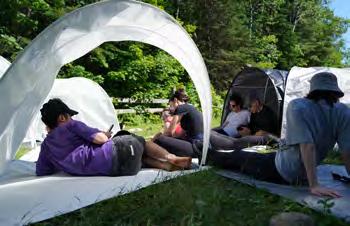
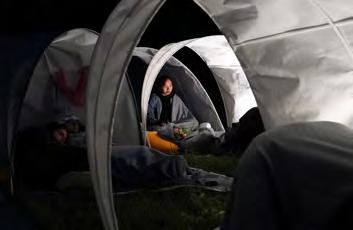
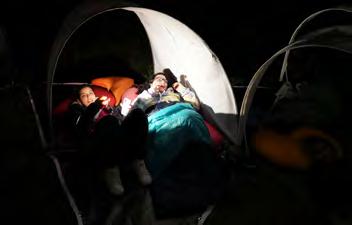
Tasked with its initial conceptualization as a research assistant in a team of 4. I later helped lead a group of 10 students in the implementation of a ‘beta version’ of Camp New Circadia.
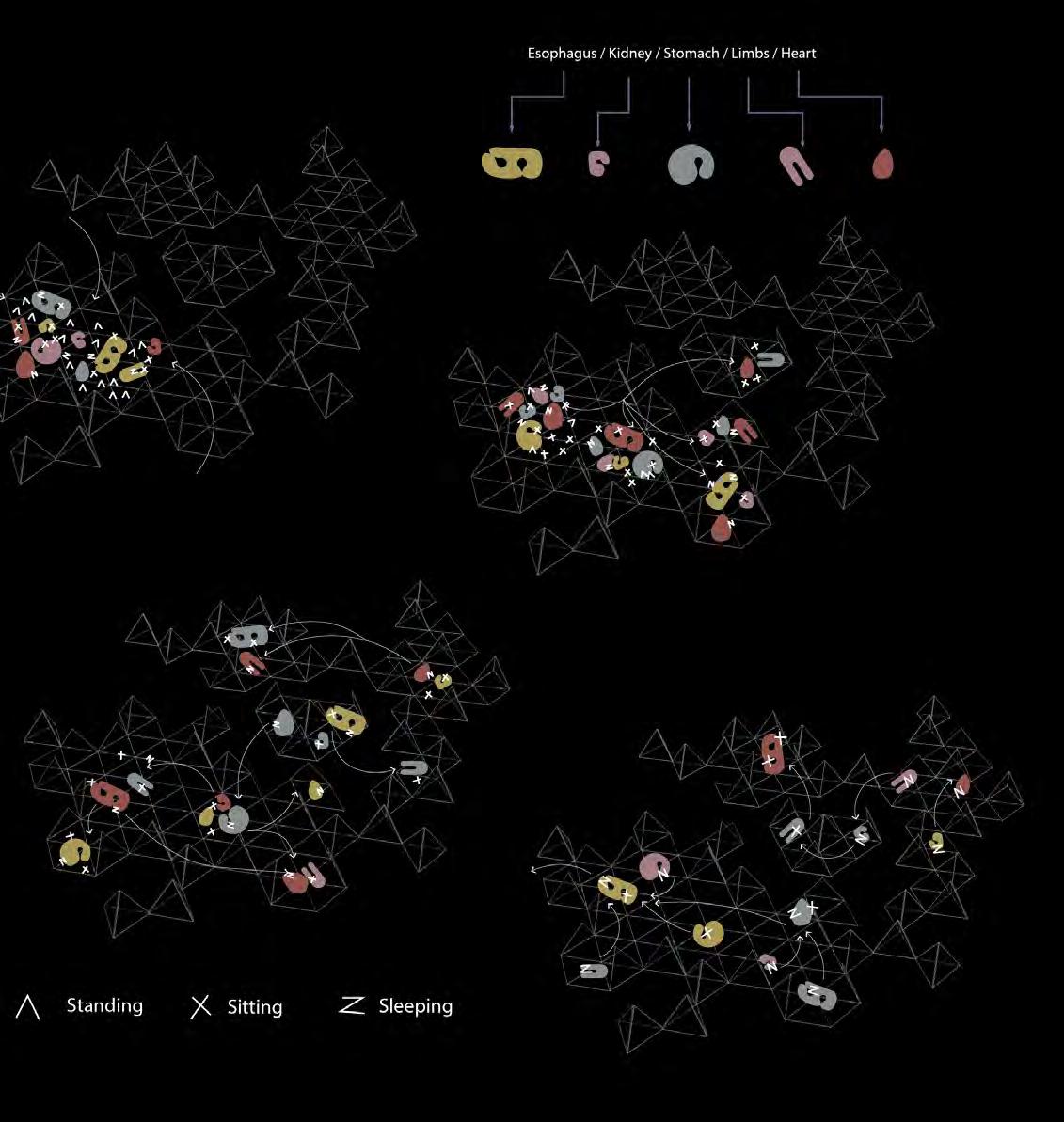
The project was envisioned as a soft landscape for collective rest and dream-sharing. The tentlike dwellings offer both opportunities for individual contemplation and more collaborative occupation of space. The design was shaped by extensive research in global tent and camp movements as well as indegenous story telling practices. Situated in Haliburton forest the design-build project was furthermore an exercise in addressing indegenous and colonial overlapping geographies and imaginaries.
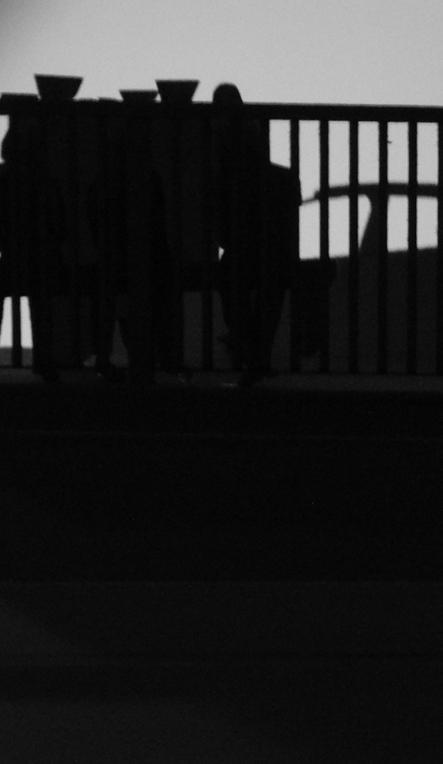
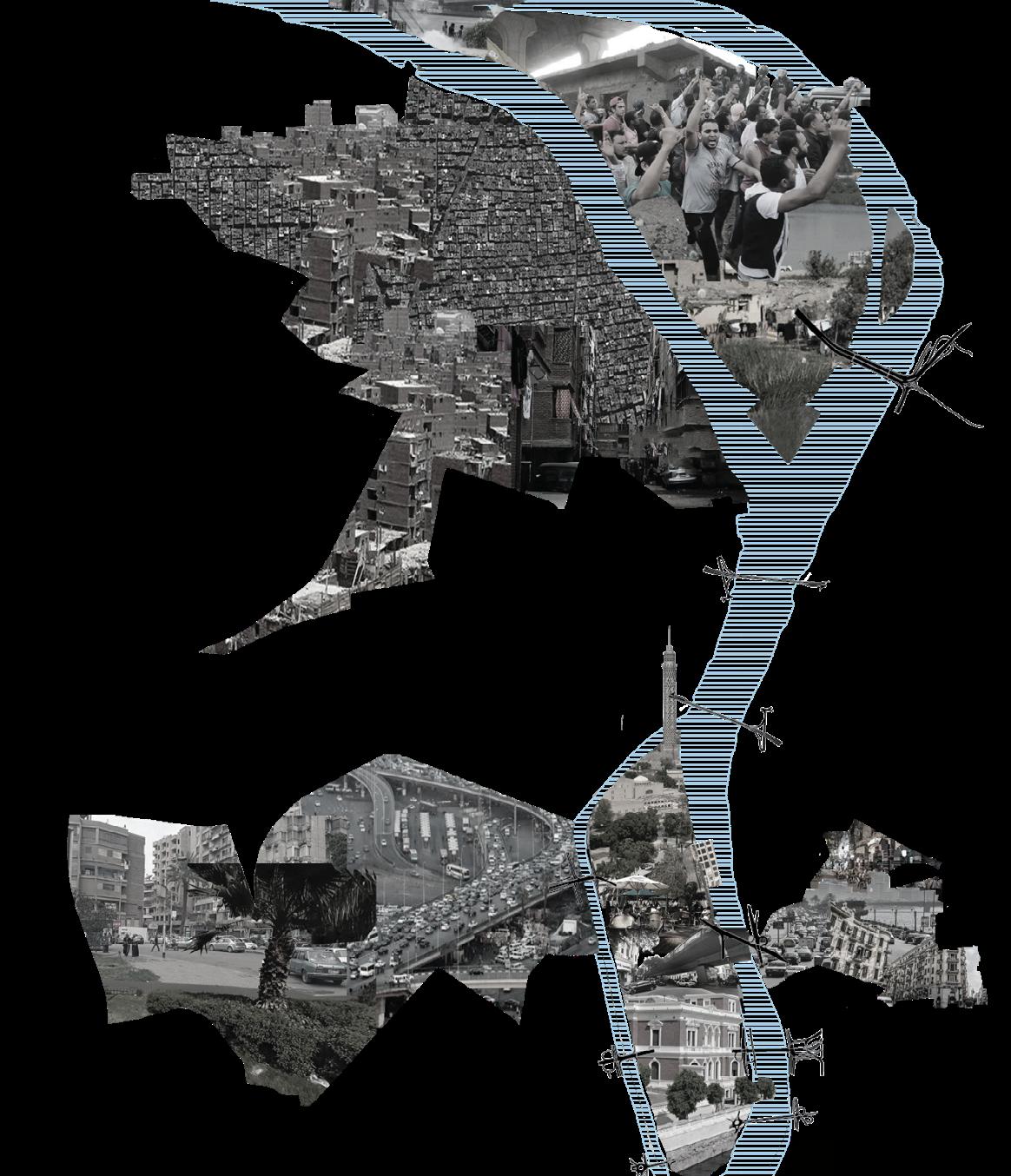
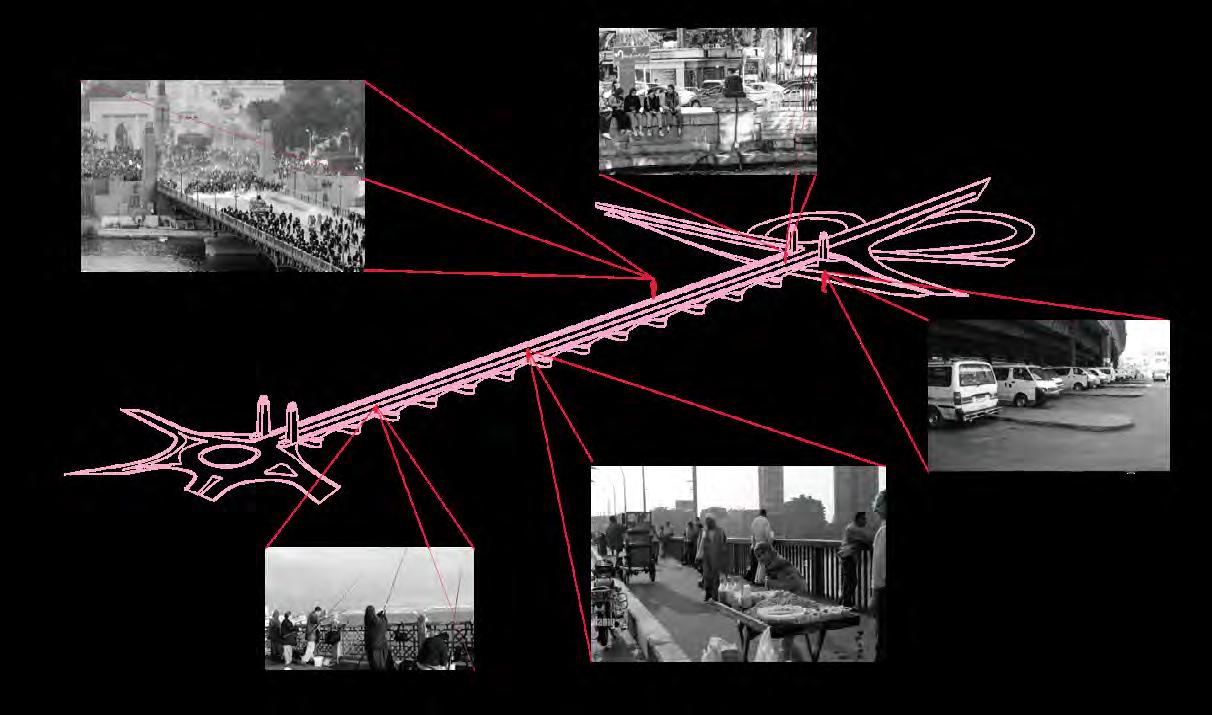
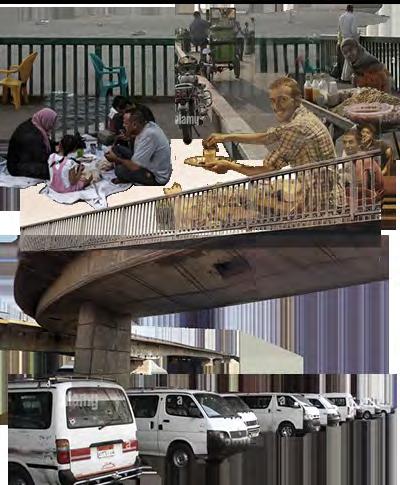
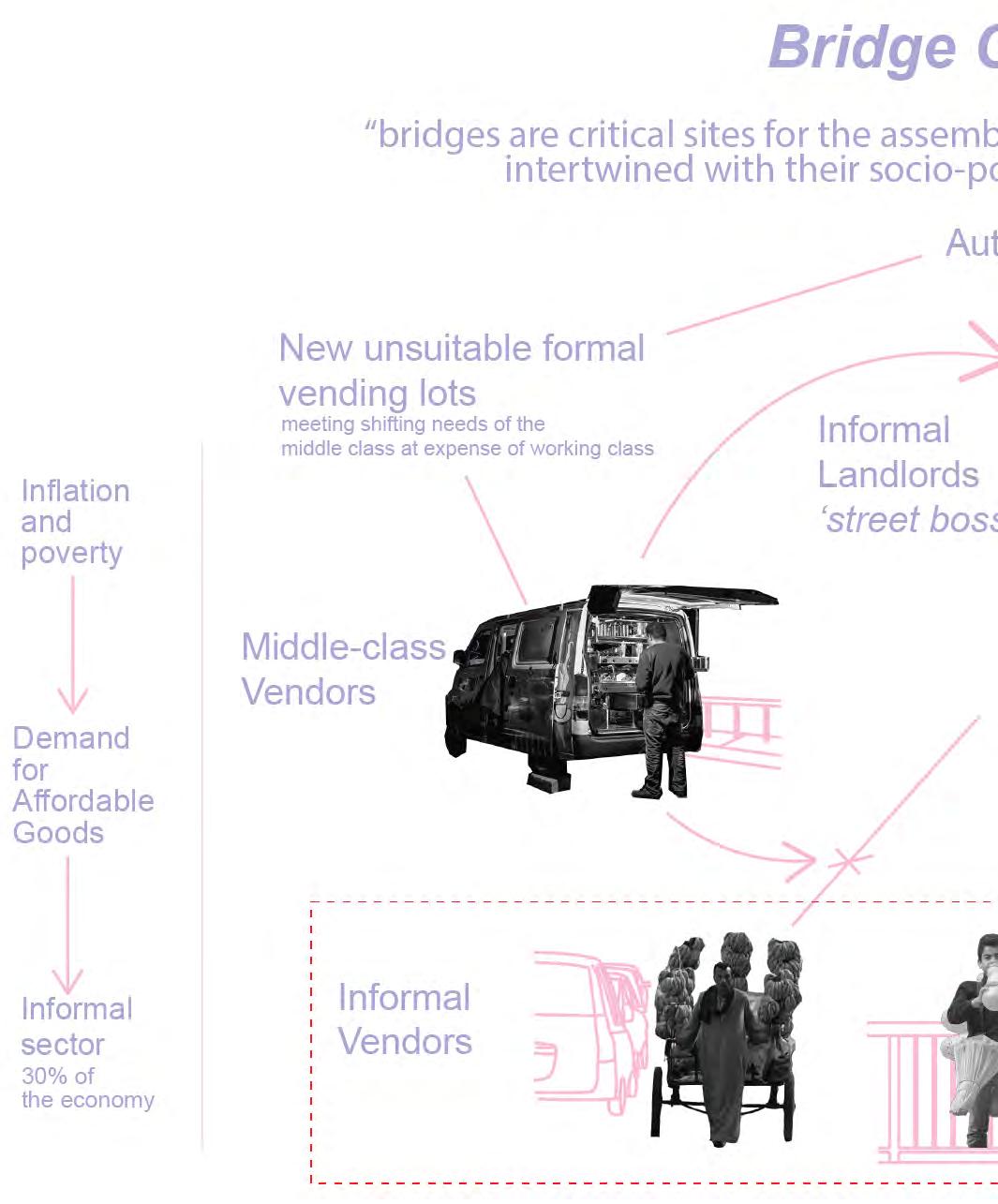
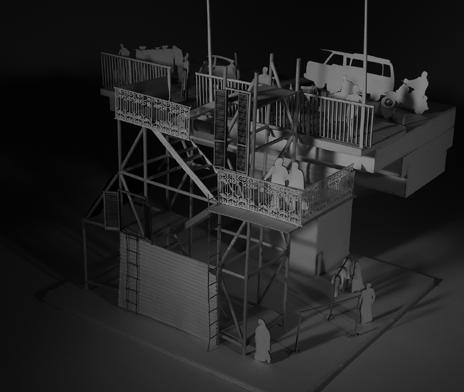
Within a context of diminishing public space in Cairo, bridges over the Nile go beyond connective infrastructure to become public sites of social, political, and economic practice – including picnicking, protesting and purchasing. With only 0.8m2 of open space per capita, availability of public space in Cairo is severely lacking falling well below the WHO recommendation of 9m2. This is exacerbated by neoliberal privatization of the Nile’s riverbanks – a pillar of Cairo’s public space. Currently, highly unstable and precarious informal use is the primary means by which members of the middle and working classes appropriate bridges as public space such as at the 15th of May bridge; vendors, commuters, couples and families take to the bridge armed with carts and chairs to make a living, enjoy a snack, and take in the view of the Nile – when conditions allow. Rare formal interventions by the government have failed to consider the contextual relations that shape the appropriation of bridges leading to generic spaces unsuitable for informal users effectively displacing them and limiting public use.
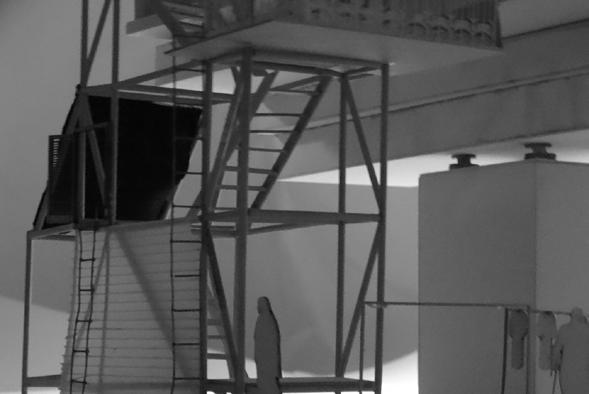
Through the development of archetypal humanscale interventions implemented contextually, the appropriation of bridges can be supported and expanded, increasing access to public space.
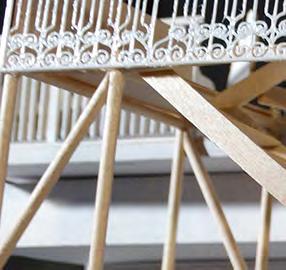
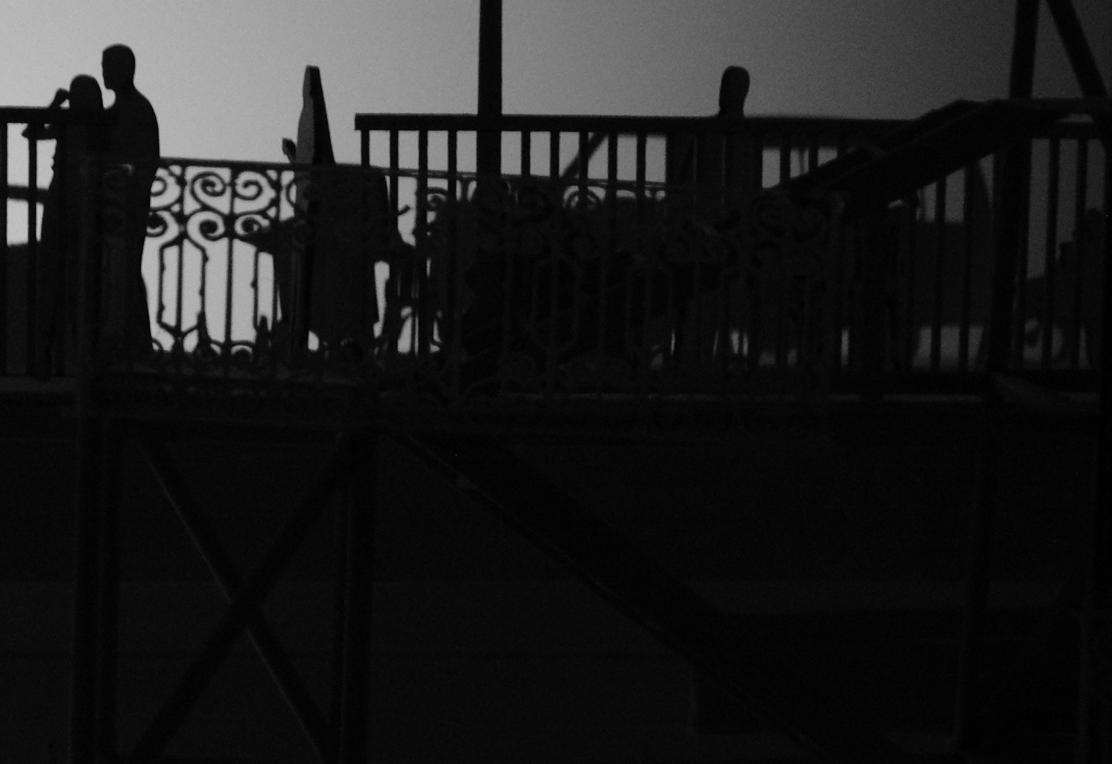
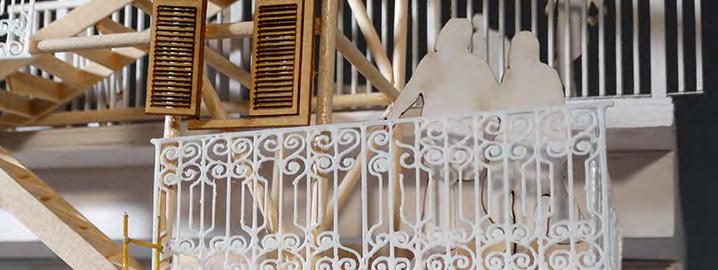
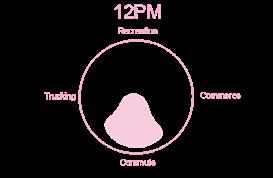
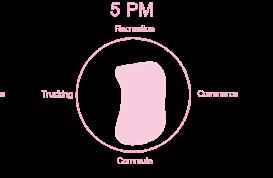
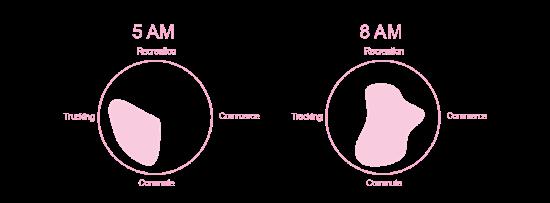
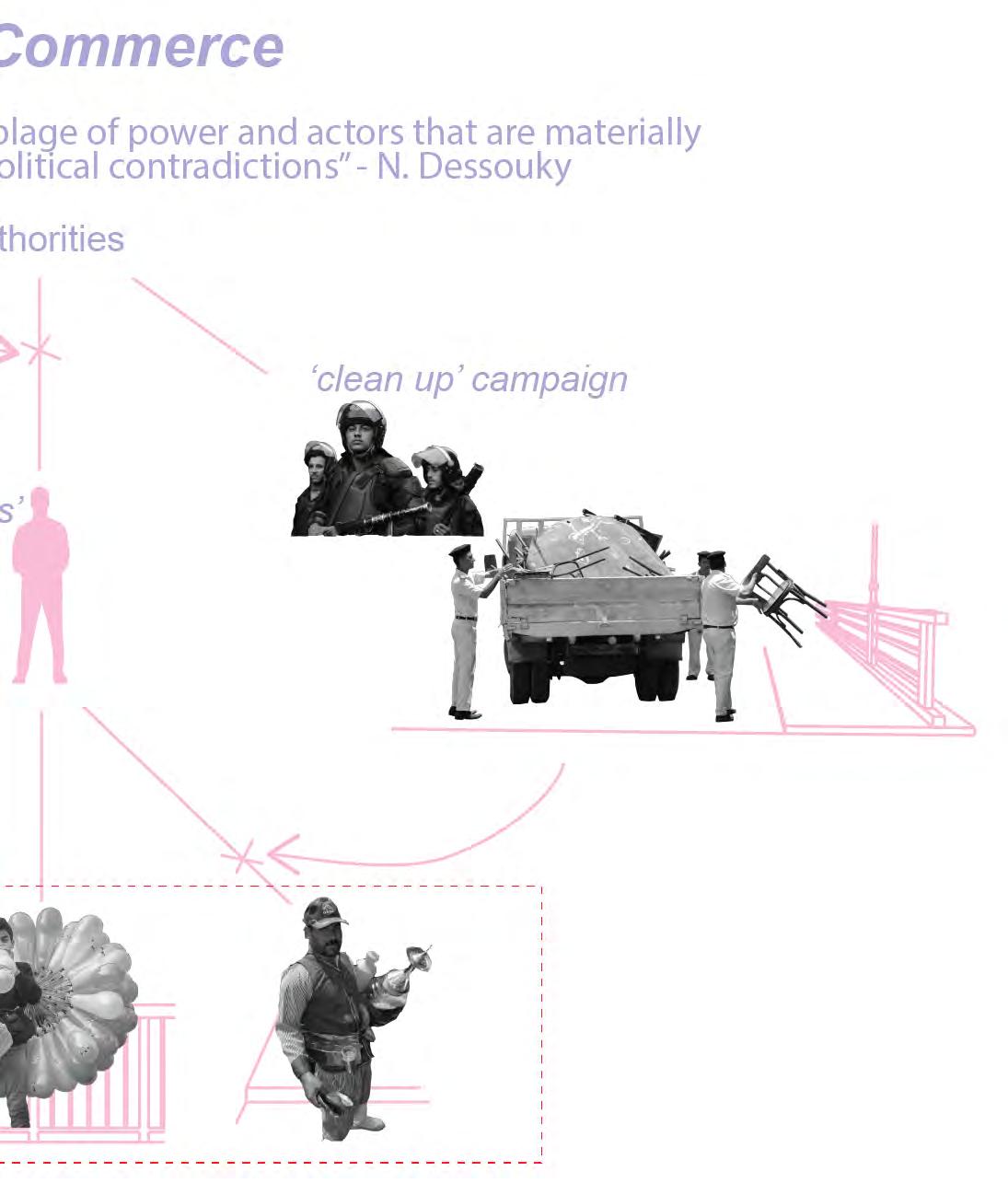
Interventions will not be final products but rather objects gradually developed and altered by working class community members to tweak spaces according to need.
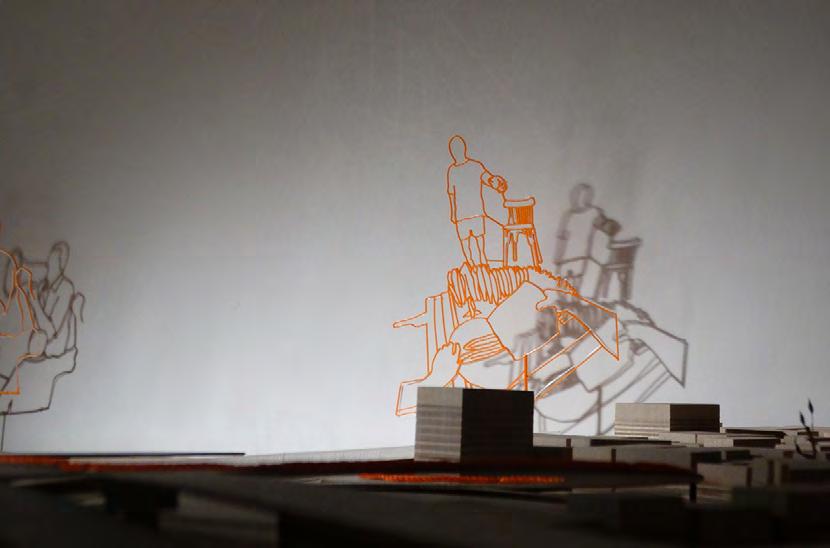
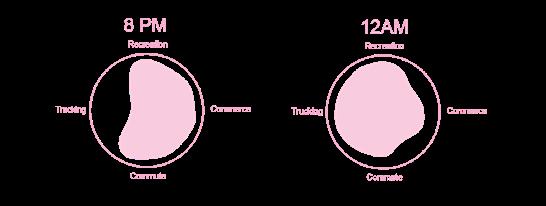
The objects would allow bridges to adapt to different uses in different places at different times.
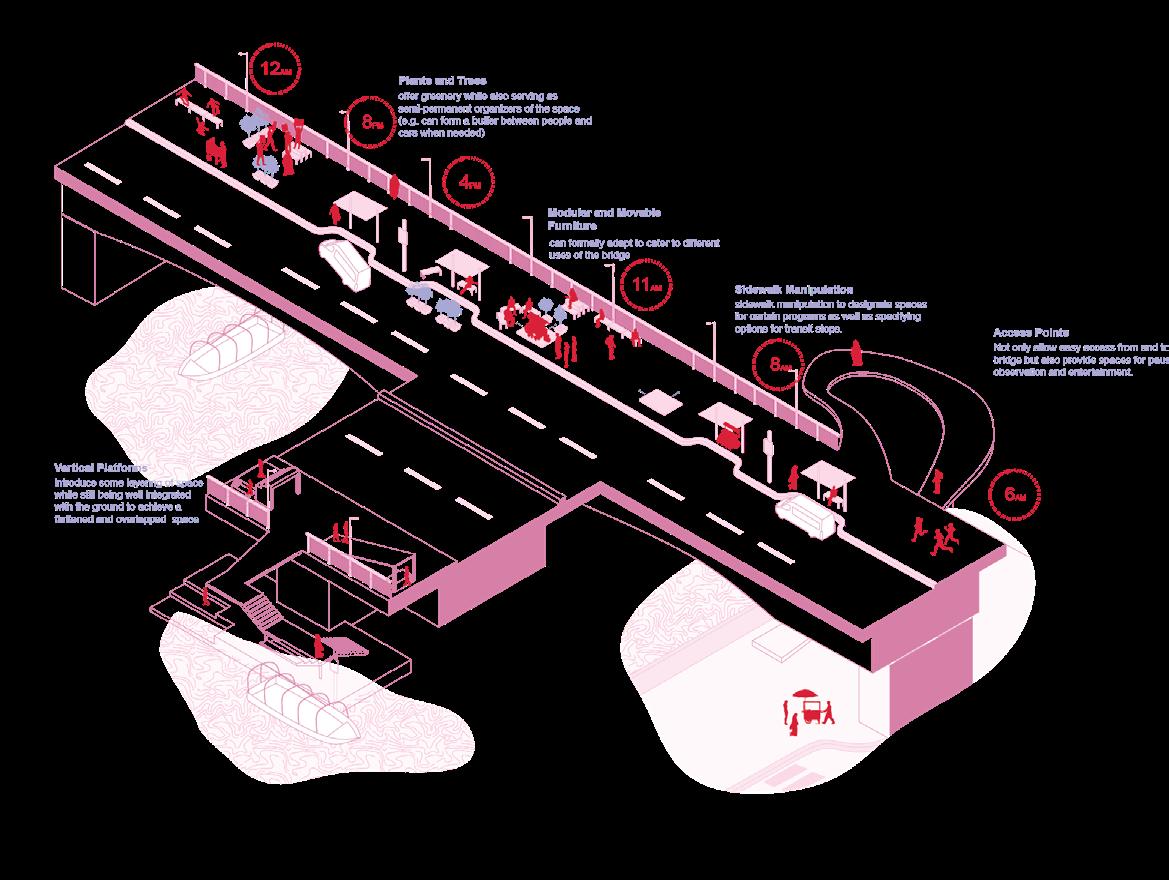
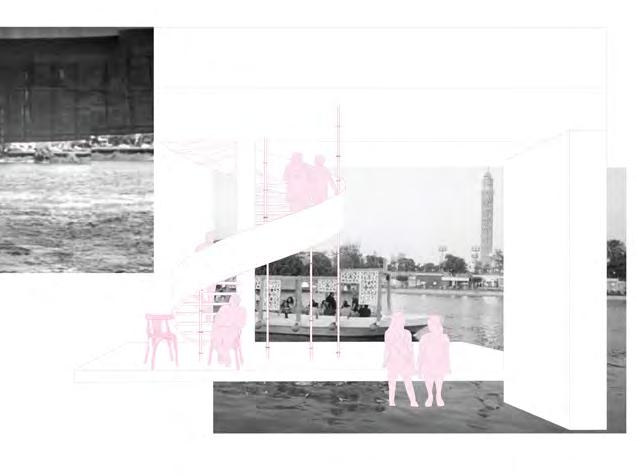
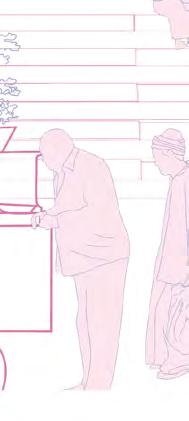
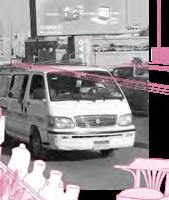
8AM: the vendor sets up his cart as the first wave of commuters rush to catch the busses grabbing bites of food on their way. The commuter wolfs down a quick meal of stewed fava beans and hops onto one of the microbusses
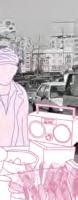
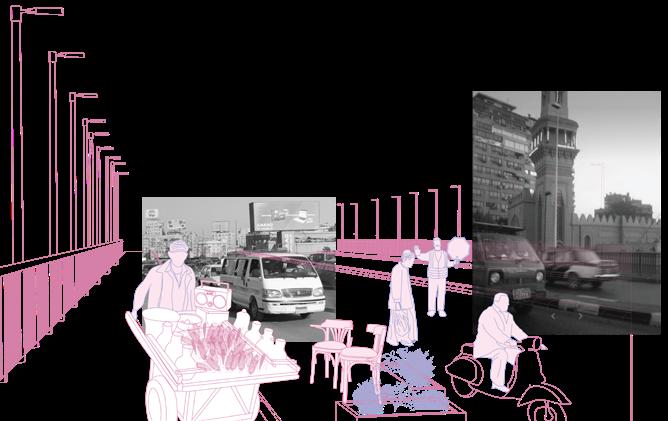
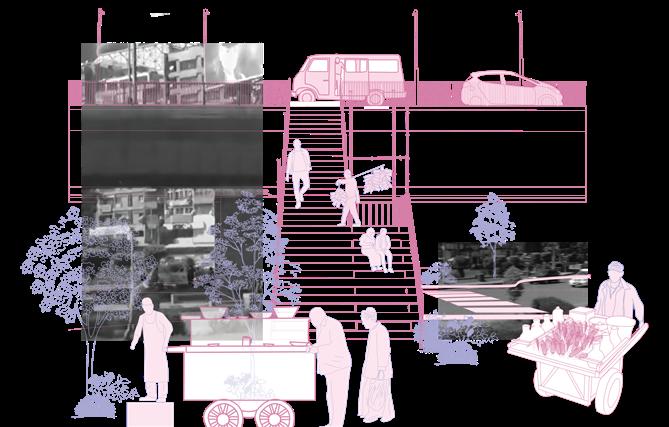
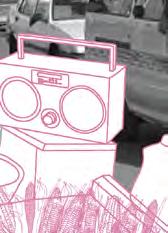
6PM: the vendor heads back up to the bridge to catch the commuters heading home and those enjoying their free time after work. He blasts some music to keep them entertained.
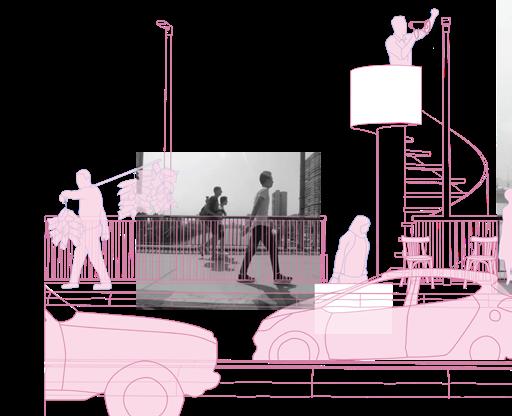
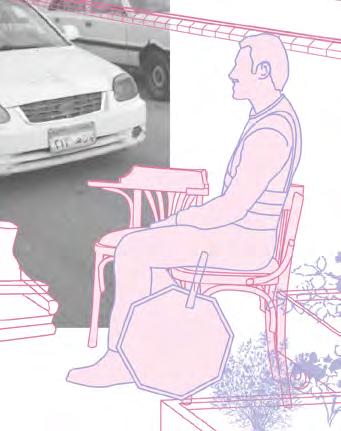
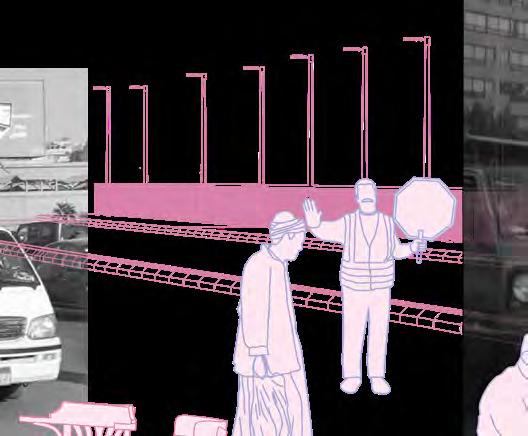
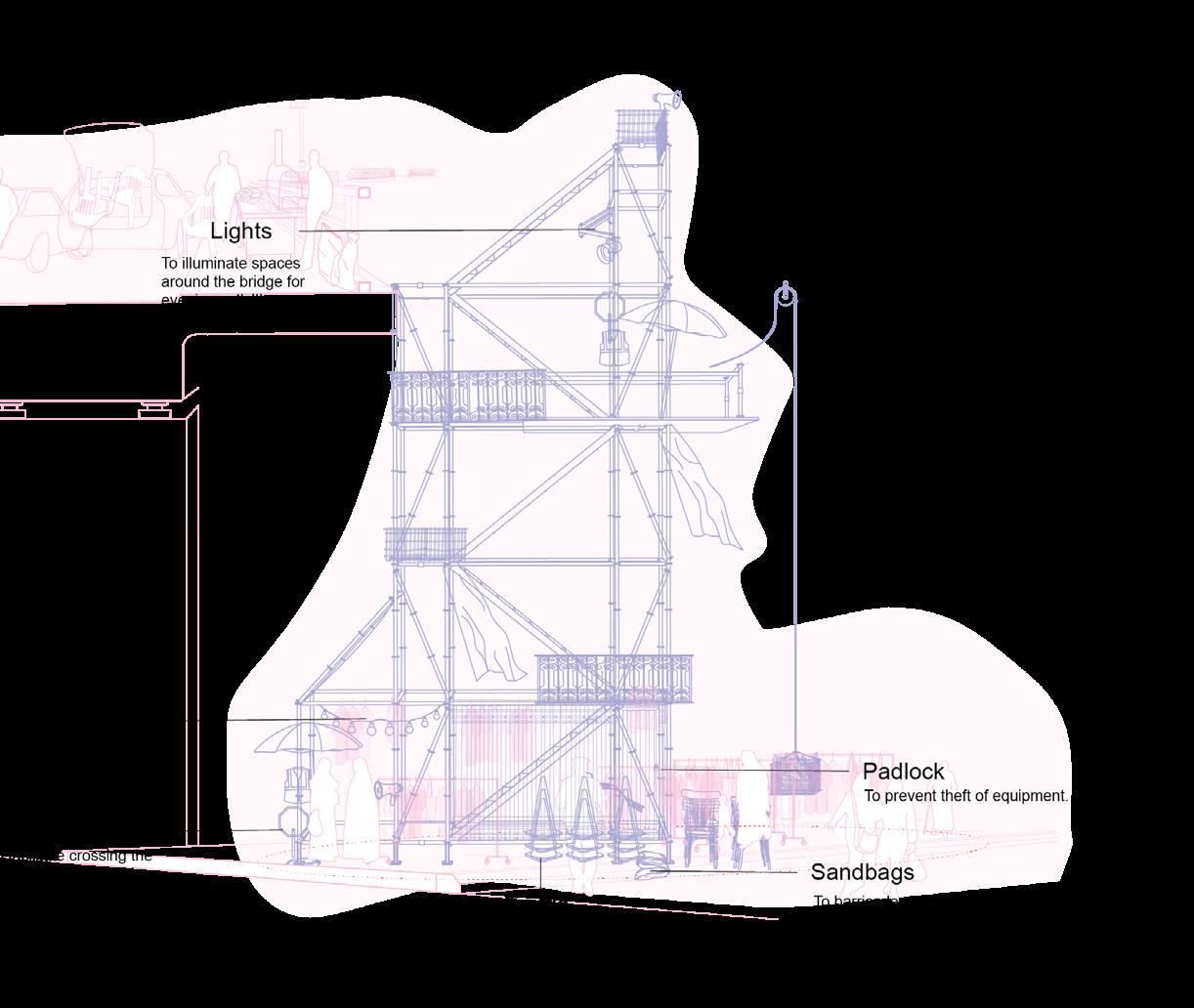
The resident volunteers to help pedestrians and commuters cross the road by grabbing the crossing guard sign and donning a high visibility jacket found attached to the scaffolding.
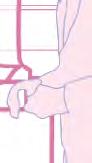
he later grabs a chair and sits alongside the commuter to enjoy some tea.
I have to get to abbasiya for work !!
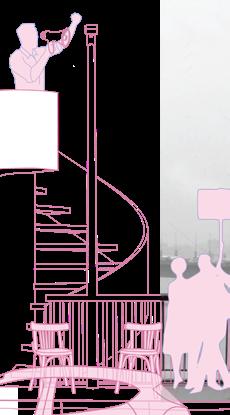
we need more parking!
Come along sir
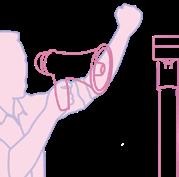
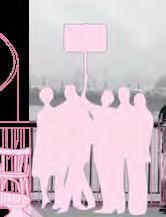
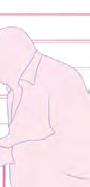
7PM: the resident watches someone from the neighborhood association protest the lack of parking from on top of the scaffolding with a megaphone. He begins to gather quite a crowd of supporters.
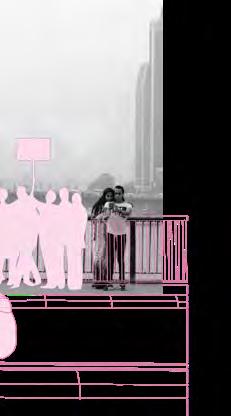
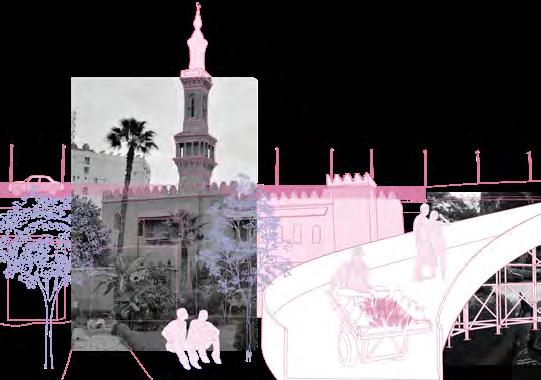
4PM: after hearing the afternoon call to prayer the vendor rolls his cart down the ramp he helped build with other vendors towards the mosque to serve people entering and leaving. As people line up to order, the resident passes by after praying but decides not to eat.