






PCSBBankwarnsofdeceptiveofferssentthroughmailthat appeartobefromyourmortgageprovider
Whilemostpeopleareawareoftheannoyingphonecallsofferingan extendedcarwarranty,anotherunnecessarywarrantyoffertargeting peoples’homesisgainingsteam.PCSBBankwantsconsumersto lookcarefullyatanynoticesregardingtheirmortgageorhome warrantyreceivedthroughthemailbeforebuyingsomethingthey don’tneed.
Whilenotalwaysascam,companiesthatsendoutmailersofferinga homewarrantyrenewalmaybeofferingalegitimateproduct,albeit onethattheconsumerdoesnotneed.Theofferisdeceptiveinthatit namesthecustomer’sbankormortgageprovider.Thiscantrickthe recipientintothinkingitiscommunicationfromtheirbank,causing themtocontactthecompanyandpurchaseanunnecessaryproduct.
Usingpubliclyavailableinformation,acompanythatoffershome warrantiessendsletterstoconsumersnamingtheirmortgage providerandwarnsthemthattheirhomewarrantyneedstobe renewed.Thelettercontainsaphonenumbertocalltorenewthe warranty.Ifyoureceiveoneoftheseletters:
·Lookforthefineprint—Theremaybeinformationinsmallfont thatnotifiestherecipientthecompanysendingthemailingisnot affiliatedwithyourmortgageprovider.
·Contactyourbankormortgageprovider—Ifyouareunsureifthe communicationislegitimate,callyourbankormortgageprovider directlyforconfirmation.Donotcallthenumberlistedonthe mailing.
·Lookforhigh-pressuresalestacticsorthreateninglanguage—If themailingstatesthatyou“must”dosomething“immediately”or threatensthatyoucouldloseyourhomeifyoudon’t“ActNow,”don’t trustit.Thesetypesoftacticsareredflagsthatarelikelyascam.Alert yourbankifyoureceiveanythingusingthattypeoflanguage.
Emergency preparation is a multifaceted process that can save lives, money, time, and effort should a storm or natural disaster strike. One notable component of strong emergency preparation involves assessing current insurance policies to determine if changes to existing coverage might be necessary. Policy holders can consider this approach as they plan to assess their coverage.
Policy holders may or may not know just how much coverage they have and if any exclusions are written into their existing policies. If you aren’t entirely certain what your current policy covers, then familiarize yourself with it to see if you can spot any potentially costly shortcomings in coverage. Insurance providers are responsible for providing annual copies of any policy, even those that are simply renewed each year. Renew the policy each year so you can identify areas where you’re covered and where you might need additional protection.
Homeowners recognize the value of real estate has skyrocketed in recent years. While that’s good for those planning to sell their homes soon, all homeowners may need to increase their coverage limits to ensure they’ll be able to rebuild and/or repair their current properties if they’re damaged in a storm. If the most recent assessment of a property falls far short of the current market value of the home, it might not be so easy to be reimbursed for the present-day market value of the home. Increasing coverage can safeguard homeowners from such an issue.
Homeowners living in areas vulnerable to certain types of storms may want to consider purchasing additional coverage. Flood insurance may be expensive, but it’s an investment worth making for homeowners living in coastal areas or other vulnerable regions. Some providers may not offer flood insurance due to the high risk of flooding, so it’s best to determine the need for such coverage and to start shopping as soon as possible if it’s needed.
Providers may recommend homeowners take certain steps that can both safeguard their homes from storms and lower their insurance premiums. Policy holders can initiate this conversation with their providers and be sure to ask which tweaks can save them money and which might be most effective should their home end up in the path of a storm or another weather-related event.
Certain policies, including flood insurance, typically come with waiting periods that last 30 days or longer. Though it’s impossible to predict the arrival of storms with absolute certainty, homeowners should keep potential waiting periods in mind when assessing their insurance needs.
Preparing for emergencies involves a thorough assessment of existing insurance policies and what can be done to increase coverage when necessary.

Home improvement projects run the gamut from complex undertakings like room additions to simpler renovations like a new front door. Some home renovations excite homeowners more than others, but all improvements are a way to make a home safer, more comfortable and/or more functional.
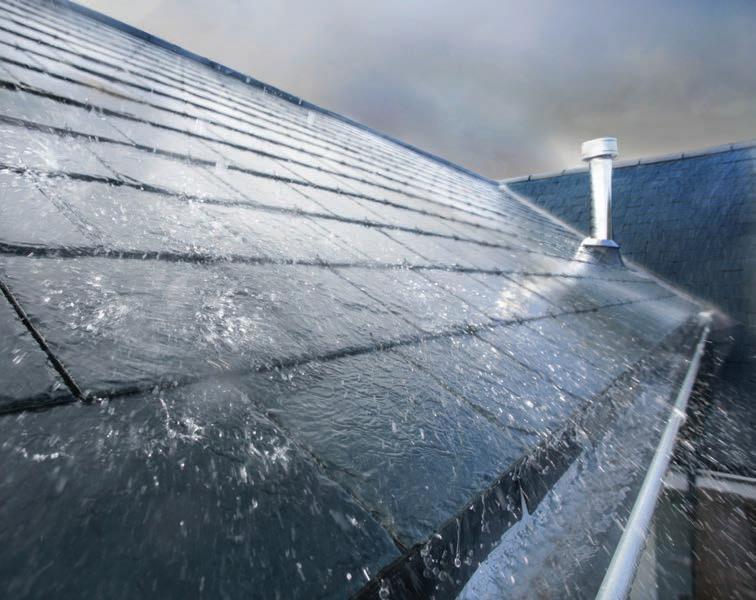
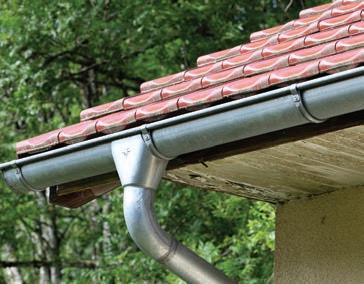
A gutter replacement might not inspire the same level of excitement as a room addition or an overhaul of an outdoor living space, but new gutters can help to prevent roof damage and make properties safer by ensuring rain water is directed away from walkways. Homeowners who suspect it might be time for a gutter replacement can look for these signs of fading gutters.
Cracks or splits at the seams of the gutters where two pieces connect is a telltale sign they need to be replaced. Cracks or splits are can slowly lead to separation of gutter pieces, which will lead to leaks. But not all cracks or splits are found at the seams. In fact, some homes
feature seamless gutters, which also can crack or split. Regardless of where they’re found, cracks or splits are a warning signs of fading gutters.
Rust is rarely a good sign whether you’re looking at a vehicle or even garden tools. Rust also is a bad sign in relation to gutters. Gutters are painted, and not only for aesthetic purposes. Paint on gutter also serves to protect them from water. When paint begins to flake, gutters will begin to rust and may even produce noticeable rust flakes on the ground below. Rust on gutters and rust flakes beneath them are indicative of gutters that need to be replaced.
Gutters that appear to be pulling away from the home is a sign that they need to be replaced. Gutters are fastened to a home during installation, which ensures they can withstand rain and water. Over time, those fasteners can wear down, ultimately leading to gutters that appear to be pulling away from the home. Though gutters can be refastened, eventually they will need to be replaced.
Pooling water in a gutter may just be a sign that gutters need to be cleaned. However, pooling water on the ground directly beneath gutters indicates they’re not effectively directing water away from the home.
A home’s interior might not be the first place homeowners look when inspecting for damaged gutters, but a flooded basement or crawl space could indicate a gutter problem. Gutters and downspouts are designed to direct water away from a home when functioning properly. When that isn’t happening, water can pool beneath the foundation, leading to pooling water and other water damage in basements and crawl spaces.
Gutter replacement projects may not be exciting, but new gutters can make a home safer and prolong the life of a roof and other features on a property.




Replacing windows is a job that requires advanced skill, and this is not a do-it-yourself project. There are many qualified professional window installation companies that will work with homeowners to measure, order and install windows that will fit with the style of a home and local weather, all while providing features the homeowner desires.
For those wondering when to replace windows, Pella and Renewal by Andersen, two of the premiere window manufacturers, offer these guidelines.
Difficulty opening and closing windows.
A window that does not operate as it should can aggravate homeowners. If windows are sticking shut or cannot be securely closed, it’s probably time for something new.
There’s apparent window damage.
Accidents happen, and if a rock is kicked up from a lawnmower and cracks a window or if spring baseball practice has gone awry with an errant throw, windows may require replacement.
Drafts in the window are common.
If heating and cooling systems are working overtime, drafty, poorly insulated windows could be to blame. Various agencies can perform energy efficiency tests in a home. Windows that are determined to be the weak spots should be replaced.
Dated windows are present in the home.
Older windows may pose safety hazards, especially those in older homes. A larger window may be needed to comply with fire safety codes allowing for window egress. Dated windows also may simply look “old” and compromise the aesthetics of a home.
Outdoor noises are noticed quite readily.
Newer windows can help reduce noise transmission. So those leaf blowers, airplanes, barking dogs, and kids playing basketball up the


street won’t disturb homeowners as they try to enjoy some peace and quiet indoors.
Fading indoors is noted.
Windows that do not feature low-emissivity (Low-E) glass coatings will not block UV rays. Those rays can cause fading to wood floors and furniture or pretty much anything the sunlight touches. Replacing existing windows with Low-E coating alternatives can safeguard belongings and improve window efficiency.
Window replacement may be necessary when existing windows are showing signs of aging or damage.







Spring in western Iowa brings a welcome change of season. Lawns begin to green up, shelterbelts fill in, and shade trees return to life. It also brings a familiar reality for homeowners across communities like Council Bluffs, Harlan, and Carroll. Severe thunderstorms, straight line winds, hail, and occasional tornadoes are all part of the season.
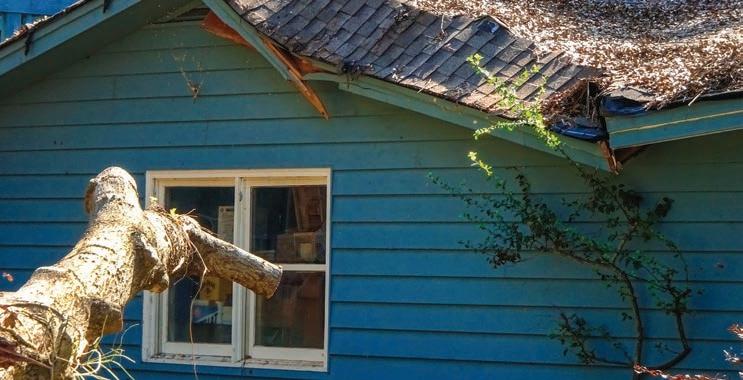
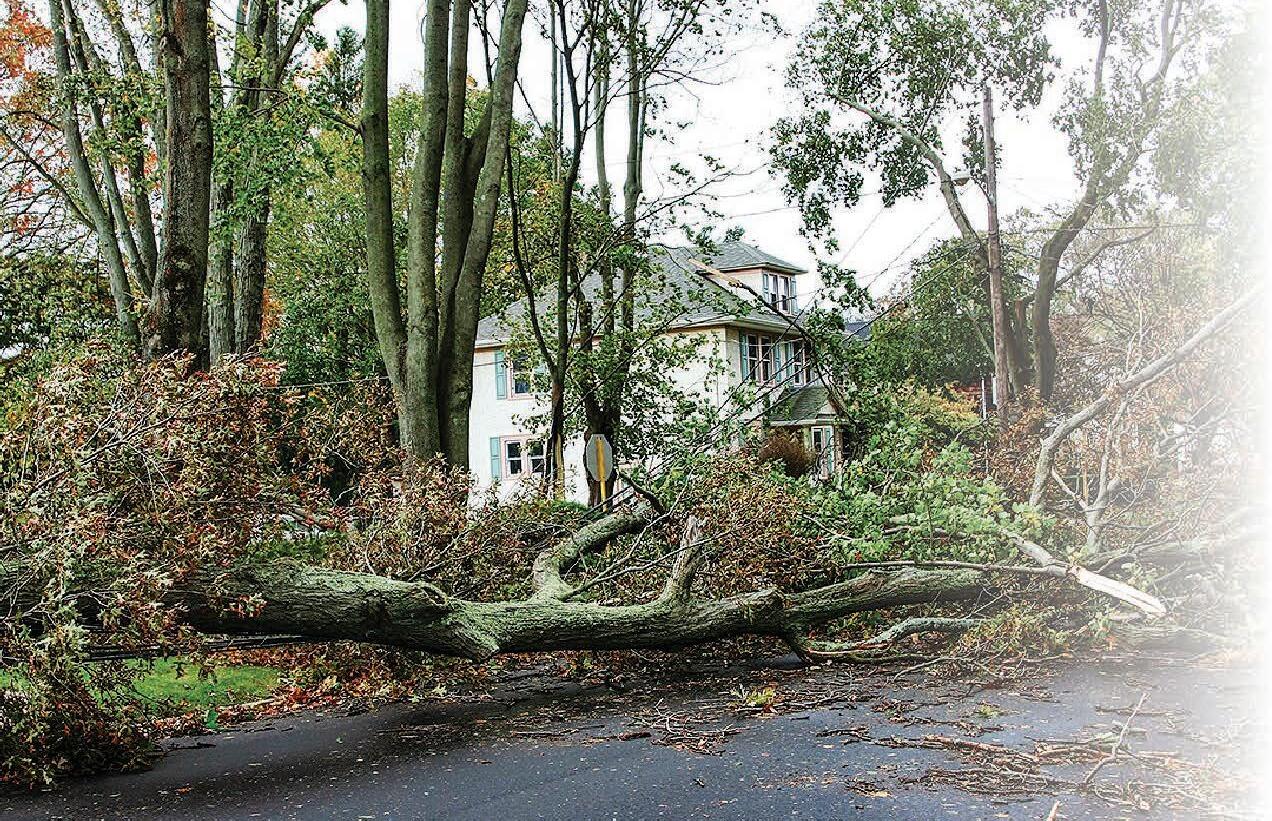
When strong systems move across the plains, trees are often the first casualties. Limbs snap. Roots loosen in saturated soil. Entire trees can fall in a matter of seconds. The difference between minor cleanup and major property damage often comes down to preparation.
A walk around your property this time of year can reveal early warning signs.
Dead or brittle limbs are one of the most common hazards. Branches without buds or leaves, or limbs with visible decay, are more likely to break under wind pressure. If they hang over your roof, driveway, or power lines, they deserve prompt attention.
Cracks in the trunk or major branches are another red flag. Even small splits weaken structural integrity. Under heavy wind load, those cracks can widen quickly and lead to failure.
Take note of any trees that appear to be leaning. After a wet spring, saturated soil reduces root stability. A tree that shifts even slightly may indicate compromised roots.
Dense, overgrown canopies also create problems. Thick foliage catches wind like a sail. Strategic trimming allows wind to pass through more easily, reducing stress on the trunk and root system.
Even old stumps deserve consideration. While they may seem harmless, they can become obstacles during cleanup and detract from drainage and lawn maintenance. Professional stump grinding eliminates both safety concerns and aesthetic issues.
Preventative trimming and inspection are often far less costly than emergency response after a storm.
When severe weather clears, safety must be the first priority.
Avoid downed limbs and trees, particularly if they are near power lines. Always assume a line is live. Keep children and pets away from the area until it has been assessed.
Resist the urge to handle large tree removal yourself. Storm damaged trees are unpredictable. Limbs can be under extreme tension and may shift without warning. What appears stable can move suddenly. Document any damage with photos for insurance purposes before cleanup begins. Clear images can simplify the claims process. Then contact a professional tree service equipped to handle emergency removal. Experienced crews can safely remove fallen trees, prevent further structural damage, and assess whether partially damaged trees can be saved or need full removal.
In western Iowa, spring storms are not unusual events. They are seasonal realities. A proactive approach offers peace of mind when the sky darkens and the wind begins to build.
Thoughtful trimming, complete tree removal when necessary, stump grinding, and reliable emergency service all play a role in protecting homes and properties. Preparing now ensures that when the next storm


Homeowners know there’s no shortage of ways to tweak a property. Some homeowners may lament that the work associated with home ownership is never done, but owning a house also provide endless opportunities to upgrade the spaces people call home.

Landscape lighting has become increasingly popular in recent years. That popularity is undoubtedly due to a number of variables, and each highlights a benefit of installing landscape lighting around a property.
Some may think of big budget projects like kitchen remodels or room additions when pondering home renovations. Such projects can have a dramatic impact on the look and feel of a home, but landscape lighting can be equally transformative at a fraction of the cost of larger undertakings. The home renovation experts at Angi.com estimate the average landscape lighting project costs around $4,000, making affordability a notable benefit of the project.
There’s no denying the aesthetic appeal of a well-lit landscape at night. Landscape lighting can be utilized to draw attention to awe-inspiring components of a landscape, whether it’s natural features like gardens and foliage or manmade components like architectural features. Improved appearance can increase curb appeal, which is often associated with how a home looks during daylight hours. But photographs of a well-lit nighttime landscape can impress buyers as well.
Landscape lighting might help homeowners reduce the cost of their homeowners insurance. Researchers at PolicyGenius.com found that insurance companies typically offer a discount of 2 to 5 percent to homeowners who install a home security system. Insurance providers may offer additional savings to homeowners who pair such systems with landscape lighting, which can be a deterrent to burglars who prefer to operate under a cloak of darkness.





Insurance firms may discount premiums because of landscape lighting because they view it as a deterrent to potential criminals. But landscape lighting also makes moving around a property at night safer for residents and guests. Lighting can be used to illuminate walkways, outdoor living rooms, patios around pools, and other areas where residents and guests will be walking at night, which can reduce the risk of falls and injuries that may result from such spills.
Savvy homeowners consider a renovation’s return on investment before deciding to go forward with a project. Studies vary, but the National Association of Realtors indicates landscape lighting can recoup as much as 70 percent of homeowners’ investment in the project at resale. When viewed through the lens of ROI, the cost of installing landscape lighting is even less.
Landscape lighting adds notable aesthetic appeal to a home at a fraction of the cost of other renovation projects. The benefits such lighting provides make the project one every homeowner can consider.
















There is a moment every spring in western Iowa when the windows close, the thermostat flips to cool, and homeowners wait for that first rush of cold air. After a long winter, your air conditioning system has been sitting idle for months. What happens next depends largely on how well it was prepared.
Across communities such as Council Bluffs, Atlantic, and Red Oak, spring is also storm season. High winds, heavy rain, and hail can take a toll on outdoor cooling units long before summer heat arrives.
A little attention now can prevent an uncomfortable and expensive surprise later.
Your outdoor condenser unit sits exposed year round. Through snowdrifts, ice, wind, and flying debris, it quietly weathers the elements.
By spring, several issues may be present:
Debris buildup. Leaves, sticks, and dirt restrict airflow, forcing the system to work harder than necessary.
Bent fins. Hail and windblown debris can damage the delicate metal fins that release heat from your home. When those fins are crushed, efficiency drops.
Shifted or uneven pads. Saturated soil and freeze thaw cycles can cause the concrete pad beneath your unit to settle or tilt, placing strain on refrigerant lines.
Hidden electrical damage. Power surges and lightning strikes during storms can compromise components without obvious external signs.
These are not always visible to the untrained eye. Yet they directly impact performance, energy costs, and system lifespan.
A professional spring maintenance visit does more than check a box. It restores efficiency and catches small problems before they escalate. During a typical service appointment, a technician will inspect electrical connections, test refrigerant levels, clean coils, check capacitors, and ensure the system cycles properly. The goal is simple. Make sure your equipment is ready before you truly need it.
In a region where summer humidity can settle in quickly, waiting until the first heat wave is rarely a good strategy. Service schedules fill fast once temperatures climb.
If a strong storm passes through your area, take a few precautions before restarting your cooling system.
Visually inspect the outdoor unit from a safe distance. Look for obvious dents, exposed wiring, or debris lodged inside the cabinet. If the unit has been struck by large branches or appears to have shifted, do not turn it on.
Even if the system runs, unusual noises, reduced airflow, or warm air from vents can signal damage. Running a compromised unit may cause further issues.
When in doubt, schedule an inspection. Addressing storm damage promptly can prevent compressor failure, which is often one of the most costly repairs.
Reliable cooling in July is the result of smart decisions made in April and May. Spring maintenance protects your investment, improves efficiency, and reduces the likelihood of mid season breakdowns. Western Iowa weather will always be unpredictable. Your indoor comfort does not have to be.
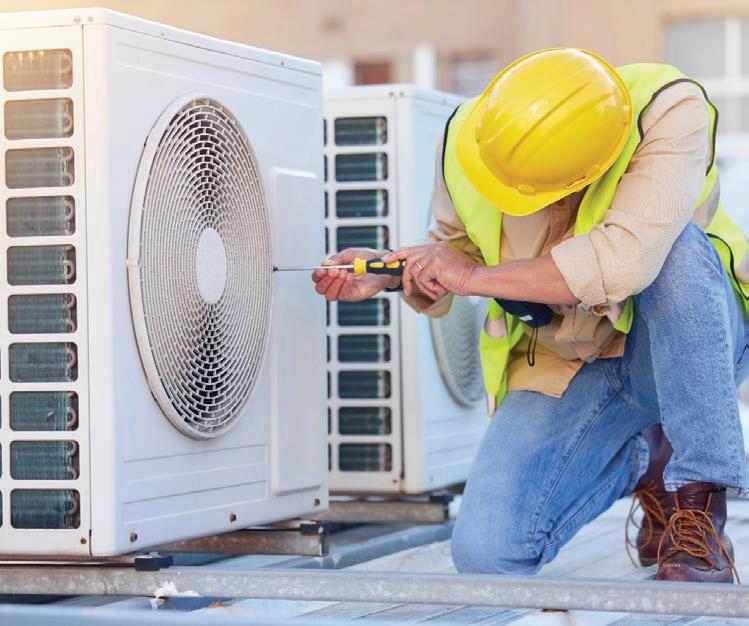
Renovations around the house require an investment of time and often considerable amounts of money. Findings from the 2024 U.S. Houzz & Home Study show that home renovations are becoming more expensive. The median renovation spending for homeowners has gone up 60 percent since 2020. Angi, a home services website, reports the average renovation cost for homes between 1,250 and 1,600 square feet is $51,772, but the final cost of home renovations depends on the scope of the project.
Homeowners who are conserving funds can rest assured that it is possible to make meaningful changes both inside and outside a home without breaking the bank. Here are some ways to renovate a home on a budget.
Figure out exactly what you can afford for a renovation and then make that your maximum dollars spent. Research comparable projects in your area and be honest about whether you can afford the renovation as-is or if you must adapt ideas to fit your price. Make sure to build in a cushion of around 15 to 20 percent for any unforeseen expenses that may arise once a renovation is underway.
This Old House suggests looking for ways to maximize your current layout before you invest in major renovations like an expansion. Bring in a designer with an eye for utilizing space. For example, see how you might be able to replace shelves with pull-out drawers in the kitchen. Moving furniture around or rethinking floor plans also can help to lower costs.
You can save money by tackling some projects yourself, but only if you are confident in your renovation skills. Rather than risk making costly mistakes and having to redo things, hire well-vetted professionals but ask if there’s any DIY work you can do to cut costs.
Shop discount stores for building materials to save money. For example, if a builder ordered too many cabinets they may offer them to Habitat for Humanity ReStores, which are nonprofit home improvement stores and donation centers. Checking the clearance and markdown sections of other stores may yield considerable savings on items needed for a renovation. Warehouse retailers like Costco or Sam’s Club also can be great places to find certain home improvement materials and furnishings.
Certain stores may offer things like free consultations with designers who can show you what a renovation can look like. This is advantageous to the stores because once you see the potential you’re more likely to buy the products, even if it’s not mandatory.
Certain items can be made to look new with minimal effort. Paint is a relatively inexpensive tool that can transform walls and more. A good hardwood flooring company can buff out a floor and put a new coating instead of an entirely new floor. Kitchen cabinets can be resurfaced instead of replaced as well.
Finding ways to perform home renovations on a budget may require some creative thinking, but it’s possible to get results at the right price point.







Kitchen renovations continue to top the list of improvements that offer a high rate of return on investment. Buyers pay attention to kitchens, which undoubtedly affects the ROI of kitchen renovations.
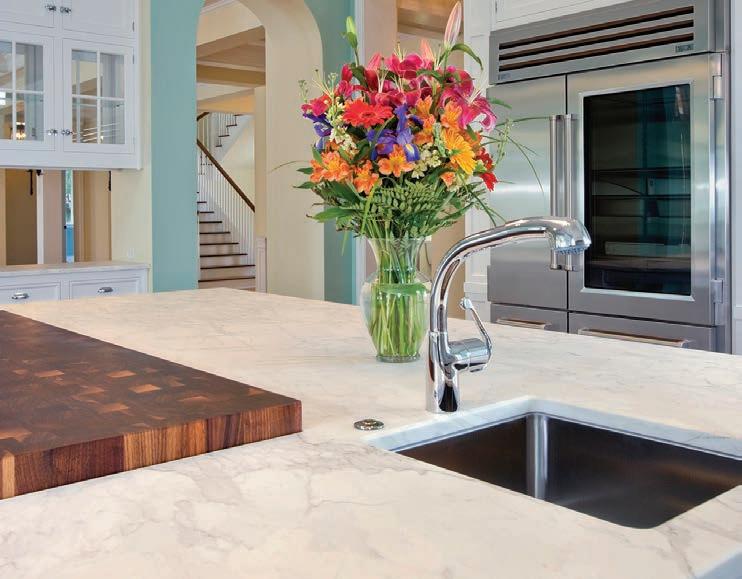
According to data from Grand View Research, the U.S. countertops market is projected to reach $35.57 billion in 2026, driven by homeowners who desire high-value renovations over relocating. Those thinking about overhauling their spaces with new countertops can consider the leading materials and how they rank in cost, maintenance and durability.
The National Kitchen & Bath Association reports that 78 percent of design professionals expect quartz to be the preferred countertop material over the next several years. Quartz is non-porous, so it will resist stains, scratches and bacteria infiltration without having to be sealed. Unlike natural stone, quartz offers pattern uniformity, which makes it easier to map out seamless transitions. Quartz costs between $50 and $150 per square foot installed.
Granite still holds a considerable chunk of the countertops market and remains a solid standard for those who value a one-of-a-kind look of natural stone. Granite has exceptional heat resistance and adds significant resale value. However, it requires periodic sealing to maintain its good looks. Costs range from $40 to $190 per square foot.
Porcelain tiles and slabs are projected to become the fastest-growing segment in the ceramic tiles market, according to reports from Yahoo Finance. High-precision printing technology enables porcelain to mimic rare marble and other stone with superior accuracy. Porcelain is even harder than granite and effectively impervious to UV rays. This makes the material a solid choice for outdoor kitchens. Plus, at a cost of $60 to $120 per square foot, it is competitive with other similar materials.
Those who appreciate a soft, organic texture and “warmth” in their spaces can look to butcher block. Wood is making a comeback, as
many homeowners are moving away from stark, white designs. Butcher block is self-healing, meaning scratches can be sanded out. Butcher block costs between $50 and $150 per square foot.
Laminate is a budget-friendly option for homeowners at $20 to $80 per square foot, but is not as durable as other materials. Some laminates mimic the look of high-end materials, and they don’t require much maintenance.
Countertops affect the look and feel of kitchens and other interior and exterior spaces. Choosing materials comes down to cost, durability and maintenance.
Chances are no one wants to replicate the side effects of the global pandemic anytime soon. Despite all of the upheaval it brought to so many people’s lives, there was at least one silver lining to the pandemic: a newfound appreciation for backyards and other outdoor living areas. Back in 2021, OnePoll, on behalf of the landscaping company TruGreen, found survey participants reported spending 14 hours outside every week, which marked a three-hour increase than before the pandemic hit.
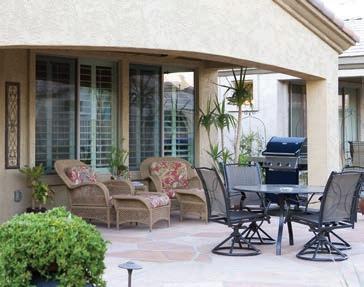
Outdoor spaces like patios, decks, yards, and even front porches remain popular places for homeowners and their loved ones to congregate. Various studies have shown that those who spend more time outside in nature have lower levels of stress, anxiety and depression.
A well-designed yard has one or more dedicated gathering spots, particularly areas that enable comfort underfoot. Homeowners can give consideration to hardscape that enables individuals to spend time outdoors without standing in soggy or buggy situations.
Grilling, smoking and even making brick oven pizzas outdoors is a major component of backyard entertaining. Outdoor kitchens can increase the convenience of prepping, cooking and serving food outdoors. Grills and other cooking gear can be built into weather-resistant counters and cabinetry.
A pergola or another structure is the perfect way to add privacy to a gathering spot and create more shade and weather protection when Mother Nature does not want to cooperate.
When making backyard improvements, homeowners can incorporate ideas that make the yard more functional during different seasons. For example, a fire pit or outdoor fireplace can be a spot for making summer s’mores or sipping mulled cider in the fall.