OM MAGAZINE


The publication was previously known as Bloom Magazine, which has always been an OM publication. To simplify branding and bring everything under one umbrella, Bloom Magazine has been rebranded as OM Magazine.
While the name has changed, the magazine itself has not. It remains the same publication, with the same circulation, the same readership, and the same focus on serving workers’ compensation and orthopedic professionals nationwide.
Thank you for being part of our readership and for continuing to support the work we do.
-The OM Team
A Letter From The OM Team | 01
Editorial Board | 04
Cover Story | 07
PRP Therapy in 2026: A New Look at Common Work Injuries | 12
Isabel Dovale | 17
Jenniffer Quiel | 18
Nicole Jermin | 19
Lissa Benoit | 20
Laura Frias | 21
Roxanne King | 22
Candida Marin | 25
Lisa Morales | 25
Jean LeBlanc | 25
Brian Gallagher, MD | 27
Andrew Rowan, MD | 28
Carissa Stone, MD | 30
Andrew Mundy, MD | 32
Evan Horowitz, MD | 33
Brian Hatten, MD | 34
Finding the Right Team Is Getting Harder and What Employers Are Doing About It | 37
Orthopedic Value-Based Care Doing What Matters With More Intention| 40
OM Launches Nation’s First Designation for High-Quality Workers’ Compensation Care | 42
Distal Radius Fractures in Workers’ Compensation: A Practical, End-to-End Overview for Adjusters and Case Managers | 45
The Men Behind the Claims | 50 Modern Hip and Knee Replacement for Workplace Injuries | 54
Carpal Tunnel Syndrome in The Workplace: A Common Problem With An Easy Solution | 57
Navigating The Complexities: A Guide to Occupational Ankle Fractures | 59
New York & New Jersey Spine and Orthopedics: Raising the Standard in Workers’ Compensation Care | 62 Keeping Florida’s Workforce on Its Feet | 65
Cervical Decompression and Fusion After a Work-Related Motor Vehicle Collision| 69 Returning to Work After a Complex Shoulder Injury | 72
OM Team Favorites | 77
Why Forest Bathing Belongs in Every Corporate Wellness Program | 78
10 Uplifting Quotes to Start Your Day on a Positive Note | 81 Permission to Rest Without Guilt | 84
7 Simple Ways to Welcome Spring and Feel Renewed | 87
31-Day Spring Clean Your Life Challenge | 90
How to Plan a Seamless Trip Without the Stress | 96
Hotel Stays Done Right:Travel Tips That Elevate Your Experience | 98
Top 5 Spring Travel Destinations in 2026 | 100
114-116

Founder, CEO
Editor in Chief, Creative Director
Editor at Large, Design Director
Vice President, Marketing
Chief Revenue Officer
Contributing Writer
Contributing Writer
Contributing Writer
Contributing Writer
Contributing Writer
Contributing Writer
Contributing Writer
Contributing Writer
Contributing Writer
Mari Diaz
Samantha Diaz
Melissa Diaz
Ozzy Diaz
Osberto Diaz
Anand Panchal, DO
Jose Ortega, MD
Alejandro Pino, MD
Joao Panattoni, MD
Yoav Zvi, MD
John Peden, MD
Robert Rochman, MD
Peter D’Amore, MD
Nelson Gonzalez
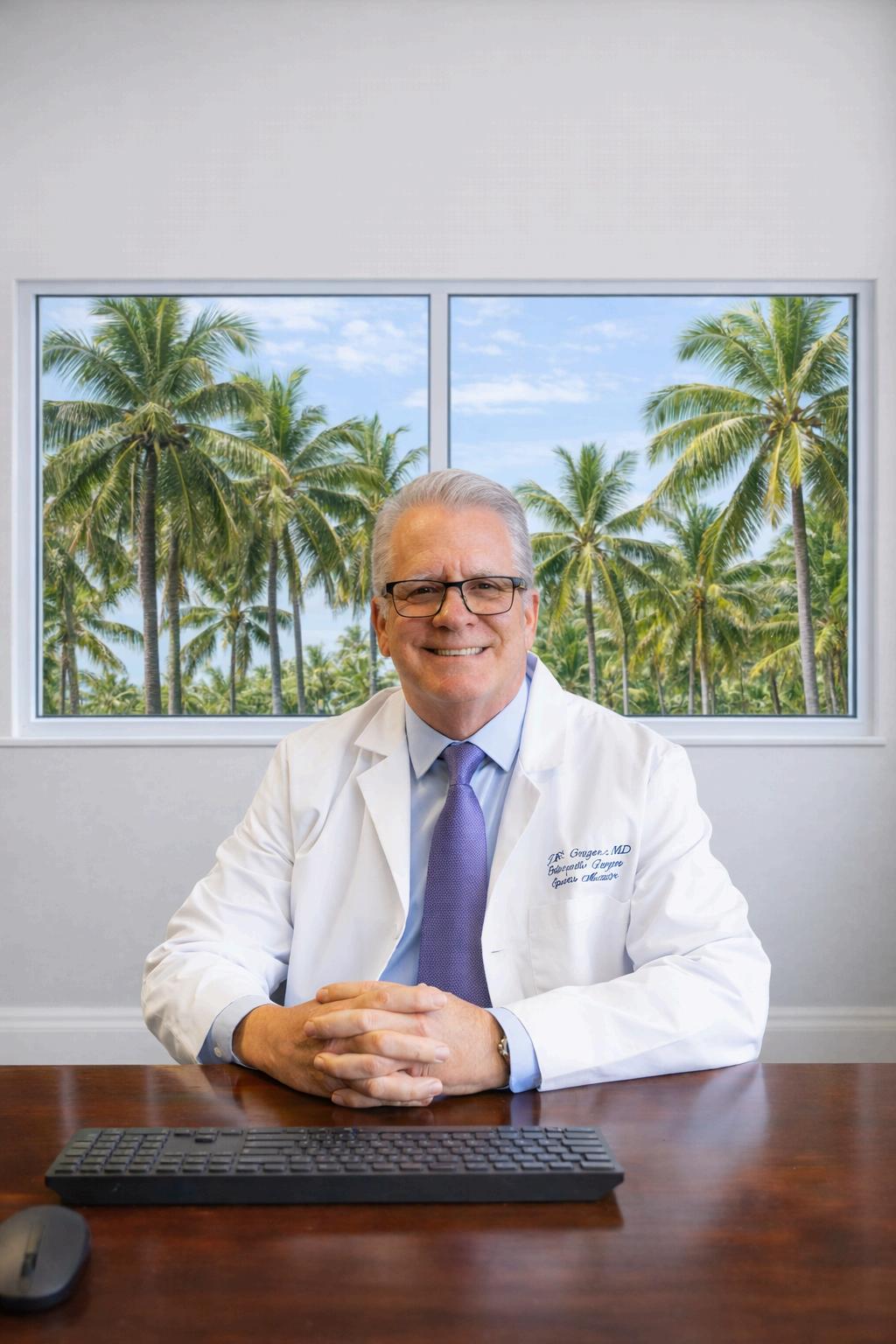
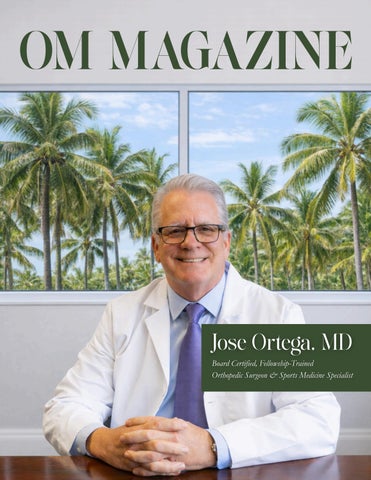
We’re proud to feature Jose Ortega, MD, on the cover of this edition Board Certified, fellowship-trained orthopedic surgeon and sports medicine specialist with the Center for Bone & Joint Surgery of the Palm Beaches Dr Ortega is known for his patient-centered approach to care, combining advanced surgical techniques with thoughtful, individualized treatment plans Specializing in shoulder and knee conditions, he focuses on restoring function, reducing downtime, and helping patients return to their daily lives and work safely. His commitment to precision, innovation, and outcomes-driven care reflects the evolving standard of orthopedic treatment and we’re excited to share his story.

Over two decades of connecting employers, TPAs, brokers, and insurers with top doctors and ancillary providers in workers' compensation. Trusted partner in implementing best practices through WorkCompReady™ certification
Scan the QR code to follow us across all our social media platforms

INSTAGRAM: @omdocs
FACEBOOK: @weareomdocs
LINKEDIN: OM
YOUTUBE: @weareomdocs
WEBSITE: www.omdocs.com
BY LISA LAO
BY DORIAN ASH
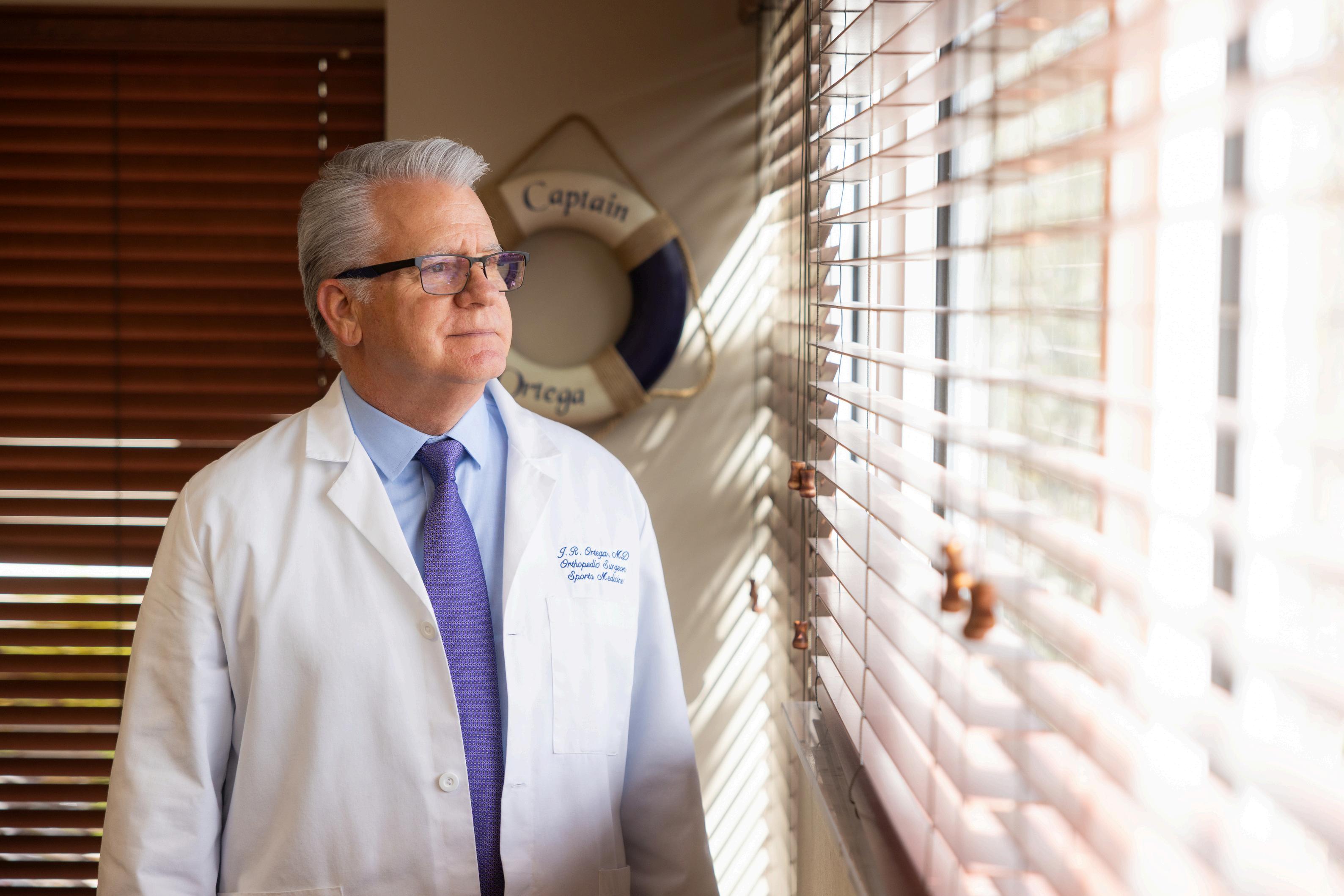
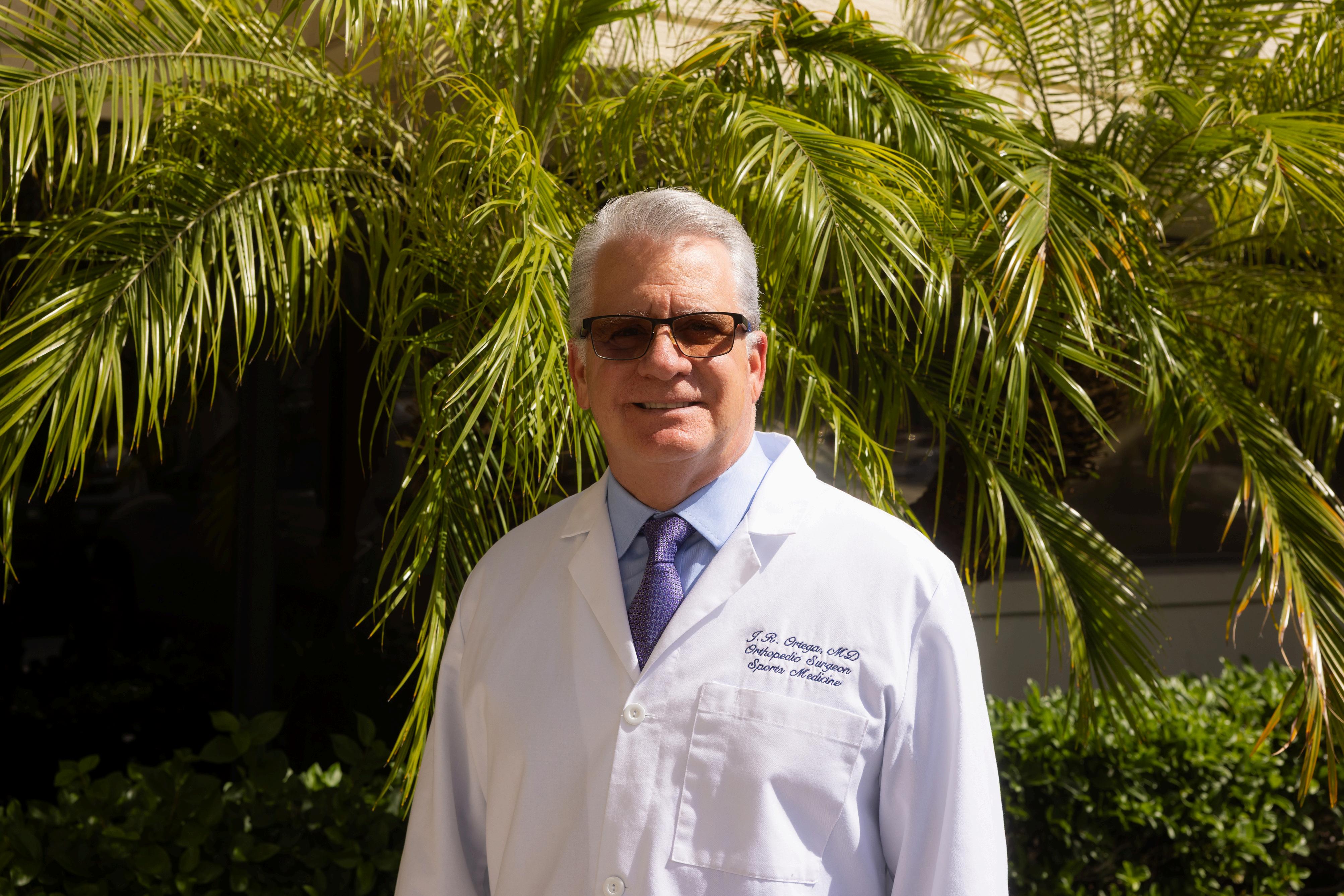
OM Magazine sat down with Dr. Jose Ortega, a board-certified, fellowshiptrained orthopedic surgeon and sports medicine specialist, to discuss his background, clinical expertise, and his approach to treating injured workers and supporting their return to optimal function.
OM Magazine: Dr. Ortega, can you start by sharing your background and what led you to specialize in orthopedic surgery and sports medicine?
Dr. Ortega: My journey into orthopedic surgery and sports medicine began during my medical training at the University of Puerto Rico School of Medicine I developed a strong interest in the mechanics of the human body and how we can restore function, particularly in active individuals and athletes I later completed my fellowship at the Cleveland Clinic Foundation, where I specialized in arthroscopic reconstructive surgery of the shoulder and knee, which further shaped my focus in this field.
OM Magazine: Can you tell us more about your areas of expertise and the procedures you commonly perform?
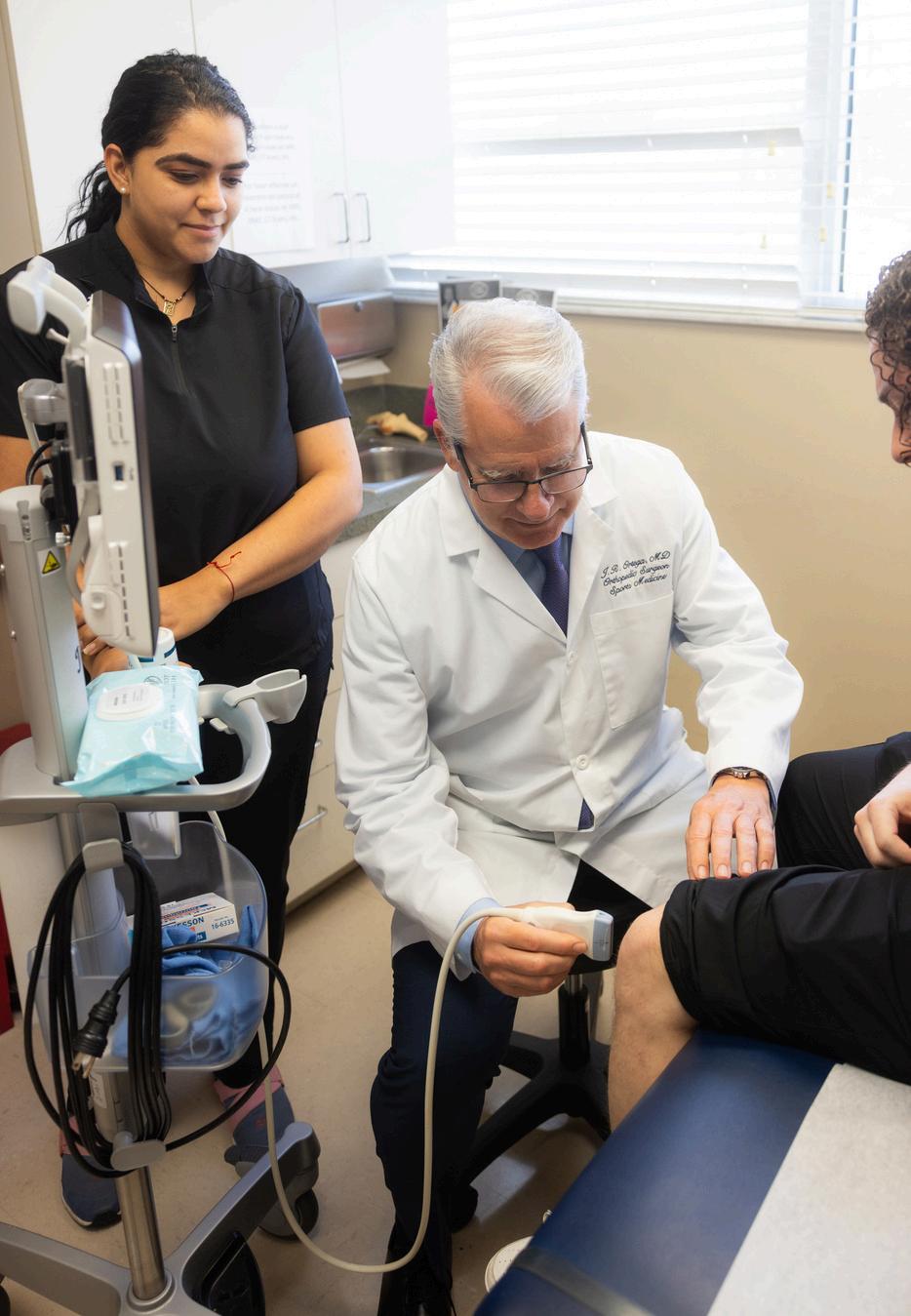
Dr. Ortega: My practice focuses on both surgical and non-surgical treatment of shoulder and knee conditions. This includes arthroscopic rotator cuff and instability repairs, knee ligament reconstruction, and the management of meniscal and cartilage injuries I also treat shoulder and knee arthritis using non-invasive approaches when appropriate In addition, I incorporate regenerative medicine techniques to support healing in certain cases.
OM Magazine: How do you incorporate regenerative medicine into your practice?
Dr. Ortega: Regenerative medicine allows us to use the body’s own healing processes to treat injuries. I utilize treatments such as platelet-rich plasma (PRP) and, when appropriate, other biologic therapies to help reduce pain, improve function, and in some cases delay or avoid the need for surgery These options can be very effective when used in the right clinical setting
OM Magazine: You are also involved in orthopedic research. How does that influence your patient care?
Dr. Ortega: Research plays an important role in improving outcomes. I stay involved by presenting at national and international meetings and keeping up with advancements in surgical techniques and treatment options This allows me to bring current, evidence-based approaches into my practice and continuously improve the level of care I provide
OM Magazine: How do you approach treating injured workers?
Dr Ortega: Treating injured workers requires a structured and coordinated approach The priority is to establish an accurate diagnosis, implement an effective treatment plan, and guide the patient through recovery with clear expectations Communication is key throughout the process, including coordination with all parties involved. The goal is always to support a safe and timely return to work while restoring function.
OM Magazine: What role does patient education play in your practice?
Dr. Jose Ortega: Patient education is essential When patients understand their condition and treatment plan, they are more engaged in their recovery. This is especially important in workers’ compensation cases, where timelines and expectations need to be clearly defined Educated patients tend to have better outcomes and a smoother recovery process
OM Magazine: How do you stay current with advancements in orthopedic surgery and sports medicine?
Dr Ortega: I regularly attend continuing medical education courses, participate in conferences, and stay active in professional organizations such as the American Academy of Orthopedic Surgeons Ongoing education is necessary to ensure that I am providing the most up-to-date and effective care
OM Magazine: What sets your practice apart?
Dr. Ortega: It is a combination of experience, surgical expertise, and a patient-centered approach I focus on individualized care and clear communication throughout treatment. Being bilingual also allows me to effectively communicate with a broader patient population, ensuring patients fully understand their care and recovery plan.
Adjusters, employers, and case managers seeking to schedule an appointment with Dr. Jose Ortega can contact the dedicated workers’ compensation team at the Center for Bone & Joint Surgery of the Palm Beaches (A HOPCo Managed Company):
Email: Ernesto Sierra@boneandjoint org
Phone: 561-803-8655
Fax: 561-204-2042

BY JOSE R. ORTEGA, MD
Platelet-rich plasma has come a long way. A decade ago, PRP was still considered experimental by most standards something athletes tried and people questioned. In 2026, the landscape looks different. PRP is now supported by a growing body of clinical evidence, and it has earned a legitimate place in the conversation about treating common musculoskeletal injuries That does not mean it belongs everywhere But for the right patient, the right diagnosis, and the right moment in care, PRP can be a meaningful treatment option particularly for the kinds of tendon and joint problems that keep injured workers from returning to full function
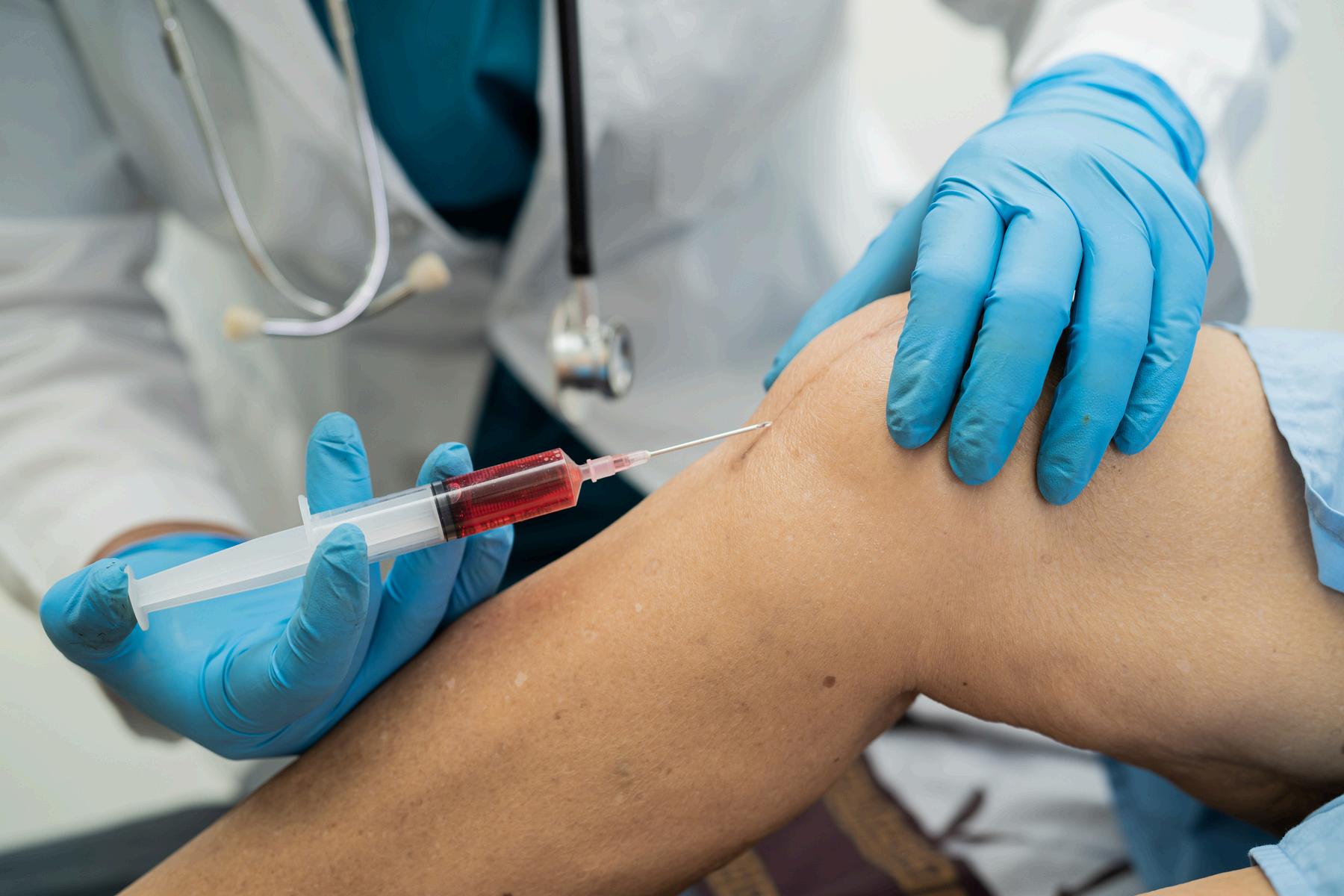
The concept behind PRP is straightforward A small sample of the patient’s own blood is drawn, processed in a centrifuge, and concentrated so that the platelet-rich portion along with its growth factors can be delivered directly into injured tissue The goal is not to mask pain temporarily It is to improve the biological environment in tissue that has stalled in the healing process That distinction matters, especially for chronic injuries where rest, medication, and steroid injections have already been tried without lasting results.
This is especially relevant in workers’ compensation. The injuries PRP addresses are not exotic. They are the everyday problems that fill orthopedic clinics across Florida: a construction worker with chronic elbow pain from years of gripping and lifting, a nurse whose knees ache after thousands of shifts spent squatting and walking on hard floors, a firefighter dealing with Achilles pain from running and climbing in heavy gear, a warehouse worker or painter with shoulder pain from a rotator cuff injury, a housekeeper with heel or wrist pain from repetitive motion performed day after day These injuries are common, slow to resolve, and costly when they linger
Among the best-supported uses for PRP is lateral epicondylitis tennis elbow which, despite its name, overwhelmingly affects workers rather than recreational athletes.
It is caused by repetitive gripping, lifting, twisting, and tool use, and it can persist for months when standard treatments fall short. Recent systematic reviews have found that PRP provides better long-term pain relief and functional improvement than corticosteroid injections for this condition Steroids may offer faster short-term relief, but that relief tends to fade quickly, and repeated injections carry their own risks PRP takes a different approach: rather than suppressing symptoms, it aims to support tissue repair over time For a worker who needs durable improvement not just a few good weeks that difference is significant
Knee osteoarthritis is another area where PRP has gained traction Many workers develop early to moderate cartilage wear from years of repetitive impact, climbing, kneeling, or prolonged standing PRP will not regenerate a destroyed joint or replace the need for surgery in advanced cases But for mild to moderate knee arthritis, the clinical evidence shows that PRP can meaningfully reduce pain and improve function
. Several reviews have reported outcomes superior to corticosteroid or hyaluronic acid injections in appropriately selected patients, and the American Academy of Orthopaedic Surgeons has acknowledged that the evidence base for knee PRP warrants serious consideration For an injured worker who is not yet a candidate for joint replacement but has plateaued with conventional care, PRP may offer a practical path forward
Achilles tendinopathy deserves mention as well, particularly for first responders, warehouse workers, and others whose jobs demand constant time on their feet This condition can be stubborn and difficult to treat PRP remains an option that many physicians consider in these cases, but the evidence is more mixed than it is for tennis elbow or knee arthritis
Some patients improve; others do not. What the research tells us is that patient selection and accurate diagnosis matter enormously. That is not a weakness of PRP it is how responsible medicine works. Not every treatment is right for every patient, and the honest conversation about expectations is part of good care.
Rotator cuff injuries are another area where PRP is gaining meaningful attention. Shoulder pain from partial rotator cuff tears is one of the most common reasons workers end up in an orthopedic office particularly those whose jobs involve overhead reaching, lifting, pulling, or repetitive arm motion. Painters, warehouse workers, mechanics, construction laborers, and even healthcare workers are all at risk
A full-thickness tear often requires surgical repair, but many rotator cuff injuries involve partial tears or tendinopathy that may not need surgery right away In those cases, PRP offers an option worth considering Recent clinical studies suggest that PRP injections into partial rotator cuff tears can reduce pain, improve function, and in some cases support tissue healing that slows or prevents progression to a complete tear
The evidence is still developing, but it is encouraging enough that PRP deserves a place in the conversation for selected shoulder injuries especially when a patient wants to avoid or delay surgery and has not improved with therapy and standard injections alone.
None of this means PRP should replace other treatments. It is better understood as a different kind of tool in a broader toolkit. Cortisone still has a role in managing acute inflammation, though its limitations in chronic tendon disease are well documented.
Hyaluronic acid can improve joint lubrication, though it does not target tissue repair the way PRP does Physical therapy remains foundational for nearly every musculoskeletal condition and often works best when paired with the right diagnosis and appropriate timing Surgery is essential when there is structural damage that no injection can fix The value of PRP is that it fills a specific gap: it offers a more restorative approach for patients who are stuck between conservative care and surgical intervention


One
This section highlights the heart of the workers’ compensation industry the people!

In an exclusive interview with OM Magazine, we had the privilege of speaking with Isabel G. Dovale, Vice President of Provider Network Development with Gallagher Bassett on behalf of Miami-Dade County Public Schools. With a career rooted in healthcare and workers’ compensation, Isabel is known for bringing people together, solving problems, and building meaningful relationships across the industry
In her role, Isabel works within a highly specialized space, connecting with medical providers, employers, risk managers, carriers, TPAs, and legal professionals Her work allows her to collaborate with a wide network, all working toward supporting injured workers and navigating the complexities of the system
What Isabel enjoys most is the opportunity to support those involved in the process She describes herself as a facilitator, problem solver, and relationship specialist, helping people connect and move cases forward with clarity and efficiency
She emphasizes that success in her role requires both a medical background and a strong understanding of workers’ compensation. The field operates differently from other areas, and navigating it requires a deep understanding of how care, claims, and legal factors intersect.
While proud of her professional journey, Isabel shares that her greatest pride is both personal and professional. Her children and grandchildren mean the most to her, and she also values achieving her MBA during the pandemic, a milestone that reflects her resilience and dedication
Outside of work, Isabel brings a light and joyful energy to those around her. She describes herself as having a quirky sense of humor and enjoys singing and dancing as ways to express herself. She finds inspiration in her family and in this new chapter of her life, where she can focus more on mentoring and guiding the next generation Supporting others in their growth has become one of the most meaningful parts of her journey
A piece of advice that has stayed with her came from her father, who encouraged her to never set limitations and to take leaps of faith without letting fear or comfort hold her back Isabel describes herself as honest, loyal, and respectful, values that guide both her work and her relationships She views work life balance as an ongoing practice that requires intention and consistency
Looking ahead, Isabel sees artificial intelligence as a tool that will help streamline processes across the industry While it will improve efficiency, she believes the human connection will always remain essential. When reflecting on who she is beyond her role, Isabel shared a few personal affirmations.
I am energized by new challenges and projects.
I am passionate about coaching and mentoring, both professionally and personally.
I am the best version of myself when close to nature.
I am a child at heart, always seeking new and exciting experiences.
I am loyal, honest, and the best friend anyone could have
I am an expert in the fields of Healthcare and Workers’ Compensation
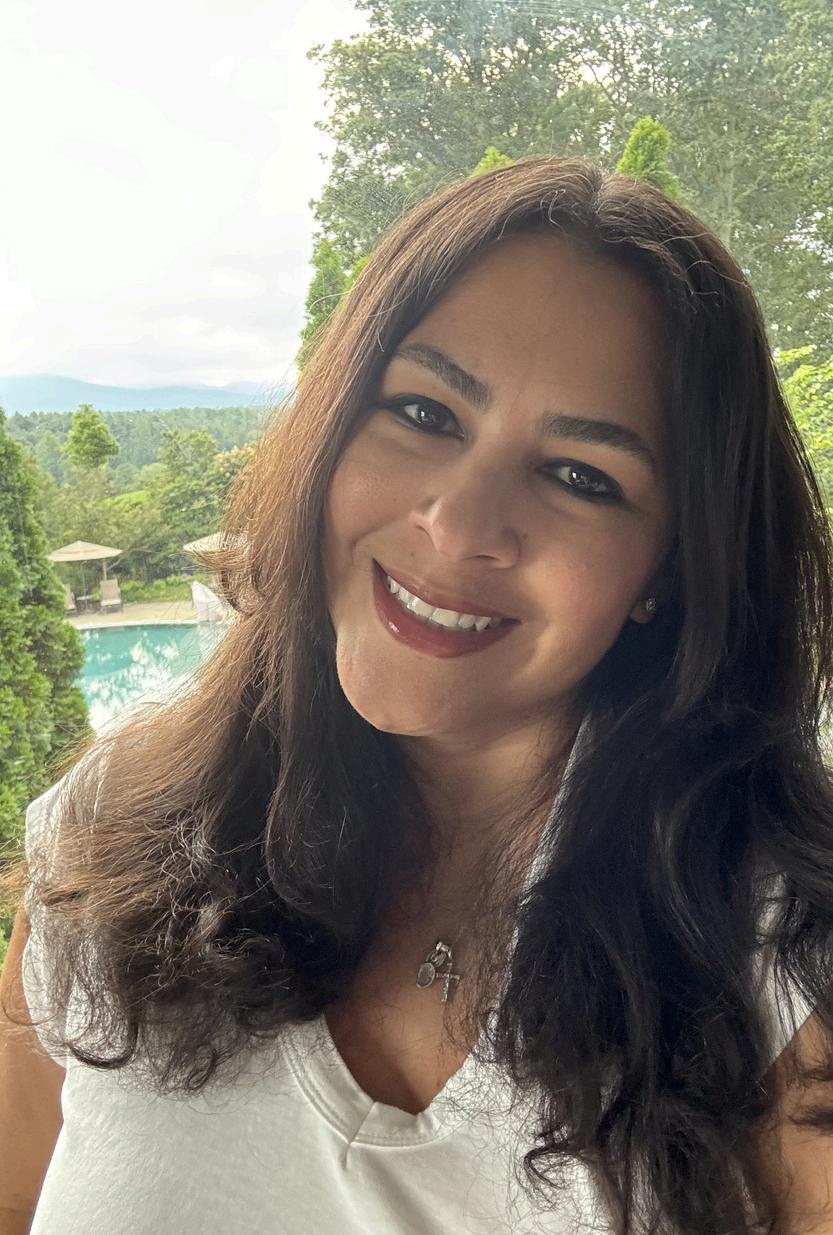
In an exclusive interview with OM Magazine, we had the privilege of speaking with Jenniffer L Quiel, RN, a Field Medical Case Manager and Injury Concierge with Disability Care Management Professionals (DCMP) With over a decade of nursing experience, Jenniffer has dedicated her career to supporting injured workers as they navigate recovery and return to stability
In her role, Jenniffer works closely with injured workers, coordinating care and guiding them through the workers’ compensation process As both a medical case manager and injury concierge, she provides accessible, personalized support during a time when many individuals feel overwhelmed. What Jenniffer values most is the opportunity to provide compassionate support during difficult moments. A workplace injury impacts more than physical health, often bringing emotional stress and financial uncertainty. She finds meaning in listening, advocating for care, and helping injured workers understand each step of recovery, ensuring they never feel alone
She believes compassionate communication is one of the most essential skills in her role The ability to listen, educate, and provide reassurance builds trust and strengthens collaboration between providers, employers, and adjusters, leading to better outcomes Jenniffer is especially proud of her work with complex injury cases, where coordination across multiple specialists and consistent support are critical Her dual role allows her to remain accessible, anticipate challenges, and guide injured workers through each stage of care
Outside of work, Jenniffer is someone people naturally turn to for support She is easy going and values humor and connection, even during stressful times
She is inspired by the industry’s shift toward more person centered care, with greater focus on timely treatment, communication, and whole person recovery One of the best pieces of advice she has received is to always put people first while continuing to grow professionally
Jenniffer describes herself as compassionate, resilient, and grounded. She maintains balance by spending time in nature, near the water, and through meditation and music, including playing the tongue drum.
Looking ahead, she believes the industry will continue evolving toward more coordinated and outcome driven care, creating smoother and more supportive recovery experiences for injured workers.
When reflecting on who she is beyond her professional role, Jenniffer shared a few personal affirmations that guide her outlook on life
I am powered by hot tea and laughter
I am grounded and calm under pressure
I am committed to growth and lifelong learning
I am someone who shows up for others
I am happiest in nature or near the ocean
I am fueled by music and meaningful conversations
In an exclusive interview with OM Magazine, we had the pleasure of speaking with Nicole Jermin, a Workers’ Compensation Supervisor at CCMSI With 15 years of experience in the industry, Nicole has built a career rooted in collaboration, leadership, and a genuine commitment to helping others grow
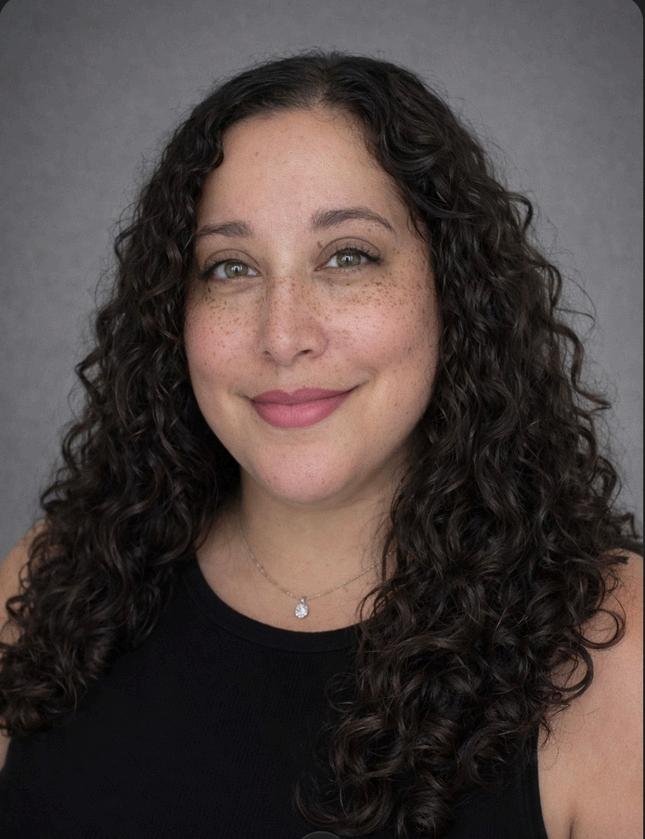
In her role, Nicole oversees lost time claims, requiring strong organization, adaptability, and the ability to support both her team and individuals impacted by workplace injuries. Through years of experience, she has developed a deep understanding of the claims process and the many moving parts within workers’ compensation.
What Nicole enjoys most about her work is the people. The industry brings together professionals from diverse backgrounds, and she values the opportunity to build relationships while continuing to expand her knowledge Learning from others and sharing experiences remains one of the most rewarding aspects of her role
She believes flexibility and openness are essential skills for success Being receptive to feedback and new perspectives allows professionals to grow and adapt in an ever evolving field This mindset has helped Nicole continue developing throughout her career
One of the accomplishments she is most proud of is training new professionals entering the industry Guiding new adjusters as they begin their careers has been a meaningful highlight, allowing her to share lessons learned and help others avoid early challenges.
Outside of work, Nicole has a playful side that often surprises people She enjoys singing, though she admits it is something she prefers to do on her own, offering a simple and lighthearted way to unwind
Nicole is inspired by continued growth, both personally and professionally, and by the opportunity to make a positive impact on others Whether mentoring colleagues or supporting her team, she values contributing in meaningful ways.
One of the best pieces of advice she has received is to stay open minded and keep learning. She believes curiosity and a willingness to grow are key to building a lasting career. Those who know her best would describe her as funny, protective, and caring, qualities that shape her leadership style
Outside the office, Nicole enjoys spending time outdoors or doing something creative Baking, in particular, is one of her favorite ways to relax and recharge
Looking ahead, Nicole sees the industry continuing to evolve with the advancement of technology She believes artificial intelligence will help streamline the claims process, allowing adjusters to focus more on supporting claimants and clients where it matters most
In an exclusive interview with OM Magazine, we had the pleasure of speaking with Lissa Benoit, a Senior Claims Specialist at CorVel with 13 years of experience in workers’ compensation. Her work has primarily focused on presumption claims, and her career reflects both growth and a strong understanding of the evolving claims landscape
In her role, Lissa manages complex claims while balancing efficiency with empathy While she acknowledges the importance of fair compensation, what she values most is the sense of community she has built within the industry, especially the relationships she has formed with other women in the field
Lissa believes empathy is one of the most important skills in her role Working with individuals during difficult moments requires understanding, patience, and the ability to build trust. Approaching each interaction with care helps create a smoother process and better outcomes for everyone involved.

She is currently inspired by growth and the idea of what comes next. Whether through learning new skills, exploring creative outlets like content creation, or pushing herself in new directions, she is focused on evolving both professionally and personally
One of the most valuable lessons she has learned is that not all advice will resonate Early in her career, she focused on finding what worked best for her Now, she encourages others to pace themselves, recognizing that claims work can be demanding and that building a strong foundation takes time
Lissa describes herself as direct, fair, and unapologetically funny, qualities that shape both her work style and her interactions with others
Maintaining balance has been an intentional process By setting boundaries and managing her time effectively, she has been able to avoid burnout and stay present in both her professional and personal life.
One of her proudest accomplishments is her recent transition into an Implementation Manager role. With a strong foundation in claims, this step represents an exciting new chapter in her career and reflects her commitment to growth and continued development Outside of work, Lissa enjoys reading, especially fiction It is a passion that keeps her curious and open minded and has influenced her willingness to step outside of her comfort zone and explore new opportunities
Looking ahead, Lissa sees the industry continuing to evolve toward more technology driven and data informed processes. At the same time, she believes there will be a stronger emphasis on maintaining the human side of claims, focusing not just on resolution, but on the overall experience and outcomes for those involved
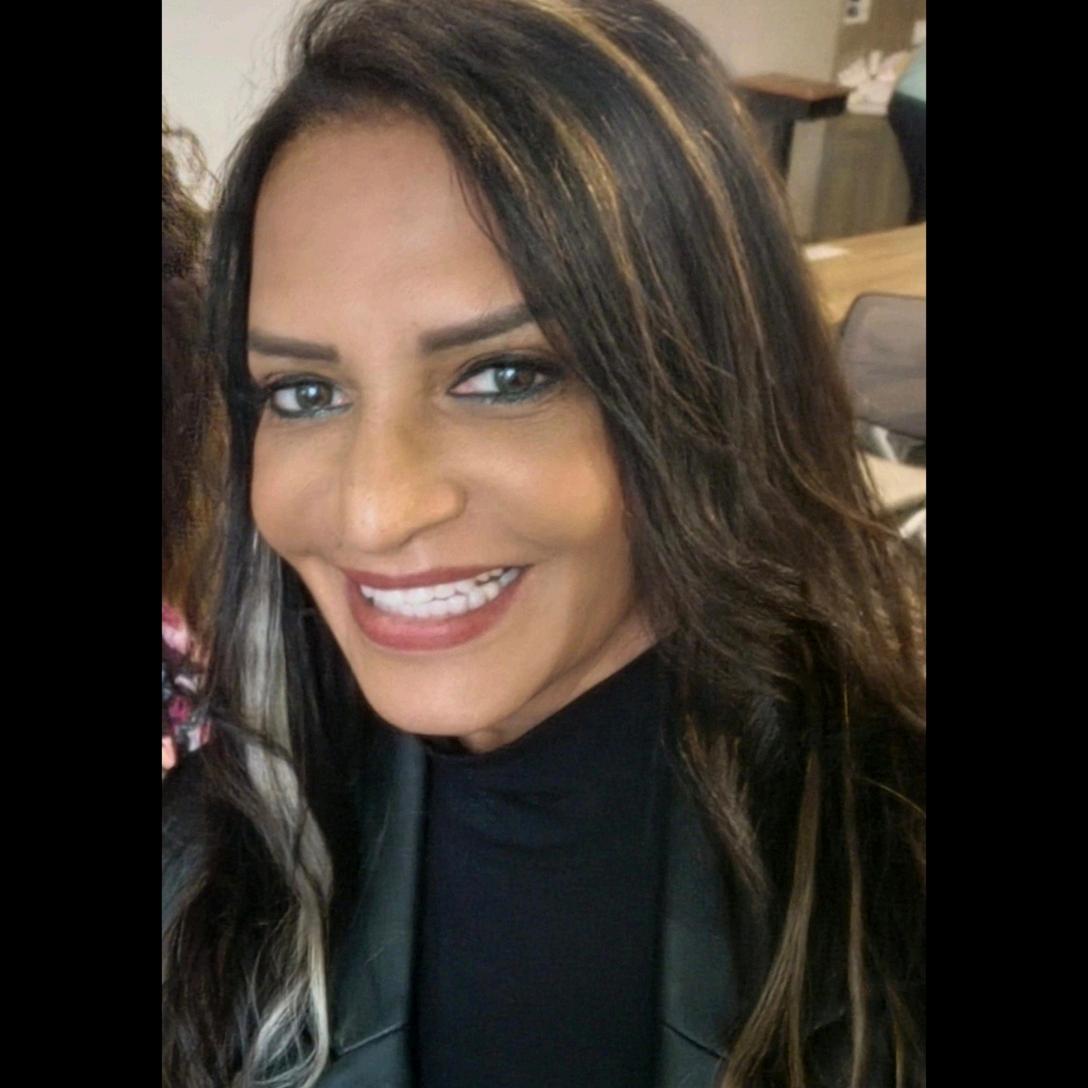
In an exclusive interview with OM Magazine, we had the pleasure of speaking with Laura Frias, a Field Case Manager with Broadspire. With 30 years of experience as a registered nurse, 15 years in case management, and certification as a case manager, Laura brings deep clinical knowledge and hands-on experience to her role, supporting injured workers through every stage of recovery
In her position, Laura conducts on-site clinical assessments, collaborates with treating physicians, and coordinates multidisciplinary care She plays an important role in return-to-work planning, monitoring treatment, and advocating for injured workers while promoting costeffective care Her ability to communicate clearly with providers, employers, adjusters, and patients allows her to manage each case with both precision and compassion
What Laura enjoys most about her work is the people. She finds purpose in being part of someone’s healing journey and supporting them through a difficult time.
Her effectiveness comes from a strong blend of clinical experience, coordination, and communication. She emphasizes the importance of critical thinking and problem solving, along with empathy and patient advocacy, as key to achieving the best outcomes While she has accomplished a great deal professionally, Laura shares that one of her proudest achievements is personal
Despite her confidence in her role, Laura admits she can be shy when recognized publicly. She prefers to stay grounded and focused on her work rather than the spotlight. She finds inspiration in her faith and in helping others become the best version of themselves Many of her family and friends turn to her for guidance, especially when it comes to health and wellness
The best advice she carries with her is to never stop learning and growing She believes in setting goals, staying motivated, and truly loving what you do
Laura describes herself as reliable, driven, and compassionate, qualities that shape both her work and her relationships She is able to maintain balance by having a career that allows her to be present in both her professional and personal life
Looking ahead, she hopes to see healthcare become more accessible and efficient by reducing unnecessary steps in the process, allowing patients to reach their goals more smoothly. When reflecting on who she is beyond her role, Laura shared a few personal affirmations.
I am faith centered.
I am compassionate to a fault, animals included.
I am a world traveler.
I am faithful to God, my husband, family, friends, pets, and career
I am family oriented
In an exclusive interview with OM Magazine, we had the pleasure of speaking with Roxanne King, HR Analyst at the Broward Sheriff’s Office With experience in the field since 2008, Roxanne brings a strong operational and administrative perspective to managing claims from start to finish
In her role, Roxanne oversees the full lifecycle of workers’ compensation claims, from intake through resolution She coordinates medical care, monitors claim progress, ensures compliance with state regulations, and works closely with adjusters, supervisors, and employees. A key part of her work also includes return-to-work planning, helping employees transition back safely while supporting departments in maintaining efficiency
What Roxanne values most about her work is bringing structure to a process that can easily become disorganized Workers’ compensation involves many moving parts, and without proper oversight, delays and miscommunication can occur. She focuses on keeping everything organized, documented, and moving forward so that decisions are made accurately and on time.
She believes the most important skills in her role are analytical thinking, clear communication, regulatory knowledge, decisionmaking, and time discipline These skills allow her to identify issues early, keep all parties aligned, and ensure that nothing falls through the cracks One of Roxanne’s proudest accomplishments is her professional growth from an entry-level position into a specialized HR role. Along the way, she continued her education, earned certifications, and remained committed to long-term development while working full-time. Her journey reflects discipline, consistency, and a strong focus on her goals.
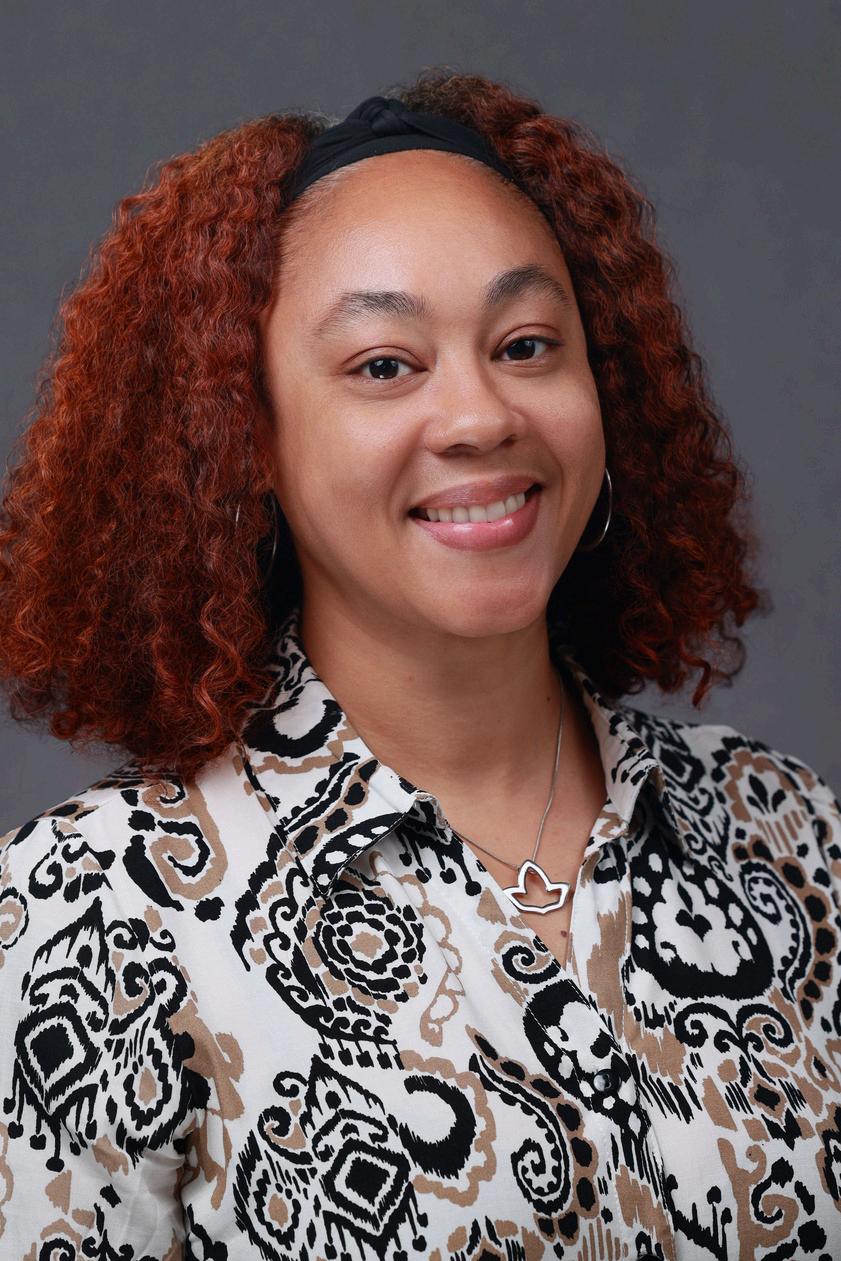
She shares that many people may not realize the level of effort it took to get where she is today Behind the scenes, she balanced demanding work schedules, additional jobs, and ongoing education, demonstrating a high level of dedication and perseverance Roxanne is currently inspired by opportunities to grow into leadership roles and expand her impact within HR and public sector operations She is motivated by improving processes, supporting employees more effectively, and contributing at a higher level
One of the most valuable pieces of advice she has received is to stay consistent and let your work speak for itself She believes that reliability and preparation build trust over time and open the right opportunities
Roxanne describes herself as focused, accountable, and consistent. These qualities define how she approaches her responsibilities and the standard she holds for her work. To maintain balance, she is intentional with her time and sets clear boundaries between work and home Staying disciplined during the workday allows her to fully disconnect and recharge, helping her return with focus and consistency.
Looking ahead, Roxanne sees the industry moving toward greater accountability, faster claim resolution, and more measurable outcomes As cases become more complex, she believes success will depend on staying organized, proactive, and results driven. When reflecting on who she is beyond her role, Roxanne shared a few personal affirmations that guide her mindset
I am grounded in discipline.
I am big on accountability.
I am focused on growth
I am consistent in how I show up
I am intentional with my time
I am committed to continuous improvement.

At Miami Institutefor Joint Reconstruction, our priority is helping injured employees return to work quickly and safely. Our physicians specialize in diagnosing and treating work-related injuries, and our dedicated Workers’Compensationteam is well-versed in Florida’s Workers’ Comp rulesandregulations.
While our doctors focus on patient care, our Workers’ Comp team ensures employers, insurers, and case managers stay informed with timely updates on the treatment plan, progress, and status throughouttherecoveryprocess.
Phone: (305) 595-8940, ext. 142 or152
Fax: (786) 263-0179
Email: claudia@miamiorthodoc.com & yuneidi@miamiorthodoc.com

We asked the industry leaders and physicians what their Workers' Compensation philosophy is, and here's what they had to say.
My philosophy on Workers’ Compensation is simple: every injured worker deserves to be treated with dignity, compassion, and respect. When someone is hurt on the job, they’re not just dealing with physical pain they’re facing uncertainty, fear, and disruption in their life. I believe the role of Workers’ Compensation is to help restore stability, provide support, and ensure that no one feels alone during that process I approach every case with empathy and fairness I listen first, act with integrity, and work to make sure people receive the care, resources, and guidance they need to heal and return to their lives At its core, Workers’ Compensation is about people, and I never lose sight of that
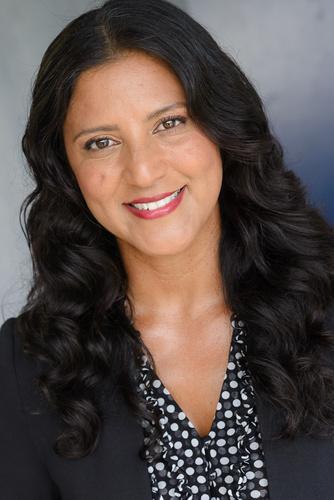
My workers’ compensation philosophy centers on balancing technical expertise with empathy, ensuring each claim is handled fairly, efficiently, and with respect for the individual behind it I believe that clear communication, collaboration, and education can transform what often feels like an adversarial process into a supportive path toward recovery and return to work.
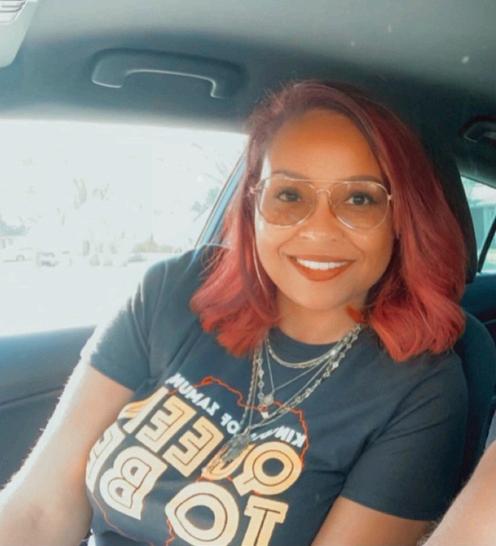
My Workers Compensation philosophy is: keep it simple but don't leave out the important details Always document even if it doesn't seem important to you
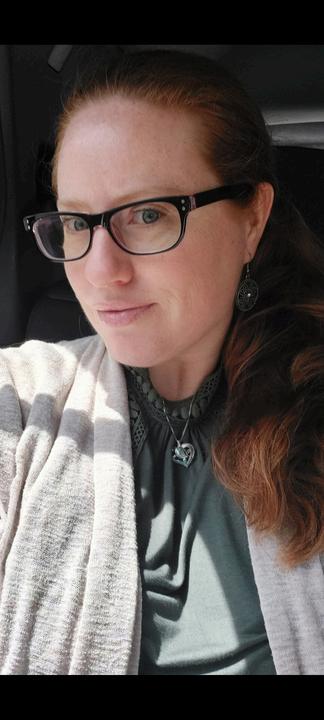
In this section, we highlight some of the top Workers’ Compensation doctors in the industry, offering a closer look at their expertise, approach to care, and impact on patient recovery.
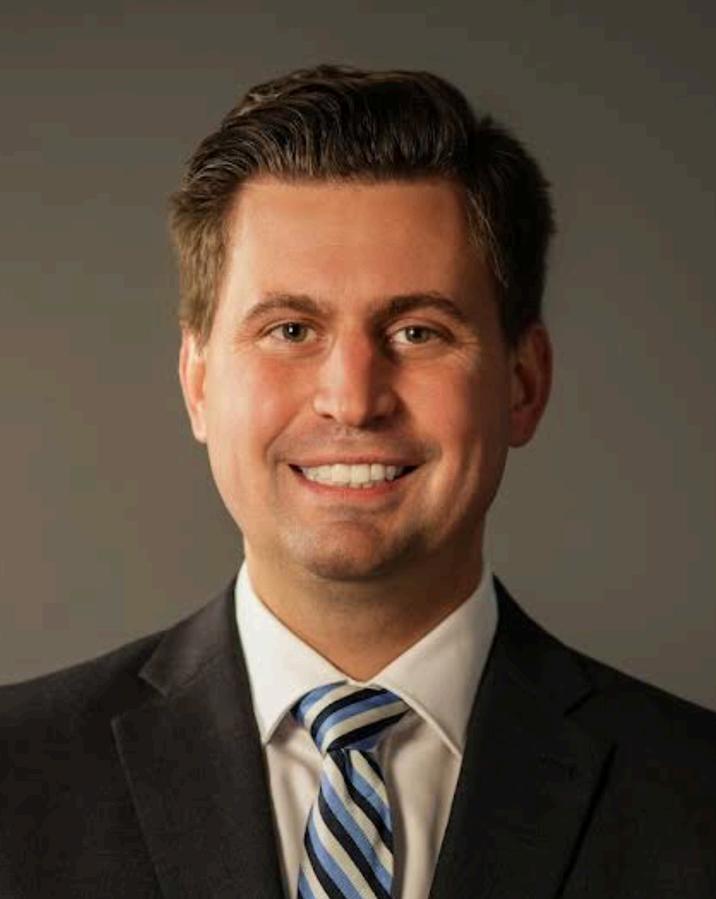
Dr Gallagher applies his advanced training to the care of injured workers, focusing on accurate diagnosis, functional recovery, and clear treatment planning that supports safe and timely return-towork outcomes.
In the workers’ compensation setting, injuries involving the foot and ankle can significantly affect mobility, balance, and job performance Dr Gallagher treats these complex conditions with a structured approach that prioritizes restoring function, reducing pain, and addressing work-related limitations so injured employees can return to their roles as safely and efficiently as possible
Dr. Gallagher’s medical training reflects a strong commitment to orthopedic excellence He earned his undergraduate degree from Georgetown University and his medical degree from Sidney Kimmel Medical College at Thomas Jefferson University in Philadelphia
He completed his orthopedic surgery residency at MedStar Union Memorial Hospital, where he developed extensive experience in trauma and reconstructive care He then pursued fellowship training in foot and ankle orthopedics, further refining his expertise in complex lower-extremity conditions.
As a fellowship-trained orthopedic surgeon, Dr Gallagher treats a wide range of work-related injuries, including ankle and foot fractures, Achilles tendon injuries, joint degeneration, and complex trauma affecting the lower extremity. His treatment plans may include conservative care when appropriate, as well as surgical intervention for injuries that require advanced reconstruction or joint replacement Throughout the process, the emphasis remains on function, recovery timelines, and clear work status guidance.
In workers’ compensation cases, employers, adjusters, and case managers rely on timely documentation and clear medical direction. Dr. Gallagher’s evaluations focus on precise diagnosis, functional limitations, and realistic recovery expectations, providing the clarity needed to support work restrictions, transitional duty planning, and long-term case resolution
Dr. Gallagher is an active member of the American Academy of Orthopaedic Surgeons and the American Orthopaedic Foot and Ankle Society, where he has served on the Research Committee
He has presented research at national meetings and published in peer-reviewed journals, reflecting his ongoing commitment to evidence-based care and continuous improvement in orthopedic outcomes
Dr. Brian P. Gallagher represents the type of orthopedic specialist workers’ compensation professionals value One who combines advanced training, practical clinical judgment, and a focused approach to helping injured workers regain mobility, independence, and the ability to return to work safely
For scheduling appointments, assistance with paperwork, work status, IMEs, and follow-up related to Dr Gallagher’s workers’ compensation cases, both teams work directly on scheduling and case coordination. You may contact either team.
Michelle Young, Physician Assistant
Phone: 703-769-8449
Email: myoung@andersonclinic com
OM WORKERS’ COMPENSATION LIAISON TEAM
Email: Help@ommktg com
Ozzy Diaz: ozzydiaz@ommktg com
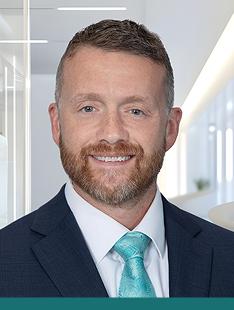
Spine injuries can be life-changing for injured workers Pain, limited mobility, and uncertainty about recovery often affect both work and everyday life Dr F Andrew Rowan understands these challenges and focuses his care on helping injured workers regain function, reduce pain, and safely return to work
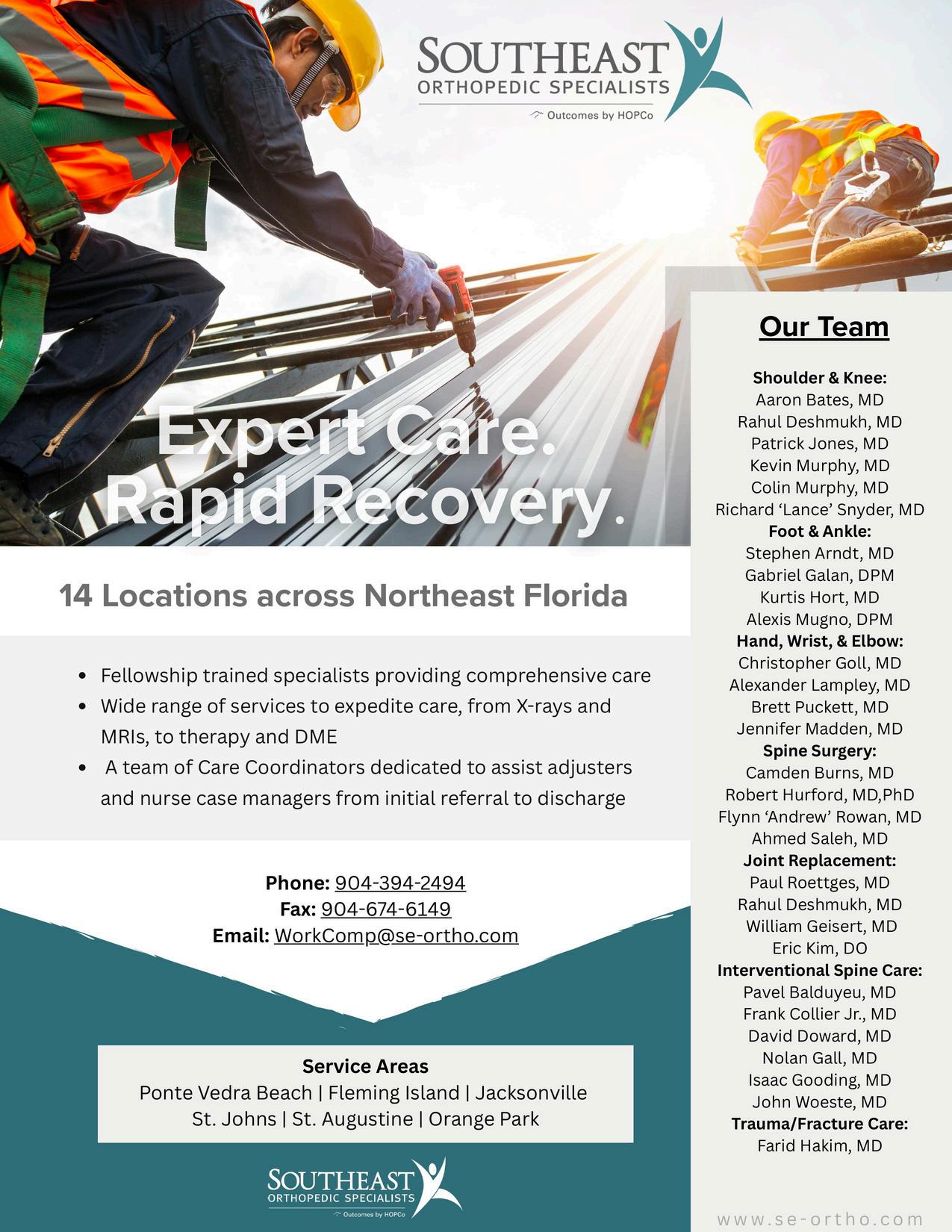
Dr Rowan is a board-certified, fellowship-trained orthopedic surgeon specializing in spine surgery with Southeast Orthopedic Specialists. His approach is straightforward and patient-focused, built on careful evaluation, clear communication, and treatment plans that support recovery and long-term stability.
Dr Rowan treats a wide range of spine conditions, including injuries related to workplace accidents and occupational strain His fellowship training in spine surgery allows him to manage both non-surgical and surgical spine conditions with precision and thoughtful decision-making. He emphasizes conservative treatment whenever appropriate and advances to surgery only when medically necessary. Each treatment plan is tailored to the individual, taking into account job demands, functional goals, and realistic recovery timelines
Dr Rowan believes injured workers deserve clarity throughout the treatment process He prioritizes thorough clinical evaluation, appropriate imaging, and clear explanation of findings and next steps. By focusing on accurate diagnosis and practical treatment planning, Dr. Rowan helps injured workers stay engaged in their recovery and understand what is needed to move forward safely.
Andrew Rowan, MD
Board-Certified Orthopedic Surgeon
Spine injuries often require coordination between multiple providers. Dr Rowan works closely within the multidisciplinary team at Southeast Orthopedic Specialists to ensure continuity of care from initial evaluation through recovery The practice provides a dedicated care coordination team that works across all providers, helping injured workers, employers, adjusters, and case managers navigate care efficiently and effectively
Employers, adjusters, and case managers can rely on Dr Rowan for:
Accurate and timely diagnoses
Clear, detailed, and compliant documentation
Treatment plans focused on recovery and return-to-work timelines
A patient-focused approach that prioritizes the right care at the right time
Dr Andrew Rowan is committed to delivering high-quality spine care that restores function and supports injured workers throughout their recovery His board certification, fellowship training, and focused spine expertise allow him to provide care that is both precise and practical. At Southeast Orthopedic Specialists, injured workers benefit from a team-based approach that emphasizes communication, coordination, and continuity of care
For referrals or to schedule a new patient appointment, contact the dedicated care coordination team at Southeast Orthopedic Specialists
Phone: 904-394-2494
Email: workcomp@se-ortho com
Email: Help@ommktg com
Ozzy Diaz: ozzydiaz@ommktg com
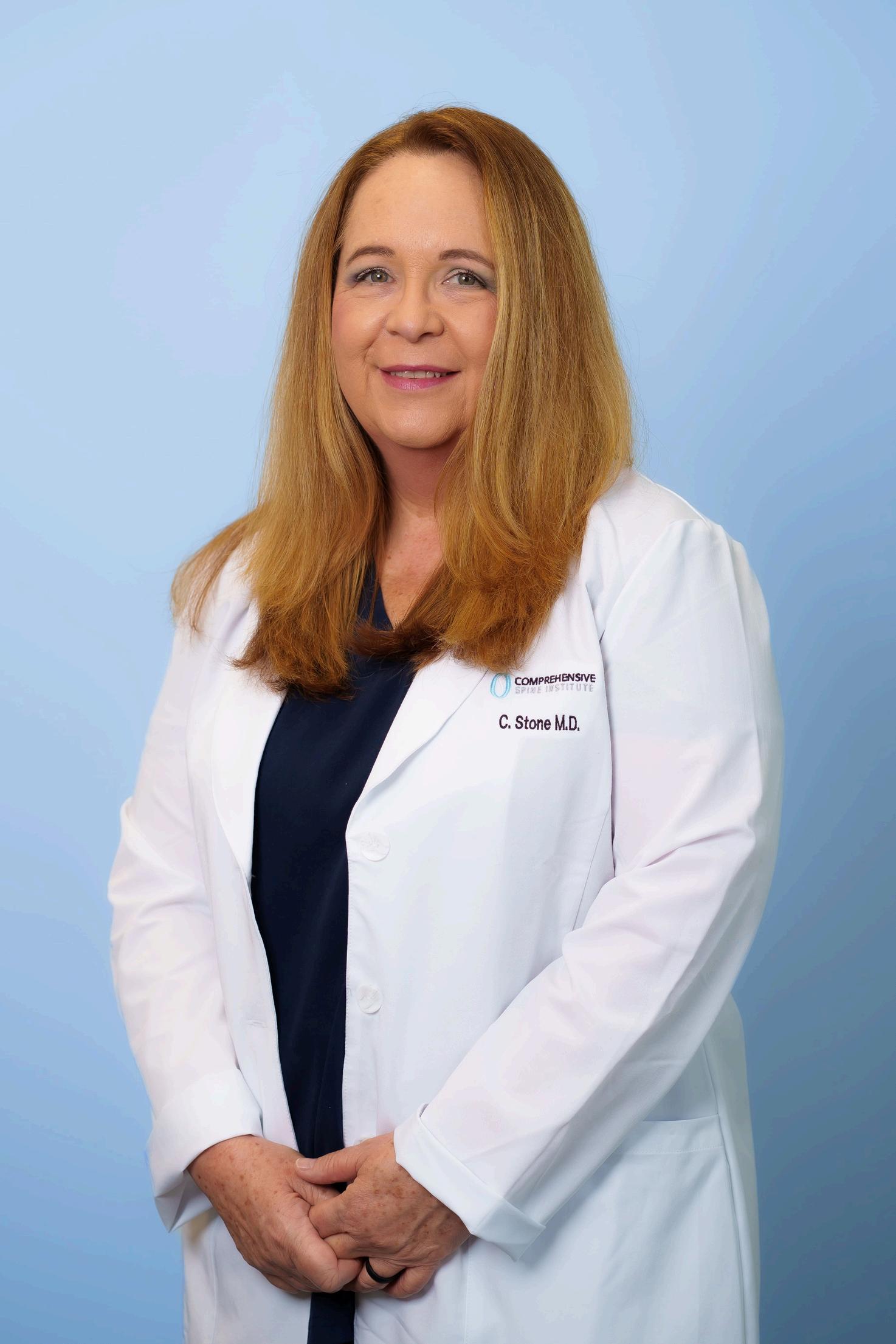
For many injured workers, pain becomes the biggest barrier to recovery, movement, and returning to work Addressing it effectively requires more than temporary relief It calls for a comprehensive approach that supports healing, function, and long term wellness.
Dr. Carissa Stone is an interventional pain physician with over two decades of experience treating a wide range of conditions She specializes in advanced pain management techniques and develops personalized treatment plans that support both recovery and quality of life
She completed her anesthesiology residency at the University of South Florida and a fellowship in spinal cord injury and rehabilitation at the James Haley VA. Her background led her to focus on interventional procedures that help diagnose and treat complex pain conditions. She also remains active in research, including peripheral nerve stimulation, Complex Regional Pain Syndrome, and injection therapies, giving her patients access to evolving treatment options
Dr Stone takes an individualized approach, understanding how pain affects each patient’s daily life and ability to work Her philosophy centers on treating the whole person, incorporating wellness strategies such as nutrition, weight management, and when appropriate, psychological support. This approach helps patients stay engaged in their recovery and improves outcomes.
By reducing pain and improving function, Dr. Stone enables injured workers to participate in rehabilitation, regain strength, and safely return to work As a WorkCompReady Certified physician, she prioritizes clear documentation, timely communication, and coordinated care, ensuring all parties stay informed while keeping recovery the main focus
She works closely with care teams to streamline scheduling, paperwork, work status updates, Independent Medical Examinations (IMEs), and follow up care, helping avoid delays and support better outcomes
Employers, adjusters, and case managers can rely on Dr Stone for:
Advanced interventional pain management techniques
Treatment plans focused on improving function and quality of life
Clear, consistent, and compliant documentation
A patient first approach centered on recovery and return to work outcomes
Dr Carissa Stone’s experience, research involvement, and whole person approach make her a trusted provider in workers’ compensation, focused on helping patients manage pain, restore function, and move forward with confidence
For referrals or to schedule a new patient appointment with Dr Stone, contact the dedicated injured worker care team
Phone: 727-300-2537
Email: AKelleher@csiortho com
OM WORKERS’ COMPENSATION LIAISON TEAM
Email: Help@ommktg com
Ozzy Diaz: ozzydiaz@ommktg.com
AshrafRagab,MD OrthopedicSpineSurgeon
JedWeber,MD Board-CertifiedNeurosurgeon SpecializinginSpineSurgery
JonKimball,MD Board-Certified&FellowshipTrainedOrthopedic SpineSurgeon
MohitBansal,MD Board-Certified&FellowshipTrainedOrthopedicSurgeon
WillemNel,MD Board-Certified InterventionalPainPhysician
CarissaStone,MD Board-CertifiedInterventional PainPhysician
AndrewBloomfield,MD Board-EligibleInterventional PainPhysician


Dr Andrew Mundy is a board-certified orthopedic surgeon in Sarasota, Florida, specializing in sports medicine, minimally invasive procedures, cartilage restoration, and robotic-assisted orthopedic surgery With a background in high level athletic medicine, he brings a precise, functional approach to treating injured workers, helping them recover safely and return to work with confidence.
At Synergy One Orthopedics & Sports Medicine, Dr. Mundy treats work related injuries with a focus on accurate diagnosis, structured treatment planning, and timely communication. His approach centers on restoring function, addressing limitations, and supporting practical return to work decisions.
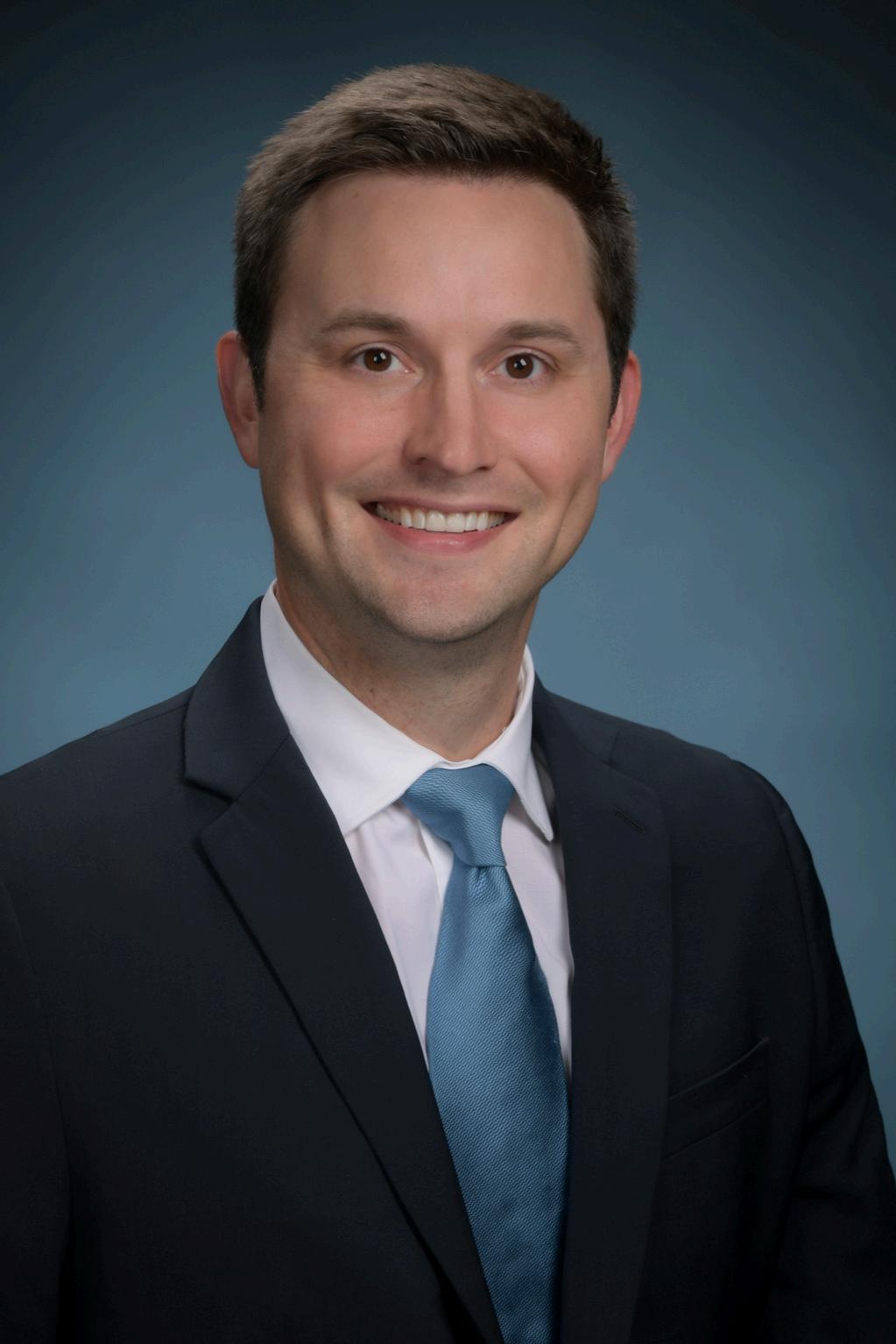
Originally from Cleveland, Tennessee, Dr Mundy earned his degree from Lee University and completed medical school at the University of Tennessee in Memphis He went on to complete his orthopedic surgery residency at The Ohio State University Wexner Medical Center, followed by a specialized sports medicine fellowship at the American Sports Medicine Institute under Dr James Andrews
During his fellowship, Dr Mundy treated athletes at all levels, including the University of Alabama, the 2021 NCAA National Championship football team, and professional athletes across the MLB, NFL, and NBA
This experience directly translates to workers’ compensation, as many workplace injuries mirror those seen in sports, including joint, ligament, and overuse conditions.
He commonly treats injuries of the shoulder, knee, hip, elbow, and ankle, using both conservative care and surgical intervention when necessary His focus remains on measurable progress, functional recovery, and safe return to work outcomes
Employers, adjusters, and case managers value Dr. Mundy’s clear documentation, defined treatment plans, and realistic recovery expectations, which help support work restrictions, transitional duty, and case resolution.
Since 2021, Dr. Mundy has served the Sarasota community alongside his wife and children. His commitment to active living carries into his work, where he helps patients regain mobility, strength, and quality of life
Dr Andrew Mundy is a WorkCompReady certified physician, trained in workers’ compensation best practices Appointments can be scheduled through the dedicated Workers’ Compensation Department at Synergy One Orthopedics & Sports Medicine
For referrals or to schedule a new patient appointment with Dr Mundy, contact the dedicated injured worker care team
Phone: 941-200-3295
Fax: 941-200-3827
Email: workcomp@s1ortho com
Email: Help@ommktg.com
Ozzy Diaz: ozzydiaz@ommktg.com
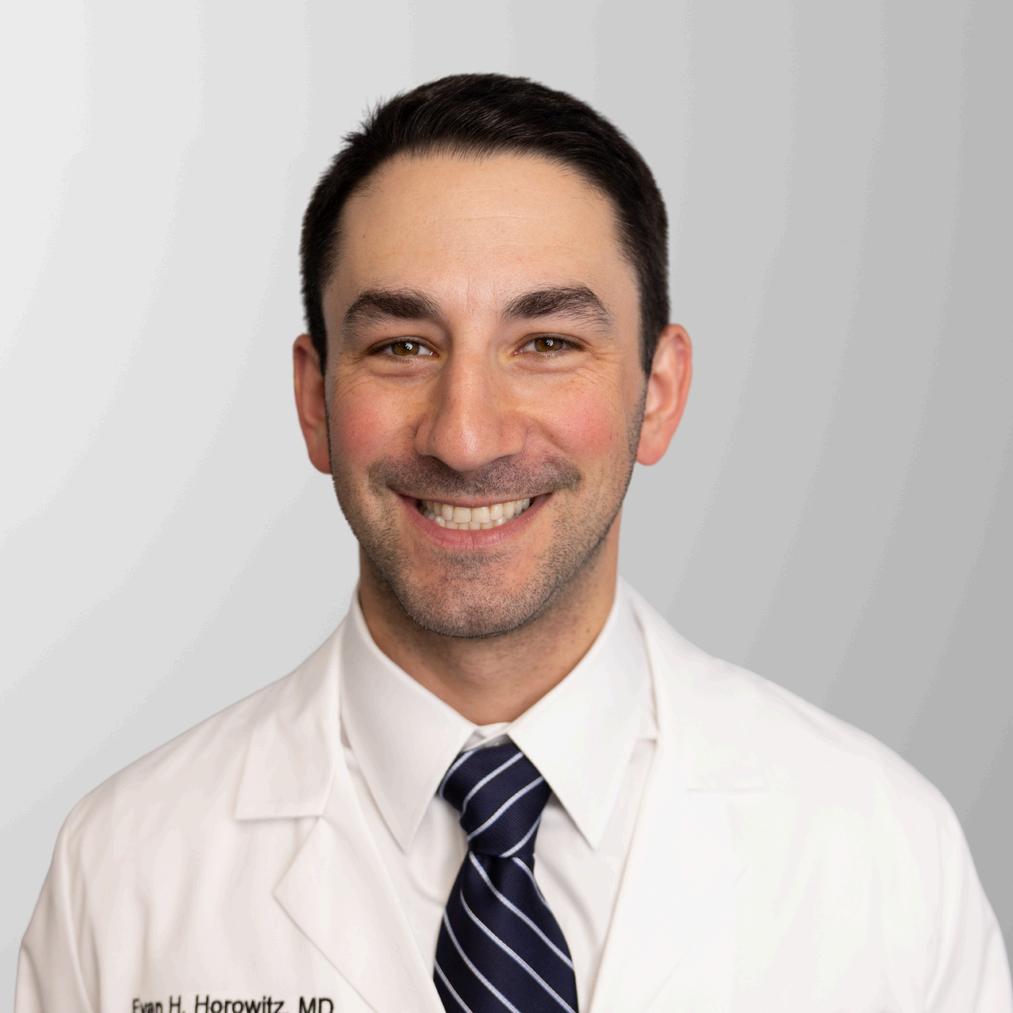
Injuries involving the shoulder, elbow, hip, knee, hand, wrist, and foot and ankle can significantly impact an individual’s ability to perform daily tasks and job responsibilities. Effective treatment requires an accurate diagnosis, a thoughtful treatment plan, and a strong focus on restoring strength, mobility, and function Dr Evan Horowitz is a fellowship trained orthopaedic sports medicine surgeon dedicated to helping injured workers recover and return to work safely.
Dr Evan Horowitz specializes in both surgical and nonsurgical treatment of basic and complex sports medicine injuries, as well as fracture care He is highly trained in advanced arthroscopic techniques and performs joint replacement procedures involving the shoulder, knee, and hip. His expertise allows him to treat a wide range of workplace injuries while focusing on restoring function and minimizing downtime
Dr Evan Horowitz earned his Bachelor’s Degree in Biology with a minor in Business Administration from the University of Florida. He received his medical degree from the University of South Florida Morsani College of Medicine, where he was elected into the Gold Humanism Honor Society and named Student Teacher of the Year, reflecting both clinical excellence and dedication to patient care
He completed five years of orthopedic surgery residency at SUNY Downstate Medical Center and Kings County Hospital, one of Brooklyn’s busiest Level 1 trauma centers. During his training, he co-authored multiple peer reviewed publications and served as Chief Resident in his final year, demonstrating leadership and a strong commitment to advancing orthopedic care Dr Evan Horowitz then completed his fellowship in sports medicine and arthroscopic surgery at Lenox Hill Hospital and the Nicholas Institute for Sports Medicine and Athletic Trauma in New York City, gaining experience in both open and minimally invasive techniques to provide advanced, effective treatment options.
During his training, Dr Evan Horowitz served as an assistant team physician for the New York Jets and as head team physician for multiple New York City high school athletic programs His experience treating athletes at all levels gives him a strong understanding of injury recovery, performance, and returning individuals to their highest level of function Dr Evan Horowitz takes a patient first approach to care, recognizing that every injury and recovery path is different He begins with conservative treatment when appropriate, focusing on reducing pain and restoring mobility without unnecessary intervention. If symptoms persist, he offers advanced surgical options using the latest techniques to improve strength, stability, and long term outcomes
Board-Certified Orthopedic Surgeon
He is committed to ensuring patients understand their condition and treatment options, taking time to educate and encourage active participation in their care This approach supports better recovery outcomes, which is especially important in workers’ compensation cases Dr Evan Horowitz develops individualized treatment plans aligned with each patient’s job demands, helping them regain the strength, mobility, and confidence needed to return to work safely.
As a WorkCompReady aligned provider, Dr Evan Horowitz understands the importance of clear communication, timely documentation, and coordinated care His approach ensures employers, adjusters, and case managers receive accurate updates while keeping the patient’s recovery and return to work as the priority.
He works closely with dedicated teams to ensure smooth coordination of workers’ compensation cases, including scheduling, work status updates, and follow up care This structured process helps reduce delays and supports better outcomes for injured workers.
Employers, adjusters, and case managers can rely on Dr. Evan Horowitz for:
Accurate and timely diagnosis of orthopedic and sports related injuries
Treatment plans focused on restoring strength, mobility, and function
Clear, consistent, and compliant documentation
A patient first approach with a strong focus on recovery and return to work
Dr. Evan Horowitz’s combination of advanced training, minimally invasive techniques, and patient centered care makes him a strong provider in workers’ compensation His focus remains on helping injured workers recover efficiently, regain function, and return to work with confidence.
WORKERS’ COMPENSATION LIAISON TEAM
For referrals or to schedule a new patient appointment with Dr. Horowitz, contact the dedicated injured worker care team
Phone: (800) 556-7846
Email: workcomp@ocsfdocs.com
OM WORKERS’ COMPENSATION LIAISON TEAM
Email: Help@ommktg.com Ozzy Diaz: ozzydiaz@ommktg.com
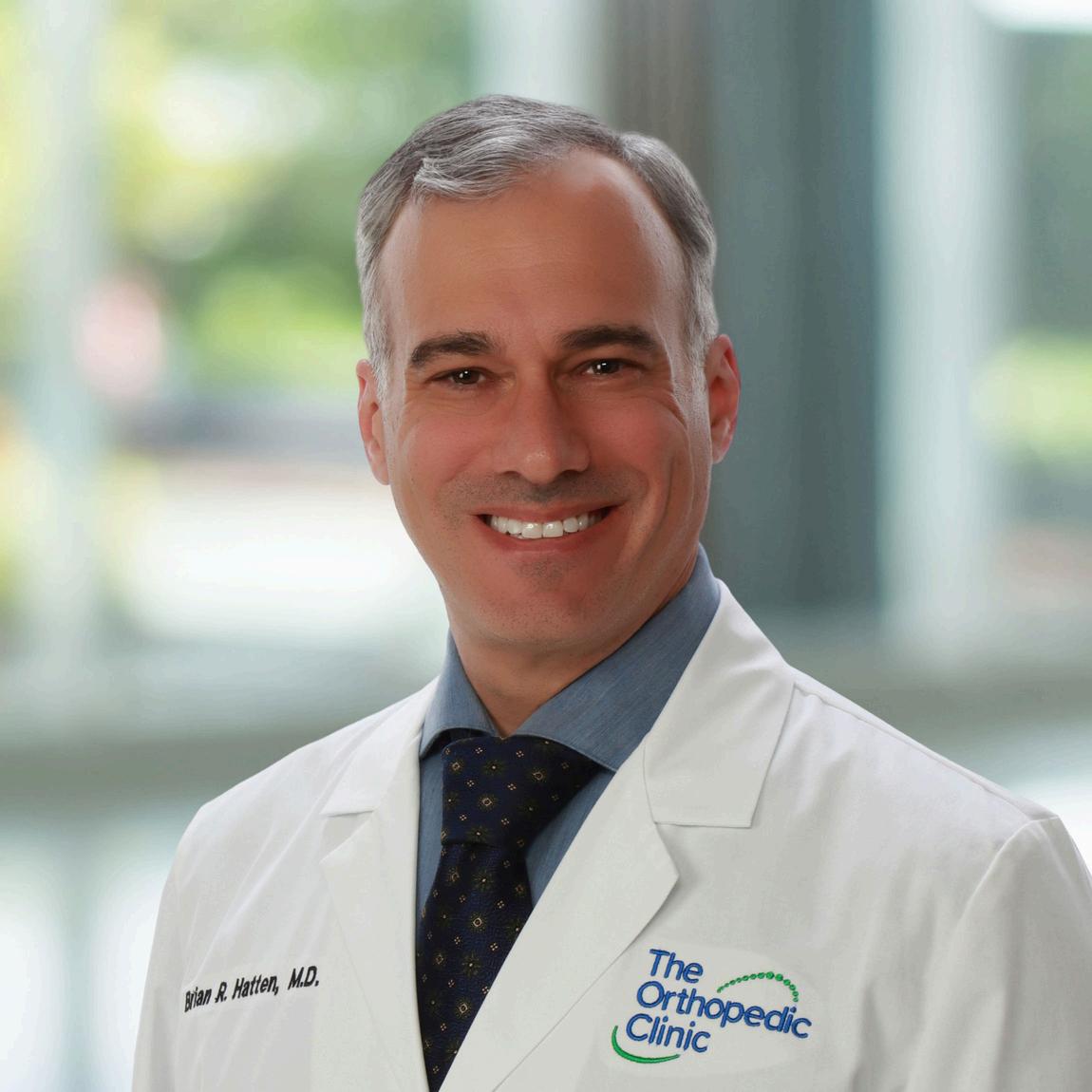
When an employee is injured, timely and precise orthopedic care plays a critical role in restoring strength, stability, and mobility Dr Brian R Hatten is a board-certified orthopedic surgeon dedicated to advancing surgical techniques that improve outcomes and support a safe return to work Dr Hatten has been with The Orthopedic Clinic since 2004 and specializes in personalized knee, hip, and shoulder joint replacement His approach combines minimally invasive techniques, advanced technology, and rapid recovery protocols, including same-day discharge when appropriate His focus is clear: restore function efficiently while maintaining the highest standards of precision and patient safety
He is nationally recognized for advanced knee replacement techniques, including the subvastus approach, a quadriceps-sparing method that preserves muscle integrity He also avoids tourniquet use to further protect the quadriceps. Using personalized kinematic alignment, he resurfaces the knee based on each patient’s anatomy rather than a standardized model, promoting better motion, reduced pain, and a more natural feel key factors in return-to-work outcomes. In July 2024, Dr. Hatten served on the Johnson & Johnson MedTech Kinematic Alignment Advisory Board, contributing to the integration of kinematic alignment into instrumented and VELYS robotic-assisted knee replacements. In October 2025, he served as faculty at the American Association of Hip and Knee Surgeons national conference, teaching this technique to surgeons nationwide
Since 2012, he has performed thousands of anterior approach total hip replacements This muscle-sparing technique supports faster recovery and fewer post-operative restrictions He incorporates advanced intra-operative guidance, including VELYS Hip Navigation, to ensure precise implant positioning improving stability, durability, and long-term outcomes Dr Hatten also treats shoulder, elbow, wrist, and hand conditions commonly seen in occupational injuries. His expertise includes arthroscopic rotator cuff repair, SLAP repairs, anatomic and reverse shoulder replacements, and complex upper extremity procedures
He utilizes CT imaging and pre-operative planning to create patientspecific surgical guides, optimizing alignment and reconstruction His experience includes tendon repairs, nerve procedures, fracture care, and upper and lower extremity trauma
He also provided 20 years of Level II trauma coverage at Halifax Medical Center, managing complex orthopedic injuries experience that strengthens his approach to severe workplace cases Dr Hatten earned his Bachelor of Science from Cornell University and his Doctor of Medicine from New York University School of Medicine He completed his training at the University of Miami and Jackson Memorial Hospital He is a Fellow of the American Board of Orthopaedic Surgery, the American Academy of Orthopaedic Surgeons, and the American Association of Hip and Knee Surgeons
In addition to his clinical work, Dr. Hatten developed My Knee Guide, a patient education platform designed to improve understanding of procedures and recovery Clear education supports stronger engagement and smoother rehabilitation
Dr Hatten’s practice is built on precision, innovation, and measurable outcomes Through advanced joint replacement techniques and technology-driven planning, he remains focused on restoring mobility, reducing pain, and helping injured workers return to work safely
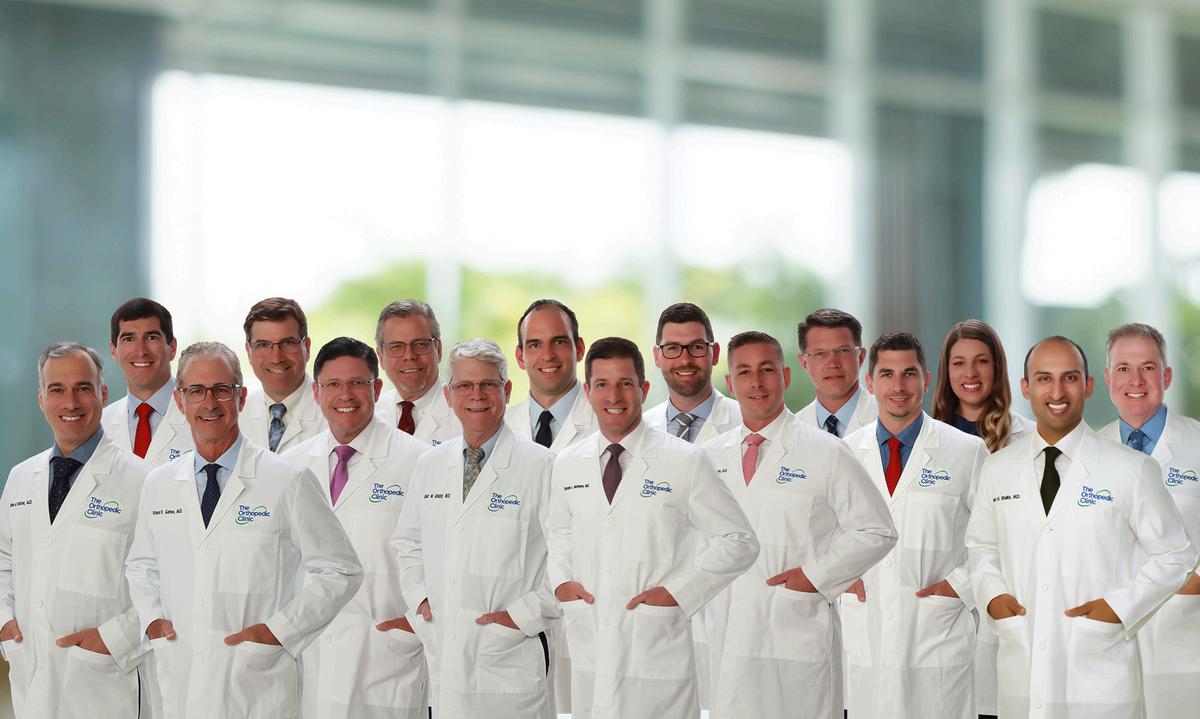
At The Orthopedic Clinic, he works within a multidisciplinary team to deliver coordinated care. Employers, adjusters, and case managers can rely on:
Accurate and timely diagnoses
Clear, detailed, and compliant documentation
Treatment plans focused on recovery and return-to-work timelines
A patient-first approach that prioritizes the right care at the right time
For referrals or to schedule a new patient appointment with Dr. Hatten, contact the dedicated injured worker care team
Phone: 386-944-1068
Email: workcomp@orthotoc.com
Email: Help@ommktg com
Ozzy Diaz: ozzydiaz@ommktg.com
GENERAL
TRAUMA
SPINE
HAND
FOOT
SPORTS
ARTHROSCOPIC SURGERY
TOTAL
INTERVENTIONAL PAIN MANAGEMENT
This section covers all things workers’ compensation—from articles and interviews to resources and more.

BY MARI DIAZ
Earlier this year, we had the chance to speak with employers and practice leaders across the country as part of a study we conducted in January 2025 These weren’t formal interviews they were real conversations We asked questions, we listened, and we paid close attention to what’s actually happening on the ground in today’s workforce One thing came up again and again: Hiring and keeping good people isn’t as easy as it used to be.
It wasn’t said with frustration it was said with honesty Almost everyone we spoke to shared how much the hiring landscape has shifted From front desk teams and medical assistants to billing, coordinators, and leadership, the challenge is the same What used to work isn’t working anymore And figuring out what does work feels like a whole new job in itself
But here’s the encouraging part. These conversations weren’t just about problems. They were full of ideas, learning, and resilience Employers are adjusting Teams are rethinking how they work And many are finding that, with the right mindset, there’s still a lot of opportunity to build strong, loyal, and engaged teams
Across the board, a few things kept coming up If any of these feel familiar to you, know that you’re not alone Generations are working differently and together. It’s not unusual to have team members in their 20s working alongside people in their 50s or 60s That’s a good thing, but it also means expectations can clash What feels like common sense to one person might be confusing to another That doesn’t mean anyone is wrong It just means we need more clarity, more patience, and more communication.
Work doesn’t mean what it used to.
Younger employees are approaching work with different priorities Flexibility, mental health, purpose these aren’t just nice-to-haves anymore If they don’t feel connected or supported, they move on Fast And more experienced team members are feeling the pressure of picking up the slack or adjusting to a new rhythm they didn’t grow up with.
Remote work changed things.
Some roles now can be done from home, and many people expect that option. But for employers, that’s created a new layer of complexity. How do you keep a team culture strong when half your staff is off-site? How do you stay connected? How do you build trust when you don’t always see each other in person?
Everyone’s a little tired.
Turnover, training, covering gaps, doing more with less it wears on people A lot of employers shared how heavy it feels to constantly restart, especially when they’re already juggling a million other things
What’s Actually Working for Employers Right Now
Despite all of this, we also heard so many examples of what’s helping Small changes Fresh approaches Honest efforts Here’s what’s making a difference for teams that are navigating these challenges with some success:
1 Being more clear than ever
Many employers told us they’ve learned to stop assuming. What does “showing up on time” mean? What does “professional” look like here? These things are spelled out now during onboarding, in writing, and in regular team check-ins. And guess what? It helps.

2. Hiring people who care even if they’re still learning.
Some of the best hires we heard about weren’t the most experienced They were the most curious The most committed The ones who asked questions and cared about the patients Employers said they’re focusing more on attitude and reliability than on finding a “perfect” resume
3. Creating space to grow.
Even in smaller practices, leaders are finding ways to help their teams grow Cross-training Learning a new system
Getting involved in special projects It’s not about promotions it’s about keeping people engaged and feeling like they matter
4 Allowing flexibility where it makes sense
Remote work might not work for every role, but where it does like billing, authorizations, or scheduling some employers are making it work. And it’s paying off. The key? Setting clear expectations, keeping communication tight, and making remote staff feel just as connected as those in the office.
5. Talking about the differences instead of avoiding them.
One of the most powerful things we heard was this: the best teams are having the tough conversations They’re acknowledging generational differences, talking openly about how they work best, and figuring it out together There’s less judgment, more learning
A Personal Note from OM
The workforce has changed That’s true But people still want to be part of something good They want to work where they’re supported, where they’re respected, and where they feel like they matter We’re so grateful to the employers who took the time to talk with us in January You reminded us that, even with all the challenges, there’s a lot of hope A lot of wisdom A lot of heart Building strong teams today takes more intention. It takes more time. But it’s possible. And it’s worth it. If you ’ re doing your best to lead with clarity, patience, and consistency you ’ re already on the right path.
You don’t need perfection. You just need people who are willing to grow, and the structure to help them do it. We’re proud to support you and your team in any way we can.
Direct to specialist care can save roughly 60% on workers' compensation claims.
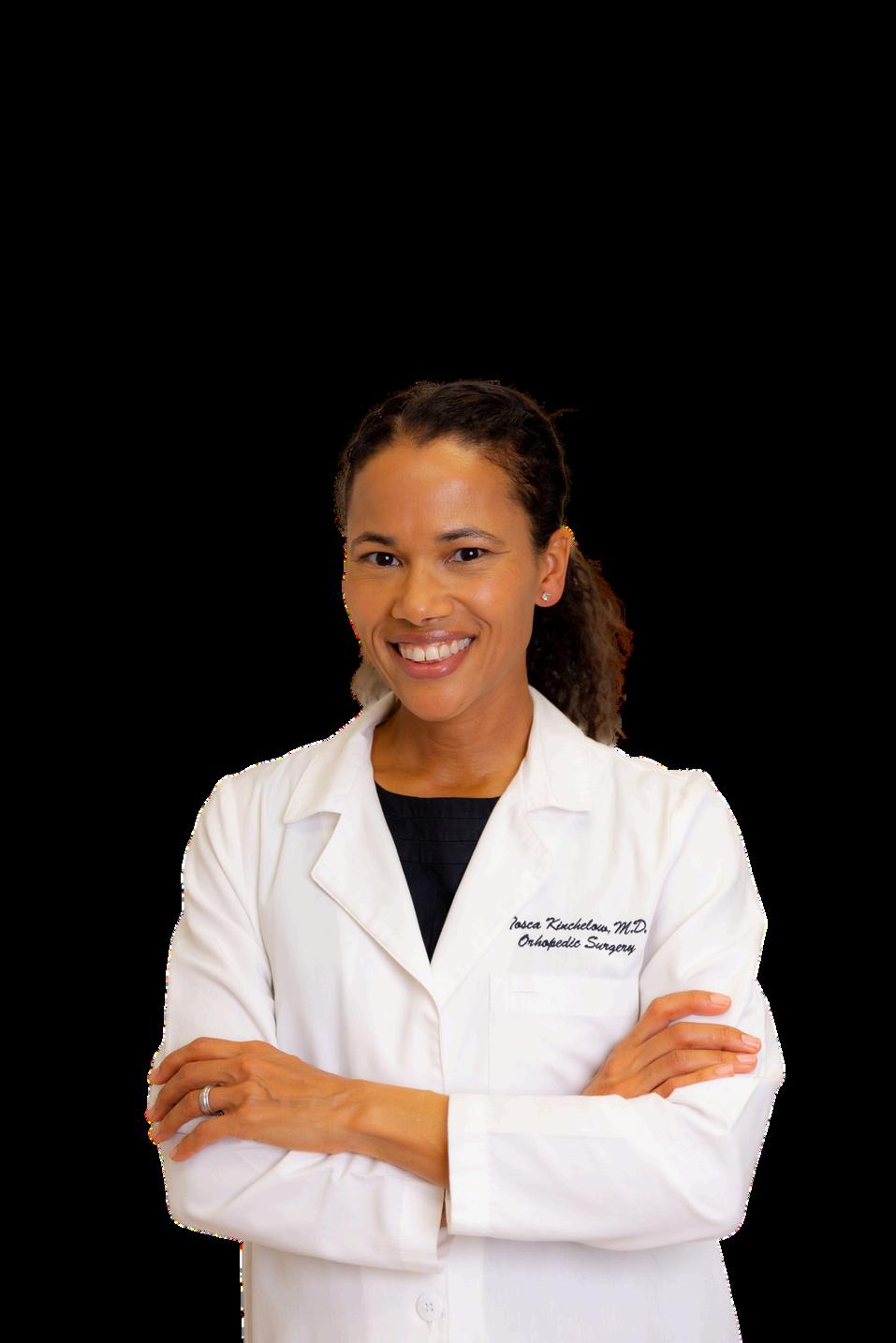
Dr Tosca Kinchelow is a specialist at The Orthopaedic Hand and Arm Center, focused on treating work-related injuries. She is experienced in the Florida Workers’ Compensation system and is committed to helping injured workers recover and return to work efficiently.
Phone: 888-908-9036 Fax: 888-259-8701 Email: info@myohac.com

Most orthopedic practices are already doing parts of this, tracking results, coordinating care, following up after procedures Value-based care brings these efforts into focus It connects the dots and encourages teams to ask, How can we do this better, more consistently, and with more intention? And that’s the shift happening in orthopedics right now. It’s not about starting over. It’s about fine-tuning what’s already in place, and making sure it’s working, for the patient, the practice, and everyone involved in the care journey
Orthopedic Value-Based Care (OVBC) isn’t a buzzword or a passing trend It’s a practical, long-term approach to care that puts outcomes and relationships at the center It challenges practices to prioritize what happens after the procedure just as much as what happens during it, and to build systems that support that goal.
Value-based care doesn’t mean scrapping your current workflow or taking on more work It’s about working smarter, with clearer goals, tighter systems, and stronger communication across the board Here’s what that looks like in the real world of orthopedic care
Yes, follow-up calls and post-op visits already happen But under a valuebased care approach, follow-up becomes more than routine, it becomes a vital part of the patient’s recovery story.
How practices are doing this well:
Structured check-ins at key recovery points, 30, 60, and 90 days
Quick outcome surveys that measure pain, mobility, and function
Assigning a specific team member to track recovery progress

It’s about staying involved long enough to catch concerns early, and helping patients feel cared for beyond the walls of your practice
When the front desk, clinical team, surgical team, and therapy partners are aligned, care becomes more consistent and efficient. That’s a key pillar of value-based care, strong internal systems that support strong external results
What this looks like:
Standard care plans for common procedures
Clear rehab protocols and timelines
Internal communication that keeps everyone on the same page
This level of coordination builds trust, not just with patients, but with employers, adjusters, and case managers watching the process closely.

In many cases, poor outcomes don’t stem from the surgery itself, they come from what happens afterward Missed therapy appointments, misunderstood post-op instructions, unmanaged pain. Catching these early can prevent complications down the road.
Ways to make this happen: Prehab sessions that prepare patients before surgery.
Easy-to-follow wound care instructions and checklists
Dedicated recovery support through a care coordinator or nurse follow-up.
Being proactive here leads to fewer readmissions, faster recoveries, and better patient satisfaction
One of the most meaningful parts of valuebased care is patient engagement When patients feel like active participants in their own care, they tend to follow instructions more closely and heal more confidently
What works:
Plain-language “What to Expect” materials. Quick, personalized videos from the surgeon explaining next steps Realistic timelines for pain management, therapy milestones, and return to work
Patients who know what’s normal, and what’s not, are less likely to panic and more likely to succeed
If your practice is already tracking results, coordinating care, and following up with patients, you’re already laying the foundation Value-based care simply helps you take those steps further. It brings focus, consistency, and intention to the things you’re already doing and makes them even more impactful
Outcomes over volume Clarity over chaos
Long-term wellness over short-term fixes. That’s the future of orthopedic care and for many practices, that future has already begun

OM has officially launched the OM Center of Excellence (COE) Designation, the nation’s only formal professional designation created specifically for medical practices and service providers that support injured workers.
The COE Designation was developed in response to ongoing feedback from employers, insurance carriers, nurse case managers, adjusters, and other workers’ compensation professionals who rely on consistent, dependable partners to help cases move forward efficiently.
While many organizations do excellent work, there has historically been no formal way to distinguish those that consistently follow established best practices in supporting injured worker care

The designation focuses on administrative, operational, and care coordination standards that support timely access to care, accurate and timely documentation, effective case coordination, and clear communication with all parties involved in a claim The COE Designation does not evaluate, direct, or influence medical decisionmaking All clinical decisions remain solely with the treating physician The designation recognizes organizations that have strong systems, workflows, and protocols in place to support care delivery and case progression
Medical practices and service providers must apply, meet established eligibility criteria, and complete a structured evaluation process conducted by an independent Oversight Committee composed of physicians, employers, adjusters, nurse case managers, and industry professionals
OM serves as the program developer and administrator but does not determine which organizations receive designation Applications for the OM Center of Excellence (COE) Designation are currently open
Organizations that achieve designation will be formally recognized for their commitment to best practices, operational excellence, and consistent support of injured worker care For more than two decades, OM has worked closely with employers, carriers, case management companies, medical practices, and service providers nationwide
The COE Designation reflects OM’s leadership in establishing structured, objective standards that support constant highquality, well-coordinated care for injured workers
BY ANAND PANCHAL, MD
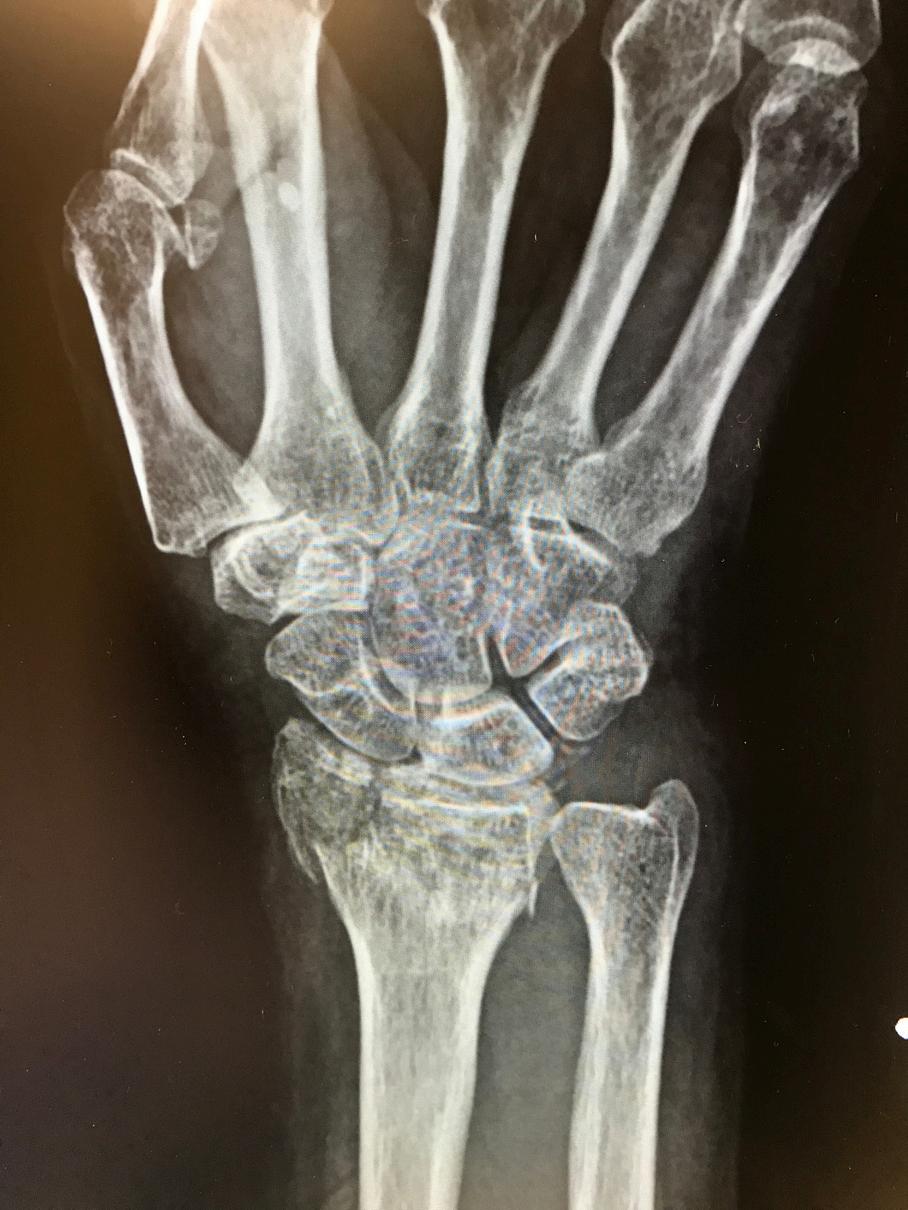
1) What a Distal Radius Fracture Is and Why It Matters in Work Comp
The distal radius is the portion of the forearm bone (radius) closest to the wrist A fracture here can disrupt wrist mechanics, forearm rotation, grip strength, and hand function. Many workers cannot perform daily job tasks lifting, pushing, pulling, carrying, climbing, tool use, computer tasks, patient care, or driving until pain, alignment, and function stabilize
Distal radius fractures (DRFs) are among the most common upper-extremity injuries seen in workers’ compensation claims They frequently occur from a fall onto an outstretched hand, a slip from a ladder, a trip on uneven flooring, or a high-energy event such as a motor vehicle collision
While many DRFs heal predictably and do not require surgery, the details of fracture pattern, alignment, soft-tissue involvement, and patient/job demands drive outcomes and cost
For adjusters and nurse case managers, the value is in early recognition of red flags that necessitate surgery, efficient imaging, appropriate triage to nonoperative vs operative care, and proactive planning for rehabilitation and return-to-work (RTW)
This article provides a practical overview of (1) basics of initial evaluation, (2) nonoperative treatment, (3) indications for surgery, and (4) postoperative recovery with RTW considerations
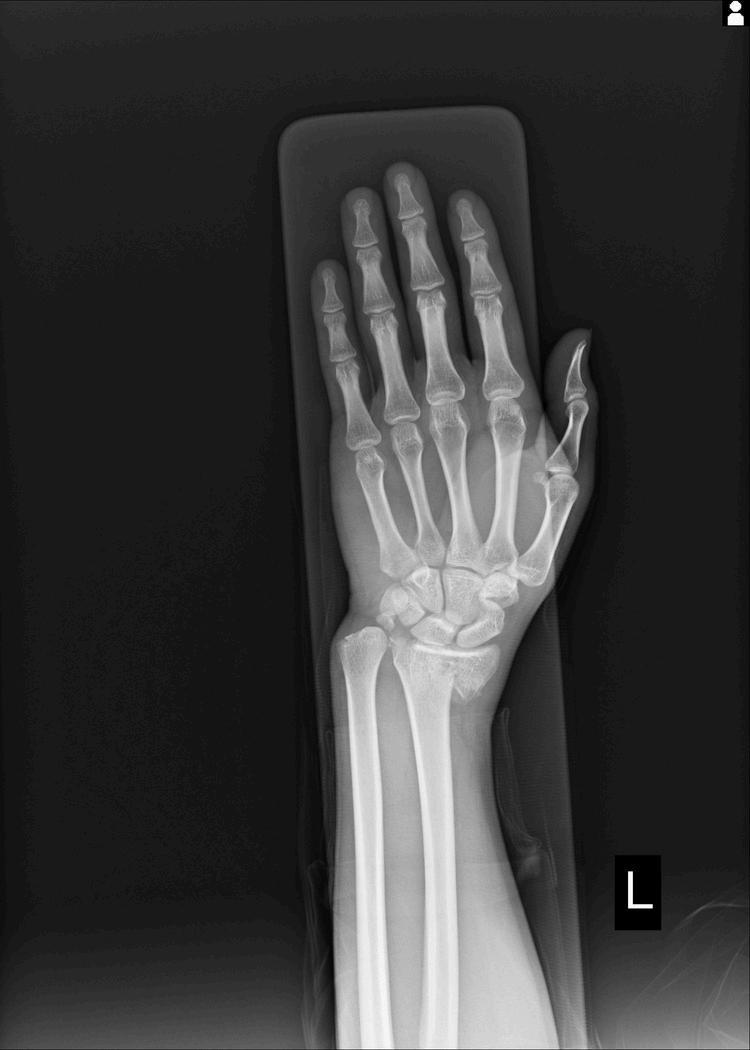
Common patterns you may see referenced in reports:
Extra-articular: fracture does not extend into the wrist joint
Intra-articular: fracture involves the joint surface (higher risk of stiffness/arthritis if not properly aligned)
Comminuted: fracture in multiple pieces, often less stable.
Displaced: fragments have shifted out of normal alignment.
Impacted: bone is driven into itself (shortening)
Dorsal angulation (“Colles” pattern) vs volar angulation (“Smith” pattern)
Associated ulnar styloid fracture: common; significance depends on distal radioulnar joint (DRUJ) stability.
Open fracture: skin disrupted urgent assessment needed
High-energy with soft-tissue injury: may involve tendons, nerves, ligament injury, or compartment syndrome
From a claim standpoint, the key issues are:
1 Stability and alignment (drives nonop success vs need for surgery),
2 Neurovascular status (median nerve/carpal tunnel symptoms),
3 Soft tissue condition (swelling, blisters, open wounds),
4 Work demands (light duty vs heavy labor),
5.Access to timely follow-up, therapy, and compliance.
2) Initial Evaluation: What “Good Early Care” Looks Like
A. Mechanism and history
The treating team will ask and document:
1 Date/time and mechanism of injury (fall height, twist, direct blow, MVC)
2 Hand dominance (dominant wrist injuries tend to impact function more).
3.Occupation and essential job functions (tool use, lifting thresholds, keyboarding, driving).
4.Symptoms: pain, deformity, swelling, numbness/tingling (especially thumb/index/middle finger), weakness, inability to rotate forearm
5 Prior wrist injury/arthritis (affects baseline function and imaging interpretation)
For adjusters/case managers: early clarity on job demands and availability of modified duty is one of the fastest ways to reduce disability time.
B. Physical exam priorities (why they’re critical)
Providers focus on:
1 Skin integrity: open fracture, laceration, fracture blisters
2 Neurovascular exam: cap refill, pulses, sensation, motor
3 Median nerve symptoms: numbness/tingling in radial threeand-a-half fingers, worsening at night, pain out of proportion concern for acute carpal tunnel syndrome
4 Compartment syndrome red flags (rare but limbthreatening): escalating pain, pain with passive finger stretch, tight compartments, numbness/weakness
Red flags that warrant urgent escalation or ED-level care:
1.Open fracture
2.Suspected compartment syndrome
3.Progressive or severe median nerve symptoms after injury or reduction
4.Severe swelling with skin compromise
5.Gross instability/deformity with neurovascular change
C. Imaging: what is “standard,” and what’s “added”
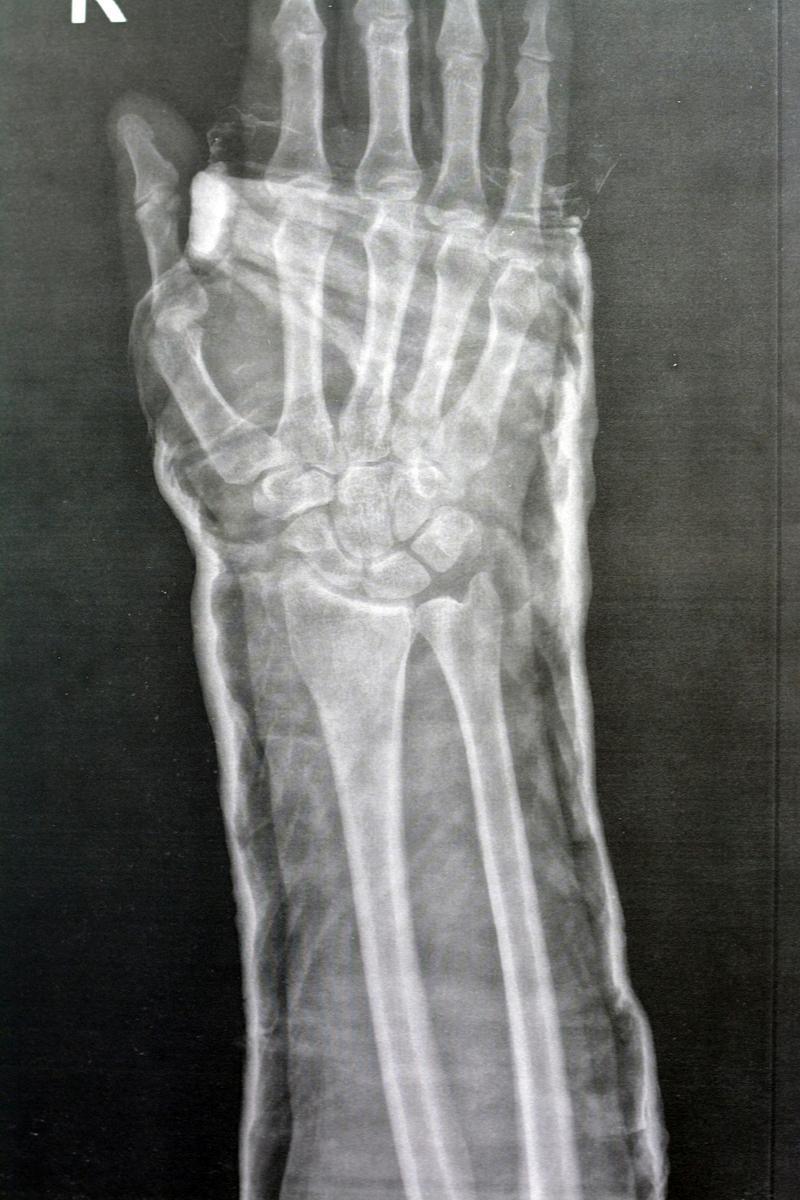
Standard initial imaging is a wrist series (typically PA, lateral, oblique). Key radiographic features that guide treatment include:
1 Radial height/shortening
2 Volar/dorsal tilt
3 Radial inclination
4 Articular congruity (step-off or gap)
5 Comminution and instability signs
6 Associated DRUJ/ulnar involvement
CT scan is commonly used when:
1 the fracture is intra-articular and surgical planning is initiated
2 plain X-rays don’t clearly define the joint involvement,
3 there is a suspected carpal injury
D. Initial management (typical pathway)
In the acute setting, treatment often includes:
1.Immobilization (splint first due to swelling; cast later)
2.Elevation and ice (as directed)
3.Pain control with a plan that supports function (avoid prolonged opioid use when possible)
4.Closed reduction if the fracture is displaced (realigning the bone without surgery), followed by re-imaging in the splint/cast
5 Referral to orthopedics/hand surgery
From a utilization and outcomes standpoint, timely follow-up (often within ~2-5 days) is essential Delays can allow loss of reduction, increased stiffness, prolonged disability, and more complex surgery
C. Timing considerations
Many distal radius fractures that need surgery are treated within the first 1–2 weeks, often after swelling improves but before healing begins in malalignment Late identification of displacement can push surgery later, increasing complexity and potentially delaying RTW.
5) Post-Operative Recovery: What to Expect, What Drives Delays, and How to Support RTW
A Immediate post-op priorities
Early post-operative care typically emphasizes:
1 Swelling control (elevation)
2 Wound care and monitoring for infection
3 Pain control with a taper plan
4.Early finger motion
5.A splint/brace phase depending on fixation stability
B. Therapy and motion: “early motion” vs “protective immobilization”
With stable fixation (commonly plate fixation), surgeons often begin controlled wrist motion earlier than with casting alone. That said, therapy is individualized, and factors like comminution, bone quality, and associated ligament/ulnar-sided injuries can require more protection
Common therapy goals:
1 Reduce edema and stiffness
2 Restore wrist flexion/extension and forearm pronation/supination
3.Regain grip strength
4.Address scar sensitivity, tendon gliding, and proprioception
5 Work conditioning for job-specific tasks
C Expected functional recovery (broad ranges)
While radiographs may show healing by ~6 weeks, functional recovery often continues for months. Many patients notice meaningful improvement in:
1 range of motion over 2–3 months,
2 strength and endurance over 3–6 months,
For work comp, it’s helpful to separate:
1 Bone healing milestones (radiographic union), from
2 Work capacity milestones (safe lifting, grip endurance, tolerance for vibration/impact).
D Return-to-work planning: practical framework
RTW should be structured around the worker’s essential functions, the surgeon’s restrictions, and progressive capacity. Typical restriction categories include:
1.No lifting/pushing/pulling with the injured hand initially.
2 Later: graded lifting limits (e g , 1–2 lb → 5–10 lb → higher as strength returns)
3 Avoidance of forceful grip, torque, vibration, ladder work, or fall-risk tasks early
Modified duty examples:
1 One-handed tasks with the uninjured hand (where safe)
2 Clerical work, phone-based tasks, supervision, sedentary work
3 Limited keyboarding with ergonomic support (may still be symptomatic early)
Work barriers to anticipate and address early:
1.Lack of modified duty availability
2.Transportation/driving limitations (splinting, pain meds, dominant hand)
3.Delays in therapy authorization
4.Missed follow-ups or imaging post op
5.Psychosocial factors: fear of re-injury, catastrophizing, workplace conflict
3.residual stiffness or aching that can persist longer (especially with intra-articular fractures)
E. Common complications and “when to worry”
Not every lingering symptom is a complication, but certain patterns should prompt reassessment:
Stiffness
Common; best mitigated by timely therapy and home exercise adherence
Tendon irritation/rupture (rare but important)
Pain with thumb extension or finger motion, crepitus, new weakness needs prompt evaluation
Median nerve symptoms / carpal tunnel
Numbness/tingling that persists or worsens should be communicated early
CRPS (Complex Regional Pain Syndrome)
Disproportionate pain, swelling, color/temperature changes, hypersensitivity, marked stiffness. Early recognition and multidisciplinary management improve the chance of recovery.

Persistent deformity, loss of motion, pain, and abnormal radiographs.
Infection
Increasing redness, drainage, fever, escalating pain.
For adjusters and NCMs: these are “high-impact” issues where early action can prevent prolonged disability
High-yield strategies in work comp DRFs include:
Fast-tracked orthopedic follow-up (especially for displaced fractures)
Timely imaging at standard checkpoints to catch loss of reduction
Early therapy authorization when clinically indicated (especially post-op or high stiffness risk)
Clear, written restrictions linked to job tasks; coordinate modified duty quickly
Avoiding unnecessary delays in surgical decision-making when indications are clear
Monitoring for complications (median nerve symptoms, CRPS signs) and escalating early.
Setting expectations: healing vs function; typical timelines; what symptoms are normal.
Distal radius fractures are common but variable injuries. The biggest determinants of outcome in workers’ comp are early identification of unstable fractures, timely imaging follow-up, appropriate selection of nonoperative vs operative treatment, and proactive rehab/RTW planning When those elements are appropriately addressed, most workers achieve good functional recovery and return to productive work with fewer delays, fewer disputes, and a lower total claim cost
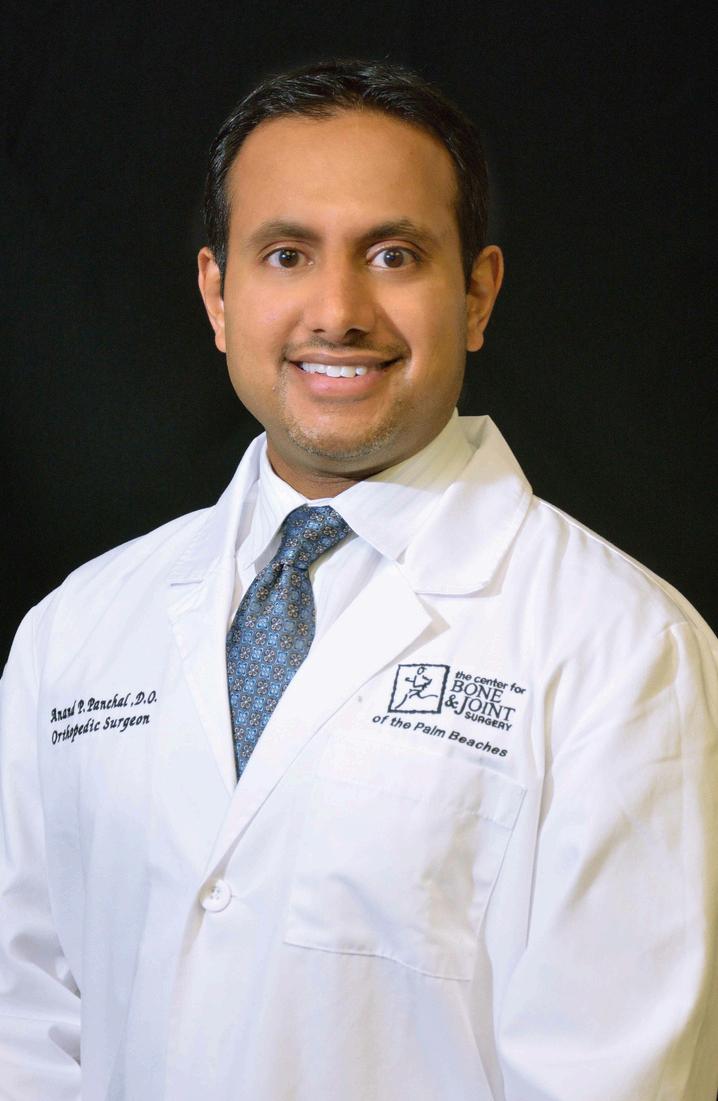
Board-Certified
Orthopaedic Surgeon
The Center for Bone & Joint Surgery of the Palm Beaches


BY NELSON GONZALEZ, OTR/L, CHHC, CCT, CPMT, CORE, CLT
There is a population we serve every day in workers’ compensation that is often misunderstood not because we lack data, but because we overlook depth Men Not just injured workers Not just claim numbers Men who are fathers, husbands, providers, leaders suddenly placed into a system that was designed to manage injury, but not always built to understand identity. And when a man’s identity is disrupted, the injury is no longer just physical. It becomes psychological. Relational. Existential. If we are truly committed to outcomes not just closures then we must confront a truth that is uncomfortable, but necessary: We are not just treating injuries We are treating disrupted lives under chronic stress
For many men, work is not just what they do it is who they are It is how they measure contribution How they define value How they provide So when injury removes them from that role, the system sees “temporary disability” But the man often feels something very different: Loss of control Loss of identity Loss of purpose And beneath that fear Fear that he cannot provide Fear that he is becoming a burden Fear that he is no longer who he was This is the moment where a physical injury quietly becomes a life injury. And yet, most systems are not designed to address that transition.
In workers’ compensation, we track pain scores, functional gains, and return-to-work timelines But there is a variable that influences all of them and is rarely addressed with the same urgency: Chronic stress When a man enters the system under stress, and remains in it without regulation, several predictable things happen Recovery slows Pain perception increases Sleep becomes disrupted Communication becomes reactive Trust in the system deteriorates This is not behavioral noncompliance This is neurophysiology
A dysregulated nervous system does not heal, respond, or engage the same way as a regulated one. So when we label someone as “difficult,” “noncompliant,” or “unmotivated,” we may actually be witnessing a man whose system is overwhelmed and whose identity is unraveling in real time

The impact of chronic stress does not stop at the clinic or the job site It follows the man home It shows up in his relationships Shorter patience with his spouse Less presence with his children Increased irritability Withdrawal Silence Disconnection Not because he doesn’t care but because he is operating in survival mode. And here’s the critical insight for professionals: When the home environment destabilizes, recovery becomes exponentially more difficult. Because now, the man is not just managing injury he is managing fractured connection, increased pressure, and emotional isolation. If we ignore this layer, we are not just missing context we are compromising outcomes.

Many of the men in workers’ compensation were raised with a simple message: Push through. Don’t complain. Handle it. And those traits served them until they didn’t. Because the same mindset that builds toughness can also block recovery If a man believes that asking for help is weakness, he will delay care If he believes that expressing stress is failure, he will suppress it If he believes his value is tied only to productivity, injury becomes identity collapse
So the question for us as professionals becomes: Are we reinforcing outdated definitions of strength or are we helping redefine them? Because real strength is not suppression It is awareness, regulation, and adaptability
Every professional in this space adjuster, nurse case manager, therapist, employer, attorney holds influence Not just over the claim But over the experience And experience shapes outcomes. A single interaction can either: build trust or reinforce skepticism, create clarity or increase confusion, or promote engagement or deepen resistance When we recognize that many injured men are navigating identity disruption and chronic stress, our role shifts. We are no longer just managing a process. We are leading a human being through one of the most vulnerable periods of his life. That requires a different level of presence. A different level of communication A different level of leadership

If there is one shift that can transform outcomes in workers’ compensation, it is this: We must prioritize regulation before we expect optimal rehabilitation A dysregulated system cannot: fully engage in therapy, retain information, make clear decisions, and trust the process. But when a man becomes more regulated even slightly everything changes: pain becomes more manageable, sleep improves, communication opens, and participation increases. This is where approaches that incorporate movement, breathwork, nervous system education, and intentional recovery become critical not optional. Because we are not just treating tissue. We are treating systems
One of the most powerful tools we have is also one of the most underutilized: Restoring a sense of agency When a man begins to move again intentionally, progressively he doesn’t just regain function He regains belief Belief that: he is not broken, he is still capable, and he can rebuild This is where rehabilitation becomes transformational Not just returning someone to baseline but helping them reconnect with who they are Because identity is not restored through paperwork It is restored through experience
If we want better outcomes in workers’ compensation, we must elevate how we see the men we serve They are not: just claims to manage, just injuries to treat, and not just timelines to track They are individuals navigating pressure, expectation, and uncertainty often without the tools to regulate it And that is where we come in Not just as professionals but as leaders.
There is a higher standard available in workers’ compensation. One that integrates: clinical excellence, human understanding, nervous system awareness, and relational intelligence. A standard where we don’t just ask: “When will he return to work?” But also: “Who is he becoming in this process?” Because when we support both recovery and identity We don’t just improve claims We change trajectories And in doing so, we redefine what success in workers’ compensation truly looks like
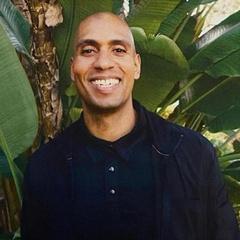
Nelson Gonzalez
Executive Director - Florida Rehab Without Walls

BY YOAV S. ZVI, MD
Workplace injuries involving the hip and knee carry consequences that extend well beyond the initial trauma Soft tissue damage, post-traumatic arthritis, and accelerated joint degeneration can erode a worker's mobility and productivity over months or years – often culminating in a need for joint replacement
For employers and case managers, understanding what modern joint replacement looks like is essential for setting realistic expectations, coordinating timely intervention, and managing return-to-work planning with confidence
The field has changed dramatically Advances in surgical precision, implant design, intraoperative technology, and soft tissue management have transformed joint replacement from a lengthy rehabilitation process into a structured, predictable restoration procedure Many appropriate candidates undergo surgery on a same-day or short-stay basis and return to light-duty work within six weeks – developments that matter directly to employers focused on reducing lost time and total claim cost.
AI-Enhanced Precision in Hip Replacement
In total hip replacement, long-term success depends heavily on how accurately components are positioned and how well the natural biomechanics of the hip are restored Even modest deviations in cup angle, leg length, or femoral offset can affect stability, accelerate implant wear, and diminish patient satisfaction – problems that become especially significant for physically active, working-age individuals whose joints must perform under real occupational demands
To address this, I incorporate AI-driven fluoroscopic imaging technology during hip replacement surgery. This system provides real-time data analysis and objective feedback throughout the procedure, allowing precise restoration of leg length and femoral offset alongside optimized component positioning Rather than relying solely on visual estimation, this approach combines surgical judgment with quantifiable intraoperative accuracy. For patients returning to physically demanding roles, reproducible biomechanical alignment is not a luxury – it is a clinical priority that directly influences implant longevity and functional recovery
Precision means little if the surgical approach causes significant soft tissue disruption Traditional hip replacement requires detaching major muscle groups from the femur or pelvis, which extends recovery time, increases early instability risk, and delays the return of functional strength The anterior approach takes a fundamentally different path – working between natural muscle planes to reach the joint without cutting or detaching the surrounding musculature
The clinical benefit is significant. Patients experience less postoperative pain, mobilize the same day as surgery in most cases, and progress through early rehabilitation more efficiently because the muscles responsible for stability and gait have been left intact. Proprioception – the joint's ability to sense position and coordinate movement – also recovers more readily when surrounding soft tissues are undisturbed
For case managers coordinating return-to-work timelines, the anterior approach provides a more predictable recovery trajectory Patients in sedentary or modified-duty roles can often begin light-duty work around six weeks postoperatively, contingent on strength progression and job specific demands For physically demanding occupations, timelines are individualized, but the absence of muscle detachment supports a recovery process that is both faster and more structurally sound

Knee replacement in the working population presents distinct demands. The knee must accommodate repetitive loading, sustained standing, stair climbing, squatting, and pivoting –requirements that stress both alignment and implant balance throughout the workday. Even slight errors in component positioning or soft tissue tensioning translate into chronic discomfort, early wear, and reduced functional capacity
In my practice, knee replacement is performed using robotic-assisted technology that enables detailed preoperative planning and real-time intraoperative adjustments The robotic system maps the patient's individual anatomy and allows precise modifications during surgery to optimize alignment and soft tissue balance – a level of accuracy that manual techniques cannot reliably replicate, and one that matters especially for patients whose implants must remain durable over decades of active use.
Equally important is how the knee is accessed I perform the certified JiffyKnee® procedure, a muscle- and tendon-sparing technique that approaches the joint without cutting through the quadriceps mechanism – the primary extensor tendon responsible for straightening the knee Conventional knee replacement routinely disrupts this structure to gain exposure, significantly delaying the recovery of quadriceps strength and functional mobility. By preserving the extensor mechanism, the JiffyKnee® approach allows patients to regain functional strength more efficiently in the early postoperative weeks, when rehabilitation momentum is most critical I am currently the only surgeon in Miami performing the certified JiffyKnee® technique
When robotic precision and the JiffyKnee® technique are combined, the benefits reinforce each other: the robotic platform optimizes alignment and joint balance while the tissue-sparing exposure preserves the structural foundations of strength and mobility. The result is a recovery that begins from a stronger baseline, with less early pain, faster quadriceps activation, and a more efficient rehabilitation course For employers and case managers, this translates directly to return-to-work planning – many patients are able to return to light-duty roles at approximately six weeks, creating an early opportunity to reintroduce productive function while recovery continues.
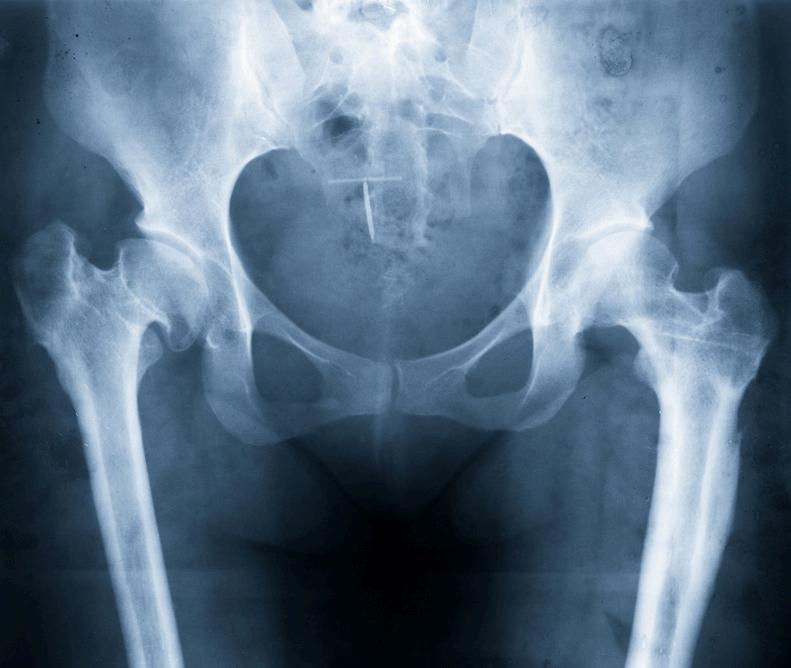
Modern implant materials and designs have improved meaningfully, but surgical execution remains the foundation of long-term success Working-age patients place exceptional demands on their replacements –sustained loading, repetitive motion, and physical labor that far exceed the activity levels on which older longevity data was based Proper alignment, balanced soft tissues, and preserved musculature all reduce abnormal stress on implant surfaces and supporting structures. When these factors are optimized from the outset, the implant begins its service life under the best possible mechanical conditions – translating into less wear, fewer complications, and lower probability of revision surgery These are outcomes that matter as much to employers managing long-term claim exposure as they do to the patients themselves
Workplace joint injuries are expensive and disruptive, and outcomes suffer when the clinical pathway is unclear. When joint replacement becomes the appropriate intervention, the critical variables are surgical quality, recovery predictability, and coordinated planning
The integration of AI-enhanced imaging, roboticassisted knee surgery, and muscle- and tendon sparing techniques represents a meaningfully higher standard of care – one that produces more reproducible outcomes and greater long-term durability. But technology and technique are only part of the equation. Clear communication between surgeon, patient, case manager, and employer, is what translates a successful operation into a successful return to work I prioritize direct engagement with all involved parties – establishing realistic milestones early, providing timely clinical updates, and collaborating on a recovery plan that reflects both the patient's functional progress and the demands of their occupation For the working patient, the goal has always been more than pain relief. It is the restoration of strength, capacity, and the ability to return to a productive working life – and that outcome is best achieved when everyone on the care team is aligned from day one
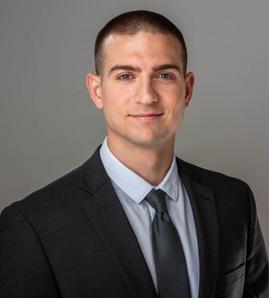
Board-Certified Orthopaedic Hip & Knee Surgeon OrthoMiami
BY JOAO PANATTONI, MD
How many times have you heard histories of workers that were diagnosed with carpal tunnel syndrome and just could not get approval for treatment through work comp? Usually, these patients get approved for just an initial evaluation, rarely getting to see the specialist right away. The first visit is at an Urgent Care, where there is not always adequate diagnosis nor treatment Many times, the worker is diagnosed with “tendonitis” or “overuse”, prescribed antiinflammatory, and placed on light duty After several encounters with non-specialized doctors, the worker finally gets to see a Hand Surgeon that can make the proper diagnosis, but then must prove the causality of the condition.

This can take additional time off work or on light duty, with several complementary exams such as nerve tests and repeated follow up visits. When the worker finally has surgical treatment approved, then it would be another set of visits, medical clearance exams, cardiology evaluation, etc. During the postoperative period, depending on how invasive the surgical procedure was, these patients will have to face several weeks of recovery, with use of narcotics, splinting, occupational therapy and, of course, more time off work That is the “best-case scenario” with the traditional way of treatment
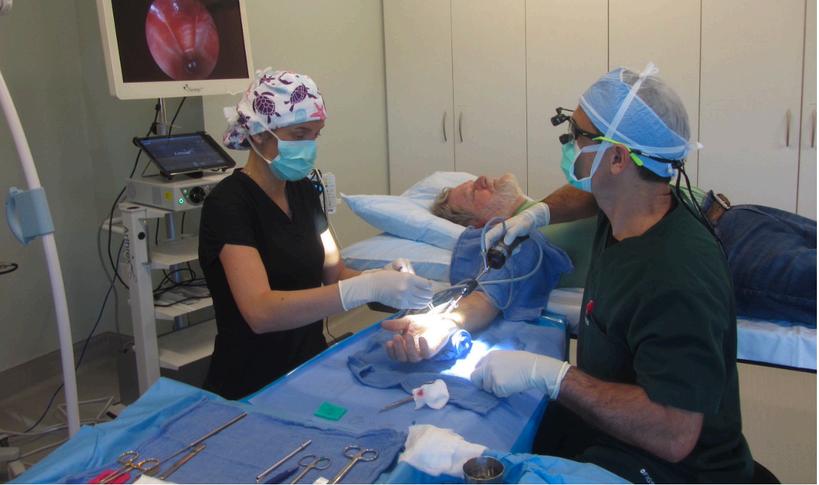
Many of these patients end up not having the proper care, getting injections done for temporary relief (the American Academy of Orthopaedic Surgeons-AAOS supports a greater treatment benefit for those who are treated surgically with carpal tunnel release as compared to those patients that are treated with steroid injection), deciding to put up with the pain after getting the runaround with multiple medical visits and uncomfortable exams or, even worse, end up getting terminated from their job for not being able to perform their function as they used to
Carpal tunnel syndrome (CTS) is a common condition, with an annual incidence of 1 to 3 cases per 1000 patients and a prevalence of 50 cases per 1000 individuals in the general population Despite its high prevalence, there is a notable discrepancy between the incidence of CTS and the proportion of individuals receiving treatment, suggesting potential underdiagnosis or undertreatment. This discrepancy may be influenced by various factors, including variations in diagnostic criteria, access to healthcare, patient preferences, and the effectiveness of different treatment modalities.
According to a study published in 2003 at the Journal of Hand Surgery (American Edition), the potential number of indications for carpal tunnel release in the United States is over 2 1 million per year. Notwithstanding the very high prevalence, the estimated number of carpal tunnel release cases per year is only 500 thousand There is a clear unmet need for adequate treatment of this very common and potentially debilitating condition
It has been proven that carpal tunnel compression is a progressive condition and, if not addressed in time, it can get to a severe stage with muscular wasting Most of the time when it gets to that point, the patient will not have a complete recovery after carpal tunnel release and can end up with persistent numbness and weakness due to irreversible nerve damage.
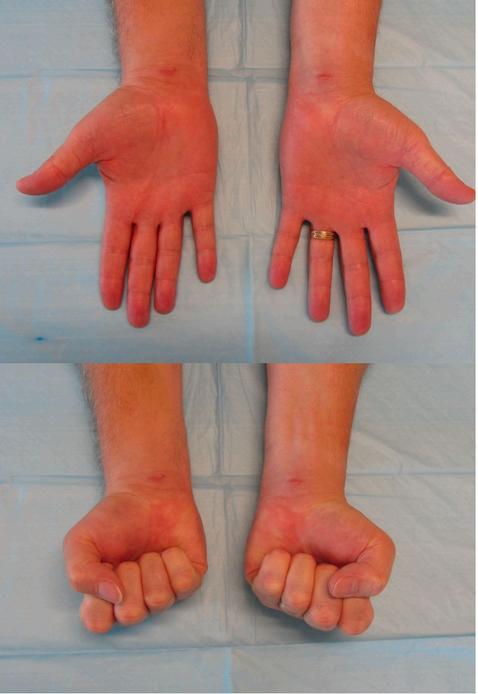
That is why, again, it is paramount that the patients with carpal tunnel syndrome are getting proper evaluation by specialized professionals that could offer effective treatment What if I said that there is a much easier and straightforward way to evaluate and treat Carpal Tunnel compression in the workplace?
With early access to the Hand Surgery specialty, the proper diagnosis can be expedited New technologies such as highdefinition Ultrasound evaluation allow real time evaluation of the condition of the nerve, with no discomfort to the patient since this is noninvasive The Ultrasound can also be used for the treatment of carpal tunnel compression (carpal tunnel release)
It can guide the placement of the anesthesia around the nerve, allowing for a painless surgical intervention that can be done under straight local anesthesia, as an office -based procedure The fact that is done under straight local anesthesia decreases the chance of general anesthesia related complications and allows the patient to continue to take all their regular medications (including blood thinners) with no need for preoperative clearance The patient stays wide awake during a very fast and pain free procedure (Figure 1)
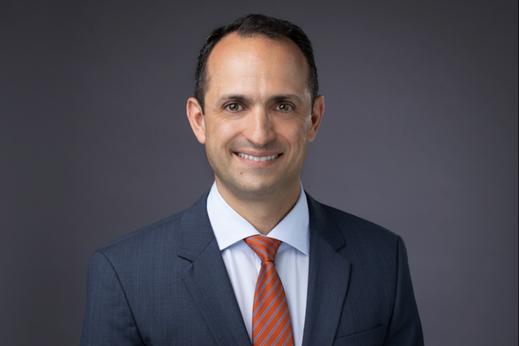
Board-Certified Orthopaedic Hand Surgeon Vero Orthopaedics
BY ROBERT ROCHMAN, MD, FAAOS
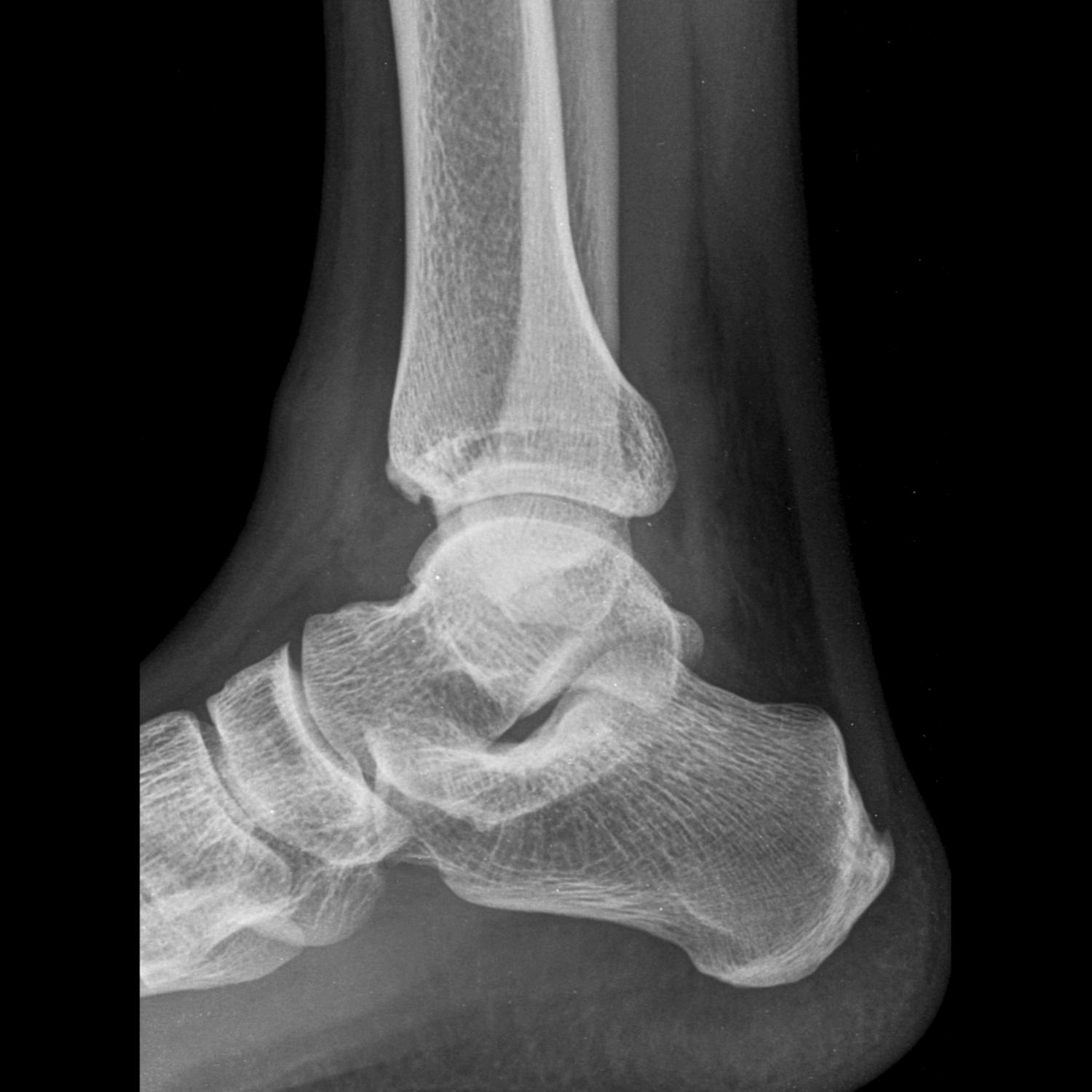
In the landscape of workers' compensation, the ankle accounts for a significant percentage of lower-extremity workplace claims, though the range of severity is so vast that a simple “ankle injury” designation on an intake form may be meaningless for predicting a claim’s trajectory. To the untrained eye, a Grade III lateral sprain and a stable Weber B fracture might look identical on physical exam, both potentially presenting with significant swelling, bruising, and an inability to bear weight. However, the path to Maximum Medical Improvement for these two patients could significantly differ in terms of treatment, cost, and time for recovery and return to work. This emphasizes the importance of timely referral to an orthopedic foot and ankle specialist, when indicated. For the Nurse Case Manager and the Adjuster, the goal is to get an accurate diagnosis and understand the underlying mechanics that dictate whether a worker may be back to work in three days or three months.
When classifying ankle fractures, there are many different systems that are used by orthopedic surgeons. These include the Lauge-Hansen classification system, the radiographic system, and the Danis-Weber system, among others The Lauge-Hansen system describes the position the foot is in at the time of injury and the mechanism of the injury The radiographic system describes the ankle fracture based on X-ray appearance and which bones are fractured (medial, lateral, and/or posterior malleolus), and the number of these bones involved in the injury (unimalleolar, bimalleolar, and/or trimalleolar).
The the Web alwa work Web line well as an Rega impo fract dete proc beca disru appe phys
In t ligam non fract wha So, phys rays nece Onc vast of tr the nece the u The alon cons surgical incision developing complications is unacceptably high.
Operating on an ankle too soon after injury can lead to wound dehiscence or deep infection Therefore, the period of elevation and icing prior to surgery is not "lost time" but rather a critical risk-mitigation strategy Unfortunately, even when timed correctly, complications can still arise following surgical treatment of ankle fractures. These include malunion, nonunion, painful hardware, and post-traumatic arthritis, in addition to those mentioned earlier.
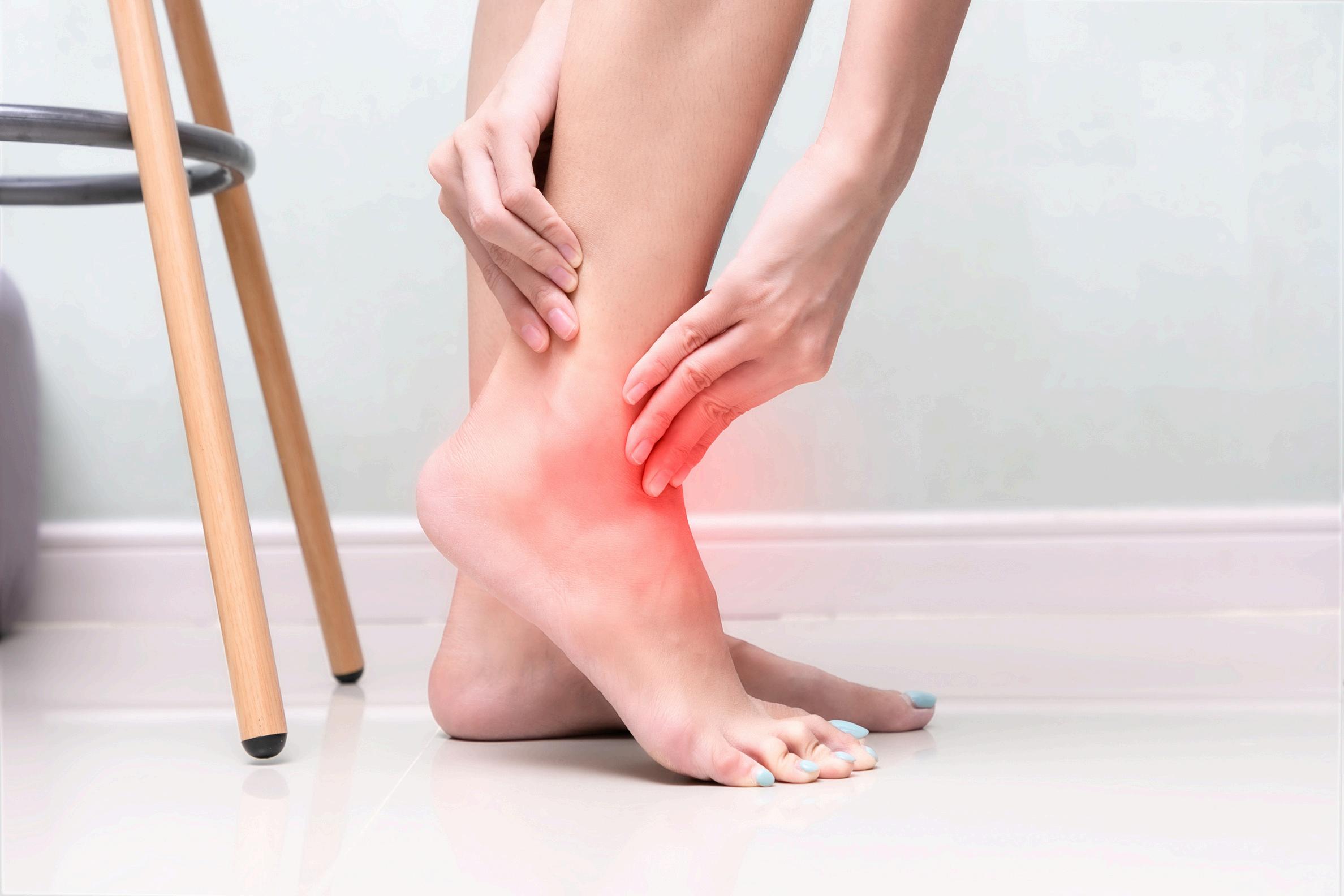
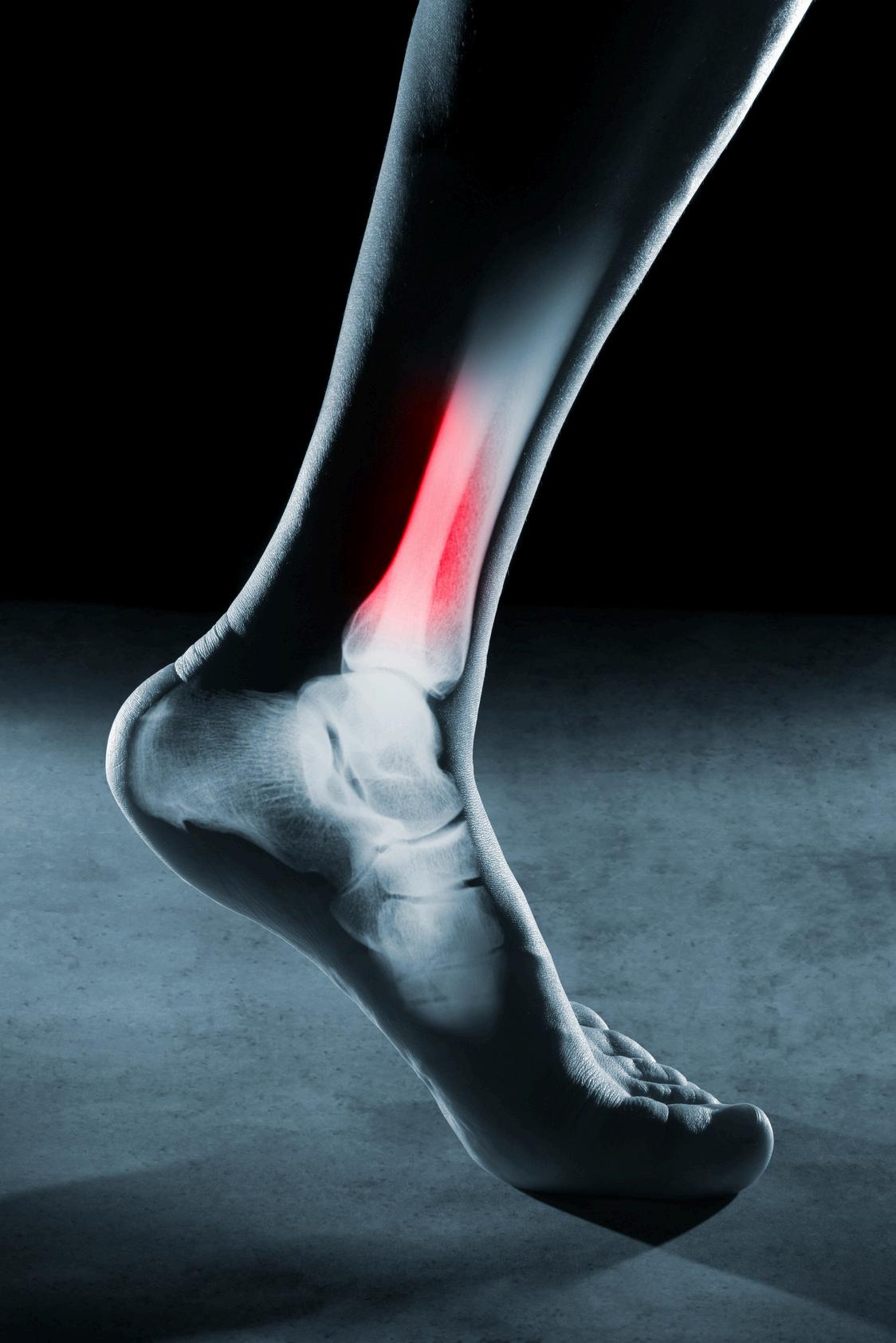
Once the surgery is performed, the recovery milestones vary depending on the severity of the injury, the method of treatment, the injured worker’s medical status, and multiple other factors The first six weeks are typically dedicated to non-weight bearing to protect the hardware and allow the bone to knit
During this time, sedentary work is often possible if the employer can accommodate this and the patient can appropriately manage swelling By week six, the patient usually begins physical therapy
The goal of therapy is to regain strength and restore the range of motion, and ultimately help the injured workers return to their prior level of function (or as close as humanly possible).
In conclusion, managing occupational ankle injuries requires a balance of clinical patience and administrative persistence. By recognizing the difference between a stable ankle fracture and an unstable injury, the optimal outcome is more likely to be achieved, ultimately ending with the injured employee returning to work
Success is measured not just by the speed of the return to work, but by the stability of that return A properly managed ankle fracture, supported by specialist expertise and rigorous rehabilitation, has the greatest chance of resulting in a worker who is as capable on the day they return as they were the day before they were injured
By prioritizing subspecialized orthopedic care, insurance carriers invest in a higher quality of life for the worker and a more predictable financial outcome for the claim.
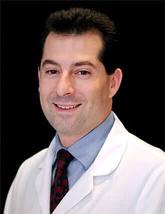
Robert Rochman, MD, FAAOS
Board-Certified Orthopaedic
Foot & Ankle Surgeon
The Center for Bone & Joint
Surgery of the Palm Beaches
When an employee is injured, access to timely, expert orthopedic care is essential to restoring function, reducing pain, and supporting a safe return to work Across New York and New Jersey, New York & New Jersey Spine and Orthopedics is a trusted provider for the evaluation and treatment of workplace injuries, delivering a high level of clinical expertise with a structured and patient-centered approach to care
The practice specializes in the treatment of cervical, thoracic, and lumbar spine injuries, offering both surgical and nonsurgical solutions based on each patient’s condition and clinical presentation Their team of board-certified and fellowshiptrained physicians includes specialists in spine surgery, sports medicine, pain management, and neurology This multidisciplinary expertise allows for accurate diagnosis, appropriate treatment selection, and continuity of care throughout the recovery process.


Each patient is evaluated thoroughly and managed through a defined plan of care focused on restoring mobility, stabilizing the injury, and addressing pain through evidence-based treatment. Treatment options may include minimally invasive spine procedures, interventional pain management, physical therapy, rehabilitation, and advanced diagnostic testing Clinical decisions are guided by the patient’s level of function and the physical demands required for a safe return to work.
New York & New Jersey Spine and Orthopedics demonstrates a strong understanding of treating injured workers All physicians are WorkCompReady certified and follow established best practices for medical documentation, communication, and care coordination Work status reports and medical records are completed accurately and submitted in a timely manner, supporting clarity and continuity throughout the course of treatment

The practice maintains consistent communication from the initial evaluation through follow-up care, ensuring that all parties involved have a clear understanding of the patient’s progress. This structured approach supports efficient care delivery while maintaining a strong focus on clinical outcomes and recovery.
Access to care is prioritized, with expedited scheduling and same-day appointments available when appropriate. Early evaluation and timely intervention play a critical role in improving outcomes and supporting a more efficient recovery process.
New York & New Jersey Spine and Orthopedics approaches every case with a defined clinical standard, ensuring timely access to specialized orthopedic care, precise evaluation, and treatment plans that support functional recovery and a safe return to work.
Their focus remains on delivering high-quality care, supporting recovery at every stage, and helping injured workers regain independence and return to their daily activities with confidence.
TO REFER A PATIENT OR COORDINATE CARE, PLEASE CONTACT:
Workers’ Compensation Department
Main Number: 516-355-0111 opt 2 for appts
Direct WC Scheduler: 516-469-7597
Email: newjerseyappointments@spinesurgeon-nyc.com
OM WORKERS’ COMPENSATION LIAISON TEAM
Email: Help@ommktg.com | ozzydiaz@ommktg.com



Field Case Management
Tailored return to work program
Telephonic Case Management
Catastrophic Case Management
Vocational Case Management
Triage/Early Intervention Program
STD/ LTD Case Management
Coordination of FCE/FME/IME
Discharge planning
Ancillary medical care
coordination
(PT, OT, DME, Transportation, Home Care)
All above services are provided by bilingual professionals.
BY ALEJANDRO PINO, MD

the body’s full weight while enabling mobility, even relatively minor injuries can significantly impair function, delay return to work, and increase claim costs if not managed appropriately.
For workers’ compensation nurse case managers and adjusters, understanding the nature of these injuries and the factors that influence recovery can help facilitate efficient care, realistic expectations, and optimal outcomes As a fellowship-trained orthopedic foot and ankle specialist, my goal is always to restore function safely and return injured workers to productive activity as quickly as medically appropriate.
Unlike many other musculoskeletal injuries, foot and ankle conditions directly affect ambulation If a worker cannot stand or walk safely, they often cannot perform even sedentary job duties that require commuting, transfers, or basic mobility
Common consequences include prolonged work restrictions, increased temporary disability costs risk of chronic pain or
Plantar Fasciitis and Overuse Conditions: Repetitive stress especially in jobs requiring prolonged standing or walking on hard surfaces can produce chronic conditions such as plantar fasciitis, posterior tibial tendon dysfunction, stress fractures, and tendinitis Management often includes activity modification, orthotics, physical therapy, anti-inflammatory measures, and occasionally injections or surgery
Crush Injuries and Complex Trauma: Industrial accidents and heavy machinery incidents can cause severe soft tissue damage

gradual strengthening, with full recovery often taking 4–6 months
Timeliness of diagnosis, appropriate treatment selection, patient compliance, and job demands all significantly affect outcomes.
Clear communication among the physician, patient, employer, and case manager helps reinforce expectations and prevent setbacks
Light-duty options can facilitate earlier safe return while protecting healing structures
Subspecialty care offers precise diagnosis, evidence-based treatment, surgical expertise when needed, and coordinated communication with all stakeholders. Foot and ankle pathology can be complex, and subtle injuries may be overlooked without focused expertise
Early specialist referral for moderate or severe injuries, clear work status documentation, defined rehabilitation protocols, realistic recovery timelines, open communication, and a focus on functional improvement consistently lead to better results.
Warning signs that warrant reassessment include persistent swelling or pain beyond expected timelines, recurrent instability, inability to progress in therapy, compensatory pain in other joints, or signs of complex regional pain syndrome (CRPS) Early intervention can redirect recovery
Successful workers’ compensation care requires collaboration among physicians, case managers, adjusters, employers, and patients When treatment is timely, coordinated, and tailored to the worker’s needs, most foot and ankle injuries can heal successfully with return to productive employment
Foot and ankle injuries may involve a relatively small portion of the body, but their impact on mobility and therefore employability is profound Specialized care focused on restoring stability, strength, and function is key to minimizing lost work time and long-term impairment. The ultimate objective is straightforward: get the worker back on their feet safely, efficiently, and with durable results
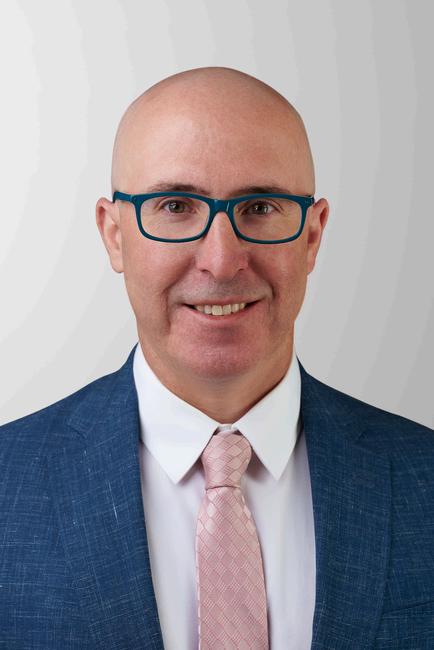
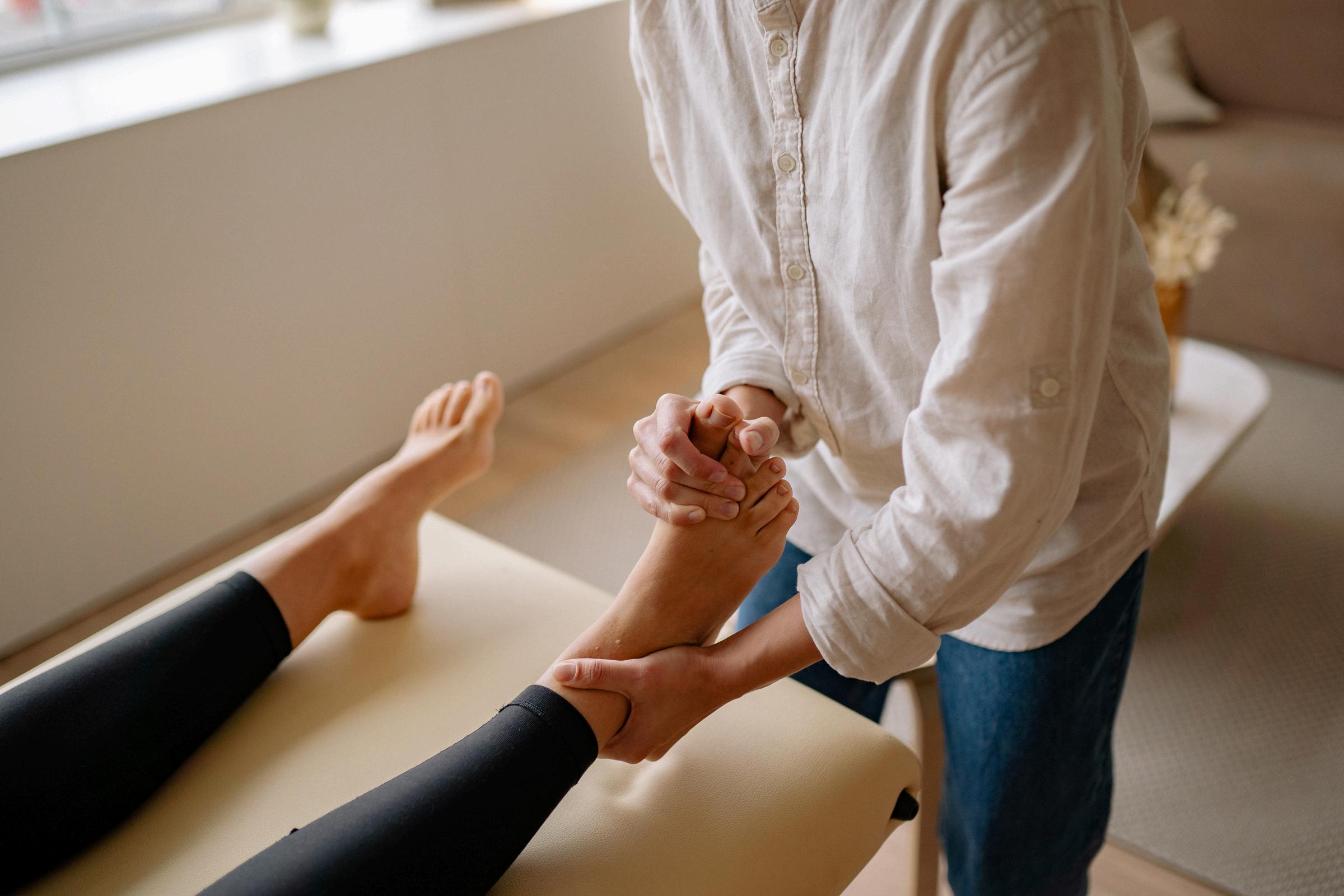
Alejandro Pino, MD
Board-Certified Orthopaedic Foot & Ankle Surgeon OrthoMiami
The Return-to-Work (RTW) Series is part of OM Magazine’s education section. This series highlights real workers’ compensation case studies from physicians to provide a clear look at how injuries are treated, how care is managed, and how recovery is achieved. The goal is to educate adjusters, case managers, and employers by sharing examples that show the medical approach and return-to-work outcomes. Patient names and employer information are not shared to protect privacy.
To submit a case for the RTW Series, email info@ommktg.com.
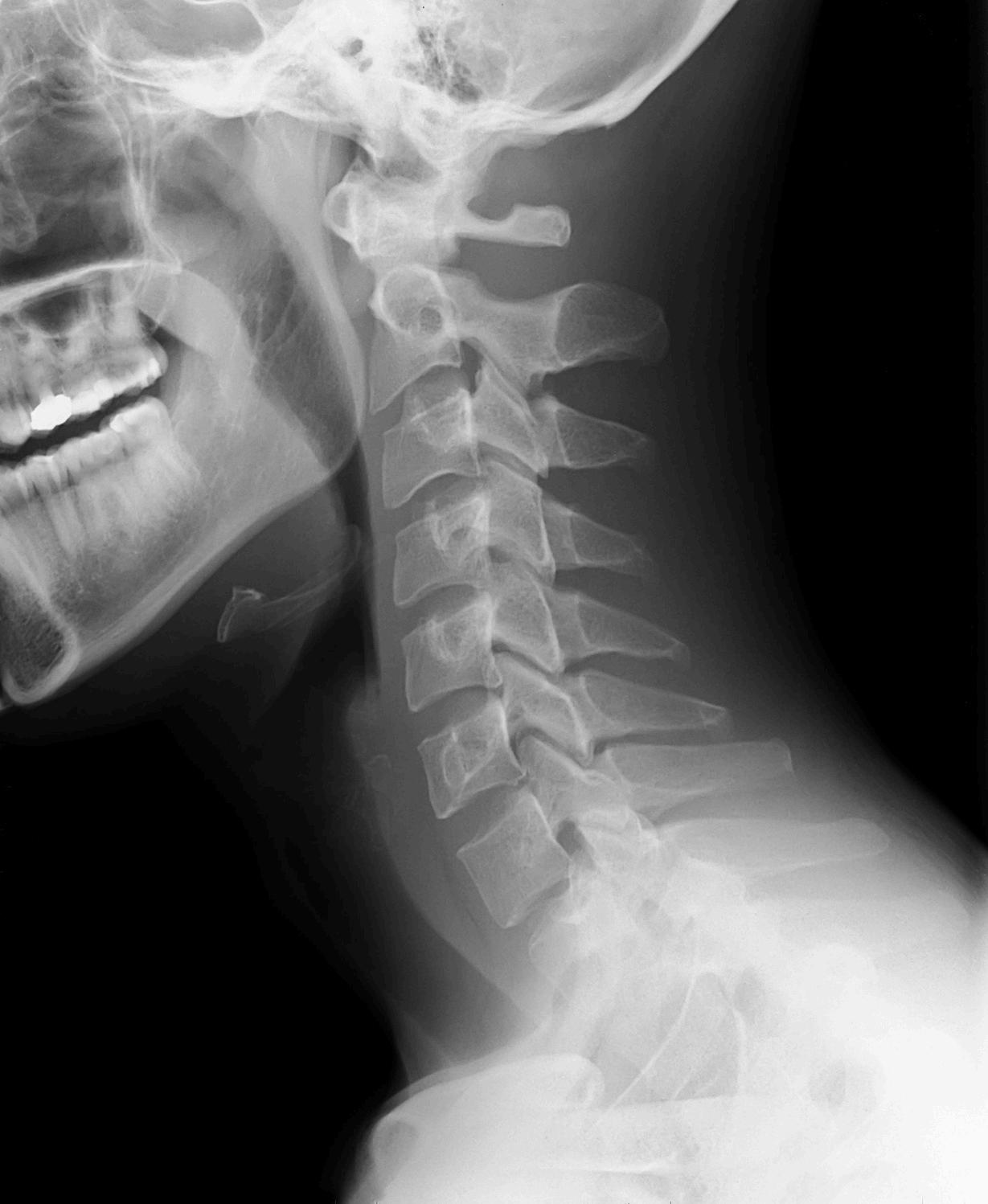

Given the patient’s clinical presentation and evidence of spinal cord compression, both conservative and surgical options were discussed Because of the moderate severity of his myelopathic and radicular symptoms, surgical treatment was recommended to prevent further neurological decline
The patient underwent a C5–C7 anterior cervical discectomy and fusion (ACDF) approximately two months after cervical authorization This procedure was performed to decompress the spinal cord and nerve roots, relieve radicular pain, and restore stability
The patient progressed smoothly after surgery, with steady improvements in balance, grip strength, and dexterity. The hallmark nerve pain radiating down his arm resolved completely.
No barriers were encountered beyond initial clearances, and prompt authorization helped the case move forward without delay. Direct coordination between the physician’s office and the claims team ensured that all documentation and milestones remained aligned with recovery goals
By three months after surgery, the patient had made substantial functional gains and was cleared to return to full-duty work without restrictions
The patient was placed at Maximum Medical Improvement (MMI) on August 8, 2025, with a permanent impairment rating (PIR) of 7%
This case demonstrates the positive impact of timely recognition and treatment of cervical myelopathy in a workers’ compensation setting Prompt surgical intervention halted symptom progression, restored neurological function, and allowed the patient to achieve a safe and early return to full-duty work.
Cervical spinal cord compression with myelopathy is a condition that requires surgical intervention for definitive treatment. Delays can worsen neurological outcomes and prolong recovery. In this case, early decompression and fusion resulted in full return to work within three months, highlighting the value of expedited evaluation, surgical precision, and proactive claims coordination
Disclaimer: Each case is unique Recovery timelines and outcomes vary depending on multiple factors, including injury severity, job demands, treatment compliance, and authorization processes This case is shared as one example of a successful return-to-work outcome
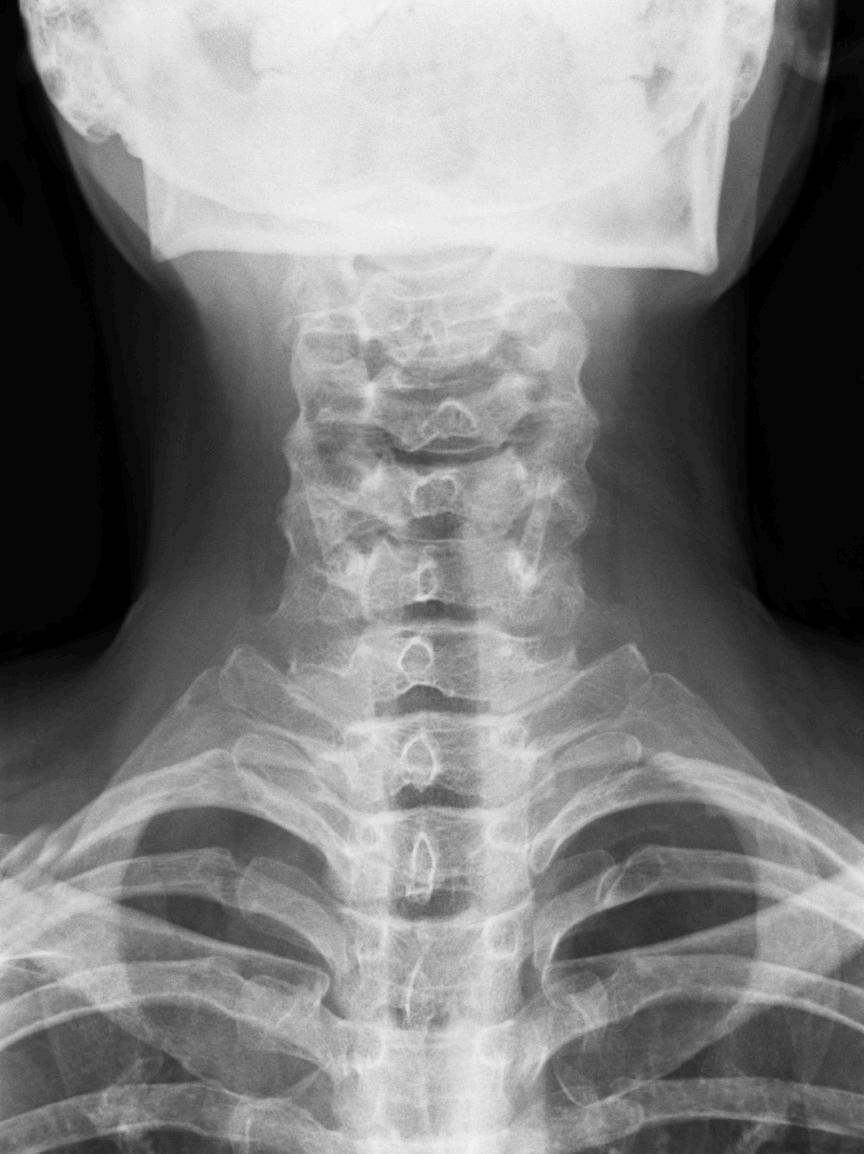
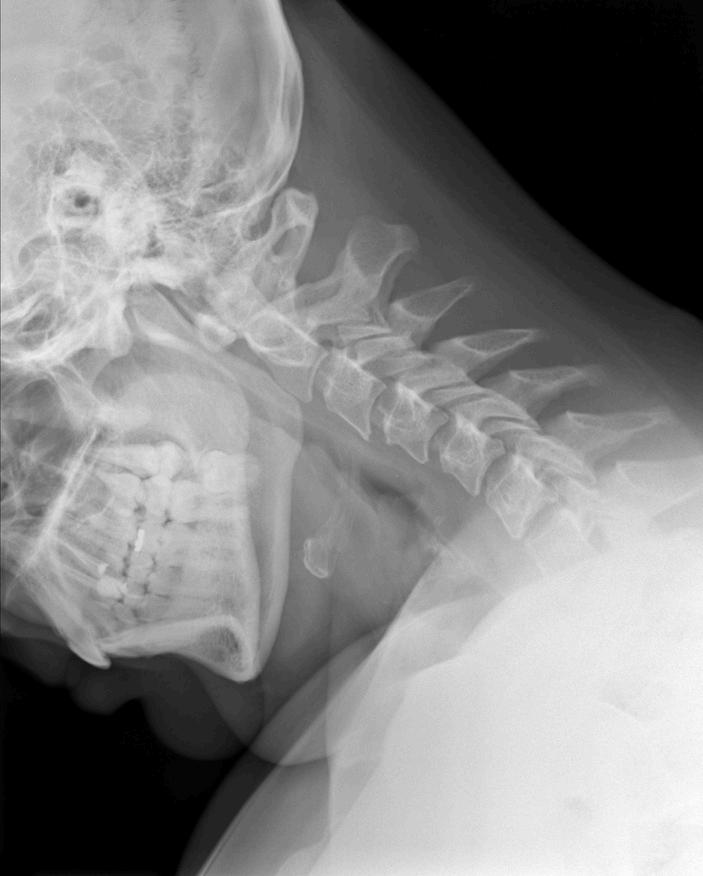
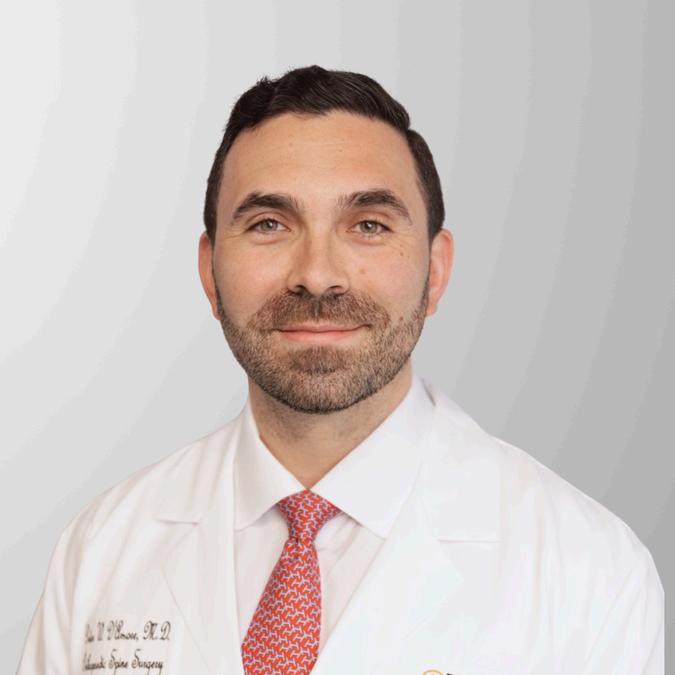
Peter D’Amore, MD
Board-Certified Orthopaedic Spine Surgeon Orthopaedic Center of South Florida

DelrayBeach
15127JogRd Suite209
DelrayBeach,FL33446
MiamiLakes 7975NW154St. Suite210
MiamiLakes,FL33016
PembrokePines
603NorthFlamingoRd. Suite267
PembrokePines,FL33028
Plantation
600SouthPineIslandRd. Suite300
Plantation,FL33324
Tamarac 7171N UniversityDr Suite100
Tamarac,FL33321
OrthopaedicSurgeons
JamesBullock,MD
BradChayet,MD
CarlEierle,MD
EvanHorowitz,MD
StephenJacobs,MD
MarcSchatz,MD
RichardSimon,MD
DouglasStringham,MD
MatthewWidner,MD
Hand&UpperExtremitySpecialists
DavidBlum,MD
PhillipCummings,MD
SergioGlait,MD
SpineSurgeons
PeterD’Amore,MD
KennethJarolem,MD
NeilSchechter,MD
CraigSteiner,MD
PainManagementSpecialists
BenjaminParish,MD
SethWachsman,MD
Podiatry(Foot&Ankle)
MariselMedina,DPM
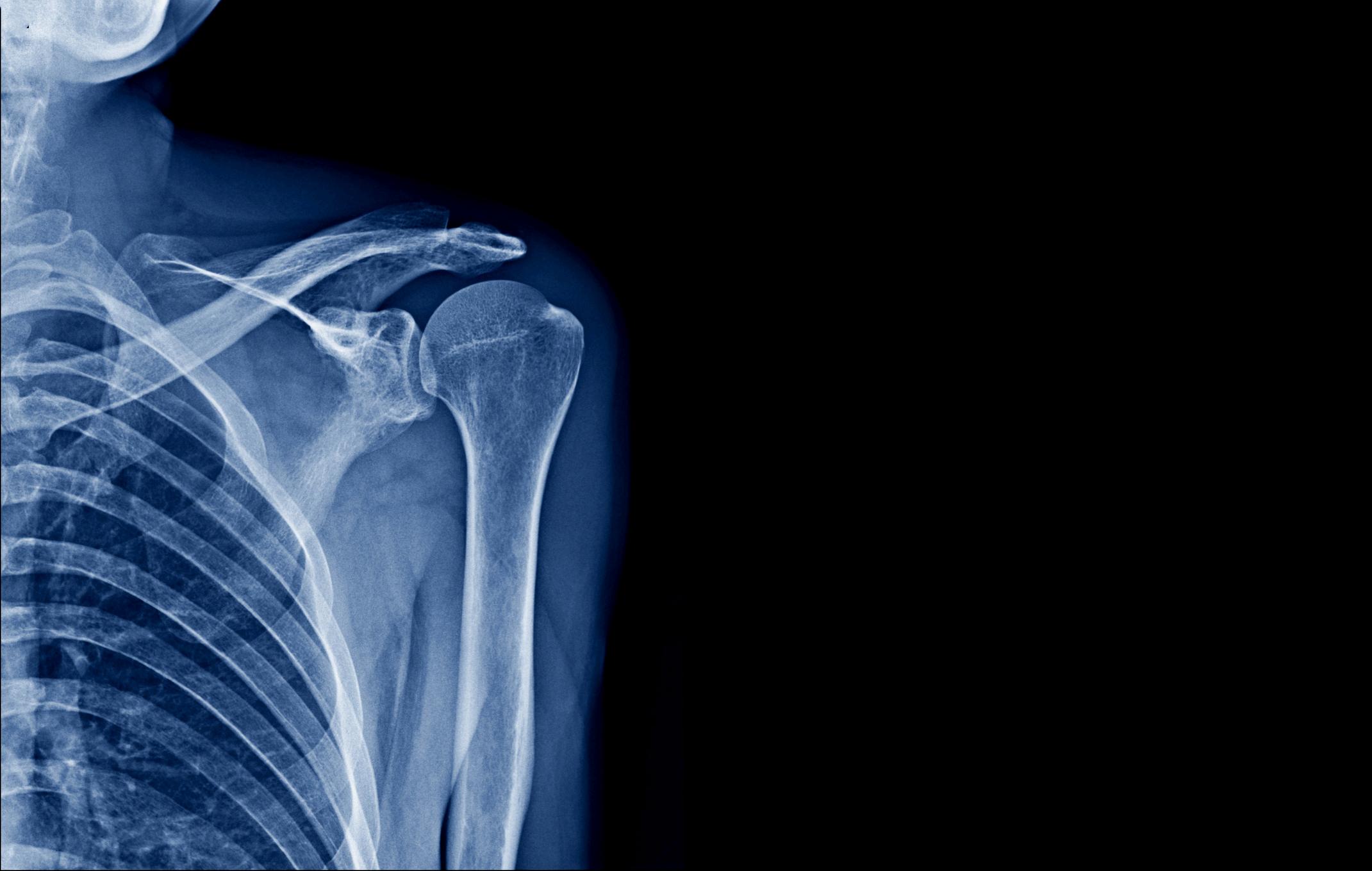



Through physical therapy, work-restriction guidance, and strong patient adherence, the patient went from significant pain and loss of motion to pain-free, nearnormal strength and mobility within five months, progressing back toward regular duties This case reflects the best of collaborative workers’ compensation care a serious, work-limiting injury successfully treated through evidence-based surgical technique, seamless physician-therapist coordination, and a patient’s determination resulting in a safe, efficient return-to-work pathway
The patient, a 71-year-old right-hand–dominant maintenance manager, sustained a work-related traumatic left shoulder injury on February 18, 2025 when he fell six feet from a ladder onto his left side Initial findings included:
1.Anterior shoulder dislocation successfully reduced in the emergency department
2.Hill-Sachs lesion (impaction fracture) of the humeral head
3.Bony Bankart fracture of the anteroinferior glenoid
4 Full-thickness tears of the supraspinatus and subscapularis tendons with retraction
5 Long-head biceps tendon instability with labral tear
6 Mild acromioclavicular joint arthrosis
02/18/2025 – Acute injury: Ladder fall at work; ED reduction, sling, Tylenol provided 02/25/2025 – MRI: Confirmed Hill-Sachs and bony Bankart lesions, full-thickness cuff tears
03/17/2025 – CT scan: Confirmed displaced bony Bankart lesion
03/26/2025 – Surgery performed: Arthroscopic-assisted reduction and internal fixation of Bankart fracture, massive rotator-cuff repair, biceps tenodesis, PRP augmentation
05/08/2025 (6 wks post-op): Started formal physical therapy; radiographs showed stable repair; remained on sling for two more weeks
06/17/2025 (≈3 mos post-op): Continued PT and began conditioning & strengthening
07/17/2025 (≈4 mos post-op): Improved ROM, good supraspinatus strength; stayed on light duty
08/14/2025 (≈4½ mos post-op): Excellent strength with only mild fatigue; continued therapy and home pulleys; cryotherapy added; remained on 5-lb light-duty restriction
09/09/2025 (≈5 mos post-op): Therapy briefly lapsed but maintained 100% subjective improvement with home exercise; advanced to 15-lb light-duty with 5-lb overhead limit
Functional recovery: By early September 2025 (≈5 months after surgery) the patient reported complete symptom resolution and tolerated light-duty progression toward full functional status.
Surgical procedure (03/26/2025):
1.Arthroscopic massive rotator-cuff repair (supraspinatus & subscapularis) with rotator-cable repair & anterior-interval margin convergence
2 Biceps tenodesis
3 Anterior labral reconstruction for Bankart lesion
4 Coracoplasty & acromioplasty for outlet decompression
5 PRP biologic augmentation to support tendon healing
Post-operative / non-operative care:
1 Abduction-pillow sling initially; transitioned off gradually after 6 weeks
2 Doxycycline prophylaxis x 3 weeks post-op
3 Analgesia: Brief Percocet post-op, later Celebrex 200 mg daily for residual stiffness
4 Cryotherapy (CryoCuff) recommended for pain & swelling
5 Structured physical therapy: progressive from passive, to active assisted, to strengthening & conditioning; home exercises reinforced at each visit
6.Work restrictions: started with no LUE use, advanced to 5-lb, then 15-lb with 5-lb overhead as strength and ROM improved
1 Early surgical repair with biologic (PRP) augmentation addressed both bony and soft-tissue injuries
2 Strict staged PT protocol
3 Patient’s adherence to home exercises and use of cryotherapy
4 Close follow-up at 1 wk, 6 wks, 3 mos, 4 mos, 4½ mos, and 5 mos with progressive lifting goals
5 FINAL OUTCOME
1.By August–September 2025 the patient had 0/10 pain, near-normal forward flexion (165°), and excellent supraspinatus strength with only mild fatigue
2.Continued light-duty clearance (15 lb, 5 lb overhead) as of 09/09/25 while preparing for full duty
3.No complications, no infection, and no need for opioids after early recovery
6. BARRIERS OR CHALLENGES
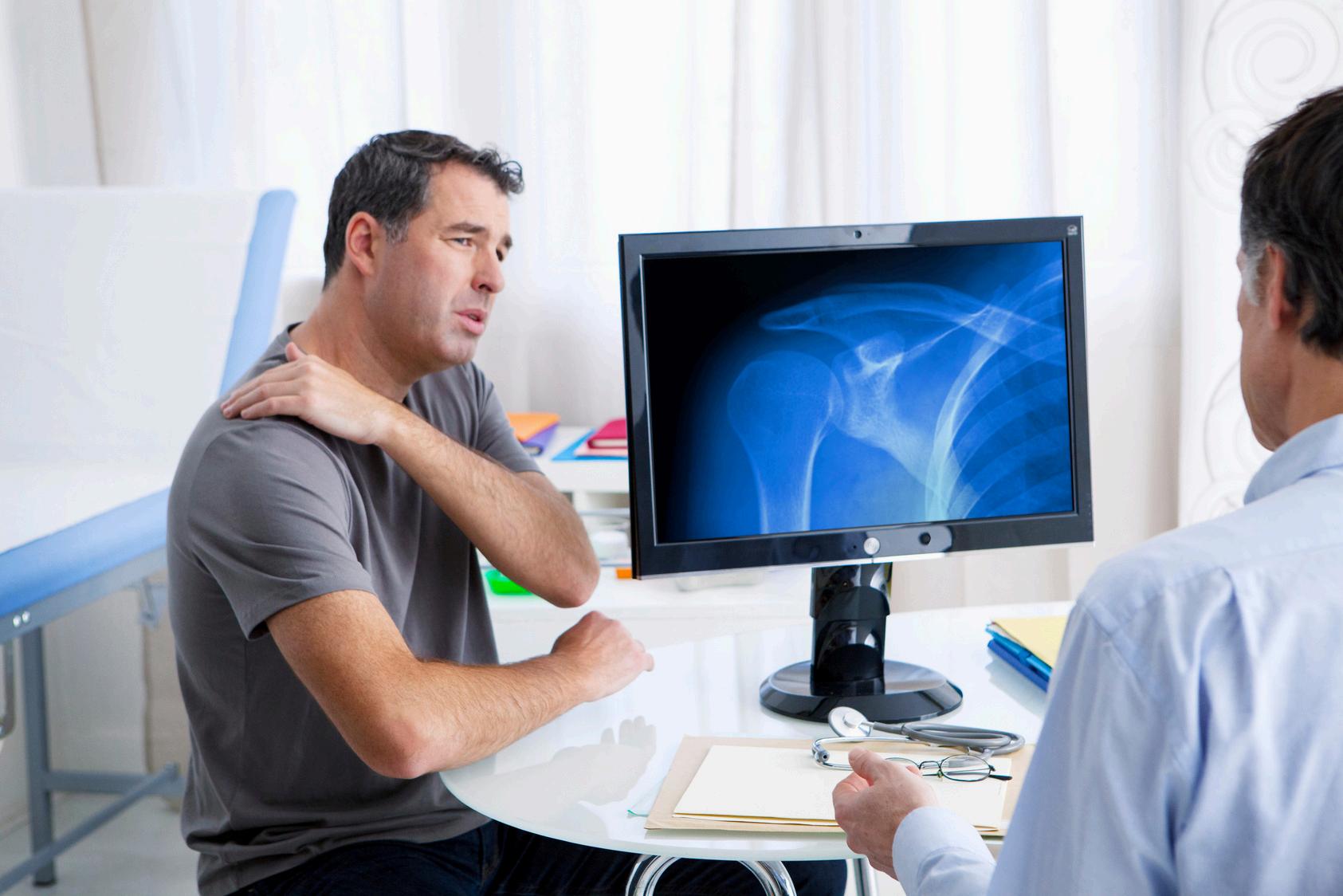
1 Initial complexity of combined bony and soft-tissue injuries increased surgical difficulty and risk of re-tear
2 Brief lapse in formal PT in early September 2025 due to unclear authorization, though the patient maintained progress with home program
3 Otherwise, no delayed authorizations
7. COORDINATED CARE
1 Collaboration with referring physician Dr Paterson for initial imaging and pain control
2 Musculoskeletal radiologists interpreted MRI & CT scans
3.PT team initially at Encompass, then Vero Orthopaedics provided structured rehabilitation (authorized by workers’ comp)
4.Case involved workers’ compensation carrier ensured no delay in necessary imaging or treatment
8. KEY POINTS
1 Early recognition of combined rotator-cuff + labral + bony injuries is essential prompt advanced imaging (MRI, CT) guided surgical planning
2 Comprehensive arthroscopic repair with PRP augmentation plus timely PT can restore function even in complex multi-structure injuries
3 Clear work-restriction guidance (stepwise load progression) supported safe return-to-work planning
4 Patient education and adherence to home exercise and cryotherapy played a major role in regaining preinjury status
Through timely surgical care, advanced arthroscopic repair with PRP biologic augmentation, and coordinated followup, Dr. Peden guided the patient through a successful recovery The patient progressed from significant pain and loss of motion to pain-free, near-normal strength and mobility within five months He returned to light-duty work with excellent functional improvement and continued progressing toward full-duty activities, with no complications and no need for opioids after early recovery This case is an example of how early intervention, structured rehabilitation, and patient adherence can lead to a safe and efficient return to work even after a complex shoulder injury involving both bony and soft-tissue damage
Disclaimer: Each case is unique Recovery timelines and outcomes vary based on injury severity, job duties, patient compliance, medical history, and authorization processes. This case is shared as one example of a successful returnto-work outcome under Dr. Peden’s care.
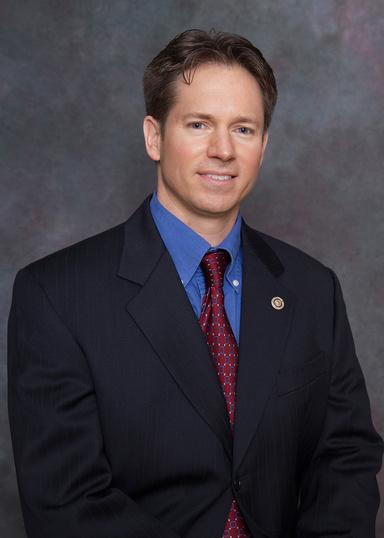
John Peden, MD
Board-Certified
Orthopaedic Surgeon Vero Orthopaedics


Call by 3:00 p.m., Monday – Friday, for a same-day appointment!

In this section, we focus on wellness because those who care for others deserve care too. We understand how demanding healthcare can be and how easy it is to put your own wellbeing last. This space is a reminder that your health matters just as much as the care you provide. You’ll find simple and effective ways to support wellness, both personally and within your workplace. From daily habits and mental health tips to creating a healthier work environment, the goal is to help you find balance, feel your best, and keep wellness at the center of a healthier, more productive, and balanced life.






BY MARI DIAZ
We talk a lot about stress in the workplace. Deadlines, screens, constant notifications, long hours, and the pressure to always be available. Supporting teams in a meaningful way requires approaches that are both practical and backed by science.
One of the most researched nature based practices in the world is forest bathing, known in Japan as shinrin yoku It began in the early 1980s as part of a national health initiative The goal was simple Encourage people to spend intentional time in forest environments and study how it affected the body
The research that followed is what brought global attention Studies consistently showed that time in forest settings was associated with lower cortisol levels Cortisol is the body’s primary stress hormone When it decreases, clarity improves and the body moves into a more balanced state Researchers also documented lower blood pressure and heart rate after forest exposure compared to urban environments These shifts indicate that the cardiovascular system relaxes in natural settings
Measurements of autonomic nervous system activity revealed increased parasympathetic activation This is the branch of the nervous system responsible for calm, regulation, and recovery When this system is active, individuals often experience improved focus and steadier energy.
In addition, research found increased activity of natural killer, NK, cells following forest bathing experiences. NK cells play an important role in immune defense. Stronger NK activity reflects improved immune resilience.
Environmental psychology studies also demonstrate that exposure to natural environments supports attention restoration After periods of mental effort, time in nature improves the ability to concentrate and process information effectively That restoration of attention is directly connected to sustained performance and clearer thinking
For corporate wellness programs, these findings are significant They show that intentional time in nature supports the systems that influence focus, resilience, communication, and overall work performance.
Forest bathing is not exercise and it is not hiking. It is a guided, sensory based experience that encourages slowing down and engaging with the natural environment in a structured way It is accessible, professional, and adaptable to workplace settings
At Oléa Corporate Wellness, forest bathing is integrated into our programming as a science supported strategy for stress regulation and cognitive clarity. Through Lunch and Learn sessions and guided outdoor experiences, teams are introduced to the research and given practical tools they can apply immediately.
If you would like to bring a forest bathing Lunch and Learn or guided session to your team, email teamolea@ommktg.com to schedule a call, or visit www.olealivingwell.com/corporatewellness

The science is strong. The experience is powerful. And the benefits extend far beyond the time spent outdoors.

Oléa Corporate Wellness is OM’s corporate wellness division, built on more than 20 years of experience working directly with employers and healthcare professionals nationwide.
Our programs are led by board-certified physicians, licensed clinicians, and experienced wellness specialists. Oléa works with trusted professionals across multiple disciplines, depending on the topic.
We provide organizations with access to expert-led wellness programming that supports employee health through educational and practical sessions. All programs can be customized based on your workforce, goals, and budget. Programs are available onsite, virtual, or in a hybrid format.
Program offerings include:
Workshops on MSK health, nutrition, stress management, professional growth, and leadership
Seminars led by physicians and experienced professionals
Onsite Wellness Days built around your workforce and goals
Health fairs and screenings, including MSK and general wellness screenings
Fitness and movement classes such as stretching, yoga, mobility, and functional movement
Monthly or quarterly wellness series
Fully customized programs designed to meet your organization’s needs
Each program is designed to equip employees with practical tools that support productivity and a healthy work-life balance, with a focus on information that can be applied in their daily routines.
GO TO OUR WEBSITE FOR MORE INFORMATION OR TO GET STARTED

BY MELLY DIAZ
There’s something powerful about how a few simple words can shift your whole mindset. The way a line makes you pause breathe and see your day through a kinder lens.
We all face mornings when our motivation feels low, when the to-do list looks long, or when the world just feels heavy That’s when a positive thought a short, uplifting reminder can make all the difference.


Here are 10 uplifting quotes to help you begin your day grounded, encouraged, and open to possibility.
most is that you choose to try again

1. “Today is a fresh start.”
You don’t need to conquer the world today Even one small step forward deserves a silent high-five
2. “You are allowed to begin again.”
6. “Your value isn’t defined by your productivity.”
Who you are is not measured by what you checked off the list. You matter simply because you exist.
7. “Growth begins at the end of your comfort zone. ”
Change doesn’t always feel easy or comfortable but it’s where meaningful things start. One brave step today could shape your tomorrow.
3. “Small steps are still progress.”
8. “The little things are big things.”
The quiet laugh with a friend, the deep breath before a meeting, the gentle kindness you offer someone these small moments ripple out in meaningful ways
4. “Be gentle with yourself — you ’ re doing the best you can. ”
A reminder we often forget: compassion for yourself matters You don’t need to be perfect to be worthy of love and peace.
5. “You get to choose joy.”
Joy isn’t something that happens to you it’s something you lean into Look for little things that make your heart lighten: a warm cup of coffee, sunshine on your face, a kind text
9. “Your story is still unfolding.”
Whatever chapter you’re in, it’s not the final one There are pages yet to be written with hope, with laughter, with resilience.
10. “You are enough exactly as you are. ”
No conditions. No fine print. Just plain and simple truth you are enough.
Here are a few ways to make these words part of your day:
• Write your favorite on a sticky note and place it where you’ll see it first thing.
• Set one as your phone background for a daily reminder.
• Whisper one to yourself before you get out of bed.
• Share one with a friend who might need it too.

Words have a way of reaching us right where we are. They can soften the tension in our shoulders, lift the heaviness in our thoughts, and invite us into a new way of looking at our day not perfect, but hopeful. Some mornings are easier than others. But when your heart is met with even one gentle reminder that you are capable, worthy, and enough it changes the tone of your whole day. May these quotes give you a little lift, a little light, and a little peace as you step into today.

BY MARI DIAZ
There is a quiet pressure many of us carry.
The pressure to keep going.
To respond to the email.
To finish the task.
To be available.
To be useful.
And somewhere in that rhythm, rest starts to feel… wrong.
You sit down and your mind says,
“You should be doing something.”
“You haven’t done enough yet.”
“Now is not the time.”
But what if rest doesn’t need permission from productivity?
What if you’re allowed to rest simply because you’re human?
We’ve been taught to treat rest like a reward. Something you get after you’ve worked hard enough, proven yourself, or completely drained your energy.
But rest isn’t a prize at the end of burnout.
It’s part of being alive.
Your body was not designed to be in constant output. Your nervous system was not built for endless stimulation. Even nature rests. Trees go dormant. The sun sets every day. Seasons shift.
There is a rhythm to everything.
And you are allowed to be part of that rhythm.

Rest does not mean you ’ re lazy.
It does not mean you ’ re falling behind. It does not mean you lack discipline.
Sometimes rest means you ’ re listening.
Listening to the tension in your shoulders.
To the heaviness behind your eyes.
To the irritability that shows up when you ’ ve done too much.
Rest is often your body asking for balance before it has to demand it
And rest doesn’t always look like sleep.
It can look like:
• Closing your laptop before you answer one more message.
• Sitting in silence instead of scrolling.
• Saying “not tonight” when you ’ re overstretched.
• Taking a slow walk without turning it into a workout.
• Letting the dishes wait.
Small pauses matter.
You don’t have to escape your life to rest. You just have to interrupt the pace..
The guilt is usually the hardest part.
That voice that says, “Other people are doing more. ”
That comparison that whispers, “You should be further along.”
But exhaustion is not a badge of honor.
You do not have to prove your worth through depletion.
Rest is not weakness. It’s wisdom.
It’s choosing sustainability over collapse.
Maybe today your version of rest is simple.
A slower morning.
A deep breath before responding.
Going to bed earlier.
Turning your phone face down.
Maybe it’s giving yourself one hour where you are not needed by anyone.
That is allowed.
You are allowed.

Here’s something gentle to remember:
You do not need to wait until you are overwhelmed to slow down.
You do not need to earn rest through suffering.
You do not need to justify taking care of yourself.
Rest is not something you squeeze in when everything is done.
Rest is what allows you to keep showing up in a way that feels steady, not depleted. And steady is sustainable.
You are allowed to rest. Without guilt. Without apology. Without explanation. Just because you need it.

After months of chilly mornings and cozy layers, there’s something in the air that starts to whisper change The days become lighter, the breeze feels softer, and warm sunshine begins to peek through gray clouds Spring isn’t just a season it’s an invitation An invitation to open windows, refresh routines, and let new energy in Here are 7 simple, joyful ways to welcome spring using your senses, your space, and your heart
1. Let Fresh Air In
The best part of spring isn’t a date on the calendar it’s the feel of fresh air Open your windows for a few minutes every day Stand on your porch or balcony Breathe deeply That cool, clean air can be a reset button for your mind and your mood. Fresh air reminds your body that movement and life are always happening, even after a long winter.
2. Bring Color Into Your Home
Winter neutrals have their place, but spring calls for color. You don’t need a full makeover just little pops of brightness
A fresh bouquet of flowers, a vibrant kitchen towel, a colorful candle on the coffee table these small touches awaken your space and your senses Color invites joy without trying too hard
3. Go for a Nature Walk With No
Agenda
Spring is slow at first Instead of doing a power walk, take a walk with attention
Notice:
the buds on tree branches the early blooms pushing through soil birds calling nearby
Nature has a way of grounding us when we take the time to really see it.

4. Refresh Your Daily Rituals
Spring is the perfect time to rethink your routines not overhaul them, just refresh them Maybe you:
Swap your warm tea for iced with lemon
Take your morning coffee outside Journal for five minutes instead of scrolling news
Stretch for a few minutes when you wake up
Small shifts like this help your day feel light, intentional, and less rushed.
5. Let Go of One Thing That’s Weighing You Down
Spring cleaning doesn’t have to be about closets and drawers it can be about life habits too. Is there something you’re holding onto that drains your energy?
A negative thought pattern
A commitment that no longer fits
A social feed that leaves you feeling low
Choose one thing you’re ready to release Letting go feels as refreshing as a deep spring breeze
Try something this season just because it feels fun
Maybe you:
Plant a small herb garden
Try an outdoor yoga class
Bake with fresh fruit
Watch the sunset from a different place
New experiences spark new thoughts. And sometimes, fresh moments bring the stories we didn’t even know we needed
7. Slow Down — Just a Little
Spring’s beauty isn’t in rush or productivity it’s in presence
Take one day this week where you:
Move a little slower
Notice more
Breathe a little deeper
Be kinder to yourself
You don’t have to run toward summer. You can just arrive in spring and enjoy it
Transitions even seasonal ones shape how we feel inside. When we intentionally welcome spring, we open a space inside ourselves for new habits, new energy, and a lighter heart Spring isn’t about perfection. It’s about possibility.
It’s about noticing, breathing, and giving yourself a chance to feel refreshed


Spring always feels like a quiet invitation. The light changes The air feels softer The days stretch a little longer. And something in us wants to reset too. We clean our homes this time of year, but what about our routines, our habits, our thoughts, our relationships?
This 31-day challenge is not about being perfect. It’s not about overhauling your entire life in one month. It’s about small, intentional shifts One simple action each day that helps you feel lighter, clearer, and more in control. Think of this as a gentle reset.
We start with what we can see. Physical clutter often creates mental clutter. When your space feels lighter, you usually do too.
Day 1: Make your bed and tidy your bedroom.
Day 2: Clear off your desk or workspace.
Day 3: Clean out one drawer. Just one.
Day 4: Throw away expired items in your fridge.
Day 5: Donate five things you no longer use
Day 6: Wash your sheets and reset your bedroom.
Day 7: Create a calm corner in your home, even if it’s just a chair with good lighting.
Now that your space feels lighter, let’s work on your thoughts.
Day 8: Write down three things you’re grateful for
Day 9: Spend 10 minutes in silence. No phone. No music.
Day 10: Unfollow accounts that make you compare yourself.
Day 11: Go outside and take a slow walk. Notice the details.
Day 12: Journal about something you’re ready to let go of.
Day 13: Go to bed 30 minutes earlier.
Day 14: Take one hour away from all screens



Nothing extreme. Just supportive habits.
Day 15: Drink more water than usual today.
Day 16: Cook a simple meal at home.
Day 17: Move your body for 20 minutes. Walk, stretch, dance.
Day 18: Clean out your pantry or snack drawer.
Day 19: Eat one meal without distractions.
Day 20: Take a mid-day pause. Sit. Breathe. Reset.
Day 21: Stretch before bed
Spring cleaning also means clearing emotional clutter.
Day 22: Send a kind message to someone you appreciate.
Day 23: Schedule time with a friend
Day 24: Have a meal without your phone.
Day 25: Set one small boundary where you need it
Day 26: Do something thoughtful for someone else.
Day 27: Have a real conversation Ask deeper questions.
Day 28: Plan something fun for the coming months.

This is where it all comes together.
Day 29: Write down three goals for the next 90 days.
Day 30: Break each goal into one small action step
Day 31: Reflect. What feels different? What feels lighter?
We carry so much into each season Old habits Old stress Old routines that no longer fit This challenge isn’t about adding more to your plate. It’s about removing what no longer serves you and strengthening what does. Small shifts create momentum. Momentum creates clarity. And clarity creates peace. Spring is not just about cleaning your house. It’s about making space for the life you actually want to live
The Travel section in OM Magazine is your ultimate guide to discovering the most exciting travel destinations and hidden gems. With insider tips on packing, budgeting, and inspiration, readers can plan their next vacation with ease. Featuring stunning photography and takeing readers on a visual journey to some of the most beautiful places on earth. Whether you're a seasoned traveler or planning your first trip, this section is a must-read to make the most out of your travels.

Travel far enough to meet yourself
BY SAMANTHA DIAZ

Travel should feel exciting, not overwhelming. Whether you’re planning a quick weekend getaway or a multi-stop international trip, a few intentional steps can completely change how smooth and enjoyable your experience feels from start to finish
As an independent travel advisor, I’ve seen firsthand how thoughtful planning not only reduces stress but elevates the entire trip The goal isn’t to over-plan, it’s to plan with purpose
Start with a clear framework Before booking anything, define your travel dates, general budget, and the type of experience you want. Are you looking for relaxation, cultural exploration, or a mix of both? Having this clarity early on helps guide every decision that follows, from choosing the right destination to selecting accommodations that truly fit your needs.
When it comes to flights and accommodations, timing and location are everything Booking flights midweek can often lead to better pricing, and selecting accommodations in central, walkable areas can save you both time and transportation costs While it may be tempting to book something more affordable farther out, convenience often adds more value to your overall experience


A well-balanced itinerary is key. Plan your “anchor points” in advance, such as tours, key reservations, or must-see attractions, but avoid overfilling your schedule. Leaving room for spontaneity allows you to enjoy the destination more organically. Some of the most memorable travel moments happen in between plans, whether it’s discovering a local café or taking an unplanned walk through a neighborhood Packing efficiently also plays a major role in reducing travel stress
Focus on versatile pieces that can be mixed and matched, and be mindful of the climate and activities you have planned Always keep essentials in your carry-on, including travel documents, medications, valuables, and at least one change of clothes. This simple habit can make a big difference if you experience delays or lost luggage.
Another often overlooked tip is preparing for arrival. Arrange airport transfers in advance when possible, or at least have a clear understanding of your transportation options Knowing exactly how you’re getting from the airport to your accommodation eliminates unnecessary stress after a long travel day
Lastly, build in time to reset Travel is exciting, but it can also be physically and mentally demanding Whether it’s starting your morning with a quiet coffee, taking a midday break, or enjoying a slow evening walk, these small pauses allow you to stay present and fully enjoy where you are.
A seamless trip isn’t about perfection. It’s about creating an experience that feels intentional, balanced, and aligned with how you want to travel.

Samantha Diaz
Travel & Lifestyle Blogger , Independet Travel
Advisor
www.travelandbrew.com
IG: @iamsamanthasdiaz
BY SAMANTHA DIAZ
Where you stay can shape your entire travel experience. A well-chosen hotel doesn’t just provide a place to sleep, it creates ease, comfort, and a sense of flow throughout your trip
As an independent travel advisor, I always emphasize that selecting the right hotel is just as important as choosing the destination itself It’s the foundation of your travel experience
Start with location first, not price A centrally located hotel in a walkable area can significantly enhance your trip. Being close to restaurants, attractions, and transportation saves time and allows you to move through your day more effortlessly. While hotels outside the main areas may seem more affordable, the added time and cost of commuting can quickly outweigh the savings.
Understand the purpose of your trip and choose your hotel accordingly For a relaxing getaway, prioritize properties with amenities like a pool, spa, or ocean views For business or conference travel, look for hotels that offer reliable Wi-Fi, comfortable workspaces, and proximity to your event Aligning your hotel with your travel style makes a noticeable difference
Start with location first, not price A centrally located hotel in a walkable area can significantly enhance your trip Being close to restaurants, attractions, and transportation saves time and allows you to move through your day more effortlessly While hotels outside the main areas may seem more affordable, the added time and cost of commuting can quickly outweigh the savings
Understand the purpose of your trip and choose your hotel accordingly For a relaxing getaway, prioritize properties with amenities like a pool, spa, or ocean views For business or conference travel, look for hotels that offer reliable Wi-Fi, comfortable workspaces, and proximity to your event. Aligning your hotel with your travel style makes a noticeable difference.
Another key tip is to communicate with the hotel in advance. Whether you’re celebrating something special, arriving late, or have specific preferences, a quick message ahead of your stay can help personalize your experience. Hotels often appreciate the communication and may accommodate requests when possible

Loyalty programs and perks are also worth considering Even if you’re not a frequent traveler, signing up for a hotel’s rewards program can provide benefits like room upgrades, priority check-in, or complimentary amenities These small perks can enhance your stay without additional cost
Cleanliness and safety should always be a priority Read recent reviews, not just overall ratings, to get a clearer picture of the current guest experience Look for consistency in feedback regarding service, cleanliness, and overall atmosphere
Finally, create a sense of comfort within your space Simple habits like unpacking, organizing your essentials, or bringing a few familiar items from home can make your hotel feel more like a place to reset rather than just a place to sleep.
A great hotel stay isn’t just about luxury, it’s about intention. When chosen thoughtfully, your hotel becomes part of the experience, not just a backdrop to it
Samantha Diaz
Travel & Lifestyle Blogger , Independet Travel Advisor
www.travelandbrew.com
IG: @iamsamanthasdiaz
BY SAMANTHA DIAZ
Spring is one of the most rewarding and strategic times to travel It offers a unique window where many destinations are at their most beautiful, yet not at their busiest The transition from winter to warmer months brings blooming landscapes, mild temperatures, and a sense of renewal that naturally enhances the travel experience As an independent travel advisor, I often guide clients toward spring travel for exactly this reason It allows for a more balanced and enjoyable trip, where you can experience iconic destinations without the intensity of peak season Flights and accommodations tend to offer better availability, and the overall pace feels more relaxed, making it easier to truly take in each moment
Spring also creates opportunities for more intentional travel. Whether it’s witnessing cherry blossoms in Japan, tulip fields in Europe, or coastal destinations just beginning to come to life, each location offers something seasonal and special that can’t be experienced at any other time of year. Another advantage of spring travel is flexibility. With fewer crowds and less demand compared to summer, travelers have more options when it comes to accommodations, dining reservations, and curated experiences This allows for a smoother planning process and a more personalized itinerary

1If you’re looking to travel in a way that feels both elevated and effortless, spring is the perfect time to do so With the right destination and thoughtful planning, it becomes less about navigating logistics and more about enjoying the experience Here are five standout destinations to consider for Spring 2026
Spring in Kyoto is nothing short of magical Cherry blossom season, typically from late March to early April, transforms the city into a soft, pink landscape that feels almost surreal Beyond the blossoms, Kyoto offers a balance of culture, history, and calm Walk through the Arashiyama Bamboo Grove, explore historic temples, and experience traditional tea houses in Gion The weather is mild, making it ideal for full days of exploring without the intensity of summer heat
Why go in spring: Peak cherry blossom season, comfortable temperatures, and one of the most visually stunning times of year.


Amsterdam comes alive in the spring The city’s canals are lined with blooming flowers, and just outside the city, the famous tulip fields create vibrant landscapes that stretch for miles. A visit to Keukenhof Gardens is a must, showcasing millions of tulips in full bloom. Pair that with bike rides through the city, canal-side cafés, and cultural stops like museums and markets
Why go in spring: Tulip season is at its peak, and the city feels lively without being overwhelming.
The Amalfi Coast in the spring offers everything you want from Italy, without the heavy summer crowds Towns like Positano, Ravello, and Amalfi feel more relaxed, allowing you to fully enjoy the scenery and local charm. Spring brings blooming flowers, fresh coastal air, and ideal weather for walking, dining outdoors, and exploring the coastline It’s also easier to secure reservations and accommodations during this time
Why go in spring: Fewer crowds, better availability, and perfect weather before peak season


For a domestic option, Charleston is a standout in the spring. The city is filled with blooming azaleas, historic charm, and a relaxed Southern atmosphere that makes it easy to unwind Stroll through the historic district, enjoy waterfront views, and experience a growing culinary scene that blends tradition with modern touches The weather is warm but not overly humid, making it one of the best times to visit.
Why go in spring: Beautiful blooms, comfortable weather, and a slower, more enjoyable pace

Lisbon offers a vibrant yet relaxed European experience in the spring With its colorful streets, scenic viewpoints, and coastal proximity, it’s a destination that blends culture and leisure seamlessly. Spring temperatures are ideal for walking through neighborhoods like Alfama, exploring local markets, and enjoying ocean views just outside the city It’s also more affordable compared to other major European destinations
Why go in spring: Mild weather, fewer crowds, and excellent value for a European getaway
Spring travel is about balance. You get the beauty of peak-season destinations without the intensity that often comes with summer travel. Whether you’re drawn to international destinations or closer-to-home escapes, planning ahead allows you to secure the best options and create a trip that feels both seamless and intentional.
As an independent travel advisor, I always recommend booking early for spring travel, especially for destinations with seasonal highlights like cherry blossoms or tulip season. The right destination, paired with thoughtful planning, can turn a simple trip into something truly memorable

Samantha Diaz
Travel & Lifestyle Blogger , Independet Travel Advisor
www.travelandbrew.com
IG: @iamsamanthasdiaz
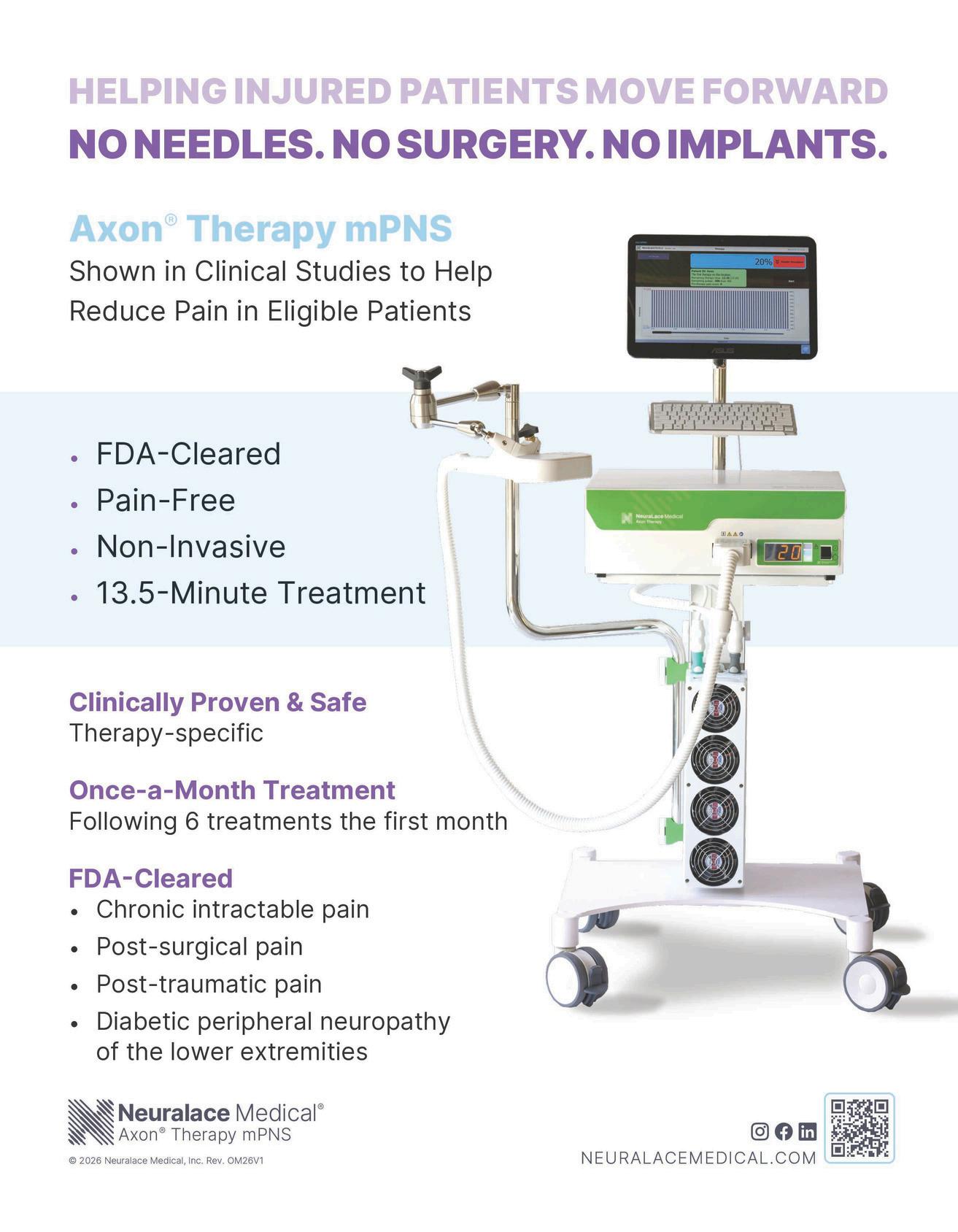
Team Post Op is a fully licensed AHCA, BOC, and Medicare provider of Durable Medical Equipment (DME), specializing in pre/post-surgical recovery. Our mission is to help workers compensation patients restore range of motion and manage pain through advanced therapeutic solutions—including cold compression therapy, cellular healing technology, and a full line of orthopedic devices.
Personalized Care – Certified technicians provide in-home instruction and 24/7 support. Proven Reliability – Trusted by orthopedic surgeons since 2007 for consistent, professional service. Multilingual Team –Compassionate communication for patients of all backgrounds.
Founded by orthopedic surgical professionals, Team Post Op was created to close the gap in postoperative care.
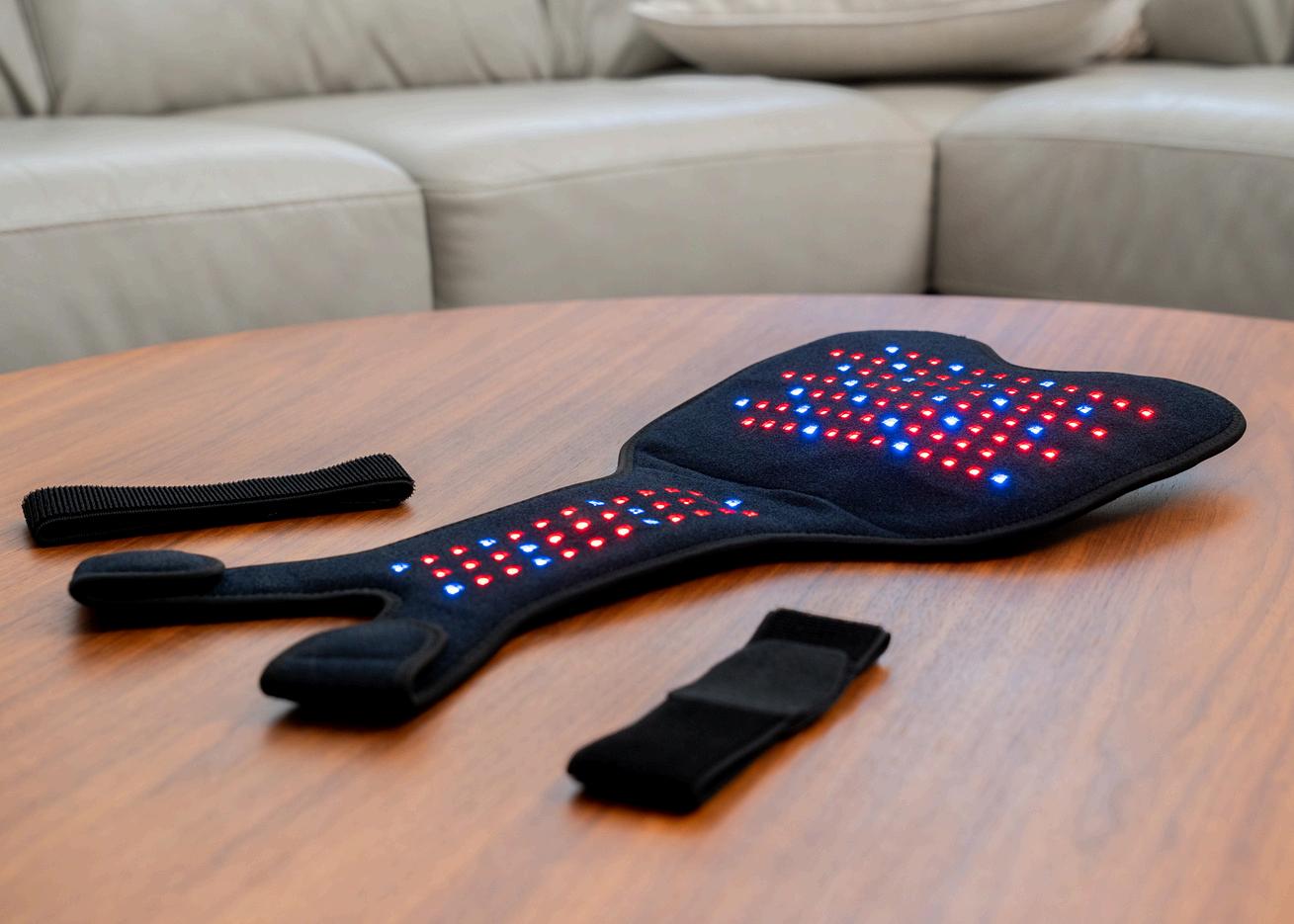
If you ’ re responsible for coordinating care for injured workers this section is for YOU.
Here, you’ll find important updates from the OM team about the doctors and partners we work with. This includes new physicians, office openings, program updates, and new resources to help injured workers get the best care. It’s everything you need to stay informed on the updates that matter most. To access real-time updates, visit
www.omdocs.com.




Originally founded in 2016 under the name Bloom, Oléa is a community for women focused on health, balance, and everyday practices that support both personal and professional life.
Through more than two decades of experience in the workers’ compensation industry, Oléa has built a strong network of women across workers’ compensation, insurance, and healthcare. It remains a space for those in the industry, while also welcoming women from other fields who are looking for a more balanced way of living.
Oléa hosts events throughout the year, including workshops, dinners, seminars, and retreats. These are designed to provide practical tools, relevant topics, and time to step away and reset.
If you want to be part of a growing community, you can join Oléa and be notified of all upcoming events.
GO TO OUR WEBSITE AND SIGN UP. IT’S FREE, AND YOU WILL BE ENTERED TO WIN AN OURA RING JUST FOR SIGNING UP.

The Oléa Edit is a curated collection of products selected with intention. Each item is chosen by Oléa with a focus on non-toxic ingredients, quality, and everyday use. These are products we trust, use, and stand behind. From wellness to lifestyle essentials, everything in the shop is selected to support a more balanced and mindful way of living.









Looking to earn CEUs for yourself or your licensed employees? OM CEUs are designed with your schedule and licensing needs in mind led by industryleading experts in workers’ compensation.
Whether virtual or on-site, our sessions are tailored to meet the demands of busy professionals while covering the latest developments in the workers' compensation industry.
Accredited programs for Adjusters (All Lines), Nurses, Attorneys & Case Managers
Virtual or On-Site Courses — You choose the day and time
Lunch & Learns | Webinars | Panel Discussions
| Expert Q&As | Seminars & More
Fully customized CEU workshops for your entire staff
On-site & Virtual Lunch & Learns
Ask the Expert Q&A Workshops
Expert Panel CEU Discussions
Seminars & Conferences
Webinars
Dinner & CEU Events
Let us help you stay compliant, up-to-date, and connected to what matters in the industry.
For course scheduling, speaker requests, certifications, or vendor opportunities, contact: Ozzy Diaz | ozzydiaz@ommktg.com
Understand

Communicate

OM has officially launched the OM Center of Excellence (COE) Designation, the nation’s only formal professional designation created specifically for medical practices and service providers that support injured workers
The COE Designation was developed in response to ongoing feedback from employers, insurance carriers, nurse case managers, adjusters, and other workers’ compensation professionals who rely on consistent, dependable partners to help cases move forward efficiently While many organizations do excellent work, there has historically been no formal way to distinguish those that consistently follow established best practices in supporting injured worker care.
The designation focuses on administrative, operational, and care coordination standards that support timely access to care, accurate and timely documentation, effective case coordination, and clear communication with all parties involved in a claim
The COE Designation does not evaluate, direct, or influence medical decision-making All clinical decisions remain solely with the treating physician The designation recognizes organizations that have strong systems, workflows, and protocols in place to support care delivery and case progression.
Medical practices and service providers must apply, meet established eligibility criteria, and complete a structured evaluation process conducted by an independent Oversight Committee composed of physicians, employers, adjusters, nurse case managers, and industry professionals OM serves as the program developer and administrator but does not determine which organizations receive designation
Applications for the OM Center of Excellence (COE) Designation are currently open.
Organizations that achieve designation will be formally recognized for their commitment to best practices, operational excellence, and consistent support of injured worker care.
For more than two decades, OM has worked closely with employers, carriers, case management companies, medical practices, and service providers nationwide
The COE Designation reflects OM’s leadership in establishing structured, objective standards that support constant high-quality, wellcoordinated care for injured workers
Scan QR code to head over to our website to get your free copy! SHOWCASE YOUR SERVICES OR PRODUCTS TO THOUSANDS OF WORKERS' COMP PROFESSIONALS.
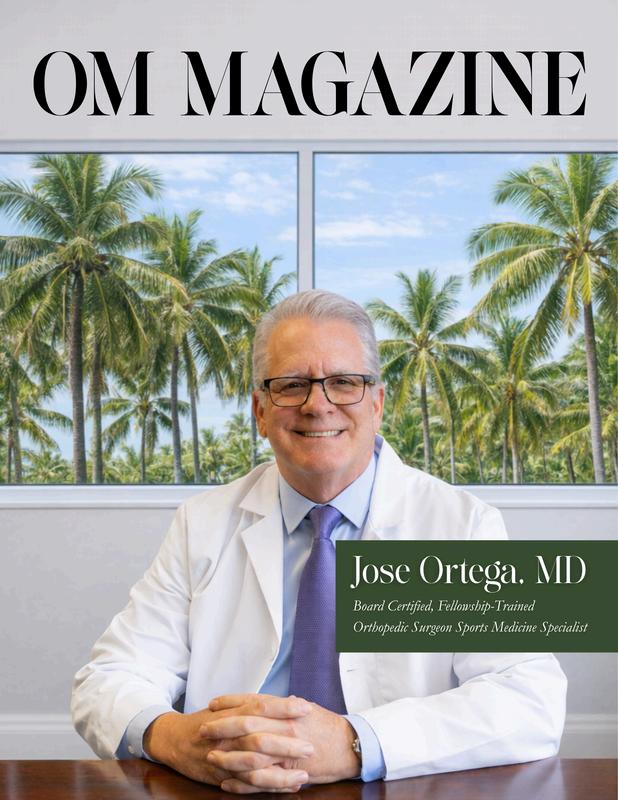

Take a moment to pause. This is your space to slow down and check in with yourself without pressure or judgment.
How I’m feeling today:
What’s been taking up most of my mental space:
What I need more of right now:
What I can release or let go of today:
1.What feels like it’s beginning again in my life right now?
2.What am I ready to let go of this season?
3.Where in my life do I want to grow, even if it feels uncomfortable?
4.What does a “fresh start” look like for me right now?
5.What habits no longer align with who I’m becoming?
6.What does my ideal spring day look like from start to finish?
7.Where have I been holding onto control, and how can I soften?
8.What small changes would make my daily life feel lighter?
9.What am I currently nurturing in my life?
10.What does balance feel like for me, not just look like?
11.What brings me a sense of calm lately?
12.Where do I need to slow down?
13.What parts of myself have I been neglecting?
14.What am I proud of myself for right now?
15.What does “starting over” mean to me at this stage in my life?
16.How can I create more space for joy in my routine?
17.What am I learning about myself this season?
18.What boundaries would support my growth right now?
19.What am I looking forward to in the next few months?
20.If this season had a message for me, what would it be?
Grow at your own pace. Everything unfolds in its own time.
Self-care starts with small moments of awareness. Take what you need.
WORD BANK:
REFLECT

I honor the wildness within me, knowing it connects me to the untamed spirit of nature.