

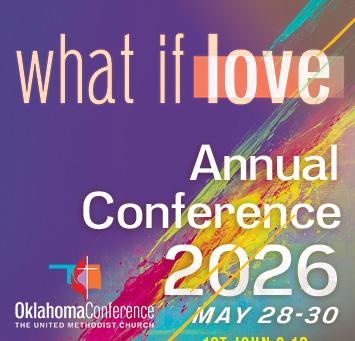
May 28-30
May 17
Miracle Sunday: a global UMC initiative focused on radical generosity, culminating in a special offering to fund theological education for pastors in Africa, Europe and the Philippines.



June 8
Nov 7
Gather your team and join the OU Wesley 25th Anniversary Golf Tournament at Westwood Golf Course in Norman, OK. Learn More.
The Called to Connect Gathering is a half-day, mission-focused event designed to help local churches build meaningful, long-term relationships with mission partners. Explore how connection, not just participation, transforms mission work into lasting impact.
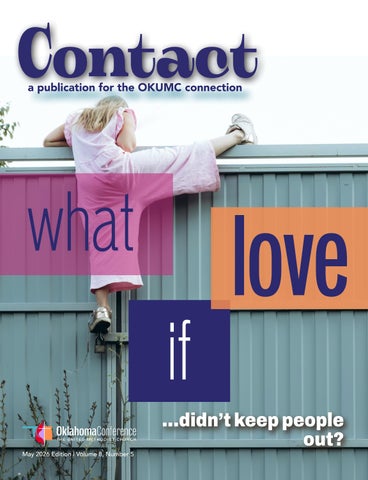
Cover photo: Adobe Stock.
The 183rd Oklahoma Annual Conference is taking place at Church of the Servant in Oklahoma City.
Click here to read more about what to expect
Click here to register here by May 13
Click here to preview the agenda
The Contact, a publication of the OKUMC Connection (USPS 954-500) is
POSTMASTER: Send address changes to “The
Each month, I sit down to write this letter and find myself moved by the people who fill these pages. This issue is no different. In fact, it may be the one that has moved me most.
This issue is centered on the What If Love campaign, and I will be honest with you ... I tear up every time I read the prose at the heart of it. Not only because it is beautifully written, but because it is true. It captures something I have believed for a long time but struggled to put into words. That love, real love, is not polite or passive. It is courageous. It is disruptive. It moves toward people rather than away from them.
I had the pleasure of working on this campaign alongside some remarkable people, including Alan Herzberger, whose article in this issue says what I could not say better myself. I came to the United Methodist Church as someone hesitant and uncertain – someone who had seen Christianity misrepresented enough times to be cautious. What I found was love that didn’t require me to have everything figured out first.
For some, it can be uncomfortable to hear Christianity challenged. And yet, for me, it is refreshing. To challenge isn’t to abandon faith. It is to live it more fully. It is to actually see the person in front of us – not the label, the assumption, or the story we tell ourselves from a distance.
That is the shift What If Love asks of us.
I think about it when I pass someone experiencing homelessness. It is easy to make assumptions about them from a distance. But when you have people in your own life who have struggled – with addiction, with mental illness – your whole perspective changes. You realize that the person on the corner is someone’s child. Someone’s parent. Someone who did not choose this. When you take the time to truly know someone, you realize they are simply human. Like you.
That realization has the power to change everything.
Part of what makes this campaign meaningful — and sometimes uncomfortable — is that it asks us to see the church and our faith through the eyes of someone who has been hurt by it, confused by it, is skeptical of it or simply never felt welcome in it.
That is not always easy.
But I believe God calls us to that discomfort. And here is what I always come back to: if everything we do — every decision, every interaction, every conversation — runs through a filter of making the other person feel genuinely loved, we cannot be doing it wrong. The rest we leave to God ... and what a relief it is to know He’s got it.
That is what this issue is about. It is about people choosing to see things differently. Derrek Belase invites us to Annual Conference with a vision of unity that feels less like a business meeting and more like a family reunion. Carlos Ramirez writes about the momentum of phase one and the heart required from you for phase two. Ashley Black shares how one simple question transformed her entire approach to children’s ministry. Katrice Rogers found her people in the most unexpected place — a room full of nerds who turned out to be exactly the community she had been looking for. Chanel Burdex, a nonUnited Methodist, reminds us how when love shows up unexpectedly, it changes your feeling of belonging. And Reese Herndon, a graduating high school senior who challenges us to ask whether love stops at the door of a mosque or walks through it.
These are not just stories about a campaign. They are stories about what happens when ordinary people ask a simple, courageous question: What if love?
Thank you for being a denomination asking this question out loud.
Jenny Herzberger Interim Editor
by Rev. Dr. Derrek Belase, Executive Director & Connectional Ministries and Agenda Secretary
It is time once again from United Methodists from all over the state of Oklahoma to gather in Oklahoma City for the 183rd time since the organization of Methodism in Oklahoma and the 59th session of the Oklahoma Annual Conference.
We call this the “annual” conference because it is a yearly gathering, unless there are special sessions called throughout the year. When we gather, we will worship together, conduct business, hear reports from the various ministries of the conference, and ordain persons for full-time service to the church.
As the primary planner of this important event, I ground my own work theologically, based in the 133rd Psalm: “How good and pleasant it is when kindred live together in unity.” The goal of our time together is for us to spend some very good and pleasant moments because much of what we do is done in unity.
We are unified through our belief in Jesus Christ … our membership in the United Methodist Church … our willingness to gather with others of like mind. Does unity mean that we always agree? Of course not. We do not expect that every vote will be unanimous, but it does mean that on the major issues, we proceed in unity.
John Buchanan served for many years as editor of The Christian Century and as a Presbyterian
pastor. In one of his columns many years ago, he wrote of denominations as family. When we gather at denominational gatherings, “we see our old friends, hug and shake hands, and say ‘We’re just a big family after all,’” he wrote. Buchanan may be on to something with this metaphor on a number of fronts.
Much of what we do at conference might seem like a big family reunion. Most of us enjoy getting together with our extended families to catch up and hear about what’s been going on in our lives since we were last together. During some family reunions, family members attend church together. Families certainly eat together during reunions.
Of course, other things happen at family reunions. Sometimes persons of differing political or social viewpoints have disagreements. Siblings who have never
really gotten along begin to squabble over the inheritance. A fight may break out, but no one will be seriously injured. By the end of the reunion, a date is set for the next gathering.
Dr. Matrin Marty says that denominations would do well to stick to the family reunion model as a model for their own gatherings: don’t take votes except to elect officers, approve the budget, and decide when the next reunion will be.
We are scheduled to handle a few more business items than those identified by Marty, but not too many more. A budget will be approved on Saturday. It will fund many worthwhile ministries that we will all support through our annual payment of apportionments. Our generosity will not only touch lives here in Oklahoma, but all across the globe through our connectional giving.
On Friday morning, we will elect officers that will guide our conference during the next year. Persons will be elected to the various departments, boards, agencies, and commissions – each with their own individual foci which, together, will guide us in staying focused on our mission: “To make disciples of Jesus Christ for the transformation of the world.”
Our theme this year is “What if Love.” It coincides with our year-long rebranding campaign that I know you familiar with by now. The theme verse is from the First Epistle of John: “My dear children, let’s not just talk about love; let’s practice real love.”
When we are at the conference session, we hear the various ways our local churches, campus ministries and extension ministries are practicing love and answering the question, “What if love …”
• What if love looked like responding to disasters?
• What if love looked like a food bank or a clothes closet?
“My dear children, let’s not just talk about love; let’s practice real love.”
1 John 3:18

• What if love ensured that children had appropriate foster care?
• What if love taught children to read?
• What if love sent people into communities to serve the least, the last and the lost?
• What if love made an offering so that a person outside of the United States could go to seminary?
What if?
When you hear the reports, engage in the teaching, fellowship over the breaking of bread, worship boldly, reconnect with those you do not see often and make new acquaintances, you are loving in real, concrete ways.
I truly enjoy annual conference. Christian conferencing was one of the means of grace identified by John Wesley. When Christian conferencing takes place in the midst of United Methodists dwelling together in unity, I know God smiles and so should we.
I can’t wait to see you in Oklahoma City as we are hosted by the members of Church of the Servant. Until then, let us pray for one another and for our gathering.
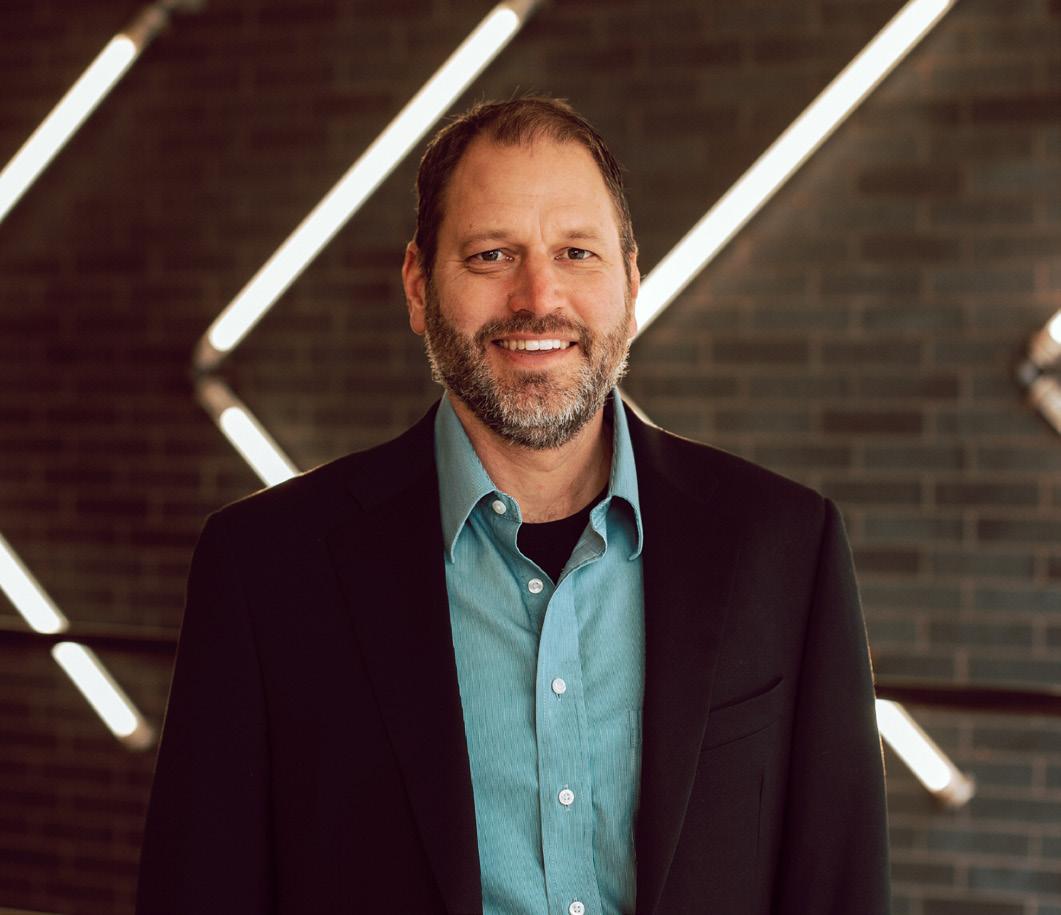
By Alan Herzberger, Member at Acts 2 UMC
‘What if Love’ is more than a campaign slogan for me.
It’s a message to our children and their children. It’s an example we can set for young people who are choosing connections in places other than our churches.
What is Love is a statement they need to hear, and it’s a question we all need to ask.
Most of all, I consider it the most important work I’ve been a part of in my career.
I did not grow up as a Methodist. I wasn’t part of a United Methodist Church until I walked into Acts 2 UMC in Edmond in 2008 with my wife Jenny and our three young children.
We were invited to that church by someone I respected and trusted, someone who said, “It’s not like other churches.” We wanted a community. But both Jenny and I were hesitant to trust a church. In our experiences, we too often didn’t see Christ represented by Christians out in the world.
We found authentic love and acceptance in the United Methodist Church. We found Christ represented at Acts 2 and a denomination that offered grace to doubt and peace to differences. We needed that church.
The faith family we joined carried us through devastating life challenges with support and sacrifice. The faith we developed through those years gave us peace that surpassed anything we could have ever understood. It gave us opportunities to trust God and lean on others.
It changed our minds. It changed our lives.
I want the same for others that are like I was: Hesitant, distrusting, unsure.
I want to reach more people like my young family. That’s what ‘What if Love’ is all about.
Through this campaign, I want everybody in Oklahoma to know that United Methodists in Oklahoma are all about love, grace and inclusion — not judgment, penalty and shame.
That is especially important after the years of news headlines and other misinformation on social media about our denomination’s divide. I don’t blame the news media. What happened to us is simply a product of a public church split.
But regardless of who is at fault for the negative publicity, the result is unmistakable. We have a generation of young people whose questions about the need for church are reinforced with every headline and social media post about division.
• Why do we need church if we have a personal relationship with Jesus?
• Why would I align myself with Christianity when the messages we often see and hear from those following Christ hurt people I love and people I want to influence?
• Why aren’t people in churches acting more like Jesus?
I celebrated when that period of division and disaffiliation ended. I celebrated even more with the General Conference voted to change the language in the Book of Discipline and publicly became the type of inclusive and welcoming environment that I had already experienced privately for years.
It was time for the United Methodist Church in Oklahoma to tell its story in its own way with its primary message: Love.
What’s great about the timing is that you recognized it, too. There were many great insights that came from the conference-wide survey that was part of the ‘5 Dreams’ strategic planning project in 2024.
Among those insights: Leaders throughout the Oklahoma conference consistently ranked ‘public perception’ as a significant barrier to our success. You asked for a change in the perception of the UMC and Christianity in general. You highlighted the importance of increasing awareness about United Methodism in your communities.
What if Love is alive to do all of the above.
I can’t say it any better that the creative summary that was used as we developed the What If Love campaign:
This isn’t a campaign about sentimentality.
It’s about showing that love – real, holy, divine love – is both tender and disruptive. It’s about reminding people
that Jesus didn’t simply talk about love, he embodied it in ways that defied social norms, challenged injustice and embraced the outsider.
“What If Love” opens the door to those who have felt shut out of faith or unsure of where they belong by inviting them into a bigger, deeper, more courageous understanding of God’s love. One that meets them where they are, and calls them into a life of meaning, movement and connection.
There is much more to do. The first parts of the What if Love campaign certainly raised the level of awareness about us to specific audiences we are trying to reach. We did that with ads on Facebook, Instagram, Tik Tok and YouTube. But we can be even louder.
As we find ways to reach wider swaths of people with a wider variety of paid advertising efforts like streaming video content, billboards and broadcast television, we can all amplify our message by sharing the social content and putting What If Love signs where we worship and live.
We can continue to show with our actions what the campaign’s words say about us and what we have in common with people we are trying to reach.
They may disagree on theology, politics, style, or pace.
But all of them are drawn to something deeper: A love that heals. A love that sees. A love that acts.
And so, this campaign asks, simply and boldly: What if love?
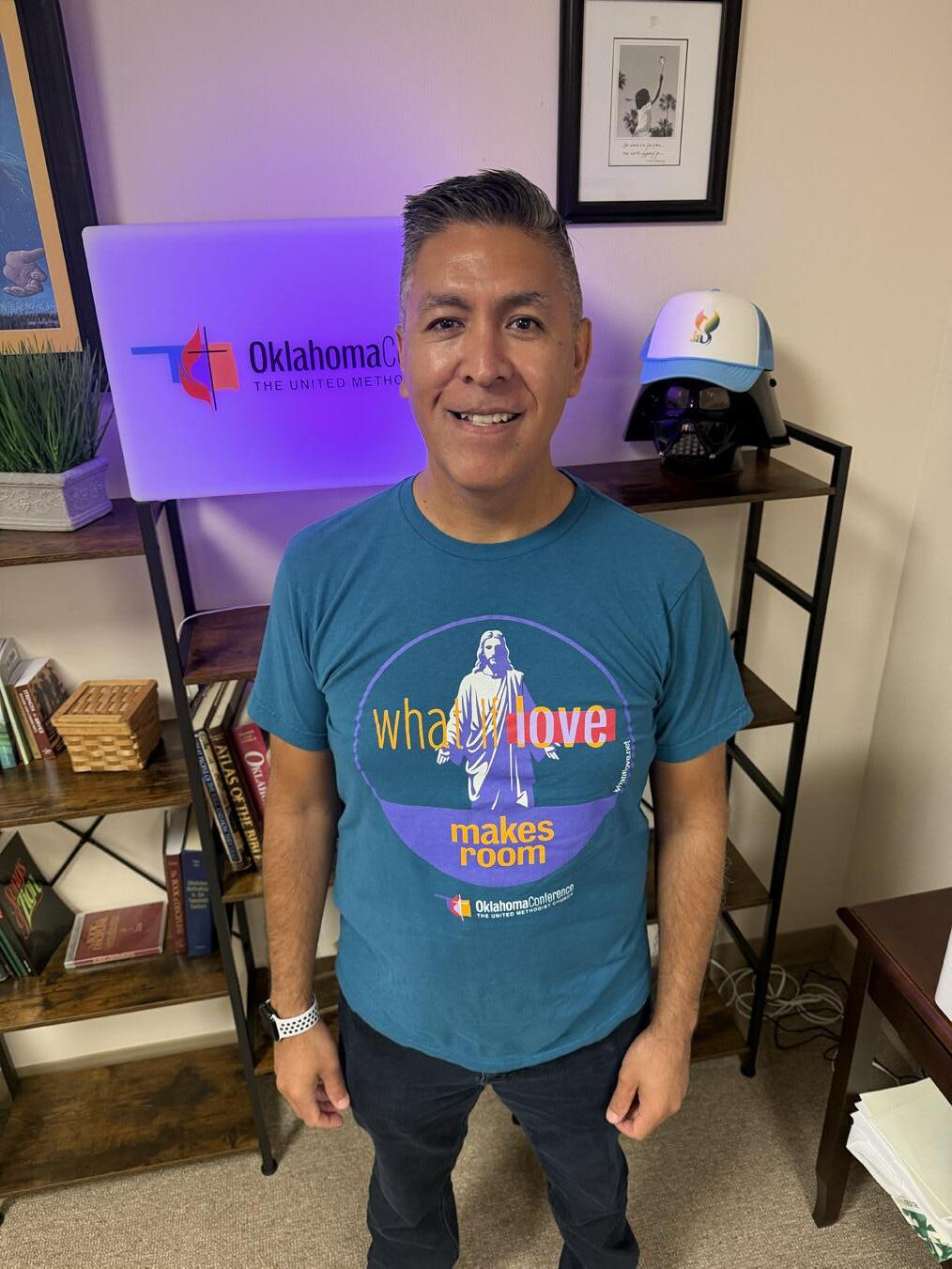
By Carlos Ramirez, Director of Communications & Strategy
The last few months have been very rewarding for me personally.
I compare these months to the heights of my tenure in different local congregations: when the wind is on our backs, excitement is palpable and a rush of the Spirit is undeniable. Since the implementation of phase one of the “What If Love” campaign was launched, the workload has increased considerably, yet the response and results from the campaign have been beyond my expectations.
Since late November to the writing of this article, we have had more than 17 million impressions (content delivered to devices) concentrated in Facebook, Instagram, TikTok and Youtube. The What If Love website (www.whatiflove.net), has had over 17 thousand users. We know that people are exploring the content in the website and are starting to engage with us digitally.
The desired outcome for this initial phase was to: 1) create awareness of the United Methodist Church with the Oklahoma population at large, 2) reintroduce ourselves to Oklahoma and 3) for United Methodists to be proud of our denomination, Conference and local congregations.
I think we have accomplished these outcomes. I have received many messages of not only support for the campaign but of a sense of pride and togetherness we have longed for a while. While these early results are impressive, we are not done yet… not by a long shot!
Phase two will begin after Annual Conference 2026. This phase is intended to now connect those touched by the What If Love message to local faith communities.
Two thirds of the people we have targeted are people who may identify as spiritual but not religious, hurt by the Church or seeking but not sure where or how to start – all with a sense that their faith has to make a difference in their lives (justice seeking, dignity promoting, welcoming all, caring for creation, to name a few). Unfortunately, these folks may not be ready to be part of our worship services on Sunday mornings. But they may be open to meet in a home, restaurant or pub or share an interest like knitting, quilting, or games.
This second phase requires that all of us, in our local contexts, are open and most importantly, ready to receive these people in our midst – just as they are and where they are.
Quality worship services and genuine and intentional hospitality will always be needed for our day-to-day congregational life. That is (or should be) our default way of thinking about our church. Yet, What If Love stretches us to open new pathways in which people that are not part of our current community of faith, can have an on-ramp to join us.
What If Love pushes us to ask us questions like: who is in my community that is not yet part of our faith community? Which option(s) do we need to offer in order to connect with these people? Who are the people God is calling me/ us to be in ministry with? Have we exhausted all options to “accommodate” new ways in which people can know about Jesus? How can I start a genuine, non-transactional relationship with folks in my community?
For many years now, I have been the front person to advocate for congregations to engage
in “Hispanic/Latino Ministry.” I place the words “Hispanic/Latino Ministry” in quotes because to me ministry is not necessarily specialized. Ministry is ministry. When the inevitable question is asked: “do I need to know Spanish to do this ministry? Or when will we have a Spanish-speaking leader that will DO the ministry?” My answer is the following: while speaking Spanish is important, it is not essential. While a Spanish-speaking person leading may be desirable, it is not essential either. It is our hearts that need to be ready and willing. God truly takes care of the rest.
Perhaps now you are staring at these words with incredulity. Perhaps you are thinking: “Carlos is oversimplifying something that is complex.”
My answer has not changed: ANY NEW ministry is not easy. ANY NEW ministry will demand from us to adapt and to change. ANY NEW ministry will bring deep lows, and we will question ourselves. ANY NEW ministry will test our resilience.
It does not matter if you call it Hispanic/ Latino, Young Adults, Elderly, Children, Pub, Brunch, Sports League or any other word before ministry. If it is NEW, it will be hard.
Consequently, our hearts need to be aligned with God’s Spirit. Our hearts need to be resolved to endure all the hardships. Our hearts will need to know that, in the end, through the power of the Holy Spirit, Jesus will do the work we have been called to do. If we truly have listened to Jesus’ calling, and we have said yes… furthermore, our hearts have said “YES!,” then we can do everything through Christ that strengthens us.
Phase two of the What If Love message will be carried out not from a computer, not from algorithms, not from afar… but from your local congregations.
As you start or strengthen these new paths on which people can connect, send me the information (cramirez@okumc.org). We will display a picture and information of your What If Love group (what it is, when it happens, who to contact for more information, etc.) at www.whatiflove.net. The mere fact that you are creating or strengthening these pathways, is already extending the What If Love message and making it local. The message is incarnate, and it has been so rewarding to see the momentum already happening in UMC congregations across the state.
I pray all of our hearts are ready to enter into a new season of renewal – a season where we respond to Jesus’ calling anew.
What if love is preparing us for the new season in the life of our churches?
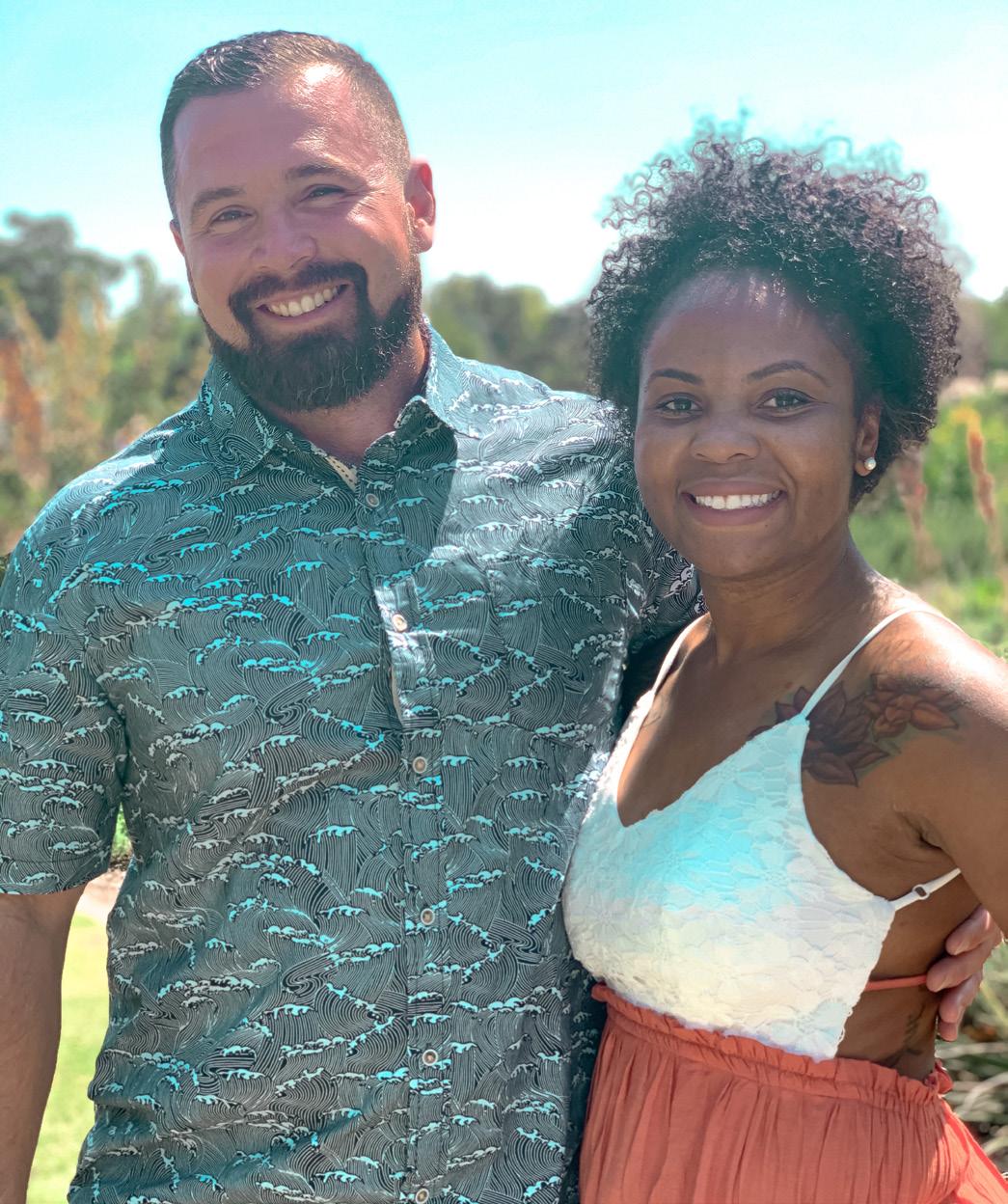
By Chanel Burdex, Central District Administrator at OKUMC
In a time when Christianity can almost feel shameful due to the very ugly things taking place in America and being done in the name of Jesus by Americans, the Oklahoma United Methodist Conference is taking a bold stand to love like Jesus and challenge others to do the same with the What if Love Campaign.
This campaign means a lot to me, even as a nonUM. Ultimately, our goals as Christians are the same. I want to love others like Jesus – to meet people where they are and simply love them with no expectations about what they look like or where they’ve come from. I want to love those who may not behave in a way that deems them “worthy” of love.
So, I was scrolling on TikTok a couple of months ago, swipe for the next video and there it was: an ad for the “What If Love?” campaign.
It caught me off guard. I wasn’t expecting it, but I felt so proud.
Something I was so close to was complete and being shared so boldly. I liked, saved and shared the ad. A week later, there was a second ad. Again, I liked, saved and shared it. As a non-UM, seeing the “What If Love?” campaign across my TikTok made me very proud.
I have collaborated with the communications team, given feedback and even had a part in the voiceover for the ad. It was not just the hard work behind the campaign that made me proud,
but the heart behind it. And now the Oklahoma Conference is sharing this with the world.
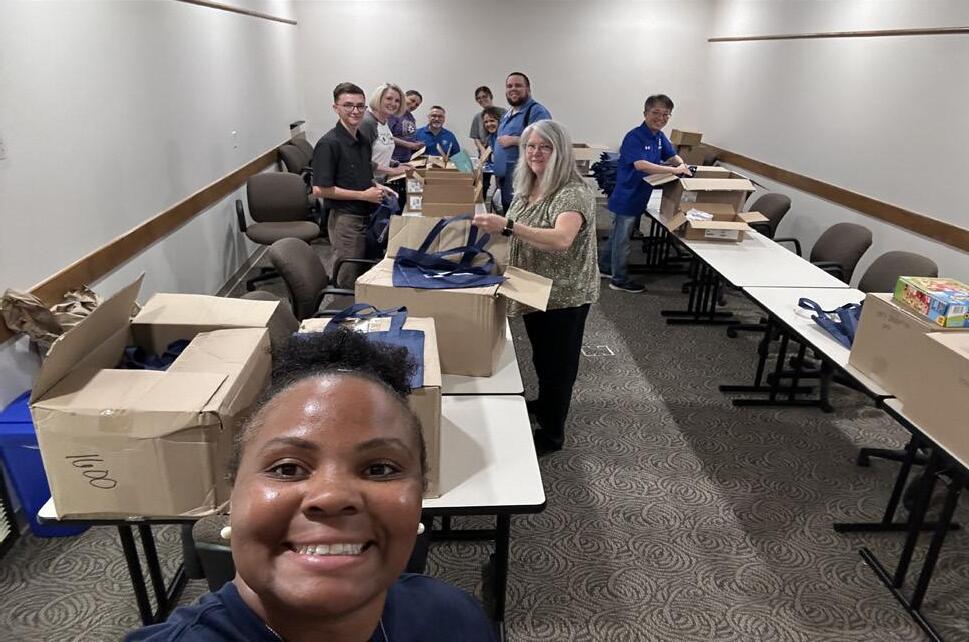
Being a part of the United Methodist Conference has been a breath of fresh air for me and for my faith. This August will mark two years since I became an employee of the Central District at the Oklahoma Ministry Center. One day, about four months in, I received an email from Dana Parker asking, “Would you be comfortable with us praying over you?” I replied, “Absolutely.” I assumed she was referring to herself and her husband, who have offices in the ministry center one day a week.
About 30 minutes later, the room filled with every person in the ministry center, as well as Bishop Laura Merrill. At first, I didn’t realize they were there for me. Then Derrek cut through the chatter, explained that I was going in for surgery the next week and invited everyone to join him in prayer.
I was overwhelmed with emotion and started to cry. I had only worked there for four months. I hadn’t yet built relationships with all of these people. No one in the room looked like me.
Did they know that I use cuss words when I’m upset? And sometimes when I’m happy and
excited, too? They didn’t know how I vote or who I love. Why did they care about me?
The truth is, all they knew was that they had been called, and it was time for them to love me like Jesus.
That moment had a lasting impact on me, and being asked to write this piece for The Contact will be another. I am so grateful for the opportunity to contribute, as it has allowed me to reflect on just how meaningful it is to be here.
I have never worked in a place like this before.
I am blessed by midweek worship services and authentic relationships. I am continually challenged to serve and do more. As a nonUnited Methodist, I see myself reflected in this campaign for the Oklahoma Conference because it is something I have witnessed United Methodist people live out day in and day out.
What if love is what is needed to heal church hurt? What if love offers grace without knowing all of the details? What if love is given without expecting anything in return? What if love is all we
need to connect us all?
To the Oklahoma Conference: I feel blessed to know you, to stand beside you, and to proudly share the “What If Love?” campaign.
I pray that my very small contribution to this place can help heal a broken heart, open the door to understanding, and ultimately bring a weary soul to Christ.
What if love is wide enough to include us all?
Thank you for allowing me to be a small part of your family.
Making “Come As You Are” more than just words.
By Ashley Black, Youth & Children’s Director at First Enid UMC
When serving in ministry with both children and youth, the greatest point of connection is love – loving them as children of God while also recognizing and holding space for them as growing individuals.
They are capable of deep thought, of wrestling with theology and of asking big, meaningful questions. Our role is to make space for those questions and to welcome their bold ideas.
Loving young people well means meeting them where they are each week. It means seeing who they are today while gently guiding who they are becoming.
One day I began to ask myself, what if?
What if I truly ensured a welcoming space for every child of God who walks through our doors?
What would it look like to say “come as you are,” and actually provide the warmth, care and intentionality that makes that invitation real?
That question became the heart of my mission, shaping not only my approach to ministry, but also the vision I share with my team and anyone willing to listen.
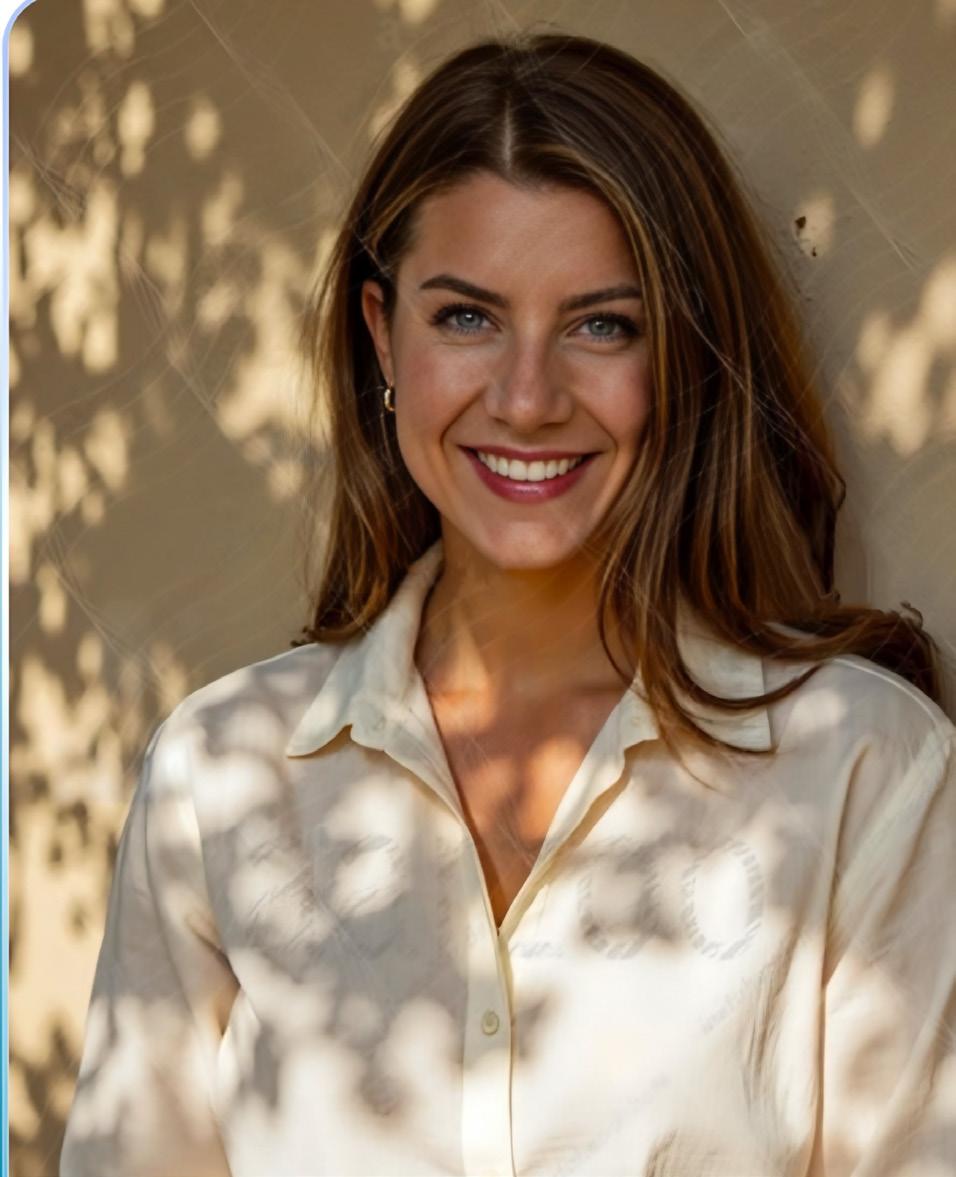
What if every person experienced true accessibility the moment they stepped into our church – welcomed with such radical hospitality that they encounter Christ through the way we love them?
Radical hospitality is at the core of our church’s vision: to be a blended mosaic of disciples, grounded in Scripture and committed to making an eternal difference in Enid and beyond through worship, study and service.
At the heart of this vision is a deep belief that every person is a beloved child of God. We strive to create spaces for spiritual growth that inspire and transform people of all ages and generations. We serve our community with intention, seeking to make a difference for the sake of those we have not yet met.
We share the good news in a way that truly feels like good news for all of God’s children. And we send others out, equipping and developing leaders who will carry the mission of the church into the future of both our community and the world.
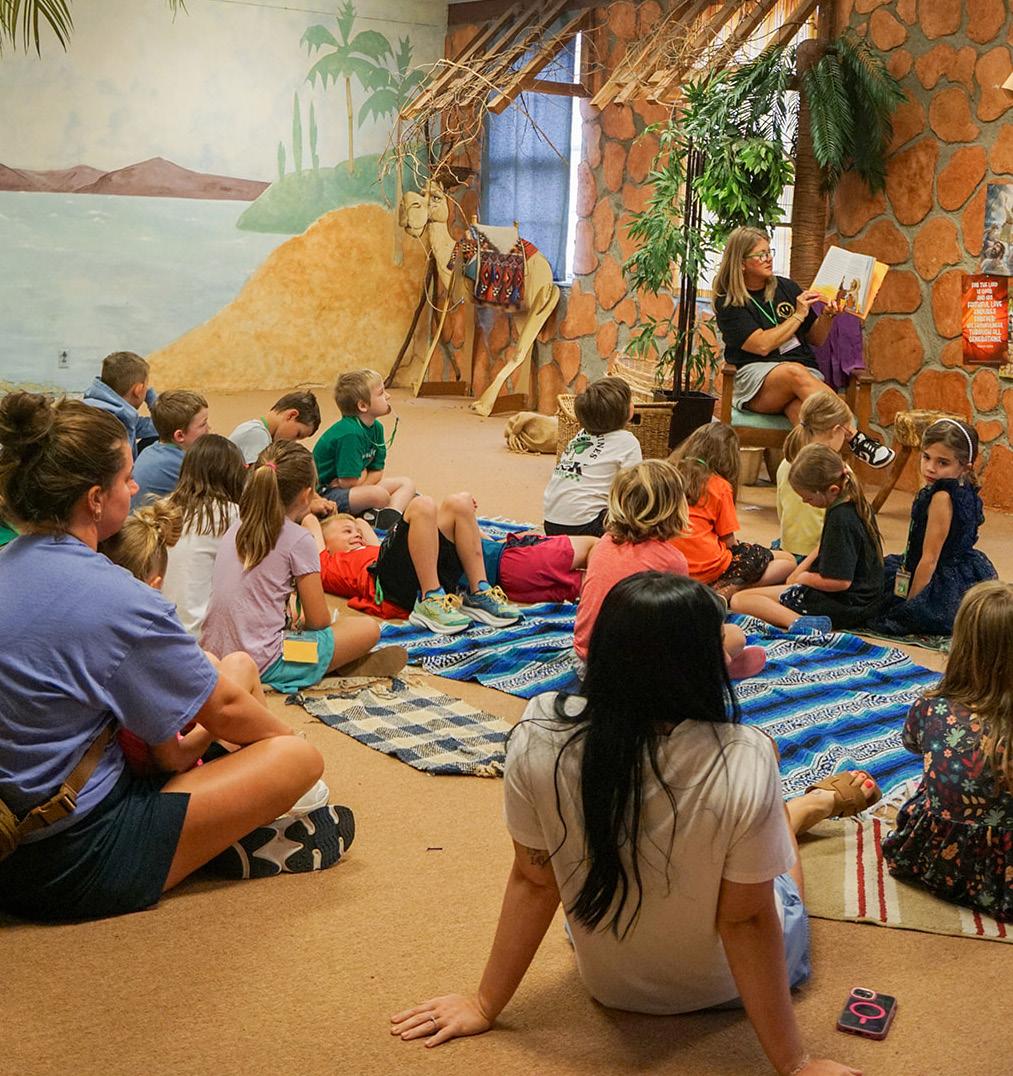
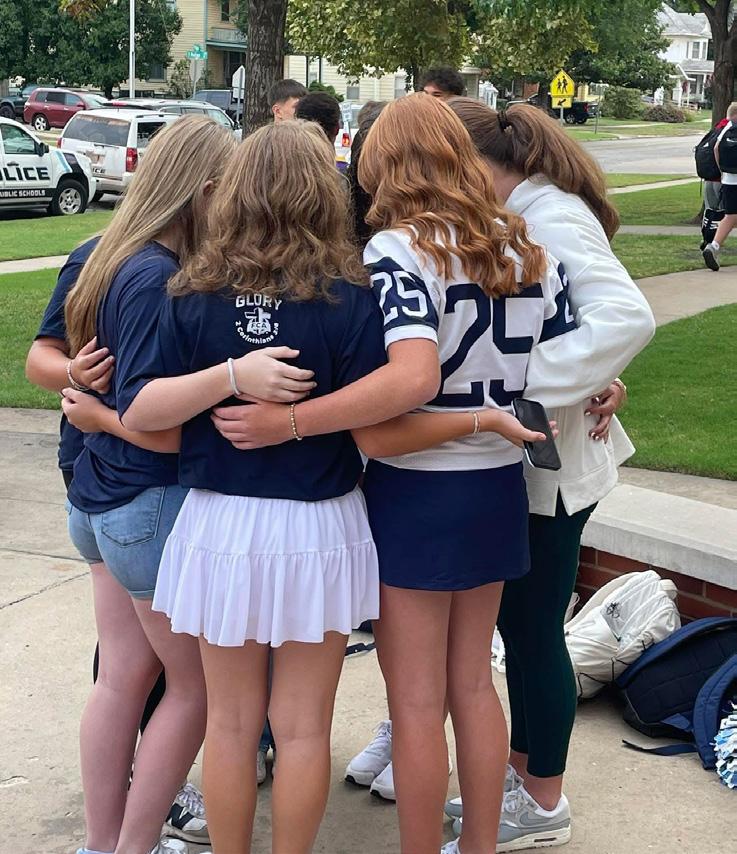
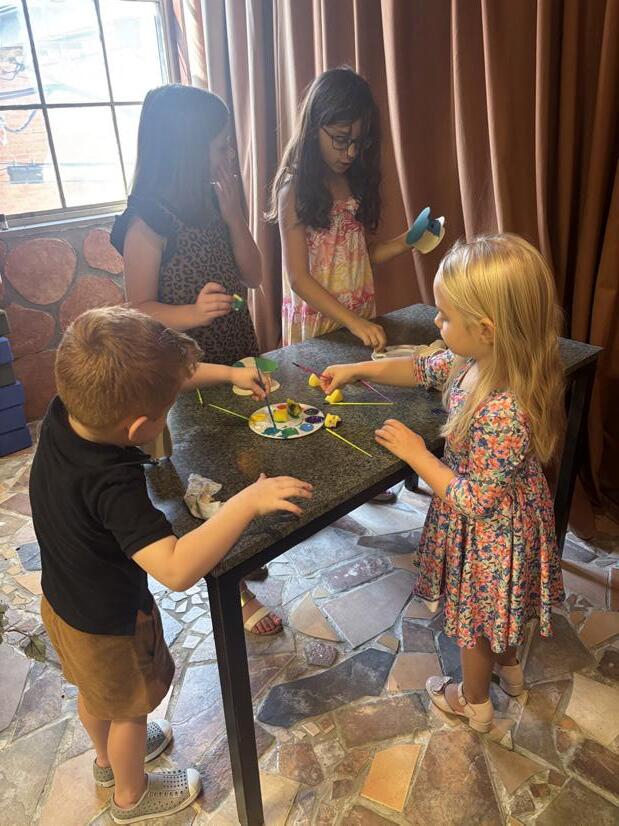
From that vision, new opportunities were born.
We created Sunday school classes designed for middle school students – spaces for those with a passion for justice to channel that fire while deepening their understanding of Scripture. Places where they can ask big questions, wrestle with their faith and grow boldly, discovering how Christ meets them in the midst of real-life challenges.
We designed a dedicated room for children who need extra support – a space rooted in safety, care and belonging. Thoughtfully created to be special-needs supportive, sensory-friendly and accessible, this room offers an environment where children can feel comfortable, secure and free to be themselves. With compassionate, trained volunteers who understand the importance of patience and connection, every child is not only supported, but truly known, valued and deeply cherished.
We developed a Vacation Bible School curriculum that meets children where they are, thoughtfully built with developmental stages
in mind. Whether it’s a child walking in for the very first time or one who has grown up in the church, each experience is designed to engage, include and nurture their faith.
We also shaped our Sunday curriculum to provide consistency and honor meaningful traditions, especially for children who thrive on routine, including those on the spectrum. With strong, multi-generational support in every room, we ensure that each child receives the attention, care and encouragement they deserve.
So, through a new lens – born from a simple what if – I discovered a handful of meaningful changes to make. Small shifts that created a powerful impact.
And so I would ask you:
In your life today, in your church, in every room you enter, how can you create space with radical hospitality?
How can you love others in a way that reflects the love of Christ?
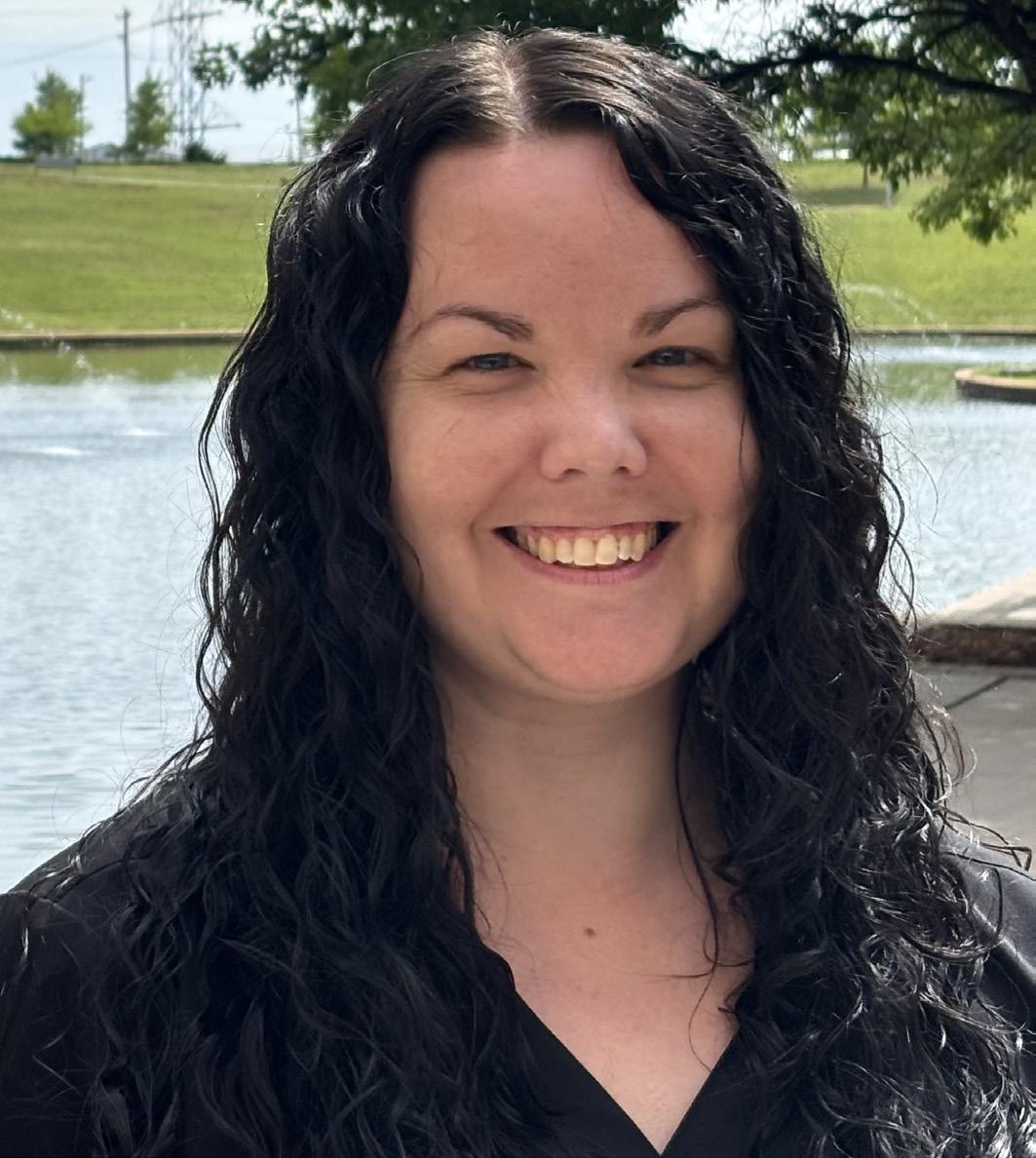
By Katrice Rogers, Member at McFarlin UMC
As a single, child-free young adult, I always felt out of place in traditional small groups.
From my experience church hopping as well as a 12-year stint with a previous tradition, I noticed that many churches often prioritize and promote youth, college, family and older adult small groups. There was rarely, if ever, a place for people who fell in-between or outside of those particular stages of life: young adult, maybe or maybe not married, maybe or maybe not parents, maybe or maybe not in school.
Even when I did find a space to squeeze myself into by age or stage of life, finding people with similar interests to me was another struggle. Growing up surrounded with high fantasy books and movies, sci-fi, superheroes, anime and video games, fitting in with make-over and baking parties or chick-flick nights with other women my age didn’t often jive well for me. Some circles might even reject many such interests with arguments of being incompatible with the Christian faith, or at least a distraction from it.
Building community often felt like being expected to conform to the group instead of feeling safe to be myself within the group.
When I was invited to join a new Sunday school small group intended to include people roughly my age and stage of life, I wasn’t sure what to
expect.
We trickled in and sat a bit scattered around the small library like we weren’t yet sure if we fit.
As the class started and we introduced ourselves, sharing bits about our life and the things we liked, we found, to our pleasant surprise, that we were all a little nerdy. Some of us were reading the same fantasy book series. Some of us passed the time with the same arts and crafts. Some of us were learning Japanese off and on. Many of us had or wanted to visit Japan, and we all liked Marvel superheroes.
Before long, we were chit-chatting about various books, movies, TV series, video games, crafts, etc., throwing out references and laughing in our newfound camaraderie.
At our second meeting, we were tasked with naming our class: something that encompassed who we were as a group and let people know what we were about. After a few suggestions, some including references to the Legend of Zelda and Lord of the Rings, we landed on McFarlin’s Extended Universe. Much like its nerdy inspiration, it highlights bringing various stories, experiences and timelines together to form an interconnected whole. Each story and timeline are special and unique, but together form an overarching narrative of shared community. Embarking together into studies that draw wisdom and truth from our favorite stories and fandoms is definitely in our future.
I used to serve on the graphics team at my previous church. One of the worship leaders
once told me that what I was doing to help and serve in the back and behind the scenes was also worship. It was the first time anyone had ever told me or I had considered that worship didn’t have to look the same as what you might see on the stage or in the congregation. That worship could be something as simple as using your talents to help someone else.
Couldn’t the same be said of love?
What if love didn’t have to look like a traditional small group or Sunday school class? What if love can look like a bunch of nerds from the margins finding a place to come together as like-minded people and feel safe to be themselves? What if love isn’t about expecting people to conform to the group, but remembering that everyone is uniquely and wonderfully made?
What if love can be whatever it needs to be in order to reach another person?

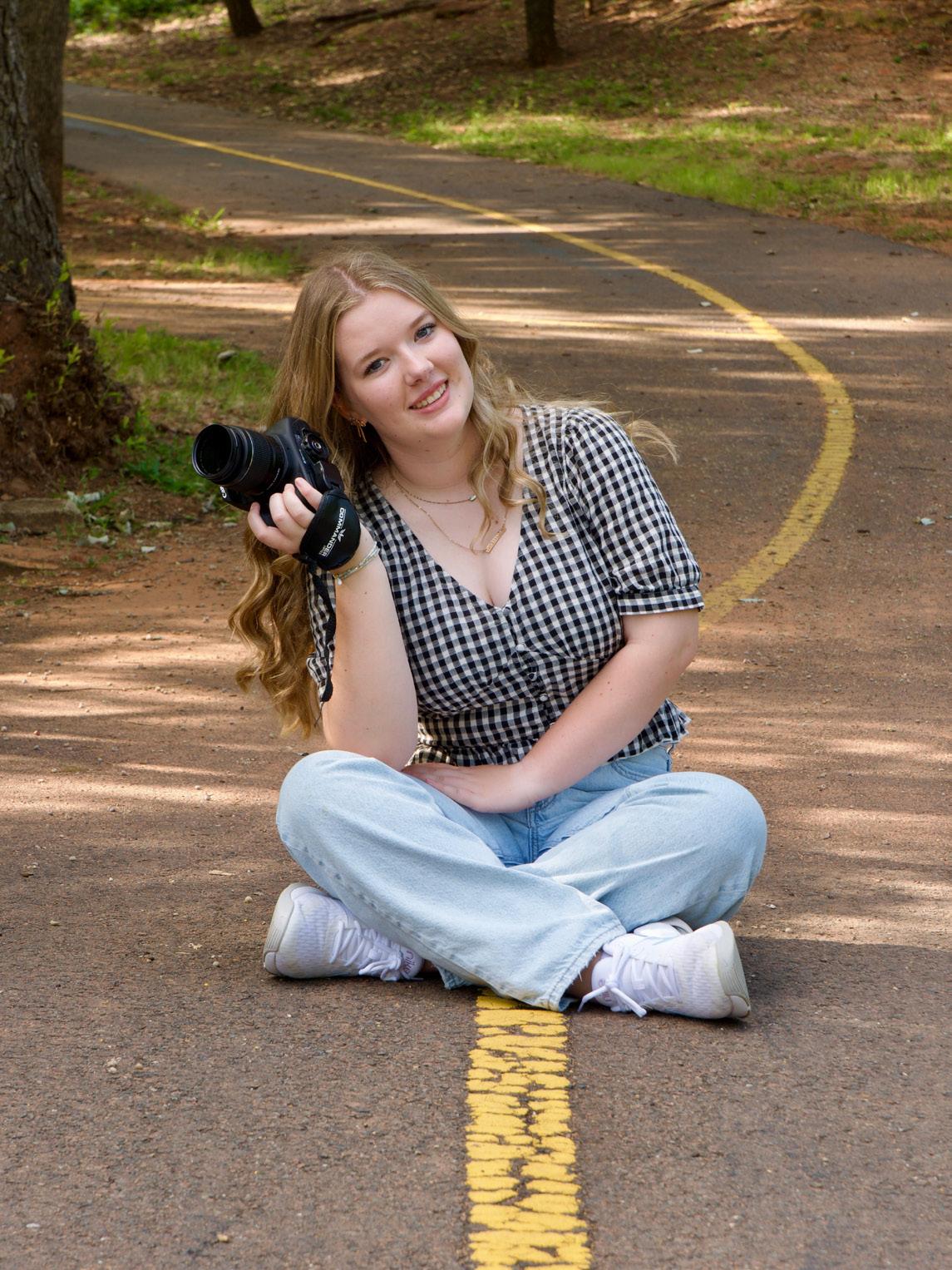
By Reese Herndon, Member at Edmond First UMC
The Broken Arrow community met and voted against the upcoming construction of a mosque on January 12, 2026. Several citizens felt concerned that building a mosque would negatively affect the community.
Even though there are approximately 90 Christian churches and no mosques, the Broken Arrow City Council voted 4-1 against the project. The reason for the denial was primarily due to traffic changes, increased street congestion, and the land not being ready for commercial use.
However, the rezoning was denied only after public opposition. This opposition was not focused on how the land would be used, but on the intention to build an Islamic place of worship.
“This is a Christian nation; Islam is incompatible with Christianity; Islam is incompatible with our constitution,” said Broken Arrow resident Cheri Thomas to a Newson6 reporter.
Other residents support the construction project.
“We are not a Christian nation. We were founded as a secular government that did not favor any one particular religion over another. That was the reason that we broke away from England in the first place,” said Tulsa attorney Bob Nelon.
The First Amendment of the United States Constitution states that Congress cannot make a law that contradicts the freedom of religion. Following under freedom of speech, it is unconstitutional to prohibit the practice or expression of any religion.
Dr. Imad Enchassi, the imam of the mosque in Oklahoma City, the Islamic Society of Greater Oklahoma City (ISGOC) was disappointed with the vote but felt staying quiet would allow others to control the narrative.
The discrimination against Muslims is nothing new. Many people are afraid of the unfamiliar, and the differences between Christianity and Islam are often focused on.
However, the similarities between Islam and Christianity are often overlooked.
More similar than you think
Islam is a religion that believes Jesus was a human prophet who brought people to worship and believe in God. This is similar to how Christians believe Jesus Christ is a part of the Holy Trinity and came to save us from our sins.
The Qur’an is the book of guidance and messages from God for Muslims. It is similar to the Christian Bible; however, instead of the Qur’an being written by approximately 40 different people, the Qur’an is believed to be God’s final message as recited to Muhammad.
As the granddaughter of two Christian ministers, I grew up knowing that their roles in their churches were to support others as they walk the journey with God, giving advice when needed, as well as listening when needed. Similar to, if not the same as, the role of an imam.
Dr. Enchassi explains how an imam’s role is to be a listener, a bridge-builder and a servant — accountable to God and responsible to the community.
A Christian church’s purpose is to bring people together to worship God and build a community full of faith and love.
A mosque’s purpose is the same thing.
A United Methodist Church, a First Christian Church and an Islamic Mosque all offer services and support to their communities based on God’s command to love thy neighbor.
Does it matter if that love comes from a religion different from your own?
Starting next fall, I will begin my journey of becoming an ordained minister in the United Methodist Church. I will be following in the footsteps of many of my relatives as I pursue a degree in religious studies at Oklahoma City University.
Once I become a minister, I look forward to working with Dr. Enchassi to teach the youth in my community about the similarities and differences between Christianity and Islam. In doing so, I hope to connect our two communities in sharing God’s love through service, support and understanding.
Even though the rejection of the mosque in Broken Arrow is a setback for the Muslim community, it’s important to remember that there are still people who realize that connection is more important than fear.
Dr. Enchassi emphasizes, “Working together doesn’t erase our differences; it honors them while focusing on righteousness and the common good we are all called to serve.”
This story was written by Reese Herndon, a graduating senior at Edmond North High School who has held many leadership positions within the OKUMC and her local church. The article won first place in the Division I Opinion Category at the Oklahoma Scholastic Media Conference. Her writing speaks for itself – and we think you will agree she is one to watch.