
LEGISLATIVE WRAP-UP
FAST, FURIOUS, AND NEVER SHORT ON SURPRISES.
The 2026 legislative session was fast, furious, and never short on surprises.
It was an election-year session that threw its own punches from the opening weeks through sine die. Lawmakers moved quickly on an early budget agreement, spent long days on the floor, navigated late-session negotiations, and pushed major policy debates across education, taxes, energy, health care, workforce, infrastructure, and economic competitiveness.
Through it all, The State Chamber was in the building, in the meetings, and in constant conversation with lawmakers. Ethics filings may show a few coffees and dinners along the way (looking at you, Dalton), but the real investment was time, trust, and persistence.
That work delivered results.
Improvements were made to the Strong Readers Act, marking a major win for literacy reform and one of the most important long-term investments Oklahoma can make in workforce readiness. The State Chamber made early literacy a top priority because reading proficiency is not just an education issue. It is an economic issue that gives Oklahoma a competitiveness advantage, if we implement the policy right.
Innovation, research, and commercialization also gained more attention at the state Capitol, reflecting the growing understanding that Oklahoma’s future economy will depend on talent, entrepreneurship, and the ability to turn ideas into jobs.
This was also a session shaped by state questions. Major debates on Medicaid, TSET, judicial reform, property tax policy, and others moved toward voters (and we’ve got a helpful guide in the back). As these debates move beyond the Capitol, The State Chamber remained focused on making sure employers, workers, and communities had a clear voice in the conversation.
As session continued to unfold, the 2026 election cycle kicked off in early April. Candidate filing, open seats, incumbent challengers added another layer to the session. Through our new election tracking website – Oklahoma Decides – we hosted candidate interviews, race tracking and member engagement, we worked on getting the business community up-to-speed on what to expect during a busy election year.
The final weeks of session were long days, moving targets, inter-chamber friction, last-minute coordination, and a few farewell speeches from lawmakers closing out their time in office. Mostly, this year was dominated by a condensed timeframe that makes everyone wonder: will next May look similar?
As we shift our focus to implementation, interim studies and the next phase of Oklahoma’s policy agenda, we know the work is not over. It’s just the beginning of an opportunity for Oklahoma to compete.
New business costs stopped in 2026 by The State Chamber
SB 2074 was expected to add an average of $1.2 million per year in prescription dispensing fee costs.
HB 4329 would have increased fully insured dental benefits by $25 to $50 per employee per month. For a company with 100 employees that’s additional costs of $30,000 to $60,000 per year.
HB 3844 & SB 1268 would have increased the minimum wage amount to $16,130 per year per minimum wage earning employee.
HB 3725 would have required E-Verify for every new full time employee. This would cost $83 per employee per year in HR/ admin costs to run E-Verify. In 2025, Oklahoma saw on around 76,000 new hires per month, which would have amounted to an added cost of $6.3 million per month, equaling $75.7 million in added costs in 2025 if it were enacted.
2026 PRIORITIES
The 2026 legislative session marked the first year of The State Chamber’s Oklahoma Competes framework, with major progress on education and workforce development, innovation and entrepreneurship, and economic competitiveness. State Chamber priorities advanced through the Strong Readers Act, updates to the Oklahoma Research and Development Rebate, a stronger incentive evaluation process, and new technology transfer policies for higher education. These wins help strengthen Oklahoma’s workforce pipeline, support innovation, and position the state to compete for jobs and investment.
EDUCATION & WORKFORCE DEVELOPMENT
SB 1778
Sen. Adam Pugh & Speaker Kyle Hilbert
Makes changes to the Strong Readers Act including: directing the State Department of Education to approve one screening instrument for literacy, requiring more frequent parent notifications about their student’s progress, directing local school districts to provide more intensive interventions in first through third grades, and requiring literacy-based third grade promotion.
INNOVATION & ENTREPRENEURSHIP
SB 1530
Sen. Kristen Thompson & Rep. Anthony Moore
SB 1670
Sen. Aaron Reinhardt & Rep. Anthony Moore
Enhances the Oklahoma Research and Development Rebate by allowing an increase of the rebate by 2% for partnerships with higher education institutions, ensures the qualified rebate investments are related to non-routine projects, like product testing or application of existing knowledge.
Requires the State Regents for Higher Education to adopt new technology transfer policies for all institutions.
ECONOMIC CLIMATE
SB 1990
Sen. Chuck Hall & Rep. John Kane
Modifies the Incentive Evaluation process to include analysis on whether a business would have acted in the same manner in the absence of an incentive and comparing the incentive to other states, and whether the incentive as a whole fits within Oklahoma’s strategic economic development plan.
1,731
2,149 2,149
SENATE BILLS & RESOLUTIONS FILED
HOUSE BILLS & RESOLUTIONS FILED
HOUSE AND SENATE BILLS
33 FAILED MEASURES ON THE FLOOR 506 MADE
ECONOMIC DEVELOPMENT
SB 1992, SB 1826, HB 4426, and HB 2849 strengthen Oklahoma’s economic development toolkit by improving access to incentives, supporting investment in targeted geographies, and aligning state programs to drive long-term job creation and business growth.
HB 3781 by Rep. Stacy Jo Adams and Sen. Aaron Reinhardt
Moves Oklahoma from a “use-and-file” insurance rate process to a “file-and-wait” model similar to Texas. This model involves insurers submitting rates for regulatory review before they take effect and allows the public more transparency
Effective July 1, 2026
HB 3498 by Rep. Collin Duel and Sen. Aaron Reinhardt
Updates various provisions within the General Corporation Act and Limited Liability Company Act to match best practices of Delaware. These updates make Oklahoma more competitive as a place to form, retain, and grow companies, which directly benefits in-state businesses by lowering legal friction and improving access to investment.
Effective Nov. 1, 2026
ENERGY & NATURAL RESOURCES
HB 2992 by Rep. Brad Boles and Sen. Grant Green
Creates the Data Center Customer Ratepayer Protection Act which requires all governing bodies responsible for reviewing electric rates establish separate terms, conditions, and tariffs for large load data centers or computing facilities that are connected to the grid. These separate terms and tariffs should protect other customers from inflated rates because of data centers. The bill also requires developers to notify adjacent property owners after land is purchased for a data center.
Effective July 1, 2026
HB 1371 by Rep. Anthony Moore and Sen. Grant Green
A negotiated agreement to update the Production Revenue Standards Act. The bill sets interest limits for oil and gas proceeds and provides clear processes when mineral ownership is unclear or contested.
Effective November 1, 2026
SEE MORE ENERGY & NATURAL RESOURCES BILLS HERE
INFRASTRUCTURE
SB 1531 by Sen. John Haste and Rep. Nicole Miller
Directs the Department of Aerospace and Aeronautics to invest in public infrastructure to support unmanned aerial systems and advanced air mobility. The bill also directs the Department to collaborate with other states and industry stakeholders to create technical centers of excellence to integrate UAS and AAM technology.
Effective November 1, 2026
SB 2060 by Sen. John Haste and Rep. Mark Lawson
Creates the Building Utilities and Infrastructure for Long-term Development (BUILD) Act. The bill authorizes the creation of master development districts through approval from the city council or county commissioners with consent of 100% of the property owners in the proposed district. The district will be overseen by an independent board of supervisors that can finance public infrastructure projects in the district through bonds or other mechanisms.
Effective November 1, 2026
SEE MORE INFRASTRUCTURE BILLS HERE
LEGAL & LABOR REFORM
SB 1439 by Sen. Julie Daniels and Rep. Anthony Moore
Prevents frivolous lawsuits based solely on claims of climate change or greenhouse gas emissions. The measure prohibits most civil liability actions against companies that lawfully produce, manufacture, and sell fossil fuels, shielding the industry from speculative claims of fraud, misrepresentation, or failure to warn tied to claims of climate effects.
Effective November 1, 2026
HJR 1024 by Rep. Anthony Moore and Sen. Todd Gollihare
A proposed state question to change the composition of the Judicial Nominating Commission. Now SQ 845, the measure would update the boundaries of the congressional districts used for geographic representation from the 1967 map to current day, allow for members to serve successive terms, and would eliminate restrictions on membership based on bar membership and political affiliation.
On ballot November 3, 2026
SEE MORE LEGAL & LABOR BILLS HERE
WORKFORCE & EMPLOYMENT
HB 3127 by Rep. Kevin West and Sen. Jerry Alvord
Makes changes to Oklahoma’s medical marijuana employment protections, imposing broader zero-tolerance standards for safety-sensitive positions while giving employers wider authority to act on positive marijuana tests under any compliant written drug and alcohol testing policy.
Effective November 1, 2026
HB 2398 by Rep. Brian Hill and Sen. Aaron Reinhardt
Establishes a statewide framework allowing the State Regents for Higher Education and the Department of Career and Technology Education to designate certain degrees, certificates, licenses, and industry-recognized credentials as “credentials of value,” requiring programs to demonstrate strong student outcomes including a positive return on investment and alignment with state and regional workforce needs.
Effective August 15, 2026
HB 3315 by Rep. Ryan Eaves and Sen. Julie Daniels
Requires the Oklahoma State Regents for Higher Education to conduct a feasibility study on implementing three-year bachelor’s degree programs, so that Oklahoma can join the growing number of states to institute these workforce centric degrees.
Effective May 4, 2026
STATE QUESTIONS
STATE QUESTION 832 MINIMUM WAGE INCREASE
ORIGIN: Citizen-initiated Petition
TYPE: Statutory Changes
WHAT VOTERS WOULD DECIDE: Whether to raise Oklahoma’s minimum wage above the federal level ($7.25), using a phased-in schedule through 2029 then tying annual increases to the Consumer Price Index beginning in 2030.
WHAT IT WOULD DO:
Gradually increase the minimum wage over time
Include annual automatic increases tied to inflation after the phase-in period
Apply broadly to employers statewide, eliminating all existing exemptions allowed under current law.
State Question 832 (SQ 832) seeks to amend the Oklahoma Minimum Wage Act in Oklahoma Statutes by untying the state from the federal minimum wage.
The question will appear before voters on the June 2026 primary ballot, and if approved, it would increase Oklahoma’s state mandated minimum wage beginning in 2025 to $9 per hour and continue with annual wage increases until 2029. Beginning in 2030, the wage will increase with the cost of living, as measured by the U.S. Department of Labor ’s Consumer Price Index.
ORIGIN: HJR 1087
STATE QUESTIONS
STATE QUESTION 844
PROPERTY TAX EXEMPTION
TYPE: Constitutional Amendment
WHAT VOTERS WOULD DECIDE: Whether to modify the reimbursement process and procedures for the ad valorem (property tax) exemption for manufacturing businesses.
WHAT IT WOULD DO:
Adjust how the state reimburses local governments for manufacturing businesses utilizing the ad valorem tax exemption
Continue Oklahoma’s policy of encouraging manufacturing investment through tax relief with adjustments
Affect local revenue streams, especially for schools and counties
STATE QUESTION 846 VOTER ID
ORIGIN: SJR 47
TYPE: Constitutional Amendment
WHAT VOTERS WOULD DECIDE: Whether to require proof of identity as a requirement for voting in Oklahoma elections.
WHAT IT WOULD DO:
Elevate voter ID requirements from statute to the Constitution
Limit future legislative changes to election identification rules
Require voters to present government-issued identification or equivalent proof while voting
ORIGIN: HJR 1024
STATE QUESTIONS
STATE QUESTION 845
JUDICIAL SELECTION
TYPE: Constitutional Amendment
WHAT VOTERS WOULD DECIDE: Whether to change how judges are selected in Oklahoma by restructuring the Judicial Nominating Commission (JNC).
WHAT IT WOULD DO:
Alter the makeup of the JNC (who appoints members and how many)
Increase the role of elected officials in judicial selection
Modify checks and balances in the judicial appointment process
ORIGIN: SJR 39
STATE QUESTION 847
PROPERTY TAX CAP
TYPE: Constitutional Amendment
WHAT VOTERS WOULD DECIDE: Whether to lower the annual cap on increases in property tax valuations for residential and commercial properties.
WHAT IT WOULD DO:
Reduce how much a property’s taxable value can increase from year to year
Provide predictability and relief for homeowners
Limit future revenue growth for schools, counties, and cities
LEGISLATORS RECEIVING AN A


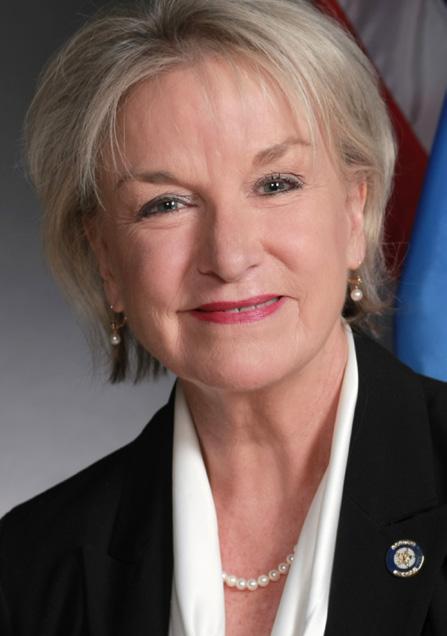
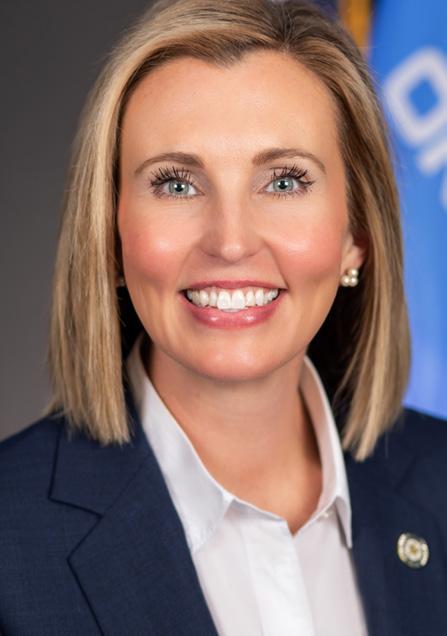
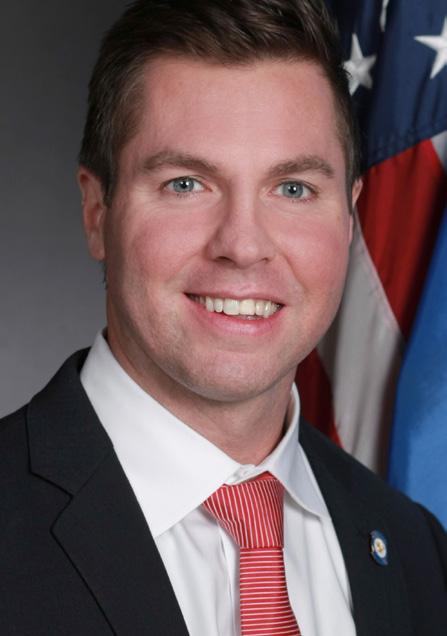
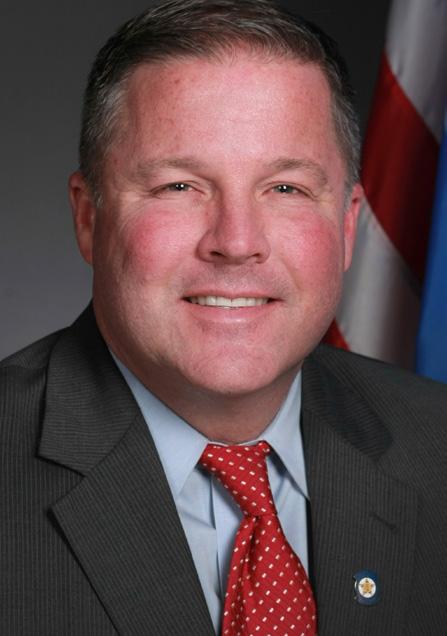
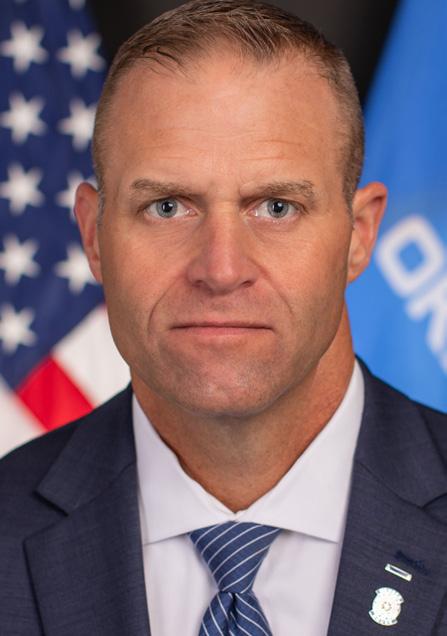
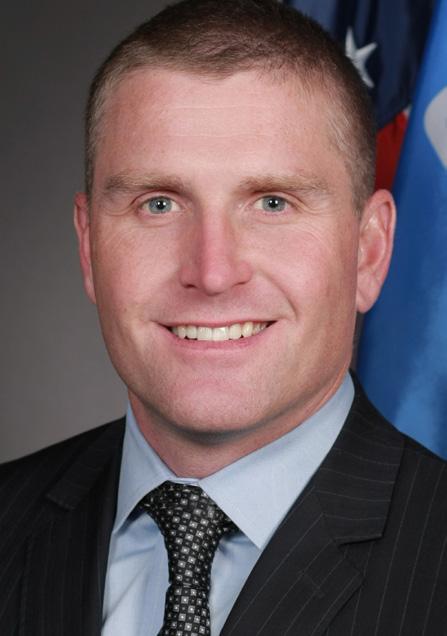
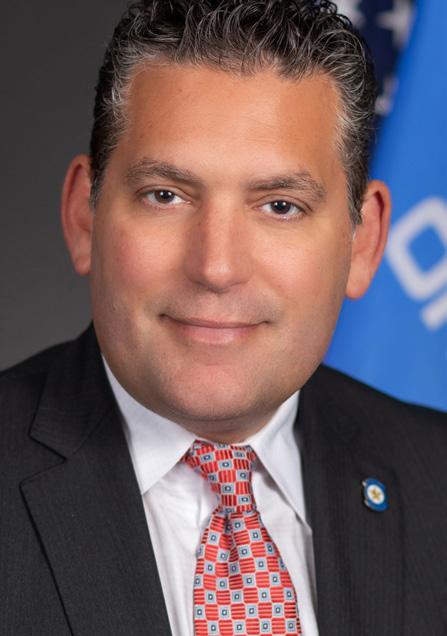
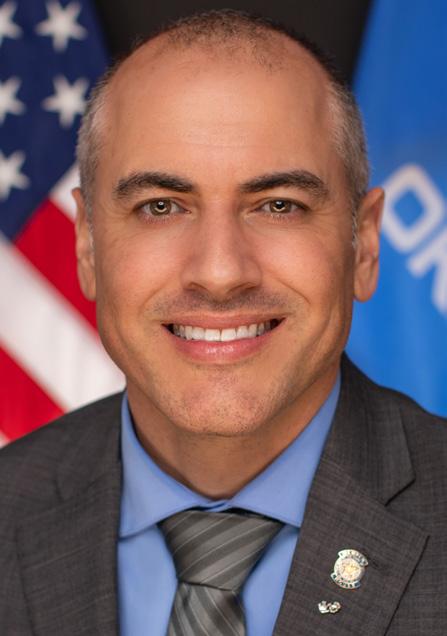
Senator Chuck Hall
Senator Brenda Stanley
Representative Josh West
Senator John Haste
Senator Kristen Thompson
Representative Chris Kannady
Senator Ally Seifried
Senator Adam Pugh
Representative Mark Tedford
Senator Julie Daniels
Pro Tem Lonnie Paxton
Representative Derrick Hildebrant
OKLAHOMA’S PRO-GROWTH CHAMPIONS
SB 1530
LEGISLATIVE SCORECARD PRIORITY BILLS
Expanded interventions under the Strong Readers Act to improve student literacy, supporting long-term educational attainment and workforce readiness.
Enhanced the Oklahoma Research and Development Rebate, with additional support for partnerships with higher education and applied innovation.
Created a PBM reimbursement mandate. The Chamber opposed the bill because it would increase costs and add a new marketplace mandate.
Directed higher education and career technology leaders to identify “credentials of value” tied to employment and earning outcomes.
Required the State Regents for Higher Education to adopt technology transfer policies to help move research and innovation into the marketplace.
SB 546
Created a comprehensive data privacy framework to provide regulatory certainty and avoid a fragmented privacy patchwork.
Authorized three-year bachelor’s degree programs to make higher education more affordable, flexible, and responsive to workforce needs.
Strengthened the state’s incentive evaluation process by adding analysis of necessity, competitiveness, and alignment with economic development strategy.
SCORE FORMULA – 130 AVAILABLE POINTS
Scores include a weighted system of votes: 80% for the priority bills,15% for all floor votes from the Watch List, and 5% for normalized committee votes (meaning legislators’ scores were not dinged for being in a committee with less bills). Legislators who missed half or more of the priority bill votes were not scored, and were not counted against below that.
For All Scores Visit: https://www.statechamberresearch.org/app/