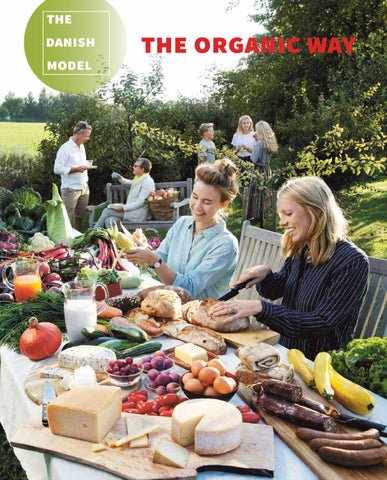
the organic way the danish model
the organic way
the danish model
THE ORGANIC WAY – THE DANISH MODEL
Editors: Danish Agriculture & Food Council, Organic Denmark and Food Nation
Graphic design: SalometGrafik
Photography: Colourbox: p. 2-3
Danish Agriculture & Food Council: p. 9, 13, 21, 27, 28, 34, 37, 38
Henrik Bjerregrav: p. 11, 12
Miklos Szabo: Cover, p. 6, 14, 17, 22, 30
Moment Studio: p.10, 18
Søren Gammelmark: p. 27
Axel Månsson A/S: p. 32 Unsplash.com: p.5
Printing: PE-Offset A/S

37
the organic way – the danish model
DENMARK IS A COUNTRY with high ambitions for organic production. We were the first country in the world to introduce rules for organic production, to develop national organic standards and to launch an organic label. We were also the first country in the world to introduce a target for 60 per cent organic products in public sector kitchens.
Our ambitious organic policies have resulted in Denmark being the country in the world where organic food has the largest market share.
This publication examines the success of organic production and the conditions that have led to Danish organic food being sought after both in Denmark and across the world. It also describes the different strengths that characterise the organic sector – from farm to fork – which together constitute the recipe for the success of organic farming and production in Denmark.
The fine reputation of organic products is based on the success of Denmark’s agricultural sector, which has turned Denmark into a recognised and respected food
nation that supplies high quality food to global consumers: food that is known for its high standards of food safety, traceability, quality and sustainability.
Collaboration underpins the success of organic production. Collaboration that has involved all actors across the entire value chain for more than 30 years – farmers, companies, organisations, official bodies, advisers, politicians, the retail sector, food service and consumers. They have all helped to develop a market-driven organic sector – a type of production that takes account of the environment, nature, animal welfare and sustainability as demanded by many modern consumers.
We invite you to use this publication as a reference for topics of interest to you or read it page by page and gain an insight into The Organic Way – The Danish Model. How and why organic food has become one of the Danish food cluster’s strengths in a world that is increasingly demanding sustainable food products. ●
Danish Agriculture & Food Council Organic Denmark and Food Nation
about organic food
facts about organic food
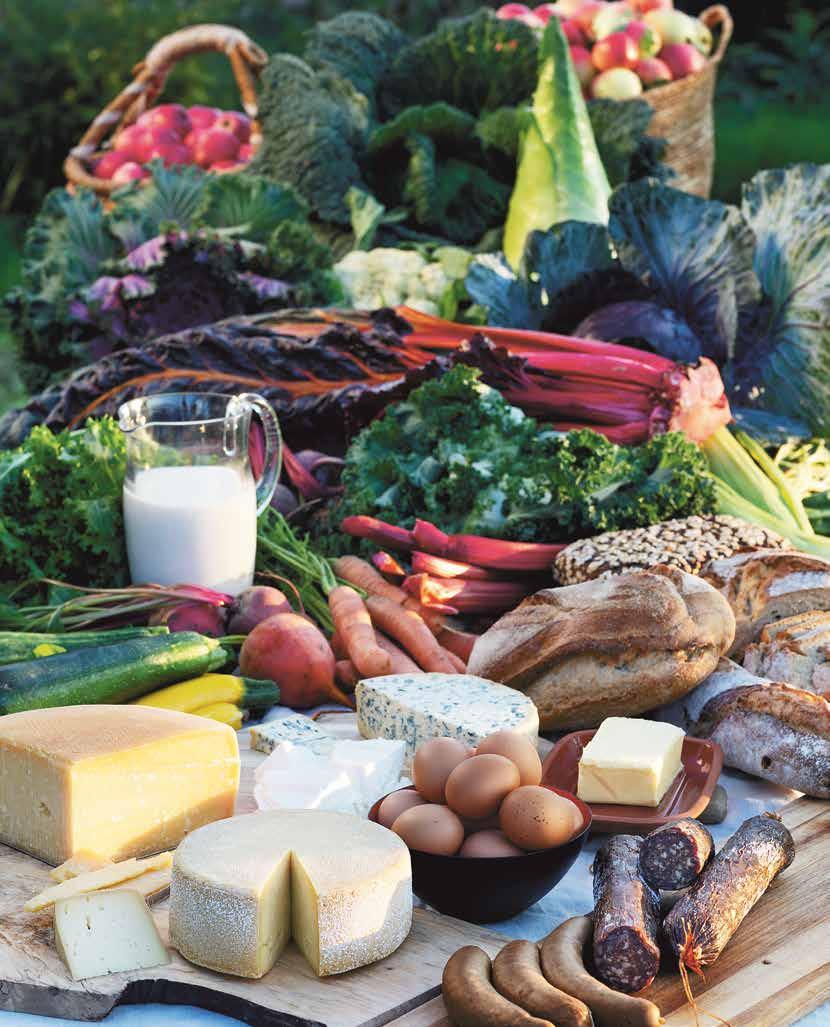
Organic food is produced according to organic rules – all the way from farm to fork – and contributes to animal welfare, the environment and nature.
ORGANIC PRODUCTION is an overall system of farm management and food production that combines best environmental practices, focus on preservation of natural resources, a high level of biodiversity and application of high animal welfare standards.
Organic production is based on four principles: ecology, health, fairness and care. They have been formulated by the International Organic Organisation, IFOAM, and provide the basis for organic producers and their way of thinking and acting. They also form the basis of the laws and rules regulating organic production.
Before products can be sold as organic, organic farms have to go through a conversion period after starting organic plant and/or livestock production. The conversion period takes two years. During this transition period produce from the farm cannot be sold or labelled as organic.
THE IMPACT ON OUR ENVIRONMENT
Organic farmers work to preserve the natural environment, including soil fertility, water resources and biodiversity. The most important agricultural principles are:
● Careful monitoring of the soil’s fertility, what farmers put in and take out of the soil, and how their activities affect its composition.
● Adopting a wide and varied crop rotation to break weed and pest cycles and to allow soil recovery time while supplying useful nutrients.
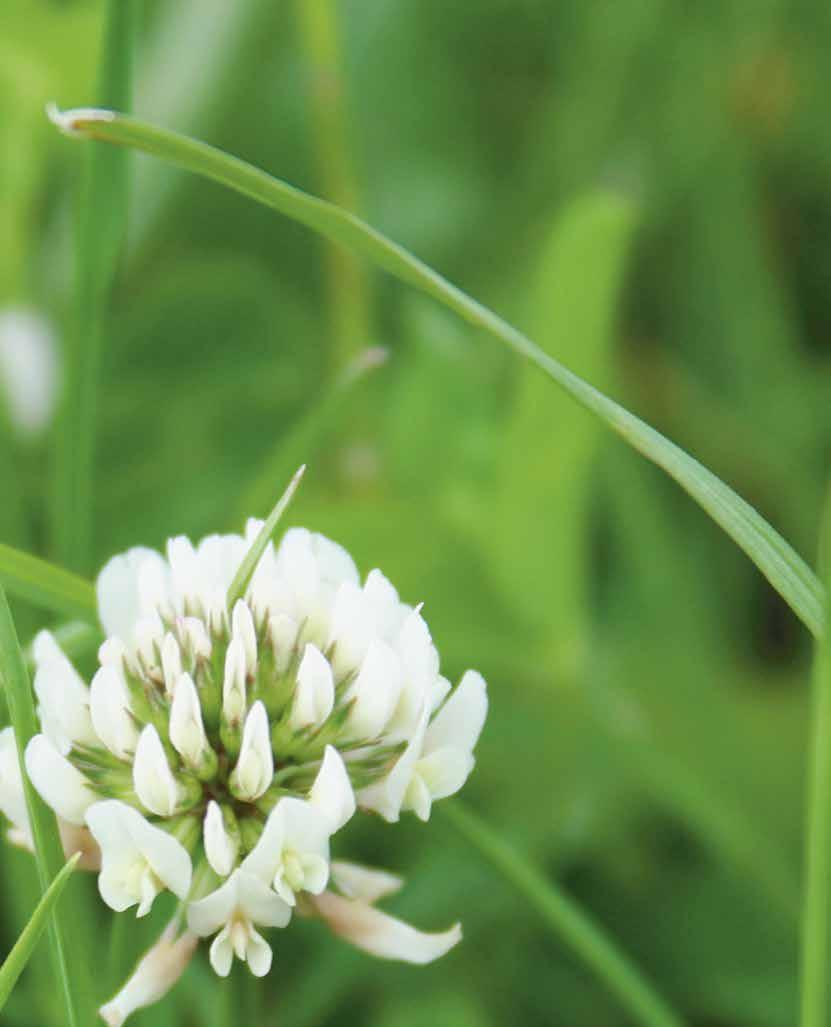
● Nutrients are provided by legumes (via biological nitrogen fixation from the atmosphere) as well as
effective recycling of organic material such as crop residues and livestock manures.
● The primary use of preventive natural methods or mechanical methods to control weeds, diseases and pests.
● Non-use of chemical plant protection or synthetic fertilisers in order to protect the environment as a whole, including lakes, rivers, drinking water, etc.
● Planting of hedges and meadows to prevent soil erosion and nutrient loss.
THE IMPACT ON BIODIVERSITY
Organic farmers preserve and enhance biodiversity as much as they can, i.e. by means of multi-annual crop rotations or by employing mechanical and physical methods of soil cultivation in order to achieve optimum results for soil health structure. Organic cultivation methods provide for more native plants and animals and a higher concentration of micro-organisms and earthworms in the soil.
THE IMPACT ON EMISSIONS
Studies from different universities in Europe have shown that organic agriculture can produce low carbon emissions per hectare of land and consequently may contribute to reducing climate change – even more so if yields in organic farming can be improved. Possible contributing factors include:
● Carbon sequestration in organic matter because organic farming enhances the humus content in the soil.
● Reduced energy consumption through recycling of waste and by-products.
● No use of synthetic fertilisers produced in energyintensive processes.
● Retention of more native and general vegetation.
ANIMAL WELFARE
Animal welfare is an important feature of organic farming. The aim is to provide suitable conditions for natural behaviour. This means that:
● Animals have access to grassland or outdoor areas.
● Animals have ample space in their housing units.
● Animals eat organic feed.
● For cows, the number of animals is balanced with the area of available land.
● Any use of substances to promote growth or the use of hormones or similar substances to control reproduction or for other purposes is prohibited. Synthetic allopathic veterinary medicinal products are not used for preventive treatment.
NON-GMO
Use of genetically modified organisms (GMOs) and products produced from, or by, GMOs is not allowed.
PROCESSING OF ORGANIC FOOD
Only ingredients of natural origin are accepted when processing organic food. Only 53 of the 390 food additives approved in the EU are allowed in organic production. Synthetic flavourings, colorants, sweeteners, GMOs and irradiation are strictly prohibited.
HEALTHY FOOD
Studies comparing the nutritional quality of organic versus conventional products indicate the presence of certain health promoting factors in organic products:
● Organic dairy products and beef contain significantly higher levels of omega-3 fatty acid, linoleic acid and vitamin E.
● Organic fruit and vegetables have a higher level of antioxidants.
FOOD THAT MATTERS
● Organic food is authentic, high-quality and tasty.
● Organic labelling guarantees that all enterprises in the organic sector are regularly inspected by authorities.
● Organic production provides food without synthetic flavourings, colorants and sweeteners.
● Organic fruit and vegetables rarely contain traces of plant protection agents.
● Only a limited number of mostly natural additives are allowed in the processing of organic products.
● Genetically Modified Organisms (GMOs) are prohibited in organic farming and in the further processing of the products.
● Organic farming contributes to a high level of biodiversity and the preservation of species and natural habitats.
● Organic farming enhances soil life and natural soil fertility.
● As chemical plant protection is prohibited, organic farming contributes to the protection of the environment and can be practised in drinking water protected areas.
● Organic farming promotes animal welfare and provides good conditions for natural behaviour. All organic animals have access to outdoor areas.
● Use of antibiotics and other drugs is severely restricted. Organic animals are raised without the use of hormones.
ORGANIC PLANT PRODUCTION
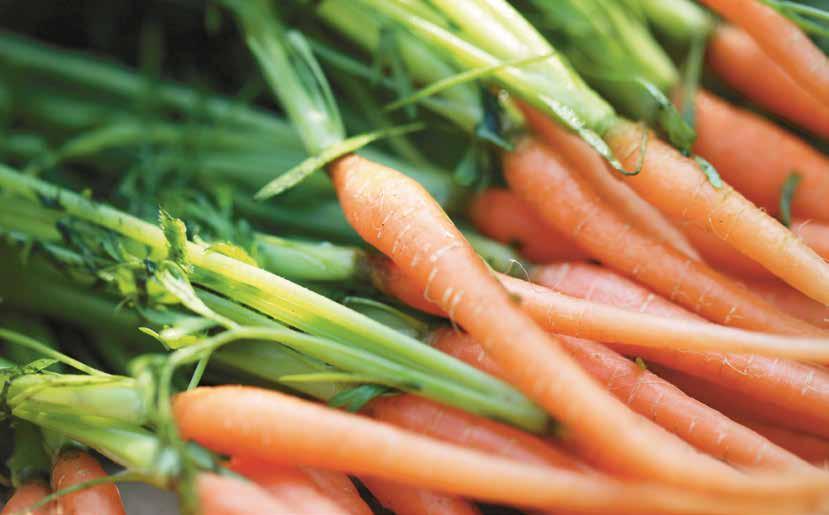
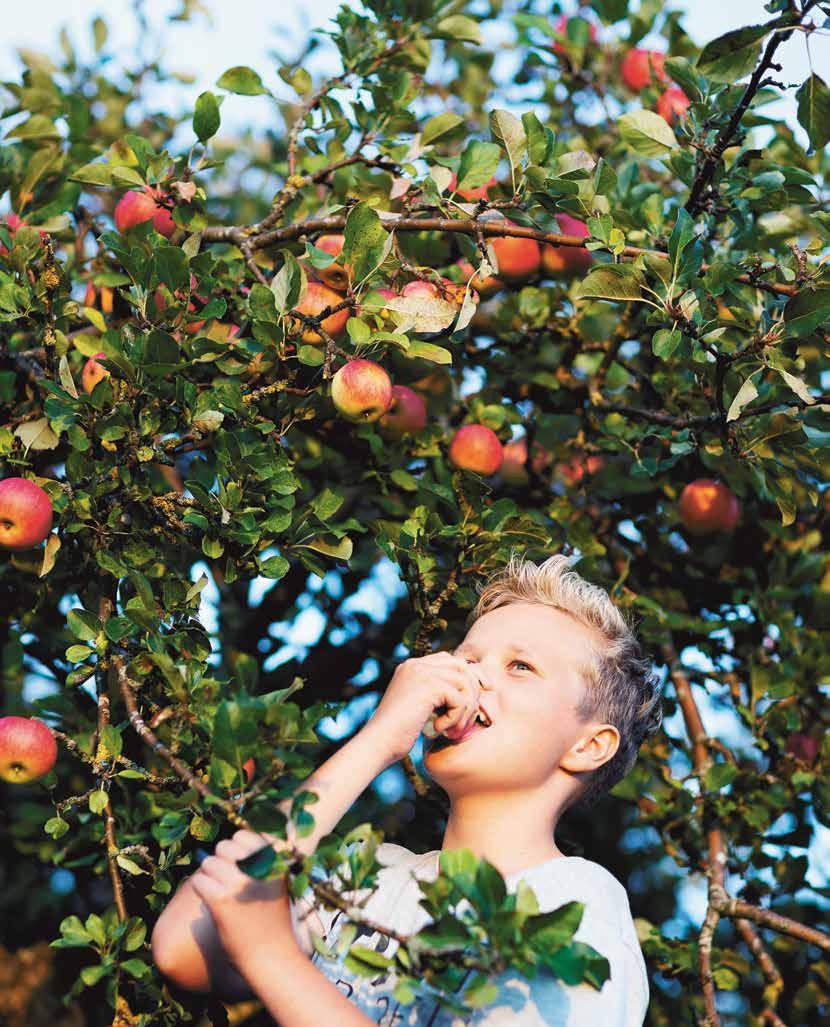
Organic farmers grow different kinds of crops – cereals, legumes, seeds and various fruit and vegetables. Some are sold for human consumption others are used for feeding organically produced animals. Before selling produce as organic, the farmer has to go through a two-year conversion period.
Chemical plant protection or synthetic fertilisers are not allowed in organic farming. Nutrients are provided by legumes as well as effective recycling of organic material such as crop residues and livestock manures. A varied crop rotation is used to keep the soil fertile and to
break weed and pest cycles. Mechanical methods are used to prevent weeds. Modern technology involving robots, camera technology and drones helps farmers identify weeds. Focus is on creating a healthy and fertile soil for crops while protecting the environment, biodiversity and natural resources.
The yield from organic plant production is typically 10–30 per cent lower compared to conventional plant production. This is one of the reasons why organic products are more expensive. ●
ORGANIC BEEF AND MILK PRODUCTION
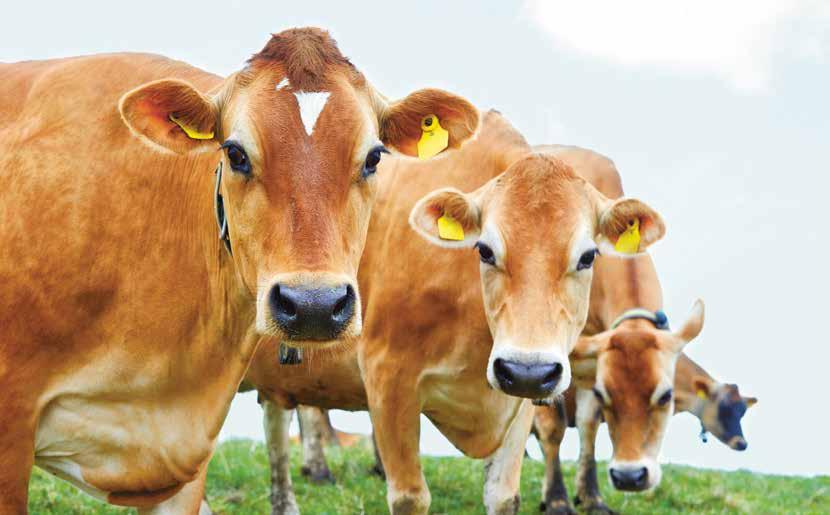
In organic husbandry it is crucial that the animals are able to express their natural behaviour.
Organic cattle must have access to pasture from 15th April to 1st November.
During the winter, cattle must have access to a winter-housing system that provides freedom of movement. Feed must be 100 per cent organic, most of it must be in the form of roughage and come from the farm’s own pastures.
When the cow has calved, she must remain with her calf for at least 24 hours
after birth. The calf must then be given the opportunity to satisfy its need to suckle during the lactation period, which is 3 months, possibly with the use of a dummy teat in the calf pen.
If an organic cow is treated with veterinary medicine because of illness, the withdrawal period (the period where the milk must not be sold to the dairy) is twice as long as the non-organic withdrawal period. The precise length of the withdrawal period depends on the type of veterinary medicine prescribed. ●
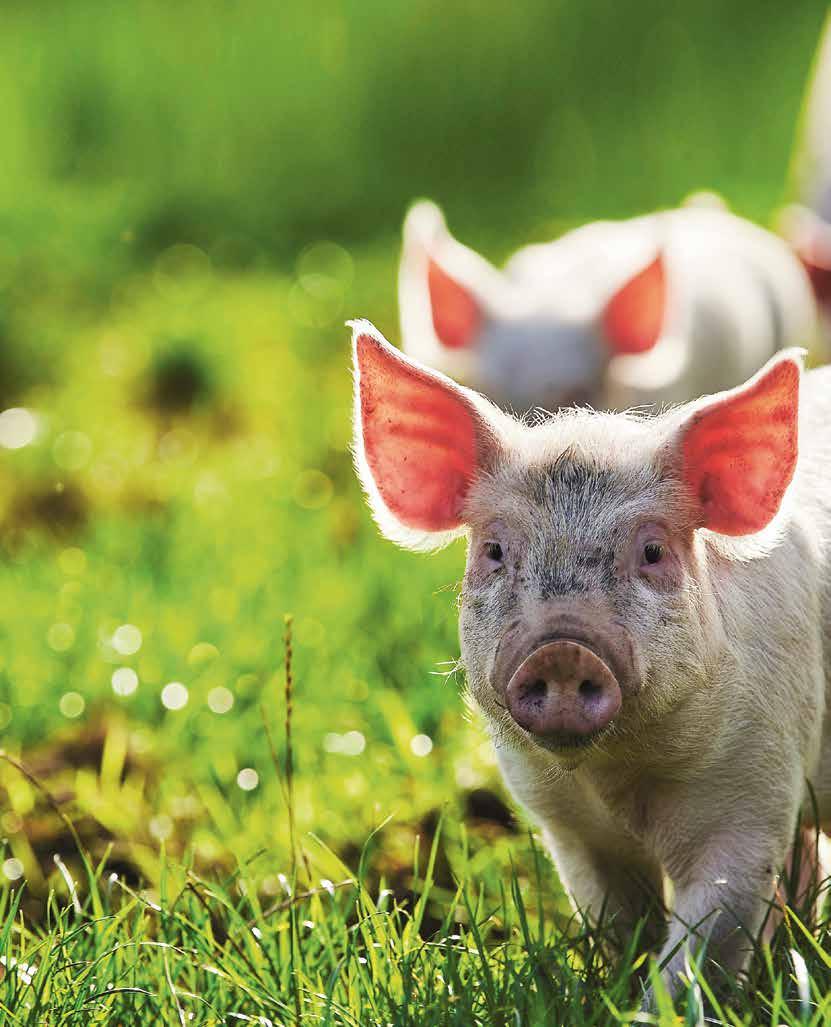
ORGANIC PIG PRODUCTION
In Denmark, an organic sow must farrow in an outdoor farrowing hut with access to pasture. The sow builds a comfortable nest and remains with her piglets until they are weaned when they are at least 7 weeks old. The sow must be able to wallow in mud since it is part of her natural behaviour to root in the soil and roll in water and mud to cool her body when hot.
When pigs are reared in a pen, they must have access to an outdoor run. The pen must provide sufficient space and plenty of straw for rooting.
In Denmark, organic pigs must be fed 100 per cent organic feed, including roughage, which benefits the pig’s digestion.
If an organic pig has been treated with medicine more than once, it can no longer be sold as organic. Tail docking is not allowed in organic pig production. ●
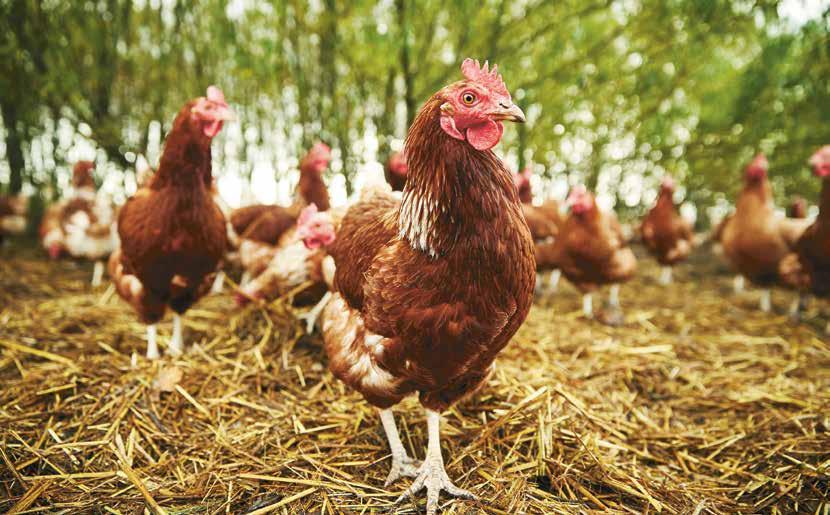
Organic hens and broilers must have sufficient space both indoors and outdoors so that they can express their natural behaviour.
The maximum indoor stocking density for hens is six hens per m2 and for broilers ten boilers per m2. The buildings must have natural daylight, and a resting period of at least eight hours without light is required. Hens must have access to perches and all hens or broilers must have access to areas for dust bathing and scratching.
The outdoor areas must be covered with vegetation – including grass, trees and bushes. At the same time, the vegetation absorbs the nutrients from the bird droppings. The mini-
mum outdoor stocking density is four m2 per hen/broiler.
Hens and broilers must be fed with organic feed, which must contain roughage such as fresh vegetables, silage or fruit and vegetable leftovers.
The production of poultry for slaughter must be based on slow-growing breeds. This means that a Danish organic broiler is about 57-60 days old before it reaches its slaughtering weight of 2,200 g. It usually takes 35-38 days for a non-organic broiler to reach the same weight.
Beak trimming is not allowed in the production of organic hens, broilers, ducks etc. ●
Processing organic food
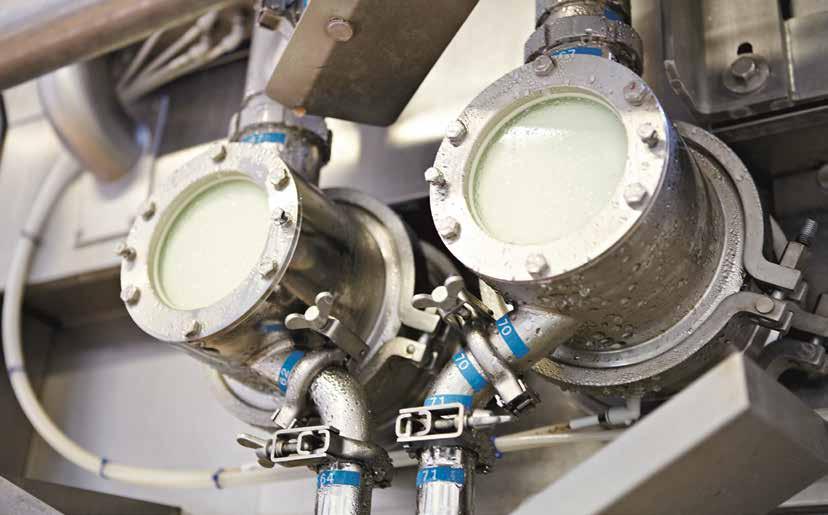
The organic way of thinking follows the raw materials from farm to processing. The principles of care, health and ecology reflect the rules for processing organic food.
The processing of organic products involves a gentle process, with the minimum of additives. Only 53 of the 390 additives listed by the EU are allowed in the processing of organic food. Synthetic colorant, sweeteners and flavourings are not permitted. Only natural ingredients are accepted. GMOs and irradiation are prohibited and, according to Danish regulations, the additive nitrite is not permitted in organic production in Denmark.
Organic food must be treated as gently as possible in order to produce a natural and healthy product. This is the reason why organic milk is not homogenised. ●
Confidence and credibility through regulations and control
Consumers across the world have great confidence in Danish organic food. This is largely attributable to the many rules and regulations that govern all aspects of food production in Denmark and which are monitored by meticulous government control.
FOR
MANY YEARS,
Denmark has been one of the world’s leading food nations and is, therefore, strongly focused on food safety and traceability. For decades, the main priority has been to produce healthy and safe food for the global population.
WORLD’S FIRST ORGANIC LEGISLATION
Denmark introduced organic legislation in 1987 and was thus the first country in the world to introduce regulations for organic production. These regulations build on general Danish agricultural and food legislation. This means that, in addition to complying with organic regulations, organic farmers and feed companies also comply with all the other rules and regulations pertaining to the environment, nature, animal welfare, traceability, hygiene, food safety, etc. in food production.
Danish organic food is produced in accordance with the EU’s organic regulations. In addition, Denmark has a number of stringent conditions that go beyond the EU’s regulations. According to Danish regulations, for example, it is not permitted to use copper in organic fruit growing. Nor is it permitted to use nitrite in the processing of organic products. Moreover, we require significantly more planting at organic chicken farms than stipulated under EU regulations.
ORGANIC CONTROL FROM FARM TO FORK
Denmark was also the first country in the world to
establish government organic control. This was in 1987 and is still the consumers’ guarantee that all stakeholders from farm to fork comply with organic regulations.
Government inspectors from the Ministry of Environment and Food verify that organic production is conducted in accordance with the regulations. All organic farms, suppliers and organic food companies are inspected by government inspectors at least once a year.
By conducting physical inspections of the farm or company, inspectors ensure that organic regulations are complied with. In addition to the regular annual inspection visits, a number of farms and companies are selected on an annual basis for random inspections.
FURTHER DEVELOPMENT
Organic food production is not of a static size. In Denmark, the organic sector has focused on consistently developing and improving organic production as consumers become increasingly demanding and new knowledge and technology offer new possibilities.
Organic organisations have, therefore, put together a range of recommendations for organic cattle and pig production, which exceed those required by the EU. This is because we want a continued dynamic development of organic production with a view to rais-
ing standards within animal welfare, the environment, climate and ethics in organic production. Both farmers and companies support the voluntary, additional organic regulations and produce accordingly.
Random cross-checks are also carried out at food companies. These ensure that the company’s own information with regard to the purchase of organic raw materials is consistent with the suppliers’ reports on how much they have sold to the company concerned.
Organic farmers and companies welcome organic inspections. Efficient inspections from farm to fork help to reinforce the credibility of organic production and ensure consumer confidence in organic products.
LABELS – THE CONSUMER’S GUIDE TO ORGANIC FOOD
In the EU, member states’ organic farming has been protected by Council Regulation (EC) No. 834/2007 on organic production and labelling of organic products and Commission Regulation(EC) No. 889/2008 laying down detailed rules for the implementation of the Council’s Regulation. A new revised regulation will come into force from 2021.
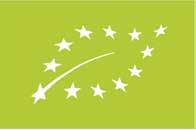
The rules include mandatory use of the EU organic logo on pre-packed organic products produced in any of the EU member states, which meet the necessary standards. The EU organic logo can be accompanied by national or private organic logos.
Processed products where 95 per cent or more of the ingredients are from organic farming may carry the organic logo and make reference to organic farming in their sales description. Products that bear any reference to organic farming always include an identification number of the inspection authority/body.
THE EU ORGANIC LOGO AND THE DANISH LOGO
Organic products sold in Denmark today are often labelled with both the green ‘EU-leaf’ logo and the Danish national logo.
The Danish national logo was created in 1989 and indicates that the product is grown and processed according to the organic rules laid down by the EU and controlled by the state. Almost all Danish consumers (98 per cent) are familiar with the national label. The organic logos and labelling system provide the basis for maintaining confidence in organic food. ●
In Denmark, organic food is easily identified by the red Ø label. The Ø label indicates that the Danish authorities have ensured compliance with organic regulations throughout the entire food chain – from farm to fork.
Almost all Danes (98 per cent) are familiar with the Ø label and have great confidence in it.
UNDERSTANDING THE EU ORGANIC LOGO
The EU organic logo is accompanied by two lines of text indicating: DK-ØKO-1001 EU Agriculture2
1 An identification number indicating the national authority/body controlling the organic status of the goods, e.g. DK-ØKO-XXX (Denmark) DE-ÖKO-XXX (Germany)
2 The origin of the agricultural goods:
● EU AGRICULTURE – the agricultural product has been farmed in the EU
● NON-EU AGRICULTURE – the agricultural product has been farmed in third countries
● EU/NON-EU AGRICULTURE – some of the agricultural product has been farmed in the EU and some of it has been farmed in a third country
•• We arrive at a time when we know production is in full swing
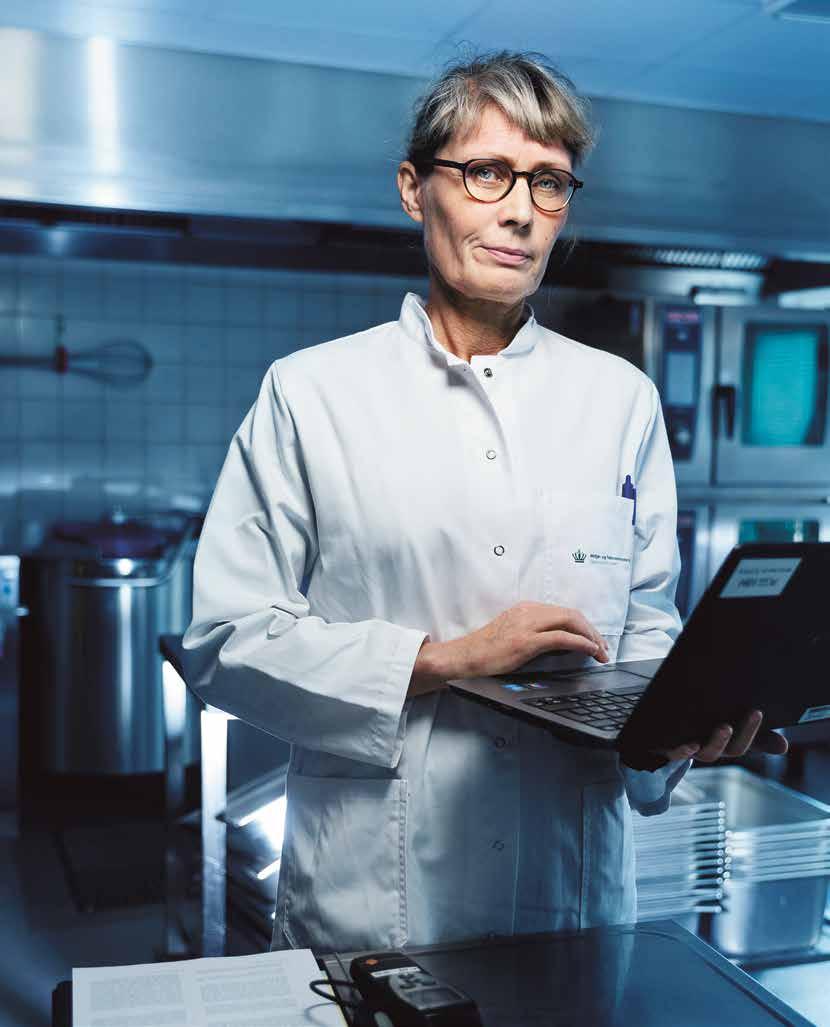
Lone B. Pedersen is an organic inspector for the Danish government. She checks that companies that producing organic food products comply with all the regulations. All organic companies receive an unannounced inspection visit at least once a year.
“We arrive at a time when we know production is in full swing so that we get an accurate picture of reality,” says Lone.
As an inspector, Lone begins by checking the company’s authorisation and their own controls of raw material intake, production conditions, packing, labelling and
marketing. She then moves on to production.
“I check how production is being carried out, whether procedures are good enough and whether production meets all the organic regulations,” says Lone.
One important tool in organic inspections is balancing the accounts, i.e. whether the incoming quantities match the outgoing quantities. Any discrepancy must be explained.
“We also guide companies in the new organic regulations and on the methods to handle them. The companies welcome our visits and we help to protect the integrity of organic production.” ●
AN ORGANIC INSPECTOR AT WORK
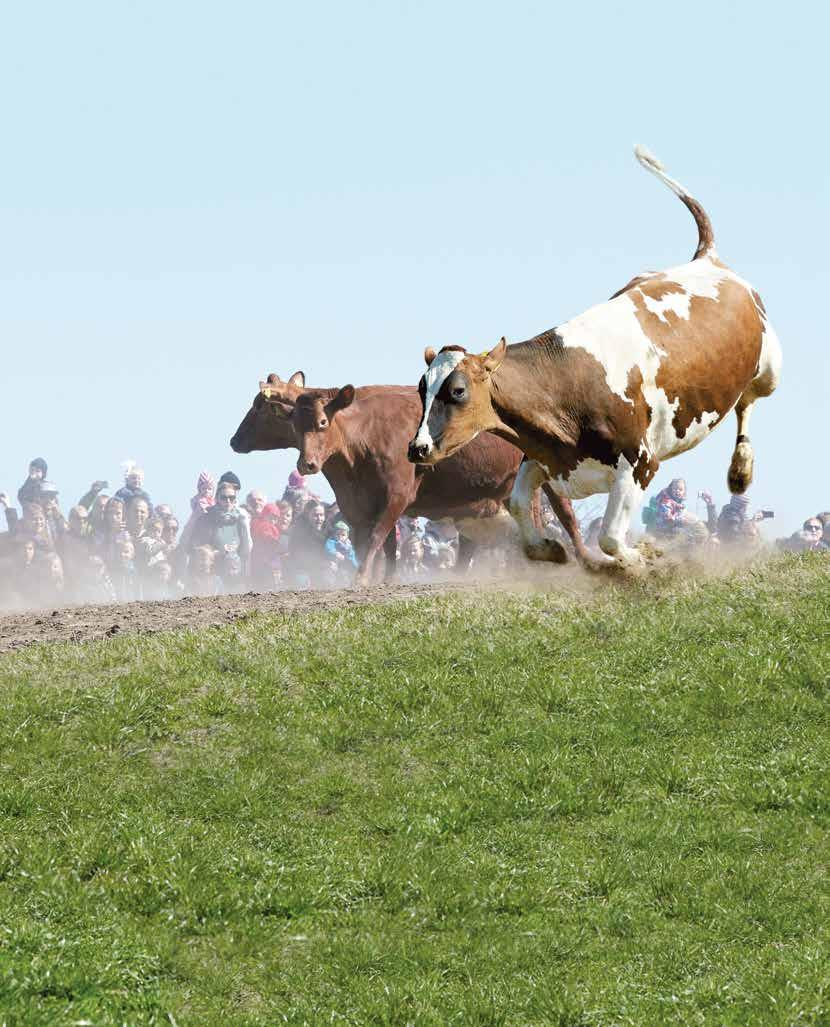
•• More than 230,000 Danes take a trip to the countryside on Organic Day to see organic dairy cows “dance” when they are released on to the fresh spring grass after a long winter indoors.
paving the way to success – cooperation, policy and research
The story behind Denmark’s success as a world leader in organic sales, and effective organic food policy, is a story of high ambitions for organic production, and a story of cooperation.
UNIQUE
INTERACTION between organic market development and broad involvement in organic policy development are the key factors that have paved the way for organic growth. Unusual in their broad scope, Danish political initiatives have been the catalyst for strong market growth and the dynamic development of organic farming. These, in turn, have provided society and consumers with added value in terms of improved animal welfare, climate, nature and green growth.
CLOSE COLLABORATION ON ORGANIC MARKET DEVELOPMENT
Since the 1980s, visitors to Denmark have been surprised by the success of organic sales in Danish supermarkets. Behind this success is a unique collaboration between Danish supermarket chains and Organic Denmark. Organic Denmark works closely at strategic level with all supermarkets in Denmark and supports them in their expansion of organic product lines. As a result, organic products are more visible in stores and communication to consumers about the benefits of organic production is improved. This important collaboration is a key driver behind organic sales growth in Denmark.
Courses and seminars are held to support small organic companies in their collaboration with the retail and food service sectors. Companies can also get advice on product development, etc.
MOTIVATING CONSUMERS
Why is it that 80 per cent of Danes purchase organic products, with over half buying organic food every week? Consumer awareness initiatives have achieved a 98 per cent recognition rate of the Danish organic logo – the red Ø – and a high level of trust in organic food. Over 5 per cent of the Danish population visit an organic farm every year and experience at close hand the value of organic farming for animals and the environment. On “Organic Day”, organic dairy farms nationwide invite the public to see organic dairy cows being released on to the fresh spring grass after a long winter indoors. And every year, the Danish public are invited to organic pig farms and to celebrate the harvest at organic harvest markets all over the country.
COOPERATION WITH THE DANISH FOOD SECTOR IN GENERAL
Development of organic farming in Denmark has also benefitted from broad collaboration with the entire Danish food sector and the early engagement of the Danish Agriculture & Food Council. This collaboration extends to the establishment of advisory services, the dissemination of new knowledge to organic farmers and the development of organic food policy. Organic farming has become a natural part of Danish agriculture, creating open dialogue, acceptance and interest in both organic farming practices and conversion to organic farming. ●
Policy development
When it comes to organic policy, Denmark is a country of firsts.
Danish organic policy is a catalyst for organic innovation and growth.
DENMARK WAS THE FIRST COUNTRY to introduce an organic label, organic rules and public inspections. It was also the first nation to draw up an Organic Action Plan in 1995. Innovative political policy has been a driving force for new knowledge, new markets and development of the organic sector in Denmark.
INVOLVEMENT OF MANY STAKEHOLDERS
Visitors to Denmark are often struck not only by the degree of involvement between organic farmers and food companies but also by the interaction between consumers, the labour market and environmental and farm organisations in the creation of organic food policy in Denmark. The political support for organic farming across the spectrum of political parties and changing governments has also attracted international attention. In the Organic Food Advisory Council to the Minister of Environment and Food, these organisations meet and discuss initiatives for the development of the organic sector.
PUSH AND PULL STRATEGY
Danish organic policy stimulates both a “pull” from the market through supporting consumer awareness campaigns, the marketing of the organic sector and public procurement of organics while also supporting a “push” effect through supporting farm conversion, farmer training, and the development of new organic farm practices that improve quality, yields, animal welfare and climate performance. Policies, such as innovative on-farm research and free conversion plans for farmers, are supported by the Fund for Organic Agriculture.
A TOOL IN BROAD NATIONAL POLICIES
One of the unique features of Danish organic policy has been the concept of embedding – the active use of organic farming as a tool in broad national policies for the protection of nature, drinking water supply, climate, green growth, and rural development. At local level, cities and counties have used organic conversion to protect nature and drinking water resources.
60 PER CENT ORGANIC IN PUBLIC SECTOR KITCHENS
The power of ambitious organic policy, combined with the mobilisation of the organic sector, is nowhere more striking than in the trailblazing Danish initiatives for more organic food in public sector kitchens. A political goal of 60 per cent organic in all public sector kitchens, a Danish organic cuisine label for 30, 60 and 90 per cent organic, and an allocation of more than EUR 15 million for training are among the organic-promoting initiatives in public sector kitchens.
DANISH ORGANIC POLICY WORKS: UN AWARD FOR DENMARK
In 2018, Denmark received the UN’s Future Policy Award for effective and innovative organic policy. Joelle Katte-Andrighetto, Organic Policy Manager at the global organic association, IFOAM, commented:
• • Danish organic policy is both creative, effective and ambitious. An example for others to follow, especially efforts to bring organic food into public sector kitchens, and support for research and market development. It is clear that an active organic policy has helped make Denmark a world leading organic nation. ●
organic research
The development of organic production is based on knowledge and innovation. More than 20 years of targetted research into organic farming and food production has contributed to the success of organic production in Denmark – and the research work continues.
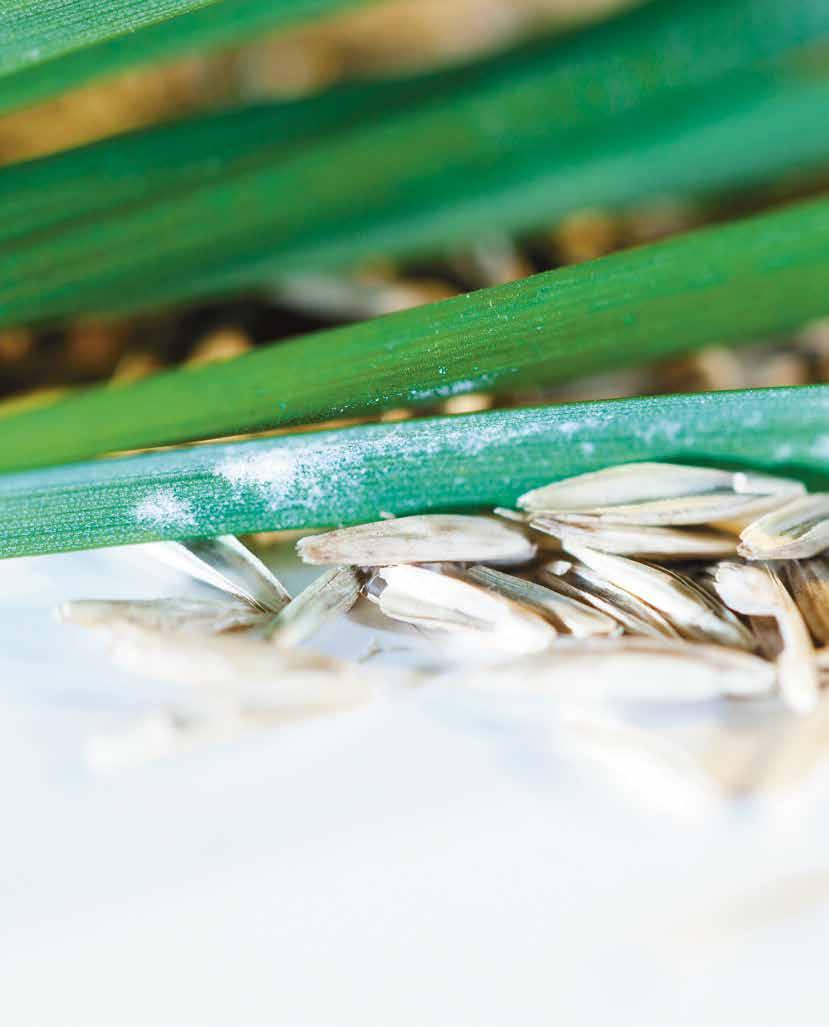
IN THE WAKE of the first Organic Action Plan of 1995, the Danish Ministry of Environment and Food initiated the first national research programme in organic farming and food production in 1996. This was a four-year programme which included 11 Danish research institutions. A number of successful research programmes were launched, and Denmark gained an international reputation as one of the leading countries in organic farming. We also founded the forerunner to ICROFS - the International Centre for Research into Organic Farming and Food Systems. The course was thus set for a strong research tradition in organic farming and food systems.
RESEARCH TOPICS
Organic research supports the development of new solutions and new knowledge throughout the supply chain, from farm to fork. New knowledge that can move the Danish organic sector towards ever greater sustainability, more climate-friendly production, increased productivity and a sound economic position. Research topics include:
● How to achieve increased yields from Danish organic crop production;
● How to extract protein from clover grass, which can be used for pig and poultry feed, and produce biogas from the residual product;
● How to increase carbon bonding in the soil to benefit the climate;
● How to increase animal welfare in animal production.
STAKEHOLDER-DRIVEN RESEARCH
A particular characteristic of organic research is that it is stakeholder-driven. Scientists, practitioners, advisers and other professionals work together to develop new solutions and opportunities that are practical and strengthen organic production. This helps to ensure a short pathway from new knowledge to practical implementation on farms and at companies.
RESEARCH ON THE POLITICAL AGENDA
The industry’s organisations work with ICROFS to continually promote organic research and development on the political agenda. It is important that funds are regularly allocated specifically for research into the special challenges of the organic sector in order that it can continue to develop and contribute to the social good.
KNOWLEDGE FOR ALL
Knowledge sharing is important. Consequently, conferences and seminars are organised, which present the latest knowledge to the sector’s stakeholders. Under the auspices of ICROFS, an international article database, Organic Eprints, has been established, which is the largest open online archive of organic agriculture and food. The archive comprises more than 20,000 publications from across the world. ●
the organic market
The organic market
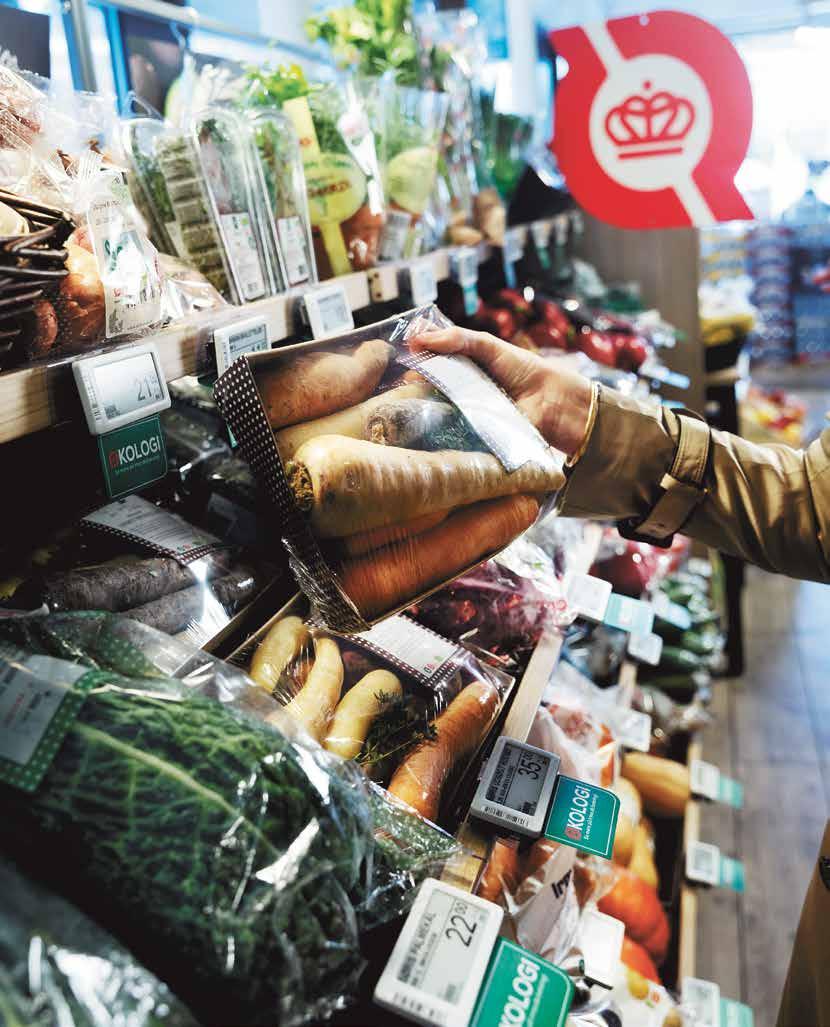
Danish consumers are world champions at organic consumption. Denmark has the largest market share for organic food compared to any other country in the world and consumption is growing year by year.
MORE THAN 13 PER CENT of the Danes’ grocery purchases are organic and in public sector kitchens, e.g. hotels and restaurants, canteens, institutions and hospitals, consumption of organic food is rising rapidly. Denmark is thus the country in the world where organic food has the largest market share.
REASONS FOR BUYING ORGANIC
When Danes are asked why they buy organic food, the reasons they give are health-based coupled with a wish to contribute to a better environment and higher animal welfare standards.
WHERE DO THE DANES BUY ORGANIC PRODUCTS?
The majority of organic sales – around 80 per cent – take place through the retail sector and online trading. Online trading is becoming increasingly popular when it comes to basic commodities. There is a particular interest in meal boxes, which provide consumers with the raw materials and recipes for their main meal of the day. This is a popular solution for busy families. Almost 15 per cent of organic food is sold via the food
MAIN REASONS FOR
service sector, which is seeing high growth. Sales to restaurants, hotels and public sector kitchens have increased by 20 per cent. Sales from markets and farm shops, therefore, account for only a small percentage of total organic sales.
WHAT DO THE DANES BUY?
There is growth in all organic product categories in Denmark. Organic oatmeal accounts for the largest market share at 52 per cent. Next come carrots at 42 per cent, eggs at 33 per cent and milk at 32 per cent. Consumption of organic meat, however, lags some way behind. Drinks such as fruit juice, squash, beer and wine are a fast-growing category. (Source: GFK Consumerscan 2017)
Surveys from Aarhus University show that once consumers start buying an organic product category, more products follow in line with a certain pattern, i.e. consumers first buy basic products such as milk, eggs and vegetables in organic versions before moving on to luxury items such as organic wine, beer, chocolate, icecream and cakes. ●
THE ‘ORGANIC STAIRS’ IN DENMARK
Source:
Source: Coop
Consumers of organic products typically begin by buying basic foods such as milk, eggs and vegetables before moving on to other product groups.
organic products for consumers across the world
Denmark is internationally known as a country that produces high quality food products and where food safety is of the highest standard.
DANISH COMPANIES have traditionally focused on food safety, which is why many countries, are keen to import Danish food products. In addition, Danish food products are characterised by consistently high quality. There are no quality differences from one delivery to the next.
GREAT CONFIDENCE IN DANISH PRODUCTS
In addition, Denmark is recognised as having a unique organic control system. Organic inspection and the issuing of organic certificates are carried out by inspectors who are employed by the Danish government and are completely independent of organic farmers and companies. Consequently, confidence in organic food is very high
both among Danish consumers and in foreign markets. Confidence in Danish organic food is also a key reason why Danes buy the most organic food in the world.
DOUBLING OF EXPORTS
A high standard of food safety, healthy quality food and a unique organic control system are the main reasons why exports of organic food products have increased year on year. Over the past five years, organic exports have doubled to almost EUR 400 million. Danish companies export to near markets such as Germany, Sweden and France and to distant markets in Asia, the Middle East and US. The three largest export markets in 2017 were Germany, Sweden and China respectively.
Denmark has many livestock production companies – large and small – that are committed to organic production and to export. It is therefore not surprising that the largest export products are dairy products – fresh milk, cheese, butter and powdered milk – and pork. Danish companies are also well positioned to supply eggs and poultry as well as vegetable products such as feedstuffs, vegetables, groceries and drinks.
IMPORTS
Source: Statistics Denmark
Denmark has a large consumption of organic food and consequently imports significant quantities. The most significant imports are fruit and vegetables because, for climatic reasons, there is a substantial amount of fruit and vegetables that cannot be grown in Denmark. Among other things, there are large imports of organic fruits such as bananas, oranges, lemons, etc. Coffee, tea, chocolate and wine are other important imports that cannot be produced in Denmark. Grain and feedstuffs are also imported, some of which are re-exported to other near markets. Organic imports are of a slightly higher value compared to exports.
DANISH EXPORTS OF ORGANIC FOOD
Organics in the retail sector
Over 25 years of development in the organic sector has created a diverse range of organic food products in Danish stores and turned the Danes into world champions at organic consumption.
TODAY ALL PRODUCT GROUPS exist in one or more organic versions. Sales of organic products have increased in the retail sector year by year. Organic sales in the retail sector have a market share of around 14 per cent and sales are expected to continue to increase by 10-15 per cent over the coming years. Supermarket chains – from discounters to high-end stores – have embraced organics and each, in their own way, have helped to market organics to Danish consumers. Showcasing organics has become a deliberate part of most Danish supermarkets’ branding strategy. Besides assigning organic food products a central position in Danish stores, supermarkets have also used organics as a parameter for attracting consumers with particularly strong purchasing power, including families with children.
EXAMPLES FROM DANISH SUPERMARKETS
The consumer-owned supermarket chain, Coop, which was the first to list organic products in stores in 1981, rolled out a campaign in 2016 to boost sales of organic products as part of their responsibility strategy. They lowered prices, increased the number of products on offer and put organics on their agenda. This not only
resulted in increased sales of Coop organic products, but also led to even greater focus from competing retail chains in terms of strengthening their own marketing of organic products.
Under the slogan – everyone should be able to afford to buy organic – on streamers, carrier bags and lorries - the discount chain, Netto, has made organics accessible to everyone. Moreover, with the development of their own organic label “ØGO”, Netto has increased their lead as Denmark’s largest retail chain in sales of organic products.
At the high-end supermarket, Irma, 28 per cent of everything they sell is organic and they have opened a supermarket in Copenhagen specialising in organic products. The supermarket chain, Rema1000, has acquired a share of the organic estate, Gram Slot, and embarked on a partnership whereby the estate supplies organic dairy products, oatmeal, potatoes, onions, flour, etc. to Rema1000’s 300 plus stores.
Other supermarkets are involved in organics, too. In recent years, Føtex has actively promoted organics and, as well as launching a membership card, ØKO+, has raised the bar by aiming to have 2,000 organic products in their range by 2020. ●
organics and out-of-home consumption
With annual growth rates of 20 per cent, there has been a significant development in sales of organic food to the food service sector over the past ten years.
Organics has a market share of almost 10 per cent in the food service sector, with growth expected to continue.
PUBLIC SECTOR KITCHENS
and private canteens have been the drivers behind the development of the food service sector. Organic products have now begun to feature on the menus of hotels and restaurants. In fact, the hotel and catering industry currently accounts for half the organic consumption in the food service sector.
POLITICAL VISIONS AND ACTION PLANS
The success of organics in the food service sector is largely due to the close interaction between a visionary organic policy and the allocation of funding for training and information activities in the sector.
2012 saw the launch of the Organic Action Plan 2020: a plan that set clear goals – not requirements – for the development of the organic sector. The aim was for public sector kitchens to become 60 per cent organic. Funds were allocated to help kitchens with the transition and to train kitchen professionals in the buying of organic products without blowing budgets. The emphasis on training has led to more focus on seasonal vegetables, cooking from scratch instead of using semi-finished products, less meat and reduced food waste.
MOBILISING THE WHOLESALERS
Focus was also put on supplying organic food products via wholesalers to facilitate the ordering of organic products by public sector kitchens. Initially, it was a challenge to get wholesalers to take an all-round organic product offering as they were concerned whether there would be enough demand. Information activities targetted at wholesalers have, however, succeeded in creating a balance, and the leading Danish wholesalers now have a well-assorted range of organics in all product groups.
THE ORGANIC CUISINE LABEL
An organic option should be available to Danish consumers when eating out – whether in a public or private setting. In 2009, the Danish Veterinary and Food Administration launched the Organic Cuisine Label, which shows the percentage of organic products used by public sector kitchens. The Organic Cuisine label comes in Gold (90100% organic), in Silver (60-90% organic) and in Bronze (30-60% organic). ●
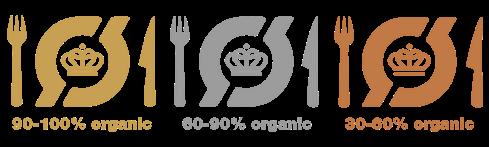
More than 2,500 kitchens in Denmark have been awarded the Organic Cuisine label, and the number is growing month by month.
The breakdown is as follows: 16% Gold, 39 % Silver and 45 % Bronze.
HOSPITAL SERVES
90-100 PER CENT ORGANIC FOOD
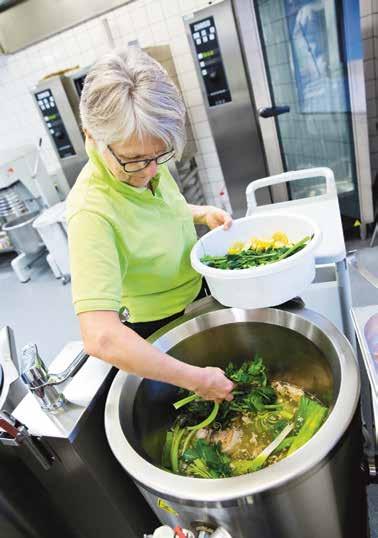
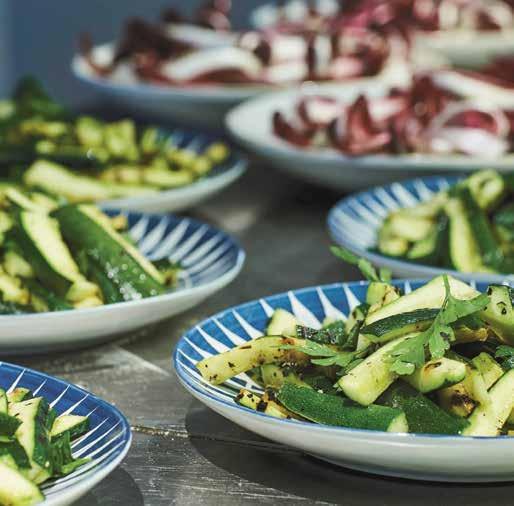
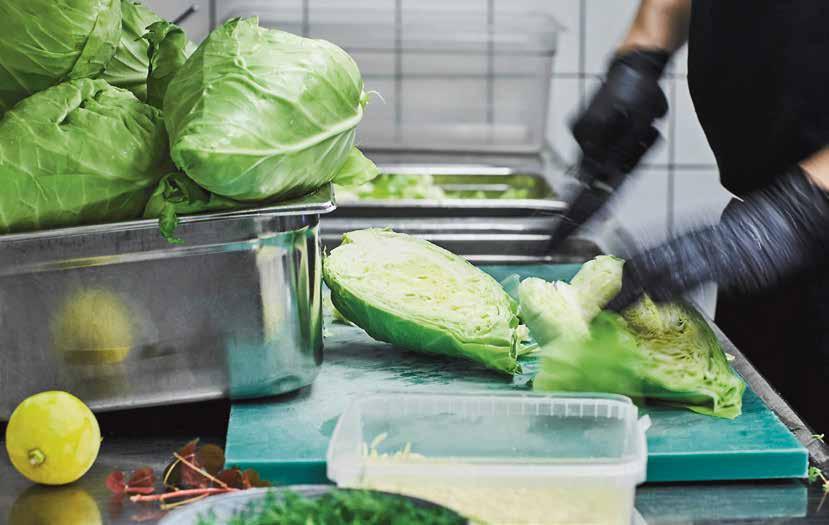
In the kitchens of Randers Hospital, efforts have been underway since 2009 to convert to organic. In 2016, the kitchens, which cater for the hospital’s patients, achieved the Organic Cuisine label in Gold as the first and only hospital in Denmark to do so. The recipe for success is based, among other things, on seasonal raw materials, less food waste, reduced meat consumption and more beans and lentils as well as the phasing out of semi-finished products. The upshot is that patients are now served healthy organic food from scratch. The initiative has also resulted in greater job satisfaction among kitchen staff. All this has been achieved within the same budget framework.
COPENHAGEN – THE ORGANIC CAPITAL
The City of Copenhagen aims to provide 90 per cent organic products in public sector kitchens and for municipal kitchens to be certified according to the Organic Cuisine label. The initiative was introduced ten years ago by a far-sighted mayor who was passionate about organic products. The municipality is close to achieving its target of 90 per cent organic. The next objective is for all kitchens to receive the Organic Cuisine label before 2020. So far, 139 out of 800 kitchens have received the accolade. Training of, and advice to, kitchen professionals have paved the way for the success of organic products in Denmark’s capital and have enhanced the quality of meals provided at public institutions.
Gastronomy and organic production
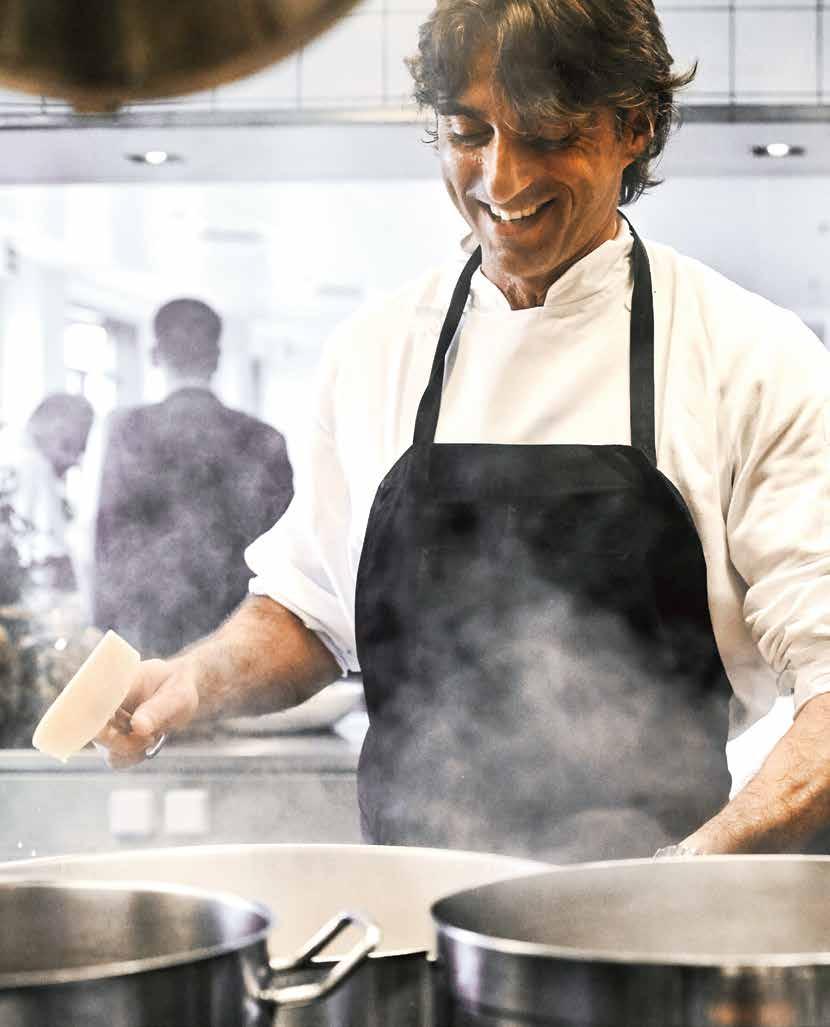
Over the past 15 years, New Nordic Cuisine has introduced new gastronomic standards into Denmark. Organic food plays an important role in Denmark’s culinary journey towards international recognition.
DENMARK HAS UNDERGONE a gastronomic revolution over the past 15 years, which has put the country on the world map of gastronomy.
NEW NORDIC CUISINE
It all began in 2004 with the New Nordic Cuisine manifesto when a group of ambitious chefs joined forces to create a new Nordic food culture.
New Nordic Cuisine uses natural, locally sourced and seasonal raw materials in an innovative and creative way.
New Nordic Cuisine ushered in a new era for Danish gastronomy. Its manifesto has spread throughout the Danish culinary world where ambitious chefs are creating new and exciting dishes based on the New Nordic Cuisine philosophy.
MICHELIN STARS
The strong culinary ambitions of Danish chefs have been rewarded. The number of Danish restaurants that have been honoured with highly coveted Michelin stars has grown significantly. Indeed, the number of Michelin stars awarded to Danish restaurants grew from 12 in 2010 to 31 in 2018.
Simplicity, naturalness, innovation, organic production, the use of seasonal, locally sourced raw materials coupled with a low level of processing characterise New Nordic Cuisine.
ORGANIC PRODUCERS
SUPPLY THE RAW MATERIALS
Danish organic raw materials play a key role in the success of New Nordic Cuisine because the basic principles of organic production – purity, animal welfare and sustainability – go hand in hand with the aspirations of New Nordic Cuisine.
A survey from 2017 from the Danish Agriculture & Food Council shows that a large majority of the farmers who supply raw materials to Denmark’s Michelinstarred restaurants are organic producers. Based on these special raw materials, Danish star chefs succeed in conjuring up unique taste experiences that are well worth seeking out. ●
•• New Nordic Cuisine uses natural, locally sourced and seasonal raw materials in an innovative and creative way.
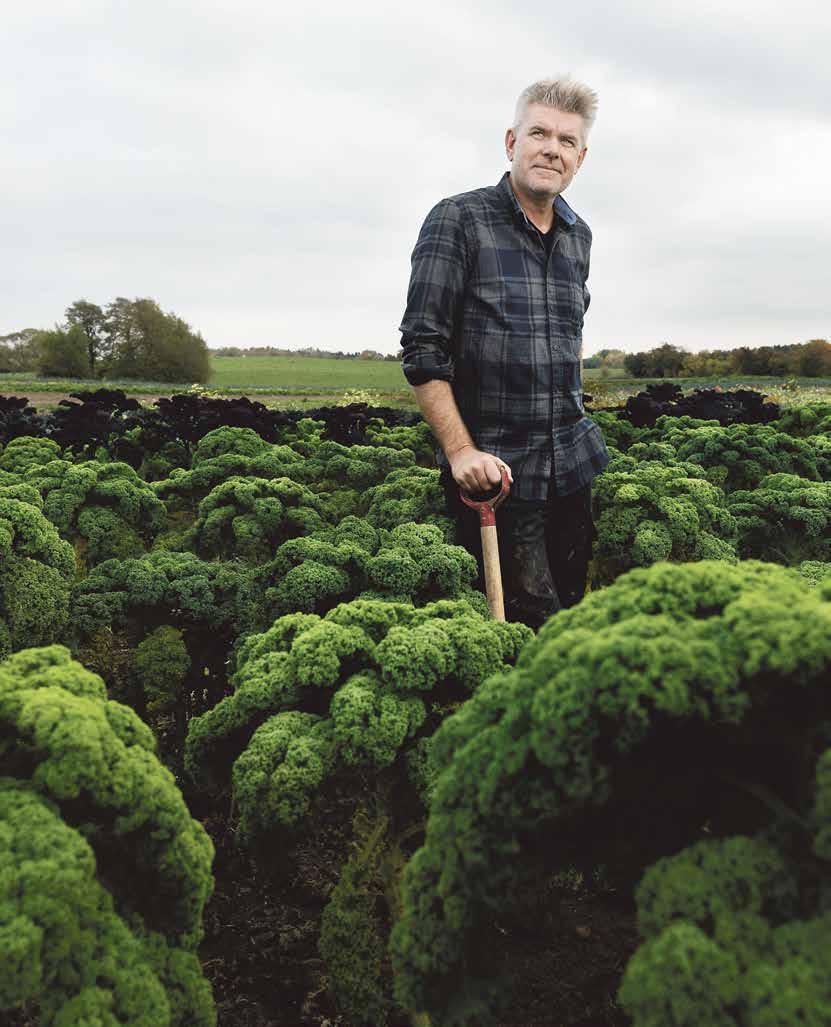
•• Organic farmers have set their sights on becoming world champions at organic production.
the organic farmer
10 per cent of Danish farms are organic. Focusing on a high level of professionalism and quality, organic farmers produce good, healthy food with the utmost care for animal welfare and the environment.
THERE ARE CURRENTLY around 4,000 organic farmers in Denmark who supply the raw materials for organic companies. Interest in organic farming is high, and the number of organic farmers has grown by almost 50 per cent over the past five years. Organic producers, therefore, represent 10 per cent of Danish farmers. In total they cultivate 11 per cent of Denmark’s agricultural land.
They share one thing in common: they are motivated by producing good, healthy raw materials with the utmost care for the environment, biodiversity and animal welfare.
All farmers in Denmark receive 3-5 years of specialist agricultural training. Along with a large team of advisers and researchers, they help to ensure a high level of professionalism and quality in the production of organic raw materials.
Danish farmers are driven by a wish to constantly develop and improve their production. They are committed to developing and improving their products and yields through sound organic practice.
SUSTAINABILITY HIGH ON THE AGENDA
Danish farmers wish to contribute to the achievement of the UN’s global sustainable development goals. There is, therefore, strong focus on sustainable production and on how sustainability on farms can be improved.
Drawing on the internationally recognised sustainability model, RISE, organic farmers work to develop on-farm sustainability within the following ten areas: biodiversity, energy and climate, water use, nutrients flow, animal welfare, soil fertility, management, economy, life quality and labour conditions.
Work is also underway to develop another model, ØKOLOGILØFT, to systematically improve on-farm sustainability.
Organic farmers have set their sights on becoming world champions at organic production. They are committed to ensuring a living and fertile soil, reducing the climate impact from their production, increasing resource efficiency and creating the best welfare and care for their animals.
DIVERSE AGRICULTURAL PRODUCTION
Many of the organic farms in Denmark are highly specialised and focus on the production of vegetables, cattle, pigs or poultry.
There are, however, many farms that produce a diverse range of products for direct sales to the public through farm shops and online shopping or through partnerships with local shops. The size of individual farms varies greatly. Irrespective of size, however, the organic rules are the guiding principles behind their agricultural practices. ●
CAMERA-CONTROLLED WEED-KILLING ROBOTS AND DRONES
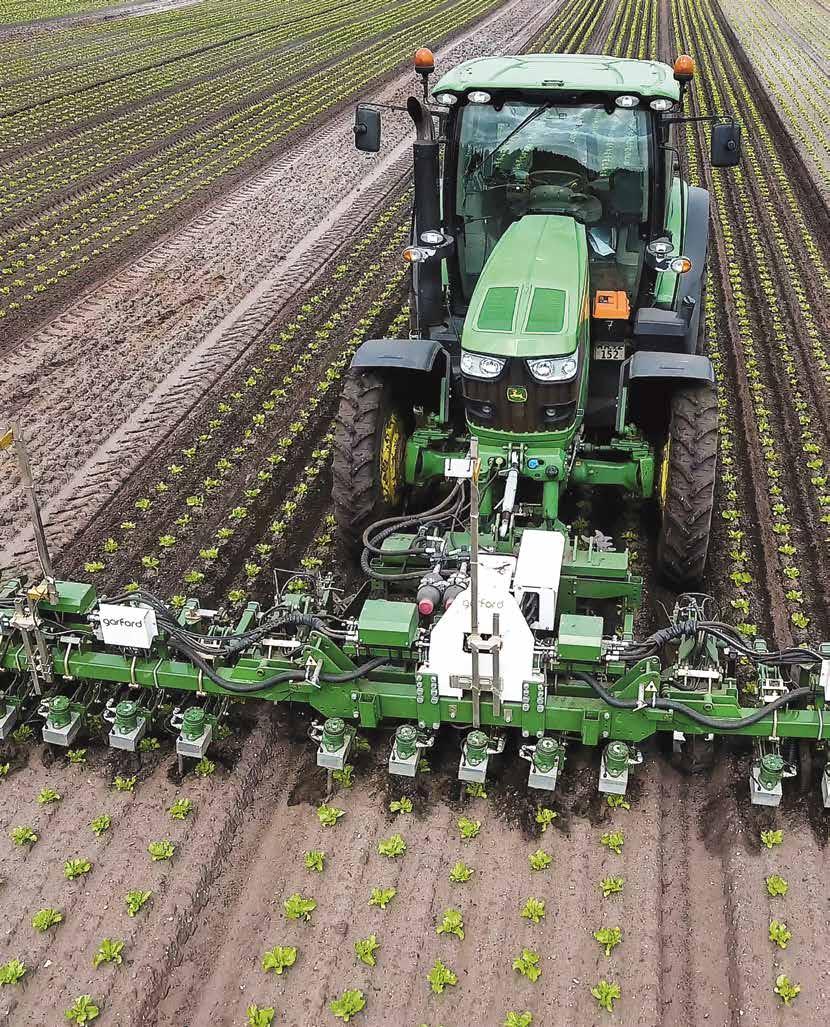
Since the use of chemical plant protection is not permitted in organic farming, it can be labour intensive to keep organic fields of vegetables weed-free. This is where modern technology can be of great help. At one of Denmark’s largest organic vegetable growers, five camera-controlled weed-killing robots keep the rows free of weeds. When the robot travels across the fields, the camera detects every single plant and weed. The image is analysed, and the weed is subsequently killed. Weed-killing robots reduce time-consuming manual work and therefore free up time that can be spent on developing production.
Drone technology is also used in organic production. Drones help determine the best time for harvesting organic vegetables grown in fields of 500 hectares or more. When vegetables are harvested at the right time, their quality and shelf-life are increased. ●
Organic advice for farmers
Danish farmers have a long tradition for seeking professional advice to improve their production. Specialists in organic production advise organic farmers in crop production, livestock farming, nature conservation, etc.
DANISH FARMERS
have a long tradition for setting up cooperative businesses and agricultural associations. This has helped to strengthen Danish agriculture both professionally and commercially. Cooperatives have traditionally been responsible for processing, innovation and selling farmers’ products while agricultural associations have ensured farmers’ influence on farm policy and provided specialist advice.
IMPARTIAL LOCAL AGRICULTURAL ADVISERS
Today, under the Danish Agricultural Advisory Service, DLBR, there are 31 local advisory centres. The advisory centres are owned by the associations which, in turn, are owned by the farmers.
The advisory centres provide farmers with impartial advice on everything from crop production, environmental protection, sustainable production, livestock health to welfare and finance. Local agricultural advisers usually have a university education and specific areas of expertise. Some are specialists in organic farming and livestock production, which helps to ensure competitive organic raw materials of the highest quality.
ORGANIC ADVICE
Some centres have brought organic advisers together in one organic office where they exclusively offer advice to organic farmers. At other
centres, the advisers advise both organic and conventional producers. There is also an independent advisory company that exclusively provides organic advice. It is owned jointly by five agricultural associations under DLBR and Organic Denmark. The local organic advisers keep farmers updated on the latest knowledge.
SEGES – A LINK BETWEEN RESEARCH AND LOCAL ADVICE
SEGES, the agricultural knowledge centre, supports the advisers. The centre employs more than 650 experts who build bridges between universities, research and practical farming. SEGES Organic Innovation is the Research Centre’s organic department whose task is to ensure organic innovation and development within the Danish agricultural sector. Within the various branches of activity, development projects and research are carried out to optimise and further develop the agricultural sector through the adoption of new knowledge and technology
SEGES disseminates the latest research from research and development to advisers and makes new knowledge practically viable for farmers. The centre also manages a number of databases that ensure traceability and quality in Danish agricultural production. It has also built up a large academic library where all professional knowledge is available to advisers, farmers, companies and others who wish to subscribe to the facility. ●
the organic companies
large and small companies with strong organic credentials
Developments in organic food production in Denmark have been driven by large companies with strong organic credentials as well as the involvement of a great many small and innovative companies. Innovation and responsiveness to consumer trends have transformed Denmark into a world champion in organic food consumption.
THE COOPERATIVE MOVEMENT has played a major role in the success of Danish agriculture, including the success of organic production. Typically, cooperative companies have been responsible for product development, processing and sales of agricultural produce so that farmers can concentrate on the production of crops and livestock. Both large and small cooperatives have been key players in the development of organic food production.
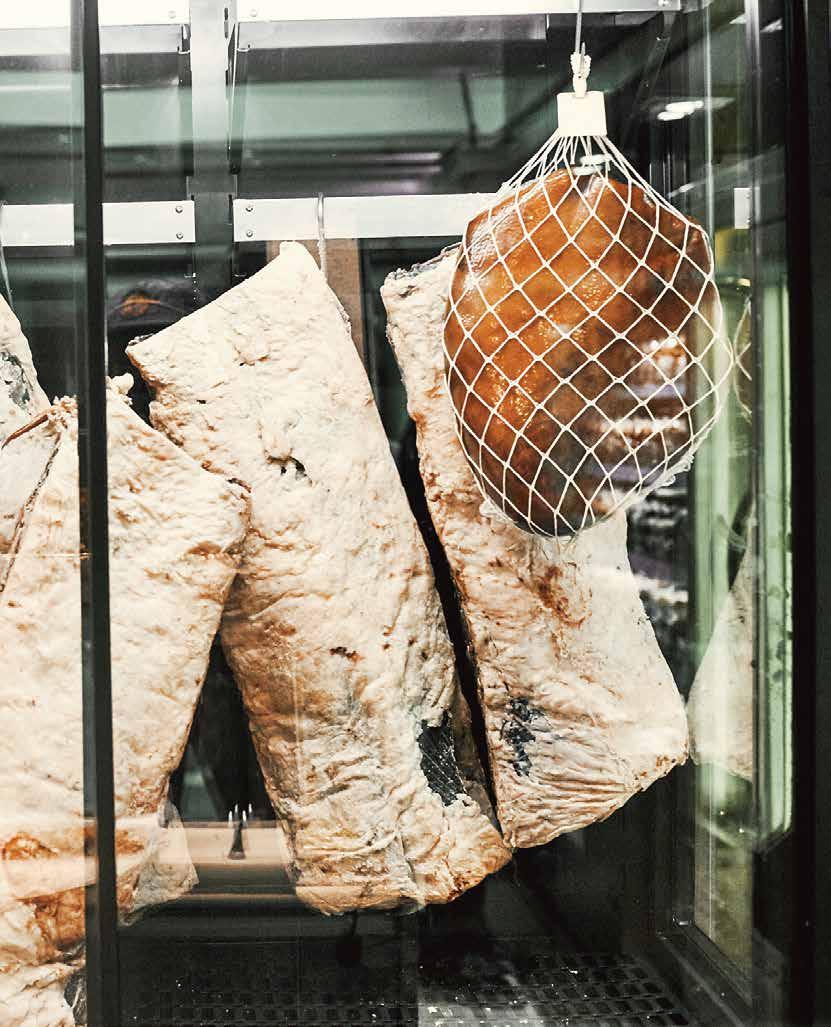
MILK PRODUCTION – THE DRIVER BEHIND ORGANIC DEVELOPMENT
Milk production has been the driver behind organic development. In addition to conventional milk, some of the largest cooperative dairies have chosen to focus on organic dairy products while other cooperative companies have successfully chosen to focus exclusively on innovative organic dairy products for consumers at home and abroad.
Alongside organic production, they have become significant players in the Danish dairy industry. Today, Danish dairies are among the leaders in organic export markets – from Germany in the west, to the Middle East in the south and China in the east. Danish dairies were among the first in the world to be allowed to export organic products to China.
ORGANIC MEAT AND EGGS FOR CONSUMERS ACROSS THE WORLD
Denmark is also at the forefront of the organic meat sector: Europe’s largest organic meat company has been in operation since 1992. Together with other farmer-owned and private meat companies, consumers in Europe and Asia are supplied with organic poultry, beef and pork. The same applies to Danish organic eggs for the Middle East.
VEGETABLE PRODUCTS
Danish companies are active in the global market for organic vegetable products. Major Danish feed companies buy and sell grain and feed in many countries, including cereals for animal feed and for bread production.
Danish companies are also adept at the production of other vegetable products, i.e. potatoes, root vegetables and lettuce. Moreover, in recent years, many companies have successfully entered the organic grocery and drinks markets and produce for the Danish home market as well as export markets near and far.
ORGANIC AND NON-ORGANIC PRODUCTION
Some companies focus exclusively on organic production while others produce organic and conventionally produced food. If a company
••
From the very start of organic production, organic companies have been characterised by superb innovation and the ability to adapt rapidly to changes in production
has an organic and a non-organic production line, strict rules and procedures are in place for managing production. Moreover, companies must be able to document their actions to the authorities. This is important to preserve the credibility of organic production.
STRONG INNOVATION AMONG SMALLER ORGANIC COMPANIES
In parallel with the larger companies, a number of smaller organic food companies have contributed to the development of organic food products and have helped to ensure a highly diverse range of basic and luxury organic products. Through creative thinking, innovation
and a high level of responsiveness to consumers trends and requirements, they have been instrumental in ensuring that a rich variety of organic food is readily available in all product categories.
PRODUCT DEVELOPMENT
From the very start of organic production, organic companies have been characterised by superb innovation and the ability to adapt rapidly to changes in production. One reason is that, in order to survive financially at a time when organic products were essentially for a niche market, companies, in partnership with retailers, had to try to predict what first-mover consumers might want. Companies therefore produced small quantities of new products that organically-focused retailers could offer. If consumer demand was strong enough, production was increased. If not, production was stopped before the company suffered significant losses.
Organic companies have often been trendsetters for new products that have subsequently been produced in conventional versions. The best example of this is the dairy product known as ‘Skyr’, which is characterised by its high protein content. Another example is the meal box concept where consumers can order weekly deliveries of food boxes on line. The pioneer in this case was an organic company focusing on organic vegetables.
CLOSENESS BETWEEN PRODUCER AND CONSUMER
Some farmers want to follow their products right to the door of the consumer. In a partnership with local butchers, for example, they produce sausages and other cooked meats that they sell either directly to consumers through farm shops or through agreements with local supermarkets. Proximity and authenticity are important and the story of how our food has been produced and who has produced it has become an important sales parameter for many consumers. ●
ORGANIC DAIRY PRODUCTS FOR VARIOUS USES
The dairy industry is strongly focused on innovation and development. Based on milk’s potential and global consumer trends, new products are being developed to match future consumer requirements for health, nutrition and good taste experiences, including organic infant formula and speciality cheese produced according to traditional methods. Milk is not just milk. The breed of dairy cattle, their feed and the way in which they are raised all have an impact on the quality of the milk. Dairy products are produced with the varying fat and protein content adapted to consumer preferences. Consumers are regularly offered new types of milk,
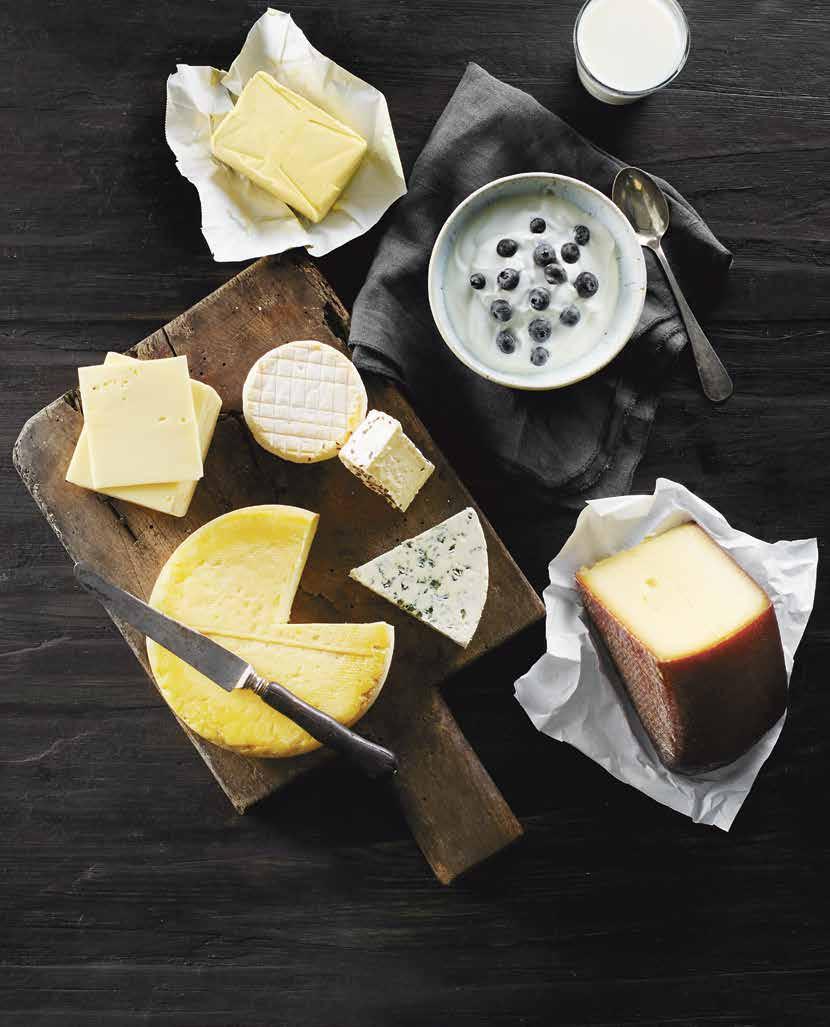
e.g. fresh organic milk from cows fed exclusively on grass and herbs, which help to give the milk a higher content of omega 3 fatty acids and antioxidants.
Dairy experts and gourmet chefs work together to develop unique ranges of cheese while, in collaboration with baristas, milk with a fixed protein content is developed to give a soft and creamy froth to the coffee served at the many city coffee shops.
Research into milk’s properties and potential plays a key role in the dairy industry’s development of new and innovative products. ●
Organic Denmark is Denmark’s association of organic farmers, consumers, food professionals and companies, representing over 90 per cent of organic sales. Organic Denmark drives market development through consumer awareness and a close strategic collaboration with all retail chains, making Denmark the world leader in organic sales.
Organic Denmark works closely with farmers to develop organic farming, and plays a leading role in developing Denmark’s ambitious organic political goals and policies, including the goal of 60 per cent organic in all public kitchens. Organic Denmark consults with governments, NGOs and retail leaders around the world on organic market strategies and policy development.
Read more about us here: www.organicdenmark.com
Contact: organicdenmark@okologi.dk
Food Nation is a public-private partnership established by the Danish government and leading private organisations and companies. Food Nation aims to create awareness of Denmark as a global frontrunner within innovative, sustainable and efficient food produc-tion. Food Nation represents all stakeholders across the value chain covering everything from primary and processed food production, food technology and ingredients industry, know-how and research that together make Denmark a world-leading food nation.
Read more about us here: www.foodnationdenmark.dk
Contact: foodnation@foodnationdenmark.dk
The Danish Agriculture & Food Council is a trade organisation that represents Denmark’s food cluster, including all types of farmers, food companies and the agricultural industry. The organisation has 1,500 organic farmers as members and represents the majority of organic food processing in Denmark.
The Danish Agriculture & Food Council seeks to create a good framework for organic production in Denmark and the further development of the organic sector. The Danish Agriculture & Food Council, therefore, is focused on organic policy, organic regulations and principles, sales and market development as well as professional development to create value for organic production and organic consumers in Denmark and beyond.
Read more about us here: www.agricultureandfood.dk
Contact: info@lf.dk

the organic way – the danish model examines the success of organic production and the conditions that have led to Danish organic food being sought after both in Denmark and across the world. It also describes the different strengths that characterise the organic sector – from farm to fork –which together constitute the recipe for the success of organic farming and production in Denmark.
Published with support from
Fonden for økologisk landbrug