Touchstone Medical Imaging offers fast and convenient diagnostic imaging at 5 locations in Oklahoma County and surrounding areas, supporting both your practice and patient care.
• In-network with 99% of health insurance plans
• Up to 60% less than hospital imaging
• Same-day and next-day appointment options with extended and weekend hours
• Fast insurance prior authorization assistance for easy scheduling
• Subspecialized radiologists are available for consultation
Edmond 902 S. Bryant Ave. Edmond, OK 73034 p. 405.348.1900
Oklahoma City 4901 N. May Ave., Suite 100 Oklahoma City, OK 73112 p. 405.943.0055
Midwest City
1201 S. Douglas Blvd., Suite E Midwest City, OK 73130 p. 405.736.9222
1751 Garth Brooks Blvd., Suite 105 Yukon, OK 73099 p. 405.350.6860
Norman 2901 Adams Rd. Norman, OK 73069 p. 405.579.1505
TABLE
Modhi Gude, MD, MRCP, FACP, FACE
(Former Clinical Professor of Medicine, OUHSC)
Access Endocrine, Diabetes & Thyroid Center
(Where Molecular Endocrinology is applied and practiced clinically)
Locations: North 6001 NW 120th Court, Suite 6 Oklahoma City, OK 73162
Phone: 405-728-7329
South 1552 SW 44th Street Oklahoma City, OK 73119
Phone: 405-681-1100
New Patients: Referrals are welcome, by appointment only
Comprehensive Diabetes Care | Obesity, Metabolic and Insulin Resistance Syndromes
Hypoglycemic Syndromes notably Post-Bariatric Surgery and Insulinomas
Thyroid Disorders, mostly Graves’ Disease, Hashimoto’s Disease, Thyroid Cancer and Thyroid Hormone Resistance Syndromes
UG Guided FNA Biopsies of Thyroid Nodules
Pituitary Diseases, notably Incidentalomas, Growth Hormone Deficiency and Hypopituitarism
Adrenal Incidentalomas | Addison’s Disease and Cushing Disease
Executive Dean University of Oklahoma College of Medicine
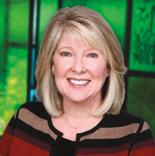
Alison Williams
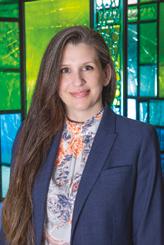
Rebecca Carr
Executive Director
Associate Director
EDITORIAL BOARD
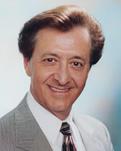
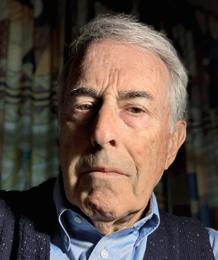
Hanna A. Saadah, MD Editor
S .S . Sanbar, MD, PhD, JD Assistant Editor
Anureet K. Bajaj, MD
H. T. Kurkjian, MD
Christopher Jordan, MD
Jennifer Morris, MD
Betsy M. Nolan, MD
Tomás P. Owens, MD
Ideas
Janet G. Rodgers, MD
Chittur A. Sivaram, MD
Michael D. Taylor, MD
William P. Truels, MD
Elizabeth A. Wickersham, MD
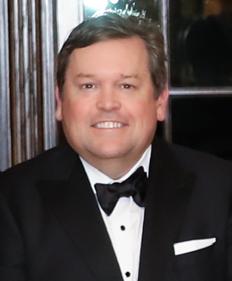
P President’s Page
Physicians face immense pressure in their roles, leading to significant mental health challenges that often go unaddressed. A Wall Street Journal article from April 28, 2025 highlights the alarming rates of burnout, depression, and suicide among doctors, noting that physicians are twice as likely to die by suicide compared to the general population.
The article recounts the story of Dr. Sarah Johnson, an emergency room physician who struggled with depression but hesitated to seek help, due to fears of professional repercussions. This reflects a broader issue: the medical profession’s demanding environment, coupled with long hours and emotional strain, exacerbates mental health issues. Despite their expertise in healthcare, physicians like Dr. Johnson often neglect their own well-being, contributing to a silent crisis within the field. A few months ago, I heard of two physician suicides in Oklahoma County. I then realized, we as a profession, have much work to do. The stigma associated with mental health issues is a primary reason physicians avoid seeking help.
Bradley J. Margo, MD
The WSJ article emphasizes that doctors fear being perceived as weak or incompetent is they admit to struggling with mental health challenges.
Dr. Michael Lee, a surgeon profiled in the article, expressed concerns that disclosing his anxiety could jeopardize his medical license or hospital privileges. This fear is compounded by licensing and credentialing applications that often include intrusive questions about past mental health treatment, deterring doctors from seeking care. The medical culture, which glorifies resilience and self-sufficiency, reinforces the notion that seeking help is a sign of failure, leaving physicians to suffer in silence.
Continues on page 8 …
Beyond stigma, systemic barriers further discourage physicians from accessing mental health care. The WSJ article noted that more than 40% of physicians, residents and medical students cite fear of disclosure requirements on licensure forms as a major deterrent. These forms often require detailed reporting of mental health diagnoses, which can lead to scrutiny or career limitations. For instance, the article describes how resident Emily Chen avoided therapy because she worried her treatment records could be accessed by colleagues or licensing boards. Additionally, the lack of confidential, accessible mental health services within healthcare systems exacerbates the problem, forcing doctors to navigate costly and time-consuming external care options.
Efforts are underway to combat the mental health crisis among physicians, as illustrated in the WSJ article. Organizations like the American Medical Association and the Dr. Laura Breen Heroes’ Foundation are advocating for changes to licensing application to remove stigmatizing language. The article cites progress in over 30 state medical boards and 500 hospitals that have revised their forms to focus on current impairments
rather than past diagnoses. Furthermore, some hospitals are implementing “opt-out” therapy programs, normalizing mental health support by offering it as a standard employment benefit. In addition, OCMS has tools and programs in place that offer free counseling that is completely confidential and has gained traction recently.
Addressing mental health challenges in physicians requires a multifaceted approach to dismantle the stigma and systematic barriers. The WSJ article underscores the need for cultural transformation within medicine, starting with an open dialogue about mental health. By sharing stories like those of Dr. Johnson, Dr. Lee and Dr. Chan, the medical community can normalize seeking help and reducing the fear of professional consequences. Additionally, integrating mental health education into medical training and providing confidential, accessible support services can empower physicians to prioritize their well-being. As the article suggests, physicians must lead this change, reshaping the culture to ensure seeking mental health care is viewed as a strength, not a weakness, ultimately improving both their lives and patient care.
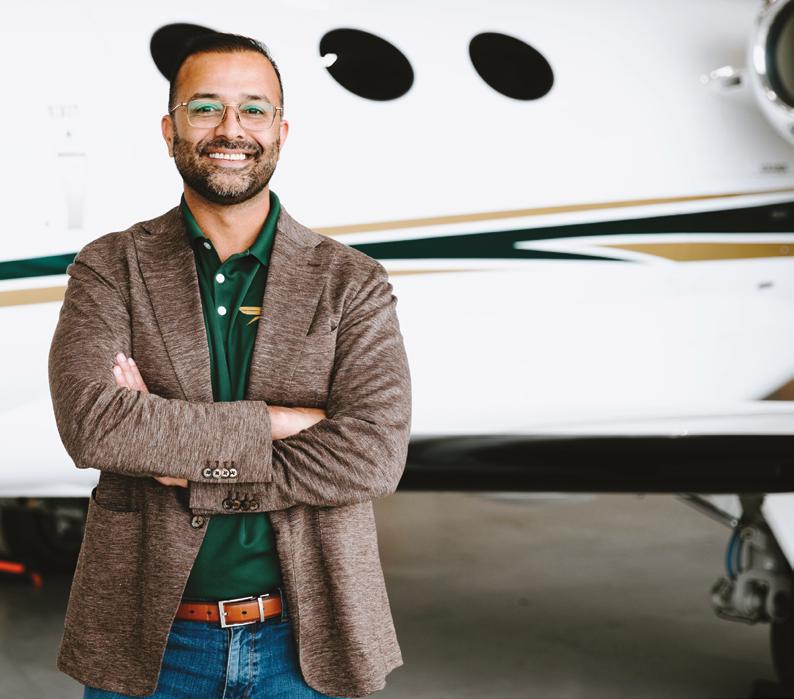
SHO KASSAM | CEO, SOULBIRD
A CENTURY OF ALLERGY & ASTHMA CARE
Oklahoma Allergy & Asthma Clinic
Celebrates 100th Anniversary
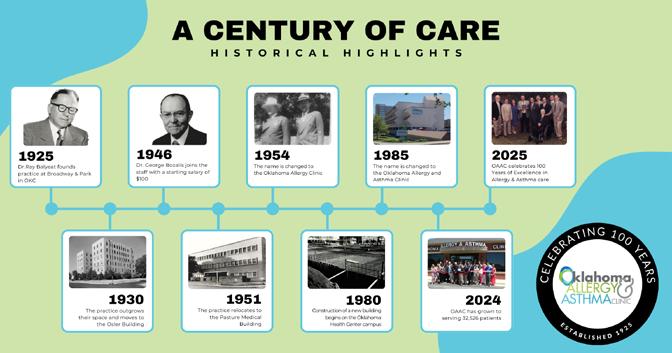
The Oklahoma Allergy & Asthma Clinic recently celebrated its 100th Anniversary in Oklahoma City with a dinner at The National in Oklahoma City, marking a century of excellence in allergy and asthma care for Oklahomans.
“It’s truly humbling to be a part of a clinic that has been treating Oklahomans for 100 years now,” said Dr. Shahan Stutes, a specialist at Oklahoma Allergy and Asthma Clinic.
The clinic was founded in 1925 by Dr. Ray Balyeat at a time when allergy and asthma treatment was just emerging, before antihistamines existed and when asthma care was in its infancy. Today, the clinic boasts 13 allergy and asthma specialists, providing care to more than 32,000 Oklahomans each year.
“I have had the privilege of being part of one of the most wonderful, long-standing allergy clinics, not only in Oklahoma and the nation, but the world,” said longtime OAAC physician Dr. Patricia Overhulser. From the start, the clinic focused not only on cutting-edge treatments, but also on patient-centered care. In the earliest days, Dr. Balyeat cultivated his own plants to help with allergy testing.
Today, the clinic utilizes the latest testing protocols and therapies for patients with a wide range of allergy and asthma conditions.
Dr. Jessica Lutz, a physician in Oklahoma City, credits the clinic with helping her young daughter learn to live with a severe food allergy. “We came in with such fear and worry and anxiety, and really this place represents hope to us,” Lutz said. “They gave us that chance to give Emma a great quality of life and freedom and independence, and we’re so grateful.”
“For anything in Oklahoma to be over 100 years old and to be under the same umbrella of leadership is impressive. I am proud to be a part of that,” said John Bozalis, MD, who retired from the clinic in 2012 after caring for patients for more than 40 years.
Bozalis had patients travel from Texas and as far away as Illinois, Colorado and Louisiana. He also cared for former Oklahoma Governors David Walters
and George Nigh. He knows the clinic’s history well because his own father Dr. George Bozalis, along with Richard Huff, MD, purchased the clinic from Balyeat in 1954.
“It is amazing the OAAC has stood the test of time,” said Waren Filley, MD, a long-time OAAC allergist who retired in 2017 after 35 years.
The FDA reports more than half of all Americans are impacted by food allergies and sensitivities, including multi-food allergies.
OAAC patient Robert Streets, 72, said his family has been coming to the clinic for care since the 1920s. He became a patient in the ‘90s and has remained in the clinic’s care for three decades. “OAAC professionals have literally kept generations of this family alive over the last century,” Streets said.
State and city leaders sent congratulations to the clinic on its anniversary. “As one of the leading allergy clinics in the nation, the Oklahoma Allergy & Asthma
Clinic continues to ensure Oklahomans have access to cutting-edge care, promoting a healthier Oklahoma,” said Lt. Governor Matt Pinnell. “Congratulations to the OAAC for 100 years of excellence and thank you for serving the people of Oklahoma.»
Oklahoma City Mayor David Holt added, “On behalf of the people of Oklahoma City, congratulations to the Oklahoma Allergy & Asthma Clinic on 100 years! We are grateful for your century of service to the people of our community and your commitment to OKC.”
The OAAC employs close to 100 people at its main clinic at the Oklahoma Health Center and its satellite clinics in Edmond, Norman and Yukon.
The clinic also provides free certified pollen and mold counts to statewide media and the public every Monday through Friday, a public service that helps Oklahomans with allergies and asthma better navigate their lives especially when pollen or mold counts are high.
DEAN MCGEE EYE INSTITUTE MARKS 50TH
By Gordon Walker
The 1965 foresight of a small group of central Oklahoma residents paved the way for generations of enhanced eyesight of the Sooner State. Led by ophthalmologist Richard A. Clay, MD, birth was given that year to the Oklahoma Eye Foundation. Their long-range mission was to establish a training base for ophthalmologists and a center to conduct research in order to provide world class eye care for their neighbors.
That vision began to really take flight in 1971, given wings by a great misfortune. During that year more than half a century ago, Dean A. McGee developed a retinal detachment. The work of Dr. Tullos O. Coston and Dr. Thomas E. Acers performed a successful repair for Mr. McGee, President of the Kerr-McGee Corporation. That experience spurred McGee to join efforts to establish an eye institute. By 1975, the wishes
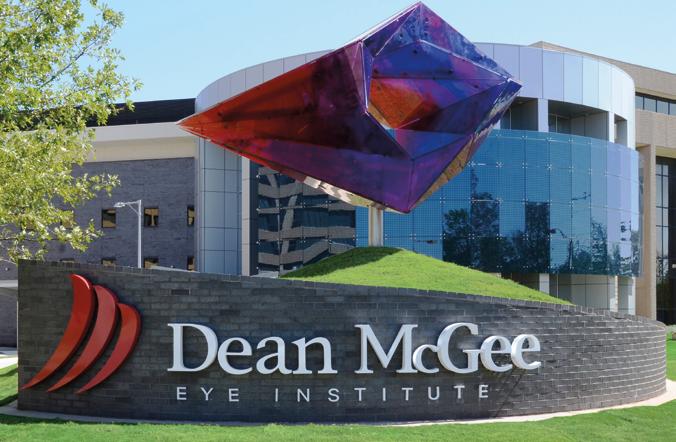
and generosity of McGee, along with Dr. Clay and that band of Oklahoma City leaders, brought forth what today is known as the Dean McGee Eye Institute. This year, DMEI is celebrating 50 years of service.
DMEI has grown to be a crucial component of the public health fabric in Oklahoma. “We house the largest collection of ophthalmologists with the widest spectrum of diagnostic and therapeutic capabilities of any organization in the state,” said Dr. R. Michael Siatkowski, Chief Executive Officer. In 2024, 29 ophthalmologists and seven optometrists provided care to over 70,000 patients from all 77 Oklahoma counties and surrounding states, he said. This care included over 225,000 outpatient visits and 10,000 surgical procedures.
The stature of DMEI is recognized around the globe, not just in Oklahoma. The number of DMEI physicians rated as Best Doctors in 2024 was the third highest
among all eye institutes in the nation. Working abroad, DMEI doctors have conducted several dozen mission trips to Africa and China as well, Siatkowski noted.
In conjunction with the University of Oklahoma College of Medicine, DMEI is the only organization in Oklahoma training future ophthalmologists, which is vital in a state that is severely underserved with physicians. Since 1975, DMEI has trained almost 300 ophthalmologists, and its residency training consistently ranks among the top 15% of ophthalmology programs in the nation. “Our relationship with the COM is vital to our success, and our education and research programs are among the best in the nation,” said Siatkowski, who also serves as the Edward L. Gaylord Professor and Chair of the OU Department
Page:
of Ophthalmology. “Our world-class vision scientists have received funding from the National Institutes of Health, averaging $4.1 million annually over the last decade and have made ground-breaking discoveries in ocular infections, retinal disease, and genetics,” Siatkowski added.
Reaching the 50-year mark for any organization is a remarkable feat. The celebrations that come with them are hard earned. “I am truly grateful to be part of DMEI and the Department of Ophthalmology for the OU College of Medicine, and incredibly honored to be part of the leadership team for these remarkable organizations,” Siatkowski said. “Many of the activities surrounding our 50th anniversary are a lot of fun, the best part interacting with our alumni and
Continues on page 14 …
Opposite
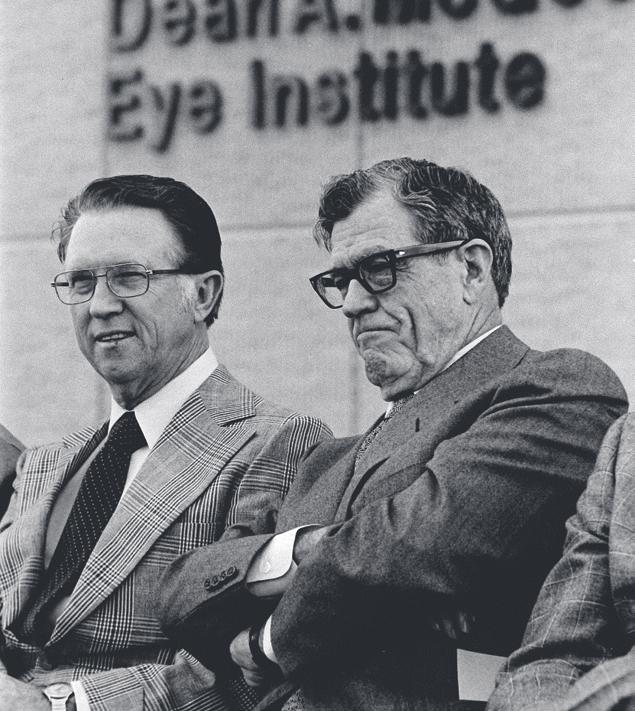
The collaboration of Richard A. Clay, MD (left) and Kerr-McGee President Dean McGee led to the 1975 founding of the Dean McGee Eye Institute.
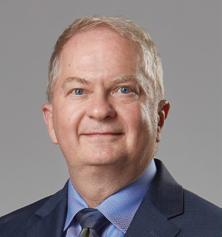
Right: Dr. R. Michael Siatkowski
our supporters across Oklahoma and the nation. It reaffirms to me the tremendous good we have done for health care in our profession. I am very fortunate to be standing on the shoulders of DMEI’s giants and working to ensure that the mission they started will carry on into the next 50 years.”
DMEI has a history of strong leadership and successful capital campaigns. Dr. Thomas E. Acers was named as the first full-time Chair of the OU Department of Ophthalmology in 1972 (which continued through 1991). On December 4, 1975, the DMEI was dedicated and opened its doors on the corner of Lincoln and Stanton L. Young boulevards, with Acers as its President. In 1992, Dr. David W. Parke II succeeded Acers as DMEI’s second President and as Chair of the Department. In 1995, Dr. Robert E. Anderson was hired as Director of Vision Research at DMEI/ OU Department of Ophthalmology. Then, in 2009, Dr.
Gregory L. Skuta was appointed as the third President and as Chair of the Department. Dr. Siatkowski succeeded Skuta in 2021. Since 2007, four past members of the DMEI/OU faculty have served as president of the American Academy of Ophthalmology.
Additionally, DEMI provides more than $1.3 million annually in indigent care. “Over the past 50 years, DMEI has built tremendous goodwill with the people of Oklahoma,” Siatkowski said. “The greatest asset of any successful organization is its people. We are fortunate to have the brightest, most highly skilled doctors, the most productive researchers, and the smartest students, residents, and fellows imaginable. Our staff is top-notch and do all they can to ensure that our mission is fulfilled and that every patient’s experience is optimized. We have been fortunate to have the support of our fellow Oklahomans who have benefited from our mission and support us in word and deed.”
Comfort • Care • Compassion
Early hospice referrals provide patients and families with more time for comfort, dignity and support.
INTEGRIS Health Hospice enhances the quality of life for those facing terminal illness, whether at home or in our dedicated Hospice House for inpatient care.
Discover the benefits of hospice and palliative care with INTEGRIS Health Hospice. Scan the QR code to learn more.
Alison Williams BULLETIN
DIRECTOR’S DIALOGUE
The Benefits of the OCMS Community Foundation
At OCMS, our mission is clear: to nurture and improve the well-being of our physicians and to be a leading advocate for the health of our citizens. This mission has guided our work for more than a century—and it’s what drives the efforts of the OCMS Community Foundation each and every day.
In the busyness of daily life, it’s easy to forget the simple but powerful impact of giving back. Yet, it is precisely this spirit of generosity that allows us to continue supporting the programs that truly make a difference in Oklahoma County. Since 1966, the OCMS Community Foundation has worked quietly but effectively to improve and safeguard the health of our community. Through your support, we can continue to fund essential initiatives that touch lives, strengthen families, and build a healthier future for us all.
We invite you to join us in this meaningful work by donating to the OCMS Community Foundation. Your contribution directly supports programs such as:
Physician Wellness Program
Physicians are healers—but they also need healing. Established in 2017, the Physician Wellness Program offers up to eight free, confidential counseling sessions with a trained psychologist for OCMS member physicians. There’s no insurance billing, no record-keeping, and flexible hours designed for the demanding schedules of medical professionals. This program addresses burnout, stress, emotional exhaustion, and personal challenges—providing a lifeline for those who care for others.
Medical Student Scholarship
The future of medicine begins with today’s students. In 2011, OCMS created the Medical Student Scholarship to help ease the burden of tuition costs for students at the OU
School of Medicine. Applications are distributed in the fall, and recipients are awarded in the spring. This scholarship is an investment not only in students—but in the long-term health of our entire community.
Summer Fundraiser
Each summer, OCMS members come together to support a special fund benefiting local nonprofit health organizations. The Foundation’s board, comprised of both OCMS and community members, carefully selects worthy recipients. Past beneficiaries include:
• Health Alliance for the Uninsured
• Healthy Schools Oklahoma
• The C.A.R.E. Center
• ITN Central Oklahoma
• Special Care
• INTEGRIS Hospice
Your support helps these organizations continue their vital work in underserved and vulnerable populations.
Why Give?
Donating to the OCMS Community Foundation is more than a gesture—it’s a commitment to the health of Oklahoma County. It’s one of the core tenets of our Society and a powerful way to live out our values. Your contribution makes a lasting impact.
We hope you’ll consider supporting the OCMS Foundation today. For more information on any of these programs or to make a donation, please visit our website or scan the QR code.
Together, we can continue to heal, support, and uplift our community.
University of Oklahoma College of Medicine
London Archer Anesthesiology
Claire Abbott
Transitional Dermatology
Health Education Services
Tucson, AZ
UC Davis Medical Center
Sacramento, CA
Shalini Abeyewardene Pediatrics
OU College of Medicine
Oklahoma City
Rachel Abraham Anesthesiology
Wake Forest Baptist Medical Center
Winston-Salem, NC
OKLAHOMA
Kelsey Allen Obstetrics-Gynecology
SIU School of Medicine & Affiliated Hospitals
Springfield, IL
Maren Anderson Neurology
University of Texas at Austin
Dell Medical School
Austin, TX
Matthew Anderson Family Medicine
Rush University Medical Center
Chicago, IL
University of Texas
Southwestern Medical School
Dallas, TX
William Atkinson Family Medicine
University of Washington
Affiliated Hospitals
Seattle, WA
Philip Bailey
Neurology
OU College of Medicine
Oklahoma City
Logesvar Balaguru Otolaryngology
University of Florida
College of Medicine/Shands Hospital
Gainesville, FL
Erin Barnes
Obstetrics-Gynecology
OU College of Medicine
Oklahoma City
Ashlee Barr
Internal Medicine
OU College of Medicine
Oklahoma City
Emily Barton Medicine-Pediatrics
Indiana University
School of Medicine
Indianapolis, IN
Saleem Batman
Neurology
University of Colorado School of Medicine
Aurora, CO
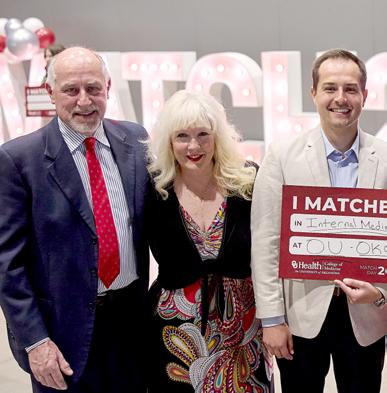
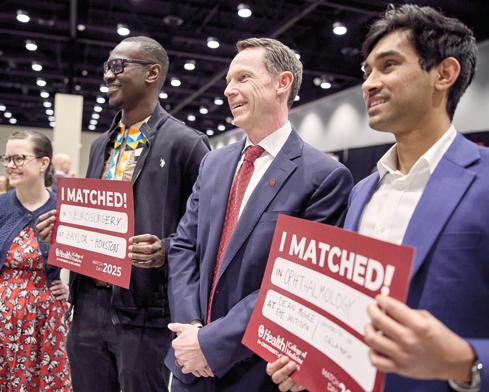
PHOTOS COURTESY OF TRAVIS CAPERTON, UNIVERSITY OF
Mirza Beg Internal Medicine
OU College of Medicine
Oklahoma City
Macey Blakley
Ophthalmology
Texas Tech University Lubbock, TX
Whitney Bohannan Family Medicine
OU College of Medicine
Oklahoma City
Sharon Bouvette
Anesthesiology
OU College of Medicine
Oklahoma City
Casey Buller
Transitional
Brookwood Baptist Health
Birmingham, AL
Radiation Oncology
Wake Forest Baptist Medical Center
Winston-Salem, NC
Jenny Cano Pascual
Pediatrics
University of Texas Southwestern
Medical School
Dallas, TX
Eric Cline
Transitional
Brookwood Baptist Health
Birmingham, AL
Lucas Cline
Internal Medicine
SSM Health/St. Louis University
School of Medicine
St. Louis, MO
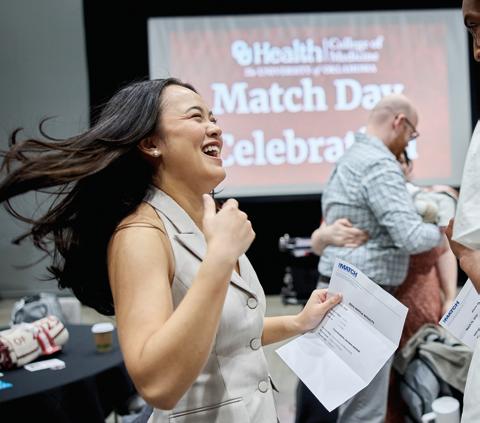
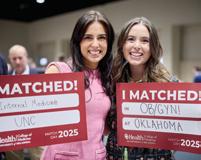
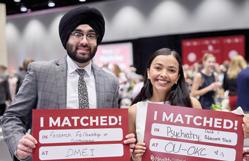
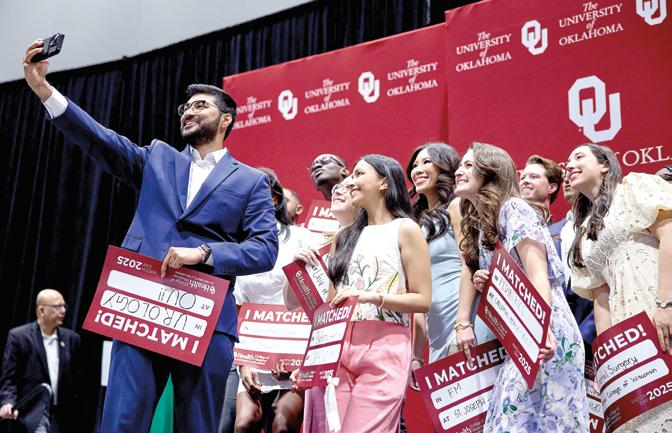
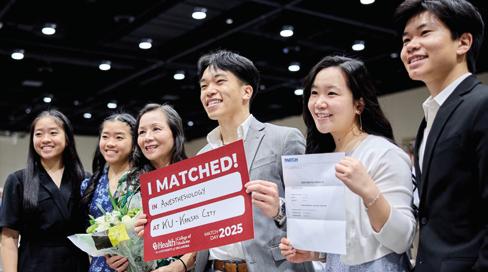
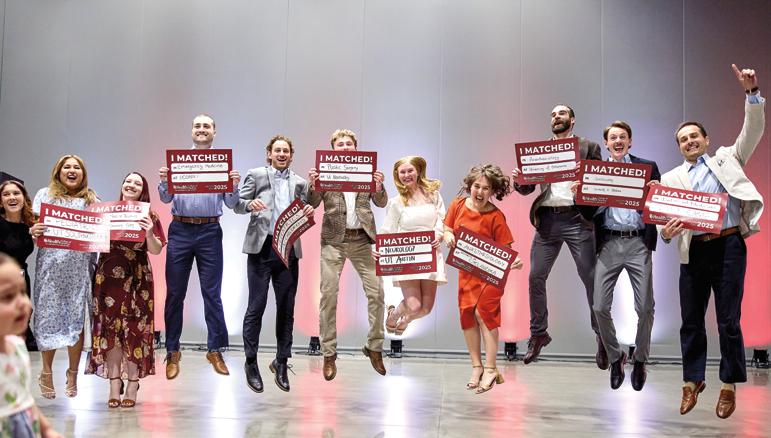
OU College of Medicine Class of 2025
Continues on page 20 …
PHOTOS COURTESY OF TRAVIS CAPERTON, UNIVERSITY OF OKLAHOMA
Mary Coleman
General Surgery
Medical College Wisconsin
Affiliated Hospitals
Milwaukee, WI
Chase Coley
Anesthesiology
University of Alabama Medical Center
Birmingham, AL
Nangorgo Coulibaly Neurological Surgery
Baylor College of Medicine
Houston, TX
Daniel Cranfield Pathology
OU College of Medicine
Oklahoma City
Nathan Cross
Family Medicine
OU College of Medicine
Oklahoma City
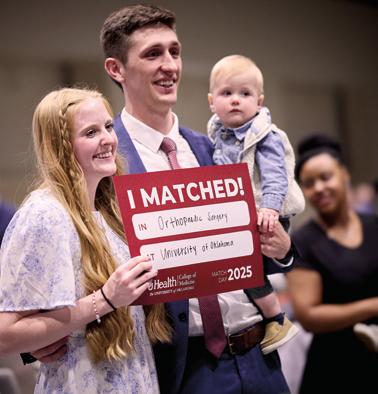
Christian DeMaio Orthopaedic Surgery
OU College of Medicine
Oklahoma City
Danielle Digoy Internal Medicine
University of Kansas School of Medicine
Kansas City, KS
Lena Do Obstetrics-Gynecology
University of Texas at Austin Dell Medical School
Austin, TX
Emmanuel Donkor Urology
University of New Mexico School of Medicine
Albuquerque, NM
Carly Driskill Neurology
University of Texas at Austin Dell Medical School
Austin, TX
James Eagleton General Surgery
University of Texas Medical School
Houston, TX
Melissa Eldredge Family Medicine
OU College of Medicine
Oklahoma City
Alexander Evans
Neurological Surgery
University of Texas Medical Branch
Galveston, TX
Cyle Famuliner
Transitional
St. Anthony Hospital
Oklahoma City
Radiology-Diagnostic
Medical College Wisconsin
Affiliated Hospitals
Milwaukee, WI
Joel Fowler
Anesthesiology
OU College of Medicine
Oklahoma City
Ritvik Ganguly
Urology
OU College of Medicine
Oklahoma City
Jarret Garbrecht
Anesthesiology
University of Texas
Southwestern Medical School
Dallas, TX
Nishit Garg Urology
State University of New YorkUpstate Medical University
Syracuse, NY
Scott Garrett
Orthopaedic Surgery
OU College of Medicine
Oklahoma City
Collin Gonce
Plastic Surgery (Integrated)
University of Kentucky
Medical Center
Lexington, KY
Kiki Greene
Obstetrics-Gynecology
OU College of Medicine
Oklahoma City
Jonathan Gushing
General Surgery/Rural
University of Arizona College of Medicine
Phoenix, AZ
Luke Hamar
Family Medicine
University of Kansas School of Medicine
Kansas City, KS
Madison Harland
Pediatrics
OU College of Medicine
Oklahoma City
Continues on page 22 …
Dorothy He
General Surgery
AdventHealth Florida
Tampa, FL
Will Hoover
Obstetrics-Gynecology
Johns Hopkins Hospital
Baltimore, MD
Raja Jamal
Orthopaedic Surgery
OU College of Medicine
Oklahoma City
James Jenkins
Family Medicine
Dignity Methodist Hospital
Sacramento, CA
Isha Jhingan Transitional
BayCare Health System
Tampa, FL Dermatology
OU College of Medicine
Oklahoma City, OK
Christina Joung Family Medicine
Integris Health
Oklahoma City
Srikar Kommareddy
Anesthesiology
Ohio State University Medical Center
Columbus, OH
Dane Korber
Internal Medicine
HCA Healthcare/ USF Morsani-Bayonet Point, FL
Hudson, FL
Grace Kramer
Internal Medicine
University of North Carolina Hospitals
Chapel Hill, NC
Hyoshin Kwon
Internal Medicine
Oregon Health & Science University
Portland, OR
BreAnna-Anh Le Psychiatry
OU College of Medicine
Oklahoma City
Zachary Leasau
Emergency Medicine
University of Louisville School of Medicine
Louisville, KY
Merlyn Liando
Obstetrics-Gynecology
OU College of Medicine-Tulsa Tulsa, OK
Briana Liu
Neurology
Oregon Health & Science University Portland, OR
Kessa Lovelady
Pediatrics
OU College of Medicine
Oklahoma City
Damien Luna
Psychiatry
University of New Mexico School of Medicine
Albuquerque, NM
Sona Maan
Psychiatry/Child & Adolescent
OU College of Medicine
Oklahoma City
Sullivan Marks
Pediatrics
St. Louis Children’s Hospital
St. Louis, MO
Emily McAlister
Family Medicine
In His Image Family Medicine
Tulsa, OK
Michael McDonald
Med-Prelim/Radiology
Baylor Scott & White/
Baylor College of Medicine Temple, TX
Radiology-Diagnostic
Baylor Scott & White/ Baylor College of Medicine Temple, TX
Katherine McKee
Pediatrics
Children’s Mercy Hospital Kansas City, MO
Grace Mendros-Ruffner
Pediatrics
Children’s National Medical Center
Washington, D.C.
Nicole Mountz
General Surgery
OU College of Medicine
Oklahoma City
Jessyca Naegele
Psychiatry
University of North Carolina Hospitals Chapel Hill, NC
Benjamin Nelson
Emergency Medicine
University of Connecticut School of Medicine
Farmington, CT
Kevin Ngo
Anesthesiology
University of Kansas
School of Medicine
Kansas City, KS
Evan Nicklas
Pediatrics
OU College of Medicine
Oklahoma City
Hope Ogbeide
Medicine-Primary
University of Colorado School of Medicine
Aurora, CO
Andrew Ophus
Emergency Medicine
UPMC Medical Education
Pittsburgh, PA
Continues on page 24 …
Andrea Ott
Surgery-Preliminary
UC Davis Medical Center
Sacramento, CA
Radiology-Diagnostic
UC Davis Medical Center
Sacramento, CA
Samuel Pagels
Internal Medicine
OU College of Medicine
Oklahoma City
Aaron Parrott
Anesthesiology
University of Kentucky
Medical Center
Lexington, KY
Zane Pedersen
Internal Medicine
OU College of Medicine
Oklahoma City
Julie Perry Urology
OU College of Medicine
Oklahoma City
Samantha Perry
Internal Medicine
OU College of Medicine
Oklahoma City
Benjamin Petersen
Neurological Surgery
OU College of Medicine
Oklahoma City
Zachary Powell Urology
Augusta University
Augusta, GA
Stephen Vaughn Raney
General Surgery
University Hospitals
Columbia, MO
Neal Rangu Ophthalmology
OU College of Medicine
Oklahoma City
Elijah Robertson
Emergency Medicine
University of Tennessee College of Medicine
Chattanooga, TN
John Sacco
Psychiatry
OU College of Medicine
Oklahoma City
Natalie Sadeghy Pathology
OU College of Medicine
Oklahoma City
Umar Sandhu
Med-Prelim/Ophthalmology
University of Kansas School of Medicine
Kansas City, KS
Ophthalmology
University of Kansas School of Medicine
Kansas City, KS
Eric Sarani Anesthesiology
OU College of Medicine
Oklahoma City
Benjamin Seibert Internal Medicine
OU College of Medicine
Oklahoma City
Zachary Selvidge Psychiatry
Baptist Health
North Little Rock, AR
Ritu Shah
Obstetrics-Gynecology
OU College of Medicine
Oklahoma City
Hannah Smith
Obstetrics-Gynecology
Zucker School of Medicine
NS/LIJ-NY
Great Neck, NY
Joe Smith Anesthesiology
Barnes-Jewish Hospital
St. Louis, MO
Kyla Smith
Obstetrics-Gynecology
LSU School of Medicine
Baton Rouge, LA
Sarah Smith Anesthesiology
Ohio Health-Doctors Hospital
Columbus, OH
Continues on page 26 …
Dakota St. Pierre
Plastic Surgery (Integrated)
University of Kentucky Medical Center Lexington, KY
Riley Stayton
Orthopaedic Surgery
OU College of Medicine
Oklahoma City
Baylee Stevens
Neurological Surgery
LSU Health Sciences Center
Shreveport, LA
Justin Stonecipher Anesthesiology
OU College of Medicine
Oklahoma City
Kevin Thomas
Internal Medicine/ ABIM Research Path
UPMC Medical Education Pittsburgh, PA
Emily Tran
Otolaryngology
University of Nebraska Medical Center
Omaha, NE
Kristen Vaughn
Transitional
Lakeland Regional Health
Lakeland, FL
Radiology-Diagnostic
Integris Health
Oklahoma City
Miles Waller
Pediatrics
OU College of Medicine
Oklahoma City
Olivia Webb
Obstetrics-Gynecology
OU College of Medicine
Oklahoma City
Jack Wood
Internal Medicine
University of Wisconsin
Hospital and Clinics
Madison, WI
Elyse Wyatt
Medicine-Preliminary
Dartmouth-Hitchcock
Medical Center
Lebanon, NH
Onain Zahid
Internal Medicine
Loyola University Medical Center
Maywood, IL
Zhennan Zhong
Family Medicine
Emanate Health
West Covina, CA
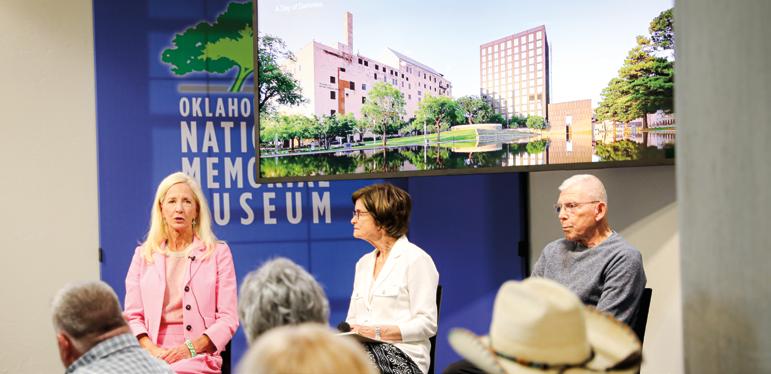
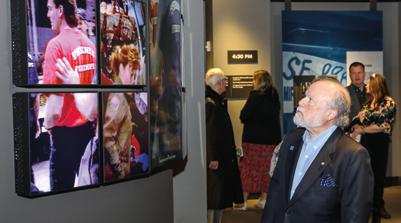
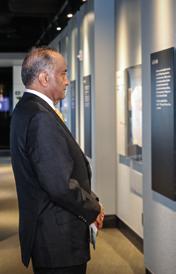
Day of Remembrance
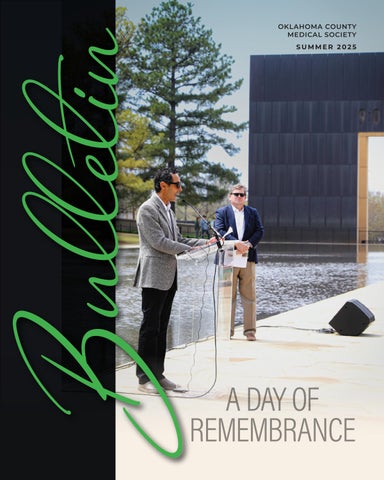
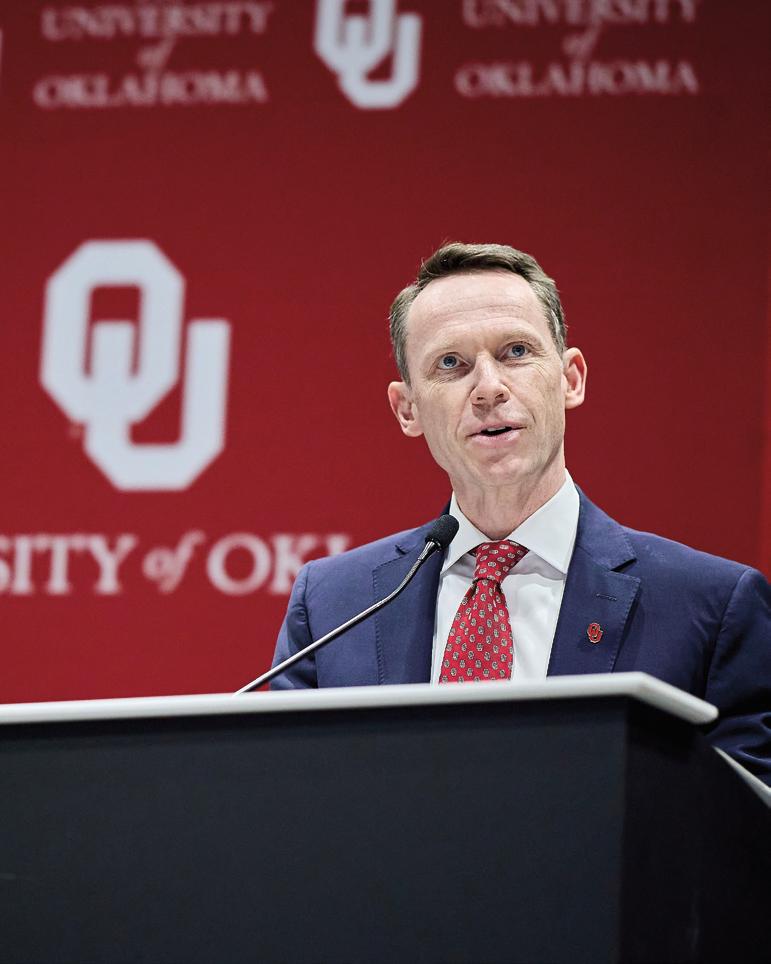
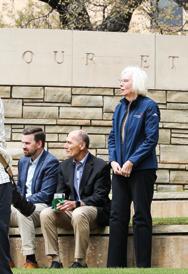
Physicians were honored at the Oklahoma City National Memorial & Museum ahead of the 30th Anniversary of the Oklahoma City bombing. Sumit K. Nanda, MD, and Bradley J. Margo, MD, (pictured on the cover) were part of the ‘Day of Remembrance’ ceremony, sponsored by OCMS and OSMA. Dr. Margo is the current OCMS President; Dr. Nanda is the current OSMA President and served as the 2022 OCMS President.
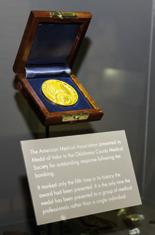
The March 30 event served as a tribute to the physicians and dentists who, in the hours following the April 19, 1995 bombing, embodied the highest values of their profession: altruism, public service, and dedication to patient care. Their selfless actions saved lives, provided comfort, and set a lasting example of what it means to serve in times of crisis.
Health Alliance for the Uninsured Honors Dr. Hassoun
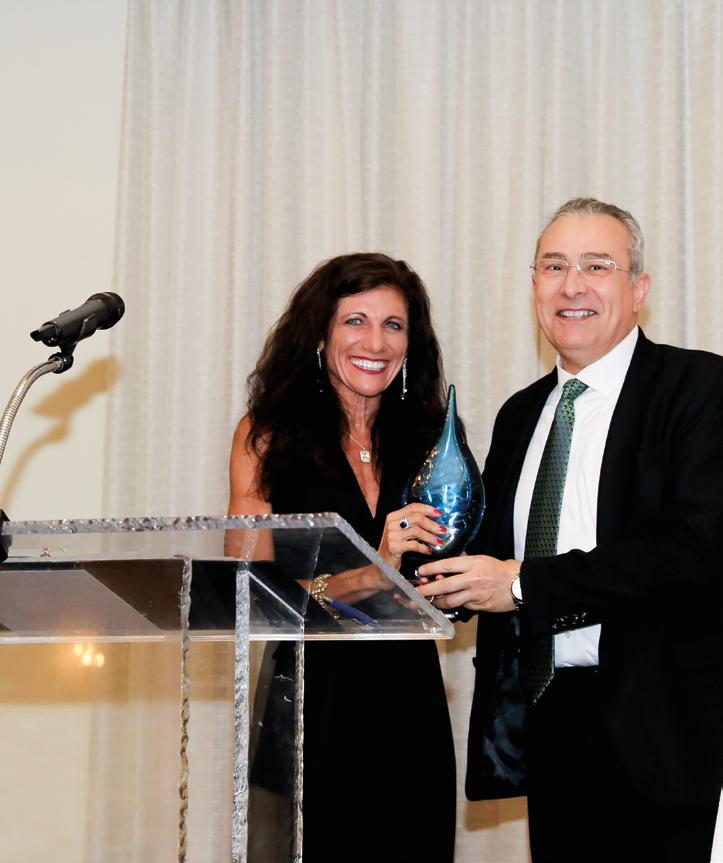
The Health Alliance for the Uninsured announced Dr. Basel Hassoun as recipient of the 2025 Honorable Service Award. This prestigious recognition was presented to Dr. Hassoun at the Oklahoma County Medical Society Gala, in recognition of his extraordinary contributions to medicine, patient care, and community service.
Celebrating Dr. Hassoun’s Dedication to Medicine
Dr. Hassoun, a distinguished urologist and community leader, has been a pillar of the Oklahoma healthcare community for nearly three decades. With a career spanning multiple states and specialties, Dr. Hassoun has dedicated his life to the care and well-being of others. After completing his medical education at Kuwait University, he earned a Master’s in Biochemistry from South Dakota State University, where he focused on the role of selenium as a free oxygen radical scavenger. He then completed a surgical residency at the University of Hawaii, followed by specialized training in Urology at the University of Oklahoma.
Since 1995, Dr. Hassoun has been in private practice in Oklahoma City, making significant strides in his field. Beyond his clinical work, Dr. Hassoun has also contributed as a national researcher, medical device consultant, and preceptor for the Oklahoma City University Physician Assistant Program. He has served as President of the Western Oklahoma Urologic Society and the Oklahoma State Urology Association, and his groundbreaking research and patents have shaped the future of urology.
Dr. Basel Hassoun is presented the 2025 Honorable Service Award by Jeanean Yanish Jones, Health Alliance for the Uninsured Executive Director at the Oklahoma County Medical Society Gala.
A Heart for Service
Dr. Hassoun’s dedication to service is perhaps most evident in his long-standing partnership with the Health Alliance for the Uninsured. As a former board member and a steadfast supporter, Dr. Hassoun has provided approximately 10 charitable procedures per year for some of Oklahoma’s most vulnerable residents. His personal and professional commitment to addressing the healthcare needs of the uninsured exemplifies the values of the Health Alliance for the Uninsured.
“Dr. Hassoun’s contributions to both medicine and the Oklahoma community are remarkable,” said Jeanean Yanish Jones, HAU Executive Director. “His unwavering commitment to the Health Alliance for the Uninsured, alongside his extensive clinical achievements, makes him the perfect recipient of this year’s Honorable Service Award.”
Building a Legacy
In addition to his professional success, Dr. Hassoun has made a lasting impact on his family. Along with his wife Suzanne, he has raised three accomplished children—Judy, Adam, and Noah—all of whom have pursued careers in healthcare and engineering, continuing the legacy of service and excellence that Dr. Hassoun has exemplified throughout his life.
A Vision for the Future
The Health Alliance for the Uninsured continues its mission to provide care for Oklahoma’s uninsured population, and Dr. Hassoun’s contributions play an essential role in this effort. HAU remains committed to ensuring that Oklahomans in need of medical care are not left behind. With a growing endowment campaign and support from dedicated individuals like Dr. Hassoun, the organization aims to secure a future where every uninsured person has access to the medical care they deserve.
About the Health Alliance for the Uninsured
The Health Alliance for the Uninsured is dedicated to improving the health of uninsured individuals in Oklahoma. In partnership with local organizations, HAU helps provide essential healthcare services, including specialty care, medication assistance, and healthcare navigation. Each year, HAU serves thousands of uninsured patients and relies on community partnerships to fulfill its mission.
Unexpectedly better urgent care.
Welcome to the exclusive concierge care approach that’s more personalized for true ease and convenience. Now opening locations throughout the metro.
You’re good to go. allseturgentcare.org
Take a Good Look
Hanna Saadah, MD
Iwas ten when I discovered that I preferred listening to adults converse than to my peers chatter. Adult discussions intrigued me when I struggled to connect the scattered fragments of their conversations. As an adult, I now wonder how many of the uninvited, thought fragments that visit my mind are but echoes from my childhood’s ears.
All day long, unbidden thoughts quietly intrude upon my consciousness. Whence do these intrusive thoughts come? Perhaps they sprout out of the octogenarian fields of my life’s experiences. I wonder if that’s what the poet, Alfred Lord Tennyson, meant when he said in his great poem, Ulysses: I am a part of all that I have met.1
The voiceless messages of Tennyson’s great poem uttered by Ulysses, the Trojan War hero and Aegean-seafaring sailor, continue to orbit my brain. My memory must be the lifeboat that buoys up all the moments of my life. I suspect that I will never have an original thought. All the thoughts that visit me, come from the lifeboat that carries my entire life’s remembrances, and reminds me that I am a part
of all that I have met. I must not own my mind then, nor am I allowed to alter any of its indelible memoirs. In fact, I am now resigned to the notion that it is my mind that owns me:
I do not trust my mind
It tortures and it teases
And wonders where it pleases
Leaving me behind;
I do not trust my mind.2
I am astonished at the unbidden thoughts that continuously visit my mind. Should I be ashamed to say what I am not ashamed to think? Does my reticence to reveal the shameful contents of my mind make me a hypocrite? Are all Homo sapiens natural hypocrites because they are ashamed to say what they’re not ashamed to think?
Do I dare believe that the thought fragments that visit my mind are my own thoughts? Homo sapiens’ evolved-reared-experience-programmed group-brains have collected—from the meadows of time and the hanging gardens of antiquity— colorful bouquets of uncountable little beliefs, biases, opinions, delusions, illusions, emotions, and misconceptions …
Our frail, impressionable Homo sapiens’ brains are programmed by our genes, childhoods, societies, countries, religions, epochs, experiences, and all that we have met.
T h e B r a i n at
Continues on page 32 …
My hurried programmers
They did not worry much
Here you are, they said
Here you are, but we will own your head
Though you may think that you can think
And feel that you can feel
And believe that you believe
What you will see will all be seen too late
And you will call coincidence your fate.3
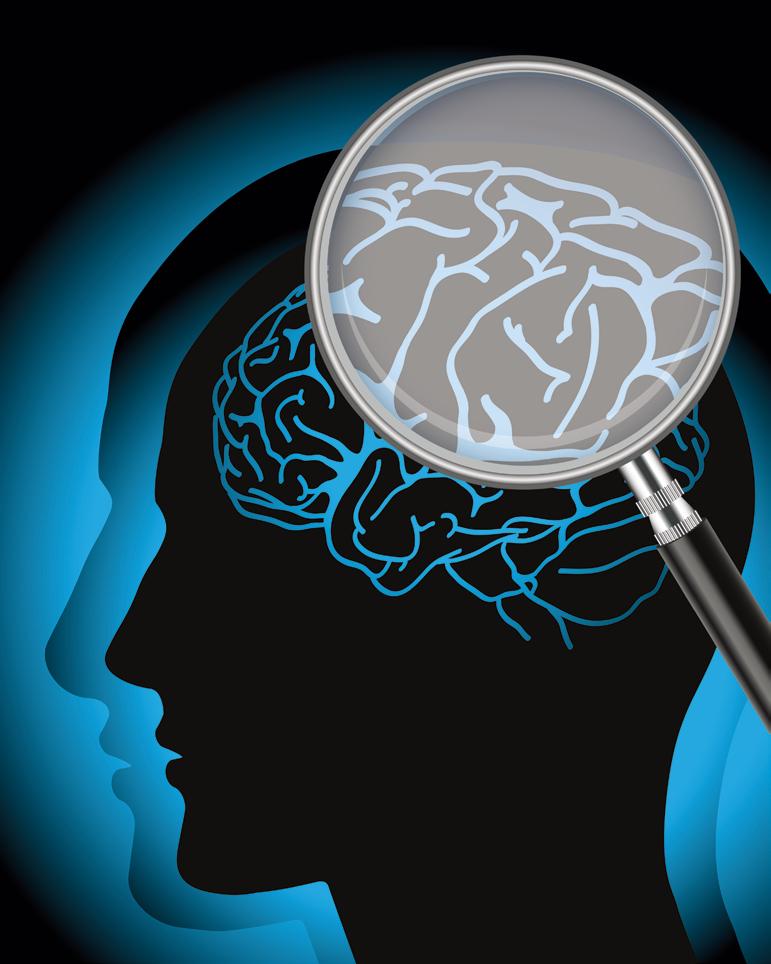
Indeed, we are our brains, our given brains, our evolved-reared-experience-programmed groupbrains. Since appearance often belies the essence, the way to really get to know a person is to take a good look at that person’s brain, which lies hidden behind that person’s face.
Is that feasible? Yes. Observe that person’s behavior, kindness, courtesy, politeness, reactions, voice, language, opinions, attires, biases, preferences, prejudices, beliefs, and character—and you will be able to visualize that person’s brain with your mind’s eye.
Taking a good look at brains—hidden behind faces—stifles racism, genderism, sexualism, and other shameful isms because all brains are of the same form and color. Because all brains look alike, taking a good look at the brains, stifles judging people by their appearances, countries, languages, wealth, powers, behaviors, education, and importance.
The following syllogism should simplify our hopes of living together, peacefully:
We are our brains
Our brains are alike
Therefore, we are alike.
The differences that separate our race into competing groups are superficial, insubstantial, exaggerated, biased, and based on appearance rather than essence. Taking a good look at brains eliminates blame. How can one blame a malefactor who is saddled with a brain that justifies dishonesty, violence, cruelty, and other ignoble
traits? Since we are our brains, being saddled with a malevolent brain is a social and personal handicap. Would any righteous blamer be willing to be saddled with a malefactor’s brain, even if that malefactor were highly intelligent, educated, and rich? If the answer is no, how then can malefactors be blamed for obeying the programs of their malevolent brains, knowing that most malefactors are the victims of all that they have met.
“We are not angry at madmen, children, and fools because they do not know what they do; and why should not imprudence have an equal privilege in other cases,” was the rhetorical question that Seneca (4 BC-65 AD) posed.
“What we do to children, they will do to society,” said the psychologist Carl Menninger (1893-1990).
Our brains have not evolved to be kind and cheerful because kindness and cheerfulness undermine group powers. Without group powers, we would not have been able to compete with Planet Earth’s creatures, including Homo sapiens. To uphold group powers, our brains had to evolve exaggerated loyalties, hubris, anger, impatience, aggression, cruelty, deceit, and blind beliefs that shun debate, repudiate reality, and disregard facts.
Because of our misfit brains—misfit because we are unable to get along with Planet Earth and its creatures—we are prone to violence and wars, favor our own groups over all others, enslave or destroy other groups with a clear conscience, and are blind to the cruelties that we inflict upon Planet Earth. Our misfit brains make us the deadliest creatures on Planet Earth. All the prophets and religions that have tried to bring global peace, have failed. As Thomas Hardy (1840-1928) wrote on Christmas in 1924:
Peace upon Earth!” was said. We sing it,
And pay a million priests to bring it.
After two thousand years of mass
We’ve got as far as poison gas.
History has taught us that it is much easier to rally Homo sapiens to war than to peace. As Julius Caesar (100-44 BC) observed, “It is easier to find men who will volunteer to die, than to find those who are willing to endure pain with patience.”
Homo sapiens are proud of their inventive and creative brains. However, they are not ashamed of their cruel and destructive brains. This dichotomy defines our race. To blame individuals and leaders who are acting out the programs of their-experienced brains is shortsighted. To blame evolution as the culprit is insane. We are what we have evolved, experienced, and were reared to be; none of us can choose not to be what one has been sentenced to be. We are brain robots, enslaved by our evolved-reared-experience-programmed groupbrains, brains that are cluttered with uncountable, blind, little beliefs and impromptu opinions. We are our brains. Our brains are our characters. Our characters are our destinies.
“Character is destiny,” said Heraclitus of Ephesus in 500 BC. Un-swayed by appearances, Heraclitus was perhaps the first to take a good look at the human brains as character-defining organs.
Am I ashamed of my race? No, because Homo sapiens—saddled with impatient-hurried-unwise brains—are doing their best, trying to make sense of living on Planet Earth. By obeying brains that have been programmed by all that they have met, Homo sapiens spend their lives frantically searching for all kinds of little things to believe in, searching for little beliefs that vouchsafe relevance and meaning to their existence upon a tiny planet in an infinite, spreading universe or multiverse. I feel sympathy for the Sisyphean missions that overburden my race—but I am proud that they have added health, human rights, and joy to life.
In his poem, The Monk talking to God, the German poet, Rainer Maria Rilke (1875-1926) reminded us that we are an accidental race: No one lives his life.
Humans are accidents, voices, fragments, habits, anxieties, innumerable small joys, disguised already as children, wrapped around as masks mature, as the face of a person—mute.
Nevertheless, since we are blaming creatures, whom should we blame? Instead of blaming one another, let’s all make peace by blaming evolution, the arch conductor of Planet Earth’s creatures. Let us have empathy for all the members of our race because they have all been saddled with programmed-misfit group brains that they must obey.
Should I feel sorry for humanity? Yes. The behavior of humanity across millennia has been shameful, cruel, and lamentable. I not only feel sorry for humanity; I also feel sorry for Planet Earth who is being sacrificed at the altar of progress. Our cruelty and abuse of Planet Earth have not been repaid in kind. Instead, Planet Earth has continued to treat Homo sapiens with kindness, bountiful generosity, and love.
“A part of kindness consists in loving people more than they deserve,” said Joseph Joubert (1754-1824).
Perhaps we should learn from Planet Earth and Joseph Joubert that the keynotes for peaceful coexistence should be kindness and loving one another more than we deserve.
Except for us, none of the other earthly creatures are saddled with programmed-misfit brains that induce them to violate planet earth, nature, and all its creatures. As a race, misbehavior is our identifying badge. We are impatient, hurried, unwise, acrimonious, judgmental, aggressive, intolerant, deceitful, and favor our groups above all others.
Continues on page 34 …
“Love of one is a barbarism; for it is exercised at the expense of all others,” said Friedrich Nietzsche in Beyond Good and Evil.
Taking a good look at brains hidden behind faces makes us all equal in our minds’ eyes. Visualizing the brains, conjures global empathy because we’ve all been saddled with evolved-reared-experience-programmed group-brains, brains that not only define our characters; they also chart our destinies.
We go to war because we think war is inevitable, because the notions of debate and compromise do not occur to us when we are in the frenzy of self-defense, retribution, vengeance, honor, patriotism, bravery, self-sacrifice, martyrdom, and utopian dreams.
“Utopian dreams are a major cause of twentieth-century nightmares,” said Steven Pinker, the Canadian American cognitive psychologist, professor of psychology at Harvard University, advocate of evolutionary psychology and the computational theory of mind.
The poet, Rudyard Kipling (1865-1936), commenting on the massive death rates of youth during the First World War, whispered: If any question why we died, Tell them, because our fathers lied.
Poet and war hero, Siegfried Sassoon (1886-1967), had this to say about the celebrating crowds that cheer young soldiers, marching to war:
Ye smug-faced crowds with kindling eye Who cheer when soldier lads march by Sneak home and pray you’ll never know The hell where youth and laughter go.
Universal peace comes from universal love. Evolved-reared-experience-programmed group-brains favor group love over universal love. To achieve universal equanimity, we must shed our group brains (brains that favor one group over all others) and adopt universal brains that think of Planet Earth and all its inhabitants as our world of brotherhoods.
“We ought not, therefore, to give our hearts for good to any one part of the world. We should live with the conviction: I wasn’t born for one particular corner: the whole world’s my home country,” wrote Seneca, in Letters From A Stoic.
AN EXCEPTIONAL LEADER IN HEALTHCARE BANKING
“The only salvation for civilization and the human race lies in the creation of world government. If the idea of world government is not realistic, then there is only one realistic view of our future: wholesale destruction of man by man,” said Albert Einstein (1879-1955).
“Come, my friends,
Tis not too late to seek a newer world,” said Alfred Lord Tennyson in his poem, Ulysses.1
Vafadar, NMLS# 799925
References:
1. Ulysses. Alfred Lord Tennyson (1809-1892).
2. Loving Of A Different Kind, from Loves and Lamentations of a Life Watcher. Hanna Saadah
3. Hurried Race, from When You Happened To Me. Hanna Saadah
LAW & MEDICINE
Duties and Medical Malpractice Liability of Physicians Recommending Medical Marijuana
Compiled by: S. Sandy Sanbar MD, PhD, JD, FCLM, DABLM
Recently, a professor was lecturing on medical marijuana to a group of physicians in Oklahoma.
The professor is Board Certified in both Anesthesiology and Pain Management, sees patients in a pain clinic at a University Medical Center, and recommends cannabis to some patients. The Professor has also been doing research for several years and published articles on cannabis in peer reviewed journals. At the end of the presentation, the professor was asked the following questions:
Q: Which products of cannabis and doses do you recommend to your patients. And what do you tell them about the risks and side effects of using those products?
A: I tell my patients that I do not know what cannabis products are available for sale. I tell my patients to go to a dispensary and get that information about the types of cannabis available, their quality, dosages. and potential adverse effects.
Q: If one of your (professor’s) patients goes to the dispensary, purchases a cannabis product, develops a severe adverse event, and files a medical malpractice lawsuit, who will be liable, the doctor, the dispenser, or the manufacturer?
A: I do not know. Medical Malpractice lawyers may include everybody involved with the patient’s treatment.
Physicians Recommending Medical Marijuana
• Physicians have a duty and responsibility for evaluating the patient’s medical condition and determining if medical marijuana could be beneficial. They must ensure that the patient meets the state’s criteria for medical marijuana use and provide a recommendation.
• Physicians are generally not liable for the patient’s use of marijuana after the recommendation. However, physicians must conduct a thorough examination and inform the patient of potential risks and benefits. Failure to do so could lead to malpractice claims if the patient suffers adverse effects.
Physicians play a crucial role in the medical marijuana process. Their primary duty is to evaluate the patient’s medical condition and determine if medical marijuana could be beneficial. This involves several important duties and responsibilities:
LAWAND
• Physicians must establish a bona fide relationship with the patient, which includes taking a comprehensive medical history, conducting a thorough physical examination, and documenting the patient’s condition. The patient’s medical record is a legal document.
• Physicians must assess whether the patient’s condition qualifies for medical marijuana use under state laws. This often involves diagnosing conditions such as chronic pain, severe nausea, epilepsy, and other qualifying conditions.
• If the physician determines that medical marijuana could be beneficial, they must provide a written recommendation or certification. This recommendation must comply with state-specific criteria and guidelines.
• Physicians have a duty to inform patients about the potential risks and benefits of medical marijuana. This includes discussing possible side effects, drug interactions, and the legal implications of using medical marijuana.
Physicians are generally not liable for the patient’s use of marijuana after the recommendation. However, they must adhere to certain standards to avoid malpractice claims.
• Physicians must comply with state laws and regulations regarding medical marijuana recommendations. This includes following guidelines for patient eligibility, documentation, and reporting.
• Medical marijuana is legal in many states, but it remains illegal under federal law. Physicians must be aware of the potential legal risks and ensure that their recommendations do not violate federal regulations.
There have been some appellate court decisions related to medical malpractice and cannabis. For example, the Conant v. Walters case upheld that physicians› recommendations for medical marijuana are protected under the First Amendment. The court reasoned that doctors should not be held liable for conduct that patients might engage in after leaving the office.
In sum, physicians recommending medical marijuana, such as the professor above, have specific duties to ensure patient safety and compliance with state laws. They must adhere to standards of care to avoid malpractice claims. Otherwise, physicians may be liable for malpractice, although appellate court decisions have provided some legal protection for physicians in this context.
Resources:
• Physicians must conduct a thorough examination and ensure that the recommendation is based on sound medical judgment. Failure to do so could lead to malpractice claims if the patient suffers adverse effects.
• Physicians must obtain informed consent from the patient, which involves explaining the potential risks and benefits of medical marijuana.
1. Legal Implications for Physicians Recommending Medical Cannabis in the USA - Cannabis Business ExecutiveCannabis and Marijuana industry news
2. Can You Sue a Doctor for a Medical Marijuana Recommendation? - FindLaw
3. Provider Concerns When Recommending Medical Marijuana | Baker Donelson
4. Product Liability in the Cannabis Industry: Insights From 2022 & Looking Forward - Cannabis Industry Journal
• In clinical medicine, these terms are used interchangeably, causing confusion. This ambiguity taints coding, statistics, studies and compensation.
• Diagnostic clarity is prerequisite to appropriate management. Since there is no explicit definition of sepsis, Sepsis Syndrome is the preferred term. Common bacteria are inferred, yet other pathogens may be the cause.
• The body’s reaction to infection, i.e. Systemic Inflammatory Response Syndrome (SIRS), points to cardiovascular, respiratory, renal, hepatic, neurologic, and coagulation abnormalities. (High serum lactic acid level, reflecting organ hypoperfusion with anaerobic metabolism, is not specific.)
THE SEPSIS SYNDROME - Part 2
(The Ambiguity of Sepsis Causation)
• Sepsis, defined as an insult to the body, resulting in life-threatening organ dysfunction (1), is usually caused by bacterial infection.
• Non-Infectious conditions that masquerade as Sepsis Syndrome include: myocardial infarction, pulmonary emboli, pancreatitis, neoplasms, ischemia, gangrene, trauma, burns, toxins, adverse drug reactions, heat strokes, dehydration, and some other endocrinologic, immune-mediated, dermatologic and central nervous system conditions (2,3).
• Sepsis from bacterial infection has a high mortality. This has led to the Surviving-Sepsis Campaigns which focus on a low threshold for diagnosis and on prompt, empiric, antibiotic therapy (4).
• This sepsis reflex leads to overdiagnosis and antibiotic overtreatment, which contributes to antibiotic resistance and Clostridioides difficile epidemics.
• Diagnosis is fallible whereas positive microbiology can be definitive. Utilizing the classic biomarkers of temperature, white blood cell count, erythrocyte sedimentation rate, C-reactive protein, procalcitonin, and lactic acid level often help.
• Maintaining a low threshold for suspecting infection and providing prompt antibiotic treatment is important. However, discontinuing antibiotics when infection is ruled out, is promulgated by Antibiotic Stewardship (2,5).
2. Wlodaver CG, May C: Antibiotic Stewardship: Using Clinical Guidelines to Control Antibiotic Overuse and Deter Microbial Adaptation. Infect Dis Clin Pract, 2012; 20:12-17.
3. Wlodaver, CG: Infectious Appearing Diseases, and Infections that Present in Disguises. J Okla State Med Assoc, 2005; 98:237-242.
4. Singer M, Deutschman CS, Seymour CW, et al. The Third International Consensus Definitions for Sepsis and Septic Shock. JAMA. 2016;315(8):801-810. Infectious Diseases Society of America Position Paper: Recommended Revisions to the National Severe Sepsis and Septic Shock.
5. Wlodaver CG, May C: Why do Physicians Unnecessarily Prolong Antibiotics? Infect Dis Clin Pract, 2014;22:318-319.
Hobbes clearly proves, that every creature Lives in a state of war by nature So, naturalists observe, a flea Has smaller fleas that on him pray; And these have smaller still to bite ‘em And so proceed ad infinitum.
Jonathan Swift, “On Poetry: A Rhapsody”
If you have a lighthearted, funny bone-tickling joke you would like to share with our readers for this new feature, please send your submission to hannasaadah@hotmail.com and to nightowlokc@gmail.com.
Oklahoma County Medical Society 313 N.E. 50th St., Suite 2 Oklahoma City, OK 73105-1830