OHIO SOYBEAN NEWS
A PUBLICATION OF THE OHIO SOYBEAN

A PUBLICATION OF THE OHIO SOYBEAN
Celebrating 60 years of the Ohio Soybean Association & 35 years of Ohio's Soybean Checkoff!



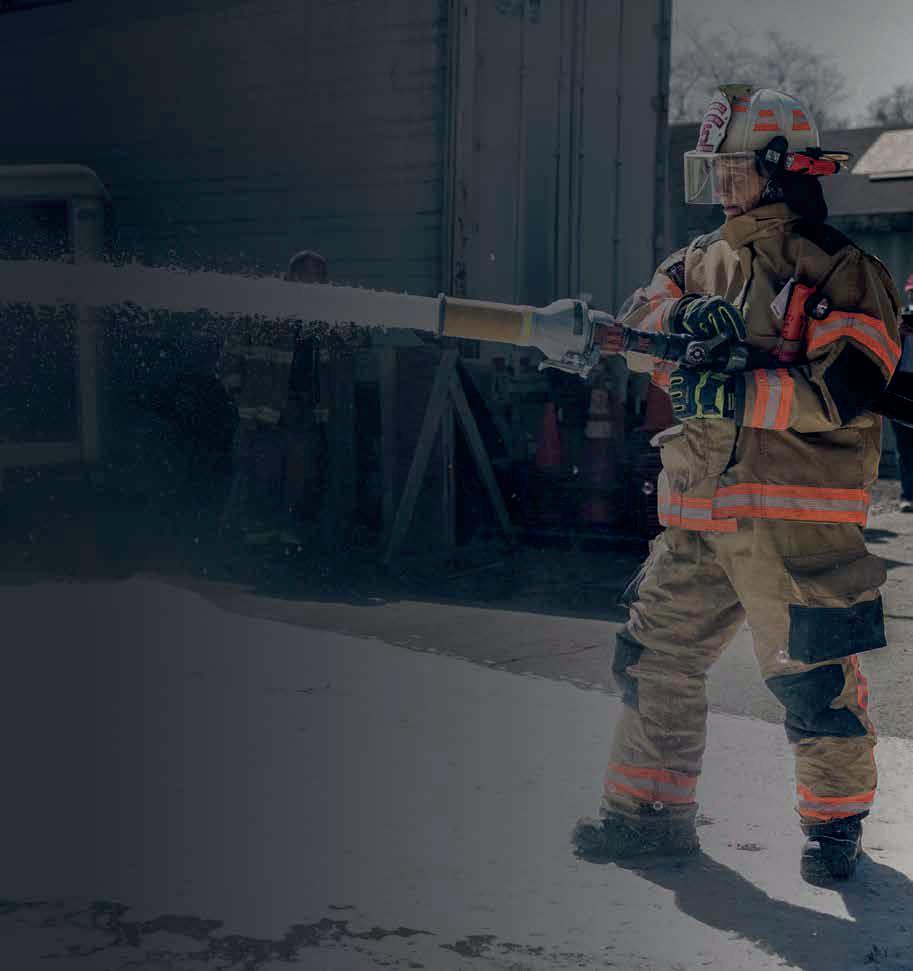
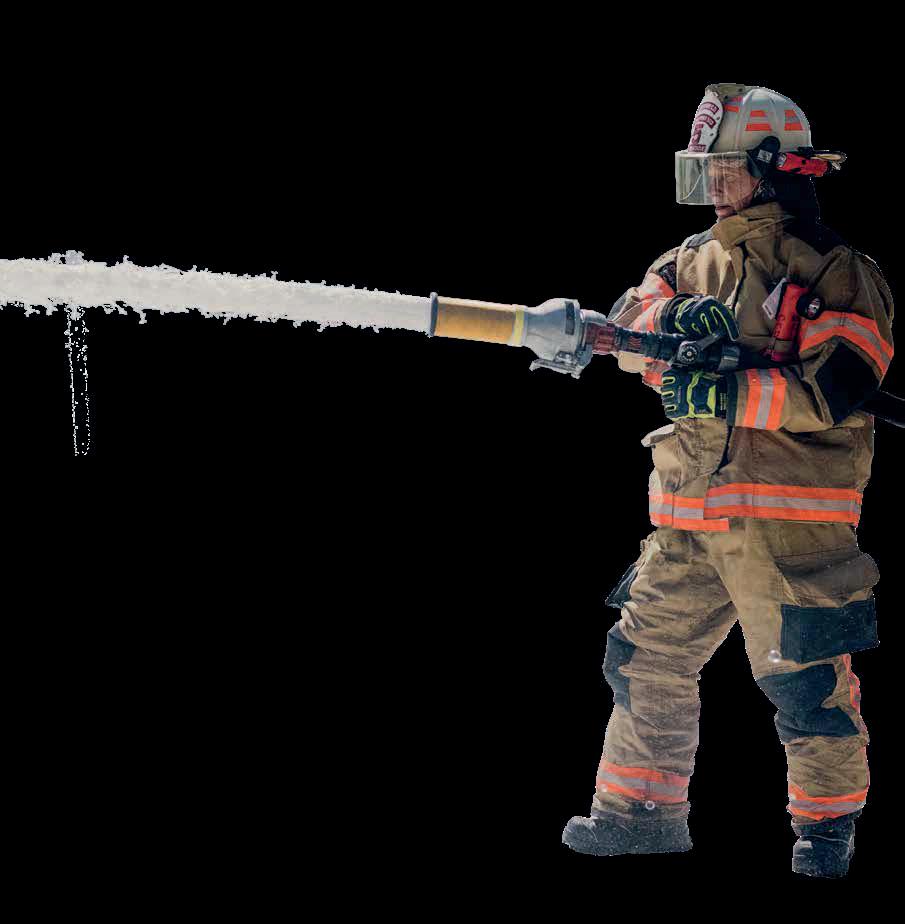
The more we discover about soybeans, the more valuable they become. One innovative product, SoyFoam™, creates a new, sustainable use for your crop that protects firefighters and the planet. See how your Soy Checkoff is unlocking new markets for soybeans at unitedsoybean.org


Bennett Musselman
Ohio Soybean Association President Pickaway County Soybean Farmer
It seems like we had a typical planting season in Ohio this year – typical in the sense that neighbors only a few miles apart had vastly different experiences. And while I know it took some of us, especially our northern Ohio folks, a little longer to get in the field, I hope everyone had a safe and successful planting season.
Something that was atypical this year was the price for fuel. In general, diesel prices tend to drop off in the summer months, but this year could be different. As I write this column, AAA is reporting that the average price for diesel in Ohio is $6.04, almost double what it was this time last year. Of course, some of this rise in price is due to the conflict in Iran and essentially the complete closure of the Strait of Hormuz. While I don’t claim to be an expert on the oil and gas industry, I do know that bringing biodiesel and renewable diesel production back to our state would help bolster domestic fuel production, reduce our dependence on foreign oil, and help insulate us against the volatility of global markets.
Despite being the fifth largest soybean-producing state in 2025, Ohio has no active biodiesel or renewable

diesel production facilities. In 2022, our last remaining biodiesel production facility in Cincinnati was converted to pretreat feedstocks for renewable diesel production in North Dakota. Columbus’ Benchmark Biodiesel blends biodiesel with conventional diesel for distribution across the state, but they are forced to import biodiesel via rail from Illinois.
The Ohio Soybean Association (OSA) recently introduced legislation with Rep. Bob Peterson to create a biodiesel and renewable diesel production tax credit. With the new crush capacity in Sidney and Upper Sandusky, now is an opportune time to make fuel with soybean oil and help not only our fuel supply, but also our bottom line.
If you’re not currently using biodiesel on your operation, make sure to ask your fuel provider about how you can get it. And keep an eye out for ways you can help OSA get this biofuels tax
Bennett Musselman OSA President
Pickaway County Soybean Farmer
President
Bennett Musselman, Pickaway County
Vice President
Dustin Converse, Union County
Treasurer
Dave Green, Crawford County
Secretary
Adam Vonderhaar, Preble County
Chairman
Rusty Goebel, Williams County Trustees
Trish Cunningham, Union County
David Clark, Warren County
Justin Esselburn, Wayne County
James Lipstraw, Sandusky County
Matt Lutz, Crawford County
Jeff Magyar, Ashtabula County
Scott Metzger, Ross County
Jeremy Price, Putnam County
Ryan Rhoades, Marion County
Bob Suver, Clark County
Jennifer Wilson-Oechsle, Van Wert County
American Soybean Association Board Representatives
Rusty Goebel
Scott Metzger
Ryan Rhoades Staff Credits
Kirk Merritt - Publisher
Julia Brown - Editor
Mackenzie Joseph - Staff Writer
Lauren Gerig - Art Director
Kim Lemmon - Production Manager
Ohio Soybean News is published six times a year by the Ohio Soybean Association, 918 Proprietors Rd., Suite A, Worthington, OH 43085. Phone: 614-476-3100.
Comments and statewide news articles should be sent to the above address. Advertising space reservation must be made by the first of the month preceding publication. In consideration of the acceptance of advertisement, the agency and the advertiser must, in respect of the contents of the advertisement, indemnify and save the publisher harmless against any expense arising from claims or actions against the publisher because of the publication of the content of the advertisement.
For Advertising Sales Contact: Kristin Flowers - (614) 323-9320 kristin@ohioagnet.com
For Address Corrections Contact: Ohio Soybean News at 918 Proprietors Rd., Suite A, Worthington, OH 43085.
Web address: www.soyohio.org E-mail: cdeboard@soyohio.org






























This year, the Ohio Soybean Association celebrates its 60th anniversary, marking six decades of advocacy and leadership on behalf of Ohio’s soybean farmers. Since 1966, OSA has been committed to ensuring that Ohio farmers have a strong voice in the policies and legislation that impact their operations.
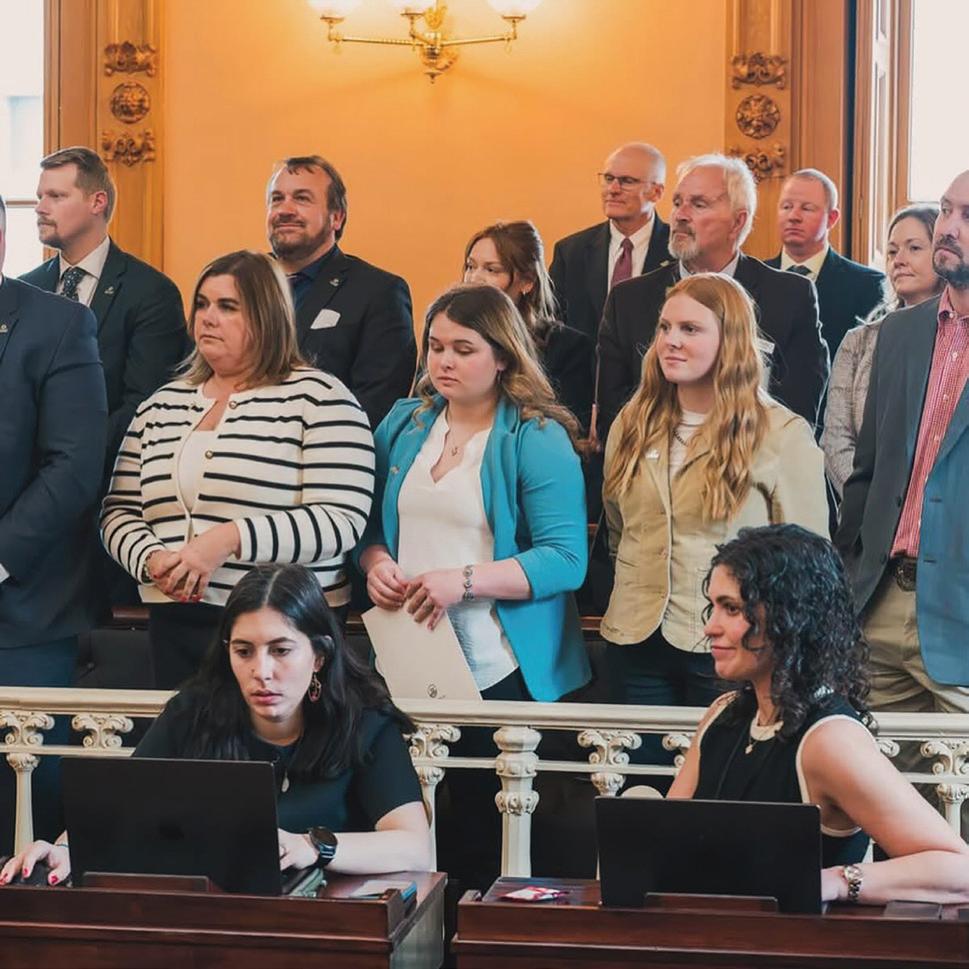
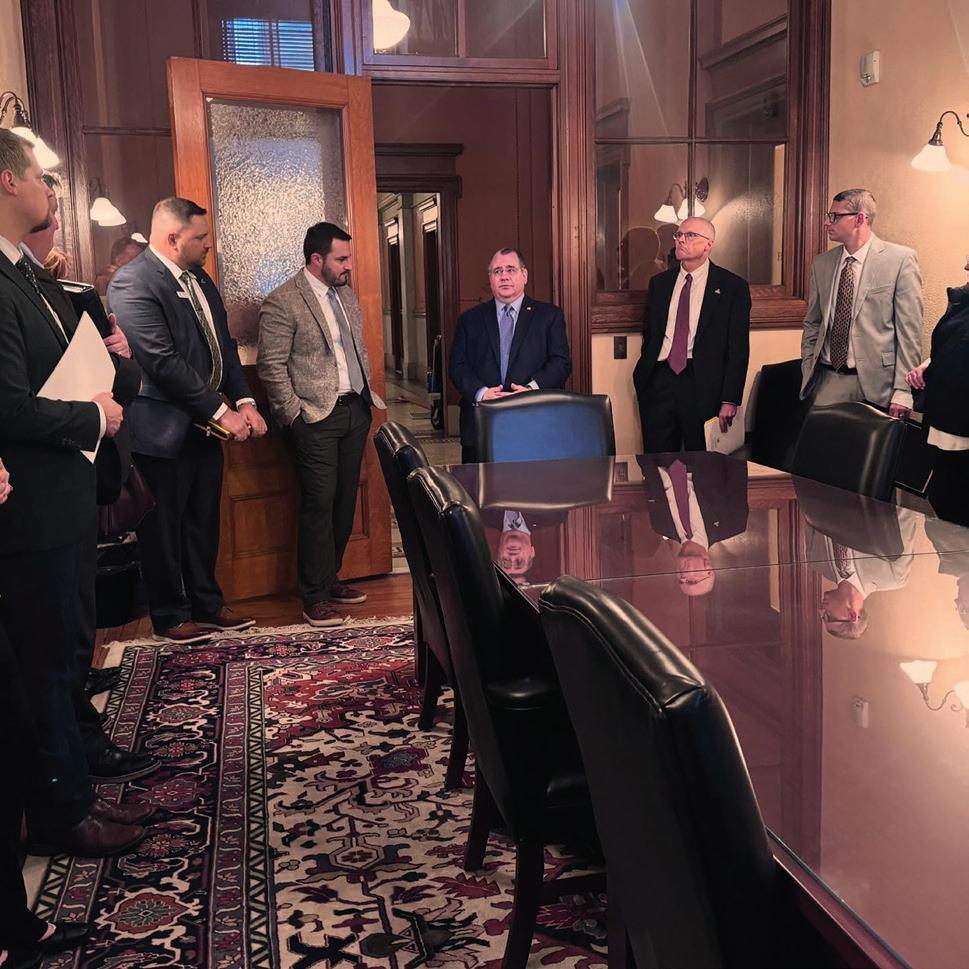
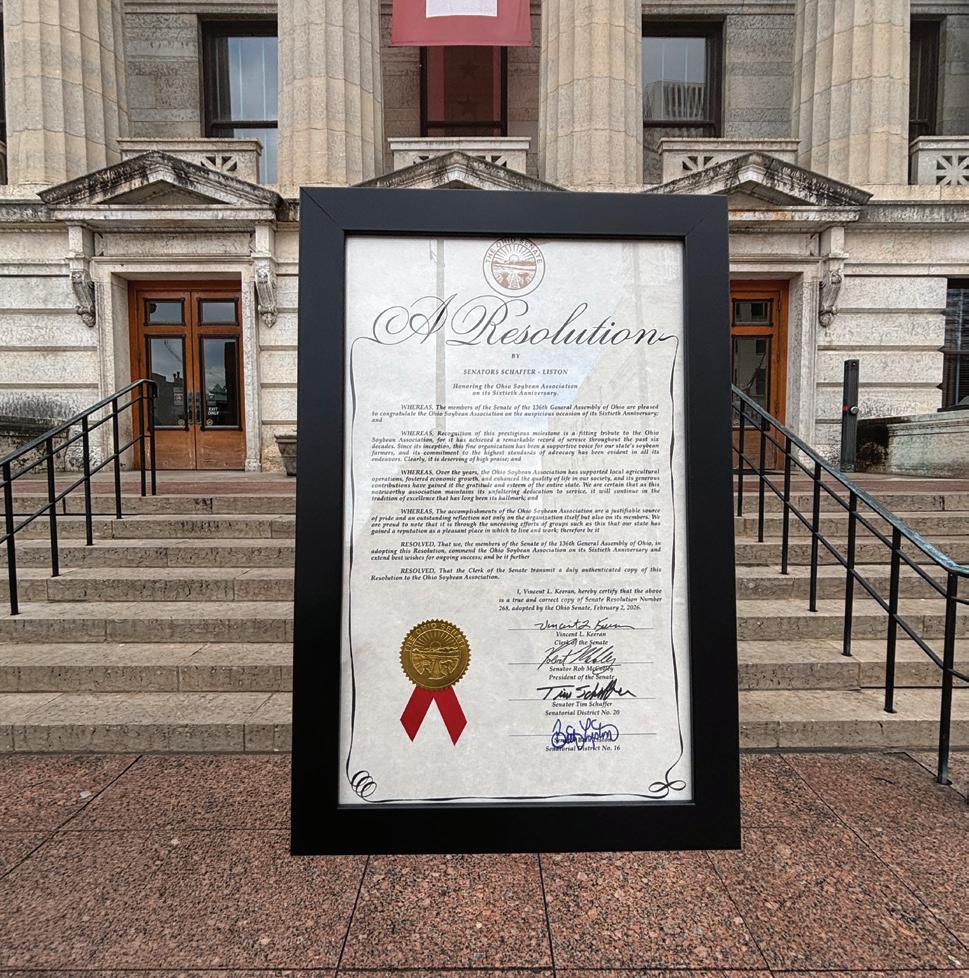
In celebration of the organization’s 60th anniversary, Ohio Senators Tim Schaffer and Beth Liston presented the Ohio Soybean Association with a Resolution. Senate Agriculture and Natural Resources Committee Chairman Tim Schaffer presented OSA board members with this honor on the Senate Floor during our annual OSA Legislative Day in February.
“The accomplishments of the Ohio Soybean Association are a justifiable source of pride and an outstanding reflection not only on the organization itself but also on its members. We are proud to note that it is through the unceasing efforts of groups such as this that our state has gained a reputation as a pleasant place in which to live and work,” reads the Resolution.
Our organization continues to operate under a clear mis-
sion: to advocate through member engagement to influence policy, regulation, and legislation that benefit Ohio soybean farmers and industry. Through an ever-changing industry, OSA has remained steadfast in protecting and advancing the interests of soybean producers across the state.
Today, OSA continues to lead policy efforts on behalf of Ohio soybean farmers at the state and federal levels. The association works closely with lawmakers, industry partners, and agricultural stakeholders. From issues impacting trade and transportation to renewable fuels and farm policy, OSA ensures that farmers’ perspectives are represented in important discussions.
As the organization celebrates this milestone anniversary, it also looks ahead to the future with a continued vision to shape policy and legislation that ensures a growing and profitable soybean industry. The 60th anniversary is not only a celebration of OSA’s history, but also as a reminder of the strong foundation that will continue guiding Ohio soybean farmers for years to come.


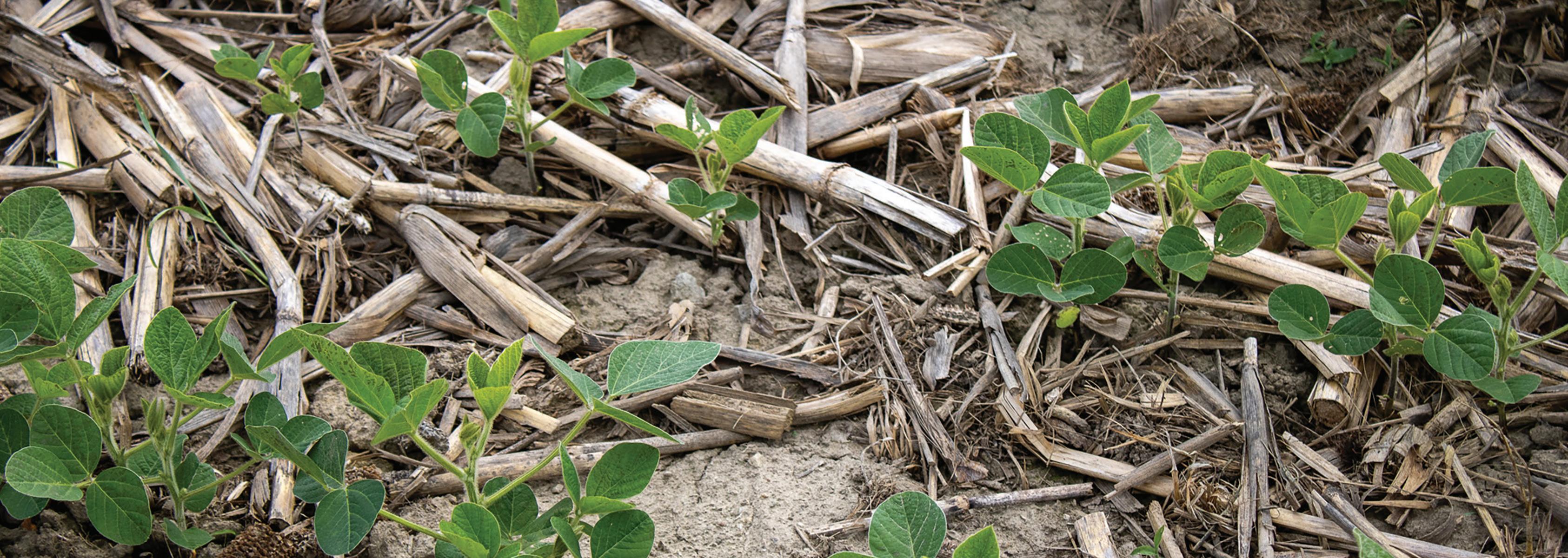
The Ohio Soybean Association (OSA), the advocacy voice for Ohio soybean farmers, is excited to announce the inaugural Ohio Soybean Association Conservation Award. This award will recognize soybean farmers in Ohio who have gone above and beyond to implement best management practices that are both environmentally conscious and profitable.
“We know that many Ohio farmers are committed to practices that are not only good for the planet, but also good for their bottom line, and we wanted to recognize that,” said OSA President and Pickaway County soybean farmer Bennett Musselman. “We hope the future winners of this award help demonstrate Ohio’s unique farming operations and our farmers’ desire for continuous improvement.”
Applications for the award are available at www.soyohio. org/OSAConservation and are due on August 14, 2026. Applications are only open to OSA members. The recipient of the 2026 award will be submitted to compete for the American Soybean Association Conservation Legacy Award for recognition at the national level. An Ohio farmer last won this award in 2023, when Les Seiler (Fulton County) won for his use of no-till and a two-stage ditch.

Ohio Farm Bureau and Nationwide have a rich history of supporting Ohio’s agricultural community. Our partnership remains strong, reflecting our dedication to the farmers who sustain us. We’re especially proud to support Ohio’s soybean producers, helping to secure a bright future for agriculture in our state.
Any questions about this award or your membership status and how to join should be directed to Wendy Hovey at whovey@soyohio.org.
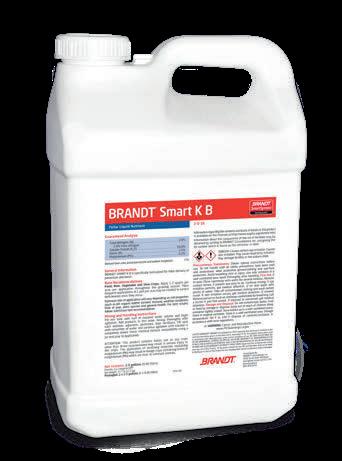
BRANDT Smart K B delivers more than K and B – it delivers profits. With its efficient foliar delivery system, it ensures rapid nutrient absorption and mobility of B, enhancing plant growth and reducing nutrient deficiencies. The result? Better crops and greater yields. Take Control with BRANDT Smart K B and watch your profits grow.
The story of soybeans in America is really a story about farmers who were willing to lead through change. For nearly a century, Ohio farmers have been part of that story, helping guide the soybean industry through some of its most important moments.
Since the American Soybean Association was founded in 1920, Ohio has produced a strong line of leaders who carried the voice of soybean farmers far beyond their own communities. As the Ohio Soybean Association celebrates its 60th anniversary, it is also reflecting on a legacy of leadership that has connected Ohio agriculture to the national stage for generations.
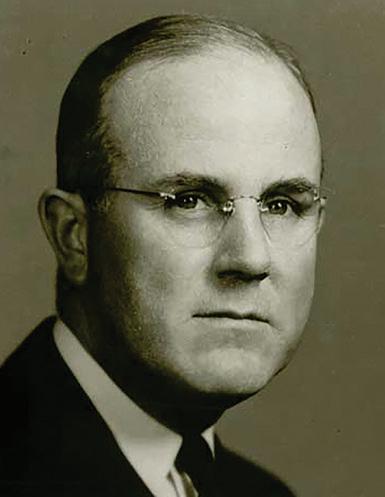
That legacy began with J. B. Park of Columbus, who served as ASA president from 1937 to 1938. In the early days of the organization, soybeans were still finding their place in American agriculture, and Park helped build confidence in a crop that was just beginning to expand beyond feed and forage.
He was followed by G. G. McIlroy of Irwin, who served from 1938 to 1941, helping guide the organization

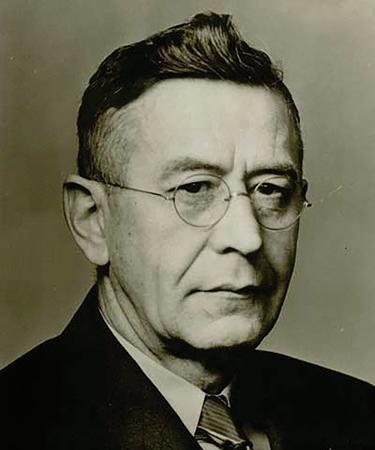
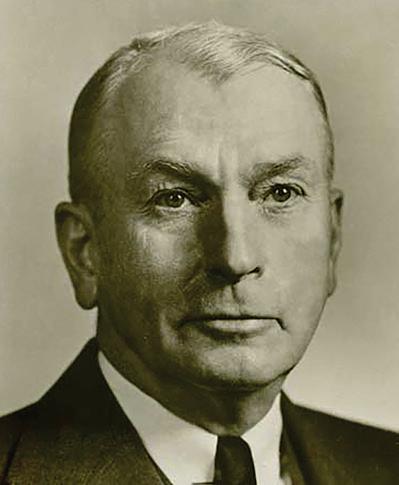
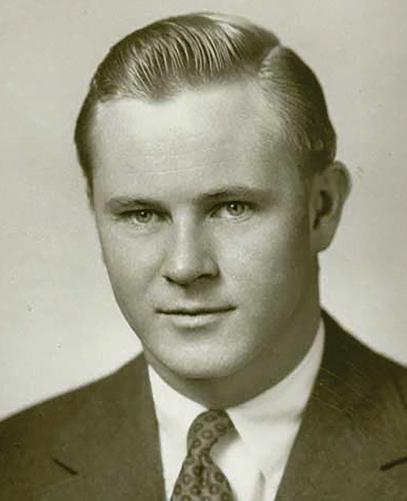
as soybean acreage grew and agriculture faced increasing uncertainty. David G. Wing of Mechanicsburg led from 1941 to 1943 during World War II, when farmers were asked to meet unprecedented demand for food, oil and industrial products.
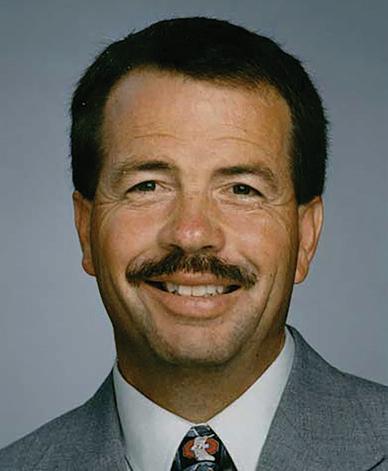
John Sawyer of London served from 1957 to 1959 as soybeans entered a new era of modernization and wider adoption across U.S. agriculture. Decades later, Tony Anderson of Washington Court House led in 2000 and 2001 as global trade became increasingly central to soybean markets. Rob Joslin of Sidney followed from 2009 to 2010 during a period shaped by innovation, renewable fuels and evolving consumer demand.
Now, that leadership legacy continues with Ross County farmer Scott Metzger, who is serving as ASA president in 2026. Metzger farms more than 3,100 acres near Williamsport with his family in a diversified row crop operation that includes soybeans, corn and wheat.
His perspective is shaped by daily life on the farm, where decisions about markets, weather, input costs and policy are not abstract but immediate and personal. Over years of service at both the state and national level, including leadership roles within the Ohio Soybean Association and Ohio Soybean Council, he has worked to elevate farmer priorities while building strong relationships across the industry. That combination of practical experience and long-standing advocacy positions him to represent soybean growers at a time when issues like trade, sustainability, biofuels and global demand continue to shape the future of agriculture.
From early market development to today’s global challenges, Ohio farmers have continued stepping forward when leadership was needed most. That tradition continues today, carried on by those who understand that the future of soybeans is shaped not only in policy rooms, but also in the fields back home.
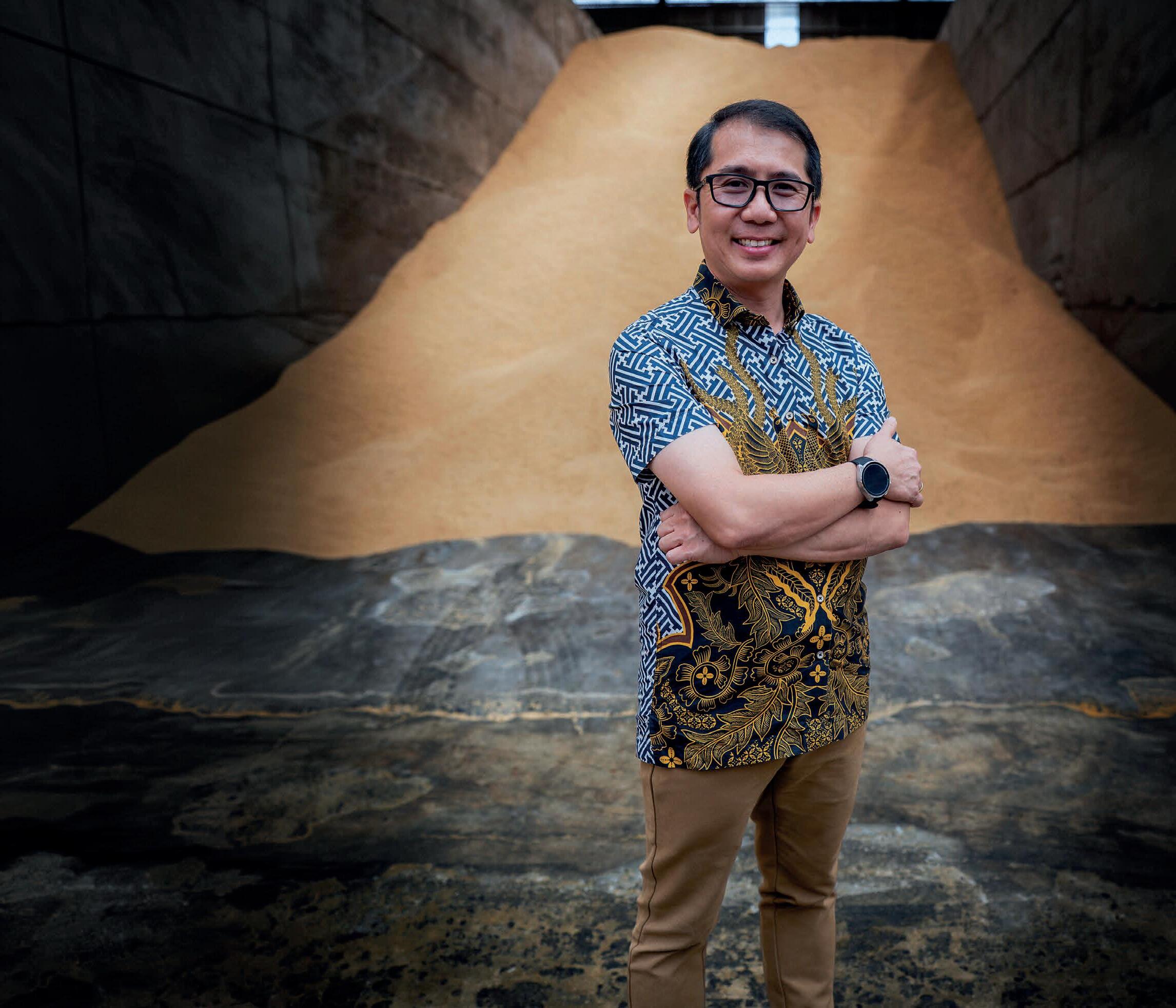
“U.S. SOYBEAN MEAL IS MORE CONSISTENT WITH QUALITY. YOU CAN SEE THE DIFFERENCE.”
Hendri Chandra Director, PT Shahabat Yaya Tio Perkasa, Indonesia
YOU GROW THE WORLD’S MOST SUSTAINABLE SOY. WE GROW DEMAND FOR IT.
USSEC elevates a preference for U.S. Soy by working directly with buyers in over 90 countries to demonstrate its proven quality and sustainability.

The Ohio Soybean Association was organized in Columbus by soybean leaders including David Wing of Champaign County and John Sawyer of Madison County. OSA was officially incorporated in August 1966.
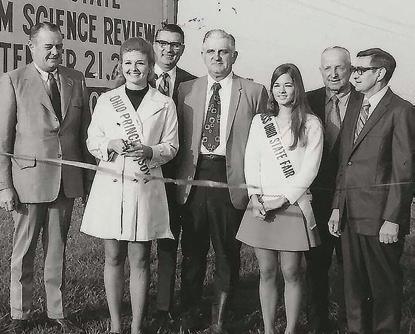
Theresa Ludwig of Hardin County was named Ohio’s first “Princess Soya,” launching a statewide outreach effort promoting soybeans and Ohio agriculture through fairs, educational events, and public appearances.
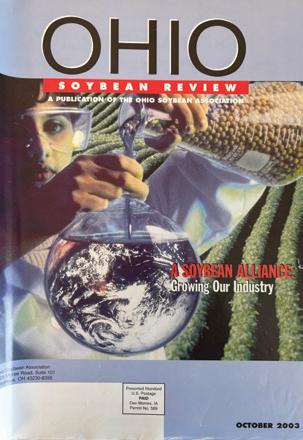
The inaugural issue of Ohio Soybean Review — now Ohio Soybean News — was published, strengthening communication between Ohio soybean farmers, OSA, and the Ohio Soybean Council through industry news, policy updates, and production information.
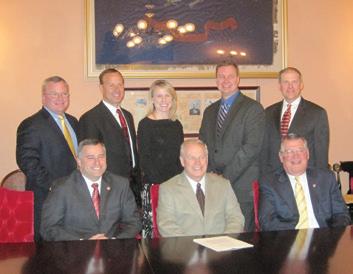
OSA strongly advocates for House Bill 414, legislation implementing State Issue 2 and establishing the Ohio Livestock Care Standards Board. Signed into law by Governor Ted Strickland in 2010, the bill created a 13-member board responsible for overseeing animal care and well-being standards on Ohio farms.
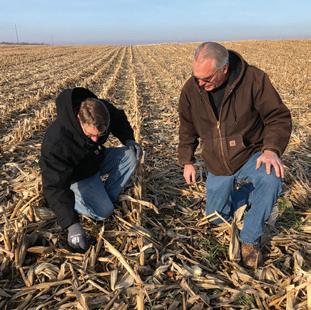
Fulton County farmer Les Seiler received the National Conservation Legacy Award from the American Soybean Association for leadership in no-till farming, cover crops, and soil health practices.
For nearly six decades, the Ohio Soybean Association has served as the voice of Ohio soybean farmers, advocating for policies and initiatives that strengthen agriculture, expand market opportunities, and support the future of the
soybean industry. Through leadership, education, and farmer-driven advocacy, OSA has helped shape the state and national soybean landscape while representing growers at every level of government.
OSA held its first official meeting on January 17 at The Ohio State University. Union County farmer Larry Brubaker served as the organization’s first president.
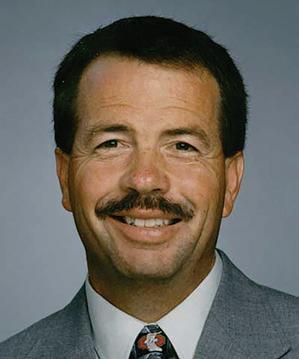
Fayette County farmer Tony Anderson became president of the American Soybean Association (ASA), becoming the first Ohio farmer to hold the position since OSA’s founding.
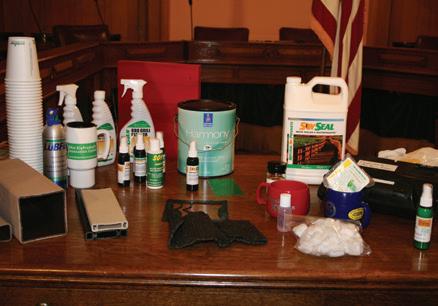
Strongly supported by OSA, Ohio passed Senate Bill 131, creating the nation’s most comprehensive state BioPreferred purchasing program to encourage the use of biobased products and expand markets for soybeans.
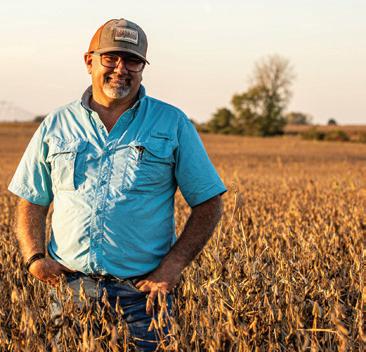
OSA launched a scholarship program supporting students with a passion for agriculture, soybeans, and industry advocacy.
Ross County farmer Scott Metzger became president of the American Soybean Association, representing soybean growers nationwide following years of leadership within OSA and national soybean organizations.
Since its establishment in 1991, the Ohio Soybean Council has invested soybean checkoff resources into research, education, market development, and innovation to strengthen Ohio’s soybean industry. Through farmer-led
investments and strategic partnerships, OSC has supported programs and initiatives that expand demand, advance sustainability, promote soy-based technologies, and create opportunities for future generations of growers.
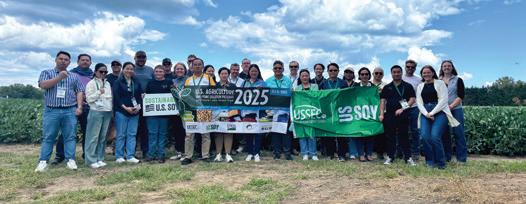
The U.S. Soybean Export Council (USSEC) was established as the international marketing arm of the U.S. soybean industry, working in more than 90 countries to increase global demand and expand market access for U.S. soy. Supported by soybean checkoff investments, USSEC connected U.S. farmers with international buyers through market development, technical education, trade partnerships, and sustainability initiatives promoting the quality and reliability of U.S.-grown soybeans.
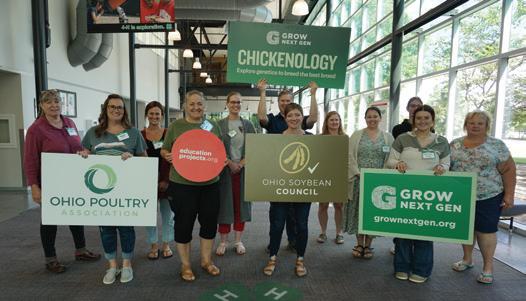
The Ohio Soybean Council launched GrowNextGen, an interactive educational initiative designed to bring real-world agriculture and STEM learning into Ohio classrooms. Developed with soybean checkoff support, the program provided educators with curriculum resources, career exploration tools, e-learning opportunities, and industry connections helping students better understand modern agriculture, biotechnology, environmental science, and food production.
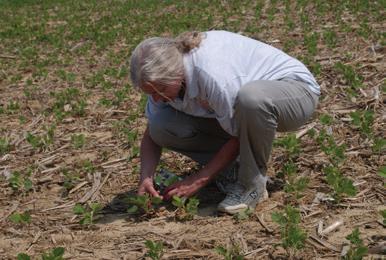
Dr.
The Center for Soybean Research at The Ohio State University was established to advance farmerfocused research in productivity, disease resistance, and sustainability.
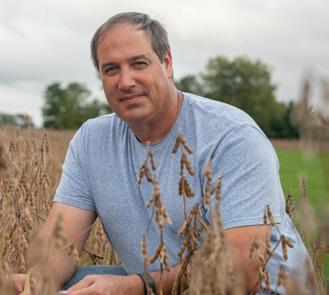
Crawford County farmer Steve Reinhard served as chairman of the United Soybean Board, guiding national soybean checkoff investments in research, promotion, and export development.
The Ohio Soybean Council was established following the creation of the national soybean checkoff program, providing dedicated funding for soybean research, promotion, and market development.
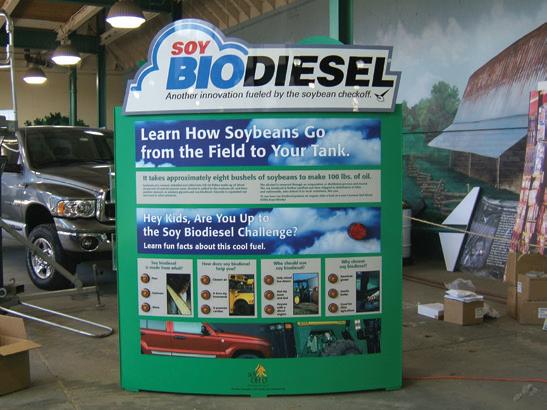
State soybean organizations helped establish the National Soy Diesel Development Board — later renamed the National Biodiesel Board (NBB) in 1994 — to advance biodiesel research, development, and public education. Backed by soybean checkoff investments, the organization expanded from seven founding members into a nationwide network representing feedstock organizations, fuel suppliers, processors, marketers, and technology companies across nearly all 50 states.
The Ohio Soybean Council Foundation was created to support scholarships, leadership development, and agricultural education, investing more than $750,000 in students and programs since its founding.
Hancock County farmer John Motter became chairman of the United Soybean Board, highlighting Ohio’s leadership within the national soybean checkoff system.
Building on decades of soybean checkoff investment in biobased innovation, the Ohio Soybean Council launched Airable Research Lab to expand the development of soy-based household, industrial, and commercial products. Airable helped transform soy-based technologies into commercially viable products while creating new markets and increasing demand for soybeans through sustainable, renewable solutions
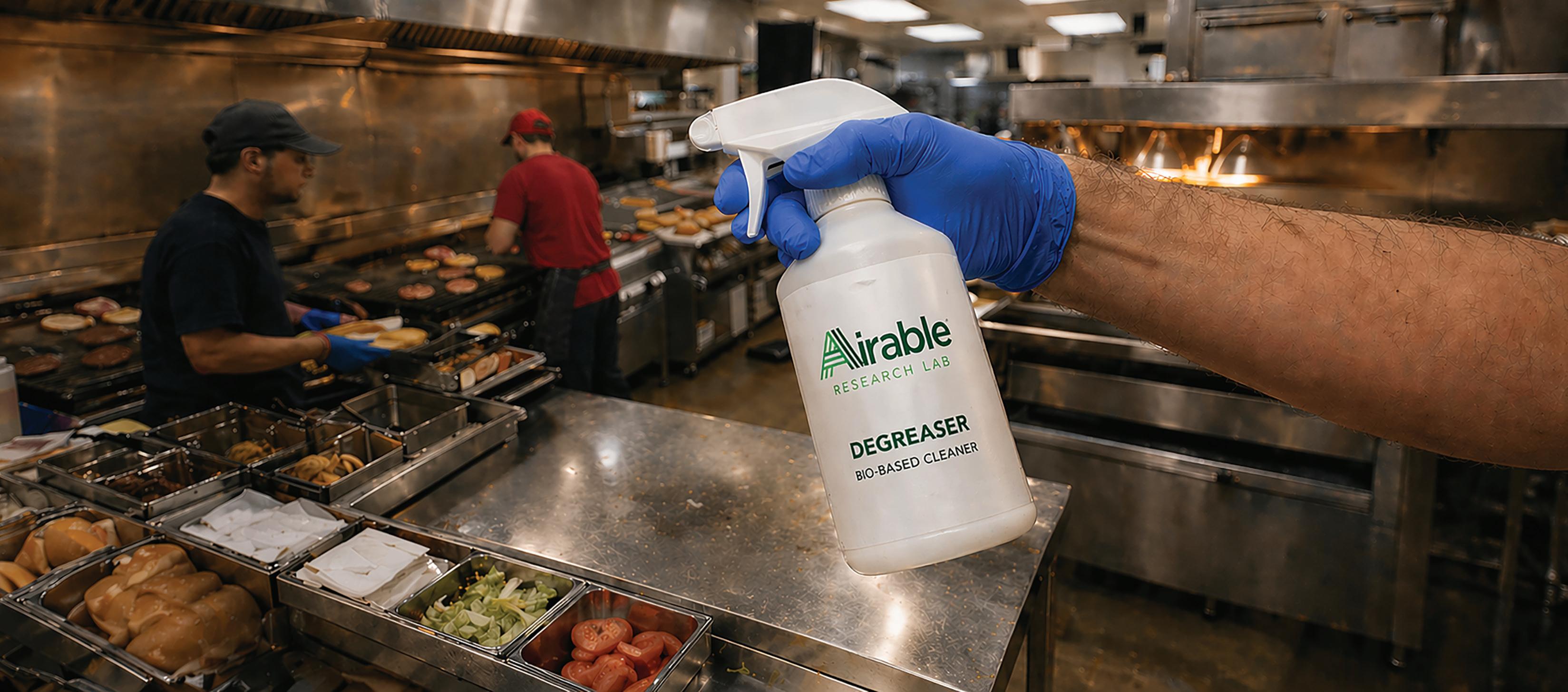
Airable Research Lab, a checkoff-funded research lab supported by soybean farmers, continues developing new uses for soybeans through biobased technologies that create practical industrial value. Its work focuses on turning renewable soybean-derived materials into high-performance products used in energy, manufacturing, transportation, and industrial applications.
One recent innovation is WTO 320 Wind Turbine Oil, a high-performance gearbox lubricant formulated with more than 90 percent biobased content. Designed for modern wind turbine systems, the oil delivers strong oxidation resistance, corrosion protection, and excellent extreme pressure performance while meeting demanding industrial lubrication requirements. WTO 320 demonstrates that soy-based products can provide the durability and reliability needed in challenging operating environments while also supporting sustainability goals.
Airable has also developed a soy-based CLP oil designed to clean, lubricate, and protect firearms and metal components exposed to harsh conditions. The formulation removes carbon residue, displaces water, and provides dependable corrosion protection across a wide temperature range. Made with a soy-derived base oil and specialty additives, the product offers excellent low-temperature performance, wear protection, and compatibility with metals commonly used in military, industrial, and outdoor
equipment. The CLP oil also meets the USDA BioPreferred® threshold for biobased content.
Additional Airable technologies continue expanding soy’s role beyond traditional food and feed markets. A bioderived liquid degreaser removes oils, greases, adhesives, and residues without harsh chemicals, offering a safer and more sustainable option for industrial cleaning. In infrastructure applications, BIO-SLIDE 30 is a soy-enhanced asphalt release agent that prevents asphalt from sticking to equipment while maintaining strong high-temperature performance and biodegradability.
Looking ahead, Airable is expanding its research capabilities with a second laboratory at Shawnee State University scheduled to open in Fall 2026. The facility will support additional work in bioindustrial manufacturing, hydrogenation, chemical engineering, biopolymer processing, and analytical testing. It will also include fabrication tools such as a machine shop and 3D printing to accelerate product development and commercialization.
Through continued soybean checkoff support, Airable is helping create new market opportunities for farmers while advancing high-performance products made from renewable agricultural resources.
For more information about Airable’s research, products, and partnerships, visit www.airablelabs.com
By: The United Soybean Board
The drought of 1988 hit every state in the country. For soybean farmers, it exposed a gap that couldn’t be ignored.
“The checkoff in my mind was born out of that drought,” recalls Jerry Slocum, a fifth-generation Mississippi farmer who would become a founding director of the United Soybean Board (USB). At the time, the American Soybean Association (ASA) funded international marketing through voluntary dollars from about 20 states—but the money ran out. Programs were cut.
“There was this great need for more and more dollars,” Slocum says.
In March 1989, ASA delegates voted overwhelmingly to pursue a national checkoff. Two years of legislative work followed, led by Congressman Dan Glickman of Kansas. “It was a herculean task,” Slocum says. “And by mid-1991, it was in place.”
The change was immediate: all soybean producers now invested at the same rate, unlocking funding for international and domestic marketing and new uses research. “We started with a $17 million budget,” Slocum recalls. “Nobody dreamed it could become what it is today.”
Thirty-five years later, the checkoff has grown to nearly $200 million in annual investments, generating an estimated $12.30 return for every checkoff dollar. “I’m incredibly proud that the board has kept its vision focused on the betterment of the U.S. soybean farmer,” Slocum says. “When we better the farmer, we better the entire industry.”
national markets and those pushing new domestic uses.
“We fought hard for dollars,” Slocum says. “But at the end of the day, we came together with a budget and worked as a team.”
That unity remains. What has changed is the board’s approach. “In the beginning, we were very project-focused and tactical,” Slocum explains. “Today, with much larger and more diverse budgets, the board operates as true strategists.”
Ike Boudreaux, who served during the creation of the U.S. Soybean Export Council, puts it simply: “There’s an old saying: the more things change, the more they stay the same. The core values haven’t changed: honesty, integrity, and working together. The board always gets it right. Sometimes not immediately, but in time.”
In a year of tight margins and trade uncertainty, every dollar matters. The next generation of checkoff leaders understand that pressure; they’re living it on their own farms.
“We can’t let off the gas,” Kyle Durham says. “We’re selling into markets like South Korea and building long-term partnerships. We have to keep pushing forward.”
Joey Boudreaux sees growing demand as the industry’s next challenge. “We can produce soybeans,” he says. “Now we need to create new demand, especially in aquaculture in Central America, Asia, and Southeast Asia. And India’s population is growing fast. I don’t think they’ll be able to produce enough soybeans to meet their own needs.”
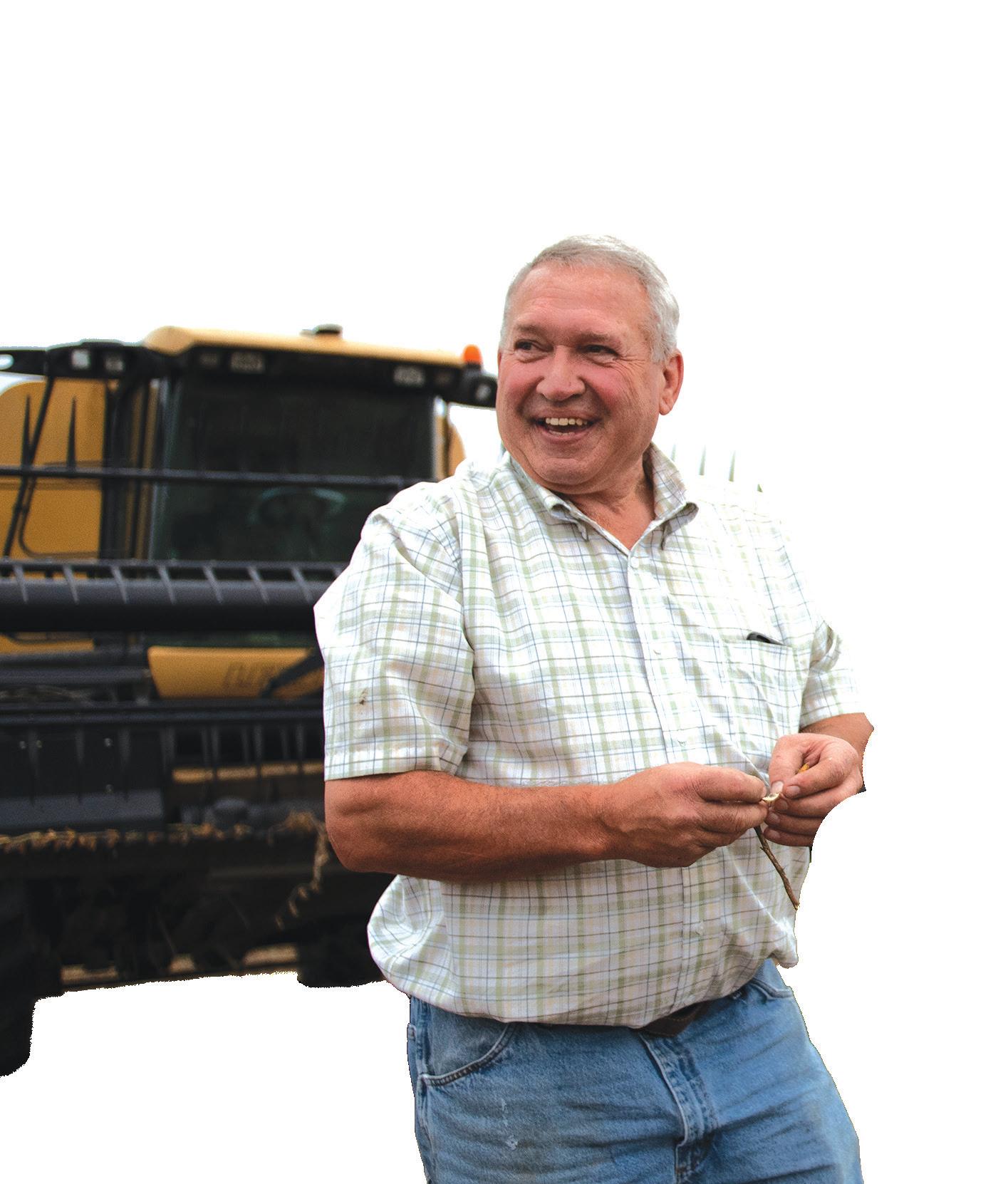
Founding directors recall early board meetings filled with passionate debate, particularly between advocates for inter-
For Jerry Slocum, watching the next generation step up is the greatest validation of what the founding directors built. “The quality of leadership never ceases to amaze me,” he says. “The passion hasn’t diminished.”
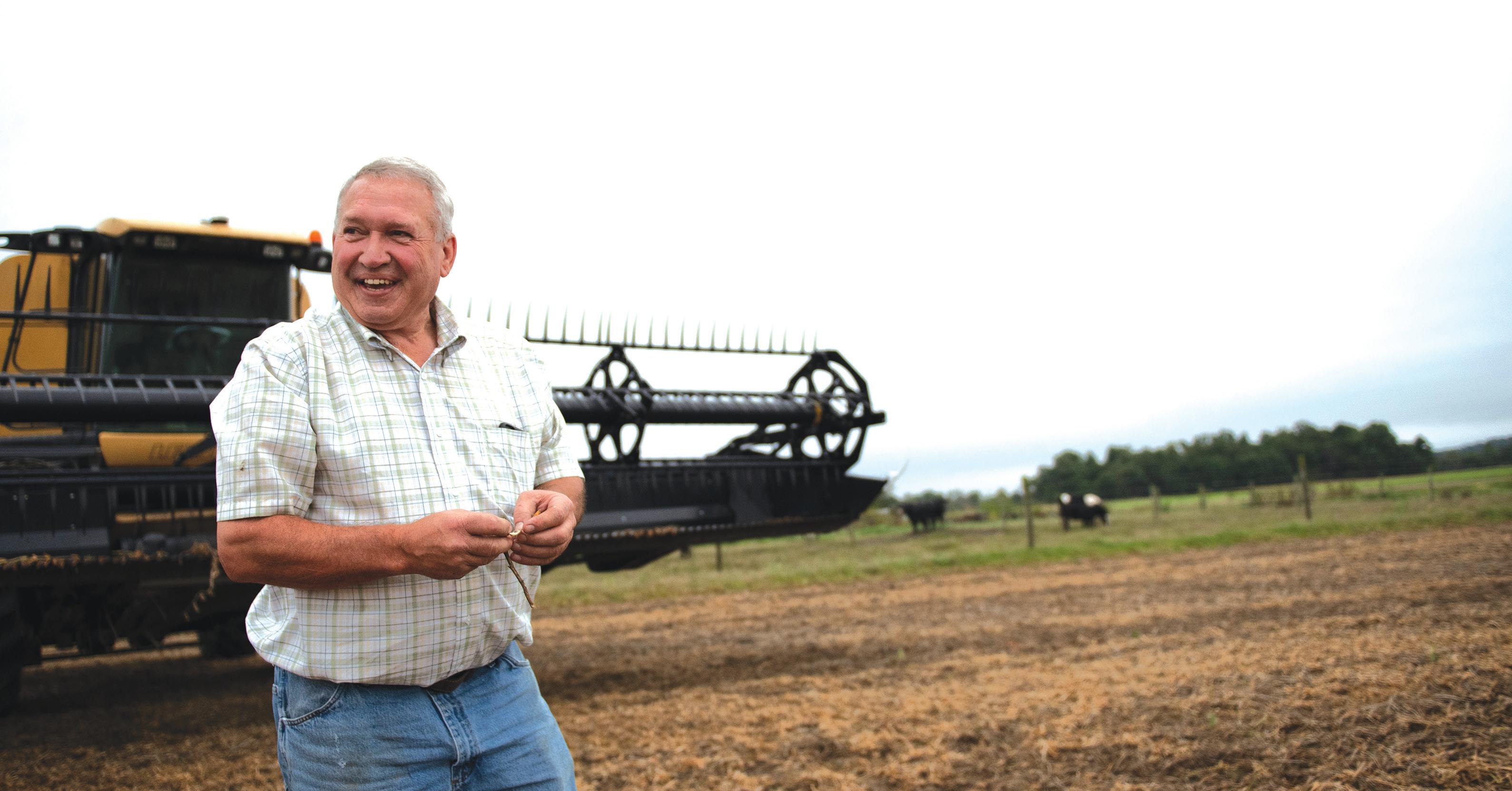
His advice to young farmers considering board service: “Find something you’re passionate about. Put your heart and soul into it. It’s work but it can be a wonderful experience. Mine certainly has been.”
Thirty-five years of that commitment has built real momentum for the Soy Checkoff—and today’s leadership is ready to carry it forward.
“What strikes me most about this organization is the thread that connects us—from Jerry Slocum and those founding directors to the sons and daughters serving today. They got it right. They built something that lasts,” said new USB Chair Brent Gatton. “Our responsibility now is to honor that work by pushing even harder for the next generation of soybean farmers.”

By Taylor Dill Director
Any extra pass through the field, especially when budgets are tight, needs to be well justified for the farm. This year many of us are asking what inputs do we really need? An important input to consider is micronutrients. Do I need an over-the-top micronutrient package? The most common micronutrients for in-season application are manganese, copper, and zinc. However, when we scout fields, it is not common to see deficiencies in these nutrients in Ohio. Micronutrients are essential for plant growth and development, and plants need them in very small amounts. Too little micronutrients in the soil can jeopardize plant growth, and excess micronutrients can cause toxicity in plants. Therefore, applying micronutrient fertilizers should be done with care. There are often enough micros in the soil, however, the soil properties play an important role in micronutrient availability to plants, particularly soil pH. Soil texture and organic matter can also make significant contributions to nutrient availability to plants.
In our specific micros, all are dictated primarily by pH and soil type. Copper deficiencies are rare to come across but are most likely to occur in acidic peat or muck soils,
with a pH lower than 5.3. Manganese deficiency can show up in soils with a high pH. Poultry litter or use of lagoon manure can increase soil pH over time and eventually, micronutrient deficiencies can show up. If you have consistently applied poultry litter over several years, keeping an eye on the pH is essential. In times of dry weather or drought, manganese becomes unavailable to the plant but
will naturally resolve with rain. Zinc deficiency is likely to occur when pH is greater than 6.5, in peats, mucks, and mineral soils. The main take away for micronutrients at large is that deficiencies are rare and are highly dependent on soil pH and soil type.
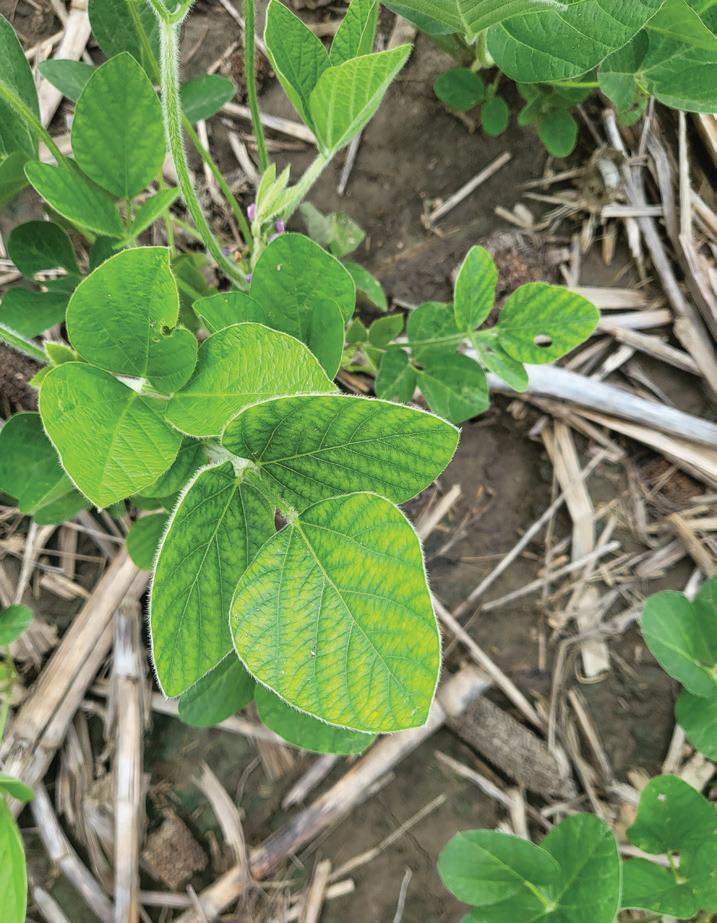
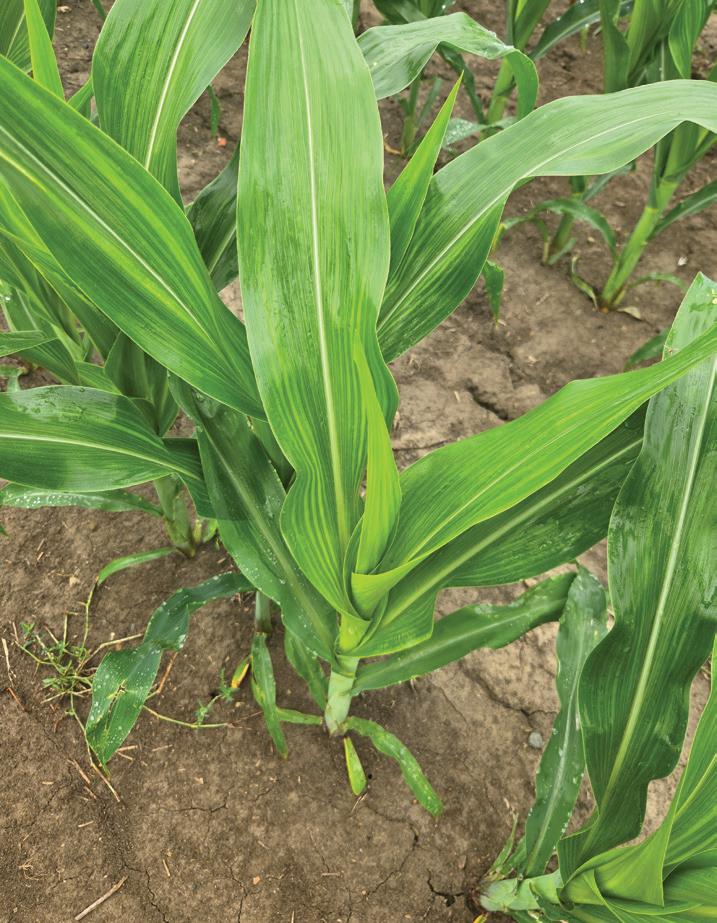
Identifying these deficiencies requires both soil and plant tissue samples. Copper deficiencies are identified with chlorosis on young leaves, reduced growth and twisted or spindly leaves, and lodging. Manganese deficiency shows up in interveinal chlorosis on young leaves and is more common in soybean. Zinc also appears as interveinal chlorosis on young leaves, in corn there is a broad white band at the base of the young leaf, and a severe deficiency will have the whole leaf appear white. In figure 2, a manganese deficiency was evident in soybean during the 2024 drought and figure 3, shows a zinc deficiency in corn. These nutrient deficiencies are infrequent but are possible. However, is there a consistent yield difference if fertilizer is applied? In Ohio State University experiments spanning from 1976 to 2017, there were 177 corn and soybean trials evaluating micronutrient fertilizer treatments across 17 counties. Yield responses to these fertilizers were rare and only occurred when manganese was applied to soybean, in only 9 out of 144 trials.
In another two-year trial across three Ohio locations, corn and soybean with no previous history of visual deficiency symptoms showed no yield response to foliar or soil applied boron, copper, iron, manganese, and zinc fertilizers. Soil and plant tissue testing paired together will show if a micronutrient deficiency is occurring in your field. If deficiencies are frequent in your field, the problem is within the soil and cannot be remedied long term by foliar fertilizers. Specifically, if deficiencies are triggered by suboptimal soil pH, then fixing pH can provide more profitable and long-term solutions than investing in expensive foliar fertilizers. If you do not have a field history of micronutrient deficiency then, on a tight budget, cutting a micronutrient application will save costs up front.
Thirty-five years ago, Ohio soybean farmers were working to build something many other states already had: a soybean checkoff program of their own.
For Keith Stimpert, helping establish the Ohio Soybean Council (OSC) in the early 1990s meant building an organization from the ground up while earning the trust and support of soybean farmers across the state.
By Mackenzie Joseph
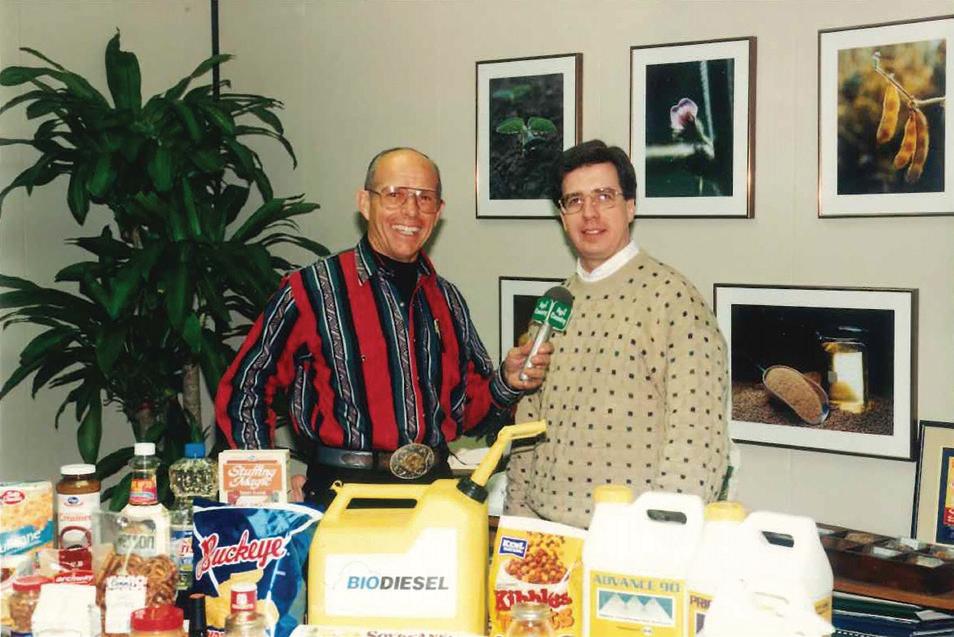
Stimpert served as executive director of the Ohio Soybean Association beginning in 1987 and later became OSC’s first executive director, serving from 1991 to 1996. During that time, he helped guide the organization through its earliest years as Ohio soybean farmers worked to establish a state soybean checkoff following the passage of the national Soybean Promotion and Research Checkoff through the 1990 Farm Bill.
“It was very rewarding,” Stimpert said. “There were a number of farmers who believed in a checkoff program and sincerely wanted it and had worked for years to try to establish it.”
Unlike many neighboring states, Ohio did not yet have a state soybean checkoff or a qualified state soybean board recognized by the USDA. To form the Council, leaders intentionally reached out to major farm organizations across Ohio and invited them to nominate farmer representatives for the board.
“We wanted all farmers to see that we were working in everyone’s best interest,” Stimpert said.
Before the official checkoff program was fully implemented, OSC operated through a voluntary checkoff period, encouraging farmers to contribute what they could to begin funding early projects and building a track record. Those efforts helped position OSC to become Ohio’s qualified state soybean board.
Building farmer confidence in the checkoff remained a top priority. Stimpert recalled traveling across Ohio to meet with soybean farmers and grain elevators to explain how the program would work, how collections would be handled and how checkoff dollars would be invested back into the industry.
“We were trying to be very visible with communications and newsletters,” he said. “Whether that be field days or trade shows or anything like that, we were out there trying to help people understand how those dollars were being used.”
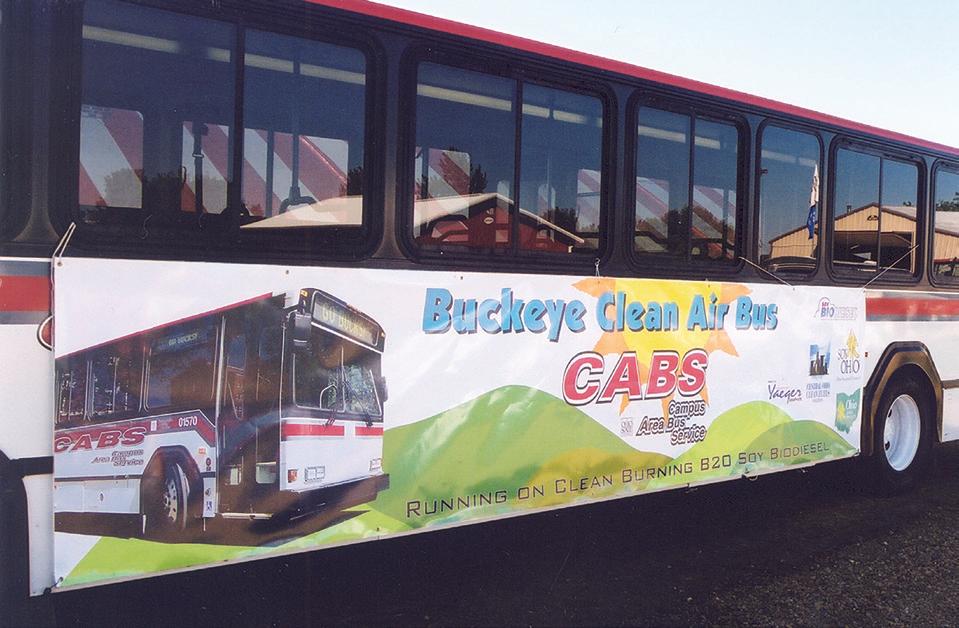
As the organization gained momentum, several early projects helped demonstrate the value of farmer investments through the checkoff. Among the most memorable was the promotion of biodiesel through Cincinnati’s million-mile biodiesel bus demonstration, one of the first projects of its kind in the country.
“It was a big celebration,” Stimpert said of the event unveiling the soybean-wrapped buses in downtown Cincinnati. “That was one of the very successful demonstrations of biodiesel.”
OSC also helped strengthen relationships with Japanese buyers interested in Ohio-grown food-grade soybeans, particularly the FG1 soybean variety developed by Ohio State soybean breeder Dr. Steve St. Martin. Trade teams traveled between Ohio and Japan, helping create export opportunities for Ohio soybean farmers.
Looking back, Stimpert believes the greatest value of the soybean checkoff is the opportunity it gives farmers to help shape the future of their industry.
“Having funds, having dollars, brings you to the table,” he said. “Whether it be new product development or international trade or disease resistance research, it engages the farmer in a big way.”
© David Ike

Every time Ohio farmers sell soybeans, they invest in something bigger than their own operation. Through the soybean checkoff, farmers help fund research, develop new markets and create opportunities that support the future of Ohio agriculture. The farmers serving on the Ohio Soybean Council Board of Trustees help decide how those checkoff funds are invested, guiding
Todd Hesterman farms a centennial farm near Napoleon that was established by his great-grandfather. After more than 40 years in agriculture, he now farms alongside his son, something that makes his work with the soybean checkoff especially meaningful.
For Hesterman, serving on the Ohio Soybean Council is about honoring the leadership of past generations while helping secure opportunities for future farmers.
“I appreciate the leadership efforts of those who have come before me, and feel an obligation to help the farmers of our future.”

programs and priorities that strengthen Ohio’s soybean industry and support farmers across the state.
The trustees represent generations of leadership, innovation and dedication to agriculture. While each of their farms and experiences are unique, they share a common goal: helping ensure Ohio soybean farmers remain profitable, resilient and competitive for years to come.
Carl Krueger started farming at age 18 and has never looked back. Today, he raises livestock and crops including soybeans, corn, wheat, barley and popcorn, bringing a broad perspective to the Council board.
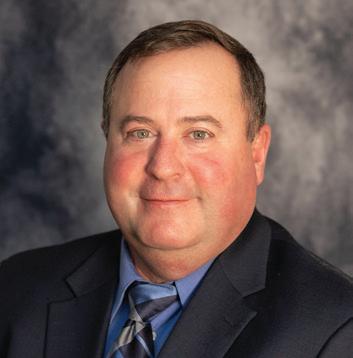
Krueger believes the soybean checkoff plays a critical role in creating stronger demand and greater profitability for farmers.
“Every conversation is about how we can help the farmer by creating more demand, which creates more profitability.”
At Shady Lawn Farms in Putnam County, Jeff McKanna farms alongside his father and nephew as part of a third-generation operation. As Treasurer of the Ohio Soybean Council, he believes strongly in the future potential of Ohio-grown soybeans.
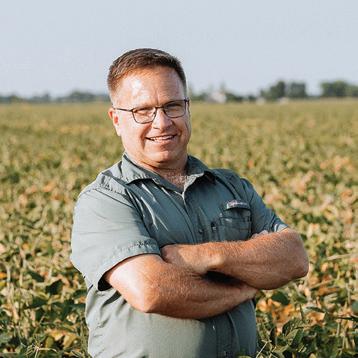
McKanna says the soybean checkoff helps farmers compete globally while investing in research and public education at home.
“The soy checkoff program helps retain and expand international markets, funds research into new uses for soy, and educates the public on the soybean industry.”
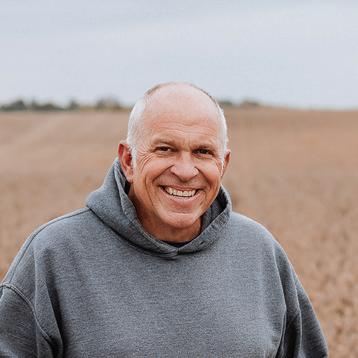
The Heffelfinger family has farmed the same land in Van Wert County since 1852. Mike now works alongside his brother Kevin on the fifth-generation operation and says his perspective on the checkoff changed once he became more involved in the industry.
What was once skepticism turned into appreciation after seeing firsthand how checkoff dollars support research, innovation and new uses for soybeans.
“I was originally skeptical of the checkoff, but I’ve seen firsthand how it benefits Ohio soybean farmers.”
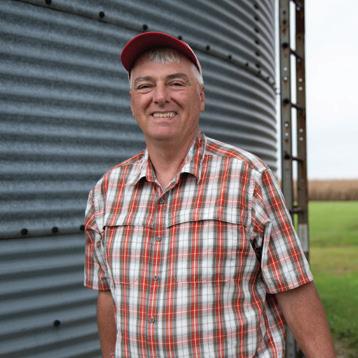
Patrick Knouff farms on a former dairy farm in Shelby County that has transitioned into a row crop operation. Farming alongside his parents and sons, he values the opportunity to help guide how soybean checkoff dollars are invested.
He believes research funded through the Council continues to create new opportunities and value for soybean growers.
“The Council has been involved in research to develop many new uses for soy, which helps to increase the value of my crop.”
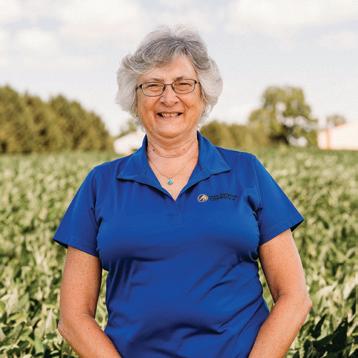
Cindy Layman | Hardin County
Cindy Layman and her husband, Jan, have farmed together for nearly 44 years in Hardin and Logan counties, raising soybeans, corn and wheat. In recent years, they’ve also enjoyed watching the next generation become involved in agriculture through their grandchildren’s cattle project.
Layman says the Council’s work extends beyond the farm gate through education, research and the exploration of emerging markets for soybeans.
“The Council strives to be at the forefront of plant and product research, education, and the exploration of new markets.”
Mike Ralph | Marion County
Mike Ralph represents a true family farming operation, working alongside his father, brother, cousin and son on their grain farm. For Ralph, serving on the Council is rooted in helping improve profitability for soybean farmers across Ohio.
“Our work on the Council helps improve the value of soybeans for all Ohio farmers.”
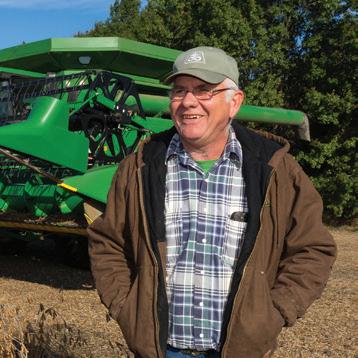
On a fifth-generation farm in Arcanum, Chad Warner farms alongside his father and son, raising soybeans, corn and covercress. As Vice Chairman of the Council, he sees the checkoff as a way for farmers to work collectively toward goals no individual operation could achieve alone.
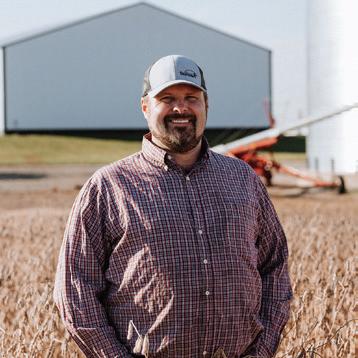
“The checkoff allows us to do together what we can’t do alone.”
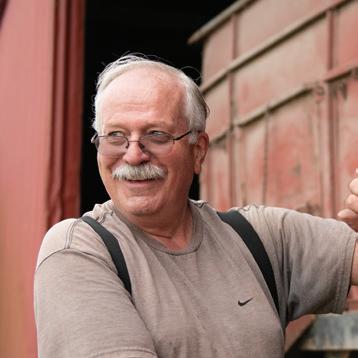
Bob Suver has spent more than 55 years farming corn and soybeans in western Clark County. A fifth-generation farmer, he says the checkoff gives farmers the ability to reinvest in the future of their industry.
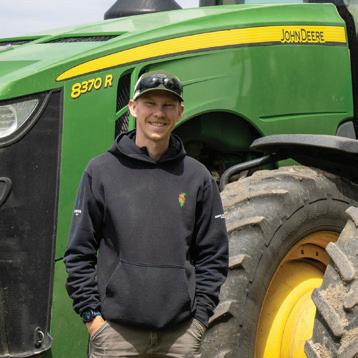
He points to Ohio’s commitment to research and innovation as one of the strengths that continues to set the state apart.
“The checkoff lets me reinvest in our industry to make it stronger.”
A fourth-generation farmer and Ohio State agronomy graduate, David Black raises soybeans, corn and wheat in southwest Franklin and northern Pickaway counties. Farming near a growing metropolitan area has made education and farmland preservation especially important to him.
Black believes the farmer-led structure of the Council helps ensure checkoff dollars are invested responsibly and strategically.
“Educating others about soybeans and preserving farmland is critical as our communities continue to grow.”
Todd Peterson | Fayette County
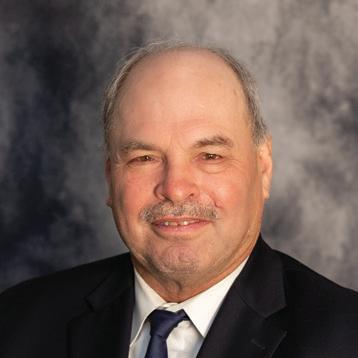
Todd Peterson represents a younger generation of Ohio soybean farmers helping shape the future of the industry. Along with helping operate his family’s 3,000-acre row crop farm, he is also co-owner of a new cage-free layer aviary set to begin production in 2026.
Peterson says the soybean checkoff allows farmers to invest in the kind of research and innovation individual operations could never fund on their own.
“As a young farmer, I serve on the Ohio Soybean Council to help advance the future of the soybean industry.”
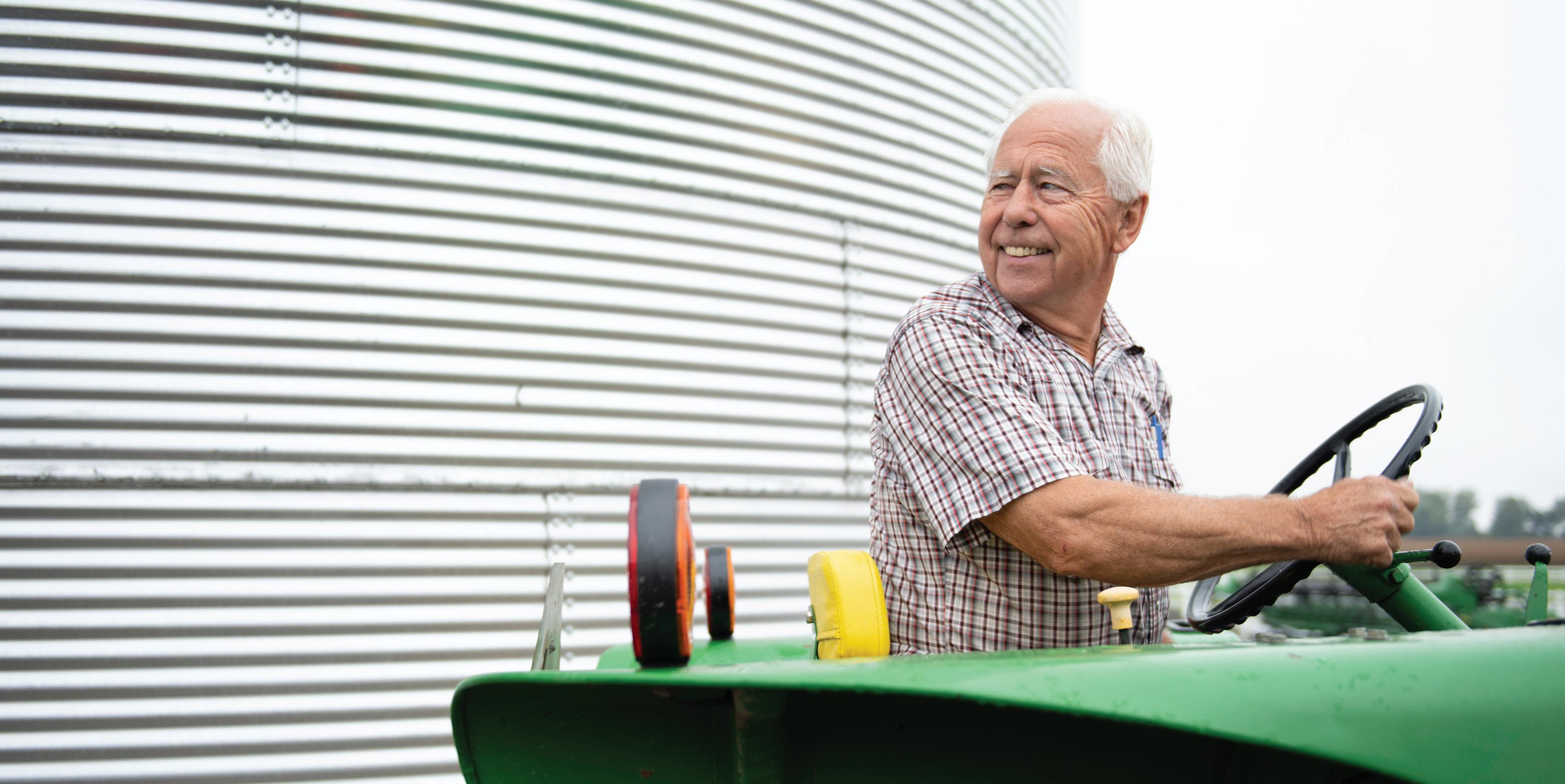
Every now and then, it’s worth stepping back and thinking about what’s changed over the years. When you’ve raised soybeans long enough, you realize many parts of our industry didn’t appear overnight. They were built slowly over time through long-term soybean checkoff investments. The soybean checkoff program as we know it today was established nationally in 1991. For the past 35 years, Ohio farmers have helped fund research, promotion, and market development through those investments. For most farmers, the checkoff is simply a line item on your check from the elevator, but looking back, many of today’s soybean opportunities can be traced directly to checkoff-supported work happening behind the scenes.
When you go to fill up your tractor’s fuel tank, you have the option of using biodiesel. In the early 1990s, biodiesel was still a new concept, with the National Biodiesel Board forming in 1992 to help organize the industry. Today, demand for biodiesel, renewable diesel, and sustainable aviation fuel contributes 13% to the bushel price of our beans, something few farmers could have imagined decades ago.
When it comes time to select your seed for the next year, you can decide to grow a variety that will get you a premium, like high-oleic. High-oleic soybeans followed a similar path. Beginning in the 1990s, the United Soybean Board (USB) invested checkoff dollars into breeding, research, commercialization, and market development for high-oleic soybean oil. Commercial varieties arrived in the early 2010s, offering food manufacturers an oil with better stability, longer shelf life, and zero trans fats as the industry moved away from partially hydrogenated oils. In the process, high-oleic soybeans created another important value-added market opportunity for soybean farmers.
By Bill Bayliss Logan County soybean farmer
While many checkoff investments happen nationally through USB, Ohio soybean farmers have also supported projects much closer to home.
As farmers, we strive for continuous improvement each growing season so plant research remains a consistent priority for the checkoff. Through partnerships with The Ohio State University and its Center for Soybean Research, the Ohio Soybean Council has supported work on disease resistance, yield improvement, soil health, and agronomic practices that strengthen long-term productivity for Ohio farmers. All of these innovations help us grow high-yielding, better quality beans.
Beyond research and new uses at home, checkoff investments have also helped build demand internationally.
The U.S. Soybean Export Council, formed in 2006, has played a major role in developing export markets for U.S. soybeans around the world. The World Initiative for Soy in Human Health, launched in 2000, has also supported soybean use in emerging markets through feed programs, aquaculture development, and food assistance partnerships. Much of today’s export infrastructure and international demand was developed gradually through years of relationship building and checkoff-supported market development.
A day without the soybean checkoff might not look much different at first glance. The planter would still roll, the bins would still fill, and markets would still move. But agriculture is often shaped by the things that take years to notice - research that advances one season at a time, markets built relationship by relationship, and innovations that slowly become part of everyday farming. Looking back over the past 35 years, it becomes clear how many parts of today’s soybean industry were shaped by long-term checkoff investments.


Ohio soybean farmers wanted to be in classrooms. Today, the program reaches teachers and students in 78 Ohio counties.
It began with a question. How do we get soybeans into every classroom? Only 4% of Ohio students take an agriculture course. Most kids growing up in Ohio will never set foot on a farm, but they will eat three meals a day produced by one. The Ohio Soybean Council hired curriculum writers Jeanne Gogolski and Carol Warkentien to answer the question. Their plan reached students through their teachers.
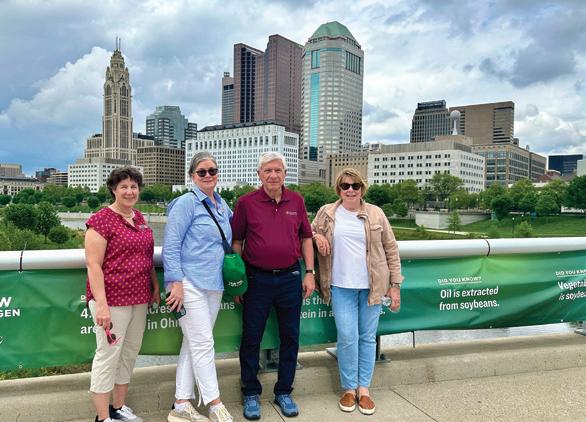
In 1997, OSC partnered with COSI to put a pound of soybeans in every Ohio classroom. Fifteen years of curriculum work and teacher outreach followed.
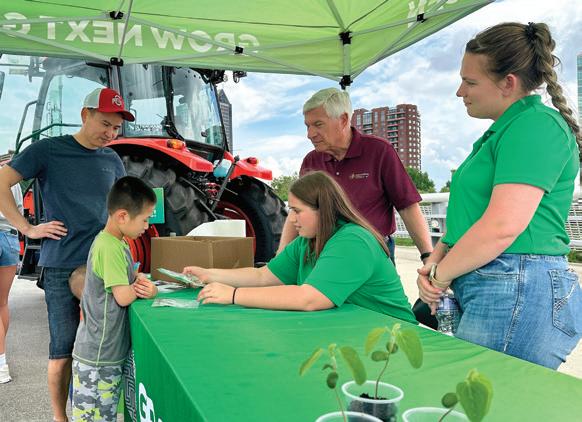
In 2012, the work earned its own brand: GrowNextGen. Jane Hunt joined as lead educator with 30 years of classroom experience. "Agriculture is so deep and wide in science," Gogolski said. "Every decision that farmers make is related to science."
GrowNextGen has impacted 3.5 million students since launch through the teachers it trains. Ambassadors have carried soybean science to more than 100,000 young people and their families through informal education at events around the state. The website welcomed 42,658 unique visitors in 2025 alone. Since 2022, GNG has trained teachers from 179 Ohio school districts. "When I say I'm from Ohio, biology teachers talk about how we're so blessed to have had GrowNextGen for so long," said Cati Riddell, a National Association of Biology Teachers' Outstanding Biology Teacher of the Year from Fairfield. "We are the pioneers. We are at the forefront."
One city kid at Riddell's school, with no farming background, heard her science lessons used soybeans as the subject matter and asked how to become a farmer. He now studies agriculture at Wilmington College. "That is my biggest joy, to help plant that seed," Riddell said.
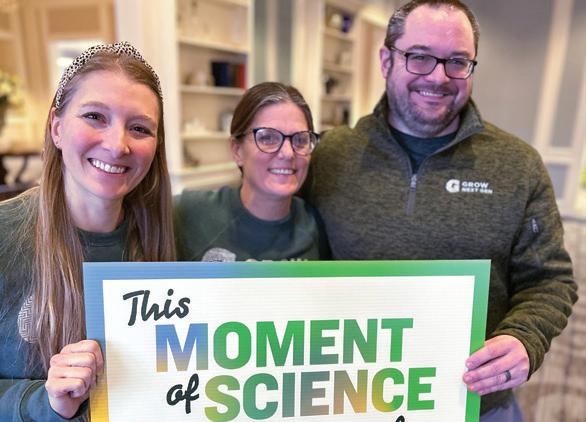
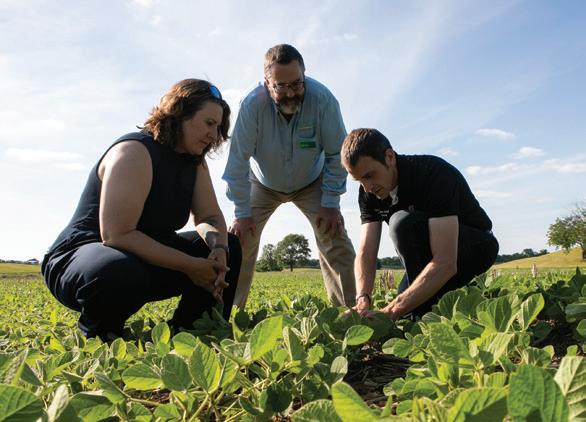
GrowNextGen educator Leah Lacrosse teaches science at Huron City Schools and recently presented soybeans and robotics at the Science Education Council of Ohio’s annual conference. "Before GrowNextGen, I thought agriculture and I had nothing in common," Lacrosse said. "Now, agriculture is in everything I do."
Abby Motter started with GrowNextGen as a college student, working as an Ambassador to bring soybean science to Ohio communities. She went on to teach agriscience at Fort Frye High School. This year, her path with GrowNextGen comes full circle as she joins the education team.
Tom Fontana asked how to get soybeans into every classroom. Thirty-five years later, the answer wears a lanyard and stands at the front of the room. Cati. Leah. Abby. Workshop by workshop. Teacher by teacher. Soybeans have a place in Ohio's classrooms because farmers got behind teachers.
After Tom and Jeanne retired, the literal next generation stepped up to carry the investment forward. They’re showing no signs of slowing down in 2026. GrowNextGen’s summer workshops sold out this year, which means the soybean will continue find its way into even more classrooms.
by Cassidy Marn
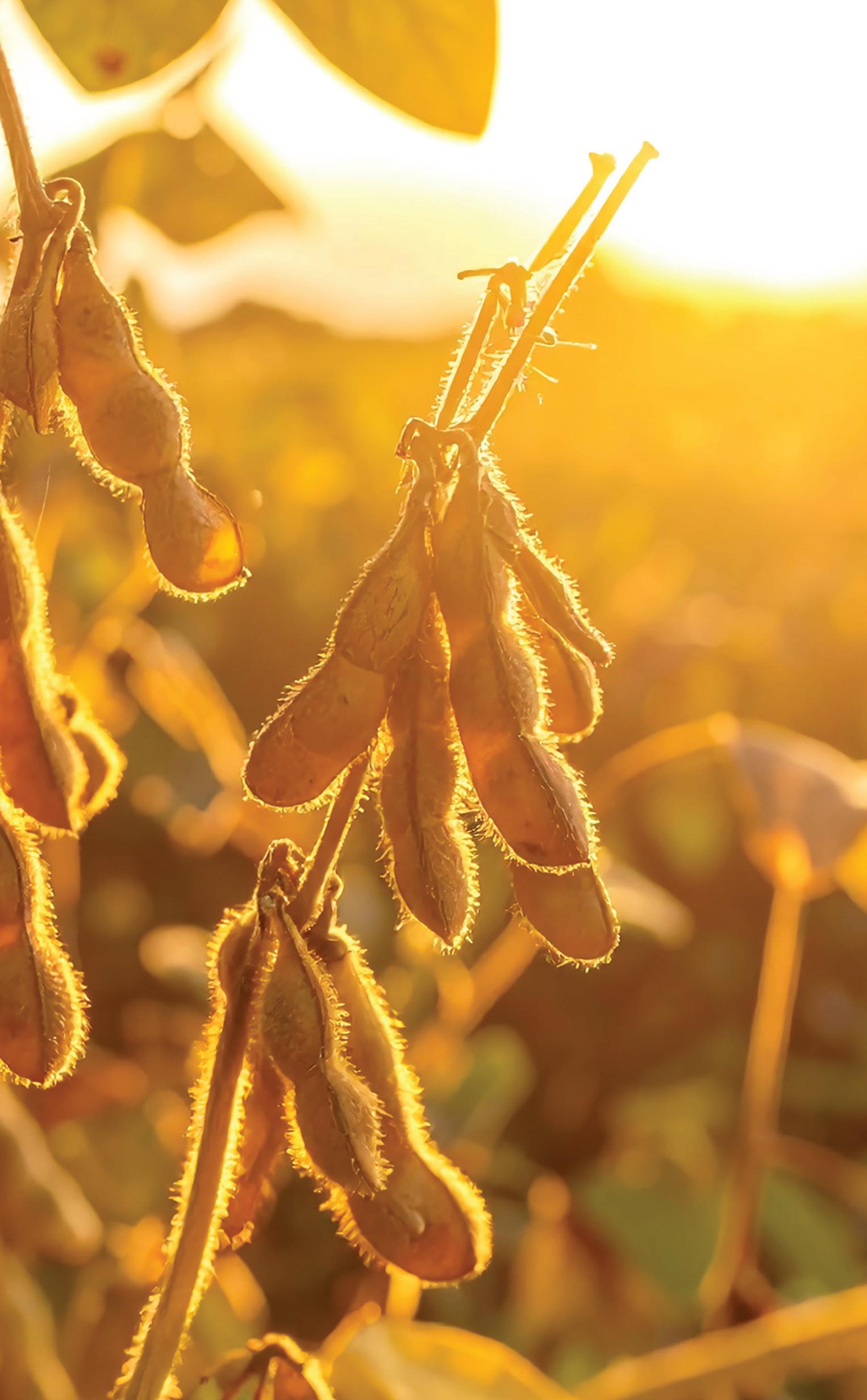
This past winter, China went more than five consecutive months without buying a single bushel of U.S. soybeans. Not a slowdown. Not a renegotiation. Zero. For an industry that built export markets across 90 countries and delivered $22.3 billion in soybeans in the 2024/25 marketing year, it was a clear reminder of how exposed a commodity can become when its largest customer steps away.
This did not happen in a vacuum. For years, checkoff-supported research and industry scenario planning have pointed in this direction, including work that explored what would happen if U.S. access to China declined while South America expanded to fill the gap. At the same time, global investment has flowed into Brazilian infrastructure to move more product, more efficiently, into export channels. What once looked like a long-term possibility is now the reality farmers are managing.
Brazil is projected to produce 178 million metric tons of soybeans in 2025/26, roughly 65 million more than the United States. Brazilian beans are also landing in China at about $1 less per bushel. Without sustained political pressure, there is little incentive for Chinese buyers to favor U.S. soy.
That is the environment Ohio soybean farmers are operating in during the checkoff’s 35th anniversary year and the Ohio Soybean Association’s 60th. It is a more competitive and less predictable market than either was founded in, and
exactly the kind of environment that makes long-term, coordinated investment necessary.
The checkoff was built on a simple idea: farmers pooling small investments can build markets and demand that no individual operation could create alone. That idea continues to prove its value. Research from Cornell University economist Dr. Harry Kaiser estimates that every dollar invested in the soybean checkoff returns $12.30 to farmers. In 2024, pork and beef exports, supported in part by checkoff-funded market development, added $1.12 billion in value to U.S. soybeans, or about $0.59 per bushel. And even with China pulling back, the U.S. exported 2.5 billion bushels in 2024/25, up 12.8% year over year, with growth in markets like Egypt, the European Union, Vietnam, and Turkey.
The returns speak for themselves. But the more important shift for the checkoff’s next 35 years may be happening closer to home.
The structure of U.S. agriculture is changing quickly. Farms are consolidating, and the operators behind them are managing more acres, more data, and more financial risk than ever before. The U.S. lost 15,000 farms in 2025, marking the seventh straight year of decline, while average farm size reached 469 acres. In 2022, fewer than 5% of operations produced 75% of all agricultural output by value.
At the same time, farmers are adopting new technology, using more data in decision-making, and running their operations with a sharper focus on margins and risk. TDG’s ongoing producer research shows a consistent pattern: the farmer funding the checkoff today expects more than general industry support. They expect information they can use, whether that is better market intelligence, clearer cost and profitability insights, or research that directly applies to their operation. Nearly seven in ten producers rank
profitability analysis as their top priority for the next five years. Farmers see the checkoff as an investment that must deliver clear returns.
That expectation is shaping where checkoff investments matter most. Agronomic research, seed and trait development, disease and pest management, and precision tools all play a role in helping farmers stay competitive at the field level. At the same time, long-term investments in demand are starting to show up in new ways.
USDA’s May 2026 WASDE projects a 25% increase in soybean oil use for biofuel in the 2026/27 marketing year. Demand for sustainable aviation fuel continues to grow as aviation remains one of the hardest sectors to replace with electric alternatives. These are not short-term wins. They are the result of years of investment in building new uses for soy.
None of this removes the pressure coming from global competition. Brazil will continue to expand. Trade relationships will continue to shift. But U.S. soy still holds advantages in traceability, sustainability documentation, and supply chain reliability. Those strengths were built over time and will need to be maintained.
Thirty-five years ago, Ohio soybean farmers made a collective decision to build something bigger than any single farm. The markets, research, and partnerships that followed did not happen by accident.
The environment has changed. The farmer has changed. The competition has changed.
The purpose of the checkoff has not.
Cassidy Marn is an Account Executive at The Directions Group, an integrated intelligence and research firm specializing in the agri-food industry. TDG’s Farmer of the Future, Future of Agriculture Checkoffs, and Future State of Soy research informed this article.

By: Clean Fuels Alliance America
Thirty-five years ago, biodiesel was not yet an established industry. It was a bold idea taking shape at a time when soybean farmers were facing a serious challenge of their own.
By the late 1980s, rising soybean crush had created a growing surplus of soybean oil, and those mounting supplies were dragging down prices for the whole crop. Storage tanks were filling, markets were strained and farmers needed more than hope. They needed a new way forward. What followed was one of the soybean checkoff’s most important early success stories.
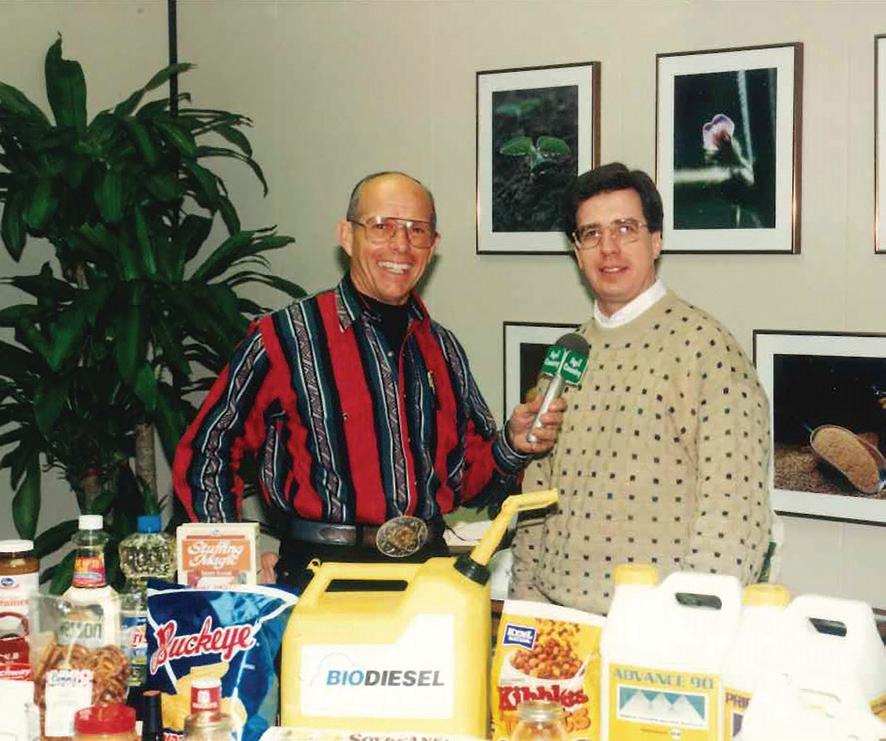
Rather than accept surplus soybean oil as a burden, leaders like Kenlon Johannes, then executive director of the Missouri Soybean Association and later CEO of the Kansas Soybean Association, helped champion an early national vision for soy diesel as a new market opportunity. The checkoff funded research by Dr. Leon Schumacher at the University of Missouri and other projects that proved the concept of soy diesel was viable and developed a high-quality product.
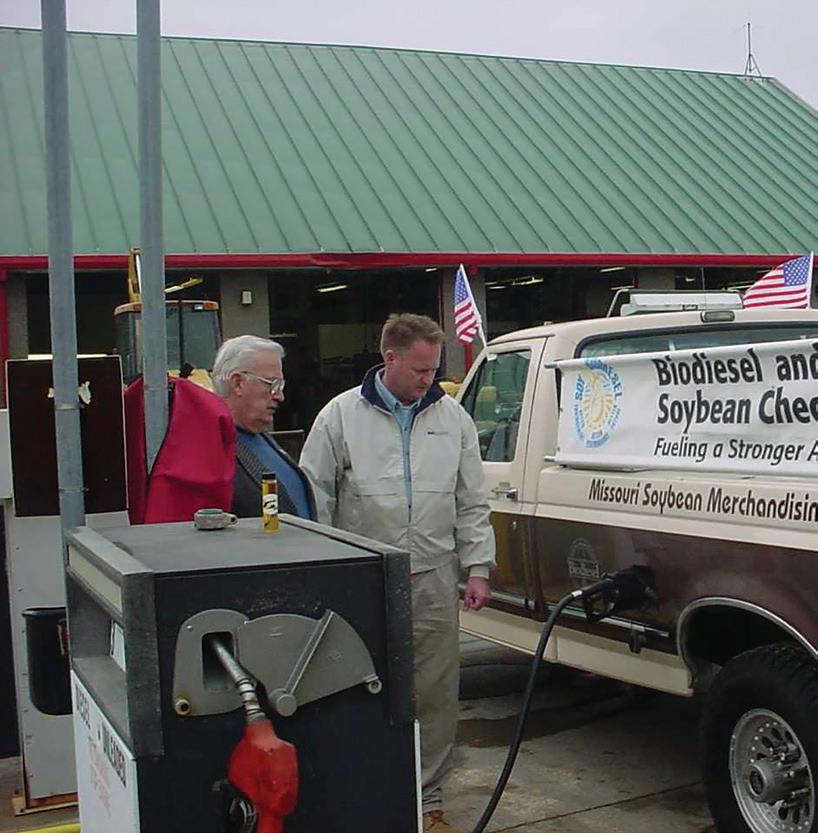
Others, like Field Servic es Director Tom Verry,

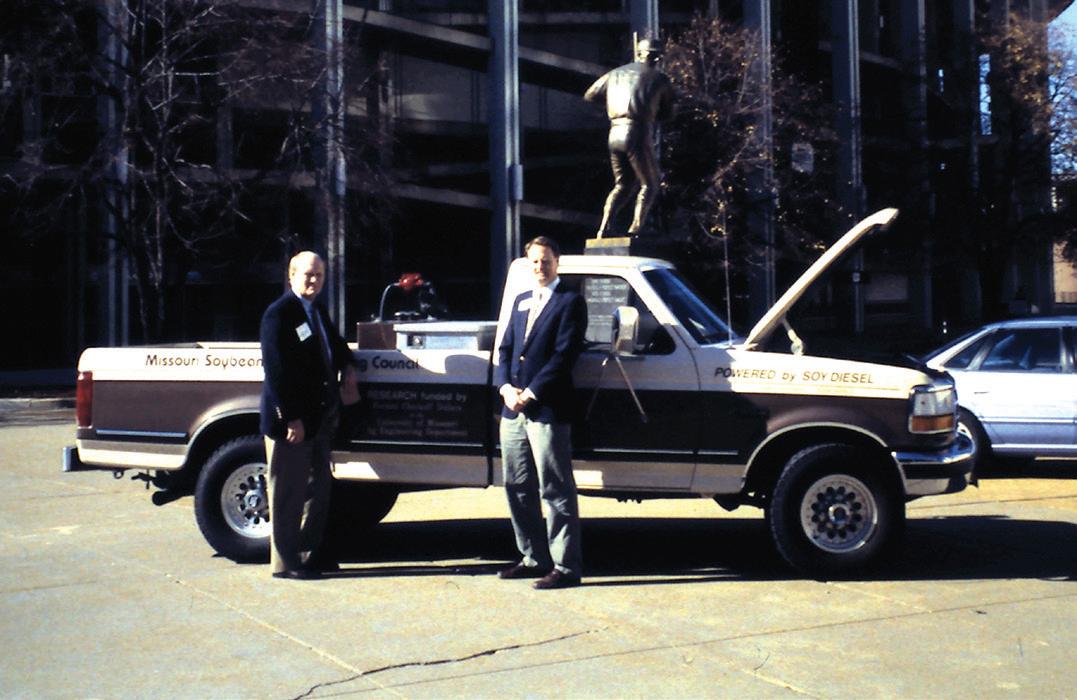
hit the road with real-world demonstrations that put the fuel in front of farm ers, policymakers and industry leaders, building confidence when skepticism was high.
Along with dozens of other farmer leaders, they helped transform soy diesel from an uncertain idea into a credible opportunity. Those early efforts were not glamorous, but they were consequential. What began as a practical answer to a soybean oil surplus was becoming something much larger: the foundation for a new American fuel industry.
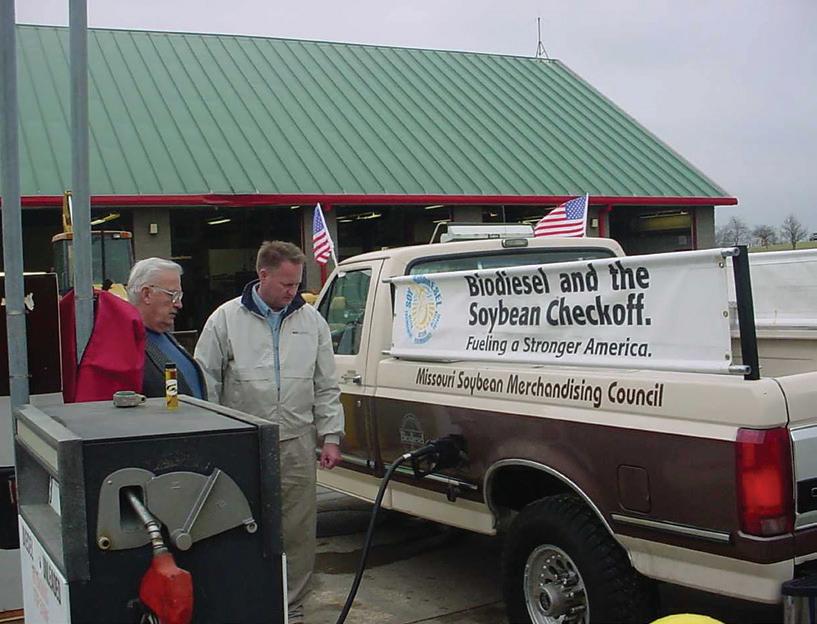
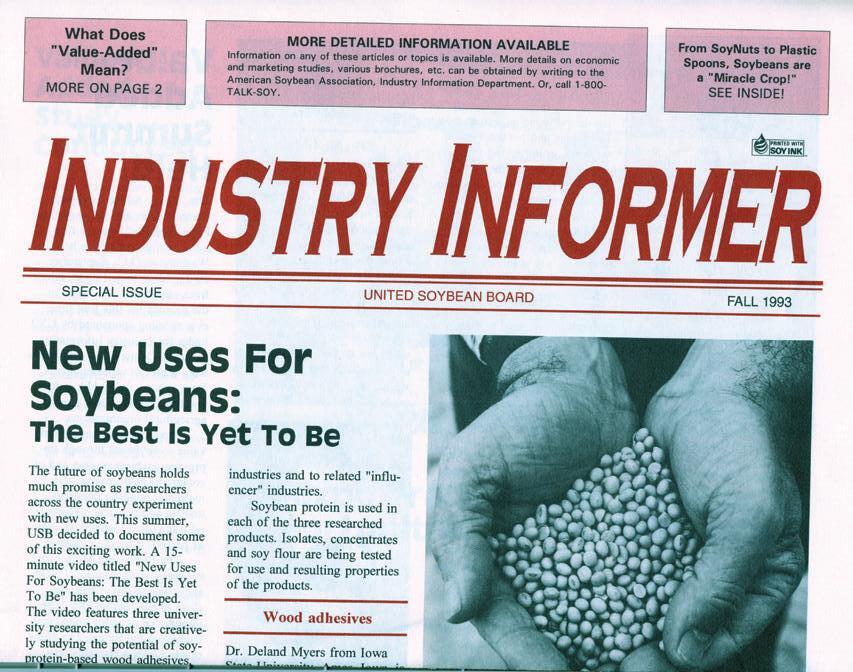
By 1992, that vision had grown into national leadership efforts that helped build America’s biodiesel industry and launch what is today Clean Fuels Alliance America.
More than three decades later, those early investments have become one of soybean farmers’ most important domestic demand drivers. The industry has built as much as 7 billion gallons of clean fuel production capacity, while soybean processing capacity has grown to as much as 2.7 billion bushels, approximately 60% of what U.S. farmers grew in the most recent market year. At a time when other markets face uncertainty, new Renewable Fuel Standard volumes reinforce the same goal that motivated those early checkoff investments: creating more value for American-grown soybeans.
Biodiesel’s story is often measured in gallons, plants and policy milestones. But its foundation was built by farmers who saw opportunity where others saw surplus.
The soybean checkoff’s early leaders did more than support a new fuel. They helped prove that when farmers invest in innovation, they can create entirely new markets, and in doing so, help shape the future.






WE HELP MAKE SURE YOURS HAS A FUTURE.
Every farm here was built on generations of hard work. That’s why the Ohio Soybean Council is always hard at work making sure the next generation to operate your farm has every opportunity to make it a better one. Whether we’re driving innovation, expanding markets or educating classrooms — we’re investing in what matters most: creating a solid foundation for the next generation to operate your farm.