SPOTLIGHT ON OHIO TECHNICAL CENTERS
SPOTLIGHT ON OHIO TECHNICAL CENTERS
How Short-Term Training Is Powering Ohio’s Skilled Workforce at Great Oaks Career Campuses
> Adults Rebuilding Their Futures through Short-Term Career Training at Great Oaks Career Campuses
> Hands-On Careers Begin at Buckeye Hills Career Center
> How Stackable Credentials at C-TEC Postsecondary Center Prepared One Graduate to Serve His Community
> Phenomenal Phlebotomy Training at Penta Career Center
> UVCC Adult Education Builds Ohio’s Healthcare Workforce Pipeline
> Student Spotlight: Marie Yoder, Cuyahoga Valley Career Center
Choosing to launch your career path at an Ohio Technical Center (OTC) is a lot like experiencing Ohio weather in the spring – plenty of different offerings and no two days are the same.
For the past few years, we’ve devoted the spring issue of ConnectED to our OTCs, showcasing their ability to create a pipeline of skilled workers who, year after year, are ready to serve the state’s employers in a variety of high-demand fields.
In this issue, we’ll learn more about the healthcare programs offered at the Upper Valley Career Center, the community partnerships that benefit students at Buckeye Hills Career Center, a growing phlebotomy program at Penta Career Center, the flexibility offered at the Great Oaks Career Campuses that makes it easier to balance school with raising a family, and how one C-TEC graduate used stackable credentials to prepare for his future.
It’s also worth noting that May 4-8 is In-Demand Jobs Week in Ohio, an annual observance that highlights –through statewide hiring, education, and training events – those career opportunities that provide job seekers with a path toward high-paying jobs in fields where employers are hiring now.
We’re extremely proud of all the postsecondary education options that Ohio offers, and it’s great to see how our OTCs are growing and evolving to meet the needs of their students and the employers in their region. They are one more way that Ohio is staying ConnectED to the future of work.
Trading Evenings for Opportunity
How Short-Term Training Is Powering Ohio’s Skilled Workforce at Great Oaks Career Campuses
Hands-On Careers Begin at Buckeye Hills Career Center
Practical, Hands-On Learning Prepares Students for High-Demand Careers
How Stackable Credentials at C-TEC Postsecondary Center Prepared One Graduate to Serve His Community
Phenomenal Phlebotomy Training at Penta Career Center
Program Expands Access and Success with Growing Enrollment and Strong Certification Results
How Short-Term Training Is Powering Ohio’s Skilled Workforce at Great Oaks Career Campuses
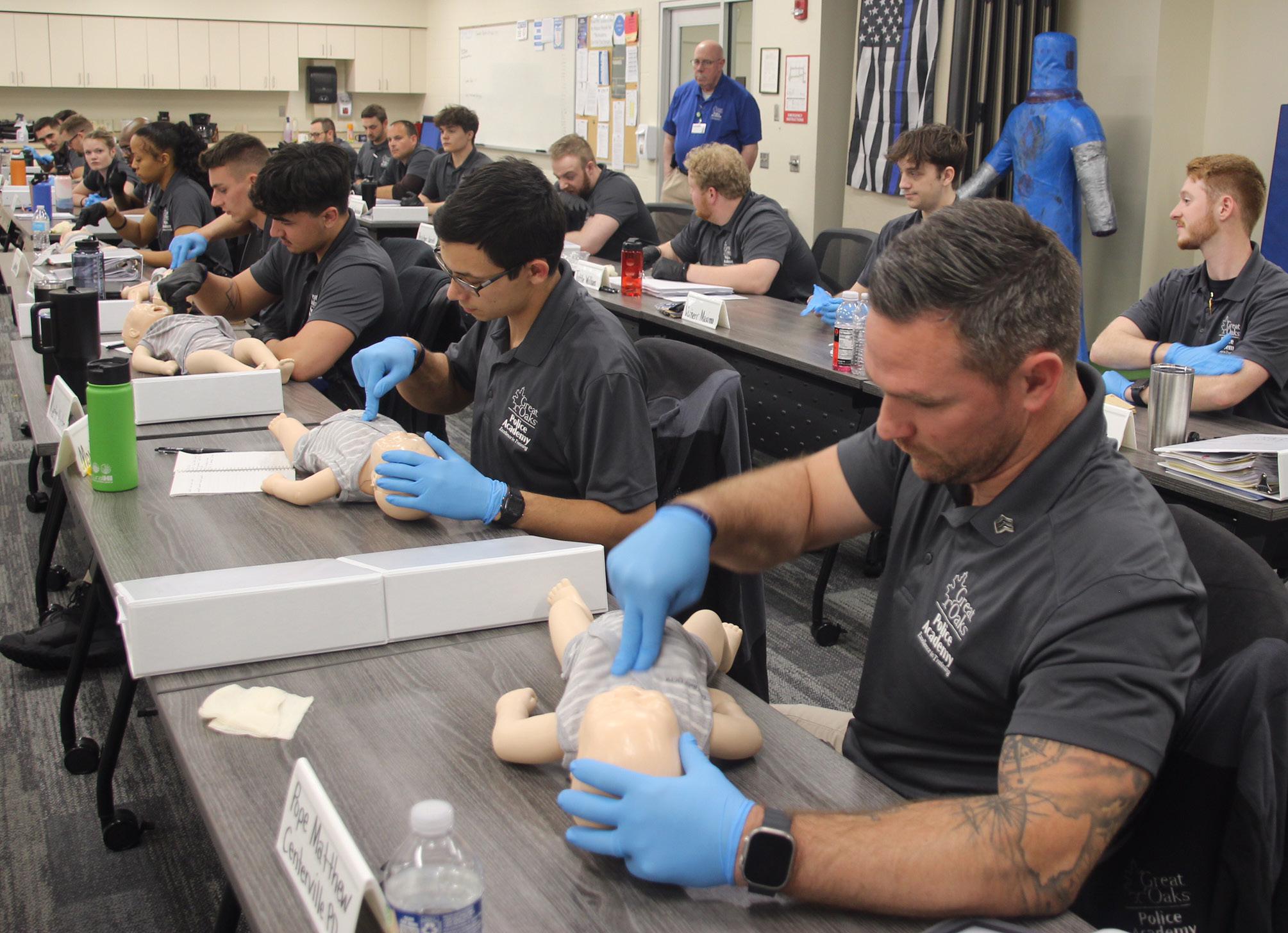
It’s 5:30 p.m. on a weeknight. While most workers are heading home, others are beginning an evening of classes and handson work. Wearing scrubs, work clothes, welding helmets, hard hats, or tool belts, these adults are training for a new career at one of the Great Oaks Career Campuses in southwestern Ohio.
Some are climbing onto large earthmovers. Others may be looking under the hood of a car or into a jet engine. They’re designing websites, drawing blood from a patient, or crawling through a smoke-filled fire training tower.
For the most part, these are adults who found that college isn’t in the cards or who realize that they need more training to reach their goals. Many of them have already worked a full day, and they’re spending their evenings away from family and friends in an effort to change their future.
For them, intensive programs of less than a year are the answer.
Alternate pathways to a successful career are essential; even among those who attend college, only about 61% complete a bachelor’s degree within six years. For the U.S. economy, too, a skilled workforce is crucial. According to a 2025
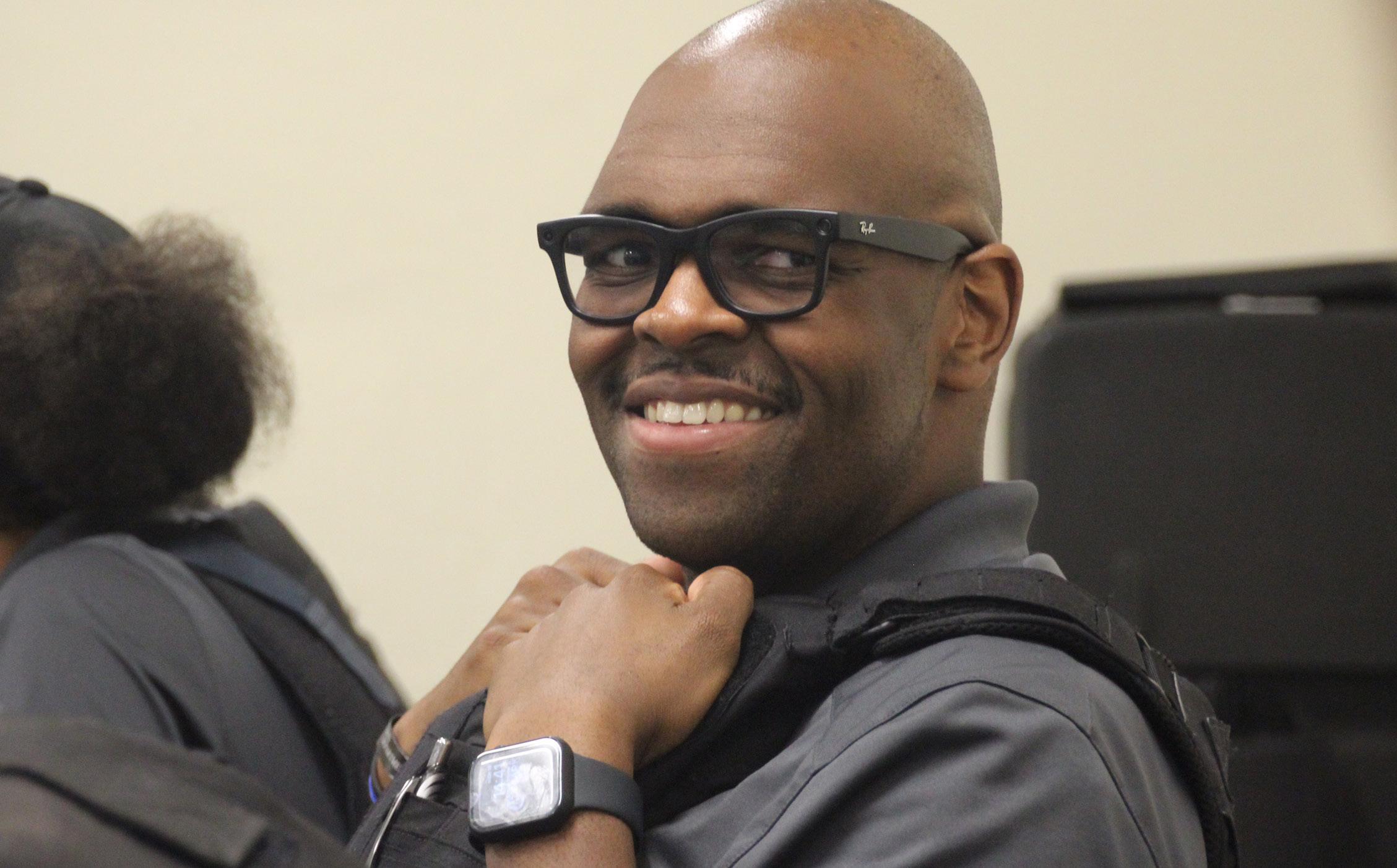
retired, and others had been on the job for more than five years. There were lieutenants, captains, chiefs, and regular firefighters and paramedics teaching us. We got a lot of different perspectives.”
Police Academy graduate Malik agreed. “Each instructor has a different and unique way of teaching us and shaping us and challenging us.”
And when they’re done, students can earn an industry certification that is portable, following them to any job in that career field.
“Learning technical and professional skills gives
adults the chance to step up into a new career or better role with their current employer,” Snyder said. “Coupling those skills with a recognized credential gives that adult additional options and opportunities.”
“I dedicated most of my life to raising my kids,” said health care student Marquita.
“Now I’m confident that I will be marketable. I can’t wait to get out into the real world.”
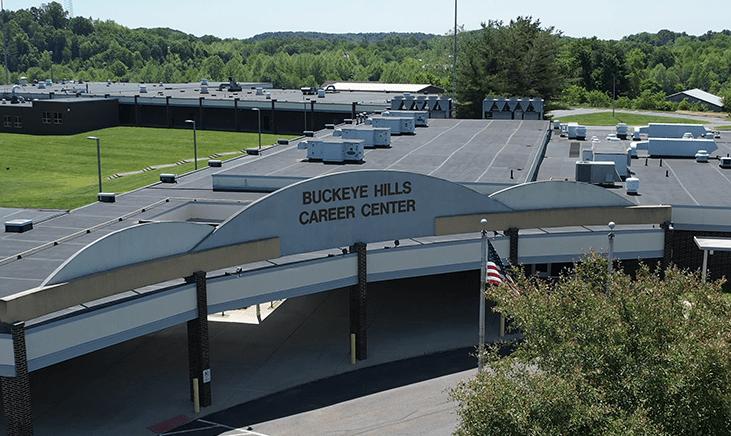
Buckeye Hills Career Center in Gallia County offers career-focused training programs designed to prepare students for in-demand careers across the skilled trades and healthcare fields. Through a combination of classroom instruction, hands-on learning, and real-world experience, students gain the technical knowledge and practical skills employers expect in today’s workforce. Each program is built to mirror the environments graduates will enter, whether that means a construction site, a hospital, an operating room, or a fabrication shop.
The programs highlighted in this article — heavy equipment operator, practical nursing, technician in surgery, and welding — provide clear pathways to employment, professional certification, and continued training. By partnering with industry professionals and emphasizing hands-on learning, Buckeye Hills helps students build confidence, develop expertise, and move directly into meaningful careers that support their communities and the region’s economy.

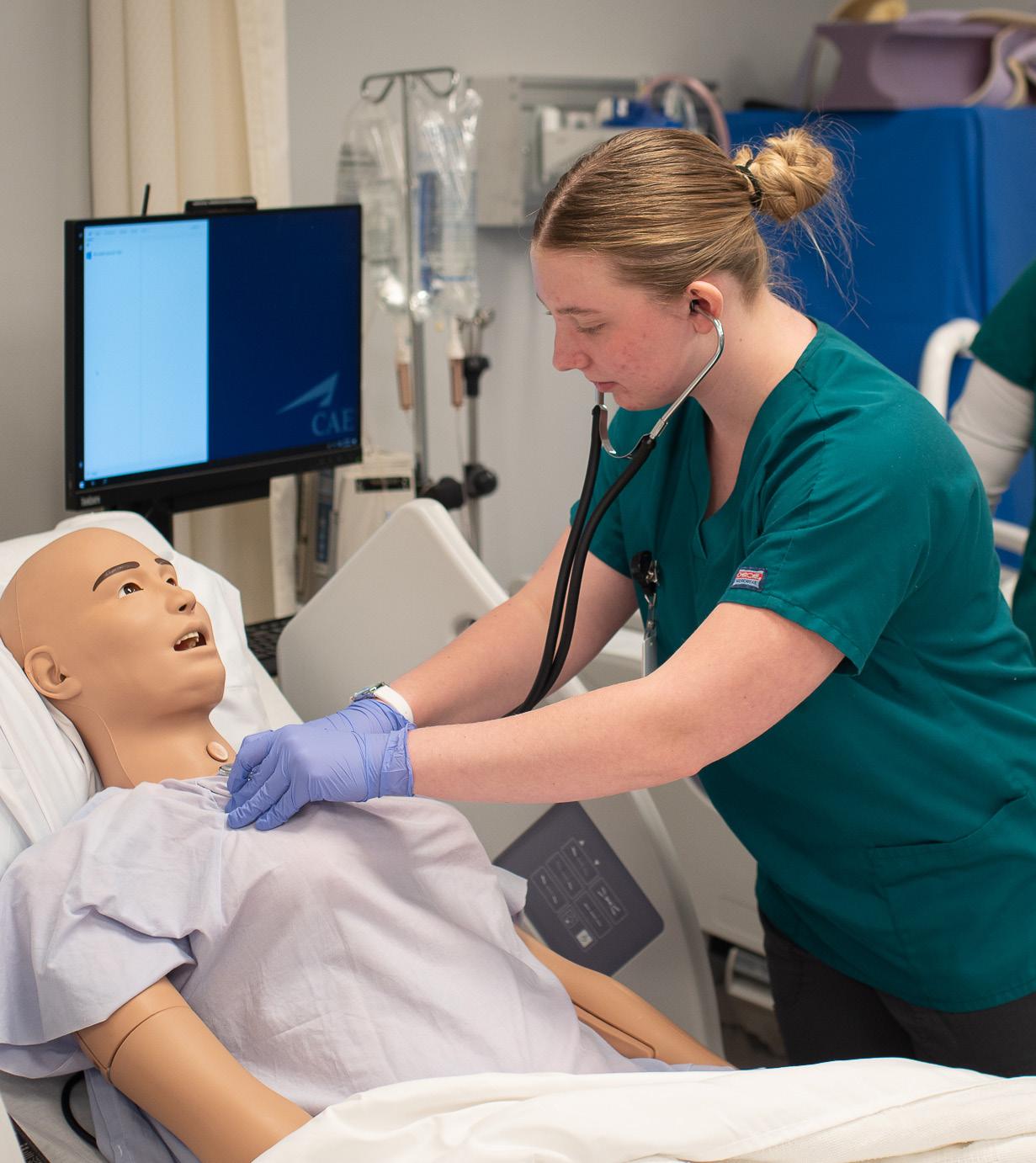
The technician in surgery program prepares students for an important role in the operating room. Surgical technologists assist surgeons and nurses by preparing equipment, maintaining sterile environments, and supporting procedures. Students learn surgical instrumentation, anatomy, and operating room protocols through classroom instruction, lab simulations, and clinical experiences. This training mirrors the fast-paced environment of modern surgical settings. Graduates are prepared to pursue national certification and careers in hospitals, surgical centers, and specialty clinics, where surgical technologists play a key role in ensuring procedures run safely and efficiently.
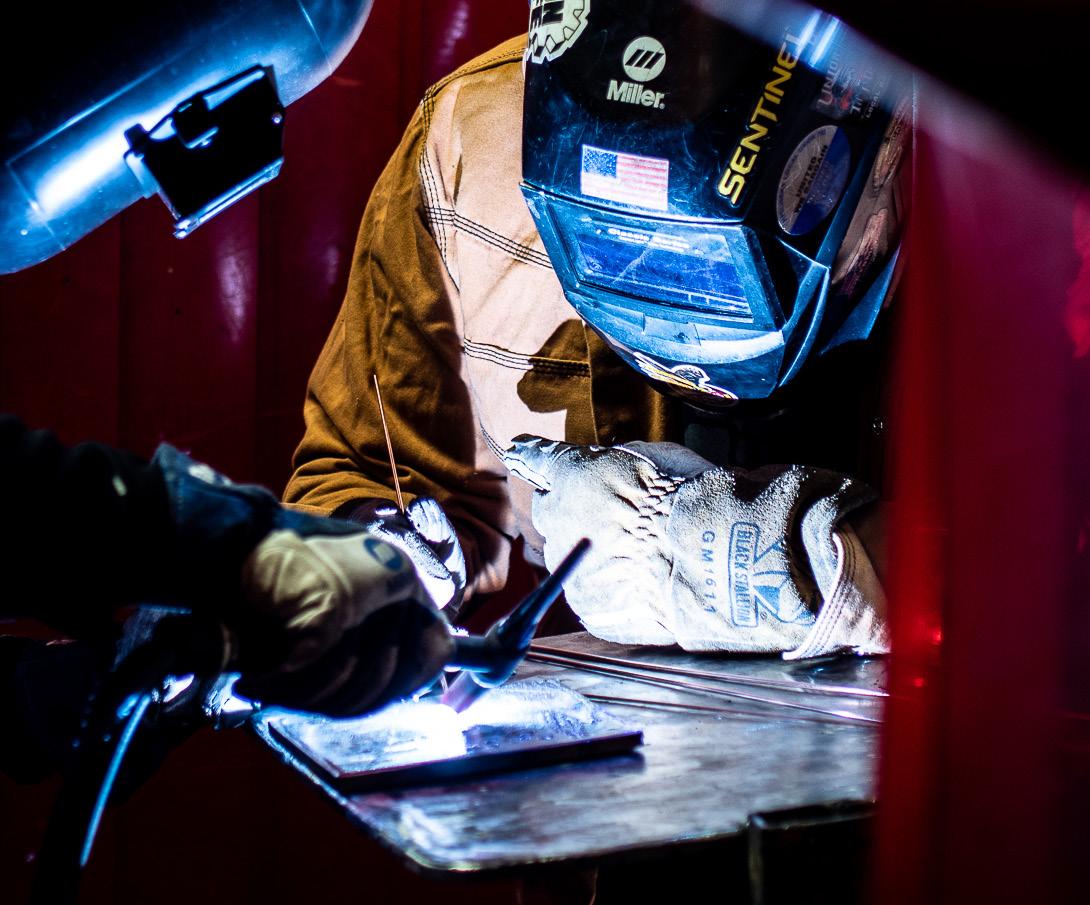
The welding program prepares students for careers in manufacturing, construction, and industrial trades. Welding is a critical skill used to build and repair the infrastructure and equipment that power modern industry.
Students train in multiple welding processes including MIG, TIG, and stick welding while learning blueprint reading, metal fabrication, and workplace safety. Hands-on training allows students to develop the precision and technical skills employers demand.
Graduates are prepared for entry-level positions in welding and metal fabrication or to pursue advanced certifications that expand opportunities in this high-demand skilled trade.
To learn more about Buckeye Hills Career Center, visit buckeyehills.net.

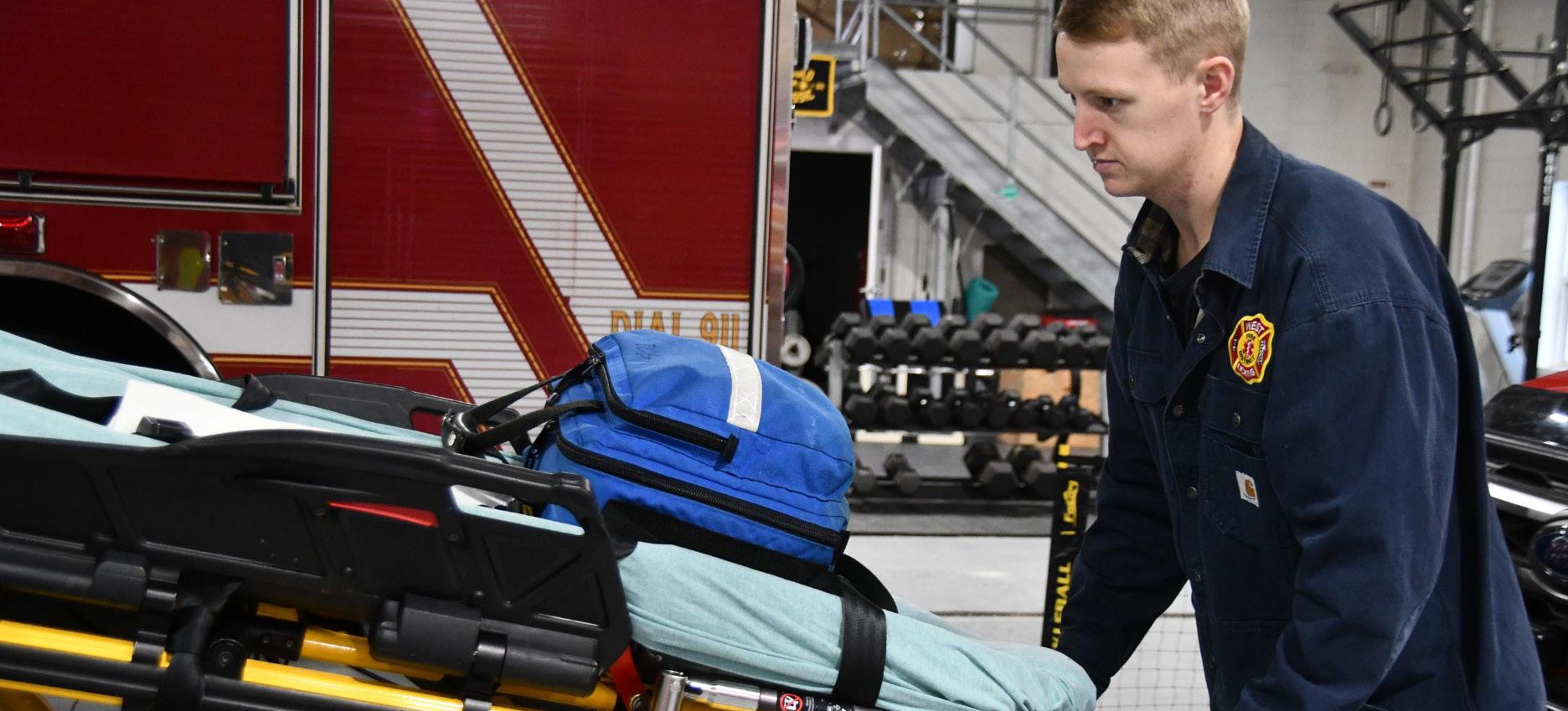
When Blake Rine graduated from Granville Exempted School District in 2021, his future did not immediately point toward public safety. He enrolled in college to study graphic design, exploring a creative path that seemed both practical and familiar. But during those early college years, something shifted.
Growing up, Blake had long been surrounded by public service. His father served as a Columbus firefighter, and his brother worked in public safety. Conversations at home often centered on purpose, impact, and the realities of serving a community in moments of crisis. Over time, and through reflection grounded in faith, Blake began to sense a different direction for his life.
“I knew I wanted a career where I could help people,” he said. “After talking with my dad and seeing the benefits of the profession, it became clear that the fire service was where I was being led.” That clarity brought him to C TEC.
Blake began with fire training at C TEC
Postsecondary in Licking County, a natural first step in his career pathway. His brother had previously participated in the secondary fire program, and the institution’s proximity to home made it an accessible option. But convenience alone did not define the experience.