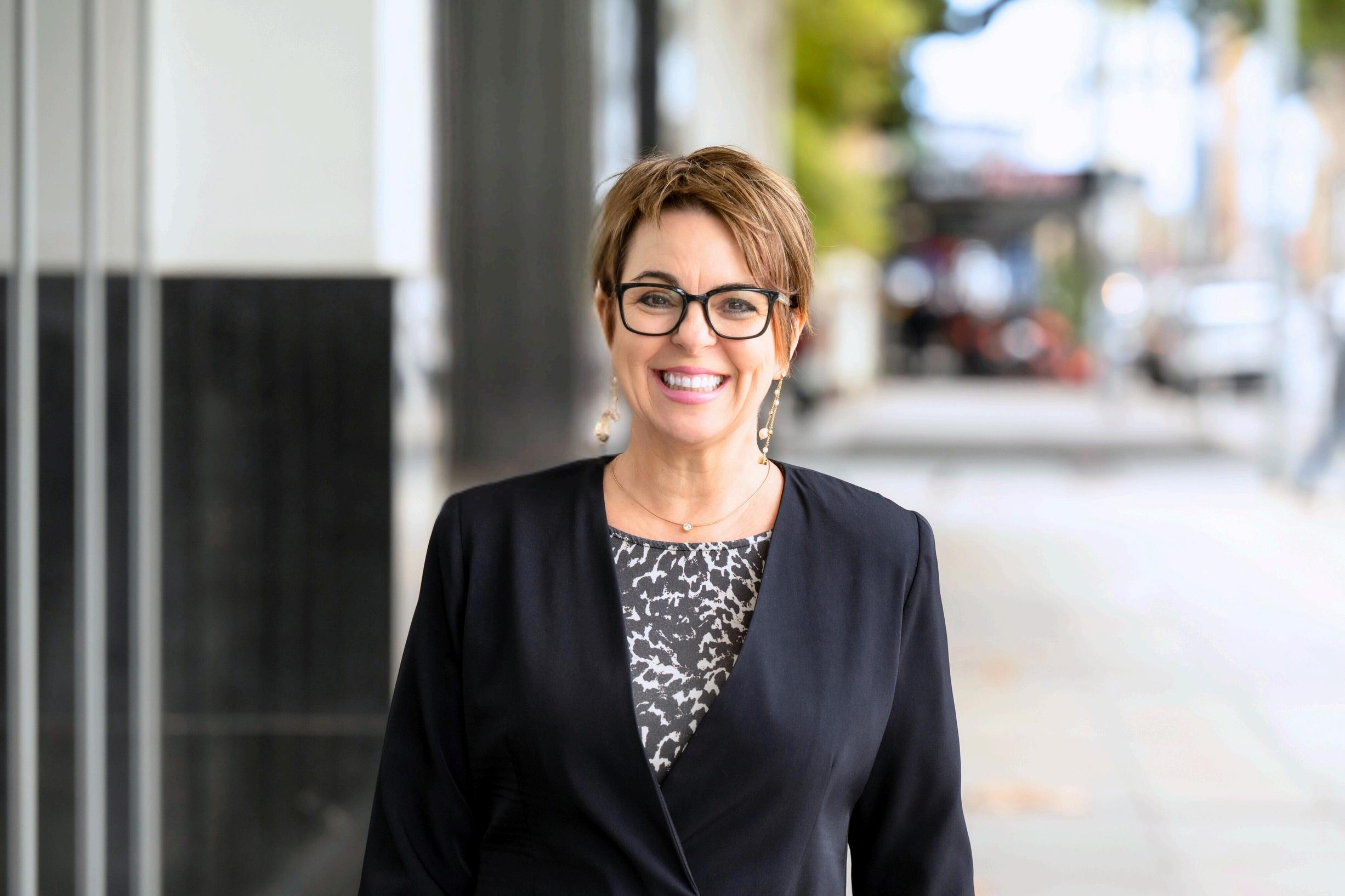
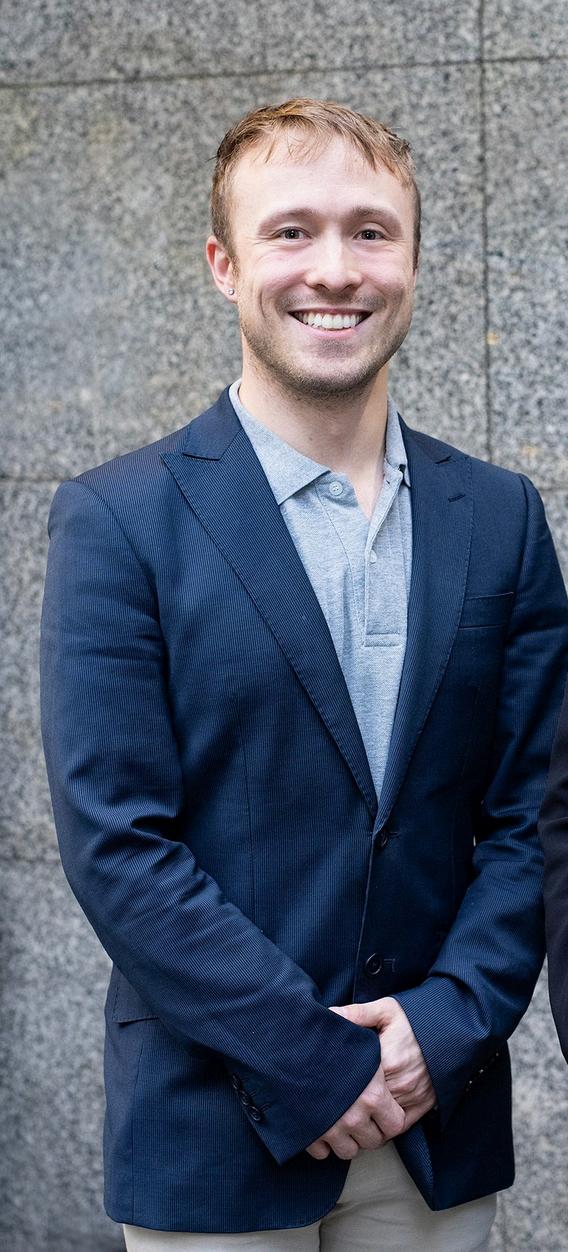
I’ve moved around a little since then but have learnt so much in doing so, I feel comfortable to challenge the status quo and bring a slightly different focus to the practice of oral health.
Welcome to the first OHAA Connect for 2026!
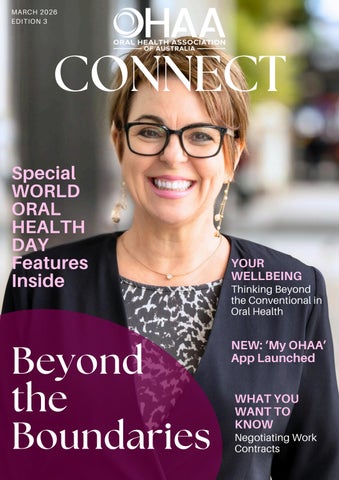
As the Vice President of OHAA, I am very excited to introduce you to this edition, themed “Beyond the Boundaries”
This issue seeks to challenge assumptions and feature unconventional approaches to the practice of oral health. We'll introduce the OHAA Oral Health Promotion special interest group (OHPSIG) and hear their insights into important issues relating to equitable access and health promotion. We proudly celebrate World Oral Health Day and the trailblazers in our profession seeking innovative pathways in their careers. Following a very popular 2025 congress presentation, Angela Pierce returns to share practical guidance on contract negotiations, while Lyn Carman offers some thoughtful insights on the mindset shifts needed to embrace professional evolution. And finally, an update on all the recent progress made at OHAA to benefit you, our members!
Beyond the Boundaries is a theme that speaks to me closely. I graduated as an oral health therapist in 2011 and worked for eight years, mostly in the public sector, with a particular interest in special needs dentistry and periodontics. In 2020 I made a career-defining choice to put the tools down and move into the public health branch within the South Australian health department.
Although I'm not in clinical practice often these days, this has not shifted my passion for oral health I have been successful over the past three years in ensuring oral health is referenced in every health conversation I have, much to the amusement of my colleagues The best part of this is hearing from colleagues in other areas that they now reference oral health in their conversations as well. When I think beyond boundaries, this is it – going beyond invisible boundaries that separate oral health from other aspects health and wellbeing to a way of practicing that is truly integrated.
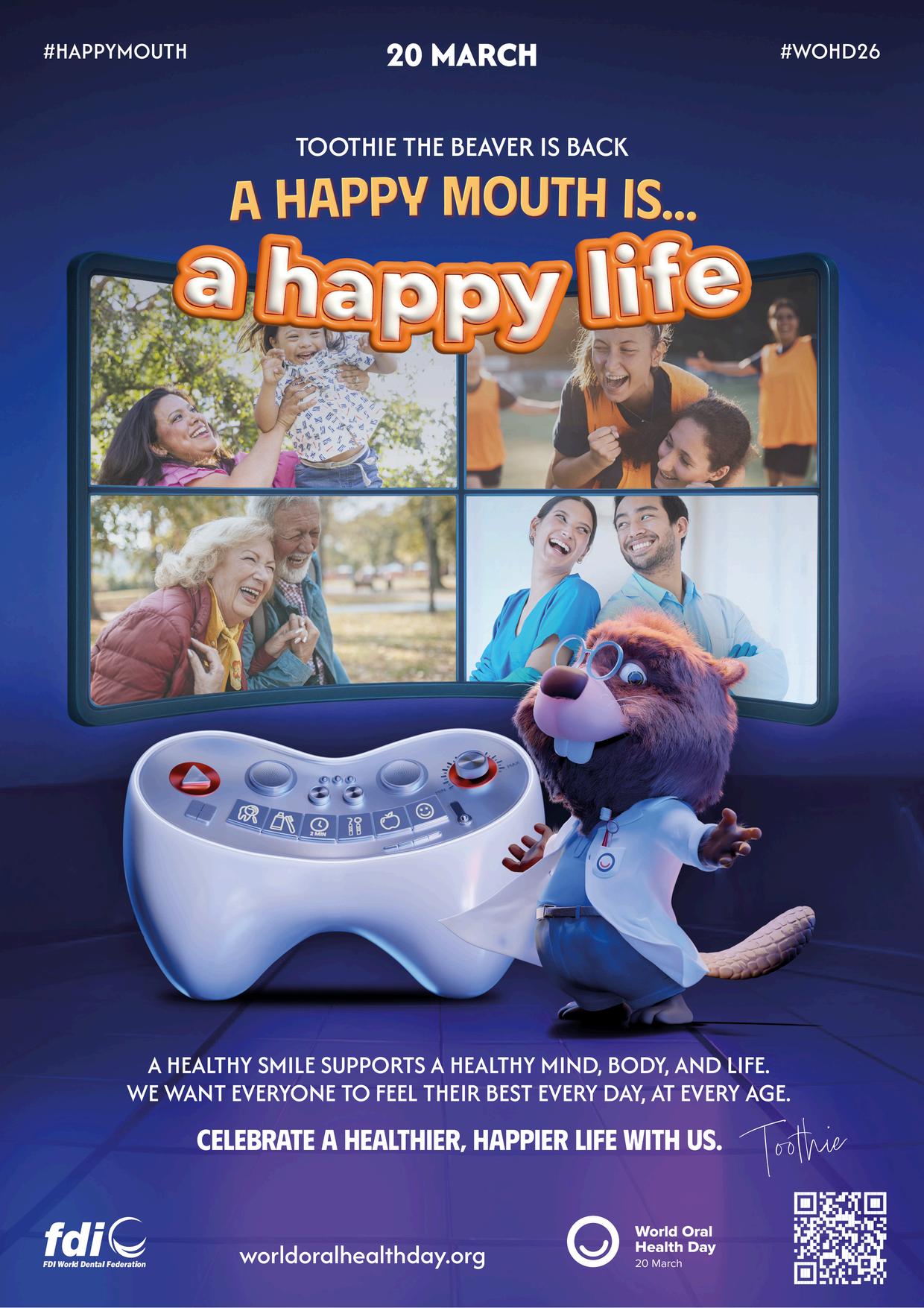
Held on 20 March each year, the World Oral Health Day 2026 theme is ‘A Happy Mouth is a Happy Life.’ The campaign will raise awareness about the importance of oral health at every stage of life - from birth through later years. As oral health practitioners, we know all too well the importance of oral health across all life stages, and the impacts of poor oral health at an individual and societal level. I encourage all of you reading this to share the message this year with your colleagues, families, friends, and networks
I hope you enjoy this edition as much as I did. There is a lot to look forward to in 2026, and OHAA will continue to look beyond the boundaries, ensuring our profession continues to advance and be recognised as an integral part of Australia’s health system.
TIM BUDDEN OHAA VICE PRESIDENT



WE’RE DELIGHTED TO FORMALLY INTRODUCE OUR NEW STAFF MEMBERS AND WARMLY WELCOME THEM TO THE OHAA TEAM. COMBINED WITH OUR BOARD DIRECTORS AND REGIONAL COMMITTEE VOLUNTEERS, WE’RE HERE FOR YOUOUR MEMBERS AND CLIENTS.
Policy Officer Aneta Zielinski
With an extensive background in oral health practice, education, governance, and sector advocacy, I’ve spent more than 23 years working across rural and metropolitan practices, special needs dentistry, aged care services, and specialist periodontal and prosthodontic settings. I graduated from the University of Queensland and have dedicated my career to supporting both patients and the profession.
I’ve contributed to workforce development through mentoring, lecturing, hosting CPD programs, and writing for dental hygiene publications and professional blogs My experience also includes participating in research and evaluation initiatives, contributing to FDI World Dental Federation (FDI) panel workshops and advisory groups, and implementing a smoking cessation intervention protocol at the University of Queensland.
Over the years, I’ve held senior leadership and governance roles within professional organisations, including serving as past chair and secretary of the former Dental Hygienists Association of Australia (DHAA) (Queensland Branch), advisor to the DHAA COVID 19 Advisory Taskforce, and past secretary and treasurer of the Australian Society of Periodontology (Queensland).
I’m passionate about creating accessible oral health services and expanding opportunities for oral health practitioners to strengthen workforce development pathways.
Through policy and advocacy, I remain committed to raising the profile of oral health practitioners among communities and policymakers to support high‑quality, interdisciplinary care across Australia.
WE’RE DELIGHTED TO FORMALLY INTRODUCE OUR NEW STAFF MEMBERS AND WARMLY WELCOME THEM TO THE OHAA TEAM. COMBINED WITH OUR BOARD DIRECTORS AND REGIONAL COMMITTEE VOLUNTEERS, WE’RE HERE FOR YOUOUR MEMBERS AND CLIENTS.
I’m excited to step into the role of Project Officer, supporting the team to deliver key strategic objectives - starting with the implementation of OHAA’s new learning management system for members.
My career path to date has taken me across marketing, communications, PR, production, event and membership management, with experience in industries ranging from media and tourism to rehabilitation and financial services. I even spent some time as a freelance editor and talent agent, which added some extra creative dimensions
I’ve been connected with the not for profit sector for more than twenty years, initially as a high value fundraiser for the National Breast Cancer Foundation, a gift wrapper extraordinaire (yes, that’s a thing!) for the local Relay for Life, and most recently I managed member engagement, professional development and national awards events for the peak body representing the workplace rehabilitation industry.
I’m thrilled to now be working with the wonderfully welcoming OHAA team two days per week. Outside of work, my time is devoted to my fabulous family, tennis and coffee with friends, golf (hopefully again soon), and chasing after my gorgeous rescue greyhound, Bindi She has a great dane ‘little’ brother Sulley, so there’s always fun and games in this household!
I’m looking forward to meeting members and helping create an engaging and supportive experience across the OHAA community.
The risk landscape for oral health practitioners continues to be clinically focused however the integration of AI-driven systems is introducing new areas of potential risk.
In this article, BMS, OHAA’s insurance partner and Scott Shelly and Alexander Sheridan of health law firm, Barry Nilsson, discuss the insights of the Ahpra 2024/25 Annual Report (Dental Practitioners section) , and developing risks in 2026. 1
Clinical care remains the most common type of complaint reported in the Ahpra report and is echoed in BMS claims reports.
It might be surprising to hear that the third most common area of complaint relates to communication, increasing from 9.5% in Ahpra’s 2023/24 report to 13.5% in the 2024/25 report. 2
The Shared Code of Conduct provides guidance to practitioners on effective communication, however in summary, practitioners are required to communicate courteously, respectfully, compassionately and honestly with patients and ensure that the patient understands any information communicated to them.
It is also not unusual for a complaint to be initially made to Ahpra regarding communication which, following investigation by Ahpra, then raises issues regarding a practitioner’s clinical care, documentation or behaviour
Most common types of complaints, Ahpra 2024/25 (Dental Practitioners section) report:
50 7% Clinical care
13.5% Communication
4.2% Behaviour
3.6% Documentation
2.6% Offence against other law
25 4% Other
Case study
Barry Nilsson has recently been involved in an Ahpra matter involving an oral health therapist and a complex longstanding patient.
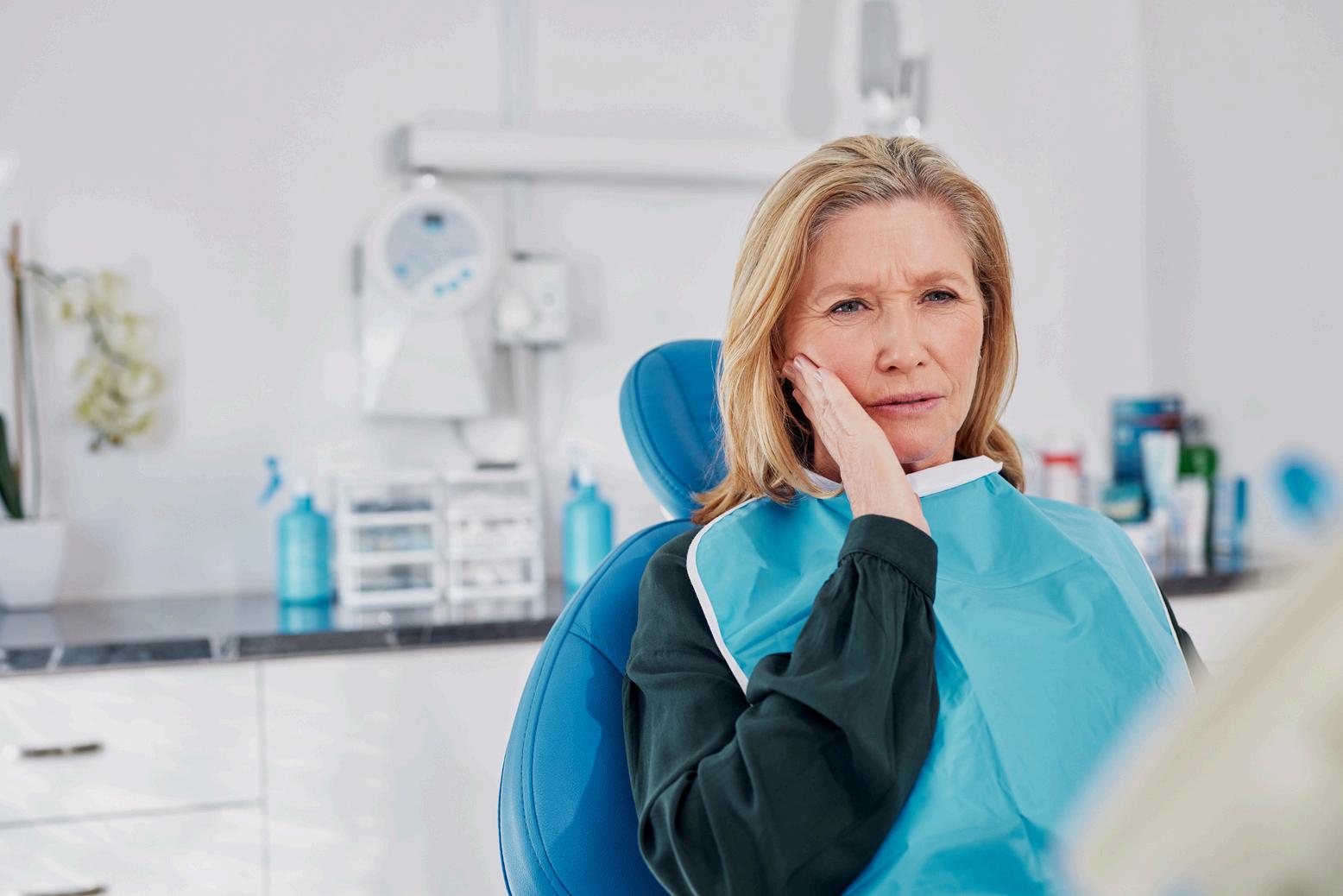
The patient’s complaint was multifactorial, however in essence, the complaint concerned allegations that the treatment plan had not been communicated to the patient and her further concerns regarding pain and deterioration were not adequately addressed by the practitioner. Ahpra have since requested a written response from the practitioner and sought copies of the clinical records to investigate the patient’s allegations further. In this scenario, early communication with the patient whether that be written or verbal, in a way that they understand, may have avoided the escalation to Ahpra.
Barry Nilsson typically see that in cases where the practitioner communicates clearly and empathetically with the complainant when the matter first arises, this generally leads to better outcomes and avoids escalation to regulators, underscoring the importance of early intervention once a complaint arises.
There is, however, no time limit on when a complaint can be made to Ahpra and it is not unusual for Ahpra to take time to undertake preliminary review of an issue before notifying the practitioner. Therefore, it may be many months, or potentially years, before a complaint may be made This is where clear, accurate and contemporaneous records become invaluable for practitioners.
AI provides opportunities for news ways of working including; dictation, (scribe for clinical notes or other reporting), diagnosis, treatment planning and more. Practitioners must remember that AI is not a replacement for their knowledge or professional responsibility but is a tool to enhance the patient outcome and their professional service.
AI has limitations and the potential to make errors, of which the responsibility will still fall to the practitioner and/or business.
Before using AI tools which use personal patient data, such as AI note taking, practitioners must obtain informed consent from the patient to use the AI tool. It is good practice to obtain written consent from the patient, on a document that outlines the AI tool and its functions, as this assists in ensuring the patient is providing informed consent.

Where practitioners rely on AI tools to assist with clinical record keeping, practitioners must still review the notes for accuracy and appropriateness. The use of the AI tool does not take away the practitioner’s professional obligations regarding clinical record keeping
Compliance requirements, including those stipulated under the Australian Privacy Principles (APP) and Ahpra Nationals Boards’ Codes of Conduct, must be met when implementing and using AI systems This includes but is not limited to understanding where data is stored and sent, informed consent and transparency with patients before using the system.
Health information, like that collected by a dental or oral health clinic, provides a lucrative target for cyber criminals as the information is a mix of health and personal information that cannot easily be changed following the breach coming to light. This allows cyber criminals to use the compromised data to undertake further criminal activity like tailored phishing emails or identity theft scams
Practitioners should not be complacent and assume that cyber risk is only a matter for large businesses. Small to medium sized clinics within Australian have also been the target of cyber criminals due to the lucrative health information they have and the potentially less robust IT protections in place compared to big business.
To prepare for potential cyber-attacks businesses and practitioners should adopt various digital defences This could include reviewing current practises and digital set up which may need the help of IT security experts to uncover vulnerabilities and areas to strengthen security. For businesses, it should also include regular training for staff to help them identify risk and know how to react should they suspect an attack. Cyber Wardens offers free training and resources to help small businesses prepare and mitigate cyber risk.
While no defence is foolproof, a cyber insurance policy could provide an additional layer of protection. While it can’t stop or prevent a cyber-attack from occurring, it can act as a financial safety net if an attack occurs.
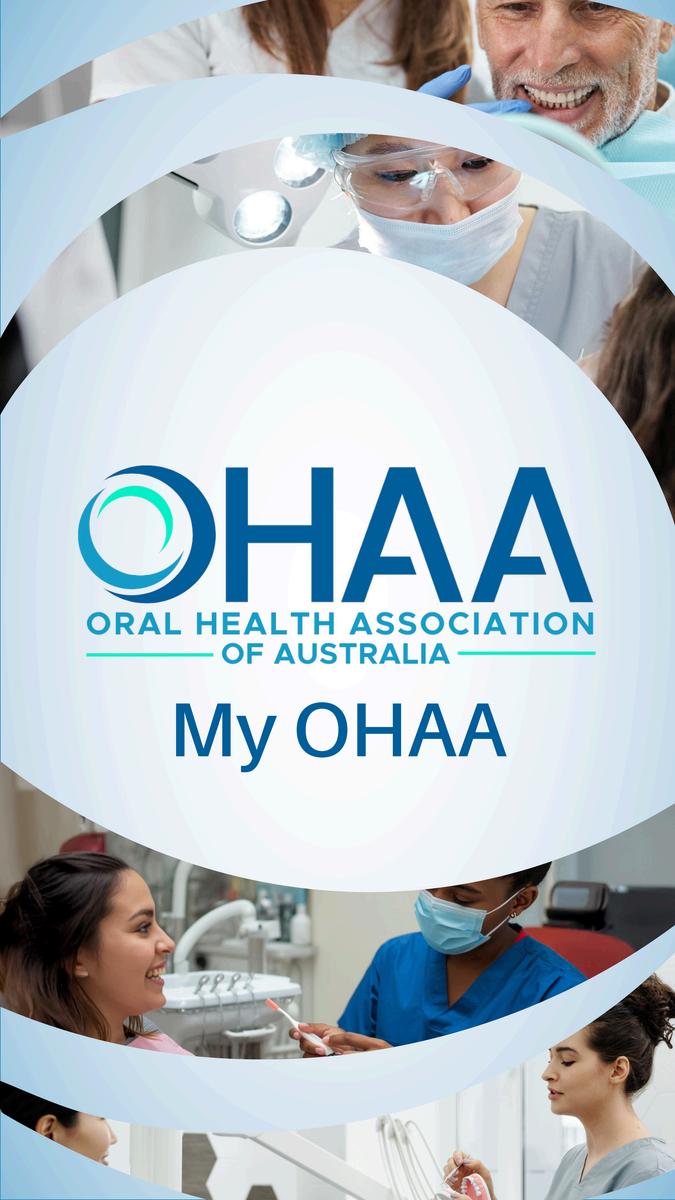
The Oral Health Association of Australia is proud to announce the launch of My OHAA, our brand new mobile member apppowered by industry leading engagement technology. Designed to meet the needs of today’s busy oral health professionals, My OHAA brings your membership directly to your fingertips, offering seamless access to news, events, resources, and your professional community.
Why My OHAA?
Our members have told us they want faster communication, easier access to resources, and a more connected community experience. My OHAA delivers all of this and more, offering a personalised, always on hub for everything OHAA
Powered by Clowder’s mobile platform - used by high performing associations across the globe - My OHAA provides:
1. A Seamless, Personalised Member Experience
Clowder’s platform offers highly personalised user experiences, including real time integration with membership records and tailored content delivery. Members can easily log in using Single Sign-On, update their profiles, and access content customised to their professional interests.
2. News & Updates - Delivered Instantly
Stay informed with the latest OHAA announcements, policy updates, clinical news, and industry insights With push notifications, you never miss information that matters.
3. Events at Your Fingertips
My OHAA makes managing your professional development easier than ever Members can register and browse event schedules, speaker details, sessions, and venue informationall in one place.
Join conversations with peers in dedicated forums or sub groups, perfect for specialist areas, local branches, or professional committees. Clowder’s gated community feature enables secure, targeted discussions that deepen member connection NOTE: This functionality is currently only available to members that have joined specific OHAA committees or special interest groups.
My OHAA includes a central library for guidelines, documents, continuing education materials, recorded webinars and more, ready whenever you need them.
OHAA’s new and improved jobs board that was introduced in February, is available to access via the My OHAA app bringing job searching directly into the hands of our members when and where they need it.
Mobile isn’t just convenient - it’s essential. As Clowder highlights, mobile technology enables organisations to “break through information overload” and meet members where they already spend their time With My OHAA, your association is now in your pocket, ready whenever you are.
The launch of My OHAA marks the beginning of an exciting new chapter for OHAA We will continue to grow and refine the app, adding new features and resources to support your professional journey.
We invite all members to download My OHAA today and experience the future of engagement, connection, and convenience.

World Oral Health Day is not just a celebration, but a reminder that oral health is not separate from general health. Not an optional luxury. It is fundamental to how we eat, speak, socialise, learn, work and live.
This year’s theme, “A Happy Mouth is a Happy Life,” captures something oral health professionals witness every day: when someone’s mouth feels healthy, comfortable and confident, their whole world shifts.
A pain-free child able to engage in their schooling. An older adult with well-fitting dentures able to enjoy their meals again. A teenager no longer self-conscious about their teeth laughs without covering their mouth
These are not small changes. They are life-changing outcomes.
A happy mouth leads to more smiles. And more smiles create connection. In uncertain and often challenging times, a smile remains one of the simplest and most powerful expressions of humanity It signals safety, warmth and openness. It builds trust. It strengthens communities. When we improve oral health, we are not just restoring function, we are enabling expression. We are making it easier for people to share joy.
The relationship between oral health and quality of life is well established. Untreated dental caries, periodontal disease and tooth loss affect nutrition, speech, sleep, self-esteem and mental health. Chronic oral inflammation is associated with systemic conditions including cardiovascular disease, diabetes and adverse pregnancy outcomes.
But beyond the clinical evidence lies something equally important: dignity.
Oral health influences how people present themselves to the world. Smiling is one of the most universal human expressions When someone avoids smiling due to pain, aesthetics or shame, the impact is deeply personal. A healthy mouth restores not only comfort and function, but confidence and social participation.
As oral health practitioners, we understand that a “happy mouth” is rarely accidental. It is the result of prevention, education, early intervention and supportive health systems
Fluoride exposure, dietary counselling, oral hygiene instruction, minimally invasive and timely access to care; these are not just clinical facilitators. They are acts of empowerment Prevention reduces pain, cost, anxiety and long-term disease burden. It shifts oral health from crisis management to life enhancement.
The earlier we intervene, the greater the impact Positive dental experiences in childhood lay the foundation for lifelong oral health behaviours. When children grow up viewing dental visits as supportive rather than fearful, we create adults who prioritise their oral health with confidence rather than avoidance.
Every prevented cavity is a prevented episode of pain. Every avoided extraction preserves function, nutrition and self-esteem. These outcomes ripple outward into families and communities.
Yet we know that not all Australians have equal access to oral healthcare. Rural and remote populations, Aboriginal and Torres Strait Islander communities, people with disability, culturally and linguistically diverse residents, and those experiencing socioeconomic disadvantage continue to face disproportionate oral disease burden.
A happy mouth should not be a privilege.
World Oral Health Day is an opportunity to advocate for equitable access to oral healthcare and optimising oral health workforce utilisation. Oral Health Therapists, Dental Hygienists and Dental Therapists are uniquely positioned to expand access particularly in regional communities, residential aged care facilities, school-based, and outreach settings.
If we truly believe that a happy mouth contributes to a happy life, then improving access is not just a professional responsibility, it is a collective commitment to fairness and wellbeing.
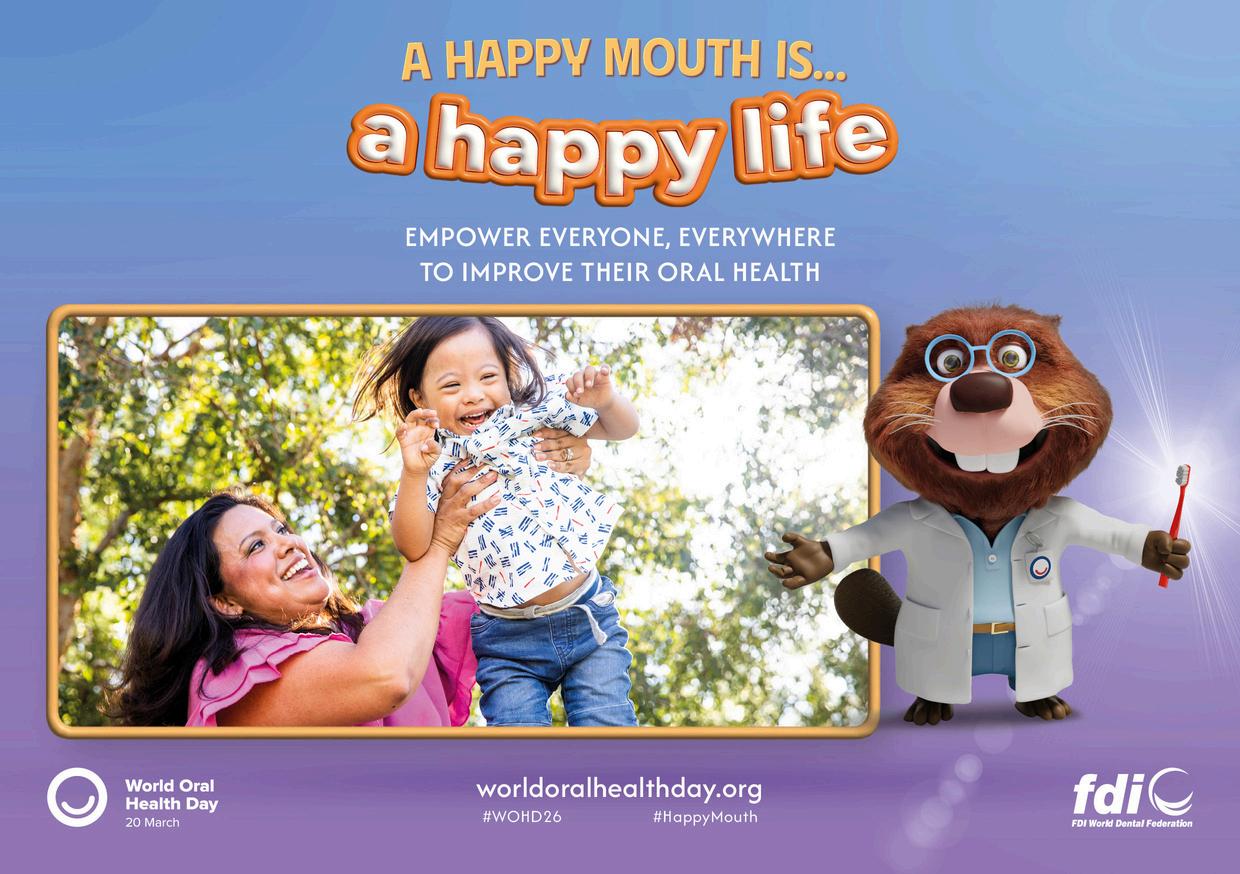
This World Oral Health Day, let us embrace the full meaning of “A Happy Mouth is a Happy Life.”
Celebrate the patients whose confidence has been restored.
Celebrate the communities where prevention is changing outcomes.
Celebrate the students and colleagues who carry our profession forward.
But also commit to prevention, to equity, to advocacy and to compassionate care.
Because a happy mouth means more smiles. More smiles mean stronger connections. And stronger connections build happier, healthier lives.
On this World Oral Health Day, let us continue not only to protect oral health but to help create a world with more smiles, more confidence, and more love.
WILLIAM ‘CJ’ CARLSON-JONES
Over the years, I've had the privilege of sharing numerous articles, 'reflective pieces' and insights, dedicated to our growth as oral health professionals. My focus has consistently been on mindset, communication, and leadership. These core models are at the heart of every coaching session, supporting us in expanding our capacity to explore new ways of being In our constantly changing world of oral health, progress isn't just about adopting new technologies; it's about nurturing a mindset that encourages continuous evolution. This means challenging established thinking and courageously stepping into the 'grey areas' of uncertainty
As oral health professionals, our careers often demand a high degree of self-management and emotional intelligence Becoming the best version of ourselves requires self-awareness – understanding our own personality, individuality, feelings, motives, and desires. It's about consciously choosing to live ‘above the line,’ taking responsibility for our experiences rather than being at the effect of circumstances This means looking beyond external factors like our job title or family role, and instead, delving into our inner world.
Consider the model of ‘Above the Line vs Below the Line Thinking’. Are you on the cause side, actively shaping your reality, or on the effect side, blaming external factors? Choosing to live above the line means embracing responsibility, seeking solutions, and fostering a mindset of hope and abundance.
Change, as the Greek philosopher Heraclitus of Ephesus observed, is the only constant Yet, we often resist it, fearing the unknown or the loss of what is familiar. This resistance can lead to a ‘beige’ existence, holding onto the status quo, where we accept mediocrity and limit our potential Our ‘boundary conditions of thinking’ can hold us back Albert Einstein said, "We are boxed in by the boundary conditions of our thinking."
To conquer change, we must embrace it as an opportunity for new experiences, growth, and learning. It demands that we learn new things, master new skills, and develop qualities like flexibility, optimism, courage, and persistence. When we resist change, it feels like fighting an incoming tide; when we embrace it, we learn to float more effortlessly. Embracing change is an internal journey that makes us more capable.
Effective communication goes beyond simply talking; it requires truly listening to understand, not to formulate a reply, a point Stephen Covey emphasised in ‘7 Habits of Highly Effective People.’ Because our unique experiences and beliefs shape how we see the world, clear communication and the avoidance of assumptions are essential We cannot assume someone wants or likes something simply because we do.
To avoid misunderstandings, remember Alfred Korzybski's insight: 'the map is not the territory,' meaning that our perception of reality isn't the same as reality itself Developing strong communication skills allows us to navigate life's challenges effectively, nurturing collaboration and resolving conflicts. This is vital in a profession that relies heavily on clear, empathetic exchanges with patients and colleagues
Our values, are our principles and standards of conduct, significantly influence our destiny. As Gandhi taught, positive thoughts lead to positive habits, which become positive values, and ultimately determine our destiny. When our actions align with our values, we experience satisfaction. Conversely, a mismatch can lead to internal conflict By consciously identifying and living by our positive values, we create a more fulfilling professional and personal life, and this authenticity shows up in our leadership and interactions. Values are the compass that guides our choices and actions
Our neurological fear system, once vital for survival, can now limit our goals We overcome this by engaging our intellect and creativity. Unlocking our true potential means learning to act even when we don't 'feel like it,' understanding that positive feelings often follow action. For example, starting a difficult task, despite initial reluctance, can lead to increased engagement and confidence as you make progress. In any given moment, we can choose to let emotions hold us back, or we can decide to think differently and, as Susan Jeffers put it, 'feel the fear and do it anyway ' Acknowledging fear is important without letting it control our path.
Our future is not just something that happens to us; it's something we can actively create. By reflecting on our journey, making conscious decisions, and committing to actions, we shape a ‘future positive’ This involves embracing uncertainty as a catalyst for growth, striving to be better versions of ourselves, and continuously evolving our practice to achieve outstanding results. When we keep learning and take steady, purposeful steps forward, we can create real and lasting change in our lives and in our practices. This ongoing self-development defines an evolving and innovative oral health professional.
LYN CARMAN
OHAA RURAL & REMOTE SIG CHAIR, ORAL HEALTH PROMOTION COMMITTEE MEMBER AND PUBLICATION COMMITTEE MEMBER

Preventive dentistry continues to evolve as our understanding of patient behaviour, communication and long-term oral health outcomes deepens While clinical techniques remain essential, it is increasingly clear that prevention succeeds or fails not in the surgery, but in the daily routines patients follow at home. Moving beyond traditional boundaries means rethinking how dental teams communicate, educate and support patients to take ownership of their oral health.
One of the greatest challenges in prevention is not a lack of information, but a lack of engagement.
Patients are often told what to do but struggle to translate that advice into consistent action. Modern prevention, therefore, requires a shift from instruction to coaching. It is about helping patients understand the “why” behind oral hygiene recommendations, using clear language, relatable explanations and practical demonstrations that fit into everyday life.
Hands-on education plays a critical role in this process. When patients can see, feel and experience techniques for themselves, learning becomes personal and memorable. Educational philosophies such as iTOP (Individually Trained Oral Prophylaxis), developed through Curaden Academy, were among the first to formalise this approach by placing experiential learning and behaviour change at the centre of preventive care.
Rather than relying on generic instructions, iTOP focuses on guided biofilm management, tactile learning and personalised coaching, allowing patients to better understand their own oral health status and the impact of their daily habits. This type of experiential education supports stronger motivation and longer-lasting behaviour change. Today, iTOP is delivered globally and recognised as a benchmark in preventive education, shaping how dental professionals are trained to coach patients towards sustainable oral health behaviours.
Dr Chris Barker, Specialist Periodontist and iTOP Lecturer, highlights the value of adaptable strategies when supporting patients with complex needs. He notes that structured biofilm management approaches provide clinicians with practical tools to tailor education and techniques to individual patients, rather than relying on a one-size-fits-all model. This adaptability is particularly important in periodontal care, where long-term success depends heavily on patient understanding and compliance outside the clinic.
Communication does not stop at the dental chair. Digital platforms and social media increasingly influence how patients access health information and form expectations around care. Used thoughtfully, these channels can reinforce preventive messages, normalise good oral hygiene habits and provide patients with encouragement between appointments. Relatable, patient-friendly content helps bridge the gap between professional advice and real-world application, particularly when aligned with hands-on education delivered in practice.
Emma Cubis emphasises that effective oral hygiene coaching is central to improving patient motivation. She describes how combining evidencebased techniques with modern communication helps patients feel confident and supported throughout their oral health journey. By using consistent messaging across clinical and digital settings, patients are guided from reactive treatment towards proactive prevention, building trust and long-term engagement.
Stepping beyond boundaries also requires a team-based approach. When dental professionals align their messaging and share responsibility for patient education, prevention becomes more effective and sustainable. Oral health assistants, therapists, hygienists and dentists all play a role in reinforcing key messages and supporting behaviour change over time.
As dentistry continues to prioritise prevention, communication and patient empowerment, success will depend on how well teams connect clinical knowledge with everyday behaviour. Beyond the boundaries of traditional care lies an opportunity to strengthen prevention through education, consistency and meaningful engagement, ensuring better outcomes for both patients and practices.
iTOP Courses 2026

Work contracts are private agreements governed largely by contract law and include contracts for employment (employment agreements), independent contractor agreements, and services and facilities agreements.
The majority of OHAA members in private practice are national system employees covered by the Commonwealth Fair Work Act 2009 (FW Act) and either the Health Professionals and Support Services Award 2020 (HPSSA) or an enterprise agreement.
A smaller group of employees are governed by state industrial laws (for example, some state public servants and local government employees, and some but not all practitioners working in private practices in WA).
1) Do Your Homework
Conduct thorough research on your role and the new practice. You should not feel pressured into signing a contract, so let the practice know that you will respond after due consideration. Remember that you have a right to negotiate terms. There is a power imbalance in favour of drafting party, so it is important that the final contract represents a ‘meeting of minds’.
Try to gain a broad understanding of your lawful rights. Only national system employees are afforded the minimum entitlements and protections of the FW Act (Table 1).
Minimum Entitlements
Minimum employment standards guaranteed for all employees under the Fair Work Act.
Modern Award or Enterprise Agreement
Private Contract
Minimum conditions for a specific industry. Must provide terms at least as good as the NES.
Contracts cannot provide less than the NES minimum employment standards , applicable Award or EA. Terms can be negotiated.
Terms are commercial and subject to negotiation.
Under the FW Act, all national system employees are covered by the 12 minimum entitlements comprising the National Employment Standards (NES). These cover areas such as hours, leave, public holidays, and termination notice, amongst others.
Modern Awards, such as the HPSSA, act as a mandatory minimum for specific industries and cover areas like wages, overtime, penalty rates, and allowances.
Enterprise Agreements (EAs) are similar to Awards but are tailored to suit a particular organisation. Many public sector and corporate employers use EAs.
Contracts of employment work together with Awards or EAs to further detail an employee’s pay and conditions Private contracts cannot offer less than the safety net of legal minimums set by the NES and any applicable Award or EA.
Terms are commercial and subject to negotiation.
Practitioners engaged under non-employee contracts, such as independent contractor agreements and SFAs, are not covered by Awards or the NES. These are commercial contracts which are largely governed by contract law The FW Act affords independent contractors some limited protections against sham contracting, adverse action, coercion, and unfair contract terms.
When reviewing a draft contract, it is important to ask yourself: ‘What can go wrong?’. Start at the termination clause: do you really want to wait for 3 months to end the contract if you are unhappy in your position? Also examine any clauses which bind you after termination such as non-compete restraints.
Make sure that you understand the following: remuneration and set-off clauses hours of work and paid and unpaid breaks award classification (must be provided for employees) any surveillance and indemnity clauses.

You should draft a list of your requirements and mark items which are non-negotiable and those you may be prepared to give some wiggle room to. Read the contract thoroughly and if you do not understand a clause, ask the other party or preferably seek legal advice.
It is clearer to communicate your requested changes by email. Provide an explanation for each request. You will probably not get everything you ask for but you should hold out for your nonnegotiable items.
If the draft contract feels too one-sided, don’t be afraid to raise your concerns. Sometimes, walking away is a strategic decision that can protect you from signing a contract that could have long-term negative consequences.
Common pitfalls include accepting the first offer and failing to negotiate; agreeing to unilateral terms which give unfair power to the other party; failing to ask questions and seek legal advice; and failing to include any promises made during negotiations before signing.
Finally, the ability to alter your terms after you have signed are limited Awards & EAs generally offer Individual Flexibility Agreements which must meet the ‘Better off overall test’ (BOOT). Variation of private contracts is generally only by written agreement of both parties.
Note: Before acting on any of the general views expressed in this article, careful consideration of your case-specific facts should be undertaken by a qualified professional
ANGELA PIERCE SOLICITOR AND DENTIST
(AVAILABLE TO SELECT OHAA MEMBER TYPES, WHEN SIGNED IN)
What if your career was not defined by the dental chair or a single job title? Across Australia, dental hygienists and oral health therapists are breaking new ground and reshaping how, where, and why we deliver care. “Beyond the Boundaries” is more than just the theme for this edition of OHAA Connect; it is a mindset that invites you to stretch your skills, pursue impact, and design a career that reflects your values and ambitions.
The oral health landscape is changing rapidly. Populations are ageing, chronic disease is becoming more complex, and access to care remains uneven across metropolitan, regional, and remote communities. At the same time, advances in digital health, teledentistry, and interdisciplinary practice are opening new doors. For oral health professionals, this means more ways to contribute, more paths to leadership, and more opportunities to build fulfilling, future-ready careers.
The benefits of stepping beyond traditional boundaries are significant. You can make a greater impact by reaching underserved groups and shaping prevention strategies. You can experience professional growth by building new competencies in leadership, research, education, and digital health. And you can find personal fulfilment by aligning your work with the causes, communities, and innovations that matter most to you.
Clinical practice is no longer confined to the four walls of a dental clinic. Many professionals are now working in special needs dentistry and aged care, collaborating within multidisciplinary teams to tailor care for people with disabilities, dementia, or complex medical histories Others are delivering mobile and outreach services to schools, aged care facilities, and remote communities. Leadership and advocacy roles are another area of growth. Oral health professionals are contributing to policy development, designing community programs, and serving on professional committees that shape standards and advance scope-of-practice discussions. These roles allow clinicians to influence systemic change and mentor emerging professionals
Interdisciplinary careers are becoming increasingly important. Some practitioners are moving into public health, collaborating with medicine, nursing, and allied health to integrate oral health into chronic disease prevention. Others are pursuing education and academia, developing curricula, supervising student projects, and contributing to research that informs best practice
Innovation and entrepreneurship are also thriving. Professionals are launching mobile preventive clinics, creating oral health coaching services, and developing digital education platforms such as podcasts and webinars. Some are even designing patient communication tools and apps to improve engagement and outcomes.
Real-world examples remind us that careers evolve when curiosity meets courage. Two professionals leading the way are Tabitha Acret and Amelia Seselja, whose distinctly different journeys illustrate just how many directions a career can grow when you step beyond the chair.
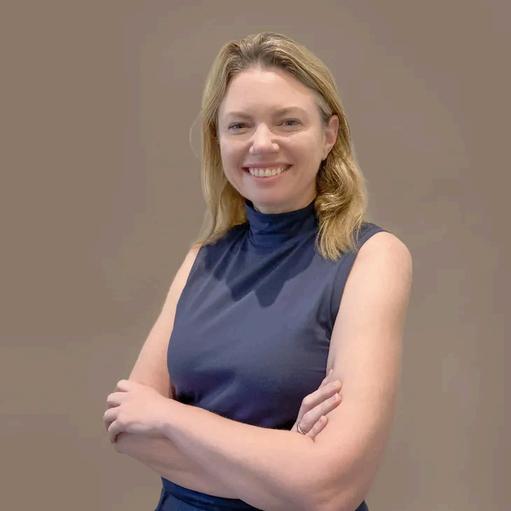
Tabitha Acret - Educator, Entrepreneur and Confidence-Builder
Tabitha founded Level Up Preventative Care in response to a need she kept hearing from colleagues: the desire for deeper, hands on learning beyond short conference sessions. Her business grew out of reflection during COVID, and she now juggles entrepreneurship with clinical work and parenting, a challenge she acknowledges is ongoing. Five years in, she is most proud simply of still being here, still making an impact, and helping clinicians grow in their confidence and capability.
Her advice? Lead with what you can give, not what you can get.
Tabitha believes the future of the profession lies in more personalised, immersive education rather than large scale conferences a shift she is actively shaping through her work.
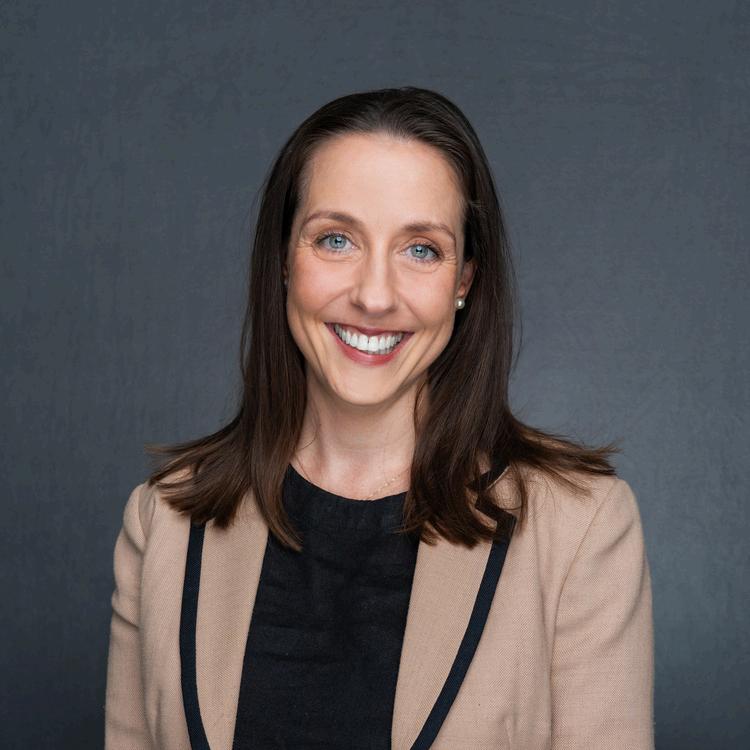
Amelia Seselja — Public Health Leader Driving Systems‑Level Impact
In her role as Scientific Affairs & Public Health Manager at Colgate-Palmolive, Amelia blends science communication, oral health promotion, and large scale social impact initiatives Her passion for prevention guided her transition from clinical practice into the corporate and public health space, a shift that required building business acumen, taking strategic “side steps,” and pursuing further study to close knowledge gaps. Amelia’s proudest achievements centre on projects that create tangible change in communities, improving oral health outcomes at scale.
Her advice to others? Voice your aspirations, find mentors, and intentionally build business skills.
She sees a future rich with integration of oral health into general health, expanded leadership roles in public health, growth in mobile dentistry models, and health tech enabled care delivery.
If you are ready to explore new opportunities, start by reflecting on your strengths and identifying the problems that matter most to you. Begin with small steps, such as piloting a workshop, co-designing a resource, or joining a taskforce. Collaboration is key, so seek allies among community organisations, educators, researchers, and policy teams.
Invest in learning through short courses and continuing professional development in areas such as leadership, public health, research methods, and digital health. Finally, share your story. Present at conferences, write articles, or mentor peers. Visibility opens doors and helps others follow your lead.
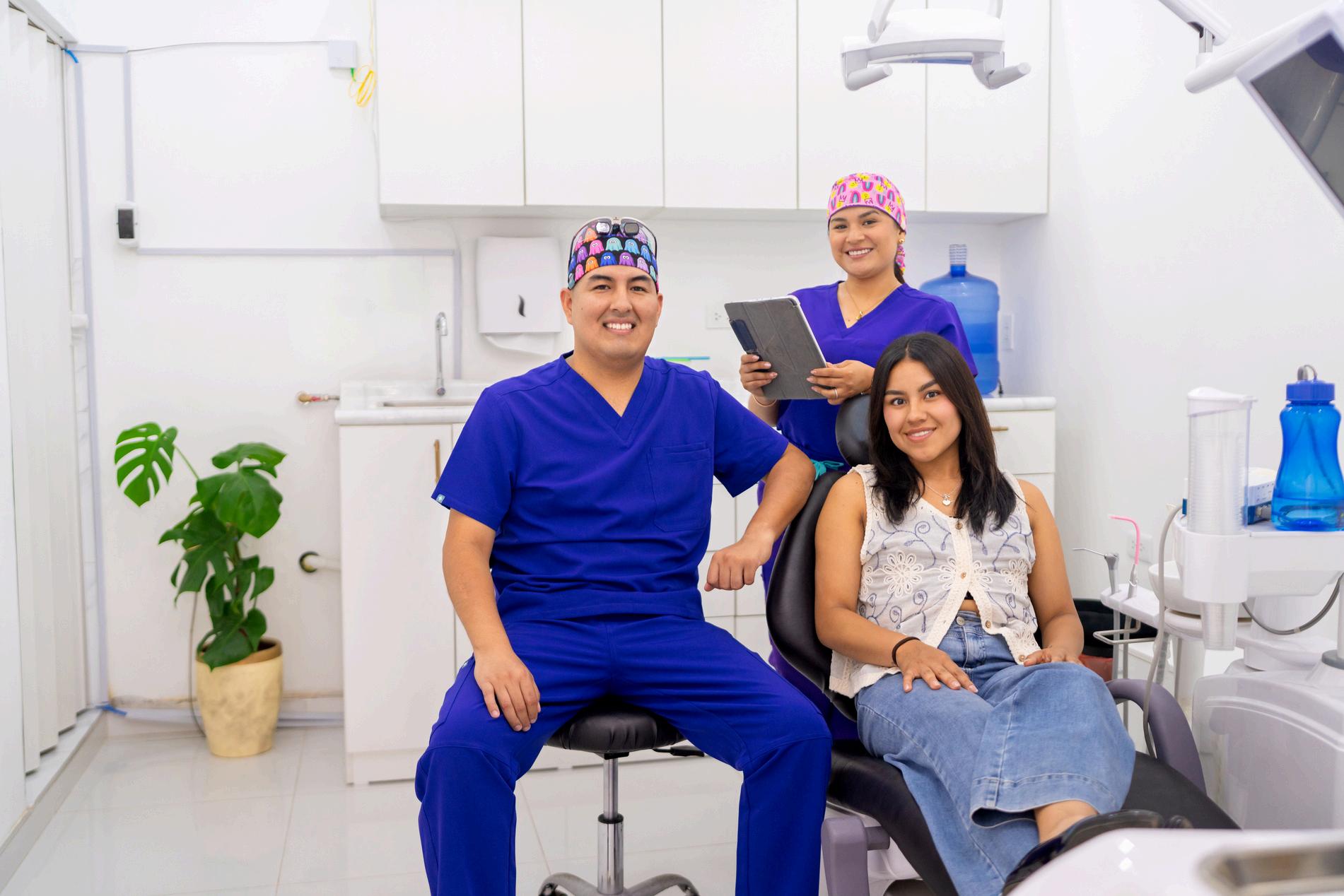
As you stretch into new areas, remain anchored in professional standards, ethical practice, and personcentred care Sustainable innovation balances ambition with feasibility, protects your wellbeing, and builds structures that endure beyond a single champion.
The profession needs practical visionaries who turn good ideas into better care. Whether you are crafting outreach programs, shaping policy, teaching, researching, or building digital platforms, there is room for your leadership.
I would love to hear where you are exploring next. Share your story, nominate a colleague, or suggest an initiative for future columns – reach me at melanie.aley@sydney.edu.au.
MELANIE ALEY
The OHAA Board is pleased to announce that it has taken a major step forward in supporting workforce development with the launch of a new dedicated jobs board and careers centre in February 2026. Designed to strengthen career pathways and streamline recruitment across the profession, the new platform marks a significant enhancement in how members engage with employment opportunities.
The new OHAA Jobs Board offers a modern, user friendly interface where members can browse roles tailored specifically to dental hygienists, dental therapists, and oral health therapists. Because it is purpose built for the oral health professions, the site prioritises relevance: listings are drawn from clinics, health services, and organisations that truly understand the scope, expertise, and value of OHAA members.
The expanded functionality allows employers to post high quality, detailed listings while enabling jobseekers to filter roles by location, setting, and clinical focus. This ensures members spend less time sifting through unrelated vacancies and more time connecting with opportunities that match their skills and aspirations.
Integration With the New ‘My OHAA’ Mobile App
One of the most exciting developments is the upcoming integration of the jobs board with OHAA’s new mobile app – My OHAA. The My OHAA platform, designed to strengthen communication, engagement, and connectivity, will bring job searching directly into the hands of oral health professionals.
Designed for a Growing, Unified Profession
Since its formation, OHAA has focused on elevating the oral health professions, advocating nationwide, and supporting practitioners in every stage of their career. The new jobs board expands this support by giving practitioners a centralised, high-quality space to explore opportunities across Australia whether they are new graduates stepping into the workforce or experienced clinicians seeking the next challenge.
With the jobs board now live, OHAA is delivering on its promise to create a more connected, informed, and empowered professional community. As mobile-first tools become essential in the modern workplace, OHAA members can look forward to a streamlined digital experience that keeps them informed, engaged, and in control of their career development.
I’m delighted to introduce the OHAA Oral Health Promotion Special Interest Group (OHPSIG), a dedicated group committed to strengthening oral health literacy, promoting prevention-focused care, and embedding oral health as an essential part of overall health and wellbeing.
Our purpose is to elevate oral health promotion across Australia’s health workforce and ensure oral health is recognised as a shared responsibility, within dentistry and far beyond it.
For those working in oral health promotion, public health, prevention, and community engagement, the challenges are clear, oral diseases remain one of Australia’s most common and preventable health conditions, yet access to preventive care and evidence-based information remains uneven. The OHP SIG exists to address these challenges and champion change through collaboration, advocacy, and knowledge sharing.
The OHPSIG is driven by a clear and practical mission to advocate for, promote, and create awareness of oral health as a key part of general health and wellbeing, and to reduce inequalities by improving oral health literacy and access to preventive care We are committed to elevating oral health beyond the dental clinic, making it a shared responsibility for health professionals, educators, community workers, policy makers, and the broader public. Our role also involves advising the OHAA Board on all matters relating to oral health promotion, disease prevention and population oral health literacy.
We’ve supported the rollout of the Oral Health Promoter Program (OHPP) and begun contributing to improved, evidence-based content on the OHAA consumer website to strengthen oral health literacy.
Looking ahead, our priority is to promote the OHPP far and wide, ensuring other health professionals, educators, community organisations and general community members can access this training. We will also continue to refine and expand the oral health promotion resources on the OHAA website.
Location: Wollongong and Sydney NSW
Role: Oral Health Therapist in specialist Periodontal and Prosthodontic practices
Experience: Three years
Motivation: I joined the OHAA OHPSIG to gain exposure to oral health promotion work beyond the clinical setting and to be involved in committee initiatives.
Location: Melbourne VIC
Role: Director Population Health.
Experience: I started my career as a Dental Therapist and have worked in the public oral health sector for over 25 years
Motivation: I am passionate about upstream focus and investment in health promotion, prevention, and early intervention. I saw a great opportunity to collaborate and share knowledge, experience, and ideas with other like-minded people.
Location: Brisbane QLD
Role: OHAA Policy Officer and Oral Health Therapist (University of QLD 2002) Experience: 24 years (Specialist Periodontics/Prosthodontics, private, rural and special needs)
Motivation: To collaborate with passionate and dedicated oral health practitioners in designing and advancing effective oral health promotion programs and services. Through knowledge and advocacy, I aim to improve oral and overall health outcomes for our communities.
Location: Brisbane QLD
Role: Dental Hygienist BSc-DH (Toronto,Canada), Adv. Dip DH (Ottawa, Canada) Experience: 12 years majority spent in Canadian Arctic in oral health promotion program development.
Motivation: I’m particularly interested in building broader awareness across the health workforce that oral health is part of overall health, and that prevention matters
Location: Sydney NSW
Role: Oral Health Therapist
Experience: Public sector (regional NSW) and community outreach focusing on refugee and migrant communities. Completed Master of Public Health focusing on Health-Related Quality of Life (HRQoL) measures, wellbeing and health promotion in adolescents
Motivation: I am passionate about oral health promotion advocacy, literacy and prevention in our communities. My interests are in strengthening integration of oral health within general health to improve wellbeing and reduce obesity related and dental disease burdens.
Location: Sydney NSW
Role: Oral Health Therapist Adult Scope, OHAA Board Director, Graduate Certificate in Health Leadership, Graduate Diploma of Advanced Practice (Spec).
Experience: 20 years working across public, private, and corporate dental settings gives me insight into different aspects of the profession and helps me improve standards, access, and outcomes
Motivation: I am passionate about prevention and identifying opportunities to close the gap. I strongly believe in the saying, “prevention is better than cure,” as preventable hospitalisations carry both emotional and financial costs for everyone.
Location: Adelaide SA
Role: Dental Hygienist
Experience: 40 years in dental, private, practice/business owner, recruitment, coaching.
Motivation: With gratitude for a career that has given me so much, I am motivated to continue working to improve oral health outcomes overall. To support practical, prevention focused work that benefits both communities and clinicians, and to share my experience in a way that contributes to the group’s goals.
Location: Sydney NSW
Role: Dental Hygienist, Clinical Educator
Experience: 16 years, private practice and community outreach
Motivation: I’m passionate about preventive care and believe that good oral health should be accessible to everyone, not a luxury. I joined the OHAA OHPSIG to contribute to oral health promotion initiatives and collaborate with like-minded colleagues to improve oral health outcomes for the wider community.
YING CHIA
Location: Bendigo VIC
Role: Oral Health Therapist (Adult Scope), prospective dentist
Experience: Private in rural South Australia, public and private in regional Victoria
Motivation: Oral health promotion is a passion of mine, and I am committed to contributing to the improvement of oral health for future generations.
Location: Swan Hill VIC
Role: Research Fellow
Experience: Clinical experience across public and private clinics, university teaching in oral and public health, and a PhD specialising in health promotion within dentistry, with a strong focus on prevention and community-centred oral health research.
Motivation: I’m motivated to chair the OHP SIG because dental disease rates remain far too high, despite being preventable My clinical and research background has shown me the impact of strong health promotion, and I want to help drive the prevention-focused, collaborative work needed to reduce disease rates and improve oral health across communities.
Other OHAA OHPSIG Members: Tylen Burt QLD
Oral health professionals see the burden of preventable oral disease every day in clinical practice We see children in pain, adults navigating long-standing dental disease, and families struggling with the cost, access and complexity of care. Despite decades of evidence, oral conditions remain among the most common chronic diseases in Australia and they are largely preventable These realities prompt an important conversation; oral health cannot remain siloed. We cannot create meaningful change until the mouth is fully recognised as part of the body, and oral health becomes everyone’s business 1
Across Australia, the factors driving oral disease extend far beyond the dental clinic. Factors such as housing stability, income security, transport, education, food access, community support, and the competing pressures of daily life all shape whether someone can maintain oral health routines or seek timely care. Oral health professionals see these realities every day, in the missed appointments, the emergency-only attenders, the young people managing anxiety, and the carers trying to navigate a system that doesn’t always meet them where they are. And for many of us, this may feel like a flashback to our early training on the social determinants of health - proof that those lectures really did come in handy after all!
This is where oral health promotion becomes essential. Prevention cannot be achieved through clinical treatment alone, no matter how skilled or committed the clinician. It requires shared responsibility across health, education, community and social systems, recognising that teachers, early years educators, carers, GPs, social workers, youth workers, nurses and community organisations all influence environments where good oral health becomes possible
My Professional Journey: from Treatment to Prevention
My own professional journey has reinforced this shift. I began my career as an oral health therapist in a busy public clinic, working with children, adults and families experiencing a wide range of challenges. I delivered the best clinical care I could - restorations, prevention, education, fissure sealants, fluoridebut I quickly realised that treatment alone was not enough
Children returned with new decay, families faced barriers far beyond what could be addressed in a 45min appointment, and many people who needed care most were not attending at all. These experiences revealed the limits of a downstream, procedure-driven model and highlighted the need for upstream, community-based, equity-focused approaches. As I moved into oral health promotion and research, I saw the power of community partnerships, local leadership and prevention strategies that align with the realities of daily life.
Prevention becomes stronger when it is community-led and when we recognise the social and environmental factors shaping people’s ability to care for their mouths. In practice, this means asking about barriers, not just behaviours; using trauma-informed and strengths-based communication; giving practical, achievable advice; and linking people with supports such as healthy-eating services or local community initiatives. We can also champion environments that support oral health, from fluoridated water and healthier food systems to culturally safe, accessible public dental services.
As dental professionals we are well placed to lead this shift We can strengthen prevention by using every appointment as an opportunity for upstream conversation, building relationships with local schools and kinders, offering simple outreach or education, and collaborating with non-dental professionals to create consistent messages and coordinated care. Small actions: a warm conversation, a practical tip, a new referral link, a partnership with a community service, can collectively change systems.
The evidence is clear: clinical treatment alone will never improve population-level oral health Prevention requires cross-sector collaboration, strong policy foundations, oral health literacy, culturally safe initiatives and environments that make healthy choices easy and accessible. We need systems that value prevention as much as treatment , and we need communities to be actively involved in shaping solutions that work for them.
Improving oral health outcomes starts with expanding our role beyond the dental chair. As dental professionals, we can contribute to prevention by working more closely with early childhood services, maternal and child health, general practice and community organisations who influence families’ daily lives.
This World Oral Health Day, let’s commit to this work, together. Let’s make prevention the priority, create the oral health future our communities deserve, and make oral health everybody’s business.
STACEY BRACKSLEYO’GRADY
OHAA OHP SIG CHAIR
References
1 COAG Health Council (2015) Healthy Mouths, Healthy Lives: Australia’s National Oral Health Plan 2015–2024
2 Peres, M A , et al (2019) Oral diseases: a global public health challenge The Lancet, 394(10194), 249–260
3 Watt, R G , et al (2019) Ending the neglect of global oral health: time for radical action The Lancet, 394(10194), 261–272