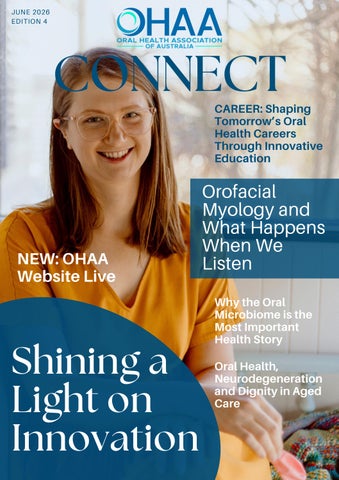
How Innovation is Srengthening OHAA Member Insurance
RECENTLY UNVEILED: A New Digital Home for OHAA
Joining the Dots: Orofacial Myology and What Happens When We Listen
WELLBEING - Navigating Change, Courage and the Adoption Curve
Beyond Teeth and Gums: Why the Oral Microbiome is the Most Important Health Story Nobody is Telling
Closing the Gap Day: Strengthening Partnerships for Better Oral Health
CAREER - Shaping Tomorrow’s Oral Health Careers Through Innovative Education
RENEW NOW OR JOIN USOHAA Member Benefits Spotlight
OZDENT
INTRODUCING Your OHAA Aged Care Special Interest Group Sustainability in Dental Practice
AGED CARE FEATUREBeyond the Mouth: Oral Health, Neurodegeneration and Dignity in Aged Care 5 8 9 12 15 18 20 23 24 26 29 30
OHAA CONNECT JUNE 2026 CREDITS
Special thanks to the OHAA Publication Committee and all edition contributors for your time, expertise and commitment.
EDITOR’S NOTE
Articles in this edition explore innovative perspectives in practice and understanding. They are intended to provoke thought and dialogue, not to replace clinical guidelines or interdisciplinary care pathways.
OHAA CONNECT EDITOR
Kailey Paterson
OHAA CONNECT DESIGNER & PRODUCER
Maxine Davis
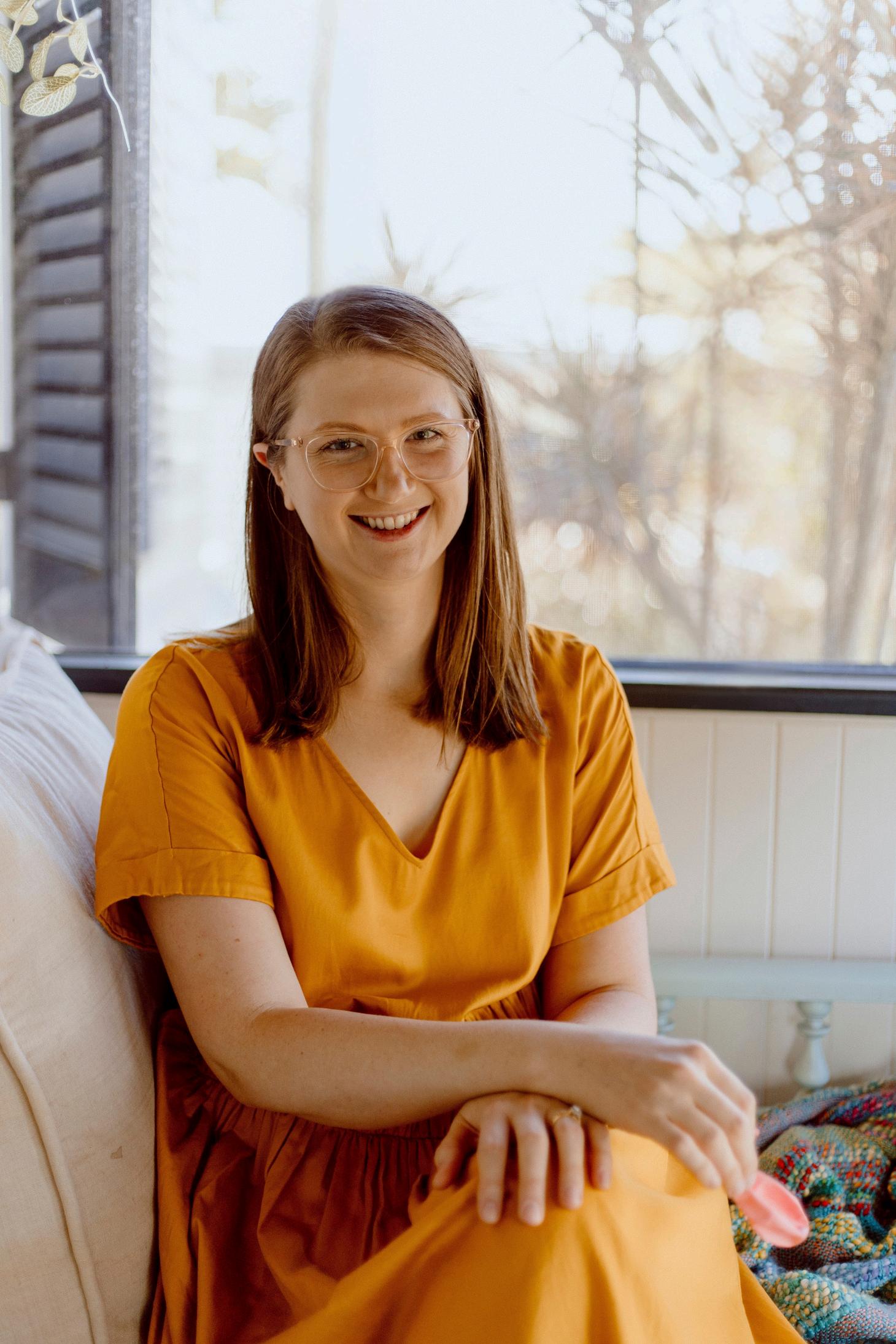
FRONT COVER IMAGE
Oral Health Therapist and Orofacial Myofunctional Therapist
Melanie Van Schelven
President’s Welcome
We also exploresustainability in dentistry, an area gaining increasing attention as we consider our responsibility not only to patients, but to the broader environment in which we practise.
The inclusion of opinion pieces on theoral microbiomeandorofacial myologyreflects the diversity of perspectives within our profession. These contributions are important - they encourage discussion, critical thinking, and a deeper understanding of emerging areas of interest.
Welcome to the June 2026 edition of OHAA Connect.
This edition centres on the theme“Shining a Light on Innovation”inviting readers to explore innovation in thinking, practice, and connection - not only through advancing technologies and treatments, but in the way we evolve as Oral Health Practitioners.
As we approach1 July, we also mark an important milestone - the first anniversary of OHAA since our official launch in 2025. This provides an opportunity to reflect on the progress we have made as a unified national organisation, and the strength of our collective voice in advancing the oral health profession.
Innovation in our profession is often subtle. It can be seen in how we adapt to changing patient needs, how we approach prevention, and how we work collaboratively to improve outcomes across diverse settings It is also reflected in the willingness of our members to question, explore and contribute to ongoing professional dialogue.
In this edition, we highlight the work of theAged Care Special Interest Group, recognising the important and evolving role of Oral Health Practitioners in supporting Australia’s ageing population. This is an area where thoughtful, practical innovation is already making a meaningful difference.
This edition also includes personal reflections on professional growth and change. Lyn Carman’spiece on personal evolution, alongsideMelanie Aley’sinsights into career pathways, remind us that innovation is not limited to clinical practice. It is equally present in how we develop as individuals and navigate our careers over time
Across all contributions, a consistent theme emerges: innovation is not a single moment or breakthrough - it is an ongoing process. It is shaped by curiosity, experience, and a shared commitment to improving oral health outcomes.
I would like to thank our contributors, Special Interest Groups, and the OHAA Publication Committee for bringing this edition to life Your passion, expertise, and willingness to share your knowledge are what makeOHAA Connect such a valuable resource for our members and the broader oral health community.
I hope this edition inspires you to reflect on your own practice, explore new ideas, and continue contributing to a profession that is dynamic, forward-thinking, and deeply committed to improving oral health outcomes for all Australians.
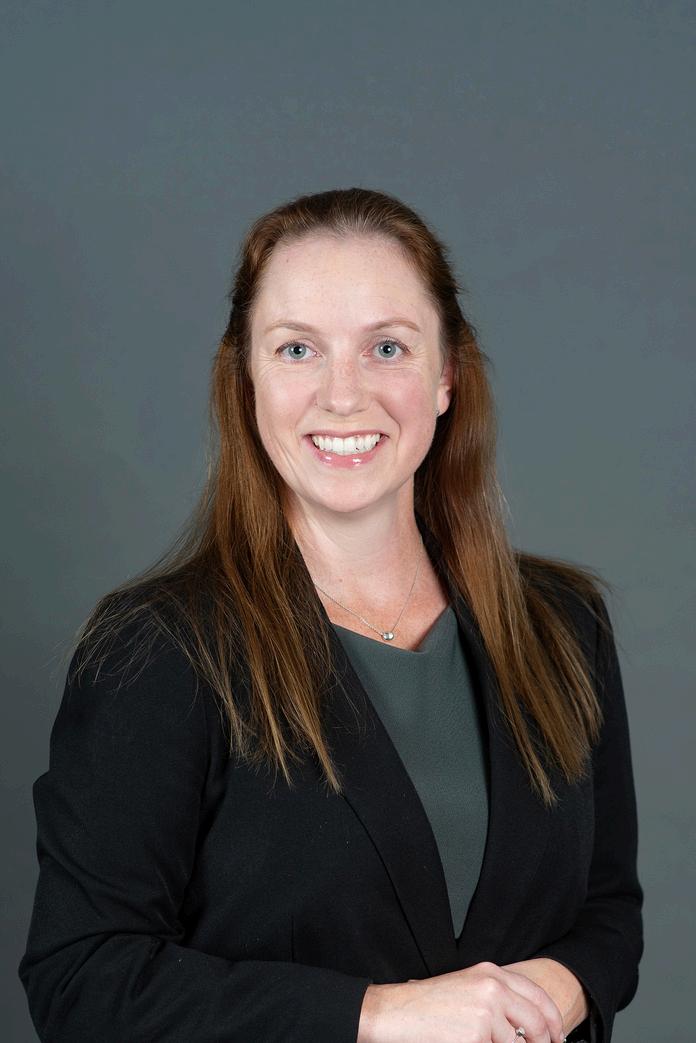
CHERYL DEY OHAA PRESIDENT
Photo credit: Paul Redding Photographer
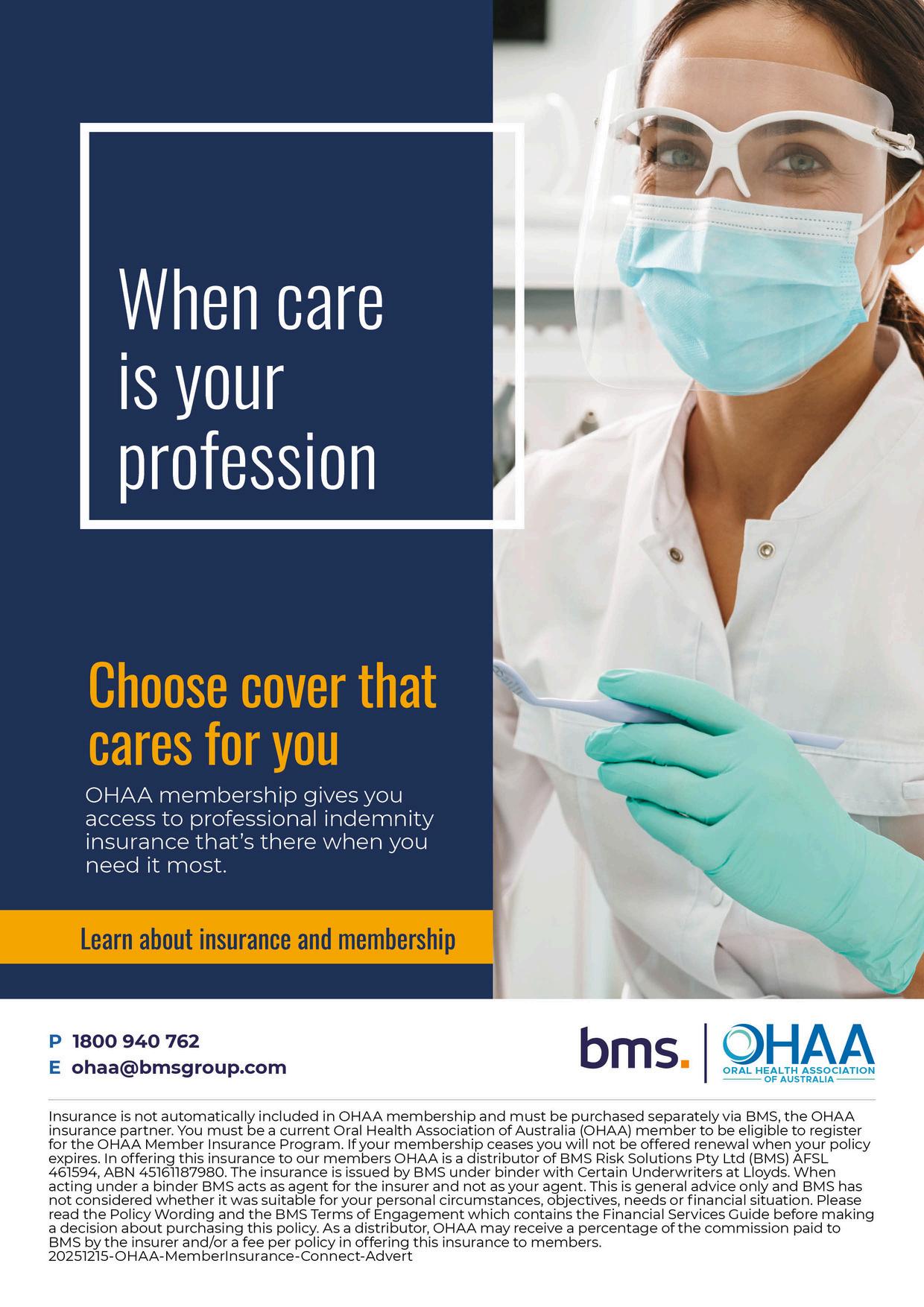
How innovation is strengthening OHAA member insurance
2026 is shaping up to be another big year for the insurance industry, as insurers respond to evolving risks and customer expectations
For our insurance partner, BMS, the year also marks an important milestone as we reach a review of our first year working together. This includes reflecting on what has been delivered for our members, identifying where improvements can be made, and determining how we can continue to evolve and strengthen the value of the insurance offering available to you
OHAA spoke with Shamus Breen, Managing Director of BMS (Affinity - Australia), to gain his perspective on the OHAA Member Insurance Program and explore how innovation is shaping the way protection is designed and delivered for members.
Q. Reflecting on the year of partnership with OHAA, what have been some key achievements?
A. “It’s been a fantastic year as we’ve provided cover to so many OHAA members. We’re proud to be the OHAA insurance partner and look forward to continuing to support members into the second year.
We also had the opportunity to meet so many members at the 2025 Congress and look forward to seeing members again in Hobart.”
Q. As we head into the renewal period, how can members be reassured that the products offered under the OHAA Member Insurance Program remain relevant and valuable?
A. “A key aspect of the OHAA Member Insurance Program is how it’s put together. As the Program is only available to OHAA members, members can feel confident the cover they’re getting is designed for Oral Health Practitioners. We [BMS] work together with OHAA to discuss what members need, the insurance market, risk and claims. We also review the current offering and make adjustments if needed, so the Program can continue to provide value
The BMS Portal also continues to evolve, and we look forward to rolling out some exciting enhancements over the next year.”
Q. What emerging trends (eg AI, claims data) do you think will have the greatest change to the insurance industry over the next 5 years? How could this impact the OHAA Member Insurance Program?
A. “There are many exciting things happening across various industries, AI being a hot topic. I think members can expect even better service as these technologies continue to open up new ways to enhance member experience.”
A New Digital Home for OHAA
We’re pleased to announce the recent launch of our refreshed website, an important step forward in enhancing how we connect with and support our members.
Our refreshed site introduces a cleaner, more modern look and feel, with improved navigation and a stronger focus on usability across all devices. Whether you’re accessing CPD, registering for events, or exploring member benefits, the experience is simpler, faster and more intuitive.
A key improvement is the way member value is presented. The new website more clearly showcases our growing range of offerings, including CPD programs, events, career opportunities and professional support, making it easier for members to understand and access the full benefits of membership.
Importantly, all member‑only information and resources are now brought together in one central, easy‑to‑find location. This streamlined approach ensures members can quickly access the tools, learning, benefits and support they rely on, without needing to navigate across multiple areas.
Overall, the new website delivers a more connected and user-friendly experience, aligned with modern expectations for professional membership platforms.
We’re delighted to welcome you to a more streamlined digital home for OHAA.
Joining the Dots: Orofacial Myology and What Happens When We Listen
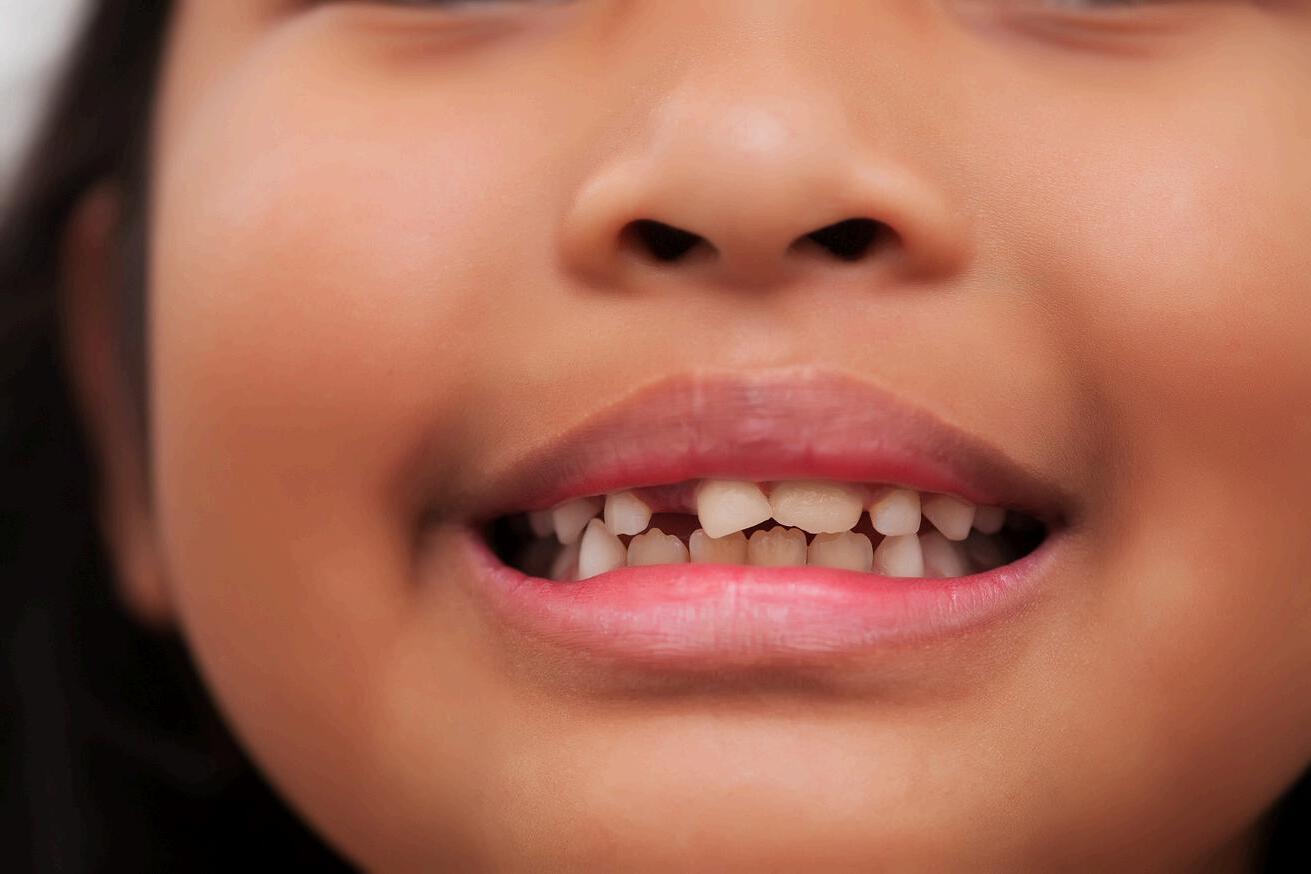
Mothers are the canaries in the coal mine when it comes to their children's dental health and development. As an Oral Health Therapist trained in Orofacial Myology, I've been supporting families with oral and facial muscle function for seven years. In that time, one pattern has emerged consistentlyparents often know something isn’t right before it becomes clear or definable, and that intuition is most finely tuned in mothers.
I'll acknowledge my bias: I'm a woman and a mother, and I won't pretend that doesn't colour how I see this. A recent experience with my own daughter gave me a small window into the phenomenon I'm talking about. My initial concerns when she was unwell were overlooked, and when I was later proven correct, I was told the misdiagnosis happened because ‘mothers know these things too soon’. It was meant warmly, I'm sure But the phrase stayed with me Too soon - as though noticing something early was a flaw rather than a strength.
Research into the sociology of motherhood points to the ways mothers are undermined in institutional settings; their knowledge dismissed as emotional rather than authoritative. In healthcare, this plays out in ways that can have real consequences for children As Oral Health Practitioners, this is where Orofacial Myology enters the conversation, and where I'd argue it represents an opportunity for innovation in our practice.
Orofacial Myology is the study of muscle function in the mouth and face and how it relates to dental development, breathing, sleep, eating habits, digestion, posture, nervous system regulation, and pain Orofacial Myofunctional Therapy brings this understanding into clinical practice through the assessment of dental and facial development, orofacial muscle patterns, and the rehabilitation of correct function. For dental practitioners, it offers a bridge between what we see in the mouth and what is happening beyond it.
The children presenting in our practices today with malocclusion, mouth breathing, disturbed sleep, and a limited diet have often arrived after a long journey. At the beginning of that journey is almost always a mother who flagged something early. Breastfeeding that didn't go to plan. A mouth that was consistently open during sleep or play. Baby teeth that erupted at odd angles or unusually close together. Something not quite right about the transition to solids. These concerns were raised at maternal health visits, at the GP, at the dentist, and met with reassurance that amounted to ‘wait and see’
This edition of OHAA Connect asks us to consider what innovation looks like in oral health.
I'd offer that it doesn't always arrive as new equipment or emerging research.
Sometimes, innovation isn’t a tool at all but a framework that allows us to ask better questions.
To look upstream, to take a longer history, to listen to the person who has been in the room with their child every single day.
By the time these families find their way to a practitioner who takes a full history, the list of concerns has grown long, and the mother's confidence in her own judgement has often been eroded She has been reassured, redirected, and sent on her way. Perhaps she has begun to wonder whether she is simply an anxious parent after all.
When those connections are finally explained, when the open mouth posture, the disrupted sleep, the recurring ear infections and the crowded teeth are brought together into one coherent story, the relief is palpable. I have lost count of the number of times I have had a mother in tears, not because anything new has been discovered, but because she has finally been heard. Because the dots have finally been joined, making meaningful action possible.
As I write this, I have a referral letter on my to-do list for a mother who is bracing herself not to be taken seriously, despite her child presenting with a long list of allergy and disordered breathing symptoms. She came to me because she had run out of other places to go. She will leave with a letter that names what she has been observing, uses clinical terminology, and asks for specific investigations
For mothers whose concerns have gone unheard for years, Orofacial Myology offers something simple: a practitioner who finally gets it, and a clear plan for what comes next. The most significant advancement in my practice hasn't been a product or a protocol - it's been learning to listen.
MELANIE VAN SCHELVEN
ORAL HEALTH THERAPIST & OROFACIAL MYOFUNCTIONAL THERAPIST
Author Biography - Melanie Van Schelven
Melanie Van Schelven is an Oral Health Therapist and Orofacial Myology practitioner, and the founder of The Face Place. She works with children and families to support oral and facial function, with a particular interest in early observation, advocacy, and whole person care
Navigating Change, Courage and the Adoption Curve
Innovation is often painted as shiny, exciting and full of promise and it is But for many Oral Health Practitioners, innovation also brings something far more human: uncertainty.
New systems, new technologies, new models of care, new expectations - they all ask us to step into territory we haven’t walked before. And stepping into the unknown can feel uncomfortable, even confronting.
Yet innovation is also how we progress. It’s how we grow It’s how we create more choice, more variety, and more meaningful outcomes for our patients Innovation is not just about what we adopt it’s about who we become in the process.
In every profession, including ours, people respond to innovation differently Everett Rogers’ well known Innovation Adoption Curve helps explain why. It outlines five groups, each representing a different relationship with change:
Innovators (2.5%) the brave experimenters who jump in early
Early Adopters (13.5%) the forward-thinkers who see potential quickly
Early Majority (34%) the practical adopters who embrace change once it feels proven
Late Majority (34%) the cautious group who wait for certainty Laggards (16%) the traditionalists who prefer the familiar
These categories aren’t labels or judgments - they’re simply reflections of how humans navigate uncertainty. And every one of these groups plays a vital role in the evolution of our profession
Innovation asks us to stretch beyond what we know. It nudges us out of our comfort zone and into the principle of ‘level two thinking’ - doing what may not feel comfortable at first, but is fundamentally good for us, good for our patients, and good for the profession. This is the space where growth happens.
But stepping into level two thinking can activate that familiar internal voice - the “mini me” that whispers: “What if I can’t do it?” “What if I get it wrong? “ “What if this is too much?”
That voice isn’t a sign that something is wrong. It’s simply a sign that something is new. The physical sensations of fear and excitement are almost identical. The difference is the name we give them When we rename fear as anticipation, curiosity or possibility, we shift our experience and open ourselves to innovation rather than resisting it.
Let’s bring this into the world of oral health.
Within our profession, Innovators are the brave experimenters who jump in early, testing new technologies and exploring new models of care.
Early Adopters follow closely behind, seeing potential quickly and helping translate innovation into practical reality.
The Early Majority waits for evidence and embraces change once it feels proven, bringing stability and thoughtful implementation
The Late Majority adopts innovation when it becomes the norm, valuing certainty and predictability.
And the final group, often misunderstood, are the Laggards - not resisters, but protectors of tradition, reminding us of the value of what has worked well. Innovation needs the spark of the early few and the grounding of the later many.
As Oral Health Practitioners, we hold a responsibility to evolve; not for the sake of change itself, but for the people we serve Innovation expands our ability to offer more personalised care, improve patient comfort and outcomes, increase efficiency, reduce burnout, and strengthen our professional identity. When we stagnate, we limit our impact. When we innovate, we expand it Innovation is not about being first It’s about being willing - willing to learn, to adapt, to explore, and to grow.
One of the most powerful things we can do as a profession is to cultivate compassion for where others sit on the curve Instead of seeing differences as barriers, we can see them as strengths. Innovators can share insights without expecting everyone to move at their pace. Early adopters can translate new ideas into practical steps The early majority can ask grounded questions that strengthen implementation The late majority can highlight risks and ensure stability. Laggards can preserve the wisdom that innovation must build upon, not erase. When we honour each group, innovation becomes a collective journey rather than a point of tension
Innovation is not a destination; it’s a mindset. It’s the willingness to explore the unfamiliar, to stretch our thinking, and to embrace the possibility that the next step - even if uncomfortable - may be the one that transforms our practice, our profession, and our patients’ lives.
As we shine a light on innovation in this edition, I invite you to reflect... “Where do I sit on the adoption curve and where am I willing to stretch?” Because innovation isn’t just about what’s new. It’s about who we become when we choose to grow.
LYN CARMAN OHAA RURAL & REMOTE SIG CHAIR, ORAL HEALTH PROMOTION COMMITTEE MEMBER AND
PUBLICATION COMMITTEE MEMBER
Beyond Teeth and Gums: Why the Oral Microbiome is the Most Important Health Story Nobody is Telling
In 1990, a patient of mine suffered a fatal heart attack months after periodontal therapy. He did not smoke. He exercised. He had advanced periodontal disease, and nobody connected it to his heart. His death left me with a question that refused to go away What did we miss? The connection seemed clear to me, even then.
Thirty-five years later, I have answers. I want to share them with you, not as a revelation, but as an honest invitation to look at this profession differently
The Shift Dentistry Needs to Make
For decades, oral health care providers have been trained to identify two things: caries and periodontal disease We are exceptionally good at it But this pathology focused lens may be narrowing what we see rather than expanding it.
The shift I am suggesting: stop looking only for signs of disease and start looking for dysbiosis in the biofilm.
A mouth can look clinically healthy, with firm stippled tissue, no bleeding on probing, and shallow pockets, and still harbour a dysbiotic microbial community that may contribute to pro-inflammatory systemic burden The oral cavity carries between 700 and 800 distinct bacterial species That microbial community does not stay in the mouth. It is a complex, dynamic ecosystem, and when it tips into dysbiosis, the consequences ripple outward in ways medicine has been slow to acknowledge, and dentistry even slower to act upon.
1
Why Our Role is Bigger Than We Have Been Taught
The evidence linking oral dysbiosis to systemic disease is no longer emerging. It has arrived.
High-risk periodontal pathogens, including Porphyromonas gingivalis, Treponema denticola, and Tannerella forsythia, are no longer viewed as merely associated with cardiovascular disease. Growing evidence supports biologically plausible causal pathways by which they may contribute to its development.2
These pathogens enter the bloodstream through the gingival sulcus, invade arterial walls, and have been detected in the brain tissue of Alzheimer’s patients. They create the citrullinated proteins that trigger rheumatoid arthritis, are aspirated into airways contributing to pneumonia and COPD exacerbation, and their relationship with diabetes runs in both directions, with treating periodontitis demonstrably improving HbA1c. Pregnant women with periodontal disease carry significantly elevated risk of preterm birth.
What We are Missing
Our conventional tools, the probe, the radiograph, the bleeding index, measure consequences - not causes. By the time we see a 5mm pocket, the bacteria responsible may have been circulating systemically for years The earliest signal of risk is not in the tissue; it is in the microbial community itself. A eubiotic oral microbiome is profoundly protective. A dysbiotic one, regardless of how the tissue looks, may increase the risk for systemic harm.
The most meaningful shift is not a new treatment or product. It is a change in the question we ask at every appointment: not only does this patient have periodontal disease, but does this patient have a healthy oral ecosystem? And if not, what is it doing to the rest of their body?
This is not fringe science. Major peerreviewed journals and global health bodies have placed the oral-systemic relationship at the centre of health conversations. Our patients are already hearing about this. The question is whether they are hearing it from us. 8
We Are Not Just Oral Health Providers
I have spent much of my career being told that dentistry and medicine occupy different silos. I no longer accept this.
We see patients more regularly than almost any other healthcare professional. We have direct access to one of the most diagnostically rich environments in the body. We are often the first to notice change and the first to observe risk. A patient with a clinically tidy mouth but a significantly dysbiotic biofilm may carry increased systemic risk that can go unrecognised without a collaborative care team willing to look more carefully and engage beyond traditional silos. Heart disease. Cognitive decline. Poorly controlled diabetes. Pregnancy complications. These are the patients sitting in our chairs right now.
One way to assess a patient’s oral microbiome chairside is with a microscope, which can reveal morphology and motility - features commonly associated with dysbiosis 9. DNA and PCR-based saliva testing is available and may be useful in selected cases, such as patients with a complex medical history or those not responding to initial treatment. However, its clinical application and interpretation continue to evolve and are not yet routine in general practice.
Redefining What Health Means in Our Hands
What I am describing is innovative not in its content, but in its perspective. The oral-systemic link has been studied for decades. What is new is the profession’s willingness to genuinely reckon with it The most honest innovation available to us is an attitudinal one: to see ourselves as health providers first, to bring the full weight of evidence into every patient conversation, and to stop apologising for the complexity of this work.
The 36 year old patient I lost in 1990 did not have access to the depth of understanding we have today. Our patients today do - but only if we are willing to engage with that knowledge thoughtfully and bring it into our conversations as part of collaborative healthcare.
SUE RUSALEN
DENTAL HYGIENIST, PRACTICE OWNER, PRIVATE CONSULTANT AND EDUCATOR
Author Biography - Sue Rusalen
Sue Rusalen is an award-winning dental hygienist, practice owner, private consultant and educator with over 35 years of clinical experience She is the founder of Microscope First Dentistry and is still found chairside at Amazing Dental Nowra, New South Wales, alongside Dr Johnny Chan and their Amazing Dental Hygiene team, Beyond Teeth, Redefining Health
References
1. Dewhirst FE et al. The human oral microbiome. J Bacteriology 2010;192(19):5002-5017
2 Bale BF, Doneen AL, Vigerust DJ High-risk periodontal pathogens and atherosclerosis. Postgraduate Medicine. 2017;93(1097):215-220.
3 Dominy SS et al Porphyromonas gingivalis in Alzheimer's disease brains. Science Advances. 2019;5(1):eaau3333.
4 Schenkein HA et al Periodontitis and atherosclerotic disease Periodontology 2000 2020;83(1):90-106
5. Scannapieco FA et al. Periodontal disease and respiratory disease Annals of Periodontology 2003;8(1):54-69
6. Preshaw PM et al. Periodontitis and diabetes: a two-way relationship. Diabetologia. 2012;55(1):21-31.
7 Zhang Y et al Periodontitis and adverse pregnancy outcomes. Frontiers in Pediatrics. 2022;10:991805.
8. Herrera D et al. Periodontitis and systemic diseases: consensus report J Clinical Periodontology 2023
9 Keyes PH, Rams TE Phase-contrast microscopy for periodontal diagnosis. JADA. 1983;106(6):803-812.
Closing the Gap Day: Strengthening Partnerships for Better Oral Health
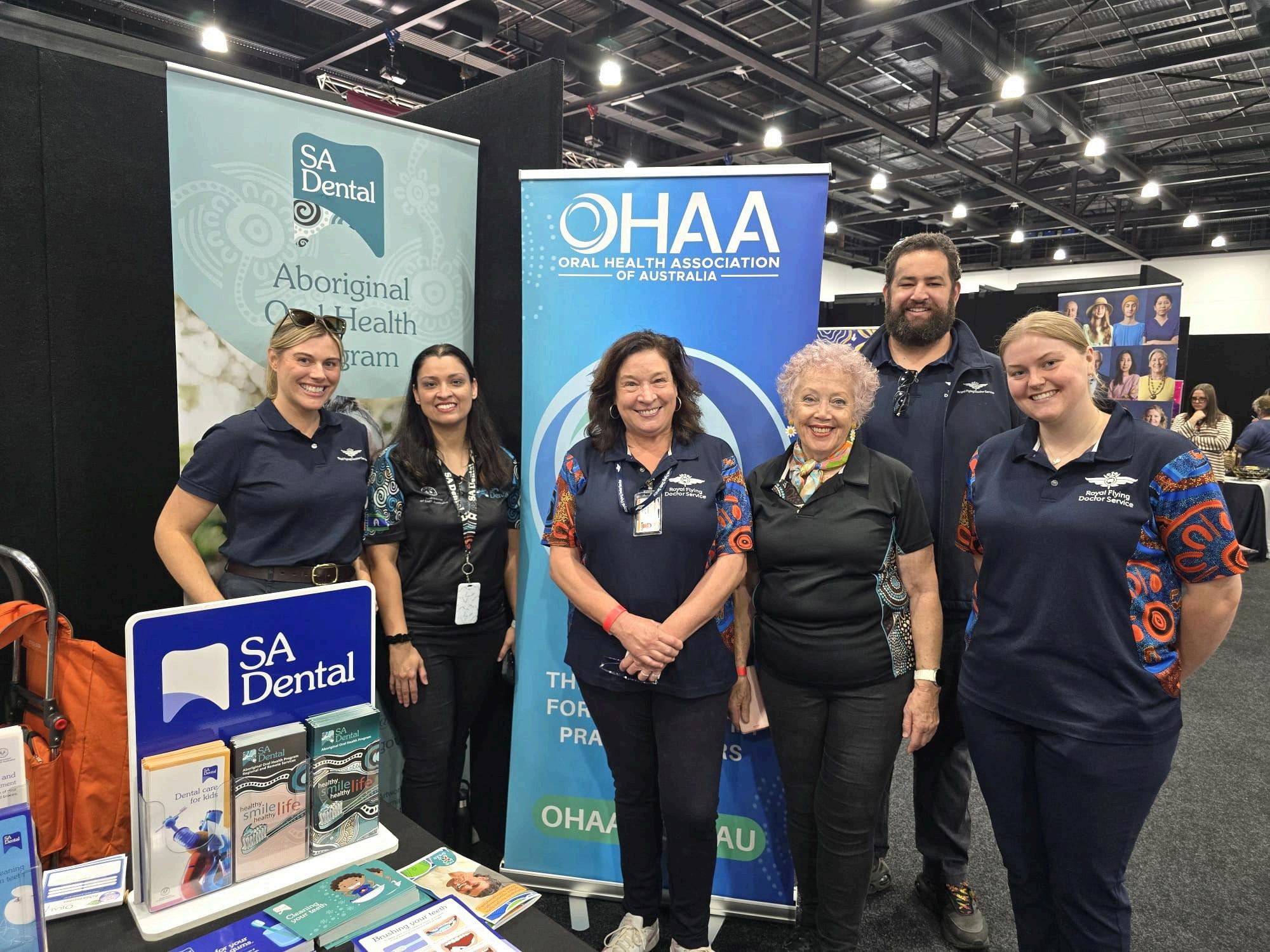
Closing the Gap Day provided a meaningful opportunity to support our First Nations communities by strengthening relationships, fostering collaboration, and promoting better oral health through holistic care The event highlighted the importance of working together across services to support community connection, education, and long term health outcomes.
We were fortunate to share space with SA Dental Service, alongside ADA SA and RFDS staff, who generously collaborated to help man the stall and engage with community members throughout the day
Thanks to the generous donations and contributors for their support which exemplifies the strong partnerships that are essential to delivering culturally responsive and accessible oral health care - OHAA, ADA, Curaprox and TAFE SA for providing various oral health supplies and resources for the community. The Mob-Smiles brochures were made available in English and translated to Pitjantjatjara - thanks to an ADHF grant obtained in 2024 and these resources are available on the ADA website
A truly collaborative effort that coincided with World Oral Health Day 2026!
It was wonderful to see and hear the conversations with elders and the hundreds of school children, collecting information, products and learning about the myriad of opportunities at their fingertips.
Congratulations to the host organisation Nunkuwarrin Yunti, the central health hub in Adelaide for continuing to offer vital support and services to community The success of the day sparked much inspiration and discussion, and we’re all looking forward to an even bigger and better presence for 2027!
MARGIE STEFFENS OAM B.SC DENT ( HONS) ADDH. FICD
OHAA LIFE MEMBER AND
ADELAIDE DENTAL SCHOOL
ADVOCACY AND EDUCATION FOR ORAL HEALTH
Shaping Tomorrow’s Oral Health Careers Through Innovative Education
When conversations turn to innovation in oral health, they often focus on new technologies or clinical techniques Yet some of the most meaningful innovation is taking place in how we educate future Oral Health Practitioners and prepare them for the realities of contemporary health care.
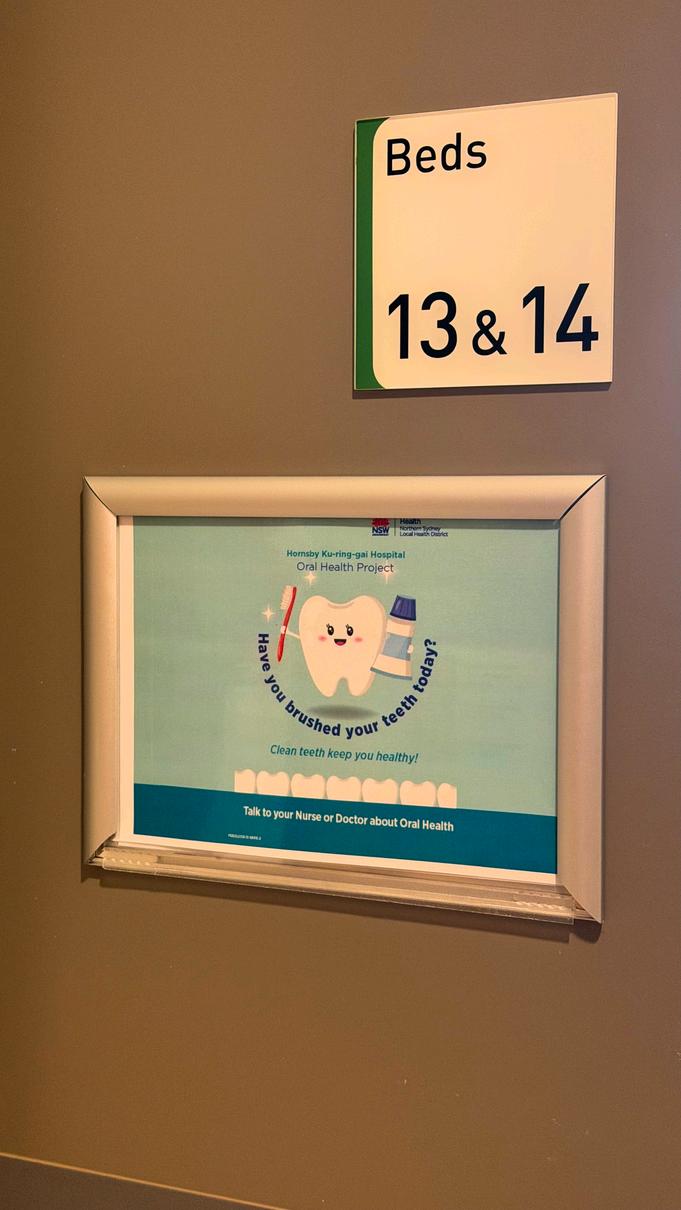
One example is the development of health promotion placements in hospital wards, where oral health therapy students are immersed in complex, multidisciplinary environments. These placements deliberately move learning beyond procedure focused dentistry and place prevention, communication and systems thinking at the centre of professional practice.
Within hospital wards, students encounter patients with complex medical histories, extended hospital stays and an increased risk of oral health compromise. They work alongside nursing staff, allied health professionals and medical teams, gaining a deeper appreciation of how oral health intersects with broader patient care. Just as importantly, they see how easily oral health can be overlooked when it is not actively advocated for.
The impact of these environments is perhaps best understood through the student experience itself.
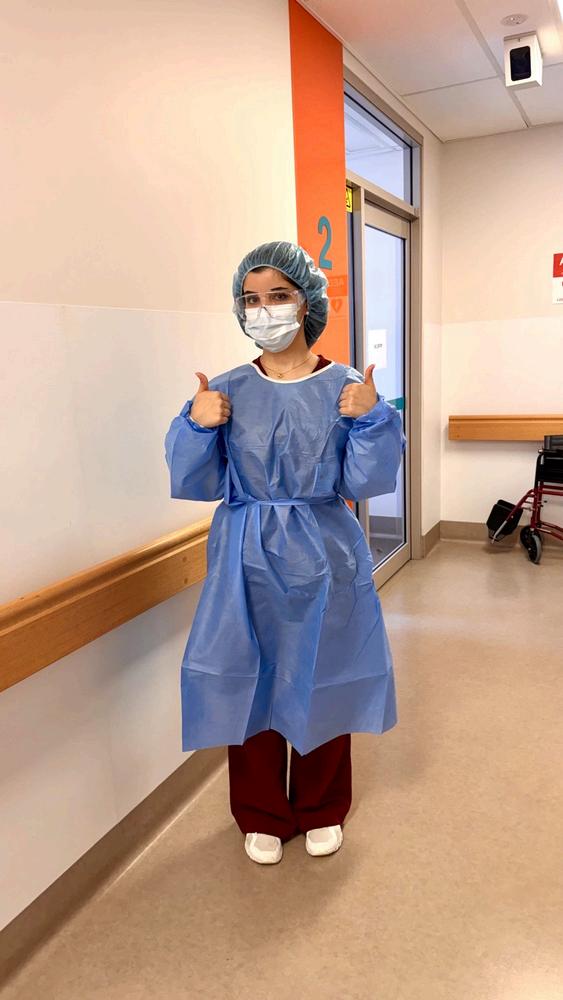
Student Perspective - Tia Al Hammouri
My oral health promotion placement across different hospital wards was a refreshing change from our usual daily clinics and gave me insight into another side of oral healthcare It was interesting to step outside the standard clinic environment and see how many factors can influence treatment planning and delivery, which we do not always realise in routine placements.
In the Special Care Unit, I observed how care was adapted for bariatric patients using specialised chairs, with treatment often completed while standing rather than sitting. We also applied preventive fluoride and learnt the importance of preventing disease before invasive treatment is needed. In the maternity wards, we provided education about oral health during pregnancy and early childhood, where awareness was often limited Visiting neurology wards also showed how medical conditions can affect a patient’s ability to maintain oral hygiene.
Overall, the placement reinforced the importance of flexible, patient-centred oral health promotion.
Pictured: oral health student Tia Al Hammouri
These placements are designed as active learning experiences Students contribute to staff education, support patients through tailored oral health interventions and develop practical resources suited to the hospital context. Learning becomes grounded in real constraints such as time pressures, competing clinical priorities and patient complexity.
Supporting these learning experiences is a deliberate educational framework and strong clinical supervision that embeds oral health within broader health systems.
As a Clinical Educator, I have supported students on these placements by providing guidance, debriefing and structured supervision, helping them translate health promotion theory into meaningful, patient centred practice in complex clinical environments.
Prior to entering the wards, students are given a brief overview of health promotion theories, models and approaches including the relevance of the Ottawa Charter for Health Promotion, Public Policy, the Social Determinants of Health, the Common Risk Factor Approach to Health, and various Behaviour Change models. Staff and patients from Maternity, Respiratory, Cardiology, Neurology, and Dialysis wards have been part of this initiative.
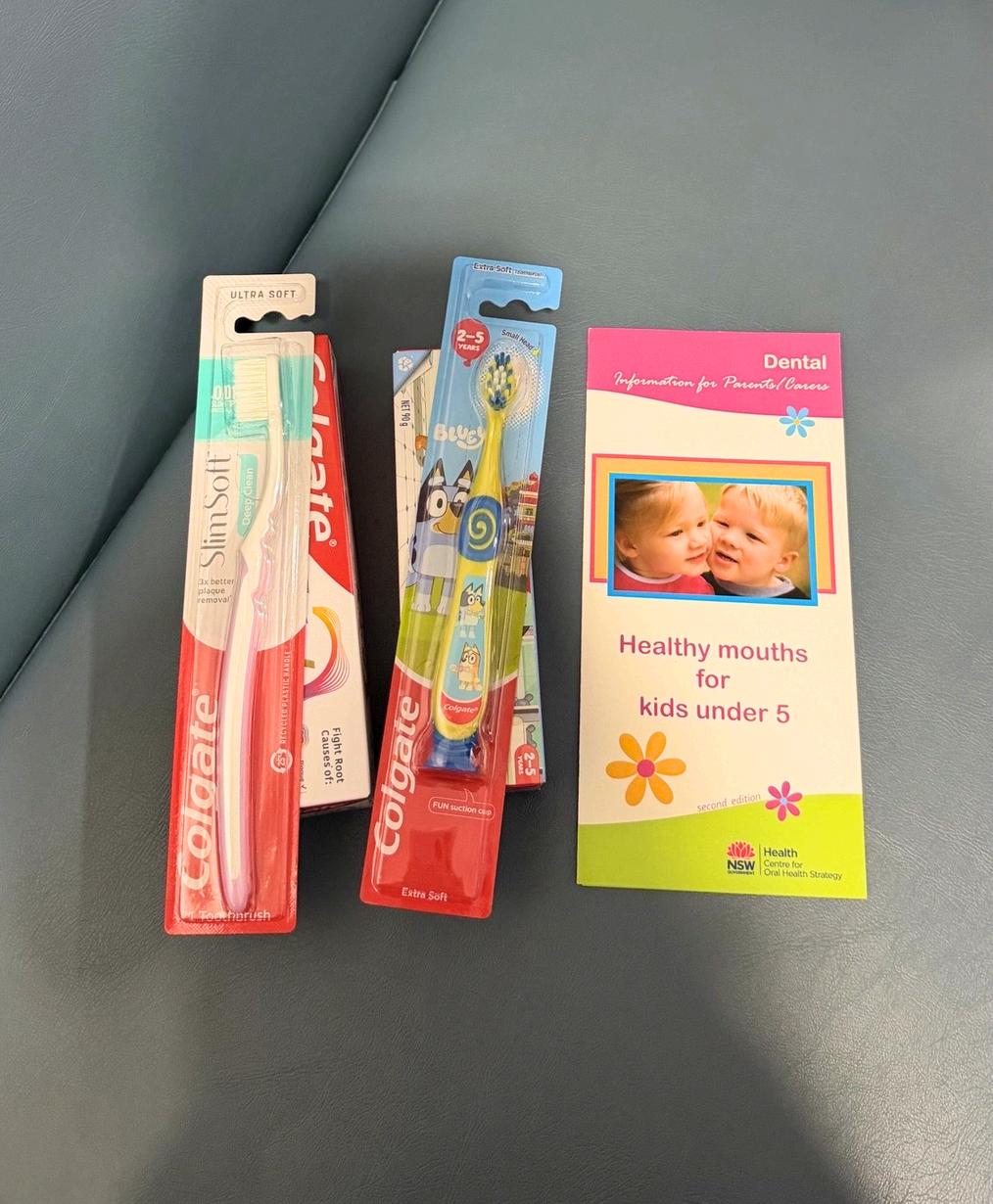
Typically, students in pairs spend 5-10 minutes with each patient employing a Motivational Interviewing communication approach to determine oral health needs and engage in useful conversation. Patients are given a toothbrush, toothpaste, dental floss and flyers with key messages to support better oral health. Often the medical team ask us questions in the corridors, and along with patients, have expressed gratitude for the opportunity to learn more about oral health and the various links with Cardiovascular Disease, Diabetes, Alzheimer's, Respiratory Diseases and Pregnancy complications.
Clinical Educator Perspective –Dr Cathryn Forsyth
Over the past few years, hospital ward placements have been introduced for final-year Bachelor of Oral Health students, with the aim of increasing the visibility of oral health and improving understanding among staff and patients.
BOH students see first-hand the effects of poor oral hygiene on general health and experience oral health through the life course in any given day in the wards. Reality of the importance of oral health really seems to sink in! Just as Physiotherapists, Occupational Therapists and Speech Pathologists are a key part of the health team, Oral Health Therapists ought to be an integral part of the health team to prevent disease and improve quality of life for all living in our communities.
Innovative placements such as these reflect a broader shift in oral health education. They recognise that future professionals must be more than technically competent clinicians. They must be capable health promoters, confident collaborators and thoughtful contributors to complex health systems.
If prevention is truly foundational to oral health practice, then education must place students in environments where prevention is visible, necessary and sometimes contested By learning where health really happens, students begin to reimagine what oral health practice can look like and how their careers may unfold within and beyond traditional settings.
ASSOCIATE PROFESSOR MELANIE ALEY
1
Inflammation in Focus: Botanical Alternatives in Oral Care
Inflammation is central to many common oral pathologies, from gingivitis to peri-implant disease and oral mucosal diseases. For Oral Health Practitioners, scope of practice encompasses preventive care, daily maintenance, patient education, and non-surgical periodontal management. A clear understanding of the inflammatory basis of these conditions is therefore essential in clinical practice. Recognition that inflammation is not merely a symptom; it is fundamental in the body's biological response to injury and disease
Healing capacity is shaped not only by the local disease or wound environment, but also by systemic and environmental influences. Addressing these factors through effective mechanical debridement, supportive behaviour change, and adjunctive strategies presents a valuable opportunity to enhance patient outcomes throughout oral health care delivery.
At a cellular level, antioxidant defences regulate oxidative stress and the reactive oxygen species generated during immune activation When this balance is disrupted, oxidative stress can perpetuate inflammation and contribute to tissue damage. This dysregulation is increasingly recognised as a driver of chronic oral disease, highlighting the clinical importance of managing inflammation This is particularly relevant for patients experiencing ongoing physiological stress or living with chronic systemic conditions.
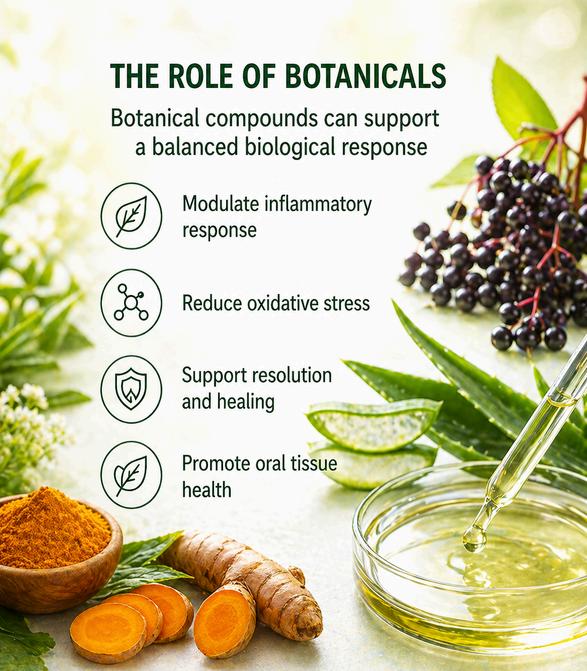
Research continues to expand our understanding of the role of botanical compounds in modulating inflammation. Evidence suggests that compounds such as curcumin, green tea extract, and chamomile can influence oxidative stress pathways and inflammatory mediators. Emerging data indicates potential benefits in supporting tissue response and healing. These findings support a more integrative and biologically informed approach to oral health care.
Established clinical protocols remain the core standard of oral health practice While adjunctive options that support inflammatory balance are best viewed as complementary to these foundations, offering additional value particularly in cases requiring long-term management or where conventional strategies alone do not fully address the host response.
This underscores the importance of patient education As botanical adjunctive therapies become more commercially visible, clinicians are well placed to guide patients toward safe, evidence-based options appropriate for daily use. An understanding of their mechanisms of action and clinical applications is essential for their thoughtful intergration into individualised treatment plans.
Research into botanical adjuncts in oral health continues to grow, but product availability and clinical adoption remain limited. PerioGold® Gel is a notable exception. Developed specifically to target oxidative stress and inflammatory pathways, it represents a considered approach to adjunctive oral care that is grounded in laboratory research and supported by clinical observation.
For Oral Health Practitioners complementing existing protocols with options that support the body's natural healing processes, PerioGold® Gel warrants a place in clinical conversations and patient treatment plans.
There is a genuine opportunity for Oral Health Practitioners to broaden their clinical lens and integrate botanically informed approaches alongside established care. When appropriately understood and applied, such products can form part of a broader strategy for managing chronic conditions and supporting daily oral health needs. By aligning treatment with the body's natural response mechanisms, clinicians may help foster more favourable conditions for healing and long-term stability
Sustainability in Dental Practice
The health care industry contributes approximately 4.4% of total global greenhouse gas (GHG) emissions. Dentistry, in particular, relies on energy intensive technologies, staff and patient transport, high water consumption, and significant use of non recyclable materials. The dental materials supply chain also contributes to GHG emissions ¹
To better align dentistry with sustainability goals such as those outlined by the United Nations, there needs to be a stronger focus on reducing waste and pollution while adopting eco efficient technologies and low impact materials. However, many dental professionals have limited formal training or expertise in these areas.¹
Innovations that may help reduce dentistry’s carbon footprint include energy efficient equipment, teledentistry, and green procurement. A basic dental examination is estimated to produce 5.5 kg of CO₂ equivalents, while restorative work can generate up to 15 kg CO₂e.¹ Beyond water and electricity use, the design and utilisation of clinical spaces also contribute to environmental impact. Newer buildings often consume more energy, especially when rooms are larger than necessary or not used efficiently. Maximising use of the dental chair can improve energy efficiency, particularly for air conditioning and other energy consuming components of dental treatment ²
Interestingly, the environmental impact of common preventive procedures, such as fissure sealants, may be similar to fluoride applications. In many cases, the biggest contributors to emissions are not the materials themselves, but travel, energy use, and waste.²
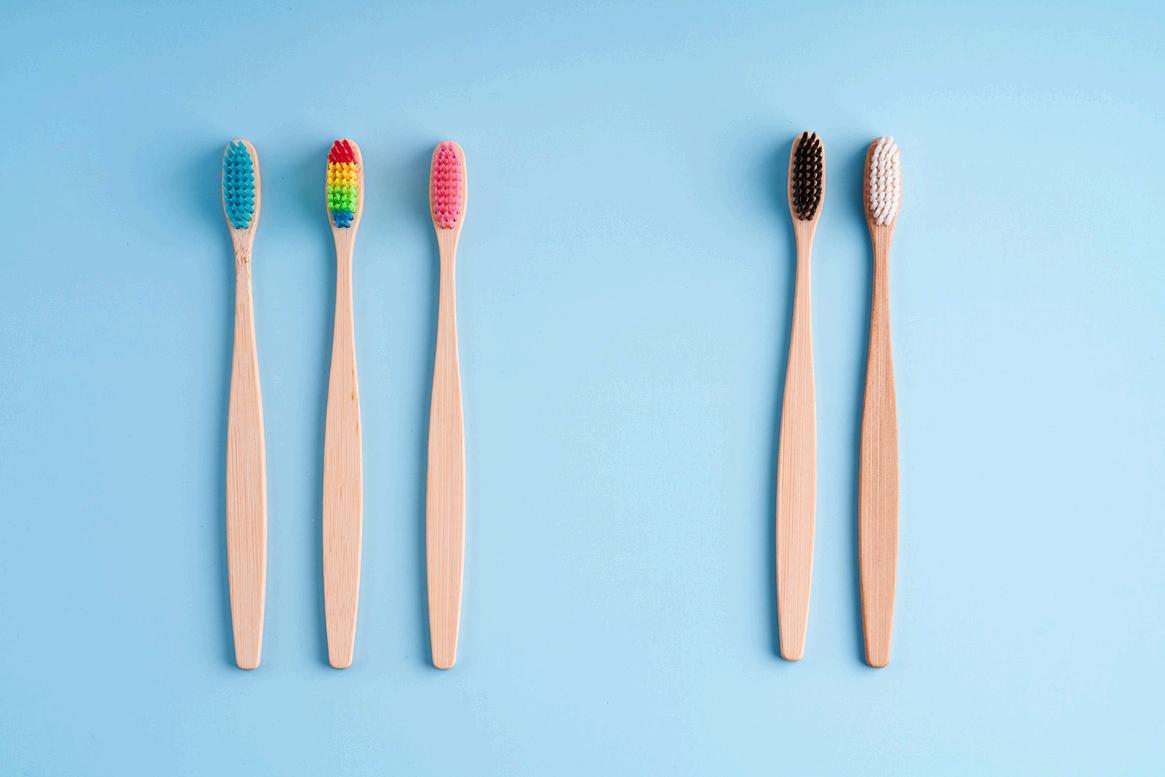
Sustainability can start with small, everyday decisions. Recommending a bamboo toothbrush, for example, may reduce environmental harm compared to electric toothbrushes, which are associated with resource depletion and pollution.² In clinical care, more sustainable periodontal management can include using hand scalers more often, reducing aerosol producing techniques, adopting digital periodontal charting, and choosing water efficient ultrasonics or dry vacuum pumps.¹
Teledentistry, while sometimes criticised by regulators and clinicians, can assist with basic detection of lesions within the oral cavity ² This may allow for shorter intervals between appointments, increasing opportunities for early detection of oral disease in a way that is both cost‑effective and environmentally friendly.
Recyclable materials used in 3D printing, such as nylon and biocompatible polymers, align with principles of the circular economy Although electricity is required for this technology, stereolithography apparatus (SLA) systems significantly lower energy consumption More recently, 4D printing has been developed for the creation of shape memory polymers used in clear orthodontic aligners. These aligners support sustainability goals outlined in the Global Oral Health Action Plan (2023–2030) by encouraging eco‑friendly practice and reducing plastic waste and reliance on single use plastics
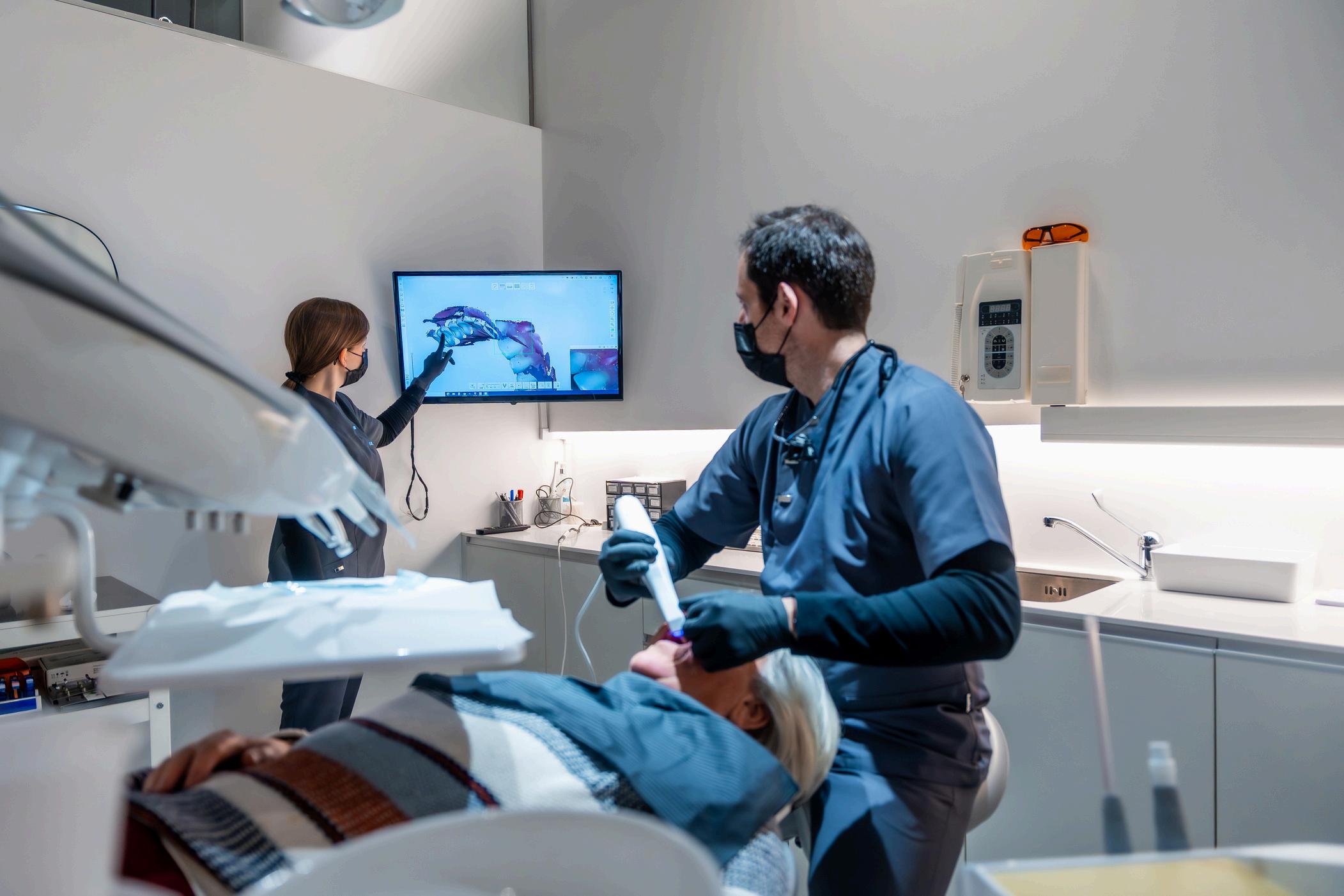
Digital radiography should be promoted across all dental settings, as it improves diagnostic accuracy, lowers radiation exposure, and is more sustainable than traditional radiographic methods. Digital patient records, cloud based systems, electronic payment methods, digital impressions, CAD/CAM technologies, and intra oral scanners further reduce paper use and the environmental impact associated with conventional alternatives
Innovations such as additive manufacturing (3D printing) enable greater workflow precision for the entire dental team. For example, 3D printing offers biocompatible solutions, reduces material waste, and improves accuracy in dental procedures, including those in paediatric dentistry, thereby increasing overall efficiency in dental practice.
While cytotoxic risks associated with some biomaterials and regulatory compliance issues remain, 3D printing can reduce chair time and the number of clinic visits required. This enhances patient experience and contributes to reduced carbon emissions associated with dental care.
In terms of restorative and anaesthetic choices, minimising the use of amalgam restorations and discouraging nitrous oxide, a potent greenhouse gas, are additional steps that can reduce dentistry’s carbon footprint. Heavy metal contamination from amalgam can be managed through appropriate waste management strategies, such as ISO 11143 compliant amalgam separators.
Environmentally sustainable dentistry can also be supported through the 4R Framework: Reduce, Reuse, Rethink, and Recycle.
Reduce involves lowering resource consumption within dental clinics, including water, electricity, and clinical supplies, and using low energy intensive equipment such as efficient vacuum pumps and lighting systems.¹ Promoting disease prevention can reduce the need for environmentally burdensome invasive treatments on a broader scale This is an area where Oral Health Therapists and Dental Hygienists are well trained to contribute, both within and beyond the clinical setting.
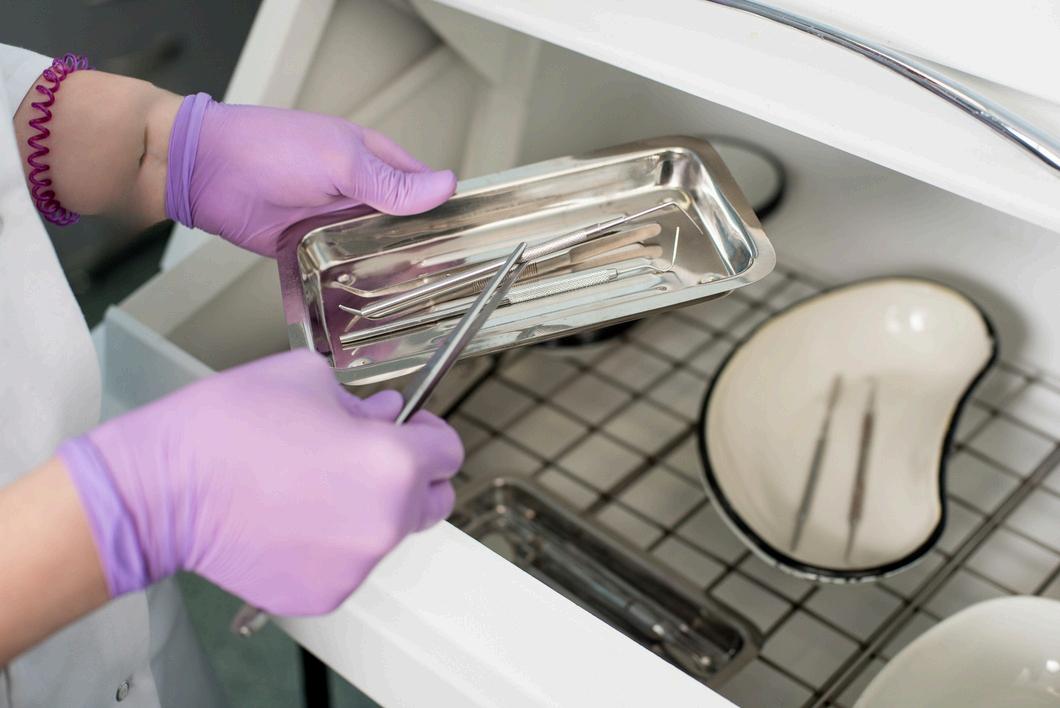
Reuse involves favouring sterilizable instruments over disposable items, providing long term economic and environmental benefits.¹
Rethink encourages innovation in sourcing materials and considering their use and disposal, while Recycle focuses on effective waste management within clinical environments.
Energy intensive dental procedures contribute to carbon emissions and water scarcity; however, these impacts can be reduced through innovation and the adoption of greener practices. Given that many dental professionals have limited expertise in environmentally friendly products and processes, patients and consumers also play an important role in choosing more sustainable options.²
A practical and achievable step for dental professionals is green procurement, which involves purchasing resources while considering environmental impact across the entire supply chain. Ultimately, sustainability in dentistry does not require drastic change all at once. Small, consistent choices can make a meaningful difference. By embracing innovation, improving efficiency, and being mindful of the resources we use, dental professionals can reduce their environmental impact while continuing to deliver high quality care.
AWANTIKA HARSHNA NAIDU ORAL HEALTH THERAPIST
The OHAA Aged Care Special Interest Group continues to grow as a collaborative and forward-thinking network of clinicians and advocates committed to improving oral health outcomes for older Australians. Our work is grounded in the recognition that oral health is fundamental to comfort, dignity, and overall wellbeing in aged care, particularly for individuals living with complex medical and neurodegenerative conditions.
Over the past period, the ACSIG has focused on strengthening education, supporting practical care models, and contributing to conversations around integrating oral health into routine aged care practice and policy. We are particularly passionate about empowering the workforce with realistic, evidence-based strategies that can be embedded into daily care.
Our ACSIG brings together a diverse and highly experienced team, including: Victoria Perchyonok (Chair), Tim Budden, Erin Brown, Ashley Wendland, Angie Ioannidis, Roisin McGrath, Pascale Mehanna, Lauren Mulholland, Damian Siderides, Rachael Starr, Taygan Tucker, Yvonne Zhang, and Aneta Zielinski - and we’re always on the lookout for passionate members.
Together, we’re committed to advancing awareness, supporting innovation, and ensuring oral health remains a visible and valued component of aged care delivery.
DR VICTORIA PERCHYONOK, OHAA AGED CARE SIG CHAIR
Location: Victoria
Roles & Experience: Oral Health Therapist, educator, and University of Melbourne Clinical Lecturer. Smart Smiles Initiative Co-Lead - a community-focused program dedicated to delivering gentle, preventative, and person-centred oral health care and education to vulnerable populations.
Motivation: I am strongly passionate about improving oral health outcomes for older Australians, particularly those living in aged care and rural communities My work emphasises dignity, comfort, prevention, and early intervention, with a particular focus on supporting individuals living with dementia and complex medical conditions.
Beyond the Mouth: Oral Health, Neurodegeneration and Dignity in Aged Care
Oral Health as a Foundation of Dignity
In aged care, oral health isn't about perfect teeth it is about comfort, dignity, and the ability to live well each day. For many older adults, particularly those living with neurodegenerative conditions, the mouth becomes a complex and often overlooked aspect of care. Yet it plays a central role in daily life: it enables eating, supports speech, facilitates social connection, and contributes to a sense of self.
When oral health is compromised, the reach far beyond the mouth Pain, infection, xerostomia, and poorly fitting dentures can lead to reduced nutritional intake, withdrawal from social interaction, and behavioural changes that are often misunderstood In this context, oral health is not a task on a checklist it is a key part of compassionate, person-centred care.
Embedding oral health into daily routines doesn’t just improve clinical outcomes. It helps preserve dignity, comfort, and overall wellbeing of each individual.
Ageing brings significant changes to the oral environment, many of which are intensified by neurodegenerative conditions such as dementia, Parkinson’s disease, and Motor Neurone Disease (MND). These conditions affect motor function, cognition, and coordination, all of which are essential for maintaining oral hygiene
Common challenges include xerostomia, reduced salivary flow, impaired swallowing, and decreased ability to perform daily oral care. Medications commonly prescribed in aged care further exacerbate these issues and increase the risk of dental caries and mucosal conditions
Denture care can also become more complex. Residents may struggle to tolerate dentures, forget to wear them, or be unable to maintain adequate hygiene Over time, this can lead to discomfort, oral lesions, and functional decline.
Importantly, these factors rarely occur in isolation; instead, they interact creating a cascade of decline. Recognising these patterns allows for earlier intervention and more holistic care; an important shift from reactive to preventative practice. Without proactive care, this cycle can significantly impact quality of life and general health outcomes.
The Changing Oral Environment in Ageing
Oral Health and Swallowing
Dysphagia is common among older adults, particularly those with neurodegenerative conditions. Yet oral health is often excluded from its management - this represents a critical gap in care.
Safe swallowing relies on adequate saliva, functional dentition or well-fitting dentures, and a clean oral environment. When oral hygiene is poor, the oral cavity becomes a reservoir for pathogenic bacteria. In individuals with impaired swallowing, this significantly increases the risk of aspiration pneumonia
Integrating oral health into dysphagia management is therefore essential. Simple measures such as maintaining oral cleanliness, managing dry mouth, and ensuring dentures fit well can reduce risk and improve patient comfort. Oral care, in this context, becomes a preventative medical intervention.
Practical Ways to Improve Oral Health in Aged Care
Effective oral health care in aged care is built on simple, consistent, and evidence-based practices tailored to the individual.
Minimally invasive treatments are particularly valuable. The use of silver diamine fluoride (SDF) allows for the arrest of dental caries in a non-invasive manner, making it highly suitable for frail or non-cooperative patients. Protective restorations may be used where appropriate, with a focus on maintaining comfort and function rather than pursuing complex care
Management of dry mouth is equally important, with strategies including hydration support, saliva substitutes, and appropriate oral care products. Denture care must be practical and safe, with increasing emphasis on effective cleaning and reducing microbial load through appropriate storage practices.
In aged care, care must be realistic. Time constraints, staffing challenges, and patientspecific needs require flexible and practical solutions. Often, it is the smallest interventions delivered consistently, that provide the greatest benefit.
Working Together in Aged Care
Oral health care in aged care is a collaborative effort involving oral health therapists, dental prosthetists, dentists, nurses, and personal care workers. Innovation doesn’t always mean complexity, often it lies in applying care in ways that are practical, accessible, and sustainable.
While Oral Health Practitioners provide assessment and treatment, daily oral care is delivered by frontline care staff. With appropriate training and support, these staff members become essential contributors to maintaining oral health
Pictured: Dr Mark Wotherspoon, Dr Victoria Perchyonok and Rachael Starr - article authors.
A team-based approach ensures continuity of care and allows oral health to be embedded into everyday routines, rather than being delivered episodically.
Education is central to achieving lasting improvements in oral health care. It gives care staff the skills, confidence, and practical knowledge needed to provide safe and effective daily care Targeted training helps build real world skills, including toothbrushing techniques, denture management, and strategies for supporting residents who may resist care, while also reinforcing the importance of oral health within overall care frameworks⁵ . Just as importantly, education helps create a culture where oral health is recognised, prioritised, and consistently supported in everyday practice.
Integrating oral health into multidisciplinary care represents a key innovation in how we approach aged care practice.
It is not separate. It is central to overall health and wellbeing of the people living in aged care.
Collaboration with speech pathologists, dietitians, and other allied health professionals is essential, particularly in managing dysphagia and nutritional challenges By embedding oral health into care planning, we ensure it is addressed proactively and consistently. Ultimately, maintaining oral health in aged care is a shared responsibility that plays a vital role in supporting dignity, comfort, and quality of life.
DR VICTORIA PERCHYONOK, ORAL HEALTH THERAPIST AND CLINICAL LECTURER
DR MARK WOTHERSPOON, DENTIST TO THE DOOR PRINCIPAL, INVENTOR AND EDUCATOR
Author Biographies
Dr Victoria Perchyonok is an Oral Health Therapist and Clinical Lecturer at the University of Melbourne and Co-Lead of the Smart Smiles Initiative. She is passionate about preventative, person-centred oral health care and improving access for vulnerable populations, particularly those in aged care and living with neurodegenerative conditions.
Rachael Starr is a Dental Prosthetist, educator, and Co-Lead of the Smart Smiles Initiative. She is recognised for her dedication to patient-centred care and her expertise in denture management within aged care settings.
Dr Mark Wotherspoon is principal at Dentist to the Door, as well as an inventor and educator. He is known for developing innovative solutions, including the Hyginie system, to improve oral hygiene practices in aged care environments.
References
1.Thomson, W. M. (2015). Dry mouth and older people. Australian Dental Journal, 60(Suppl 1), 54–63.
2.Scannapieco, F. A., & Shay, K. (2014). Oral health disparities in older adults: Oral bacteria, inflammation, and aspiration pneumonia. Dental Clinics of North America, 58(4), 771–782
3 Horst, J A , Ellenikiotis, H , & Milgrom, P L (2016) UCSF protocol for caries arrest using silver diamine fluoride Journal of the California Dental Association, 44(1), 16–28
4 Felton, D (2009) Complete edentulism and comorbid diseases: An update Journal of Prosthodontics, 18(6), 469–475
5 Wårdh, I , Andersson, L , & Sörensen, S (2012) Staff attitudes to oral health care: A comparative study of registered nurses, nursing assistants and home care aides Gerodontology, 29(2), e982–e989