


Dear colleagues
It is with great excitement that I welcome you to the very first issue ofOHAA Connect, the new e-magazine of the Oral Health Association of Australia This marks an important milestone for our profession, following the official launch of OHAA on1 July 2025. In just a short time, we have already welcomed more than2,800 members - a reflection of the strength, unity, and passion within our oral health community
The theme for this issue –Opening Horizons– captures the energy and vision guiding us forward. In October we will come together on theGold Coastfor the inauguralOHAA Congress: Opening Horizons Across Australia This event will be a landmark opportunity to connect with colleagues, exchange knowledge, explore innovation, and strengthen the networks that support us in delivering world-class oral health care across the nation.
For those who don’t know me, I graduated as a dental hygienist in 2006 and have since built my career working in both general and specialist practices, with a particular focus on orthodontics. Over the years I have been fortunate to serve the profession through various association committees and boards, both in Australia and internationally, and I remain deeply committed to supporting our professional community as we open new horizons together.
As we look to the future, OHAA is focused on strengthening our professional identity, advocating for the vital role of oral health practitioners in Australia’s health system, and providing ongoing opportunities for growth and education. By uniting as a national voice, we can influence policy, expand career pathways, and ensure our profession continues to evolve to meet the needs of the communities we serve.
Through OHAA Connect, we look forward to sharing regular updates, thought-provoking articles, and highlights from across our profession. This magazine is designed to be a space where we connect, celebrate, and collectively shape the future of oral health in Australia.
Thank you for being part of this exciting journey. I look forward to seeing many of you at our Congress in October, as we embrace the opportunities ahead and continue building a strong and united future for our profession.
Warm regards
CHERYL DEY OHAA PRESIDENT
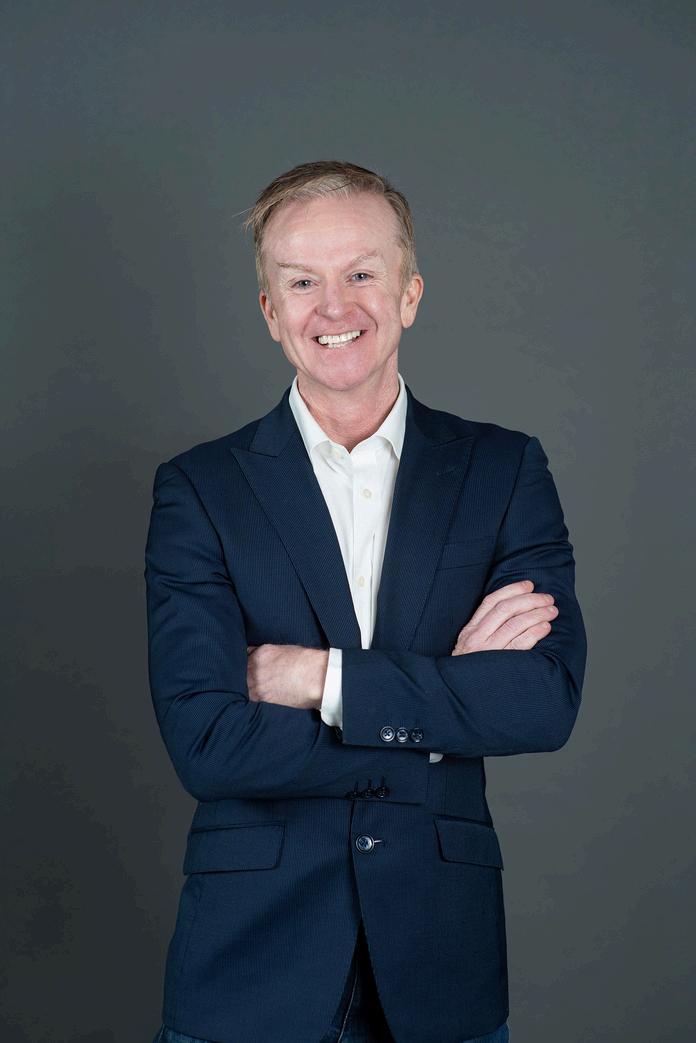
As someone new to the oral health sector but experienced in leading member organisations, I understand the importance of strong leadership and clear direction. In my previous roles, including CEO of the Australian Rehabilitation Providers Association and founding CEO of the Personal Injury Education Foundation, I have seen the transformative power of collaboration and innovation
It is my pleasure to welcome you to the first edition of the OHAA Connect magazine as the inaugural CEO of the newly established Oral Health Association of Australia (OHAA)
Oral health is something many of us take for granted until it becomes a problem. I speak from personal experience: a few years ago, I found myself referred to an oral health therapist, surprised to learn I hadn’t been caring for my dental hygiene as well as I thought That experience was a wake-up call and has profoundly shaped my perspective.
The formation of the OHAA marks a significant milestone for oral health practitioners in Australia. As of 1 July 2025, the OHAA stands as the peak association representing dental hygienists, dental therapists and oral health therapists nationwide, bringing together the strengths of the former ADOHTA and DHAA
Our greatest strength lies in unity. By combining resources and expertise, we are positioned to provide a single, powerful voice for our profession. This unity will not only benefit our members but will also enhance our ability to serve the broader community
I am excited to bring this experience to the OHAA and to work alongside you as we build a dynamic, inclusive association.
Our immediate priority is to ensure that every oral health practitioner feels represented and valued within the OHAA. Building robust systems and assembling dedicated teams are our first steps toward long-term success.
Over the coming months, we will be engaging with members, stakeholders, and industry partners to shape the future direction of the association Your input will be vital as we set our agenda and priorities
When I’m not working, you’ll likely find me supporting Collingwood (yes another one!) in the AFL, playing tennis, or at the gym always striving to stay fit and healthy, and yes, continuing to prioritise my own oral health.
Thank you for your commitment to our profession and to the communities we serve. I look forward to working with you as we embark on this exciting new chapter together
NATHAN CLARKE OHAA CEO

GET TO KNOW US AS WE TAKE THIS OPPORTUNITY TO INTRODUCE OURSELVES. COMBINED WITH OUR BOARD DIRECTORS AND REGIONAL COMMITTEE VOLUNTEERS, WE’RE HERE FOR YOU - OUR MEMBERS AND CLIENTS.
Hello, my name is Michell Weekes; I’ve worn many hats over the years in the finance industry and not for profit sector (NFP).
While working in the NFP sector for well over a decade, my eyes were opened to the great work that the NFP sector does and simply put, I fell in love with the volunteers all while being incredibly touched and inspired by their commitment.
To continue this work as the OHAA Executive Officer fuels my passion and is my way of supporting those who give their time and energy to volunteer and support the oral health industry For OHAA, I oversee the day-to-day operations, manage projects, provide member services and coordinate annual conferences.
I recently had a sea change and am loving my morning bike rides, coffee and a swim at the beach. I have represented with hockey at state championships for umpiring.
Feel free to reach out if you’d like to collaborate, or chat about how to improve your association.
CONTINUED

Events Officer Danielle Gibbens
I’ve had the pleasure of working in dentistry for the past 21 years, with over 17 of those years as a dental hygienist My experience spans various specialties, including general dentistry, periodontics, orthodontics, and prosthodontics, which I continue to practice part-time.
My involvement with the former DHAA began early in my career when I moved to Tasmania. As the first dental hygienist in my new town, connecting with other professionals through the DHAA was invaluable. I am especially grateful to Alyson McKinlay, the DHAA president at the time, who was incredibly welcoming and supportive as a new graduate. I went on to serve as a committee member, national counselor, vice president, and president of the Tasmanian committee
I am particularly proud of the Tasmanian committee's initiative to introduce the Eventbrite booking system for events during my tenure, which was subsequently adopted nationally. This led to the opportunity to be part of the inaugural board of the National Dental Hygienists Association of Australia where I also served as a bulletin editor.
After a brief break from volunteering, I was offered the position of administrative assistant at the former DHAA, progressing to administrative officer until the end of the business During this time, I naturally gravitated towards events, a field I enjoyed during my volunteering As a member, I deeply appreciate the importance of attending high-quality events and look forward to continuing my involvement with the Oral Health Association as Events Officer for the foreseeable future.
Communication & System Officer
Maxine Davis
At OHAA, I bring a blend of people-centred communication experience and a passion for meaningful engagement and organisational wellbeing. For the past two years, I worked at the former ADOHTA managing membership, communications and events - an experience that continually highlighted the power of teamwork in driving real change.
With a 25-year background in client relations, holistic wellbeing and small business development, I’m thankful for the opportunity to expand my skills in design, communication and operations while continuing to serve the new association.
Outside of work, I enjoy walks in nature, comedy and music shows, nervous system learning, playing piano, photography and time with loved ones I’m passionate about individual and collective wellbeing through deeper nervous system awareness and innovative, simplified approaches to health, work and life.
Recognising the vital role oral health plays in overall wellbeing, I’m here to help foster an oral health community where collaboration and social impact guide our way forward.
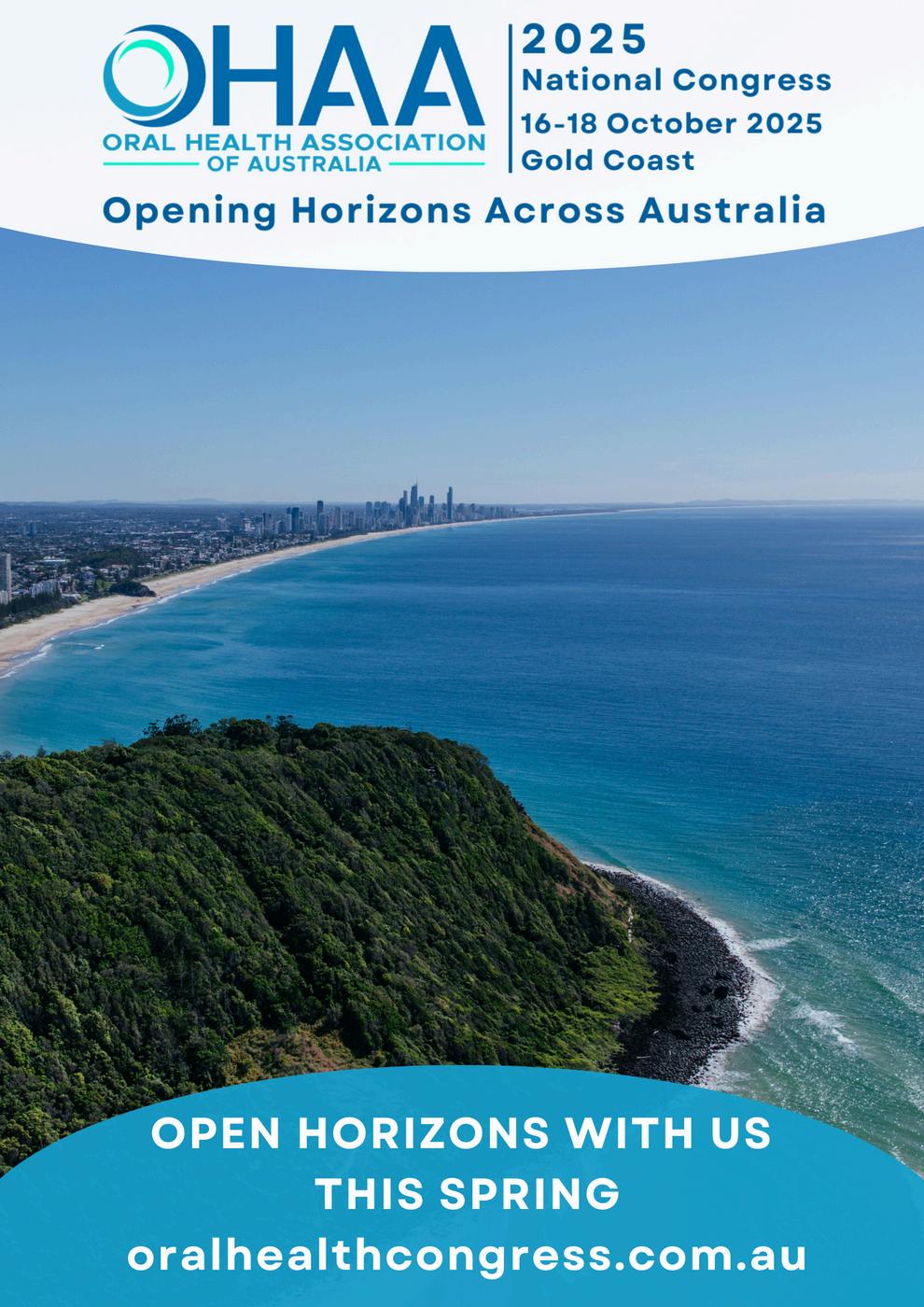
In 2025, the Oral Health Association of Australia is turning up the heat – and the inspiration – for your October, with its inaugural Congress set against the stunning backdrop of Queensland’s Gold Coast. By now I hope you already marked your calendars, booked off your leave and are just yet to register, because it is set to be more than a conference - it’s a professional pilgrimage.
On 16 -18 October, The Star will transform into a hub of innovation, education, and connection for Australia’s brightest minds in oral health. Whether you’re a seasoned clinician, a researcher, an educator, or an early-career professional, the OHAA Congress 2025 promises something for everyone.
This year’s theme "Opening Horizons Across Australia" perfectly captures the balance of rigorous learning and rejuvenating atmosphere the Gold Coast is known for. Think keynote presentations from leading oral health experts, including Sarah Harwood who will help you connect better with your patients, interactive workshops, cutting-edge clinical updates, and panel discussions that will challenge, inform, and inspire.
This congress is about more than just CPD, it’s also about community Networking events, breakout sessions, and casual meetups will give attendees the chance to build lasting professional connections –and friendships – with peers from around the country and beyond and for your interest there is 20 hours! That’s a year’s worth of CPD hours in one event!
Hear from leaders in oral health and discover the latest in research, technology, and patient care.
Gain hands-on experience in interactive workshops designed to boost your clinical skills.
Reconnect with your professional purpose in a setting that inspires both learning and relaxation.
Endless opportunities for FOOD!!! Three Delectable Courses at the Gala Dinner and a chance to dress up for the Gatsby theme, have breakfast with Colgate, dine amongst the exhibitors during sessions breaks.
Now’s the time to start finalising your trip - it’s not too late!
The OHAA Congress 2025 isn’t just an event - it’s an experience. Come for the knowledge, stay for the sunshine, and leave with fresh ideas, new connections, and renewed energy for the what’s on the horizon!
Tylen Burt OHAA Congress 2025 Committee Chair

2.
I heard the OHAA PI insurance costs $200 which is a lot less than other insurance companies’ policies. What does OHAA PI insurance cover?
OHAA members can access the OHAA-BMS Professional Indemnity Insurance at a heavily discounted rate between $195 and $220. The variation is due to different state and territory’s stamp duties
The OHAA policy is a specific master policy for OHAA members covering only dental hygienists, dental therapists and oral health therapists which are regarded as the lowest groups across all Ahpra registered health practitioners. Its insured pool does not include any other high-risk groups so the premium can be kept low (with little change for the past 8 years). Furthermore, there’s no additional ‘membership fee’ for the policy as this represents a significant amount when you insure with other providers.
The OHAA-BMS policy meets the Ahpra mandatory registration standard and covers everything within your scope as a dental practitioner. Extended covers are offered to those who require it - e.g. public liability insurance, business insurance – at competitive rates.
I’m unable to log in to my account on the OHAA website. Can you help?
While all ADOHTA and DHAA accounts were transferred to the new OHAA website (ohaa.com.au), the confidential passwords cannot be transferred. If you’re accessing the website for the first time, you need to set up your password by clicking ‘forget password’ and follow the prompts to ‘reset’ your password. Once that’s completed you will be able to access you profile and all areas of the website included in your membership level.
Are the previous ADOHTA and DHAA webinar recordings still available for viewing on the OHAA website?
Yes, all recorded webinars (up to two years) are now available for OHAA members’ on demand viewing.
I’m looking for some advice regarding membership and PI insurance fees while on maternity leave. I’m planning on having 12 months off. Am I required to pay for indemnity insurance over this period or can I leave it until I know my return to work date?
If you’re maintaining your Ahpra registration in the general division, then you must maintain your PI insurance and meet the CPD requirements regardless of whether you work or not. If you’re insured with BMS through your membership, you need to renew your OHAA membership. Once you have done that you can contact BMS to seek a runoff cover insurance for your maternity leave (this will be a significant discount from the full insurance fee).
Alternatively, you may change your Ahpra registration to non-practising registration and apply to go back to general registration when you return. In that case you do not need PI insurance and CPD over this period.


In the evolving landscape of our professional lives, we occasionally encounter moments of profound change. This past year, the dental hygiene, dental therapy and oral health therapy professions in Australia have experienced just such a shift, with the cessation of the two prior professional associations and the creation of a new, unified body: the Oral Health Association of Australia (OHAA). This marks not only a new chapter, but an entirely new book for many of us.
For years, we've identified with the communities and cultures promoted by our previous associations. Whether it was ADOHTA or DHAA, these organisations were more than professional bodies; they were extensions of our professional identity, offering a sense of belonging and a familiar space It’s entirely human, therefore, to feel a complex mix of emotions as we step into this new era.
While there's undeniable potential for progressive thought and boundless possibilities that a unified association brings, it's also perfectly normal to experience a sense of grief or loss for what was. This isn't a sign of resistance to progress, but rather a natural acknowledgment of the deep connections we've formed. As we often discuss, change, even when it's for the better, can be difficult because our minds tend to prefer the comfortable and known.
Our brains tend to resist change, looping us into comfortable, familiar pathways of thinking. This ‘neural pathway’ can whisper doubts and ‘what ifs’, making the unfamiliar seem scary Holding onto the past can offer a sense of security, even if it means resisting new possibilities. While it's vital to acknowledge and build upon the foundations of our past associations, we must not let ourselves stare at the past so intently that we miss the opportunity to shape a new, vibrant future. This period invites us to shift our focus and allow for the exciting possibilities that lie ahead.
Think about it like this: your ‘map of the world’ is unique, shaped by your values, beliefs, experiences, and stories For a long time, the familiar landscape of our professional associations was a significant part of that map. Now, we're being handed a new map, one that presents new territories and experiences, but also requires us to adjust our internal compass. This adjustment can feel like stepping outside your comfort zone, into the ‘unknown’ where the ‘magic happens’ It’s in this space of the unknown that we often find opportunities to transform and grow.
In my many years as an oral health practitioner, business owner and now recruiter, I’ve observed how powerfully our internal state shapes our navigation of external changes. We have a constant choice: to let our emotions hold us back, or to think differently As this new association takes form, we see a spectrum of responses. While many in our profession experience enthusiasm and champion this unification, for others, facing something new can feel daunting. When confronting such changes, it's easy for that ‘mini me’ voice in our heads to whisper doubts, amplifying fears of the unfamiliar
Yet, remember, fear often stems from a feeling of lack of control. What if we chose to rename that fear as excitement or anticipation instead? The physical sensations are frequently the same for both anxiety and excitement; it's the name we give them that shifts our experience. It's crucial for both those eagerly diving into this evolving landscape and those feeling apprehensive to cultivate a deep understanding and compassion for each other's viewpoints
Therefore, it becomes vital to look beyond perceived gaps or what might seem to divide us and instead unite our focus on our overarching collective goal: improving oral health outcomes for our communities. By recognising these differing responses and understanding varied perspectives, we can promote genuine collaboration, uniting around shared goals and direction.
This conscious choice allows us to leverage our individual experiences for collective strength, rather than letting apprehension or differing initial reactions hold us back.
As we navigate this new chapter with the OHAA, we might consider how our actions align with what can be regarded as ‘level 2 thinking’ – doing what may not feel entirely comfortable at first and is generally good for us and good for the profession as a whole. This is where real progress and growth can occur. It's about taking ownership of our roles and contributing to the bigger picture
Collectively, we are shaping the identity and culture of this new association. This requires us to apply what is known as the ‘Platinum Rule’ - treating others the way they would like to be treated, acknowledging their unique values and preferences This means actively listening with the intent to understand, rather than to reply. It means being curious about another person's ‘map of the world’ and minimising assumptions.
As we move forward, there will naturally be a spectrum of feelings and experiences. By acknowledging this full range, by drawing on the insights from previous models of personal development, and by engaging with curiosity and an openness to new possibilities, we can navigate this transition and contribute to a meaningful future for oral health practitioners in Australia.
LYN CARMAN OHAA RURAL & REMOTE SIG CHAIR, ORAL HEALTH PROMOTION AND PUBLICATION
COMMITTEES MEMBER

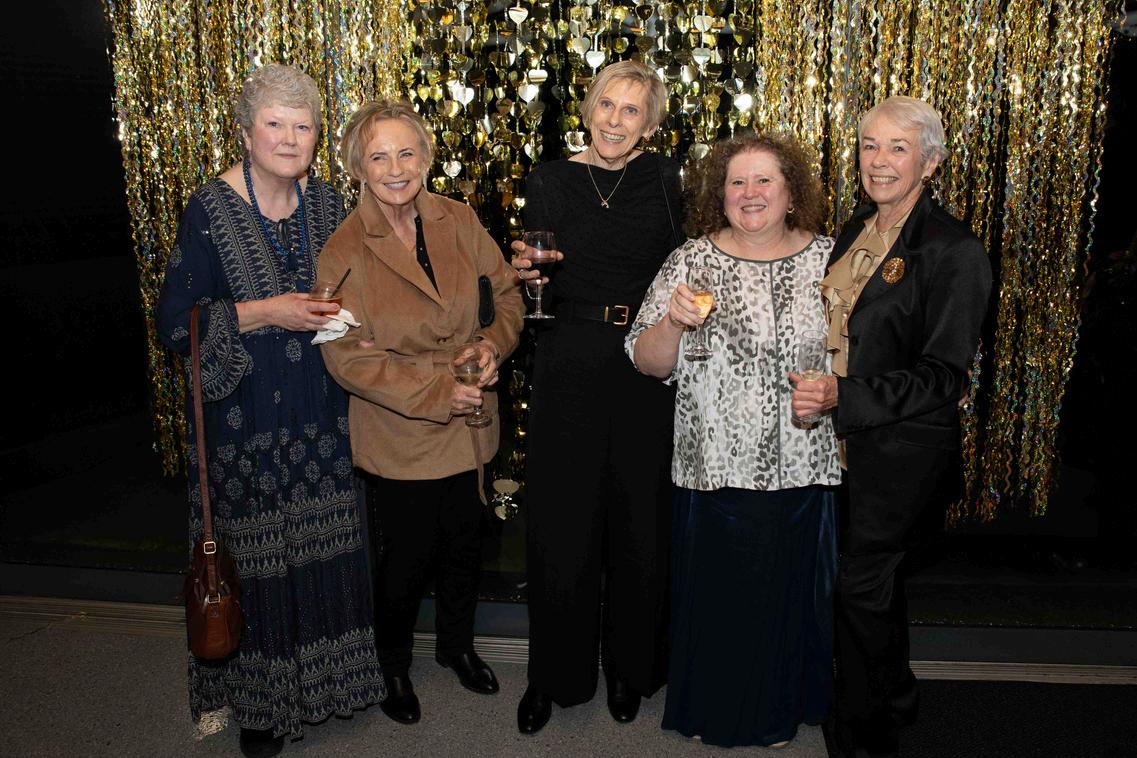
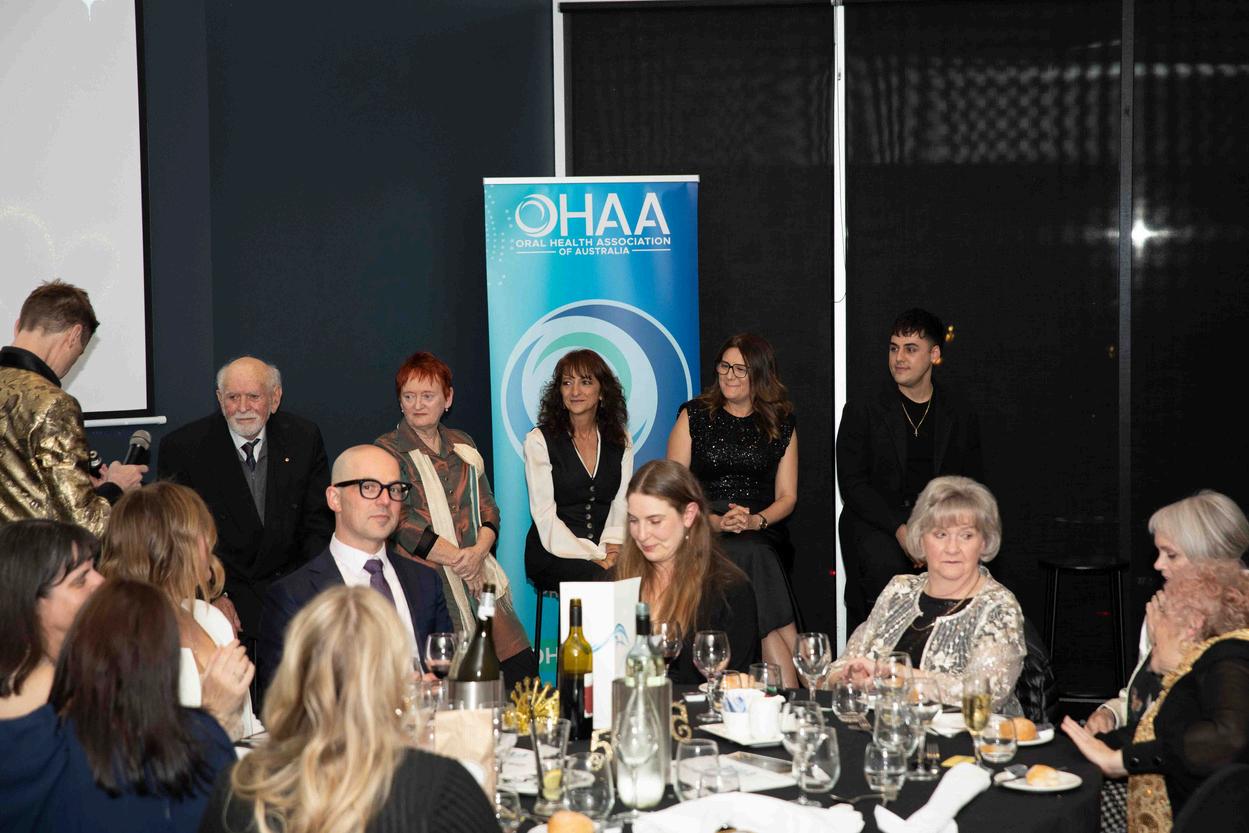
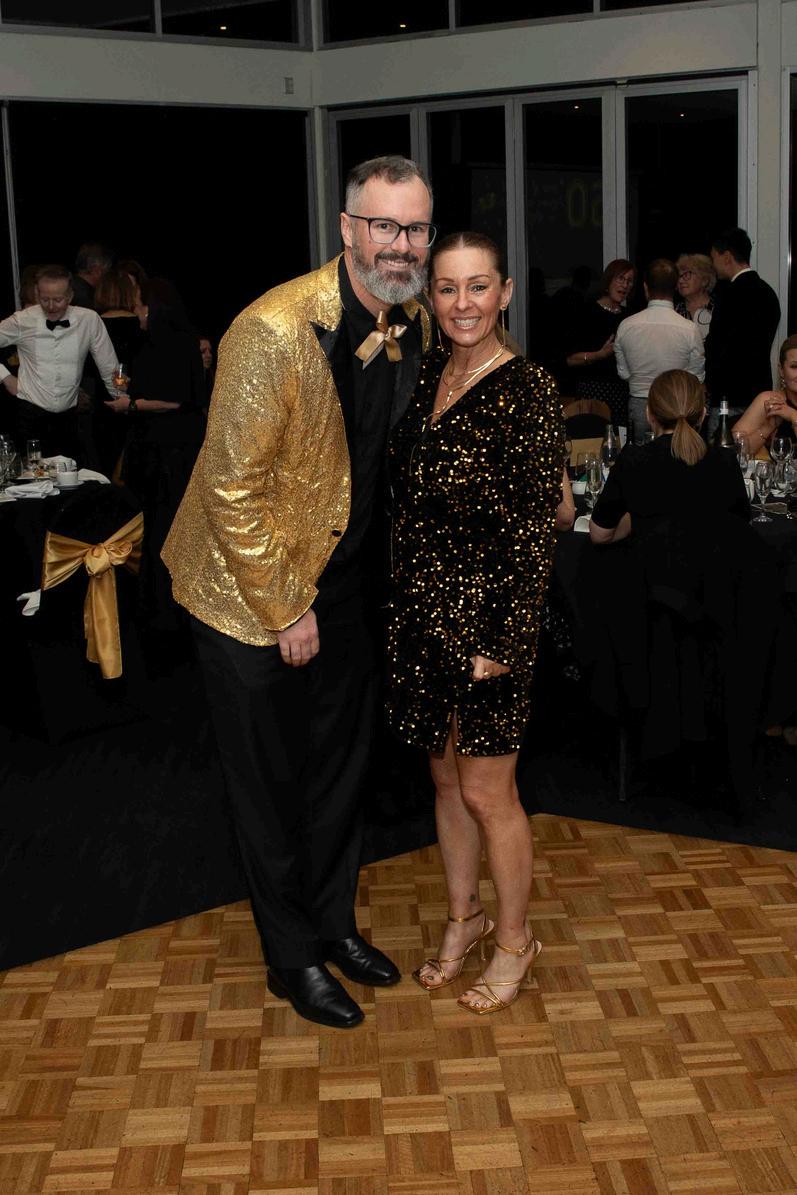
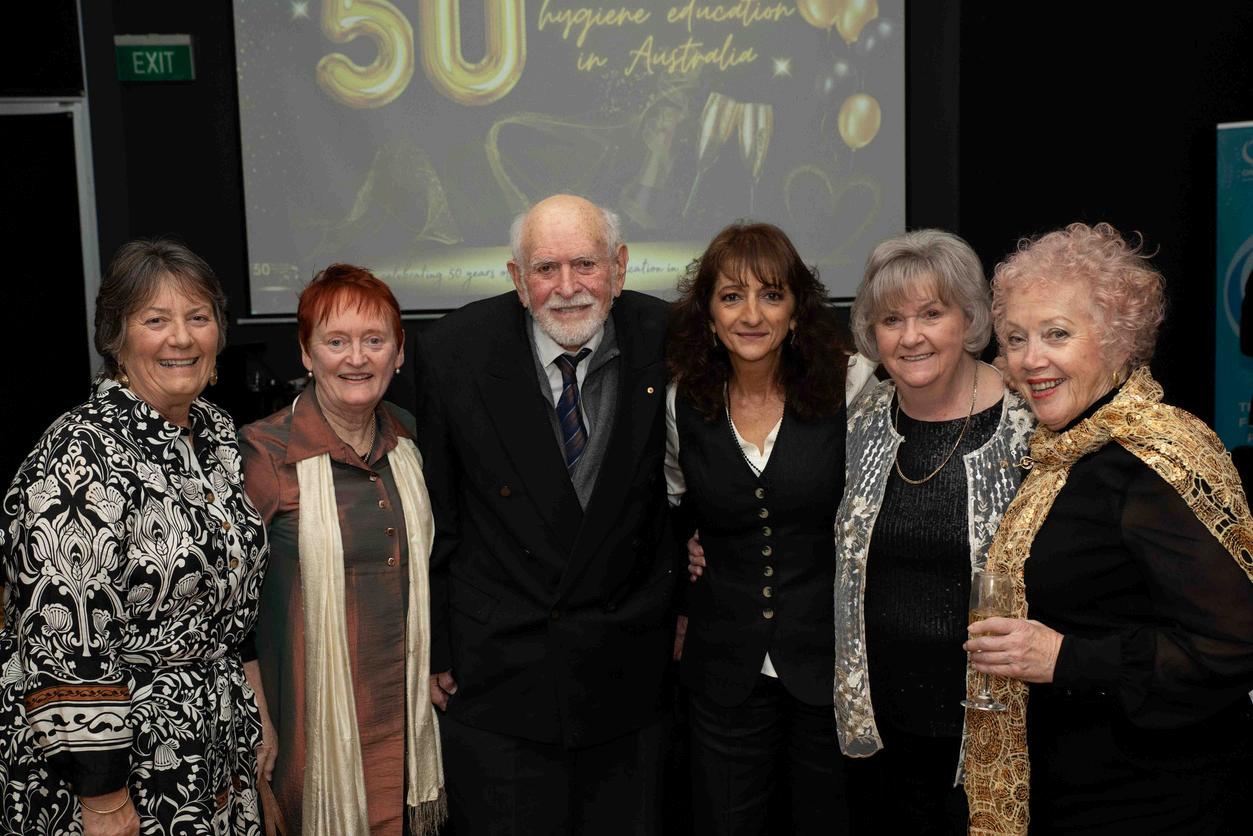
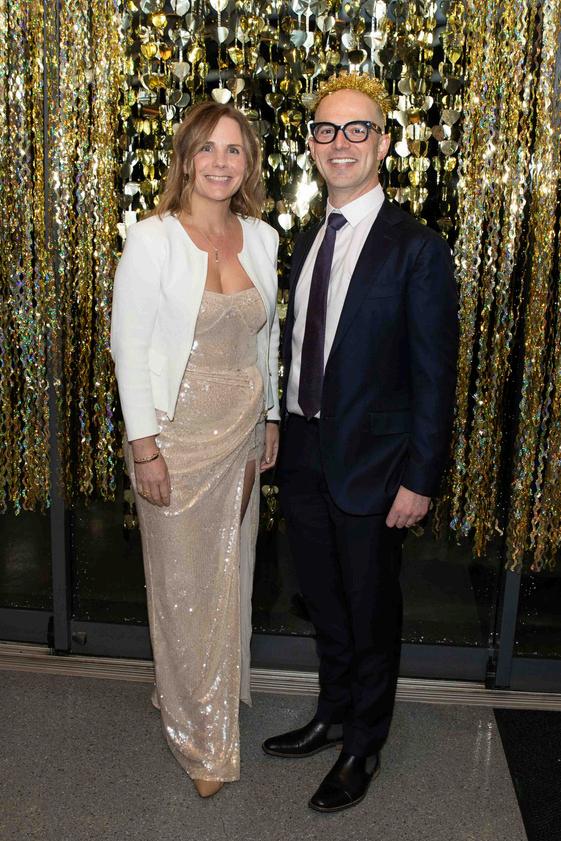
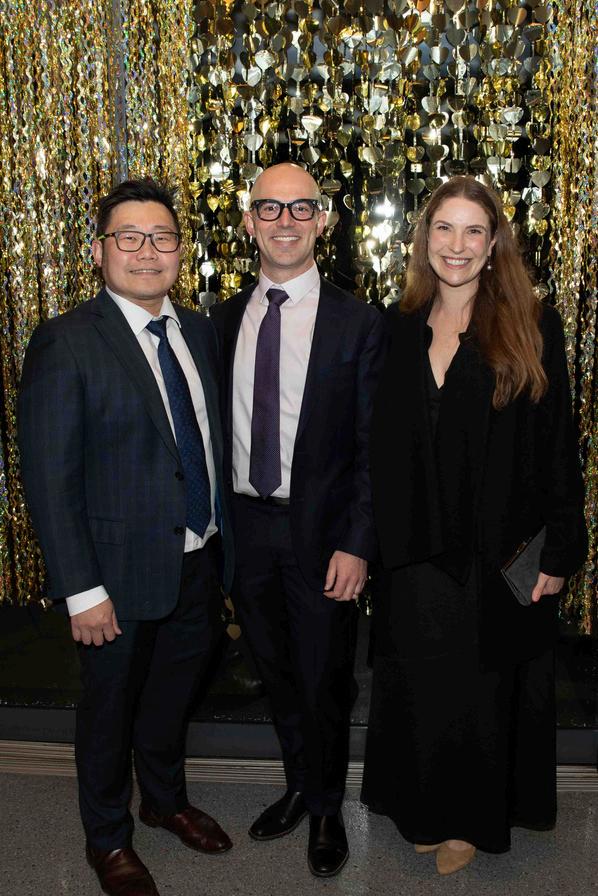
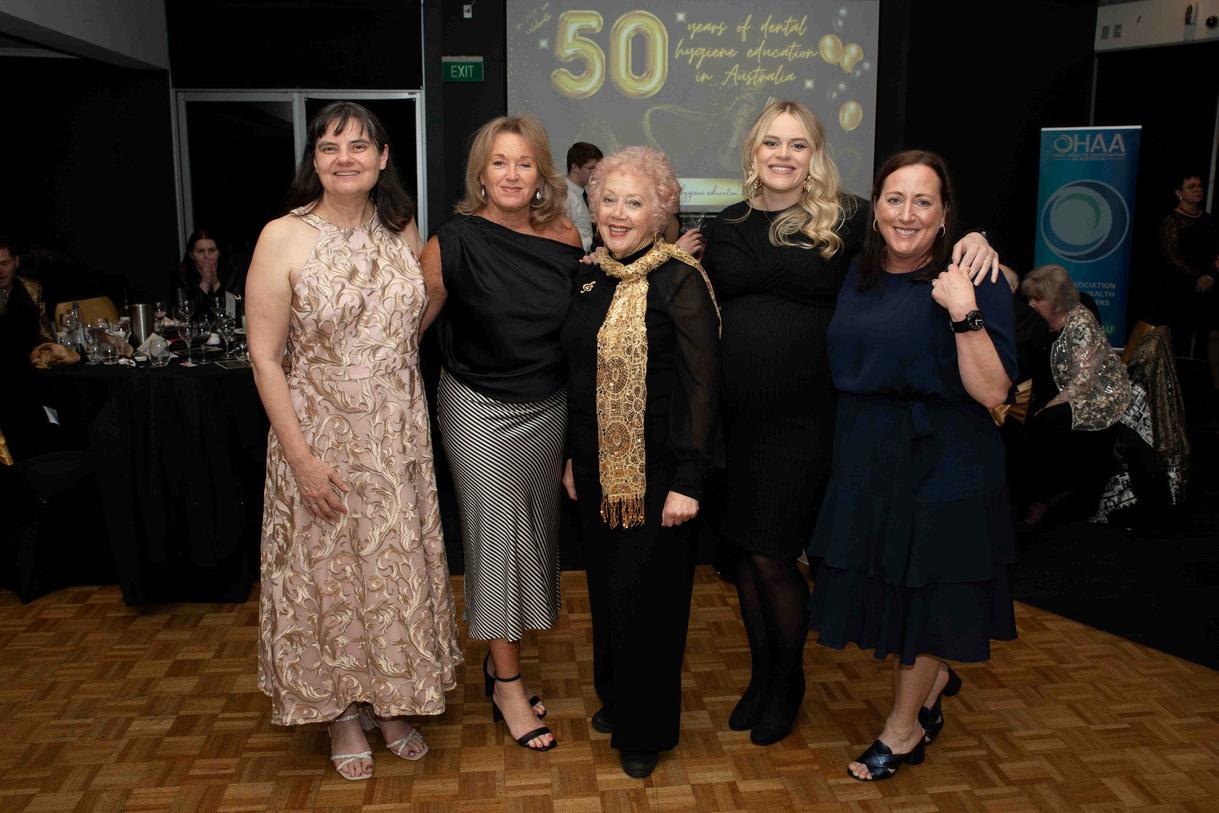
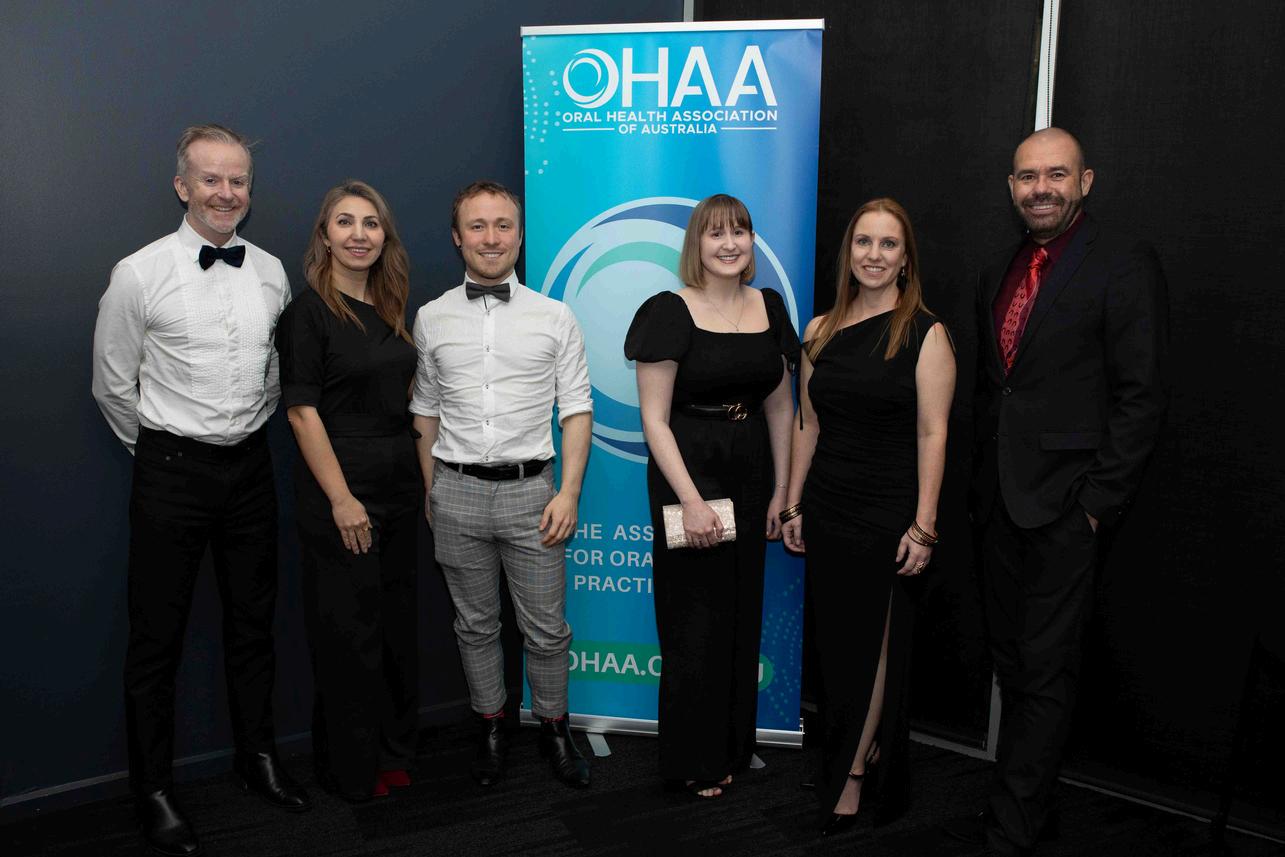
OHAA’s first landmark event, “Celebrating 50 Years of Dental Hygiene,” which was held on 26 July 2025 in Adelaide, South Australia, was a resounding success uniting colleagues, trailblazers, and newcomers alike for an unforgettable evening. Adelaidecelebrated as the birthplace of dental hygiene in Australia - provided a fitting and meaningful backdrop for this milestone occasion.
Successfully hosted by Dr Peter Alldritt, the night delivered a seamless blend of commemoration and connection. Set against an elegant gold and black theme, guests arrived in stylish cocktail attire, instantly immersed in an atmosphere of festivity and sophistication befitting the significant anniversary
A highlight of the event was the engaging “On the Couch” session, featuring a distinguished panel spanning the profession’s history and future Panelists included Dr John McIntyre AM (one of the prime initiators of Dental Hygiene in Australia), Jesse Kourakis (recent graduate), Kelly Clemente (current educator), Sue Frazer (early educator) and Sophie Karanicolas (educator in the recent past), who offered unique insights and sparked lively conversation about how dental hygiene has evolved and where it is heading. Guided by thoughtfully framed questions, these experts prompted both nostalgia and excitement for what lies ahead, with their stories and perspectives resonating throughout the room. And a brief interview with Sue Aldenhoven AM who has been integral in Dental Hygiene education and the former Dental Hygienists Association of Australia (DHAA).
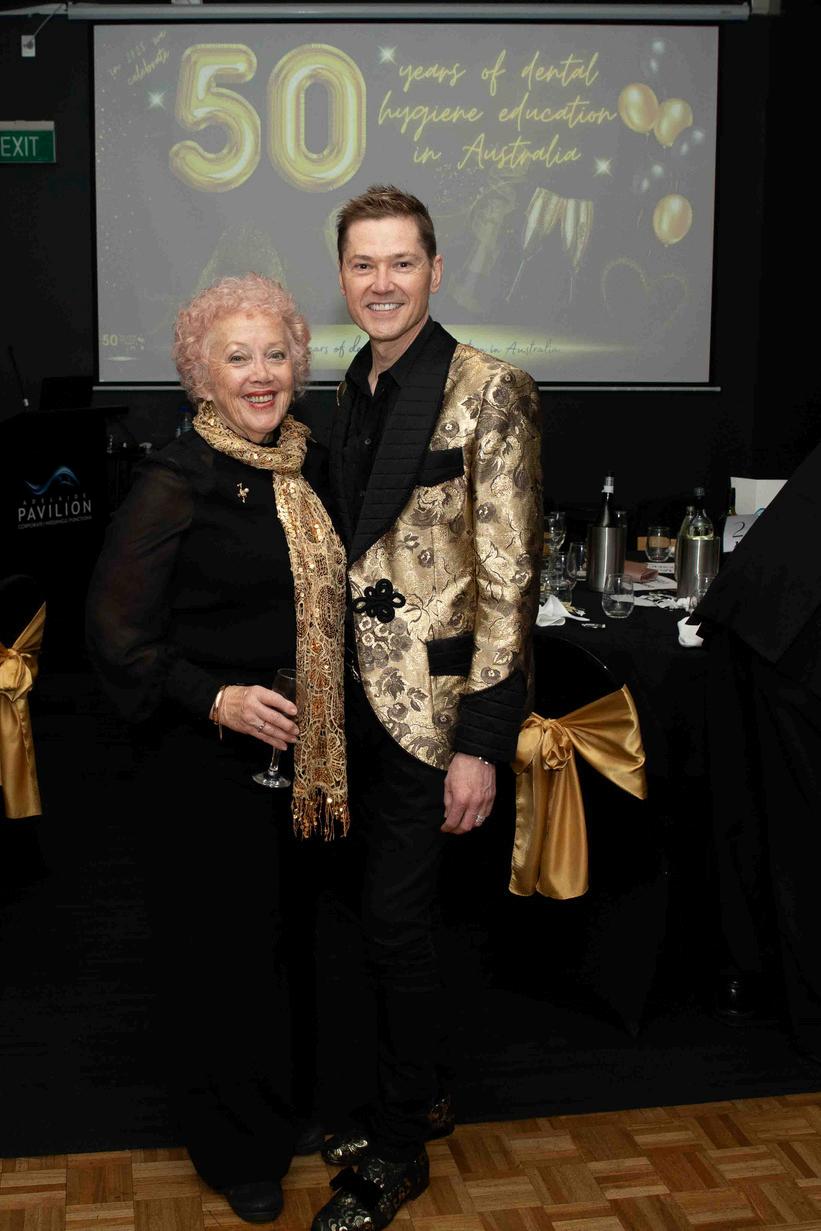
This memorable event not only honored the remarkable history of dental hygiene, rooted in Adelaide, but also laid the groundwork for future growth and innovation Through heartfelt stories, laughter, and ideas shared, “Celebrating 50 Years of Dental Hygiene” demonstrated just how strong and vibrant the oral health community remains. The association looks forward to building on this legacy of excellence, advocacy, and camaraderie in the years ahead
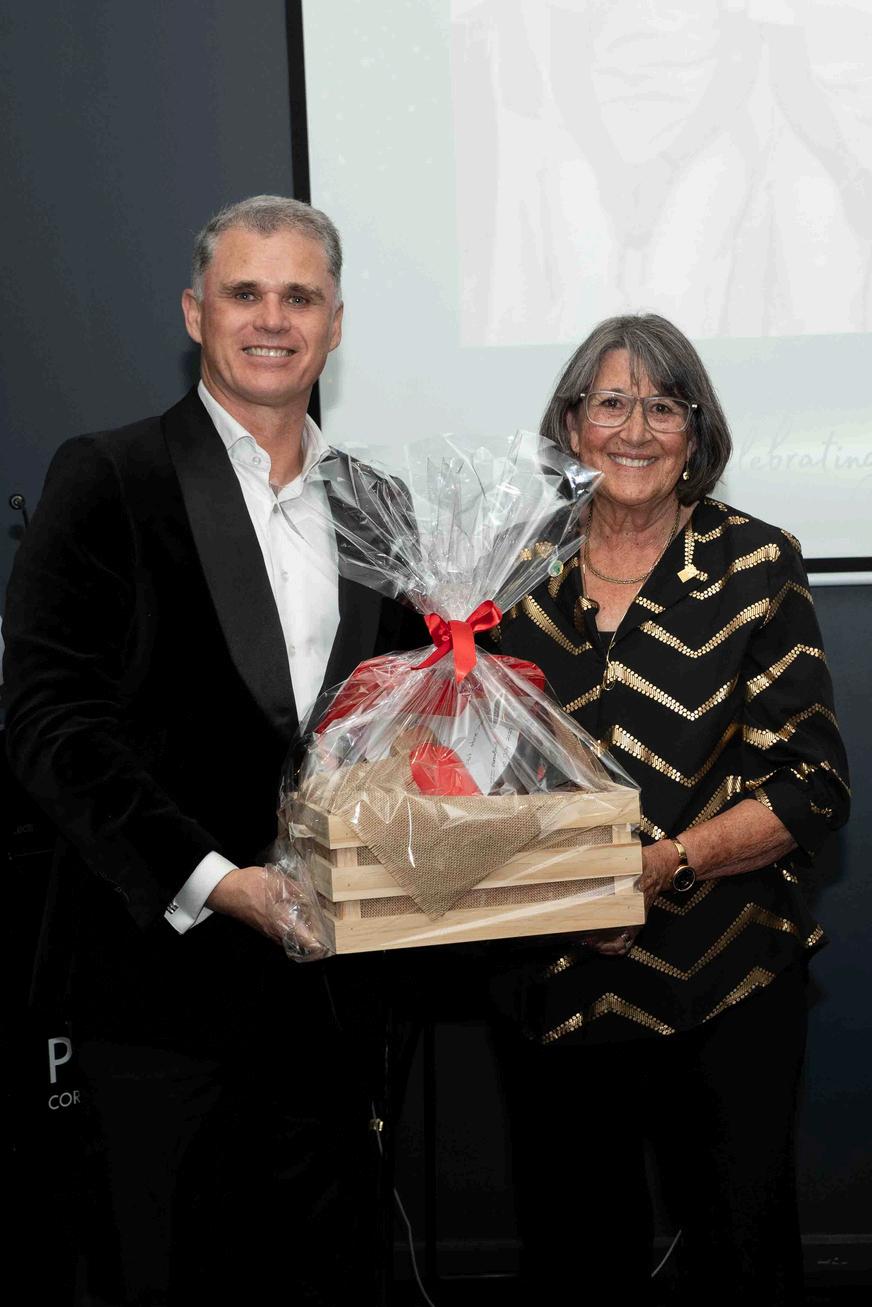
The OHAA Board would like to sincerely thank the Celebration Committee for hosting a truly tremendous evening: Margie Steffens OAM, Michelle Wright, Chris Corner, Courtney Rutjens, Angie Ioannidis, Amy McDermott and Cathryn Carboon

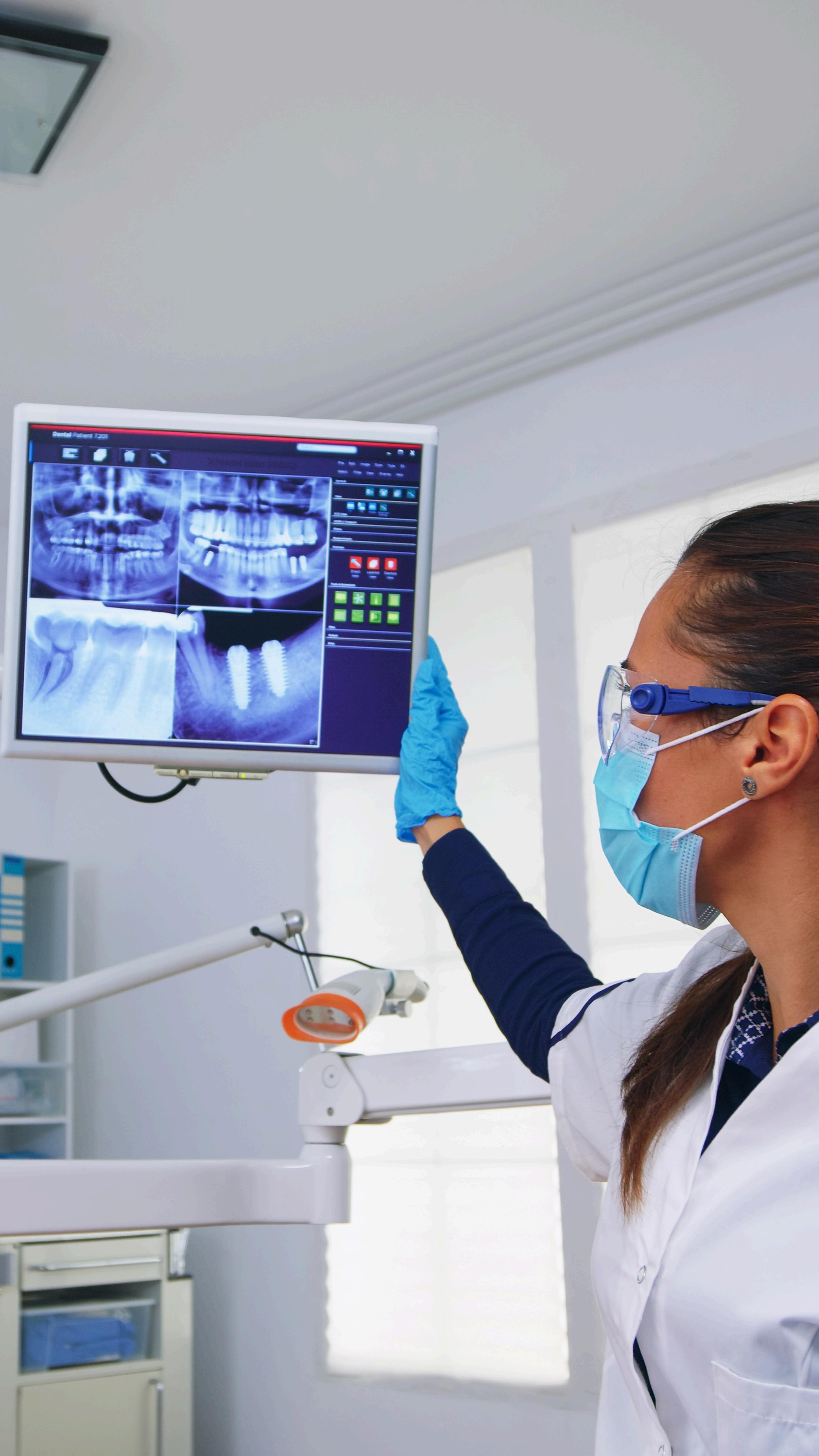
What does generative Artificial Intelligence (AI) in dental practice look like to you? Do you view it as the stuff of science fiction, a passing fad, or something that is here to stay? Are robots going to take over the world (and our jobs), or are we going to work synchronously with the ‘intelligence’ we create? Let’s take a look at some possibilities worth considering for your daily practice in the near distant future.
In daily practice, our clinical decision-making often requires the performance of repetitive tasks that have potential for automation [1] Practice makes perfect, and the more times we repeat the tasks, the more ‘data’ we can gather to train ourselves, or in this case, another mind. Imagine accessing a collective mind, a neural network, created using data from electronic dental records [2] that predicts and processes information like a human brain to solve problems and aid clinical decision-making [3].
In the future, we will use AI-assisted tools to improve clinical diagnoses, plan treatment and improve patient outcomes [4] AI-enhanced image analysis software will detect and predict the progress of pathological manifestations for oral cancer [5], caries and endodontic lesions, tooth wear and periodontal disease[6,7], to name a few. You will use AI-enhanced tools to plan surgeries that minimise risk and improves robotic surgery capabilities to optimise patient outcomes [3]. Robotic process automation models, commonly known as chatbots will improve administrative efficiency by automating tasks such as scheduling, billing and marketing to increase accessibility and improve patient experience [2,4] The possibilities are seemingly endless
Article continued >>
But will wide-spread AI adoption cost us our jobs?
According to Shrier (2024) [8], we will see careers change similar to what we experienced during the Industrial Revolution when we transitioned from handmade to machine-built goods. In the AI revolution, jobs that involve repetitive tasks are likely to be replaced more readily. But let’s not forget that emerging technologies also create new jobs and roles that were never in existence prior to their inception. According to Shrier (2024) [8], jobs that require human contact such as those dental practitioners and other healthcare workers do will remain a stable necessity in an AI-driven world. So that’s a relief.
How do we manage patient data used to create models?
What are the implications of using patient data to create predictive algorithms that drive AI-enhanced tools? At present, studies that compare specific models of dental applications only measure diagnostic accuracy within the model, rather than against our standard of care [9]. Thus, these models are likely to be considered more ‘probabilistic’ or predictive, rather than diagnostic when used independently [2]. To meet or exceed our current standard of care, AI predictive models should compare performance between AI-aided and unaided experienced practitioners [9] Furthermore, most data used to ‘train’ current AI models are too small to adapt to broader populations, and the models tested do not factor clinicians in the mix [9] That is, we need larger pools of data to reduce chances of bias and improve accuracy to enhance clinician decision-making [10].
However, gathering and storing larger pools of data risks ethical mishaps that include implications of using ‘probabilistic’ algorithms to predict patient outcomes [2]. As we increasingly adapt AI-models into healthcare, there is a call for dental practitioners, patients and stakeholders to commit to develop and work within frameworks that promote ethical and moral AI model development and application [11] For instance, the US Food and Drug Administration will regulate AIenhanced clinical decision-making algorithms as medical devices that require approval for use in healthcare settings [2]
And remember, no matter what tools we have in our box, the decision and ultimate responsibility to intervene (or not to) lies solidly on the dental practitioner delivering the treatment. And that means you. Your patient, or even worse, a disciplinary board, is unlikely to take ‘the computer made me do it’ as an excuse for not exercising your ability to make sound clinical judgments in an ever evolving field.
So how should we embrace the inevitable? The same way we adapted to other digital technologies. First study the technologies to understand their capacity, understand your own strengths and limitations, and adapt the technologies as a tool to enhance your clinical decision-making and treatments, rather than to replace them
And finally, let’s embrace AI in all its wonder; Let’s commit to co-creating an ethical and morally bound AI revolution in dental practice to improve our clinical outcomes and enhance our patient care. And remember, you are the driver.
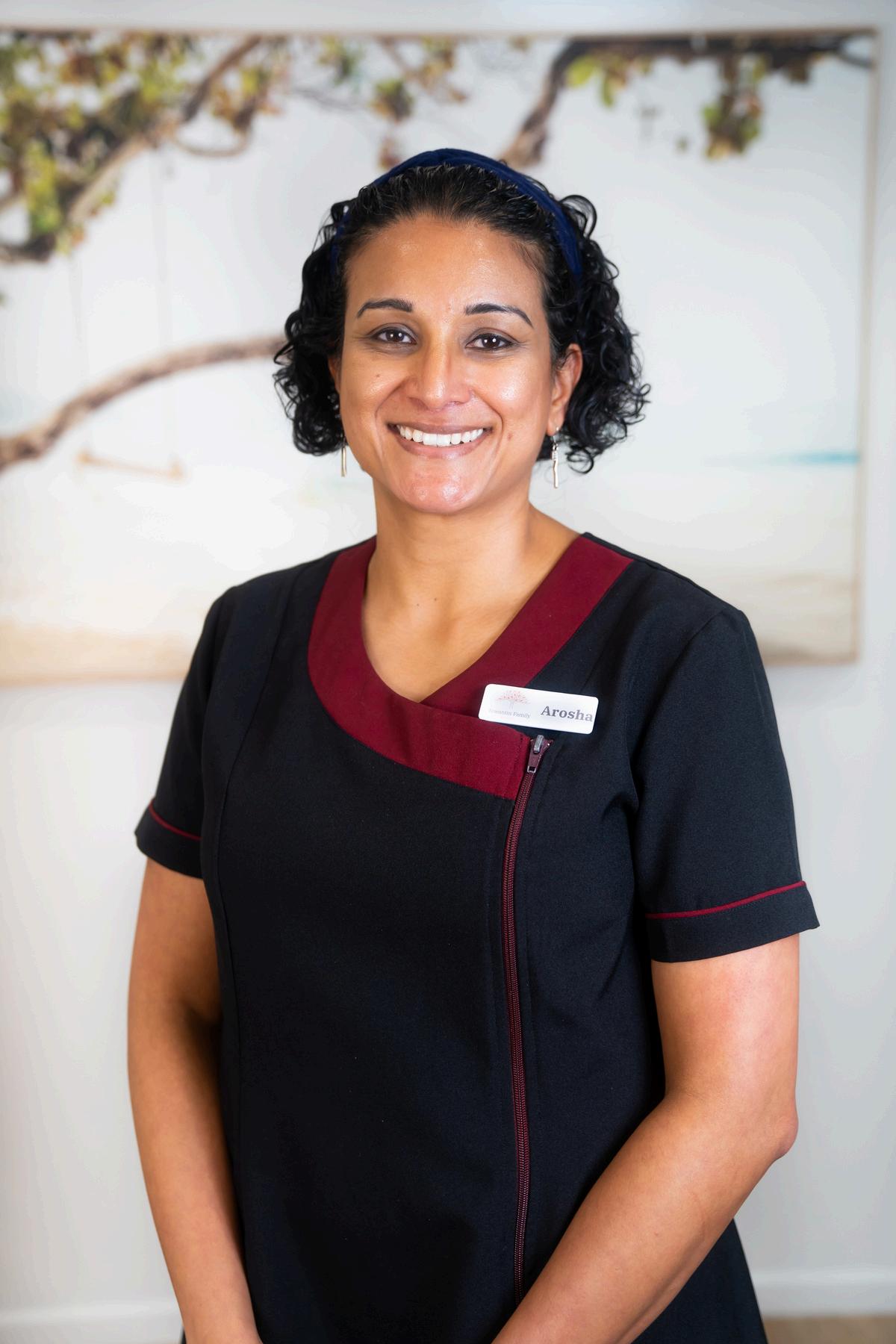
DR AROSHA WEERAKOON COLGATE ADVOCATE FOR ORAL HEALTH, DENTIST, UQ SENIOR LECTURER AND DENTALPRACTICE OWNER
Author Biography - Dr Arosha Weerakoon
Dr Arosha Weerakoon is the owner of Tewantin Family Dental. She is also a lecturer (hon) with a Master’s in Public Health and a PhD from the School of Dentistry, University of Queensland. Arosha’s PhD thesis is titled, ‘Dentine, Adhesive Interfaces & Physiological Ageing’. She is a Fellow of the Royal Australasian College of Dental Surgeons, the International College of Dentists and the Pierre Fouchard Academy Arosha is the Assistant Secretary for the International Dental Ethics and Law Society and a member of the Clinical Council for Country to Coast, Queensland In recognition of her commitment to professional learning and development, Arosha was awarded the 2022 BOQ Specialist Practice Bursary for Dental Excellence from the Australian Dental Association (QLD) In 2019, Arosha was awarded the Brisbane Lord Mayor’s Convention Trailblazer Grant
In the same year, Arosha won the top prize, The Vice Chancellor’s Award, for her research pitch titled, ‘It’s about bonding with fillings’ hosted by Universities Australia As part of her prize, Arosha completed an internship at The Conversation Media Group Headquarters in Melbourne. To date, she has published eight articles promoting oral health with The Conversation Media Group. Arosha believes that community engagement, interdisciplinary collaboration and patient empowerment is the key to improving oral and general health for all. She hopes to use her role as a Colgate Advocate for Oral Health to create meaningful discussions with oral and general health professionals to improve health practices, patient outcomes and to encourage more clinicians to engage with research.
The Colgate Advocates for Oral Health are a group of dental and oral health professionals dedicated to promoting preventive oral health practices.
The influence of diet, saliva, and dental history on the oral microbiome in healthy, caries-free Australian adults
SCIENTIFIC REPORTS VOLUME 15, ARTICLE NUMBER:18755 (2025)
Oral microbiome transplantation (OMT) has the potential to serve as a therapeutic approach for managing dental caries; however, it is essential to identify suitable donors This study provides a comprehensive view of the factors shaping the oral microbiome in healthy people, with diet emerging as a primary driver of microbial composition and diversity. The complex interactions between dietary factors, host physiology, and the oral microbiome in influencing salivary pH and potentially oral health outcomes emphasise the need for personalised approaches to oral health care.
https://www.nature.com/articles/s41598-025-03455-0
CPD hours 0.25 scientific
2.
The utilisation of teledentistry in Australia: A systematic review and meta-analysis
JOURNAL OF DENTISTRY VOLUME 149, OCTOBER 2024, 105265
Teledentistry is the usage of information-based technologies to deliver healthcare services remotely. This systematic review and meta-analysis aimed to determine teledentistry utilisation in Australia. This study demonstrates teledentistry as a satisfactory tool for screening caries. This could be beneficial to those with difficulties visiting dentists in-person, particularly if they live in regional, rural or remote areas.
https://www.sciencedirect.com/science/article/pii/S0300571224004342
CPD hours 0.5 non-scientific
3.
The effectiveness of a novel artificial intelligence (AI) model in detecting oral and dental diseases
BDJ OPEN VOLUME 11, ARTICLE NUMBER: 62 (2025)
Implementing artificial intelligence (AI) to use patient-provided intra-oral photos to detect possible pathologies represents a significant advancement in oral healthcare. AI algorithms can potentially use photographs to remotely detect issues, including caries, demineralisation, and mucosal abnormalities such as gingivitis.
A unique AI machine-learning model was built using a convolutional neural network (CNN) model and trained using a dataset of over five thousand images Ninety different unseen images were selected and presented to the AI model to test the accuracy of disease detection The AI model’s performance was compared with answers provided by 51 dentists who reviewed the same ninety images Both groups identified plaque, calculus, gingivitis, and caries in the images.
https://www.nature.com/articles/s41405-025-00336-6
CPD hours 0.25 scientific
4.
Policy alignment for place-based solutions for better health outcomes in rural and remote communities
DEEBLE INSTITUTE FOR HEALTH POLICY RESEARCH PERSPECTIVES. AUSTRALIAN HEALTHCARE AND HOSPITALS ASSOCIATION; 2025
This Perspectives Brief from the Australian Healthcare and Hospitals Association’s Deeble Institute for Health Policy examines the challenge of health care delivery in rural and remote communities across Australia. The authors call for a place-based approach but acknowledge that ‘requires more than local action and community engagement’. They suggest ‘It requires alignment, integration and enablement in government policies and programs to effectively and efficiently deliver those community-led, placebased solutions.’
https://ahha.asn.au/wp-content/uploads/2025/06/Deeble-Perspective-Brief-No.-34-Policyalignment-for-place-based-solutions.pdf
CPD hours 0.5 non-scientific
5.
Fluoride mouth rinses for prevention of initial caries in orthodontic patients - a systematic review and meta-analysis
BMC ORAL HEALTH VOLUME25, ARTICLENUMBER:1058 (2025)
Orthodontic patients are often instructed to use fluoride mouth rinses (FMR) to prevent caries during treatment with fixed orthodontic appliances (FOA). This study examined the caries preventive effect of FMR during FOA treatment based on randomized controlled trials.
This review found insufficient support for a general recommendation to use FMR during treatment with fixed orthodontic appliances in populations with regular use of fluoride toothpaste. This does not rule out the possibility that individual orthodontic patients may benefit from FMR after comprehensive risk assessment
https://bmcoralhealth.biomedcentral.com/articles/10.1186/s12903-025-06374-8
CPD hours 0.25 scientific
6.
A Systematic Review and Meta-Analysis of the Role of Sugar-Free Chewing Gum on Plaque Quantity in the Oral Cavity
FRONT ORAL HEALTH. 2022 MAR 30;3:845921. DOI: 10.3389/FROH.2022.845921
This systematic review of published literature looks at the difference in the level of plaque quantity, in adults and children who chew sugar-free gum (SFG), compared with those who do not chew SFG, who do not chew gum, or who use alternatives such as probiotics or fluoride varnish. There is some evidence that chewing sugar-free gum, in particular xylitol SFG, reduces the quantity of plaque in the oral cavity in comparison to non SFG chewing or no chewing controls.
https://pmc.ncbi.nlm.nih.gov/articles/PMC9006880/ CPD hours 0.5 non-scientific
MICROORGANISMS 2025, 13(4), 814; HTTPS://DOI.ORG/10.3390/MICROORGANISMS13040814
Alzheimer’s disease is a progressive neurodegenerative disorder characterised by cognitive decline and neuronal loss, affecting millions worldwide. Emerging evidence highlights the oral microbiome as a significant factor in cognitive health. This review examines the mechanisms linking oral microbiome dysbiosis to cognitive decline through the oral–brain and oral–gut–brain axis. These interconnected pathways enable bidirectional communication between the oral cavity, gut, and brain via neural, immune, and endocrine signaling Oral pathogens, along with virulence factors, contribute to neuroinflammation, while metabolic byproducts, such as short-chain fatty acids (SCFAs) and peptidoglycans, further exacerbate systemic immune activation.
https://www.mdpi.com/2076-2607/13/4/814
CPD hours 0.5 scientific
Tracking progress on the implementation of the Global oral health action plan 2023–2030: baseline report 8. WHO JANUARY 2025
The aim of this report is to provide a comprehensive baseline assessment on the global oral health targets to track implementation progress of the Global oral health action plan 2023–2030. The report offers an overview of the current situation and serves as a reference for future reports. From this foundation, progress can be tracked every 3 years until 2031 and reported back to Member States through the mandate outlined by the World Health Assembly resolution on oral health
https://iris.who.int/bitstream/handle/10665/380314/9789240106031-eng.pdf?sequence=1
CPD hours 1 non-scientific
9.
Artificial intelligence in early diagnosis and prevention of oral cancer
ASIA PAC J ONCOL NURS. 2022 AUG 24;9(12):100133. DOI: 10.1016/J.APJON.2022.100133
The global occurrence of oral cancer (OC) has increased in recent years. OC that is diagnosed in its advanced stages results in morbidity and mortality. The use of technology may be beneficial for early detection and diagnosis and thus help the clinician with better patient management. The advent of artificial intelligence (AI) has the potential to improve OC screening. AI can precisely analyse an enormous dataset from various imaging modalities and provide assistance in the field of oncology. This review focused on the applications of AI in the early diagnosis and prevention of OC A literature search was conducted in the PubMed and Scopus databases using the search terminology “oral cancer” and “artificial intelligence.” Further information regarding the topic was collected by scrutinising the reference lists of selected articles. Based on the information obtained, this article reviews and discusses the applications and advantages of AI in OC screening, early diagnosis, disease prediction, treatment planning, and prognosis. Limitations and the future scope of AI in OC research are also highlighted.
https://pmc.ncbi.nlm.nih.gov/articles/PMC9664349/ CPD hours 0.5 non-scientific

The launch of our newly unified professional association marks a significant milestone. It is not just a change in structure, but a new chapter for each of us as professionals Change, even when positive, can bring uncertainty. But it also offers a powerful opportunity to build resilience, reflect on our goals, and reimagine what is possible.
Career resilience is the ability to adapt, grow, and thrive when circumstances shift. It is not only about recovering from setbacks, but also about moving forward with purpose For oral health professionals, this means staying open to new roles, embracing lifelong learning, and developing a mindset that sees change as a chance to evolve.
With the unification of our two legacy associations, we are stepping into a broader, more connected professional landscape. This brings exciting opportunities, but also natural questions. Where do I fit in? What does this mean for my career path? How do I stay relevant? These reflections are a healthy part of professional growth. They show that you are engaged and thinking about your future.
1 Reconnect with your purpose. Take time to reflect on why you chose this profession Whether your passion lies in patient care, advocacy, education, or innovation, your purpose is your foundation.
2. Stay curious. Explore new CPD opportunities, attend webinars, or join special interest groups The merged association may offer new pathways for learning and leadership.
3. Build your network. Reach out to colleagues from both legacy associations Sharing experiences and ideas can lead to unexpected collaborations and support.
4. Reflect and reframe. Change can feel like a loss, but it can also be a doorway to growth. Ask yourself what new possibilities are emerging for you
5. Seek support. You do not have to navigate change alone. Mentorship, peer support, and career coaching can provide valuable guidance and encouragement.
Patrick Westhoff has worn many hats over his 15-year career as an Oral Health Therapist, but it was a leap into education that truly reignited his passion Today, he’s a Lecturer in Oral Health, blending his clinical experience with a love for teaching and mentoring.
Patrick’s story is a reminder that career satisfaction isn’t always found in the familiar - it often begins when we dare to explore something new.
After graduating as part of the third cohort of the Bachelor of Oral Health at the University of Sydney, Patrick entered a profession still defining itself. Despite his passion and training, he found his skills underutilised and his role misunderstood in many clinical settings The repetition and lack of challenge led to burnout and a sense of stagnation. A turning point came when a change in practice ownership brought increased stress and eventually led to Patrick developing shingles. He quit without another job lined up, just before the COVID-19 pandemic hit Facing unemployment and uncertainty, Patrick considered leaving the profession altogether.
But resilience is not just about bouncing back - it’s about reimagining what’s possible. Patrick leaned on his support network, explored new roles, and took a leap into education. Starting as a clinical educator, he rediscovered his passion and purpose. Despite initial setbacks in securing a lecturer position, he persisted. Today, Patrick is a lecturer at the University of Sydney, guiding the next generation of oral health therapists and proving that career growth is not always linear, but it can be deeply fulfilling.
His story reflects many of the principles of career resilience:
Reconnect with your purpose: Patrick found renewed meaning in education, drawing on his clinical experience to mentor others
Stay curious: He explored new roles and kept learning, even in uncertain times.
Build your network: Patrick’s connections helped him re-enter the workforce and discover new opportunities
Reflect and reframe: He turned burnout into a catalyst for change.
Seek support: With encouragement from loved ones and mentors, he navigated a difficult transition
ACTIVITY: YOUR RESILIENCE SNAPSHOT
Take a few quiet moments to reflect on the following questions. You might jot down your thoughts in a journal or discuss them with a trusted colleague.
What recent change in your professional life challenged you the most?
How did you respond, and what did you learn from that experience?
What strengths helped you adapt?
What support or resources could help you build even more resilience moving forward?
What is one small step you can take this month to invest in your career growth?
This simple exercise can help you recognise your own resilience and identify areas for continued development.
This is a time to celebrate. We are not only welcoming a stronger, unified association, but also recognising the resilience of every member who continues to adapt and lead. Your career is not a fixed path. It is a journey that evolves with you In times of change, resilience is one of your most valuable tools
ASSOCIATE PROFESSOR MELANIE ALEY AND ORAL HEALTH THERAPIST PATRICK WESTHOFF
A key purpose of the Oral Health Association Australia (OHAA) is the commitment to provide you, our members, with value packed membership benefits. This includes taking the guesswork out of finding comprehensive and competitively priced insurance. We ensure you not only meet your Ahpra registration requirements, but have peace of mind while you work.
After careful consideration, OHAA chose BMS as our insurance partner in offering the OHAA Member Insurance Program. With local knowledge and experience working with Allied Health Associations across Australia and New Zealand, OHAA is confident BMS can provide insurance and additional support services such as the OHAA Clinical Support Advisor.
“We are proud to be named the OHAA insurance partner, and be the team there to support OHAA members on their professional journey,” says Shamus Breen, Managing Director – BMS (Affinity).
“At BMS we understand your insurance needs may change as you progress throughout your career. That’s why we offer Professional Indemnity Insurance from when you start studying, along with additional cover as your professional horizons expand. If unsure, our local team can assist so you can feel confident choosing cover that’s right for you.”
The OHAA Member Insurance Program is an insurance offering available exclusively to OHAA members. The program offers not only Professional Indemnity Insurance to meet your Ahpra registration requirements, but also a range of other cover available for purchase.
Insurance can be purchased via the dedicated BMS Portal at any time throughout the year.
The Program will be reviewed annually by OHAA with BMS, taking into consideration trends, claims, and other industry factors, to ensure the offering remains relevant, comprehensive and competitively priced.
The Professional Indemnity Insurance offered under the program includes a range of features including additional support should you face a claim.
$20M Professional Indemnity*
Run-off cover
Retroactive cover
Worldwide cover (except USA)
Additional support via the OHAA Clinical Support Advisor
Option to add Public Liability Insurance
Plus, complimentary cover for students - simply opt-in.
Not yet insured? Now is a great time to consider OHAA Member Insurance. Register for an account in the BMS Portal and get covered in 2025, ohaa.bmsgroup.com. For more information, speak to BMS at ohaa@bmsgroup.com or call 1800 940 762.
Or visit the BMS booth at the OHAA Oral Health Congress 2025.
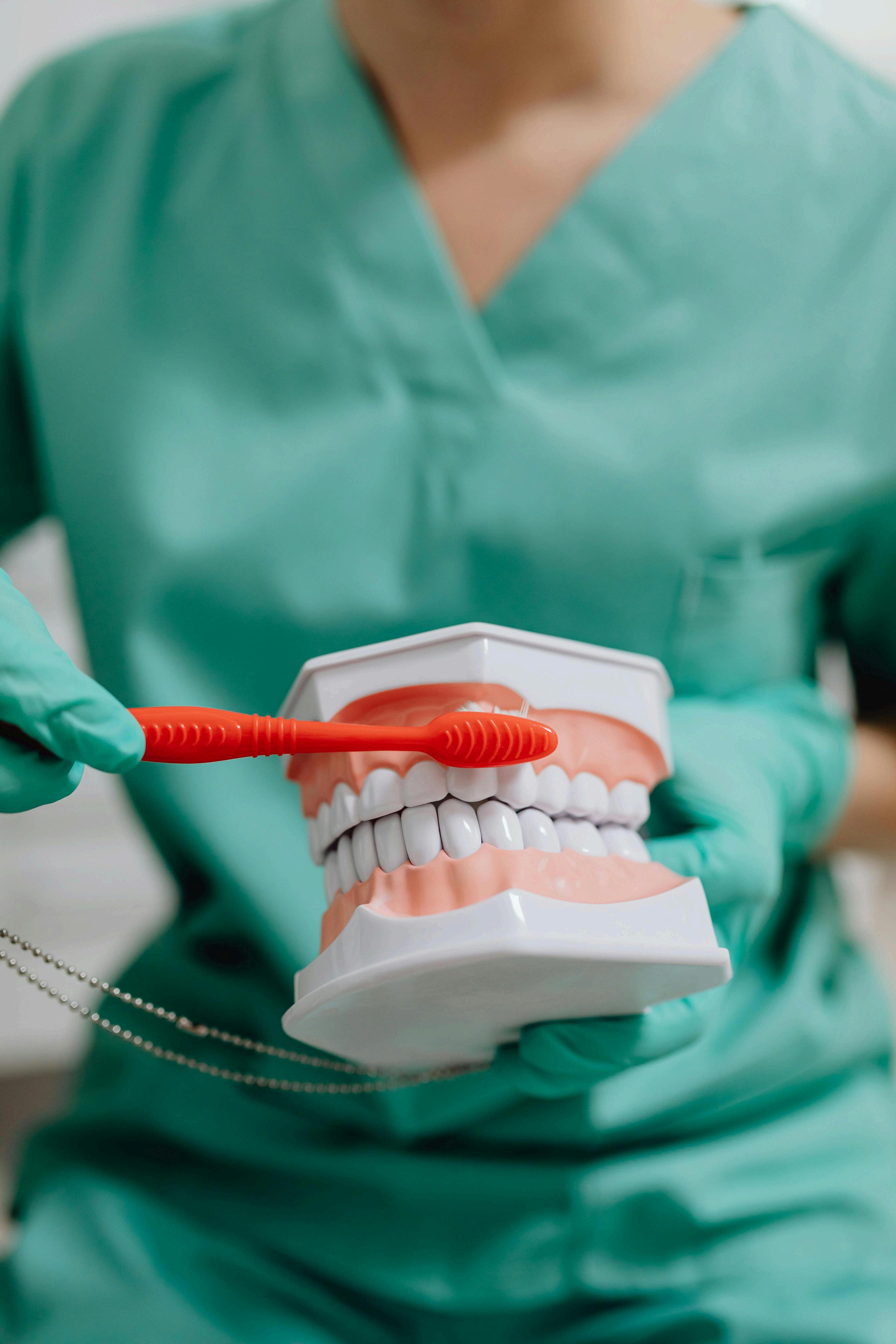
Seizure disorders, including epilepsy, are chronic neurological conditions that profoundly affect both systemic and oral health. Individuals living with seizures face an elevated risk of dental trauma, medicationinduced oral side effects, compromised oral hygiene, and prosthetic complications. Dental professionals must understand seizure classifications, pharmacological implications, patient-specific triggers, and appropriate modifications in care delivery. A preventive, patient-centred approach, grounded in interdisciplinary collaboration is essential to improving oral health outcomes and quality of life in this vulnerable population.
Seizure disorders are among the most prevalent chronic neurological conditions worldwide, impacting over 50 million individuals across all age groups (Devinsky et al., 2018). These disorders result from abnormal, excessive electrical discharges in the brain, leading to a variety of motor, sensory, cognitive, and behavioural symptoms. The frequency, duration, and presentation of seizures vary depending on the underlying neurological cause, environmental influences, and treatment adherence
From an oral health perspective, seizure disorders pose unique challenges, ranging from the risk of acute medical emergencies during dental procedures to longterm complications from anti-seizure medications. Understanding these implications is increasingly important, as patients with seizure disorders are encountered more frequently in both general and specialist dental practice settings.
Seizures are generally classified as:
Focal seizures, originating in a specific brain region and potentially preserving consciousness
Generalised seizures, involving both hemispheres and presenting as tonic-clonic (grand mal), absence (petit mal), atonic, or myoclonic seizures
Oral health complications can include:
Traumatic injuries (e.g., tongue lacerations, fractured teeth, jaw dislocation),
Side effects from antiseizure medications (e.g., gingival hyperplasia, xerostomia),
Behavioural or cognitive barriers to effective oral hygiene,
Risks associated with removable prostheses, including aspiration or mucosal trauma.
Both age and comorbidities such as dementia or neurodegenerative conditions further compound management. This review addresses clinical considerations for safe, effective dental care in people living with seizure disorders
Anti-seizure medications (ASMs), essential for seizure control, frequently present oral side effects that impact dental care.
Phenytoin: Notoriously associated with gingival hyperplasia, affecting up to 50% of users. Management includes rigorous plaque control, surgical intervention when indicated, and possible medication substitution
Valproate: Can inhibit platelet aggregation, increasing bleeding risk, and contribute to stomatitis and delayed healing.
Carbamazepine and Lamotrigine: Known to cause xerostomia, glossitis, and ulceration, heightening caries and infection risk
Levetiracetam and Topiramate: Generally, better tolerated but may still induce dry mouth, behavioural issues, and altered taste.
Serious hypersensitivity reactions, such as Stevens-Johnson Syndrome (SJS), may occur and warrant immediate referral
Interactions with dental medications such as NSAIDs or macrolide antibiotics must be considered.
Polypharmacy, common in older adults, can amplify xerostomia and bleeding tendencies Coordination with the prescribing physician is essential to ensure safe prescribing and pre-procedure planning.
Several clinical indicators suggest the need for additional caution or modified dental planning:
Recent or frequent seizures, especially in the last month
History of status epilepticus
Recent changes in ASM regimen
Nonadherence to prescribed therapy
Known environmental or sensory triggers (e.g., flashing lights, stress)
Cognitive impairment affecting communication or cooperation
When red flags are identified, elective dental procedures may need to be postponed or modified. Collaboration with medical professionals and, when appropriate, the patient’s carer or guardian is recommended
4. Triggers of Seizures in the Dental Environment
Triggers in the dental setting may be:
Psychological: Stress, anxiety, or fear of procedures
Environmental: Bright lights, flashing curing lights, high-pitched equipment sounds, or rapid movements.
Physiological: Fatigue, hypoglycaemia, missed medication doses, dehydration, menstruation, or illness.
Trigger identification is highly individualised. Dental teams should ask about personal seizure triggers and adapt the environment accordingly; minimising light exposure, scheduling short appointments, and using calm, reassuring communication.
Before treatment, a detailed assessment should include:
Seizure type, frequency, last known episode
Trigger awareness
Medication regimen and any recent changes
Comorbidities and cognitive function
Dental examination must address signs of trauma, prosthetic safety, and oral hygiene status. Denture fit and the presence of mucosal lesions should be evaluated Ideally, appointments should be scheduled in the morning when seizure risk is lower. Emergency preparedness is essential, including staff training in seizure first aid.
A preventive approach reduces the need for invasive procedures. Key strategies include:
Frequent reviews (every 3–6 months)
Topical fluoride and high-fluoride toothpaste to combat xerostomia-associated caries
Chlorhexidine mouth rinses, used cautiously to avoid taste disturbance and staining
Carer-assisted brushing when self-care is limited
Modified toothbrushes and flossing aids for individuals with physical or cognitive limitations
Dietary advice to reduce sugar intake and manage supplement use
Education for patients and carers is crucial for long-term oral health maintenance
Restorative strategies should focus on durability and minimal invasiveness:
Glass ionomer cements and ART are suitable for patients with poor cooperation.
Silver diamine fluoride can be used to arrest early lesions non-invasively.
For prostheses:
Avoid removable dentures in patients with poorly controlled epilepsy.
If necessary, consider:
- Cobalt-chromium frameworks for strength,
- Soft liners to minimise trauma,
- Short flanges and optimal fit to reduce aspiration risk.
Night-time denture removal is strongly recommended. Education on insertion, removal, and post-seizure inspection is vital
Optimal outcomes are achieved through shared care models:
Neurologists and GPs: Confirm medical stability and advise on medication timing
Pharmacists: Assist with drug interactions and side effect monitoring.
Carers: Support daily hygiene, monitor trauma, and communicate changes.
Allied health: Speech pathologists and occupational therapists may assist with prosthetic function and safe swallowing
Shared communication enhances care continuity and safety
A 52-year-old male with poorly controlled epilepsy and gingival hyperplasia (due to phenytoin) presented with fractured teeth and loose partial dentures. His medication was changed to levetiracetam in consultation with his neurologist Following gingivectomy, a cobalt-chromium denture was fabricated. Carers supported hygiene using electric toothbrushes, and fluoride varnish was applied quarterly. Interdisciplinary follow-up reduced trauma risk and improved comfort.
Dental care for individuals with seizure disorders requires:
A sound understanding of seizure types and risk factors
Awareness of antiseizure medication effects and drug interactions
Recognition of red flags and patient-specific triggers
Emphasis on prevention and trauma minimisation
Careful prosthetic planning and risk reduction
Interdisciplinary collaboration with medical teams and carers
With an empathetic and proactive approach, oral health professionals can make a meaningful difference in the safety, dignity, and well-being of people living with seizures

References
1 Devinsky, O , et al (2018) Epilepsy Nature Reviews Disease Primers, 4(1), 18024
2.Aragon, C. E., & Burneo, J. G. (2007). Understanding the relationship between epilepsy and oral health. Journal of the Canadian Dental Association, 73(1), 71–76
3 Seymour, R A , & Meechan, J G (2010) The pharmacological management of epileptic patients in dental practice British Dental Journal, 208(2), 63–68
4 Scully, C , & Felix, D H (2005) Oral medicine update for the dental practitioner: Epilepsy and oral health care. British Dental Journal, 199(8), 485–490.
5 Bryan, R B , & Schwartz, S M (2006) Management of dental patients with seizure disorders Dental Clinics of North America, 50(4), 607–623
6 Hammet, E (2025) Syncope and seizures: What dental professionals need to know BDJ Team, 12(4), 180–183
7.Costa, A. L. F., et al. (2013). Periodontal disease and seizure severity in refractory epilepsy patients. Seizure, 23, 227–230.
8 Nzomiwu, C L O , et al (2019) Oral characteristics of children with seizure disorders in a tertiary health institution Journal of Clinical Sciences, 16(4), 144–147


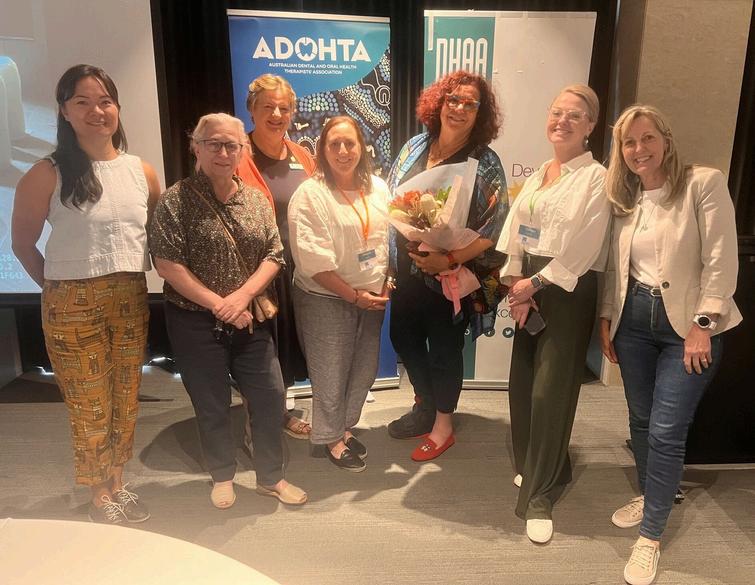
Western Australia has embraced the transition to OHAA with enthusiasm, unity, and a strong spirit of collaboration Our members have come together with a shared purpose, combining experience and fresh perspectives to build a stronger, more connected future.
The OHAA WA committee marked an exciting milestone in April 2025 with our first joint event which was a fantastic success. We are looking forward into the future with optimism and purpose as OHAA opens new opportunities and strengthens our collective voice in oral health.
Kathleen Unwin and Michelle Wright OHAA WA Co-Chairs
Transitioning into OHAA felt like a daunting task at first.
Needing to combine two committees, understanding new policies and protocolseverything on a larger scale!
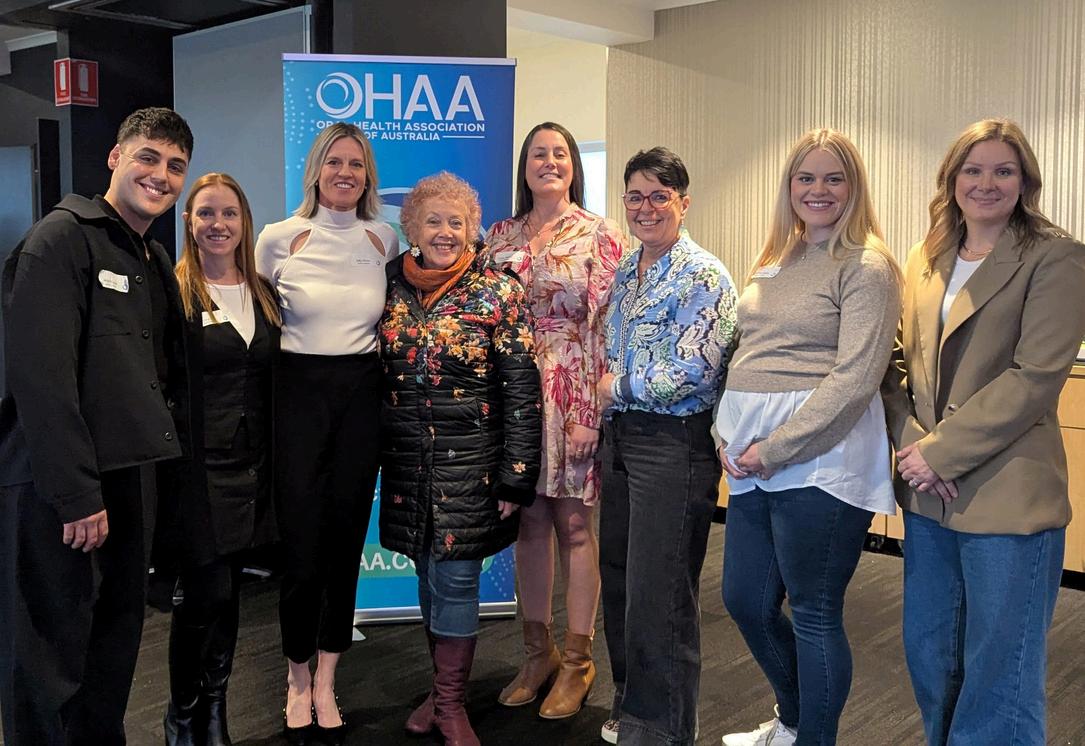
However, after initiating a joint meeting between SA/NT ADOHTA and DHAA we realised how great it was to see two groups of people working towards the same goals for our industry, come together. With these new challenges came new ideas, more learning opportunities, more experience across oral health as a whole - how exciting.
Our chats quickly turned to planning SA's inaugural OHAA Full CPD day and combining this with the 50 years of dental hygiene dinner We decided to keep a lot of existing planning procedures and as a committee decided on some great themes for the day that all oral health practitioners could benefit from.
Having Jesse (previous DHAA SA Deputy Chair) and Jane (previous ADOHTA SA/NT Chair) to work alongside us, has made the transition much smoother as we all share our tasks and responsibilities This will translate to bigger and better events in the future as well as broaden our reach with advocacy, networking and collaborating with education departments, businesses, government, product companies etc within SA/NT and nationally.
Courtney Rutjens, Jane Oates and Katy Smith - OHAA SA/NT Co-Chairs
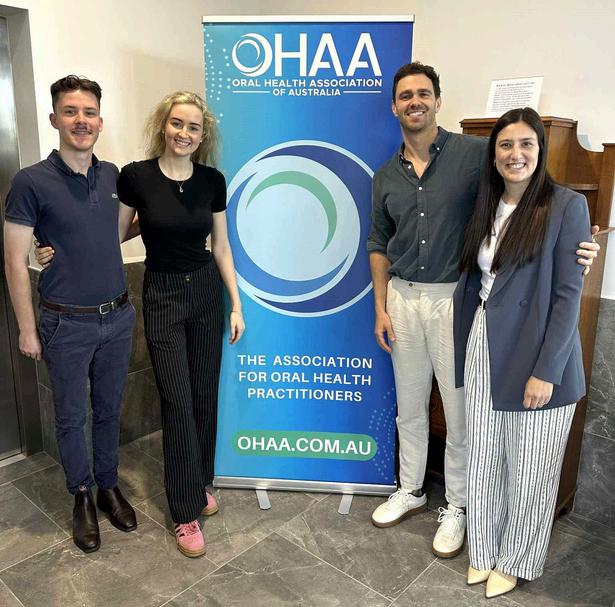
In Queensland, the unification into OHAA has been a smooth and collaborative process between the ADOHTA and DHAA state committees. By utilising our individual strengths, we have worked together toward our shared goals. We hosted our first OHAA event on 19 July 2025 - a hands-on stainless-steel crown and pulpotomy workshop It was a great success with all tickets sold and lots of positive feedback. It has set the tone for our QLD committee moving forward.
It’s been great to connect with colleagues across the state and feel part of something bigger There’s a real sense of shared purpose, and we’re excited about what lies ahead. With one voice, we’re looking forward to new opportunities, stronger ties with our allied health, specialist, academic and industry partners and being part of shaping the future of oral health together
Chris Henderson, Courtney Dicken and Gabrielle Williamson - OHAA QLD Co-Chairs
QLD
and
Chris
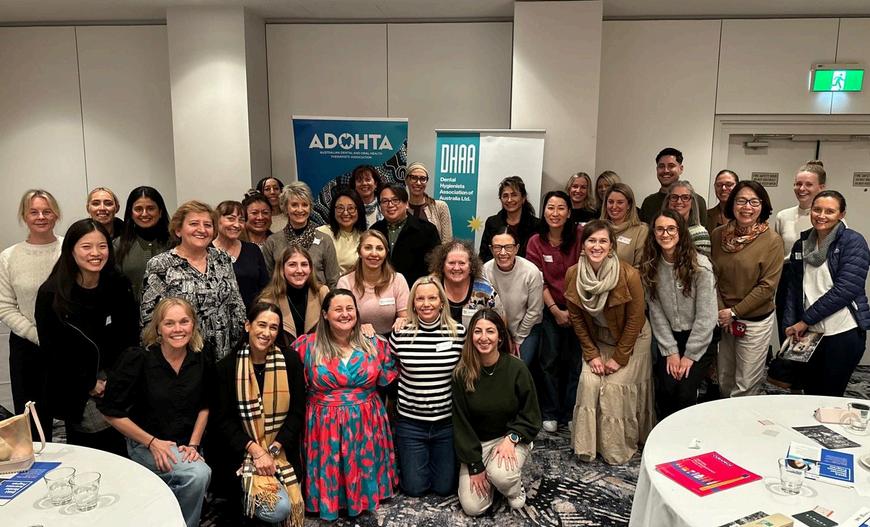
With the NSW and ACT committees now combined under OHAA, we acknowledge this new chapter as a work in progress.
As two strong states, we will continue to operate our own committees and deliver the events our members know and value. This structure preserves local relevance while opening the door to greater collaboration.
Together, we have the opportunity to share ideas, strengthen our efforts, and support each other in new ways Despite some hurdles with the unification and change fatigue, there remains strong collaboration. We look to the future with optimism, working with one voice to advance our profession and deliver high-quality CPD for the benefit of all members.
Belinda Hines, Kate Spain and Lauren Church OHAA NSW/ACT Co-Chairs
The unification of the ADOHTA and DHAA into the OHAA offers exciting opportunities for unified advocacy, professional growth, and streamlined initiatives. While challenges like differing priorities and governance require careful navigation, a shared vision and inclusive leadership will forge a cohesive, future-focused organisation
Building trust and a new identity takes time. Our VIC/TAS committee recently met to integrate member perspectives during this transition. We're actively engaging with BOH students at Charles Sturt and Melbourne Universities to support their journey into the profession. We're also thrilled to offer three upcoming CPD events, including our year-end celebration, to enhance knowledge and foster networking.
Cathryn Carboon and Elizabeth Cobbledick OHAA VIC/TAS Co-Chairs
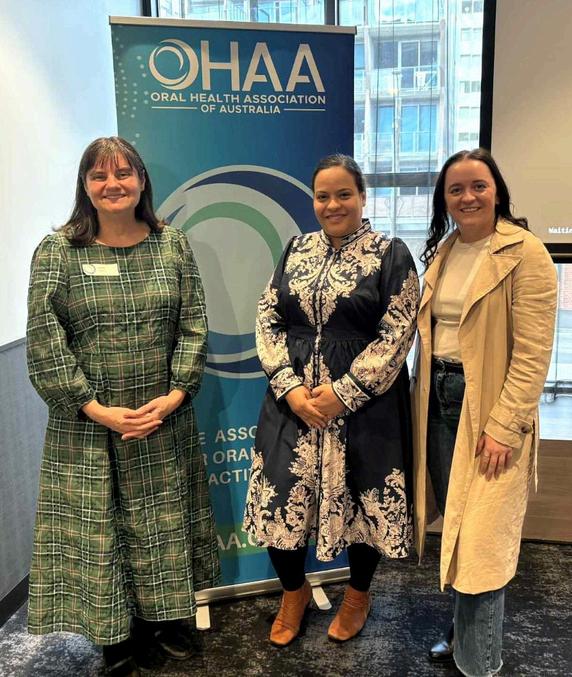
OHAA Connect Editor & OHAA Publication Committee Chair Kailey Paterson
OHAA Connect Designer & Producer and OHAA Communication & System Officer Maxine Davis
OHAA President Cheryl Dey and OHAA CEO Nathan Clarke
OHAA Executive Officer Michell Weekes, OHAA Policy Officer Ashley Wendland, OHAA Events Officer
Danielle Gibbens, OHAA Board DIrector Tylen Burt
Erskine Dental
Former DHAA CEO Bill Suen
OHAA Rural & Remote SIG Chair Lyn Carman
Dental Practitioner Support
50 Years of Dental Hygiene Celebration Committee
Associate Professor Melanie Aley and Oral Health Therapist Patrick Westhoff
Solventum
BMS Group
OHAA Special Care SIG; OHAA Regional Committee Chairs: Michelle Wright, Kathleen Unwin, Courtney Rutjens, Jane Oates, Jesse Kourakis, Belinda Hines, Kate Spain, Lauren Church, Cathryn Carboon, Elizabeth Cobbledick; and OHAA Commitee Members.
OHAA Publication Committee Members: Awantika Naidu, Jash Thakkar, OHAA Board Director Judith Ottaway, Lauren Mulholland, Lyn Carman and OHAA CEO Nathan Clarke.