
ESG Report 2024
Ognibene Group
ESG Report 2024
Sustainability highlights1

2,170
Tonnes of waste recovered € 204,8 mln € 79,2 mln
2,538
Tonnes of CO2-eq (Scope 1-2) emitted into the atmosphere

669
Active suppliers
1,559
155
Employees New hires
1 Data relating to the Ognibene Group.
16,957
Hours of training
Letter to Stakeholders
True wisdom is not in changing direction at every step, but in continuing consistently along the chosen path. - Lao Tzu
The 2024 Sustainability Report is part of a journey that the Italian headquarters initiated in 2022 and that, year after year, has progressively become an integral part of our industrial approach. It does not represent a starting point, but rather a stage of continuity through which we transparently report the choices made, the results achieved and the responsibilities that guide our actions.
2024 was a complex year. After a first phase characterized by solid business performance, the second half of the year showed a slowdown in the market. This trend is consistent with the cyclical nature of the off-highway sector, within a global context still marked by persistent geopolitical and macroeconomic uncertainties. In this scenario, the Group continued to operate with an approach focused on solidity and the long term, maintaining strong attention to industrial efficiency, quality and the sustainability of its processes.
During the year we participated in numerous international industry events and trade fairs, valuable opportunities to discuss technological developments and the transformations taking place across the sector. At the same time, several internal initiatives continued, focusing on safety, training and employee engagement, alongside company-sponsored extra-work activities such as the padel tournament organized in April, designed to strengthen team spirit and a sense of belonging. We remain aware that the resilience of an industrial company is built first and foremost on people’s skills and a shared sense of responsibility.
As Claudio Ognibene, President & CEO, highlights:
Sustainability requires the ability to make choices and a clear sense of direction. “
In a rapidly changing environment, our commitment is to maintain a solid and manageable industrial model, capable of integrating innovation without losing control, consistency and a long-term vision.
2024 also marks an important milestone in the Group’s reporting journey. This is the first Sustainability Report that includes information relating to all Ognibene Group locations worldwide. A significant step that reflects the intention to adopt an increasingly integrated and coherent perspective, while valuing the specific characteristics of different operational contexts within a shared framework of principles, objectives and responsibilities.
Throughout the year we also strengthened our connection with local communities. Participation in initiatives promoted by FAI – Fondo per l’Ambiente Italiano represented a concrete contribution to the protection and enhancement of Italy’s cultural and environmental heritage. At the same time, we continued to support various local sports organizations and teams, recognizing sport as an important tool for community building, participation and inclusion. These initiatives reflect a vision of sustainability understood as an active responsibility toward society.
The current context is also characterized by rapid technological acceleration. The emergence of artificial intelligence is redefining processes, skills and organizational models within the industrial world. Addressing this transformation means carefully observing opportunities and implications, investing in knowledge and method, and adopting a pragmatic and responsible approach.
In this context, Cristina Ognibene, Vice President, notes:
“
Sustainability begins with people.
Investing in safety and training means creating the conditions for work to be carried out consciously, competently and responsibly. This is where a strong organization is built, capable of facing change.
The international dimension of the Group further strengthens this commitment. Coordinating practices and objectives across different locations requires discipline, listening and solid governance capable of maintaining a shared vision while respecting local contexts.
The 2024 Sustainability Report therefore represents a new stage in a journey that began in 2022 and is destined to evolve in the years ahead. It is both a tool for dialogue with our stakeholders and a concrete basis for guiding future decisions, with the awareness that sustainability and industrial solidity are inseparable elements.
And if, as Lao Tzu reminds us, wisdom lies in not changing direction at every step, this Report tells precisely the story of our intention to continue along the path we have chosen: with consistency, responsibility and confidence in the value of time and decisions built methodically.
We would like to thank everyone who, also in 2024, contributed to this journey with commitment, collaboration and a strong sense of responsibility.

Methodological note
This document represents the first Consolidated Sustainability Report of the Ognibene Group. The parent company is Ognibene S.p.A., which holds 100% of the share capital of Ognibene Power S.p.A., which in turn controls the Group’s foreign subsidiaries. Although Ognibene S.p.A. is the Group’s holding company, it does not carry out production activities. Therefore, this Report mainly focuses on the activities, impacts, actions and sustainability policies adopted by Ognibene Power S.p.A. and its subsidiaries.
In the two previous financial years, Ognibene Power S.p.A. (hereinafter also referred to as “Ognibene Power Italy” or more generally as the “Company”) prepared its Sustainability Report on an individual basis. The decision to prepare a consolidated report stems from the intention to progressively align with the regulatory requirements introduced by Art. 4 of Legislative Decree 125/2024, implementing Directive (EU) 2022/2464 (Corporate Sustainability Reporting Directive – CSRD).
The reporting scope coincides with that of the consolidated financial statements. Where it was not possible to retrieve specific metrics, this has been clearly indicated within the document.
The document is voluntary and has not been verified by an independent third-party certification body. The entire content has been reviewed and approved by the Board of Directors of Ognibene S.p.A. during the Board meeting held on 16 October 2025.
The information presented herein refers to the financial year from 1 January to 31 December 2024. Where possible, data are presented in comparison with the performance of the previous year in order to allow an assessment of trends over time. The calculation methodologies, both for measured data and estimates, are reported in the notes accompanying the relevant tables. To ensure the reliability of the data, the use of estimates has been kept to a minimum; where estimates are present, they are clearly indicated and based on the best available methodologies.
A report that provides an overview of the entire Group. Not just Italy.
The Sustainability Report represents the main tool used by Ognibene to report its environmental, social and governance (ESG) performance.
The document has been prepared in accordance with the GRI Standards, issued in 2016 by the international organization Global Reporting Initiative and most recently updated in 2023. The GRI Standards are currently the most widely adopted non-financial reporting standards worldwide.
With the aim of progressively aligning with the Corporate Sustainability Reporting Directive (CSRD), the content of the document has been reorganized to reflect the structure proposed by the European Sustainability Reporting Standards (ESRS). For this reason, the 2024 Sustainability Report includes the four disclosures that, according to Appendix F of ESRS 1, will together constitute the “Sustainability Statement”: General Information, Environmental Information, Social Information and Governance Information.
The reporting of economic, social and environmental performance is structured in line with the topics identified as material through the materiality analysis conducted in accordance with the principles of GRI 3 (2021).
The analysis has been further integrated to anticipate the requirements introduced by the Corporate Sustainability Reporting Directive (CSRD), which adopts a double materiality approach. Compared with the requirements of the GRI Standards, this approach adds the assessment of the financial impacts affecting the company from an “outside-in” perspective (hereinafter referred to as Financial Materiality). The Company has therefore identified risks and opportunities related to sustainability topics that generate (or may gen-
erate) significant financial effects, as they influence or may influence cash flows, revenue generation, cost of capital or access to financing. The assessment of impact materiality has thus been complemented by a first exercise of financial materiality evaluation, which considers the organization’s relationship with the external environment.
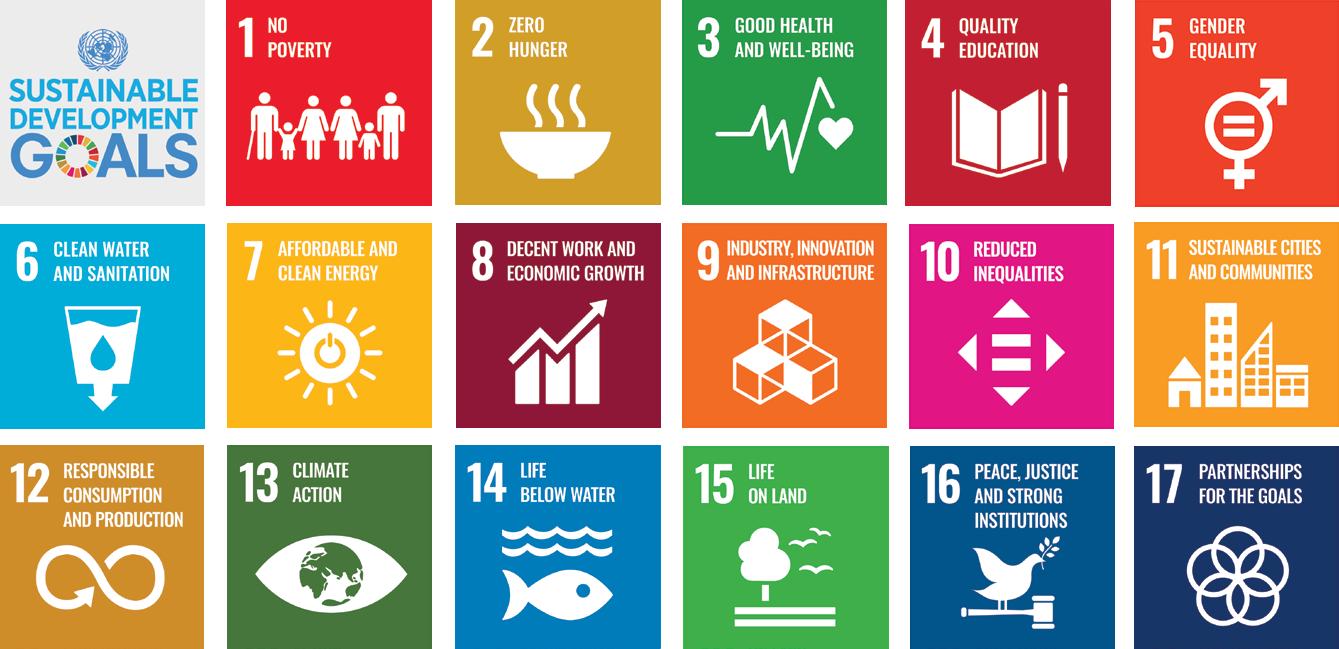
Finally, this document also indicates the correlations between the topics addressed and the United Nations Sustainable Development Goals (SDGs) of the 2030 Agenda, selected according to areas of relevance, as further detailed below and in the chapter “Sustainability Approach.”
This Sustainability Report considers the entire value chain, both upstream and downstream, including it in the materiality analysis process aimed at identifying relevant impacts, risks and opportunities. Wherever possible, the policies, actions and objectives outlined are also extended to stakeholders involved along the value chain.
For information regarding the Sustainability Report, please contact: Silvia Castagnetti - Marketing & Communication Specialist e-mail: castagnetti.silvia@ognibene.com
Industry, people, territory.
Ognibene has always kept them together: sustainability and industrial strength are inseparable.

General information
In this chapter
The History
The Group
Materiality analysis 1.1 1.2 1.3 1.4 1.5 1.6 1.7 1.8 1.9 1.10
Values and mission
Corporate organisation
Certifications, awards and recognitions
Innovation and technology
Sustainability approach
Business model and value chain
Stakeholder mapping and engagement
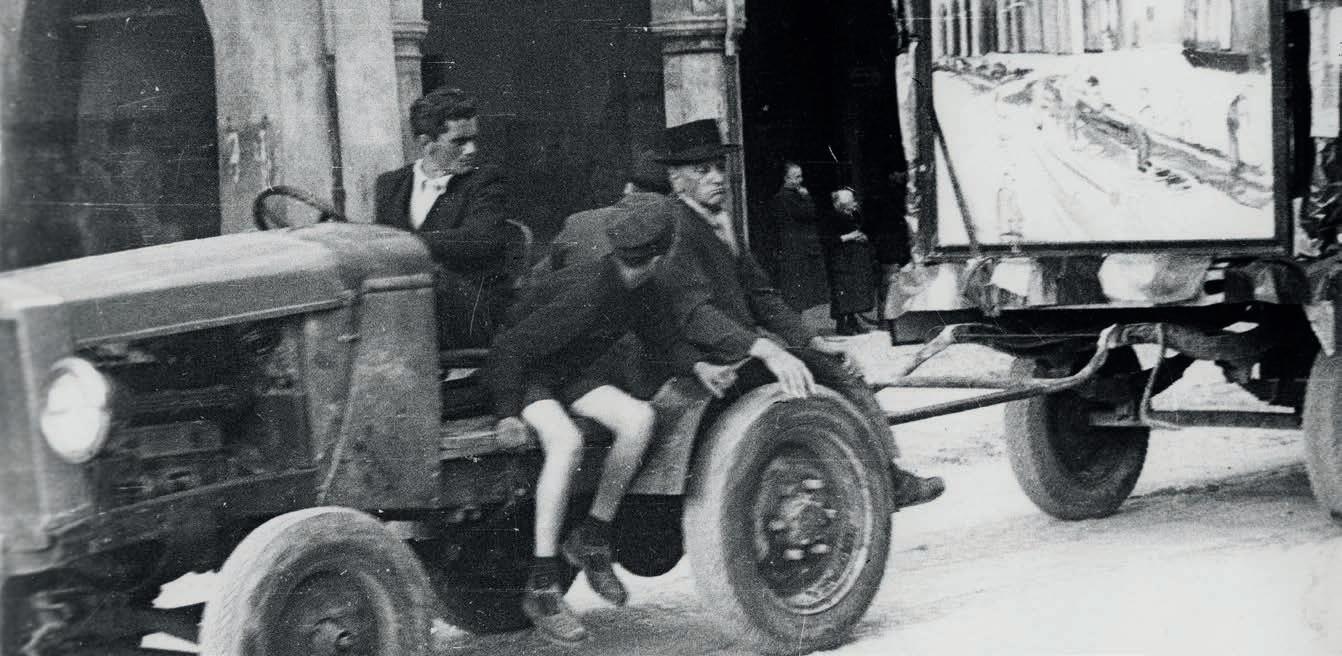
1st May 1948 – Correggio
The History
The Ognibene Group is a leading manufacturer of steering systems, strongly customer-oriented and determined to maintain its leadership position in the market through targeted investments and careful management. The Group’s objective is to continue its global expansion while enhancing innovative technologies and strengthening its strategic role within the industry.
Ognibene promotes strong collaboration within its global team to ensure excellence in both product quality and customer service. In this perspective, the company invests in building solid and long-lasting relationships, offering solutions that exceed market standards in terms of quality and reliability.
The guiding principles are:
• Teamwork in every aspect of the organization;
• Continuous improvement at every stage of operations;
• Prevention rather than correction of problems;
• Mutual trust at all levels of the organization.
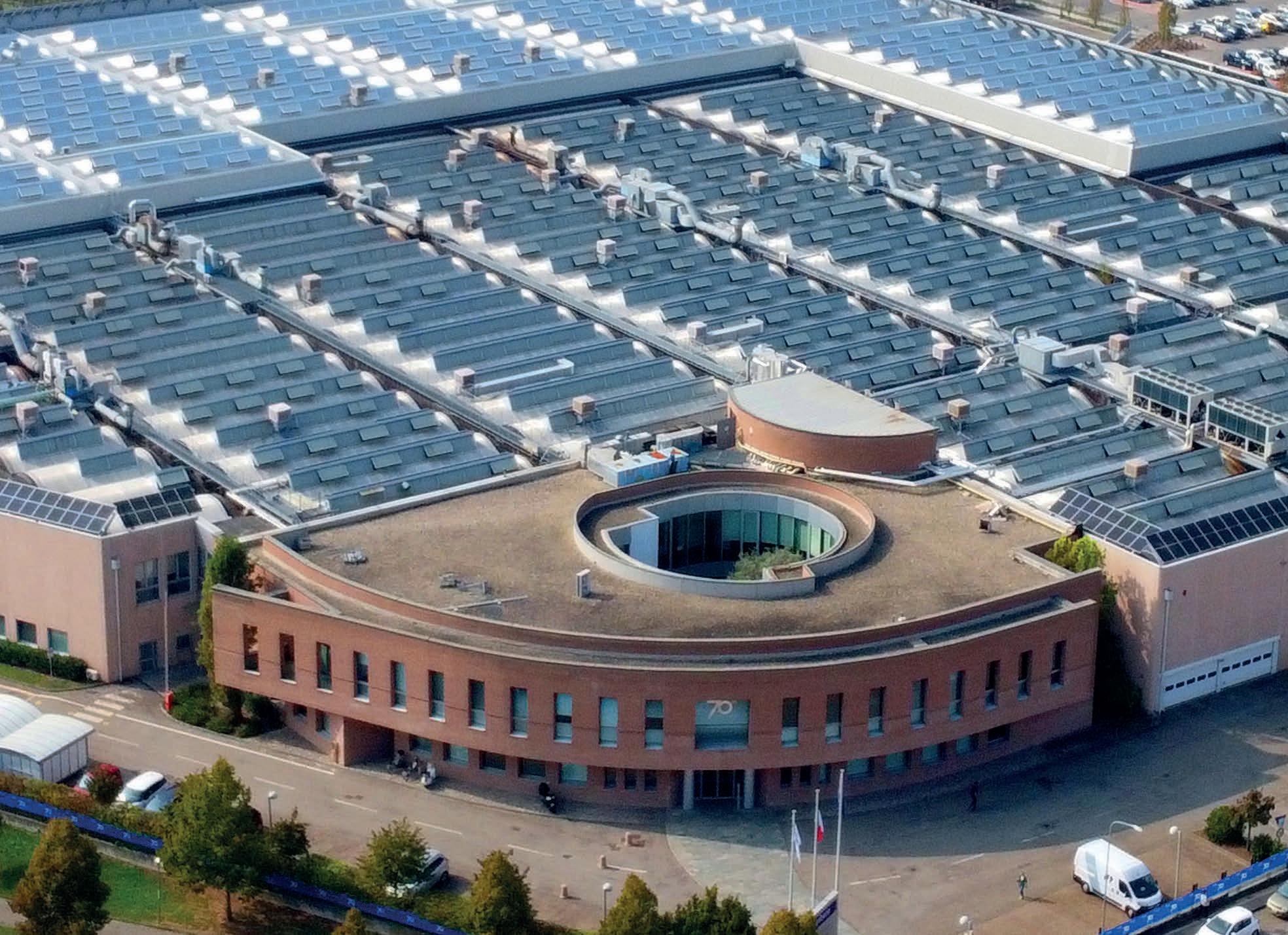
In 2023, the family and the company celebrated the 100th anniversary of the birth of Olmes Ognibene, founder of Ognibene S.p.A., as well as the 70th anniversary of the company.
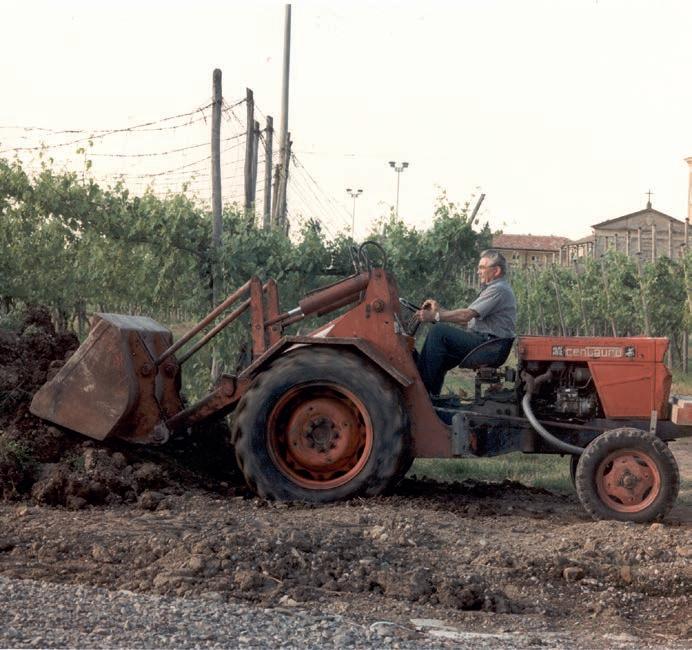
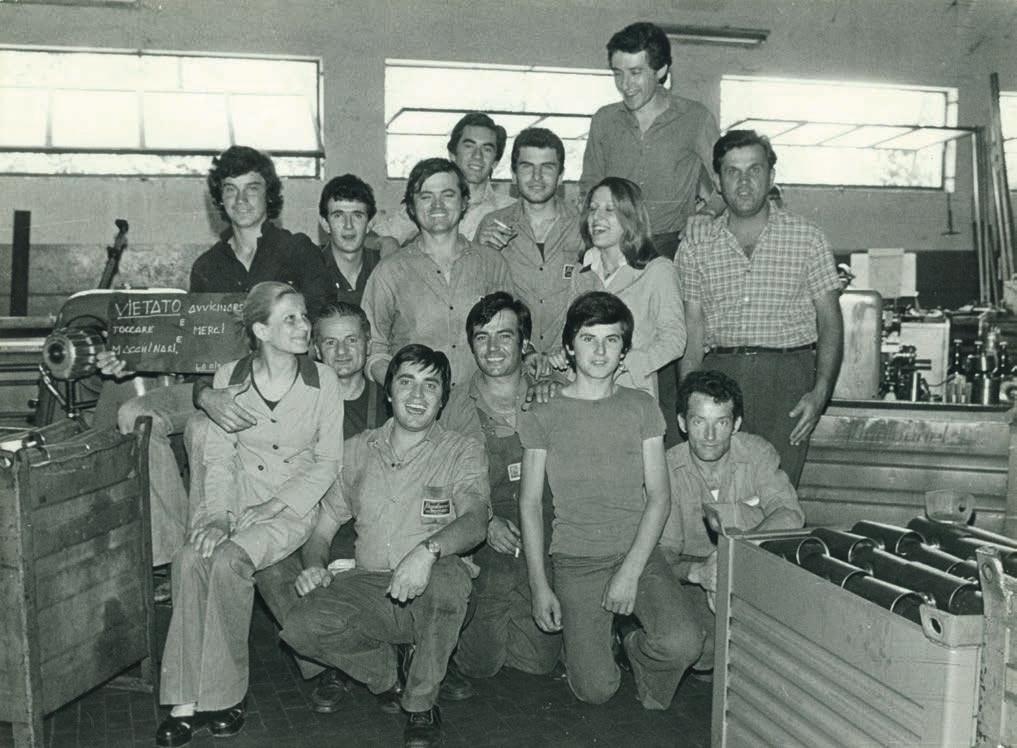
The history of Ognibene has its roots in the 1950s in Fosdondo di Correggio (Reggio Emilia, Italy), where Olmes Ognibene, the son of farmers and a war veteran who had experienced imprisonment — events he later described in his book “La frusta sul cuore” — began cultivating his passion for mechanics. He invested his first earnings, together with loans from his family, in the purchase of components to build, at just 25 years old, his first tractor, the “Carioca.” He personally drove it to present it at the Correggio Fair on May 1, 1948.
That experience marked the beginning of a long entrepreneurial journey, which officially took shape in 1953, when the company was registered as a sole proprietorship with the Chamber of Commerce.
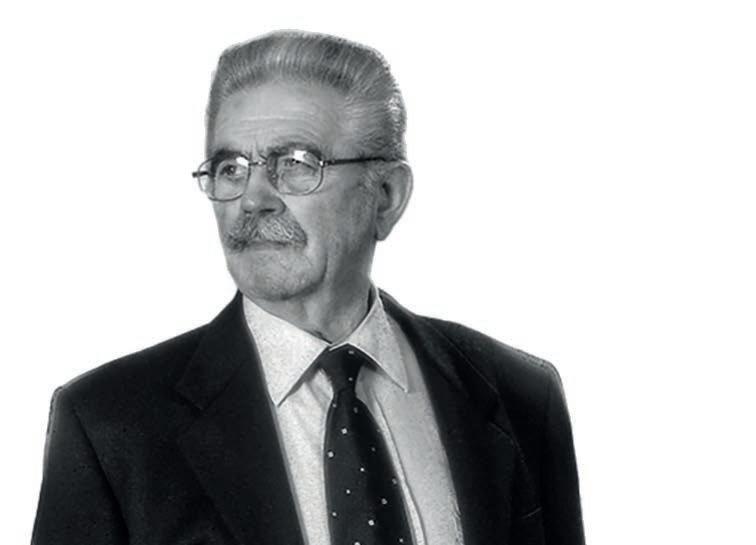
Olmes Ognibene, 1923-2017 Founder
The first complete machine built by Olmes
In the following years, together with his wife Amneris, Olmes dedicated himself to the artisanal production of tractors and small agricultural machines. His ability to understand market needs soon led him to diversify production, manufacturing trailers for crawler tractors, loaders, ploughs, bulldozers, rippers, platforms and equipment for the wine-growing sector.
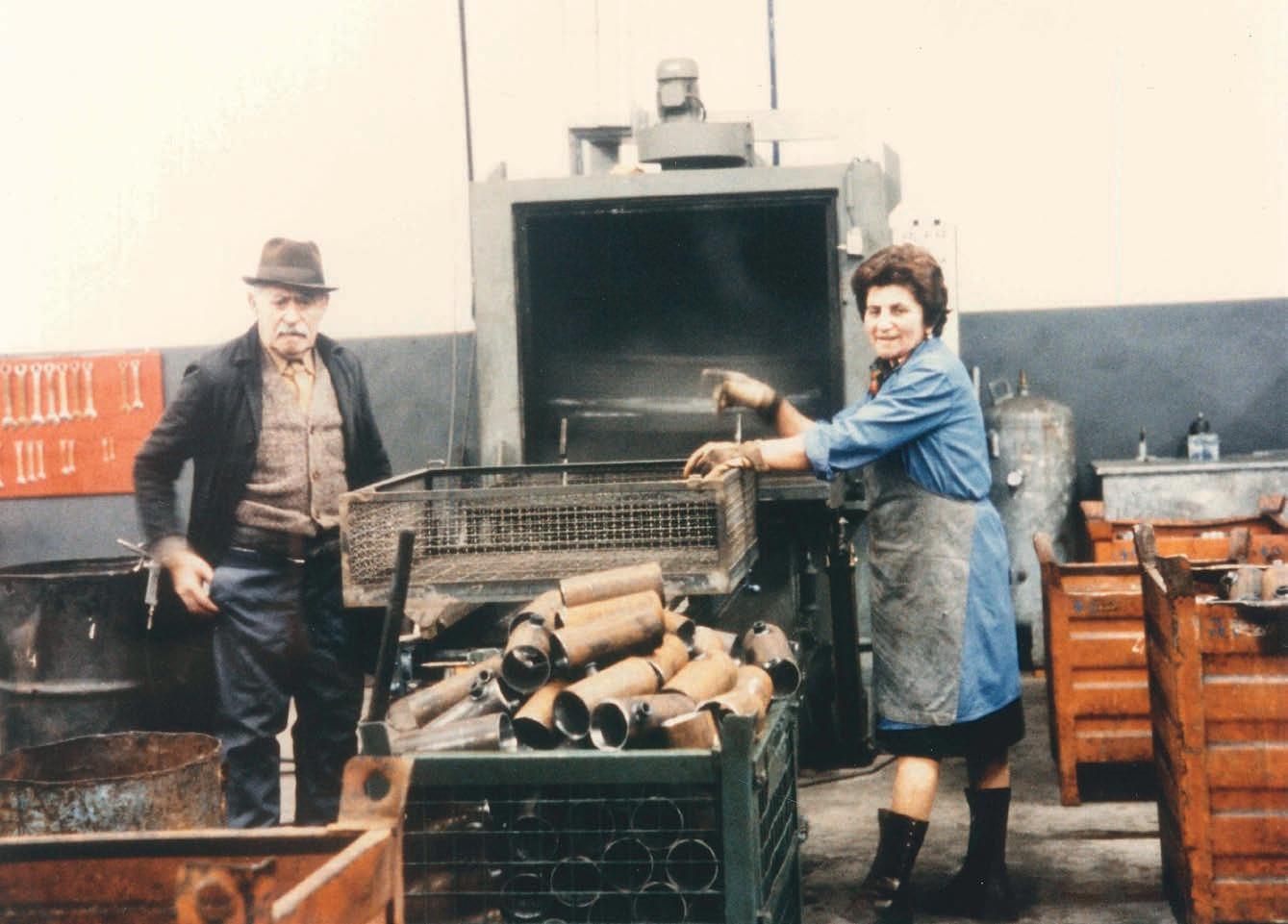
A turning point came in the 1970s, when the company began exploring the hydraulics sector. Olmes designed a hydraulic system for a plough, recognizing the potential of hydraulics applied to agriculture. During this period, his son Claudio joined the company. At just fifteen years old, he began supporting his father in managing the business.
In the 1980s, Claudio defined the future direction of the company by developing the first and second generations of hydraulic actuators. In the 1990s, these products became the driving force behind Ognibene’s growth.
Starting in the 2000s, Ognibene entered a new phase of global expansion, opening production facilities in Brazil, India (Pune and Rajpura), China and the United States (North Carolina), as well as two representative offices in Japan and Germany.
Today, Ognibene is an Italian-owned multinational company, globally recognized as a leader in the production of hydraulic and mechatronic steering systems for major OEM (Original Equipment Manufacturer) customers in the agriculture, material handling and construction equipment sectors, as well as suspension systems for luxury sports cars.
The Ognibene family continues to play a central role in the company. Claudio, now President, together with his sister Cristina, Vice President, and the third generation — Irene (Board Member), Matteo, Lorenzo and Gabriele — represent the commitment of a company that, having started as a small family workshop, has succeeded in preserving the values and vision of its founder, Olmes, with its heart rooted in tradition and its gaze firmly set on the future
1953
Ognibene Power is officially registered with the Chamber of Commerce
1963
The hydraulics division focuses in particular on actuators and control units
1980
Development and production of first-generation steering actuators
1984
Development and production of second-generation steering actuators (double-rod type)
1990
Development and manufacture of hydrostatic drive units
2003
The world’s largest market share in off-highway power steering actuators
2005
Acquisition of OHL (Ognibene Hidrostatica Ltda)
2006
Establishment of OIL (Ognibene India Pvt. Ltd.). Inauguration of the first production plant in Maharashtra
2007
Opening of the Chinese office in Suzhou, followed by expansion into the Yangtze River Delta: acquisition of OHS (Opower Hydraulic Systems) in 2022
2010
Incorporation of ONA (Ognibene North America LLC)
2013
60th anniversary

Merger with OPD (Opower GmbH, Germany)
70th anniversary
Acquisition of OKK (Opower Japan K.K.)
2014 2021
Second Indian production plant opens in Punjab
The Group
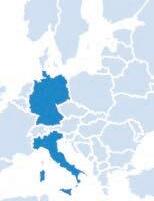
The Group operates globally with operational locations in Italy, Brazil, India, China, the United States, Japan and Germany, countries that are strategic for the hydraulics market.
The Ognibene Group’s scope includes the parent company Ognibene S.p.A. and all companies in which the parent company directly or indirectly holds a controlling interest or exercises control. In addition to Ognibene Power S.p.A. (100% controlled by Ognibene S.p.A.), the Group’s scope also includes the following foreign subsidiaries, directly controlled by Ognibene Power S.p.A.:
Ognibene Hidrostatica Limitada (OHL)
Caxias Do Sul (Brazil) - Sales & Manufacturing
Headquarters
Caxias Do Sul – Brazil
Since: 2005
GM: Mr. Rodrigo Minozzo
Core business:
• production and sale of hydraulic actuators;
• distribution of steering units;
• activities on the local and global markets;
• Process Engineering department;
• machines tested and operators trained at the Ognibene headquarters.








Ognibene India Pvt. Ltd. (OIL)
Pune (Maharashtra) - Sales & Manufacturing
Rajpura (Punjab) - Sales & Manufacturing
Headquarters
Pune, Maharashtra – India
Rajpura, Punjab – India
Since: 2006; 2022
GM: Mr. Rajesh Tyagi
Core business:
• production and sale of hydraulic actuators;


• production and sale of steering units;
• activities on the local and global markets;
• Product and Process Engineering department;
• machines tested and operators trained at the Ognibene headquarters.















Opower Hydraulic Systems (Jiaxing) Co., Ltd. (OHS)
Jiaxing (China) - Sales & Manufacturing
Headquarters: Jiaxing, Zhejiang – China
Since: 2023 - former Ognibene Hydraulic Components (Suzhou) Co., Ltd. (OHC) active from 2007 to 2022
GM: Mr. Roy Wu
Core business:
• production and sale of hydraulic actuators;
• production and sale of steering units;
• activities on the local and global markets;
• Process Engineering department;
• machines tested and operators trained at the Ognibene headquarters.
Ognibene North America LLC (ONA)
Charlotte, NC (USA) - Sales & Manufacturing
Headquarters: Charlotte, North Carolina – USA
Since: 2010
GM: Ms. Ursula Bonfiglioli
Core business:
• distribution of hydraulic actuators and steering units;
• assembly line for hydraulic actuators;
• activities on the local market;
• “milk run” service;
• availability of safety stock upon agreement.
Opower Japan KK (OKK)
Osaka (Japan) – Sales
Headquarters: Osaka – Japan
Since: 2014
GM: Mr. Ryota Kumei
Core business:
• sales office;
• high level of service for Japanese customers;
• in-depth research of potential Japanese suppliers;
• strong connection with Japanese technology;
• activities on the local market.
Opower GmbH (OPD)
Ulm (Germany) – Sales
Headquarters: Ulm – Germany
Since: 2019
GM: Mr. Christian Ketscher
Core business:
• sales office;
• high level of service for German customers;
• strong connection with German technology;
• activities on the local market.
The international presence not only allows products to be localized and adapted to the specific needs of local markets, but also enables direct and effective support to the parent company in managing supplies for international customers.
This geographic structure strengthens the Group’s competitive capability, facilitating proximity to key markets and ensuring greater responsiveness to the needs of global customers.
1.3
Values and mission
Ognibene’s Mission is to provide innovative solutions that meet customer needs on a global scale. The company is committed to ensuring long-term growth and results while maintaining a strong focus on environmental and social responsibility. Equally important is the commitment to building solid and lasting relationships, supported by high-quality services and a strong customer-oriented approach.
The company’s Vision focuses on global expansion, competitiveness driven by technological evolution, and strengthening its strategic role in the market. Og-
nibene firmly believes in the collaboration of its teams as a key driver for achieving new levels of excellence in the future.
Providing high-quality products and services is a constant priority—an ongoing commitment that allows the company to remain increasingly close to its customers. This proximity is reflected not only in the ability to respond effectively to market needs, but also in the willingness to act as a reliable partner, investing in closeness as a strategic lever to make the entire production process more sustainable.
Ognibene’s Values represent the foundation on which corporate decisions and organizational identity are built. In particular, the company is guided by:
These principles guide every aspect of the company’s operations and reflect the essence of Ognibene within the economic, environmental and social context in which it operates.
Every business decision is rooted in a shared set of values that reflects Ognibene’s identity within the economic, environmental and social context.
Corporate organization
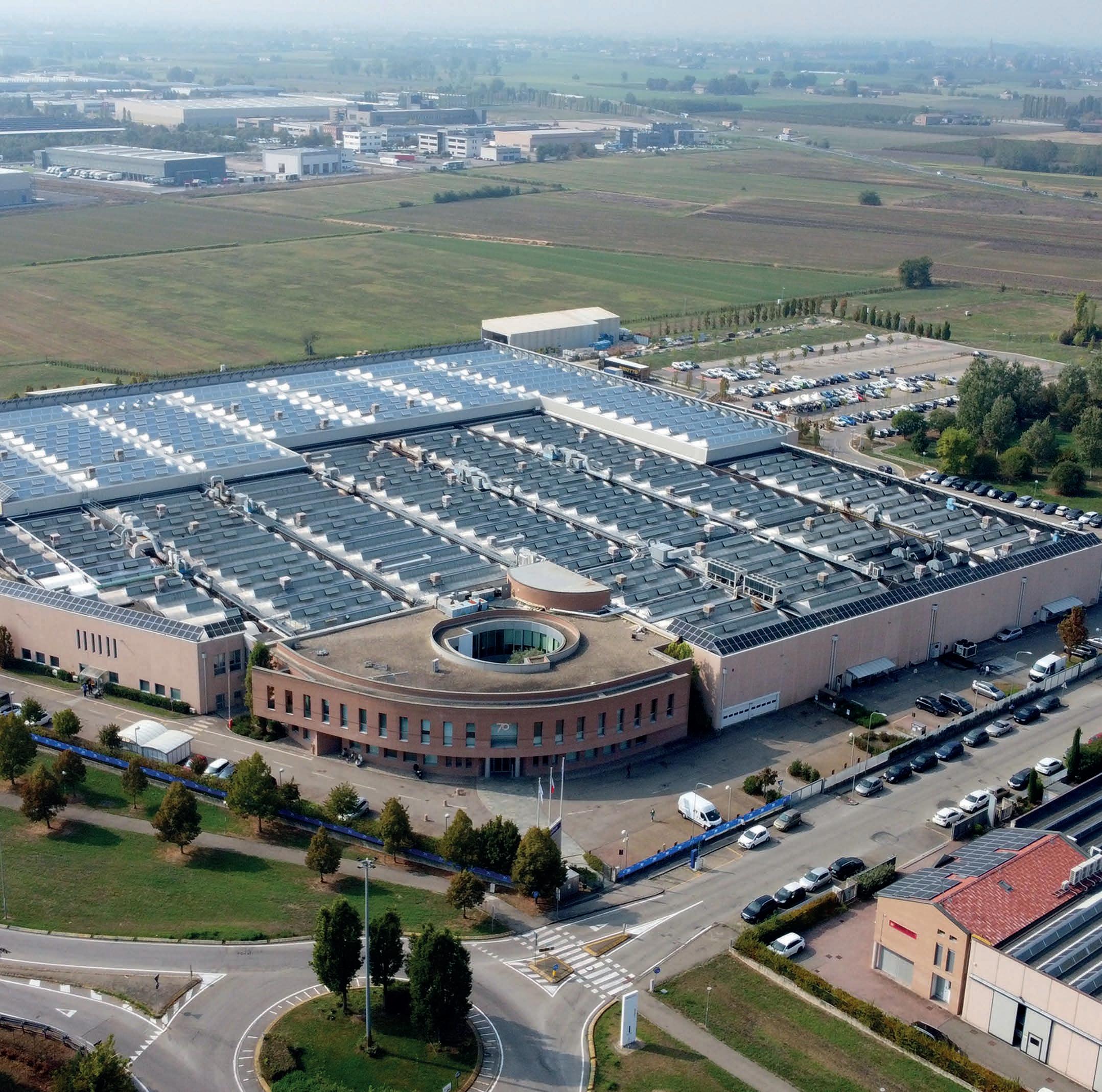
Ognibene Power Italy adopts a governance and control system composed of the Shareholders’ Meeting, the Board of Directors appointed by the Shareholders’ Meeting, and a Board of Statutory Auditors. To complete its Corporate Governance structure, the Company has also established a Supervisory Body pursuant to Legislative Decree 231/2001. The Shareholders’ Meeting has also appointed an independent auditor responsible for the statutory audit of accounts.
Shareholders’ Meetings are divided into ordinary and extraordinary. The ordinary Shareholders’ Meeting may be convened by the Directors, indicating the matters to be discussed, by the Board of Statutory Auditors, or by order of the Court upon request of shareholders representing at least one tenth of the share capital; it must be held at least once a year for the approval of the annual financial statements.
By way of example, some of the powers of the Shareholders’ Meeting include:
• approval of the annual financial statements and allocation of profits;
• determination of the term of office and number of members of the Board of Directors, their appointment and removal, and the determination of their remuneration;
• appointment of the members of the Board of Statutory Auditors, its Chairman, and the determination of their remuneration;
• appointment of the statutory auditor.
The governing and control body of Ognibene Power Italia is the Board of Directors, which, in accordance with the Articles of Association and the Italian Civil Code, is composed of three Directors, headed by a Chairman and, in case of absence, a Vice Chairman acting in their place. In line with the Articles of Association, the Board of Directors of Ognibene Power S.p.A. has a three-year term and is appointed by the Shareholders’ Meeting.
The current composition of the Board is shown below; it was appointed by resolution of the Shareholders’ Meeting on June 24, 2024 and will remain in office until approval of the 2026 financial statements, i.e. June 2027. The average age of Board members is 49.
The Board of Directors, at its first meeting following appointment, elects from among its members a Chairman and, if deemed appropriate, a Vice Chairman, unless already appointed by the Shareholders’ Meeting.
Name and Surname Position
Claudio Ognibene
Cristina Ognibene
Irene Ognibene
Chairman of the Board of Directors Director
Chief Executive Officer
Vice Chairwoman of the Board of Directors Director
Executive Director
Director
The Board of Directors plays a key role in the sustainability journey. Its members share the vision and approve the proposed budgets, carefully assessing the investments put forward.
The Board of Statutory Auditors is responsible for overseeing compliance with the law and the Articles of Association, adherence to principles of sound management, and sustainability reporting, with particular reference to the adequacy of the organisational, administrative and accounting structure adopted by the Company and its effective functioning. The Shareholders’ Meeting appoints the Board of Statutory Auditors, composed of three standing auditors and two alternate auditors, appoints its Chairman and determines their remuneration for the entire term of office. The auditors remain in office until the date of the Shareholders’ Meeting called to approve the financial statements for the third financial year of their mandate.
As of 31 December 2024, the Board of Statutory Auditors is composed of five members, chaired by a Chairman. The Board was appointed by resolution of the Shareholders’ Meeting on 24 June 2024 and will remain in office until the approval of the financial statements as at 31 December 2026.
Name and Surname Position
Riccardo Moratti Statutory Auditor
Luigi Gesaldi Statutory Auditor
Francesca Catellani Statutory Auditor
Francesco Foderaro Alternate Statutory Auditor
Ilaria Pingani Alternate Statutory Auditor
Every
investment
is subject to
careful assessment by the Board of Directors, which oversees the company’s sustainability strategy.
The entity responsible for statutory auditing carried out the audit of the financial statements of Ognibene Power Italia as at 31 December 2024, including the balance sheet, income statement and notes to the accounts. The auditor’s report states that “the financial statements provide a true and fair view of the Company’s financial position as at 31 December 2024 and of its financial performance for the year then ended, in accordance with the Italian regulations governing their preparation.”
The auditing firm currently in charge is Analisi S.p.A., appointed by resolution of the Shareholders’ Meeting on 24 June 2024 (the same as the Board of Directors and the Board of Statutory Auditors), and will remain in office until the approval of the 2026 financial statements (as for the Board of Directors and the Board of Statutory Auditors).
The Supervisory Body (OdV), established by resolution of the Board of Directors, is responsible for overseeing the operation, effectiveness and adequacy of the organisational, management and control model adopted pursuant to Legislative Decree 231/2001. The Supervisory Body is composed of multiple members: Eng. Marilena La Grotteria, Lawyer Stefano Domenichini and the internal member Dr. Lucilla Vismara.
The organisational chart for Ognibene Power Italy is shown below:
Product Validation & Verification Product Engineering
The Company’s organisational structure is based on two business units:
• Business Unit Actuators
• Business Unit Steering Units
These business units are supported by several staff functions, as detailed below.
For each position shown in the organisational chart, a detailed job description is available, specifying the following aspects:
• Purpose of the role
• Job activities (tasks assigned)
• Organisational relationships
• Required qualifications, divided into Knowledge, Specific Qualifications, Language, and Cross-functional Skills
This structure enables optimal process management, greater efficiency in the use of human resources, and clearer organisation of resources, roles and procedures.
President &
Claudio Ognibene
Vice President Cristina Ognibene
The departments of Ognibene Power Italy
Sales & Business Development Dept.
Business Development
1 collaborator
Account Manager
5 associates
Customer Service
4 associates
Project Management
3 associates
Purchasing Dept.
Production buyers
5 associates
Global Purchasing
1 collaborator
MRO buyers
5 associates
Back Office
Technical Dept.
This department, consisting of 13 people, is responsible for defining the sales strategy, identifying new business opportunities, developing new markets and customers, achieving turnover targets, and managing customer relationships.
This department, consisting of 15 people, is responsible for identifying new supply chains, negotiating purchases, managing supply contracts, maintaining supplier relationships, achieving savings targets, and handling monitoring and reporting.
This department, consisting of 47 people, is responsible for concept development, design, calculations and simulations, prototyping, validation, testing, and custom solutions.
Research & Development
10 associates
Product Engineering
12 associates
Product Validation & Verification
6 associates
4 associates 15 associates
Manufacturing Engineering
Prototype shop
4 associates
This department, consisting of 5 people, is responsible for managing the company, leading teams, defining business strategies and investments, overseeing corporate finance, setting guidelines, and controlling business processes.
This department consists of 9 people and is organised into:
The Administration Office, which oversees general accounting, manages the financial statement preparation process, and ensures compliance with legal and tax requirements.
The Treasury Office, which manages cash flows and banking activities, and develops accurate financial plans to ensure adequate funding for working capital and investments.
The Management Control Office, which is responsible for developing and operating the management control system, supporting General Management and corporate bodies in strategic decision-making and planning processes.
This department, consisting of 499 people, is responsible for production planning, material procurement and manufacturing operations.
It also ensures product compliance, operates in full safety, and manages the technical system, ensuring efficiency and productivity.
Staff Dept.
This department, consisting of 18 people, provides all personnel-related services and is organised into:
Human Resources, responsible for managing the company’s workforce, from recruitment to the entire employee lifecycle.
Health, Safety & Environmental, responsible for all safety and environmental aspects within the company and for maintaining ISO 45001 and ISO 14001 certifications.
Facility Management, responsible for the management of the company’s buildings, plants and related services, as well as supporting and supervising international locations in construction, expansion and maintenance activities.
Information Technology, responsible for planning and developing the company’s IT systems and ensuring cybersecurity to prevent cyber threats.
Corporate Staff, responsible for overseeing and coordinating company locations.
Certifications, awards and recognitions
Ognibene Power Italy has invested in the future, in technological innovation and in the development of the best solutions for its business. Commitment to quality, environment and safety represents a key priority for all company stakeholders. The Company considers certification by accredited bodies in various fields of application as an added value and a guarantee of reliability, as well as a tool to build trust with customers and suppliers.
Certifications
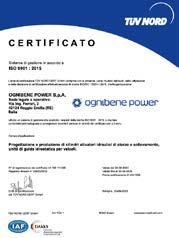
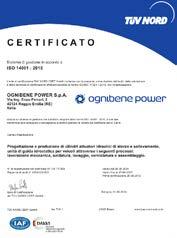
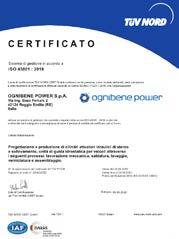
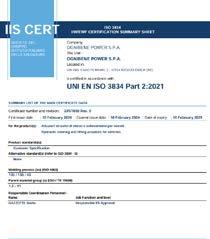
The Company has obtained and rigorously maintains the following certifications: ISO 9001 for quality management, ISO 45001 for occupational health and safety, ISO 14001 for environmental management and ISO 3834-2 for welding quality. These recognitions demonstrate a constant commitment to responsible innovation, the protection of both people and the environment, and compliance with the highest industry standards.
ISO 9001 Quality Management System
This internationally recognised certification applies to the entire organisation, from research and development to production, from distribution to customer service. It represents the most widely used standard worldwide for ensuring the quality of company operational processes.
The certification is valid for the registered and operational headquarters located at: Via Ing. Ferrari, 2, 42124 Reggio Emilia (RE), Italy.
ISO 14001 Environmental Management System
It provides a systematic framework for integrating environmental protection practices, aimed at meeting legal compliance obligations and assessing risks and opportunities.
The implementation of the environmental management system helps maintain the value of the business while effectively managing environmental responsibility, enabling the minimisation of negative environmental impacts.
The certification is valid for the registered and operational headquarters located at: Via Ing. Ferrari, 2, 42124 Reggio Emilia (RE), Italy.
ISO 45001 Occupational Health and Safety Management System
It defines minimum best practice standards for the protection of workers worldwide and aims to identify in advance the full range of risks and hazards that may arise in the workplace.
Obtaining this certification demonstrates the Company’s commitment to protecting the health and safety of its employees, as well as the need to manage occupational health and safety in a structured and harmonised way through a system of procedures and controls shared by all employees.
The certification is valid for the registered and operational headquarters located at: Via Ing. Ferrari, 2, 42124 Reggio Emilia (RE), Italy.
ISO 3834-2
The ISO 3834-2 standard complements UNI EN ISO 9001 in the technical/specialised field of welding process management and also constitutes a “presumption of conformity” within the scope of the European directives PED (Pressure Equipment Directive 97/23/EC), CPD (Construction Products Directive 89/106/EC), and Simple Pressure Vessels (Directive 2009/105/EC).
The certification is valid for the registered and operational headquarters located at: Via Ing. Ferrari, 2, 42124 Reggio Emilia (RE), Italy.
Ognibene Power ranks among the top 1,000 fastestgrowing Italian companies.
Ognibene Power Italia has been awarded as one of the 1,000 fastest-growing Italian companies over the past six years. The recognition was presented during the ceremony held in Parma on 4 April 2024, as part of an initiative promoted by ItalyPost and L’Economia of Corriere della Sera.
The event highlighted the best entrepreneurial experiences in the country, addressing topics such as inclusion, environmental sustainability and connection with the local territory.
The chart below provides an overview of the Group’s international locations, indicating the specific certifications obtained by each of them.
Opower Hydraulic Systems (Jiaxing) Co., Ltd. (OHS)
Jiaxing, China - Sales & Manufacturing
ISO 9001
ISO 3834-2
Ognibene Hidrostatica Limitada (OHL) Caxias Do Sul, Brazil - Sales & Manufacturing
ISO 9001
AEO
ISO 3834-2

In 2024, Ognibene Power Italia confirmed its EcoVadis Silver Medal for the second consecutive year, following its first recognition in 2023. With an overall score of 69/100, the company ranks among the top 15% of companies assessed globally on the EcoVadis platform, demonstrating the actions undertaken in pursuing CSR values and principles.
In 2024, Ognibene India Pvt. Ltd. received the EcoVadis Gold Medal, a recognition that rewards excellence in corporate sustainability. With a total score of 77/100, the company ranks among the top 5% of assessed companies, placing in the 97th percentile globally on the EcoVadis platform. This result demonstrates a strong and ongoing commitment to responsible and sustainable business practices.

In 2025, Ognibene Brazil and Ognibene China also achieved an important milestone, earning the Bronze Medal and confirming the Group’s ongoing commitment to excellence.
1.6
Innovation and technology
Ognibene Power Italia considers it essential to offer products that are always at the forefront of the global market.
The company relies on a Research & Development department, supported by a testing department equipped with static and dynamic test benches, as well as dedicated open areas for field testing of vehicles, ensuring high performance even under the most extreme conditions.
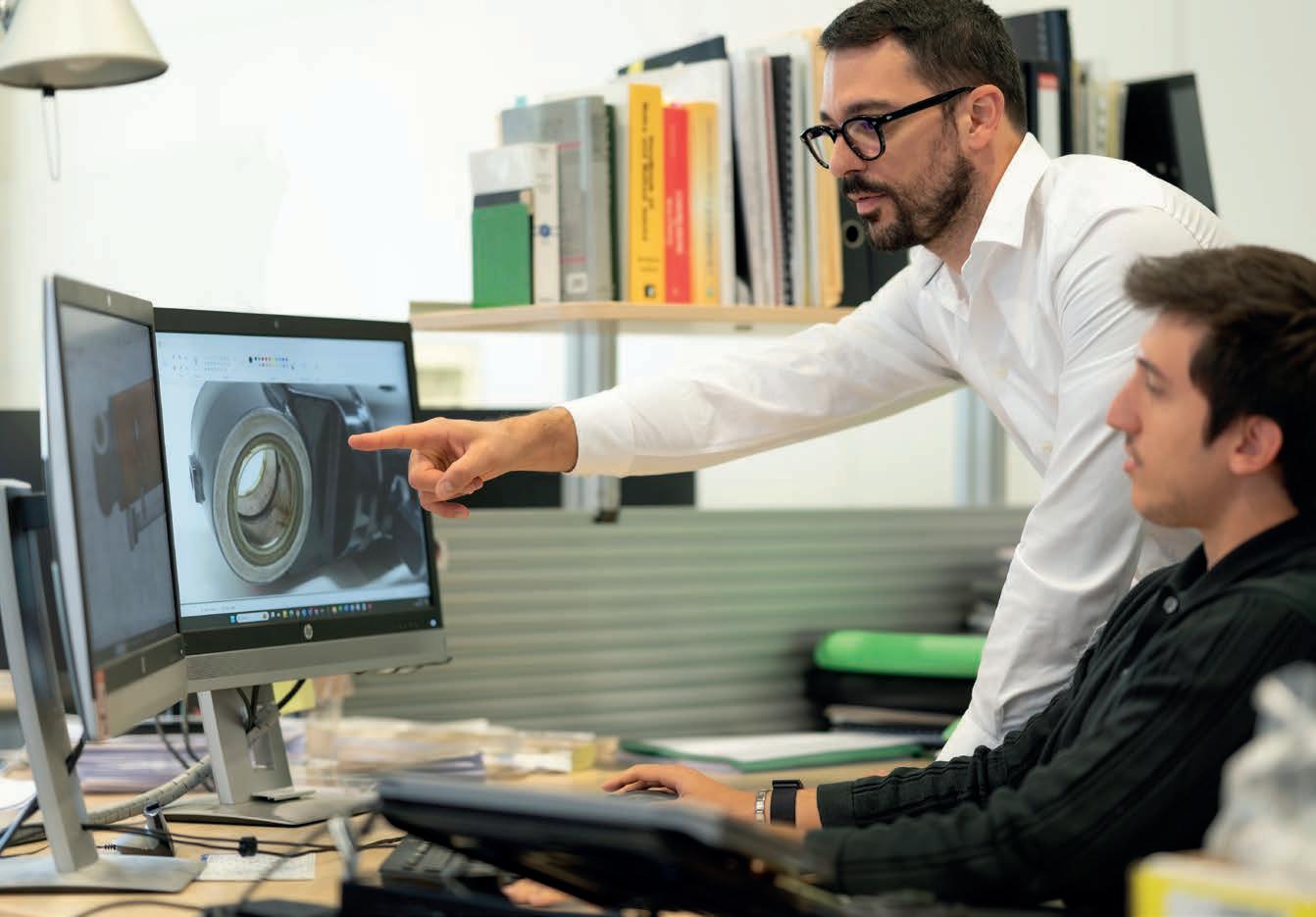
The company employs a dedicated team of experienced engineers to develop customised solutions in full compliance with each customer’s specific requirements. Technicians work daily with advanced technologies and production processes, safety certifications, specialised embedded software, computer-aided design tools and electronic projects, to provide OEM (Original Equipment Manufacturer) customers with innovative and tailored product solutions.
Ognibene Power Italia has always aimed to anticipate market needs and, in recent years, has invested in the development of solutions that integrate hydraulics and electronics in off-highway vehicles, with the goal of improving human-machine interaction. Since 2022, a dedicated team for the development of mechatronic systems has been established. This team is equipped with all the necessary tools to manage projects throughout their entire lifecycle, with particular attention to safety requirements in accordance with ISO 25119 and ISO 13849 standards. Since 2024, the team has also been supported by a mechatronics laboratory equipped with Hardware-in-the-Loop (HIL) systems for testing and validation of hardware and software.
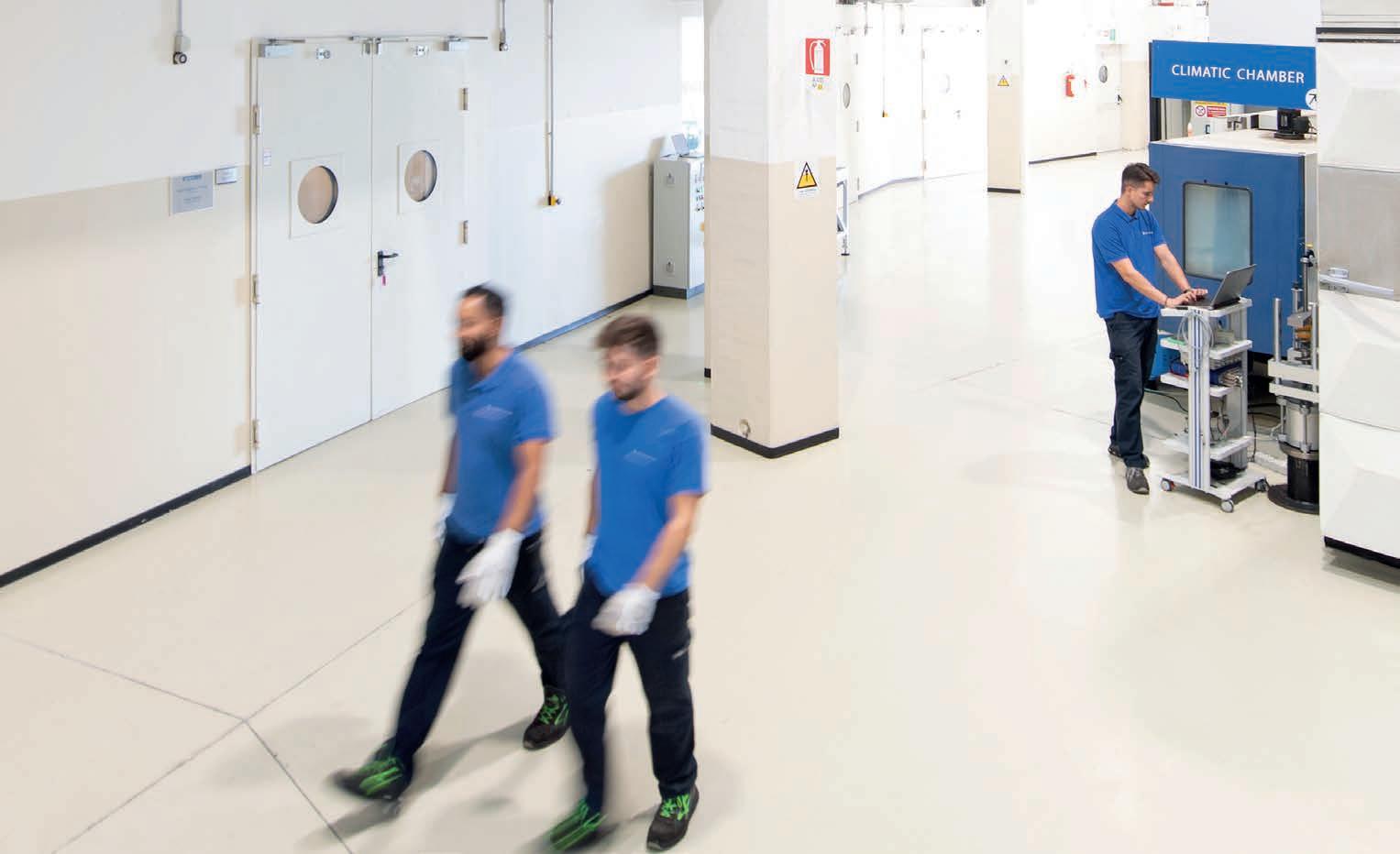
Ognibene Power Italia’s Digital Power Steering (DPS™) represents a cutting-edge alternative to traditional steering systems for off-highway vehicles. The compact and flexible DPS™ system does not require substantial modifications to the vehicle configuration. It improves manoeuvrability and enables direct connection with GPS systems for terrain mapping and autonomous driving, without the need for external components.
Vehicles factory-equipped with the DPS™ system feature a fully homologated steering system for road circulation and are designed to meet the performance levels required by AgPL d (ISO 25119) or PL (ISO 13849) standards. The driver can deactivate the system at any time, always maintaining full control of the vehicle in all operating conditions.
Excellent driving ergonomics, a high level of customisation and optimal system interaction are distinctive features that DPS™ – Digital Power Steering introduces for the first time in the off-highway vehicle sector.
The quality and excellence of the DPS™ system have also been recognised internationally. In 2018, the system received the prestigious EIMA International Innovation award, and in 2023 it was further recognised at Agritechnica, the world’s leading agricultural
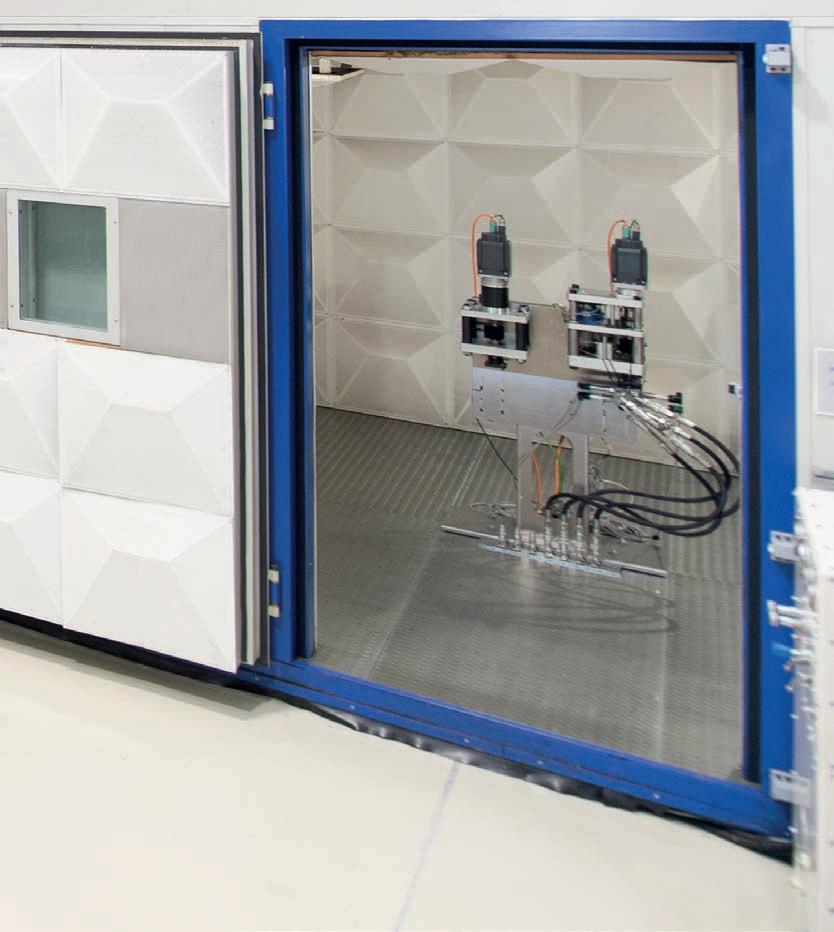
technology trade fair. On that occasion, two tractors by Argo Tractors – the Landini Rex 4-120 GT RoboShift Dynamic and the McCormick X5.120 P3-Drive – both equipped with DPS™, were awarded Best Tractor of the Year 2024 in the categories Best of Specialized and Best of Utility, respectively.
At a time when cars are becoming true computers on four wheels, industrial and agricultural vehicles are also beginning to benefit from technological advances and innovations developed in the automotive sector.
The need to keep the company and its products aligned with evolving market expectations has led to a rethinking of the organisational structure within the Research & Development area.
In this context, Ognibene Power Italia has introduced specialists from the automotive sector, with the aim of transferring advanced methodologies and new skills to internal teams, fostering the development of innovative, high-value solutions for customers.
At the same time, the company is strengthening its technical support through advanced calculation and simulation tools. In the mechanical and hydraulic fields, Abaqus and Amesim software have been adopted, while a comprehensive Matlab/Simulink suite is used for software development activities. This enables coding, simulation, testing and maintenance of software, as well as structured requirements management and full traceability.
Automotive experts to enhance the in-house team with innovative methodologies and expertise.
Sustainability approach
At the core of every company lies its business model, i.e. the system used to transform inputs into outputs through business operations, with the aim of pursuing the corporate strategy and creating long-term value. The organisation’s activities and outputs, in turn, generate impacts on people, the environment and the economy: positive impacts lead to improvements in the resources used and/or in the initial conditions of stakeholders; negative impacts, on the other hand, may affect external resources, potentially causing harm to stakeholders and the environment. These impacts are measured using specific performance indicators—both financial and non-financial—aimed at monitoring company performance on key topics and setting improvement targets.
Over the years, the Ognibene Group has invested in integrating sustainability into its business strategies.
Ognibene’s value creation model
consists of the strategies, processes and actions implemented to generate value not only for the company but also for all stakeholders and the broader context in which it operates. This is achieved by investing in innovation, training and safety, sharing know-how for the development of local communities and minimising the environmental impact of its activities.
With regard to environmental sustainability, the company adopts a concrete and responsible approach: it continuously monitors consumption and is committed to minimising waste. Key initiatives include reducing the amount of packaging materials used for products and implementing packaging recycling flows in collaboration with major customers. Systems have also been introduced to reduce water consumption and minimise waste generated during the production process. Furthermore, continuous improvement in customer satisfaction, attention to people, working conditions and employee safety have always been and will remain at the core of the Company’s decision-making.
ESG topics are currently overseen by the Board of Directors, which maintains strategic supervision. Following the publication in the Official Journal of the European Union on 16 December 2022 of Directive (EU) 2022/2464 (“Corporate Sustainability Reporting Directive” or “CSRD”), the Company has initiated a process to develop sustainability reporting in compliance with the new Directive.

To this end, a Sustainability Team has been established, composed of the CFO, the HSE Manager, the HR Manager, the Head of the Prevention and Protection Service and the Marketing and Communication Manager. The Team is responsible for pursuing ESG objectives and preparing the sustainability report.
The Team has launched a project to assess the current level of alignment with regulatory requirements and has planned the necessary actions to ensure a progressive and timely adaptation to these requirements.
The management of ESG topics will continue to involve all company functions in a cross-functional manner, through the direct responsibility of the relevant managers, with the possibility for each of them to delegate operational activities to a member of their team.
The table below provides a summary of the main initiatives identified, in line with the ESG model Ognibene Power Italy aims to achieve in the medium to long term.
Environment
SDGs Objectives


Social
Increase in energy production from photovoltaic systems; Procurement of certified green energy through Guarantees of Origin (G.O.); Tree planting initiatives; Monitoring of indirect Scope 3 emissions.
SDGs Objectives


Governance
Launch of the company Academy and digitalisation of training programmes; Strengthening of supplier selection and monitoring based on increasingly stringent ESG criteria; Adjustment of working hours during the summer period in production, to improve employee wellbeing;
Improvement of workplace ergonomics in production areas; Enhancement of stakeholder engagement and implementation of a structured system for collecting and analysing supplier questionnaire responses, in order to monitor ethical and sustainability issues across the supply chain.
SDGs Objectives

Achievement of ISO 27001 certification and compliance with the NIS 2 Directive; Conduct of a privacy assessment; Implementation of a management system dedicated to procurement contracts.
Business model and value chain
Ognibene Power S.p.A. Sustainability Reporting provides information on the policies and actions implemented, the environmental, social and governance (ESG) performance achieved, and further explores these topics with reference to activities across the value chain, both upstream (suppliers) and downstream (customers and end users).
Value chain activities are structured across several key stages, ranging from raw material sourcing, storage and processing, through to the end-of-life phase of the product.
Raw material suppliers
Paint suppliers
Packaging suppliers
External processors
Outsourced workers
Transport providers
Supply chain
Production of hydraulic actuators, steering units, hydraulic pumps and steering systems.
Ognibene’s supply chain is structured around a diversified network of stakeholders and materials, with particular attention to the traceability and sustainability of the raw materials used in production processes.
The raw material procurement phase represents the first significant stage of the upstream value chain, through which key raw material suppliers provide chrome-plated rods, tubes, machined forgings and seals. Other strategic players within the supply chain include suppliers of paints and packaging materials.
Relevant partners also include external subcontracted workers engaged in specialized processes such as painting, heat treatments and mechanical machining. These are complemented by outsourced service providers responsible for ancillary services, such as industrial cleaning and technical services, for example electricians and plumbers.
Companies specialized in the production of industrial vehicles.
Finally, transport services related to purchasing complete the framework and are essential to ensuring the efficient movement of materials and components along the value chain. Regarding waste management, the company relies on a single authorized supplier for the collection and disposal of hazardous waste.
Ognibene Power Italy - Supplier by product
The main raw materials used are steel and cast iron, both characterized by a high degree of recyclability (up to 100%). In particular, steel represents the predominant material in the company’s components, with the exception of the steering unit, for which the composition is more oriented toward cast iron.
Ognibene falls within the scope of the European Union CBAM (Carbon Border Adjustment Mechanism) introduced by the European Union and has assigned two internal resources to specifically manage these regulatory requirements. CBAM is a carbon tax applied to goods (steel and iron, aluminium, cement, fertilizers, electricity and hydrogen) imported from non-EU countries, aimed at preventing the relocation of production to countries with less stringent emissions regulations while simultaneously encouraging
the adoption of sustainable practices in exporting countries. During the initial transitional phase, which will end on 31 December 2025, no carbon taxes are yet imposed; only information on the quantities of imported products is being collected.
The main suppliers of Ognibene Power S.p.A. are located in the same region as the company, namely Emilia-Romagna. The Company selects its suppliers by diversifying geographical origin while maintaining a strong connection to its territory, understood as Italy (73.7% of the total) and Emilia-Romagna (37.6% of the total). All high value-added components are sourced, where possible, in Italy, while imports are mainly reserved for components with lower added value.
The data shown in the tables below refer exclusively to Ognibene Power Italy.
Ognibene Power Italy - Suppliers by Geographic Area (2024) Region (Emilia-Romagna) Outside Region USA Europe Asia
At Group level, as highlighted in the table below, during the 2022–2024 three-year period, the majority of suppliers were classified as “national”, meaning located in the same country in which each Group company operates, confirming a procurement model that prioritizes operational proximity.
At the same time, a progressive increase in suppliers located in Asia and North America can be observed, in line with the consolidation of production activities in
these areas: Asian suppliers increased from 51 in 2022 to 62 in 2024, while North American suppliers rose from 116 to 136 over the same period.
The number of European and South American suppliers, on the other hand, remained stable. This distribution enables the Group to combine logistical efficiency, local presence and risk control throughout the supply chain.
Responsible supply chain management is a matter of great importance; reference is made to section 3.2 Workers in the Value Chain for a description of the actions implemented to monitor it.
Production process
Ognibene Power S.p.A. operates in the production of hydraulic equipment. Its activities are organized across two production lines:
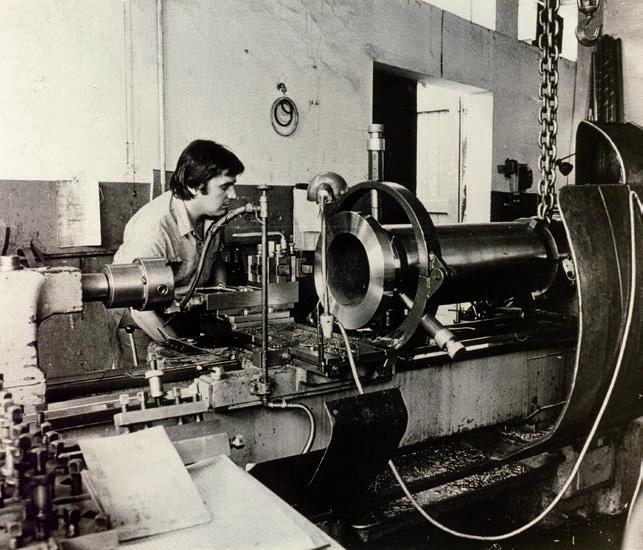
• Hydraulic actuators: the production process begins with the receipt and storage of raw materials and semi-finished products, consisting of bars, tubes, and steel or cast-iron castings. This is followed by mechanical processing operations (turning, milling, drilling, honing and welding), carried out both at manual workstations and through robotic systems. The resulting components are then washed before being transferred to the assembly departments and final testing. The finished product is subsequently painted, packaged, stored in the warehouse and then shipped.
• Steering units: in this case as well, the process starts with the receipt of raw materials and semi-finished products but is characterized by a specific sequence
of operations: drilling, milling and deburring, followed – where required – by honing, washing and brushing. Grinding, mechanical coupling and a further washing phase then take place, followed by assembly with hydraulic testing. Painting, outsourced to subcontractors, precedes the final packaging stage.
For certain types of cylinders, painting takes place after testing, once the product has been fully completed. In these cases, the parts are sent either to the new in-house painting plant or, in the event of plant saturation or specific production and delivery needs, to external painting suppliers.
59% of the products are intended for agricultural machinery
Ognibene Group - Suppliers by Geographic Area2
2 The figures shown in the table refer to: Ognibene Power SpA (OPW), Ognibene Hidrostatica Ltda (OHL), Ognibene India Pvt. Ltd. (OIL), Opower Hydraulic Systems Co., Ltd. (OHS) and Ognibene North America LLC (ONA).
The company’s offering is divided into three main categories of finished products:
Hydraulic Actuators
These are components that convert hydraulic energy into linear motion, enabling loads to be lifted or moved with high force in a precise and reliable manner.
The range includes:
• Steering cylinders: designed for off-road vehicles — agricultural, construction, forestry and material handling machines — installed on steering axles or articulated vehicles;
• Suspension cylinders: used in axle, trailer and cab suspension systems;
• Lifting cylinders: suitable for front applications, rear lifts or loaders on agricultural and construction vehicles, available in both single-acting and double-acting versions;
• Tilting cylinders: specifically developed for forklift trucks.
Steering Units
The steering unit is a key component of hydrostatic power steering systems, connected to the vehicle steering wheel. During steering operations, it regulates oil flow according to steering wheel movements, ensuring precise directional control. In emergency situations, such as pressure loss or pump failure, it can also operate manually, still allowing the vehicle to be maneuvered safely.
The range includes:
• Open-center steering units;
• Closed-center steering units, with options for Load Sensing (LS) and Power Beyond (PB) functions.
Innovative products
These are advanced systems such as our DPS (Digital Power Steering), designed to improve vehicle performance, efficiency and control.
Customer Types
The products are sold to companies specialized in the manufacture of agricultural machinery (59%), earthmoving equipment (24%), and material handling machinery (6%). The company’s main reference market is located in Italy and Europe, while non-EU sales represent a residual market.
Ognibene Power Italy - Customer composition 2024 by type
Ognibene Power Italy - Customer
2024
service type
Customer satisfaction
Ognibene’s mission is to provide innovative solutions that meet the needs of its customers worldwide. The company is continuously monitored through both internal and external KPIs, while monthly scorecards sent by customers are carefully reviewed by the relevant departments (e.g. Delivery Performance, PPM, Competitiveness). The Customer Service department is engaged on a daily basis in supporting customer requests worldwide.
The aspects most appreciated by customers include global presence, in-depth product knowledge and proposed technical solutions, innovation, and high quality standards, which have enabled the company to receive several awards over the years.
During 2024, the Ognibene Group received important recognitions from strategic international customers. These awards confirm industrial reliability, supply quality, and the strength of long-term relationships built by the Group across different markets.
Italy
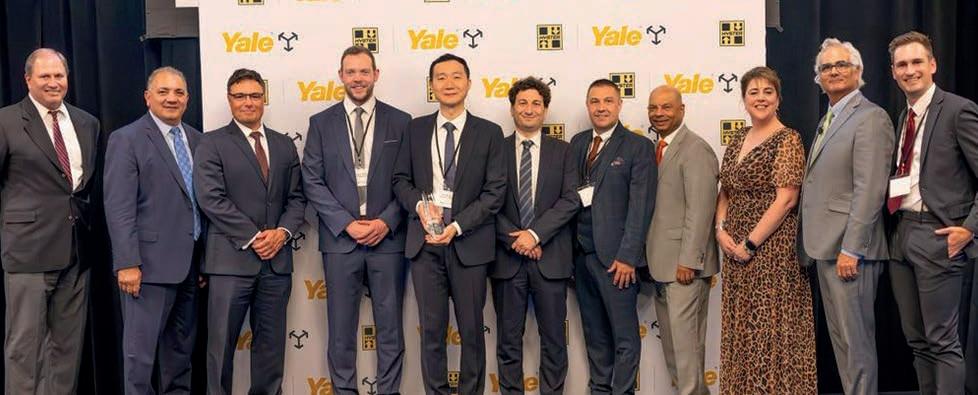
In 2024, Ognibene Power S.p.A. received recognition from Hyster-Yale for its ability to strengthen the resilience of its business model.
The award was granted in particular for:
• the adoption of a flexible production structure distributed across several countries and geographic areas;
• the presence of plants operating under a common production blueprint, ensuring consistent global standards of quality, processes and organization
Quality, reliability and continuous improvement
the cornerstones of a globally recognised industrial model
China
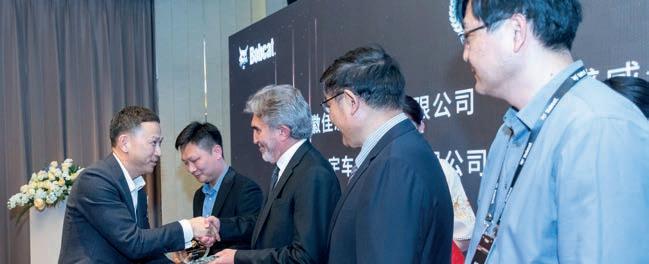
On January 17, 2024, Ognibene China received the Best Cooperation Award from Doosan Bobcat in recognition of collaboration, operational reliability, and contribution to the development of the industrial partnership.
India
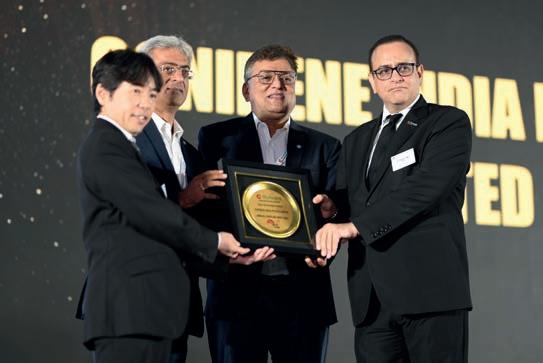
During 2024, Ognibene India obtained several recognitions from leading customers in the local market:
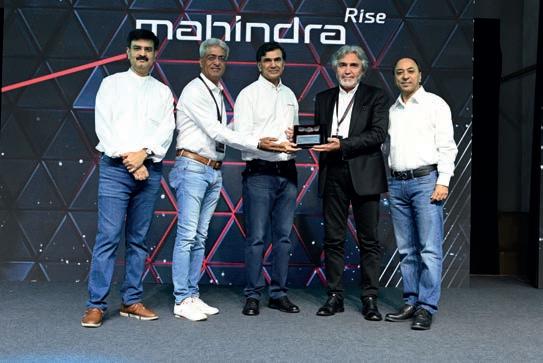
• Supplier Excellence Award from Mahindra, including the Annual Commodity Award category, in recognition of FY23 performance;
• Best Performer Award from Escorts Kubota, confirming the high level of service and supply quality;
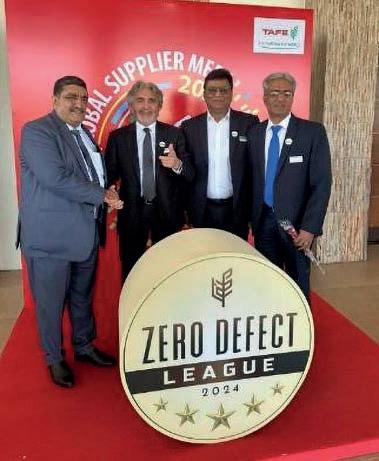
• Zero Defect League 2024 from TAFE, rewarding the constant commitment to quality excellence.
These recognitions provide tangible confirmation of the path undertaken by the Ognibene Group and reinforce the value of an industrial model based on quality, reliability and continuous improvement.
Product Safety for Customer Protection
Product safety is fundamental for Ognibene, not only to prevent accidents and damage, but also to protect customers and maintain market trust. To guarantee product safety during operation, Ognibene has implemented multiple processes and supporting documentation:
• dedicated Application Forms have been developed to define and formalize the specific operating conditions of products. These collect all relevant information needed to identify any constraints or special requirements expected by the customer that may not emerge during the commercial phase;
• intrinsic design safety is first assessed theoretically through DFMEA (Design Failure Mode and Effects Analysis), and then experimentally validated through laboratory testing;
• safety-critical characteristics identified during DFMEA, as well as those expressly indicated by customers, are specifically classified on technical drawings to ensure rigorous monitoring of compliance requirements;
• operating conditions are defined and published on drawings, packaging and on the company website through Product Instructions, always available for consultation.
Product Traceability and Quality
Each batch of components required for the final product is checked and monitored at every production stage through the SAP (System Analysis Program Development) and Quarta (Computer Aided Quality Software) management systems.
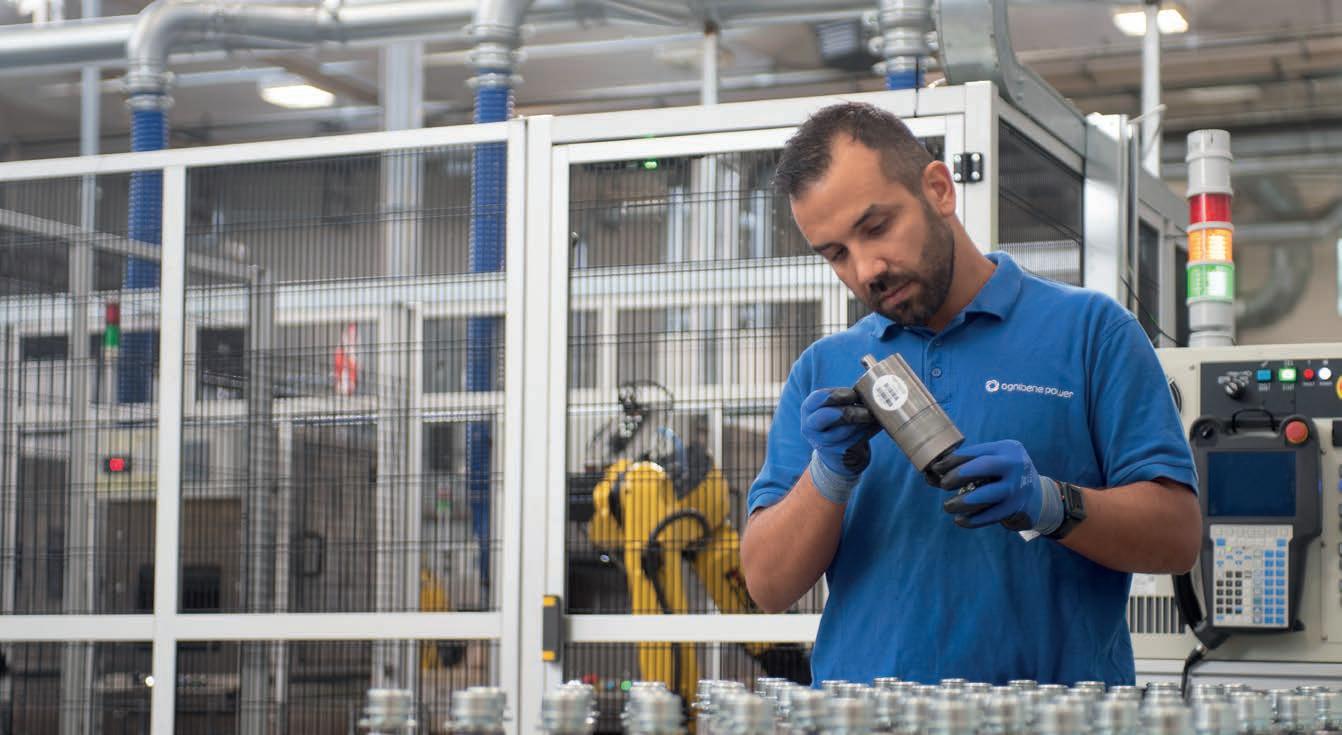
All Ognibene products undergo 100% functional testing and are marked with a barcode or Data Matrix containing a unique serial number. This enables customers to trace the main production data of received products and, if required, to associate the product serial number with the chassis of the vehicle on which it will be installed. Field traceability is therefore guaranteed 100% only for those customers who specifically require it.
For specific projects where supply specifications require it, a system has been implemented to extend traceability upstream within Ognibene’s production process, including production batch data of the most critical purchased components used in final products.
Supplier Excellence Award, Best Performer Award, Zero Defect League 2024
Ognibene’s Commitment to Quality Products
Ognibene Power S.p.A. is a leader in steering systems, thanks to more than 70 years of experience and the attention devoted to providing customized solutions to customers. The company maintains close daily collaboration with customers, whose satisfaction is its primary objective.
The purchasing experience is tailored to customer needs by reviewing all requirements, assessing pro -
ject feasibility, and developing the most reliable and advantageous solution for buyers.
The company is constantly committed to continuous improvement, also through monitoring of production processes and periodic testing to guarantee the quality and integrity of every Ognibene product, while ensuring compliance with international standards.
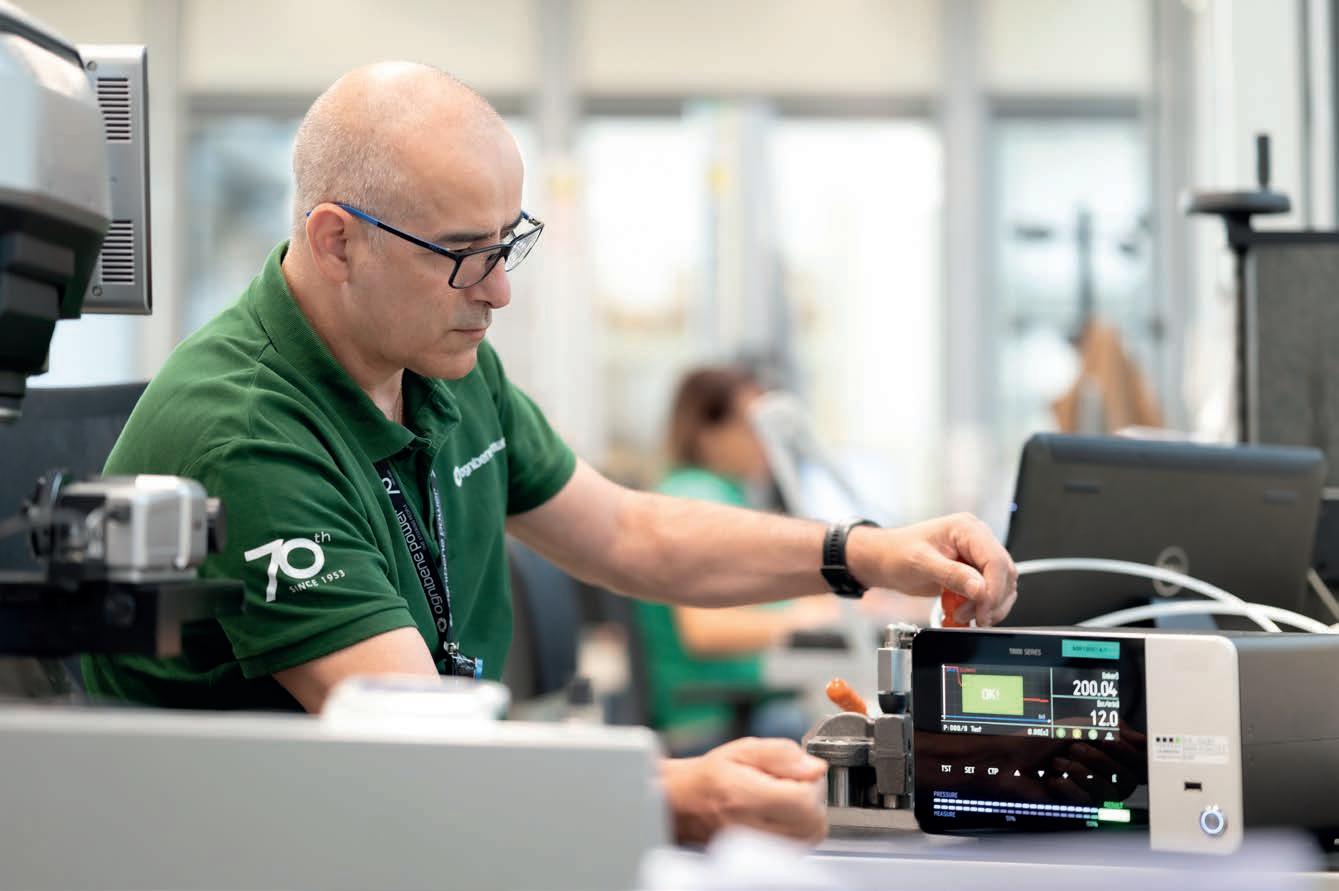
Customer satisfaction is Ognibene Power’s primary objective.
Stakeholder mapping and engagement
Stakeholders are crucial for a company because they represent all parties whose interests are, or may be, positively or negatively influenced by the activities of the Ognibene Group and by its direct and indirect business relationships along the value chain. Managing stakeholder relationships helps ensure long-term sustainability, customer and user trust, investor support, and a positive reputation.
The Sustainability Report has been prepared out of Ognibene Power S.p.A.’s commitment to ensuring maximum transparency and best meeting stakeholder information needs regarding sustainability performance.
Actively involving stakeholders in strategic planning and effectively managing relationships between the Company and its stakeholders make it possible to identify critical issues, improvement opportunities, expectations, generated and suffered impacts, reduce reputational risks, and build trust. In this way, long-lasting relationships can be fostered and the long-term success of the Company can be ensured.
Following internal analysis, Ognibene Power Italy identified the following homogeneous stakeholder categories, divided according to their interests, expectations, needs and relationship with the Company.
The dialogue with each of these stakeholder categories is tailored in terms of engagement and listening methods. Below is the list of the main stakeholders, their legitimate expectations, and the communication and contact channels dedicated to each of them.
Stakeholders
Workers
- employees
- collaborators
Suppliers
- raw materials
- services
- consultants
Customers
Trade Unions
Local community
- Territory
- Schools
- Universities
Public administration
Associations
- Trade Associations
Legitimate expectations
Fair contracts and job stability
Adequate remuneration
Occupational health and safety protection
Growth and professional development opportunities
Welfare
Absence of discrimination
Work-life balance
Business continuity
Enhancement of personal skills
Collaboration in R&D
Supply continuity
Application and compliance with contracts/payments
Growth of business relationship
Clear payment terms and respect of deadlines
Adequate prices and contractual conditions
Business continuity
Product quality and safety
Business and service continuity
Fair costs
Availability for new project development
Clear and timely communication
Organizational flexibility
Compliance with environmental and social regulations
Technological progress in service management
Compliance with laws, regulations and obligations
Improvement of working conditions
Listening to employee needs regarding workplace health and safety
Collaboration on awareness and volunteering initiatives
Respect for environmental and social issues
Participation in local initiatives
Compliance with laws and regulations
Analysis of local needs and development of related activities
Job creation
Promotion of community spirit / charity / sponsorships
Scholarship opportunities
Educational pathways promoting inclusion and active
citizenship
Training
Compliance with laws and regulations
Transparency and anti-corruption
Contribution to local economic development
Technological innovation
Social and environmental responsibility
Pursuit of common goals
Collaborations
Value creation
Respect for environmental and social issues
Business continuity
Banks and credit institutions
Business continuity
Transparency and reliability in relationships and payment
management
Respect for environmental and social issues
Supplier Engagement
Contact channels
Annual meeting with management
Monthly Steering News communications
Communications through Telegram channel
Notice board
Celebrations and anniversaries
Sustainability Report
Multidisciplinary team meetings
Website and social media pages
Meetings at company premises
Supplier visits
Sustainability Report
Financial Statements
Website and social media pages
Meetings at company premises
Customer visits
Sustainability Report
Annual Report
Financial Statements
Meetings
Financial documentation
Sustainability Report
Ordinary and extraordinary obligations
Website and social media pages
Student visits to the company
Charity / sponsorships
Sustainability Report
Website and social media pages
Financial documentation
Meetings and gatherings
Seminars and conferences
Circulars
Sustainability Report
Website and social media pages
Monthly committees
During awards / anniversaries
Semi-annual meetings at company premises
Financial Statements
Sustainability Report
To involve its stakeholders more directly, during 2025 Ognibene Power S.p.A. launched a structured listening and dialogue process with selected key stakeholder categories, starting with its suppliers, with the aim of assessing the level of ESG integration within their organizations.
Materiality analysis
In order to report non-financial information in line with the requirements of the main international standards and to integrate stakeholder expectations and needs into its activities, the Group launched a process in 2024 to define its material topics.
This approach incorporated the new reporting guidelines, anticipating regulatory developments, in order to contribute even more effectively to sustainable development.
In particular, Ognibene Power S.p.A. chose to:
• adopt the guidelines of the GRI Universal Standards 2021 (“GRI 3: Material Topics 2021”), which require an analysis of impacts generated by the company on the economy, environment, people and human rights according to the so-called inside-out perspective. This methodology asks organizations to assess their ability to generate impacts on the environment, people and the economy through their own activities and those of their value chain. This is referred to as Impact Materiality, whereby an issue is considered material because of the significance of the impacts generated (positive and negative);
• anticipate the obligations introduced by the Corporate Sustainability Reporting Directive (CSRD), which requires a double materiality approach. Compared with the GRI Standards, this adds the financial impacts suffered by the company according to the outside-in perspective (“Financial Materiality”). The Company therefore identified sustainability-related risks and opportunities that generate (or may generate) significant financial effects, as they influence (or could influence) cash flows, income generation, cost of capital or access to financing. The impact materiality assessment was therefore complemented by an initial Financial Materiality assessment, which considers the organization’s relationship with the external environment.
This assessment considered the specific features of the business, the interconnections and geographical location of the Group companies and value chain actors, enabling the identification of material impacts, risks and opportunities underlying the sustainability reporting process.
The materiality analysis involved all operating companies of the Group. In this first year of consolidated reporting, companies operating exclusively as commercial entities, based in Japan and Germany, were not included, as they were not considered to generate additional material impacts beyond those already identified.
The process included the following steps:
• analysis of existing internal documentation to understand the internal context;
• distribution of a questionnaire to all Group operating companies to understand ESG practices adopted and key impacts generated;
• analysis of sector characteristics in order to identify the main issues also addressed by competitors;
• identification of impacts, risks and opportunities considering the list of sustainability matters included in the ESRS;
• assessment of identified impacts. In particular, the Sustainability Team assessed the impacts identified in the previous phase according to Reporting Standard parameters, considering:
- scope: geographical spread of the impact (local, national, etc.), considering number of stakeholders involved, etc.;
- remediability: extent to which it is possible to mitigate or remedy the impact once it has occurred (negative impacts only);
- if potential, probability of occurrence;
• calculation of impact level: each qualitative variable above was assigned a numerical parameter which, combined with the others, produced a final score for each impact ranging from 1 (low) to 5 (high). In assessing its impacts, Ognibene Power Italy adopted materiality thresholds: impacts with a final value below 3 were considered non-material, while impacts with a final assessment between 3 (informative level) and 5 (crucial level) were considered material and therefore included in this Report.
The table in Appendix 1 details the impacts generated (or potentially generated) associated with the respective material topics, specifying the impact level and whether they are directly caused or generated within the value chain.

Similarly, risks and opportunities were also subject to thorough analysis, taking into account any links with impacts mapped in the impact materiality process and any dependencies characterizing the Group’s activities.
The topics identified below, in addition to forming the basis for the structure of the Sustainability Report, also represent a fundamental tool for developing and
Material topics Sub-topics
ESRS E1 Climate change
ESRS E2 Pollution
ESRS E3 Water and marine resources
ESRS E5 Resource use and circular economy
ESRS S1 Own workforce
ESRS S2 Workers in the value chain
ESRS S3 Affected communities
Climate change mitigation Energy
Air pollution
Water pollution
defining strategic sustainability priorities.
The table below illustrates the topics considered material for Ognibene, both from the perspective of impacts generated on the environment, local communities, employees, collaborators and society as a whole, and from the perspective of economic-financial risks and opportunities.
Presence of substances of concern
Water consumption
Inflow of resources, including resource use
Waste
Working conditions
Equal treatment and opportunities for all
Working conditions
Equal treatment and opportunities for all
Other work-related rights
Economic, social and cultural rights of communities
Civil and political rights of communities
Rights of indigenous communities
Corporate culture
Political engagement and lobbying activities


ESRS G1 Business conduct
Management of relationships with suppliers, including payment practices


The analysis of impacts (including the related assessment), risks and opportunities was shared with the members of the Board of Directors and the Board of Statutory Auditors during a dedicated meeting.
This made it possible to discuss the interests of all the main actors in the value chain, prioritize material matters, and will enable their integration into the Group’s business in order to develop sustainable strategies. Indeed, double materiality—considering both the impacts of business activities on the environment and society (impact materiality) and the financial risks and opportunities related to environmental and social matters (financial materiality)—allows governance bodies to make informed decisions and to develop sustainable and responsible strategies.
ESRS
SDGs
02

Environmental information



Ognibene Power Italy is committed to integrating respect for the surrounding environment with its economic growth and the current development of its business. The environment is regarded as a highly valuable legacy by both the company and its employees, and both are committed to operating in full respect of it.
The company has always based its activities on the philosophy of continuous improvement, setting new annual targets in the field of environmental enhancement and efficiency, consistently with the Plan - Do
- Check - Act (PDCA) model. Since 2008, it has implemented an Environmental Management System compliant with ISO 14001, which ensures:
• maintenance of legal compliance;
• definition and updating of environmental performance improvement objectives;
• development of environmental programmes;
• systematic control of company activities affecting environmental aspects, under normal, abnormal and emergency conditions;
• monitoring of environmental performance;
• review of the system itself, ensuring that it remains updated and aligned with business operations.
In 2006, the company prepared its first site environmental analysis in order to identify the main environmental aspects. The document is updated annually in order to detect new criticalities or environmental aspects that may have emerged over time. The Company has adopted an environmental policy integrated with the Occupational Health and Safety Management System.
The company operates daily to contribute to sustainable development, ensuring that present needs are met without compromising the ability of future generations to meet their own. In the environmental field, it continues to invest in improving the efficient use of resources, protecting health and quality of life for stakeholders, and promoting responsible behaviour within the company.
To increase awareness of environmental issues and spread a culture of prevention at all organisational levels, Ognibene Power S.p.A. uses the Heinrich Pyramid, a visual tool that enables the trend of environmental events to be monitored, with the aim of creating a virtuous reporting cycle before they turn into harmful events for the environment and workers.
In this way, environmental reports and emergencies are mapped year by year.
Ognibene Power Italy monitors corporate KPIs on a monthly basis in order to assess environmental performance trends. KPIs, or Key Performance Indicators, are a set of quantifiable measures used by a company to evaluate performance over time. These metrics are used to determine progress towards strategic and operational objectives, and to compare performance with other companies in the same sector.
The KPIs monitored by Ognibene Power S.p.A. mainly concern:
• Electricity (kWh/pc)
• Natural gas (Sm³/pc)
• Natural gas for heating (Sm³/°C day)
• Chemical products purchased (kg/pc)
• Waste generated (kg/1,000 pcs), divided into hazardous and non-hazardous waste
• Waste recovery rate (% of total waste generated)
• Water consumption (m³/1,000 pcs)
Each year, following the Management Review, new targets are defined on the basis of KPI values achieved, in order to drive the company towards continuous improvement.
The Company is subject to the Single Environmental Authorisation (AUA), established by Italian Presidential Decree no. 59 of 13 March 2013, which includes seven environmental permits relating to:
• permits for industrial wastewater discharge and stormwater runoff;
• ordinary permits for atmospheric emissions for plants and installations (pursuant to Article 269 of Legislative Decree 152/06);
• authorisations and acoustic impact assessments for new plants and infrastructure intended for productive, sports, recreational and multifunctional commercial service activities;
• notifications concerning self-disposal and waste recovery.
The environment is regarded as a vital legacy by both
the company and its employees

Climate change
The tables below report the material impacts, risks and opportunities connected with the material topic Climate Change. In this analysis, Ognibene Power Italy considered impacts, opportunities, physical risks and transition risks linked to climate change in its own operations and along the upstream and downstream value chain.
Impact materiality
Description
Reduction of direct emissions (Scope 1) thanks to lower methane gas consumption (heat pumps are used at OPW for heating offices and workshops).
Reduction of direct emissions (Scope 1) thanks to the purchase of hybrid vehicles.
Generation of indirect emissions (Scope 3) due to production of raw materials used and transport.
Generation of direct emissions (Scope 1) due to consumption of natural gas, diesel and gasoline across all Group companies.
Generation of indirect emissions (Scope 3) arising from employee mobility.
Monthly monitoring of electricity and gas in order to identify abnormal consumption and losses.
Reduction of Scope 2 emissions achieved through relamping interventions and automatic lighting shut-off systems, with sensors regulating indoor light according to climate conditions, as well as compressor and extractor timing systems.
Reduction of Scope 2 emissions thanks to installation of photovoltaic systems at sites in Italy, China and India.
Employee training on good practices for reducing energy consumption (e.g. switching off equipment at the end of shifts, checking compressed air leaks, etc.).
Reduction of Scope 2 emissions thanks to the purchase of certified green electricity by Ognibene Hidrostatica Limitada and Opower China.
Reduction of Scope 2 emissions thanks to the purchase of new machinery with improved energy performance.
Generation of indirect emissions (Scope 2) due to purchased electricity sourced from non-renewable sources.
Financial materiality
Description
Climate change phenomena such as rising temperatures and drought events may affect production of certain natural raw materials, influencing both availability and purchase prices.
Sales of final products may be affected by chronic and extreme climate events influencing agricultural trends and demand.
Increase in energy costs due to heat waves.
Risk of unplanned strikes due to external heat waves which, despite indoor cooling systems reducing internal temperature by around three degrees compared to outside, may reduce production capacity.
Particularly in America, risk of hurricanes that could cause damage and halt production, although such events are relatively rare.
Particularly in Brazil, China and India, risk of torrential rain that could interrupt transport routes, cause flooding and halt production.
Possible risk connected with flooding of a canal adjacent to the company.
Scarcity or rationing of key foreign energy sources.
Progressive intensification of extreme climate events (heavy rainfall, tornadoes, floods) may disrupt road networks and potentially affect the Group’s physical and operational sites, causing possible interruption or reduction in production levels (business continuity) or higher production costs.
Introduction of new regulations making investments in energy efficiency mandatory in order to benefit from incentives.
Risk and opportunity analysis
Extreme weather events such as hurricanes, floods, torrential rainfall, or chronic phenomena such as prolonged droughts and increasingly frequent and intense heat waves represent physical risks directly linked to climate change. These risks may generate significant effects on the Group’s operational continuity and financial stability, causing production interruptions, asset damage, increased procurement costs and logistical criticalities throughout the value chain.
In particular, the progressive rise in temperatures and growing water scarcity may affect the availability and cost of natural raw materials, with direct effects on industrial planning. Likewise, extreme events in countries where the Group operates — such as hurricanes in the United States, torrential rain in Brazil, China and India, or potential flooding of waterways close to production plants — represent risk factors for business continuity and operational efficiency.
Climate change may also affect organisational well-being. Heat waves, although partially mitigated by internal cooling systems, may compromise working conditions and, in extreme cases, lead to production stoppages due to unplanned strikes. Added to this are the potential effects of rising energy costs, worsened by scarcity or rationing of global energy sources.
Ognibene Power Italy carried out an analysis of physical and transition risks linked to climate change, assessing financial impacts arising from both acute
and chronic events. This confirms the importance of adopting mitigation and adaptation measures through stronger infrastructure, diversification of sourcing and investment in more resilient and sustainable energy solutions.
Climate change represents a complex scenario of challenges, but at the same time opens the door to new opportunities.
The Company believes that the implementation of renewable energy generation sources, the development of lower-impact technological solutions and targeted energy-efficiency improvements can significantly contribute to reducing operating costs across the entire Group, while increasing resilience during periods of instability. These actions are not only a response to adaptation needs, but also a strategic opportunity to strengthen competitiveness and the sustainability of the business model in the medium to long term.
Climate change presents a complex set of challenges
but at the same time opens the door to a host of new opportunities.
Impact Analysis
Among the main impacts emerging from the double materiality analysis is the contribution to increasing atmospheric CO₂ concentration, resulting from fossil fuel consumption and from electricity purchased from suppliers sourcing energy from fossil fuels.
The Group mainly uses the following energy resources:
• electricity;
• methane gas;
• gasoline;
• diesel fuel
The generation of greenhouse gas emissions represents a material impact linked to Group activities, both in terms of direct energy consumption and resource use along the value chain.
Direct emissions (Scope 1) mainly derive from methane gas consumption for production processes (painting and certain mechanical operations) and for heating offices and production environments. Additional emissions arise from the use of diesel and gasoline for company vehicles and operational activities at the various Group sites.
To contain this impact, specific measures have been launched, including replacement of traditional heating systems with heat pumps at Italian plants, and the purchase of low-emission hybrid company vehicles.
At the same time, indirect emissions linked to electricity consumption (Scope 2) are being progressively reduced. The Group has invested in photovoltaic systems at sites in Italy, China and India, and in the purchase of electricity from renewable sources certified through Guarantees of Origin (G.O.) for certain subsidiaries, such as Ognibene Hidrostatica Limitada and Opower China.
These initiatives are complemented by LED relamping projects, sensors for automatic shut-off and regulation of lighting according to occupancy and brightness, and timing systems for compressors and
extractors, all of which reduce electricity consumption and related emissions. The purchase of new high energy-efficiency machinery also contributes concretely to reducing the environmental impact of production plants.
Electricity and gas consumption are monitored monthly, both in aggregate and by allocation across different plant areas. This enables rapid identification of anomalies and targeted interventions to improve energy efficiency and reduce related emissions.
Indirect emissions linked to the value chain (Scope 3) remain a significant impact area for the Group. They mainly derive from production and processing of purchased raw materials, logistics transport and employee mobility. Among Ognibene Power Italy’s future objectives is the systematic measurement of Scope 3 greenhouse gas emissions.
Ognibene Power Italy promotes environmental awareness through employee training and awareness activities. During onboarding training for new employees, good practices for reducing energy consumption are shared, such as switching off electrical equipment at the end of shifts and paying attention to compressed air leaks.
In foreign Group companies, the approach to energy management is developed in line with the specific context of each country and local operating characteristics.
At Ognibene North America (ONA), energy supply is based on electricity from the public grid, natural gas for heating, and propane for forklift trucks. Although no strategies to reduce natural gas consumption or certified green energy supplies have yet been introduced, renewable sources are planned by the end of 2025.
In Brazil, at Ognibene Hidrostatica Limitada (OHL), all electricity used comes from renewable sources purchased through the Mercado Livre with I-REC and Ludfor certifications. The company does not use nat-
A reduction of over 41 tonnes of CO2
thanks to the measures implemented by Ognibene Power
ural gas or diesel and has implemented several energy-efficiency measures, including motion and light sensors, programmed switch-off of lighting during breaks, replacement of traditional lighting with LED systems, and a colour-coded signalling system identifying machines that can be switched off or placed on standby. Certain diesel-powered machinery is also being replaced with electric or battery-powered models.
The company calculates Scope 1 and Scope 2 emissions with the support of external consultants. The analysis estimated that, thanks to implemented measures and participation in government energy-efficiency programmes, the company significantly reduced its environmental impact, with an overall result equivalent to a reduction of more than 41 tonnes of CO₂.
In China, Opower Hydraulic Systems (OHS) uses electricity only and has launched a photovoltaic installation project with the aim of reducing energy costs and increasing sustainability of production processes, also leveraging high-efficiency class 1 and 2 motors. Only transport vehicles and certain machines remain diesel-powered.
In India, at Ognibene India (OIL), the main energy sources are electricity and diesel. The company has implemented targeted actions such as energy and thermographic audits, installation of photovoltaic systems — with additional capacity already planned — and continuous monitoring of consumption in production areas. In addition, the company calculates Scope 1, 2 and 3 emissions.
Reducing emissions represents for Ognibene Power S.p.A. not only an environmental responsibility objective, but also a strategic competitiveness factor. Strengthening the resilience of the production model and contributing concretely to global climate goals is a priority guiding the Group’s technological, operational and strategic choices.
Calculation of CO₂ Emissions according to the GHG Protocol
At the end of 2023, Ognibene Power Italy started a collaboration with an external consultant to calculate its greenhouse gas emissions, following the international standards of the GHG Protocol. The process, completed during 2024, made it possible to map and quantify Scope 1 direct emissions and Scope 2 indirect emissions for the year 2023, laying the foundations for an increasingly structured and transparent management of climate impacts.
Direct CO₂ Emissions (Scope 1)
Direct emissions generated by the company’s activities are mainly attributable to the production process, for example heating, and to employee business travel. The following components are therefore considered for the Scope 1 calculation:
• Mobile combustion emissions. This category refers to transport carried out using vehicles owned or directly controlled by the Company. To obtain the total tonnes of CO₂-eq, the total kilometres travelled by each vehicle were calculated using company records. An emission factor, expressed in kg CO₂-eq/ km, was then identified for each vehicle according to its type. By multiplying the emission factor of each company vehicle by the total kilometres travelled in 2023, the CO₂-eq value for all vehicles was obtained. The sum of all values gives 108.44 tonnes CO₂-eq for emissions generated by mobile combustion.
• Stationary combustion emissions. This category refers to recorded natural gas consumption used in production processes and for heating. By multiplying the emission factors related to the type of fuel used by the quantity consumed (Sm³), the CO₂-eq value caused by stationary combustion was obtained, equal to 320.19 tonnes CO₂-eq.
• Refrigerant gas emissions3. This category refers to gases used in air conditioning and refrigeration systems, which have a significant impact on Global Warming Potential (GWP) due to the greenhouse effect4 and their long atmospheric lifetime5. To cal-
culate the tonnes of CO₂-eq generated by the use of these gases, the quantity of each refrigerant gas used by Ognibene in active systems was monitored and its total GWP assessed. By multiplying the GWP of each specific gas by the quantity used, and summing all resulting values, a total of 376.74 tonnes CO₂-eq was obtained. For further details on energy consumption and related conversion factors, please refer to the paragraph “Emission Tables” in the Appendices chapter.
Indirect CO₂ Emissions (Scope 2)
Indirect emissions are caused by the consumption of electricity purchased from the grid. These emissions were calculated using the market-based6 method, which considers the energy mix declared by the
supplier in the electricity supply contract. Using the Ecoinvent 3.10 database, it was possible to determine the emission impact of Ognibene’s supplier energy mix, equal to 0.352 kg CO₂-eq/kWh.
By multiplying the company’s 2023 consumption (9,977,994 kWh) by the above emission factor, total Scope 2 emissions amount to 3,512 tonnes CO₂-eq.
The GHG Report, completed in May 2024, defined a series of objectives and projects aimed at reducing atmospheric emissions, summarized in the “Improvement Objectives” chapter.
The chart below shows, in percentage terms, Ognibene Power Italy’s impact in CO₂ equivalent for each monitored Scope 1 and Scope 2 category.
Scope 1 - mobile combustion
Scope 1 - stationary combustion
Scope 1 - refrigerant gases
Scope 2 - purchased energy
3 The refrigerant gases used are: R407c, R134A, R410A, and R32.
4 Once released into the atmosphere, refrigerant gases trap solar heat, contributing to the phenomenon of global warming. Their GWP (Global Warming Potential) is measured according to their ability to retain heat compared to carbon dioxide (CO2), which is the reference gas with a GWP equal to 1. For example, a refrigerant gas with a GWP of 3000 means that it has a global warming potential 3000 times greater than CO2 per unit of mass.
5 In addition to their heat-retaining capacity, some refrigerant gases remain in the atmosphere for decades or even centuries, continuing to contribute to global warming over a long period of time.
6 The market-based approach allows the calculation to take into account the presence of Guarantees of Origin certificates in the case of electricity purchased from renewable sources, assigning an emission factor equal to 0 to the amount of energy covered by the certificate, as specified in the Guarantee of Origin.
7
Metrics
The data reported in the following tables refer to Ognibene Power Italy. The Ognibene Group is committed to progressively extending the reporting perimeter in future editions of the Sustainability Report.
Pollution
The table below reports the impacts, risks and opportunities connected with the material topic Pollution. In this analysis, Ognibene Power Italy considered physical risks and transition risks linked to climate in its own operations and along the upstream and downstream value chain.
Impact materiality
Description
Installation of filtration systems (fabric filters) and monitoring as required
Lower channelled emissions to air thanks to reduced use of solvent-based paints
pollution caused by production of raw materials
pollution caused by production of raw materials
Channelled pollutant emissions into the atmosphere
Treatment of first-flush rainwater with oil separator before discharge into watercourse
Disposal of wastewater from production cycle through storage tanks and authorized operators
Water pollution caused by raw material production
Lower environmental impact thanks to ecological island preventing spills of pollutants
Presence of containment basins where drums with spill risk are stored
Financial materiality
regulations requiring investments in energy efficiency to benefit from incentives
Increase in costs for obtaining environmental certifications required by the market
Opportunity to reduce costs and regulatory constraints through in-house development of solutions limiting substances of very high concern
Risk and opportunity analysis
Ognibene Power Italy is aware of the risks associated with pollution, ranging from regulatory sanctions and increased operating costs to reputational damage and loss of customer trust. On the other hand, managing pollution-related risks and developing solutions to limit the use of substances of concern may create opportunities to reduce costs and regulatory constraints to which the Company is subject.
Impact analysis
Pollution management is a significant material aspect for Ognibene Power Italy, which is constantly committed to preventing and mitigating environmental impacts arising from its production activities. The Group adopts technological and operational solutions aimed at reducing atmospheric emissions, protecting water resources and preventing soil contamination. However, a significant portion of impacts is attributable to supply chain activities, particularly the production of purchased raw materials. Although these are
indirect impacts and therefore not directly manageable, Ognibene Power Italy recognizes its responsibility along the entire value chain. For this reason, it is committed to monitoring these impacts and actively promoting the selection of suppliers adopting sustainable practices.
Air pollution
Several emission points are active within the Ognibene Power Italy plant, mainly linked to painting activities, welding, machine tools, parts washing machines and ventilation systems necessary to ensure
proper air exchange in production areas. For these reasons, the Company has implemented internal procedures to:
• properly and efficiently manage all emission sources;
• control and monitor air pollution levels;
• verify compliance with legal limits;
• identify prevention and emergency response measures.
Dedicated filtration systems are installed on the most impactful processes to reduce pollutant concentrations at outlet points. All chimneys are equipped with dust, VOC and particulate abatement systems. Older plants use centralized three-stage AIRSOL OIL systems for oil mist reduction, while the new plant extension uses the more recent EMULSTOP system.
Ognibene Power Italy holds an atmospheric emissions permit covering all emission sources present at the facility. Emission parameters and stack flow rates are monitored on a semi-annual or annual basis, depending on authorization requirements, with the objective of ensuring continuous compliance with emission limit values. In particular, monitoring activities focus on dust emissions, solvents (VOCs/SVOCs), and particulate matter, including the recording and calculation of annual emissions. This enables verification of compliance with authorized thresholds and, where necessary, the implementation of corrective actions.
A further contribution to the reduction of atmospheric pollutants has been achieved through the progressive replacement of solvent-based paints with lower-impact products, resulting in a substantial reduction in volatile organic compound (VOC) emissions and other harmful substances associated with painting activities.
Water pollution
With regard to water resource protection, the Group adopts water management systems aimed at preventing any form of pollution.
Two main types of wastewater are generated within the facility: industrial wastewater comparable to domestic wastewater—originating from cooling towers and water softeners—which is discharged into the public sewer network, and stormwater runoff, collected through a dedicated drainage system and conveyed, after pollutant separation via an oil separator, to the surface water body connected to the Mancasale wastewater treatment plant.
Wastewater generated by production processes, such as spent emulsions, grinding sludge, and water resulting from the washing of mechanical parts, is never discharged into the environment. Instead, it is managed as waste in compliance with applicable regulations: it is collected in dedicated tanks and subsequently transferred to authorized waste disposal operators, thereby ensuring regulatory compliance and environmental protection.
Soil pollution
To prevent soil pollution and manage contamination risks, Ognibene Power Italy has established and fully implemented an ecological waste management area within the facility. This area enables the safe management of generated waste while preventing the risk of accidental spills of hazardous substances.
All areas designated for the storage of drums and risk-related materials are equipped with containment basins designed to intercept any leaks or container failures, effectively preventing soil contamination.
Activities involving the use of hazardous substances are carried out in protected environments equipped with safety systems such as collection basins and spill containment kits.
Reducing our environmental impact is a concrete priority, not just a statement of intent.
In particular, the mixing of oil and water for the production of emulsions takes place either within the machine itself or in drums positioned on dedicated containment basins to prevent accidental spills. Likewise, the loading of painting systems with specific products is carried out in a dedicated room equipped
with a drainage grid and containment basin, providing additional environmental and operational safety protection.
The Company annually monitors the integrity of underground tanks containing hazardous substances by following well-defined operating procedures, which are supervised and signed off by the facility manager. In addition to internal inspections, Ognibene Power Italy ensures that external specialized contractors perform video inspections to verify the structural condition of pipelines and certify the proper hydraulic integrity of conveyed fluids.
Before testing or using a new chemical product, the Company ensures that the corresponding Safety Data Sheet (SDS) is available and obtained from the supplier. All products undergo an assessment performed by the Process Engineering team with regard to technical and quality characteristics, and by the Environmental Management System (EMS) and Occupational Health and Safety Management System (OHSMS) regarding safety and environmental protection aspects. If the assessments carried out by Process Engineering, EMS, and OHSMS are positive, the product is approved for use.
The Company always provides Safety Data Sheets for its products. These are available on the company network, while extracts of the main SDS contents are displayed in the relevant departments.
Ognibene Power Italy’s approach to pollution management is based on the principles of prevention, con-
trol, and continuous improvement, with the objective of minimizing the direct and indirect environmental impacts of its activities while ensuring full regulatory compliance and safeguarding the environment and local communities.
Within the Group’s foreign subsidiaries, pollution management is addressed through approaches tailored to the operational specificities of each company.
Ognibene North America LLC (ONA) focuses primarily on preventing accidental wastewater discharges and has therefore installed a backflow prevention device. The absence of hazardous substances in the production process further limits the potential impact on soil contamination.
In Brazil, Ognibene Hidrostatica Limitada (OHL) adopts a structured environmental management approach aligned with regulatory requirements and local operational needs. The company closely monitors hydrocarbon emissions generated by the paint booth in accordance with the environmental license issued by the governmental agency FEPAM and has implemented filtration systems in welding and painting departments to improve air quality and ensure safer working conditions.

With regard to water management, the facility is equipped with an anaerobic filter for wastewater treatment, enabling the removal of organic matter and suspended solids before discharge into the public sewer system. Mixed wastewater is entrusted to specialized partners who ensure its proper treatment
and disposal and provide the relevant compliance certification.
Among the planned initiatives is the installation of equipment for the recovery and reuse of oils employed in cooling processes, with the objective of further reducing discharges. Regarding soil pollution prevention, the company manages hazardous substances such as paints, solvents, LPG gas, and oils within fire-resistant cabinets accessible only to trained personnel and maintains environmental emergency kits for managing potential spills.
The company is also mapping oil-using machinery to equip it with containment basins and is evaluating solutions for the proper separation and disposal of oil residues contained in steel chips.
In China, Opower Hydraulic Systems (Jiaxing) Co., Ltd. (OHS) has adopted activated carbon filtration systems to control emissions from welding fumes, cutting exhaust gases, and painting operations, ensuring effective reduction of atmospheric pollutants.
Wastewater management is entrusted to treatment systems compliant with regulatory standards, including oil-water separation processes. The separated oil is managed as waste, while water discharges comply with applicable regulations. Furthermore, the facilities are equipped with automatic monitoring systems that ensure continuous environmental compliance.
The company does not use hazardous substances in its production processes, thereby minimizing the risk of soil contamination.
Finally, Ognibene India Pvt. Ltd. (OIL) manages emissions of particulate matter, sulfur oxides, nitrogen oxides, volatile organic compounds, and other pollutants through an integrated system of filters, scrubbers, catalytic reducers, and extraction booths, ensuring compliance with environmental regulations.
The company is committed to initiatives aimed at improving filtration efficiency, ventilation systems, and the use of low-VOC materials in order to further reduce atmospheric impacts.
For wastewater management, OIL operates STP, ETP, and ZLD systems that ensure water treatment and purification in accordance with environmental standards. These systems are supported by preventive measures against accidental discharges, inspection activities, personnel training, and emergency response plans.
With regard to soil protection, the company uses hazardous substances such as cutting oils, coolants, lubricants, paints, and solvents, which are managed through secure storage systems.
Metrics
The data reported in the following tables refer to Ognibene Power Italy
The Ognibene Group is committed to progressively extending the reporting perimeter in future editions of the Sustainability Report.
Water and marine resources
The use of water resources within the Ognibene Group is closely linked to its production processes, particularly component washing operations, the preparation of oily emulsions for machine tool operation, surface finishing, and machinery cooling. Although water is not directly incorporated into finished products, it represents an essential resource to ensure process quality and compliance with technical and environmental standards. For this reason, responsible water management is considered a priority within the company’s sustainability approach, with the aim of reducing consumption, promoting recycling, and minimizing impacts on water resources in the territories where the Group operates.
To assess water-related risks at its production sites, Ognibene Power Italy used the Aqueduct Water Risk Atlas developed by the World Resources Institute, which showed that its operations are located in areas characterized by low water stress. Nevertheless, this does not reduce the company’s commitment to increasingly responsible and circular water resource management.
At Group level, the situation is more diversified: Ognibene Hidrostatica Ltda (OHL) also operates in a lowrisk area, whereas Opower Hydraulic Systems Co., Ltd. (OHS) and Ognibene North America LLC (ONA) are located in regions characterized by high water risk. Particularly critical is the context of Ognibene India
From India to China, from Brazil to the United States.
Every one of the Group’s plants implements bespoke solutions to reduce water consumption.
Pvt. Ltd. (OIL), which operates in an area classified as extremely high risk.
Within this framework, the Group recognizes the importance of adopting differentiated strategies and proactive measures to ensure the efficient and sustainable use of water resources across all its facilities, with particular attention to the sites most exposed to water-related risks.
At Ognibene Power Italy, the water used mainly comes from two sources: the public water supply network and two duly authorized company wells. Since July 2006, a consumption monitoring system has been implemented through meters installed at the connections dedicated to production uses. Readings are carried out monthly by internal personnel in order to verify plant performance, monitor consumption trends, and promptly detect any anomalies or leaks. With regard to groundwater withdrawals, the company is also required to prepare and annually submit a consumption report to the Regional Agency for Environmental Protection (ARPAE), ensuring compliance with authorized withdrawal limits.
The table below summarizes the impacts related to the topic addressed in this chapter. With regard to the financial materiality analysis, no significant risks or opportunities related to water resource management were identified.
Impact materiality
Impact analysis
Ognibene Power Italy recognizes the importance of sustainable water management as a fundamental resource. In recent years, several initiatives have been implemented to reduce water consumption, including the introduction of next-generation industrial washing machines capable of recovering and reusing water, thereby limiting the need for external water supplies. In particular, two IFP washing machines were installed, one in 2023 and another in 2024, operating with a modified alcohol-based fluid, a less impactful alternative compared to traditional water- and chemical detergent-based solutions. By regenerating the fluid within the same cycle, this system significantly reduces both water consumption and the use of chemical substances, leaving only minimal residues related to routine top-ups
In parallel, additional meters have been installed to map internal consumption more accurately and identify any potential leaks or inefficiencies.
To reduce water withdrawal, Ognibene Power Italy reuses industrial wastewater from three evaporative towers within its production process: two located in the ST department and one in the R&D department. In particular, the latter was restored in 2023, enabling a significant reduction in the direct and continuous withdrawal of water from the public aqueduct.
With the aim of reducing the consumption of potable water, the Company has also implemented water efficiency measures for internal uses, including the installation of timed showers and flow restrictors.
The Company is also committed to setting new annual objectives and improvement targets related to the ratio between cubic meters of water consumed and pieces produced.
Regarding water consumption and wastewater man-
agement, the Group’s foreign subsidiaries adopt different approaches tailored to local operational and regulatory requirements.
With reference to water consumption, the Group’s foreign companies implement diversified solutions according to local operational and regulatory specificities. Ognibene North America LLC (ONA) uses water supplied by the municipal water system and has introduced process water reuse practices, especially for industrial washing machines, in order to limit the withdrawal of new water resources. Ognibene Hidrostatica Limitada (OHL) sources water from the public aqueduct and has implemented measures to reduce water consumption, such as the installation of timed faucets to limit water flow. Evaluations are also underway for projects involving the collection and reuse of rainwater. Opower Hydraulic Systems (Jiaxing) Co., Ltd. (OHS) adopts a more technological and structured approach, continuously monitoring consumption and optimizing water demand through the recovery of approximately 85% of treated water thanks to the use of a cryogenic evaporator, which allows water reuse in production processes, including internal cleaning operations. The company also continuously monitors wastewater quality through real-time measurement systems and annually verifies compliance with environmental regulations. Lastly, Ognibene India Pvt. Ltd. (OIL) sources water from the local industrial network, monitors consumption through dedicated meters, and has implemented several water efficiency initiatives, including recycling systems integrated into machinery, production process optimization, and maintenance activities aimed at preventing waste and leaks. The company has also adopted a Zero Liquid Discharge (ZLD) system, enabling the treatment and complete reuse of wastewater, thereby significantly reducing environmental impact and overall water resource consumption.

8 The data reported in the table refer exclusively to Ognibene Power S.p.A. with regard to the items included under “All Areas”, and to Ognibene North America LLC with regard to the items related to “Water-Stressed Areas”. 9 The data reported in the table refer exclusively to Ognibene Power S.p.A. with regard to the items included under “All Areas”, and to Ognibene North America LLC with regard to the items related to “Water-Stressed Areas”. thanks to the use of a
Circular economy
The adoption of practices promoting material circularity, resource reuse, and waste reduction is crucial to reducing the environmental impact of products and production processes.
Impact materiality
Description
The main raw materials used are infinitely recyclable.
Recycling of scraps, filings, and iron shavings sold as foundry processing waste for reuse.
Use of raw materials at risk of depletion.
Application of QR codes on all transport documents, with the aim of providing all information for the correct management and disposal of packaging through a web file.
Installation of 3 filtered water dispensers connected to the water network, reducing employees’ use of plastic bottles.
Transfer of waste oils to a supplier specialized in recovery operations.
Recovery of materials such as wood, plastic, paper, and cardboard.
Elimination of waste generated from process water at the plant in India, thanks to the installation of osmosis systems enabling water resource recovery.
Financial materiality
Increase in raw material costs due to new regulations affecting suppliers and geopolitical events impacting locations.
Higher raw material purchasing costs due to tariffs imposed by the United States.
Exchange rate risks related to raw material purchases following a possible depreciation of the dollar.
Increased costs and delivery delays due to potential international conflict scenarios (e.g., related to the Suez Canal).
Extreme weather events could create critical issues in mining activities, causing greater difficulties in sourcing raw materials.
Failure to adapt to climate-related events could cause disruptions in the upstream value chain, resulting in difficulties in supplying key materials due to the increasing severity of extreme weather events.
Potential export restrictions caused by regulatory changes or geopolitical developments.
Introduction of regulations imposing import tariffs on specific high-emission materials linked to CO2 emissions.
Permanent phase-out of polluting products following restrictions on the purchase of products with high environmental impact.
Risk and opportunity analysis
Through the double materiality assessment, the Company identified among the main risks those related to increasing raw material costs, driven by factors such as regulatory changes, currency fluctuations, trade tariffs, and geopolitical instability.
Critical issues related to extreme climate events, which may compromise extraction activities and generate disruptions in the supply chain, were also considered and assessed. Additional vulnerabilities may arise from possible export restrictions and the introduction of environmental tariffs on materials based on their emission footprint.
In a potential scenario characterized by strengthened regulations, opportunities emerge related to the transition toward lower-impact materials and the adoption of more sustainable production practices, enabling the Company to progressively align with future regulatory requirements and strengthen its competitive resilience.
Ognibene’s main raw materials, steel and cast iron, are up to 100% recyclable.
Impact analysis
The main raw materials used are steel and cast iron, both characterized by a high degree of recyclability (up to 100%). Consequently, to minimize the consumption of raw materials at risk of depletion, the production system includes the recovery and transfer of metal waste — scraps, filings, and shavings — to specialized operators, who remelt them and reintroduce them into the production cycle as secondary raw materials. Nevertheless, there remains a limited use of raw materials classified as being at risk of depletion, an aspect that requires constant monitoring of the supply chain and the progressive identification of alternative solutions.
To this end, Ognibene Power Italy has carefully assessed every residual material generated from production and service activities, always evaluating the possibility of internal or external reuse. In parallel, thanks to the activity of the R&D laboratory, solutions aimed at minimizing material consumption have been developed, such as the introduction of the hollow rod.
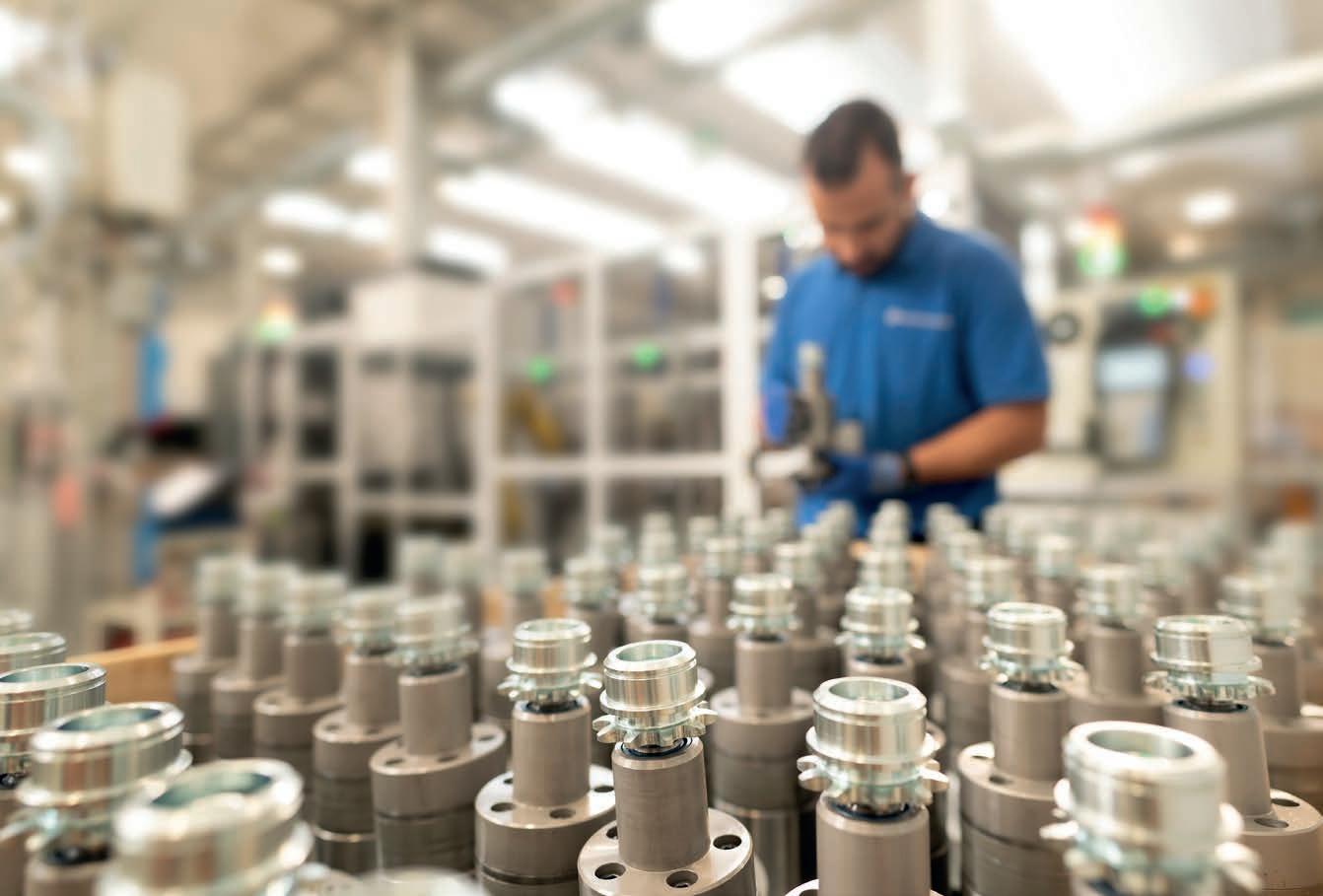
With regard to non-metal waste, the organization manages the recovery of wood, plastic, paper, and cardboard. In particular, plastic undergoes qualitative selection: non-recyclable material is separated from recoverable material (such as PET, PE, and PVC), which is entrusted to specialized suppliers for treatment and recovery. Waste oils generated from processing activities are transferred to authorized operators, ensuring proper disposal or recovery. Part of these oils is sent to a specialized recovery facility. Other materials, although generated in limited quantities, are also sent for recovery, including neon lamps, batteries, electrical components, and obsolete equipment.
Particular attention is dedicated to packaging management. To encourage pallet reuse, the wording “Reusable” is printed on each pallet. Furthermore, in relationships with certain customers, the wording “Returnable packaging” is included on transport documents, promoting recovery after delivery. The Company is registered with the National Packaging Consortium (CONAI) as an “other user” and, as an importer, regularly submits the required Import documentation, being classified under Class C10. All transport documents include a QR code linking to a dedicated webpage containing packaging specifications and disposal instructions for the shipment.
To encourage sustainable behavior among employees and reduce the use of single-use plastic, Ognibene Power Italy has installed 13 filtered drinking water dispensers connected to the water supply network. This initiative promotes the use of reusable bottles and forms part of the Company’s environmental responsibility policies.
Waste management is carried out through shared company procedures defining operational methods for storage, collection, transportation, and accounting, in compliance with applicable regulations. The procedure helps ensure compliance with legal requirements and additional specific requirements, while minimizing the environmental impact of operational and administrative activities both in offices and construction sites. Monitoring and controls are performed monthly and, where reporting obligations
apply, declarations are submitted within legal deadlines. The Company is also committed to proper waste management through the creation of an ecological island equipped to manage accidental spills of polluting substances, including containment tanks and grids that allow the collection of both rainwater and any leakages.
To reduce the amount of waste and emissions generated, the Company has for years adopted a structured separate waste collection system active in both offices and production departments. To strengthen employee awareness, monitors displaying explanatory visuals on proper material separation methods have been installed in workshops. Waste management begins directly at the source, where paper and cardboard, plastic, aluminum cans, glass, toner cartridges, and electronic materials are separated in order to avoid contamination and facilitate recycling. Each waste type is identified at the moment of generation by the department manager, who applies an identification label.
The Company places particular attention on plastic collection, carrying out an additional selection of high-quality plastic to be recovered as polyethylene. A significant investment was made through the introduction of a shredder for the optimal shredding of long metal shavings, thereby facilitating both their management and waste volume reduction.
Following the philosophy of continuous improvement, as with other environmental aspects, targets and objectives relating to waste generated by the Company and quantities sent for recovery or disposal are updated annually (kg/piece).
Every year, targets and objectives relating to the amount of waste generated and the quantities sent for recovery or disposal are updated.
10 Importers are divided into three classes (A, B, and C) based on the ratio between the weight of the packaging and the weight of the imported contents.
In 2024, total waste generated amounted to 2,772 tonnes, of which 1,671 tonnes were non-hazardous waste and 1,101 tonnes were hazardous waste. This figure shows a reduction compared to 2023 (3,128 total tonnes), despite an increase in the percentage of hazardous waste.
Within the international context, the Group’s foreign subsidiaries address environmental sustainability through practices aimed at the responsible management of materials, packaging, and waste, calibrated according to local needs and operational specificities. Regarding materials management, Ognibene Hidrostatica Limitada (OHL), in Brazil, uses steel, aluminum, polymers, and cast iron, partly sourced from recycled supply chains. The company uses raw materials containing recycled content and has introduced eco-design strategies for packaging to reduce consumption. In addition, it promotes the internal reuse of pallets and cardboard sheets, as well as the recycling of cardboard and wooden packaging used in company processes. A similar approach is adopted by Ognibene India Pvt. Ltd. (OIL), where efficiency in the use of materials such as steel, plastic, aluminum, oil, and rubber is combined with organized systems for the reuse of crates and pallets, generating both environmental and logistical benefits. In China,
Metrics
Opower Hydraulic Systems (OHS) uses technical components such as rods, cylinders, and seals that are not recycled, but the recovery of packaging materials — paper, PVC, and wood — is guaranteed through supplier-managed circuits. Ognibene North America LLC (ONA), although not directly involved in raw material transformation, pays particular attention to packaging reuse.
Structured and responsible approaches also emerge in waste management. In India, OIL adopts an advanced system involving careful separation of hazardous waste, monitoring of waste flows, and transfer to qualified operators. Processing by-products are intended for external reuse within a circular economy approach. In Brazil, OHL has implemented a rigorous separate collection system with dedicated containers for each waste category — from paper to plastic, from metals to organic and hazardous waste — and careful management practices including storage in secure areas and transfer to authorized suppliers. In China, OHS ensures waste recovery through its suppliers, although internal reuse is not foreseen. In North America, ONA entrusts the management of solid waste and wastewater to specialized external operators in compliance with applicable regulations.
11 The data relating to the “Materials” category were provided and reported exclusively by Ognibene Power (OPW).
12 The data relating to the “Waste Generated” category were provided and reported by Ognibene Power (OPW).

Social information



Ognibene Power Italy manages its social responsibilities through a set of tools and policies defining principles and commitments in key areas such as quality, occupational health and safety, environmental protection, and responsibility towards the community. Among these, a central role is played by the Integrated Policy for Health, Safety at Work and Environmental Sustainability, which recognizes the protection of health, the environment, and safety as fundamental elements for the sustainable development of the business. This policy establishes the reference standards to ensure respect for workers’ rights, workplace safety, and environmental protection, promoting their adoption across all Group locations.
With regard to health and safety, Ognibene Power Italy, adopting a continuous improvement approach, is committed to:
• continuously monitoring its activities in order to ensure constant compliance with occupational health and safety regulations;
• defining measurable and comparable objectives and indicators, considering the protection of employees’ health in every action and decision taken;
• adopting a risk-based thinking approach in order to assess and update risks and opportunities arising from new contextual scenarios and stakeholder needs/expectations;
• preventing and reducing health and safety risks for workers according to the following guidelines:
- preventing and reducing health and safety risks for workers by ensuring that all potential risks are considered during the planning phase of new activities;
- eliminating workplace accidents and occupational illnesses through the analysis of all incidents occurred;
- ensuring that each worker receives adequate training and proper instruction for the safe execution of tasks and correct use of equipment;
- involving supervisors in the continuous and effective execution of monitoring and surveillance activities;
- protecting workers’ health by ensuring that workplaces are suitable and safe.

Own workforce
The table below summarizes the impacts, risks, and opportunities related to the topic addressed in this paragraph.
Impact materiality
Description
Requests from office and shop-floor employees for part-time working hours are taken into consideration.
Introduction of a cumulative meal voucher management system, granted for each day of actual attendance, or alternatively, at the employee’s choice, a widespread canteen system.
Increased employee satisfaction, resulting in talent retention, made possible through remuneration plans aligned with market conditions.
Provision of performance bonuses for all employees and attendance allowances for workshop personnel under company agreements.
MBOs, role allowances, and retention agreements established through individual agreements for office employees and supervisors.
Monthly publication of the “Steering News” newsletter for updates and existence of a Telegram communication channel.
Establishment of a constructive dialogue with Workers’ Safety Representatives (RLS) on a quarterly basis.
Presence of trade unions covering approximately 70–80% of blue-collar employees.
All employees in Italy, including temporary agency workers, are covered by the National Collective Bargaining Agreement (CCNL) and second-level collective bargaining.
In India, internal company bargaining applies to employees but not to temporary agency workers.
Increased awareness of HSE topics.
Enhancement of employees’ skills through training beyond mandatory requirements, aimed at all employees and not only new hires.
Occurrence of physical injuries in the workplace.
Improvement of employee satisfaction and quality of life through efficient management systems aimed at ensuring equal treatment and opportunities for all, both in terms of remuneration and career paths, as well as other aspects related to gender equality and the inclusion of all employees across all Group locations worldwide.
Strengthening employees’ competencies and skills, resulting in increased job satisfaction and the development of a training system aligned with competency development.
Creation of a positive organizational climate through the promotion of an inclusive, respectful, and welcoming working environment where employees feel comfortable carrying out their activities and interacting with others.
Organization of training courses for all supervisors on appropriate workplace behavior.
Preparation of a brochure on the Code of Ethics and Whistleblowing, manually distributed to all employees, and organization of a training course for all workshop employees on the relevant articles of the Code of Ethics.
Financial materiality
Risk of pandemics with severe impacts on workforce health, potentially causing production and distribution disruptions.
Personnel-related risks, including lack/loss of key people, ability to fill key positions to support business strategy implementation, and ability to attract and manage talent.
Risk of reduced production capacity due to strikes related to the renewal of the National Collective Bargaining Agreement (CCNL).
Increased costs due to HSE changes introduced by the new State-Region Agreement.
Introduction of new regulations potentially generating higher labor costs.
In Italy, risks related to employee claims concerning the possible onset of occupational diseases.
Risks related to workplace accidents.
Risk of non-compliance with safety regulations.
Risk of workforce redundancy caused by new job limitations and difficulties in identifying alternative positions.
Risks arising from regulatory compliance obligations that may worsen work performance.
Opportunity to improve safety and environmental performance through training activities and related verification.
Attraction of external talents from the sector to address generational changes.
Opportunity to improve production processes through the design of increasingly advanced ergonomic workstations.
Regulatory developments in welfare, simplification, and digitalization capable of improving employee satisfaction and well-being, with positive impacts on productivity.
Risk and opportunity analysis
The double materiality analysis, whose methodological approach is described in the “General Information” chapter, made it possible to identify the main impacts on employees, as well as the related risks and opportunities. These results and stakeholder expectations will guide the Company’s strategy and business model.
Additional areas of attention include risks related to personnel management, such as the loss of key figures, difficulties in attracting and retaining talent, and the risk of strikes or workforce redundancies resulting from regulatory or contractual changes.
The regulatory context represents a critical variable, both because of potential economic impacts related to the introduction of new obligations or costs (for example, HSE updates or changes to the CCNL). At the same time, the Company recognizes that such developments may also constitute an opportunity: regulatory evolution in welfare, safety, and digitalization can contribute to improving employee satisfaction and well-being, strengthening the attractiveness of the Company also for talents outside the sector, and promoting a safer and more efficient working en-
vironment. Investments in continuous training and ergonomic workstation design represent strategic levers to enhance competitiveness and organizational resilience over the medium to long term.
Impact analysis
Workforce composition
One of the priorities consistently pursued by the Company, from its founder Olmes Ognibene to the present day, has been to provide all employees with a welcoming and stimulating workplace where everyone can express their potential and achieve personal and professional fulfillment.
The tools adopted to achieve these objectives mainly consist of training courses and careful management focused on implementing best practices in health and safety matters. In both areas, constant dialogue between the Company, employees, and their representatives is fundamental in order to identify emerging needs and enhance diversity within the organization.
This paragraph illustrates the policies and actions adopted by the Ognibene Group companies in favor
of their workforce. The metrics presented specifically refer to Ognibene Power Italy, while the overall Group data are reported in the “Metrics” paragraph.
All employees of Ognibene Power Italy are covered by collective bargaining agreements13 and second-level company bargaining agreements.
It should also be highlighted that, at Ognibene Power Italy, more than 75% of apprentices continue their professional path within the Company, obtaining a qualification as either white-collar or blue-collar employees. This figure confirms the effectiveness of the onboarding and training programs, as well as the Group’s commitment to investing in young people and fostering stable employment.
As of December 31, 2024, Ognibene Power Italy employs a total of 497 people, of whom 494 are under permanent contracts and 3 under fixed-term contracts. In addition, 69 non-employee workers are engaged through temporary agency work contracts.
99% of Ognibene Power Italy’s workforce is employed under permanent contracts; at Group level, the percentage stands at 97%. These figures confirm the Company’s strong commitment to building stable and long-lasting employment relationships, promoting continuity, trust, and the enhancement of skills over the long term.
The Company considers job stability to be a key element for the well-being of its employees and is therefore committed – whenever conditions allow – to converting temporary agency work contracts into permanent employment contracts. Furthermore, starting from 2024, staff leasing personnel have been employed under permanent contracts by Employment Agencies (APL), with which Ognibene has also signed commercial agreements of indefinite duration. This choice reflects the Company’s commitment to ensuring greater employment stability also for agency workers.
Ognibene Power Italy - Employment type
Ognibene Power Italy - Composition of permanent employees by gender
Power Italy - Composition of fixed-term employees by gender
Power Italy - Composition of contracted workers by gender
At Ognibene Power Italy, the turnover rate in 2024, both incoming and outgoing, decreased compared to the previous year, falling respectively from 9% to 5% and from 8% to 5%. The reduction was more significant among female employees, particularly in outgoing turnover (from 8% to 3%), indicating greater employment stability. These figures highlight a phase of workforce consolidation compared to 2023.
99% of Ognibene Power Italy’s staff
are employed on permanent contracts.
As in 2023, 16% of hires were related to the stabilization of temporary agency workers, 71% to the activation of apprenticeship contracts, while only the remaining 13% concerned people already employed by another employer.
For several years, Ognibene Power Italy has hosted interns and trainees with different educational backgrounds, temporarily integrating them into its workforce with the aim of strengthening relationships with local schools and offering young students experience in the field of hydraulic steering systems, actuators, and steering units.
Ognibene
Ognibene
Internships are intended for high school students (school-work alternation programs), Higher Technical Institute students (ITS Maker), and university students. For the Company, they represent an opportunity to meet potential future candidates, while for students they provide the chance to apply the theoretical knowledge acquired during their studies or gain familiarity with the workplace. Interns receive a meal allowance reimbursement.
Traineeships, on the other hand, are intended for graduates and postgraduates and are considered an
Level of
entry path into the Company before potential hiring processes. Compared to internships, the activities carried out during traineeships are specifically aimed at assessing the suitability of the individual for the proposed role. During the traineeship, the trainee receives financial compensation in accordance with applicable guidelines.
In 2024, the number of interns and trainees at the Company was equal to 19, while the total number across the Group14 was 22.
At all foreign locations, employees are hired under contracts compliant with local regulations. The workforce mainly consists of full-time direct employees, with limited use of temporary workers based on production needs in contexts such as India (OIL), China (OHS) and United States (Ognibene North America LLC – ONA).
Welfare and work-life balance
The Company believes that investing in work-life balance and welfare policies dedicated to its employees represents a fundamental priority, not only from a corporate social responsibility perspective, but also with the aim of strengthening the existing relationship with its workforce, enabling employees to carry out their professional activities while ensuring the highest level of productivity.
Ognibene Power Italy carefully evaluates each individual request for reduced working hours, recognizing the value of flexibility in supporting work-life balance. Currently, 4% of the workforce is employed under part-time contracts, predominantly women (72%). At Group level, part-time contracts account for 5% of the total workforce, with a higher prevalence among men (67%), reflecting differences related to the various local contexts.
14 Based on the
Since 2024, Ognibene Power Italy has adopted a flexible working time arrangement for white-collar employees, including a 1.5-hour flexibility window for start and end times and a lunch break of at least 30 minutes, promoting a better balance between private and professional life.
available information relating to Ognibene India Pvt. Ltd. (OIL) and Ognibene Hidrostatica Ltda (OHL).
education - Ognibene Power Italy
In 2024, Ognibene Power Italy also organized a company padel tournament outside working hours as an initiative aimed at promoting people’s well-being and strengthening interpersonal relationships. The activity, carried out on a voluntary basis, represented an opportunity for socialization and sharing in an informal setting, contributing to fostering a positive and collaborative working environment.
Internal communication with employees is ensured through the monthly publication of the “Steering News” newsletter, which provides updates on company activities, initiatives, and results, as well as through a dedicated Telegram channel used for the rapid sharing of communications and notices.
Dialogue between the Human Resources Department and trade unions is ensured through weekly meetings, fostering continuous discussion on topics related to work, employee well-being, and company organization. Trade union representatives are present within the Company with coverage equal to approximately 70–80% of blue-collar workers.
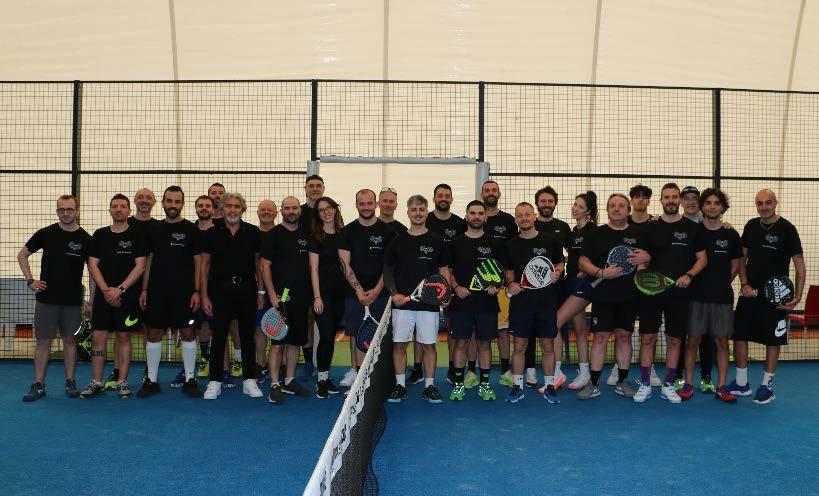
China, India, Brazil.

In 2024, these three sites were awarded the Great Place to Work certification.
The Ognibene Group promotes a corporate culture based on trust, collaboration, and the well-being of its people. In this context, three foreign subsidiaries received recognition in 2024: Opower Hydraulic Systems (Jiaxing) Co., Ltd. (OHS) in China, Ognibene India Pvt. Ltd. (OIL) in India, and Ognibene Hidrostatica Limitada (OHL) in Brazil, all of which achieved the Great Place to Work certification, a prestigious international recognition based on employees’ positive perception of their working environment.
The remuneration of Ognibene Power Italy employees is higher than the minimum levels established by the National Collective Bargaining Agreement for the Metalworking Industry (CCNL Metalmeccanico). This positive difference is the result of second-level bargaining, which over time has led to the consolidation of certain production bonus components and, more recently, performance bonuses. In addition, among the elements making up the base salary, a collective superminimum of equal value is granted to all categories, confirming the Company’s commitment to recognizing the value of work and promoting a fair distribution of benefits.
Ognibene Power’s corporate welfare system is characterized by a personalized approach focused on the daily well-being of its people. In particular:
• in line with the provisions of the National Collective Bargaining Agreement (CCNL):
- the Company provides each employee (excluding executives) with an annual welfare credit of €200 to be used through a welfare platform. In addition, employees may choose to convert all or part of the balance and second advance payment of the performance bonus into welfare credit, with the Company granting an additional 30% contribution on the converted nominal value. This initiative promotes greater customization of benefits and a better balance between personal and professional needs;
- all employees who are no longer in their proba-
Ognibene Power Italy Company padel tournament
tionary period are enrolled in the MetaSalute Fund, with contributions fully paid by the Company. This benefit allows employees to access supplementary healthcare coverage, strengthening health and well-being protection;
- employees who expressly request it are enrolled in the Cometa Fund. The Company contributes with a rate equal to 2% of the contractual minimum salary levels;
• second-level bargaining – therefore internal company agreements – has defined the following incentives/benefits for the generality of employees:
- since 2024, Ognibene Power has introduced a new system of cumulative meal vouchers worth €6.70 each, granted for every day of actual attendance at work equal to or exceeding four hours. Employees may choose this option as an alternative to the previous system, which provided access to catering services through CIR-affiliated canteens or a “distributed canteen” system via daily meal vouchers worth €8.35, with a 20% employee contribution. The introduction of this option aims to ensure greater flexibility and accessibility in the management of daily meals;
- recognition of a workshop allowance for personnel involved in production activities (excluding white-collar employees) amounting to €0.65 for each hour worked;
- study leave to support employees continuing their university education. This represents an important commitment by the Company to support employees’ educational growth;
- performance bonus worth €2,000 gross per year upon achievement of 100% of profitability, quality, and efficiency targets. The bonus is paid in three installments: two advances and one final balance payment;
- stability agreements;
• incentive systems, including MBO (Management by Objectives)
Health, pensions, meals and training. A corporate welfare scheme designed to support every stage of your working life.
Each Group location offers a benefits package consistent with the local context.
In Brazil, for example, a structured welfare system is in place, including healthcare assistance, life insurance, home-to-work transportation services, meals, seniority and productivity awards, gifts for employees and their families, medical agreements, training programs, and spaces dedicated to workplace well-being. In the United States, employees benefit from healthcare coverage, pension plan contributions, productivity bonuses for certain roles, and smart working equipment. In China, commercial insurance coverage is provided.
Flexible working arrangements are implemented according to the characteristics of each local context. In Brazil, flexible start and end times are in place and, for certain roles, remote working opportunities are available. Smart working is also available in the United States, subject to agreements with managers. In China and India, however, agile working arrangements have not yet been adopted.
Below are some employee engagement initiatives implemented within the foreign subsidiaries.
On November 15, 2024, Ognibene India organized a Family Day event dedicated to employees and their families, aimed at strengthening the sense of community and belonging within the Company. The event opened with greetings from Irene Ognibene and General Manager Rajesh Tyagi, followed by the recognition of outstanding employees for their contribution.
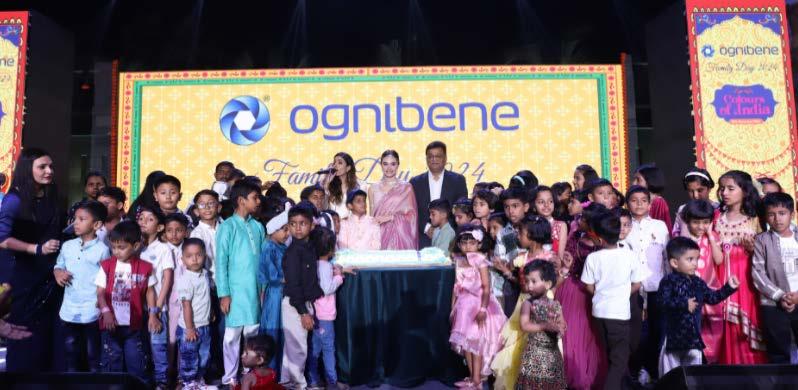
Ognibene India
Family Day – 15 November 2024
The day continued with cultural performances, recreational activities, and entertainment moments dedicated to children, creating an atmosphere of sharing and inclusion. This initiative represented an important opportunity to enhance human capital and promote a positive and participative working environment.
On May 31, 2024, Ognibene China organized a Children’s Day celebration in Jiaxing, Zhejiang, dedicated to all employees. The event, coordinated by the HR team and volunteers from various departments, featured games and activities designed to rediscover the joy and light-heartedness of childhood, offering a moment of leisure and sharing. This initiative highlights the importance of keeping a youthful spirit and optimism alive, values that are also essential in facing everyday challenges.
Opower Hydraulic Systems - China
Children’s Day – 31 May 2024
Diversity and equal opportunities
Ognibene Power pursues respect for individuals and human dignity and does not tolerate any form of discrimination.
As also defined in the Code of Ethics, all Group Companies reject and are committed to preventing any form of discrimination based on gender, race, sexual orientation, health condition, language, religion, political opinions, or personal and social conditions. Phenomena such as racism, xenophobia, and denial of crimes against humanity, in any form, including dissemination through social media, are condemned in the strongest possible terms.
Any behavior contrary to the spirit of the Code and Ognibene’s values may be reported to the Supervisory Body through the email address odv231@ognibene.com or through the dedicated whistleblowing mailboxes established for this purpose.
Furthermore, the Group is committed to promoting gender equality, not only formally but also substantively, within its workplaces, ensuring equal pay and treatment and guaranteeing that access to senior positions within the Company is not restricted on the basis of gender or any reason other than merit and professional skills.
15 The table in question refers exclusively to Ognibene Power S.p.A. (OPW).
16 The table in question refers exclusively to Ognibene Power S.p.A. (OPW).
Ognibene Power Italy embraces diversity among its employees, bringing together people from different ethnic and cultural backgrounds and considering diversity as a value that enriches and makes the working environment more stimulating. Employees coming from other geographical areas account for 14% of the total workforce.
This percentage is higher than the figure recorded in Italy, where foreign residents represent 9.2% of the resident population (data referring to 2024)17.
These are also very different cultures — such as those from Africa and Asia — which are nevertheless able to
coexist while respecting one another. Every employee is expected to understand and accept the culture of others, so that each individual becomes a source of intellectual enrichment for the entire group.
Based on 2024 data, 55% of foreign workers have been with the company for more than five years, consolidating their professional growth; more than 12% are involved in career development paths that have led to increases in contractual level, and 5% hold positions of responsibility coordinating other employees.
Attention to equal treatment, quality of working life, and the creation of a positive and inclusive environment is also reflected in the Group’s inclusion policies, through a cross-functional commitment involving all Group locations. Although the workforce composition is predominantly male, especially in operational roles, there is growing female participation in white-collar and managerial positions. In Brazil, there is a strong female representation at the second leadership level, while in the United States three out of the four executives currently employed are women. In the United States, partnerships have also been established with agencies (e.g. HUB) holding certifications focused on the protection of disadvantaged categories.
Ognibene India has adopted a Corporate Social Responsibility (CSR) Policy strongly oriented toward sustainable development and inclusive growth, in line with its vision of being “a company that society
Training
wants to exist.” The Company’s CSR approach aims to generate a positive impact on the local community through concrete initiatives in areas such as road safety, healthcare, environmental sustainability, education, sports, and rural development. The CSR policy, formally approved by the Board of Directors, defines the priority intervention areas as well as the implementation, monitoring, and reporting mechanisms.
To ensure effective oversight of the CSR agenda, the Board of Directors established a Corporate Social Responsibility Committee (“CSR Committee”), in compliance with Section 135 of the Companies Act, 2013 and the Companies (Corporate Social Responsibility Policy) Rules, 2014. In line with this legislation, the Company commits to allocating at least 2% of the average net profit of the previous three financial years each year to CSR initiatives, ensuring transparency in the management and communication of results.
Ognibene Power Italy strongly believes in the importance of employee training and professional development. The Company invests in training programs that go beyond regulatory obligations, involving the entire workforce through initiatives aimed at developing technical, behavioral, and ethical skills. Specific courses for super-
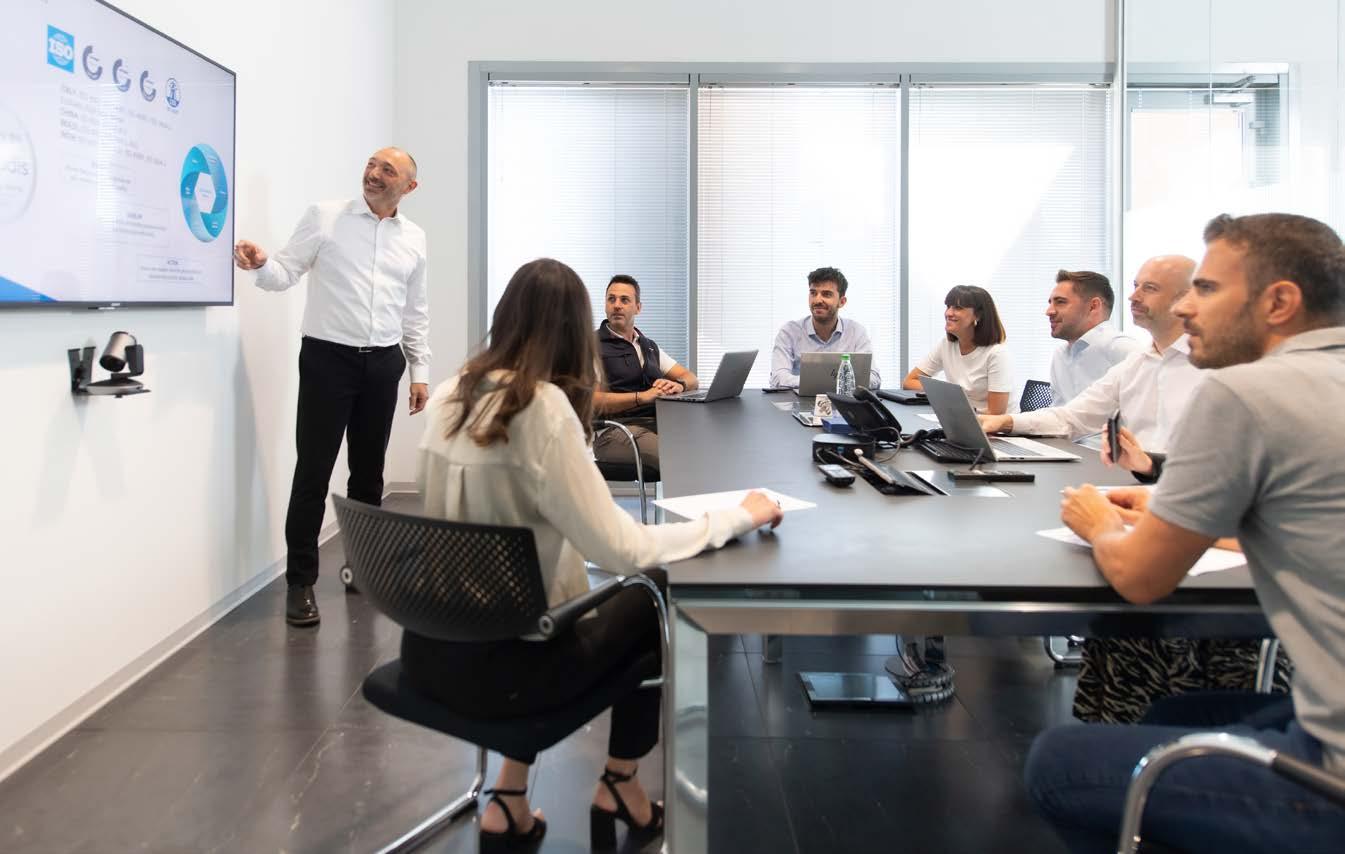
visors and dedicated sessions focused on the dissemination of the Code of Ethics and the whistleblowing system demonstrate continuous attention to individual responsibility and organizational culture. This integrated vision of training contributes not only to professional development, but also to strengthening the sense of responsibility and collective awareness.
Following the dramatic Covid experience after 2020, many training initiatives were transferred to webbased formats through the use of dedicated and user-friendly platforms.
In 2024, the total number of training hours delivered by Ognibene Power exceeded 10,000, marking a significant increase compared to the 5,000 hours delivered in 2023. Among the main training activities provided, workplace safety and prevention training continued to represent almost 20% of the total training hours delivered.
Training investments were partially financed through interprofessional funds for continuous training (Fondimpresa and Fondirigenti). Every year, the HR department publishes the Training Plan, developed based on the analysis of employees’ skills carried out by managers, from which the gaps between expected and acquired competencies emerge. To ensure effective management of training activities, Ognibene adopts a procedure that defines methodologies and organizes the various phases of the process, starting from the annual identification of the training needs of the company workforce.
Introducing a training system consistent with skills development involves the following activities:
• Systematic Education & Training: creating a training system that manages:
- Preventive training to minimize the gap between the required knowledge and the skills possessed by each employee.
- Development training strategies with training needs analysis to be assessed in the medium term, including needs related to leadership development (plant managers, pillar leaders) and needs based on succession plans or natural turnover.
• Development of internal trainers to establish a “train-the-trainer” system by identifying candidates with suitable characteristics (knowledge + attitude), supporting them during their first training activities (from One Point Lessons to classroom training) up to their certification.
• System for certification and evaluation of competencies acquired through training by mapping, for each employee, the competencies gained following the training intervention (training effectiveness).
+ 10,000 hours in 2024. Double the figure for 2023.
In 2025, the Company aims to launch a new corporate Academy designed to centralize and digitalize the training offering. The project includes an initial start-up phase dedicated to white-collar employees, followed by a gradual extension to the entire company population through the development of cross-functional and flexible online learning paths designed to support continuous updating and internal mobility. In support of the initiative, the
18 The table in question refers solely to Ognibene Power S.P.A. (OPW). In 2024, all employees attended at least two training courses, resulting in an increase in the total number of participants.
first entry tests have already been launched and activities are underway to upload company courses onto the platform, with particular attention to content related to safety, processes, and support during department changes. The integration of mandatory courses is also being evaluated in order to simplify access and ensure traceability. The platform will also include a system for assessing acquired competencies.
Health and safety
The Management of Ognibene Power Italy considers workplace safety and sustainable development to be essential ethical values and an integral part of business management; in pursuing its business objectives, the Company adopts principles of social responsibility, promoting the continuous improvement of health and safety performance for its employees. With this in mind, Company Management has chosen to implement and maintain an Integrated Management System compliant with the most recent international standards regarding occupational health and safety and environmental protection. In particular, the adopted Management System, compliant with ISO 45001:2018, represents a voluntary organizational model aimed at ensuring the achievement of Ognibene’s objectives in terms of workers’ health and safety through the continuous optimization of business processes.
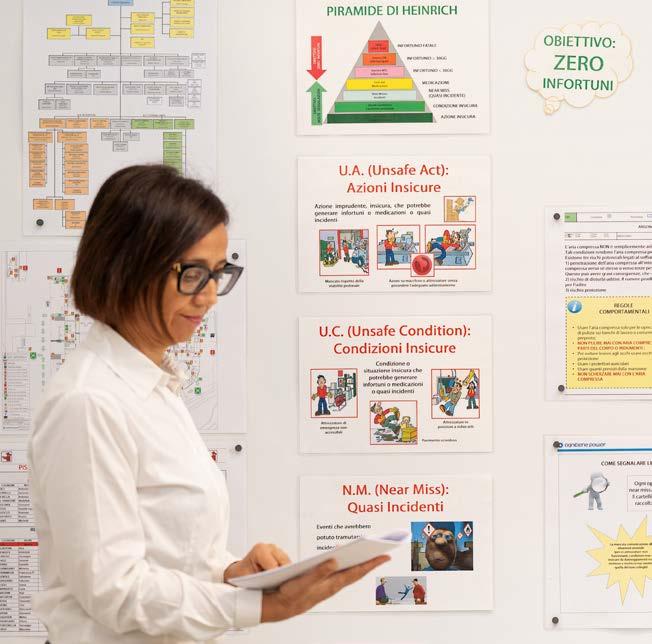
Consistently with this approach, the Company has defined an integrated policy on health, safety, and environmental sustainability that guides all activities and decisions toward responsible development, attentive to people and respectful of the environment, through the pursuit of the following objectives:
• compliance with regulatory requirements;
• continuous improvement;
• transparency and stakeholder involvement.
Ognibene Power Italy regularly identifies the internal and external factors that may influence the success of its quality, safety, and environmental management system. These factors reflect the expectations of the most relevant internal and external stakeholders.
The assessment is carried out through a matrix analyzing context, stakeholders, risks, opportunities, and compliance obligations. The results of this analysis lead to the definition of improvement actions collected within the Company Improvement Plan.
At least once a year, Top Management, together with the managers of the Quality, Safety, and Environment Systems, assesses the achieved performance, verifies the effectiveness and consistency of the adopted management system, and defines any actions for continuous improvement.
In addition, monthly meetings are planned on health, safety, and environmental topics involving the HSE team, Safety Managers, the RSPP, and supervisors. These meetings aim to monitor improvement activities and increase awareness of HSE issues.
Pursuant to Legislative Decree 81/2008, the Company prepares the Risk Assessment Document, through which it identifies the risk sources present in the work cycle, the resulting potential risks for workers, and the implemented prevention and protection measures. In compliance with Article 17 of Legislative Decree 81/08, the document is prepared by the Employer in collaboration with the Head of the Prevention and Protection Service (RSPP), the Occupational Physician, and after consultation with the Workers’ Safety Representatives (RLS). The Occupational Physician appointed by the Company collaborates in drafting the risk assessment, particularly regarding the identification of workers who, due to the occupational risks to which they are
actually exposed, must undergo health surveillance pursuant to Article 39 of Legislative Decree 81/08 and includes them in the “health protocol.” Every year, the Occupational Physician prepares the report containing the “Anonymous Collective Results” relating to the health surveillance carried out. This document is also used for a more complete and targeted risk assessment and contributes to verifying the effectiveness of the preventive measures adopted by the Company. The dynamic nature of the health protocol is confirmed, as it is updated in collaboration with the RSPP based on updates to the risk assessment. Continuous collaboration with the Occupational Physician, the RSPP, HR, and supervisors makes it possible to carry out targeted assessments to ensure the most suitable placement of individual workers according to the limitations indicated in their fitness-for-work judgment.
2024 ended with 15 injuries compared to 22 in the previous year, representing a 31.8% reduction compared to 2023. The severity of injuries also resulted in a 47% reduction in lost days due to disability compared to the previous year. It should also be noted that no fatal workplace accidents occurred during the three-year reporting period.
Health and safety at work is an essential ethical value
and is an integral part of business management.
Analysis of the root causes of injuries also shows that, in 2024, the highest percentage incidence (60%) was related to the human factor (distraction, imprudence, overconfidence).
All injuries are thoroughly analyzed and, based on the root cause, appropriate improvement actions are implemented. For “unsafe acts” related to the human factor, initiatives are carried out to increase safety awareness. The main planned actions include:
• for workers, through the continuous dissemination of safety instructions (Visuals, One Point Lessons, Standard Operating Procedures);
• for supervisors, through a development path aimed at improving supervisory roles in line with new legislative updates, as well as listening and interpersonal skills with workers and during HSE Meetings.
From a prevention perspective, “near misses” are also systematically analyzed, namely events that did not cause an injury but could potentially have done so.
The active involvement of workers in safety management has also been strengthened through the imple-
mentation of the so-called “green cards,” an internal tool for collecting HSE (Health, Safety & Environment) reports, including medications and near misses, managed according to the logic of the plan-do-check-act cycle.
To promote greater awareness on health and safety issues, quarterly meetings were held between the RSPP, RLS, and HSE representatives, as well as targeted meetings with safety managers, supervisors, and HR according to the topics addressed. The dissemination of a safety culture is promoted through awareness initiatives, targeted training courses, and constant monitoring of workplace injuries. The actions implemented, aimed at increasing risk aware -
Heinrich’s Pyramid
The Company pays close attention to the protection of the working environment by providing suitable equipment and ensuring workplace safety and hygiene. In order to avoid and prevent accidents and harmful events, everyone must comply with the safety regulations set out in the relevant policies, carefully observe the rules governing access to company premises, and refrain from introducing unauthorized persons into areas not open to the public.
In line with the continuous improvement process,
ness and promoting correct behaviors, are part of a broader plan intended to make the working environment increasingly safe, participative, and responsible.
To increase safety awareness and spread a culture of prevention at all organizational levels, Ognibene Power S.p.A. uses Heinrich’s Pyramid, a tool integrated into the Occupational Health and Safety Management System (ISO 45001:2018), which allows the visual communication of the trend of Safety events with the aim of creating a virtuous cycle of reporting before such events turn into incidents harmful to workers’ health and safety.
the Company has made structural investments in technological and organizational solutions aimed at protecting workers’ health and safety. Among the most significant initiatives is the introduction of new production lines with a strong focus on ergonomics and automation: in particular, within the ST Business Unit, an automated assembly line equipped with anthropomorphic robots and workstations designed to improve operational comfort has been installed, reducing the risk of biomechanical overload.
To complement these initiatives, during 2024 numerous specific actions were implemented to prevent occupational diseases, including:
• the replacement of traditional air guns with lower-noise models in order to reduce the risk of hearing disorders;
• the improvement of the microclimate in production departments through the installation of 10 air conditioning units, enhancing environmental conditions and thermal comfort;
• the adoption of mechanical aids for load handling, aimed at reducing physical strain and the risk of musculoskeletal disorders;
• the application of ergonomic principles already during the design phase of workstations and production lines, with the aim of preventing the onset of occupational illnesses.
Preventive Risk Analyses are regularly carried out at all Group locations, together with corrective actions following incidents or reports. Systematic monitoring of injuries and near misses is an integral part of the safety management system. The most frequent injuries involve impacts, bruises, and minor cuts, particularly to hands and fingers. During the reporting period, no occupational diseases were recorded.
The aim is to create an increasingly safe, inclusive and responsible working environment.
The protection of occupational health and safety represents a common pillar across all international locations of the Ognibene Group, although with tools and approaches diversified according to local contexts. At all sites, safety managers are appointed and supported by occupational physicians, either internal or external, as well as dedicated technical personnel. Health surveillance through periodic medical examinations is also ensured at every plant.
Mandatory safety training is provided at all sites already during the onboarding phase. In China, at Opower Hydraulic Systems Co., the program is structured on three levels and also includes corporate culture content; in Brazil, Safety Dialogues (DSS) are held monthly; in India, training also includes behavioral modules (Behavior-Based Safety – BBS), while at Ognibene North America the program is managed by internal representatives and continuously updated.
In Brazil, since 2021, the SESMT (Specialized Service in Safety Engineering and Occupational Medicine), a mandatory service required by local regulations, has been active with the aim of preventing work-related accidents and illnesses through the identification and management of risks. The team is composed of specialized professionals, including safety engineers and technicians, occupational physicians, and nurses. Supporting this structure is also an internal committee, the CIPA, made up of employee and company representatives, tasked with promoting a culture of prevention and monitoring operational conditions. To further strengthen HSE management, the Company adopted the SOC+ platform, an integrated digital system for health, safety, and environmental management. The tool centralizes information, ensuring traceability, regulatory compliance, and efficiency in business processes related to the protection of people and the working environment.
Finally, regarding communication and hazard reporting, dedicated and direct reporting channels are active for all employees at the U.S. site, while in Brazil reporting is managed through a form completed by the Emergency Management Team. In India and China, although internal procedures for monitoring and responding to critical events are in place, the introduction of direct and accessible reporting channels for all employees represents an area for potential improvement
Metrics
The metrics reported in the following section have been prepared on the basis of data provided by the companies included within the Group reporting scope. Any missing data are indicated in the footnotes.
19 The item “Apprentices” applies exclusively to Ognibene India Pvt. Ltd. (OIL) and refers solely to personnel undergoing training, in compliance with the provisions of the Apprentices Act, 1961, the applicable Indian national law governing apprenticeships. Under this regulation, these individuals are employed under apprenticeship contracts intended exclusively for vocational training purposes and not as subordinate employees.
20 The data relating to the “Apprentices” item were provided and reported exclusively by Ognibene Power (OPW).
Hires and resignations by gender and age group
21 The data relating to the “Apprentices” item were provided and reported exclusively by Ognibene Power (OPW). Non-employee workers of Ognibene India Pvt. Ltd. (OIL) are also included.
22 The data relating to employees belonging to protected categories were provided and reported exclusively by Ognibene Power (OPW) and Ognibene Hidrostatica Ltda (OHL).
23 The data relating to hires and terminations for the 2022–2024 three-year period were provided and reported exclusively by Ognibene Power (OPW), Opower Hydraulic Systems Co., Ltd. (OHS), Ognibene India Pvt. Ltd. (OIL), and Ognibene Hidrostatica Ltda (OHL).
Hires and resignations by gender and age group
24 The data relating to training hours delivered during the 2022–2024 three-year period were provided and reported exclusively by Ognibene India Pvt. Ltd. (OIL). Ognibene North America LLC (ONA), Opower Hydraulic Systems Co., Ltd. (OHS), and Ognibene Hidrostatica Ltda (OHL) provided data limited to the 2023–2024 two-year period. Ognibene S.p.A. and Ognibene Power S.p.A. (OPW), on the other hand, reported data relating only to the year 2024. For OHL, only aggregate figures have been reported for 2023 and 2024, as a breakdown by gender (men/women) was not available for the categories of manual workers and office staff.
25 The data reported relates exclusively to Ognibene Power S.p.A. (OPW). It should also be noted that, in 2024, all employees attended more than one training course (at least two, and in many cases three); for this reason, the total number of participants is particularly high.
26 The table in question refers exclusively to Ognibene Power S.p.A. (OPW).
27 The data reported in the table refer exclusively to Ognibene Power S.p.A. (OPW).
Workers in the value chain
The impacts, risks and opportunities related to the topic covered in this paragraph are reported in the table below
Impact materiality
Description
Inadequate worker protection and human rights violations in the value chain, due to practices that fail to consider human rights, working conditions and skills development.
Protection of contractors’ and subcontractors’ workers. Direct
Occurrence of physical accidents in the workplace involving contractors’ and subcontractors’ employees.
Possible onset of occupational diseases among contractors’ and subcontractors’ employees (e.g. manual handling of loads, repetitive movements).
Financial materiality
Description
Risk of failure to respect human rights and sustainable practices throughout the supply chain, with potential litigation costs, fines/penalties and/or reputational damage.
Legal and reputational risk in the event of damage to the health and safety of employees along the value chain.
Reputational benefit resulting from the development of a sustainable value chain.
This paragraph considers all workers involved in the value chain who may be impacted, directly or indirectly, by the activities carried out by the Ognibene Group. As the Group is composed of companies with locations also abroad, the value chain is highly heterogeneous from a geographical perspective, including different regulatory, cultural and social contexts.
In particular, the steel industry, from which the main raw materials used in the production process originate, may present potential risks related to workforce conditions, such as child labor exploitation, forced labor, as well as issues connected to workers’ health, safety and well-being.
Among the relevant topics identified is the responsible management of the supply chain, which may generate significant effects both operationally and reputationally. The Company and the entire Group are committed to monitoring and managing these aspects, promoting responsible practices throughout the supply chain and collaborating with suppliers that share ethical values and high standards regarding human rights and working conditions.
Ognibene Power Italy specifically recognizes the risk linked to the failure to protect human rights and to the adoption of unsustainable practices throughout the supply chain.
Alongside these risk factors, the Company also identifies a clear reputational opportunity arising from the development and consolidation of a sustainable supply chain, capable of strengthening stakeholder trust and creating shared long-term value. In this context, Ognibene Power Italy is committed to promoting environmental, social and governance criteria in relations with its suppliers, through selection, qualification and monitoring tools consistent with its ethical principles and corporate values.
Impact analysis
The responsible management of the supply chain is a matter of great importance. Ognibene Power Italy pays attention, during the supplier selection process, to environmental sustainability matters, respect for human rights, the pursuit of gender equality, inclusion, and the fight against discrimination and inequality. The Company has developed a system to sustainably manage the supply chain, which includes:
• compliance with and sharing of corporate policies: Supplier Code of Conduct, Code of Ethics, and Organizational, Management and Control Model 231/01;
• supplier management processes: supplier selection and evaluation according to ESG criteria and co-engineering collaborations.
Awareness of the strategic role of the supply chain makes it essential to build relationships based on transparency, collaboration and mutual respect. In this regard, Ognibene Power Italy has adopted and sent to all suppliers a Code of Conduct defining the principles and behavioral rules to be followed throughout the supply chain, with the aim of promoting a sustainable business model in every context.
Values such as legality, honesty, fairness, equality, confidentiality, equity, integrity, transparency and sustainability must be respected in relations with all third parties interacting with the Company.
Ognibene Power Italy has adopted and strictly complies with high standards toward its suppliers. When deliveries meet the required quality and service level, the Company pays the agreed compensation without delay, with the long-standing objective of strengthening collaboration, trust and mutual esteem over time. During negotiations, Ognibene Power Italy ensures that fair negotiation standards, in line with the Code of Ethics, are respected.
Supplier selection and evaluation
The new supplier selection process is developed according to four guidelines aligned with the Company’s values:
• assessment of technological expertise and delivery capability;
• competitiveness analysis (commercial conditions, production capacity, etc.);
• adoption of the Quality Manual;
• adoption of the Ognibene Code of Ethics
The selection process begins with a supplier self-assessment during qualification, followed by an analysis by Ognibene and periodic audits aimed at verifying the consistency of the information provided. Audits are carried out directly at the supplier’s premises and
A sustainable supply chain
is built one supplier at a time.
aim to identify and monitor any risks or critical issues, technical or otherwise, that may emerge during the collaboration.
At Ognibene Power Italy, an HSE audit program integrated into the ISO 14001 and ISO 45001 management systems is also active. Each year, 6–7 strategic suppliers are identified for review, selected according to the type of process performed for Ognibene Power Italy and the degree of influence the Company can exercise over them.
Through a matrix crossing process criticality with influence capacity, the most appropriate supplier control actions are determined. Suppliers with the highest scores are prioritized for annual audits. Selected suppliers are required to update their self-assessment to identify any changes compared to the initial situation. Subsequently, an on-site audit is carried out: the Company team directly verifies what has been declared or, in the absence of responses, completes the questionnaire together with the supplier.
This activity allows more effective monitoring of potential technical or organizational risks and critical issues. Through targeted inspections and operational guidance provided to suppliers, Ognibene Power S.p.A. is able to prevent situations that could generate environmental emergencies or compromise worker safety.
and Ognibene Hidrostatica Ltda (OHL).
28 The data relating to the category “Number of Companies Subjected to Audit” were provided and reported exclusively by Opower Hydraulic Systems Co., Ltd. (OHS), Ognibene India Pvt. Ltd. (OIL),
In continuity with what has been implemented in Italy, the Group’s foreign companies have also strengthened their commitment to monitoring and qualifying the supply chain. In particular, starting from 2023, Ognibene India Pvt. Ltd. (OIL) carried out 33 supplier audits, increasing to 36 in 2024.
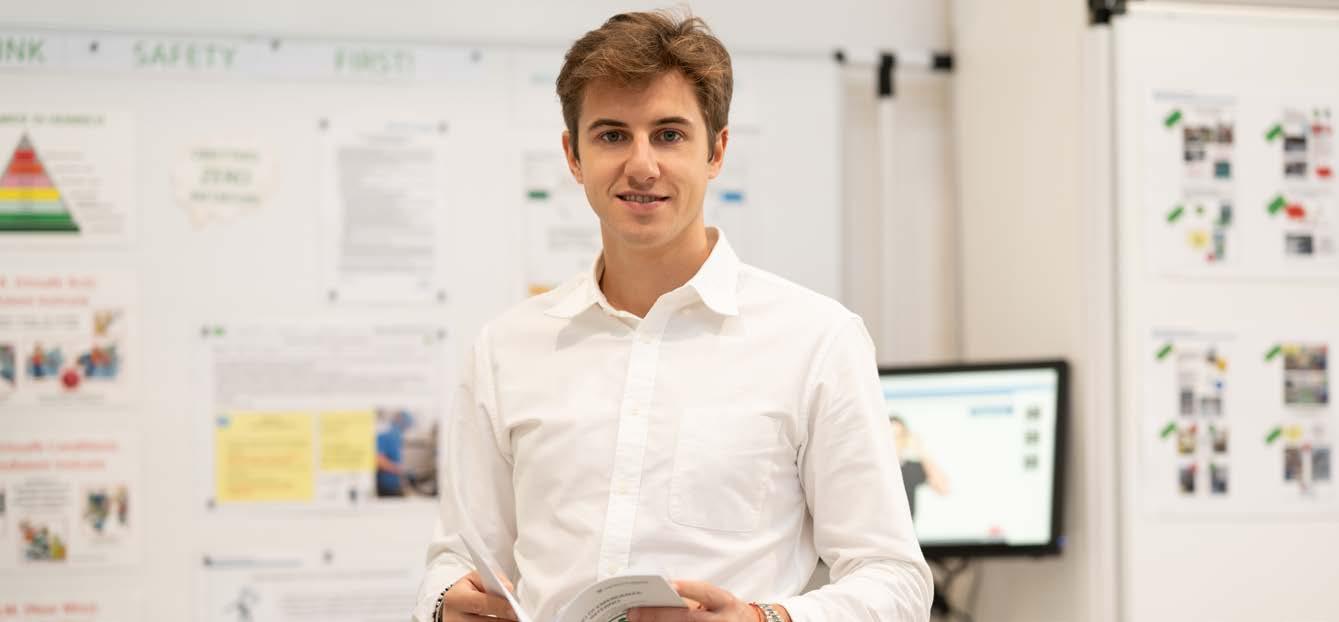
Ognibene Power Italy maintains ongoing contractor agreements, for which additional supplier checks are required to ensure regulatory compliance and worker protection. In particular, the following are verified:
• application of the correct national labor agreement;
• regularity of social security and welfare contributions through the request of an updated DURC certificate;
• environmental and safety compliance, in line with ISO 14001 and ISO 45001 certification requirements, where applicable.
For 2025, the Company aims to implement a management software dedicated to monitoring documentation relating to contractor agreements and access of contractor personnel. The objective is to ensure more efficient and transparent management through direct uploading of documents by suppliers and automatic notifications near expiry dates, encouraging timely updates.
Each document will be subject to approval by Ognibene Power Italy and, in the event of failure to submit or validate the required documentation, the system will generate an alert preventing non-compliant personnel from accessing the Company premises.
Ognibene Power Italy also intends to include ESG topics, with methods currently under definition, in the supplier qualification process and to implement a true strategy capable of involving supply chains in the face of increasingly strict regulations and increasingly concrete risks for companies.
Supply chains were not originally built with sustainability in mind, meaning that Ognibene Power Italy— like other companies—will have to face strategic challenges in environmental, social and governance (ESG) management along its automotive supply chain.
The reputational risk associated with non-self-evident environmental factors (for further details see the paragraph “Greenhouse Gas Emissions”) or possible human rights issues not declared by suppliers is considerable, since it is widely believed that a company should be at least partly responsible for the behavior and violations of its suppliers (even if not legally liable). Ognibene will therefore need to assess its contractual leverage with suppliers that do not adopt ESG standards and possibly consider their replacement, with costs and timing to be evaluated.
Co-engineering
Ognibene Power Italy collaborates with high value-added suppliers through co-engineering, meaning continuous contact and exchange of solutions aimed at achieving ever higher technological and quality standards. Ognibene Power Italy is aware of the need to involve its supplier base in initiatives concerning:
• circular economy;
• waste management;
• environment and sustainability.
This will take place over time through:
• risk management programs;
• requests for the adoption of standards and certifications;
• environmental impact mitigation programs;
• programs to expand social impact.
“Co-engineering” means a cooperative joint development model between companies—two or three at most—in which the customer and suppliers each develop part of a complex product in synergy. The customer leverages suppliers’ expertise, high specialization and production facilities. The distinctive characteristic is the interdependence of the parties involved in terms of operating structures and specific technologies.Ognibene Power Italy works in co-engineering with several suppliers and customers, leveraging the high technical specialization of its people and the state-of-the-art technology of its plants. The co-engineering program will need to develop on ESG topics, which have already reached Ognibene Power Italy from the customer side. Indeed, numerous customers include a dedicated sustainability score—or even broader ESG evaluation criteria—within their supplier scorecards. The Ognibene Group’s foreign companies show a diversified approach in supply chain management, in line with local operational and regulatory contexts. The geographical origin of suppliers varies significantly among locations. For example, at the U.S. company (ONA), 95% of suppliers are foreign and only 5% domestic. In Brazil (OHL), 56% of
suppliers are international and 44% domestic. In India (OIL), instead, 77% of suppliers are domestic, distributed across the North, South and West of the country, while the remaining 23% are foreign. In China (OHS), the main suppliers come from China itself, but also from Italy, Germany and India.
From a management practices perspective, the plants in India and China apply a Supplier Code of Conduct signed by all business partners. The Indian subsidiary also has a Supplier Manual, completing the documentary framework supporting supply chain responsibility. By contrast, the U.S. subsidiary has not yet adopted a supplier code of conduct.
Regarding monitoring activities, the companies in India and China adopt self-assessment questionnaires including quality, environment, safety and social responsibility aspects. The Indian subsidiary also introduced a sustainability questionnaire in 2024 aimed at evaluating suppliers’ ESG performance.
At Ognibene India and Opower Hydraulic Systems Co. (China), periodic audits are also carried out, both for new suppliers and as annual unannounced checks. These audits are aimed at verifying compliance with required standards regarding quality, environment and occupational health and safety.
With regard to contractor management, the Indian subsidiary adopts service supply contracts for activities such as maintenance, logistics, painting and machining. Suppliers are selected only if compliant with current regulations, and every third-party worker is subject to specific document checks (e.g. PPE, training, medical fitness), as well as an onboarding process in collaboration with the safety department.
Contracts for specific activities are also used in China, while the U.S. subsidiary relies exclusively on staffing agencies for temporary work and does not use direct contracts for production activities.
Overall, the foreign subsidiaries show a progressive strengthening of controls regarding social responsibility throughout the supply chain, with more structured and integrated practices in the Indian and Chinese locations.
Affected communities
The impacts, risks and opportunities related to the topic covered in this paragraph are reported in the table below.
Impact materiality
Description
Job creation and guarantee of adequate working conditions in territories also outside the EU.
Contribution to the socio-economic development of the local area through the offering of training paths for young talents from local schools and/or universities.
Contribution to the socio-economic development of the local area through initiatives supporting communities, partnerships with local suppliers, collaborations with local organizations, and financial support to small local entities, public bodies and non-profit organizations through donations and sponsorships.
Support for the development of young talent and the promotion of female participation in STEM education and career paths through scholarships.
Financial materiality
Description
Reputational damage resulting from failing to play an active role in the social context of reference.
A worsening of staff shortages, which could lead the company to close certain activities, may also negatively affect job creation.
Strengthening of reputation through volunteering initiatives in the community.
In the event of an extreme environmental phenomenon (e.g. flood), the Company may play an active role in supporting the local community, contributing to territorial resilience and strengthening ties with people and institutions.
In the financial materiality analysis, a potential reputational risk was identified related to the failure to play an active role in the relevant social context, balanced by the opportunity to strengthen the Company’s image through volunteering initiatives benefiting the community. In the event of extreme environmental events, the Company could seize the opportunity to contribute to territorial resilience through active support to the local community, strengthening relationships with institutions and citizens
Impact analysis
Ognibene Power Italy recognizes the importance of donations to the community and support for local entities. The transparent integration of donations into the sustainability report demonstrates the Company’s commitment to promoting sustainable development aimed at improving the quality of life of surrounding communities, preserving the environment, and fostering local socio-economic development.
With this in mind, the Company chooses to support local non-profit organizations operating in socially relevant sectors such as health, education, and the enhancement of local traditions and artistic expressions. Investing in these areas represents a concrete way to generate a positive and lasting impact within the community. A breakdown of donations made during the reporting period is provided below:

Ognibene Italy is a member of the FAI’s Corporate Golden Donor Programme.
In 2024, Ognibene Italy joined the Corporate Golden Donor Program of FAI – Fondo per l’Ambiente Italiano, strengthening its commitment to protecting the national cultural and landscape heritage. This initiative represents a concrete act of responsibility towards Italian collective identity and the enhancement of cultural assets as a shared resource.
The Italian headquarters also took part again in 2024 in the Memorial Idea Giroldini, a charitable initiative whose annual edition allocated the funds raised to APRO ETS in support of the local Gastroenterology department. The contribution falls under the Health category and demonstrates the Company’s attention to strengthening local healthcare services.

for Apro ETS

As part of local community projects, Ognibene Power Italy supported the exhibition “Matilde di Canossa, mediator of peace in the Middle Ages between Emperor and Pope”, a cultural initiative that enhances the historical figure of Matilde di Canossa and promotes dialogue among European communities through a shared exhibition route between Quattro Castella and Weilburg.
The project strengthens the historical identity of the territory and encourages cultural exchange and international relations.
Fundraising
Idea Giroldini Memorial - 2024
In support of the exhibition on Matilda of Canossa
Ognibene Power Italy also actively participates in career days promoted by engineering faculties, encouraging meetings between business and young talent and contributing to the development of technical skills in the local area.
During the year, relations with the academic world were further strengthened and synergies with important local entrepreneurial organizations were enhanced. These collaborations encouraged the exchange of expertise on strategic topics, including the development of projects related to artificial intelligence, strengthening the connection between business, territory, and research.
Career Day to find young talent
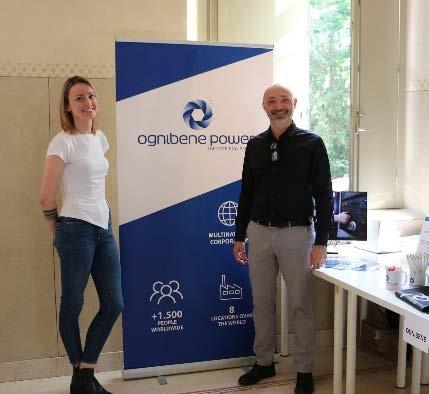
Alongside the initiatives promoted by the Italian headquarters, the Ognibene Group also develops social responsibility activities in its international locations, adapting them to local contexts and the needs of the reference communities.
Within this framework, the project by Ognibene India, carried out at New Samarth Vidyalaya, a local public school welcoming students from disadvantaged socio-economic backgrounds, stands out. The initiative aimed to create a safer, more inclusive, and technologically adequate learning environment for over 900 students through infrastructure improve -
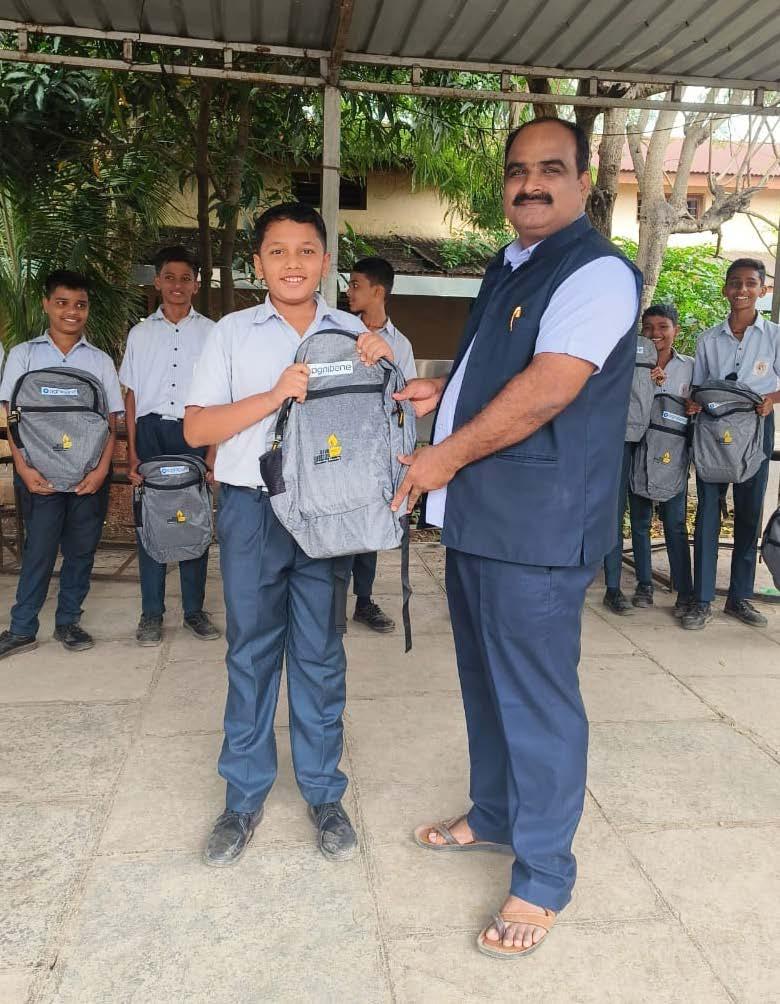
ments, enhancement of sanitation services, support for digital learning and STEM activities, as well as actions focused on students’ daily well-being. The project was completed with the distribution of 900 complete school kits, supporting the right to education and equal access to learning opportunities.
A new space for the school New Samarth Vidyalaya
Ognibene India
04

Governance information



Ognibene Power Italy firmly believes that the creation and market consolidation of an internationally significant Group can only be achieved if:
1. the people involved in creating, manufacturing, and distributing the products made by each Group Company receive fair remuneration and their civil rights are respected,
2. production processes are not only innovative, but also sustainable and carried out in full compliance with workers’ health and safety and with the protection of ecosystems.
Ognibene Power Italy is founded on ethical principles and core values, recognized by the Group companies as pillars of their mission. These values must be shared and respected by all stakeholders involved, in order to ensure the proper functioning, reliability, and reputation of the company.
Specifically, the Company pays particular attention to the following values:
• respect for people;
• customer satisfaction;
• product quality and safety;
• innovation;
• protection of health and safety in the workplace;
• environmental protection;
• reliability, competence, credibility, passion;
• reputation.
The purpose of this document is also to promote the above-mentioned values outside the Group, encouraging cooperation with companies that share the same principles and objectives.
The Group’s foreign subsidiaries are committed to ensuring high standards of compliance and integrity, through a gradual alignment process with Group policies. The Code of Ethics has been fully adopted in Brazil, China, and India, while implementation in the United States is nearing completion. The whistleblowing system, already active in Brazil and India, is being implemented in the United States and is not yet in place in China.
Quality policies are operational in all companies, while cybersecurity measures are well established in Brazil, China, and the United States, with further developments underway at the Indian subsidiary. All companies strictly comply with supplier payment deadlines.
Regarding environmental compliance, the subsidiaries in Brazil and China have launched specific analyses on territory-related risks, while structured procedures have not yet been implemented in India.

Impact materiality
Description
Positive impacts on people and local economic systems through R&D investments and participation in the High Technology Network.
Positive contribution to the technological development of the sector, improving process and product quality, and expanding intellectual property assets.
Creation of a positive and trustworthy working environment, increased customer loyalty and employee trust, through the promotion of an ethical and lawful corporate culture via the adoption of the Code of Ethics, and dissemination of integrity and transparency throughout the supply chain through the Supplier Code of Conduct.
Inclusion of stakeholder needs in the definition of corporate strategies.
Guarantee of products that meet quality, environmental, and safety standards through the implementation of an adequate integrated management system.
Collaborations with Schools and Universities.
Contribution to the development of a sustainable supply chain through policies favoring suppliers with social and environmental certifications.
Positive impact on suppliers through compliance with payment terms and/or agreed contractual conditions.
Financial materiality
Risk of malfunction or external breaches of IT systems, potentially causing costs and reputational damage.
Risk of loss of sensitive/confidential information and negative effects on operations and reputation.
Costs related to the implementation of controls to ensure ethics and integrity within the Company.
Non-compliance with international laws on sanctions and export controls.
Risks arising from increasing complexity of the tax framework.
Risk of ineffectiveness of the whistleblowing system, resulting in delays and reputational damage.
Non-compliance with anti-bribery and anti-corruption legislation.
Increased costs to address cybersecurity risks and comply with new regulations.
Ethics
Legislative Decree 231/2001 Model
Ognibene Power Italy, in compliance with Legislative Decree No. 231/2001 concerning the administrative liability of legal entities, has adopted an Organizational, Management and Control Model aimed at preventing the commission of offences identified by the regulation itself.
The Model provides for the implementation of a preventive control system structured through specific operating protocols which, together with existing and applied procedures, are intended to guide the activities of individuals operating in business processes considered most at risk and who, for any reason, maintain relations with the Company.
The adoption of the Model therefore included the assessment of all sensitive corporate activities in order to determine risks related to corruption and other offences envisaged by the regulation.
It also represents a tool through which the Company, in carrying out its mission, commits to contributing— consistently with laws and principles of fairness and integrity—to the socio-economic development of the local community and citizens through the organization and delivery of its business activities.
Pursuant to Article 6 of Legislative Decree No. 231/2001, Ognibene Power S.p.A. has also appointed a Supervisory Body (OdV) tasked with overseeing the
implementation of the Organizational, Management and Control Model, ensuring its subsequent updates, and monitoring the effectiveness and compliance of control processes. Violations of the principles of the Model may also be reported to the OdV through the email address: odv231@ognibene.com.
The Supervisory Body is composed of multiple members: Eng. Marilena La Grotteria, Lawyer Stefano Domenichini, and the internal member Dr. Lucilla Vismara.
Code of Ethics
Ognibene ensures transparent and direct communication with its stakeholders.
The values and principles guiding the daily activities of the Ognibene Group are formalized in the Code of Ethics, a reference document valid for all Group companies and encompassing the principles on which the corporate culture is based. Through the guidelines defined in the Code of Ethics, the Company ensures transparent and direct communication with all its internal and external stakeholders, and prevents improper conduct or behavior inconsistent with Company directives. The Code of Ethics, available in Italian and English and published on the corporate website, was updated by resolution of the Board of Directors on 18/01/2024. Ognibene Power Italy does not tolerate conduct that violates the behavioral principles set out in the Code and in Model 231/01. To protect its employees and the Company itself, and to comply with the provisions of Law No. 179/2017 (so-called Whistleblowing Law), the Company has adopted an anonymous reporting system. This system allows the anonymous reporting of suspicious activities, irregularities, unlawful conduct, or any violation of Model 231. Whistleblowers may use dedicated reporting channels and are protected against any form of retaliation, discrimination, or penalization. The confidentiality of the whistleblower’s identity is guaranteed, without prejudice to legal obligations and the protection of the rights of the Company or of persons maliciously or grossly negligently accused.
Privacy and Cybersecurity
The management of information security and the exchange of sensitive data are areas of particular attention for the Company. To ensure compliance and management of privacy matters, the Company relies on an external legal firm in cooperation with the Human Resources department. The Company places very high focus on cybersecurity, and this year as well
several initiatives were carried out to raise the level of security and optimize incident response capabilities.
In 2023, demonstrating the importance Ognibene Power Italy attributes to this matter, preliminary audits were conducted to implement a management system compliant with ISO 27001 certification, focused on privacy protection and cybersecurity, on which the Company is still working.

Annexes
Impacts
Topic Impacts
Climate Change
Climate Change Mitigation
Reduction of direct emissions (Scope 1) through decreased natural gas consumption (at OPW, heat pumps are used to heat offices and production facilities).
Reduction of direct emissions (Scope 1) through the purchase of hybrid vehicles. Positive Current Direct
Generation of indirect emissions (Scope 3) related to the production of raw materials used and transportation activities.
Generation of direct emissions (Scope 1) due to the consumption of natural gas, diesel fuel and gasoline across all Group companies.
Generation of indirect emissions (Scope 3) resulting from employee commuting.
Energy Monthly monitoring of electricity and natural gas consumption in order to identify abnormal consumption patterns and losses.
Reduction of Scope 2 emissions achieved through relamping initiatives and the adoption of automatic lighting shut-off systems, thanks to sensors that regulate indoor lighting based on climatic conditions, as well as the scheduling of compressors and extraction units. Positive Current Direct
Reduction of Scope 2 emissions through the installation of photovoltaic systems at facilities located in Italy, China and India.
Employee training on best practices for reducing energy consumption (e.g., switching off equipment at the end of shifts, checking for compressed air leaks, etc.).
Reduction of Scope 2 emissions through the purchase of certified green electricity by Ognibene Hidrostatica Limitada and Opower China.
Reduction of Scope 2 emissions through the purchase of new machinery with improved energy performance.
Generation of indirect emissions (Scope 2) due to the consumption of purchased electricity from nonrenewable sources.
Pollution
Air Pollution Installation of filtration systems (fabric filters) and monitoring activities in compliance with applicable requirements.
Reduction of emissions released into the atmosphere through the reduced use of solvent-based paints.
Topic Impacts
Air pollution caused by raw material production activities.
Channelled emissions of pollutants into the atmosphere.
Atmospheric emissions generated by the use of refrigerant gases in machine cooling systems.
Water pollution
Treatment of first-flush rainwater through an oil separator before discharge into a watercourse.
Disposal of water generated by production processes, treated as wastewater, through collection in tanks and subsequent transfer to authorized waste management companies.
Water pollution caused by raw material production activities.
Potential environmental damage resulting from the discharge into the sewage network of inadequately treated water originating from cooling towers (used for R&D testing activities) and water softening systems.
Soil pollution Reduced environmental impact through the creation of an ecological area designed to prevent the release of polluting substances.
Presence of containment basins wherever drums at risk of leakage are stored.
Soil pollution caused by raw material production activities.
Potential soil contamination due to the use of hazardous substances and improper waste management.
Water and marine resources – water
Water consumption
Water withdrawal
Reduction in water consumption through the purchase of washing machines that allow water recovery and reuse.
Recycling of 100% of wastewater at the Indian plant.
Significant water use for production activities in an area subject to low water stress.
Reduction in water withdrawals through the reuse, within the production process, of wastewater generated by the two evaporative cooling towers in the ST department and the evaporative cooling tower in the R&D department.
Reduction in freshwater consumption through the efficiency improvement of plant systems.
Negative Current Indirect
Negative Current Direct
Negative Current Direct
Positive Current Direct
Positive Current Direct
Negative Current Indirect
Negative Potential Direct
Positive Current Direct
Positive Current Direct
Negative Current Indirect
Negative Potential Direct
Positive Current Direct
Positive Current Direct
Negative Current Direct
Positive Current Direct
Positive Current Direct
Topic Impacts
Circular economy
Resource
Inflows, Including Resource Use
The main raw materials used are infinitely recyclable.
Recycling of scrap, shavings and iron chips, sold as foundry process waste for reuse.
Reduction in raw material consumption through the implementation of circular practices with customers and suppliers regarding packaging.
Addition of the wording “Reusable” on pallets to promote the reuse of wood as a raw material.
Separation of non-recyclable plastics from reusable plastics (such as PET, PE and PVC).
Development, through the R&D laboratory, of solutions aimed at minimizing material waste (e.g. hollow rod).
Use of raw materials at risk of depletion.
Waste Application of QR codes on all transport documents, with the aim of providing all information required for the correct management and disposal of packaging through a web-based file.
Installation of three filtered water dispensers connected to the water network, reducing employees’ use of plastic bottles.
Transfer of waste oils to a supplier specialized in recovery and recycling.
Recovery of materials such as wood, plastic, paper and cardboard.
Elimination of waste generated by process water at the Indian plant through the installation of reverse osmosis systems that enable water recovery.
Adoption of waste segregation throughout the production process to facilitate recycling practices.
To ensure proper identification and prevent the mixing of different waste streams, waste characterization is carried out directly by the department manager at the time the waste is generated.
Potential environmental damage due to the significant generation of hazardous waste.
Own workforce – Working conditions
Secure Employment Nearly 88% of employment contracts at Ognibene Power and Ognibene Hidrostatica Limitada are permanent contracts, demonstrating the commitment to building long-term and stable employment relationships.
More than 75% of apprentices at Ognibene Power obtain qualification as office employees or production workers.
Positive Current Direct
Positive Current Direct
Positive Current Indirect
Positive Current Indirect
Positive Current Direct
Positive Current Direct
Negative Current Direct
Positive Current Direct
Positive Current Direct
Positive Current Indirect
Positive Potential Direct
Positive Current Direct
Positive Current Direct
Positive Current Indirect
Negative Potential Direct
Positive Current Direct
Positive Current Direct
Topic Impacts
Since 2024, staff leasing personnel have been employed on permanent contracts by Employment Agencies (APL), with which Ognibene Power has also established open-ended commercial agreements.
In the Indian company, production activities rely predominantly on temporary agency workers (casual workers).
Working time
Adequate Wages
Requests from office and production employees for part-time working arrangements are considered.
Flexible start times are applied.
Impacts on work-life balance.
Introduction of a cumulative meal voucher management system granted for each day of actual attendance or, alternatively, access to a distributed canteen system at the employee’s choice.
Increased employee satisfaction and talent retention made possible through remuneration plans aligned with market conditions.
Performance bonuses granted to all employees and attendance allowances for shop-floor personnel, as provided for in company agreements.
MBO schemes, role allowances and retention agreements provided through individual agreements for office employees and supervisors.
Social dialogue Monthly publication of the Steering News newsletter and the availability of a Telegram channel for company communications.
Establishment of a constructive dialogue with Workers’ Safety Representatives (RLS) on a quarterly basis.
Weekly dialogue between the HR Department and trade union organizations.
Positive Current Indirect
Negative Current Indirect
Positive Current Direct
Positive Current Direct
Negative Current Direct
Positive Current Direct
Freedom of association
Presence of trade unions covering approximately 70–80% of blue-collar employees.
Collective bargaining All employees in Italy, including temporary agency workers, are covered by the National Collective Labour Agreement (CCNL) and second-level collective bargaining agreements.
In India, internal company bargaining agreements apply to employees but not to temporary agency workers.
Work-Life Balance
Improvement in the quality of life of employees and their families through welfare policies that support a healthy balance between work and personal life.
Improvement of the working environment and employee satisfaction through recreational activities aimed at strengthening the sense of belonging within the company.
Positive Current Direct
Positive Current Direct
Positive Current Direct
Positive Current Direct
Positive Current Direct
Positive Current Direct
Positive Current Direct
Positive Current Direct
Negative Current Direct
Positive Current Direct
Positive Current Direct
Topic Impacts
Health and Safety
Increased awareness of HSE topics.
Enhancement of employee skills through training that goes beyond mandatory requirements and is provided to all employees, not only new hires.
Occurrence of workplace injuries.
Positive Current Direct
Positive Current Direct
Negative Current Direct
Potential occurrence of occupational diseases (e.g., manual handling of loads, repetitive movements). Negative Current Direct
Own Workforce – Equal Treatment and Opportunities for All
Gender Equality and Equal Pay for Work of Equal Value
Improved employee satisfaction and quality of life through the effective management of systems designed to ensure equal treatment and opportunities for all, both in terms of remuneration and career development, as well as other aspects related to gender equality and the inclusion of employees across all Group locations worldwide.
Training and Skills
Development
Employment and Inclusion of People
Enhancement of employees’ skills and capabilities, resulting in greater job satisfaction and the development of a training system aligned with competency growth.
Positive Potential Direct
Positive Current Direct
Measures Against Violence and Harassment in the Workplace
Creation of a positive organizational climate through the promotion of an inclusive, respectful and welcoming work environment in which employees feel comfortable carrying out their activities and interacting with others.
Organization of training courses for all supervisors on appropriate workplace behavior.
Development of a brochure on the Code of Ethics and Whistleblowing, distributed personally to all employees, and organization of training sessions for all shop-floor employees on the sections of the Code of Ethics relevant to them. Positive Current Direct
Diversity Improved employee satisfaction and quality of life through the effective management of systems designed to ensure equal treatment and opportunities for all, both in terms of remuneration and career development, as well as other aspects related to gender equality and the inclusion of employees across all Group locations worldwide.
Workers in the Value Chain – Working Conditions
Secure Employment
Inadequate worker protection and human rights violations within the value chain due to practices that fail to adequately consider human rights, working conditions and skills development.
Negative Potential Indirect
Topic Impacts
Collective Bargaining
Health and Safety
Protection of contractors’ and subcontractors’ workers. Positive Potential Direct
Occurrence of workplace injuries involving contractors’ and subcontractors’ employees.
Negative Current Indirect
Potential occurrence of occupational diseases among contractors’ and subcontractors’ employees (e.g., manual handling of loads, repetitive movements).
Affected Communities – Economic, Social and Cultural Rights
TerritoryRelated Impacts
Creation of jobs and provision of adequate working conditions in both EU and non-EU territories.
Contribution to the socio-economic development of local communities through training programs for young talents from local schools and universities.
Contribution to the socio-economic development of local communities through community initiatives, partnerships with local suppliers, collaborations with local organizations and financial support to small local entities, public institutions and non-profit organizations through donations and sponsorships.
Support for the development of young talent and promotion of female participation in STEM educational and career pathways through the establishment of scholarships.
Consumers and End Users – Personal Safety
Health and Safety
Business Conduct
Corporate Culture
Health and safety incidents involving consumers and end users.
Positive impacts on people and local economic systems through R&D investments and participation in the High Technology Network.
Positive contribution to the technological development of the sector through improvements in process and product quality and the expansion of intellectual property assets.
Creation of a positive and trustworthy working environment, increased customer loyalty and stronger stakeholder confidence through the promotion of an ethical and compliant corporate culture via the adoption of the Code of Ethics, as well as the promotion of integrity and transparency throughout the supply chain through the implementation of the Supplier Code of Conduct.
Inclusion of stakeholder needs in the definition of corporate strategies.
Assurance of products that comply with quality, environmental and safety standards through the implementation of an integrated management system that ensures product traceability.
Collaborations with schools and universities.
Negative Potential Indirect
Positive Current Direct
Positive Current Direct
Positive Current Direct
Positive Current Direct
Negative Potential Direct
Positive Current Direct
Positive Current Direct
Positive Current Direct
Positive Current Direct
Positive Current Direct
Positive Current Direct
Potential harm to customers and other stakeholders resulting from data loss or inadequate management of Cyber Security systems.
Corporate conduct
Supplier Relationship Management, Including Payment Practices
Active and Passive
Corruption –Prevention, Detection and Training
Contribution to the development of a sustainable supply chain through the adoption of policies that favor suppliers holding social and environmental certifications.
Positive impact on suppliers through compliance with agreed payment terms and/or contractual conditions.
Non-compliance with applicable laws, regulations, and internal and external standards, potentially resulting in negative economic and legal impacts on stakeholders.
GRI content index
Statement of use
The Ognibene Group has prepared this Sustainability Report in accordance with the GRI Standards for the period from 1 January 2024 to 31 December 2024
2-14 Role of the highest governance body in sustainability reporting
2-15 Conflicts of interest
2-16 Communication of critical concerns
2-17 Collective knowledge of the highest governance body
2-18 Evaluation of the performance of the highest governance body
At Ognibene Power, the Board of Statutory Auditors and the external auditing firm are responsible for control activities, together with the Supervisory Body (OdV) for prevention of offences pursuant to Legislative Decree 231/2001.
Critical concerns are periodically reported to the highest governance body through timely communication and adoption of all measures required by current regulations and of the most appropriate actions according to the area of responsibility of the relevant managers.
For the current reporting period, this information is not available as no structured performance evaluation process is in place.
2-25
2-26
2-27 Compliance with laws and regulations
2-28 Membership associations
No significant cases of non-compliance with laws and regulations were identified in 2024.
Ognibene is a member of FederUnacoma (Italian Agricultural Machinery Manufacturers Federation), the trade association representing and protecting the interests of the Italian agricultural machinery and green care equipment industry. Participation allows the company to actively contribute to sector discussions, promote technological innovation, and participate in joint initiatives supporting competitiveness and sustainability at national and international level.
Stakeholder engagement
2-29
The 2024 ESG Report of Ognibene Power SpA has been prepared by:
Cristina Ognibene Vice President
Antonio Lupo Chief Financial Officer
Lucilla Vismara Human Resources Manager
Valentina Verzani Administration Manager
Antonella Pietragalla Safety Manager
Federico Fornaciari Environment Manager
Stefano Cappelletto Operations Manager Actuators B.U.
Luigi Starace Operations Manager Steering Units B.U.
Massimo Cattani
Silvia Castagnetti
Production Purchasing Manager
Marketing & Communication Specialist
The ESG Report can be consulted on the website of Ognibene Power SpA at: www.ognibene.com
For additional information: Silvia Castagnetti
Marketing & Communication Specialist e-mail: castagnetti.silvia@ognibene.com
Approved by the Board of Directors at its meeting on October 16, 2025
Graphic design: pindarica.it