BEYOND DIGITISATION
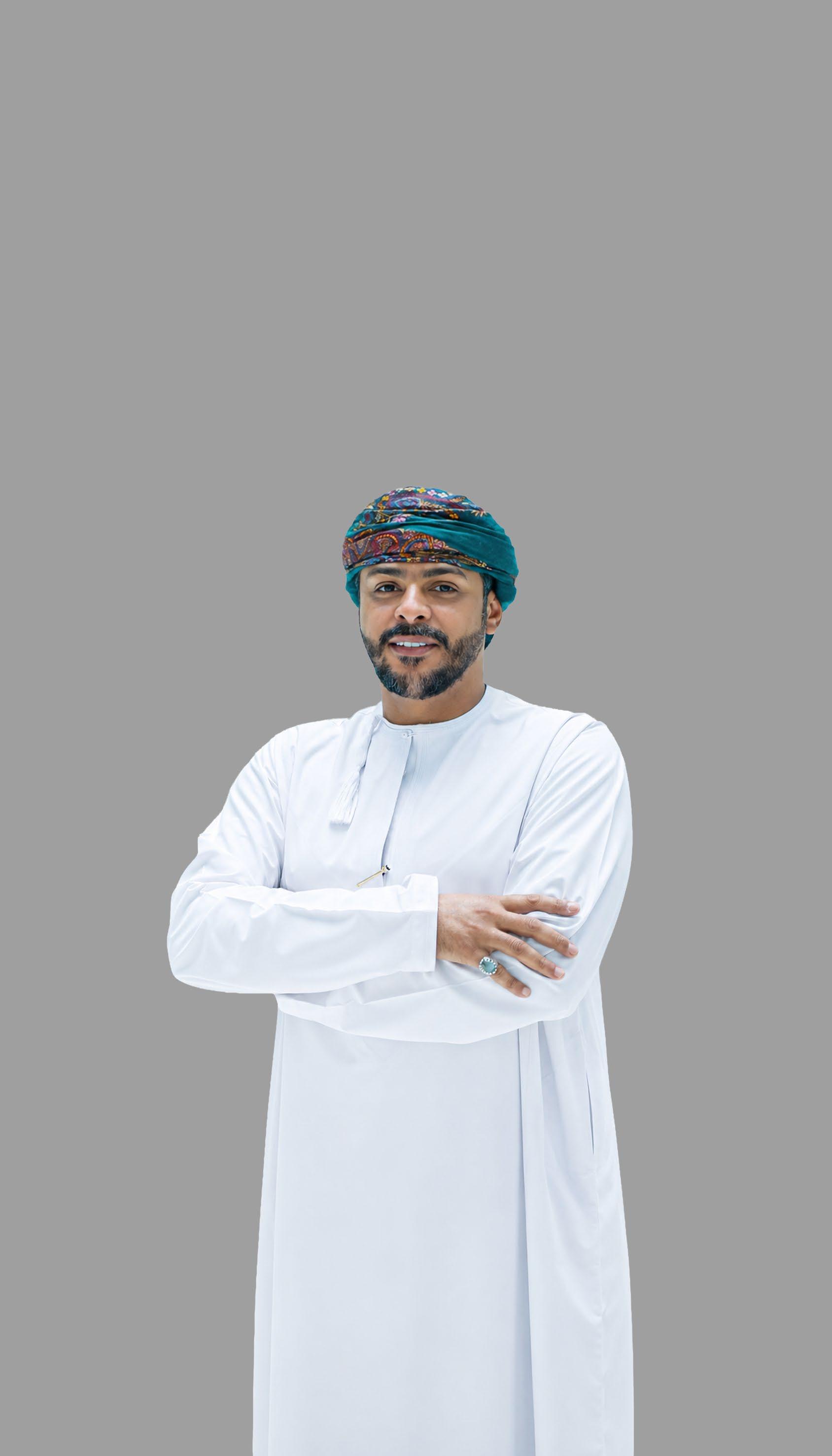
Hamed Al Ghabshi, CEO, Infoline
shares his perspective on building Oman’s next generation of knowledge workers, not just digitising services today, but creating lasting capability for tomorrow




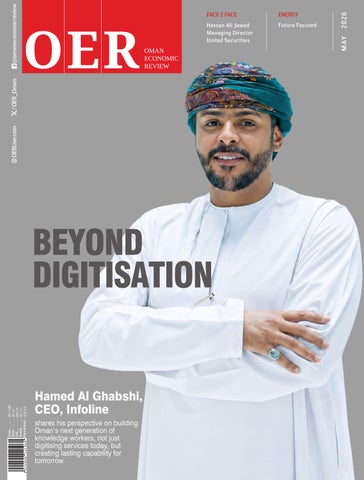
Hamed Al Ghabshi, CEO, Infoline
shares his perspective on building Oman’s next generation of knowledge workers, not just digitising services today, but creating lasting capability for tomorrow
Gen Ai Tools Contact Centers

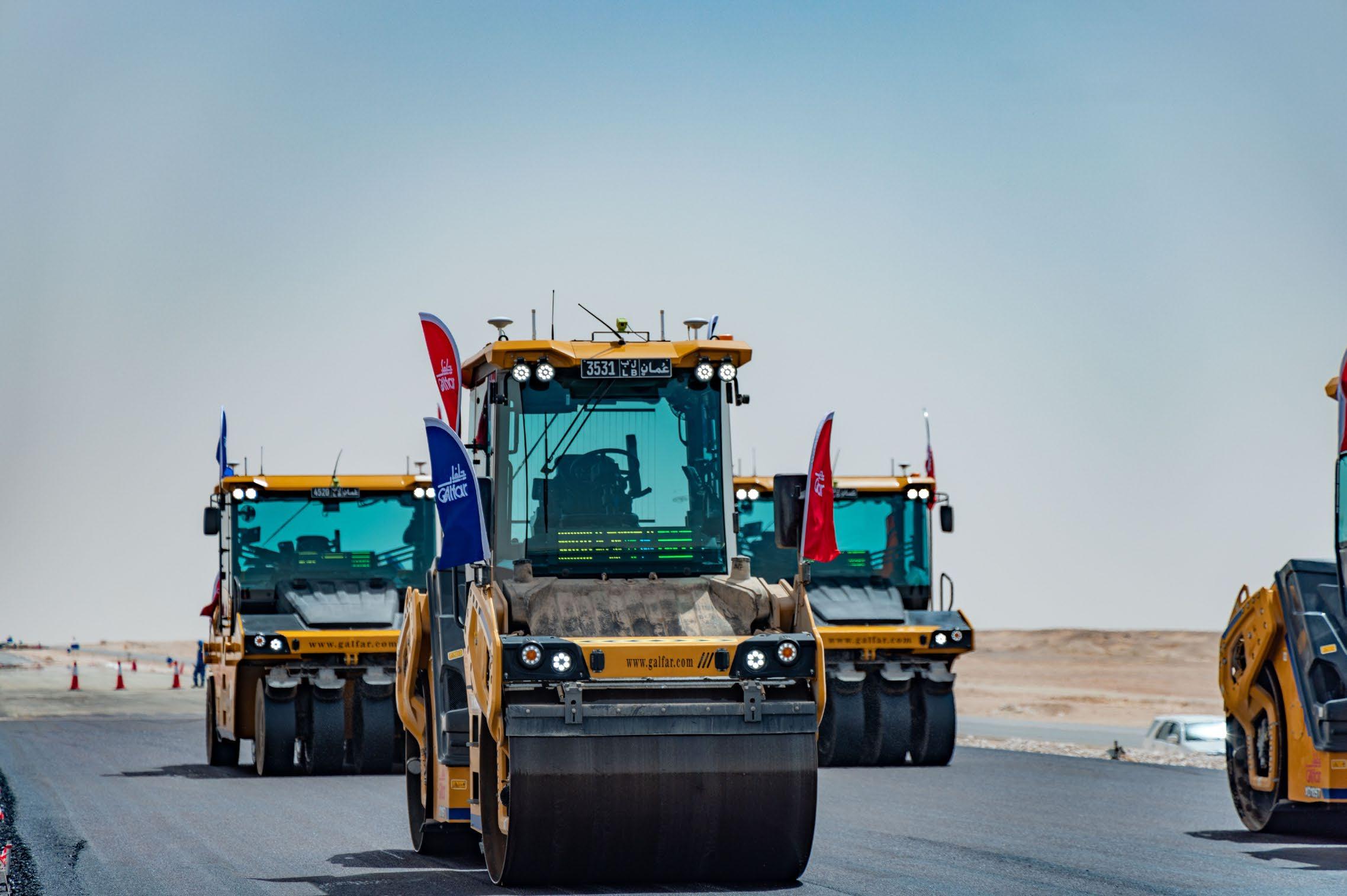
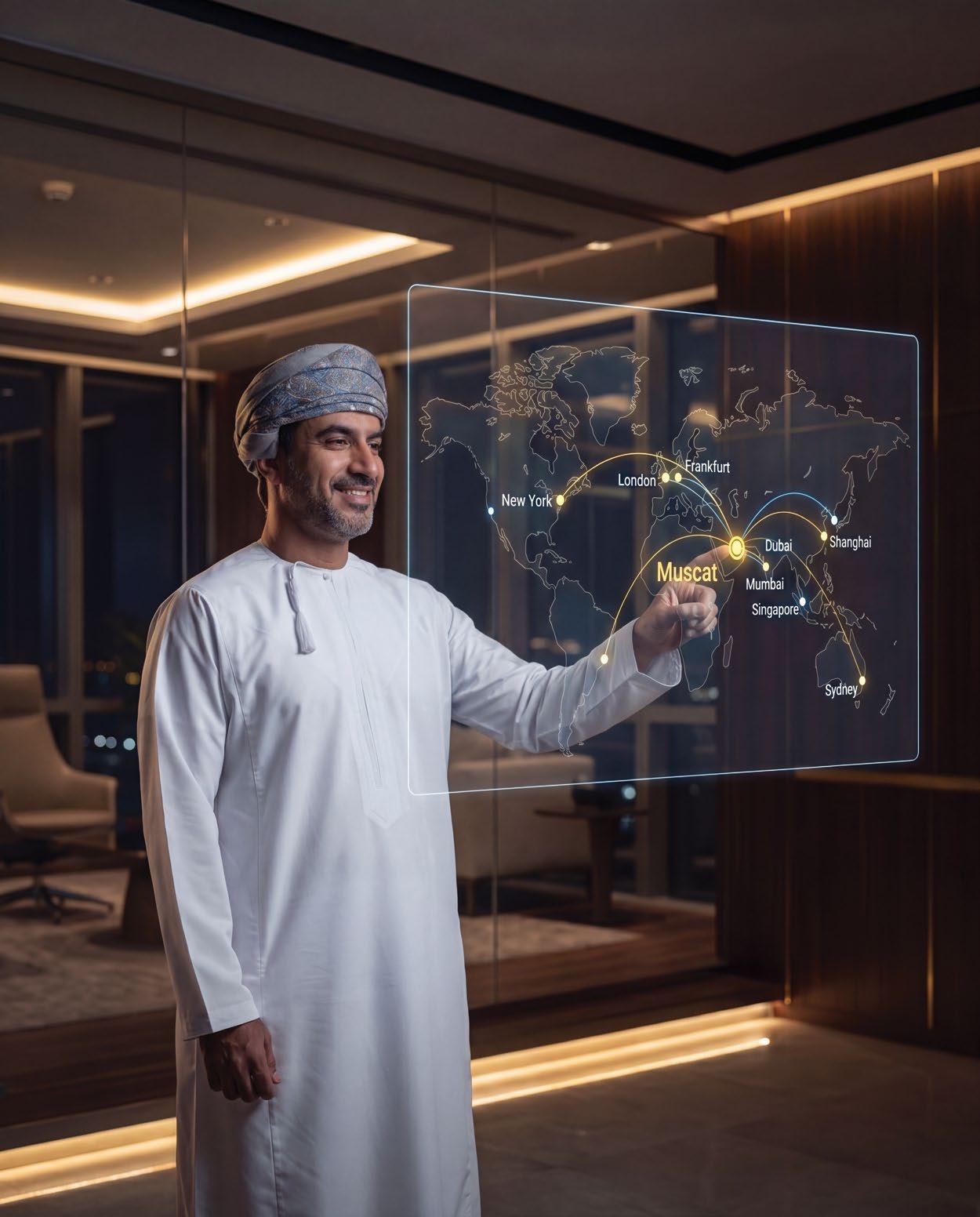
launch of Artificial Intelligence Autonomous Asphalt Paving
Technology at the Sultan Said bin Taimur Road Dualisation Project


EDITORIAL
Editor-in-chief
Said Masoud Almashani
Executive Vice President and Group Editor
Mayank Singh
Editor Oommen John P
DESIGN
Assistant Art Director
Khoula Rashid Al Wahaiby
Chief Photographer
Rajesh Rajan
Cover concept
Rakesh Radhakrishnan
MARKETING
Associate Advertising Director
Shivkumar Gaitonde
Business Manager
Dhanish Pillai
CORPORATE
Chief Executive Officer
Atulya Sharma Distribution United Media Services LLC
Published by
United Press & Publishing LLC
PO Box 3305, Ruwi, Postal Code - 112 Muscat, Sultanate of Oman
Tel: (968) 24700896, Fax: (968) 24707939
Website: www.umsoman.com
All rights reserved. No part of this publication may be reproduced without the written permission of the publisher. The publisher does not accept responsibility for any loss occasioned to any person or organisation acting or refraining as a result of material in this publication. OER accepts no responsibility for advertising content.
Copyright © 2026 United Press & Publishing LLC
Printed by Oman Printers & Stationers Ltd. Co. S.P.C.
Correspondence should be sent to:
Oman Economic Review
United Media Services
PO Box 3305, Ruwi 112, Sultanate of Oman
Fax: (968)24707939
Website: www.oerlive.com
For editorial enquiries: 99884854
OER is proud to present the 27th edition of the OER Top 20, the definitive ranking of the largest listed companies on the MSX for 2025. The survey highlights how these leading corporates continue to strengthen their market position while pursuing new avenues for growth and expansion.
During the year ended December 2025, the revenues of Oman’s 20 largest companies showed an increase of RO647mn compared to the year ended December 2024. Total revenues for the OER Top 20 companies increased by 6 per cent to RO11,771mn. Corporate performance for the year 2025, was overall positive. The profits for the year 2025 increased by 18 per cent to RO1,500mn from RO1,268mn the previous year, an increase of 18 per cent. The total market cap of the OER Top 20 companies on December 2025 was RO12,132mn, which increased by about 21 per cent compared to 2024. On March 31, 2026, the market cap of the Top 20 has increased substantially to RO16,477mn.
Muscat Stock Exchange delivered a distinctive performance in 2025, reflecting the market’s responsiveness to stronger national fundamentals and a strengthened institutional framework. The main index rose by 28.2 per cent to close at 5,866.8 points, recording the highest annual performance among GCC markets during the year.
The OER Top 20 companies represent 38 per cent of the total market cap of the MSX of RO32.0bn at the end of December 2025. The average P/E ratio of the OER Top 20 companies based on the market cap as on March 31, 2026 against the total profit for 2025 is about 11 times. Beyond measuring corporate success, the Top 20 Index serves as a barometer of Oman’s economic resilience, underscoring the positive impact of macroeconomic recovery on the nation’s corporate sector.
For advertising enquiries: 99267159 Sign up for OERLive's daily

us
Your cover story on the ‘Most Influential Personalities in BFSI’ was a worthy read. Oman’s banking sector remains resilient, with strong capital buffers, high-quality assets, and ample liquidity. Just as importantly, the stress tests outlined in the FSR show that banks can withstand severe shocks while staying above regulatory liquidity minimums. Equally encouraging is the underlying momentum in credit and deposits. Credit growth of around 8 per cent year-on-year to RO34.5bn by September 2025, supported by deposits rising 4.7 per cent, indicates not only steadiness but constructive financial intermediation. The continued expansion across both conventional and Islamic banking particularly Islamic financing and growing assets, signals a healthy, diversified system. These reforms, alongside the gradual development of non-banking financial institutions, should help strengthen supervision while aligning the sector with evolving demands. Finally, it is a positive development that the insurance sector is projected for steady growth, with demand supported by Vision 2040 projects and improved regulatory conditions. I see these findings as more than statistics—they point toward long-term stability, sustainable growth, and shared prosperity for Oman’s economy.
Future mobility is transforming the way people and goods move by combining technology, sustainability, and connectivity into a single ecosystem. As urban populations continue to grow, cities are under increasing pressure to develop transportation systems that are efficient, environmentally responsible, and capable of supporting modern lifestyles. This shift is driving the rise of electric vehicles, smart public transportation, autonomous driving technologies, and shared mobility solutions that aim to reduce congestion and improve accessibility. One of the key drivers of future mobility is sustainability. Governments and businesses across the globe are investing heavily in cleaner transportation alternatives to reduce carbon emissions and dependence on fossil fuels. Electric vehicles are becoming more mainstream, supported by expanding charging infrastructure and advancements in battery technology. At the same time, public transport networks are evolving through smart systems that optimise routes, improve passenger experiences, and encourage the use of mass transit over private vehicles. Digital innovation is also playing a major role in reshaping mobility. Artificial intelligence, realtime data, and connected infrastructure are enabling smarter traffic management, predictive maintenance, and safer transportation systems. Autonomous and semi-autonomous vehicles are expected to further revolutionise the industry by improving road safety, reducing human error, and enhancing operational efficiency across logistics and public transportation sectors. Beyond transportation itself, future mobility represents a broader economic and social transformation. It is opening new opportunities for businesses, startups, and technology providers while supporting the development of smart cities and modern infrastructure. As innovation accelerates, the future of mobility will not only change how people travel, but also influence urban planning, sustainability strategies, and the overall quality of life in communities worldwide.

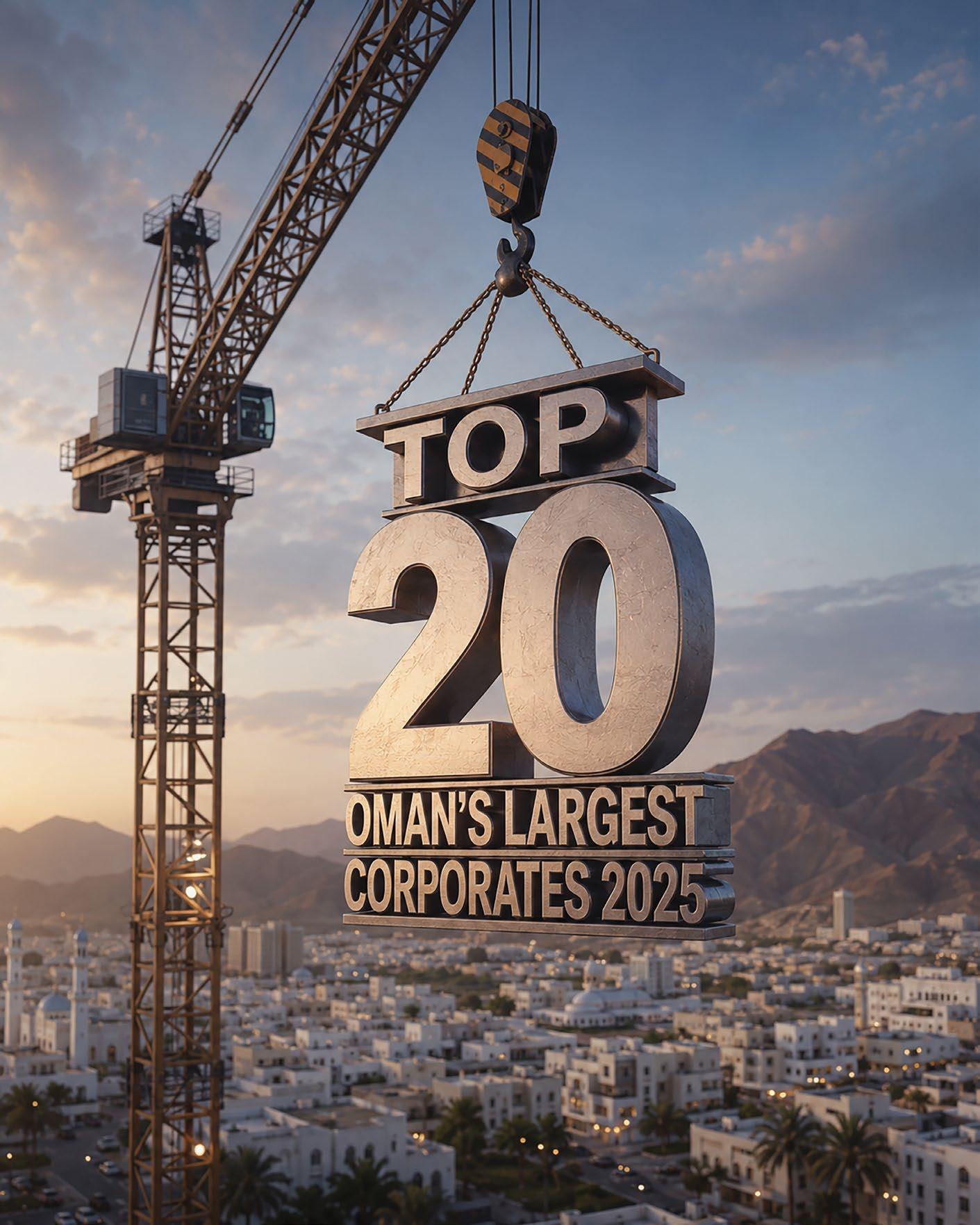
OMAN’S LARGEST
CORPORATES 2025

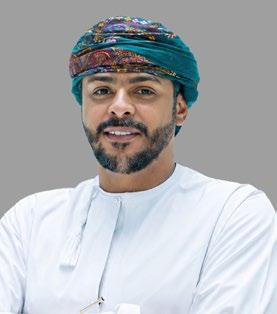
The companies that will define the next decade are not the ones with the biggest budgets - they are the ones bold enough to put people at the centre of every decision, every system, and every strategy, says Hamed Al Ghabshi, CEO, Infoline
United Securities achieved robust growth across all business segments supported by rising investor activity and landmark capital market transactions, says Hassan Ali Jawad, Managing Director, United Securities
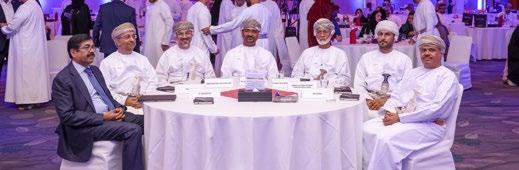
New Age Banking Summit 2026 Brings Together Oman's Banking, Finance, Fintech and Technology Leaders
Number of workers in GCC Countries increase from 2021 to 2025
Employment in the GCC countries increased by approximately 9.4 million workers during the period 2021–2025, as data released by the Statistical Center for the Cooperation Council for the Arab Countries of the Gulf (GCC-Stat) showed that GCC labour markets witnessed notable growth in the number of persons employed in recent years
The Sultanate of Oman and the Republic of India held a series of procedural and technical meetings in New Delhi as part of ongoing efforts to activate the Free Trade Agreement (FTA) between the two countries
Musstir Heights, a luxury residential destination within the Al Jabal Al Aali masterplan, is set to redefine elevated living in Oman with over 750 villas, wellness spaces, retail, dining, and remote working facilities
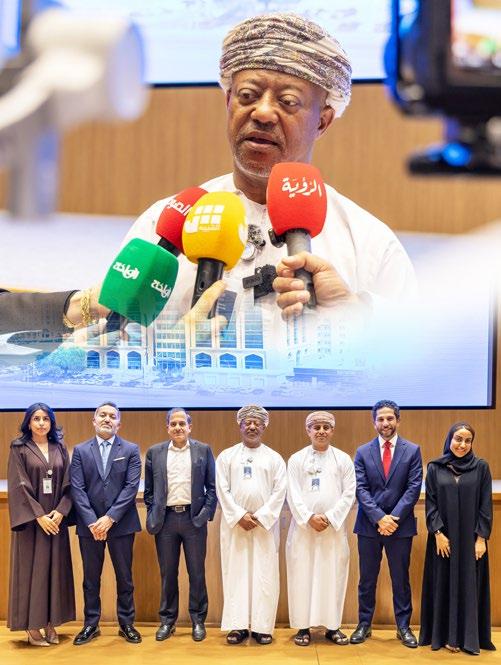
Oman Arab Bank hosted a media briefing to mark the successful listing of its $400mn Additional Tier 1 (AT1) bond on the London Stock Exchange on June 2, 2026, highlighting a significant milestone in the Bank’s capital management journey and reaffirming its strong position within regional and international financial markets. The AT1 bond, structured as a perpetual non-call 5.5-year instrument with a fixed resettable coupon of 6.75 percent, was successfully issued amid heightened geopolitical tensions and challenging market conditions across global capital markets. Despite the prevailing volatility, the transaction attracted substantial investor interest, generating an orderbook exceeding $1.1bn and achieving an oversubscription of approximately 2.75 times. During the briefing, Oman Arab Bank highlighted how the transaction supports the Bank’s long-term capital optimization strategy while further strengthening its capital position and enhancing financial flexibility to support future growth objectives. The event brought together representatives from local media and key stakeholders, providing insights into the transaction, its strategic importance, and the strong investor confidence demonstrated throughout the issuance process. The Bank also noted that the issuance achieved pricing at 6.75 percent, approximately 50 basis points tighter than the initial pricing guidance, reflecting strong confidence from regional and international investors in Oman Arab Bank’s credit fundamentals, financial resilience, strategic direction, and the overall strength of the Omani economy. The successful listing on the London Stock Exchange further expands the Bank’s presence within international capital markets and reinforces its ability to access diversified funding sources while maintaining prudent capital management practices. Addressing the media, Sulaiman Al Harthi, CEO, Oman Arab Bank, said, “The successful completion and listing of this AT1 issuance represents a major milestone for Oman Arab Bank. Achieving such strong demand from regional and international investors, particularly amid challenging market conditions, reflects the confidence the investment community places in the Bank’s strategy, governance, financial resilience, and longterm vision.” The listing further strengthens the bank’s commitment to support future growth objectives in Oman spread across emerging sectors, he added.
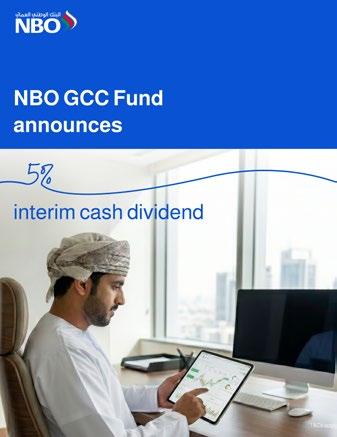
The National Bank of Oman’s (NBO) Gulf Cooperation Council’s (GCC) Fund has approved the distribution of an interim cash dividend of 5%, equivalent to RO0.050 per unit, for the quarter ended March 31, 2026. The dividend will be distributed in cash or reinvested units, at the investor’s preference. The record date for eligibility was May 11, 2026. Investors who wish to invest in the fund before the record date can send a mail to gccfund@nbo.om for further information. Reinvestment will be processed in accordance with the Fund’s subscription process as guided by the prospectus, on the next valuation day.
The NBO GCC Fund is an open-ended fund that provides investors with exposure to GCC equity markets through an actively managed portfolio. The Fund’s primary objective is to generate dividend income and capital growth
from companies listed in GCC markets, with limited exposure to other equity and fixed-income opportunities in the region.
The Fund is designed to offer investors equitymarket-type returns, along with an income strategy over the medium term, supported by a disciplined investment process. Through its regional focus, the NBO GCC Fund provides investors with a structured opportunity to participate in GCC market performance and income-generating investment opportunities. The Fund is managed by Investment Banking Division of National Bank of Oman SAOG. The bank has also introduced new capital market instruments and solutions. It also continues to manage the NBO Money Market Fund, the NBO Global Fixed Income Fund and the NBO Global Equity Fund.
As part of its ongoing efforts to enhance the role of the SME sector in the national economy and maximise its contribution to the GDP and national workforce development, recognising it as one of the key drivers of economic growth and diversification in the Sultanate of Oman, Bank Muscat, the leading financial services provider in Oman, recently organised a number of discussion sessions in Muscat, Sohar and Salalah, in collaboration with the Small and Medium Enterprises Development Authority “Riyada”, in the presence of a number of entrepreneurs and representatives of SMEs, with the aim of identifying the key challenges facing the sector.
The discussion sessions come as part of a series of sessions that the bank plans to organise in conjunction with the launch of new initiatives dedicated to the SME sector, through which the bank aims to further develop and strengthen the sector through a range of initiatives and partnerships with relevant entities to support SMEs in achieving growth, sustainability and transformation into large corporates.
Bank Muscat strongly believes in the importance of engaging SME owners in shaping initiatives, alongside building
strategic partnerships with various stakeholders involved in the SME sector, stemming from its role as an active partner in supporting the national economy. The bank continues its collaboration with “Riyada” and relevant public and private sector entities to implement initiatives and programmes that contribute to supporting this vital sector and creating a stimulating business environment that enables SMEs to grow and evolve.
Bank Muscat continues to offer a comprehensive suite of banking services and financial solutions specifically designed to meet the needs of SMEs, including financing facilities, digital banking services and financial advisory solutions, in addition
to training programmes and community initiatives aimed at supporting entrepreneurs and enhancing their capabilities in managing and developing their businesses. The bank places significant importance on the SME sector, driven by its belief in the sector’s vital role in supporting economic and social development. Accordingly, it remains committed to launching and implementing impactful initiatives that contribute to strengthening the entrepreneurship ecosystem in the Sultanate and empowering SME owners to achieve sustainable growth, reflecting the bank’s commitment to its national role and corporate social responsibility in supporting various key economic sectors.
Further strengthening its role in advancing Oman’s evolving financial landscape through collaborations that support innovation and digital transformation, Sohar International has signed a Memorandum of Understanding (MoU) with Friendi Pay, under which Sohar International has been appointed as the Official Banking Partner for Friendi Pay. The signing ceremony took place at Sohar International Waterfront headquarters and was formalised by Abdulwahid Mohamed Al Murshidi, CEO, Sohar International, and Tawfiq Al Lawati, CEO, Payments Arabia (Friendi Pay), marking the beginning of a partnership focused on strengthening the underlying financial infrastructure enabling digital payment ecosystems in the Sultanate.
Commenting on the partnership, Abdulwahid Mohamed Al Murshidi said, “The continued
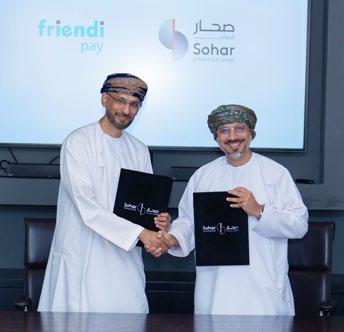
evolution of financial services increasingly depends on how effectively institutions can work together to create ecosystems that are secure, scalable, and responsive to changing customer expectations. Collaborations between banks and fintech platforms such as Friendi Pay reflect the broader direction in which the industry is moving, where innovation is strengthened by regulatory integrity, institutional expertise, and shared long-term ambitions. As digital financial adoption continues accelerating, partnerships of this nature will play an important role in shaping a more connected and future-ready financial landscape that supports wider economic progress and national development priorities.”
The companies that will define the next decade are not the ones with the biggest budgets - they are the ones bold enough to put people at the centre of every decision, every system, and every strategy. That is not our philosophy. That is our edge, says Hamed Al Ghabshi, CEO, Infoline in an interview
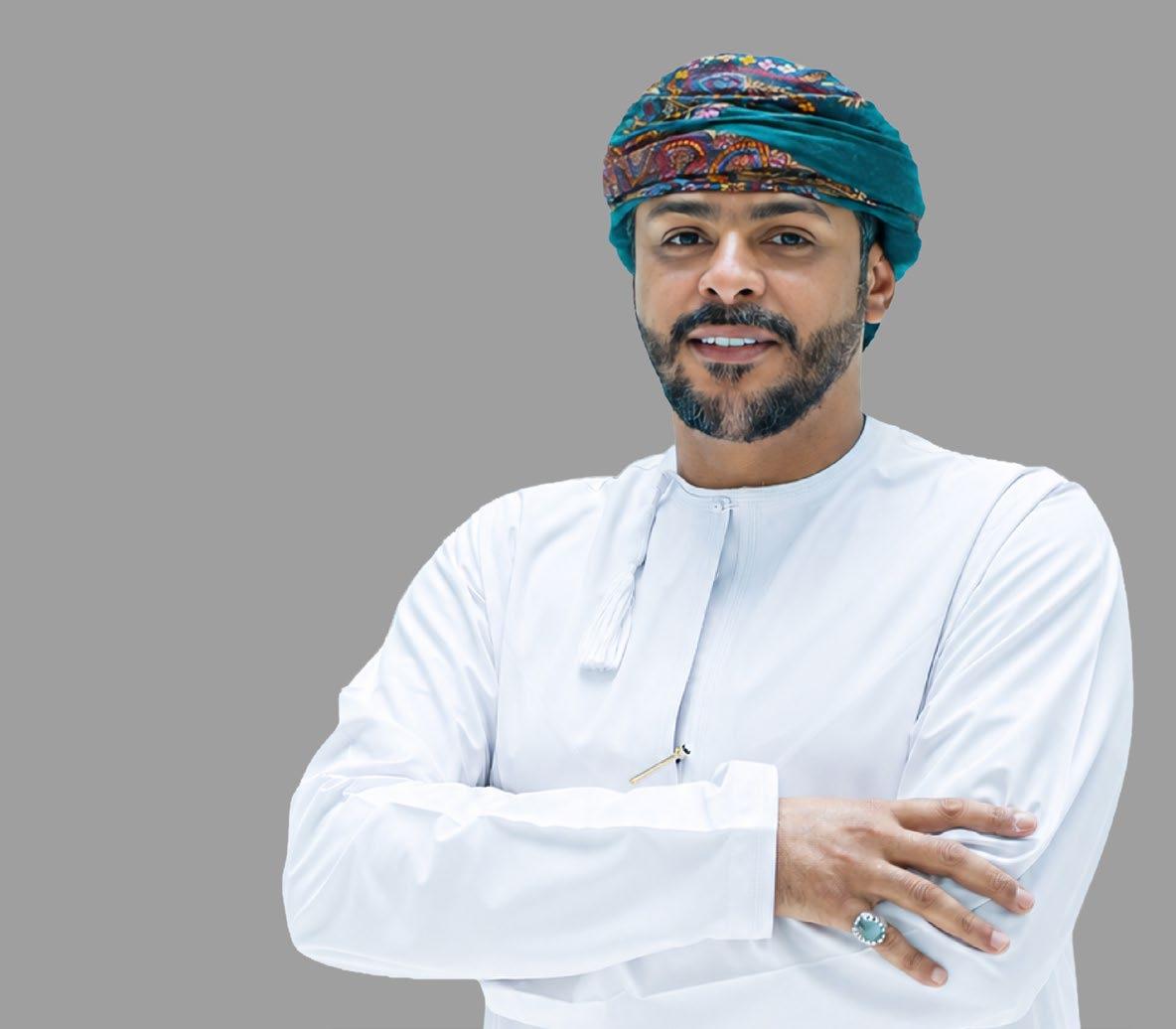
Infoline has grown into a leading IT-enabled services and BPO provider in Oman. Could you highlight the pivotal milestones and strategic choices that have defined this evolution? Most companies are growing. Few transform. Infoline did bothdeliberately. Our earliest and most consequential decision was to refuse to be narrow. While others chased
one sector, we built capability across government, banking, telecom, and utilities simultaneously. That breadth became our armour when markets shifted and our accelerator when they grew. Then came the decision that set us apart for good: we invested in Omani talent before we invested in technology. That sequence matters. You cannot automate your way to trust. You earn trust through people - then you scale it
through technology. We didn’t wait for the market to demand transformation. We arrived before it did.
With a strong emphasis on customer experience (CX) and digital transformation, in what ways is Infoline reshaping customer engagement across industries?
We are ending the era of frustrating
customers. Citizens who used to queue are now self-serving in seconds. Bank customers who used to repeat their story to every agent now experience seamless continuity across every channel. Telecom users whose complaints once piled up unnoticed are now met with proactive resolution before they even raise their voice. The shift we are driving is not digital - it’s emotional. We are engineering experiences that make people feel genuinely valued, not just efficiently handled. That distinction is everything. Anyone can process a customer. We are in the business of making them feel seen.
Infoline operates a large-scale, multi-tenant contact center handling millions of interactions annually. What role do AI and automation play in driving operational efficiency and elevating service quality?
AI is not our future. It is our presentand it is working. Real-time sentiment analysis catches a frustrated customer before the call escalates. Intelligent routing connects the right agent to the right issue in seconds. Predictive quality monitoring flags problems before clients notice them. These are not pilot projects - they are live, on a scale, today.
But here is what we know that others are still learning: AI is only as powerful as the humans directing it. We deploy automation to do repetitive so our people can do the irreplaceable. That is the combination that turns efficiency into excellence. Machines handle the volume. Our people handle the moments that matter.
The company’s ‘People, Process, and Technology’ framework sits at the core of its operations. Could you elaborate on how this integrated model delivers tangible value to clients?
Strip away the jargon and it comes down to this: every breakdown in service quality traces back to one of three failures — wrong people, broken process, or misapplied technology. We obsess over all three in equal measure. Our people are trained not just to deliver service but to have
the experience. Our processes are designed to be adaptive, not rigid built to evolve as clients need shift. And our technology is never deployed for show; it is deployed to solve. When all three are aligned, something powerful happens: clients stop managing their service partner and start trusting them. That trust is the real product we deliver. Technology impresses. People are reassured. Process sustains. We never compromise on any of the three.
Infoline continues to introduce innovative solutions, including automated systems and digital platforms. Could you share examples of these innovations and their impact on key sectors in Oman?
Innovation at Infoline has one rule: if it doesn’t make the experience better for a real person, it doesn’t ship. Our intelligent IVR understands intent, not just input - deflecting high volumes in telecom while pushing satisfaction scores up, not down. In financial services, our fraud detection layer is invisible to honest customers and formidable to bad actors. In government, our digital self-service platforms have extended public services beyond office hours and beyond city limits. Each of these started not in a lab but in a conversation with a client who had a problem no one had solved yet. That is the only innovation pipeline we trust. We don’t innovate to impress. We innovate to solve - and the results speak louder than any demo.
As Oman progresses towards Oman Vision 2040, where do you see Infoline contributing most significantly to the nation’s digital transformation and economic diversification agenda? Vision 2040 is not a government document to us. It is our operating mandate. Oman needs a knowledge economy. We are building knowledge workers. It needs digital infrastructure. We are running it. It needs a diversified private sector that competes regionally. We are already there. But our most enduring contribution will not be measured in platforms deployed or contracts signed. It will be measured in the Omani professionals we develop
- men and women who will carry the skills, the confidence, and the ambition to lead this economy far beyond what any single company can achieve. We are not just digitising Oman. We are building the generation that will keep reinventing it.
Talent development and Omanisation remain central to the sector’s growth. What initiatives are in place at Infoline to strengthen local capabilities in high-value areas such as IT services, CX, and outsourcing? Let us be direct: Omanisation is not a quota we meet. It is a conviction we lead with. We have built career pathways - not training sessions, pathways - that take Omani talent from first role to leadership in AI, analytics, and CX strategy. We partner with academic institutions to ensure our curriculum stays ahead of the market. We promote from within aggressively, because the loudest statement any organization makes about its values is who it chooses to elevate. The outcome is an organisation where Omanisation and quality are not in tension. They are the same thing. When you develop Omani talent with genuine ambition, you don’t just meet a standard - you raise one.
Looking ahead, what strategic priorities will guide Infoline’s next phase of growth, and what ambitions underpin its position as a regional leader in IT-enabled and outsourcing services?
We are done being Oman’s best-kept secret. Our next chapter is regionalbuilt on the capabilities we’ve forged here and exported across the Gulf and MENA. The intelligence layer we are deepening will turn every interaction into an insight. The agility we are embedding will let us outpace competitors still running on legacy thinking. We are not chasing scale for its own sake. We are building the organisation that every company in the region measures itself againstthe benchmark for what intelligent, empathetic, Omani-led service excellence looks like. Our ambition is not to be the largest. It is to be the one everyone else is trying to catch.
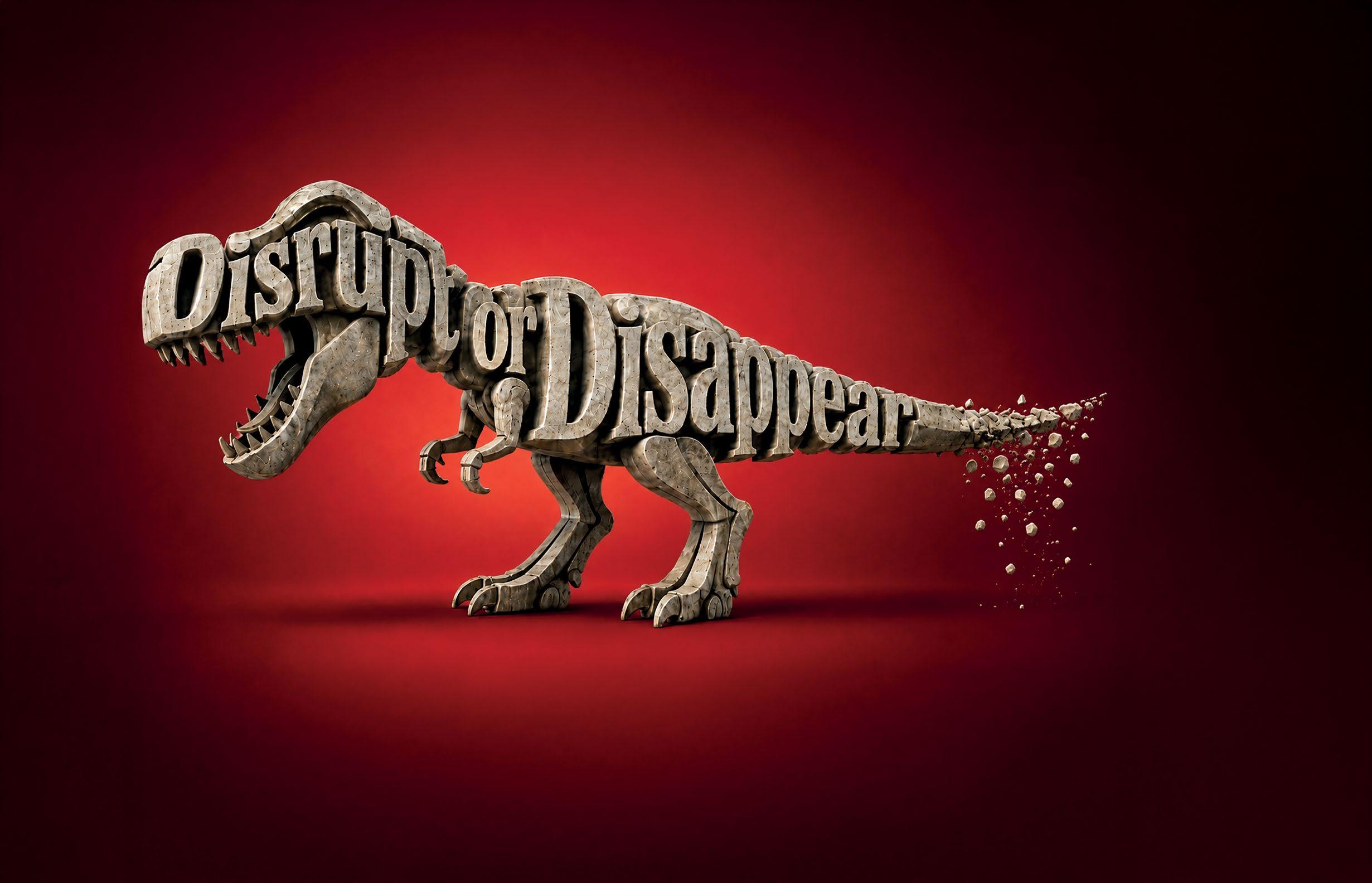
Ignore change, and your business is already obsolete. The guide to survival has been rewritten by technology. ‘Adapting’ is the rule of the New Age.
At OERLive DX Oman, discover the technologies and strategies that keep you alive in the age of disruption.
Where innovators and leaders gather to evolve, disrupt, and thrive.
It’s time to be ahead or become history; the choice is yours.

JUNE 2026
Intercity Hotel, Al Khuwair
KEY FOCUS AREAS
Artificial Intelligence
Computing
Core Banking
Cybersecurity
Big Data
Super Apps
Internet of Things
Digital Governance
SECTORS IN FOCUS
Oil & Gas
Banking & Finance
ICT Companies
Healthcare
Ai & Computing
Manufacturing
Logistics
Construction
OERLive DX Awards 2026
o Technology Pioneer of the Year
o Smart Government Initiative of the Year
o Technology CEO of the Year
o Leaders in Al Integration
o 5G Transformation Leaders
o Excellence in Oil & Gas Digital Transformation
o Leaders in Space Technology & Innovation
o Smart Tech Project of the Year
STRATEGIC PARTNER
o Fintech Solutions Provider of the Year
o Excellence in Digital T ransformation
o Leaders in Digital Banking
o Leaders in Data Management & E-Government Solutions
o Pioneers in Digital Islamic Banking
o Excellence in Cybersecurity Solutions
o Cloud Innovators of the Year
AUTOMOTIVE PARTNER
Oman Economic Review’s 27th annual review of Oman’s top 20 companies demonstrates their continued role as the bedrock of Oman’s economy. These companies scaled new heights with their performance, profit growth and shareholder returns in financial year 2025
The global economy in 2025 was shaped by a sharp re-rating of trade policy, persistent but cooling inflation, and a fresh round of central bank easing. With the United States rolling out the highest effective tariffs in nearly a century, businesses, investors, and policymakers spent the year recalibrating supply chains, pricing strategies, and capital allocation. Despite the turbulence, equity markets delivered a third consecutive year of double-digit gains, and the world economy proved more resilient than many had feared at the start of the year.
The Global Economy
Global growth in 2025 came in close to its long-run trend, with the International Monetary Fund (IMF) estimating world GDP expansion of around 3.0 to 3.2 percent – only marginally below the 3.3 percent recorded in 2024. As in previous years, performance diverged sharply between regions. Advanced economies expanded by roughly 1.5 percent in aggregate, with the United States growing about 2.2 percent, the euro area around 1.5 percent, and the United Kingdom near 1.3 percent. Emerging market and developing economies once again carried the bulk of global growth, expanding by approximately 4.4 percent on the strength of Asia’s manufacturing, services, and digital sectors.
The defining policy story of the year was the United States’ return to large-scale tariffs. From February 2025 onward, the Trump administration progressively raised duties on a wide range of imports, pushing the effective US tariff rate to nearly 17 percent by November – the highest level since 1935 and the largest single tax increase as a share of GDP since 1993. Most affected trading partners, including Canada, Mexico, the European Union, and China, announced or imposed retaliatory measures. The cumulative effect was a meaningful slowdown in global activity through the year, with quarterly global GDP growth easing from around 2.1 percent annualised in the first quarter to about 1.4 percent in the fourth.
Inflation cooled across most major economies but remained somewhat above central-bank targets, particularly in the United States, where tariff passthrough pushed goods prices higher even as services inflation continued to moderate. The Federal Reserve held rates steady through the first half of the year before resuming cuts in September; by its December meeting, the Fed had reduced the federal funds rate by a cumulative 175 basis points since September 2024 to a range of 3.50 to 3.75 percent. The European Central Bank, having begun easing in mid-2024, completed its current cycle in June 2025


with a final 25 basis point cut. The Bank of England and the Bank of Canada each lowered policy rates by 100 basis points over the year, while the Reserve Bank of Australia trimmed rates by 75 basis points.
Geopolitical risk remained a persistent headwind. The war in Ukraine continued to disrupt European energy and grain markets, and a sharp escalation between Israel and Iran in mid-June briefly threatened oil traffic through the Strait of Hormuz before a US-brokered ceasefire on 23 June restored a fragile calm. Together with the new tariff regime, these tensions reinforced the multi-year trend toward supply-chain diversification, friendshoring, and strategic inventory building.
In contrast to recent years, 2025 was a year of falling oil prices. Brent crude averaged about $ 69 per barrel for the full year – its lowest annual average since 2020 and more than $ 10 below the 2024 average. The market opened the year near $ 79 per barrel in January, but persistent oversupply, softer demand growth in China, and rising production from both OPEC+ and non-OPEC sources weighed on prices throughout the year. By December, Brent had fallen to a monthly average of approximately $ 63 per barrel, the lowest reading since early 2021.
Geopolitics provided periodic, but ultimately temporary, support. Israel’s air strikes on Iranian targets on 13 June drove Brent up by roughly $ 5 per barrel within hours, with prices touching a six-month high near $ 74 per barrel as traders priced in the risk of a closure of the Strait of Hormuz. The 23 June ceasefire and the absence of any actual disruption to Iranian crude flows allowed prices to retreat quickly. Continued attacks between Russia and Ukraine on each other’s oil and refining infrastructure also lent intermittent support but were insufficient to reverse the broader downward trend.
For producers, the combination of weaker prices and softer demand growth tightened budgets and prompted
a reassessment of capital expenditure plans. For oil-importing economies, lower energy costs provided a partial offset to tariff-related cost pressures.
The average price of Oman crude oil for the year reduced slightly to $ 71 for 2025 compared to $ 80.8 per barrel in 2024. This was higher than the assumed budgeted price of $ 60 per barrel. The total average production for the year was 1,002 BBL compared to 992.6 BBL in 2024.
According to the KPMG report on Oman’s 2026 Budget and performance in 2025, revenues for 2026 are estimated at RO 11.45b as compared to the budgeted RO 11.2b for 2025. This is contributed by Oil at RO 5.75b, Gas by RO 2.00b and other revenues by RO 3.7b. Total expenditure is budgeted at RO 11.98bn resulting in a projected deficit of RO 530mn.
Despite the political and trade-policy volatility, 2025 turned out to be a strong year for global equities. In the United States, the S&P 500 closed the year at 6,845.50, a price return of roughly 16.4 percent and a total return of about 17.4 percent including reinvested dividends. The NASDAQ Composite outperformed once again with a total return of approximately 21 percent, propelled by another year of gains in artificial intelligence, semiconductors, and large-cap technology names. The Dow Jones Industrial Average advanced by about 14.9 percent. It was the third consecutive year of double-digit gains for the S&P 500.
European equities also performed strongly. The STOXX Europe 600 closed the year up about 16 percent, its third straight annual gain, as record earnings from defence, banking, and luxury goods names offset weakness in autos and chemicals. In Asia, Japan’s Nikkei 225 was the standout, climbing roughly 26 percent to close above 50,000 for the first time and posting its third consecutive yearly advance, supported by chipmakers, construction, and a Japan-US trade deal struck in July. In China, the Shanghai Composite recovered meaningfully from a difficult
2024, rising approximately 25 percent as policy stimulus and renewed investor interest in technology names lifted sentiment. India’s Nifty 50 delivered a more measured price return of 10.5 percent (11.9 percent on a totalreturn basis) as investors digested high valuations and tariff-related uncertainty.
Volatility was a constant companion. Markets sold off sharply in April as the scope of the new US tariffs became clearer but recovered through the summer and autumn as trade deals were negotiated, rate cuts resumed, and corporate earnings, particularly from technology and AI-exposed names, surprised to the upside. Looking into 2026, the open questions concern how durable the trade truces prove, how quickly tariff effects on inflation fade, and whether the multi-year rally in technology stocks can extend into a fourth consecutive year of double-digit gains.
As reported by MSX CEO Haitham al Salmi in the MSX annual report, the year 2025 marked the consolidation of a new phase in the journey of the Muscat Stock Exchange. MSX continued to implement structured international promotional roadshows across several global financial centres, thereby strengthening its presence in specialized investment forums and expanding its engagement with international investors and financial institutions.
Muscat Stock Exchange delivered a distinctive performance in 2025, reflecting the market’s responsiveness to stronger national fundamentals and a strengthened institutional framework. The main index rose by 28.2% to close at 5,866.8 points, recording the highest annual performance among GCC markets during the year.
Total trading value exceeded RO 5 billion compared with approximately 1.25 billion in 2024, representing growth of more than 300%. The volume of traded securities increased to 25.3 billion shares compared with 6.5 billion in the previous year, while the number of executed transactions surpassed 672,000 compared to 257,000 in 2024.
Market capitalization of listed companies reached RO 32.011 billion at year-end, reflecting growth of 16% compared to 2024 and an increase exceeding 58% compared to 2020.
As part of strengthening market infrastructure, the role of market makers and liquidity providers was activated, with participation from two local and four international providers. This had a direct impact on improving price stability, reducing spreads, and enhancing trading continuity—key elements in elevating market quality and attractiveness to long-term institutional investors.
In line with the strategy to diversify listings and expand the market base, Royal Decree No. (18/2025) was issued to establish the Alternative Investment Market, providing a specialized regulatory platform to enable small and medium-sized enterprises to access financing within a flexible and disciplined framework.
The MSX 30 Index performance closed the year at 5,866.80 an increase of 28.2%. The Financial Index ended at 9,908.9 an increase of 28.26%. The Industrial rose to 7,846.45 an increase of 48.87% and the Service index closed at 2,405.16 an increase of 37.98%.
Omani investors represented 85.93% of the total market turnover of RO 5.042 billion.
GCC equity markets delivered a highly divergent performance in 2025, with Oman’s MSX emerging as the topperforming index globally, while Saudi Arabia experienced notable declines. Total traded values across GCC exchanges fell by roughly 10% to US$629.3 billion, dragged down by softer oil prices and sluggish global demand.
Oman (MSX) surged by 28.2% to close at 5,866.8 points, making it the bestperforming market in the GCC and one of the top globally. Kuwait ranked second with a 21.2% gain. Dubai Financial Market (DFM) came in third, rising 17.2%. The Abu Dhabi Securities Exchange (ADX) gained 6%, the Bahrain Bourse increased by 4.1%, and the Qatar
Stock Exchange (QSE) rose 1.8%. The Saudi Exchange (Tadawul) fell 13%.
During the year ended December 2025, the revenues of Oman’s 20 largest companies showed an increase of RO 647 million compared to the year ended December 2024. Total revenues for the OER Top Twenty companies increased by 6% to RO 11,771 million. Corporate performance for the year 2025, was overall positive. The profits for the year 2025 increased by 18% to RO 1,500 million from RO 1,268 million last year, an increase of 18%. The total market cap of the OER top twenty companies on December 2025 was RO 12,132 million, which increased by about 21% compared to 2024. On 31 March 2026, the market cap of the top twenty has increased substantially to RO 16,477 million. The OER Top Twenty companies represent 38% of the total market cap of the MSX of RO 32.0 billion at the end of December 2025. The average P/E ratio of the OER top twenty companies based on the market cap as on 31 March 2026 against the total profit for 2025 is about 11 times.
Asyad Shipping is a new entrant to the OER Top Twenty replacing Abraj Energy. One company has improved its rankings, five remain unchanged, and twelve companies’ rankings have gone down compared to last year.
The ranking of Oman’s twenty largest companies in order of revenue produces a list, which includes eight companies from the financial sector, eight from the services sector, and four companies from the industrial sector, same as last year. The following rankings are
compared to the last year’s published OER Top Twenty - 2024 which was based on the financials for the year ended 31 December 2024 and adjusted for the new entrants to the list.
Four of the companies in this list are same as last year. OMINVEST is a new entrant in number five at the expense of Al Maha Petroleum which was five last year. OQ Exploration has moved up one place to the number two position and Bank Muscat has slipped one position to number three.
Chairman Mulham bin Basheer Al-Jarf in his report to the shareholders states that Omantel delivered strong, broadbased performance in 2025, with growth across both its domestic operations and the Zain Group. The Company reaffirmed its position as Oman’s leading provider of telecommunications and technology solutions, advancing its evolution into a technology-enabled group under a clear strategic roadmap. The Chairman attributes these results to the success of a diversified portfolio, the resilience of the core business, and the disciplined execution of strategic priorities aligned with Oman Vision 2040.
The Group delivered revenue growth of 11.4%, reaching RO 3,413.1 million, with increases across all operating markets. Group Net Profit after tax rose 87.6% to RO 371 million, driven by improved EBITDA across operations. Net profit attributable to shareholders of the Company increased 63.1% to RO 88.4 million (versus RO 54.2 million in restated 2024). Net profit from domestic operations alone stood at
RO 65.2 million, excluding the additional dividend from Zain Group. Domestic revenue grew 8.6%, supported by resilient core telco services, sustained fixed revenue, device sales, wholesale growth, and expanding demand for hosting and cloud services. Earnings per share also improved. Fitch Ratings upgraded Omantel to investment grade (BBB -) with a Stable Outlook, reinforcing its credibility in financial markets.
Operational Performance 2025 was a transformative year. Omantel strengthened core connectivity while accelerating growth in cloud, cybersecurity, wholesale, and digital platforms. The strategic investment in Zain Group enhanced regional exposure and earnings diversification, with Zain delivering double-digit revenue and profit growth in key markets. Zain Omantel International (ZOI) entered the global Top 100 IP networks, ranked #1 in the Middle East, and doubled revenue year-on-year to $ 401 million. Omantel Academy empowered 142 young Omanis, issued 897 certifications across AI, data, and cybersecurity, and delivered 15 workshops to 1,283 participants. The Company executed 25 CSR initiatives, invested RO 750,000, and contributed 4,935 volunteering hours across healthcare, education, charitable, and digital-inclusion programmes.
Dividends Declared
In alignment with its commitment to shareholder value, the Board has maintained the dividend policy at 55 baizas per share for the year, supported by the Group’s improved profitability and strengthened financial position.
Future Prospects
Looking ahead to 2026, Omantel will launch Otech, a unified technology platform integrating Oman Data Park and Tadoom to consolidate ICT, cloud, cybersecurity, and data-centre capabilities. This integration is expected to simplify the operating model, accelerate speed-to-market, unlock cross-platform synergies, and strengthen delivery of large-scale national and regional digital projects. The Company will continue investing in future
technologies, expanding 5G coverage, scaling digital offerings, and pursuing strategic partnerships. Priorities remain clear: driving innovation, enhancing operational efficiency, ensuring financial resilience, and delivering sustainable long-term value. Omantel has also committed to providing 1,200 training opportunities and 500 job placements for Omanis over the next four years.
The Fitch BBB - (Stable) investmentgrade rating is a key milestone that should support lower-cost capital access and disciplined capital allocation going forward. Notable strategic and CSR partnerships expanding Omantel’s national footprint include an AI-powered cancer diagnosis tool benefitting over 10,000 patients annually, support for the Autism National Centre, a RO 150,000 commitment to the Oman Charitable Organization, and a UNESCO Chair in Artificial Intelligence partnership with Sultan Qaboos University to drive national leadership in ethical and applied AI.
Stock Exchange in October 2024. The Company describes 2025 as a year of strategic progress and shareholder value creation, anchored in a portfolio of 14 operating and non-operating assets, a low operating cost of less than US$10/ boe, and constructive cooperation with the Ministry of Energy and Minerals.
Financial Performance for the Year
Average oil prices fell to $70.7/bbl from $80.9/bbl in 2024 (-12.5%). Despite this, crude oil & condensate sales volumes grew 6.9% to 21.7 mmbbl, largely offsetting the price impact; gas volumes were 121.2 bcf (-2.4%). Revenue was RO 1,159.0 million (-6.7%), Gross Profit RO 657.0 million (-8.7%) and EBITDA RO 941.1 million (-6.9%). Net Profit After Tax was RO 278.0 million (-14.9%).
Return on Capital Employed remained top-quartile globally at 50.6%; EPS was RO 0.035 (2024: RO 0.039). Net cash from operating activities increased 5.3% to RO 523 million, supporting the dividend.
Operational Performance
On flagship Block 60, the Bisat C Expansion Processing Facility was commissioned in June 2025, raising
Three banks, one services and one industrial sector companies are the five most profitable companies of 2024. Omantel has gone up one place to number one and OQ Exploration has moved to number two. Bank Muscat, Sohar International and NBO have remained in the same place as last year.
OQ Exploration & Production (OQEP) — Chairman’s Report 2025
Shareholder Summary
Opening Summary
Chairman Ashraf Hamed Al Mamari presents OQEP’s first full financial year since its listing on the Muscat
oil-processing capacity to 95,000 bbl/day, while the Bisat Permanent Power Supply (BPPS) — a 100 MW grid-connected scheme — came on-stream in November 2025, cutting GHG emissions by approximately 280,000 tCO2e annually; total production reached over 70,000 boe/day by year-end. The Block 53 (Mukhaizna) EPSA was extended to 2050 with improved fiscal terms. The Field Development Plan for Block 61 (operated by BP) added up to 2 TCF of recoverable gas. Marsa LNG construction at Sohar reached ~39% completion, with first cargo expected Q2/Q3 2028. A Gas Sales Agreement was signed for Block
65. OQEP also signed cooperation agreements with TPAO (Turkey) and an MoU with Petronas (Malaysia), and supported MEM’s marketing of 15 new exploration blocks in Oman.
OQEP distributed approximately RO 275 million in cash dividends during 2025, comprising the base quarterly dividend of RO 57.7 million per quarter plus the inaugural Performance Linked Dividend (PLD) for the first half of the year. In addition, the Company executed a share buyback programme, repurchasing approximately 27.5 million shares to further enhance shareholder value.
The Board-approved Growth Strategy targets production of approximately 300 kboe/day by 2030 through a balanced model of domestic growth, disciplined international M&A and exploration. For 2026 the Company anticipates stable cash flow and production and will continue to be guided by the 2024–2026 dividend framework outlined in the IPO Prospectus.
Additional Information for Shareholders
CEO Eng. Ahmed Al Azkawi resigned for personal reasons effective 23 September 2025; COO Eng. Mahmoud Al Hashmi has been appointed Acting CEO pending a permanent successor. OQEP issued its inaugural
Sustainability Report covering FY 2024 and is formalising a structured ESG governance model and advancing an ISO-based QHSE framework. HSSE performance improved year-on-year on key indicators (TRIF, MVIF).
Operational excellence, sustainability and growth across both domestic and international markets were the dominant themes of the year.
Financial Performance for the Year Group Profit After Tax rose 48% to RO 7.5 million, driven by strong Retail and Commercial performance at the Parent Company combined with disciplined cost and cash management. Parent revenue grew 7% year-on-year, supported by 6% growth in the Retail segment — OOMCO’s core business. The Commercial division delivered 25% revenue growth through contract optimisation, portfolio discipline and targeted service enhancements. The Group’s performance was characterised by operational resilience, network optimisation and improved customer engagement.
Operational Performance
OOMCO operated 239 service stations in Oman, 49 in Saudi Arabia and 12 in Tanzania. In KSA, 16 new stations were
Four companies are newcomers to this list with a growth in profits compared to last year. Liva, a newcomer, comes in straight at the number one position. Galfar Engineering moves up to secure place to the number two position. Oman Tel, Oman Oil and Shell, newcomers in this list take up the three, four and five posiitons respectively.
Oman Oil Marketing Company (OOMCO) — Directors’ Report 2025
Shareholder Summary
Opening Summary
The Board of OOMCO presents the Annual Report for the year ended 31 December 2025, reflecting the Group’s continued commitment to disciplined performance and sound governance.
added in 2025 and revenue grew 33%; the flagship Al-Rayan station (~93,000 m²) became the largest in OOMCO’s history. HSE highlights included zero Lost Time Injuries across more than 7 million working hours and over 20 million kilometres of incident-free fuel transportation. The Company maintained certifications to six ISO standards. Sustainability achievements: 3,590 tons of CO2 cumulative reduction via solar at 12 stations and 23 Vapor Recovery Units, 479.84 MWh of renewable energy generated, more than 4.6 million litres of B5/B20 biodiesel sold (RO 1.3 million turnover), and a new MoU for a 1 MW solar project. Through joint venture EVO, EV charging infrastructure expanded to
155 charging points across 75 locations (recognised with the Platinum Award in E-Mobility at Oman Sustainability Week). Subsidiary Ahlain International grew via Convenience Stores, Café Amazon expansion and digital screen monetisation. Omanisation reached 93%. CSR investment totalled RO
and competitiveness. The Aviation and Commercial businesses will prioritise margin discipline, and Lubricants will pursue premium positioning. Digital enablement and customer engagement remain strategic priorities.
Two of the top five companies that have
milestone year that reflects the Bank’s ability to deliver balanced, sustainable performance while reinforcing its position as Oman’s leading banking institution and a key contributor to the country’s financial stability. The report opens against a supportive macroeconomic backdrop: real GDP growth of 2.2% through Q3 2025 (NCSI), driven mainly by non-oil activity, and an upgrade of Oman’s sovereign credit rating to investment grade by Fitch, S&P and Moody’s.
Financial Performance for the Year
Net profit rose 13.3% to RO 255.54 million (2024: RO 225.58 million). Net Interest Income from Conventional Banking and Net Income from Islamic Financing increased 3.8% to RO 413.01 million, while non-interest income jumped 20.4% to RO 174.56 million on higher business volumes and investment income. Operating expenses grew 6.7% to RO 223.25 million; net impairment losses on financial assets eased to RO 60.97 million (2024: RO 64.41 million). Net loans and advances (including Islamic financing) increased 4.9% to RO 10,742 million, and customer deposits grew 6.7% to RO 10,430 million. Basic EPS improved to RO 0.031 (2024: RO 0.027), Return on Equity reached 13.57% (2024: 12.71%), and the Capital Adequacy Ratio stood at a healthy 19.66% — well above the Basel III minimum of 14.5%.
Operational Performance
147,972, with 20% allocated to the Oman Charitable Organization and flagship programmes including the 8th edition of “Ata’a”, “Experience Hub”, “Tamkun” and the “Oman Oil Bazaar”.
Future Prospects
2026 is the final year of the 2022–2026 strategy; focus remains on disciplined expansion, operational optimisation and long-term value creation. The Retail network will pursue selective expansion; the Shop, Food & Services (SFS) segment will drive non-fuel revenue diversification; and the KSA and Tanzania businesses will be consolidated for operational maturity
the highest amount of equity employed are banks. All five companies are the same as last year. Bank Muscat remains in the number one position, Sohar International has moved up one place to number two. OQ Exploration has moved down one place to number three. Omantel and OQ Gas have maintained their positions at number four and five.
Bank Muscat — Chairman’s Report
2025 Shareholder Summary
Opening Summary
Chairman Khalid bin Mustahail Al Mashani presents Bank Muscat’s results for the year ended 31 December 2025. The Board describes 2025 as a
Digital transformation accelerated: POS transaction volumes grew 31% year-onyear; the Bank recorded its highest-ever monthly Tap’N’Go volume; internet and mobile banking users rose 17%; and corporate e-banking transaction value increased 26%. The Bank launched the Jadarah Artificial Intelligence Academy, an AI-driven Command Center, an instant digital loan service via Mobile Banking, and the national payment card “Maal”. The branch network expanded to 916 self-service machines. Investment banking highlights included managing the Ministry of Finance’s tenth domestic sovereign sukuk (subscriptions above RO 200 million) and acting as Joint Lead Manager on a RO 288.75 million ($750 million) green sukuk. Assets under Management rose 8% to RO 1.5 billion
($3.9 billion). Meethaq Islamic Banking strengthened its market leadership.
The Board of Directors has proposed a cash dividend of 18.0% — RO 0.018 per ordinary share, totalling approximately RO 135.115 million — subject to approval at the Annual General Meeting and by the regulators.
The Bank intends to continue exploring strategic opportunities to strengthen its role in delivering advanced banking solutions, focusing on digital excellence, sustainable finance and innovation aligned with Oman Vision 2040. Continued investment in AI capability, the national payments ecosystem (Maal, e-Mandate), and green/sustainable finance leadership are expected to underpin further growth.
Bank Muscat collected 74 awards during the year, including being named among Forbes Middle East’s 30 Most Valuable Banks, Best Private Bank in Oman (MEED and The Banker), Best Consumer Digital Bank (Global Finance) and Best Investment Bank (Euromoney). CSR highlights included the second “Himam” Carnival for people of determination, the Maliyat Challenge for financial literacy, training of around 270 Omani entrepreneurs through Al Wathbah Academy/Sharakah, and support for ~162 families through the Tadhamun Programme (bringing total beneficiary families since inception to over 3,600).
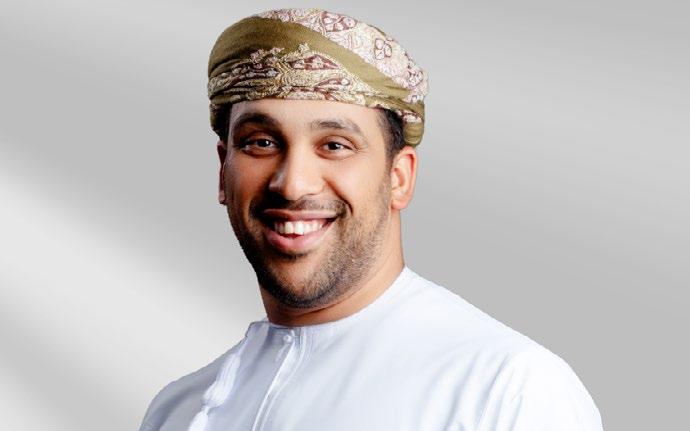
Said Mohamed Al-Aufi, Chairman, Sohar International
companies that have the highest market capitalization on the MSX. These companies are the same as last year and have maintained their respective positions.
Sohar International Bank — Chairman’s Report 2025 Shareholder Summary Opening Summary
Chairman Said Mohamed Al-Aufi reports that 2025 was a year of strategic execution and international expansion for Sohar International. The Bank advanced its international footprint with a proposed representative office in Hong Kong SAR (China) and the proposed acquisition of Neo Group SAOG to strengthen its GCC presence in Saudi Arabia. Sohar International remains anchored in the Sultanate while growing its domestic market share, supported by a robust lending book, deposit base
Financial Performance for the Year
Net profit rose 0.3% to a record RO 100.5 million; the prior year had included a one-off gain on a bargain purchase of RO 9.2 million. Total operating income increased 3% to RO 252.5 million, with growth in other operating income offsetting a small decline in net interest income. Total operating expenses rose 13% to RO 111.5 million, reflecting continued investment in branches in KSA, Omani talent, technology and the Bank’s international reach. Loan impairment and other credit-risk provisions fell 31% to RO 26.2 million (2024: RO 37.9 million). Total assets increased 24% to RO 9,129 million, of which net loans and Islamic financing grew 35% to RO 5,764 million. Customer deposits rose 18% to RO 6,827 million, giving a loan-to-deposit ratio of 84%. Total equity grew 29% to RO 1,154 million, including RO 200 million from the Bank’s successful additional Tier 1 perpetual sukuk in September 2025; the capital adequacy ratio closed the year at 17.6%.
Two banks and three from the services sector comprise this list of the top five
and a Digital-First operating model fully aligned with Oman Vision 2040.
The Digital-First strategy delivered more than 55 “First-in-Oman” innovations, including Oman’s first Digital Debit Card, a Multi-Currency Debit Card, the Domestic Debit Card “Maal”, the Corporate Islamic Mobile App, the Open Banking Platform, the Treasury Single Account and the SME Mobile
Banking App. Digital channels processed transactions 99% cashless; corporate digital adoption grew 179%, retail digital adoption 41% and mobile payments 163%. New Bidayah, Sohar Islamic Service Centre and Bowsher branches were opened. The Bank was designated a Domestic Systemically Important Bank by the Central Bank of Oman, and was recognised by the CBO for the successful implementation of the e-Mandate service and contribution to the national payment card. Sohar International also acted as sole issue manager for a landmark IPO that raised RO 128 million.
Growth strategy will focus on accelerating the GCC footprint through the proposed Neo Group transaction and fintech collaboration, building East African corridors via a structured framework with the East Africa Chamber of Commerce and Industry, and deepening sectorled lending in housing, SMEs, youth entrepreneurship, agrifood and international investment platforms. ESG, hydrogen and decarbonisation initiatives — including exclusive sponsorship of the Green Hydrogen Summit Oman 2025 — will continue to shape strategic priorities.
The Bank received multiple regional and international awards for execution, innovation and institutional performance. Community and people initiatives included strategic sponsorships of the Muscat Marathon, World Cup of Snooker – Oman, Fitbox Championship and Winter Musandam; the Athar Foundation’s social-impact work with Alihsan Charity, the Association for Children with Disabilities and Muscat Municipality; and talent investments such as sponsoring a 10-year-old Omani footballer to a one-month skill development programme at Atlético Madrid’s Youth Academy. The Bank delivered over 25,000 learning hours across more than 2,000 employees, with structured High-Potential Talent and women’s leadership programmes (Tomohi, Tasdihar).
Of the top five companies with the best returns on equity for the year, one are from the Services sector and four from the industrial sector. Omantel and OQEP maintain their first and second positions as last year. Galfar is a newcomer on this list at number three. Oman Cables has stepped down one to position to four from its position at three last year. OQBI retains its fifth position.
Galfar Engineering & Contracting — Chairman’s Report 2025 Shareholder Summary
Opening Summary
The Board presents the FY 2025 results of Galfar Engineering & Contracting SAOG (the Parent Company) and its subsidiaries and associated companies (the Consolidated Group). 2025 was a year of stabilisation in operations as the Group navigated a competitive market and project-specific execution challenges. Management reports gradual progress in project-delivery discipline, cost management and operational efficiency across the Group.
Financial Performance for the Year
Revenues were broadly stable: Parent revenue of RO 272.2 million (2024: RO 272.7 million) and consolidated revenue of RO 285.7 million (2024: RO 286.0 million). Profitability improved materially. EBITDA more than doubled at the Parent level to RO 22.3 million (2024: RO 10.2 million) and rose to RO 24.8 million at the Group level (2024: RO 12.1 million). Gross profit increased to RO 16.5 million (Parent) and RO 18.6 million (Group). The Group turned to a net profit after tax of RO 5.20 million from a net loss of RO 3.91 million in 2024; the Parent recorded a net profit of RO 4.78 million versus a
loss of RO 3.67 million. These results were achieved despite prudent IFRS 9 expected-credit-loss provisioning and exceptional legal costs related to ongoing international arbitration matters.
Galfar continued execution of major regional projects, including the UAE–Oman Railway Link (Abu Dhabi – Sohar) through the NNGT Joint Venture, alongside critical projects in Oil & Gas, Roads, Utilities, Health and Urban Development. Subsidiaries Aspire Readymix and Al Khalij Heavy Equipment together generated profits of approximately RO 0.47 million, and Aspire Projects & Services underwent targeted restructuring. No new project awards were secured during 2025, but the Group closed the year with an order backlog of approximately RO 745 million concentrated in oil & gas, infrastructure and utilities, providing reasonable revenue visibility.
Galfar enters 2026 with a more stable platform, a healthy backlog and improving execution discipline. Macroeconomic conditions in Oman remain supportive: the national budget continues to prioritise infrastructure, transportation, water networks and energy diversification, while opportunities in oil & gas, petrochemicals, renewable energy and PPPs are expected to expand. The Group will pursue selective opportunities aligned with its capabilities, continue digitalising project management, and remain alert to the potential implications of regional geopolitical instability on supply chains, material costs and project timing.
With more than 4,800 Omani employees, Galfar remains the largest private-sector employer of Omanis, and the Board reaffirmed its commitment to training and leadership development. The Group has contributed to Oman’s infrastructure development for more than five decades and continues to align its strategy with Oman Vision 2040.
taxation totalled RO 3.619 million. Profit and comprehensive income rose 42% to RO 5.293 million, primarily driven by a company-wide focus on cost efficiency.
Operational Performance
In Mobility, Shell V-Power continued as the key growth engine, supported by the Maranello Campaign, the NSS subsidised-fuel programme and the launch of Shell Fuel Save (up to 15 km longer per tank). Convenience retail
zero with no recordable incidents and no environmental leaks, full compliance with ISO 14001 and 45001. On energy transition, the Company commissioned Oman’s first hydrogen and refuelling service station (a “Gift to the Nation” with Oman Airports), installed over 200 kWp of solar at Mina Al Fahal head office, and partnered with Porsche Centre Oman to deploy highperformance EV chargers.
The Board is proposing a dividend for 2025 of 40 baiza per share, to be distributed in March 2026. The proposal reflects the Board’s consideration of net income, shareholder returns, current and expected market conditions, existing and anticipated borrowings, and the 2026 capital investment programme.
Of the top five companies with the best returns on equity for the year, four are from the services sector and one from the financial sector. Omantel maintains its first position as last year. Oman Oil Marketing, Shell Oman Marketing, Asyad Shipping and Bank Dhofar are newcomers at number two, three, four and five. OQEP, Oman Cables, Al Maha Petroleum and OQBI are all out of this list.
Shell Oman Marketing — Directors’ Report 2025 Shareholder Summary Opening Summary
Chairman Ali Al Janabi presents Shell Oman Marketing Company SAOG’s Directors’ Report for the year ended 31 December 2025 (approved by the Board on 12 February 2026). The year was characterised by strong cost discipline, premium-fuel and convenience growth, and tangible progress on the Company’s energy-transition and HSSE agendas, all aligned with Oman Vision 2040.
Financial Performance for the Year Revenue was broadly flat at RO 490.326 million (2024: RO 492.573 million). Gross profit rose 4% to RO 35.422 million, driven by cost-efficiency management. Other income was stable at RO 4.297 million; selling, distribution and administrative expenses were essentially flat at RO 30.807 million; financing and
grew strongly through the Al Meera grocery partnership and new F&B concepts (Mango Talaat, 3rd Street Donuts, Al Liwan Roastery, 55 Coffee), complemented by Shell Café, Shell Car Wash and Shell Helix Oil Change Centres. Fleet Solutions secured strategic new accounts and grew share of wallet. Lubricants & Supply Chain retained domestic market leadership and Shell maintained its position as the world’s number-one lubricants supplier for the 19th consecutive year; the Oman blending plant met 100% of preventive maintenance schedules and expanded into a new African market. Aviation won the HSSE Goal Zero Award (Muscat, Salalah, Marmul) and launched a new fuel-delivery platform; Commercial Fuels won three tenders in power, oil & gas and government; the Marine business signed a Reseller Agreement with a local SME. HSSE performance was outstanding: goal-
Oman’s economy is expected to maintain its growth trajectory in 2026, supported by government reforms, increased investment in non-oil sectors and gradual recovery in global demand. Shell Oman’s five-year strategy centres on asset optimisation and cost efficiency to underpin sustainable returns. Key risks identified for 2026 include timely renewal of environmental licences, counterfeit products and unauthorised cross-border trade, global supplychain volatility and regional security challenges, credit-market fluctuations, and political and economic uncertainties - each mitigated through targeted controls.
Board changes: Parminder Kohli resigned in February 2025 and shareholders elected Ali Azmat Jafari at the March 2025 AGM; Chairman Walid Hadi resigned in July 2025, and Ali Al
Janabi was appointed to the Board and as Chairman effective 15 July 2025 until the next Ordinary General Meeting. The Company also strengthened internal control by integrating ERM and GRC frameworks and held its inaugural Governance Day in May 2025; no material losses arose from internal control weaknesses during the year.
Phoenix Power — Chairman’s Report 2025 Shareholder Summary
Opening Summary
Chairman Khalid Jolo presents Phoenix Power Company SAOG’s Annual Report for the year ended 31 December 2025. The Company, incorporated in 2011, owns and operates the 2,000 MW Sur Independent Power Plant in the Sur industrial area (~175 km south-east of Muscat). Revenues are generated under a 15-year Power Purchase Agreement with Nama Power & Water Procurement Company, with fuel gas supplied under a 15-year Natural Gas Sales Agreement with Integrated Gas Company. The Board describes 2025 as challenging yet successful, with significant operational and financial milestones achieved.
The Company recorded a profit of RO 26.02 million in 2025, an increase of 13.14% over 2024. Revenue was RO 174.06 million against costs of RO 134.58 million, with fuel gas purchases representing the largest expense. The improvement was driven primarily by higher capacity charge revenues, lower finance costs and higher income, partially offset by a slight increase in income tax. The share price closed the period at 155 baizas.
Operational performance was exceptional. The Sur Power Plant achieved commercial availability of 99.91% over the year and 99.83% during the demanding peak summer months. Energy exported in 2025 rose to 10,415 GWh (2024: 10,217 GWh), reflecting higher generation in response to increased grid demand. The plant reached 4,039 days without a lost-time accident as of 31 December 2025, underscoring the Company’s commitment to HSE. Comprehensive
QHSE reviews were conducted across all units. The Annual General Meeting on 18 March 2025 approved all proposals submitted by the Company.
The outlook is thoughtfully optimistic, supported by the government’s eleventh five-year development plan and Oman Vision 2040, which prioritise economic diversification, private-sector growth and Omanisation. Major infrastructure projects and digital transformation initiatives are expected to support continued economic activity.
The Company maintains a focused CSR programme around education, health, environment and community development, particularly in Sur, and continues to review policies and processes to ensure compliance with the highest standards of corporate governance.
excluding the prior-year one-off Price Control 2 OpEx reimbursement of RO 5.3 million, revenue grew 39.8% and net profit grew 20.5%. Headline net profit for the period was RO 51.2 million, up 7.1% year-on-year. Expenses rose to RO 157.8 million. EBITDA excluding one-off income rose from RO 76.5 million to RO 82.4 million, and EPS improved from 11.0 baizas to 11.8 baizas. The Company also successfully reduced the interest rate on its OMR-denominated loans from 5.70% to 5.15%.
Performance
OQGN achieved 100% gas delivery to all customers without interruption, supported by strong asset integrity, advanced monitoring and proactive pipeline management. The safety record was exceptional, with zero Lost Time Injuries (LTIs) and a cumulative milestone of more than 20 million LTIfree manhours. On sustainability, the Company recorded a 12.4% reduction in Greenhouse Gas emissions versus the
OQ Gas Networks (OQGN) — Chairman’s Report 2025 Shareholder Summary
Opening Summary
OQGN delivered a healthy performance for the year ended 31 December 2025, reflecting sustained operational excellence, financial discipline and steady strategic progress. The Company continued to demonstrate the resilience of its core business, maintaining uninterrupted gas delivery across its 4,368 km network while advancing safety, sustainability and regulatory alignment.
Financial Performance for the Year
Revenue increased 35.0% to RO 209.0 million (2024: RO 154.8 million), driven primarily by higher construction activity. On a like-for-like basis,
prior year and was honoured with the Green Future Leadership Award. The workforce reached 475 employees with an Omanisation rate of approximately 96%, earning the Best Employer Brand Award and the Most Trusted Brand Award (B2B).
OQGN is strengthening its energytransition agenda through close collaboration with strategic partners on hydrogen and carbon capture, utilisation and storage (CCUS). These joint initiatives are central to the Company’s long-term sustainability direction and to alignment with Oman’s and global decarbonisation targets, supporting continued value creation alongside the core transmission business.
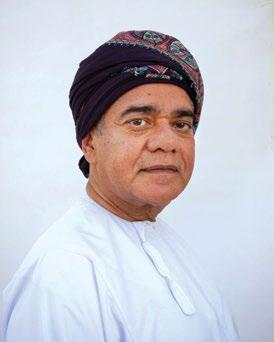
The rankings for the OER Top 20 and the introductory write-up were done by Mukhtar Hasan who is a fellow of the Institute of Chartered Accountants in England and Wales and holds a Corporate Finance qualification issued jointly by this institute together with the Securities Investment Institute and the Chartered Accountants Institute of Canada. He graduated as a Bachelor of Commerce in 1970 and qualified as a Chartered Accountant in 1974. He is also a member of the Corporate Finance Faculty of the Institute of Chartered Accountants in England & Wales.
Hasan has local and international experience in banking, finance, senior management, private equity, corporate finance and investments. He is the managing partner of Al Barij International, which is a corporate finance firm specialising in corporate turnarounds. He has served on the board of several companies including Omani public companies United Power, Renaissance Services, Renaissance Hospitality, National Hospitality, Muscat Finance and Oman Textiles. He also served as the chairman of the American British Academy, an IB World School in Muscat for a number of years. He is currently chairman of Muscat Thread Mills, managing director of Gulf Mushroom Products Company and vice chairman of Oman Dental College as well as several other local and foreign private companies.
All companies on the list are derived from the published accounts submitted to the Muscat Securities Exchange (MSX). Therefore, closed Joint Stock Companies, private companies and establishments are excluded from this list. These companies are, in the first instance, ranked by Revenues. All the other rankings shown on the table do not consider any other companies that do not make the list on the basis of Revenue. In the case of banks and the investment sector, the Gross Interest Income as well as Other Operating Income, together, are considered as their Revenue for this purpose. In the case of Insurance companies, the Insurance revenue, fees and commission income as well as Investment Income, together, are considered as their Revenue for this purpose. All figures are for the year ended 31 December 2025.
Profits are shown after taxes and all charges, including extraordinary charges. Figures in brackets indicate a loss. All losses and negative growth are also ranked where possible.
Assets shown are as per the balance sheet at the end of the period. It is the total of fixed as well as the current assets.
Total Equity is the paid-up capital of the Company, retained earnings, and statutory and all other reserves as well as share premium. On Consolidated position, Total Equity pertains to the Equity attributable to the equity holders of the Parent company.
Market Capitalization figure has been arrived at by multiplying the total number of outstanding shares of the company by the price per share as of close of business on 31 December 2025 and 31 March 2026 or as the last trading of stock of the company.
The basic earnings per share or in consolidation, attributable to the Parent company, are as published in the financial statements of the companies.
The dividend yield figure is calculated on the basis of the dividend declared in the financial statements for 2025 against the share price at the close of business on 31 December 2025.
This ratio has been calculated by dividing the price per share by the earnings per share as at 31 December 2025.

Moore Global is regarded as one of the world’s major accounting and consulting networks, with its headquarters in London, consisting of 547 offices, 240 firms and some 29,890 people across 113 countries. With a strong presence on every continent, the Moore Global network has developed and grown significantly, trebling profitable revenues since 2005. Today, ranked no. 11 globally by fee income and headcount according to the 2019 International Accounting Bulletin World Survey, a Moore network office can be found in more than 600 locations in 114 countries.
This capability enables to serve clients’ multi-national needs through the strength of a global professional community, and also benefit from collaboration between member firms to target new business opportunities, together. At Moore, our purpose is to help people thrive – our clients, our people and the communities they live and work in. The Moore brand is respected across global markets: it stands for quality, integrity and client care. The brand continues to evolve and strengthen, with network growth and the development of Moore as a thought leader further increasing our profile.The Moore brand helps you to attract highvalue work from quality clients, supporting profitability and providing access to exciting work opportunities for your people.






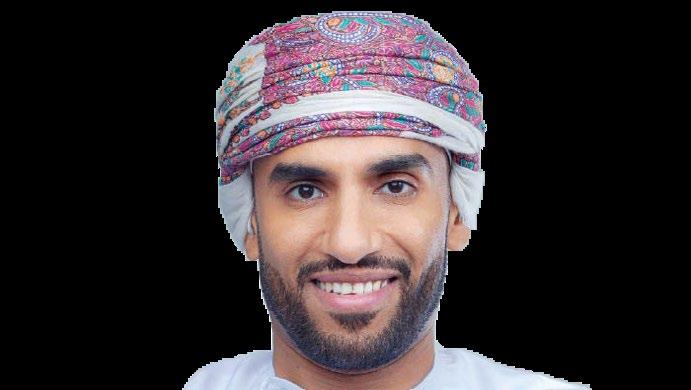
Omantel is powering Oman’s digital future through innovation and scale
At the top of OER’s Top 20 Companies ranking for 2025 stands Oman Telecommunications Company (Omantel), a corporate giant that continues to shape the Sultanate’s digital economy while strengthening its position as a regional telecommunications and technology powerhouse. With consolidated revenues exceeding RO3.4 billion in 2025, Omantel has successfully evolved beyond its traditional role as a telecom
operator, transforming into a diversified digital solutions provider with a growing international footprint and a clear vision for the future.
In an era where telecommunications companies worldwide are reinventing themselves to remain relevant amid rapid technological change, Omantel has embraced transformation with remarkable success. The company’s strategy is centered on moving beyond basic connectivity to become a technology-driven enterprise offering cloud services, cybersecurity solutions, digital platforms, artificial intelligence applications and advanced ICT services.
Despite operating in one of the region’s most competitive telecom markets, Omantel has retained its leadership position across mobile, fixed-line, broadband, and international wholesale segments. The company continues to invest heavily in network modernisation, expanding its 4G and 5G coverage while strengthening fiber infrastructure across the Sultanate. By the end of 2025, Omantel’s 4G and 5G networks covered 98.39 percent and 93.30 percent of the population respectively, while fixed broadband services were available to more than 92 percent of households.
A major contributor to Omantel’s growth story is its strategic investment in Zain Group and the continued expansion of Zain Omantel International (ZOI). Through this partnership, Omantel has established itself as a key regional connectivity hub linking Asia, the Middle East, Africa, and Europe. Today, its international infrastructure includes more than 20 subsea cable systems and connectivity across over 120 cities worldwide.
The company’s wholesale business continues to unlock new opportunities in cloud computing, hyperscale data services, AI infrastructure, and international connectivity. Landmark initiatives, including the Oman-UAE Gateway and next-generation subsea cable projects, are reinforcing Oman’s role as a strategic digital crossroads.
Omantel’s financial performance reflects the strength of its transformation strategy. The group’s revenue rose by 11.4 percent in 2025 to reach RO3.41 billion, while profit for the year surged by nearly 88 percent to RO371 million. These results underscore the company’s ability to balance investment, innovation, and operational excellence.
OQEP is fueling growth, delivering value, shaping Oman’s energy future
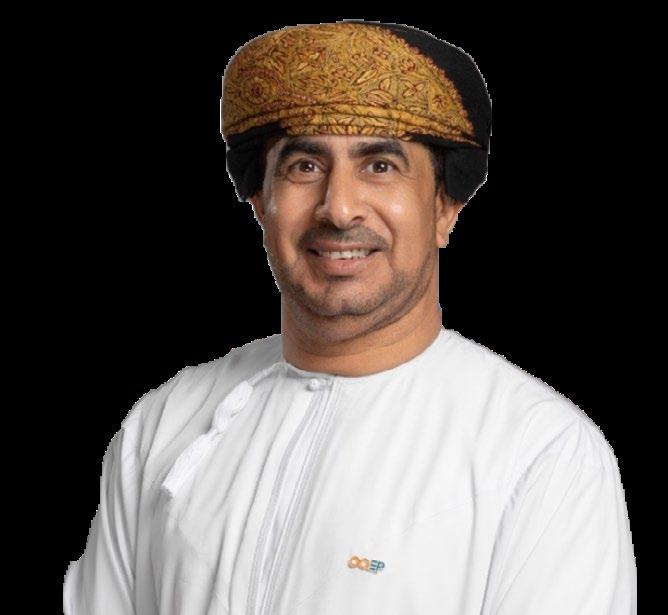
Mahmoud Al Hashmi CEO, OQEP
strategically important energy assets, and ambitious plans for growth, the company is playing a pivotal role in strengthening Oman’s energy security and supporting the nation’s long-term economic development.
Ranked second in OER’s Top 20 Companies list for 2025, OQ Exploration & Production (OQEP) has rapidly established itself as one of Oman’s most influential energy companies. Following its landmark listing on the Muscat Stock Exchange in October 2024 - one of the largest IPOs in the Sultanate’s history, OQEP has emerged as a leading force in the country’s upstream oil and gas sector. With revenues exceeding US$1.15 billion, a portfolio of
As Oman’s largest pure-play exploration and production company, OQEP manages a high-quality portfolio of 14 upstream oil and gas assets spanning exploration, development and production activities. The company ranks among the largest holders of oil and gas reserves in the Sultanate and has built a balanced portfolio that combines long-life oil assets with growing natural gas opportunities.
A key contributor to OQEP’s success is Block 60, its flagship operated asset. During 2025, the company completed two transformative projects - the Bisat C Expansion Processing Facility and the Bisat Permanent Power Supply project - which significantly enhanced production capacity, operational reliability and environmental performance. Production from the block surpassed 70,000 barrels of oil equivalent per day by year-end, while greenhouse gas emissions were reduced by approximately 280,000 tonnes of CO2 equivalent annually through connection to Oman’s national electricity grid.
OQEP’s strategy is closely aligned with Oman Vision 2040 and the nation’s Net Zero ambitions. The company has strengthened its environmental, social and governance framework through renewable energy investments, decarbonisation initiatives and enhanced sustainability reporting. Solar projects at Marsa LNG and several operating blocks, alongside preparations for ISO 50001 certification, demonstrate OQEP’s commitment to lowering its carbon footprint while maintaining strong operational performance.
The company’s flagship growth project, Marsa LNG Bunkering, currently under construction at Sohar Port, is set to become the region’s first LNG bunkering hub. Powered entirely by solar energy, the project is expected to be among the world’s lowest-carbon LNG facilities and is scheduled for commissioning in 2028.
Despite lower global oil prices during 2025, OQEP delivered resilient operational performance, increasing crude and condensate sales volumes by nearly 7 percent while maintaining strong profitability and generating substantial cash flows.
Driving Oman’s financial growth through a mix of innovation and scale
As Oman’s largest financial institution, Bank Muscat continued to reinforce its leadership position in 2025 through strong business performance, digital innovation, and a steadfast commitment to supporting the Sultanate’s economic transformation. In a year marked by global uncertainty and evolving market dynamics, the bank demonstrated resilience while advancing its strategic priorities across retail, corporate,
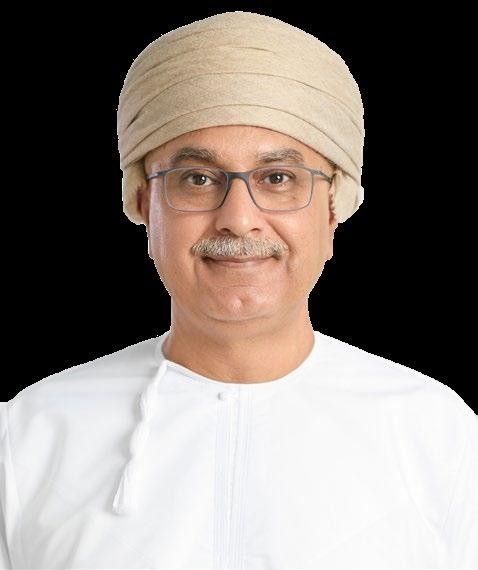
Waleed Al Hashar CEO, Bank Muscat
investment and Islamic banking. Aligned with Oman Vision 2040, Bank Muscat remained a key enabler of economic diversification, financing major infrastructure, energy, manufacturing, logistics, and renewable energy projects while strengthening support for businesses and entrepreneurs. The bank played a prominent role in funding strategic national projects, including participation in Oman’s first industrial-scale wind energy developments and regional energy initiatives.
A defining feature of the bank’s 2025 performance was its continued digital transformation. The launch of a significantly enhanced mobile banking application featuring more than 200 functionalities underscored Bank Muscat’s commitment to customer-centric innovation. The bank also introduced instant digital personal loan approvals and disbursements, becoming the first institution in Oman to offer such a service. Digital adoption surged during the year, with registered digital users increasing by 17 per cent and transaction volumes rising by 35.5 per cent.
The bank’s extensive reach remains one of its key strengths. Through a nationwide network of 198 branches and service centres, Bank Muscat continued to expand access to banking services while introducing specialised offerings such as “Hisaby” for expatriate customers and new premium banking facilities for affluent segments. These initiatives further strengthened customer engagement and financial inclusion across the Sultanate.
Bank Muscat’s investment banking arm also delivered significant milestones during the year. The bank advised on major sovereign and corporate capital market transactions, including Oman Sovereign Sukuk issuances and a landmark US$750 million Green Sukuk. Assets under management increased to US$3.9 billion, reflecting continued investor confidence in the bank’s wealth and asset management capabilities.
Innovation remained central to the bank’s future strategy. The launch of the Jadarah Artificial Intelligence Academy and a stateof-the-art command centre demonstrated Bank Muscat’s focus on harnessing advanced technologies to improve operational efficiency, cybersecurity, and customer experience.
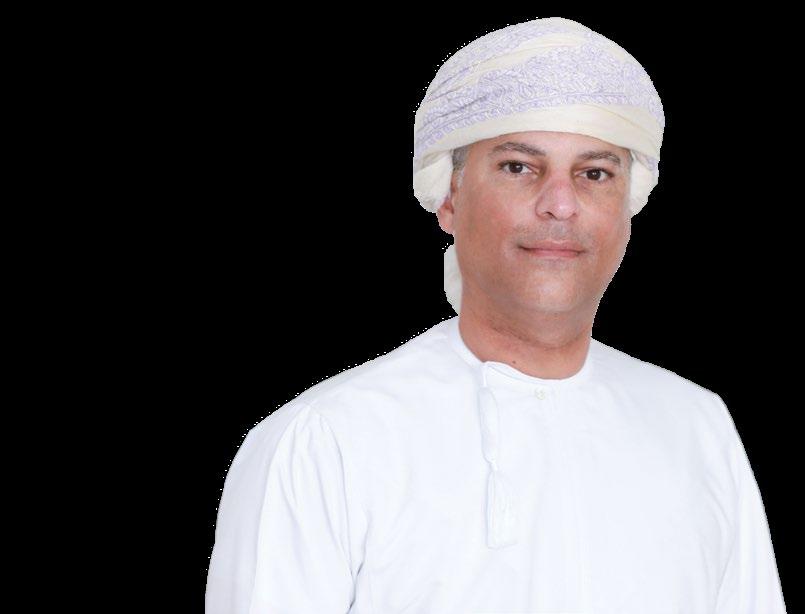
Oman Oil Marketing Company delivers expansion, digital transformation, and sustainability gains as it cements its leadership in the Sultanate’s fuel and retail sector
Oman Oil Marketing Company SAOG (OOMCO) emerged from 2025 with a performance that underscored the breadth of its ambition - extending its retail footprint, deepening
CEO, Oman Oil Marketing Company
its international presence, accelerating digital innovation, and advancing a sustainability agenda aligned with Oman’s Net Zero Vision 2050.
The company’s domestic retail network reached 239 operational service stations, with OOMCO directly operating 116 of those sites. The expansion was complemented by a tangible shift in how those stations function - transitioning from conventional fuel stops into integrated lifestyle destinations. New and upgraded Ahlain Convenience Stores, now totalling 59 locations, sit alongside 16 Café Amazon outlets, while Ultimax 98, the company’s premium highoctane fuel, became available at more than 118 stations nationwide. An exceptional Mystery Motorist score of 95 percent further affirmed OOMCO’s standing as the leading performer in the national fuel retail market.
Internationally, the company’s footprint in the Kingdom of Saudi Arabia grew to 49 operational service stations, with additional sites under construction in the Eastern and Western regions. A landmark moment was the launch of the Al-Rayan site at 93,000 square metres, the largest service station in OOMCO’s history. In Tanzania, the company maintained continuity across its 12-station network while evaluating longer-term strategic options.
Aviation demonstrated notable resilience in a competitive environment, recording a 14 percent year-on-year increase in fuel volumes. OOMCO executed more than 24,000 fueling operations without a single major incident, achieved a 99.9 percent on-time delivery rate, and secured a five-year contract with Royal Flight — reinforcing its dominant position at Sohar International Airport and approximately 50 percent market share at Muscat International Airport.
On the digital front, OOMCO’s transformation agenda gathered meaningful momentum. The mobile application recorded 259,000 downloads and 366,000 active users, while payment gateway activity generated a total transaction value of RO28.4 million. The launch of Basma Pay NFC contactless payments, the migration to Microsoft 365, and the initiation of a centralised enterprise data warehouse collectively positioned the company for a data-driven future.
Oman’s oldest and largest listed investment company strengthens its portfolio, earns a credit upgrade, and advances landmark projects as it builds toward long-term value creation
Oman International Development and Investment Company
SAOG (Ominvest) closed 2025 on a notably strong footing, delivering a profit of RO 47.71 million for equity shareholders
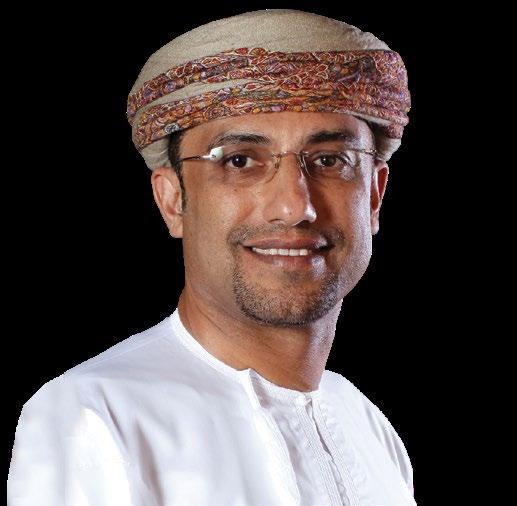
Group CEO - OMINVEST
— up from RO35.89 million the previous year. results reflect not only the resilience of the company’s core portfolio but also the disciplined execution of a five-year strategic roadmap that is reshaping Ominvest’s scale, reach, and financial standing.
Perhaps the most consequential recognition of the year came from Capital Intelligence Ratings, which upgraded Ominvest’s long-term international credit rating to investment grade ‘BBB-’ with a stable outlook. The agency cited the company’s diversified portfolio of high-quality liquid assets, improved financial performance, and the predictable dividend inflows from its strategic holdings. The upgrade positions Ominvest among the most creditworthy listed investment companies in the GCC, a distinction with tangible implications for its cost of capital and access to growth funding.
That advantage was put to work almost immediately. Amid a softening global interest rate environment, Ominvest proactively renegotiated terms with major lenders, securing meaningful reductions in borrowing costs and expanding its credit facilities at competitive rates. The result is a strengthened liquidity buffer and a more flexible balance sheet, better positioned to fund future acquisitions and strategic commitments. The company’s core holdings including Bank Muscat, Oman Arab Bank, LIVA Group, National Finance, and International General Insurance, collectively delivered robust returns during the year, driving higher dividend inflows and reinforcing the earnings profile that underpins Ominvest’s own generous distribution to shareholders.
Beyond the financial metrics, 2025 was a year of meaningful portfolio development. Ominvest raised its stake in investment banking subsidiary Ubhar Capital from 66 percent to 81.28 percent, deepening its position in a growing segment of Oman’s capital markets. Its private equity investment in a Saudi greenfield hospital and rehabilitation centre, developed in partnership with the Saudi German Hospital Group, commenced operations in October — a milestone for the company’s regional healthcare ambitions. Meanwhile, the flagship LA VIE real estate development in Muscat, featuring a luxury hotel, a golf course, premium residences, and retail outlets, remains on track to open in the first quarter of 2026.
Al Maha Petroleum crosses borders, broadens its product portfolio, and deepens non-fuel revenue streams as it navigates a shifting energy landscape with discipline and ambition
Al Maha Petroleum Products Marketing Company SAOG closed 2025 with a 2 percent increase in net profit over the prior year, a modest but meaningful gain achieved
Maghdri CEO, Al Maha Petroleum Products Marketing Company
against a backdrop of softening aviation demand and intensifying competition across Oman’s petroleum marketing sector. The result reflects a company that is actively reshaping its business model, moving beyond its core fuelling operations to build a more diversified, resilient, and customer-centric enterprise.
The year’s most symbolically significant development came in January, when Al Maha opened its first service station in Riyadh, a landmark step that marked the company’s entry into the Kingdom of Saudi Arabia and signalled a clear intent to grow beyond Oman’s borders. Additional stations in the Kingdom are already planned, establishing a regional expansion narrative that will likely define the company’s medium-term trajectory.
Domestically, the retail network grew to 245 stations following the opening of ten new sites and the upgrade of four existing ones. The launch of PowerPlus 98, a premium 98 RON high-octane fuel developed locally, added a performance-grade product to a portfolio that already spans M91, M95, diesel, jet fuel, and lubricants.
Digital engagement continued to build momentum through the Al Maha Plus application, which recorded strong growth in its user base during the year, supporting loyalty and enabling targeted promotions. The Fuely on-demand fuel delivery service also delivered improved performance, particularly among commercial customers — a reminder that convenience and connectivity are fast becoming as important as the fuel itself.
The Commercial segment delivered solid year-on-year growth, underpinned by new and expanded contracts with customers in oil and gas, construction, energy, and logistics. A contract addendum with Petroleum Development Oman to supply 35 to 40 million litres of diesel annually to the Fahud heavy oil production facility reinforced the segment’s depth and long-term revenue visibility.
Aviation remained the year’s softest note, with lower volumes at airport operations reflecting reduced demand. The company responded by broadening its airline customer relationships and continuing to generate incremental revenue through fuel farm management at Muscat International Airport.
From Oman’s first hydrogen refuelling station to a 100,000-strong loyalty programme, Shell Oman Marketing delivers a year defined by innovation, energy transition leadership, and operational excellence
Shell Oman Marketing Company closed 2025 having achieved what few organisations in the regional energy
Dr. Mohammed Al Balushi CEO, Shell Oman Marketing Company
sector can claim: a full year without a single significant injury, fatality, or environmental leak. The Goal Zero record, maintained across millions of kilometres of road transport and complex multi-site operations, is not merely a compliance milestone, it is the operational foundation upon which the company’s broader transformation is being built.
That transformation accelerated meaningfully in 2025, with the inauguration of the Sustainability Oasis service station emerging as the year’s defining moment. The site brought together hydrogen refuelling, electric vehicle fast-charging, Shell V-Power premium fuel, and convenience retail under one roof, positioning Shell Oman as the first company in the Sultanate to offer hydrogen as a commercially available mobility fuel. It is a distinction that carries both symbolic and strategic weight as Oman advances toward its net-zero target for 2050.
The Mobility and Convenience segment, the company’s largest business, extended its retail footprint with four new service stations commissioned during the year. Product innovation kept pace with the launch of Shell FuelSave 91, which offers customers up to 15 additional kilometres per tank at no premium - a compelling value proposition in a price-sensitive market. The Shell GO+ loyalty application crossed 100,000 members.
The Lubricants business reinforced Shell Oman’s standing as a global leader in the category, introducing carbon-neutral products including the Shell Helix Ultra OW portfolio and making history as the first company to fulfil an order for Immersion Coolants - a data-centre cooling solution anywhere in the Middle East. The lubricants blending plant, a proud symbol of Omani manufacturing, expanded its export footprint into a new African market and successfully renewed its IATF automotive industry certification.
In aviation, Shell Oman secured a significant tender to supply jet fuel to Oman Air at both Muscat and Salalah International Airports, covering half of Muscat’s uplift and the entirety of Salalah. The contract substantially strengthened the company’s market position in Oman’s growing aviation sector.

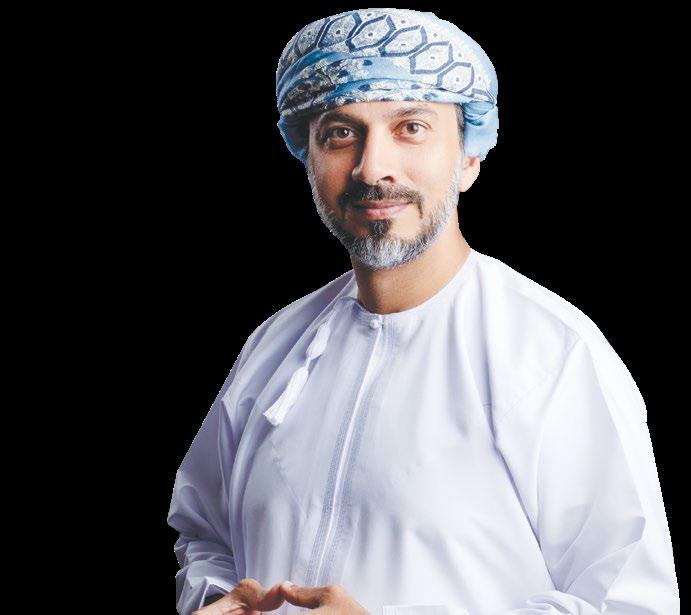
Sohar International posts record earnings, a landmark Riyadh branch inauguration, and a digital first ethos that defines a transformative year
Sohar International closed 2025 having crossed a threshold that few Omani banks have reached - recording a profit of RO100.5 million for the year. Total assets grew 24 per cent to RO9.1 billion, loans and advances expanded 35 per cent to RO5.8 billion, and customer deposits rose 18 per cent to RO6.8 billion - growth
rates that placed Sohar International among the fastest-expanding institutions in the Omani market on an annualised basis.
The year’s most visible strategic milestone was the inauguration of the bank’s Riyadh branch — its first full international branch presence, establishing a direct foothold in one of the GCC’s most consequential economies. The branch opens new corridors for trade finance, treasury services, and cross-border business between Oman and Saudi Arabia, and is expected to become an increasingly material contributor to revenue diversification as client relationships deepen. Complementing this, the bank further extended its international reach through a presence in Hong Kong, positioning itself as a facilitator of trade and investment flows between Oman and Asian markets.
Domestically, Sohar International’s digital transformation agenda continued to set the pace for the sector. The bank launched more than 55 market-differentiating digital and technology capabilities during the year, including the Sultanate’s first Digital Debit Card, the first MultiCurrency Debit Card, and an Open Banking platform enabling secure, consent-based integrations with third-party fintech partners. Retail digital users grew by over 40 per cent year-on-year, while corporate platform usage surged by nearly 180 per cent. These figures reflects not just product availability but genuine enterprise adoption of mobile-first and API-enabled banking.
In corporate and investment banking, the scope of transactions executed in 2025 speaks to the bank’s growing capability in complex financing. Acting as Mandated Lead Arranger, Sohar International structured a USD 500 million green financing for United Solar Polysilicon - supporting what will be the largest polysilicon manufacturing facility outside China. It led a USD 500 million financing for the Oman-GCC Electrical Interconnection Project. The bank also served as sole Issue Manager for Asyad Shipping’s IPO, which raised RO128 million through an oversubscribed offering and was recognised as the region’s IPO Deal of the Year by Islamic Finance News.
The bank was also designated a Domestic Systemically Important Bank by the Central Bank of Oman in March 2025 - a formal acknowledgement of its scale and systemic relevance within the national financial architecture.
After a challenging year of weatherrelated claims, Oman’s leading listed insurer demonstrates the strength of its underwriting discipline and the breadth of its GCC operations
Liva Group entered 2025 with a clear mandate - stabilise the technical foundations of its business, restore profitability, and advance its regional integration agenda. By the close of the

year, it had achieved all three with conviction.
The recovery was not merely a function of a more benign claims environment, though the absence of the high-severity weather events that weighed heavily on 2024 results was undeniably significant. More importantly, the Group implemented a comprehensive set of technical improvements, strengthened risk selection, repricing of underperforming segments, tighter claims management, and the integration of more robust risk protocols across subsidiaries - the mark of a business that has genuinely addressed root causes rather than waited for external conditions to improve.
The investment portfolio contributed RO17.2 million, up 20 per cent year-on-year, reflecting disciplined asset allocation and tactical rebalancing across debt and equity instruments. Geographically, the Group’s diversification across Oman, the UAE, and Saudi Arabia, which collectively account for over 98 per cent of its portfolio — proved its strategic value. The UAE remains the dominant market at 62 per cent of the portfolio mix, while KSA continues to grow its contribution, now representing 14.5 per cent of the book. A particularly significant development was the completion of the UAE integration in September 2025, with NLGIC’s UAE portfolio successfully transferred to Liva, enabling the Group to operate under a single unified brand across the Emirates with a full product suite.
Recognition tracked the recovery. AM Best assigned Financial Strength Ratings of ‘A-’ (Excellent) to Liva Bahrain and Liva Oman during the year, while Liva Oman was named Insurance Company of the Year at the Alam Al Iktisaad Awards and received the Rebranding Campaign of the Year award at the Oman Leadership Awards.
Looking ahead, the Group enters 2026 with a fortified balance sheet, an expanded composite licence, and a growth agenda centred on Health and Life, embedded digital insurance, and a potential merger with Malath in Saudi Arabia. The ambition is clear, to outpace regional market growth while sustaining the technical discipline that defined 2025’s recovery.
BankDhofar’s net profit surged 17 per cent year-on-year as loan growth, fee income expansion, and a rapidly growing branch network cemented its position as one of Oman’s leading financial institutions.
BankDhofar closed 2025 on a high note, delivering a net profit of RO 51.05 million, up from RO 43.61 million the previous year, as the bank’s multi-year investment in digital transformation,
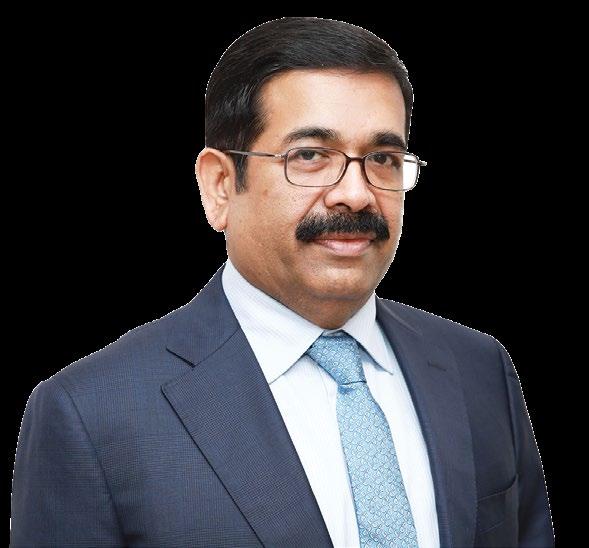
customer experience, and distribution expansion began paying clear dividends. Total assets crossed RO 5.39 billion, growing 6 per cent year-on-year, while the cost-to-income ratio fell sharply to 47.80 per cent from 51.59 per cent - a sign of a leaner, more efficient operation.
The headline profit figure was powered by strong momentum across multiple income lines. Net interest and financing income grew 3.30 per cent to reach RO 117.94 million, while net fee and other operating income was the standout performer, surging 34.08 per cent to RO 51.85 million, supported by broad-based activity across wholesale, retail, investment, and Islamic banking.
On the balance sheet, gross loans and advances including Islamic financing receivables grew 6.63 per cent to RO 4.39 billion, with Islamic financing receivables leading the charge at 17.63 per cent growth. Customer deposits expanded 9.41 per cent to RO 4.12 billion, with Islamic customer deposits rising an impressive 24.61 per cent.
Beyond the numbers, the bank made significant strategic strides during the year. It became the country’s second-largest branch network with 146 branches, expanded its ATM and CDM network to 388 machines, and completed the integration of Bank of Baroda operations, a milestone that diversified its customer base and strengthened its NRI segment presence.
Digital transformation remained central to the bank’s agenda. The Corporate Internet Banking platform was upgraded, a Trade Finance Portal and Merchant Portal were launched, and mobile banking was enhanced with instant remittances to Pakistan and Bangladesh. The bank also formalised an exclusive partnership with Mastercard to modernise Oman’s payment landscape, including the launch of the Maal domestic debit card and premium World Elite and World Legend credit cards.
Dhofar Islamic, the bank’s Sharia-compliant window, continued to distinguish itself, advising on Oman’s first-ever Sukuk restructuring and leading a syndicated financing transaction for an underground copper mining project - described as one of the first private-sector deals of its kind in the Sultanate.
National Bank of Oman caps a Five-Year Transformation plan with record profit and industry accolades NATIONAL BANK OF OMAN
and Islamic banking, capped by the bank being named Bank of the Year 2025 in Oman by The Banker magazine.
National Bank of Oman delivered a landmark year in 2025, reporting net profit of RO 70.2 million, up from RO 63.1 million the previous year, as the bank brought its five-year strategic transformation to a successful conclusion. The result was underpinned by disciplined cost management, strong fee income growth, and expanding business volumes across retail, corporate,
The financial scorecard was broadly impressive. Net interest income grew 2.8 per cent to RO 111.9 million, driven primarily by lower funding costs, while net fee and other operating income surged 21.4 per cent to RO 51.6 million. Total operating expenses rose a contained 5.4 per cent to RO 66.4 million as the bank continued investing in people, technology, and infrastructure. Gross loans and advances grew 5.8 per cent to reach RO 4.33 billion, with customer deposits standing at RO 4.01 billion. Capital remained robust, with the Total Capital Adequacy Ratio at 20.4 per cent.
A standout moment came in capital markets, where NBO completed a landmark USD 450 million Additional Tier 1 issuance, the largest ever by an Omani bank, reflecting strong international investor confidence. The bank also facilitated Energy Development Oman’s inaugural listed Sukuk and supported the Asyad Shipping IPO through its digital platform, reinforcing its growing role in developing Oman’s capital markets.
Digital transformation remained a defining theme. The NBO App received significant enhancements, adding personal loan top-ups, traffic fine payments, seamless credit card applications, and a Direct Debit e-mandate service. The bank launched a full API Gateway to enable open banking integrations with corporate and government systems, and expanded self-service infrastructure through drive-thru ATMs and digital kiosks. Muzn Islamic Banking kept pace, introducing digital onboarding, E-IPO services, Samsung In-App Tokenisation, and Corporate Running Wakala Finance as a Sharia-compliant liquidity tool for businesses.
On talent, the bank delivered 8,265 man-days of training, launched the Tomorrow’s Leaders Programme for 35 graduates and the Universal Banker Programme for over 60 diploma holders, and maintained a 93 per cent Omanisation rate with 43 per cent female representation. Awards accumulated throughout the year: Best Retail Bank in Oman from MEED, Best Bank for Digital Banking Services from Global Banking and Finance Review, and Best Private Bank from Euromoney’s Private Banking Awards.
Oman’s national shipping champion posted a nine per cent rise in net profit in 2025, its first year as a publicly listed company, demonstrating the resilience of its diversified fleet strategy against a backdrop of geopolitical turbulence and softening freight markets.
Dr. Ibrahim Al Nadhairi CEO, Asyad Shipping Company
Asyad Shipping Company SAOG (ASCO) closed 2025 with net profit after tax of RO 56.4 million, up from RO 51.6 million the previous year, a result that underscored the company’s ability to generate earnings stability even as global shipping markets experienced cyclical normalisation and ongoing disruption across key trade corridors.
The year’s defining moment came in March, when ASCO completed its Initial Public Offering on the Muscat Stock Exchange, raising RO 128.1 million at 123 baisas per share and implying a market capitalisation of approximately USD 1.66 billion at listing. The offering was oversubscribed 1.4 times, a clear signal of investor confidence in the company’s business model and long-term growth prospects.
Financially, the headline profit figure was achieved despite an 8% decline in revenue to RO 336.4 million, reflecting the deliberate strategic pivot toward time-charter contracts over spot voyage arrangements to improve earnings predictability. Total assets grew 14% to RO 1.24 billion, driven by new vessel deliveries, ongoing construction commitments, and expanded leasing activities. The company also signed a Letter of Intent with Hanwha Ocean for three newbuild VLCCs to be delivered in 2028, extending its forward orderbook in a segment where VLCC spot rates exceeded USD 90,000 per day at peak periods during the year.
Not every segment shone equally. The gas division absorbed a significant one-off impairment charge, while product tanker margins were compressed by losses on chartered-in vessels. The company responded with disciplined fleet adjustments, selectively redelivering vessels and pausing additional medium-range charter-in activity until market costs aligned. The liner business, meanwhile, delivered a near200% jump in net profit on stable EBITDA, reflecting improved vessel deployment rather than rate tailwinds.
Operationally, the safety record was exceptional with zero major incidents, zero vessel detentions, and zero lost time injuries across a fleet of 80 vessels spanning crude tankers, product tankers, dry bulk carriers, gas carriers, and container ships. An Omanisation rate exceeding 90 per cemt further reinforced the company’s contribution to national workforce development.

Oman Cables Industry has built one of the region’s most diversified cable manufacturing capabilities with a focus on decarbonisation
Oman Cables Industry closed 2025 with record results and, more tellingly, with a clearer strategic identity than ever before. For a company that has spent four decades manufacturing electrical cables, it is now positioning itself as a critical enabler of the
Erkan Aydogdu CEO, Oman Cables Industry
Gulf’s energy transition, and the numbers are beginning to reflect that ambition.
Sales for the year reached RO 287 million, up from RO 268.8 million in 2024, while profit after tax rose to RO24.3 million, continuing a run of consistent earnings growth. That trajectory is increasingly defined by the region’s infrastructure and renewables agenda. With GCC governments sustaining capital expenditure programmes in solar, wind, hydrogen, and grid modernisation, demand for high-specification cable solutions is structurally well-supported. Oman Cables has invested accordingly by expanding medium-voltage production capacity at its Muscat facilities and formally designating itself as a Renewables Excellence Center for the Middle East, offering solutions across solar, wind, and emerging hydrogen applications.
Underpinning the commercial strategy is the company’s long-standing partnership with Prysmian Group, the global cable and energy transmission leader. That relationship gives Oman Cables access to world-class R&D, manufacturing technology, and international best practice, advantages that are difficult for purely regional competitors to replicate. The Group also draws on two wholly owned subsidiaries: Associated Cables Private Limited in India and Oman Aluminum Processing Industries LLC in Sohar, extending its reach across the value chain.
Sustainability is no longer simply a reporting obligation for Oman Cables; it is woven into its operating model. The company has implemented an integrated energy management system, broadened the use of recycled and low-carbon raw materials, and established the Global Sustainability Academy in Muscat, a capacity-building platform designed to serve more than 30,000 Prysmian employees worldwide as well as local stakeholders and partners.
Having said that the company is cognizant of the challenges such as metal price volatility, geopolitical uncertainty, and intensifying regional competition all featured in management’s assessment of the year. The company navigated these through disciplined cost management and market segmentation, ensuring that its product portfolio, which spans standard building wire through to advanced medium-voltage systems, continues to address the full spectrum of customer requirements.
Galfar Engineering & Contracting’s focus on fundamentals has helped it stage a remarkable financial turnaround
After a difficult 2024, Galfar Engineering & Contracting has staged a meaningful recovery; not by chasing volume, but by doing the harder work of rebuilding margins and tightening project discipline. The result is a return to profitability that management hopes signals a more durable shift in how
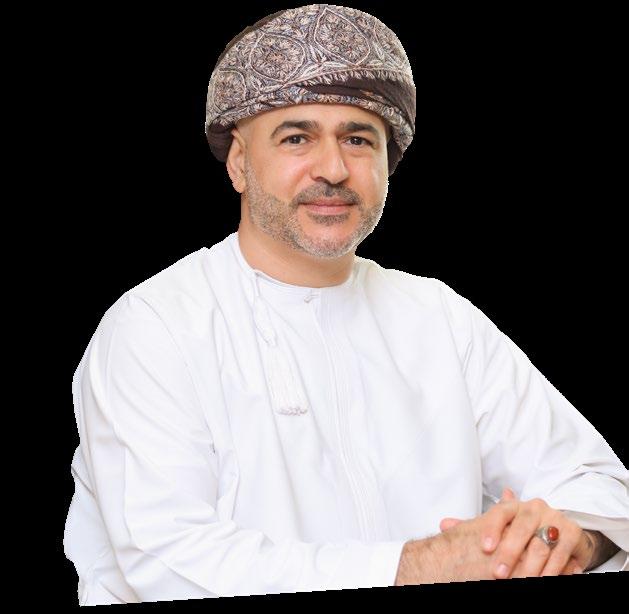
Dr. Hamoud Rashid Al-Tobi CEO, Galfar Engineering & Contracting
Oman’s largest contractor approaches its market.
For the year ended 31 December 2025, the Group recorded consolidated revenue of approximately RO 286 million and a net profit after tax of RO 5.2 million, reversing the net loss of RO 3.9 million reported in 2024. At the parent company level, revenue held broadly steady at RO 272 million while the bottom line swung from a loss of RO 3.6 million to a profit of RO 4.8 million. Management attributed the turnaround to stronger project execution discipline, improved cost control, and a more rigorous approach to operational efficiency across the Group.
The subsidiary picture was mixed but directionally positive. Galfar Aspire Ready-mix SPC maintained its profitability with RO 0.5 million in earnings on revenue of RO 16.6 million, while Aspire Projects and Services SPC narrowed its losses significantly despite still running at a deficit. Al Khalij Heavy Equipment & Engineering returned a marginal profit, erasing the prior year’s loss.
Perhaps the most strategically significant data point is the order backlog. Following an exceptional RO 616 million in new order intake in 2024, Galfar deliberately moderated its bidding activity in 2025, declining to participate in tenders where commercial terms fell outside its risk framework, particularly in power and utilities where aggressive regional pricing was distorting award outcomes. New contract wins totalled approximately RO 42 million including variations, but the company entered 2026 with a backlog of roughly RO 745 million, providing substantial revenue visibility without sacrificing contractual quality.
The company is now actively expanding into higher-complexity segments including high-voltage substations, renewable energy infrastructure, and PPP delivery frameworks, investing in digital project controls and specialist partnerships to compete in EPC work that demands more than low pricing.
On sustainability, Galfar reduced total greenhouse gas emissions by 18.3 percent in FY2025, driven by fuel optimisation, while directing RO 54.45 million in ICV expenditure to locally manufactured goods and services, including RO 16.2 million to SMEs.
Oman Arab Bank strengthened its role as a catalyst for economic development, expanded support for SMEs and enhanced customer experience. OMAN ARAB BANK
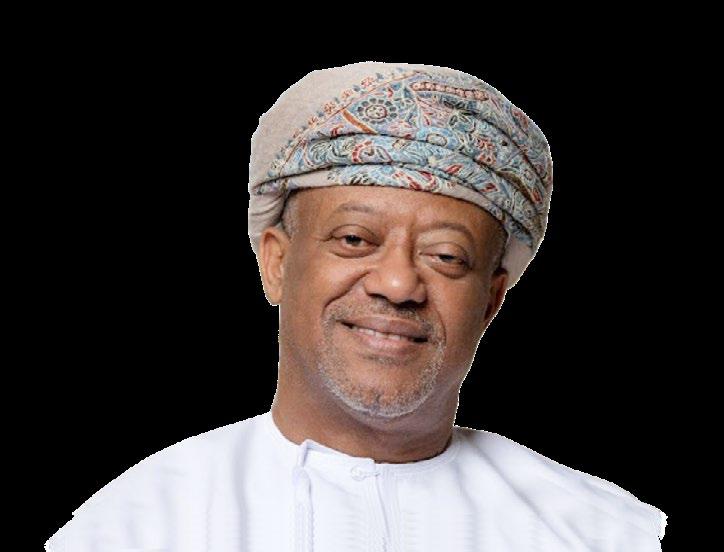
consolidation and is now executing with genuine momentum across its retail, corporate and Islamic banking franchises.
The earnings growth was broad-based. Net interest income from conventional activities rose 11 per cent to RO 80.3 million, while net income from Islamic financing; generated through wholly owned subsidiary Alizz Islamic Bank grew 19 percent to RO 32.3 million, highlighting the sustained strength of the Shari’a-compliant portfolio. Total operating income reached RO 139 million, up 10 percent on the prior year. Meanwhile, the cost-to-income ratio improved from 57 per cent to 54 percent, a meaningful efficiency gain achieved even as the bank continued investing in its people.
Oman Arab Bank closed 2025 with its strongest financial performance in recent years, delivering a net profit of RO 34.4 million - a 13 percent increase on the RO 30.4 million recorded in 2024. The result reflects a bank that has moved beyond
On the balance sheet, net loans and financing grew 7 percent to RO 3.72 billion, with corporate and retail lending both expanding. Customer deposits rose 6 percent to RO 3.77 billion, driven notably by a 12 percent increase in current and savings account balances. The operating backdrop was supportive. Moody’s upgraded Oman’s sovereign rating to Baa3 during the year, reflecting improved public finances and the sustained reform momentum that has halved the country’s debt-to-GDP ratio from 67.9 percent in 2020 to 35.7 percent in 2025. Banking sector credit grew approximately 8 percent industrywide, a rising tide that OAB navigated with discipline rather than simply riding.
Beyond the headline numbers, 2025 was a year of notable strategic activity. OAB participated in the financing of the landmark Hafeet Rail project, provided USD 220 million to Sohar Port and Freezone, and played a key role in the USD 1.6 billion transaction supporting the polysilicon plant at Sohar Free Zone. SME financing exceeded RO 100 million for the year. The bank also launched a nationwide financial literacy programme in partnership with the Ministry of Education, reaching 3,000 students across the Sultanate.
Product innovation kept pace with commercial ambitions. The Corporate Mobile Banking application, a Virtual Account solution for Muscat Stock Exchange brokerages, and a low-cost remittances service covering more than 50 countries all launched during the year, reflecting OAB’s determination to compete on digital capability as much as on branch coverage.

ahlibank enters its next chapter as a bank that is growing faster, thinking more digitally and embedding itself more deeply in the national economy
ahlibank marked its eighteenth year as a full-service commercial bank in 2025 with a performance that underlines both the maturity of its franchise and the momentum of its ongoing transformation. Total assets crossed RO 4.19 billion, an 11.6
Said Abdullah Al Hatmi CEO, ahlibank
percent increase on the prior year, as the bank continued to expand its footprint across corporate, retail, Islamic, and wealth management segments simultaneously. The headline numbers are compelling. Net profit after tax grew 11.2 percent to RO 46.32 million, delivering a return on equity of 11.2 percent. Net loans, advances and financing rose 14 per cent to RO3.45 billion, while customer deposits expanded by 14.3 percent to OMR 3.16 billion — growth the bank attributes in part to a deliberate strategy of building a lower-cost funding base through new product launches and expanded branch coverage. Operating income reached RO 117.8 million, up 8.7 percent, and the bank’s capital adequacy ratio stood at 16.52 percent, comfortably above regulatory requirements. A RO 50 million rights issue completed during the year was oversubscribed by shareholders further strengthening the capital base and provided a public endorsement of management’s growth strategy.
Across its business units, ahlibank continued to distinguish itself through breadth. The Corporate Finance Advisory division completed several significant market transactions during the year, including managing the bank’s own rights issue, acting as Issue Manager for two Ministry of Finance Sukuk issuances totalling RO 300 million, serving as collecting bank for the Asyad Shipping IPO, and structuring Oman’s first Islamic Commercial Paper for Oman Flour Mills. The division’s pipeline now exceeds RO 500 million across infrastructure sectors, suggesting the deal flow is structural rather than episodic. In asset management, the ahli Islamic Money Market Fund became the secondlargest fund in Oman, reflecting strong institutional and retail appetite for Shari’a-compliant liquidity solutions. The SME franchise continued to expand through the second edition of ahliExpo and dedicated capacity-building programmes for small businesses.
Perhaps the most consequential investment of 2025, however, was in technology. The launch of an API Gateway Platform opened the bank to Open Banking partnerships and fintech integrations. The deployment of a full enterprise data stack - Master Data Management, Data Warehouse, and Operational Data Store, shifted the bank from being, in its own words, “data aware” to “data savvy.” AI-led initiatives introduced predictive customer servicing and automated payment reconciliation, laying groundwork for broader intelligent automation in 2026.
Ooredoo Oman is contributing towards building the backbone of a Digital Nation through its solutions
For a telecom operator, 2025 was a year that separated infrastructure investors from that simply managing legacy connectivity. Ooredoo Oman fell firmly into the former category as it expanded its network, broadened the operator’s enterprise portfolio, and positioned the company as something
larger than a mobile carrier. The subscriber numbers reflect a market still in healthy growth. National mobile subscriptions exceeded 8 million by year-end, representing annual growth of 7.3 percent, with Ooredoo holding a 33.5 percent share of the mobile market. On the fixed side, the fibre customer base grew 12 percent to 56,900 subscribers, while 5G home broadband reached 80,700 customers — a 4 percent increase that points to the gradual but steady migration toward higher-speed, higher-value connections. Ooredoo held a 25.9 percent share of fixed broadband based on available data.
The consumer proposition was refreshed throughout the year. The revamped O Plus postpaid plan, updated data add-ons, and a series of targeted seasonal promotions, from the Khareef Tourist Plan to Ramadan Nights offers, addressed the full spectrum of the customer base. WiFi Mesh instalment plans and new 24-month fibre packages signalled a deliberate push to deepen household relationships and extend contract tenors. The launch of Theqa digital authentication, developed under the Ministry of Transport, Communications and Information Technology, extended the Ooredoo App’s utility into verified digital identity, embedded the company in daily civic and commercial life.
The enterprise business gathered pace. Ooredoo became the first ICT provider in Oman to offer Google Workspace and continued to build out managed connectivity, IoT, and SaaS capabilities. The company expanded smart meter deployments and progressed NB-IoT rollouts through a new Connectivity Management Platform. Its role as a preferred partner for the High-Speed Oman Government Network was maintained, while the activation of subsea cable landings in Salalah and Barka, accompanied by new cable agreements running through 2026 and 2027; materially strengthened Oman’s position as a potential host for hyperscalers and international carriers. Infrastructure investment was substantive. Ooredoo launched a new DWDM high-capacity transport network with Nokia in March, conducted a regional first live trial of Huawei’s dual-band MetaAAU technology with notable gains in speed and energy efficiency, and continued extending 5G coverage and consistency across multiple governorates — where independent regulatory field tests confirmed Ooredoo’s leadership on key performance metrics.
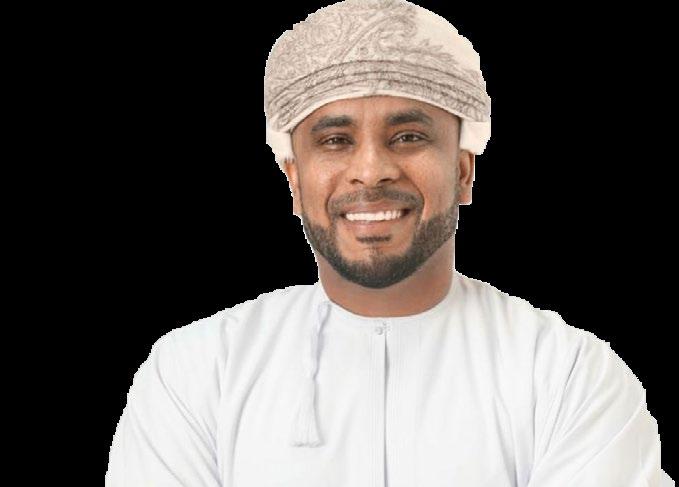
CEO, OQ Base Industries
OQ Base Industries record production and a share price surge set the pace for a year of remarkable achievements
OQ Base Industries (OQBI) arrived on the Muscat Stock Exchange as a newcomer and promptly became one of its most compelling stories. Within a single year of listing, the company’s share price climbed 66 percent - from 111 baisa to 184 baisaplacing OQBI consistently among the top five traded companies
on the MSX by both volume and value. Oman’s only integrated producer of Methanol, Ammonia, and LPG Products — delivered a net profit of RO 47.7 million for the year ended 31 December 2025, an 18 percent increase on the RO 40.4 million recorded in 2024. The result is particularly notable because it was achieved against a backdrop of softer top-line revenues as consolidated revenue fell 3.8 percent to RO 226 million, with LPG export prices declining approximately 8 per cent across Propane, Butane, and Condensate markets. The profit improvement was driven instead by a significant jump in finance income, rising to RO 15.1 million from RO 4.5 million, alongside disciplined operational management across three plants running at above nameplate capacity.
That operational performance deserves attention in its own right. Total production volumes reached 1,908 kilotons in 2025, marginally above the 1,902 kilotons recorded in 2024, with overall plant utilisation at 107 percent of nameplate capacity.
More significantly, both the Ammonia Plant and LPG Plant achieved their highest-ever annual production levels since commissioning 343 KMT and 366 KMT respectively, driven by improvements in asset availability and reduced downtime. The Methanol plant, at 1,095 ktpa nameplate capacity and operating at 113 percent utilisation, remained the group’s largest production unit. All three plants are located in the Salalah Free Zone, adjacent to Oman’s largest port, with export markets spanning Asia, the MENA region, Europe, and Africa under long-term take-or-pay offtake agreements.
Beyond operations, 2025 saw OQBI make notable governance and sustainability advances. The company completed the year certified across all four key ISO standards - quality, oil and gas quality, environmental, and occupational health and safety management. Its decarbonisation roadmap targets a 25 percent reduction in emissions intensity by 2030 against a 2023 baseline, and net-zero by 2050. Despite a 29 percent rise in absolute emissions driven by the 32 percent increase in production, OQBI achieved a 2 per cent reduction in GHG emissions intensity overall, with Methanol and LPG operations recording intensity reductions of 6.1 and 5.4 percent respectively. Energy intensity improved by 1.94 GJ/T, surpassing its own commitment of 1.1 GJ/T.
Ali Al-Abdali CEO, OQGN
As the backbone of Oman’s gas infrastructure, OQGN achieved robust revenue growth and advanced major strategic projects
There is a particular kind of institutional confidence that comes from operating critical national infrastructure for a quarter of a century without a single customer interruption. OQ Gas Networks marked its 25th anniversary in 2025 having delivered exactly
that alongwith a financial performance to match. OQGN is, in the most literal sense, the backbone of Oman’s gas transmission system. The company operates more than 4,298 km of pipelines that carry gas from production fields to power stations, industrial facilities, and export terminals across the Sultanate. In 2025, it delivered 42.29 BCM of gas across that network with 100 percent asset availability and zero service interruptions — a record that, for most infrastructure operators, would represent an aspirational target rather than a baseline.
The safety performance behind that operational record is equally striking. OQGN achieved 20 million man-hours without a Lost Time Injury, a metric that speaks to both the maturity of its safety culture and the discipline with which its 475-strong workforce approaches daily operations. With a 95 percent Omanisation rate, that workforce is also one of the most nationally embedded in the private sector.
Financially, 2025 was a year of meaningful progress. Revenue rose sharply to RO 207 million from RO 147 million in the prior year, while EBITDA reached RO 82.4 million. The Regulated Asset Base grew 9.6 percent year-on-year, reflecting the continued capital expansion of the network. Project delivery underpinned much of that growth narrative. The completion of the Central 48-inch pipeline project and the commissioning of the largest Flow Measurement System in the company’s history were the headline milestones, strengthening both system resilience and energy efficiency. On the business development side, OQGN acquired BP Ghazeer pipeline assets covering 65 km and took on the Fahud NGLE gas transportation and connection assets — additions that expand the network’s geographic reach and underpin future revenue visibility.
Digital investment also accelerated. The establishment of a dedicated data centre, the deployment of advanced network monitoring tools, and the introduction of AI-enabled security solutions collectively enhanced operational reliability and cybersecurity — increasingly important considerations for infrastructure of national strategic significance. The company also joined the UN Global Compact and published its first Sustainability Report, signalling a formal commitment to governance transparency that goes beyond regulatory compliance.
Phoenix Power Company continued to demonstrate the strength of its business model by delivering steady earnings growth, improved shareholder returns and a stronger balance sheet
Phoenix Power Company (PPC) is not a business defined by surprises. It is a single-asset independent power producer operating under a long-term Power Purchase Agreement,
and it performs accordingly — delivering predictable, improving returns year after year as its debt profile lightens and operational efficiency compounds. The 2025 results confirm that trajectory with quiet confidence.
Revenue for the year reached RO 174.06 million, up from RO 167.79 million in 2024, with the increase attributed to higher plant availability and the indexation mechanisms built into the PPA with Oman Power and Water Procurement Company. That contractual structure is fundamental to understanding the business: PPC sells its entire electrical output exclusively to PWP under a 15year agreement running until 31 March 2029, receiving capacity charges to cover fixed costs including debt service, energy charges for variable operating costs, and a pass-through fuel charge. The commercial risk profile is by design contained.
Net profit rose to RO 26.02 million from RO 23 million, an improvement of 13 per cent. The net profit margin improved to 14.95 percent from 13.71 percent, return on paid-up capital climbed to 17.79 percent from 15.73 percent, and return on capital employed strengthened to 9.57 percent from 8.83 percent. Finance costs fell to RO 8.42 million from RO 10.54 million as scheduled loan repayments continued to reduce the senior debt balance — term loans now stand at RO 113.1 million, down from RO 149.68 million a year earlier.
The financing structure itself was carefully constructed at project inception, with senior debt sourced from a consortium of international banks and export credit agencies at an original facility of approximately RO 459 million. Interest rate and currency exposure is hedged through seven interest rate swaps and three currency swaps, enhancing the predictability of shareholder cash flows — a characteristic that makes Phoenix Power a relatively low-risk holding within any Oman-listed equity portfolio.
Operations are conducted by POMCo under a long-term O&M agreement, with specialist maintenance of the gas turbines, steam turbines, and electrical generators contracted directly to Siemens. Omanisation rates stood at approximately 93 percent for PPC and 94 percent for POMCo combined.
United Securities achieved robust growth across all business segments supported by rising investor activity and landmark capital market transactions. With a positive outlook for IPOs and market expansion, the company aims to remain a key driver of Oman’s capital market transformation, says Hassan Ali Jawad, Managing Director, United Securities in an interview with Oommen John
United Securities has maintained its position as one of Oman’s leading investment and brokerage firms. How would you assess the company’s performance during 2025–26, and what were the key factors driving growth across your business segments?
2025–26 has been one of the best years for us, particularly in Oman, where United Securities moved from strong market participation to broader market leadership. Being recognised among Oman’s top corporates is encouraging, but for us the real satisfaction is that the performance has come from several parts of the business working together. Today, we are a full-fledged investment company offering a diversified range of services.
During 2025, the value of shares traded through United Securities in Oman increased by 85 per cent, excluding trades executed through our market making division. That distinction is important because it shows that our core brokerage and client business continued to grow independently of our liquidity provision activity. The momentum has continued into 2026 as well, with our traded value in the first five months growing multi fold compared with the same period last year. This growth was supported by a few clear drivers. Our institutional volumes grew strongly, helped by Direct Market Access, smart order routing, and deeper engagement with regional and international investors. Our upgraded Order Management System improved execution speed by 35 per cent and reduced order rejections by 40 per cent, which directly improved the client experience.
Another major contributor was our Equity Capital Markets business. Our performance as one of the top collecting banks in previous IPOs helped us earn the confidence to be appointed as Joint Bookrunner for the upcoming OMIFCO IPO. We believe this will be one of the top three Omani IPOs in terms of offering size, and we are very proud that shareholders are placing their confidence in us as a syndicate member to help take the company public. For us, this is a
strong testament to our capabilities in the ECM segment. The primary market team also had other important achievements in 2025, including managing the rights issue of Al Anwar Holding and the bond issuance of National Mineral Water. Both transactions were fully covered, which is important because it demonstrates not only execution capability, but also investor trust.
Asset management was another strong growth area. In 2025, we launched a new mutual fund with a US stocks mandate and acquired Al Amal Mutual Fund from Fincorp, which gives us a wider global investment mandate. This year, we launched the Oman Gateway Fund, the only listed mutual fund in Oman that investors can trade in the market. Oman Gateway Fund attracted subscriptions exceeding RO26mn, the largest capital raise for a mutual fund in Oman’s history, and that its units trade during official market hours like shares. This fund has become the second largest public mutual fund by AUM in Oman.
Our discretionary equity mandates also crossed RO300mn this year, and our portfolio management business has built a long-term performance record we are proud of. Managed portfolios have averaged around 12 per cent long term returns, making us one of the strongest performing managers across different time frames. So, overall, this was not growth from one segment alone. Brokerage, market making, ECM, asset management, research, and technology all contributed. That gives us confidence that our growth is sustainable rather than purely cyclical.
The Muscat Stock Exchange has shown encouraging momentum over the past year. What is your assessment of the market’s performance in 2025–26, and what trends are shaping investor sentiment?
The MSX has had a very strong period, and the important point is that the strength has been broad based. In 2025, MSX trading activity exceeded RO5bn from RO1.25bn in 2024. The number of traded securities increased to 25 billion
from 6.5 billion, market capitalisation rose by around 16 per cent to more than RO32bn, and the MSX main index gained 28.2 per cent to close at 5,866 points.
The momentum continued into 2026. In the first quarter of 2026, trading value reached around RO3.5bn, compared to about RO434mn in the same period of the previous year. That shows a meaningful improvement in both liquidity and investor appetite. Much of this can be attributed to IPO activity and the introduction of market makers and liquidity providers. What is encouraging is that investor sentiment is no longer driven only by short term price movement. We are seeing deeper structural trends. New IPOs have broadened the market beyond its earlier concentration in financials. Sectors such as oil and gas, logistics, utilities, services, and now potentially fertilisers are giving investors more choices and helping MSX become a more diversified investment platform.
Market making has also helped the sentiment. Liquidity providers have improved depth, supported smoother trading, and given investors more comfort that they can enter and exit positions. Institutional participation has increased, and foreign investors are looking at Oman more seriously as market quality improves. For me, the biggest change is confidence. Investors are beginning to see MSX not only as a secondary trading market, but as a serious capital formation platform for Oman’s next phase of growth.
United Securities has played an important role in developing Oman’s capital markets. How is the company contributing to increasing investor participation and promoting the Muscat Stock Exchange both locally and internationally?
We see our role as more than being a broker. We are a market enabler.
Our job is to connect investors with opportunities, companies with capital, and Oman with the wider regional and global investment community. Locally, we have worked hard to make investing easier and more accessible.
Our priorities for 2026 and beyond are very clear. First, we want to sustain our leadership in brokerage and institutional execution
United Securities was among the pioneers of online trading in MSX stocks and introduced digital client onboarding. In 1994, we started as broker, but now we are offering services across local, regional, and global brokerage, asset management, corporate finance, and research. Our digital reach has been very important. We were one of the top three collecting banks in recent IPOs despite not having a physical branch network. Competing against banks with hundreds of branches and still ranking among the top collecting institutions says a lot about the depth of our investor network and the trust clients place in us. Internationally, we act as a gateway into Oman. Most foreign trades on MSX are routed through United, which positions us as a key execution partner for global investors looking at Oman. We support this with research, execution quality, market access, and our understanding of local companies and regulations. We are also helping expand participation through asset management products. Oman Gateway Fund is a good example. It gives investors a professionally managed way to gain exposure to Omani equities, while also being listed and tradeable on MSX. That combination of professional management and market liquidity is important for bringing more investors into the market.
On the issuer side, we are actively working with SMEs and small corporates and encouraging them to consider listing on MSX-AIM. We are in active discussions with some of them and are hopeful that tangible results can be achieved this year itself. This is how market development happens: not only by attracting investors, but also by bringing more quality companies to the exchange. Our growth has also been supported by strong client referrals and wordof-mouth recommendations. Our philosophy is simple: if our clients succeed, we succeed. We focus on creating value for investors rather than simply generating fees. As one of the oldest and largest brokerage firms in Oman, we are proud to have supported the market’s development from the beginning, both as a company and as contributors to the country’s economic growth.
As a market maker, United Securities helps enhance liquidity and market efficiency. How important is market making to the development of Oman’s capital markets, and what impact has it had on trading activity and investor confidence?
Market making is extremely important for Oman’s capital market development. A market cannot grow only by adding more listed companies. It also needs liquidity, depth, fair price discovery, and confidence that investors can trade efficiently. United Securities has been proud to play a leading role in this area. We are one of Oman’s first licensed market maker. We act as liquidity providers for key names such as Omantel and OQEP. The impact of market making is practical. It helps narrow spreads, improves market depth, reduces volatility, and gives investors greater confidence that there is continuous liquidity in the market. This is especially important for large IPOs, where investors want confidence that post listing trading will be orderly and efficient. In our view, market making is not just another business line. It is part of the infrastructure required for Oman to move toward deeper, more
institutional, and more internationally recognised capital markets.
Oman has witnessed growing interest in IPOs and capital market fundraising. How do you view the current IPO landscape, and what opportunities do you see for new listings in the coming years?
The IPO landscape in Oman is very promising. Every IPO adds value to the market, especially larger offerings. The upcoming IPOs are particularly exciting because they introduce new sectors and bring greater diversification to the market. Logistics, fertilizer, and other emerging industries are helping create a more balanced and attractive investment environment.
Previous IPOs have shown that the market has the depth to absorb large transactions and that both local and international investors are willing to participate when the issuer, valuation, governance, and liquidity framework are right. OMIFCO is an important upcoming milestone for the market as well as for ourselves. Our appointment as Joint Bookrunner is a major validation of our Equity Capital Markets capabilities. We believe it will be one of the top three Omani IPOs by offering size, and we are proud to be part of a transaction of that scale and national importance.
Beyond IPOs, fundraising activity is also expanding. In 2025, our primary market team managed the rights issue of Al Anwar Holding and the bond issuance of National Mineral Water, and both were fully covered. These transactions show that capital market fundraising in Oman is not limited to large government related IPOs. There is also room for rights issues, bonds, sukuk, private placements, and other corporate finance solutions.
Looking ahead, I see opportunities from several areas: government related companies, private and family-owned businesses, SMEs, logistics, energy, utilities, healthcare, education, manufacturing, and technology enabled businesses. As
Oman’s economy diversifies under Vision 2040, the capital market should become a natural funding platform for companies that want to grow, institutionalise, and access a broader investor base.
What steps can be taken to encourage more private and familyowned businesses to list on the Muscat Stock Exchange and access capital through public markets? The first step is to change the conversation around listing. Many family-owned and private businesses think listing means losing control. In reality, a well-structured listing can help them raise growth capital, improve governance, create liquidity for shareholders, strengthen succession planning, and enhance the company’s credibility. Oman has already created an encouraging framework through MSX-AIM. The FSA sees MSX-AIM as a market targeting smaller companies with flexible listing requirements, reduced disclosure obligations, lower costs, and a pathway for companies to eventually transition to the main market. But incentives alone are not enough. Companies need handholding. They need help with valuation, governance, financial reporting, investor communication, board structure, and post listing expectations. This is where advisers like United Securities can play a very important role. We are actively working with SMEs and small corporates and encouraging them to consider MSXAIM. Some discussions are already active, and we are hopeful that tangible results can be achieved this year itself. Once the first few companies list successfully and demonstrate the benefits, I believe many more private and family-owned businesses will follow.
Overall, I remain very optimistic about the future of Oman’s capital markets. The market has evolved significantly in recent years, investor confidence is improving, liquidity is increasing, and new sectors are entering the market.
Technology is rapidly transforming financial services. How is
United Securities leveraging digital innovation and emerging technologies to enhance the investor experience and improve market accessibility?
For us, technology is not about using fashionable words. It has to make a measurable difference to clients. Faster execution, fewer errors, easier onboarding, better reporting, and wider access. Those are the things that matter. Our upgraded Order Management System improved execution speed by 35 per cent and reduced order rejections by 40 per cent. Smart order routing helped narrow bid-ask spreads by 12 per cent, while digital onboarding reduced client activation time from a few days to just a couple of hours. These are practical improvements that clients feel immediately.
Digital access has also helped us compete very effectively. As mentioned earlier, we ranked among the top collecting banks in recent IPOs despite not having a branch network. That success came from investor trust, digital reach, and the ability to mobilise clients efficiently. We were also among the first in Oman to introduce online trading in MSX stocks and digital client onboarding. Going forward, we want to continue improving client interfaces, institutional connectivity, execution analytics, portfolio reporting, and data driven insights. We will also continue looking at emerging technologies carefully, especially where they can improve decision making, compliance, and client service. The goal is simple: make investing in Oman easier, faster, more transparent, and more aligned with international standards.
Looking ahead, what are your priorities for United Securities in 2026 and beyond, and what is your outlook for the future growth of Oman’s capital markets under Oman Vision 2040?
Our priorities for 2026 and beyond are very clear. First, we want to sustain our leadership in brokerage and institutional execution. The strong growth we saw in 2025 and the continued momentum in the first five
months of 2026 give us confidence, but we know leadership has to be earned every day through execution quality, trust, and service.
Second, asset management will remain a major growth pillar. The launch of two funds and acquisition of another have expanded our platform significantly. We are actively pursuing to launch a few more strategies in the near future. With discretionary equity mandates now exceeding RO 300 million and a strong long term performance record, we see a clear opportunity to offer more professionally managed solutions to clients. Third, we will continue expanding market making and liquidity provision. Liquidity is essential for investor confidence, and we believe United Securities has a responsibility to keep contributing to market depth and efficiency. Fourth, we want to deepen our Equity Capital Markets business.
The OMIFCO appointment as Joint Bookrunner is a major milestone for us, and we want to build on that by supporting more IPOs, rights issues, bond issuances, and corporate finance transactions. Fifth, we want to support the development of MSXAIM by working with SMEs and small corporates. If Oman wants a deeper capital market, we need more listed companies, more sectors, and more growth stories. Our outlook for Oman’s capital markets is positive.
Oman Vision 2040 is about diversification, private sector growth, financial sector innovation, and attracting investment. Capital markets can support all of these objectives. The MSX is already moving in that direction through larger IPOs, market making frameworks, new investment funds, MSX-AIM, and stronger institutional participation. At United Securities, we want to remain at the center of this transformation. We do not see ourselves only as intermediaries. We see ourselves as partners in building a deeper, more liquid, more accessible, and more internationally visible Omani capital market.
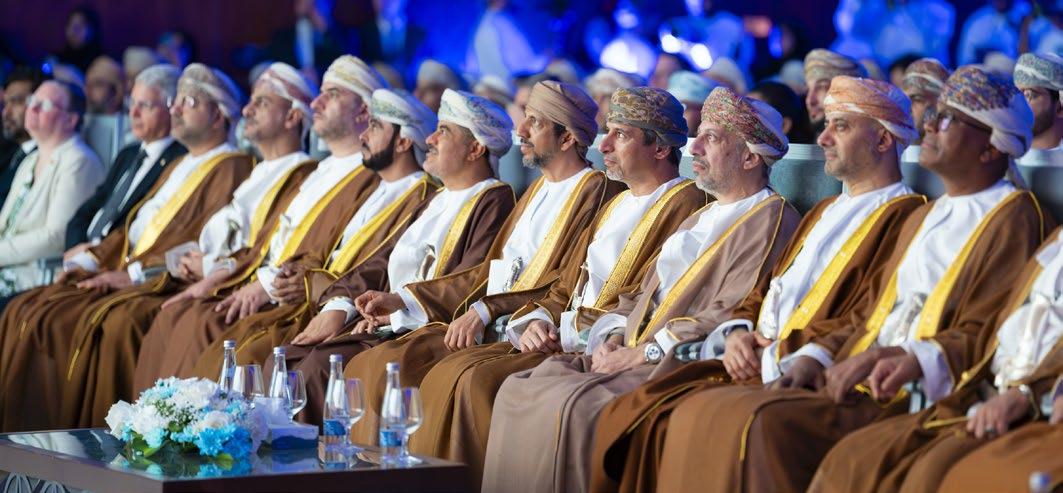
The Oman Convention and Exhibition Centre (OCEC) successfully hosted the Oman Petroleum & Energy Show (OPES) 2026 and Oman Sustainability Week (OSW) 2026 from May 18 to 20, 2026, bringing together key stakeholders from across the energy, sustainability, and industrial sectors. The three-day event concluded on a high note, with a vibrant exhibition floor, extensive business networking opportunities, and a comprehensive programme of CPD-certified conferences and technical sessions.
Held under the patronage of the Ministry of Energy and Minerals, with Petroleum Development Oman (PDO) serving as the Host Organisation, OPES and OSW 2026 were co-located for the second consecutive edition. The events successfully united Oman’s leading energy industry exhibition with its premier sustainability platform under one roof, reinforcing the
Sultanate’s strategic commitment to integrating energy transformation and sustainability into a unified national vision aligned with Oman Vision 2040 and the Net Zero 2050 ambition. HE Eng. Salim bin Nasser Al Aufi, Minister of Energy and Minerals said, “Oman Petroleum and Energy Show and Oman Sustainability Week stand as a reflection of Oman’s long-term vision to lead a balanced energy future, one that responsibly harnesses our hydrocarbon strengths while advancing clean energy, innovation, and sustainability. The partnerships and ideas emerging here will play a defining role in shaping resilient and future-ready energy systems.”
The opening two days of OPES and OSW 2026 delivered a programme of extraordinary breadth and commercial depth, confirming that the co-location of Oman’s most significant energy industry platform with its premier sustainability gathering was not simply a logistical
decision but a strategic statement about where Oman’s future is heading.
The joint inauguration on May 18 was graced by His Highness Sayyid Harib bin Thuwaini Al Said, Advisor at the Diwan of Royal Court, as Chief Guest, a presence that underscored the national significance of both events. Senior representatives from ministries, national oil companies, regulatory authorities and international organisations attended the opening, with HE Eng. Salim bin Nasser Al Aufi, delivering the opening keynote address that set the strategic tone for the week. The OPES and OSW exhibition floors opened to peak commercial activity from day one. Exhibitors spanning the complete energy and sustainability value chain from upstream drilling technology, digital oilfield solutions and CCUS infrastructure to renewable energy systems, green hydrogen technology, circular economy solutions and smart mobility, engaged buyers,
procurement teams and technology evaluators in the kind of substantive commercial conversations that define what OPES and OSW are built to deliver. The stands of ASYAD Group, Petroleum Development Oman and OQ Group functioned as strategic dialogue hubs, hosting exclusive, senior-level discussions on logistics decarbonisation, upstream transformation, green hydrogen commercialisation and carbon markets strategy that moved well beyond showcase into genuine commercial and strategic exchange.
The SPE Technical Conference and OPES Talks programme ran across both days with CPD-certified sessions covering the future of oil and gas, digital oilfields, CCUS, enhanced oil recovery, renewable energy integration, LNG market dynamics, ESG standards, digital transformation and workforce development, addressed by a lineup that included national oil company leaders, international operators, technology innovators and policy specialists.
The SPE Industry Dialogue, themed “Balancing Collaborative Act: Efficient Production Growth, Less Emission with Zero Harm”, assembled one of the week’s most senior panels, bringing together H.E. Mohsin Hamed Saif Al Hadhrami (Undersecretary, Ministry of Energy and Minerals), Dr. Aflah Al Hadhrami (Managing Director, PDO), Saif Al Hamhami (CEO, Abraj Energy Services), Hilmi Panigoro (President Director, MedcoEnergi) and Montri Rawanchaikul (CEO, PTTEP) for highlevel dialogue on balancing production growth with emissions reduction and operational excellence. An exclusive C-Level Roundtable facilitated by EY brought the sector’s most senior decision-makers together in a closeddoor setting for frank strategic dialogue on digital transformation, cost competitiveness, production growth and carbon strategy. The International Sustainability Resources & Technology Conference (ISRTC), organised by be’ah and programmed by Economist Impact, delivered two days of the region’s most analytically rigorous sustainability dialogue, spanning renewable energy deployment, green hydrogen economics, CCUS, water security, circular economy, AI and innovation, biodiversity as a
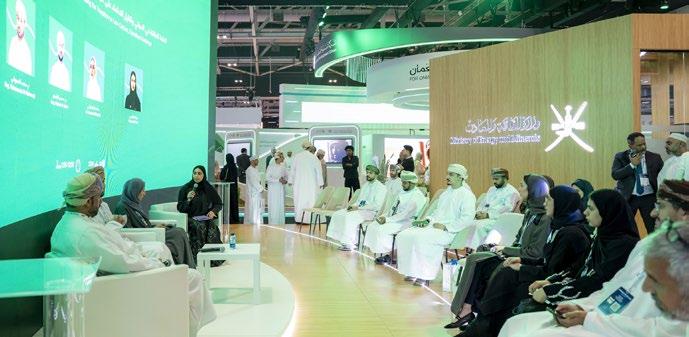
business opportunity, trade policy and financing the net zero transition. The OSW Talks programme ran in parallel with CPD-certified sessions across seven tracks — circular economy and ESG, future mobility, social investment, future energy and net zero, decarbonisation, power and water security, digitalisation and smart cities, and climate technology and ICT, alongside high-level ministerial roundtables, sector forums and policy dialogues that reinforced the depth of Oman’s sustainability ecosystem.
“In today’s complex geopolitical environment, sustainable growth and energy resilience have become strategic priorities for economies worldwide. The Middle East is uniquely positioned to lead this transition through its scale, investment capacity and renewable energy potential. In its fourth year now, The ISRTC, programmed by Economist Enterprise and organised by Oman Environmental Services Holding Company (Be’ah), provides a platform for leaders to advance discussions on innovation, policy and partnerships that can accelerate sustainable progress and economic diversification across the region,” according to Pratibha Thaker, Regional Director, MEA, Economist Enterprise: Economist Intelligence Unit. Shell Oman delivered three significant activations during the week: the Shell Nawafidh Graduation Ceremony celebrating homegrown Omani energy talent, the Shell LNG Outlook presentation on global LNG market dynamics, and a closed-door unveiling of Shell’s Sustainability Report for senior stakeholders. VinFast and ROX are showcasing luxury electric vehicles
through on-site displays and test drive experiences across the exhibition floor, offering delegates a first-hand encounter with the clean mobility future being discussed throughout the week’s sessions. Two major launches by EVO added further commercial momentum.
The Oman 3165 Expedition, completed under the patronage of H.E. Ibrahim bin Said Al Busaidi, Governor of Musandam, and witnessed by officials from across government, brought a moment of genuine inspiration to the week. Global explorer and OSW Talks moderator Mark Evans traversed Oman’s entire 3,165-kilometre coastline in a traditional Greenland-style kayak, powered solely by paddling, currents and waves, without a single carbon emission, a living symbol of Oman’s net zero ambition and a first-of-itskind achievement in the region that captured the imagination of everyone present. The OPES Talks programme, CPD-certified and built around live commercial and operational challenges, opened on Day 1 with the welcome keynote address from Ch Srinivas, Executive Director (Lubricants) at Hindustan Petroleum Corporation Limited (HPCL), India. Srinivas noted that the India–Oman CEPA framework is opening significant avenues for deeper industrial collaboration and trade expansion across the energy value chain, and that platforms like OPES and Oman Sustainability Week further strengthen this momentum by bringing together global stakeholders, enabling meaningful dialogue and accelerating partnerships that translate policy intent into real business outcomes.
Changan launches new energy vehicle DEEPAL brand in Oman with advanced range extended electric
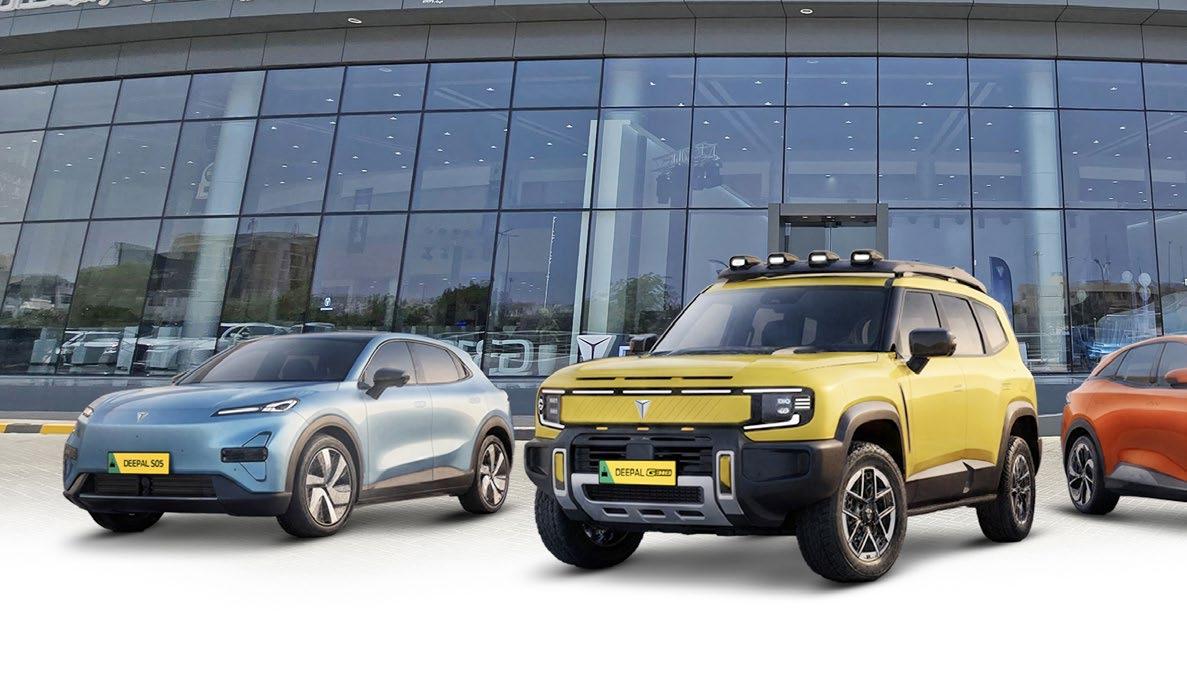
DEEPAL, Changan Automobile’s dedicated new energy vehicle brand, has officially entered the Omani market with the launch of the S05, S07 and G318. Introduced at a special launch event hosted by Arabian Gulf Automobiles and Equipment (AGAE), the brand brings to Oman a line-up of intelligent new energy vehicles that have already gained strong recognition across the Middle East and Africa region.
The launch builds on Changan’s strong foundation in Oman. Since entering the market in 2020, Changan has served more than 10,000 customers, ranked second among Chinese automotive brands for four consecutive years, established eight standalone showrooms and built a network of more than 14 service centres across the Sultanate.
Launched in 2022, DEEPAL is Changan Automobile’s dedicated new energy vehicle (NEV) brand, focused on delivering intelligent, sustainable and user-centric mobility solutions. Since its launch, the brand has expanded across key markets in Asia, the Middle East and Africa, bringing advanced new energy vehicles that combine technology, performance and practicality for modern drivers.
Commenting on the launch, Xiao Feng, General Manager, Changan Automobile Middle East and Africa, said, “Today is not simply the launch of a new vehicle brand — it is a statement of long-term confidence in this market. More than 10,000 customers in Oman already drive a Changan vehicle every day, and DEEPAL represents the next chapter in that journey. Through our advanced electrification and intelligent technologies, we are bringing vehicles that are smarter, safer and better suited to the needs of modern drivers in Oman and across the region. We believe Oman will play an important role in Changan’s global ambitions, and we are proud to bring the very best of our innovation and vision to this market.”
A spokesperson from Arabian Gulf Automobiles and Equipment LLC (AGAE) said, “DEEPAL represents an important new chapter for Changan Automobile in Oman. These Range Extended Electric Vehicles give customers the efficiency of electric driving, the performance needed for confident journeys, the comfort expected from a modern premium vehicle and the technology to make every drive smarter and safer. With the S05, S07 and the all-wheel-drive G318, we are offering a practical and futureready mobility solution that suits Oman’s roads, lifestyles and long-distance
driving needs.”
The DEEPAL range in Oman includes the S05, S07 and G318, offering customers a choice of intelligent mobility solutions tailored to different lifestyles, preferences and driving needs:
- The DEEPAL S05 is a smart urban SUV that combines intelligent technology, advanced connectivity and extended electric mobility, offering customers a practical solution for both daily commutes and longer journeys.
- Designed for customers seeking greater comfort and versatility, the DEEPAL S07 delivers a premium SUV experience with intelligent features, advanced driver-assistance technologies and extended driving range.
- Built for adventure, the all-wheeldrive DEEPAL G318 combines rugged capability, intelligent technology and long-distance performance, making it well suited to Oman’s diverse driving conditions.
All DEEPAL models will be supported by a Manufacturer Warranty of 6 Years 2,50,000 Kilometers and Power battery warranty of 8 Years and 250,000 KMs whichever is earlier, reinforcing customer confidence in the new range.
The models are currently available through Deepal showrooms in Qurum and Sohar, with sales centres in Salalah, Mawaleh, Ibri, Nizwa, Barka and Sur.
Looking ahead, DEEPAL remains committed to delivering innovative products, exceptional service and a customer-centric ownership experience as it continues to support the future of sustainable mobility in Oman. Together with AGAE, the brand welcomes customers and members of the media to discover and experience its latest technologies firsthand.
Deepal models in Oman
DEEPAL S05
The DEEPAL S05 is designed as a modern urban SUV with intelligent technology and extended electric freedom. Powered by a 1.5-litre naturally aspirated range extender and supported by a 27.28 kWh LFP battery, it offers a pure electric range of at least 160 km under NEDC and a combined REEV range of over 1000 km under WLTC. The S05 delivers a Combine Max Power of 214 hp and 320 Nm of motor torque, giving customers responsive everyday performance with the confidence of extended driving range.
Key features include 20-inch alloy wheels with Continental tyres, panoramic

imaging with transparent chassis, electric tailgate, panoramic glass roof, adaptive cruise control, leather seats, a 15.4-inch infotainment display, AR head-up display, wireless charging, Apple CarPlay, Android Auto, OTA updates and smart app-based vehicle control.
The DEEPAL S07 offers a larger SUV experience with refined comfort and intelligent connectivity. Powered by a 1.5-litre naturally aspirated range extender and a 31.74 kWh battery, it delivers a 160 km WLTP pure electric range and a WLTP combined range of 950 km. The S07 delivers a Combine Max Power of 235 hp and 320 Nm of motor torque, offering smooth acceleration, confident highway performance and long-distance driving assurance.
Highlights include a 15.6-inch rotating central touchscreen, AR head-up display, 14-speaker premium audio, wireless Apple CarPlay and Android Auto, OTA updates, adaptive cruise control, panoramic sunroof, electric tailgate, heated and ventilated front seats,
advanced driver-assistance systems and 360-degree surround view with transparent chassis.
For customers seeking stronger road presence and adventure capability, the DEEPAL G318 stands as the most rugged model in the line-up. Offered as an allwheel-drive SUV, it features a 1.5-litre turbo range extender, dual electric motors, a 35.07 kWh battery, 138 km WLTC pure electric range and 848 km WLTC combined range. The G318 delivers a Combine Max Power of 430 hp, along with 575 Nm of motor torque. Its off-road credentials are strengthened by 210 mm ground clearance, a 27-degree approach angle and a 31-degree departure angle.
The G318 further reinforces DEEPAL’s capability promise through drive modes designed for varied terrain and conditions, including mud, sand and water wading. The model also places strong emphasis on comfort, with features such as seat ventilation and driver-side massage helping make long journeys more relaxed and comfortable.
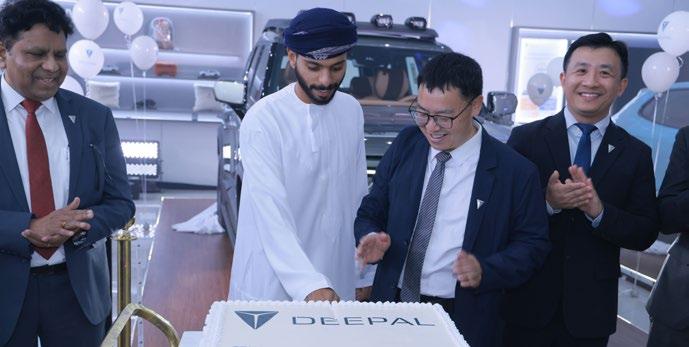
India–Oman bilateral cooperation is evolving from energy dependence to a future-ready strategic alliance powered by trade, innovation, logistics, digital transformation, start-ups, and sustainable economic integration. Bilateral trade has exceeded $11 bn in 2025-26
Seventy years after establishing diplomatic relations in 1955, India and Oman now rank among the most stable, trusted, and strategically significant partners in the Gulf region. What began as centuries-old maritime exchanges across the Arabian Sea
has evolved into a multi-dimensional partnership spanning trade, energy security, logistics, investment, technology, innovation, and peopleto-people engagement. The bilateral relationship has steadily evolved from traditional commercial cooperation to a forward-looking strategic alliance
rooted in economic resilience, regional connectivity, and shared developmental aspirations.
Unlike many geopolitical relationships in West Asia, which are shaped by volatility and episodic political shifts, India–Oman ties have demonstrated
continuity, pragmatism, and mutual confidence. Oman’s balanced foreign policy and India’s expanding global economic profile have created a durable framework for cooperation that continues to deepen despite global uncertainties.
This consistency has enabled both nations to institutionalise longterm cooperation across energy, infrastructure, logistics, services, digital transformation, and strategic investments. The partnership today reflects not merely diplomatic goodwill but a shared vision of economic integration and regional stability.
In the contemporary era, economic engagement underpins the India–Oman partnership. Bilateral trade has grown steadily, reaching nearly USD 11.2 billion in 2025–26, driven by crude oil, liquefied natural gas, fertilisers, engineering goods, and machinery, alongside a growing basket of non-oil exports from India. India is now among Oman’s leading non-oil trading partners, while Oman remains strategically important to India’s energy security and maritime trade architecture.
The partnership extends far beyond commodity trade. A large Indian expatriate community in Oman contributes significantly across sectors, including construction, healthcare, retail, services, logistics, hospitality, and SMEs. These people-to-people ties create deep commercial linkages, institutional familiarity, and social trust, strengthening the long-term sustainability of bilateral relations. The Indian diaspora has effectively become a bridge between the economic ambitions of both nations.
A defining turning point in bilateral relations came with the signing of the Comprehensive Economic Partnership Agreement (CEPA) in 2025. The agreement marked a transformational shift from conventional trade engagement to deeper economic integration. The CEPA is not merely a tariff-reduction arrangement but a comprehensive framework covering goods, services, investment, digital
cooperation, regulatory harmonisation, and institutional collaboration.
By granting near-universal duty-free market access to Indian products in Oman, the agreement substantially improves competitiveness, lowers transaction costs, and creates predictable market conditions for exporters and investors. Leaders on both sides view the CEPA as a strategic instrument capable of doubling bilateral trade to beyond USD 20 billion over the coming decade.
One of the CEPA’s most significant features is its focus on labour-intensive, employment-generating sectors. Industries such as textiles, gems and jewellery, footwear, auto components, agro-chemicals, electronics, renewable energy equipment, and processed foods are expected to benefit substantially from tariff liberalisation.
As these industries are closely linked to India’s MSME ecosystem and employment generation, the agreement aligns trade expansion with inclusive economic growth. Enhanced access to Oman and the wider Gulf region can stimulate manufacturing, improve capacity utilisation, and strengthen the export competitiveness of Indian enterprises.
India’s export basket to Oman has also diversified gradually over the years. Beyond traditional commodities, Indian exports increasingly include machinery, electrical equipment, plastics, iron and steel products, consumer goods, pharmaceuticals, processed foods, and engineering products.
The CEPA is expected to accelerate the transition from volume-driven trade to value-added integration, encouraging Indian firms to upgrade product quality, invest in Oman-specific supply chains, and integrate more deeply with regional logistics networks.
Energy remains central to the economic relationship. Oman has consistently served as a reliable supplier of crude oil, LNG, fertilisers, and petrochemical products to India.
This energy partnership plays a crucial role in supporting India’s industrial expansion and food security. Historically, India’s dependence on energy imports from Oman contributed to trade imbalances, but the CEPA provides a pathway towards rebalancing bilateral trade through higher non-oil exports, investment, and services integration.
Beyond trade, investment linkages between the two countries have become increasingly dense and diversified. Thousands of India–Oman joint ventures operate across the manufacturing, logistics, infrastructure, construction, healthcare, tourism, and services sectors.
Indian entrepreneurs are deeply integrated into Oman’s SME ecosystem, while Omani investors continue to show growing interest in Indian infrastructure, ports, energy, and industrial projects. These joint ventures facilitate technology transfer, managerial learning, local value creation, and long-term commercial interdependence. As the CEPA’s investment facilitation provisions are operationalised, cross-border investment is expected to deepen further.
One of Oman’s most strategic advantages for India lies in its geography. Oman’s ports, freezones, and advanced logistics infrastructure give Indian companies access not only to Gulf markets but also to East Africa, Central Asia, and the wider Western Indian Ocean region. Situated near critical maritime chokepoints, Oman offers political stability, commercial reliability, and logistical efficiency. For Indian exporters and manufacturers, Oman serves as a gateway economy that can integrate them into broader regional value chains.
Recent geopolitical developments in West Asia have further reinforced Oman’s strategic significance for India. Disruptions arising from tensions around the Strait of Hormuz and the Iran conflict have significantly affected shipping routes and trade flows across the Gulf region.
Trade disruptions arising from geopolitical instability have sharply affected India’s commerce with West Asia. India’s exports and imports with the region reportedly declined by over 28 per cent in April 2026 due to disruptions in ship movement and a surge in freight rates. However, amid these disruptions, imports from Oman increased markedly, underscoring Oman’s growing strategic role in ensuring trade continuity and supplychain resilience for India.
This evolving logistics role demonstrates that the India–Oman partnership is no longer confined to traditional bilateral trade. Oman is increasingly emerging as a strategic connectivity and supply-chain stabilisation partner for India’s broader Gulf and Western Indian Ocean engagement strategy. In a world characterised by geopolitical fragmentation and supply-chain disruptions, such resilient logistics partnerships are becoming critical components of economic security.
Another transformative dimension of bilateral relations lies in technology, innovation, and startups. Oman Vision 2040 places technology, digital transformation, human capital, and knowledge-based growth at the centre of the Sultanate’s economic diversification strategy. India’s rise as one of the world’s largest technology and startup ecosystems aligns naturally with these ambitions.
With more than 200,000 startups, globally recognised digital infrastructure, rapid advances in artificial intelligence, fintech, SaaS, deep-tech innovation, and strong entrepreneurial capabilities, India offers valuable complementarities for Oman’s long-term economic transformation.
India’s startup ecosystem also offers valuable lessons for Oman’s diversification journey. Governmentsupported incubators, innovation networks, venture capital ecosystems, and public digital infrastructure have helped India emerge as a global innovation hub. Venture capital
investment in Indian technology startups rebounded strongly in 2025, supported by growing momentum in deep tech and AI-driven innovation.
Partnerships between Indian startups and Omani institutions can accelerate innovation in sectors such as logistics, clean energy, industrial automation, healthcare technologies, fintech, and smart infrastructure.
Digital transformation is another major area of cooperation. Oman Vision 2040 identifies artificial intelligence, automation, smart systems, and digital governance as essential tools for improving productivity and efficiency. India’s experience with digital public infrastructure, particularly the success of the Unified Payments Interface (UPI), offers a globally admired model for scalable digital innovation. India’s low-cost, interoperable digital platforms have transformed financial inclusion and SME participation in the formal economy. Adapting similar digital frameworks within Oman’s institutional ecosystem can significantly strengthen financial inclusion, SME digitisation, and e-governance reforms.
The future trajectory of India–Oman relations will be shaped by cooperation on sustainability and the energy transition. Both countries are increasingly focusing on renewable energy, green hydrogen, battery storage technologies, and green ammonia. These sectors create opportunities for joint investments, industrial partnerships, research collaboration, and clean-energy value chains. By collaborating on sustainable technologies, India and Oman can strengthen climate resilience while generating new employment and export opportunities.
Institutional mechanisms will remain crucial to translating strategic intent into measurable outcomes. Bilateral working groups on trade facilitation, digital transformation, investment promotion, logistics integration, startup cooperation, and skills mobility can help operationalise CEPA provisions. Export credit support, co-investment
platforms, regulatory cooperation, startup exchange programmes, and faster customs digitisation can further strengthen commercial integration between the two countries.
At a broader strategic level, India–Oman relations increasingly reflect a convergence of regional economic priorities. Oman’s stable foreign policy, balanced diplomatic posture, and strategic location complement India’s ambitions in the Gulf and the Western Indian Ocean. In an era marked by energy market volatility, geopolitical fragmentation, and supply-chain realignments, the partnership offers both countries an opportunity to build resilient, future-ready economic corridors.
The seventy-year milestone in India–Oman relations, therefore, signifies far more than diplomatic continuity. It represents the emergence of a comprehensive strategic partnership built on trade, technology, logistics, innovation, energy security, and people-centric cooperation. With trade already exceeding USD 11 billion, a transformational CEPA in place, expanding startup collaboration, growing logistics integration, and deep-rooted people-to-people ties, the foundations of the relationship are stronger than ever.
The next phase of the partnership will be on converting agreements into implementation, connectivity into competitiveness, and trust into long-term economic ecosystems. By leveraging cooperation in technology, energy transition, digital transformation, manufacturing, logistics, and innovation, India and Oman have the potential to transform seven decades of quiet diplomacy into a powerful engine of shared prosperity, regional leadership, and sustainable growth in the decades ahead.
Data sources: Ministry of Commerce, DPIIT, MEA, India
The best-of-the-best within construction, infrastructure, projects, civil engineering, real estate, design engineering and construction materials industry in Oman will be felicitated at Dossier Construction Awards
Event Key Highlights
• Awards to key industry projects, companies and personalities
• Presentation on an upcoming large iconic project
• Attendance of over 200 industry leaders
• Networking with industry peers
Award Categories
• Best Construction Safety Initiative
• Best MEP Contractor
• Best EPC Contractor
• Best Construction Contractor
• Best Manufacturing Company
• Global Omani Company of the Year
• Commercial Vehicle of the Year
• Excellence in IFM Services
• Best MEP Supplier
• Best Interior Design
• Best Project Design
• Best Architect
• Best Engineer
• Best Engineering Consultant
• Best Project Management Consultant
• Market Leader of the Year - Paints
• Claims Management Consultant of the Year
• Real Estate Services Company of the Year
• Best Real Estate Project
• Best Real Estate Consultant
• Best Project Developer of the Year
• Best Sustainable Project
• Best Renewable Energy Project
• Best Industrial Project
• CEO of the Year
• Business Leader of the Year
• Business Icon of the Year
Venue: Sheraton Oman Hotel 2026
Focus - Real Estate
Date: September 30, 2026
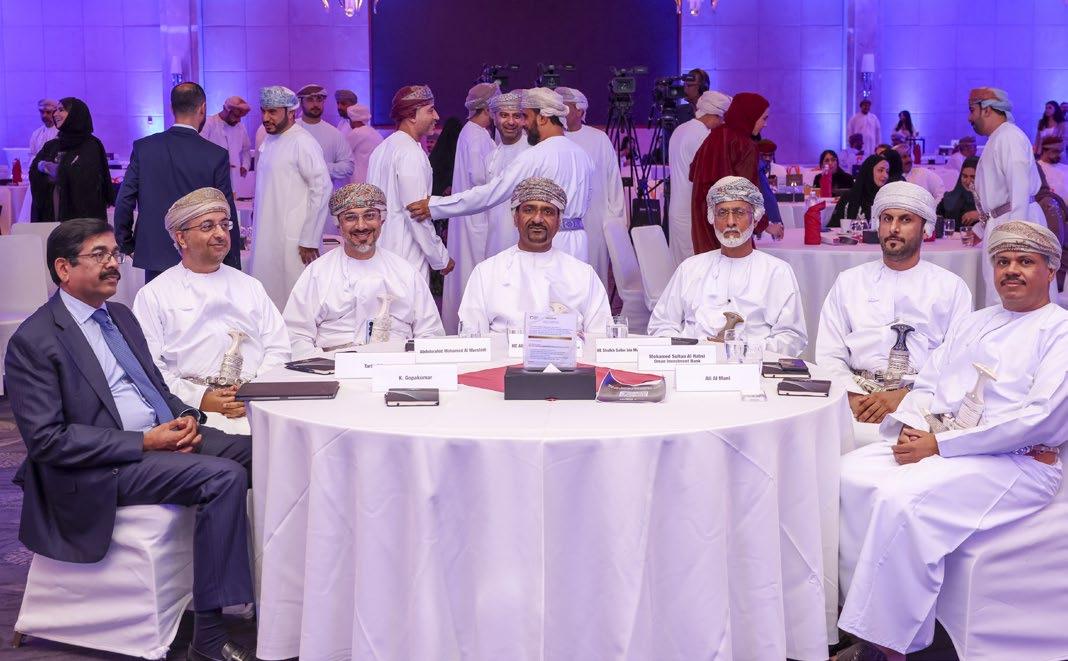
New Age Banking Summit 2026 brings together Oman’s Banking, Finance, Fintech and Technology Leaders
The New Age Banking Summit 2026, one of Oman’s leading platforms for dialogue and collaboration across the banking, finance, fintech and technology sectors, was held under the theme “Banking in The Intelligence Age: AI, Resilience & Real-Time Finance.”
The Summit brought together senior regulators, banking leaders, technology experts, innovators and decisionmakers to explore the future of financial services in an era shaped by artificial intelligence, cybersecurity, digital transformation, real-time
finance, data-driven decision-making and sustainable growth.
The event was graced by His Excellency Ahmed bin Jaafar bin Salim Al Musalmi, Governor of the Central Bank of Oman, as the Chief Guest.
Organised by United Media Services, NABS 2026 opened with a welcome address by Atulya Sharma, CEO, United Media Services, who highlighted the importance of innovation, resilience and leadership in shaping the future of banking. This was followed by the Keynote Address from His Excellency Ahmed Al Musalmi, Governor of the
Central Bank of Oman, who shared forward-looking insights into the evolution of Oman’s banking and financial services sector, with emphasis on trust, regulatory foresight, digital transformation, talent development and sustainable economic growth.
The programme also featured a keynote by Mustahil Ahmed Al Mamari, Chief Executive Officer, Oman Banks Association, who outlined the future direction of the banking sector. Additional keynote and presentation sessions were delivered by Ken Habson, Regional Software Technology Leader, IBM/GBM, and Hassan Al
Lawati, Technology Advisor, OTech, who addressed themes related to AI, cloud, cybersecurity, automation, enterprise technology and digital transformation.
A key highlight of the Summit was the Oman Banking & Finance Awards 2026, which recognised institutions and organisations that have demonstrated excellence, innovation, transformation and leadership across banking, finance, technology, digital payments, investment, credit infrastructure and enterprise solutions.
Oman Banking & Finance Awards 2026 Winners
• The award for National Leadership Award in Cloud, Data & AI Infrastructure – Driving Oman Vision 2040 Digital Economy Transformation was presented to OTech.
• The award for National Banking Excellence & Leadership was presented to Bank Muscat.
• The award for Excellence in Financial Growth & Market Resilience was presented to National Finance.
• The award for Best Digital Bank of the Year was presented to Sohar International.
• The award for Outstanding Contribution to Oman’s Enterprise Technology was presented to GBM Oman.
• The award for Excellence in Corporate Banking was presented to ahlibank.
• The award for Best Business Mobile Banking Application was presented to Alizz Connect by Alizz Islamic Bank.
• The award for National Excellence in Digital Business Transformation was presented to Infoline LLC.
• The Enterprise Banking Platform Award was presented to BankDhofar.
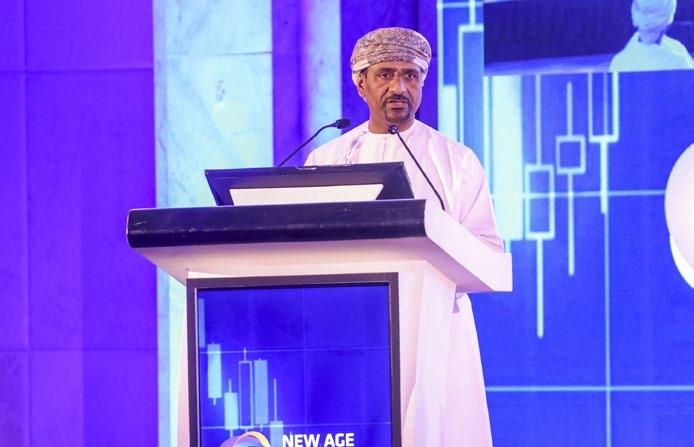
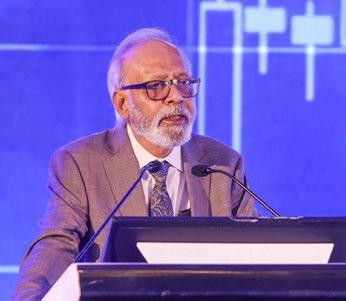
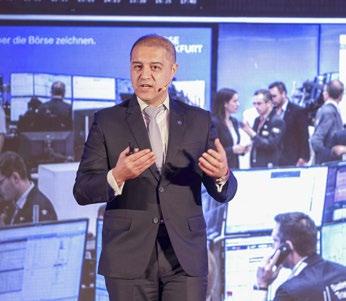
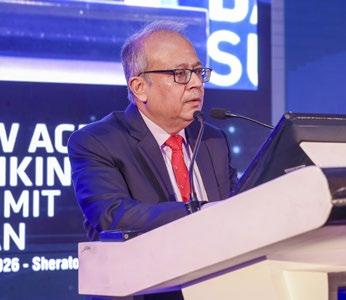
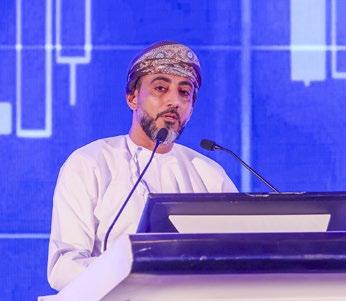
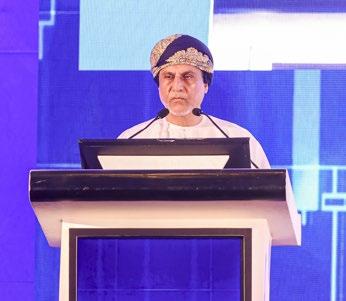
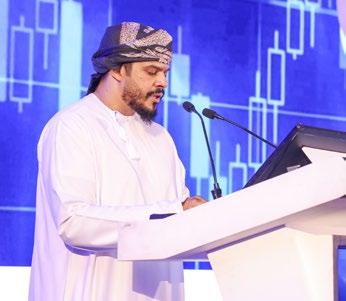
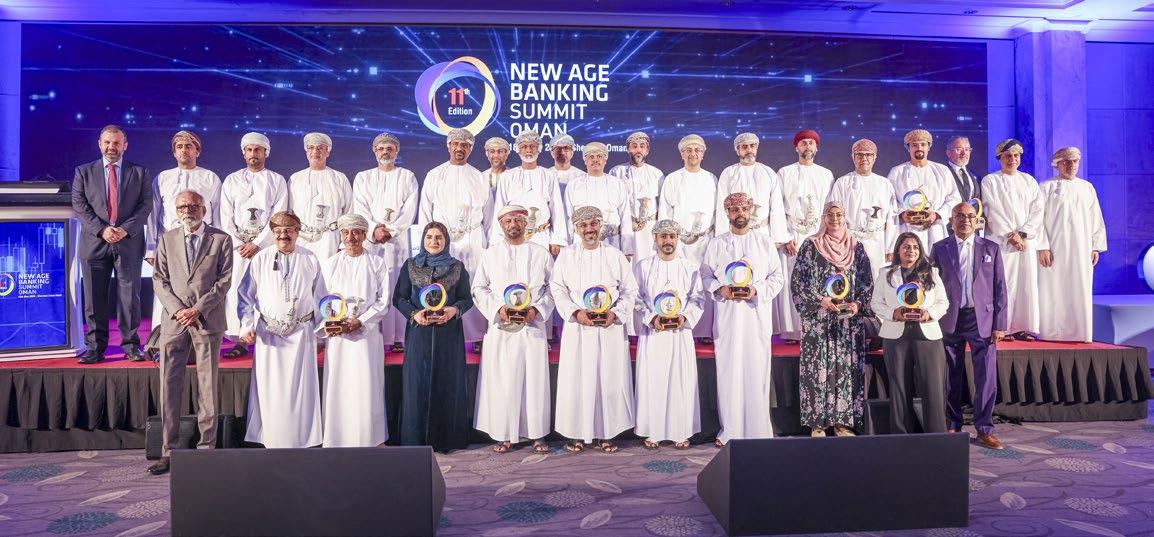
• The award for Emerging Investment Bank of the Year was presented to Oman Investment Bank.
• The award for Digital Wallet Excellence in Consumer Payments was presented to Khedmah Pay.
• The award for Islamic Bank of the Year was presented to Bank Nizwa.
• The award for Excellence in Exchange-Traded Mutual Fund Innovation was presented to Oman Gateway Fund by United Securities.
• The award for National Excellence in Credit Information Infrastructure Award was presented to Mala’a.
• The award for Enterprise AI and Secure Infrastructure Leadership Award was presented to Cisco.
• The award for Digital Finance Transformation Company of the Year was presented to Taageer Finance.
• The award for Housing Finance Institution of the Year was presented to Oman Housing Bank.
• The award for Banking Ecosystem Advancement Award was presented to Oman Banks Association.
• The award for Excellence in Digital Banking Initiative for the Year 2026 was presented to ahlibank.
• The award for Best Urban SUV of the Year was presented to Changan UNI-S 4WD.
• The award for Innovative Digital Learning Product for Banks with a Social Relevance was presented to RAB Consulting.
• The award for Best Finance & Leasing Company in Oman was presented to Taageer Finance.
• The award for Best Bank in the MidSize Banks Category was presented to Bank Nizwa.
• The award for Best Bank in the Large Banks Segment was jointly presented to Bank Muscat and Sohar International.
Following the awards ceremony, the Summit featured a panel discussion titled “Real-Time Finance, Real-World Risk: Rethinking Banking for a New Era.” The discussion explored how financial institutions can balance speed with security, innovation with
responsibility, and digital ambition with real-world execution. The panel addressed key themes including cybersecurity, data governance, operational resilience, regulatory readiness, customer trust, AI adoption and the future of real-time financial services.
The panel was moderated by Dr. Aju Samuel, Organization Strategy & Corporate Governance Specialist and Head of Strategy & CVC at Taageer Finance. The distinguished panellists included Jack Sienkiewicz, Chief Revenue Officer, OTech; Maryam Al Lawati, Senior Business Development Executive, Mala’a; Abdullah Al Anburi, EVP & Head of Fintech, Sohar International; Sadiq Al Lawati, Country Head, Cisco; and Imran Awan, Head of Transaction Banking, Bank Nizwa.
The final presentation of the day was delivered by Imran Awan, Head of Transaction Banking, Bank Nizwa, who shared insights into transaction banking and the evolving role of digital and real-time financial solutions in supporting corporate clients and the wider banking ecosystem.
The Summit was supported by a strong line-up of partners, including Endorsement Partners – the Central
Bank of Oman and Oman Banks Association; Strategic Partners –Sohar International, GBM, Cisco and ACSC, and Taageer Finance; Platinum Partner – Oman Investment Bank; Gold Partners – Alizz Islamic Bank and ahlibank; Islamic Banking Partner – Bank Nizwa; Technology Partner – OTech; Digital Payments Partner – Khedmah Pay; Associate Partners –Infoline, United Securities and United GCC Fund; Support Partner – Mala’a; Automotive Partner – Changan; Audit Partner – Leaderly Auditors & Consultants; Media Partners – OER and Alam Al-Iktisaad; and Digital Partner –UMS Digital.
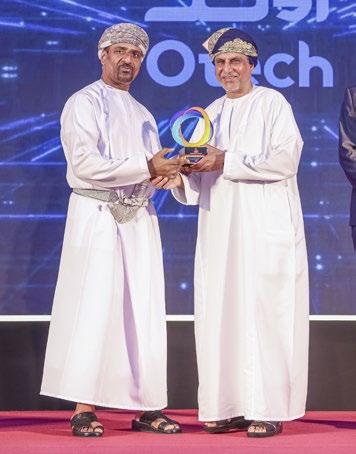
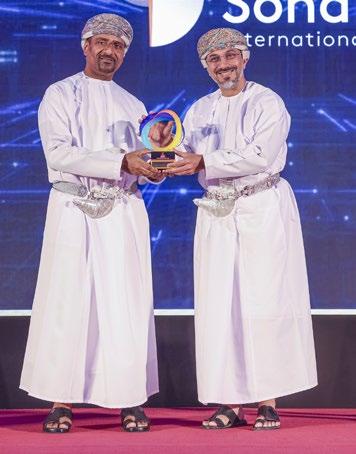
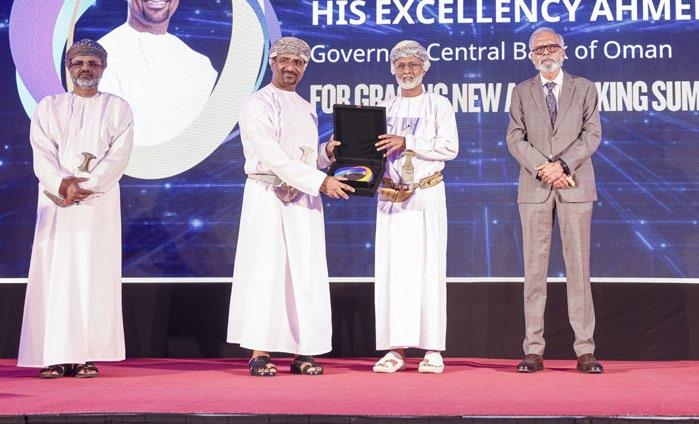
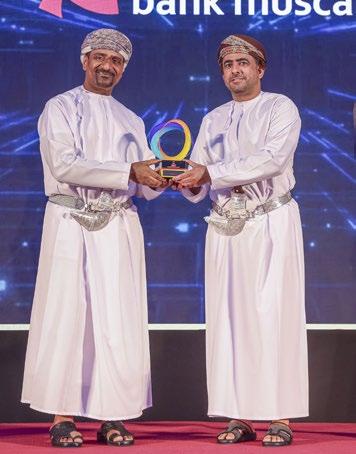
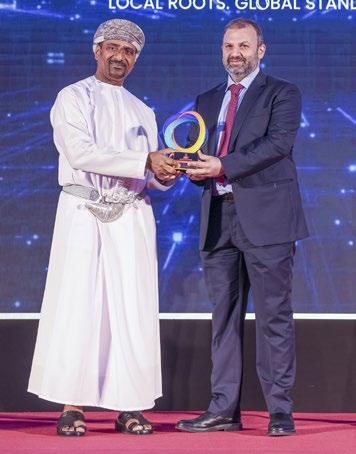
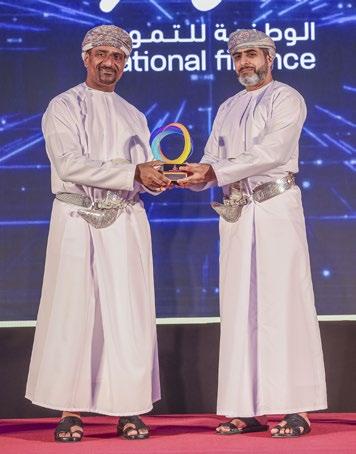
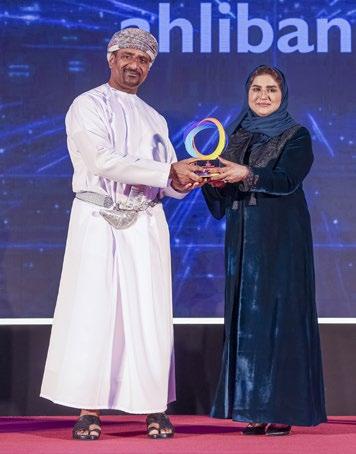
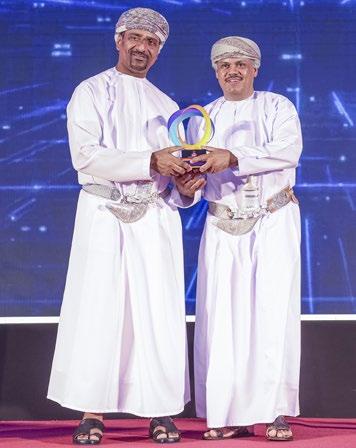
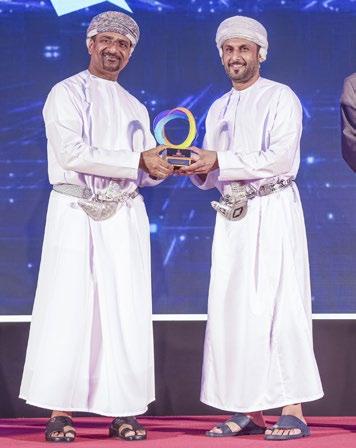
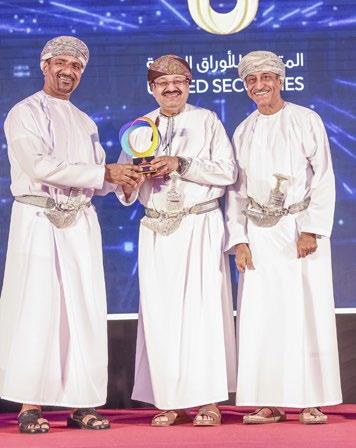
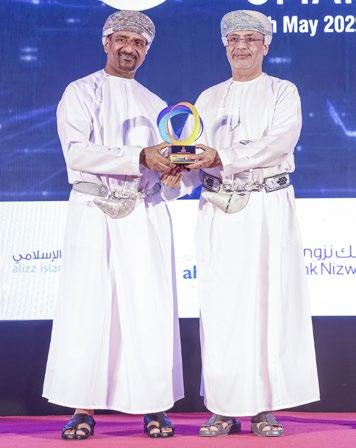
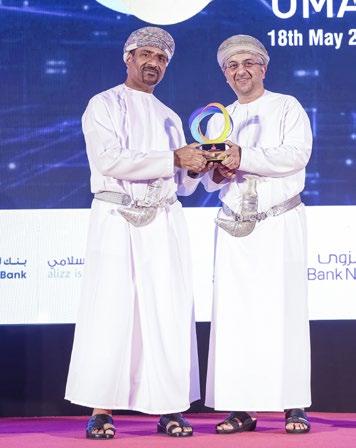
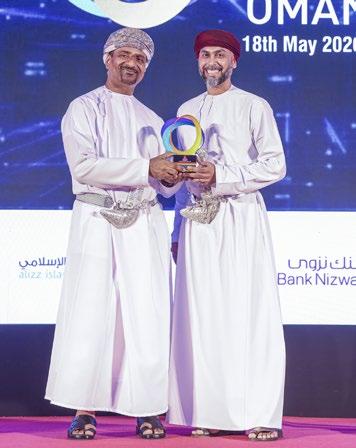
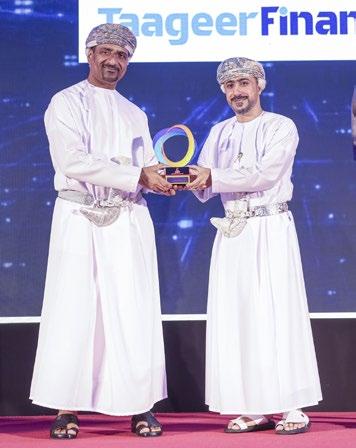
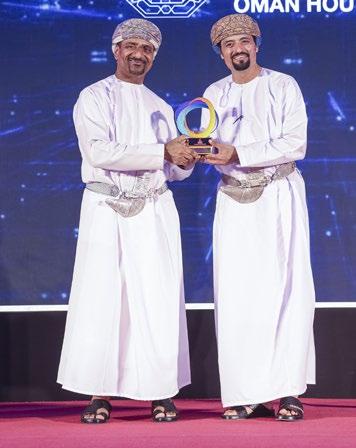
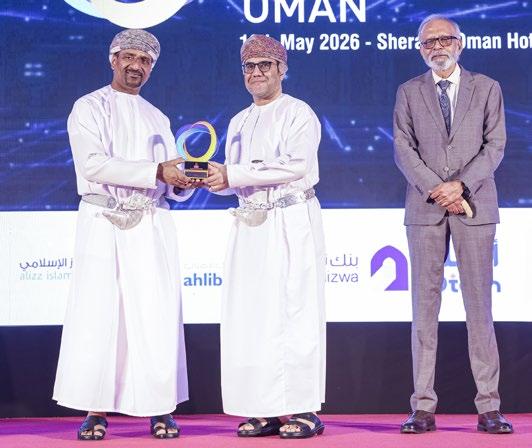
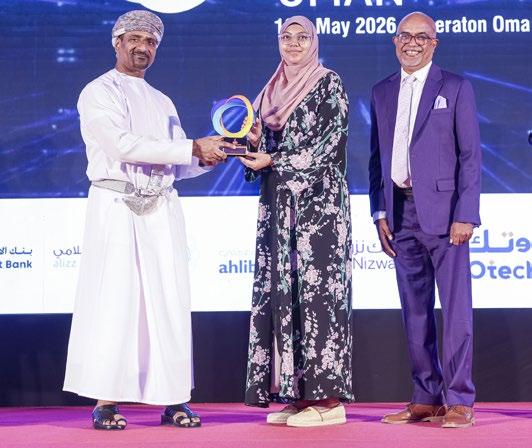
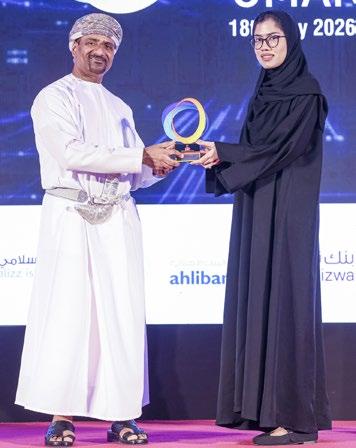
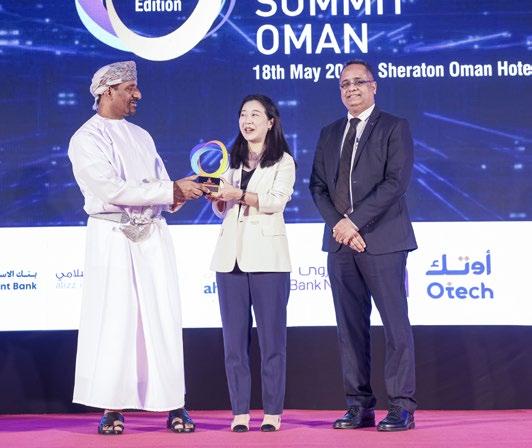
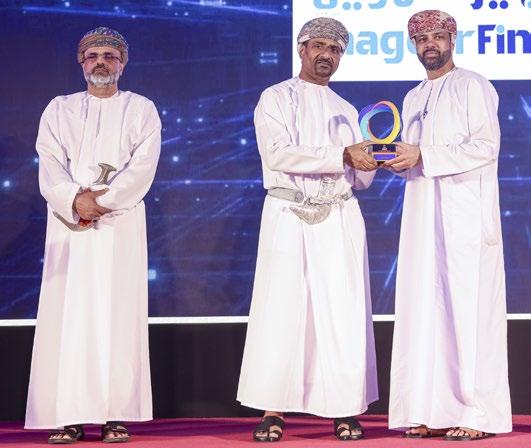
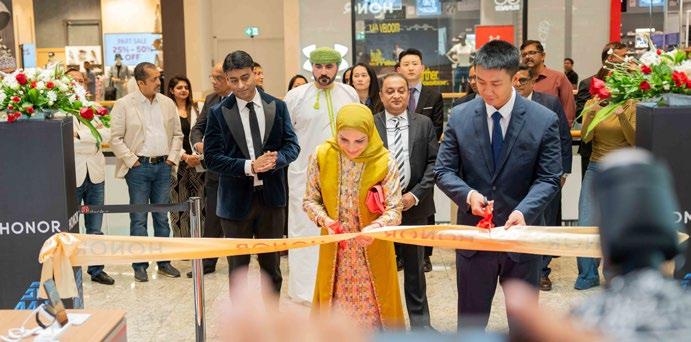
Marking a significant milestone in its consumer business journey, MHD-ITICS officially inaugurated the new HONOR Experience Store at Mall of Oman, reinforcing its commitment to delivering immersive and experienceled retail solutions to consumers across the Sultanate. The store was inaugurated by H.E Lujaina Mohsin Darwish, Chairperson MHD-ITICS, alongside Debo Zhang, CEO HONORGCC, in the presence of senior officials from both organizations, media representatives, partners, and invited guests.
The launch event marked HONOR’s direct expansion into the retail experience space in Oman while reflecting the growing strategic partnership between MHD-ITICS and HONOR. Through its Consumer Division and Mobile Distribution vertical, MHD-ITICS has played a key role in expanding the reach of leading global technology brands across the Sultanate. With the opening of the HONOR Experience Store, the company takes a strategic step beyond distribution into direct consumer
engagement, creating a platform that combines innovation, accessibility, and enhanced customer experiences.
Speaking at the launch, H.E Lujaina Mohsin Darwish, Chairperson MHDITICS, stated: “The launch of the HONOR Experience Store represents an important milestone in MHD-ITICS’ evolving consumer business journey and reflects our broader vision of creating more meaningful and direct connections with customers in Oman. As consumer expectations continue to evolve, retail today is no longer only about accessibility to products, but about creating engaging and personalized experiences that allow customers to interact with technology in a more immersive way. Through our partnership with HONOR, we are bringing together innovation, customer-centricity, and global technological excellence to deliver a differentiated retail experience for consumers in the Sultanate. This launch also reinforces our continued commitment to supporting Oman’s growing digital lifestyle ecosystem while strengthening our position within the consumer technology and retail space.”
Commenting on the occasion, Debo Zhang said, “Oman continues to be an important and fast-growing market for HONOR within the GCC region, and the opening of this Experience Store reflects our long-term commitment to deepening our presence and engagement with consumers in the Sultanate. HONOR is dedicated to building a connected, human-centric, and innovation-driven ecosystem that empowers users through advanced technology and seamless multi-device experiences.”
“Our latest portfolio brings together the strength of HONOR’s renowned durability—engineered to withstand real-world conditions—with nextgeneration AI capabilities designed to make everyday interactions smarter, more intuitive, and more meaningful. From AI-enhanced imaging and performance optimization to intelligent cross-device collaboration, HONOR’s AI innovations are built to help people feel more confident and connected with technology.”
“Through this new Experience Store, Omani consumers will every month find something new and inspiring— from our latest AI-powered features to our expanding AIoT lineup. This destination will allow customers to explore, interact, and experience technology in a more immersive way. We believe this store will redefine how consumers in Oman engage with innovation while reinforcing HONOR’s vision of making advanced technology accessible to everyone.” The launch further reinforces the growing momentum of Oman’s consumer technology sector while reflecting the shared ambition of MHD-ITICS and HONOR to redefine the retail technology experience for customers across the Sultanate of Oman.