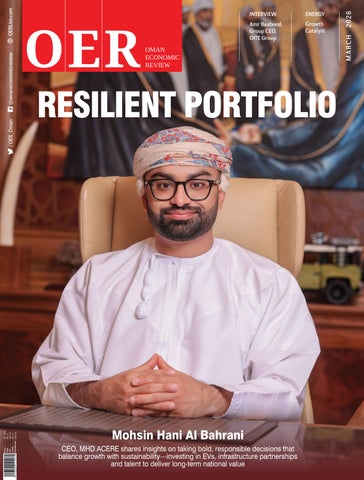
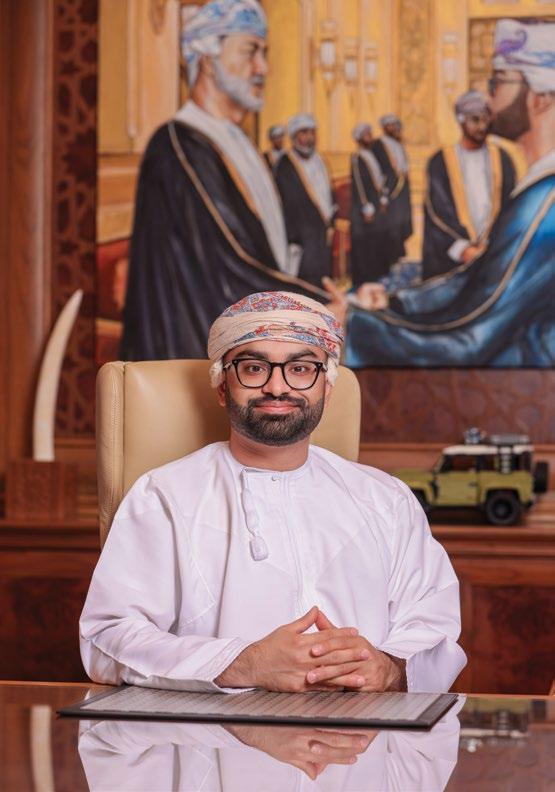
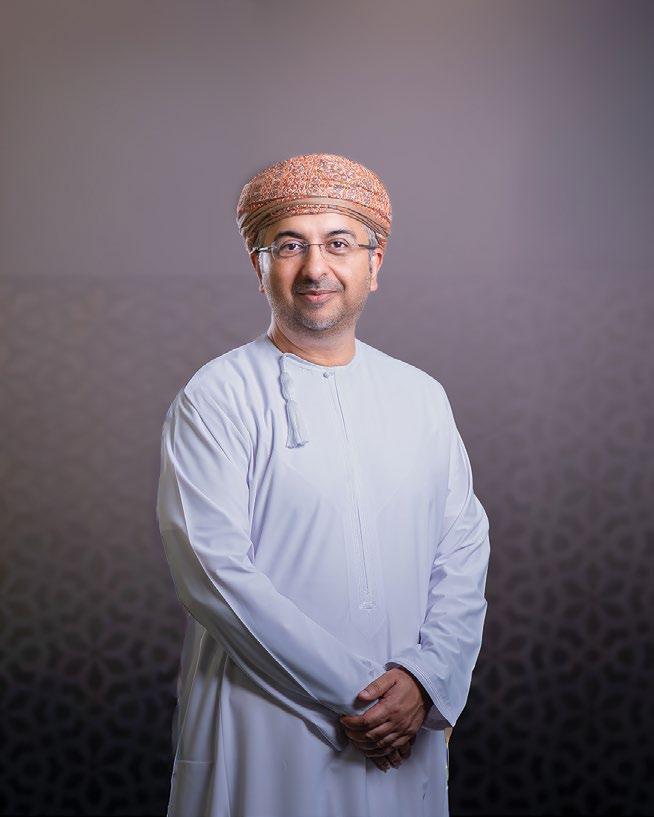
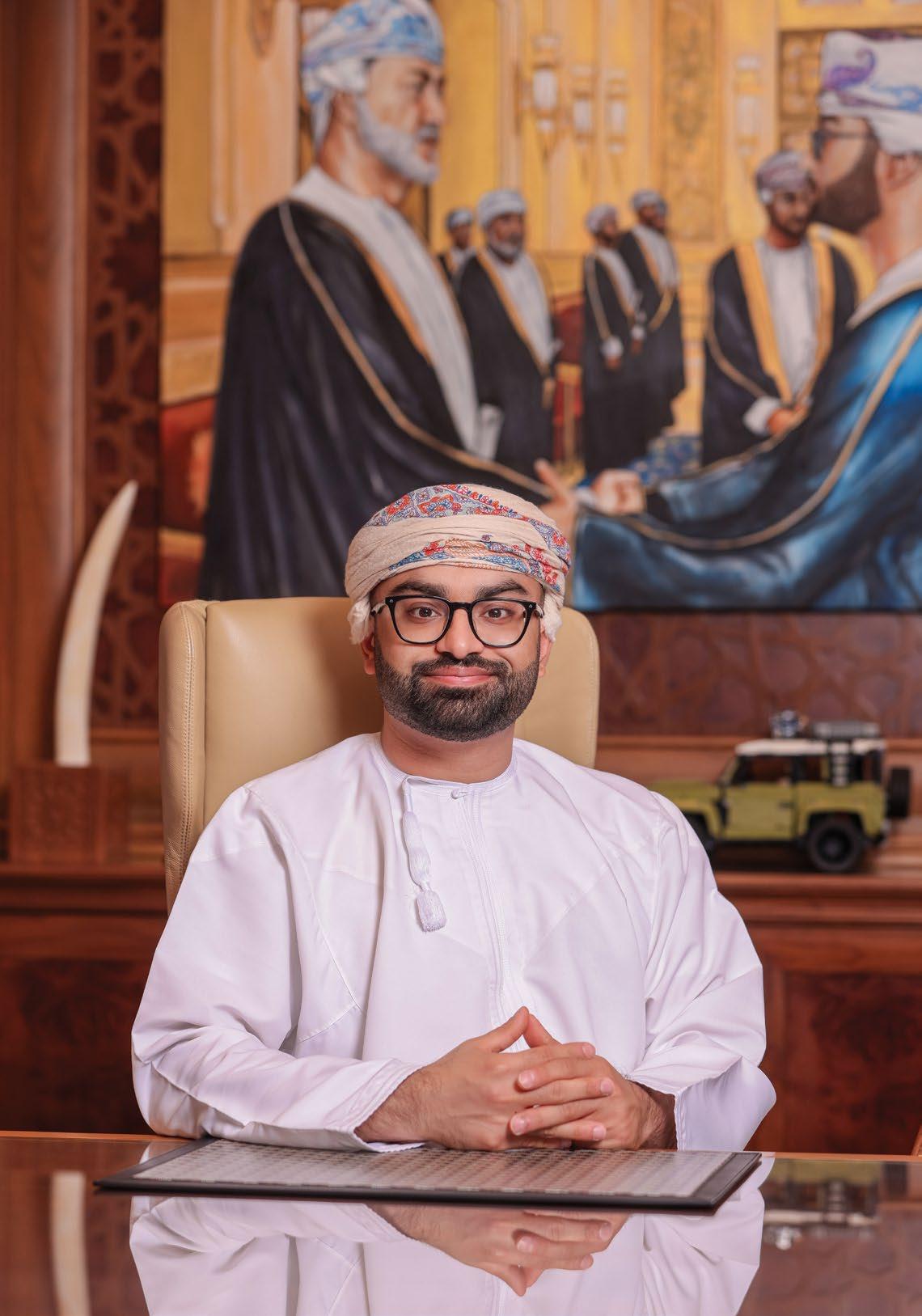
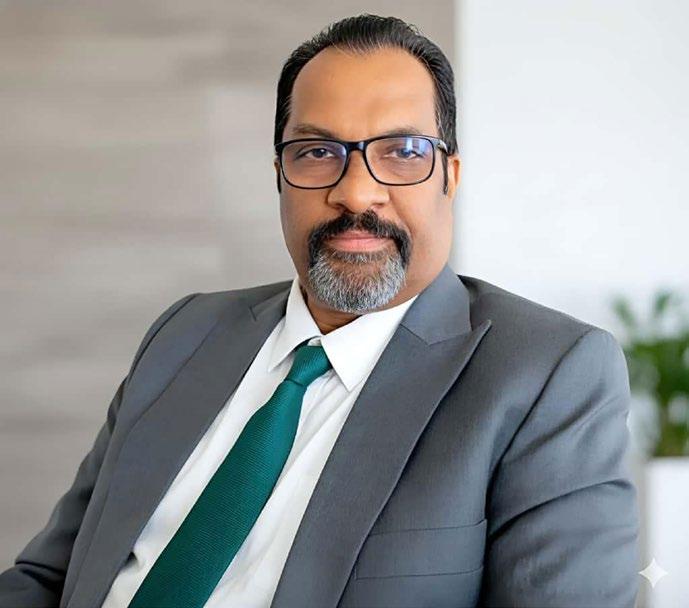
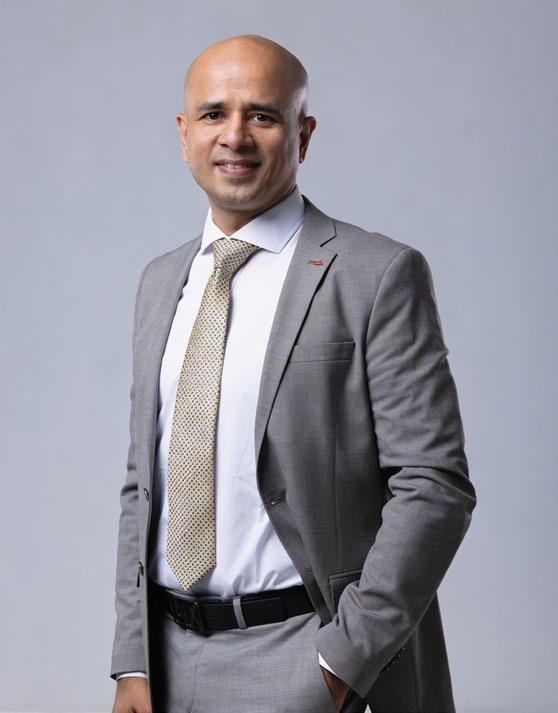
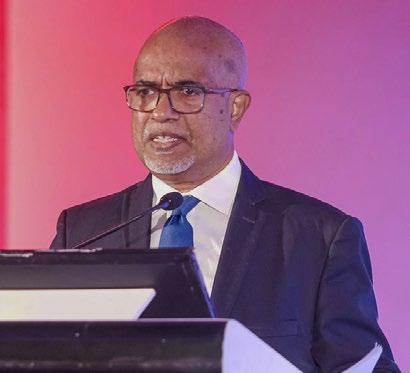
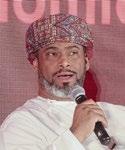
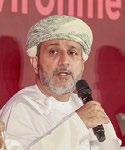
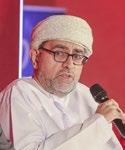
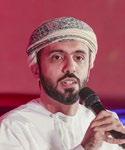
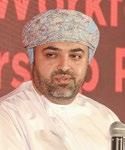
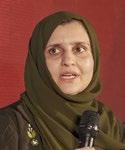
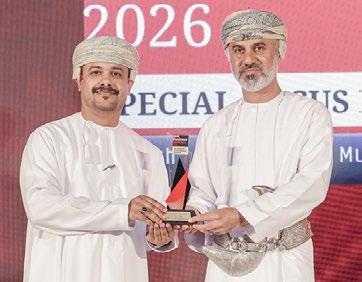
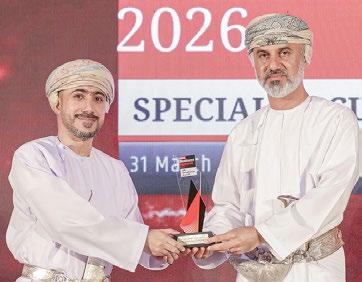
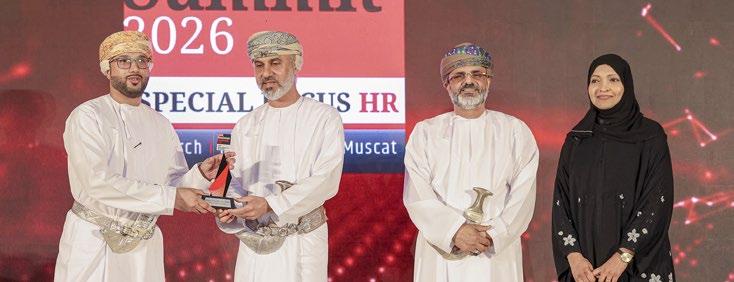
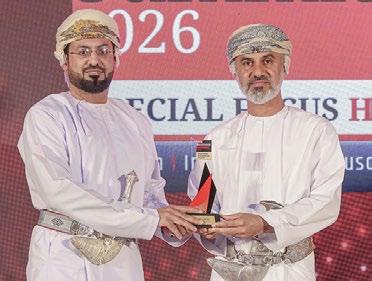
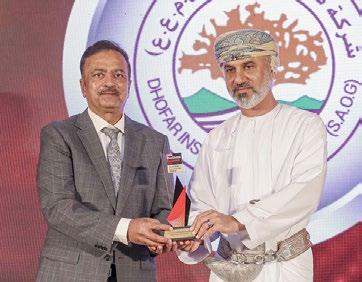
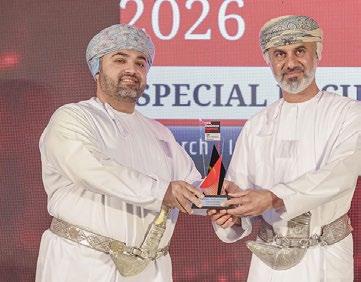
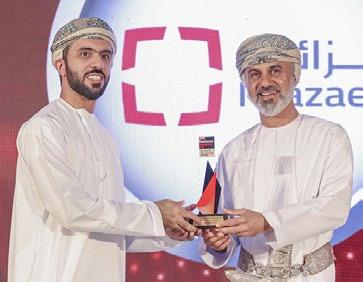
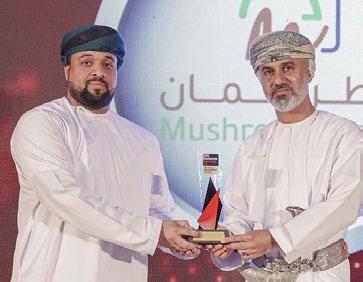
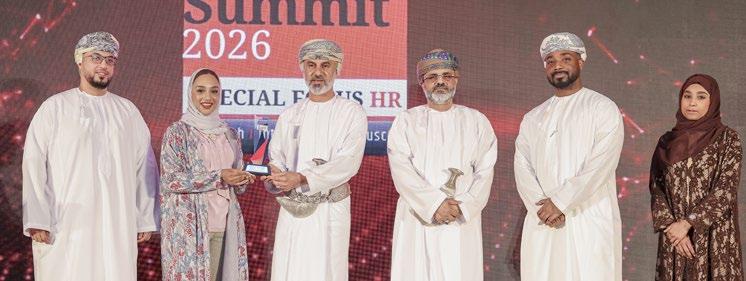
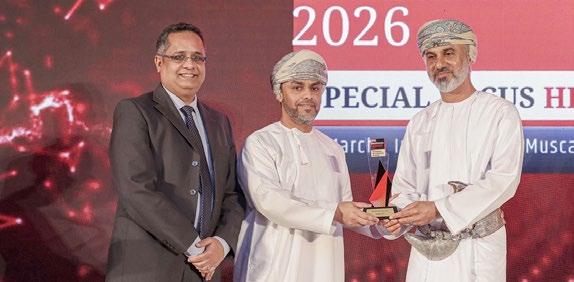
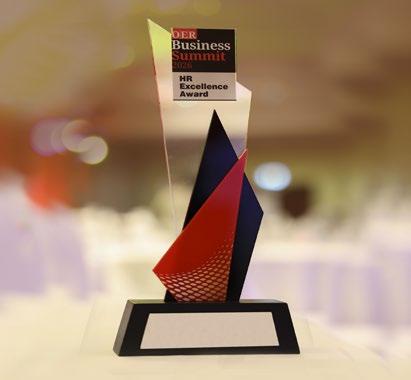
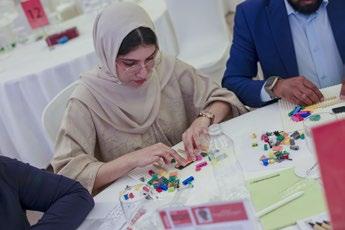
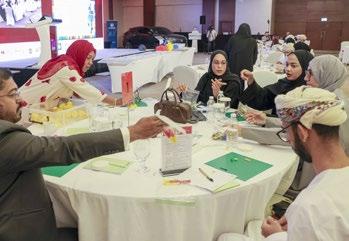
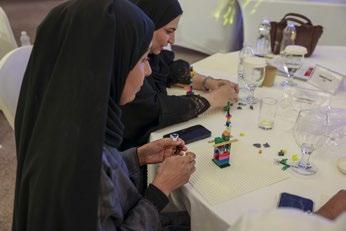
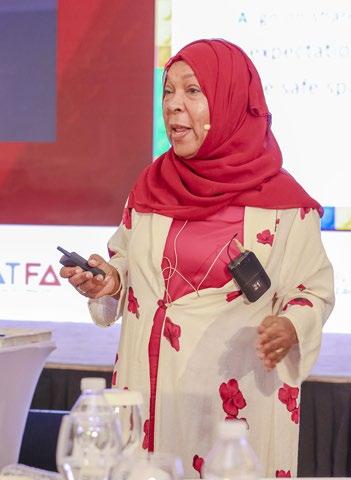
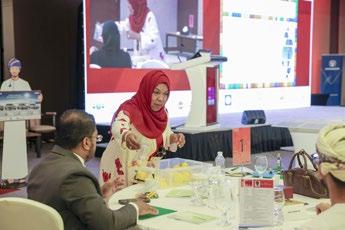
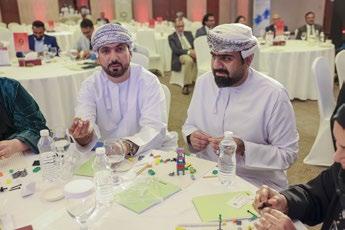
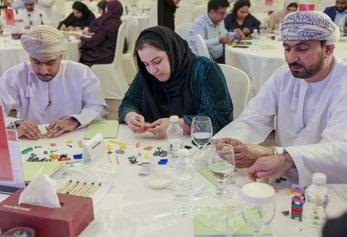
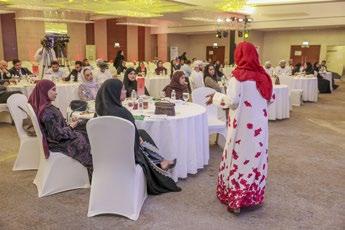
CEO, MHD ACERE shares insights on taking bold, responsible decisions that balance growth with sustainability—investing in EVs, infrastructure partnerships and talent to deliver long-term national value
EDITORIAL
Editor-in-chief
Said Masoud Almashani
Executive Vice President and Group Editor
Mayank Singh
Editor Oommen John P
DESIGN
Director Production – Print
Ramesh Govindaraj
Chief Photographer
Rajesh Rajan
Cover concept
Rakesh Radhakrishnan
MARKETING
Associate Advertising Director
Shivkumar Gaitonde
Business Manager
Dhanish Pillai
CORPORATE
Chief Executive Officer
Atulya Sharma
Published by United Press & Publishing LLC
PO Box 3305, Ruwi, Postal Code - 112 Muscat, Sultanate of Oman
Tel: (968) 24700896, Fax: (968) 24707939
Website: www.umsoman.com
All rights reserved. No part of this publication may be reproduced without the written permission of the publisher. The publisher does not accept responsibility for any loss occasioned to any person or organisation acting or refraining as a result of material in this publication. OER accepts no responsibility for advertising content.
Printed by Oman Printers & Stationers Ltd. Co. S.P.C.
Correspondence should be sent to:
Oman Economic Review
United Media Services
PO Box 3305, Ruwi 112, Sultanate of Oman
Fax: (968)24707939
Website: www.oerlive.com
For editorial enquiries: 99884854
For advertising enquiries: 99267159
Tapping opportunities
Geopolitical uncertainties, supply-chain disruptions, rapid technological change and climate-related risks are reshaping how organisations plan and operate. Against this backdrop, resilience is increasingly treated as a core strategy rather than a temporary response. It helps economies protect stability, maintain service delivery, and rebound more effectively when disruptions occur.
For both businesses and governments, resilience means identifying risks early, adapting quickly and building the capabilities needed to remain competitive in a shifting global landscape. The recent oil price jump is showing signs of being a short-lived, sharp movement rather than the start of a prolonged supply crisis.
Oman is aligning with these priorities. Under Oman Vision 2040, the transformation agenda is advancing with a focus on developing a competitive, resilient and innovation-driven economy. This is reinforced by the 11th FiveYear Development Plan (2026–2030), which emphasises long-term progress and structural improvements. Oman is also working toward its Vision 2040 goals through upcoming green energy projects aimed at expanding local renewable energy sources and supporting the pathway to net zero emissions by 2050.
The implementation framework is further strengthened through Budget 2026, which aligns resources with key reforms and priority sectors. Together, these national plans provide a clear roadmap to manage external pressures while sustaining growth momentum—helping Oman convert uncertainty into opportunity through stronger productivity, improved delivery capacity, and wider innovation across both the public and private sectors.
OommenJohn
Oommen John
Sign up for OERLive's daily WhatsApp updates on economy, lifestyle, and technology. Send us a WhatsApp message with the word “OERLIVE” on 91242930
LEADERSHIP EDGE
Your cover story made for an interesting read. Successful business leaders are often distinguished by their ability to inspire, motivate, and guide their teams toward achieving exceptional results. It was noteworthy to know that the recent findings from PwC’s 29th Global CEO Survey, which gathered insights from 4,454 chief executives across 95 countries, highlighted a shifting global business landscape. While some progress has been made in artificial intelligence adoption, most CEOs have yet to realise tangible financial returns. Confidence in short-term revenue growth is also declining, reflecting broader economic uncertainty and external pressures such as tariffs. Amid these global trends, Oman presents a notably optimistic outlook. CEOs in the Sultanate rank among the most confident worldwide, supported by steady economic growth, a clear long-term policy direction, and rapid diversification efforts. Initiatives such as Vision 2040 and the latest Five-Year Development Plan are encouraging businesses to adopt a forward-looking approach, particularly in areas such as technology, renewable energy, and industrial development.
Encouragingly, companies in Oman are diversifying more rapidly than many of their regional and global counterparts. The adoption of artificial intelligence is already contributing to revenue growth and job creation, demonstrating a more immediate return on innovation investments. While challenges such as skills shortages and cybersecurity risks persist, business leaders in Oman appear well-positioned to navigate these obstacles. In an era defined by uncertainty and transformation, Oman’s business environment offers a compelling example of how strategic vision, leadership confidence, and a commitment to innovation can drive sustainable and resilient growth.
Jacob Peters, MQ
TECH MOMENTUM
The recent launch of advanced digital platforms, including an API Gateway, Developer’s Portal, and Sandbox capabilities, marks an important step forward in Oman’s journey toward technological innovation. By providing a secure environment for developers and startups to test and refine solutions, such initiatives are fostering a culture of collaboration and responsible experimentation. These efforts not only support the growth of fintech innovation but also encourage the development of customer-focused digital services aligned with global best practices. Programmes that nurture startups through mentorship and hands-on experience further strengthen the ecosystem, enabling new ideas to evolve into scalable solutions. As Oman continues to prioritise digital transformation under its long-term vision, initiatives like these highlight the country’s commitment to building a dynamic and innovation-driven economy.
Abdul Sattar, Seeb
10
STEADY ASCENT
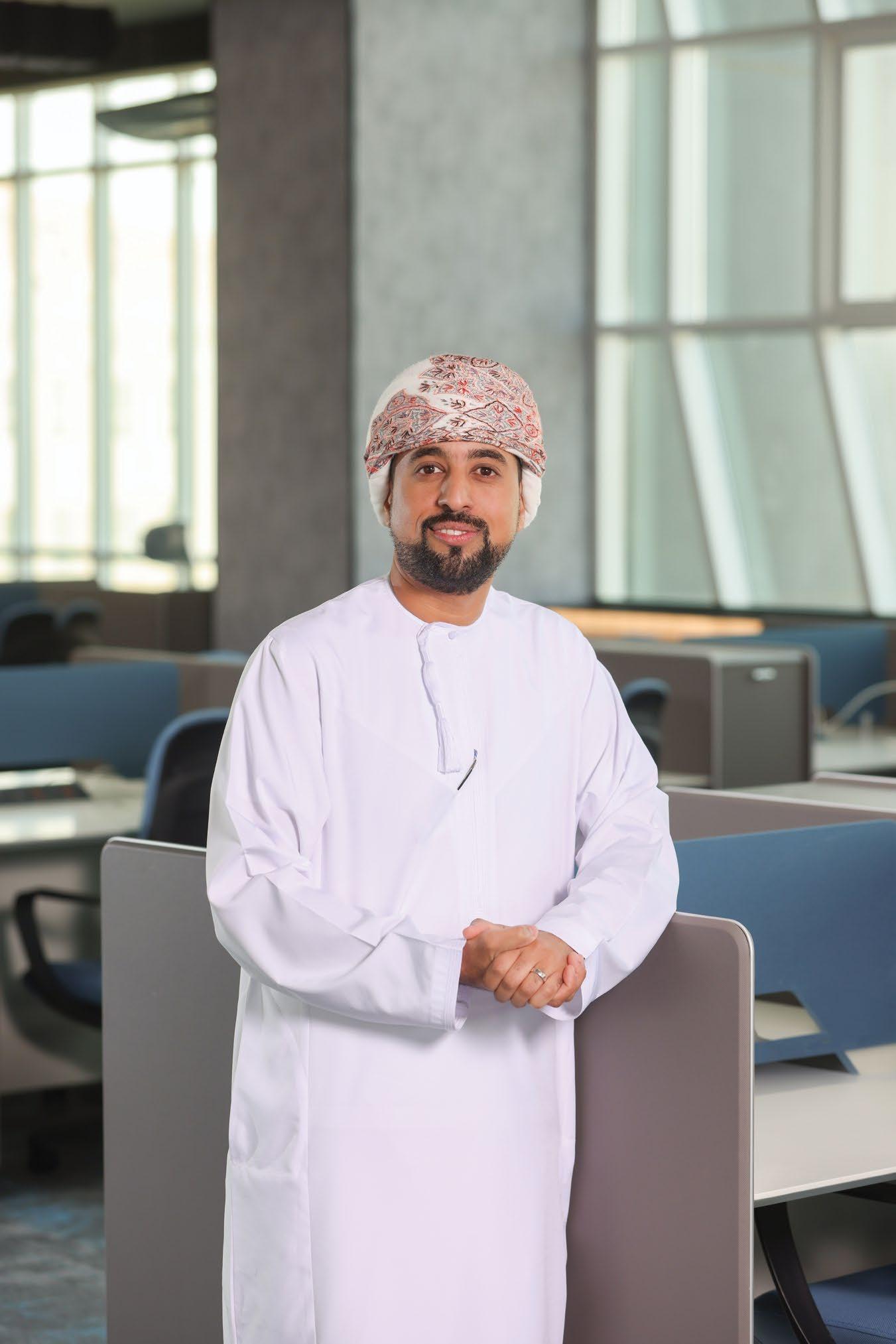
MHD ACERE acts as a catalyst for value creation, leveraging crosssector strengths to unlock opportunities in mobility, construction and clean energy, says CEO, Mohsin Hani AlBahrani in an interview
Only 11 per cent of banks have cracked the code on trustworthy AI. Even as AI spending surges, few banks have established the necessary governance and guardrails – and nearly half misjudge their own AI readiness
Amr Baabood, Group CEO, OITE Group, reflects on how Oman’s flagship exhibitions are evolving into high-impact strategic platforms that advance innovation, investment, sector development, and Vision 2040 22
EVENT A FUTURISTIC ROADMAP
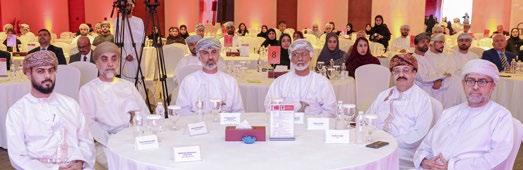
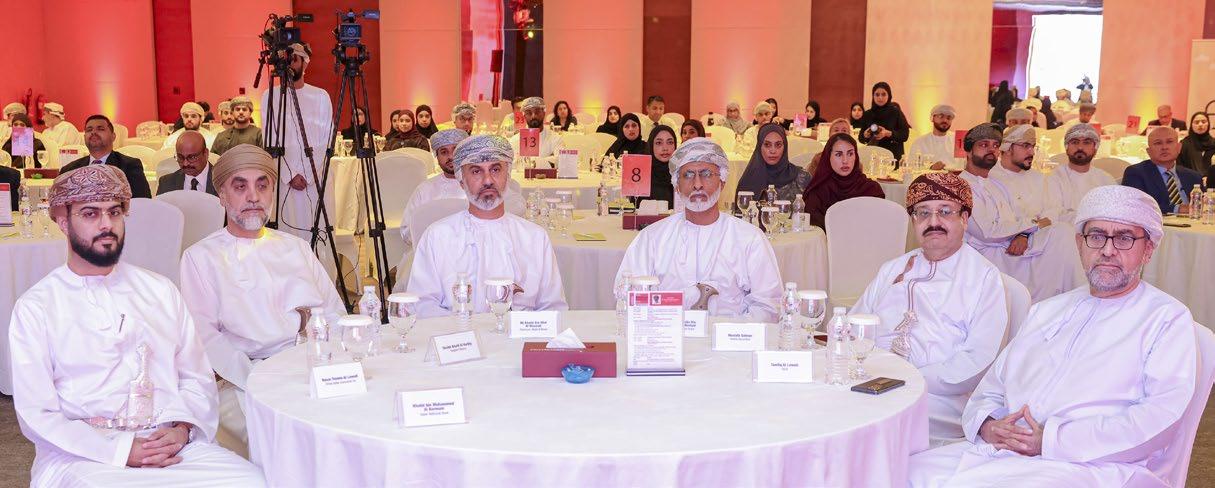
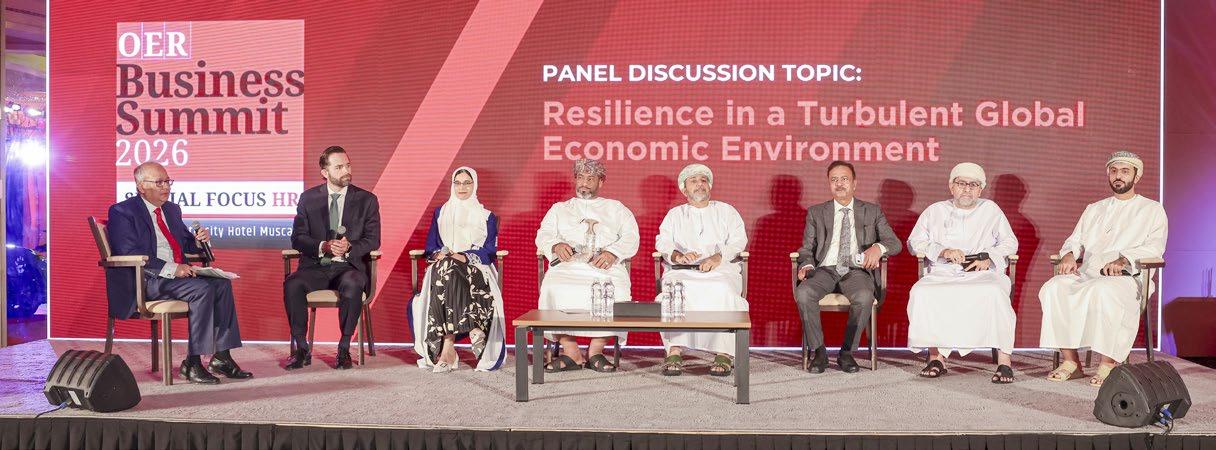
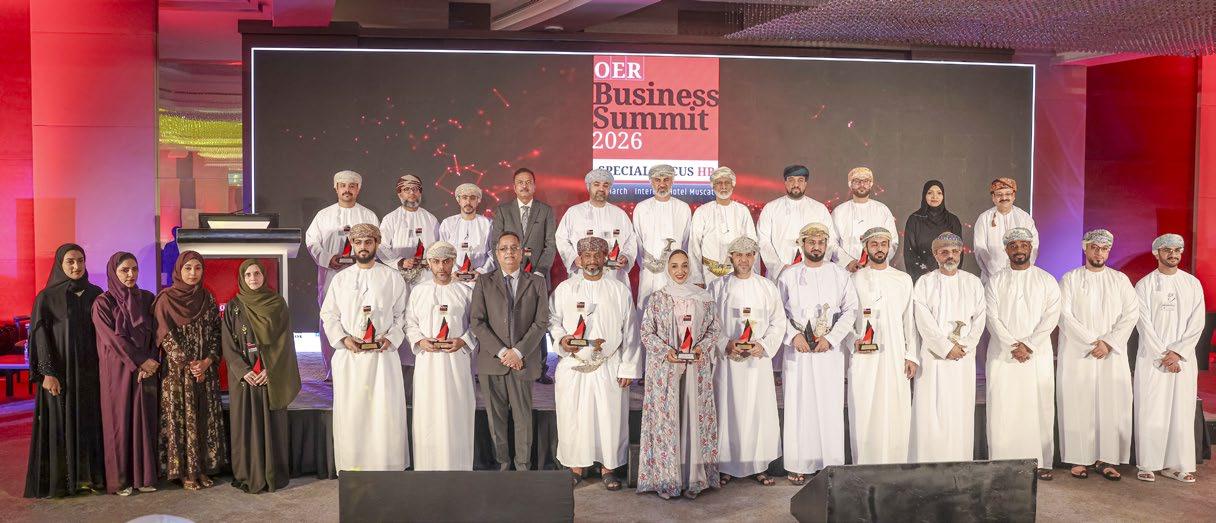
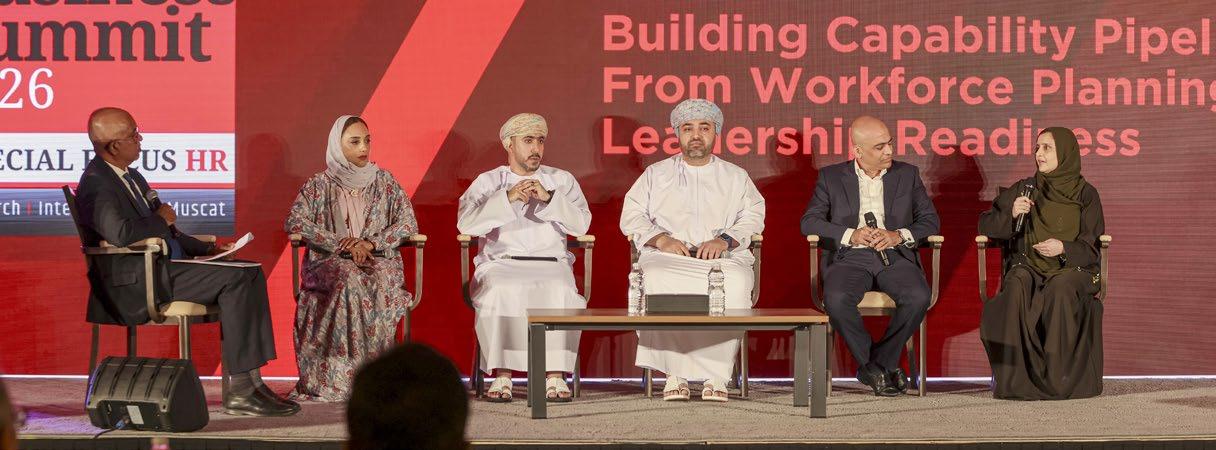
OER Business and HR Summit 2026 deliberated on critical issues influencing Oman’s economic and HR landscape Oil surges more than 2 per cent as supply disruptions mount
Oil prices climbed more than two per cent, recouping a portion of the previous session’s losses amid persistent supply concerns stemming from heightened tensions across the Middle East Middle East tensions heighten risks to Strait of Hormuz, raising uncertainty for global oil markets
Escalating military tensions in the Middle East are injecting fresh uncertainty into global oil markets, with analysts warning that prices could rise sharply if disruptions to energy flows persist, particularly through the Strait of Hormuz, one of the world’s most critical shipping routes
Real estate price index in Oman grows by 13.9 per cent
Data issued by the National Center for Statistics and Information (NCSI) showed that the real estate price index in the Sultanate of Oman rose by 13.9 percent in the fourth quarter of 2025, compared to the corresponding period in 2024
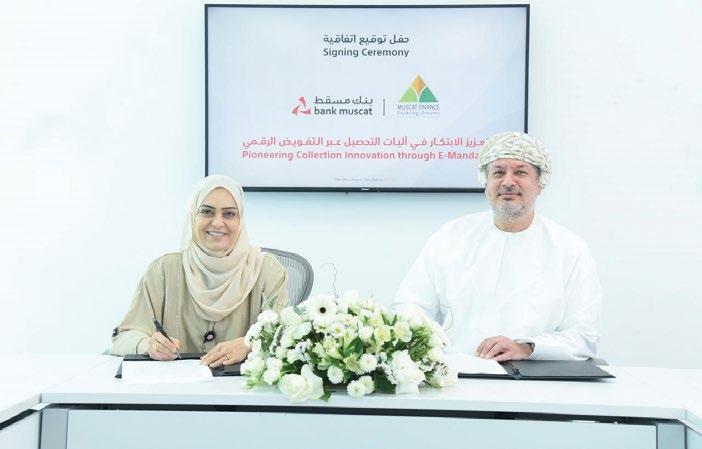
Bank Muscat and Muscat Finance announce partnership to activate e-mandate service
Bank Muscat, the leading financial services provider in the Sultanate of Oman, and Muscat Finance have announced a strategic partnership to activate the e-mandate service through Bank Muscat’s Application Programming Interface (API) platform. The initiative aims to support the digitalisation of financial collection processes and enhance the efficiency of recurring payment management for institutions and customers. This step reflects the vision of both institutions to support secure financial solutions aligned with future developments.
This announcement comes at a time when local financial institutions are increasingly adopting advanced digital services to enhance operational efficiency, ease of transactions and customer experience, in line with the objectives of Oman Vision 2040 to strengthen the digital economy and drive transformation in financial services. The e-mandate service is one of the digital tools that enables companies to collect dues from customers securely and quickly without the need for traditional paper-based procedures, thereby enhancing institutions’ ability to manage their resources more efficiently.
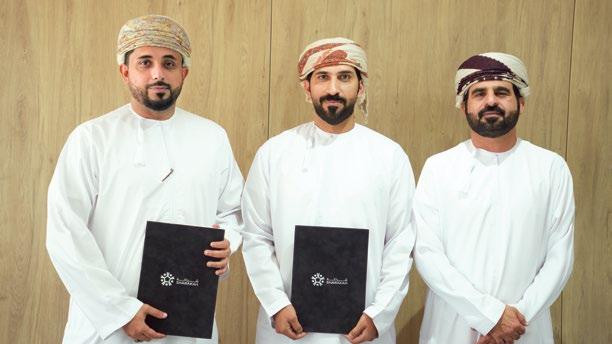
On this occasion, Ilham Murtadha Al Hamaid, General Manager of Corporate Banking at Bank Muscat stated: “We are proud to expand our
Finance. This service represents a qualitative addition to the solutions we offer our corporate and institutional customers, reflecting our commitment to providing innovative digital tools that support collection processes and facilitate the management of recurring payments in a flexible and secure manner. This step underscores the Bank’s ongoing efforts to develop its digital services, support partners in both the public and private sectors and reflect its commitment to delivering advanced digital banking solutions that support the comprehensive
Rashad Al Shaikh, CEO, Muscat Finance, highlighted the value of the partnership for customers, “Our collaboration with Bank Muscat enables us to implement direct debit services more efficiently and provide customers with a simpler and more convenient payment experience. The e-mandate service supports the growing demand for digital financial solutions and will help streamline our payment and collection processes.”
Sohar International expands its network with the opening of its 59th branch in Al Mouj
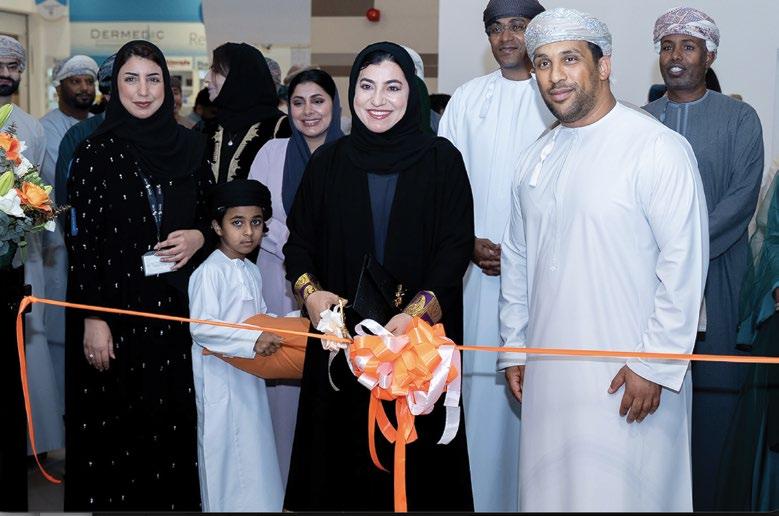
Reaffirming its commitment to strengthening customer proximity and supporting Oman’s evolving economic landscape, Sohar International has officially opened its new branch in Al Mouj, one of the Sultanate’s most prominent residential and commercial destinations. Strategically located within Al Mouj Walk, the branch was officially inaugurated by HE Halima bint Rashid Al Zarriyah, Chairperson of the Authority for Small and Medium Enterprises Development (ASMED), in the presence of Sohar International’s Chairman, Said Mohamed Al-Aufi, Chief Executive Officer Abdulwahid Mohamed Al Murshidi, and members of the Executive Management. The official opening took place on the sidelines of the Sohar International Souq – Layali Al
Mouj, which was also launched on the same day, further positioning the bank at the heart of a vibrant lifestyle and commercial hub.
Commenting on the branch opening, Abdul Qadir Al Sumali, Chief Retail and Premier Banking Officer at Sohar International, said: “While digital banking continues to transform how customers interact with financial services, physical proximity within dynamic economic communities remains fundamental to building trust and sustaining long-term relationships. Our presence in Al Mouj reflects a deliberate and data-driven approach to network expansion— positioning our services within integrated communities where residential living, commerce, and economic activity converge. Through this
strategic placement, we aim to deepen customer engagement and strengthen our advisory role in supporting individuals and businesses as they navigate their financial ambitions. This expansion also aligns with our broader commitment to supporting Oman’s economic development priorities and the objectives of Oman Vision 2040, by maintaining a balanced banking model that integrates advanced digital capabilities with meaningful in-person engagement.”
The Al Mouj branch offers Sohar International’s comprehensive suite of banking services, catering to both individual and business customers across their day-to-day and more advanced financial needs. Services include account opening, card issuance, deposits, financing solutions,
ahlibank brings together over 70 entrepreneurs in its
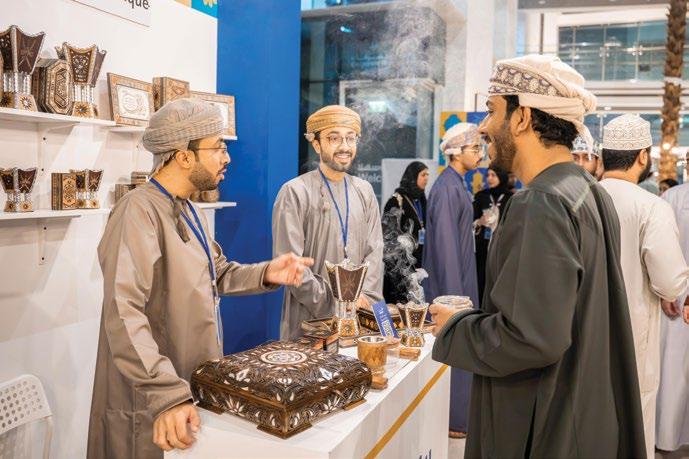
launched the fourth edition of the ‘ahlibank Ramadan Souq’ in collaboration with the Small and Medium Enterprises Development Authority (Riyada). The initiative serves as an integrated platform that brings together small and medium enterprises, providing a strategic opportunity to empower Omani entrepreneurs and support the development of their businesses while encouraging sustainable growth. The fourth edition of the Souq was held from March 5 to 7, 2026 at ahlibank’s Head Office in Wattayah, attracting strong participation and achieving notable success. The Ramadan Souq reflects
and advisory support, delivered by a team of experienced banking professionals committed to providing informed and responsive guidance. Designed in line with Sohar International’s contemporary brand identity, the branch reflects clarity, professionalism, and operational efficiency, ensuring a consistent service standard across the bank’s physical network. This forms part of the bank’s ongoing network optimization strategy.
The Al Mouj branch represents a strategic enhancement to Sohar International’s physical presence, reinforcing its focus on accessibility, relationship-led banking, and service excellence in high-growth, mixed-use communities. As customer expectations continue to evolve alongside digital transformation, the bank remains committed to maintaining a balanced model that integrates digital capability with meaningful in-person engagement.
diversify the national economy, empower small and medium enterprises, and strengthen their role as a key driver of economic growth. Through this initiative, ahlibank continues to leverage its community and economic platforms to empower entrepreneurs by providing a supportive environment where they can showcase their products, expand their networks, and unlock new opportunities for business growth. The Souq also fosters stronger collaboration between the financial sector and the local community by supporting youth and emerging enterprises, encouraging innovation and entrepreneurial spirit,
and reinforcing the bank’s role as an active partner in achieving sustainable economic and social development. This year’s edition of the ahlibank Ramadan Souq witnessed significant expansion, hosting more than 70 entrepreneurs representing SMEs within a vibrant commercial environment. Participants showcased a diverse range of products associated with Eid Al-Fitr preparations, including clothing, perfumes, handicrafts, and other distinctive local products. The Souq opened with a festive atmosphere through a Qaranqasho celebration for children, bringing joy and excitement through interactive activities, gifts, and special raffles in a Ramadan experience that reflects the spirit of community and authentic Omani traditions. Commenting on the initiative, Jumana Al Hashmi, Assistant General Manager – Head of Marketing and Corporate Communications at ahlibank, said, “Driven by our belief in the banking sector’s role as a key partner in supporting economic and social development, ahlibank continues to host its Ramadan Souq for the fourth consecutive year, reaffirming our commitment to empowering SMEs and supporting their sustainable growth. This initiative serves as a valuable platform that brings together more than 70 entrepreneurs within a dynamic commercial environment that enables them to showcase their products, expand their networks, and build new opportunities for collaboration.
NBO launches Ramadan and Eid Card campaign with cashback and lifestyle offers
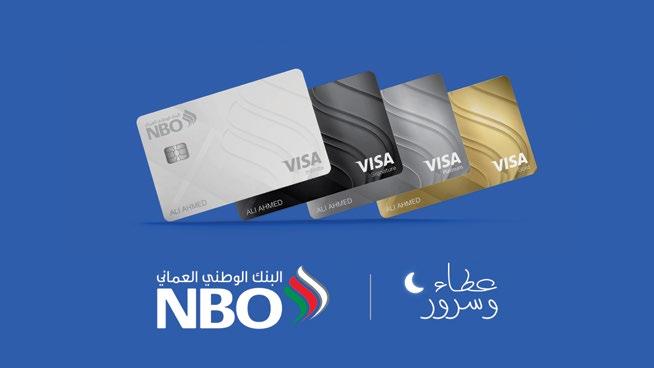
The National Bank of Oman (NBO) has launched a Ramadan campaign offering customers cashback rewards and exclusive discounts on everyday spending categories. Running during the last week of Ramadan, Eid Al Fitr, and beyond, the campaign encourages the use of NBO Credit Cards, Debit Cards, and Badeel Prepaid Cards through various offers across dining, fuel, lifestyle, and e-commerce. Maha Saud Al Raisi, Assistant General Manager & Head of Products at the NBO, commented on the campaign, “Ramadan sees a natural rise in consumer activity across dining, retail, and more, making it the perfect moment to offer our customers something meaningful. These cashback rewards and
EXECUTIVE MOVEMENT
discounts, delivered through partnerships with leading service providers, are a direct reflection of NBO’s commitment to making everyday banking more rewarding, particularly during moments that are valuable to our customers.”
As part of the promotion, customers can also benefit from up to 75 per cent discount on talabat food orders with their credit cards and 25 per cent cashback on fuel spends at Oman Oil service stations, both available throughout the campaign period from March 15 to 22, 2026. Customers can also enjoy 20 per cent cashback on beauty salon services from March 18 to 21, 2026, and 10 per cent cashback on
Easy Payment Plan (EPP) credit card conversions made through the NBO app from March 15 to 22, 2026. These offers are designed to reward customers for their everyday spending while making it easier to manage purchases through flexible payment options. Customers can explore the full range of Ramadan offers and conveniently manage their cards through the NBO app.
Bank Nizwa reinforces its leadership with the appointment of Tariq Atiq as Acting CEO
In line with its commitment to empowering Omani talent and leadership, and fostering continuous advancement within the Islamic banking sector, Bank Nizwa, the leading and most trusted Islamic bank in Oman, has announced the appointment of Tariq Atiq as Acting Chief Executive Officer. This strategic leadership transition reflects the bank’s forward-looking strategy and underscores its confidence in a seamless succession that upholds institutional stability, ensures continuity, and supports the delivery of long-term value to all stakeholders.
Tariq brings over 25 years of hands-on banking experience, with a distinguished track record of success across retail banking, corporate banking, SMEs, cards, and digital banking. He is widely recognised for his leadership in driving major transformation programs and delivering innovative digital solutions that have enhanced operational performance and elevated customer experience. He has played a pivotal role in advancing landmark national and industry-first initiatives such as cashless government dealings and the development of the Sultanate’s first e-Commerce gateway and the implementation of advanced digital platforms. His leadership has consistently contributed
to business growth, improved operational efficiency, and the adoption of innovative banking solutions aligned with evolving market trends.
In this context, Tariq stated, “I would like to extend my sincere appreciation and gratitude to the Board of Directors for their trust. I am honoured to assume this role at this important stage in the bank’s journey, as it continues to strengthen its position as a leading institution in the Islamic banking sector. I look forward to building on the achievements accomplished to date and to advancing innovation while delivering Sharia-compliant banking solutions that meet our customers’ aspirations and keep pace with evolving market dynamics. We will also continue to focus on enhancing customer experience, empowering national talent, and achieving sustainable growth that creates long-term value for all stakeholders.”
Tariq bin Atiq holds a Bachelor of Science in Business Administration from United State of America, and an Executive MBA in Leading Digital Transformation from HEC Paris. He has also completed a range of executive education programs from globally renowned institutions, such as Harvard Business School (USA)
STEADY PROGRESS
ahlibank holds its annual ordinary general meeting and continues its strategic growth
Following the successful conclusion of its Annual General Meeting (AGM), ahlibank announced a year marked by resilient financial performance, notable achievements, and sustained strategic progress for the year ended December 31, 2025. Under the visionary leadership of Said Abdullah Al Hatmi, CEO, ahlibank, the bank continued to deliver on its promise of being a Partner in Excellence, further reinforcing its role in redefining banking in the Sultanate of Oman.
A key highlight of the Annual General Meeting was the election of the Board of Directors, who will steer ahlibank in its continued pursuit of growth and excellence, with Ibrahim Al Eisri as Chairman for the upcoming term. The AGM also witnessed the approval of all agenda items, including the Board of Directors’ Report on the bank’s activities and financial position, the Corporate Governance Report, and the audited financial statements for the financial year ended December 31, 2025. Shareholders further approved matters related to Board governance, including the ratification of sitting fees and remuneration of the Board of Directors and its subcommittees, as well as the Shari’a Supervisory Board for the financial year ended December 31, 2025, and the determination of their fees for 2026.
In addition, the General Assembly approved the distribution of Board of Directors’ remuneration for the financial year 2025, endorsed the Board’s performance report, and approved the criteria for evaluating Board performance for the upcoming year. Shareholders approved the appointment of an independent third party to assess the Board’s performance for 2026, along with the appointment of external auditors and Shari’a auditors and the determination of their fees. The General Assembly also ratified of related party transactions undertaken during the year, as well as the bank’s contributions toward community service initiatives.
In line with its commitment to delivering sustainable value, shareholders approved a total dividend of 12 Baiza per share, comprising 6 Baiza in cash and 6 Baiza in the form of mandatory convertible bonds, underscoring the bank’s balanced approach to shareholder returns and prudent capital management. Building on an 18-year legacy of excellence, ahlibank delivered strong growth across key financial indicators in 2025. Net loans, advances and financing increased by 14.0 per cent to RO 3,446.4mn,
while customer deposits grew by 14.3 per cent to RO 3,157.5mn. Total assets rose by 11.6 per cent to RO 4,188.7mn, and profit for the year recorded an 11.2 per cent increase to RO46.32mn, underlining the bank’s resilient performance and disciplined execution of its strategy.
Throughout the year, ahlibank continued to advance its strategic priorities across digital transformation, capital markets, and customer-centric innovation. Key milestones included the launch of its digital debit card, enabling seamless and secure onboarding, as well as the introduction of ahlinext, a child-focused platform designed to foster financial literacy from an early age. The bank also reinforced its position in capital markets through the successful execution of major issuances and the completion of an oversubscribed rights issue, underscoring strong investor confidence, enhancing shareholder value, and further strengthening its capital base.
In parallel, ahlibank continued to expand its geographic footprint and enhance its service capabilities, driving growth across the retail, corporate, and SME segments. Through its active role in financing strategic sectors, including real estate, renewable energy, and key national development projects, the bank further reinforced its position as a vital contributor to Oman’s economic diversification agenda. The bank’s strong performance and commitment to innovation were further recognized through a series of prestigious accolades in 2025.
Commenting on the results, the Chief Executive Officer of ahlibank stated that the 2025 results reflect the strength of the bank’s corporate strategy and the resilience of its business model, emphasising the bank’s commitment to continue delivering sustainable value to shareholders, advancing digital innovation, and playing an active role in supporting the national economy, while continuously enhancing the customer experience. Looking forward, ahlibank continues to focus on enhancing operational efficiency, accelerating its digital transformation journey, and strengthening risk management practices to ensure responsible and sustainable growth. The bank remains committed to supporting national priorities and expanding economic opportunities for customers and businesses across the Sultanate, in line with the objectives of Oman Vision 2040.
Resilience, Innovation & Inclusion
Shaping the Future of Oman’s Insurance Industry
2026
28 April 2026 - Intercity Hotel
As the Sultanate accelerates its economic diversification journey under Oman Vision 2040, the insurance sector is poised to play a pivotal role in ensuring sustainable development, fostering financial inclusion, and supporting national resilience.
The Oman Insurance Summit 2026 will bring together the most influential stakeholders from across the insurance spectrum — regulators, insurers, brokers, reinsurers, technology providers, investors, and policymakers — to discuss the trends, technologies, and transformations redefining the industry.
This high-level platform will encourage dialogue, inspire innovation, and foster collaboration to strengthen Oman’s position as a forward-thinking insurance hub in the region.
STEADY ASCENT
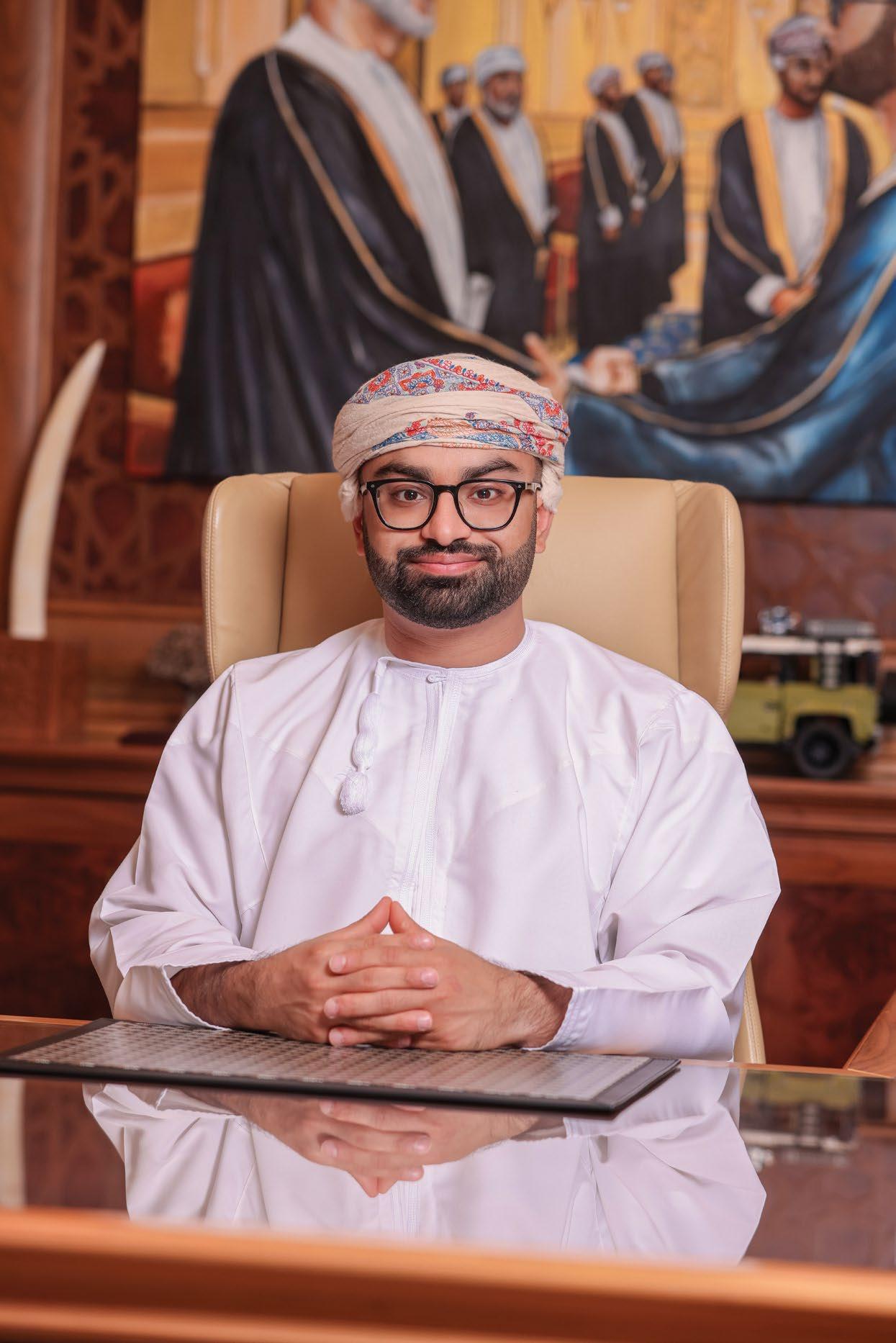
MHD ACERE acts as a catalyst for value creation, leveraging crosssector strengths to unlock opportunities in mobility, construction and clean energy, says CEO,
Mohsin Hani Al-Bahrani in
an interview
As CEO of MHD-ACERE, you oversee a diverse portfolio spanning automotive, construction equipment and renewable energy. How do you define your leadership approach in managing such a multi-sector ecosystem?
My leadership approach is anchored in alignment, agility, and accountability. Managing a multi sector ecosystem requires ensuring that each business vertical operates with clarity of purpose while contributing to a shared strategic vision. At MHD ACERE, we take a portfolio approach, leveraging synergies across automotive, engineering, and renewable energy to create long term value, while empowering each division to remain agile and responsive to market dynamics.
At its core, leadership for me is about building trust and enabling people, ensuring that as we grow as an organisation, we continue to create meaningful impact for the communities we serve.
What have been the key milestones for MHD-ACERE over the past few years, and how are these shaping your long-term growth strategy?
Our recent milestones reflect a deliberate shift toward future-ready, experience-driven, and sustainable growth.
• In March 2026, we launched the first Jetour Experiential Centre in the GCC at Mall of Oman, redefining automotive retail through immersive, customer-centric engagement
• In September 2025, we entered a landmark infrastructure partnership with Galfar supporting national projects through advanced machinery deployment
• In 2025, we strengthened our renewable energy footprint through EV infrastructure and electrification initiatives
• We also achieved global recognition for customer excellence for our MG brand within our automotive portfolio
• These milestones are not isolated wins—they are part of a broader strategy to future-proof the business, reduce dependency on single sectors, and align with Oman’s long-term economic.
The automotive industry is undergoing rapid transformation globally. How is MHD-ACERE adapting to trends such as electrification, digitalization, and changing consumer behavior in Oman?
The automotive industry is undergoing a structural shift, and our approach is
to anticipate rather than react.
• Electrification: We are actively investing in EV infrastructure and partnering with global leaders to support the transition to clean mobility
• Digitalisation: We pioneered online vehicle purchasing during the pandemic, and today we continue to enhance our digital-first customer journey
• Consumer Behaviour: Today’s customers value convenience, transparency, and experience, we are redesigning our retail and aftersales ecosystems to reflect this shift. Jetour Experiential Center at Mall of Oman is a key step in this direction.
Our focus is simple: deliver mobility solutions, not just vehicles.
With Oman investing heavily in infrastructure under Oman Vision 2040, how do you see demand evolving for construction equipment in the coming years?
Oman’s Vision 2040 is expected to drive sustained demand for construction equipment, particularly across transport, logistics, and urban development. Beyond volume, there is a clear shift in market expectations towards higher efficiency, advanced
technology, and strong lifecycle support to maximise uptime and control costs. Our recent initiatives to deploy advanced machinery across key national projects reflect both the scale of this opportunity and the evolving needs of the sector. We see our role extending beyond equipment supply to a solution led approach, supporting Oman’s development with reliable machinery, expertise, and long-term value.
Renewable energy is a key pillar of Oman’s diversification strategy. How is MHD-ACERE positioning itself within this fast-growing sector?
Renewable energy is a core pillar of our long-term strategy and a natural extension of our role in enabling future ready infrastructure. MHD ACERE has made strong early progress through its Renewable Energy Division, beginning with the successful deployment of advanced EV charging solutions and the securing of multiple follow-on orders through key partners. This momentum has translated into a growing portfolio of residential and commercial projects, reflecting strong market interest and customer confidence. These milestones position us as an emerging enabler of Oman’s clean energy transition. Our focus now is on scaling these capabilities and playing a meaningful role in building a
sustainable energy ecosystem aligned with Oman Vision 2040.
Given global economic uncertainties, how has MHD-ACERE built resilience across its business verticals?
Resilience at MHD ACERE is driven by diversification, innovation, and disciplined execution. Our expansion into sectors such as healthcare, leasing, and renewable energy has strengthened our business foundation, while continued investments in digital transformation and customer engagement have enhanced our agility in responding to market shifts. This approach ensures we are not only equipped to navigate uncertainty, but also well positioned to capture emerging opportunities and sustain long term growth.
How is MHD-ACERE investing in talent development and Omanisation across its diverse sectors?
At MHD ACERE, we view human capital as a core competitive advantage, and our commitment to talent development is closely aligned with our Omanisation priorities. The launch of the MHD ACERE Training Center marks a key milestone in building local capabilities, providing a structured platform for Omani talent to develop skills, grow professionally, and take on leadership roles. This initiative goes beyond
training. It focuses on capability building, leadership development, and clear career progression across our diverse business sectors. For us, Omanisation is not just a mandate but a strategic priority. We remain focused on nurturing talent, creating meaningful opportunities, and developing future leaders who will contribute to both our organisation’s success and the broader ambitions of Oman Vision 2040.
As Oman advances its economic transformation under Vision 2040, what role do you see MHD-ACERE playing in shaping the country’s industrial and energy future?
MHD ACERE aims to play a strategic role in supporting Oman’s economic transformation under Vision 2040. Our contributions span advancing sustainable mobility and EV infrastructure, supporting key infrastructure projects, enhancing customer experience standards, and investing in future ready sectors aligned with national diversification goals. As Oman progresses towards a more diversified and sustainable economy, our focus is on going beyond participation to actively contributing to growth through innovation, capability building, and long-term value creation.
Renewable energy is a core pillar of our long-term strategy and a natural extension of our role in enabling future ready infrastructure. MHD ACERE has made strong early progress through its Renewable Energy Division, beginning with the successful deployment of advanced EV charging solutions and the securing of multiple follow-on orders through key partners
POWER UNLEASHED
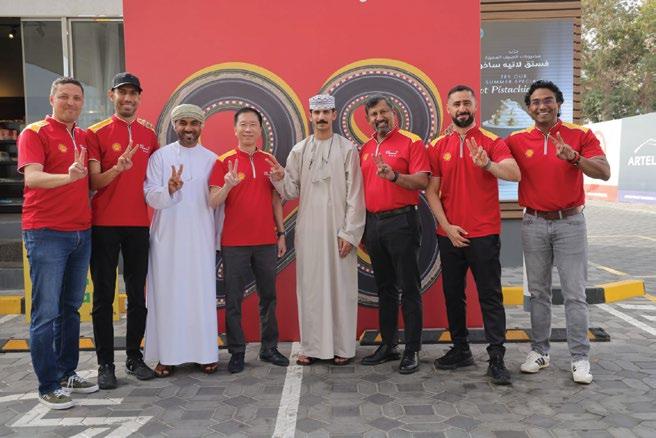
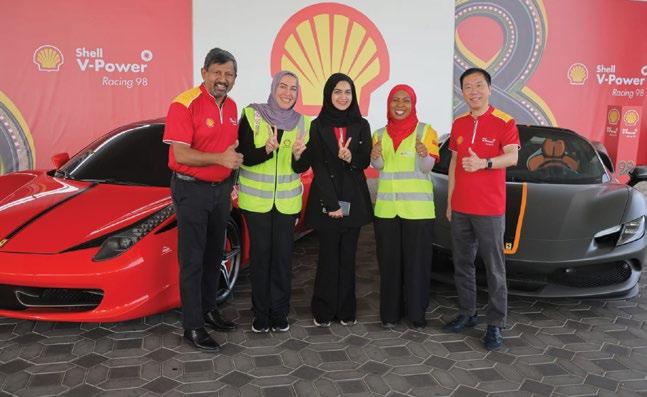
Shell Oman expands its fuel portfolio with the launch of Shell V-Power Racing 98
Shell Oman Marketing Company (Shell Oman) recently announced the launch of Shell V-Power Racing 98 in the Sultanate of Oman, marking a significant milestone in the evolution of its premium fuels portfolio and reinforcing its commitment to delivering advanced mobility solutions to customers across the country.
Shell V-Power Racing 98 is a premium high-performance fuel with a Research Octane Number of 98, designed to deliver instant power unleashed with every fill. Developed using Shell’s global expertise in fuels innovation and inspired by decades of motorsport heritage, the product is formulated to help modern engines operate closer to their full potential while enhancing responsiveness and acceleration in octane responsive vehicles.
The new fuel is now available at the Shell Service Station in Ghubra and will soon be rolled out across other stations. The introduction reflects Shell Oman’s ambition to expand its advanced fuels offering in line with evolving customer expectations and the increasing demand for premium performance products in the market.
Shell V-Power Racing 98 combines Shell’s exclusive advanced cleaning technology, designed to clean critical engine parts by up to 100 per cent and rejuvenate engine performance. In addition to its cleaning capability,
the higher-octane formulation is more resistant to engine knock, a phenomenon that can lead to reduced performance and drivability. By enabling engines equipped with knock sensors to operate more frequently at optimal manufacturer settings, Shell V-Power Racing 98 helps unlock improved performance and smoother acceleration, depending on engine design and operating conditions.
Commenting on the launch, Suresh Nair, General Manager – Mobility, Shell Oman Marketing, said, “The launch of Shell V-Power Racing 98 represents a major milestone for Shell Oman and a significant step forward in strengthening our premium fuels portfolio. We are proud to introduce one of our most advanced performance fuels to the Omani market, bringing cutting-edge technology inspired by Shell’s global motorsport heritage directly to our customers. This launch underscores our commitment to innovation and quality while delivering the best of what we have to offer for our customers. Shell V-Power Racing 98 is engineered to meet the evolving requirements of modern engines, enhance driving dynamics and elevate the overall customer experience, further reinforcing Shell Oman’s position as a leader in advanced mobility solutions.” This launch marked the historic first of Shell V-Power Racing formulation being available to customers in the Middle
East region.
Speaking at the launch event, Min Yih Tan, Senior Vice President Mobility & Convenience Asia, added, “The introduction of Shell V-Power Racing 98 in Oman reflects our continued commitment to bringing advanced fuel technology to key growth markets across Asia. Oman plays an important role in our regional portfolio and this launch demonstrates how we harness Shell’s world-class innovation capabilities to deliver differentiated, high-performance mobility solutions tailored to local market needs. As customer expectations evolve and demand for premium products continues to grow, we remain focused on delivering what our customers demand. Shell V-Power Racing 98 embodies our technology leadership, supports modern engine requirements and reinforces our ambition to provide world-class products that enhance both performance and driving experience for our customers in Asia.”
Shell V-Power remains a trusted premium fuel for everyday performance, while Shell V-Power Racing 98 offers an additional higher-octane choice for drivers seeking maximum performance capability. Customers are encouraged to check their vehicle manufacturer’s minimum RON requirement to select the fuel best suited to their engine specifications.
FUTURE-FOCUSSED
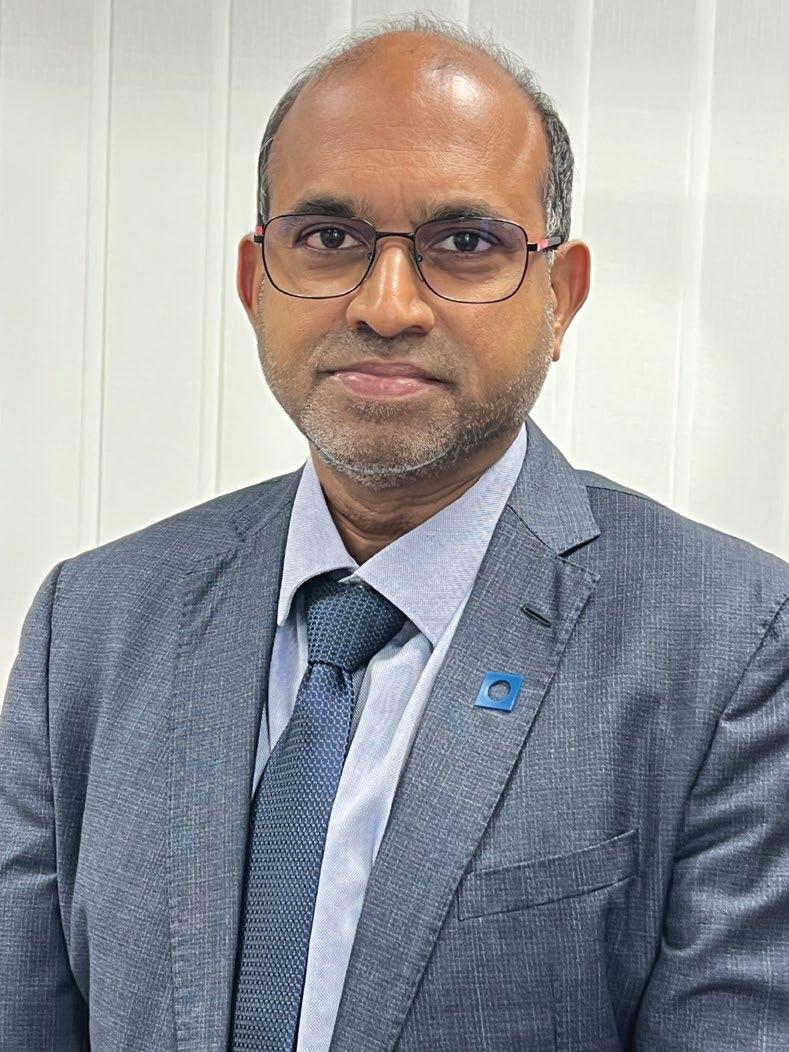
Infoline aims to position Oman as a regional hub for intelligent customer engagement, combining global technology standards with locally driven expertise, says Acting CEO, Muadh Al Omairi in an interview
In the light of global economic uncertainties, what is your vision for customer experience at Infoline, and what key initiatives are you undertaking to ensure resilience and adaptability?
Our vision for customer experience is to create intelligent, resilient, and human-centric engagement models that enable organisations to thrive even in times of uncertainty. We believe that CX is not merely a support function but a strategic capability that strengthens trust, agility, and long-term value creation.
To ensure resilience and adaptability, we are focusing on three key initiatives. First, we continue to invest in AI-powered customer engagement platforms that enable predictive insights, allowing organisations to anticipate customer needs before they arise. Second, we are strengthening operational agility through scalable CX and BPO models that help businesses adapt quickly to shifting market dynamics. Third, we are advancing national talent development, empowering Omani professionals with the digital and analytical skills needed to lead the next generation of customer experience.
Through this integrated approach, Infoline aims to position Oman as a regional hub for intelligent customer engagement, combining global technology standards with locally driven expertise.
How does Infoline integrate customer feedback into its strategic decision-making to enhance customer satisfaction and loyalty amidst geopolitical challenges?
At Infoline, customer feedback is not viewed as a report—it is a strategic compass that guides decisionmaking across the organisation. We operate through a structured Voice of the Customer (VoC) framework, where feedback is systematically captured, analyzed, and translated into actionable insights. This process operates on three levels of intelligence. First, operational intelligence, where we monitor satisfaction indicators such as sentiment scores, service quality, and interaction performance in real time. Second, tactical intelligence, where analytics dashboards identify emerging trends, enabling us to refine processes, training, and service delivery models. Finally, strategic intelligence, where customer insights directly influence technology investments, service design, and partnership strategies. This feedbackdriven ecosystem ensures that even in a complex geopolitical environment, our CX strategies remain responsive, customer-centric, and aligned with long-term business outcomes.
What key performance indicators do you prioritize to evaluate the success of your customer experience initiatives, especially in relation to economic diversification and competitiveness?
Our approach to measuring CX performance goes beyond traditional satisfaction metrics. At Infoline, we prioritise impact-driven KPIs that reflect trust, efficiency, and longterm business value. Among the key indicators we monitor are Customer Effort Score (CES), which measures how easily customers achieve their goals, and Net Promoter Score (NPS), which reflects customer advocacy and relationship strength. We also emphasize First Contact Resolution (FCR) as a measure of operational efficiency and service accuracy.
Equally important is our Employee Engagement Index, recognising that employee experience is the foundation of customer experience excellence. Finally, we track Digital Adoption Rates, which indicate how effectively organisations are transitioning customers to intelligent and automated service channels. Together, these metrics provide a holistic view of CX performance while supporting Oman’s broader goals of economic diversification, digital transformation, and global competitiveness.
Considering leadership’s influence on customer experience quality, how is Infoline adapting its strategies to meet evolving customer expectations?
Leadership plays a defining role in shaping customer experience. At Infoline, we believe that CX starts at the leadership level and cascades
through culture, processes, and daily interactions. Our leadership philosophy is centered on empathydriven decision-making, data-informed strategy, and empowerment at every organisational level. As customer expectations evolve toward immediacy, personalisation, and trust, we are continuously adapting our strategies to remain ahead of these shifts.
One key initiative is our CX leadership development programs, which equip Omani professionals with the skills required to lead in a digital-first service economy. We also promote cross-sector innovation, integrating CX insights across industries such as telecom, banking, government, and utilities. This alignment between leadership and experience design ensures that every transformation initiative we deliver is not only technologically advanced but also human-centered and meaningful.
With emerging technologies poised to reshape the customer service landscape, how is Infoline preparing to leverage these technologies for sustainable growth?
The future of customer experience will be defined by the convergence of AI, automation, and augmented intelligence. Over the next five years, we anticipate three major shifts in the CX landscape. The first is predictive customer experience, where advanced analytics anticipate customer needs before they emerge. The second is hyper-personalisation, where machine learning enables highly tailored experiences for individual customers. The third is omnichannel empathy, ensuring seamless and consistent engagement across voice, chat, social media, and emerging digital environments.
Infoline is already preparing for this future through strategic technology partnerships, innovation labs, and national capability development programs. Our goal is not only to adopt these technologies but to harness them in a way that empowers organisations and strengthens Oman’s position as a regional leader in intelligent customer engagement.
DIGITAL ENABLEMENT
Business Gateways International (BGI) is driving a unified digital ecosystem for Omani businesses, especially SMEs to stay connected to diverse opportunities, says Director and CEO, Hemant Murkoth in an interview
What specific technological advancements have been integrated into the upgraded JSRS platform that distinguishes it from previous versions?
At BGI, we have always believed that true digital transformation is not driven just by incremental upgrades, but by a clear strategic vision of the future. The JSRS Platform, being one of our flagship Projects for the last 11 odd years, has seen tremendous adaptation across Oman’s energy Sector - thanks to the combined efforts of Oman’s Ministry of Energy & Minerals, O&G Operators and other key stakeholders. This success comes as no surprise as the JSRS has entrenched itself into critical Procurement operations for all the major buyers in energy and other sectors.
With the certified companies count running to 8k+, managing deepprocurement on the JSRS involves Contracts Management, ICV Monitoring, eTendering and other critical functionalities that constantly evolve, based on the demands and expectations placed by its users. Hence the underlying IT Framework must be extensive, adaptable, secure and scalable at all levels. And at BGI, we precisely know how to go about doing that. At its core, the transformation is architectural. We have moved away from a monolithic system to a more agile, decoupled framework that allows us to innovate faster, scale seamlessly, and continuously enhance
user experience without disrupting core operations. This evolution enables us to respond more effectively to the dynamic needs of suppliers, buyers, and the broader procurement ecosystem. Equally important is our transition to a cloud-first environment through Nebula Cloud by working closely with our Omani Infrastructure Partner - Otech. This shift is not only about infrastructure, but also about resilience, scalability, and reliability. With integrated disaster recovery mechanisms, we are ensuring uninterrupted platform availability and safeguarding critical data and reinforcing trust among all stakeholders. And above all, we are going all-out to make BGI Platforms future ready. We are excited to announce our Enterprise-wide AI Framework (GatewAI Framework) that aim to rapidly overarch the entire gamut of our critical platforms by boosting software intelligence and data interoperability while empowering users and stakeholders to meet their strategic and operational demands. Taken together, these advancements position JSRS not merely as a registration system, but as a scalable digital backbone for national procurement, capable of supporting evolving business models, regulatory frameworks, and the broader vision of a digitally enabled economy.
What are BGI’s plans for digitally enabling Oman’s businesses towards growth and opportunities?
The objective is simple and straightforward: Create a digitally enabled national business ecosystem that empowers Omani companies (specially the SMEs) stay connected and engaged with Oman’s multitude of business opportunities. Oman’s lay of the land challenges businesses that are scattered around the remotest of the locations be a part of a level playing field when it comes to equal contracts opportunities and transparent award processes. BGI is on an intense journey to achieve this by identifying, upskilling and onboarding all these organisations across the Sultanate to BGI’s digital ecosystems to boost their business opportunities.
BGI, apart from integrating to the Oil & Gas sector of Oman with JSRS, has also transcended to implementing RABT - The Digital Industrial Ecosystem together with the Industrial Innovation Academy (IIA). Further, two other business-critical platforms are also on the verge of being launchedone for Sustainability and net zero empowerment and another for International Trade. Due to such rapid platforms evolving within the BGI’s ecosystem, the need for a seamless inter-platform and data interoperability model is critical to support Omani companies to leverage their digital data throughout the BGI ecosystem and use them efficiently for multiple opportunity based compliance, Local Content opportunities, business expansion etc.
This inter-platform ‘Bridge’ is currently being tested by BGI and will soon be implemented. We believe it is going to save huge efforts and result in a more productive experience for Omani companies making them businessready to work across various sectors without worrying about data or process duplications. Overall, BGI’s journey as an Omani IT company for the last 15 odd years has been a strong witness to Oman’s digital growth journey and we are proud to continue this march towards Vision 2040.
How does BGI incorporate InCountry Value (ICV) principles into its platforms, and what specific initiatives are in place to enhance local content and economic development in the regions you serve?
At BGI, ICV is a passionate enablement that is ingrained in our culture and platforms. In every digital platform that we architect, we ask, ‘How can we ensure maximising the local content (ICV) objectives?’ And the answer to that question comes out of more than a decade of experience in understanding, aligning and implementing ICV driven digital platforms for the benefit of Omani SMEs and other stakeholders. Rather than addressing ICV through standalone initiatives, BGI operationalises it through a suite of integrated, purpose-built platforms that span the entire economic value chain - from supplier ecosystems and procurement frameworks to industry enablement, citizen services, and workforce development. This ensures that ICV is not merely a policy objective, but a measurable, scalable, and continuously optimised outcome. At the foundation of this ecosystem is the Joint Supplier Registration System (JSRS), which standardises supplier onboarding, validation, and classification. By creating a credible and structured database of local suppliers - particularly SMEs, JSRS enhances visibility, strengthens trust, and ensures that local businesses are procurement-ready and aligned with industry requirements. BGI further extends ICV into the industrial and investment landscapes through
platforms like RABT, which act as unified gateways connecting the entire industrial ecosystem of manufacturers, suppliers, and Oman Local Content Authority. By facilitating access to verified local capabilities and enabling procurement of Oman-made goods, these platforms strengthen supply chains, stimulate local industries, and support economic diversification. At the citizens level, platforms such as the National Subsidy System (NSS) ensure that government driven subsidy benefits are delivered in a targeted, transparent, and efficient manner. This enhances social inclusion while ensuring that economic value
reaches the intended segments of society. In parallel, Omani workforce development is enabled through platforms like the OPAL Unified Services Platform (USP), architected by BGI and aligning industry needs with local talent through structured training and capability-building initiatives. This ensures that national workforce participation is not only increased but also aligned with evolving market demands. In essence, BGI transforms ICV from a conceptual mandate into a digitally driven, multi-dimensional framework - spanning procurement, industry, investment, citizen welfare and workforce development.
FUTURE GATEWAYS
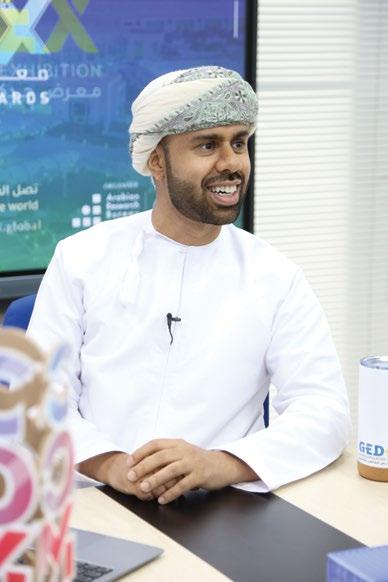
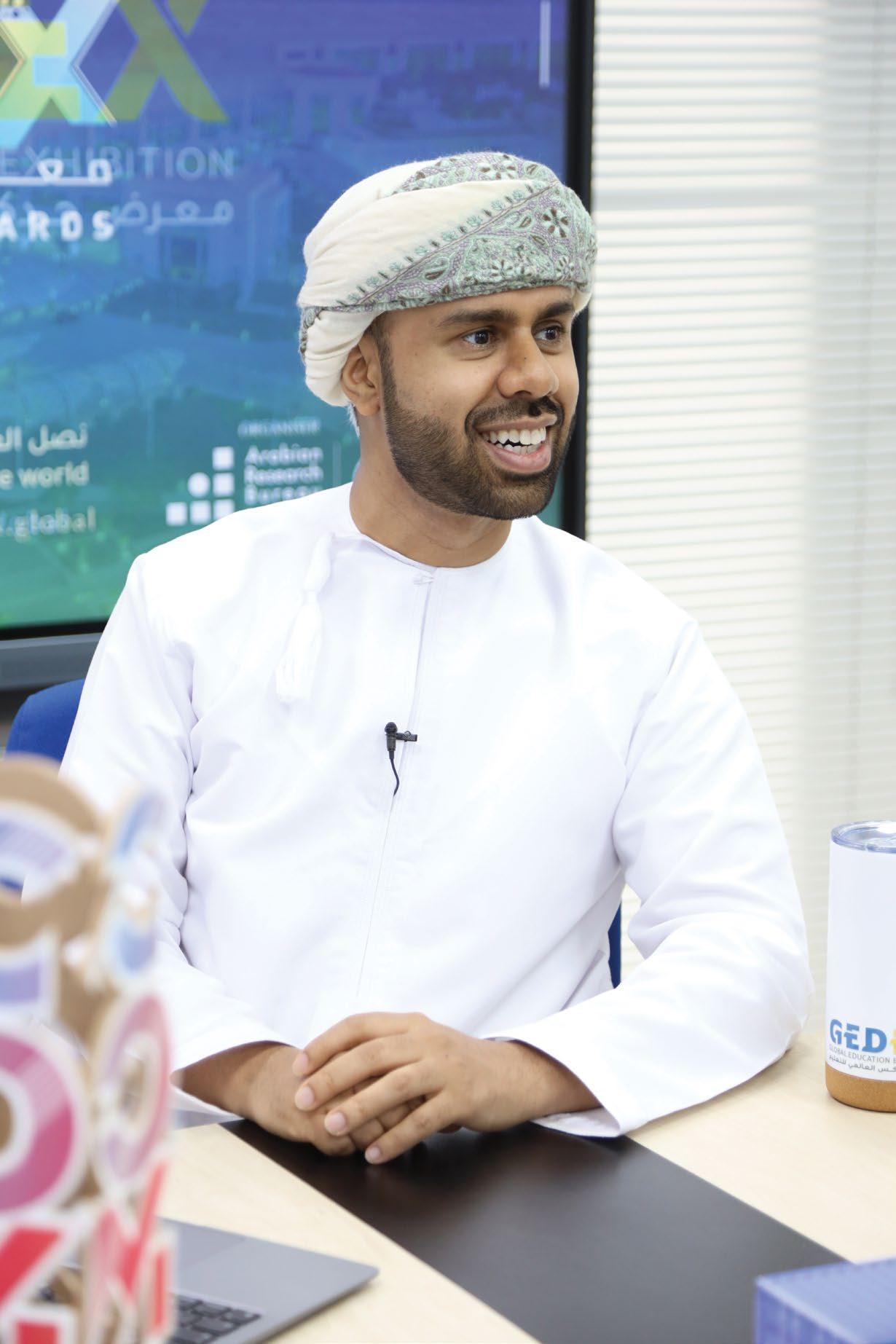
Amr Baabood, Group CEO, OITE Group, reflects on how Oman’s flagship exhibitions are evolving into high-impact strategic platforms that advance innovation, investment, sector development, and Vision 2040
Over the years, your exhibitions have evolved alongside Oman’s economic priorities. How do you see your portfolio of events contributing to the Sultanate of Oman’s broader diversification agenda under Vision 2040?
Our exhibitions have grown in step with Oman’s national priorities, and today they are closely aligned with the strategic pillars of Oman Vision 2040, particularly digital transformation, logistics, human capital development, knowledge economy, and sustainability.
Each platform contributes to a sector that is central to the Sultanate of Oman’s diversification agenda. For instance, COMEX supports digital innovation and the adoption of emerging technologies that are reshaping industries and public services; Logistex reinforces Oman’s ambition to become a regional logistics hub by convening supply chain leaders, infrastructure stakeholders, and technology providers; GHEDEX contributes to human capital development by connecting students and institutions with future-focused academic pathways, while Oman Climate Week advances dialogue and collaboration around sustainability, clean energy, circular economy, and environmental resilience.
What makes these platforms particularly valuable is their ability to bring together government entities, private sector leaders, academia, startups, and investors within one ecosystem. These interactions often create pathways for partnerships,
investment, knowledge exchange, and sector development. In that sense, our exhibitions are not simply events; they are strategic industry platforms that support Oman’s long-term economic diversification and innovation agenda.
With platforms such as COMEX, Logistex, Ghedex and Climate Control addressing distinct but interconnected sectors, how do you ensure each event remains commercially relevant while responding to rapid technological and industry shifts?
Maintaining commercial relevance across multiple sectors requires continuous industry engagement and a highly adaptive approach to event design. We do not view our exhibitions as static annual gatherings; we see them as evolving platforms that must reflect real market priorities and sector transformation.
To achieve this, we maintain regular dialogue with government bodies, industry associations, exhibitors, technology leaders, and institutional partners. This helps us understand where each sector is moving and ensures that our events remain aligned with emerging trends and business needs.
For example, COMEX has evolved from a traditional ICT exhibition into a broader digital economy platform covering artificial intelligence, cybersecurity, fintech, smart cities, cloud solutions, and startup innovation. Logistex reflects the transformation of global supply chains, automation, and sustainable logistics practices. GHEDEX
is increasingly focused on future skills, international academic collaboration, and emerging disciplines that will define tomorrow’s workforce.
We also continuously refresh the format of our events by integrating conferences, innovation zones, startup showcases, B2B engagement, and industry-led discussions. This creates a more valuable proposition not only for exhibitors, but also for policymakers, investors, innovators, and young talent. That integrated model is what allows our platforms to remain commercially relevant while responding to rapid change.
Oman is positioning itself as a regional hub for logistics, digital transformation, education, and sustainability. How are your upcoming editions designed to attract international participation and create tangible business outcomes rather than just industry dialogue?
Our nation has a compelling value proposition as a strategic gateway connecting Asia, Africa, and the Middle East, and our upcoming editions are being designed to reinforce that positioning through stronger international participation and more outcome-driven engagement.
A key priority for us is to deepen global engagement by attracting international delegations, country pavilions, multinational exhibitors, universities, technology firms, logistics operators, and sustainability stakeholders. We are actively working to ensure that our events are regionally relevant and
internationally connected.
At the same time, we are strengthening the business dimension of our platforms. This includes more structured B2B matchmaking, investor engagement mechanisms, curated networking programmes, and targeted collaboration opportunities that enable exhibitors to connect with potential partners, clients, and investors in a more purposeful way.
We also work closely with government bodies, economic zones, and sectorspecific stakeholders to ensure that the opportunities presented through our events reflect actual market demand and investment potential in Oman. Our objective is clear: these platforms must deliver tangible outcomes such as partnerships, technology transfer, investment opportunities, and market access – not merely industry dialogue.
Let us know more about this year’s COMEX edition. What are the highlights which industry stakeholders can look forward to?
This year’s COMEX Global Technology Show is particularly significant because it marks the 35th edition of the event, making it one of the longestrunning technology exhibitions in the region and Oman’s only dedicated technology exhibition. That milestone reflects both the legacy of the platform and its continued relevance in a rapidly evolving digital landscape.
The 2026 edition will focus on the technologies shaping the future digital economy, including artificial intelligence, cybersecurity, fintech, cloud computing, smart cities, digital infrastructure, and emerging enterprise technologies. These are areas that are increasingly central to both public sector transformation and private sector competitiveness.
One of the major highlights this year will be the expanded startup ecosystem, designed to give emerging innovators greater visibility and stronger access to investors, corporate partners, and market opportunities. This reflects our belief that
innovation-led entrepreneurship must be a central part of Oman’s digital future.
In addition, COMEX will feature interactive technology showcases, high-level conferences, and strategic dialogues involving government leaders, global technology firms, startups, and investors. By bringing all these stakeholders together, COMEX continues to serve as a catalyst for innovation, collaboration, and digital transformation in Oman and the wider region.
The events industry itself is undergoing transformation, with hybrid models, data-driven engagement, and year-round community building. How is your organisation adapting its business model to remain competitive in a post-pandemic, digitally accelerated landscape?
The events industry has undergone a structural transformation in recent years, and remaining competitive today requires moving beyond the traditional exhibition model. We have responded by rethinking our platforms as year-round industry ecosystems rather than short-term physical events.
This means integrating digital engagement, knowledge-sharing content, roundtables, targeted networking, and community-building initiatives that extend before, during, and after the event itself. The objective is to sustain relevance and engagement over a longer cycle, not just during exhibition days.
We are also investing more in data-driven insights and audience intelligence to better understand stakeholder interests, business priorities, and networking opportunities. This allows us to facilitate more meaningful and targeted interactions between exhibitors, participants, investors, and decision-makers. In practical terms, this is shifting our value proposition from event attendance to ongoing collaboration. It is about
creating platforms that generate long-term relationships, stronger business outcomes, and deeper sector engagement. That is how we believe event businesses must evolve in a digitally accelerated and increasingly interconnected market.
Looking ahead, what is your strategic vision for the next three years? Are we likely to see regional expansion, sectoral consolidation, or new verticals emerging within your events portfolio?
Our strategic vision for the next three years is centered on strengthening our flagship platforms while expanding their regional and international relevance. We see significant opportunities to further position COMEX, Logistex, GHEDEX, and Oman Climate Week as leading sector platforms that serve Oman’s domestic priorities and also attract global participation and regional partnerships.
At one level, the focus is on consolidation; ensuring that each of our core platforms deepens its leadership position within its respective sector and continues to evolve in line with emerging economic and industry priorities. At another level, we are also exploring new opportunities for expansion, particularly in areas where there is growing convergence between technology, sustainability, logistics innovation, and future industries.
This could fuel new sector-focused initiatives, stronger international collaborations, and potentially new verticals that respond to changing market needs. Our long-term ambition is to create platforms that connect local opportunity with global expertise and investment, while supporting Oman’s broader economic growth and diversification journey.
Ultimately, our vision is not only to organise successful events, but to build strategic platforms where innovation, knowledge exchange, partnerships, and business growth can flourish over the long term.
GROWTH CATALYST
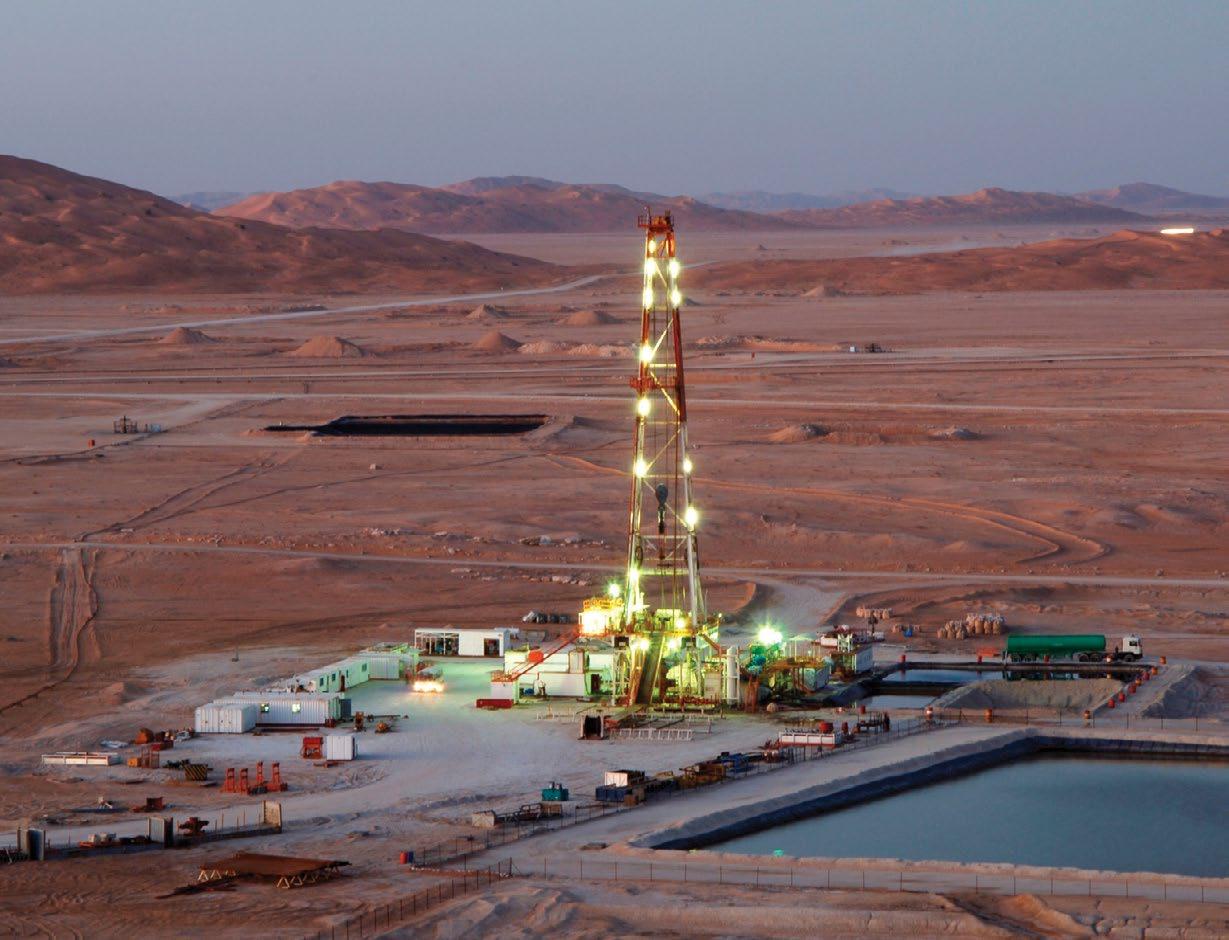
Masar Petroleum announces landmark discovery in the Hasirah
Mproduction company, has announced a landmark discovery in the Hasirah Ridge in Block 7, Sultanate of Oman, marking a defining milestone in the company’s growth trajectory. Masar Petroleum first made history in 2017 as the inaugural operator to successfully appraise and produce from the Hasirah reservoir in Block 7.
Building on this experience, Masar
the concept of the Hasirah Ridge — a geological trend 5km wide and 30 km long mapped across Block 7 using 2D seismic data.
This discovery represents the critical first step toward unlocking the Ridge’s prospective resource base of 100 to 380 million barrels. Following from this discovery, a planned 3D seismic survey and exploration and appraisal program is expected to advance the development
last quarter of the year.
With its sights firmly set on accelerated growth, Masar Petroleum plans to rapidly advance appraisal and development opportunities across Block 7. “Masar is a proud Omani E&P company that has delivered significant value through a continuous and focused effort on unlocking our potential,” said Abdulsattar AlMurshidi, CEO, Masar Petroleum.
TRUST IMPERATIVE
Only 11 per cent of banks have cracked the code on trustworthy AI. Even as AI spending surges, few banks have established the necessary governance and guardrails – and nearly half misjudge their own AI readiness
In banking, trust is not optional – it is everything. Yet, even as banks accelerate AI investment faster than other sectors, most are deploying AI without the oversight and infrastructure needed to earn that trust. That is the central tension revealed in new banking insights from SAS’ Data and AI Impact Report: The Trust Imperative, with research insights by IDC.
Among the four sectors examined in the study, banking outpaces government, insurance and life sciences both in AI spending and adoption of trustworthy AI practices. In fact, about one-quarter (23 per cent) of banks operate at the highest level of IDC’s Trustworthy AI Index. But even with these advantages, most banking institutions fall far short of the report’s “ideal state,” which combines
high trust with high trustworthiness. According to the report:
Only 11 per cent of banks have achieved both high internal confidence in AI and AI systems that are demonstrably trustworthy.
Nearly half (47 per cent) fall into what IDC calls the “trust dilemma” – either underusing
reliable AI because they do not sufficiently trust it or over relying on AI systems that have not been adequately validated.
“On trustworthy AI, banking leads every sector in this study – and even so, most banks’ foundational readiness is nowhere near where it needs to be,” said Stu Bradley, Senior Vice President of Risk, Fraud and Compliance Solutions at SAS. “Roughly nine in 10 banks have yet to fully align trust with proof, and about one in five are still running on siloed data. Closing the gap between AI ambition and AI readiness should be a top-down priority for all banks.”
As the UAE’s Vision 2031 and wider digital transformation efforts continue to gain momentum, banks across the Middle East are increasingly adopting advanced technologies to improve efficiency, strengthen resilience, and deliver better customer experiences.
Michel Ghorayeb, Managing Director at SAS UAE, said: “Banks in the Middle East are well-positioned to build on strong foundations, with robust data, clear governance, and effective oversight enabling AI investments to scale and deliver reliable results. At the same time, prioritizing transparency and making AI decisions easier to understand will play a key role in strengthening confidence. Banks that place responsible AI at the heart of their strategy will be best positioned to drive innovation, earn trust, and create sustainable long-term value.”
The report, based on a global, crossindustry survey of 2,375 IT and business leaders, reveals a troubling pattern: Investment in AI capabilities is not being matched by investment in the responsible innovation pillars that make AI dependable. In an industry where a single model failure can trigger regulatory penalties or erode consumer confidence overnight, that is
a dangerous disconnect.
And the problem is not a lack of investment: Banks’ AI spending trajectory exceeds all other sectors in the study, with most banks (60 per cent) expecting growth between 4 per cent and 20 per cent. A smaller subset (12 per cent) anticipates even steeper increases. Despite this momentum, the study found significant foundational weaknesses remain, including:
Data silos. Nearly one in five banks (19 per cent) still operate with a siloed data infrastructure – the worst rate among the study’s focus industries.
Insufficient data foundations. A significant portion of banks lack effective data governance (45 per cent) and/or a centralized or optimized data infrastructure (41 per cent).
Talent gaps. Many banks (42 per cent) also face shortages of specialized AI skills.
To address these issues, more than half (52 per cent) of banks plan to expand their AI architecture; another 43 per cent plan to form or grow dedicated AI teams. But fewer than one-third (31 per cent) plan to focus on developing and tuning AI models themselves. The takeaway: These are not abstract or theoretical barriers; they are structural.
“The banking sector clearly understands AI’s potential, but understanding and execution are not the same,” said Kathy Lange, Research Director of the AI and Automation Practice at IDC.
“Without strong data architectures, governance frameworks and talent pipelines, banks risk pouring money into AI initiatives that can’t deliver ROI – or worse, that undermine the very trust they depend on.”
Responsible innovation, not cost savings, drives AI ROI
The report also challenges the assumption that AI’s primary value in banking is cost cutting. To the contrary, banking stands alone in ranking product and service innovation above process efficiency as the leading source of AI-driven value.
Cross-industry ROI figures show banks are onto something. Organizations using AI to improve customer experience reported the highest return – $1.83 for every dollar invested –followed closely by those centered on expanding market share ($1.74). Those focused on cost savings reported the lowest – $1.54 per dollar. Moreover, organizations that prioritized trustworthy AI were 60 per cent more likely to report doubling overall return on their AI initiatives. That is solid proof that responsible innovation is a growth accelerator that more than pays for itself.
Banks are also moving more decisively than other sectors toward agentic AI, with nearly one-third planning increases in trustworthy AI investment to support more autonomous systems. But as AI systems gain greater decision-making authority, the consequences of weak governance grow more significant.
“Regulators are watching. Customers are watching. And right now, nearly half of banks are using unproven AI – or hesitating to tap AI they have validated,” said Alex Kwiatkowski, Director of Global Financial Services at SAS.
“No bank wants to become an ‘alsoran’ in this highly competitive race, and cost savings alone will not keep them in it. “The banks that win will be ones that invest in governance, explainability, transparency and strong data foundations before they scale, not after something breaks.”
MOVING THE ENVELOPE
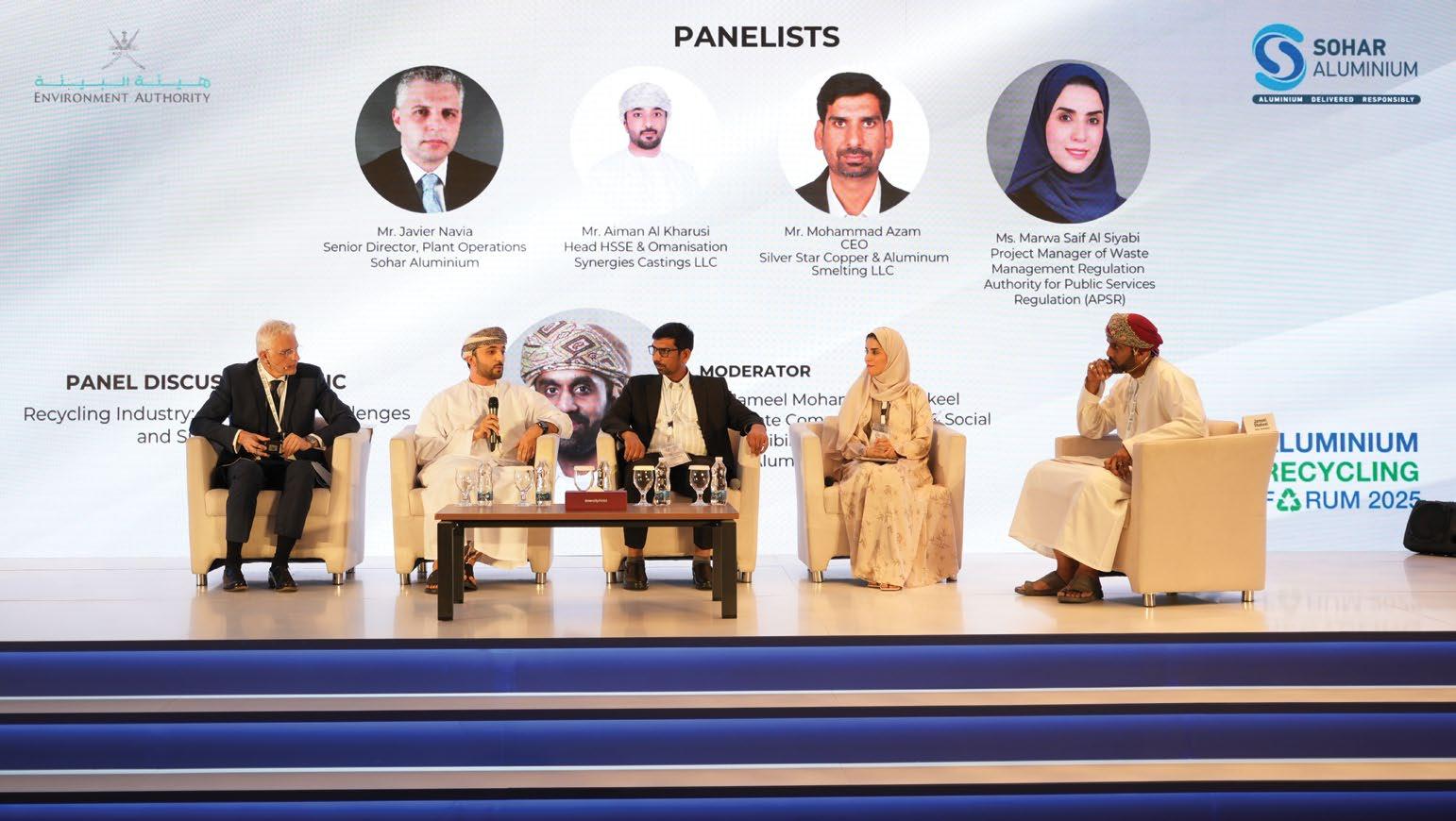
The Aluminium Recycling Forum 2026 to be held in Muscat on April 22
The third edition of The Aluminium Recycling Forum organised by Sohar Aluminium in collaboration with the Environment Authority will be held on April 22, 2026 at JW Marriott Muscat. His Excellency Dr Abdullah bin Ali Al Amri, Chairman of Environment Authority will grace the event as a Chief Guest.
This year’s edition aims to build on the successes of the previous editions by bringing together industry key players, experts, policymakers, and sustainability advocates to exchange insights, global trends, sustainability
frameworks and the future of aluminium recycling in Oman. The Forum marks an influential gathering dedicated to advancing the aluminium recycling industry and promoting sustainable industrial development in the Sultanate of Oman.
Speaking at the second Aluminium Recycling Forum in 2025, Eng. Said Al Masoudi, CEO, Sohar Aluminium said, “One of the key recommendations of the first edition in 2024 was to increase production capacity and to reuse aluminium scrap within the country. Our gratitude to the Environment Authority for taking note
of our feedback, organising several discussions with various stakeholders and eventually announcing the suspension of export permits for non-hazardous waste, including aluminium and copper scrap in March 2025.
The decision will go a long way in supporting recycling initiatives and promoting environmental sustainability in Oman. It will increase the availability of raw materials for local industries, reduce reliance on imported recycled metals and open new investment opportunities in the recycling sector.”
Outlook for the Recycling Sector.’ A number of national and international keynote speakers renowned for their contributions to global sustainability, circular economy frameworks, and aluminium stewardship will participate in the forum.
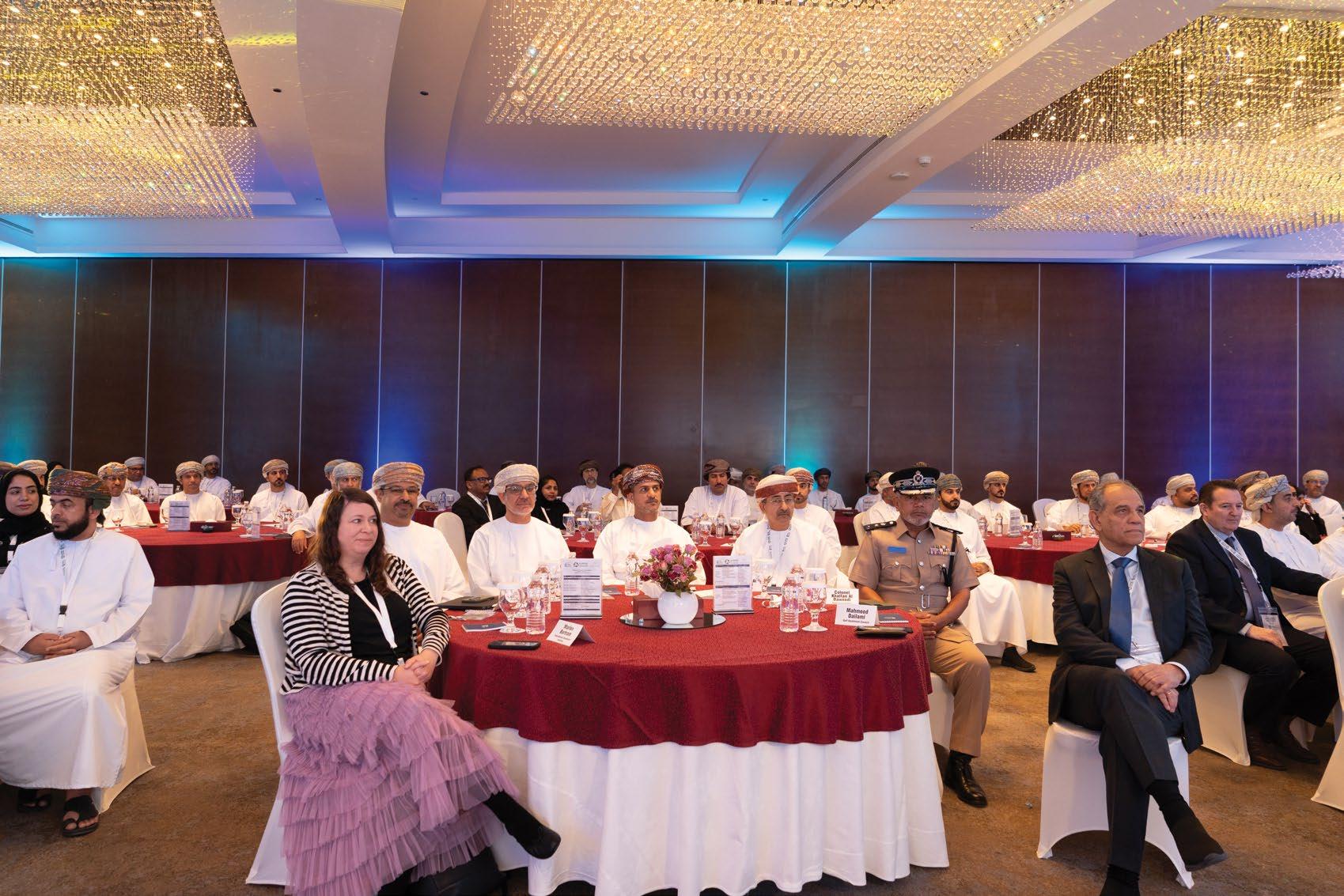
The previous year’s forums featured speakers such as Marlen Bertram, Director – Scenarios and Forecasts, International Aluminium Institute, Dr. Fiona Solomon, Chief Executive Officer, Aluminium Stewardship Initiative, Dr. Gabriel Carmona Aparicio, Circularity Research Manager, Aluminium Stewardship Initiative, Mahmood Dailami, Secretary General, Gulf Aluminium Council, and a presentation by Dr. Mohammed bin Saif Al Kalbani, Director General of Environmental Affairs at the Environment Authority amongst others.
The key recommendations of last year’s forum included the following:
1. Aluminium recycling is a promising sector for economic growth and investment and enhancing recycling rates and investing in necessary
2. Aluminium emerges as one of the most promising materials for net zero pathways due to its mature recycling processes and established low-carbon technologies.
3. Achieving full decarbonisation will require:
· Scaling of renewable energy sources
· Investments in anode replacement technologies (smelter) and calcination (refinery) to further reduce process emissions
· Expansion of global recycling infrastructure, capitalizing on aluminium’s strong economic value in circular economies
4. There is a need to immediately address the reasons for Low Utilisation of Recyclable Aluminium in the GCC such as -
· Under Developed Secondary Market
· Attractive International Market
· Inadequate Recycling Infrastructure
· Lack of Regulations
5. On VAT, there was a discussion on the issue of double taxation and ways in which it could be addressed.
6. The supply chain for scrap aluminium should be controlled and organised to ensure that there is fair distribution for end users.
7. Given the shortage of recycling material facing licensed users the government should refrain from issuing new licenses for recycling in the immediate future.
8. Availability of raw material for recycling and the cost of operations in Oman is a challenge. This needs to be addressed through policy measures.
9. While issuing licenses, recyclers should be encouraged to set up their plants in Madayn area so that they are committed to creating jobs for Omanis.
10. There may be an opportunity in increasing the demand for the Green Aluminium. For example in the UK, construction companies have been mandated to use 30% of material from Green Aluminium.
CONSISTENT GROWTH
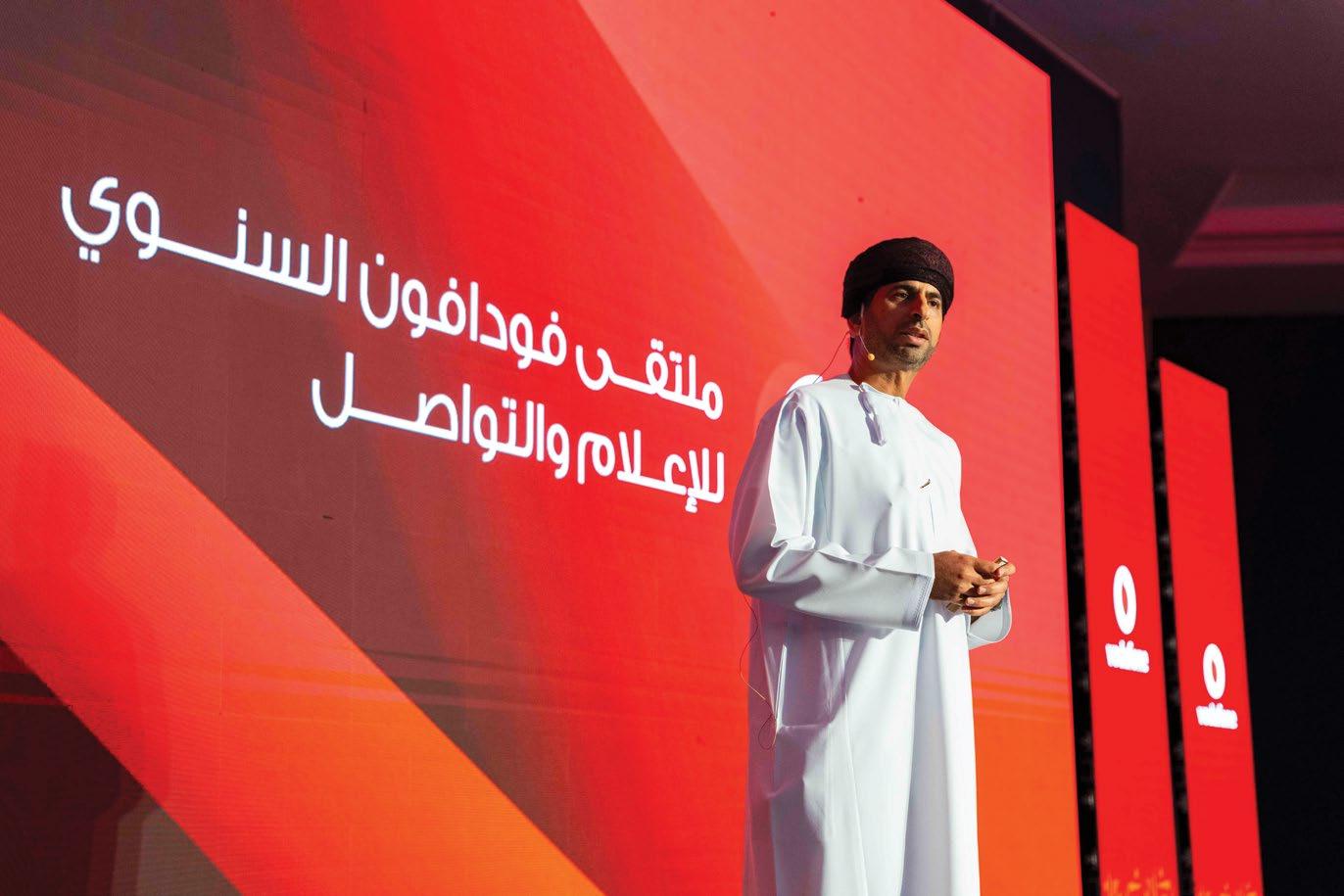
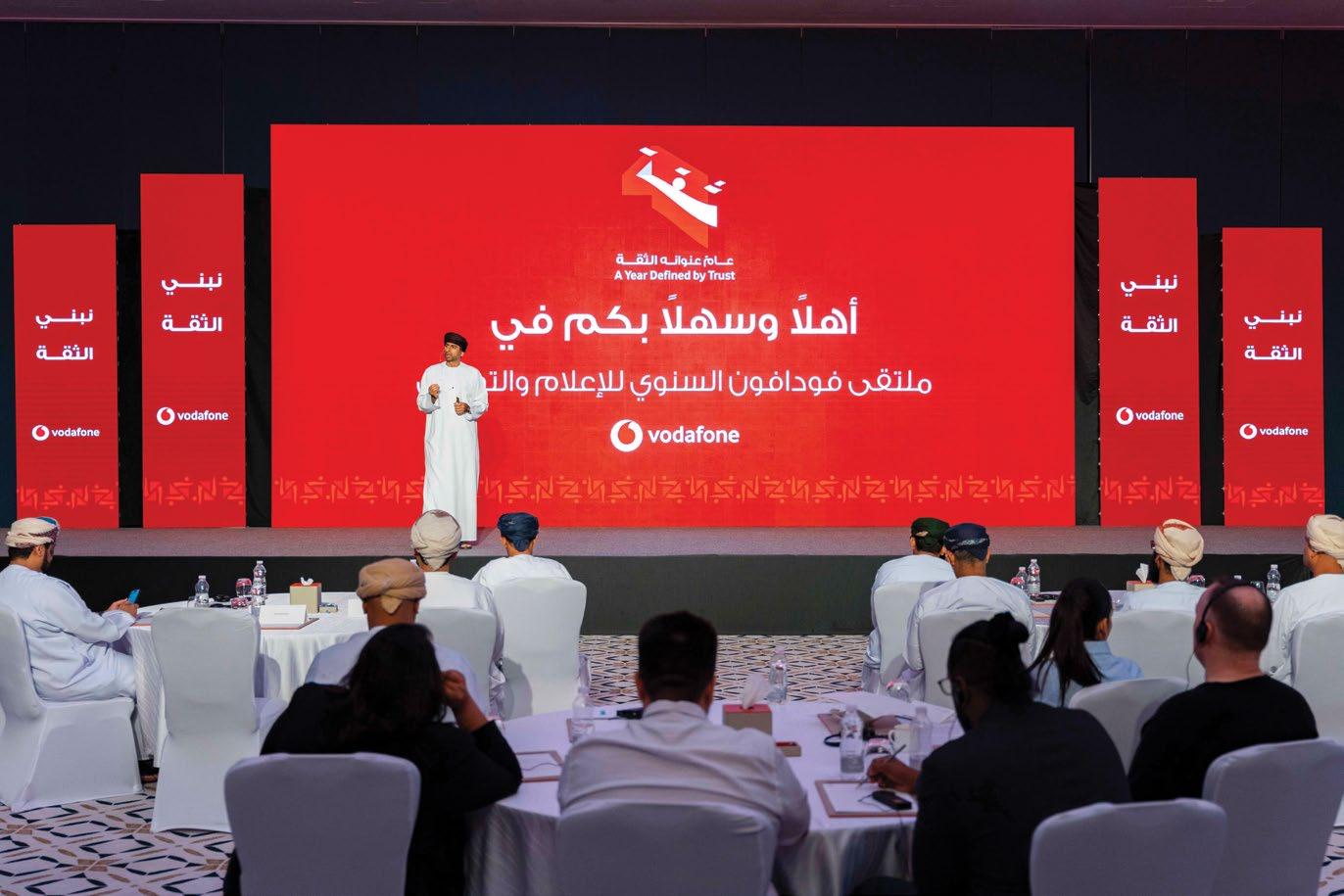
Vodafone Oman marks fourth anniversary with approximately 17 per cent market share
base increasing by 46 per cent and net revenues rising by 66 per cent compared to 2024. The result reflects continued growth across both consumer and enterprise segments, as the company expanded its presence and service delivery across the market. In 2025, Vodafone Oman focused on sustaining performance at scale, as the market shifted from
how operators delivered as demand and expectations continued to rise.
“Four years ago, the question was whether the market would change,” said Eng. Bader Al Zidi, CEO, Vodafone Oman. “By 2025, that question had been answered. The focus shifted to how consistently operators deliver at scale – across network performance,
covers over 99% of the populated areas across the Sultanate. As the customer base scaled, the company prioritised capacity management and service consistency – reflected in its continued leadership in customer satisfaction for the four consecutive year.
Building on that foundation, the
company continued to evolve its product offering to better reflect real usage patterns. In 2025, Vodafone Oman expanded its 5G broadband portfolio through Makani, introduced Raseed to give customers clearer visibility over their usage, and launched a PKIenabled eSIM aligned with national digital authentication requirements.
Best Digital Storefront in the Middle East in 2025.
Vodafone Oman expanded its retail footprint by more than 75 per cent, reaching over 75 stores and eStores, supported by more than 5,500 sales points nationwide – strengthening access while maintaining a consistent omni-channel experience. In
completed while maintaining network performance, reinforcing the strength of the infrastructure built over the past four years. Beyond connectivity, Vodafone Oman continued to strengthen its community presence through initiatives such as “Steps for Goodness” during Ramadan, its engagement during Khareef Dhofar, and its partnership with Sultan
increasingly supported by a digital operating model. The My Vodafone App accounted for over 64% of total revenue in 2025, with app-generated revenue growing 25% year-on-year. More than 1.2 billion interactions were recorded through the app during the year, highlighting the scale of Vodafone Oman’s digital engagement. The app was also recognised as the
base grew by 249 per cent in 2025.
The company’s ability to operate at this level of scale was further demonstrated through the migration of more than 450,000 users from Friendi Mobile to Vodafone Oman’s network during the year, bringing the total number of users to approximately 1.5 million. The migration was
level of performance as demand across its network and services continues to grow. This next phase is not about changing direction, but about ensuring that the experience customers and businesses rely on today is delivered with the same consistency and reliability as the company continues to scale, in line with how the market is now operating.
REFLECTING STRONG FUNDAMENTALS
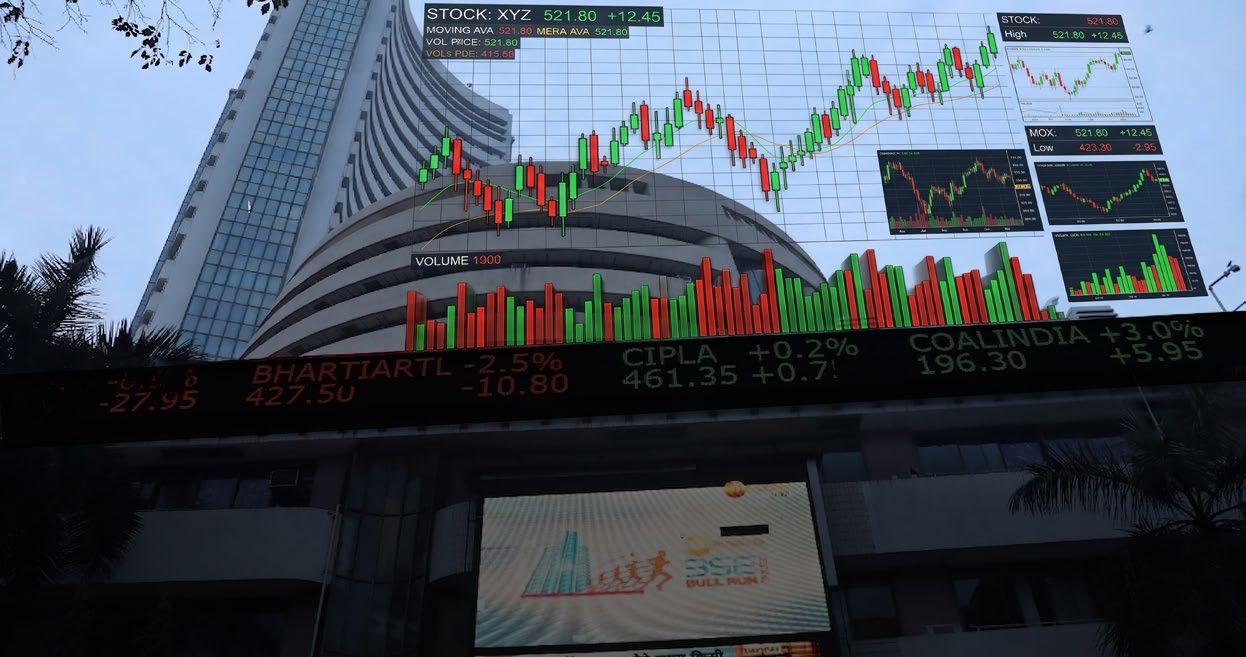
India’s stock markets have been remarkably resilient during tough times
India’s stock markets have repeatedly demonstrated remarkable resilience amidst global financial crises, pandemics, geopolitical tensions, and economic uncertainty. Over the past two decades, the Indian equity markets—represented by the benchmark indices BSE Sensex and NSE Nifty—have faced several significant shocks. Nevertheless, despite these challenges, they have consistently recovered strongly and reached new highs, reflecting the strength of India’s macroeconomic fundamentals and increasing investor confidence in the country’s long-term growth prospects.
In recent years, India’s equity markets have emerged as one of the most attractive investment destinations worldwide. Strong economic growth, a rapidly expanding domestic investor base, improving corporate profitability, stable financial institutions, and a stable political environment have strengthened the resilience of the Indian stock market. Even during periods of global financial turbulence, India’s markets have shown the ability to absorb shocks and recover quickly.
India’s stock market strengthening over time
India’s stock markets have expanded
considerably in size and depth over the past twenty years. The total market capitalisation of companies listed on Indian exchanges has increased dramatically, making India one of the largest equity markets in the world. In 2025, India’s stock market capitalisation exceeded USD 5 trillion, highlighting the growing international confidence in India’s economic potential and corporate sector development.
The rise of domestic investors has played a vital role in strengthening market resilience. Monthly inflows into mutual funds through systematic investment plans (SIPs) have reached record levels, providing a steady flow of domestic liquidity that helps stabilise markets amid global volatility. As a result, benchmark indices have climbed higher. The BSE Sensex surpassed 86,000 points in 2025, indicating strong investor optimism and a positive outlook for corporate earnings.
Lessons from the 2008 global financial crisis
The global financial crisis of 2008, triggered by the collapse of Lehman Brothers in the United States, marked one of the most severe economic disruptions in modern history. Financial markets worldwide
experienced massive declines as global investors fled risky assets. India’s stock market was also impacted. The BSE Sensex fell from its high of 21,206 points in January 2008 to nearly 8,160 points by October 2008, a decline of over 60 percent. The sharp drop reflected global investor panic, large outflows by foreign institutional investors, and fears of a worldwide economic slowdown. However, India’s markets showed resilience as economic confidence gradually recovered.
Supported by policy stimulus, improved global liquidity, and strong domestic demand, the Indian equity market began to recover in 2009. Within months of the crisis lows, markets started rebounding sharply and eventually reached new highs in subsequent years. This experience highlighted the structural strength of India’s economy and its capacity to recover from external shocks.
COVID-19 Pandemic: A rapid market recovery
The outbreak of the COVID-19 pandemic in early 2020, triggered one of the fastest market crashes in history. Lockdowns worldwide halted economic activity, disrupted supply chains, and created enormous uncertainty. India’s
stock market experienced significant volatility during this period. The Sensex dropped from around 42,000 in January 2020 to nearly 26,000 in March 2020, while the Nifty index fell below 7,600 points during the height of the panic.
Despite the sharp correction, the subsequent recovery was impressive. Within months, markets began to rebound as global liquidity increased and governments implemented largescale economic stimulus measures. By late 2020, the Indian stock market had recovered significantly, and over the following years, it reached record highs. The rapid V-shaped recovery highlighted the strong fundamentals of the Indian economy and the resilience of corporate India. The pandemic period also marked a structural shift in India’s financial markets, as millions of new retail investors joined the equity market through digital trading platforms.
Resilience amid postpandemic geopolitical shifts
The global economic environment following the pandemic has been characterised by significant geopolitical tensions and economic uncertainties. Events such as the Russia-Ukraine conflict, global supply chain disruptions, rising inflation, and tightening monetary policies have created volatility across international financial markets. Despite these challenges, Indian markets have remained resilient. Although markets experienced intermittent corrections, they quickly rebounded and continued their upward trajectory.
India’s strong macroeconomic fundamentals, including robust GDP growth, stable banking systems, and improving corporate balance sheets, helped sustain investor confidence. Furthermore, structural reforms such as the introduction of the Goods and Services Tax (GST), expansion of digital infrastructure, enhancements in ease of doing business, and largescale infrastructure investments have bolstered the long-term outlook for the Indian economy. As a result, benchmark indices continued to hit new highs in the post-pandemic period,
reinforcing India’s position as one of the most attractive emerging-market destinations for global investors.
Market response to recent West Asia tensions
Recently, geopolitical tensions in West Asia have again introduced uncertainty into global financial markets. Rising crude oil prices, supply chain disruptions, and political unrest have caused fluctuations in equity markets worldwide. Indian markets have also faced short-term volatility during this period. Temporary corrections happened amid increasing energy costs and caution among foreign investors.
However, the overall trend shows resilience. Domestic institutional investors, including mutual funds and insurance companies, have offered strong support to the markets, helping to offset foreign capital outflows. Retail investor participation has also risen significantly, providing an extra layer of stability to the market ecosystem. Historically, geopolitical tensions often cause temporary market corrections rather than long-term structural declines. Once uncertainties begin to ease, markets tend to rebound strongly.
Structural drivers of market resilience
The resilience of India’s stock markets is supported by strong structural fundamentals that have significantly strengthened the country’s financial ecosystem over time. India remains one of the fastest-growing major economies worldwide, driven by robust domestic consumption, ongoing public investment in infrastructure, and expanding industrial activity. These elements collectively establish a solid foundation for corporate earnings growth and long-term market expansion.
At the same time, the increasing participation of domestic investors has fundamentally transformed the dynamics of India’s equity markets. Systematic Investment Plan (SIP) inflows into mutual funds now amount to tens of thousands of crores every month, creating a steady and reliable source of long-term capital.
This growing domestic investor base has reduced dependence on volatile foreign portfolio flows and contributed significantly to market stability.
Rising financialisation of household savings
A significant shift in recent years has been the increasing financialisation of household savings in India. Traditionally, Indian households allocated much of their savings to physical assets like gold and real estate. However, there has been a consistent move towards financial instruments, including stocks, mutual funds, and insurance products. This shift indicates rising financial awareness, improved access to financial markets, and the growing impact of technology on investment decisions.
As a result, India’s capital markets have become deeper and more liquid, backed by a stable and growing domestic capital base. This transformation has greatly improved market resilience, allowing them to better absorb external shocks and endure periods of global volatility.
In conclusion, India’s stock markets have consistently demonstrated resilience during global economic upheavals. Whether during the 2008 financial crisis, the COVID-19 pandemic or recent geopolitical tensions, the markets experienced temporary volatility but ultimately rebounded strongly. This resilience underscores the strength of India’s macroeconomic fundamentals, the growing participation of domestic investors, robust regulatory institutions, and the increasing competitiveness of Indian companies.
As India advances toward becoming a major global economic power, its stock markets are likely to remain a vital source of wealth creation and financial stability. In the coming years, despite occasional short-term corrections, the long-term prospects for India’s equity markets remain strong, emphasising their reputation as one of the most resilient and promising markets worldwide.
HOLISTIC HEALING FOR MODERN LIVING
SAHAM Ayurvedic Hospital in the Sultanate of Oman enhances well-being across the Middle East through traditional Ayurveda and integrated treatment options
In today’s fast-paced world, more people are turning toward timetested healing traditions to restore balance and well-being. In Oman, the only institution bringing this ancient wisdom into a contemporary healthcare set-up is SAHAM Ayurvedic Hospital and Health Centre LLC, located in Saham, Sohar, Al Batinah region.
Recognised as the first Ayurvedic inpatient facility in the GCC, the Centre blends traditional Ayurvedic therapies with modern physiotherapy and rehabilitation services, creating a comprehensive wellness destination for residents seeking natural and integrative healthcare. Since opening its doors in 2021, SAHAM Ayurveda has been dedicated to introducing the authentic principles of Ayurveda to the Sultanate. The vision, according to CEO Dr Chandrahasan T Menon, is to make holistic healing accessible while maintaining the purity and philosophy of this centuries-old medical science.
The Centre draws inspiration from Kerala, often regarded as the global heartland of Ayurveda. Known for its lush landscapes, medicinal plants and generations of skilled practitioners, Kerala has long been recognised as a leading destination for authentic Ayurvedic therapies and training.
In addition to the full-fledged IP Hospital in Saham, an integrated clinic located in the vibrant district of Shatti Al Qurum, Muscat offers a calming environment where advanced diagnostic technologies complement traditional Ayurvedic therapy spaces. Patients are supported by a multidisciplinary team that
includes Ayurvedic physicians, physiotherapists, speech therapists, skilled therapists, yoga instructors and fitness trainers, all working together to promote complete physical and emotional well-being. The Muscat Centre recently added new services with the introduction of Fusion Facial Hydra Therapy, Slimming Therapy, EMS, and other treatments designed to support healthier lifestyles while combining wellness and aesthetic care.
A New Vision for Mental Health Recovery and Well-being
Building on its commitment to holistic healthcare, the organisation is also preparing to launch a new initiative focused on recovery and mental wellness through Well-Being Hospital LLC, located in Manah Wilayat, Nizwa, which is expected to open its doors to the public in the third quarter of 2026.
The hospital will focus on comprehensive rehabilitation and addiction recovery programmes built on the belief that chemical dependency is a progressive disease affecting the mind, body and spirit. The goal of the institution is to support individuals in rebuilding healthier lives and achieving longterm recovery from substance abuse. Through a combination of therapeutic approaches, the hospital aims to provide individualised treatment programmes tailored to each patient’s needs.
These programmes will help individuals identify behavioural triggers, develop practical coping mechanisms and gradually take the necessary steps toward sustainable recovery. By offering a variety of treatment strategies and customised care pathways, the facility intends to guide patients through recovery one step at a time, empowering them to regain control of their lives and embrace healthier living.
Under the leadership of Dr Chandrahasan T Menon, the upcoming hospital represents a broader vision of integrated healthcare—one that addresses not only physical health but
traditional healing wisdom and modern medical practices are increasingly working hand in hand to support healthier communities.
also mental resilience and emotional balance. Together, these initiatives reflect a growing commitment to holistic wellness in Oman, where
LEADING CHANGE
Wassan Specialty Dental Centre’s vision has evolved alongside Oman’s healthcare growth. The next phase will focus on digital innovation, education and expanding clinical mastery while keeping community access central, says Founder and Managing Director, Dr Siju George in an interview
After more than twenty years since the establishment of Wassan Dental Centre, what was the original vision you started with, and how has this vision evolved alongside the transformations in Oman’s healthcare sector?
When we established Wassan Specialty Dental Centre in Muscat in 2003, our vision was simple yet ambitious: to bring world-class dentistry to Oman. At that time, many
dental care were still developing in the region. Awareness about the longterm importance of oral health and the possibilities offered by modern dentistry was still evolving.
Over the past two decades, Oman’s healthcare sector has made remarkable progress, with the private healthcare system playing an increasingly important role in complementing public services. We feel privileged that Wassan Dental has been able to contribute to this journey.
Today, our vision has expanded beyond providing advanced treatment. We aim to build a comprehensive,
all dental specialties under one roof, supported by digital technology and internationally trained specialists. At the same time, we have seen a significant rise in public awareness about oral health and its impact on overall wellbeing and confidence.
What were the most important milestones that marked turning points in the journey of the centre and helped establish its current position?
Our journey began in 2003 with just two treatment units. The early years were challenging, but through a strong focus on professional ethics, clinical excellence, and patient care,
we gradually built a reputation for quality dentistry. As demand grew, we expanded to a larger facility with nine treatment units, allowing us to introduce more dental specialties and advanced treatments.
Several key milestones shaped our development. In 2009, we invested in 3D CBCT imaging, significantly improving diagnostic capabilities and treatment planning. In 2011, we introduced digital intraoral scanners and CAD-CAM technology, enabling digital dentistry and sameday restorations. The same year, we also launched Invisalign clear
aligner orthodontic treatment in Oman, making Wassan one of the early adopters of modern aligner orthodontics in the country.
Over the years, we have received numerous recognitions, both locally and internationally. In 2017, we received the Best Dental Clinic Award from the Ministry of Health, Oman. In 2024, our orthodontic team received the European Board of Aligner Orthodontics Excellence Award.
In 2025, we completed a major expansion of the clinic to 15 treatment units, making Wassan one of the
largest and most advanced dental centres in Oman.
How did you succeed in building an institutional model that combines medical excellence with administrative sustainability in a highly competitive sector?
Our development has always been guided by three foundational pillars: clinical mastery, patient experience, and process excellence. We invest in the latest techniques and technologies so that patients in Oman can access the same standards of care available anywhere in the world.
We also place great emphasis on improving the patient journey at every step. At the same time, we have built structured systems and standard operating procedures to ensure consistent service quality. Listening carefully to patient feedback continues to play an important role in shaping our improvements.
How do you balance expansion and growth while maintaining the highest standards of healthcare? In healthcare, growth must never come at the expense of clinical standards. At Wassan Dental, quality always comes before expansion. We only grow when we are confident that our team, technology, and systems are ready to maintain the same level of care. During our recent expansion we considered opening another branch, but ultimately decided that expanding our existing centre would provide greater value by keeping all specialties under one roof. With Oman’s continued economic and population growth, we believe demand for highquality dental care will continue to increase.
What role has investment in infrastructure and modern equipment played in strengthening patient trust and the centre’s reputation?
From the beginning our goal has been to bring the best dental technologies available globally to Oman. We take a long-term approach when investing in technology. If it improves treatment outcomes or patient comfort, we consider it a valuable investment.
We also focused on designing a calm and welcoming clinic environment because many patients visit a dental clinic with anxiety or discomfort. Our transition toward digital dentistry has also been significant. Traditional impressions have largely been replaced with digital intraoral scanning, improving both patient comfort and treatment accuracy. We have also integrated 3D printing and digital workflows to improve efficiency and predictability.
Dentistry is witnessing rapid technological advancement. How does Wassan utilise new technologies to improve treatment accuracy and patient experience?
Dentistry today is undergoing a major technological transformation. At Wassan Dental, we use technologies such as CBCT imaging, digital smile design, computer-guided implant planning, and advanced orthodontic treatment planning. Patients can also see digital simulations of their expected treatment outcomes before treatment begins.
Much of our treatment planning now takes place digitally, improving precision, efficiency, and predictability. We recently upgraded our imaging systems to the Planmeca CBCT platform from Finland, which allows us to capture high-quality images while using ultra-low radiation doses.
What specialties or services distinguish Wassan Dental Centre from other dental clinics in the region?
Wassan Dental is a multispecialty dental center in Muscat designed to provide comprehensive dental care under one roof. Our team includes specialists in pediatric dentistry, endodontics, prosthodontics, periodontics, implant dentistry, oral and maxillofacial surgery, orthodontics, and general dentistry. We strongly believe in interdisciplinary collaboration where specialists work together to achieve the best outcomes for patients. Wassan is also a leading provider of Invisalign clear aligner treatment in Oman and our orthodontic department has received
international recognition.
What does receiving the Best Dental Clinic award from the Ministry of Health represent to you?
Over our 23-year journey Wassan Dental has received numerous recognitions. Among them, the Best Dental Clinic Award from the Ministry of Health remains especially meaningful to us. We received this recognition in 2017 and again in 2018. It represents recognition from the country’s healthcare authorities of our commitment to clinical quality, patient safety, and professional standards.
How does the centre invest in continuous education and professional development for its medical team?
Dentistry is a rapidly evolving field and continuous education is essential. At Wassan, we encourage our doctors and clinical team to participate in international conferences, advanced training programs, and continuing education courses. We also organize regular internal workshops and training sessions. As part of our recent expansion, we created a dedicated training space called Smile Academy where we conduct structured education programs for our team.
What are the main challenges faced by private dental centres in delivering international standards within a local environment?
One of the key challenges in private healthcare is balancing international standards of care with accessibility and operational sustainability. Our approach has been to focus on process efficiency, strategic investment in technology, and continuous engagement with patients. By understanding patient needs and expectations we aim to deliver high-quality dental care that remains accessible to the community.
What new initiatives or projects are you working on to strengthen Wassan’s position in the coming years?
As we approach the 25th anniversary of Wassan Dental, we have launched a strategic initiative called Wassan
2.0. This initiative focuses on strengthening three pillars: clinical mastery, patient experience, and operational excellence. It represents a new chapter focused on digital dentistry, innovation, and global collaboration. Today, we welcome patients from across Oman including Sohar, Salalah, Sur, Nizwa, and Duqm, and in the future we hope to welcome patients and dental professionals from around the world.
Where can patients find more information about Wassan Dental Centre and Dr. Siju George’s services, and how do your digital platforms support patient awareness and decision-making?
Today, patients are far more informed and often begin their healthcare journey online. At Wassan, we see our digital platforms as an extension of our clinical philosophy—focused on clarity, transparency, and education. Our primary platform, www.wassandental. com, serves as a comprehensive resource for patients looking for dentistry in Muscat and across Oman. It provides detailed information on our full range of services, including general dentistry, orthodontics, dental implants, cosmetic dentistry, and pediatric care. Patients can also explore common dental conditions, understand treatment options, and gain insight into how a multidisciplinary dental team works together to deliver comprehensive care.
For patients specifically interested in orthodontics and clear aligner treatment, www.drsiju.com is a dedicated platform that focuses on Invisalign treatment in Oman and digital orthodontics. The website takes patients through the entire treatment journey—from consultation and digital 3D scanning to smile simulation, treatment planning, and long-term retention. It also highlights real clinical cases, treatment philosophies, and the role of digital technology in achieving predictable outcomes. Together, these platforms are designed not just to inform, but to empower patients with the knowledge they need to make confident decisions about their dental health.
DYNAMIC MARKETS
Higher oil prices and investing in Latin America
Latin America is one of the few parts of the world where persistently higher oil prices could translate into stronger economic growth. Several structural forces may support oil prices over the coming years post the Iran conflict. Medium term, the Iran conflict could drive oil prices up to $150 per barrel. Multi-week disruptions in the Strait of Hormuz would make the $100–$120 range plausible and highly probable.
Oil remains one of the most important and actively traded commodities in global markets. For private clients and sophisticated investors, crude oil provides opportunities not only for long-term investment but also for tactical trading strategies. Despite the growth of renewable energy, oil continues to supply roughly one-third of the world’s primary energy demand. Global oil consumption remains closely linked to economic growth, transportation demand, and geopolitical developments. For investors willing to understand the dynamics of the oil market, the energy sector as well as investing in Latin America can offer strong returns, dividend income, and portfolio diversification.
FREEDOM fighter Simon Bolivar created Colombia and smart money, and private clients should look at Latin America and in particular Colombia equities and its largest listed oil company Ecopetrol amid EPIC fury and to make money and to further diversify global investment portfolios. Colombia is the 38th largest economy in the world by nominal GDP and the 4th largest economy in Latin America. Colombia is currently in the middle of a major election cycle in 2026, which will determine the country’s next president and the composition of Congress. The next presidential election will take place on 31 May 2026.
Latin American equities are often overlooked in global portfolios, yet they
represent one of the most resource-rich and structurally undervalued regions in emerging markets. For private clients constructing globally diversified portfolios, Latin America offers commodity exposure, currency diversification, and potential valuation upside at a time when many developed markets trade at historically high multiples. In the current global macro environment—characterized by geopolitical fragmentation, supply-chain re-regionalization, and the global energy transition—Latin America is re-emerging as a strategic allocation within global portfolios.
Despite a combined population of more than 650 million people, Latin America represents only around 2–3 per cent of global equity market capitalisation. This structural underrepresentation creates opportunities for active investors and global asset allocators seeking diversification beyond traditional developed markets. Three major macro forces are pushing Latin America back onto the radar of global investorsCommodities and Critical Materials; Valuation Advantage; Supply Chain Realignment. Latin America is a global powerhouse in natural resources: Copper: Chile and Peru dominate global production Lithium: Argentina and Chile form the “Lithium Triangle” Oil: Brazil and Colombia Agriculture: Brazil and Argentina. These sectors provide investors with direct exposure to global commodity cycles and can serve as inflation hedges within diversified portfolios.
Latin American equities historically trade at discounts to developed markets. The restructuring of global supply chains has increased the strategic importance of Latin America. Mexico, in particular, benefits from near-shoring trends as global manufacturing shifts closer to the United States. Meanwhile, Brazil, Chile, and Peru benefit from global demand for critical minerals required for electrification and the energy transition.
Within a globally diversified portfolio, Latin American equities are typically treated as a satellite allocation within emerging markets exposure. For most private clients and global asset allocators, the easiest way to gain exposure to Latin American equities is through exchangetraded funds (ETFs). These provide diversified exposure to the region’s largest companies. For investors seeking commodity exposure, the Latin America allocation may be somewhat be higher and merit an overweight allocation. High conviction call. Latin America may benefit from several structural trends over the coming decade: global demand for critical minerals, supply-chain diversification, rising Asian demand for commodities, and growing middle-class consumption.
Countries such as Brazil, Mexico, Chile, and Colombia are likely to play central roles in the evolving global economic landscape. Latin American equities represent a small but strategically important component of global asset allocation. In a globally diversified portfolio, Colombia may serve as a tactical allocation to commodity cycles and emerging market value opportunities. Exposure can complement positions in Brazil, Mexico, and other emerging markets while providing high dividend income. For private clients seeking diversification, inflation protection, and commodity exposure, the Latin America region offers compelling long-term opportunities, especially during and after the Iran conflict and higher oil prices. However, successful investment requires disciplined portfolio construction, awareness of political and currency risks, and a long-term investment horizon.
Rainer Michael Preiss Partner & Portfolio Strategist at Das Family Office in Singapore
CONCEPT TO EXECUTION
Islamic Finance as a Catalyst for Entrepreneurship under Oman Vision 2040: A
Theoretical, Financial, and Operational Perspective
The Sultanate of Oman has articulated an ambitious roadmap for sustainable economic transformation through Oman Vision 2040. Central to this vision is the development of a dynamic, diversified, and innovationdriven economy led by empowered entrepreneurs, SMEs, and youth-led enterprises. In this context, Islamic finance offers a uniquely aligned financial ecosystem capable of addressing structural constraints in entrepreneurship while promoting inclusive, ethical, and sustainable growth. This article explores the theoretical foundations, financial relevance, and operational mechanisms through which Islamic finance can play a transformative role in achieving Oman’s entrepreneurship ambitions.
1. Theoretical Foundations: Risk Sharing and Ethical Capital
At its core, Islamic finance is grounded in principles of risk-sharing, asset-
backing, and ethical investment, derived from Shari’ah guidelines. Unlike conventional finance, which is largely debt-based and interest-driven, Islamic finance emphasizes equity participation, profit-and-loss sharing, and real economic activity.
These principles are inherently aligned with entrepreneurship:
l Risk sharing vs risk transfer: Entrepreneurs often face difficultyaccessing capital due to highperceived risk. Islamic finance instruments such as Musharakah (partnership) and Mudarabah (trustbased investment) distribute risk between financier and entrepreneur, encouraging funding for early-stage ventures.
l Asset-Backed Financing: Financing tied to real assets ensures that capital flows into productive economic activities—startups, manufacturing, technology, and services—rather than speculative markets.
l Ethical and Social Objectives: Islamic finance integrates financial returns with societal impact, making it ideal for supporting youth entrepreneurship, financial inclusion, and community-based enterprises.
Thus, theoretically, Islamic finance creates a more inclusive and resilient entrepreneurial financing ecosystem, particularly suited for emerging economies like Oman.
2. Financial Importance: Bridging the SME Financing Gap
One of the major challenges in Oman’s entrepreneurial landscape is access to finance. SMEs often struggle with:
l Lack of collateral
l Limited credit history
l High borrowing costs
l Risk aversion from traditional banks
Islamic finance provides a compelling solution to these constraints.
2.1 Equity-Based Financing for Startups
Islamic instruments such as Musharakah and venture capital-style Mudarabah structures can support startups without burdening them with fixed repayment obligations. This is particularly critical for innovationdriven sectors targeted under Vision 2040. The historical successes of exact models and the overall continual efficacy of Silicon Valley, United States, is a prime modern world example.
2.2 Sukuk for SME Ecosystems
The development of SME-focused Sukuk can mobilize capital at scale for entrepreneurial ecosystems, including incubators, accelerators, and sectorspecific funds (e.g., technology, green energy, food security).
2.3 Islamic Microfinance and Financial Inclusion
Islamic microfinance models can empower grassroots entrepreneurs, especially youth and women, by providing small, Shari’ah-compliant financing without exploitative interest structures. This directly contributes to inclusive growth targets under Vision 2040.
2.4 Waqf-Linked Financing Models
The innovative use of Waqf can provide patient capital for entrepreneurship. Endowment-based funds can support startups in sectors such as education, healthcare, and social enterprises, reducing reliance on purely commercial financing.
In this regard, institutions such as the Ministry of Awqaf and Religious Affairs Oman and the emerging
Oman Endowment Foundation have a critical role in structuring Waqf-driven investment platforms aligned with entrepreneurial development.
3. Operational Importance: Building an Enabling Ecosystem
While the theoretical and financial strengths of Islamic finance are compelling, its true impact lies in effective operationalization within Oman’s ecosystem.
3.1 Integration with National Institutions
Islamic finance must be embedded within Oman’s broader SME and innovation ecosystem, particularly through collaboration with:
l Oman Authority for SME Development
l Central Bank and Islamic banking windows
l Investment promotion agencies
l Academic and innovation institutions
l Such integration ensures that financing solutions are aligned with policy priorities and sectoral growth strategies.
3.2 Islamic Banking and SME-Focused Products
Islamic banks in Oman can develop tailored SME products, including:
l Working capital financing via Murabaha
l Leasing solutions (Ijara) for equipment and infrastructure
l Profit-sharing investment accounts dedicated to startups
By shifting from collateral-heavy lending to cash flow and partnershipbased models, banks can significantly expand SME financing.
3.3 Digitalization and Fintech Integration
The future of entrepreneurship lies at the intersection of finance and technology. Islamic fintech platforms can:
l Facilitate peer-to-peer Shari’ahcompliant funding
l Enable crowdfunding for startups
l Improve access to finance for underserved entrepreneurs
Digital platforms can also enhance transparency, reduce transaction costs, and expand outreach across Oman’s regions.
3.4 Capacity Building and Awareness
A key operational challenge is the limited awareness and technical understanding of Islamic financial instruments among entrepreneurs and even financial institutions. Capacitybuilding initiatives are essential to:
l Educate SMEs on available financing options
l Train bankers in structuring SMEfriendly Islamic products
l Develop a pipeline of investmentready startups
This aligns with broader human capital development goals under Vision 2040.
4. Strategic Alignment with Oman Vision 2040
Islamic finance is not merely a financial alternative; it is a strategic enabler of Oman’s national vision. Its alignment with Vision 2040 can be observed across multiple dimensions:
Economic Diversification
By channeling capital into nonoil sectors such as technology, manufacturing, tourism, and agriculture, Islamic finance supports diversification objectives.
Private Sector Development
Risk-sharing models encourage private sector participation and reduce dependency on government funding.
Youth Empowerment
Accessible and ethical financing mechanisms enable young entrepreneurs to launch and scale ventures.
Sustainability and ESG
Islamic finance inherently promotes responsible investment, aligning with global ESG and sustainability trends.
Financial Inclusion
By providing accessible financing solutions, Islamic finance integrates
underserved segments into the formal economy.
5. The Way Forward: Policy and Institutional Priorities
To fully unlock the potential of Islamic finance for entrepreneurship in Oman, several strategic actions are recommended:
1. Develop a National Islamic Finance Strategy for SMEs
A dedicated framework aligning Islamic finance instruments with SME development goals.
2. Establish Waqf-Based Venture Funds
Leveraging endowments to provide long-term, patient capital for startups.
3. Promote Islamic Fintech Innovation
Encouraging digital platforms for crowdfunding, peer-to-peer financing, and SME support.
4. Strengthen Regulatory Support
Ensuring enabling policies for innovative Islamic financial products and investment structures.
5. Foster Public-Private Partnerships
Collaborating with banks, local, regional and international investors, and development institutions to scale impact.
Conclusion
Islamic finance offers Oman a powerful, values-driven, and structurally aligned solution to support its entrepreneurial ambitions under Oman Vision 2040. By combining ethical foundations, financial innovation, and operational integration, it can bridge critical gaps in SME financing, empower youth, and drive sustainable economic growth.
The opportunity now lies in moving from concept to execution—leveraging institutions, policy frameworks, and innovation platforms to build a globally competitive, Shari’ah-compliant entrepreneurial ecosystem. In doing so, Oman can position itself not only as a regional leader in Islamic finance but also as a hub for entrepreneurship and inclusive economic development.
A RISKIER WORLD
Countries that cope best with disruption are usually those that have reduced reliance on single points of failure, invested in alternative capacity and built readiness into institutions rather than leaving
it
to improvisation under pressure
By Dave Pender
The author is co-founder of Muscat marcomms agency Al Hikayaat and former government advisor on trade and investment promotion
The US-Israeli conflict with Iran has already changed the terms on which the global economy operates. Very little time was needed. A short burst of disruption was enough to persuade traders, shipowners and insurers that old assumptions no longer held. On 20 March, Brent crude settled at US$112.19 a barrel after rising as high as US$119.13 intraday, its highest since 2022. Over the same period, US petrol prices jumped by more than 30%. The pattern was familiar - stress appeared first in markets then in daily costs.
The effect on shipping was immediate. MSC imposed a war-risk surcharge on some cargoes from Gulf origins, charging US$2,000 for a 20-foot container, US$3,000 for a 40-foot container and US$4,000 for a refrigerated unit. Reuters also reported that Atlantic and Pacific LNG freight rates had risen by more than 40% while air freight rates on some routes were up by as much as 70%. Warrisk premia climbed sharply as disruption around the Strait of Hormuz stranded vessels and slowed flows. Higher cover costs don’t stay confined to shipping. They lengthen delivery times, tie up working capital and make trade finance harder to manage.
The wider economic danger lies in the way these pressures reinforce each other. Higher oil doesn’t simply raise fuel bills, it feeds inflation expectations, complicates interestrate decisions and lifts the cost of financing trade. Dearer shipping does something similar. Delays at sea lengthen the cash-conversion cycle, forcing companies to carry stock and receivables for longer at the very moment credit conditions may be tightening. Smaller businesses usually feel the strain first, because hedging capacity is limited and refinancing options are thinner. A shock that begins
in energy or freight soon moves through margins, liquidity and confidence. By the time weaker demand appears in the data, financial strain is often already well established.
Equity markets delivered the same verdict. On 23 March, South Korea’s KOSPI fell 6.49% in a single day. Europe’s STOXX 600 dropped 2.2% and moved more than 11% below its February peak. Investors don’t wait for a final account of physical damage. They move when continuity starts to look doubtful.
Unfortunately, many still talk about resilience as though it were mainly a matter of planning. In reality, the hard part is practical and expensive. Spare capacity has to be funded, duplication has to be defended and systems have to be built for stress rather than designed only for calm.
Reach back in time
History doesn’t always provide a script for the present. It does however show what serious states understood. Rome treated continuity as a governing duty. Grain had to keep reaching the city when harvests failed or sea routes became less secure. Storage and diversified supply were essential. Modern economies aren’t so different. Collapse rarely arrives in a single dramatic moment. More often, strain builds when fuel becomes harder to secure or shipping becomes less reliable. The first blow falls in one place. Cost and delay then carry the damage much further. The 2021 blockage of the Suez Canal by the Ever Given showed how this works - one vessel stuck in one choke point disrupted trade flows well beyond Egypt and pushed delay and cost through supply chains far from the canal itself.
Estonia’s data Embassy Estonia has built one of the world’s most
digital states, by the mid-2000s, banking, public administration and many daily services already depended heavily on online systems. That brought obvious gains, along with a clear risk - disruption to networks could spill quickly into the wider economy. Estonia now says 99% of public services are available online.
That vulnerability came into view in 2007 when sustained cyberattacks hit banks, media outlets and government services. Estonia’s response didn’t depend on the assumption that one location could always be defended. Instead, the country created a data embassy in Luxembourg so critical state data and core services could survive domestic disruption. The lesson was clear. A state whose essential functions are digital needs continuity that doesn’t rely on one territory alone. Estonia addressed concentration in one place. Singapore faced a different kind of exposure. The problem there wasn’t where systems were located but what the system relied on.
Singapore’s water challenge
Singapore’s water challenge was structural. As a densely built city-state with limited land it never had the natural room for largescale catchment and storage available to larger countries. Water demand is projected to almost double by 2065 while climate change is expected to place further pressure on weather-dependent sources. Imported raw water remained part of the picture for years, leaving a strategic vulnerability in an area no government could afford to neglect. The response was patient and expensive. Singapore’s national water agency, PUB, expanded desalination and scaled up NEWater. The country now expects those two sources to meet the majority of future water demand by 2065. That required long investment, political discipline and years of building alternatives.
Finland’s shelters
Finland faced a different challenge, rooted in geography and the enduring risk posed by Russia. Civilian readiness against possible attack couldn’t be treated as a temporary priority or left to chance once a crisis had begun. That history helps explain the scale of Finland’s shelter network.
The country has 50,500 civil-defence shelters with capacity for 4.8 million people - that’s nearly 86% of the population - and 85% are private reinforced shelters built into ordinary buildings. More striking than the number is the discipline behind it. Readiness has been written into rules, upkeep and routine. That is why the system survives changes in political priorities and budget pressures.
Oman in all this
For Oman, the economic effects of repriced risk are immediate. As a small, open economy the country feels changes in shipping costs, transit times and trade finance with little delay. The latest figures show an economy attracting investment and widening its export base. By the end of the third quarter of 2025, Oman’s FDI stock had reached RO30.9 billion (US$80bn) up from RO29 billion (US$75bn) a year earlier. That shows continued investor confidence but also highlights the importance of preserving the conditions that allow trade and investment to function smoothly.
Recent trade data tells a similar story. Oman’s total merchandise exports in 2025 reached RO23.2 billion (US$60bn) while non-oil exports increased 7.5% to RO6.6 billion (US$17.4bn). Diversification is moving at speed, which is good news. Yet diversification doesn’t reduce dependence on functioning trade routes. In some ways, it increases it. A company may still have demand and
solid prospects but rising freight costs or longer delivery times can still create strain by delaying inputs and tying up cash. That is often how a global shock starts to work its way into the domestic economy.
And the point is?
The opening weeks of the US-Israeli conflict with Iran have shown how modern economic shocks do their damage. The tragic and unnecessary loss of human life and the physical destruction come first. Economic damage follows through the rapid repricing of risk. Oil climbed sharply, shipping costs climbed and markets adjusted long before the wider consequences of the war became clear.
Countries that cope best are usually those that have already done the unglamorous work in advance. They have reduced reliance on single points of failure, invested in alternative capacity and built readiness into institutions rather than leaving it to improvisation under pressure. Estonia spread risk beyond one territory. Singapore reduced dependence on a vulnerable source of supply.
Finland made preparedness part of routine public policy. That is the harder lesson and hardly a fashionable one. Continuity costs money. Redundancy can look inefficient in calmer times. Spare capacity is easy to dismiss when budgets are tight. Yet when risk is repriced at speed, those choices become the difference between disruption that can be absorbed and disruption that begins to spread.
Dave Pender is a former government advisor and co-founder of Al Hikayaat, a communications agency working with ministries, public bodies and state-owned entities. He can be reached on dave@alhikayaat.com
GROWTH SURGE
Global beauty market set to surpass $826bn by 2029, spotlighting the Middle East’s growing influence at Cosmoprof Worldwide Bologna 2026
Cosmoprof Worldwide Bologna 2026, which concluded this weekend, brought together the global beauty industry at a pivotal moment of growth and transformation. Insights shared during the event, based on Euromonitor International data, indicate that the global beauty and personal care market is set to exceed $826bn by 2029, growing at an average annual rate of approximately 7 per cent.
The 2026 edition welcomed 3,104 exhibitors from 68 countries, representing more than 10,000 brands, with 80 per cent of participants coming from international markets, reinforcing Cosmoprof’s position as a truly global meeting point for the beauty industry. This sustained expansion reinforces the sector’s position as one of the most resilient and innovationdriven industries globally, driven by rising demand for advanced skincare, high-performance formulations, and increasingly personalised beauty solutions.
The global beauty market is expected to grow from $635.2bn in 2025 to $678.3bn in 2026, reaching $826.1bn by 2029. This trajectory reflects a broader shift in consumer behaviour towards resultsdriven, experience-led, and wellnessfocused products.
Among key categories, skincare continues to lead as the largest segment, projected to exceed $198bn by 2028. Fragrance is emerging as one of the fastest-growing segments, with +9.2 per cent growth between 2025 and 2026, while colour cosmetics are expected to grow by +6.8 per cent, and sun care by +7.8 per cent. Together, these trends highlight increasing consumer demand for multisensory experiences, emotional connection, and
also expanding, reflecting the growing importance of specialised treatments and expert-led services. Hair care is projected to surpass $116bn by 2028, growing at +6.6 per cent, while men’s grooming is rising by +7.1 per cent, and depilatory products by +5.7 per cent.
of focus include biotechnology and advanced ingredients, microbiomebased skincare, sustainable formulations, and eco-designed packaging. These developments are reshaping the entire product lifecycle – from research and formulation to
manufacturing, distribution, and endof-life considerations.
This global momentum is reflected in rising international engagement, with Cosmoprof reporting a +23 per
positioned, and scaled globally. This was further reflected in the exhibition’s expanding international footprint, with 33 national pavilions present, including new country representations such as Saudi Arabia, signalling the
As the industry advances towards the $1 trillion milestone, discussions at Cosmoprof Worldwide Bologna 2026 also highlighted a parallel shift in the growing role of regional markets, particularly the Middle East, in shaping how beauty brands are created,
the Shelf, Beyond the Market”, held on March 28, which examined how influence in beauty is increasingly exercised before products reach consumers. The discussion positioned the Middle East not only as a highgrowth market but as an emerging
decision-making centre where distribution strategies, formulation direction, and consumer narratives are actively shaping global outcomes.
Bringing together leading voices from across the Middle East beauty ecosystem, spanning distribution, formulation, and consumer engagement, the session provided insight into where real power in beauty now sits, and how regional perspectives are influencing everything from product development to brand storytelling. A key takeaway from the discussion was the increasing importance of cultural relevance, local expertise, and market-specific decisionmaking in determining which brands succeed at a global level.
The panel featured Rabih Madi, COO of Madi International; Maysoon Younis, Senior Business Leader at MANE; and Rosemin Opgenhaffen, Founder of Rosemin Beauty, all recognised leaders shaping the Middle East’s beauty landscape and was moderated by Danae Mercer Ricci, international journalist and former Editor-in-Chief of Women’s Health Middle East.
By bringing together the full beauty ecosystem, from ingredients, formulation and manufacturing to finished products and professional services, Cosmoprof Worldwide Bologna continues to serve as a global platform where innovation, partnerships, and future industry direction converge.
Supporting this, the event facilitated targeted business engagement through a matchmaking programme involving buyers from 94 countries, alongside dedicated platforms such as Cosmoprof My Match and Buyer Lounges, designed to drive high-value connections across premium, mass, and professional beauty channels.
From market expansion and technological advancement to cultural influence and regional leadership, the 2026 edition reinforces Cosmoprof’s role as the stage where the future of the beauty industry is not only showcased but actively shaped.
18 May 2026 | Muscat
WOMEN LEADERSHIP DRIVING THE FUTURE
ECONOMY
Towards Industrial Transformation & Innovation
Top 20 Business Leadership Awards will be presented to women who have excelled and shown outstanding performance in their professional domain or as business owners, exhibiting entrepreneurial skills & contributing as innovators to the corporate sector & to the country's economy at large.
LUXURY REDEFINED
Dar Global debuts Nickelodeon Hotels & Resorts Oman in AIDA, the iconic brand of family entertainment setting a unique standard for luxury family destinations
Dar Global, the London-listed Hotels & Resorts at its AIDA project to redefine luxury family travel while
collaboration with Nickelodeon Hotels & Resorts promises a playful paradise where world-class hospitality meets immersive, themed entertainment.
This unique resort perched 130 meters above the sea within AIDA’s vibrant, clifftop community, offers an unparalleled blend of luxury and playful adventure.
It features furnished, themed luxury suites and family-first rooms, from 1-bedroom units to 3-bedroom residences, each designed with bold
personality and playful details. The Nickelodeon Hotel will offer 120 keys. Guests and owners will enjoy an Aqua Nick waterpark with thrilling slides and splash zones, themed dining, Club Nick (the hotel’s ultimate kids-only clubhouse), and non-stop entertainment including game shows, slime, and character appearances.
For investors, this compelling proposition includes full title ownership of a unique branded family and community attraction ensuring high demand and strong returns.
The broader AIDA development, a joint venture with Omran Group, Oman’s leading entity for tourism development, seamlessly blends luxury golf, residential, and hospitality experiences across its 3.5 million square meters.
It features opulent mansions, limitededition villas, and sophisticated apartments, further elevating Oman’s global standing as a premier destination for tourism, living, and investment.
Ziad El Chaar, CEO of Dar Global, commented, “AIDA is a milestone project poised to elevate Oman’s luxury real estate offering and drive significant economic growth. The unveiling of Nickelodeon Hotels & Resorts Oman within AIDA underscores our commitment to delivering unique, world-class experiences and compelling investment opportunities in Oman’s thriving tourism market.”
Marie Marks, Senior Vice President, Global Experiences, Paramount added, “Nickelodeon Hotels & Resorts Oman is set to become an unforgettable travel destination in our award-winning portfolio. We are thrilled to bring guests and residents an exciting new way to express their fandom and make long-lasting memories, seamlessly blending world-class entertainment with forward-thinking accommodation options for families and Nickelodeon enthusiasts alike.”
This strategic investment aligns with Oman’s Vision 204 0, which aims to significantly develop the country’s tourism sector and contribute to GDP growth. With the first phase of the AIDA project, including critical infrastructure set for completion by 2027, investors are poised to benefit from early entry into a rapidly maturing luxury destination.
Dar Global’s proven expertise in delivering high-end, branded residences ensures a secure and profitable venture for those looking to diversify their portfolio with a unique asset in a prime global location.
BILLBOARD
Alizz Islamic Bank announces distribution of dividends
Alizz Islamic Bank has announced the approval of dividend distribution to its shareholders for the financial year ended December 31, 2025, marking a significant milestone as the first distribution of dividends since the Bank’s establishment. This achievement reflects a major step forward in the Bank’s performance and underscores the strength of its financial position and long-term growth strategy. This landmark comes as the culmination of a comprehensive transformation journey undertaken over the past five years. During this period, the Bank has successfully reshaped its operating model, enhanced operational efficiency, accelerated its digital transformation and diversified its income streams. These strategic efforts have been complemented by a strong focus on governance, asset quality and the development of innovative Shari’a-compliant products and services tailored to evolving customer needs. On this occasion, H.E. Yahya Al Jabri, Chairman of Alizz Islamic Bank stated: “This milestone represents a defining moment in the Bank’s journey and reflects the strength of our governance framework and our commitment to sustainability. These foundations have enabled us to achieve this historic progress and we are confident in the Bank’s strong future
have translated into tangible results for our shareholders and we remain confident in our ability to sustain this momentum, deliver long-term value and further strengthen our position within the Islamic banking sector, while continuing to foster a high-performance work environment for our people.”
For the second consecutive year, Sayarti, a subsidiary of Al Zubair Corporation operating within the Transport and Equipment sector, has reinforced its leadership in the Omani market by winning the “Top Brands in Oman in Vehicle Rental and Leasing 2026” Award. The recognition was presented during the Alam Al-Iktisaad Magazine Awards, which honour the most influential and respected brands in the Sultanate of Oman. The award was presented by HE Qais bin Mohammed Al Yousef, Chairman of the Public Authority for Special Economic Zones and Free Zones, to Sohraab Hasnain, General Manager of Sayarti, at a ceremony recently held at Intercity Hotel Al Khuwair, attended by senior officials and representatives from both the public and private sectors. Sayarti was recognised for its strong performance across vehicle rental, leasing, and used car sales, delivering
to the needs of both individuals and corporate clients, particularly within the oil and gas industry. Commenting on the achievement, Sohraab Hasnain said: “We are extremely proud to receive this prestigious award, which reflects the collective efforts of our team and our continued commitment to delivering reliable, flexible, and cost-effective leasing solutions. This recognition reinforces our dedication to continuously enhancing our services and expanding our offerings to meet the evolving needs of our customers in Oman. “This award motivates us to further elevate our service standards and adopt global best practices in vehicle leasing, in line with market developments and customer expectations. We remain committed to strengthening our position in the Omani market and delivering an exceptional experience for both individual and corporate clients.”
Sharakah
signs MoU with
Ocean of Majan International Commercial Services to support packaging manufacturing
Sharakah, Oman’s leading SME development company, has recently signed a Memorandum of Understanding (MoU) with Ocean of Majan International Commercial Services LLC, the company behind the Bagpak brand of industrial packaging solutions. The partnership reflects Sharakah’s continued commitment to supporting Omani SMEs operating in key industrial sectors.
Through this agreement, Ocean of Majan International Commercial Services has secured a Shariah-compliant financing facility from Sharakah to strengthen its working capital and support the expansion of its manufacturing and supply operations. Bagpak, established in October 2022, specialises in the production and supply of polypropylene (PP) packaging solutions designed for industrial use. Its product range includes PP woven bags, FIBC jumbo bags, and cement bags, which are widely used across several major sectors in Oman. The company supplies packaging solutions tailored to the operational needs of industries such as cement manufacturing, sugar processing, petrochemicals, food production, mining, and logistics.
Commenting on the partnership, Ali Ahmed Muqaibal, CEO, Sharakah, said, “Supporting SMEs that strengthen Oman’s industrial ecosystem
remains a key priority for Sharakah. Our collaboration with Ocean of Majan International Commercial Services enables a growing local manufacturer to expand its capabilities and deliver reliable packaging solutions to multiple industries that are essential to the country’s economic development.” On his part, Falah Ali Al Kaabi, representative of Ocean of Majan International Commercial Services LLC added, “Sharakah’s financial support comes at an important stage in our growth journey. The working capital facility enhances our ability to manage production cycles, maintain consistent supply, and respond effectively to the increasing demand for durable industrial packaging solutions in Oman.”
Ooredoo kicks off the first national multi-city e-sports tournament in Oman
Ooredoo is redefining competitive gaming in Oman by launching the Ooredoo E-Sports Cup 2026, first nationwide, multi-city tournament. This platform recognises Omani players, connects the gaming community across cities and paves a new road for youth ambition through e-sports. The tournament begins in Nizwa, travels to Sohar and culminates in a Grand Final in Muscat from May 21 to 23, 2026. Online participation will extend the platform further, with rounds open to players across the country.
Developed in partnership with Oman Broadband, the Ooredoo E-Sports Cup is the first time a telecommunications operator in Oman has created a nationwide youth gaming platform at this scale. This deliberate shift positions Omani gaming as a legitimate ambition and Ooredoo is building the infrastructure to match it. The Nizwa online qualifiers took place from March 27 to 29, 2026, with the on-ground semi-final and final scheduled for April 10 at Nizwa Grand Mall.
Jaffer Khamis Al Khaboori, Acting Chief Commercial Officer at Ooredoo Oman, said, “Omani youth have built real skill in gaming within their communities, but a stage to take them further has been missing. We created this tournament for our players, on our network, recognised by Ookla for
delivering the best 5G gaming experience. We believe in this generation of Omani gamers, and we are here to give them the moment they deserve.”
The Ooredoo E-Sport Cup 2026 brings connectivity and community to the heart of Oman’s gaming future where home broadband is a key enabler of competitive play. Eng. Nasser Al-Hinai, VP Commercial and Strategy at Oman Broadband, added: “Competitive gaming is a direct test of digital infrastructure. The fact that Oman can host a national esports tournament of this quality is a reflection of how far our connectivity ecosystem has come. In addition to business, this platform is proof that Oman’s digital backbone is ready to support culture, youth and community.”
The competition will feature three leading titles: Call of Duty: Black Ops 7, Valorant, and League of Legends. Players are awarded with prizes of RO500 per game title for regional winners and RO1,000 per title at the Grand Final. This will also include a free full year of Ooredoo Home Broadband for winners. Beyond the matches, each stop on the tour will deliver an immersive gaming experience for the wider community.
Visitors can explore a dedicated showcase of games developed by Omani creators, test their skills on racing simulators with live leaderboards, and enjoy fast-paced mini-games designed for players of all levels. Fans and players can catch the live action, which will be streamed on: YouTube: youtube.com/user/ooredoooman. Twitch: twitch.tv/maqam_esport
A FUTURISTIC ROADMAP
OER Business and HR Summit 2026 deliberated on critical issues influencing Oman’s economic and HR landscape
The 17th Edition of OER Business & HR Summit was held on March 31, 2026. The summit explored the roadmap to achieving the Sultanate’s medium to long term economic and HR goals inline with His Majesty Sultan Haitham bin Tarik’s Vision.
His Excellency Khalid bin Hilal Al Maawali, Chairman, Majlis A’Shura graced the event as the Chief Guest. The event was organised under the
auspices of His Excellency Shaikh Salim bin Mustahail Al Mashani.
Oman Arab Bank, Taageer Finance Company, Hema Energy, Phoenix Power Company and Dhofar Insurance Company supported the Summit as Strategic Partners. Al Tamman Ferro Alloys, Oman Qatar Insurance Company, Business Gateways, Khazaen Economic City, Green Umbrella Recruitment, Gulf Mushroom Products Company and Muscat Overseas Group
were the associate partners. Changan Auto was Automotive Partner and RAB Consulting was the Knowledge Partner.
In his welcome speech, Said Masoud Al Mashani, Deputy CEO, United Media Services said, “What makes this moment truly significant for Oman is the coming together of factors such as a stable political environment, strong economic reforms, strategic location and a clear long-term vision under Oman Vision 2040.Together,
these create a powerful platform for resilience and growth.”
Antony Kallukaran, Partner - Tax Advisory Services, Crowe set the stage with his presentation on Oman’s economy covering a range of topics from Budget 2026 to the Sultanate’s 11th Five Year Plan (2026-2030).
Venkatesh Palakkad, Director & Principal Consultant, RAB HR shared his insights on the topic: Employee Value Proposition (EVP) to Employer Performance Expectations (EPE) - Why employers are winning on attracting talent but losing on performance.
The panel discussion on, ‘Resilience in a Turbulent Global Economic Environment’ shed light on the opportunities and challenges for Oman, against the prevailing international crosscurrents. The panel discussion saw the participation of Dr. Aisha al Sarihi, Economic Expert, Ministry of Economy Oman; Azzan Moghros Al Asmy, Group Managing Director, Hema Energy; Mohammed Al Salmi, Business Development Manager, Khazaen Economic City; Reggy Vermeulen, CEO, Port of Duqm; Shabib Al Maamari, Managing Director, Visit Oman; Sunil Kohli, CEO, Dhofar Insurance Company and Tawfiq bin Abdul Hussain al
Lawati, Chairman of OCCI’s Industry Committee. Mayank Singh, Executive Vice President and Group Editor, UMS moderated the discussion.
The panel discussion on Human Resources focused on the topic: ‘Building Capability Pipelines: From Workforce Planning to Leadership Readiness.’ It touched on various themes such as - Identifying critical roles and capability gaps,
approaches, Translating talent strategy into measurable business outcomes.
The participants included Al Julanda Al Aghbari, Head of Human Resources & Administration, Taageer Finance Company; Arshad Nadamal, CoFounder and Managing Partner, Towers Training; Atia Hanif, Head of Human Resources, Dhofar Insurance; Maryam Al Shabibi, CEO & Founder, Green Umbrella Companies; Mutheer Al Kalbani, Head - HR in Business, Human Resource Division, Oman Arab Bank. Venkatesh Palakkad, Director & Principal Consultant, RAB HR, moderated the panel discussion.
The Summit concluded with a workshop on the theme – ‘The Productivity Question: Are We Measuring What Matters?’ Huwayda Al Shahimi, a Certified LEGO Serious Play and Design Thinking facilitator and a senior HR professional, conducted the workshop.
OER Business Excellence and HR Excellence Award for year 2026 were presented at the Summit. This year’s event redefined how businesses operate, reimagined the way talent is developed and came up with ideas to reinforce Oman’s position on the global stage.
LIST OF WINNERS
OER BUSINESS EXCELLENCE AND HR EXCELLENCE AWARDS
Leadership in Banking & Financial Services
People-Centric Organisation
Excellence in Digital Enablement for National Value Creation
Talent Development in the Energy Sector
Enhancing Energy Sustainability & Security in Pursuance of Vision 2040
Excellence in Human Capital & Workforce Development
Contribution to the Agri-Food Industry
Strategic Human Capital Development
Best New-Age Luxury Sedan
People Development in the Insurance Sector
Strategic Business Expansion
Workforce Transformation in Financial Services
Customer-Focused Insurance Solutions
Excellence in Investment Attraction and Economic Zone Development
Excellence in Strategic Business Transformation
CEO of The Year - Insurance
Oman Arab Bank
Taageer Finance Company
Business Gateways International
Phoenix Power Company
Hema Energy
Green Umbrella Recruitment
Gulf Mushroom Products Company
Muscat Overseas Group
Changan UNI-V
Dhofar Insurance Company
ATFA (Al Tamman Ferro Alloys)
Oman Arab Bank
Dhofar Insurance Company
Khazaen Economic City
Mohsin Hani Al-Bahrani, CEO, MHD-ACERE
Hasan Yaseen Al Lawati, Oman Qatar Insurance Company
ELEGANCE REIMAGINED
Rolls-Royce celebrates 10th anniversary of Black Badge: The Transformative Alter Ego
From the very beginning, Rolls-Royce has been defined not only by elegance, craftsmanship and superlative engineering, but by individualism, rebellion and a willingness to defy convention. This spirit was embodied by the marque’s founders themselves. Although their backgrounds could scarcely have been more different, both Sir Henry Royce and The Hon. Charles
Stewart Rolls rejected the limitations of their circumstances in pursuit of greatness.
Henry Royce overcame poverty, illness and a lack of formal education to become one of the world’s great engineers, creating what the media describes as ‘the best cars in the world’, and ultimately being knighted for his achievements. Charles Rolls, born an
aristocrat and educated at Cambridge University, could have lived a life of privilege. Instead, he chose the danger and discipline of early motor racing and aviation, becoming a pioneer in both. Today, both men would be described as disruptors: visionaries who shaped the world by daring to do things differently.
That same spirit of self-expression and
found its most contemporary and powerful expression in Black Badge, the marque’s alter ego.
“From the outset, Black Badge was created to welcome a new generation of clients into Rolls-Royce: individuals who express their success unapologetically and with conviction. By serving them with the care and precision that defines the wider RollsRoyce experience, we have made the marque relevant to many clients who may never have previously considered it. This has supported the measured and sustained growth of Rolls-Royce Motor Cars over the ten years since Black Badge was introduced. Proof of its success is also evident beyond our own performance: Black Badge has established an aesthetic and experiential template that echoes throughout the luxury sector. I am excited to drive the further evolution of Black Badge in the years ahead,” says Chris Brownridge, Chief Executive, Rolls-Royce Motor Cars.
During the ongoing digitisation of the Rolls-Royce archives, marque
anticipated the Black Badge aesthetic by almost a century.
In 1928, a Rolls-Royce 20 HP Brewster Brougham was delivered with a striking and highly unusual addition: its Spirit of Ecstasy and radiator grille were finished in black rather than the traditional bright metal. This treatment would have been exceptional at a time when polished chromium symbolised modernity and prestige. Yet this client chose a darker, more assertive expression, anticipating by almost a century the codes that would later define Black Badge.
The motor car was commissioned by J. E. Aldred, a founding financier of Rolls-Royce of America, Inc. Configured for his use in New York during the late 1920s, it reflected the tastes of a new, cosmopolitan generation who expressed their success through bold, progressive design. That sensibility extended beyond the motor car: Aldred later commissioned the landmark Aldred Building in Montreal, a striking Art Deco tower defined by geometric forms and rich, dramatic interiors.
consistent with this confident, urban aesthetic, which continues to shape Black Badge commissions today.
While earlier motor cars anticipated elements of this darker aesthetic, the spirit of Black Badge can be traced to a single, remarkable motor car. In 1964, The Beatles released A Hard Day’s Night, galvanising their status as the most famous band on Earth. That December, John Lennon ordered a new Rolls-Royce Phantom V from R. S. Mead of Maidenhead. He specified that it should be black everywhere, inside and out, including all the brightwork normally finished in chromium or stainless steel. Built by coachbuilders Mulliner Park Ward, his Phantom V was delivered in deep black gloss, including its bumpers and wheel discs. Only the Pantheon grille and Spirit of Ecstasy remained in chrome.
The car also featured darkened, reflective Triplex Deeplight glass in the rear doors, quarterlights, backlite and division. Lennon explained why in a 1965 interview with Rolling Stone: “It’s for when you’re coming home late. If
it’s daylight when you’re coming home, it’s still dark inside the car. You just shut all the windows and you’re still in the club.”
Inside, the rear suite was trimmed in black Bedford cord cloth with black nylon rugs, while the front featured black leather. It carried electric aerials for a radio and a Perdio Portarma television, along with seven pieces of black fitted luggage. Reports of a record player, fridge, telephone and even a pull-out bed persist, though these may have been later additions.
This motor car, uncompromising in its subversive intent and unapologetically unique, is now regarded as the spiritual progenitor of Black Badge.
A NEW GENERATION
It would take more than half a century and a technological revolution for this aesthetic to re-emerge as the defining expression of rebellion in luxury. In the early 2010s, a new generation of entrepreneurs began approaching Rolls-Royce. They had built their success at a young age, frequently leveraging new technologies and platforms to completely reshape industries. They projected the influence they wielded unapologetically, demanding exquisitely crafted products and uncompromising experiences, but with a dynamic edge and a defiant attitude that reflected their lives, their ambitions and their daring. Their taste defined new codes of luxury: darker in aesthetic, more assertive in character and bolder in design.
dedicated space within the brand for a more daring expression of RollsRoyce, one that could coexist with its contemporary, classically inspired and globally celebrated identity. The result was Black Badge.
As the world’s pre-eminent superluxury brand, they were naturally drawn to Rolls-Royce, and celebrated the marque’s effortlessly powerful V12 powertrain, commanding design and peerless material palette. Yet, they requested a more disruptive treatment that reflected the personal worlds they were creating: dramatic, expressive and unapologetically modern.
Crafting an officially sanctioned response to this group was the subject of careful internal debate. It would require the marque to create a
These Bespoke motor cars introduced vivid new colours and technical materials, matched by a more powerful, agile and sonorous dynamic character, tailored to self-drivers who wanted to wield the power of a Rolls-Royce themselves, rather than be chauffeured. To signal their commitment to this disruptive group, designers cloaked the marque’s most precious assets – the Spirit of Ecstasy figurine, Pantheon grille and double-R ‘Badge of Honour’ – in black.
Black Badge motor cars were also given a symbol of their own: the mathematical symbol for infinity, marking the birth of a distinct universe within Rolls-Royce. It evokes the seemingly endless surge of power delivered by Black Badge-tuned V12 engines and honours Sir Malcolm Campbell, who piloted the Rolls-Roycepowered Blue Bird K3 hydroplane to a record-breaking 130 mph in the 1930s, carrying the same emblem, and
expressing the same audacious spirit. Rolls-Royce designers wished to present this bold new expression of the brand to the world in a signature treatment: one of the motor car industry’s darkest blacks. To create it, 100lbs (45kg) of paint was atomised and applied to an electrostatically charged body-in-white before being oven-dried. The motor car then received two layers of clear coat before being hand-polished by four craftspeople to produce the marque’s signature high-gloss piano finish.
At between three and five hours in duration, this operation was entirely unknown in mass production, creating a unique and peerless intensity. This depth of darkness also provided the perfect canvas for a bright, highcontrast, hand-painted Coachline.
To match the dramatic coachwork, the marque’s Bespoke Collective of designers, engineers and craftspeople collaborated to develop a process that allows Rolls-Royce hallmarks such as the highly-polished Spirit of Ecstasy and Pantheon Grille to be presented in black. Instead of painting these icons, a specific chrome electrolyte was introduced to the traditional chrome
plating process that is co-deposited on the stainless-steel substrate, darkening the finish. Its final thickness is just one micrometre – around one hundredth of the width of a human hair. Each of these components was precisionpolished by hand to achieve a mirrorblack chrome finish before it was fitted to the motor car.
Specially designed Black Badge wheels enhanced the stance and presence of the motor car, signalling a more intense dynamic character. This was enabled through a Bespoke engine tuning that increased the power and torque output from the marque’s signature powertrain. Unique transmission and throttle calibrations to better exploit this increased potency were introduced, the chassis was lowered, reinforced and subtly stiffened, and a distinctive exhaust system that announced Black Badge’s arrival was fitted.
All Rolls-Royce motor cars are equipped with a discreet ‘Low’ button on the gear selector stalk, allowing the driver to hold lower gears when required. In Black Badge motor cars, this existing control was recalibrated to access an additional reserve of power, reflecting the subtle and considered manner in which Rolls-Royce engineers approached this more urgent treatment.
Inside, new materials were developed that reflected Black Badge motor cars’ enhanced dynamism, drawing on technical palettes from the world of aerospace. Rolls-Royce artisans explored surfaces including carbon fibre through an entirely new lens, celebrating its intricate weave as a source of beauty rather than function. It was interlaced with fine threads of aluminium just 0.014 mm in diameter, then finished with six coats of lacquer, cured for 72 hours and hand-polished to a deep lustre.
Mirror-finished metal surfaces were also darkened in line with the Black Badge aesthetic. Interior brightwork, including the marque’s distinctive ‘eyeball’ air vents and Bespoke Audio speaker frets, was treated using a
technique called Physical Vapour Deposition, one of the few metalcolouring processes that ensures parts will not discolour or tarnish over time, or with repeated use.
When clients experienced the motor cars for the first time, their response was emphatic: Rolls-Royce had perfectly captured the spirit these individuals wished to project by applying its uncompromising approach to craft to a bold new aesthetic philosophy.
THE BLACK BADGE CANON
The Black Badge legend was established in 2016 with the debut of Wraith and Ghost at the Geneva Motor Show. The dynamic intent of Black Badge was confirmed almost immediately. At the Goodwood Festival of Speed that same year, a Black Badge Wraith was driven up the rain-soaked hill by racing driver Justin Law and recorded one of the fastest timed runs ever achieved by a Rolls-Royce motor car, placing it among the five quickest road cars of the weekend. In doing so, it outpaced several purpose-built midengined sports cars, demonstrating that Black Badge delivered not only visual intensity but genuine dynamic substance.
Ghost and Wraith were followed by Dawn in 2017 and Cullinan in 2019. While Black Badge motor cars were often presented in a signature dark treatment, many clients drawn to the marque’s alter ego chose to express it in vividly individual ways. They commissioned notably vibrant exterior hues, either selecting from Rolls-Royce’s prêt-à-porter palette of more than 44,000 colours or creating entirely new Bespoke finishes of their own. Inspirations included a vivid lime green recalling the Australian green tree frog, a luminous red inspired by the blossoms of the ‘Ōhi‘a lehua, and a deep, iridescent purple drawn from the exotic butterfly Rhetus periander.
As the Black Badge universe grew, so too did the experiences that surrounded it. Black Badge ownership came to encompass gatherings and moments that echoed the bold,
disruptive spirit of the motor cars themselves, from private night-time driving experiences on closed airport runways and immersive takeovers of underground music venues to highly choreographed handovers staged in dramatic industrial settings.
This culminated in the launch of Black Badge Spectre, with a highly exclusive fleet of clandestine motor cars. Following the launch of Spectre, clients made clear that they were eagerly anticipating its Black Badge counterpart. In response, Rolls-Royce granted a select group early access to these specially commissioned motor cars, ahead of the official reveal in 2025, on the strict condition that their ownership would remain secret - an unprecedented gesture that reflected both the confidence of the marque and the discreet, rebellious spirit of these clients. Their unequivocally positive response to Black Badge Spectre, and the motor car’s daring treatment that had been developed in their image, provided strong validation of the most powerful Rolls-Royce in history.
In the decade since it was created, the disruptive clients for whom Black Badge was conceived have embraced Bespoke with the same conviction that first drew them to Rolls-Royce. They have worked directly with the marque’s designers, engineers and artisans to translate their own unique codes of collecting and connoisseurship into Black Badge motor cars, creating commissions that draw on influences far beyond the traditional luxury canon. These range from vintage videogame culture and collectable sneakers to graffiti art, land-speed records, influential nightclubs, and even the digital economy.
As Black Badge enters its second decade, the template it has set echoes across the super-luxury sector. Demand continues to grow for ever more expressive interpretations of Black Badge around the world. Rolls-Royce will respond with an expanding portfolio that further intensifies the Black Badge experience for those who continue to shape luxury on their own terms.