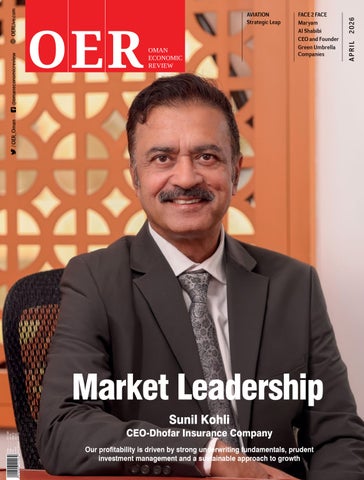
Market Leadership
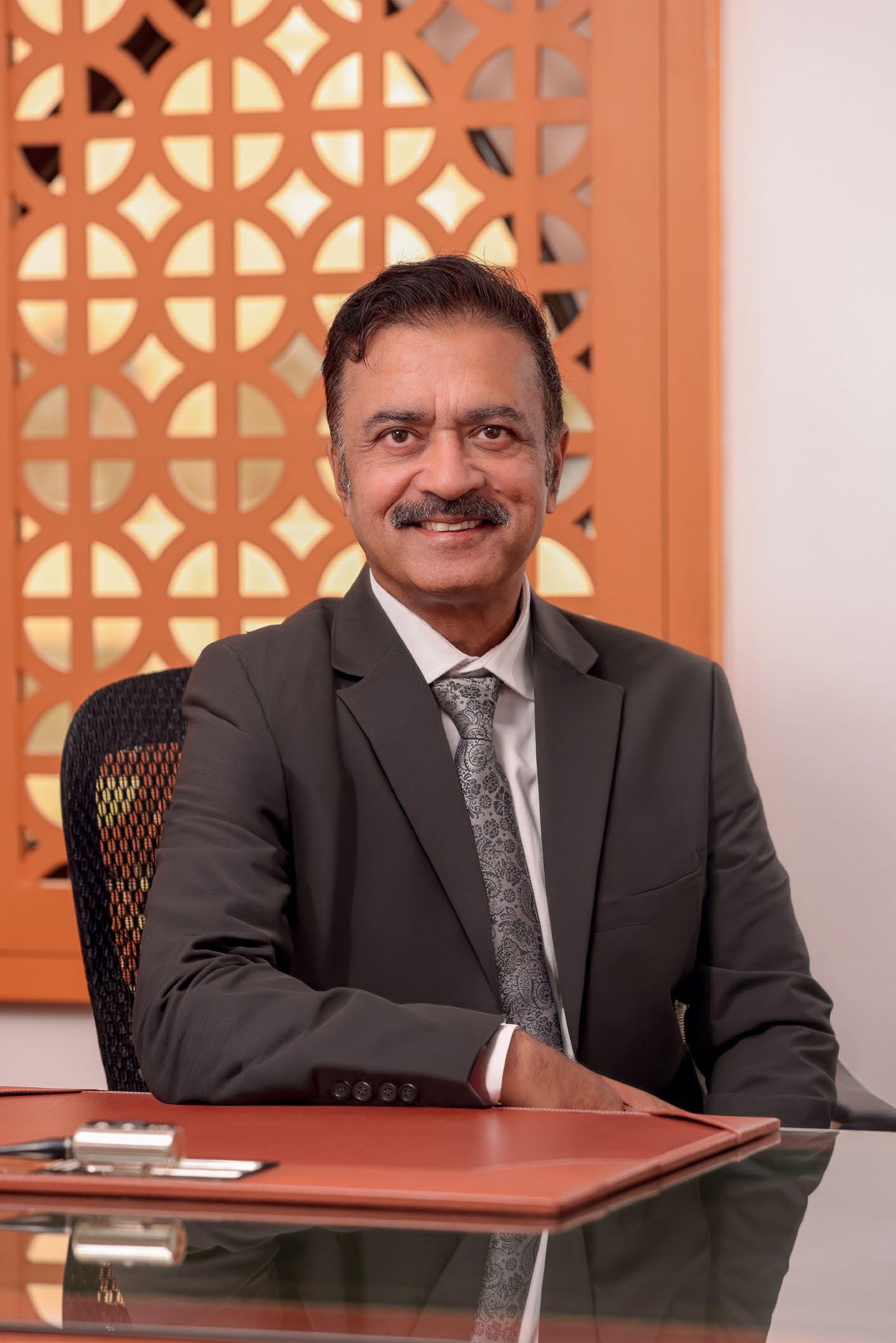
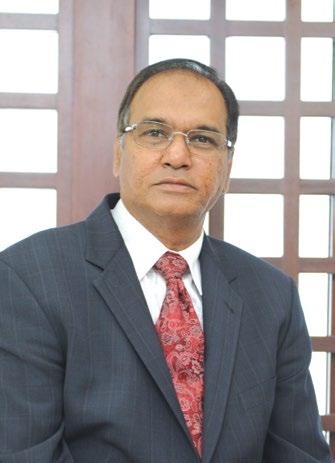
Sunil Kohli CEO-Dhofar Insurance Company
For more than 35 years, Dhofar Insurance Company has continued its leadership in providing






EDITORIAL
Editor-in-chief
Said Masoud Almashani
Executive Vice President and Group Editor
Mayank Singh
Editor
Oommen John P
DESIGN
Assistant Art Director
Khoula Rashid Al Wahaiby
Chief Photographer
Rajesh Rajan
Cover concept
Rakesh Radhakrishnan
MARKETING
Associate Advertising Director
Shivkumar Gaitonde
Business Manager
Dhanish Pillai
CORPORATE
Chief Executive Officer
Atulya Sharma
Distribution United Media Services LLC
Published by
United Press & Publishing LLC
PO Box 3305, Ruwi, Postal Code - 112 Muscat, Sultanate of Oman
Tel: (968) 24700896, Fax: (968) 24707939
Website: www.umsoman.com
All rights reserved. No part of this publication may be reproduced without the written permission of the publisher. The publisher does not accept responsibility for any loss occasioned to any person or organisation acting or refraining as a result of material in this publication. OER accepts no responsibility for advertising content.
Copyright © 2026 United Press & Publishing LLC
Printed by Oman Printers & Stationers Ltd. Co. S.P.C.
Correspondence should be sent to:
Oman Economic Review
United Media Services
PO Box 3305, Ruwi 112, Sultanate of Oman
Fax: (968)24707939
Website: www.oerlive.com
For editorial enquiries: 99884854
For advertising enquiries: 99267159
Growth pillar
Oman’s banking sector remains resilient, supported by strong capital buffers, high-quality assets and ample liquidity, according to the Central Bank of Oman’s Financial Stability Report (FSR) 2025. Stress tests confirm banks can withstand severe shocks while maintaining liquidity above regulatory minimums.
The report highlights sustained profitability in the banking sector and gradual expansion in non-banking financial institutions. Regulatory reforms, including the new Banking Law and CBO Board framework, aim to strengthen oversight and align with evolving financial system demands. It affirms Oman’s steady path toward long-term stability, sustainable growth and shared prosperity.
Credit growth remained solid, rising 8 per cent year-on-year to RO34.5bn by September 2025, with private sector lending up 5.7 per cent to RO28.2bn- driven mainly by non-financial corporates and households. Deposits increased 4.7 per cent over the same period.
Both conventional and Islamic banking segments supported lending growth. Conventional banks saw credit rise 7.3 per cent, alongside strong gains in securities investments. Islamic banking continued to expand rapidly, with financing up 10.8 per cent and total assets reaching RO9.2bn, accounting for nearly 20 per cent of system assets.
Oman’s insurance sector meanwhile is set for steady growth, driven by economic development, Oman Vision 2040 projects, regulatory improvements, and rising demand for mandatory health and other insurance products.
OER’s listing of the Most Influential Personalities in the BFSI sector highlights exceptional individuals who have attained remarkable success through their vision and determination.
OommenJohn
Oommen John

Sign up for OERLive's daily WhatsApp updates on economy, lifestyle, and technology. Send us a WhatsApp message with the word “OERLIVE” on 91242930
FUTURE READINESS
Your cover story feature was an exciting read. Supply-chain disruptions, rapid technological change and climate-related risks are reshaping how organisations plan and operate. For both businesses and governments, resilience is not just a nice goal. It means spotting risks early, adapting quickly, and building the capabilities needed to stay competitive in a fast-changing world.
In Oman, this direction is clear and increasingly practical. Under Oman Vision 2040, the transformation agenda is moving forward with a focus on developing a competitive, resilient, innovation-driven economy. That commitment is reinforced by the 11th Five-Year Development Plan (2026–2030), which emphasises long-term progress and structural improvements. Oman is also advancing Vision 2040 through green energy initiatives- expanding local renewable energy capacity and supporting the pathway toward net zero emissions by 2050.
What matters most is that the implementation framework is being strengthened through Budget 2026, aligning resources with key reforms and priority sectors. Together, these national plans create a real roadmap for handling external pressures, while sustaining growth momentum. In other words, Oman is working to convert uncertainty into opportunity through stronger productivity, improved delivery capacity and wider innovation across both the public and private sectors. I firmly believe this is the kind of momentum we should all get behind as resilience is ultimately about people, performance and progress.
Jude Oliver, MQ
RESPONSIBLE AI
Banks are investing in AI at speed, but too many are doing it without the oversight and infrastructure needed to make AI dependable in real life. The SAS Data and AI Impact Report: The Trust Imperative, highlights what many of us have seen: ambition often moves faster than readiness. In the report, only 11 per cent of banks have achieved both internal confidence in AI and demonstrably trustworthy AI systems. And nearly half (47 per cent) fall into a “trust dilemma”—either underusing reliable AI because confidence is insufficient, or over-relying on AI that hasn’t been adequately validated. That resonates with me personally. When decisions involve customers’ money and livelihoods, “good enough” assurance is not enough. If governance, explainability, transparency, and strong data foundations are not in place from the start, AI can become a risk rather than a solution—especially when regulators and customers are watching every outcome. I hope banking leaders treat trustworthy AI as a core requirement, not a compliance checkbox.
Sami Battashi, Rustaq





80�00�78�88

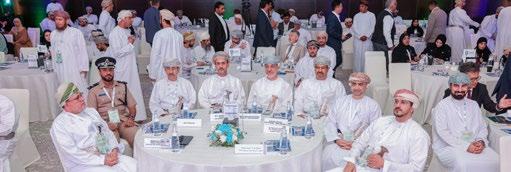
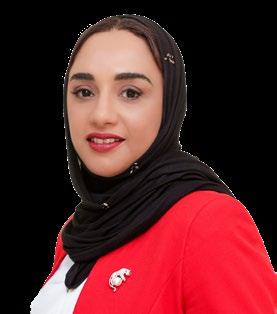
FACE 2 FACE TALENT ALIGNMENT
The right talent strategy reduces risk and accelerates performance, says Maryam Al Shabibi, CEO and Founder, Green Umbrella Companies

Third Aluminium Recycling Forum calls to advance Oman’s circular economy ambitions
Oman’s Aviation sector soars with strong growth and global expansion
African Bank of Oman launched in Angola
The establishment of the African Bank of Oman was announced today in Luanda, the capital of the Republic of Angola, in furtherance of the strategic objectives set forth under Oman Vision 2040, which seek to diversify national income sources and strengthen the Sultanate of Oman’s overseas investment presence
New CEO, new Era: What’s next for Apple?
Tim Cook stepping down as Apple CEO marks the close of one of the most defining corporate leadership chapters of a generation, as the company prepares to enter a new phase under incoming CEO John Ternus
Asyad Group announces acquisition of Ligentia
Asyad Group, the global integrated logistics provider announced its acquisition of Ligentia, a premier UK-based fourth-party logistics (4PL) provider. This landmark deal is the Group’s second major international acquisition in less than two years, following its acquisition of Skybridge Freight Solutions (SFS) in July 2024, and marks a significant acceleration of its ambitious global expansion strategy

Bank Muscat Rewards: The loyalty programme that enhances your everyday experience
Bank Muscat has announced the launch of Bank Muscat Rewards, an innovative loyalty programme built on the idea that every interaction can potentially deliver value. The programme marks a significant step in the Bank’s journey to deepen customer relationships. Bank Muscat Rewards transforms everyday banking into meaningful rewards, reflecting the Bank’s commitment to delivering greater value. Whether customers are spending on their cards, receiving their salary or using digital banking services, the programme brings together multiple banking relationships into a single rewarding ecosystem ensuring that customers benefit continuously.
What sets Bank Muscat Rewards apart is the freedom of choice it offers. Customers can redeem their points through a fully integrated digital marketplace featuring a wide range of lifestyle and travel options. From booking flights and hotel stays to accessing e-vouchers across a broad retail network, enjoying instant discounts or purchasing from an extensive product catalogue, the programme empowers customers to choose rewards that truly matter to them. Exclusive partner offers and bonus earning opportunities further enhance the value proposition, making every point more powerful. Designed for accessibility and user-friendly experience anytime and anywhere, Bank Muscat
Rewards is seamlessly accessible through the Bank’s Internet Banking platform or Mobile Banking App. Customers are automatically enrolled, allowing them to start earning and redeeming rewards instantly without the need for additional sign-ups or processes.
Commenting on the launch, Ahmed Faqir Al Bulushi, Deputy Chief Executive Officer of Banking at Bank Muscat stated: “The introduction of the Bank Muscat Rewards Programme reflects the Bank’s ongoing commitment to innovation and to delivering an integrated
banking experience that places customers as the top priority. The programme aims to promote the use of digital banking channels, support the transition towards cashless transactions, and enhance customer satisfaction and experience through a broad spectrum of banking services and facilities that cater to different needs and aspirations. This programme has been designed to be flexible and easy to use, offering a fully integrated digital experience that enables customers to track their points balance, browse available offers, and redeem rewards with complete transparency and ease.
Sohar International enters a new partnership with ‘Riyada’ to accelerate SME growth under a collaborative programme
Sohar International has announced a strategic cooperation agreement with ‘Riyada,’ SME Development Authority, under the “Ta’awn” program launched by the Authority. The initiative aims to empower this vital sector through an advanced ecosystem of financial and non-financial solutions, designed to accelerate the growth, expansion, and sustainability of enterprises. Sohar International’s partnership with the public sector reinforces its commitment to supporting the core pillars of the national economy, in alignment with Oman Vision 2040 objectives. It also reflects the bank’s targeted initiatives and services dedicated to empowering
Omani entrepreneurs and amplifying their impact across the economic landscape.
The agreement was signed by HE Halima bint Rashid Al-Zari, Chairperson of the Small and Medium Enterprises Development Authority ‘Riyada’ and Abdulwahid Mohamed Al Murshidi, CEO, Sohar International. The signing ceremony took place at the Mandarin Oriental Hotel in Muscat Governorate, under the patronage of H.E Ahmed bin Jaafar Al Musalmi, Governor of the Central Bank of Oman. The event was attended by a distinguished group of leaders from the Omani banking sector, along with senior officials.
Commenting on the partnership, Abdulwahid Mohammed Al Murshidi, stated, “As one of the partners in economic empowerment, we closely follow the developmental journey of SMEs, which now exceed 270,000 enterprises. This has firmly embedded their importance within Sohar International’s approach, where their impact extends beyond expanding the economic base to broader social dimensions as well. Our partnership with ‘Riyada’, a key governmental enabling framework, represents an integrated approach that provides growth enablers within a supportive legislative environment. It is, in essence, a structured extension of Oman’s development Vision,
NBO and Ooredoo Fintech signs a Memorandum of Understanding to advance digital financial services
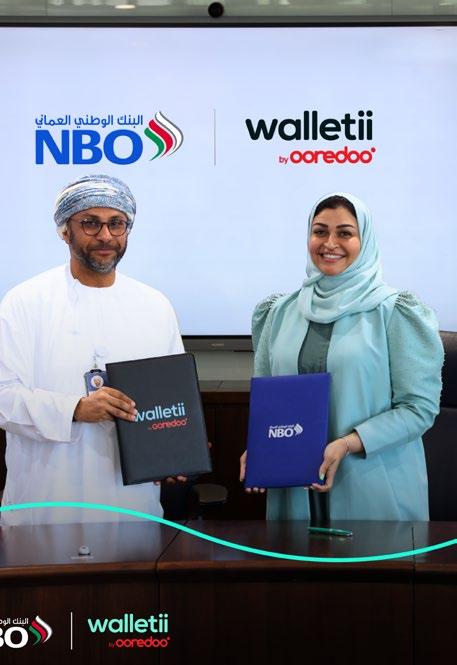
The National Bank of Oman (NBO) and Ooredoo Fintech has signed a Memorandum of Understanding (MoU), to establish a strategic partnership focused on digital financial services and payment solutions in Oman.
The signing ceremony took place at NBO’s Head Office in Muscat on March 31, 2026. This partnership marks the start of a joint effort to develop a digital wallet ecosystem and aligns with Oman Vision 2040 by supporting the Sultanate’s digital transformation and fostering innovation in a diversified, technology-driven financial sector.
The MoU sets a framework for both parties to explore collaboration across key areas. These include digital wallet ecosystem development, payment services and settlement arrangements, banking and financial infrastructure support, joint initiatives in digital financial services, and other mutually agreed financial technology initiatives.
Commenting on the partnership, Mohammed Yahya Al Jabri, Assistant General Manager and Head of Global Transaction Banking
at NBO, said, “This MoU reflects our continued focus on advancing innovation in Oman’s financial services sector. Through our collaboration with Ooredoo Fintech, we aim to explore solutions that support the growth of digital payments and strengthen the infrastructure needed to deliver efficient financial services.”
Noor Al Lawati, Country Head at Ooredoo Fintech Oman, added, “Collaborating with NBO reflects a shared ambition to push the boundaries of what digital financial services can offer in Oman. Together, we are combining NBO’s proven banking strength with walletii’s agile platform to deliver an experience that is greater than the sum of its parts.”
The MoU outlines a high-level understanding between the two parties to cooperate as strategic partners and identify mutually beneficial opportunities. Specific terms and initiatives will be defined in separate agreements. Through this agreement, NBO and Ooredoo Fintech aim to support the growth of financial technology and digital payments in the Sultanate and strengthen the wider financial services ecosystem for corporates and fintechs.
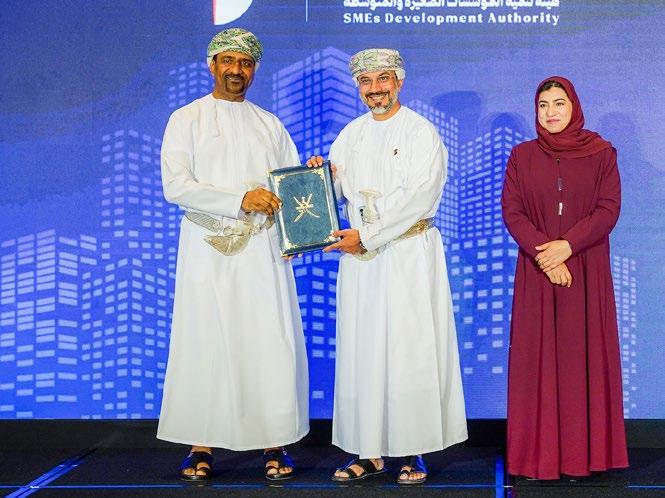
which focuses on building an empowered private sector capable of driving a competitive economy integrated with the global system, while also contributing to job creation, industrial localisation, and knowledge transfer, thereby enhancing overall local value creation. At Sohar International, we continue to support SMEs through a comprehensive ecosystem of partnerships, initiatives, and enabling financial solutions.” The outcomes of this collaboration are reflected in an integrated framework for knowledge transfer and capacity building, anchored in specialised programmes that promote best practices in credit, risk management, and financing portfolio management. The partnership also extends to joint training initiatives for entrepreneurs, designed to strengthen capabilities and enhance the readiness of SMEs for expansion and sustainable growth. In addition, it includes a package of banking incentives and facilitations, featuring reduced fees and structured financial services for ‘Riyada’ cardholders, aimed at improving operational efficiency while supporting long-term stability and sustainability.
ahlibank signs cooperation agreement with ‘Riyada’ to empower entrepreneurship in the Sultanate
Continuing its efforts to strengthen the pillars of the economic ecosystem, ahlibank announced the signing of a cooperation agreement with the SME Development Authority ‘Riyada.’ The agreement is part of a joint program that unites public and private sector efforts to empower entrepreneurs in the SME sector through financial and non-financial solutions that support growth and expansion. This partnership reflects ahlibank’s ongoing commitment to supporting SMEs across various initiatives and products. It also contributes to strengthening the local economic base and enhancing its global competitiveness, in line with the national priorities of Oman Vision 2040.
The partnership establishes a dynamic platform for knowledge and expertise exchange between ahlibank and the SME Development Authority. The outcomes of this initiative are reflected in the launch of an integrated institutional capacity-building framework. It focuses on
developing competencies through targeted knowledge-sharing initiatives and strengthening collaboration by exchanging best practices in financing and banking services. The agreement
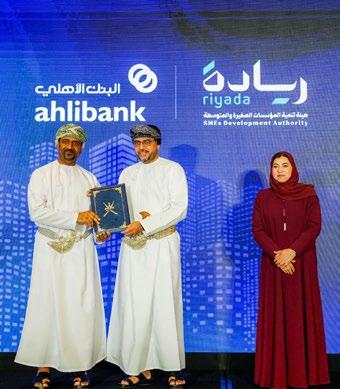
also includes joint training programs aimed at preparing entrepreneurs and enhancing their readiness for growth and expansion. In addition, it offers a range of tailored banking benefits for ‘Riyada’ cardholders, including incentives and financial solutions designed to meet their operational and investment needs.
This partnership is expected to result in the development of an integrated empowerment ecosystem that combines financial solutions with knowledge-based expertise, helping to accelerate the readiness of SMEs for the future. This integration enhances the efficiency and sustainability of their business models by supporting their managerial and financial capacity building, and by connecting them to market opportunities and value chains. This, in turn, positively contributes to their ability to create quality job opportunities and increase their contribution to GDP, within an economic approach focused on innovation and value creation.
Shell Oman Marketing Company signs strategic collaboration with DEMA Energy on Immersion Fluid Supply for Data Center Solutions in Oman
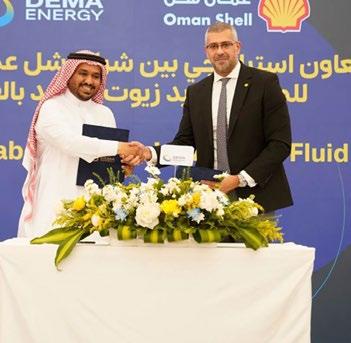
Shell Oman Marketing Company (Shell Oman) has entered into a Strategic Collaboration with DEMA Energy Saudi Arabia on Immersion Fluid Supply, marking a key step towards exploring the deployment of advanced immersion cooling technologies for a 15MW data centre project in Al Dhahirah Governorate. The agreement was signed during a ceremony held in Ibri under the patronage of HE Dr. Ali bin Amer Al Shidhani, Undersecretary of the Ministry of Transport, Communications and Information Technology for Communications and Information Technology. This collaboration establishes a joint framework to assess the supply and integration of Shell’s immersion cooling fluids, supporting the growing demand for sustainable and energy-efficient digital infrastructure in Oman and across the region. This initiative aligns with Oman’s national direction towards digital transformation and enhanced energy efficiency, while supporting broader environmental sustainability objectives. It also marks DEMA Energy’s entry into the Omani market through its first investment in the Sultanate, in partnership with MARA.
Shell Immersion cooling fluid is a nextgeneration solution for high-density data centres, involving the submersion of electronic components in non-conductive dielectric fluids to enable superior heat dissipation compared to traditional air-cooling systems.
Commenting on the partnership, Mohamed El Fatatry, General Manager – Lubricants, Supply Chain and Customer Service at Shell Oman, commented, “This step reflects a strategic direction towards redefining how digital infrastructure is developed sustainably across the region. By combining advanced computing capabilities with energy-efficient cooling technologies, we are enabling a new model for digital growth that balances performance with sustainability.”
Mohamed El Fatatry added, “Our collaboration with DEMA Energy reflects our commitment to supporting Oman’s growth through innovative and sustainable solutions. Shell’s immersion cooling fluids play a key role in
enhancing energy efficiency and performance in next-generation data centers.”
The Ibri project, with a total investment of RO8mn, forms part of a broader Oman–Saudi partnership in the energy and technology sectors. It is designed to support national grid stability through flexible computing loads, while contributing to local economic development.




ENDURING VALUE
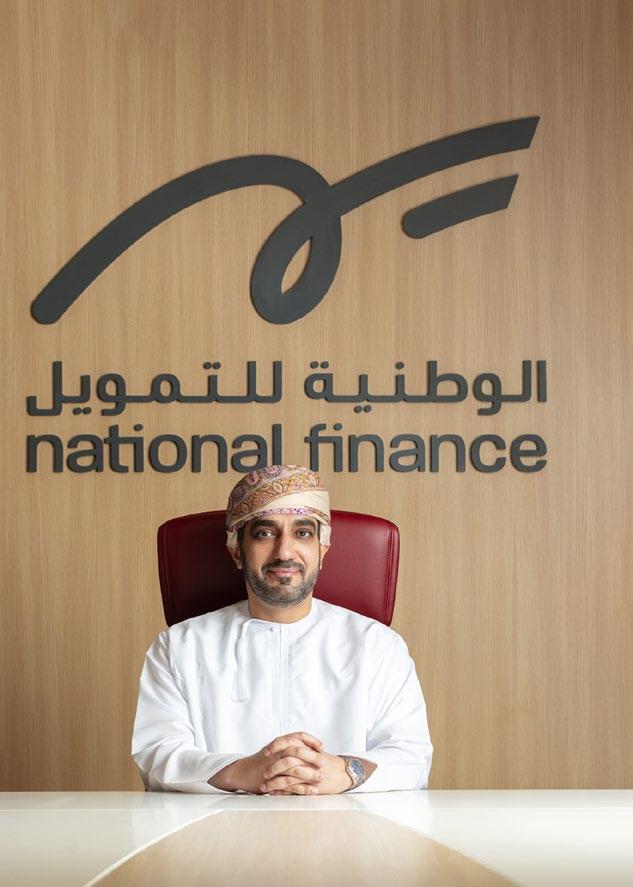
National Finance posts strong Q1 results, reinforces market leadership
Demonstrating resilience and reaffirming the strength of its strategic direction, National Finance, the Sultanate of Oman’s leading finance and leasing company, has delivered a strong financial performance for the three-month period ended March 31, 2026. The results underscore the company’s ability to navigate an evolving global landscape shaped by geopolitical uncertainties. Anchored in robust business fundamentals, a disciplined growth strategy, and a clear focus on long-term value creation, National Finance continues to demonstrate agility and sustained performance in a dynamic operating environment.
For the period ended March 31, 2026, National Finance reported an operating profit (profit before provision and tax) of RO7.96m, compared to RO5.96mn during the same period in 2025, reflecting a significant increase of 33.42%. Profit after tax stood at RO3.83mn, up from RO3.31mn in March 2025, marking a growth of 15.76%. The company’s Net Investment in Lease reached RO664.00mn, registering a growth of 1.73% compared to December 2025.
Reflecting on the company’s performance, Tariq Sulaiman Al Farsi, CEO, National Finance, said, “Our Q1 performance reflects our continued ability to strengthen market leadership while maintaining a disciplined approach to risk and financial resilience. At the heart of these achievements is the unwavering commitment of our people. Their expertise, dedication, and pursuit of excellence continue to differentiate National Finance across innovation, service quality, and excellence in customer experience. As we move forward, we remain focused on delivering enduring value to our stakeholders while contributing meaningfully to the Sultanate of Oman’s long-term economic progress.”
National Finance continues to hold the highest regulatory capital among finance and leasing companies (FLCs) in the country at RO144.13mn, reinforcing its position as the sector’s largest player by assets, branch network, revenues, and profitability. With 24 branches nationwide and a comprehensive product suite for retail and SME segments, the company remains well positioned to meet evolving customer needs and enhance service delivery through ongoing digital innovation.
Human capital development remains central to National Finance’s growth strategy. As of March 31, 2026, the company achieved an Omanisation rate of 92.87%, with 391 Omanis out of 421 employees, exceeding the national target, underscoring its continued commitment to developing local talent through structured training,
leadership development, and employee engagement initiatives. Impact remains a core pillar of National Finance’s ESG strategy. The company’s Himmah volunteer team supported 120 families during Ramadan, while ongoing initiatives under its social responsibility arm – Imtidad – focus on empowering SMEs, youth, and local communities. These efforts reflect its continued commitment to driving meaningful social impact and advancing inclusive economic growth.
Further highlighting its industry leadership, National Finance was recognised as the ‘Best SME Finance Company’ at the annual International Finance Awards, reaffirming its dedication to empowering SMEs and contributing to a resilient and diversified economy. Looking ahead, National Finance remains confident in navigating market uncertainties, supported by strong fundamentals, proactive risk management, and a clear focus on sustainable growth. The company continues to prioritize innovation, excellence in customer experience, and operations, reinforcing its position as a trusted Partner for Growth and a key contributor to the nation’s socio-economic progress.
AN AGILE AND PROACTIVE APPROACH
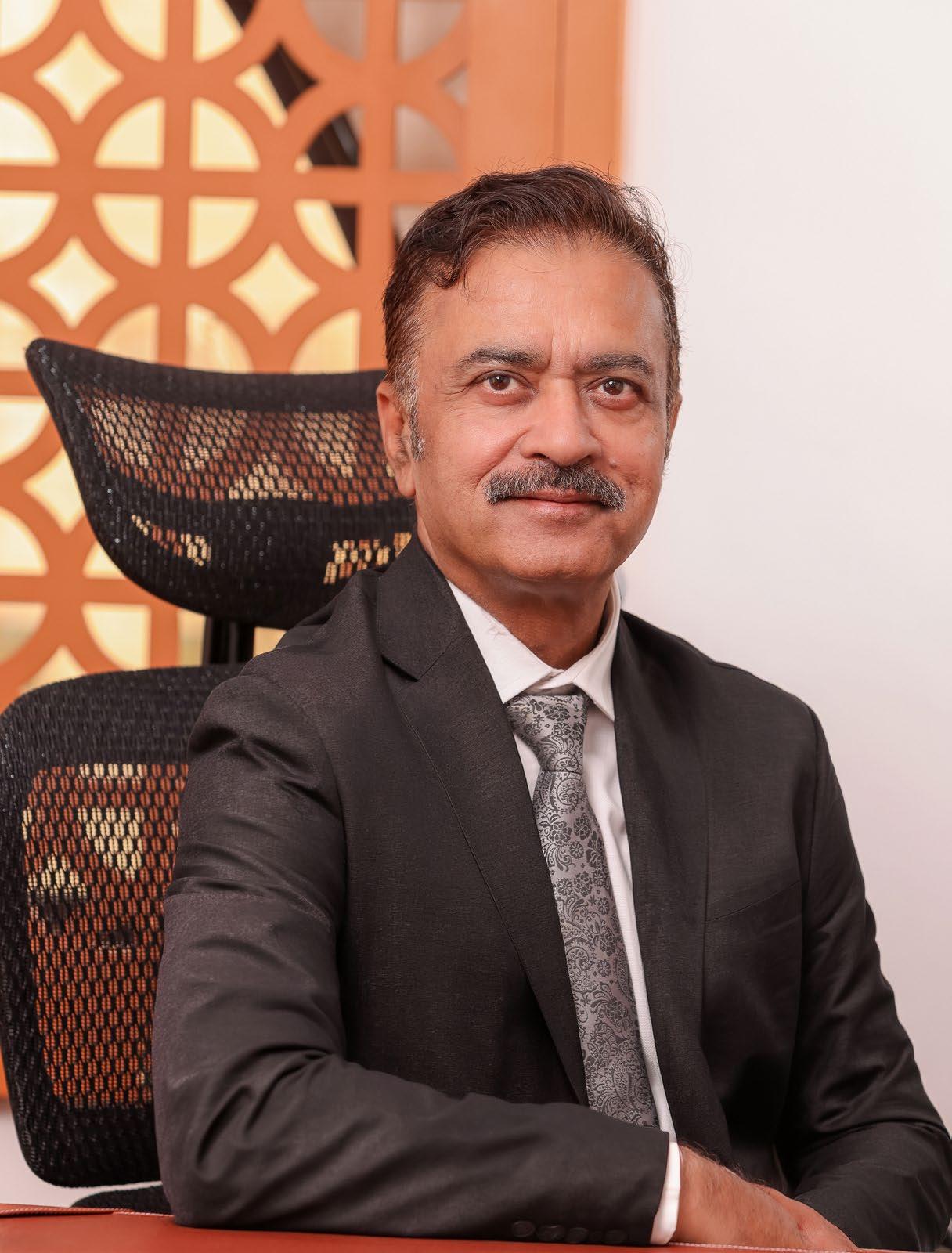
Sustaining market leadership in a competitive and price-sensitive environment requires a disciplined and customer-centric approach, says Sunil Kohli, CEO, Dhofar Insurance Company. Mayank Singh reports
The year 2025 has been a strong year for Dhofar Insurance, with double-digit growth in gross written premiums—what would you say were the key factors that drove this performance in such a competitive market?
Financial year 2025 has been a year of well-balanced and broadbased growth for Dhofar Insurance. One of the key drivers behind this performance has been our deliberate strategy to build a diversified portfolio, ensuring that no single line of business dominates our overall book. This approach has helped us mitigate concentration risk while capturing growth opportunities across multiple segments.
From a business line perspective, motor and life insurance -both core components of our retail portfolio, performed particularly well and were primary contributors to our double-digit growth. Additionally, we saw encouraging traction in engineering and other commercial lines, further strengthening our premium base.
Another important growth lever has been our distribution strategy. Our
affinity partnerships, particularly bancassurance channels, delivered strong results, with double-digit growth in that segment alone. This reflects our ability to leverage strategic tie-ups effectively and expand reach within the retail market.
Ultimately, it has been a combination of portfolio diversification, strong retail momentum, and effective channel partnerships that has driven our growth in a highly competitive environment.
Dhofar Insurance now holds a leading market share in Oman. How are you working to sustain this leadership while navigating pricing pressures and intensifying competition?
Sustaining market leadership in a competitive and price-sensitive environment requires a disciplined and customer-centric approach. Our focus remains firmly on understanding and responding to the evolving needs of our customers. By actively listening to customer feedback and aligning our product design and service delivery accordingly, we aim to build long-
term relationships rather than compete purely on price.
We are also investing significantly in digitalisation to enhance customer experience and operational efficiency. The rollout of advanced core systems and digital platforms is enabling us to deliver faster, more seamless services, which is becoming a key differentiator in today’s market.
At the same time, we continue to expand our product suite by introducing new lines of business that address emerging customer needs. This, combined with our strong domestic focus, allows us to maintain a leading position in Oman’s insurance market while navigating competitive pressures effectively.
The company’s profitability has seen a notable jump in 2025, how much of this would you attribute to underwriting discipline, improved risk management, and stronger investment income?
Our improved profitability in 2025 is the result of a balanced contribution from underwriting performance,
disciplined risk management, and a healthy investment portfolio.
While investment income has delivered a meaningful contribution during the year, it is important to view this in the context of our longterm strategy. The strength of our investment portfolio is built on years of consistent underwriting profits, which have enabled us to grow our assets under management. These assets, when prudently invested within defined risk frameworks, generate stable returns that support overall profitability.
At the same time, underwriting discipline has played a critical role. Despite challenges such as pricing pressures and rising claims frequency - particularly in motor insurance - we have maintained a focus on risk selection and portfolio quality.
In essence, profitability is not driven by a single factor but by the interplay between strong underwriting fundamentals, prudent investment management, and a long-term, sustainable approach to growth.
You have highlighted the importance of portfolio diversification - could you walk us through the new product lines or segments you are looking to develop in 2026?
Portfolio diversification is an
ongoing strategic priority rather than a one-time initiative. As customer needs evolve, so must our product offerings. We are continuously evaluating opportunities to introduce new products and enhance existing ones in response to changing market dynamics.
While the shift may not be dramatic in a single year, over time we expect our portfolio to become increasingly diversified. Key areas of focus include expanding our presence in life insurance - particularly beyond traditional credit-linked products and strengthening our position in health insurance, which remains underpenetrated in Oman.
Our approach is guided by customer insight. We closely monitor market trends and customer expectations, and use this intelligence to design products that are relevant, accessible, and value-driven. Over the medium term, this will help us build a more resilient and balanced portfolio.
Digital transformation seems to be at the heart of your strategy, especially with the rollout of a new cloud-based financial system - how is this changing the way the business operates and engages with customers?
Digital transformation is no longer optional - it is fundamental to the way modern insurance businesses
operate. Our investment in a cloud-based financial system is a significant step towards building a more agile, efficient and customercentric organisation.
From an operational standpoint, advanced technology enhances process efficiency, reduces turnaround times, and improves accuracy. Tasks that previously took days can now be completed in hours or even minutes, significantly improving service delivery.
For customers, this translates into a smoother and more responsive experience. Whether it is policy issuance, claims processing, or service requests, digital platforms enable faster and more convenient interactions.
Looking ahead, technologies such as artificial intelligence will further enhance capabilities, particularly in areas like underwriting, claims management, and customer engagement. However, the effectiveness of these technologies depends on the quality of underlying data, which is why our current focus is also on strengthening data infrastructure. Overall, digitalisation is a core enabler of both efficiency and growth.
With insurance penetration in Oman still offering significant headroom for growth, particularly
Portfolio diversification is an ongoing strategic priority rather than a one-time initiative. As customer needs evolve, so must our product offerings. We are continuously evaluating opportunities to introduce new products and enhance existing ones in response to changing market dynamics
in medical insurance, how is Dhofar Insurance positioning itself to capture these opportunities?
Low insurance penetration in Oman presents a significant growth opportunity for the industry. Two key areas stand out - medical insurance and life insurance.
In the case of health insurance, the potential introduction of compulsory medical coverage is expected to be a major catalyst. This would bring a large segment of currently uninsured individuals into the insurance ecosystem, expanding the overall market. We are well positioned to capture this opportunity through our existing capabilities and planned product enhancements.
Life insurance is another underpenetrated segment, particularly in voluntary policies. Beyond credit-linked products, there is a need to increase awareness and understanding of life insurance benefits among customers. This is an area where the industry, including Dhofar Insurance, must play a more proactive role.
Additionally, Oman’s positive economic outlook and ongoing infrastructure development will generate new insurance demand across sectors - from project insurance during construction to operational covers post-completion. As employment levels rise and asset ownership increases, this will further drive demand for retail insurance products.
Human capital is clearly a priority for Dhofar Insurance, with strong Omanisation levels and a focus on upskilling - how are you building a future-ready workforce?
Human capital development is a cornerstone of our long-term strategy. Over the past several years, we have made a conscious and sustained effort to build a highly skilled and future-ready Omani workforce.
We begin each year with a comprehensive training needs analysis, aligned with both organisational goals and individual development plans. Based on this, a structured training calendar is developed and approved at the board level, ensuring accountability and alignment with strategic priorities.
In addition, we actively support employees in pursuing professional certifications and advanced qualifications by sponsoring relevant programmes. This not only enhances individual capabilities but also strengthens the organisation’s overall expertise.
Beyond technical skills, we are also focused on leadership development and creating a supportive work environment that promotes employee well-being and engagement. By investing in our people, we are building a strong talent pipeline that will sustain our growth in the years ahead.
ESG and sustainability are becoming increasingly important across industries. How is Dhofar Insurance embedding these principles into its operations and long-term strategy?
ESG and sustainability are integral to our evolving corporate strategy. We have been actively working in this area for the past few years and have already begun formal ESG reporting in line with regulatory expectations.
Our ESG initiatives are guided by both compliance requirements and global best practices. We work closely with external consultants to assess our performance across environmental, social, and governance parameters, while also strengthening internal processes.
From a governance perspective, we maintain strong oversight and transparency. On the social front, our focus includes employee development and community engagement. Environmentally,
we are gradually incorporating sustainable practices into our operations.
As ESG reporting becomes more formalised and mandatory, we see this not just as a compliance exercise, but also as an opportunity to enhance long-term value creation and align with global sustainability standards.
From economic pressures to regulatory changes, the operating environment remains dynamic. What key challenges do you foresee in 2026, and how prepared is the company to address them? The operating environment in 2026 is expected to remain dynamic, shaped by both regional and global uncertainties. External factors such as geopolitical developments, economic fluctuations, and disruptions to trade and travel can have a direct impact on insurance demand.
For example, reduced commercial activity can affect segments like marine, travel, and motor insurance, while cautious consumer behaviour may delay asset purchases, impacting overall premium growth. Additionally, environmental events such as extreme weather can influence claims patterns and underwriting outcomes.
To address these challenges, we have strengthened our business continuity planning and operational resilience. Regular testing, including remote working capabilities, ensures that we can maintain uninterrupted service even in uncertain conditions.
At the same time, we remain focused on our core strategy—driving growth through customer-centricity, maintaining underwriting discipline, and investing in technology. While uncertainties remain, our approach is to stay agile, proactive, and resilient, ensuring that we can navigate challenges while continuing to deliver sustainable performance.
NATIONAL FINANCE COMPANY: WHERE STRATEGY MEETS SUSTAINABILITY
AND VALUE CREATION
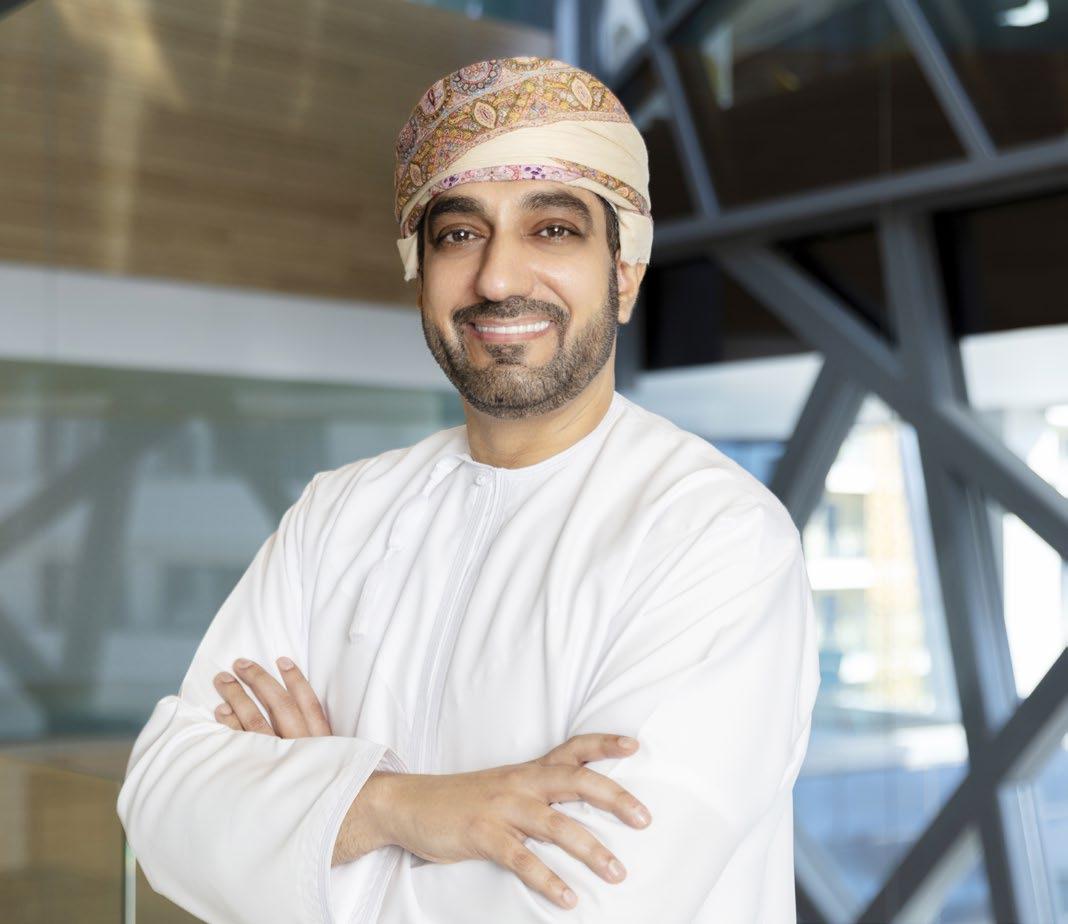
National Finance will strengthen leadership through product innovation and seamless customer experiences. With ESG embedded across operations, it will support a resilient and sustainable future, says CEO, Tariq Sulaiman Al Farsi in an interview
What are the strategic priorities of National Finance for sustainable growth over the next three years?
At National Finance, our strategic priorities are anchored in driving sustainable and inclusive growth for both the wider community and the nation, while consistently delivering strong financial performance. Over the next three years, we are focused on reinforcing our market leadership in the non-banking financial sector through digital transformation, product innovation, and disciplined risk management – core pillars that elevate our service standards and redefine financing experiences for individuals, SMEs, and corporates alike. We continue to strengthen our capital base and operational efficiency, while expanding our presence across key customer segments, particularly SMEs and corporates. At the same time, with sustainability deeply embedded in our long-term strategy, we ensure that our growth trajectory is not only profitable, but also responsible and aligned with the priorities outlined in Oman Vision 2040.
How are you embedding ESG and ethical finance into product design and lending decisions?
ESG principles are central to our strategy, shaping our business model, risk frameworks, and product innovation. This is reinforced by a robust governance framework that underpins our ESG lending. Our approach actively enables sustainable growth through targeted financing solutions such as clean mobility, energy-efficient technology, and renewable energy adoption. In parallel, we partner with SMEs and corporates to advance responsible business practices and support their sustainability-linked initiatives. These efforts are unified under our Sustainability Strategic Framework, which ensures that ESG considerations are embedded across operations, governance, and stakeholder engagement, positioning us to drive long-term value creation
while contributing to a more sustainable and resilient economy.
What key digital initiatives will improve customer experience and financial inclusion?
Digital transformation remains a strategic priority, fully aligned with our commitment to supporting the nation’s digital agenda and anticipating evolving customer needs. We continue to invest in building an integrated digital ecosystem that enhances how customers access and experience our services.
This direction is reflected in our strengthened digital platforms, including our website and mobile application designed to deliver a more seamless and intuitive customer experience. It is further reinforced by our early leadership in introducing end-toend Digital Finance Applications for selected products, setting a benchmark for speed, simplicity, and accessibility. We are leveraging digital and AI-enabled capabilities to enhance service delivery, improve responsiveness, and drive operational efficiency. Our focus extends beyond digital convenience to inclusive growth. By bridging physical and digital channels and leveraging technology, we are enhancing accessibility, expanding reach, and enabling broader segments of the community to benefit from tailored financing solutions.
How will National Finance support the Sultanate of Oman’s economic diversification—especially SMEs and job creation?
SMEs remain a vital engine of economic diversification and growth, forming the backbone of the Sultanate of Oman’s resilient and future-ready economy –one that is well-positioned to navigate dynamic market shifts and achieve sustainable progress. Our commitment to this segment
reflects both national alignment and a strategic conviction in their role in building a more resilient and dynamic economy. We support SMEs through a comprehensive suite of tailored financing solutions and advisory expertise, designed to enable businesses to strengthen operations, scale effectively, and navigate evolving market conditions with confidence. This is further reinforced through our strategic partnerships with Injaz Oman and Sharakah, through which we contribute to entrepreneurship development, youth empowerment, job creation, and the establishment of sustainable, home-grown enterprises that underpin long-term economic progress.
National Finance achieved a Return on Equity (ROE) of 11%, the highest in the Omani non-banking financial sector? In what ways do you intend to sustain top-tier ROE while balancing shareholder returns with social and long-term investments?
Sustaining strong returns, such as our 11% ROE in 2025, requires a balanced and disciplined approach that aligns financial performance with long-term value creation. We remain focused on preserving high asset quality, driving operational efficiency, and maintaining robust risk management practices, while continuing to invest strategically in transformation initiatives and digital capabilities. At the same time, we are committed to delivering consistent shareholder returns which was visible through our 15% cash dividend and 7% stock dividend for 2025. Importantly, we do not regard profitability and social responsibility as competing priorities. Rather, our investments in sustainability, community initiatives, and human capital development are intentionally designed to generate enduring value for all stakeholders, strengthening resilience and supporting sustainable growth over the long term.
A METAMORPHOSIS OF PERFORMANCE
Alizz Islamic Bank is accelerating Islamic finance adoption in Oman through digital-first experiences and stronger retail and corporate propositions, in addition to strengthening SME-focused solutions, says CEO, Ali Al Mani in an interview
How does your leadership vision shape Alizz Islamic Bank’s longterm strategy for advancing Shariacompliant finance in Oman?
Leadership vision sets the direction for every strategic decision. It aligns teams around a shared purpose, ensuring that growth is guided by clear ambitions and goals. When the vision is shared and clear, it motivates talents to be innovative, agile and resilient over time. We are proud that Alizz Islamic Bank achieved significant growth in 2025 as a result of a well-defined strategy and consistent performance with strong improvement in all core business areas. The Bank also marked a historic milestone with the first distribution of dividends since the Bank’s establishment. At Alizz Islamic Bank, our leadership vision is anchored in positioning the bank as a catalyst for ethical, inclusive and innovationdriven Islamic banking. We view Shari’a-compliant banking not simply as an alternative, but as a sustainable financial model aligned with long-term value creation.
Our strategy focuses on deepening product sophistication, enhancing customer experience and embedding digital transformation across all touchpoints through our vision of ‘Personalising every experience through innovative and smart solutions’. This vision doesn’t exist in isolation, it reflects and reinforces the broader national direction, which serves as the country’s overarching strategic framework guiding all economic and social priorities.
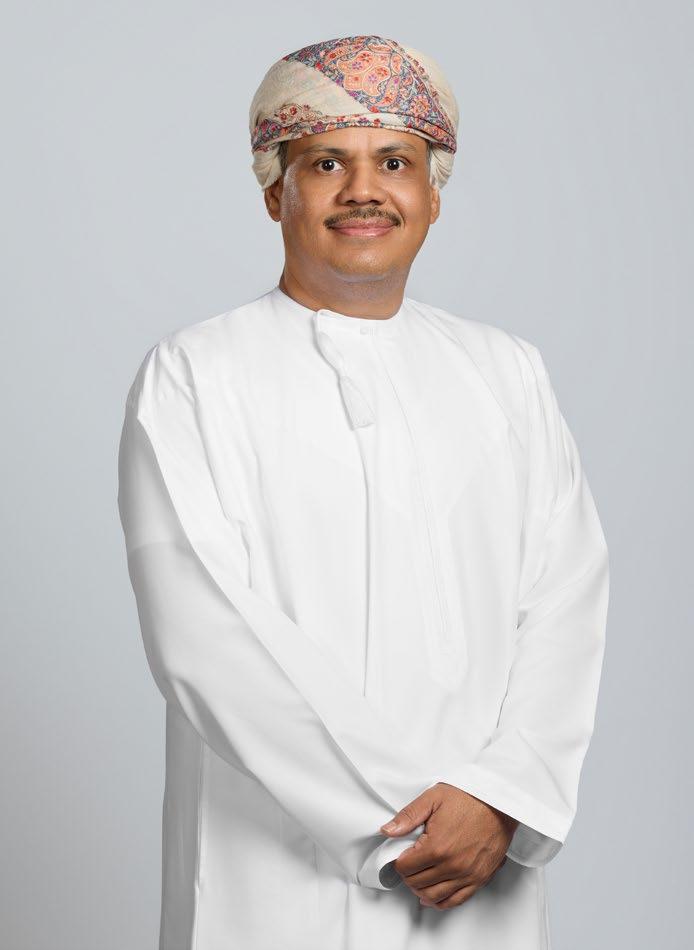
As customer behaviour changes, we continue to introduce unique products and services for our growing customer base. We are continuously evolving by understanding market needs and designing solutions that are flexible, accessible and impactful.
What specific initiatives is the bank prioritising to expand Islamic banking adoption among retail and corporate customers in the Sultanate?
We are pursuing a diverse approach to accelerate adoption. On the retail side, we are investing heavily in digital banking capabilities to deliver seamless, accessible Shari’a-compliant solutions tailored to evolving customer lifestyles. This is highlighted in the launch of the Alizz X Mobile Banking Application, offering customers an integrated digital banking experience, the introduction of Visa Debit, Credit and Prepaid Cards, including Oman’s first Shari’acompliant multi-currency prepaid card, the launch of our first two smart branches in Bawshar and Al Khoudh 6, offering a modern, self-service driven banking experience and many more initiatives. This includes simplifying the onboarding experience and enhanced financial literacy initiatives to help consumers understand Islamic banking better.
On the corporate front, we are strengthening our capabilities in structured financing, SME support and sector-focused solutions aligned with national priorities. We launched ‘Alizz Business’ which is a value proposition dedicated to Small & Medium Enterprises and the Alizz Connect Corporate Banking Platform along with a dedicated mobile application, enabling business customers to manage their financial operations efficiently through secure and advanced digital channels. We are constantly enhancing our products and services, ensuring Islamic banking becomes the preferred choice rather than just a niche alternative.
Enhancing sustainability initiatives is a core pillar in our strategy and how we shape our business decisions with a focus on social impact and strong governance. This means supporting
SMEs, enabling financial inclusion, investing in our people, ensuring transparency, responsible banking and aligning financing solutions with ESG principles. Also, we partner with NGOs and government programs to empower the youth and local communities as it is our duty to expand access to banking services through initiatives such as financial literacy programmes that can empower society across Oman.
What were the key strategic changes during your five-year transformation that enabled Alizz Islamic Bank to deliver its first-ever dividend?
Our transformation plan was centered on disciplined execution and strategic clarity to sustain and grow the bank organically by leveraging all our investments. We continued to focus on our strategic pillars which are performance, people, transformation and efficiency. Based on our long-term plans, I am confident that we are going to be one of the leading Islamic banks in the country. We strengthened our asset quality, rebalanced our portfolio toward higher-yield and lower-risk segments and implemented robust cost management frameworks. At the same time, we accelerated digitalisation, which significantly improved efficiency and customer experience.
Corporate culture transformation has been a fundamental to delivering our results. Strategy can set the direction, but culture executes it. Our transformation built a performancedriven culture and agile workforce, that empowered our people, encouraged collaboration and created an environment where new ideas can thrive. These combined efforts enabled us to achieve consistent profitability, culminating in the milestone of delivering our first-ever dividend which a reflection of both financial strength and stakeholder confidence.
What role do you see Alizz Islamic Bank playing in supporting Oman’s economic diversification and financial inclusion goals over the next five years?
We see ourselves as an active enabler of Oman’s economic transformation. As the Sultanate continues to diversify
beyond hydrocarbons, Islamic banking has a critical role to play in funding new sectors such as logistics, tourism, manufacturing and renewable energy. At the same time, financial inclusion remains a priority. We are committed to expanding access to banking services across communities. We are also focused on empowering SMEs and young entrepreneurs through innovative, Shari’a-compliant solutions under our ‘Alizz Business’ value proposition which has been designed to cater to their specific banking needs. We believe that by bridging funding gaps and promoting responsible banking, Alizz Islamic Bank aims to contribute meaningfully to sustainable economic growth while empowering individuals and businesses to participate fully in the economy.
How is the bank collaborating with regulators, industry peers, and community stakeholders to strengthen the Islamic finance ecosystem in Oman?
At Alizz Islamic Bank, we believe that the banking ecosystem development is a shared responsibility. Our engagement with regulators is focused on supporting forward-looking frameworks that balance innovation with stability and Sharia’ compliance such as our recent partnership with the Central Bank of Oman on the Islamic Finance Services Board (IFSB) first ever event in the Sultanate of Oman.
Within the industry, we actively collaborate and partner with organisations across sectors to enhance to activate cross sector collaboration which in turn raises standards, drives innovation and collectively strengthens the competitiveness of Islamic bank in Oman. Further, we also collaborate with institutions such as SME Development Authority (Riyada) to support SMEs with financial solutions and development programmes through workshops and seminars with Sharakah and Al Jaber MENA investing in more than 500 SMEs already. Through such strategic partnerships, Alizz Islamic Bank helps shape a more integrated, progressive and inclusive Islamic finance ecosystem that reinforces Oman’s position as a growing hub in the sector.
IMPACTFUL VALUE
Taageer Finance’s strategic priorities focus on growth, digital transformation, customer loyalty and capability building over the next three years, says CEO, Sheikh Khalil Al Harthy in an interview with Oommen John
What are your strategic priorities for Taageer Finance as CEO, and what timelines do you have in place to achieve them?
Following the approval of our fiveyear strategy in January 2025, we set a clear direction for Taageer Finance through to 2029 — one that is anchored in growth, digital transformation, customer loyalty, and capability building.
Our priorities are very deliberate. First, we want to accelerate the availability of digital transactions and make customer engagement with Taageer simpler, faster, and more accessible. Second, we are focused on strengthening customer retention by improving the quality, speed, and consistency of our services. Third, we are placing a strong emphasis on expanding our SME customer base, as this segment remains central to both our growth ambitions and Oman’s wider economic development in line with Oman Vision 2040. Finally, we are investing in our people by upskilling employees and building a workforce that is equipped for the future of financial services. This is not a short-term exercise. It is a disciplined transformation agenda with a five-year horizon, and by 2029 we expect Taageer to be more agile, more digital, more customer-centric, and stronger in its market position.
How do you see Taageer’s role evolving in Oman’s broader financial ecosystem over the next three yearswhich customer segments or product lines will you prioritise?
Taageer Finance has an important role
to play in Oman’s evolving financial ecosystem, particularly at a time when customers are demanding faster, simpler, and more flexible solutions. Over the next three years, I see Taageer becoming increasingly relevant as a specialised financial partner that combines convenience, speed, and innovation.
Our priority will be to deepen our presence in key customer segments, particularly SMEs and retail customers, where there is a clear need for responsive financing solutions and a seamless service experience. SMEs are especially important because they are a major driver of economic activity, entrepreneurship, and job creation in Oman. Supporting their growth is not only a commercial priority for us, but also a broader contribution to national development.
At the same time, we will continue to strengthen the digital dimension of our offering. We are working heavily towards digitisation and becoming a digital-first player in this market, because that is no longer optional. The world is evolving too quickly to fall behind. But it is not only about digitisation in the mechanical sense. The future of finance is not simply about providing capital; it is about creating an experience that is intuitive, efficient, and centred on the customer. That is the space where Taageer intends to lead.
We are expanding our branch network, and we are also revamping our digital infrastructure and customer journey. Our people, processes, and systems
need to be reviewed in full. This falls under three key pillars. The first is credit risk. We are reviewing and streamlining our credit risk framework to improve asset quality, onboarding, and loan selection, while ensuring support is focused on the right sectors. The second is recovery. We are working on improving our recovery practices and becoming more proactive with our customers and partners.
This is not unique to one finance company — it is a broader challenge across the sector. Since finance companies naturally have a higherrisk customer profile, a somewhat higher default rate is expected. So, we are looking at how we can support customers proactively, rather than simply pursuing them after problems arise. That includes restructuring options, early settlements, practical advice, and a more collaborative approach. The third pillar is growth. So, in essence, our focus areas are credit, recovery, and growth — especially growth in meaningful sectors aligned with the five key government focus areas, where we believe we can serve a useful purpose and help customers become more creditworthy over time.
What is your leadership philosophy and how will it shape Taageer’s culture and transformation agenda? My leadership philosophy is simple: strong institutions are built by strong people. Transformation does not begin with systems alone — it begins with culture, with talent, and with leadership that creates trust, clarity, and momentum.
I firmly believe in empowering teams, developing people, and creating opportunities for the next generation of Omani talent. This has always been important to me personally, and it is equally important for Taageer as we position ourselves for long-term growth. In line with Oman Vision 2040, I believe organizations must play a real role in shaping national capability and preparing future leaders.
At Taageer, this philosophy translates into a culture of accountability, collaboration, and continuous improvement. We want our people to feel ownership of the transformation journey, not simply observe it. When you create a culture that values performance, adaptability, and learning, transformation becomes sustainable — and that is exactly the culture we are building.
Will Taageer open APIs or provide a developer sandbox to third-party fintechs?
We are actively exploring how Taageer can engage more openly and strategically with the fintech ecosystem. The market is moving quickly, and financial institutions must be willing to collaborate, experiment, and evolve if they want to remain relevant.
As part of our strategic agenda, we are considering partnerships with fintech players and assessing a range of digital integration opportunities, including models that could support greater connectivity and innovation in the future.
Whether that ultimately takes the form of APIs, sandbox environments, or other partnership structures, our mindset is clear: we are open to working with innovative players who can help us enhance customer value, improve efficiency, and accelerate the pace of transformation. For us, this is not about following a trend. It is about building the right ecosystem around Taageer to ensure we remain competitive in a rapidly changing market.
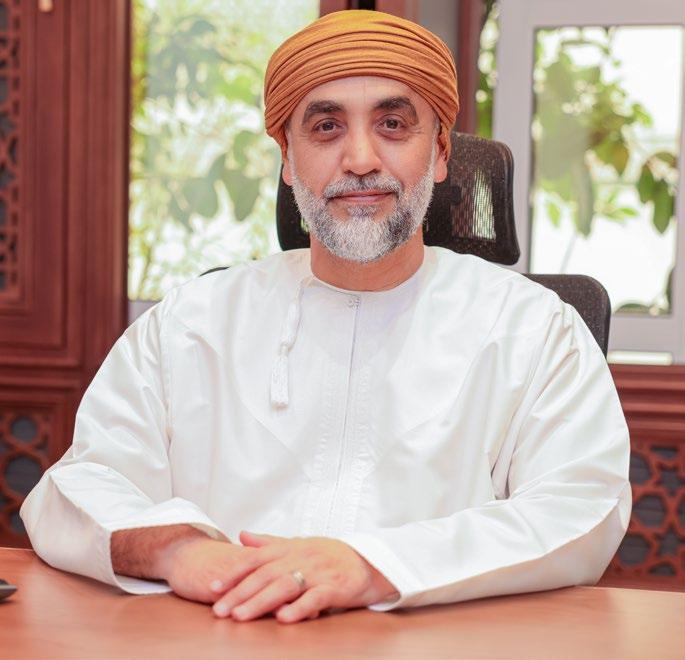
How do you view competition from banks, fintechs, and the growing digital arms of conventional lenders in Oman? What sets Taageer apart from its competitors?
Competition is becoming more intense across Oman’s financial sector, but I see that as a healthy sign of a market that is evolving and maturing. Banks, fintechs, and digital lending platforms are all raising the bar in different ways, and that ultimately benefits customers.
Taageer operates from a position of clarity. We do not need to be everything to everyone. Banks have scale and a broad product range. Fintechs bring speed and innovation. Our role is different, but highly relevant. As a finance and leasing company, we complement the wider ecosystem by offering focused, responsive, and customer-oriented solutions. At the moment, our main focus is inward-making sure we keep pace, stay in shape, and become fit for the future. From there, we can
always look at other opportunities in parallel. But priority number one is strengthening the business internally and pursuing organic growth first.
What sets Taageer apart is our ability to combine speed, efficiency, and accessibility with a strong understanding of customer needs. Our customers value convenience, quick turnaround, and a service model that is close to them and responsive to their expectations. That has been one of Taageer’s defining strengths, and it continues to be a major differentiator in a crowded market.
Just as importantly, we take pride in the loyalty of our customers. Customer retention is not accidental; it is earned through consistency, trust, and the ability to deliver when it matters. In a market where customers increasingly have more choices, that trust becomes one of the most powerful competitive advantages any institution can have.
FROM PROTECTION TO EVERYDAY VALUE
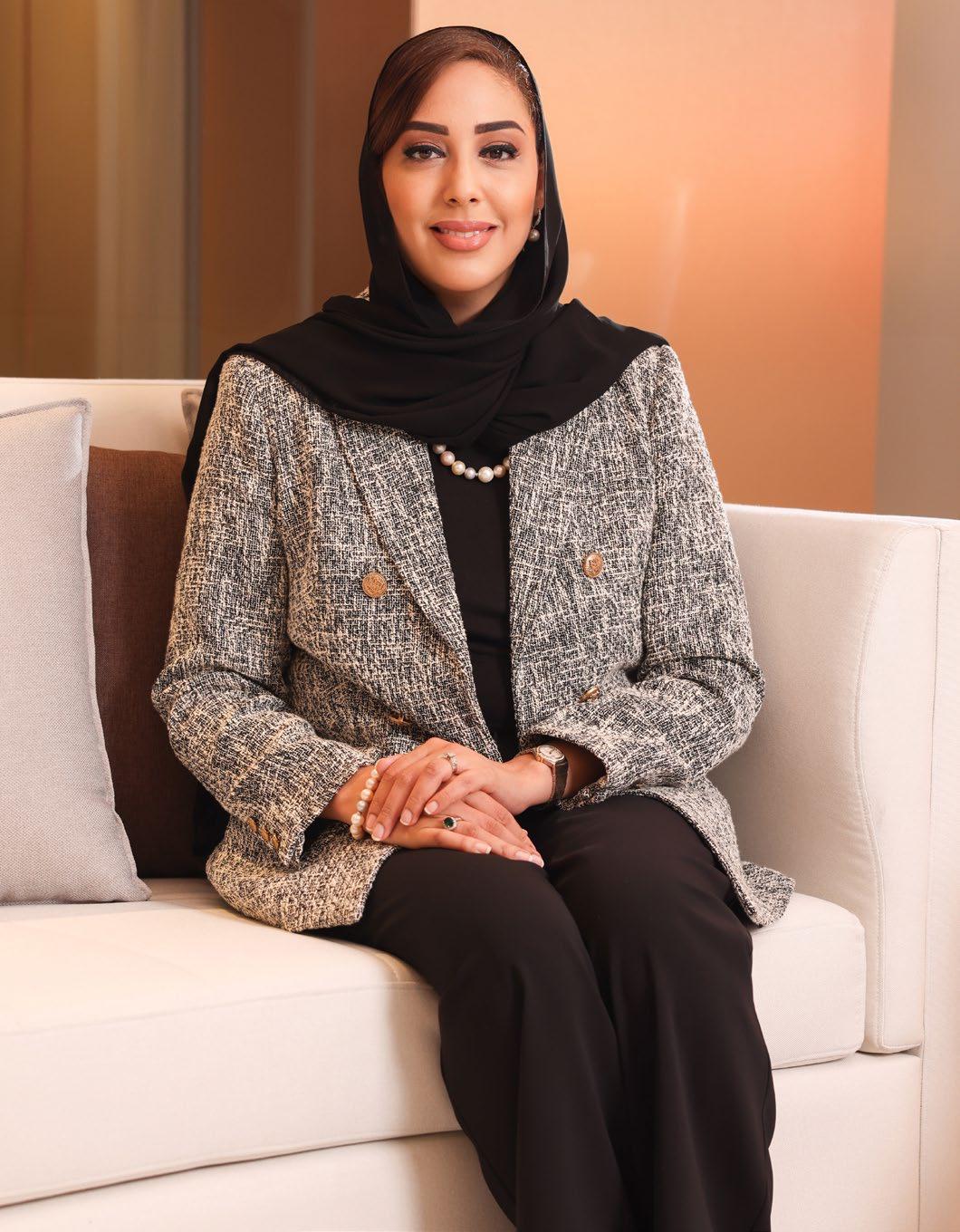
Redefining insurance through customer-centric design, digital precision, and ecosystem partnerships to deliver value beyond the moment of need. Hanaa Al Hinai, CEO, Liva Insurance, shares her insights in an interview
Strategic priorities for longterm sustainable growth… Our long-term strategy is anchored on three priorities. First, deepening customer value by moving from transactional insurance to lifelong engagement—designing products and services that anticipate needs, not just respond to claims. This is also reflected in our rewards program, where we extend value beyond traditional insurance. Second, scaling our digital and data capabilities to operate with greater speed, precision and personalisation. We are investing in automation and AI to strengthen underwriting, improve risk selection, and elevate the overall customer experience. Third, expanding strategic partnerships across health, mobility, and financial services ecosystems. Sustainable growth today comes from being embedded in broader customer journeys, not operating in isolation.
Leadership lessons that shaped your approach…
One of the most important lessons has been that focus drives results. In complex environments, it’s easy to spread effort too thin — real progress comes from being clear on a few priorities and executing them well. I’ve also learned that alignment matters more than consensus. Not everyone needs to agree on every detail, but the organisation must move
in the same direction with clarity and discipline. Finally, resilience is critical. Transformation rarely follows a straight line — there will be setbacks. What matters is maintaining momentum, learning quickly, and staying committed to the long-term objective.
The belief behind “insurance should add value to life” & what differentiates Liva’s Rewards Program…
Our belief is simple: insurance should create value every day, not only at the point of a claim. It should be part of a customer’s lifestyle, not something they only think about in moments of need. The Liva Rewards Program is built on this philosophy. It encourages ongoing engagement by offering customers meaningful benefits and everyday savings, making insurance more relevant in their daily lives. What truly differentiates our approach is immediacy and value. Customers gain access to rewards from the moment they purchase a policy, and over time, the benefits they receive can exceed the cost of their policy.
Leading the organisation to keep customer experience at the centre while scaling partnerships…
My role is to ensure that customer value remains the lens through which
every decision is made. We don’t pursue partnerships for scale alone — we pursue them to meaningfully enhance the customer journey. Internally, we have embedded customer-centric KPIs across all functions, from underwriting and claims to digital, ensuring that every team is accountable for the experience we deliver. Externally, we align with partners who share our standards of transparency, simplicity, and service excellence. This consistency allows us to scale our ecosystem while preserving the trust and human connection that define our brand.
The next bold bet — and one industry approach that must change…
Our next bold bet is on predictive capabilities — moving from reactive protection to proactive prevention. With the right use of data and technology, we can help customers anticipate and avoid risks before they materialise. That shift will redefine the role insurance plays in people’s lives. What must change is the industry’s bias toward complexity. Insurance has traditionally been difficult to understand, difficult to buy, and difficult to use. The future will belong to companies that simplify, personalise and integrate insurance seamlessly into everyday experiences.
SECURE TRANSACTIONS
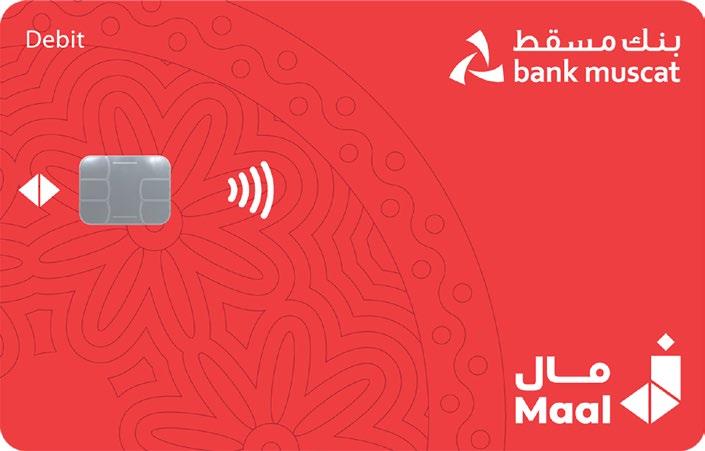
National Payment Card “Maal” from Bank Muscat: Secure Alternative for Local Payments
Following the successful launch of the national payment card
“Maal”, it has witnessed a strong turnout and growing adoption across Bank Muscat customers. This positive momentum underscores the card’s value in enhancing efficiency and delivering a seamless experience
“Maal” is a national payment card developed under the supervision of the Central Bank of Oman and issued by Omani banks. It is accepted by all licensed payment service providers across the Sultanate, enabling customers to carry out transactions easily and securely through a unified national system for card issuance, processing, and settlement.
The debit card provides customers with 24/7 access to their accounts, allowing them to perform cash withdrawals and make purchases at point-of-sale terminals across Oman. It also supports payments for local e-commerce platforms, bills, government services, and mobile applications.
“Maal” features contactless payment capability and a One-Time Password (OTP) service for online transactions within Oman. The card also ensures faster transaction processing, greater efficiency, and reduced fees for merchants, as it operates through the local OmanNet network, providing enhanced data privacy and security. POS terminals, however, will be enabled gradually to enhance the customers’ experience.
Bank Muscat appreciates this step by the Central Bank of Oman in launching the national payment card ‘Maal’ which will contribute to strengthen the local digital payments ecosystem and build
a robust and secure infrastructure that enhances financial inclusion. The Bank takes pride to align with this unified national direction, which sets a clear and reliable roadmap for digital transformation.
The “Maal” debit card is available to Bank Muscat customers free of charge and will be automatically issued to new customers upon opening an account. Existing customers will receive an SMS to inform them when their cards are ready for collection. The launch of “Maal” underscores the Bank’s leadership in supporting the national digital payments infrastructure, driving innovation and financial inclusion, and contributing to the Sultanate’s sustainable economic development goals.
As a testament to its leadership in digital transformation, Bank Muscat has recently received several
prestigious recognitions, including: Best Bank for Digital Solutions at the Euromoney Private Banking Awards 2025, Best Digital Bank in Oman at the Euromoney Excellence Awards 2025, Best Bank for Digital Communications and Marketing by The Banker, The Gold Award for Digital Channel Innovation from Infosys Finacle Innovation Awards 2025, and Best Brand for Customer Experience (Retail Banking) from Muscat Media Group.
For more information on the Maal debit card, please visit: https://www. bankmuscat.com/en/bm-cards/Pages/ maal.aspx or call the Bank Muscat Contact Centre at 24795555, chat instantly via WhatsApp on the same number. The Bank’s staff are always ready to provide any assistance or respond to any inquiries regarding the card. Customers may also reach out through the bank’s official social media accounts on X and Facebook.

MOST INFLUENTIAL PERSONALITIES IN BFSI SECTOR
BANKING SECTOR
(Note: BFSI personalities are listed in alphabetical order of their first names)
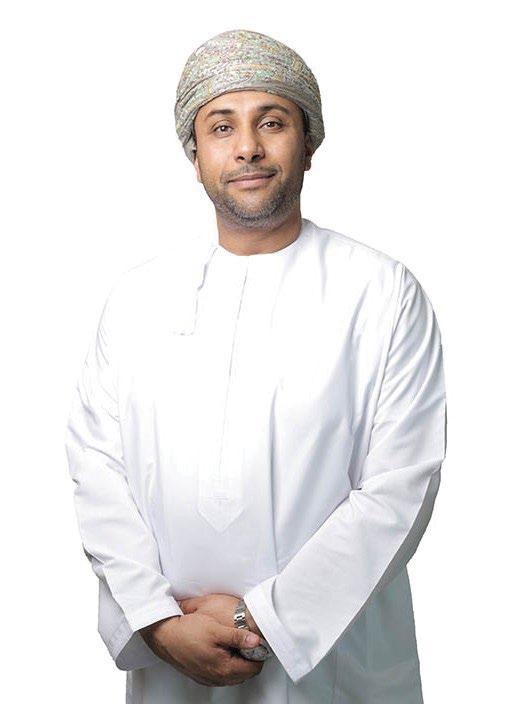
Abdullah Zahran Al Hinai
CEO, National Bank of Oman
Abdullah Zahran Al Hinai is the CEO of NBO. Having held a number of senior management positions in the banking sector, he is an industry veteran with over two decades of experience. Prior to his current role, he was the Chief Wholesale Banking and Strategic Growth Officer at a leading financial institution, and was credited for setting up the organisation’s Strategic Growth function and architecting a number of ground-breaking transactions in both investment and commercial banking. Al Hinai serves as a Board Member of Oman Banks Association. He has also held several board memberships across various industries including manufacturing, investment and urban development.
Al Hinai holds an Executive Masters in Business Administration from the International Institute for Management Development (IMD) in Lausanne, Switzerland, a Postgraduate Diploma from Manchester Business School, UK, and a B.Sc. in Business Administration from Boston University, USA. He also attended the Advanced Management Program (AMP) at INSEAD, Fontainebleau, France, the General Management Program (GMP) at Harvard Business School, Boston, MA, USA, and is a holder of Chartered Financial Analyst designation as well as being a Certified Public Accountant (USA).
Abdulwahid Mohamed Al Murshidi
CEO, Sohar International
Abdulwahid Mohamed Al Murshidi has been a driving force at Sohar International since July 2019, steering the bank through a period of accelerated growth, transformation, and strategic repositioning. Under his leadership, the bank has emerged as one of Oman’s fastest-growing financial institutions and a trusted national strategic partner, contributing to the ambitions of Oman Vision 2040. His leadership is anchored in a clear long-term vision focused on sustainable value creation, innovation-led growth, and institutional excellence, while strengthening resilience, advancing digital transformation, and fostering a performance-driven culture that consistently delivers value. With more than 22 years of experience across core banking disciplines- including Audit, Finance, Investment, and Islamic Banking—Al Murshidi brings a holistic and forward-looking perspective to leadership. Prior to joining Sohar International, he held senior executive roles where he reinforced governance frameworks, built institutional capabilities, and advanced customer-centric models. He holds an Executive MBA from London Business School and a Bachelor of Science from Sultan Qaboos University, reflecting a strong academic foundation that underpins his strategic thinking and leadership philosophy, with a continued focus on global best practices and purposedriven growth.
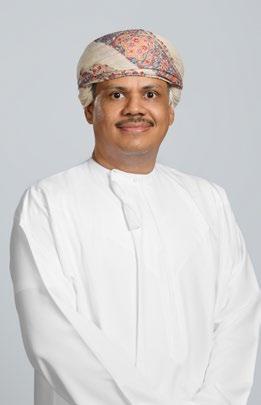
Ali Al Mani
CEO, Alizz Islamic Bank
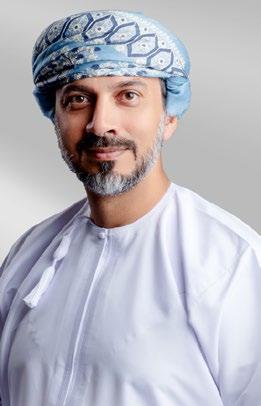
Ali Al Mani is the CEO of Alizz Islamic Bank and a visionary leader and dynamic strategist with more than two decades of experience in the banking and financial industry. Under his leadership, organisations were transformed into agile and high performing businesses through innovation, operational excellence and sustainable growth. He has been instrumental in aligning strategic vision and fostering inclusive economic opportunities. Al Mani has a proven track record of steering organisations through digital transformation, market expansion, work culture transformation and remains committed to creating a lasting impact towards customers, employees and partners. Ali holds a Master’s of Science in Innovation, Leadership and Management from the University of York, UK. He also holds a Bachelor of Arts with Honours in Computer and Internet Applications from the University of Bedfordshire, UK. Al Mani has been recognised and awarded for his contribution towards the industry and is a regular speaker in thought leadership forums. He is also the Chairman of the Board at Takaful Oman SAOG, a board member of the Oman Banks Association (OBA) and a board member of INJAZ Oman.
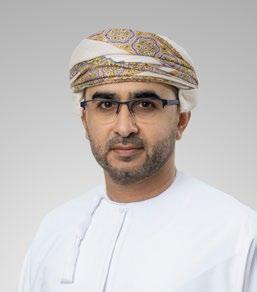
Hussain Ali Al Lawati CEO, Development Bank
Hussain Al Lawati has been serving as CEO of Development Bank since February 2024. He brings more than 20 years of experience in banking and financial leadership, with a focus on sustainable economic development. In his role, he leads strategic initiatives aligned with Oman Vision 2040, emphasising sustainability, development impact and credit quality. His work supports the bank’s mandate to empower diverse sectors, strengthen stakeholder value and contribute to Oman’s long-term economic ambitions. Under his stewardship, the bank’s loan book grew by 49 per cent between 2023 and 2025.
Karumathil Gopakumar
Acting CEO, BankDhofar
Karumathil Gopakumar is the Acting CEO of BankDhofar. He joined BankDhofar as Deputy CEO in November 2021. He is a veteran finance professional with more than 31 years of experience in various leadership roles in Wholesale Banking, Retail Banking, Treasury & FI, Investment Banking, Asset Management, Private Banking, Financial Control and Operations with renowned financial institutions. Prior to joining BankDhofar, Gopakumar held several leadership positions at banks in Oman. He is a Chartered Accountant, Cost Accountant and Company Secretary from India, a member of the Chartered Institute of Management Accountants, London, Member of the ACI - The Financial Markets Association, London and a Member of the Corporate Treasurers, London. He also holds an MBA from IMD Lausanne, Switzerland.
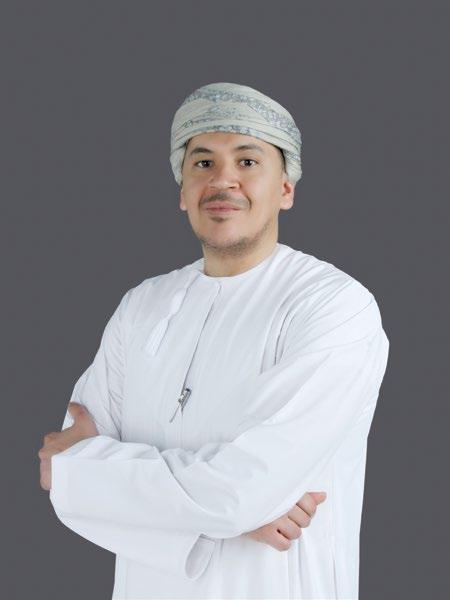
Khalid Al Barwani
CEO, QNB Oman
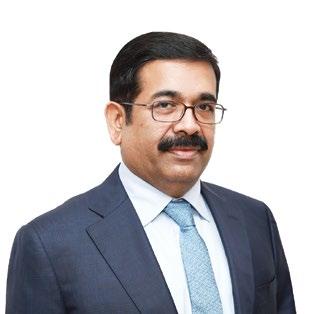
Khalid Al Barwani is a seasoned banking professional with over 22 years of diverse experience across international, regional, and local banks. His expertise covers Corporate and Institutional Banking, Investment Banking, Treasury, and Islamic Banking. Khalid holds a Master’s degree in Economic and Business Policy from the United Kingdom and has completed several prestigious executive leadership programs, including University of Cambridge and Wharton Business School. Khalid currently serves as the CEO of QNB Oman where he is spearheading the bank’s growth strategy. His strong leadership, in-depth market knowledge, and commitment to excellence have positioned him as a trusted leader in the banking sector, driving growth and innovation across multiple financial disciplines.
Moosa Al Jadidi
CEO, Oman Housing Bank
Moosa Al Jadidi is the CEO of Oman Housing Bank. Al Jadidi is a seasoned banker with extensive industry knowledge armed with more than two decades of experience in the banking and financial industry across the Sultanate of Oman and the GCC. As an award-winning banker, he is renowned for having expert knowledge of both conventional and Islamic Banking, notably retail banking, corporate credit, wealth management and private banking investments coupled with his focus on continuous improvement and exemplary performance. He is also an expert in digital customer experience and strategic operational management and planning. Prior to joining Oman Housing Bank, Moosa Al Jadidi was the Chief Operating Officer of Alizz Islamic Bank. Al Jadidi has extensive international and regional banking experience as he previously worked for the Royal Bank of Canada, the European Financial Group Bank as Vice President – Global Private Banking, Dubai Bank as Vice President – International Business Development and several local banks such as Bank Muscat and National Bank of Oman (NBO). Al Jadidi has a Master’s degree in Business Administration from the University of Bedfordshire and is a graduate of the Senior Executive Program from London Business School in the UK.
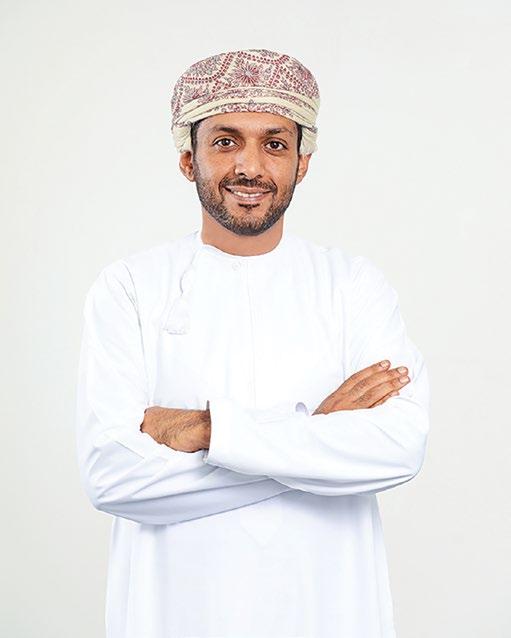
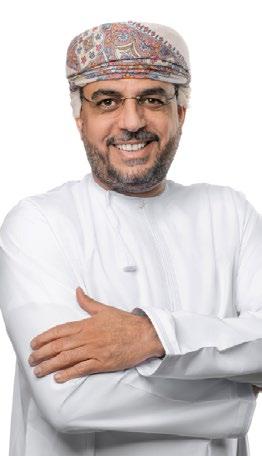
Said Abdullah Al Hatmi
CEO, ahlibank
Assuming the role of CEO in June 2018, Said Abdullah Al Hatmi has taken leaps and overcome hurdles on his path to attain ahlibank unprecedented success. His legacy and forward-thinking vision underscore his talent as an exceptional leader whose unwavering commitment is showcased in his illustrious career as a driving force in the Sultanate of Oman’s banking sector. Al Hatmi ascended multiple senior management positions, gaining expertise in corporate banking, risk management, finance, and banking operations, equipping him with a stout foundation that steered ahlibank towards several remarkable achievements. Al Hatmi won the ‘CEO of the Year’ at the Banking and Finance Awards 2023; one of the many substantial accolades he has received over the years as the harbinger of a new age at the helm of ahlibank. Al Hatmi embodies a leadership style that encourages collective decision-making, fostering a critical thinking team and empowering individuals to shape the bank’s future. His approach ushered a collaborative, inclusive, and transparent work environment, developing the skills of ahlibank’s team members and nurturing future leaders capable of driving holistic change.
At the core, Said Abdullah Al Hatmi plays an instrumental role that exemplifies his prowess as a true leader. Under his guidance, ahlibank adapted to market shifts and set industry standards, thus embodying the values of forward-thinking leadership, customer-centricity, and technological innovation.
Sulaiman Al Harthi
CEO, Oman Arab Bank
Sulaiman Hamed Al Harthi is the CEO of Oman Arab Bank. He has over 35 years of banking experience with board level expertise and a proven track record to develop robust and sustainable business models, creating an environment where creativity is unleashed, talent is nurtured and energy of the workforce is harnessed. Sulaiman has occupied several leadership roles at major local banks. He has demonstrated exceptional capabilities and has been a key contributor to the various organizations he has served. Sulaiman has an MBA in Finance from University of Leicester.
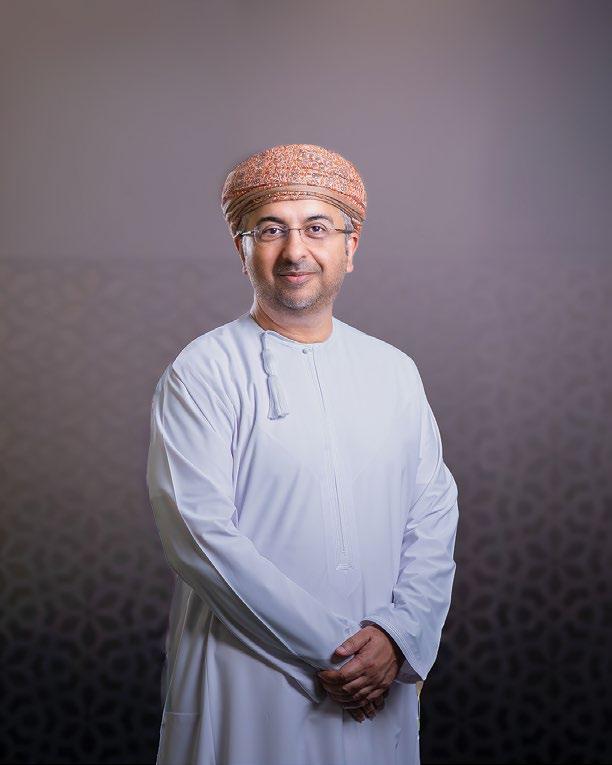
Tariq Atiq
Acting CEO, Bank Nizwa
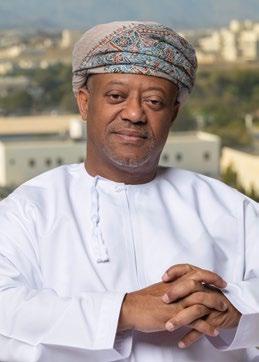
Tariq Atiq is the Acting Chief Executive Officer of Bank Nizwa. Tariq has over 25 years of hands-on banking experience, with a distinguished track record of success across retail banking, corporate banking, SMEs, cards, and digital banking. He is widely recognised for his leadership in driving major transformation programs and delivering innovative digital solutions that have enhanced operational performance and elevated customer experience. He has played a pivotal role in advancing landmark national and industry-first initiatives such as cashless government dealings and the development of the Sultanate’s first e-Commerce gateway and the implementation of advanced digital platforms. His leadership has consistently contributed to business growth, improved operational efficiency, and the adoption of innovative banking solutions aligned with evolving market trends. Tariq bin Atiq holds a Bachelor of Science in Business Administration from United State of America, and an Executive MBA in Leading Digital Transformation from HEC Paris. He has also completed a range of executive education programs from globally renowned institutions, such as Harvard Business School (USA) and INSEAD (France) and other professional certifications from internationally-recognised academic institutions, further strengthening his strategic and leadership capabilities.
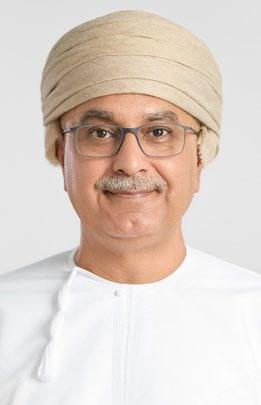
Sheikh Waleed K. Al Hashar
CEO, Bank Muscat
Sheikh Waleed K. Al Hashar is the CEO of Bank Muscat. He is a member of the Board of Directors of the Oman Center for Governance and Sustainability, and the College of Banking and Financial Studies. His experience over the past 28 years spans in Banking as well as the Oil and Gas sectors. Before joining Bank Muscat, he held senior positions in a number of leading corporates including Petroleum Development Oman and HSBC Bank Middle East. Sheikh Waleed K. Al Hashar joined Bank Muscat in 2004 and has since held various senior positions including Group General Manager – Corporate Services and Deputy Chief Executive Officer.
He assumed the role of Chief Executive Officer of the bank in January 2019. He holds a postgraduate diploma in General Management from Harvard Business School as well as a BSc and Masters in Business Administration from California State University in Sacramento, USA.
FINANCIAL SERVICES SECTOR
(Note: BFSI personalities are listed in alphabetical order of their first names)
Aftab Patel
CEO, Al Omaniya Financial Services
Aftab Patel is the founding member, promoter, and CEO of Al Omaniya Financial Services, the premier non-banking financial institution in the Sultanate. Al Omaniya has evolved from a humble beginning in 1997 to a pioneer and unequivocal leader in its industry. Aftab Patel is a commerce graduate and a chartered accountant. He started his career with AF Ferguson and Co in Mumbai and then moved to Associated Cement Company. He moved to Muscat in 1984 and was with Omar Zawawi Establishment (OMZEST). In 1990, he was appointed profit centre head for Bank Muscat. In 1997, he helped found Al Omaniya along with a group of investment bankers and pension funds. Patel was listed among 50 best CEOs in the GCC in a ranking by INSEAD Business School and Deloitte for the year 2016, and was conferred with Lifetime Achievement Award at the GCC Banking Summit in 2016. Under his stewardship and vision, the company has been rated as the number one Non-Banking Financial Institution by Ernst & Young in 2006, 2008, 2010, 2011 and 2012.
The company has also been rated as number one Non-Banking Financial Institution by OER and GBCM, when they first instituted this award in the year 2012. Patel is on the board of directors of Dhofar Cattle Feed SAOG and also chairs the board Audit Committee. He is a board member of Oman India Friendship association since its inception in 2020 and has also been nominated as the Board member of Indo Gulf chamber of Commerce Oman Chapter (under formation).
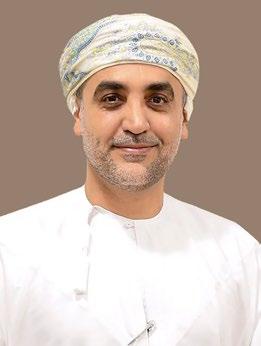
Sheikh Khalil Al Harthy
CEO, Taageer
Finance
Sheikh Khalil Al Harthy is the CEO of Taageer Finance. Aseasoned financial professional, he has nearly 30 years of experience in Oman’s finance, insurance, and investment sectors. He holds a bachelor’s degree in Finance and Information Systems, along with a diploma in Financial and Banking Sciences. Prior to this appointment, Sheikh Khalil served as the CEO of Credit Oman Company, and has held senior leadership roles in the insurance and investment management sectors. He has also served on the boards of several closely held and public joint stock companies across energy, insurance, and finance industries in Oman.
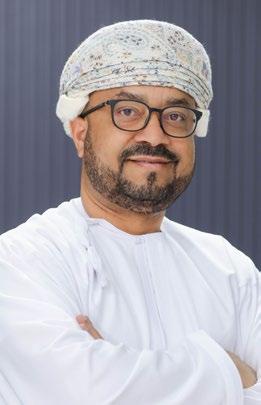
Nasser Al Rashdi
CEO, United Finance Company SAOG
Nasser Al Rashdi is the CEO of United Finance Company SAOG and a driving force behind its strategic transformation. With extensive experience in the financial sector and deep expertise in credit, risk management, and corporate strategy, Nasser has led the company into a new era of growth and innovation. Under his leadership, UFC has embraced a bold, customer-first vision rooted in digital enablement, operational excellence, and sustainability. Known for his decisive leadership and forward-thinking approach, Nasser has successfully aligned business execution with long-term value creation. His ability to anticipate market shifts and implement agile strategies has not only strengthened UFC’s market position but also earned him wide respect across the industry. As a dynamic leader with a clear vision, Nasser continues to shape the future of financial services in Oman and beyond.
Rashad Al Shaikh
CEO, Muscat Finance
Rashad Al Shaikh has over 27 years of professional experience in the banking and finance sector, with extensive exposure to both retail and corporate banking. Throughout his career, he has held several senior leadership roles, where he has been responsible for managing business growth, strengthening customer relationships, leading highperforming teams, and supporting the development of sustainable financial strategies. He is an industry veteran with deep knowledge of banking operations, credit, customer relationship management, business development, and financial services governance. His long-standing experience has enabled him to successfully guide teams through changing market conditions, enhance operational performance, and contribute to sustainable institutional growth. Al Shaikh has built a strong track record in driving business performance while maintaining prudent risk awareness and customer-focused service delivery. His leadership approach combines strategic vision, practical industry insight, and a strong understanding of the financial services landscape. He holds a Bachelor’s degree in Business Administration, majoring in Finance, from the University of Central Florida, USA.
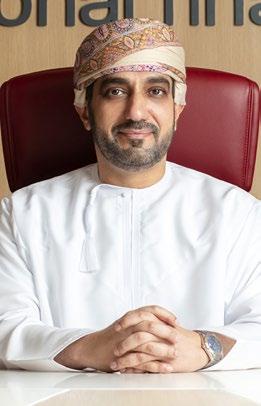
Tariq Al Farsi
CEO, National Finance
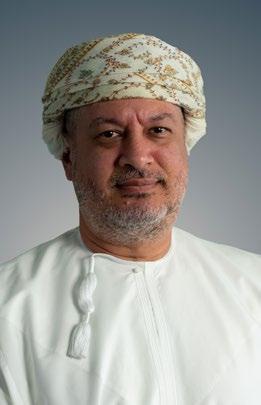
A leader par excellence, Tariq bin Sulaiman Al Farsi is a distinguished figure in the Banking, Financial Services, and Insurance (BFSI) sector in the Sultanate of Oman. Since becoming CEO of National Finance in 2021, he has led the company to exceptional achievements, solidifying its position as a leading finance company in the Sultanate. Over a career spanning 21 years, Al Farsi has held key positions in top governmental organisations, including CEO of Al Raff’d Fund and board member of the Public Authority for SME Development. He has also chaired Riyada, the Tender Committee for SME Authority and Entrepreneurship Award, and served as the Deputy Chairman of Omanisation in the Finance and Banking Sector Committee in the Ministry of Manpower. Furthermore, he has been instrumental in the establishment of Islamic banks such as Noor Bank in Dubai, Al Hilal Bank in Abu Dhabi, and Bank Nizwa in Oman. Al Farsi holds leadership qualifications from Harvard University, INSEAD, and the Sheikh Mohammed bin Rashid Center for Leadership Development. He earned his Bachelor’s degree in Business Administration and Hotel Studies from The Arab Academy for Science, Technology & Maritime Transport and is a certified Chartered Financial Analyst. As an award-winning business luminary, Al Farsi has made a significant impact on the country’s business landscape, continuing to propel National Finance to new heights and inspiring future leaders.
INSURANCE SECTOR
(Note: BFSI personalities are listed in alphabetical order of their first names)
Hanaa Al Hinai
CEO, Liva Insurance
Hanaa Al Hinai is the CEO of Liva Insurance, one of the leading insurance players in Oman. She began her career over two decades ago in the banking industry in one of Australia’s largest banks, Westpac, in the field of Financial Advisory for a couple of years, followed by 16 years in the banking sector in Oman. This diverse background provided a strong foundation in retail banking, investments, digital transformation, strategy implementations, product innovation, and understanding of regulatory frameworks. In 2021, she joined RSA Middle East as the Deputy CEO for UAE and Bahrain operations before joining Al Ahlia Insurance in Oman as the CEO. She has participated in numerous leadership programmes, including the Oman National CEO programme with IMD, London Business School, Queen University to name a few. These educational and leadership trainings have been instrumental in shaping her strategic vision and contributed to receiving awards such as the ‘Premium Insurtech CEO of the Year’ and ‘Insurance CEO of the Year’ and “Woman of the Year.” A significant milestone in her career was overseeing the successful integration of NLGIC and Al Ahlia Insurance.
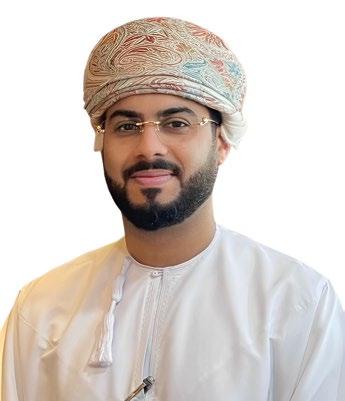
Hasan Yaseen Al-Lawati
CEO, Oman Qatar Insurance Company (OQIC)
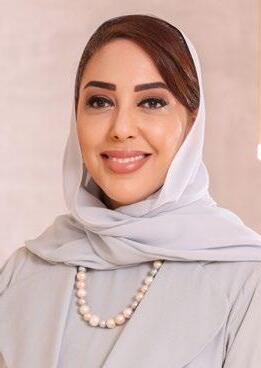
Hasan Yaseen Al-Lawati is a prominent figure in the insurance industry, serving as the CEO of Oman Qatar Insurance Company (OQIC) since 2020. His leadership has been instrumental in shaping the company’s success. Under his guidance, OQIC seamlessly integrated its operations with Vision Insurance, solidifying its market presence and showcasing Hasan’s strategic vision and ability to navigate complex business environments. This achievement earned him recognition as one of the top 100 CEOs in the Middle East, highlighting his exceptional leadership and impact on the industry. Hasan’s academic background and professional experience highlight his commitment to achieving exceptional results. He possesses a Bachelor’s degree in Banking and Finance and Institutional Risk Management from Monash University. Further demonstrating his dedication to continuous learning, he has pursued certifications from renowned institutions, including Strategic Decision Making and Risk Management from Stanford University USA, ACII from the British Insurance Institute, and Institutional Innovation Certificate from Stanford University USA. Hasan actively contributes to the industry’s governance through his board positions. He serves as a Director for the Oman Insurance Association and a Vice Chairman for the Board of Directors of Omani Unified Bureau of the Orange Card. Hasan combined expertise, strategic thinking, and leadership have positioned him as a driving force shaping the future of the insurance industry.
Mehdi Al Harthy
General Manager and Head of Partnerships at GIG Gulf – Oman
Mehdi Salim Al Harthy is a senior insurance executive and country leader with over 25 years of experience across Oman’s insurance sector. He currently serves as General Manager and Head of Partnerships at GIG Gulf – Oman, where he holds full accountability for strategy, profitability, operations, partnerships, and regulatory engagement. Throughout his career, Mehdi has built a strong track record in restoring underwriting profitability, driving operational transformation, and scaling multi-channel distribution models, including direct retail and partnerships e.g. brokers, agents, banks. He is recognised for leading complex change in highly regulated environments, strengthening governance frameworks, and delivering sustainable financial performance. Since joining GIG Gulf, Mehdi has led a comprehensive organisational and operational transformation, including the establishment of a fully localised Oman call centre, enhancement of omni-channel distribution, and reinforcement of underwriting discipline. Under his leadership, the company achieved above-target underwriting contribution, accelerated broker channel growth, and secured the Oman Health Insurance License, positioning GIG as the first approved insurer in the market. He is also actively engaged with regulators and market bodies, contributing to industry-wide initiatives and policy dialogue at a national level. Mehdi currently serves as a Board Director at the Oman Insurance Association and represents the insurance industry on key national platform, contributing to the development and resilience of the insurance sector in Oman.
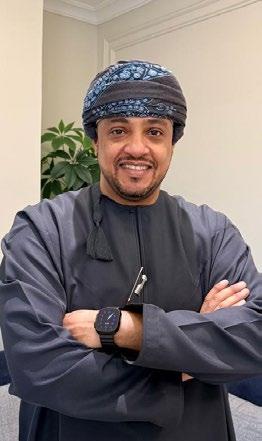
Neelmani Bhardwaj
CEO, Takaful Oman Insurance
Neelmani Bhardwaj is the CEO of Takaful Oman Insurance SAOG. He is a senior general insurance professional with 25 plus years of extensive international experience in the Financial Services industry of which 18 years were with American International Group (AIG) in varied roles and geographies across South Asia, GCC, Africa, Russia and Europe. Prior to joining Takaful Oman, Neelmani was the Business Executive Officer (Insurance) at Ominvest. Bhardwaj has successful experience at startups, scaling up businesses and is now leading the charge of turnaround of Takaful Oman, He has been highly successful in building a collaborative and effective working environment across culturally diverse teams and geographies. He has been effective in leading teams to high performance amidst a rapidly changing external and internal environment.
He is an MBA Masters in Business Management from Amity Business School, India. Bhardwaj has served on various boards including Director of National Life and General Insurance Company SAOG and a Member of the Overseas Security Advisory Council, Oman and has also served on the Development committee as Oman American Business Council.
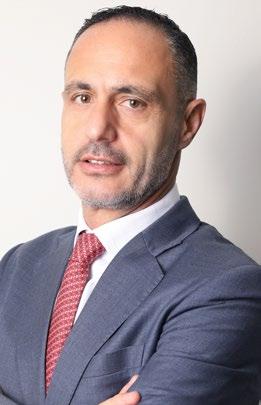
Roland Zaatar
CEO, Arabia Falcon Insurance Company (AFIC)
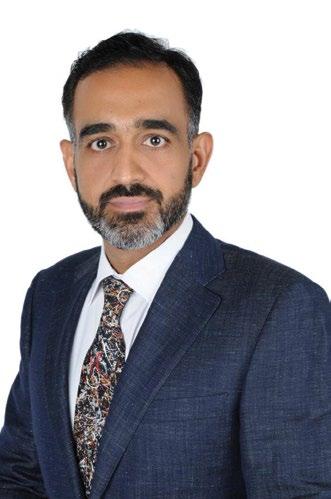
Roland Zaatar is a senior insurance and reinsurance executive with over 25 years of leadership experience across the GCC, DIFC, and European markets. He currently serves as Chief Executive Officer of Arabia Falcon Insurance Company (AFIC) in Muscat, Oman, where he has restored technical profitability, delivered consistent double-digit profit growth, and strengthened enterprise governance across the organisation.
Prior to AFIC, Roland held senior executive roles at Royal & Sun Alliance (RSA) in the DIFC — where he established and led the Middle East Specialty Hub under DFSA supervision — and at Zurich Insurance Company, as regional manager for Property and engineering across the Middle East, Turkey and Africa.
He began his career at Gen Re (Berkshire Hathaway) in Beirut and Paris, underwriting facultative property, engineering and marine business across France, Belgium and MENA. Roland holds a high diploma in management from CNAM/CHEA Paris, an Executive MBA from UQAM Montréal, and completed Artificial Intelligence for Business at INSEAD.
Romel Tabaja
CEO, Oman Reinsurance Company SAOG (Oman Re)
Romel Tabaja serves as the Chief Executive Officer of Oman Re, a position he has held since 2016. Under his leadership, Oman Re has expanded its presence across key regional and international markets, reinforcing its reputation as areliable and forward-looking reinsurer. With over 26 years of diverse experience in the reinsurance industry, Romel brings a wealth of knowledge and strategic insight to the organisation. His professional journey spans a wide spectrum of roles – including underwriting, portfolio management, marketing, and general management – each contributing to his well-rounded expertise in the field. Prior to joining Oman Re, he was Deputy CEO at Trust Re for five years, where he played a pivotal role in shaping business strategy and driving growth. Romel’s educational credentials include a Bachelor of Science in Banking and Finance from the Lebanese American University in Beirut. He also holds the Advanced Diploma in Insurance and is a graduate of the prestigious Executive Management Program at INSEAD Business School, France.
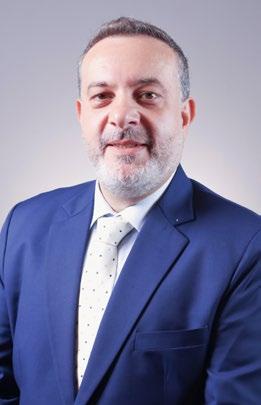
Sayyid Nassir bin Salim Al Busaidi
Chief Management Executive (CME), Oman United Insurance Company
Sayyid Nassir Bin Salim Al Busaidi serves as the Company’s Chief Management Executive (CME). He has been with Oman United Insurance Company (OUIC) since 1997. Nassir holds a Master of Public Administration degree from Carnegie Mellon University. With an enterprising mindset, he embraces challenges and has fostered strong, dependable relationships with regulators, clients, and shareholders—grounded in personal engagement and sharp business acumen. As a leading and trusted name in Oman’s insurance sector, OUIC provides a wide range of individually and corporately tailored insurance policies designed to meet customers’ specific need
Sunil Kohli
CEO, Dhofar Insurance
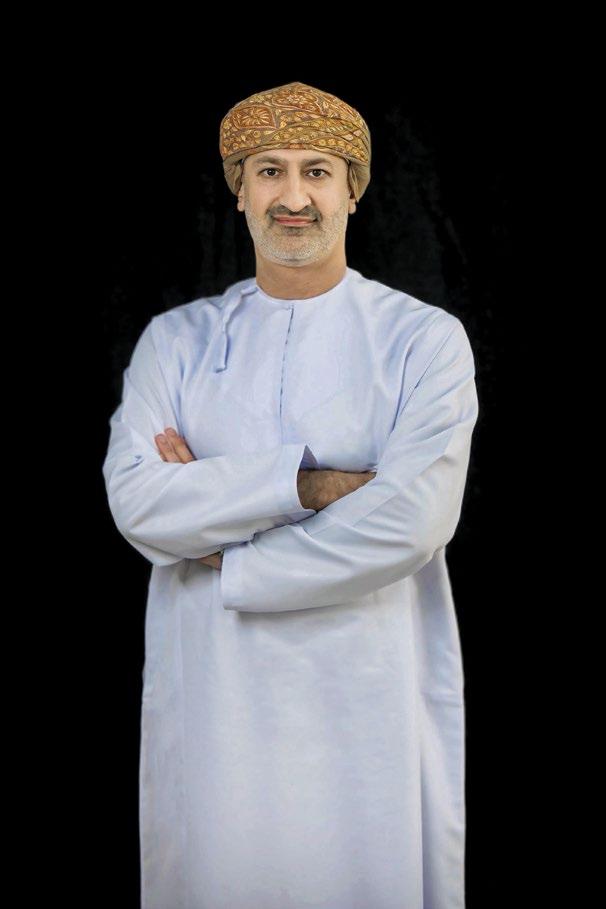
Said Al Rashdi
CEO, BIMA Insurance
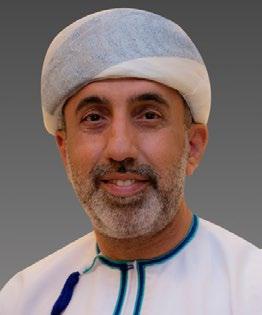
Said Nasser Al Rashdi is the founder and CEO of Bima, Oman’s pioneering online insurance platform. With a Master’s degree in Information Engineering and E-Business Technology from the UK, he has led Bima since 2019, transforming the insurance industry through digital innovation. Said is also the Chairman of the Board at VentureOne and Al Nasr Investment and Development Company, Deputy Chairman at Infoline LLC, and a member of the Digital Economy Committee at the Oman Chamber of Commerce and Industry. His previous roles include CEO of Sandan Development and the Omani Industrialists Association, showcasing his leadership across various sectors.
Sunil Kohli is the CEO of Dhofar Insurance since April 2019. With experience of more than 29 years, Sunil has in-depth knowledge of global insurance and reinsurance industry. At Dhofar Insurance, he is spearheading the transformation initiative to digitise processes, customer centricity, optimising resources and creating value for all stakeholders. Under his leadership, Dhofar Insurance has been awarded the following awards- “Most Innovative Insurer in Oman,” “Most Trusted Brand,” and “Excellence in Insurance.”Prior to joining Dhofar Insurance, Sunil was Head of Reinsurance and Liability underwriting at Reliance General Insurance from 2015 to 2018 and was instrumental in developing large risk portfolio to pitch fork Reliance as a leader in Commercial lines insurance in India. Sunil Kohli holds a Master of Business Administration in Finance from the University Business School, Punjab University, Chandigarh, Bachelor of Engineering (Electronics and Communication) from National Institute of Technology, Durgapur and a Fellow of Insurance Institute of India.
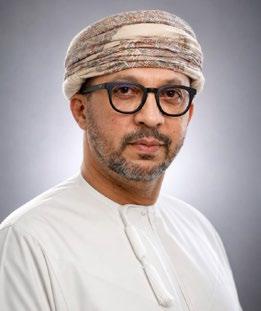
Usama Al Barwani
CEO, Al Madina Takaful
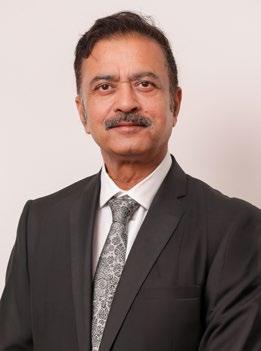
Usama Al Barwani is the CEO, Al Madina Takaful. He holds an Executive Diploma in Strategic Management & Leadership (CMI, U.K.), a Postgraduate Diploma in Human Resource Management (CABA, Canada), a Professional Diploma Certificate in TQM (Kaizen Institute, Japan), as well as diplomas in Information & Systems Management and Education. He is also a Certified Islamic Specialist in Islamic Insurance (CIBAFI) and a Certified Compliance Officer (AAFM). He has 34 years of experience in H.R., Education, and Management. He has played a vital role in Shariah consulting services to transform the Company’s activities into Takaful based insurance.
11 YEARS OF INNOVATION UNLOCKED
Oman Banking & Finance Awards
Honoring Excellence in Banking & Finance by recognizing innovation, digital transformation, and industry leaders shaping Oman’s financial future.
For ten years, the New Age Banking Summit has been unlocking the future of finance in Oman. Now, it’s your turn to step inside. Join industry leaders, innovators, and disruptors as we celebrate a decade of driving digital transformation in banking. Be part of the revolution.

18th May 2026 - Sheraton Oman Hotel
Banking Excellence Awards
Best Digital Transformation Initiative
FinTech Innovator of the Year
Excellence in Cybersecurity
Outstanding Customer Experience
Most Innovative Banking Product/Service
Best ESG & Sustainability Initiative
Leader in AI & Automation in Banking


Best SME & Startup Banking Support
Women in Banking Leadership Award
Excellence in Embedded Finance
Best Real-Time Payments Solution
Most Secure & Resilient Core Banking System
Excellence in Digital Wallet & Contactless Payment Innovation

TALENT ALIGNMENT
The right talent strategy reduces risk and accelerates performance, says Maryam Al Shabibi, CEO and Founder, Green Umbrella Companies in an interview with Oommen John
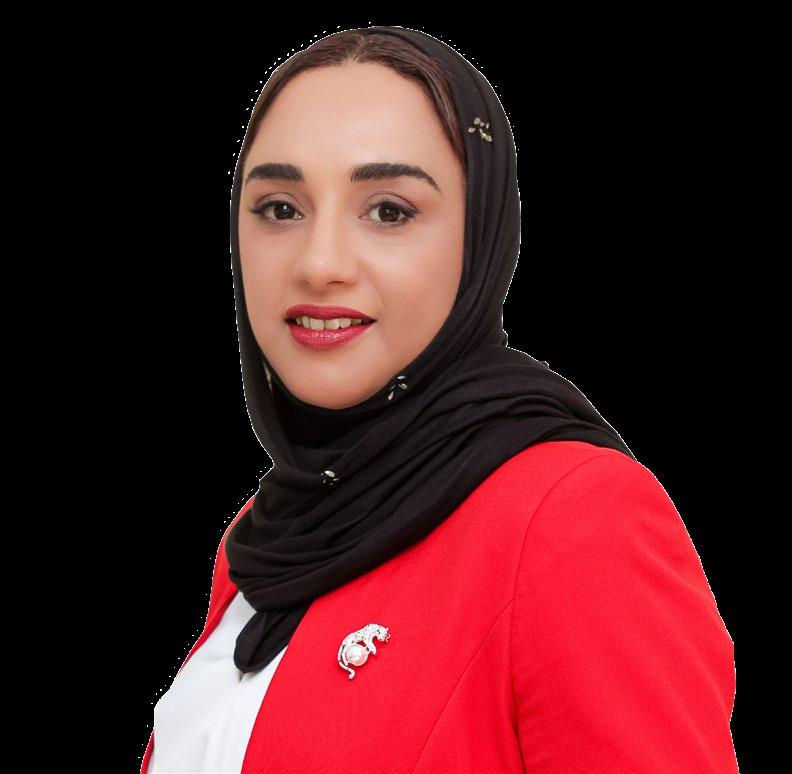
What single insight from the rebranduniting recruitment and business development- do you think will most change how clients approach talent strategy?
The rebranding reflects a clear shift from being purely a recruitment company to becoming a strategic partner in talent and business growth. When the company started in 2010, its primary focus was recruitment, but as market demands evolved, the business expanded into HR advisory, outsourcing
and related services. The biggest change has been moving away from viewing talent as only a hiring function, and instead positioning talent as a core driver of business growth. Today, recruitment is aligned with broader HR strategies, enabling organisations to make smarter decisions and build long-term talent pipelines. This integration strengthens how we support clients in achieving their business objectives, while also ensuring hiring efforts connect to workforce planning,
organisational needs, and future capability requirements.
We recruit across multiple sectors. Initially, we concentrated on niche industries, but demand was limited between 2010 and 2022. As a result, we expanded into sectors such as construction, IT, banking, finance, tourism and more. Currently, we operate with specialised teams dedicated to different industries, with our strongest areas including IT and telecom, real estate, finance and insurance.
We are often engaged for critical roles that internal teams struggle to fill, particularly through headhunting and targeted talent acquisition. We primarily recruit for senior-level positions, especially C-level roles. However, for long-term clients, we also support junior and mid-level hiring and recruitment can be local or international depending on the client’s requirements.
Since COVID-19, demand has strongly increased for experienced local talent. In response, we have built a talent pool of over 90,000 candidates across both local and international markets.
Our growth has been significant over time: early on, we completed around 10 placements per year; during the mid-phase, we reached approximately 30 placements per year; and since 2021, we have delivered over 100 placements annually. Currently, we are handling high volumes- sometimes more than 15 placements per week-reflecting increased market awareness, trust, and demand for our services.
Our strongest advantage is our commitment to ethical practices. We maintain transparency with clients about what we can and cannot deliver, set clear timelines and expectations,
and only take on roles we are confident we can successfully fill. This honesty has helped build long-term trust with clients over time. Our primary clients are organisations, not job seekers, and we do not charge candidates. Instead, we work in line with company needs. Where local talent is limited—such as in specialised sectors like energy or manufacturing—we source internationally. Our approach includes global partnerships across regions such as Europe and Asia, social recruitment strategies, and platforms such as LinkedIn alongside direct headhunting. Overall, the rebranding is not only about a new logo—it represents a deeper strategic shift. We aim to build human resource value by helping clients with talent strategy, workforce planning, and organisational development. We position ourselves as strategic HR partners rather than just recruiters, providing services such as restructuring, salary benchmarking, HR outsourcing, and policy development. As a result, the company has transitioned from a recruitment provider to a strategic HR partner. Our services now include end-to-end HR outsourcing, organisational restructuring, talent planning, salary benchmarking, and training and knowledge transfer. The goal is to support businesses holistically—by not only filling roles, but also building sustainable workforce strategies that strengthen long-term organisational capability.
Which key skills should Omani graduates prioritise today to be competitive in the GCC job market? Omani graduates should prioritise the key skills that will keep them competitive in today’s GCC job market: a competitive mindset, strong digital literacy, critical thinking and analytical skills, continuous skill development and adaptability to market changes. Just as importantly, graduates need to understand where their specific field is heading and align themselves with future job trends rather than relying only on what skills are currently in demand.
At the same time, efforts are already underway to bridge the gap between academia and industry. Committees
involving universities and industry professionals are working to identify future job trends 10–20 years ahead, align academic programmes with evolving market needs, and ensure graduates build both technical capabilities and essential soft skills. Even so, more work is still required to ensure graduates are fully prepared when they enter the workforce.
Training also needs to be meaningful, not treated as a simple requirement. In many cases, training is handled as a checklist, there is limited capacity compared to student demand, and programmes do not always have clear outcomes that graduates can measure. To improve this, KPIs should be defined for both trainees and trainers, training should focus on real skill development that translates into workplace performance, and intrinsic motivation should be encouraged—so participation is driven by genuine engagement rather than being forced.
How should organisations balance nationalisation targets with the need for specialised international talent? Organisations should balance nationalisation targets with the need for specialised international talent through collaboration rather than replacement. International talent can be brought in to strengthen the organisation with expertise and to support knowledge transfer to local employees. At the same time, local talent should be fully encouraged to embrace learning opportunities and work alongside global experts so they can build new skills, experience, and confidence. When both groups work together, it creates a diverse workforce that enhances innovation and improves exposure to global practices, while still progressing toward nationalisation goals.
What practical steps can companies take to engage and retain Gen Z beyond perks?
Companies can engage and retain Gen Z beyond perks by focusing on what they truly value: purpose and meaning, real growth opportunities, the chance to be heard and involved, and flexibility in how they work. Gen Z often weighs personal value and mental well-being as
much as- sometimes more than- salary, so organisations need to reflect that in how they lead and structure work. To retain Gen Z, companies should involve them in decision-making, give them flexibility such as hybrid or adaptable work arrangements and build an inclusive and supportive culture where people feel respected. More importantly, retention improves when Gen Z sees a clear path to develop skills and progress, rather than feeling stuck or overlooked. Gen Z also changes jobs frequently for reasons beyond money. They typically leave when they feel undervalued, when growth is limited, or when the workplace culture doesn’t match their expectations. They are more likely to stay in environments where they feel included and aligned with the organisation’s values, so companies that communicate purpose clearly and create belonging will usually see stronger long-term commitment.
Where do you see the biggest tech skill gap in the region, and what is the quickest way to close it?
The biggest tech skill gap in the region is currently in AI literacy, data fluency, and the adoption of digital tools. While younger generations often adapt quickly, others may struggle due to resistance to change, which is why the quickest way to close the gap is to build an organisation-wide culture of continuous learning and innovation. When people feel supported to learn, experiment, and improve their skills over time, adoption becomes faster and more sustainable.
What advice would you give entrepreneurs in Oman building a people-focused business today?
For entrepreneurs in Oman building a people-focused business today, the best advice is to focus on culture first. A strong culture helps strategy evolve effectively, and as the saying goes, “Culture eats strategy for breakfast.” Entrepreneurs should treat employees as strategic partners, involve all departments in decisionmaking, and build an inclusive and transparent workplace. When you adopt a people-first approach like this, it creates stronger commitment, better performance and ultimately a more sustainable business.
STRATEGIC LEAP
Oman’s aviation sector soars with strong growth and global expansion. An OER Report
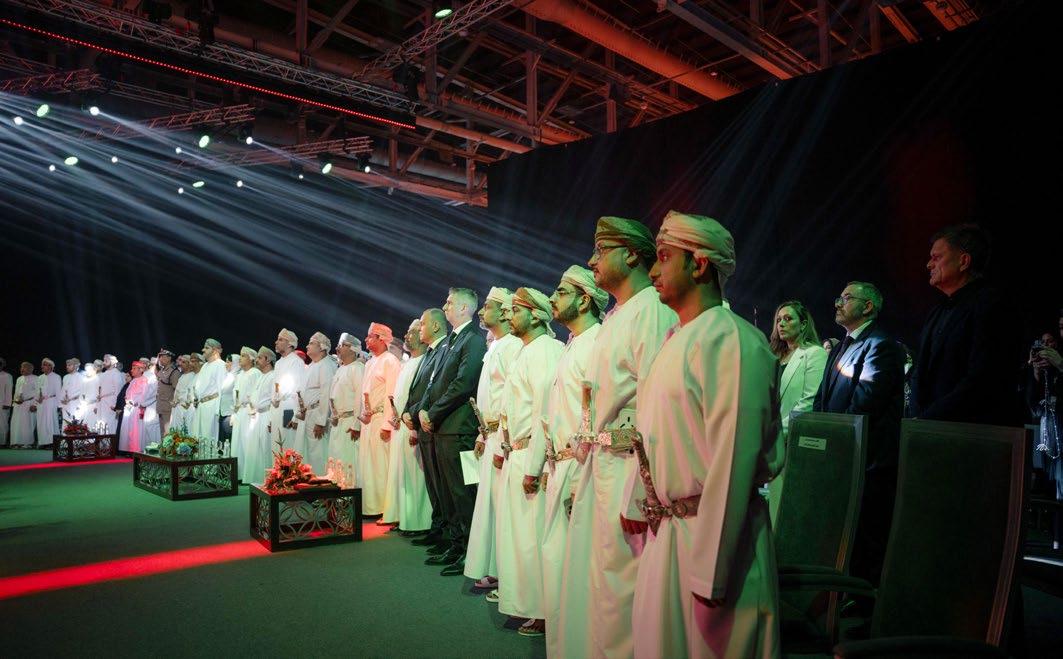
Oman’s aviation ecosystem marked a year of strong performance and strategic expansion as Oman Airports, Oman Air, and SalamAir highlighted key achievements during their joint annual media briefing, underscoring the sector’s growing role in strengthening the Sultanate’s global connectivity and supporting tourism and economic diversification.
Oman Air, which launched a comprehensive transformation programme in 2023, reported an EBITDA of RO3.2mn for 2025 – positive for the first time in 15 years. The airline also achieved a RO27mn reduction in bank
loans, marking the first year the airline has decreased its level of debt since 2009. These achievements sit alongside a 6 per cent reduction in CASK – or “Cost Per Seat,” reflecting the ongoing impact of its transformation initiatives. In 2025, Oman Air carried 5.8 million passengers, an 8 per cent increase over 2024, while achieving an 82 per cent load factor, the result of its network optimisation and fleet utilisation strategy. The result of its strategy to increase visitors into Oman, the airline also grew its point-to-point by 34 per cent year-on-year.
Continuing to enhance global connectivity, Oman Air significantly expanded its international network in
2025 with the launch of direct routes to Amsterdam, Baghdad, Copenhagen and Taif, as well as a new direct route between Salalah and Moscow. Five additional routes have already been announced for 2026. The airline currently serves 45 destinations with a fleet of 33 aircraft, set to grow to 39 by 2029.
Oman Airports continued to strengthen its position as a key operator and enabler of the aviation ecosystem, achieving notable growth in 2025. Passenger traffic across the Sultanate’s airports reached approximately 15.2 million, alongside a 4 per cent increase in air cargo volumes. This performance
reflects rising travel demand and ongoing improvements in operational efficiency.
As part of its commitment to enhancing air connectivity, Oman Airports supported the expansion of its route network by attracting new airlines and deepening partnerships with existing carriers. In collaboration with Oman Air, the company also advanced the development of strategic destinations, further strengthening Oman’s links to regional and international markets. During the year, Oman Air launched new direct routes to key global cities, including Amsterdam and Beijing, reinforcing the Sultanate’s position as an emerging international aviation hub.
At the passenger experience level, Oman Airports achieved significant international recognition. Both Muscat International Airport and Salalah Airport were awarded the prestigious Airport Service Quality (ASQ) awards by Airports Council International, highlighting the high standard of services and the company’s continuous commitment to enhancing the travel experience. Further enriching passenger experience, a range of new offerings were introduced to the aviation ecosystem, including limousine services, valet parking, and meet-and-assist services. The opening of the Majan Lounge at Salalah Airport also marked a key milestone in elevating comfort and convenience for travellers.
On the international expansion front, Oman Airports extended its expertise beyond the Sultanate by providing operational and consultancy services for the Karbala Airport project in Iraq. Meanwhile, Transom expanded its regional footprint by delivering ground handling services across several airports in Tanzania, while QX advanced aviation fuel services—demonstrating the integrated growth of Oman’s aviation ecosystem and its strategic direction toward increased global presence.
Meanwhile, SalamAir continued to reinforce its role as Oman’s low-cost carrier, recording strong operational performance in 2025 by transporting more than 3.4 million passengers and
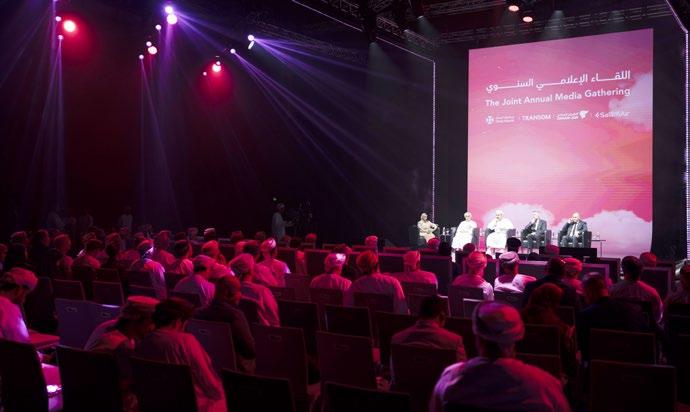
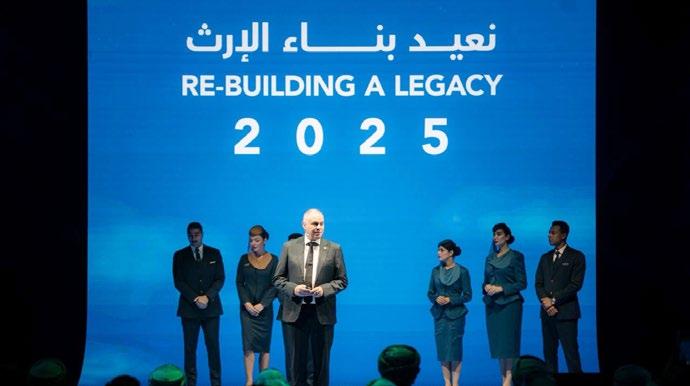
operating over 22,000 flights across a network of more than 40 destinations, while maintaining an on-time performance rate of 83 per cent and achieving a Net Promoter Score (NPS) of +17, reflecting growing customer satisfaction. The airline generated approximately RO137mn in revenue, reflecting its growing contribution to Oman’s aviation and tourism sectors by offering accessible travel options and expanding connectivity with regional and international markets.
SalamAir also continued expanding into emerging markets across Africa, Asia, and Europe, introducing destinations such as Port Sudan, Nairobi, Kigali, Vienna, and Medan, while progressing with fleet expansion plans to reach 18 aircraft by 2026 and 25 aircraft by
2028 to support future network growth. Aligned with the goals of Oman Vision 2040, Oman’s aviation sector continues to play a vital role in strengthening international connectivity, supporting tourism development, and advancing economic diversification. The sector is also investing in national talent development and accelerating digital transformation initiatives aimed at delivering a seamless and modern travel experience.
Officials from the three entities emphasised that the 2026–2030 strategic roadmap focuses on building a resilient, integrated aviation ecosystem that enhances Oman’s position as an emerging regional hub for travel, tourism, and global business connectivity.
UNLOCKING CAPACITY
UAE’s OPEC exit: What it means and why it matters

The United Arab Emirates has announced that it will leave the Organisation of the Petroleum Exporting Countries and the wider OPEC+ framework, effective May 1, 2026. The decision ends nearly six decades of UAE participation in the producer group and comes at a sensitive time for global oil markets
The United Arab Emirates has announced that it will leave the Organisation of the Petroleum
Exporting Countries and the wider OPEC+ framework, effective May 1, 2026. The decision ends nearly six decades of UAE participation in the producer group and comes at a sensitive time for global oil markets.
The UAE’s official news agency, WAM, said the move follows a review of the country’s production policy, future capacity and long-term energy strategy. The UAE said its future production decisions will be guided by market conditions, energy demand and
national economic priorities.
The decision is important because the UAE is one of OPEC+’s largest producers. Reuters reported that the country currently produces around 3.4 million barrels per day and has invested heavily to expand future capacity. Its departure reduces OPEC+’s direct control over a meaningful share of global supply.
Why is the UAE leaving?
The most direct reason is production

flexibility: OPEC and OPEC+ operate through coordinated production targets. These targets are designed to manage supply and influence oilmarket balance. For the UAE, which has been expanding production capacity, the quota system limits how much it can produce, even when it has the ability to bring more barrels to market.
Reuters reported that the decision is linked to Abu Dhabi’s desire to monetise its capacity expansion
and operate with fewer production restrictions. The UAE has invested heavily in raising output capacity, and remaining inside a quota-based system would continue to limit how quickly that capacity can be used.
A second reason is policy independence: The UAE has increasingly pursued a more independent approach to energy, trade and foreign policy. Reuters reported that, after the OPEC decision, the UAE is reviewing its participation in multilateral organisations, although officials said there are no current plans for more withdrawals. This does not mean the UAE is ending cooperation with other producers. It means the country wants more room to make production decisions based on its own capacity, market view and national strategy.
A third factor is long-standing tension over quotas: The UAE has previously pushed for higher production baselines within OPEC+, arguing that its capacity had grown and that its quota should reflect that. The latest decision appears to be the result of that issue becoming harder to manage within the existing framework.
Reuters reported that the exit was influenced by Abu Dhabi’s desire to bypass production limits and by longrunning differences over quotas and regional policy.
Immediate market impact
The short-term impact may be limited. HSBC said the UAE’s exit is not expected to create a major immediate disruption in oil markets. According to Reuters, HSBC expects any increase in UAE production to be gradual rather than immediate. The bank also noted that regional shipping constraints are currently limiting Gulf oil flows. This means oil prices may not react sharply in the near term simply because of the announcement. The market will watch what the UAE does after May 1, especially whether it increases production and how quickly.
Longer-term impact on OPEC+
The bigger impact may be structural.
OPEC+ works because major producers agree to act together. When a large producer leaves, the group loses some ability to coordinate supply. Reuters reported that the UAE’s exit could reduce OPEC+’s share of global oil production from around 50% to about 45%, weakening its overall influence.
That does not mean OPEC+ will collapse. Russia has said it intends to remain in OPEC+ and hopes the UAE’s exit does not mark the end of the group. But the move makes coordination harder, especially if other producers begin questioning whether production limits still serve their national interests.
The price impact depends on how the UAE uses its new flexibility. If the UAE increases output significantly over time, global supply could rise. That would place downward pressure on prices, especially if demand weakens or non-OPEC supply also increases. Reuters reported that Russia expects the UAE’s exit to increase global production and bring down oil prices in the future. However, this is not automatic. Oil prices are affected by several factors, including global demand, geopolitical risk, inventory levels, shipping disruptions, US shale output and the production decisions of other OPEC+ members.
A price decline would be more likely if the UAE increases production faster than demand grows. A limited impact would be more likely if the UAE raises output gradually and market demand absorbs the additional supply.
The UAE’s exit also reflects a wider change in how major energy producers are thinking. For decades, oil policy was mainly about collective supply management. Today, producers are also focused on national investment returns, industrial diversification, low-carbon energy, energy security and market share. The UAE has built a larger energy platform and wants to use it with fewer external constraints. That is the central issue. The country is not only considering oil prices; it is considering how energy production fits into its broader economic model.

GROWTH CATALYST
India’s Growth Leadership in the Global South: Shaping a New Economic Order
India has emerged as the growth leader in the Global South, driven by sustained high GDP growth, robust macroeconomic fundamentals, and inclusive development. Amid global uncertainty and sluggish growth in advanced economies, India’s resilience, demographic advantage, and structural reforms position it as
a key engine of global growth and a leading architect of the emerging global economic order.
The global economy today stands at a critical inflexion point. The world continues to grapple with a quagmire of geopolitical conflicts, tariff disputes, supply chain realignments, and inflationary pressures stemming
from oil supply troubles. Amidst this backdrop, India has emerged as a beacon of resilience and dynamism, firmly establishing itself as the world’s fastest-growing major economy. According to recent projections by the Government and the RBI, India is likely to grow by around 7.6 per cent in FY 2025–26 and about 6.9 per cent in FY 2026–27. This strong forward-

looking growth outlook builds on an impressive post-pandemic recovery, during which India recorded an average GDP growth of more than 7% over the last five financial years, from 2021-22 to 2024-25.
Comparative growth estimates for select economies underscore the widening divergence in global growth dynamics. India emerges as the fastest-growing major economy, maintaining strong, sustained growth and significantly outperforming both advanced and emerging peers. China’s growth continues to moderate structurally, while the United States and the Euro Area are expected to see
subdued expansion amid lingering macroeconomic challenges. Japan remains in a low-growth phase, and emerging economies such as Brazil and South Africa show a modest and uneven recovery.
*Author’s comments
What makes India’s performance particularly noteworthy is not only the pace of growth but also its consistency and sustainability in a volatile global environment. As major advanced economies struggle to maintain growth rates of 1–2 per cent, India’s ability to sustain growth above 6 per cent (on average) underscores its emergence as a principal engine of global economic expansion. Increasingly, India’s growth is contributing significantly to global GDP growth, reinforcing its status as a stabilising force in the international economic system.
India is the growth leader in the Global South
The rise of India must be understood within the broader context of the Global South’s growing prominence in the world economy. Encompassing countries across Asia, Africa, Latin America, and parts of Oceania, the Global South today accounts for nearly 85–88 per cent of the global population, representing over 6.5 billion people. This demographic weight is increasingly matched by its expanding economic significance. Collectively, these regions contribute around 40–45 per cent of global GDP
in nominal terms, reflecting their rising role in global production and consumption.
Over the past two decades, the Global South has also emerged as a major force in international trade, now accounting for nearly 45–50 per cent of global exports. This expansion has been driven by manufacturingled growth in Asia, resource-based exports from Africa and Latin America, and a rapidly expanding services sector in countries such as India. In this dynamic and evolving landscape, India has assumed a leadership role that goes well beyond its economic size, positioning itself as a credible and influential voice articulating the aspirations, priorities, and developmental needs of the Global South within the global economic order.
Growth Dynamics of the Global South
The growth trajectory of select Global South economies reflects a diverse economic landscape over the medium term. India remains a growth leader, with strong, stable growth above 6 per cent, underpinned by robust domestic demand and structural reforms. China’s growth is gradually moderating, reflecting structural adjustments in its economy. Resourcerich economies such as Saudi Arabia and Nigeria are expected to expand moderately. However, Brazil and South Africa are growing modestly, constrained by structural challenges,
Growth rates of select economies
while Mexico is gradually recovering from a slowdown. Argentina is rebounding after a contraction. Overall, India’s strong position and consistent growth make it a growth leader within the Global South.
India’s Inclusive Growth and Poverty Reduction
One of the defining features of India’s growth trajectory is its emphasis on inclusivity and broad-based development. Over the past decade, India has achieved a remarkable reduction in multidimensional poverty, with nearly 25 crore people moving out of poverty. The poverty headcount ratio has declined sharply from 29.1 per cent in 2013–14 to approximately 11 per cent in 2022–23. This transformation has been enabled by a combination of targeted welfare measures and systemic reforms.
Importantly, India’s development model has shown how technology can be leveraged to deliver public services at scale, with efficiency and transparency. This model is increasingly replicated by other countries in the Global South, thereby amplifying India’s developmental influence beyond its borders. In effect, India’s progress has contributed not only to domestic welfare but also to global poverty reduction efforts, particularly in developing regions.
Demographic Dividend and Expanding Domestic Demand
India’s demographic profile remains one of its most powerful structural advantages. With nearly 65 per cent of its population under 35, India has the largest working-age population globally. This demographic dividend, if effectively harnessed, can sustain high growth rates over the coming decades. At the same time, rising incomes and urbanisation are contributing to the rapid expansion of India’s middle class, transforming the country into a major consumption-driven economy. This growing domestic demand provides a stable foundation for growth, reducing reliance on external
GDP Growth of Select Global South Economies
Source: Compiled from IMF
demand and enhancing resilience against global shocks.
Global Value Chain Realignment: India’s Strategic Moment
The global economic landscape is undergoing a profound transformation, marked by the reconfiguration of global value chains. The pandemic’s disruptions, coupled with geopolitical tensions, have exposed the risks of overreliance on concentrated supply sources. As a result, countries are increasingly seeking to diversify their supply chains and enhance resilience. India’s participation in global frameworks such as the IndoPacific Economic Framework (IPEF) and its expanding network of trade partnerships, including 8 FTAs since 2020, further underscore its strong integration into global supply chains. As supply chains evolve to prioritise resilience, trust, and diversification, India is emerging as a key alternative manufacturing destination, well placed to play a central role in the next phase of global industrial expansion.
Expanding Global Influence and Strategic Footprint
India’s rising economic strength is increasingly translating into broader global influence. The country is playing a leading role in areas such as digital public infrastructure, climate action, renewable energy, and
financial inclusion. India’s success in building scalable digital platforms, including real-time payment systems, is setting new global benchmarks.
At the same time, India’s strategic positioning enables it to maintain balanced relations with major global powers while continuing to advocate for the Global South’s interests. This unique combination of economic dynamism and diplomatic agility enhances India’s standing as a responsible and influential global actor.
India as a Key Architect of the Emerging Global Order
India’s emergence as a growth leader in the Global South is both structural and transformative. It reflects a convergence of robust macroeconomic fundamentals, demographic advantages, policy reforms, and strategic global engagement. In an increasingly multipolar world, India is not merely participating in the global economic system but actively shaping its evolution.
As the world seeks a more balanced, inclusive, and resilient growth paradigm, India stands at the forefront as a key architect of this transition. Its journey towards Viksit Bharat by 2047 is closely aligned with the aspirations of the Global South, positioning it as a defining force in the global economy for decades to come.
20 May 2026

WOMEN LEADERSHIP DRIVING THE FUTURE ECONOMY
Towards Industrial Transformation & Innovation
The event explores women’s pivotal role in shaping the future economy amid rapid global industrial and technological change. It highlights their contributions to modern industries, innovation ecosystems, and sustainable development models - bridging international best practices with Oman’s national priorities.
Top 20 Business Leadership Awards will be presented to women who have excelled and shown outstanding performance in their professional domain or as business owners, exhibiting entrepreneurial skills & contributing as innovators to the corporate sector & to the country's economy at large.


TALENT AT WORK
From degree to job, SEZAD and Sultan Qaboos University are closing the gap
A student can graduate with a solid degree, technical knowledge and a strong work ethic yet still find those early days of employment harder than expected. In Oman’s industrial sector, employers are looking beyond qualifications to something more practical - whether a candidate understands how work is done on site, can follow procedures, take responsibility and operate safely from day one.
This helps explain a continuing challenge between education and employment in Oman’s labour market. Real progress has been made in widening participation, not least through Omanisation, yet many students still reach graduation without any meaningful exposure to the workplace. The issue isn’t just one of graduate numbers or available vacancies, it lies between education and employment where opportunities to gain workplace experience before graduation are still being developed.
The numbers give that pressure some definition. According to recent NCSI data, the job-seeker rate among Omanis aged 25 - 29 stood at 4.1% in March 2026 compared to the national rate of 2.5%. The population was 5.37 million, including 3.05 million Omanis and 2.32 million expatriates. In the labour market, there were 893,707 Omani workers and 1.79 million expatriate workers. The imbalance is clearest in sectors that underpin industrial expansion. Construction employed more than 420,000 expatriates, manufacturing 174,000, wholesale and retail trade 262,000 and transport and storage a further 72,000.
What Employers Need
These figures don’t suggest any shortage of ambition among young Omanis nor do they indicate a shortage of opportunity. Rather, they underline the need for closer alignment between
education and the practical demands of employment in Oman’s industrial sector. Employers in manufacturing, logistics and related services are recruiting into environments where safety, reliability and procedural discipline carry direct commercial consequences which is why they tend to favour candidates who can settle quickly and contribute from an early stage. Many graduates arrive with solid theoretical preparation but few have spent any time in the workplaces they hope to join.
This is why internships deserve to be regarded as more than a useful addon. They provide a first entry point into professional life, especially for students without existing workplace networks. Time spent inside a company offers technical exposure although its value runs deeper. It can build confidence, show students what the job expects of them and help employers see who can take responsibility and adapt well to the working environment. In access terms, students who have experienced the workplace before graduation are often stronger applicants, not because they are more able, but because they have already seen how organizations operate and what working life requires.
That wider access question is often missing from the labour-market debate. Skills are usually discussed in terms of curriculum, qualifications and training content, and all are important. Yet access to professions and industries is also shaped by proximity – who’s noticed early, who gains references, who understands how organizations operate and who has the opportunity to prove themselves before formal recruitment begins. Rather than treating students as temporary visitors. internships can help narrow that gap when they’re properly structured and give meaningful work to do.
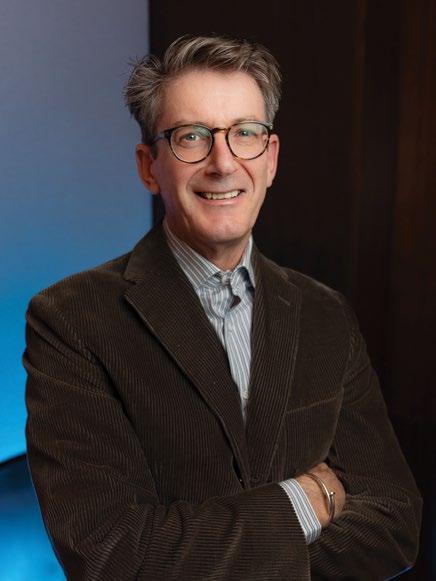
agency Al Hikayaat and former government advisor on trade and investment promotion
Duqm a Working Model Duqm offers a practical example of how this can work. From 7 to 18 June, the Special Economic Zone at Duqm (SEZAD) in partnership with Sultan Qaboos University (SQU) will place 16 students across eight companies operating in the zone. The host organizations are OQ8, ASYAD Drydock, Oman Tank Terminal Company, SIMAK, Port of Duqm, ASYAD Container Terminal, Crowne Plaza Duqm and Renaissance Village. During the placement, students will take on defined assignments with support from company mentors and academic supervisors before presenting their work at the end of the internship. The initiative also includes evening sessions led by professionals from across SEZAD’s tenant community alongside a weekend challenge focused on attracting young professionals to Duqm.
The program is modest in scale although its value goes beyond the number of students involved. Its strength lies in the way it’s been designed. A placement built around real tasks, supervision and a final
presentation gives students a more active role and asks companies to engage with them more seriously. That benefits both parties. Students gain a better understanding of the working environment while employers get an early view of potential recruits before graduation.
Eng. Ahmed Akaak, CEO, SEZAD has linked Duqm’s long-term growth to a simple idea - economic development depends on people as much as investment and projects. Technical skills matter as does a readiness to keep learning as industries change. That helps explain the push to bring education and industry into closer contact. When schools and universities understand more clearly what businesses require, students can prepare more effectively and companies have a better chance of finding qualified talent.
Examples from elsewhere support this approach. In England, degree apprenticeships combine university study with paid work. In the US, co-operative programs build longer periods of structured work into undergraduate degrees. South Korea’s Meister Schools were designed to align technical education more closely with industry and have, in some years, recorded graduate employment rates above 90%. Singapore’s SkillsFuture initiative has positioned continuing education and work-linked training much closer to the centre of workforce policy. Evidence shows that students do better when education is brought closer to the workplace.
The Bigger Picture
This has wider implications for Oman’s economic development. GDP reached RO42.1 billion (US$109bn) in 2025 with non-oil activities contributing RO29.1 billion (US$75.3bn). Manufacturing, tourism, logistics, IT, mining and fisheries all play an important role in diversification and foreign direct investment reached RO31.38 billion (US$81.2bn) by the end of the year. Indeed, geography, infrastructure and policy support all remain strong draws for investors though they also assess delivery capacity, workforce reliability
and the prospects for building local capability over time. SEZAD can provide land, utilities, ports and access to markets worldwide. Its longer-term value, however, will also depend on having the people needed to operate and sustain what has been built.
Seen from that angle, educationindustry collaboration isn’t simply a social good and not just a humanresources issue. It belongs inside the economics of industrial development. A weak connection between study and work extends onboarding, slows localisation and can leave employers leaning for longer on expatriate labour. A stronger connection raises the chances that young Omanis enter key sectors with more confidence and that companies see them as lower-risk hires.
Internships to Employment
The next question is continuity. A twoweek program can give students firsthand experience of professional life. On its own, though, it can’t build a national pipeline. That calls for repeat cohorts, longer placements, clearer links between internships and employment and stronger incentives for companies to take part year after year. Smaller businesses will also need support. In Q4 2025, Oman had 268,286 active private enterprises of which 87.2% were micro enterprises. A model that depends only on large employers will leave much of the private sector outside the system.
That challenge isn’t unique to Oman. Deloitte has estimated the US could face 2.1 million unfilled manufacturing jobs by 2030 and a study by EIT Manufacturing found that 63% of EU SMEs struggle to find workers with the right skills. The pressure is global, though each country must respond in its own way. In Oman, the question is whether a more reliable bridge can be built between education and employment in sectors where diversification depends as much on execution as on investment.
Duqm offers one place to begin answering that. SEZAD is already known for its strategic location, port infrastructure, industrial land, renewables, manufacturing, logistics
and fisheries potential. A strong record in developing work-ready Omani talent would add another layer to that offer. It would show that one of the country’s most important growth centres is doing more than attracting investment, it’s also helping prepare young Omanis needed to support that growth over time. When this year’s internship program ends, the important question won’t be whether it generated media attention - it’ll be whether the SQU students gained meaningful experience, whether the eight companies saw value in taking part and whether the model is strong enough to return next year on a larger scale.
Internships: 6 Numbers Worth Noting
63.1%: Job Offers
In the US, 63.1% of interns from the 2024 - 25 cohort were hired into fulltime roles by the same employer.
US$3,096: Early Pay
A paid internship is associated with a US$3,096 increase in annual salary one year after graduation.
36%: Work-study Link
In the EU, 36% of students combine study with work related to their field, helping them build experience before graduation.
100+: Degree Apprenticeships
In England, more than 100 universities are approved to deliver apprenticeship training.
10 million: Scale
India’s Prime Minister’s Internship Scheme aims to create 10 million internships over five years through placements with 500 leading companies.
9 in 10: Work-study Outcomes
In Singapore, around 9 in 10 Institute of Technical Education Work-Study Diploma graduates were in fulltime employment six months after graduation.
CIRCULAR TRANSITION
Third Aluminium Recycling Forum calls to advance Oman’s circular economy ambitions
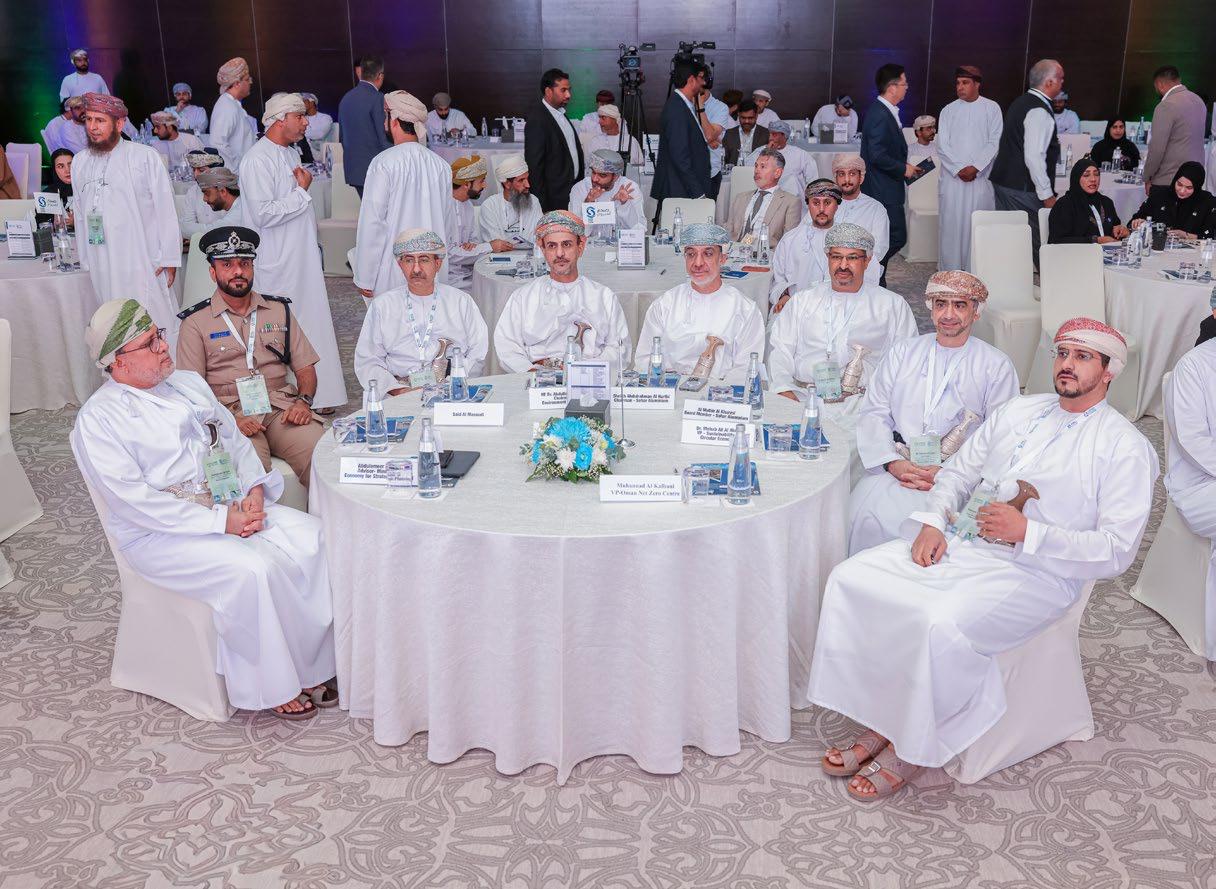
Building on tangible progress in the Sultanate’s recycling landscape, Sohar Aluminium organised the third edition of the Aluminium Recycling Forum, in collaboration with the Environment Authority, under the patronage of His Excellency Dr Abdullah bin Ali
Al Amri, Chairman of Environment Authority, at JW Marriott Hotel, Muscat.
Building on the success of its previous editions, the Forum brought together key stakeholders, industry leaders, policymakers, and sustainability
experts to accelerate the development of an integrated recycling ecosystem and advance circular economy ambitions in Oman.
Featuring expert speakers and panellists from leading regional and local organisations, the Forum
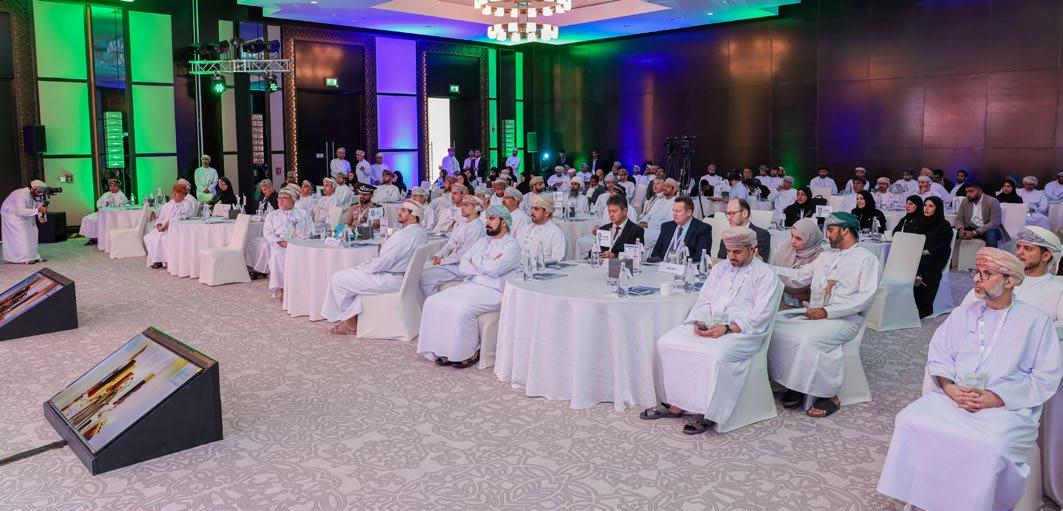
brought global expertise with local priorities, fostering knowledge exchange and practical solutions tailored to Oman’s evolving industrial landscape. This edition of the Forum explored how policy frameworks, technological innovation, and crosssector collaboration can further unlock the full potential of the recycling sector.
The Forum addressed key themes shaping the future of aluminium industry, including global, regional, and local outlooks on scrap recycling,
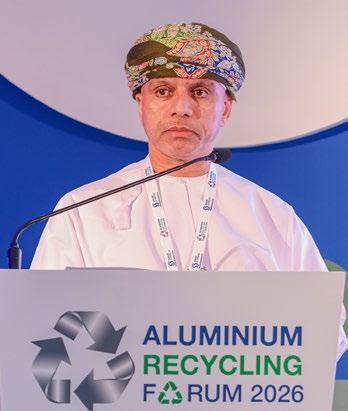
the importance of retaining scrap within domestic markets, global trends in the aluminium sector, as well as considerations around scrap quality, standards, safety, and technical capabilities. Likewise, it emphasised the economic and investment outlook for the recycling industry, highlighting opportunities for growth and value creation.
The discussion panels focused on advancing a cohesive and highperforming recycling value chain in Oman. Discussions explored how
policy, industry, and institutions can work in alignment to scale recycling efforts, address key barriers through coordinated action, and position Oman as a regional hub for circular economy practices — particularly in high-value materials such as aluminium.
Commenting on the significance of the Forum, Eng. Said bin Mohammed Al Masoudi, CEO, Sohar Aluminium, stated, “Recycling today stands at the intersection of environmental responsibility and
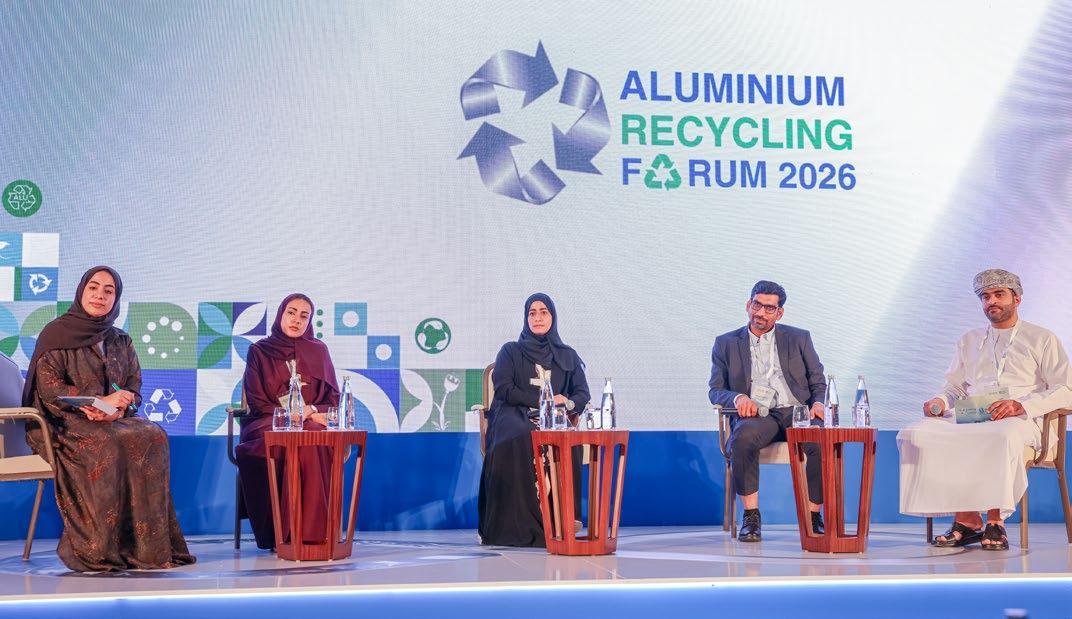
economic opportunity. The progress we have achieved over the past years demonstrates what is possible through strong collaboration and clear regulatory direction.”
“This Forum is not only a platform for dialogue, but a catalyst for action—enabling us to align policies, investments, and innovation to build a resilient and future-ready
recycling ecosystem in Oman. By working together, we can transform aluminium recycling into a strategic pillar that supports sustainable growth, strengthens local value chains, and positions Oman as a leader in the circular economy,” Al Masoudi added.
As Oman advances towards its net zero ambitions and broader
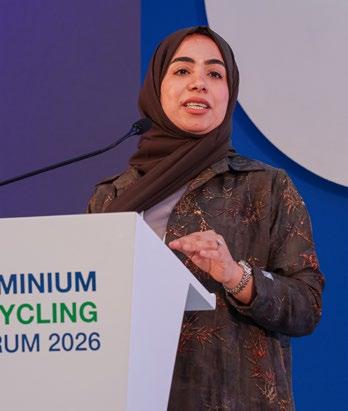
sustainability priorities under Vision 2040, aluminium recycling is emerging as a critical enabler of both climate action and economic diversification. Since 2024, a series of targeted workshops led by Sohar Aluminium, in close collaboration with regulators, industry players, and sector stakeholders, have delivered measurable impact. These collective efforts have contributed to
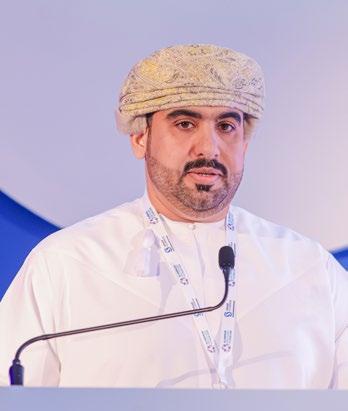
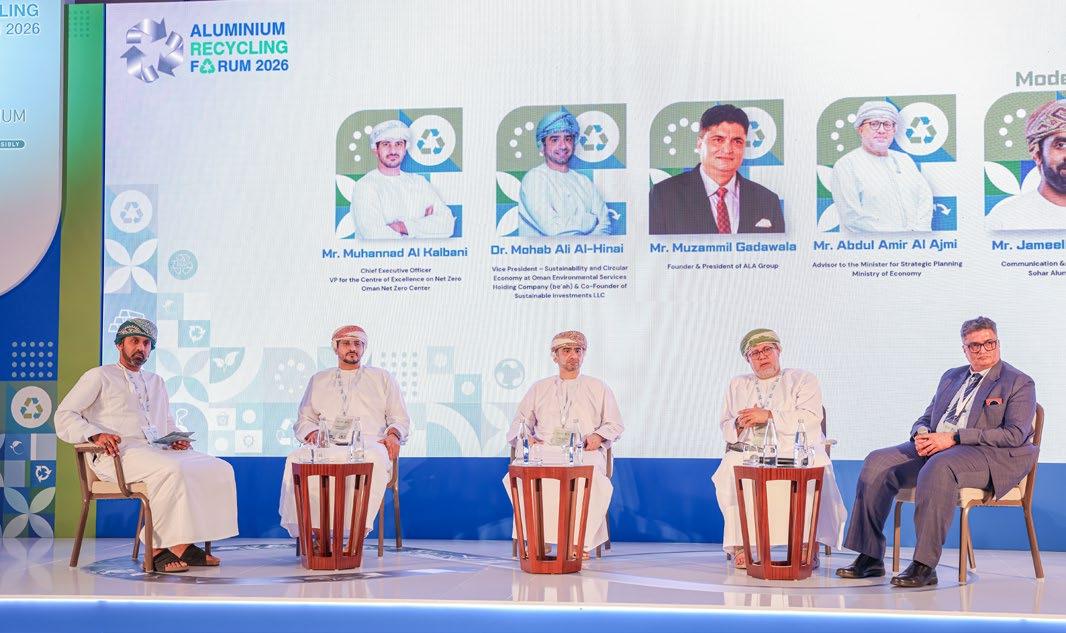
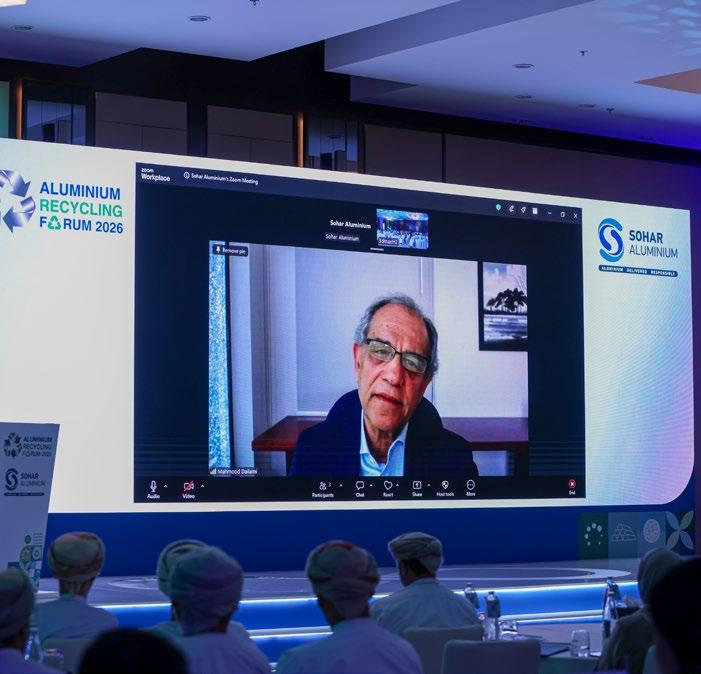
a remarkable 288 per cent increase in aluminium scrap recycling volumes in Oman by the end of 2025 compared to 2024, driven in part by the aluminium-related regulatory developments introduced in March 2025. This milestone reflects the growing momentum behind national efforts to enhance resource efficiency and strengthen circular economy practices.
At Sohar Aluminium, we see ourselves not just as a producer, but as a leader of this cycle. Recycling is embedded in our strategy, but more importantly, it is integrated in our responsibility. We are committed to expanding our efforts while being equally committed to working hand in hand with partners, policymakers, and communities to strengthen the entire ecosystem. Through this initiative, Sohar Aluminium reaffirms its commitment to advancing sustainable industrial development and supporting national priorities, while continuing to play a leading role in shaping the future of aluminium recycling in Oman.
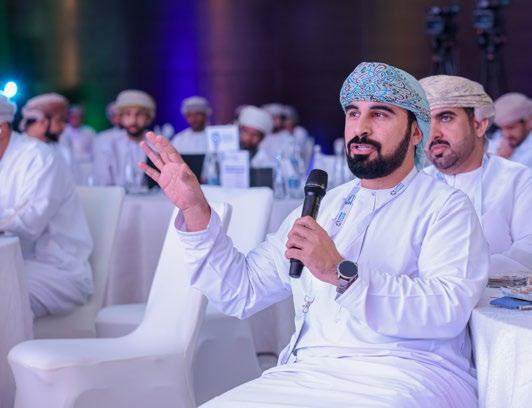
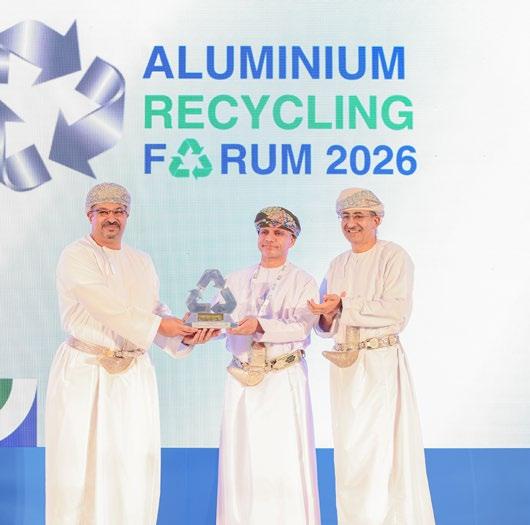
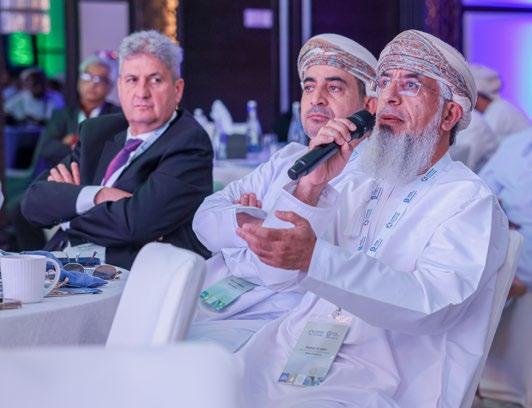
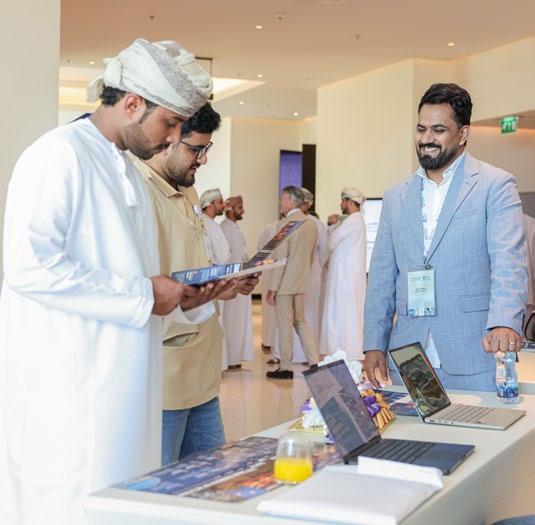
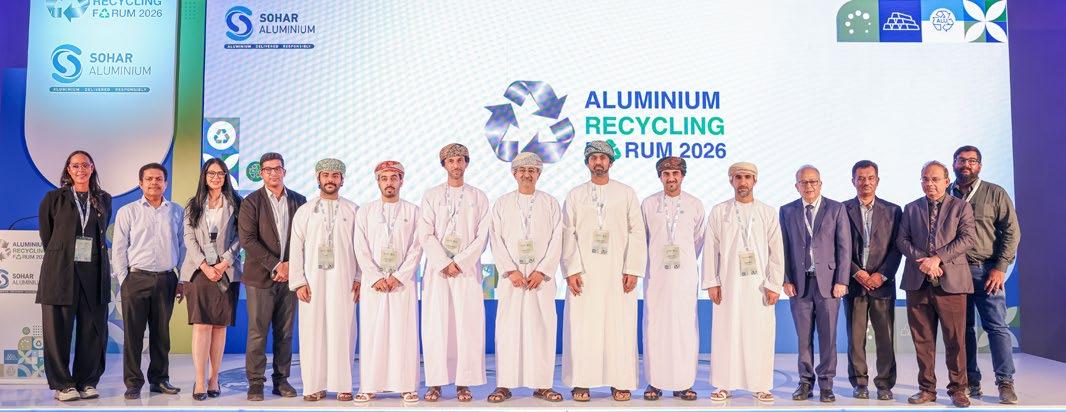
RATIONAL EDGE
How AI is changing financial markets — and what investors should really worry about
George Soros once observed that the greatest profits in financial markets are often made when conditions shift from terribly awful to merely or just bad.
Ironically, this is also the point when most investors are least willing to commit capital. Emotional overreaction, herd behavior, and fear of further loss often keep investors on the sidelines — just as the best opportunities emerge.
We’ve seen this behavioural flaw play out repeatedly. Take Bitcoin, for instance: many who tried to ban or ridicule it at $1,000 are the same investors who were willing to pile in after prices surged past $100,000. This isn’t just a story about risk appetite — it reflects deeply rooted human biases and decision-making flaws.
Investors who did not want to invest in bitcoin at USD 1,000 levels were willing buyer once bitcoin crossed over USD 100,000 per bitcoin, which raises a timely question: in an era where Artificial Intelligence (AI) is fundamentally reshaping the financial landscape, should investors fear the rise of machines — or rather, the limitations of their own behavior? Artificial intelligence or human stupidity?
AI is rapidly transforming finance by supercharging the speed, scale, and sophistication of market analysis and decision-making.
Traditional research methods — even those backed by quantitative models — are increasingly being left behind.
Key capabilities of AI in financial markets:
- Real-Time Pattern Recognition
- Bias-Free Decision Making
- Faster Trade Execution
- Smarter Risk Management
The real threat to portfolios may not be the rise of AI, but the failure to understand and adapt to it. Historically, it’s human decisions — not algorithms — that have done the most damage: buying at the peak, panic-selling in downturns, chasing fads, or ignoring risk.
Political interference, regulatory missteps, and cognitive bias remain persistent dangers, even in a datarich, AI-enhanced world. Ironically, the bigger concern may not be AI outsmarting us, but our collective complacency and emotional decisionmaking undermining sound strategy.
AI doesn’t just improve decisionmaking; it also reduces costs. Unlike human portfolio managers with overhead and staff, AI-driven platforms can operate efficiently and at scale — making advanced insights more accessible to retail investors and reducing fees in the wealth management industry.
However, there are emerging risks:
- As more traders and institutions adopt similar AI models, a form of algorithmic groupthink may emerge.
- This could create feedback loops — driving synchronized buying or selling, potentially triggering flash crashes or market surges without clear fundamentals.
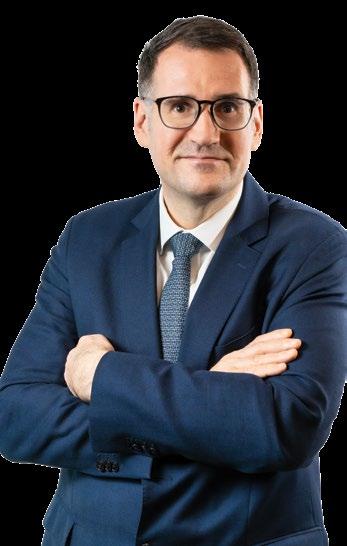
- Regulatory frameworks and oversight mechanisms are still catching up to these realities.
In short, AI can optimise efficiency — but it can also amplify volatility if not carefully monitored. Awareness of how AI is powering modern markets — and influencing your wealth — is becoming essential. For private clients and family offices, the key is not to resist change, but to understand it and incorporate it thoughtfully.
Partner with advisors and managers who use AI not as a gimmick, but as a disciplined tool to:
- Remove emotional decision-making
- Enhance research and risk control
- Improve execution and performance consistency
The greatest risk in this new era isn’t being replaced by AI — it’s being left behind by those who use it better.
Rainer Michael Preiss Partner & Portfolio Strategist at Das Family Office in Singapore
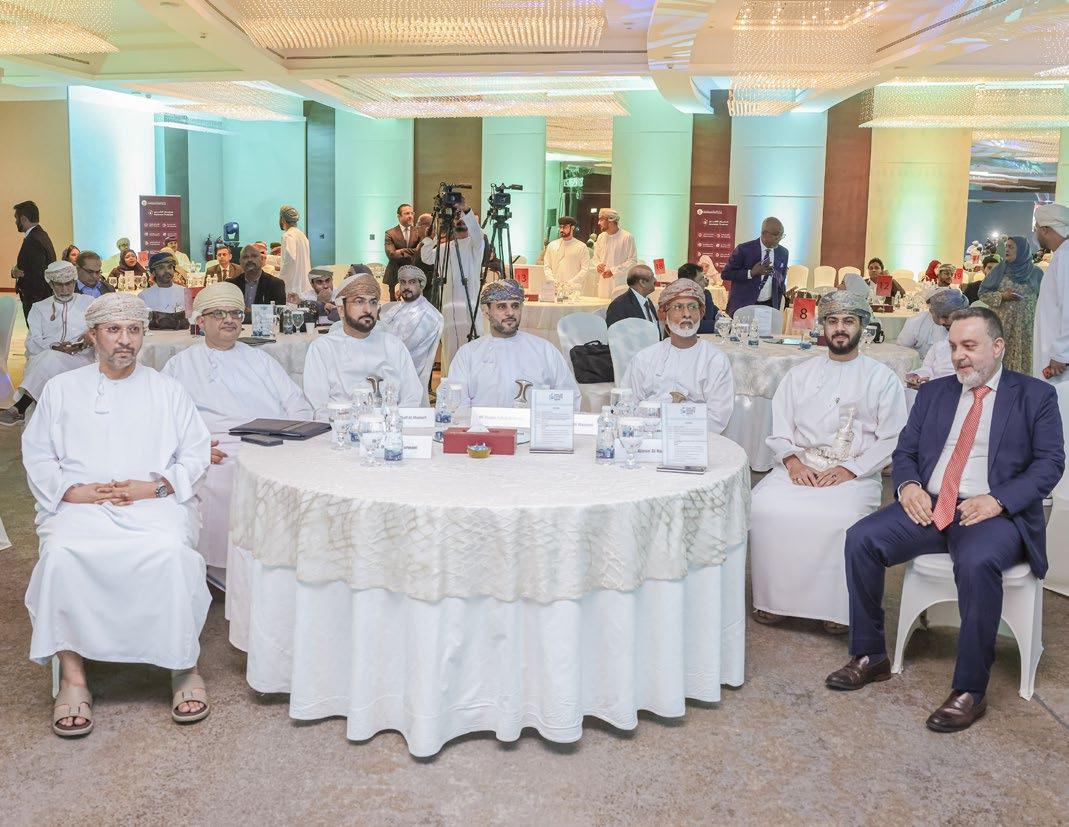
A SEMINAL BEGINNING
Oman
Insurance Summit & Awards 2026 brought together regulators and industry leaders to discuss opportunities, challenges and trends shaping the sector
OER organised the inaugural edition of Oman Insurance Summit & Awards on April 28, 2026. The theme of the event was ‘Enhancing Insurance penetration, GDP contribution and Omanisation.’
HE Sheikh Faisal bin Abdullah Al Rawas, Chairman, Oman Chamber of Commerce & Industry graced the event as the Chief Guest. The event was held under the auspices of HE Shaikh Salim
bin Mustahail Al Mashani. Ahmed Saif Al Mamari, Executive Vice President, Financial Services Authority presided as the Guest of Honour.
In his welcome address, Atulya Sharma, CEO, United Media Services said, “When we discuss the strengthening of the Insurance sector in Oman by expanding it, modernising it, and making it accessible to all, we are in
fact discussing strengthening of the very foundation of economic resilience in Oman.”
Belhassen Tonat, Chief Underwriting Officer, RiyadhRe gave a keynote presentation training the spotlight on the gaps in insurance coverage and the attendant risks. Maali Bint Salim Al Majarfi, Acting Director, Issues and Financial Instruments Department,
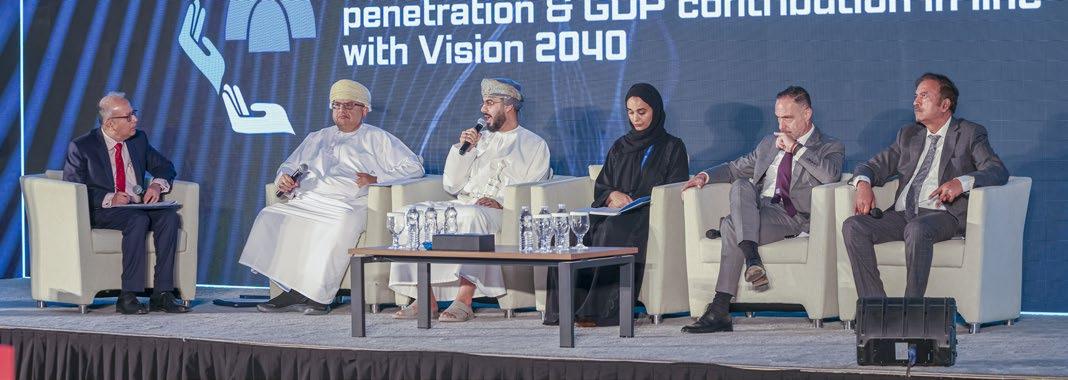
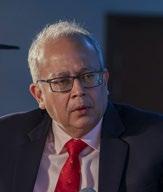
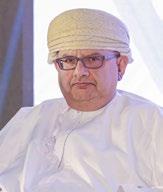
Financial Services Authority shared an overview of the measures being taken by FSA to support the industry.
The panel discussion on ‘Enhancing Insurance sector’s penetration and GDP contribution in line with Vision 2040’ saw the participation of industry leaders such as - Murtadha Jamalani, Chartered Insurer – UK and Entrepreneur; Hasan Yaseen Al Lawati, CEO, Oman Qatar Insurance Company; Maali Bint Salim Al Majarfi, Acting director, Issues and Financial Products Department, FSA; Roland Zaatar, CEO, Arabia Falcon Insurance Company; Sunil Kohli, CEO, Dhofar Insurance. The
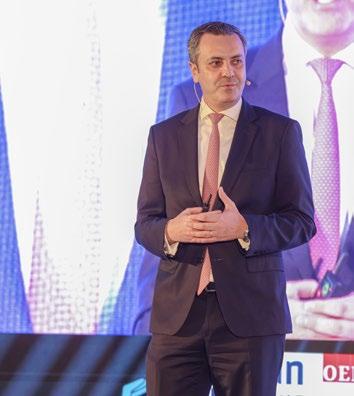
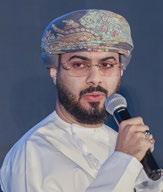
discussion was moderated by Mayank Singh, Executive Vice President & Group Editor, UMS.
This was followed by a fireside chat on the topic –‘Opportunities & Challenges in Takaful Insurance.’
The session was moderated by Oommen John, Editor, UMS and saw the participation of Hamza Al-Saadi, Chief Governance Officer, Takaful Oman and Shakaib Mahmood, Deputy Chief Executive Officer, Al Madina Takaful. The session deliberated on the growth potential of takaful, market readiness, customer trust, and the evolving regulatory and governance

landscape. The panelists shared insights on how strong governance frameworks can support sustainable takaful operations- covering areas like risk management, compliance, and transparency. They also shared the practical challenges faced by takaful providers and discussed strategies for addressing them, including strengthening operational capabilities, and improving public awareness and engagement. Overall, the interactive platform highlighted how the takaful industry can leverage emerging opportunities while effectively navigating risks and structural challenges.
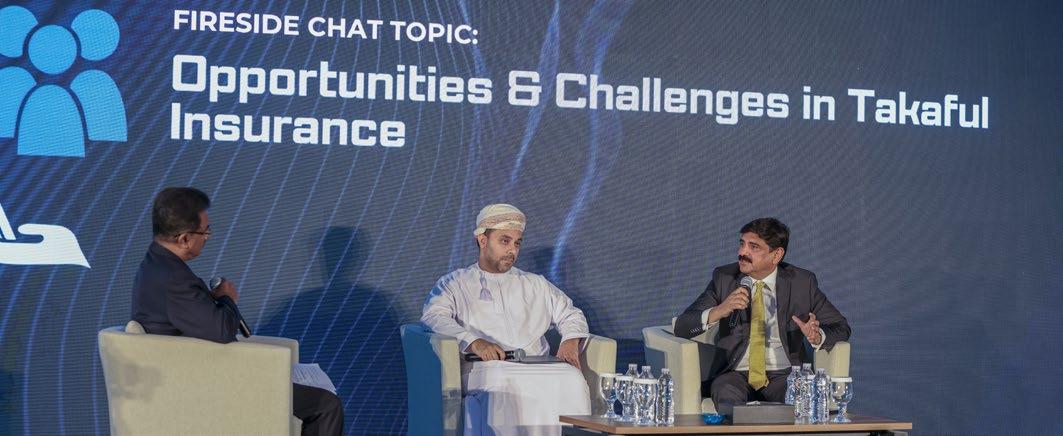
A panel discussion on ‘Digital Insurance for Vision 2040: Driving Growth, Efficiency and Resilience in Oman’s Next Insurance Era,’ featured Khalid bin Dawood bin Ali Alzadjali, Chief Transformation Director, Liva Insurance Oman; Sunil Kohli,
CEO, Dhofar Insurance and Gamal Abdelkader, Operations Director, Infoline. The discussion was moderated by Alvin Thomas, Assistant Editor, OER & OERLive.
Sivakumar Thangaratnavelu, Chief
AI Officer, AI Governance Architect & Founder, Symplfy.AI conducted a strategic workshop on – ‘AI in Insurance: From Hype to Financial Reality.’ The workshop focused on the ‘ROI Gap’ between AI adopters and non-adopters. Moving beyond generic chat bots to understand how Agentic AI, dynamic underwriting, and automated fraud detection are reshaping insurance and what it means for Oman.
HE Sheikh Faisal bin Abdullah Al Rawas, Chairman, Oman Chamber of
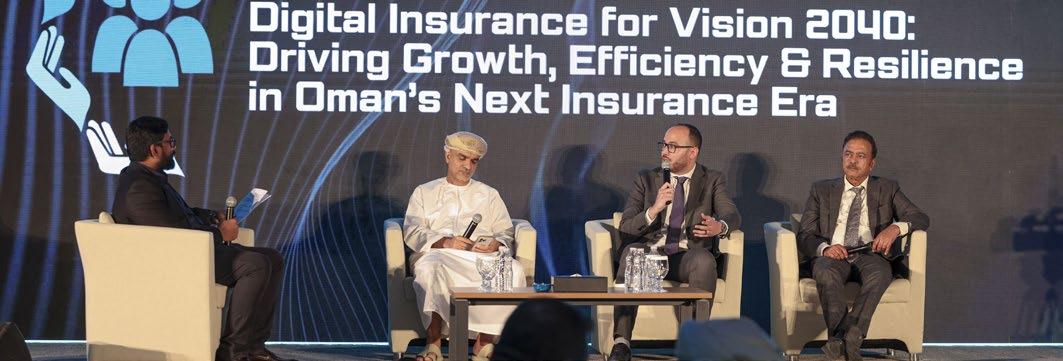
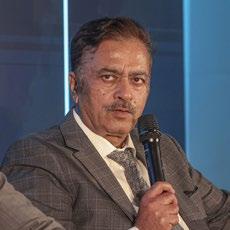
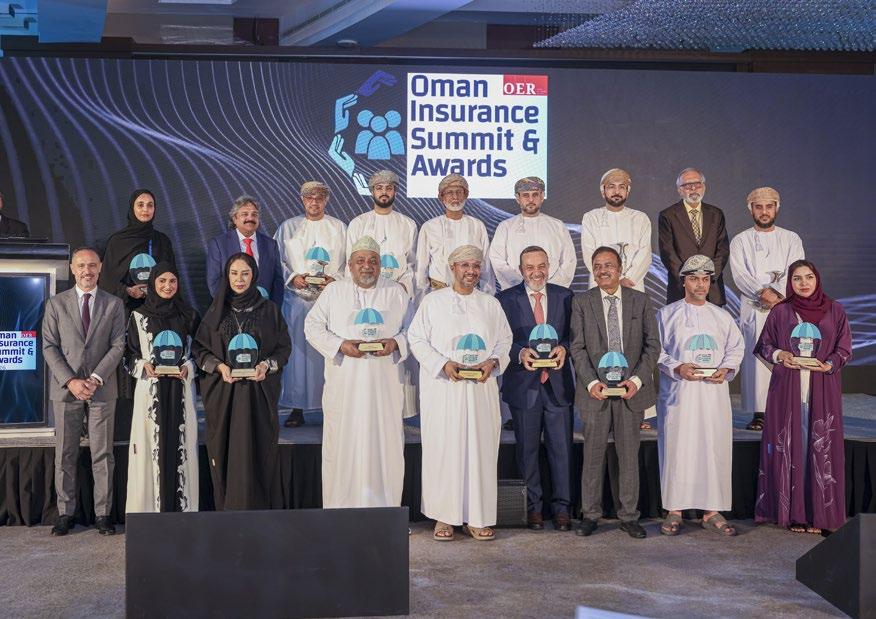
Commerce & Industry, presented the OER Insurance Excellence Awards to companies and individuals who have set benchmarks in Oman’s Insurance sector.
The Summit was supported by The Financial Services Authority, Oman Chamber of Commerce & Industry and Oman Insurance Association as endorsing partners.
Dhofar Insurance Company was the Strategic partner. GIG Gulf, Arabia Falcon Insurance, Oman Reinsurance, Liva, Oman Qatar Insurance Company, AON Majan and Infoline were the Associate partners. Al Madina Takaful was the Takaful partner. Changan, the Automotive partner. Symplfy and RAB Consulting were the Digitisation partners. OER and Alam Al Iktisaad were the Media partners and UMS Digital was the Digital Partner.
Overall, the inaugural edition of Oman Insurance Summit & Awards marked the commencement of a seminal event in the Sultanate of Oman, which promises to grow from strength to strength in future.
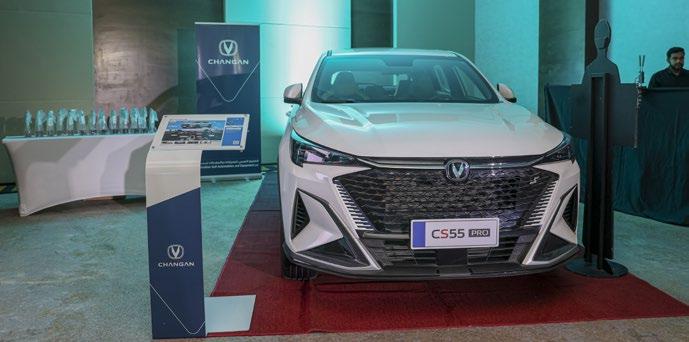
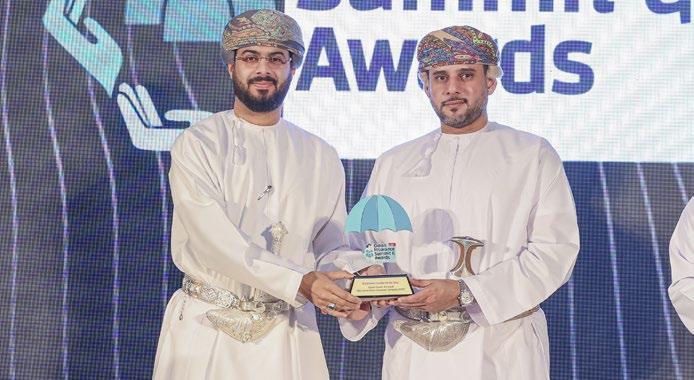
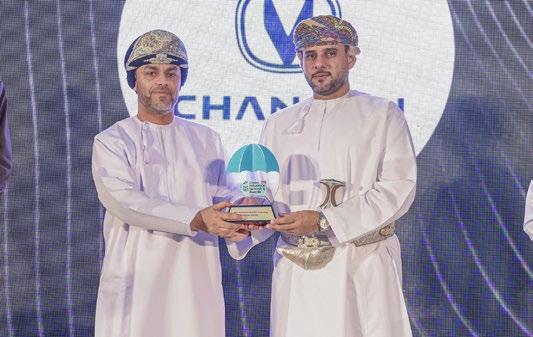
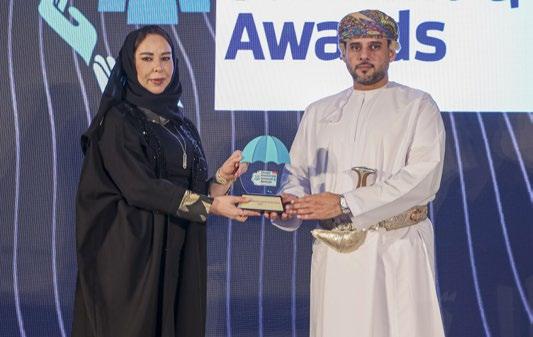
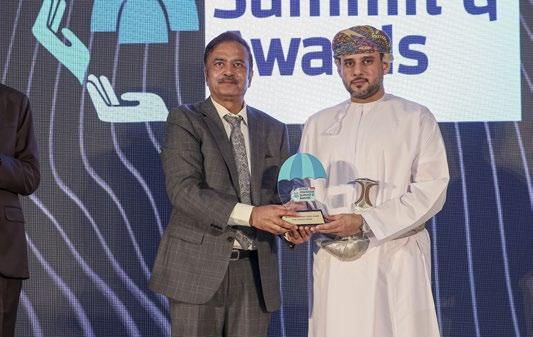
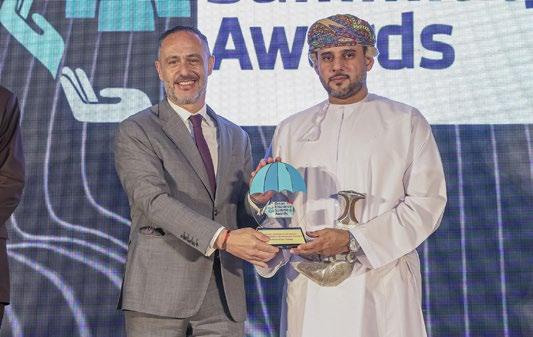
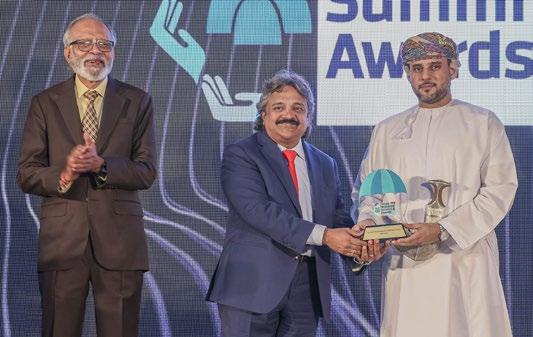
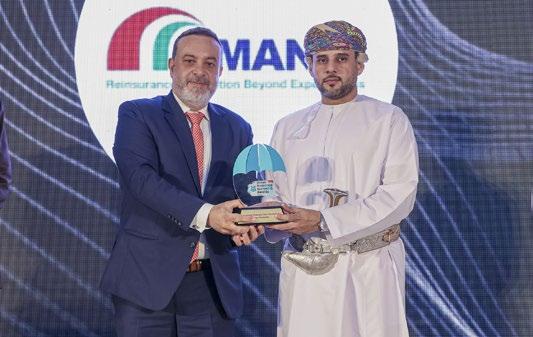
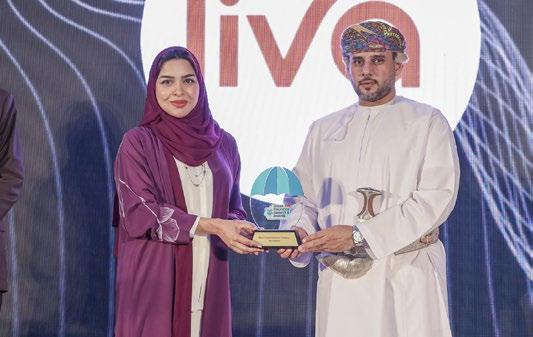
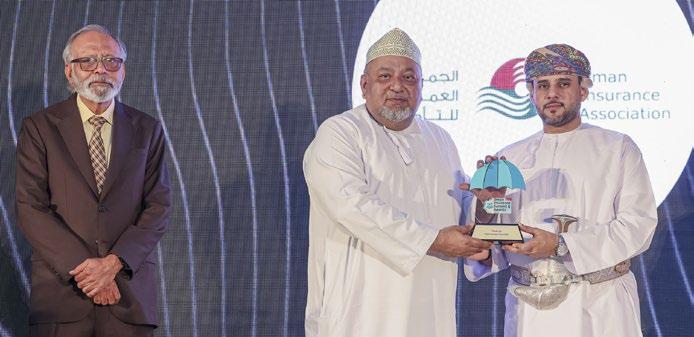
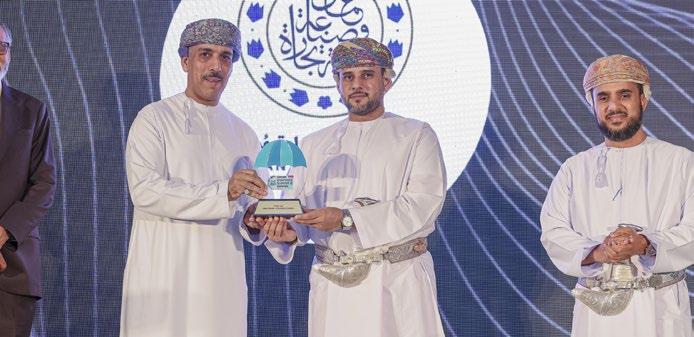
WINNERS-OMAN INSURANCE EXCELLENCE AWARDS
Digital Transformation Leader of the Year
GIG Gulf
Knowledge Sharing & Talent Development
Oman Reinsurance Company
Excellence in Customer-Centric Growth
Dhofar Insurance Company
Enterprise Excellence in Customer Service Delivery
Infoline
Customer Service Excellence
Al Madina Takaful
Trusted Risk & Insurance Advisory Partner
AON Majan
Next-Generation Mobility Technology
Changan Eado Plus
Outstanding Achievement in Life Insurance Driven by Leadership in Bancassurance Innovation
Arabia Falcon Insurance Company
Most Trusted Insurance Company
Liva Insurance
Insurance Leader of the Year
Hasan Yaseen Al Lawati, CEO, Oman Qatar Insurance Company (OQIC)
BILLBOARD
Alizz Islamic Bank partners with SME Development Authority to empower SMEs
Alizz Islamic Bank has signed a Memorandum of Understanding (MoU) with the SME Development Authority (Riyada) to explore further avenues of collaboration in supporting and empowering small and medium-sized enterprises (SMEs) in the Sultanate of Oman.
The signing ceremony was held under the auspices of H.E. Ahmed Jaafar Al Musalmi, Governor, Central Bank of Oman in the presence of H.E. Halima Rashid Al Zari, Chairperson of the SME Development Authority and brought together several banks and financial institutions, reflecting a unified national effort to strengthen the entrepreneurial ecosystem and promote SME growth. This partnership aims to foster collaboration between both entities through the development of innovative initiatives and programs that support entrepreneurs, in addition to providing Shari’a-compliant financial solutions and banking services tailored to the needs of SMEs. Alizz Islamc Bank is committed to supporting entrepreneurship and strengthening the role of SMEs as a key driver of economic growth in Oman. Through this partnership, the Bank aims to deliver specialised financial solutions that enable SMEs to grow sustainably and contribute more effectively to the national economy.
Oman Cables renews employee share ownership and incentive program, advancing shared value creation
Oman Cables Industry (SAOG), the Sultanate’s leading cable manufacturer and integrated solutions provider, has announced the launch of a new edition of its employee incentive and share ownership program, continuing a journey that began in 2022 and has since redefined the relationship between performance, reward, and people. Supported by Prysmian, the global leader in the cable industry and Oman Cables’ strategic partner and major shareholder, the program has been strongly embraced by employees across the organization. Its continuation reflects Oman Cables’ commitment to recognising employee contribution and encouraging active participation in the company’s long term success. Building on the strong momentum and positive outcomes of previous editions, the program reflects a clear philosophy: value created by the company should be shared with those who help generate it. For Oman Cables, incentives are not merely financial
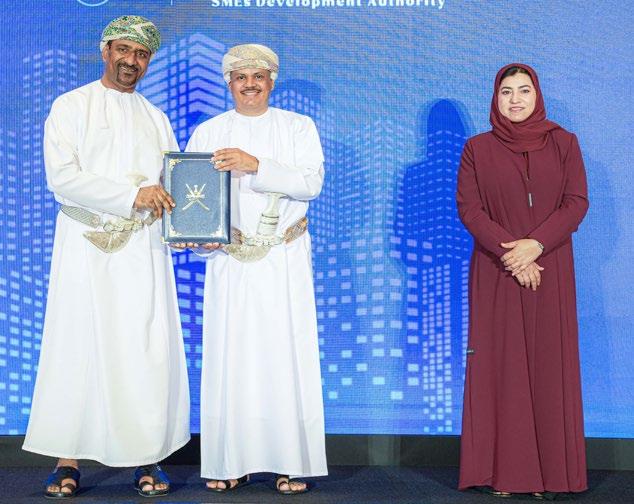
rewards, but tools for empowerment that enable employees to become shareholders and long term partners in the company’s success. The program is a performance linked reward mechanism tied directly to the achievement of defined business and growth targets. It is not a guaranteed entitlement, but an earned outcome that recognizes exceptional contribution to the company’s performance and value creation. Erkan Aydogdu, CEO, Oman Cables Industry, said, “Four years on, this program is no longer an initiative. It is part of how we work. It is a performance linked reward mechanism,
earned through the achievement of clear business and growth targets, not a guaranteed entitlement. Our people have chosen to contribute beyond expectations, and the company has grown around that choice. By enabling employees to become shareholders and directly share in the value they help create, we set out in 2022 to close a gap few industrial companies address. Every share held by an Oman Cables employee ultimately supports an Omani family. That principle, recognized performance, shared value, and long term commitment, is what makes Oman Cables a different kind of employer today.”
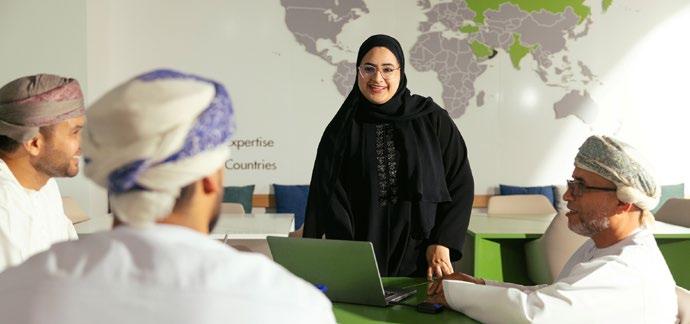
onBanking the move

ALL YOUR BANKING NEEDS ARE AT YOUR FINGERTIPS
The 'Alizz X' mobile banking application from Alizz Islamic Bank comes with an enhanced user experience for seamless and secure banking. The app enables you to manage your account anytime and anywhere.