

In autumn 2025, we welcomed a special new colleague to OELCHECK: our company’s very own, AI-powered OELCHECK bot. It provides up-to-date, reliable and fact-based information about OELCHECK, lubricant analyses, our test procedures and analysis kits, lubricants and lubricant applications - it's quick, precise and available at any time.
OELCHECK has developed an immense wealth of knowledge over many years. However, it was not always easy to find the right information or well-founded answers to specific practical questions in demanding everyday work. This is precisely where the OELCHECK bot comes in: Once a question has been entered, it becomes a digital “Open Sesame”.
It accesses the content of our tried-and-tested company Intranet with its extensive knowledge database as well as our website with its A to Z of knowledge - the OELCHECK Wiki -, where it filters relevant information and links it in context.
In this way, the OELCHECK bot effectively supports our employees in their daily work, saves valuable time and at the same time contributes to ensuring that knowledge is passed on from one colleague to the next in our company.
Of course, OELCHECK processes all data - including in connection with other AI applications - strictly in accordance with the applicable European data protection regulations and meets GDPR requirements. Our centralised data protection management and internal AI server also provide an extra layer of security.
One thing is particularly important to us: the AI-powered chatbot will never replace the personal advice provided by our employees. At OELCHECK, humans and AI are not in competition. Rather, AI complements our work - while human beings always remain the creative and competent experts, who classify and evaluate information, applying it with experience and expertise to benefit our customers.
Paul Weismann Petra Bots
Published by:
OELCHECK GmbH
Kerschelweg 28 · 83098 Brannenburg · Germany
info@oelcheck.de · www.oelcheck.de
Concept and text:
OELCHECK GmbH · Astrid Hackländer
Typesetting and design:
Agentur Segel Setzen, Petra Bots, www.segel-setzen.com
Image rights:
OELCHECK GmbH · OilDoc GmbH · ZwickRoell · KLEENOIL · AdobeStock
© 2026 OELCHECK GmbH
All rights reserved.
Reproduction only permitted after approval!

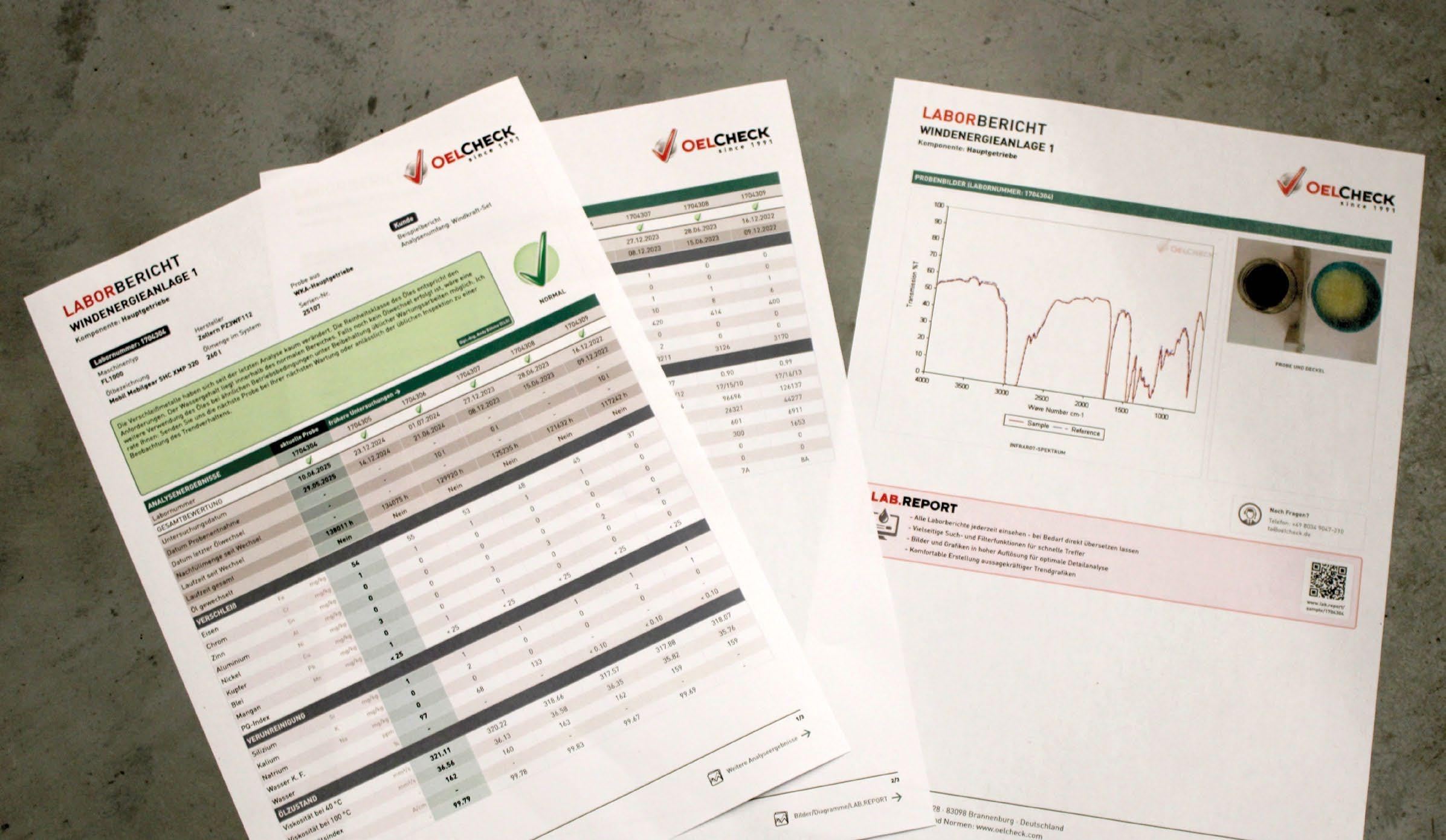
On February 01, 2026 we made a switch! Starting on this date, we send out all OELCHECK laboratory reports in a new look! Of course, they contain all the same information as before. But since February, our lab reports will be much clearer and more user-friendly. In this issue, we present what's new plus all the benefits!


All coolants for use in lithium-ion batteries for electric cars from BYD, GAC, Xpeng and other manufacturers from the Far East must comply with the new standard GB 29743.2-2025 and an extremely low electrical conductivity as of 01/10/2025. This is intended to significantly reduce the risk of short circuits and thermal runaway. European vehicle manufacturers and suppliers are already preparing to adapt their coolant technologies and strategies to the stricter safety requirements.
Î Technology Focus | Pages 4-5

A DIY spot test can supposedly determine whether the oil is still fit for further use or if it needs
to be changed. The test also should allow any damage to be detected at an early stage. Do these tests deliver what they promise? We wanted to find out more and have taken a closer look at the results for five oils. Find out how the DIY spot tests performed compared to traditional laboratory analyses!
Q&A | Page 10-11

BYD is based in China and is the world’s largest manufacturer of electric cars and plug-in hybrids. Its goal is to produce all electric cars sold in Europe locally within three years and thus avoid potential EU tariffs. Plants in Hungary and Turkey are already under construction. Spain is being discussed as a location for a third plant*. Vehicles from the Chinese brands GAC and XPeng are already rolling off the production line at the contract manufacturer MAGNA Steyr in Graz, Austria. Local suppliers are also involved in car production in Europe. However, almost all products from European suppliers must comply with the GB standard (Guobiao) of the Standardisation Administration of the People’s Republic of China. This also applies to operating equipment. From 1 October 2025, all coolants for use in lithium-ion batteries for electric cars from BYD and other manufacturers must comply with the new standard GB 29743.2-2025. Above all, this requires an extremely low electrical conductivity of less than 100 μS/cm (microsiemens) as well as a permissible increase to 300 μS/cm over the course of use. The stricter standard is intended to significantly reduce the risk of short circuits and thermal runaway.
Coolants in accordance with GB 29743.2-2025 are not only supplied by Chinese manufacturers. For example, they are also already being produced by Dober, a renowned American manufacturer, by BASF in one of its plants in China. And now even in Germany at a branch of the Japanese company CCI in Dormagen.
The demand for even lower conductivity for coolants in electric cars has not appeared out of thin air. It is therefore quite possible that China’s new standards for coolants for electric vehicles will also be adopted by the Western world. After all, products in accordance with GB 29743.2-2025 are intended to increase the safety, efficiency and longevity of lithium-ion batteries and other batteries. The new standard is intended to significantly reduce the risk of thermal runaway of batteries in electric cars, particularly in the event of leaks or accidents in which coolant may come into contact with high-voltage components.
Statistically**, electric cars are not more vulnerable to fires than those with combustion engines. However, if the battery of an electric vehicle is involved, a fire can be extremely difficult to extinguish. The cause of the fire is in most cases a thermal runaway. If individual cells of a lithium-ion battery overheat, e.g. due to small short circuits, they heat up adjacent cells. As a result, flammable gases and oxygen form from the electrolyte. For example, the anodic side of the battery cell, which consists of lithium carbon compounds, can catch fire. If the resulting gases then explode, the fire really picks up and becomes uncontrollable.

To minimise the risk of thermal runaway, it is essential to use a suitable low conductivity coolant for the battery. After all, all highly conductive products can quickly become a safety problem when in contact with high-voltage components.
The cooling systems of electric cars are mainly operated with socalled lowbrid OAT coolants. They contain a small proportion of silicate or phosphate, are only slightly electrically conductive and also contain corrosion inhibitors based on organic acids.
Coolants according to GB 29743.2-2025 are also based on this technology. However, their extremely low conductivity is only one of the criteria against which they are measured for use in electric car batteries. For example, they must also have excellent longterm stability and sufficient corrosion protection for aluminium and non-ferrous metals such as copper. In addition, they should be highly compatible with the materials of all components as well as with sealing materials. Flux inhibitors are sometimes added to prevent damage caused by any flux residues*** from soldering processes in the cooling system.
The OELCHECK all-inclusive premium analysis kit is the first choice for assessing lowbrid OAT coolants for electric cars. It examines the decisive parameters of used coolants - but also sheds light on the composition of new products and highlights changes during development attempts.
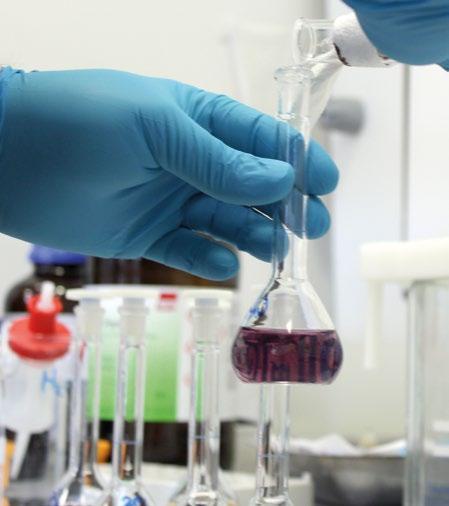
As part of the all-inclusive premium analysis kit, OELCHECK evaluates, among other things:
■ The condition of the coolant: how it has aged or degradation products. In the case of coolants, these mainly include glycolate, oxalate and formiate.
■ The electrical conductivity at 25°C in μS/cm.
■ Changes to additives, including corrosion inhibitors based on organic acids.
■ Contaminants and
■ elements indicating corrosive wear
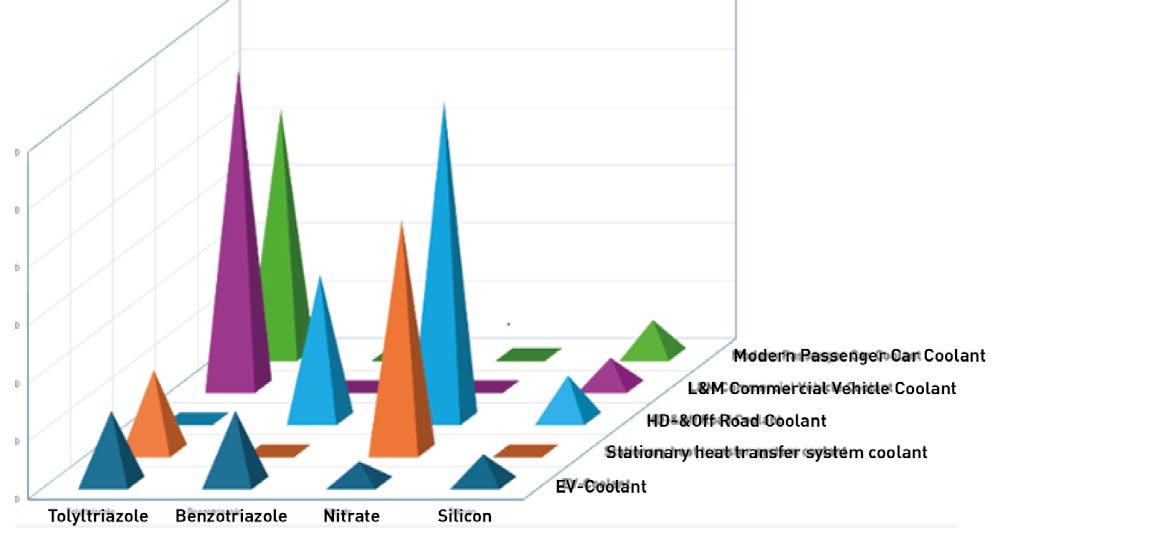
The composition of the additive packages of lowbrid OAT coolants for corrosion protection will not be of particular interest until the entry into force of the new Chinese standard GB 29743.2-2025. A whole series of studies of different EV coolants with the OELCHECK premium analysis kit have produced informative results. A wide range of corrosion protection inhibitors in various different concentrations and combinations could be detected in the samples. Tolytriazoles and benzotriazoles were most commonly represented. These two organic compounds protect above all copper and its alloys from corrosion.
As part of our extensive studies with the premium analysis kit, we also carried out a comparison of additive types and their concentrations in EV coolants with those in products for other, traditional applications in the OELCHECK laboratory. It became very clear how low the additive content of typical EV coolants is!
Î With their low level of additives and the high requirements for their low electrical conductivity, some EV coolants are intended for use over the entire service life of an electric vehicle. Some manufacturers are already planning to replace the fluid regularly after a few years. In the long term, sensors that detect any changes in conductivity could provide more certainty. The OELCHECK laboratory analyses of the used coolants will also contribute to a better understanding of the electric vehicles as well as help improve their safety.
The graph shows the frequency of different corrosion inhibitors. The colour of the bar indicates the OELCHECK analysis kit from which these inhibitors can be measured. Four of the seven most common components can only be determined with the premium analysis kit. These include the top two inhibitors: tolytriazoles and benzotriazoles.
Colour code: orange = premium kit, turquoise = advanced kit, black = basic kit
Î With the new standard GB 29743.2-2025 for coolants, China has set new standards for the safety of battery systems in electric vehicles. Other international standards bodies will probably follow the Chinese regulations in their guidelines. European vehicle manufacturers and suppliers are already aligning their coolant technologies and strategies to meet the increased safety requirements. However, the development and production of coolants should continue to take place locally. Manufacturers are actively supported by companies such as OELCHECK. In this way, the expertise will remain in Europe in the future and, at the same time, competitiveness on the global market will be safeguarded.
* Handelsblatt, 15/10/2025
** www.gdv.de
*** More under “Fluxes and Coolants - not the best of friends”, OELCHECKER Winter 2023
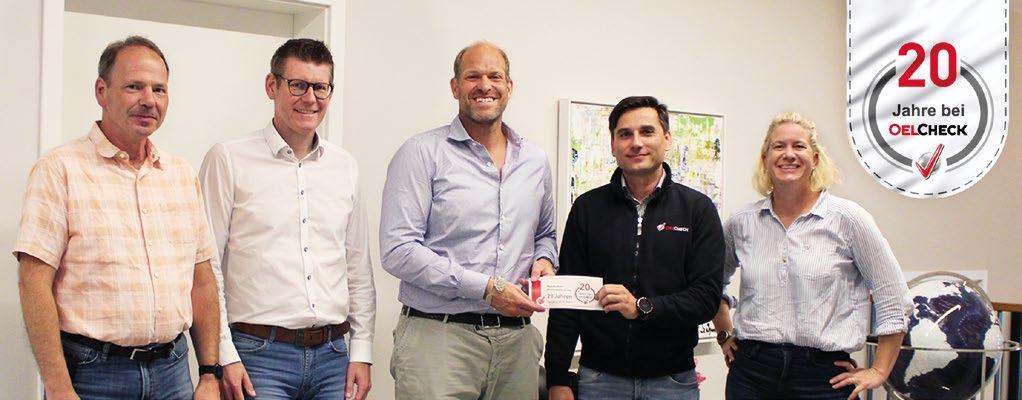
20 years at OELCHECK - our laboratory manager Max Schuldeis
In 2005, Max Schuldeis joined OELCHECK as a chemistry lab technician, the start of a highly successful career. In 2009, he took over the management of one of the laboratory teams. In 2014, he was promoted to laboratory manager. Today, he is responsible for more than 40 well-trained and experienced laboratory staff.
In the OELCHECK laboratory, more than 60,000 individual values of up to 2,000 lubricant and operating fluid samples are examined daily and over 100 different analysis methods are used. For a lab manager, day-to-day operations present enormous challenges.
But if anyone always keeps a cool head, it’s Max Schuldeis. He works with untiring commitment, conscientiousness and precision. His employees appreciate his high level of professional competence and his absolutely fair management style.
We would like to thank Max Schuldeis for his great commitment and look forward to many more years of successful cooperation!
Congratulating Karin Reheis and Barbara Mitzkus on their wellearned retirement
A few weeks ago, two employees from the OELCHECK laboratory began their well-earned retirement. Karin Reheis worked at OELCHECK for over 20 years, while her colleague Barbara Mitzkus was with our company for more than seven years. We wish them all the best and thank them for their cooperation and long-term loyalty to OELCHECK!

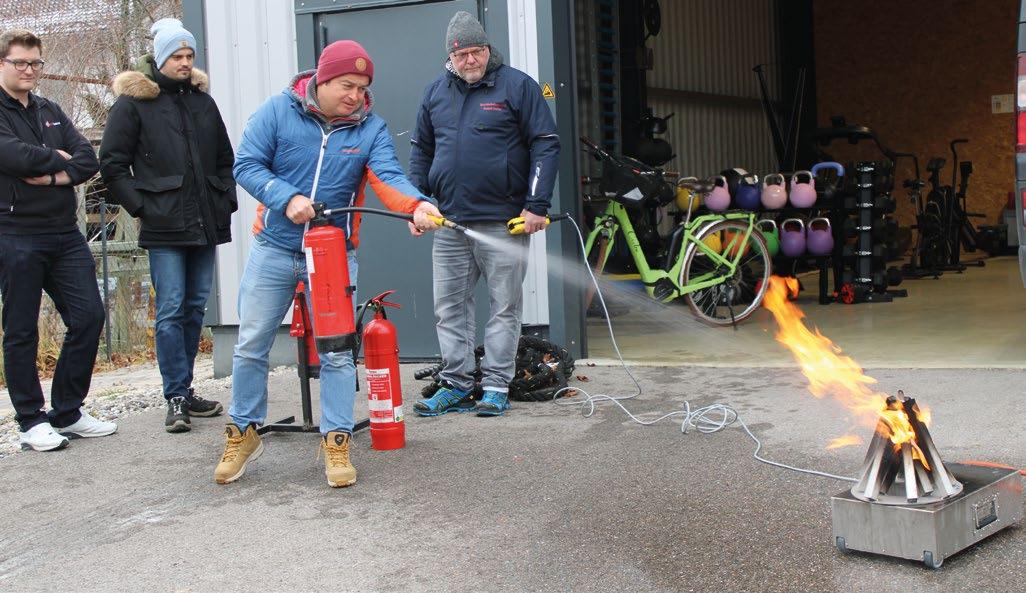
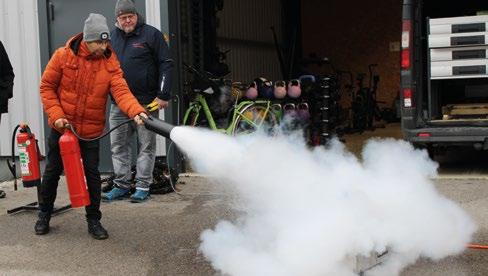
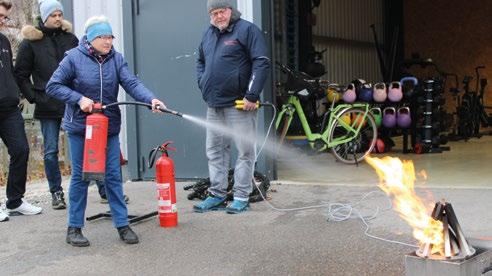
How does a fire start? What are the main causes of fire? What role do batteries play in causing fires? And how dangerous can aerosols with their flammable propellants become in an emergency? These and other questions were the focus of our fire-fighting exercise in autumn 2025. Robert Gsinn, fire protection officer from the Rosenheim administrative district, was on site for two days. His theoretical training focused on preventative fire protection, what to do in the event of a fire and the correct use of fire extinguishers and fire protection equipment.
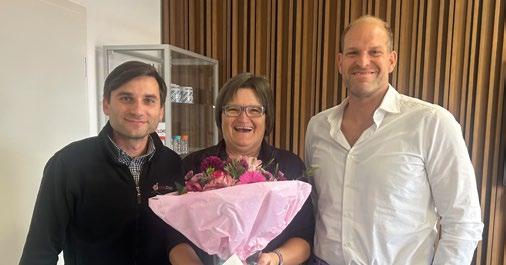
Board Member for OELCHECK. Of course, we had to celebrate!
The theoretical part was followed by the practical application part. 77 members of the OELCHECK team were trained in the correct use of fire extinguishers. This included the entire process, from unlocking to activation. Employees practised with foam and CO2 extinguishers. Foam extinguishers for fire classes A and B are used to extinguish burning solids and liquids. However, CO 2 extinguishers are only approved for fighting fires involving liquids (fire class B). They are the first choice, for example, for use in laboratories, IT systems or electrical and electronic systems.
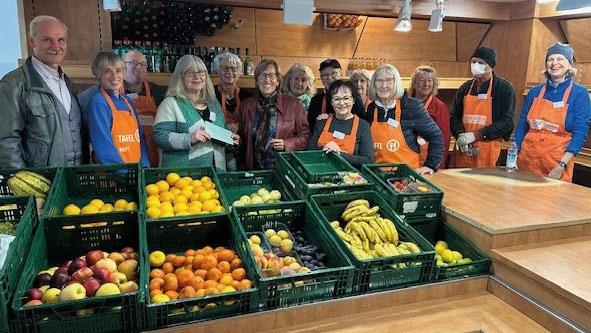
Lots of family members, long-time employees and friends were invited. But she didn't want any gifts. Instead, she expressed the following wish in her invitation: “Please bring a small donation for the Brannenburg food bank!” Barbara Weismann has always been involved in social initiatives. After all, it's good when those who have a good income lend a helping hand to people who aren't doing so well.
The guests at the birthday party donated very generously. Our company founders Barbara and Peter Weismann rounded up the total to € 1,500. The donation was presented in person in mid-October. The very welcome surprise was received by the delighted volunteers at the food bank with a round of applause!
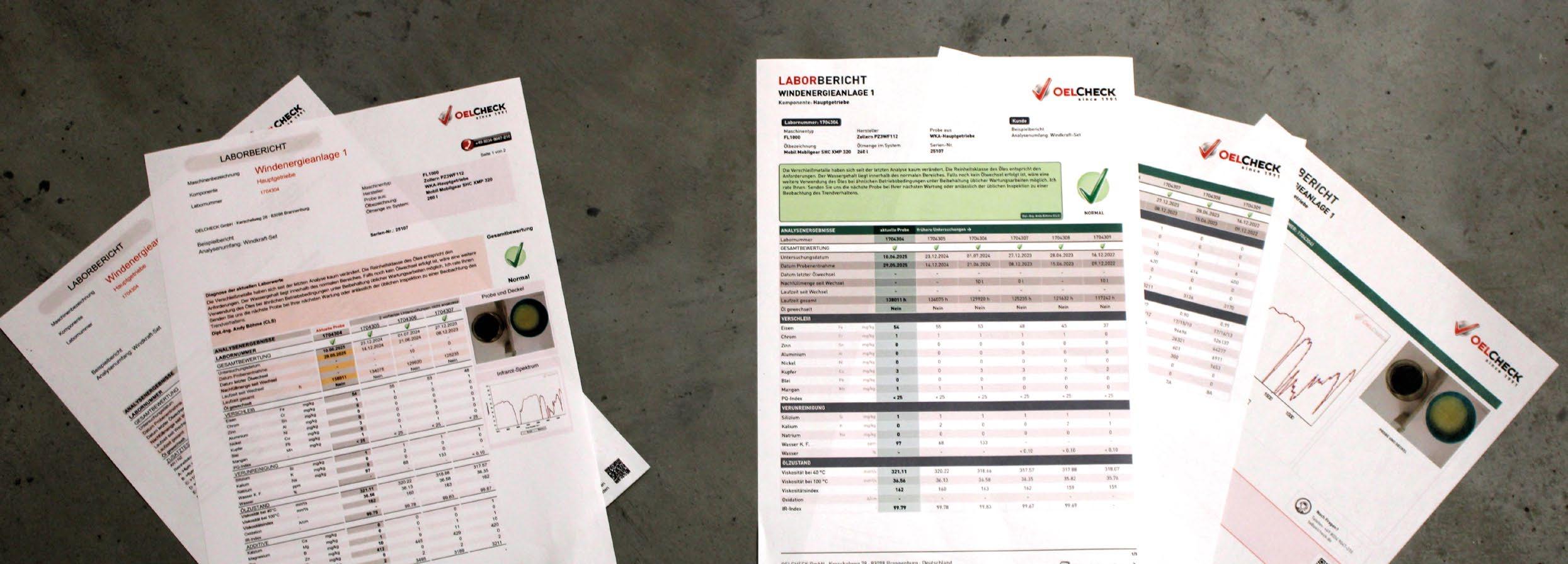
The OELCHECK laboratory report is the heart of our service. Since the company was founded in 1991, our customers have been able to find all current and previous laboratory values, a quick diagnosis in the tried-and-tested traffic light style, images and graphics as well as, of course, the diagnosis and recommendations for action from our tribologists.
We have now fundamentally revised and optimised the design and layout of our OELCHECK laboratory reports. They will continue to contain all the information as before - but will offer our customers numerous additional benefits.
The newly designed OELCHECK laboratory reports:
■ Are significantly clearer, easier to read and accessible in ZUGFeRD format (PDF/A-3 file with a machine-readable XML file).
■ Have been optimised specifically for screen viewing, but can still be printed in DIN-A4 format.
■ Show the values of up to five previous samples (instead of three previously). In addition, the associated previous laboratory reports are linked in the PDF. Users of our LAB.REPORT customer portal can access all previous reports for each sample with one click.
■ They make the overall evaluation of the sample even clearer visually: In addition to the familiar traffic light icons in red, yellow and green, the entire evaluation field now also has a corresponding colour background.
■ They contain all machine information specified by the customer on the delivery note in a clearly structured format.
■ They can be translated into any language using our LAB.REPORT customer portal with secure in-house AI.
■ They show all illustrations on an additional page in a larger, much clearer format.
■ They enable direct access from the lab report to the corresponding sample in LAB.REPORT via the QR code or link.
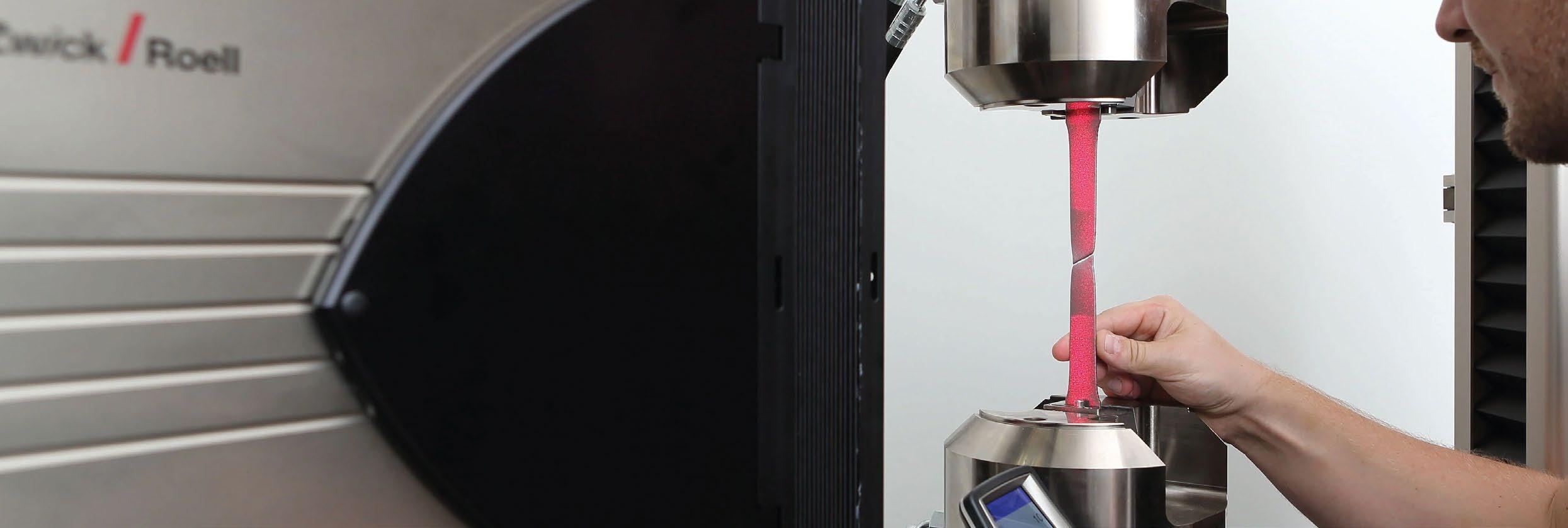
ZwickRoell is the world’s leading supplier of static material test machines. In the field of dynamic testing, the company, with headquarters in Ulm, has been offering successful solutions for fatigue test systems for decades. ZwickRoell machines perform approximately 80,000,000 tests on materials and components of all kinds every year. There are over 18,200 standards for material testing alone. It's a huge challenge for the experts at ZwickRoell to find the optimal test solution for the customer’s requirements amid this real jungle of specifications. They work with passion and precision down to the smallest detail to find the optimal test solution for accurate, repeatable, comparable, transparent and reliable test results.
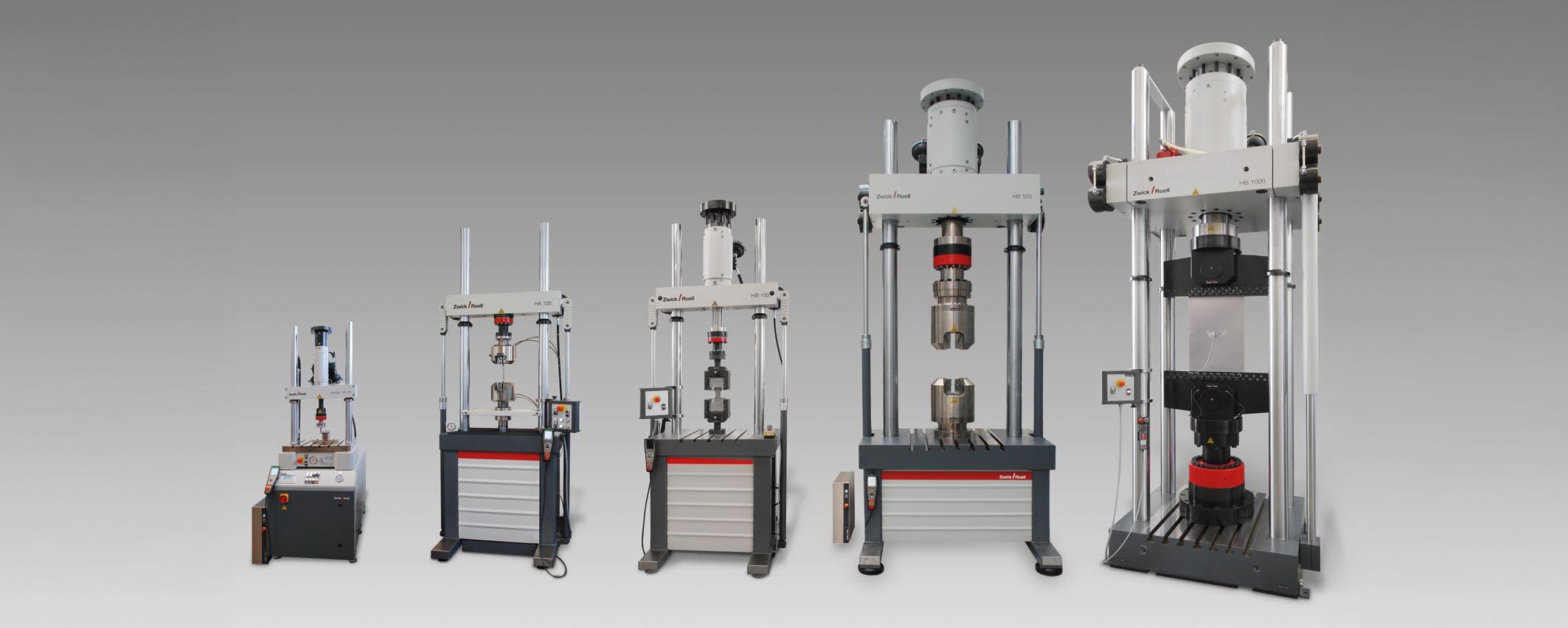
Test machines are the key to continuously improving the safety of a wide range of products and materials. ZwickRoell material test machines are used worldwide in research & development and quality assurance in more than 20 industries. These include, for example, the automotive and aerospace industries, medical technology and plastics and metal processing.
Dynamic testing plays a special role. It examines the mechanical properties of materials under dynamic loads. Unlike static material testing, where the material is subjected to a constant load, dynamic material testing applies varying forces, speeds or deformation rates to the material. Dynamic testing is particularly important to investigate the behaviour of materials under realistic conditions, as many applications, such as aerospace, automotive or mechanical components, are exposed to dynamic loads.
Hydraulics are central components of:
■ Servo-hydraulic test machines
For determining material characteristics under oscillating load or as part of fracture mechanics tests.
■ Hydraulic test machines
The H-series machines are equipped with a single central hydraulic drive, sizes 600–5000 kN (60–500 t).
■ Electromechanical test machines with hydraulic sample holders
For test forces from 50 kN and high clamping forces, Fmax from 10 kN to 2,000 kN. The contact pressure is precisely reproducible.
Servo-hydraulic test machines are used for static or dynamic testing of materials or components. In order to be able to evaluate the behaviour of materials or components over their service life, cyclic loads are generated.
With servo-hydraulic systems, even piston speeds of up to 20 m/s can be achieved, which are required for impact dynamic tests and crash investigations. Depending on the type of construction, the ZwickRoell machines achieve a force level of up to 2,500 kN. The load frames of the machines are designed for material and component testing under oscillating loads in a closed force flow. They stand on vibration-isolating levelling elements.
During assembly, the hydraulic units of ZwickRoell’s servo-hydraulic test machines are filled with mineral oil-based hydraulic fluid HLP ISO VG 22, 46 or synthetic fluid HLP ISO VG 46. Depending on the type and purpose of the machine and the forces to be determined, up to 600 litres of hydraulic oil are required.
The purpose of the annual inspection is not only to maintain the reliability and full functionality of a testing machine. It is also necessary because normative requirements such as DIN EN ISO 7500-1 outline the need for inspection prior to calibration. Calibration, in turn, ensures that the material testing machine produces highly accurate and reliable test results.
The reliable function of a servo hydraulic testing machine depends heavily on its hydraulic oil and its purity. If a hydraulic oil is contaminated with particles from wear and tear or from the environment, this has a negative effect on the control of a machine with its sensitive valves and thereby on the accuracy of the test results. In addition, particles can accelerate any wear processes in the system. If hydrostatic cylinders are installed in a servo-hydraulic testing machine, they are quite sensitive to dirt. Not all particles necessarily damage the system, but the lower the number of critical particles, the lower the likelihood of component damage.
An oil analysis is always scheduled as part of an annual inspection and subsequent calibration by ZwickRoell service technicians.
The OELCHECK all-inclusive Analysis Kits 4 are ideal for examining the hydraulic oils from the servohydraulic test machines. They are used to assess the general condition of the oil, determine signs of wear and the content of additives. In addition, any impurities and their types are examined closely. Automatic particle counters use their laser sensors to determine the size and number of particles, which are then sorted by purity class. Classified according to particle sizes >4 µm, >6 µm and >14 µm, the particle numbers are then listed in the laboratory report. The particle numbers are cumulative, which means that the stated particle figure for > 6 µm consists of all particles >6 µm plus particles >14 µm.
ZwickRoell recommends changing the hydraulic oil after two years or sooner if necessary. However, if an OELCHECK laboratory analysis has determined correspondingly good values, the replacement interval can ideally be slightly extended.
Î Regular inspections with subsequent calibration and the accompanying OELCHECK hydraulic oil analyses enable the functionality of the test systems to be maintained. They also guarantee precise test results and increase the service life of the machines.
ZwickRoell
The company is a world leader in the development of test machines for material and component testing. Customers of the ZwickRoell Group benefit from over 160 years of experience in material testing for various industries. In the 2024 financial year, the Group achieved sales of EUR 312 million. The ZwickRoell Group has production sites in Germany, Austria, the UK and China, as well as subsidiaries and branches in 56 other countries. ZwickRoell currently has more than 1,800 employees, of which 1,200 employees (including 100 trainees) work at the Ulm-Einsingen site. www.zwickroell.com
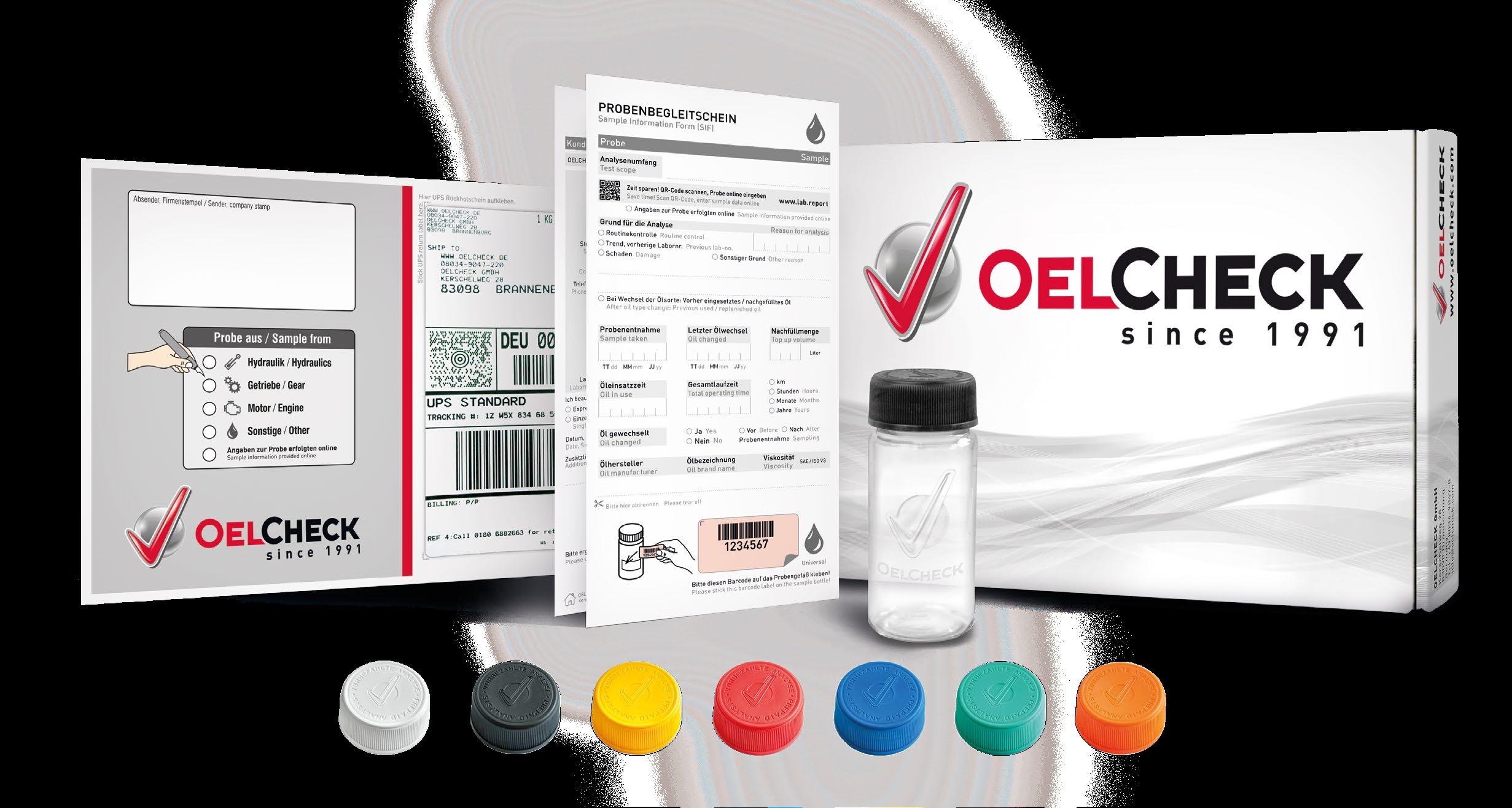
Various manufacturers offer quick tests for lubricating oils on the internet. They claim that a single drop is sufficient for an oil diagnosis. The test result shows whether the oil is still fit for further use or needs to be changed. They also claim that any damage can be detected at an early stage. But is there anything to these promises?


Most of these do-it-yourself checks are based on the principle of a classic “spot test”. This has been used for more than 50 years as a quick but rough method for assessing oils.
A small amount of the oil in use is applied to a special paper, on which the “spot” forms after a certain contact time.
Then you look at the appearance of the spot, starting from the centre and moving outwards to the edge. The spot test is also used in many lubricant laboratories - but almost only for engine oils and as part of the visual inspection. An experienced lab technician can easily make judgements about the quality of the oil from the appearance of the spot. For example, a trained eye would be able to detect indications of high levels of fuel, antifreeze or combustion soot as well as the ability of the oil to carry the latter as evenly as possible up to the outer edge of the spot (dispersibility). If the professional notices any inconsistencies with the spot test during the quick check, these are always investigated as part of subsequent examinations in the laboratory.
To the untrained eye, it's often like reading from coffee grounds

If you look at a small amount of coffee in a cup you have drunk from, you may recognise the colour, small amounts of ground beans, undissolved sugar or whether there was milk in the coffee. You’ll probably have a similar experience if you take a closer look at a spot of oil on paper. What do you really recognise, apart from the size, outline and colour? When evaluating with the DIY spot test, images of other spots are available for comparison. But can you see any fine deposits inside the spot with the naked eye? And if you do see any such particles, are they soot, metal particles or something else? Does the oil perhaps only need to be changed or is there a risk of serious damage? In order to answer these questions, some providers of quick spot tests now also offer evaluation using AI. These AI-supported assessments are supposed deliver even more reliable results than a physical self-assessment.
Î We have to admit: As a laboratory for the analysis of lubricants and operating fluids with many years of experience, we have our doubts. Or are these just prejudices? We wanted to know more exactly, and so we did an experiment!
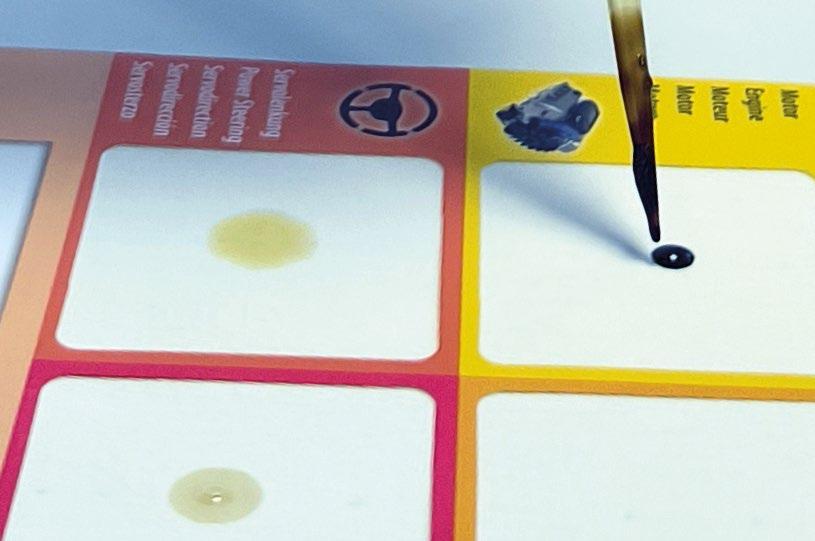
The experiment: Do-it-yourself vs. analyses from the OELCHECK laboratory
We very quickly found tests for DIYers on the internet. They come in an appropriate design and there is no shortage of accompanying explanations. Each test sheet for motor vehicles can be used to test engine oil, transmission oil, brake fluid or power steering oil. Unfortunately, a special test for industrial oils was not available from the supplier we selected.
For our experiment, we selected five oil samples that had already been examined in the OELCHECK laboratory. We then carried out with these same oils the spot tests purchased on the internet. We also sent the spots from two oils back to the supplier to have them evaluated there with the help of AI.
Î Hydraulic oil HLP 46 from a mobile excavator

OELCHECK lab: Urgent need for action!
The sample is heavily contaminated. Even without a microscope, particles(>40µ)areclearlyvisible.+Increasedproportionofmagnetisable iron particles (PQ index). + Incorrect sampling may have influenced the measured values.
Recommendation: Have the oil checked again soon. However, if you are sure that the sample has been taken correctly and that the sampleisrepresentativeoftheoilfilling,youshouldchangetheoil immediately.
Result of the spot test with self-assessment: Unclear
As no separate test was available for industrial oils, the test for power steering oils as an alternative was recommended to us. During the assessment of the spot, we were not able to detect any foreign particles and we were also unable to give it an unequivocal colour classification. Was it unproblematically bright? Or was it a bit dark, indicating the presence of deposits and therefore that an oil change was required? Unfortunately, the result of the test was not clear.

Î Transmission oil from the manual transmission of a Ferrari Daytona 365
OELCHECK lab: Urgent need for action!
The analysis of the wear elements (chrome!) provides clear indicationsofincreasedbearingand/orgearwear.+Theoilisslightlyturbid.Presenceofwatersuspected.TheFTIRspectrumconfirmsthe increased water content.
Recommendation: Carry out an oil change as soon as possible and rectify the cause of the fault. Check the success of your measurementsbyconductinganewanalysis.
Result of the spot test with self-assessment:
Oil can be reused without restriction

The spot was so bright that hardly anything was visible even when held against the light. Increased wear and significantly increased water content were not detectable. According to the colour classification, the test revealed normal operability.
Î Engine oil from a VW T5 3.2 V6 petrol engine
OELCHECK lab: Urgent need for action!
Even though the oil was only changed 7 months ago and at 18,000 km:
Watercontentsignificantlyelevated.+Engineoilcontaminatedwith coolant. + Advanced oil ageing. + Slightly increased fuel input. + Increasedenginewear.+Slightlyincreasednitrationvalue(NOx)due toblow-throughgases.
Recommendation: According to the information that you have provided, the oil was already changed following sampling. Always check the cooling system. Have the motor settingchecked!
Result of the spot test with self-assessment:
Oil change recommended
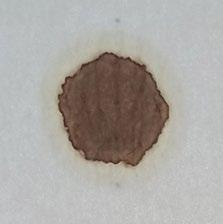
An increased fuel and water content were discovered. However, the entry of coolant and signs of engine wear were not detected.
Î Engine oil SAE 0W-20 from the petrol engine of a Jaguar XJ 3.0 l
OELCHECK lab: Urgent need for action!
Significant engine wear + Severe oil ageing + Risk of attack on non-ferrous metals + Slightly increasedwaterentryintheoil+Indicationofinsufficient compression + Blow-through gases/ blow-bys(increasednitration)
Recommendation:Changetheoilimmediately!
Result of the spot test with AI evaluation: Further test after 5,000 km
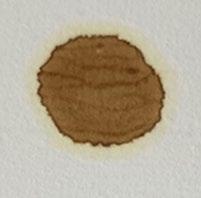
Recognised: Combustion residue, poor oil condition, increased water content. Incorrectly detected: Elevated fuel content. Not detected: High engine wear, severe oil ageing, inadequate combustion chamber seal, fuel entry not high, but slight and still in the normal range.
Î Engine oil from the diesel engine of an Audi Q7 3.0 l TDI
OELCHECK lab: Urgent need for action!
Significantly increased engine wear! + Significantly increased fuelentry!Possiblecauseofanyunburnedfuelintheengineoil due to cold starts, short-distance driving, incorrect fuel entry.
+Oilcannolongersufficientlyneutraliseacids from the combustion process. The BN (base number)hassignificantlydecreased.
Recommendation:Changeoilimmediatelywith priorflushing!
Result of the spot test with AI evaluation:
Further test after 5,000 km
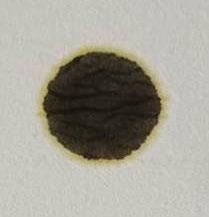
Recognised: Soot formation, poor combustion, possible damage/ preliminary damage due to mixture formation, poor oil condition, increased fuel and water content.
Not detected: Significantly increased engine wear, severe oil ageing including “acidification” of the oil.
■ A DIY spot test can provide information on abnormalities in engine oils. However, even with AI-supported evaluation, it cannot determine the exact extent of the abnormalities or their possible causes. The small print of the supplier of the DIY spot tests we used also states that it does not accept any liability and claims against it. It recommends using a laboratory for precise analyses.
■ A DIY spot test is no replacement for comprehensive laboratory analysis. They are only suitable for getting a quick, rough idea. In some cases, however, they are quite misleading!
■ The laboratory spot test, on the other hand, is far more accurate. OELCHECK checks all engine oils in compliance with the ASTM D7899 test standard.
A droplet of oil is dropped onto a piece of filter paper. After the paper has been heated for one hour, the oil has been distributed evenly and is then evaluated with a computer-aided camera. Evaluations are made regarding the dirt-carrying capacity (dispersibility) and soot content of engine oils based on the surface area, the uniform appearance and the black colour of the spot. The dirt-carrying capacity of engine oils, which reveals the cleanliness of the engine, deteriorates as a result of additive breakdown, oxidation and acidic reaction products from fuel combustion. Alongside the IR spectroscopy, the spot indicates through a uniform distribution of soot particles whether the oil is still able to suspend impurities so that they can be transported to the filter and filtered off.
The intensity of the dark colouring indicates the soot content. A transparent outer ring indicates fuel content. The oil droplet does not spread if anti-freeze agent glycol is present. The camera never lies, and in this case can convert the subjective perspective from a human visual inspection into an objective and reproducible statistical assessment.
■ In every OELCHECK laboratory report for engine oils, we list the remaining dirt-bearing capacity of the engine oil in % under the heading “Oil condition”.
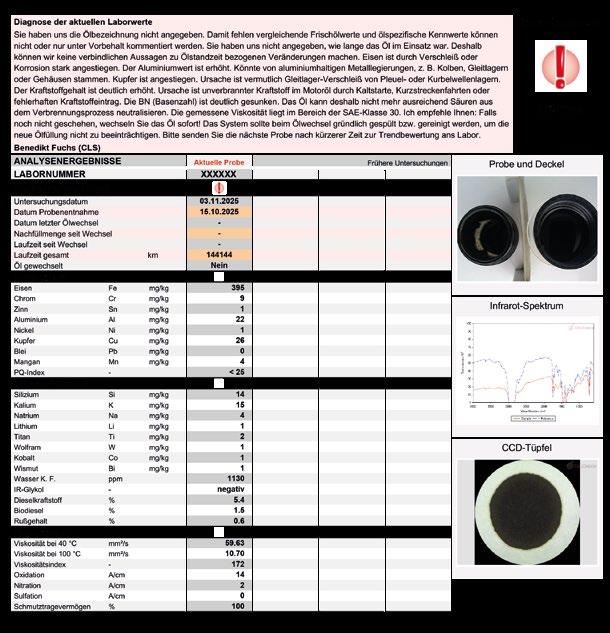
In addition, you will always find the photo of the spot created and evaluated in the laboratory in the report!
What's more: When analysing an engine oil in the OELCHECK laboratory, we never look at the result of a spot test in isolation, but only in combination with the more than 30 additional values measured in the laboratory analysis!
OELCHECK also answers your questions on the topics of lubricant and fuel analyses as well as tribology. Contact us by e-mail at info@oelcheck.de or fax +49 8034 9047 47.
Year after year, we consistently invest in equipment for our laboratory. In 2025, too, numerous brand-new test devices were put into operation - either replacements for retired systems or additional devices to enable us to keep up with the steadily increasing number of samples. All new purchases were state-of-the-art products.
Over the course of the year, the following equipment was put into operation:
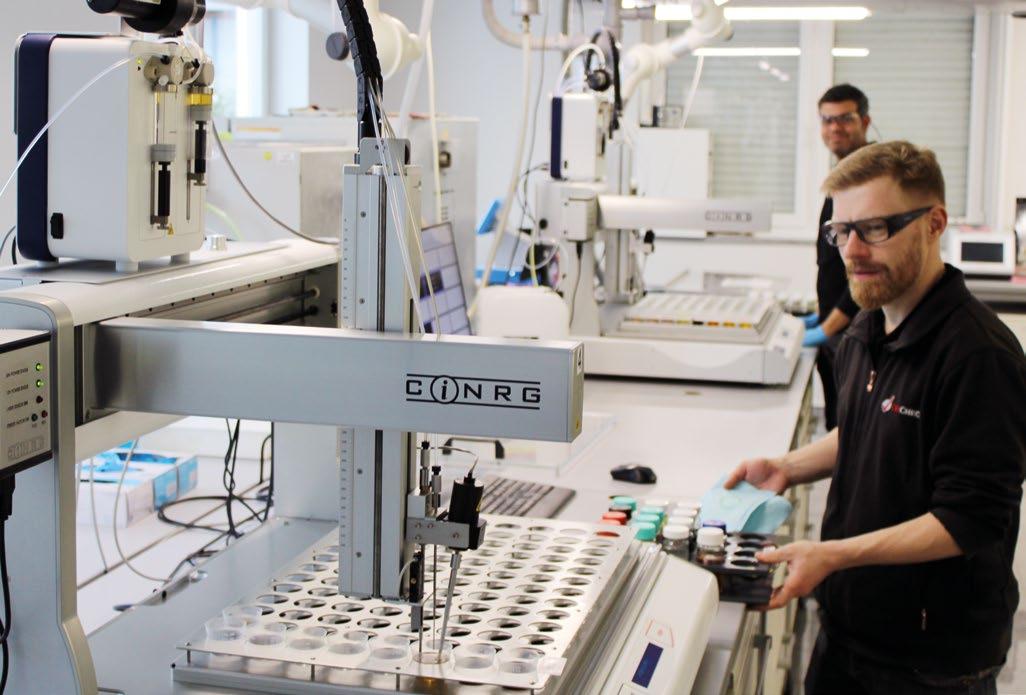
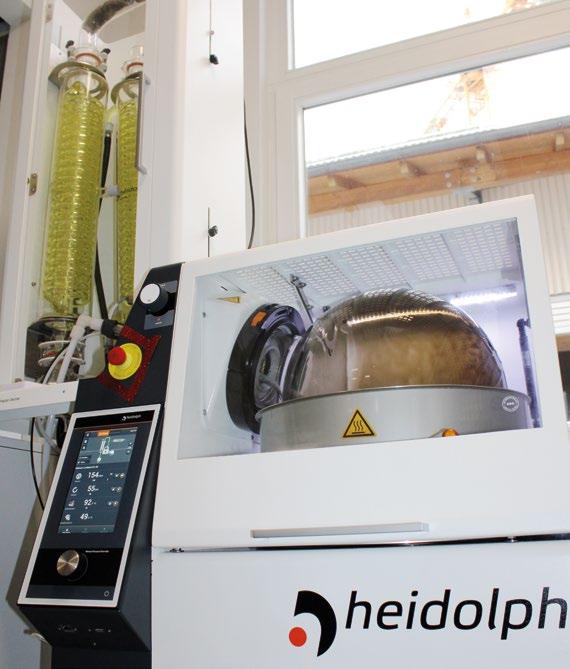
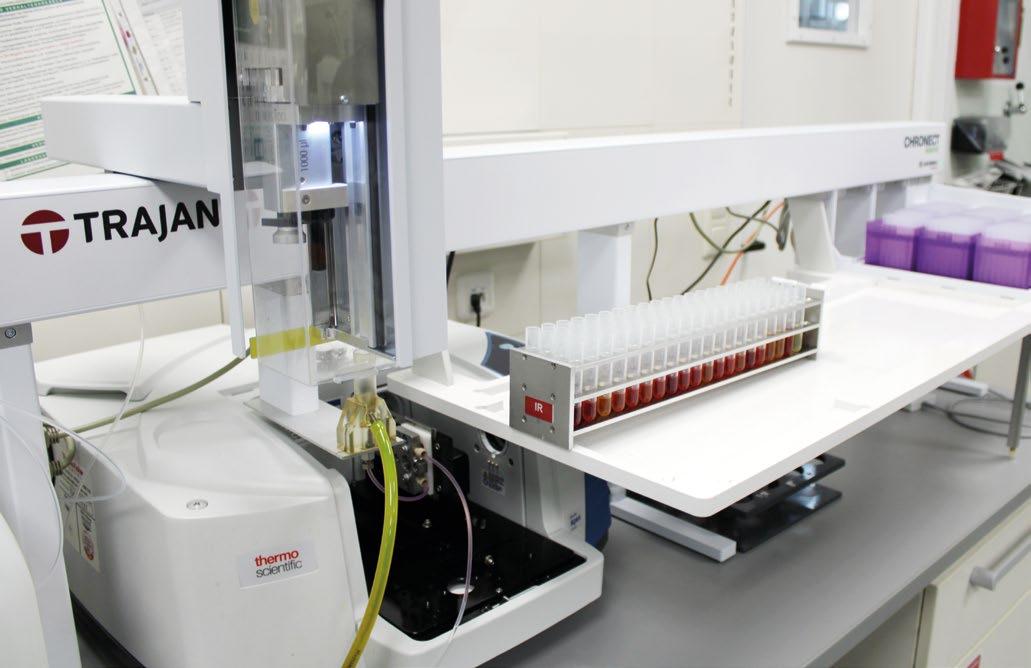
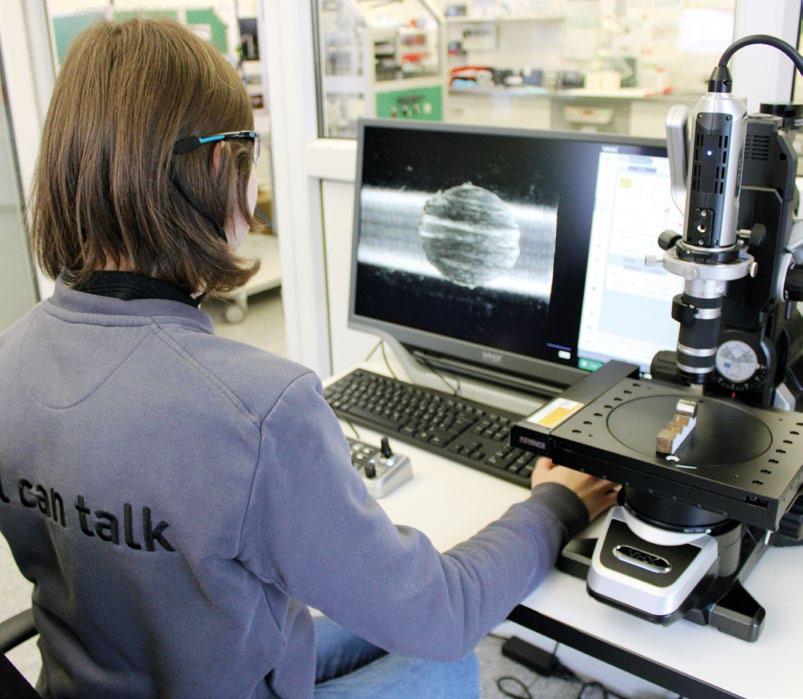
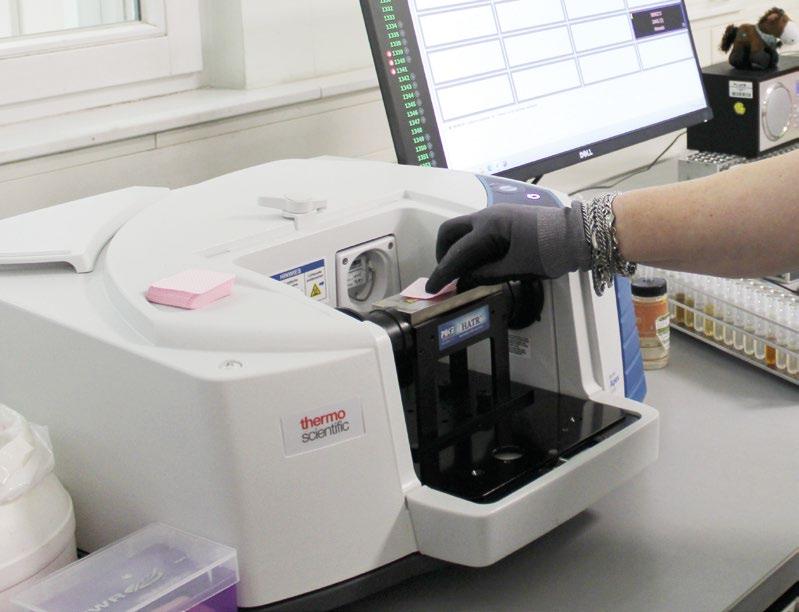
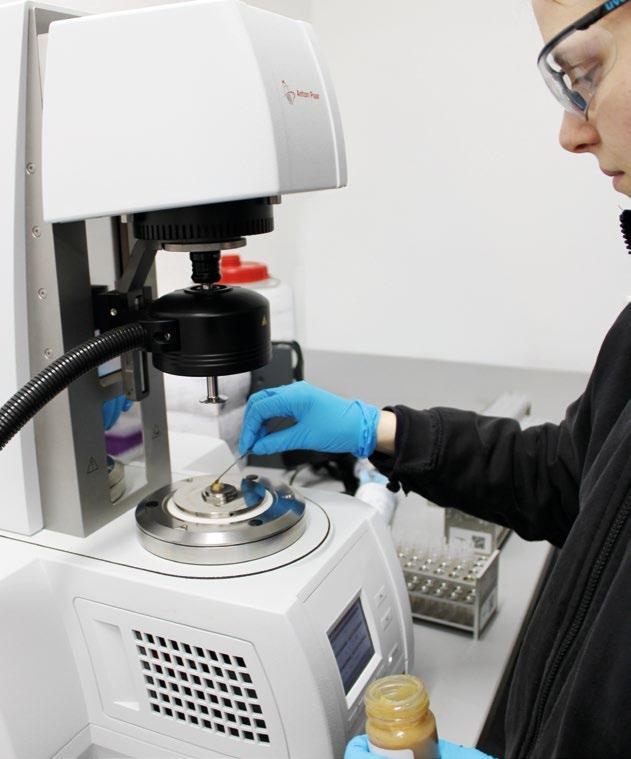
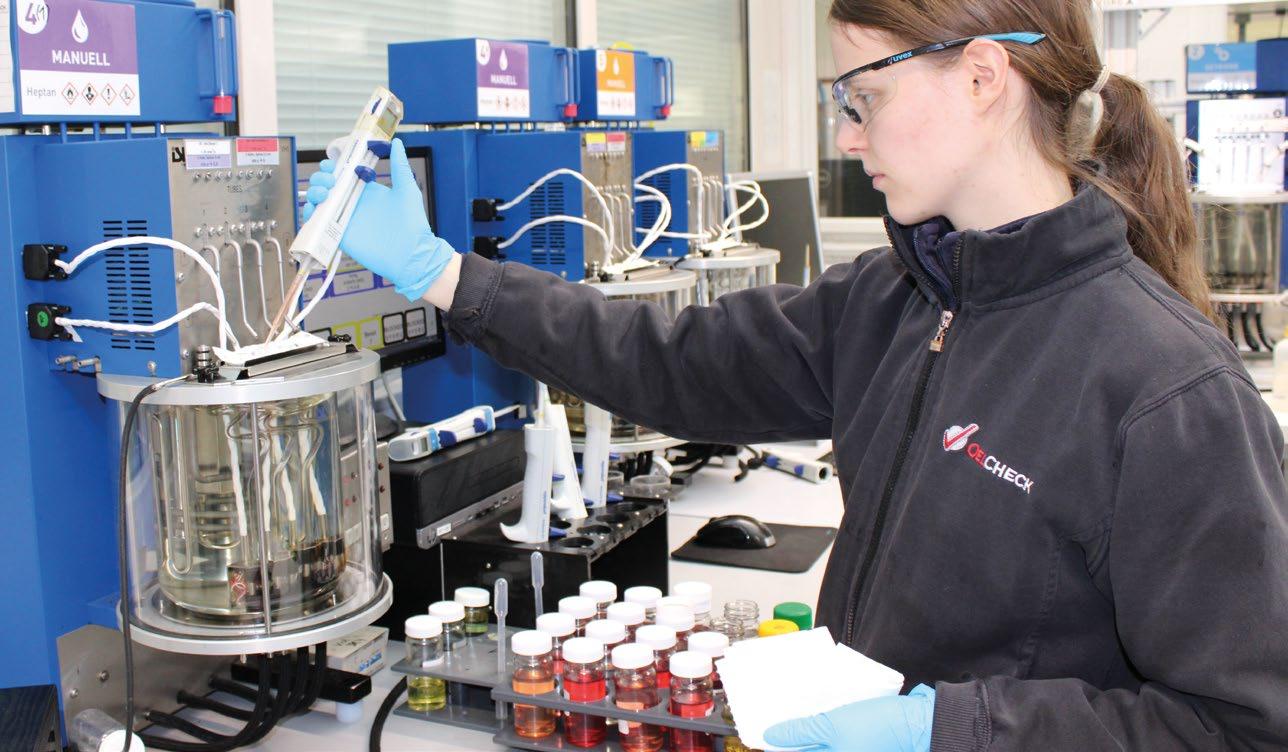
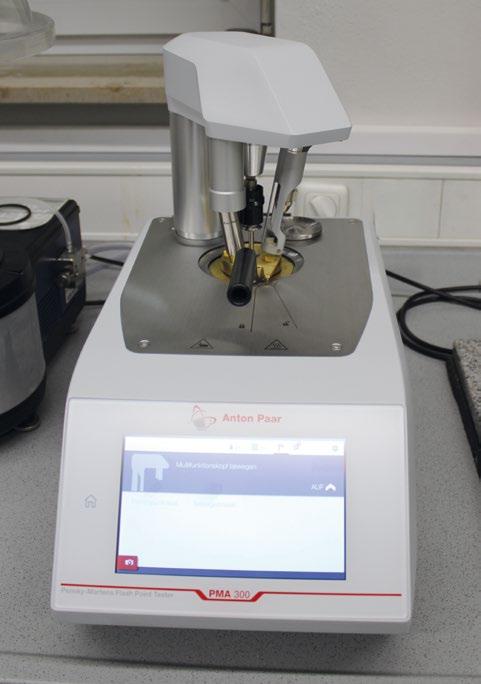
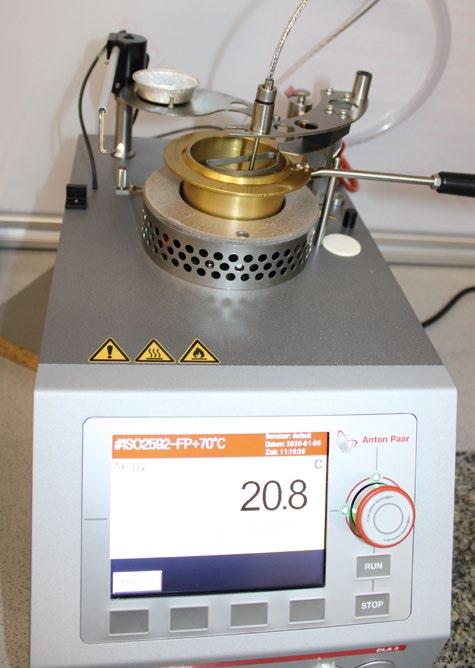
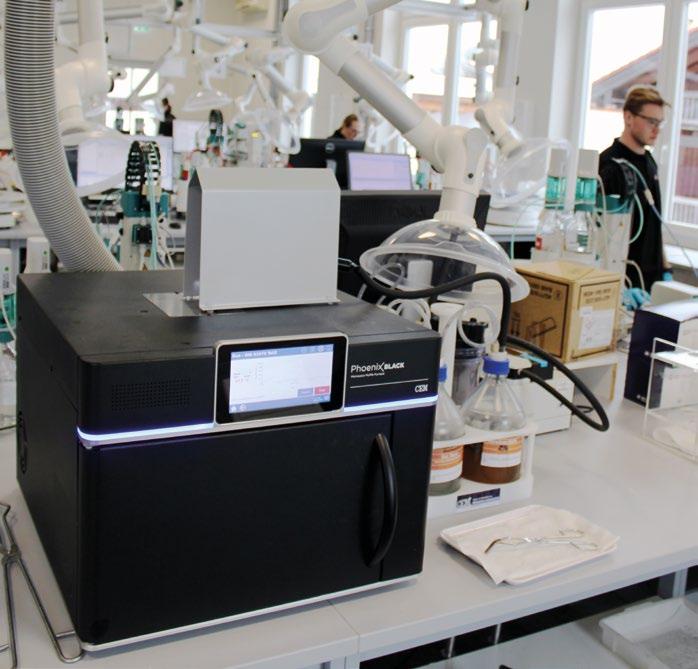
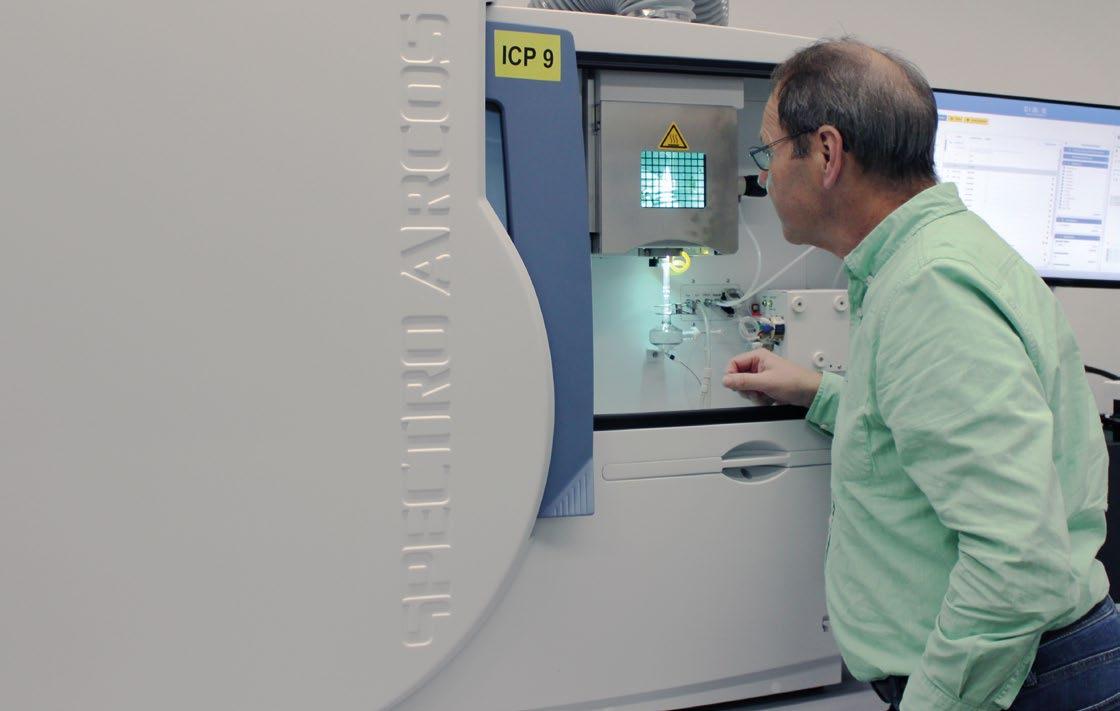
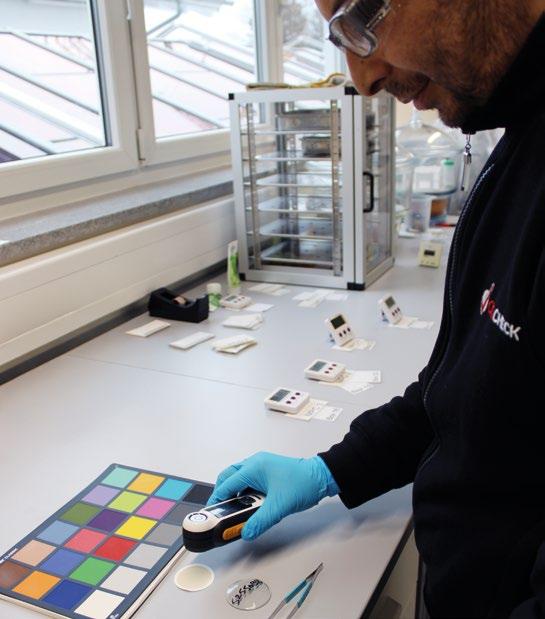

In addition to new test equipment, we have also invested in our laboratory premises. Our new hazardous materials warehouse has already been completed. We are also expanding our main building with additional laboratory space. In a few weeks, our coolant testing department will have an additional 70 m² of space. Among other things, the special laboratory is equipped with a gas chromatograph, an ICP instrument for element determination, an ion chromatograph for assessing water quality, a HLPC system for studying organic acids, and instruments for determining density, pH and conductivity.
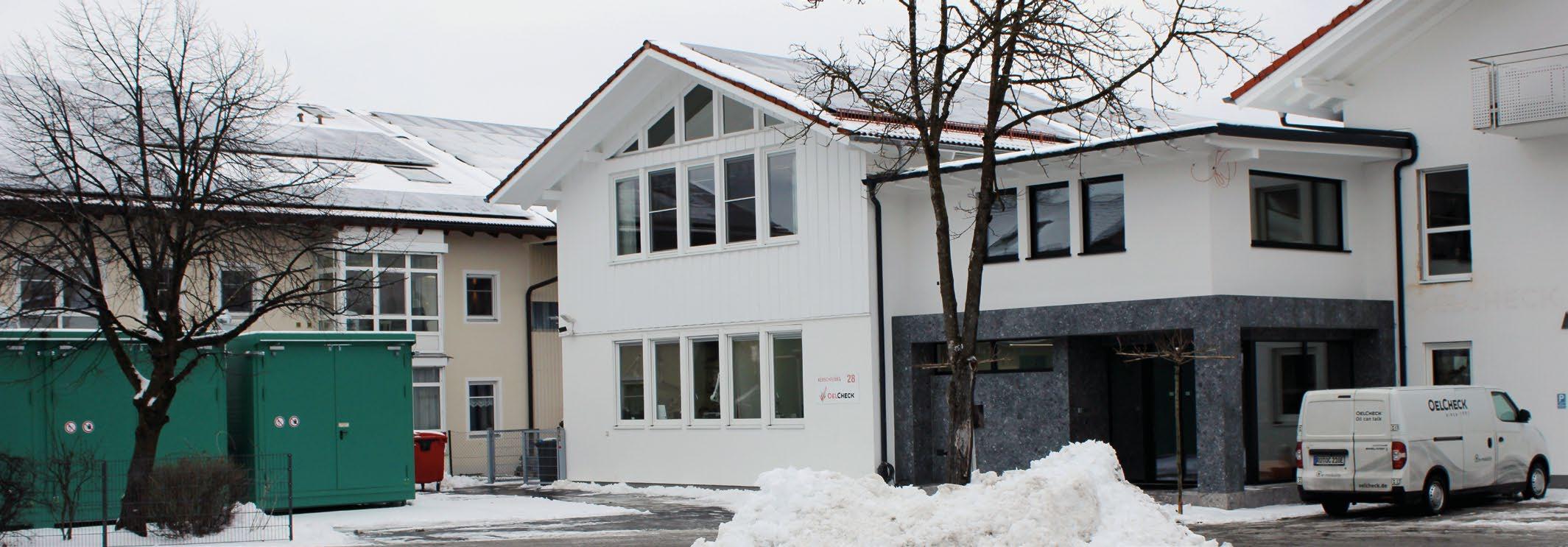
In addition, we have renovated and significantly upgraded our break rooms in the Kerschelweg 28 (see photo on the right) and 29 buildings, so that they now offer our employees even more space in which to relax and socialise.
By continuously investing in our premises and in the technical infrastructure of our OELCHECK laboratory, we are sustainably increasing our capacities. This ensures short processing times, the highest analysis quality and first-class service - and will enable us to continue to set new standards in the analysis of lubricants and operating fluids in the future.

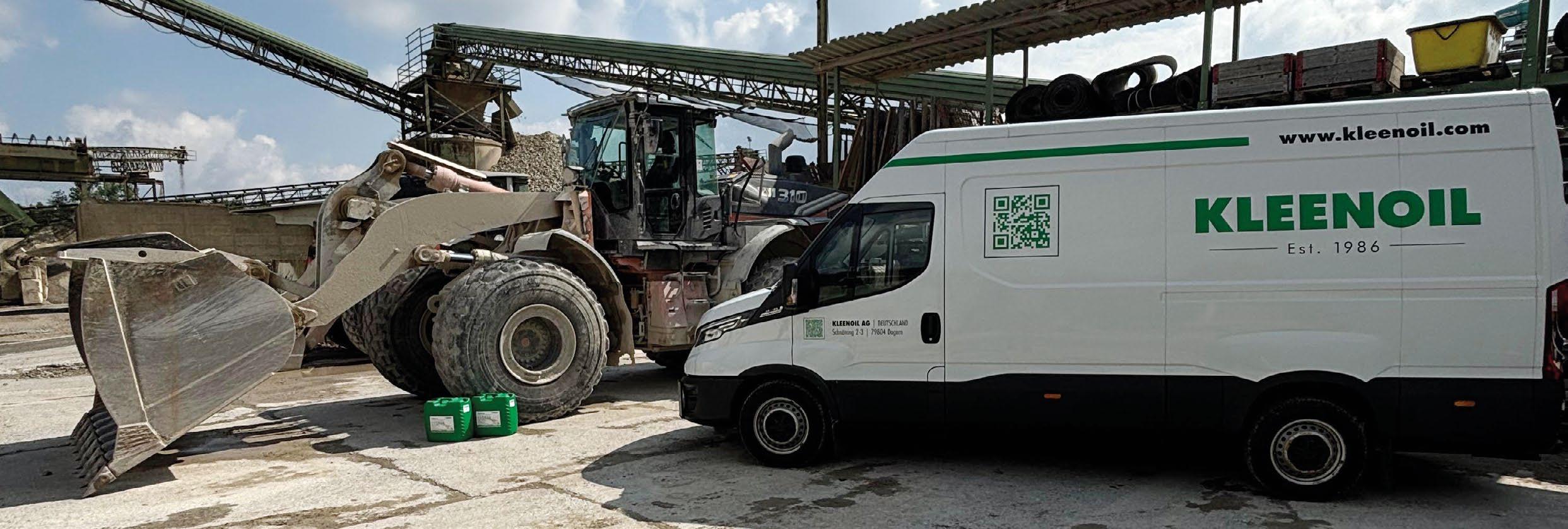
“Too good to change”! Lubricants are valuable and must be spared from our throwaway culture! KLEENOIL AG has dedicated itself to this corporate mission since 1986. Today, KLEENOIL offers the almost ideal solution for sustainable lubrication with the oil system 4.0. The company not only supplies its customers with lubricants, but also supports them in operating machines and systems more efficiently, reliably and sustainably throughout their entire service life.
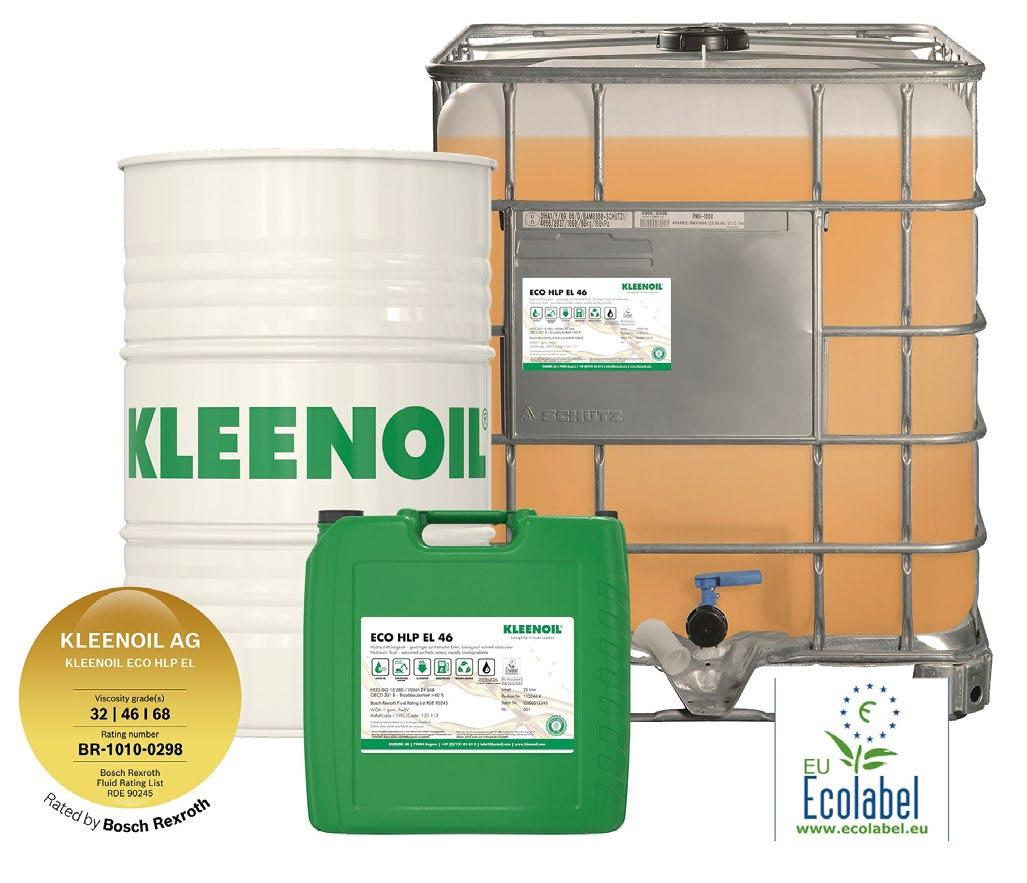
The unique KLEENOIL oil system 4.0 is based on a holistic approach. It's an all-round package and sets standards when it comes to both value for money and environmental protection. Three components interact:
■ Biodegradable long-term lubricants
These are the main players in the overall system.
■ Efficient micro-filtration
For the maintenance of oils and major assemblies.
■ Smart sensor technology and oil analysis from OELCHECK
For maximum safety.
In line with the company’s mission “Protecting lubricants from our throwaway culture!”, KLEENOIL products are designed for long-term use in mobile and stationary machines and major assemblies. The biodegradable lubricants from KLEENOIL are successfully used in the construction industry, agriculture and forestry sector, municipal sector, industrial plants and the onshore and offshore sector, for example. They are often used in environmentally sensitive areas, such as water protection areas, and are designed accordingly. They are environmentally friendly and according to OECD 301B > 60 % definitely biodegradable.
The product portfolio includes hydraulic and transmission oils as well as turbine and transformer oils, as well as special oils for the food and pharmaceutical industries and for commercial vehicles with a common transmission and hydraulic oil system.
Product advantages you can count on:
■ Definitely biodegradable according to OECD 301B > 60 %.
■ Long-lasting, based on saturated synthetic esters and with improved ageing properties.
■ Excellent thermal-oxidative stability and hydrolytic stabilitytherefore excellent corrosion and wear protection.
■ Reliable machines with reduced downtime.
■ Excellent viscosity/temperature behaviour, very good seal compatibility.
■ Also ideal for use at extreme low temperatures.
■ Approved by leading machine and component manufacturers.
The KLEENOIL hydraulic oils ECO HLP and HLP EL, for example, exceed the market standard. They meet the strict requirements of RD 90235 for listing in the Bosch Rexroth Fluid Rating List 90245.
The product KLEENOIL ECO HLP EL also carries the European Ecolabel (EEL) and the Swedish Standard (SS 155434). KLEEONOIL has achieved what was previously impossible for biodegradable lubricants!
Even the best oil ages during its service life and drops in performance without maintenance. KLEENOIL micro-filtration actively counteracts this process.
The company has specialised in the development of micro-filtration systems in the side stream process for decades. This technology removes not only solid particles, but also water from the oil - the main causes of oil ageing, corrosion and system failure. KLEENOIL micro-filtration systems are available for almost all lubrication and hydraulic oil applications as well as all hydrocarbon-based fluids.
Benefits for the user:
■ Filter fineness of 1 µm combined with high dirt holding capacity.
■ Removal of solid particles and water from the oil.
■ Additive-friendly filtration - the chemical active ingredients of the oil are retained.
■ Reduction of wear, system malfunctions and breakdowns.
■ Significantly slowed oil ageing process.
Consistent use of KLEENOIL micro-filtration drastically extends oil change intervals. Even oil-change-free machines have already been implemented. All in all, this means tangible savings in maintenance and energy consumption.
A sophisticated monitoring strategy completes the KLEENOIL oil system 4.0.
After all, “trust is good, monitoring is better” also applies to the safe long-term use of lubricants! KLEENOIL uses smart sensors and OELCHECK laboratory analyses to monitor the oils in operation. This combination also ensures reliable operation and thereby the availability of the machines and systems. Necessary maintenance measures can be planned and any incipient damage can be detected at an early stage.
KLEENOIL sensors on site
The KLEENOIL ICC (Identification Contamination Control) oil sensor was developed in-house by the company. It checks the oil level every 30 minutes directly in the machine. Quality and contamination parameters are measured in real time. An optional telematics connection enables remote monitoring.
The KLEENOIL ICC helps you carry out all condition-dependent measures, such as oil change and maintenance. It also issues real-time warnings of unexpected or rapidly developing impairments, for example due to short-term events such as overloads.
OELCHECK oil analyses in the laboratory
Used oil analysis provides information directly from the areas of a machine that are subjected to the greatest stress - namely directly from friction contact. A lab analysis is a snapshot. However, with regular checks, trends and incipient damage can be reliably mapped.
OELCHECK mainly uses the all-inclusive analysis kit 3 B for bio-hydraulic oils for testing KLEENOIL oils. It provides information about: the general condition of the oil as well as additive and wear element content, mixtures with other fluids and contamination such as dust or water. When it comes to impurities, the purity classes provide accurate information about the load and size of foreign particles in the oil that can enter the system even with the most careful oil filtration. This is extremely important information, as contamination in the oil causes up to 80 % of all failures and damage in lubrication and hy draulic systems.
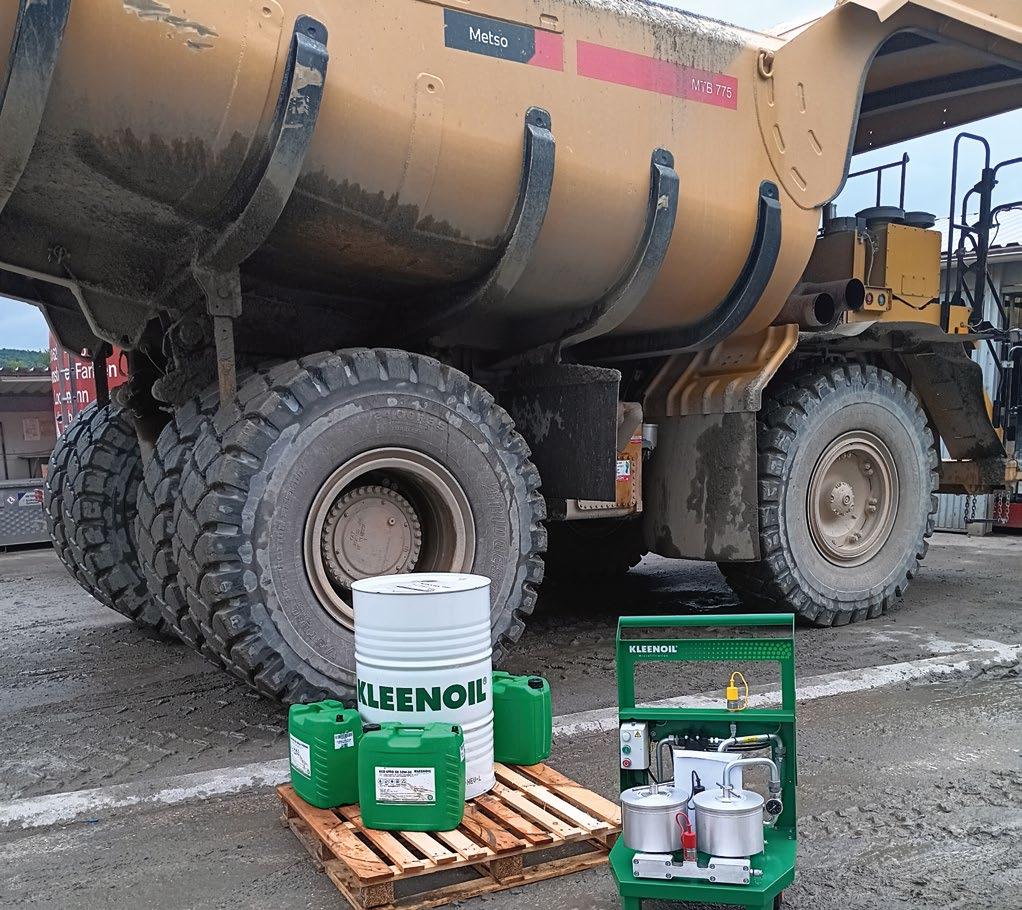
Economy and ecology can go hand in hand. The KLEENOIL oil system 4.0 takes ecological aspects into account and at the same time produces cost benefits.
Although biodegradable oils are often more expensive to purchase than mineral oil-based products, especially in combination with the KLEENOIL oil system 4.0, they are better value for money than conventional products due to their significantly longer service lives.
Two examples:
■ In mobile machines (e.g. construction machines), KLEENOIL oils have already clocked up over 20,000 operating hours without an oil change.
■ In industrial systems (e.g. injection moulding machines), the documented operating times are over 100,000 operating hours.
Longer oil change intervals mean less maintenance, less oil to dispose of and a significantly better overall ecological balance. Added to this is the high energy efficiency of KLEENOIL’s fully synthetic long-life oils. Due to their smooth running properties, they enable realistic energy savings of between 1 % and 5 %, depending on the application. This not only reduces operating costs, but also noticeably reduces a company’s CO 2 emissions!
Î Biodegradable long-term lubricants with extremely long service lives and high energy efficiency, proven micro-filtration and reliable monitoring of the oils and machines - this is how KLEENOIL creates harmony between value for money and environmental protection.
KLEENOIL - system partner for successful companies
KLEENOIL AG has stood for innovation, quality and sustainability in fluid management since 1986. Headquartered in Dogern (Baden-Württemberg), the independent company develops and sells high-performance oils, bypass flow filter systems and sensor solutions “made in Germany”. KLEENOIL offers expert application support and does not see itself as a pure supplier, but as a system partner: it accompanies businesses on their way to developing more efficient, sustainable and durable machines by helping to create a new generation of fluid technology. www.kleenoil.com

Since 2009, employees at the Wendelstein workshops at the Raubling site have assembled the majority of our all-inclusive analysis kits. They diligently ensure that the kits are complete and that everything is always in the right place.
On 20 November 2025, eight members of the OELCHECK team visited our dedicated helpers on site. There, two groups with a total of eleven employees work exclusively for our company on three weekdays.
27-29/01/2026 | Ostfildern

15-17/09/2026 | Düsseldorf
We were keen to get to know the workshop employees. They were particularly pleased to meet us, as they rarely receive visits from clients. The representatives of the OELCHECK team were impressed by the good organisation and enthusiasm with which our helpers assemble the all-inclusive analysis kits. They take huge pride in being able to concentrate intensely on their work.
The Wendelstein workshops are a facility of the Caritas association. They provide more than 600 people who are struggling on the labour market with valuable career prospects in the city and the district of Rosenheim. We actively support this and help to ensure that this initiative is able to keep going.
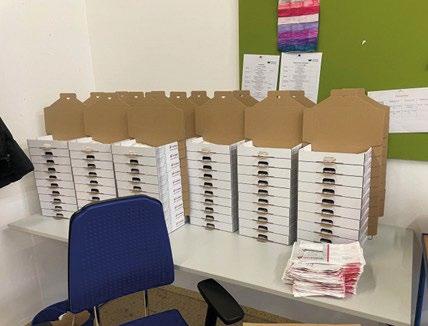
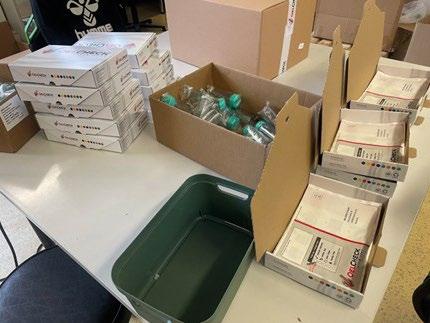
Unfortunately, we were only allowed to photograph the workplaces of our “Wendelstein team” ...
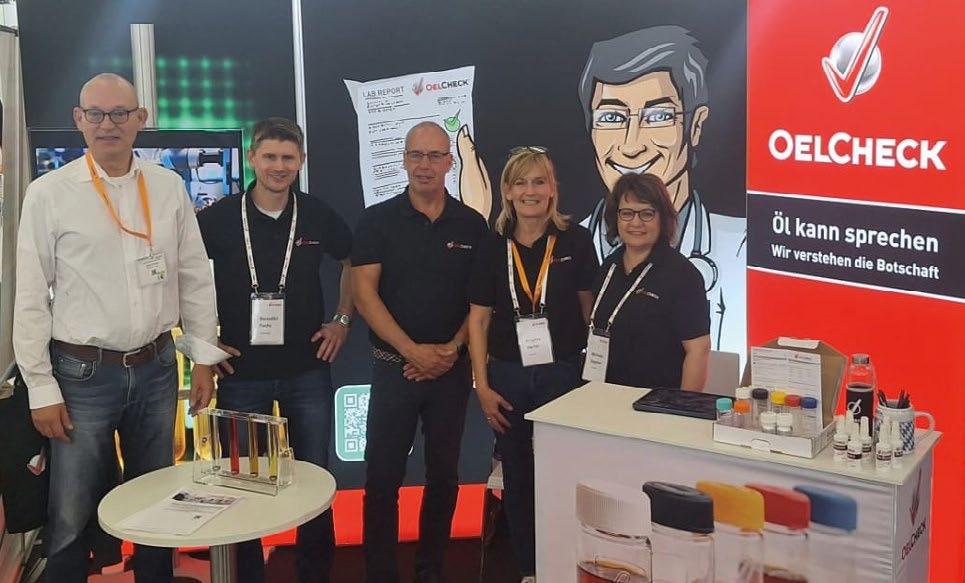
In the new year, there will be plenty of opportunities to meet us in person - our calendar is full. In 2026, OELCHECK experts will be taking their knowhow to many international conferences. In addition, the OELCHECK trade fair team will have a stand as usual at the world's leading trade fairs for maintenance technicians.
No matter what event we meet at - we are already looking forward to talking with you in person, discussing our experiences, answering questions and developing new solutions together.

21-22/04/2026 | Stuttgart

22–25/09/2026 | Berlin
When a successful year comes to an end, we celebrate it with the entire OELCHECK team. We first thanked the team with a visit to the Rosenheim autumn festival. We had a wonderful evening.
We didn't eat out at the end of the year but instead celebrated in the big OELCHECK cafeteria and on the terrace. It was a magical celebration with a wonderful Christmas market vibe.
There was also mulled wine, punch, delicious treats and a visit from Saint Nicholas with his angels. We bade a merry farewell to the old year and are now all looking forward to 2026 together!
04–07/05/2026 | Munich

22-25/09/2026 | Hamburg