Roundtable on Competition and Corruption in Public Procurement

Infrastructure and Public Procurement Division, OECD
26 June 2026
Kenza Khachani

Infrastructure and Public Procurement Division, OECD
26 June 2026



OECD Recommendation on public procurement

Standards


• OECD and non-OECD countries
Country reports
Digital transformation of public procurement
Strategic procurement
Performance measurement frameworks
• Professionalisation
• Risk management


Thematic and Comparative Analysis

Policy Dialogue
WP of Leading Practitioners on Public Procurement
Expert group on AI
Public procurement agencies/ bodies
Competition authorities
Contracting authorities
Oversight


Two main areas of work linked to the Recommendation
Promoting competition in public procurement markets
Ensuring a risk-based approach to public procurement
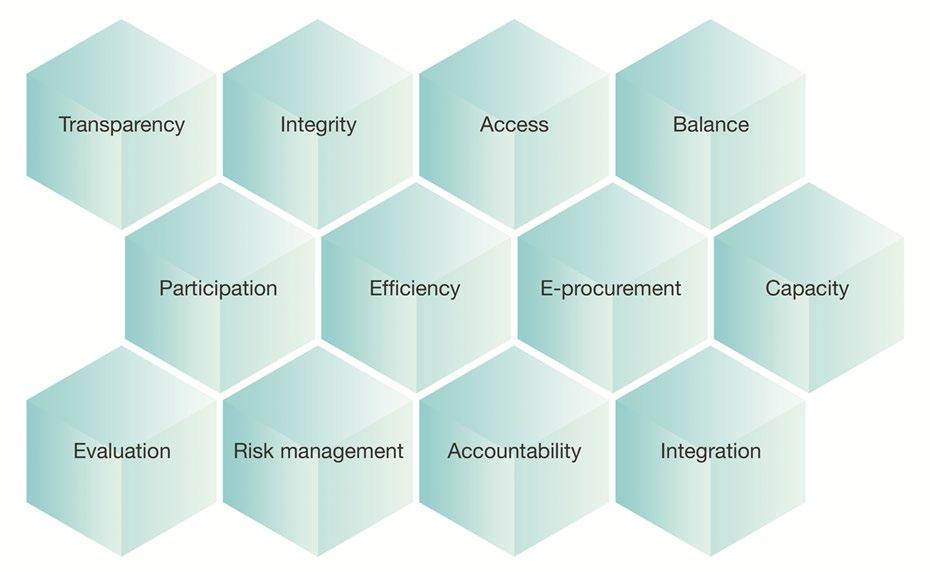
Access
Transparency
E-Procurement
Efficiency
Risk management
Integrity
Capacity
RECOMMENDS that Adherents facilitate access to procurement opportunities for potential competitors of all sizes . To this end, Adherents should:
i ) Have in place coherent and stable institutional, legal and regulatory frameworks , which are essential to increase participation in doing business with the public sector and are key starting points to assure sustainable and efficient public procurement systems.
ii) Deliver clear and integrated tender documentation, standardised where possible and proportionate to the need (...]
iii) Use competitive tendering and limit the use of exceptions and singlesource procurement .
Identification of barriers to access public procurement markets
Promoting practices to engage the market and give them visibility on upcoming opportunities (Market engagement – publication of procurement plans – pre-information notices)
Professionalisation of the procurement workforce : focus on measures to enhance competition
Digital transformation of public procurement
Strategic procurement
Transparency
KPIs (single bidding, number of bids, number of qualified bids/ sector/ geographical location)
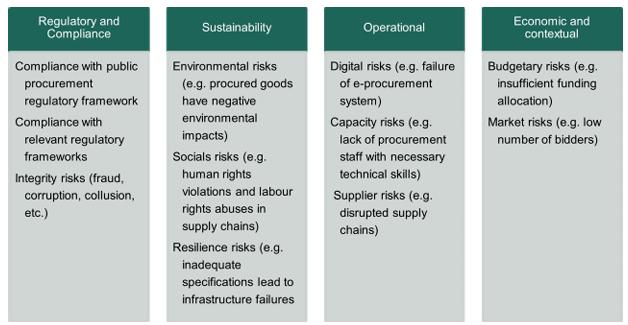
• Bid rigging/ collusion risks and linkages between risks
• Market risks
Integrity refers to the use of funds, resources, assets and authority, according to the intended official purposes and in a manner that is well informed, aligned with the public interest and broader principles of good governance . Integrity breaches include corruption , fraud, conflict of interest, mismanagement and collusion throughout supply chains
OECD Recommendation on Public Procurement
RECOMMENDS that Adherents preserve the integrity of the public procurement system through general standards and procurementspecific safeguards. To this end, Adherents should:
i ) Require high standards of integrity for all stakeholders in the procurement cycle.
ii) Implement general public sector integrity tools and tailor them to the specific risks of the procurement cycle as necessary
iii) Develop integrity training programmes for the procurement workforce , both public and private ,
iv) Develop requirements for internal controls, compliance measures and anticorruption programmes for suppliers, including appropriate monitoring .
• Invoices for goods and services not provided
• Sub-standard delivery
Postaward phase
Pretendering phase
• Informal agreements on upcoming contracts
• Personal interests in the evaluation process
Tendering phase
• Technical specification is tailored to a favoured company
• Unjustified use of noncompetitive procedures
• Collusion among bidders





• Strategy
• Conflict of interest
• Lobbying
• Political financing
• Transparency
• Disciplinary systems
• Judicial integrity
• Fraud prevention
• Public procurement
• Organised crime
Provisions and mechanisms to ensure the integrity of the public procurement are well established in the related regulatory framework.
Efforts to promote integrity among suppliers could be advanced.
Developing targeted tools to address risks would contribute to strengthening integrity in public procurement.
Harnessing digital technologies for proactive integrity risk management in public procurement offers considerable potential, but adoption remains limited.
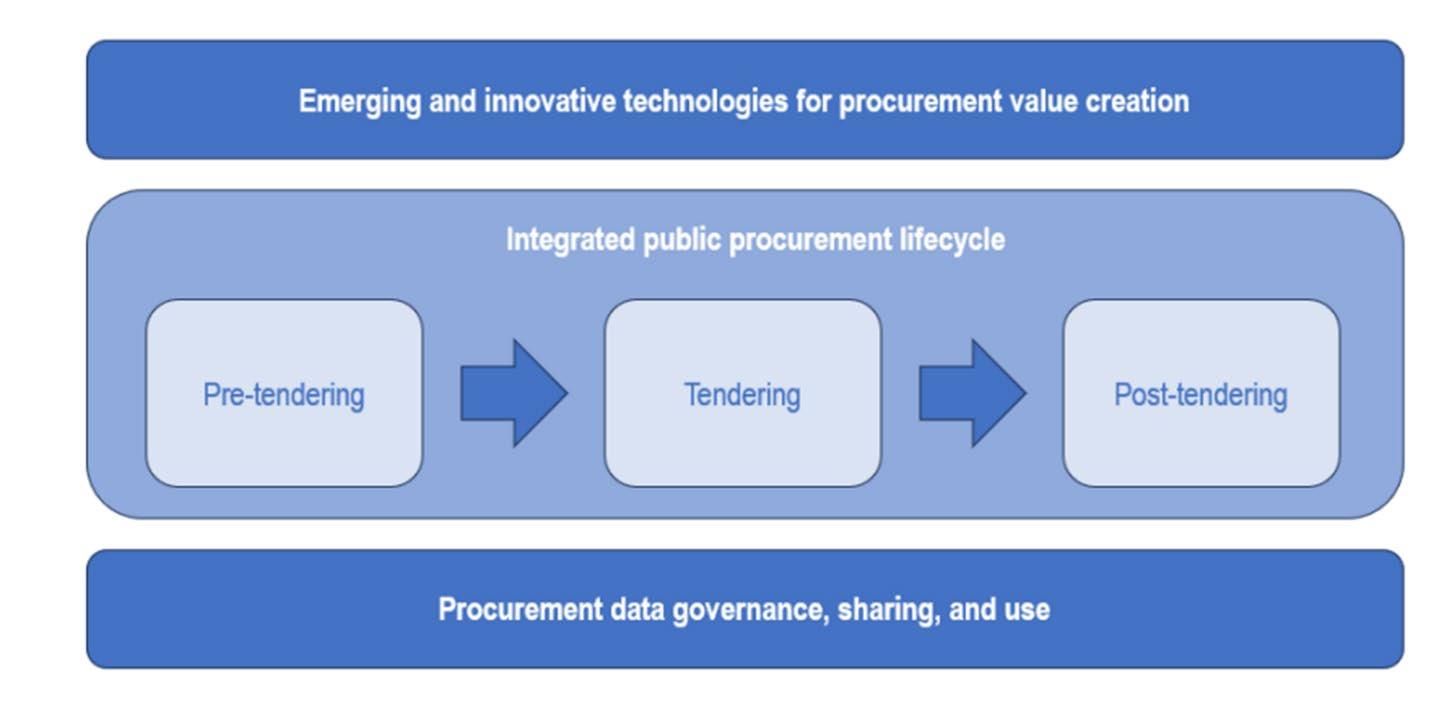

• Limited data availability across the full procurement cycle, particularly for CM
• Data not available
• Data limited to above threshold procedures
• Lack of unique identifiers for procurement processes

• Fragmentation of procurement data across multiple platforms and lack of interoperability among systems
• Data not accessible to some stakeholders (from legal and user-centric points of view)

Data quality
• uniqueness
• accuracy
• timeliness
• consistency
• validity
• completeness

Thank you