KATI CSERES
UNIVERSITY OF AMSTERDAM
K.J.CSERES@UVA.NL
OR BROOK
UNIVERSITY OF OXFORD
OR.BROOK@LAW.OX.AC.UK




UNIVERSITY OF AMSTERDAM
K.J.CSERES@UVA.NL
OR BROOK
UNIVERSITY OF OXFORD
OR.BROOK@LAW.OX.AC.UK
The legal competence and de facto ability of competition authorities to choose which cases to pursue and which to disregard


• REACTIVE
• INSULATED
• CONSUMER-WELFARE
CENTRIC



✓ Theoretical framework
✓ Questionnaires + Interviews
✓ Study of national administrative and constitutional law of 27 NCAs +UK and EU
✓ + A separate study on competition authorities in developing countries


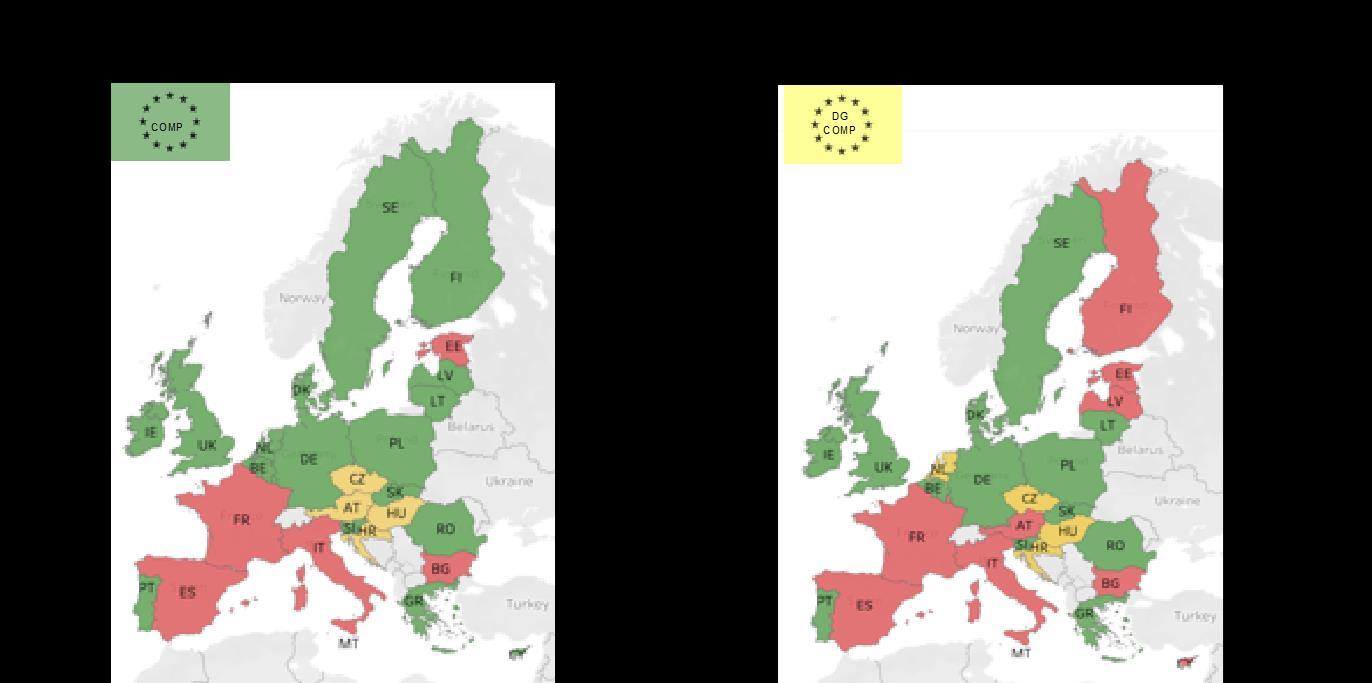
Adopted by CA following consultation, reported to legislator (UK)
Adopted by CA, reported to executive (BE, ES)
Adopted by CA, following public consultation (AT, CY, DG COMP, NL)
Adopted by CA (BG, DK, FR, HR, PT, SE, SK)
No Agenda (CZ, DE, EE, FI, GR, HU, IE, IT, LT, LU, LV, MT, PL, RO, SI)
o Legal framework
o Resources
o Organization and structure
o Staff skills and competences
o Type of prioritisation decisions (reasoning, publication, and time limits)
o Judicial review of prioritisation decisions
o Participation of third parties
o Institutional setting of the priority decision-making

o Soft enforcement (commitments, informal opinions)
o Leniency and settlements
o Multi-function competition authorities (e.g., sector regulation or consumer protection)
“We may prioritise work because the direct effects would specifically benefit people who need help the most. Vulnerability can be context-specific and can take a range of forms. When targeting our interventions, we will therefore look at specific contexts in which people may need particular help to protect them from harm and get a fair deal”

CMA, Prioritisation Principles (Oct 2023)
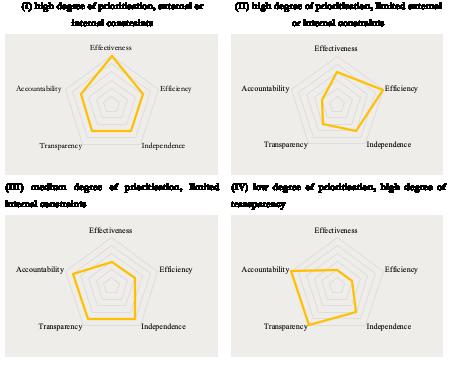
No impact assessment
Informal review
Limited assessment as part of the annual report
Full impact assessment
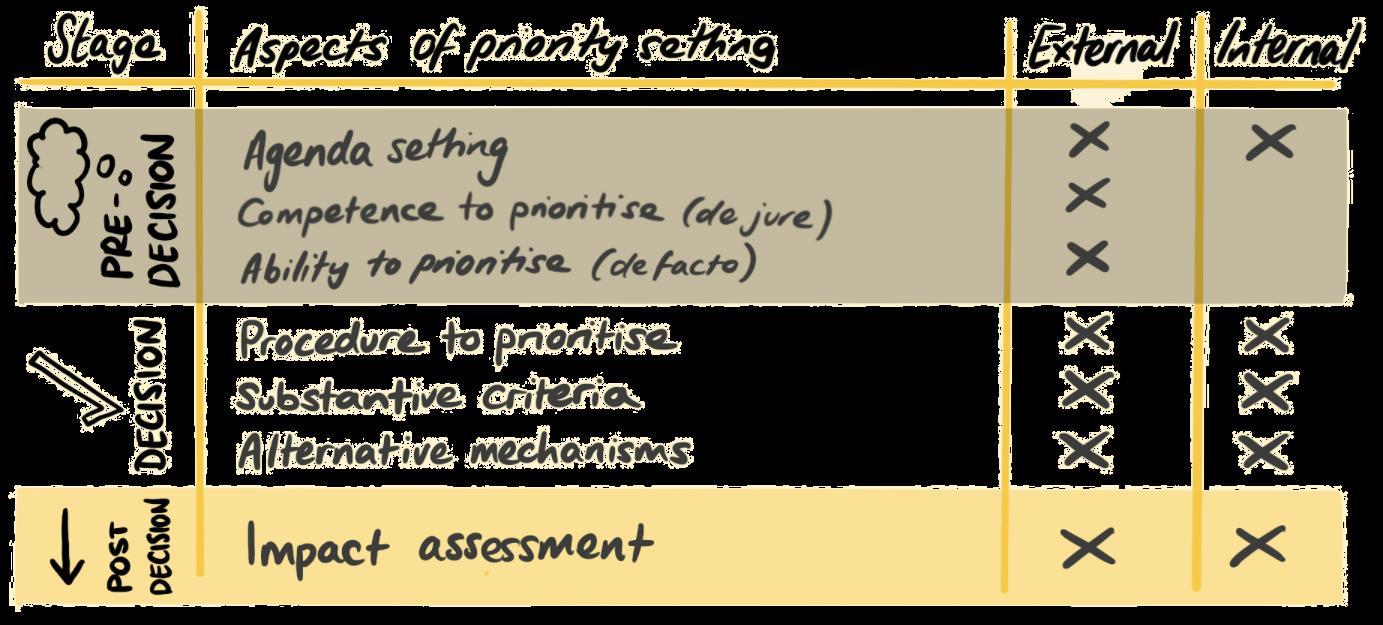
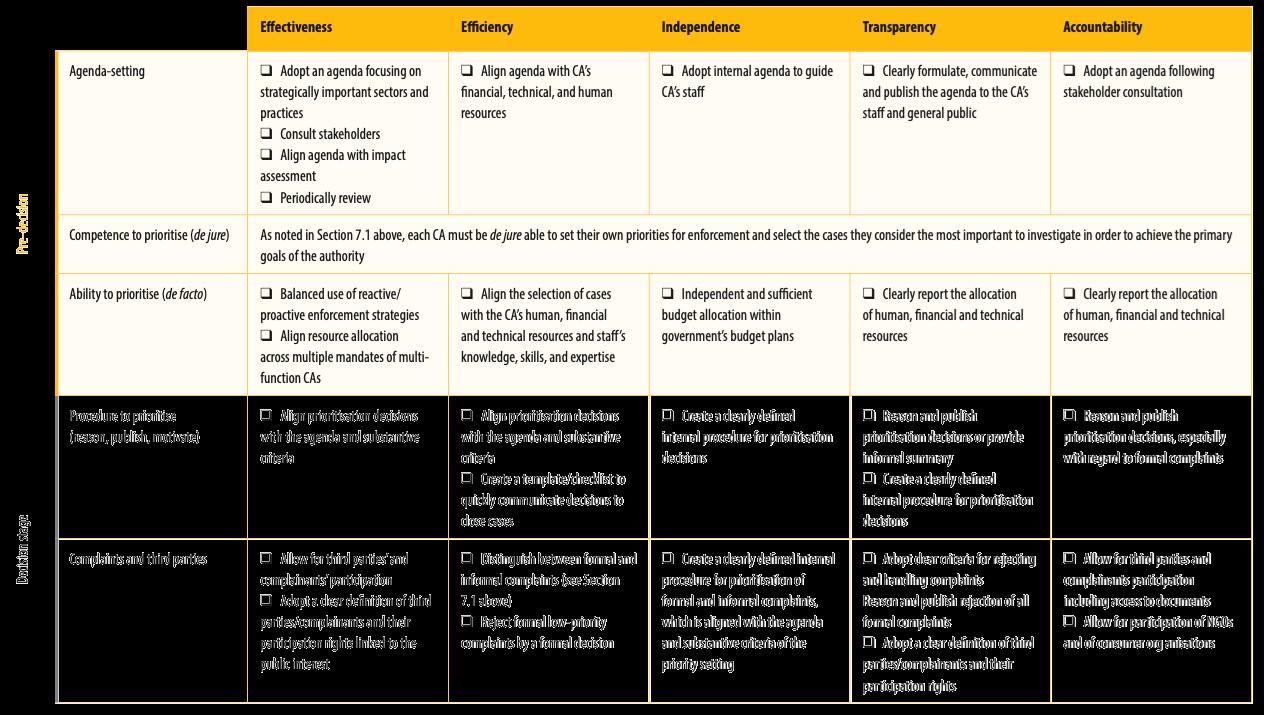
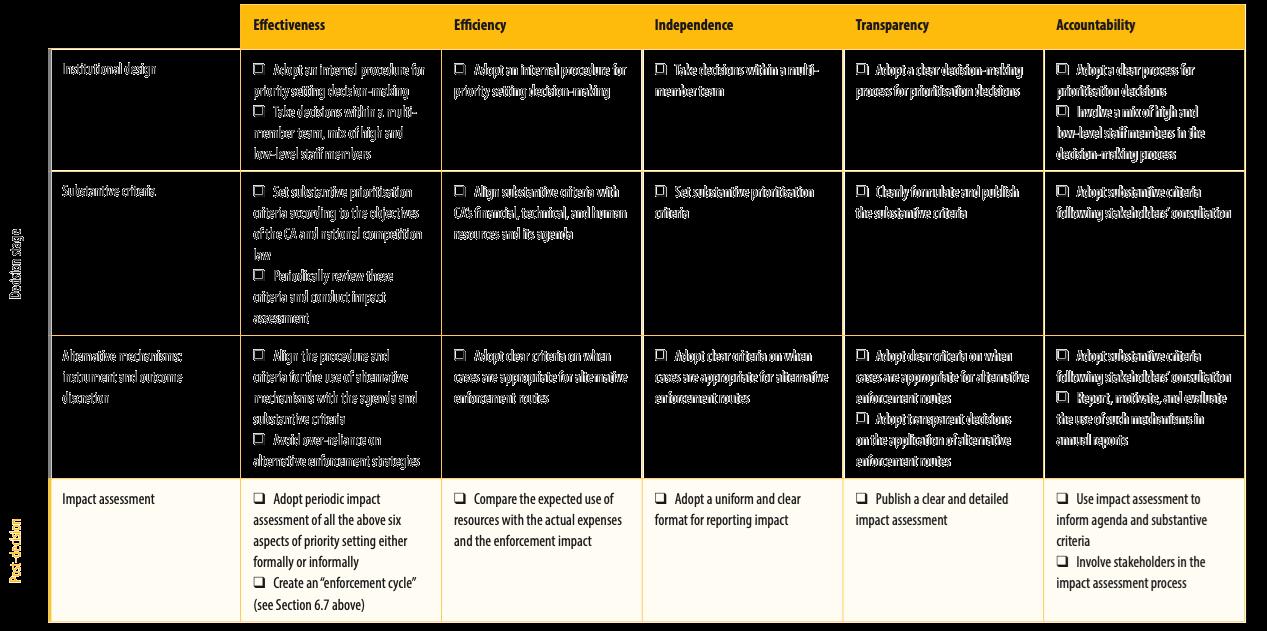
Impact assessment
Post-decision stage
Agenda setting
Pre-decision stage
Substantive criteria
Decision stage









POLICY REPORT:
PRIORITY SETTING IN EU AND NATIONAL COMPETITION LAW
ENFORCEMENT (2021)

PRIORITY SETTING AS THE BLIND
SPOT OF ADMINISTRATIVE LAW
ENFORCEMENT: A THEORETICAL, CONCEPTUAL, AND EMPIRICAL STUDY OF COMPETITION AUTHORITIES IN EUROPE (2024)

BEYOND CONSUMER WELFARE: RESPONSIVE PRIORITYSETTING IN THE PUBLIC INTEREST IN COMPETITION LAW ENFORCEMENT (2026)