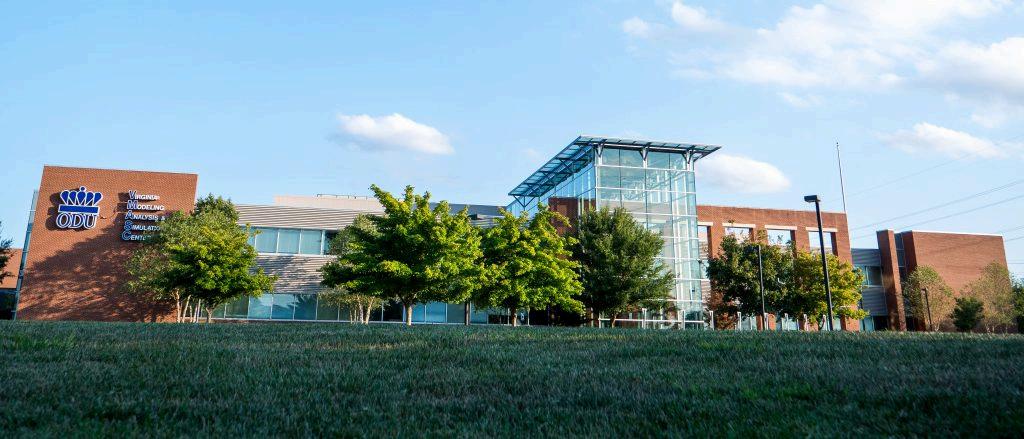



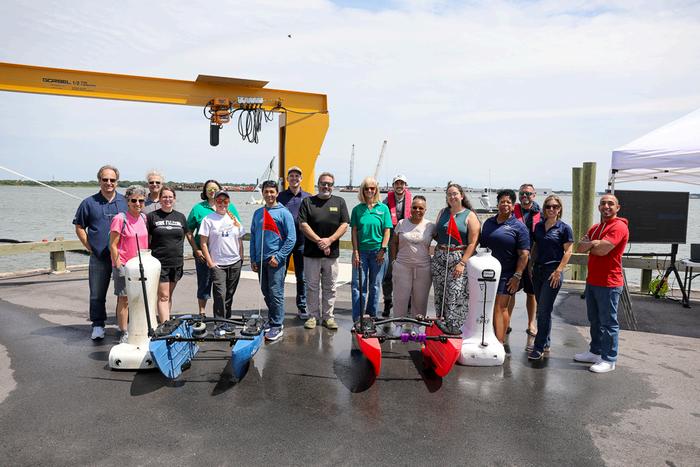
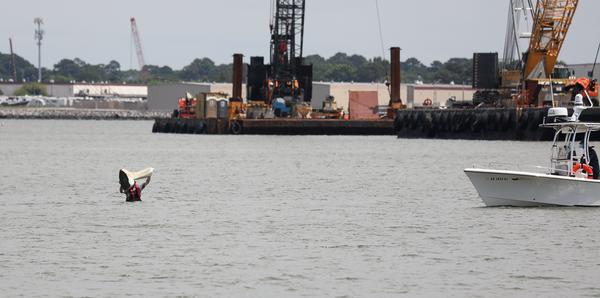
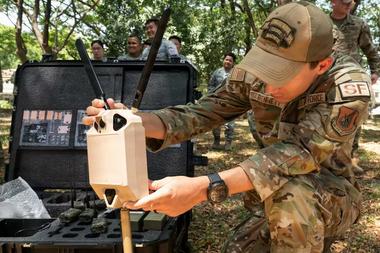
VISA hosted a training workshop for educators from the York County School Division. It was part of a DoDEA grant where educators learn about innovative, real-world experiences they can bring back to their classrooms. As part of the workshop, the educators and the VISA team visited the Maritime Autonomous Systems Test Site (MASTS), pictured here, to put their new skills into practice in the field.







Employee Recognitions


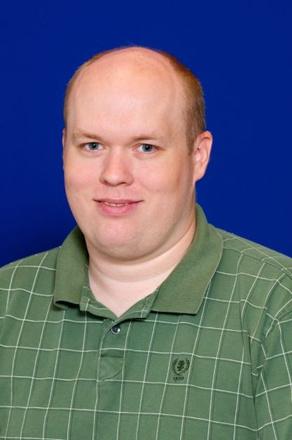
ANDREW MACIEJUNES
1 YEAR
Employee Transitions

Gul Ayaz is transitioning from the Virginia Digital Maritime Center (VDMC) to the ODU Engineering Technology Department on main campus. We wish her the very best in her new role and exciting new endeavor!
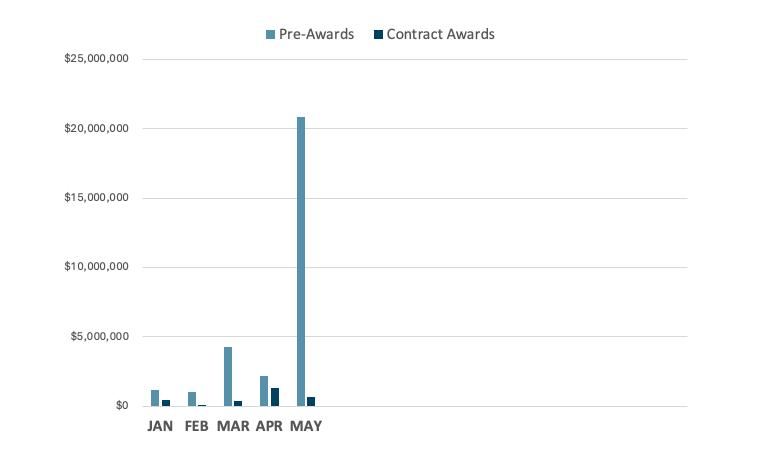
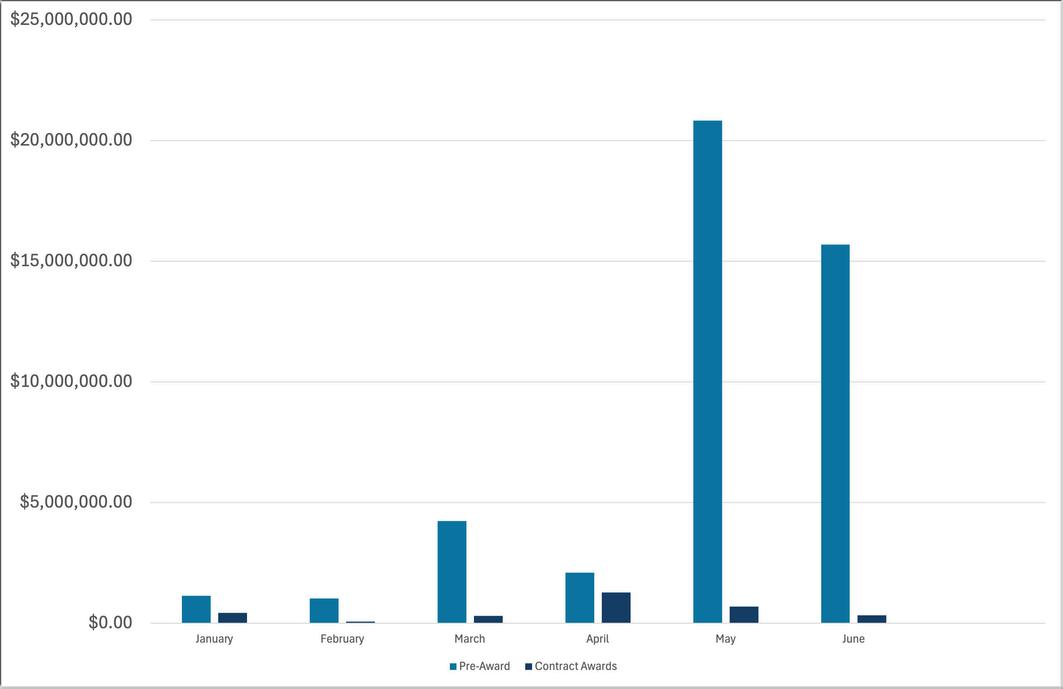
*NOTE: THESE AWARDS ARE AS OF 6/27/26 -
ICAR Hosts Students from Norfolk Academy
June 2, 2026

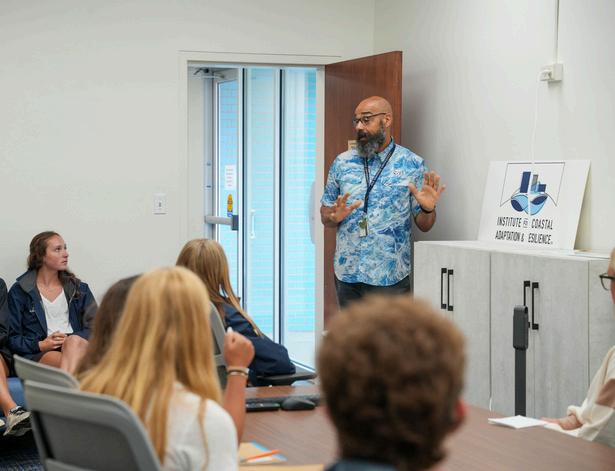
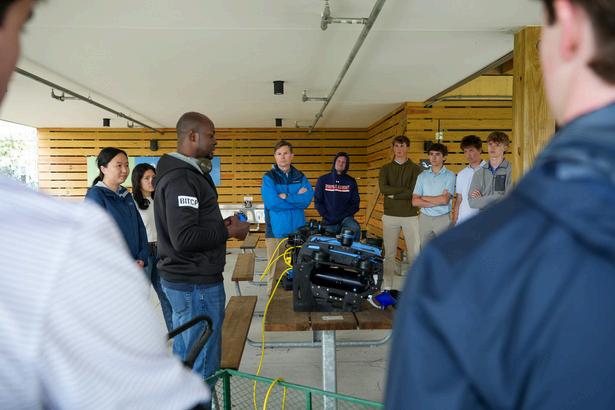
ICAR hosted juniors and sophomores from Norfolk Academy as part of the school's "Maymester" to learn more about coastal research.
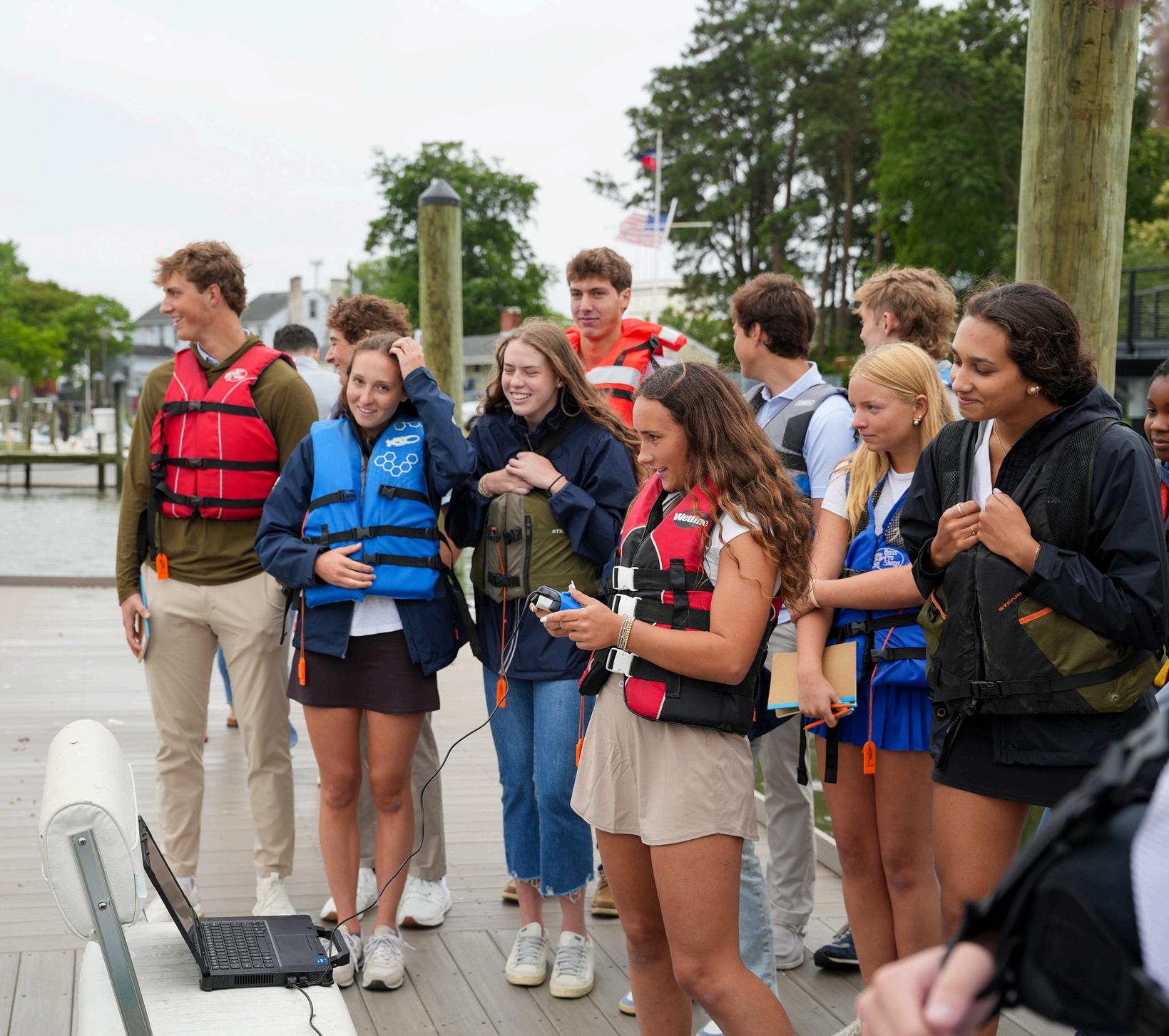
ICAR Faculty Affiliates Krishnanand Kaipa, Yuting Zhu, and their graduate students demonstrated a remotely operated vehicle (ROV) capable of taking sediment samples from the river bottom and Vincent Hodges led the students on a tour of the ICAR offices and answered questions related to careers in the coastal and marine fields.
PHOTO CREDITS: Norfolk Academy & Works Program Architects
Greenbrier Primary School
June 7, 2026
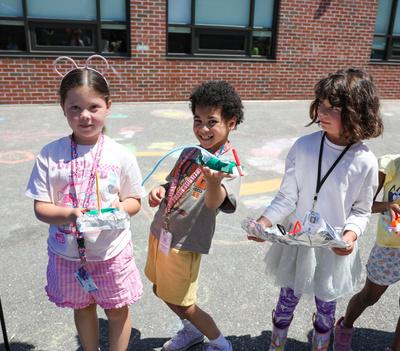
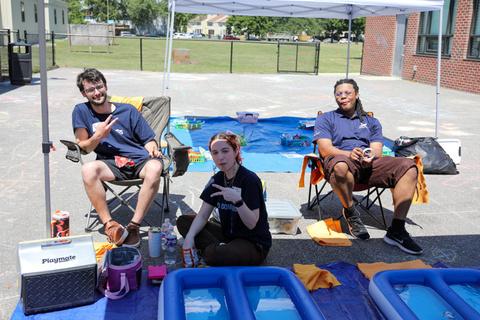
VDMC brought a fun hands-on STEM learning activity to Greenbrier Primary School in Chesapeake, where every first-grade class in the school got a chance to participate!
Students took on the challenge of becoming engineers during the Hydro Haulers activity, where they designed and built vessels using everyday household materials like paper and tape. Their mission was to create a boat capable of successfully carrying cargo through the AquaTrak while staying afloat.
Through creativity and problem-solving, students tested their designs, learned from their results, and discovered how engineering principles are used to solve real-world challenges. We loved seeing their innovative ideas in action and inspiring the next generation of STEM leaders!

ICAR Visits Tangier Island as Part of Collaboration with Chesapeake Bay Foundation and Town of Tangier
June 10, 2026
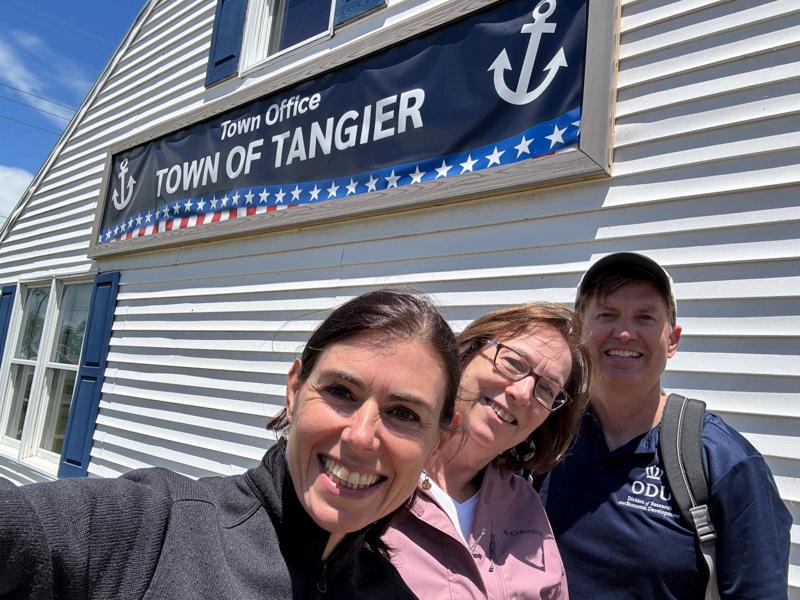
ICAR's Carol Considine, Andrew Larkin and Laura Costadone traveled to Tangier Island to collaborate with the Chesapeake Bay Foundation, the Town of Tangier, and other partners.
The group discussed the flooding and erosion challenges facing the community as well as potential solutions. Laura highlighted how "natural capital accounting" techniques can be used to quantify the socio-economic value of the underwater grasses, wetlands, oyster reefs in and around Tangier Island. Laura is currently working on a similar research project for the Hampton Roads Planning District Commission in partnership with colleagues at the Virginia Institute of Marine Science.
June 16-17, 2026
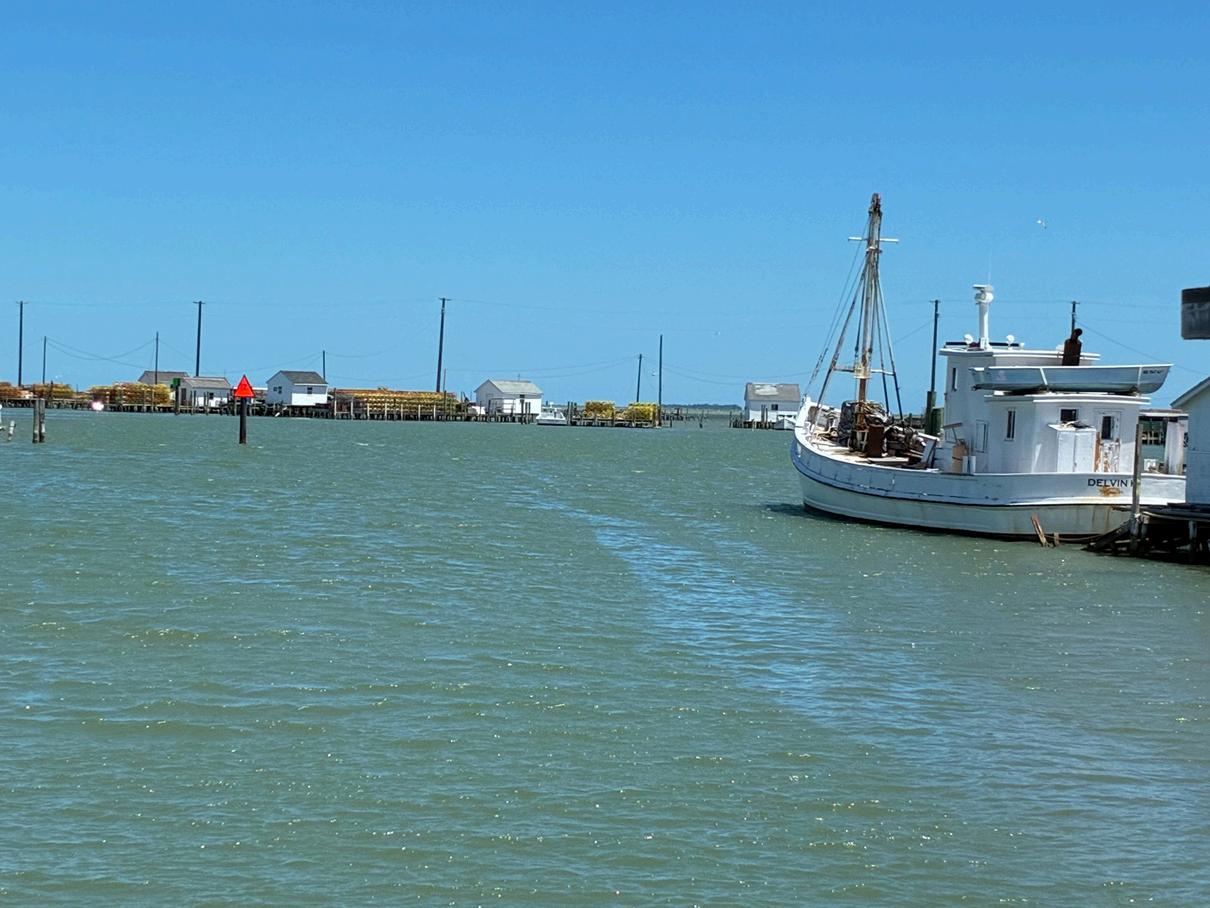
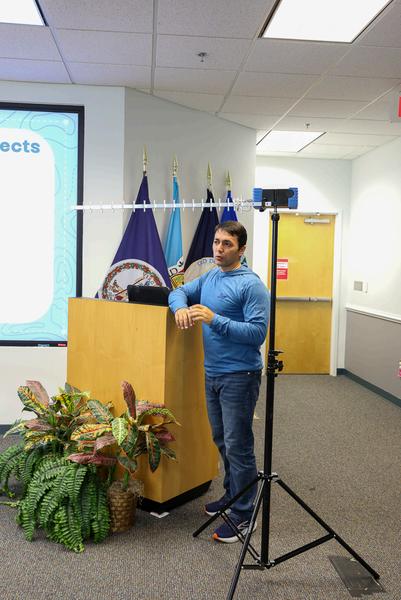
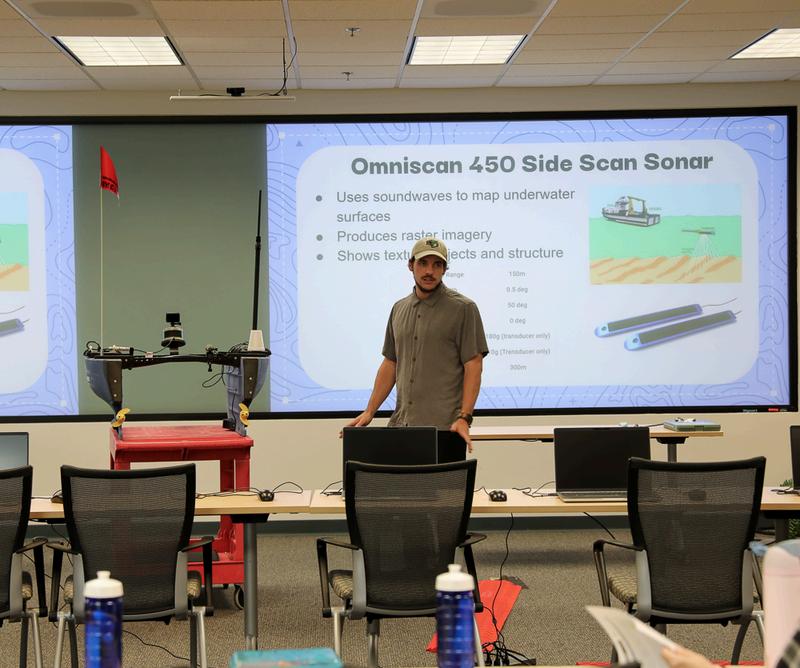
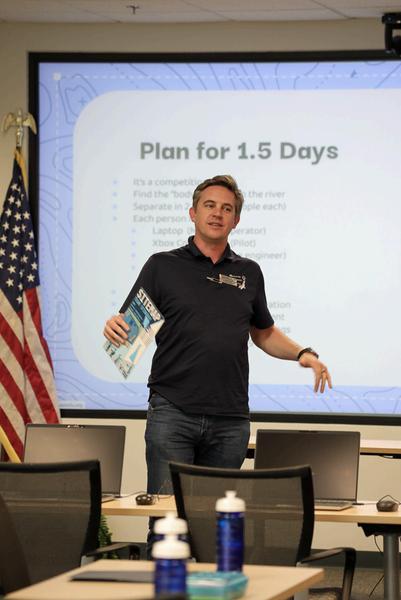
VISA welcomed educators from the York County School Division for a two-day professional development program in partnership with ODU’s Center for Educational Partnerships (TCEP). The DoDEA grant training was part of a York County School Division environmental and maritime education initiative designed to equip teachers with innovative, real-world learning experiences they can bring back to their classrooms.
The teachers created survey plans and Story Maps to visualize local maritime environmental data and investigate community resilience using uncrewed maritime systems. Then the group traveled to VISA's Maritime Autonomous Systems Test Site (MASTS) at Willoughby Spit in Norfolk to put their new skills to the test! Working in teams, the teachers simulated a real field science operation where they were responsible for planning a survey operating the BlueBoat g
CSICS and VISA UxV Demo
June 17, 2026
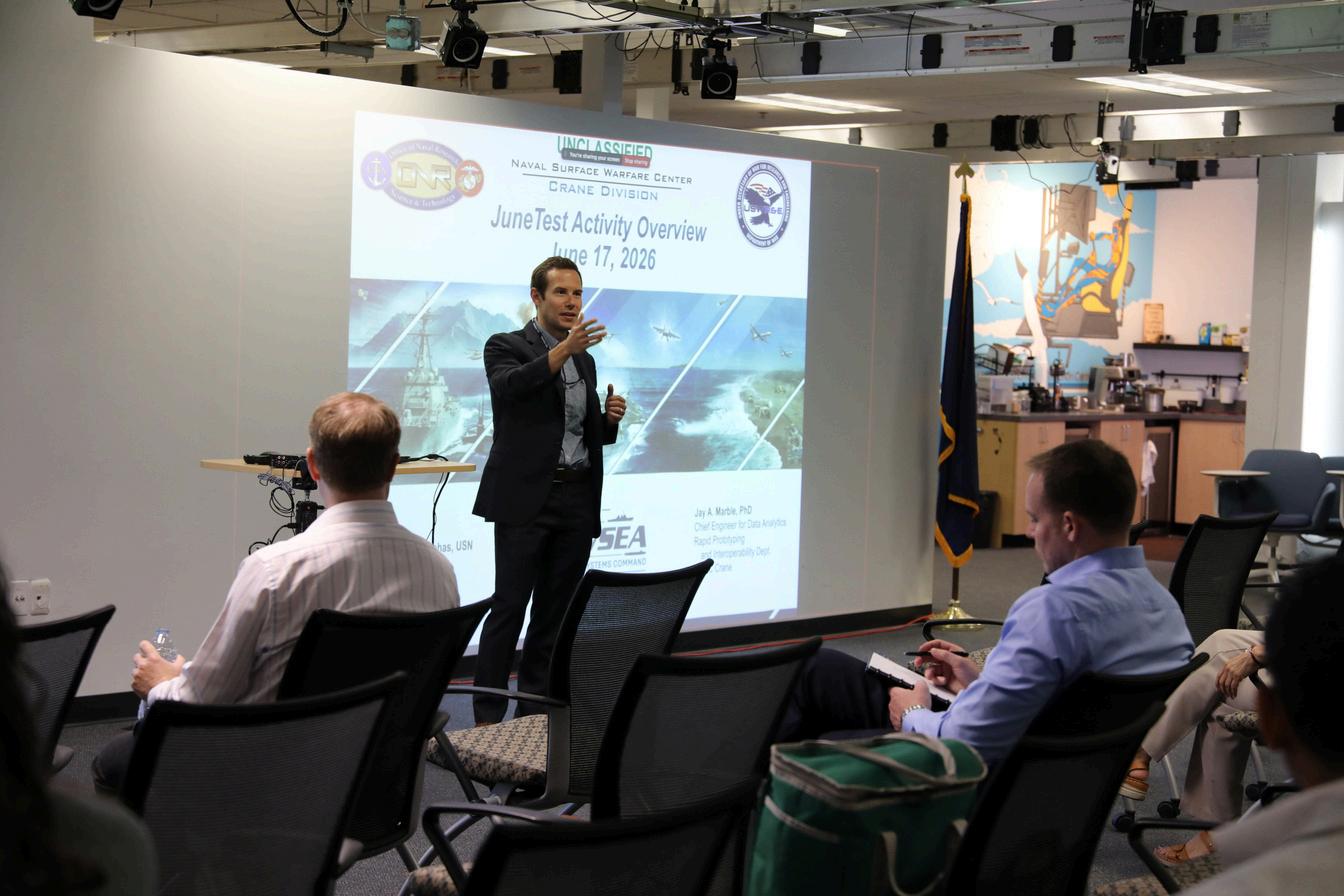
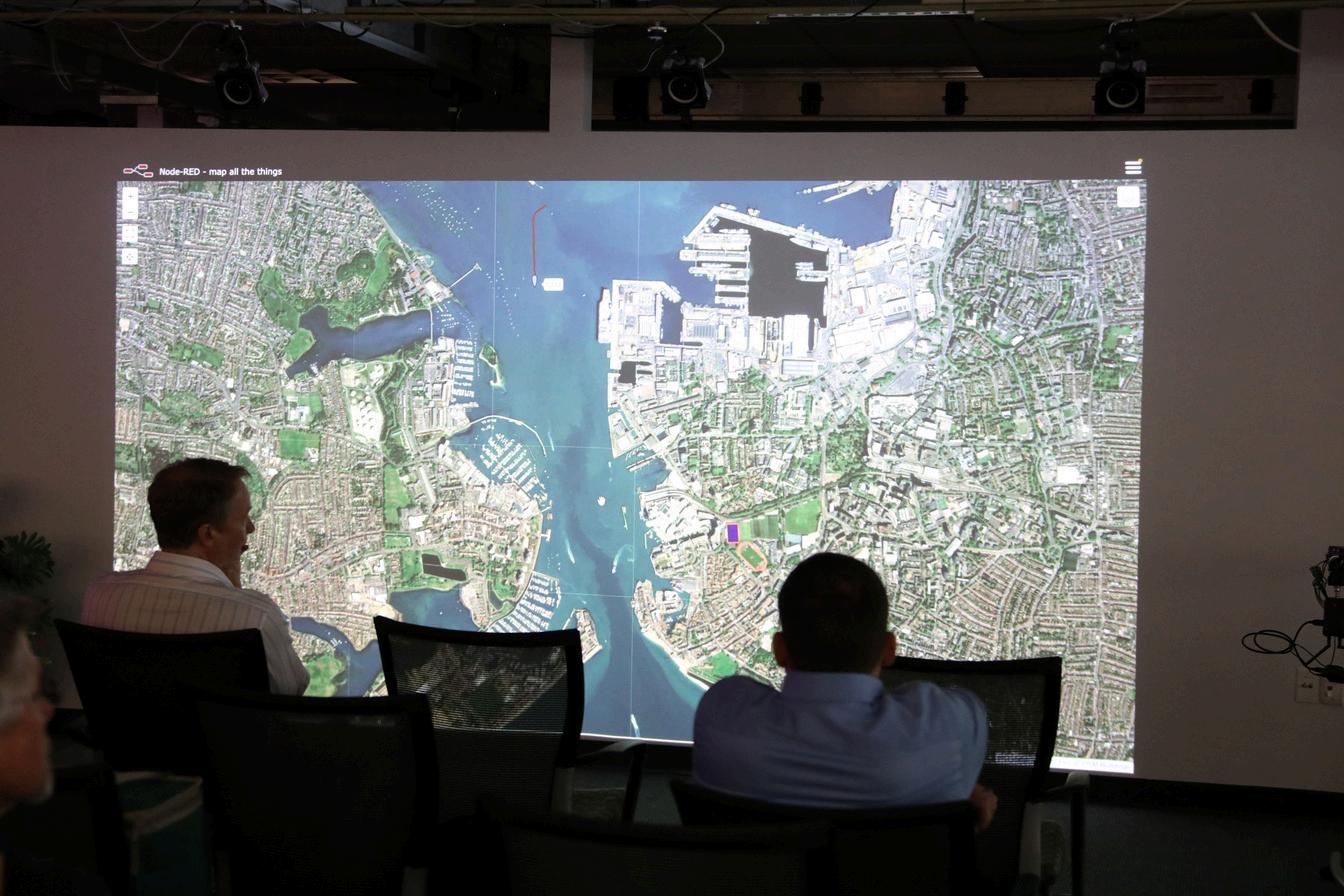
CSICS and VISA held a UxV Autonomies Virtual Exercise Demonstration in the SEALab on June 17, 2026, where they showcased key milestones and capabilities developed through collaborative research efforts supported by NSWC Carderock and ONR. The live demonstrations and working discussions showed the success so far of utilizing autonomous vessels to conduct distributed autonomy assessments across Live, Virtual, and Constructive (LVC) environments.
The effort integrated commercial USVs, the Naval Autonomy Test System (NATS) entities, and realworld AIS commercial shipping and fishing traffic into a common maritime navigation scenario. Next steps are to continue to support research sponsors by integrating UxV platforms using different protocols and approaches into a common environment for assessment in LVC exercises.
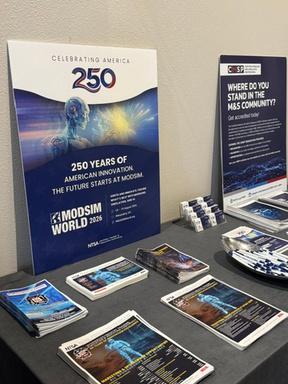
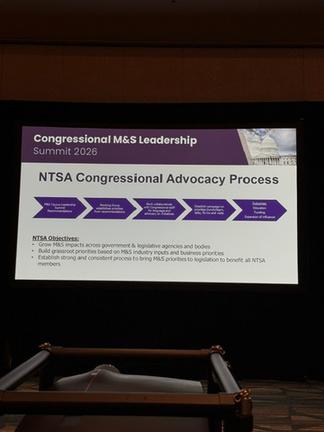
ODU’s Center for Mission Engineering participated in two important national events in June: the Modeling & Simulation Congressional Summit and the Training Simulation Industry Symposium (TSIS). Together, these conferences reflected a clear shift in the defense modeling and simulation community. The conversation is moving beyond individual technologies and toward trusted, cloud-enabled, AI-supported ecosystems that can integrate disparate data, accelerate acquisition, and improve decision-making across the Department of War.
A dominant theme across both events was the relationship between artificial intelligence and trustworthiness. At the M&S Congressional Summit, Dr. William Roper, CEO of Istari, delivered a dynamic keynote that framed digital infrastructure as the foundation for national-scale transformation. He compared today’s AI and digital engineering environment to earlier infrastructure revolutions, including railroads, telegraphs, and the Internet. His central message was that infrastructure creates a level playing field. For defense modernization, that means creating digital environments where tools can interoperate, data can be shared with appropriate authority, and oversight can become more transparent and automated. His remarks underscored that AI cannot deliver its full value without trusted data, provenance, interoperability, and governance.
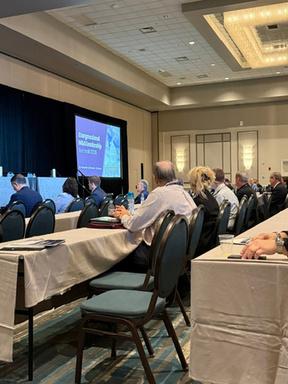
Dr. Amy Henninger’s presentation further reinforced the importance of trust in AIenabled defense applications. Her discussion traced the evolution of AI over the past 30 years, showing that many of today’s issues are not entirely new, but have become more urgent as AI tools become more powerful, accessible, and embedded in missioncritical decisions. She also highlighted DOT&E’s STRIDE initiatives, which address the role of AI and modeling and simulation in operational test and evaluation. These initiatives include topics such as system-of-systems challenges, large language model veracity and security, AI and M&S synergies in support of operational testing, and assessment approaches for emerging technologies. Her presentation made clear that the future of AI in defense depends not only on technical capability, but also on validation, evidence, security, and disciplined evaluation.
TSIS extended these themes through service-level presentations and industry discussions focused on current and emerging M&S priorities. Each of the military branches highlighted M&S projects that increasingly rely on AI, cloud-based environments, and integrated data architectures. A key takeaway was the movement away from viewing M&S as a standalone technology and toward understanding M&S as a service. This shift enables users to access modeling, simulation, analytics, and decision-support capabilities through cloud-based platforms where disparate data sources can be integrated and analyzed to support better operational, acquisition, and training decisions.
The energy at TSIS was notable. Exhibitor participation increased by approximately 20 organizations, and the overall mood reflected momentum, investment, and renewed urgency across the community. Rather than focusing only on tools, participants emphasized outcomes: faster acquisition cycles, improved readiness insights, trusted AI, better training systems, and more connected decision environments.

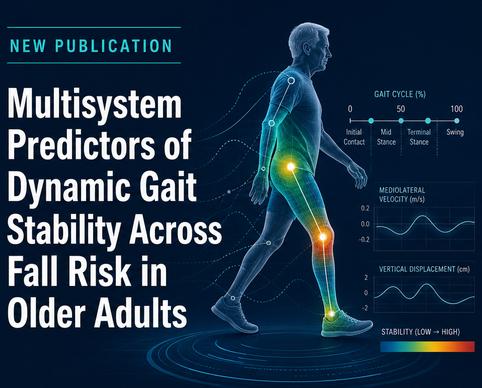
Collaborative work between CSICS and the Ellmer College of Health Sciences at Old Dominion University has been published in Experimental Gerontology. The title is "Multisystem predictors of dynamic gait stability across fall risk in older adults," and can be found here: https://doi.org/10.1016/j.exger.2026.113193.
Among older adults, falls are a leading cause of injury and loss of independence. This study moves beyond single-factor assessments by integrating physiological, cognitive, and psychological measures with biomechanical gait analysis to identify multisystem predictors of dynamic walking stability.
The CSICS team - Neda Moghim, Ross Gore, and Soumya Bannerjee - brought expertise in data science and machine learning to this biomedical challenge, applying principal component analysis and elastic-net modeling to a cohort of 143 community-dwelling older adults. Their contributions highlight the expanding reach of CSICS into the biomedical domain. The effort was led by Ashwini Kulkarni and other outstanding collaborators in the Ellmer College of Health Sciences - Christopher K. Rhea, and Brittany Samulski. Their clinical expertise and domain knowledge provided the foundation for the study.
Interdisciplinary collaboration like this is how we translate rigorous AI and ML research into real-world clinical value.
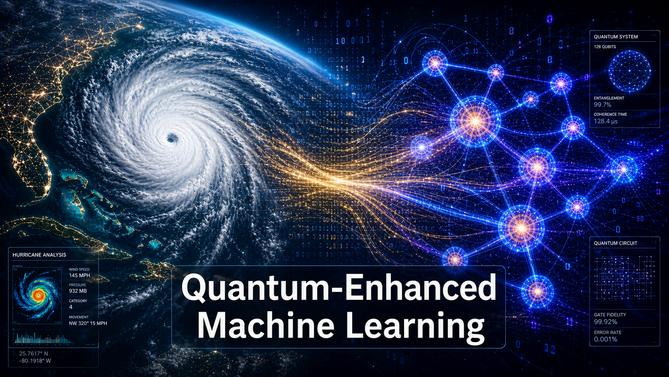
Support from an Institute for Coastal Adaptation & Resilience (ICAR) grant that was awarded in early April has enabled researchers to advance innovative applications of quantum computing in weather prediction, leading to national recognition of their work.
Andrew Maciejunes (ODU Virginia Modeling, Analysis, & Simulation Center (VMASC)/ Center for Secure and Intelligent Critical Systems), Dr. Ross Gore (Center for Secure and Intelligent Critical Systems), Dr. Arkaitz Bilbao (ODU College of Sciences) and Professor Tal Ezer (Ocean & Earth Sciences at Old Dominion University) have been working on exploring quantum-enhanced machine learning for hurricane rapid intensification prediction, with assistance from the ICAR Coastal Adaptation & Resilience Multidisciplinary Action (CARMA) grant. CARMA grants are seed funding opportunities for applied coastal resilience or adaptation research that involves coproduction with communities. This grant award was funded from ICAR's Joan P. Brock endowment.
The team's work has been accepted as a contributed talk at the US CLIVAR Workshop on Quantum Computing and Sensing for Weather and Climate Applications in Boulder, CO this August!
The approach is grounded in a framework called Learning Under Quantum Privileged Information (LUQPI). The key insight: a quantum computer is used only during training as a feature extractor, then is completely absent at deployment. The classical model learns richer decision boundaries from quantum-derived features but runs entirely on classical hardware in the field. They apply this using classical shadow protocols to generate quantum privileged features from atmospheric data, improving forecast skill without requiring quantum hardware in operational settings.
This positions the team well for future National Science Foundation (NSF) funding opportunities in coastal resilience an area where better hurricane forecasting and oceanographic modeling can have real impact for vulnerable communities.
CSICS Graduate Student Presents 5G Authentication Research at IWCMC 2026
CSICS' graduate student, Valentina Walters N. Teboh, recently presented the paper, "Performance Evaluation of 5G Authentication Protocols: A Testbed-Based Comparison of 5G-AKA and EAP-AKA'," at the IEEE International Wireless Communications and Mobile Computing Conference (IWCMC 2026).
Co-authored by CSICS team members Peter Foytik, Dr. Safdar Bouk, and Dr. Sachin Shetty, this work provides a quantitative evaluation of two key 5G authentication protocols 5G-AKA and EAP-AKA′ using a real-world Open5GS–UERANSIM standalone testbed. The study investigates authentication latency and computational overhead, offering practical insights into how authentication design choices affect network performance in modern 5G systems.
The findings highlight the importance of evaluating authentication mechanisms not only from a security perspective, but also in terms of performance, particularly for scalable and latency-sensitive network deployments.
This work lays the foundation for Valentina's broader research interests in adaptive and policy-aware authentication mechanisms for autonomous and intent-driven networks, where intelligent decision-making can dynamically balance security, performance, and operational requirements.

Maryam Golbazi,
Hardest
May 20, 2026
On a summer afternoon in Hampton Roads, Virginia, the heat doesn’t feel the same everywhere. In some neighborhoods, the air lingers thick, heavy, slow to cool even after sunset. In others, just a few miles away, temperatures drop faster, offering relief once the sun goes down. These differences aren’t random. They’re shaped by concrete, roads, buildings, and the environment.
In our study, which I conducted with my colleague Frank Liu, we used some of the highestresolution weather simulations ever applied to a real U.S. city to understand how extreme heat behaves at the neighborhood scale. Instead of looking at cities from satellites, we zoomed in, down to city blocks, using advanced atmospheric models.
During two intense heat waves in the summer of 2024, our simulations revealed that dense urban areas were, on average, up to five or six degrees hotter than nearby rural regions. And at night urban neighborhoods stayed warm far longer.
But temperature was only part of the story.
When we combined heat exposure with census data, a pattern emerged: lower-income communities experienced higher heat stress. And that translated directly into energy demand.
That matters, because cooling isn’t free. For families already struggling with energy costs, extreme heat becomes both a health risk and a financial burden.
whro.org
June 1, 2026
Parks, trails and other pockets of green space have multiple benefits for Hampton Roads, such as boosting people’s health and naturally absorbing rainwater.
A team at Old Dominion University is working to break down and quantify those benefits to better inform local governments and communities.
Laura Costadone, an assistant professor at the school’s Institute for Coastal Adaptation and Resilience, leads the research.
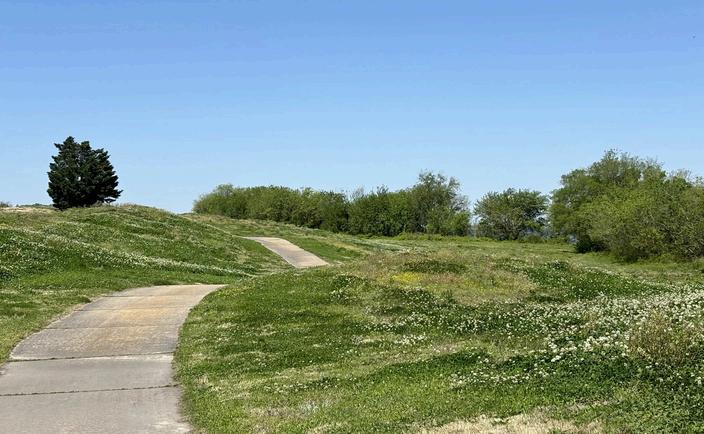
“If we are able to monetize these benefits, we can give them a voice,” she said. “We are able to translate something that is captured mostly in physical and ecological terms, to terms that resonate very well with the decision making, which is the dollar amount.”
Over the past few years, Costadone has evaluated specific projects or locations, such as Back Bay in Virginia Beach.
The wildlife refuge is estimated to have an annual recreational value of about $75 million, according to the ODU research, which drew from on-site surveys and crowdsourced data from platforms including Flickr, AllTrails and TripAdvisor.
Costadone also worked with Virginia Beach on a cost-benefit analysis of the Bow Creek Stormwater Park, currently under construction. The city is converting a former golf course into a public park to ease flooding.
Sensor technology: The next evolution in an environment of advancing threat capabilities
militaryaerospace.com
June 16, 2026
Modern warfare is increasingly defined not by the platforms themselves, but by the speed, accuracy, and integration of the data those platforms generate. Across air, land, sea, and space, military forces are confronting a rapidly evolving threat environment — one characterized by advanced missiles, autonomous drones, and coordinated, multi-domain attacks that can emerge simultaneously from multiple vectors. In this context, the ability to detect, interpret, and act on sensor data in real time has become a decisive operational advantage.
Dr. Yiannis Papelis is a research professor and executive director of the Virginia Institute for Spaceflight and Autonomy (VISA) at Old Dominion University in Norfolk, VA.
He says that because electro-optical sensing and imaging technologies are increasingly central to how situational awareness is developed across distributed and multidomain operations, one of the most significant shifts is the move away from standalone sensing platforms toward integrated sensing and processing architectures, where data from multiple sensors is fused and interpreted in near real time. This offloads the work from the compute units responsible for mission management, providing key computational and performance advantages. This shift towards integration is a recurring theme among many other industry leaders.
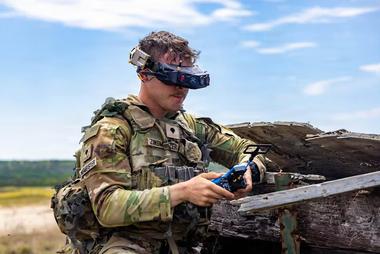
“From a broader DoW strategy perspective, this aligns with a growing emphasis on information advantage the ability to collect, process, and act on data faster and more effectively than adversaries,” says Papelis. “This has driven increased focus on onboard and edge-based processing, where signal processing and initial analysis occur closer to the sensor, allowing algorithm optimization, reducing latency, and enabling faster decision-making.”
bayjournal.com
June 22, 2026
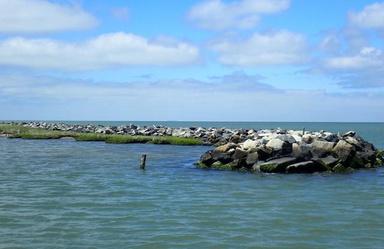
Tangier has become an example of how the U.S. could help its communities adapt to climate change. The federal government has already stepped in. The U.S. Army Corps of Engineers installed a seawall to protect the airport in 1990 and a jetty just north of that 30 years later to protect crab and oyster boats. But Tangier needs a lot more help. Two years ago, the Chesapeake Bay Foundation began bringing scientists and local leaders together to figure out how to save the island.
When some of them met on Tangier in June, vespas and golf carts rumbled past one of its few restaurants. Inside, scientists, Bay Foundation staff and government officials from all levels ate crab cakes and listened to project updates. American flag garland enshrouded each table.
The Chesapeake Bay Foundation and the engineering firm BayLand secured a $356,500 grant from the National Fish and Wildlife Foundation to start building the Tangier Island Shoreline Protection and Resiliency Plan. It’s a gateway to apply to larger federal grants. So far, they’ve modeled flooding and mapped out the most vulnerable parts of the island.
“If you can layer natural [and] nature-based solutions … you can get some benefit of reduction in wave, but there’s actually no studies that provide specific data on what that is,” said Carol Considine, director of applied projects in the Institute for Coastal Adaptation and Resilience at Old Dominion University. “So that’s why the non-structural solutions of raising the houses are important if you really want to protect life.”
odu.edu
June 29, 2026
The Tour de France is getting faster. But why?
Every summer, cyclists shave time off their climbs by increasing race speeds and finding new ways to push the limits of human performance. Researchers at Old Dominion University want to know what’s behind it. Using 40 years of race data, a team led by Patrick Wilson, Ph.D., associate professor in exercise science, and Ross Gore, Ph.D., research associate professor at the Virginia Modeling, Analysis and Simulation Center (VMASC), analyzed how the world’s most demanding cycling event — and everything surrounding it — has evolved, and what that could reveal about the future limits of human endurance.
Nicole Knight, a junior studying exercise science, along with Paul Sarac (M.S. ’25) and Ian Winter, both doctoral students studying kinesiology and rehabilitation, assisted with the project.